For more than five decades, I have studied magazines not merely as publications but as mirrors of the societies that produced them. Every issue, every editorial decision, every cover image, and every publisher’s promise tells a story about the culture and the people of its time.
Among the many forgotten titles that have crossed my desk, Art Lovers’ stands apart.
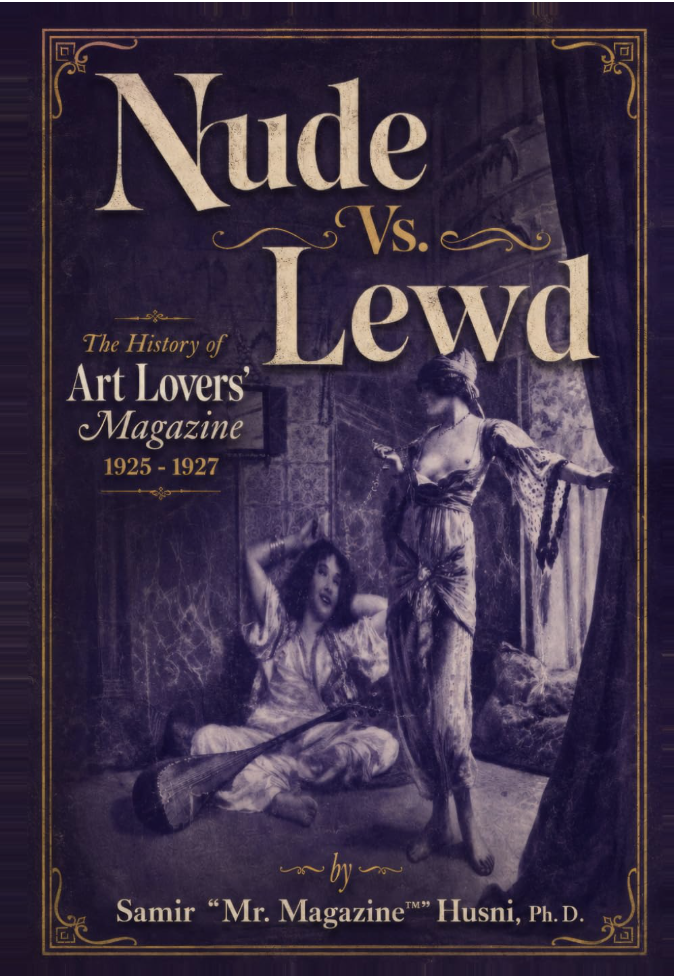
Published between 1925 and 1927 during the height of one of America’s magazine boom, Art Lovers’ occupied an unusual position in publishing history. At first glance, it appeared to be another art magazine featuring studies of the human form. A closer examination, however, reveals a publication that consistently argued for the educational and cultural value of art while drawing a sharp distinction between the nude and the lewd.
This book grew out of my fascination with that distinction, especially that the magazine was published by a company known for being a Bible publisher. The debates surrounding censorship, morality, artistic freedom, and public taste that surrounded Art Lovers’ nearly a century ago continue to resonate today. The magazine’s editors insisted that beauty and obscenity were not synonymous, and they defended the idea that context, purpose, and intent matter when judging artistic expression.
My goal in writing this book is not merely to recount the history of a single publication but to illuminate an overlooked chapter in the evolution of American magazines. Through editorials, court cases, publisher statements, contributor biographies, and the changing editorial direction of Art Lovers’, readers can observe the complex intersection of publishing, ethics, law, commerce, and culture during one of the most dynamic periods in media history.
The story also highlights the remarkable role played by the Hubbard publishing family, whose commitment to educational and cultural publishing produced a magazine that challenged conventional assumptions while insisting on high moral standards and artistic legitimacy.
Although this book focuses on the brief life of Art Lovers’ from January1925 to January1927, its larger subject is the enduring struggle over who decides what constitutes art and where society draws the line between appreciation and censorship. Those questions remain as relevant today as they were a century ago.
It is my hope that readers will come away with a deeper appreciation for the richness of magazine history and for the publishers, editors, artists, and writers who navigated the delicate boundary between public sensibility and creative freedom
2025 was a tough year for me, physically speaking. I was recovering from a major diverticulitis operation that took place in July 2024 and required two follow up operations in October of 2025 and January 2026. Thankfully I am back to normal and back to my magazines and the new ones that I continued to collect and document during my illness.
So, enough about me, and let’s dive into the topic that should have been written about at the beginning of this year. But, as luck would have it, I was able to see, check and review more than one issue of the magazines that I selected as the New Magazine Launch of the Year and the first two runner ups…
Here is a reminder of the number of magazines launched since 2020:
Year Number of new magazines
2020 20
2021 122
2022 74
2023 71
2024 48
2025 71
And 2026 is looking good with a host of new magazines arriving at the marketplace.
Geezer number 1
The magazine that stood apart from the 71 new magazines of 2025 is Geezer that I am calling the 2025 Magazine Launch of the Year. A magazine that is not only entertaining, but also informative and educational for Generation X and beyond. The oversized magazine is like holding a billboard in your hands that you can’t put down. A trip through memory lane without forgetting the present times. Beautiful design and illustrations, with useful powerful content, sum what Geezer is all about. I had the pleasure of interviewing the founder and editor in chief of Geezer last month and we talked about every Geezer, from the generation to the magazine. Click here to read my interview with Laura LeBleu.
Of note are two other new magazines that are establishing themselves as powers to be in their fields: Art Bar and Southlands.
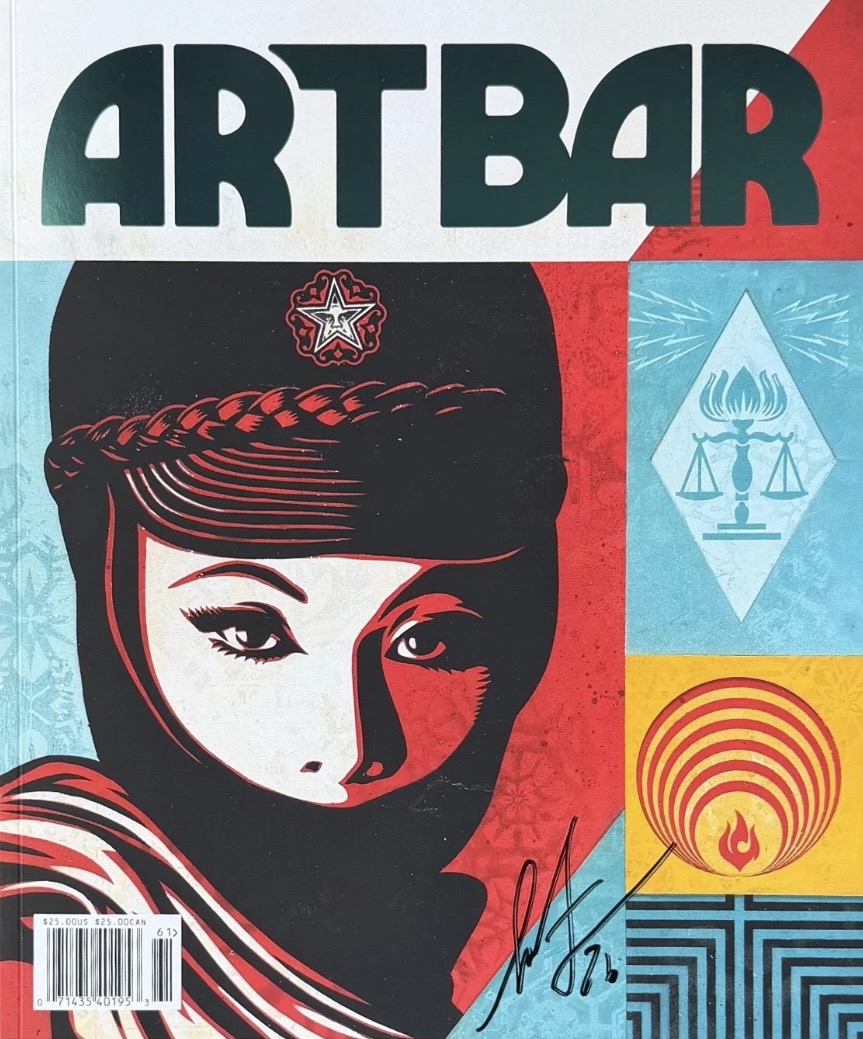
Art Bar number 3
Art Bar identifies itself as “Your friend for the end of the world,” what every magazine should be. A quarterly that is “heavyweight print journal. Built to have a home on your coffee table.” Check it out here.
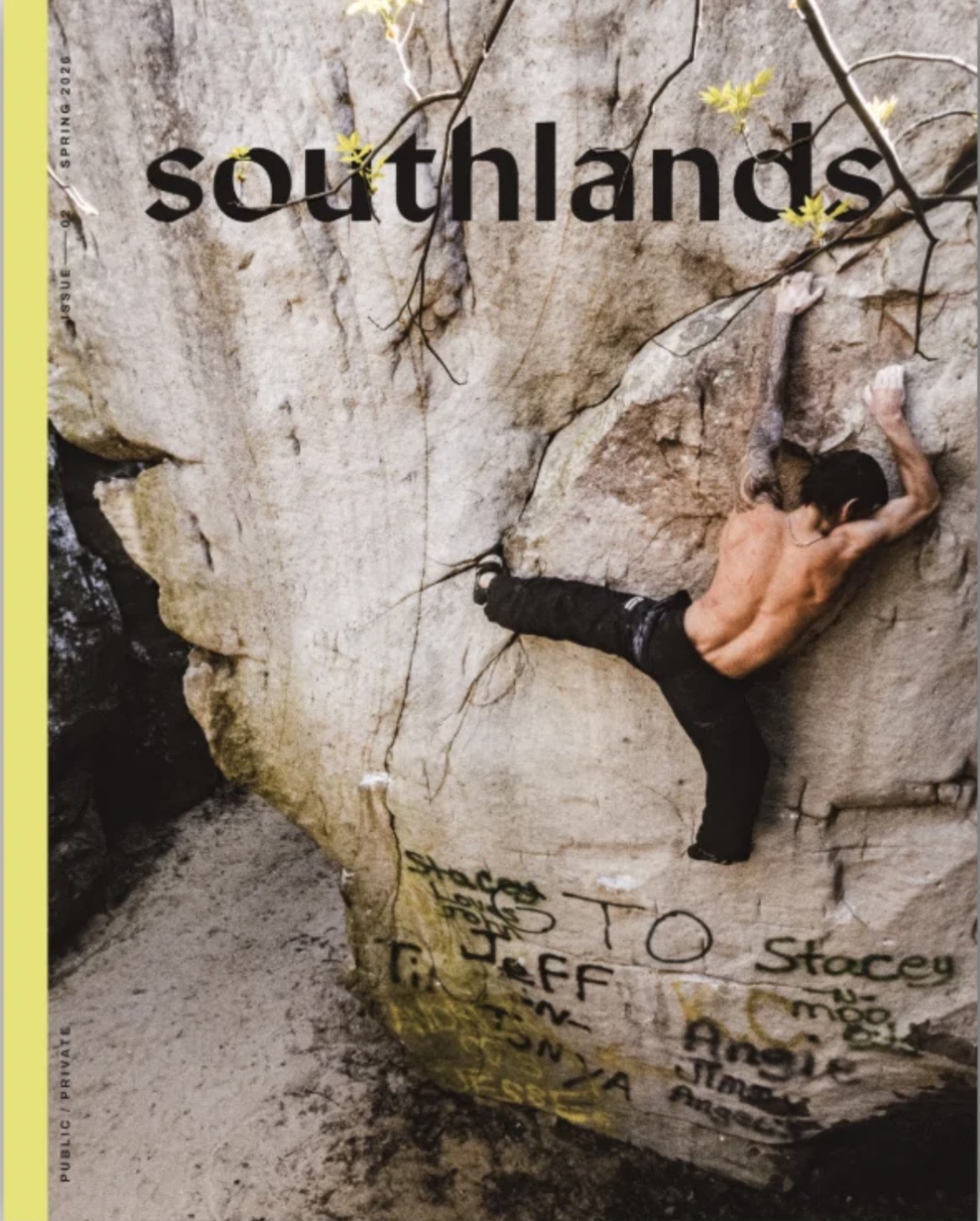
Southlands number 2
Southlands identifies itself as “Southlands is a media company celebrating the wild South in all its forms—and the diverse ways Southerners connect with the natural world. Our flagship product is our biannual print journal: two 140+-page issues each year, printed on high-quality stock in an oversized 9.5″×12″ format and designed to be kept, not tossed.” Check it out here.
I hope you will get the aforementioned magazines and see why a magazine is a “friend for the end of the world.” Here you have it; keep on launching magazines and I will keep on collecting them… Long live print.
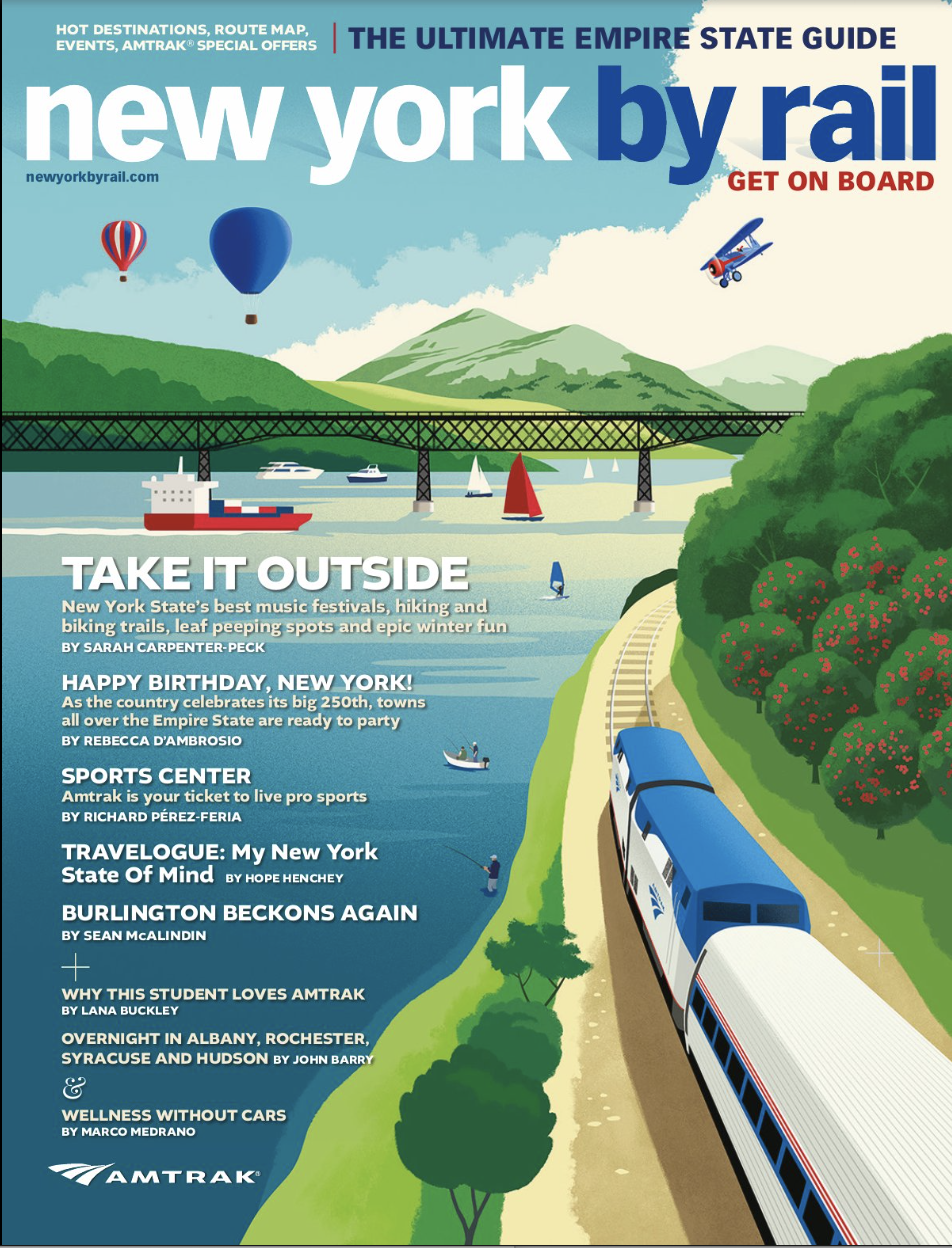
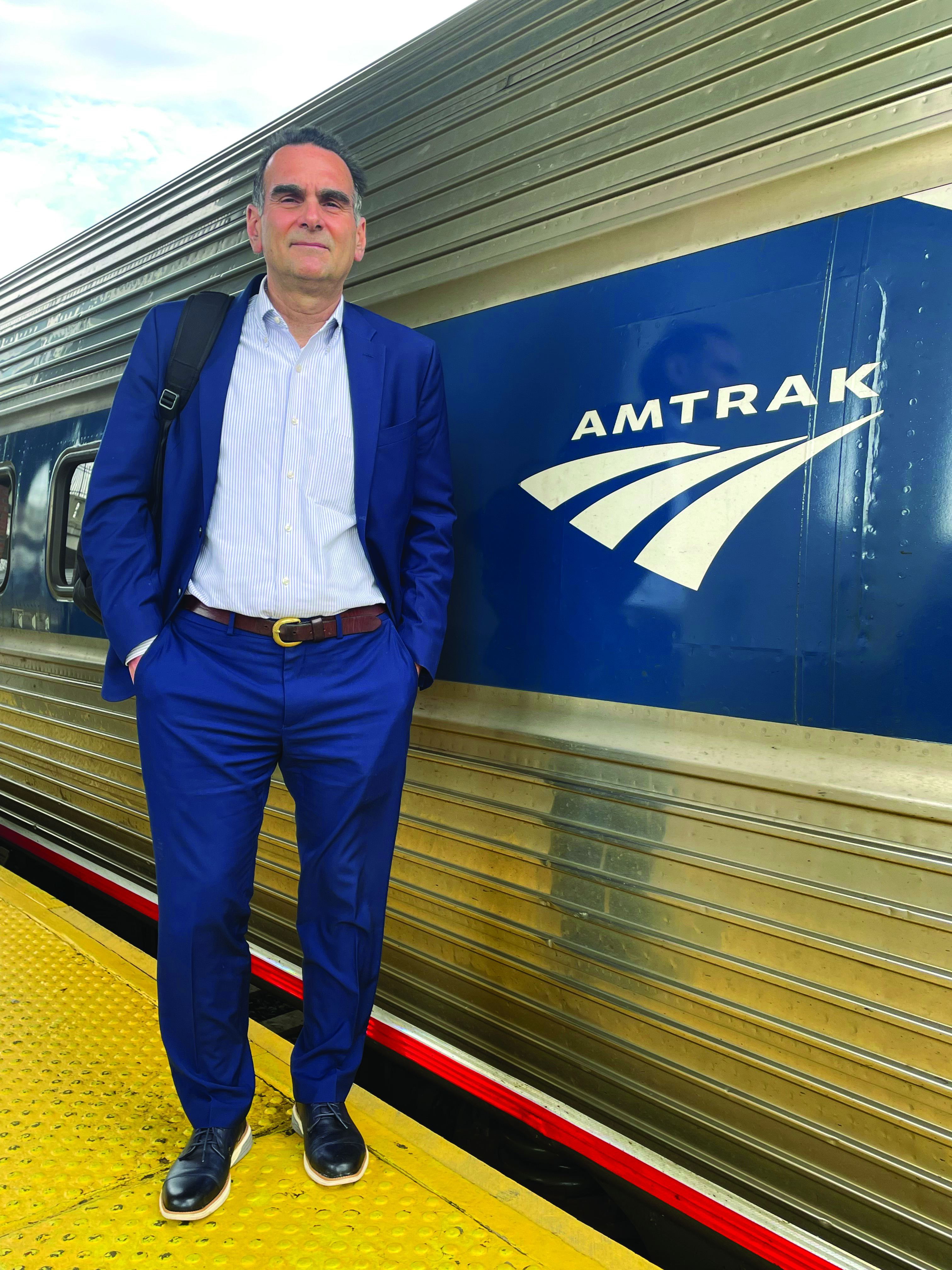
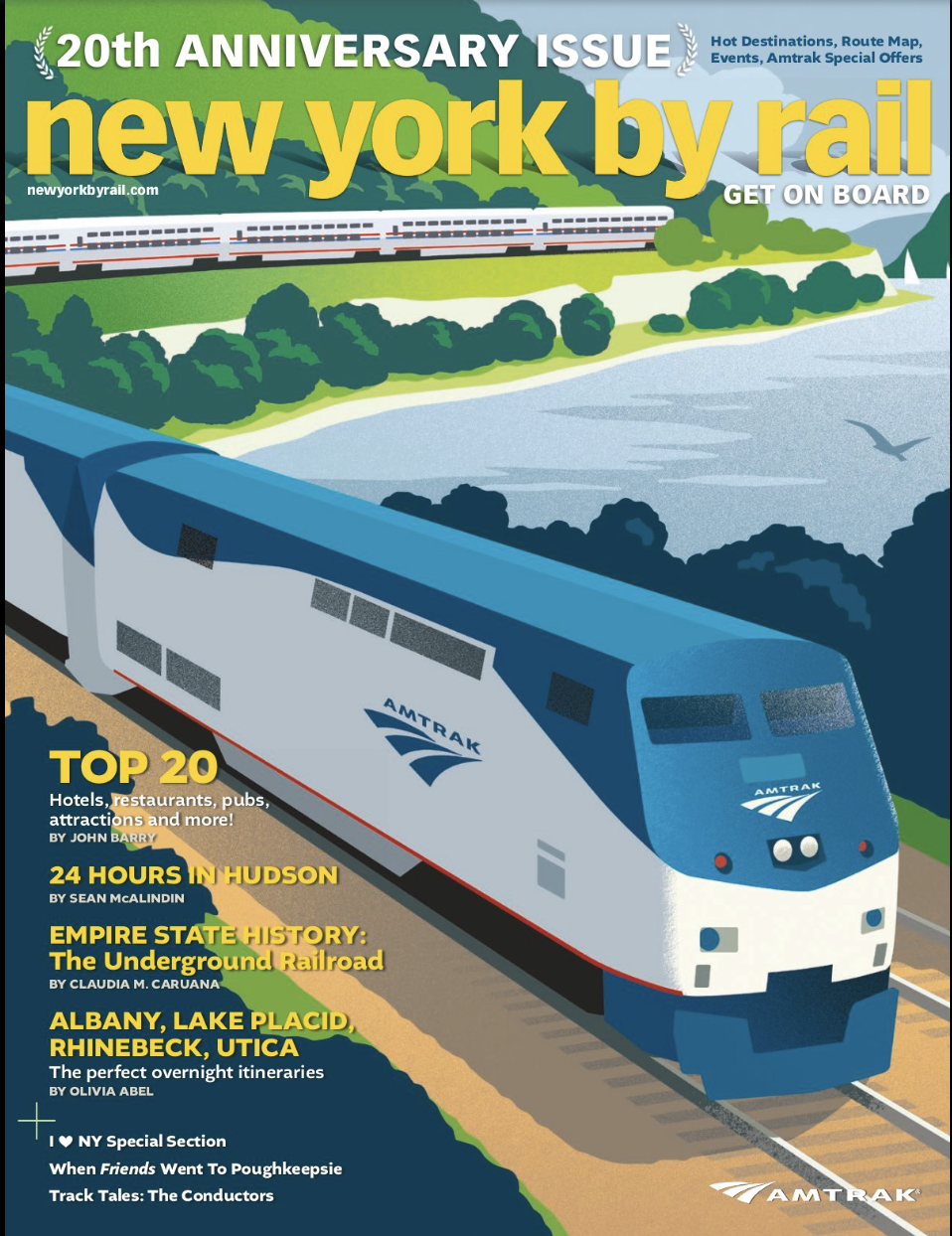
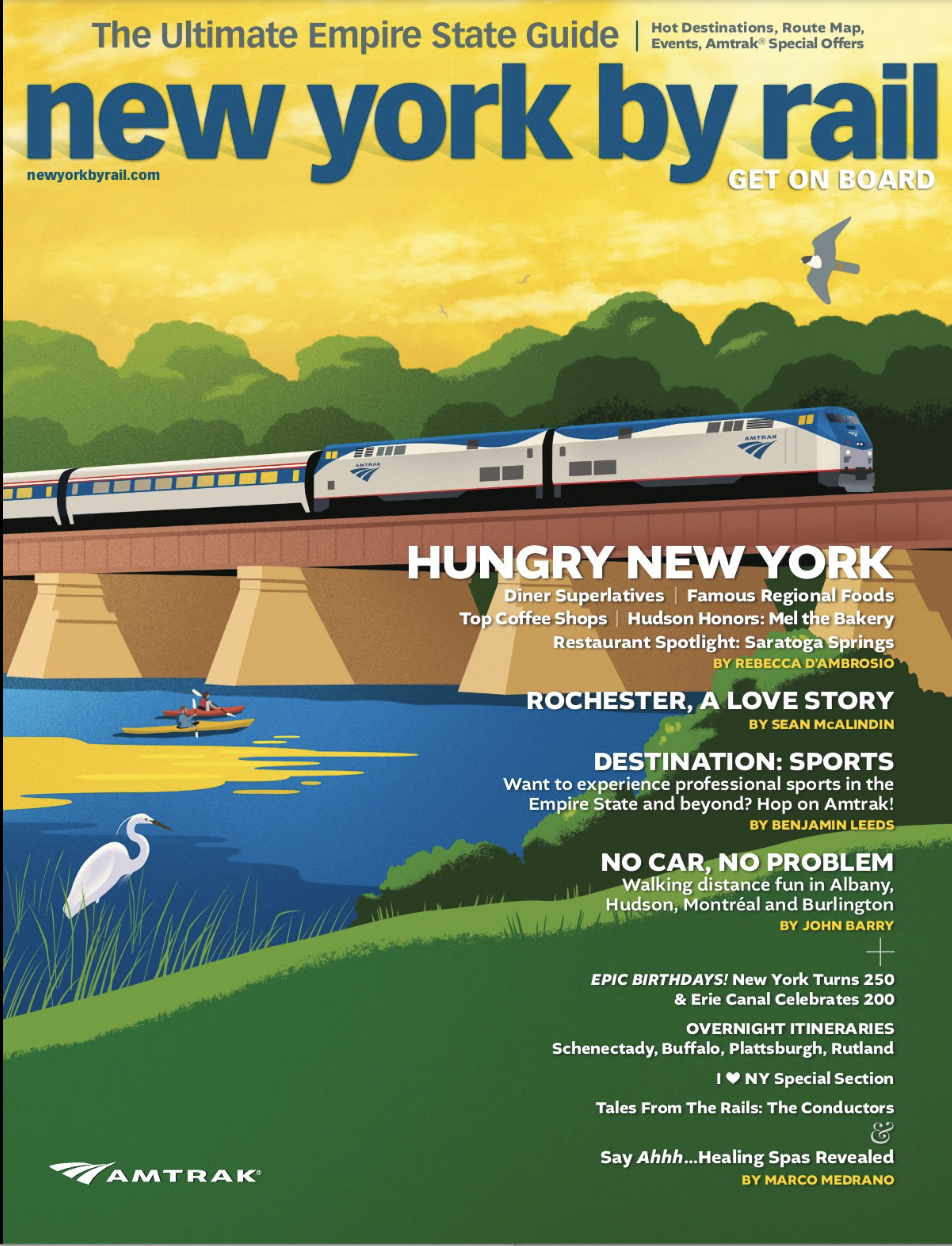
Under the heading The Power of Print, Tom Matinelli, publisher of new york by rail magazine writes in the current issue, “I often hear people say print is dead. If I believed that, you wouldn’t be reading this 23-year-old print publication, the only Amtrak magazine remaining, first published in 2004 when magazines were more widely consumed…
“How has new york by rail lasted for nearly a quarter-century? Very simple. We continue to publish a high-quality magazine with appealing curated content aimed at fulfilling our mission of “inspiring readers to want to take an Amtrak trip” and New York State has continued their longstanding support of new york by rail.”
And Mr. Magazine™ can’t say but Amen to that. I was so intrigued by his editorial that I reached out to Tom and had a very lively conversation about the magazine, his believe that print is alive and well, and the changing climate of magazine publishing. The magazine is hard to put down once you pick it up and the content is like a call for action. You will have to take a train trip once you flip through the pages of the magazine. It is as much educational as informational and inspirational.
So without any further ado, please join me for this lively, slightly edited conversation with a man who firmly believes that print is alive and well:
Samir Husni: Tell me about that myth that print is dead that you tell your readers in the 23rd anniversary issue of new york by rail.
Tom Martinelli: It’s alive and well.
It’s certainly been scaled back, but the ones that have survived, they know their mission, they know their audience, and they’re able to serve their readership. For what I do anyway, with a lot of travel related magazines, I’m finding that the travel industry is still embracing print. It’s not the be all end all, because there’s obviously a lot of digital that goes along with it. It’s still part of their marketing efforts.
Samir Husni: What do you think print can offer that digital cannot offer in this field?
Tom Martinelli: Well, I think what print does is that it gives you what you don’t know, right? What print does is it exposes you to ideas, to things that you’re not familiar with.
Our mission is to try to inspire our readers to take a trip. We do that through the content. If we can do our job properly, then they’re going to want to learn more.
That’s where they go online. But you don’t know what you’re going to search for until you have a starting point. Otherwise, you’re just randomly putting things in.
I like to think of our magazines as lore pieces. We’re exposing you to something that we’re the experts. We’re giving you the best of what we feel will make a good trip.
Then, hopefully, you’ll want to know more. That’s where you can go online to dig down in terms of more specifics. You know, so many other magazines have teamed up with Amtrak, but did not have this longevity of 23 years going on.
Samir Husni: Why do you think is that?
Tom Martinelli: Well, I think we’re unique. Amtrak has had a magazine up until the pandemic. They first had a magazine that was called Arrive. It was serving the Northeast Corridor.
That was more for the business traveler to have an amenity. It was a very successful magazine with a celebrity on the cover. It was reaching an audience, corporate audience, from Boston to Washington.
They were promoting that corridor. They scrapped that and they went with a magazine called The National, that was going to promote the long-distance trains.
It was done very well. But when the pandemic hit, Amtrak had a policy to get rid of all the onboard magazines. So, The National was on board, and new york by rail was on board in New York State.
They decided to scrap it because they’re now going in a direction of carbon neutral. They don’t want paper. The magazine, the print magazine did not fit their environmentally friendly ethics.
That’s a mistake. But that’s the direction they went in. We’re in a unique situation in New York, because we’re part of what’s called state supported service.
The state of New York wants this magazine. So, they’re essentially telling Amtrak that we want to continue. Now, fortunately, just about all the distribution of the Amtrak magazine was on board the train.
And that has always been a big part of our distribution. But we have distribution outside of the train, at the train stations, we’re distributed in tourist information areas, we’re distributed at consumer shows, you can request it. So, when the pandemic hit, I was printing 150,000 copies.
I was told we can’t put it on the train. So, we cut the distribution in half. But we still put out 75,000 copies.
And it’s in demand. We try to catch people before they get on the train or after they get on the train, or when they’re looking for travel information. We’ve been consistent for 23 years; it’s been high quality.
We’ve won APEX awards for magazine excellence, 17 consecutive issues. And I would say years, but we combine during the pandemic, an annual into a biannual. So, the last 17 issues, starting with the 2008 issue have all won APEX awards for magazine excellence.
It’s been the consistency. We’ve adapted. Like I said, we had to cut down our distribution, we had to beef up our digital. But nonetheless, we’ve survived.
Samir Husni: It looks like you created a collector’s item. I read the story on the last page of the most recent issue of a person who was missing one issue from the series and was like, livid to get that copy.Tell me about that connectivity with your readers.
Tom Martinelli: We do have a tremendous connection with our readers. Like the one that we featured in the magazine, he’s collected every issue.
Readers are proud of the fact that our magazine celebrates the area. I put a positive twist on taking the train throughout New York and into Connecticut, Vermont and Canada. There are people who follow it regularly, and they’re proud of it, you know, so they collect it. This particular person was missing one issue.
The consistency of the magazine, they know that they expect it, they know it’s going to be good quality, there’s going to be great content in there. They’re proud of it, they feel like it’s their magazine. So, that why I’m publishing it.
Samir Husni: If you are to duplicate this magazine for another state, which one will it be?
Tom Martinelli: I’ve had discussions with other states. The pandemic changed a lot. I was having some discussions, and because of the Amtrak policy, I think what the states would like is to have an onboard magazine. Amtrak right now doesn’t want to do that. So, they feel like that’s the biggest value for producing a magazine like this. And because Amtrak is not condoning that, but I have had, I’m in discussions with other states like Connecticut, and Maine.
I’ve had inquiries from Pennsylvania and California. This is different, because a lot of the states are now digital oriented, and they feel like they need to be active on social media, they need to be doing digital marketing. They don’t always see this as a primary marketing tool.
I’m hoping to get back on the train at some point as an onboard magazine again. But it’s a challenge. Other states see what I’m doing. And they’re very much aware of it. I will continue to have those discussions, and I would love to do another magazine for another state.
I think this is definitely replicable. But whether the print is going to fit into their model is the big question.
Samir Husni: In this age of AI, where does the trust factor play in the role of a edited, curated print product?
Tom Martinelli: Well, that’s a good question.
I try not to cut corners. So, I take a publishing approach to putting this magazine out, we sit down, we develop a line, a calendar. And we talk about the articles. We have writers that they get assigned these articles. I make that investment.
With AI, it’s a great tool to do research or to provide ideas. But at the end of the day, you really need to curate your content very closely.
AI has not been out taking trips. The difference is that some of our writers are writing first person experience articles about a trip they’ve taken. And that AI can’t do that.
They might try to replicate it, but they’re not taking the trip. So, there’s a difference in terms of that, particularly the first person experience articles. That it’s certainly something to be aware of.
That’s what differentiates us, is that readers see that this is all curated by someone who knows what it’s like to travel by train throughout our service area.
Samir Husni: And, pun intended, has your trip for those 23 years have been a trip in a rose garden, or you had some mountains you had to climb?
Tom Martinelli: No, we’ve had a lot of mountains that we’ve had to climb. I’ve been very resilient in terms of getting through, there were times when Amtrak maybe looked at this, maybe it didn’t fit. There were certainly challenges along the way particularly the pandemic, it set us back, we had to combine two issues, two years’ worth of content.
We lost a lot of revenue. But we persevered. We kept on doing what we’re doing. We also found things that complement the print magazine. This magazine would not have survived 23 years without a digital component.
You have to understand that I don’t get paid any money from Amtrak.
They help with the distribution cost and they do some limited marketing. But aside from that, I have to generate the revenue. I have a large printing bill.
I make that investment. We have to provide a value proposition to our advertisers. And we’ve been able to do that.
I built a brand that is very well respected. It’s award winning. A lot of my advertisers want to be part of that, because of what I’ve created. There certainly have been challenges along the way because it’s an annual. How do you make an annual viable? Right. I think that’s where the digital comes in. I’m a content company, but my roots are in publishing. I started in city and regional magazines. I’m a content company, and I’m developing content. We’re pushing it out through a lot of different mediums, including a print magazine, which is the cornerstone.
It’s like a hub and spoke, there’s a lot of spokes to pushing out that content. And if we weren’t pushing the content out various ways to get the brand out there. We do a weekly newsletter, 52 weeks a year. So, we’re pushing out timely content, a lot of it’s from the print magazine, right? We have a website, very active website that has almost 2000 pages of content.
We’re active on social media. So, the brand has to stay active, you can’t just do an annual magazine and expect people to pick it up. This is not like a subscription base magazine. The brand has to be active.
That’s what I’ve been able to do to; continue to be viable.
Samir Husni: Is there a question that I need to ask you I didn’t ask you so far. You would like me to ask?
Tom Martinelli: I guess a question would be like, what’s an example to show how powerful print is? And that talks about my letter in the current issue. I’m going to tell a story, and it’s a true story about the relevance of a print magazine.
There is a woman, Hope Henshey, she lives in Tennessee, and she was on a USA Amtrak, USA rail pass. So that means you get to go to 10 different places via Amtrak. She was traveling across the country.
She was coming up through New York, she was in New York City, and was heading up towards Albany. During that train ride, she was so inspired by the beauty of the area and the cities along the train stops, that when she got to Albany where she planned to go, and then from there, she was going to go to Milwaukee and Chicago and back to Atlanta. She went up to the train station in Albany, she had a small layover, she picked up new york by rail.
As a result of picking up the magazine, she did not go to Chicago and Milwaukee. She changed her itinerary based on some articles in the magazine; she had been planning everything through Google and online.
She went to four cities in one day, she went from Albany to Hudson, based on an article in the magazine. And she spent her time in Hudson, got back on the train and went to Poughkeepsie. Based on an article in the magazine, she planned out her trip, went down to New York City, and then she went back to Atlanta.
What did this print magazine do? It just opened up her eyes, she changed her itinerary based on the magazine. Now, as a result of that, she ultimately reached out to me, we had a common friend. And she’s my editor at large.
She’s now making video content, but it’s all based on the magazine. We decided we want to tell her story. Now that really is our primary content on social media. And she’s done about 75 reels over the last year. And it’s getting tremendous engagement.
We changed our digital platforms, when we were on social media, we weren’t connecting the magazine to our content, some of it was about the magazine, but some of it was just about things that were timely, go take the train to this event. We changed as soon as I started working with this woman. It was so obvious, I don’t know why I didn’t do it earlier. But now I said, I want you to let me send you some magazines, when you’re doing this content, these reels, I want you to hold up the magazine, I want you to refer to it, I want you to say that it was the magazine that inspired you to find this.
Now you can request a copy of the magazine, or you can follow us on social media. It’s coming full circle; we’re finding a relevant way of promoting the print magazine on social media. It took me 22 years to have that revelation.
Why did she reach out to me? Well, I was at a conference in Arizona.
And there was a gentleman who gave a presentation on car free Arizona. And I started talking to him, well, maybe we could do car free New York. Well, she’s one of these people that is all about sustainability and traveling without a car.
She reached out to him said, I was in New York, I came across this magazine. And he said that you need to reach out to Tom Martinelli. He’s the publisher.
And she did. And it’s been one of the best ways for me to stay relevant. Sometimes you don’t know how you’re going to do it. But we now if you go to our Instagram, New York by Rail, Instagram, you’ll find a lot of great content that starts from the magazine. That’s a testament to how to use the print and the digital in a way they complement each other.
Samir Husni: If you and I are having this conversation, two years from now, you’re celebrating a quarter century of publishing.What would you tell me you’ve accomplished?
Tom Martinelli: What I’ve accomplished is that I’ve been the authority on planning and taking a trip by Amtrak, through our service area. I’ve accomplished the fact that I’ve added a lot of credibility to taking the train as an alternative way of getting to a destination. I’ve kept it going.
Not only kept it going, I’m like a fine wine. Every magazine has gotten better. That’s a testament to the quality and content of the magazine. I’m constantly searching for ways to remain vibrant and relevant. I’ve been able to do that. I told you we’ve won 17 consecutive issues’ awards of magazine excellence from APEX.
But I really believe like the last issue is our best one. And the one before that was the second best. Part of it is my team, so I’ve found a way to continue to adapt. I’m not part of a big publishing company. I’m working differently now. And I’m trying to embrace, the times, but a lot of it has to do with the team.
Working with Richard Perez-Feria has been my editor in chief for four years now, and Kathleen Gates is my art director. The two of them have elevated the magazine that people say this is like a national magazine.
I’m the only Amtrak magazine left. There’s something to be said for that. It just comes down to quality.
You don’t survive if you don’t have something that people want to pick up. People want to pick up this magazine. I found, you know, the ways to be able to do that. I’ve persevered.
Samir Husni: Tell me, if I come to visit you one evening unannounced, what do I catch Tom doing? Having a glass of fine wine, watching TV, reading a book?
Tom Martinelli: Well, it depends what time of year you come in, you visit now, I watch a lot of baseball games at night.
I like to play my vinyl collection. I like to golf, so I might be coming back after a round of golf. I live about an hour and a half north of New York City in the Hudson Valley. I also like just chilling and hanging out in my yard in my property. Those are probably some of the things that you’d find me doing.
Samir Husni: And what keeps you up at night these days?
Tom Martinelli: What keeps me up at night is trying to stay relevant, as I’ve been doing this for a long time.
I want to stay active, I’m trying not to work as much as I used to work, I want to have a life, I want to have balance. I’m at a point in my life, as I enter the twilight of my career, that I still want to continue doing quality work, but I don’t want to put as much time in. So, I’m constantly thinking about how I stay relevant, and how I can do things more efficiently.
I don’t want to retire per se, I want to keep on going. But I’m a lot more focused.
Samir Husni: Thank you so much and congratulations on 23 successful years of ink on paper.
Once in a blue moon, you meet someone who shares your background, your love to everything and anything print, even your zodiac, and the permanence of what we create, cherish and adore: magazines.”
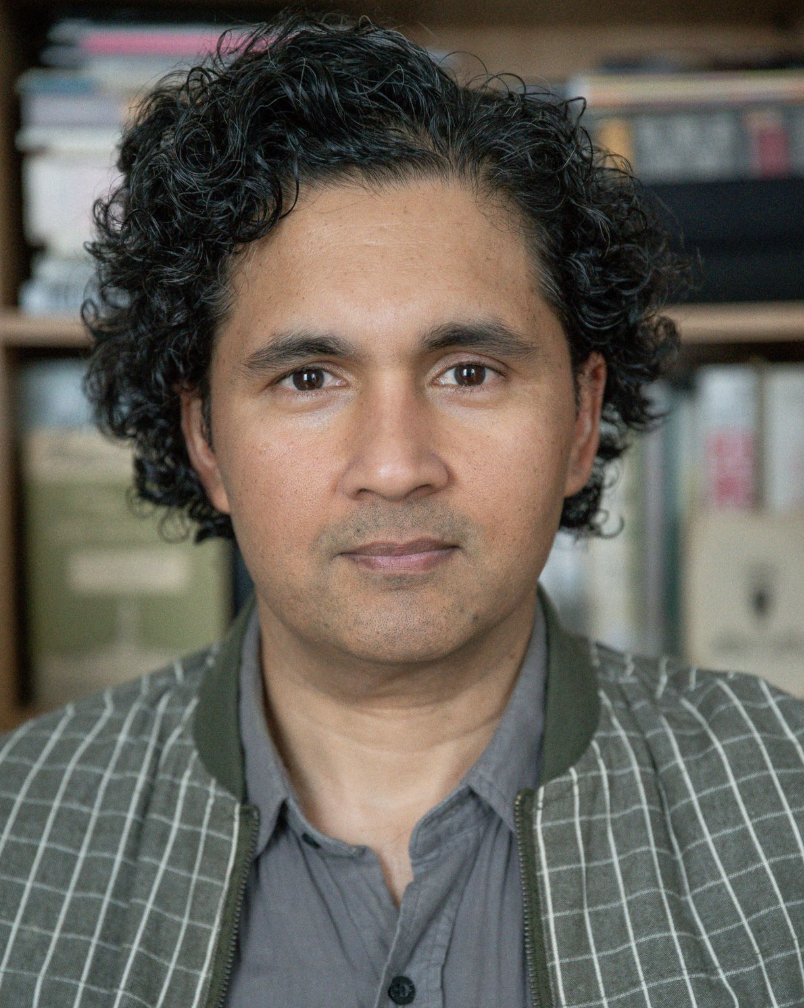
Emon Hassan, Founder and Publisher emonome
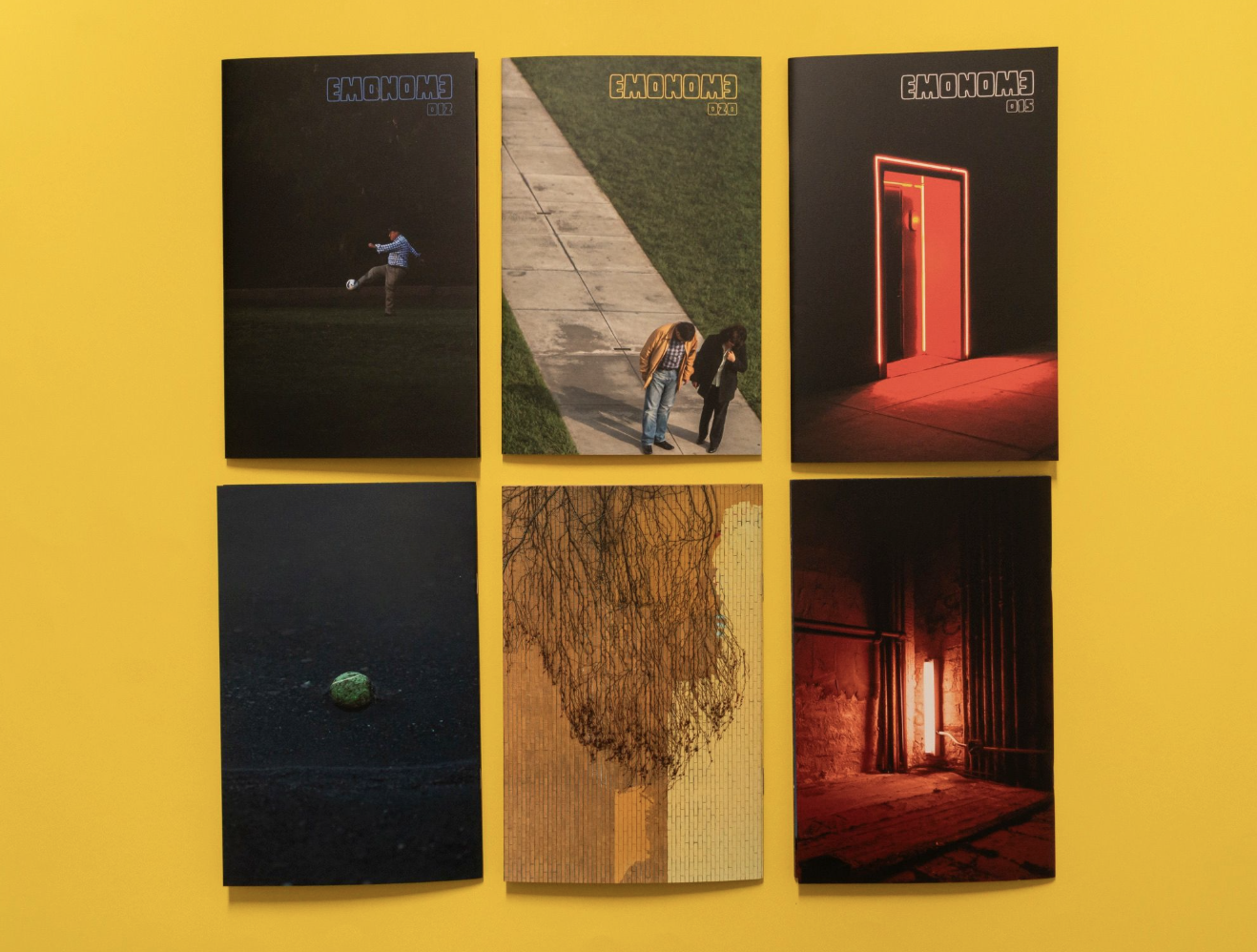
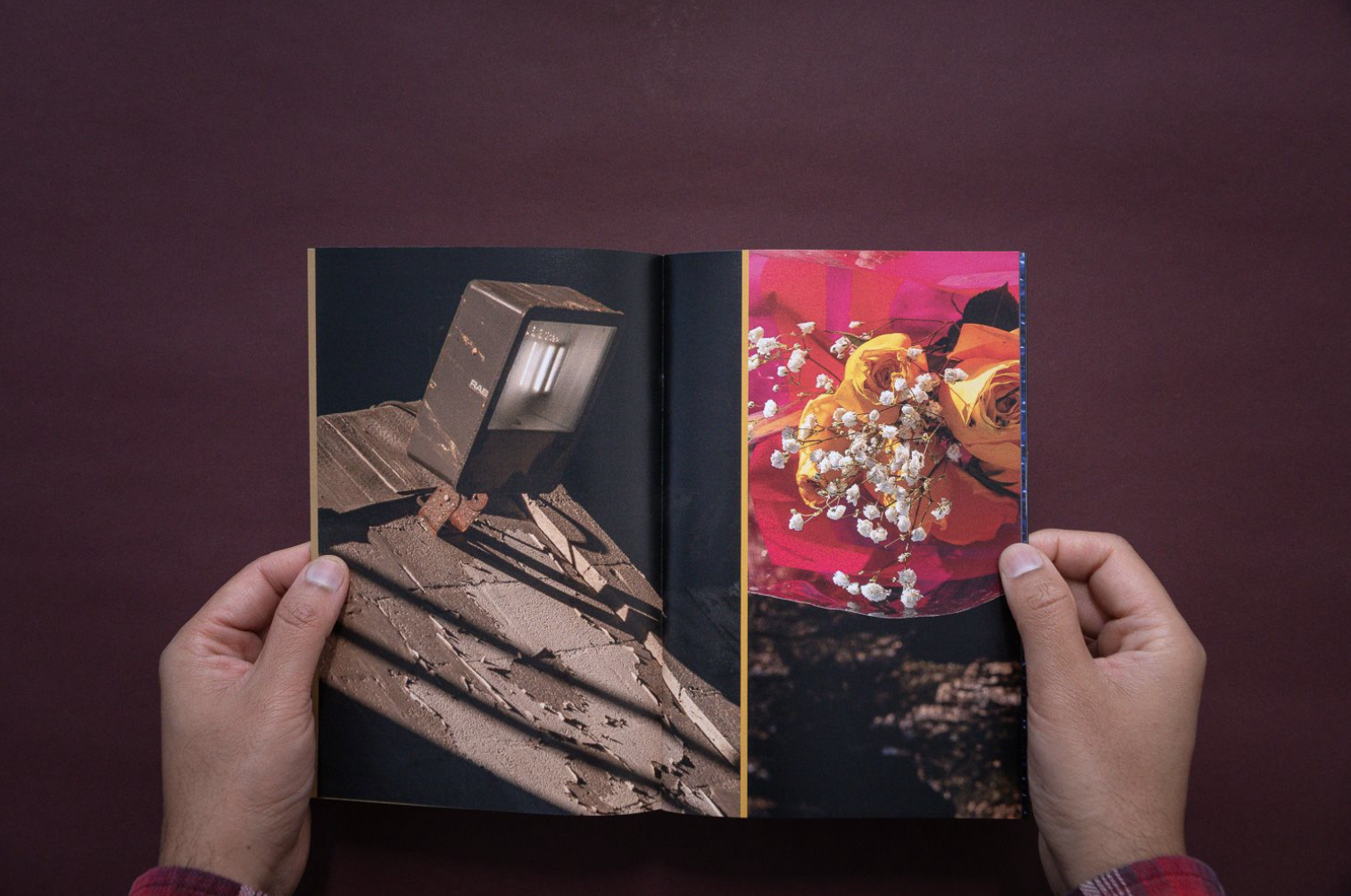
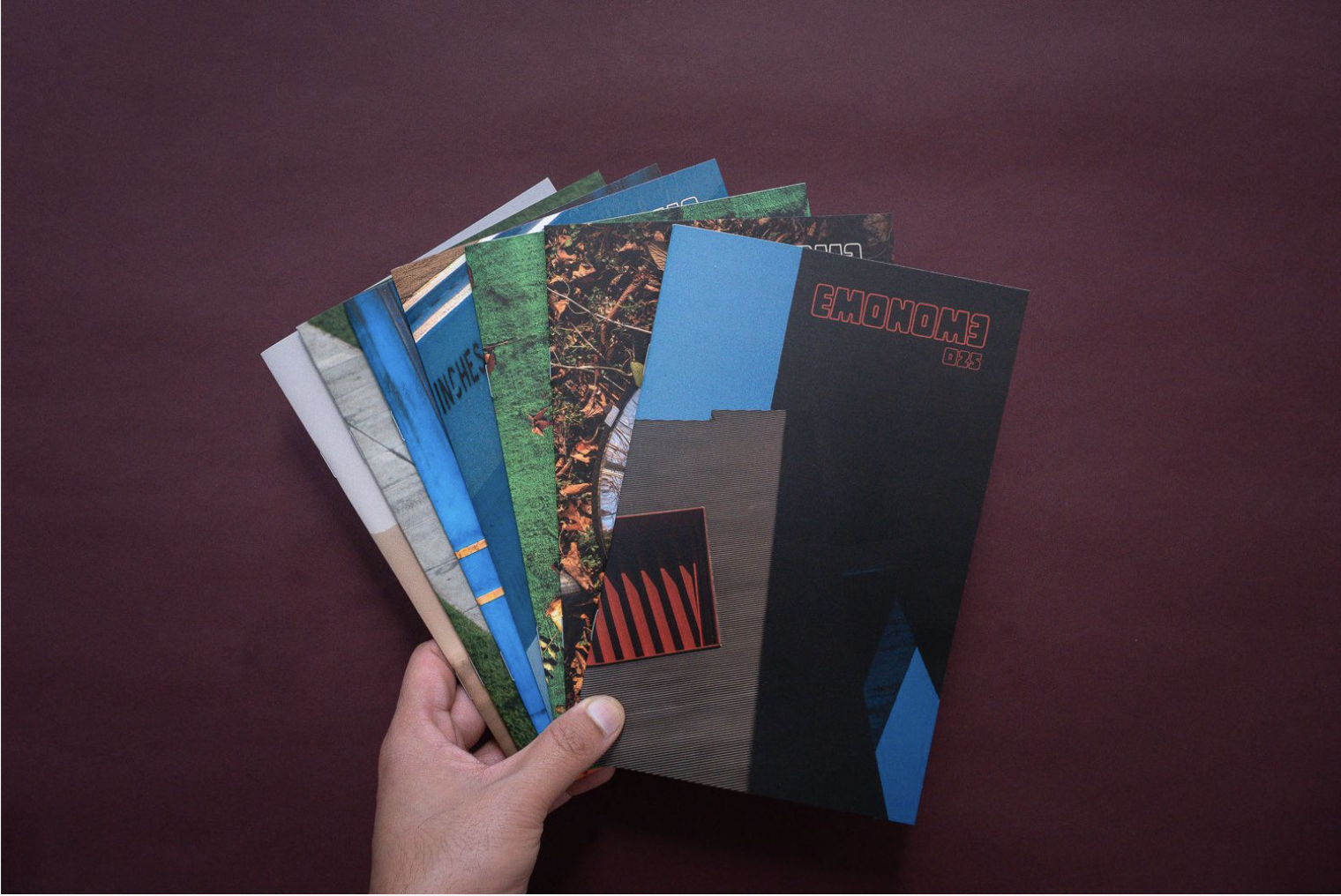
That person is no other than Emon Hassan, the founder and publisher of the two plus years old zine emonome. A beautiful 40-pages zine that tells a different photographic story every issue. Emon is a filmmaker, a photographer and a musician, but his latest creativity is manifesting itself, monthly, in emonome, the zine that he started in 2024 and is going strong into its third year…
When I asked him about how he fell in love with print, his answers brought back memories of yours truly scribbling and creating his own magazines as a child growing up in Lebanon before going to college and before journalism and storytelling became my career and profession.
Emon told me, “I think back to my first ever published thing, as a teenager, I wrote a short story that I hand-wrote into notebook paper. And then I bound it with staples and put a cover.
My distribution was I give it to the first person, and it’s their job to read it and decide who they should give it to. And then at some point, it made its way back to me. I only recently realized that’s kind of the model I’m still doing in that sense.”
What a lovely testimony to the power of print and the art of storytelling. As you read this interview you will find more about the essence of storytelling, print, and the genius work of creating movies and films on paper from the opening credits to the end… a complete cinema in 40 pages…
So, without any further ado, please enjoy this lightly edited interview with Emon Hassan, founder and publisher of emonome.
Samir Husni: My first question to you is you’re a filmmaker, you’re a photographer, a musician. Why did you decide to do an ink on paper magazine in this digital age?
Emon Hassan: Well, I’ll tell you the story that leads up to that. So in 2005, I had a short film that was included in a film festival in New York City.
And one of the organizers said we don’t have a big promotion available. So why don’t you start a blog and promote your film? I launched that blog and I called it Emonome because I liked the name. It’s a palindrome.
It’s perfect as a Pisces. I started blogging, trying to promote the film. But I really got into what the blog stood for in terms of its open endedness, in terms of information that comes to me.
Then what I saw, the idea was that anything that influences me, that I read or listen to, I’ll blog about it. If that inspires me to create something, I will also blog about it. I liked that it didn’t have an ending.
It could go in any number of directions. I did that for years and that helped me navigate the landscape, online landscape that led me to many opportunities, including about six years later, starting as a photojournalist for The New York Times. In the 2010s, I got very busy with my photojournalism and short documentary work for various platforms.
It was an accidental turn of events, which was very fortunate. I didn’t do a whole lot of blogging. Around the end of 2020, I was thinking of how I should think about the new decade, because every decade I think, what can change? What should I do next? How are things changing? I noticed that the online work had been so saturated and with social media and everything, I was trying to figure out where my work as a photographer, my personal work lived.
The more I looked at online, the more I felt like that I would have my stories and work be done up to a point. After that, it would be off to people who would decide if there was worth publishing or worth telling. I did not like that because it was affecting how I did my stories.
In 2024, I launched my self-published first photography and poetry book as an e-book. Once the e-book came out, most of the people who are on my mailing list said, this is great, but how are you going to sign an e-book? You should do a print book, then we’ll talk. A couple of months later, I launched a print book and the process itself was quite illuminating in terms of how I felt seeing a physical thing in my hands and how those garnered responses from people who bought it.
I was thinking about things I could do that were on a regular basis. I still liked the idea of a deadline because doing newspaper work for about 10 years, it really made me work my best. My partner, who’s also my editor, she said, you’ve always liked blogging. Why don’t you do it as a zine? It was instantly, I saw that, this is it. It’s print form. I can do zines and I don’t have to follow certain rules, either for myself or in terms of perception of what a zine should be.
I decided to launch a zine. Before even the first zine came out, I knew it was going to be monthly because if it wasn’t monthly, then I would probably never do it again. Because it was monthly, it had me thinking a certain way.
That’s how it started as a print because I felt that the audience that were coming to me because of print were the people that I wanted to relate to all along. It was sort of a very refined process that connected us through print.
Samir Husni: Did anybody tell you, Emon, are you out of your mind? What are you thinking doing print in the 21st century?
Emon Hassan: I don’t think they told me directly.
I would read stuff that would make it seem. But I thought that people tend to say something but want something different. So, it was because I thought nobody wanted print is why I did the first book as an e-book.
I will quickly tell that you should do it as a print book because we need to feel the book and the photographs. That’s what made me think that don’t go by what the industry chatter. Go by what people are directly telling you.
Samir Husni: With your pictures, with your photography, did you find a big difference between when it was only digital to when you start making prints and selling prints and signing?
Emon Hassan: Yes. I think when I started to do it in the book form where, you start at page one and then end at page 40, I started to look at photography very differently and I started to think storytelling because it was the idea that the book is probably the only technology that you never had to explain to people. They all know that it will start here and will end here.
Whatever you put in between is totally left to the imagination. Once I started doing it in print and it was in the book form, I was able to channel my filmmaker brain into it and tell stories in a way that would weave through. You know where it began and where it ended.
There’s the opening image. There’s the closing image. I was able to do a lot within the constraints, if you will, of the cover and the back cover.
Samir Husni: Have you ever thought a book or a magazine is like a movie? There’s a beginning and there’s an end?
Emon Hassan: Yes. I see the zines as a cinema in the print form for me, the way I approach it. Yes, I do. That was a big part in designing and crafting every issue.
Samir Husni: If somebody comes to you and say, what’s the power of print today?
Emon Hassan: I think I’ve always believed that even through the height of digital is that the longevity of the paper form, the print form is something that will outlive me.
With digital, people approach it as something that can be discarded. The power of print is in its permanence.
There’s something about the print version, which is that you hand it over to somebody or passit around or pass it down aspect of it is to me is something I think about because you read something and you say, I really love this. You should read it and it goes around. The power of it, in other words, is it’s also the longevity of it.
From a photographer point of view, I know exactly how that photograph will be seen by everybody. If I were to do it in digital, it all depends on if your computer is color calibrated or if it’s like a certain definition, you will see a different picture than I do. That will translate differently in terms of the storytelling.
In the print form, if I’m in charge of seeing how the print works, then I know whatever I see is what anyone will see out there.
Samir Husni: What role does AI play, if any, in your photography?
Emon Hassan: No, not in my photography, because I feel like it will never equal to the way I think. It’s not like I haven’t played with AI, but it gets boring very quickly because all it’s doing is rehashing what others think are great photographs, which I may not agree with. For me, having honed my craft repeatedly it’s 10, 20 times easier for me to come up with original ideas or respond to something. Photography is responding to a situation that I’m in. And there’s nothing in AI could do that.
Now there are certain technologies available in the apps that you use to edit them. And more companies are integrating them with or without our consent, like denoising or that sort of thing. I tend not to use them anymore.
I used to use it when you have manual like denoise. I feel like, if I took a picture a certain time and it has this noise, then that’s the story. I don’t need to make it look more perfect because perfection is not what I’m going for.
Samir Husni: Excellent. Tell me, before I ask you my typical questions, since you started the zine, have it been like a walk in a rose garden or did you have some challenge?
Emon Hassan: No, it’s not been. Well, first, I think it goes to one of your original questions was, and on top of that is the perception of what a zine should be or where zine is.
I’ve gotten a question if it’s so polished, can it be called a zine anymore? My response to that is I don’t look at the zine as the form of it. I look at zine as a decision I’ve made against something or to stand up to something, which is the publishing empire that decides whose story is important to tell or not. To make it polished is my decision as a photographer and as a publisher to say that this is my product, it’s zine, but the zine is more like, that’s my punk rock.
I chose it a certain way. I would say that’s my zine is a serious endeavor. Most people don’t make a second issue of a zine.
I’ve done 24 already, 25 coming out soon. I am into it for good. There were challenges in terms of printing and such. I don’t think that’s unique to just zines. I think any business will face those challenges. But I think perception of what a zine should be and how seriously or not seriously should be taken.
It’s something that I don’t deal with as much, but I know it’s in the back of people’s minds, but that’s shifting now.
Samir Husni: Emonome is not cheap. You’re charging $15 an issue.
Emon Hassan: I would say it’s on par with what it should be. And as it came to consensus once I had the original back and forth with people, that I figured that was appropriate for that.
Based on how much time I spend, all that must come into consideration. There is one thing too, when people think zines should be free. I don’t believe that at all, because why am I doing it if I don’t consider it as a serious business?
Samir Husni: Tell me, if I come one evening, unannounced to your house, what do I catch Emon doing? Watching TV, reading a book, looking at pictures?
Emon Hassan: It’s all those things. I’m constantly, thinking about storytelling…different storytelling.
It will either be reading a book or listening to an audio book or looking at a video about certain things. Always trying to learn how I can do it better. I’ll read books for inspiration, either photo books or just fiction, anything that has to do with storytelling told a certain way. It doesn’t matter. I don’t discriminate against any type of storytelling. I want to learn. I’ll let it sort of wash over me.
Sometimes I’ll won’t do any of that. I’ll just listen to music for a few days and be like, none of that. No nonfiction enters my world. It’s just going to be fiction or music or just silence sometimes.
Samir Husni: I read that you were a guitar instructor.
Emon Hassan: I used to be in the early two thousand when I was playing music in New York. That was my main source of income, to play cover in cover bands. I had an original guitar duo.
During that time, I was also teaching guitar and I was doing great. I had a bunch of students.
Samir Husni: Then you moved from sound to vision.
Emon Hassan: Sound came as a way from vision. I was always like ever since I was a kid, I wanted to be a filmmaker, but I didn’t know what a filmmaker was. I didn’t know that you wrote your films.
I thought you just were there when it happened and you captured it. When I was 14 or 15, my mom bought me a guitar because she didn’t want me to go play in the sun outside. She didn’t know that I would really take to it.
So it was, it was sort of parallel. I knew they were not related in any way, but I knew from very early on that, no matter how many different things you do, they’re all going to help you to be a better storyteller.
The more input you have from different fields, it’s only going to help you as a storyteller, not to take anything away from it.
Samir Husni: My typical last question, what keeps him on up at night these days?
Emon Hassan: It’s probably very different reason that most people will give you. I’m up at night in the anticipation of the things I can’t wait to get to in the morning.
So I’ll go to bed thinking I can’t wait for this night to be over so I can get up and get to doing what I do, my routine. A lot of people stay up at night thinking about what their industry, their work and everything is going. But I’ve kind of lived it in my head, some years ago, of where things might be going. So, that doesn’t keep me up.
What keeps me up is if I’ve done my best that day and if I could have done any better and I’ll just quickly calibrate and be like, in the morning, I’ll wake up and I’ll try to do a little better.