
Nick Norlen, Founder & Editor, Paper Airplane Magazine: “Creating A Magazine For People Who Love Magazines.” The Mr. Magazine™ Interview
October 14, 2026A fascinating concept, the brainchild of a fascinating editor, Paper Airplane magazine is, in the words of its founder and editor Nick Norlen, “the exact opposite of doom scrolling.”
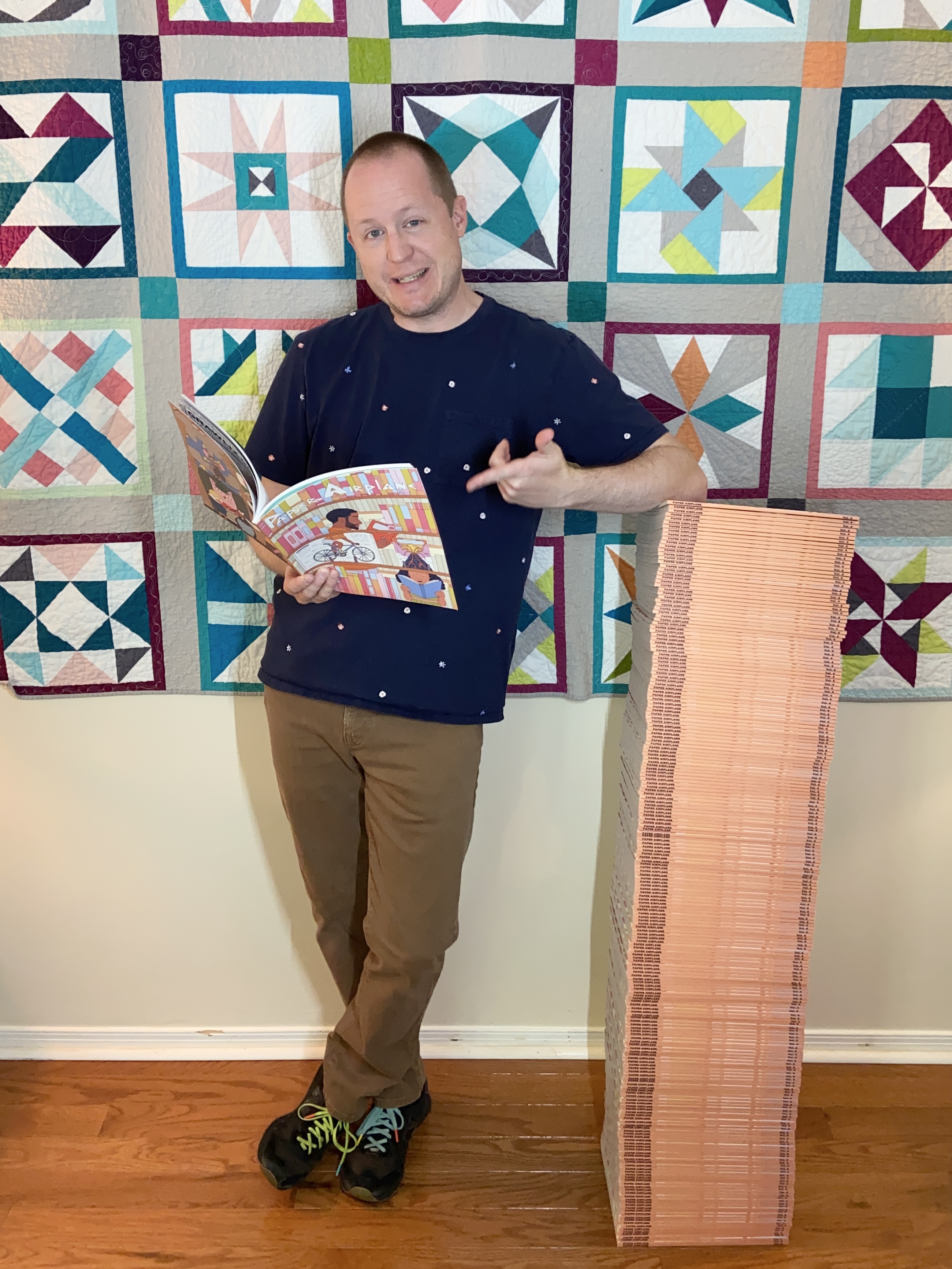
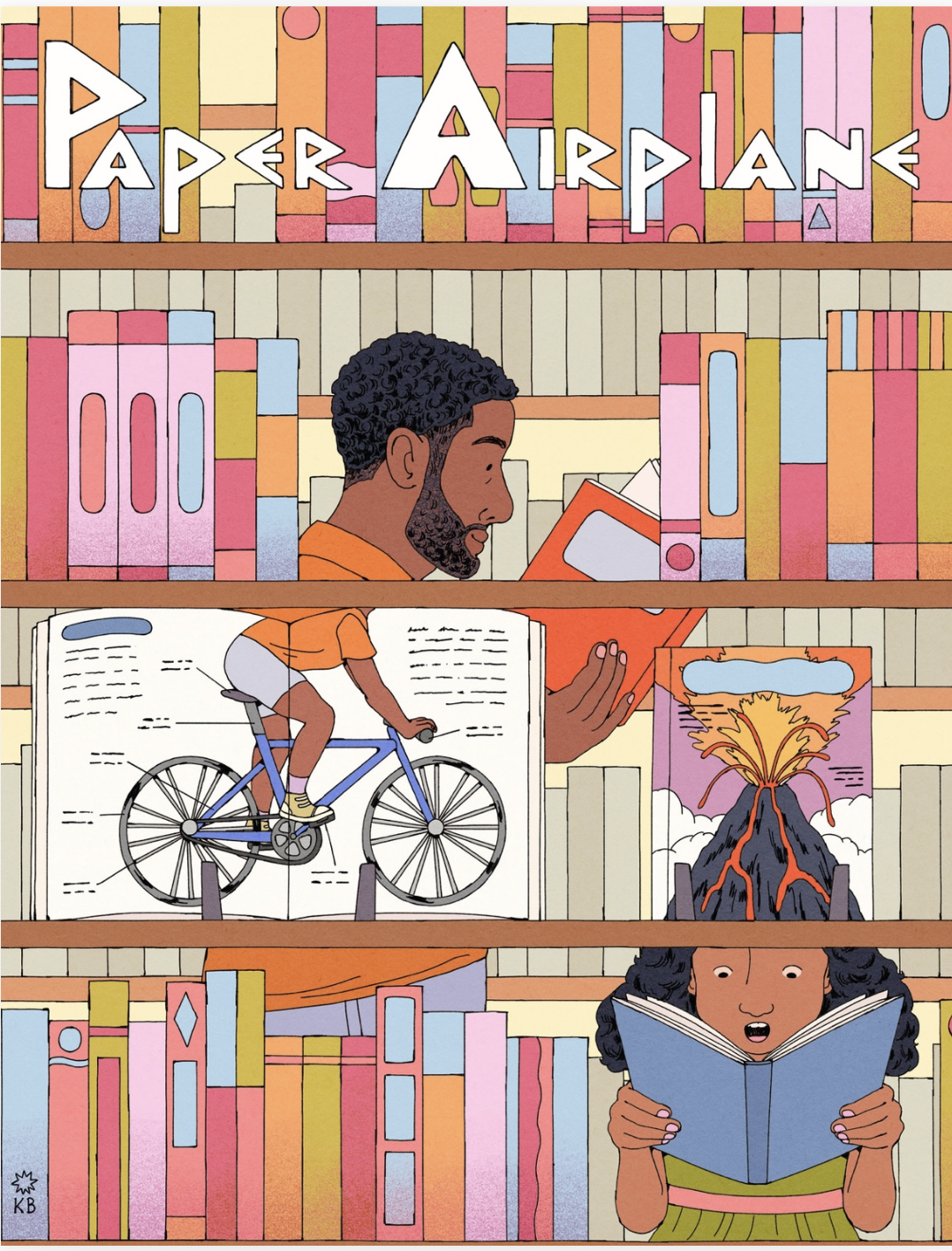
Nick created a general interest magazine that he refers to as the “grown-up version of Highlight.” However, his definition of general interest is different than many. He told me during our conversation that what he means by the phrase he used, “was a general interest magazine for the people who are expansively fascinated.” That element of surprise and satisfaction that you see on every page of the magazine, even if you didn’t think you are interested in or looking for.
In Nick’s own words Paper Airplane magazine, “brings some simple joy to your life.” And I must concur after spending time with the four issues published so far. The first issue was digital only, but the demand from readers made Nick add a print edition of the magazine starting with issue 2. Now, over 80% of his subscribers are print subscribers.
His mission with Paper Airplane is “to be able to work with like-minded people to create it.” The pages of the magazine are the best of evident that his mission is succeeding.
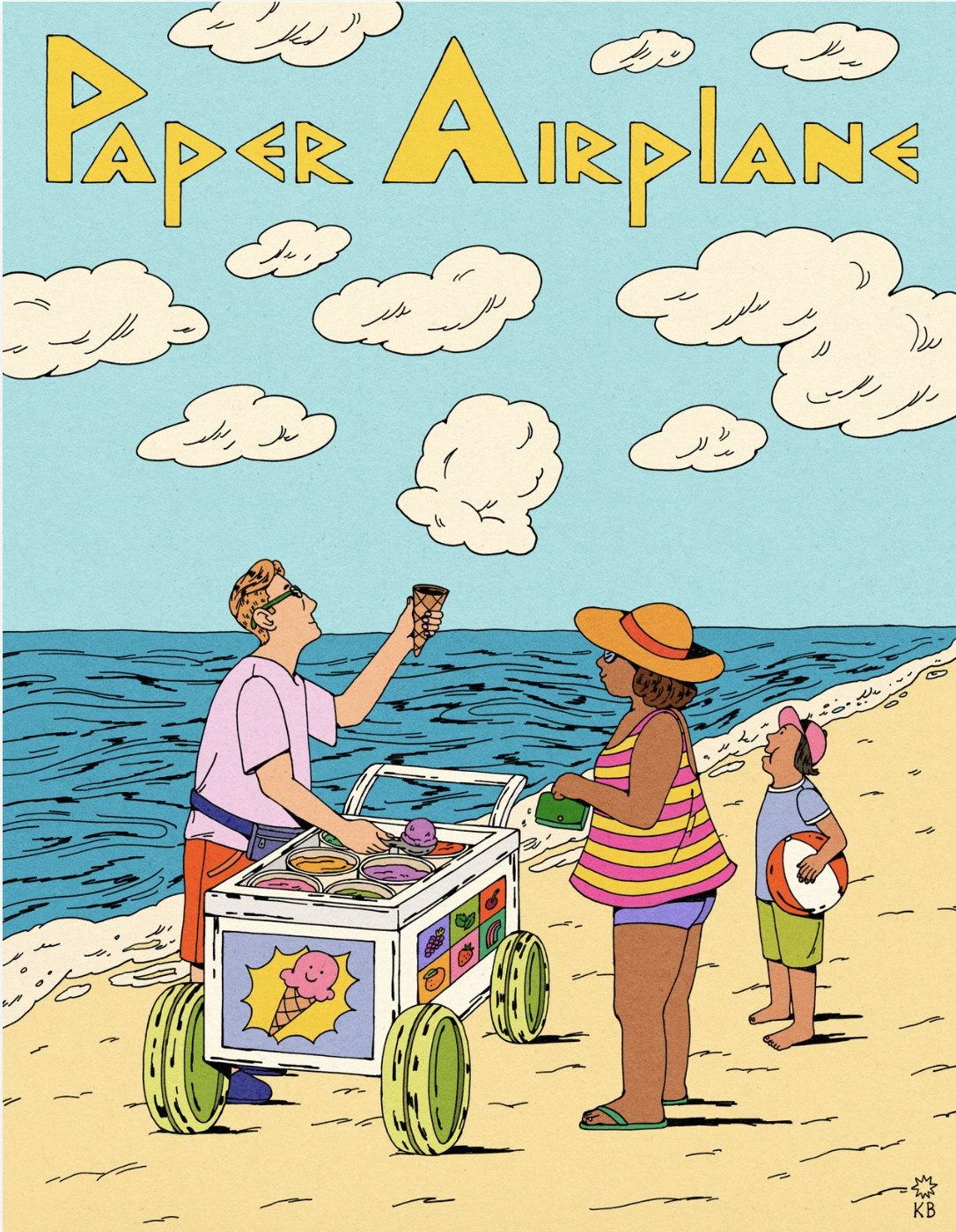
Creating a print magazine (and just a reminder that Mr. Magazine™ believes that if it is not ink on paper, it is not a magazine) is expensive and costly, that why his business plan depends on subscribers since the magazine is ad-free. There is no “fillers” as he likes to refer to the ads in magazines. The magazine offers four different tiers of subscription from digital only at $60 to “print & everything” at $150. Check their subscription packages here.
So, without any further ado, please enjoy this very pleasant conversation with Nick Norlen, founder and editor, Paper Airplane magazine:
Samir Husni: My first question to you is, what is Paper Airplane magazine?
Nick Norlen: What is Paper Airplane? Well, the way I like to describe it to people is, and people get this right away, is it’s like a grown-up version of Highlights magazine. So many people grew up with Highlights, and they know what that means right away, which is, it’s got games, it’s got puzzles, it’s got comics, it’s got artwork. And it’s more than that, it’s really like the feeling that you get when you spend with it, which is nice… The phrase I use is, low stakes, high quality, uplifting downtime.
That’s what I’m looking for. I was talking with my wife when I was trying to describe what my ideal magazine would be. And I said that phrase, I said, it would really be like a Highlights, but for adults.
As soon as I said that I knew I needed to make it happen. So that was the genesis of it. It is geared to grown-ups, but it’s appropriate for all ages. I try to include things that are just going to be interesting. And, human-made, that’s really the idea is to have a celebration of human creativity.
Samir Husni: You know, I consulted for Highlights for years, and I helped them with the launch High Five.
Nick Norlen: Oh, wow. Well, I got that for many years.
There’s a stack of them in my basement that are about this big. My kids are on to the older Highlights now. But yeah, it’s a big thing in our house. They still run to the mailbox to get it.
Samir Husni: Talking about stacks, what attracted me to create this interview was your picture standing next to a stack of magazines. What gave you that idea and why did you decide to shift from digital to print after the first issue?
Nick Norlen: Well, now I do both.
I offer it in both digital and print. The first issue, the story with that was I had started my career as a reporter. That was a long time ago.
Then I shifted into kind of online reference work. I worked for online dictionaries for many years, most recently at dictionary.com. In 2024, I got laid off. I took some time to think about what I wanted to really do.
I loved working creatively with people and collaborating on projects. We would do fun things at dictionary.com like word brackets or writing contests and other content. I liked working with the team.
So, I wanted to start doing that again. But I got laid off into a media market that, as you probably know, is not very welcoming right now. And so, I thought, I’m going to try. I’m going to see what happens. I’m going to try to start my own thing. I decided to do the first one for charity.
I reached out to people and said, here’s what I’m thinking. I’m going to do this digital magazine. All the proceeds are going to go to the U.S. Committee for Refugees and Immigrants, which most people know that as refugees.org. I got a lot of great responses. I started putting it together and it kept getting better. Eventually we reached our goal of raising ten thousand dollars. I thought enough people like this that I’m going to try to launch it as a business.
The number one question, the biggest question I got from everyone was, will it be available in print? I said I guess so. It was never really my plan to do that. But that was the question I got from everyone. Is it going to be available in print? I got some samples printed and it looked good. I thought, OK, I’ll make this available.
Now I would say 80 percent or probably more than that of my subscribers are in print. I do offer and digital looks great there, too. I build it for a reader on the iPad, but it works on any tablet or laptop.
However, there seems to be a real appetite for holding it in your hand. I like to say is no one ever got tired of print. No one ever was like, oh, I don’t need this anymore.
It just became a little less accessible. A lot of magazines got smaller, and they got a lot more ads in them. And so, it became a thing where it wasn’t the quality that people were used to anymore. That’s to me, that’s a big thing is that I want to make it there’s no ads. And every page is really designed with the reader in mind. There’s no filler, as I like to say.
Samir Husni: In issue four, you wrote about your own definition of a general interest magazine. Tell me more about your definition of a general interest magazine.
Nick Norlen: Well, you may have seen that I wrote about that in my editor’s letter.
I wanted to kind of play with that phrase because that’s what I like is a general interest magazine. But so often that kind of levels out to me, at least being not so interesting when you’re trying to please everyone, with kind of a common denominator type content, which we see a lot online. Right.
Whereas I think what people craving are a lot of interesting things from all kinds of topics. But allow them to be weird, allow them to be. Oh, wow.
I would never have thought of doing something about that. So, to me, general interest means really expanding the horizon for people specifically who are interested in all kinds of different things to try to take those very specific interests and package them, together with a variety of other things. The phrase I used was a general interest magazine for what I do is for the people who are expansively fascinated.
It’s for people who love to notice things and love to learn new things and are always interested in learning about some fact, even if it’s not their main interest.
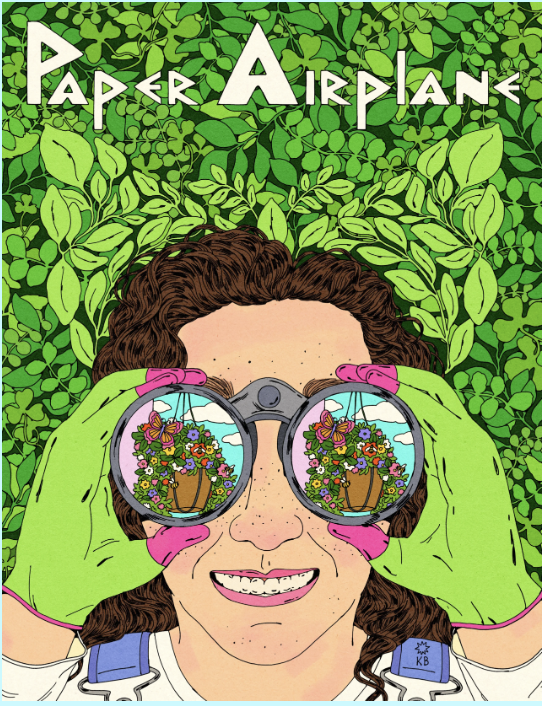
Samir Husni: You focus so much on the magazine being human created. I mean, no AI. Everything is human. And on your pages of the contributors, you have everybody’s picture and bio. Why is that? Why do you think it’s important now to have something that’s humanly created, not AI?
Nick Norlen: Well, I think it’s always important.
It’s important no matter what age you’re in is because that’s what makes it interesting. I don’t think people are looking to consume content. People are looking to see what another person has created to communicate what’s on their mind.
That’s what people are interested in. They’re strange, weird, idiosyncratic way of communicating some idea that you maybe haven’t thought of or hadn’t thought of in the way that they see it. So, to me, that’s the whole point.
I don’t see another point of making things other than other than getting your ideas across to another person and having that kind of dialogue. Of course, right now we’re in a very strange time. And I think we’re seeing a big momentum, which I’m very happy about, about people returning to human made stuff that’s maybe a little rough around the edges.
Maybe it’s a little weird, but that’s people are tired of the smoothness. There are too much smoothness and sameness. That’s what I’m trying to provide an alternative to.
Samir Husni: Do you consider AI is your friend or your foe in these days?
Nick Norlen: Oh, we don’t even talk. We’re not friends.
I just don’t use it. The point is making the thing, the fun of, I love making this magazine.
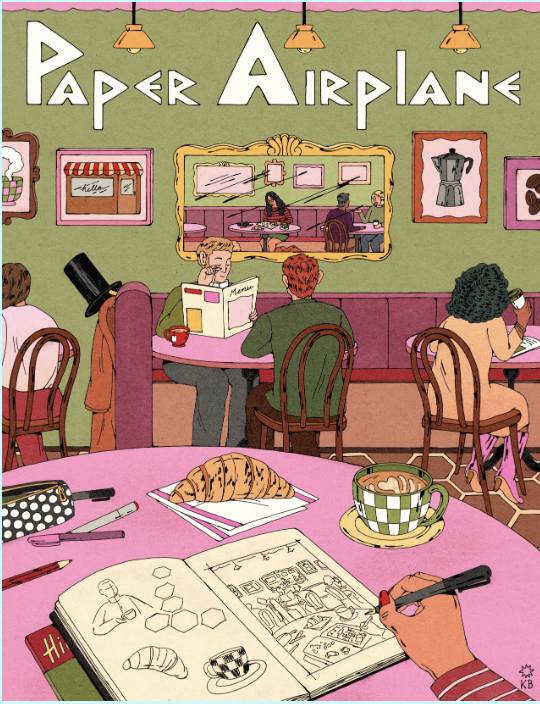
I love tinkering. This allows me to tinker with layout, with copy, with my contributors back and forth. Oh, here’s an idea. That sounds great. Oh, what about this? And then we go back and forth and that’s how we get to, for example, this cover or some of the ideas inside are really a product of one-on-one human back and forth, which there is no substitute for. And there never will be, because it’s going to go directions.
That are unlike things that have been done before versus, to me, the function of AI is to make it samey samey. It brings everything to the middle. I don’t want to. That’s not where I want to be.
Samir Husni: You said 80 percent of your subscribers wanted the print edition. Do you think there’s a difference between holding the magazine in your hands and seeing the magazine on your iPad?
Nick Norlen: I think there’s a difference.
But to me, I’m always trying to tell people it looks fabulous on digital. And because of that, I’m not an anti-technology person. So, I think there’s a huge difference that the two aren’t even related.
Digital and AI are completely different things. I produce the magazine using lots of digital tools. So, I think while there is a difference, it’s always great to feel paper on your fingers. That’s a very human, simple pleasure. But at the same time, there’s a lot of great things about the digital edition in terms of, if you want to zoom into a photo or you want to get a little closer on your mates, you can still use your pencil on there to do the puzzles and everything. In a lot of ways, I try to think about what’s the reader experience going to be like in print? And what’s the reader experience going to be like in digital? And I try to account for both because it’s not the same.
But in a lot of ways, what’s on the page, just the pleasure of seeing a great layout or a great design or great artwork. I think both of those come across.
Samir Husni: How did you come up with the name paper airplane? Nick Norlen: Well, this is I just started out writing a list of names.
What I wanted was a feeling. I wanted it to be a feeling of something tangible, but also something that’s a simple act of creativity. I love anything where you can make something out of nothing and making a paper airplane to me is close to that.
You take a simple sheet of paper, and you can make this three-dimensional object that can fly across the room. Now, so that also evokes to me a little bit of nostalgia for school days for I wanted there to be an element of mischief to it. I think any good publication has at least a little bit of mischief in it.
The image of a paper airplane flying across the room is a harmless but mischievous kind of symbol. That’s what I want the title to evoke. That you don’t need a lot to be creative.
You don’t need a lot of tools. In most cases, you need a piece of paper, and maybe a few other things. And so, I it wasn’t a mistake that the first word is Paper.
I think that’s one of the most universal mediums for creativity. And that’s what I really wanted this name to say is that this is something that celebrates human creativity in a way that’s fun.
Samir Husni: So, pun intended, has your flight with Paper Airplane have been a flight in a rose garden, or you had some challenges, and how did you overcome them, if you did?
Nick Norlen: Have you ever spoken to any publisher who hasn’t had any challenges? I’m sure I’m going to guess no.
No, it’s been a big learning curve for me, because I always worked online. In my early days, I was a reporter, I did work for print publications. But most of my career was spent producing digital content for online.
So, I had to learn what bleed is, I had to learn all the ways to prepare this for printing. That in my mind, I, you don’t know what you don’t know. And I didn’t know, most of it, so, each step of the way, there’s been a new thing for me to learn, in terms of the printing, in terms of setting up my online shop, instead of setting up my website.
These aren’t my core skills. I’m a copy guy. I’m a word guy.
Each step of the way, there’s something that always takes way more steps than you think it will. But that has been both challenging and fulfilling to kind of build it. And then each time, level up and understand that I understand this a little bit more now.
Now, the first version was a little bit hacked together. If I say the website, and that now I’m happy with how it functions. I’m still working out those little challenges along the way of getting this magazine to people and print costs rise and shipping costs rise.
But I knew that going in. I’m really trying to keep building my audience in a way that will make this sustainable. So yes, there have been plenty of challenges.
It’s really fulfilling, because this is something. If you had asked me two years ago, I don’t think it was, I was that close to being able to do something like this. And because of getting laid off, it gave me this opportunity to try something. It’s really one of the most fulfilling things I’ve ever done.
Samir Husni: Can you pinpoint that moment that you felt this is the most fulfilling thing?
Nick Norlen: I don’t know if it was one single moment. But every time I release an issue, because you spend so much time working on an issue.
And then by the time it gets out, you’re like, I guess it’s pretty good. It’s good. Then people get it and they love it. I’ve been spending so much time with this, that I forgot how great this really is. Then people in an unsolicited way, tell me how good it is. So that that makes it worth it that I’m putting something out there, not just something that people love, but they can really have some time to spend with that doesn’t have any kind of darkness or other negative things creeping into that time. Because I like to sometimes describe the magazine is like the exact opposite of doom scrolling.
That’s what I have in mind. Every time I choose some content, I want it to be, you feel better after spending some time with it. And people tell me that’s true. That’s the most fulfilling part.
Samir Husni: Is there any question that I need to ask you that I failed to ask you so far?
Nick Norlen: I used to end interviews that same way. I think there is a great question you haven’t asked me.
You asked me all the stuff that I normally try to say to people, I would just say, to expand on my last point, this is a magazine for people who love magazines.
What I mean by that is, for me, a magazine is something that gives you the freedom to spend time with it, in a casual way, just kind of paging through it on a Saturday afternoon. Or something that you’re looking forward to all day, and you’re really going to pour over every little detail. Because to me, that’s what I love about magazines.
And that’s what I love about making this magazine is adding those details to every page, little things that maybe only a few people will notice, but those people that’ll do it’ll be really rewarding to them. Little ongoing jokes from issue to issue to make you feel like you’re part of this, readership this community of people who enjoy this thing. It brings some simple joy to your life.
That’s my mission. And it’s great to me. To be able to work with like-minded people to create it.
I would say to add to what I was talking about earlier. One of the most fulfilling things is working with these creative people because that was my goal to begin with. When I find them, and I find world class artists and writers to be able to work with them and edit their work and get their feedback and incorporate that, that’s just so much fun to me.
That’s what I wanted my career to be. To be able to do that is great. And The caliber of people is just fantastic that I don’t know if I you saw, but the in the very first issue I had a piece by Kory Stamper
that was selected for the 2026 best American science and nature writing volume, which comes out later this month.
That’s alongside the likes of The New Yorker and National Geographic, the biggest names in magazines and for me with a staff of one to be able to get that with my first issue, that was really encouraging to me to keep going and keep building something that people are enjoying.
Samir Husni: My typical last two questions are always if I come to visit Nick one evening unannounced. What do I catch Nick doing working with Paper Airplane, reading a book, watching TV, having a glass of wine.
Nick Norlen: So, it depends what time you come. You’re going to arrive at 630 I’ll be finishing dinner with my kids and my wife. We will be trying to convince them to practice their instruments ,will be making their lunches and then we might play a board game or watch some basketball. Once we finally convince them to go to sleep.
We’ll have some quiet reading time on the couch where that’s where my wife saves her time with the magazine, with Paper Airplane to read it. She’s been enjoying that, and I love publication. So, I’m I get my hands on as many as I can. That’s a great way for me to end the day. But boy, it depends on the night because we might be at soccer practice, sir. We might be picking up the kids from some other art class or whatever.
So, you should probably give me a notice that you’re coming.
Samir Husni: And what keeps Nick up at night these days.
Nick Norlen: I sleep well; I leave it all out there. I would say I understand the point of your question isn’t about my sleep so I would say, I just want to keep doing this. And like you said before you asked about there’s challenges.
Right. I talked about printing costs and shipping costs and today. One of the big challenges is just finding your audience.
Because there’s so much out there. But I, one of the reasons I decided to do this, because I was confident, I could find enough people to keep this going. So that’s the thing I think about every day. What’s the new way that I can find my audience. I’ve started trying to sell to dentists’ offices, because that’s where people associate reading magazines. And I think that’s a market for me where I would love to discover that type of magazine. It doesn’t have to be a dentist; it could be at a salon or wherever.
But the thing that I’m thinking about most because I’m not a marketer, or at least I’m not by training is how do I spread the word that enough people know about this because I think it really is for everyone. I make it to be for everybody in a way that it’s going to be something they haven’t really experienced before, even though it brings back memories of stuff they may have grown up with. I don’t think there’s really an equal to it in in adult life.
Samir Husni: I really appreciate you taking the time and chatting with me. Thank you and all the best.


Leave a Reply