Archive for November, 2026

h1

CIVVY Magazine: A New Ink-on-Paper Lifestyle Magazine For British Veterans. A Launch Story With Editor-in-Chief Andy Simms. The Mr. Magazine™ Interview

November 18, 2026

Magazine publishing has always been about finding a niche and finding content to fill that niche and its audience.  CIVVY, the new lifestyle British magazine for veterans found that niche and is doing something about it.
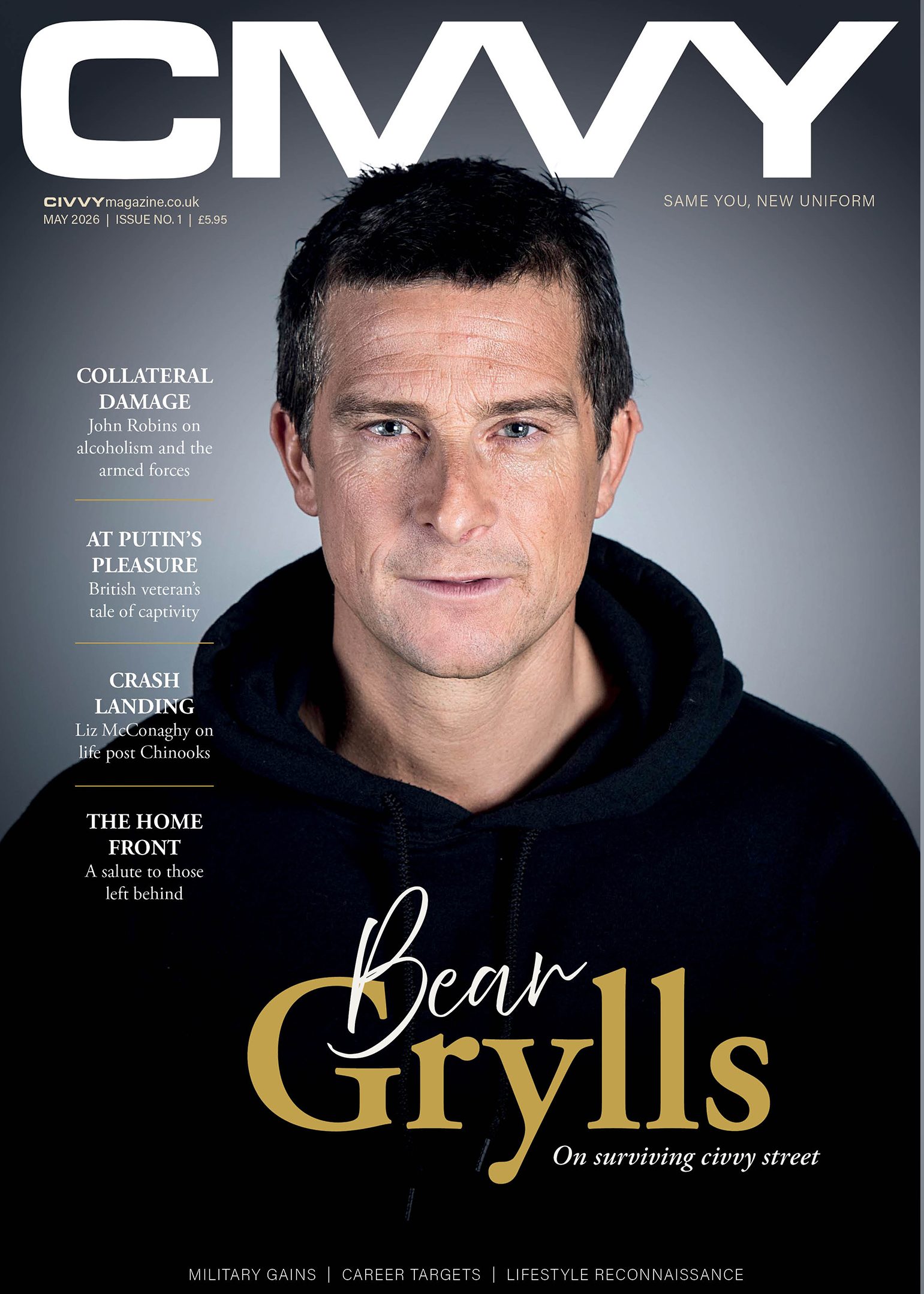
First issue of CIVVY

“There’s nothing that talks about the next chapter, talks about veterans of Iraq and Afghanistan now who are young men and women still who are embarking on second careers and writing exciting new chapters. There was no publication that looked at that. Yes, there’s adversity and we don’t shy away from that. But this community have so much to champion, so many success stories to share,” Andy Simms, editor-in-chief of CIVVY told me in a very pleasant conversation about his journalistic background and the story behind the launch of the new magazine.

We spoke about the role of print in a digital age, and the role and dangers of AI in the creative and journalistic sphere. 

A new magazine that is out there to serve, entertain and educate a host of people who are adopting and returning to civilian life.  As the magazine’s tag line says, “Same You, New Uniform.”

So, without any further ado please enjoy the launch story of CIVVY as told in this Mr. Magazine™ Interview with Andy Simms, editor-in- chief.
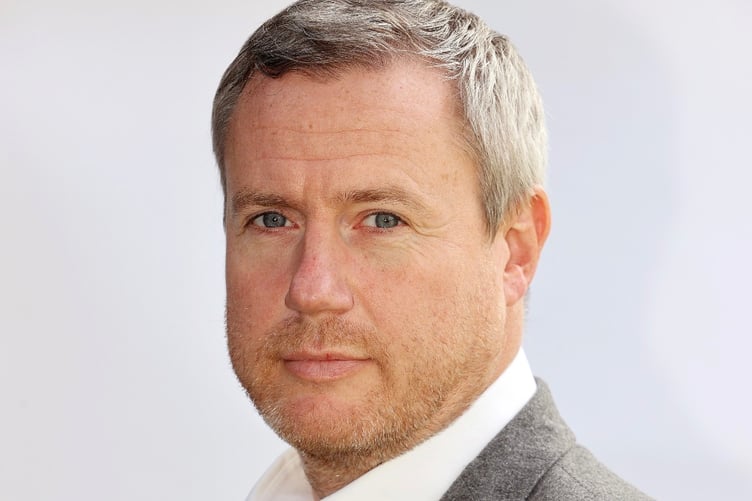
Andy Simms editor-in-chief CIVVY

Samir Husni: My first question to you is what is CIVVY?

Andy Simms: What is CIVVY? Okay, I’m going to tell you the story behind CIVVY, if I may. It begins by, I need to talk about my own career. I studied multimedia journalism in university many, many years ago now.

The Background

I was working for daily newspapers on a sports desk. And because of where I worked, boxing was a big popular sport because the army boxing team were based close to my hometown.

They were at the time the best amateur club in the country. I found myself watching lots of army boxing matches. It was the army boxing coach at the time said, have you considered joining a magazine called Soldier magazine, which is the official magazine of the British army.

Despite having grown up near a military town, and despite having grandparents who served, I’d never had any affinity with the military, no desire to join the military or anything like that. But the prospect of joining this magazine and just covering military sport really appealed to me. So very long story short, I joined Soldier magazine on September 11th, 2000.

This was a monthly magazine. On day one, the editor pulled me aside and said, you need to slow down, you’re making us all look bad. Because I’d come from newspaper with daily deadlines.

This is a monthly magazine. And I’d written the sports section in a day, effectively. So, I said, that’s fine.

But I’m going to be bored. You need to let me loose on some of the news and features. And at the time, the British forces were in Kosovo and the Balkans.

I spent my first year on the magazine, deploying, feeling like a bit of a war hero. But never under any real threat, particularly in Kosovo. Obviously, a year to the day that I joined the magazine, the planes hit the Twin Towers and the world changed forever.

My career was turned on its head. I’d had a grand plan of staying for two years and then returning to newspapers. But obviously, we suddenly found ourselves, or the army found itself in hot and sandy places.

And I found myself there reporting on them. The army, frankly, got under my skin. I climbed the proverbial ranks from being a reporter to assistant editor, to editor, to editor-in-chief, and ended up staying for 12 years in the end.

I decided to then leave the magazine and branch out on my own. But the community remained close to my heart. And as a company, we took on what is the Army Families Federation magazine. They’re a charity that looks after the families in terms of welfare. And we still, to this day, my company publish that magazine for them. We don’t write it; we just pay to print it each quarter for them.

Despite thinking that I was leaving Soldier magazine and actively looking for a change of scenery, because of my experience of working with the military, I found myself courted by the defense industry who wanted me to tell their stories. I’m now also the editor of the British Army Review, working for a think tank, the British Army’s think tank at the Royal Military Academy Sandhurst. And I work for a US think tank, the Battle Research Group.

I was contacted probably about a year and a half ago, by an Army veteran who obviously understood my professional background in magazines, etc. Soldier magazine certainly during my tenure was hugely popular, hugely successful. We won best magazine awards back-to-back.

He contacted me just to say, he was running a veterans news website at the time, and said, look, I want to launch a print product. I want to do this. Can I just pick your brains? So, I probably had a chat with him for about an hour or so.

And you’ll know this as well as anybody else. I probably spent most of that hour telling him all the reasons not to do it. How tough the industry was, how much work’s involved, how ad revenues and distribution models are difficult, and you need a big team, etc.

But being an ex-military man, he put the phone down and promptly ignored all that I’d said and came back to me six months later and said, look, I’m going to pull the trigger on this. I’d rather do it with you than without you. And then, you know, almost having volunteering Tourette’s said, well, OK, I’ll help you.

It’s still a community close to my heart. And that’s where we are.

What is CIVVY?

What is CIVVY? CIVVY is a magazine for all those who’ve served, regardless of service in terms of Army, Navy, Royal Air Force.

Why? Because there was nothing out there like it. People tended to leave. And every conversation I’ve had with a veteran since is when you’re in the military, you have a very clear identity, a very clear purpose. The day that you leave, some really struggled to find that sense of purpose again. While there’s a few resettlement titles that talk about getting your resume in order and translating your military skills to civvy skills. There’s nothing that then talks about the next chapter, talks about, you know, you’ve got veterans of Iraq and Afghanistan now who are young men and women still who are embarking on second careers and writing exciting new chapters.

There was no publication that looked at that. Yes, there’s adversity and we don’t shy away from that. But this community have so much to champion, so many success stories to share.

And that’s what CIVVY is. It’s a celebration of service, but also a celebration of the next chapter. Unlike other resettlement titles, as I say, it’s a lifestyle magazine.

It covers first-hand accounts of service, personal accounts of success post-service. But then it looks at broader travel, motoring, entertainment, the whole gambit really. And it’s a coffee table keep. We’re deliberately print first, not digital. Like you, I’m still a fan of print magazines. I still believe there’s a place for them in this world.

I still believe that people will continue to push back from digital, particularly for long form content. We spend enough of our lives looking at screens as you and I are doing now. But there’s nothing quite like sitting down with a good quality publication full of professional writing, with a tea or coffee, a beer if you want, and relaxing and enjoying it.

Samir Husni: That was my next question to you is the print magazine different than going online and searching and Googling?

Andy Simms: I say it’s how you consume media. I’ve got two adult sons now, two young men who have grown up, obviously, with media and consume media very differently to how I do. But instilled in them both is a love for reading.

We will often capture, catch them sat down with a book, sat down with a magazine. Everybody leads such busy lives and, the immediacy of finding things online is great. But people consume print differently. I don’t think any long form writing lends itself well to the digital world.

We have a supporting digital issue. Should people wish to read CIVVY online? Absolutely, we’re not stopping them. But we genuinely believe it’s a magazine to be savored. It’s a magazine to sit, read, pick up, put down, come back to. And for that reason, we’ve deliberately invested in print. It’s on high-quality paper stock.

It’s what in the UK we’d call a coffee table read. It looks good. It feels great. It’s and if you’re a print man, it smells beautiful.
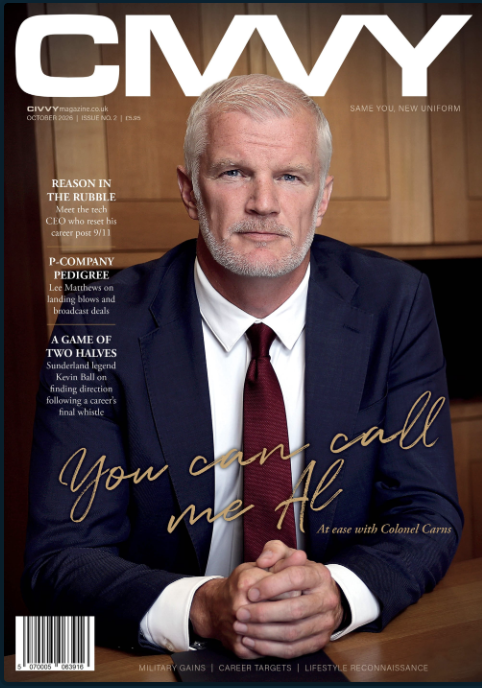
Second issue of CIVVY

Samir Husni: In this age of AI, what role AI plays in the creation of the magazine? Or is it all humanly done?

Andy Simms:  It’s all done the old-fashioned way. I’m a journalist.

Why would I want to encourage the use of AI, particularly for writing? I’m sure AI is maturing by the day. It will become increasingly difficult to tell the difference. But I do not believe AI can tell the story as people can tell stories. It’s a quality I can tell, and I’m sure discerning readers can tell. And equally, we want to be faithful to people’s accounts and true to them. So, it’s very much providing a stage for veterans to share their stories on.

And whether that’s them writing themselves or leaning on us as professional editorial team to help them tell that story.

Samir Husni: You have two issues now under your belt. Has it been a walk in a rose garden?

Andy Simms: No, no, no, it hasn’t.

It’s as I’m sure you appreciate, any publication is hard work. And I’m probably a victim of my own success or my own standards, I would say, is that when you’re producing something in print, it’s there for a very long time. So, quality matters, I believe, and quality matters for many reasons to be credible, etc.

But the magazine is there to endure. And we know that if we make a mistake, and we’re human, so we will make mistakes. But that will be there for everybody to see.

Every effort is taken editorially and by our design team to create a product that is polished. So that is an undertaking. And that’s not even touching on the business behind a magazine. Sorting out distribution, marketing, every element, managing the print contract, etc. And we’re a very small team. This is not a full-time job for any of us.

Samir Husni: And what was the most pleasant moment? I mean, since you launched the magazine, what was the aha moment that brought joy to your heart?

Andy Simms: I would say the moment we received the first issue back from the printers. You can get so embroiled in the hard work and it can feel torturous. But as soon as you send that magazine off to print, you can breathe that sigh of relief.

Then to receive it back, and to start hearing from the veteran community that this was different, this felt different. This was something that they wanted. You feel almost mission accomplished.

We’ve done what we set out to achieve, because you never know. It’s while we’ve done our research and we had a strong inkling that it would be well received. You don’t know until it hits the market.

To hear veterans commend us for our efforts. The success of any magazine is your readers’ interaction with it. Such was the engagement with readers and people wanting to submit copy, people wanting to talk to us. I’m certain we will never struggle for content with the magazine. There’s a wealth of good stories, a well of content that will never run dry.
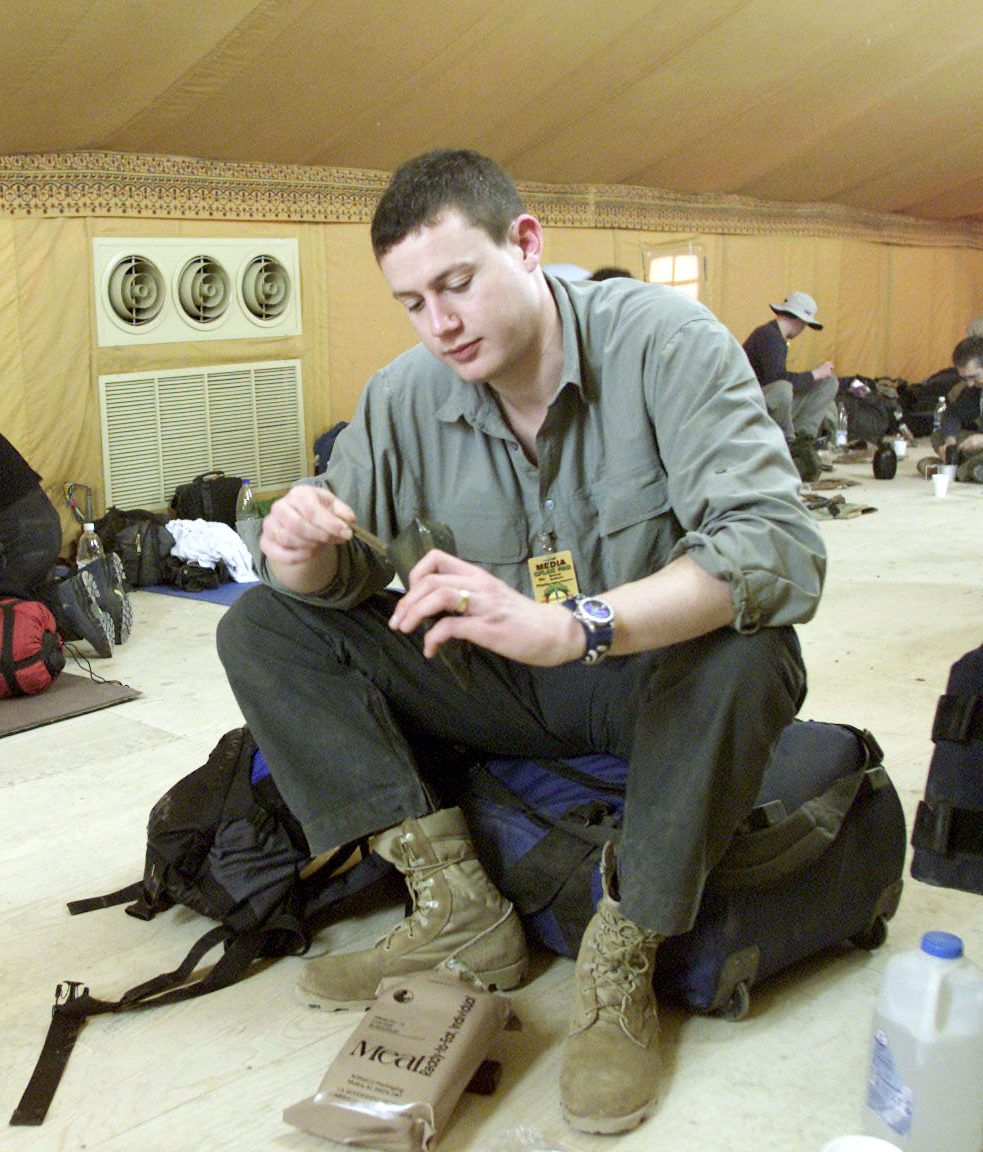
Andy Simms during Iraq war coverage

Samir Husni: I’ve noticed that we are seeing more new magazines, ink on paper, coming to the market since COVID. Why do you think this is taking place? Why do you think there’s a resurgence of printed magazines?

Andy Simms: I hope that it is a trend. I don’t mean to disparage digital news services or digital magazines. There’s many, many very high-quality ones out there.

But I do think that there is an appetite now among readers to, and maybe it’s because of COVID. Maybe because people suddenly found they had lots of time on their hands and wanted to sit down with a good book or a good magazine. Or maybe it’s because we had to spend our lives in front of screens and that was the only way we could consume media.

But it’s difficult because the digital world is as it is. It’s hard to find refined copy and content that’s curated, as carefully curated. Again, without being cynical, it seems that a lot of digital media is about immediacy, short form, designed to be consumed and scrolled through it, far and forgotten.

Whereas print magazines provide something a bit different, that classic entertainment, for want of a better word. But can I put my finger on it precisely why? No, I’m just encouraged that print magazines do appear to be on their way back. And again, anecdotally, that’s cross-generational.

It’s not just people of my age who grew up with them. There are examples of younger readers turning to print publications.

Samir Husni: Before I ask you my typical last two questions, is there any question that I failed to ask you that I should ask you about CIVVY?

Andy Simms: That’s a difficult one. I’ll hear the last two questions and come back to you on that.

Samir Husni: If I come to visit you unannounced, I knock on your door one evening, why do I catch Andy doing, reading a book, watching TV, having a glass of wine? How do you rewind at the end of the day?

Andy Simms: You could potentially catch me doing all the above.

I’m the father of two sons, as I say, who are both now at university. So, I’m at a different stage of my life. I work a lot because I work for myself. It’s out of necessity. But because, as I alluded to before, I’m very passionate about what I do. I still, to this day, enjoy writing.

But of an evening when I do get to shut the laptop, you more than likely find me with a glass of wine. I don’t get to read as much as I used to. And maybe part of that is because that’s my day job.

So, tired eyes at the end of the day. But I do still read. I still consume a lot of TV, probably like most people.

Samir Husni: And what keeps Andy up at night these days?

Andy Simms: AI. AI is a worry. I think it’s a threat to the creative industry.

I genuinely believe that. I see big positives of it. But it’s a shame when there’s so many people who are exceptional writers that you can see in the future being denied the opportunities that once existed.

You can see that particularly in the UK. Print newspapers are in big trouble. They are struggling.

What keeps me up at night is the world’s not as safe as it once was. I think now, more so than ever, we have reasons to worry. But then, you know, working in defense probably exposes me to that threat more than others.

Samir Husni: Thank you and all the best.

30
h1

Vicki Whiting On A Life-Long Mission: Get Kids Involved With Ink On Paper Through Kid Scoop News.  The Mr. Magazine™ Interview.

November 10, 2026

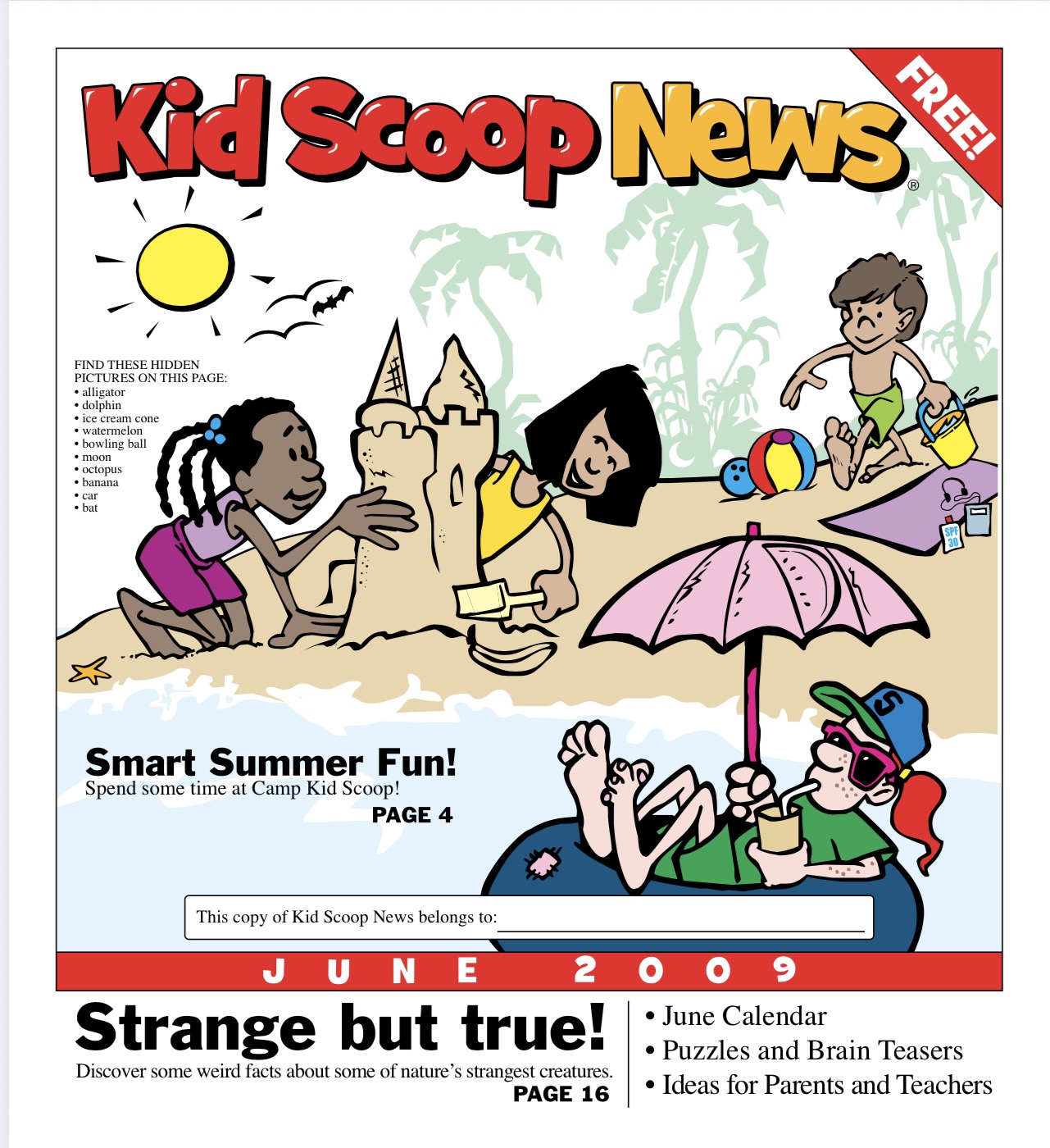
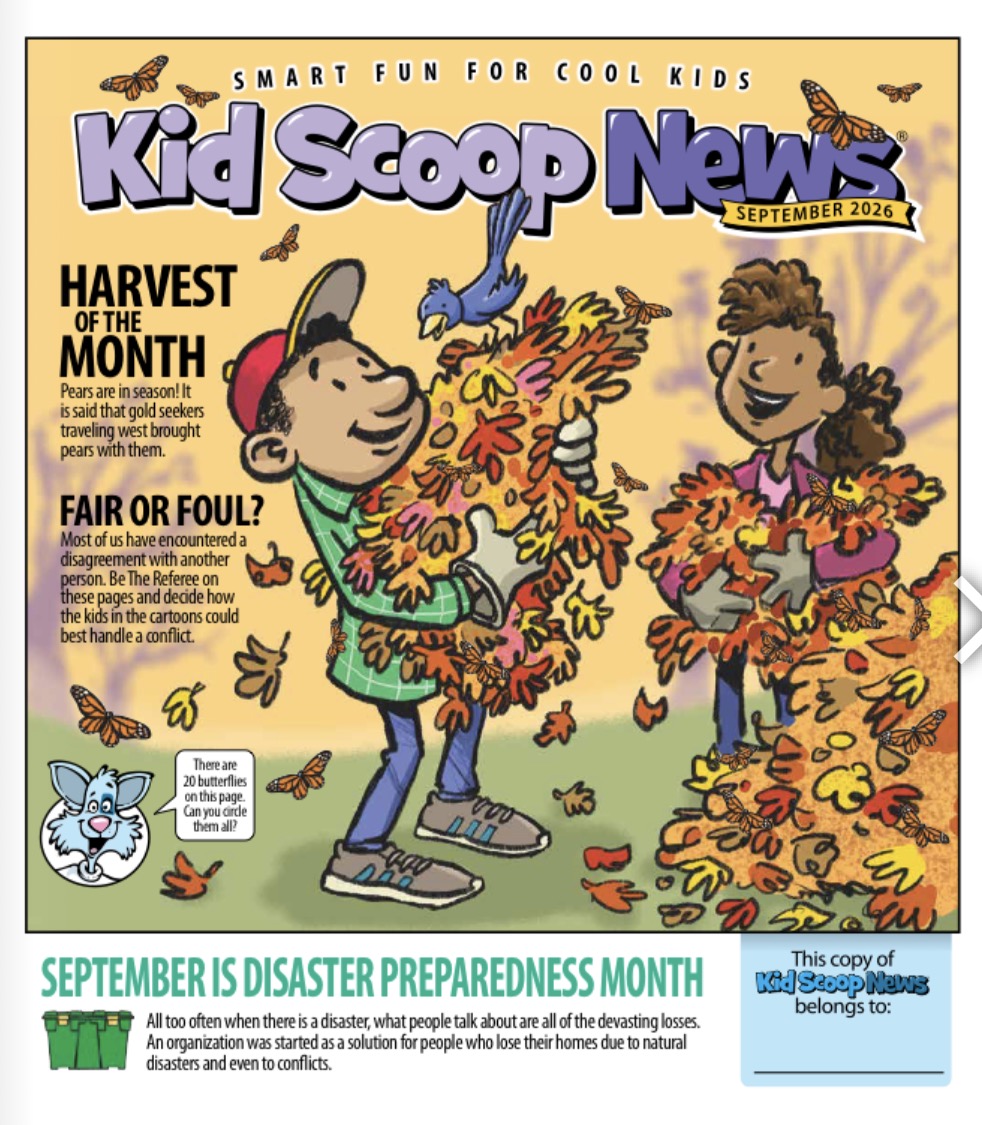
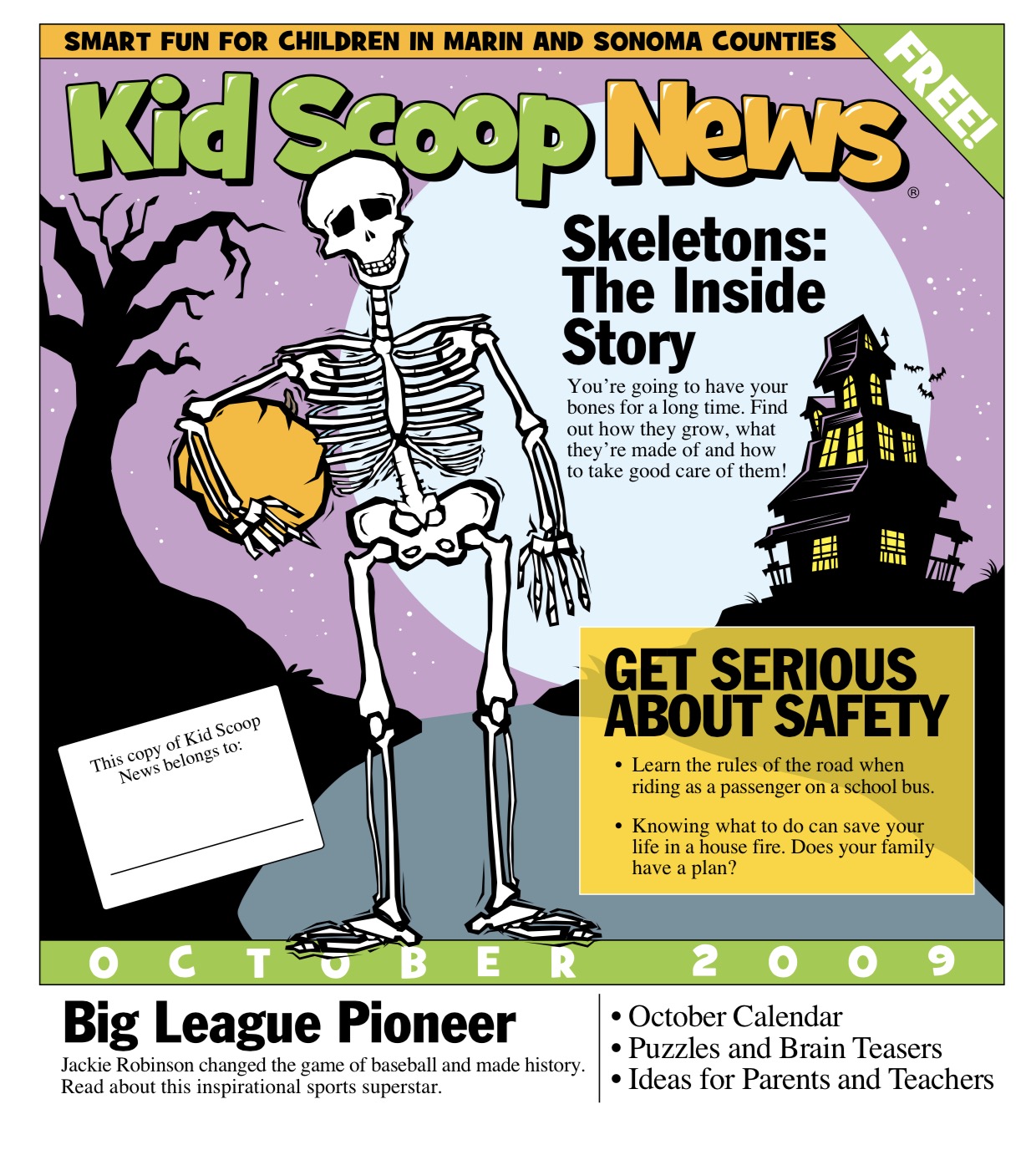
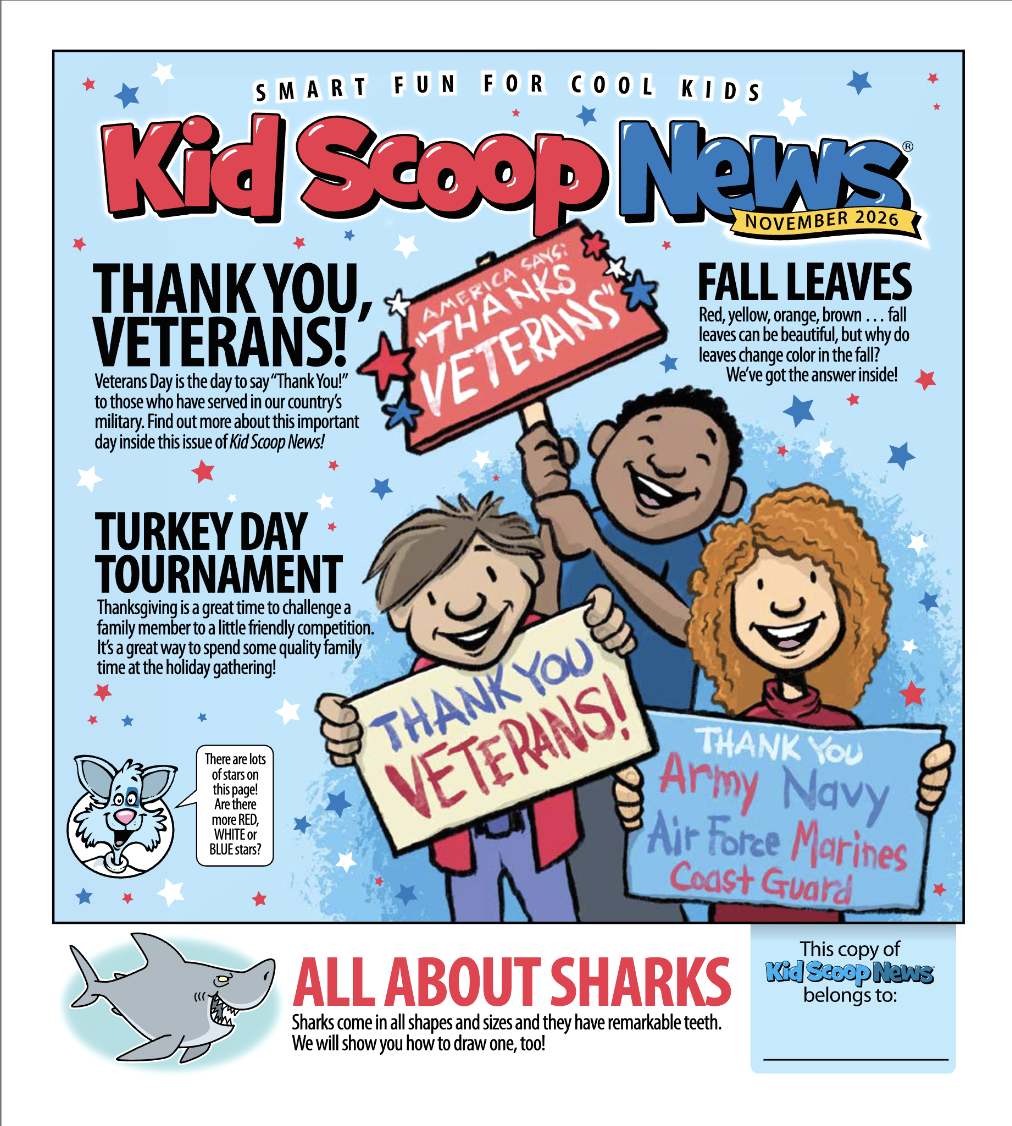
From a page inside more than 400 newspapers to an independent newspaper tabloid published once a month, Kid Scoop News, is the life-long work of a former elementary school teacher who saw the need for children to engage in ideas about their communities and help improve their mental capabilities and literacy levels at the same time.

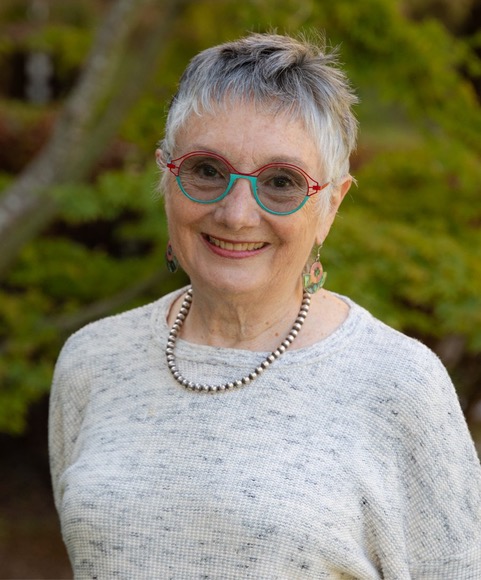
Vicki Whiting is that teacher and innovator who launched the Kid Scoop page in newspapers across the country earning the title of “one of the top one or two self-syndicated features in the country,” from Editor & Publisher magazine.  Vicki is in the process of retiring after years in charge of Kid Scoop News, but she has plans for her two colleagues, Eli Smith and Jeff Schinkel, to continue with the tabloid.

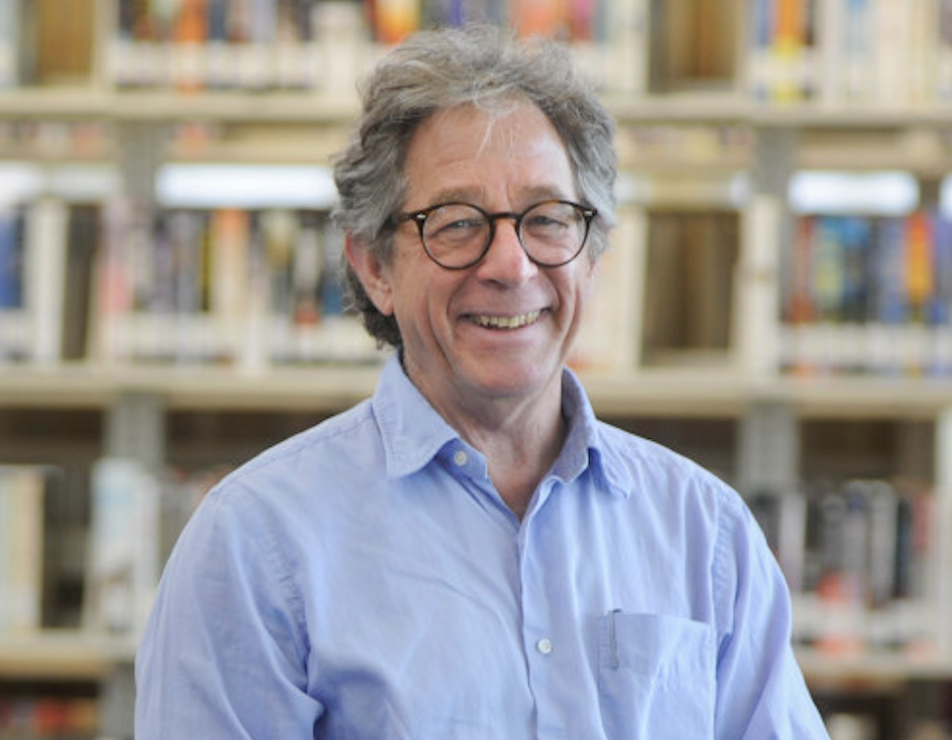
Talking with Vicki, alongside of her “biggest supporter” husband Jim Silverman, who is a former librarian, history buff, and archivist of old kids magazines and prison magazines (he served for years as the librarian at the Louisiana State Penitentiary: Angola), we relived the story of launching the syndicated page in newspapers to launching the ink on paper tabloid newspaper in 2009, ironically the same year the iPad was introduced.

A passionate woman with a mission and a story illustrating the power of print in this digital age, please join me and read this lightly edited Mr. Magazine™ interview with Vicki Whiting, founder and editor of Kid Scoop News.

Samir Husni: My first question to you what’s the genesis of Kid Scoop News? I mean, you started this thing 17 years ago and still going. what gives?

Vicki Whiting: Well, and before that, I was a teacher.

I taught third grade. And in third grade, our curriculum for social studies is about our community. I was and still live in a small community in Northern California.

There’re no textbooks that will write a curriculum on this community of Sonoma. So, in a brainstorming session with my students about where we’re going to learn about our community, it’s my students who said to me the newspaper. So that’s how Kid Scoop started originally, I went down to my local newspaper publisher which was family owned at the time.

I said, I think we should have a page for kids to have a doorway so they can start to open the paper, see what other things are around and a great way to connect with their families and talk about the community. He thought that was a great idea. So, we started, some of his colleagues, other publishers out here in California saw what he was doing, they wanted to do it too.

Fast forward by about 2008. Our weekly page was appearing in about 400 newspapers around the country. Editor & Publisher magazine did an article and labeled me as one of the top one or two self-syndicated features in the country.

Anyway, at that time, lot of factors came into play, the economy, the recession, the advent of the internet, all kinds of different things were impacting. And I used to work a lot with programs that were called Newspaper in Education (NIE).

So, we were always a part of the newspapers, a bigger educational program. And they were cutting their educational programs. By that point, I think there’s probably less than 10 left in the country now.

Anyway, my team and I, we were concerned if this market is going to disappear. One of the things we knew was, we would get contacted by teachers all over the country and saying, there isn’t a Kid Scoop in my local paper, how do I get it? I was facing a decision; do I go back to teaching? Or do we come up with a new way of putting our content out there? I have two wonderful people who work for me, I didn’t want to put them out of work. We reformatted from our archives, the 24-page tabloid publication, printed a first run of a couple thousand.

I sent them out to 100 teachers here in Sonoma County, where we live. And because I had been working in NIE for so long, the model I used was, if the teachers will order it, and they want it, I will go out to the community to raise sponsorship dollars. I didn’t want to do advertising sales.

So, I sent these out to 100 teachers around the county. I always add the caveat; I didn’t send them to any of my friends. I wanted it cold. Do you like this? I said, would you use this? If you would, I will try to find the funding for it. Out of 100 teachers, 80 got back to me. And right then they were starting to have that transition away from print.

More kids were going home, nothing to read in the homes. And they were very excited to have something. Because I was a teacher, and I’ve also been a curriculum developer, while my content looks playful and fun, it’s all connected to elementary school curriculum.

That was the beginning. What we have done now, we have a nonprofit organization, I’m on the board, I don’t work there, that publishes it here in Sonoma Valley. And then I work with five other organizations that publish it where they are.

We have a publisher in Southeast Texas, that publishes it, that means he does the outreach to the teachers, he gets the orders, he finds the funding, gets the papers to the schools, does all the marketing and everything, he just simply pays a licensing fee to us. And we also have that relationship with Nebraska Press Association, North Dakota Press Association, another publisher for a small region in Texas and Baton Rouge, Louisiana.

Samir Husni: When you decided to do the tabloid, the ink on paper in 2009, which was the year of the birth of the iPad, did somebody come to you and say, Vicki, are you out of your mind? This is the digital age and you’re doing a print publication.

Jim Silverman: There was a lot of pressure on Vicki to go digital.

But you held your ground.

Vicki Whiting: Well, what I did, and what I’ve always tried to do is, it’s not up to me by myself, what did the teachers want? So, we do a teachers’ survey at the end of every year. And one of the questions was, would you want this digital only, print only, or digital and print? The teachers overwhelmingly, like 98 percent, we want the print.

We do put the digital up on the California site, but mostly that’s used by teachers to see what’s coming up for their planning.

Samir Husni: Since you started it, has it been a walk in a rose garden or you had some challenges and how did you overcome that?

Vicki Whiting: Oh, there’s been a lot of challenges.

Well, reaching the schools has not been the challenge. Our biggest challenge is keeping up with the demand for the funding for the publication. And one of the challenges there was nobody knew who I was.

Nobody knew what is this thing called Kid Scoop. So, we had to spend a fair amount of time in the early years just getting our name out there. And I’m talking now in California to our donor community here, because what we did basically was we proved the concept out here in California.

Then I took that to these other organizations and publishers and said, you know, here’s a way you can have a new revenue stream for your organization. You can really help impact the terrible, terrible literacy scores we have. I would say really, it’s been in the last year where we’re starting to see a real upsurge in, oh my gosh, we have got to get kids off of digital devices.

So that’s changed. But yeah, I would say, you know, my husband knows, we spent a lot of money.  It took a while to get there. I was a teacher and a writer and not always that creative as a businesswoman, but I learned.

Jim Silverman

Samir Husni: So, tell me, with all the challenges, what was the most pleasant moment? When did you feel like, wow, look what I’ve done?

Vicki Whiting: For me, it’s the excitement of the kids when we bring Kid Scoop News in.

Our teachers tell us kids cheer. We have teachers tell us they must hide the publication when it arrives because the kids can’t wait to get it. When we first started, Jim and I, we drove around to the schools and delivered the papers.

It’s just so nice to walk in a school office and have Kid Scoop’s here. That for me and a lot of validation coming back, from the research and what our teachers are saying that how badly our kids need access to reading materials, non-digital that are appropriate for them. What we add is this extra component of the kid, a little added exposure to some of their curriculum topics.

For me, I’m a school teacher. The bottom line is how the kids respond.

Jim Sliverman: I want to chime in on that.

There’s a Vicki’s artist and an IT guy have worked with Kid Scoop for 30 years and 25 years, maybe each. And part of what’s going on in Vicki’s retirement is largely turning over the syndication business to these two long-term employees because over the many years we created, began to create an index of pages for sale on Teachers Pay Teachers.

We quickly came up with about 600 pages or so. Vicki’s archive is very deep and rich and interesting topically. We are still producing a page every week.

We still have about 125 newspapers who publish Kid Scoop in their papers. We have continued to grow our archive. I would say at least 90% of our content is evergreen.

Vicki Whiting: We’ve occasionally done things that are more reflective, but we’re not a current event. We only have, for example, if there’s a big hurricane, we’ve done a page on what is a hurricane? The COVID coloring book.

We talked about masks and COVID during COVID. I did a special, a separate publication, a COVID coloring and activity book, because I couldn’t find anything for kids to help talk to them about this. And won several awards.

One of them is the World Health Association that I didn’t even apply for it. I don’t know how they found it, but they have a pretty strict protocol on what they put on their website as a resource. And they reviewed my work and asked if I would give it to them to put up on their website, which I do so people can go and download it.

It’s kind of historical now. Also, I may add, the Penny Drive after 9-11. Well, that wasn’t me by myself, but after 9-11, a group of us newspaper and education people promoted kids collecting pennies or coins.

We called it Penny Power. And our goal was to raise enough money to help one of the fire departments replace one of the fire hoses, because there were 12 or 13 fire trucks destroyed that day. We ended up raising enough money for a Brooklyn fire department to buy a completely new fire truck.

And the great thing about that was we could tell kids, look at what you can do. Collective action, you know, adds up.

Samir Husni: Let me ask you one question, Jim. Were you a doubting Thomas or you were a firm believer from the very first day?

Jim Silverman: Well, I fell in love with the woman, and she’s so brilliant and inspirational that she sets a very high bar I need to share with you. I also should mention that in the process of Vicki’s retirement and cleaning up her office, we put together four boxes, four archival boxes of newspaper and education, teacher guides.

Vicki Whiting: Jim has always been supportive and never pushed me to give it up even when we did go through some really tough times and did question whether we should continue this or not. He basically left it up to me and didn’t pressure me either way, which was important.

Samir Husni: If you and I are having this conversation a year from now, what would you tell me you’ve accomplished in 2027?

Vicki Whiting: Well, I’m close to successfully turning over the syndication side of the business to my key staff, Jeff and Eli, and I’m writing less.  We will be in Spain. And doing some writing, you know, doing that. But the big thing I will be focused on other than the transitioning out of running the syndication side is hopefully to develop a couple more publishing partners.

I’m in conversation with several other press associations right now. They’re very interested. It’s just, you know, the press association’s situation just seems to get worse every year. They’re losing members. They’re not sure what they should be doing. It’s not lack of interest.

It’s just their plates are so full. I’ve told them, I said, you know, you need to just go out and get a $50,000 grant to hire the people you need to do this.

Samir Husni: Tell me, as a teacher, you said almost 98% of the teachers said they wanted print only. Why do you think is that? Why do you think teachers love print and ink on paper?

Vicki Whiting: Well, historically, I think it’s because we know mental development requires hand-eye coordination. Kids focus better when they’re reading in print. Now I’m in print, but you’ve got a history in this, but you must also look at our design, which is equally important.

The white space, the small boxes of text, the interactive puzzles that are not just hand-eye coordination, but also that pulls kids in. And then sometimes you’ve got their attention. And then that was fun.

I’m going to look around and see if there’s anything else I can do. They see an interesting picture, they do that. It’s not like some recreational digital programs for kids that move quick and constantly changing.

With this, you sit down and you see kids sit with it and they’ll sit. We’re talking 10 minutes, 15 minutes, which is a lot these days. Just sitting there, looking at doing their puzzles.

As teachers, we encourage this, have a lot of the students when they do it, work in pairs or trios and talk about, help out each other. Nowadays, we know the research that’s coming out about the impact of digital on the brain is very shocking. And I think there’s a nostalgia factor.

Most of our teachers still kind of grew up on Highlights. I get compared to Highlights a lot. And not because I look like it or my contents the same, but it reminds people of their good feelings they had when they got their Highlights magazine.

I remember when I used to get Highlights. So there’s something special and holding something in your hand. This is mine. The kidss put their name on the cover of every issue. I think that’s very important.

Each copy on the front, it says that this copy of Kid Scoop News belongs to, and you write your name in there. Then you have something. And I had a parent tell me once, she says, oh my gosh, I tried to recycle your paper, and my son was not happy.

Samir Husni: Before I ask you my last two typical questions, is there any question that I have failed to ask you? I need to ask you?

Vicki Whiting: Well, probably the missing element. Most of our focused in fundraising outreach and the work we do is to address the literacy crisis, youth literacy, and how we play a role in that.

But the other thing I’m very concerned about and started from the very beginning is civic engagement. And that’s why for me getting kids to read something in the newspaper. So, while we don’t have that same level of publishing inside newspapers and Kid Scoop News, as I said, is not current events, but it’s printed on newsprint.

I regularly do like media literacy, understanding fact and opinion. We have a parent page in which a couple times a year, at least, I advocate that they subscribe to their local paper. So, it’s sort of the subtext of a lot of what I do is what is journalism? Helping kids to become aware of that and how to navigate this information tsunamis that they get every day.

Samir Husni: What’s the current circulation of? Kid Scoop News partners.

Vicki Whiting: We’re probably around 100,000 to 125,000.

Samir Husni: If I come one evening, unannounced knocking on your door, what do I catch Vicki and Jim doing? Having a glass of wine, watching TV, reading a book?

Vicki Whiting: I’ve been reading a book.

Jim Silverman: If it’s summer, we’re sitting in our backyard. As we get older, we don’t drink the wine so much.

Samir Husni: And what keeps Vicki up at night these days?

Vicki Whiting: Oh, that’s the wrong question.

Everything keeps me up. I’m obsessive. No, I would say, well, we have two sons. I’m always thinking about them. Unfortunately, neither of them wants to take this over, which I would have liked. But, you know, they’ve got their own path.

In terms of the business, I think what I sure hope we can maintain enough revenue to keep it going.  I would like Eli and Jeff to be able to get through to retirement. They’ve spent a better part of their careers building this project with us. That would feel to me like this is a business that served the purpose.

It had a mission. It funded a few people to have a somewhat okay lifestyle, not rich, but it’s all work we loved. We enjoy working together. We enjoy the creative process.

Jim Silverman: You’ve touched a lot of kids. A lot. Millions, over the years.

Samir Husni:  Thank you and keep up the wonderful work.

30

h1

The New Territory Magazine: Land, People, & Possibilities. Soul Searching The Lower Midwest In Print. The Mr. Magazine™ Interview With Tina Casagrand Foss, Publisher & Editor-in-Chief.

November 3, 2026

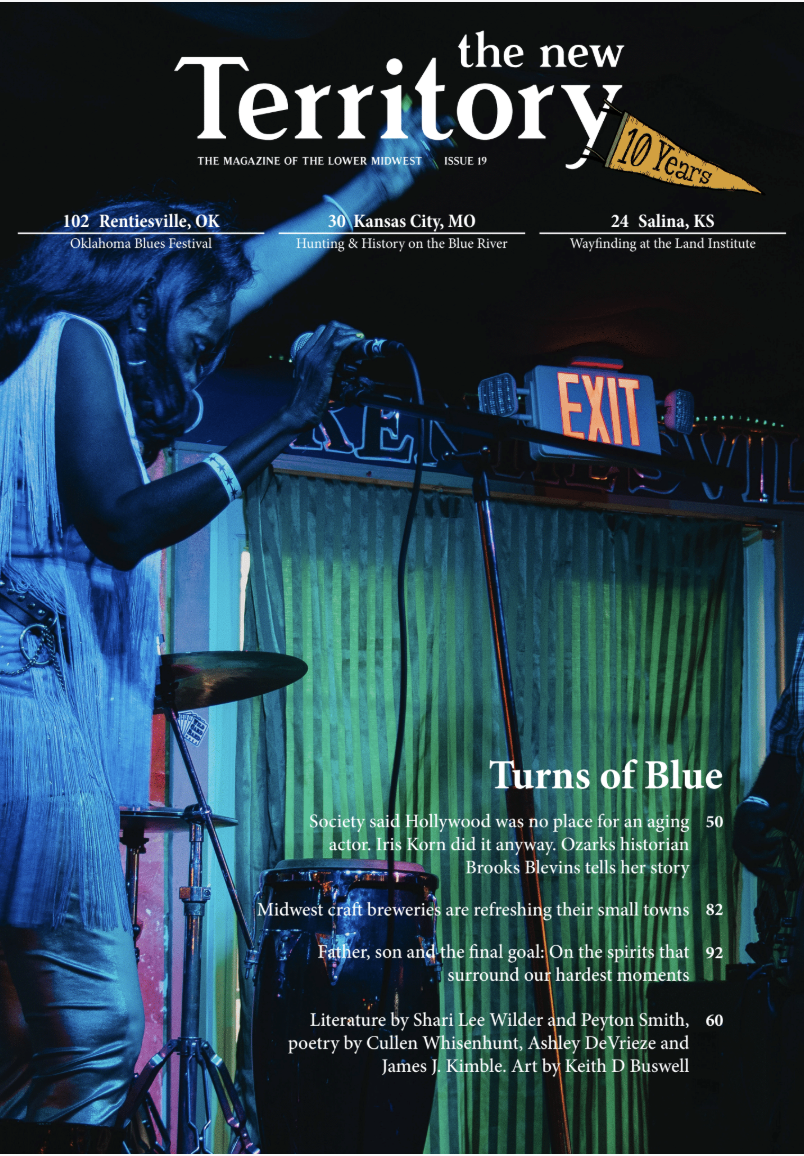
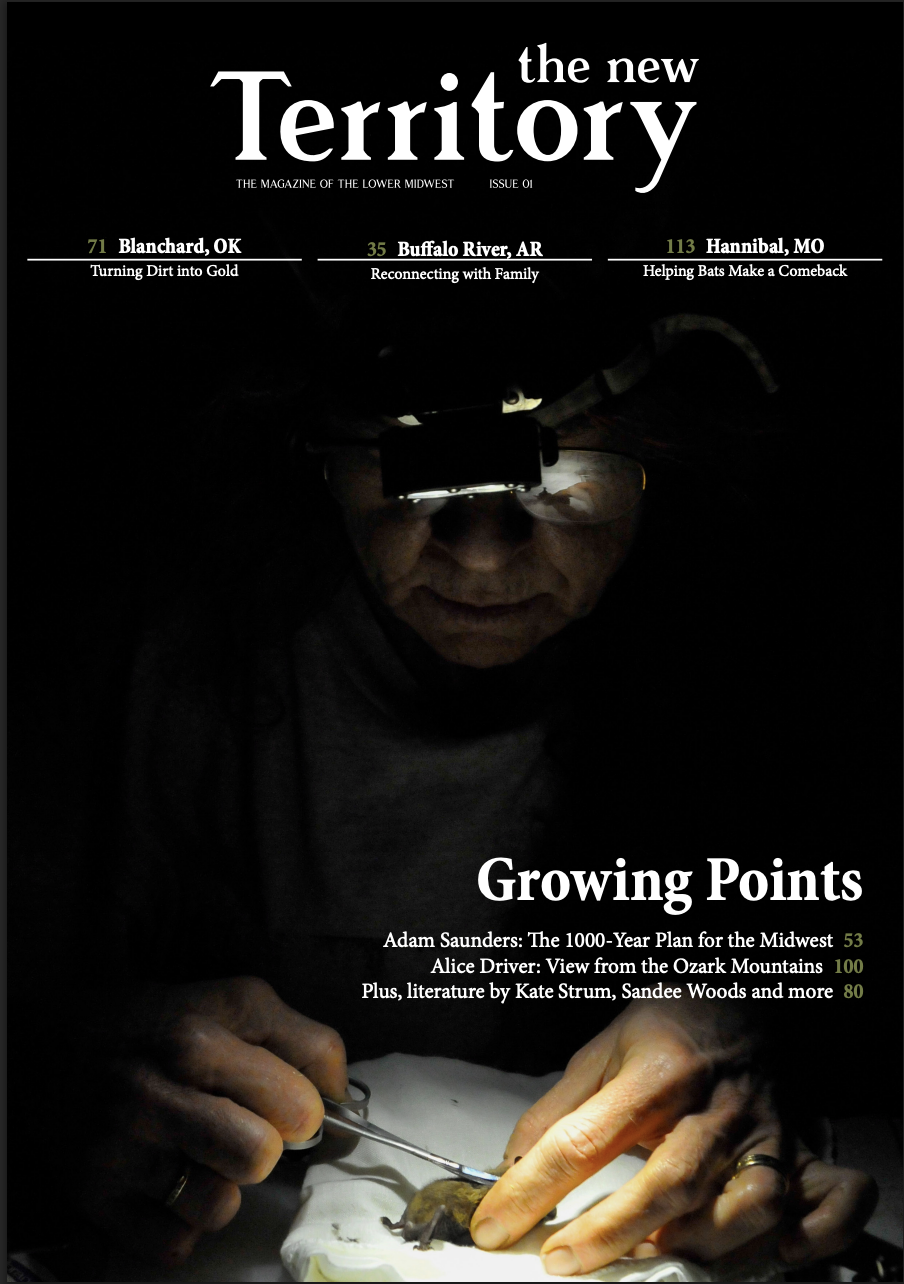
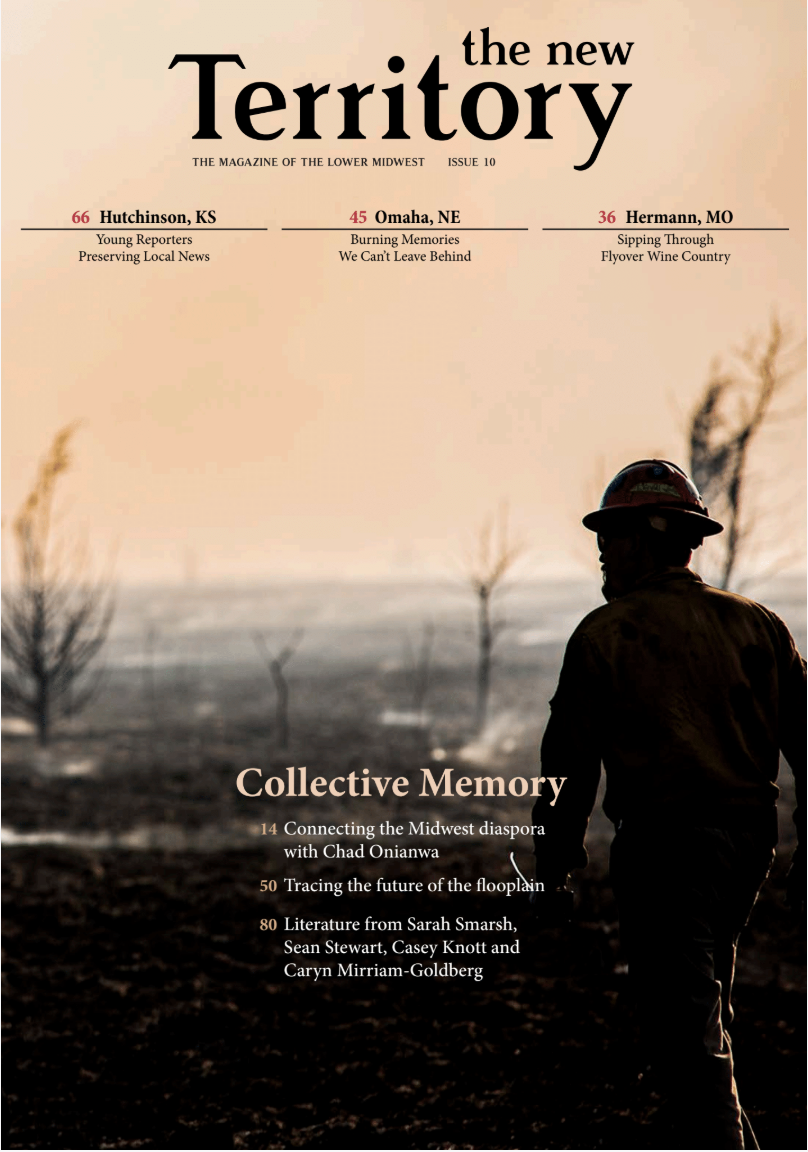
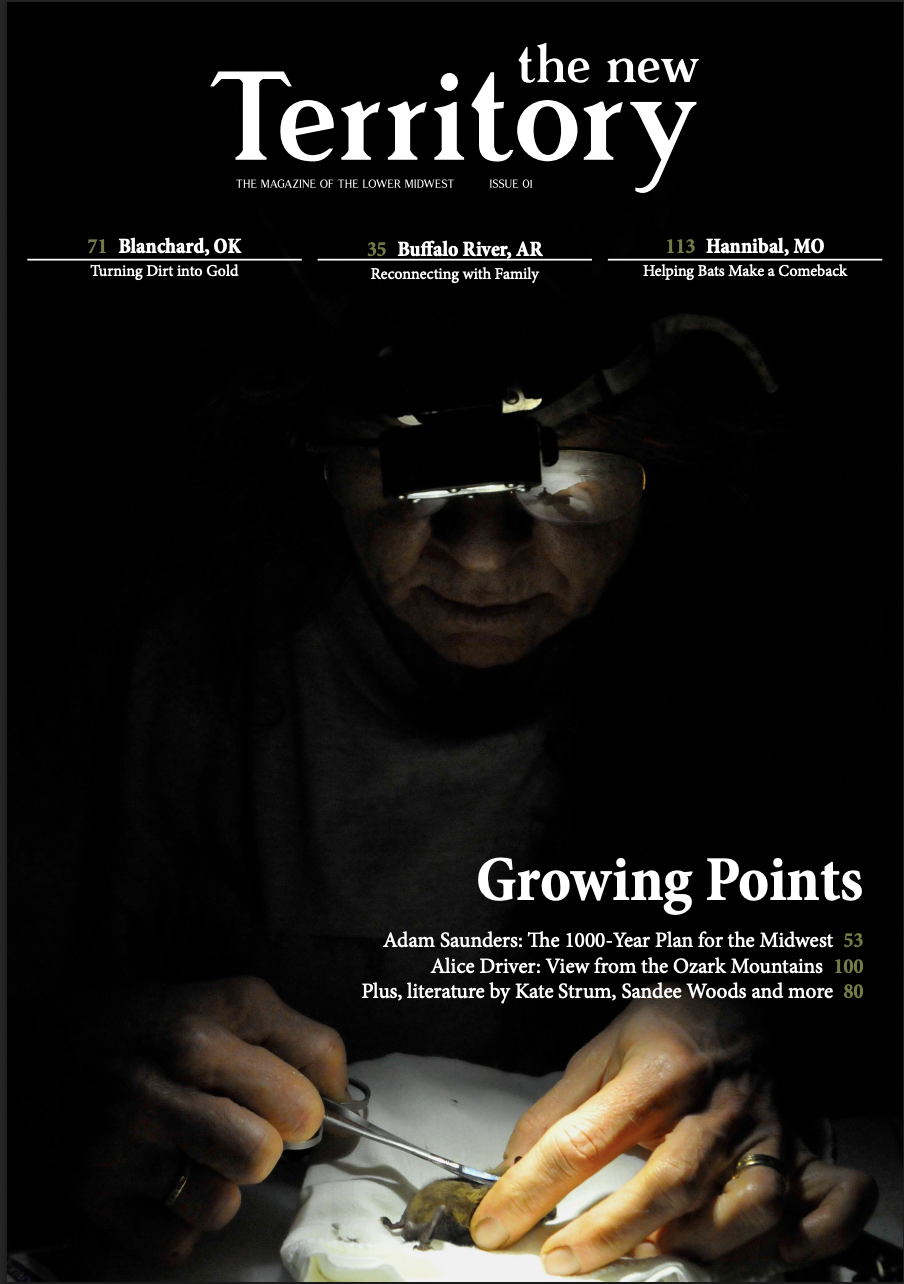
Unlike the internet, print has a soul and The New Territory magazine searches this soul and bring it to life on the beautiful ink on paper pages of the magazine. 

Celebrating a region, almost ignored by the national media, The New Territory magazine opted to celebrate, present, and enjoy the lower Midwest of the United States by showing its beauty of both the people and places it covers.

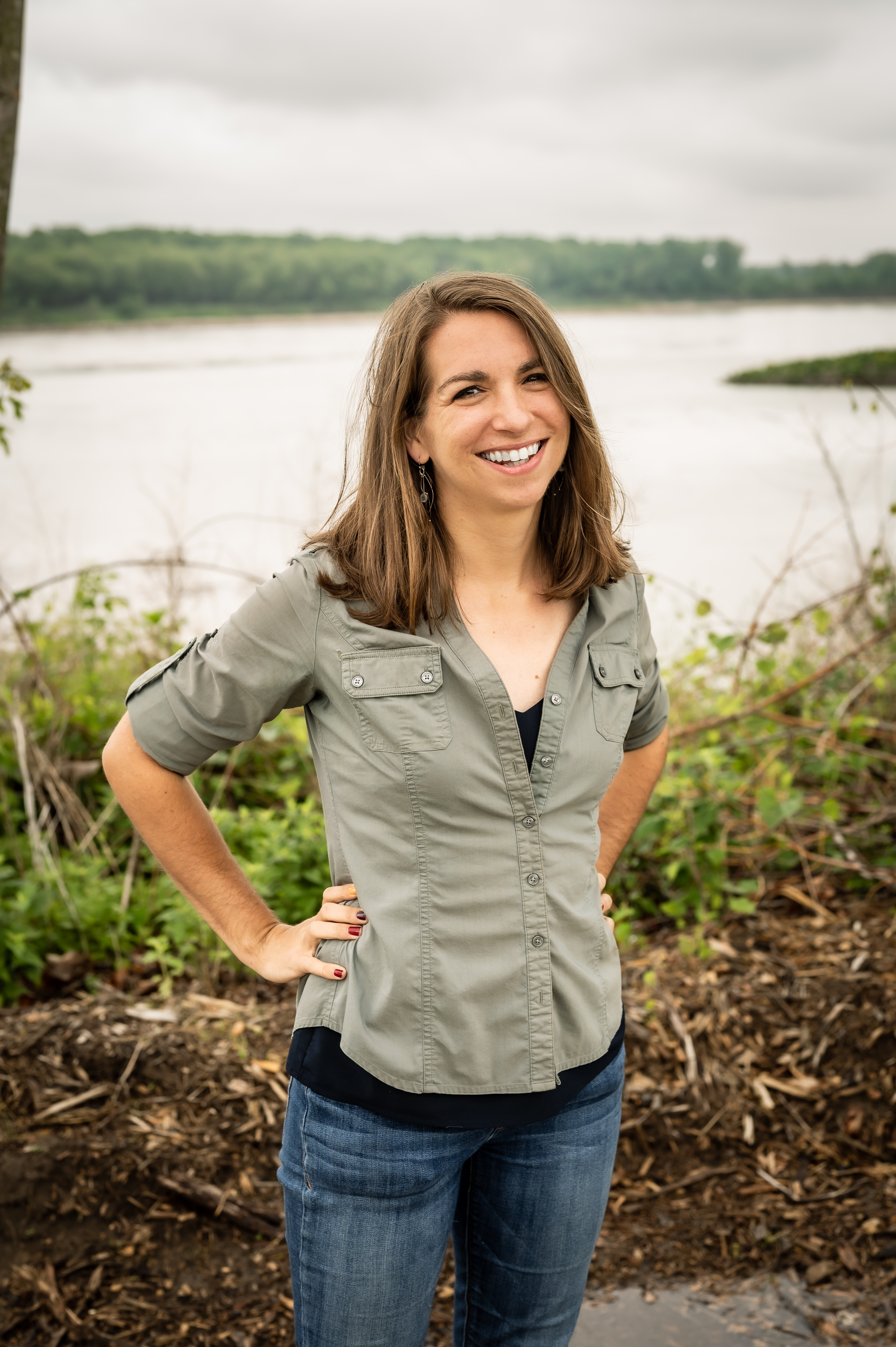
Tina Casagrand Foss, a fellow Mizzou grad, is the publisher and editor in chief of The New Territory magazine. The magazine is celebrating its tenth anniversary and looking forward to more to come.

I had the opportunity to chat with Tina about the magazine, print in general and how it differs from online, AI and its role or lack of role in the magazine, and the beauty of the region and its people that the magazine cover.

So, without any further ado, please enjoy this lightly edited Mr. Magazine™ interview with a passionate magazine publisher and editor Tina Casagrand Foss:

Samir Husni: My first question to you, what’s The New Territory?

Tina Casagrand Foss: The New Territory is the autobiography of the lower Midwest. We publish twice a year, full-color print magazine, and we focus on the nature, environment, society and culture of the Lower Midwest, which for us is Missouri, Arkansas, Oklahoma, Kansas, and Nebraska.

We color outside the lines a little bit, but that’s our main focal area.

Samir Husni: You mentioned in the magazine that it’s like soul-searching writing in print about that area. Can you expand a little bit on that?

Tina Casagrand Foss: Yeah, absolutely.

Hold on, let me hit the okay button. I really love long narrative stories that take me somewhere where I get to meet people and feel like I’m experiencing places through reading about it or seeing photography. I grew up all my life in central Missouri, learning about mountains and beaches and New York City, but never seeing my own place reflected in the media or even if it was like the daily news.

I grew up in a small town that was hardly ever mentioned on television broadcasts or whatever. I just felt like our place was forgotten or unimportant in some way. I think the Midwest as a whole, especially in that time, I think media is getting better perhaps about paying some attention to this region.

But anyway, I think that it’s important to be represented and to see yourself in stories. And so that’s part of it. And the soul-searching part of it comes into the fact that we encourage a lot of personality in our pieces.

Not all our journalists feel comfortable writing in the first person, but we do encourage that and invite them to reflect on why this story is important to them as well.

Samir Husni:  You are creating a general interest magazine for a special interest audience. Is that correct?

Tina Casagrand Foss: Yes. I want people to encounter new things that they might never have thought of, but they would find interesting because it is so close to home. Since we do have that tight five-state area, there are places that you could reasonably drive to and visit and experience for yourself.

Samir Husni: In those 10 years since you launched the magazine, has it been a walk in a rose garden?

Tina Casagrand Foss: No. I mean, if the roses have thorns, then yes.

Are you asking from the creative side or the financial side?

Samir Husni: Both sides.

Tina Casagrand Foss: Creatively, I have to say that has been a dream.

I’ve been able to meet people I admire. I’ve been able to work with young writers, journalists, artists who are having fabulous careers and who are just great people. There’s something about place-based ideas that attracts these really grounded, caring, no-nonsense individuals.

Maybe it’s the Midwest too. I don’t know. But I love the people that we work with and I always have.

Of course, we’ve had different team members come and go. I’m the one original team member of the five, but it’s been steady. We’ve had three fellowship rounds where we’ll train people and get a chance to work with them, and they get a chance to work with us.

Then often those people will stay on as volunteer editors for years until life might become too much for various reasons. So that’s been awesome. Financially, I will say it’s not been a walk in the park for sure.

That’s where the thorny roses come in. We started and I had a little bit of savings that I put into it initially because I really believed that we could make this work. And I did the cocktail napkin math and I said that it’ll cost $15,000 to produce an issue and we’ll charge $15 a copy or $30 a year.

Anyway, I did all the math and I was like, it’ll work out. It’s going to work out. And we still have not hit a thousand subscribers.

We do get rid of our, or not get rid of, but eventually we sell out and we do a thousand copy print run of each issue. But I felt like, oh, once we get over a thousand, then the rest will be gravy, and I can start getting paid and we can start paying our editors. And that has not panned out, which is part of why we switched to being a nonprofit that had more fundraising power in 2023.

Samir Husni: You have 19 issues, 20 under your belt. What drove you or what gave you the idea for this dream? You said you had a dream and it’s like fulfilling the dream. What gave you the idea?

Tina Casagrand Foss: Well, wow.

Thank you for asking that. I have to say, it’s just such an honor to meet you. I’ve been excited about this conversation because you understand the meaning of a magazine and probably more than anybody else.

I love magazines and I think there’s something very special about the ability of a periodical publication to tell an ongoing story, particularly about something niche, like a place. So, I freelanced right out of journalism school. My track was magazine publishing.

So, I had learned how to create a magazine at Mizzou, but I was freelance writing and I wanted to tell those long-form stories that could change hearts and minds. I found that I was struggling with the idea that most of the stories or most of the magazines that do long-form storytelling, that is serious. Most of the magazines that are doing long-form storytelling are national magazines or international.

They would only take an Ozark story maybe once a year at the most. They’re not going to cover this part of the country as frequently as I know that there are stories here. And even if I could get to that level of writing, my work would be kind of piecemealed out in all these different publications and maybe not even necessarily read by many people who lived here.

And that bothered me. I was very jealous of the writing traditions of the South and how that’s a whole culture. The Mountain West also has publications like High Country News and now Mountain Gazette.

They have a long history of great publications. But I didn’t see anything regionally like that for the Midwest and particularly the lower Midwest. The Great Lakes have some great publications, but they aren’t going to stretch over to Kansas or Missouri or Arkansas.

So that’s why I felt like it was important to create space to gather those stories and we can continue to tell the story of this place. Because I think the stories, we tell ourselves do affect our culture.

Samir Husni: Didn’t anybody tell you when you started The New Territory ten years ago, are you out of your mind? I mean, we are in a digital age, and you are starting to print publication?

Tina Casagrand Foss: Yeah, that was insinuated. Definitely. But my justification has been and continues to be that you can get great material to read online for free any time of the day.

And there’s no compelling reason to pay for online content. But we wanted to pay our contributors. That was very important to us that the journalists and the artists get paid.

So, it does make sense that if I give you a magazine and you give me cash for it, that still seems like a legitimate transaction in the eyes of people. So yeah, I mean, it feels a bit anachronistic, I suppose. But because we were charging a higher cover price than most magazines were at the time, I felt like it was justified.

Samir Husni: I noticed with the list of your contributors and the board of advisors and you’re using a lot of humans. Where does AI play a role in here? Or does it?

Tina Casagrand Foss: I can count on one hand the number of times I’ve used AI. And it’s mostly to do with alphabetizing our names or something like that.

It’s alphabetizing something tedious like that. When it comes to producing the magazine, we do not use AI at any more than a photographer would use a Photoshop tool to brighten an image or something like that. I know that AI is around but as far as writing and production, we do not.

It is a very human activity that we’re doing. The New Territory is about the human experience on the ground. It’s full of field reporting.

It’s very visceral. You feel like it’s a real place when you’re immersed in the photography. So, form follows function and that we employ a lot of humans.

Samir Husni: Let’s imagine you had a donor who says, said, I will give you X amount of money. Would you change the frequency of the magazine to four times a year or six times a year?

Tina Casagrand Foss: Oh, that’s a great question. We’ve been discussing that right now.

I have felt like it should be a quarterly magazine. When we started, we said it was quarterly. And then the financial reality kicked in.

We realized, based on how much money we were getting from donations and production, we could do two a year. I’ve, surprisingly, gotten a lot of pushbacks from our supporters when I suggest that we expand to quarterly. People are concerned that we might not be able to keep up with the pace or the finances.

And that’s real. I appreciate the care that they have for that. Another thing that occurs to me is that I have been saying we want to expand the frequency, because I think that’s what people, what I think people look for as a sign of success.

And I’m not necessarily sold on that, really. Like when I would say, we’re going to pitch to donors that we’re going to print quarterly. I don’t know that I believed it.

Talking to some dear friends who have been in the magazine industry, they have invited me to consider why not increase the quality of what you’re doing. We could double our pay. We could employ illustrators to illustrate a piece that doesn’t have great photography potential or something like that.

That could be a way that we are still supporting the creative community without having to increase the production rate. So, I hope that answers your question.

Samir Husni: A lot of people, including myself, consider print as a luxury item. How do you view The New Territory as a luxury item coming to your home?

Tina Casagrand Foss: Can you, can you define what you mean by luxury item?

Samir Husni: t’s not a disposal.

Tina Casagrand Foss: I do. And I think that is mostly a good thing. On the journalism end of things, I am concerned that good, vetted information isn’t as accessible as it used to be.

There’s so much, like, you can go searching online and not find well-vetted information. But in terms of The New Territory, what we are creating is, in that sense, a luxury. It’s expensive to report.

It’s timeless. You could keep The New Territory on your shelves for 10 years and still open it up and learn something. And it won’t have gone away.

It’s important to value what we produce in a physical form. There is an impact on the environment with almost anything that we do. Paper and ink is no exception.

That’s why we really want to focus on making it as much of a quality experience to hold and to read as we can. And high print quality too. That’s another, I might be going on a sidebar, but you asked it.

It was a walk in the park earlier. And in 20, around 2018, 2019, when we started facing the financial realities that it was, things were hard, I looked at switching to printing in black and white as a cost-saving measure. It would save us probably $5,000 an issue to do that.

Our team pushed back and said, no, printing in color is part of what makes the experience special for us and for our readers and for our contributors. So, so we kept with that.

Samir Husni: Well, you’re doing a good job. It’s a beautiful magazine.

Tina Casagrand Foss: Thank you very much.

Samir Husni: So, tell me, before I ask you my typical last questions, is there any question I failed to ask or you’d like me to ask?

Tina Casagrand Foss: One thing that I really want that I see The New Territory as being successful doing what we can keep doing even better is contributing to the creative ecosystem of this region because, when I was growing up, and then especially through journalism school, people who cared about me, wanted me to be employed and they suggested, to go to the coasts, get your reporting chops done there. Because those are the better opportunities and publishing and reporting and all of that. But I felt like there, there’s a lot of, a lot of reasons to stay in Missouri and in the Midwest.

It’s important that talented, writers and artists can be here and make the work that they feel called to make. It’s important for our communities to be telling those stories and hearing those stories for themselves. That’s what I want The New Territory to do is to be a place where long form writers and photographers and illustrators know that they could publish their dream projects through us, and connect with a network of other people who are creating important work.

I hope that can be inspiring for people here in this region to see, and not just this region, but any overlooked area in the world, um, that, that every place is, is important and has wonderful stories.

Samir Husni: The question I must ask, why the name? Why The New territory?

Tina Casagrand Foss: Oh, simple, really. The LOU, you the Louisiana territory, Louisiana Purchase, our primary states are within that territory.

It’s not the entire thing that would extend up to the Dakotas and beyond, but it’s a nod to the Louisiana territory, and obviously modifying the new territory. And we often question who gets to own this land, who gets to claim this land. Because, you know, human geography is full of very complicated history.

That’s another benefit of a magazine is that it collects multiple voices. There’s not just one authority speaking on behalf of a place. That’s what differentiates a magazine from a book.

Samir Husni: If I come one evening to visit Tina, uninvited, knock on the door, what do I catch you doing? Uh, reading a book, watching TV, having a glass of wine with your dog.

Tina Casagrand Foss: Wow, you guessed all of it.

Last night I was, um, I was reading a book, a fiction book. I’ve been getting into fiction more lately. I was drinking a, a tequila cocktail and we had our trivia fundraiser.

I have two stepdaughters, one’s a senior in high school and one just started at Mizzou. So, it’s my husband and my dog and our two cats in a little house in Jefferson City, Missouri. I’m usually home and either reading or some sort of media, always have music on.

Samir Husni: My typical last question is what keeps Tina up at night these days?

Tina Casagrand Foss: Good question.

If you had asked me a couple of years ago, I would have said the finances and keeping The New Territory alive. I feel like we’ve really stabilized since we became a nonprofit.

We have a great board that’s really helped alleviate the stresses of the magazine and steered us in a positive direction. So, it doesn’t keep me up in the sense that I’m stressed out about it as much, but I am excited about what the future might hold for the magazine.

I am thinking about what does it mean to increase the quality? Who are some of our dream contributors who we haven’t printed yet that I could reach out to and ask what we could attract them to write for the magazine. Those are some of the fun things that sometimes the hamster wheel in my brain starts going and getting excited about the next steps.

Samir Husni: Thank you and all the best.

30