Archive for October, 2026

h1

Nick Norlen, Founder & Editor, Paper Airplane Magazine: “Creating A Magazine For People Who Love Magazines.” The Mr. Magazine™ Interview

October 14, 2026

A fascinating concept, the brainchild of a fascinating editor, Paper Airplane magazine is, in the words of its founder and editor Nick Norlen, “the exact opposite of doom scrolling.”
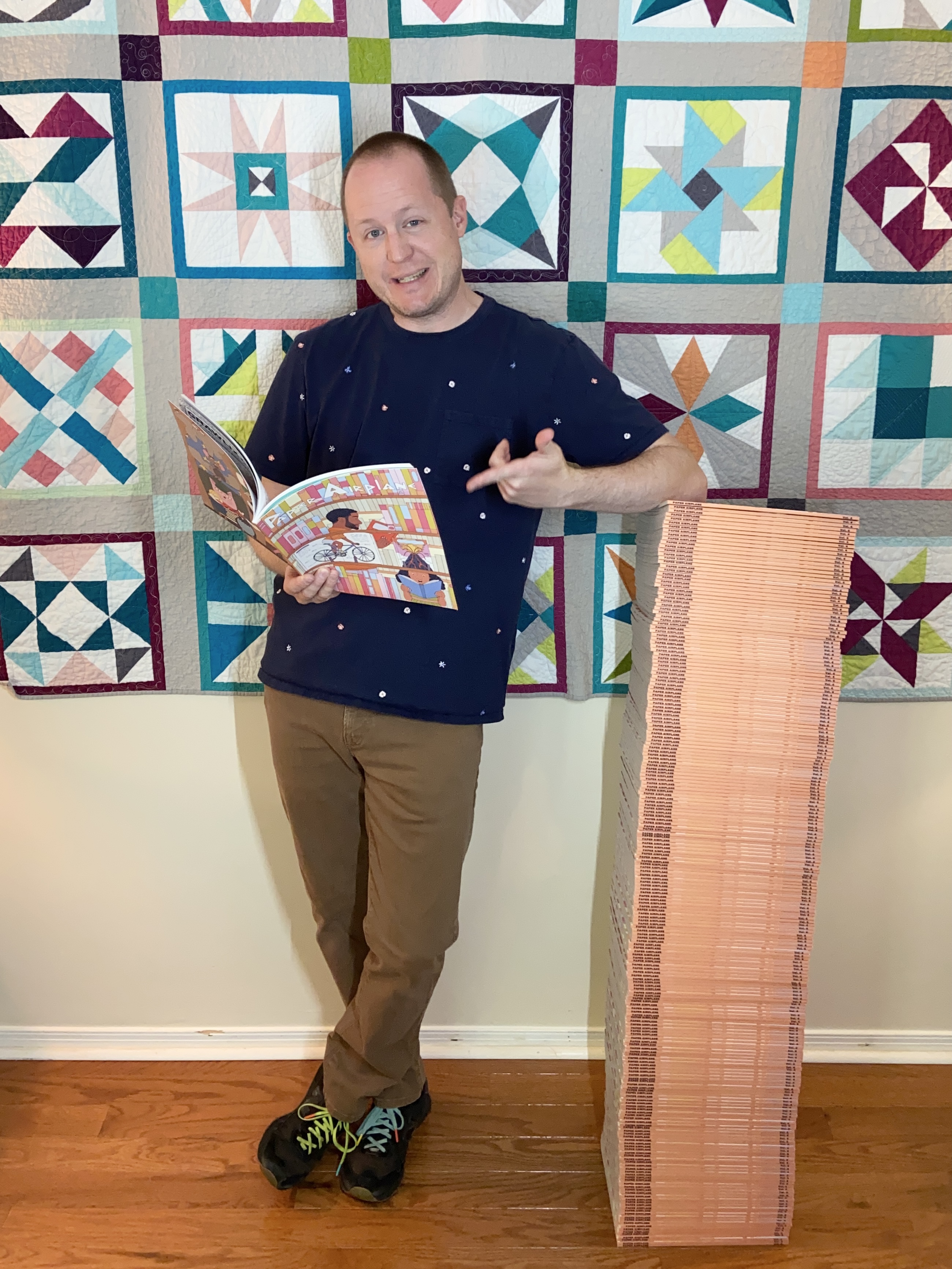
Nick Norlen standing next to a stack of Paper Airplane magazines

Nick created a general interest magazine that he refers to as the “grown-up version of Highlight.” However, his definition of general interest is different than many.  He told me during our conversation that what he means by the phrase he used, “was a general interest magazine for the people who are expansively fascinated.”  That element of surprise and satisfaction that you see on every page of the magazine, even if you didn’t think you are interested in or looking for.

In Nick’s own words Paper Airplane magazine, “brings some simple joy to your life.” And I must concur after spending time with the four issues published so far.  The first issue was digital only, but the demand from readers made Nick add a print edition of the magazine starting with issue 2.  Now, over 80% of his subscribers are print subscribers.

His mission with Paper Airplane is “to be able to work with like-minded people to create it.” The pages of the magazine are the best of evident that his mission is succeeding. 
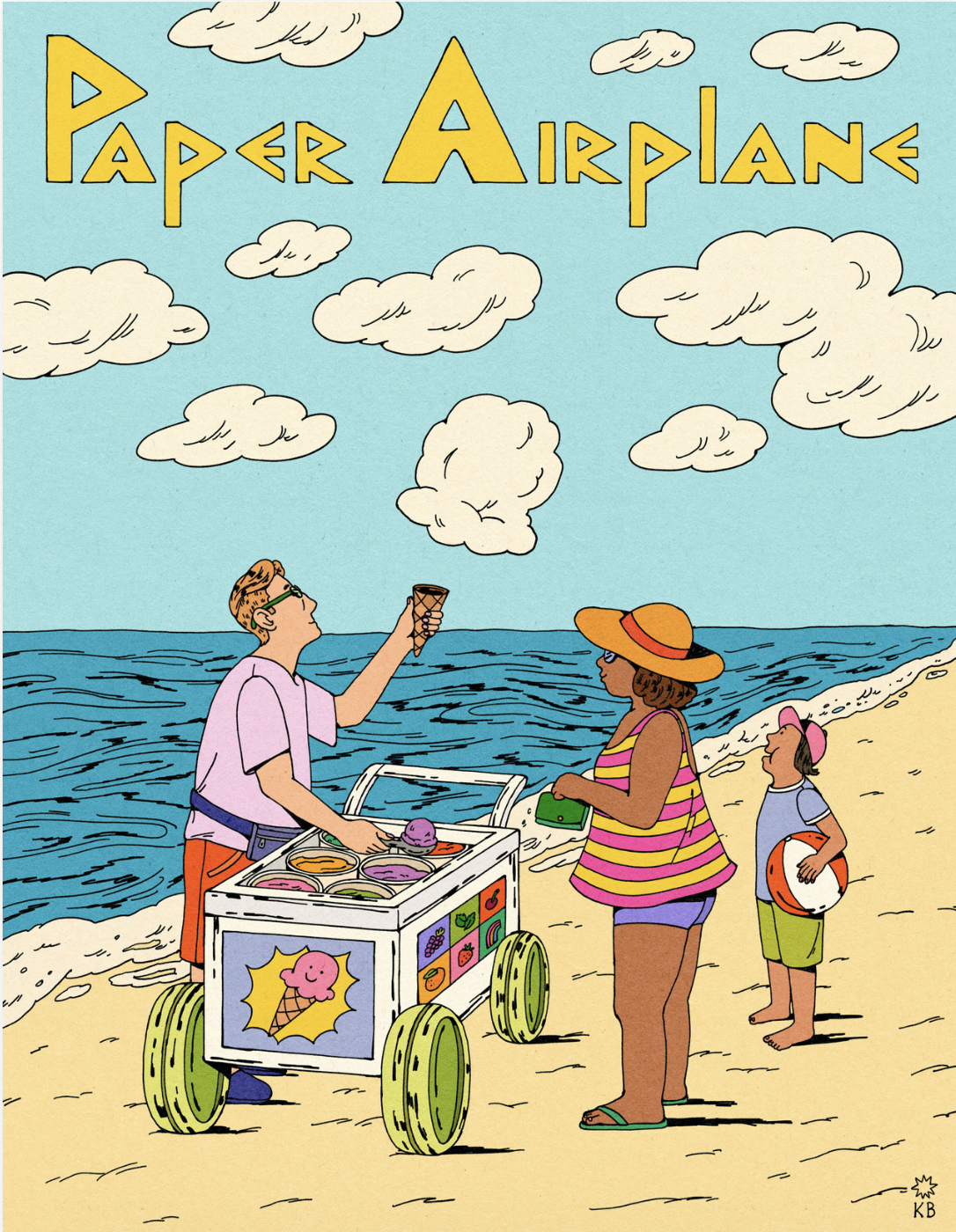
Issue One

Creating a print magazine (and just a reminder that Mr. Magazine™ believes that if it is not ink on paper, it is not a magazine) is expensive and costly, that why his business plan depends on subscribers since the magazine is ad-free.  There is no “fillers” as he likes to refer to the ads in magazines. The magazine offers four different tiers of subscription from digital only at $60 to “print & everything” at $150. Check their subscription packages here.

So, without any further ado, please enjoy this very pleasant conversation with Nick Norlen, founder and editor, Paper Airplane magazine:

Samir Husni: My first question to you is, what is Paper Airplane magazine?

Nick Norlen: What is Paper Airplane? Well, the way I like to describe it to people is, and people get this right away, is it’s like a grown-up version of Highlights magazine. So many people grew up with Highlights, and they know what that means right away, which is, it’s got games, it’s got puzzles, it’s got comics, it’s got artwork. And it’s more than that, it’s really like the feeling that you get when you spend with it, which is nice… The phrase I use is, low stakes, high quality, uplifting downtime.

That’s what I’m looking for. I was talking with my wife when I was trying to describe what my ideal magazine would be. And I said that phrase, I said, it would really be like a Highlights, but for adults.

As soon as I said that I knew I needed to make it happen. So that was the genesis of it. It is geared to grown-ups, but it’s appropriate for all ages. I try to include things that are just going to be interesting. And, human-made, that’s really the idea is to have a celebration of human creativity.

Samir Husni: You know, I consulted for Highlights for years, and I helped them with the launch High Five.

Nick Norlen: Oh, wow. Well, I got that for many years.

There’s a stack of them in my basement that are about this big. My kids are on to the older Highlights now. But yeah, it’s a big thing in our house. They still run to the mailbox to get it.

Samir Husni: Talking about stacks, what attracted me to create this interview was your picture standing next to a stack of magazines. What gave you that idea and why did you decide to shift from digital to print after the first issue?
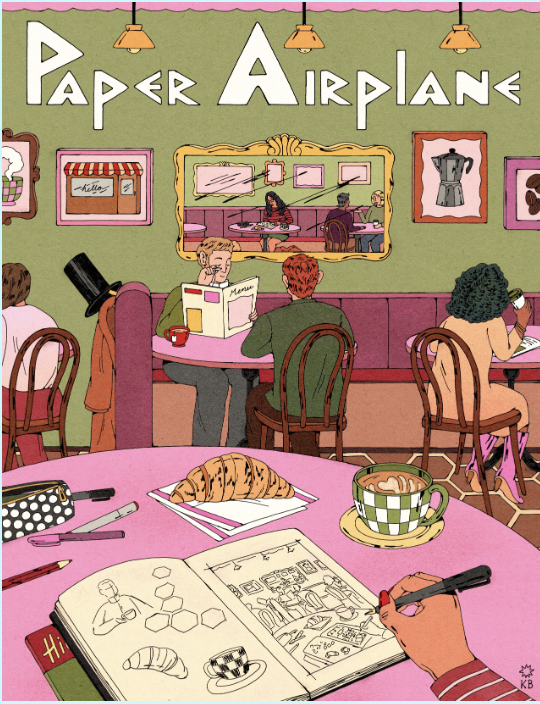
Issue Two

Nick Norlen: Well, now I do both.

I offer it in both digital and print. The first issue, the story with that was I had started my career as a reporter. That was a long time ago.

Then I shifted into kind of online reference work. I worked for online dictionaries for many years, most recently at dictionary.com. In 2024, I got laid off. I took some time to think about what I wanted to really do.

I loved working creatively with people and collaborating on projects. We would do fun things at dictionary.com like word brackets or writing contests and other content. I liked working with the team.

So, I wanted to start doing that again. But I got laid off into a media market that, as you probably know, is not very welcoming right now. And so, I thought, I’m going to try. I’m going to see what happens. I’m going to try to start my own thing. I decided to do the first one for charity.

I reached out to people and said, here’s what I’m thinking. I’m going to do this digital magazine. All the proceeds are going to go to the U.S. Committee for Refugees and Immigrants, which most people know that as refugees.org. I got a lot of great responses. I started putting it together and it kept getting better. Eventually we reached our goal of raising ten thousand dollars. I thought enough people like this that I’m going to try to launch it as a business.

The number one question, the biggest question I got from everyone was, will it be available in print? I said I guess so. It was never really my plan to do that. But that was the question I got from everyone. Is it going to be available in print?  I got some samples printed and it looked good. I thought, OK, I’ll make this available.

Now I would say 80 percent or probably more than that of my subscribers are in print. I do offer and digital looks great there, too. I build it for a reader on the iPad, but it works on any tablet or laptop.

However, there seems to be a real appetite for holding it in your hand. I like to say is no one ever got tired of print. No one ever was like, oh, I don’t need this anymore.

It just became a little less accessible. A lot of magazines got smaller, and they got a lot more ads in them. And so, it became a thing where it wasn’t the quality that people were used to anymore. That’s to me, that’s a big thing is that I want to make it there’s no ads. And every page is really designed with the reader in mind. There’s no filler, as I like to say.

Samir Husni: In issue four, you wrote about your own definition of a general interest magazine. Tell me more about your definition of a general interest magazine.

Nick Norlen: Well, you may have seen that I wrote about that in my editor’s letter.

I wanted to kind of play with that phrase because that’s what I like is a general interest magazine. But so often that kind of levels out to me, at least being not so interesting when you’re trying to please everyone, with kind of a common denominator type content, which we see a lot online. Right.

Whereas I think what people craving are a lot of interesting things from all kinds of topics. But allow them to be weird, allow them to be. Oh, wow.

I would never have thought of doing something about that. So, to me, general interest means really expanding the horizon for people specifically who are interested in all kinds of different things to try to take those very specific interests and package them, together with a variety of other things. The phrase I used was a general interest magazine for what I do is for the people who are expansively fascinated.

It’s for people who love to notice things and love to learn new things and are always interested in learning about some fact, even if it’s not their main interest.
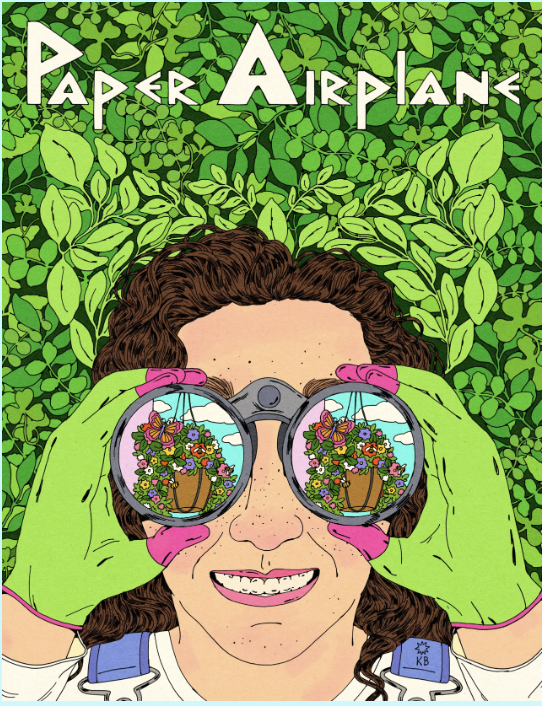
Issue Three

Samir Husni: You focus so much on the magazine being human created. I mean, no AI. Everything is human. And on your pages of the contributors, you have everybody’s picture and bio. Why is that? Why do you think it’s important now to have something that’s humanly created, not AI?

Nick Norlen: Well, I think it’s always important.

It’s important no matter what age you’re in is because that’s what makes it interesting. I don’t think people are looking to consume content. People are looking to see what another person has created to communicate what’s on their mind.

That’s what people are interested in. They’re strange, weird, idiosyncratic way of communicating some idea that you maybe haven’t thought of or hadn’t thought of in the way that they see it. So, to me, that’s the whole point.

I don’t see another point of making things other than other than getting your ideas across to another person and having that kind of dialogue. Of course, right now we’re in a very strange time. And I think we’re seeing a big momentum, which I’m very happy about, about people returning to human made stuff that’s maybe a little rough around the edges.

Maybe it’s a little weird, but that’s people are tired of the smoothness. There are too much smoothness and sameness. That’s what I’m trying to provide an alternative to.

Samir Husni: Do you consider AI is your friend or your foe in these days?

Nick Norlen: Oh, we don’t even talk. We’re not friends.

I just don’t use it. The point is making the thing, the fun of, I love making this magazine.

I love tinkering. This allows me to tinker with layout, with copy, with my contributors back and forth. Oh, here’s an idea. That sounds great. Oh, what about this? And then we go back and forth and that’s how we get to, for example, this cover or some of the ideas inside are really a product of one-on-one human back and forth, which there is no substitute for. And there never will be, because it’s going to go directions.

That are unlike things that have been done before versus, to me, the function of AI is to make it samey samey. It brings everything to the middle. I don’t want to. That’s not where I want to be.

Samir Husni:  You said 80 percent of your subscribers wanted the print edition. Do you think there’s a difference between holding the magazine in your hands and seeing the magazine on your iPad?

Nick Norlen: I think there’s a difference.

But to me, I’m always trying to tell people it looks fabulous on digital. And because of that, I’m not an anti-technology person. So, I think there’s a huge difference that the two aren’t even related.

Digital and AI are completely different things. I produce the magazine using lots of digital tools. So, I think while there is a difference, it’s always great to feel paper on your fingers. That’s a very human, simple pleasure. But at the same time, there’s a lot of great things about the digital edition in terms of, if you want to zoom into a photo or you want to get a little closer on your mates, you can still use your pencil on there to do the puzzles and everything. In a lot of ways, I try to think about what’s the reader experience going to be like in print? And what’s the reader experience going to be like in digital? And I try to account for both because it’s not the same.

But in a lot of ways, what’s on the page, just the pleasure of seeing a great layout or a great design or great artwork. I think both of those come across.

Samir Husni: How did you come up with the name paper airplane? Nick Norlen: Well, this is I just started out writing a list of names.

What I wanted was a feeling. I wanted it to be a feeling of something tangible, but also something that’s a simple act of creativity. I love anything where you can make something out of nothing and making a paper airplane to me is close to that.

You take a simple sheet of paper, and you can make this three-dimensional object that can fly across the room. Now, so that also evokes to me a little bit of nostalgia for school days for I wanted there to be an element of mischief to it. I think any good publication has at least a little bit of mischief in it.
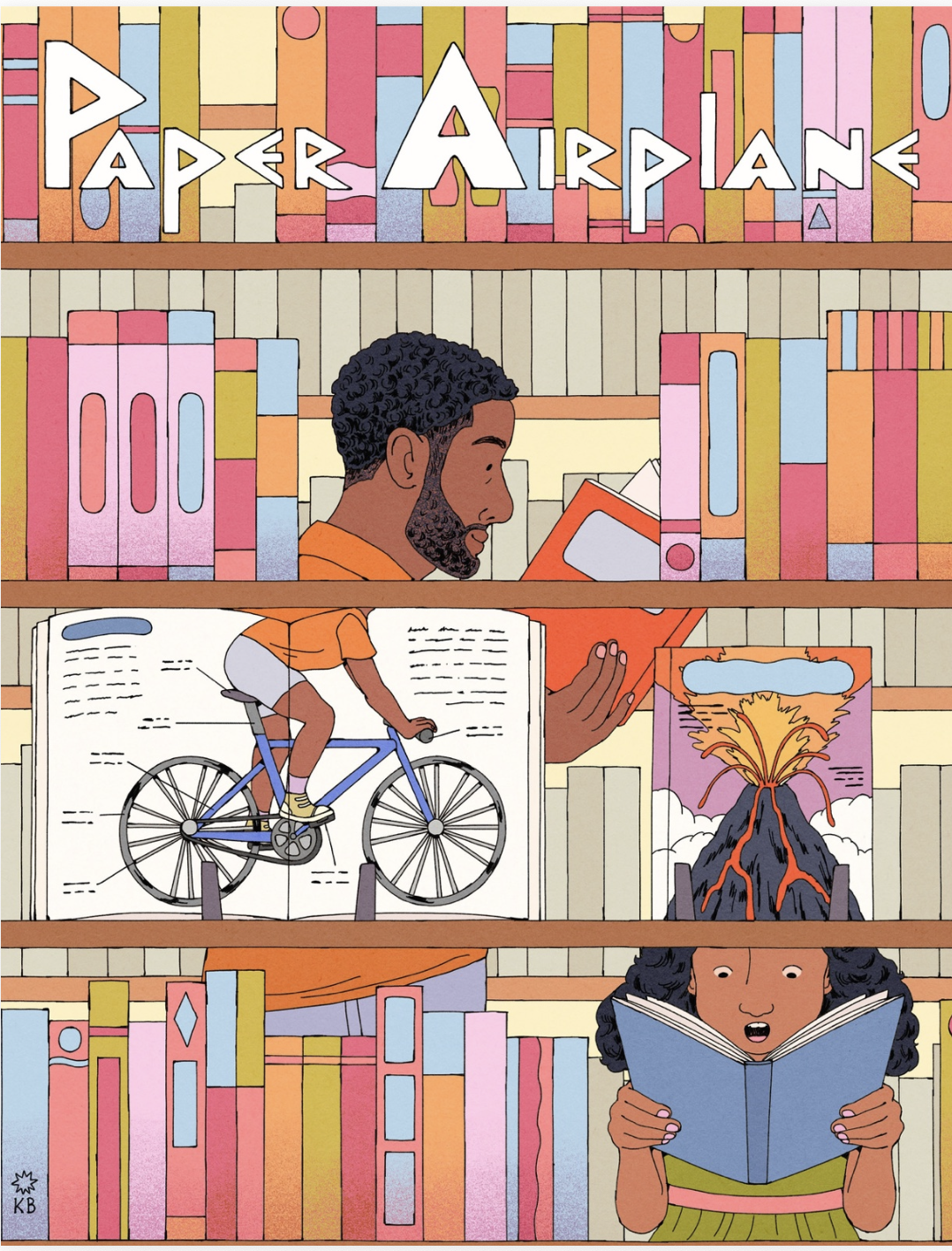
Issue Four

The image of a paper airplane flying across the room is a harmless but mischievous kind of symbol. That’s what I want the title to evoke. That you don’t need a lot to be creative.

You don’t need a lot of tools. In most cases, you need a piece of paper, and maybe a few other things. And so, I it wasn’t a mistake that the first word is Paper.

I think that’s one of the most universal mediums for creativity. And that’s what I really wanted this name to say is that this is something that celebrates human creativity in a way that’s fun.

Samir Husni: So, pun intended, has your flight with Paper Airplane have been a flight in a rose garden, or you had some challenges, and how did you overcome them, if you did?

Nick Norlen: Have you ever spoken to any publisher who hasn’t had any challenges? I’m sure I’m going to guess no.

No, it’s been a big learning curve for me, because I always worked online. In my early days, I was a reporter, I did work for print publications. But most of my career was spent producing digital content for online.

So, I had to learn what bleed is, I had to learn all the ways to prepare this for printing. That in my mind, I, you don’t know what you don’t know. And I didn’t know, most of it, so, each step of the way, there’s been a new thing for me to learn, in terms of the printing, in terms of setting up my online shop, instead of setting up my website.

These aren’t my core skills. I’m a copy guy. I’m a word guy.

Each step of the way, there’s something that always takes way more steps than you think it will. But that has been both challenging and fulfilling to kind of build it. And then each time, level up and understand that I understand this a little bit more now.

Now, the first version was a little bit hacked together. If I say the website, and that now I’m happy with how it functions. I’m still working out those little challenges along the way of getting this magazine to people and print costs rise and shipping costs rise.

But I knew that going in. I’m really trying to keep building my audience in a way that will make this sustainable. So yes, there have been plenty of challenges.

It’s really fulfilling, because this is something. If you had asked me two years ago, I don’t think it was, I was that close to being able to do something like this. And because of getting laid off, it gave me this opportunity to try something. It’s really one of the most fulfilling things I’ve ever done.

Samir Husni: Can you pinpoint that moment that you felt this is the most fulfilling thing?

Nick Norlen: I don’t know if it was one single moment. But every time I release an issue, because you spend so much time working on an issue.

And then by the time it gets out, you’re like, I guess it’s pretty good. It’s good. Then people get it and they love it. I’ve been spending so much time with this, that I forgot how great this really is. Then people in an unsolicited way, tell me how good it is. So that that makes it worth it that I’m putting something out there, not just something that people love, but they can really have some time to spend with that doesn’t have any kind of darkness or other negative things creeping into that time. Because I like to sometimes describe the magazine is like the exact opposite of doom scrolling.

That’s what I have in mind. Every time I choose some content, I want it to be, you feel better after spending some time with it. And people tell me that’s true. That’s the most fulfilling part.

Samir Husni: Is there any question that I need to ask you that I failed to ask you so far?

Nick Norlen: I used to end interviews that same way. I think there is a great question you haven’t asked me.

You asked me all the stuff that I normally try to say to people, I would just say, to expand on my last point, this is a magazine for people who love magazines.

What I mean by that is, for me, a magazine is something that gives you the freedom to spend time with it, in a casual way, just kind of paging through it on a Saturday afternoon. Or something that you’re looking forward to all day, and you’re really going to pour over every little detail. Because to me, that’s what I love about magazines.

And that’s what I love about making this magazine is adding those details to every page, little things that maybe only a few people will notice, but those people that’ll do it’ll be really rewarding to them. Little ongoing jokes from issue to issue to make you feel like you’re part of this, readership this community of people who enjoy this thing. It brings some simple joy to your life.

That’s my mission. And it’s great to me. To be able to work with like-minded people to create it.

I would say to add to what I was talking about earlier. One of the most fulfilling things is working with these creative people because that was my goal to begin with. When I find them, and I find world class artists and writers to be able to work with them and edit their work and get their feedback and incorporate that, that’s just so much fun to me.

That’s what I wanted my career to be. To be able to do that is great. And The caliber of people is just fantastic that I don’t know if I you saw, but the in the very first issue I had a piece by Kory Stamper

that was selected for the 2026 best American science and nature writing volume, which comes out later this month.

That’s alongside the likes of The New Yorker and National Geographic, the biggest names in magazines and for me with a staff of one to be able to get that with my first issue, that was really encouraging to me to keep going and keep building something that people are enjoying.

Samir Husni:  My typical last two questions are always if I come to visit Nick one evening unannounced. What do I catch Nick doing working with Paper Airplane, reading a book, watching TV, having a glass of wine.

Nick Norlen: So, it depends what time you come. You’re going to arrive at 630 I’ll be finishing dinner with my kids and my wife. We will be trying to convince them to practice their instruments ,will be making their lunches and then we might play a board game or watch some basketball. Once we finally convince them to go to sleep.

We’ll have some quiet reading time on the couch where that’s where my wife saves her time with the magazine, with Paper Airplane to read it. She’s been enjoying that, and I love publication. So, I’m I get my hands on as many as I can. That’s a great way for me to end the day. But boy, it depends on the night because we might be at soccer practice, sir. We might be picking up the kids from some other art class or whatever.

So, you should probably give me a notice that you’re coming.

Samir Husni: And what keeps Nick up at night these days.

Nick Norlen: I sleep well; I leave it all out there. I would say I understand the point of your question isn’t about my sleep so I would say, I just want to keep doing this. And like you said before you asked about there’s challenges.

Right. I talked about printing costs and shipping costs and today. One of the big challenges is just finding your audience.

Because there’s so much out there. But I, one of the reasons I decided to do this, because I was confident, I could find enough people to keep this going. So that’s the thing I think about every day. What’s the new way that I can find my audience. I’ve started trying to sell to dentists’ offices, because that’s where people associate reading magazines. And I think that’s a market for me where I would love to discover that type of magazine. It doesn’t have to be a dentist; it could be at a salon or wherever.

But the thing that I’m thinking about most because I’m not a marketer, or at least I’m not by training is how do I spread the word that enough people know about this because I think it really is for everyone. I make it to be for everybody in a way that it’s going to be something they haven’t really experienced before, even though it brings back memories of stuff they may have grown up with. I don’t think there’s really an equal to it in in adult life.

Samir Husni: I really appreciate you taking the time and chatting with me. Thank you and all the best.
h1

Bo Sacks To Samir “Mr. Magazine™” Husni: “We Don’t Have The Capacity To Understand What This Technology Is Doing To Us And For Us.”

October 9, 2026

Interviewing Bo Sacks is unlike any other interview I have conducted over the years. Bo is more than a friend and colleague. He is a formidable magazine consultant whom, he and I, have shared many stages together debating the future of the magazine industry.  He draws on years of work in the industry, and I draw on years of studying and teaching the magazine industry inside and out.

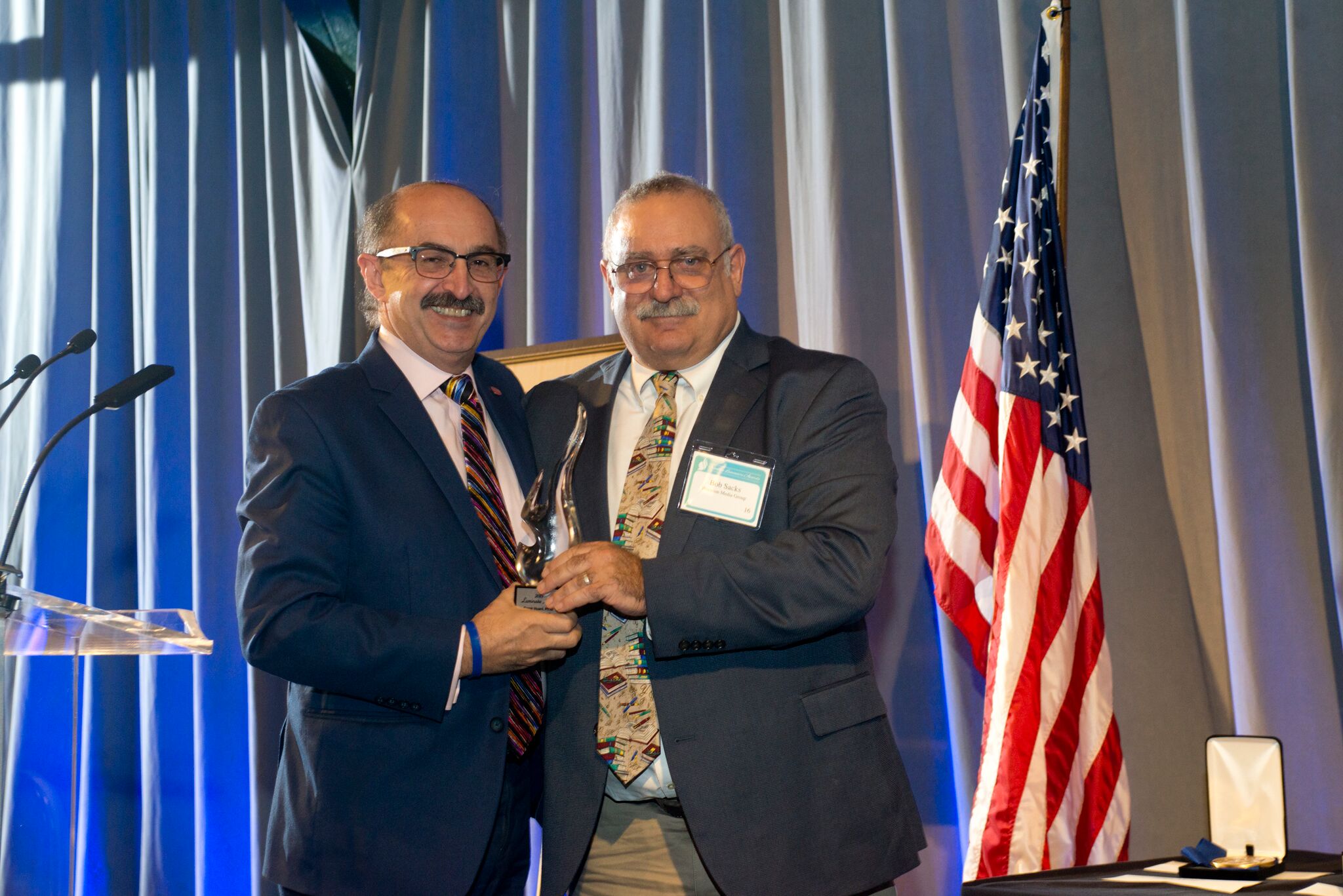
Bo Sacks (right) with Samir “Mr. Magazine™” Husni

Debating Bo was always fun and sharing the same stage with him was even more fun.  That brings me to my first ever interview with him for my blog which reminded me of all the fun we had and still have serving this industry in every capacity we can.

His energy and dedication are evident in every answer he gave me.  We talked future, and Bo is a master in that field; we talked AI, and without any doubts Bo has his take on AI and what technology can and can’t do to us and for us.

Bo just downsized his house that he shares with his wife Carol and hundreds of wine bottles and is still in the process of finalizing the move and adapting to the one-story home with no wine cellar. 

We talked about the origin of “Heard on the Web,” the oldest e-newsletter since 1993; the story of its birth, its future and the role of what Bo refers to as “appointment journalism.”  A very engaging interview to say the least, and for those of us who know Bo and Samir, I promise you that you will get a kick out of this interview and you will learn more than a thing or two about the man who changed from Bob Sacks to Bo Sacks.

So with any further ado, please enjoy my conversation with Bo Sacks, a man that needs no introduction to the magazine media folks here and beyond:

Samir Husni: My first question to you, what’s in it for you? Why do you do what you do?

Bo Sacks: The easy answer is, it’s payback. I’ve been mentored by some of the greatest production people of my previous generations. They were good to me, they taught me, they mentored me, and this is how I give back to the industry.

It was good to me, and I aim to continue to orchestrate, educate, have some fun occasionally, but it’s personal. I want to help the industry.

Samir Husni: Is there such a thing as production these days like it used to be when you were growing up in the magazine industry?

Bo Sacks: You know, I haven’t been press-side in the past five years.

I know that production is radically different and I’m toying with the idea or grappling with the idea that the skill set that I once had, of which I consider myself a master at, would probably not be applicable. I don’t know that I would, if I was 23 and had the skill set of my old self, I don’t know that I would be hirable. Why? Mostly because I don’t know the inner workings anymore.

I’m now a 40,000-foot guy in the industry. I don’t know exactly how to put a magazine to bed. I once knew it intimately.

Now I’m not so sure. I’m pretty sure that the production responsibilities are spread out through various departments and probably not one single source. But I don’t know that for a fact.

I can only surmise what’s going on.

Samir Husni: You’ve written a lot about AI and what AI is doing in the magazine industry. How do you view AI? A friend, a foe, neutral? Bo Sacks: Damocles sword is a two-sided sword.

It is both wonderful and amazing and horribly, the potential for horrible things is there as well as for positive things. How we orchestrate it remains to be seen. Publishers do not have a good history of adapting to new technology.

In fact, they’re terrible at it. But I see both sides. The funny thing is in, I think it was 2003, I was interviewed by Printing News, and I invented at the time the concept of a personal concierge, an electronic concierge, which I called e-me at the time in 2003.

What I was suggesting then is what we have now with Facebook’s Muse. They’re trying to recreate what I said in 2003, a personal concierge, where my concierge will call Samir’s concierge and set a date for us. We won’t be involved.

My concierge will talk to the doctor and make an appointment for me. I won’t be involved. You will probably remember to send my mother a birthday card.

It will probably facilitate bill paying. All this is what Muse is trying to do now. And I see that as both positive and negative for this to work.

It must know everything about you. This electronic me. Which means it must know about your mistress, your gambling, your food vulnerabilities.

It must know everything to be an adequate player. So, there’s danger in that.

Samir Husni: Do you think we’ve come a long way backwards or we’ve come a long way forward with AI or as the president likes to call it the Super Intelligence?

Bo Sacks: Well, I don’t know what you mean by going backwards.

To answer your question without knowing your full meaning. No, it’s this all-forward momentum. It can be good for the publishing industry.

I believe that heartily. It can also be negative for the publishing industry that we now have newspapers using it. Newspapers are creating articles, giving them human names, fake human names and projecting them as written by humans. That’s not good.

We need honesty. I use AI every day and I tell anybody who wants to know I’m dyslexic. I can’t spell. Grammar is not my friend. AI facilitates correcting my writing. I used to use my wife for that purpose because she was a copy editor.

I would write stuff. She would keep my voice, but correct the spelling, correct the grammar and do all the things a good editor would do. Now I have AI Carol who does the same functionality for me.

For me, it’s very positive.

Samir Husni: Didn’t we do that? I recall back in the 80s and 90s where we had a lot of movie posters with fake reviews on the posters and fake names. So that fakeness is not something new in our industry, is it?

Bo Sacks: There’s almost nothing new in this world.

Plagiarism is not new. Lying is not new. Manipulating databases is not new. None of this is new, but we’ve accelerated the possibilities. We’ve gone beyond human capacity. I think for us to understand what’s going on, we don’t have the capacity yet.

Maybe we will. Maybe we won’t. We don’t have the capacity to understand what this technology is doing to us and for us.

And what does it mean in the future? Will people read less? Because that’s the next thing that I’m worried about. Some of the data is that readership is down in books. And that concerns me.

But the flip side of that is thousands, millions of people read audiobooks, listen to audiobooks, podcasts. We still have methodologies to educate in more ways than we used to have. But I think the loss of tangible reading is a detriment to the development of a cohesive brain.

Samir Husni: Well, and this year so far, I’ve seen quite a few youth magazines, big, thick magazines coming for the young folks. I’ve seen a huge explosion in collecting Pokémon cards. You go to like places like Target or Walmart, and the lines are to the end of the street where people do buy tangible collector’s card. Why do you think that is taking place?

Bo Sacks: Well, let me stop you right there, because you’ve made a key word, collectible cards. That’s not the same thing as reading for education, reading for fun. It’s a completely different concept.

Collectability is about potential profit. Reading is about self-education.

Samir Husni: When I interviewed the CEO of Highlights for Children, he told me last year was the first year since COVID that they’ve seen a double-digit increase in their sales and their books and magazines.

You think there’s hope or you are giving up on hope for the future? Bo Sacks: You’re asking a perennial optimist if there’s hope. And the only answer is yes. I can’t imagine holding a negative thought on the future.

It’s just not in my gene pool. So yeah, I’m hopeful. Highlights for Children, great magazine, always has been meaningful to me.

My parents got it for me when I was four or five. And the joy of getting a magazine through the mail with my name on it was thrilling. In fact, the first time I saw my name in a masthead was equally thrilling.

There’s a certain permanence to finding your name printed on anything.

Samir Husni: One of the things that you and I have talked a lot about is the future of the magazine industry. And I used to always say there’s three people who can tell you the future, God, a fool, and Bo Sacks. So, tell me, what do you consider your most successful prediction and your least successful prediction?

Bo Sacks:  I’ve been in the prediction market a long time. I do think what I mentioned earlier about my personal concierge 20 years ago, because the first time I wrote about it was 2000.

I wrote a Bo Sacks Speaks Out about it. And then again, I was interviewed in 2003. And we have it now. So, 20 years later, we have what I predicted in a personal concierge.

My least meaningful prediction, honestly, nothing comes to mind. I’m sure I made some boners. But I don’t know what they are at this moment. Everybody makes mistakes. I’m sure I did, too. I have been in the prophecy game a long time. Must have got a bunch of it wrong.

Samir Husni: In the span of this half century plus that you’ve been in this business, what do you consider is a moment that brought you the most inner satisfaction?

Bo Sacks: I think the momentous moment in my career, and for me and for my development was working for Ziff Davis when they put me on a team.

I wasn’t alone to figure out how to put diskettes into magazines, almost every magazine in the country. I didn’t know who AOL was. But I was sophisticated in binding and manufacturing.

And so, we figured it out as a team. They gave me a free house account, a whitelisted free house account. I was a publisher since 72.

We’re now talking about the 80s. Sending words over the phone blew my mind and intrigued me way back with the Hayes modem days. I sent an email to my college roommate who worked in the impact center at Time Inc.

That was the genesis of my newsletter. Had AOL not given me a free account, or if I did not have the experience of working with AOL to make those disks available, I think my career would have been completely different. There would be no newsletter today, if not for that fortuitous moment.

Samir Husni: If there’s anywhere somebody outside, they don’t know the origin of Bo Sacks newsletter. how did your name change from Bob to Bo?

Bo Sacks: There is a story. Well, first, there’s two stories or connected stories.

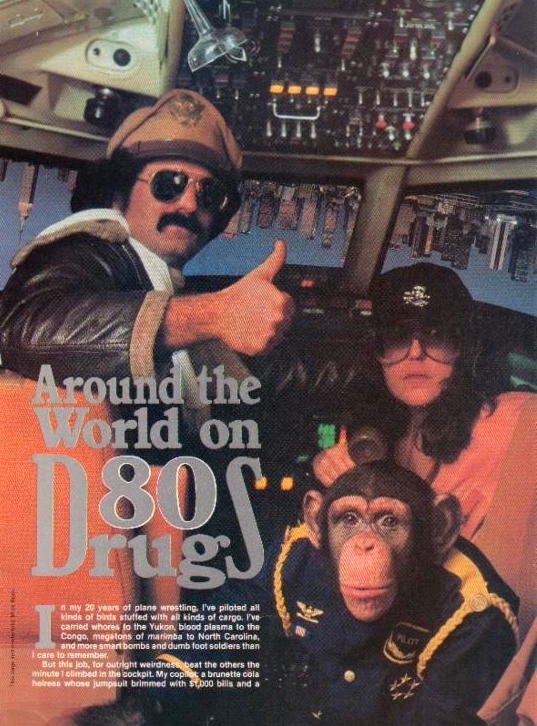
The first was at High Times magazine. I used to wear an Army Air Corps hat and a leather jacket with the fleece lining. And they called me Captain Bo.

I was in this centerfold of High Times magazine on our fifth anniversary issue. And in the centerfold, I was in the cockpit of a plane as Captain Bo. Then later, again, back to AOL, they would only let you have six or seven letters as your pen name.

Now it’s different. But then so I couldn’t do BobSacks at AOL.com. I had to be creative. And since I was already called Bo, I came up with Bo Sacks.

That unknowingly invented my brand. I didn’t intend to make a brand, but that’s what happened.

Samir Husni: You are dedicated to sending the newsletter, three emails every single day, except holidays and weekends. Why is that? Why the devotion of sending it out every day?

Bo Sacks: I can only say that I consider it a huge responsibility. I feel responsible to my readers. And you’re right about it going around the world at the same time.

And that’s something I call appointment journalism, which lots of other newsletters should pick up on. Mine always goes out at the exact same time, no matter where I am on the planet. Now it goes out at 12:05 am only because pre-automated email services, I stayed up every night till 12:05 am so that the email would have the current date when the receiver gets it.

Now I don’t need to do that anymore. I could automate it. But since I’ve trained the planet on when to expect it, I hold to that system.

Samir Husni: Are you getting any younger readership or all your readership is from our generation?

Bo Sacks: I don’t know exactly, but I think I get four or five new readers every day. I lose a few and I’ve culled my list as often as I can. I’m not sending dead weight.

But I’m down to about 12,000, give or take. And since there are new readers every day, I assume they’re on the younger bandwidth than older readers. Although I still have some readers I’ve had for 30 years.

You know, I’m thrilled that they’re still on the planet and triple thrilled that they still read me every day.

Samir Husni: Talking about the future, and God forbids, if something happens to you, what’s the future of the newsletter?

Bo Sacks: The newsletter? Yeah. I thought about that a lot. I think it dies with me. There’s so much of my personality embedded in the newsletter that I don’t think that can be repeated by anybody else. I’m happy to give someone a shot at it.

When I go, the newsletter goes with me. And that would be a great loss, he humbly says, to the industry. Because I provide an educational platform for early management, middle management, senior management.

I’m providing a service to the industry. And all the feedback says that my reaction is accurate.

Samir Husni: Have you ever had any problem with any entity telling you, you can’t send my article, you can’t do this? Or they’re happy that you are sending them?

Bo Sacks: The New York Times is one.

Just a few years ago, they had a lawyer call me up and said don’t do that. So, I don’t do that. Will read a New York Times article and then write an essay about what I have read, but not repeating The New York Times.

Adweek asked me not to. There was a publisher who asked me not to. This is five or 10 years ago.

He said, please don’t take our work. I said, fine. He lost his job.

His replacement called me up and said, how come you don’t take our stuff? It’s fun out there. Mostly people want the extra exposure. The authors want the extra exposure.

Most of the publications want the extra exposure. And those that don’t, I abide completely. I will not send it out if they don’t want me to.

Samir Husni: And what is Bo reading these days? What magazines do you get on your coffee table?

Bo Sacks:  Let me answer that this way. Because of whom I am and what I do, I get dozens and dozens of magazines delivered to me free of charge, which I donate to the hospitals. Cannot read them all, but I like The Week. I like The Week a lot.

Samir Husni: We were talking off the record, and you mentioned that some magazines have now thousands of journalists contributing to their websites and other platforms. Do you call them journalists?

Bo Sacks: That’s a great question.

Let’s call them wannabe journalists. Some are and some aren’t. We can’t put them all in a single pool.

Some of them are all self-promotional. And some of the self-promotional articles are pretty good. Some aren’t. And most are biased to one way or another. But most writing carries with it an embedded bias.

Samir Husni: Do you agree with the statement, when I was in journalism school, I was told that when a journalist gives his or her opinion, he or she is no longer a journalist. Do you agree with that statement?

Bo Sacks: So, you’re distinguishing between a columnist and a journalist?

Samir Husni: Yep.

Bo Sacks: It’s dicey.

I don’t think we can extract from good journalism an opinion. They must report what they see. Factually.

Then if they introduce some personal observations about the facts they just reported, I don’t have a problem with that.

Samir Husni: Before I ask you my last typical questions, is there any question I failed to ask Bo that I should ask him?

Bo Sacks: Probably a hundred.

I do want to bring up a topic you didn’t ask. I think about it a lot. When you and I first got into this industry, I think every single magazine had a very similar business model.

Whether you were Time Inc or High Times or Stitching & Quilting, you all had a very similar business model. Today, I don’t know what your current count is of how many magazines there are. I know 20 years ago, it was 7,000.

I don’t know what it is today, but I would put forth the proposition that every single one of those has a different business model. No two alike. There may be some similarities, but no two alike.

That’s a fascinating evolution. What does that mean to the future? There’ll be many, many more business plans as new technologies come out, as the skillset for those who are in publishing morph and change. The business plans will morph and change too.

And then early on, we discussed what our skillsets were. And as I made a case half an hour ago, I don’t think they need my skillset today, my nuts and bolts, understanding ink and water balance and blankets. I don’t think any of that is necessary.

I could be wrong, but I don’t think it’s necessary. And maybe not even an asset to be employable these days. Of this, I do not know, but I surmise that what I know is no longer fully necessary as a production person.

Samir Husni: Just a side question. Town & Country just celebrated 180 years of publishing. Scientific American celebrated last year 180 years of continuous publishing. What do you think give magazines like that the vitality to stay in business for 180 continuous years in this digital age?

Bo Sacks: Recognition of who they were, recognition of who they are, and a catering to the readership that wants what they can produce. Those two magazines are very specific and they’re catering to a readership that understands who they are and offers that readership the information that they, I would say, demand, not desire, but demand. If you can achieve that goal with any magazine, you’re in pretty good shape.

Samir Husni: Well, now for my typical last two questions. If I come to visit Bo one evening in his new small house, what do I catch him doing? Having a glass of wine, typing on his laptop, reading a book. Bo Sacks: So in my old house, I had about 600 or 700 bottles of wine in my wine cellar.

In my new house, I’ve pared it down to maybe 100 bottles, which are squirreled all over the house because I don’t have room for a wine cellar.

Samir Husni: Did you drink the other 500?

Bo Sacks: I gave one third to my daughter, one third to my son, and I’ve distributed among friends the rest. There’re probably still 50 bottles left in the house, which I’ll do something with.

But yeah, I’m still a wine drinker. I’m a bourbon drinker. And I would sit down with you, and we would sip on bourbon and solve the industry’s needs. Which is one day we should get together and do that, Samir.

Samir Husni: What keeps Bo up at night these days?

Bo Sacks: Well, here’s the secret.

I don’t worry about anything. I have never fretted or worried about anything. I have a unique skill set where I believe whatever obstacles I’m facing, there’s a way around it.

I always know that there’s a solution. It may not be readily available, but I believe in my heart, personal or professional, there’s always a solution. So, to answer your question, I don’t fret about anything.

Samir Husni: Thank and all the best on the move.

And in typical Bo’s style, here is the picture of the day…

30

h1

Before Esquire & GQ, There Was Beau: The Man’s Magazine Of The 1920s… Defining Upscale & Sophisticated Audiences While Fighting Censorship… A Mr. Magazine™ Blast From The Past

October 7, 2026

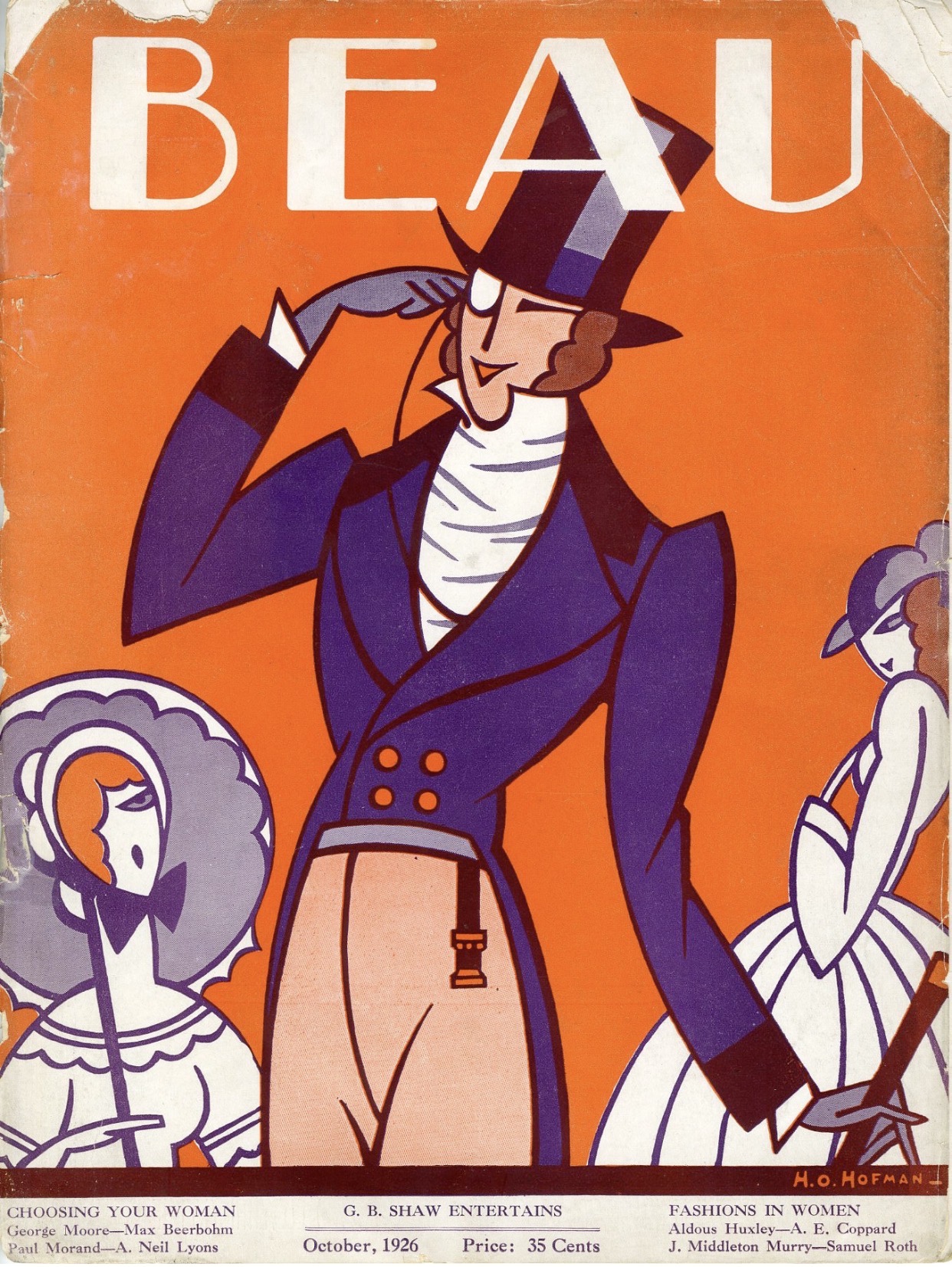
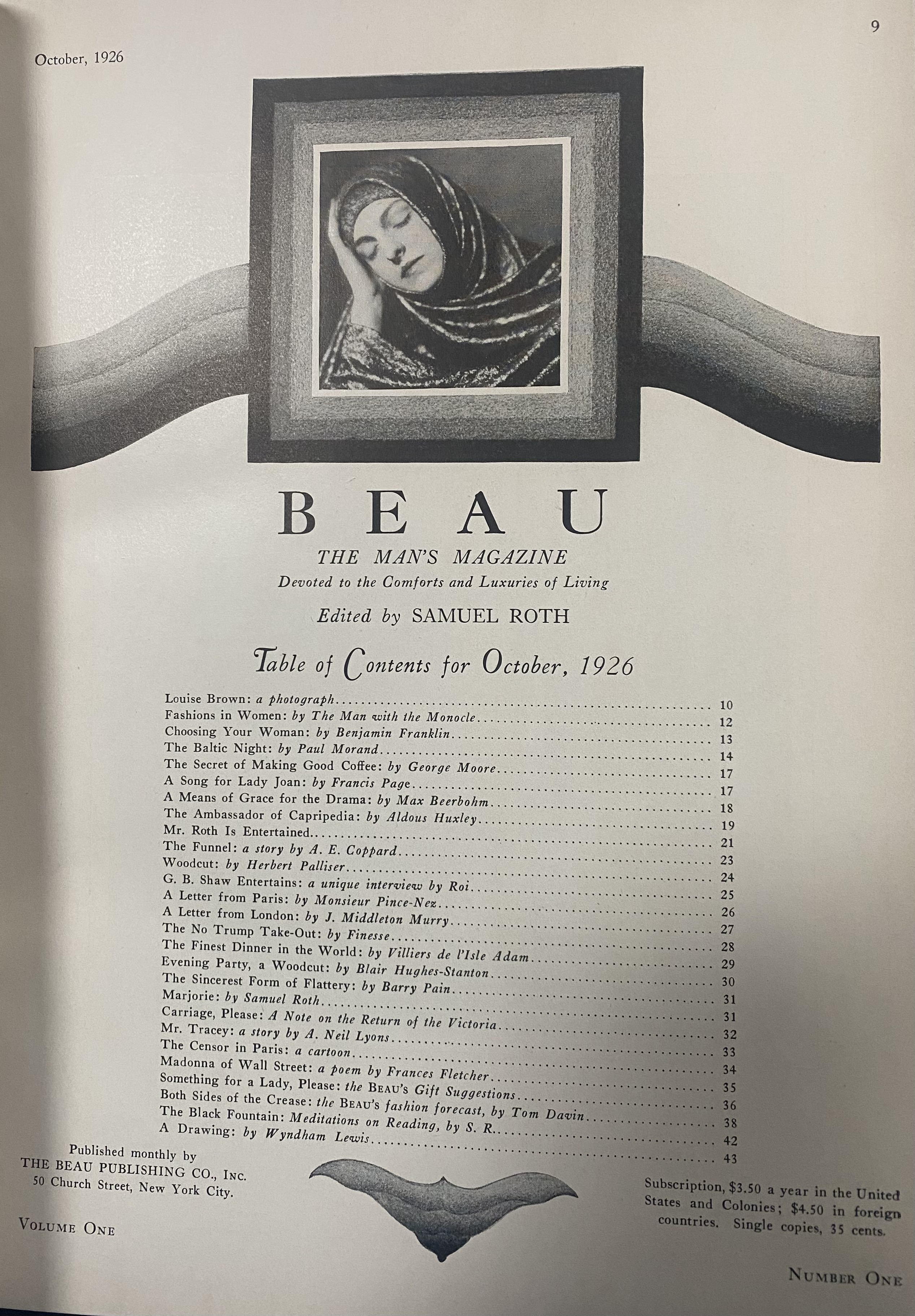
Before there was Esquire magazine and before there was GQ: Gentlemen’s Quarterly, there was Beau, The Man’s Magazine; a beautiful, The New Yorker styled magazine that was born this month a century ago.  The first issue of Beau arrived on the nation’s newsstands on October 1926.  The magazine lasted one year and published seven issues from its initial issue until the last issue in October of 1927.

First issue of Beau

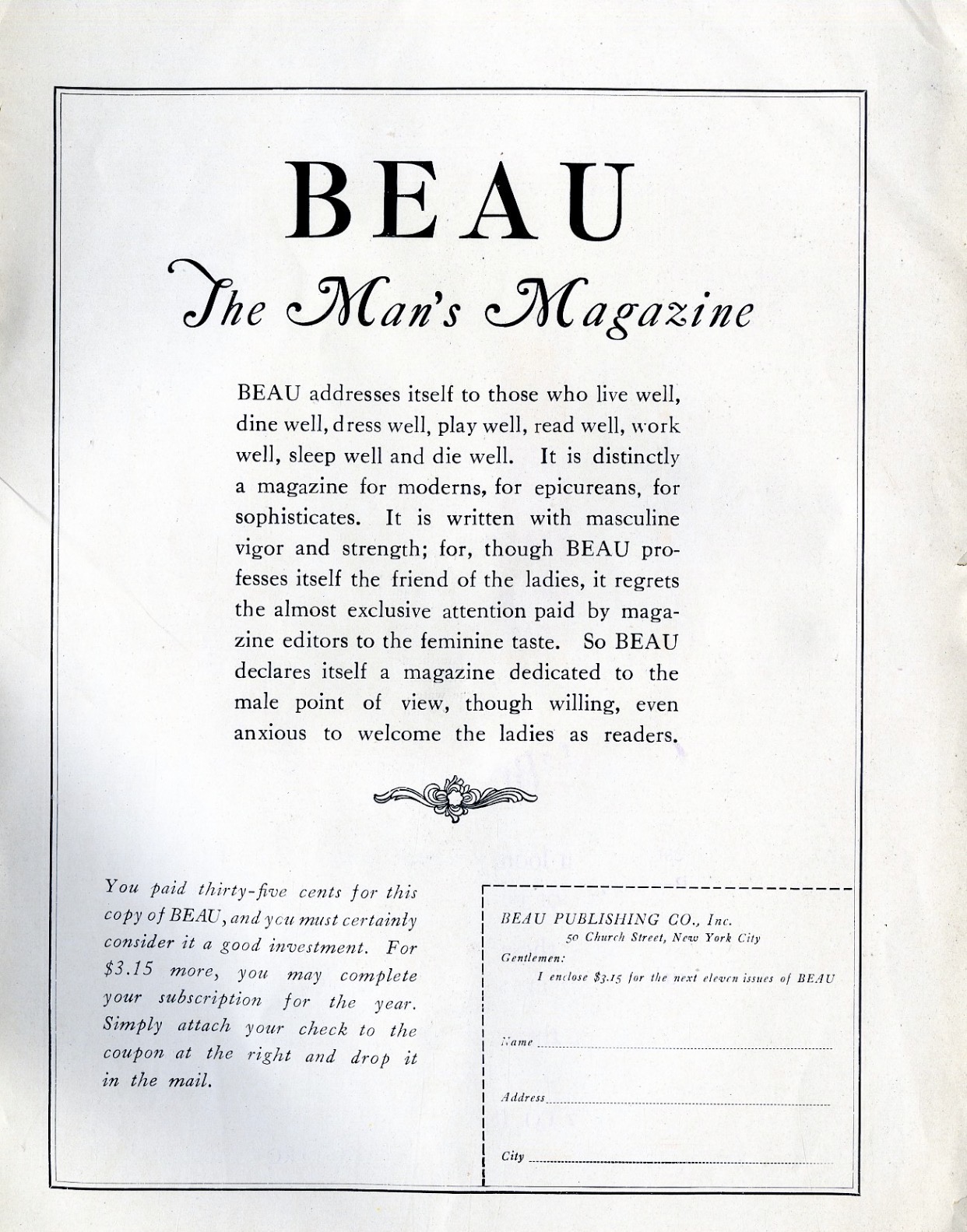
The magazine introduced itself as such,

“Beau addresses itself to those who live well, dine well, dress well, play well, read well, work well, sleep well and die well. It is distinctly a magazine for moderns, for epicureans, for sophisticates. It is written with masculine vigor and strength; for, though Beau professes itself the friend of the ladies, it regrets the almost exclusive attention paid by magazine editors to the feminine taste. So Beau declares itself a magazine dedicated to the male point of view, though willing, even anxious to welcome the ladies as readers.” (Beau, Volume One, Number One, October 1926)

Beau’s mission statement

The more I dig into the old magazines, the more I discover personalities and magazine makers that somehow during my studies of publishing history, and my professors’ teachings, were either marginalized or were not mentioned enough, in terms of the role they played in the American magazine industry.

One such publisher I’m discovering is Samuel Roth, who published at least five different magazines during his tenure from the 1920s all the way to the 1950s, including Two Worlds Monthly and one that really caught my attention, which he referred to as The Man’s Magazine, Beau. (See Mr. Roth’s concept for the magazine above). Beau, the first ever men’s magazine, was like all his other titles, very high-priced for that time period, 35 cents per issue followed by 50 cents an issue starting with issue 4. The annual subscription was $3.50. His reason for that was because he didn’t want his magazines to be bought by common folks. In fact, he would have preferred his magazines to be sold only to doctors, lawyers, and other upper-echelon professionals.

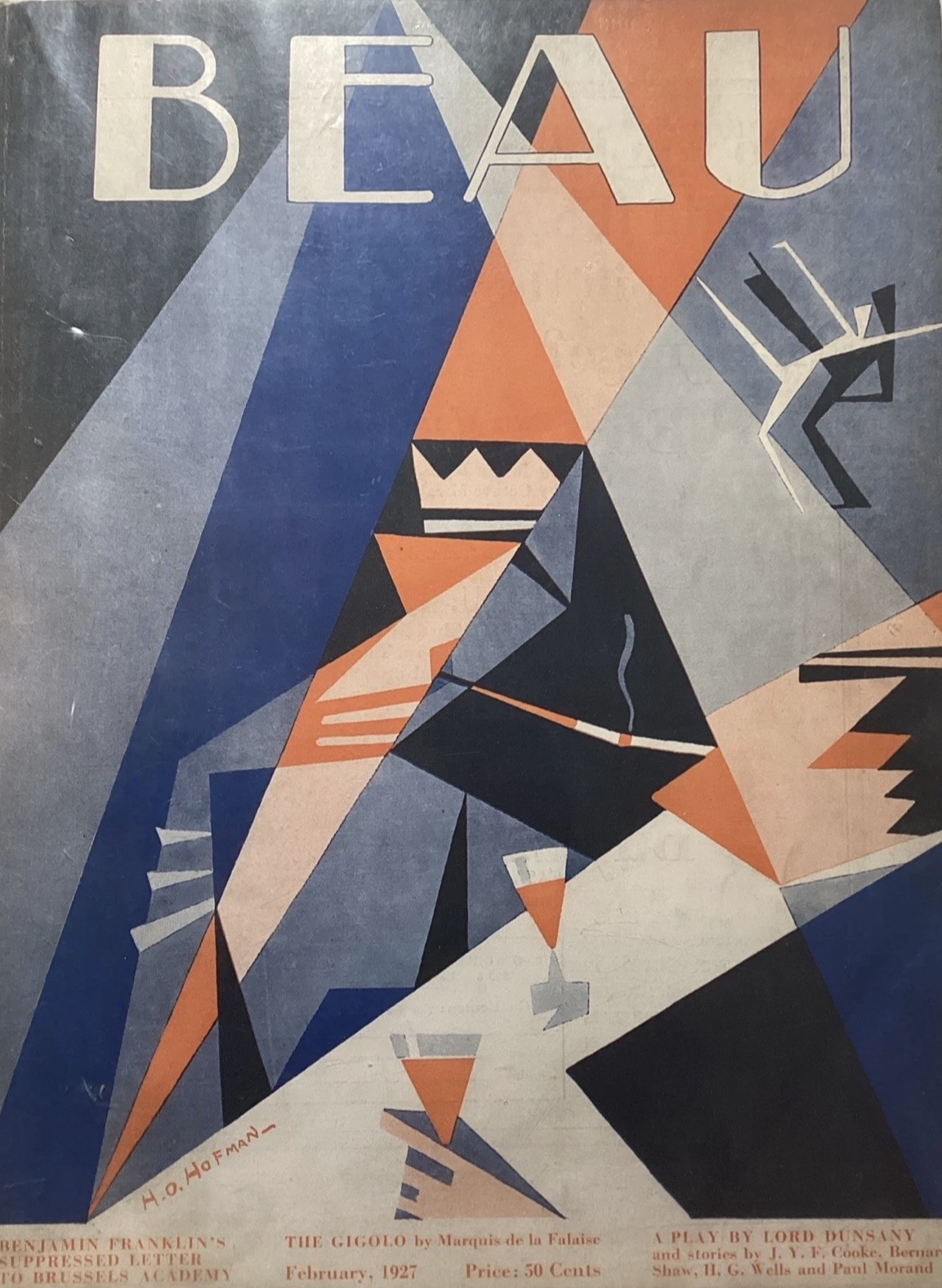
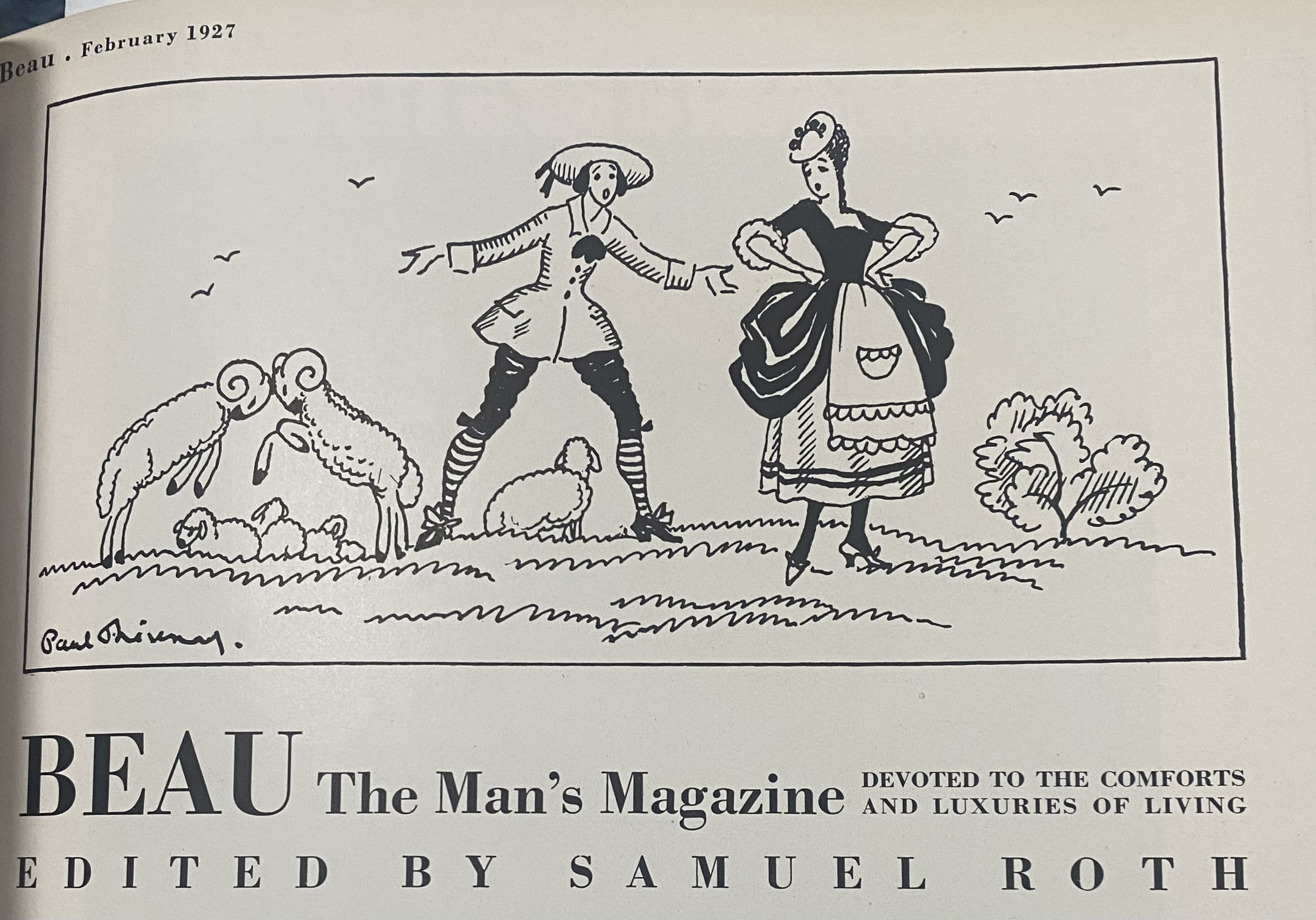
Feb. 1927 issue of Beau

As he mentioned in one of his editorials, after his February 1927 issue was banned from distribution in New York City, his man’s magazine was devoted to the comforts and luxuries of living. His argument for that line of thinking was that he didn’t want common people to get “cheap thrills” from his magazine; it was for the sophisticated only. That he wasn’t appealing to the baser natures of mankind, but rather the more educated and elite of society.

What follows are some quotes that he wrote in an editorial from March 1927 after the February issue of Beau from that same year was banned from distribution in New York City, and the fascinating description of what the magazine was all about:

“Two Worlds Monthly and Beau are written and published for the sophisticated only, that neither by lewd pictures or lewd contents do we make appeal to the baser passions of mankind.”

“Two Worlds Monthly was quite alright, he said (he being, John Sumner, secretary of the New York Society for the Suppression of Vice), and we could go ahead distributing it immediately, but Beau, ah, that was a different story. It was absolutely unthinkable to let Beau go out on the harmless newsstands dripping with nudes, which any little boy may purchase for fifteen cents. No, said Mr. Sumner, he did not approve Beau and if I dared to issue it of my own accord he would unfailingly prosecute me.”

Here is a small excerpt from that March 1927 editorial:

“Here, cried my friends, is your opportunity for plenty of publicity — publicity that will create a vast demand for your magazines. But strange as it may seem, I did not follow their advice, I did not take the matter into court with Mr. Sumner. Such publicity I felt, would not bring many readers to Two Worlds Monthly and Beau, but not the sort of readers I want. Such publicity would bring me readers who look to magazines for filth whereas all we have to offer is wit, beauty, and gaiety. It would be taking an unfair advantage of the poor dubs.

But I want the readers of Beau to judge between myself and Mr. Sumner. Mr. Sumner characterizes as filth the famous suppressed Franklin letter To The Academy of Brussels, and the Paul Morand story Finding Your Woman in Paris, whereas I regard them as exquisite satirical compositions calculated to enrich the life of every man or woman capable of reading them.

What is more, I think the suppressed number of Beau probably the most beautiful copy of any magazine ever printed in America.

Samuel Roth”

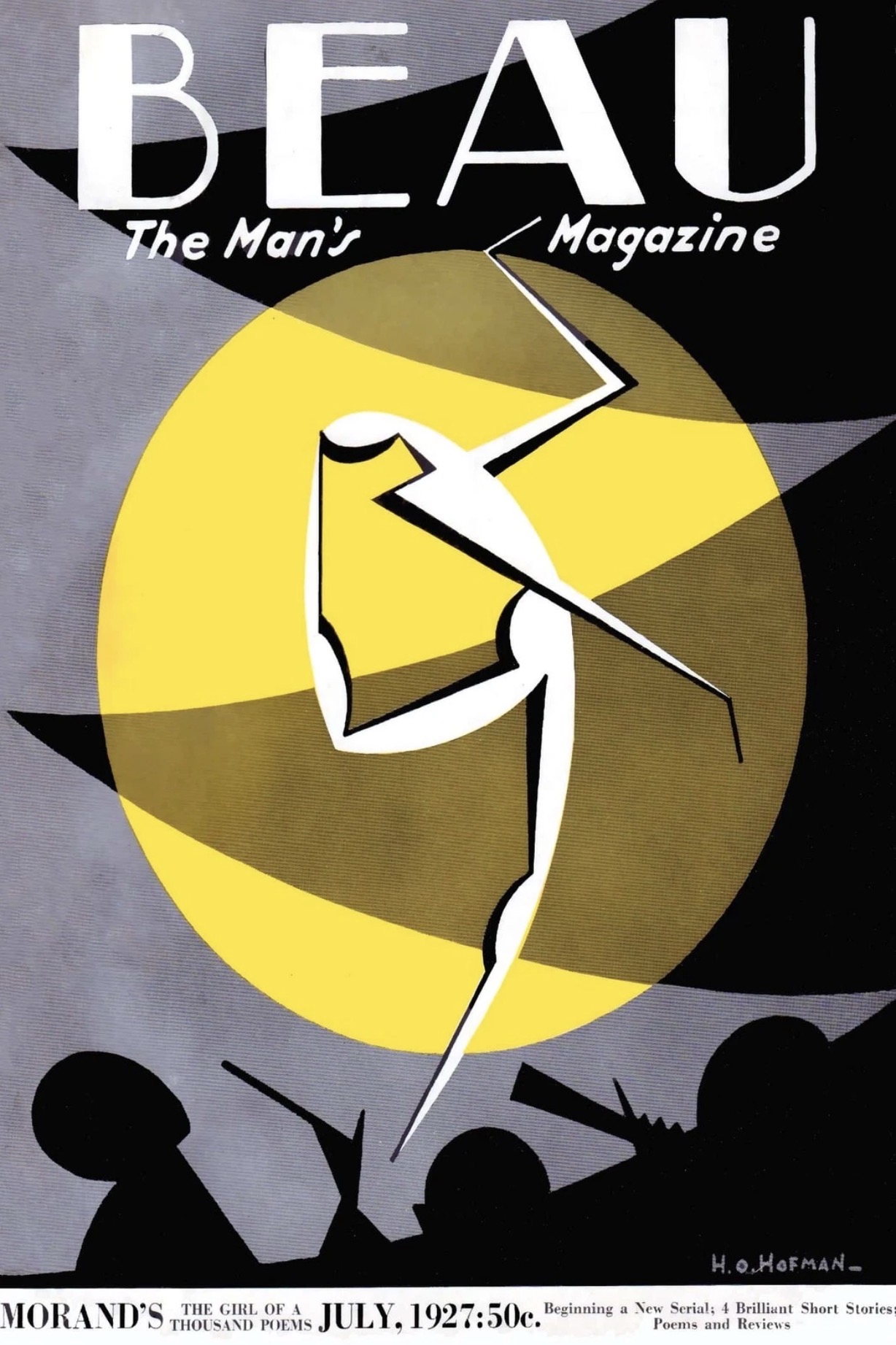
July 1927 issue of Beau

I physically own every issue of Beau that caused this bit of controversy. Ironically, there is no nudity, such as Sumner speaks of with the description: “dripping with nudes.” But Samuel Roth is a gentleman from the past that made his mark known in the world of magazines, and nudity in his other titles was prevalent.

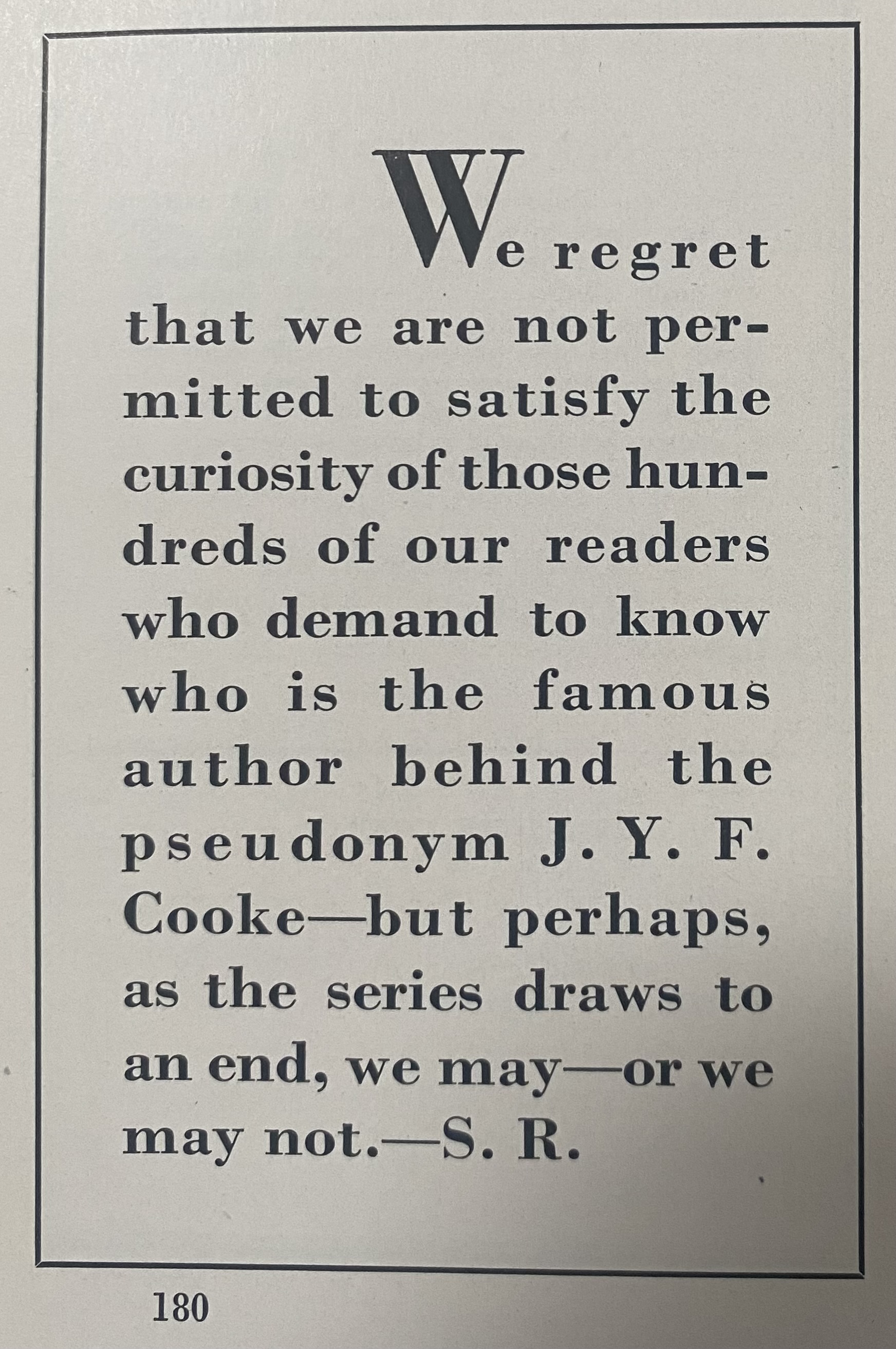
Needless to say, wit was a stronghold of Mr. Roth as evident with this little tidbit from the December 1926 issue of the magazine:

The entire collection of Beau magazine together with a host of thousands of other magazines from the golden era of magazine publishing can be found at Ellis Library at my alma mater The University of Missouri – Columbia.  Click here to check the collection.

Until the next time…

h1

The Publishers’ Circle: “Publishers Have Almost Become Educators, Strategists & Marketers.” The Mr. Magazine™ Interview With Jon & Erin Westman, Founders & Creators.

October 1, 2026


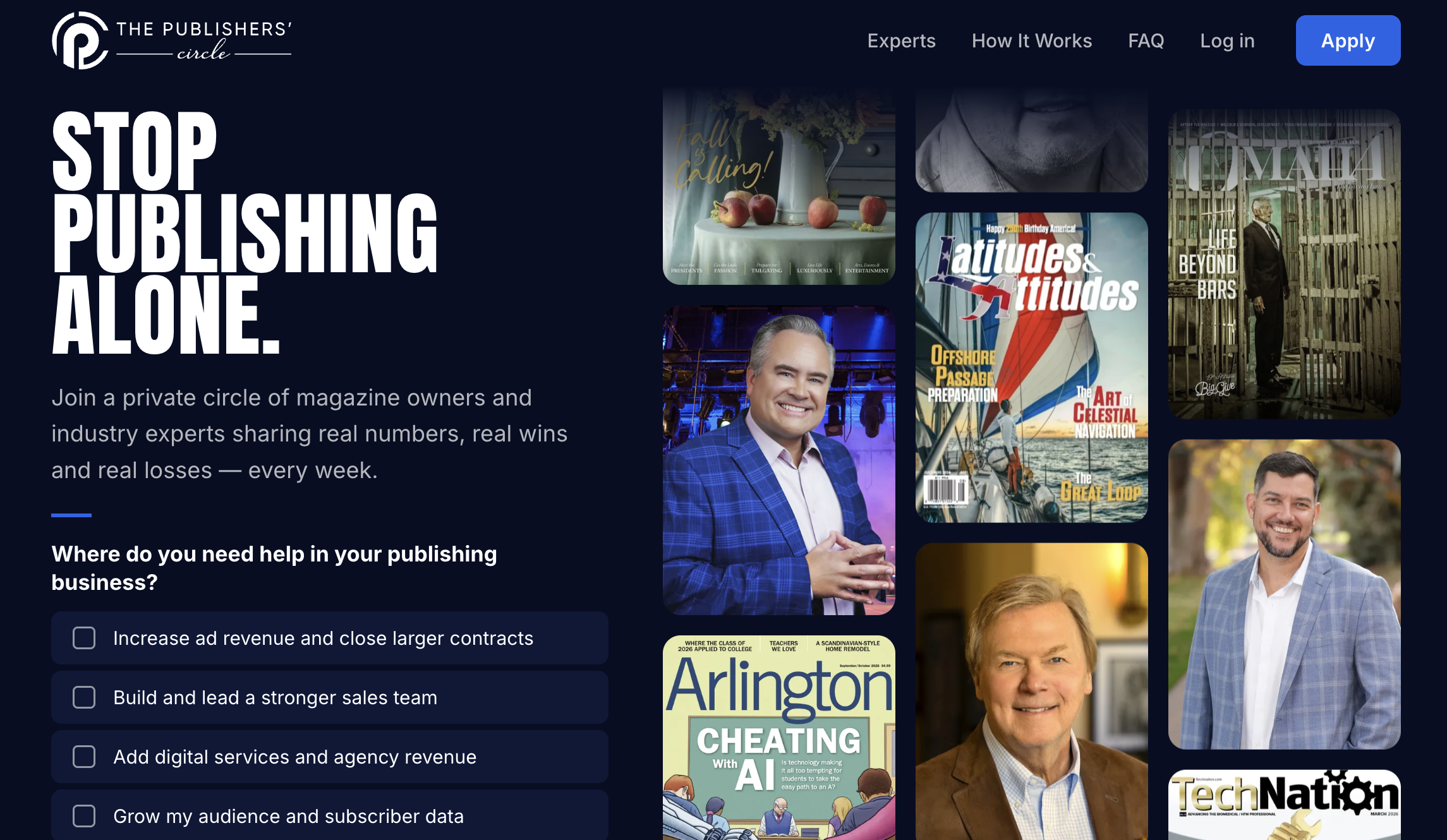
The Publishers’ Circle, a new concept in meetings and helping magazine publishers, based on human interaction on a regular basis. Imagine visiting with your colleagues and experts at least once a week without having to wait six months or a year to go to a magazine conference to chat and interact. That concept was the idea behind Jon and Erin Westman’s creation of The Publishers’ Circle: a regular round-table style information, education, and just conversation among publishers from across the country.

Jon & Erin are the founders and publishers of Coastal Style magazine. They firmly believe in the importance of being relevant in the magazine publishing industry. I had the pleasure to chat with Jon and Erin about this new concept and the services it provides, and I have learned about this opportunity that is open to every magazine publisher whether consumer or business to business magazines. Having colleagues and experts at your disposal is indeed a marvelous idea in these challenging times of magazine publishing.

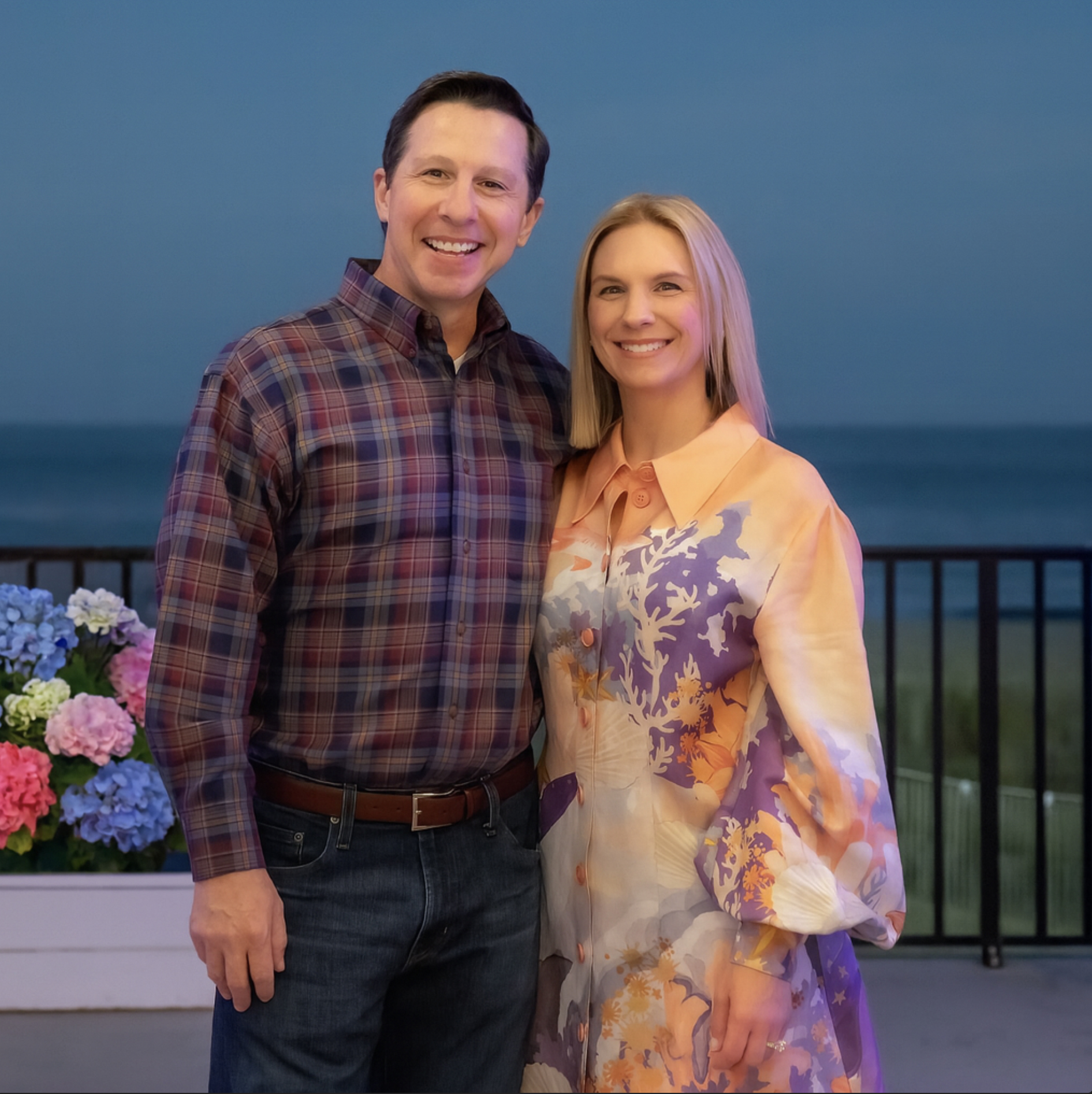
Jon & Erin Westman

Sometimes it takes too long for an idea to be executed, but Jon and Erin did not waste their time mulling the idea, they made it real and open to other publishers to join, with open arms, their circle.

So without any further ado, please enjoy this Mr. Magazine™ Interview with Jon and Erin Westman, founders of The Publishers’ Circle:

Samir Husni: Give me the elevator pitch first for what’s The Publisher’s Circle?

Jon Westman: Sure, The Publishers’ Circle exists because when publishers like Erin and I go to conferences and we meet so many wonderful people and share ideas, when we inevitably go back to our home markets, that momentum dies very quickly. And we miss the connections. We miss the opportunity to network and generate ideas together.

I believe that that’s why conferences such as Niche have been so successful for so many years. We were missing that connection back in our home market. There are publications everywhere, but in our market, and I don’t think this is unique, the competitors don’t tend to play together very well in the sandbox, right? We’re very proprietary.

We are very much focused on what we can do to protect our brands and our revenue and keep our customers engaged with our brand and no one else really in our home markets. So, Samir, it was just that yearning for that connection beyond conference to conference and having to wait six, eight, 10, 12 months for the next time to see those people that can genuinely help us and help one another. Erin was behind saying, we need to create a model that can bring us together on a more frequent basis.

The Publishers’ Circle is a concept that we first took to Ryan Dohrn and said, Ryan, what do you think? I mean, as the leader of one of the largest independent publishing conferences in the country, what do you think? He said, I think it has tremendous merit. I would support it. We licensed his content and quickly became sponsors of Niche and realized that if he believes in the concept, we hope that his publishing partners would do the same.

It’s only been viable since April, and we don’t have that many publishers in the room, but what I can tell you, Samir, is every single member that’s a part of the community has seen tremendous benefit and value. So much so that we had two members in New Orleans, for this most recent Niche event, spoke on our behalf and said how much value and connection they receive every single week from the community that we’re building.

Samir Husni: Tell me, how does it work?

Jon Westman: We are built on a publishing platform called Circle. It’s a community platform to help build communities.

We can publish content in several different channels. It can be about sales management. It can be about revenue. It can be about digital revenue. It can be about even specific, hyper-specific content, such as a best of program or advertorial content. We have built out all these channels of content.

The first thing that we did, we went out and secured the endorsements of experts in every category that we could consider in the publishing space. What value could we bring to our members is the model that we took first. So, we know a publishing representative who sold for various large printers to publishers his entire career. And now he’s created a consultancy on his own. If a publisher needed to negotiate with their printer, or perhaps they didn’t even know how to negotiate with their printer, understand the latest postal regulations. We have an expert that a member can connect with one-on-one.

Ryan Dohrn is the foremost sales expert in the industry. He’s available to our members at the push of a button. He will give them 30 minutes complimentary of his time and help them advance an idea. Then if they want to engage him further, he will discount his services. And so will all our experts. But we also have AI experts in the community.

We have editorial experts. We have copy editing experts. We have paginating experts.

Any way that we felt we could bring value if a publisher is struggling in any area of their business, that’s what we tried to offer them first and foremost, a connection to an expert that they may not have already had. Then we have the content models available for them. It’s a library of content so that they can read, learn, test these concepts that have worked and haven’t worked for us.

We’ll post things that, hey, beware of this opportunity. It may sound great on the surface. We tried it and here’s the negative results that we experienced in the process.

We post all that content. The members are invited then. If you can imagine it, it’s almost a Zoom community with a Facebook community because of all these posting opportunities and sharing of content. Then it’s the library component where every single week we meet on a Zoom-like call for an hour. Every member comes in and we change topics weekly. It’s really a roundtable discussion for our members every single week to talk about what’s happening in their market.

Sometimes we bring in the experts, sometimes it’s an open forum, and sometimes it’s a very poignant conversation around one topic. That’s really where our members have seen the most benefit is that weekly engagement. That was the preface of why we started the community ourselves. Staying connected, staying grounded, staying in the moment in the publishing business.

Because I think it can become its own dark hole, as you know, better than probably anybody else. You can be publishing on an island, and it can be very lonely. So that’s really what The Publishers’ Circle is in a nutshell.

I think the elevator, if I started my pitch on the ground floor, we’re in the pub, we’re in the penthouse by now. But I hope it all makes sense collectively and that you can understand the framework of it.

Erin joins our conversation…

Samir Husni: If a skeptic tells you, but I can ask AI anything and AI will give me the answers. Why do I need to be a member of The Publishers’ Circle? What do you tell them?

Jon Westman: I would tell them that if AI could publish, it would.

I don’t think that you will have the human personal connection and the experience and the in the trench knowledge that our members bring collectively. There are so many things that we all rely on AI and sometimes more so than we should. But it’s very clear on every single model that AI gets it wrong.

They’ll say that in every single instance. I think we all know from our own experience that that’s the case often. AI can be a tremendous partner in how we publish moving forward, but it doesn’t have the real-life experiences.

It’s not in the trenches. It’s not selling advertising. It’s not producing content. It doesn’t know our readers as well as it thinks it does at the same time. Erin, do you have anything you want to add to that?

Erin Westman: No, I think that was spot on. And it also doesn’t hire salespeople; it doesn’t help bring in revenue.

Another reason that The Publishers’ Circle is gaining momentum is because we talk very openly and honestly about the challenges, not only we experience in trying to engage new clients or generate revenue, but it’s the day-to-day struggles with our team, keeping them engaged, keeping them motivated, dealing with those inevitable workforce issues that everybody has. We can have a very open and honest dialogue about those and share the struggles and then welcome ideas that we may be able to implement daily and then issue to issue and year to year.

AI misses a human connection. The Publishers’ Circle is very about human connection and that’s why the Zooms and then catching up in a Niche conference or we hope to evolve into our own hybrid model of not so much a conference, but maybe a mini vacay with a conference model where in the mornings we connect and talk about topics. Then in the afternoon you can hit a round of golf, or you can go explore the town or wherever we are.

We’ll find something unique to do or you can have free time on your own. You don’t have to deal with the groups if we break up and to do things. The guys might go one way, and the ladies might go a different way.

That hybrid model seems to be what people are looking for. They don’t want to fly into a city anymore and sit in a conference room and no windows for two or three days. They don’t want to do that anymore.

Jon Westman: I think the human connection side is where AI is lacking.

Samir Husni: What are the three most important challenges magazines like yours and city and regional magazines that are distributed free are facing these days?

Jon Westman: Sure.

First and foremost, its relevancy related to revenue. There is so much competition from a print perspective today. The way that our advertisers think and all the opportunities that they’re being pitched to invest from a marketing perspective in their business challenges us magazine publishers to evolve.

And how do we remain relevant in their eyes and yet relevant so that we can produce results for them? I think for first and foremost, that is the biggest challenge we face today. And I, well, we did our poll of with publishers at the conference. The number one complaint that they have with salespeople.

Even if we could sell our own product 24/7 and a lot of us do, we can’t be cloned. AI cannot do that yet. We need professional, competent, engaging professionals to represent our brands and help us connect first and foremost with businesses.

If we can’t generate that connection, there’s no chance we’re going to secure their marketing investment. And then third, they must be willing to stay on the journey with each client. I think that’s the biggest challenge.

A lot of people look at this business as it could potentially, they could think it’s easy. They can go do it, but they’ll learn very quickly. It’s one of the most challenging positions in the professional workforce, I believe.

Samir Husni: How can I join the Circle? How can people become members?

Jon Westman: The first thing they would do is visit our website, thepublisherscircle.com and complete our brief yet, revealing application process. We ask some questions that publishers may not have been asked before. If you join our community, are you willing to participate fully? And what that means is share your P&L statements.

I don’t mean literally, but talk about how much revenue you’re generating, where you’re struggling. Are you willing to have open and honest conversations about your team and where those challenges truly lie? I think even in our day-to-day, we need to take a step back because we’re so focused on producing products. We must meet deadlines every month or bi-monthly.

In some cases, we have other projects and multiple publications in our stack that challenge us every single day to where blinders become inevitable. We hope that The Publishers’ Circle allows for a chance to take a step back and really analyze your complete process in how you’re generating revenue and staying relevant. That application process then, Samir, is then vetted.

That would be over the top. We quickly just see, are the answers from that publisher honest and realistic? And if so, we welcome them with open arms. We want to grow this community because that’s how we will all grow, is growing together.

Samir Husni: Is it open to all publishers?

Jon Westman: We quickly learned that in New Orleans at the Niche Leadership Summit, that we’ve been, most of our members are B2C. They’re Lifestyle Regional Publishers. However, we just welcomed our first B2B specific member without that B2B track yet.

That’s something that we will grow into and evolve very soon, is that B2C or B2B, a lot of our challenges remain consistent. We’re eager to learn from that side of publishing and help them accomplish their goals as well.

Samir Husni: And how do you differentiate between The Publishers’ Circle and other organizations that serve the magazine industry?

Erin Westman: Well, I think Niche exists largely because those organizations have some guidelines that don’t allow the Niche publishers access.

I think we’re gated in certain respects. In Coastal Style model, we are a complementary publication with rack distribution. And that’s a clear gate for certain organizations.

And that’s okay. There are many, many more publishers like us than there are that fit every single checkbox. The Publishers’ Circle right now is focused on meeting and helping those publishers.

Those organizations are well-established and they’ve done tremendously for their members. We’re trying to create a model that welcomes everyone else, if that is suitable.

We’re here to fill the gap for people who see things differently.

Samir Husni:  If you and I are having this conversation a year from now, what would you tell me you’ve accomplished in 26-27?

Jon Westman: I would say that we’ve created a robust community.

I feel our community is robust now with 10 members, because of the quality of publisher and the action items that we talk about every single week. But let’s try to add some substance to the membership so that we can help that many more publishers. We would hope that to Erin’s vision, there are retreats in place so that we’re coming together in person more than we do currently.

And that’s the Niche model is a two time a year opportunity. We hope to do that two additional times so that we can be face to face and really connect and be together in those moments. I would also say that we have two clearly defined B2B and B2C spaces that have dozens of members that are connecting on weekly calls.

Erin Westman: They are connecting individually. We ultimately hope to have regional meetups so that our memberships can get together on their own. If they’re in the New England area, if they’re in the Mid-Atlantic, if they’re out West, and allow for that additional connection.

It’s really a model in our minds that we know can work. Our biggest challenge is getting the word out and sharing our mission and bringing publishers to the table to see what we’re doing and showing them the community that we built. And to have that spin off into a group for salespeople and all that.

Beyond just having leaders in the room, we know that sales leaders have different roles in our organizations and they need those same connections that publishers are enjoying inside the circle. We have another idea to where we would have a secondary membership model for sales leaders only so that they can connect.

They can share their war stories and their challenges and successes with others at publications across the country to spur community, generate ideas, and ultimately advance our publications. I just feel like it would engage the sales manager leader better than having a CEO or publisher come to them with revenue ideas and special section ideas that could generate revenue. Whereas if this leader was in their own group of other sales leaders across the country, I think it would be more energizing to their sales team when they’re presenting and they kind of feel like it’s their idea.

It helps to engage the leader, the sales leader or manager into their own group so that the owner, CEO, publisher isn’t always having to relay those messages.

Samir Husni: Is print the cornerstone of everything you’re doing or just print is another platform among so many other platforms?

Jon Westman: Well, that’s a great question. Print is first and foremost the platform, but we are not naive.

We’re not naive to know that we must evolve as publishers. And we share our successes. COVID changed a lot of things, obviously, in a lot of respects.

It forced us to evolve in the moment. We did not sell programmatic advertising prior to COVID. Today, it is a growing and purposeful channel of opportunity for our advertisers.

And it’s a purposeful revenue generator for our company. We know that publishers rely on that revenue, obviously, to advance their companies. And what we’ve learned is we try to share, again, both sides of the good and the bad inside The Publishers’ Circle.

We’ve experienced that. The challenges of convincing clients, businesses who aren’t clients, that what would we know about digital advertising? We are magazine publishers. Well, we’re evolving into marketers.

Erin Westman: There’s no difference in creating a print advertisement and getting it into the right demographics’ hands and encouraging them to do business with our clients. The digital environment is the same strategy, just executed differently. It’s understanding consumers.

That’s the bottom line. If we can target our messaging and our clients’ messaging, really, to the right demographic, in the right geographic location, with the right messaging, you’re always hoping. But that strategy is going to, by and large, obviously, spur conversation, spur action faster than not.

Jon Westman: We’ve evolved our own thinking and our own marketing messaging, for Coastal Style, to really check those boxes for clients. It’s not enough anymore to print a beautiful magazine with engaging content and put it in the right demographics’ hands. We must encourage that demographic and our faithful readers to do business with our clients.

It’s got to be more than hoping that they will. We must encourage them and give them easier access to our advertisers.

Samir Husni: How do you do that?

Jon Westman: Well, QR codes, first and foremost, used to be a luxury.

Now they’re a necessity. They must then lead to a purpose-driven landing page that is not only engaging, but aesthetically beautiful. Whatever that message is from that client, it must engage them seamlessly.

They must be connected to that message, that call to action. It cannot be, we’re going to talk, would you like a new deck at your home this spring to enjoy the outdoors? It must lead you to that client’s deck-purposed landing page with their call to action. If you take them and just drop them off at their website and hope that they find that deck call to action, it’s not going to happen.

So that connection is real. It must be made seamlessly. Now we are facilitators in that.

We will create the landing page for the client. It can’t be enough to count on the client to think that their online experience is going to be seamless for the client too. We’ve almost become educators, strategists, marketers, publishers.

Our hats are evolving just as quickly as marketing is evolving itself. Publishers who aren’t, they’re not doing their company a service and they’re certainly not doing their clients, they’re not offering them the best service that they can at the same time. We find that clients don’t understand the purpose of a website.

A lot of times they think I have a business, I have a website, I’m good. I said, what if you could hire an employee that would work for you 24 hours a day, seven days a week, 365 days a year and never call out sick. And to hire this employee, you need an upfront expense of maybe 3,000, 6,000, 12,000, depending on the complexity that you need of this employee to perform.

And then maybe you only must pay the employee $3,000 a year to maintain the employee, but they are working for you at 11 PM, 5 AM and noon every single day, even on Saturday and Sunday. I said, would you hire this person? And they said, yes, absolutely. And I said, well, it’s called your website.

So, I said,  why have you neglected it? And they said, I’ve never looked at it like that. I said, well, your website is not there to say a exists. Your website is there to sell the service that you’re selling before they ever pick up the phone to call you.

People don’t look at an ad today and call people. They don’t want to talk to people unless they’re already sold. Okay.

So where, how are you going to bridge the gap? And they just don’t look at it like that. I just, because a lot of business owners aren’t business owners. They were a bath installer that now thought, oh, I want to make the money that my boss is making.

So, I’m going to go out on my own and I’m going to do this myself. I’m already doing all the work. Well, they’re not doing all the work.

They’re not doing all the sales. They’re not doing the bookkeeping. They’re not doing the hiring and the firing.

They’re doing the labor portion. They don’t realize what it takes to run a business. Now in this market, we have all these one-day bath installers.

The market’s flooded with them. But at the end of the day, they’re not business owners.

They’re still just a bath installer. You sign your kid up for dance. Well, that dance studio is run by a dancer. Okay. It’s probably not run well. It’s disorganized. They wait till the last minute to order costumes. They wait till the last minute to tell you what time to show up for the Christmas parade to get in line and where to be.

And it’s stressful, as a parent and you’re just like, gosh, can’t this be done better? You’ve known every year you do Christmas parades. How, where was this last minute? Because they’re all just run by dancers and bath installers and people who just thought they wanted to just make more money. It would be easy.

That ultimately is a lot of what our business is consumed by, that’s who we’re selling to every day. And we’re not alone. So how do we educate these people?

Marketing and it’s very piecemealed and one person at a time, because what this person understands and this person doesn’t understand is different. You have to take it on a case-by-case basis. And it’s very much a boutique service. I would also say to that point that producing a magazine obviously is not the least expensive option available to professionals and professional marketers, professional businesses, from a marketing perspective, there are real costs.

There are parameters, we check boxes, every magazine publisher does. In doing so, we need to command a higher dollar than a lot of our competition.

Erin Westman:  Advertising in magazines is the most permanent media. It sticks around like magazines; newspapers get burned in fireplaces. Radio is gone. TV is gone. Social media is gone. Like, billboards you can drive. If you have a 30 minute commute, you drive past a lot of billboards every day. If I asked you when you got to your place of work, tell me three billboards you see, I bet you can only tell me one or two. You can’t even say three that you saw.

I’ve done it. I know because I’ve run these studies on people. I’ll give them a newspaper and I’ll say here, flip through this newspaper and tell them, let me know when you’re done and take your time. I’m not rushing.

I really want you to look at the newspaper and they get done. And I say, tell me two ads. They can’t do it because they’re not mindful in the moment.

It’s just mindless. It’s just flipping. But magazines are the most permanent media.

Samir Husni: Before I ask you my typical last two questions, is there any question I failed to ask you? I should ask you.

Jon Westman:  I love that question because I use it all the time in my sales presentations. Uh, I would say no, I can’t think of anything.

Samir Husni: So, tell me, if I come unannounced to visit you one evening, what do I catch Jon and Erin doing? Having a glass of wine, watching Ole Miss football. I see you have a lot of football in this house.

Erin Westman: You will mostly find John working. He’ll stop for dinner. Then he’ll come back to work.

If there’s a game on, he will stop for the games, football games, sometimes hockey games. But we work a lot and especially with the kids gone now, one’s at Auburn, one’s at Ole Miss and, I don’t know, working on evolving. That’s what we’re working on all the time.

Jon Westman: Your visit would be welcomed. And we would pour a glass of wine and sit down and communicate. We’ll sit around the family room and get away from the computer and share stories.

Samir Husni: And what keeps you up at night these days?

Jon Westman:  I sleep well. I’m awake most nights. It is the fear and drive because they’re combined to keep going. We have to generate revenue.

We must generate more revenue. That is the bottom-line costs today. The cost of producing a publication continues to rise beyond our control.

We’re challenged to make those line items make sense every single day issue by issue. We know we can’t charge more for advertising to match those escalations in the vendors that we ultimately have to work with.

So how do we do it? We need to evolve. We need to find realistic and viable ways for us to connect. I wouldn’t say new products because those have inherent challenges by themselves, but new opportunities that our clients see benefit in.

And that can keep us awake for nights on end. So that, brings us full circle into The Publishers Circle because those opportunities to have those conversations and to learn from other publishers, how they’re managing the same challenges, the same stresses, the same dynamics, and we can help one another. We can glean from one another and all of us connected in that way purposefully is designed to help us stay relevant, alive, and ultimately thrive.

Erin Westman: I’m going to piggyback what Jon said, I’m just going to word it a little bit differently. While we have challenges of rising costs, so does every single business that we’re trying to sell to. So, relevancy comes in because we must stay relevant enough for them to want to spend their hard-earned dollars in a time where that funnel is just getting smaller.

That is the big drive. How do we keep them, seeing what we’re doing as being relevant enough to stick with us?

Samir Husni:  Thank you.