Archive for the ‘Magazine Power’ Category

h1

Farmhouse Style: A New Quarterly Title That Transports You Easily To The Downhome Comforts Of The Farm – From The Publishers Of Country Sampler Magazine – The Mr. Magazine™ Interview With Susan Wagner, Editor…

August 27, 2018

A Mr. Magazine™ Launch Story…

“If you’re looking for quick information; if you’re looking for lists of things or some simple stuff or you just want to look up some quick things, online is great for that. Quick ideas there are wonderful. If you want to relax and take a moment to yourself and see these beautiful four-color pictures spread out in front of you, there is nothing like print for that. You can’t really curl up with your computer the same way that you can with a print magazine. You can’t sit on the porch drinking lemonade and page through there and envision yourself in that home and dog-ear the pages and just enjoy the feel of reading a beautiful magazine when you’re scrolling through webpages.” Susan Wagner…

Available on newsstands and by subscription, Farmhouse Style celebrates the casual, comfortable appeal of today’s popular farmhouse decorating and lifestyle movement. From the folks who bring you Country Sampler, Farmhouse Style is a new quarterly title that celebrates step-by-step DIY projects and fully illustrated decorating tips to create an authentic farmhouse-style look.

Susan Wagner is editor of the magazine and special projects director at Annie’s Publishing, the company that owns Country Sampler, Farmhouse Style, Good Old Days and a variety of titles in crochet, knitting, quilting and cross stitch. But when it comes to their latest offering, Farmhouse Style, they’re “crowing” loudly about its downhome and easy style.

I spoke with Susan recently and we talked about the new magazine and about its $9.99 cover price, something that Susan said reflected the quality content and overall aesthetic of the magazine. With around 50 DIY projects in each issue, complete with full instructions on how to do them, she believes the magazine is worth every penny paid for by their readers. And from the initial response of its audience, the people must agree.

Susan said the tangible product of print had to be the cornerstone of the new brand. While all of the digital components are in place: website and social media, the laid back experience the reader gets from the print foundation is irreplaceable. And the beautiful photographs could only be justified in ink on paper.

So, sit back, relax, and get ready to enjoy a moment in the “Farmhouse” as we take a walk around the place with our tour guide, Susan Wagner in the Mr. Magazine™ interview.

But first the sound-bites:

On why Farmhouse Style as a quarterly and why now: We have done Country Sampler for years, we started that in the eighties and that has always been our niche publication, country decorating, it’s our strongest suit and where our expertise lies. Through the years we have also done some other publications and SIPs that were more of a DIY kind of decorating and so we have a lot of staff members with a strong talent in that area as well. We were always keeping an eye on which SIPs might morph into a subscription and then once we started working on the autumn issue for the Farmhouse again, we had a great response and we knew that was what we wanted to do. And we started doing some surveys and some early marketing research to see what kind of response we would get, talked with our newsstand people and everything and it was all very positive and the early predicted numbers showed that it seemed like it would be a success. So, we decided to go ahead and put all of our effort into it and turn it into a subscription.

On a letter from a reader begging them not to change anything inside the magazine: And she is one of many. Recently, I was reading something that somebody had sent to us and it’s the same thing. There are so many of them that love that look and they just reach out to us and say that they love everything, don’t change anything about the magazine. And whenever we ask questions about what we can do to improve, they always tell us more issues, publish it more often, which we’d love to do, but finances have to be there.

On why print for the magazine: That’s always a thought with print magazines; people will ask, especially in the home décor and DIY end, can’t you just get that off of Pinterest or can’t you just find all of that information online? I truly feel that all the different media that we have all serves a different purpose.

On the $10 cover price and why people are willing to pay it: A $10 cover price for a certain age-range of people is accepted, especially with some magazines being $3.99 or $4.99, but it’s not untypical, we see that in a lot of publishers. What we do is to say to ourselves, for a $10.99 cover price are we giving them that strong value in content. It’s a curated thing.

On the future and if she expects to add a younger, more active audience to Farmhouse Style that will also add to Country Sampler’s readership: Some of our early analysis of the people subscribing and those we have email addresses for after they bought it online, those are tracking a bit younger than the Country Sampler audience and that was always one of our goals in trying to develop another subscription-based title, which was to reach that younger audience. And so definitely that’s a goal with Farmhouse Style, when we create the content that goes in there we’re doing so with the idea of it reaching out to somebody in their thirties or some range such as that.

On what other “style” might be in store for Country Sampler: We’re always looking at what might work. But what we also have discovered, and this is one area where our Farmhouse Style is a little different than some of the other farmhouse publications out there, our audience is very much a middle-America, common man kind of audience.

On anything she’d like to add: As I was talking about our look with Farmhouse, you had asked if there was another style we were looking into; what was in the future. What I wanted to wrap that around was that we’re always looking at styles like a prairie style or the farmhouse style that is this casual, relaxed comfortable kind of decorating. So, maybe sometime in the future, maybe a waterfront thing, where it’s lakes and streams and stuff like that, instead of coastal looks.

On what someone would find her doing if they showed up unexpectedly one evening at her home: (Laughs) I rarely am ever unwinding from a full day of work. I’ll find myself on my computer at 11:00 p.m. just browsing Pinterest or maybe I’m looking up something for myself and I come across farmhouse-related things or other things that I think might be a good idea for the magazine. And I’ll save them or something. But me personally, as far as unwinding from work, I like to be involved in crafting and things like that, so I myself do a lot of DIY home décor type things and I enjoy doing that. But I also like to be outdoors and I’ve been doing a lot of kayaking and hiking and things like that too.

On what she would have tattooed upon her brain that would be there forever and no one could ever forget about her: What I would like them to remember and what I would also like the people I work with and the people I play with to have in their minds is that Susan Wagner is always thinking of new and exciting things to do and will jump in with both feet.

On what keeps her up at night: (Laughs) Deadlines. I think honestly the one thing that keeps me up, especially in the magazine world or in the print world, is just the idea of always staying relevant, because home décor changes with the times, businesses change with the times, trends change with the times. We’re very much aware that Farmhouse is enjoying a great level of interest right now, but where will we be five years from now, 10 years from now, so, I think what keeps me up at night is just making sure that we are always moving in a direction where we’re looking for new things. I’d hate to be involved in a company where they just sat back and said this has always worked for us, we’re just going to keep it that way.

And now the lightly edited transcript of the Mr. Magazine™ interview with Susan Wagner, editor, Farmhouse Style.

Samir Husni: You decided after one test issue to go ahead with Farmhouse Style and publish it as a quarterly magazine, give me some background on this decision. I know you’ve done Country Sampler for years, but why now and why Farmhouse Style?
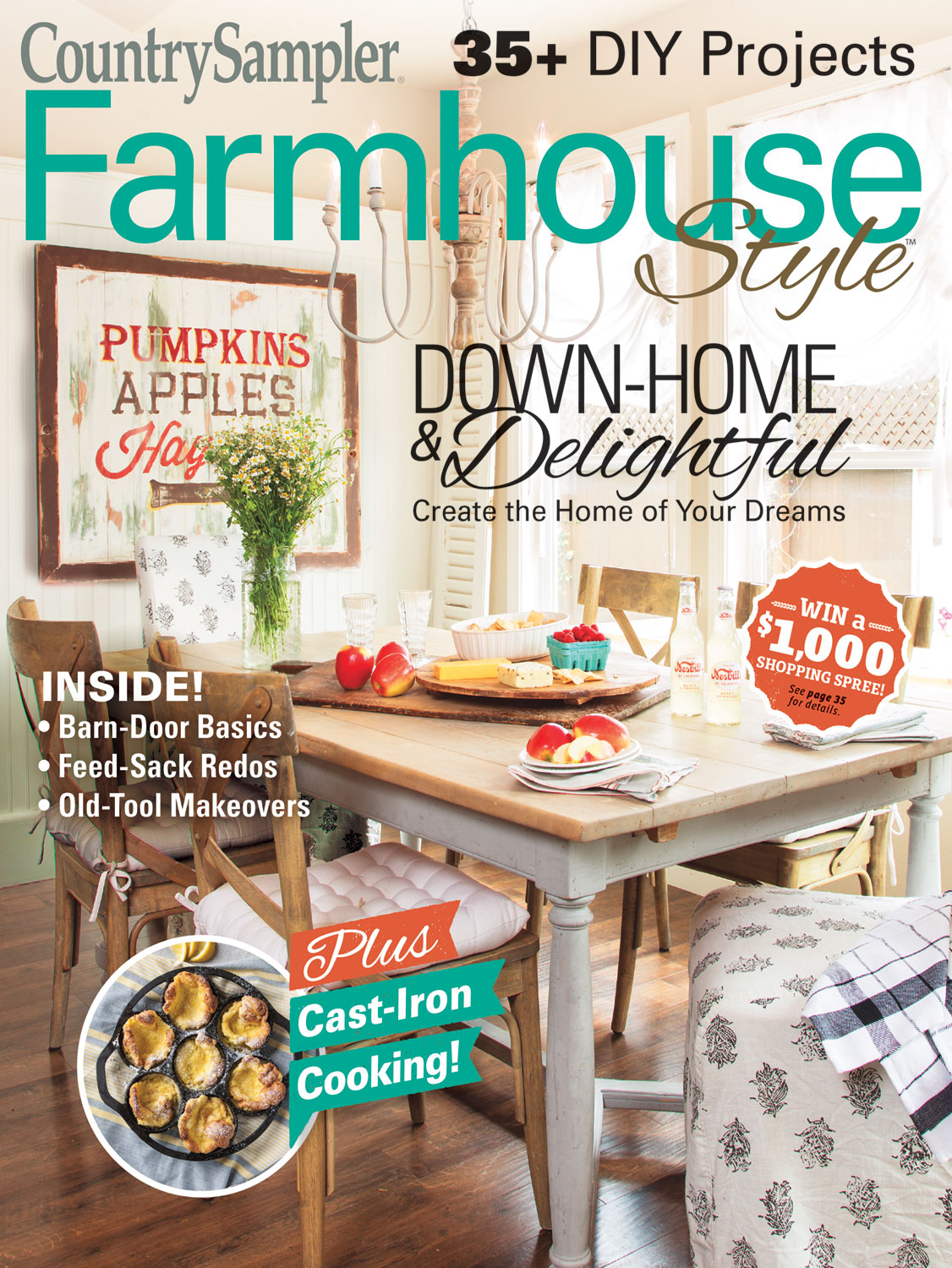
Susan Wagner: As you said, we have done Country Sampler for years, we started that in the eighties and that has always been our niche publication, country decorating, it’s our strongest suit and where our expertise lies.

Through the years we have also done some other publications and SIPs that were more of a DIY kind of decorating and so we have a lot of staff members with a strong talent in that area as well. We started a few years back, in 2014, doing some SIPs that were focusing a little bit more on DIY decorating, where Country Sampler really is more home tours and this unique kind of magalog area in the back, with these SIPs we did more of an individualized kind of decorating styles and more of these DIY angles.

We did some Christmas ones; we did prairie-style ones; we did different kinds of genres. Last year we decided we would do a farmhouse SIP that would come out in January 2018 and that particular SIP pretty much blew all of the other SIPs away, that one did really well when we compared it to our newsstand figures and our advertising revenue for the other SIPs. It was comparable to when we put out the first Christmas issue, which did really well.

So, we knew that it was a genre and a magazine that resonated very much with our current subscriber base, the people who enjoy Country Sampler, but were also looking to refresh and brighten their homes a little bit more, because the Farmhouse issue is a lighter kind of country and it’s more typical of the type of country decorating we’re seeing or showing up in Today’s Homeowner, a little bit more of the younger and more urban crowd, and a lot of what the shows on the DIY Network and things like that are airing.

That hit really well, so we combined it with our unique look that we’ve created for the SIPs, where we had some home tours of farmhouse decorating, but then we also had our designers work on DIY projects, so we were able to incorporate that. And I think that’s what makes our magazine definitely different than some of the other SIPs or other publications that touch on this look as well. We have that project DIY base in there so that people who love this style can not only see how others are decorating, but they can also create things for themselves to put in their own homes for this style.

So, that first SIP issue did really well for us. As I said, it came out in January 2018 and our sales team had a great success selling it and it had wonderful crossover with our existing subscriber database, plus we had also picked up a lot of new people from the newsstands.

With the success of that first we figured we would do another SIP. And once we started working on the second one for 2018, we just continued to get way above what our plan was as far as the newsstand sales and a lot more advertiser encouragement and we knew that this was an area where we wanted to expand. As a company, we had been looking to see if there was an SIP or title that we could turn into another subscription because we wanted to have an additional subscription besides Country Sampler that could also work within that country decorating realm.

We were always keeping an eye on which SIPs might morph into a subscription and then once we started working on the autumn issue for the Farmhouse again, we had a great response and we knew that was what we wanted to do.

And we started doing some surveys and some early marketing research to see what kind of response we would get, talked with our newsstand people and everything and it was all very positive and the early predicted numbers showed that it seemed like it would be a success. So, we decided to go ahead and put all of our effort into it and turn it into a subscription. And it seems that we were on target with what we did because we’ve been marketing it now, as far as some direct mail pieces and to our existing subscribers for Country Sampler, some ads in the other publications we do, and we have a big chunk of subscribers so far.

And then we have a big direct mail piece that we’ll be sending to outside lists at the end of September. Right now, the early results and the subscriptions that we’re happy with so far that we’ve gotten, have all come from internal outlets. So, we’re expecting of course, once we reach out even farther, to increase that even more.

Samir Husni: I was reading your editorial in the autumn issue and you singled out one reader from Arizona, Kay Connelly, where she is technically begging you to not change a thing in the magazine.

Susan Wagner: And she is one of many. Recently, I was reading something that somebody had sent to us and it’s the same thing. There are so many of them that love that look and they just reach out to us and say that they love everything, don’t change anything about the magazine. And whenever we ask questions about what we can do to improve, they always tell us more issues, publish it more often, which we’d love to do, but finances have to be there.

Samir Husni: Can you in reality hear the crunch of hay under your feet, feel the fresh breeze in your hair and smell those cinnamon buns rising on the stove in any other form than print? Can you do the same thing in digital? Why print?

Susan Wagner: That’s always a thought with print magazines; people will ask, especially in the home décor and DIY end, can’t you just get that off of Pinterest or can’t you just find all of that information online? I truly feel that all the different media that we have all serves a different purpose.

If you’re looking for quick information; if you’re looking for lists of things or some simple stuff or you just want to look up some quick things, online is great for that. Quick ideas there are wonderful. If you want to relax and take a moment to yourself and see these beautiful four-color pictures spread out in front of you, there is nothing like print for that. You can’t really curl up with your computer the same way that you can with a print magazine. You can’t sit on the porch drinking lemonade and page through there and envision yourself in that home and dog-ear the pages and just enjoy the feel of reading a beautiful magazine when you’re scrolling through webpages.

Samir Husni: How do you explain the audience who’s engaging with the magazine and willing to pay the $10 cover price?

Susan Wagner: A $10 cover price for a certain age-range of people is accepted, especially with some magazines being $3.99 or $4.99, but it’s not untypical, we see that in a lot of publishers. What we do is to say to ourselves, for a $10.99 cover price are we giving them that strong value in content. It’s a curated thing.

If you’re browsing on the web and trying to find items for decorating your home and you’re all over the place, but if you know and you trust the Country Sampler editor to give you what you’re looking for because you follow them along and you know they’re really hitting the target, you’ll get that all in that one magazine. And it saves you time, you’re not browsing and browsing online for hours or you’re not getting a magazine somewhere else for $5.99 or $6.99 and maybe one or two articles apply to you.

For a $9.99 price we have a whole section of DIY projects and we’re typically looking at 50 different projects with complete instructions and that’s a lot of content right there. Plus we have the traditional home tours and things that are great to look at. And then we have recipes; various articles, such as growing your own organic produce or raising backyard chickens, things like that.

So, all of that is combined into our Farmhouse Style magazine. And when you think of all of that pulled together, to me, that is definitely worth the $9.99 cover price. And I think nowadays people, if something really resonates with them and they feel like it’s something they can get right in their hands without having to run around all over the place for that, they will pay that higher price point. We definitely see where people are paying a bit of a higher price point for a convenience or something that is really targeted completely to them.

Samir Husni: As you look forward, if you and I are having this conversation a year from now, do you think would you tell me you were able to acquire a younger, more active millennial audience for Farmhouse Style that added to the Country Sampler or do you envision the same audience as Country Sampler?

Susan Wagner: Some of our early analysis of the people subscribing and those we have email addresses for after they bought it online, those are tracking a bit younger than the Country Sampler audience and that was always one of our goals in trying to develop another subscription-based title, which was to reach that younger audience. And so definitely that’s a goal with Farmhouse Style, when we create the content that goes in there we’re doing so with the idea of it reaching out to somebody in their thirties or some range such as that.

In the whole general trend of farmhouse decorating, like urban homesteading and things like that, it is a millennial thing. It is a younger audience. It’s people who want to grow their own fruits and vegetables and they want to have fresh eggs in their backyard. If you look at the blogger world and home decorating, it’s a lot of the younger people who are decorating and are out in the blogosphere and showing things.

In fact, in our spring issue we’re doing an article about these two men who used to live in Philadelphia, Penn., in more of an urban area, and they wanted to raise chickens and were getting pushback from the city, and finally that was kind of the impetus they needed to say, okay, we’re definitely moving to the farm, which was something they had always wanted to do. So, they ended up buying some land up in Vermont and now they run an organic flower farm. One of the guys does the organic flower farm and the other one does a bakery, foods and catering. And we’re seeing that a lot. People moving out of the cities or buying land in areas where they can have chickens in their backyards or raise goats or grow fruits and vegetables.

Samir Husni: You have Prairie Style that you still publish on a quarterly basis, so what other style is in store for Country Sampler?

Susan Wagner: We’re always looking at what might work. But what we also have discovered, and this is one area where our Farmhouse Style is a little different than some of the other farmhouse publications out there, our audience is very much a middle-America, common man kind of audience.

Having said that, there are definitely some people in the Chicago area, the urban areas, Indianapolis, places like that, who are more of the un-urban dweller, but we are a smaller town, we’re more middle America; we’re not an L.A., New York kind of audience.

And I think some of the other farmhouse SIPs or some of the other magazines that will touch on farmhouse style, and even some of the TV shows, it ends up being a little more of an upscale kind of farmhouse, where somebody maybe took an old barn and they brought in a designer and paid the designer $500,000 to revamp it for them. And ours is more of a casual, easygoing, relax, this is a place where you can decorate in that look and still have your four little children running around and not worry about them messing something up or breaking something. So, it’s a very approachable, very easy look and I think that’s what makes who our audience is and who we’re reaching with that little difference than some of the others.

Samir Husni: Is there anything you’d like to add?

Susan Wagner: As I was talking about our look with Farmhouse, you had asked if there was another style we were looking into; what was in the future. What I wanted to wrap that around was that we’re always looking at styles like a prairie style or the farmhouse style that is this casual, relaxed comfortable kind of decorating.

So, maybe sometime in the future, maybe a waterfront thing, where it’s lakes and streams and stuff like that, instead of coastal looks. Or maybe it could be more of a Southern look or we’ve talked around the idea of doing an SIP that would be American bungalows or something. It would all be very much the casual, common man with a DIY aspect to it. More so than the designer look of that style.

As far as anything else, we are very much putting everything behind this Farmhouse Style. We’ve created a website; we have the social media sites out there, we have Pinterest, Instagram and a Facebook page for it. We will be doing some additional work with it, because nowadays I feel like print media is not solely print only and I’m sure all the other publishing companies would agree. But what we’re providing to our readers is decorating ideas, decorating styles, inspiration, for this and they can get them in a variety of ways. They can be inspired by looking at the magazine; they can hit an emotional chord by looking at the magazine, they can love the beautiful pictures.

But we can also provide them quick tips and maybe some ideas and some links to other blogs through our website. We’re thinking of doing an editor’s blog where we talk about more of the day-to-day farmhouse related topics and bring in other people. Bring in people to share their memories. With the older crowd we see that people love that about the Farmhouse look, they like being able to share their memories about how they were doing blueberries in their grandmother’s kitchen or something like that.

So, we do have a lot of this in the works, as far as putting more on the website, doing more social media, where we’re really connecting with the readers in a lot more ways. We definitely want to incorporate events, we’ve talked about that, doing different contests and just really trying to connect with them on their level, so it’s not so much just us giving them info, but more of a feel that we’re all part of this Farmhouse family together.

Samir Husni: If I showed up unexpectedly at your home one evening after work, what would I find you doing? Having a glass of wine; reading a magazine; cooking; watching TV; or something else? How do you unwind?

Susan Wagner: (Laughs) I rarely am ever unwinding from a full day of work. I’ll find myself on my computer at 11:00 p.m. just browsing Pinterest or maybe I’m looking up something for myself and I come across farmhouse-related things or other things that I think might be a good idea for the magazine. And I’ll save them or something. But me personally, as far as unwinding from work, I like to be involved in crafting and things like that, so I myself do a lot of DIY home décor type things and I enjoy doing that. But I also like to be outdoors and I’ve been doing a lot of kayaking and hiking and things like that too.

Samir Husni: If you could have one thing tattooed upon your brain that no one would ever forget about you, what would it be?

Susan Wagner: What I would like them to remember and what I would also like the people I work with and the people I play with to have in their minds is that Susan Wagner is always thinking of new and exciting things to do and will jump in with both feet.

I want to have something interesting to create or work on or to do, whether it’s a new project we’re doing at work and I’m really excited about it, or whether it’s planning a get together for the afternoon with my friends, such as a scavenger hunt that’s really cool. So, she was always coming up with new ideas and very enthusiastically implementing them in a way that got everyone else excited about the project or event as well.

Samir Husni: My typical last question; what keeps you up at night?

Susan Wagner: (Laughs) Deadlines. I think honestly the one thing that keeps me up, especially in the magazine world or in the print world, is just the idea of always staying relevant, because home décor changes with the times, businesses change with the times, trends change with the times. We’re very much aware that Farmhouse is enjoying a great level of interest right now, but where will we be five years from now, 10 years from now, so, I think what keeps me up at night is just making sure that we are always moving in a direction where we’re looking for new things. I’d hate to be involved in a company where they just sat back and said this has always worked for us, we’re just going to keep it that way.

Samir Husni: Thank you.

h1

The Wonderful Wonderful World Of New Magazines… A Mr. Magazine™ Musing

August 24, 2018

A Mr. Magazine™ Musing…

Spin the globe of this wonderful planet we live on and at any point of stop – almost surely you’ll find a new magazine’s homeland. From China to Latvia, Lebanon to the U.S., new titles are being born and welcomed onto newsstands. Each and every one is a beautiful edition to the world of print and offers another voice into the magazine conversation. The following titles are ones that I discovered being published in English. I hope you enjoy their beautiful covers!

Speaking of Latvia, since leaving the Soviet Union in 1991, the country has grown and developed with a wealth of new energy in different art forms – and a new title called Jezga is showcasing many of those new talents. Welcome Jezga to the family!

And from the U.K comes A Profound Waste of Time, a new independent title inspired by videogames that are celebrated as an art form. It’s a richly designed title gamers and magazine lovers alike will enjoy! Welcome!

Another Gaze, a feminist film journal also from the U.K., was established to highlight the gender inequality of the film industry and amplify the voices of great, often overlooked, filmmakers who identify as women.

Journal du Thé is another U.K. title that invites the reader to explore contemporary tea culture while it wows you with great stories. The magazine wants us to learn about the universe that revolves around our favorite beverage. Welcome aboard!

More or Less is a new magazine from the U.K. that is a beautiful, oversized coffee table title that seeks to provoke thought about the decisions we make when we buy clothes – factoring in the realities of cost and consumption. Welcome!

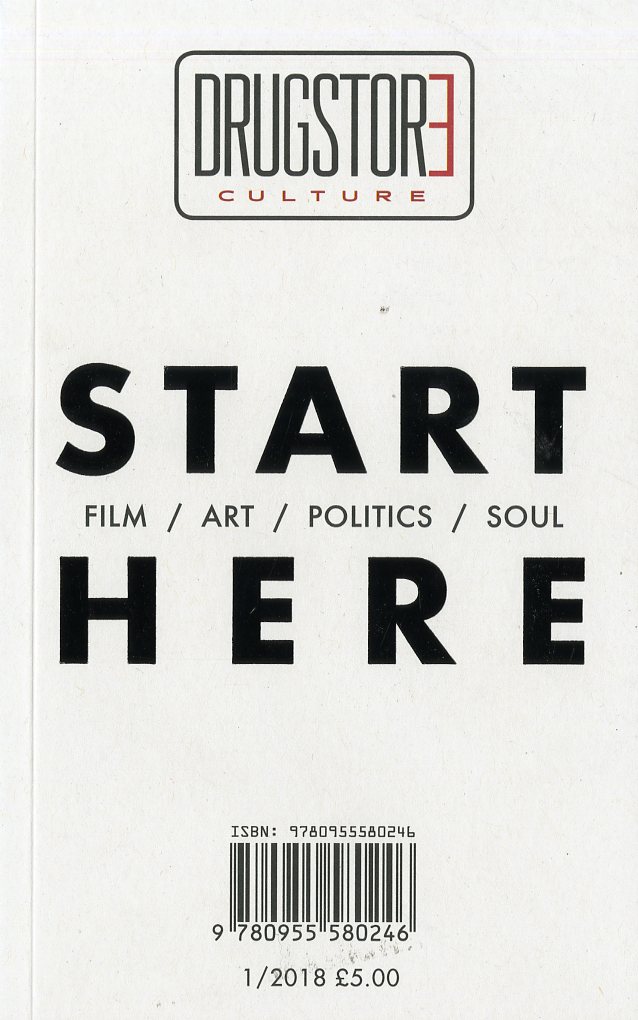
And the United Kingdom is really blossoming with new titles as Drugstore Culture, a magazine that’s mission is to define and defend all that is best in our culture – particularly film, but also art, music, literature and politics. The almost pocket-sized magazine is an interesting concept.

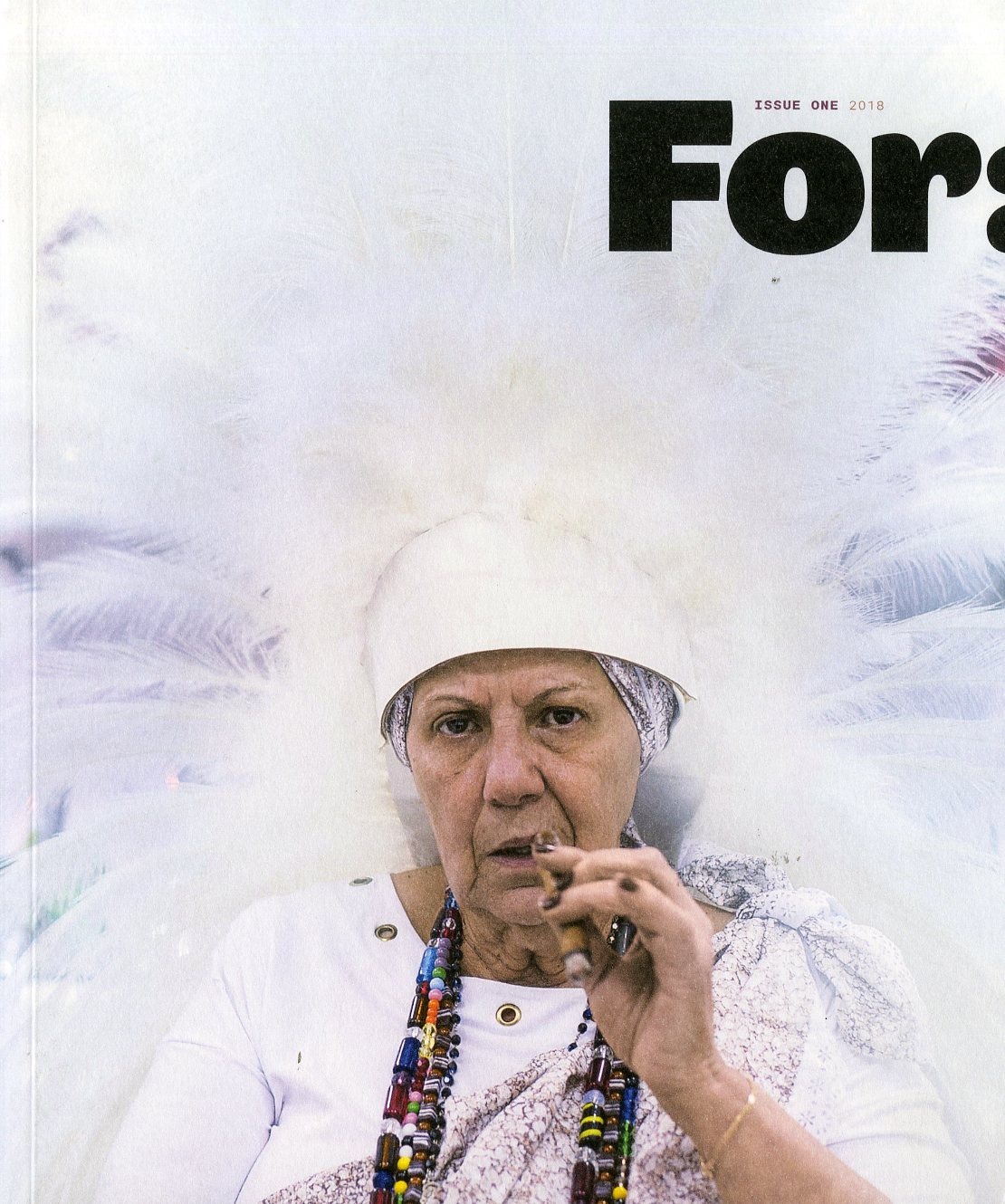
For is a new magazine that highlights issues facing humanity with a positive, optimistic attitude. It focuses on people who are improving the lives of others and our common humanity. Using a theme each issue, the new title’s first is all about maturing. This magazine should age gracefully!

Plantain Papers comes to us from England and is an independent bi-annual magazine which expresses stories and cultural experiences involving people who love plaintains. From Ghana to Detroit each piece brings together lovers of the fruit from around the world. As you can see – niche is still the name of the game!

And then there’s Be Water Journal, which was founded in 2017, by a group of professional editors, photographers, designers etc. in Guangzhou City, China. The name “Be Water” comes from a famous quote by Bruce Lee and the publication is just as intriguing. The magazine describes its mission as narrowing the focus on “person,” capturing the “Cultural Creatives” from around the world, people that immerse themselves in creation and life. With a website and an annual bookazine, this Eastern offering seems to be in it for the long haul. Welcome to to the world of magazines!

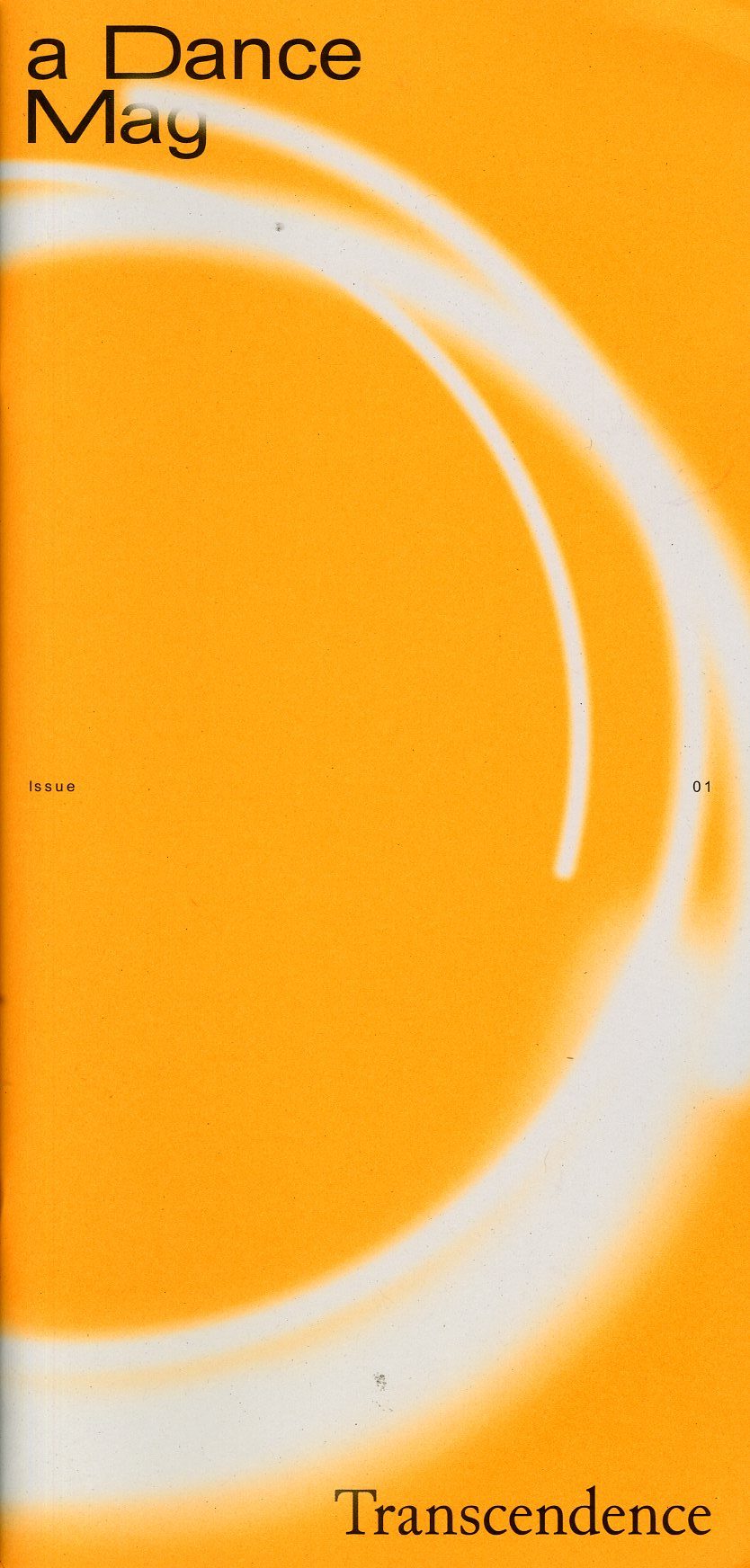
From the people behind The Outpost comes a Dance Mag, a global dance magazine that transcends differences, distances, and disciplines to tell the stories of people from all over the world, who are dancing their lives and giving their bodies a voice. From Beirut, Lebanon this new title is as beautifully done as it is captivating.

Desired Landscapes is a title from Greece and explores the sense of a place and the problem of the representation of the urban experience through graphic design, mapping, poetic observations, the vernacular and ephemera.

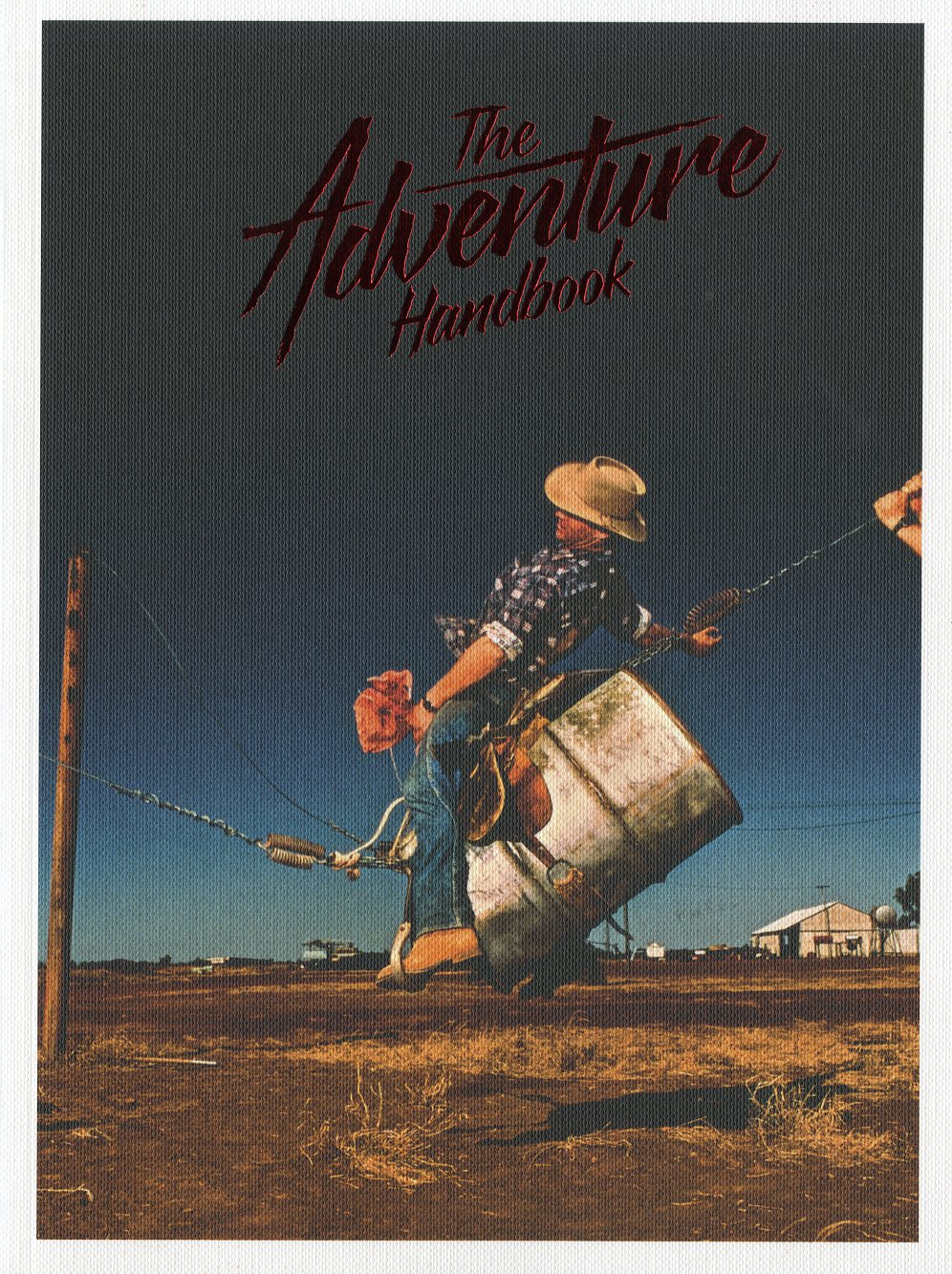
The Adventure Handbook is an independent collective of creators, brought together by redefining travel writing and the meaning of ‘adventure.’ A photography magazine about modern exploration, The Adventure Handbook is one of Australia’s latest offerings and a beautiful edition to newsstands.

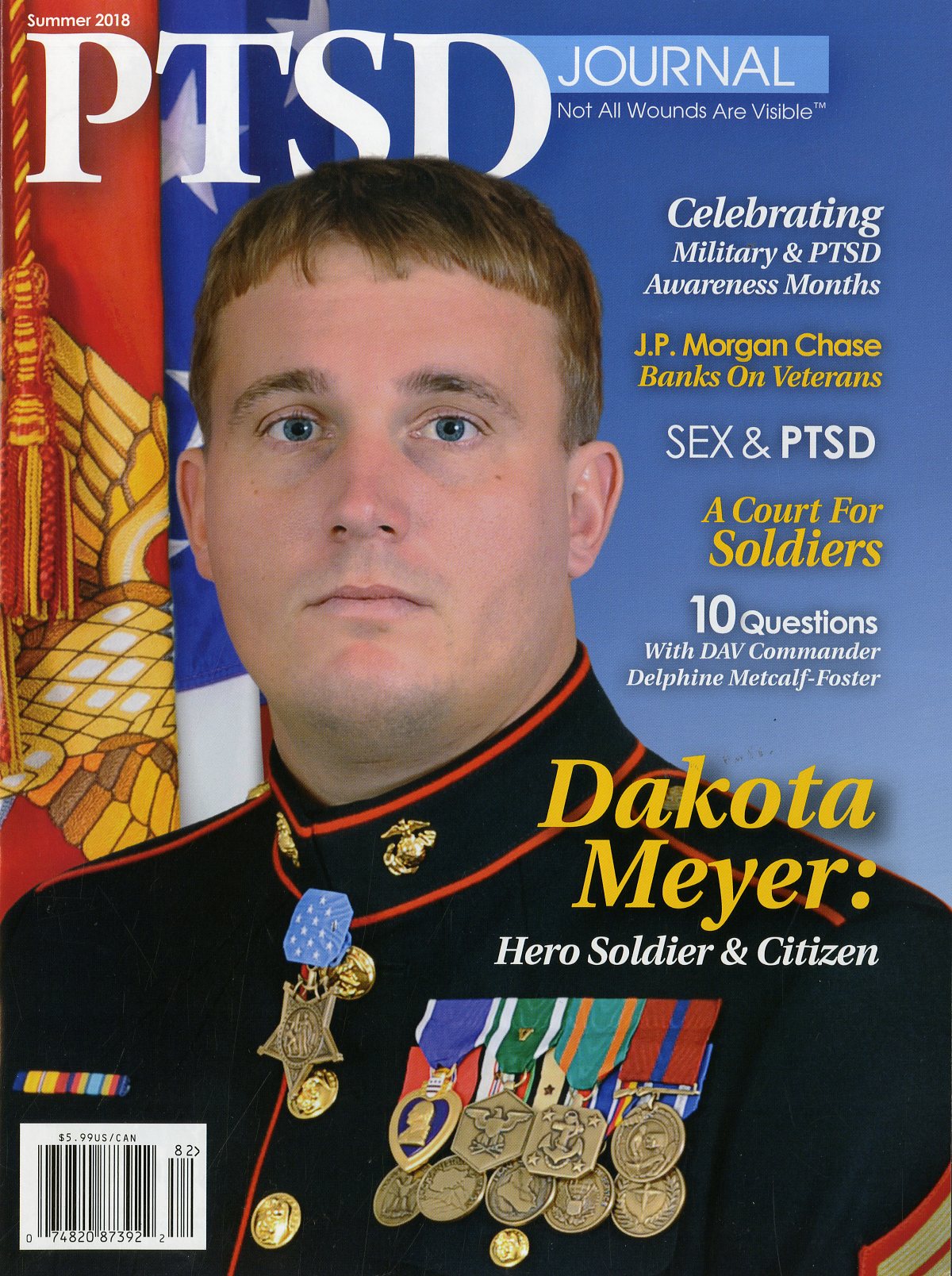
PTSD Journal is dedicated to improving the quality of life for Post Traumatic Stress Disorder sufferers and their loved ones. It shines a light on the awareness, diagnosis and treatment of a disorder affecting more than 30 million Americans, their families, and loved ones. A great new title from the good old U.S.A.

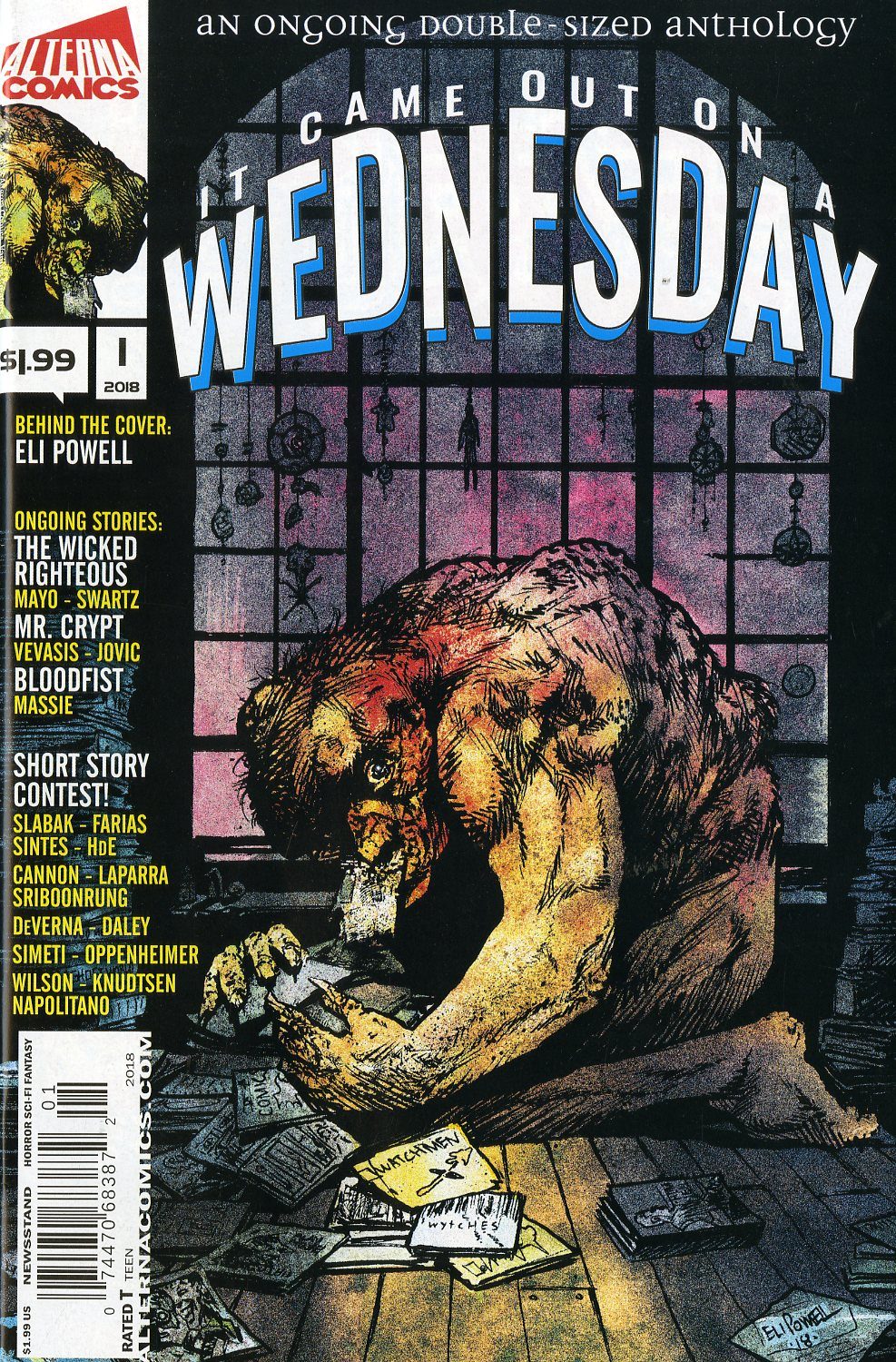
And for good measure, a new comic book called It Came Out On A Wednesday, a new title from New England’s Alterna Comics and the first of their bi-monthly anthology series. It is chock full of snippets, interviews, contests, and much more.

As Mr. Magazine™ continues to travel the globe (albeit most times from the newsstands) looking for these amazing new delicacies, keep an eye out for my next installation of The Wonderful World of Magazines, it’s sure to be worthy of the cover of a magazine!

Until next time…

See you at the newsstands…

h1

Kalmbach Media’s Strange Science (Magazine): Reverse Engineering Creates And Curates A Digital-To-Print Platform – The Mr. Magazine™ Interview With Steve George, Vice President – Content, Kalmbach Media…

August 23, 2018

“Coming back to some fundamentals that we who love magazines have been talking about for years. I think there’s a physical, tangible reality to magazines that you don’t get online. There’s a durability there in a print product and to a certain extent, there’s a promise that the time and effort that would go into creating and editing and vetting that content in a more durable form, whereas I think online, and we’re seeing this, it’s a voracious beast, where you have to constantly be cranking out new content.” Steve George…

Kalmbach Media (formerly Kalmbach Publishing) has been around for more than 80 years, offering niche titles such as Model Railroader, Discover, Bead & Button, Classic Toy Trains, and Astronomy, plus many more. The science group of magazines expanded its family recently with a digital-to-print, digest-sized special issue publication called Strange Science, featuring more than 50 strange-but-true stories from every field of scientific inquiry.

I spoke with Steve George, vice president of content at Kalmbach, recently and we talked about this digital-to-print publication that curates popular digital content in a convenient digest print format. Steve is a firm believer in print magazines permanently joining the definition of the word multiplatform. After all, how can you be across all platforms without print. And that’s Kalmbach’s mission, to meet their reader and customer everywhere they want to consume content. And with the digest-sized format of Strange Science, Kalmbach is hoping that science enthusiasts and those of us out there who might not consider ourselves science readers will enjoy the convenience and just outright fun of the magazine.

So, come along with Mr. Magazine™ as we discover the strange world of science together from the man who guides those unusual stories onto the printed page and onto the screen, the Mr. Magazine ™ interview with Steve George, vice president – content, Kalmbach Media.

But first the sound-bites:

On whether the industry is suddenly moving from digital back to print: You’ve said it yourself, it’s not about print versus digital anymore, it’s about delivering what your audience wants on the platform where they want to engage with it. And like so many other publishers, we’re striving to serve up more and more digital content, but we know there is a place for print and we’re still very committed to print and we’re seeing a desire across all demographics to engage with print magazines.

On what has been the early reaction from the audience to the digital-to-print concept: It was pretty strong. In fact, recently we sat down to put together the framework for the second of those SIPs. We know there was a strong response and we definitely saw people who we normally hadn’t seen coming to the site and taking a look, so I think the response has been very favorable for us.

On the changes at Kalmbach, including a new CEO: We’ve certainly seen a lot of changes in the past year with Dan (Hickey) aboard as our CEO, and obviously one thing that he has always emphasized is magazines are going to continue to be a critical part of our business, it’s a strong and profitable area for us, particularly in our hobby magazines, which still contribute hugely to our profits, but we are phase of dramatic digital growth. We have to be, like a lot of publishers. And this is especially true in our science group. I’m sure you’ve seen the magazine media fact book, the MPA numbers; science and technology is the number one growth area by content category. And we’re well-positioned to serve that category, it’s a growth area for us and Dan has identified that as such and we’re pushing hard to grow that category.

On why he thinks the category of science is growing: I think there are several reasons. One overarching factor is that people are looking for great, vetted, factual information, and I think there are a lot of questions about different kinds of science. We’ve seen this at all levels, at the national level. There is a lot of information out there that people aren’t sure about, in terms of the environment or honorary matters of science, so I think that there always has been an interest in science content, but I would say that folks have become keener to find reliable, vetted, well-sourced information and get it in a format in which they want to consume it.

On what role he thinks magazines play in the art of creation and curation of trusted information: Coming back to some fundamentals that we who love magazines have been talking about for years. I think there’s a physical, tangible reality to magazines that you don’t get online. There’s a durability there in a print product and to a certain extent, there’s a promise that the time and effort that would go into creating and editing and vetting that content in a more durable form, whereas I think online, and we’re seeing this, it’s a voracious beast, where you have to constantly be cranking out new content.

On which he enjoys more, the art of creation or the art of curation: I have a role now where I do a little less creation, and for that matter a little less curation, working with all of the content team who do that. I would say that it’s both. In my younger days when I was mostly a writer, I would said creating, but it’s equally challenging, in some cases, more challenging to edit and curate, find the right mix of content to strengthen your relationship with your readers. And so they both have their joys and their frustrations, but mostly joy. I find both equally rewarding.

On one reason someone should go to the newsstand and buy a copy of Strange Science: One reason? Because it’s fun. It’s a great way to get great science content and if you don’t think of yourself as a reader of science content, this might change your mind. It’s engaging; it’s not highbrow, like a medical journal; it’s very much written for the layperson, but it’s not dumb downed. It’s pure entertainment as well as information and that’s what we want, we want to both inform and delight. So, why wouldn’t you? (Laughs)

On whether there will be more digest-sized titles coming from Kalmbach: I would say that anything is possible, this is really the first digest format that we’ve done. I used to work in digest titles; I was at Prevention for several years and it was one of the great technical challenges, to make a small magazine feel big. I certainly think we managed to do that and we thought it would be a great format to try. As they say, it’s convenient, you can throw it in a bag or practically stick it in your pocket. We just wanted to make it easy and convenient. I can see us doing more in the future. It’s really going to depend on what the content is and what we think the audience will enjoy.

On anything he’d like to add: From the digital-to-print side, we’re just looking for ways to deliver great content to the audience in whatever platform they want. I would say for us, for science, it’s particularly important, as I mentioned, because that’s a big growth area for us, especially for our science group, which is really Discover and Astronomy and we have an ecommerce store that’s My Science Shop. It’s a big growth area for us and we intend to offer marketing institutions a large science media platform, coupled with new and exciting ways to engage with science enthusiasts and thought-leaders.

On what keeps him up at night: What doesn’t keep me up at night? (Laughs) I’m a champion worrywart. I always worry about doing enough for readers and our customers. I think a lot about my content team, trying to give them the resources and support they need. Content is the lifeblood of what we do and so my teams and our readers are eminently worth worrying about.

And now the lightly edited transcript of the Mr. Magazine™ interview with Steve George, vice president – content, Kalmbach Media.

Samir Husni: Are we suddenly seeing this move from digital to print? Is the industry getting smarter, utilizing all of that free content that was once on digital, and now selling it between the pages of print?

Steve George: (Laughs) Well, I’d like to think so. You’ve said it yourself, it’s not about print versus digital anymore, it’s about delivering what your audience wants on the platform where they want to engage with it. And like so many other publishers, we’re striving to serve up more and more digital content, but we know there is a place for print and we’re still very committed to print and we’re seeing a desire across all demographics to engage with print magazines. Especially one you can just toss into your beach bag and not worry about dropping it into the sand or trying to read it in direct sunlight. As a lean-back experience it’s still a great form of entertainment and information for lots of people.

So, for us, we have content that we have online and some of it is part of a paid subscription, some of it, as you say, is out there in the wild for free, but we wanted to curate some of that and put it into a print format that folks would engage with. Strange Science is our first for science brands, for Discover, but this is something that we’ve also done in our hobby titles. Back in May we had another digital-to-print product with a model railroading SIP, Model Railroading – The Ultimate Guide and that was content that was originally video content curated from our subscription site, Model Railroader Video Plus.

From there, the opportunity was again to engage with our readers in a format that they would enjoy, but also to create a relationship with them, where we could entice them to see what else we have to offer online. And in that particular case with Model Railroading, we had strong links from that print content back to videos on the site, and our goal there was to hopefully get them to see what else we had to offer and become subscribers to that video service.

Samir Husni: What has been the early reception from the audience to that whole digital-to-print concept?

Steve George: It was pretty strong. In fact, recently we sat down to put together the framework for the second of those SIPs. We know there was a strong response and we definitely saw people who we normally hadn’t seen coming to the site and taking a look, so I think the response has been very favorable for us.

Obviously, with Strange Science it’s very early days. We have the digital edition and that’s pretty inception level stuff, digital-to-print-to-digital edition. The newsstand copy just came out and so we’re expecting that people are going to respond to it. Not just our core readers, but with Strange Science we wanted to satisfy all of our readers, insatiable curiosity. And go beyond our base to create relationships with new readers, including younger readers who might not self-identify as science readers, but who’d be into the wild mix of topics that we present. And with something like Strange Science being engaging enough to start a relationship with them so they might come and see what else we have to offer both online and on our other platforms throughout the brands that we have in our science category.

Samir Husni: Since the last time you and I chatted, a lot has happened at your company, including a new CEO.

Steve George: We’ve certainly seen a lot of changes in the past year with Dan (Hickey) aboard as our CEO, and obviously one thing that he has always emphasized is magazines are going to continue to be a critical part of our business, it’s a strong and profitable area for us, particularly in our hobby magazines, which still contribute hugely to our profits, but we are phase of dramatic digital growth. We have to be, like a lot of publishers.

And this is especially true in our science group. I’m sure you’ve seen the magazine media fact book, the MPA numbers; science and technology is the number one growth area by content category. And we’re well-positioned to serve that category, it’s a growth area for us and Dan has identified that as such and we’re pushing hard to grow that category.

Samir Husni: As someone who has worked in that category for the last six-plus years, can you identify one or two areas in that specific category that would point out why it is growing so much?

Steve George: I think there are several reasons. One overarching factor is that people are looking for great, vetted, factual information, and I think there are a lot of questions about different kinds of science. We’ve seen this at all levels, at the national level. There is a lot of information out there that people aren’t sure about, in terms of the environment or honorary matters of science, so I think that there always has been an interest in science content, but I would say that folks have become keener to find reliable, vetted, well-sourced information and get it in a format in which they want to consume it.

And from my own experience, and I’ve done science writing, especially on the medical side, for the better part of two decades, in many ways as a reader you see that interest continue to grow. People want to know more about the latest advancements not only in terms of just medicine overall, but in regards to their own personal health and wellbeing. We see that interest growing year over year.

Beyond that, I think people are naturally curious and I don’t think that diminishes over time, so we want to find ways that we can satisfy that curiosity across a variety of platforms, including this new SIP we’re just putting out.

Samir Husni: I was looking at some of the statistics that were released recently that show magazines are the most trusted news media out there, with 80 percent of the people trusting magazines more than any other outlet, including television and radio. And it drops all the way to 38 percent for social media. What role do you think magazines play in that art of creation and curation of that trusted information?

Steve George: Coming back to some fundamentals that we who love magazines have been talking about for years. I think there’s a physical, tangible reality to magazines that you don’t get online. There’s a durability there in a print product and to a certain extent, there’s a promise that the time and effort that would go into creating and editing and vetting that content in a more durable form, whereas I think online, and we’re seeing this, it’s a voracious beast, where you have to constantly be cranking out new content.

Then you end up having a lot of content that just flies through people’s feeds very quickly and some of it is not accurate. You don’t know who the source is necessarily, you don’t know what their agenda is, if they have one, and I think folks are more cognitive of that. And once again, I think with magazines there is a durability and an implied commitment to quality, which we certainly strive to fulfill. And not just in the science content. Across our hobby titles we have the leading experts in those different areas of passion. And we don’t skimp on finding and creating the best possible information to help people satisfy their passions. There is an authenticity that, certainly for Kalmbach, we have more than 80 years of commitment to. That’s an important part of who we are and we’re not going to diminish it or lose that.

Samir Husni: Which of the two do you enjoy more, the art of creation or the art of curation?

Steve George: I have a role now where I do a little less creation, and for that matter a little less curation, working with all of the content team who do that. I would say that it’s both. In my younger days when I was mostly a writer, I would said creating, but it’s equally challenging, in some cases, more challenging to edit and curate, find the right mix of content to strengthen your relationship with your readers. And so they both have their joys and their frustrations, but mostly joy. I find both equally rewarding.

Samir Husni: Give me one reason why I should go to the newsstands and buy a copy of Strange Science.

Steve George: One reason? Because it’s fun. It’s a great way to get great science content and if you don’t think of yourself as a reader of science content, this might change your mind. It’s engaging; it’s not highbrow, like a medical journal; it’s very much written for the layperson, but it’s not dumb downed. It’s pure entertainment as well as information and that’s what we want, we want to both inform and delight. So, why wouldn’t you? (Laughs)

Samir Husni: Are we going to see more of those digest-sized titles coming from Kalmbach?

Steve George: I would say that anything is possible, this is really the first digest format that we’ve done. I used to work in digest titles; I was at Prevention for several years and it was one of the great technical challenges, to make a small magazine feel big. I certainly think we managed to do that and we thought it would be a great format to try. As they say, it’s convenient, you can throw it in a bag or practically stick it in your pocket. We just wanted to make it easy and convenient. I can see us doing more in the future. It’s really going to depend on what the content is and what we think the audience will enjoy.

Samir Husni: Is there anything else you’d like to add?

Steve George: From the digital-to-print side, we’re just looking for ways to deliver great content to the audience in whatever platform they want. I would say for us, for science, it’s particularly important, as I mentioned, because that’s a big growth area for us, especially for our science group, which is really Discover and Astronomy and we have an ecommerce store that’s My Science Shop. It’s a big growth area for us and we intend to offer marketing institutions a large science media platform, coupled with new and exciting ways to engage with science enthusiasts and thought-leaders.

From a content perspective we have a lot of stuff that’s digital-first, but our overarching goal is going to be to create multiplatform content that’s engaging to readers and attractive to advertisers. And that is something that we’re committed to on the science side, we’re committed to bringing back national advertisers to Discover and the key to that is a multiplatform approach that includes print as well as native and sponsored content. We’re already seeing some real successes there, but we’re going to continue to grow. We’re going to look at everything from acquisitions to new product launches in order to reach and grow those audiences, both in the science and the hobby space.

For us that means we’re creating a customer journey. We’re going to build and strengthen relationships. Someone will start on the newsstand with a product like Strange Science or Model Railroading, and then they could purchase a paid video product or maybe it’s a subscription box. It’s an exciting time for us and for our current and future customers. That’s where a lot of us are spending our energies right now, making that journey a successful and satisfying one, and strengthening those relationships, which we as a company have had a very long and distinguished career at building and maintaining.

Samir Husni: Last time we spoke I asked you what kept you up at night and you said that you were wondering if you were doing enough for readers and your customers. Is that still keeping you up at night?

Steve George: What doesn’t keep me up at night? (Laughs) I’m a champion worrywart. I always worry about doing enough for readers and our customers. I think a lot about my content team, trying to give them the resources and support they need. Content is the lifeblood of what we do and so my teams and our readers are eminently worth worrying about.

Samir Husni: Thank you.
h1

Welcome Back: A Magazine Relaunch Musing…

August 22, 2018

A Mr. Magazine™ Musing

It never ceases to amaze me that when a magazine announces it’s folding its print edition, some people in the media world are quick to jump on the bandwagon, sending the lifeless body of the title to the cemetery barely before it has taken its last breath of ink.

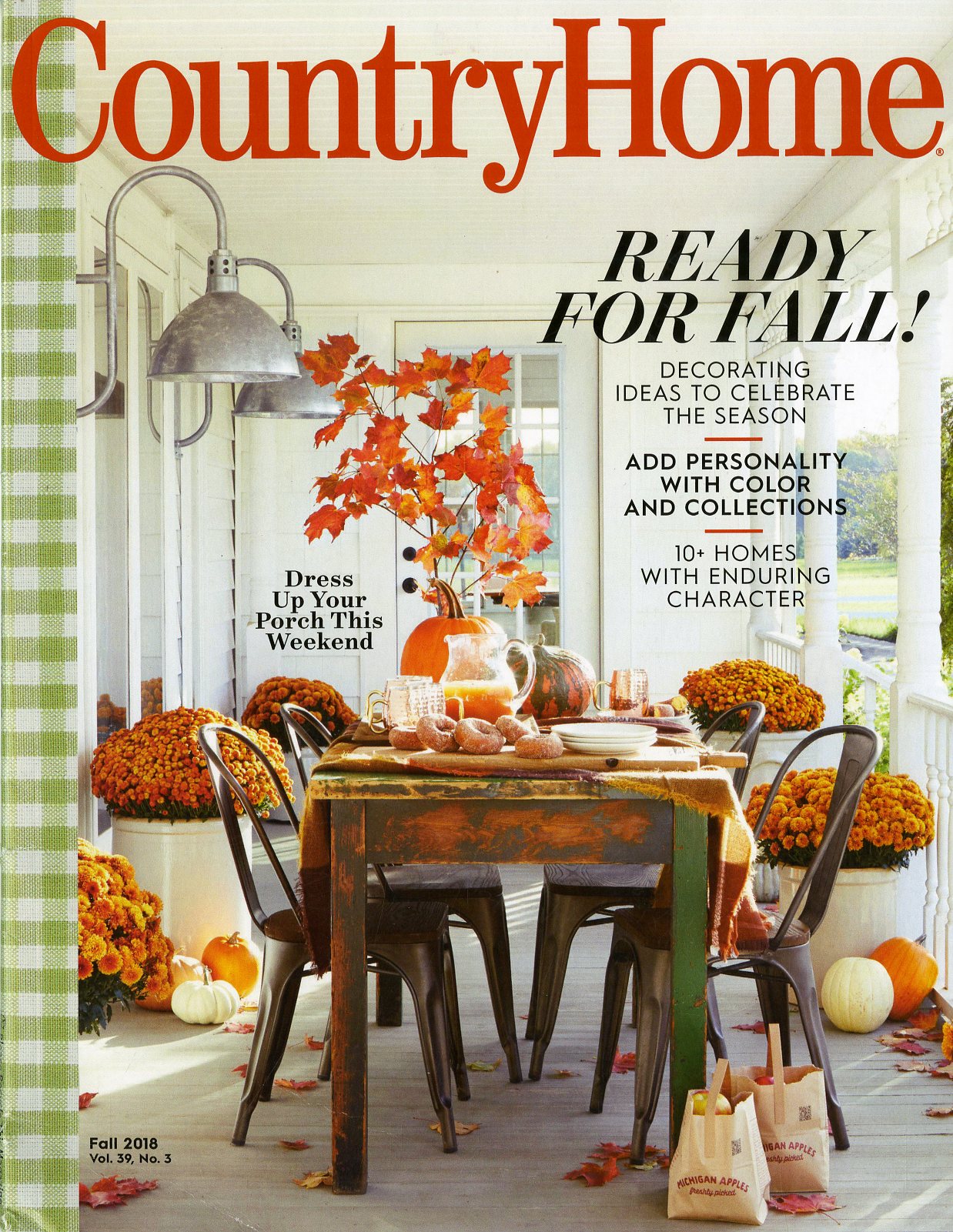
For example, when Meredith announced it was stopping the publication of Country Home in 2009, the stories abounded about the demise of print and the poor, sickly titles that were on their last legs and probably on the way out too.

The oddity about this entire process is how quiet the response is when that same magazine comes back to life. While the death celebration was raucous, the resurrection is subdued.

From the editor of the newly-reborn Country Home:

We’re thrilled to report that Country Home magazine is now available four times a year. As always, it’s on newsstands everywhere. Plus we’ve added a subscription option so you don’t miss a single issue. Visit themeredithstore.com to sign up today.


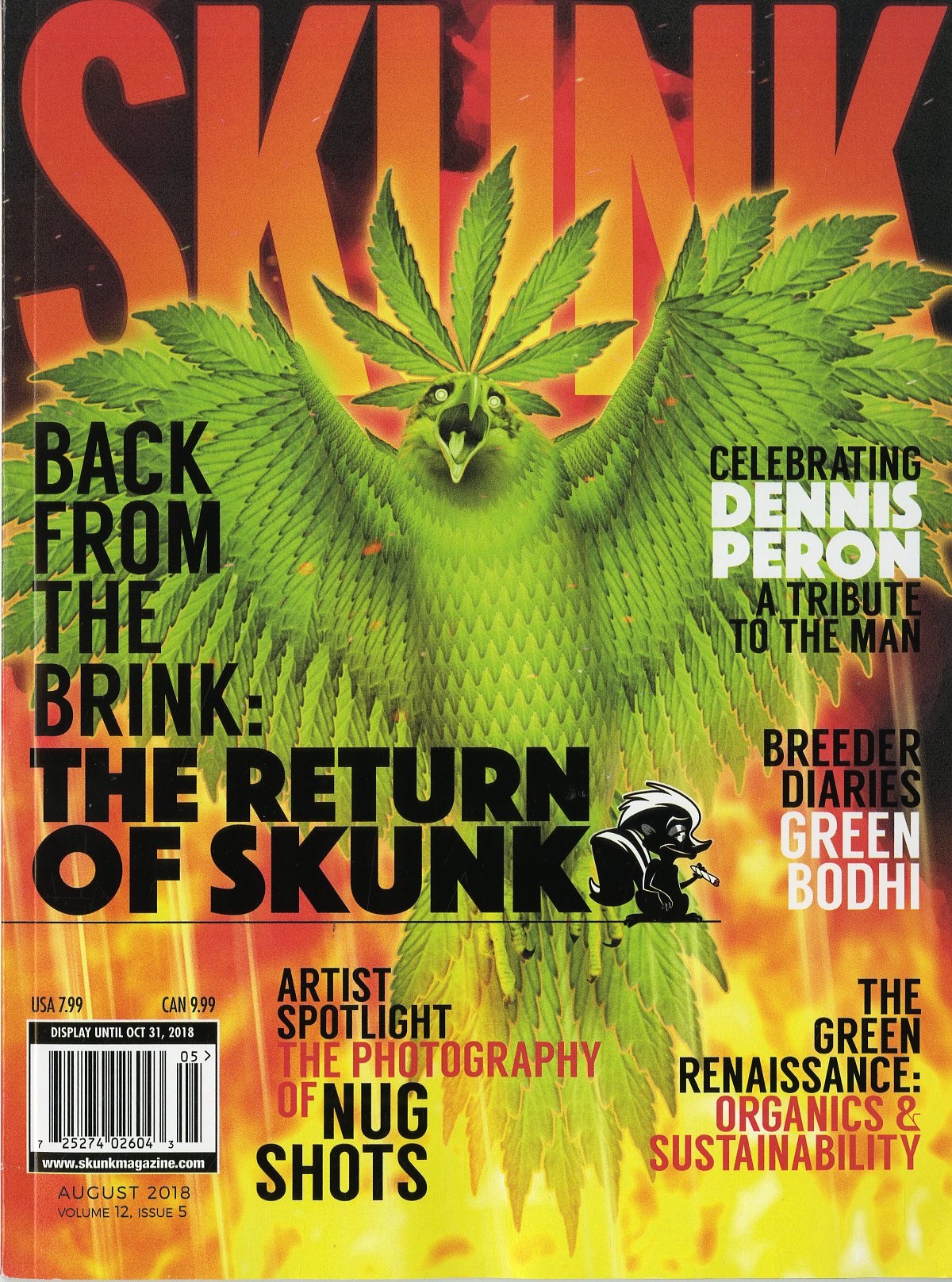
And from our friends in the North, Canada’s Skunk Magazine, a year since they’ve printed the magazine “an awkward silence during a time when cannabis became teh number one topic around the world.” After a year of not being on newsstands, it’s back, but with a modicum of herbal fanfare as its editor in chief thanks the people who stood behind the title. The editor-in-chief writes:

Rather than being a footnote in history, our magazine is now needed more than ever because we will tell you what you don’t want to hear while telling you what you need to know.

And then there’s Vogue’s L’UOMO, the Italian men’s version of the magazine, which launched in 1967 and closed a year or so ago. Condé Nast Italia is relaunching the title just in time for its 50th anniversary. The new incarnation of L’Uomo Vogue will publish twice in 2018, and will be available on newsstands and initially bundled with Vogue Italia subscriptions. It will also be available in English throughout with Italian translations.

Vogue Italia editor-in-chief Emanuele Farneti writes in his editor’s letter:

Every magazine that emerges, or re-emerges, is a small piece of good news: a voice that is added to the conversation, or freshly returned to it. This issue is for all those people – men and women – who have let us know L’Uomo was something they’ve been missing.

It really makes no sense that some in the media world shout loudly when they hear the death knell of a magazine and barely mention the wonder of its rebirth. It makes Mr. Magazine™ muse…

What’s wrong with that picture?

Until next time…

See you at the newsstands….

h1

Garment: Where Fashion Shows Off In Print…

August 1, 2018

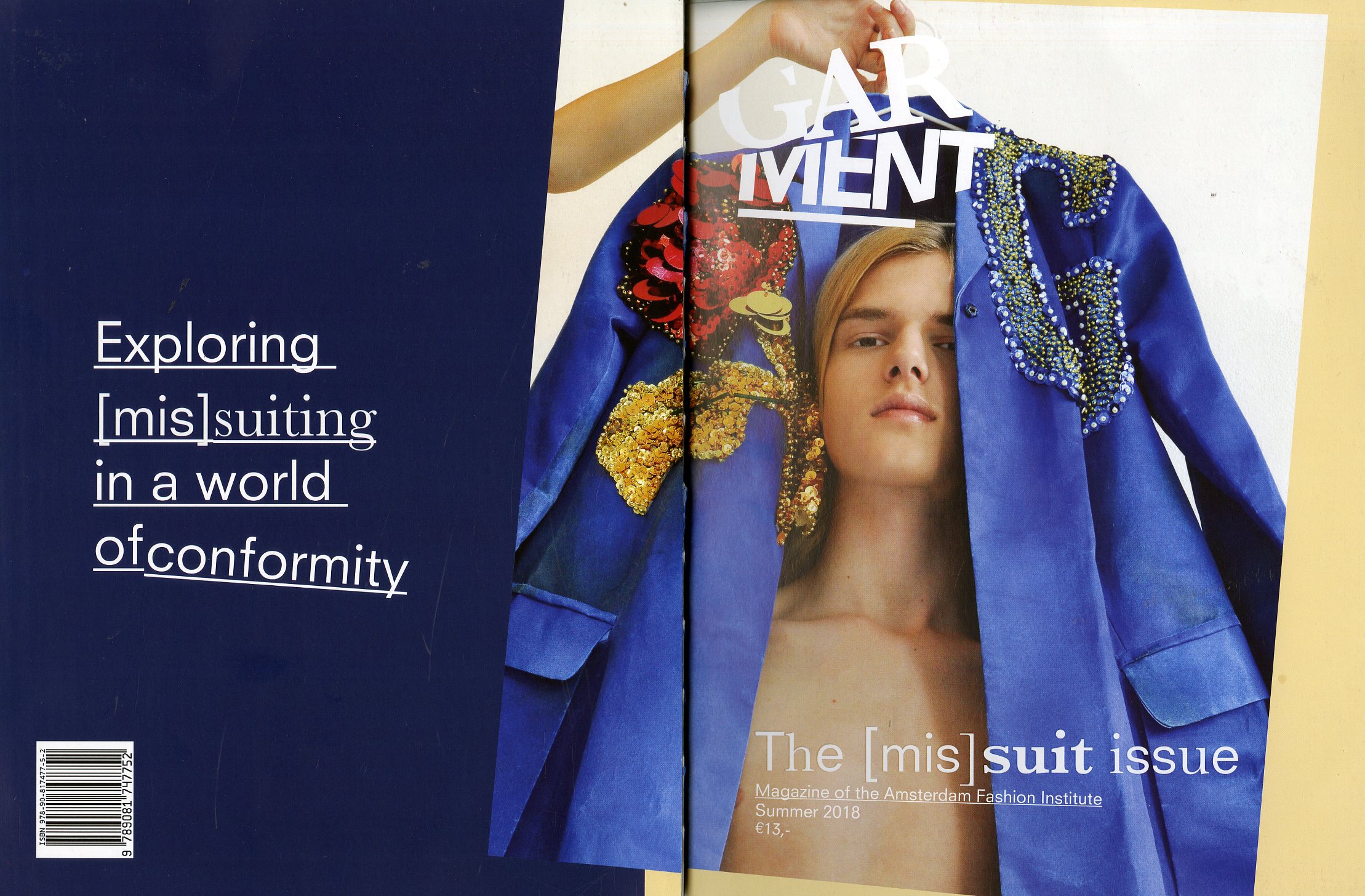
“Garment embraces the battle of the opposites, and this is what [mis]suiting is all about.” Thus states Editor in Chief Emma-Chase Laflamme in her Editor’s Letter of the new Amsterdam Fashion Institute’s magazine Garment.

She goes on to say, “We believe there is no better analogy to reflect the evolution and current state of the fashion industry than the suit…They say if the suit fits, wear it. Garment says, does it have to? Welcome to the [mis]suit issue.”

The annual publication from Amsterdam University of Applied Science’s Fashion Institute has been a fixture in the Dutch magazine world for more than a decade. Each issue is unique, as unique as the students and faculty who creates it.

After a short hiatus of no print issue, this summer the magazine is back in print. Frank Jurgen Wijlens, one of two editorial coaches of the magazine and the program coordinator, tells me in a note that accompanied the magazine, “Dear Samir, happy to show we were back to print. Happy readings. All the best, Frank.”

Happy readings indeed. Well designed, well edited, great photography and greater [mis]suits.

Another good example of what print can deliver that digital can’t. The sense of holding this issue of Garment in your hands, flipping the nicely sewn pages (no pun intended), is worth every penny of the 13 Euros that the magazine costs.

Want your own copy? Go to http://www.hva.nl/amfi or http://www.amfi.nl

h1

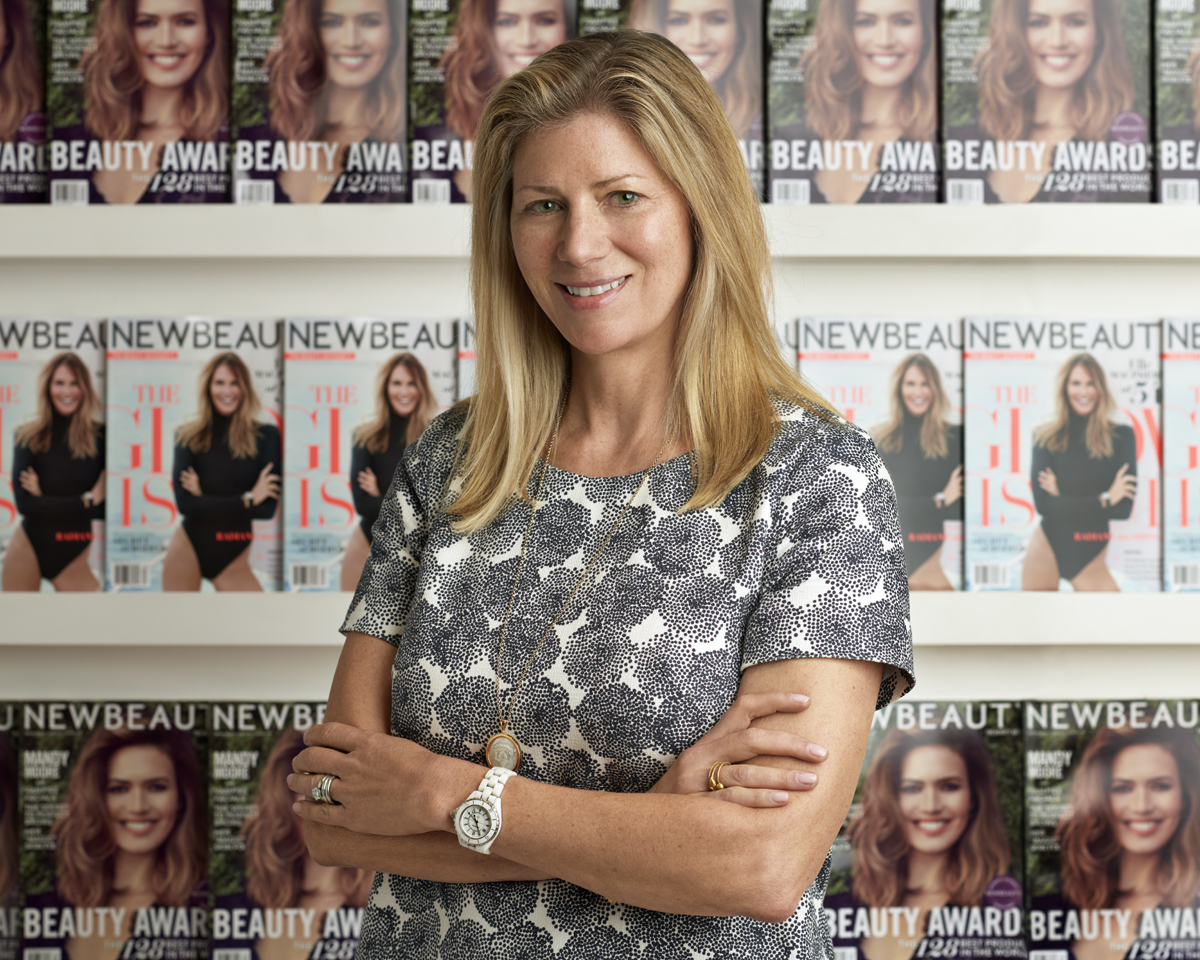
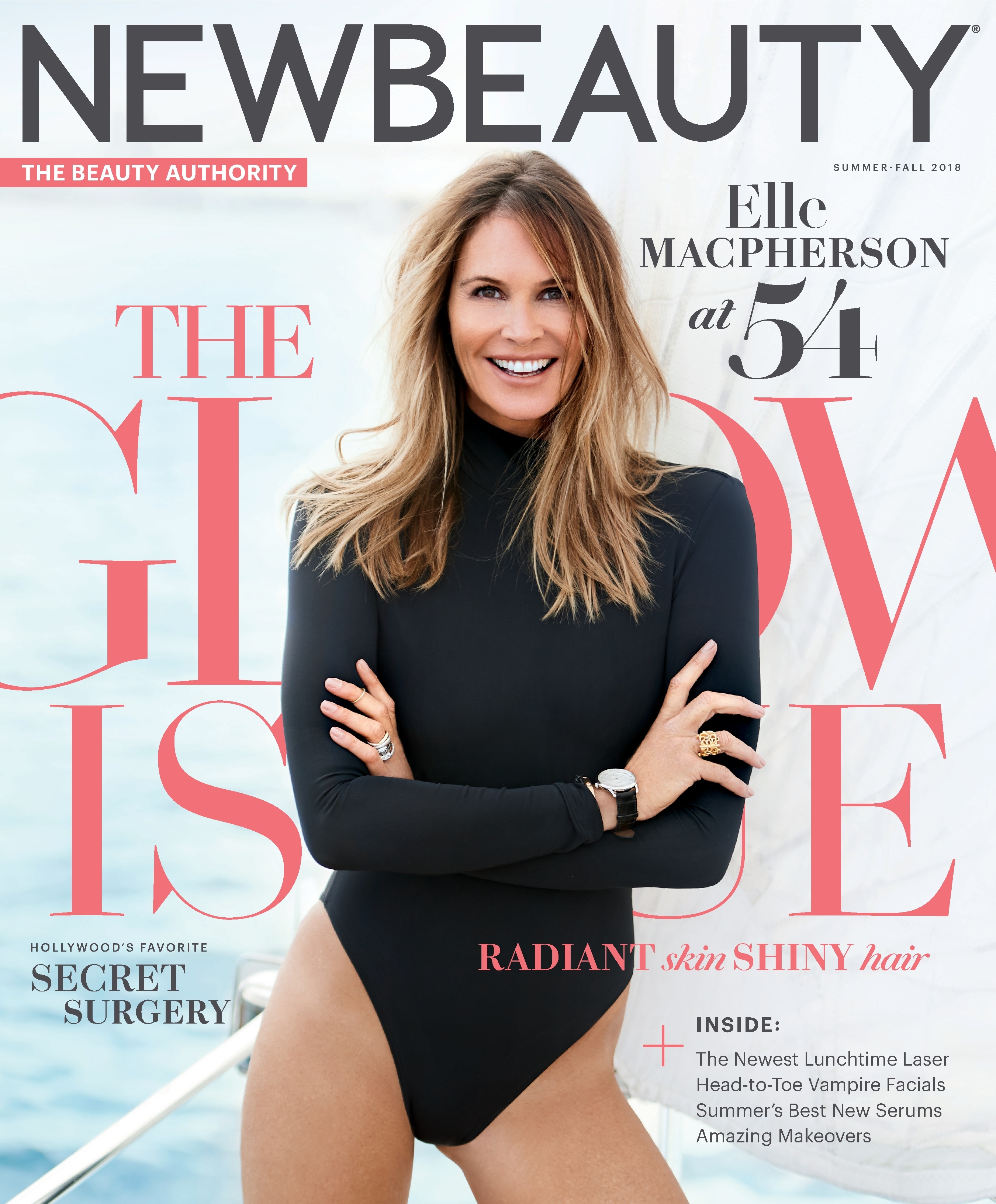
NewBeauty Magazine: A Relaunch That Highlights Editorial Integrity & Authority, While Cultivating More Than Just A Millennial Audience – The Mr. Magazine™ Interview With Agnes Chapski, President, NewBeauty…

July 27, 2018

“It’s a huge population and a very affluent audience. They actually have more spendable income and more money. In the beauty space, it’s completely underserved, so when you think about it, to me, it’s an amazing opportunity to speak to women who are hungry to have this kind of information. No one is really intelligently speaking to them, so that is a strong business reason.” Agnes Chapski On Why Baby Boomers & Gen Xer’s Are So Important To NewBeauty…

NewBeauty has been described as the definitive authority on all things beauty, and has the tagline to prove it. As a brand that believes in content that is 100 percent dedicated to beauty, from the scientific to cutting edge, NewBeauty has carved a unique niche for itself in the beauty space. And while the scientifically-driven approach to beauty that founding editor Yolanda Yoh Bucher created is still very much present, new Editor in Chief, Emily Dougherty and President of the company, Agnes Chapski, decided that a bit of tweaking was in order. So, along with the design vision of Creative Director, Dean Sebring, the team has raised the bar even more to include not only the scientific, but a palpable new emphasis on fun and personal storytelling.

And it’s inspiringly beautiful – as the beauty content of the title demands. I spoke with Agnes recently and we talked about the present and the future of the brand – and not just the magazine. With a focus on the Omni-channel development of the entire brand, Agnes has the goal of further diversifying and developing the brands existing revenue streams and initiating even more. And with her experience, Agnes was publisher and chief revenue officer of Allure for nine years prior to joining NewBeauty, there is no doubt that she can handle the job and her goals. And while the millennial audience is always important, Agnes isn’t avoiding the baby boomers and the GenX generations either. Recognizing the potential that lies within that group, she is determined to speak to all women, no matter their age. Just another sign that she has a firm grasp on the helm of this strong brand.

So, grab a nice glass of your drink of choice and join me as we take a stroll down the lanes of beauty with a woman who is excited about the multiplatform of her brand and can’t wait to lay the foundation (pun intended) for all the great things to come, the Mr. Magazine™ interview with Agnes Chapski, president, NewBeauty.

But first the sound-bites:

On reinventing the magazine to have not only the science behind its content, but also the heart: I’ve been at Sandow now for about nine months and it was really important to relaunch the magazine for multiple reasons. A big part of it was finding the right editor in chief, finding Emily; obviously that was the first step. But when I think about NewBeauty and all of the assets that we have, we really are an Omni channel. We have so many other media assets, but also businesses that are surrounding the brand, but to me the magazine is really the foundation; it’s our most visible asset. And that editorial integrity and authority is extremely relevant, especially in today’s media landscape where for many other companies that has not been the priority. We truly believe, especially in the beauty space, that credibility matters to women.

On what she’s doing to ensure that NewBeauty doesn’t disappear from advertisers’ radar: I’m going to answer this question in two parts. Number one, we’re not solely reliant on advertising revenue in our organization. Our founder, Adam Sandow, always looked at business first and what I mean by that is, there are a lot of things that he created around the NewBeauty brand that are profitable and not reliant on advertising. So, it’s creating relationships and trying to be full-beauty solution providers to our clients versus just trying to attract advertising dollars from them. Advertising is an important revenue stream, but it’s not what we’re completely reliant on.

On what has been the most pleasant surprise for her since becoming president of NewBeauty:
I like that it’s really spread out, that we can go to clients and offer multiple solutions. We can talk to big clients and it would be one conversation, and we can talk to small, emerging brands and it would be a completely different conversation. But with both, we’re helping them to attach to the right customer and are offering them ways to accelerate their businesses. And that’s what’s interesting to me, going in as a brand consultant rather than just one that’s trying to sell someone something.

On whether there have been any stumbling blocks during the relaunch or it’s been a walk in a rose garden:
(Laughs) Nothing is a walk in a rose garden. I don’t really look at things too much as stumbling blocks; instead, it’s how do we fix this or how do we make it better? I look at things like that as fun, business challenges and as what keeps things interesting and challenging. Nothing is ever perfect, nor should it be, this is a constantly evolving and changing business, so it’s fun to be able to get ahead of it and adapt and to always be thinking differently. For those of us who have been in this industry for a long time and have stayed in it, you have to be that in order to be successful.

On what she would like to say one year from now that she had achieved and what goals met: I don’t think you should ever feel that you’ve met your goals; you should just start to create new ones as you go along. And yes, you can checkmark off certain goals and certain benchmarks, but what we wanted to accomplish here is the foundation where we make sure this is a really strong brand from every one of our assets. So, the magazine being relaunched is one part of that.

On why baby boomers and GenX audiences are so important to NewBeauty, while other magazines cultivate the millennial audience:
Why it’s important to us is because of exactly what you said. It’s a huge population and a very affluent audience. They actually have more spendable income and more money. In the beauty space, it’s completely underserved, so when you think about it, to me, it’s an amazing opportunity to speak to women who are hungry to have this kind of information. No one is really intelligently speaking to them, so that is a strong business reason.

On some constants that she believes should never change in the magazine business: I think there’s always going to be a strong demand for really good, credible content. And to me, in magazines, if you’re not doing that, what’s the point? It doesn’t matter whatever genre you’re in, you should be concerned about content. It shouldn’t be homogenized, it shouldn’t be built for one and played out across other brands. It should be respectful of the consumer and who you’re trying to serve. To me, that’s foundationally why magazines are so powerful as well. Good magazines are powerful. And consumers will respond to that. That’s a constant that has to happen.

On what drives her to get up in the morning and head for the office: That’s a good question. A lot of things drive me. Number one, I would say that always working on something that you really believe in, and I’m sure a lot of people say that, but it really is true. If you don’t have a passion for it and you don’t really believe in it and you don’t love it, it’s pretty hard to get up and go to the office.

On what someone would find her doing if they showed up unexpectedly one evening at her home:
I have two young boys, so I don’t know if I really relax when I get home. (Laughs) It’s almost like a whole other job starts, but we do family time and cooking is a big part of it. Just being in our home together as a family, when we all come back from our various activities during the day. But that is relaxing to me, even though it is a bit of chaos. (Laughs again).

On what she would have tattooed upon her brain that would be there forever and no one could ever forget about her:
It would go back to what I said a minute ago, which is that I do great teams and cultures and people want to work with me and on my team.

On what keeps her up at night: Nothing. I sleep so well. I work so hard each day and I don’t bring it home. When I’m at home, I’m about my family and I sleep really well. Work is challenges, it’s not things that keep me up.

And now the lightly edited transcript of the Mr. Magazine™ interview with Agnes Chapski, president, NewBeauty magazine.

Samir Husni: You have a brand new, reinvented, reengineered NewBeauty magazine and as Emily Dougherty, editor in chief, told WWD, in addition to the science there is now a heart for the magazine. As president of NewBeauty, can you expand a little on that?

Agnes Chapski: I’ve been at Sandow now for about nine months and it was really important to relaunch the magazine for multiple reasons. A big part of it was finding the right editor in chief, finding Emily; obviously that was the first step. But when I think about NewBeauty and all of the assets that we have, we really are an Omni channel. We have so many other media assets, but also businesses that are surrounding the brand, but to me the magazine is really the foundation; it’s our most visible asset. And that editorial integrity and authority is extremely relevant, especially in today’s media landscape where for many other companies that has not been the priority. We truly believe, especially in the beauty space, that credibility matters to women.

So, magazines have, at least for our properties, the deepest consumer engagement. MPA came out with some new data that I was reading and was fascinated with, the things that they’re looking at, and they said that on average women spend 51 minutes with magazines. I looked at where NewBeauty is and our women actually spend 90 minutes with every NewBeauty issue. I thought the MPA number was pretty impressive, but the NewBeauty numbers were almost twice that.

And that’s really where everything starts, with our magazine, and that is our core consumer. And our goal with her is to really create this holistic beauty experience, and Emily spoke to this. We want to inspire them as much as we want to inform them, and it’s the best place to really create that emotional connection. And then from there, as we engage her and push her and move her to our other media platforms, such as our web, our videos, social and our other businesses like our sampling business, TestTube and all of that, those are important pieces of our business, but the strength of them comes from that magazine consumer.

Samir Husni: Your background is in the beauty sector, you were at Allure for years. And as we look at the business side and the advertising revenue that’s shrinking at most magazines, do you feel that the beauty category is more protected than any other sector, in terms of the advertising revenue? And what are you doing to ensure that the beauty category isn’t going to disappear from the advertising revenue radar?

Agnes Chapski: I’m going to answer this question in two parts. Number one, we’re not solely reliant on advertising revenue in our organization. Our founder, Adam Sandow, always looked at business first and what I mean by that is, there are a lot of things that he created around the NewBeauty brand that are profitable and not reliant on advertising. So, it’s creating relationships and trying to be full-beauty solution providers to our clients versus just trying to attract advertising dollars from them. Advertising is an important revenue stream, but it’s not what we’re completely reliant on.

The other piece of that is also our circulation. If you look at our business model, our circulation is profitable. I’ve never worked in an organization where circulation has been profitable, it’s actually a drain on the P&L. We’re newsstand-driven, we charge $10 per copy and our subs are not discounted comparatively to the way the industry standard has been, where you’re pretty much giving the magazine away. So, we’re very conscious of making sure that we create a value around the product that we’re serving to our customers and that they pay for that and everything we do; every business line, not just the magazine.

And then the beauty piece of it is, I think this is one of the most vibrant categories out there. I have worked in many different areas in my career and the most interesting was when I came to Allure and got to work 100 percent in the beauty category. And if you think about the changes that have happened in this industry in the past 15 years, it’s incredible. The idea that all of these brands are emerging and they have the ability to push themselves out in a way where consumers are really in command of what it is they want and need. It has allowed so many different players in the beauty space to enter into it. And I find that fascinating and I think it’s going to continue to grow stronger. Women are so intrigued with what’s out there and finding and discovering solutions for their beauty.

The other thing that’s always really intriguing too about NewBeauty is, and I mentioned it earlier, it really is a full, holistic experience. Where Allure was more driven by traditional beauty, and what I mean by that is NewBeauty also tackles cosmetic enhancements and doctors, our expertise is driven from a more serious place. So yes, we want to inspire and we have amazing, beautiful content on beauty, but we also take a more serious approach to it as well. We always talk about inspiring and informing and having more credible information for women. It covers a much more holistic landscape than anything that’s out there in the marketplace.

Samir Husni: What has been the most pleasant surprise since you became president of NewBeauty?

Agnes Chapski: I like that it’s really spread out, that we can go to clients and offer multiple solutions. We can talk to big clients and it would be one conversation, and we can talk to small, emerging brands and it would be a completely different conversation. But with both, we’re helping them to attach to the right customer and are offering them ways to accelerate their businesses. And that’s what’s interesting to me, going in as a brand consultant rather than just one that’s trying to sell someone something.

Samir Husni: Have there been any stumbling blocks or has it been a walk in a rose garden for you?

Agnes Chapski: (Laughs) Nothing is a walk in a rose garden. I don’t really look at things too much as stumbling blocks; instead, it’s how do we fix this or how do we make it better? I look at things like that as fun, business challenges and as what keeps things interesting and challenging. Nothing is ever perfect, nor should it be, this is a constantly evolving and changing business, so it’s fun to be able to get ahead of it and adapt and to always be thinking differently. For those of us who have been in this industry for a long time and have stayed in it, you have to be that in order to be successful.

Samir Husni: If you and I are talking about NewBeauty one year from now, what would you like to tell me that you have achieved and what goals met?

Agnes Chapski: I don’t think you should ever feel that you’ve met your goals; you should just start to create new ones as you go along. And yes, you can checkmark off certain goals and certain benchmarks, but what we wanted to accomplish here is the foundation where we make sure this is a really strong brand from every one of our assets. So, the magazine being relaunched is one part of that.

We’ll be focusing on our digital assets in Q-4. In the fall, we’re relaunching our TestTube, which is our sampling subscription business and you’ll see that we have a new platform for that. We’ve already relaunched our awards business and credentialing and there will be more to come on that. We have plans to launch a few new initiatives that I can’t talk about yet. So, we’re constantly thinking toward what’s next, while shoring up everything that we have in our arsenal and making sure that we have the best products out there and that they’re all up to our standard, which is a premium consumer experience.

I guess a year from now, if I could checkmark off all of the assets that I inherited to work with and they are all in the right place, then I would be very happy as we start to launch new initiatives.

Samir Husni: One of the things that you’ve done is not to shy away from reaching the non-millennials, people who are older: the baby boomers and GenX. Why do you think people in the magazine business, I don’t want to say ignored, but you hear more of them talking about millennials, yet common sense will tell you that baby boomers and GenX have more money to spend, and there are as many of them as millennials. Why do you think that audience that you’re after now has been avoided by others for so long?

Agnes Chapski: Why it’s important to us is because of exactly what you said. It’s a huge population and a very affluent audience. They actually have more spendable income and more money. In the beauty space, it’s completely underserved, so when you think about it, to me, it’s an amazing opportunity to speak to women who are hungry to have this kind of information. No one is really intelligently speaking to them, so that is a strong business reason.

Why are other companies not embracing this audience? I think you’d probably have to ask them, but in my opinion, they don’t see that possibly the marketing dollars are there to support going after this older market segment. I disagree with that. I think they’re really smart marketers who have possibly gone the millennial route and have found that doesn’t work for some of the brands. For the brands they should know who they’re producing the products for and what age group makes sense and speak to them. And be proud of that. I’m of that age segment and I’ll spend a lot of money in that sector. I don’t want to be ignored.

Samir Husni: Change is the only constant in the magazine business these days, but there are some constants that I believe should never change, no matter the evolvements that are taking place. You’re a seasoned publisher, now president; what are some constants that you believe should never change in the magazine business?

Agnes Chapski: I think there’s always going to be a strong demand for really good, credible content. And to me, in magazines, if you’re not doing that, what’s the point? It doesn’t matter whatever genre you’re in, you should be concerned about content. It shouldn’t be homogenized, it shouldn’t be built for one and played out across other brands. It should be respectful of the consumer and who you’re trying to serve. To me, that’s foundationally why magazines are so powerful as well. Good magazines are powerful. And consumers will respond to that. That’s a constant that has to happen.

And the change is, I think, being flexible and nimble. It’s nice to work at a company that’s entrepreneurial. We can go out and try things and if we fail, okay, then we’ll try something else. We’re not beholden to a corporate-type structure that doesn’t allow for flexibility. And I think brands will survive if they can remain nimble in the marketplace, so that’s the business piece of it.

Samir Husni: What excites you and motivates you to get up in the morning and head for the office? What drives you?

Agnes Chapski: That’s a good question. A lot of things drive me. Number one, I would say that always working on something that you really believe in, and I’m sure a lot of people say that, but it really is true. If you don’t have a passion for it and you don’t really believe in it and you don’t love it, it’s pretty hard to get up and go to the office.

But the other really critical piece of it to me and it’s something that I hope I’ll be remembered for, is that I take a lot of pride in putting together and building great teams and cultures, and places where people come to and want to work. We care about each other, it sounds sort of cliché, but we work really hard and we are constantly striving to perform at a really high level, but in the context of a culture that supports that. And I’ve always built these microcosms within even bigger organizations and have built these amazing teams and cultures. And that makes you want to get up and do the best work that you possibly do. So, I think those two in combination are what gets me going.

Samir Husni: If I showed up unexpectedly at your home one evening after work, what would I find you doing? Having a glass of wine; reading a magazine; cooking; watching TV; or something else? How do you unwind?

Agnes Chapski: I have two young boys, so I don’t know if I really relax when I get home. (Laughs) It’s almost like a whole other job starts, but we do family time and cooking is a big part of it. Just being in our home together as a family, when we all come back from our various activities during the day. But that is relaxing to me, even though it is a bit of chaos. (Laughs again).

Samir Husni: If you could have one thing tattooed upon your brain that no one would ever forget about you, what would it be?

Agnes Chapski: It would go back to what I said a minute ago, which is that I do great teams and cultures and people want to work with me and on my team.

Samir Husni: My typical last question; what keeps you up at night?

Agnes Chapski: Nothing. I sleep so well. I work so hard each day and I don’t bring it home. When I’m at home, I’m about my family and I sleep really well. Work is challenges, it’s not things that keep me up.

Samir Husni: Thank you.

h1

Magazine Media: Change Is Constant, But Consistency Can Be Crucial.

July 24, 2018

A Mr. Magazine™ Musing…

We all know that change is the only constant in the world that we live in, but while change brings about progress and evolution, there are times when evolvement isn’t all it’s cracked up to be. For instance, just ask Amazon about its not-so illustrious Fire Phone that convinced the mega company its future was not in phone technology.

And so it goes in magazine publishing too. There are reasons to remain consistent and staunch when it comes to certain things. And let’s be honest, Mr. Magazine™ is here to talk about the magazine business, certainly not cell phone technology.

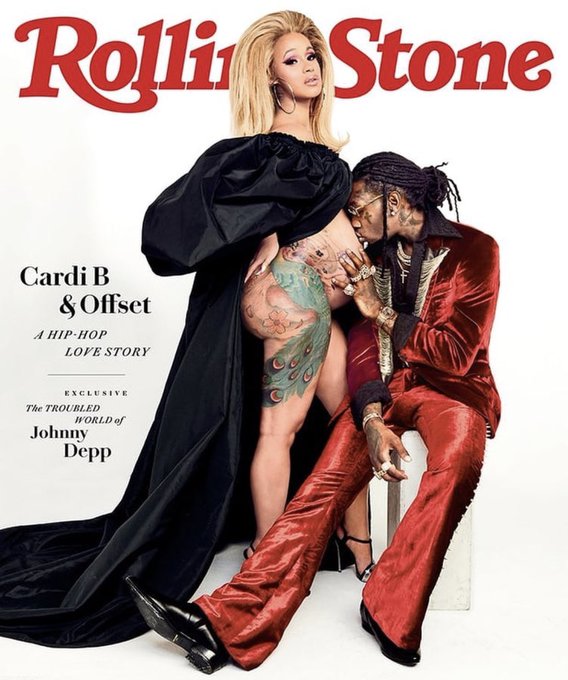
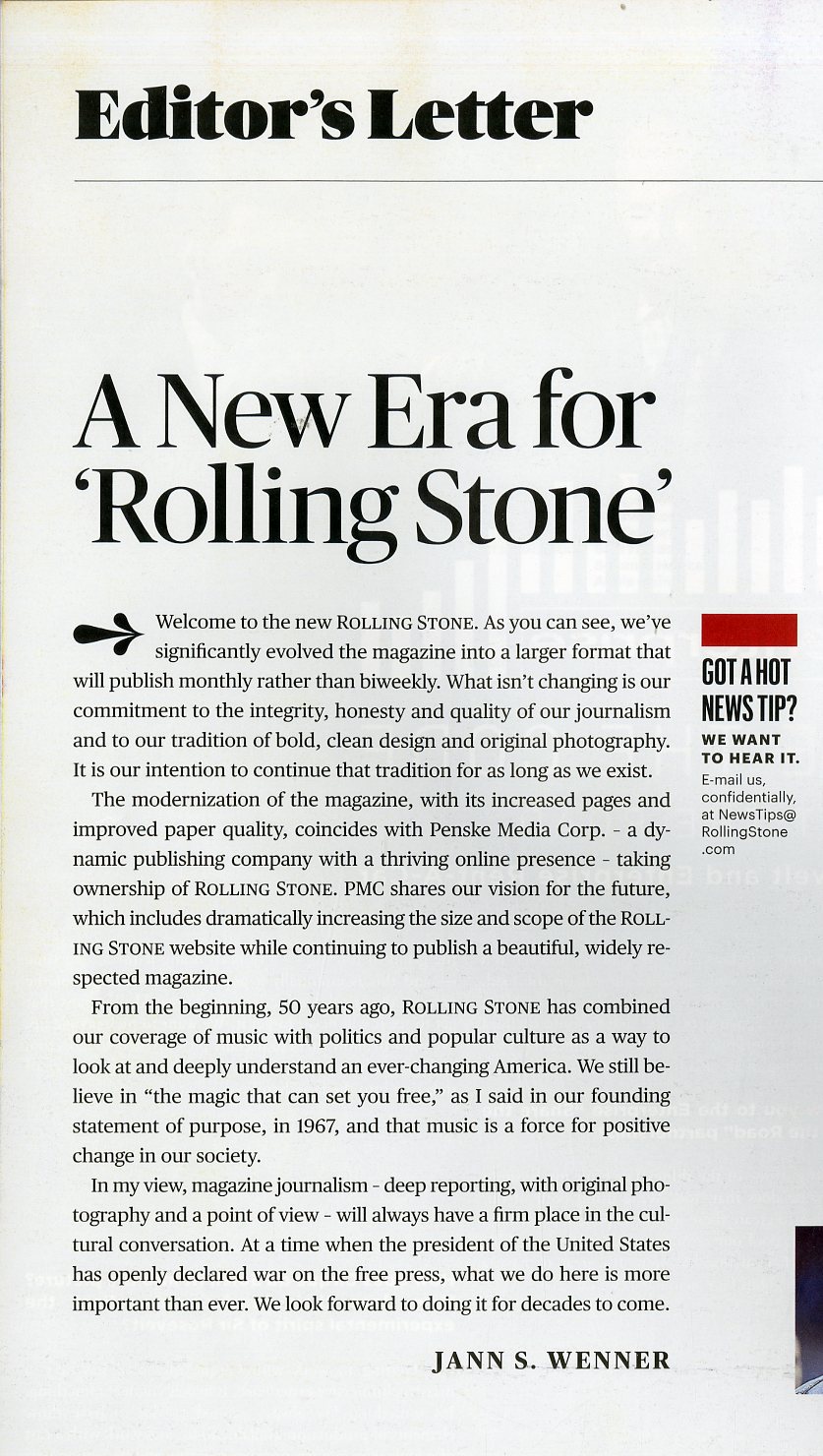
Take Rolling Stone, for example. Now that the 50-year-old musical and cultural staple is under new ownership, there have been significant changes made to the title. It’s now a larger format that will publish monthly rather than biweekly. However, the man behind the magazine’s successful legacy, Jann Wenner, is still ensconced as editor and has vowed in his first letter since becoming a non-owner persona that certain characteristics of Rolling Stone shall remain eternal:

“What isn’t changing is our commitment to the integrity, honesty and quality of our journalism and to our tradition of bold, clean design and original photography. It is our intention to continue that tradition for as long as we exist.”

And Wenner went on to say:

“In my view, magazine journalism – deep reporting, with original photography and a point of view – will always have a firm place in the cultural conversation.”

And that is why Rolling Stone’s impact is globally felt. From the shores of the U.S. to the European landscape, the magazine is as relevant and effective on one side of the ocean as it is on the other.

Recently, I made a trip to the land where I was born, Lebanon. Stopping in Italy during the flight, a dramatically impressive Italian version of Rolling Stone caught my eye and my heart. Needless, to say, it came home with me. The cover was spellbinding. Jann Wenner’s belief that magazine journalism should have a point of view was driven home as I looked at the poignant and impactful Italian issue that most definitely took a verbal and visual stand.

Magazines have always been reflectors of our society at that particular time, so they’re always evolving and morphing. But there are some facets of the profession of journalism and the magazine industry that should never morph into anything other than what it has always been: the pursuit of truth and the presentation of information and entertainment. After all, that’s what magazines do best!

Until the next time…

See you at the newsstands…

h1

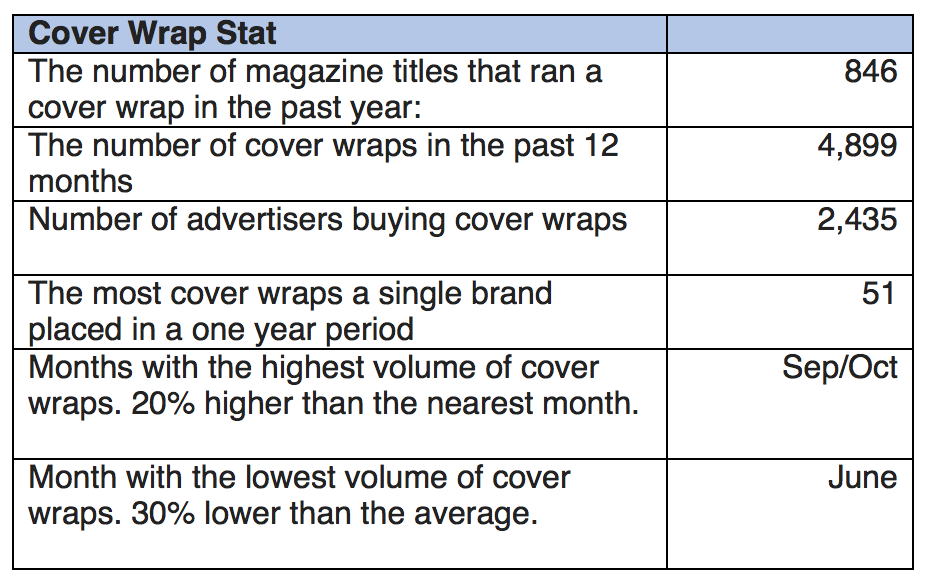
Magazine Cover Wraps By The Numbers: What Print Can Do And Digital Can’t… A Mr. Magazine™ Exclusive From MEDIARadar

July 16, 2018

A Mr. Magazine™ Musing

I know I am a magazine and print junkie, but that does not mean that I do not value digital and what it has to offer to and for magazine media.

However, like I always say, there are some areas print can’t compete with digital, and some other areas where digital can’t compete with print.

One such area where digital can never compete with print is Magazine Cover Wraps. “Ain’t” no such thing in digital. Pure and simple.

So how can one utilize that print advantage? Well, rather than just be sentimental about it, MEDIARadar’s CEO Todd Krizelman, told me he “caught David Pilcher’s article on cover wraps yesterday morning as I was commuting into the office. I was curious to learn more, so went into MEDIARadar to see what we might find. We track cover wrap advertising specifically. It turns out that he’s right. There really is still a meaningful business here. About 20% of titles have sold a cover wrap in the past year, and both b2b and consumer magazine titles are active. The numbers are posted below:

I guess the numbers speak for themselves. Enough said.

h1

Humanized Content & Your Very Human Audience – It’s Not Bots Out There Reading Your Stuff. A Mr. Magazine Musing & Revisit…

July 7, 2018

Photo by Robert Jordan/Ole Miss Communications

In the summer of 2008, I wrote an article for the magazine of the Custom Publishing Council called “Content.” And while I realize that was 10 years ago, some things never age, such as the content of the “Content” article. That’s a lot of “content” you might say, and I agree with you. But content, good content combined with experience making, is what magazines are all about and custom publishing is still just as relevant and prevalent as it was in ’08, even more so.

I recently published an interview that I did with Drew Wintemberg, president of Time Inc. Retail. The focus of that conversation was on Special Interest Publications, or SIP’s as they are called in the world of publishing. There is nothing more customized than a singular topic magazine that targets a singular-topic-interested audience champing at the bit to learn more about that singular topic. That’s a lot of “singular topics” you might say, and I agree with you. But singular topics are what custom publishing is all about, even if you’re not a singular topic brand, knowing the singular topics that your audience is interested in is vital to the success of your custom publication.

Which leads me to the real crux of having success with any type of publishing, custom or otherwise, you have to know your customer’s customer, i.e. – the audience and the advertiser. That is the true mark of a professionally marketed and targeted publication. If you cannot humanize that magazine and give it a pointed and rigorous personality, one that can carry on a particular conversation with both the audience and the advertiser, then you’re simply tilting at windmills, because a one-dimensional idea that has not been “fleshed” out isn’t going to work. Not for you, not for your advertisers, and certainly not for your readers.

Hence, the revisit of my article for “Content,” the magazine. In it I suggest 7 easy steps to know your customer’s customer. Well, actually, it’s six easy ways plus one, which is seven anyway you add it. And these are not only good for yesterday and today’s market, they’re even more crucial for tomorrow’s marketplace. They present the idea that protecting and promoting your brand properly is the future of your publication and your entire company. And there is no better way to do that than by knowing your customer’s customer. You have to understand each and every facet of your brand, from who’s buying it to who’s advertising in it.

So, come along with Mr. Magazine™ as we take a trip down memory lane and run into today and tomorrow there as well…

Mr. Custom
Samir Husni

Protecting the Brand
Six (plus one) easy ways to know your customer’s customer

The most essential objective on the mind of any marketing director or head of a company is protecting the brand. This is paramount because companies must ensure their brand is not tarnished. That challenge becomes a huge responsibility on the shoulders for any individuals launching custom publications. If you fail to understand and help promote your customer’s brand in the proper way, the only thing the future holds for you, your marketing director or your media company is disaster.

There is no better way to protect and promote a brand than by understanding the customer’s customer. Knowing the people your custom publication targets is important to your success as a custom publisher, but success can only be guaranteed if you know the advertisers that are targeting your audience as well.

One of the simple questions I always ask people is, “Who is your audience?” Without really knowing who it is you are trying to reach, it is impossible to be successful at custom publishing. When I hear clients telling me that “everybody” is their audience, I know they haven’t even begun to do their homework. Before you attempt to create a custom publication, here are six plus one easy steps to consider:

1. Know the brand. This may sound elementary, but if the brand becomes unclear or gets diluted, it will lead to failure of the brand across the board and media outlets. You must know the brand inside out, upside down, forward and backward. It’s not enough to just know the brand you are working with from a marketer’s standpoint. You have to know it from the customer’s standpoint as well. Become a user of the brand, and if you aren’t the target demographic, find someone in your company who is.

2. Humanize the brand. You know the brand front and back; the next step is to make it warmer and more approachable than a concept. Imagine that soft drink, that pair of shoes, whatever product it may be, as a human being. Is it young or old? Rich or poor? Male or female? If you have taken my advice and have worked to know your audience better, then you should be able to identify the exact demographic and psychographic information about the human being that your brand has transformed into. Who does this human being want to have a conversation with? Once you have humanized your brand, it is much easier to create a voice for it.

3. Identify the voice. By combining the vision and the value of the brand, it becomes easier to create its voice. Is the voice preaching? Teaching? Conversational? Confrontational? Storytelling? You name it. Humanizing the brand isn’t enough. You have to take it further and come to a realization of how to protect the voice of the brand.

4. Identify the prototype person (if there is such a thing). Now that you have identified the voice of the brand, you need to identify who will be carrying on a conversation with it. A good way to think about it is if the humanized pair of shoes or the humanized soft drink came knocking on the door, would you welcome it in? You have to identify who will respond to the product. It will be easier to pair advertisers with your customers if you know who is involved in this conversation and exactly what they are like.

5. Think of the conversation that will take place. Once you have the humanized brand and the prototype person that will be holding a conversation, you need to think about the conversation that will take place. What will they talk about? Custom publishing has multifaceted goals, from the creation and retention of customers to the engagement of customers. Which of these facets applies? Also, how long will the conversation take?

6. Find the addictive elements of the conversation. What makes the prototype customer ask the humanized brand more questions? What aspects of their conversation make the customer more engaged? Find out what will make that prototype customer come back for more. In this day of brand dilution, not providing your customers with an addictive, exclusive and timely yet timeless conversation will do nothing but make the engagement between the brand and the customer brief. And when that happens, customers have no other choice but to look other places for the conversation they need, want and desire.

7. And above all, a dash of good luck. Why seven steps and not six? Because I believe seven is a much better number than six. Hope your next project will excel with these easy seven steps.

h1

A Different Story About The Newsstands: Drew Wintemberg, President, Time Inc. Retail, to Samir “Mr. Magazine™” Husni: We Have To Evolve And Find New Ways To Tap Into The Consumers. The Mr. Magazine™ Interview…

July 2, 2018

“You ask me why I’m bullish. I believe in the power of print in this digital age for several reasons. First and foremost, we at Meredith, and you know this already, have incredible, leading, iconic, trusted, powerful brands. And in this day and age of fake news that matters to our consumers. We see it. That’s part of the reason I’m so bullish on the SIP’s, and we see that when we hit the mark, such as The Royal Wedding for People or Magnolia Journal and other titles. I won’t beleaguer the phenomenal special editions or bookazines’ growth.” Drew Wintemberg…

Today’s newsstands are a hot topic of conversation at any meeting of the minds when it comes to publishers. From worrying about the present and future of the iconic shelves that display the stuff of dreams to the fear that the time to worry has run out; lately newsstands have been the bane of many publisher’s existence. Not so much for the powers-that-be at Time Inc. Retail. President of the division, Drew Wintenberg, is excited and hopeful when it comes to the status of the Special Interest titles that he oversees at Meredith.

With around 900,000 pockets out there in the retail world for Time Inc., Drew, has a different story to tell about the newsstands. He sees SIP’s as the wave of the immediate publishing future. I spoke with Drew recently and we talked about the phenomenon that is the special interest (bookazine) magazine. With high cover prices and their niche and targeted topics, they’re singular existence is only better for their owners the second time around. Or the third. The life of the reprinted SIP knows no boundaries. It’s an intriguing and profitable business model.

Drew is a firm believer in the power of print in this digital age and would go a step further than that by calling himself bullish on these successful goldmines called special interest publications. And he has the numbers to back it up.

So, I hope that you enjoy this Mr. Magazine™ interview as we step into the world of retail, Time Inc./Meredith style, and learn our way around from a man who definitely has the roadmap to success, Drew Wintemberg, president, Time Inc. Retail.

But first the sound-bites:

On how his job has doubled in titles by adding all of the Meredith publications: We already had that. Meredith was a client of ours. At Time Inc. Retail, we act as a sales agent, a broker, so Meredith was a sales and marketing client of ours and has been for over 20 years. From a sales perspective, we were already representing Meredith.

On whether being owned by Meredith now makes a difference in how Time Inc. Retail handles all of the SIP’s and other titles: I think it gives us a chance to really manage our overall portfolio. Meredith was making their own decisions when they were a stand-alone company, as we did at Time Inc. I think now it gives us a chance to really look across the portfolio and optimize what we deliver to the consumer from an SIP perspective. We’re very, very bullish on the whole SIP category and have been. It’s certainly one of the areas that’s growing at an accelerated rate relative to the rest of the business.

On whether he thinks it’s time to define all of the many SIP’s that are on newsstands as “magazines” rather than “bookazines” and specials: We call them special editions or special interest publications and the reason we call them that is because they’re normally of a singular topic that people are passionate about. That’s really what we’ve seen and is the story of our success, tapping into that. You look at a Magnolia Journal or some of the things that we’ve done around the Time brand, particularly as it relates to health. Who would have thought that two years ago mindfulness would be such an incredibly hot topic to the tune that we’ve released it four times and have had incredible sales on that.

On his assessment of what’s happening in the world of retail today when it comes to magazines: It’s not just magazines, I think it’s the entire landscape of bricks and mortar that is being challenged. It almost doesn’t matter what category you’re in. Look at the “center of the store,” that’s being squeezed. I think with the consumer or the shopping behavior dynamics changing and the onset of things like self-checkout, or scan-and-go, or things like the Omni-channel, where you do click-and-collect; I think any product that’s an impulse product at the frontend, you’re going to have to evolve yourselves. You’re going to have to use the existing space that we have, but also find new ways to tap into the consumer.

On whether he believes the recent Supreme Court ruling that states can collect taxes on Internet sales will bring people back to more brick and mortar shopping: No, not really, maybe a small percentage. Again, not speaking about magazines but in general, Amazon has what, 90 million Prime users or something? I mean, I don’t see, even though the state’s get to take some taxing, and there are a couple of states already doing that, I don’t see this massive swing back to bricks and mortar. Even the bricks and mortar retailers are trying to figure out the ecommerce piece as well, whether they’re trying to figure that out in order to compete with the Amazons, or more importantly for them, to compete with what’s happening as far as the way the shoppers’ buying behavior has changed.

On the biggest challenge that he’s facing today: There are really a couple. The first is the misnomer on what’s happening in the magazine category overall. There are segments of the category that have declined, but if we can get folks to focus on the special interests, special editions; they are growing. So, that’s the first thing. When I wake up it’s how do I get the right message out to everybody involved that magazines, in fact, are not going the way of newspapers, to your point.

On the fact that so many companies are producing special interest magazines (bookazines) today, does he foresee the market ever reaching a saturation point: Nothing is forever, but I can tell you that certainly for the foreseeable future this is…you know, we used to have the Seven Sisters, then we had the Seven Celebrities, I think the way the consumer is moving and that news is instantaneous, these single topic, high-interest publications are the rave of the foreseeable future. I don’t see it being a saturation thing like coloring books; I don’t see this as a fad. I look at our results over the last five years, there’s no way this is a fad that’s going away anytime soon.

On whether he bases his bullishness about SIP’s on actual numbers and figures: Yes, absolutely. I look at two things; I look at what’s been going on when you see the launch of a Magnolia Journal. How phenomenal that was. If you get the topic right and the right persona, in the Magnolia Journal’s case, it can be incredible. Then I look at the legacy Time Inc. special editions and I just see…because of the way that we go about picking the topics with in depth research, and I’ve seen the sales results since 2014; I am extraordinarily bullish on that trend continuing because of the research and the rigor that we put into picking what titles we’ll put on newsstand.

On any stumbling block he envisions when it comes to Time Inc. Retail being the leader in the number of published SIP’s: The only thing that could derail it is if you stop delivering on what the consumers’ expectations are. And I don’t foresee us doing that.

On how closely his team works with the editorial team on selecting topics for the SIP’s: We have a group of folks in our marketing team who manage the entire process. We occasionally will provide an idea, but they’re doing all of the consumer research and everything else, so we leave what the topics are going to be to them.

On anything he’d like to add: You ask me why I’m bullish. I believe in the power of print in this digital age for several reasons. First and foremost, we at Meredith, and you know this already, have incredible, leading, iconic, trusted, powerful brands. And in this day and age of fake news that matters to our consumers. We see it. That’s part of the reason I’m so bullish on the SIP’s, and we see that when we hit the mark, such as The Royal Wedding for People or Magnolia Journal and other titles. I won’t beleaguer the phenomenal special editions or bookazines’ growth.

On what someone would find him doing if they showed up unexpectedly one evening at his home: I’d be having a glass of wine, relaxing with my wife by our fire pit and just recounting the day. After that it would be cooking and probably grilling, more than likely.

On what he would have tattooed upon his brain that would be there forever and no one could ever forget about him: He made a difference in our lives.

On what keeps him up at night: It’s what you and I talked about earlier. Part of it is the speed in which bricks and mortar are morphing into this Omni-channel transformation. I think the last piece is as a leader of this organization, am I doing everything in my power to prepare our organization and our people for the future.

And now the lightly edited transcript of the Mr. Magazine™ interview with Drew Wintemberg, president, Time Inc. Retail.

Samir Husni: Suddenly, within a year, with Meredith, your job has almost doubled – you have more titles at Time Inc. Retail now.

Drew Wintemberg: We already had that. Meredith was a client of ours. At Time Inc. Retail, we act as a sales agent, a broker, so Meredith was a sales and marketing client of ours and has been for over 20 years. From a sales perspective, we were already representing Meredith.

Samir Husni: Does being owned by Meredith now make a difference, in terms of how you’re going to treat all of these SIP’s and all of these titles that are hitting newsstands?

Drew Wintemberg: I think it gives us a chance to really manage our overall portfolio. Meredith was making their own decisions when they were a stand-alone company, as we did at Time Inc. I think now it gives us a chance to really look across the portfolio and optimize what we deliver to the consumer from an SIP perspective. We’re very, very bullish on the whole SIP category and have been. It’s certainly one of the areas that’s growing at an accelerated rate relative to the rest of the business.

Samir Husni: One of the things that’s been seen in the last five or ten years is that we have company’s now being formed and doing nothing but the so-called bookazines. Do you think it’s about time for the industry to change or to just use the word “magazine” to define all of these SIP’s, because when I look at the newsstands today there are probably more “bookazines” than regular magazine titles?

Drew Wintemberg: We call them special editions or special interest publications and the reason we call them that is because they’re normally of a singular topic that people are passionate about. That’s really what we’ve seen and is the story of our success, tapping into that. You look at a Magnolia Journal or some of the things that we’ve done around the Time brand, particularly as it relates to health. Who would have thought that two years ago mindfulness would be such an incredibly hot topic to the tune that we’ve released it four times and have had incredible sales on that.

So, I think they are part of the magazine category. I think the challenge that we’ve always had is you have AAM (Alliance for Audited Media), which doesn’t include any because it’s advertising rate-based driven, so it doesn’t include any SIP’s. But for us, to answer your question, we would still call them special editions or special interest publications. They are part of the magazine category, obviously.

Samir Husni: As we look at the retail market, you’re actually in the marketplace as opposed to people who look at it from the outside in, give me your assessment of what’s happening in the world of retail today when it comes to magazines.

Drew Wintemberg: It’s not just magazines, I think it’s the entire landscape of bricks and mortar that is being challenged. It almost doesn’t matter what category you’re in. Look at the “center of the store,” that’s being squeezed. I think with the consumer or the shopping behavior dynamics changing and the onset of things like self-checkout, or scan-and-go, or things like the Omni-channel, where you do click-and-collect; I think any product that’s an impulse product at the frontend, you’re going to have to evolve yourselves. You’re going to have to use the existing space that we have, but also find new ways to tap into the consumer.

So, that’s one aspect of it. And everybody, certainly at the checkouts, is going through that when you look at Mars, Hershey, Wrigley, or the Coca-Cola folks; it’s how do you capture that impulse sale in an environment where the consumer is shopping differently? So, we’re working very hard on an ecommerce strategy to tap into that.

Samir Husni: Do you think the recent Supreme Court decision to allow states to begin collecting taxes on all Internet sales will help the brick and mortar stores bring more customers back to their way of shopping since costs will be relatively the same?

Drew Wintemberg: No, not really, maybe a small percentage. Again, not speaking about magazines but in general, Amazon has what, 90 million Prime users or something? I mean, I don’t see, even though the state’s get to take some taxing, and there are a couple of states already doing that, I don’t see this massive swing back to bricks and mortar. Even the bricks and mortar retailers are trying to figure out the ecommerce piece as well, whether they’re trying to figure that out in order to compete with the Amazons, or more importantly for them, to compete with what’s happening as far as the way the shoppers’ buying behavior has changed.

Samir Husni: Do you consider the shoppers’ buying behavior as your biggest challenge every morning when you come to the office? What is your biggest challenge today that you’re facing?

Drew Wintemberg: There are really a couple. The first is the misnomer on what’s happening in the magazine category overall. There are segments of the category that have declined, but if we can get folks to focus on the special interests, special editions; they are growing. So, that’s the first thing. When I wake up it’s how do I get the right message out to everybody involved that magazines, in fact, are not going the way of newspapers, to your point.

And the second would be the speed in which the bricks and mortar, in-store/Omni-channel transformation is taking place. I use this example quite often; I was at Mars when convenience stores went to pay-at-the-pump, and I feel this is maybe not quite that moment, because I think there will always be checkouts, but I think it’s incumbent upon all of us to sort through this new shopping dynamic and how we tap into that. We know that when, and this is why I am so excited about the SIP’s, the sales on those things are just incredible, whether it’s Mindfulness or it’s Star Wars or Beauty and the Beast. Consumers will buy those; it’s making sure that we give them access as they shop in an Omni-channel environment.

Samir Husni: You said that you’re bullish on the special interest publications and Time Inc. Retail owns many pockets out in the retail field.

Drew Wintemberg: We have on the special interests alone around 900,000 pockets, I think that’s pretty close.

Samir Husni: Which means you need to have at least 900,000 issues to fill them, if you were only going to put one issue in each pocket.

Drew Wintemberg: Between our Meredith legacy brands and the Time Inc. legacy brands, we’ll probably have 320 releases next year, something like that.

Samir Husni: With those 320 releases, add to that what’s coming from Topix Media, Centennial, from AMI, from Bauer, you name it; will we ever reach a stage where the shopper is bombarded by all of these titles, with the average cover price of $10 or $11? Or you don’t see ever reaching a saturation point?

Drew Wintemberg: Nothing is forever, but I can tell you that certainly for the foreseeable future this is…you know, we used to have the Seven Sisters, then we had the Seven Celebrities, I think the way the consumer is moving and that news is instantaneous, these single topic, high-interest publications are the rave of the foreseeable future. I don’t see it being a saturation thing like coloring books; I don’t see this as a fad. I look at our results over the last five years, there’s no way this is a fad that’s going away anytime soon.

And that’s the beauty of these special interest titles. Let’s take mindfulness, as I said, we will have released that four times in two years. You and I would spend hours if not days researching mindfulness in order to curate what is in that issue of Time’s Mindfulness. So, that’s the beauty of it. If you think about some of the other things like celebrities, celebrity news is instantaneous. Either it’s on Twitter, Facebook; it’s on a title’s website, so that’s part of why I’m so bullish on these. I just see the incredible success of these SIP’s.

And the other thing that’s tied to that is we used to have the belief that we needed to wait a couple of years before we would put out a reprint, and we talked about giving away consumer shop; the chances of the 140 million consumers who go through a Wal-Mart every week seeing that particular issue of Mindfulness that particular week is probably fairly small. So, you’re just exposing the brand and that particular topic to more people more often by changing how often you release it.

Samir Husni: From a retail point of view, I must say, you sound more bullish about SIP’s than a lot of people I have spoken with. Are you saying that because you actually have the numbers and figures to back up that bullishness?

Drew Wintemberg: Yes, absolutely. I look at two things; I look at what’s been going on when you see the launch of a Magnolia Journal. How phenomenal that was. If you get the topic right and the right persona, in the Magnolia Journal’s case, it can be incredible. Then I look at the legacy Time Inc. special editions and I just see…because of the way that we go about picking the topics with in depth research, and I’ve seen the sales results since 2014; I am extraordinarily bullish on that trend continuing because of the research and the rigor that we put into picking what titles we’ll put on newsstand.

And the other thing is now that we’re managing the entire portfolio, I think we even have a greater opportunity to optimize the portfolio and maximize the sales results. So, I’m very bullish on the SIP’s. I think that’s been the growth engine that offsets the decline. I also think it’s important that special interest magazines are a newsstand only product. You can’t get them on subscription.

Samir Husni: Some of your competitive set, such as Centennial Media are doing around 150 titles per year and Topix about the same thing. Bauer is putting out about the same and so is AMI. What’s the strategy for Time Inc. Retail? You have the largest number of pockets and the largest number of titles being put out, is there any stumbling block that you envision stopping you from that?

Drew Wintemberg: The only thing that could derail it is if you stop delivering on what the consumers’ expectations are. And I don’t foresee us doing that.

Samir Husni: How closely do you work with the editorial team? Is it a two-way street, you come up with an idea that you feel consumers want and bring it to them?

Drew Wintemberg: We have a group of folks in our marketing team who manage the entire process. We occasionally will provide an idea, but they’re doing all of the consumer research and everything else, so we leave what the topics are going to be to them.

Samir Husni: Is there anything else you’d like to add?

Drew Wintemberg: I’d just add a couple of points. You ask me why I’m bullish. I believe in the power of print in this digital age for several reasons. First and foremost, we at Meredith, and you know this already, have incredible, leading, iconic, trusted, powerful brands. And in this day and age of fake news that matters to our consumers. We see it. That’s part of the reason I’m so bullish on the SIP’s, and we see that when we hit the mark, such as The Royal Wedding for People or Magnolia Journal and other titles. I won’t beleaguer the phenomenal special editions or bookazines’ growth.

If you think about, for example, The Magnolia Journal, over 70 percent of The Magnolia Journal’s sales are from new category buyers, which is fantastic. We’re not cannibalizing the business. One of the challenges that we’ve always had is millennials and Gen Xer’s, so The Magnolia Journal’s index is at 113 with that segment. People magazine achieved a 50 percent share. The bottom line is in my opinion, consumers are still very much interested in quality, trusted content in print. And we work extraordinarily hard every day to deliver on that commitment and promise to them.

Samir Husni: If I showed up unexpectedly at your home one evening after work, what would I find you doing? Having a glass of wine; reading a magazine; cooking; watching TV; or something else? How do you unwind?

Drew Wintemberg: I’d be having a glass of wine, relaxing with my wife by our fire pit and just recounting the day. After that it would be cooking and probably grilling, more than likely.

Samir Husni: How do you want people to remember you? If you could have one thing tattooed upon your brain that no one would ever forget about you, what would it be?

Drew Wintemberg: He made a difference in our lives.

Samir Husni: My typical last question; what keeps you up at night?

Drew Wintemberg: It’s what you and I talked about earlier. Part of it is the speed in which bricks and mortar are morphing into this Omni-channel transformation. I think the last piece is as a leader of this organization, am I doing everything in my power to prepare our organization and our people for the future.

Samir Husni: Thank you.