Archive for the ‘Innovation in print’ Category

h1

“People publishing their passions” or mass print: one magazine at a time: MagCloud marries print expertise and Cloud services. The Mr. Magazine™ Interview with HP’s ‘Chief MagClouder’ Andrew Bolwell

March 23, 2011

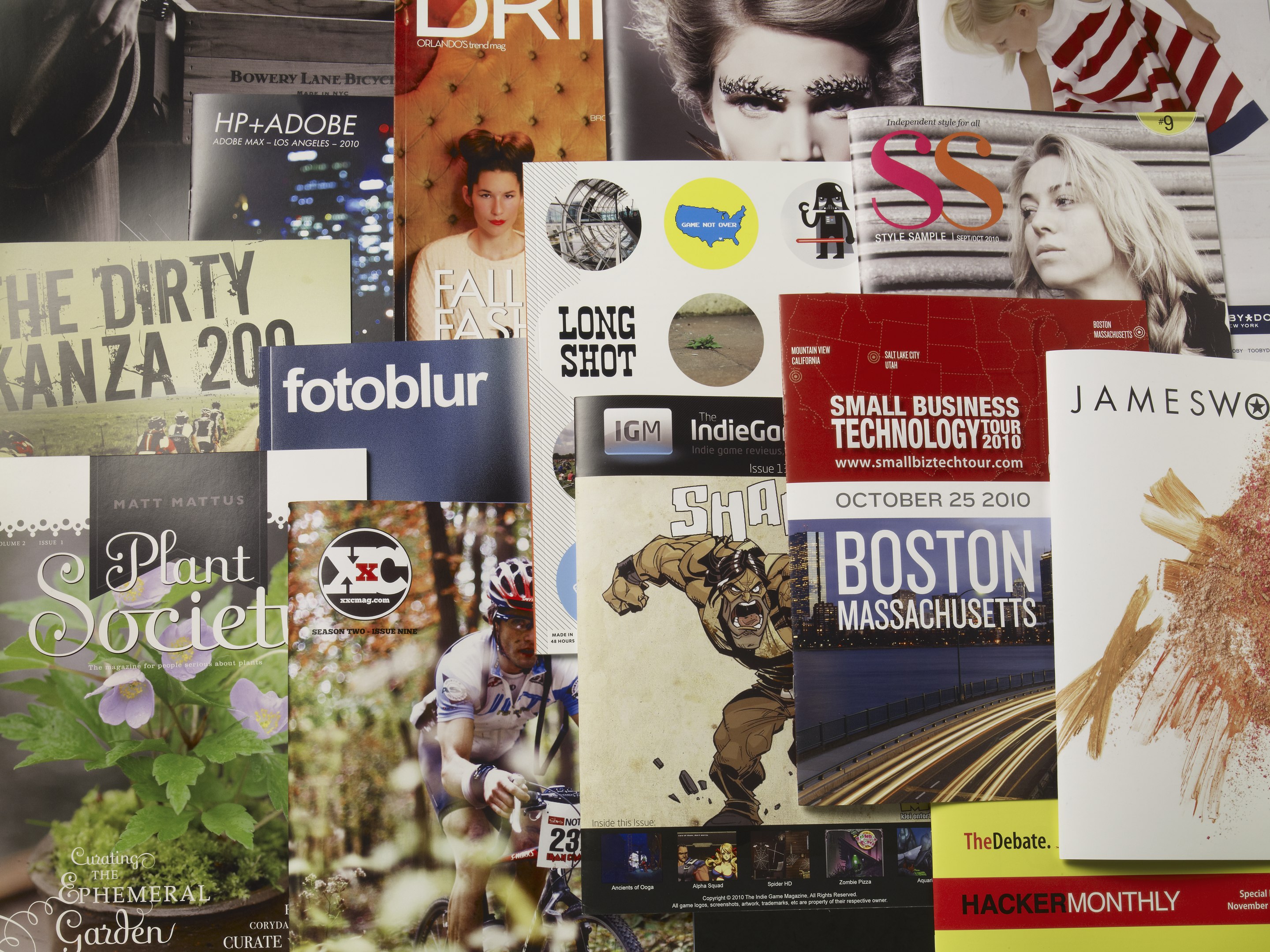
When I started the Magazine Innovation Center more than one year ago, my goal was to help amplify the future of print. The goal, was, is and will continue to be, to use digital and the new technologies to help amplify print and its future. Last month I had the opportunity to visit one such company that is practicing what I am preaching: they are using technology to amplify the future of print.

HP, through its MagCloud operation provides a service that offers publishers a complete publishing cycle. From uploading magazine pages, to printing, distributing and banking, MagCloud opens the opportunity to any one with an idea for a new magazine to use its services to make dreams come true. While print on demand and MagCloud is still in its infancy compared to the traditional printing model, I saw a lot of hope and a lot of possibilities for the future and power of the printed word. Some major magazine editors such as Jackie Leo, the former editor in chief of Reader’s Digest magazine used MagCloud to publish her first print issue of The Fiscal Times and the same is true for LiveStrong magazine published by Lance Armstrong and his LiveStrong organization. So what gives?

Well, to find out, I’ve opted to ask the folks at HP’s MagCloud about this “service” and they were generous enough with their time and information that led to this edition of the Mr. Magazine™ Interviews. Andrew Bolwell, HP’s Chief MagClouder answered my questions about MagCloud and its stated goal of “People publishing their passion.”

In typical Mr. Magazine™ Interviews here are the sound-bites followed by the complete interview:

MagCloud really sits at the cross roads of marrying our expertise in print and cloud services

For us it’s never been a matter of print or digital it’s been about choice.

We aim to be a one-stop shop for content publishers so they can focus all of their attention on their content and their customers.

We see MagCloud as much more than print-on-demand service; it’s a content publishing platform.

With MagCloud, publishers can now focus all their attention on content creation and marketing their products

I think at some point nearly all magazines will be printed on demand.

The beauty of digital printing is you can offer the same professional quality consumers expect from traditional magazines without the overhead of large print runs and long lead times.

And now for the full interview:

Samir Husni: When a normal consumer thinks about HP, their brains don’t jump directly to ink on paper. So why is HP interested in something like MagCloud?

Andrew Bolwell: HP has been a leader in both consumer and commercial printing for a long time. If you think of the number of HP digital presses used in the publishing industry we’ve been putting ink on paper for quite some time now. We’ve also been focusing a lot of attention on the cloud with web services and back end infrastructure. MagCloud really sits at the cross roads of those efforts, marrying our expertise in print and cloud services, so is a natural extension of what HP does well.

SH: How much do you believe in the future of ink on paper printed products?

AB: For us it’s never been a matter of print or digital it’s been about choice. You can’t deny the beauty and wonderful tactile nature of print. People buy magazines in print every day and we don’t see that going away anytime soon. We also think if you can take that beauty and permanence of print, and marry it with technologies that allow printed content to be highly customized, then you can start to imagine some pretty interesting new print products and advertising models. But back to my point on choice, we also appreciate the convenience of digital and that’s why we’ve been expanding to offer a digital option to our publishers and readers as well.


SH: Digital printing and print on demand is gaining ground around the globe, how does MagCloud set itself aside from other print on demand companies?

AB: We see MagCloud as much more than print-on-demand service; it’s a content publishing platform. What our customers appreciate is that they can simply upload their content to MagCloud and make it available in a variety of formats—print and digital—at whatever price point they want, with MagCloud managing all of the heavy lifting and providing the publisher with royalty payments. So order taking, printing, distribution etc.

With MagCloud, publishers can now focus all their attention on content creation and marketing their products, because we handle all the other aspects of production and distribution that in the past have made publishing a relatively expensive and risky endeavor.

SH: What do you see as the future of print on demand?

AB: Very bright. I think at some point nearly all magazines will be printed on demand.

SH: What are the goals of MagCloud?

AB: We want to transform the publishing industry, and create a model where anyone can easily publish content and distribute it as print and digital products worldwide. All as easy as uploading a video to YouTube.

We also want to remove the barriers and mystique of traditional publishing in order to proliferate the creation and distribution of highly customized, targeted content. People publishing their passion.

And we want people to have access to a much broader and diverse range of highly targeted magazines than is available using traditional publishing models today.

SH: Entrepreneurs seem to be a natural fit for the advantages of MagCloud, but how can an established magazine or media company benefit from MagCloud?

AB: It’s a good question. MagCloud is enabling existing media companies to be more experimental allowing them to adopt that same entrepreneurial spirit.

The beauty of digital printing is you can offer the same professional quality consumers expect from traditional magazines without the overhead of large print runs and long lead times.

With MagCloud established magazines can create customized and versioned issues based on audience, location or special interests, repackage existing content archives or test market new titles.

SH: What is the MagCloud model and how does one publish through MagCloud?

AB: MagCloud is as simple as uploading a PDF. A publisher uploads a PDF of their publication to the MagCloud website, selects their binding type and sets a price for both print and digital versions. The MagCloud service takes it from there with order and print management, as well as global distribution. We then pay publishers monthly based on sales.

SH: MagCloud seems to work as a pre-press, a printer, a distributor and a banker, can you elaborate on how exactly the role of MagCloud is defined?

AB: Yes, we aim to be a one-stop shop for content publishers so they can focus all of their attention on their content and their customers. MagCloud’s role is as content service provider; we provide publishers a self-service content publishing platform that takes their magazine from PDF to print and digital consumption.

SH: In a few words, what is vision and future of MagCloud?

AB: In a few words? A content service that enables a world of publishers to easily make their content available to a world of readers, in both print and digital formats.

We want to be the service that enables that. And looking forward, we want to evolve the MagCloud platform with additional services, such as content targeting and advertising, that will offer publishers new ways to make their content profitable and allow it to be consumed in new and compelling ways.

SH: Can you tell me about some of the pleasant surprises and biggest disappointments Magcloud faced in its first two years?

AB: One of the greatest surprises has been the diversity and creativity of the publications that are published through MagCloud. We have magazines on almost any topic, created by publishers of all ages all over the world, and have seen publishers collaborate using only the web to create magazines that until now were just not possible.

It’s been truly exciting to see the breadth of content that MagCloud has unlocked.

Disappointments? Maybe that established media companies would become greater innovators and take more advantage of services like MagCloud to deliver a new breed of custom content to their subscribers. There are great editorial and creative staffs out there that without the logjam of traditional publishing economics and distribution barriers could create some truly amazing targeted publications for their readers. I’m still waiting for my custom golf magazine, but we’re working on that…

SH: Thank you.

And for those of you who are still reading, what are you waiting for? Go get your magazine ready, upload it and join the wonderful world of print: one magazine at a time. Enjoy!

h1

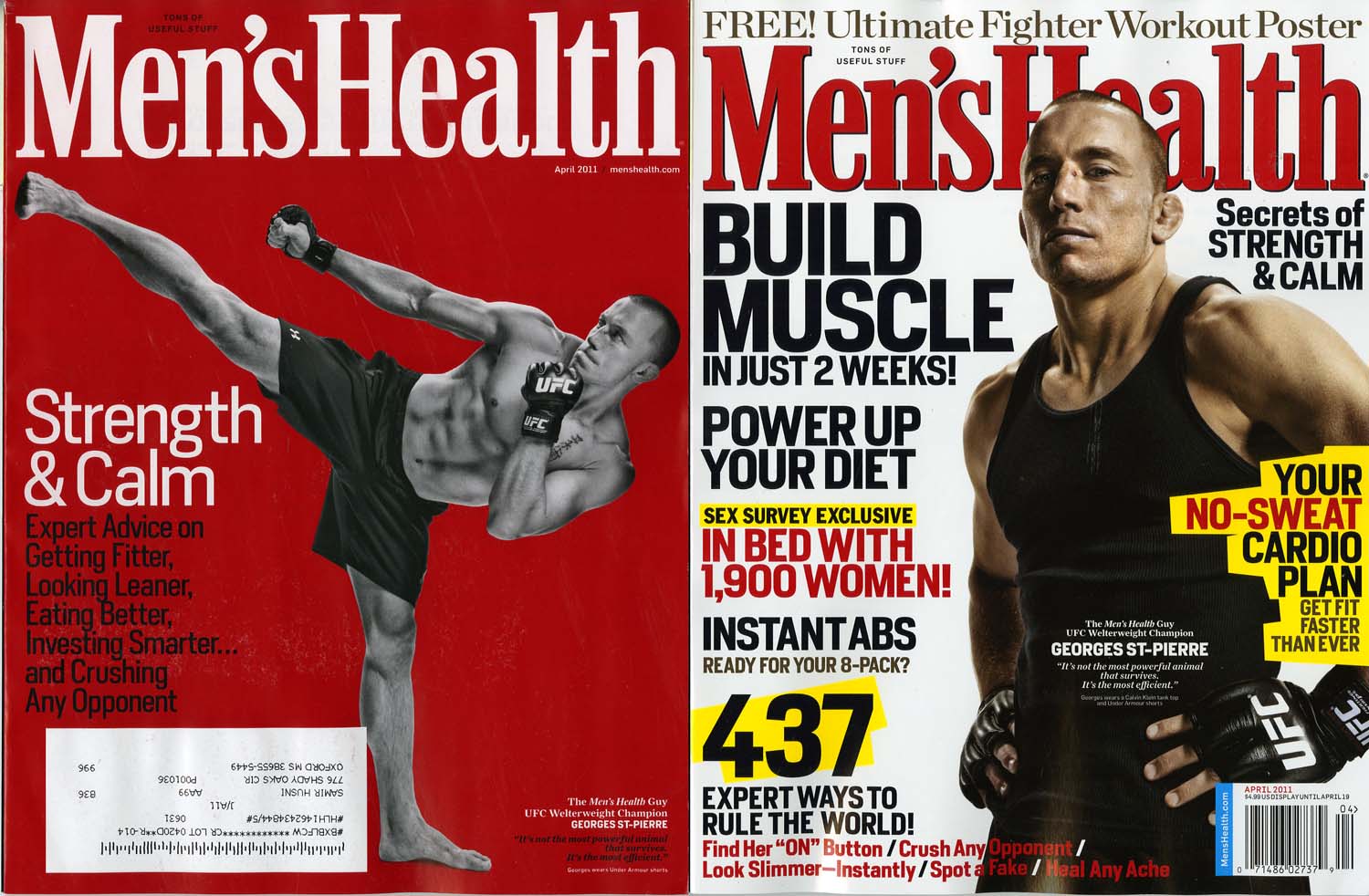
A cover with more “strength and calm” for Men’s Health!

March 22, 2011

Wow! That was my reaction when the April’s copy of Men’s Health magazine arrived in my mailbox. A complete departure from their traditional cover design and colors. Men’s Health has been a leader in creating subscribers’ covers that differed from the single copy ones (usually with reduced type size and fewer cover lines), but the April issue subscription edition is new to me and the rest of the magazine subscribers.

Gone is the familiar white background and the majority of the cover lines. In, is an action and active, rather than passive, picture. Gone are the multiple cover lines. In, the one cover line offering all kind of “Expert advice on getting fitter, looking leaner, eating better, investing smarter… and crushing any opponent.”

Who says you need technology to create innovation in print! Covers that make readers take a second look are an innovation by themselves. Once you take a second look, you are engaged and the magazine is already in your hands. Enjoy!

h1

“Fine” Family Business: The Success Story of Taunton Press. The Mr. Magazine™ Interview with Sue Roman, President of Taunton Press

March 15, 2011

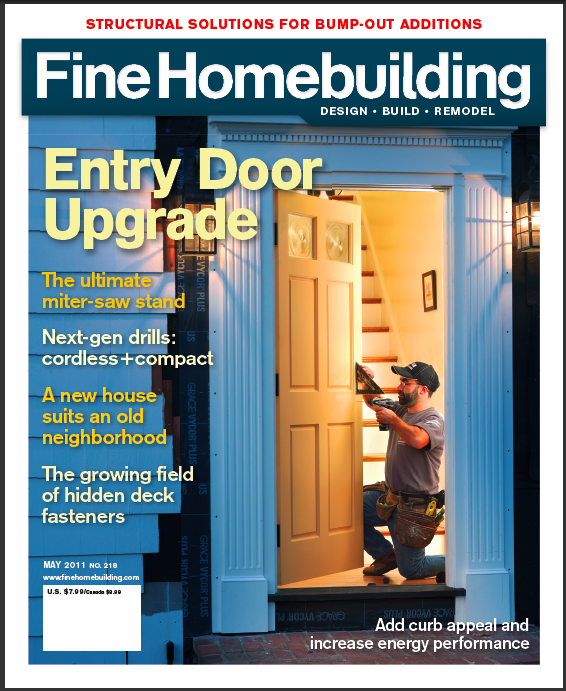
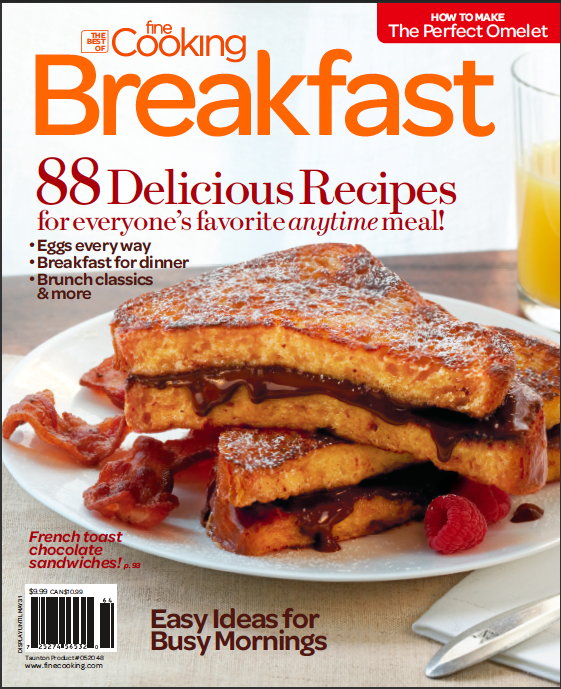
This is a story of a family business, a very successful family business. Taunton Press, publisher of everything “Fine” was founded more than 35 years ago. Its corner stones: consumers; its publishing model: consumer centric. The end result is one “Fine” magazine after another. Fine Woodworking, Fine Cooking, Fine Gardening… you get the picture.

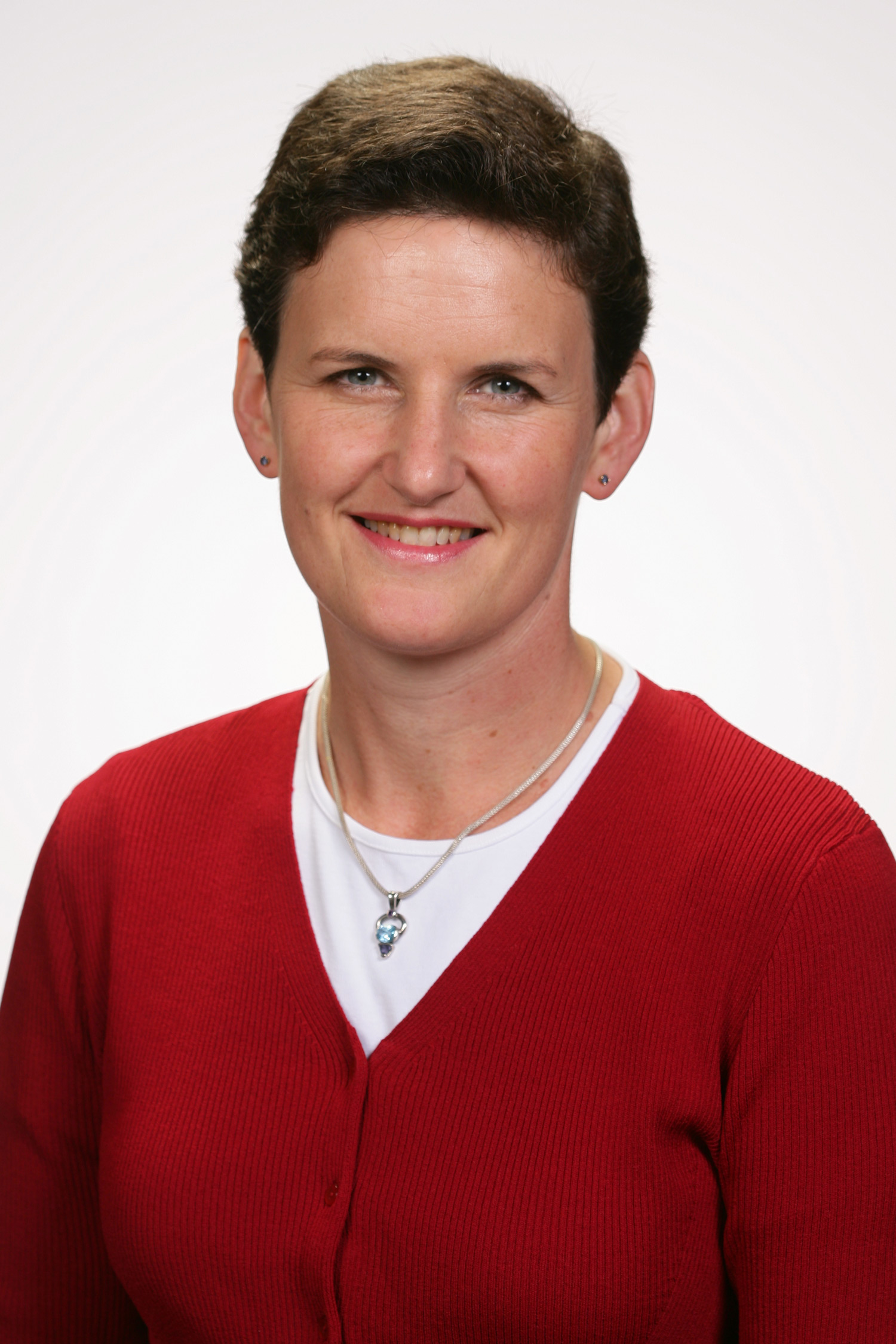
I had the opportunity to talk with one “Fine” member of Taunton Press, Sue Roman, the president of the company and daughter of the founders Paul and Janice Roman. After my initial questions about the company and its role in today’s market place, I found myself going back for more. I discovered that there was as good a story about Sue Roman as the one about the company she leads. Sue was gracious enough to answer my “company” questions and then sits for a second round of questions, but this time about her story, her dreams and how she ended up on the helm of such a very successful magazine company.

So, in the usual Mr. Magazine™ Interviews, here are the sound bites followed by the two interviews, the company one and the personal one:

In our magazines, the reader is at the center. We ask them for a hefty subscription price, and then work really hard to deliver that high value in the magazine.

We strive to serve all the information needs of our customers.

All advertising is endemic to the subject of the magazine for all of our magazines.

We honor both the reader and the advertiser. Readers know to look for the advertisements in the front and the back of the book; however when they are in the article well they will find no advertisements to distract them from the content at hand.

Our editorial/art teams are masterful with using the magazine format to take complex ideas and processes and make them accessible and engaging.

If the publisher doesn’t think the magazine is valuable, as signaled by the subscription price, the reader won’t think it is valuable either.

When you’re focusing on communities of people who are passionate and who will talk to you and who like what you’re doing, you just kind of keep wanting to do more and figuring out what you can do.

I thrive on the challenge of what’s new and what’s going to resonate with people today.

I think one of the best skills you could ever have is being a good writer, a good thinker and a good interviewer. If you can do those three things, you can go far in any kind of publishing.

Where I see the difficulty is in the already-existing businesses that have already trained their readers to not value their product, to not pay for the product.

And now for the interviews:

Samir Husni: Let us start from the beginning, the foundation of Taunton Press. Take us through this consumer centric family business.

Sue Roman: Much of the foundation of how we operate was established at the beginning. My father, Paul Roman, started Fine Woodworking magazine, and hence the company, in 1975 to serve people just like him. He was a hobbyist woodworker and wanted to make beautiful things out of wood, but couldn’t find good information. He talked to the best woodworkers in the country at the time and asked them if they would be willing to share their expertise. Several key woodworkers said yes and he knew he could make the magazine. Next he and my mother, Janice Roman, his business partner, had to find out if enough people wanted the magazine. They created a direct mail piece that instructed people to send $8.00 for a quarterly magazine to a post office box in Connecticut. The response was very high (15%), so they cashed those checks, used that money to send out more direct mail, and with the first issue they had 25,000 subscribers and a sustainable business. I’m including a scan of the first direct mail piece and an article written about the launch for Fine Woodworking’s 25th anniversary.
From the beginning, advertising has been a service to the reader to help them find the tools and materials they needed to practice woodworking. All advertising is endemic to the subject of the magazine for all of our magazines. Even though Taunton magazines have a high demographic (the average HHI for our magazine readers is $150,000), the point of the advertising is to serve them as enthusiasts. This creates a win-win for the reader and the advertiser. Readers read the advertisements with great interest and need, and advertisers reach highly qualified, highly active participants. We honor both the reader and the advertiser. Readers know to look for the advertisements in the front and the back of the book; however when they are in the article well they will find no advertisements to distract them from the content at hand. All size advertisers are important to us, as they are to our readers, and you will see fractional ads in prominent places in both the front and the back of the magazine. All of our magazines follow this format.

We strive to serve all the information needs of our customers. Not only does Taunton serve them through magazines, but also through websites, books, DVDs, apps, and ebooks. We do fulfillment in house so we can stay close to our customers. When you call customer service you are speaking to someone in Newtown, CT who can help you with all product needs, or put you in touch with one of our editors if you have a question about the activity itself. We had a guy ankle-deep in wet concrete call Fine Homebuilding with a foundation question. That’s not uncommon at all. We had a gentleman sadly call our customer service to cancel his Fine Woodworking subscription after many years because he had developed an allergy to wood. After letting him unload his disappointment about giving up a hobby he loved, our customer service rep suggested he needed a new hobby, and by the end of the call he had switched his subscription to Fine Cooking.

SH: Your were one of the early practitioner of the “consumer centric” magazine publishing model before a host of companies started paying lip-service to the phrase. Can you expand on that consumer centric concept.

SR: In our magazines, the reader is at the center. We ask them for a hefty subscription price ($29.95-$37.95 for a one-year subscription depending on the title), and then work really hard to deliver that high value in the magazine in terms of finding the best experts in the field to be authors, producing detailed photos and drawings, and using archival quality paper. The beauty of our model is that by staying close to our readers, and serving them well, we can provide advertisers a highly engaged audience who are hungry for the products and services they offer. The readers are highly qualified because they have spent a good amount of money on the magazine demonstrating that they are willing to spend money on their passion because they are deeply engaged. The engagement level our readers have with every one of our magazine is off the charts (for instance, an average of 2.4 hours spent reading each issue of Fine Woodworking; Source: Harvey Research 2010 subscriber study). This means that the ads are in front of our readers multiple times. Since Taunton’s beginnings and even in the most recent surveys, well over 90% of our readers tell us that they keep every back issue for future reference. For convenience we have produced DVD archives of all our issues, which have been big sellers for us.
SH: What are the secrets of success in your publishing business model?

SR: We look for three things in a magazine. First, will the readers support the magazine? That means will they pay a subscription price and single copy price that is sufficient to profitably produce the magazine. Second, is there a strong base of advertisers who want to specifically reach these people? Third, is the subject matter well served by the format of the magazine? Can it be compellingly communicated on a magazine spread, and is there an ongoing conversation about the topic that will keep the magazine lively for years to come.

SH: Do you think that is the reason of your success story on the newsstands?

SR: We’re doing very well on the newsstand because readers can see and feel the quality of the magazine when it is in their hands. But there’s another factor–Taunton’s approach is in perfect alignment with the needs of wholesalers and retailers. We have high cover prices ($6.99 – $7.99 for core issues, $6.99 to $12.99 for SIPs) and manage our sell-thrus carefully. Combine that with consumers wanting our magazines, and the result is that wholesalers and retailers can make good money on our distribution without handling tons of copies. And because newsstand sales is a profit center for us, we continue to spend promotional dollars even in the economic downturn. We also treat the wholesalers and distributors as our partners, and send them a monthly electronic newsletter to keep them up to date on the new issues we are bringing out.

SH: Lately you have been publishing a host of special interest publications (SIPs). Is this a trend? How do you see the future of SIPs?

SR: In the last seven years we have produced a number of SIPs. Using our excellent newsstand distribution, we publish issues around particular topics that complement our regular issues. We work hard to make these highly valuable products, and the cover price matches that value. Because we produce some of the most in-depth, authentic information on the interests we publish in to satisfy our core hobbyists, SIPs with their single-topic orientation represent “the last and best word” for many folks who are not full-out enthusiasts. Introducing them to Taunton in this way helps us garner direct sales of other products while they are focused on their projects.

SH: Although you are consumer centric, yet your magazines include advertising. What role advertising play in your publishing business model?

SR: While the biggest proportion of our revenue comes from the reader in subscription sales, direct ancillary product sales, newsstand, and trade sales of our nearly 1,500 products, the advertising revenue is very important to us from the standpoint of overall profitability. Part of our mission is to connect enthusiasts with the suppliers of the tools and materials they need to be successful in their activities. We can do this in a number of ways including in the magazine, on our website, and in apps. Our leads are highly qualified because they have demonstrated their commitment with the money they spent to purchase our magazine and with the time they spend reading it. Taunton is an integral part of the markets we are in, and we want the tools, materials, and supply makers and distributors to be as successful as possible. We will work with them in creative ways to get in front of the people who want their products and services.
SH: If you take a look into the crystal ball, how do you see the future of printed magazines and what are you doing to amplify it?

SR: If you study our magazines, you will see how well served the information is by the magazine format. We can combine technical drawings, how-to photos, and deeply informative and engaging text all on the same spread. Our editorial/art teams are masterful with using the magazine format to take complex ideas and processes and make them accessible and engaging. Readers recognize this when they hold one of our magazines in their hands, and are willing to pay a high newsstand price or subscription price for it. This bodes well to me for the future of our type of printed magazine.

Our readers refer to back issues many times. We have used digital editions as a handy reference for them to search through past issues. We have been selling digital archives in CD or DVD format for nine years. Digital editions are also highly valuable to our international readers because they can get them on the publication date and not wait weeks for their issue to arrive in the mail. Digital issues are also a good way for people to have access to the magazine wherever they are.

And there are many other ways to serve enthusiasts both in print and digital formats. Taunton has a robust book program with more than 40 new titles per year and a backlist of more than 500 books available. Our fastest growing area has been online–Taunton’s Home and Garden Network is now number 15 in Comscore’s home category for web visits. We can connect and serve enthusiasts on our websites in ways that complement and support our magazines. Our magazine editors are completely plugged into our web activities. Video is a very compelling medium for how-to information, and we produce a lot of it for our sites. Our online audience is also highly engaged and makes the commitment to pay a fair price for content. We have over 80,000 paid members to our websites.

SH: If someone comes to you and say, “Sue, I would like to start a new magazine,” what would you tell that person?

SR: When people ask me for advice, I tell them to charge a subscription price that truly reflects the value of the magazine. If the publisher doesn’t think the magazine is valuable, as signaled by the subscription price, the reader won’t think it is valuable either. This also frees you from ups and downs of advertising for the success of the magazine.

In good times and in bad times, people have a fundamental need to create things with their own hands. People like to control their corner of the world, and make things to share with family and friends. We saw more people realize this after 9/11, and sales of our magazines, especially on the newsstand, reflected this. The economic crash in 2008 definitely hurt foot traffic in stores, decreased the money advertisers had to spend, and hurt the housing industry overall, and we felt all those things. However the underlying business model proved to be sound. With a balanced revenue portfolio between subscriptions, newsstand, and advertising, and with a rapidly growing digital/online business, we were able to cope and adjust to the new economic circumstances.

SH: How do you view the future of Taunton Press five years from today?

SR: Five years from now, Taunton will be fulfilling its mission of connecting enthusiasts with compelling and trusted information, services and products that help them fulfill their aspirations. We’re counting on print still being a viable format, but we are also preparing for more digital delivery through apps, mobile, web, and formats yet to be invented. Basically, our premise doesn’t change because enthusiasts will always want relevant, in-depth information and celebration of their passion. However, we are excited about the increased numbers of tools we have in digital media to address these passions and the ability to serve the reader anytime, anyplace, and in whatever form they want.

And now for the lightly edited, in typical Mr. Magazine style, interview that focuses on the woman who reigns today on the helm of Taunton Press and her dreams that came true and the one dream that, one day, maybe one day will come true. Intrigued enough, read on…

SH: One of the fascinating things is that Taunton Press is a family business. How did your parents drag you into this business?

SR: When my parents launched this, I was just getting into my teenage years. I was very much aware of what was going on. It was a very fast-growing business.
They would come home from work and talk about what they were doing over the dinner table every night. They were wrestling with, “How do we grow this company? What’s next?” It permeated the house with all their business discussions. At one point we told them that they couldn’t talk business at the dinner table anymore.
I worked here every summer through high school, through college. They were always short-handed and growing fast, and there were lots of opportunities. So, each summer they would throw me into a different area and say, “Go help out this person,” or “Go figure that out.” It was great training. I did everything from typing in subscription orders, developing photos in the darkroom; one summer I drew the charts for one of our first woodworking books. I programmed computers.

In 1984, my father said, “Well I don’t really have a good sense of how all the different parts of this business work together, will you collect all the data?” I spend all summer collecting data on all the different parts of the company; talking to different people and I put together this huge report for him, which I labeled at the time, “The Hitchhikers’ Guide to the Taunton Press.” It was just a wonderful way to grow up.
When we started video, I got a call when I was in college and got asked if I wanted to go out to California and be the grip on a photo shoot. I said, “Of course,” and I spent a week in a photo shoot with the brass wood-turners in the country. I always had a very good feel of what it was all about growing up. But when I graduated college, I couldn’t get far enough away from here.

I actually went off in a different direction. I was very interested in cultural studies. I studied African history, I did a semester in Nepal and after college I moved to Mexico. I thought I was going to be an anthropologist or do something with cross-cultural interaction. Then I got interested in bilingual publishing. I decided before I go start my own bilingual publishing company, maybe I should make sure I know what I need to know. My parents had always told us they didn’t want us to come back here and work after college. That wasn’t a problem; nobody wanted to.

Then five, seven, eight years later, my parents were telling us, “Any of you want to come back and work here?” I said I would come back for a couple years and learn the ropes because I really wanted to start a bilingual publishing company. So, I moved back from Mexico and they plugged me into a marketing job and then a year later, Fine Cooking was an idea that we started working on. I told my father I really wanted to get on the editorial side. Then I became an assistant editor. I completed 19 years here the other day. I guess I never got around to doing that bilingual publication.

It’s just been a fascinating place to work. It’s been constantly evolving, constantly changing. I gravitated to the editorial side and new product development. I spend a lot of my time here in new products. When the web was young I spent a couple years trying to figure out what that was going to do for us and leading our new media group. When you’re focusing on communities of people who are passionate and who will talk to you and who like what you’re doing, you just kind of keep wanting to do more and figuring out what you can do. There are so many different ways of doing that. Magazines are great and they’ve gotten a lot more interesting over the years with all the new tools. And there are books, web, video, digital, mobile and apps, and I just find it really fun and exciting.

SH: The entire environment for the Taunton Press was consumer-centric even before that term existed. A lot of people are paying lip-service to the term “consumer-centric,” but you’ve been practicing it and you continue to practice it. Did that make an impact on your decision?

SR: People here are very close to what they’re doing. One of the ways we recruit Fine Woodworking editors is we show them our workshop. And we tell them,”Well, you can do your own projects there on nights and weekends.” You’re surrounded by people who are the audience; they are cooks, they are woodworkers, they are sewers. There’s no gap between us and who we’re writing for. You just get that feeling that we are really a part of all of our communities that we’re in. We have people here who are on the high-passion end and they really get our readers. Most of our editors were readers before they came here. It flows very authentically.

SH: Do you see more magazines going in the direction of your business model, or it is impossible to do at this point? Can the Taunton Press business model be replicated in today’s marketplace?

SR: Definitely. I’m part of the independent magazine group at the MPA and there are many more companies like us now. I think you can start a business like this. Where I see the difficulty is in the already-existing businesses that have already trained their readers to not value their product, to not pay for the product, to wait for a subscription notice to tell them their product gets cheaper and cheaper the longer you dawdle on your renewal.

The companies that have already trained their customers to think a certain way; I think it’s going to be tough for them to make this switch. Also, it goes back to the DNA of the company. Where is the power and authority within the company and is it balanced or is it in the hands of the advertising? And if it is, that’s a hard shift for a company to make if you launch that way and you’ve been that way, then getting into these new distribution streams or into new gadgets and delivery mechanisms, they’re just more of a new twist on what you’ve already been doing.

With our business model, we can add on more of an ad based product, we can add on a completely user paid product, a continuity thing, like a subscription, we can add more of a one-off product, like our book sales. Or we can do something that is very blended, which is how online is for us. We’ve got a whole mix of businesses online and they can all play together.

SH: What makes you tick? What makes you say, “Wow, I love my life,” or “God, here’s another day.” Give me the reason you get out of bed in the morning.

SR: I thrive on the challenge of what’s new and what’s going to resonate with people today. It may or may not resonate with them yesterday, but what’s going to resonate with them today, what’s going to resonate with them tomorrow and how can we figure out how to make that. I love making things.

SH: What advice do you give to journalism students? Should they just give up and go major in something like anthropology? Do they have a future in journalism?

SR: I think one of the best skills you could ever have is being a good writer, a good thinker and a good interviewer. If you can do those three things, you can go far in any kind of publishing, and also having a lot of flexibility. I didn’t get into what our editors do here, but our editors travel out to the woodworkers, to their woodshops; they interview them, they have dinner with them, they help them write their stories, they take photographs, they might take video, they might blog about their trip. Being open to the interesting things going on in the world and being able to distill them in ways that other people can understand, which I think is what journalism is all about, is a great skill. There are more outlets for that now than there have ever been, so I think it’s an even more desired bundle of skills.

SH: Thank you.

h1

On Creating A Magazine “Well Worth Holding In Your Hands”: The Mr. Magazine™ Interview with Steve and Debbee Pezman, Founders of The Surfer’s Journal

March 2, 2011

Would you believe it if someone told you that 20 years ago, a new magazine was launched with a cover price of $12.95. Yes, you’ve read that right: almost $13 for a single issue. The cost of this one issue was more than what other magazines sold their annual subscriptions in those days (and sadly for the majority of magazines, in these days too).

“Selling magazine subscriptions” became the goal of the founders of the aforementioned magazine, The Surfer’s Journal “rather than selling advertising to a volatile industry.”

I had the opportunity to interview Steve and Debbee Pezman, founders this “reader-supported publication” The Surfer’s Journal, the state-of-the-art surfing bimonthly magazine that is celebrating its 20th anniversary and that continues to cover surfing’s “people, culture, travel, and art from a purist point of view.”

A beautiful and very addictive magazine to hold and enjoy, even if you are not a surfer, TSJ’s founders share the genesis and conception of their idea from birth to 20 years and beyond. You can feel the passion in their answers and the love of the magazine and its subject matter. A story that need to be told and a business plan that was, is and will continue to be the best business model to launch any new magazine: find the customers who count and forget about the business of counting customers to sell to advertisers.

What follows is more than interview. It is in fact a road map to launching a new magazine. A new, ink on paper, successful, make that very successful magazine. Enjoy.

But first, as is with The Mr. Magazine™ Interviews, here are the sound-bites, followed by the Q and A with Debbee and Steve Pezman:

Each time we sweated over raising the cover price we discovered that surfers were willing to pay more if they really wanted something.

Our target readers had grown up, still surfed avidly, and their relationship to the sport had matured beyond that stage. No publication was targeting them as they aged because the advertisers didn’t.

Serving a passion by honoring it in a high quality, high-brow way, without pandering to the pressures or opportunities to commercialize our “reader-supported” approach.

The nugget of our idea applies to many topics, some with bigger potential than our own. It’s about creating compelling in-depth content in an uplifting package that makes the enthusiast feel good about their passion for that topic.

The major determinant for a printed magazine to survive in 2011 and beyond is to make something well worth holding in your hand.

And now for the full interview with Steve and Debbee Pezman:


Samir Husni: As The Surfer’s Journal approaches its 20th Anniversary, can you recall those moments when the magazine was launched? What was the idea behind the magazine?

Debbee and Steve: The idea was to publish a high-end periodical for the adult surfer (age 25+), a market that wasn’t being served. Both Steve and I had 25+ years publishing for this audience and recognized a need.

After years at Surfer, Debbee and I wanted to do our own thing. I had known a publisher of annual scholarly Journals who was able to charge a $100 for a 40-page one-color booklet because the info was absolutely necessary to the specialists in that field. That stuck in my mind. Another factor: at Surfer, each time we sweated over raising the cover price we discovered that surfers were willing to pay more if they really wanted something. The third factor: in 1992 we were in a downturn in the surf wear business and advertising spending was sinking. We thought about what would be a more reliable basis—a surfer’s undying stoke! That translated into selling them subscriptions rather than selling advertising to a volatile industry. What we wanted to publish was a pre-sold periodical book.

SH: What were you thinking charging $12.95 cover price for a magazine in 1992 when the average cover price back then was less than $4.00?

D & S: It was the highest price we then had the nerve to charge and it was how much we needed to make our idea work. It was also wanting to set The Journal apart—overall, to look, feel and read unlike anything else.

SH: What was the biggest hurdle you had to overcome to ensure that the magazine was going to make it?

D & S: One hurdle was that we were targeting a just a portion of a relatively small market, but it was the most dedicated segment. We started off with a direct mail drop of about 40,000 pieces, to Surfer subscribers who had renewed more than once and Surfrider Foundation members. We got a unheard of 8% cash response and we hadn’t published an issue yet. They responded to the fact that someone was finally going serve their level of sophistication. Because we wouldn’t be available at traditional newsstands we were counting on them to spread the word. At the time, the normal surf magazines were all focused on delivering 14-24 year-old eyeballs to their advertisers, whom they carried at a 50/50 ratio to edit. Our target readers had grown up, still surfed avidly, and their relationship to the sport had matured beyond that stage. No publication was targeting them as they aged because the advertisers didn’t. They felt abandoned until we came along.

SH: What was the most pleasant surprise during those 20 years?

D & S: Stopping at our post office box on the way to the small office we had rented, about ten days after we had dropped that direct mailing, and after 7-8 days of checking and seeing nothing there, finding the P.O. Box full plus a plastic bin overflowing with envelopes with checks in them. We took one look and Debbee shouted, “Bingo!”

SH: A lot of folks and major publishing companies doubted your venture and gave you zero chances of survival… how did you beat the odds?

D & S: Serving a passion by honoring it in a high quality, high-brow way, without pandering to the pressures or opportunities to commercialize our “reader-supported” approach. Our business model is not a “big money” idea, unlike a full-on successful ad driven publication. After we had survived for a while and appeared to have become stable, Surfer and few others noticed ran the numbers to see what we were up to. We didn’t look like much, so they shrugged us off. We were happy about that. We’ve also received sincere compliments from publishers that had done the hard labor of putting out major titles for years. They appreciated the pure esthetic of our approach. For example, the recently retired Publisher of Vogue sent us a letter congratulating us on our model. He explained that he was preparing to use a lot of our idea to publish a periodical based on the designs, culture, history, adventure travels and personalities surrounding a large premium yacht builder that would target subscription sales to their thousands of boat owners and the many more that would like to be. They were super expensive yachts. The owner demographics were through the roof. It felt almost automatic that a high % would pay a premium for a publication that enriched and glorified their boat ownership.

The nugget of our idea applies to many topics, some with bigger potential than our own. It’s about creating compelling in-depth content in an uplifting package that makes the enthusiast feel good about their passion for that topic. If you do it well, enough money comes with it to make it worthwhile, and it makes for a feel-good endeavor if you love that topic yourself! The reward is the esthetic of the model you get to engage in. The reality of the regular magazine business can get pretty ugly. This is the art gallery part of it.

SH: If someone comes to you today and said I am going to start a new magazine, what advice do you give them?

D & S: Most who come to us for advice seem to be editor types whose life is deeply engaged in the subject matter. Typically, they have an idea about a different slant or type of content package that they can’t put into play with a conventional approach. They are convinced they can compel their peers to respond to a fresh and compelling delivery vehicle. For an editor, the publishing and/or business aspects can be less developed than the content idea. You need both sets of skills at high levels to succeed. Then, you need real solid plus-factors in more than one aspect of the business plan. Of course, you always need more money than you start with. Finally, you need really great access to and familiarity with all parts of your target market (contributors, prospective readers, the specialized industry around it) as well as credibility within it. It really helps if they recognize you as an expert.

SH: As we live this digital age, do you think there a future for print and what are you doing to help amplify the future of the printed The Surfer’s Journal?

D & S: We see The Journal as a rather durable form of print: a highly specialized tangible object that titillates your brain and is rewarding to hold in your hand. For the foreseeable future, there will be a need for those traditional qualities, but the gap between traditional and new age delivery modes will become more and more extreme as generations pass.

SH: Where do you think you will be five years from now?

D & S: We will have earned an even greater sustainable base with TSJ, be evolving our model and adding and/or cobbling together a community of like titles on wide ranging subjects to share efficiencies and synergies.

SH: How can you, if you can, replicate The Surfer’s Journal business plan? Can you launch a magazine today and achieve the same results you’ve achieved with The Surfer’s Journal?

D & S: In a word, yes. It’s a simple idea that requires a team of unusual talent with thoughtful execution to succeed. Our idea is for each title to be built by a small satellite group of specialists, orbiting a central service structure that provides the non-specialized services at a high level.

SH: One final question, if you were to finish this sentence how would finish it…. The major determinant for a printed magazine to survive in 2011 and beyond is…

D & S: … Make something well worth holding in your hand.

SH: Thank you.

h1

Nancy Gibbs, TIME’s Executive Editor to Samir Husni: This is a Fantastic Time to be in Journalism and the Changes in Technology Only Make it Better: The Mr. Magazine™ Interview

February 24, 2011

Change is the only constant in the media business. And the changes in the hierarchy of Time Inc. last week, sadly overshadowed some innovative changes at TIME, the magazine.

Rick Stengel, TIME’s managing editor, wrote in his Editor’s Desk under the “predictive” heading “Changes All Around”

“If you think this issue of TIME looks a bit different, you’re right. We’ve tweaked the front of the magazine, adding an Economy page and a photo spread; moved 10 Questions to the back page; and created one large section called The Culture, which combines the old Life and Arts sections. The design evolution was led by executive editor Nancy Gibbs, along with assistant managing editor Radhika Jones and our design director, D.W. Pine…”


I had the opportunity to talk with Nancy Gibbs, TIME’s executive editor who led those innovative changes. I asked her about the changes at TIME, the future of print and digital, the role of the magazine vs. the online and the tablets and the status of journalism and its future today. Here are some sound bites followed by, in typical Mr. Magazine™ Interviews, lightly edited transcript of the interview.

The sound bites:

No matter how much technology changes, no matter how much the political environment changes, the human need for stories is every bit as powerful as the need for food and water and sleep.

Storytelling as an important service and art form is always going to be important. Having more ways to tell a great story, having more platforms for storytelling is terrific.

What print allows you to do is to have a contract with your reader that they’re willing to spend some time with you.

Everything seems to be additional, rather than a replacement. That doesn’t worry me. I love print, but I also love what we’re finding we’re able to do on these other platforms as well.

If you want to have a much more manageable, edited and curated account of things that really matter and are interesting and surprising and provocative to think about, then the magazine is a very efficient vehicle for that.

This whole (change) process was launched and pursued completely independently of anything Newsweek was doing.

This is a fantastic time to be in journalism and the changes in technology only make it better.

And now for the full, lightly edited, interview with Nancy Gibbs, executive editor of TIME.

Samir Husni: TIME underwent a redesign in 2007 to become what I refer to as the first glossy intellectual weekly, so what’s the reasoning behind this new round of changes?

Nancy Gibbs: This is really an evolution of that design; you won’t notice–and I don’t think our readers will notice–a dramatic change. The fonts and typefaces are the same. The general feeling of the magazine is very much the same. It is more of a reorganization and I think a freshening–almost a cleaning up–of that design, because, as you know very well, over the years where you start adding various features and adding new little trinkets here and there, any design can get too busy sometimes and may lose some of its clarity.

What we were looking for was supposed to increase the clarity and the flexibility that we had. One thing that would frustrate us from week to week was that as we have an audience online–it is almost as big as the audience for our printed magazine– and there’s very little overlap between the two and yet we were producing fantastic stories on time.com for which there wasn’t really a home in the magazine. It was not easy, natural or organic to have stories that started out online and ended up in the magazine and vice-versa. So, we thought if there were a way to look at the architecture of the magazine: how we cover the news, how we cover feature stories, how we use photography–it would let us harvest the best of time.com through the week, and that would be very helpful.

A good example of that is one of the most successful features that we’ve had, both on time.com and on the iPad, is the way we feature photojournalism. We are certainly able to use photographs in our features-well stories, however we still have pictures that we wish we had a place for (in the printed magazine) even if they didn’t necessarily go with some major news that we were writing about in the well of the magazine, but we want readers to see. We can do that now with the briefings section at the front of the magazine. When you turn to the first page you have what we call “Close Up”, which is just whatever we think is the most knock-your-socks-off picture of the week. So it was with things like that that we just wanted to have the flexibility to find a home for things in the magazine that we know the readers really like. We knew if we made the architecture even clearer that we could be much more flexible about what we put in it.

SH: Everybody is talking now about apps. Everybody is paying so much attention to digital and here, yet again, TIME magazine surprises people by refocusing on print saying, “How can we amplify the printed edition.” Do you think we are spending too much time on digital and ignoring print? Or do you think there is a future for both? Or are we all going to be worshiping the machines?

NG: I absolutely think there’s a place for both and partly because there are things that are suited to print more than to reading on a screen or experiencing on a screen, and there are things that are great on a screen. I think that great stories are great stories. Storytelling as an important service and art form is always going to be important. Having more ways to tell a great story, having more platforms for storytelling is terrific. I don’t think we should view this as a competition or some sort of fight to the death between digital and print. I think it allows everything to reach its highest level. The experience you have reading a magazine is just a different experience than you have when you’re sitting at a computer. The tablets add yet a third kind of experience. The tablets are not the same as sitting with your desktop, they’re not the same, obviously, as sitting with a printed magazine, and so we’re still learning in exciting ways about each new platform. I’m sure we will learn more and more going forward. I don’t by any means think that they replace print anymore as everyone has pointed out. It’s not as if television replaced radio. It’s not as though cable television replaced broadcast television. It’s not as though the Internet replaced movies or TV. Everything seems to be additional, rather than a replacement. That doesn’t worry me. I love print, but I also love what we’re finding we’re able to do, and we’ll be doing down the road on these other platforms as well.

SH: One of the things I tell the students is that we’re no longer journalists; we are now experience makers. You talked so much about the differences in the experience, between TIME, the magazine, the website and the tablet. Can you briefly tell me how you define the experience when you are flipping through the pages of a printed magazine, and how do you differentiate that experience from the online and from the tablet experience?

NG: One handy distinction people will make is distinguishing between a lean-back experience and a lean-forward experience. When you are sitting at your computer and you have the screen open to time.com, or to another news site, you also may have instant messages coming in, your email is buzzing, you’re constantly being invited to move away from whatever page you’re reading. I think people who write for websites and blogs and news sites realize that they must command the reader’s attention instantly, and they should not count on holding on to it for very long because you’re able to jump around a bunch. Websites invite you to jump around. There are links that will take you away from whatever it is they have been trying to get you to read in the first place.

It’s a very different experience than a magazine, which is a much more lean-back experience where I see people settle in to read a magazine knowing that they can get lost in it; knowing that the magazine is not suddenly going to interrupt itself. That’s a much more immersive experience.

So far the tablets can go either way. No one is particularly ready to read a book sitting at their desktop but people have been reading books on e-readers now for years. The experience of the brighter screen and the ease of “teaching” through a book on an iPad is also a good experience. You can’t, at the moment, as easily scribble in the margin or turn down the corner of the page or do various things that you are used to doing with a tactile experience of a book. It is possible to have an immersive experience with tablets that I don’t think is possible to have in the same way with websites. In that sense, the tablets are a more natural extension of the print magazine.

What we do on time.com is very different than what we do in TIME magazine and the actual content of TIME Magazine is a tiny fraction of the content of time.com. Time.com is wholly its own real-time, 24/7 news site.

I think what print allows you to do is have a sort of contract with your reader that they’re willing to spend some time with. It doesn’t mean you’re allowed to waste their time. You still have to signal that you are respectful that they’re spending time with you, but you don’t have to grab the reader by the scruff of the neck with the first five words of your story. You can sometimes enter into a story more artfully. It can be longer than typically what we see anyone doing online. In a way, with the photography integrated into it, it is a richer, three-dimensional experience.

SH: Do readers want a 24/7? Or do they want a gatekeeper? When they get TIME magazine, do they feel up to speed on what’s going on? Is once a week more than enough? Or do you think that we are so immersed with technology now that we are forgetting about the human being?

NG: I think that what we hear from our readers is they are aware that at any minute of any hour of any day they can find out what is happening anywhere in the world. They know that’s all available to them. But, we’re all busy people and we do not have time to spend, 12, 15, 18 hours a day reading through news sites and four newspapers and the live streams of whether it’s Al Jazeera this week and the BBC last week and NBC next week. People do not have time, and if they want to remain informed about important stories that are both those in the news–what on earth is going on in Libya right now, and stories sort of behind the news–they need for us to be the curators for them.

There are a limited amount of hours in the day, and what we hear from our readers is they like for the magazine to start with a very efficient overview of important events grabbed from the last week. They find that enormously useful. They don’t want a lot of extra bells and whistles and gimmicks. They want an efficient digest of the news. In the feature well they want us to take them somewhere where they would not be able to go; to take them into the rooms where the doors are locked. What was the president really saying to his top advisors as Egypt was going through these earthquakes? What was really going on down on Wall Street as Lehman Brothers was collapsing? This helps readers understand not only what really happened but also why it happened, what it meant and why it affects them.

The way news is delivered online, the 24/7 news, all those by definition can’t be storytelling. That is delivering the news as it’s happening and to pull back and say, “Well here’ s the overall story. Here’s the background and the context. Here are the most important factors that lead up to this.” You cannot do that in sort of continuous stream. You can only do that when enough time has passed and it’s possible to make sense of an event. This is why the weekly rhythm of TIME magazine is really ideal. It is enough time to be making sense and taking stock of the important events of the moment and to put them into context and sort out what’s passing, significant, trivial and what really matters and what we should be paying attention to.
Yet, the great thing about having time.com is we can also be doing real-time updates of here’s what’s happening today in Bahrain. Here’s what’s happening right now in Yemen or, in the Senate. We have the best of both worlds; we can be an authoritative, reliable, trusted news source for people who want to know what is happening right now, but those same people also want us to pull back and tell them what this means, how it affects me and why I should care about it. That’s what we’re able to do in the magazine.

SH: What I hear from some people is we’re having an information overload. We’re bombarded…

NG: That’s exactly where our opportunity lies. It is exactly because people feel overloaded. They cannot possible take it all in and sort it all out. What we’re saying is we will give you as much of the news as you want. Log on to time.com, subscribe to our Twitter feed, and we are there. But if you want to have a much more manageable, edited and curated account of things that really matter and are interesting and surprising and provocative to think about, then the magazine is a very efficient vehicle for that.

SH: Is there any reason why Time has made changes now? Is it because Newsweek is changing? There is a lot of talk with Tina Brown changing Newsweek.

NG: That’s so funny. I laugh with people about this, but we started to make these changes roughly a year ago. Not only was Tina Brown nowhere near Newsweek, Newsweek hadn’t been sold yet. Newsweek was going along, doing its thing. This whole process was launched and pursued completely independently of anything Newsweek was doing. When we were ready to do it, we were ready to do it. These things take a long time. Even when the changes are not big, it takes a long time to sort out what we want to do.

Things like the new “Culture” section in the back; I’m so excited about it because it is really fun, and it was designed to be a very smart, very friendly, sort of intimate conversation with readers about the things that people will tend to care most about: your health, your money, what movie to see this weekend, your kids, the more personal conversations that tend to be what people talk about over dinner. That’s what we get to do in that “Culture” section. It is fantastic to now have this, again, very flexible vehicle to cover all those topics that we’ve always covered but in a different way or improvised way every week. Now, having that section and figuring out what we’re going to do with it this week is just as much fun as I’ve had in a long time.

SH: You’ve done a great job in making TIME a must read. It’s no longer an option if you are in this business. Being a teacher, a professor, what do you tell incoming journalists now? You’re a woman who was has written more cover stories for Time magazine, more columns; you have your hand on the pulse of America. What do you tell those incoming journalism students? Is there a future for them?

NG: Absolutely. I sure hope so, and I absolutely think so. I think there is something about human nature that will not change. No matter how much technology changes, no matter how much the political environment changes, the human need for stories is every bit as powerful as the need for food and water and sleep. It is stories that let us make sense of our world and understand our placement. In a sense, the busier and more information-clogged our lives become, the more important it is to have as part of one’s diet a kind of storytelling that explains not just what’s happening but what it means. Doing that is so much fun. Our job is basically figuring out things that people are interested in and finding out more about it. It is, by nature, an always-fascinating job. I was talking to a journalism class last week, and it was a fantastic group of kids from all over the world, and I think one thing that we’re seeing right now with the extraordinary news stories we’re seeing is that the importance of bearing witness and the importance of explanation and information that is reliable and authoritative has never been greater. I think that this is a fantastic time to be in journalism and the changes in technology only make it better.

SH: Thank you.

h1

The Strong, Smart and Sexy Dutch Cosmo Women!

February 17, 2011

Technology is making it easier for print to offer split covers of the same magazine. This trend of split-covers is neither new nor is limited to the United States. However, while most magazines print split covers to test an image, a cover line, a price, etc., the Dutch edition of Cosmopolitan used the three-way split cover to enhance the editorial message about the Cosmo Dutch women who are Smart, Strong and Sexy.

The February edition of the Dutch Cosmo sports a split run with three covers of the fabulous Dutch Sylvie van der Vaart. Why three you may ask? Dutch Cosmo’s publishing director Sanne Visser is quick to answer: “because Cosmo-women are (Sterk) that is Strong in English, (Slim) that is Smart in English and Sexy. So we had a Strong, a Smart and a Sexy cover.”

Take a look at the “Sterk,” “Slim” and “Sexy” covers and judge for yourself. Enjoy.

h1

Collaborate, Innovate and Celebrate: What Can You Learn from Four Media Companies’ CEOs

January 18, 2011

The status and future of magazines distributed via newspapers will be the topic of the panel that I will be moderating on Thursday Jan. 20 in New York City. The panel will include the four CEOs of the major media companies that publish and distribute such magazines. The panelist are John Cobb III, CEO, Publishing Group of America; Stephen Duggan, CEO, Athlon Sports; Chuck Gabrielson, CEO, USA Weekend; and Jack Haire, CEO, Parade. (Full bios are at the end of the blog).

I have asked three colleagues to comment on the event and on the status of magazines distributed via newspapers. Lisa Scott, the executive director of PBAA and the event co-host answered my questions regarding who and why folks should attend the panel; Steve Cohn, editor in chief of min: media industry newsletter on the status of magazines distributed via newspapers; and Bob Sacks, founder and CEO of the Precision Media Group on the state and future of such titles.

I asked Lisa Scott who should attend such a panel? Her answer:

This panel, comprised of experienced CEO’s, offers anyone interested in the future of print media an opportunity to benefit from the panelists’ varied and cumulative insights, experiments, successes, mistakes, and reasons for optimism. Whether the attendee is a journalist, advertising professional, consumer marketer, media buyer, or supply-chain professional, there should be something to provoke or inspire or ponder on January 20.

And I asked, why should anyone attend such a panel?

Magazine and newspaper publishers and distributors will be able to understand why CEO’s are continuing to “bet” on print as a revenue source. More specifically, CEO’s can share real insight on the results of their research on their consumer audience, the role/value of digital media to these print-engaged consumers, and how and why they believe they can continue to woo investors in print media in the coming years. These insights can assist publishers and distributors to continue to build the case proving the vitality of print as a consumer’s media delivery vehicle in the years ahead.

As for Steve Cohn, the knowledgeable and well versed editor in chief of min:media industry newsletter, shed some light on the status of such magazines. He answered my questions about the magazines distributed via newspapers:

Newspaper-distributed magazines are growing because of (1) they fill a void created by the cessation of newspaper-published magazines due to their expense in a tough economy; and (2) they give newspapers added value.

Until 2000, newspaper-distributed magazines were the realm of Parade and USA Weekend (formerly Family Weekly). Then, Publishing Group of America came in with the successful launch of the largely “C”- and “D”-county targeted American Profile, followed by the monthly Relish (epicurean) and Spry (health). Now, there are periodically released health titles from Parade/USAW, and the Parade-owned epicurean magazine Dash is about to start a regular monthly frequency in February.

The advantage of newspaper-distributed magazines is that they don’t have to worry about circulation. Newspaper sales take care of that.

Disadvantage, until recently, was that newspaper-distributed magazines were solely dependent upon advertising for revenues. Online is beginning to make a contribution here.

Traditionally, advertising in newspaper-distributed magazines has held its own in tough economies, because the titles’ large circulations and low CPMs versus television makes them comparably a bargain.

And of course my friend Bob Sacks of the bosacks.com fame offered this view of the status and future of magazines distributed via newspapers:

Magazines inserted into newspapers surely are an interesting and successful business model for some on-going publications. It is still difficult to attain those types of huge circulations from any publisher’s perspective. The numbers in your blog are, indeed, large and will stay that way for some limited time to come. But simple trend analysis reveals some interesting long-term data. In 1960 the penetration rate of newspapers into the American home was in the range of 1.1 newspapers per household. By 1995 the year before the great Internet adoption, it was down to .60 per American household, and by 2010 the penetration rate was resting under 0.35 per household.

I guess my question is, where and when is the circulation plateau rather than the continued plummet of a 50-year decline? I would add that it is extremely important to note that the decline in household penetration for newspapers happened long before the rise of the Internet.

So, what do you think? Is the future bright and rosy for such publications? Or is it a lost cause? I guess on Thursday we will have the answers when we listen to those four CEOs answer the aforementioned questions. What follows are the short bios, in alphabetical order, of the four CEOs:

John W. Cobb III
John W. Cobb III is CEO of PGoA Media, a publishing, digital media and event company built around the American Profile, Relish and Spry brands.

Cobb’s extensive background managing the expansion of print and digital brands puts PGoA Media in the best possible position to continue to deliver outstanding results for advertisers, tremendous value for newspaper partners and robust content for consumers.

Prior to joining PGoA Media, Cobb was Senior Vice President, Digital at Source Interlink Media, which is the leading provider of automobile, action sports and high-tech content. He managed more than 100 web properties, including Motor Trend, Automobile, Hot Rod, Motorcyclist and Surfer with revenues of $50 million and 22 million unique visitors a month.

With more than 20 years as a senior media/internet executive, Cobb has led and developed large-scale, multi-media properties for Petersen Publishing, EMAP, PRIMEDIA and Source Interlink Media.

Cobb is based in New York and has a wife and two children. He’s an avid pilot and an active snow and water skier. He also enjoys golf, travel and technology.

Stephen Duggan
Stephen Duggan serves as President & Chief Executive Officer of Athlon Sports, publisher of Athlon Sports – the largest sports magazine in the U.S. with 9 million monthly circulation. Athlon is also the leading publisher of sports annuals with titles covering College Football, Pro Football, College Basketball, Pro Basketball, NASCAR, Pro Baseball and Golf.

Prior to joining Athlon, Stephen spent the previous decade working with private equity backed media companies. In 1999 Stephen helped found Publishing Group of America. Stephen was integrally involved in the successful launches of newspaper distributed American Profile, Relish and Spry magazines. Following the Sale of PGA in 2007, Stephen served as Chief Executive Officer of Alpha Media Group, publisher of Maxim magazine, where he led the Company’s successful business and balance sheet restructurings. Maxim is the leading magazine targeting young men 18-34 with a rate base of 2.5 million copies monthly.

Stephen currently serves on the Board of Directors for Questex Media Group, Inc, a leading global business-to-business (“B2B”) communications company serving multiple industries through a range of well-established, market-leading publications, events, interactive media, research, information and integrated marketing services.

Stephen is a graduate of Murray State University.

Chuck Gabrielson
Charles “Chuck” Gabrielson joined Gannett in 1971 at The Journal News in Westchester County, NY (then Westchester-Rockland Newspapers). He began his career as a management trainee in the advertising department then served in advertising and marketing management roles, including Advertising Director.
He joined USA WEEKEND in 1989 as Executive Vice President, named Publisher in 1996 and President and Publisher on January 2010. He previously served as Advertising Director of Macy’s Co. and Marketing/Sales Director of Advertising Age Magazine and Founder and Publisher of Creativity Magazine.

In 2009, Chuck was inducted to The Advertising Hall of Fame presented by MIN (Media Industry News). He is a graduate of Long Island University (LIU) and resides in New City, N.Y. with his wife Lisa.

Jack Haire
Jack Haire is President and CEO of Parade Publications. In his year and a half at the helm of the most widely read magazine in America, he has invested important resources in the brand and re-energized its business and editorial models. In addition to bringing top talent to Parade, Jack has helped forge strong partnerships with key newspaper and advertising partners. Under his leadership, Parade built a unique content distribution network with 40 million monthly unique visitors across 400 trusted newspaper web sites. Last November, Parade launched dash, a new food magazine and web business that will include branded content from Bon Appétit, Epicurious.com and Gourmet, marking the first editorial collaboration between Parade and Condé Nast.


Prior to joining Parade, Haire spent twenty-eight years at Time Warner Inc. During his tenure, he was publisher of Time Magazine, President of the Fortune/Money Group, and Chairman of the Time Warner Advertising Council. On his watch, both TIME and Fortune were chosen as Adweek’s Hottest Magazine, measured by 3 year advertising growth. He also partnered with CNN on the launch of CNNMoney.com, one of the Web’s most successful and profitable finance sites. He serves on the board of Concern Worldwide, U.S., an international humanitarian organization, and as a director of LodgeNet Interactive and Top Ten Reviews.


Haire lives in Connecticut with his wife and two children. He enjoys reading, golf, fishing, and playing or watching all sports.

To join us at this event, click here to register.

h1

What Makes Newspaper Distributed Magazines Thrive in a Digital Age?

January 10, 2011

Parade, USA Weekend, and American Profile magazines have a combined circulation of almost 60 million copies every single week. Add to that the monthlies Relish, Parade’s Healthystyle, Spry, Athlon Sports and Dash and the number jumps over 100 million circulation. What do all these magazines have in common? They are all magazines distributed via newspapers and are all expanding their presence on the digital front at the same time.

The concept of magazines distributed via newspapers is not a new one, yet it seems that in the last few years more magazines, with some hefty large circulation numbers, have launched using this method. What gives considering that the prophets of doom and gloom are predicting the demise of newspapers, as we know them: ink on paper?

This and many other questions will be at the heart of the debate, taking place on January 20 in New York City, at the Collaborate, Innovate, Celebrate CEO Roundtable sponsored by the Periodical and Book Association of America (PBAA), the American Association of Independent New Distributors (AAIND) and the Magazine Innovation Center (MIC) at The University of Mississippi.
The panelist include John Cobb, CEO, Publishing Group of America; Stephen Duggan, CEO, Athlon Sports; Chuck Gabrielson, CEO, USA Weekend; and Jack Haire, CEO, Parade. The panel will be moderated by Samir “Mr. Magazine™” Husni, founder and director of the Magazine Innovation Center.

The panel will also answer questions ranging from how are those publishers using digital to ensure a print future and what role does newspaper distributed magazines play in enhancing the newspapers readership and the newspapers themselves? What type of audience it is attracting? Are you after customers who count or just counting customers?

For more information or to join us in New York City at the CEO Panel, please click here.

h1

The Mr. Magazine™ 2011 Manifesto for a Healthy, Wealthy and Lively New Media Year

January 2, 2011

Today marks the beginning of a new year. A very good beginning indeed. A beginning that starts with nothing but ones. Today is 1, 1, 11. So, in honor of this new beginning, here is The Mr. Magazine™ 2011 Manifesto, published in min: media industry newsletter‘s Jan. 3, 2011 issue:


GUEST COMMENTARY
SAMIR HUSNI

The Mr. Magazine™ 2011 Manifesto:
THE LUCKY 13 FOR A HEALTHY, WEALTHY AND LIVELY MEDIA FUTURE

Happy New Year! My “resolutions” are this manifesto, which I believe will make your season bright in 2011. Here’s my “baker’s dozen”:

1. Romance the customer, the reader, the user, the viewer, the listener– but NOT the machine. That should be your motto in 2011.
2. Stop renovating if you are going to be in the business of innovation.
3. Throw a ball from left field, surprising your customers, readers, users, viewers, and listeners every time you interact with them. Give them what they expect, but surprise them with what they don’t.
4. Humanize your medium. Focus on the human voice, values, and vision behind the ink on paper, pixels on the screen, or bytes on the sound waves. In an age of isolated connectivity, humanizing the medium is a MUST, not an option.
5. Do not be afraid to charge for quality content. People are paying big money for what you think is not quality content.
6. Change your thinking and decide what is quality content based on your customers, readers, users, viewers, and listeners. Do not create based on you, but based on them. YOU are NOT THEM. Big surprise.
7. Hire someone younger, much younger, if you really want to innovate. Established folks drag a lot of luggage with them, intentionally or otherwise. Some may call this the wisdom of age, but I call it old habits that are hard to die hard. The “young and restless” drag very few and have yet to cement their feet in old or new habits.
8. Free yourself from the past but do not uproot yourself during the pruning season.
The new leaves and branches are what make a tree look good, not the roots. However, without the roots there will be no tree.
9. Keep in mind that only 9% of companies survive any disruptive innovation. Start thinking (and bring in someone new to think for you) on how to be a minority survivor rather than a majority has-been.
10. You are living the dawn of a new age, the age of Transcended Media. Are you ready to start the conversation with your customers, readers, users, viewers and listeners? Are you ready to keep the conversation going and whet their appetite for more?
11. 2011 is no different from 2010 or 2000. If you are NOT creating an engaging, addictive, repetitive conversation with your customers, readers, users, viewers, and listeners, that only means one thing: you are DEAD.
12. So show the world you are ALIVE and START romancing your customers, readers, users, viewers, and listeners. Make love to them and not to the platform or machine. You OWE it to them. And…
13. Stop being only a content provider and marketer. Start becoming an Experience Maker. There is where your media future starts.

And that, my friends, will lead you into a healthy, wealthy, and above all, lively media world of 2011 and beyond.

Samir Husni, Ph.D., is founder (2009) and director of the Magazine Innovation Center at the University of Mississippi, where he previously chaired the journalism department. Husni’s Mr. Magazine™ monicker comes from his tracking more than 18,000 launches since 1986, when his Guide to New Magazines debuted. The 26th edition of the Guide (Nautilus Publishing/Oxford, Miss.) will be released in February 2011.

A very happy and fruitful 2011 to all.

h1

From “O, The Oprah Magazine” to “OWN”, programming for a television network is born. The Mr. Magazine™ Interview with Jill Seelig, O, The Oprah Magazine’s Publisher and Chief Revenue Officer

December 28, 2010

“Change” can easily be the word that defined the publishing world in 2010, and “Adapting to Change” will be the sentence defining the publishing world in 2011. One major change taking place in 2011 is Oprah Winfrey, the “show queen” of television, closing the “window” on her daily show and opening the “door” to her own television network OWN. A network that O, The Oprah Magazine is used “as the basis for the network’s programming.”

How will this end of an era, and the beginning of a new one, effect O, The Oprah Magazine, one of the most successful magazine launches of the last decade? I had the opportunity to ask Jill Seelig, vice president, publisher and chief revenue officer of O, The Oprah Magazine few questions regarding the forthcoming changes and in the words of the main cover-line of the January issue of O, The Oprah Magazine, “What’s Your Next Chapter?”

Here are the sound-bites followed by The Mr. Magazine™ Interview with Jill Seelig, publisher of O, The Oprah Magazine.

The magazine has very little duplication with viewers of The Oprah Winfrey Show.
Oprah loves the iPad – it was even part of her Favorite Things episode this year.
The app is an enhanced version of our print product, offering video and audio — much of it featuring Oprah herself – animation, interactivity, customization and tap-to-buy functionality.
The print and digital editions of our magazine live side by side comfortably.
O offers one of the most unique reading experiences for women. We are the only women’s magazine that comes from a place of optimism, inspiration and authenticity.
Advertisers tap into the depth of this reader connection, and it enhances and elevates the credibility of their brands.

And, now for the full interview:

Samir Husni: As the Oprah daily show comes to an end and a new era of Oprah starts, how will that effect O, The Oprah Magazine? Will the out of sight out of mind premise work here? Some say that repetition a major source of addiction, what will happen to the magazine without Oprah being seen on television every day?

Jill Seelig: O, The Oprah Magazine and OWN will be the go-to places for women who want to connect with Oprah and her message. Interestingly, the magazine has very little duplication with viewers of The Oprah Winfrey Show – currently only 19% of the show’s audience are O magazine readers. We believe that OWN – a 24/7 television presence – will drive more readers to the magazine, with more synergy and shared content living across both platforms. After all, as Oprah has said, David Zaslav came to her holding a copy of the magazine and said he wanted to use it as the basis for the network’s programming. OWN is dedicated to Oprah’s Live Your Best Life mission, just like the magazine.

SH: With Oprah now having her OWN, what are the plans to expand O, The Oprah Magazine? You’ve launched the first App. in Dec., any other plans of expanding and promoting the brand?

JS: We’re very excited about our iPad app, which launched as a monthly with our December issue. It has been extremely well-received, and was a featured app in the iTunes store from the moment it launched, taking the #1 spot in the lifestyle category right out of the gate, and we also have a digital edition available on the Nook as well as through Zinio.

Oprah loves the iPad – it was even part of her Favorite Things episode this year. Each month the O, The Oprah Magazine app gets richer and more compelling, as our editors incorporate innovative functionality and exclusive content – all filtered through the prism of Oprah’s philosophy and uplifting message. The app is an enhanced version of our print product, offering video and audio — much of it featuring Oprah herself – animation, interactivity, customization and tap-to-buy functionality. And Oprah loves books, and they are an important part of the magazine so one of the most unique features on the app is that users may access, for free, the first chapter of every book featured in the issue. If users like what they read, they can tap-to-buy through Amazon or Barnes and Noble.

SH: Hearst Magazines have invested a lot in enhancing and promoting their print products. What are you doing specifically with O, The Oprah Magazine to enhance and promote the print magazine? Are you working on ensuring a print future in a digital age?

JS: The print and digital editions of our magazine live side by side comfortably. O, The Oprah Magazine is the #3 monthly magazine at newsstand, and demand is high – readers love the tactile experience of holding our beautiful, glossy magazine and they love to interact with our brand up-close and in-person. Every year, thousands of readers join us at our signature event, O You!, which is a day of inspiration and education, delivered directly to our attendees by the experts they connect with every month in our pages. Over the years, we’ve held the event in cities from coast to coast. Speakers have included Dr. Oz, Suze Orman, Nate Berkus, Martha Beck, Donna Brazile and others, and of course our editor at large, Gayle King, who welcomes everyone and broadcasts her radio show from the venue. It is amazing to see the readers relating to our content in a dynamic way – we get (mostly) women from around the country and around the world who are passionate about the magazine.

Social media is proving to be a great way to stay in close contact with our audience – and it is not only the tweets from our magazine, or from creative director Adam Glassman or Gayle King – women can interact with nearly all of our contributors through social media. And of course we use emails and Facebook postings to ask for our readers’ opinions, encourage dialogue as well as invite them to attend events and enter amazing sweepstakes.

One recent example of print and digital working side-by-side was our 12 Day Holiday Give-O-Way, which was featured in the December issue, and awarded 12 winners all 70 products from the Holiday O List, plus select items from Oprah’s Favorite Things episode. Codes were hidden within the magazine’s pages and were accessible via the iPad, both of which drove readers to Oprah.com to enter every day for 12 days for a chance to win. In addition, we tweeted reminders, posted messages on Facebook and the result was more than 2.1 million entries!

SH: With the hope that the economy is rebounding, are there any plans to bring back O At Home or launch any other spinoffs?

JS: We’re focused on O, The Oprah Magazine and our digital editions at the moment.

SH: One of my mantras for the New Year is to Romance the Customer and not the platform. How do you see your readers, users, etc. interacting with the product and what are doing for them? The same when it comes to the advertisers? How would you answer the simple question for both readers and advertisers, “What is in it for me?”

JS: O offers one of the most unique reading experiences for women. We are the only women’s magazine that comes from a place of optimism, inspiration and authenticity, and because of that, 16 million readers connect with O on a deep emotional level every month. This magazine is truly a guide for our readers – helping them recognize what is wonderful about their lives and offering sage wisdom from our contributors on everything from achieving goals and dreams and making the most of their relationships, to financial planning to the best fashion and beauty buys.

Advertisers tap into the depth of this reader connection, and it enhances and elevates the credibility of their brands. Our readers tell us that when they consistently see an ad in O it’s a signal to them that the advertiser supports and shares the mindset of the women who read the magazine….that’s a powerful endorsement that moves readers to action and drives sales.

SH: If I am to give you a magic wand and you strike O, The Oprah Magazine to create a human being, who will it be? Can you describe that human being?

JS: That’s easy…it’s Oprah Winfrey. A woman in process who is curious about the world, eager to learn and grow, works in service of others, and challenges herself to Live Her Best Life everyday.

SH: Thank you.