Archive for the ‘Innovation in print’ Category

h1

Norman Cousins On The Future Of Print & The Role Of Magazines, Circa 1972… A Mr. Magazine™ Blast From The Past…

June 22, 2019

“Print will continue to be a primary force in the life of the mind”…Norman Cousins

Happy birthday Mr. Cousins.

Norman Cousins was born June 24, 1915 in Hoboken, New Jersey and he died in 1990. He was a longtime editor of the Saturday Review, global peacemaker, receiver of hundreds of awards including the UN Peace Medal and nearly 50 honorary doctorate degrees.

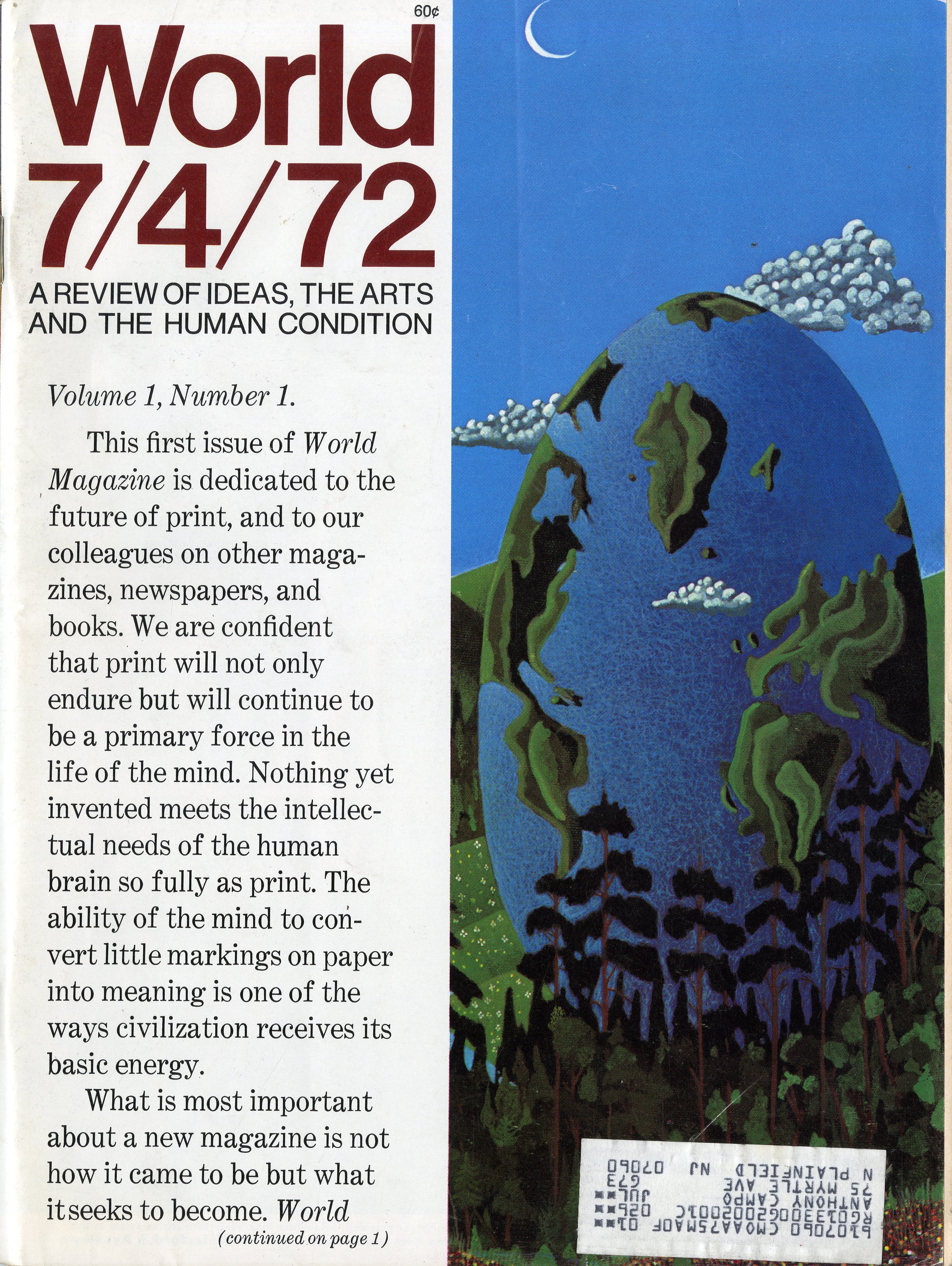
In 1972, Cousins resigned from Saturday Review and founded World Magazine, which called itself “a review of ideas, the arts and the human condition.”

In this Blast From the Past, read about the future of print and the role of magazines circa 1972. Once again, there is nothing new under the sun. The wisdom of 1972 still rings true today. Please enjoy this excerpt from literary giant, Norman Cousins, introducing his new magazine. And Mr. Magazine™ would love to hear your comments…

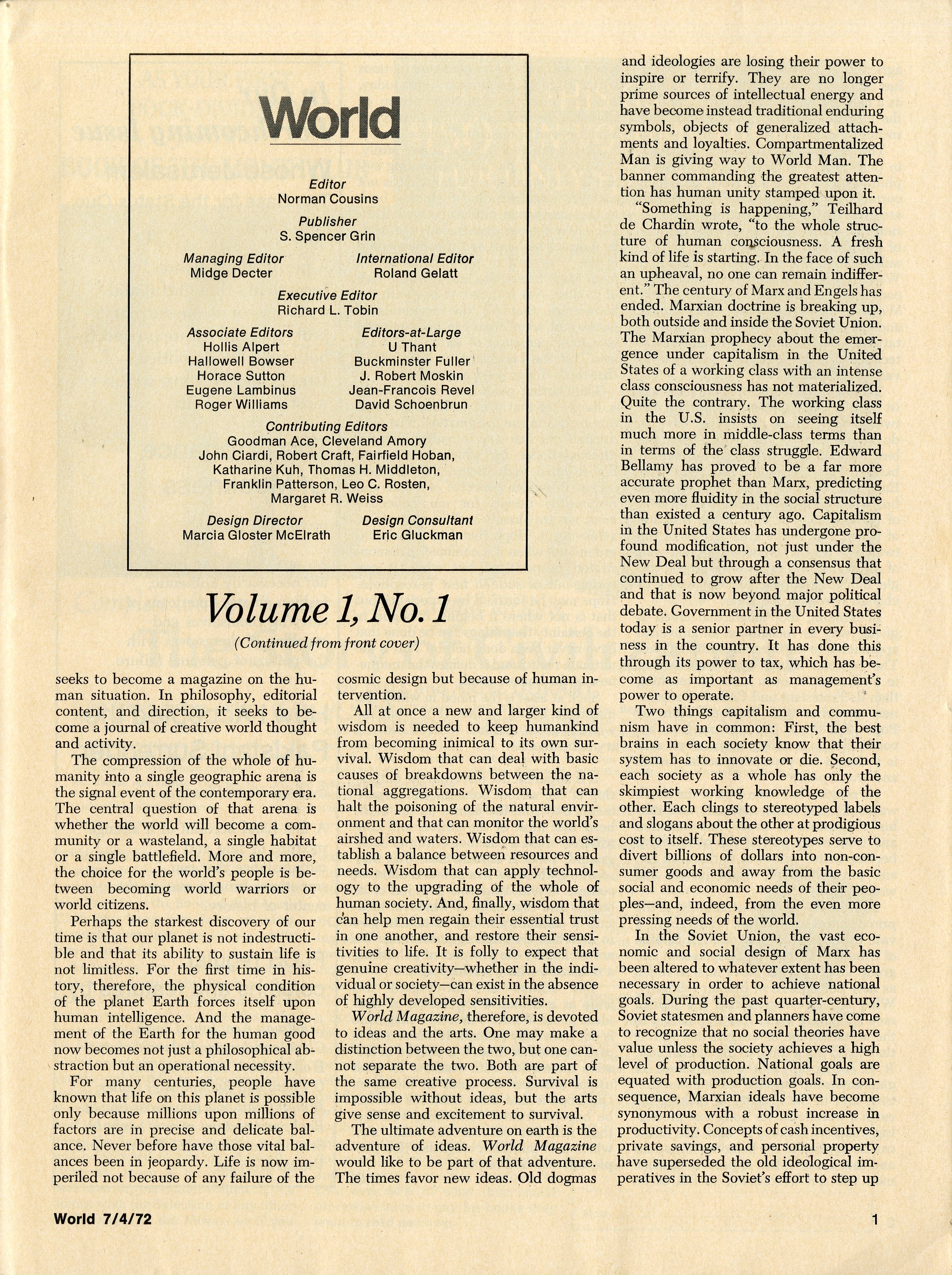
World 7/4/72

A REVIEW OF IDEAS, THE ARTS AND THE HUMAN CONDITION

Volume 1, Number 1.

This first issue of World Magazine is dedicated to the future of print, and to our colleagues on other magazines, newspapers, and books. We are confident that print will not only endure but will continue to be a primary force in the life of the mind. Nothing yet invented meets the intellectual needs of the human brain so fully as print. The ability of the mind to convert little markings on paper into meaning is one of the ways civilization receives its basic energy.

What is most important about a new magazine is not how it came to be but what it seeks to become. World seeks to become a magazine on the human situation. In philosophy, editorial content, and direction, it seeks to become a journal of creative world thought and activity.

The compression of the whole of humanity into a single geographic arena is the single event of the contemporary era. The central question of that arena is whether the world will become a community or a wasteland, a single habitat or a single battlefield. More and more, the choice for the world’s people is between becoming world warriors or world citizens.

Perhaps the starkest discovery of our time is that our planet is not indestructible and that its ability to sustain life is not limitless. For the first time in history, therefore, the physical condition of the planet Earth forces itself upon human intelligence. And the management of the earth for the human good now becomes not just a philosophical abstraction but an operational necessity.

For many centuries, people have known that life on this planet is possible only because millions upon millions of factors are in precise and delicate balance. Never before have those vital balances been in jeopardy. Life is now imperiled not because of any failure of the cosmic design but because of human intervention.

All at once a new and larger kind of wisdom is needed to keep humankind from becoming inimical to its own survival. Wisdom that can deal with basic causes of breakdowns between the national aggregations. Wisdom that can halt the poisoning of the natural environment and that can monitor the world’s airshed and waters. Wisdom that can establish a balance between resources and needs. Wisdom that can apply technology to the upgrading of the whole f human society. And, finally, wisdom that can help men regain their essential trust in one another, and restore their sensitivities to life. It is folly to expect that genuine creativity-whether in the individual or society-can exist in the absence of highly developed sensitivities.

World Magazine, therefore, is devoted to ideas and the arts. One may make a distinction between the two, but one cannot separate the two. Both are part of the same creative process. Survival is impossible without ideas, but the arts give sense and excitement to survival.

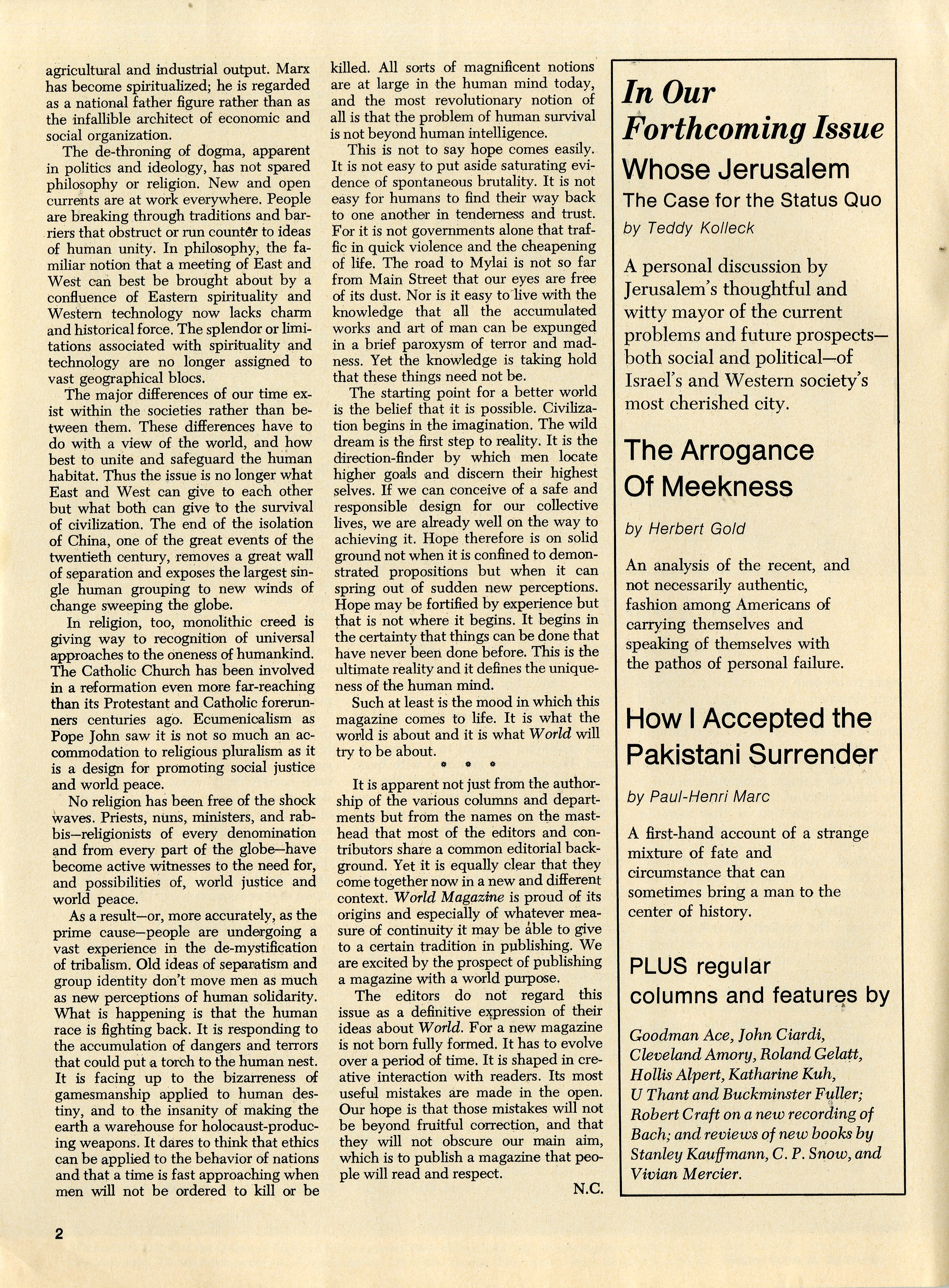
The ultimate adventure on earth is the adventure of ideas. Word Magazine would like to be part of that adventure. The times favor new ideas. Old dogmas and ideologies are losing their power to inspire or terrify. They are no longer prime sources of intellectual energy and have become instead traditional enduring symbols, objects of generalized attachments and loyalties. Compartmentalized man is giving away to World Man. The banner commanding the greatest attention has human unity stamped upon it…

…It is apparent not just from the authorship of the various columns and departments but from the names on the masthead that most of the editors and contributors share a common editorial background. Yet it is equally clear that they come together now in a new and different context. World Magazine is proud of its origins and especially of whatever measure of continuity it may be able to give to a certain tradition in publishing. We are excited by the prospect of publishing a magazine with a world purpose.

The editors do not regard this issue as a definitive expression of their ideas about World. For a new magazine is not born fully formed. It has to evolve over a period of time. It is shaped in creative interaction with readers. Its most useful mistakes are made in the open. Our hope is that those mistakes will not be beyond fruitful correction, and that they will not obscure our main aim, which is to publish a magazine that people will read and respect. NC


Editor’s Note: You may have noticed lately that I am not as active on the blog as usual.  Two reasons for that, first, the summer break and second, working on two books, the first on how to launch a magazine and the second on the magazines of the 1950s.

h1

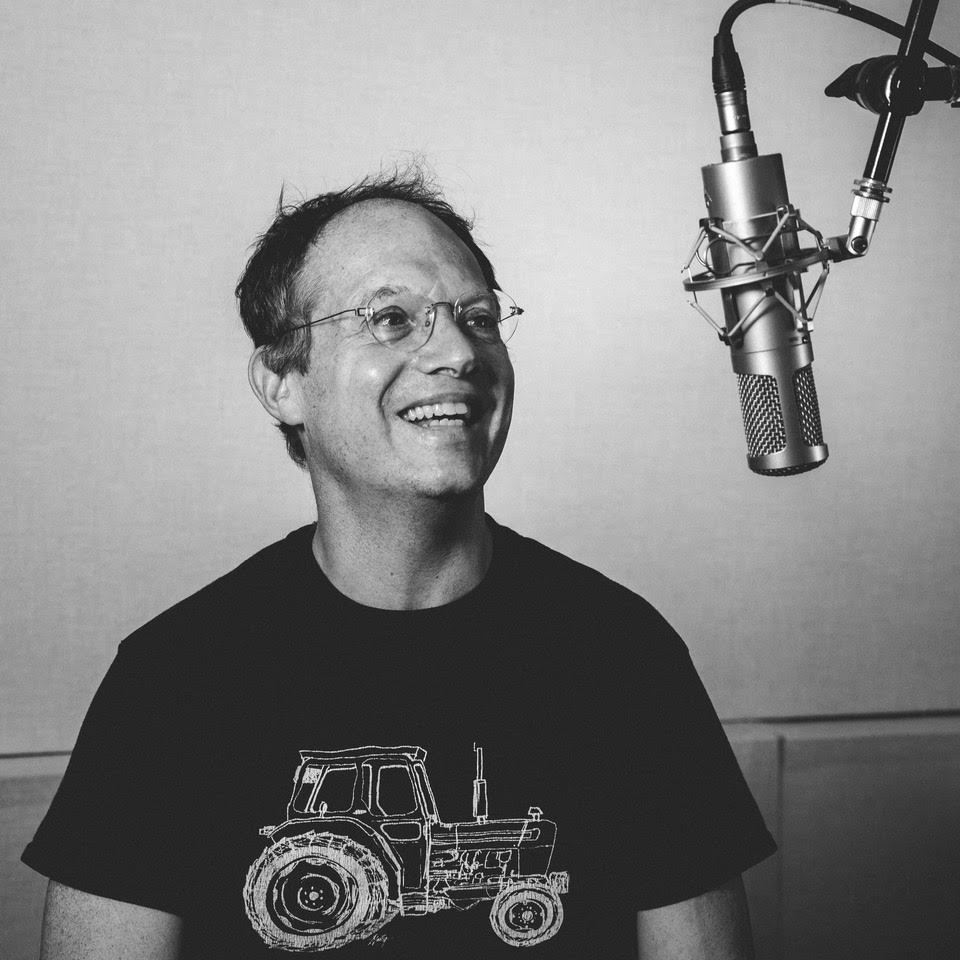
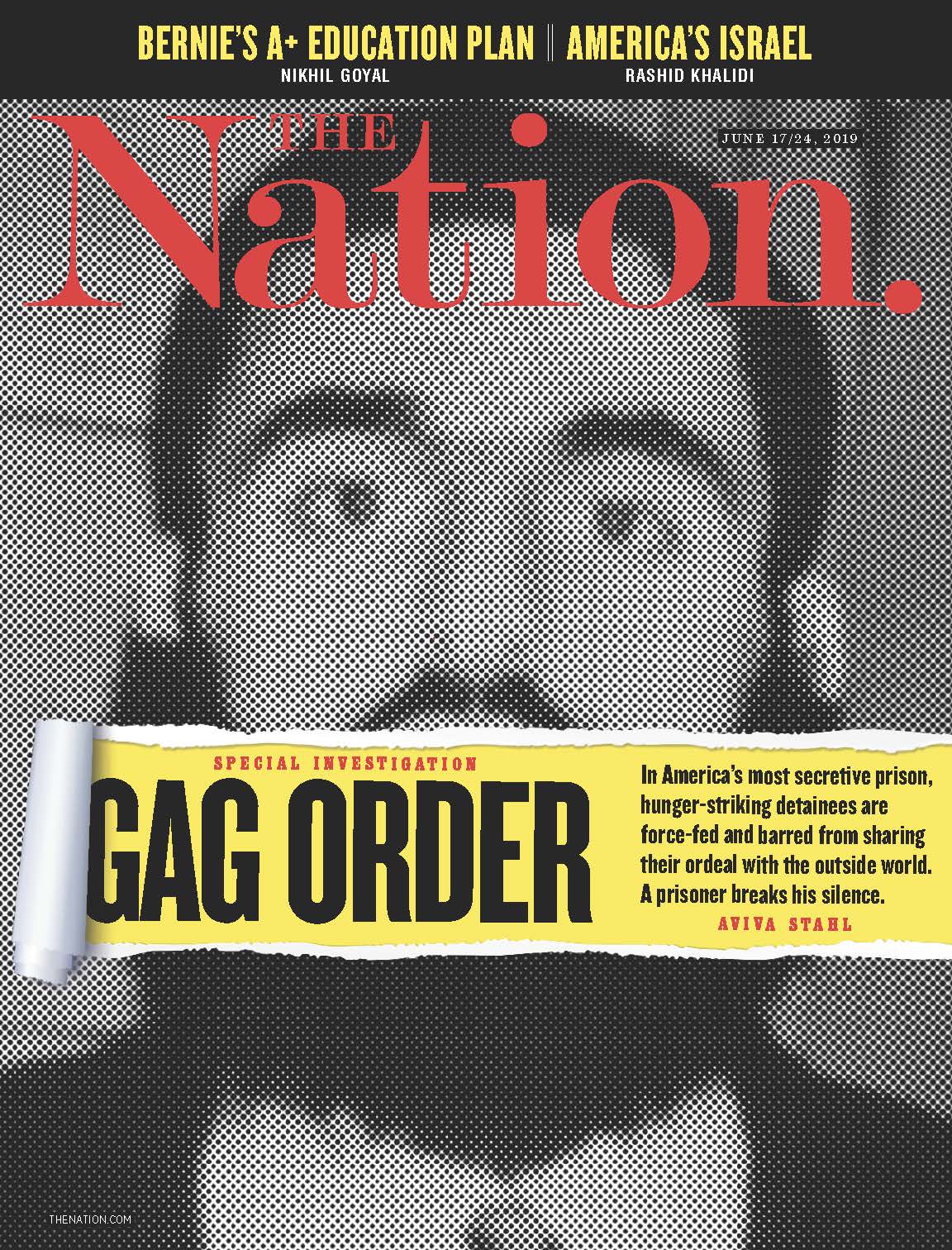
Don D. Guttenplan, Editor of The Nation to Samir “Mr. Magazine™” Husni: “Print Does Things That You Can’t Do Online” – The Mr. Magazine™ Interview…

June 19, 2019

“I feel that there is a reflectivity; there’s a chance to persuade; there’s a chance to sit with an idea that print gives you that you don’t get anywhere else. But I have to say that I assigned myself the task, and because I’ve been a reporter for 40 years, the way I think about things is to write about them and report them, so I’m in the middle of, I haven’t finished writing a story about the future of print. My tentative findings though is that print is durable and it’s going to be around for a long time.” Don Guttenplan (On what he feels the role of the print edition of The Nation plays today)….

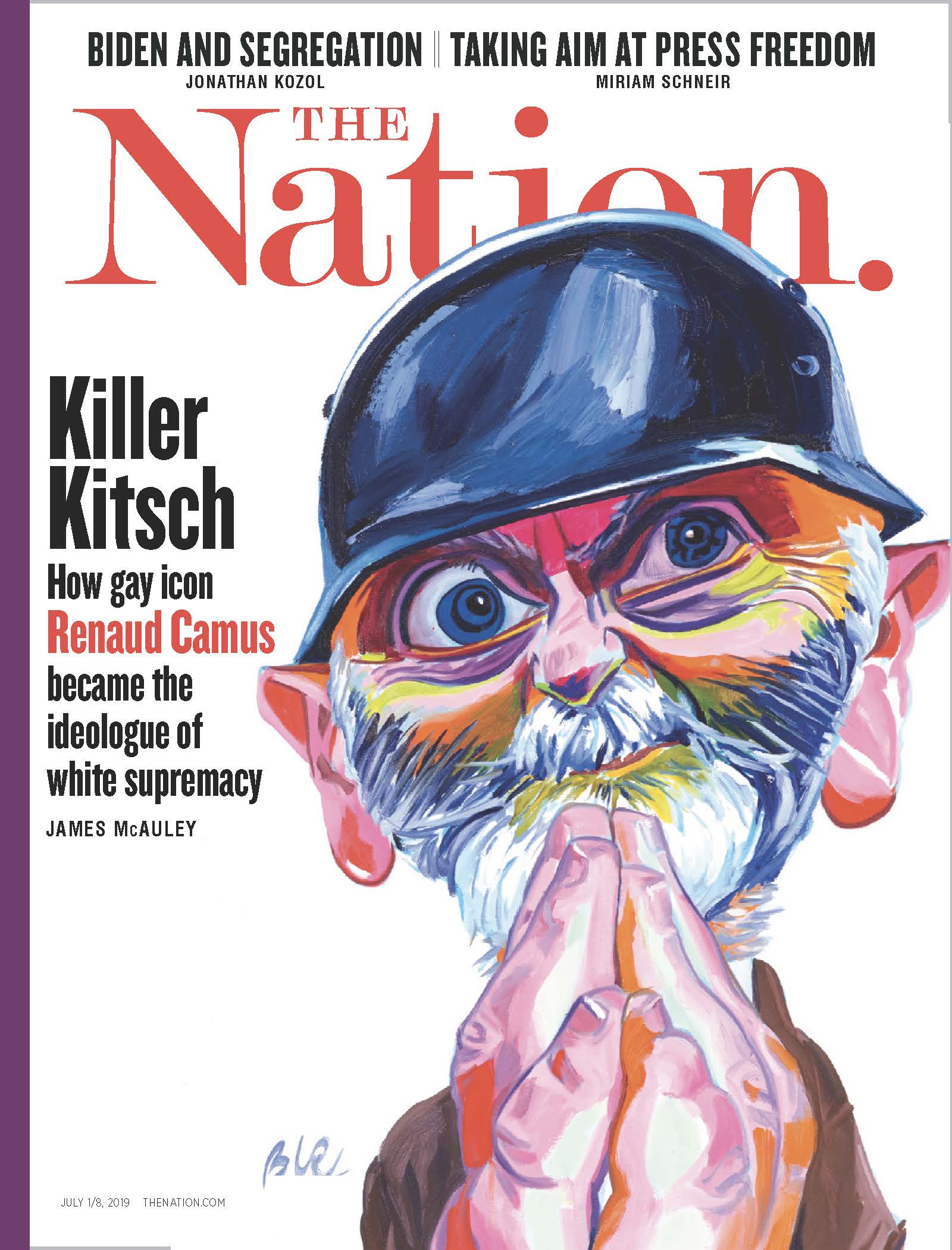
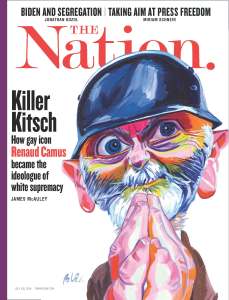
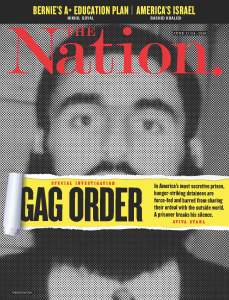
As the oldest continuously published weekly magazine in the United States, The Nation covers progressive political and cultural news, opinion, and analysis. Just recently the magazine named journalist and author Don D. Guttenplan as its editor. Don has a long and robust history with The Nation, having been its London correspondent, not to mention writing the publication’s biography up to the present: “The Nation. A Biography” (The First 150 years). So I think it’s safe to say the man knows a thing or two about his work environment.

I spoke with Don recently and we talked about this legacy publication that according to him has always been a beacon and a voice for progressive ideas. So, bringing his deep sense of The Nation’s history and its democratic politics with him as he moves into his New York office and the magazine’s editor’s chair, Don is ready to go to work.

And his first self-assigned task has been to think about print, the relation of print, and what The Nation is doing in print, because he has often felt that the magazine hadn’t really fully thought that through. Don feels there is a reflectivity with print, a chance to persuade; a chance to sit with an idea that print gives you that you don’t get anywhere else. Needless to say,  Mr. Magazine™ would wholeheartedly agree.

Reaching true audience potential with The Nation’s print component, while enjoying a vibrant and alive web presence are two things that are on Don’s radar, as well as consistently bringing a sensibility and an awareness of the role that The Nation plays in the world of political journalism that nobody else plays.

So, I hope that you enjoy the Mr. Magazine™ interview with Don D. Guttenplan, editor of The Nation as he talks about his passion for politics and shares his wealth of knowledge on the subject.

But first the sound bites:

On his relationship with Memphis, Tenn.: My relationship with Memphis is that my parents lived there when I was in high school, so I went to high school there. My father was an itinerant social worker, so he traveled around a lot. When I lived in Memphis I couldn’t wait to leave. I skipped years and scrambled to escape early and went to New York, which was the center of the universe to me then. But I realized fairly soon, first of all that I had been lucky and I had really gotten an excellent education from my public high school in Memphis, Tenn.

On his reaction when he was offered the job of editor of The Nation: I wasn’t expecting him (Trump) to win the election. I was as surprised and devastated as probably anybody else. But I woke up the next morning in my hotel room, because by the time they called the election it was two-something in the morning and I was too tired to feel safe driving down to New York City, so I just checked into a hotel, and I got up and I wrote an editorial which became The Nation’s lead editorial the next day. And the last line of it was: “Welcome to the Fight.” So, I suppose that’s how I felt. That’s what went through my mind when Katrina asked would I take over The Nation. If I’m welcoming other people to the fight, this is really not something that I can duck. To have this platform at this time in our country’s history and to have a platform with the lineage and the leverage of The Nation is both an incredible opportunity and also a heavy responsibility, which does weigh on me and which I take seriously.

On what role he thinks the print edition of The Nation plays with all of the different platforms it exists upon now: That’s the $64,000 question, isn’t it? When Katrina offered me the job and it became clear that I was going to accept it and we were going to find a way to make this happen, because I was in England at the time, the first task that I set myself was to think about print, the relation of print, and what The Nation is doing in print, because I’d often felt and said that we hadn’t really fully thought that through. We’d entered all of these other platforms and we’re enthusiastic on them and have a great website and we have millions of unique readers, so the magazine’s reach and voice is extensive and that’s terrific, but there were some people who felt that print was over and I definitely didn’t feel that. And not just because I love print. My daughter loves print so much that works as a typesetter, so we’re a print-focused family in many ways.

On what he will bring to The Nation’s extensive legacy: I’m glad you mentioned the extensive legacy because, of course, one of the things that I bring to The Nation and I think one of the reasons that Katrina asked me to do this is because I have a deeper sense of The Nation’s history perhaps than anyone since I wrote it. I wrote the book The Nation: A Biography in 2015 for the magazine’s 150th. So I’m quite aware of both the failings and the achievements of my 15 successors in this chair as editor. And I’m quite aware of what The Nation has been over time. And one of the things that has been over time is a voice for progressive ideas, for ideas that move toward a vision of justice, to try and bend the arc of the universe toward justice, whether it was 40 acres and a mule for freed slaves, literacy training for freed slaves, or whether it was workers’ rights. And one of the earlier editors of The  Nation was one of the founders of the NAACP. So The Nation has been a voice for progress for a long time. And I think having an awareness of that is important.

On how important he feels journalism is to the future of our country: I don’t think you can have a democracy without a functioning press. I think it’s absolutely crucial and we are actually blessed in America with a really good press, particularly with what were our legacy print publications, such as The New York Times, for example. It’s funny because I worked at the Village Voice for three years and when I worked there, The New York Times was our enemy. Every day we would roll our eyes at some horrible sell-out, commercial, terrible headline or a failure to understand the true politics behind some event. And it’s not that I disavow any of that, but on the other hand I feel we are so lucky in America to have a good daily journal that is a good source of daily news, daily journalism, where the reporters go deep and you can often, not always, but often, you can believe what they print.

On which of his many journalistic skills: writing, editing, reporting, is dearest to his heart: I think they all shape each other. “American Radical,” which is my biography of I. F. Stone , The Nation’s long-time Washington correspondent, and then founder of I. F. Stone’s Weekly, that was a 20 year book. (Laughs) I had been living with that for a long time. And that probably left a pretty deep mark on me. But I took a break in the middle to write “The Holocaust on Trial,” which really wasn’t a book that I wanted to write. I’m Jewish and I’m aware of the Holocaust. My father’s best friend was a Holocaust survivor, but it wasn’t something that I had been immersed in.

On the biggest challenge he could face and how he plans to overcome it: Editorially, I think the challenge is in fact the challenge that any editor faces, which is selection. There is so much happening and there is so much going on and it’s a signal to noise question. How do you filter out what matters? How do you decide? We’re not the Huffington Post or The Intercept. We don’t have an enormous staff or vast, multimillionaire backing. We have an incredibly hardworking, not tiny, it’s not a skeleton staff, we have a very good staff and we have a very large universe of writers who are delighted to write for us. But still we can’t chase everything. We certainly don’t have room in print for everything that we’d like to say, which is one of the reasons why it’s wonderful that we have a website. And it’s so active and so full of interest. But it’s still the question of figuring out what to pay attention to; picking your fights; picking your issues, and focus.

On anything he’d like to add: One of the experiences you have editing a magazine that everybody knows about but not everybody reads, (Laughs) is you’re meeting people who say they used to read The Nation or they used to subscribe to The Nation. And my message to those people is take another  a look. We have a new editor; we have new energy; we have I think a really important understanding of our responsibility and we are going to work very hard to live up to that responsibility. I say that not as a sense of duty, but I feel like our responsibility is not just to parse out what’s happening politically and provide cogent and trenchant analysis, which I think we do every week, but also to give people sources of delight and encouragement and energy.

On the biggest misconception he thinks people have about him: I don’t think people have any conception about me because I don’t think that I’m that well-known. I’ve left a very long record, people can look at what I’ve written on all sorts of things. It’s all out there. My views are no secret. I suppose to the extent that there is a conception about me and that it’s a misconception, which I’m not sure either of which is true, I suppose that it’s I’m an entirely political creature. I am passionate about politics, and particularly about “small d- democracy,” but I care a lot about other things too. I care about music and food and all those things. And poetry and the natural world. So, I would say that if there is a misconception of me it’s that I only care about politics.
On what someone would find him doing if they showed up unexpectedly one evening at his home: That’s a good question because I only moved to New York recently and I still haven’t moved into my apartment. So, you’d catch me cooking for the friends who are putting me up. (Laughs again) If you were to catch me relaxing in the evening, I suppose you’d catch me talking to friends or maybe reading. I read lots of novels. Every night before I go to bed I usually read some of a novel. The problem is if it’s one I can’t put down, it ends up keeping me up too late, so I find I do my literary reading at the end of the day because most of those demand a kind of stillness and thought that I can still muster, but they also don’t keep me awake.

On what keeps him up at night: It’s nice of you to call me Dr. Don and it’s true that I have a Ph.D., but nobody calls me that. What keeps me up at night is my three children. They’re grown up, the youngest is 20. He’s a Jazz musician; my daughter lives in New York and she works in publishing, in small press publishing; and my oldest son is in The Netherlands and he’s a scientist. What keeps me up at night are their trials and tribulations, which like any parent, I think about. I suppose I could say the world we’re leaving to them. I don’t actually think in such grandiose terms really, most of the time. What keeps me up at night is the personal, rather than the political.

And now the lightly edited transcript of the Mr. Magazine™ interview with Don D. Guttenplan, editor, The Nation.

Samir Husni: I see from your bio that you went to Memphis Public Schools.

Don D. Guttenplan: Yes, I did.

Samir Husni: So, what’s the relationship with Memphis?

Don D. Guttenplan: My relationship with Memphis is that my parents lived there when I was in high school, so I went to high school there. My father was an itinerant social worker, so he traveled around a lot. When I lived in Memphis I couldn’t wait to leave. I skipped years and scrambled to escape early and went to New York, which was the center of the universe to me then.

But I realized fairly soon, first of all that I had been lucky and I had really gotten an excellent education from my public high school in Memphis, Tenn. I remember one of my professors at Columbia asking me – I had asked a question about “The Iliad” – and everybody at Columbia where I went to college had to read “The Iliad,” and I had already read it in high school, and she asked me where I did that, where did I go to high school. I told her in Memphis, Tenn. So, people have a lot of stereotypes about the South. One of my college professors used to tease me – he seemed surprised that I came to class wearing shoes. (Laughs)

But I realized that Memphis particularly was a good place to be from, mainly because of the incredibly rich musical culture, which still influences me as a source of delight. “The Waterboy” is playing London and I went to see it a couple of weeks ago, and their keyboard player played a song called “My Soul Is In Memphis, But My Ass Is In Nashville, Tenn.” (Laughs) Memphis is a little bit like that for me. I don’t go back very often; my family moved when I went to college. I went back for my 20th high school reunion and I’m going soon for my 45th. I think I may have been a couple of other times in the intervening years.

I used to say that the Delta was the landscape of my dreams because I often used to dream that I was somewhere in a very flat, very hot landscape with a big river. So, it an effect on me.

Samir Husni: You’re now the new incoming editor of one of the country’s oldest magazines, The Nation.

Don D. Guttenplan: America’s oldest weekly, as we say.

Samir Husni: So tell me, when you were offered the job of editor of America’s oldest weekly, what was your first reaction?

Don D. Guttenplan: Well, it was a conversation that we’d been having for a long time. My predecessor, Katrina vanden Heuvel, was editor for 25 years and she is now the editorial director and remains as publisher. And 25 years is a long time, and I think she was looking for someone to hand off to, that’s her side of it. And my side of it is, on November 9 or 10th, 2016, whatever the day was after the election, I had spent election night in upstate New York watching Zephyr Teachout lose her congressional race, basically. And I remember saying to the office that I was going to Zephyr’s headquarters because she’s probably not going to win, but if she does win it’ll be really interesting because I think she’s a significant thinker and activist and somebody who if her voice came into Congress it would be amazing. And I added, besides if she loses I have plenty of time to get down to Times Square to see Trump’s concession speech. (Laughs)

Although, I will say that I was one of the few journalists early on to say that we needed to take the possibility of Trump’s winning seriously. And if you look it up, in September 2015 at the very first Republican debate, that was the debate where they had the kid’s table and the grownup’s table because they had so many candidates, that was held in Cleveland, I wrote that there was nobody on that stage who could beat Trump, because that’s what I thought. That was also the debate where the moderator said that if there was someone who didn’t promise to support the eventual Republican nominee, hold up your hand. And Trump held up his hand. And I thought surely they would find a way to exclude him from the primaries. But I underestimated the venality of the Republican Party. (Laughs) As a candidate, he was potentially much more skillful than anyone else I saw that evening.

But anyway, I wasn’t expecting him to win the election. I was as surprised and devastated as probably anybody else. But I woke up the next morning in my hotel room, because by the time they called the election it was two-something in the morning and I was too tired to feel safe driving down to New York City, so I just checked into a hotel, and I got up and I wrote an editorial which became The Nation’s lead editorial the next day. And the last line of it was: “Welcome to the Fight.”

So, I suppose that’s how I felt. That’s what went through my mind when Katrina asked would I take over The Nation. If I’m welcoming other people to the fight, this is really not something that I can duck. To have this platform at this time in our country’s history and to have a platform with the lineage and the leverage of The Nation is both an incredible opportunity and also a heavy responsibility, which does weigh on me and which I take seriously.

Samir Husni: As you look forward, weeklies in print have struggled. What role do you think the print edition of The Nation plays with all of the different platforms it now exists upon?

Don D. Guttenplan: (Laughs) That’s the $64,000 question, isn’t it? When Katrina offered me the job and it became clear that I was going to accept it and we were going to find a way to make this happen, because I was in England at the time, the first task that I set myself was to think about print, the relation of print, and what The Nation is doing in print, because I’d often felt and said that we hadn’t really fully thought that through.

We’d entered all of these other platforms and we’re enthusiastic on them and have a great website and we have millions of unique readers, so the magazine’s reach and voice is extensive and that’s terrific, but there were some people who felt that print was over and I definitely didn’t feel that. And not just because I love print. My daughter loves print so much that works as a typesetter, so we’re a print-focused family in many ways.

But I also feel that there is a reflectivity; there’s a chance to persuade; there’s a chance to sit with an idea that print gives you that you don’t get anywhere else. But I have to say that I assigned myself the task, and because I’ve been a reporter for 40 years, the way I think about things is to write about them and report them, so I’m in the middle of, I haven’t finished writing a story about the future of print. My tentative findings though is that print is durable and it’s going to be around for a long time. And it does things that you can’t do online. And not just that you can’t read it in the bathroom.

It’s a much better place for intellectual debate; it’s a much better place to try and persuade someone; it’s a much better place to hear somebody’s voice. On the other hand, it’s a much worse place to break news. It’s a much worse place to be right-up-to-the-minute. I will confess to having an addiction to reading a newspaper in the morning with my coffee. I was paying a lot of money to The Guardian, when I was in London, to have it delivered every morning and I would be terribly upset on the few mornings that the delivery service would fail and it wouldn’t be there because I really like spreading out a newspaper and reading it while I’m having my coffee. But that’s a generational thing and I don’t actually know whether that will persist.

I don’t know whether younger people will want to get their news from dead trees that leave ink stains on their hands. I do and I love it and I love everything about it. I love the headlines, the feel of the paper, the smell of the ink, all of that. But that may not be the future of print. In fact, the first person that I knew I wanted to interview was Katharine Viner, who is the editor of The Guardian and an old friend, and who has thought about journalism, print, and the Web more deeply than anybody else I know.  And she had lots of interesting things to say about that, which you’ll have to read my piece when I finish it to find out. (Laughs)

But in terms of magazines, I hadn’t seen your slogan until recently, if it’s not in print, it’s not a magazine, I am with you on that.

Samir Husni: What’s your vision for The Nation is this new century? Everyone says that we live in a digital age and no one can argue with that, but what will you bring to The Nation’s extensive legacy?

Don. D. Guttenplan: I’m glad you mentioned the extensive legacy because, of course, one of the things that I bring to The Nation and I think one of the reasons that Katrina asked me to do this is because I have a deeper sense of The Nation’s history perhaps than anyone since I wrote it. I wrote the book The Nation: A Biography in 2015 for the magazine’s 150th. So I’m quite aware of both the failings and the achievements of my 15 successors in this chair as editor. And I’m quite aware of what The Nation has been over time.

And one of the things that has been over time is a voice for progressive ideas, for ideas that move toward a vision of justice, to try and bend the arc of the universe toward justice, whether it was 40 acres and a mule for freed slaves, literacy training for freed slaves, or whether it was workers’ rights. And one of the earlier editors of The  Nation was one of the founders of the NAACP. So The Nation has been a voice for progress for a long time. And I think having an awareness of that is important.

I don’t really mean to dis another publication, but I remember there was a period where The New Republic was abandoning print and they were calling themselves a multimedia platform, because they were bought by this guy that was a former Facebook founder. And I thought, that’s not what you do with a legacy like that. You don’t just write it off, so I’m not going to write off our legacy.

But I think what I bring to the job aside from its sense of history are two things. One is sensibility and that sensibility is an awareness that the role that The Nation plays that nobody else plays, and nobody else has played since The New Republic started its leaning toward the right under Marty Peretz, which was a long time ago, is we are the place where liberals and radicals argue with each other and where they meet and contest ideas.

We are the place that exposes liberals to radical ideas and we are the place that exposes radicals to a, maybe a sort of tempering, of their passions that define liberal thought or the awareness of complexity that maybe liberals would say keeps them from being radicals. We are the space where those Venn diagrams overlap. And I think that’s a really important function on both sides. There is no progress without radicals, and on the other hand in democracy, which I am deeply committed to, you don’t make change without convincing the majority. And the majority by definition are never going to be radicals. It’s that process; it’s that, to use the outdated but to me essential term, it’s that dialectic that defines one of The Nation’s most important rules. So, I think I bring an awareness of and a sympathy for both sides of that dialectic that is going to be useful.

And the other thing is that although I’m an election junkie and it says so on my Twitter profile (Laughs), and I’ve been involved in politics for a long time and I’ve been involved in journalism and daily journalism from New York Newsday to the International Herald Tribune, those are not the limits of what interests me. I shipped 82 orders of books from London to my office here, to mostly put on the shelves in my office. And a lot of them were poetry.

The idea that magazine editors have a vision, some of them do and maybe that’s a good thing, but I’m not sure that I have a vision. I have a sensibility and I have some things that I want to do. I feel like we have a lot of work to do, both at this magazine and in this country. And I’m going to put my shoulder to that work, but in doing so, I want our readers to have a lot more pleasure from the experience reading The Nation. And for it to be a source of regular surprise and delight to them. That’s something that is easy for us to neglect in the kind of grim slog of exposing Trump’s daily depredations, which is a very important part of what we do.

But I don’t want that to be the limit of what we do. And I think that’s both a sensibility question and also maybe a political question. I’m very fond of quoting, and it made a big impression on me, the founder of Breitbart’s dictum, that politics is downstream of culture. I think that’s really true. One of the things that has happened in America is that the right has understood that. And understood it in a much deeper way than we have on the left.

At The Nation, we’ve always had an incredibly stimulating, engaging and penetrating back of the book, which in some ways has also been traditionally independent of the front of the book, but I want to break that wall down a little bit and have more room for culture up front as well as in the back.

Samir Husni: Talking about culture, journalism and democracy, in today’s society is journalism still necessary for the survival of democracy or are we seeing true journalism fading away and giving place to fake news and alternative facts? How important is journalism to the future of this country?

Don. D. Guttenplan: I don’t think you can have a democracy without a functioning press. I think it’s absolutely crucial and we are actually blessed in America with a really good press, particularly with what were our legacy print publications, such as The New York Times, for example. It’s funny because I worked at the Village Voice for three years and when I worked there, The New York Times was our enemy. Every day we would roll our eyes at some horrible sell-out, commercial, terrible headline or a failure to understand the true politics behind some event.

And it’s not that I disavow any of that, but on the other hand I feel we are so lucky in America to have a good daily journal that is a good source of daily news, daily journalism, where the reporters go deep and you can often, not always, but often, you can believe what they print. (Laughs) I spent 20 years living in Europe, where all you have except for maybe the Financial Times is a partisan press. And you have to filter everything through the ideological filter of the paper.

I understand that centrism and objectivity are all ideological filters of their own, and I understand that there are things that you exclude by them that are maybe essential to the conversation and that The Nation needs to restore and to lift that into the spotlight, but still there is an awful lot that is reported and that you can know if you want to just by reading the papers in America. And I think that’s a great thing.

But I also think that it’s tricky, because part of Trump’s strategy is to attack the press and to devalue the press and to basically convince his listeners that they’re all crooked, they’re all as bad as each other. That Fox News is not  an outlier, but is what all journalism is, it’s just that on Fox maybe it’s more obvious from one side. And I hate that. It’s one of the things that I hate about television news, this increasing sense of polarization.

And also the increasing sense that you can pretty much say anything because nobody is going to check. We at The Nation, we fact check what we run. You can’t do that in a daily newspaper, but then when I worked in daily journalism it was definitely widely understood that if you got it wrong more than a couple of times you were going to get fired. (Laughs) So, it had its own powerful fact check.

This is sort of a looping answer to your question, but I think journalism is essential and I think that the kind of journalism that The Nation does has become much more important even than it was in say, the George W. Bush era when we were alone and lonely and the brave voice of sanity.

Samir Husni: You’re an author, you have a few books under your belt; you’re an editor and you’ve been a correspondent; you’ve worked with big, major newspapers and smaller newspapers; from all of these manifestations of your journalistic skills, what is dearest to your heart? Is it being an author, an editor, or is it the last job that you’re doing?

Don. D. Guttenplan: I think they all shape each other. “American Radical,” which is my biography of I. F. Stone , The Nation’s long-time Washington correspondent, and then founder of I. F. Stone’s Weekly, that was a 20 year book. (Laughs) I had been living with that for a long time. And that probably left a pretty deep mark on me. But I took a break in the middle to write “The Holocaust on Trial,” which really wasn’t a book that I wanted to write. I’m Jewish and I’m aware of the Holocaust. My father’s best friend was a Holocaust survivor, but it wasn’t something that I had been immersed in.

What attracted me to it was my interest in British libel laws and because the libel laws in Britain are different. In America the burden of truth is on the person who is suing, the claimant. In Britain the burden of proof is on the defendant. Rich people and powerful interests use British courts to suppress information that they want to suppress. And it was in the course of being interested in that this trial came to my attention and I ended up writing a book about it.

In writing the Stone biography, I spent a lot of time reading the newspaper that Stone wrote for in the 1940s, which was called “PM.” And I don’t know if you know very much about it, but it was really a very revolutionary thing for print in America. It was a very intelligent left wing tabloid. It revolutionized the way papers looked, because it had, for example, Margaret Bourke-White as a photographer. It had Dr. Seuss as a cartoonist; it had a childcare advice columnist named Benjamin Spock, and it had I.F. Stone as its Washington correspondent.

The manifesto of the paper was written by its publisher and founder, a guy called Ralph Ingersoll. And it was “We don’t like people who push other people around.” And I feel like that’s kind of a thread that runs through pretty much everything I’ve written: how do you deal with people who push other people around and how do societies organize themselves; how can people who have been pushed around defend themselves the way the defendant in “The Holocaust on Trial” defended herself.

And it’s not just because it was my last book, it is in some ways the thing that is most pertinent to, certainly, my sense of politics, which is my most recent book, “The Next Republic,” which is partly a series of hysterical essays about what you might call the Rise of the Populist Left in America, which is something we don’t hear very much about these days. And also a series of profiles of activists from organized labor, from racial justice, from the environmental movement, and the last chapter is about Zephyr Teachout, which is about monopolies and corporations and how to control huge corporations. So it’s essentially about people fighting back and doing it successfully. And whether you can build a political movement out of that. It’s an open question, but it’s a question that I certainly want to lend my support to as editor of The Nation.

Samir Husni: As you look at this new position and contemplate the future, what do you think will be the biggest challenge that you’re going to face and how do you plan to overcome it?

Don. D. Guttenplan: There are lots of challenges. There are business challenges and I’m not the business side, that’s the publisher and the president’s side. But I’ve been in this business long enough to know that you can’t ignore that and you can’t not pay attention to it. So, I think one big challenge is to ensure that the magazine flourishes. That we reach our full print audience potential of paying subscribers and that they’re happy to pay what it costs to keep The Nation in business. That’s a business challenge.

Editorially, I think the challenge is in fact the challenge that any editor faces, which is selection. There is so much happening and there is so much going on and it’s a signal to noise question. How do you filter out what matters? How do you decide? We’re not the Huffington Post or The Intercept. We don’t have an enormous staff or vast, multimillionaire backing. We have an incredibly hardworking, not tiny, it’s not a skeleton staff, we have a very good staff and we have a very large universe of writers who are delighted to write for us.

But still we can’t chase everything. We certainly don’t have room in print for everything that we’d like to say, which is one of the reasons why it’s wonderful that we have a website. And it’s so active and so full of interest. But it’s still the question of figuring out what to pay attention to; picking your fights; picking your issues, and focus.

I read a piece earlier on in the Trump administration about chaff, I don’t know if you saw it. Chaff was the term the British used for their defense against missiles and bombing during World War II. And it was essentially we’re using thousands and thousands of little pieces of metal, sort of like aluminum foil in order to deflect and confuse radar. It’s a radar defense tactic. And I was saying that’s kind of Trump’s tactic, that he says all of this stuff all the time and sometimes he means it and sometimes he doesn’t. Sometimes he just says it. And if we spend all of our time tracking that, then we’re going to be exhausted and demoralized and we’re not going to have any time to think strategically.

So, I guess my biggest challenge is figuring out what really matters. And that’s not my personal biggest challenge, it’s the biggest challenge of any editor in this environment.

Samir Husni: Is there anything else you’d like to add?

Don. D. Guttenplan: One of the experiences you have editing a magazine that everybody knows about but not everybody reads, (Laughs) is you’re meeting people who say they used to read The Nation or they used to subscribe to The Nation. And my message to those people is take another  a look. We have a new editor; we have new energy; we have I think a really important understanding of our responsibility and we are going to work very hard to live up to that responsibility. I say that not as a sense of duty, but I feel like our responsibility is not just to parse out what’s happening politically and provide cogent and trenchant analysis, which I think we do every week, but also to give people sources of delight and encouragement and energy.

There’s a wonderful book and all I’m going to do is nod to the title. The book is about the cultural survival of Native Americans and their culture, but it’s called “Radical Hope” by Jonathan Lear. It’s an amazing book, but my point is that I feel that’s one of the things that we have to offer people, radical hope.

Our columnist, who is also a Guardian columnist and also a friend of mine, Gary Young, said about my book, which is called “The Next Republic,” he said it’s optimistic but not delusional. And I feel like that’s the space that I want to be in. Optimistic, but not delusional. It’s very easy for anybody who is engaged in political struggle to kid themselves and spend a lot of time just reinforcing their own prejudices and preconceptions. We’re not going to do that. We are going to tell people the truth and we are going to believe in the radical power that comes from telling people the truth.

Samir Husni: What’s the biggest misconception you think people have about you?

Don. D. Guttenplan: (Laughs) I don’t think people have any conception about me because I don’t think that I’m that well-known. I’ve left a very long record, people can look at what I’ve written on all sorts of things. It’s all out there. My views are no secret. I suppose to the extent that there is a conception about me and that it’s a misconception, which I’m not sure either of which is true, I suppose that it’s I’m an entirely political creature. I am passionate about politics, and particularly about “small d- democracy,” but I care a lot about other things too. I care about music and food and all those things. And poetry and the natural world. So, I would say that if there is a misconception of me it’s that I only care about politics.

Samir Husni: If I showed up unexpectedly at your home one evening after work, what would I find you doing? Having a glass of wine; reading a magazine; cooking; watching TV; or something else? How do you unwind?

Don. D. Guttenplan: (Laughs) That’s a good question because I only moved to New York recently and I still haven’t moved into my apartment. So, you’d catch me cooking for the friends who are putting me up. (Laughs again) If you were to catch me relaxing in the evening, I suppose you’d catch me talking to friends or maybe reading. I read lots of novels. Every night before I go to bed I usually read some of a novel. The problem is if it’s one I can’t put down, it ends up keeping me up too late, so I find I do my literary reading at the end of the day because most of those demand a kind of stillness and thought that I can still muster, but they also don’t keep me awake.

Samir Husni: My typical last question; what keeps Dr. Don up at night?

Don. D. Guttenplan: (Laughs) It’s nice of you to call me Dr. Don and it’s true that I have a Ph.D., but nobody calls me that. What keeps me up at night is my three children. They’re grown up, the youngest is 20. He’s a Jazz musician; my daughter lives in New York and she works in publishing, in small press publishing; and my oldest son is in The Netherlands and he’s a scientist. What keeps me up at night are their trials and tribulations, which like any parent, I think about. I suppose I could say the world we’re leaving to them. I don’t actually think in such grandiose terms really, most of the time. What keeps me up at night is the personal, rather than the political.

Samir Husni: Thank you.

h1

A Blast From The Past: Gossip Magazines Reign Supreme… From The Vault of Mr. Magazine™

June 11, 2019

You may have noticed lately that I am not as active on the blog as usual.  Two reasons for that, first, the summer break and second, working on two books, the first on how to launch a magazine and the second on the magazines of the 1950s.

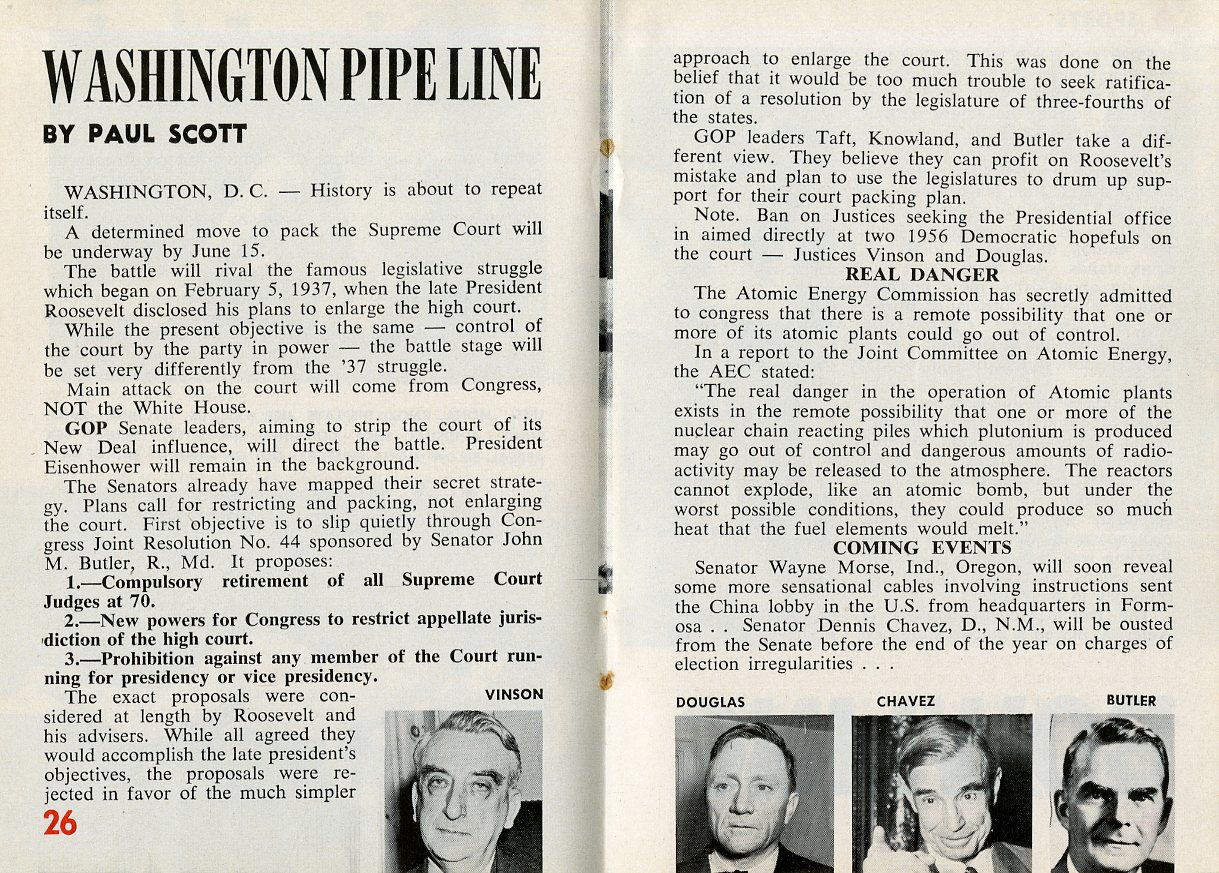
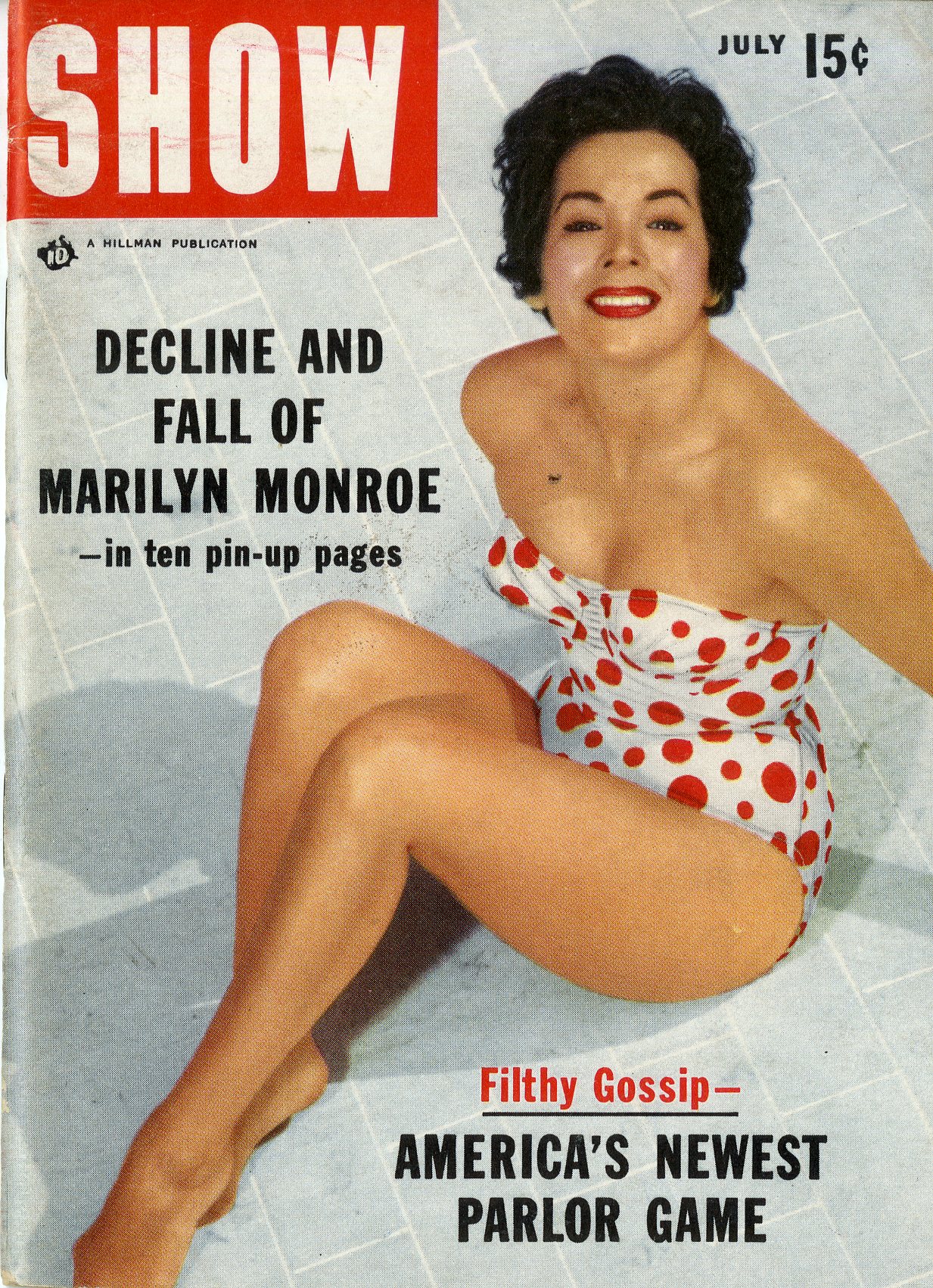
In my research I came across this article from Show magazine, July 1955 about Gossip magazines (what we now call Celebrity magazines…)

The similarities between now and then was striking to me, so I decided to publish the entire article here.  Would love to hear your comments…

Enjoy this blast from the past…

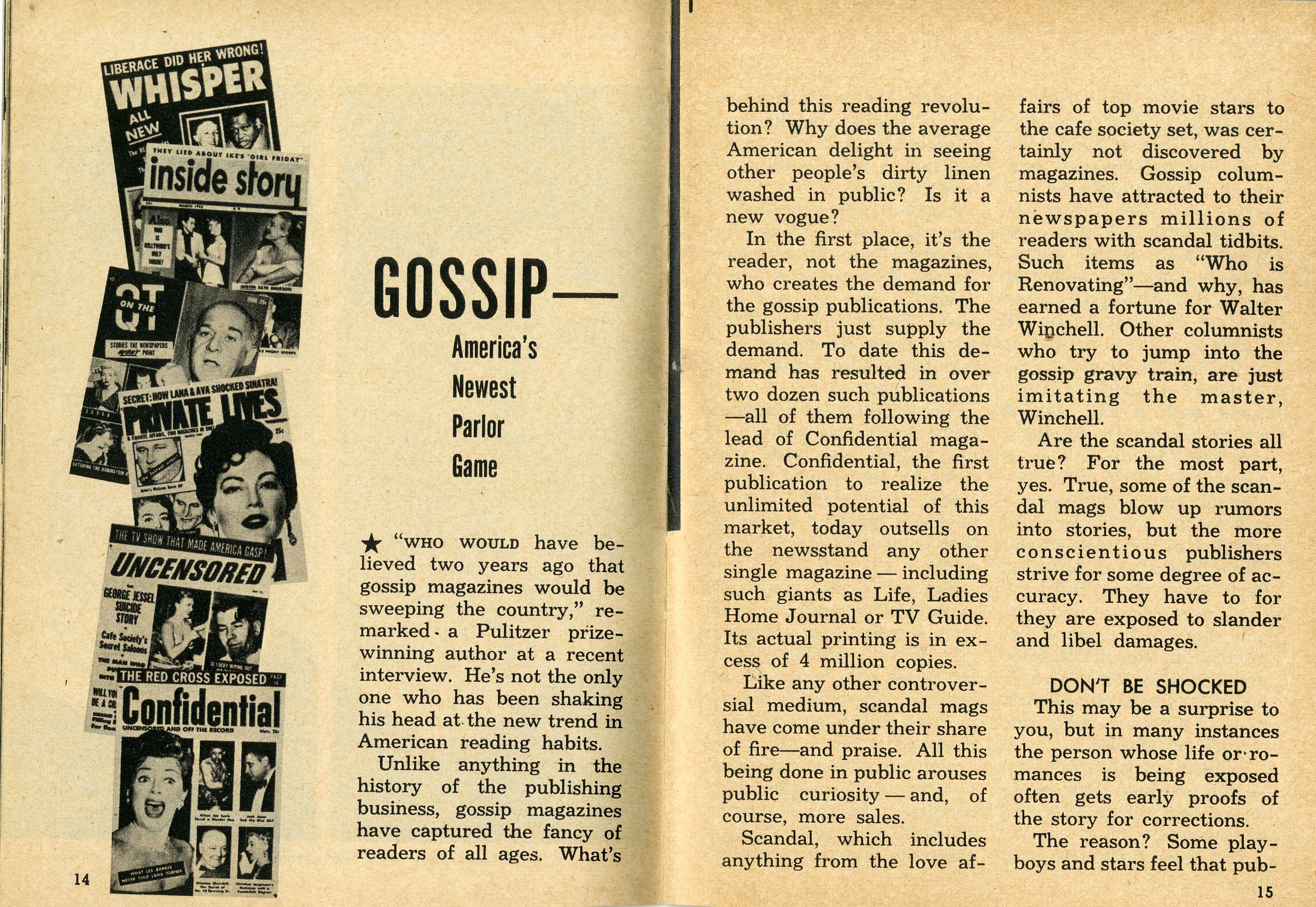
GOSSIP…

America’s Newest Parlor Game

“ WHO WOULD have believed two years ago that gossip magazines would be sweeping the country,” remarked a Pulitzer prize winning author at a recent interview. He’s not the only one who has been shaking his head at the new trend in American reading habits.

Unlike anything in the history of the publishing business, gossip magazines have captured the fancy of readers of all ages. What’s behind this reading revolution? Why does the average American delight in seeing other people’s dirty linen washed in public?  Is it a new vogue?

In the first place, it’s the reader, not the magazines, who creates the demand for the gossip publications. The publishers just supply the demand. To date this demand has resulted in over two dozen such publications- all of them following the lead of confidential magazine. Confidential, the first publication to realize the unlimited potential of this market, today outsells on the newsstand any other single magazine- including such giants as Life, Ladies’ Home Journal or TV Guide. Its actual printing is an excess of 4 million copies.

Like any other controversial medium, scandal mags have come under their share of fire- and praise. Al this being done in public arouses public curiosity- and, of course, more sales.

Scandal, which includes anything from the love affairs of top movie stars to the café society set, was certainly not discovered by magazines. Gossip columnist have attracted to their newspapers millions of readers with scandal tidbits. Such items as “ Who is Renovating”- and why, has earned a fortune for Walter Winchell. Other columnists who try to jump into the gossip gravy train, are just imitating the master, Winchell.

DON’T BE SHOCKED

This may be a surprise to you, but in many instances the person whose life or romances is being exposed often gets early proofs of the story for corrections.

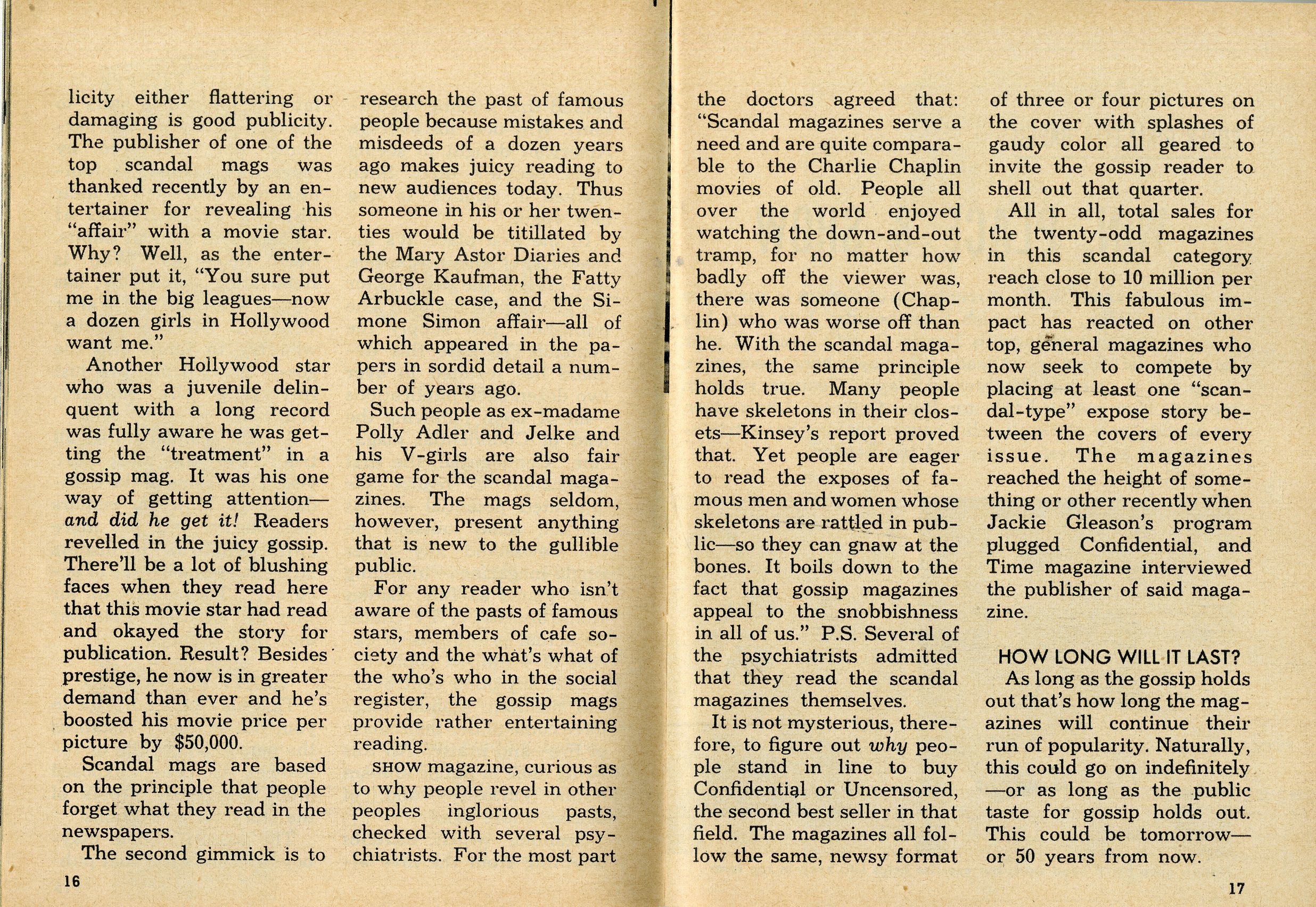
The reason? Some playboys and stars feel that publicity either flattering or damaging is good publicity. The publisher of one of the top scandal mags was thanked recently by an entertainer for revealing his “affair” with a movie star. Why? Well, as the entertainer put it, “You sure put me in the big leagues- now a dozen girls in Hollywood want me.”

Another Hollywood star who was a juvenile delinquent with a long record was fully aware he was getting the “treatment” in a gossip mag. It was his one way of getting attention- and did he get it! Readers revealed in the juicy gossip. There’ll be a lot of blushing faces when they read here that this movie star had read and okayed the story for publication. Result? Besides prestige, he now is in greater demand than ever and he’s boosted his movie price per picture by $50,000.

Scandal mags are based on the principle that people forget what they read in the newspapers.

The second gimmick is to research the past of famous people because mistakes and misdeeds of a dozen years ago makes juicy reading to new audiences today. Thus, someone in his or her twenties would be titillated by the Mary Astor Diaries and George Kaufman, the Fatty Arbuckle case, and the Simone Simon Affair- all of which appeared in the papers in sordid detail a number of years ago.

Such people as ex-Madame Polly Adler and Jelke and his V-girls are also fair game for the scandal magazines. The mags seldom, however, present anything that is new to the gullible public.

For any reader who isn’t aware of the pasts of famous stars, members of café society and the what’s what of the who’s who in the social register, the gossip mags provide rather entertaining reading.

SHOW magazine, curious as to why people revel in other people’s inglorious pats, checked with several psychiatrists. For the most part of the doctors agreed that: “Scandal magazines serve a need and are quite comparable to the Charlie Chaplin movies of old. People all over the world enjoyed watching the down-and-out tramp, for no matter how badly off the viewer was, there was someone (Chaplin) who was worse off than he. With the scandal magazines, the same principle holds true. Many people have skeletons in their closets- Kinsey’s report proved that. Yet people are eager to read the exposes of famous men and women whose skeletons are rattled in public- so they can gnaw at the bones. It boils down to the fact that gossip magazines appeal to the snobbishness in all of us.” P.S Several of the psychiatrists admitted that they read the scandal magazines themselves.

It is not mysterious, therefore, to figure out why people stand in line to buy Confidential or Uncensored, the second-best seller in that field. The magazines all follow the same, newsy format of three or four pictures on the cover with splashes of gaudy color all geared to invite the gossip reader to shell out that quarter.

All in all, total sales for the twenty-odd magazines in this scandal category reach close to 10 million per month. This fabulous impact has reacted on other top, general magazines who now seek to compete by placing at least one “scandal-type” expose story between the covers of every issue. The magazines reached the height of something or other recently when Jackie Gleason’s program plugged Confidential, and Time magazine interviewed the publisher of said magazine.

HOW LONG WILL IT LAST?

As long as the gossip holds out that’s how long the magazines will continue their run of popularity. Naturally, this could go on indefinitely- or as long as the public taste for gossip holds out. This could be tomorrow – or 50 years from now.

h1

Welcome To The Newsstands: April & May Usher In 20 New Titles…

June 4, 2019

April & May continue the magazine excitement as 20 new titles are born on the nation’s newsstands.It’s been a wonderful Spring for the world of ink on paper! Check out the titles below…

From the Outdoor Sportsman Group, one of the largest media companies solely devoted to bringing the best in content and entertainment to America’s 80-million+ outdoor sports enthusiasts, comes a new title called Backcountry Hunter. The magazine focuses more on the adventure of hunting, rather than a set of impressive antlers. Backcountry Hunter covers all aspects of wilderness hunting in the western U.S., Alaska and Canada, with a particular emphasis on DIY adventures for the hardcore sportsman. While Mr. Magazine™ himself may not be an avid hunter, I am an avid magazine lover and this one is amazing!

The latest digital brand to expand into ink on paper, Bumble, the dating app, now has its own lifestyle magazine produced in partnership with Hearst Magazines titled Bumble Mag. The dating app has really grown into a social platform and may have felt the need to present a more tangible way for the digital site’s users to engage with the brand, but whatever the reason behind the print extension, Mr. Magazine™ says welcome to yet another cyberspace resident who has seen the light and realized the value of ink on paper!

A niche magazine delivering articles and photographs related to sports history, this new title, Sports History Magazine, focuses on the history of sports, not today’s live streaming or the graphic replays of gridiron heroes in real time, but an actual ink on paper magazine that captures the essence of some of the best (and worst) times in the history of sports. Founder and Editor in Chief, Gill Schor, is the entrepreneur whose own passion for sports history motivated him to fill a void in this very niche market. In fact, Mr. Magazine™ interviewed Gill in early May and we talked about this great new magazine. Check out the conversation here.

The long, hot summer awaits us and rest assured there will be a great collection of new titles to both fan the flames of the season and cool us off! But until then…

I’ll see you at the newsstands…

And now our great covers for April & May:


******And please remember, if Mr. Magazine™ can’t physically hold, touch and purchase the magazine, it does not enter the monthly counts. And counts now include only the titles with a regular frequency that are either new, first-seen on Mr. Magazine’s™ radar, or arriving to the national newsstands for the first time.

h1

BoSacks Speaks Of Peril And Opportunity In ACT 9’s Capstone Speech. The ACT 9 Experience. Linda Ruth Reporting… Part 16

May 12, 2019

Bo Sacks wound up the Magazine Innovation Center’s ACT 9 on Thursday with a much-anticipated capstone speech, where he sounded some very strong warnings and spoke of great opportunities. Sacks, we remember, spent a decade debating the future of journalism with Dr. Samir Husni, Mr. Magazine™; and Sacks reminded us that Husni actually created the Ph.D. in magazine journalism that did not exist. Mr. Magazine™ has been recognized for his significant influence in shaping this business and popular perception of it.

Sacks referenced the highlights of the conference: Linda Brooks identifying magazines as invited guests; Jeff Joseph mentioning the history of vinyl as a comparison to print; Lori Oglesbee saying that without a free press, democracy dies; James Hewes warning of the risk of depending on a single revenue stream.

Tying it together, Sacks spoke of the incredible acceleration of growth of technology into the present. Soon nothing will be mobile because everything will be mobile. It came too fast, and it led to some chilling consequences. Today, the digital giants are exploring every part of our lives. Facebook, Amazon, and Google, are intruding into every part of everyone’s existence, learning where we are going, what we are doing, what we are saying, what we are thinking, and using it to sell to us.

No one could have known the Gutenberg press would have had effects from fueling the reformation to changing the shape of our brain. Today, new technologies have started a new revolution. Living through this revolution makes it impossible to take a long view. We have combined digital technology with a mutant form of capitalism—surveillance capitalism. It takes our private experiences and turns them into revenue opportunities. It changes everything.

It’s impossible to overstate the peril of our times. Robber barons of yesterday have been replaced by e-robbers. We used to fear the totalitarian government who knew everything about us, followed us everywhere. Well it isn’t the government, but it’s happening.

Digital advertising has surpassed the other forms, including TV—yet the level of fraud in digital advertising is mind-boggling. It’s the largest crime in terms of money generated globally. Fake humans, click fraud, fake ad placement, fake websites, are all grabbing loot online. And technology companies are designing content with the sole intention of capturing as much attention as possible, creating a race to the bottom of the brain stem.

The online advertising ecosystem is impossible to understand or control, and there is no competent leadership. Why is it happening? Ad trade organizations and marketers are making too much money to change anything. The intrusion and fraud could be ended in a heartbeat—but there is no cure for greed. The lawmakers with the power to change it have absolutely no idea how it works.

Print should be a shining beacon in a sea of criminality. We have the trusted content. Everywhere on the planet, it’s as simple as this: Let’s have the readers pay for the content. Ad revenue should be the gravy on the meat, not the unreliable indigestible thing advertising has become. Give the readers what they want, when they want it, and have them pay for it—that’s the formula for success.

Diversification is opportunity. Your brand may be venerable, but it shouldn’t be static. Without alternative revenue streams you have zombie momentum. Create a better user experience. Add experiences, memberships, products. A relationship is a strong building block to revenue. Consider every option to keep readers engaged with personalized bundles. There are billions of dollars left to earn.

And try new things. Structure follows strategy. If you base your strategy on your existing structure, you limit your potential to what you’ve already done.

Addressing the students, Sacks finished: Now is the time to re-think the unthinkable. This is a unique and historic period where the unthinkable has never been more possible.

To watch Bo Sacks presentation click on the video below:

h1

Hola! Magazine, A 75-Year Old Success Story. The ACT 9 Experience. Linda Ruth Reporting… Part 15

May 12, 2019

Jay Annis, VP of Hello Media, invited us to celebrate with him on day 3 of Mr. Magazine’s ACT 9 at the University of Mississippi. It’s the 75th anniversary of Hola! magazine, launched in Spain in 1944. Coming out of Spain’s bloody civil war, followed by the impact of World War 2 on the country, Hola’s mission was to offer good news and uplifting features. There is not and never will be anything dark or negative in this magazine.

Hola! is credited as the first magazine to create celebrity journalism. Hola! covered Elizabeth Taylor throughout her life; it covered the royal family of Monaco from childhood to old age. Its interest in the full range of celebrity lives creates continuity, so that generations of families read this publication. It covers tragedy—for example JFK’s assassination—but in a way that celebrates the victim’s life. Celebrities trust Hola, because they know there will be nothing negative in their coverage.

Hola! came to the UK thirty years ago as Hello magazine. Now there are 30 editions in 10 languages reaching 20 million readers per week. Every second around the world 15 people pick up their magazines. They do SIPs—cooking, homes, décor, parenting, travel, in packages ranging from 250 to 400 pages. Hola runs eight different websites with 27 million monthly uniques, tied together by design and voice. They have 18.5 million social media follows; a Spanish YouTube channel with influencers submitting content; the channel has over 16.5 million viewers and almost 200,000 subscribers.

With this global footprint, the US has been in the franchise’s sights, and they decided to launch in the US in 2016. The US hispanic community is 54 million, making the US the second largest Spanish-speaking population in the world. This big, broad, young, growing market is perfect for Hola magazine. They launched with print, Hola.com, social media, Hola TV. Now they have between one and two million on every digital platform; in print, their readership has grown to 400,000 in less than three years.

Hola! is published in both English and Spanish; subscribers can take their pick. Older readers want to read in Spanish; the younger readers prefer English. The magazine accommodates reader preferences, both online and in print. And because the readers are different, the online content is not necessarily the same.

Getting advertising is tough—but Hola had over 60 major advertisers in its first year. They work with their advertisers on branded content, video, cross platform.

Hola! is a global brand with local relevancy. Their global prestige allows for worldwide exclusives.

Hola! was recognized as one of the ten best magazine launches in 2016.

After 75 years, the magazine that celebrates the good, the happy and the uplifting has amply earned its own celebration. Happy birthday, Hola!

Click the video below to watch Jay Annis presentation:

h1

An Historic Meeting Of the Four Media Associations CEOs: Magazine Media Challenges Today. The ACT 9 Experience. Linda Ruth Reporting… Part 14

May 9, 2019

The third morning of ACT 9 brings together for the first time the heads of the four major trade associations: Linda Thomas Brooks from the MPA, James Hewes from FIPP, Jerry Lynch from MBR, and Michael Marchesano from Connectiv.

Yes, the magazine industry is disrupted, says Brooks. So is every business I’ve every been in. There is no one answer, there are lots of answers. There is no silver bullet but there might be silver buckshot. I signed up for this business because it really, really matters.

Lynch adds that there are lots of industries (e.g. video rental) that are gone; magazines are still here and worth fighting for. This is a passionate business, and that passion is what brought me into this business.

In fact, says Hewes, this is the most exciting time to be in the business, with so many new ways to get our content to our audience. Most people would kill to have a job in media.

The biggest job this industry faces, says Hewes, is vocabulary. What do we call ourselves? We need to be more comfortable and confident as to how we describe ourselves.

From the distribution side, says Lynch, there is a disconnect between the understandings of the publisher and the retailer. It’s hard to bring the two parties together. The opportunity is in bringing the two parties together around the consumer. That relationship is so valuable, publishers need to show retailers that relationship can benefit the store.

On a B to B level, says Marchesano, the challenge is to make sure the audience, who has a buying influence, recognizes the value of the data provided. Making the investment, making the commitment, and looking for ROI.

From Brooks’ perspective, data can be a challenge. Data—and especially a single piece of data—does not equal truth. You can lead yourself to bad business decisions looking at individual bits of data. Algorithms do not get handed down from on high, they are written by people, and included the biases or limitations of those people. We need to use those algorithms and data in the right way. Understanding data bias, data perspective, is hugely important. Business fundamentals are math—never say you hate math when interviewing for jobs in journalism.

Putting together data, legacy and passion: computers are great for correlating data but not good at finding what the correlation means. You have to have a combination of understanding data and using your common sense to evaluate it, says Hewes. Consumers have no idea how much data is being collected about them. When they find out, there will be blood on the streets. Do the mattress test—put your phone on the kitchen table, talk about mattresses for an hour, then see how many ads you get served about mattresses.

This led to a flurry of comment:

Brooks: It’s like you’re sitting in a bar talking about mattresses, and a mattress salesperson interrupts to try to sell you one.

Hewes: This behavior might be getting normalized. It doesn’t mean it’s right.

Brooks: In China they’re collecting a social score. They’re assessing your worth based on it, and assigning consequences to it.

Hewes: And it’s a short step to assigning credit ratings in this country.

Brooks: Many industry bodies are working on privacy issues, but it’s going to take everyone in our industry working with our government to figure this out. MPA spends much time in Washington talking about it.

Marchesano: State level laws with strong consumer rights bias could have an impact on the national agenda.

Lynch: This kind of data is key to business. We need to get in early to help craft the right decision.

Hewes: Facebook will be broken up. They don’t know it yet; but the EU and other bodies will be creating regulations. This is the reason we need trade associations. There are issues to consider that these associations can address.

Lynch: These associations can craft a consistent message in a diverse category.

Brooks: The business isn’t changing as fast or dramatically as we’d like it, but we’re seeing some good indicators.

Ten years ago when I started the MIC, says Dr. Husni, my goal was to amplify the future of print, and everyone thought I had lost it. Last year Linda Brooks stood in front all the ACT Experience attendees and said, don’t ever say print is dead or print is not dead. It’s a vindication.

To watch the entire panel discussion please click on the video below:

h1

It’s All About Circulation and Distribution Or Is It? The ACT 9 Experience. Linda Ruth Reporting… Part 13

May 9, 2019

The following is a panel discussion that took place on the last day of the ACT 9 Experience concerning circulation issues and challenges that face magazine media companies in the retail space and with current business models today. The central theme centered on reimagining the world of print and what it can do in the form of Special Interest Publications and partnerships. And also discussion about a much-needed revitalization of the magazine distribution system. And your ACT 9 Scribe, Linda Ruth was also a guest on the panel.

The panel featured:

Moderator, Tony Silber: President of Long Hill Media

Clayton Clabaugh: Director, Fundraising and Product Annuity, Focus on the Family
Linda Ruth: Publishing Management and Consulting, PSCS Consulting & Official ACT 9 Scribe
Drew Wintemberg: Founder, AJW Leadership & Insights and former president, Time Inc. Retail

Now, let’s revisit this interesting discussion…

Tony Silber: We are celebrating the enduring power of print in what is undeniably a media revolution. As we adapt to a changing media world, we need to acknowledge the macro trends, all of which are difficult. Most of us engage with media digitally and on mobile; print is not our first point of contact. Google, Facebook and Amazon represent 75% of advertising dollars. Advertising, which has been the foundation of magazine revenue, is less important than ever before. Reader revenue becomes more important; but the distribution system is contracting, even collapsing. If you look at the supply chain of an industry you can learn a lot about its health. We can celebrate print, but must understand the context.

Drew Wintemberg: All major companies are facing the same headwinds at retail. Checkouts are disappearing; urbanization is reducing the presence of large-format retail stores. We have been building our business in retailers that don’t exist to the same degree anymore. The magazine category must evolve. Circulation must serve a purpose. The direction of publishing is in the direction of personalization, specialization; we need to look at the publications beyond the AAM audited ones. The AAM titles are shrinking; but the non-audited titles still grow. The picture is better than what we’re looking at. Our competitors for front end space are saying magazines are dead; we need to answer this. Niche titles, special interest titles are growing. As our space at front end shrinks, we can’t afford to give seven pockets to the women’s titles.

Linda Ruth: The industry has gone in two separate directions. The success of publishers is in the direction of higher prices, higher quality, lower frequency. The industry’s infrastructure, on the other side, has been built for the old AAM/mass market titles. It’s consolidated into essentially one company, a company that is trying to streamline to scale.

At the same time retailers have been streamlining; tracking and sales have switched to scan-based-trading. SBT ensures that the only copies verified as sale are the ones going through the register. These two things—the consolidation of distribution on the wholesale side and SBT is like using a machete for fine-carving. Specialty magazines need a targeted distribution. There are successful magazines now that cost several dollars to print and ship, that cost close to $20 at retail. These publishers can’t afford the high returns that the system currently generates. Publishers need to find new ways to get their product to market. There must arise new ways of bringing product to market and also new ways of accountability for tracking and paying for sales. SBT was created and authenticated for product that is higher frequency, lower price. Today’s special interest titles are more vulnerable to shrink. We need to see more follow up, more access to the merchandisers, more accountability.

Drew Wintemberg: The thing that frightens me most about the SIPS (Special Interest Publications) is that it could vanish tomorrow, like the adult coloring book craze.

Tony Silber: The subscription economy is booming. Does it have a detrimental impact?

Clayton Clabaugh: There is potential there to partner up with somebody and add a publication into an existing subscription box.

Drew Wintemberg: For the longest time, it was a one to one relationship, publication and reader. Publishers now want so many touchpoints with the consumer, they want to be engaged in people’s lives all along the line. Engage them socially, at events, through clubs, super-subscriber packages. Everyone wants the club because it gives them access to all the names. It isn’t detrimental; we have lots of other issues.

Linda Ruth: And lots of other ways of approaching it. E-learning, for example, is way under-penetrated in media—it’s a $46 billion business globally.

Clayton Clabaugh: We’re testing micro-learning. Embedding bits of content. We are testing through email and Facebook, and the tests we’ve done have been robust. We launched an email offer to an e-learning course on a Friday afternoon, had 14,000 subscribers by Monday; it brought in some donors as well. There is a different tie between the content of a magazine and the micro-learning that can come from it.

Linda Ruth: We have the audience, the knowledge, the enthusiasts. So much of our content can be taught and needs to be taught. And John Mennell of Magazine Literacy has suggested that we create opportunities throughout the year for people to buy magazines on the newsstand and leave them in bins for at-risk kids to create waves of enthusiasm and a really good feeling about print. We need to throw out what we think we know and start again, start fresh.

Drew Wintemberg: If you’d told me ten years ago we’d be paying for radio, I’d have said you were out of your mind. We do need to re-invent ourselves. There has to be a way to leverage our content to make it richer, to make it live longer.

Linda Ruth: I’ve been discovering with my special interest publishers that one way to go is to make the content interactive. Interactive prompts in the magazine, along with making print more beautiful, more tactile.

Drew Wintemberg: If you start out beholden to the advertisers, you lose all control. The SIPs are going from a content standpoint.

Tony Silber: Then what does the revenue mix look like?

Clayton Clabaugh: From the point of view of a non-profit, it’s donors, subscribers, and the extra add-ons; this puts us in the black.

Tony Silber: Can circulation revenue take the place of advertising on a mass scale?

Drew Wintemberg: Ad revenue is still very important. It’s going to be a slow process trying to change that.

Linda Ruth: Every business model will look different. But if you’re going to be less dependent on ad revenue, you have to build efficiencies. These high-end publications can’t survive at low efficiencies. Also the gap between subscriptions and newsstands needs to shrink as well. Sub prices have to get more into alignment with newsstand. And your online model: you use your content to build your list and sell stuff to the list. E-learning is a piece to be used to use the list, to sell to the list, and to sell other products to the list through the classes.

Drew Wintemberg: What some publishers are doing with events is phenomenal. Engaging core constituent in the place they want to be.

Clayton Clabaugh: We’re raising the prices of our magazines; we’re sacrificing some response rate but it’s putting us in the black. It also becomes part of our story. We’re also using outside lists to bring new names in to our audience.

Tony Silber: What marketing techniques are working in digital subscription development?

Clayton Clabaugh: We’re advertising in Facebook, and it’s competitive with acquisition costs in direct mail. And e-learning is also promising.

Linda Ruth: It comes back to building email lists; to do so, you do need to give away free stuff, and as you build it, those are the people you sell to.

Please click below on the video link to watch the entire panel presentation:

h1

Magazine Media Trends And What They Mean For Your Business. The ACT 9 Experience. Linda Ruth Reporting… Part 11

May 8, 2019

People tend to look to the past to predict the future, said James Hewes, president and CEO of FIPP, on the third morning of Mr. Magazine’s ACT 9. But the rate of change is happening faster than anyone could have foreseen. To be successful in the modern world, publishers need to change their business, to have four robust revenue streams. The number one stream should be paid content. As an industry we’re beginning to make back some of the ground we lost when we started giving away content for free. However there are ten additional revenue streams that Hewe identified, including philanthropy, IT, memberships, and events. The ad dependent model is not gone; however, it now needs to be one stream among several.

A second trend is consolidation, which, along with its attendant churn, will continue. At the same time, we’re seeing the emergence of new, independent publishers. New ideas and new thinking are coming into the market.

The most important revenue streams, paid content, has required some re-education of consumers, who are becoming more savvy as to the need to pay. In the news space, if you are not charging for content online, you’re not in the game anymore. The Economist is now charging the same for a digital subscription as for print, on the grounds that they are paying for the content, not the format. Then, once you have a focused audience, you need to transact with them through e-commerce and events. A lot of work needs to be done, however, to make the process seamless. It’s so easy to buy through one-click on Amazon, so difficult on most publisher sites.

Advertising has never been less important to the industry, which is in some ways a good thing. Publishers need to break down the silos in their business and create authentic, opinionated and purposeful native copy. Editors are the best guardians of content; they need to be part of this process. Ad blocking is everywhere prevalent; publishers can communicate the need to their readers to turn off the ad blocking technology.

Only about half the traffic on the internet is real people. The rest are bots. And half those bots are impersonators, scraping money out of the system to the tune of many millions of dollars of loss to publishers. About three quarters of online ad revenue goes to three players: Google, Facebook and Amazon. Everyone else splits up the rest.

Print is regaining its prestige. Every year FIPP finds innovations in the print space. Print offers strong journalism unavailable online. Private Eye, the UK satire magazine, is growing because it never embraced digital. Publications are creating new packaging for enhanced reader value. Brands are exploring higher quality premium products.

You cannot rely on Facebook for traffic. A lot of companies did; but Facebook can change their algorithm at any time. Eitghteen months ago they did so, and publisher traffic fell by half. The ad-funded digital editorial model might not be sustainable for this reason. The change made Google the single biggest source of referral traffic. All the others put together are insignificant. Apple’s business model is to destroy anyone else’s business model. In any case, reliance on a single revenue stream is risky.

Platform-focused content: ask yourself, do they enhance your brand? Does a financial services brand need a snapchat account? Each platform really needs original content.

Ai is being used to power content recommendations; to edit homepages or section pages on a site; routine journalism; changing marketing approach for dynamic paywalls, and, crucially, translation. Look at the potential of AI and what it can do for you; it could enhance content output by aiding research and commoditizing dull and repetitive tasks. AI is going to have the biggest effect on media among all industries.

Diversity is the biggest issue in the question of talent and culture, creating an attractive workplace environment. Companies need to cultivate it. Change can’t be driven from the top down; it needs to percolate up from the base.

The trend report was taken up by Jerry Lynch, president of the MBR, who takes us beyond the transaction to the audience. Who is reading this product?

45% of all US growth is coming from non-store retail. Retailers need to change with their customers, who are getting more urban, older, more diverse, and more polarized in terms of income. Retail growth reflects evolving shopper priorities with online growing the most; however, supermarkets are still big and growing. If you look at the online sales environment, for the most part magazines aren’t there.

The omni channel evolution is closely anchored into the evolving fulfillment system: ship to home, in-store pickup, curbside pickup, grocery delivery, on-demand delivery, surprise subscription, and auto-replenishment subscription. The store offers scale, but the omnichannel shopping represents growth. As omni channel takes market share, it’s going to effect the retail mix also.

No category in the store has a stronger presence in mobile than publications. We need to use that mobile connection to sell products.

The trends reveal opportunities. We can see the changes, and need to adapt our business models to take advantage of them.

To watch both of the aforementioned presentations please click the videos below:

h1

John French On Reinventing Legacy Media. The ACT 9 Experience. Linda Ruth Reporting… Part 10

May 8, 2019

When did “legacy” become a bad word? James French, President of French LLC asks. We used to want to leave a legacy. And what is the difference between journalism and “new media”? We shouldn’t even need the name.

You should expect as much sizzle, as much beauty, in trade magazines as in consumer—because the people who read those magazines are consumers, professional consumers. When French improved the look of his print magazines, the digital design improved along with it, tracking the improved morale of his team. Magical things can come from makeovers. If something is legacy, is old, is not working—ask why. What can a redesign, a fresh perspective accomplish?

There are no legacy products. It’s how you view the product and what you do with it. How many swings at the piñata are allowed? As many as it takes to break through. You don’t only get one shot. There are lots of shots. No matter how good the dogfood is, if the dog doesn’t like it t’s no good. Keep changing it till it works.

Nowadays everything is legacy: print, online, events, mobile, social. It’s all legacy. What you need to figure out is what it’s going to take to make it vibrant.

Be a force in the industry. Treat everything as new, fresh, worth work and change. Don’t treat it as legacy. Print is personalized, changed, evolving—but it isn’t legacy, French told the assembled students. It’s part of the mix. You are alive, you have a chance to change something. Don’t say you’ll work on this, not that. You are in media. Be in media.

To watch John French’s presentation please click on the video below: