August 2, 2026 6:27 pm
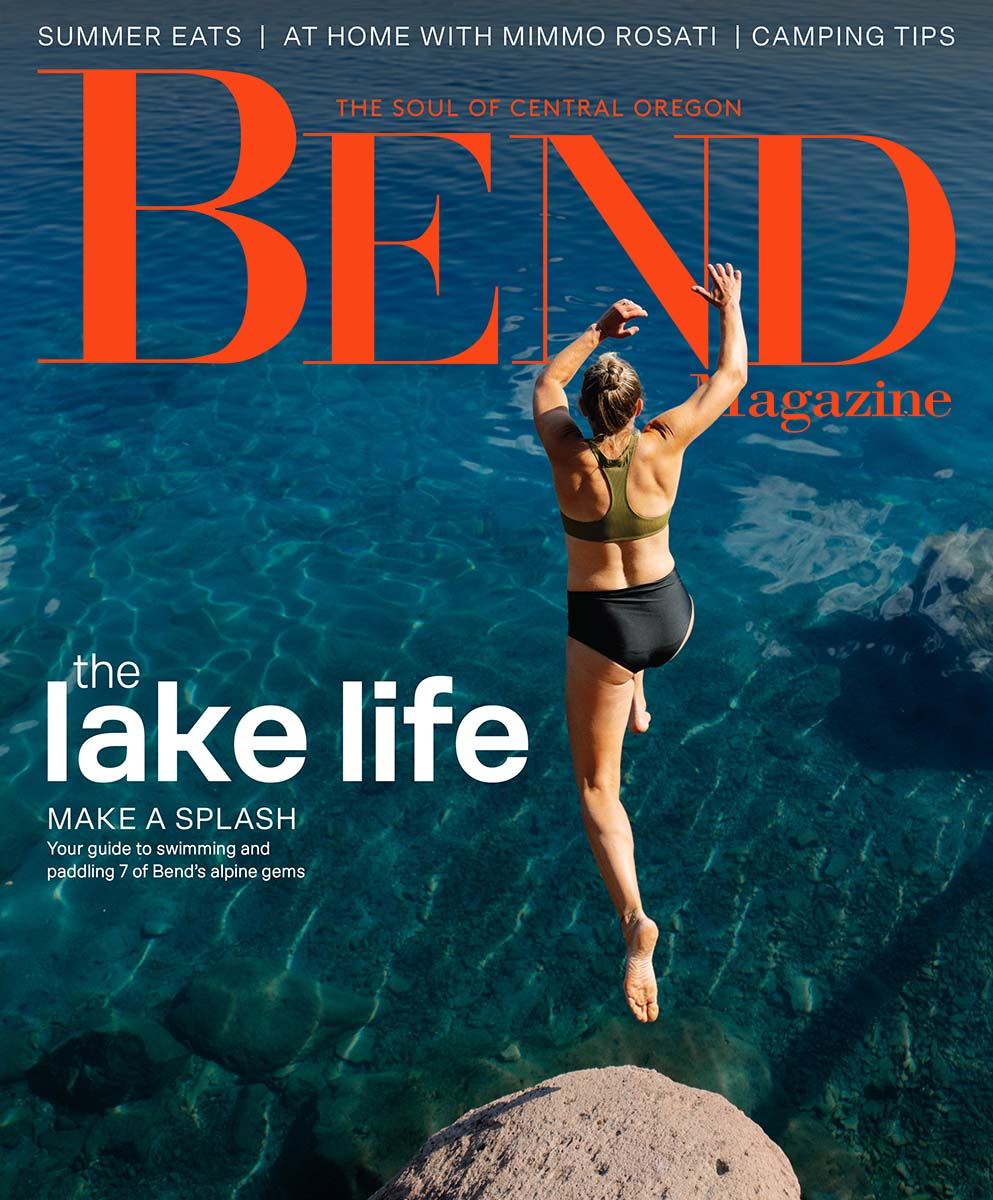
You must be living in Central Oregon, enjoying the scenery and all the touristic attractions that go with it, to have the passion, energy, and love that the CEO of Oregon Media, publishers of BEND magazine among many others, has for the region and the community.
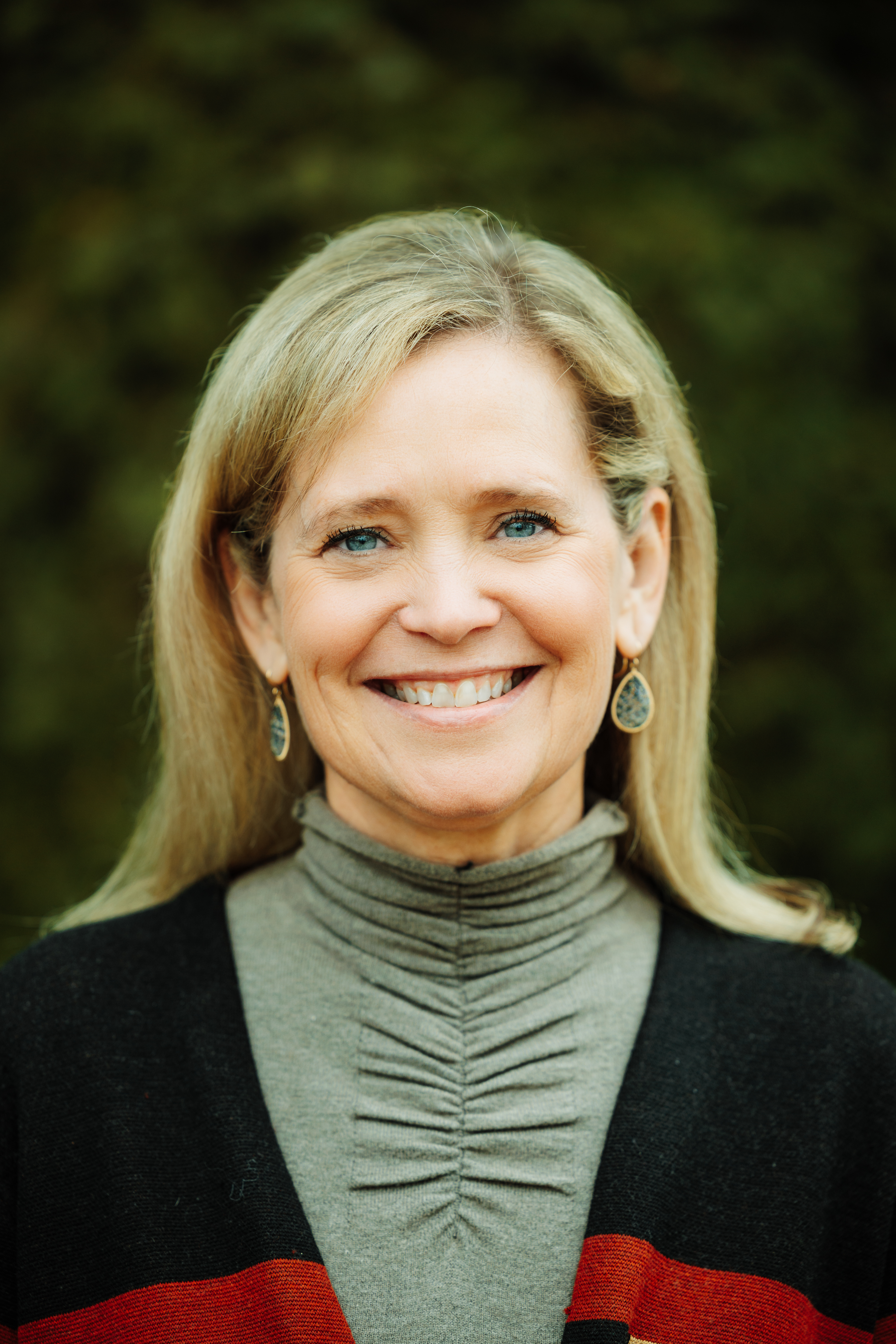
Heather Huston Johnson is that CEO. She herself is a descendent of pioneers who came through the Oregon Trail and settled in that part of the country. She is doing a pioneering job publishing several magazines that she refers to as “the living room of the community.” A phrase I told her I am going to steal and use in my writings and seminars.
Heather Huston Johnson
Her passion and love for the community are evident on the pages of her magazines, her website, and the many events that she does on a regular basis. Her goal for the future is to grow deeper in the community and not bigger.
I had a very nice conversation with Heather and learned about her company, Oregon Media, and about that part of the country. My conversation with her even tempted me to ask for an invite to visit Central Oregon one day. She happily welcomed my temptation and gave me a rain check for any time I want to visit.
So, without any further ado, please join me in this engaging interview with the CEO of a flourishing regional media company in Central Oregon Heather Huston Johnson:
But first the soundbites:
On the difference between digital and print: “Digital is great for so many reasons, obviously. There’s that immediacy piece. It serves a huge purpose, obviously, but there’s nothing like the permanence of print, and how it can dive deeper.”
On the power of print: “There’s nothing like the permanence of print, and how it can dive deeper. Print is intentional; people are taking their time; they’re sitting down; they’re picking it up; they’re spending time with it. Whereas in digital, you must search it out.”
On her Oregon pioneering heritage: “We’ve needed that pioneering spirit to get to where we are today. It hasn’t been easy, but I wouldn’t change a thing.”
On how she sees herself: “We’re experience makers and we’re community builders. We do believe that through print, through digital, through the events, through the marketing that we do, we’re not necessarily building magazines, we’re building communities.”
On the role of relationships in what she does: “We’re about connecting people to each other, whether it’s somebody finding an artist for something to hang on their wall, or a service that they might need, or just a friend that they might want to reach out to. For us, it’s all about relationships. It’s all about connecting people.”
On her advice to start a magazine: “I’m a proponent of magazines, and I would love other people to do them if they can, but I’m always telling them it’s not easy. And don’t expect to make a lot of money.”
On her favorite magazine: “BEND magazine is truly the one that’s most near and dear to my heart. But I still have a great appreciation for 1859. That’s truly the baby that now has gone off to college, graduated, has had its own family; I’m still very proud of it.”
On the role of local magazines: “Local community magazines allow us to bring our communities together locally. We’re the living room of our town.”
On what a print magazine can do that digital can’t: “That’s what a print magazine can do: either makes you feel such pride in your own hometown, or it helps keep you stay connected to a place that either you would love to visit, you visit frequently, or you’d love to move to one day, or maybe you have kids that live there.”
On her comparing the print magazine to a living room: “In this living room, let’s come in and share stories, let’s share ideas, let’s support one another, let’s embrace this community and make it better. You know, when people know more about their community, they invest more in their community, whether it’s financially or volunteering, or just being aware…”
On what keeps her up at night: “How can we go deeper with our community? How can we be more engaged, provide more information, provide more inspiration? But growing bigger isn’t the goal.”
And now for the lightly edited interview with Heather Huston Johnson, CEO, Oregon Media:
Heather Huston Johnson
Samir Husni: My first question you’re a big advocate for print and you are doing very good with print.
Heather Huston Johnson: Yes.
Samir Husni: Why is that? What’s the secret sauce? Did you find something in Central Oregon people don’t know about?
Heather Huston Johnson: I wish I knew what the secret sauce was, but it comes down to what our values are as a company. We believe print is what can connect a community.
It uncovers the stories. I think of ourselves as historians of the stories of our towns. And there’s that permanence to print. We do have a community where people are very proud of where they live. It’s also a tourism community; we have a lot of people that like to come here and visit.
I don’t know if it’s because we got lucky and we’re in an amazing spot, or if it’s because we truly are committed to telling those authentic stories of our region and having it be a place where people can not only learn about their community but really connect with their community. It’s hard to do that in digital.
Digital is great for so many reasons, obviously. There’s that immediacy piece. It serves a huge purpose, obviously, but there’s nothing like the permanence of print, and how it can dive deeper. Print is intentional; people are taking their time; they’re sitting down; they’re picking it up; they’re spending time with it. Whereas in digital, you have to search it out.
Samir Husni: You mentioned on your website that you “believe it’s the unique pioneering spirit of our state that proposes to create something new, something fresh.” Tell me about that connection between the company, the magazines, and the state of Oregon, and specifically Central Oregon.
Heather Huston Johnson: Well, I should talk about my background. So, I was born and raised in Portland, Oregon.
I’ve been an Oregonian my whole life. Members of my mom’s side of the family had come over on the Oregon Trail and homesteaded in Eastern Oregon in a town called Joseph. That pioneering spirit is in my blood.
When we started this company, my husband and I started it back in the end of 2008, with another couple, Kevin and Sarah Max. The reason we had started it was we; Kevin and I were both working for another magazine called Bend Living at the time.
On December 15 of 2008, we all got our pink slips. Unfortunately, that Bend Living did not survive the recession. In fact, it was probably one of the first ones to fall.
We had moved over to Central Oregon, which is about three hours from Portland. We had moved over probably about 10 years before that. We both had young children, we didn’t want to necessarily move back to Portland. We said, well, let’s just start our own magazine. Right? Why not? There’s only way we can go is up.
So, we started at that time, a magazine called 1859 Oregon’s magazine. And we had great success with that. Kevin wanted to take 1859 and replicate it in other states, which is great.
My husband, Ross and I being from Oregon, and understanding the value of relationships, and how important that is to what we do. We decided at that time to sell our interest in 1859, let Kevin go take it and do what he wanted with it. And we really wanted to focus here locally.
We had just launched BEND magazine before this. So, we took Bend Magazine and our other Oregon products, which were a lot of visitor guide type of work. And we’ve been able to get down to the roots of where we are and stay true to those relationships. We’ve needed that pioneering spirit to get to where we are today. It hasn’t been easy, but I wouldn’t change a thing.
Samir Husni: I’ve always said it’s great to have good content. It’s great to have good design. And you say that on your web. But it’s all about making experiences. I mean, we are more experience makers.
Heather Huston Johnson: We are.
We’re experience makers and we’re community builders. We do believe that through print, through digital, through the events, through the marketing that we do, we’re not necessarily building magazines, we’re building communities.

Samir Husni: What’s your elevator pitch to the advertisers? Why should they advertise on ink on paper, where there’s mountains of websites out there?
Heather Huston Johnson: The world has gotten so global.
But at the same time people live very locally. People spend time, they want to get to know their community. When we go talk to people, it’s not too hard, because everybody we talk to, they love the magazine.
That’s always a great starter. It’s where people are spending their extra time. There’s just not a lot of time these days that people do commit to, and they don’t want to look at ads necessarily online. That’s not what’s driving people in our market. They want to feel like they’re a part of something; they want to feel like they’re a part of the community.
We’re about connecting people to each other, whether it’s somebody finding an artist for something to hang on their wall, or a service that they might need, or just a friend that they might want to reach out to. For us, it’s all about relationships. It’s all about connecting people.
We don’t take the advertisement, put it in the magazine, and it ends there. We work with our advertisers to understand what their goals are, who they’re trying to reach, and we’ll go out of our way to make connections for them outside of that. So it’s more than just the print ad for us.
Samir Husni: If somebody comes to you and say, Heather, I have an idea for a new magazine. What do you tell them? Do you throw them out of the door? Or you give them some?
Heather Huston Johnson: Well, we have a competitor here in town for our home magazine, who came to me, 12 years ago, and asked me those same questions. I told him that it’s hard, but here are the things you should think about.
He went for it, and he’s doing great. I’m a proponent of magazines, and I would love other people to do them if they can, but I’m always telling them it’s not easy. And don’t expect to make a lot of money.
Samir Husni: That leads me to the question, since you started BEND, has your journey been a walk in a rose garden, or you had some challenges? And if you had challenges, how did you overcome them?
Heather Huston Johnson: There have been many challenges. So yeah, when we started the publication, 1859 in 2008, then BEND was very slow to recover from the recession.
We are a town now of just over 100,000 people, but then we were probably 40,000, and very much dependent on the tourism and real estate market. So our economy here recovered very slowly. We did not anticipate how long it would take there.
My husband and I, had to move out of our house. Fortunately, my parents had a townhome here that we could move into with our two little kids, and we rented out our house for three years. So, it wasn’t pretty, necessarily, all the time.
But it taught us all. We believe in what we’re doing. And, we could have given up at any time, but we’ve stuck with it. It’s been very hard.
We’re starting to see the fruits of our labor, just starting.

Samir Husni: From all the publications you have, which one do you feel is your baby, the one that when you go and talk about it, you are so proud of, and so proud of what you accomplished with?
Heather Huston Johnson: BEND magazine is our flagship publication, of course. And that’s the one I do feel the proudest of.
Our other publications are really sister publications to BEND magazine. We have BEND Home and Design. We have Savor magazine, which is our dining publication.
And we have High Desert Weddings, which is our wedding publication. BEND magazine is truly the one that’s most near and dear to my heart. But I still have a great appreciation for 1859.
That’s truly the baby that now has gone off to college, graduated, has had its own family; I’m still very proud of it.
Samir Husni: In terms of the whole publishing scene, do you feel that city and regional magazines have a better chance of surviving in this digital age?
Heather Huston Johnson: I do.
It’s truly because of that community piece. Things have gotten so fragmented out there in the world. Local community magazines allow us to bring our communities together locally. We’re the living room of our town.
You know, if there were a place that you could go to learn about your community, to feel proud about your community. And it really is that, for a town. We are lucky in terms of the size of our community. because of that local, that pride in where you live. I think it’s a little bit tougher for some of the bigger city and regionals, because there’s so many different areas to a town in the bigger cities. But for us, we’re able to still feel like a small town, yet it’s kind of a big town.
It’s that piece where people feel that pride. I remember growing up as a kid, and we would go over to Sun Valley, Idaho to go skiing. It was my most magical place.
As a young adult, I subscribed to Sun Valley magazine, because that was my way of keeping in touch with that community that I love so much. I wanted to live vicariously through it. That’s what a print magazine can do: either makes you feel such pride in your own hometown, or it helps keep you stay connected to a place that either you would love to visit, you visit frequently, or you’d love to move to one day, or maybe you have kids that live there. It has that way of just really connecting you locally to your community and being that, that consistent for people.

Samir Husni; I love your term, “it’s a living room of the community.” Can you expand a little bit on it?
Heather Huston Johnson: I think of town squares where people come together. And that’s how we try to think about what we could be for our community, or that we try to be the place where people can come together in a lot of different ways.
Again, connecting people together. In this living room, let’s come in and share stories, let’s share ideas, let’s support one another, let’s embrace this community and make it better. You know, when people know more about their community, they invest more in their community, whether it’s financially or volunteering, or just being aware, I think is important.
Samir Husni: If you and I are having the same conversation a year from now, what would you tell me you’ve accomplished in 26-27?
Heather Huston Johnson: Well, we are having a big digital growth year.
You need to be everywhere these days; you can’t just be in one place. And both, print and digital, have their purpose, for sure.
So, we’re working on our processes and making sure we’re being as efficient as we can. It’s hard these days with all these content creators out there that are probably stealing information from us, that we’re having to pay to develop this amazing content. We must make sure that everything we’re doing is setting ourselves, we have to be as competitive as these creators that are creating content, on daily basis, for very little, we will never use AI for creating content ourselves.
But we are investing in how we use AI for our productivity. That’s important. So, helping us to be more places for more people, as best we can, so we can expand the size of that living room, I guess I would say.
Samir Husni: Excellent. Before I ask you my typical last questions, is there any question I should have asked you, and I did not ask you?
Heather Huston Johnson: I can’t think of one. Can’t think of one. You do such a great job.
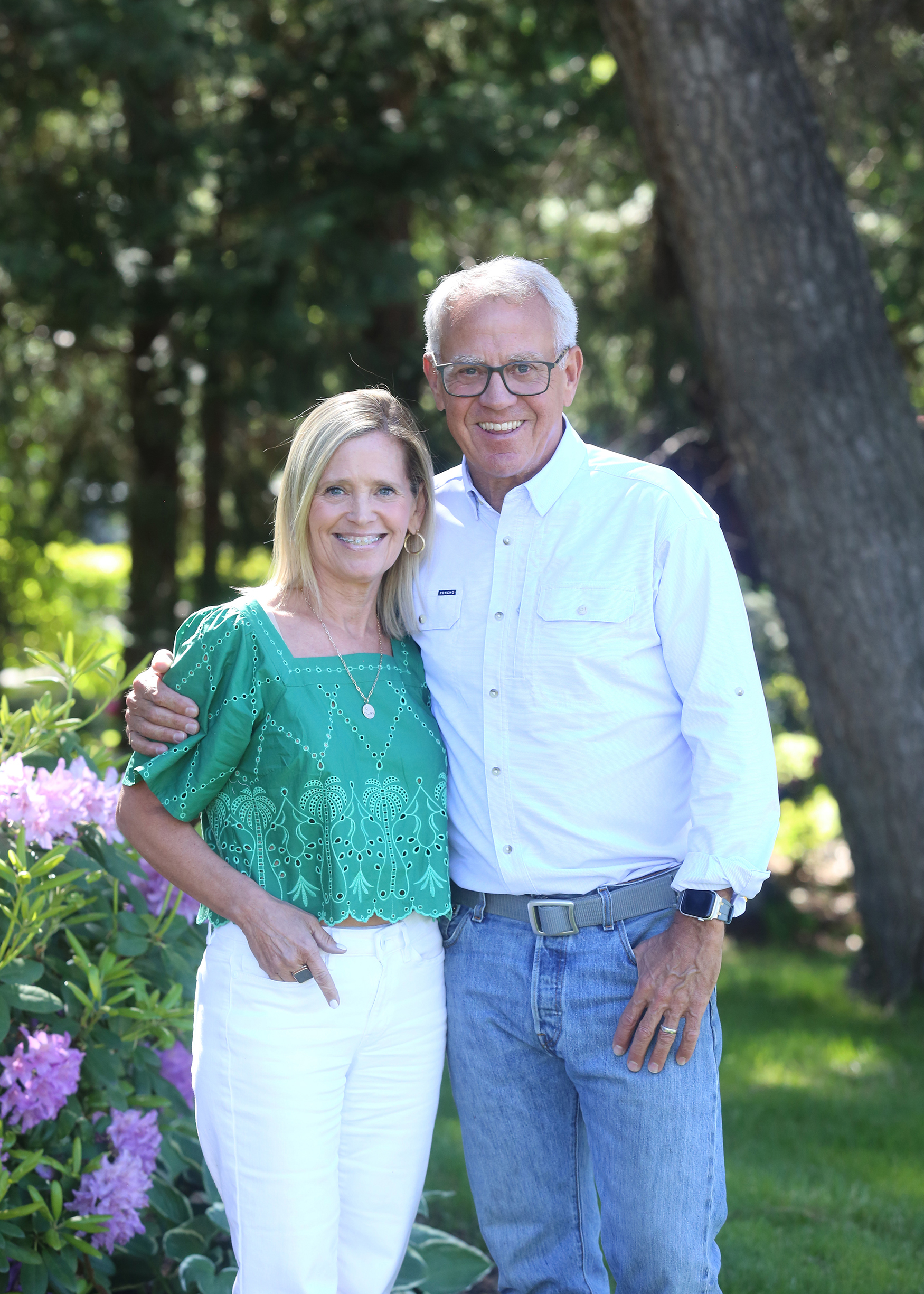
Heather Huston Johnson and Husband Ross
Samir Husni: Thank you. If I come to visit you one day, unannounced. What do I catch Heather doing? Reading a book, watching TV, having a glass of wine?
Heather Huston Johnson: Well, when we’re not at home, we try to be out enjoying the Central Oregon lifestyle as much as we can, whether that’s skiing, golfing, hiking, fishing, those are really our passions.
But if you catch us at home, Ross is probably at night cooking dinner. I’m very lucky to have a husband who is the chef of the family. And then I’m the one who’s still behind the computer getting my work done at night because during the day, I’m usually here, at the office, for everybody else in the company and I got to get my work done.
Samir Husni: My final typical question is what keeps Heather up at night these days?
Heather Huston Johnson: Well, these days, I would say I’m getting a pretty good night’s sleep most of the time. So that’s good. But if I’m not, it usually has, we have two kids, Hannah and Fletcher, who are 22 and 25. And if there’s anything that worries me, it’s this world out there is not so nice sometimes to people and I just want to make sure my kids are okay.
On the professional side, how can we go deeper with our community? How can we be more engaged, provide more information, provide more inspiration? But growing bigger isn’t the goal.
Samir Husni: Thank you and best of luck.
Posted by Samir "Mr. Magazine™" Husni, Ph.D.
Categories: A Launch Story..., Innovation in print, Magazine Power, The Mr. Magazine™ Interview
Tags:
Mobile Site | Full Site
Get a free blog at WordPress.com Theme: WordPress Mobile Edition by Alex King.