
Highlights For Children, Inc. Providing Permanent & Concrete Fun With Purpose For 80+ Years. The Mr. Magazine™ Interview with Kent S. Johnson, CEO.
July 26, 2026When the CEO of Highlights for Children Inc. tells you that there is a movement from technology to analog in the life of kids, you listen. Kent S. Johnson, the great grandson of the company’s founders Garry and Caroline Myers, has been at the helm of the company for the last two decades and is doing an excellent job keeping the vision and mission his great grandparents set for the company in 1946 when they created Highlights for Children with the goal to create experiences that have fun with a purpose.

Kent’s mission to continue this vision with the goal of inspiring “children become their best selves and is focused on making a greater impact in supporting children and families across the globe.” I had the opportunity to chat with Kent as he was preparing his report for the board and family meeting later this week. What follows are words of wisdom from someone with a Ph.D. in Physics from Harvard University.
So, like the old saying goes, “When Kent speaks, you listen.”
Without any further ado, please join me for this lovely and lightly edited interview with Kent S. Johnson, CEO, Highlights for Children:
But first the soundbites:
On his elevator pitch for Highlights for Children, Inc.: “Things are moving in the positive direction after what’s been a period of a lot of disruption and uncertainty. I think the uncertainty remains. But knock on wood, things are moving in the right direction.”
On the future: “So while I’m not bullish because the world has so many curveballs to throw at us, I feel cautiously optimistic about where we are and where we’re headed.”
On AI and its role: “I and many of us are really fascinated by what the tools can do internally around processes, around enabling things that we’ve never been able to do before, either with our data or with things we’re trying to do internally.”
On technology and print: “We’re seeing a rebalancing or a readjustment in both schools and with parents at home, trying to rebalance maybe a little bit away from schools and technology.”
On the shift to analog: “We actually are pretty enthusiastic about a shift towards analog, a shift towards in person. About parents wanting those moments that matter and not feeling that those are going to be delivered by AI or delivered by technology and screens.”
More on the shift to analog: “We are seeing schools start to shift a little bit the same, shift away from technology, wanting more experience, physical manipulatives, print, particularly for young kids. I’m not talking high school. I’m talking kindergarten, first grade, second grade, pre-K.”
On the creation of content: “The fact that we have humans involved in every step, that human creators write the stories, human artists create the art, it’s actually going to be a moniker that we think consumers just want content created by humans for their children.”
On the good and bad of AI: “There’s some cool applications, maybe translations, accessibility, types of things that make content more accessible, but we’re not spending really much time at all thinking how does AI create our magazine content? Can it make the processes faster? Yes, but human content seems to be what our human customers want.”
On creating experiences with their audience: “When we mine all the customer feedback is that by creating emotional connections and authentic experiences, often with a child and an adult, but an experience that makes a child feel great, that’s engaging, that’s fun with a purpose, that an adult can look at and say, I want to be part of this, this is something I want to remember.”
On the role of partnerships in expanding the magazine reach: “So a lot of our partnerships are about bringing print into an experience that happens, but in a different setting than traditionally thought of a mailbox moment or a magazine delivery model through the postal system or a magazine newsstand experience. We’re trying to create the way, and Samir, you probably taught me this, like magazines have a relationship with their audience.”
More on the magazine reach: “It is a magazine that we’re handing out, but it’s not the traditional place or goal of a magazine.”
On the relationship with the magazine’s audience: “There’s a theme where parents and kids are gathering for a moment that’s going to matter to them. Can print and Highlights play a role customized to that moment, it’s some of the philosophy.”
On the role of the special partnership magazines: “It solidifies the memory and experience you had, that makes it more impactful in whatever the goal of that family was, so I think of a parent being like, hey, let’s look again.”
On print being a physical object: “I do think the permanence and concreteness of print to solidify and affect how those memories stay with you and the impact of those memories is kind of a cool way to think about print and physical.”
On the future of the business: “We continue to see a shift to younger in our business. So if you said, how are the core businesses going, core magazines performing? So Highlights Hello, for infants and toddlers is growing nicely.”
On the magazines audience: “So more and more, we see a model of customer engagement where they come in at the younger titles and then graduate up and stay healthy.”
On Highlights global markets: “Our global business, with some of the political disruption and with COVID, we intentionally brought our global business down.”
On his secret of the company’s success: “We’re trying to stay true to our core as a company; values, mission, and the experiences we create, but innovate in how we get that experience to happen. That has been the secret to the success we’ve had over the last few years.”
On the death of the long-time editor in chief Chris French Cully: “I feel grateful I worked with her and talked with her so much over two decades that I can keep her voice going. The other thing I would say is she would be so proud that the people she trained and knew are doing such an incredible job.”
On what keeps him up at night: “What keeps me up is worrying how all the things in our world are affecting the mental health or the psychology, the well-being of our teams and our people around us.”
And now for the lightly edited interview with Kent S. Johnson, CEO, Highlights for Children:
Samir Husni: Since you’re going to a shareholder’s and family meeting, can you give me the elevator pitch about the status of Highlights for Children, Inc.?
Kent S. Johnson: It’s having been through what seems like a cycle of oscillating disruption from the pandemic, putting people at home, inflation afterwards. The business has stabilized.
The teams at Highlights are really working well and working effectively. We’re coming off a good year of success in digital marketing and in retail sales and in building new partnerships. And some of the partnerships we’ll talk about today.
But we’re to report things are moving in the positive direction after what’s been a period of a lot of disruption and uncertainty. I think the uncertainty remains. But knock on wood, things are moving in the right direction.
And I’m excited to see magazine subscriptions up, see renewals at the highest rates we’ve ever seen in the history of the company. So while I’m not bullish because the world has so many curveballs to throw at us, I feel cautiously optimistic about where we are and where we’re headed.
Samir Husni: Any impact of AI in this disruption?
Kent S. Johnson: AI, it’s interesting. I’ll answer your question in two ways. I and many of us are really fascinated by what the tools can do internally around processes, around enabling things that we’ve never been able to do before, either with our data or with things we’re trying to do internally.
And it’s early days and the tools, their capabilities change very quickly. I think on the other side of things, we’re starting to see what, we don’t want to call it a backlash.
We’re seeing a rebalancing or a readjustment in both schools and with parents at home, trying to rebalance maybe a little bit away from schools and technology. I think some of it is fueled by AI, but some of it is fueled probably by larger trends of human connection. So we actually are pretty enthusiastic about a shift towards analog, a shift towards in person. About parents wanting those moments that matter and not feeling that those are going to be delivered by AI or delivered by technology and screens.
So for instance, children’s book sales year to date across the industry are up 10%. That number is almost never out of the low single digits. We’re seeing a consumer trend at point of sale.
Highlights, in at least one category, we’re up 50% point of sale year over year for highlights, books, branded books. And we are seeing schools start to shift a little bit the same, shift away from technology, wanting more experience, physical manipulatives, print, particularly for young kids. I’m not talking high school. I’m talking kindergarten, first grade, second grade, pre-K.
The other thing we’re seeing is parents are starting to ask us, is the content you create for kids created by humans or created by AI? The debate over whether AI can create good content for children is actually not a debate that is that important to Highlights, because we’re starting to see that the fact that we have humans involved in every step, that human creators write the stories, human artists create the art, it’s actually going to be a moniker that we think consumers just want content created by humans for their children. So we’re not spending a lot of time.
I think there’s some cool applications, maybe translations, accessibility, types of things that make content more accessible, but we’re not spending really much time at all thinking how does AI create our magazine content? Can it make the processes faster? Yes, but human content seems to be what our human customers want.
Samir Husni: Since you and I last spoke, you had all the challenges you mentioned but now you are back on a new level of creating print and linking Highlights with so many partners, which really was not part of the highlights process. Tell me a little bit about those partnerships, whether it is with the different counties in Florida, or with the U.S. Tennis Association Foundation, or even with the World Cup.
Kent S. Johnson: The way we’ve developed our approach to these partnerships, and there are a lot of different ones, but there are some commonalities. We tried to step back and say what is our core strength as an organization. We’re celebrating our 80th year in business this year, what are the ways, why do customers, parents and children, why do they like what we do? How have we built the trust and strength of the brand over 80 years?
That caused us to sort of step back from print, step back from magazines and think what we really see when we mine all the customer feedback is that by creating emotional connections and authentic experiences, often with a child and an adult, but an experience that makes a child feel great, that’s engaging, that’s fun with a purpose, that an adult can look at and say, I want to be part of this, this is something I want to remember. We sort of said that’s what we are more than a magazine format, and we realized that there’s incredible ways that people engage kids, and what we realized was anyone who was trying to engage a child or a parent in a way that created a lasting moment of deep engagement or real engagement, authentic engagement, we might be able to partner with.
So, a lot of our partnerships are about bringing print into an experience that happens, but in a different setting than traditionally thought of a mailbox moment or a magazine delivery model through the postal system or a magazine newsstand experience. We’re trying to create the way, and Samir, you probably taught me this, like magazines have a relationship with their audience.
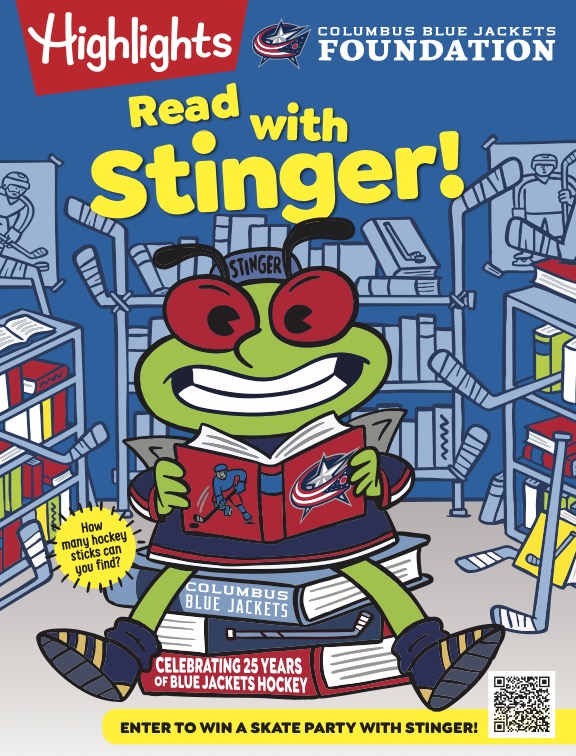
How can we, if we posit that we want to continue to start new relationships, continue the existing relationships, where can we as a friend show up in surprise and delight? Often through print, so as an example, like where would you last think of a magazine being distributed? I don’t know, there’s a few examples of places we’ve gone, but for instance, you know, it’s on my mind now because I’m local and the World Cup’s over, so I get to turn my fandom to hockey, but to do a partnership with the Columbus Blue Jackets, with the Blue Jackets Foundation, that’s our NHL hockey team here in Ohio, where they had fan engagement goals, they have community engagement, literacy, they want to be part of our effort to help every kid pass the third grade reading guarantee, so to work with them and be able to create custom content, putting a team I love, putting the Columbus Blue Jackets and some of their players into puzzles and content, you’ve got it right there.
We build for them some custom content and then wrap it around a Highlights magazine, give it out at a game, and then put it in the hands of their players and their foundation when they visit schools and libraries, you know, to try to use the fandom that people have for the Blue Jackets to encourage literacy in those settings, and then also trying to use what the special sauce of Highlights is, let’s create this really neat content so that at a game, the kids and families can engage with the Blue Jackets players and organization in a different way.
It is a magazine that we’re handing out, but it’s not the traditional place or goal of a magazine. So similar on, what we did with the U.S. Tennis Association’s Foundation; in that case we created, think of it as a custom publishing relationship, we created a Highlights Fun with a Purpose tribute and engagement around Arthur Ash’s life to be given out at the U.S. Open. Obviously Arthur Ash’s huge connection with Ash, the stadium’s named after him, right. To be able to create that moment so that a family might visit that stand where they’re talking about Arthur Ash and his legacy but then take the magazine away and have that experience, extended their goals and put Fun with a Purpose and Arthur Ash and Highlights and the USTA Foundation in a takeaway for people. There’s a theme where parents and kids are gathering for a moment that’s going to matter to them. Can print and Highlights play a role customized to that moment, it’s some of the philosophy.
Samir Husni: You’re creating something permanent, my great-grandkids, 100 years from now, can pick up your copy and see it unchanged, in perfect shape. That permanency; from somebody who has a Ph.D. in Physics, how important is that permanency that print plays?
Kent S. Johnson: It’s both the permanency and concreteness. We know if we print half a million copies of something, like our Google partnership and put it out there, some of it is going to get recycled, some of it is going to get passed on, but some are going to be kept. We see this on eBay; the number of old Highlights magazines, that have been kept in attics, in basements, in people’s homes, and then relooked at, or passed on, or ultimately sold as a retro, a throwback. What I love is there’s a fan of the Blue Jackets in our community who’s got the magazine next to the hockey cards, the other giveaways and their t-shirts, so it becomes part of fandom and becomes something that someone wants to save, so I like the permanence.
I also like with print, even if the permanence is a week, you have an experience at a game or at the U.S. Open or at the circus, and maybe you look back three or four times over the next weeks or a month, and it solidifies the memory and experience you had, that makes it more impactful in whatever the goal of that family was, so I think of a parent being like, hey, let’s look again at the Ringling Brothers Highlights magazine, let’s remember how much fun that was last weekend, because now it’s raining and we’re not going out, now we’ll do the puzzles.
So I think permanence on multiple time scales and tangible, we’re all thrown, and when you go to live events, a concert, a game, you’re consuming images, there’s an experience, there’s an emotion, but when you leave, maybe your voice is hoarse from cheering if you’re a World Cup fan, a Spain fan, but the moment is the moment, and you have your memories. I do think the permanence and concreteness of print to solidify and affect how those memories stay with you and the impact of those memories is kind of a cool way to think about print and physical.
Samir Husni: Now you have five different regularly published magazines, and you’re doing partnerships with other publishers to do the bookazines. What’s next? If you and I are talking same time next year, what would you tell me you’ve accomplished in 26, 27?
Kent S. Johnson: It’s funny, I’d say to folks could we imagine a world where custom cover wraps, custom delivery, partnership delivery on the magazine format, how big could we imagine that would be?
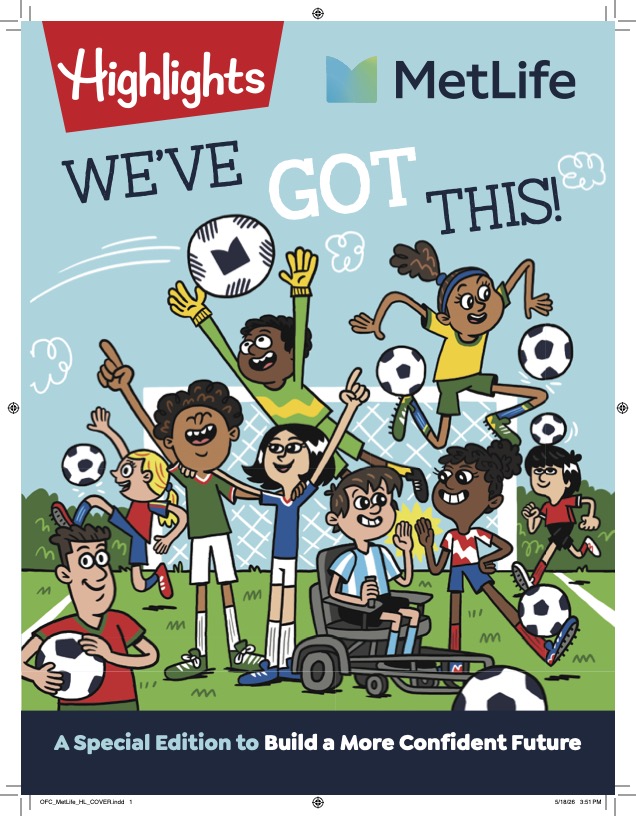
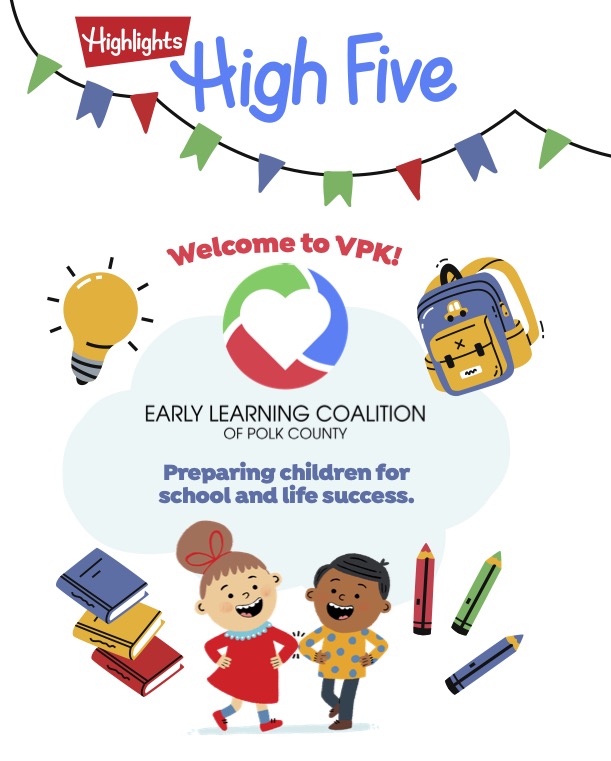
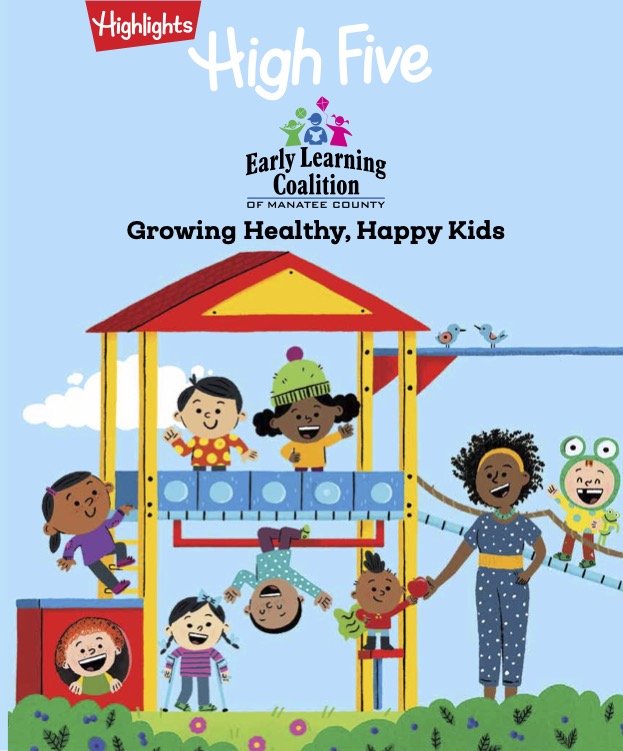
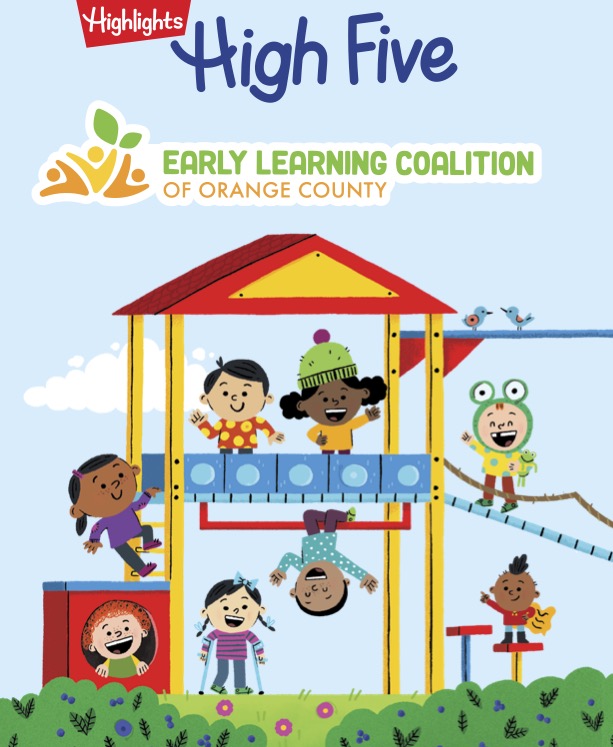
Some of it gets really interesting when we think about the partnerships we can do in the space of early childhood education, literacy, community, and parent engagement in that space. As an example, we thought we were starting an early childhood materials and curriculum business, and what we found is there are a lot of needs across the early childhood spectrum where we can, by creating custom publishing, meet those needs. Again, it looks like magazines, but it might be something we’re creating for an organization to distribute in the community to help parents know about the resources available to them and their young children, to help encourage and recruit them to sign up for the state-guaranteed, state-funded preschool experiences.
Could imagine a preschool chain might want to engage with a co-branded magazine to the home or distributed through the school that brings the philosophy of that preschool’s curriculum to life connected with Highlights and Highlights High Five, and does that homeschool connection to create seamless connection on the learning that happens at home and in the classroom.
I see there’s a potential for a big, what is not in any traditional sense, a magazine business, but ultimately could look like a big magazine business through a diversified set of distribution, sometimes to the U.S. postal system, sometimes delivered in bulk. But I also, I keep saying, could that be bigger than some of our magazines? And then I say to the magazine folks, your job is to make sure our magazines are big enough that can’t catch you.
But, even, BrainPlay, which is a six times frequency, it’s surprisingly strong to me. And again, that may be some of this, maybe we’re overloaded with all the digital puzzles and apps, and we’re seeing a little bit of a rebalancing to print puzzles.
And maybe, you mentioned that as a physicist, I’m a believer that we don’t fully understand how all the critical thinking skills one needs for science, one needs for deep problem solving. We don’t fully know how all those develop at all the stages of brain development. And Highlights and I personally believe that solving puzzles and all different varieties of puzzles as a young child is fueling a kind of brain development that’s maybe not as much on the tests we give to young kids.
So I’m enthusiastic about puzzles and BrainPlay as well. Whatever the distribution, whether that’s going to schools to be used in a math class, or in summer school, or it’s going as a periodical to the home. I’m excited about that.
Samir Husni: If you will give me a one second answer to the status of each magazine, Highlights, High Five, Hello, Cocomelon, and BrainPlay.
Kent S. Johnson: At Highlights, we think about our magazine business in aggregate.
Because for our core magazines, many of our customers think about, I’m getting Highlights magazine, and I get the different versions. We continue to see a shift to younger in our business. So, if you said, how are the core businesses going, core magazines performing? So, Highlights Hello, for infants and toddlers is growing nicely.
High Five, has higher penetration, our largest title, is growing but not as fast as Hello. And Highlights, year to date, might be down signal digits or flat. More and more, we see a model of customer engagement where they come in at the younger titles and then graduate up and stay healthy.
BrainPlay, of course, smaller than the others as a 6X and narrow age range, but it’s been growing nicely. Cocomelon, we’re not seeing quite as much pickup as we expected. It does compete in our book bag with Hello.
We’re still trying to figure out what is the customer communication around these two titles in similar age ranges. And Bilingue, it’s up this year. It’s a smaller title. We’re still learning about ways to access the dual language markets. It may be used more in preschools than in home settings. Trying to unlock some of what we know is the continued demographic shift around what should be our suite of bilingual or Spanish language products.
Samir Husni: Where are you now worldwide with your global editions?
Kent S. Johnson: Our global business, with some of the political disruption and with COVID, we intentionally brought our global business down.
We have a joint venture, co-branded title in India. But most of our business outside the United States is not magazine format. It’s a content licensing business, partnership business around English language learning, licensing into technology platforms, curriculum content, licensing into retail products, retail learning products.
For the most part, our global business has been stable and healthy, but smaller than it was pre-pandemic. It’s really a content licensing, English language learning, publishing business, rather than what is traditional, like global magazines, which is typically ad driven. Our partners have used different models to reach their end users with our content and brand.
Samir Husni: Before I ask you my typical personal questions, is there any question that I needed to ask you I did not?
Kent S. Johnson: No, this is good. We’re trying to find innovative ways to create that experience in new ways. So, what’s the secret? We’re trying to stay true to our core as a company; values, mission, and the experiences we create, but innovate in how we get that experience to happen. That has been the secret to the success we’ve had over the last few years.
Samir Husni: Three final questions. Number one, as much as I hate to bring this up, but you have lost an editor who was at Highlights for 30 plus years. Any words of tribute about Chris French Cully?
Kent S. Johnson: I didn’t expect that question. In 2025, we lost our editor in chief, our chief purpose officer, probably the human in the work context that I was closest to for my 20 years of tenure.
We feel that loss. I feel like I still have an ongoing dialogue with Chris. So it sounds crazy to say she is gone. We’ve gone through grief and we miss her. But I also feel like her voice is still in my head. And I feel grateful I worked with her and talked with her so much over two decades that I can keep her voice going.
The other thing I would say is she would be so proud that the people she trained and knew are doing such an incredible job. One of the things she really talked about is she wanted her legacy to be how she helped the editorial team develop their taste, their skill, their judgment. And if I had to give one tribute to her, she would be so proud looking down at the team she trained and how well they’re doing.
Samir Husni: Thank you. And if I come to visit you while you’re not preparing for the shareholders and board meeting, what do I catch Kent doing these days? Watching TV, reading a book?
Kent S. Johnson: I’m reading more and enjoying that. I’ve just got a Peloton bike.
As I’ve progressed in my career, the importance of staying physically fit has become increased. So, you might find me exercising. I’m trying to mix in some fiction; I’m a nonfiction guy. Right now, I’m in the middle of a book revisiting the history of the Schuyler sisters through their lens, not through Hamilton and the others. I love history, nonfiction, and going to hockey games.
Samir Husni: My typical last question, what keeps you up at night these days?
Kent S. Johnson: I feel like almost everything keeps me up at night.
Our world is so full of division and challenges, and the pace of change is increasing. What keeps me up is less those changes because I have a deep optimism that we can handle it. What keeps me up is worrying how all the things in our world are affecting the mental health or the psychology, the well-being of our teams and our people around us.
We just need a little less tension so that people can focus on doing good work together. So that’s what’s keeping me up is worrying about the impact of the ongoing environment on people.
Samir Husni: Thank you very much and good luck at the board meeting.


Leave a Reply