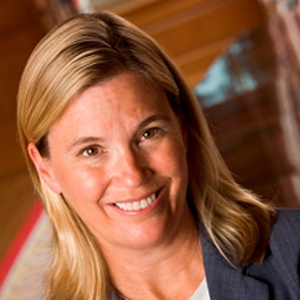
Greg Sullivan,Co-founder/CEO of AFAR Media, publisher of AFAR magazine delivered the second keynote of day three of the ACT 5 Experience. You can view his Oct. 9 presentation by clicking the video below.

Greg Sullivan,Co-founder/CEO of AFAR Media, publisher of AFAR magazine delivered the second keynote of day three of the ACT 5 Experience. You can view his Oct. 9 presentation by clicking the video below.
Dana Points, content director of Meredith Parents Network, was the opening keynote speaker of day three (Oct. 9) of the Magazine Innovation Center’s ACT 5 Experience. Click below to view her presentation.
Keith Bellows, EVP/Editor-in-Chief of National Geographic Traveler and Travel Media ended day two of presentations at the ACT 5 Experience on Oct. 8. Click below to watch his presentation.
John Harrington, publisher of The New Single Copy newsletter and a member of the advisory board of the Magazine Innovation Center @ The University of Mississippi moderated a panel discussion on Oct. 8 during the ACT 5 Experience. His guests were Malcolm Netburn, CDS Global, and John Phelan, Rodale. Click below to watch the panel discussion.
Vanessa Bush, editor in chief of Essence magazine, delivered the morning keynote address of day two (October 8) of the ACT 5 Experience at the Magazine Innovation Center @ The University of Mississippi. Click below to watch her presentation.
Capturing Demand For Magazine Media Content By Measuring Audiences Across Multiple Platforms And Formats.
“What this does is make us the first-ever media to capture as an industry, basically the cross-platform demand by brand. No other industry does this.” Mary Berner

Magazine Media 360 is a newly created industry metric that captures demand for magazine media content by measuring audiences across multiple platforms and formats (including print/digital editions, websites and video) to provide a comprehensive and accurate picture of magazine media vitality. Magazine Media 360° uses data from leading third-party providers and from the reader universe. This is the first time ever by any media to measure and communicate cross-platform consumer demand by brand.
Mary Berner, President & CEO, MPA – The Association of Magazine Media, believes in the driving force of this new metric that can measure platforms as a whole, rather than just from the print side.
I reached out to Mary recently and our conversation was focused on the new consumer centric and audience-first mentality Magazine Media 360 promotes and advocates. The time for this type of thinking in the magazine media industry, Berner believes, is one that has finally come and will help to change the reality of the way the industry measures and monetizes the many platforms offered to the consumer today.
So sit back and enjoy the Mr. Magazine™ interview with Mary Berner, President & CEO, MPA.
But first the sound-bites…
On the purpose of Magazine Media 360: For us as an industry, this is a game changer. What it does is reflect a very seismic shift away from communicating and capturing print-only metrics to a whole ecosystem metric.
On the timing of the new measuring system: I don’t think the industry was ready for it yet, I think we needed some critical mass in terms of multi-platform distribution content and frankly the third party research providers weren’t yet ready to get the data; so I think the time is right now.
On whether she believes the magazine media industry’s problems have all been self-inflicted: I would say that print is a part of the consumer consumption experience, an extremely important part, but I would say that we haven’t told the story in regards to consumer demand up to this point.
On the major stumbling blocks she believes will be encountered along the way: To be truthful, our attention in trying to figure out all the things that could and might go wrong ahead of time and addressing any and all challenges before we actually launched this, puts us in a position where we’ve asked and answered many of the stumbling blocks.
On what’s next for Mary Berner and Magazine Media 360: This is just the beginning. I think it’s a good first step, but what we need to show is engagements, because we know from research in various companies the engagements in these brands of these multi-platform experiences are really extraordinary.
And now the lightly edited transcription of the Mr. Magazine™ interview with Mary Berner, President & CEO, MPA… Keep in mind, that since this is a brand new tool the MPA is using in measuring the strength of magazines and magazine media I’ve opted for a full explanation and presentation that Mary shared with me. It is essential to document and understand this new milestone marker in the history of magazines and magazine media..
Samir Husni: Explain Magazine Media 360 and the reasons behind this new magazine media measurement plan.

Mary Berner: For us as an industry, this is a game changer. What it does is reflect a very seismic shift away from communicating and capturing print-only metrics to a whole ecosystem metric. And as such when you look at the data, it actually redefines the state of magazine media. We believe that consumer demand also means money.
The idea for this and I believe you and I talked about it and debated it, but essentially the word magazine was the impetus for this entire idea. The word magazine for most people almost always refers to the print product. And yet every company pretty much operates as multi-platform, multimedia companies.
So the impetus was the shift from being magazine companies to magazine media companies and every single one of them does this and this is an interesting concept, so keep this in mind when you think about our methodology. The one thing that’s unique about magazine media and we’re defining it as a content brand that is anchored in a print magazine, but also disseminates magazine media content across many platforms and formats, so the magazine media content strategy is, for the most part, a platform-specific strategy, which means you create the content specific to the platform, as opposed to, for example, a television strategy which is platform agnostic. And that means you have an everywhere, anywhere strategy where the consumer gets the same content wherever they are, whenever they want it.
And by definition the audience augmenting, or differentiating content has actually been audience augmenting, because any one of these experiences, for example on Sunset, you consume as a consumer on its own and you would do so because you understand the Sunset brand means something, whereas the audience fragmented television strategy is audience fragmenting because obviously, you wouldn’t watch the same program again and again.
And this pretty much applies…this kind of platform-specific content strategy, to just about every brand, at least the major ones. So, for example, I could consume the video content from Woman’s World, which for them would be focused on exercise, without ever being a reader of the print version of the magazine media content. And we’re finding that the numbers bear this out, that digital-only consumers are going to the brand experience under the magazine media brand and this applies to just about all of the major magazines.
Essentially, here’s how we got to where we got to; right now what we have is print metrics and with advertising, for example; out of 10 advertisers only two limit their investment in that brand to the print version, only two. Eight of the others also invest across the multiple platforms. So it’s 80% that do something besides print. Yet a PIB (Publishers Information Bureau) or an advertising paging number only captures one part of it and in no way captures an advertiser’s commitment to a brand. So by definition it’s incomplete and therefore inaccurate.
And that played out again and again this fall. For example, the September issue of one of the big fashion magazines had a PIB number that was down, yet their advertising performance was the best it had been in 15 years, because the advertisers committed to multi-platform packages. In isolation, a print advertising page number just isn’t a great metric anymore.
And ditto for circulation if you look at the AAM (Alliance for Audited Media, the former ABC, Audit Bureau of Circulation) statements. Circulation is basically the counting of copies sold or distributed. Yet, if you add up all the AAM titles, they represent only 30% of the total print magazine audience, which is how planners buy. So, it doesn’t really tell the whole story. And then when you actually apply that to the whole ecosystem, the AAM circulation represents only 21% of the total audience. So using a circulation number in isolation, I think it does certain things, but in isolation by definition, it’s like pegging the audience or the vitality of the Super Bowl based on the number of people in the stadium, it essentially under captures.
Yet, in light of all that, what we’ve asked ourselves is what is the common courtesy and how do we measure what’s really going on, because, this is the data we got for July; we did three months of data and essentially what we’re seeing is that the lion’s share of the business is still print and will continue to be so for the foreseeable future, if not forever, but other platforms and formats are gaining scale. And when you look at the whole ecosystem and you leave out those others: video, mobile, web, desktop, laptop and digital; you leave out 35% of the business essentially. And when you look at the total pie, it was up 7.8% overall.
People say that the lion’s share of revenue and profit is in the print publications and I say, yes, that’s absolutely true for now. However, that is rapidly changing. Look at Meredith; Meredith is up to almost 20% of their revenue coming in from digital sources and that’s kind of an old school company. And it’s rapidly growing. The only proxy really for vitality, I would argue, for current health or future promise would be consumer demand. It’s certainly how brands like BuzzFeed are measured. And it’s also the only common currency among all media. In a world where you can’t define what makes television television, consumer demand is an important one.
So, what we did was we created Magazine Media 360 and essentially it’s an attempt to present a comprehensive picture of consumer demand for magazine brands. And in such, it captures print and digital editions; it captures websites, including desktop, laptop, mobile and video. Next, this month we’re going to release a social media report that’s separate, it doesn’t roll up into that because it’s a whole different animal.
What this does is make us the first-ever media to capture as an industry, basically the cross-platform demand by brand. No other industry does this. Television gives Nielsen ratings when they want to; they don’t give them as an industry, they don’t give them by brand and they certainly don’t give any revenue numbers. So, what we’ve done with this is capture that additional 35% which makes this a comprehensive and a consumer centric and really a more accurate barometer, if you will, of a company and an industry’s vitality.
But how do we figure out how to do this? Well, we decided we had to use third party reputable information, otherwise people would game it. You had to qualify it; you had to actually be multi-platform to qualify. So we used very reputable data from Nielsen, comScore and others and we had a very, very rigorous process about how to get the data and what to pull.
What we’ve essentially decided to do after consultations with many, many experts is we’re pulling, not page views, not traffic, but unique visitors and unique viewers and audience numbers. It’s a more conservative number and it gives us a more accurate picture.
So with third party data we’ve covered the whole pie and the story it tells is interesting. We have 95% industry buy-in, which essentially means we had 30 companies to buy-in and that represents 147 brands. We only had three brands not do it that qualified. One was the Shank titles, the other was a tennis magazine, mostly because they just didn’t respond to emails and the other is Wenner, because you have to also be a MPA member to qualify and there are only two major companies that aren’t, Wenner and Bauer, but it didn’t affect the numbers, even with them not in here, it covers 95% of the magazine reader universe and basically represents the entire industry.
The process works with all 147 brands giving their data to us and they pull it from comScore, Nielsen and other reputable companies. We then aggregate the data and post it publicly, so every single month we will post 147 brands and their consumer-demand number by platform and then a total aggregate 360 number. So it’s really an unprecedented model of transparency and it took an enormous amount of courage, if you ask me, from all these publishers. And we at the MPA will show the trends.
For the first one we launched publicly, it was August over August; we do the same period over the same period; what we saw was a 10% growth in total audience and we saw that was coming from mobile web, a lot of mobile web growth. And print, while it’s a smaller part of the pie, was actually up 1.1%, so it’s just a smaller part of a growing pie.
We’ll soon begin social media reports, which we’ll do toward the end of the month and the response was uniformly positive. Most importantly the advertising community and these are three of the biggest buyers representing three of the biggest agencies and every single one of them was applauding because the concept is you can’t sell what you can’t measure; you can’t sell it to a consumer and you can’t sell it to an advertiser. So, what we’ve done is thoroughly obvious; while it’s not easy to get everyone to agree, it’s obvious we should be capturing consumer-demand across all the platforms. And this is a very, very important indicator. The press was uniformly positive as well and I love what Mashable said because they’re always trashing magazines (laughs) and they said: if we assembled the study in an attempt to refute the assertion that magazine audiences are dwindling, the data vindicates them and that kind of said it all.
Also The Wall Street Journal said: magazine publishers can collectively point to some positive trends. Of course, we’re not saying that there aren’t problems because there certainly are, but we’re saying that the first step is to figure out what the consumers are doing, because there is no business if there isn’t consumer demand. And consumer demand is actually quite robust. Now this is not a report that shows everybody up, about 45 titles were down, so it’s pretty accurate.
That’s what this is all about. It’s really a reflection of how the business has changed, how we operate and how our content is consumed across multiple platforms. It’s the first step in capturing, measuring and communicating those reflections.
Samir Husni: I was just in Cannes at the Distripress Congress and my presentation was about “audience first.” And this is what Magazine Media 360 is saying: let’s focus on and be consumer centric. Why did we wait so long to do this?
Mary Berner: You know why? Because it’s really hard to get 147 brands and 30 CEO’s to agree. And I really didn’t wait that long, I’d been here two years and we got this done in six months. I also don’t think the industry was ready for it yet, I think we needed some critical mass in terms of multi-platform distribution content and frankly the third party research providers weren’t yet ready to get the data; so I think the time is right now.
The other question people ask is why don’t other media do it and my response is: they should. But it requires consensus, it requires industry consensus. And that’s a heavy lift.
Samir Husni: It’s as you said, magazine media is unlike any other medium, and you don’t get the same experience. If I’m watching a video, regardless of which platform, it’s the same video, where the magazine experience is completely different.
Mary Berner: All the content is created under a brand umbrella. So if I’m a Vogue person, the brand gives me permission to experience a whole lot of things under that umbrella. We’re the only media that’s actually set up well for that. CBS isn’t a brand. Other media are; I think ESPN is a brand; they actually do a great job at it.
Samir Husni: The new buzz phrase today is: print isn’t dead, it’s just in decline, but it’s still the cornerstone of our industry? Do you agree?
Mary Berner: I would say that print is a part of the consumer consumption experience, an extremely important part, but I would say that we haven’t told the story in regards to consumer demand up to this point. And when you do that, when you don’t tell the whole story, what fills that vacuum is a relentless and inaccurate story about one part of the business.
It’s inaccurate, like circulation. Everyone harps on newsstand. Newsstand is 8% of the total, 8%. And at its peak, 20 years ago, it was less than 20%. So there’s a kind of common narrative around print. Advertising paging over the last five years is down less than 8% in total. So, print has its challenges, but what isn’t even captured in those numbers is the migration of advertising dollars to other platforms. Therefore, it doesn’t tell an accurate story. We haven’t told an accurate advertising story or an accurate consumer-demand story yet.
Samir Husni: What do you think will be your major stumbling block? The honeymoon has been great, the reaction has been great; do you think it’s going to be smooth sailing from here or are you expecting some turbulence along the way?
Mary Berner: To be truthful, our attention in trying to figure out all the things that could and might go wrong ahead of time and addressing any and all challenges before we actually launched this, puts us in a position where we’ve asked and answered many of the stumbling blocks. Many of them had to do with methodology or transparency, things like that, so the only thing that I can imagine is maybe somebody won’t like their numbers.
I think the opportunity is that what we’ll see is a set of tools that will start people talking about it. How do we figure out how to use this to help us to buy?
Samir Husni: What are some of the criteria that you’re now going to use at The New York Times box score?
Mary Berner: It’s already changed. We’ve affected with this, just look at the numbers. They’re all up, two weeks in a row, a 100%. Let me tell you why The New York Times doesn’t use ad pages and why the entire industry was behind that, because it doesn’t tell an accurate story, by definition it tells an incomplete story. So, we don’t have something to replace that with, in terms of the advertising performance. We don’t, but until we do we have an obligation, in fact a responsibility, to stop reporting inaccurate data, because it is used to peg the vitality of an industry and it doesn’t do that. You could have had a spectacular PIB month and had a terrible advertising month. You could have had a terrible PIB month and a spectacular advertising month. It only captures the print performance. And as such, it’s just not comprehensive. And the reaction to that has been a little bit of, well, what am I going to use? But once I explain it to analysts and reporters, everybody gets it. You can’t argue with it, because it’s true.
Now what people will argue about is, they’ll say we need to get some replacement advertising data and what I’d like to remind the world of is, we’re the only industry that has released advertising data for decades as an industry. No other industry does it. We’ve been doing it and we’ve been doing it up to the point where it’s not accurate anymore. We had enormous transparency. Think about television, there’s no revenue numbers. They talk about the upfront when it’s good, but they don’t do it as an industry. Radio doesn’t, digital doesn’t; none of them do.
So we were in the forefront of transparency, but now that it’s not representative of the advertising performance of a brand, company or the industry, we have a responsibility to stop promoting and communicating it.
Samir Husni: You have a very nice feather in your cap now, so what’s next for Mary?
Mary Berner: This is just the beginning. I think it’s a good first step, but what we need to show is engagements, because we know from research in various companies the engagements in these brands of these multi-platform experiences are really extraordinary and that is a differentiator for magazine media and so, how do we do that? And I really wasn’t looking for a feather in my cap, I really wasn’t. (Laughs) But you can’t change the narrative about magazines until you start capturing and talking about magazine media. You have to start talking about the business the way the business is now.
Samir Husni: Thank you.
The opening act of the ACT 5 Experience was reserved for Roy Reiman, founder of Reiman publications and publisher of Our Iowa and Our Wisconsin magazines. Roy, who is also a member of the advisory board for the Magazine Innovation Center, opened the ACT 5 Experience on Oct. 7. Click below to watch his presentation.
William “Billy” Morris III, chairman and CEO of Morris Communications, delivered the opening speech of day two (October 8) of the ACT 5 Experience at the Magazine Innovation Center @ The University of Mississippi. Click below to watch his presentation.
By Lisa Scott, Executive Director, PBAA (www.pbaa.net)

Day three – an exhausting, exhilarating, remarkably comprehensive day with great networking and collegiality and sharing as a bonus benefit. It featured 11 presentation segments, with 22 individual presenters, commencing at 8:15am after a Delta Blues night in Clarksdale, and ending with a celebratory dinner on the 30th anniversary of the Magazine Service Journalism Program at Ole Miss led by Samir Husni. Starting with insights from an integrated multi-platform diversified billion dollar media company, sharing the inspiring story of the travel startup which has in five years more than met its goals and is already giving back to communities, and then absorbing the frank and interesting insights and discussions on service journalism, advertising, editorial creativity and workflows, digital enhancements at retail, printing and more… all expected and superlative attributes of the Act Experience conference.
Dana Points (Content Director, Meredith Parents Network):
· Talking to millennial parents (huge benefit of Meredith Parents Network)- they are digital natives and great to learn from
· They move across 21 different sources of information monthly (a very fragmented diet of information)
· Burning question- I can get tips and instructions online- why do I need print?
· Readers/users view print and digital differently
· “I never would have searched for that recipe (online) but now (reading print) I can’t wait to make it”
· Print brings the unexpected to our attention
· Digital skates on the surface, print goes deep
· Print conveys permanence – once in the magazine, there’s no getting it back
· Patina of trust and authority in print
· Mags have benefited from digital – mags work harder than ever to hone print contact
· Digital
o Gives editors new tools to use
o Reawakened editors to the power of the list
o Allows editors to provide 360° service
o Has prompted more quick, accessible bites of content
o Print is now incorporating more people from digital- new “stars” of social media
· Now designing certain stories with the web’s new visual language in mind (make image “pinable”
· Pubs are “listening” on social media
· Craft of magazine making has become more important- looking at the visual energy of photos, and at flow of articles through the reading experience- example- section on “Life in a Special Needs World”
· Creative editors are bringing other platforms into print- perhaps not print some recipes- push readers online for those details (example- Rachael Ray’s “Your party in a pdf”
· Strong ideas fly or die based on whether they have a life beyond the page
· For great service journalism today
o Go against conventional wisdom
o Focus attention on and bring perspective to a topic
o Bring original research to a familiar topic
o Winnow down the seemingly endless amount of journalism- “the best” for the reader
o Compiling and curating service- e.g. Parents on Best Apps
· Use consumer information studies to evaluate print articles- Are they read? Do they appeal?
· Also evaluate via “pickup” on other media
· 90% of online content is not from the magazine.
Greg Sullivan (Co-founder/CEO AFAR Media):
· Five years since launch- 50,00 initial circ, now 250,000- achieved subscriber goal, got critical acclaim
· Started with a print produce, but aiming toward long-term, multiplatform media company
· AFAR’s digital strategy
o Not publisher focused
o Traveler focused
o Take advantage of digital capabilities
o Let our community help us
o Spirit of experiential travel
o Should be best inspirational and planning site for experiential travel
· Created app and online place for great travelers to share their experiences
o Everything is meant to be useable on phone, text, photos, maps
o 55,000 registered users, 87% of the content created by people other than AFAR’s writers, editors, sponsors
o Content saveable including on phones and offline
o Use lots of lists
· Last year published guides to 80 publications but also organized by passions
· Now building engagement and community
· They are now #1 Travel Website, #1 Traveler App- Lowell Thomas awards
· All is based on mag’s credibility, audience… and they are now adding curation
· Brand extensions:
o AFAR collection (of hotels and resorts)- first selected by editors, then listed
o AFAR custom publishing- content solutions, used by hotel chains, banks
o Learning AFAR- non profit… scholarships for travel for those in communities that might broaden their view of the world (opening perspectives and minds)
· Print is still driving revenues- perint ad $ is 50% of total revenue
Jens Henneberg (Executive Vice President and Editorial Director, Bonnier Group, Denmark):
· Bonnier Strategy 2014-17 is to “liberate ourselves from limitations of paper and frequency”
· Inspire passion, drive engagement
· Bonnier is a content company but take full advantage of new technology but entering much more complex operation with efficiency and cost savings constantly in mind.
· Example- biggest title- Science Illustrated
o Video
o Select and curate from you tube
o Work well on smartphones
o There is a purely editorial newsletter (have email addresses already) – this is part of the subscription, does not have advertising (must have reader’s permission if contains ads), weekly, 39% opening rate)
o Readers trust the brand
o Gamification taken from this brand- “Wake up call for the Curious”
§ Made for the waiting line- bored generation
§ 5 quizzes a day
§ Trivia and knowledge
§ Not an app- it’s HTML
· “Silver Bullet” doesn’t exist- tablets/emags are a supplement not a savior; 8-10% of subscribers read it
· Be experiential- title by title
· Hidden Success Factors (creative ideas won’t work if you don’t have these):
o Simple log-in
o One-click payment
o Managing customer data
· New workflows needed to coordinate multi-platform efforts
· Advantages of print- graphic, enhanced photos/images
· Print will still dominate in 2018 (still 75% of company circ and ad revenue)
· The challenge: to marry radical innovation with disciplined execution (Gary Hamel- WSJ)
· Note: in Denmark- subs are 85% of circ and very high priced- $11 an issue, pub invoices subscribers on the installment plan several times a year- this income can fund other platforms and projects
Steve Davis (President, Kantar Media’s SRDS)
Alysia Borsa (SVP, Data and Mobile, Meredith Corp)
Robert Hanna (Co-founder, Burst Media)
Katriina Kaarre (Publishing Director, Octavamedia Ltd, Finland):
· Changing ad buying dynamics- not by publisher or brand, but by audience- this is programmatic ad buying.
· Uses technology to get audiences- real time bidding through exchanges.
· Challenge is that it’s not the best inventory- pubs will reserve that for their best clients
· You can also buy an impression through a private (e.g. Meredith) marketplace; 50-75% of media buying is going that way
· First party data is data derived directly from the users- declared and behavioral- best quality
· Also data can be aggregated from other sources (third party)
· You still need to keep the brand story and have relationships with your big advertisers
· Native advertising- bringing relevant, integrated advertising to the consumer
· Content creators are frequently not the ones writing for native- instead coming from separate marketing services group- but basic editorial standards are kept
· Editorial needs to better understand the fiscal well-being of the company and understand how the business side/operations work
· Business model of print will continue to evolve- people will still want the print experience- valuable for consumer and for marketer
· Print is a very contextually relevant place to advertise
· There is more integrated opportunity for print across platforms
· There is advertiser reluctance to embrace over-55’s- should be more educated on print value
· Print is not the mother ship but is part of the “super-liner”
· The future is mobile- hugely exciting, location based, also future will be more personalized advertising for where you are. (there will be no banner advertising)
· Advertising will become more integrated, relevant, tailored, social. Also more creative and engaging- all due to continuing fragmentation in the population.
· Ads will come from many sources, there will be better expertise around it (and old style “advertorials” were frequently poorly done- native advertising is much higher quality)
Brian Hart Hoffman (EVP/Editor in Chief Digital Officer, Hoffman Media):
· Guiding Creativity- guides editors to relate their own families to give readers more on the people behind the brand
· Editors need to put themselves in their readers’ shoes- perhaps readers spend 2 hrs on each issue, 6 times a year- thus 12 hrs a year with the magazine- editors become fatigued by content and perhaps it repetitiveness- however this is embraced and considered a plus by the readers
· Readers like consistency- they don’t want too much change
· Examples- based on MagNet cover analysis- accidental use of basket of pumpkins on September Southern Lady cover has led to an ongoing tradition of variations of that cover image each September to great success
· Similar consistent cover on special- Autumn in the South, and on Southern Lade Holiday specials- always a wreath and always a best seller
· Create the product that readers tell you they want
· Columns and sections of a successful magazine can give birth to new magazines
· Keep talking with your readers
· There should be obvious alignment between your content and your advertising
John Puterbaugh (EVP& Chief Digital Officer, Nellymoser):
· Bridging the print and digital divide
· “Companion” or second-screen viewing is growing
· Activation details and examples
o Types of activation- QR codes, barcodes, watermarks
o Every page in Marie Claire magazine is activated
o Branded app will grab the image and then take you to lots of enhanced material
o Augmented media can be very expensive and has not been proved to be a lasting tool
· Print is branding; mobile turns interest into action
· Top 100 mags- 10% of pages are activated now
Note: reports on activation are available free on Nellymoser website
· Transition from “hold and hover” technology (awkward) to “Grab and Go” (easier)
· Retail applications- to make print “shopable”
o Kindle Fire phone pioneered “showrooming” technology- grab image from a flyer and product is found for sale on line and you can purchase it
o Target many apps for “shopping” their flyer and immediate purchase
o Magazines who impletment these purchase options should get affiliate fees
· There is audience targeting and location targeting
o Geofencing (location based ads)
o Geo-conquesting (based on competitor contact)
o Beacons placed in stores by retailers- will be recognized by your phone- can push notification
o Mobile has the ability to connect every piece of the shopper’s journey
§ Transactional
§ Social
§ Provides location
§ Persistent memory
· Publishers need to start with their business goals, then decide on which tools (not choose tools first)
· This all only works if consumer continues to trust the brand and thus is willing to “exchange information”
· Ad agencies are embracing interactive print
Roel-Jan Mouw (CEO, Woodwing, The Netherlands):
· It’s not print, digital, content first- it should be consumer first
· Uber model- the business is not new, but the focus on customer control and satisfaction is a game changer
· Sustainable multi channel publishing starts with:
o Organization
o Strategy
o Structure
o Control
o Consistency
o Customer
· Example- KLM decided that business travelers are their most important customers. They married user’s unique twitter account with their KLM profile- Traveler can tweet a request or itinerary change and make it happen within an hour seamlessly. (yet this social media innovation was advertised in print on the NYC Subway)
· Example- Sanoma restructured from 60+ titles to 17 brands- all are able of transcending into multi-channel brands
· Choice of delivery channel may not be the consumer’s choice, rather the result of (forced) changes in the distribution system (e.g. Jakarta newspaper can no longer be physically delivered due to traffic, so no more print edition)
· Data and digital channels are bi-directional
Tony Silber (Access Intelligence and Folio)
Mike Goldman (Editorial Director, Boys Life, Scouting & Eagles’ Call Magazines, Boy Scouts of America)
Elizabeth Y. Whittington (Managing Editor, CureMagazine.com)
Cathy Still McGowin (Editor, Birmingham Home & Garden):
· Editors are going bottom up (experiential) not top down (brand management)
· Readers want material that they need, that they can’t get anywhere else
· You need to multi-task; if you can’t do more you need to at least have an understanding of the other jobs
· Social media- different vehicles used differently by each editor/company based on their reader demographics, editorial category, etc. But need to constantly test social media since reader adoptability and adaptability change
· How do you give print stories a different life elsewhere (beyond the closed print ecosystem?)
Haines Wilkerson (Chief Creative Officer, Morris Media Network)
Craig Chapman (Producer, Real Foods, Real Kitchens):
· Video is vitally important in digital strategy-website, app, blog are incomplete without motion
· Editors- “start your day with digital”- think how the content carries over to digital with your morning coffee
· Where collaborated with Real Foods/Real Kitchens to develop a video production bible for Where editors (how to plan/edit/shoot video)
· Samir has created a magical living connecting point in these conferences, with real live discussion on challenges and innovative solutions
Bob Sacks (Precision Media)
Gil Brechtel (MagNet)
John Parke (Democrat Printing)
Dick Ryan (Publishers Press)
Gal Shweicki (Shweicki Media):
· “Totality” reporting should be avoided- the whole batch is not bad, but individual results can be
· Some title, some sectors are continuing to perform extremely well in a down environment- we should celebrate those
· When industries are in transition you get mixes of horror stories and success stories
· Lines on a chart suggest simplicity of results- this is far from true
· Print will be lucrative for those who get it right
· Scarcity and quality will define the great magazines of the future- the survivors in print
· Your future business should replace your current business before someone else replaces it for you
· Survivors- nimble. They change to meet the needs of publishers
· Publishing professionals cannot be simply trained as “specialists”- they need to be capable and trained in a variety of areas in the company
Tom Witschi (EVP Women’s Lifestyle Brands, Meredith Corp):
· Confident and excited about magazine business today
· Media brands are all about content and engaged consumers delivered on multiple platforms with multiple technologies
· Meredith audience growth: 2001- 68 million; 2014- 110 million
· Meredith sales guarantee for products- difference in spending in Meredith household compared to others
(average sales lift 10%)
· Build out your brand via:
o Real Estate
o Furniture
o Retail Products
o Floral Arrangements
o Digital Syndication
o International Media
· More than half Eating Well revenue from non-traditional media
· Art and Science of data- Meredith offers enhanced content and great data
· Goals:
o Move consumers to credit card auto renewal
o Increase price points for subs
o Bundle subs with premium services at a higher cost
o Increase online sub acquisition and renewal
o Encourage tablet adoption
· Cross pollinate where possible
· Unleash young talent
· There used to be a predictability to the magazine business; now changing constantly, and is unpredictable
By Lisa Scott, Executive Director, PBAA
From a passionate editor who was surrounded by Ole Miss students at the close of her presentation to predictive analytics; from the history of human information to branded photo contests with million dollar publisher revenues, Day Two of the Act 5 Experience covered the world of magazine media with deep dives and remarkable relationships with readers in six distinct and informative presentations. And to cap it off- the annual excursion to Morgan Freeman’s Ground Zero Blues Club in Clarksdale, MS with the best live Delta Blues music we’ll ever hear!
William “Billy” Morris III (Chairman, Morris Communications):
• We’ve moved from information scarcity to information overload
• Infinite information has changed journalism, but not the value, goal, and importance
• Digital media have disrupted journalism in many ways, but also have improved it
• We’re competing in a very different kind of business
• Visit the same websites as your readers- how do you make your print product more valuable given their experiences?
• Try new things and don’t be afraid to fail and be willing to spend money on those new things
• Journalism needs to reward readers richly for their time and attention- or they won’t engage
• What matters now, more than ever, is trust (a marriage of truth and accuracy) in journalism
• Brevity is important online- can refer readers to more information
Vanessa Bush (Editor in Chief, Essence Magazine):
• Print is giving birth to countless abundant opportunities to engage with our audiences
• Provide fresh, vibrant, enriching experiences to them
• 1 in 3 Black women are readers of Essence, a higher penetration that almost any other print media to a group
• The power of Essence is strong emotional communication
• Essence offers strong multi-platform experiences with a total reach of 12.9 touchpoints
• Unique and honest treatments speak to the core audience of Black women; by offering empowerment, edge and escape- the editorial formula for Essence
• The Essence Festival is the biggest live event in the US- draws 550,000 people to New Orleans over 4th of July holiday
• But nothing is possible without print- the “mother ship”
• Greatest challenge is keeping up with pace of consistent change
• Essence online is a distillation of the magazine content
Note: Essence’s power and magic was overwhelmingly apparent in the crowd of enthusiastic and passionate Ole Miss students who surrounded Ms. Bush for 20 minutes after her presentation, a tribute to the remarkable connection between the reader and the magazine.
John Harrington (Publisher, The New Single Copy)
Malcolm Netburn (Chairman, CDS Global)
John Phelan (Executive Director Consumer Marketing, Rodale):
• In 2010 publishers realized the importance of moving from advertiser-centric to consumer centric business model
• By 2014, this move had not taken place- in fact, a higher % of revenue was derived from advertising while subs and newsstand value each dropped nearly 33% as a share of revenue compared to 2010 numbers
• Next Issue Media, the “Netflix” model of $9.99 unlimited replica editions of magazines, is having an impact of newsstand revenue (since print newsstand issues sell at full cover price)
• The center of the universe is the consumer- the individual who opens up the magazine, goes to the editorial, says “this has value to me, I need/want to know more”
• Predictive data is the connective tissue between an issue and its readership
• The distance between content and audience must narrow
• We don’t know how to measure success right now- digital tools and platforms are changing everything
• There are fundamental changes to our approach to the business itself
• We need to understand a lot more about our audiences
• If you deliver value you’ll make money
• For readers- create “loyalty-engenerating experiences”- they will become evangelists for you
• Question is not how many people read us, but how engaged with us they are
• We need to develop a collaborative, industry-wide approach to data about our readers
• We need to predict what our readers want- be proactive not responsive- it’s based on clues about you
• Think outside the box- predictive data can show us an expanding potential universe of customers, not a shrinking one
• Data should not “filter down” rather “filter up”
• We need to know more about how people behave
• Circulation goals are changing slowly, but circulation tools are changing faster
• Consumers are throwing information about themselves to you, challenge is mining that data
• Dedicated mobile editions of mags can spur growth – same content, different experience (not replica editions)
• Opportunities to come:
o Frictionless mobile ordering and payments
o Business to business selling of consumer publications
o More aggressive direct promotion of digital subs
o New content bundles that include mag subscriptions
• Mag companies are becoming brand companies
• Consumer Marketing Directors are inventing new ways to sell, to get orders on file, and are trying to stay in contact with the consumers, but direct mail has been scaled back
• Membership/Affinity model is growing (learn from the non-profit world) (e.g. Oprah’s “Circle of Friends”)
• For Rodale- 7 titles (large + small) had versions of the same business model- in future this may modify to some with more ad % revenue, some circ driven or membership model
• Justin Smith: “To succeed we must accept this state of confusion and embrace chaos”
Gil Brechtel (President, MagNet)
Joshua Gary (MagNet):
• There’s turmoil in the newsstand but there is predictability to be made from it
• Figure out what you can do to deflect “bad things”- we still have the opportunity to affect success
• The best indicator of success of content is on the newsstand
• Addressing sales: placement, promotion, price, and product- which means covers!
• MagNet tags elements of the cover to allow a deep dive to analyze success and failure
(what elements really affect sales- and what elements don’t seem to matter)
• 15% of magazines sold are now bookazines- starting to flood the market
Espen Tollefsen (CEO, Interpress, Norway):
• Books on tablets are less than 2% of book sales- there is no common platform, thus print book sales are still strong
• There have been many more new titles brought to market, but circ total is actually unchanged
• Circ #’s down 30% for 10 largest titles over the last 5 years
• Magazine market decline is coming faster- down 10% YTD 2014
• International titles decline as well as domestic titles
• #1 reason for large drop is not mobile- it’s a decline in “in-store” focus and distribution issues
• Also there is a decline in the customer base/shoppers
• There is too much turnover in store management- less focus on the magazine category and more focus on food and beverage
• Newspapers have started re-focusing on promoting the print product- e.g. car sweepstakes every month for print purchasers
• Norway did not suffer a financial recession, but had a “psychological” recession- led to questioning what to do with individuals’ money- resulted in more savings, less spending
• Biggest challenge is not print vs digital, but reading vs every other form of activity that consumer spends his time on
• Publishers need to attract and develop readers
Keith Bellows (EVP Editor in Chief, National Geographic Traveler and Travel Media):
• We’re still in the middle of the bridge between print and digital – still driving “dazed and confused”
• Nat Geo- not a media company- only 3 mags- rather it’s all about Nat Geo’s mission to teach people about the planet
• But Nat Geo still has the same challenges as other media companies
• The era of relying on subs and advertising to keep the company profitable is over
• Wants a “deep sign of engagement” from their consumers
• Job is to come up with “big concepts” that might involve print (or not)
o Tour of a Lifetime
o Photo Contest (generates over $1million in revenue)
o Digital Nomad
o City Makers (print, films, online)
• Also project with the US State Dept to raise % of US citizens with passports- currently 37%, trying to use social media to get kids to get passports
• Think beyond the page- Nat Geo stopped seeing itself as a magazine
• For Travel- the cycle is dream, plan, go, share
• Nat Geo Traveler is “the little engine that could”- need to take advantage of global resources, re-invent, be smart and strategic and take chances
• This is the most exciting time in media (even though we’re on a bridge to nowhere right now)
• Publishing was a pretty simple business 5-6 years ago- now you need someone who thinks in 3 dimensions- video, social media, photos, reporting from the field… it’s exploding
• Print needs digital to survive
• It is inevitable that print partners with advertisers
• People will pay a huge amount for something they really love
• “Smash the mirror”- looking into a rear-view mirror doesn’t help us move forward
• Traveler is a huge success, yet wake up every day feeling that they are behind the 8-ball, shift will continue to happen
• Change happens faster than ever- embrace it
• Listen more closely than ever to the customer- what, when, how, how often to consumer- bring them into the text- be partners
• Be flexible- yesterday’s rules are today’s barriers
• Be media and distribution agnostic- It’s content first, channels later
• Go back to school- but your employees may be your best teachers. The walls between young and old have completely broken down- learn from one another. Intuition is critical in an organization. Young people know this world, listen- then lead
• Even if you’re the boss- don’t be afraid to say you don’t know- go into discussions not knowing the answer
• Spend 30% of your time creating new content models and revenue streams
• Steal from the best- no matter what industry or source
• Experiment- don’t be afraid to fail. 60% success rate is incredibly good- need to do more with less
• Print is a piece of the puzzle- of the media pie.
• The stories are what drive media- not the pipeline- don’t lose sight of that
You are currently browsing the archives for the Innovation in print category.