Archive for the ‘Innovation in print’ Category

h1

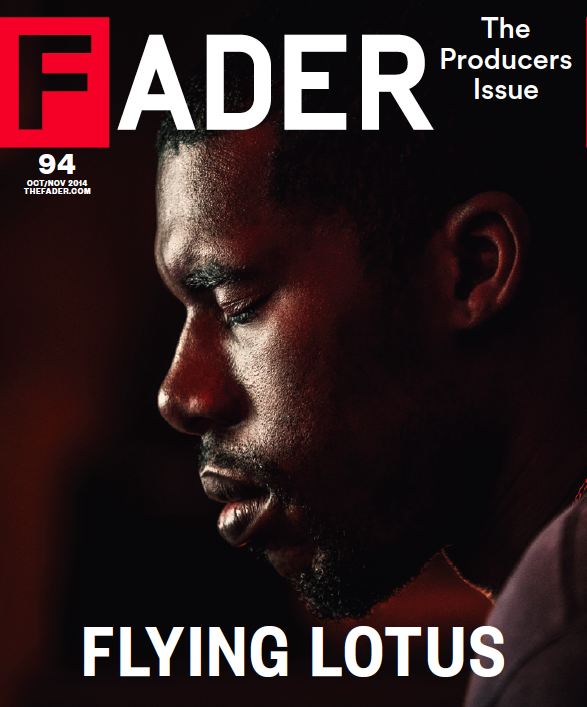
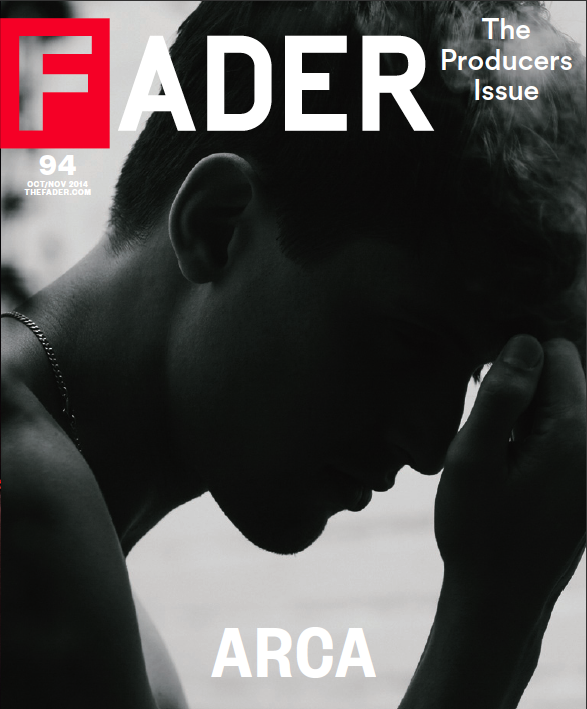
Cultivating A Broader Audience By Expanding Content And Topics – The Fader Magazine Celebrates 15 Years Of Publication & Welcomes Back An Old Friend…The Mr. Magazine™ Interview With Naomi Zeichner, Editor-In-Chief

October 20, 2014

“The Internet and print are not in competition and the way we work here at The Fader is when we’re pitching stories for web or for the print magazine, we do it in the same way.” Naomi Zeichner

Street-smart and dedicated to emerging music and artists whose stories haven’t always been told, The Fader magazine is celebrating its 15th year of publication with a new and improved attitude and a desire to expand its coverage of the music scene to many other facets of that community, from the culture of dance and comedy to the sometimes shadowy world of drugs and their usage.

At the helm for the christening of this new journey is Naomi Zeichner, who originally joined The Fader in 2010 as a music intern, and proceeded to work her way up to associate editor, and more recently senior editor, before leaving to join BuzzFeed as music editor earlier this year.

Coming back to The Fader, Naomi is passionate and excited about the direction the print magazine and its digital component is heading and was exuberant about sharing The Fader’s past, present and future with me.

So, sit back and enjoy the Mr. Magazine™ conversation with Naomi Zeichner, Editor, The Fader. You won’t be disappointed…

But first the sound-bites:

NaomiZeichnerOn The Fader’s fusion of print and digital: All of that is a part of what we’re going to do here, but I think that said, in my opinion, it doesn’t come into conflict with print; they go together very well.

On whether there will ever be a day when The Fader will not have a print component: I don’t think so, not anytime soon.
On what the audience should expect from The Fader’s new editor:
I think our readers should expect that we’re going to be doing more journalism daily. People used to look to The Fader and still look to The Fader, for the very special, reported stories that drop six times a year. And now I don’t think they’ll have to wait as long.

On why The Fader has survived for 15 years when others have failed:
I think it’s much like I said before; it’s that we really stay true to our mission, which is we tell stories in a way that people haven’t told them; we dig below the surface.

On the challenges The Fader has faced:
I think with any media organization a big challenge is just how quickly the web changes and how quickly the way we are able to tell stories changes and I actually think some of the most important people in journalism right now are developers and people who know how to code, they give journalists the best tools.

On whether the changes at The Fader will alienate the magazine’s core audience or expand their audience:
I think that if we did it in a wrong way, if I said, oh I’m just going to start posting recaps of scandals every week; then yes, people would look at that and say, what the heck is this?

On whether the magazine has a mentor or another website or publication it strives to emulate:
Yes, there are lots of places that I love. I wouldn’t say that I have one mentor or one particular place that I’m looking at for ideas.

On what keeps her up at night:
So what keeps me up at night is the idea that I have the responsibility to some of these people, whose music has changed my life and made it better, and to share them with the world and bring them maybe from a small audience to a bigger one, at least to the Internet.

And now the lightly edited transcript of the Mr. Magazine™ interview with Naomi Zeichner, Editor, The Fader…

Samir Husni: Most people are transitioning from print to web and digital, but you’re reversing the trend; are you a futuristic person and know something everyone else doesn’t?

Picture 16 Naomi Zeichner: Well yes, I do think that I’m a futuristic person, but no, to be serious, we’re not reversing the trend, I think we’re just going to go in both directions at once. It’s a big goal of mine here to expand what we do online, we hired a new video producer, and we’re working on potentially doing more coverage at night and on the weekends, bigger interviews and more features online, doing more of what we’ve always done in our magazine more often and the place to do that is of course on the web, and doing more news reporting and really trying to expand the type of journalism that we do on breaking news daily online.

All of that is a part of what we’re going to do here, but I think that said, in my opinion, it doesn’t come into conflict with print; they go together very well. And the way I think about our magazine; our reader reads online every day, every minute on their phone and they follow everything with Fader and it’s giving and telling them information and it’s exciting, but it’s nice also at the end of a couple of months to have a yearbook of it, a little digest that gives the reader an update on everything, with what’s happened in the world over a couple of months and gives you something to keep and remember it by. And to capture that history, because I think for young people right now the world is moving so quickly, especially in The Fader’s market, which is emerging music and I think music moves very quickly today.

We have the resources to do wonderful journalism. A lot of the artists we cover, other people don’t do substantial interviews with them or there isn’t other photojournalist’s covering those scenes, so because we have the resources to do that we’re really creating a historical record with our print magazine. Also, it’s beautiful and fun to read, so we think of the magazine as an archive of all the work that we’re doing online for history, but also a gift of entertainment to our readers and something special for them to keep.

Samir Husni: Are you saying that you’ll never see the day where The Fader will not be in print?

Naomi Zeichner: I don’t think so, not anytime soon. I’m not a psychic (laughs), but for now, for the next year and the foreseeable future, we’re very committed to print.

Samir Husni: Tell me, with the experience that you gained from working with BuzzFeed and your history with The Fader; it’s my understanding that you started there as an intern…

Naomi Zeichner: Yes, that’s true.

Samir Husni: What are your plans; what should your audience expect from the new editor at an established magazine like The Fader?

Naomi Zeichner: I think our readers should expect that we’re going to be doing more journalism daily. People used to look to The Fader and still look to The Fader, for the very special, reported stories that drop six times a year. And now I don’t think they’ll have to wait as long.

Many of the people who work at The Fader, including myself, didn’t go to school for journalism and are not necessarily traditionally-trained journalists, but that’s that. Everybody here is very intelligent, creative and we all work well together, so a part of my goal is that our whole staff will become more aggressive, thorough and tenacious journalists. I think that’s a big part of it, breaking news and investigative stories that matter about the musicians we cover and also the culture surrounding them.

I also want to expand our cultural coverage, both online and in print. We already do a wonderful job of covering music, but I also want to dig deeper into the culture surrounding them, so things like comedy, dancing culture and drug culture; just an array of topics and just the things that matter to young people in America. Books, writers and television, things like that. So we’re going to work to expand our coverage of those things.

I really don’t have any big plans for a dramatic change. I think The Fader is wonderful and that’s why I wanted to come back and be a part of it. It’s survived for 15 years because the people that it covers really care about it and love to read it. And coming back here, I was so thrilled by how many people reached out to me, writers, friends and musicians because The Fader means so much to them and I don’t think that people necessarily feel so personal toward a publication as a whole anymore, so their caring means a lot. I think we’re just going to continue creating strong content that our readers trust.

And we’re going to continue to grow the partnership programs that we do and making sure that when we team up with Vitamin Water or whoever, that we do really amazing stuff.

Samir Husni: Why did The Fader survive where others failed in this genre of magazines?
Picture 17 Naomi Zeichner: That’s a very good question. I think it’s much like I said before; it’s that we really stay true to our mission, which is we tell stories in a way that people haven’t told them; we dig below the surface. I believe that in emerging music, like I said, a lot of these artists are not covered by general interest magazines or by newspapers and they’re certainly not covered by newspapers before they’re covered by The Fader. We’ve always been game on spending money to send reporters to travel, to send photographers places and really uncover new things. And for that reason I think The Fader is indispensable. While other people were sort of picking up what was already in air and working on expanding what they were doing online by aggregating things; The Fader was sticking true to its mission to tell reported stories.

Also, The Fader has just stayed cool. Artists really, even though we might have a more intimate audience, they want to work with us because they see The Fader as a place that’s really going to show their truth and make them look good. So I believe that’s part of the reason we’ve survived.

And The Fader has always been very bold; it has never shied away from doing a topic that’s very experimental. The result of that is a lot of people are looking to The Fader. I always say that Drake, a very famous rapper, I think is reading The Fader to decide who he’s going to work with next. It’s not just the younger readers who are looking at us, but it’s the artists as well and it creates a community and the community is able to participate in our events and because we created that whole world, not just a news organization, but an actual cultural service to everyone, that’s another part of why the magazine hasn’t gone away.

Samir Husni: You sound as though you are painting a very nice picture of a rose garden (laughs); what are some of the thorns that you have encountered or expect to along the way? What stumbling blocks do you anticipate having to face and how do plan on overcoming them?

Naomi Zeichner: I think with any media organization a big challenge is just how quickly the web changes and how quickly the way we are able to tell stories changes and I actually think some of the most important people in journalism right now are developers and people who know how to code, they give journalists the best tools. And I think about that all the time; how do we make our CMS really nimble and I think that’s a challenge, but it’s not a challenge just for The Fader, it’s a challenge for everyone.

I think change is always hard for everyone. If we at The Fader can make our authors feel free to try new things, new ways of telling stories; maybe instead of doing an interview as just a normal Q & A, doing a longer report or making it more like a list, we will continue to grow. Just experimenting with different types of storytelling and that’s something readers expect now, they want to read new and exciting things. I think the readers are more experimental than ever and get their content from many different types of media. And that can be a challenge for any writer, to always be trying to grow and do new things. As I said earlier, a lot of the writers here at The Fader don’t come from traditional journalistic backgrounds and they’re people that love music and are a part of the culture. And that’s another challenge for us as a team, to always help each other become better writers, reporters and journalists.

Samir Husni: You mentioned earlier that you are going to expand the coverage of The Fader to have more than music; you’re going to include culture, books, drug culture, you name it. Do you envision any problems with doing that, such as losing your die-hard, core audience who for 15 years have loved the magazine the way it is? Or do you think the expansion will help you gain more readers and a larger audience?

Naomi Zeichner: I think that if we did it in a wrong way, if I said, oh I’m just going to start posting recaps of scandals every week; then yes, people would look at that and say, what the heck is this? I could get this anywhere else. But if there’s a comedian that really matters to all Fader readers that is a part of the same culture that the musicians are a part of and we want to do a reported feature on them or put them on the cover, I don’t think anybody would blink an eye.

Musicians today and how they promote themselves and how they think about themselves, they’re just as much cultural figures as they are musicians and sometimes who a person is and the story they have to tell is just as important as the music they make. Knowing that, I think we’re all very eager to cover other figures in this world. People who are Internet celebrities or Internet poets and people who design programs have the same stories to tell as people who are making music. And they’re all interacting with each other on the Internet anyway and they’re all being talked about on our Twitter timelines, so I think we’re just true to telling the stories of the people who we really think matter that haven’t been told elsewhere.

Samir Husni: There is nothing new in our magazine media world; what do you look at to get new ideas? Does The Fader have a mentor, another publication or website that you look to and strive to emulate?

Naomi Zeichner: Yes, there are lots of places that I love. I wouldn’t say that I have one mentor or one particular place that I’m looking at for ideas. I love how Billboard engages their charts, I think they do a great job at really explaining them and I love the fact that they cover so many different genres with the same respect. That’s something I love.

I love how Bloomberg Businessweek looks in print, it’s amazing. I don’t follow the stock market, but I can read Businessweek cover to cover. I love New York magazine and how they blend print and online seamlessly, even though they’re two very different projects for them and I think that’s something that The Fader can aspire to. I love stuff like Adult magazine, it’s not print only, but it’s like an art-type, print-only publication. I love sitting down to read something like that.

But I read stuff from all over the web. Readers today are not married to any publication; they’re married to a good story. So aggressively, online and in print, we’re going to work really hard on good stories.

I believe there are so many great publications out there right now. And I feel very lucky as a young editor, but also as a person who grew up loving magazines and loving the Internet that we’re actually at such a healthy place right now. There is a lot of bad news in media, but there’s a lot of good news too.

Samir Husni: And which side do you think you lean toward more; the bad news or the good news?

Naomi Zeichner: The good news.

Samir Husni: Is there anything you’d like to add or emphasize?

Naomi Zeichner: Just that the Internet and print are not in competition and the way we work here at The Fader is when we’re pitching stories for web or for the print magazine, we do it in the same way. The only big difference is the content in the magazine is on a more rigid schedule and more hands touch it, because literally the printers touch it, but the editing and thinking processes are exactly the same. For me, they’ve just never been in competition. I believe we’re very lucky here to have owners who believe in print and let us do a really fun thing that we are really proud of. And we feel very proud every time we publish a story

Samir Husni: My typical last question; what keeps you up at night?

Naomi Zeichner: (Laughs) I’m thinking about how to introduce new templates to my website so we can build crazier types of stories. I’m thinking about how my writers can write the best headlines. I’m thinking about all the new songs that are going to come out tomorrow or the mixed tape that I downloaded today that I love so much. I’m thinking about how much I would like to talk to the producer of a song that I love. I’m thinking about how excited I am to come into work and see what my coworkers are wearing.

I’m thinking about a lot of things, but I came back to The Fader because it’s a very exciting place. I stayed here a long time and we all worked very hard, very long days on a small team, but I’m genuinely excited to walk into this building every day and I also feel that the artists we cover are looking to us to tell their stories. So what keeps me up at night is the idea that I have the responsibility to some of these people, whose music has changed my life and made it better, and to share them with the world and bring them maybe from a small audience to a bigger one, at least to the Internet. And that’s what keeps me up at night.

Samir Husni: Thank you.

h1

From Creators to Curators and Experience Makers: The Changing Role of Editors. Brian Hart Hoffman’s ACT 5 Experience Presentation.

October 19, 2014

Brian Hart Hoffman, EVP/ Chief Creative Office of Hoffman Media, delivered his keynote presentation at the ACT 5 Experience on Thursday Oct. 9. Click below to watch his presentation at the Magazine Innovation Center at The University of Mississippi.

h1

Expanding Into the Digital World Without Ignoring Print: Bonnier’s Jens Henneberg. An ACT 5 Presentation

October 17, 2014

The series of presentations at the ACT 5 Experience themed The Future of Digital Begins with Print continued on day three of the Experience. Jens Henneberg, Executive Vice President & Editorial Director of Bonnier Corp., Denmark, delivered his keynote address titled “Expanding Into the Digital World Without Ignoring Print.” Click the video below to watch his presentation that is preceded by a math quiz delivered by Roy Reiman, founder of Reiman Publications.

h1

Going the Distance: The Story of AFAR as Told by Its Co-Founder/CEO Greg Sullivan. An ACT 5 Presentation.

October 17, 2014

Greg Sullivan,Co-founder/CEO of AFAR Media, publisher of AFAR magazine delivered the second keynote of day three of the ACT 5 Experience. You can view his Oct. 9 presentation by clicking the video below.

h1

Magazine Service Journalism At Its Best: Dana Points, Content Director, Meredith Parents Network. An ACT 5 Experience Presentation

October 15, 2014

Dana Points, content director of Meredith Parents Network, was the opening keynote speaker of day three (Oct. 9) of the Magazine Innovation Center’s ACT 5 Experience. Click below to view her presentation.

h1

The Future of Digital Starts With Print; Or Does It? Keith Bellows’ ACT 5 Presentation

October 14, 2014

Keith Bellows, EVP/Editor-in-Chief of National Geographic Traveler and Travel Media ended day two of presentations at the ACT 5 Experience on Oct. 8. Click below to watch his presentation.

h1

Building and Managing Magazine and Magazine Media Audiences: An ACT 5 Experience Presentation

October 14, 2014

John Harrington, publisher of The New Single Copy newsletter and a member of the advisory board of the Magazine Innovation Center @ The University of Mississippi moderated a panel discussion on Oct. 8 during the ACT 5 Experience. His guests were Malcolm Netburn, CDS Global, and John Phelan, Rodale. Click below to watch the panel discussion.

h1

The Passion for Magazines: Vanessa Bush, Editor in Chief, Essence Magazine. An ACT Experience Presentation.

October 13, 2014

Vanessa Bush, editor in chief of Essence magazine, delivered the morning keynote address of day two (October 8) of the ACT 5 Experience at the Magazine Innovation Center @ The University of Mississippi. Click below to watch her presentation.

h1

“Magazine Media 360” Explained. The Mr. Magazine™ Interview With Mary Berner, President & CEO, MPA – The Association of Magazine Media.

October 13, 2014

Capturing Demand For Magazine Media Content By Measuring Audiences Across Multiple Platforms And Formats.

“What this does is make us the first-ever media to capture as an industry, basically the cross-platform demand by brand. No other industry does this.” Mary Berner

Picture 13

Magazine Media 360 is a newly created industry metric that captures demand for magazine media content by measuring audiences across multiple platforms and formats (including print/digital editions, websites and video) to provide a comprehensive and accurate picture of magazine media vitality. Magazine Media 360° uses data from leading third-party providers and from the reader universe. This is the first time ever by any media to measure and communicate cross-platform consumer demand by brand.

Mary Berner, President & CEO, MPA – The Association of Magazine Media, believes in the driving force of this new metric that can measure platforms as a whole, rather than just from the print side.

I reached out to Mary recently and our conversation was focused on the new consumer centric and audience-first mentality Magazine Media 360 promotes and advocates. The time for this type of thinking in the magazine media industry, Berner believes, is one that has finally come and will help to change the reality of the way the industry measures and monetizes the many platforms offered to the consumer today.

So sit back and enjoy the Mr. Magazine™ interview with Mary Berner, President & CEO, MPA.

But first the sound-bites…


berner-mary-mpa_0 On the purpose of Magazine Media 360:
For us as an industry, this is a game changer. What it does is reflect a very seismic shift away from communicating and capturing print-only metrics to a whole ecosystem metric.

On the timing of the new measuring system:
I don’t think the industry was ready for it yet, I think we needed some critical mass in terms of multi-platform distribution content and frankly the third party research providers weren’t yet ready to get the data; so I think the time is right now.

On whether she believes the magazine media industry’s problems have all been self-inflicted:
I would say that print is a part of the consumer consumption experience, an extremely important part, but I would say that we haven’t told the story in regards to consumer demand up to this point.

On the major stumbling blocks she believes will be encountered along the way:
To be truthful, our attention in trying to figure out all the things that could and might go wrong ahead of time and addressing any and all challenges before we actually launched this, puts us in a position where we’ve asked and answered many of the stumbling blocks.

On what’s next for Mary Berner and Magazine Media 360:
This is just the beginning. I think it’s a good first step, but what we need to show is engagements, because we know from research in various companies the engagements in these brands of these multi-platform experiences are really extraordinary.


And now the lightly edited transcription of the Mr. Magazine™ interview with Mary Berner, President & CEO, MPA… Keep in mind, that since this is a brand new tool the MPA is using in measuring the strength of magazines and magazine media I’ve opted for a full explanation and presentation that Mary shared with me. It is essential to document and understand this new milestone marker in the history of magazines and magazine media..


Samir Husni: Explain Magazine Media 360 and the reasons behind this new magazine media measurement plan.

Picture 14
Mary Berner: For us as an industry, this is a game changer. What it does is reflect a very seismic shift away from communicating and capturing print-only metrics to a whole ecosystem metric. And as such when you look at the data, it actually redefines the state of magazine media. We believe that consumer demand also means money.

The idea for this and I believe you and I talked about it and debated it, but essentially the word magazine was the impetus for this entire idea. The word magazine for most people almost always refers to the print product. And yet every company pretty much operates as multi-platform, multimedia companies.

So the impetus was the shift from being magazine companies to magazine media companies and every single one of them does this and this is an interesting concept, so keep this in mind when you think about our methodology. The one thing that’s unique about magazine media and we’re defining it as a content brand that is anchored in a print magazine, but also disseminates magazine media content across many platforms and formats, so the magazine media content strategy is, for the most part, a platform-specific strategy, which means you create the content specific to the platform, as opposed to, for example, a television strategy which is platform agnostic. And that means you have an everywhere, anywhere strategy where the consumer gets the same content wherever they are, whenever they want it.

And by definition the audience augmenting, or differentiating content has actually been audience augmenting, because any one of these experiences, for example on Sunset, you consume as a consumer on its own and you would do so because you understand the Sunset brand means something, whereas the audience fragmented television strategy is audience fragmenting because obviously, you wouldn’t watch the same program again and again.

And this pretty much applies…this kind of platform-specific content strategy, to just about every brand, at least the major ones. So, for example, I could consume the video content from Woman’s World, which for them would be focused on exercise, without ever being a reader of the print version of the magazine media content. And we’re finding that the numbers bear this out, that digital-only consumers are going to the brand experience under the magazine media brand and this applies to just about all of the major magazines.

Essentially, here’s how we got to where we got to; right now what we have is print metrics and with advertising, for example; out of 10 advertisers only two limit their investment in that brand to the print version, only two. Eight of the others also invest across the multiple platforms. So it’s 80% that do something besides print. Yet a PIB (Publishers Information Bureau) or an advertising paging number only captures one part of it and in no way captures an advertiser’s commitment to a brand. So by definition it’s incomplete and therefore inaccurate.

And that played out again and again this fall. For example, the September issue of one of the big fashion magazines had a PIB number that was down, yet their advertising performance was the best it had been in 15 years, because the advertisers committed to multi-platform packages. In isolation, a print advertising page number just isn’t a great metric anymore.

And ditto for circulation if you look at the AAM (Alliance for Audited Media, the former ABC, Audit Bureau of Circulation) statements. Circulation is basically the counting of copies sold or distributed. Yet, if you add up all the AAM titles, they represent only 30% of the total print magazine audience, which is how planners buy. So, it doesn’t really tell the whole story. And then when you actually apply that to the whole ecosystem, the AAM circulation represents only 21% of the total audience. So using a circulation number in isolation, I think it does certain things, but in isolation by definition, it’s like pegging the audience or the vitality of the Super Bowl based on the number of people in the stadium, it essentially under captures.

Picture 14 Yet, in light of all that, what we’ve asked ourselves is what is the common courtesy and how do we measure what’s really going on, because, this is the data we got for July; we did three months of data and essentially what we’re seeing is that the lion’s share of the business is still print and will continue to be so for the foreseeable future, if not forever, but other platforms and formats are gaining scale. And when you look at the whole ecosystem and you leave out those others: video, mobile, web, desktop, laptop and digital; you leave out 35% of the business essentially. And when you look at the total pie, it was up 7.8% overall.

People say that the lion’s share of revenue and profit is in the print publications and I say, yes, that’s absolutely true for now. However, that is rapidly changing. Look at Meredith; Meredith is up to almost 20% of their revenue coming in from digital sources and that’s kind of an old school company. And it’s rapidly growing. The only proxy really for vitality, I would argue, for current health or future promise would be consumer demand. It’s certainly how brands like BuzzFeed are measured. And it’s also the only common currency among all media. In a world where you can’t define what makes television television, consumer demand is an important one.

So, what we did was we created Magazine Media 360 and essentially it’s an attempt to present a comprehensive picture of consumer demand for magazine brands. And in such, it captures print and digital editions; it captures websites, including desktop, laptop, mobile and video. Next, this month we’re going to release a social media report that’s separate, it doesn’t roll up into that because it’s a whole different animal.

What this does is make us the first-ever media to capture as an industry, basically the cross-platform demand by brand. No other industry does this. Television gives Nielsen ratings when they want to; they don’t give them as an industry, they don’t give them by brand and they certainly don’t give any revenue numbers. So, what we’ve done with this is capture that additional 35% which makes this a comprehensive and a consumer centric and really a more accurate barometer, if you will, of a company and an industry’s vitality.

But how do we figure out how to do this? Well, we decided we had to use third party reputable information, otherwise people would game it. You had to qualify it; you had to actually be multi-platform to qualify. So we used very reputable data from Nielsen, comScore and others and we had a very, very rigorous process about how to get the data and what to pull.

What we’ve essentially decided to do after consultations with many, many experts is we’re pulling, not page views, not traffic, but unique visitors and unique viewers and audience numbers. It’s a more conservative number and it gives us a more accurate picture.

So with third party data we’ve covered the whole pie and the story it tells is interesting. We have 95% industry buy-in, which essentially means we had 30 companies to buy-in and that represents 147 brands. We only had three brands not do it that qualified. One was the Shank titles, the other was a tennis magazine, mostly because they just didn’t respond to emails and the other is Wenner, because you have to also be a MPA member to qualify and there are only two major companies that aren’t, Wenner and Bauer, but it didn’t affect the numbers, even with them not in here, it covers 95% of the magazine reader universe and basically represents the entire industry.

The process works with all 147 brands giving their data to us and they pull it from comScore, Nielsen and other reputable companies. We then aggregate the data and post it publicly, so every single month we will post 147 brands and their consumer-demand number by platform and then a total aggregate 360 number. So it’s really an unprecedented model of transparency and it took an enormous amount of courage, if you ask me, from all these publishers. And we at the MPA will show the trends.

For the first one we launched publicly, it was August over August; we do the same period over the same period; what we saw was a 10% growth in total audience and we saw that was coming from mobile web, a lot of mobile web growth. And print, while it’s a smaller part of the pie, was actually up 1.1%, so it’s just a smaller part of a growing pie.

Picture 14 We’ll soon begin social media reports, which we’ll do toward the end of the month and the response was uniformly positive. Most importantly the advertising community and these are three of the biggest buyers representing three of the biggest agencies and every single one of them was applauding because the concept is you can’t sell what you can’t measure; you can’t sell it to a consumer and you can’t sell it to an advertiser. So, what we’ve done is thoroughly obvious; while it’s not easy to get everyone to agree, it’s obvious we should be capturing consumer-demand across all the platforms. And this is a very, very important indicator. The press was uniformly positive as well and I love what Mashable said because they’re always trashing magazines (laughs) and they said: if we assembled the study in an attempt to refute the assertion that magazine audiences are dwindling, the data vindicates them and that kind of said it all.

Also The Wall Street Journal said: magazine publishers can collectively point to some positive trends. Of course, we’re not saying that there aren’t problems because there certainly are, but we’re saying that the first step is to figure out what the consumers are doing, because there is no business if there isn’t consumer demand. And consumer demand is actually quite robust. Now this is not a report that shows everybody up, about 45 titles were down, so it’s pretty accurate.

That’s what this is all about. It’s really a reflection of how the business has changed, how we operate and how our content is consumed across multiple platforms. It’s the first step in capturing, measuring and communicating those reflections.

Samir Husni: I was just in Cannes at the Distripress Congress and my presentation was about “audience first.” And this is what Magazine Media 360 is saying: let’s focus on and be consumer centric. Why did we wait so long to do this?

Mary Berner: You know why? Because it’s really hard to get 147 brands and 30 CEO’s to agree. And I really didn’t wait that long, I’d been here two years and we got this done in six months. I also don’t think the industry was ready for it yet, I think we needed some critical mass in terms of multi-platform distribution content and frankly the third party research providers weren’t yet ready to get the data; so I think the time is right now.

The other question people ask is why don’t other media do it and my response is: they should. But it requires consensus, it requires industry consensus. And that’s a heavy lift.

Samir Husni: It’s as you said, magazine media is unlike any other medium, and you don’t get the same experience. If I’m watching a video, regardless of which platform, it’s the same video, where the magazine experience is completely different.

Mary Berner: All the content is created under a brand umbrella. So if I’m a Vogue person, the brand gives me permission to experience a whole lot of things under that umbrella. We’re the only media that’s actually set up well for that. CBS isn’t a brand. Other media are; I think ESPN is a brand; they actually do a great job at it.

Samir Husni: The new buzz phrase today is: print isn’t dead, it’s just in decline, but it’s still the cornerstone of our industry? Do you agree?

Mary Berner: I would say that print is a part of the consumer consumption experience, an extremely important part, but I would say that we haven’t told the story in regards to consumer demand up to this point. And when you do that, when you don’t tell the whole story, what fills that vacuum is a relentless and inaccurate story about one part of the business.

It’s inaccurate, like circulation. Everyone harps on newsstand. Newsstand is 8% of the total, 8%. And at its peak, 20 years ago, it was less than 20%. So there’s a kind of common narrative around print. Advertising paging over the last five years is down less than 8% in total. So, print has its challenges, but what isn’t even captured in those numbers is the migration of advertising dollars to other platforms. Therefore, it doesn’t tell an accurate story. We haven’t told an accurate advertising story or an accurate consumer-demand story yet.

Samir Husni: What do you think will be your major stumbling block? The honeymoon has been great, the reaction has been great; do you think it’s going to be smooth sailing from here or are you expecting some turbulence along the way?

Mary Berner: To be truthful, our attention in trying to figure out all the things that could and might go wrong ahead of time and addressing any and all challenges before we actually launched this, puts us in a position where we’ve asked and answered many of the stumbling blocks. Many of them had to do with methodology or transparency, things like that, so the only thing that I can imagine is maybe somebody won’t like their numbers.

I think the opportunity is that what we’ll see is a set of tools that will start people talking about it. How do we figure out how to use this to help us to buy?

Samir Husni: What are some of the criteria that you’re now going to use at The New York Times box score?

Mary Berner: It’s already changed. We’ve affected with this, just look at the numbers. They’re all up, two weeks in a row, a 100%. Let me tell you why The New York Times doesn’t use ad pages and why the entire industry was behind that, because it doesn’t tell an accurate story, by definition it tells an incomplete story. So, we don’t have something to replace that with, in terms of the advertising performance. We don’t, but until we do we have an obligation, in fact a responsibility, to stop reporting inaccurate data, because it is used to peg the vitality of an industry and it doesn’t do that. You could have had a spectacular PIB month and had a terrible advertising month. You could have had a terrible PIB month and a spectacular advertising month. It only captures the print performance. And as such, it’s just not comprehensive. And the reaction to that has been a little bit of, well, what am I going to use? But once I explain it to analysts and reporters, everybody gets it. You can’t argue with it, because it’s true.

Now what people will argue about is, they’ll say we need to get some replacement advertising data and what I’d like to remind the world of is, we’re the only industry that has released advertising data for decades as an industry. No other industry does it. We’ve been doing it and we’ve been doing it up to the point where it’s not accurate anymore. We had enormous transparency. Think about television, there’s no revenue numbers. They talk about the upfront when it’s good, but they don’t do it as an industry. Radio doesn’t, digital doesn’t; none of them do.

So we were in the forefront of transparency, but now that it’s not representative of the advertising performance of a brand, company or the industry, we have a responsibility to stop promoting and communicating it.

Samir Husni: You have a very nice feather in your cap now, so what’s next for Mary?

Mary Berner: This is just the beginning. I think it’s a good first step, but what we need to show is engagements, because we know from research in various companies the engagements in these brands of these multi-platform experiences are really extraordinary and that is a differentiator for magazine media and so, how do we do that? And I really wasn’t looking for a feather in my cap, I really wasn’t. (Laughs) But you can’t change the narrative about magazines until you start capturing and talking about magazine media. You have to start talking about the business the way the business is now.

Samir Husni: Thank you.

h1

Words of Wisdom: Roy Reiman and Publishing Magazines in the Digital Age. An ACT 5 Experience Presentation.

October 10, 2014

The opening act of the ACT 5 Experience was reserved for Roy Reiman, founder of Reiman publications and publisher of Our Iowa and Our Wisconsin magazines. Roy, who is also a member of the advisory board for the Magazine Innovation Center, opened the ACT 5 Experience on Oct. 7. Click below to watch his presentation.