Archive for the ‘Across the Pond’ Category

h1

59 Collected Bits Of Wisdom From The 59th Distripress Congress in Cannes, France. A Mr. Magazine™ Musing

October 3, 2014

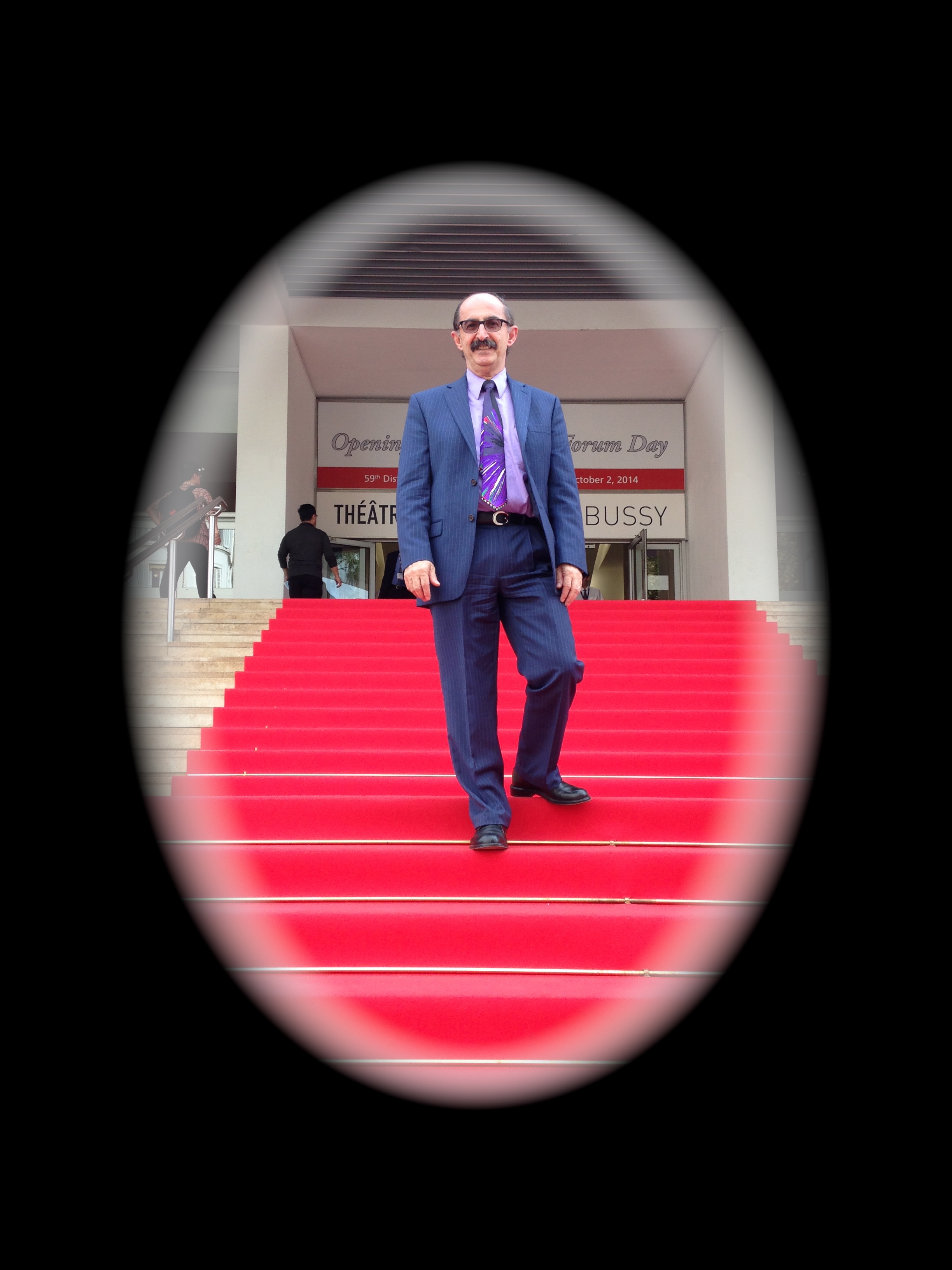
Distripress_Logo_Slogan_Cannes_RGB IMG_6389 Editor’s Note: Last week I was speaking, interviewing and moderating at different types of conferences and seminars across three European countries. I started with the Czech Republic where I spoke at a Toray’s meeting, then Slovakia where I visited the Student Media Center of the Pan European University in Bratislava, a daily newspaper, a major magazine media house and last but not least, traveled to Cannes, France to speak and moderate the Forum day at the 59th Distripress Congress. In the next few blogs, I will be reporting from all three countries with interviews, views and observations from the global media world.

Today’s report is from Cannes, France and it is an attempt to summarize the collective wisdom of all who spoke or participated in the Forum Day of the 59th Distripress Congress.

The following is a list of everyone who spoke at the Forum Day (sans Mr. Magazine™) and all of the tidbits of combined wisdom brought together in one sitting:

• David Owen: Managing Director of Distripress
• Anne-Marie Couderc: Keynote Speaker, President of Presstalis, France
• Diane Kenwood, Woman’s Weekly, UK
• Franska Stuy, Libelle Magazine, The Netherlands
• Morten Wickstrom, VG, Norway
• Matt Bean, Editor Entertainment Weekly, USA
• Jim Bilton, Wessenden Marketing, UK
• Peter Preston, Guardian/Observer, UK
• Tom Fender, Independent retailing consultant, UK
• Christina Lucas, Marketforce, UK
• Jean-Christoph Fare, Naville, Switzerland
• Arlene Shepard, Vice President of Gateway Newsstands, Canada


And here we go, in no particular order:

1. There was a consensus that there is a need to rethink the entire press sector, which includes changing the publisher’s economic model, rethinking the publishing landscape, whether it’s newsstand sales, home delivery or subscriptions and redefine the roles of the distributors, wholesalers and retailers
2. Sales of newspapers and magazines are set to continue to fall
3. Publishers are capitalizing on core brands by investing in digital solutions
4. The economic model for digital publishing has yet to be defined, although there are already some online-only titles out there
5. Print and digital media must complement each other
6. As we grow in the digital era, we must use digital media solutions to boost print media sales on the newsstands and we must introduce cross-media research into the equation
7. Some of the challenges for the distributors include:
• digital publishing
• in the business of selling content, there must be a way to put a value on content
• print and digital are working together and publishers’ strategies should include making digital media a part of editorial content, grow the brand in both print and digital versions and promote across all networks
8. Digital is no longer a threat; it’s a key to success
9. People change as they grow older
10. Fewer retailers, less retail space
11. We have three options: actively accelerate the decline of print, passively accept it or re-engineer for a different business model
12. We must have a sense of ownership and friendship with the reader
13. Print titles are still very profitable; print does work
14. The biggest challenge that we face in our industry today is making sure our readers know what they’re seeing, whether it’s editorial or advertising
15. You have to love what you do; otherwise your content will not be passionate and filled with variety
16. Keep it simple and make it fun
17. You need to create passion points for your magazine, so your product can have better reach, better engagement and better distribution
18. We have to turn our thinking from a digital newsstand type of mentality to a broadcast mentality
19. The print magazine is still the flagship of the brand
20. No one wants to be on the cover of a website
21. The future of our industry is going to be more fragmented and fractured than ever before
22. Western Europe is the homeland of the magazine business: 41% of all magazine volume.
23. Overseas, the majority of the business is 73% retail, 20% subscription and 7% digital
24. We will see a lot of consolidation and instability in the wholesale magazine press distribution network
25. We have to invest in short-run digital printing to save on the shipping rates on magazines across borders
26. We are witnessing the beginning of the end of the “death of print” diatribe and we are starting to talk about the decline of print instead
27. Nobody knows the future, including Peter Preston
28. Movies did not kill the theater; if you need proof, just travel to London and Piccadilly Circus and see if you can a ticket
29. I will never read War and Peace on my iPhone
30. You cannot take content across platforms; each must have its own
31. Most of our ills are self-inflicted and self-generated
32. Here is a formula for disaster: cut the content, cut the paper, cut the weight, increase the price and then wonder why sales are in decline; less for more is not a winning formula
33. Even The New York Times is talking about the “majesty” of print
34. The print version of most brands is still much more important than the digital component
35. Youngsters will never read the words or have to decide between: print or digital
36. 80% of stores in Germany say it’s important to sell press products in their store, 72% in France and 72% in the U.K.
37. People still want magazines and magazine destinations
38. Magazines in a lot of stores are still the number one sales and revenue generator
39. Retailers love new launches, such as Ricardo in Canada and Dr. Oz The Good Life in the United States
40. A mature magazine can benefit from a good promotion
41. Signposts in stores increase sales by 4.3%
42. We need to bring an entire category of magazines to life because we have smarter shoppers and we need to give them relevant offers
43. Offers that accompany magazines, such as a free bottle of water, will have a 20% positive swing
44. We have to have personalized marketing, tailored and targeted to a specific group of people
45. As we witness a one-third decline of the press volume, we have to find answers for how we counteract that declination
46. We are and we want to remain press retailers and we want to make money
47. We have to optimize the press and accelerate the diversification
48. We have to adapt to new market rules
49. There are more new magazines introduced worldwide
50. Magazines and newspapers are becoming parts of the brand, rather than the entire sum
51. The printed product is the cornerstone of the brand
52. With so many other extensions, such as events, digital, stores, shopping; the survival rate of new magazines is increasing
53. Humanizing the brand is essential for surviving
54. Retail stores must change with the times
55. We must promote print the same way we promote digital
56. Digital is no longer a seductive mistress; it’s a younger sister or brother to print
57. It’s no longer print versus digital, but print plus digital, plus events, plus stores, plus commerce
58. On all fronts, we have to be experience makers
59. We must have promotions; it’s the key to our survival. If we do not promote our products, no one will.

*****
If those of us who are passionate about the industry take these 59 points to heart and really try to implement and learn from them, the future of the media industry can start to reverberate with the hope it deserves for the masses it serves, because as Mr. Magazine™ eternally proclaims, “There is always hope.”
I hope to see you all again next year in Brussels for the 60th Annual Distripress Congress…and until then: go to a retail store, buy a newspaper and a magazine or two and enjoy!
h1

Woman’s Weekly (UK) Magazine: 103 Years & Still Going Strong. The Mr. Magazine™ Interview With Editor Diane Kenwood

October 1, 2014

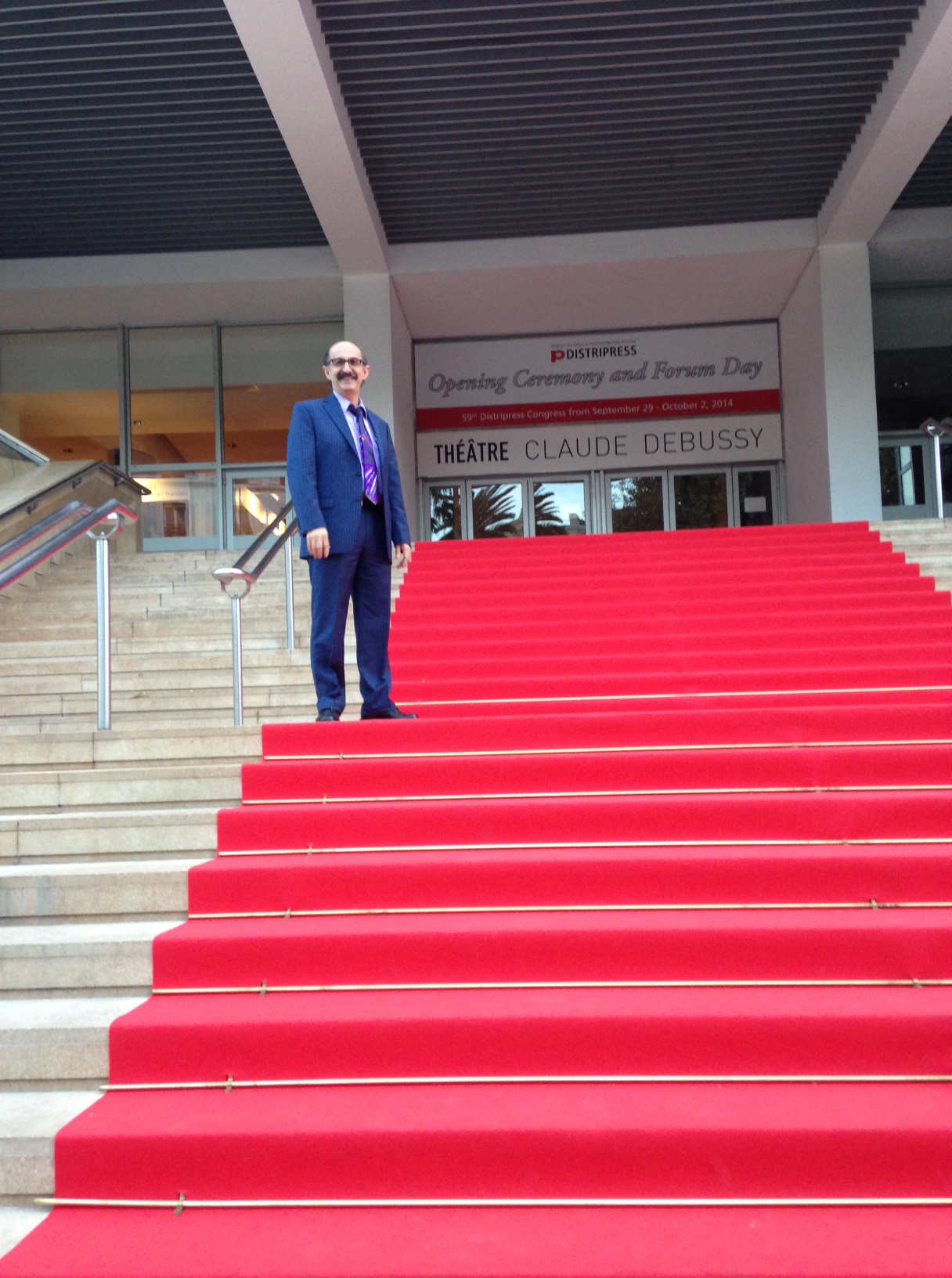
husnionredcarpet Editor’s Note: Last week I was speaking, interviewing and moderating at different types of conferences and seminars across three European countries. I started with the Czech Republic where I spoke at a Toray’s meeting, then Slovakia where I visited the Student Media Center of the Pan European University in Bratislava, a daily newspaper, a major magazine media house and last but not least, traveled to Cannes, France to speak and moderate the Forum day at the 59th Distripress Congress. In the next few blogs, I will be reporting from all three countries with interviews, views and observations from the global media world.

While many women’s magazines are being reported by some as hearing a death knell when they roll off the presses; the U.K.’s 103-year-old Woman’s Weekly continues to press forward with confidence, inspiration and an eye on the next 103 years.

In the second report from across the pond, I spoke with Diane Kenwood, editor in chief of Woman’s Weekly magazine. Ms. Kenwood had just finished her presentation at the Forum Day at the 59th Distripress Congress in Cannes, France. Her passion and confidence when she spoke about the magazine is evident in the Mr. Magazine™ video above…

So read along as you enjoy the brief, but inspiring, Mr. Magazine™ interview with Diane Kenwood, Editor-in-Chief, Woman’s Weekly, U.K…


But first the sound-bites…

On whether she feels Woman’s Weekly is on the endangered list: It’s so not true. It’s absolutely not true; we’re incredibly fortunate.

On whether or not she’s afraid of the future: No, I’m not scared of the future. I’m really excited about the future. I think it has its challenges; it’s hard, but I think challenging and hard makes you more creative.

On whether she ever envisions a time when Woman’s Weekly will not be in print:
Never! And certainly not during my time as editor, no. I genuinely can’t see a time when the magazine won’t be an absolutely critical part of the whole brand offering of Woman’s Weekly.
And now the lightly edited transcript of the Mr. Magazine™ interview with Diane Kenwood, Editor-in-Chief, Woman’s Weekly, U.K.

Samir Husni: A lot of folks in the United States and other countries say that general interest women’s magazines are dying; how about Woman’s Weekly?

Diane Kenwood: It’s so not true. It’s absolutely not true; we’re incredibly fortunate. And the thing about lifestyle magazines is the breadth of their content means you can constantly inspire, entertain and surprise people across any number of different content areas.

I think the magazines that are in real trouble in the U.K. are the celebrity magazines, because they’re all too similar and there isn’t enough celebrity news to go around. Also, TV titles because there are so many of them and they have to conglomerate their magazine titles.

But in the lifestyle market, I think the opportunities are enormous. And Women’s Weekly remains today as it has been from the day it was first published, the bestselling magazine in the lifestyle market.

Samir Husni; Is there anything that makes you afraid of the future?

Diane Kenwood: No, I’m not scared of the future. I’m really excited about the future. I think it has its challenges; it’s hard, but I think challenging and hard makes you more creative, more inventive and because we’re all in the same boat, everybody is being more creative, so there’s more opportunities for kinds of partnerships and joining together of ideas and making them happen and delivering them, that never really existed before. I’m tremendously invigorated by the future.

Samir Husni: My last question; do you ever see Woman’s Weekly not in print?

Diane Kenwood: Never! And certainly not during my time as editor, no. I genuinely can’t see a time when the magazine won’t be an absolutely critical part of the whole brand offering of Woman’s Weekly. We’ve been around for 103 years; we’re definitely going to be around for another 103.

Samir Husni: Thank you.

h1

SME: A Print Slovakian Newspaper That Demands Attention. The Mr. Magazine™ Interview with Tomáš Bella, Deputy Editor in Chief

October 1, 2014

samirinbratislava Editor’s Note: Last week I was speaking, interviewing and moderating at different types of conferences and seminars across three European countries. I started with the Czech Republic where I spoke at a Toray’s meeting, then Slovakia where I visited the Student Media Center of the Pan European University in Bratislava, a daily newspaper, a major magazine media house and last but not least, traveled to Cannes, France to speak and moderate the Forum day at the 59th Distripress Congress. In the next few blogs, I will be reporting from all three countries with interviews, views and observations from the global media world.

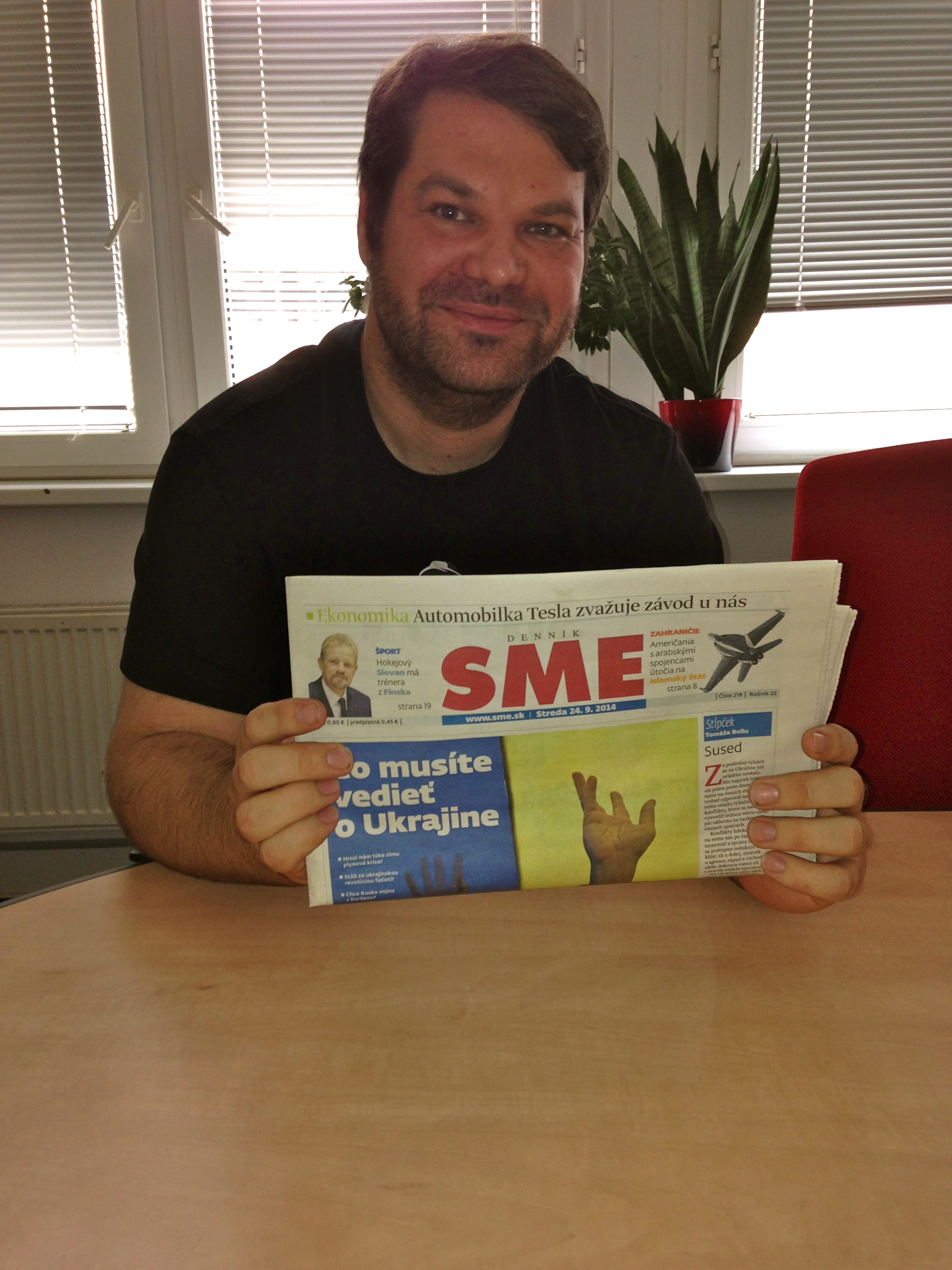
Today, is my interview with Tomáš Bella, deputy editor in chief of SME daily newspaper in Bratislava, the capital city of Slovakia. SME is succeeding while others failed and is showing that the future of newspapers, both in print and digital, may be in long-form journalism.

tomasof sme

But, first the sound-bites…

On SME and some of its recent changes: We are almost changing into a magazine. More and more often we are moving toward big topics, such as the one we did on the Ukraine.

On the future of the daily newspaper becoming a weekly on a daily basis: Maybe we will stop publishing daily, but will do six weeklies. What we are sure of is that long-form journalism is where we are clearly heading; sometimes we even have the first eight pages of the paper as one article.

On experimenting with SME’s paywall: We will probably spend all next year restructuring the entire paper around the business of paid content.

On whether he feels journalism is better or worse today because of the Internet: Right now, it seems as though we’re in chaos, but I think we will come out of this as better journalists.

On why most newspapers are still chasing numbers and clicks in the 21st century: I spent four years traveling the world trying to pursue publishers for the switching-to-paid content, but there are a lot of publishers who are set in their ways.

On what keeps him up at night: Well, I came back to journalism because it’s really extremely exciting. And the most interesting thing is we have exhausted all our bad options now; we have tried everything.

And now the lightly edited transcript of the Mr. Magazine™ interview with Tomáš Bella, Deputy Editor in Chief, SME Newspaper in Slovakia…

Samir Husni: Tell me about SME and some of the changes that are going on…

Tomáš Bella: We are almost changing into a magazine. More and more often we are moving toward big topics, such as the one we did on the Ukraine. Inside, there are eight pages just about the Ukraine, written by someone who is very, very knowledgeable.

Two years ago, our longest article would be one page long. Now we are doing 16-page articles.

Samir Husni: So you think that the future of the daily newspaper is a weekly on a daily basis?

tomas2 Tomáš Bella: That is the strategy of Gazeta Wyborcza, the biggest Polish daily. They are probably the best daily in Eastern Europe, with a long tradition of fighting against communism. And their strategy is clearly building very strong supplements for each day; they have six strong supplements every day.

So maybe we will stop publishing daily, but will do six weeklies. What the Gazeta Wyborcza is definitely doing is building very strong magazines, not on print paper, but on glossy. And they have a lot of magazines for each day and they’re building a strong brand.

What we are sure of is that long-form journalism is where we are clearly heading; sometimes we even have the first eight pages of the paper as one article. And this would have been unimaginable a year ago. This is something we are doing as often as we can because we are depending more and more on the income from our readers,

I was reading this article, it was my colleague’s idea, but I thought who would want to read eight pages about the Ukraine. It’s a hard topic and it’s not something you would expect. And it actually broke our record in sales online recently. For whatever reason, the people were buying to learn about Internet politics in the Ukraine.

Samir Husni: You said they bought it online; which brings up your concept about slowly experimenting with the paywall…

Tomáš Bella: Yes, I was working with this newspaper for ten years and then I left and established Piano Media, the company that bought Press Plus. I worked there for four years and then I came back here. Currently, the income from paid content online has maybe doubled in the last eight months. So we are really heavily investing in paid online content and it’s the only income that’s going up, everything else is going down.

We will probably spend all next year restructuring the entire paper around the business of paid content. Also, we don’t believe that advertising is going to come back and we don’t think online advertising is going to save us, so we will have a year, maybe eighteen months to rethink all the departments, to rethink what we should and should not be doing when the new paradigm is in place and see what people are actually willing to pay for online.

With print, it’s a bit more complicated. The paper with the Ukrainian story costs 80 cents. Normally, the paper costs 55 cents, but when we have a topic like this we raise the price of the paper. So Monday it’s 55 cents, but on Friday it’s 80 cents…etc.

It doesn’t mean that we’ll sell more of the special papers, such as the one with the Ukraine story; it’s hard to sell more on those days, but we will also not sell less and we will make more money.

Samir Husni: Do you think journalism as a whole, forget about the platform, is in better shape today than yesterday or worse and has the Internet helped or hurt journalism?

Tomáš Bella: Right now, it seems as though we’re in chaos, but I think we will come out of this as better journalists. I see it in the paper, a lot of uncertainty, but it’s definitely going to get better. Three years ago when we would do something like send a journalist to the U.S. for two weeks to write a story, the business department would say you’re crazy, you’re just wasting your money.

And now when we can measure just how many people buy the article; we are seeing that exactly the same kind of articles that we want to write, ones that aren’t about sex, but about hard issues, are the ones that people are willing to pay for. So if you switch from those terrible 90s where the measurement of your reward was clicks; when you switch from the measurement of your world being clicks to people willing to pay for content, suddenly the interest of journalists and readers seems to be more aligned. They appreciate that content, because here is the guy who wrote the article, he is a Slovak, but he’s one of the few Slovaks who is an expert on the Ukraine.

So when readers see that this is forty years of creative thinking about the topic and that experience has been put into those pages, then they are willing to pay for it when they realize the quality of the work. So I think it’s much better for journalists to be doing a job like that where you know that readers appreciate the work and are willing to pay for it, along with the advertisers. But it will still be a little painful until we get through the transition phase.

Samir Husni: And as you move into this transition phase; why do you think newspapers are still doing the same thing, still chasing clicks and numbers?

tomas3 Tomáš Bella: I spent four years traveling the world trying to pursue publishers for the switching-to-paid content, but there are a lot of publishers who are set in their ways. They are good people and they are producing good papers, but in no way are they prepared for the role they need to play. And for years at the conferences, everyone was telling them how to attract new readers through Facebook and Google and it became very important. But suddenly, it stopped working. Google and Facebook were making money, but not their papers.

So here in Slovakia when we started Piano Media and paid content, most of the publishers joined, but only two or three really understood that in three years they won’t be able to rely on advertising money because they will never win the fight with the Facebooks or the Googles for the price of advertisement; it’s just going to continue going down.

But this paper had a CEO and management that were wise enough to say that even if it is only small money in the beginning, we will keep investing into paid content because we think that it’s really important.

Samir Husni: My typical last question; what keeps you up at night?

Tomáš Bella: (Laughs) Well, I came back to journalism because it’s really extremely exciting. And the most interesting thing is we have exhausted all our bad options now; we have tried everything. We have tried cutting staff by 10 percent every year and many other things and we know where it leads.

So now it’s time to rethink everything; it’s time to say OK, do we really need a sports department or foreign news. It has gotten so bad that you can only dig yourself out with creative thinking and basically starting completely over from the beginning. And to me this is extremely interesting, so I came back here because I’m really curious how the paper is going to look in two years. I know with certainty it will not look like it looks today. And that’s really exciting.

And I believe this type of model is good for journalism. When people begin to pay for content and we can think about our reader instead of advertisers.

Samir Husni: Thank you.

h1

Traveling the World One New Magazine at a Time… A Mr. Magazine™ Musing.

July 31, 2014

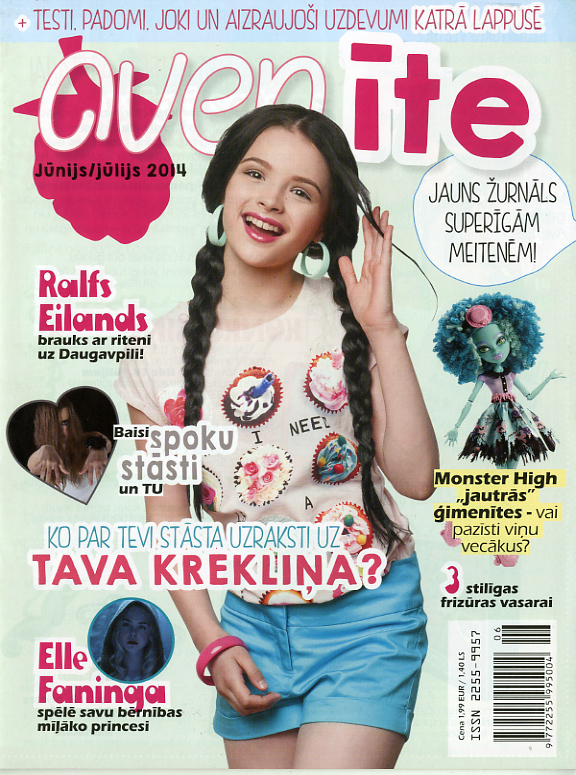
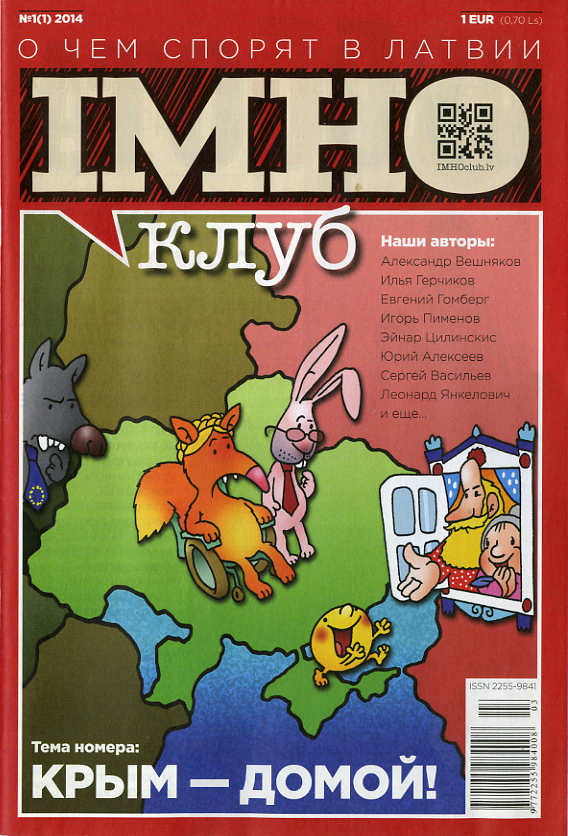
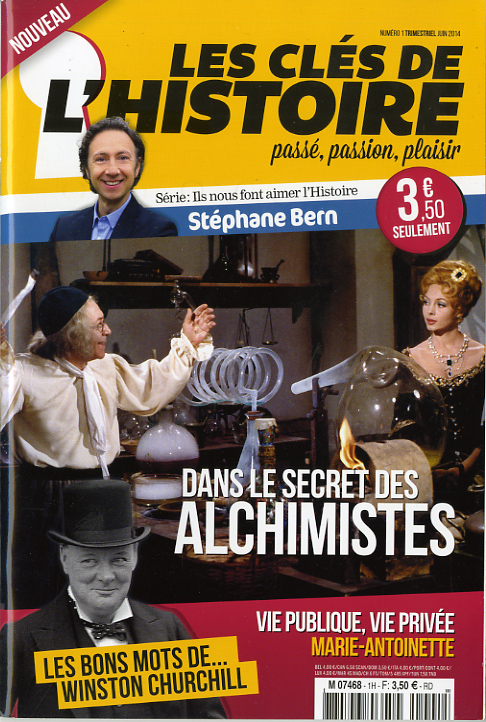
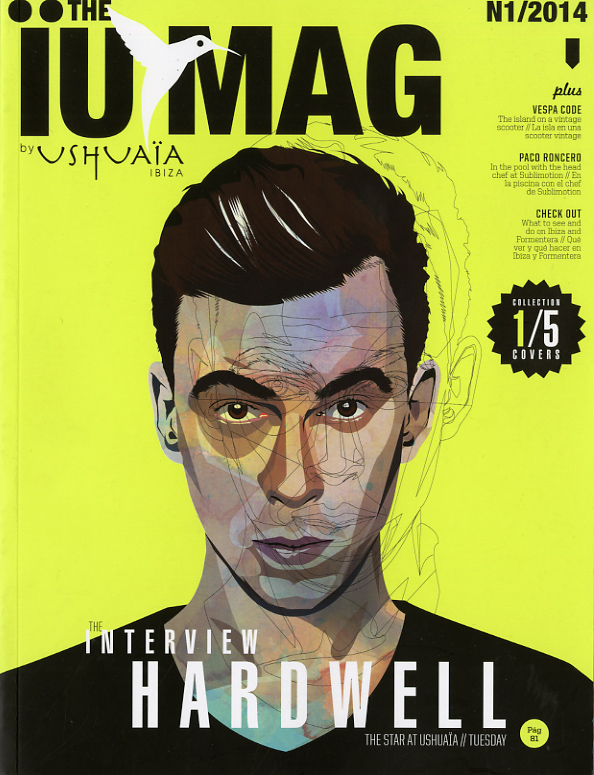
When many people travel they attempt to learn words and phrases from their host countries in order to communicate and understand the local citizens better – and while that is a most noble and natural cause; when Mr. Magazine™ travels, not only is communication a priority, but also the word “new” is paramount on his list. Whether it’s nouvelle, noveau, jadīd or neu; Mr. Magazine™ revels in the many ways to say the word new.

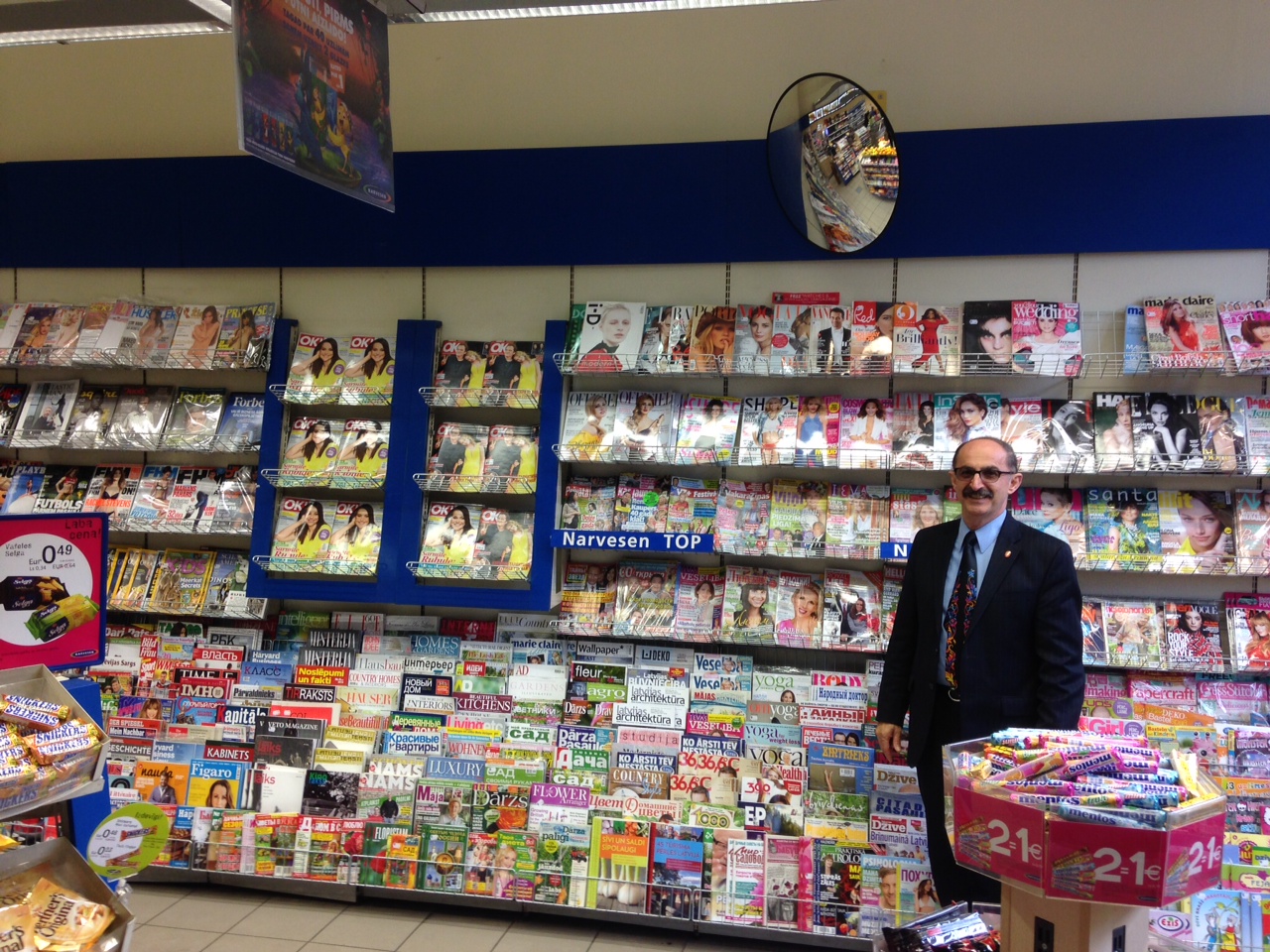
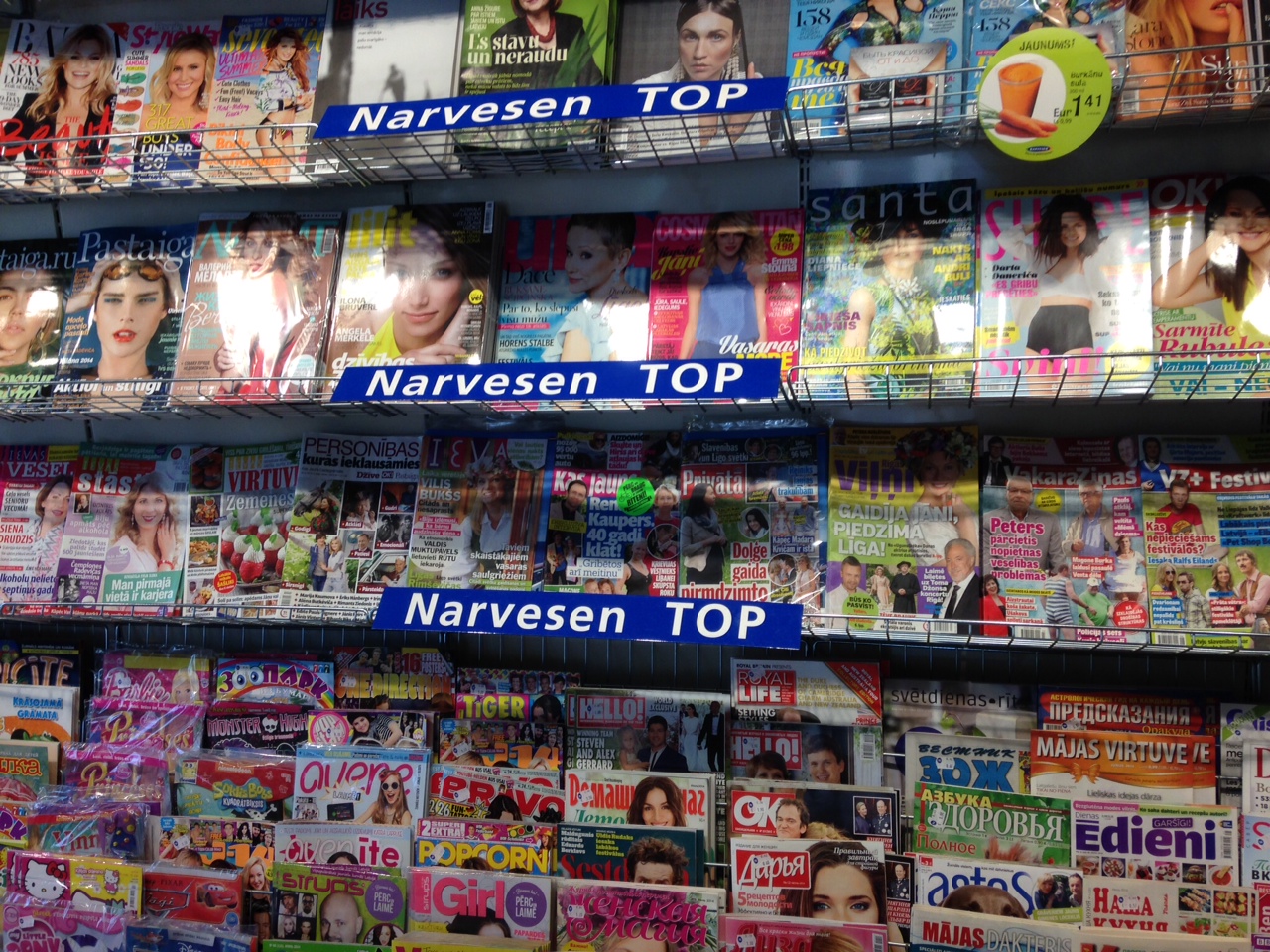
husniinriga At the newsstands in Riga, Latvia.

Why, you might ask? Because new inserted before the word magazine is an exciting prospect to me and when you put the word stand behind it (OK – plus an extra “s”), the word newsstand is born. And I ask you; what could be more thrilling than new magazines and newsstands in foreign countries?

I can’t think of anything.

While most people when traveling to foreign lands are picking up a guide or a map to the best museums or the best places to visit, such as the National Museum of Beirut, Belem Tower in Lisbon or Table Mountain in Cape Town, South Africa, Mr. Magazine™ is searching for newsstands, asking locals to show him where the best in the city he’s visiting is located and the quickest route to get there.

And visiting I did. In the last five months or so, my travels took me to Cape Town, South Africa…Riga, Latvia…Paris, France…Amsterdam, The Netherlands….Lisbon, Portugal…Helsinki, Finland…Munich, Germany and Beirut, Lebanon to name a few.

I have delivered presentations and seminars ranging from trends in magazines to the need to place the customer or the audience first in these wonderful countries and while the presentations and the meetings went very well, it is that newsstand street education that was the secret ingredient that held all the seminars and presentations together.

A newsstand in Riga No shortage of magazines in Riga, Latvia.

There is a lot to be learned from a visit to a newsstand anywhere in the world, they remain the best reflector of any society and the latest magazines found there are the new blood of any newsstand. And as I traveled the globe this summer, it dawned on me that this revelation must be shared to be appreciated. So typically, I began to buy these new magazines, searching nooks and crannies of cities so beautiful, they took my breath away, to find sometimes quaint, sometimes immense newsstands across the world. And from my determined hunts, I gathered some of the finest and most creative ink on paper products that I have seen in a long time.

So for your viewing pleasure, take a look at the treasures I brought back from a few of the world’s newsstands and…Vive le pouvoir des revues imprimées!

Until my ship sails again…
Mr. Magazine™
© Samir “Mr. Magazine™” Husni, 2014.

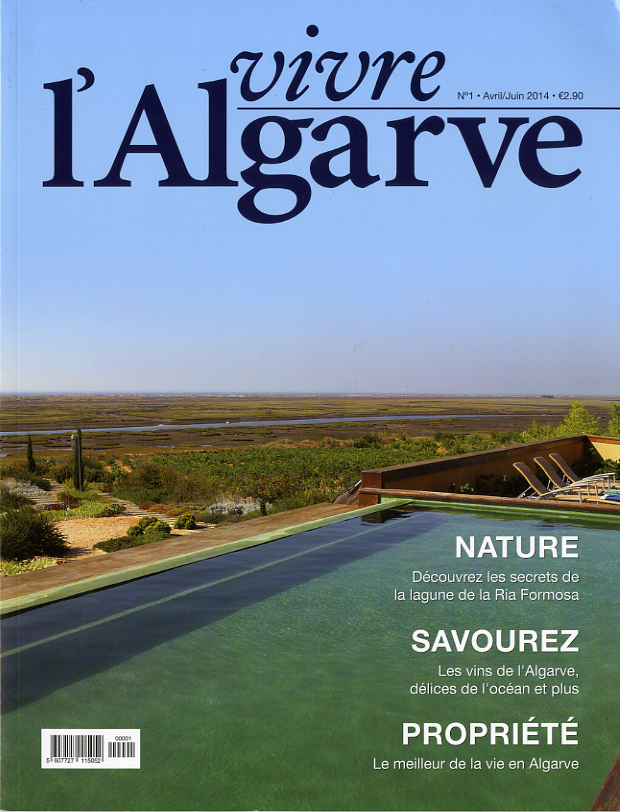
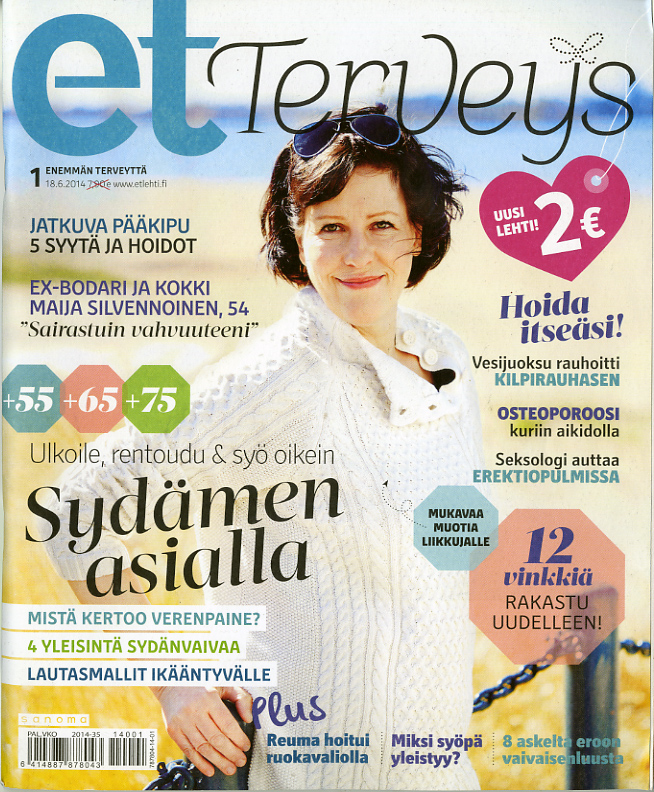
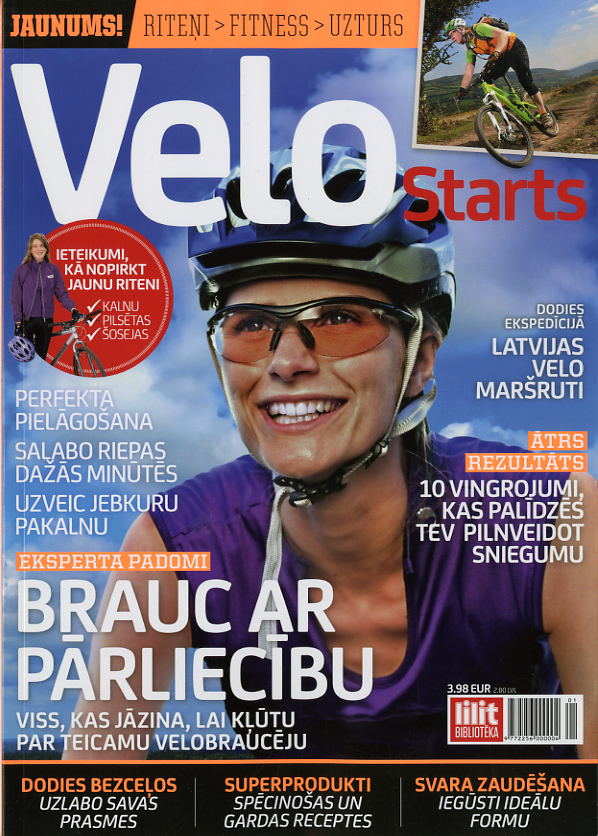
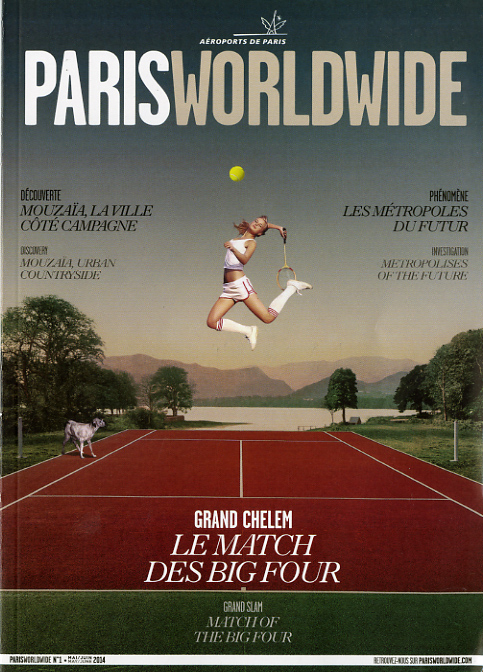
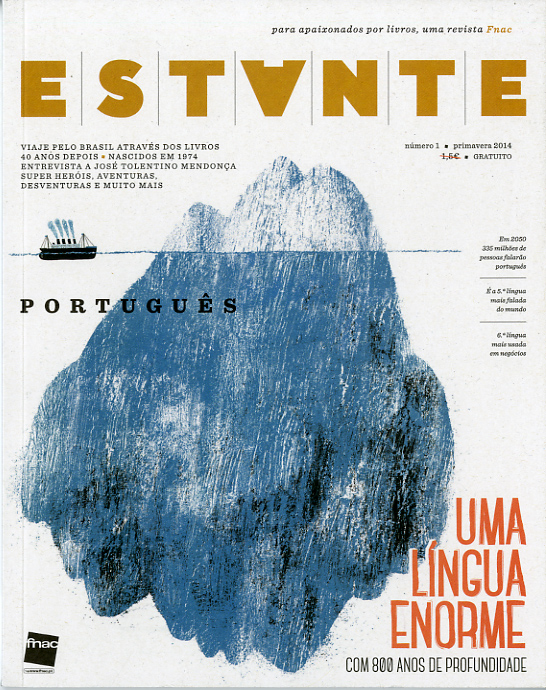
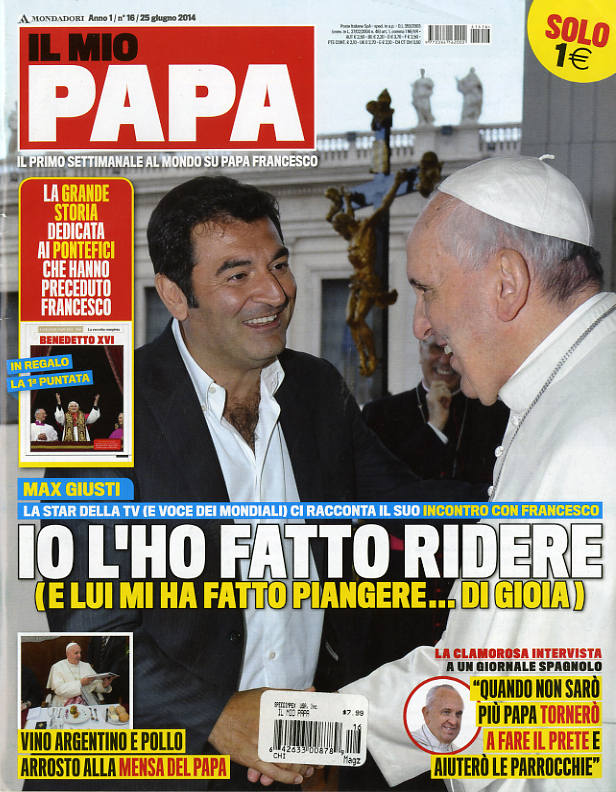
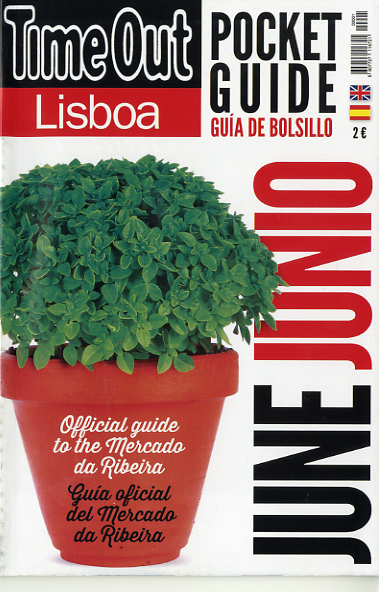
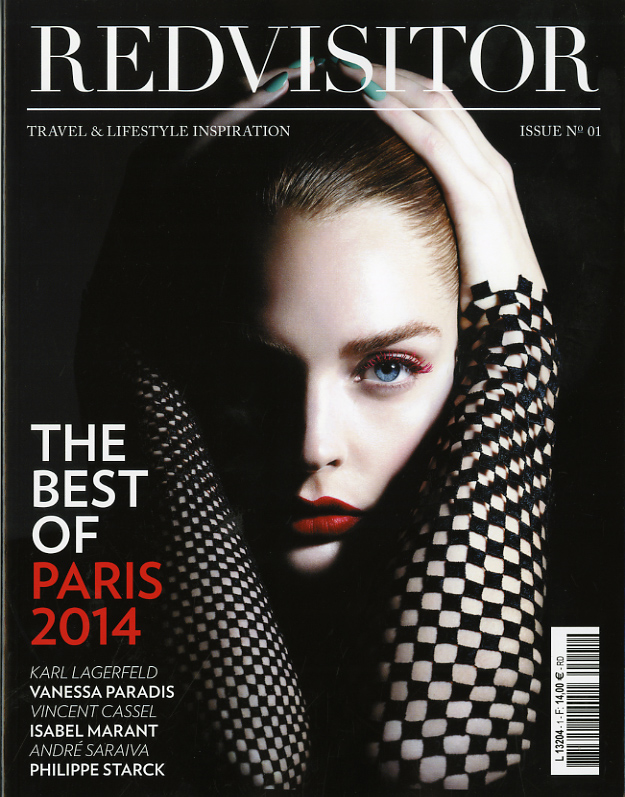
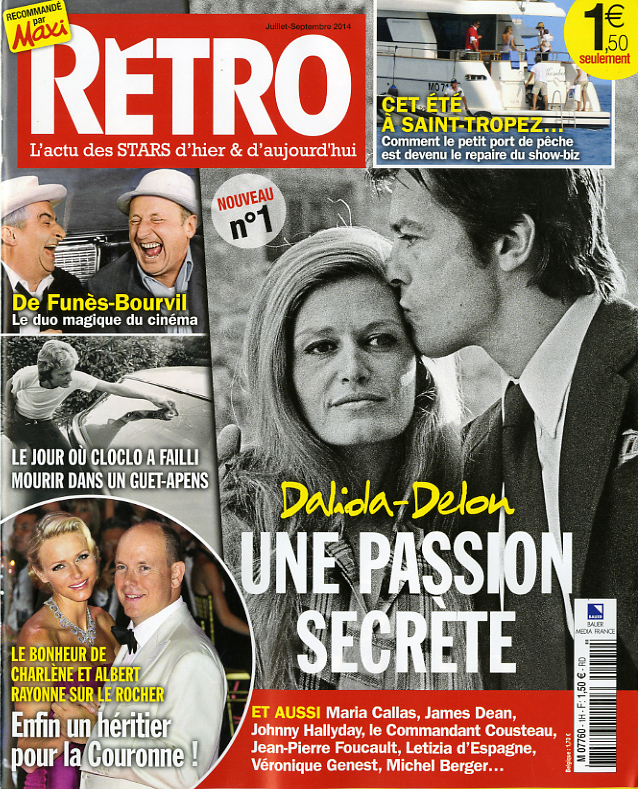
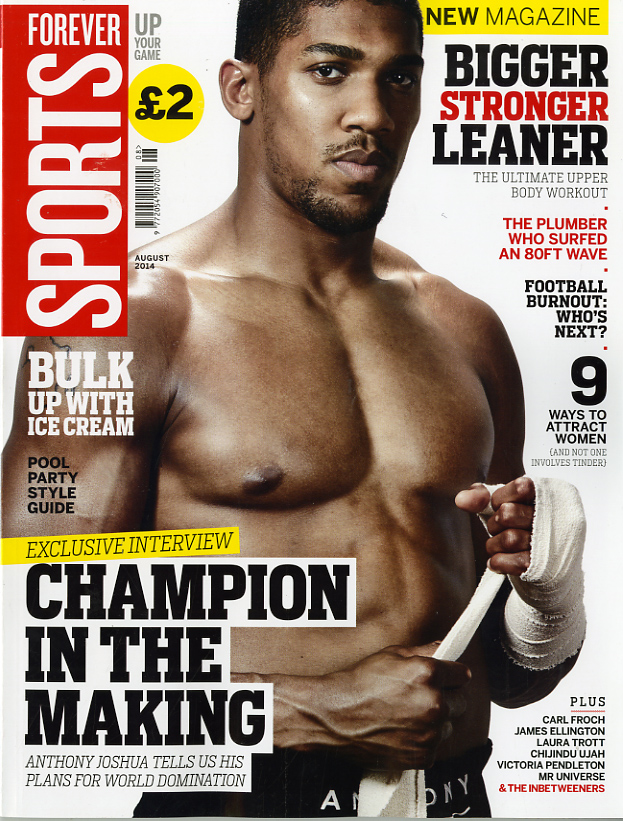
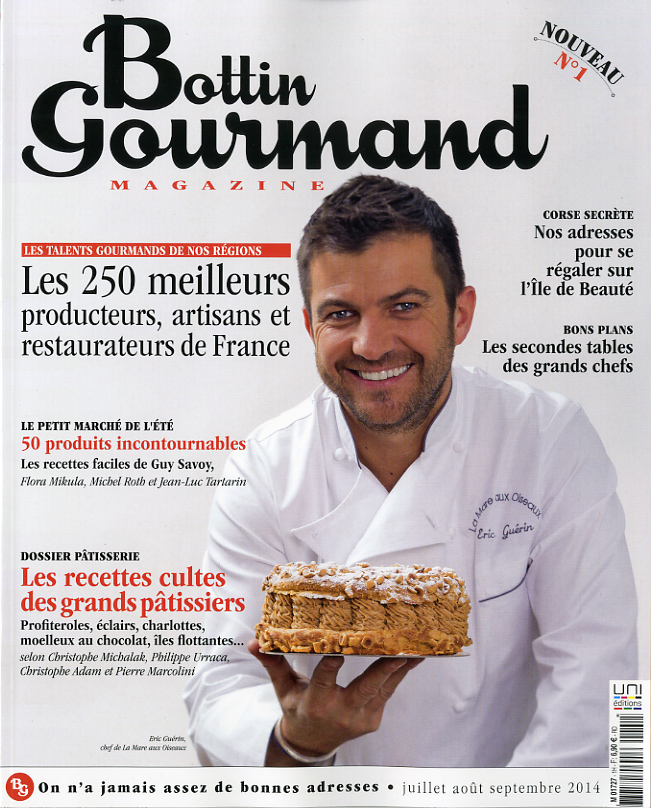
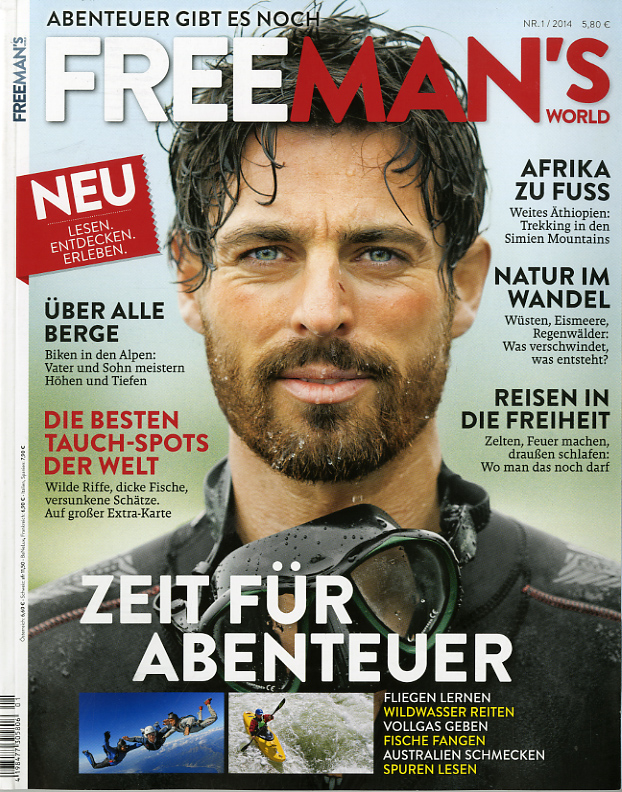
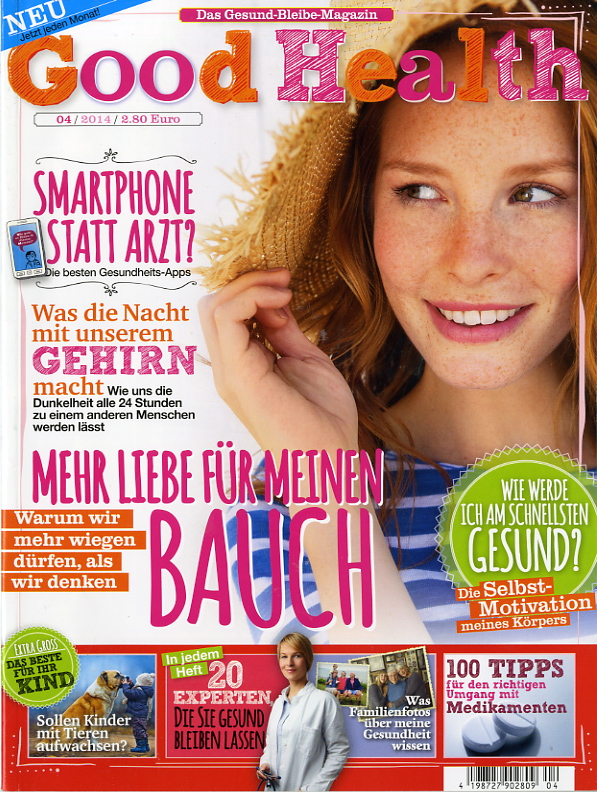
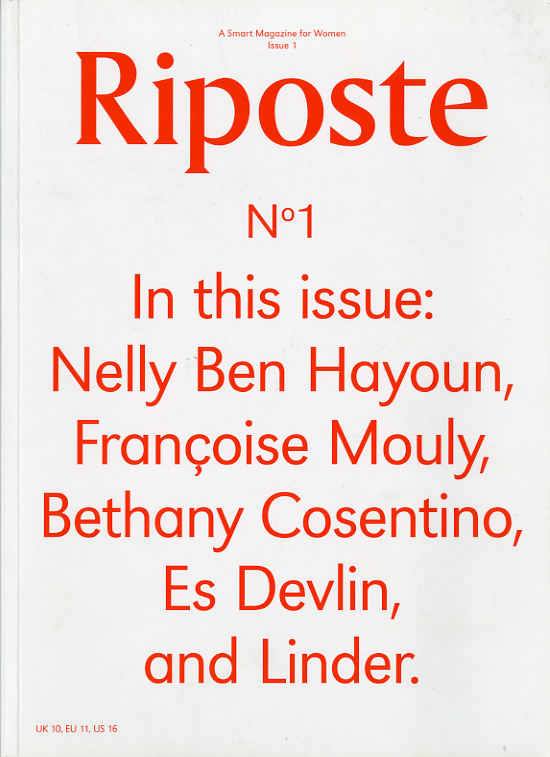
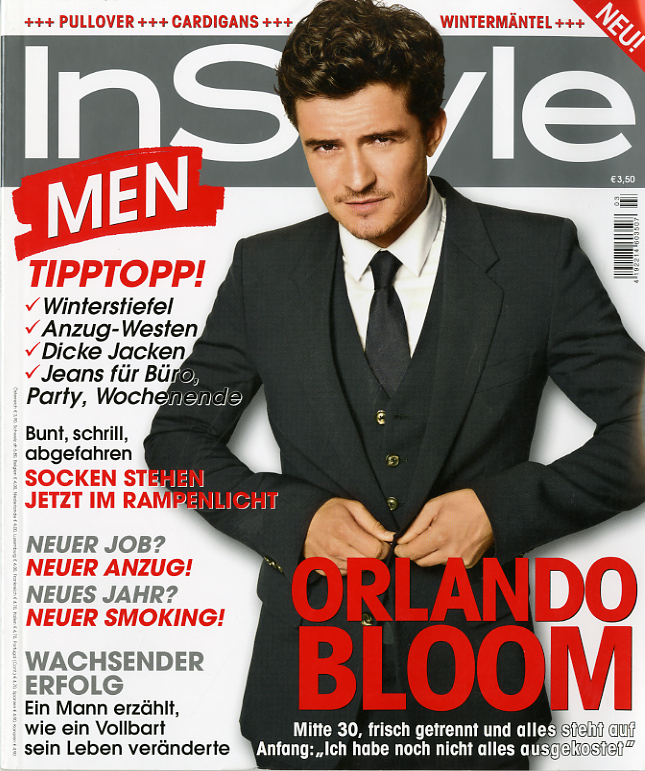
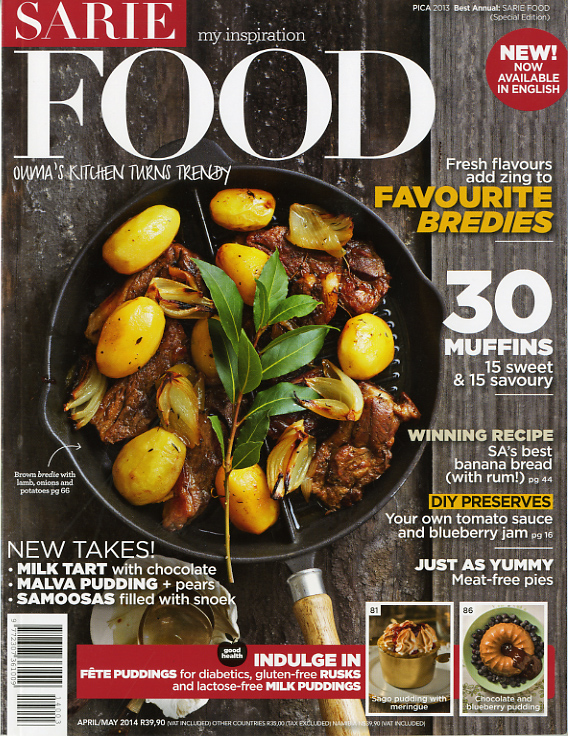
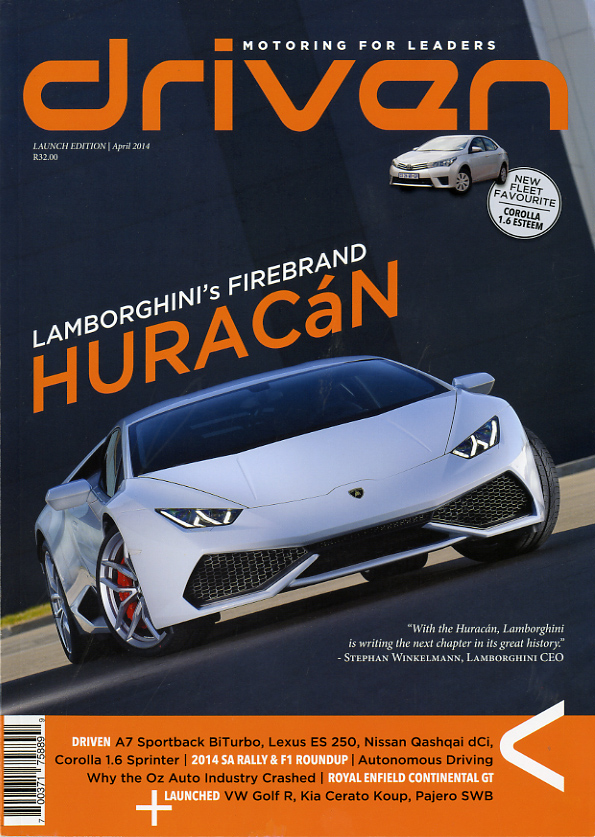
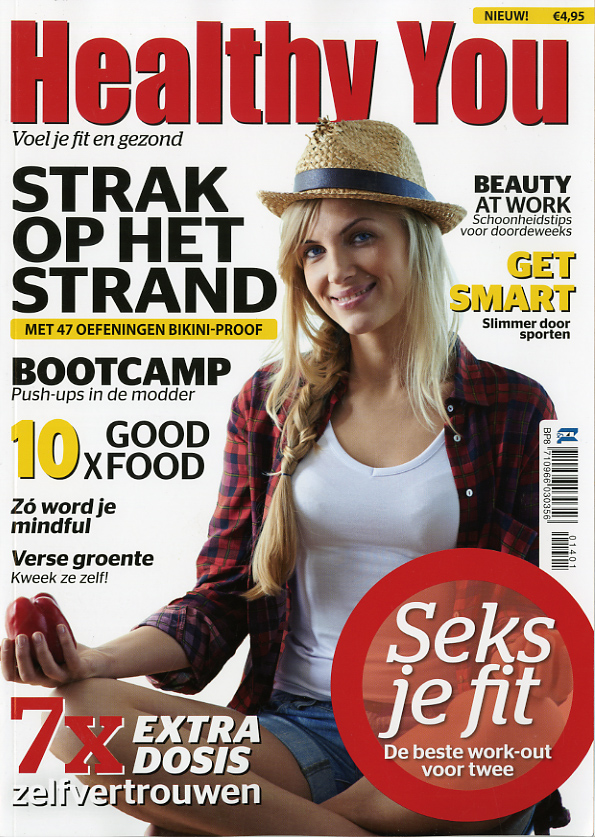
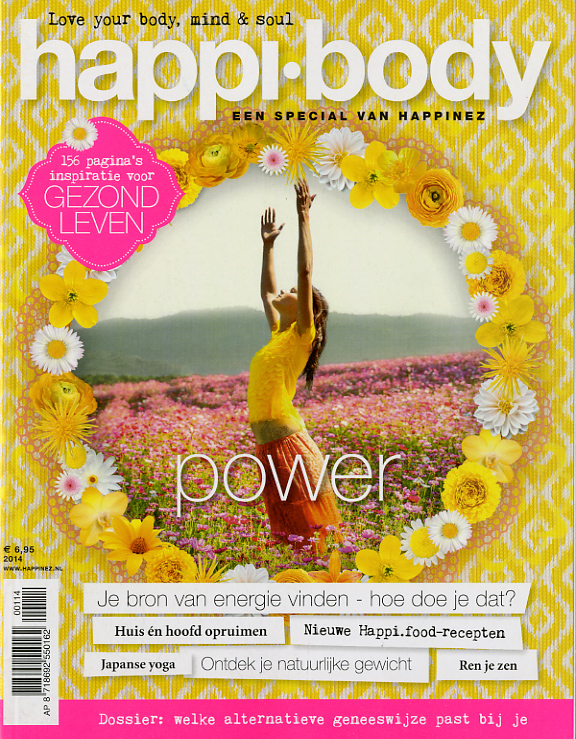
Untitled-59Untitled-56Untitled-55Untitled-53Untitled-49Untitled-48Untitled-45Untitled-44Untitled-41Untitled-40Untitled-37Untitled-36Untitled-33Untitled-32Untitled-29Untitled-28Untitled-25Untitled-24Untitled-20Untitled-19Untitled-16Untitled-15Untitled-12Untitled-10Untitled-7Untitled-6Untitled-3Untitled-2Untitled-1new-33new-32new-28new-29new-25new-24new-21new-20new-16new-15new-12new-11new-8new-7new-6

h1

An Experience Spearheaded by Print: Men’s Health South Africa

May 11, 2014

Men’s Health – South Africa – Keeping The “Experience” In The Experience… The Mr. Magazine™ Interview With Editor-In-Chief Jason Brown…

“I think brands that will survive are strong brands that have a multi-faceted approach which offers the user or the reader an experience. It will be spearheaded by a print experience because people appreciate that.”…Jason Brown

JB_headshoulders Men’s Health, South Africa, is the epitome guide for men and what they need to know to have a well-balanced and healthy life. It is a magazine committed to improving each and every area of a man’s life – from diet to relationships; the magazine is there to shed light on any current topic that might interest them.

Jason Brown is the Editor-in-Chief of the South African edition, but has worked globally in his career. Recently I spoke with him on a trip to South Africa. From the States to the UK and now South Africa, Jason talked about the differences, culturally and locally in the markets and about how distinctive they really were.

After helping to launch various versions of Men’s Health magazine, Jason knows what a magazine needs to attract readership and keep them – provide the audience with an experience they’ll never forget.

So sit back and enjoy the Mr. Magazine™ interview with Jason Brown – Editor – Men’s Health, South Africa.

But first the sound bites…

On the differences between global markets: There is definitely a distinctive difference between all the markets, even though we’re all English-speaking and pretty much have the same background. I’d say the biggest difference is the connection to the cultures of the country.

On the biggest stumbling block in taking a title global: Not making it local enough. Not giving it enough local flavor and not giving enough credit to the audience you’re going to be addressing. People think if you have a big international brand it automatically means success.

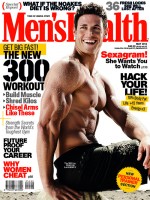
On his most pleasant surprise when it came to the various launches of the magazine: The response to a guy with muscles on the cover. So whether it was in India, or Brazil, there was some initial skepticism that it was an American magazine.

On his thoughts about the future of magazines, print or digital: I think that it’s a combined experience.

On how he sees the glass when it comes to the magazine marketplace in South Africa – half full or half empty: It changes every month and I think that’s just the nature of where we’re at. I think it’s very easy to become despondent about magazines at a time like this, because we’re in such an age of transition.

On what keeps him up at night: Keeping ahead of my readership and understanding their needs.

And now the lightly edited Mr. Magazine™ conversation with Jason Brown – Editor-in-Chief, Men’s Health, South Africa…

CoverMay14lo-150x200Samir Husni: You’ve worked in the United States for two years as Editorial Director at Rodale International and now you are the Editor-in-Chief of Men’s Health in South Africa. You’ve also worked with other magazines here and also in the UK. What’s the first impression you had about the differences in journalism in the States versus South Africa and the UK? Is it all the same or is there distinctiveness about the different markets?

Jason Brown: There is definitely a distinctive difference between all the markets, even though we’re all English-speaking and pretty much have the same background. I’d say the biggest difference is the connection to the cultures of the country.

Working at Men’s Health, we used to say so much is the same, but so much is different. So while many things that have to do with men are the same, men have the same sort of goals and a lot of the same ambitions, culturally how that magazine reflects its society, there is definitely a difference. And I saw it between Men’s Health, UK, the United States and South Africa.

And the biggest thing is the sophistication of the market and the influence of the other things in society. In South Africa we have a lot more of an outdoor society, more closely related to Australia. So the magazine reflects our lifestyle and also the diversity of the audience, 66 % of our audience is black. And that is a big economically growing and I suppose ambitious part of our society.

So the black middle class is growing and it’s reflected in our readership. Perhaps what we think are ideas that have had their time in the UK or the U.S. is still very valid here. Upwardly mobile, young men are looking for things in South Africa that perhaps still have strength and validity, whereas perhaps in the UK or the U.S. they no longer hold that same appeal, or they have to be evolved.

I think we’re probably about two years behind in that sophistication of the marketplace. But it’s caught up very quickly as more international brands have come to South Africa.

Samir Husni: You helped launch several editions of Men’s Health worldwide. What do you think was the biggest stumbling block in taking titles like Men’s Health or Women’s Health or Cosmopolitan and move them across borders?

Jason Brown: Not making it local enough. Not giving it enough local flavor and not giving enough credit to the audience you’re going to be addressing. People think if you have a big international brand it automatically means success.

I think it’s a great advantage because there are a lot of common lessons and a lot of common ground with many men around the world and certain brands are successful because they approach subjects in a universal way. However, not recognizing how much to localize and how important it is to create a local version that has a local flavor is a big mistake.

Samir Husni: And what was the most pleasant surprise with those various launches?

Jason Brown: The response to a guy with muscles on the cover. So whether it was in India, or Brazil, there was some initial skepticism that it was an American magazine. Our country is different is a phrase that we heard very often. But once we had localized, the basic premise of the magazine held true. And I think that was really the surprise, to see how this global concept, once localized well could be so successful and resonate with the audiences.

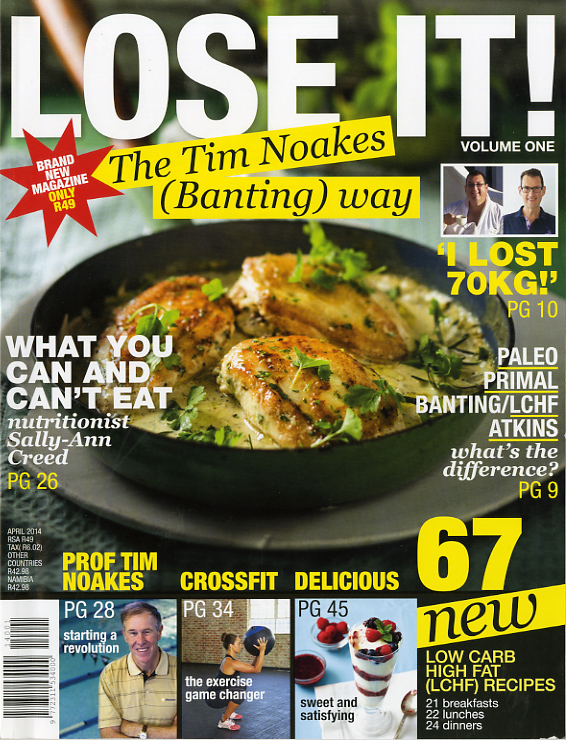
Samir Husni: Talking about local concepts, I interviewed one of your colleagues who had just launched a magazine about a very specific diet, the Banting Diet, Lose It! Magazine. And I see on the cover of this month’s issue of Men’s Health something like the questioning of this diet. Are we talking about the same market? Or does that diet only work for women or men?

Jason Brown: I don’t think we do it often enough here. Because it shows more than one angle to a story and I’m glad they’re having success with Lose It! but I think that our responsibility is to be slightly different and our angle, slightly more questioning.

When the Banting Diet was released here, we did an in depth report over a year and a half ago. We’ve now followed it up with a bit more of an investigative report and I suppose you could say we’re taking advantage of the trend toward this diet and our compelling newsstand cover line is the counterintuitive one, the one in opposition to what you are seeing on newsstands and what people are finding so popular at the moment.

So I think that there’s more than one angle to the story and we found our news angle in counterpoint to what Lose It! is doing. I think both have validity and that shows the health of magazines, that we can take one subject, investigate it and come up with different conclusions and only the reader benefits.

Samir Husni: What makes Jason tick?

Jason Brown: Great ideas. I love smart ideas. I love original ideas and whether I’m on Twitter or being sent a story idea or I find a magazine story and I say, wow…that is a smart, well-executed idea and I wish I had thought of that. And that is what keeps me in magazines and what keeps me inspired by what’s out there and gives me hope that great experiences and great content will keep on driving audiences to the newsstand.

Samir Husni: What do you think is the future of magazines? Print or digital? Both?

Jason Brown: I think that it’s a combined experience. We spoke about it earlier and one of my beliefs is that no one thing is the solution. I think brands that will survive are strong brands that have a multi-faceted approach which offers the user or the reader an experience. It will be spearheaded by a print experience because people appreciate that. They don’t have to click three times to get to their favorite magazine and they enjoy that lean back, but then you’re also offering them an app that can keep them on the go. Your social media is giving them a daily or hourly experience, but the magazine is giving them the longevity and the belief in the experience over the month, the week or over the year.

Samir Husni: As an insider, how do you see the magazine market in South Africa – is the glass half full or half empty?

Jason Brown: It changes every month and I think that’s just the nature of where we’re at. I think it’s very easy to become despondent about magazines at a time like this, because we’re in such an age of transition. And I think to be extreme or to write one thing off in favor of another is looking at it as a problem rather than an opportunity.

For me it’s about reaching an audience, quality content and a quality experience will always find an audience. And for me it’s an exciting opportunity to create more of a holistic brand. I think the future is in the entire 360. What we’re struggling to find right now is the balance between how each of those will work, and how we will create a revenue opportunity across all of them.

Samir Husni: My typical last question; what keeps you up at night?

Jason Brown: Keeping ahead of my readership and understanding their needs. And I suppose anticipating the next move to always stay relevant.

Samir Husni: Thank you.

© Samir “Mr. Magazine™” Husni, 2014 All Rights Reserved.
Truth in Reporting: Media 24 Magazines in South Africa, is a media company that I consult for. This interview is not related to my consulting role, but rather giving my readers a better understanding of the magazine and magazine media marketplace in South Africa. This is the last of the four interviews.

h1

Taking Your Brand Global: Six Tips from the Magazine World

September 28, 2012

So, you are thinking of taking your business globally? Well, proceed with caution. The world is flat may be an exaggeration, because flat it is NOT and differences are plenty. As a magazine professional and educator, I draw a lot of examples from the only world I know: the magazine world (no surprise here)! So, without any further due let’s go global…

An overseas friend of mine once told me that in a gathering for the editors of all international editions of Cosmopolitan the American editor-in-chief of the magazine at that time (and no, it was not Helen Gurley Brown), was reprimanding an editor of one of the international editions, simply because she did not have enough sex lines on the cover. Now, granted, Cosmo is a magazine known for its sexual uninhibitedness, especially on the cover. The international editor replied calmly, “With all due respect, you in America talk a lot about sex, we, on the other hand, just do it.” Had the American editor known her audience, and by that, I mean the specific country’s customers that bought the magazine, she would have known that sex is not that big a deal overseas.

Tip 1: Know your audience.

Do not try to sell sex in a country that has been doing it longer than you have. It just doesn’t work.

That was the first tip that I want to share with you when attempting to establish your product, company or brand as a new entity in the global market. The tantalizing morsels I am dropping here are really just five common sense rules that must be adhered to if you want to maintain or garner success for your business.

There is nothing more rewarding for a business than to gain global recognition. For example, I was in Russia a few years ago and went into a book store. I was extremely anxious to pick up a “Russian” magazine. The clerk behind the counter was not exactly fluent in English, so when I asked her for a Russian magazine and she handed me Men’s Health, I thought that she had misunderstood. I repeated my request and she replaced Men’s Health with Cosmopolitan. It was then that I realized brand had crossed barriers, even in Russia. In the clerk’s mind, these two giants of the publishing world were Russian magazines.

Tip 2: Brand does matter.

You have to create your product, and then brand it as sure as any cowboy searing his steer. Until a Russian clerk who barely speaks English hands me your magazine when I ask her for a Russian one, you haven’t marked your entire herd. So, head ‘em up and move ‘em out. Time is wasting.

There was an Arabic edition of Reader’s Digest that was published back in the late seventies. At that time, Reader’s Digest was extremely popular here in the States. But when the magazine hit the Arabic markets, the articles had such an American slant that most of the Arab people couldn’t relate to content such as “How my cat survived the tornado.” For one, there are no tornadoes in the Arab world and secondly cats don’t live luxuriously there as they do in the States. It was as though the magazine was trying to re-culture the Arabic man or woman’s entire lifestyle. It wasn’t their best effort.

Tip 3: Yes, we’re becoming one world, but there are, and always will be, differences.

In order for your product to be appreciated, you must reciprocate. You must value your audience and study the culture of the world you’re trying to conquer. Flying by the seat of one’s pants will result only in a hole in the material that you may not be able to patch. The World Wide Web is a double-edged sword. Some see it as good, opening doors into domains that most of us have never known before. But there are those who believe it’s hurting their culture and way of life.

When you send your business on that global trek, you must remember that it’s not just about “putting something out there.” Your business has to be more than just another foyer that leads the way into a room your customers has visited a thousand times before. You can’t sell fish to a fisherman, but you can sell him worms.

Tip 4: No matter what you do, keep in mind that most products and brands are about experience-making.

In the magazine world I tell my clients, “You must become experience makers and not just content providers.” When you hand that fisherman a dead fish, he’s not all that excited, he has a dozen of his own in the cooler at his feet, but when you hand him squirming, shiny black worms; you have cracked the door for him to have an experience. One he can relish.

And finally, why did Men’s Health work in Russia, but not in Finland? Why do some magazines work in one demographic, but not the other? There has to be rhyme to the reason.

Tip 5: Study the different markets.

In the long run, it will save you many nights of sleeplessness. Prepare to be different. Prepare to be better. There is no such thing as unique anymore. There is only different and better.

Tip 6: When in doubt, repeat steps one through five.

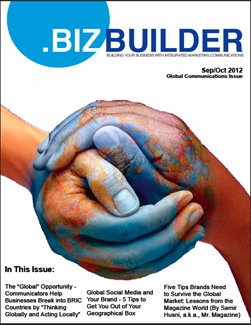
The above article is a slightly edited article from my column published in .bizbuilder Sept/Oct issue. You can access .bizbuilder here.


Click here to learn more about the ACT 3 Experience.

h1

How Do I Love My Magazines? Let Me Count the Ways…

November 18, 2011

From Amsterdam to Baku, from New York City to the Holy City of TSFAT, from London to Northampton and San Francisco seven new magazines and seven new reasons were added to the thousands other reasons that made me fall in love with those ink on paper magazines in the first place. Every time I discover a new magazine, I fall in love again and again. Magazines were, are and will continue to be my first and last love and those seven new ones from across the globe are nothing but yet another testament of my love affair with those ink on paper creatures…

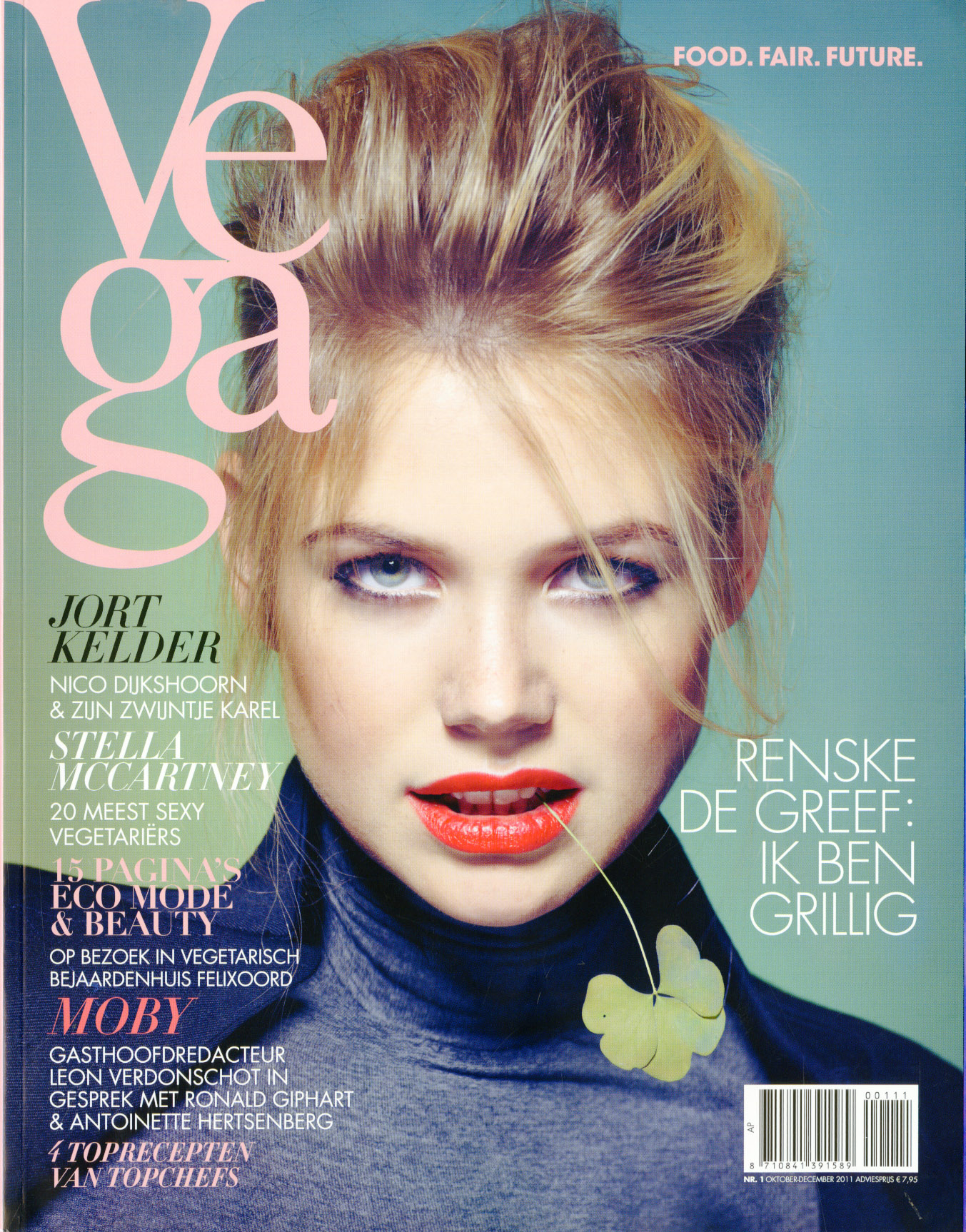
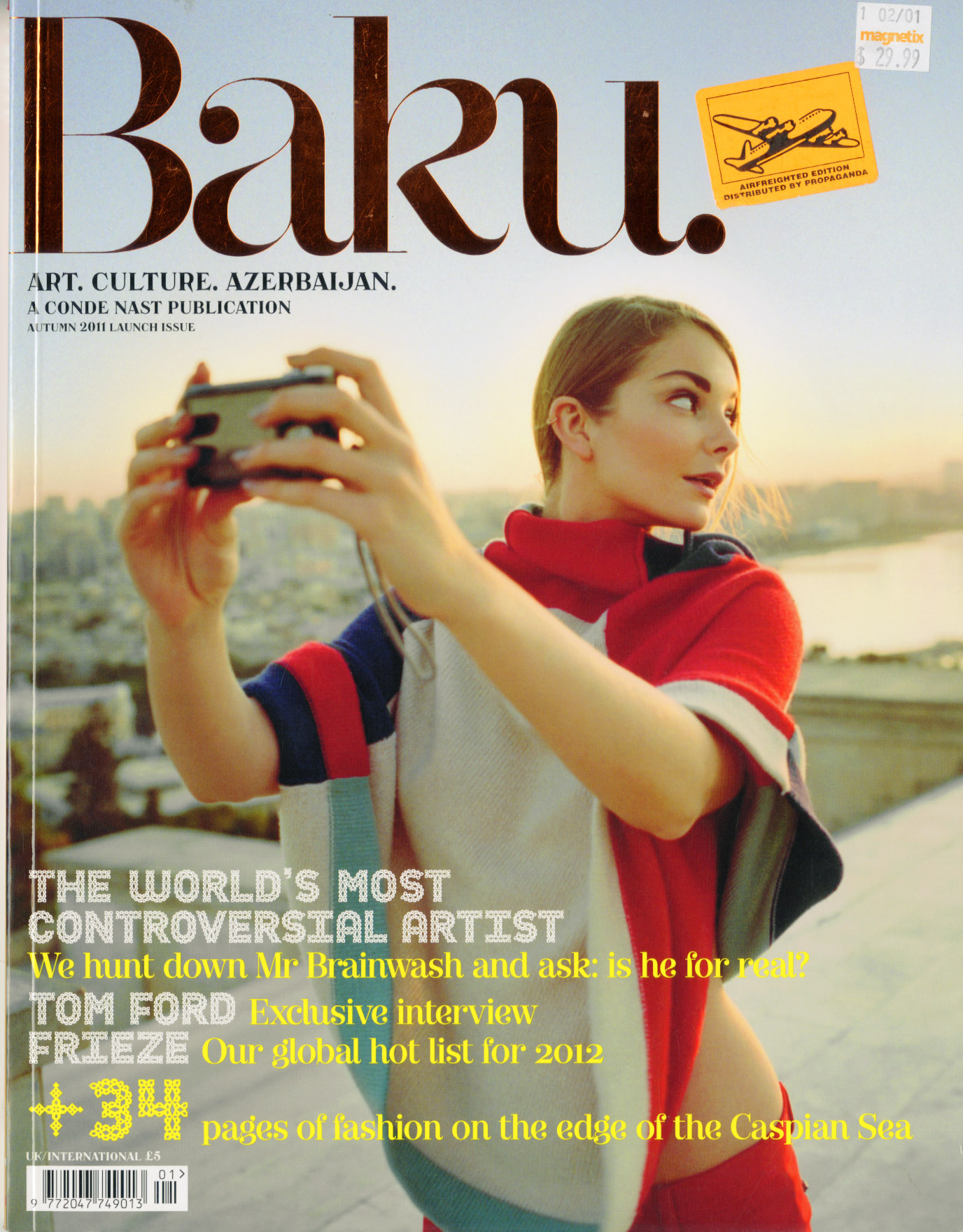
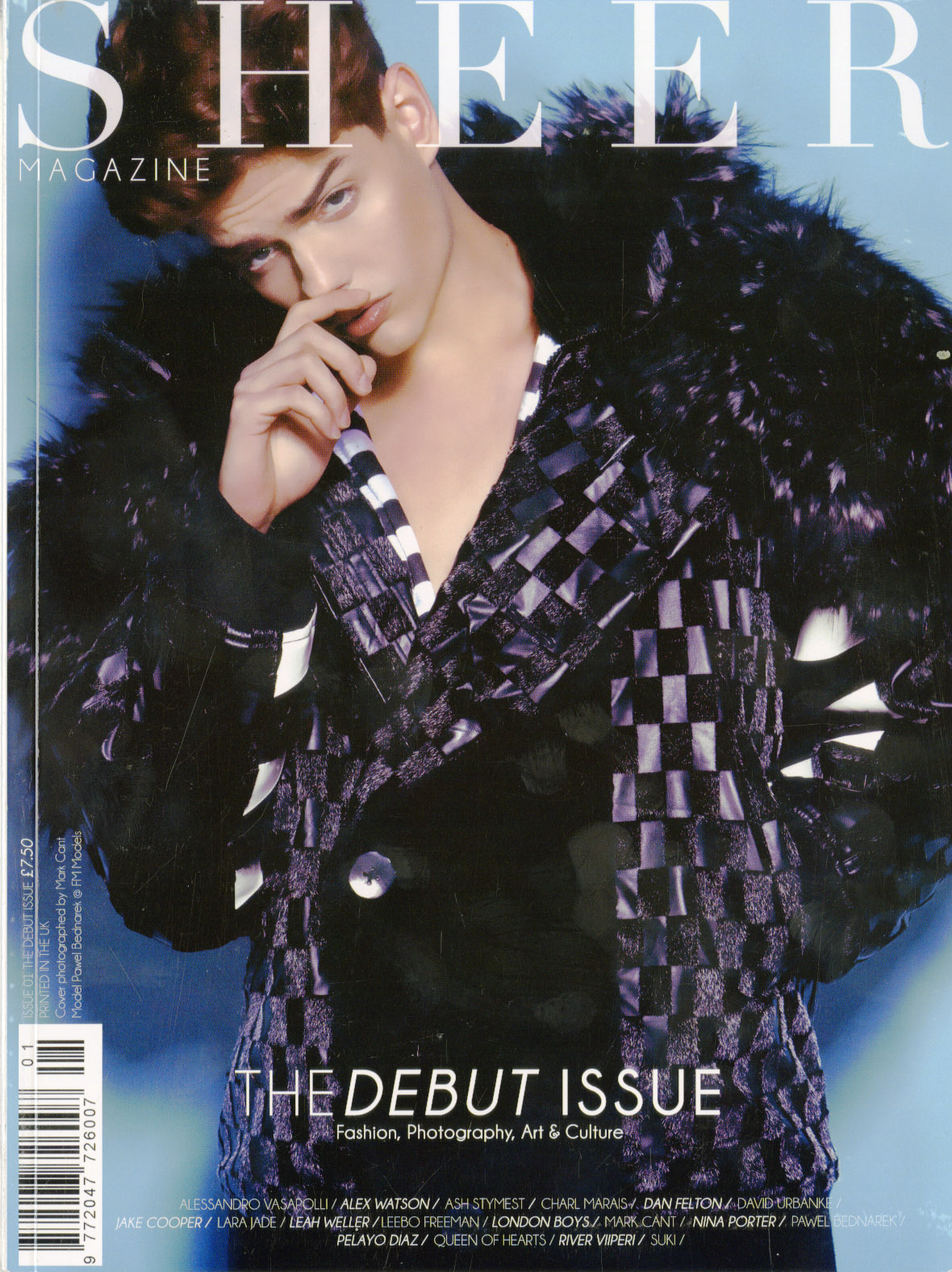
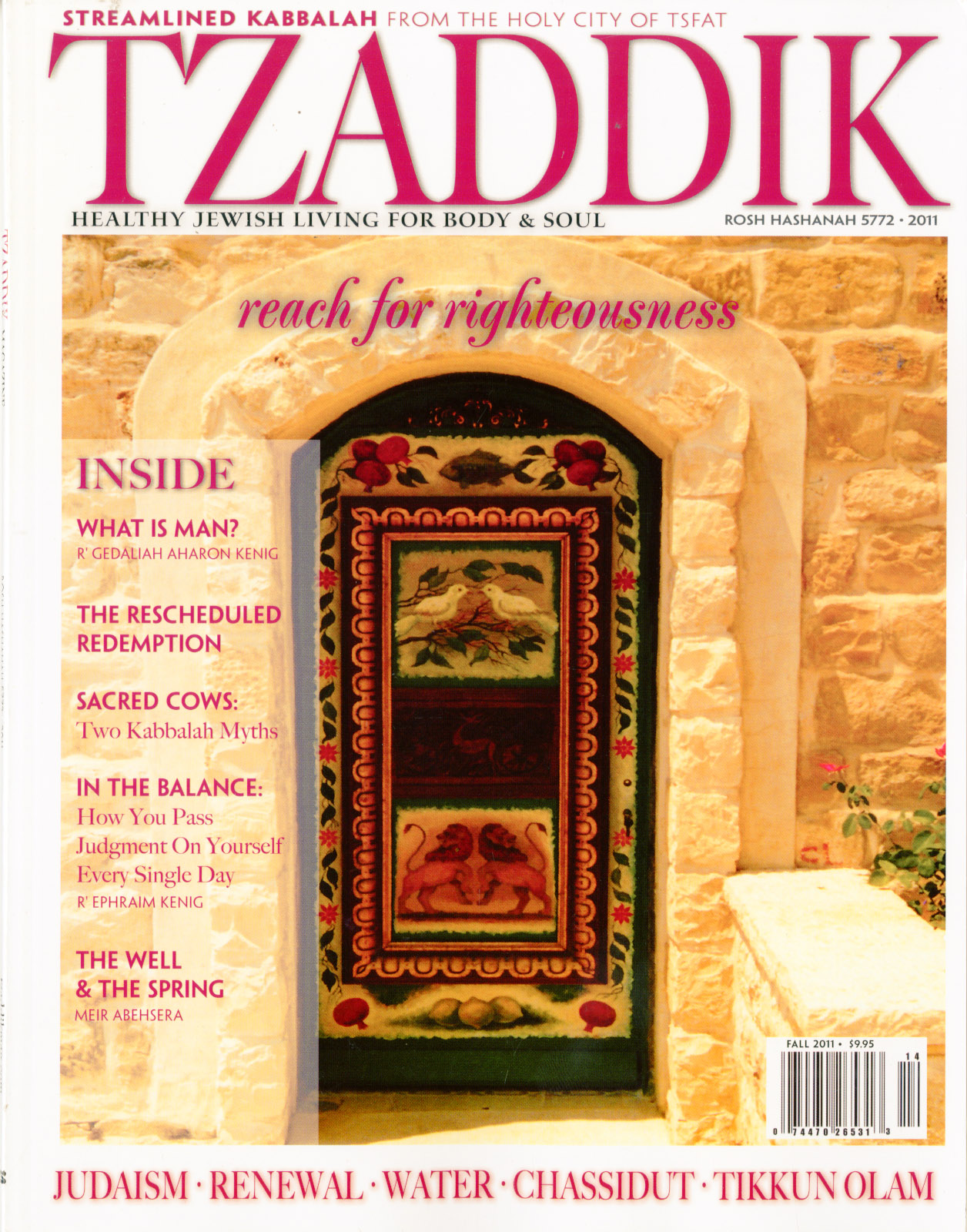
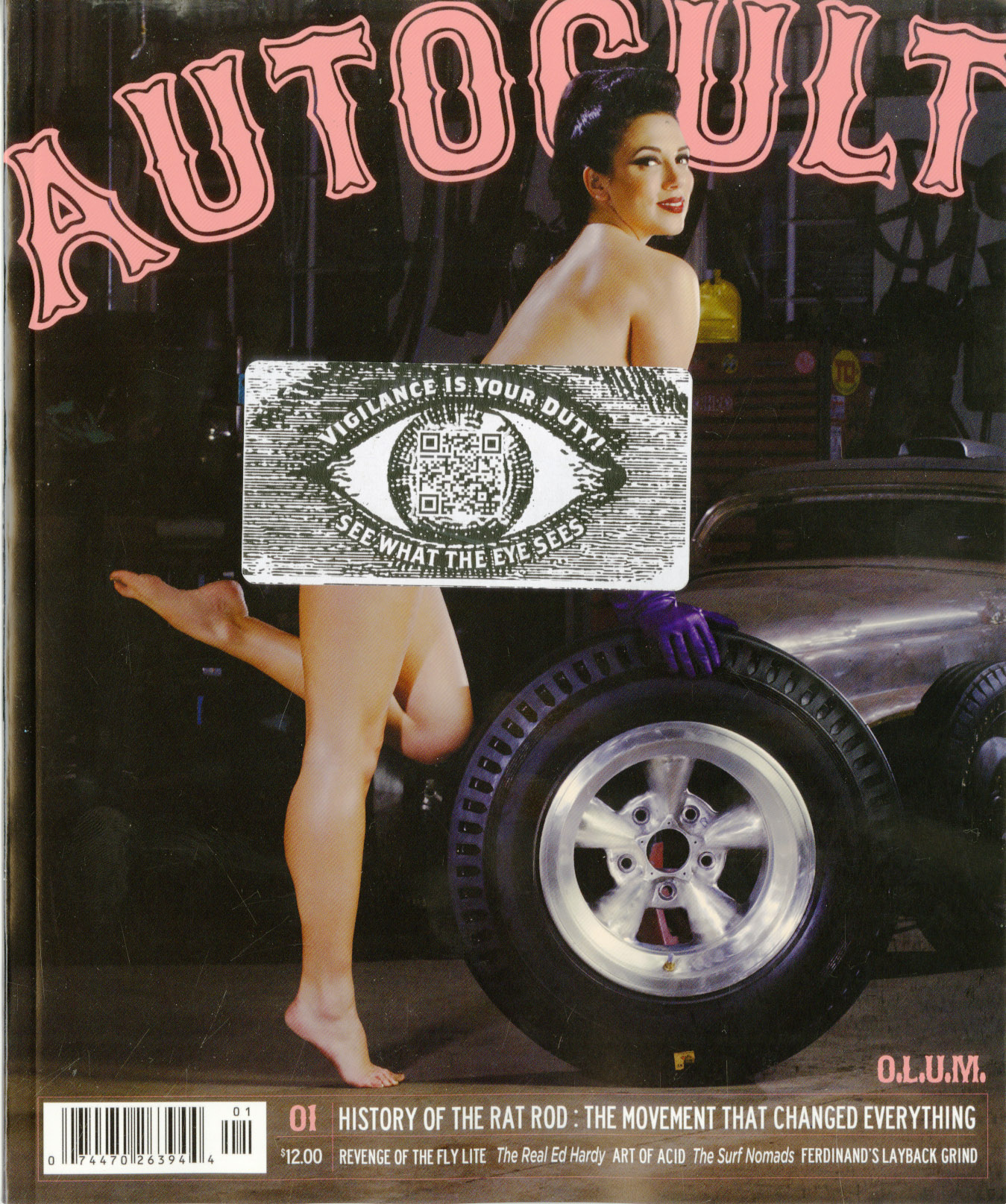
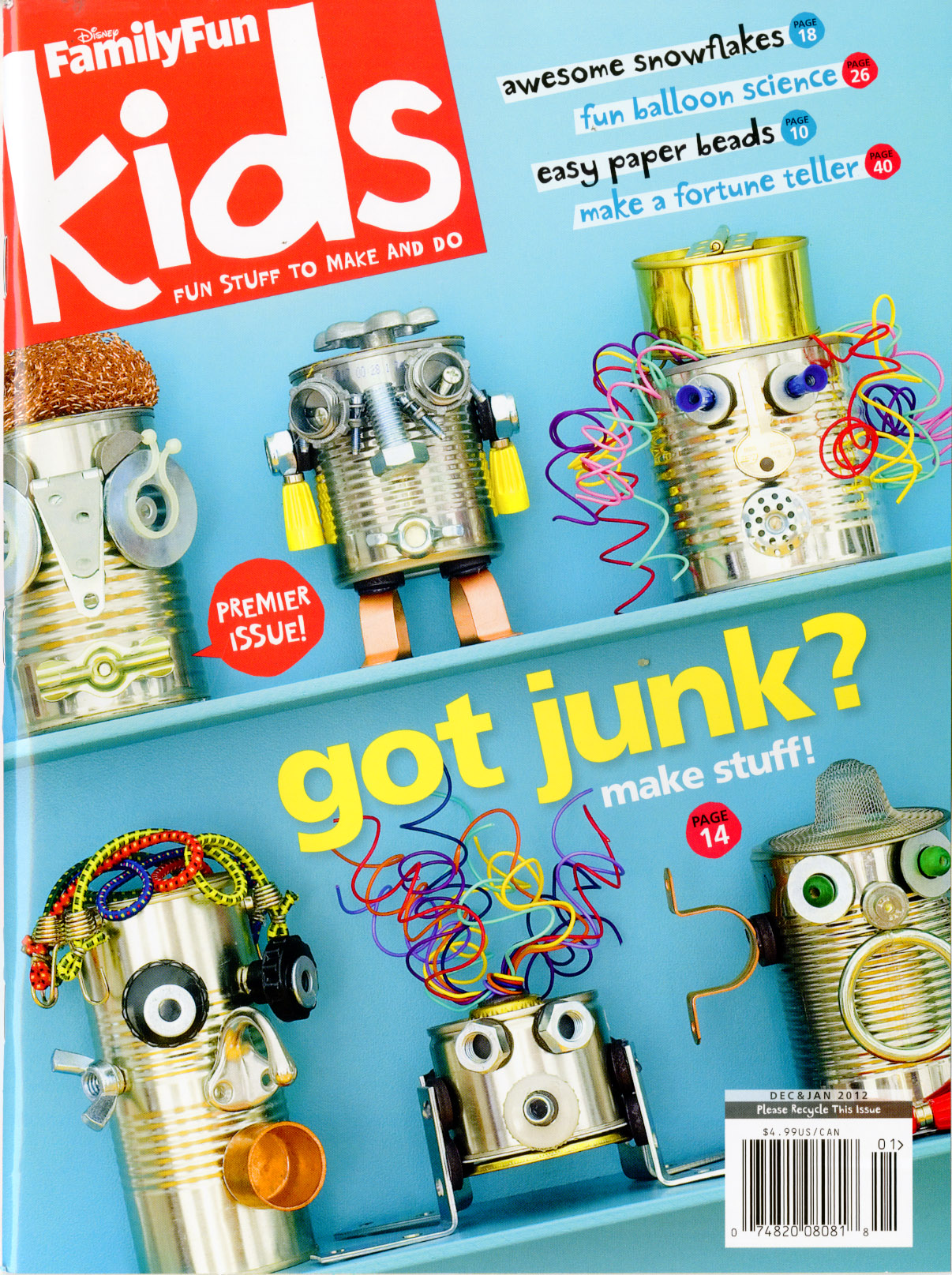
Sharing the love are Vega magazine from The Netherlands, Baku. magazine from Azerbaijan, Sheer from the United Kingdom, Tzakkik magazine from Israel, and Style.com/Print, Auto Cult and Disney Family Fun Kids from the United States of America.

Vega, the magazine of Food, Fair and Future is, as the name suggests, a magazine for all things vegetarian. This new Dutch magazine, launched earlier this month with 148 beautiful and meat-free pages, quotes actress Natalie Portman, “I’m a strict vegetarian… I just really, really love animals and I act on my values. I’m really against cruelty to animals.”

Baku.: Art.Culture.Azerbaijan is a Condé Nast publication that celebrates all the aforementioned “on the edge of the Caspian Sea.” Leyla Aliyeva, Baku.’s editor-in-chief, writes in the premiere issue, which launched on the 20th anniversary of Azerbaijan’s independence, “Welcome to the first issue of Baku.the new international arts and culture magazine. Baku. Azerbaijan, is one of the world great cities – a place that combines the historic and the ultra contemporary, plus so much more.”

Sheer, the magazine that combines Fashion, Photography, Art & Culture, aims to “showcase young and new talent, through high fashion editorial, focusing on photography, art and culture.” Daniel Neale is the magazine editor who launched the magazine online in October 2010. He writes in the debut issue of Sheer, “In our first month the issue had reached over half a million views, and it was from that point, that I started to work on establishing my dream of launching a print version of Sheer.” Well, the dream is now a reality.

Tzaddik, the Healthy Jewish Living For Body and Soul, offers “Streamlined Kabbalah from the Holy City of TSFAT” and as its editor in chief Sharon Marson writes, “The magazine’s cornerstone message communicates, that we “reach for righteousness.” She adds, “Welcome to the release of the first issue. Welcome to what is possible. Welcome to the dream.”

Style.com/Print magazine is the latest website finding its way to print. The twice annual publication’s first issue comes in a luxurious over-sized 216 pages and is lead by editor in chief Dirk Standen’s report from New York, London, Milan and Paris. “Style.com and now Style.com/Print,” writes Standen in the premiere Spring 2012 issue, “live to celebrate fashion.” The magazine promises to deliver “two semi-annual issues of Style.com/Print right off the Fashion Week runways…” Another pixels on a screen discovering the power of ink on paper. Welcome aboard.

Autocult, the occidental lodge of underground motoring, arrives with a hefty priced premiere issue of $12.00. The magazine “pretty much embodies the cult of the automobile.” The editor’s mantra regarding magazine publishing should be a mantra to everyone thinking of launching a new magazine in this day and age. Dan Stoner writes, “If your magazine can be replaced with a website, it should be. And what kind of lessons can be learned from that? Well, it all boils down to making something that provides a memorable experience and moves the quality-of-life needle a skosh toward the ‘+’ end.” The editor continues, “If I make a magazine that you like to hold in your hands, that has a little weight to it, that you want to collect and couldn’t imagine just throwing out after a week, shows you things you never knew about before and does it in a way that inspires you to start a new project of your own, well, then I think that’s the kind of magazine that’ll stand the test of time. And the test of ever-changing new media that likes to feed on the weaker magazines.” All what I can add to his words is AMEN!

Disney Family Fun Kids, fun things to make and do. The new magazine from the folks at Disney’s Family Fun have packed every page of the new bimonthly “with fun stuff to do, like cutting out funny mustaches… making our own paper beads… and building can robots…” Jon Adolph and Moria Greto, the magazine’s editor and art director respectively write in the first issue, “We want this magazine to inspire kids to make and do things on their own. Still, some projects may require a little help from a grown-up.” Can’t be more interactive than that!

Every new day brings a new love or two or three. So, what are you waiting for? Sitting in front of your computer or tablet will never put a magazine in your hands and help you fall in love. Digital is fantastic and great, but a magazine IT IS NOT. So, get up, get out, visit a newsstand and buy a magazine or two and start falling in love. Don’t take my word for it… try it yourself, you will love it. Guaranteed.

h1

From New Zealand with “Magazine” Love…

November 14, 2011

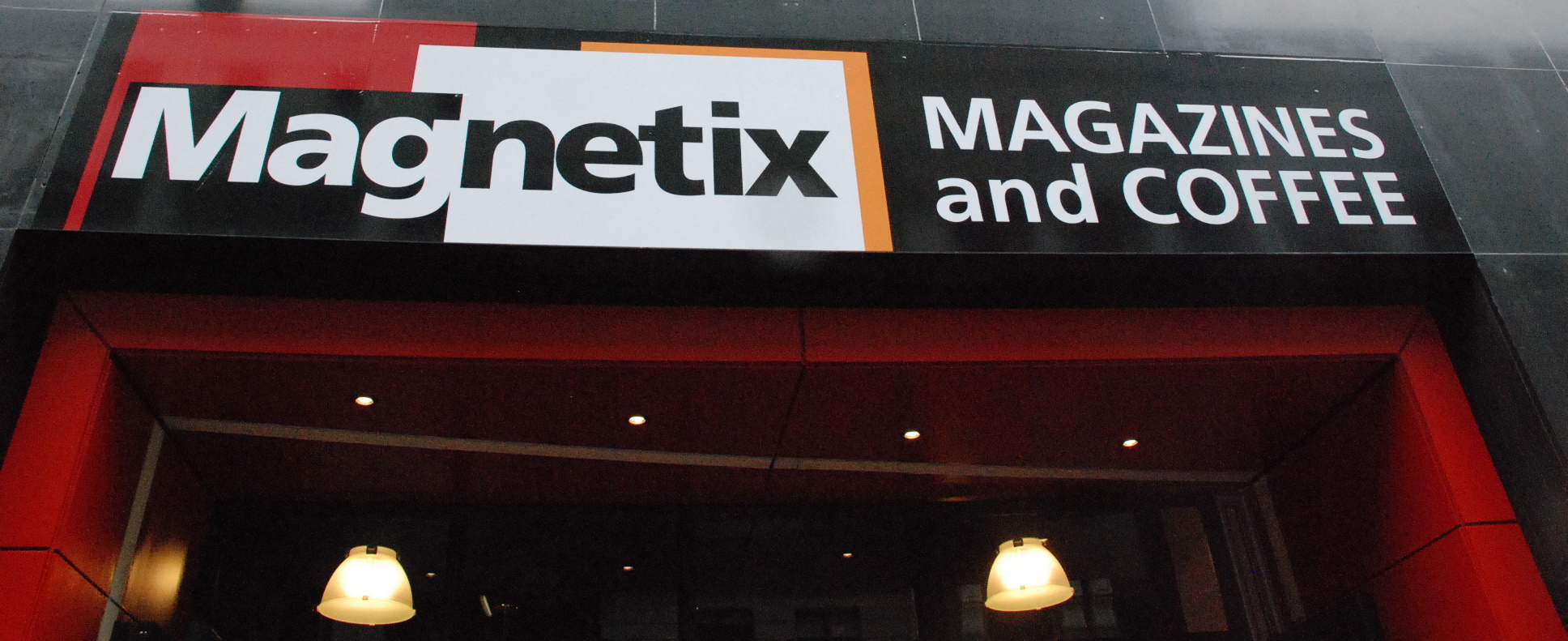
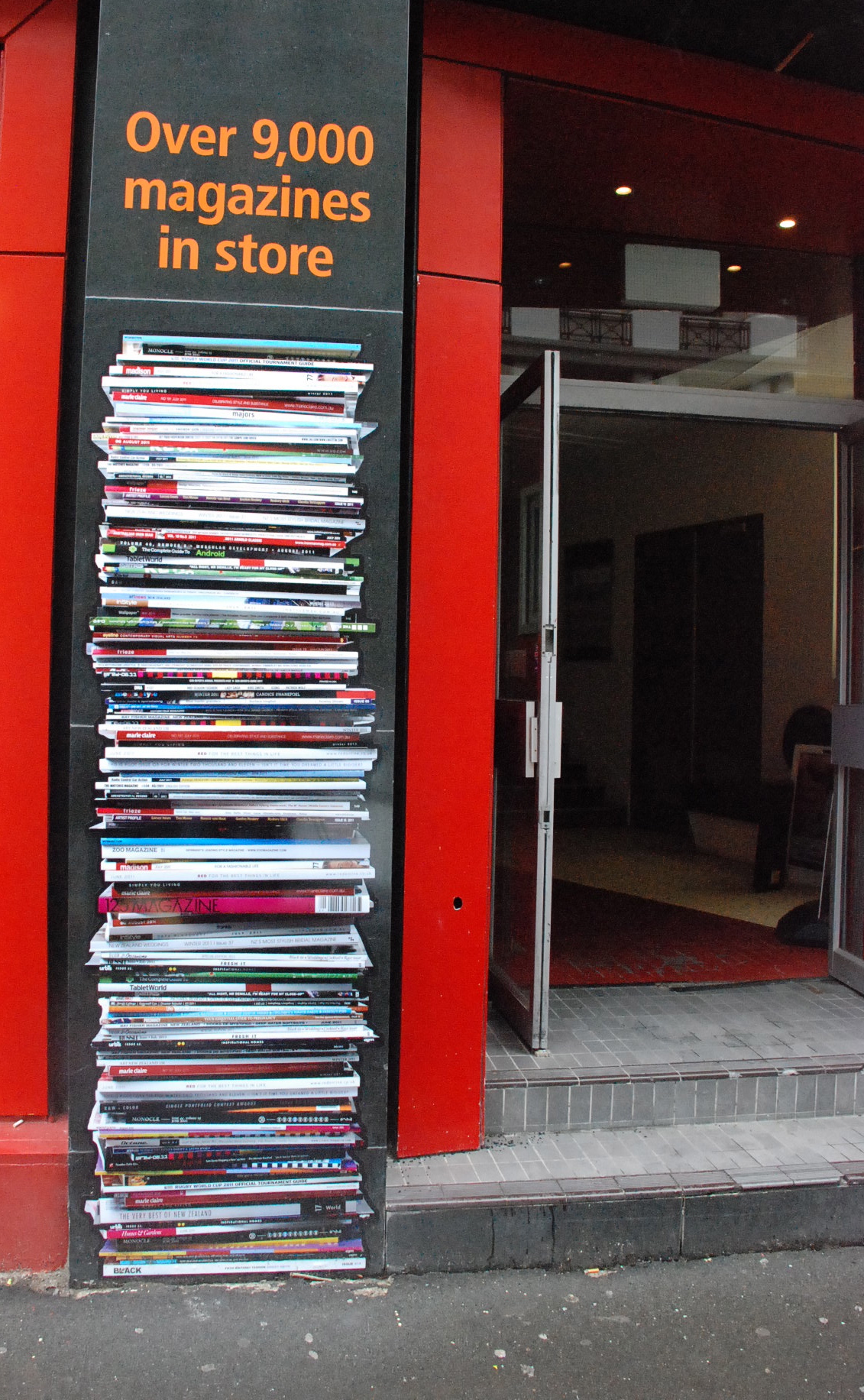
Just returned from a speaking engagement trip in New Zealand where I gave a talk on “Generation Next: Publishing Trends that Shape the Future of Editorial” at the Society of American Travel Writers‘ 56th Annual Convention in the capital city Wellington. On my last day in the city I discovered this magazine newsstand and I thought “what else can sum up my visit and my views about the future of print in a digital age more than those two pictures?” Seeing is believing! Add a cup of java, and yours truly is on cloud nine, or in this case cloud 9,000. Thank you SATW for the invite!

h1

Media Adventures in Foreign Lands: My Two Students’ Magazine

July 20, 2011

Two Students & A Prof. is the name of the magazine that two of my students created based on our trip overseas to Austria and Slovakia. The magazine is printed, sold and distributed via MagCloud. <a href="

First Issue, Summer 2011

Two Students & A Prof. Issue 1: First Issue, Summer 2011

Find out more on MagCloud

“>You can access it here.

h1

The Strong, Smart and Sexy Dutch Cosmo Women!

February 17, 2011

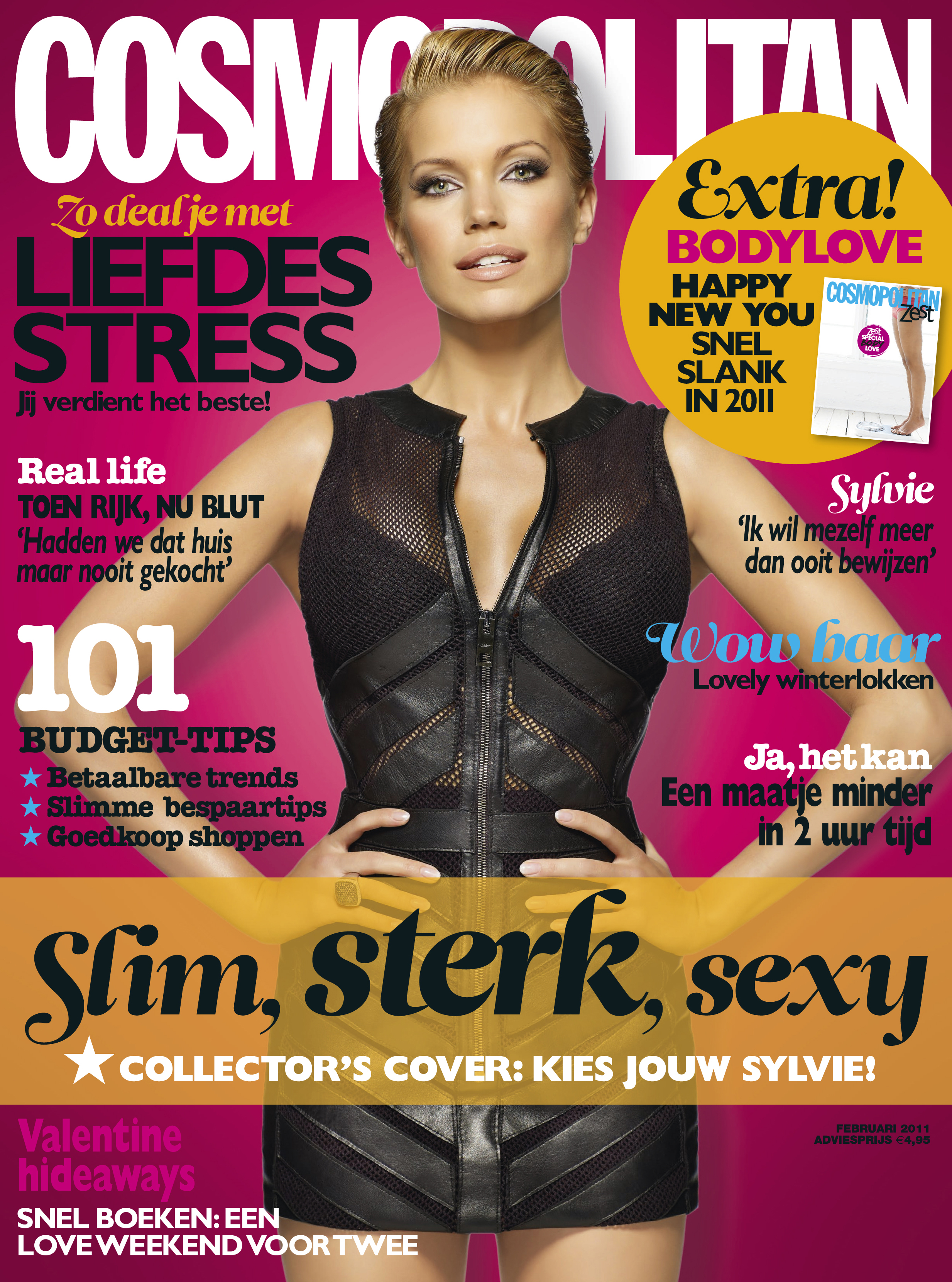
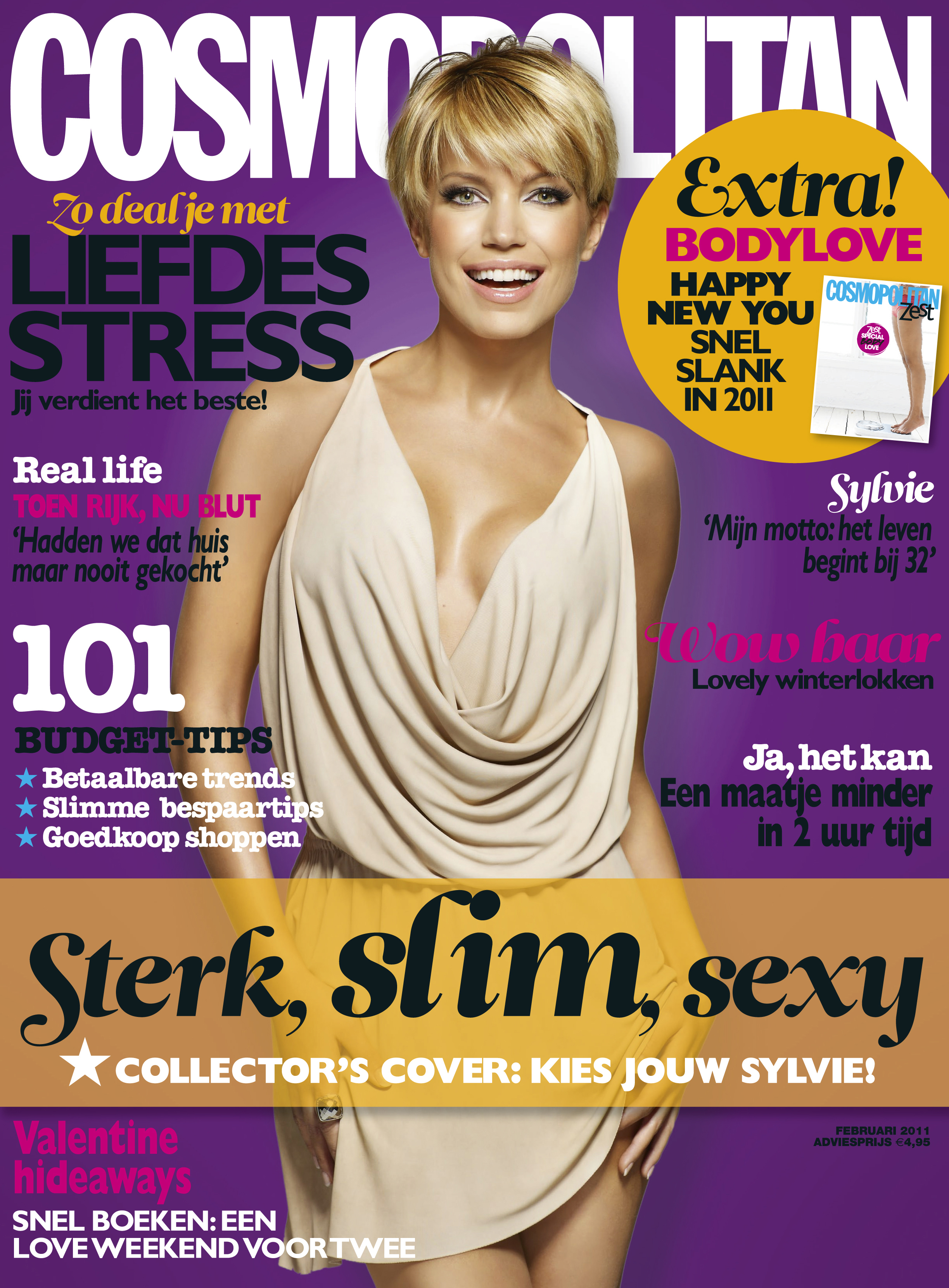
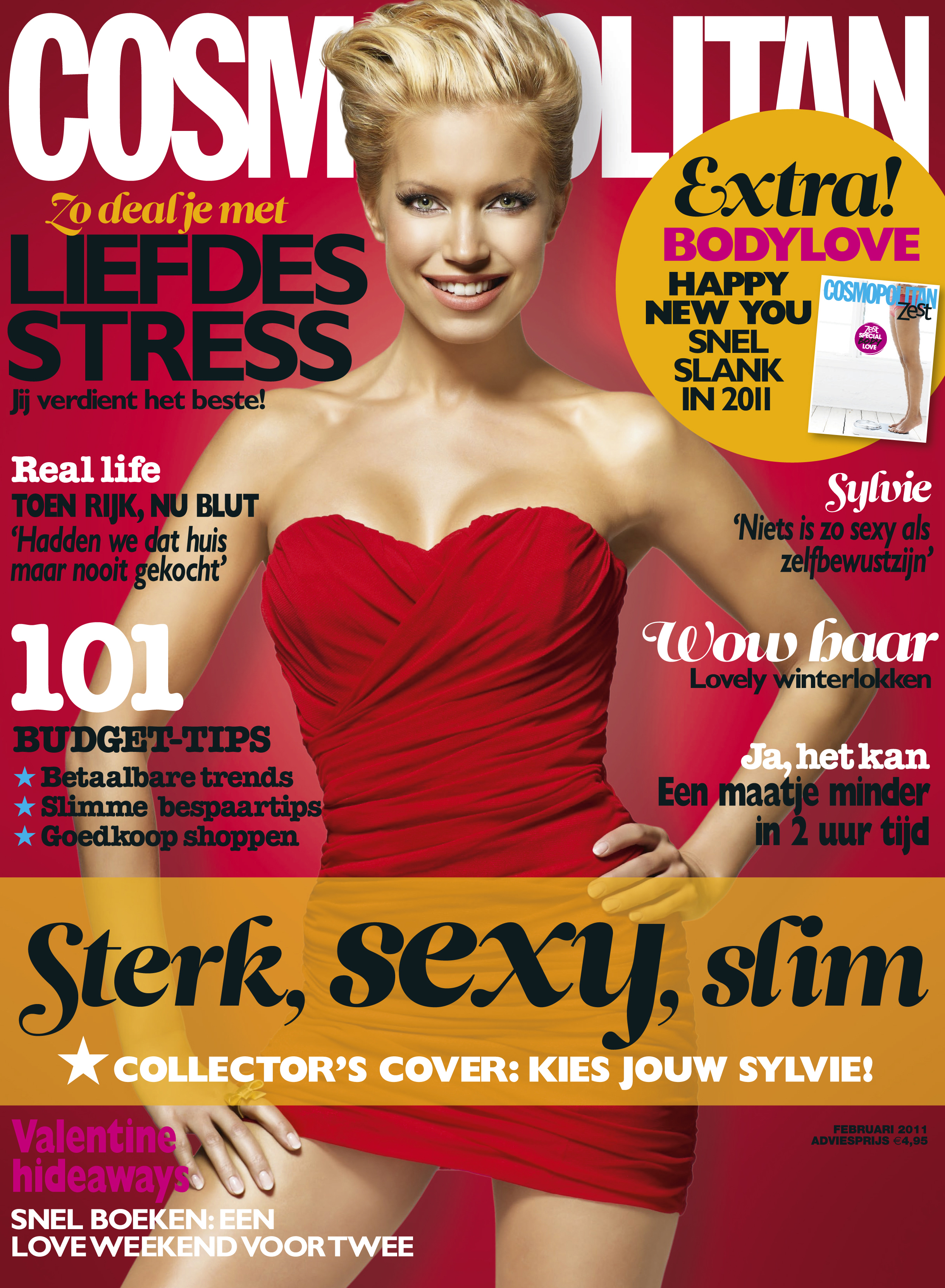
Technology is making it easier for print to offer split covers of the same magazine. This trend of split-covers is neither new nor is limited to the United States. However, while most magazines print split covers to test an image, a cover line, a price, etc., the Dutch edition of Cosmopolitan used the three-way split cover to enhance the editorial message about the Cosmo Dutch women who are Smart, Strong and Sexy.

The February edition of the Dutch Cosmo sports a split run with three covers of the fabulous Dutch Sylvie van der Vaart. Why three you may ask? Dutch Cosmo’s publishing director Sanne Visser is quick to answer: “because Cosmo-women are (Sterk) that is Strong in English, (Slim) that is Smart in English and Sexy. So we had a Strong, a Smart and a Sexy cover.”

Take a look at the “Sterk,” “Slim” and “Sexy” covers and judge for yourself. Enjoy.