Archive for the ‘News and Views’ Category

h1

No “Fifty Shades Of Grey” For Magazines… A Mr. Magazine™ Musing

February 13, 2015

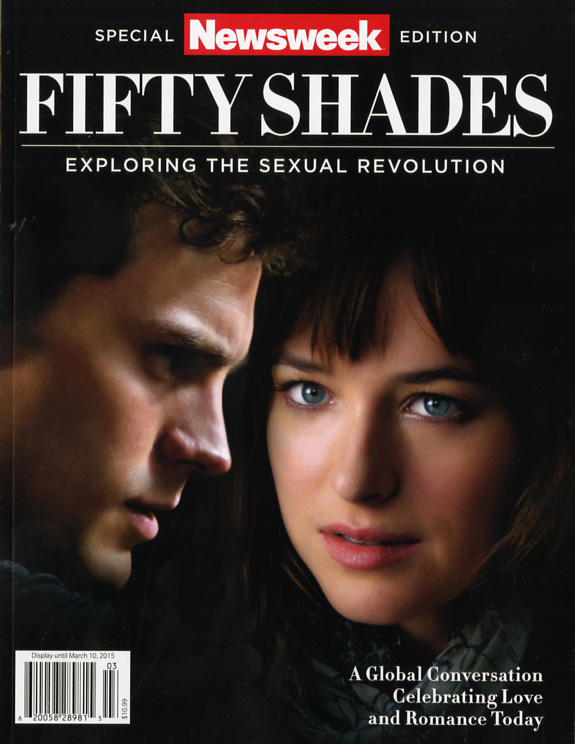
50 Shades1-1When it comes to magazines there is no limit to the number of shades one can find. But when it comes to one specific Shade of Grey one can hardly find a magazine or two reflecting on the movie that opens tomorrow across the United States.

The premier installment of the bestselling novel by the same name is scheduled to be released Valentine’s weekend. The movie hasn’t even been shown, yet there are plans in the works for the next two films in the book’s trilogy: Fifty Shades Darker and Fifty Shades Freed. Lucky Dakota Johnson (who plays the female main character, Anastasia Steele) and Jamie Dornan (lead male character, Christian Grey); their bank accounts just increased by several zeroes, no doubt.

While the controversy of the book’s plot really comes to light when it’s adapted into a movie; ticket sales have been through the roof for the movie’s debut. And while the hoopla of a good controversy only feeds the desires of most of us to actually go and see what the big deal is all about, the magazine media industry has been a bit more hesitant to dive ink first into this pool of contention.

In the past magazines have always played a great role in reflecting and complementing every other medium, be it a book, a television program or a movie. Magazines are the mirrors of life; they reflect and depict each and every social, moral and news issue in a way nothing else does. The film industry is no exception. From the The Harry Potter series, to the Twilight series, to The Hunger Games and everything before, after and in between; magazines have showcased and related the film’s story, complete with pictures, to a satisfaction that the script sometimes doesn’t even generate with the audience.

However, many times the movies, such as the ones previously mentioned: Twilight and its brethren, are geared toward the younger generation; the much younger generation, as in teenagers. And while that in itself isn’t a bad thing, the premises of some movies are not exactly meant for the teen set. One in particular comes to mind: Fifty Shades of Grey.

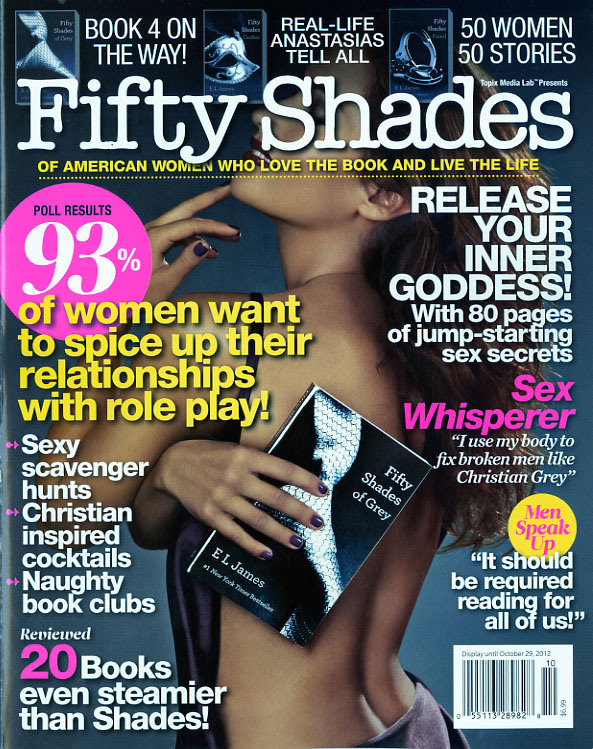
Fifty Shades 2-1 How do you get your target audience away from the younger generation when for the most part it’s that generation that will purchase your special issue? In fact, other than Topix Media (which published one magazine when the books came out in 2012 and now published a second title under the Newsweek brand about the movie), Bauer, so far, is the only other publisher who published a title related to the Fifty Shades of Grey movie. The magazine, The Complete Story Of The Making Of Fifty Shades of Grey is published under the brands Life Story and Film Fantasy. Titles under those brands from Bauer were mainly aimed at the teen scene including bands like One Direction and movies like Harry Potter.

So why then are there not at least fifty Fifty Shades of Grey magazines on the nation’s newsstands? The answer is simple, very simple. Such magazines are reflectors of the movies. And magazines reflecting a movie, which is touted to have extreme erotica and bondage-type scenes, have been few and far between, if not non-existent. In a book without pictures one can get away with any topic no matter how obscene or insane the topic is. Create a magazine and you will need pictures. There lies the source of the problem. Add to that all the negative publicity the movie is already generating from domestic violence groups and many pastors who are encouraging people to boycott?

The first magazine dates back to 2012.

The first magazine dates back to 2012.

In an article published in the largest paper in my home-state Mississippi, The Clarion-Ledger, the headline screams: Mississippi the most eager state to see ‘Fifty Shades of Grey’, the irony of that title is brought to the forefront; not only the irony, but also the factual truth of the statement, when the piece reports that The American Family Association, which has its office in Tupelo, Miss. is urging everyone to not see the movie. Ironic in that, according to the article, the Washington Post’s website reported that the film accounted for 60 percent of all Fandango ticket sales this week, especially in the South and Midwest. That makes it the highest-grossing R-rated movie in pre-release sales on the movie ticket website, and the No. 1 state, Mississippi, nearly four times its average for pre-show ticket sales, with the first city in the state to sellout a theater, Tupelo, where the AFA’s office is.

Sometimes truth is stranger than fiction. Go figure.

h1

Monogamy, Addiction and Storytelling – A Trio That Can’t Be Beat…1,001 Mr. Magazine’s™ Blog Posts Takes A Lesson From 1,001 Nights And Passes It On To Magazines.

February 10, 2015

There was a story written long ago, that I’m sure many of you remember reading or hearing about, called One Thousand and One Nights, often known in English as Arabian Nights. Now I won’t give you a long, drawn-out refresher course in literature; suffice it to say, the premise of the story was the King, Shahryar, is shocked to discover his sister-in-law has been unfaithful to his brother for quite some time and subsequently finds out his own beloved bride isn’t so lily-white either when it comes to the art of fidelity.

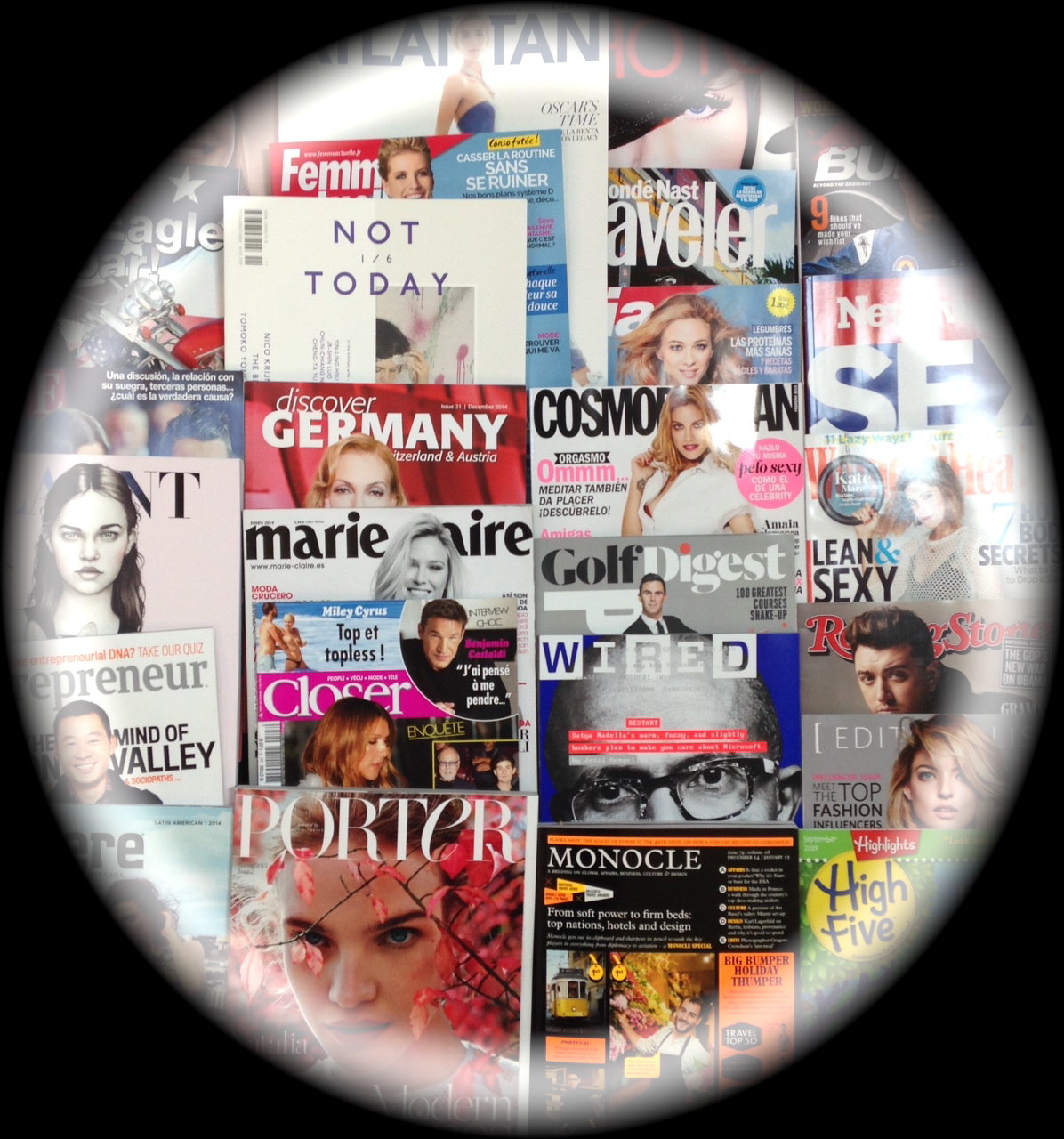
Magazines Magazines and More Magazines Worldwide... Monogamy, Addiction and Storytelling.

Magazines Magazines and More Magazines Worldwide… Monogamy, Addiction and Storytelling.

The King has her executed and becomes bitter toward all women, marrying a succession of virgins, only to execute them one by one due to his mistrust of the fairer sex. Eventually the Vizier, whose duty it is to provide them, cannot find any more virgins. Scheherazade, the Vizier’s daughter, offers herself as the next bride and her father reluctantly agrees. On the night of their marriage, Scheherazade begins to tell the king a tale, but does not end it; she only leaves him longing for more each night, which does wonders for her ability to stay alive.

And hence, Mr. Magazine’s™ narrative begins where Scheherazade’s left off. Magazines could learn a few things from One Thousand and One Nights. When Digital showed her curvaceous pixels onto the magazine scene, publishing kings were definitely affected by the temptations she offered. And while print was certainly more monogamous than Shahryar’s brother’s wife proved to be; publishing kings were merely chomping at the bit to ‘execute’ their ink on paper spouse and marry every digital maiden that happened along, seeing visions of digital empires and fruitful offspring throughout that new kingdom called cyberspace.

Unfortunately, it didn’t quite work that way for magazine media, or King Shahryar, for that matter; albeit their situations were slightly reversed, with the kings of publishing trusting their new digital brides just a bit too much.

But while Shahryar was always distrustful of women after his brother’s experience, there was one thing for certain, he was still addicted to the opposite sex and kept coming back for more with as many different young ladies as the Vizier could find.

The addiction must be there. Without the desire and magnetic pull urging and demanding the King to try again or in the magazine’s case, the customer’s habitual return to the product, there would never have been a continuing relationship with Scheherazade for him, or a recurrence of connection and relevance with the audience for the magazine.

There is absolutely nothing wrong with the customer being obsessed with your product. In fact, it’s encouraged, just in case someone out there was wondering. A printed magazine is one of the most obsessional items around for human beings who enjoy reading. It’s an experience that plays on all the senses on many levels. So don’t kick it to the curb just because it’s the 21st century. In fact, most publishers today are finding print to be the collectable part of their digital/ink on paper duo, with a lot of digital companies conceiving print components just to add that attribute to their brand. You can’t exactly stick a webpage in the bottom drawer of your grandmother’s antique dresser to pull out later when you have the time to savor it. I suppose you could stick your laptop there, but trust me, the experiences are much different. Not to mention, the computer would most likely be dead anyway, depending on how long it took you to get back to it.

Once you’ve established the addiction factor into your kingdom, never forget the allure and deep satisfaction people have for the art of storytelling. After all, it’s what kept Scheherazade alive every night, that ability that she had to keep the King wanting more.

Weaving enchanting stories into the content of your product will continue that all-important addiction and perpetuate audience connection and repetition in a way that nothing else can.

Just remember that the King’s curiosity about the story Scheherazade told always bought her another day of life. Magazines would do well to remember that lesson.

Monogamy, addiction and storytelling – three points of interest in One Thousand and One Nights and three points of interest in Mr. Magazine’s™ 1,001 blog post. And as it was in Scheherazade’s case, there is always hope when you’re willing to innovate, create and motivate your product to be the best it possibly can.

Until 1,002…

h1

On Magazines And Magazine Making… A Mr. Magazine™ Common Sense Musing.

February 6, 2015

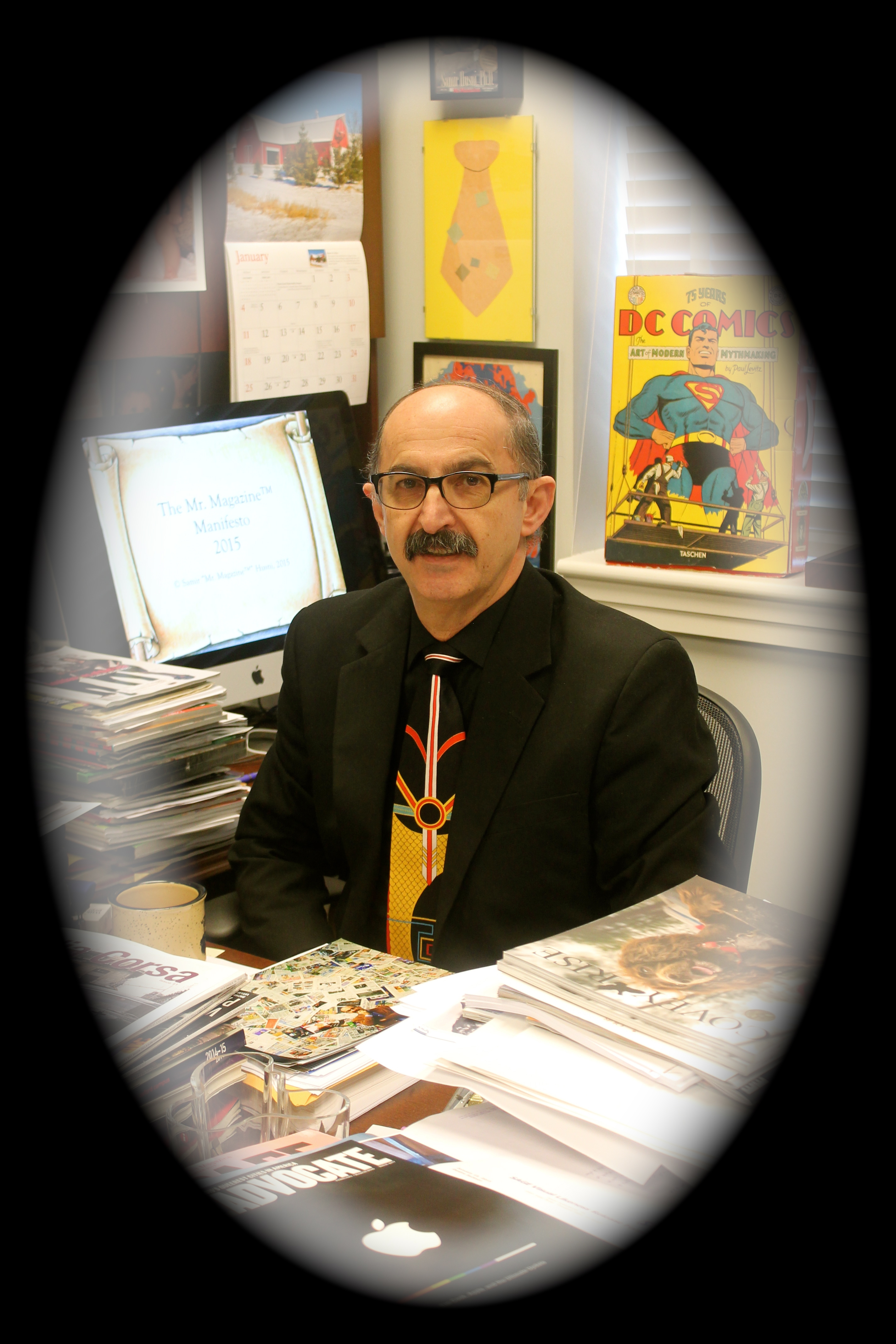
samir2015 It does not take a genius to know that there is no magazine media without magazines and if I may add, there are no magazines without ink on paper. Inherent in the definition of the word magazine since 1731, is the fact that it is a printed bound product made from ink and paper.

Magazines were never referred to as such because of the fact that they are ink on paper publications. The name magazine was a descriptive adjective of a collective printed experience that did not need to be identified by the process of printing or the smell of the ink.

It was not until the dawn of online and digital publishing that we tried to outsmart ourselves and attempt to introduce new definitions of what is and what is not a magazine. We started with replicas and ended with a complete revision of the definition of what a magazine is. In this process of unnecessary change folks started to confuse the definition of a magazine with the many new platforms that started arriving on the scene. And with that confusion we started to move our eye away from the prize, the printed magazine, and began to focus on ways and means to replicate or duplicate what we have in print.

Without magazines there is no magazine media. Yes it is true, that magazines alone may not be the “cup of tea” for some of our audiences, but it should not and must not be true to our publishers and media companies who were/are too quick to jump ship and attempt to change the definition of what a magazine or a magazine company is or is not.

When Coca-Cola introduced the non-caffeinated drink Sprite, it did not change the name of the company. When Apple introduced the Mac, it did not change the name of the company. Magazine companies should and must introduce new products and new platforms to their mix of goodies, but they at the same time, should adhere and respect their history and brand name.

Changing the Coke Company to Coke and Sprite does not only dilute the company as a whole, but also introduces confusion into the marketplace. A magazine company that introduces new magazines, new videos, and new apps is still a magazine company. We should take pride in our history as we introduce new products and invent digital components the same way our predecessors invented printed magazines.

When I went to journalism school I was never taught the art of printing. I was taught the art of journalism. I was in the business of filling the pages with great stories and great content for that very specific product that is called a magazine or a newspaper. Never once did I learn anything about the making of ink or the making of paper.

That same creativity and curiosity must be adhered to when we are inventing new products from our magazine companies to the market place. We should not replicate or duplicate any or all of our products. A new medium requires new ways of presenting and engaging our audience. Digital products require digital thinking and digital creativity. Digital does not mean shoving print onto the screens of our digital devices. It is a completely different experience.

Magazines are not dead or dying. Some have committed suicide and some are attempting to do so. But a lot of others are doing very well, thank you. A whole lot more are arriving at the marketplace worldwide. They are not offering nor do they care to offer excuses of why they are arriving in a printed format. They know they are not publishing a magazine if they are not printed, and their audience knows that too…

No one can or should argue that we do not live in a digital age, but just living in a digital age does not mean we have to ignore the other media out there. Digital watches did not kill analog watches. In f act after a few years of digital watches’ advancement on the marketplace, analog watches made a strong, very strong comeback. Magazines are going to do the same.

As I mentioned in my Mr. Magazine™ Manifesto for 2015, pundits are no longer talking about the death of print, but rather the decline of print… Five years from now they will be talking about the power of print, the power of digital and the power of whatever else is going to be invented.

Magazines survived throughout their almost 300 year history because they were always first to innovate, adapt, adjust and engage with their audience and customers without changing their names from a black and white magazine to a four color magazine to a glossy magazine, etc. If we keep that in mind and continue to innovate in print and in the way we interact with our readers and customers we will be celebrating another 300 great years of magazines and magazine making.

Maria Rodale, CEO of Rodale Inc. said it best, “ We as an industry have undervalued our products and overvalued ourselves.”

Amen to that!

h1

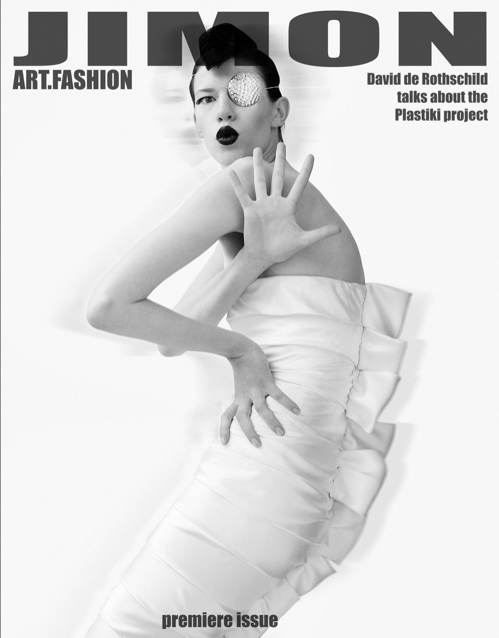
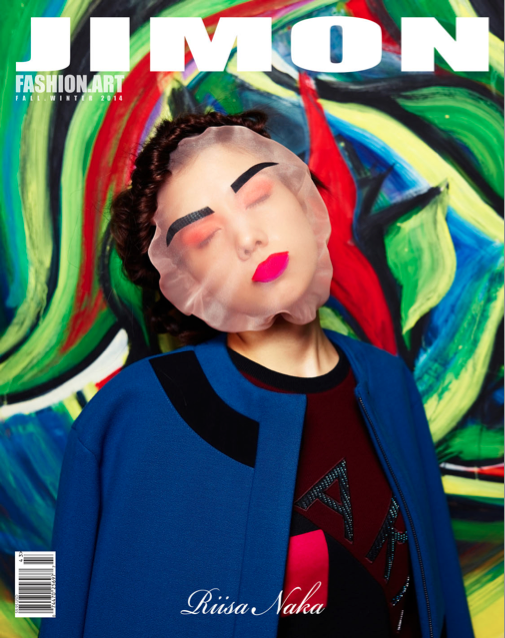
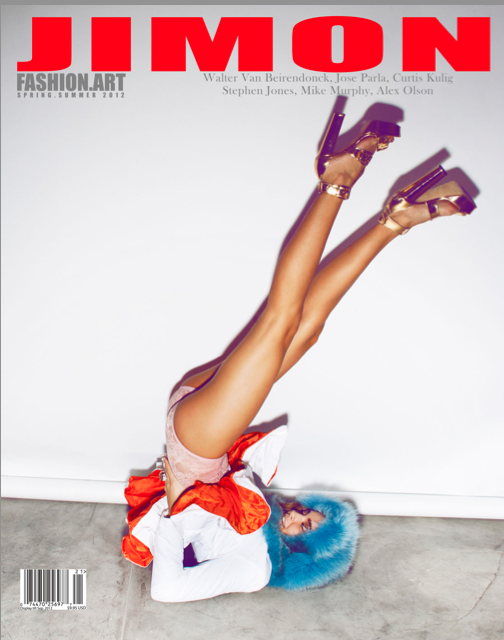
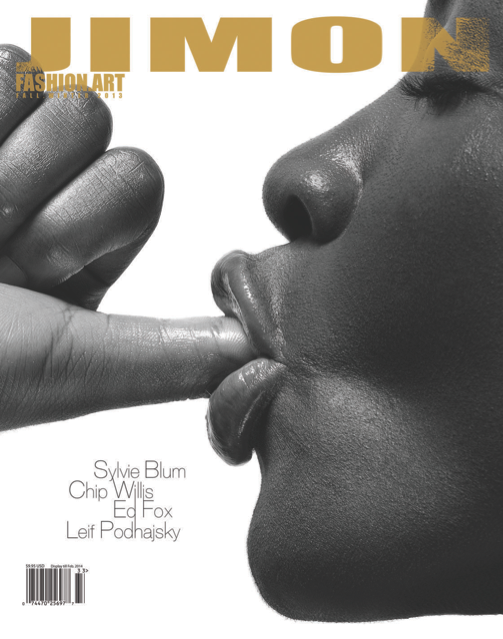
Jimon – The Man & His Magazine – A Five Year Anniversary Of High Fashion Photography With An Artful Design – The Mr. Magazine™ Interview With Jimon Aframian, Editor-In-Chief, Jimon Magazine

February 4, 2015

“The magazine is an outlet. We all need something to inspire us and if it’s going to inspire other people, so much the better. I get emails from people telling me they cry when they look through the magazine or they tense up. And when I read that I say, wow, it’s not just me. There are other people who appreciate what I’m doing.” Jimon Aframian

me From photographing beautiful models for Playboy in Europe to starting up his own sleek, oversized high fashion and art magazine; Jimon Aframian is a visionary who refuses to sell his soul to the minions of celebrity success and popularity.

Jimon – the magazine, is celebrating five years of publishing perspective and while Jimon – the man, said that through those years there were many times he had asked himself why he was still doing the magazine, he always found a reason and the tenacity to go on.

The magazine is filled with different photographers’ muses and displays high fashion in an artful and creative way. When he could have bolstered the magazine’s acclaim and public approval by putting well known notables onto the covers and within the magazine’s pages, Jimon chose to stay true to his vision and the content of the magazine.

And by doing so, the magazine – Jimon is a true extension of the man – Jimon and brings clarity and a maxim of genuineness that cannot be ignored. It is a must-have for your coffee table conversation pieces.

Also a must-have is the limited edition, signed book Jimon is publishing of all 10 issues of the magazine that he has produced over the last five years. But as I said, it’s a limited edition and the copies are numbered. So, get your copy reserved quickly. Mr. Magazine™ is definitely looking forward to his. You can order on Jimon’s Facebook page.

I hope you enjoy this lively celebration of five years in the publishing industry with a man who stubbornly believed in his dream and continues to do so today. It’s a Mr. Magazine™ departure into the world of creative genius with Jimon Aframian, Editor-in-Chief, Jimon magazine…

But first, the sound-bites:

Screen shot 2015-02-03 at 2.11.11 PMOn how he came up with the concept of Jimon magazine: I love photography; so I started working on shooting fashion and soon realized that fashion photography was very different from other types of photography. At some point, I ran into the bureaucracy or maybe I should say the editors’ vision, where my views or my ideas were not really what they had in mind. That kind of set me back a while, but then I said to myself: you know what; maybe I’ll just start my own magazine.

On the biggest challenge he was able to overcome when launching the magazine: I would say the financial part of it. I had no idea; they say ignorance is bliss, well; mine was a perfect case of it. If I’d known at the time what it takes, I probably would have never started it.

On the secret to Jimon’s longevity: Ignorance is bliss, but my personality is one where I don’t necessarily give up that easily. As I went along I realized that this game is not a simple one. In other words, you need to build momentum.

On his most pleasant moment during this five year journey: That’s easy. The most pleasant moment for me was in the beginning, after the first and second issue had come out and I would go to the newsstands, anywhere really, in Milan or Paris or London, L.A. or New York and I would see the magazine that I had started sitting next to the magazines that I adored.

On why he decided to do a five year limited edition book of all 10 of the magazines he has published so far: From the beginning when I started doing it, I wanted to have a certain number of copies held back and publish a book. I hadn’t decided if it was going to be done in five or ten years, but at this point I just decided to do it.

On what he has planned for Jimon in the future: There are times when you ask yourself: why are you still doing this? But somehow you find a reason to keep going. And five more years from now, I would be surprised still, because it’s not easy or sustainable, but you do find a way to keep going with it.

On the advice he would give to someone looking to start their own magazine: If you want to start a magazine, a fashion magazine, have some money. You definitely need money. And you need to know every aspect of it yourself, especially if you don’t have any money.

On what keeps him up at night: It’s really not the magazine. (Laughs) I can tell you why it’s not the magazine; if it kept me up at night, I would not be doing it.

And now the lightly edited Mr. Magazine™ conversation with Jimon Aframian, Editor-in-Chief, Jimon magazine…

Screen shot 2015-02-03 at 2.14.25 PM Samir Husni: Congratulations on reaching this milestone: five years of publishing the magazine Jimon. Could you tell me the story of how you came up with the idea and launched the magazine?

Jimon Aframian: I was a photographer for a number of years and I shot Playboy Europe mainly. And I think it was in 2005 when I decided to do fashion because I figured when I’m 50 or 60 years old, it would not look proper for me to be shooting 18-year-old girls naked, although everyone might think it was cool; I wouldn’t think so. But I figured that I would still want to do fashion.

I love photography; so I started working on shooting fashion and soon realized that fashion photography was very different from other types of photography. It’s not that it’s competitive, it’s more: if you have access, I think. And I really can see that from the photography that’s in the magazines. It doesn’t mean the photography is good, but because you have access a person can pretty much create their own genre. And we see it a lot; it’s very common these days. You can see photographers who decide not to shoot the norm; it’s pretty outside of the box because they’ve done it and have found a following. They get paid for what they’re doing now.

I did some fashion and I was pretty good at doing it in California and I did a lot of fashion photography for different magazines at the time and some for European markets. In Europe things are different obviously, but in L.A. I did pretty well.

At some point, I ran into the bureaucracy or maybe I should say the editors’ vision, where my views or my ideas were not really what they had in mind and they would say that won’t work because they wanted simple stuff that people could relate to or understand. The magazine was a lifestyle magazine that I shot for then. So, I shot for a couple of other magazines, but basically what I had in mind was more of a European style and they just did not go for it.

That kind of set me back a while, but then I said to myself: you know what; maybe I’ll just start my own magazine. So, I did and started contacting new photographers that I knew and they were all interested in working with the magazine and shooting for it.

The toughest part was finding the printer to print the format that I wanted, which was oversized and on a very high quality paper. This is not easily found these days, because a lot of printing companies print digitally. And I needed a company that had a specific printing machine called a Heidelberg; I’m sure you’re familiar with them.

So, I looked around and I found a couple of companies that could basically do what I wanted to do. And that’s pretty much how I got started.

Samir Husni: What was the major stumbling block after you found the right printer, the biggest challenge that you were able to overcome when launching the magazine?

DSC_0091_sepia Jimon Aframian: I would say the financial part of it. I had no idea; they say ignorance is bliss, well; mine was a perfect case of it. If I’d known at the time what it takes, I probably would have never started it. And because my background was not in publishing, I was somewhat in the dark. I thought I was going to print a magazine and get advertisers left and right.

Even finding a distributor was very simple because I put a mock-up together and went to a pretty large distributor that carried titles that I adored myself and when they saw my mock-up they said sure, we’ll distribute this. So there was no problem getting a distributor.

Then as soon as the first issue came out I flew to Paris and met with the distributor in Paris and they also picked it up without any problem. I’m sure they had the incentive of not having a lot to do, but still they’re not going to pick something up that is no good. I truly believe that.

Samir Husni: Five years ago your magazine was the exception to the rule. Now we see a host of similar magazines, ones where people are using art/fashion photography to produce magazines. What has kept you going for five years while others after you have already come and gone after one or two issues? What’s the secret of Jiman’s longevity?

Jimon Aframian: I brushed upon this earlier, I think. Ignorance is bliss, but my personality is one where I don’t necessarily give up that easily. As I went along I realized that this game is not a simple one. In other words, you need to build momentum. Just like what you said; a lot of magazines come and go. They do one or two issues because it’s easy.

But to keep doing it over time, it takes a certain personality and the financial part of it is important. I did find some traction in that sense and I did a lot of research. I even went to FIT in New York and did research there because I go every year for fashion week. And I found out how the life of a magazine works. And I looked at other magazines’ histories to see what their progressions were. I found out that some of these magazines were still going strong. Those publications that started in the heyday of fashion magazines were still very popular. There was no internet per se and they struggled for almost ten years before they could really reach a level where they were sustainable.

And then there are the conglomerates. Conglomerates have so many titles they could lose money in. What if they lost money in 50 of them? But they could make money in 200 of their titles. So they distribute them out to keep the name going.

With an independent publisher you have one title and you just somehow have to maintain it the best you can. Everybody thinks that they can start a magazine and make money; I think they’re just hallucinating. (Laughs)

Samir Husni: (Laughs too) So why are you still persevering and publishing the magazine?

Screen shot 2015-02-03 at 2.13.26 PM Jimon Aframian: It’s art. To me the magazine is really art because I’ve been approached by artists who want to be in it. But maybe I shouldn’t say artists; I have been approached by certain starlets or some of today’s hottest personalities who have had their publicists ask about them appearing on the cover. And I have had to decline and tell them that this is not that type of publication. Just because I believe the magazine is more of an extension of me. I want to make sure that what’s on it and in it is a representation of who I am. Now for example, if I allow Kim Kardashian to be on it or in it that is completely against who I am. And I think she’s been on the cover of enough magazines lately as it is. (Laughs)

Samir Husni: What was the most pleasant moment for you in this five year journey?

Jimon Aframian: That’s easy. The most pleasant moment for me was in the beginning, after the first and second issue had come out and I would go to the newsstands, anywhere really, in Milan or Paris or London, L.A. or New York and I would see the magazine that I had started sitting next to the magazines that I adored. To see my magazine sitting next to them was pretty much all I needed. That was good enough for me. I counted that as done; achieved and ready. (Laughs)

Samir Husni: You have put 10 issues out over the five year period and you just published a collector’s edition with a very limited number of copies signed by you, which contain all 10 copies of the magazine. Why did you decide to do that?

Jimon Aframian: From the beginning I had this plan. You make a number of copies and you distribute them to the newsstands, Barnes & Noble and overseas. And either they send some back to you or they destroy the extras.

But from the beginning when I started doing it, I wanted to have a certain number of copies held back and publish a book. I hadn’t decided if it was going to be done in five or ten years, but at this point I just decided to do it. But I should have kept some more back for a tenth year book too.

Samir Husni: If you and I are having another conversation ten years from now; what do you envision yourself telling me?

Jimon Aframian: There are times when you ask yourself: why are you still doing this? But somehow you find a reason to keep going. And five more years from now, I would be surprised still, because it’s not easy or sustainable, but you do find a way to keep going with it.

But then again, you’re not willing to sell your soul and you could sell your soul easily. And I refuse to do that.

Samir Husni: What advice would you give the new generation of photographers and journalists? What would you tell someone who came to you and said: Jiman, I love what you’ve done with your magazine; what advice can you give me about my own career?

Screen shot 2015-02-03 at 2.21.32 PM Jimon Aframian: Going back to when you asked me about my most pleasant moment; there was another moment that I was really pleased by, which was when the Art Center College of Design in Pasadena invited me to come and speak to their graduating class. They have asked me twice so far. I haven’t been able to go because I have been so busy, but they would invite me to come and talk to their graduating class. They had seen the magazine and they couldn’t believe that it was being produced in L.A. They contacted me and wanted to me to talk to their graduating class in photography. And I was very pleased by that. To me that said that I was doing something right. I might have done a lot of things wrong (Laughs), but I had done something right for sure.

And going back to your question: I would have told each of the students to have a portfolio and find out what they want to do. A lot of people don’t really know what they want. They have no idea what’s out there, but that’s a good thing in this case, because if they did know, they might run away, especially in fashion photography.

The problem is the digital camera because everybody thinks they’re a photographer when they have a camera in their hand. And that’s not the case. A photographer needs to know how to frame something, even if it’s a teapot. And most people don’t know that. And you go to school and you can’t learn that. It’s inherent. It’s something that’s inside you. A person can learn a lot by going to school; you can expose your talent by going to school, but if you don’t know how to do it, it would be really hard on the photographer. You’d probably become a mediocre photographer at best. I would also tell them to keep shooting every day.

Now what would I tell somebody who wants to start a magazine? Or someone who wants to be a fashion photographer?

Samir Husni: How about both? You answered for the photography aspect, but what about starting a magazine?

Jimon Aframian: If you want to start a magazine, a fashion magazine, have some money. You definitely need money. And you need to know every aspect of it yourself, especially if you don’t have any money. If you don’t have money and you’re determined to go and start a magazine, then you need too many people working for you. You have to hire an art director, an editor, a copy editor, a graphic designer, and these people will want money. And if you don’t have the money, it becomes almost impossible. So, you really do need to know a lot yourself.

Besides that, find a niche. You have to have a niche. It could be anything. I went for art and high fashion. And then just do it. Put a mock-up together and go out and do it.

There were stages before I started the magazine… you’re familiar with the magazine called Stern from Germany?

Samir Husni: Yes, I am.

Jimon Aframian: They would show one photographer’s work in each issue, for example. My original thinking was to do something similar to that, but I slept on it for a couple of years and I decided that might be a bit monotonous for me and not work. And that’s why I changed my idea to making a more collaborative effort with five or six photographers in each issue and a few artists.

So, they need to find some sort of theme and let it evolve, because it will evolve. A lot of people will send them a lot of things, but they need to listen and take note of things around them. Some things work and some do not.

Samir Husni: My typical last question; what keeps you up at night?

Jimon Aframian: It’s really not the magazine. (Laughs) I can tell you why it’s not the magazine; if it kept me up at night, I would not be doing it. The magazine, like everything else in life, can be tough. I don’t have children, but I see my brothers and sisters children, and with having kids, there are tough moments, but also a lot of good moments.

So, the magazine is like that. It has a lot of good moments and it brings a lot of good to my life. It’s definitely not the magazine that keeps me up at night.

The magazine is an outlet. We all need something to inspire us and if it’s going to inspire other people, so much the better. I get emails from people telling me they cry when they look through the magazine or they tense up. And when I read that I say, wow, it’s not just me. There are other people who appreciate what I’m doing. And you’re not an artist until other people admire your work. If you’re the only one admiring your own work, you’re a hobbyist, not an artist.

Samir Husni: Thank you.

h1

Magazine Power In One, Two, Three Mr. Magazine™ Musings…

January 27, 2015

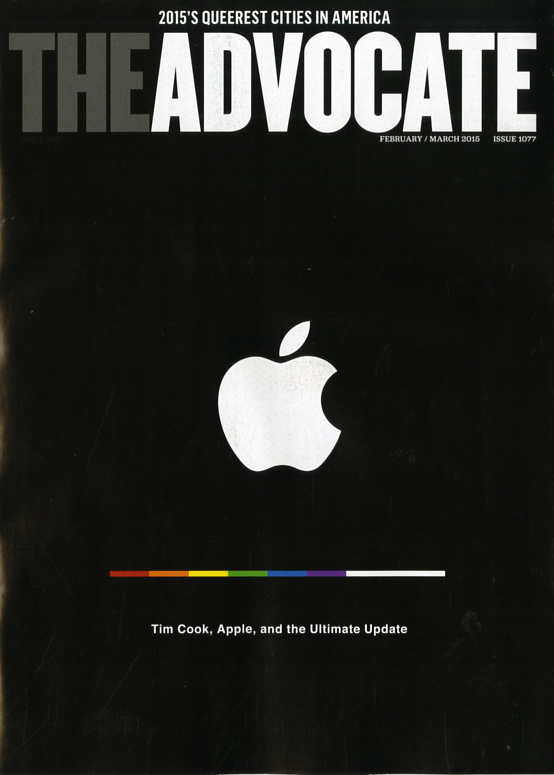
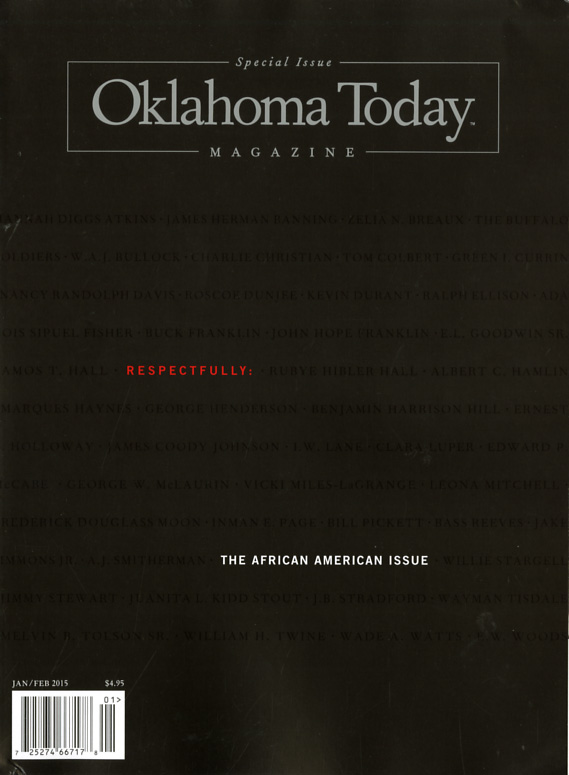
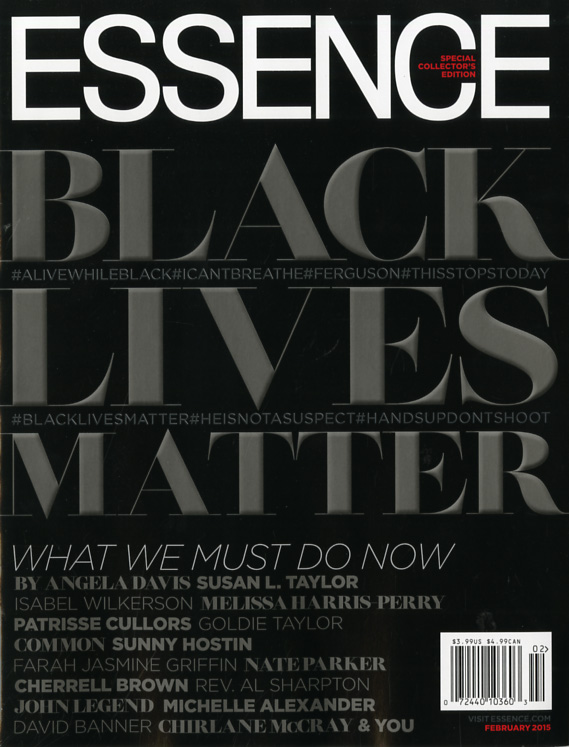
The Power of the Black Cover

The Advocate-21

Oklahoma Today-20

Essence-19

I picked up three magazines recently that I love to follow and read on a regular basis: Essence, The Advocate and Oklahoma Today. The content of these magazines is always stellar and the designs stunning, but my attention this time around was seized by more than the usual attributes these great titles bring to the table. This time I noticed that the covers were all done in black; spectacularly simplistic black.

In addition to the striking approach in design of these covers, the magazines all shared another common denominator that couldn’t be denied: a relevant and important message to their readers.

For Essence and Oklahoma Today, the message is delivered via special issues, while The Advocate dons its black tails for its February/March edition, but whether special or frequency, the impact and power of the print covers is unmistakable. All three grab the customer from the confines of the newsstand, wrestle him or her down, and show the reader the necessity of buying that issue. The dynamic consequences of covers in print emerge in the manifestation of commanded respect of the magazine and its vital information and a deep and abiding satisfaction for the reader. The special message the cover announces not only resonates with the audience, but with media as a whole and does it unlike any other platform out there.

Long live the power of the magazine cover!


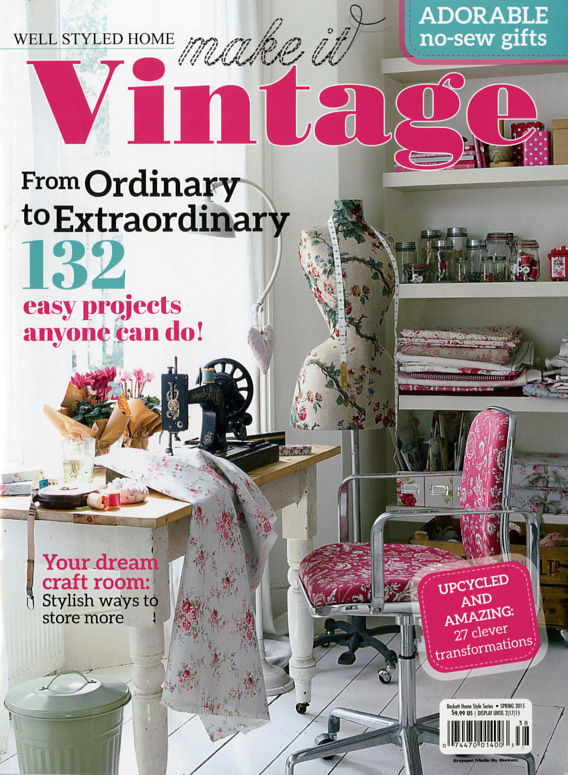
“Make It” a Magazine, Please

Make It Vintage-31

Make It Patchwork-29

Make It Over-28

Make it Organized-30

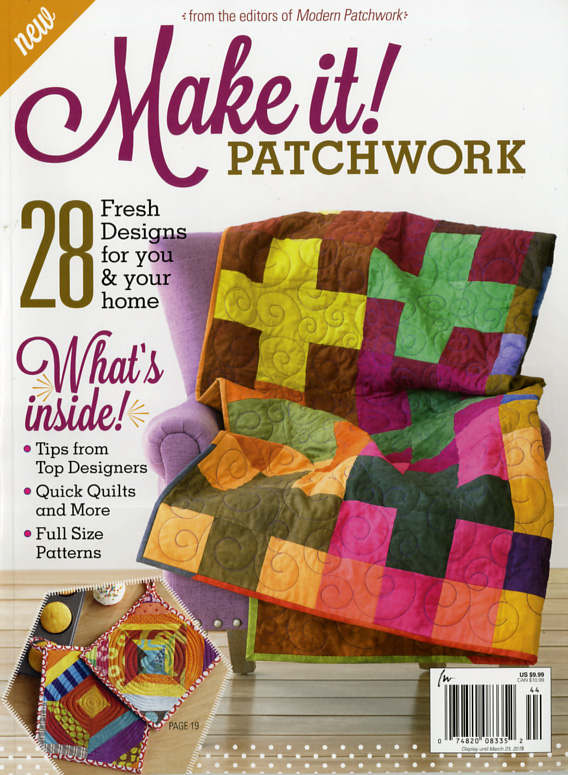
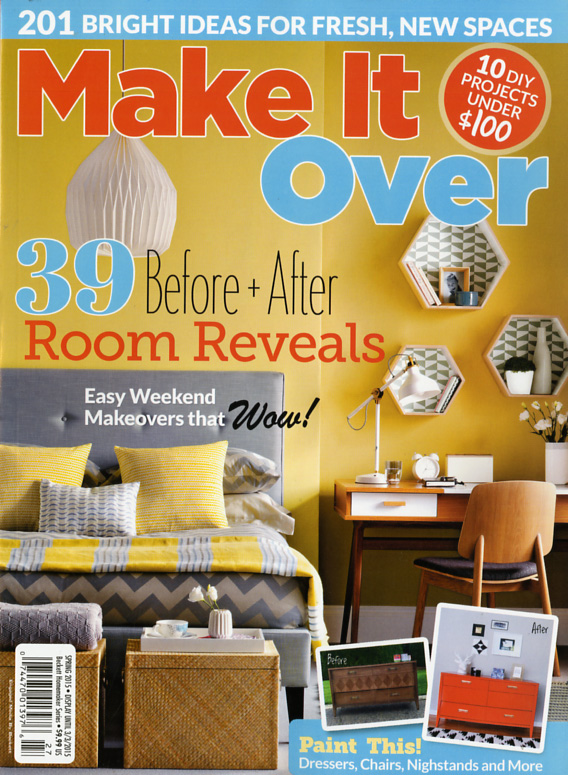
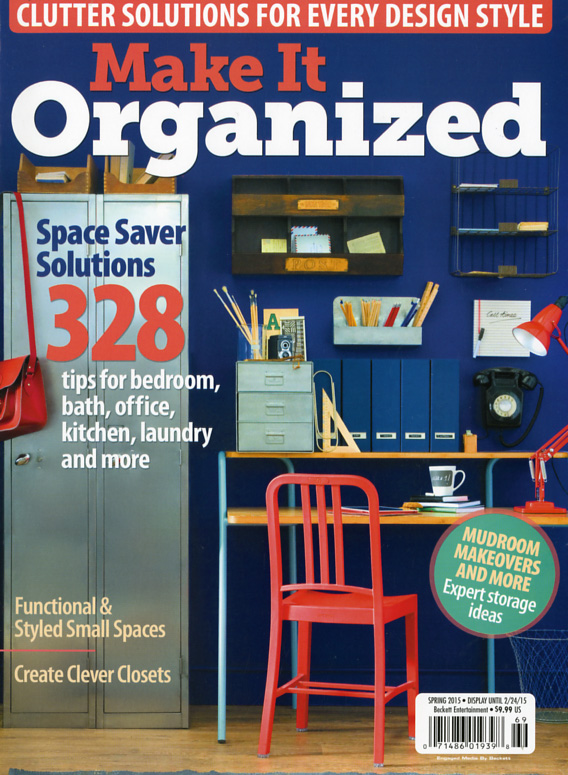
It seems lately there is a common thread weaving its way through some of the titles of new magazines. And with this thread, I may have discovered the secret to the successful naming of a multitude of newborn ink on paper. If so, the ramifications could impact the entire publishing industry. And maybe even Mr. Magazine™ might try his hand at putting out a new title; maybe.

It would appear that two words are all it takes to conceptualize a new magazine in today’s media world “Make It.”

Make It Over
Make It Vintage
Make It Patchwork
Make It Organized…just to name a few of the more recent titles.

The secret formula works like this: Verb+Subject+whatever-your-mind-can-conjure-up. Here are some ideas I’ve been playing with:

Make It Real
Make It Big
Make It Print
Make It Necessary
Make It Relevant
Make It Audience First…OK – it’s apparent Mr. Magazine™ should quickly add the ™ mark to those titles before some folks snatch them for their own use.

Now, I’m not saying the “Make It” trend is a bad thing, just an idea that has suddenly become like a revolving door with many different scenarios parading in and out of it. Remember the phrase discretion is the better part of valor?

Make It Carefully, please!


Will Facebook have an 80th Birthday?

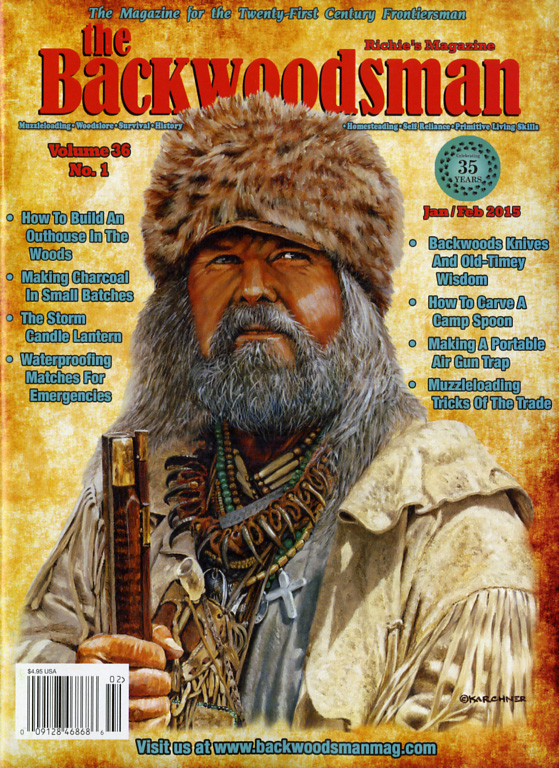
Yankee-8

The Backwoodsman-2

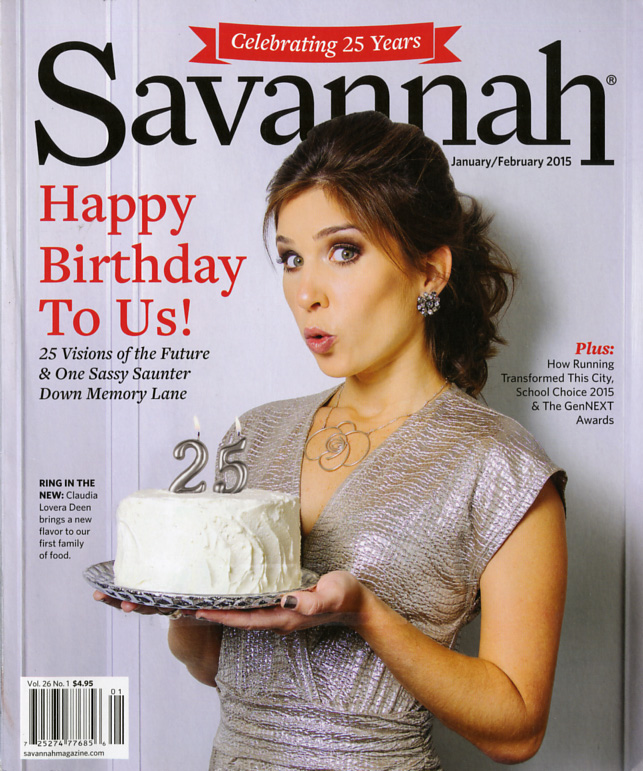
Savannah-10

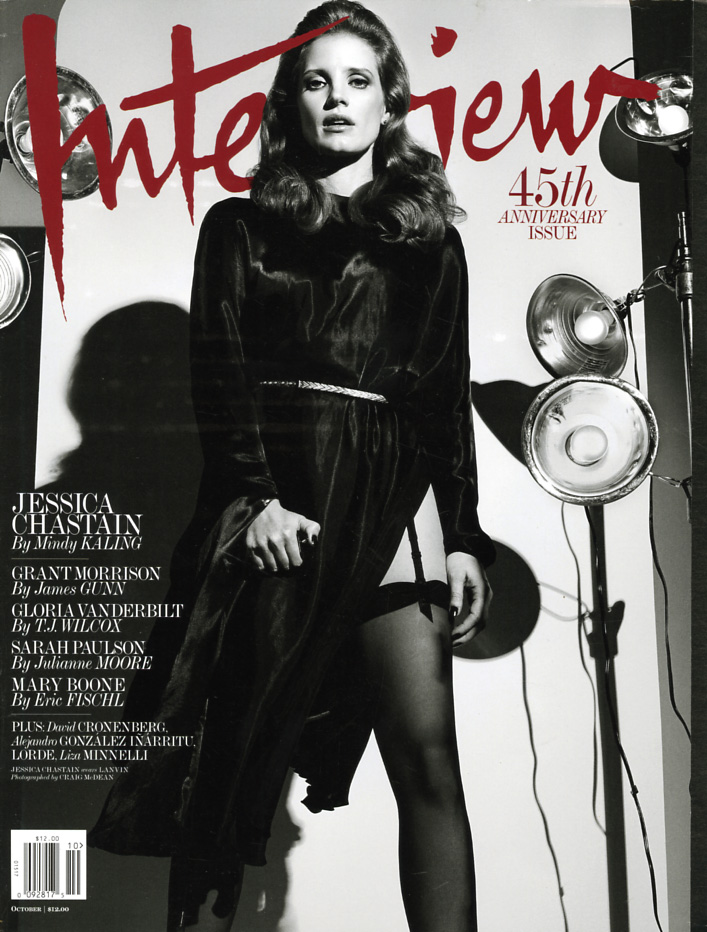
Interview-6

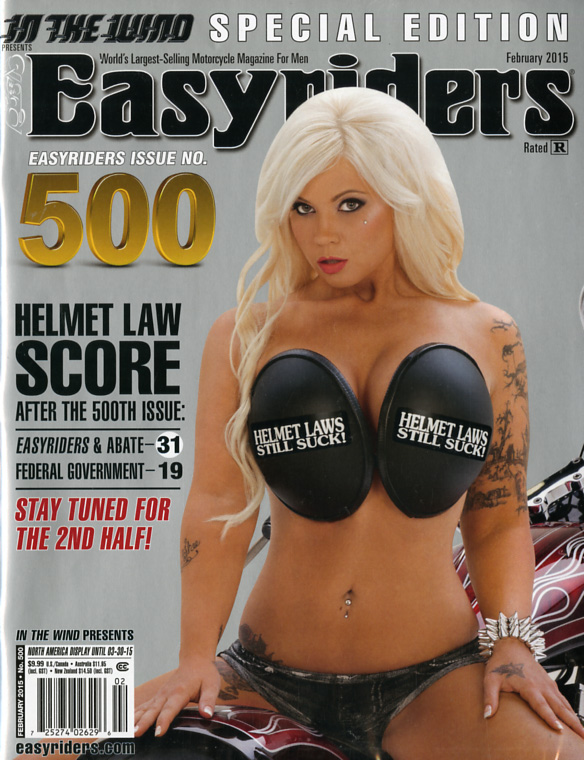
Easy Riders-1

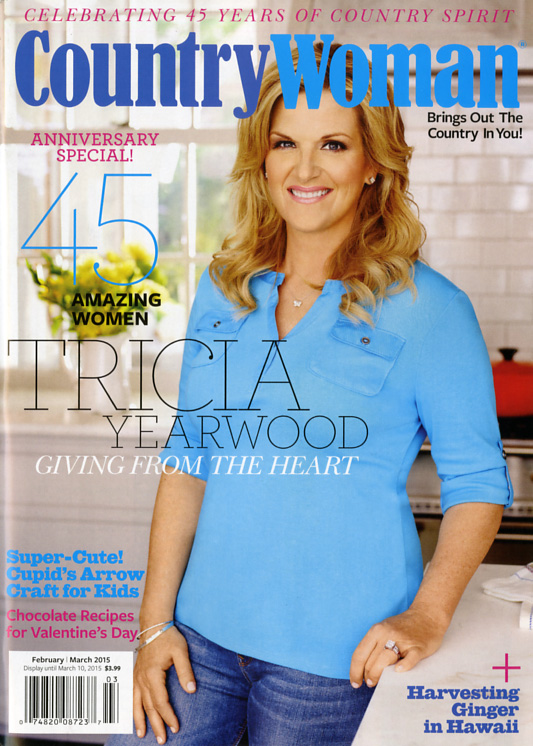
Country Woman-5

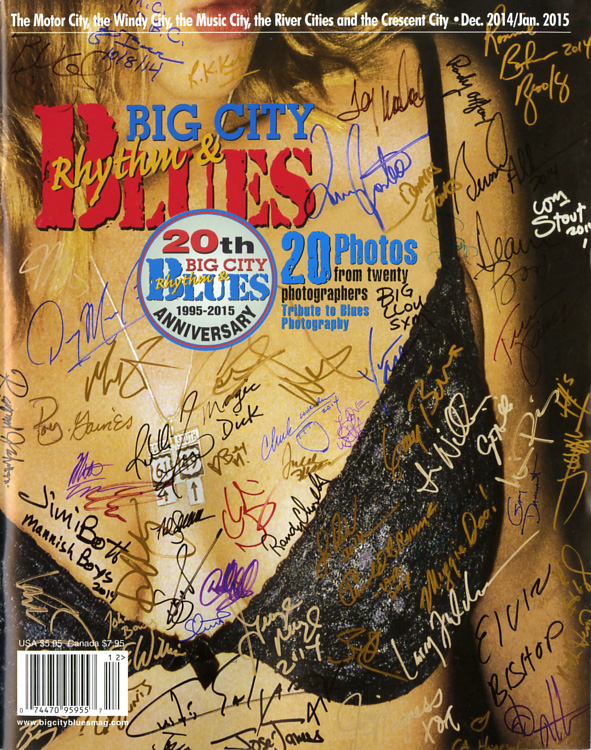
Big City Rythm & Blues-7

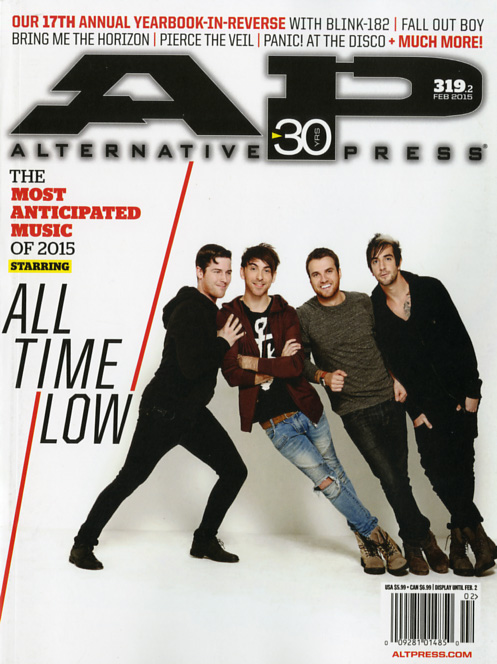
Alternative Press-4

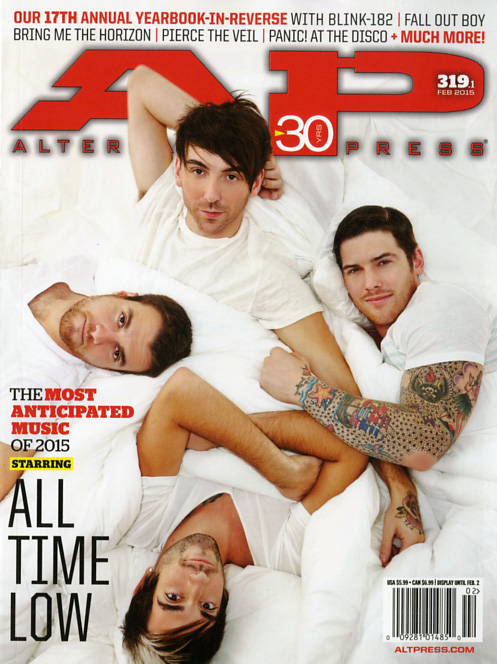
Alter Press-3

Longevity is something we’re all looking for; longevity plus good health. How many of us do not want to last for 100 years as long as we can stay in fantastic health?

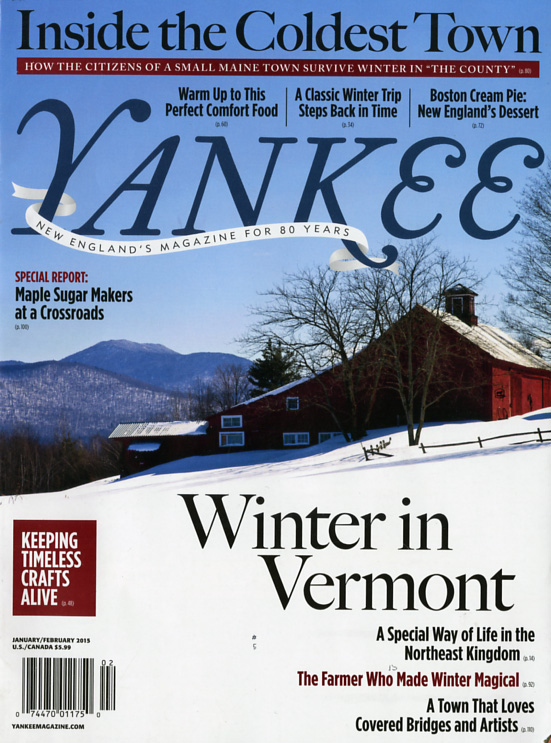
Magazines are no exception. And there are some out there who have the staying power and stamina of a redwood. Here are some celebratory anniversary issues:

Alternative Press – 30th anniversary
Big City Rhythm & Blues – 20th anniversary
Country Woman – 45th anniversary
Easy Riders – 500th issue
Savannah – 25th anniversary
Interview – 45th anniversary
The Backwoodsman – 35th anniversary
Yankee Magazine – 80th anniversary

In media, magazines definitely have proven themselves when it comes to their staying power; the above titles are testament to that. No other medium can tout an 80th anniversary anything that I know of. No television show, radio program or website, for that matter. Trying to imagine the Internet having anything that remotely outlasts the latest edition of Good Housekeeping is very difficult.

Will Facebook have an 80th anniversary? Or Snapchat? Or Instagram? Or any other platform’s contribution to media? Mr. Magazine™ is going out on a limb here and saying: highly doubtful.

So, let’s celebrate the durability and endurance of these wonderfully-aged titles, because while they do have a few years on them, their content and designs are timeless.

Until the next Mr. Magazine™ Musing…

h1

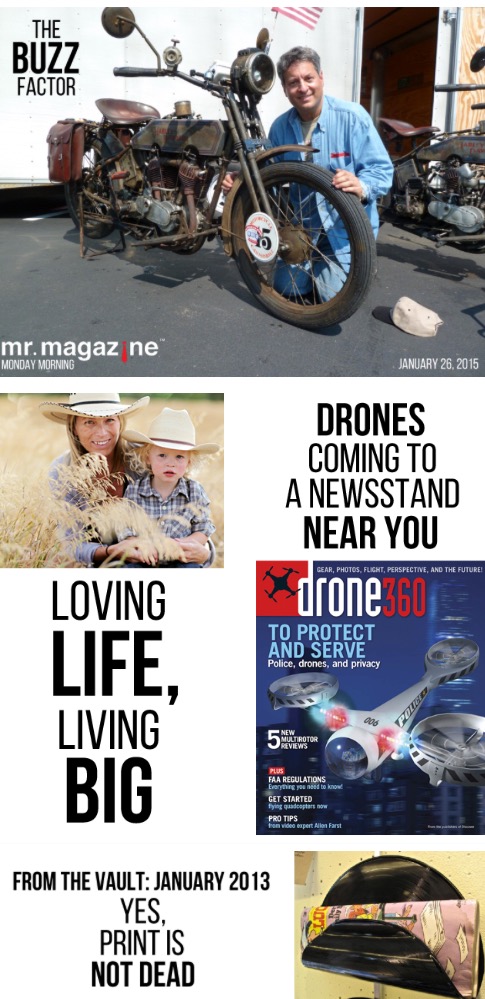
The Buzz Factor: Mr. Magazine™ Monday Morning

January 26, 2015

FullSizeRender The current issue of Mr. Magazine™ Monday Morning is out. This week’s content includes my interviews with Buzz Kanter, publisher of TAM Communications, Ryan Waterfield, co-founder of BigLife magazine, and Tim Kidwell, editor of Drone360 magazine.

The issue also includes my commentary from Jan. 2013 about magazines and music and where the M is where the similarities end.

To read this issue click here, and to receive Mr. Magazine™ Monday Morning free every week click here.

h1

The Buzz Factor: A Man Who Knows His Niche & Strongly Believes In Print. The Mr. Magazine™ Interview With Buzz Kanter – Publisher, TAM Communications

January 26, 2015

“We keep hearing: print is dead, print is dead. Well, no, print is not dead. What’s happening is it’s shifting and the people who are on the internet, it’s in their best interests to promote the internet over print and they’re saying it as loud as they can.” Buzz Kanter

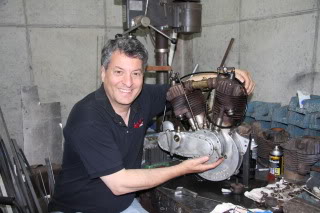
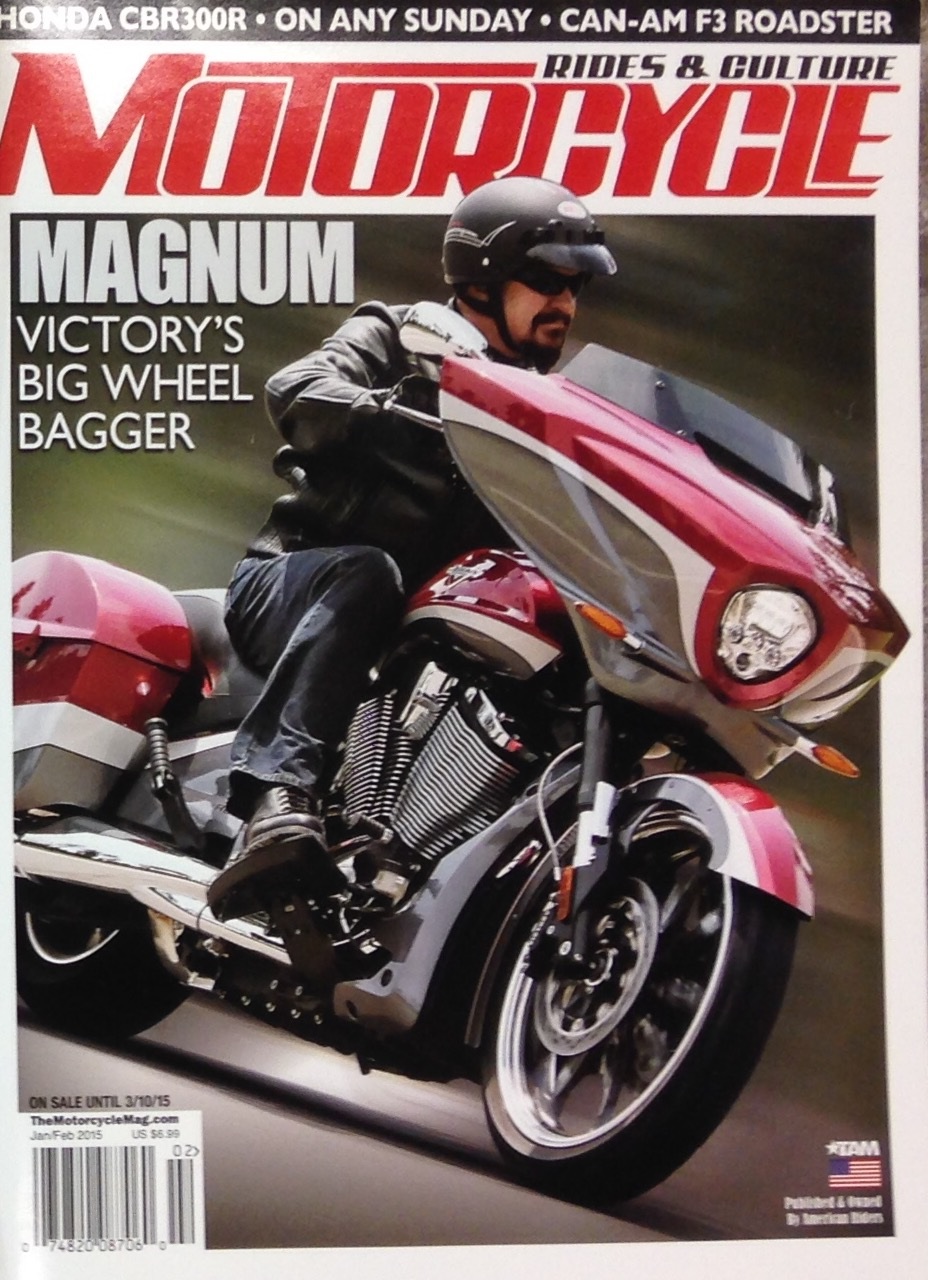
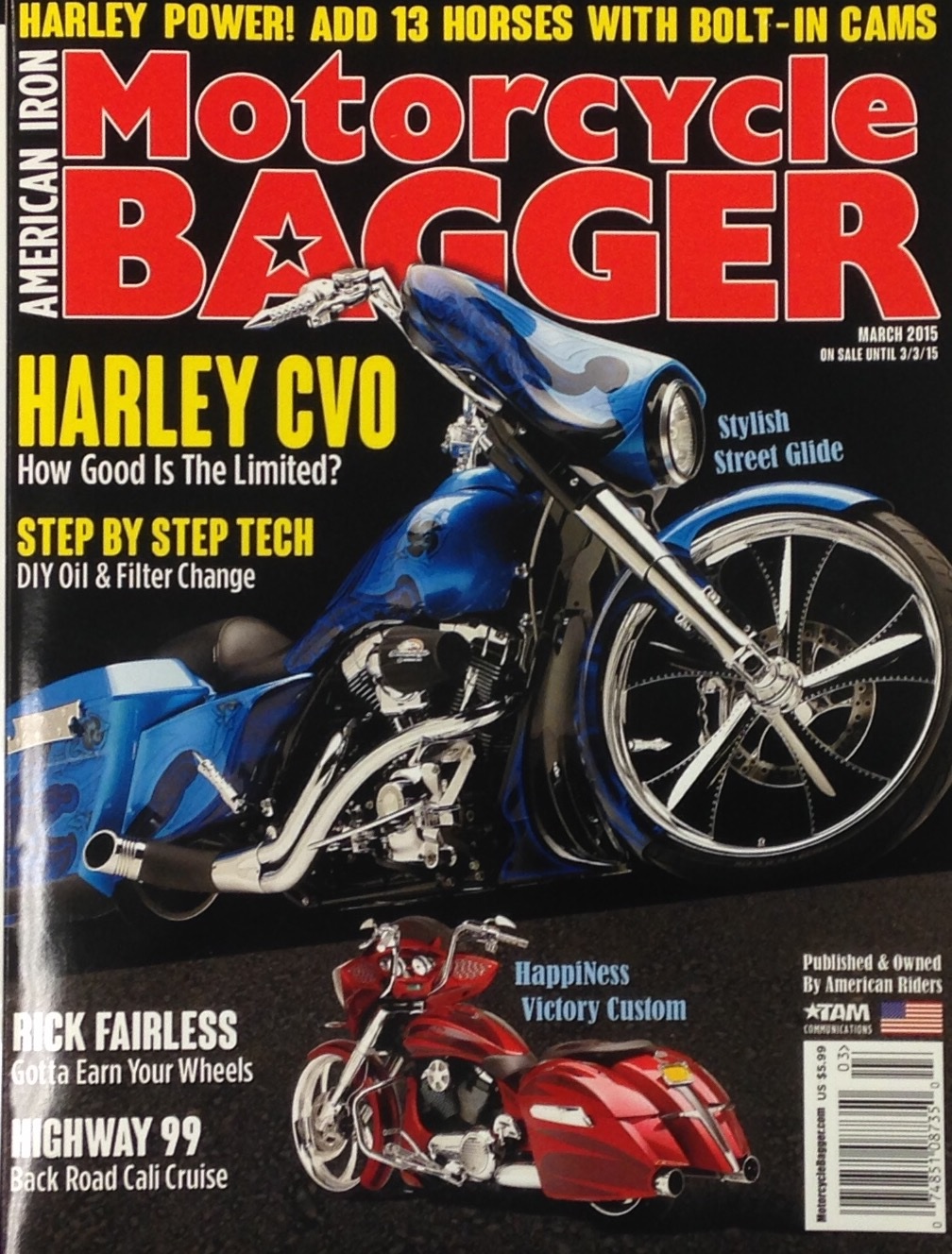
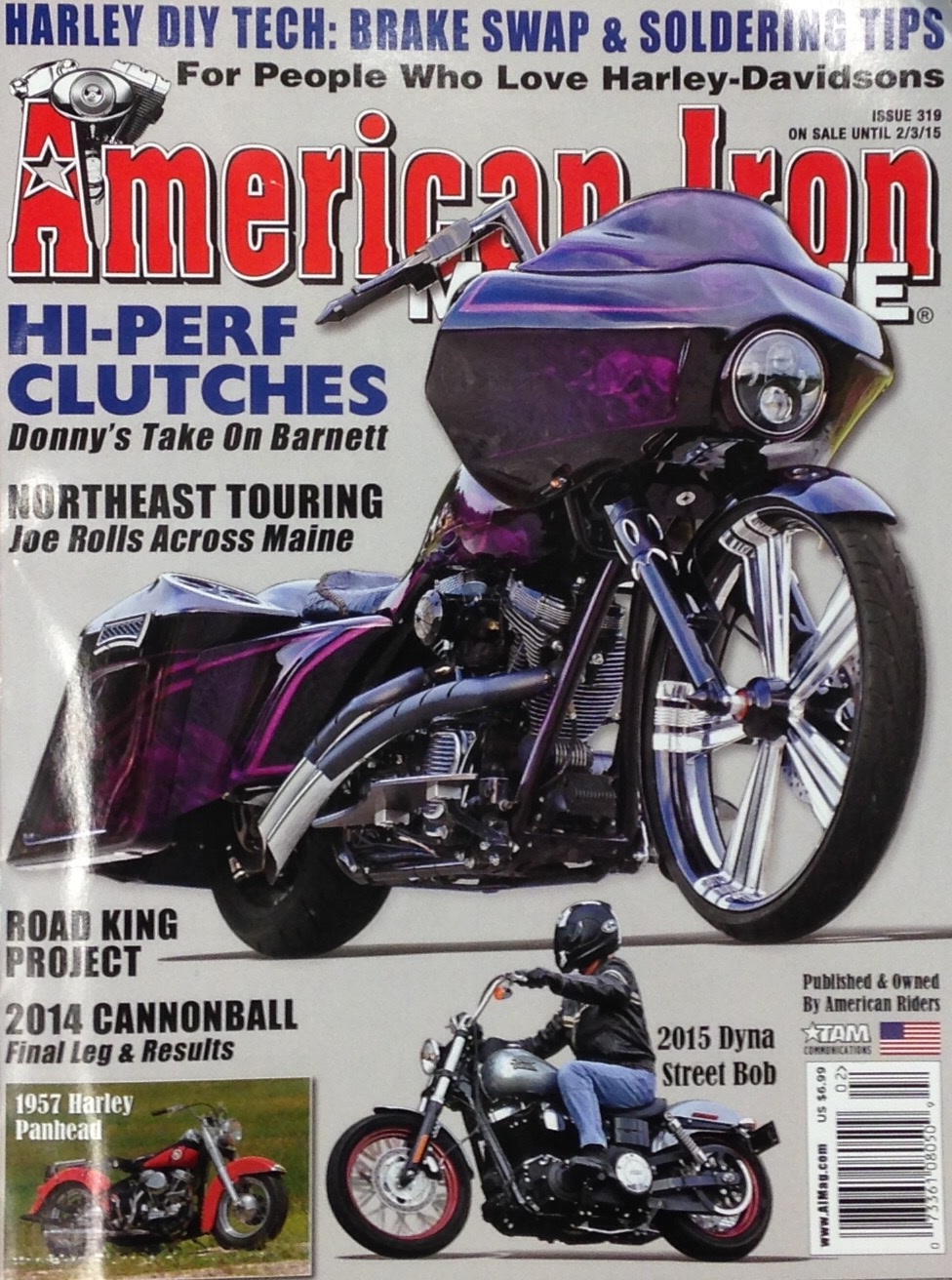
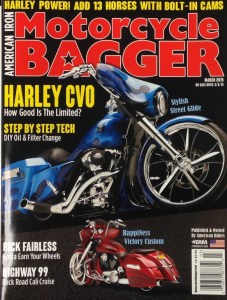
Buzz Kanter Buzz Kanter is a third generation print publisher (TAM Communications) and a man who knows his own mind when it comes to the things he believes we can do as an industry to grow our audience and breathe new life back into the print component of magazine media. His grandfather founded Classics Illustrated (comics) in the 1940s. His father worked for him and then left and grew what evolved into Penny Press/Dell puzzle magazines. Buzz worked for him for years and then started TAM Communications (as the thesis for his MBA in 1989). He now runs TAM Communications and its stable of magazines. Along with the reborn RoadBike to Motorcycle Rides & Culture, his list of niche magazines is impressive:

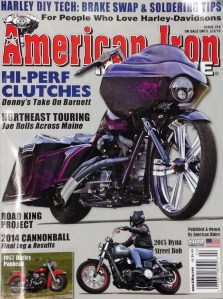
• American Iron Magazine
• American Iron Garage
• Motorcycle Bagger
• Motorcycle magazine
• Classic American Iron forum

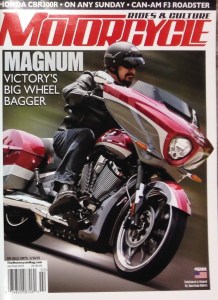
With a redesign that lead to over 40% growth in readership and an increase in his magazine frequency to seven times per year instead of just six, his former RoadBike magazine was reborn into Motorcycle Rides & Culture about a year ago. And the response from readers has been phenomenal as the numbers prove.

Motorcycle Rides & Culture shares long-form articles and more exciting art and graphics that appeal to the thinking rider looking for more. And, based on the more than 40% growth in readership in the first year, the “Buzz Kanter” formula appears to be working.

I spoke with Buzz recently and we talked about the industry and the practice of discounting subscription prices to gain more readers, which he believes is not the answer. We talked about enthusiast magazines, such as his and their past, and we talked about the future and how print isn’t dead, no matter what the internet phantoms shout.

So, I hope you enjoy this very special conversation with a man who has a straightforward and clear focus on the future of print media. Sit back, relax and enjoy the Mr. Magazine™ interview with Buzz Kanter, Publisher, TAM Communications.

But first, the sound-bites:


IMG_8230 On why he thinks his formula is working:
I can’t speak for news magazines because I think that’s a whole different issue. But I can speak for special interest and enthusiast publications and I believe there is still plenty of room for them in print.

On whether he believes it’s the system that’s broken and not ink on paper:
I don’t think it’s black and white. There are a lot of different elements involved. We keep hearing: print is dead, print is dead. Well, no, print is not dead. What’s happening is it’s shifting and the people who are on the internet, it’s in their best interests to promote the internet over print and they’re saying it as loud as they can.

On how he responds to someone shouting: print is dead:
The easy thing to do is create shock value and tell them: no, print is not dead, I’m still in business and we’re doing OK, we’re paying our bills and we’re growing our product.

On the specifics of the Buzz formula:
The “Buzz” formula? (Laughs) My feeling is if a print magazine is just a print version of a digital website; why bother?

On his future publishing plans:
For Motorcycle Rides & Culture we went from 6 issues last year to 7 issues this year. If our growth continues and we get the support from our readers and advertisers, then we’ll continue to increase frequency.

On the outcome of the digital piracy of his magazines:
I think the company was called Issuu. Someone pointed out that my magazines were being offered free to whoever signed up with Issuu, without permission from us and they were current issues, not any they pulled out from the past. We go there once a month or so and check and the onus is on us. We’re not finding our magazines, but we’re finding enormous numbers of magazines out there.

On a major stumbling block he anticipates facing:
I would say the biggest challenge we have is uncertainty of the future. And if I had a really good answer for that, I’d be calling you from my yacht in the Bahamas right now. (Laughs)

On his most pleasant moment in publishing:
It’s very rewarding to produce a product that you’re proud of and that brings value to your audience. And I hope that doesn’t sound cliché.

On facts he’d like to add:
I certainly hope that magazine publishers stop doing foolish things that impact the industry. I think some of them are drawn on us and I think some of them are drawn to us and by us.

On what keeps him up at night:
As a third generation publisher, I question if there is going to be a viable industry for my children to become a 4th generation publisher. And if so, what’s it going to look like?
tam1 And now the lightly edited transcript of the Mr. Magazine™ conversation with Buzz Kanter, Publisher, TAM Communications…

Samir Husni: You’re a third generation print person. Why do you think you’re bucking the trends, doing better and enhancing your print product, while others are declining?

Buzz Kanter: I can’t speak for news magazines because I think that’s a whole different issue. But I can speak for special interest and enthusiast publications and I believe there is still plenty of room for them in print.

The problems are pretty widespread and they cross a lot of different areas. The three main revenue streams are single copy, subscriptions and advertising. And all three of them are under attack. Some of the attacks we’re bringing on ourselves and some of them the market is bringing to us. With single copy, the biggest challenge is that the wholesale system is badly flawed and for the most part the magazine wholesalers that are controlling it, and the national distributors that are banking it, are trying to apply the same solutions that haven’t worked for decades. Isn’t that the definition of insanity? Doing the same thing over and over and expecting different results?

I hate to say it, but what’s happening is the wholesalers are asking the publishers to subsidize their inefficiencies, rather than finding better ways or smarter solutions. They’re saying that this is the best that they can do and if you want them to carry your product, you’re going to have to pay them more money.

So, the single copy is a distribution issue; it’s not a demand issue or a product issue, it’s predominantly a financial distribution challenge. The wholesalers are basically cannibalizing each other and expecting someone else to subsidize them and make them whole. And it’s a very, very dangerous game because they’re getting farther and farther extended to where the publishers are saying, “You know what, it’s more economical to put an even cheaper price on subscriptions than to deal with the single copy system.”

Samir Husni: Do you believe then that it’s the system that’s broken and not the ink on paper product itself?

images Buzz Kanter: I don’t think it’s black and white. There are a lot of different elements involved. We keep hearing: print is dead, print is dead. Well, no, print is not dead. What’s happening is it’s shifting and the people who are on the internet, it’s in their best interests to promote the internet over print and they’re saying it as loud as they can.

What I find is that people don’t have as much free time or better stated they’re finding ways to use whatever free time they might have. How often have you been out in public and seen people standing at a bus stop or sitting in a restaurant looking at their cell phones? That used to be free time, where they would socialize, converse, think or observe, but now if people have a minute to spare, they pull out their cell phones and go on Facebook or check the stock market, read the latest news or whatever it is they’re doing with their cell phones.

What’s happening is these portable devices are vacuuming up all the spare time. And if that’s the case and it becomes a habit, and it is, I think; then how do you find time to sit down with a print magazine or a book? And I think that’s the issue.

Samir Husni: And we, as the magazine industry, are also to blame because we jumped onto that bandwagon wholeheartedly.

Buzz Kanter: Yes.

Samir Husni: Every time someone tells you either print is in decline or print is dead and you’re living the print process, producing a magazine and increasing circulation; how do you respond to that? What is the reality check?

Buzz Kanter: I guess it depends on what kind of mood I’m in at the time and who the person is I’m talking to. But the easy thing to do is create shock value and tell them: no, print is not dead, I’m still in business and we’re doing OK, we’re paying our bills and we’re growing our product.

What’s happening is most people are parodying what they hear, not necessarily what they’ve thought through carefully. And I think that’s not unusual. Print is not dead; there are still an awful lot of people reading newspapers and buying books and magazines. Go to an airport and look at how many people are on their tablets versus those actually reading magazines and books. Then what happens when you’re in the airplane and you don’t have Wi-Fi? Some people are reading off of Kindles and Nooks or whatever.

So, is print dead? No. Will it become more and more unusual with each generation? Yes, I think so. As the portable devices become better and easier to use, I think they will cut into it, as they already have.

It’s interesting; I talked to some of our advertisers and a number of them a couple of years ago would say, we’re cutting back our print advertising and going to the internet. We’d ask: what will you do on the internet? And they’d say, I don’t know, we’ve just been told we have to be there. We’d ask: how are you going to market there? And they’d respond, I don’t know, but I’m told I have to have a website. I’m told I have to have an internet presence. We’d ask: how are people going to find you? And they’d say, I don’t know. It didn’t matter what our ad department said, these people had to be on the internet and they had a limited ad budget which they’d pulled from print and went to online. Well, once that happened, everyone said print is dead because the advertisers were leaving. Many of the advertisers were leaving, but they didn’t know why or how.

And in the last year they’re starting to come back. They’re saying they tried the internet and it didn’t work. They got lost in the huge volume of data out there. Many of them are now coming back and saying, “Your magazine is focused and aimed at my audience, people who use my products and services.” And many of them are now coming back and pulling their dollars out of the internet because they found it was just overwhelming, whereas we can give them a targeted audience.

Samir Husni: You have a specific niche. Your magazines target a very definitive audience. Your magazine has increased readership, advertising and frequency to 7 times a year; what’s your secret? What’s the “Buzz” formula that’s making this happen?

Buzz Kanter: The “Buzz” formula? (Laughs) My feeling is if a print magazine is just a print version of a digital website; why bother? We can’t do it as well as the websites. I’m seeing a lot of enthusiast publications forcing over a print version of its website. Heavy on the graphics, lots of pictures, lots of charts and graphs, pulled quotes, little factoids and not much meat or substance. And my feeling is the people who pick up the magazine want some substance, they want a good read. If there is an article about something they’re interested in; the reason they bought the magazine in the first place, they don’t want to read five paragraphs and see three photographs like you would on a website.

The delivery of content in print should be more in depth, exciting and interesting for them to sit down for a half hour or an hour to read the article in a magazine. The internet is fabulous for quick information. Does it come in blue? Can I get one overnighted to me? Those types of things are great for the internet. But I personally don’t want to sit down and read a 3,000 word article online. I want to read that in print.

So what we did with our magazine called RoadBike; originally, it was a pretty good general interest magazine about motorcycles, but it couldn’t get traction. Rather than fold it, which we were considering, I said that I wanted to publish a long-form journalism magazine with terrific art and give the articles and the photography all the space they need, rather than try and squeeze it down and condense it like a website. I said let’s try it. If it works great; if not, we can always pull the plug if we have to. Something I was hoping not to have to do.

We renamed it Motorcycle Rides & Culture. Now, I suspected those were good search engine optimization words. (Laughs) But meanwhile, it also tells the reader what the magazine is in print. And instead of putting in 30 short articles in one magazine, we cut it down to 8 or 10 longer articles, with lots of great photos, information, and emotional content and knowing it’s in print and the people who still buy print, we threw in certain cultural things. We have some artists every issue who are involved in the motorcycle world. They might be a painter or a sculptor or a photographer; we do unusual cultural pieces involving motorcycles, beyond the Hollywood bikers and outlaw stuff.

And it seems to have resonated. We’re up 46% year over year. Our newsstand and subscriptions are climbing. I just received a report recently from Wal-Mart, which is the largest seller of magazines in America. And even though we did 6 issues last year; annually we were the 6th bestselling motorcycle magazine in there, outselling several of them that come out monthly, twice the frequency of ours. On an annualized basis, we’re outselling them.
tam2 Samir Husni: What’s the plan for the future? Anything up and coming you’d like to share with us?

Buzz Kanter: For Motorcycle Rides & Culture we went from 6 issues last year to 7 issues this year. If our growth continues and we get the support from our readers and advertisers, then we’ll continue to increase frequency. My feeling is we’re going to move this gradually. If we make a misstep, we want to have time to fix it.

I wish I had a crystal ball, I really do. If I knew where the media industry would be in 3 or 4 years, I’d be way ahead of the curve. But at this point I’m producing a product that we’re all proud of and that the consumers are responding to and we’ll continue to do that. We just have to stay flexible.

One thing we will not do and I’m seeing more and more of this, is the aggressive discounting of subscriptions. Many, many years ago I learned a lesson when I was watching some competitive titles, one was called Cycle and the other was Cycle World, and this was back in the 70s, and then ended up being owned by the same publishing company. And both of them were in a war to build subscriptions. It was a race in pricing and they were getting cheaper and cheaper. Then, as I said, they ended up with the same publisher and then the ad market dropped down. So they had this massive subscription liability with no ad revenue and no sub-revenue. One ended up inhaling the other one and they merged together. It took them years to get financially stable again.

My feeling is I never want to sacrifice the future of the magazine by using aggressive subscription discounts. If the advertising declines, then you’re left holding the bag. I think it’s a very dangerous place to be.

One of the things that we try to do is instead of making money on the newsstands; we try to make money on subscriptions and advertising. Even if it’s a break-even or a small profit, and that way we’re less susceptible to market shifts that could be fatal.

Samir Husni: If my memory serves me right, you tweeted once, and linked me and others to the Tweet, about a certain entity lifting your magazine and putting it onto a digital device without your permission. How did that turn out?

Buzz Kanter: I think the company was called Issuu. Someone pointed out that my magazines were being offered free to whoever signed up with Issuu, without permission from us and they were current issues, not any they pulled out from the past. So we contacted them. We had our intellectual property lawyers contact them and tell them to cease and desist. And they wrote back basically saying they were just a platform and not a policing agency and if we didn’t want our product on their platform, it was our responsibility to identify them and bring it to their attention and they would remove them. They said they were a type of YouTube for magazines, where YouTube isn’t responsible for whatever postings are there.

We go there once a month or so and check and the onus is on us. We’re not finding our magazines, but we’re finding enormous numbers of magazines out there.

Samir Husni: So, who’s posting those magazines; who is putting them on the platform?

Buzz Kanter: I couldn’t say, but many of them seem to be coming from overseas and it’s similar to YouTube. And I don’t know what the motivation is. I could understand if a publisher needed to bolster the circulation numbers or get more responses for advertisers, they could use that as a marketing tool. But I don’t know why someone would do it to my magazines without our permission or knowledge.

Samir Husni: Besides that major problem with the digital devices accessing your property without permission; what is the biggest stumbling block you can see or envision facing TAM and your publications and how do you plan to overcome it?

Buzz Kanter: That’s a good question. I would say the biggest challenge we have is uncertainty of the future. And if I had a really good answer for that, I’d be calling you from my yacht in the Bahamas right now. (Laughs)

As you know, I’m a third generation print publisher. I remember my grandfather’s biggest challenge was movies and black and white TV. They were told that TV sets in the house were going to kill magazines. And yet magazines survived.

My father’s business was Penny Press. His biggest challenge was cable. And they said that magazines weren’t going to survive cable television. And yet he survived the naysayers.

Now my generation has been told the internet is going to kill magazines. And while it’s definitely having its effect on magazines, it’s certainly not killing them. As long as there is a demand for quality print publications, there will be clever publishers who will figure out ways to financially succeed in delivering that content. The challenge is identifying the efficient ways to do that and then growing them. A lot of people are trying a lot of things now, some are putting them online and some aren’t. We have to keep our eyes opened and be flexible because the rules are changing.
tam4 Samir Husni: And to go in the opposite direction; what has been the most pleasant moment in your publishing experience so far?

Buzz Kanter: Other than talking to you today?

Samir Husni: (Laughs) Yes, other than that.

Buzz Kanter: It’s very rewarding to produce a product that you’re proud of and that brings value to your audience. And I hope that doesn’t sound cliché. I started my first motorcycle magazine in 1989 and it was out of a spare bedroom in my house. It was basically a classified ad magazine for old motorcycles and parts. This was before the internet, before Craig’s List or eBay or anything, and I launched it because I was rebuilding and riding old motorcycles and I couldn’t find a source for parts and information. In my youth, back in ’89, I started this magazine. It never really amounted to much, but it gave me a platform to then grow my business into enthusiast’s books.

To this day I have people say: wow, Old Bike Journal, yes I love it. I bought a bike here, the parts there. It’s very rewarding to hear how it helped people with similar interests to mine. I still get a kick out of meeting readers who say they read something in my magazine or they thank me and tell me how something in it helped them. It just made my passions that much stronger and better.

As a publisher of an enthusiast magazine, it’s wonderful to get feedback from people saying that what we do makes a difference.

Samir Husni: Anything you’d like to add?

Buzz Kanter: I certainly hope that magazine publishers stop doing foolish things that impact the industry. I think some of them are drawn on us and I think some of them are drawn to us and by us. These deeply discounted subscription deals are silly. Flooding product into the newsstand racks that has little chance of selling is silly. Too many publishers’ long-term strategies are I can hold my breath longer than my competitor. And I think that’s both dangerous and foolish.

Samir Husni: I agree, but sometimes you feel as though you’re a profit in the wilderness.

Buzz Kanter: I’m used to people telling me that I’m nuts or that it makes sense, but it’ll never happen. I spoke on a PBAA panel years ago and I said the future of our industry is to sell more copies of fewer magazines and that we’re pushing too much product through a system that can’t handle it. And everyone basically told me I was nuts.

Years later I gave basically the same presentation and everyone told me I was brilliant. But nothing has really happened. How can we justify distributing product that doesn’t meet some minimum criteria of sales efficiency or profitability.

Samir Husni: My typical last question; what keeps you up at night?

Buzz Kanter: Really good television shows? (Laughs) As a third generation publisher, I question if there is going to be a viable industry for my children to become a 4th generation publisher. And if so, what’s it going to look like?

Samir Husni: Thank you.

h1

It’s A Bird, It’s A Plane – No, It’s A Drone! The Skies & Newsstands Are Making Room For The Latest Buzz – The Mr. Magazine™ Interview With Tim Kidwell, Editor-In-Chief, Drone 360

January 22, 2015

“I am not one of those people who think print is dead; I think print has a place and a role in publishing.” Tim Kidwell

Drone360 cover They are an unknown quantity in so many ways, yet becoming more and more used each and every day. From law enforcement to agriculture, photographers to a fascinated public; drones are captivating common interests all across the country.

Drone 360 is a new launch from Kalmbach Publishing, the company that brings us the science-based magazine Discover and a host of hobbyist magazines. Drone 360 pays tribute to the compelling world of multirotor aircraft and attempts to assist in answering some of the tougher issues about the flying machines, such as how the FAA plans on regulating their commercial use. While the magazine is only scheduled for this premiere issue, Editor-in-Chief Tim Kidwell is hopeful the special interest ink on paper product does well and he’s given the green light to fly his drone again, many times. But for now, the first issue will land on the nation’s newsstands on March 24.

I reached out to Tim recently to talk about the engaging world of drones and we discussed the many facets of the aircraft. From the hobbyists whose enthusiasm comes from a different level of curiosity, to the commercial world that would love to uncover the vast array of possibilities drones offer; Tim talked with an enthusiasm of his own about the aircraft.

So, sit back, relax and enter a world of alternative flight as you enjoy the Mr. Magazine™ conversation with Tim Kidwell, Editor, Drone 360.

But first, the sound-bites:

On the genesis of Drone 360: I guess by now drones have become a part of everyday life. They’re affecting our culture and pushing technology. They’re becoming a part of our businesses as people try and figure out how they can use them for all sorts of commercial and scientific efforts. They’re everywhere.

On the concept behind the magazine:
Right now it’s a special interest publication that we’re putting out in conjunction with Discover. We really thought that it was the perfect time for us to get in there and talk about a lot of the issues.

On the intended audience of the magazine:
The people that this (magazine) will probably interest the most are men, aged 18 to 39; I think that’s probably where the sweet spot is. However, when we were putting the magazine together I told our team that while 18 to 39 year old men might be where the sweet spot is, I want this magazine to be easily read by anyone who is interested in tech and gear.
On the major stumbling block he faces in launching the magazine:
Our biggest challenge to me is just making sure that we get market penetration and eyes on the magazine. If we can get eyes on the magazine I think that it will go.
On why print was the best format for the magazine’s message:
I am not one of those people who think print is dead; I think print has a place and a role in publishing. I believe there are ways to still get information out there on the internet, but I think the internet is very good at disseminating information but it’s all up to the reader when it comes to trying to cull down and decide what’s good and what’s bad.

On the most pleasant moment he had when putting the magazine together:
The coolest thing so far, I think, has been when we came up with the feature story list. We said the stories on that list were what we wanted to see happen. And what we started to see were these threads, these concerns and comments that were linking all of these stories together and it really made the entire magazine gel.

On what keeps him up at night:
If I had to pick one thing; I really love tech, but I worry about how tech is used. And that’s what keeps me up at night.

Screen shot 2015-01-21 at 7.14.47 PM And now the lightly edited transcript of the Mr. Magazine™ interview with Tim Kidwell, Editor, Drone 360…

Samir Husni: My first question to you is why did you decide to launch your magazine now? Do you believe drones are going to be a more integral part of our near future? Tell me about the genesis of Drone 360.

Tim Kidwell: I guess by now drones have become a part of everyday life. They’re affecting our culture and pushing technology. They’re becoming a part of our businesses as people try and figure out how they can use them for all sorts of commercial and scientific efforts. They’re everywhere.

And as far as whether it’s a fad or not, I don’t think that drones are a fad in the sense that I believe we’re going to see them used more frequently for law enforcement and in commercial endeavors. I think maybe we’ll see a drop off in their popularity as something that the hobbyist would use. What we’re seeing right now is, especially with quadcopters, they’re a lot easier to fly than fixed wing or traditional helicopters in RC circles. So, we’re seeing this surge of, “Wow, I too can fly something and it doesn’t take very much for me to get it into the air.”

We’re seeing a real fervor behind that, but I also think that will die back a little. I’m not saying it’s going to disappear, but I don’t think it’s going to remain as hot and as trendy for hobbyists as it is right now. Something else will come along and take that up. But for the foreseeable future, drones, multirotor aircraft, these sorts of things are here to stay.

Samir Husni: What is the vision behind Drone 360.

Tim Kidwell: Well, right now it’s a special interest publication that we’re putting out in conjunction with Discover. We really thought that it was the perfect time for us to get in there and talk about a lot of the issues, not only on the hobby side, because I think there is some space there for us to talk about beginning hobbyists and how they can get into multirotor aircraft and how they can fly safely, those sort of things.

But we also thought that, again, there is so much going on with the science end of tins and culturally with law enforcement that we really needed to get in there and touch on these different topics.

The other thing that really spurred us was the FAA was coming out with rules in 2015, so we thought this was the perfect time to get in there and start really talking about them and giving balanced coverage. You can get a lot of rhetoric on both sides, where they are extremely pro or extremely against, and I thought what we needed to do was come in and give a balanced approach and say there are some valid opinions on both sides and let’s explore both as we move along.

Samir Husni: Who is the intended audience; whom are you trying to reach with the printed magazine?

Tim Kidwell: If we’re going to be honest, the people that this will probably interest the most are men, aged 18 to 39; I think that’s probably where the sweet spot is. However, when we were putting the magazine together I told our team that while 18 to 39 year old men might be where the sweet spot is, I want this magazine to be easily read by anyone who is interested in tech and gear and RC, even casually, and who just want to find out what is going on with the drones. We wanted it to be open and accessible to everyone, but we do understand that our target audience is men, 18 to 39.

Samir Husni: Tim, what do you anticipate to be the major stumbling block when it comes to the launch of the magazine and how are you planning to overcome it?

Tim Kidwell: The major stumbling block is where magazine publishing and publishing in general is right now. It’s going to be penetration into the market and getting seen that will be our biggest challenge. I think the content and subject matter is great and I believe it’s pertinent and exciting. So, our biggest challenge to me is just making sure that we get market penetration and eyes on the magazine. If we can get eyes on the magazine I think that it will go.

Samir Husni: Do you think print is the best vehicle to reach that audience today?

Tim Kidwell: I am not one of those people who think print is dead; I think print has a place and a role in publishing. I believe there are ways to still get information out there on the internet, but I think the internet is very good at disseminating information but it’s all up to the reader when it comes to trying to cull down and decide what’s good and what’s bad, whereas I think a magazine like what we’re doing here, you have to be very judicious in putting together what stories we do. We only have so many pages; in this case, we have 92. We only have 92 pages, so we have to make sure those stories are as concise and as good as we can possibly do them. And a printed magazine is a great way to get that information out.

Samir Husni: As you were putting this magazine together; what was the most pleasant moment that you had? Or the “aha” moment as you were putting this first issue together.

Tim Kidwell: The coolest thing so far, I think, has been when we came up with the feature story list. We said the stories on that list were what we wanted to see happen. And then we began getting them assigned and as they started to come back in and we were reading through them, we started to notice common threads developing. And that was the neatest thing.

On one of the initial stories it was maybe just a reference or two to something like situational awareness. Then we see in another story that situational awareness come up again, but somebody else has a different take on it. And what we started to see were these threads, these concerns and comments that were linking all of these stories together and it really made the entire magazine gel.

Samir Husni: How often do you plan to publish Drone 360?

Tim Kidwell: We hope that there are going to be more of these. Like I said earlier, it’s a special-issue publication that we’re doing in conjunction with Discover. So, right now this is the one, this is our premiere; we hope we’ll get the green light to do more. But right now this is the only one that’s planned currently. We’ll see how well it does and if it does well, then we will consider what we can do next.

Samir Husni: Looking at the cover; this magazine is rooted in science; it’s rooted in Discover and it’s rooted in a company known in the field of special interest publications, connectivity to its audience and hobbyists in different realms of things.

Tim Kidwell: Yes, we’re pushing it in conjunction with Discover, so it’s going off of Discover’s bipad. However, we aren’t necessarily targeting just Discover’s audience. We’re looking at a broader mix of hobbyists and general interest, people who are interested in drones or people who are interested in the tech of drones or those interested in getting into the hobby of quadcopters or multirotor aircraft. So, we’re looking at a much broader audience than just the science end, which would be more of an interest for the Discover audience.

Samir Husni: Anything else you’d like to add about Drone 360? Is it going to be delivered via drone? (Laughs)

Tim Kidwell: (Laughs too) It will not be delivered via drone because we’re still waiting on the FAA decision on how to use them commercially. (Laughs) All I want to say is that we’ve been extremely excited about this project. We put it together and turned it around very fast and it’s been a great experience for all of us. Drones are here to stay and they are something that we’re going to have to live and cope with and figure out just where they fit in when it comes to our everyday life.

Samir Husni: My typical last question; what keeps you up at night?

Tim Kidwell: What keeps me up at night? (Laughs) I have a lot of things that keep me up at night. I have a new baby on the way, so worrying about that keeps me up. (Laughs)

If I had to pick one thing; I really love tech, but I worry about how tech is used. And that’s what keeps me up at night.

Samir Husni: Thank you.

h1

Made With INK (Globally): Five New Magazines Landing At An Airplane Near You! The Mr. Magazine™ Interview With Michael Keating, CEO & Co-Founder, INK

January 14, 2015

Content In The Sky Has Never Looked Or Read Better


“Our particular niche, which is inflight magazines, bucks trends because more and more people are traveling each year, so in fact, where you might have a decline in newsstand titles, we’re actually getting more readers.” Michael Keating

Picture 24 The sky’s the limit, or so we’ve been told and in the case of Michael Keating and Ink, Keating’s company that is today’s global leader in travel media, this statement couldn’t be truer.

Michael is responsible for establishing new business relationships and partnerships with airlines and railways and began his career in radio and television, working for the BBC, ITV, Channel 4 and MTV. He went on to co-found Pacific, an independent television production company and co-founded Ink with Simon Leslie in 1994.

Today, with a staff of more than 400 people, Ink creates award-winning media and builds innovative technology to provide more than 100 differentiated products across airlines and rail partners.

I spoke with Michael recently about this pie-in-the-sky publishing empire of his and how the success of inflight magazines, from content to advertisement, is a positive outlook and statement to all print publishers. We talked about his beginnings, the present, and the future of Ink Global. Having just won the American Airlines contract recently; the company’s future certainly looks brighter than ever.

So sit back, fasten your seatbelts please, and get ready to enjoy the Mr. Magazine™ conversation with Michael Keating, CEO and Founder, Ink Global.

But first the sound-bites:


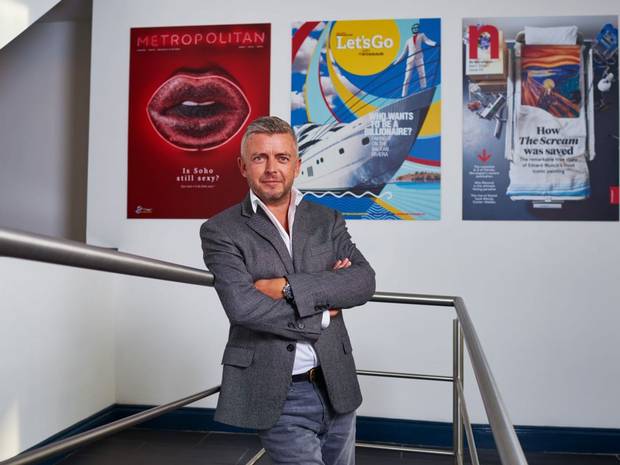
michaelkeating On the expansion of his print empire in a digital age:
Our particular niche, which is inflight magazines, bucks trends because more and more people are traveling each year, so in fact, where you might have a decline in newsstand titles, we’re actually getting more readers.

On his strategy to continue the upward trend of inflight magazines:
It’s true; you do have to vie for people’s attention, but just because someone may be watching a movie on their own device doesn’t mean they don’t read the magazines. You know, TV screens have always existed on the long-haul flights, so I don’t believe that people only do one thing.

On the significant differences between all the magazines Ink publishes:
We never recycle the editorials; they’re really written for their own specific brand with that particular magazine’s audience in mind.

On the advertising outlook with inflight magazines:
Our advertisers get a very good response; otherwise they wouldn’t keep coming back.

On expanding the presence of Ink Global in the United States: When we won American, part of the terms of the contract was to have a local presence in Dallas because their headquarters are here.

On his move from broadcast journalism to print: I went to Lebanon to do this news item and I met a gentleman who was starting a new airline called British Mediterranean Airways.

On the major stumbling block he’s had to face:
Not every single magazine we’ve undertaken has been a success. In some instances, when we found it very difficult to sell advertising in a particular market, that was a big stumbling block.

On what keeps him up at night:
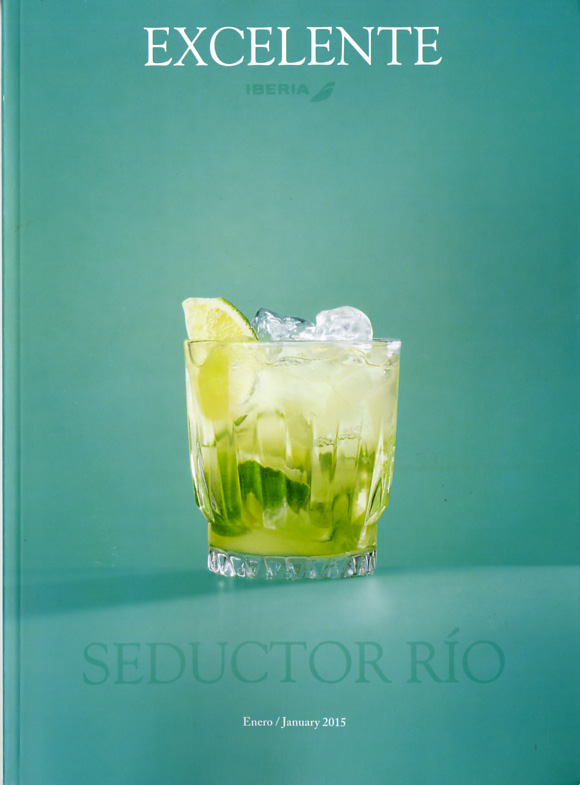
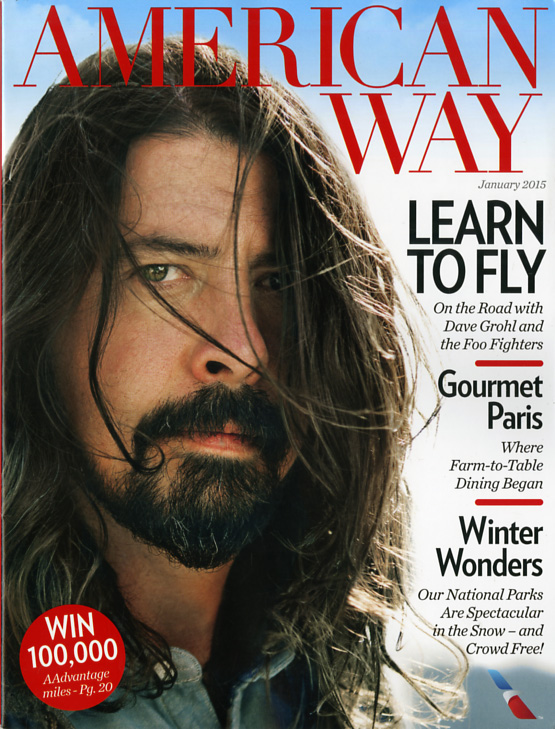
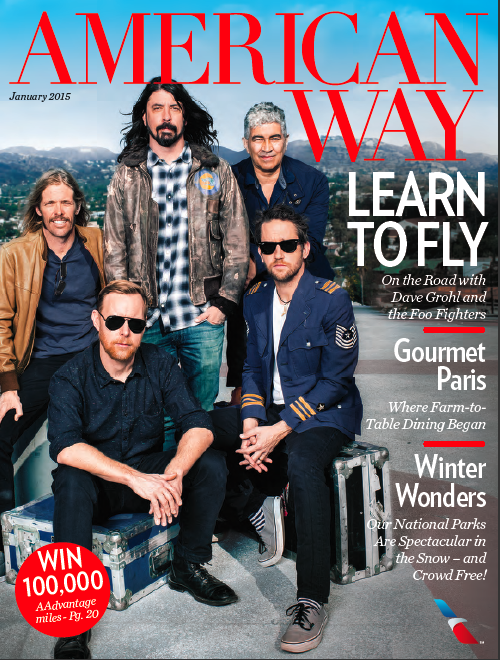
What keeps me up at night is often what happens around a launch period. If you think about at the first of January we have to have American Way on the planes and we have to have Ronda and Excelente on the planes as well, launching three major titles in exactly the same week causes me a few sleepless nights.

And now the lightly edited transcript of the Mr. Magazine conversation with Michael Keating, CEO and Founder, Ink Global…

The global network of INK...

The global network of INK…

Samir Husni: I was recently on your website and I saw the new magazines that have been launched. In launching those titles what were you thinking about, simply trying to expand your print empire of travel-related titles in an age where everyone else is saying print is in decline?

Michael Keating: Our particular niche, which is inflight magazines, bucks trends because more and more people are traveling each year, so in fact, where you might have a decline in newsstand titles, we’re actually getting more readers. In the case of American Airlines, with the recent merger with U.S. Airways, their annual passenger numbers will reach around 200 million, so inflight readership is growing.

Samir Husni: We used to say that the inflight magazines were read by a captive audience, but now in a digital age, where people are bringing their iPads or their smartphones or tablets that is no longer apropos of the situation. So, what’s your strategy to continue this upward trend with inflight magazines?

Ronda-3 Michael Keating: It’s true; you do have to vie for people’s attention, but just because someone may be watching a movie on their own device doesn’t mean they don’t read the magazines. TV screens have always existed on the long-haul flights, so I don’t believe that people only do one thing. They’ll get on a flight and have a nice meal, a glass of wine, read a book or a newspaper that they brought with them or watch a movie, but they’ll still pick up the magazine. We actually have a head of insight called Kevin Miller who is very experienced in doing research having worked for JC Decaux Airport,and we know that readership is exceptionally high.

Of course, I would like to think it’s just for excellent high-quality editorial, but people also love looking at the route maps and there is certain essential information that’s also in the magazines. And with low-cost carriers, when they’re selling food or drink onboard, they’ll often put a lot of the menu information into the magazine as well.

Despite the fact that I would love to think that every single passenger is picking it up only because of the entertaining features, sometimes they want simply to know how much a cup of coffee is or a sandwich and they’ll pick it up.

But once the magazine is in people’s hands, of course then it’s the job of our creative teams to make sure that passengers engage with it. Once in their hands they’ll have a flip-through or want to read the features that are presented. And in some instances, destination guides, like an EasyJet magazine, for example, there are more than 30 pages of city information in the back, so some of that is practical information, like really good restaurants and bar advice. Those destination guides are written by locals who live in each city. We have over 130 freelance writers on the easyJet network who all reside in those cities so it really is good local information.

Samir Husni: One of the things I’ve noticed is that American Way is completely different than Ronda; Ronda is different than Excelente and the same with the other magazines that you publish. Tell me about Ink Global, which you’re celebrating the 21st year of starting the company and what’s your strategy of growth and your plan for conquering the travel market?

Michael Keating: Yes, the magazines are completely different for every single airline. The first thing that we have to do is consider that particular brand, and clearly even the way in which we approach writing about a city would be completely different. For example, we do the Eurostar, which is the premium train between London, Paris and Brussels. And it’s bilingual, English and French. So, if we were writing a story on Paris for the Eurostar magazine, where there is an awful lot of Parisians traveling on the train, clearly the story would be differently positioned than if writing for American Way. What Americans want to do when visiting Paris is quite different to a local.

Again that would be different to easyJet from Iberia, for example. What might Spanish passengers want to do in Paris? Everything is completely tailored for the audience. I have a dedicated editorial team for each publication, so with any contract we’ll go out and hire dedicated editors, art directors to only work on that magazine. It’s not a shared resource. We never recycle the editorials; they’re really written for their own specific brand with that particular magazine’s audience in mind.

Samir Husni: What about the advertising market? I heard an agency executive last month on our National Public Radio saying that she doesn’t see anyone coming to her offices and asking to advertise in print. What’s your reaction to such a statement?

Michael Keating: Our advertisers get a very good response; otherwise they wouldn’t keep coming back. You just have to look at the number of series advertisers, those that will take multiple issues or in some instances annual contracts with the magazine. They wouldn’t be spending the money if they weren’t getting a good response.

In fact, we had a real estate advertiser form Spain who had taken space in the EasyJet magazine and they got a better response from easyJet Traveller than the Sunday Times, a big national newspaper in the U.K.

Why, because the people who may actually want to buy a second home in Spain; they’re more likely to get a response from people who are actually flying on an airplane to Spain than someone sitting in their armchair at home. It’s putting the right message in front of the right people at the right time.

Samir Husni: I noticed that you’re opening offices in Dallas and Miami…

Michael Keating: Yes, I’m talking to you from our Dallas office now.

Samir Husni: Are you expanding the presence of Ink Global in the United States?

Michael Keating: The expansion has been very recent because we won the contract for American Airlines. We’ve had offices for the last six years in New York, in Dumbo, Brooklyn and Atlanta. Atlanta is a sales office and New York is editorial. We placed the editorial staff in New York because there is great creative talent in the city.

American way-1Picture 23

When we won American, part of the terms of the contract was to have a local presence in Dallas because their headquarters are here. And we had to take on some of the existing staff because American Airlines has been published in-house for the past 48 years. So, this is really quite a departure for them to outsource it. And part of the deal was that we would take on some of their existing staff and would supplement that staff base with some exciting new talent.

We decided to open in Miami because one of the American Airlines publications is called Nexos and is bi-lingual, Spanish and Portuguese. The whole South American market is hugely important to the airline, that’s why they have a Spanish and Portuguese publication. So we needed to have some Spanish-speaking staff and Miami is a great place to recruit

Samir Husni: In 1994 when you co-founded Ink Global, your background was in broadcast; if you can recall that moment where you and Simon Leslie decided to found Ink Global, what made you move from broadcast journalism to print?

Michael Keating  in a picture from The (British) Independent newspaper

Michael Keating in a picture from The (British) Independent newspaper

Michael Keating: Michael Keating: What actually happened was there was a very good friend of mine who was Lebanese and his father worked in tourism in Lebanon. After the Civil War tourism was on its knees in the country and I was working for a TV news show called “London Tonight” and his father offered us free tickets to bring a TV news crew over to Beirut to do what I call an “And Finally” story on “Londoners are Booking Package Holidays to Lebanon Once Again.” It was an unusual idea at that time given that what people had been seeing about Lebanon on the news for many, many years was bombs and bullets. So, the idea of going there on vacation was almost laughable at the time.

I went to Lebanon to do this news item and I met a gentleman who was starting a new airline called British Mediterranean Airways. They started with one plane and one route, which was London to Beirut. He was there and he said, “Oh, you know about television; I’m going to need someone to do my inflight entertainment.”

We had a discussion and sure enough, I starting licensing movies and producing some audio/visual content for the airline. I knew Simon Leslie at the time because I was doing some writing for him, and I said to him “There is this start-up airline that I’m doing the inflight entertainment for and they need a magazine. Shall we go into business together? And that was the start of Ink Global. Such humble beginnings from a bar in Beirut!” A city obviously close to your heart.

Samir Husni: Indeed. You just took the words out of my mouth, being originally from Lebanon. (Laughs) That’s a perfect story for me.

Michael Keating: And then the airline expanded. It started operating to Amman, Damascus and Alexandria and the commercial director of that airline went on to be the commercial director of Branson’s then-European operation, Virgin Express. He called me and asked, “Do you want to do this Belgium-based airline, Virgin Express?” And I said, yes, please. So, I got that one as well.

And then we also did the magazine for an African airline called Alliance Air which doesn’t exist anymore. That was an alliance between the governments of South Africa, Uganda, Rwanda and Tanzania. So, you can probably take a guess why that airline doesn’t exist anymore.

So, we did Alliance Air, picked up easyJet and just kept adding more and more airlines. I really like the vertical. There is an argument that if you’re doing well in a particular field, then keep going and replicate success. Travel has always been a passion and being able to turn that into a career, has been a joy. The way we carved up the workload was that I focused on the creative side of the business and Simon Leslie would look after advertising sales.

Samir Husni: One thing that I’m interested in knowing is what was the major stumbling block? Your story can’t be all one success after the other; what was your major stumbling block and how did you overcome it?

Michael Keating: Not every single magazine we’ve undertaken has been a success. In some instances, when we found it very difficult to sell advertising in a particular market. Many people probably have the idea that airlines take out a nice, big, fat checkbook and pay us a huge amount of money to produce these publications. The reality is different in that they have to be 100% funded through advertising. That’s why I also think that the quality of the editorial and the design has dramatically changed over the decades in the sense that a long time ago the airlines would pay and these publications were completely created by a marketing department. They weren’t particularly commercial and they may not have been so nicely designed.

These days they have to be as good as or even better than newsstand-quality publications because the advertisers demand it. It’s also what passengers expect.


Samir Husni: From the magazines that I’ve seen it’s really great work, both editorially and in the design. My typical last question; what keeps Michael up at night, besides the time difference now?

Michael Keating: Michael Keating: (Laughs) That is often the problem with running a global operation because you literally can be chatting with one of the offices at all times of the day and night.

But what keeps me up at night is often what happens around a launch period. If you think that on the first of January American Way, Ronda and Excelente, all had to launch on the same day, that caused a a few sleepless nights. But I was delighted with the results.

Excelente-2

I think in the case of Ronda and Excelente, the team has produced something that’s really quite different and it’s a great accolade to them; the fact that they’ve created something very unique. Especially with Excelente, as it’s not like any other inflight magazine that I’ve ever seen before. I think there are some really clever ideas in there.

Samir Husni: Thank you.

h1

“I Love Magazines…” BROWNBOOK Magazine’s Interview with Mr. Magazine™

January 13, 2015

The Dubai-based BROWNBOOK magazine describes itself as “An Urban Guide To The Middle East.” John Burns, a writer at the magazine, interviewed me for the Jan./Feb. issue. The interview appeared in the “Bookend” department, which is the last page of the magazine. What follows is a reprint (with permission) of the interview as it appeared in the magazine.

Picture 25

Mr Magazine
Director of the Magazine Innovation Center at the University of Mississippi, Dr Samir Husni – aka Mr Magazine – has racked up a collection of over 30,000 first editions


I fell in love with magazines when the first issue of Superman came out in Arabic. DR Samir Husni

Picture 26 What sparked your love for magazine culture?
I fell in love with magazines when I was nine years old, when the first issue of Superman came out in Arabic. I went with two friends to buy it in Tripoli, Lebanon. They fell in love with the blue cape and I fell in love with the idea of holding a story in my hands and being able to read it from beginning to end at my own pace. I think the ink somehow transfused into my body and I became infected.

How did you get the ‘Mr Magazine’ trademark?
In 1986, I had a student from a small town here in Mississippi who couldn’t pronounce my name. Neither Samir, nor Husni. He started calling me Mr Magazine, and at the end of the semester he put it on a nameplate for my desk. Then everybody started calling me Mr Magazine. I thought, ‘If everybody is going to call me that, I might as well trademark it!’

What do students learn from your course?
I teach magazine publishing, which is a course in which each student develops an idea for a new magazine. In the first semester, we go through the entire process of developing business plans, including competition analysis, advertising and circulation. In the second semester they create a prototype issue of how they want the magazine to be.

What are the larger aims of the Magazine Innovation Center?
The Center has one specific goal – amplifying the future of print in a digital age. I’m not one of those people for whom it’s either-or. It’s print plus digital, not print or digital.

Do you read all of the magazines that you collect?

There’s nothing that I read cover to cover, but there are a lot of magazines, that I have to see, either out of habit or addiction. New York Magazine is one of them. Bloomberg Businessweek. I read The Week religiously. The usual suspects.

Have you uncovered any unusual publications recently?
What makes my reading very interesting is, like, here I’m flipping through the pages of Crochetscene and then all of a sudden I’m reading Recoil, a magazine about gun culture.

Do you collect anything else?

I have almost 2,000 neckties. I tell the students, ‘If you ever see me wearing the same necktie in the entire school year then you pass. I’ll give you an A.’ But sometimes I trick them – I wear two ties that are similar but different.

What’s the one piece of advice you give to all of your students?
I encourage them to ‘think big’. I don’t believe in this garbage that the sky’s the limit, or that if you aim at the moon and miss then you’ll land on one of the stars. I tell them, ‘If you aim for the moon and you miss, then you’re crashing.’

What do you love most about your job?

What I love the most is that I’m doing exactly what I did when I was nine years old – the only difference is now people pay me for my hobby. The only time I work is on the weekend when my wife asks me to mow the grass or do this or do that. Otherwise, I say, ‘Thank God for Mondays. I’m going to do my hobby.’