“It’s not one or the other. True success lies in the complimentary nature of digital and print, this is where we see customers deliver and increase their business and brand value.”… Roel-Jan Mouw
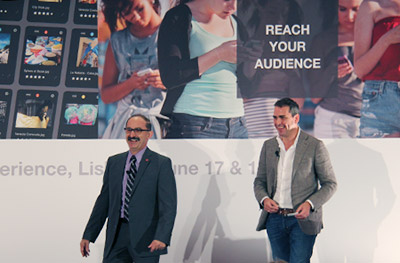
WoodWing Software develops and markets a premier, cost-efficient multi-channel publishing system and the next generation digital asset management system. Their solutions are aimed at magazine, newspaper and book publishers, corporate publishers, agencies and marketing departments to reach their goals for quality, economy and time-to-market. (Samir “Mr. Magazine™” Husni and Roel-Jan Mouw on the stage at the WoodWing Xperience in Lisbon, Portugal).
Roel-Jan Mouw is CEO of WoodWing software and is proud of the work his company does and in the series of “Xperiences” they are doing which involves a meeting of the minds of some of the most notable leaders in the industry.
I spoke with Roel-Jan recently and we discussed a few of the “Xperiences” which I have been graciously invited to speak at. The conversation surrounded innovation, creativity and excitement.
I hope you enjoy the Mr. Magazine™ interview with Roel-Jan Mouw as much as I did conducting it. So sit back and prepare to be enlightened on the support system WoodWing offers its customers through a variety of multi-channel publishing.
But first the sound-bites.
On the mission of WoodWing: We support companies to manage and deliver content to their audiences in efficient and innovative ways.
On the “Xperiences” and what WoodWing hopes to accomplish: Xperience is a great opportunity to hear from leaders, meet existing WoodWing customers, and listen to their experiences – publishing through a variety of channels or managing millions of assets as part of their daily businesses.
On why a software company spends so much time and money on such “Xperiences”: Listening to inspiring content for customers and thought leaders and spending time with peers is of great value to us and our customers. Xperience in that context is worth investments in both money and time.
On how he sees the relationship between print and digital: It’s not one or the other. True success lies in the complimentary nature of digital and print, this is where we see customers deliver and increase their business and brand value.
On the similarities and/or differences of a global company based in the Netherlands from media companies worldwide: As with many businesses there are many similarities. Many big media companies have the same challenges, finding the right strategy for smartphones is a great example.
On what keeps him up at night: What keeps me up at night are jet-lags, airports and trying to sleep on planes, trains and automobiles. I try to be customer facing all the time, traveling the globe, engaging and inspiring customers.
And now the lightly edited transcript of the Mr. Magazine™ interview with Roel-Jan Mouw, CEO – WoodWing.
Samir Husni: Let me start with the obvious first question, what is the mission of WoodWing?
Roel-Jan Mouw: We support companies to manage and deliver content to their audiences in efficient and innovative ways. We are on a mission to support brands engaging through multi-channel (publishing) strategies, increasing reach, loyalty and overall revenues for our (publishing) customers globally
Samir Husni: In addition to the software and help on the technical side, you are doing a series of “Xperiences” that I was gratefully invited to speak at. You recently did one in Lisbon, Portugal and you are doing another one in New York City this September… tell me a little bit more about those “Xperiences…” whom are they aimed at, what do you want to accomplish from them, who attends or who should attend them?
Roel-Jan Mouw: Xperience is a great social event, and an opportunity to learn about innovation, both on the product side and also within the industry. Cloud and BigData are two themes this year, as their inroads in our industry are accelerating. This alone makes the event worthwhile for C-level audiences who deal with a shift to Cloud and BigData in the publishing business.
Xperience is a great opportunity to hear from leaders, meet existing WoodWing customers, and listen to their experiences – publishing through a variety of channels or managing millions of assets as part of their daily businesses. Xperience is for every customer and partner who wants to learn more about how we support top publishers in 120 countries around the world.
Samir Husni: Why is a software company spending so much money and time in hosting such “Xperiences?”
Roel-Jan Mouw: Listening to inspiring content for customers and thought leaders and spending time with peers is of great value to us and our customers. Xperience in that context is worth investments in both money and time. Time is likely the most valuable resource, therefor our management team is available for meetings next to the event content to listen to customer challenges and share thoughts that resonate in our industry globally during the event.
We have seen great synergies between regions and customers, strategies and challenges. This is where we can add a lot of value to our customers and prospects’ challenges and why we believe this investment is truly worthwhile. Next to this we can connect our customers who are always happy to talk to peers. It’s simply a great opportunity to hear from leaders in the industry either 1:1 or through the formal agenda.
Samir Husni: How do you see the relationship between print and digital? Is there a future for print?
Roel-Jan Mouw: With the appearance of the iPad, WoodWing has been a front runner enabling publishers globally to publish Apps. In the last 4 years iPad and other digital devices, challenging economic turmoil and marketing automation & analytics have disrupted the traditional print and advertising business for publishers. Print publications are still critical to brands and together with social media, Apps and Websites, Brands can build a true multi-channel strategy driving more frequent engagement with their customers and maintain or grow revenue streams. It’s not one or the other. True success lies in the complimentary nature of digital and print, this is where we see customers deliver and increase their business and brand value.
Samir Husni: As a global company based in The Netherlands, what are the similarities that you see in media companies worldwide? What are the differences if any?
Roel-Jan Mouw: As with many businesses there are many similarities. Many big media companies have the same challenges, finding the right strategy for smartphones is a great example. Many companies are trying to find the best ways to capitalize on this opportunity.
Another trend we see is media companies realizing plane copy of print content into Apps is not supportive to stop decline of print and they are rethinking their strategies. Another aspect is the challenge for many customers to build their digital Apps. Off-shoring seems the logical thing to do today, and focus on content remains. Key differences clearly are economies (of scale) and geographical situation. In a city like Jakarta physical distribution of content becomes so problematic, this aspect alone is a key driver for new strategies for newspapers in Indonesia, where in Peru our customer El Comercio is able to geo their printed newspaper to record breaking circulation for Latin America.
Local economic aspects remain a key differentiators. But don’t be fooled, technology is a barrier; 4G is available in all major cities in most parts of the World. This accelerates the opportunity for Multi-Channel publishing and accelerates our business in Asia and Latin America as we speak.
Samir Husni: My typical last question, what keeps you up at night?
Roel-Jan Mouw: What keeps me up at night are jet-lags, airports and trying to sleep on planes, trains and automobiles. I try to be customer facing all the time, traveling the globe, engaging and inspiring customers. WoodWing has a great footprint in the market and with so many great customers being awake can be very inspiring! I’m looking forward to being awake in New York, meeting you and many others again. To register and attend the free New York Xperience click here.
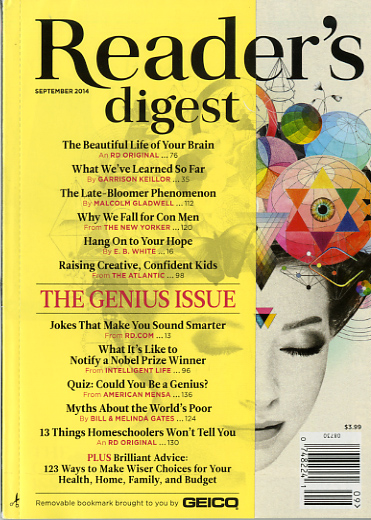
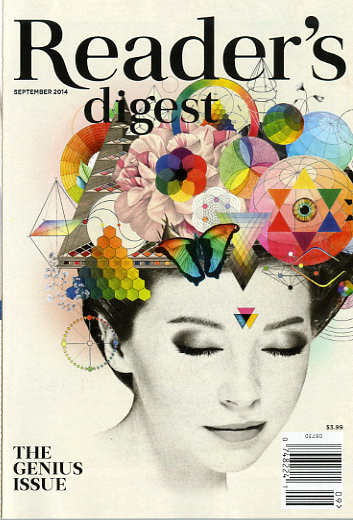
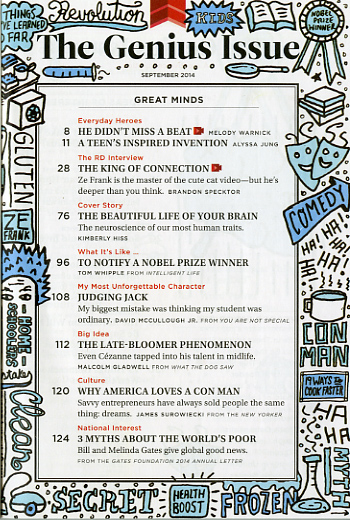
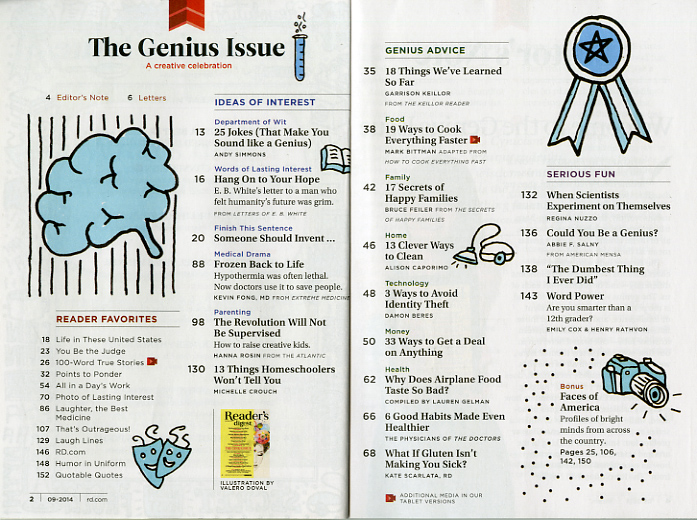
Liz Vaccariello, Editor-in-Chief of Reader’s Digest, has taken the single-topic niche to the next level with the September 2014 issue of RD. It is absolutely transcendent in presentation, design and content. The contemporary lines, while complex and unique, remain simple in effect, always the earmark of Reader’s Digest. Simplicity, style and beauty in each and every spread of the magazine denote a very compelling modernity, while maintaining the refined dignity of the publication’s past.
Liz is Vice President, Editor-in-Chief and Chief Content Officer of Reader’s Digest; so to say she wears many hats might be an understatement, but one thing that isn’t is her excitement and inspirational creativity that she has brought to Reader’s Digest.
The September 2014 issue is aptly titled “The Genius Issue” and is the brainchild of Liz who told me back in March when I interviewed her:
“We wanted to return Reader’s Digest to what it had always been for most of its 90 year history and that is a place for reading.”
And she has certainly done that… kudos to Liz and the entire Reader’s Digest staff.
Now the only thing missing form the magazine is the book excerpt and if brought back, I believe, Reader’s Digest will be the 21st century magazine build on the same foundation established by its founders DeWitt and Lila Wallace!
A good comfy read. A job very well done. Check some of the sample pages below…
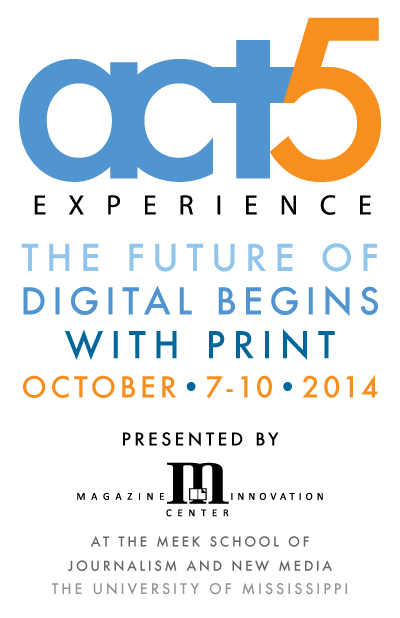
What has become an obligatory annual pilgrimage to the Magazine Innovation Center in Oxford, MS, the Amplify, Clarify and Testify (ACT) Experience, is the only think and do experience that puts the magazine and magazine media experts together with other industry experts from all over the world in addition to 25 to 30 magazine students (future industry leaders) from The University of Mississippi’s Meek School of Journalism and New Media. The goal of the Experience is to generate executable ideas for the magazine and magazine media industries. Space is limited so the sooner you register, the better the chances that you will be able to join the ACT 5 Experience. Click here to register or get more information.
This year’s experience takes place Oct. 7-10 and features (as of today with many more to come) some of the biggest and brightest names in magazine and magazine media industry leaders. The confirmed speakers so far are (in alphabetical order):
Gil Brechtel President, Magazine Information Network (MagNet) Alysia Borsa SVP, Data and Mobile, Meredith Corp. Vanessa Bush Editor in Chief, Essence magazine, Time Inc. Craig Chapman Producer, Real Food Real Kitchens Michael Clinton President, Marketing and Publishing Director of Hearst Magazines Steve Davis President, Kantar Media’s SRDS James Elliott President, The James G. Elliott Company Robert Hanna Co-Founder, SVP Sales, Burst Media John Harrington Publisher, The New Single Copy Brian Hoffman EVP/Chief Creative Officer, Hoffman Media Dana Points Content Director, Meredith Parents Network John Puterbaugh EVP & Chief Digital Officer, Nellymoser Malcolm Netburn Chairman, CDS Global Bob Sacks Founder, Precision Media Lisa Scott Executive Director, Periodical and Book Association of America Greg Sullivan Co-founder and CEO, AFAR Media Espen Tollefsen CEO, Interpress, Norway Bryan Welch Publisher & Editorial Director, Ogden Publications Haines Wilkerson Chief Creative Officer, Morris Media Network Tom Witschi EVP, Women’s Lifestyle Brands, Meredith Corp.
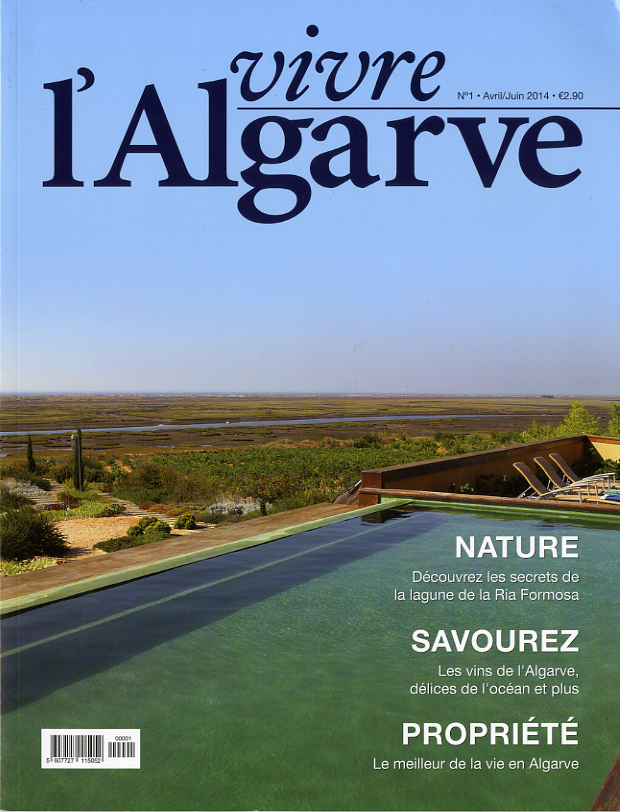
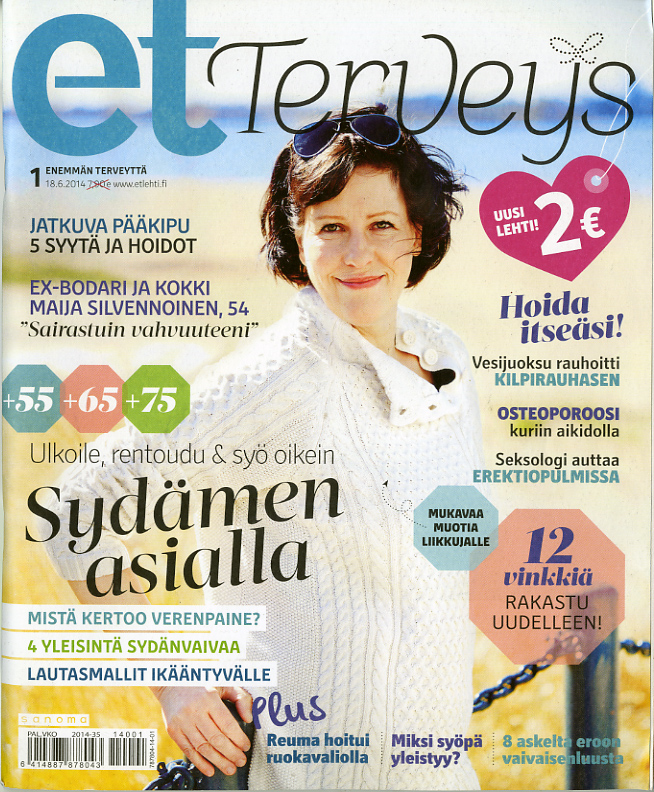
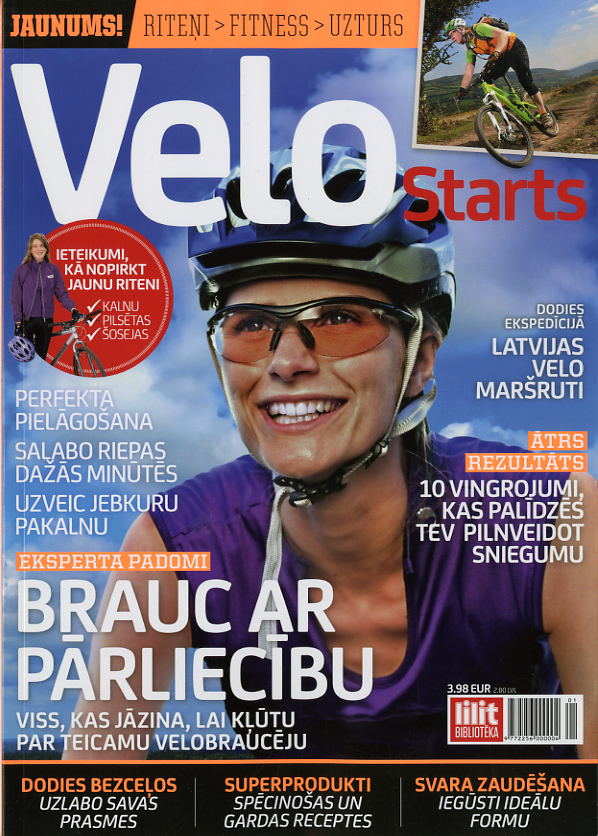
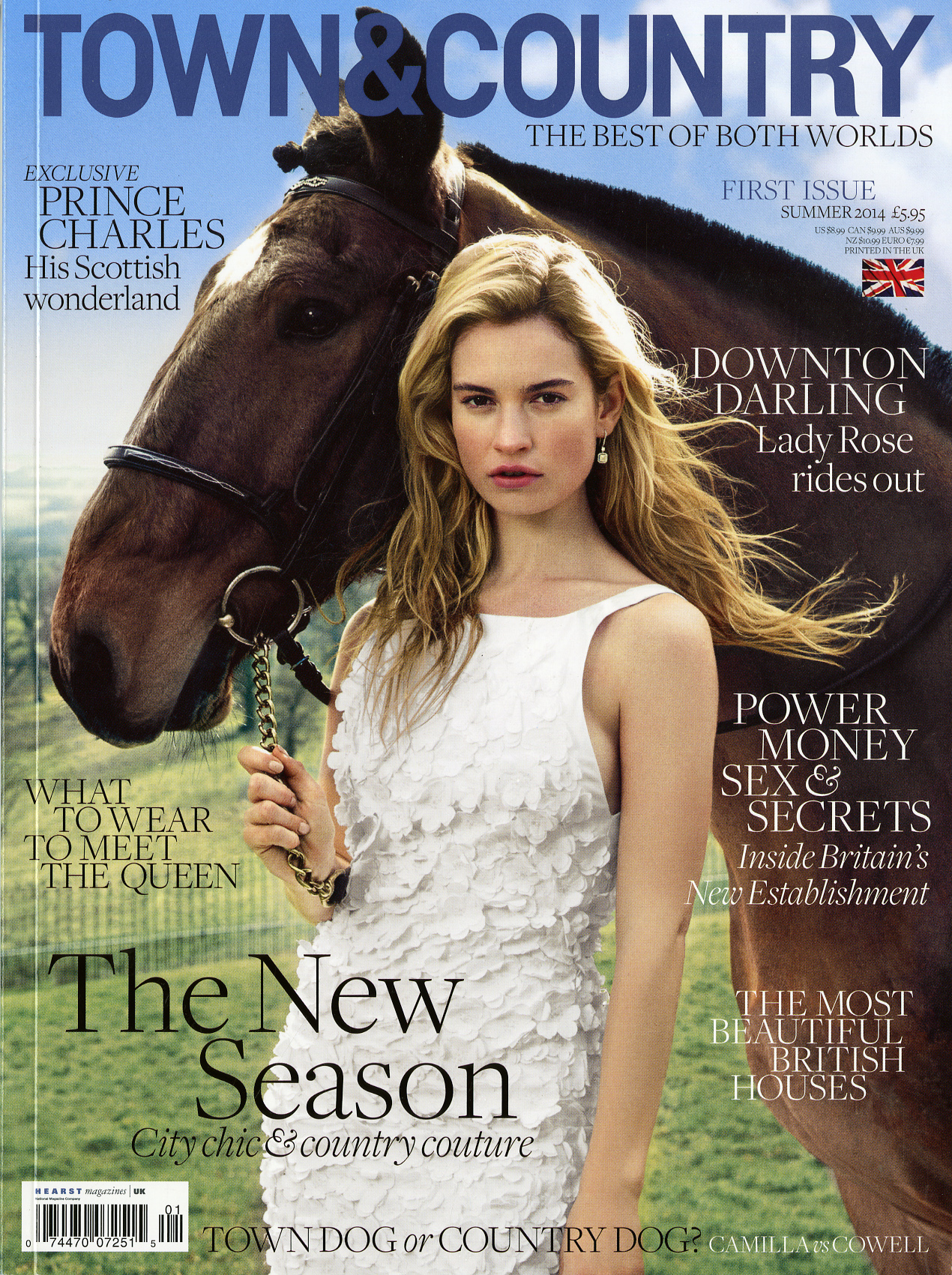
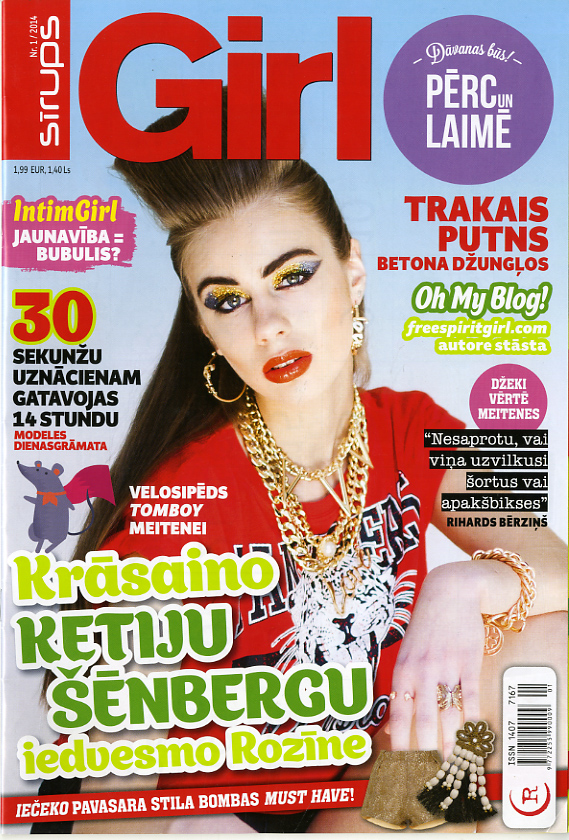
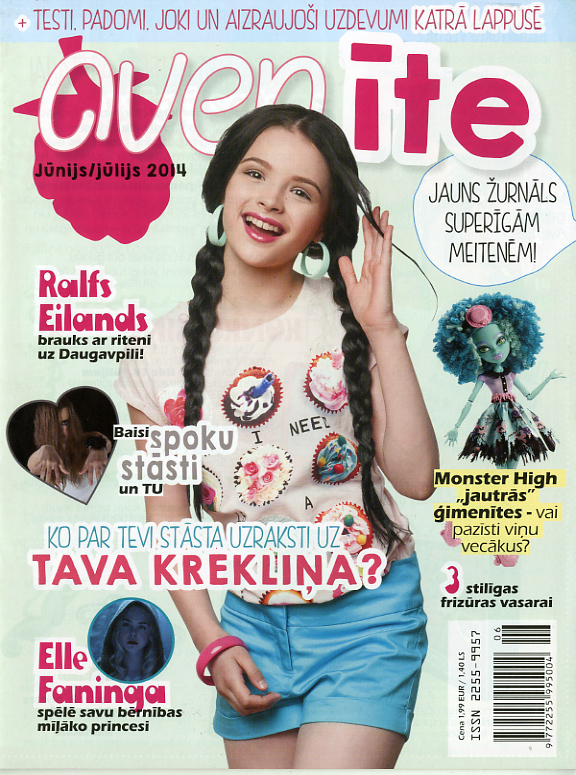
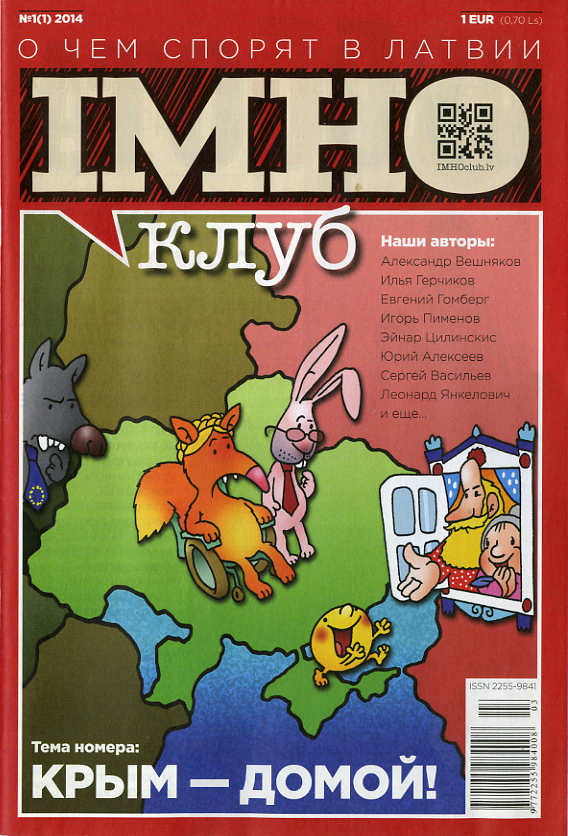
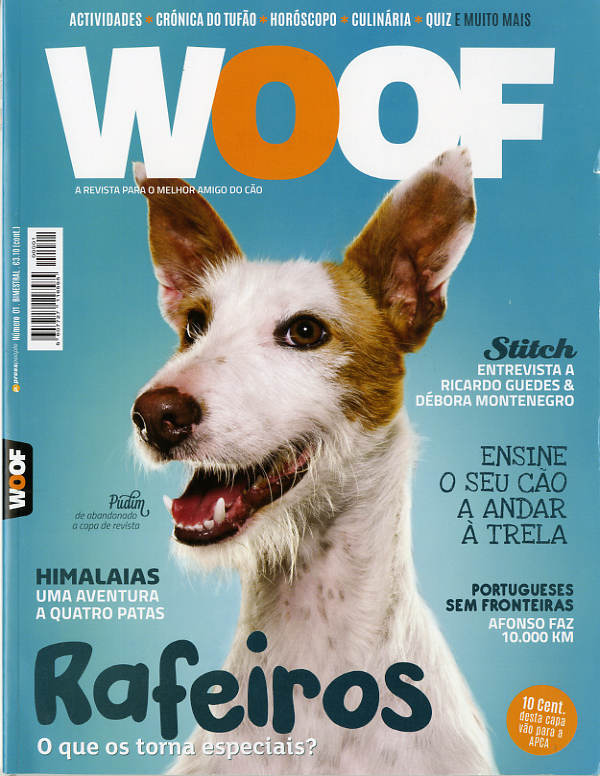
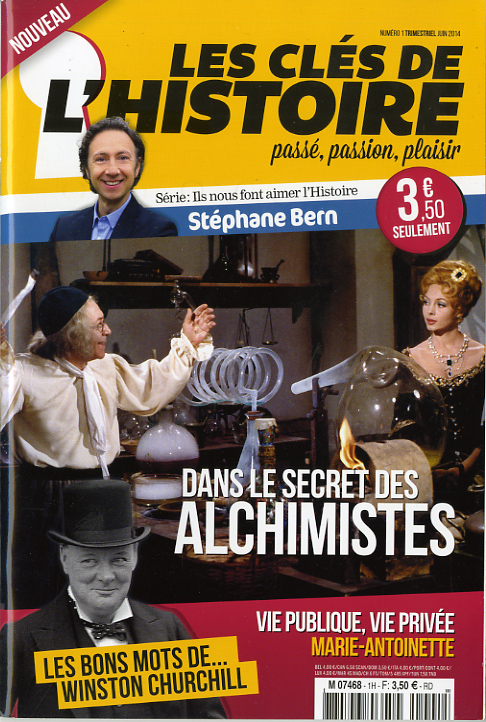
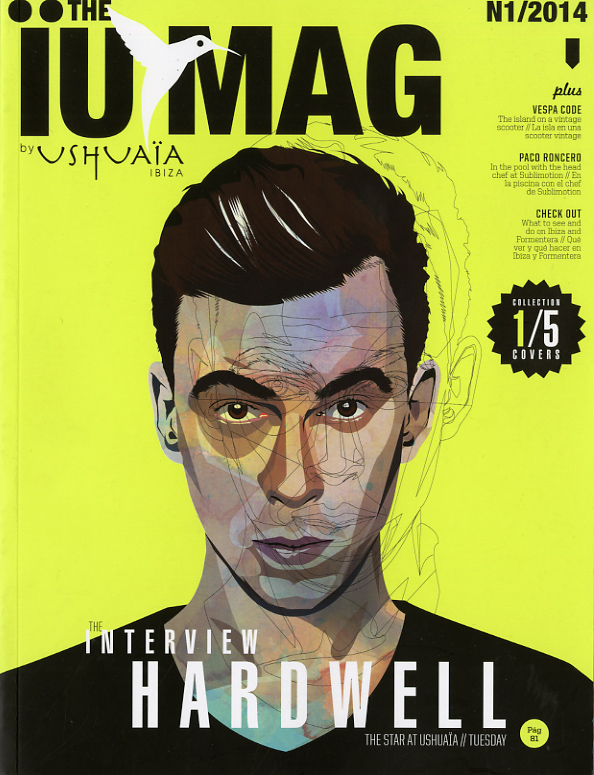
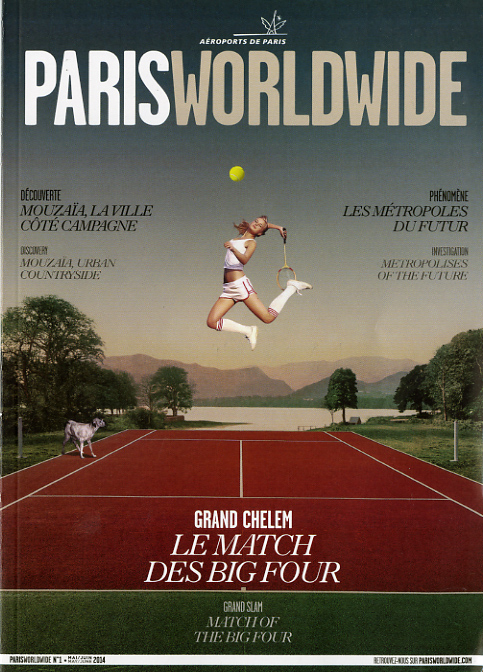
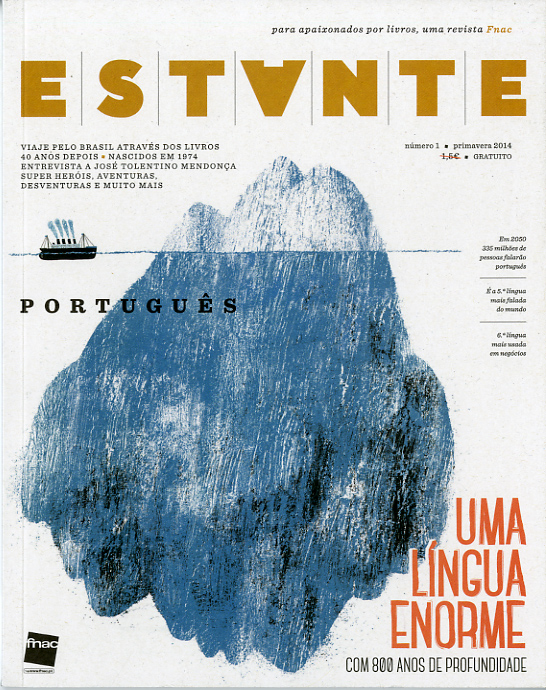
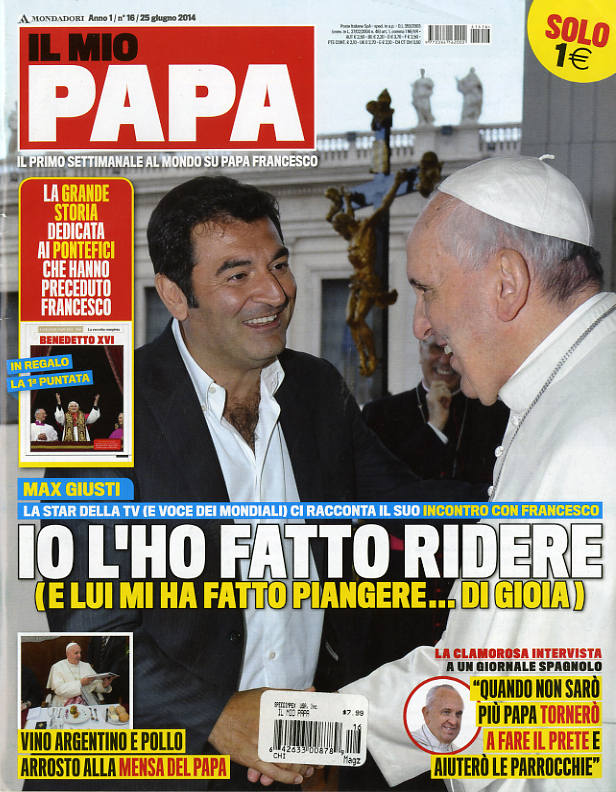
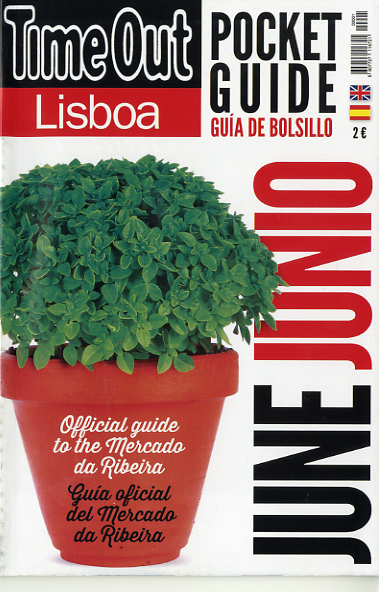
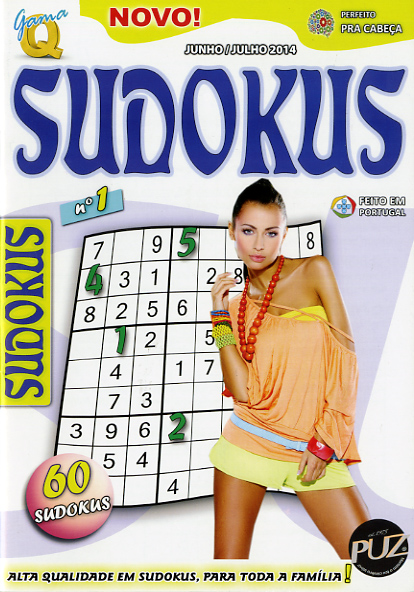
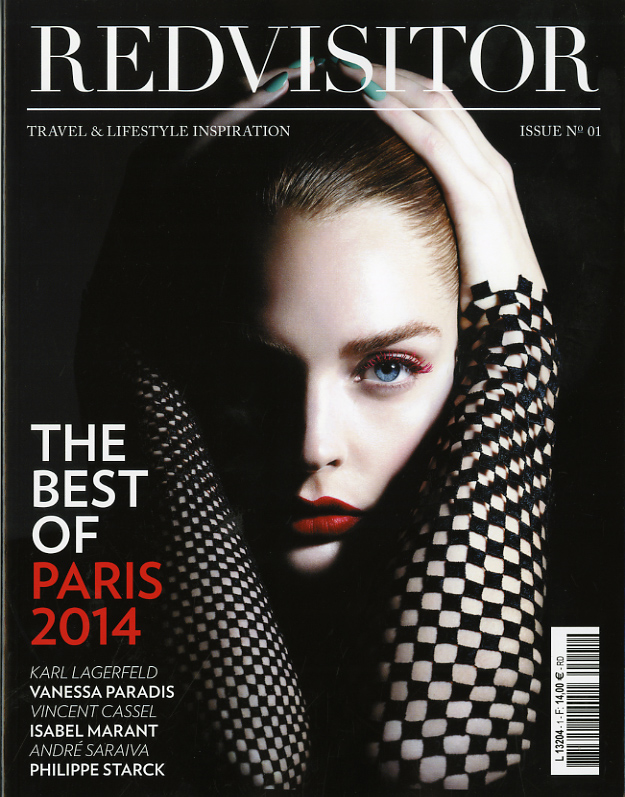
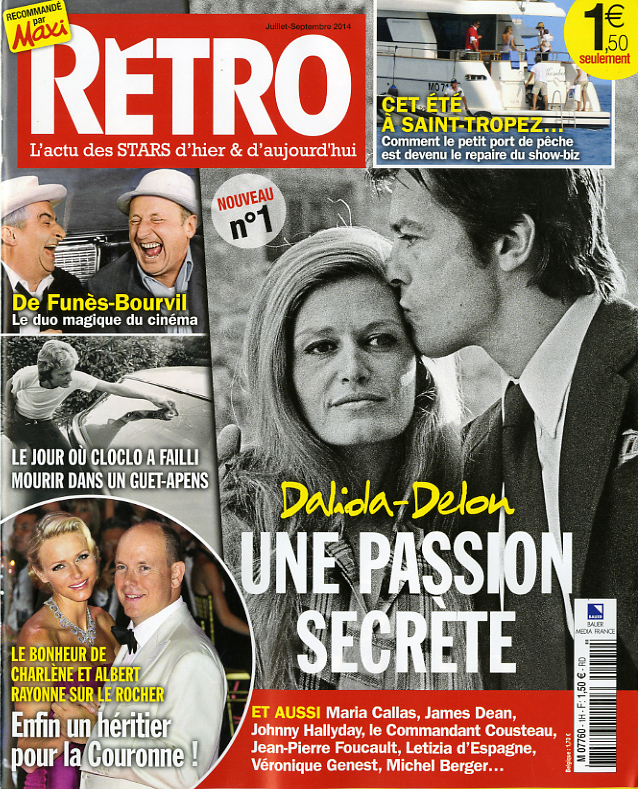
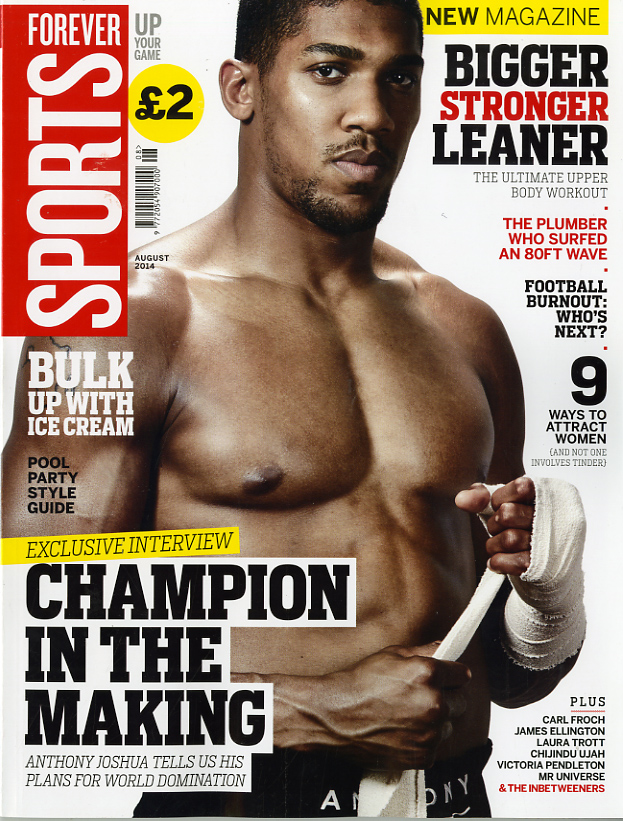
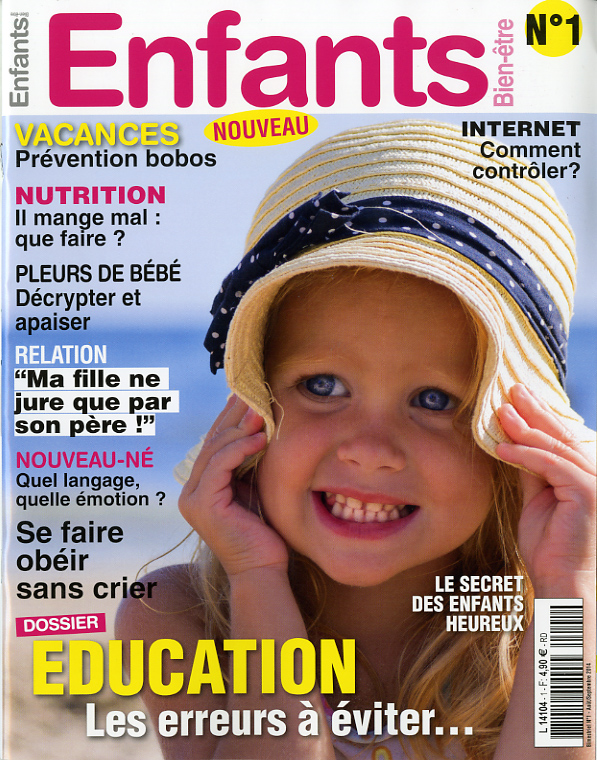
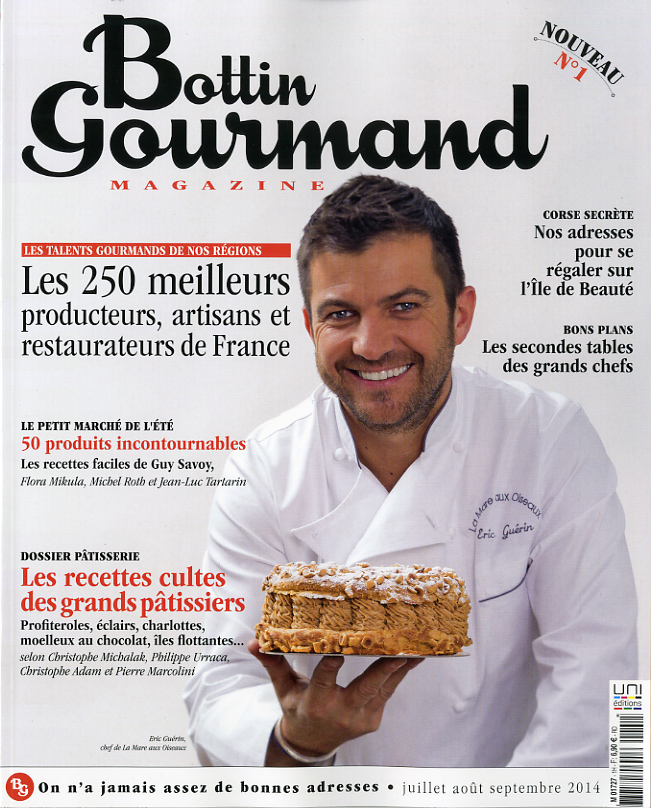
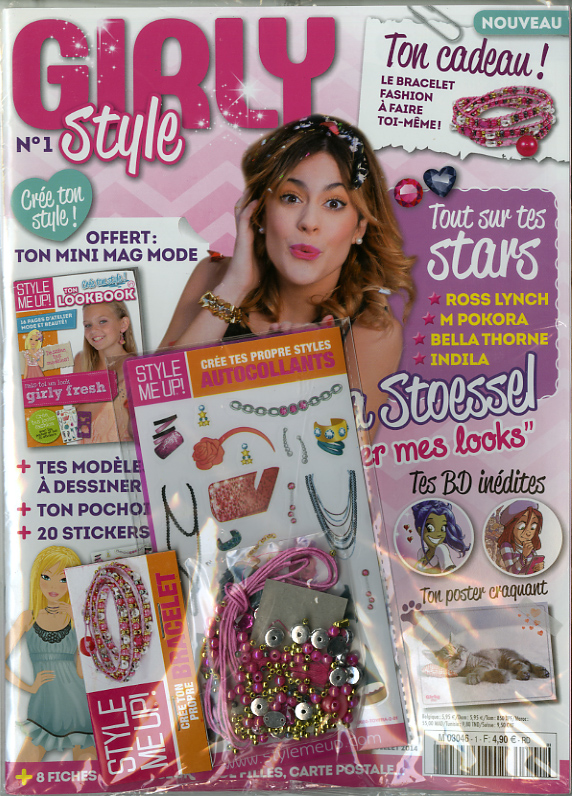
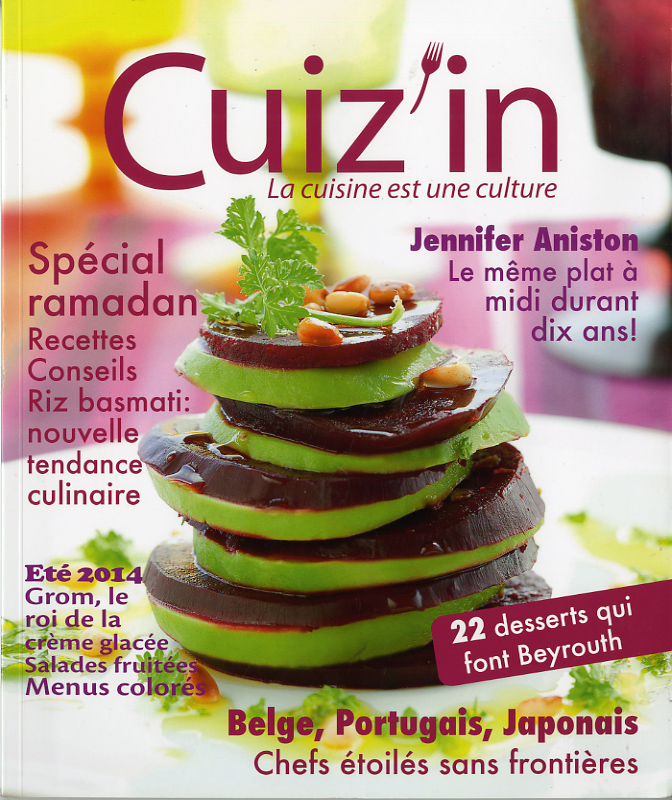
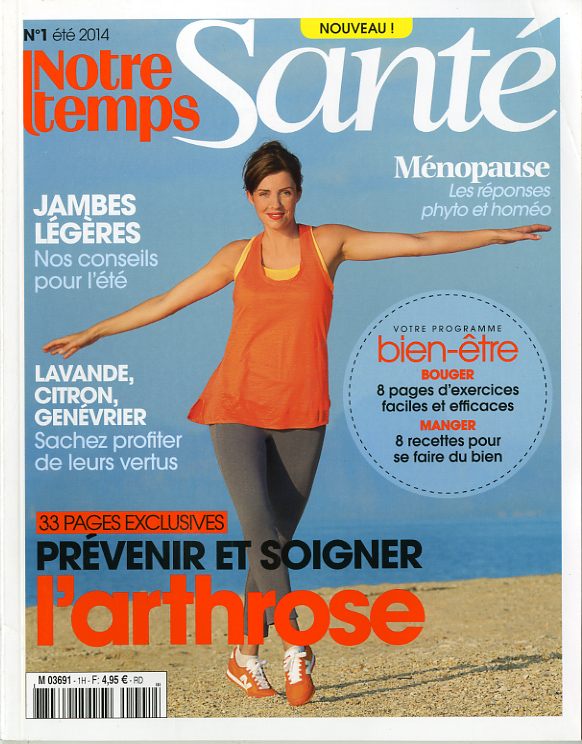
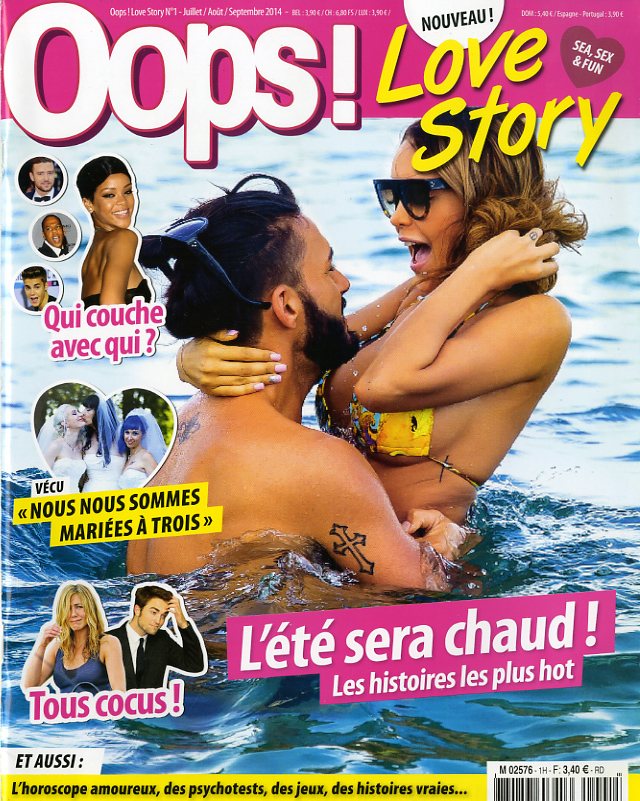
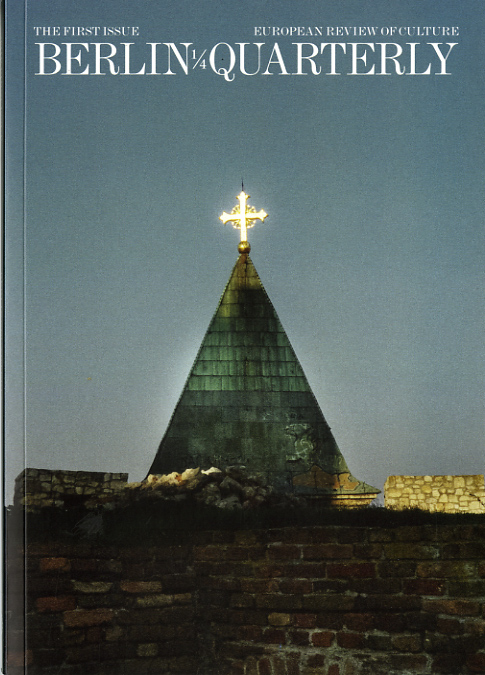
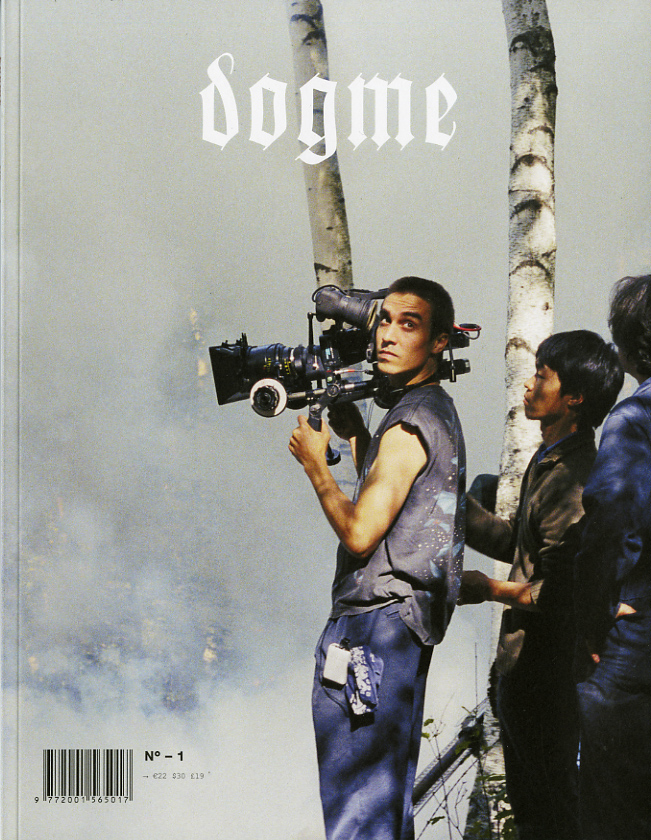
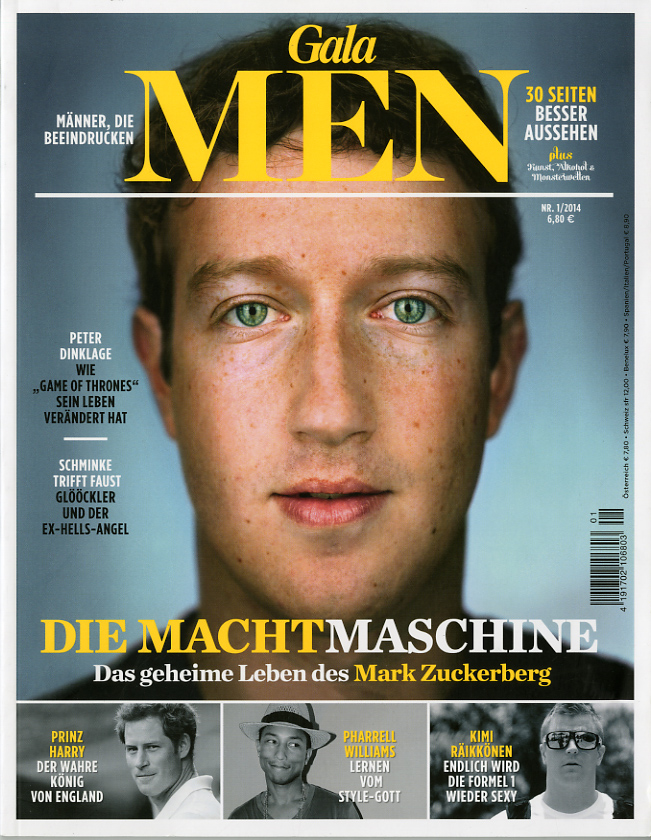
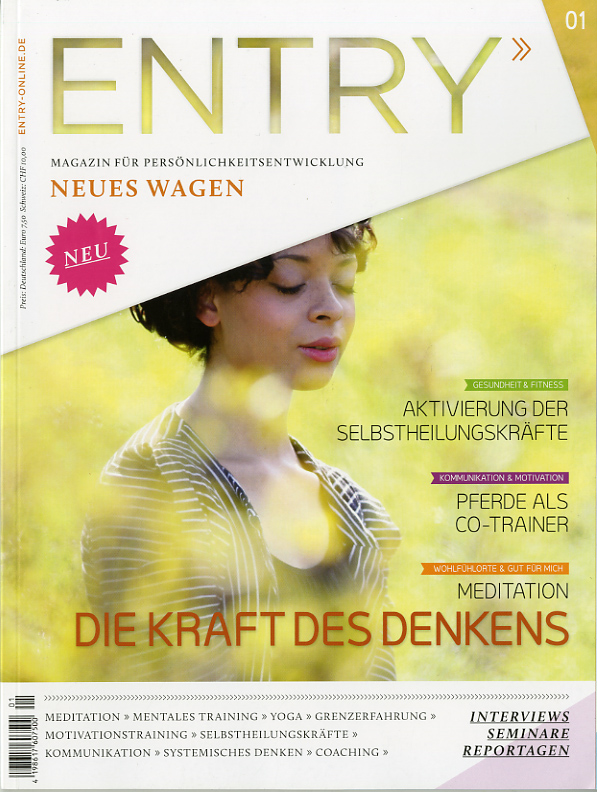
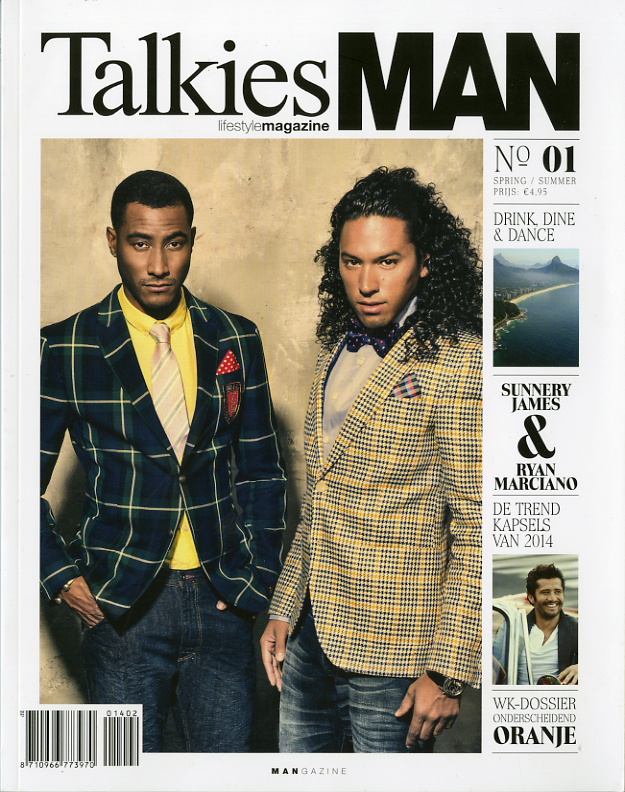
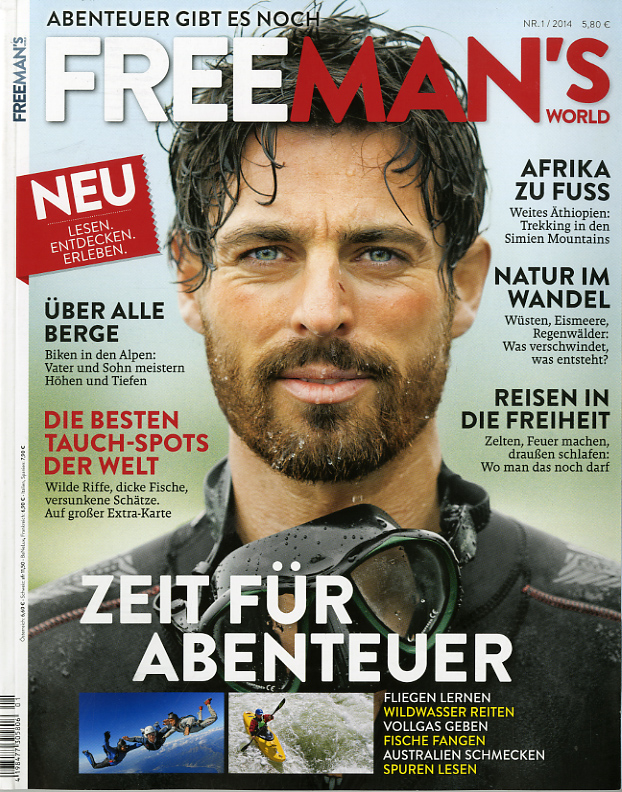
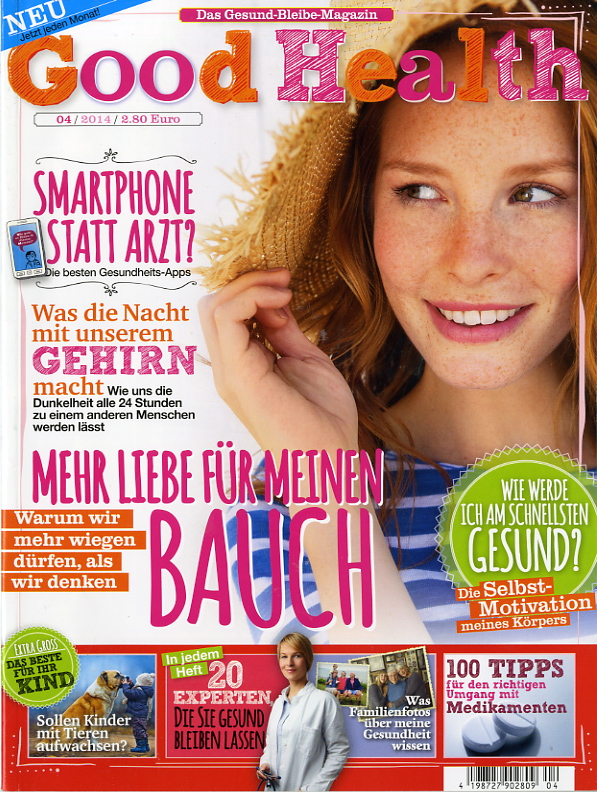
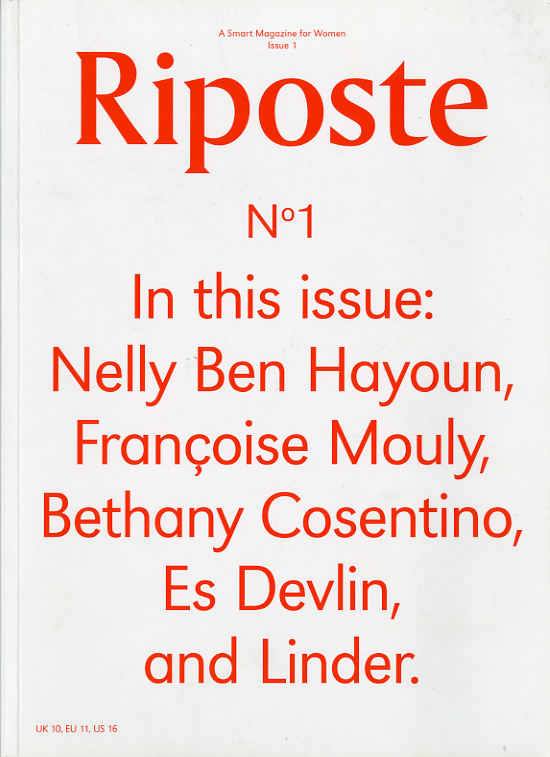
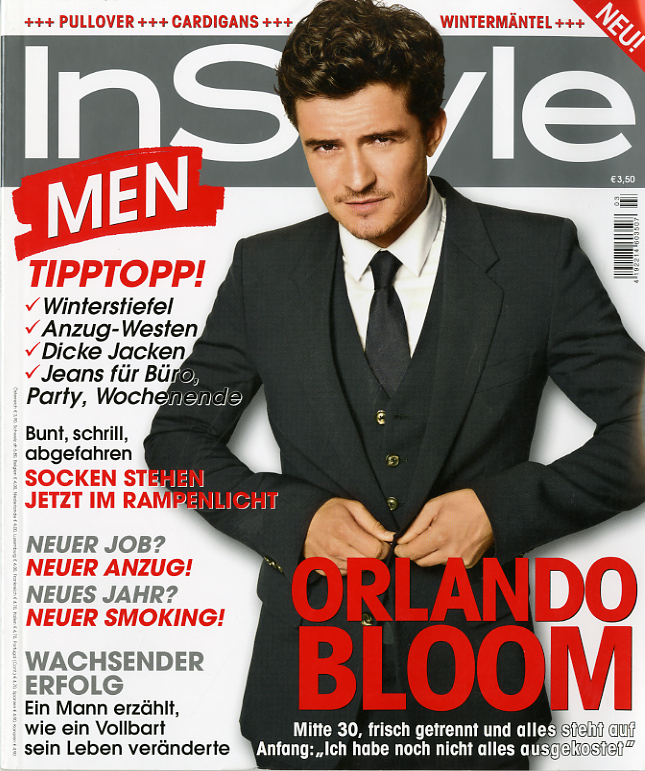
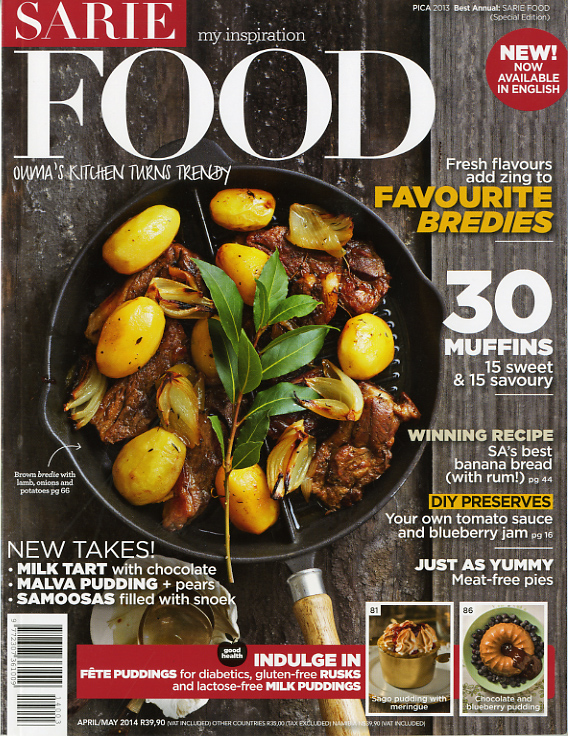
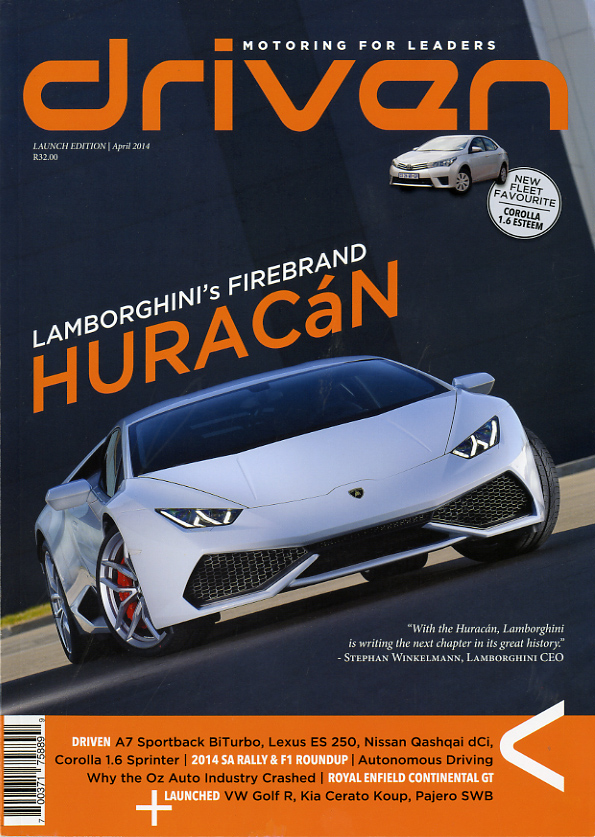
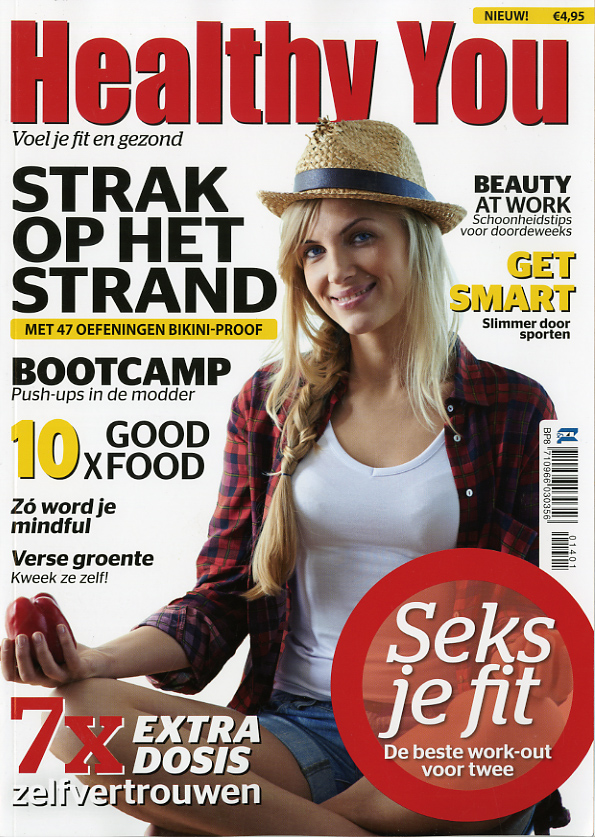
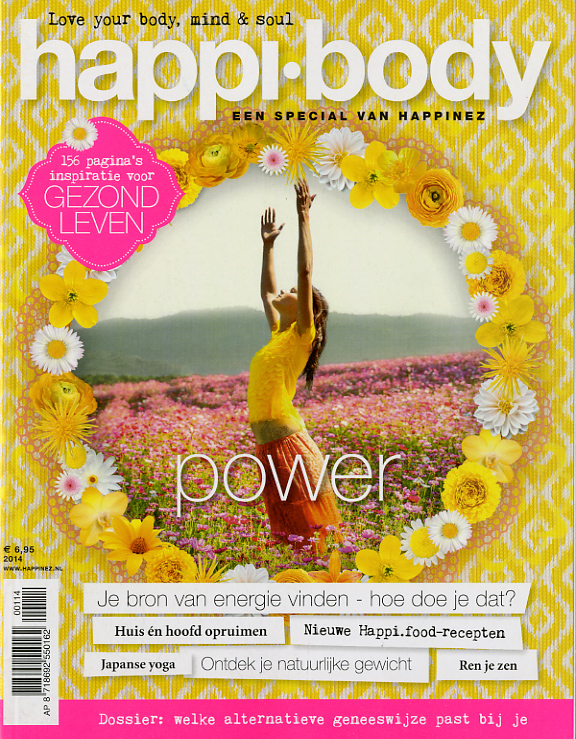
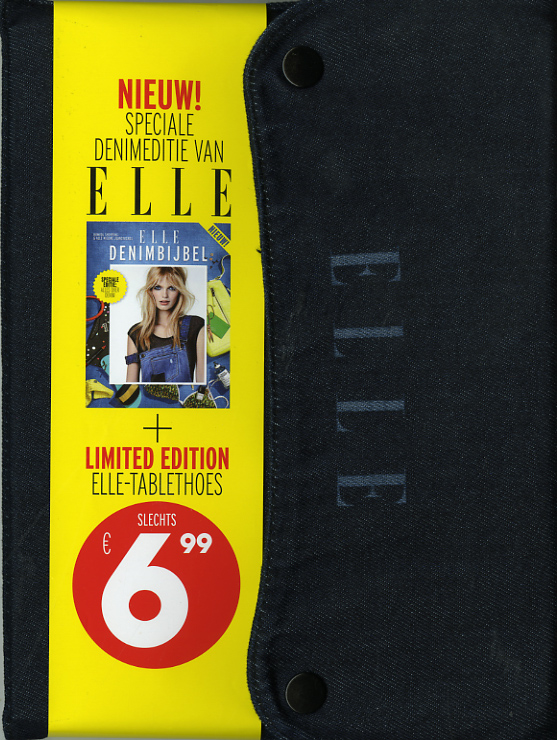
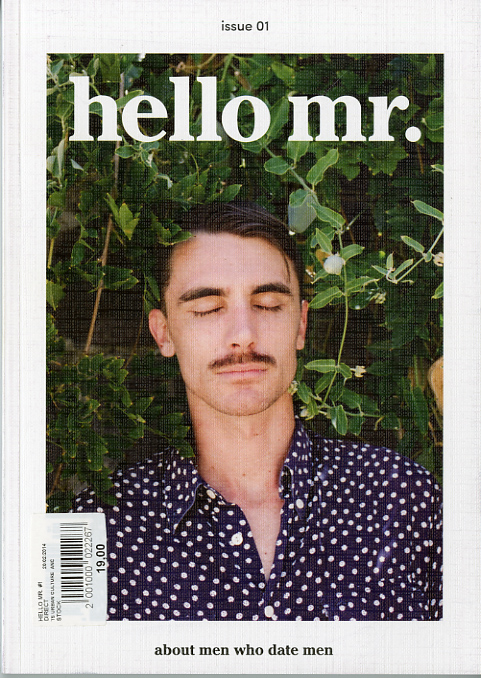
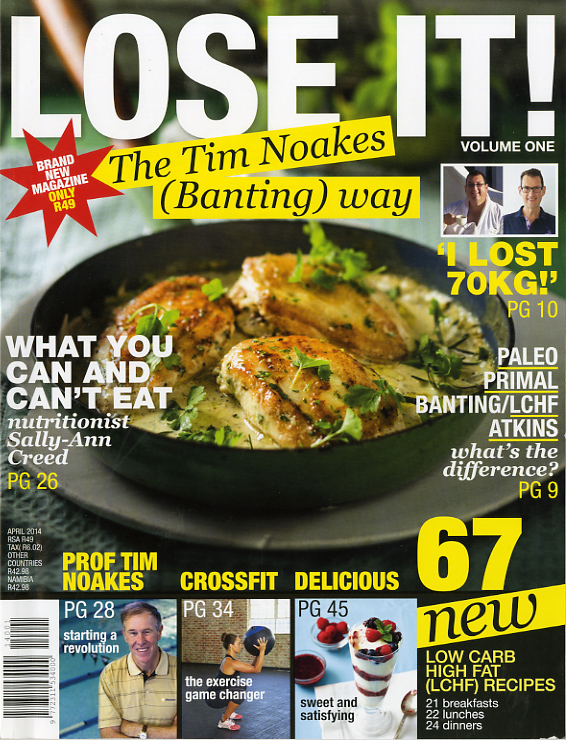
When many people travel they attempt to learn words and phrases from their host countries in order to communicate and understand the local citizens better – and while that is a most noble and natural cause; when Mr. Magazine™ travels, not only is communication a priority, but also the word “new” is paramount on his list. Whether it’s nouvelle, noveau, jadīd or neu; Mr. Magazine™ revels in the many ways to say the word new.
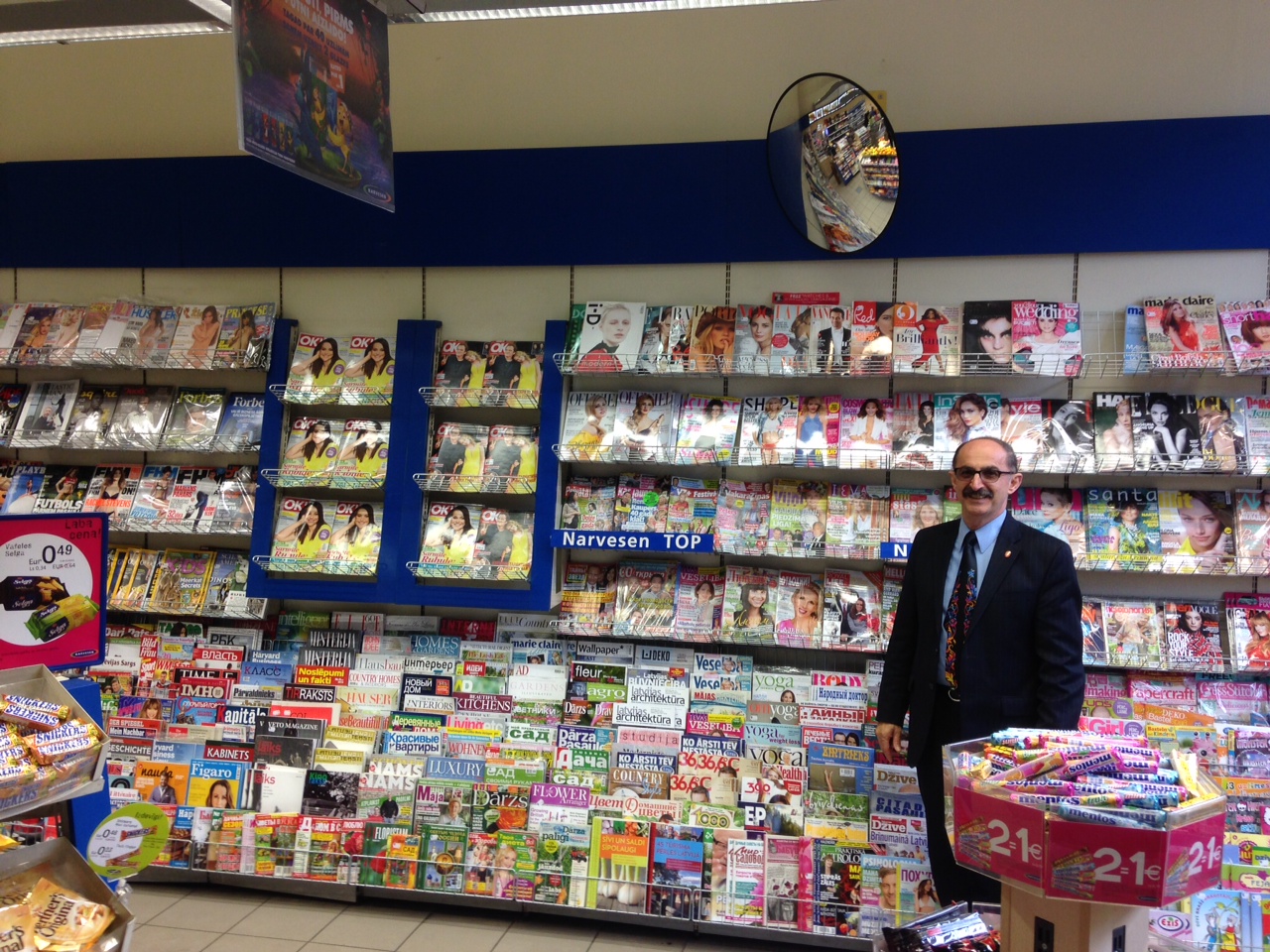
At the newsstands in Riga, Latvia.
Why, you might ask? Because new inserted before the word magazine is an exciting prospect to me and when you put the word stand behind it (OK – plus an extra “s”), the word newsstand is born. And I ask you; what could be more thrilling than new magazines and newsstands in foreign countries?
I can’t think of anything.
While most people when traveling to foreign lands are picking up a guide or a map to the best museums or the best places to visit, such as the National Museum of Beirut, Belem Tower in Lisbon or Table Mountain in Cape Town, South Africa, Mr. Magazine™ is searching for newsstands, asking locals to show him where the best in the city he’s visiting is located and the quickest route to get there.
And visiting I did. In the last five months or so, my travels took me to Cape Town, South Africa…Riga, Latvia…Paris, France…Amsterdam, The Netherlands….Lisbon, Portugal…Helsinki, Finland…Munich, Germany and Beirut, Lebanon to name a few.
I have delivered presentations and seminars ranging from trends in magazines to the need to place the customer or the audience first in these wonderful countries and while the presentations and the meetings went very well, it is that newsstand street education that was the secret ingredient that held all the seminars and presentations together.
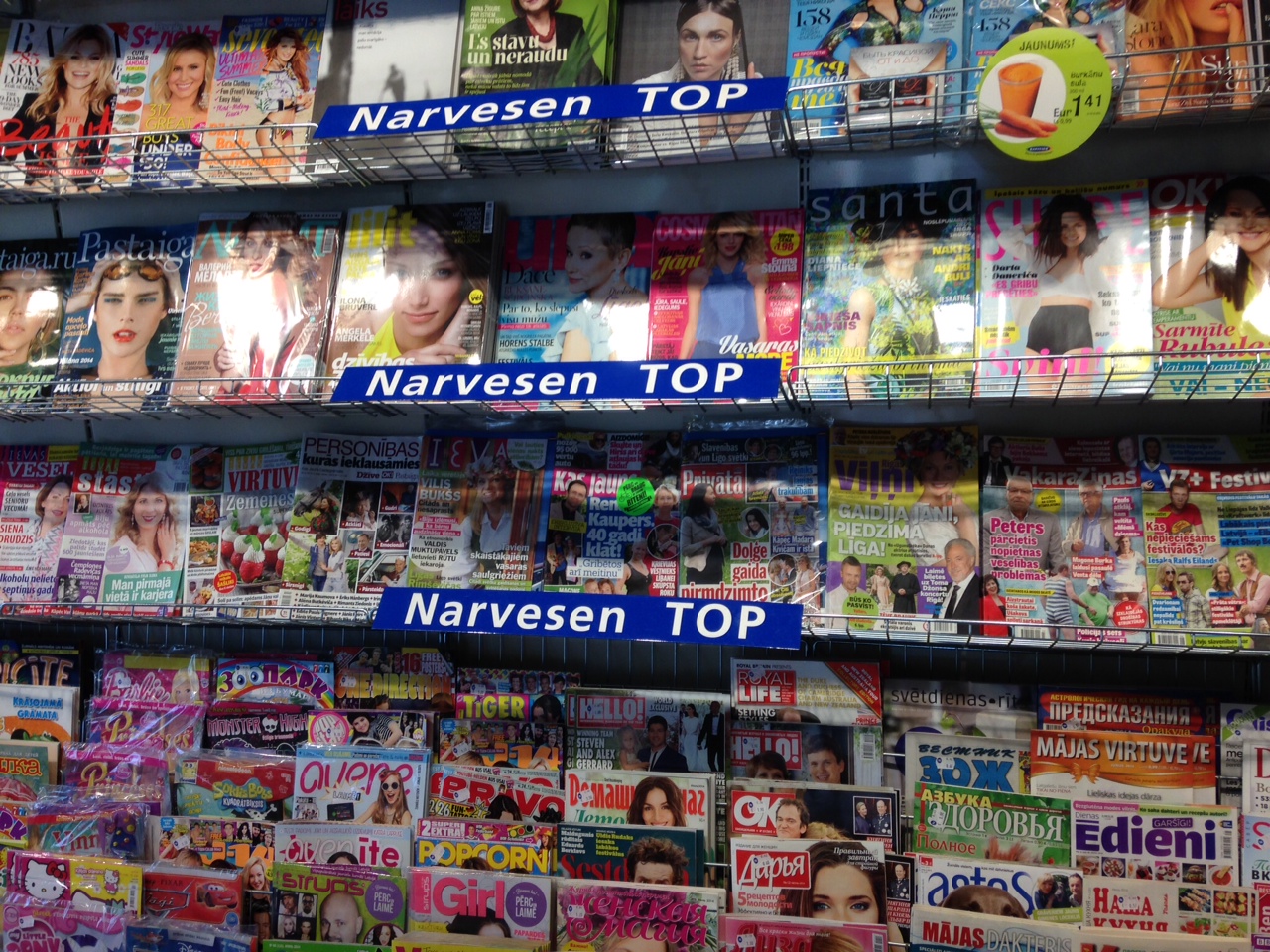
No shortage of magazines in Riga, Latvia.
There is a lot to be learned from a visit to a newsstand anywhere in the world, they remain the best reflector of any society and the latest magazines found there are the new blood of any newsstand. And as I traveled the globe this summer, it dawned on me that this revelation must be shared to be appreciated. So typically, I began to buy these new magazines, searching nooks and crannies of cities so beautiful, they took my breath away, to find sometimes quaint, sometimes immense newsstands across the world. And from my determined hunts, I gathered some of the finest and most creative ink on paper products that I have seen in a long time.
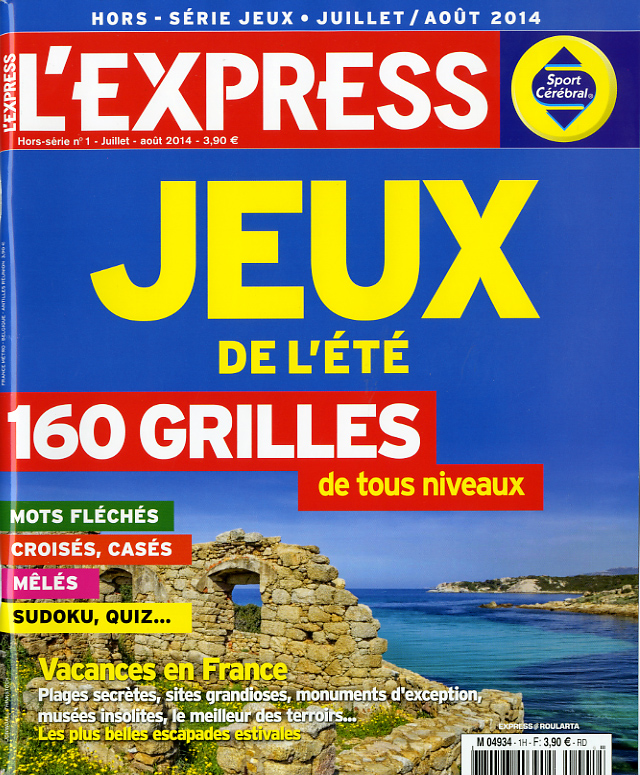
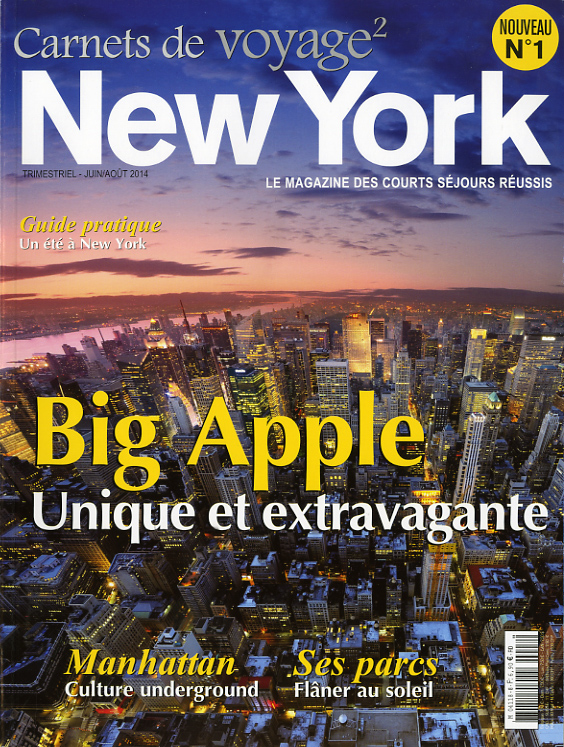
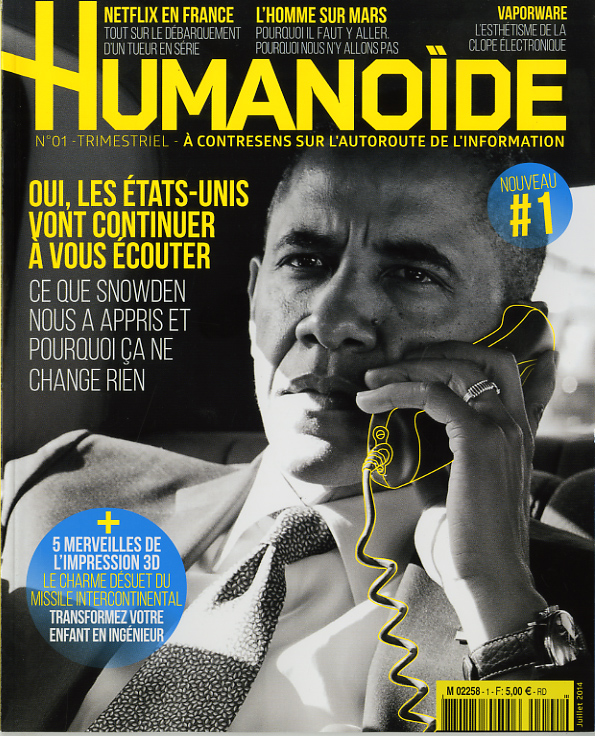
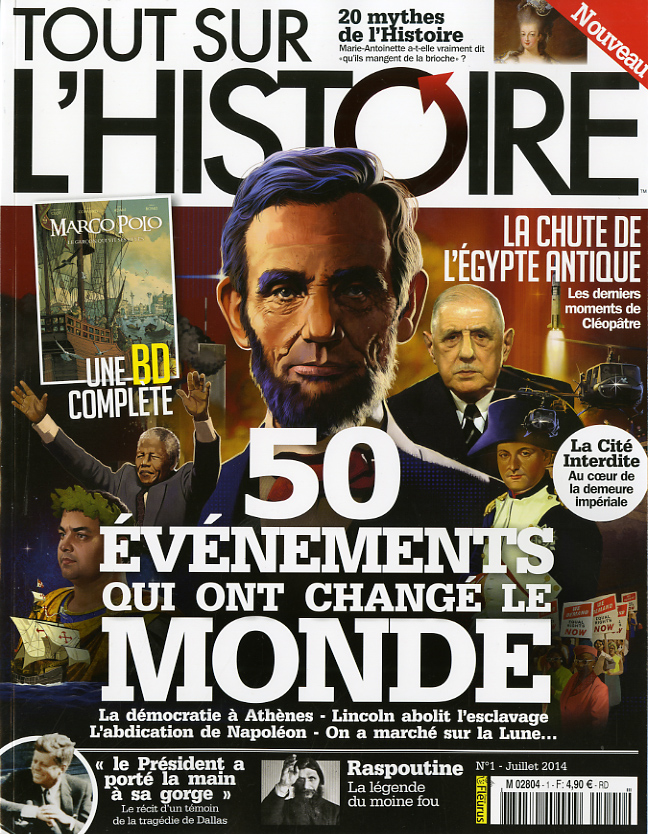
So for your viewing pleasure, take a look at the treasures I brought back from a few of the world’s newsstands and…Vive le pouvoir des revues imprimées!
As some of you may know, I took a much-needed vacation during the month of July to visit family (and newsstands) in Lebanon. It was nice to find upon my return to the office that the publishing world continued on without Mr. Magazine™, even though I’m sure it was extremely difficult – please note the wry tone clearly audible in that last statement. The reason I know magazines went on without my normal eagle-eye upon them is due to two pieces of very pleasant reading material that were amongst my mountain of mail.
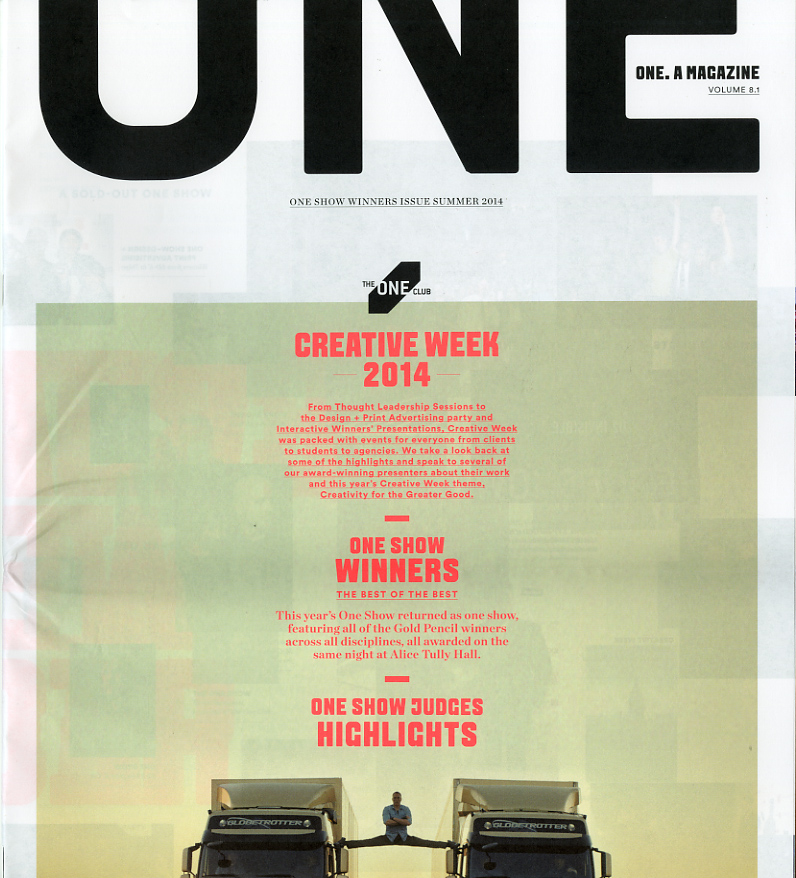
The first is called One. A Magazine. To explain the uniqueness of this particular ink on paper product, allow me to quote from the introductory letter that I received along with the magazine:
One. A Magazine, the magazine for creatives in advertising and design, has announced that it is transitioning from an online publication to an all-new medium. The new format, a thin material produced by pressing together moist fibers, typically derived from wood, rags or grasses, called “paper,” will be launched at The One Club Gallery in Manhattan on July 16.
Notice the magazine’s own sense of wry humor in describing the move from digital to print. The description is priceless. And while Yash Egami, Director of Content of The One Club made it clear in the letter that print would be their main focus, he did say they would continue to publish an online version temporarily to satisfy the digerati.
The intro letter uses tongue-in-cheek humor to poke fun at the new “8.1” version of the magazine, calling on the array of boastful features it offers: from the crinkling and crackling sound of turning pages to the fact that this new version can be read, bent, folded rolled or turned into a paper airplane if the customer should want.
The One Club, producer of the prestigious One Show and Creative Week, is the world’s foremost non-profit organization recognizing creative excellence in advertising and design. The One Show honors the best work across all disciplines, including Advertising, Interactive, Design and Branded Entertainment.
As I perused the simplistic artistry of the premiere issue, I realized that print is the most interesting of bedfellows; nowhere online could I ever experience the sensation this folded and stapled product evoked within me, nowhere. And while unconventional in its presentation, it was totally mesmerizing within the covers. One. A Magazine basically rocks.
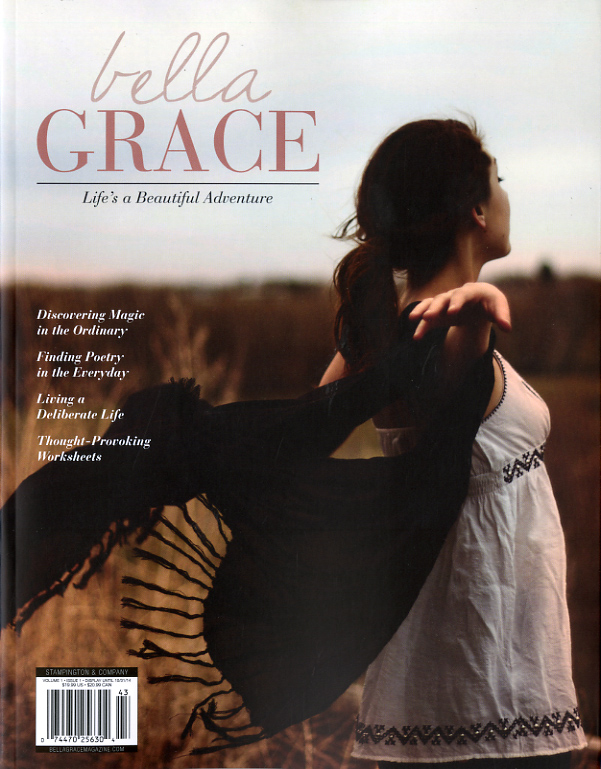
The second surprise that sent a breath of fresh air blowing my way was Bella Grace, the latest contribution from Stampington & Company. With the tagline: Life’s A Beautiful Adventure and a first cover that certainly sat out to prove that fact; Bella Grace is one beautiful magazine. No one could say it better than Christen Olivarez, Editor-in-Chief:
Bella Grace is meant to be savored. It is meant to get tossed in your beach bag, or tucked under your pillow to enjoy before bed. It is meant to be read over and over again. It is meant to inspire you to see the beauty and the magic that surround you, no matter where you are. It is meant to be written in and dog-eared It is meant to accompany you on this beautiful adventure called life.
Bella Grace is a 160-page book-a-zine which is quite the departure for Stampington & Company, who is known for their arts and crafts-type publications. Throughout the pages of the first issue there are striking photographs and beautifully-penned stories that touch the heart and soul of the reader.
There are unique features to this beauty as well such as a folding book-jacket cover, more than 12 thought-provoking prompts with worksheets, where readers can fill in their responses directly on the page; and zero outside advertising. Bella Grace is scheduled to hit newsstands beginning August 1.
The feel and touch of this magazine is unbelievable. When your fingertips flex across the pages, the sensation is full and complete, an experience not easily forgotten. Bella Grace is exquisite.
Sharing these two wonderful additions to the family of print with you has been not only a pleasure, but an honor. My advice: get your own copies as soon as possible.
Well, the vacation is over and we had a wonderful time. But it’s great to be back at home. And to steal a line from the August cover of Esquire Magazine: God Bless Magazines.
“There’s something people like, whether you’re fifteen or fifty, about the printed product. You don’t have to charge it, no worries if it gets sandy or wet at the beach; you don’t panic if you leave it on a plane and that’s not changing. I don’t think digital will ever fully replace that.” Jason Wagenheim
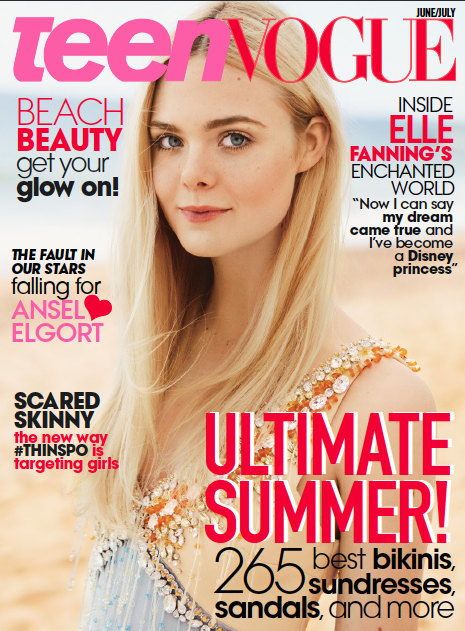
Jason Wagenheim has been Publisher of Teen Vogue for just over two years and has already made a tremendous impact on the magazine. In 2012, he transformed the Back-to-School shopping experience with the debut of a new national shopping holiday, Teen Vogue Back-to-School Saturday that has become a unique experience for students during that busy time of the year. He calls it Teen Vogue’s Super Bowl.
An apt description for an idea from the man who has seen record-breaking ad page growth, market share wins and new business and shows no signs of slowing down. In 2013, Teen Vogue marked the largest August and September issues in 5 years and Teen saw +9% in ad pages through the September issue.
I spoke with Jason recently about his perspective on why Teen Vogue withstood the test of time and economics when others, like CosmoGirl and Ellegirl weren’t quite so fortunate. His answers are spot on and very informative.
So sit back, relax and enjoy the Mr. Magazine™ interview with Vice-President and Publisher of Teen Vogue – Jason Wagenheim.
But first the sound-bites…
On his secret for why Teen Vogue outlasted most of the other teen titles: Overall we survived because we maintained our relevancy. When we launched this magazine 11 years ago, it was 2003, we had this perception that there wasn’t a young fashion magazine out there.
On the idea that teens don’t read print anymore, only digital: Fashion and beauty magazines still work really well in print, even if you’re fifteen-years-old or fifty; our category is thriving from an audience perspective.
On whether he anticipates any changes during the next three years for the magazine: A lot is changing and it’s changing very quickly. I think our biggest opportunity is to continue to evolve like we have the last 11 years.
On his biggest stumbling block since coming to Teen Vogue: The hardest thing in general has been this economic climate that we’re in. There’s a lot less out there and a lot more people going for it.
On whether he believes the brand can exist without print: I don’t think so. I think the mix of our audience and how they come to Teen Vogue in five years might look totally different.
On his most pleasant surprise: I think it’s the relationship we have with our audience. Our median age is actually twenty-four-years-old and they’ve grown up with us.
On adding events to the Teen Vogue mix, such as Back to School Saturday: We simply decided and declared that we were going to have August 11, 2012 to be the first-ever back to school Saturday. That was it. We just went out and told everybody we were putting all of our resources behind this day.
On what keeps him up at night: I do lie in bed thinking about what are the things that I’m going to do that next day or during that week that is going to get me business right now, keep me healthy and profitable and contributing to Condè Nast.
And now the lightly edited transcript of the Mr. Magazine™ conversation with Jason Wagenheim, Vice-President and Publisher, Teen Vogue…
Samir Husni: Ten or fifteen years ago, teen magazines were rediscovered. Titles such as Teen People, Cosmo Girl, Elle Girl and Teen Vogue to name a few; however your magazine ended up being the sole survivor from the group. What’s your secret? What kept Teen Vogue going when the other magazines, including Teen People that had an even larger circulation, all vanished?
Jason Wagenheim: Overall we survived because we maintained our relevancy. When we launched this magazine 11 years ago, it was 2003, we had this perception that there wasn’t a young fashion magazine out there. Not a teen magazine, but a magazine that was the youngest fashion title. And that’s what we set out to do and 11 years later that’s what we’ve really accomplished. We’ve owned this position as being the youngest fashion magazine and not just being teen.
We have stellar edit, a killer product that Amy Astley puts out every month and on top of that we’ve really been able to take advantage of being only 11 years old and growing up in this age of digital, social and now mobile and capitalizing on that without having to adapt. We’ve grown up at the same time that our readers have with all of this new technology.
So we’re using those other platforms to drive relevancy back to our print product and it’s working really well.
Samir Husni: I assume since you are still a print product that you didn’t subscribe to the same mantra those other three teen magazines did: that teens don’t read anymore, they are always on their digital devices so let’s fold the print and stick to digital?
Jason Wagenheim: Not at all. And I think a lot of it has to do with our category in particular. Fashion and beauty magazines still work really well in print, even if you’re fifteen-years-old or fifty; our category is thriving from an audience perspective.
We were up 39 percent in total audience with the Fall MRI numbers. We just posted a six percent gain in total audience with the Spring release this week and teens are reading magazines in the fashion and beauty space. We’re doing really well.
I think that every time somebody texts, posts or tweets a story from our product and our brand, that’s a new audience development opportunity for us that we didn’t have ten years ago. So we’ve really tried to capitalize on that.
I think also that there’s something about print that’s very tangible in the fashion and beauty space; it’s very engaging, big, pretty pictures of clothes and beauty products and great looks still sell product. And marketers know that and audiences know that.
Samir Husni: You were one of the early adapters in the United States for the Teen Vogue size, which was originated by Glamour in the U.K. and now is all over. Is this still working? You are still unique in that space.
Jason Wagenheim: Yes, coincidentally it’s the same size as the iPad seven or eight years later. The format does work, girls love it, they can carry it around like a textbook or it fits in their backpack or nicely in their purse. We’ve always had this size long before the iPad and it continues to work really well for us.
Samir Husni: If we’re having this conversation three years from now; do you think anything will have changed?
Jason Wagenheim: A lot is changing and it’s changing very quickly. I think our biggest opportunity is to continue to evolve like we have the last 11 years. We have to constantly be challenging ourselves to think outside of our core product in print and invent new innovate with social, mobile and video products that we can connect our audiences and marketers together like we have.
We have a really big social footprint. We’ve continued to double-down on our efforts to grow our social strategy. We’re growing Teen Vogue.com, we’ve doubled our traffic in the last year, and we’ve also doubled revenue. We’ve launched video, really great video product and I think that you’ll see all of these things become part of continuing to be a factor in this Teen Vogue eco-system that’s rooted in print, but lives in all these other places.
Samir Husni: What do you think is the relevancy of the Mother Ship – Vogue Magazine – and its position in the marketplace?
Jason Wagenheim: I think it’s the most important fashion magazine that’s ever been and is the total arbiter of fashion magazines. It’s the category leader; there’s no doubt. They will continue to have that position and they also evolve and live in these other places like social, mobile and digital. They launched an Instagram commerce strategy this week that’s gotten a lot of nice pickup for them.
That is the game right now, to constantly be reinventing yourself. And those brands that do will survive.
Samir Husni: When you were offered the job of publisher of Teen Vogue a little over two years ago, what was the first thing that came to your mind?
Jason Wagenheim: I was coming from Glamour and I was talking about what a great opportunity it was with Anna Wintour and Amy Astley and we’d been talking about how much untapped opportunity there was with Teen Vogue and how much potential it had to grow, because the combination of brand DNA and the audience was a really powerful one. Teens and millennials were and are driving the whole conversation. And a lot of it was just really around the opportunity to take this thing to new levels.
Samir Husni: What has been your biggest stumbling block since taking the job?
Jason Wagenheim: The hardest thing in general has been this economic climate that we’re in. There’s a lot less out there and a lot more people going for it. Our competitors now aren’t just other teen or fashion magazines, we’re competing with a lot of the Pure-Play digital sites, broadcast networks, radio, outdoor and a lot of new start-ups that are out there vying for advertising dollars and it’s hard to sort through what’s really good and what’s going to work in the long term.
Marketers are enamored of a lot of the new stuff out there, so our biggest challenge has just been maintaining our share. And we’re doing it. We’ve had nice growth in our digital and social and mobile revenue. And we’re holding onto print as best we can.
Samir Husni: Do you think the brand can exist without print?
Jason Wagenheim: I don’t think so. I think the mix of our audience and how they come to Teen Vogue in five years might look totally different. My challenge now in the near-term is protecting my core product in print which still makes up a lot of our revenue, overwhelmingly so and growing and scaling those other parts of my business. I’d like to see more of a balance and when that happens I think the print product will always be the root of our overall business.
There’s something people like, whether you’re fifteen or fifty, about the printed product. You don’t have to charge it, no worries if it gets sandy or wet at the beach; you don’t panic if you leave it on a plane and that’s not changing. I don’t think digital will ever fully replace that.
Samir Husni: What has been your most pleasant surprise so far in your job at Teen Vogue?
Jason Wagenheim: I think it’s the relationship we have with our audience. Our median age is actually twenty-four-years-old and they’ve grown up with us. We’ve actually aged-up over the last few years. And our audience has aged-up right along with us. They’re young, smart and so credible; they have more influence than any generation prior has ever had with what they have in the palms of their hands, their devices in particular.
And their relationship with Teen Vogue is so strong and so credible; it’s very different than a woman in her thirties or forties who has sort of been-there-done-that-seen-that a million times. They still have hope in their eyes and believe that they can take over the world and that’s a really powerful place for us to be in, being they’re big sister and mentor as they’re growing up.
Samir Husni: With the median age as twenty-four; when do you think they grow up from that teen mentality and say, “OK, now I can move to Vogue.”
Jason Wagenheim: I think that they’re starting to read Vogue certainly earlier too; it’s a very sophisticated fashion customer that both of our brands have. What Teen Vogue has done really well is mix the highs and lows. A woman’s first experience with luxury is not a $15,000 couture dress; it is a $300 pair of sunglasses from Gucci or a $500 pair of shoes from Prada or maybe it’s even a lipstick for $30 from Chanel. That’s how they enter luxury.
What Teen Vogue does great and what separates us is we mix high and low really well together. It’s OK to wear H&M, Gap and the Topshop and mix it with that Chanel lipstick and that Gucci pair of sunglasses. That’s always been our secret sauce and that has been what has separated us from many of the other fashion brands.
It’s also what’s been able to keep us healthy and relevant because it’s very real and how young women shop.
Samir Husni: When you look at the marketplace now, and the only other teen magazine still out there is Seventeen; do you use that as a competitive set or you don’t really consider them a competitor to Teen Vogue?
Jason Wagenheim: No. There are only a very small handful of mass beauty advertisers where we are really competing for the same business. If you look at our mix of business, we have a much stronger mix of retail, fashion, jewelry and accessories advertising. We’ve also done a great job of growing some of our non-endemic businesses and the stuff we’re competing for is really coming from the person targeting the fifteen and sixteen-year-old from a mass market perspective.
The good news is there are only two of us in town when it comes to that particular part of our business, so we both fare pretty well with those brands.
Samir Husni: You’re adding events to the mix; can you tell me a little bit more about this?
Jason Wagenheim: This is a great example of when I talked about evolution. We saw that the back-to-school space in 2012 when I started here was wide open for an experiential event-based holiday, similar to a Black Friday or even a Fashion’s Night Out, which the Mother Ship Vogue created several years ago. There was no rallying moment or galvanizing moment, I should say, for teens and college-aged kids to shop and for going back to school.
So we created a day. We simply decided and declared that we were going to have August 11, 2012 to be the first-ever back to school Saturday. That was it. We just went out and told everybody we were putting all of our resources behind this day. And if you put promotions and offers and gifts-toward-purchases and you had great social and digital strategy against this day, together we will get people shopping. And we did. In the first year we had about 60 malls participate and in the second year we had 130, this year we’ll have more than 100 through our relationship with Simon Malls and we’ve expanded it to be four Saturdays starting August 9th and rolling through the Labor Day weekend. Forty-five different brands participate in the fashion and beauty space. And it’s really our moment that we very uniquely own. There’s no other brand that can create such a galvanizing moment during the back to school season. It’s our Super Bowl.
Samir Husni: What advice would you give a newcomer to the field?
Jason Wagenheim: Be extremely well-rounded. First and foremost, no matter what side of the business you’re on, either the business or the edit side, there’s something happening where kids are coming out of school now and they’re not paying enough attention to how they write and communicate in business. And I would tell them to really hone their communication skills. And work hard at that.
The second thing is to be really well-rounded and understand that we do not live in a myopic world where it’s just magazines or just TV or just radio; you have to know everything. When you’re producing content now you have to think about the implications across every different platform and know that what you do in print is very different than what you do on the web, or on social, but how are you going to tell that same story to those different platforms in the most relevant way.
Samir Husni: My typical last question; what keeps you up at night?
Jason Wagenheim: I do lie in bed thinking about what are the things that I’m going to do that next day or during that week that is going to get me business right now, keep me healthy and profitable and contributing to Condè Nast, but also what are the things that I should be doing this week that will keep me evolving so that in three years’ time my business continues to be as healthy as it is now. And that’s what I think about. I don’t think you can look beyond three years, but there are things we are doing and putting into place, strategies that take years to implement and recognize the fruits of and those are the things that keep me up at night.
Samir Husni: Thank you.
John Puterbaugh,Ph.D., founder and CEO of Nellymoser, the company that specializes in mobile computing, shares with Samir “Mr. Magazine™” Husni his views on why mobile is the best amplifier of traditional media in this Mr. Magazine™ Minute.
“Design is a part of communication and media; it’s a part of everything. It’s all very much interconnected.” Joe Natoli
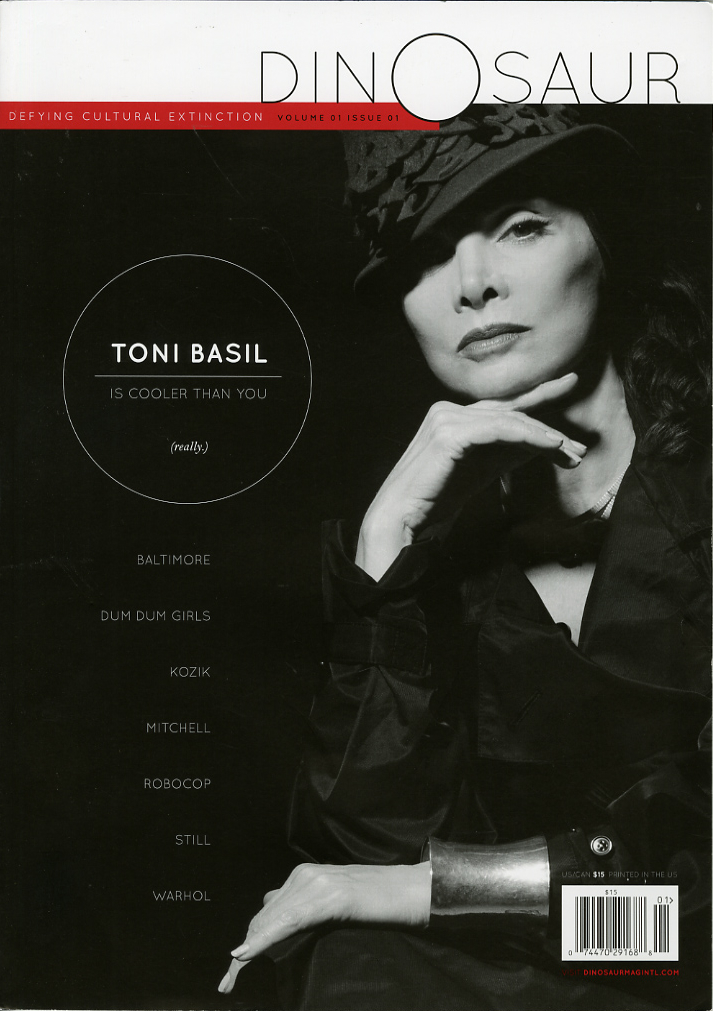
What can you say about a man who has been designing creatively and passionately for over 25 years and is still filled with the excitement of a child when he talks about his work and once again designing for print as the art director of Dinosaur Magazine? The word amazing comes to mind.
Joe Natoli is a consultant, teacher and master of design and brings more to the table of interactive connection and engagement with the audience than any designer out there. He can visualize print pages as alive with movement as pixels on a screen and the best thing about his perception? He knows how to make that mobility happen.
I spoke with Joe recently about his theories and ideals on design, working at Dinosaur and the “Imposter Syndrome,” something he is definitely not when it comes to the creativity of his designs.
So grab the latest issue of Dinosaur and follow along as you enjoy the Mr. Magazine™
Interview with Joe Natoli…
But first the sound-bites…
Sound-bites:
On going up onto the mountain of design and bringing down three commandments: I believe there are three components that are incredibly important and I think one of those is you have to have a mission and a focus if you’re going to put anything out onto the marketplace, magazines especially.
On the biggest challenge he’s faced in his career and how he overcame it: I think the biggest challenge that I ever faced was self-confidence, really believing enough in my ability, in my talent, in the gifts that I’m fortunate enough to have, and to sort of go out there and just do it.
On the most pleasant surprise of his career so far: I look at this from a very human perspective. When something I do helps someone in some way, I feel very good about what I do.
On what keeps him up at night: I think honestly, I’m still trying to decide what I want to do when I grow up.
And now the lightly edited transcript of the Mr. Magazine™ conversation with Joe Natoli, Creative Director, Dinosaur Magazine…
Samir Husni: There are hundreds of magazines out there, thousands of apps; what would be the three most important differentiation points that would say: OK, this is what needs to be done so that this picture, this article and this design is solely for Dinosaur? I mean, is this a scenario where Joe Natoli goes up onto the mountain and comes back down with these three commandments?
Joe Natoli: I think so. I believe there are three components that are incredibly important and I think one of those is you have to have a mission and a focus if you’re going to put anything out onto the marketplace, magazines especially. You have to have a mission and a focus that is not presently being served. You cannot go out there with more of the same content-wise and just package it differently.
And whatever that is, it has to strike an emotional chord. From a psychological standpoint, one of the things that I tell designers all the time and marketing people as well is that a call to action is related to money and will only work if you’re not appealing directly to the act of subscribing or the act of making money. The call to action has to be in some sense, a personal connection. And we’re wired for personal stuff first, that’s what we respond to.
So if I get the idea that you’re going to make really good use of my time; you’re going to entertain and inspire me, you got me, you have my attention. I will at least take ten seconds to check this out. That’s the first part. You have to have that and it has to be something that’s not out there currently. I am a big believer in zigging when everyone else is zagging. I think that’s the first thing.
The second thing is the visual design part. The presentation has to be way beyond adequate. There is any number of templates out there for print design; web design and visually they look nice. They’re clean, everything is aligned, and the colors are nice, it’s pleasant to look at. It has to go beyond that.
Every visual design decision that you make has to support and exclusively communicate your specific vision, your mission; the design has to come to life and push all that. So it has to be extraordinary, it can’t just be good. There’s just too much out there that you’re competing with for it not to be extraordinary. You have to find a way, which means you have to spend money, to hire, not a “good” designer but a “great” designer. That’s the second thing.
The third thing is material. It’s format, size and it’s paper. One of the other things that I see a lot of is magazines have sort of been forced to cut cost and downsize, and I understand the pressure, I really do.
Also you see a lot of size changes, big magazines, oversized magazines are now getting smaller and the paper is a lot thinner. The problem with that is that you’re sacrificing the emotional components of numbers one and two that we’ve talked about. And again, the emotional component is what makes the connection with the reader. The emotional component is what makes people feel like they have a relationship with you. And the touch of that paper, the feel of it in your hand as you pick this thing up and it feels substantial, that has an impact. There’s an intangible, unconscious impact that happens because of that. Now Dinosaur is 10×14 in size. When we originally conceived this, we thought about 11×17; we wanted to go even bigger. We wanted it to be a coffee table piece and we kind of wanted to make it where people would have no choice but to pay attention to it.
But here’s the reality; paper costs money. So you hear from the printers and you say, wow, that’s a lot of money. So we had to rethink the size issue. So the way that we compensated for it, in our case, is we said we’re not sacrificing paper weight, so we moved to a different type of press and went to 10×14. It’s a compromise, but we didn’t go to 9×12 or 8½x11.
And for the first issue, we went to two colors. That saved us money, but also the real reason that we did it is at the end of the day the big deciding factor was that this was going to differentiate us because no one does this. Every other magazine is full color.
So the material form, the paper, the weight, the size, the message you use to produce it absolutely matters. People can see the difference. You can pick up two products in the store and if one feels heavier in your hand, there’s an immediate assumption that the heavier article is of higher quality. And that’s cognitive wiring, nothing more.
Samir Husni: What has been the biggest challenge that you’ve faced in your career as a designer and how did you overcome it?
Joe Natoli: Quite honestly, I think that the biggest challenge, and you may find this funny, a lot of people do after they talk to me awhile; I think the biggest challenge that I ever faced was self-confidence, really believing enough in my ability, in my talent, in the gifts that I’m fortunate enough to have, and to sort of go out there and just do it.
I don’t know if you ever completely overcome that, but what you do come to realize is that the only way to get that, and I think this holds true for my students as well, I have taught part-time for many years; the only thing that you can really do is go out there and get your nose broken. The first thing that happens when you fall hard that first time is you realize that it didn’t kill you. And then I think it also gives you a sense of what you’re made of and you start to understand just what you’re capable of. And if you keep at it what eventually happens is you start having some successes. And that hopefully gives you more confidence about what you can do and it feeds itself.
But I think it’s hard. I read something somewhere, and I don’t know if it’s just creative people or maybe smart people, but a lot of successful people in particular have something called “The Imposter Syndrome.” There’s a converse proportion where the more talented and successful and capable that you are, the more likely you are to have these moments where you say, “I’m an imposter. Everyone is going to find out that I really don’t know what I’m talking about. I really don’t know how to do any of this stuff.” It’s a weird correlation between ability and fear.
The fact is, and here’s the funny thing, you do have something that for whatever reason they’re not able to get to themselves. And that’s not a decision on anybody’s part, if you think about it it’s probably just a testament to the fact that we’re all very different. We all think about things in very different ways. And I wrestle with that a lot.
Samir Husni: What has been the most pleasant surprise of your career so far?
Joe Natoli: I don’t know if it’s been the most pleasant surprise, but I’ll tell you this thing that happens that makes me feel like this is absolutely what I should be doing.
When I’m in a room with people or in a room with a client’s team or with students or a one-on-one situation, coaching someone through something; when the light bulb moment happens and when everybody’s attention sort of perks up and everyone has that yes moment at the same time and they get it and when whatever it is gets implemented and the team comes back to me and says, “I cannot possibly explain to you how much this helped us.” That’s what matters to me. It may be cliché to say it, but my client’s successes are my successes. And it’s the truth.
I look at this from a very human perspective. When something I do helps someone in some way, I feel very good about what I do. It’s time well spent. It’s proof that you’re in the right place and I love that.
Samir Husni: My typical last question; what keeps you up at night?
Joe Natoli: I think honestly, I’m still trying to decide what I want to do when I grow up. It seems to be getting clearer in that the more consulting and speaking that I do and the teaching moments, because consulting is teaching in many ways; I think I’m figuring out that’s what makes me the happiest, but I’m interested in so many things.
Like I hadn’t done print design in probably ten years before Steven from Dinosaur called me about this. And who knew? I certainly didn’t.
So I don’t know; the problem is so many things get my attention and I’m like the proverbial dog, when they’re constantly distracted. Some part of me feels like I’m still trying to figure it out, but you have kids and you’re supporting them and trying to be there for them and you know that you can’t go diving off into every adventure you find because you have a wife and kids; a family.
As I sat musing about the magazine media industry (as I often do on a minute by minute basis), my thoughts turned to some positive trends going on in the single copy sales today in the midst of all the negative news most reporters and critics are more than anxious and happy to cover. I tend to do my research at the newsstand, something that I have done for the last 52 years of my life. So on to the field and the five amazing things that led to this Mr. Magazine™ Musing.
One by one, five different directions things seem to be moving toward (at least presently) came to mind – four of them brand-spanking new and one tried and true…no extra charge for my easy rhyme, by the way…because that would be a trend unto itself.
Years ago, most of these would be unheard of, no doubt, but it’s a given that in the marketplace and on the newsstands, in order to grab people’s attention and dollars in this digital age, creative marketing and packaging is something that has to be done. And I would definitely call these trends creative, if not downright visionary.
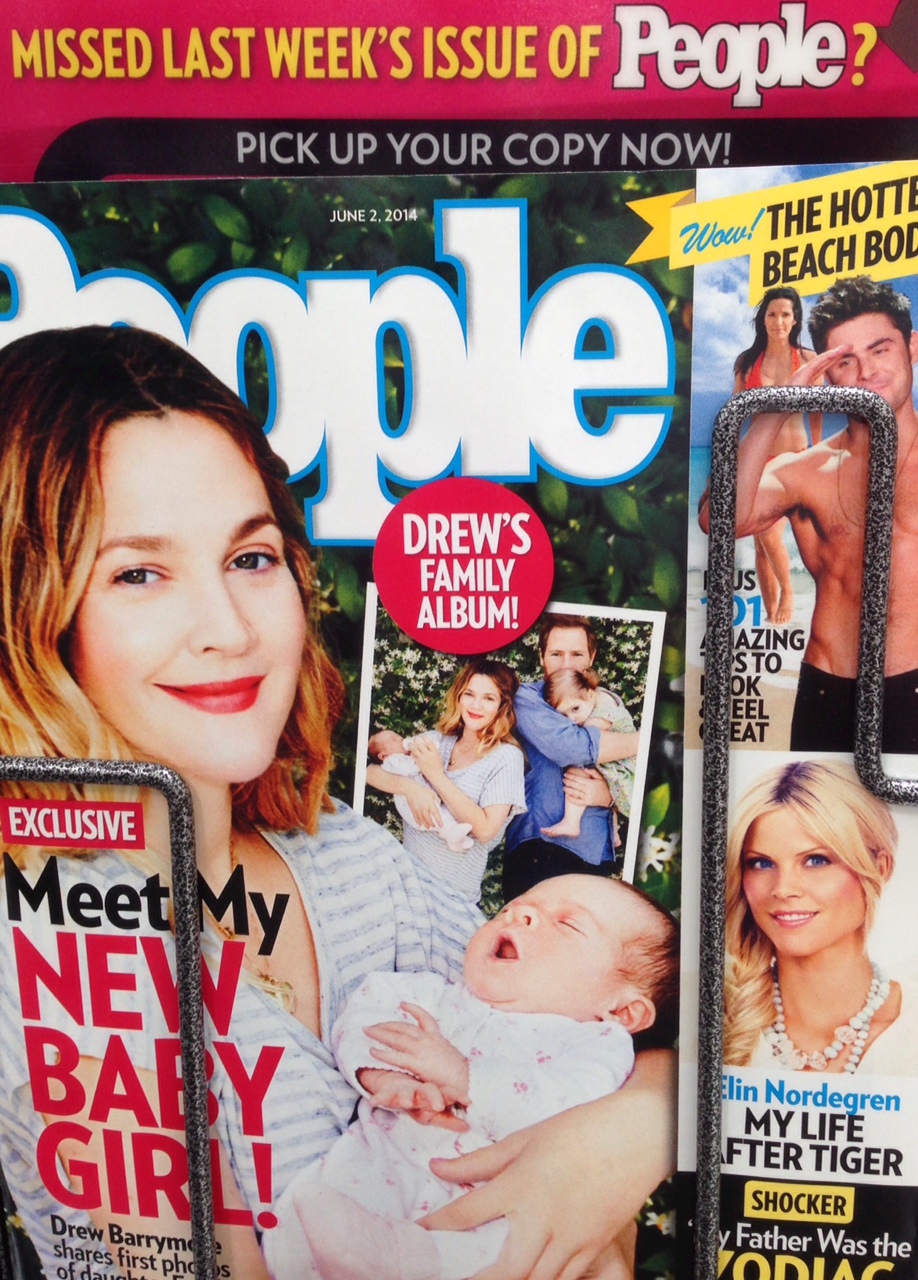
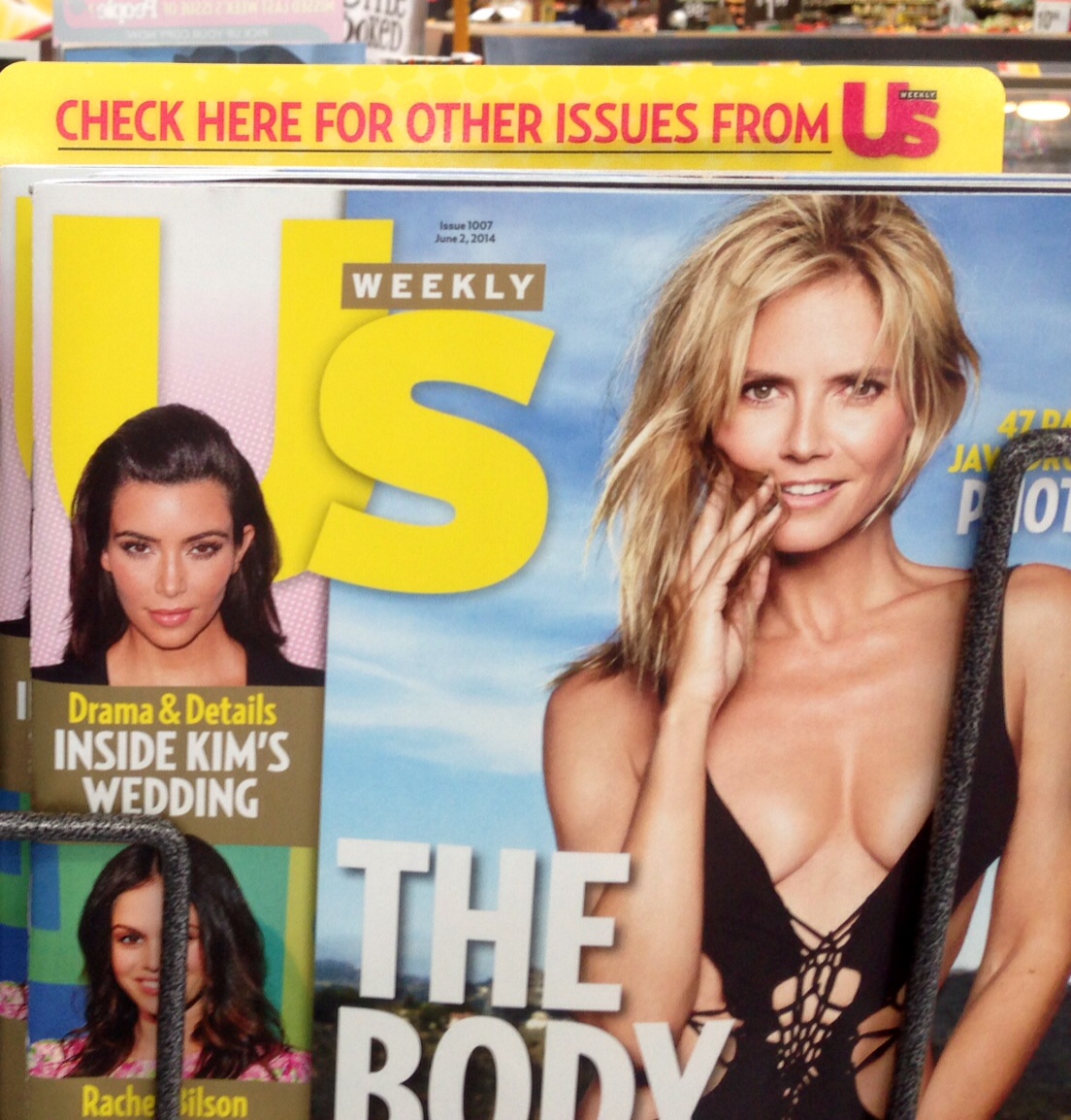
Having said that, I begin with Trend #1, which is one for the record books, I believe: selling back issues of certain titles on the newsstands. This is a practice that began when People Magazine and US Weekly started offering specific pockets on the stands filled with back issues just in case consumers wanted to pick up an old with the new; as I said an unprecedented gambit that has proven not only daring, but profitable. Once I got over my initial knee-jerk reaction of, “What – we don’t have enough current issues to sell?” I realized that this one may be right up there with sliced bread. I like it more and more as I consider the revenue potential.
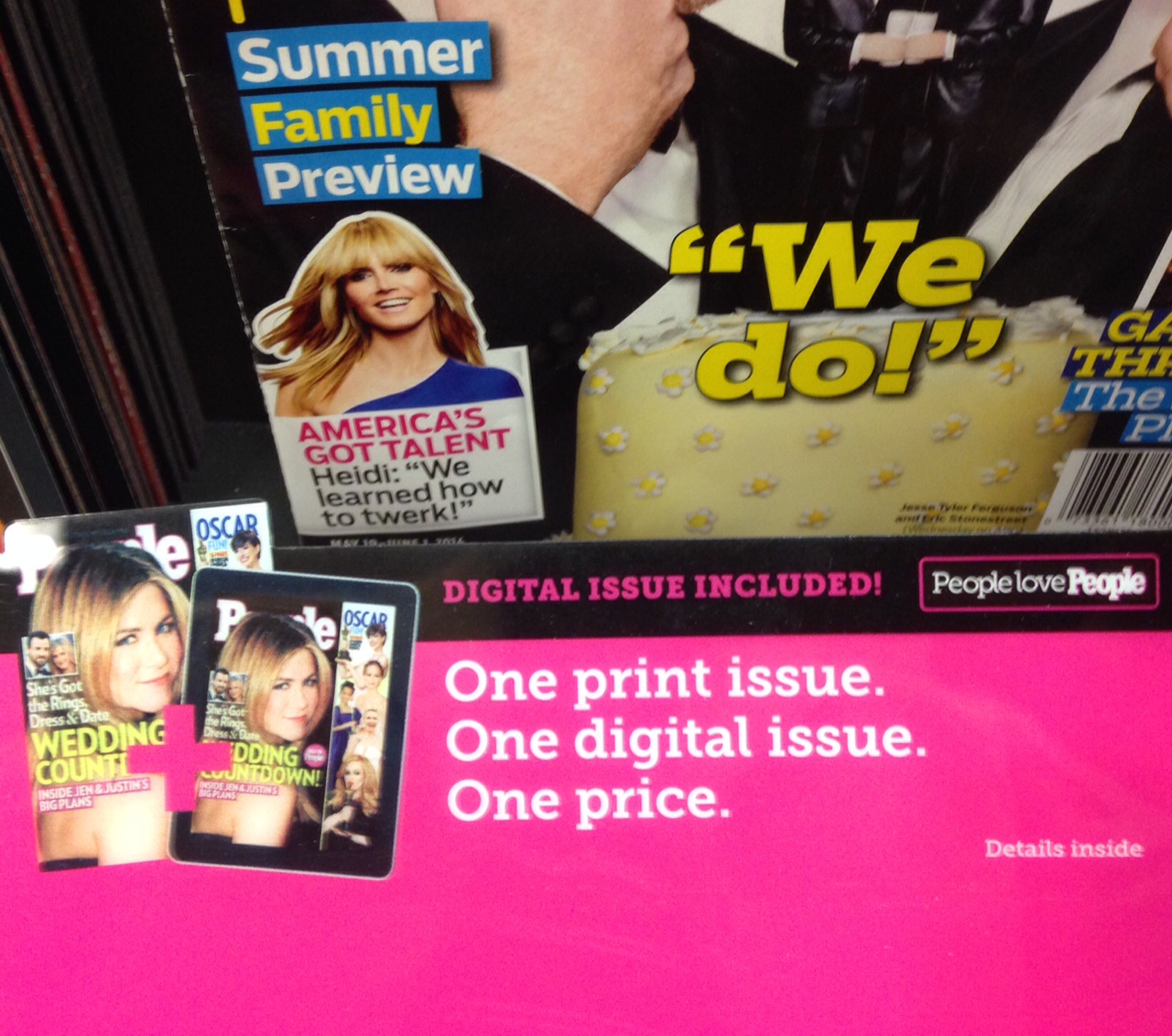
Trend #2 – Also led by People Magazine – is the method of buying the printed product on the newsstands and receiving access to the digital components of the publication as well. While this may not sound as gutsy as #1 – it really is when you consider the potential lack of profitability of the move. Usually fee versus free is a good mantra to follow; however sometimes you have to risk the farm to gain the ranch. So I’m open to this one – if not completely convinced.
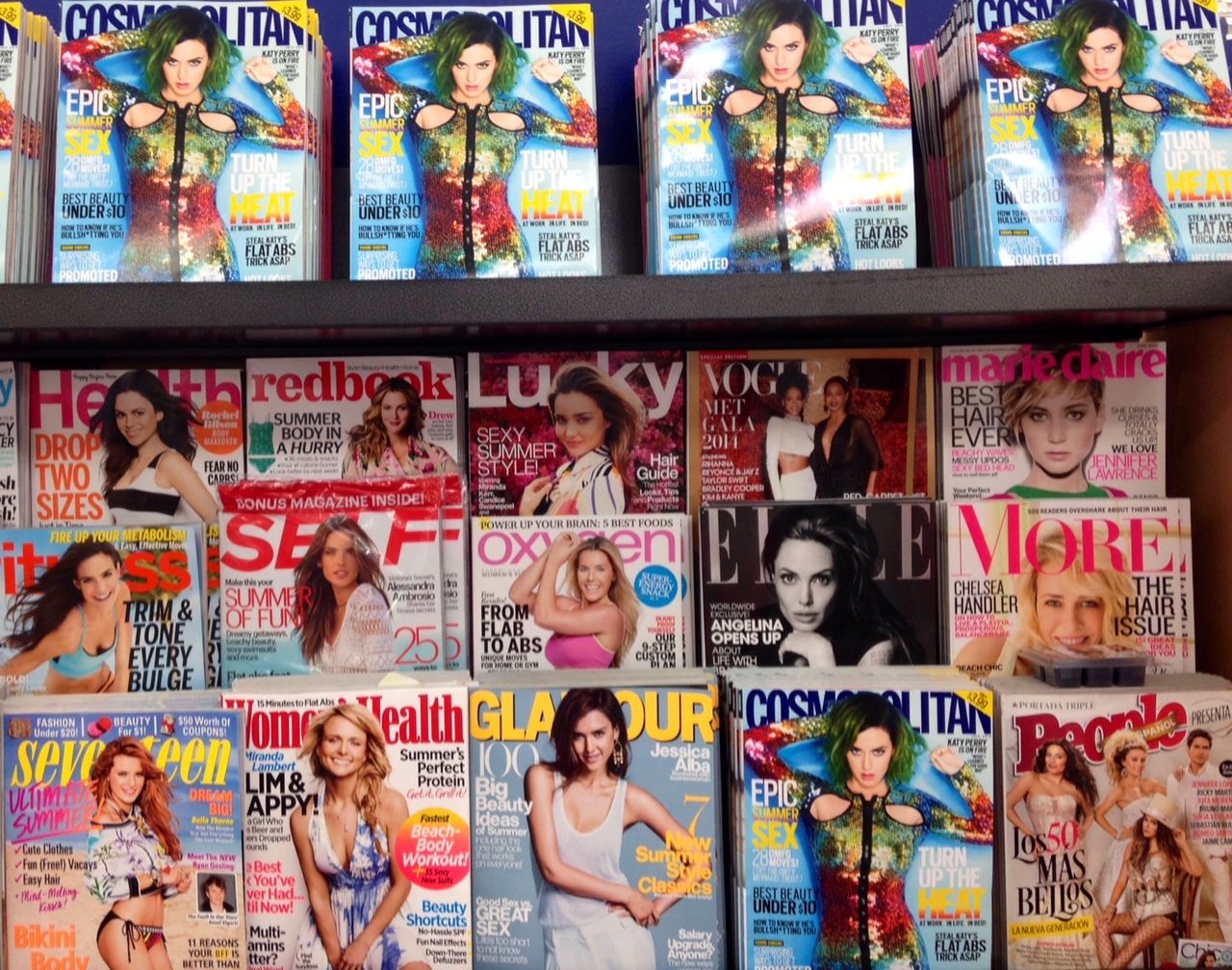
Trend #3 – What I like to call: The Miley Cyrus Ripple Effect…when America’s former sweetheart-turned-bad-girl put out a Tweet that read: “Let’s play a game! All my fans go and put my @Cosmopolitan in front of all the magazines at the store!!! Send me pics haha!” Needless to say, her many fans complied and stuck her Cosmo cover in front of many other magazines on newsstands across the country and the rest, as they say, is history.
Well, that little episode gave birth to the action of every Cosmopolitan Magazine at Wal-Mart being displayed with multiple facing issues or covers of the same issue. Needless to say it is making Cosmopolitan reigning supreme.
Trend #4 – You might remember the days when magazines at the check-outs were priced under a $1…well, my friend – those days are gone. Now we have those wonderful niche dreams called Book-a-zines featured in those spots and anywhere from $9 to $15 has become the norm for a magazine presence there. It may seem indulgently expensive, but these types of printed products do draw attention from the consumer and are proving quite effective when it comes to revenue.
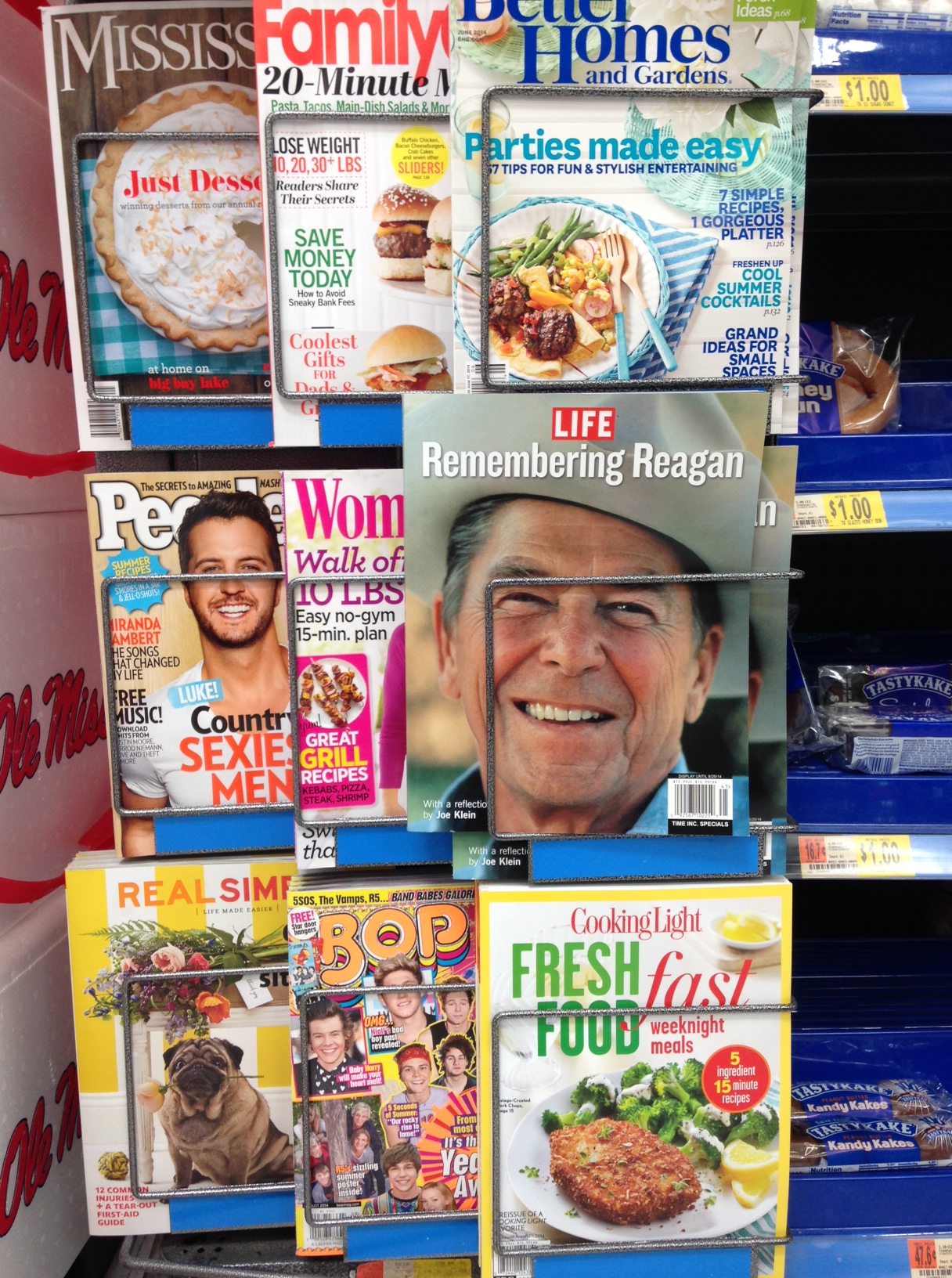
Trend #5 – And then one of our “old faithful” stratagems, enforcing the statement that some things never change – most magazines on newsstand check-out counters are still aimed at women. That will probably never change and no matter how the demography of the public changes and the shopping habits of the audience change, some stuff in life (or on the newsstands) seem never to change.
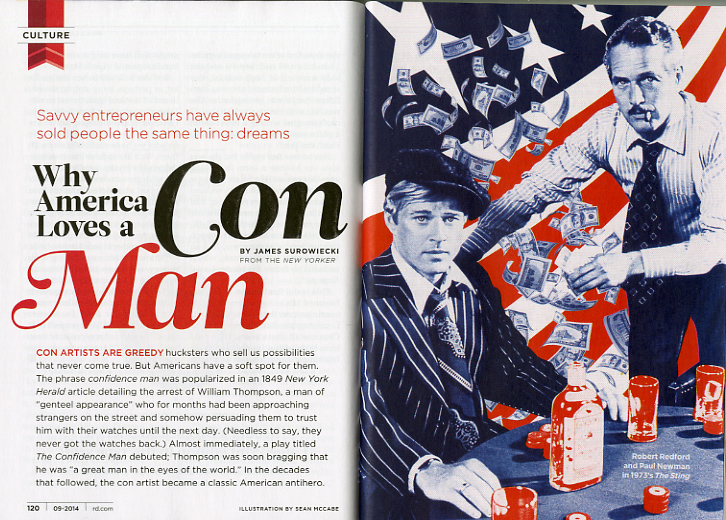
So, there you go five trends, with five different perspectives and five different ways of trying to gain our audience’s attention and ultimately their loyalty to the printed product that we’re selling; all interesting points of entry for ink on paper when it comes to consumer’s shopping carts. Maybe, after all, the future of digital starts with PRINT.
“What probably keeps me up at night is the dynamic relevance of printed magazines and what they mean to the consumer and making sure that a generation of advertising and media professionals appreciates the value of the medium.”
“I think about magazines and magazine media all the time.”
“More Print Products are coming from Hearst in the coming years.”
Michael Clinton
A pilot, an accomplished photographer, a philanthropist who started his own charity, Circle of Generosity, a publishing director, an author of several books, a marathon runner, a traveler to more than 120 countries, an executive, a magazine rabbi and a high priest in the eyes of those who know him and work with him… In fact, there is no shortage of adjectives to describe Michael Clinton, who is also the chairman of the MPA — The Association of Magazine Media.
He and David Carey, the president of Hearst Magazines, seem to be among the few magazine executives who are not closing any magazines, downsizing, or just reducing the weight of the paper. No, actually they’re doing just the opposite. Hearst magazines has been acquiring magazines, launching very successful print products, without forgetting digital which as of today only represents 3% of the total circulation of Hearst Magazines.
So when I had the opportunity to engage in a conversation with the multi-talented Michael Clinton, my brain was racing with a million questions I was ready to fire at Michael and my eyes were roaming his office observing the pictures on the walls and the model Air-Force One on the round table among many other memorabilia scattered around his office.
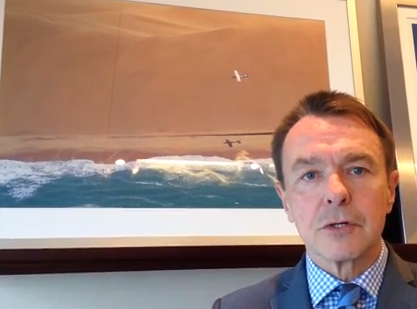
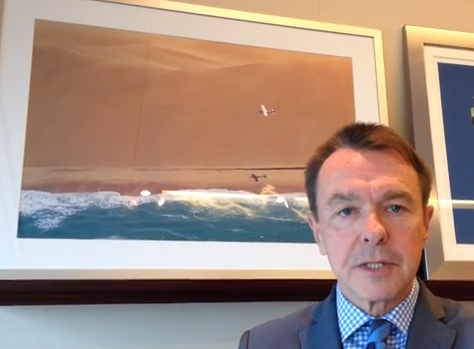
I asked Michael about his favorite picture from all the photos he has taken over the years. He was quick to point to a picture on the wall facing his desk of a plane off the coast of Namibia. The same picture is also adorning the cover of his book The Globetrotter Diaries.
I chose that spot in Mr. Clinton’s office on the 43rd floor of the Hearst Tower in NYC as the backdrop for The Mr. Magazine™ Minute with Michael Clinton. I asked Michael Clinton why more publishers aren’t following in the footsteps of Hearst Magazines? Click the video below to listen to his answer:
And now for the sound-bites…
On whether he thinks about magazines when he wears his other, innumerable hats: And so I think about magazines and magazine media all the time. And actually some people around here laugh at me when I say, “I was out for a long run the other day.” And they know that that means that I concocted some idea in my head while I was running that I was about to lay on them.
On the most challenging moment in his career: For many people, a dark moment was in the depths of the recession because as businesses really cut back in their spending, and it was across all media, part of my job is to keep the troops motivated.
On what he believes the other magazine professionals are doing when it comes to why Hearst seems to be one of the few publishers promoting and launching new magazines: That’s a great question, but I don’t know. We’d love more of our peer companies to step out and put out a new magazine and a new concept. But we’re happy to continue to innovate on that front.
On whether he’s a believer in print: Big time.
On what he believes is the most problematic issue we have today in the magazine marketplace: I think that we’re in a state of confusion and disruption in the media landscape in general.
On a solution for the newsstand problems: I think to do innovative things at newsstands such as working with retailers. We’re doing some really innovative things on the shopper marketing front where we’re creating customized units that are combinations of gift-with-purchase.
On what keeps him up at night: I think that what probably keeps me up at night is the dynamic relevance of printed magazines and what they mean to the consumer and making sure that a generation of advertising and media professionals appreciates the value of the medium.
And now the lightly edited transcript of the Mr. Magazine™ conversation with Michael Clinton, President, Marketing and Publishing Director of Hearst…
Samir Husni: I’ve been doing some homework, checking around the building and talking to people; three things I learned about you, some I knew before, some I did not. One is your philanthropy, which hasn’t been covered much, but people do know about it. Two is your marathons, which you cover yourself on your tweets. And third is that you’re the rabbi to most of the magazine publishers and editors in the building, they refer to you as Rabbi Michael. So as the high priest of magazines, especially the ones that you’ve been really involved with – the three most successful launches of the last five years, from the Food Network to Dr. Oz; how do you combine those three entities and juggle between them? Is it always magazines on your mind whether you are teaching, running or giving away your money?
Michael Clinton: That’s a great, great question. I think that fortunately for me I still love the magazine industry; I’ve been in it a long time. So I’m one of the lucky people who wake up every day and am excited to go to work. And I think regardless of what industry you’re in it’s great to be able to have that sense of drive, commitment and interest in your chosen profession.
And so I think about magazines and magazine media all the time. And actually some people around here laugh at me when I say, “I was out for a long run the other day.” And they know that that means that I concocted some idea in my head while I was running that I was about to lay on them.
I often find that my down time of going and running a marathon or training in the park is actually great for clearing my head to come up with new ideas or solutions, solving problems or thinking about new ways to go at what we do.
To answer your question, a lot of what I think about with regards to magazines, a lot of it solves problems, not necessarily in the Hearst Tower, but outside doing a lot of the other things that I do.
Samir Husni: And what has been a most challenging moment in your career? Maybe a time you had to run extremely far to get it out of your system and come up with a solution.
Michael Clinton: For many people, a dark moment was in the depths of the recession because as businesses really cut back in their spending, and it was across all media, part of my job is to keep the troops motivated.
And so when you see the kind of business downturns everyone faced during the recession, especially younger professionals who never experienced a recession, for some of us we’ve been through different business cycles, but for younger people it’s harder for them to see the other side and younger publishers who were coming off of those phenomenal go-go years and 2007 being kind of the penultimate one and keeping people motivated and focused, making them try and appreciate that it wasn’t the end of the world, that business cycles happen and there would be a leveling out and a rebuild, that proved challenging.
So there were a lot of long runs during that time.
Samir Husni: With the Food Network it was smooth sailing from day one. Dr. Oz was a bit rocky in terms of staffing, correct?
Michael Clinton: Yes, we had an editor change and she left on her own to go back to California. I think the thing that was very interesting in 2008 when we decided to launch a magazine, obviously it was a very bold and daring statement, and I think what happened was we were counter-contrary to the marketplace and we went out and launched Food Network Magazine in a very strange way, talking about my earlier comment. It kind of lifted the whole organization because when you do bold things in tough times, what happens is often it not only lifts the entire organization, but when you have the success, it really shows there is clear view out there for other businesses to grow. So you’re right Food Network was an instant takeoff.
Samir Husni: And why is it that you and David Carey are among the very few who have been promoting new magazines, talking about new launches; what’s the rest of the industry doing?
Michael Clinton: That’s a great question, but I don’t know. I think that as the chairman of the MPA, we always talk with encouragement when it comes to new product launches and bringing new magazines to the marketplace, because we now have new proof points that if you put out a great product, the consumer will come and the consumer will pay. We now have three proof points on that.
We’d love more of our peer companies to step out and put out a new magazine and a new concept. But we’re happy to continue to innovate on that front. We now have the perception in the marketplace that we are the innovators in regards to new magazines in this time period. That we’re the ones that will innovate and put out new products and feel strong about new print products as well as all the other things that we’re doing digitally.
Samir Husni: You are one of very few companies that never lost its focus on print, just to swim in the digital ocean. That you actually kept both print and digital.
Michael Clinton: And don’t forget we acquired Hachette. So at the same time, aside from launching new products, we made a very big print acquisition also coming right off the heels of the recession.
Samir Husni: So are you a believer in print?
Michael Clinton: Big time. I think what we see, and once again I’ll go back to today, Dr. Oz, we have 300,000 subscriptions in hand. It has been one of the fastest ramp ups, one of the highest pay rates, where the consumer actually wrote the check; and as you know we sold out on the newsstand and went back to press.
So I think even if it was 2008 when it was Food Network, people might say, well OK, that was then and then we did HGTV in 2011 and people might say, that was then, but it’s 2014 and it’s happening again people. I think the trick is in finding a fresh voice in a cluttered marketplace and I think those three examples really had a fresh voice in their market.
Samir Husni: What do you think is the most problematic issue we have today in the magazine marketplace?
Michael Clinton: I think that we’re in a state of confusion and disruption in the media landscape in general. And I think that if you’re a CMO today of a brand and you think about everything that is coming at you, the big headline in Adweek: is TV dead? Video is taking over. What’s happening in the digital marketplace with programmatic and view ability.
Every media platform seems to have big issues as part of the overall media ecosystem that marketers are challenged with. So the print medium has a long history of tried and true audience and audience measurement, but in a world of disruption everything is sort of up for grabs.
So I think what a lot of marketers are finding and what I’m seeing is that it’s all about the media mix and magazines play a part in that mix. That when you have the correct media mix in your media spends it can actually lift all boats.
There’s a lot of noise and disruption and I think the overall noise and disruption affects all media, not just magazines.
Samir Husni: Putting the rabbi hat on and talking to the future generations, people interested in our business, in journalism, in magazines; if you’re teaching a class, what do you tell the students?
Michael Clinton: You know I think that the good news is that magazine brands used to be just print. And if I use an analogy in the retail world, I call that our bricks & mortar business. Even though E-commerce is ubiquitous, bricks & mortar is not going to go away. It’s a different experience. So when someone is in the pages of Esquire, Oprah or Cosmo, they’re having a very unique and different experience.
It’s part of the bricks & mortar story. The beauty we’ve had and I think that what gets lost in the conversation and I talk to publishers about this all the time, is that the brand footprint now for Cosmo can live in many different places. So the core is always going to be magazines and print and I think that’s as far as the eye can see. Cosmo.com, Cosmo – social media, Cosmo events, Cosmo won-off-TV-things; we now have the ability to take our brands out to other brand and media platforms that before we didn’t really have the opportunity to do.
So I think that for young people I like to say, think about it as a horizontal experience, not just a vertical experience. Because whether you’re on the publishing side or the editorial side, and this has already happened in the news marketplace, if you speak to a young reporter now, they’re producing their story, filming their story, and posting on the dot com, doing their social media; so they’re multitasking with different content and we’re doing the same thing, so it’s a big opportunity.
I think magazine media’s core is still going to be the printed page.
Samir Husni: Do you think we can ever succeed with a digital-only magazine? Even though I don’t call anything but print a magazine…
Michael Clinton: I think you have to clarify that question; are you talking about web-based or tablet-based?
Samir Husni: Can you name a tablet-based digital magazine that’s making money?
Michael Clinton: Well, that’s a great point. I think that the opportunity is there for a magazine that is a tablet-only magazine. I think the tablet world may have to mature a bit. But in our May issues we did a test; we took 10 of our women’s magazines and we embedded a 12-page beauty supplement that ran in 800,000 copies of those paid circulation magazines. Now that’s a bit of a scale play that never really existed before. You know, could that become its own magazine, who knows.
But I think that we’re in the very early days of testing whether something could have a circulation of a half million, but only live as a tablet distributed magazine. I think we’re too early in the product life cycle of magazines on tablets, but five or ten years from now it could be possible. But I think that we have a long way to go.
As you know we only have three percent in total magazine subscriptions on the tablet to begin with, so I think you almost need to have the consumer have a deeper learned experience in how they’re getting their content.
Samir Husni: Which leads me to say you are the only company that doesn’t bundle…
Michael Clinton: We do not bundle, no.
Samir Husni: If you want Cosmo on the tablet, you pay $19.95 or $14.95 and if you want the magazine, you buy the magazine…
Michael Clinton: Why do we do that? We have an expression: fee not free. Let me first talk about authentication. The analogy we would make is I went to go see Godzilla on Saturday night, but when you walked out of the theater they did not hand you a free CD because you just paid for your ticket or when you buy a book, say the new Hillary Clinton book, you don’t get a free download on your tablet. If you want it then you buy it two different times.
I think what’s been great about iTunes, in particular, is if you wanted the content you paid for it, hardcover book versus download book. So we took that position very early on and as a result we have about a million, almost a million-four, paid subs that are tablet-based subs and it creates a level, from our perspective, of wantedness from the consumer and also a story we can tell the advertiser. So it’s choosing your distribution.
Samir Husni: Talking about distribution; how’s Next Issue doing?
Michael Clinton: It’s coming along. It’s a fantastic consumer proposition. In their next round, where they need to go next as they continue to build their brand is a big marketing and promotional play. At a certain point they have to get the message out to the consumer marketplace at large, because while it’s growing, they need to get that lift-off. They’re going to have to get that funding to be able to promote it in a big, big way to the consumer.
Samir Husni: What can we do about the newsstands? With closings and rumors of closings…can we have a magazine industry in this country without newsstands?
Michael Clinton: It’s 10 percent of magazine circulation, so it’s small, but it’s an important piece; forget the economics because it’s an important economic contributor. But it’s an important piece for sampling, to get that magazine in front of the consumer’s eyeballs.
So the good news is as doors shrink, borders go out of business; on the flip side there are other doors and stores that are actually growing their magazine presence such as Costco and Dollar General; points that didn’t have magazines. So the answer is yes, it’s important to have newsstand.
And also I think to do innovative things at newsstands such as working with retailers. We’re doing some really innovative things on the shopper marketing front where we’re creating customized units that are combinations of gift-with-purchase. So if you buy a skincare product and if you buy a copy of Marie Clare, Elle or Cosmo and we align ourselves with the skincare product, there can be a dollar off somewhere.
Creating these customized incentive packages at floor level, which is what happens in general with retail anyway, aside from just being in the traditional slots that magazines occupy.
I think the next generation is going to be doing more inventive marketing programs at floor level, so you’re stimulating sales as opposed to magazines just sitting there stagnant. We’re doing a lot on that front here.
Samir Husni: Do you think that will solve the mobile blinders problem?
Michael Clinton: I heard a stat the other day about how many times someone checks their mobile phone, but you have to think at a certain point it’s going to be overload. So I guess the answer is probably not, but the mobile blinders affect any impulse purchase if you think about it. Unless you’re going to just buy something specifically, you’re going to have that.
But I think about something like Hudson News at the airports; when you go into that store, you’re basically going in because you are looking at the magazines versus a check-out. The mobile blinders are a big issue for every business category.
Samir Husni: This question is for you, the photographer; what’s the best picture you’ve ever taken?
Michael Clinton: There it is, on the far left. The story behind that picture is that I’m a pilot and I was on the famous Skeleton Coast of Namibia, which is in the country just north of South Africa, on the West Coast. It is a spectacularly beautiful landscape. You’re flying along the coast and the sand dunes hit the water and this is where you find these hulls of ships in the flat sand dunes because that’s why they call it the Skeleton Coast because of all these boats.
So I was literally flying up this coast for a couple of three hours, I wasn’t the pilot the entire time, there were six of us on board, but I happened to be then, and it was very difficult to see another plane in the air throughout the whole week that we were in Namibia and all of a sudden I saw that plane coming beneath us and I asked the other pilot could you please take the controls because I was flying at the time, grabbed the camera and I yelled, “Come on, we have to keep up with him.” So we tracked him and just the image of that airplane against that backdrop with the shadow is a very romantic shot. It’s actually a shot that, when I’ve had gallery exhibits, it’s one of my most popular.
Samir Husni: My typical last question; what keeps Michael Clinton up at night?
Michael Clinton: I’m a good sleeper. I go to sleep with a clear head. No, I think that what probably keeps me up at night is the dynamic relevance of printed magazines and what they mean to the consumer and making sure that a generation of advertising and media professionals appreciates the value of the medium. And we do a lot of things to innovate to keep that message front and center, but it is a very dynamic and growing medium with new products. And from a circulation and audience standpoint, it’s been very consistent even during the recession. You’ve heard the famous line during the recession: we didn’t have a consumer problem, we had an advertising problem.

 WoodWing Software develops and markets a premier, cost-efficient multi-channel publishing system and the next generation digital asset management system. Their solutions are aimed at magazine, newspaper and book publishers, corporate publishers, agencies and marketing departments to reach their goals for quality, economy and time-to-market. (Samir “Mr. Magazine™” Husni and Roel-Jan Mouw on the stage at the WoodWing Xperience in Lisbon, Portugal).
 Roel-Jan Mouw: What keeps me up at night are jet-lags, airports and trying to sleep on planes, trains and automobiles. I try to be customer facing all the time, traveling the globe, engaging and inspiring customers. WoodWing has a great footprint in the market and with so many great customers being awake can be very inspiring! I’m looking forward to being awake in New York, meeting you and many others again.