Archive for the ‘A Mr. Magazine™ Musing’ Category

h1

The iPhones Of The 1950s: Yesterday’s Newsstands Bring You Surprises & A Glimpse Into The Future…

October 3, 2019

A Mr. Magazine™ Musing…

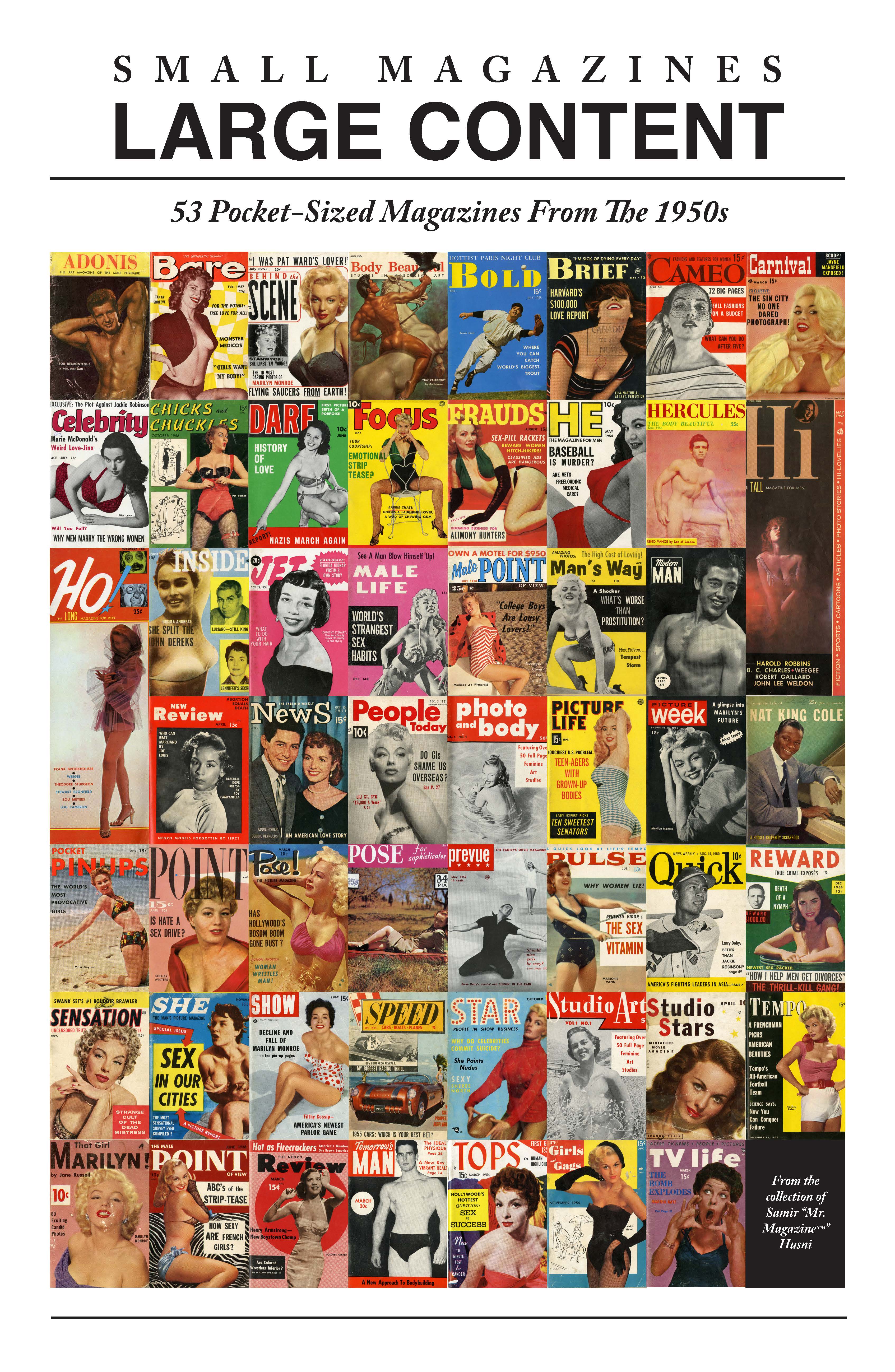
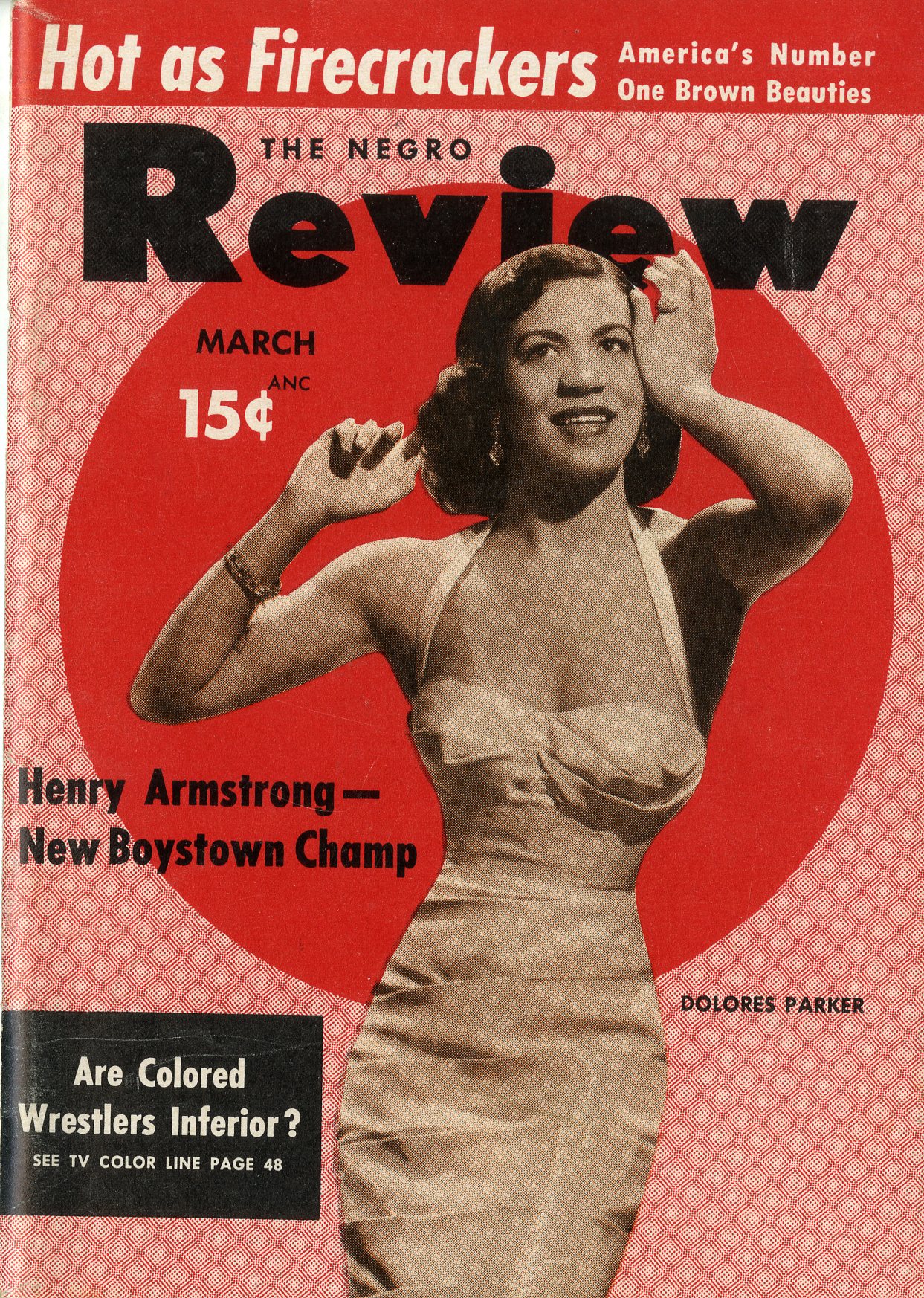
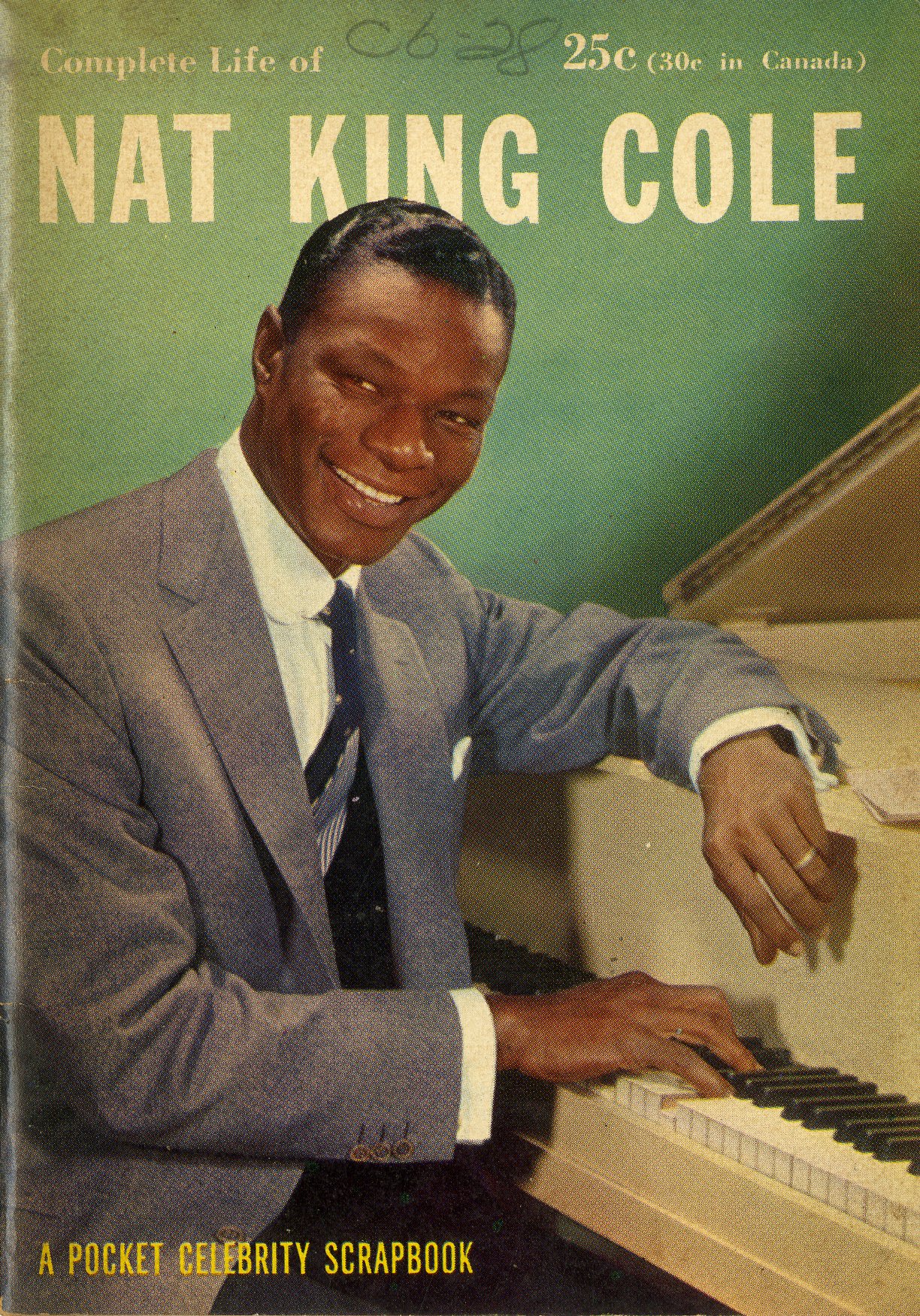
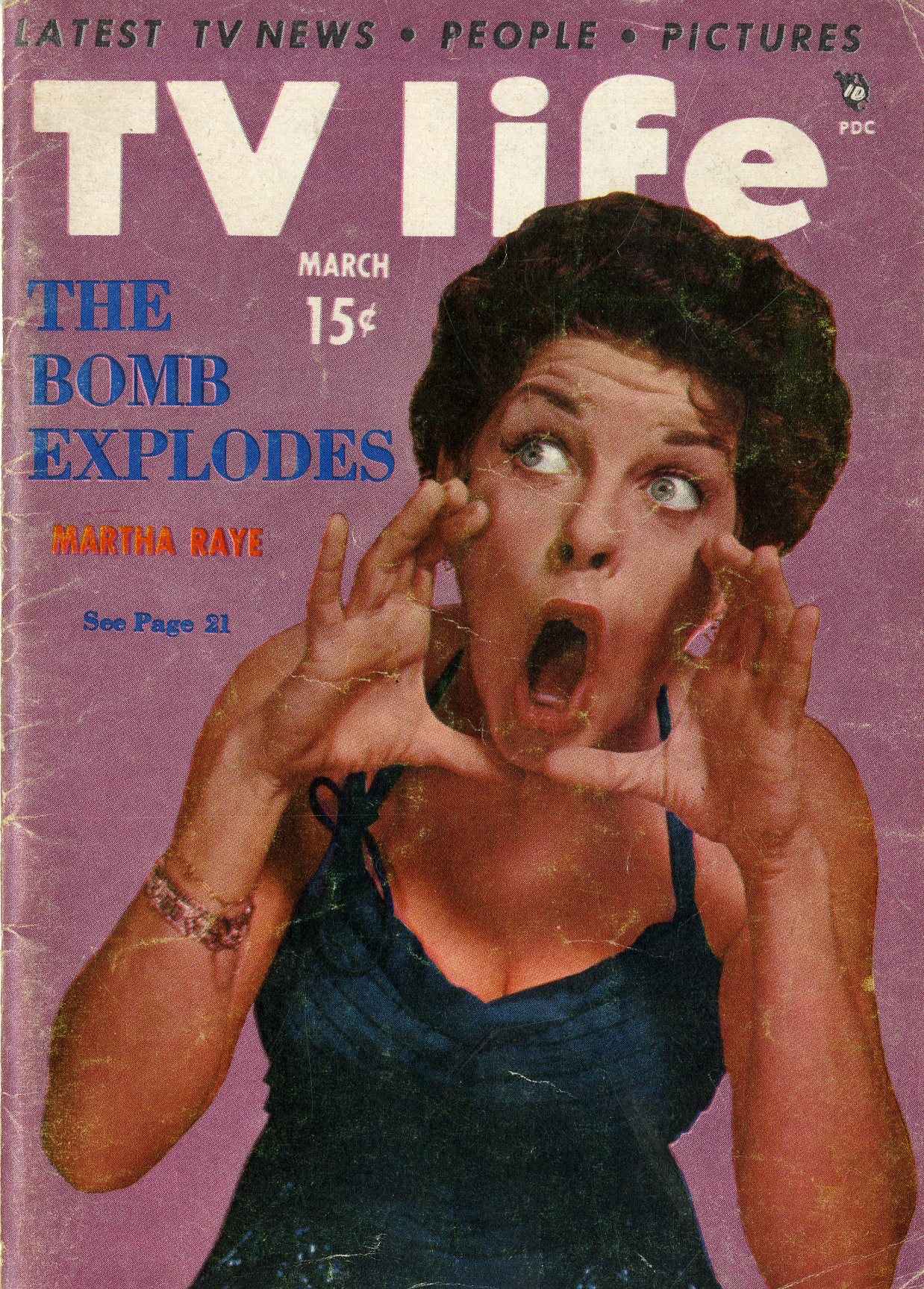
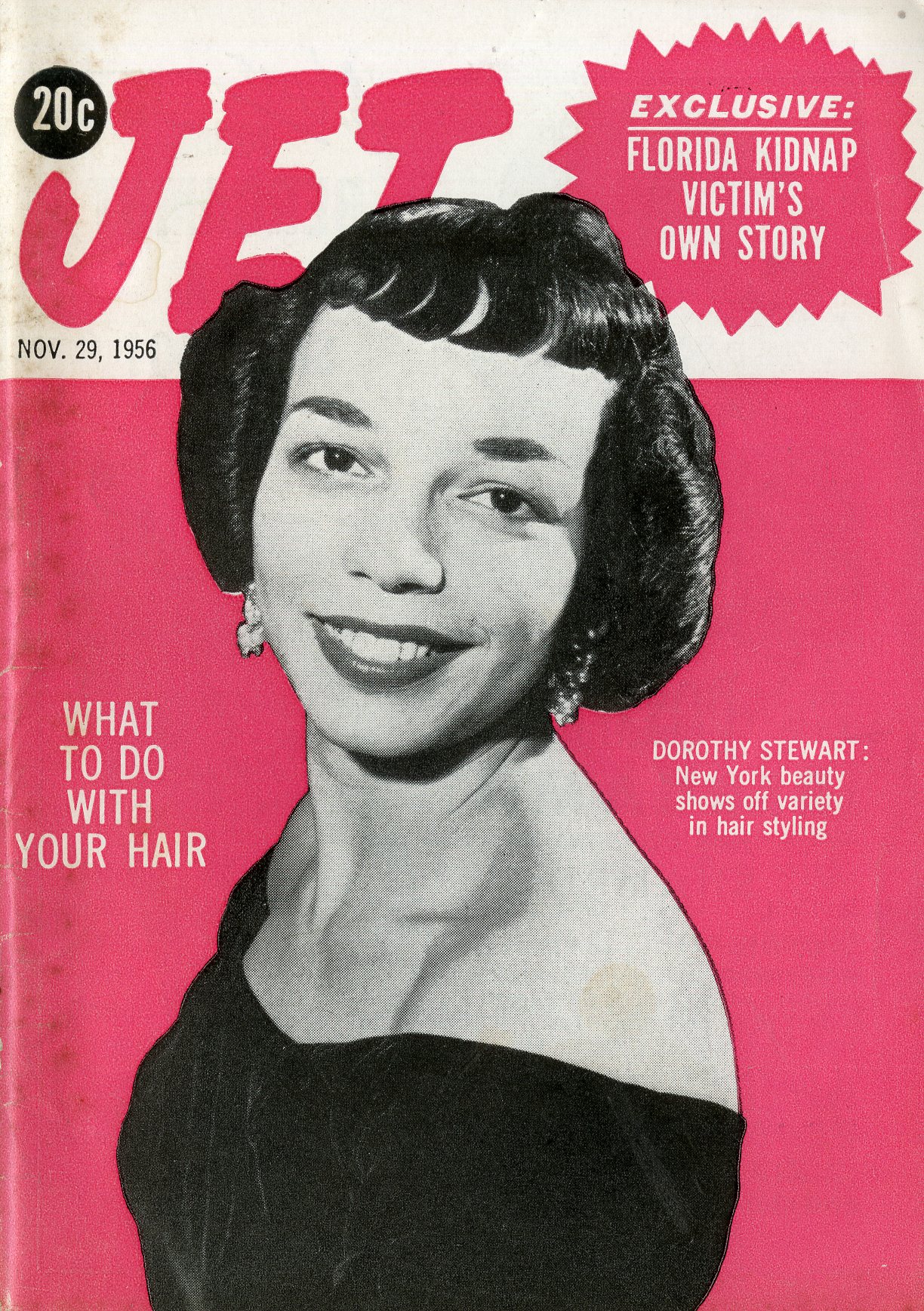
In my research, I discovered a genre of magazines that has technically been ignored. I haven’t seen anything really written about them that give this group of magazines the credit that they deserve. These magazines would have to be described as the “iPhones” of the 1950s. They are the size of a shirt pocket and they were touted as such, “pocket-sized” titles, small enough for men to carry in their shirt pockets or women to carry in their purses. The amazing thing is that even in the 1950s, magazine makers realized that people needed information on-the-go, and if you think about it, these magazines actually blazed the trail for the technology we have today.

In fact, in March 2001, Glamour burst onto newsstands in the U.K. with its own pocket-sized version, promoted as the magazine that “fits into your life and your handbag,” and it was an immediate hit. But long before the 21st century, magazines of this convenient and mobile size were in the marketplace.

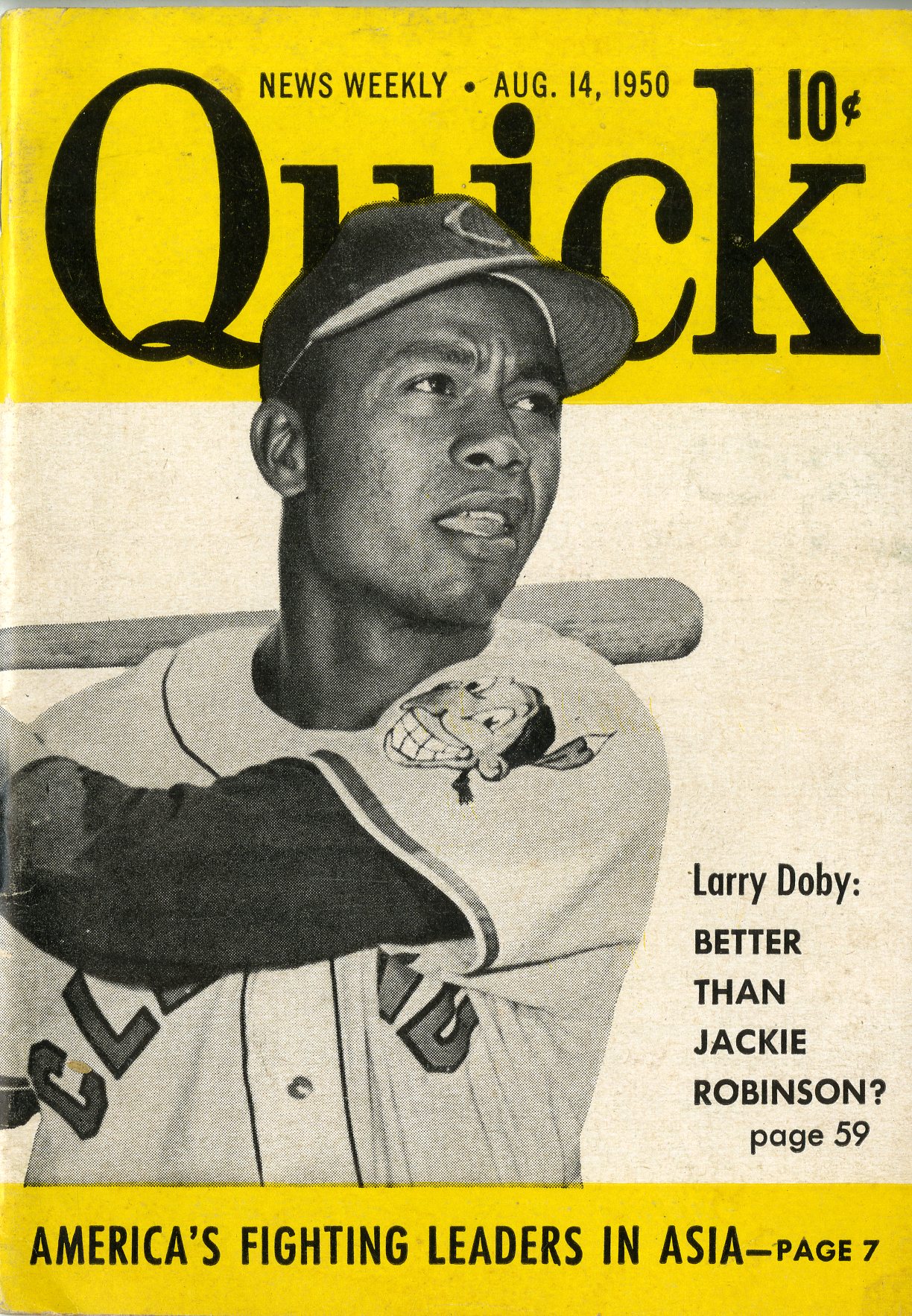
I was able to find 53 pocket-sized titles that covered the gamut when it came to topics. From the newsweekly, a magazine called Quick that was launched by Look magazine, and of course, everyone knows that Look magazine was one of the trio that ruled the magazine industry in the 1940s and the 1950s: Life, Look and The Saturday Evening Post. People are more familiar with those three titles during that era than any of the other magazines.

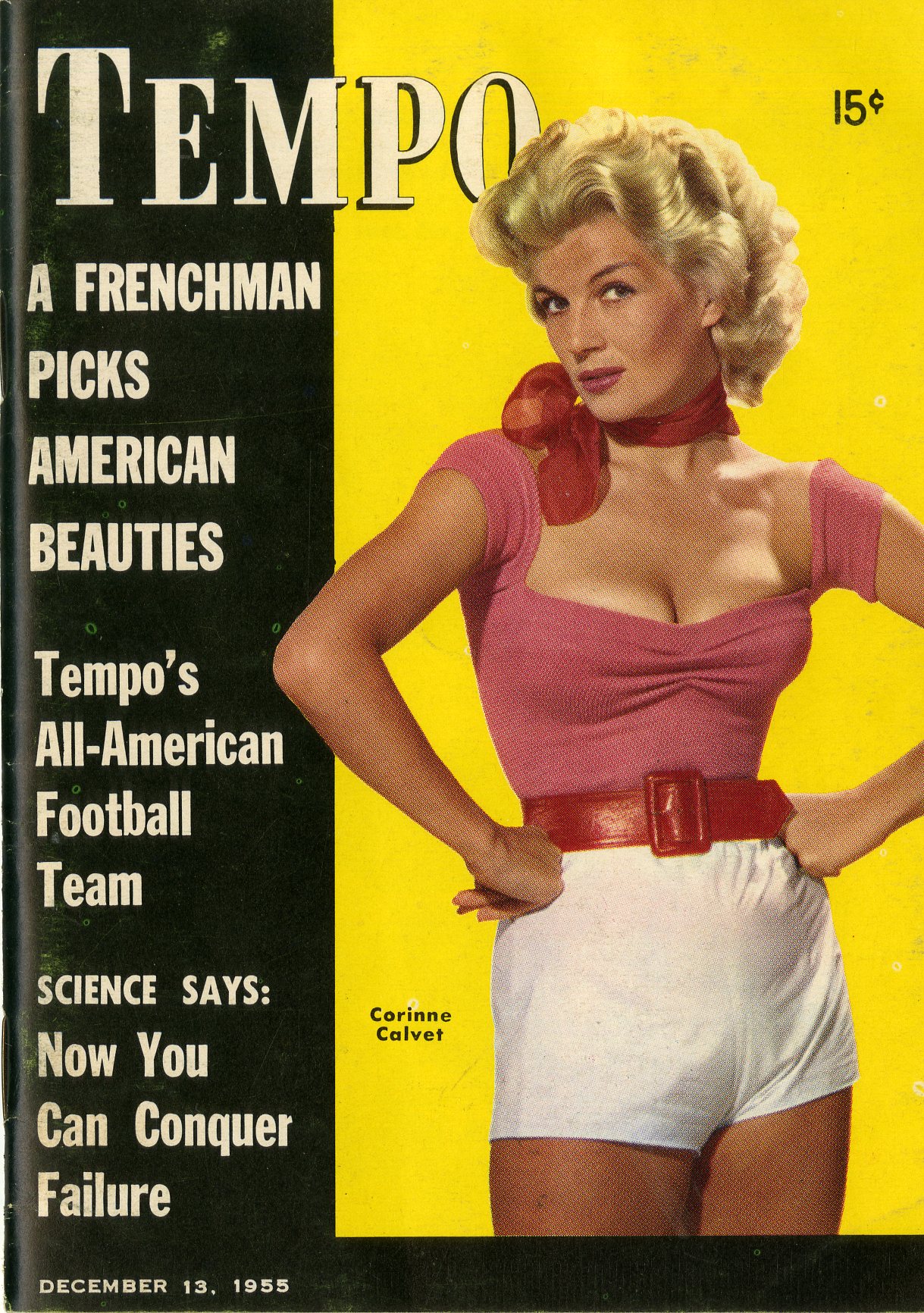
So, Look launched this weekly magazine called Quick, which was a newsweekly that fit into your shirt pocket or purse. When Quick folded, the staff of that magazine took over and launched another magazine called Tempo, then later on Tempo and Quick merged.

These titles were a personification of the entire magazine industry and the pop culture of that era. They did exactly what digital is doing today, making one’s pocket or purse an outlet for information and the news of the moment. And in the 1950s, those magazines provided the same thing.

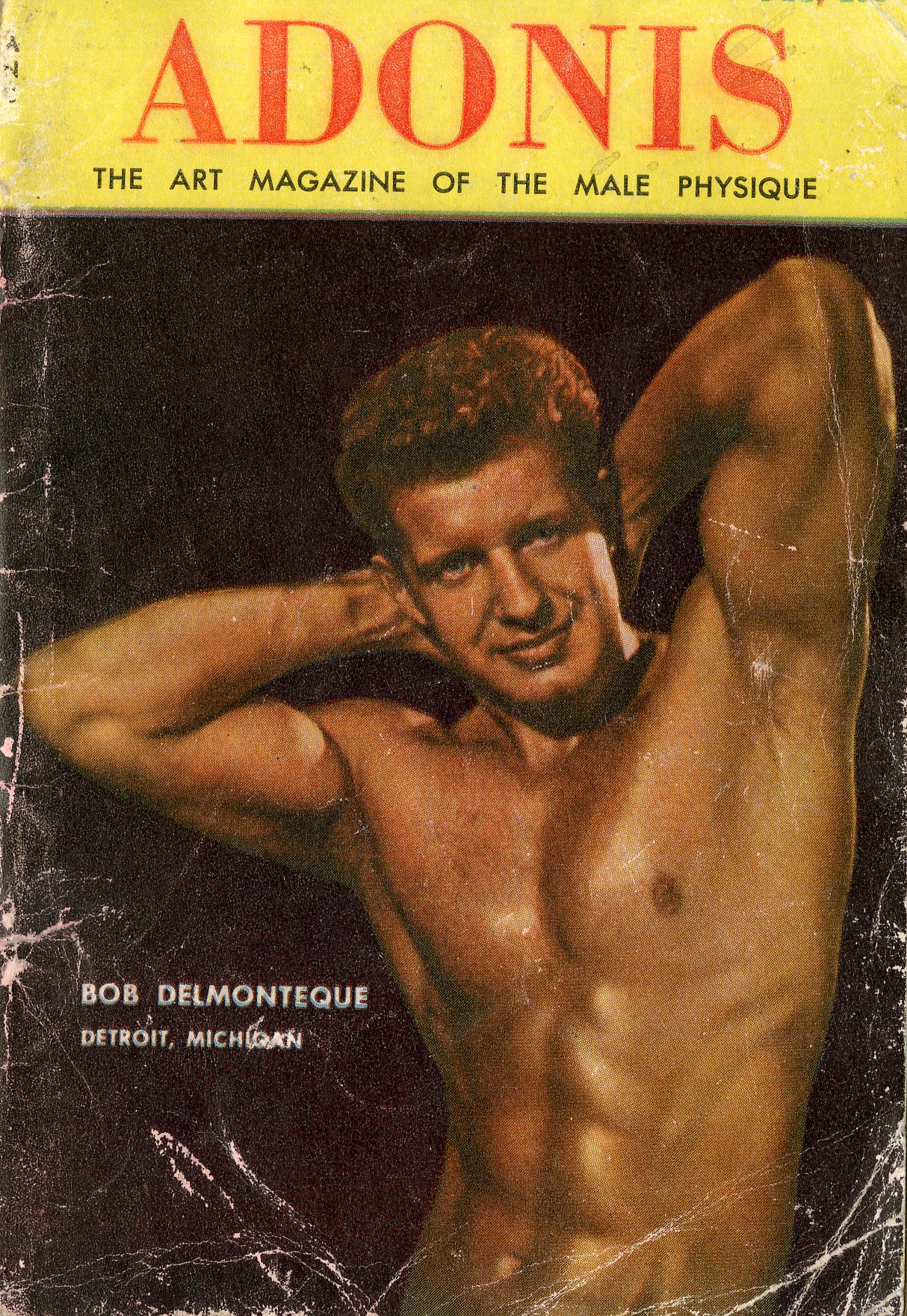
And the information and news they provided was diverse, from Adonis, the art magazine of the male physique to TV Life, which provided people with the latest TV news, people and pictures, and then just everything in between. Sports, celebrities; even Jet magazine, which many people are familiar with today, was part of that genre, and between Jet and The Negro Review, they served the African American audience well. There was the Pocket Celebrity Scrapbook, which gave complete details about the celebrities of the day, such as Nat King Cole and Marilyn Monroe.

However, these titles didn’t shy away from any topic. There were no taboos, although there were a lot of topics that would be considered today not politically correct. Whether it was homosexuality, sex outside the marriage or sex inside the marriage, stories about the dangers of the birth control pill, stories criticizing baseball and stories praising baseball, tales of the world’s most provocative women and tales about the ideal physique for men.

If you look at the titles from the poster I created of these 53 magazines, you will see the variety of the subject matter. From humor to the most serious of topics, these magazines reflected society in their time. That’s why I’ve always said that magazines are the best reflectors of society, no matter what era one may live in. There is nothing that compares to magazines when it comes to mirroring pop culture in the world we live in.


So, enjoy a glimpse of these great covers from the 1950s and keep on reading magazines, for you never know what you might encounter along the way.

Until the next time…

Mr. Magazine™ will see you at the newsstands, somewhere between today and the portals of the past…

h1

Less Than 15 Years Since Its Introduction: Americans Are Already Wary Of The Role Social Media Plays In Delivering The News – The Mr. Magazine™ Interview With Elisa Shearer, Lead Research Associate, Pew Research Center…

October 2, 2019

“When you ask if you think that they (social media) are prioritizing companies that have high reporting standards, for example, or are well-established, maybe from older platforms like print, a lot fewer people see those types of organizations being emphasized on social media. Granted, that’s the public’s view of what’s happening, but they definitely don’t see that when they’re turning to these platforms. They’re seeing  a lot of content from companies that aren’t necessarily well-established or that don’t have super-high reporting standards.”…Elisa Shearer


A Mr. Magazine™ Musing…
It took years, hundreds of years in the case of print and ink on paper,  before people were wary of the role newspapers, magazines, and even television play in delivering the news to their audience.  However, according to a new study from the Pew Research Center, people are wary of the role social media plays in delivering the news, a platform that is less than 15 years old.  While people are turning more and more to social media, they’re not exactly placing their full trust in the resources they find there.

I reached out to Elisa Shearer, lead research associate in the study, and she gave me some very interesting background and statistics on what they found during this eye-opening research study.

Elisa said that while people do use social media for their news, it’s not necessarily for its validity. Convenience, quickness, and the fact that breaking information can usually be found in a matter of seconds after it happens, would appear to be some of the main reasons people gravitate toward their social media when it comes to consuming news.

It’s a very interesting study that shows quite a few insights into our fascination and often obsession with logging into all things social media when it comes to educating ourselves about what’s going on in the world.

So, I hope that you enjoy this Mr. Magazine™ interview with Elisa Shearer, lead research associate on this study, Pew Research Center. I think you’ll be amazed and somewhat surprised.

But first the sound-bites:

On whether the fact that more and more people are using social media for news, yet they’re  wary of it, surprised her: Actually, no, we have seen something like that before. Last year we saw the majority of social media news users who thought that the news they were going to see was largely inaccurate. But when we asked about the reasons why they were using social media for news, a lot of them cited the convenience; they liked interacting with people; it was useful for getting breaking news, so we know some of the reasons that people are turning to these sources even though they’re very pessimistic about it.

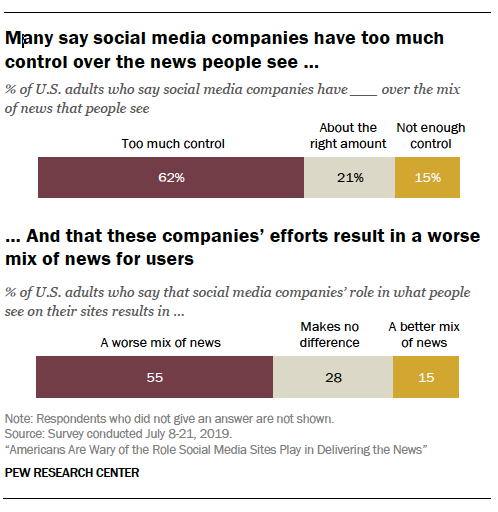
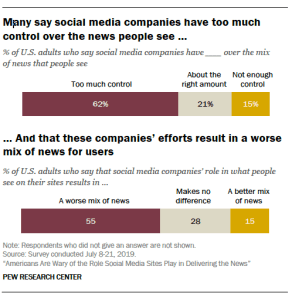
 On whether the rift we’re seeing in our country is also reflected in social media: That’s an interesting question. Thinking about the role this kind of pessimism, about the role social media companies are playing; you see 62 percent of Americans saying that these social media companies have too much control; 55 percent say that what these companies are doing results in a worse mix of news. You do see a party break there, where Republicans are more skeptical about these things; 75 percent of Republicans say that social media companies have too much control, for example. That’s more than the Democrats who say that.
On why she feels there is this big dependency on social media: We’ve compared the trust that people have in national news organizations and local news organizations. For example, the trust that they have with the news that they get from social media, and the trust of those national and local news organizations; it’s much higher with the national and local news sources than with the news they get from social media.

On whether she is concerned by the fact that many people who are aged 65 + aren’t big social media users: Based on the different platforms that people are going to, there is a lot of large age differences in the people who are getting news from TV, for example. This is from 2018, only 8 percent of the 65 + are getting news from social media, but also a lot of the growth in the online news that we’ve seen recently has been led by those 50 and older.

 On whether she is concerned by the status of news today based on her research: I don’t usually speak to my personal concern, but we have been seeing really interesting changes in the way that people are getting news. Last year, the percent of those who get their news consumption from social media often has just surpassed those who get their news from print newspapers often. But also I see a lot of consistency, so I’m tracking social media news here right now. We’ve seen a lot of growth over the past couple of years, but at the same time overall, television is still the most commonly-used platform for news.

On whether the question has come up during her research of why people use social media so much if they’re wary of it: Yes, we have asked that question, but people typically say that it’s very convenient. They’re going to social media sites for a different reason and the news just kind of shows up there. Or that they go there when there’s breaking information, they will go to Twitter, for example. And people have said that they enjoy interacting with people, they enjoy the speed that they get to news, and they enjoy the fact that it’s up-to-date. That’s from a study that we did last year.

On if her research might indicate there is still hope for ink on paper publications when it comes to news: I can’t speak to that directly. We asked people about their sense of what types of organizations are being prioritized by social media companies. Most people say that they know that social media companies are treating some news organizations differently than others. And most people said they kind of see them prioritizing companies that produce attention-grabbing articles or that have a lot of social media followers.
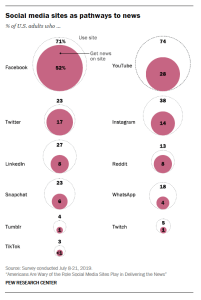
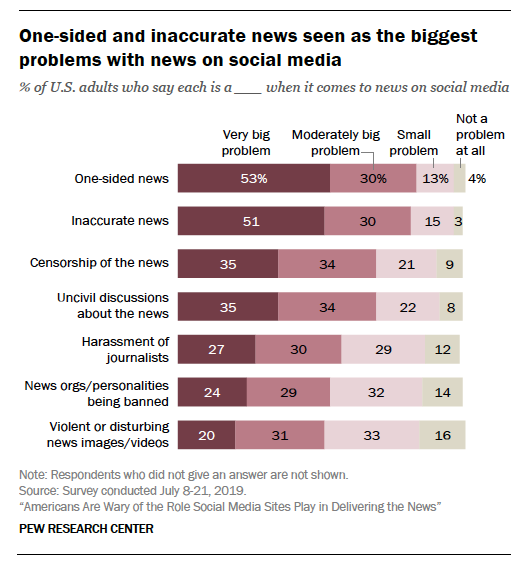
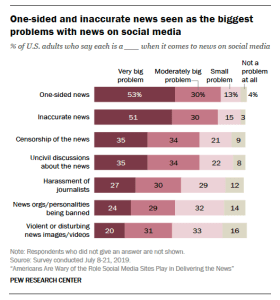
On what she hopes the general public will take away from this study: Great question. People have a lot of different concerns with news on social media, one-sided news, inaccurate news; both of those things are named as a very big problem by about half of the public. There’s also a number of other problems that people named; 35 percent said they disliked the uncivil discussions about the news on social media; 27 percent said that they’re concerned about harassment of journalists; 24 percent said they’re concerned about news organizations being banned, for example. So, I hope that the general public who are reading the study will see part of their own experience reflecting in the figures and be able to think about that more clearly.

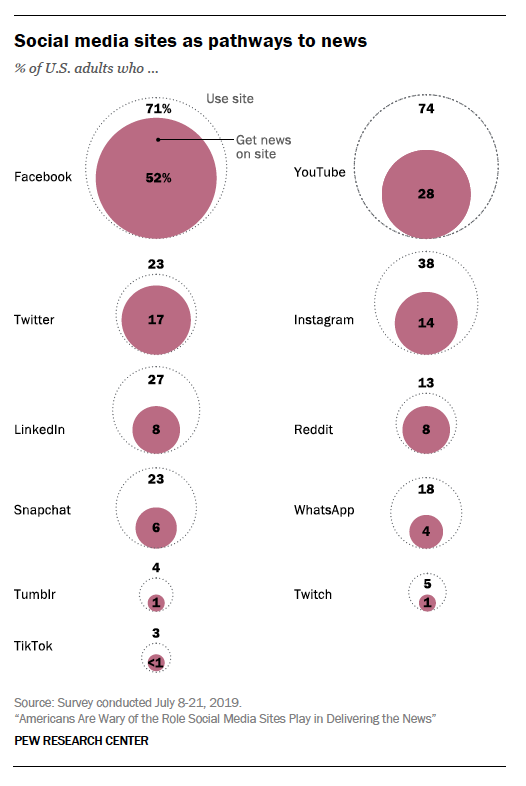
On anything she’d like to add: It is interesting that we haven’t seen a lot of growth in social media news use from about 2016. The percent of news gotten in 2016 there often was 18 percent; 20 percent in 2017; 20 percent in 2018. And this year it increased to 28 percent, so 28 percent of Americans are getting their news from social media often. And 55 percent of Americans get news from social media often or sometimes. So, that’s a growth that we’ve seen in the past year.

And now the lightly edited transcript of the Mr. Magazine™ interview with Elisa Shearer, lead research associate, Pew Research Center.

 Samir Husni: People are using more and more social media, yet they are wary of social media when it comes to delivering news. Was that a big surprise to you?

Elisa Shearer: Actually, no, we have seen something like that before. Last year we saw the majority of social media news users who thought that the news they were going to see was largely inaccurate. But when we asked about the reasons why they were using social media for news, a lot of them cited the convenience; they liked interacting with people; it was useful for getting breaking news, so we know some of the reasons that people are turning to these sources even though they’re very pessimistic about it.

Samir Husni: Do you feel that this rift we’re seeing in our country is also reflected in social media?

Elisa Shearer: That’s an interesting question. Thinking about the role this kind of pessimism, about the role social media companies are playing; you see 62 percent of Americans saying that these social media companies have too much control; 55 percent say that what these companies are doing results in a worse mix of news. You do see a party break there, where Republicans are more skeptical about these things; 75 percent of Republicans say that social media companies have too much control, for example. That’s more than the Democrats who say that.

But what’s interesting to me is that even though Republicans are a little bit more pessimistic about this, about half of the Democrats are giving these kind of negative answers. So, 52 percent of Democrats say that the companies have too much control; 49 percent of Democrats and lean Democrats say that these actions result in a worse mix of news.

Samir Husni: Why do you think there’s this big dependency on social media? Do you feel that the legacy news organizations have given up or they just can’t do anything about it?

Elisa Shearer: We’ve compared the trust that people have in national news organizations and local news organizations. For example, the trust that they have with the news that they get from social media, and the trust of those national and local news organizations; it’s much higher with the national and local news sources than with the news they get from social media.

Another thing to consider is that in a different study that we did, we asked people in real time whether they were getting news online. And after they got that news by clicking on a link, we asked them to write down the name of the source of that link. So, a lot of those were from social media. They would click on a link and we’d ask them to name the organization that they ended up on. And people could only provide an answer about half of the time. I think one thing to consider is that a lot of times social media news consumers aren’t even aware or they don’t remember the name of the actual organizations they’re consuming from. We know a lot of the news on social media sites comes from legacy news organizations, like The New York Times dotcom, CNN; they all have a social media presence too.

But there’s kind of a disconnect between people’s awareness of where that news is coming from when they’re getting it from a place like Facebook or Twitter.

Samir Husni: As a researcher, are you worried that when you look at the numbers and you find that the majority of the people who are aged 65 +, which there is almost 72 million of them in this country, are not big users of social media? Is that adding to the divide in the country between the baby boomers and everybody else?

Elisa Shearer: Based on the different platforms that people are going to, there is a lot of large age differences in the people who are getting news from TV, for example. This is from 2018, only 8 percent of the 65 + are getting news from social media, but also a lot of the growth in the online news that we’ve seen recently has been led by those 50 and older.

 Samir Husni: Looking at one of the graphics in the report, it’s funny that it’s only Facebook and Twitter when it comes to the more mature people. 

Elisa Shearer: That graphic isn’t telling you that 24 percent of 50 to 64 year olds get news on Facebook, what it’s telling you is that 24 percent of Facebook’s news users are 50 to 64. Snapchat and Reddit are definitely the sites where the news consumers who view are a lot younger.

Samir Husni: If someone asks you if you’re concerned about the status of news in our country based on your research, what would you say?

Elisa Shearer: I don’t usually speak to my personal concern, but we have been seeing really interesting changes in the way that people are getting news. Last year, the percent of those who get their news consumption from social media often has just surpassed those who get their news from print newspapers often. But also I see a lot of consistency, so I’m tracking social media news here right now. We’ve seen a lot of growth over the past couple of years, but at the same time overall, television is still the most commonly-used platform for news.

So, we’re tracking these new ways that people are getting news and all the ways that’s changing, but a lot of the stuff, like the dependency on television, we just did a big study on local news and local TV, a lot of that kind of environment hasn’t changed that much.

Samir Husni: Have you asked yourself, if people are so wary of social media, why are they using it more?

Elisa Shearer: Yes, we have asked that question, but people typically say that it’s very convenient. They’re going to social media sites for a different reason and the news just kind of shows up there. Or that they go there when there’s breaking information, they will go to Twitter, for example. And people have said that they enjoy interacting with people, they enjoy the speed that they get to news, and they enjoy the fact that it’s up-to-date. That’s from a study that we did last year.

So, we’ve asked that question because so many people do kind of expect it to be inaccurate, they’re concerned about inaccuracies, they’re concerned about biased news on those platforms, but they like the fact that it’s convenient and that it can come to them quickly.

Samir Husni: Based on this research, does this give hope to the print publications, to the newsweeklies, to newspapers, there is still room for ink on paper publications when it comes to news? Or news on paper is an oxymoron now?

Elisa Shearer: I can’t speak to that directly. We asked people about their sense of what types of organizations are being prioritized by social media companies. Most people say that they know that social media companies are treating some news organizations differently than others. And most people said they kind of see them prioritizing companies that produce attention-grabbing articles or that have a lot of social media followers.

When you ask if you think that they are prioritizing companies that have high reporting standards, for example, or are well-established, maybe from older platforms like print, a lot fewer people see those types of organizations being emphasized on social media. Granted, that’s the public’s view of what’s happening, but they definitely don’t see that when they’re turning to these platforms. They’re seeing  a lot of content from companies that aren’t necessarily well-established or that don’t have super-high reporting standards.

 Samir Husni: What do you want the public to take away from this study?

Elisa Shearer: Great question. People have a lot of different concerns with news on social media, one-sided news, inaccurate news; both of those things are named as a very big problem by about half of the public. There’s also a number of other problems that people named; 35 percent said they disliked the uncivil discussions about the news on social media; 27 percent said that they’re concerned about harassment of journalists; 24 percent said they’re concerned about news organizations being banned, for example. So, I hope that the general public who are reading the study will see part of their own experience reflecting in the figures and be able to think about that more clearly.

 Samir Husni: Is there anything you’d like to add?

Elisa Shearer: It is interesting that we haven’t seen a lot of growth in social media news use from about 2016. The percent of news gotten in 2016 there often was 18 percent; 20 percent in 2017; 20 percent in 2018. And this year it increased to 28 percent, so 28 percent of Americans are getting their news from social media often. And 55 percent of Americans get news from social media often or sometimes. So, that’s a growth that we’ve seen in the past year.

Samir Husni: Thank you.

h1

“Is Print Media Obsolete?” – “Can You Physically Feel, Smell Or Touch The Internet?” Question Answered.

September 27, 2019

I bought the latest issue of Centennial Media’s Flea Market Home & Living recently, a magazine filled with great ideas and gorgeous images. And when I came upon the Editor’s Letter of this issue, as usual, as I do with all my magazines, I couldn’t wait to read it. The question was put out there that everyone in the industry may have asked themselves at one point in time: “Is Print Media Obsolete?” I was blown away by the eloquence and truth of Editor in Chief, Lisa Marie Hart’s answer, comparing a beautiful ink on paper publication to a weekend flea market overflowing with “great old stuff.” As I held the magazine in my hand and read her words, I knew what she was saying. That while many today may still think print is dead or dying, the proof is in the “paper,” so to speak. You can’t replace experiencing an intriguing flea market on a beautiful Saturday morning with just visiting a website. Same goes for experiencing a lustrous ink on paper magazine, pixels just can’t compare! Print Media will never be obsolete!

From the Editor

Since the mid-1990s, when I graduated as a magazine journalism major, there have been times we’ve all wondered, “Is print media obsolete?” When the dot.com boom arrived, and a fallen economy forced iconic magazines to publish their final issues, we feared the worst.

All for naught. We’ve learned that beautiful publications printed on real paper – just like weekend flea markets bursting with displays of great old stuff – can’t be replaced by online reading or shopping. As humans, we innately respond to the sense of touch.

At its best, the internet widens our perspective, reveals the heritage of antique finds and forges authentic connections.

h1

The Collectability Factor of the Magazine Cover – Try & Claim That With Digital…

September 9, 2019

Want to see my picture on the cover

(Stone)Wanna’ buy five copies for my mother (yes)

(Stone)Wanna’ see my smilin’ face

On the cover of the Rollin’ Stone

…Dr. Hook and the Medicine Show

 A Mr. Magazine™ Musing…

Attention getting, brand making, sometimes controversial, but above all – inspiring; magazine covers are the gateway into a publication’s inner sanctum: its contents. And as the good Dr. Hook sang in Cover of the Rolling Stone, seeing one’s face on the front of a magazine can be Utopia for a celebrity’s career, even if it’s a controversial cover. After all, if it ignites a firestorm of conversation about the person or the object on that front door, what could be better? Actual ink on paper legitimizes in a way that digital just can’t. With the open-door policy of digital, you can find just about anyone or anything online, but I can promise you that my third cousin, twice-removed, will not be on the cover of People magazine…unless of course, he sweeps Miley Cyrus away from her latest “till death do us part.” And that ain’t happening.

And the second line of the song’s chorus: Wanna’ buy five copies for my mother – well, that’s something else to consider. There is nothing more intoxicating than the collectability factor of an ink on paper magazine and its cover. Granted, you can find just about any and all magazine covers and their contents online, but Mr. Magazine™ is positive that a generation from now, you won’t find them still waiting on you to revisit. Collectability is a leg-up for print that cyberspace just can’t compete with.

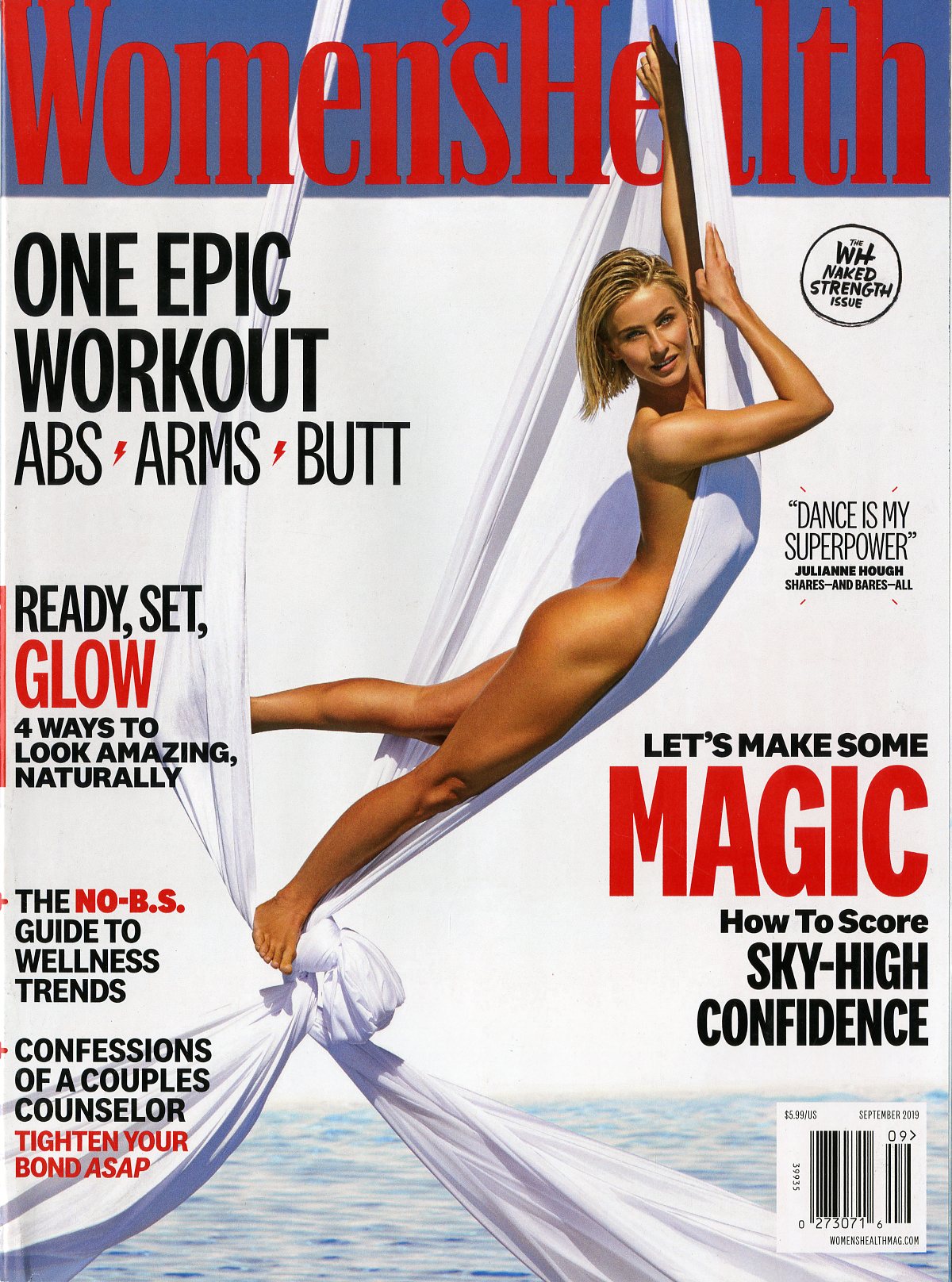
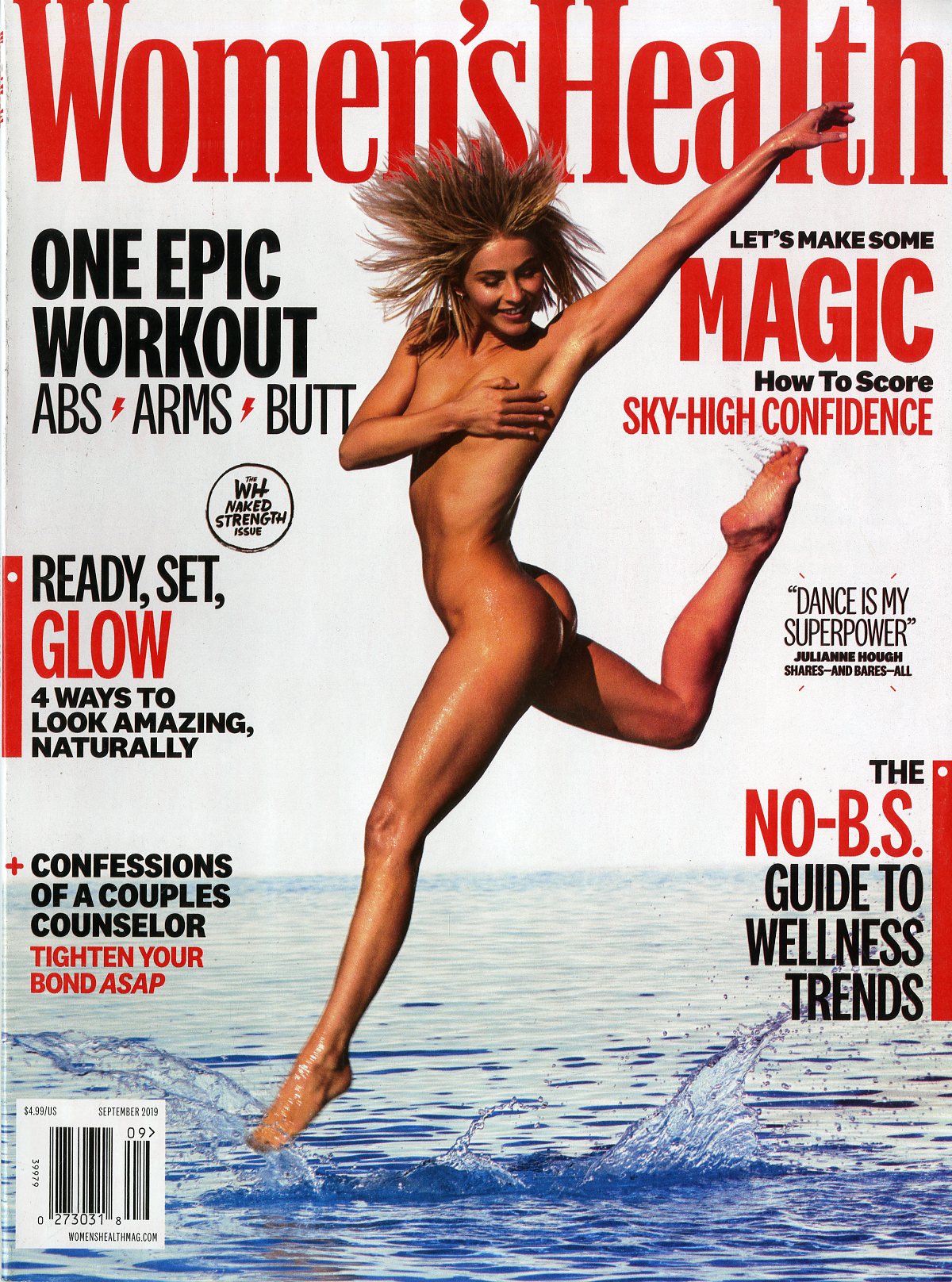
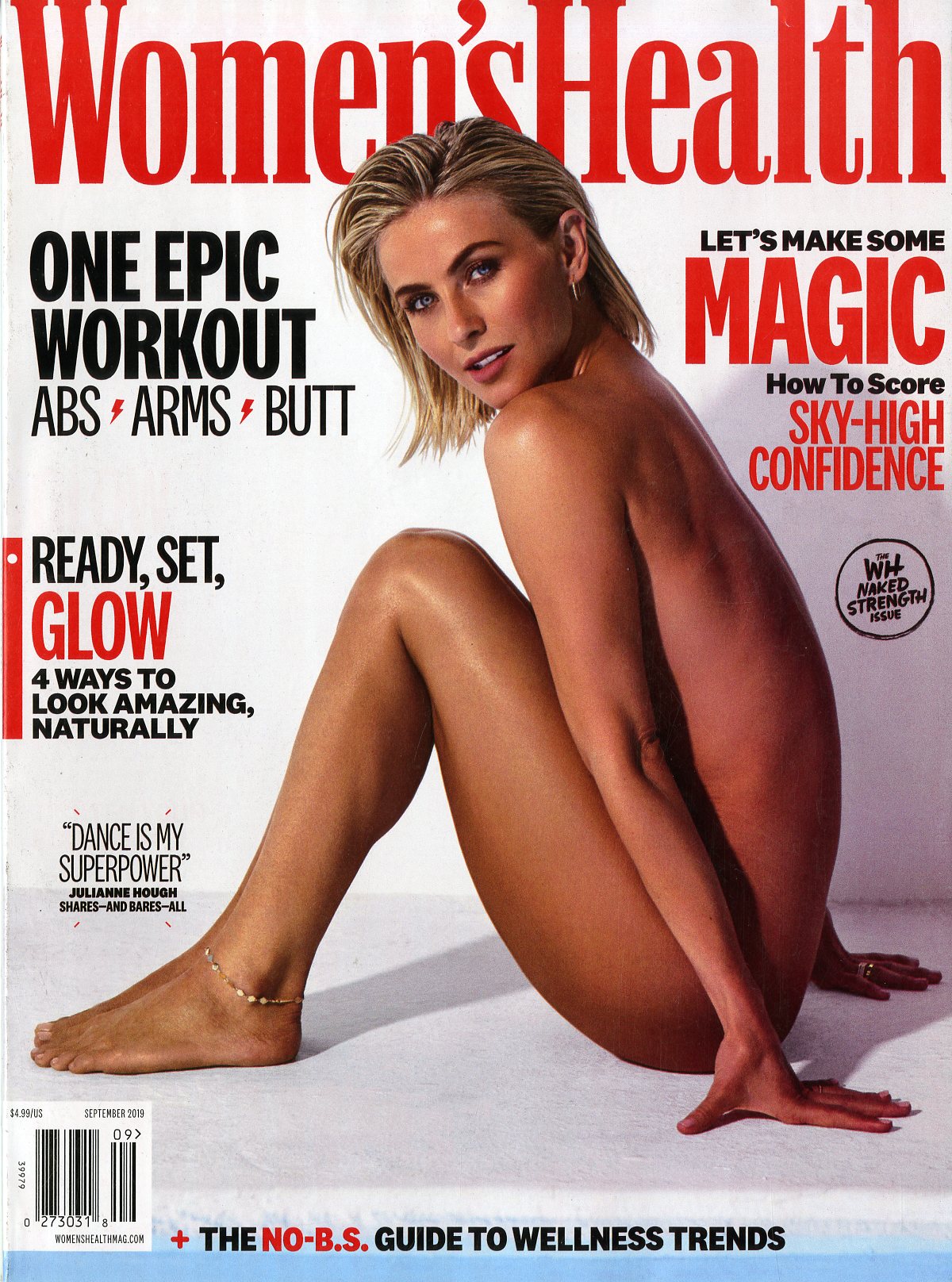
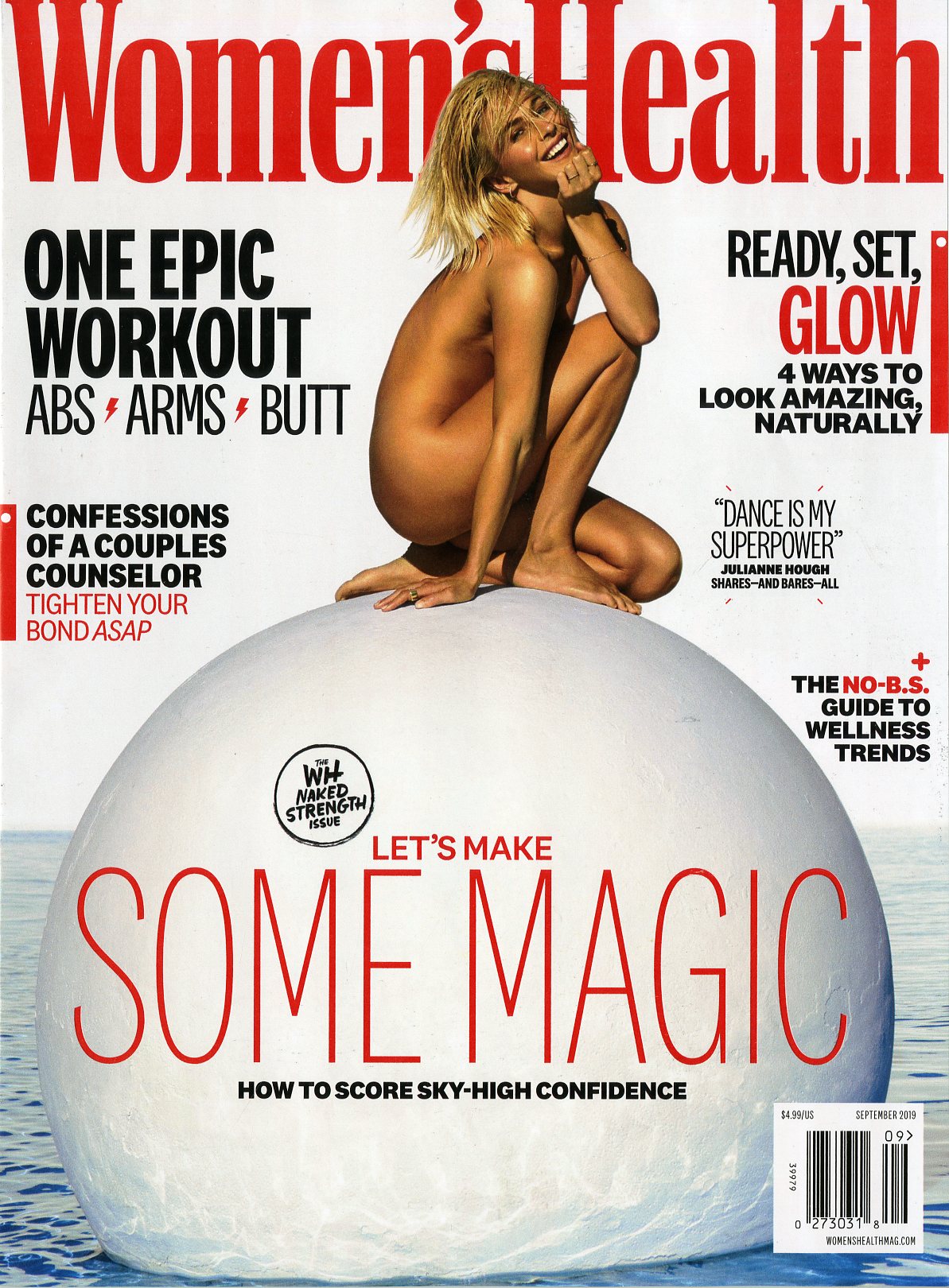
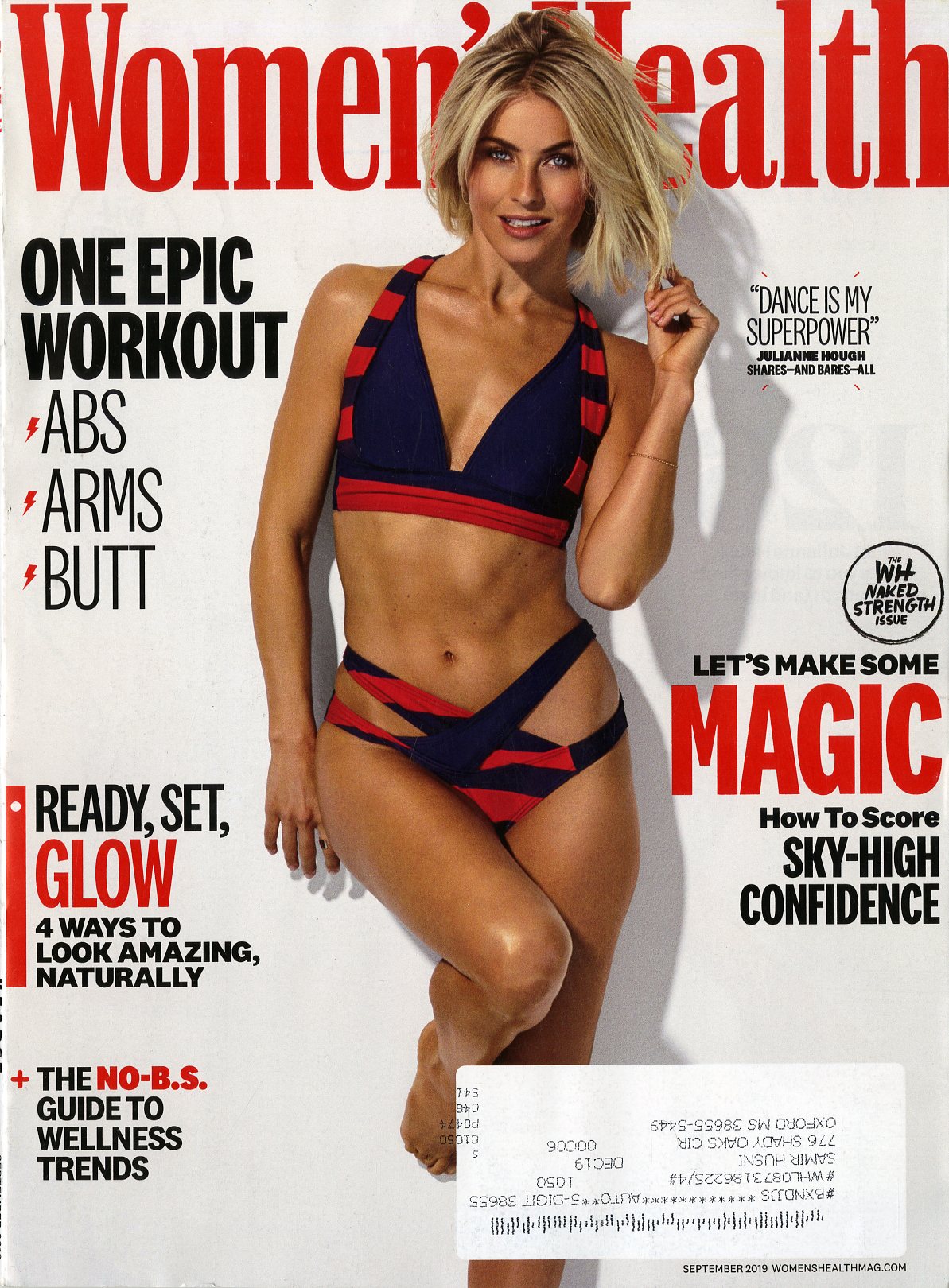
Take the current issue of Women’s Health, for example. Julianne Hough is the cover star of the Women’s Health Naked Strength issue and appears on five different covers of the magazine’s September issue. The actress, singer, and America’s Got Talent judge, saw this as a transformational year for her and decided to commemorate it with the magazine photo shoot. It’s monumental for her and her fans, and monumental for Women’s Health, since there are five different covers for those fans and fans of the magazine to collect. It’s a win-win situation for all.

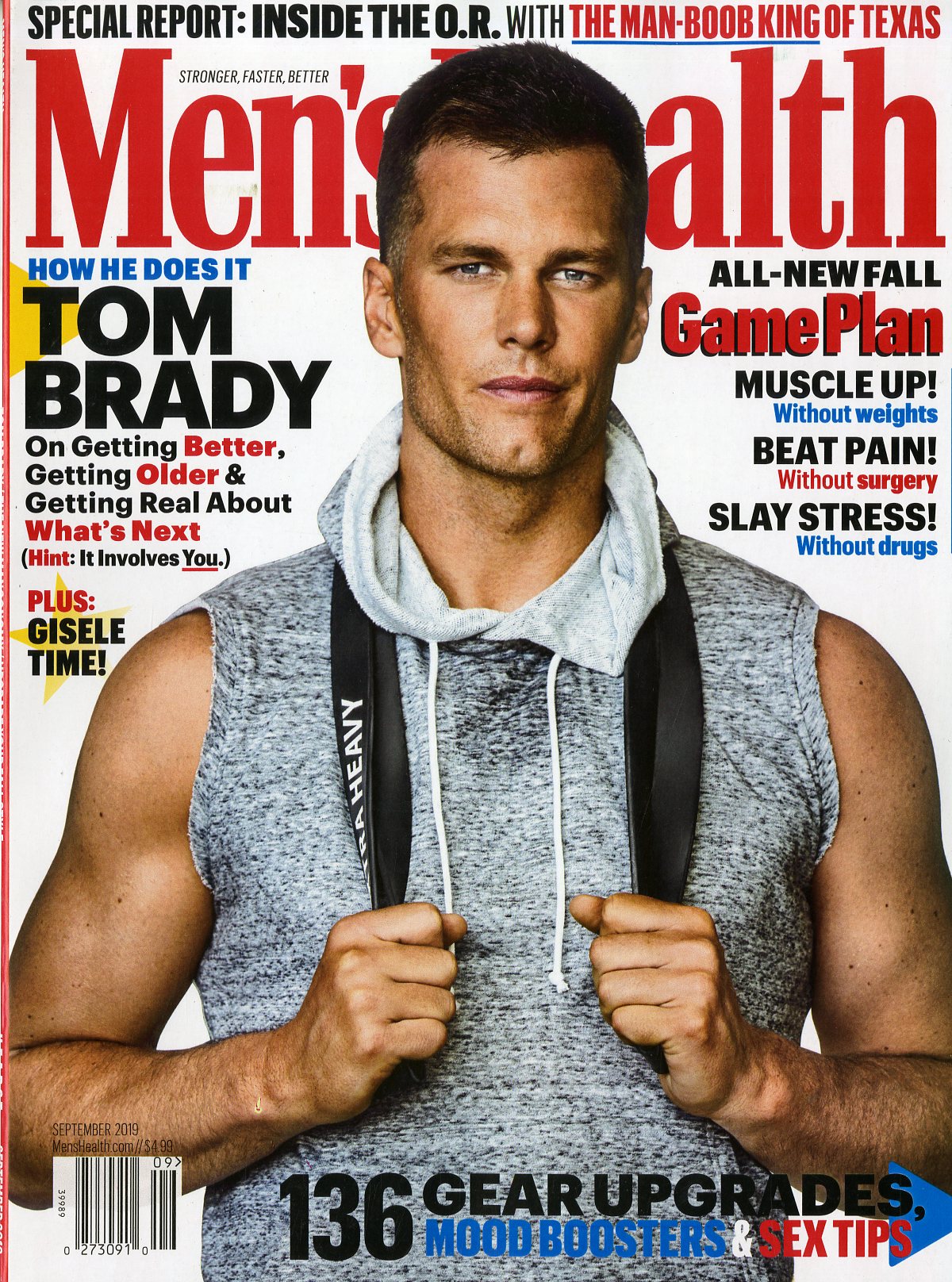
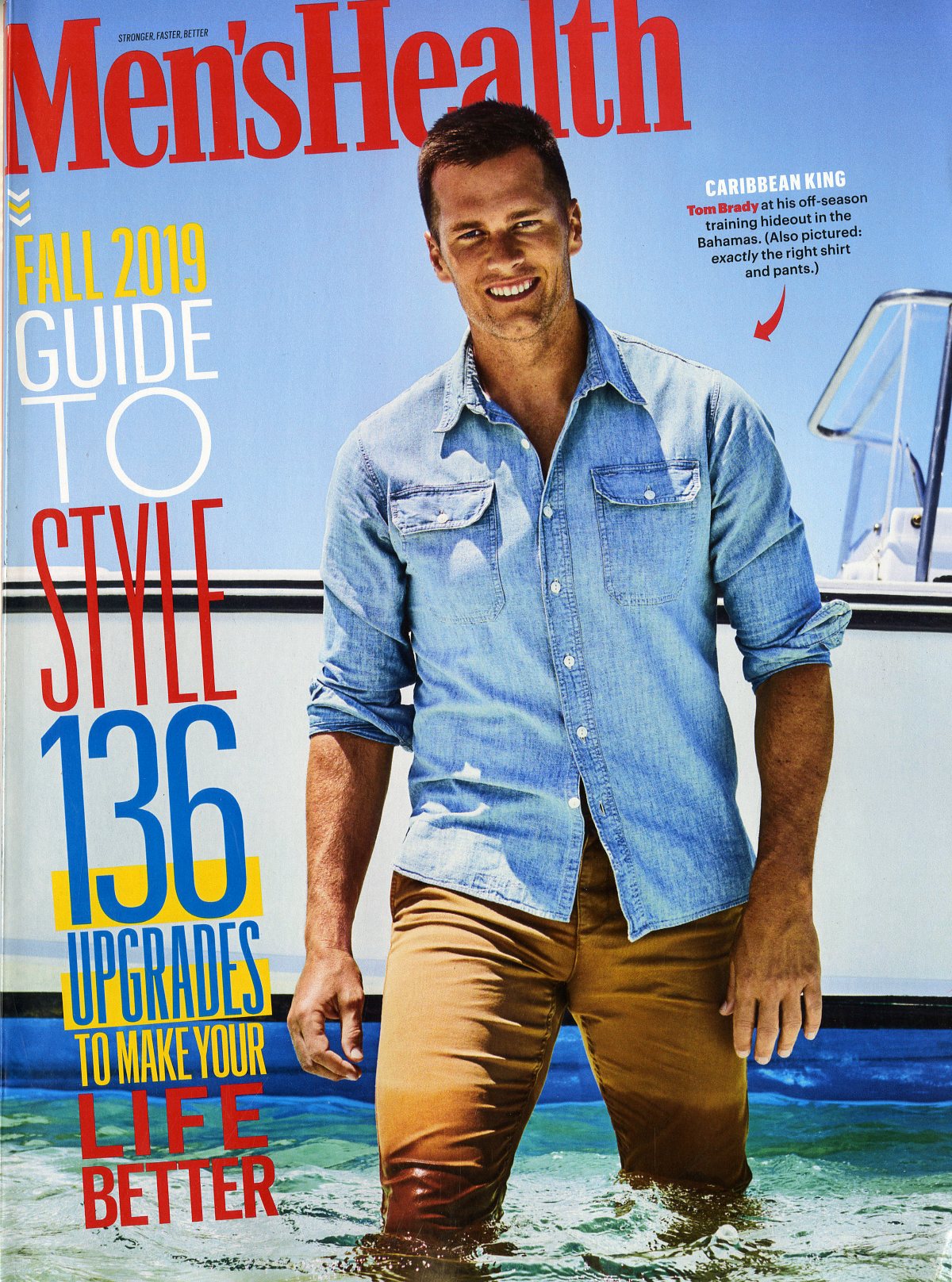
Men’s Health decided its Fall 2019 Guide to Style needed to showcase Tom Brady in two different covers, front and back, with different cover lines for subscribers and for the newsstands. The quarterback for the New England Patriots has never had more collectability value than on these great covers.


Publishers have realized that there’s more to the front door of the book these days than merely creating a dynamic one-only magazine cover. Just like the collectability of the posters of yesteryear within titles like Tiger Beat and Teen Beat; magazine covers can become that addictive to collect, because people love to attain all of an item, especially if they know there’s more than one out there to get.


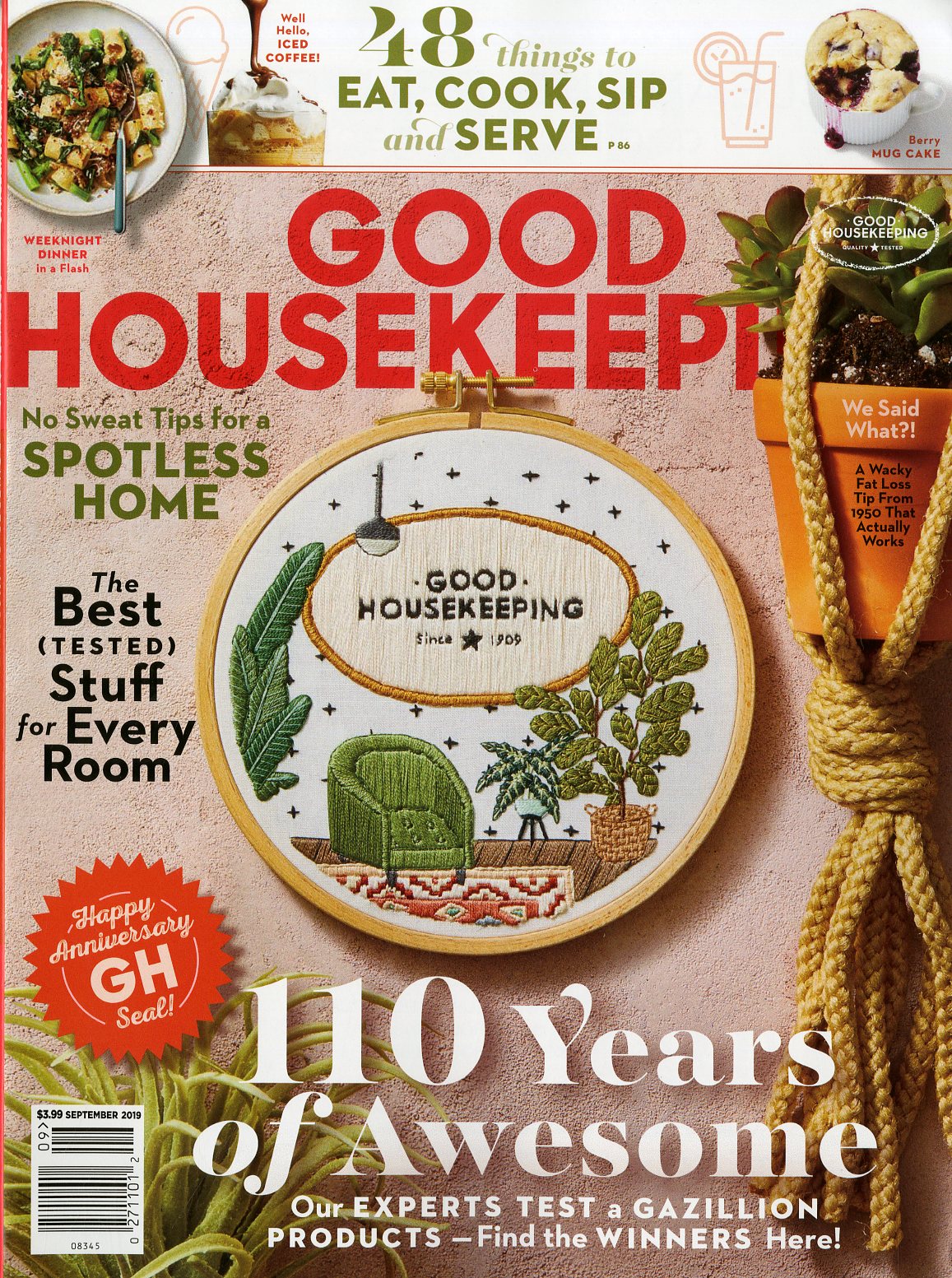
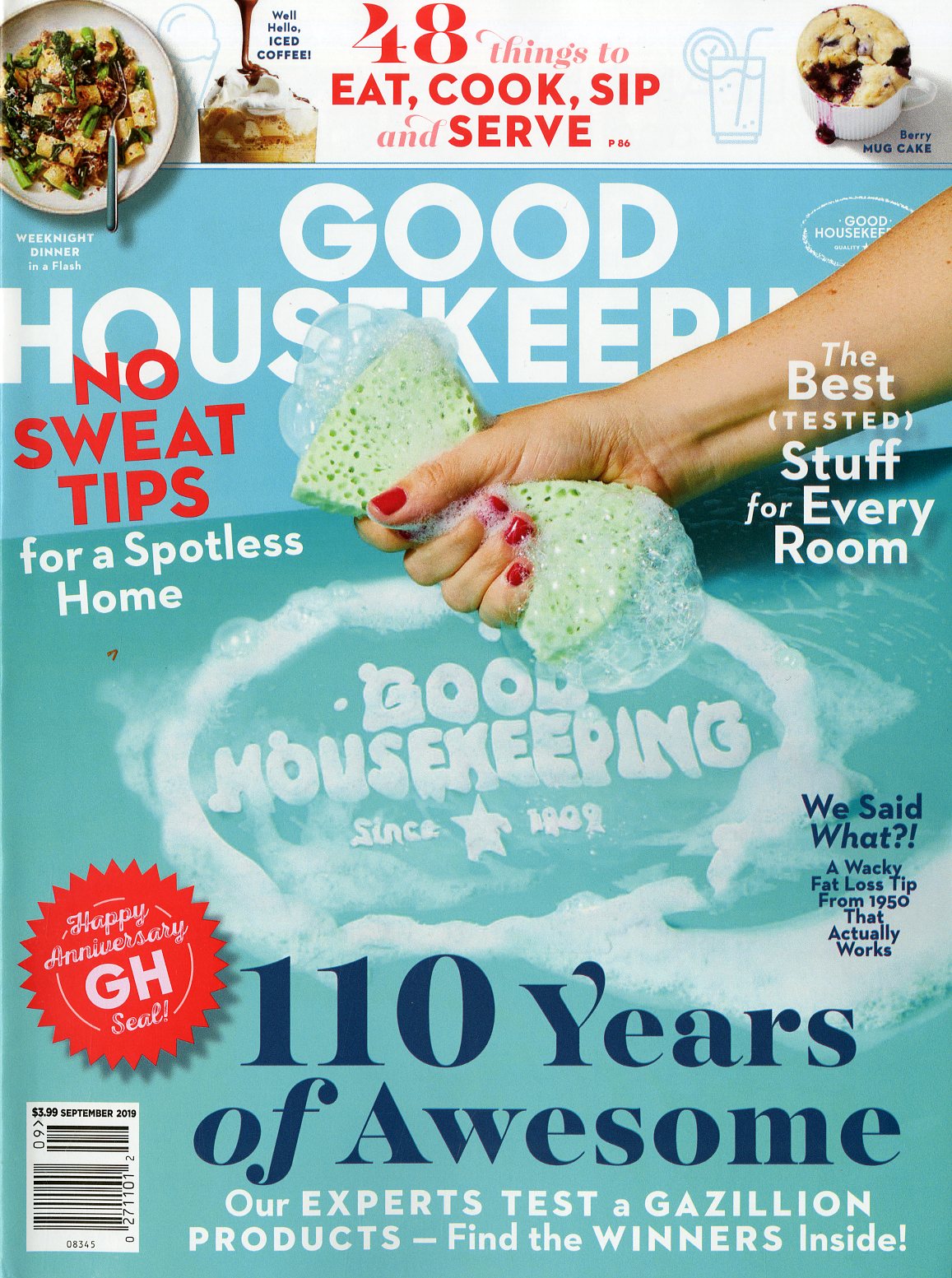
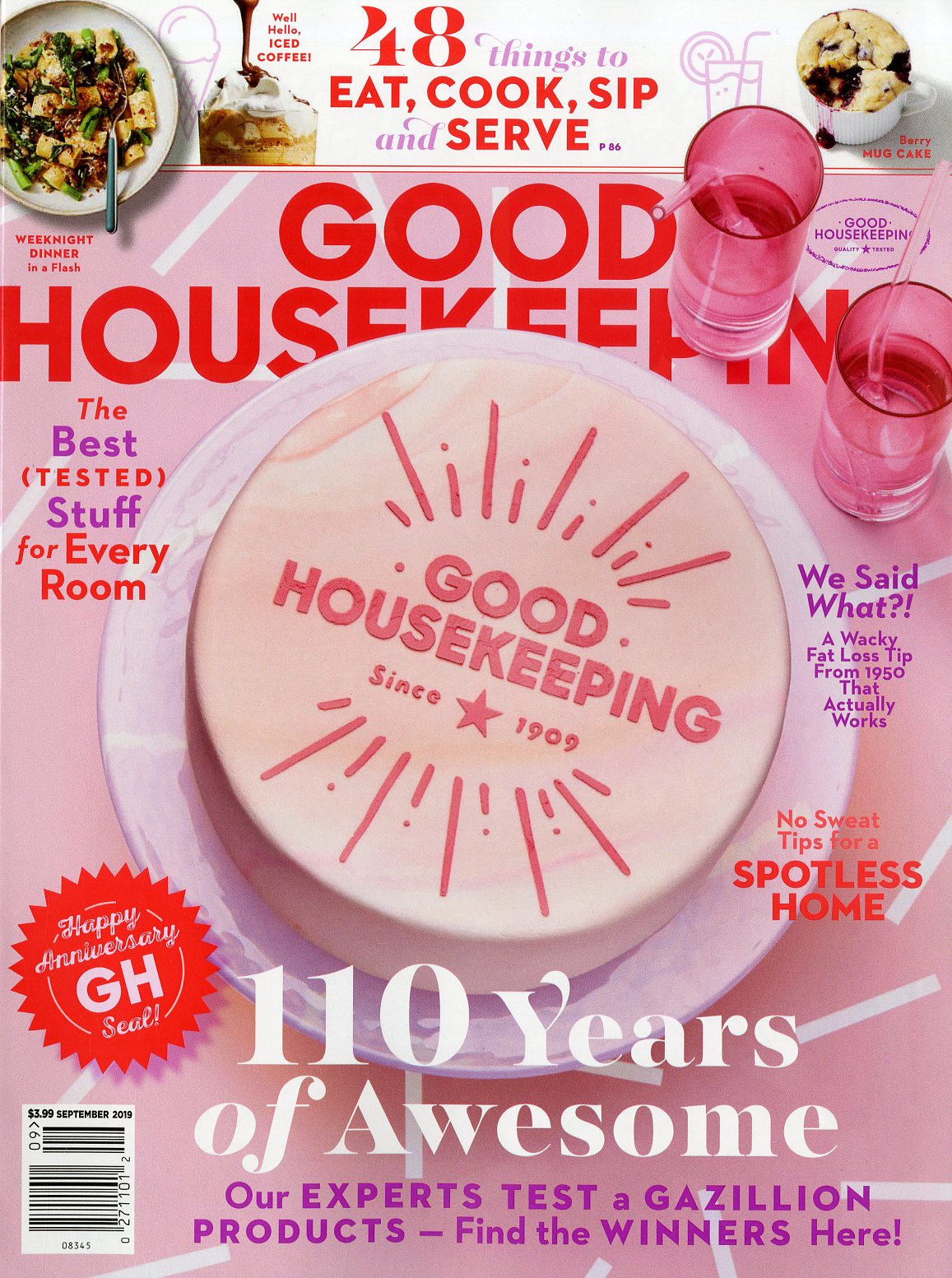
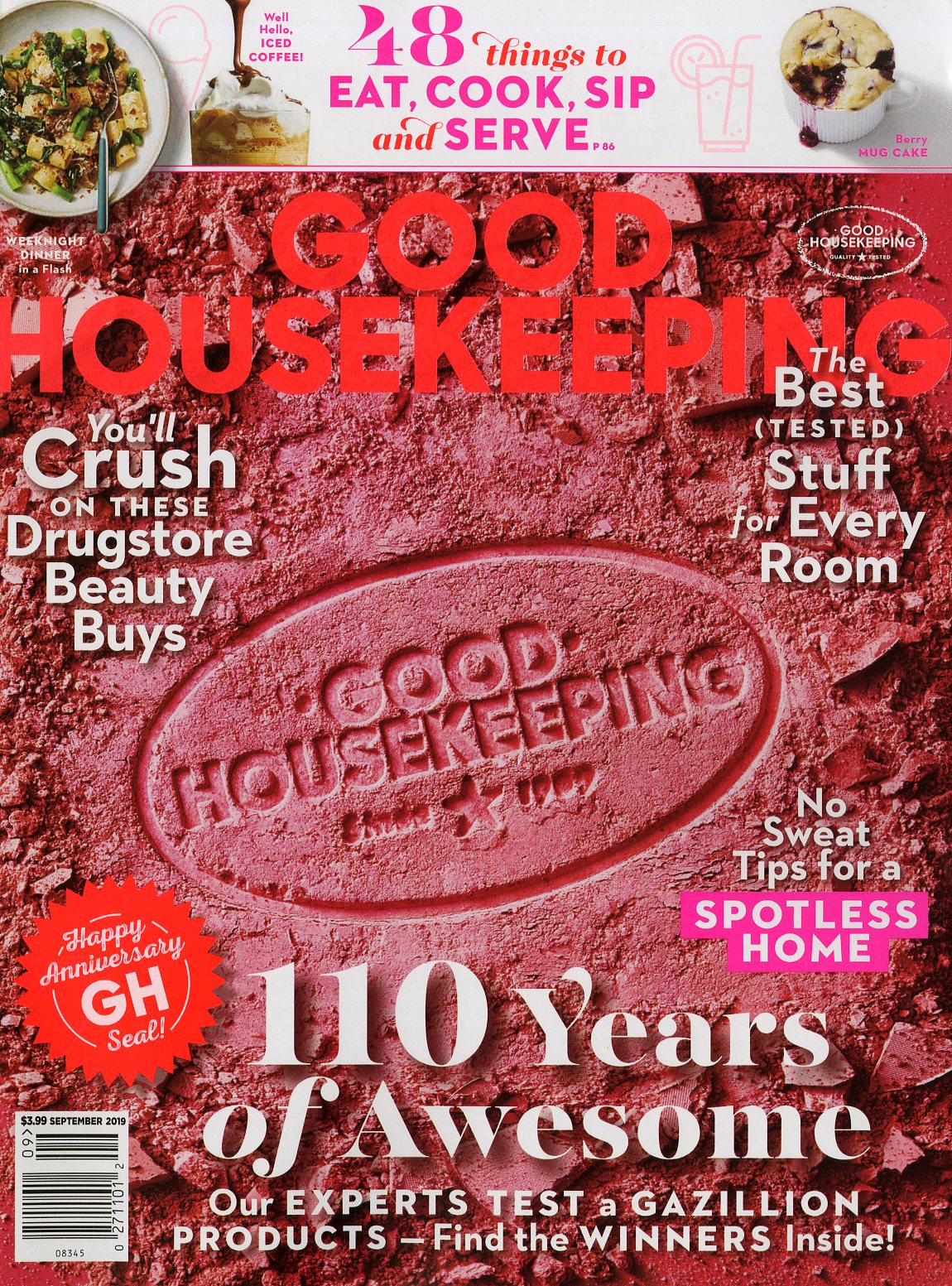
The September issue of Good Housekeeping is celebrating the 110th anniversary of its Seal of Approval, with four different covers. And for GH fans, this will be epic, collecting and sharing each of these covers among its communities.

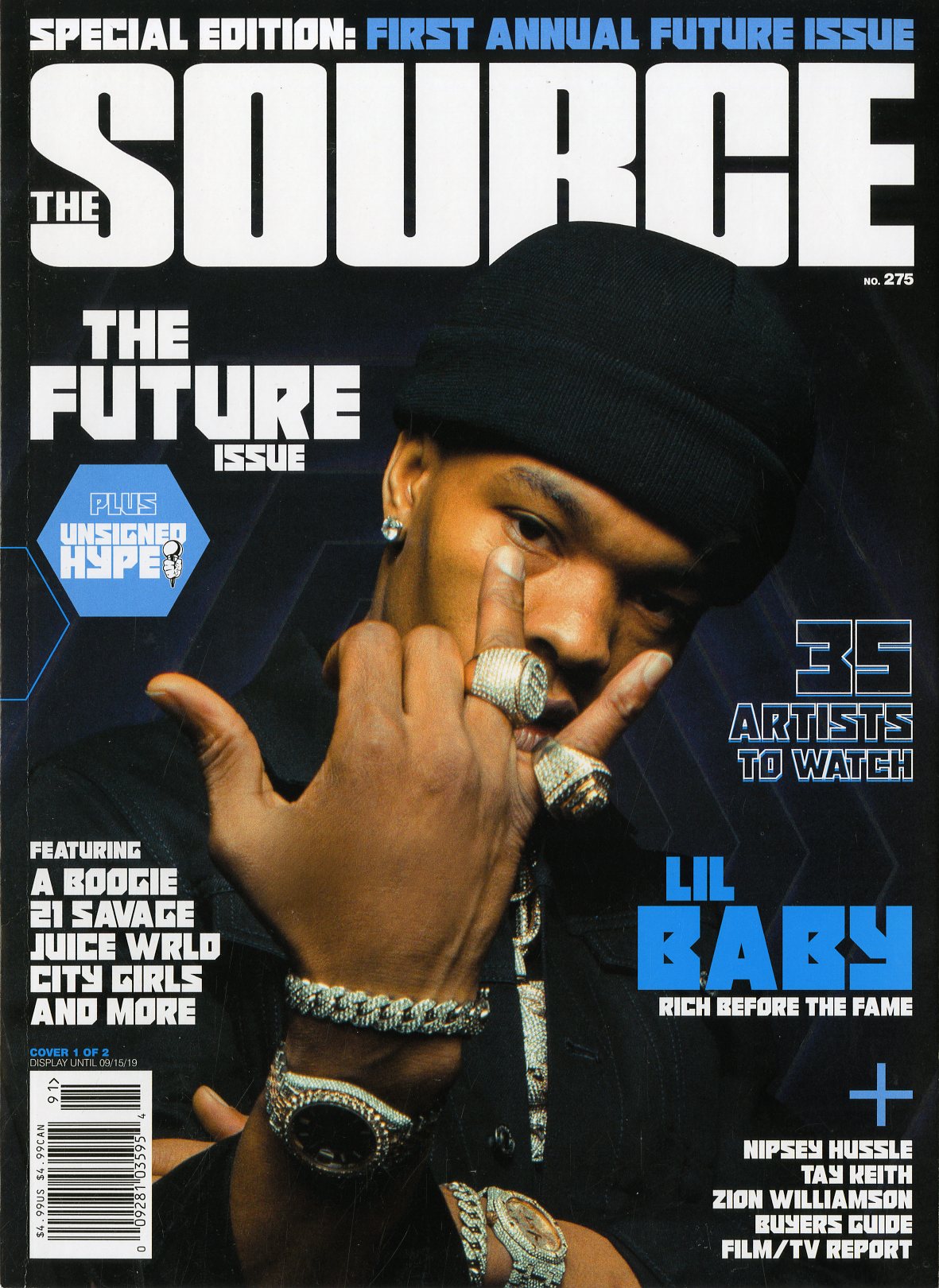
The Source, the original hip hop website and magazine, published a two-cover Special Edition recently called “The Future” issue, and in The Source’s case, both covers are numbered with either 1 of 2 or 2 of 2, so there’s no mistaking for fans how many collectables are out there.

Magazine covers have always been the selling point of a publication to its audience, but today with digital able to provide fingertip content, the covers are even more valuable. They give your ink on paper publication something digital can’t: they give it in-your-face, tactile collectability. And that’s very valuable.

Until next time…see you at the newsstands

Mr. Magazine™ will be there collecting covers…

h1

Charles Lindbergh – No Fan Of The American Press – Sound Familiar? A Mr. Magazine™ Blast From The Past, Circa May, 1954

September 5, 2019

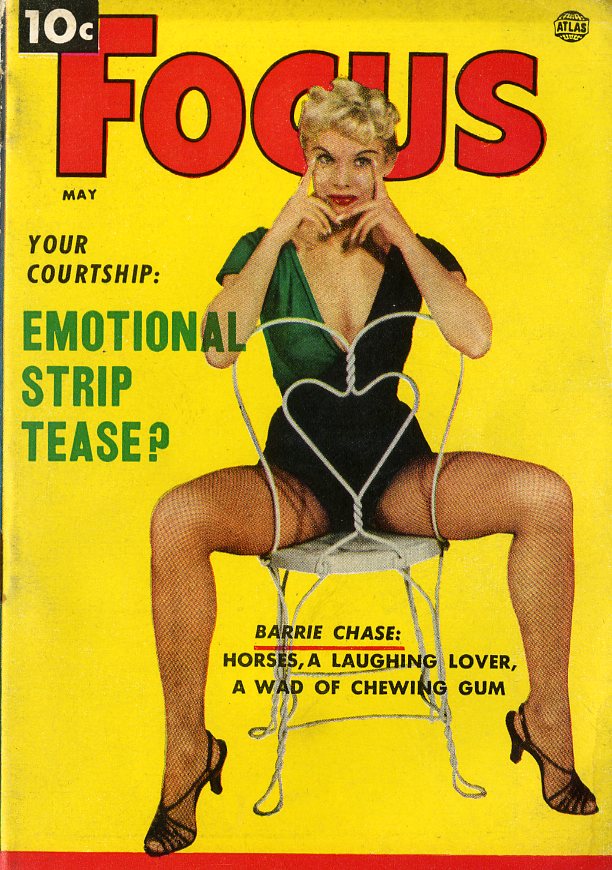
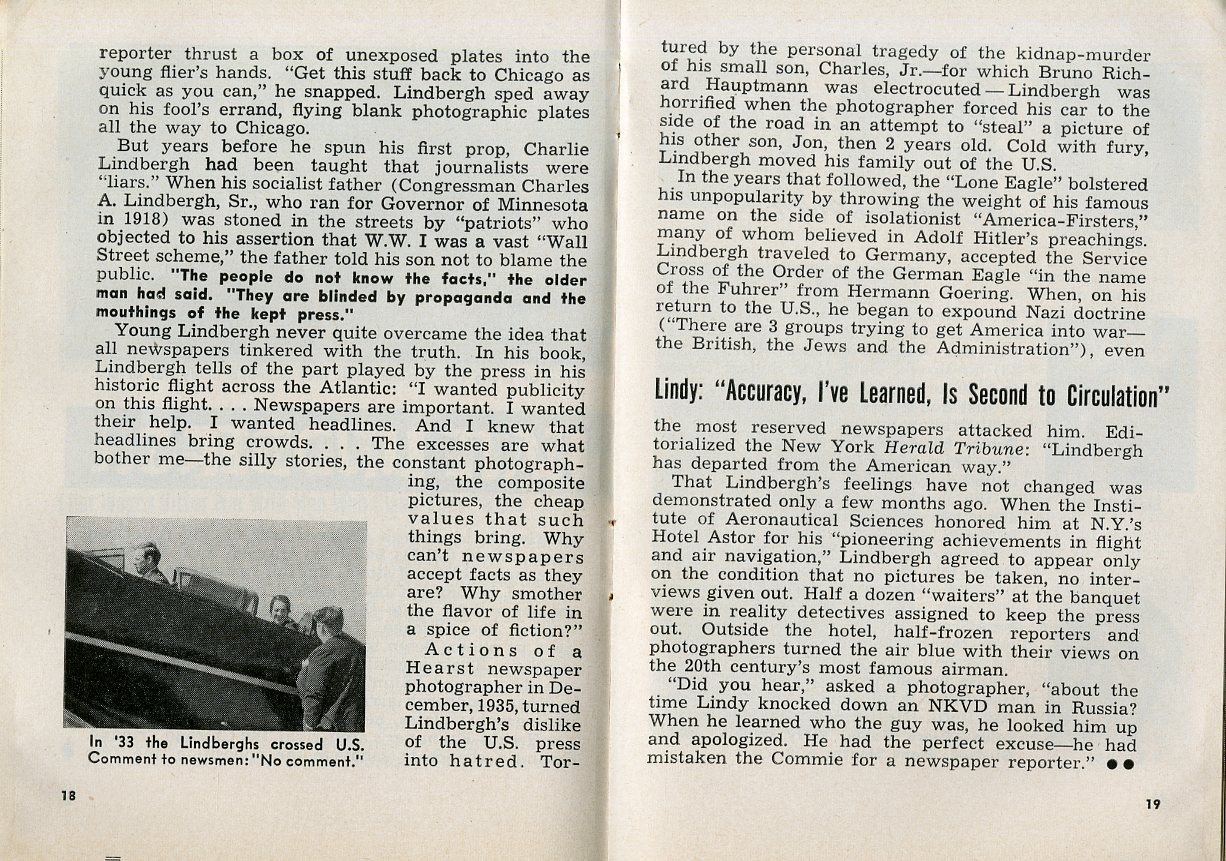
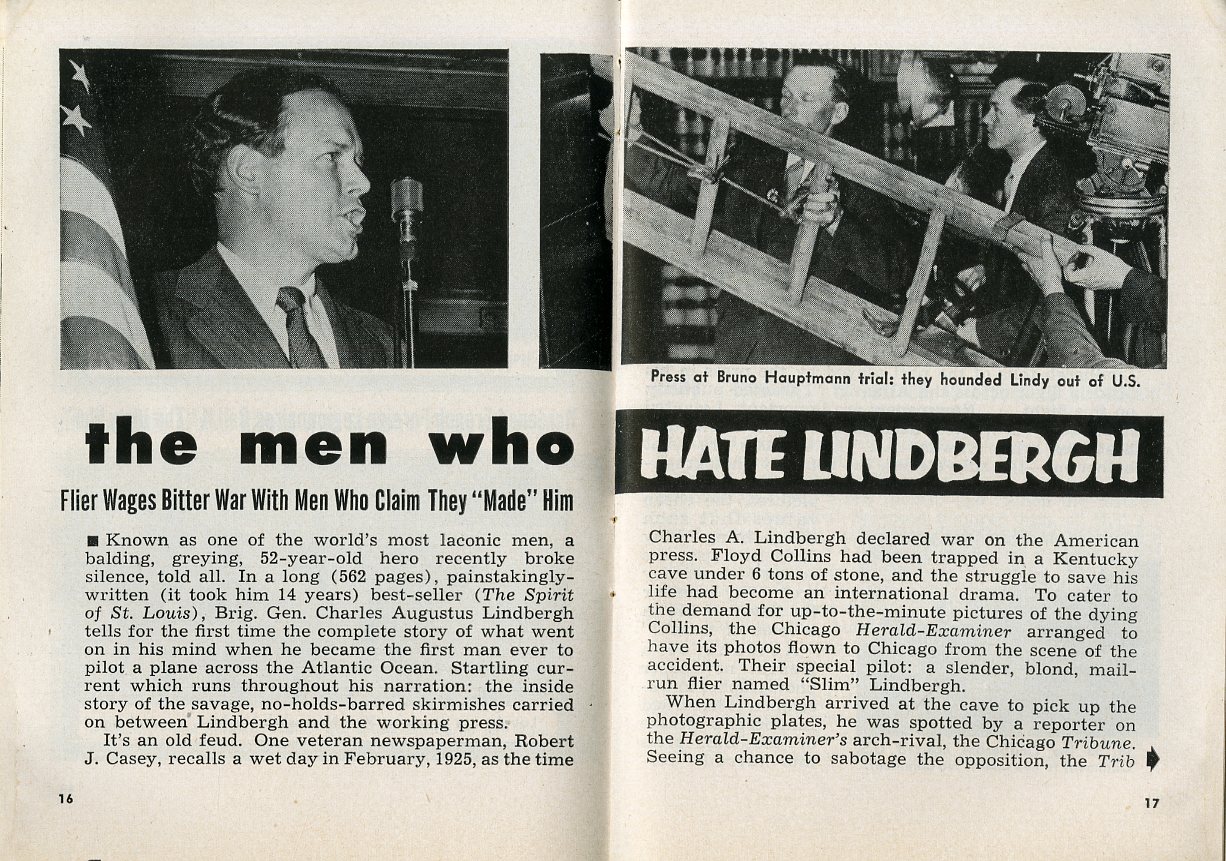
Mr. Magazine™ stepped into his vintage vault recently and found a most interesting article in the May, 1954 issue of Focus magazine. This pocket-sized treasure could occasionally pack a powerful punch. In this issue there is a story very reflective of a present-day leader whose opinion of American journalists and news media may only be surpassed by the charismatic gentleman who’s the subject of this article.

The Title of the article: The Men Who Hate Lindbergh tells the story of Charles A. Lindbergh’s immersive hatred of the American press. From the subterfuge by a Chicago Tribune reporter in 1925 that ultimately began the very rocky relationship between the famous aviator and the world of news journalism, to the media coverage of the kidnapping-murder of the Lindbergh’s baby boy, the press and Charles Lindbergh did not share a mutual bond of respect or admiration; quite the opposite, in fact.

And Mr. Magazine™ found it quite ironic that in today’s media world, the animosity between journalists and our current leader of the free world is very reminiscent of the days of Mr. Lindbergh and his opinion of the press. Although, most journalists today would tell you they have never known a more twisted view  toward news content than the one President Trump has, but Mr. Magazine™ would beg to differ. While media people working today might say Trump is the orneriest of public figures in history when it comes to his relationship with the press, I would ask them to read this article about another legacy public figure who might put the president to shame.

One more note of comparison, both men, also share another similarity:  They were both named by TIME magazine as the Man of the Year, changed in 1999 to Person of the Year. Charles Lindbergh was the first person to be named by TIME magazine for such an honor in 1927,  and President Donald Trump was named for such an honor in 2016, 89 years after Lindbergh.

It just goes to show you that magazines have never been afraid to touch controversy, whether it’s a famous pilot who was the first man to cross the Atlantic, or the first president who doesn’t seem to have any verbal filters at all. Both men are controversial, and both men have seen their fair share of magazine articles written about them. And whether you like them or loathe them, you can definitely find them between the pages of a magazine somewhere, either a magazine from yesterday or one on newsstands today.

So, take a look and have a read and let me know who you think disliked the American press more, Lindbergh or the president. Mr. Magazine™ looks forward to hearing from you.

Until the next time…

The Men Who Hate Lindbergh

Flier Wages Bitter War With Men Who Claim They “Made” Him

Known as one of the world’s most laconic men, a balding, greying, 52-year-old hero recently broke silence, told all. In a long (562 pages), painstakingly-written (it took him 14 years) best-seller (The Spirit of St. Louis), Brig. Gen. Charles Augustus Lindbergh tells for the first time the complete story of what went on in his mind when he became the first man ever to pilot a plane across the Atlantic Ocean. Startling current which runs throughout his narration: the inside story of the savage, no-holds-barred skirmishes carried on between Lindbergh and the working press.

It’s an old feud. One veteran newspaperman, Robert J. Casey, recalls a wet day in February, 1925, as the time Charles A. Lindbergh declared war on the American press. Floyd Collins had been trapped in a Kentucky cave under 6 tons of stone, and the struggle to save his life had become an international drama. To cater to the demand for up-to-the-minute pictures of the dying Collins, the Chicago Herald-Examiner arranged to have its photos flown to Chicago from the scene of the accident. Their special pilot: a slender, blond, mail-run flier named “Slim” Lindbergh.

When Lindbergh arrived at the cave to pick up the photographic plates, he was spotted by a reporter on the Herald-Examiner’s arch-rival, the Chicago Tribune. Seeing a chance to sabotage the opposition, the Trib reporter thrust a box of unexposed plates into the young flier’s hands. “Get this stuff back to Chicago as quick as you can,” he snapped. Lindbergh sped away on his fool’s errand, flying blank photographic plates all the way back to Chicago.

But years before he spun his first prop, Charlie Lindbergh had been taught that journalists were “liars.” When his socialist father (Congressman Charles A. Lindbergh, Sr., who ran for Governor of Minnesota in 1918) was stoned in the streets by “patriots” who objected to his assertion that WWI was a vast “Wall Street scheme,” the father told his son not to blame the public. “The people do not know the facts,” the older man had said. “They are blinded by propaganda and the mouthings of the kept press.”

 Young Lindbergh never quite overcame the idea that all newspapers tinkered with the truth. In his book, Lindbergh tells of the part played by the press in his historic flight across the Atlantic: “I wanted publicity on this flight… Newspapers are important. I wanted their help. I wanted headlines. And I knew that headlines bring crowds… The excesses are what bother me – the silly stories, the constant photographing, the composite pictures, the cheap values that such things bring. Why can’t newspapers accept facts as they are? Why smother the flavor of life in a spice of fiction?”

Actions of a Hearst newspaper photographer in December, 1935, turned Lindbergh’s dislike of the U.S. press into hatred. Tortured by the personal tragedy of the kidnap-murder of his small son, Charles, Jr. – for which Bruno Richard Hauptmann was electrocuted – Lindbergh was horrified when the photographer forced his car to the side of the road in an attempt to “steal” a picture of his other son, Jon, then 2 years old. Cold with fury, Lindbergh moved his family out of the U.S.

In the years that followed, the “Lone Eagle” bolstered his unpopularity by throwing the weight of his famous name on the side of isolationist “America-Firsters,” many of whom believed in Adolf Hitler’s preachings. Lindbergh traveled to Germany, accepted the Service Cross of the Order of the German Eagle “in the name of the Fuhrer” from Hermann Goering. When, on his return to the U.S., he began to expound Nazi doctrine (“There are 3 groups trying to get America into war – the British, the Jews and the Administration”), even the most reserved newspapers attacked him. Editorialized the New York Herald Tribune: “Lindbergh has departed from the American way.”

Lindy: “Accuracy, I’ve Learned, Is Second to Circulation”

That Lindbergh’s feelings have not changed was demonstrated only a few months ago. When the Institute of Aeronautical Sciences honored him at N.Y.’s Hotel Astor for his “pioneering achievements in flight and air navigation,” Lindbergh agreed to appear only on the condition that no pictures be taken, no interviews given out. Half a dozen “waiters” at the banquet were in reality detectives assigned to keep the press out. Outside the hotel, half-frozen reporters and photographers turned the air blue with their views on the 20th century’s most famous airman.

“Did you hear,” he asked a photographer, “about the time Lindy knocked down an NKVD man in Russia? When he learned who the guy was, he looked him up and apologized. He had the perfect excuse – he had mistaken the Commie for a newspaper reporter.”

h1

Guns DIY & DIY Guns: What’s In A Name In The Wonderful World Of Magazines?

August 30, 2019

A Mr. Magazine™ Musing…

Growing up, I always believed that magazines were magical, from the contents inside the pages to the “secret” locations where they were created. To my childlike wonder, these sweet spots where all things magically magazine were maintained, was like the Land of Oz. It had its heroes; it had its villains; and it had its spies (what did you think those Flying Monkeys were doing for the Wicked Witch anyway?).

That being said, when two magazines from two entirely different “Wizards” comes around with very similar covers, contents, or names, my thoughts are always traveling down that path of least resistance: my childhood imaginations of how magazines worked.

Take, for example, when back in the last century, Family Circle shows up on the newsstands with a beautiful cover showcasing a delicious-looking pasta dish and then days later, Woman’s Day is sitting there next to it with basically the same cover. Or there is no major news story or catastrophe going on in the free world and TIME magazine and Newsweek are sporting the same cover story.

Well, bearing that in mind, Mr. Magazine™ would like to present to you two premiere issues of two new titles that will definitely cause you to do two double takes(regardless of the subject matter of both magazines): FMG Publications’ DIY Guns  and F+W’s Guns DIY. And no, those are not typos.

DIY Guns is for the gun enthusiast who likes to tinker with their own firearms. From the American Handgunner brand, this title covers handguns heavily, but also touches on some long-gun endeavors that will surely keep the rifle, shotgun-lover busy as well.

Guns DIY stresses in its first editor’s letter: America’s DIY Firearm Heritage Lives! Customization and modification are the two mainstays of this new title and offers readers the opportunity to make these firearm transformations at home.

So, basically, two different “Wizards” have created two different magazines with titles that are hauntingly similar and content that, in some ways, could be considered very familiar to each other.

This caused Mr. Magazine™ to ask himself what’s in a name in the world of magazines anyway? As long as there is room on newsstands for both of these titles (or any others out there already or coming up) new magazines are the life’s blood of this industry. And these two new titles from long-time publishing companies may or may not have known about each other, but obviously, it’s a given; great minds think alike… that, or one of them left the windows open and the Flying Monkeys had a field day.

Until the next time…

See you at the newsstands….

h1

Back To The Future: The Birth Of Mr. Magazine™… Memoirs From Lebanon.

August 5, 2019

A Mr. Magazine™ Musing

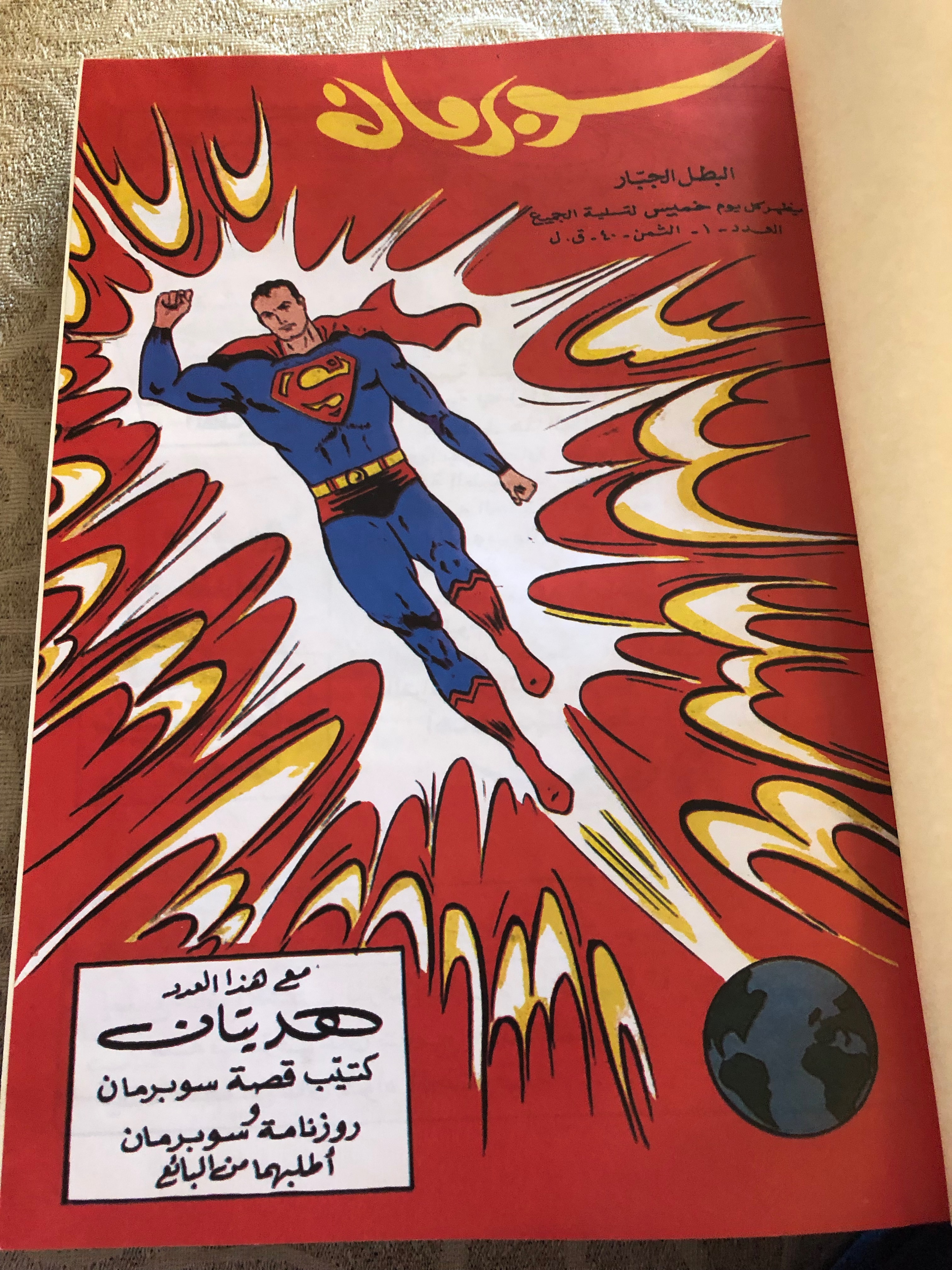
At age 10 when I bought my first magazine: Superman

Recently, I returned from a visit to Lebanon, my birthplace and where most of my relatives live. It’s always a touching and memorable reunion with family and old friends. And besides the human version of that term, “old friends” can also include memorabilia that takes you back to a different time. A time when your world was younger and just beginning. And in my case, a time (unbeknownst to me then) when Mr. Magazine™ was born.

The first issue of Superman magazine published in Jan. 1964 in Beirut, Lebanon

While I was in Lebanon, I was gifted the first 13 issues of the Arabic Superman (1964) by one of those “old” and dear friends I mentioned above. These issues are so important to me as they started this relationship I have with ink on paper. It was so much fun rereading those magazines that got me hooked on the feel and smell of ink on paper, storytelling, and journalism. They’re still as amazing today as they were 55 years ago, if not even more.

Being back where it all began, this magazine journey that I love so much and have such a vibrant  passion for, my mind shifted into reverse and the years began to unravel and fall away.

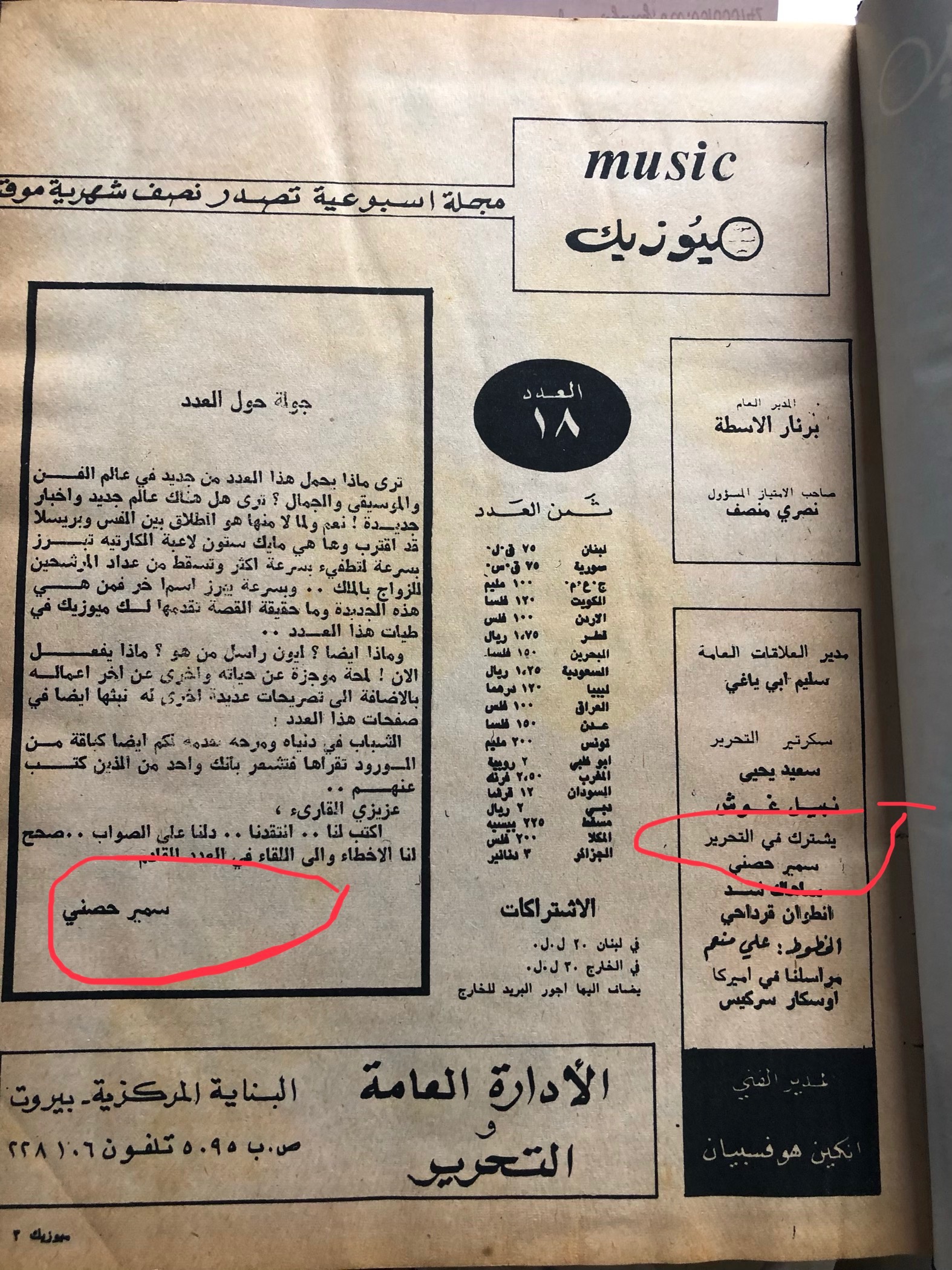
My name for the first time in a magazine masthead.

After my journey with Superman, my memories went to Music magazine. For the first time in my journalism career my name had appeared on the masthead of Music magazine (circa 1972 /1973). I was so excited to be on an actual masthead of a magazine that I did not even ask to be paid (and, for that matter, I was not paid). A great training experience in which I was translating, editing, and designing the pages of the magazine. My first editorial appeared in issue 18. Needless to say, I was on cloud nine. (I circled my name in red for illustration purposes only… the magazine was in Arabic).

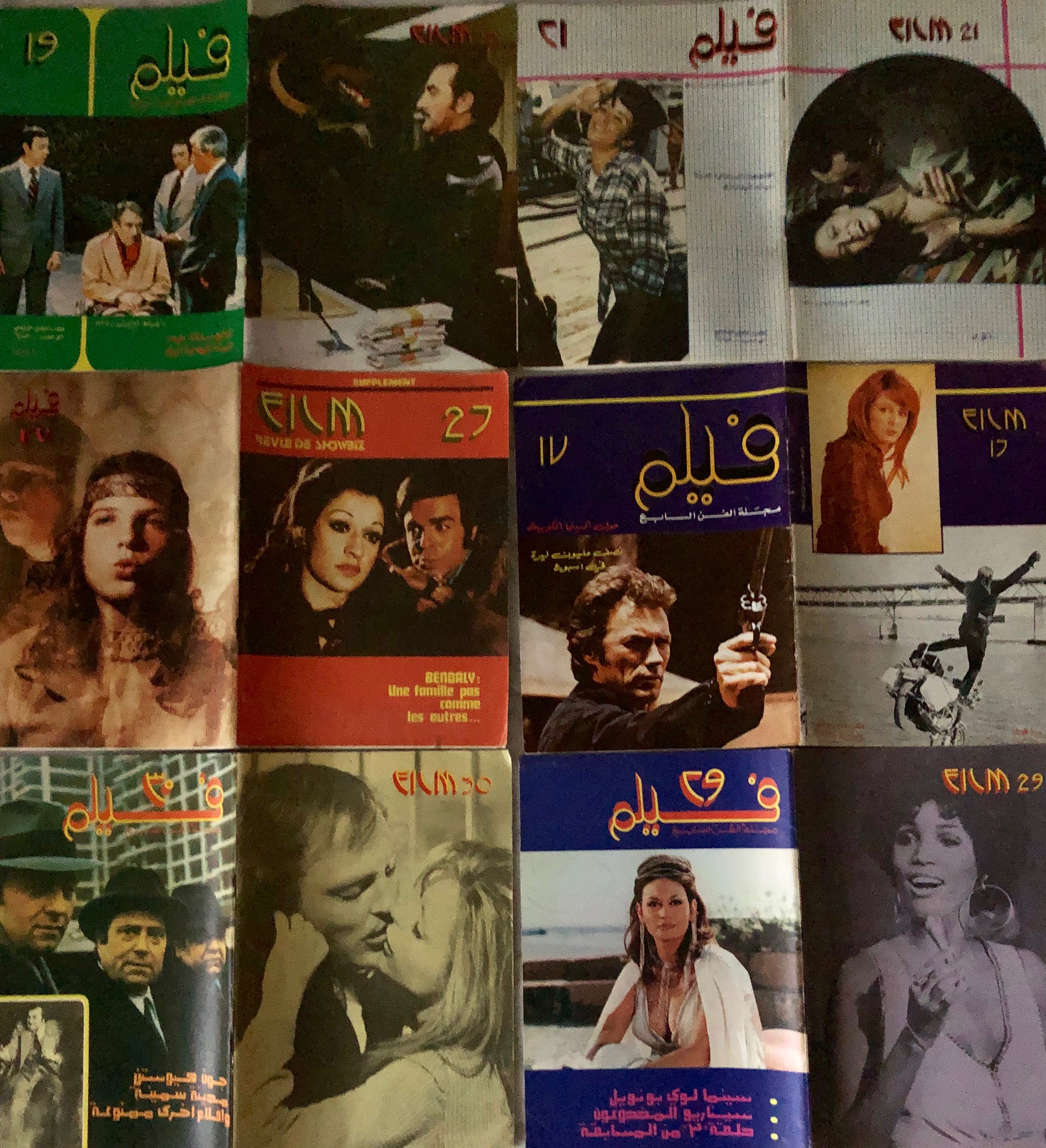
I ended up being the managing editor of Film magazine.

Film magazine was my second stop on my journey of journalism. After almost a year at Music magazine, I was offered a job later in 1973 at the new movie magazine Film. I started as a reporter and editor and ended up being the managing editor of the Arabic edition of the magazine in 1974.

For Film, I created the people’s opinion page in which I took a photographer with me every week to a different movie theater and asked people as they exited their opinions about the movie.

It was a great job that lasted 30 weeks, when the magazine’s owner decided to suspend the publication in search of more funding. Nothing new under the sun when it comes to the folding of most magazines; the number one reason for magazine failure was, is, and will continue to be money.

First job as editor in chief…

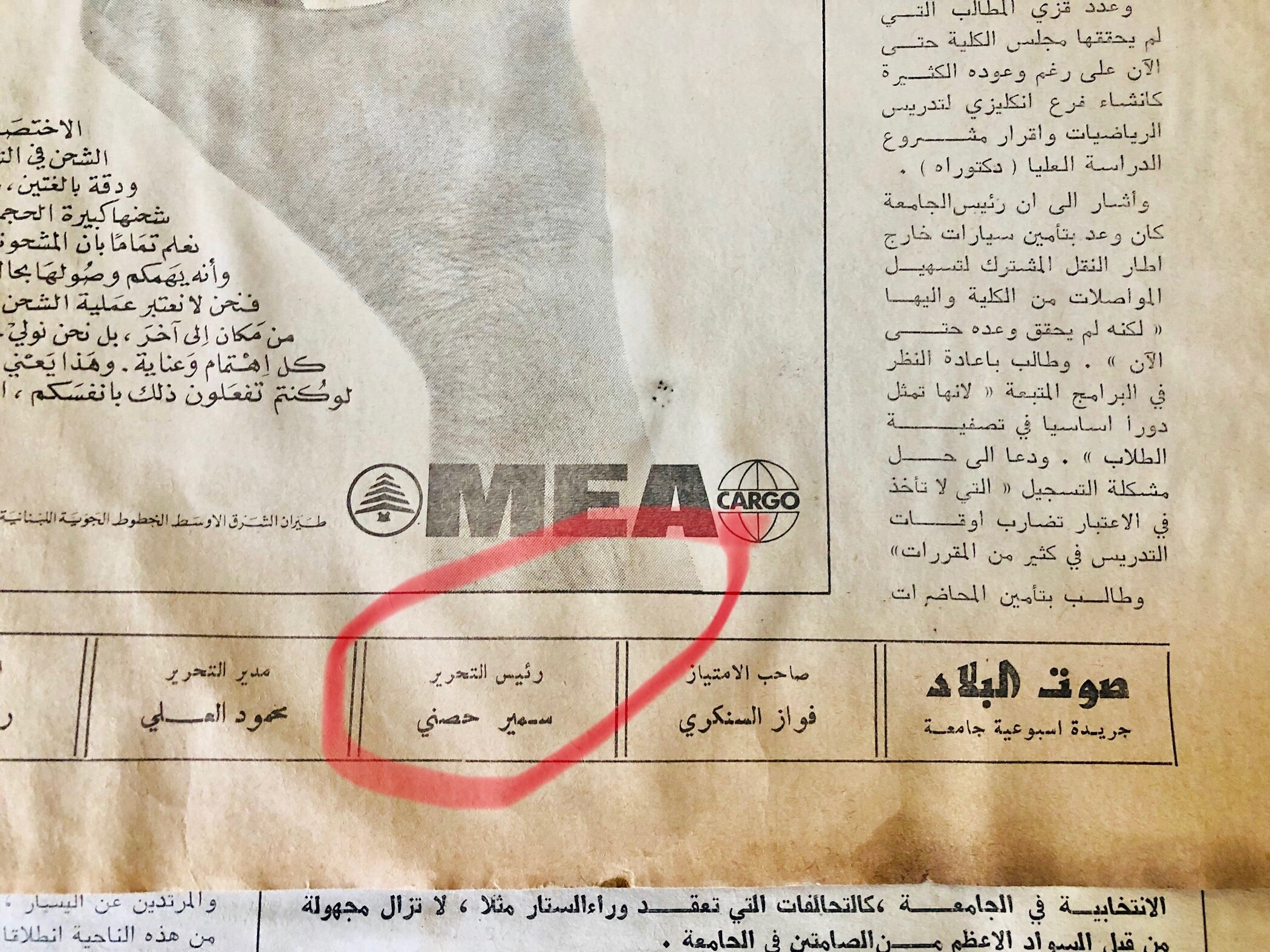
During my sophomore year in college, and among the many journalistic jobs I was involved in, I edited a weekly 4-page tabloid newspaper Sout Al-Bilad (the Voice Of the Country) devoted to college news. The paper was published from November 1974 until the beginning of the civil war in April 1975.

It was my first experience in being an editor in chief and learning the entire process of publishing from letterpress and typesetting to printing and distribution.

My journalism ventures continued in Lebanon between my home town, Tripoli, and the capital of Lebanon, Beirut, where I was attending college. My hobby was already changing to my profession before it was my education.

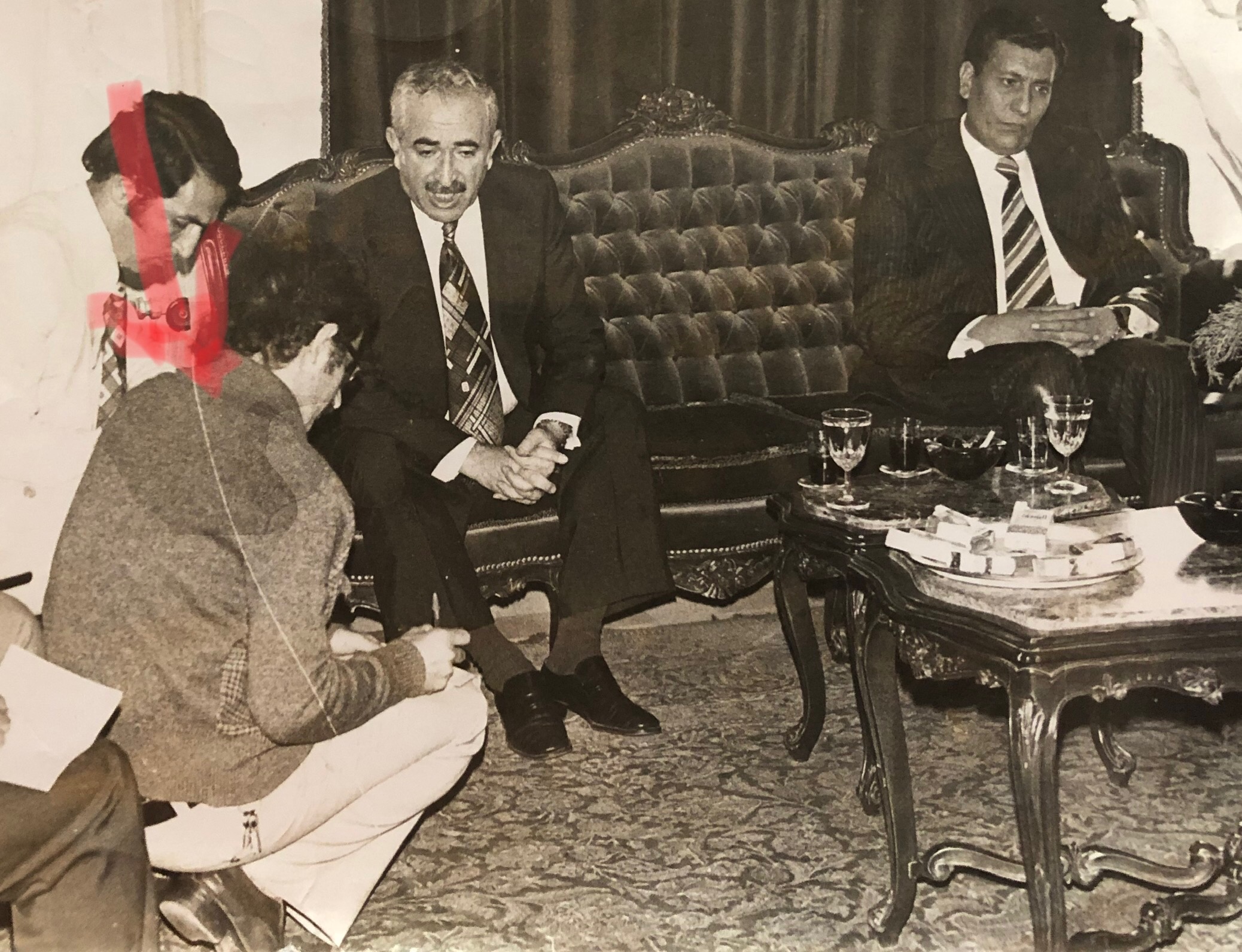
Reporting for the daily newspaper Al-Kifah Al-Arabi, at a news conference with the Lebanese and Syrian prime ministers in Damascus, Syria, 1976.

Next in my Lebanese journalistic journey was a daily newspaper Al-Kifah Al-Arabi that was launched on March 25, 1975. I was a junior in college and assumed the role of managing editor for design, with a few reporting jobs here and there. The Lebanese civil war broke out on April 13, less than three weeks from the launch of the paper.

Needless to say journalism at a daily newspaper during a civil war makes for a very intriguing job. Single and loving what I did, who could ask for a better way to make a living?

As the war raged on, so did the work. In 1976, a cease fire took place and I was able to finish my last year in college and ended up the number one student in my class.

The daily paper changed to a weekly magazine in 1978 and I continued my work there, in addition to being a reporter and designer at another weekly and an art director for a monthly, The Arab Economist, which was published both in English and French.

Upon graduating from the Lebanese University in 1977, I ended up being the top student in my class and in 1978 I was offered a scholarship to come to the United States to pursue  a Ph.D. in journalism.  On August 31, 1978, my wife and I left Lebanon and came to the United States of America.  And, now you know the rest of the story….

h1

Happy Birthday Mr. Magazine™…

March 7, 2019

Once a year March 8 arrives, and once a year Mr. Magazine™ celebrate his birthday. This year, Mr. Magazine™ decided to celebrate in a different way. Click the video below to join Mr. Magazine™ in celebrating his birthday.

h1

Print Can Do This; Digital Can Do That. The Eternal Relationship Between Print And Digital: A Manifesto From A 1964 TV Guide Magazine… From The Mr. Magazine™ Vault.

March 5, 2019

A Mr. Magazine™ Musing…

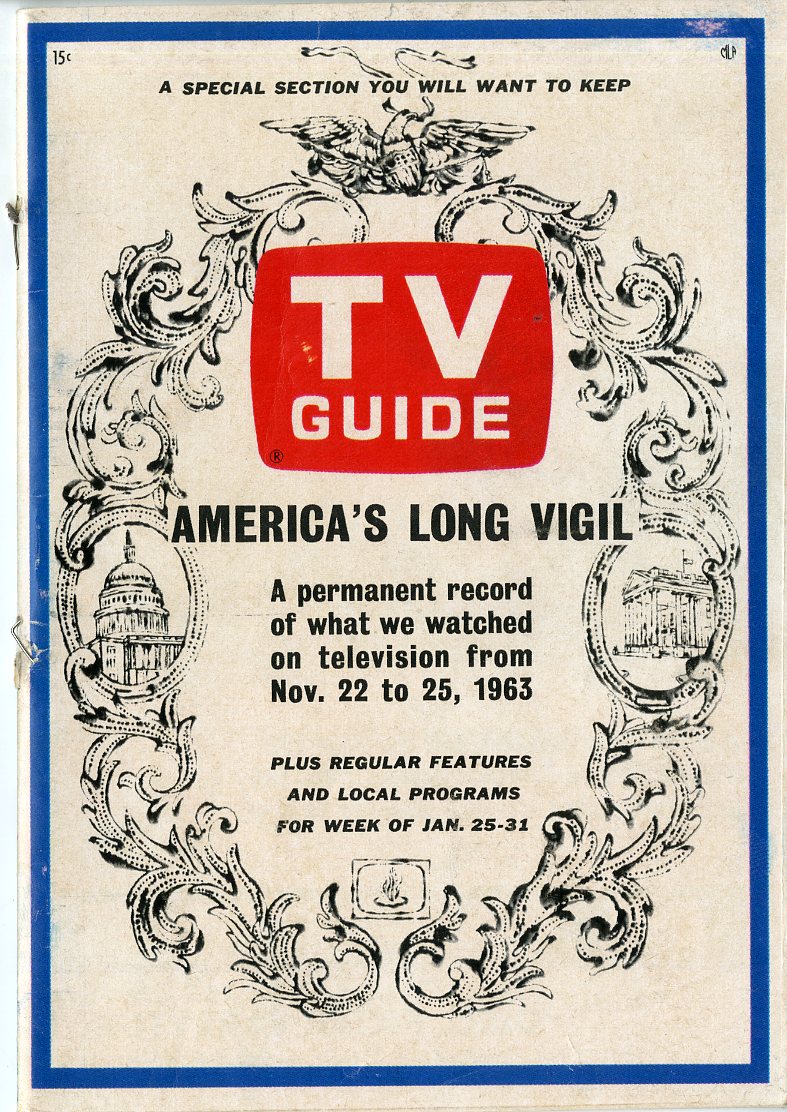
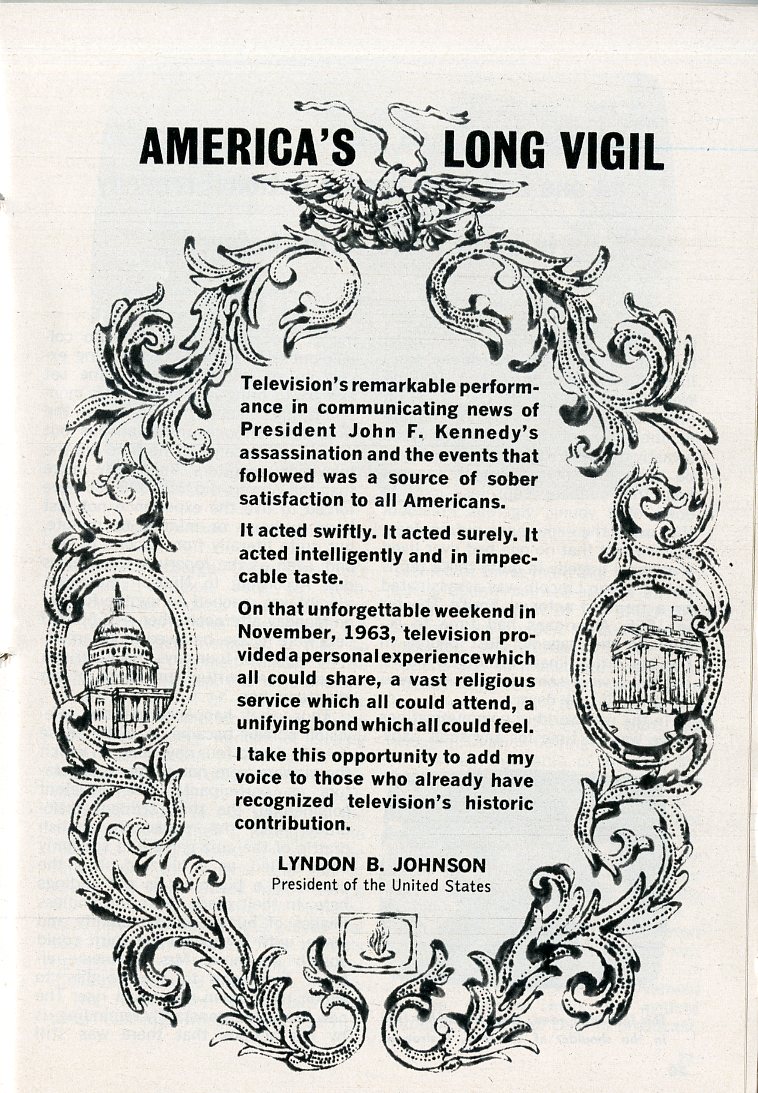
As I was doing some research for my upcoming presentation at The Sixth Floor (JFK) Museum in Dallas, Texas on the power of the magazine cover, I stumbled upon an article in a January 25-31, 1964 edition of TV Guide where they devoted a major section of the magazine, including an introduction by President Lyndon B. Johnson, to the four days following the assassination of President John F. Kennedy.

Leading into that special section, the magazine editors created a wonderful one-page comparison between television and print back then and the power of each medium, noting the speed in which television could present something as tragic and moving as JFK’s funeral.

It’s amazing to me that what was true in 1964 is still true today, only using a different medium rather than television. Television in the 1960s was a powerful unification tool for the United States and the world, when 180 million people watched the funeral of President Kennedy on the then three TV networks, before the fragmentation of cable television wreaked havoc on the communal spirit of television and the United States of America. And after Cable came Satellite Television and then ultimately, the Internet, eliminating the community of television altogether.

The country moved from a melting pot, with those three television networks and the host of magazines that were out there, to what’s now more like a cafeteria style information buffet, where you can find any number of networks that will provide you information that’s not related to the country as a whole, but rather to one’s tiny areas of interest and in most cases areas that support one’s own beliefs and theories. That unifying aspect of television is no longer there.

Some may say the same thing is happening with magazines, with the degree of specializations in many current titles, but yet we continue to see the growth of magazine audiences through all of the many platforms that the brands utilize. Whether it’s the printed magazine or the continuous outreach from the brands through other social media and digital extensions, audience growth for magazines is flourishing. And as I wrote in an article a few years ago and recently republished on my blog: magazines were the original social media and they continue to be the original social media, one that creates community and permanency such as the 1964 TV Guide article referred to when talking about television.

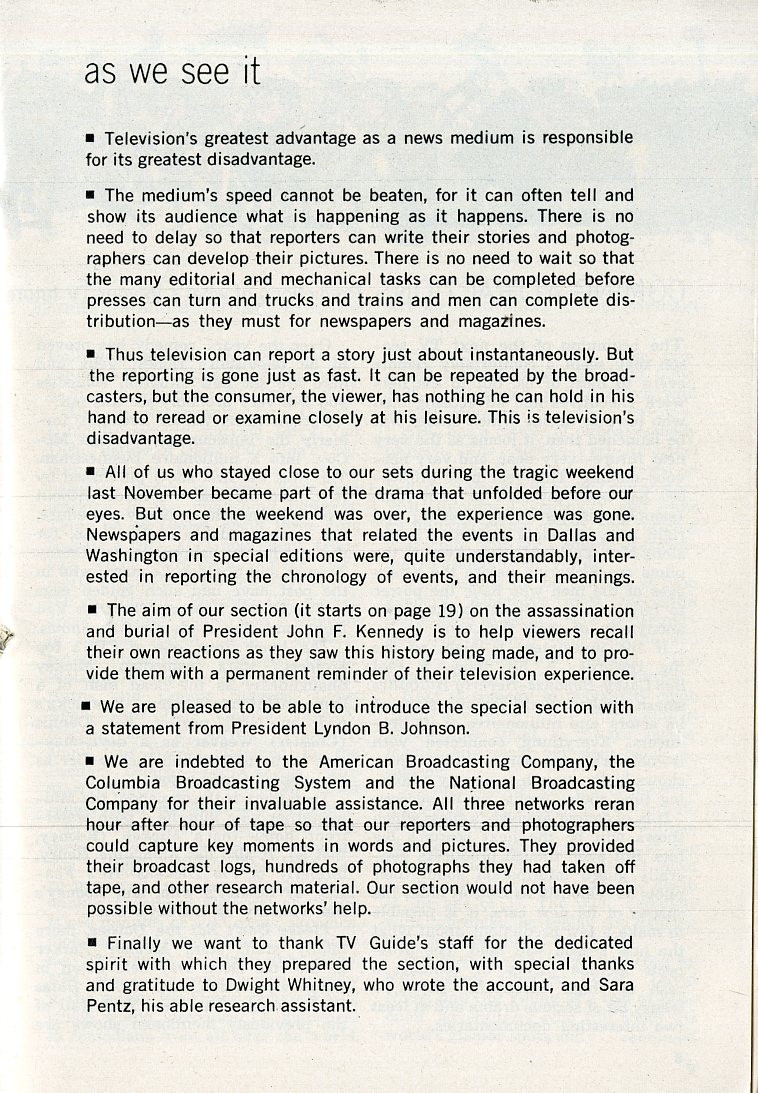
Here are a few points from that editorial that would still hold up today, only with the Internet replacing Television’s role. You be the judge:

• Television’s greatest advantage as a news medium is responsible for its greatest disadvantage. (Substitute Television with the Internet)

• The medium’s (imagine Internet as the medium) speed cannot be beaten, for it can often tell and show its audience what is happening as it happens. There is no need to delay so that reporters can write their stories and photographers can develop their pictures. There is no need to wait so that the many editorial and mechanical tasks can be completed before presses can turn and trucks and trains and men can complete distribution – as they must for newspapers and magazines.

• Thus television (Internet) can report a story just about instantaneously. But the reporting is gone just as fast. It can be repeated by the broadcasters, but the consumer, the viewer, has nothing he can hold in his hand to reread or examine closely at his leisure. This is television’s disadvantage.

• All of us who stayed close to our sets during the tragic weekend last November became part of the drama that unfolded before our eyes. But once the weekend was over, the experience was gone. Newspapers and magazines that related the events in Dallas and Washington in special editions were, quite understandably, interested in reporting the chronology of events, and their meanings. ( Emphasis mine. Proving once again that permanence of print and its collectability aspect).

As I’ve said before, there is nothing new under the sun. What goes around comes around, just usually in a different guise. So, where the television of the “50s, ‘60s, and ‘70s unified us as a society, the television of the ‘80s, ‘90s and beyond, divided us, along with that ever-reaching, never-ending, all-consuming thing we all call the Internet. Today we are such a fragmented information society that we do not know where or what to turn to, where to actually get, as the late, great Paul Harvey would say, “The Rest of the Story.”

But it’s out there…somewhere…among the fragments.

Until the next time…

See you at the newsstands…

h1

Body And Soul: Bernarr Macfadden’s Magazines Covered It All And Some More… From The Mr. Magazine™ Vault

March 4, 2019

A Mr. Magazine™ Musing…

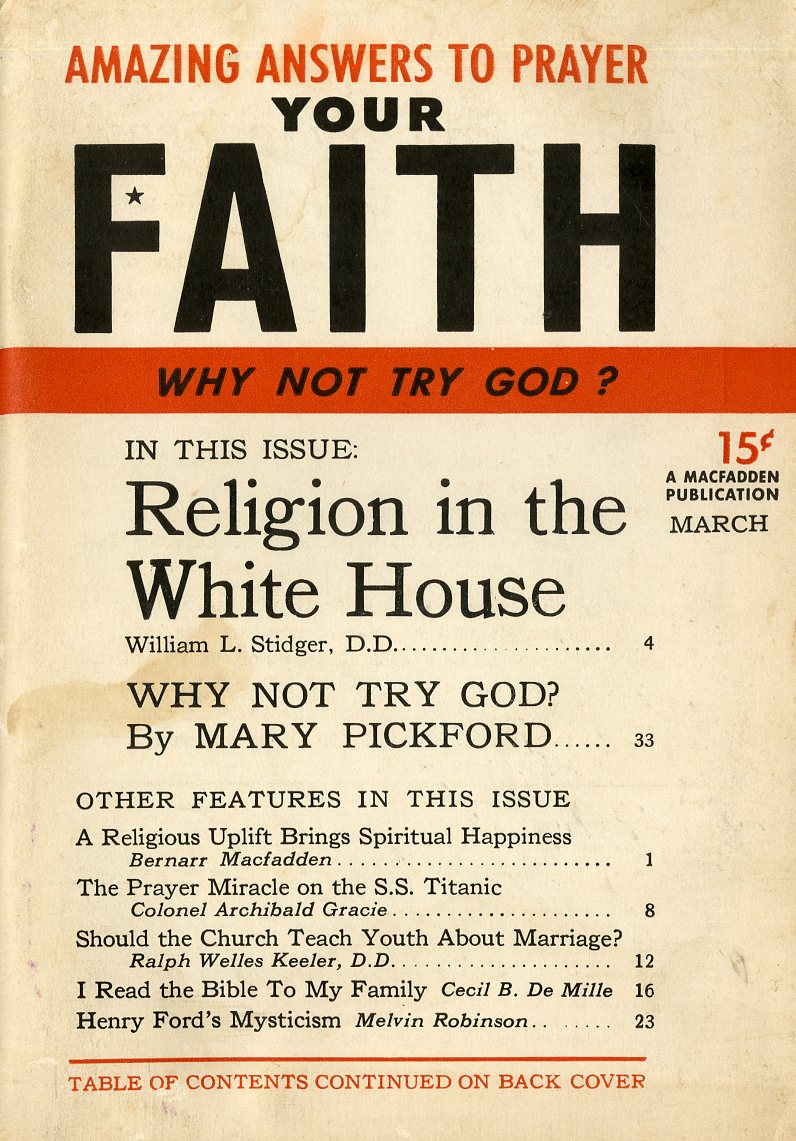
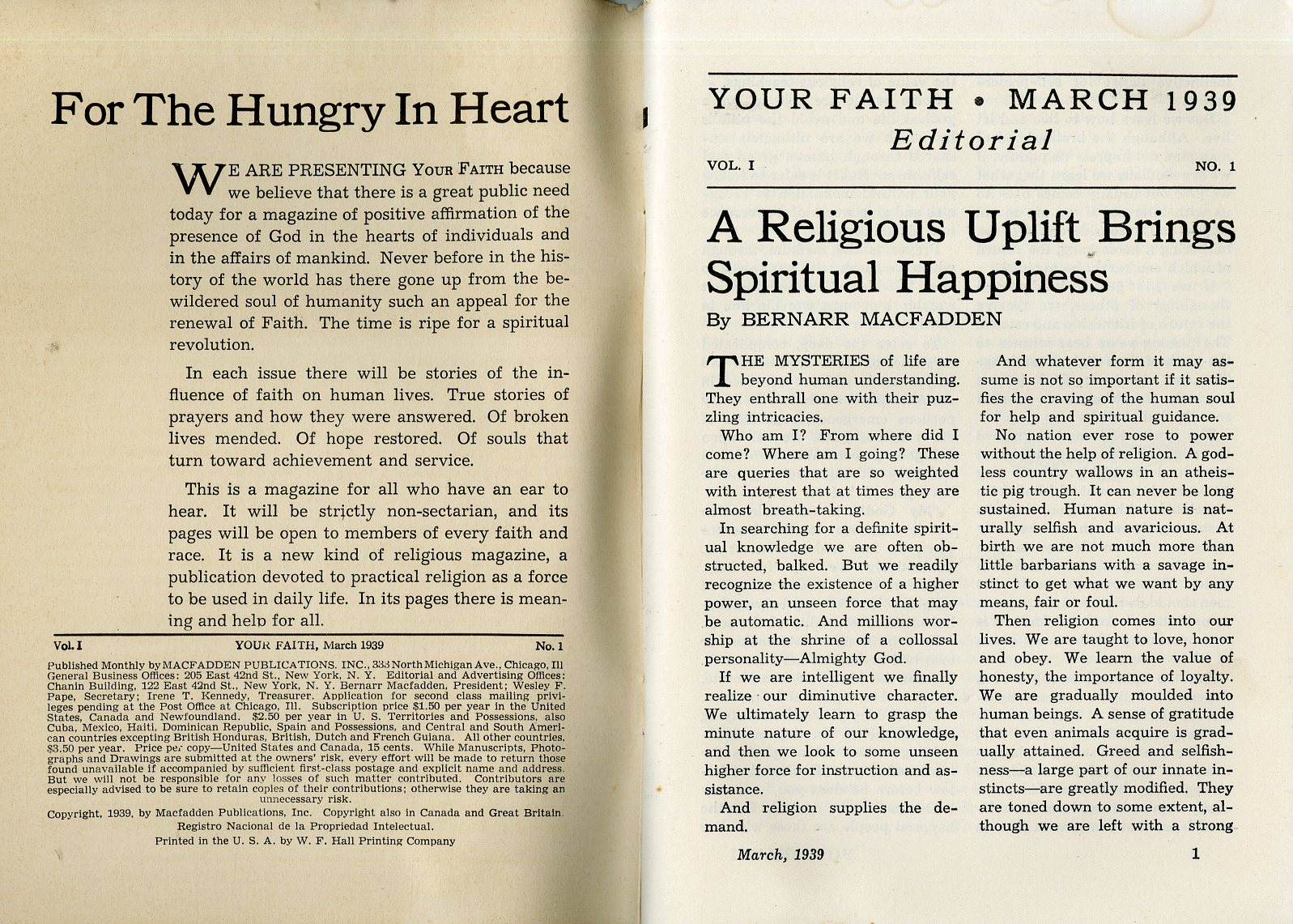
In March 1939, 80 years ago, the first issue of Macfadden-published “Your Faith” magazine came out. The idea was “Why Not Try God?” In the first editorial by Bernarr Macfadden himself, he wrote: A Religious Uplift Brings Spiritual Happiness. He talks about solving the mysteries of the universe and the impossibility of that without God. The magazine is an important part of Macfadden’s view on society and another example of magazines reflecting culture.

Mr. Magazine™ discovered this little nugget from his vault and took note of the amazing difference this magazine had from Macfadden’s other physical fitness and “true-fiction” type publications. And on the 80th anniversary of Your Faith magazine, as Bernarr Macfadden said himself in the first issue: This is a magazine for all who have an ear to hear.

And hear, Macfadden did. Some are just not sure what exactly he was listening to. But as any good entrepreneur would, Mr. Magazine™ believes he was listening to his passions and his own gut feeling. You be the judge.

Bernarr Macfadden is known as the “Father of Physical Culture.” What is “Physical Culture” you might ask. In its simplest definition, Physical culture is a health and strength training movement that originated during the 19th century in Germany, England, and the United States. But how did this topic find its way into a Mr. Magazine™ Musing, you might also ask. And of course, the answer in its simplest form would be: magazines.

Macfadden himself was an American proponent of physical culture. He was the predecessor of Charles Atlas and Jack LaLanne, and has been credited with beginning the culture of health and fitness in the United States.

But life was not always so kind to Mr. Macfadden. He changed his name from Bernard McFadden to “Bernarr Macfadden” in order to give himself an aura of strength and vitality. It seems that he was a very sickly and weak child who was an orphan by the time he was 11-years-old. But as fate would have it, Macfadden was placed with a farmer, leaving the life of an orphan behind, and soon began a regiment of hard work and wholesome food. His health improved and soon he became strong and hale again.
There is an entire website dedicated to the memory of this millionaire publisher, who many called a “kook” and a charlatan, and who Time Magazine referred to as “Body Love” for his lifelong advocacy of physical fitness, natural foods, outdoor exercise and the natural treatment of diseases.

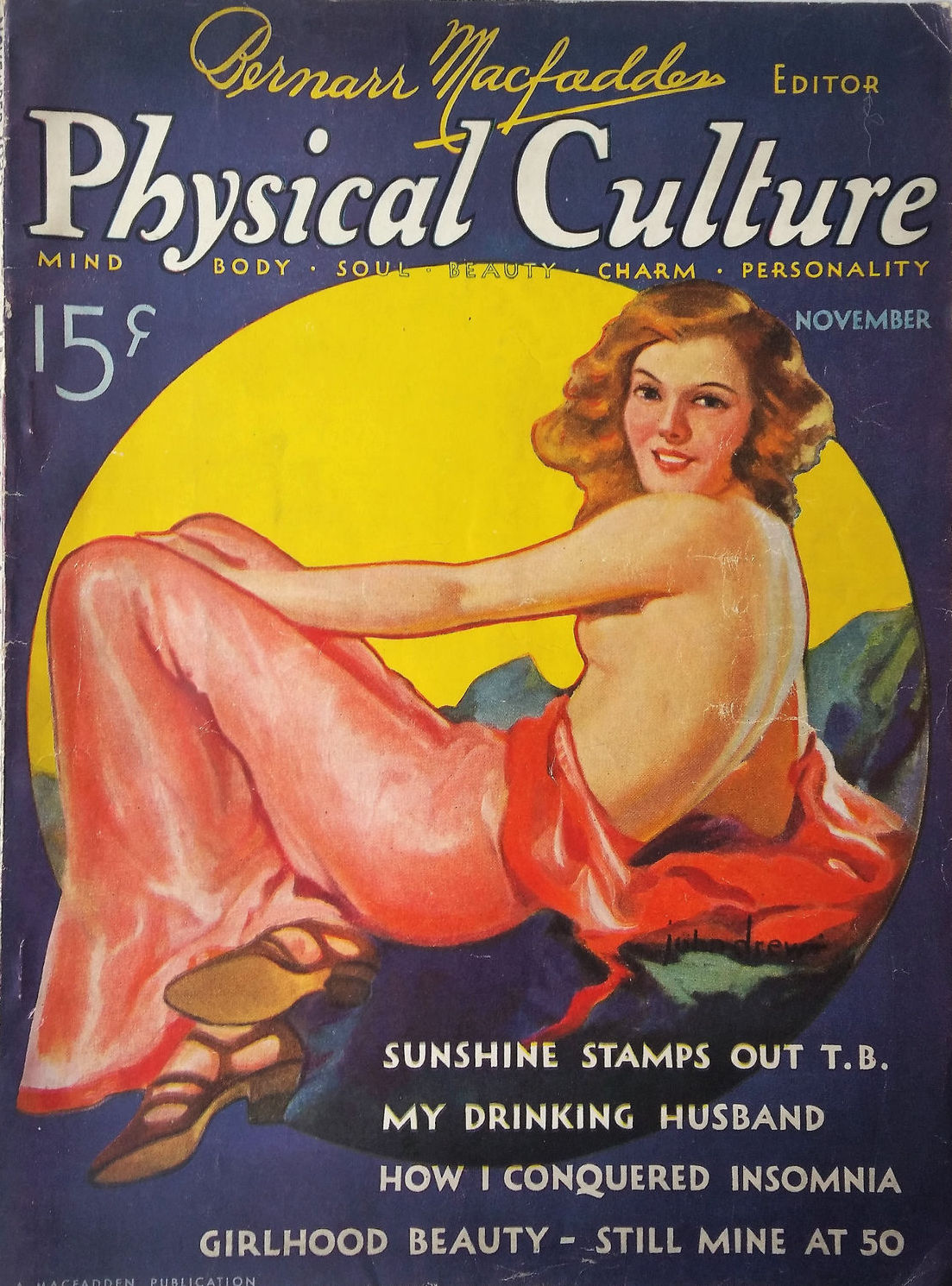
In 1899, Macfadden, after a successful, national lecture tour and after founding Physical Culture “clubs” in several cities across the country, decided to publish a monthly magazine called “Physical Culture.” He tried unsuccessfully to find a publisher for his title and so decided to publish it himself, along with his own books about health and wellness (during his lifetime he wrote over 100 books). Physical Culture magazine remained in publication for over 50 years, and was the forerunner of today’s health and bodybuilding publications. Oh, and the magazine carried his name on the cover as well – the height of narcissism or just good business acumen? Either is possible.

Eventually Macfadden Publications was born and his company turned into an empire, with titles such as Liberty, True Detective, True Story, True Romances, Dream World, Ghost Stories, the once-familiar movie magazine, Photoplay, and the tabloid newspaper, The New York Graphic.

Macfadden even sought the Republican nomination for president in 1936, albeit losing the nomination to Kansas Gov. Alf Landon, who went on to lose to Franklin D. Roosevelt in the November election. But he was the first to propose that the President should have a National Secretary of Health on his cabinet ( he had originally wanted to be that person, but instead decided to run for office himself), all the while never giving up his love of physical health and his tendency to admire younger females, whether he was married or not.
Much of the basis of Physical Culture was religious in nature. And during his lifetime Macfadden also attempted to launch his own religion: Cosmotarianism, which combined physcultopathy with the Bible.

In an Esquire article written by Bruce Watson in 2013, Cosmotarianism was described as something that blended Macfadden’s bizarre theories on physical fitness with the Bible. Watson writes:

And some of his theories were, indeed, bizarre: convinced that baldness could be cured by tugging on one’s hair, he wore a towering pompadour; believing that physical contact with the “magnetic currents” of the earth could inspire feats of sexual prowess, he often went barefoot; furious at the fashion industry, he would wear his suits until they fell off his body.

Macfadden certainly seemed to fit the bill of an eccentric millionaire. Indeed, it’s a given. Bernarr Macfadden was an eccentric, a reputed womanizer, a multimillionaire publisher, a father of eight and a husband of four, a fitness guru who was before his time, who died in 1955 from a urinary tract infection that he refused to be medically treated for. And a part of American magazine history that should not be forgotten.

Until the next time…

See you at the newsstands…

Background information from:
http://money.com/money/4074103/wackiest-millionaire-ever-run-president/
http://www.bernarrmacfadden.com/
https://en.wikipedia.org/wiki/Bernarr_Macfadden
https://www.esquire.com/news-politics/news/a23610/strange-tale-historic-fitness-guru-bernarr-macfadden/