Archive for the ‘A Mr. Magazine™ Musing’ Category

h1

Music And Entertainment 1953 Style… The Magazines And I, Chapter 12, Part 2.

November 3, 2021

Music and Entertainment Magazines … is the 12th chapter from the serialized book I am writing on the magazines of 1953, specifically March 1953, the month I was born.  This is chapter 12 part two.  Feel free to back track for chapters one, two, three, four, five, six, seven, eight, nine, ten and eleven in previous blogs.  Enjoy.
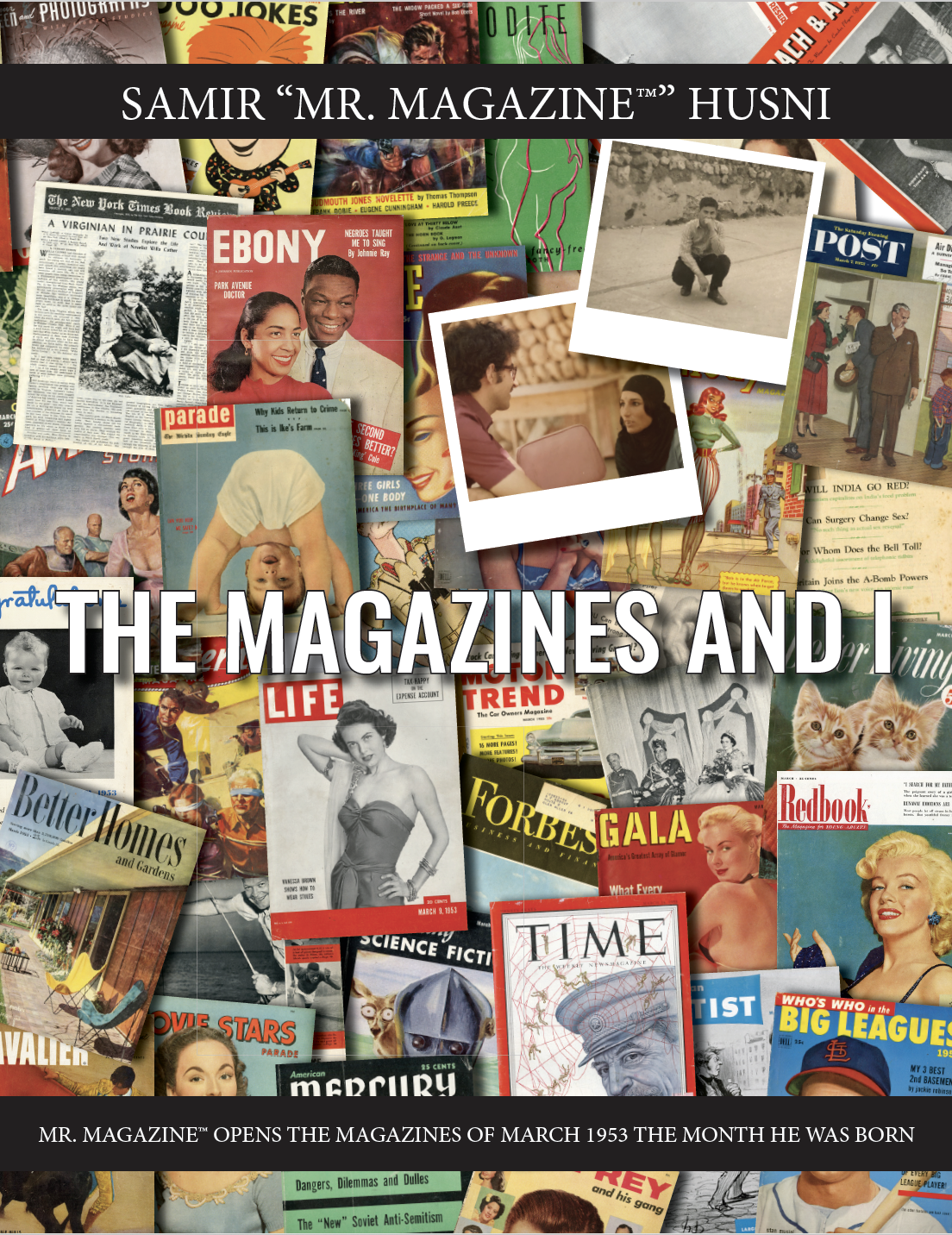
In March 1953 magazines that covered music and entertainment offered a great service to fans by providing current gossip of their favorite actors, singers, heartthrobs, many song lyrics and melodies, plus other pertinent information for people clamoring to be in-the-know. 

We have to remember that at this time, television was still in its infancy, basically still a “talking piece of furniture” that many were trying to adjust to and get to know. And while TV Guide was published in April 1953, and was a very big title, it did have regional predecessors that covered the infant television scene before the launch of the national edition on April 3, 1953. 

Music and entertainment magazines were the eyes and ears for fans, doing what the Internet and television does today for many people. In March 1953 there was a “channel” for every aspect of a fan’s interest, from honing their own musicality by learning lyrics to their favorite songs to enhancing their knowledge of popular movies and their stars. Magazines were the Internet of the times once again…and March 1953 had some of the best.

Let’s take a look, shall we?

MODERN SCREEN
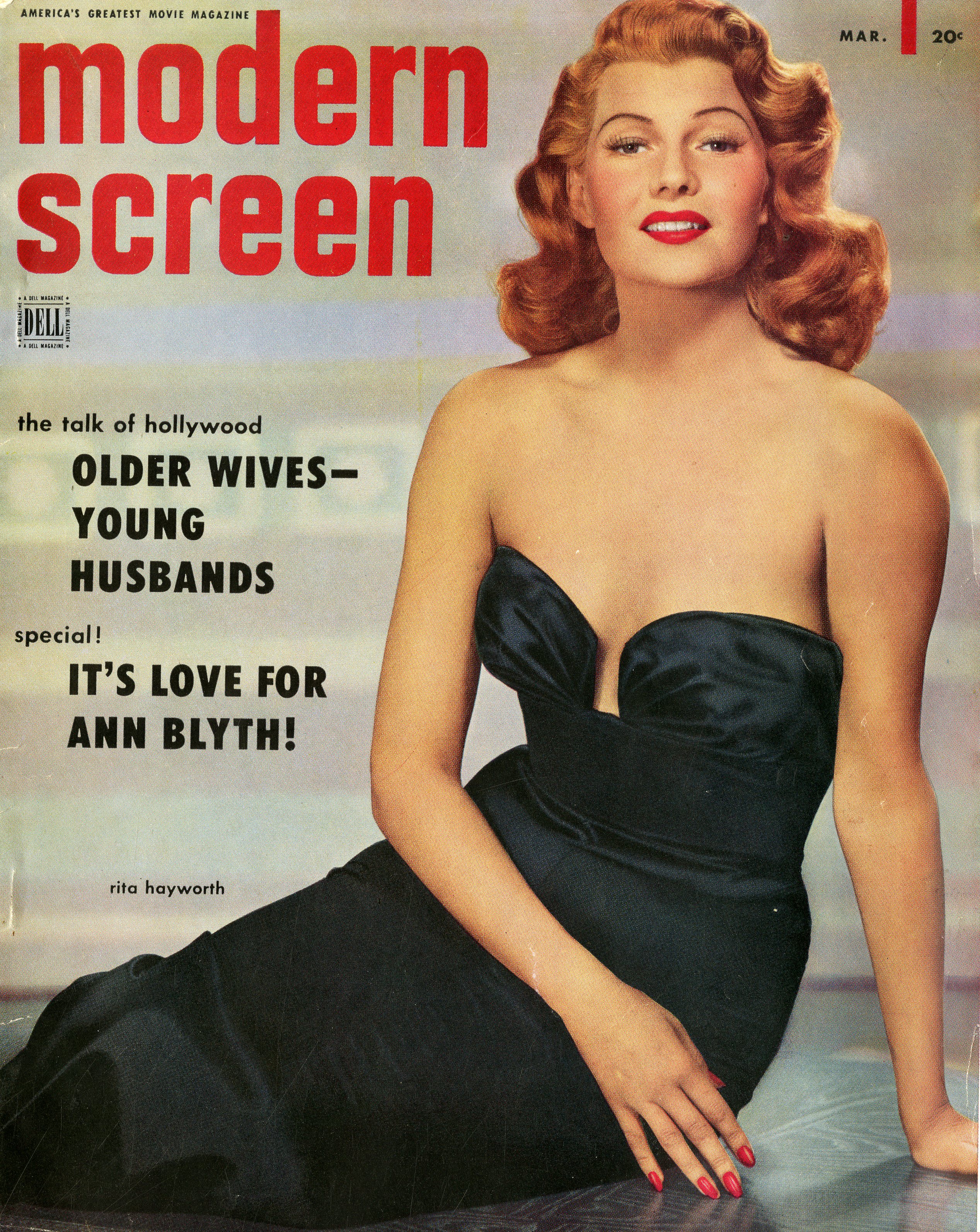
For over 50 years, Modern Screen was an American fan magazine that featured articles, images and personal interviews with movie stars, and later on many television personalities. The magazine debuted in the fall of 1930 and was founded by Dell Publications. Soon it became the direct competition for Photoplay and was one of the most popular “screen” magazines around, boasting the tagline America’s Greatest Movie Magazine. 

The March 1953 issue was certainly eye-catching with the lovely Rita Hayworth on the cover. The Talk of Hollywood was older wives with younger husbands, so there was an article on that and a romantic love story about actress Ann Blyth and her one true love. It was a time of Hollywood magic and this issue glittered that starlit path splendidly. 

MOTION PICTURE AND TELEVISION MAGAZINE
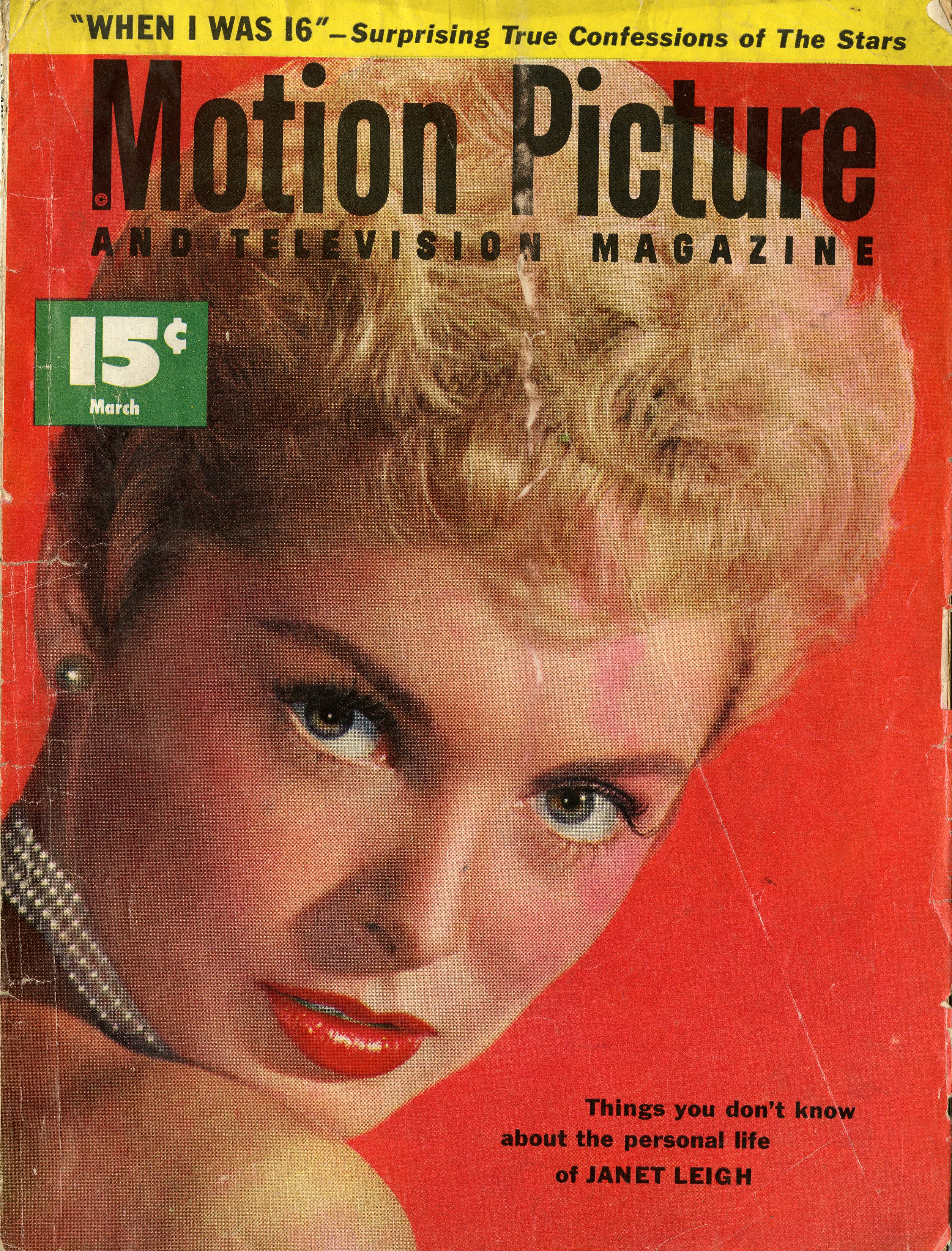
This title was a Fawcett Publication, which had a bevy of magazines, comic books and “Gold Medal” books, a line of paperback originals, which became a defining turning point in paperback publishing. Motion Picture And Television Magazine was an original movie fanzine full of gossip and romance for Hollywood fans of the ’50s. The magazine promised to incorporate screen life, Hollywood and movie story magazines, which was actually its tagline.

The March 1953 issue had Janet Leigh on the cover (a very young Janet Leigh) and declared that there were things us fans didn’t know about her personal life. Hmm… well of course, we just had to know. There were surprising true confessions of the stars – a very popular feature, I’m convinced. All in all, the magazine was another addition to satiate the cravings people had about Hollywood and all she entailed. It was a terrific read.

MOVIES
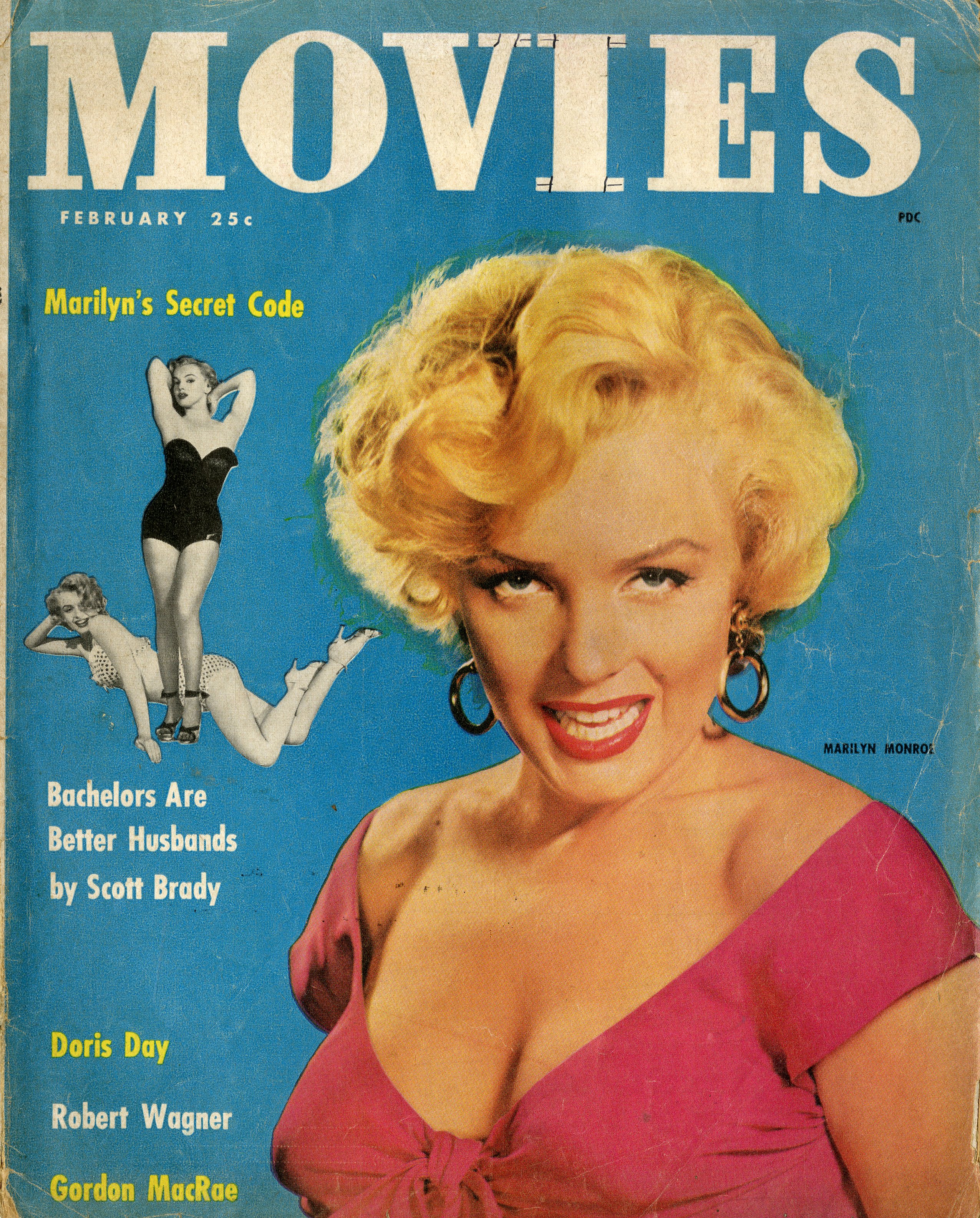
Movies magazine came from Ideal Publishing Corporation and Publisher William Cotton, who was known for his pulp magazines. Cotton was about building circulation and serving his demographic. He courted advertisers from a general perspective. He didn’t expect Chanel or Cadillac to advertise with him, but the more down-market products were right there with him. And in turn, publishing pulp made Cotton a very wealthy man. From Hollywood to personal romances, William Cotton ran the gamut of titles.

The February/March issue of Movies featured the usual talk-of-the-town. Marilyn Monroe’s Doctrine, an article by actor Robert Wagner and Debbie Reynolds, along with other scrapbook items for fans. The cover showcased the lovely Marilyn Monroe and offered her Secret Code for Life. You couldn’t get more Hollywood than Marilyn. 

MOVIELAND
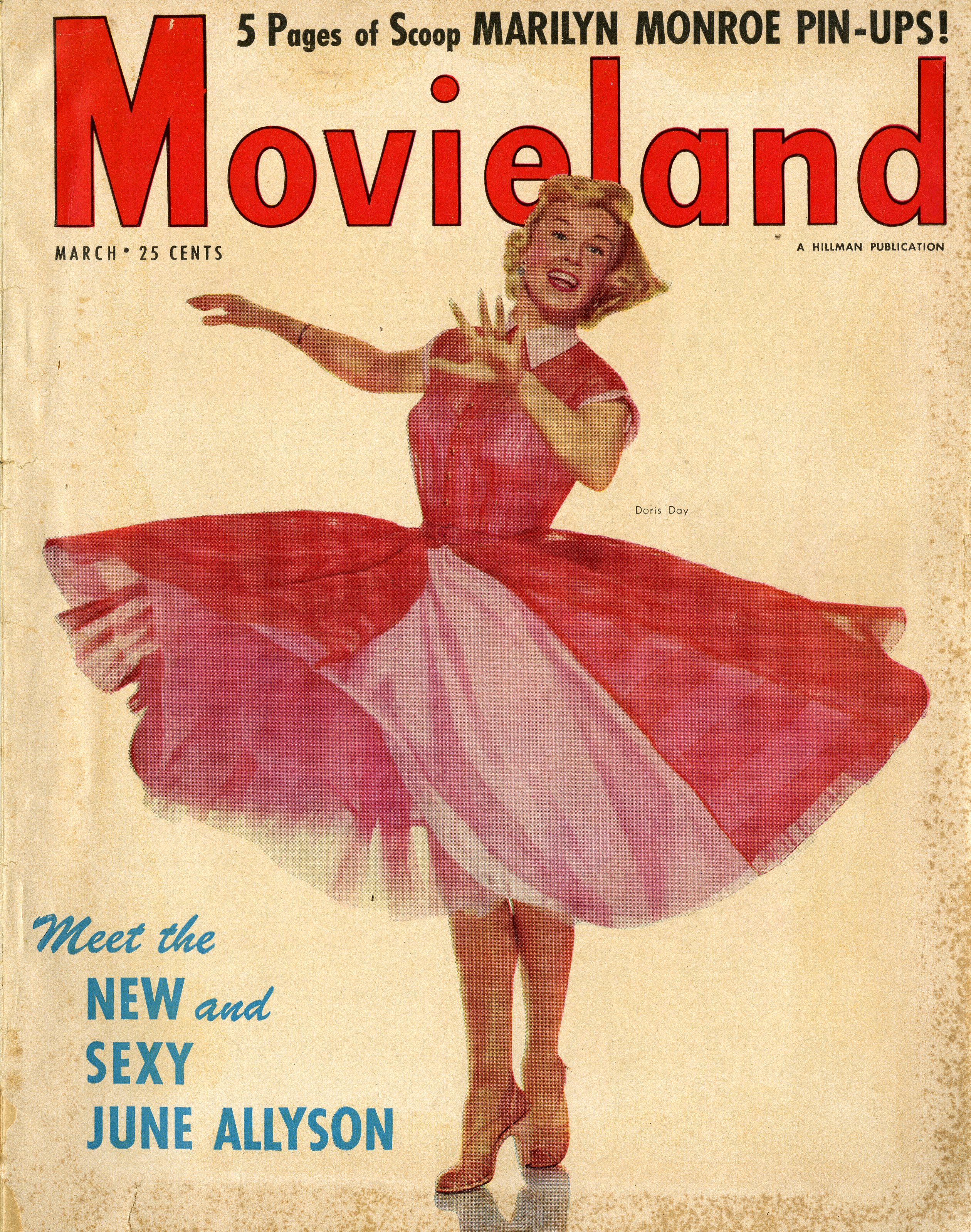
Hillman Publications created this Hollywood monthly, competing directly with Bernarr Macfadden and Fawcett Publications. The magazine was another leg on the stool of celebrity entertainment, offering exclusive interviews, images and features.

The March 1953 edition had a magical picture of Doris Day on the cover in a pink chiffon dress that billowed out from her body as though in flight. One cover line beckoned for you to meet the new and sexy June Allyson and absorb five pages of Marilyn Monroe pin-ups. 

MOVIE LIFE
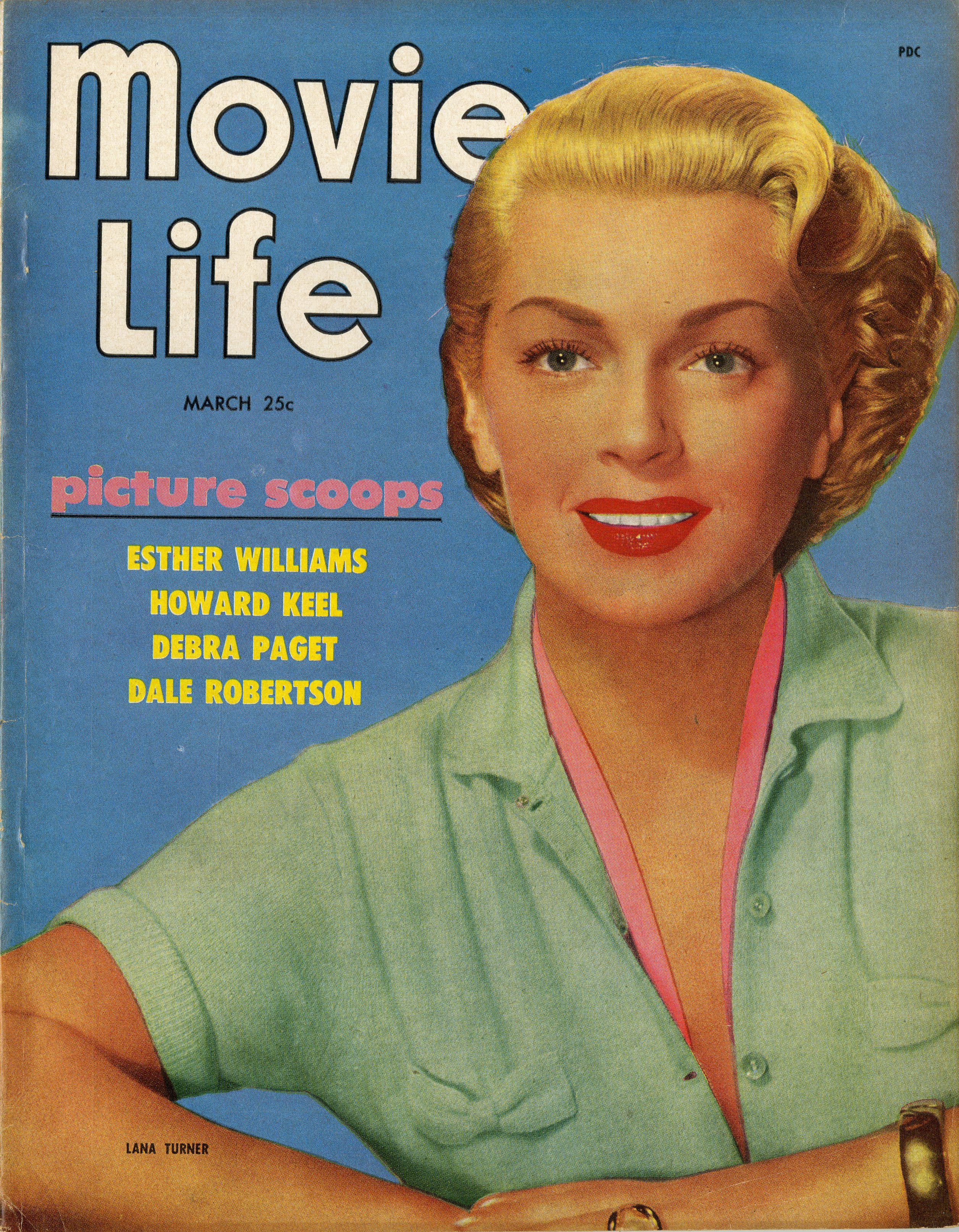
Movie Life was published by Ideal and William Cotton, another Hollywood title so popular in those days. Celebrity magazines have always been big sellers and eye-catchers, so no wonder Cotton kept adding to his stable of titles. Movie Life was a magazine filled with great images of movie stars, such as Esther Williams and Tony Curtis. The life the stars lived was something we all wanted and what better way to get it than from the pages of a vivid magazine.

March 1953 saw Lana Turner on the cover with picture scoops of Esther Williams, Howard Keel, Debra Paget and Dale Robertson. Actress and singer Gail Davis showed us the make-up styles of the day and how to apply them properly and we could read all about life with Lana in the cover story. It was a nice addition to the genre.

MOVIE PIN-UPS
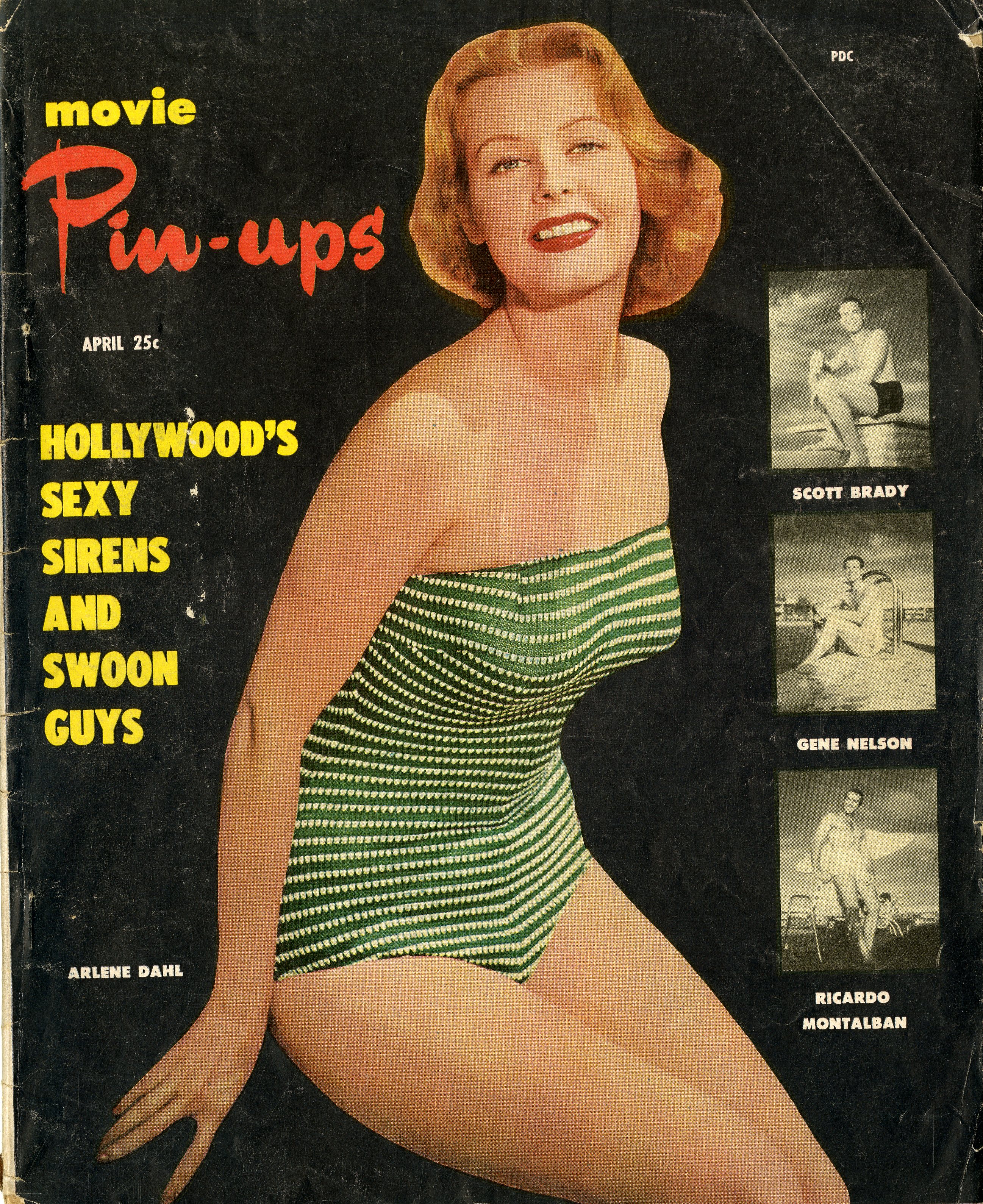
Here comes another Ideal Publishing title from Mr. Cotton. This one was filled with sexy Hollywood sirens, both male and female, in various modes of poses. All in perfect form to clip the pictures from the magazine and hang on your wall. This title was just another in a long list of pulp-type magazines that made a small fortune for William Cotton.

The March/April 1953 issue had a beautiful image of Arlen Dahl that fans were sure to love, along with pictures of Debra Paget, Virginia Mayo and many others. The images and the poses were very tastefully done and just beckoned to be clipped out and hung up. Great photography. 

To be continued…
h1

The Past, The Present, And The Future: Everything Will Change Except The Experience And Ink On Paper…

October 5, 2021

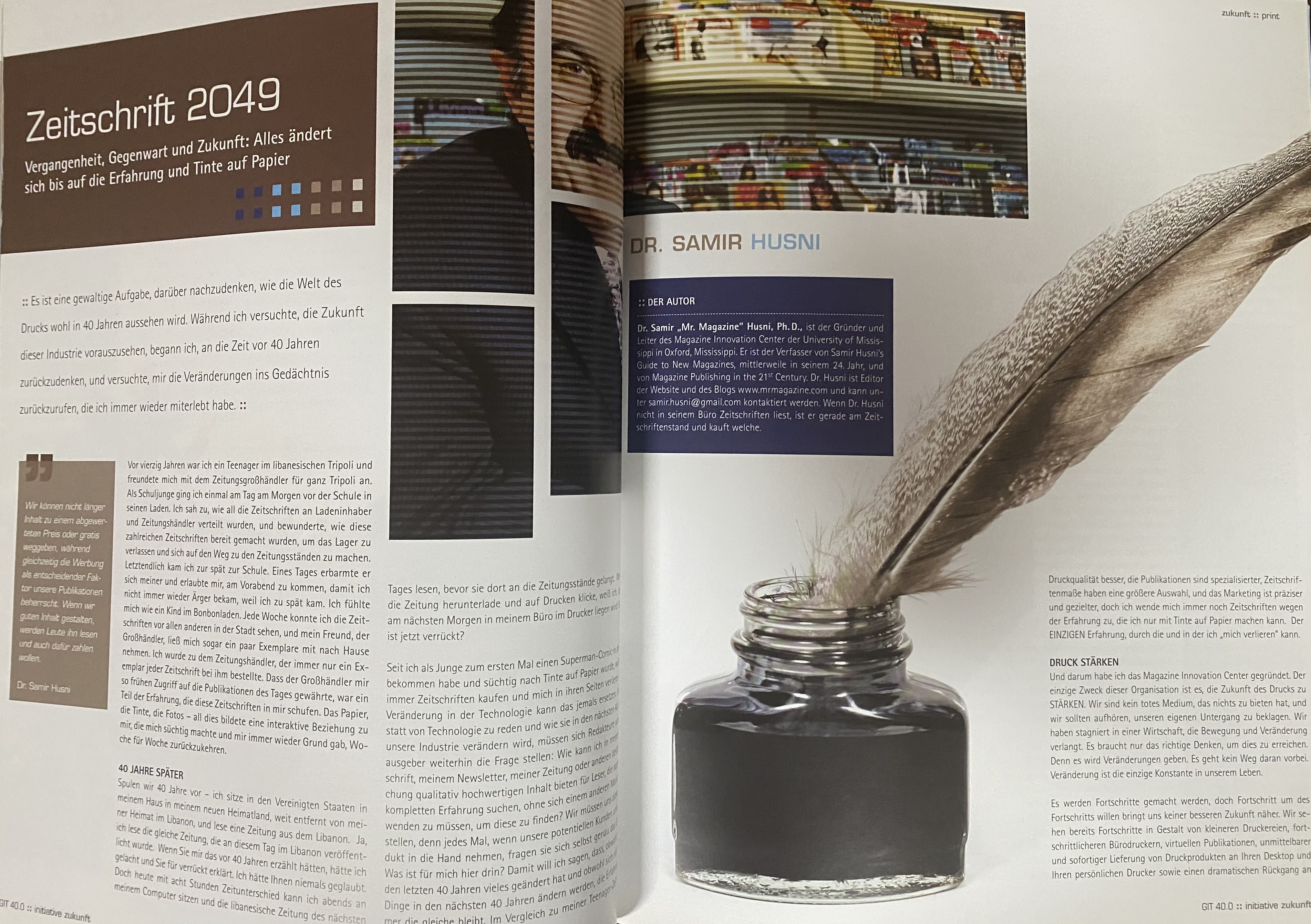
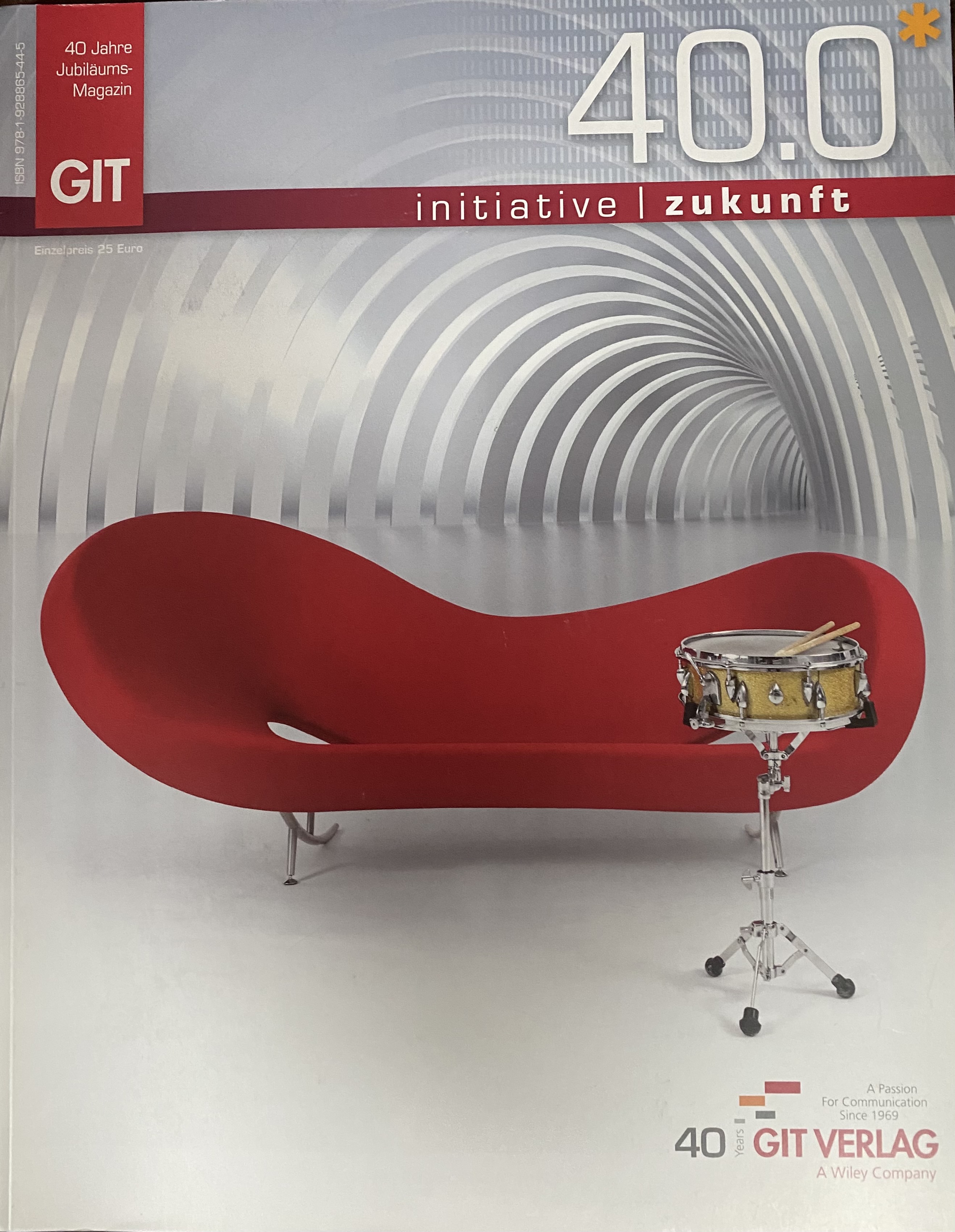
In 2009 I was asked to write an article for the German magazine GIT VERLAG in celebration of their 40th anniversary. My article focused on magazines in 2049. Here is, for the first time, the English version of the article that appeared in the German magazine… Keep in mind this article was written in 2009 and is published here with no editing or changes. Hope you enjoy this journey through memory lane.

Magazines 2049

It’s a daunting task to try and think about what the world of print will look like in 40 years. While trying to see the future of this industry I began to think back to 40 years ago and tried to imagine the changes I have seen happening all over again.

Forty years ago I was a teenager in Tripoli, Lebanon when I befriended the wholesaler for all of Tripoli. As a schoolboy I would go by his shop once a day in the morning before school. I would look at all the magazine’s being distributed to shop owners and news- agents and admire the many magazines getting ready to leave the warehouse and head to the stands. Ultimately this would make me late for school. One day he decided to take pity on me and told me to come by the night before so that I wouldn’t get in trouble at school for being late over and over again. 

I was a kid in a candy store. Each week I would be able to see the magazines before anyone else in town, and my friend the wholesaler would even let me take copies home with me. I became his newsagent who will order only one copy of each magazine. The wholesaler allowing me early access to the day’s publications was a part of the experience that those magazines created with me. The paper, the ink, the photos; all of it formed an interactive relationship with me that got me hooked and kept giving me reasons to return week after week after week. 

Fast forward 40 years, I am in the United States sitting in my house in new home country, far away from my home in Lebanon, and reading a paper from Lebanon.  Yes, reading the same paper published in Lebanon on the same day of publication.  If you told me that 40 years ago, I would have laughed at you and accused you of being crazy. I never would have believed you.  But today, with the eight-hour time difference I can sit at my computer in the evening and see the next day’s newspaper from Lebanon before it hits newsstands over there.  Once I download the paper, hit print, I know it will be sitting in the printer at my office the next morning. Whom are you calling crazy now?

Since I first picked up a copy of a Superman comic book when I was a boy and got hooked on ink on paper, I have always wanted to pick up a magazine to lose myself in its pages. No changes in technology can ever replace that. So instead of talking about technology and how it will change our industry over the next 40 years, editors and publishers need to continue to ask the question how can I provide quality content in my magazine, newsletter, newspaper or other publication for those readers who are looking for a complete experience without having to travel to another medium to get it all. We have to ask that question because each time our prospective customers pick up our product they ask themselves the exact same thing: what is in this for me?

All this is to say that while many things have changed in the last 40 years, and while many things will change over the next 40, the experience will always stay the same. Compared to when I was a teenager, printing quality is better, publications may be more specialized, magazine dimensions have greater range and marketing may be more exact and targeted, but I still go to magazines for the experience I can only have with ink on paper.  The ONLY experience that I “lose myself” through it and in it.

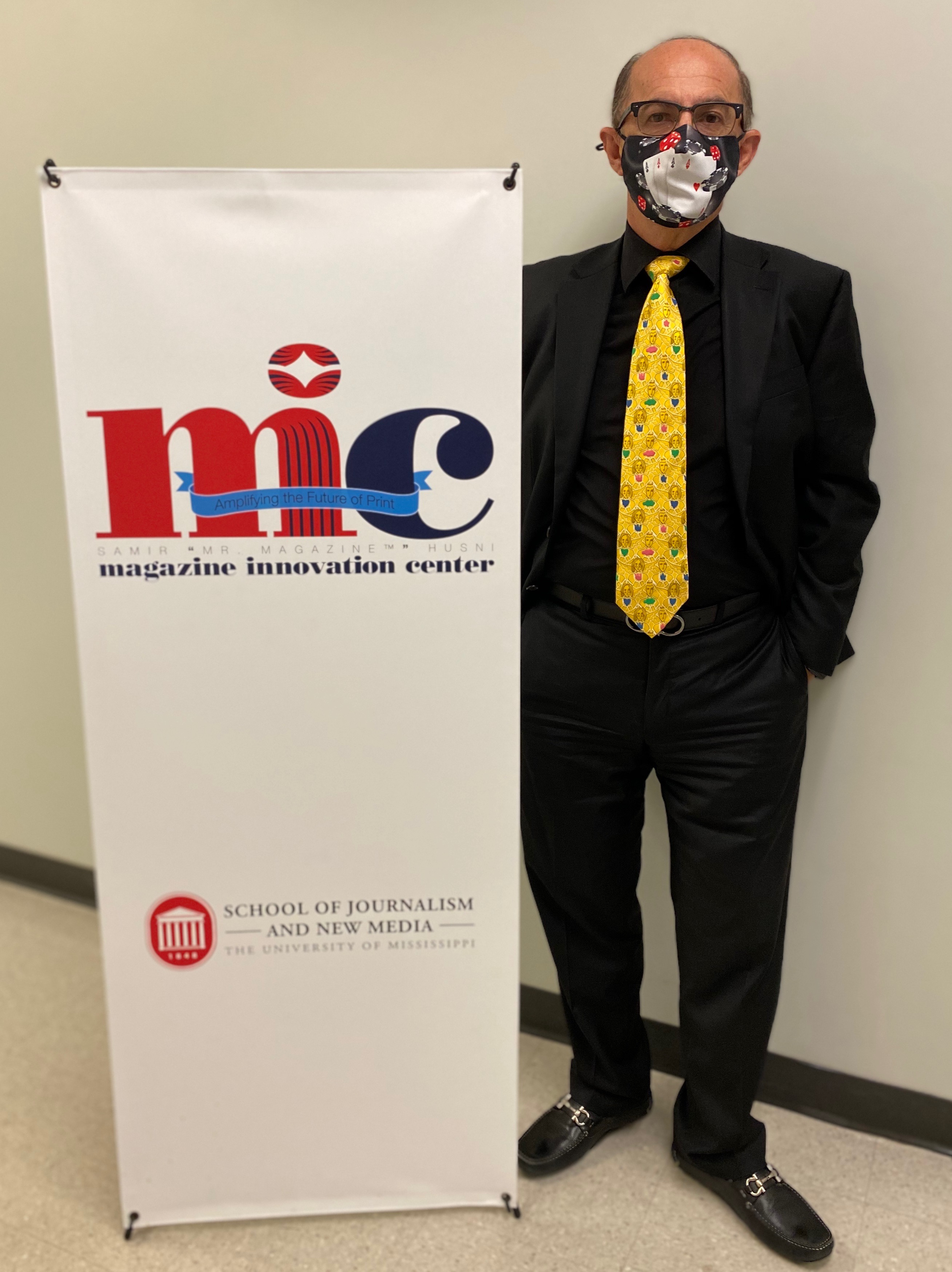
And this is why I have created the Magazine Innovation Center. The sole purpose of this organization is to AMLIFY the future of print. We are not a dead medium with nothing to offer and we should stop bemoaning our own demise. We have become stagnant in an economy that calls for movement and change. It just takes the right thinking to get there. Because there will be changes. There is no way around it. Change is the only constant in our lives. 

Progress will be made, but progress for the sake of progress moves us no closer to a better future. We are already seeing progress in the forms of smaller printers, more advanced office printers, virtual publications, immediate and instant delivery of printed products to your desktop and personal printer and even a drastic decline in waste in the printing and distribution world. With all of this our industry can stay current with technology and the like, but it still doesn’t change the fact that we are based off of experiences our customers have with us, and when we lose sight of that we can’t regain ground with gimmicks on the internet or special inks on our covers. 

One of the biggest changes will be a change in our mentality about everything. We will change the way we think about how we do publications and how we conduct business. I have been saying for quite some time now that the way we do business is outdated and acting as an anchor for our industry. We cannot continue to give content away for a devalued price or for free while advertising reigns as the make or break factor in our publications. If we create good content, people will want to read it and also want to pay for it. 

For the last 60 years  in the United States of  America we have relied on a publishing model that devalued subscribers and focused heavily on the customers supplying the advertising, but not the customers we were actually supposed to reach: the readers themselves. 

I know it may be disappointing to some of you that my forecast for the next 40 years is based on the last 40 years, but would I have believed when I was walking to the wholesaler in Tripoli that 40 years later I would be reading magazines and newspapers from thousands of miles away in the exact same way today?  

There are three things that the future will benefit from if we constantly consider. First, we must make sure we focus on the present. For all the talk about tomorrow and next year, there is no point planning for the future if we can’t survive today. 

Second, we must create the complete experience. As everything changes around us, our publications must provide a total package. We don’t need to create something that relies on another medium to finish our job. Readers shouldn’t have to go to another outlet or source to get the rest of our stories. Henry Luce recognized this 80 some years ago when he started Time magazine. With over 20 newspapers in New York City at the time, he saw that readers wanted a one-stop alternative to get their news in less time and less space.

Third, there will be more need to know our readers. With increased technology, it is becoming easier and easier to know more and more information about out readers. We have to start treating them like customers: know what they want, who they are, what the like to read and what they like to buy. The more we let technology help us learn about our readers, the better we can serve them as customers. 

I know you expected me to write about the future and create a vision of the next 40 years, but as I have said before, there are only two people who can tell the future: God and a fool. I know I am not God, but if you want to read it, here is a future scenario of a fool. Everything I have written to this point I can guarantee, but feel free to read the rest at your own risk.

In 2049 I will receive a box in the mail. I place the box on my desk, open it and find a magazine called Samir’s, the magazine about my lifestyle. The cover has a striking image of exactly what I am wearing except in a different color. It is trendy, hip and relevant. In big type below the title is a tagline that screams “The magazine you can read, listen to and watch.” I open the cover and turn to the first of the 90 high quality glossy pages. As I open it I am greeted by a screen in the middle of the pages, a disposable screen with a menu that allows me to interact with the magazine in different ways unique to the articles I have flipped through. After I have read a great review about the latest Britney Spears Golden Oldies music collection, I have the option of bringing up the interactive screen to view videos from her years gone by. The paper provides me with the experience I have always loves and cherished. I am able to touch and feel the pages while the disposable, interactive screen hooks me with its multimedia experience. With all the benefits of this publication it still remains under 15 dollars ensuring that I won’t feel guilty leaving the magazine behind somewhere after I have enjoyed it, exactly like a chocolate bar I am able to eat and leave the wrapper when I’m done. Inside the magazine are subscription offers for Samir’s sister publication Elliott, the magazine for grandchildren

Time to wake up.  Forty years from now I will be still reading the magazines the same way I read them today and the same way I read them 40 years ago.  Others maybe engaged in other types of new media, but as for me the past, the present and the future are all summed in that wonderful “lose myself” experience while reading the printed magazine. You don’t have to take my word for it, just see me 40 years from now and we will see if my present is still my future.  

h1

John Mack Carter: A Magazine Legend Remembered By His Daughter Jonna On The Women’s Sit-In 51st Anniversary At Ladies’ Home Journal…

March 18, 2021

John Mack Carter was not only a legendary editor with the distinction of editing all of the “Big Three” women’s magazines of his time: McCall’s, Ladies’ Home Journal and Good Housekeeping, but he was also a mentor and a friend. 

I first met him in the early 1980s when he came to the University of Missouri’s School of Journalism School to speak to our class. It was a dream come true and the beginning of a lengthy mutual friendship and professional relationship.

March is Women’s History Month, designated by a presidential proclamation to recognize the importance of the role of women in American history. In March 1970, an 11-hour sit-in happened in the Ladies’ Home Journal office of John Mack Carter. It became a defining moment for him. He was always a man who believed in listening to the ideas of people, but on that day when a large group of women stormed his office and demanded he listen to them personally, he did just that. What started as a volatile protest turned into something different; it became a turning point for his thinking when it came to the role of women in society and especially in the world of magazines.

What follows is an essay written for Mr. Magazine™ blog and newsletter by his daughter Jonna Carter, who today is a writer and columnist at her local newspaper in New Hampshire. Jonna reflects on growing up in the 1960s and ’70s as the daughter of a magazine editor for the top three women’s magazines of the time. As her father helped to transform the world of women’s magazines during the feminist era, Jonna longed to be a part of the movement and watched as her father basically changed history in women’s service journalism. 

On this anniversary, March 18, of the infamous Ladies’ Home Journal sit-in, please enjoy the essay from John Mack Carter’s daughter, Jonna Carter and relive a moment of pivotal history in women’s magazines.

Ladies’ Man

By Jonna Carter

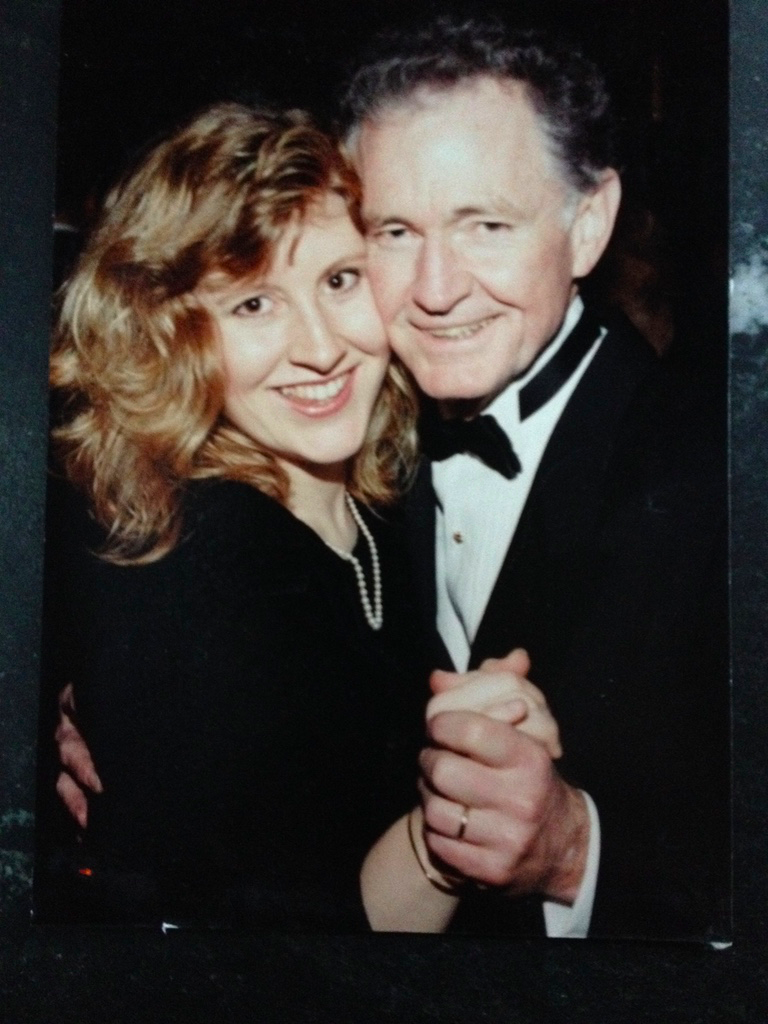
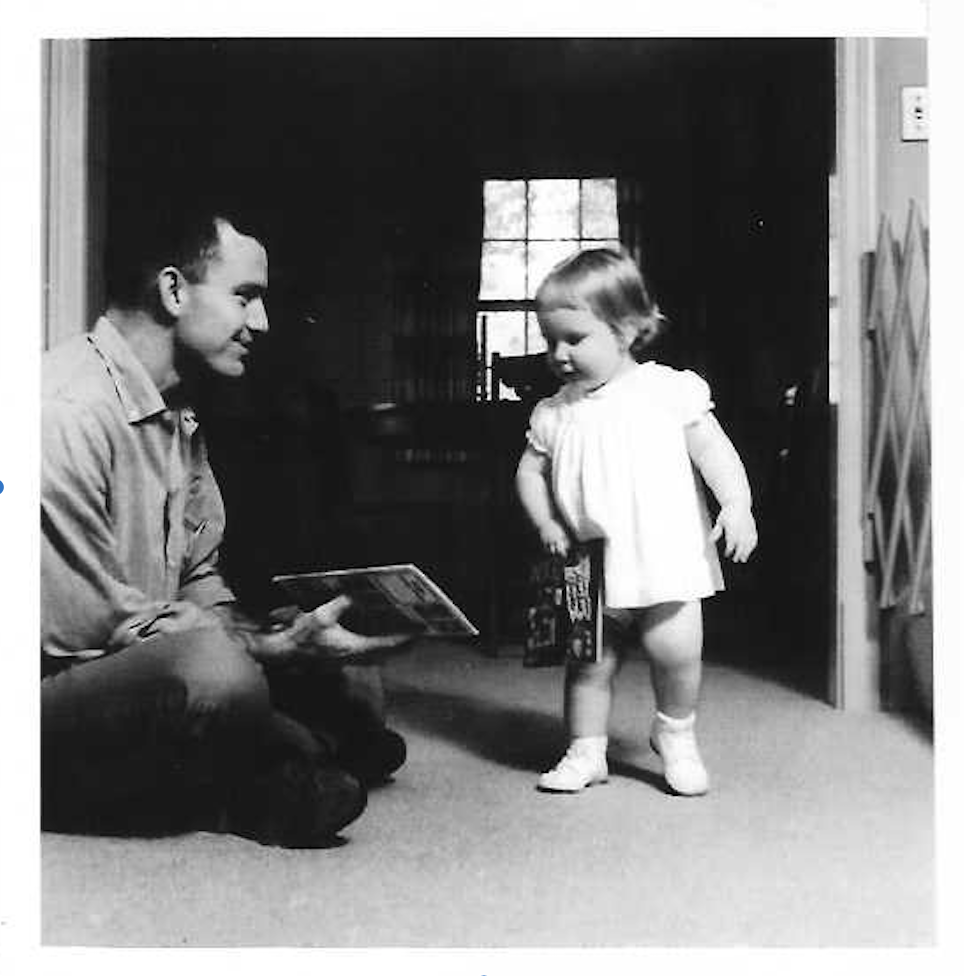
Jonna Carter with her father the magazine legendary editor John Mack Carter (Photo courtesy of Jonna Carter)

March is Women’s History Month, so designated since 1987 by Presidential proclamation to honor the role of women in American history. I’ve never paid much attention in the past, but this year I’m feeling especially reflective.

I have my own unique historical perspective growing up as I did during the second wave of feminism of the 1960s and 70s. Out of the social upheaval of the 1960s, i.e. the Civil Rights movement, the Vietnam War protests and the sexual revolution, evolved the women’s liberation movement. Not only did I grow up during this pivotal era, I grew up in the thick of it with a father who was both a target and a champion of the women’s movement.

My father was a women’s magazine editor, and he moved his young family to New York where over the course of his editing career he would achieve an unprecedented trifecta as he took the helm first at McCall’s, then Ladies’ Home Journal, and lastly Good Housekeeping, the powerhouse women’s magazines known in the publishing world as the “Big Three.” In my father’s 2014 New York Times obituary Leslie Kaufman wrote, “John Mack Carter, a Kentucky-born journalist…had the singular distinction of editing all of the so-called Big Three women’s magazines and, in doing so, helped transform the genre during the feminist era.”

At age 33 my father became the editor in chief of McCall’s and began revamping its content from predominantly fluff pieces to more substantive articles about issues affecting women. This was 1961, two years before Betty Friedan’s The Feminine Mystique sparked the women’s liberation movement. In a 1963 New York Times interview he said, “Women’s magazines were badly behind the times…They were failing to keep up with the rising educational levels in this country.” I credit him with being cognizant, if not indoctrinated.

John Mack Carter and daughter Jonna (Photo courtesy Jonna Carter)

In the late 1960s the women’s movement became organized and noisy, especially in New York City where radical feminist activists were attracting a great deal of attention as they strove to be heard and to effect societal changes through various avenues. The likes of Germaine Greer, Angela Davis, Bella Abzug, and the dynamic and glamorous Gloria Steinem, were all over television news and the front pages of the newspapers piled on our suburban kitchen counter. My father was acquainted at least peripherally with many of the heavy hitters, and he was paying close attention as women were integral to his livelihood. He had by this time transitioned to the Ladies’ Home Journal.

I was living a cloistered suburban childhood, minutes from the very demonstrations demanding and creating change, and yet impossibly removed. I secretly longed to be if not Gloria Steinem, then recreated in her image. I was desperately shy and lacking in any degree of self-esteem, and to be possessed of the ferocity and determination, the overall confidence and composure of Gloria, was my dream. These women were absolutely consequential fighting for equality and eliminating hurdles in my future. I desperately wanted to be in the game and not merely a kid on the sidelines. Until it got personal. And scary.

In March 1970, in a demonstration designed to expose sexism and oppression in women’s magazines, somewhere between one and two hundred feminist activists led by Susan Brownmiller, Ti-Grace Atkinson and Shulamith Firestone, stormed the editorial department of Ladies’ Home Journal and held my father hostage during an 11-hour sit-in in his office. They were protesting the magazine’s articles and columns, the role of women on the editorial staff, and advertising deemed offensive from companies profiting from the subservience and objectification of women. The protesters came armed with a list of demands, among them that editorial content be radically altered, that advertising be overhauled, that the magazine provide free daycare facilities on the premises, and that my father resign and be replaced by a woman. The demonstration was volatile, and negotiations in fits and starts continued into the night.

At home we were glued to the TV as the New York stations were broadcasting live footage and updates from his office. Overall things remained peaceful, but there were moments of physical aggression with protesters pushing their way onto his desk and helping themselves to his cigars. Shulamith Firestone actually lunged at him across the desk, but was blocked by her peers and talked down. At one point there was discussion by a few of the most extreme of throwing him out his fifth floor office window. Tensions were high in that office, and tensions were high in our home. Late that night when this exhausted man walked through our front door I wept with relief.

My father was a brilliant man, but there are many. The quality contributing to my father’s unique success was that he was genuinely interested in people’s ideas and he listened. On March 18, 1970, he listened. The sit-in had a profound impact on him, and he later credited it as a turning point in his thinking. He began to balance and expand content so as to span the gamut of women’s concerns and choices, and he became a vocal advocate for women’s issues such as sexual harassment, job discrimination and women’s health. Ironically, the Ladies’ Home Journal slogan was “Never Underestimate the Power of a Woman,” and he did not. 

The sit-in had been a defining moment for my father, and such was reflected in the coming years as it drastically altered his magazines, and others followed suit. Eventually he was wooed by Hearst to Good Housekeeping, and management knew and always appreciated their prize. What they got was not the young spitfire, but the seasoned and compassionate feminist who had embraced a movement and an era.

As the sit-in had been a defining moment for my father, so it had been for me as well. It altered and expanded his thinking, his relationships with women, and his relationship with me. John Mack Carter was a southern gentleman and would never be a radical activist, but he was a feminist to the core, and this is the torch he so proudly passed on to me. 

I overheard my mother once tell my college age children that their mother was a “radical feminist.” I smiled to think how proud that would have made my dad!

h1

It’s A Birthday, It’s An Anniversary, Magazine Celebrations Are Aplenty… A Mr. Magazine™ Musing.

February 10, 2021

Celebrating an anniversary or birthday in print is far different than celebrating one on television or online. How do you celebrate the 50th anniversary of a TV show? You may do a special TV program, one of those “now you see it, now you don’t” reflections on past episodes. How do you celebrate the 10th anniversary of a website or an E-newsletter? Good question. Maybe with a podcast or special advertisements or even some birthday swag for loyal customers. 

But when it comes to a magazine’s anniversary or birthday (keeping in mind my definition of a magazine, “if it is not ink on paper, it is not a magazine,” that celebration is reflected in the pages of the magazine. It’s a physical celebration that you can feel and touch. It’s an edition you can collect and show off; one that reverberates long after the actual date of the anniversary issue.

Since my last post about the life’s blood of the magazine industry, the new launches, I thought it would be fun to celebrate some milestones within the world of print magazines. Have you ever asked yourself why we celebrate our birthdays every year? I believe it’s reaffirmation that we are still above ground; still among the living. 

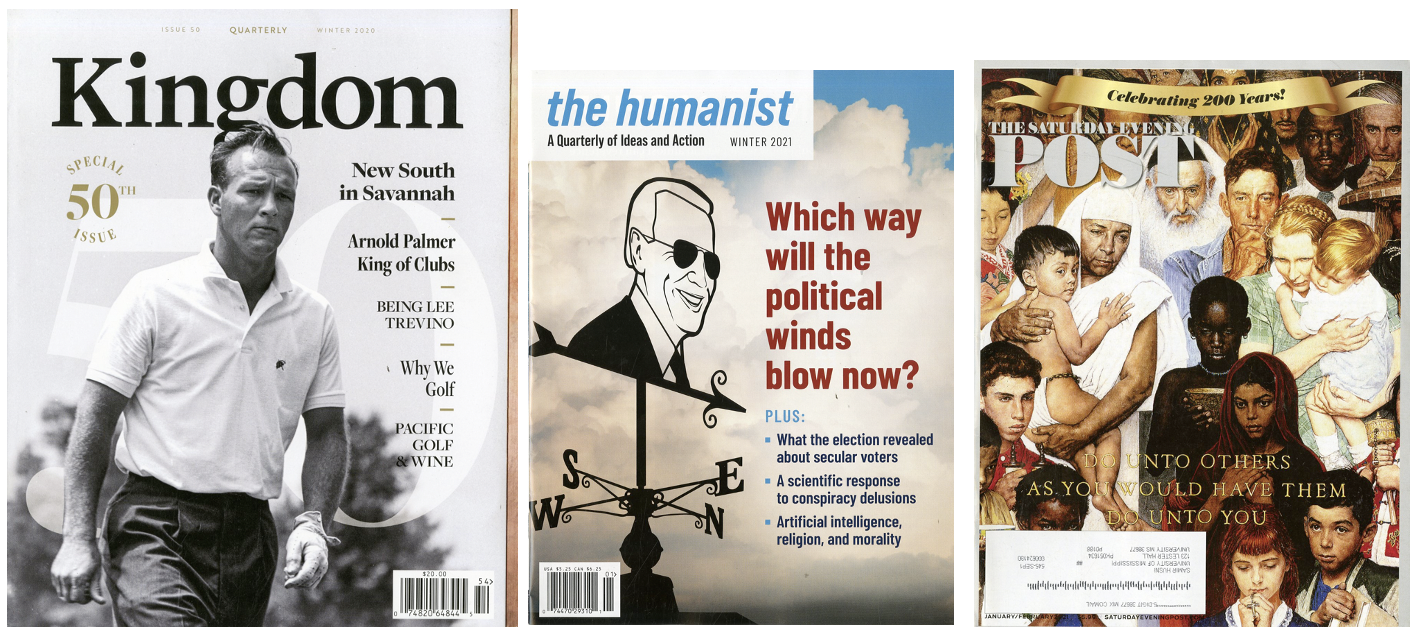
And it’s the same for magazines that are celebrating these days. Some of them are still living 200 years later like The Saturday Evening Post, some are celebrating a 175-year anniversary, such as Town & Country and Scientific American (which celebrated its 175th last year), and then a few just celebrated one year like Different Leaf, so regardless of the celebration, whether one year or 200 years, it’s a frozen moment in time that only print can capture and that stays with you as a reminder no matter the circumstances. It’s there to nudge you in the ribs with laughter or to simply say life is good and magazines are going strong. Either way, ink on paper is still a viable and relevant way to communicate with an audience. 

And as you open the pages of those celebratory magazines, it’s as though you are opening a birthday card or an anniversary wish. And during this pandemic that we all find ourselves  coping with, celebrating a healthy and happy birthday or anniversary is much-needed. 

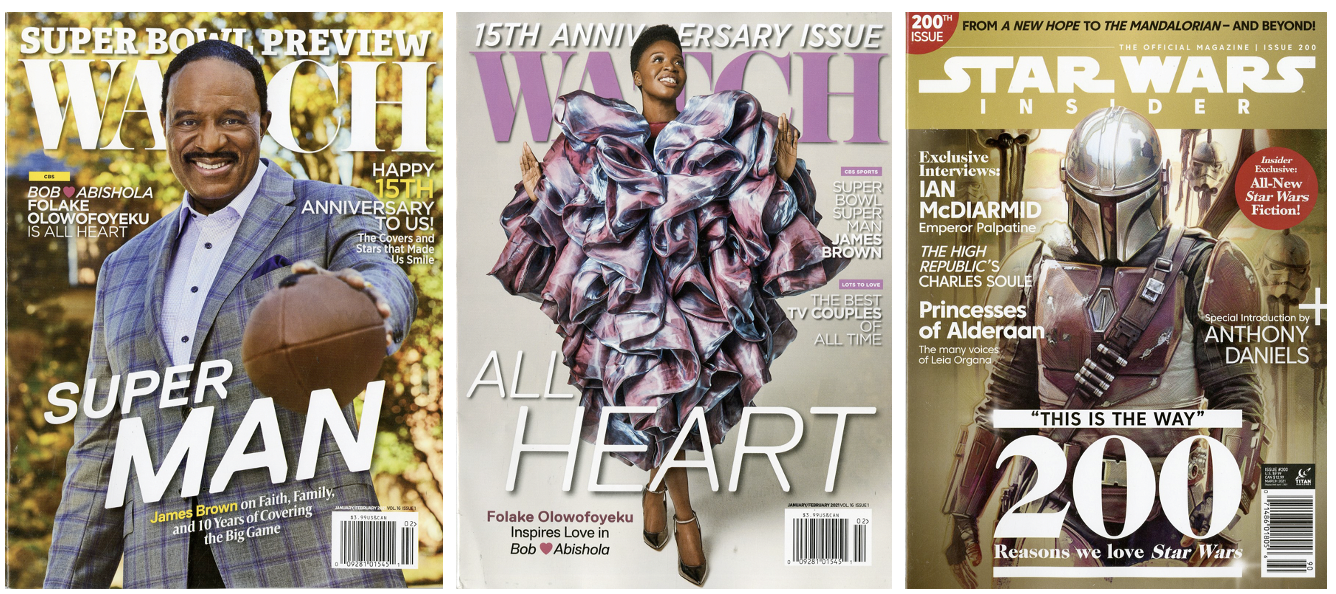
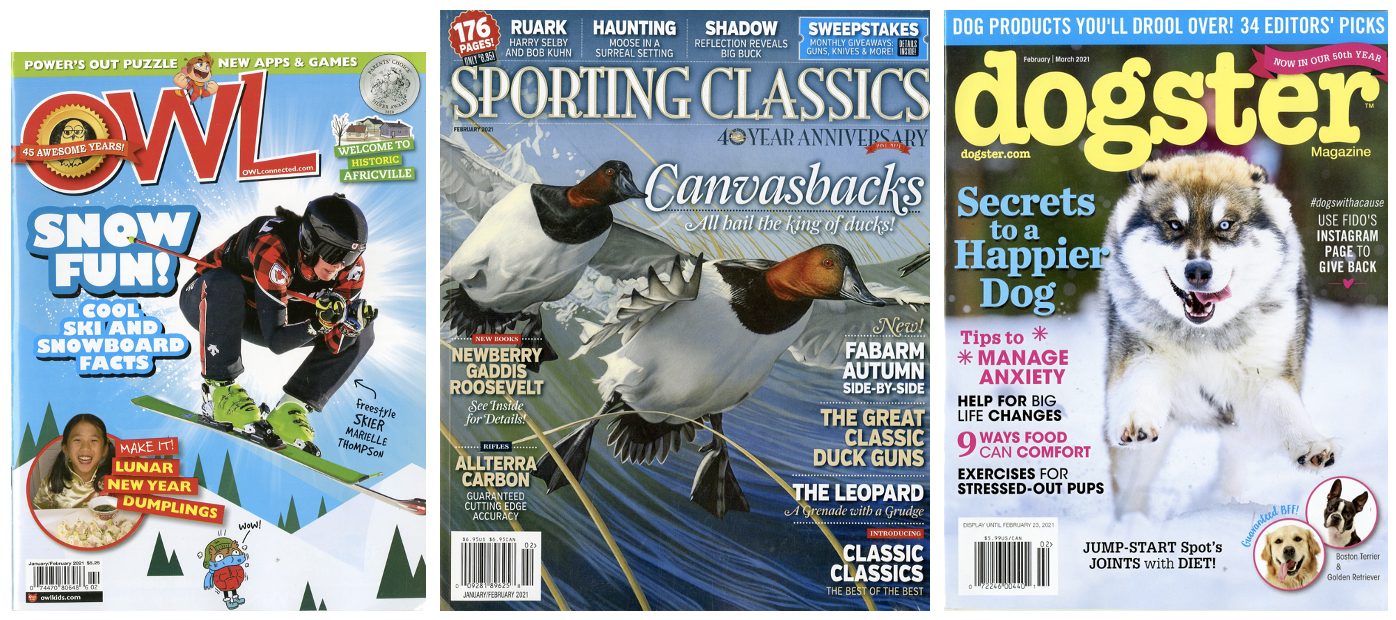
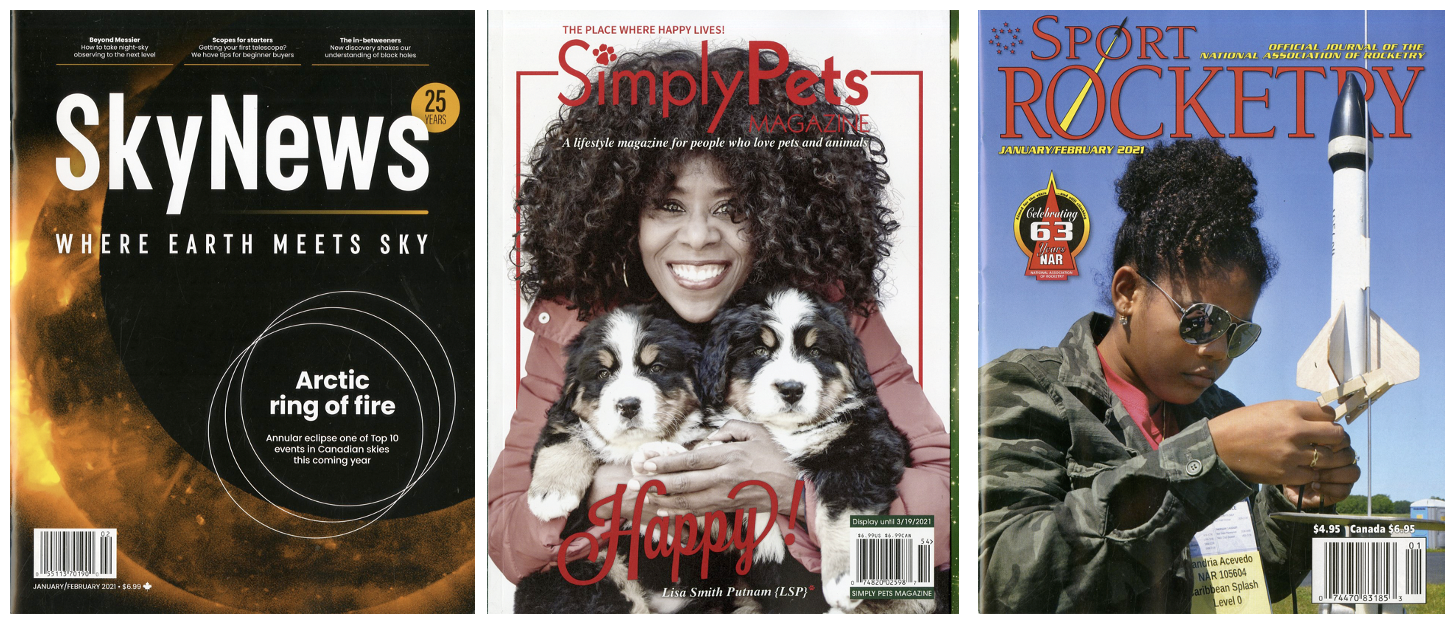
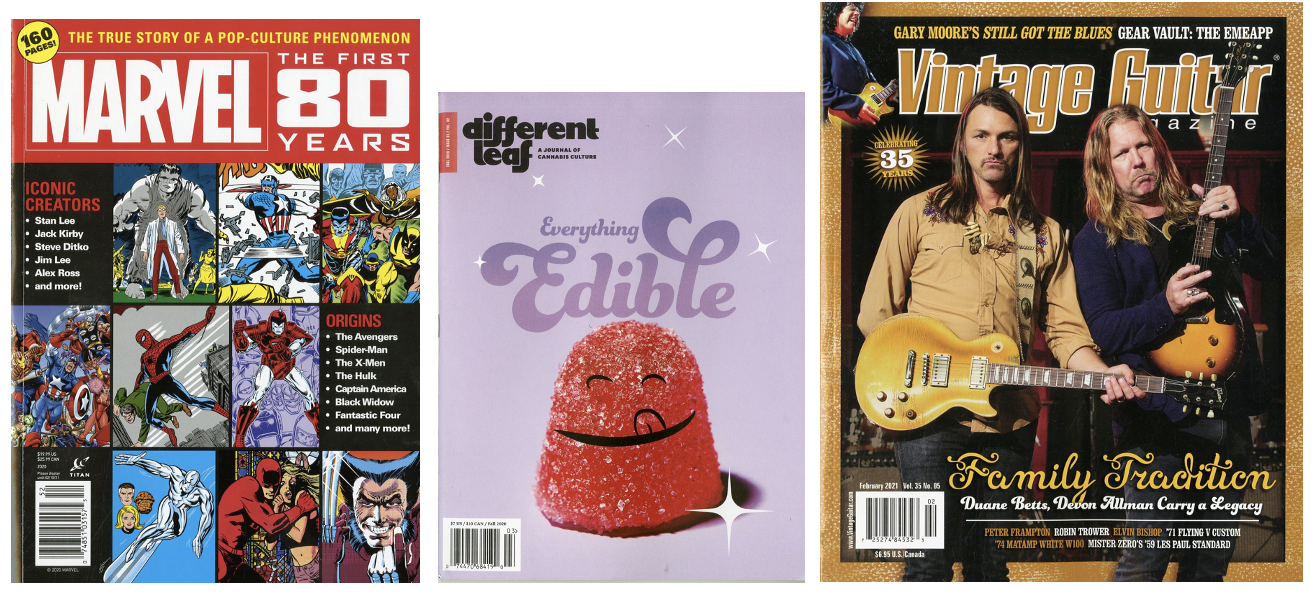
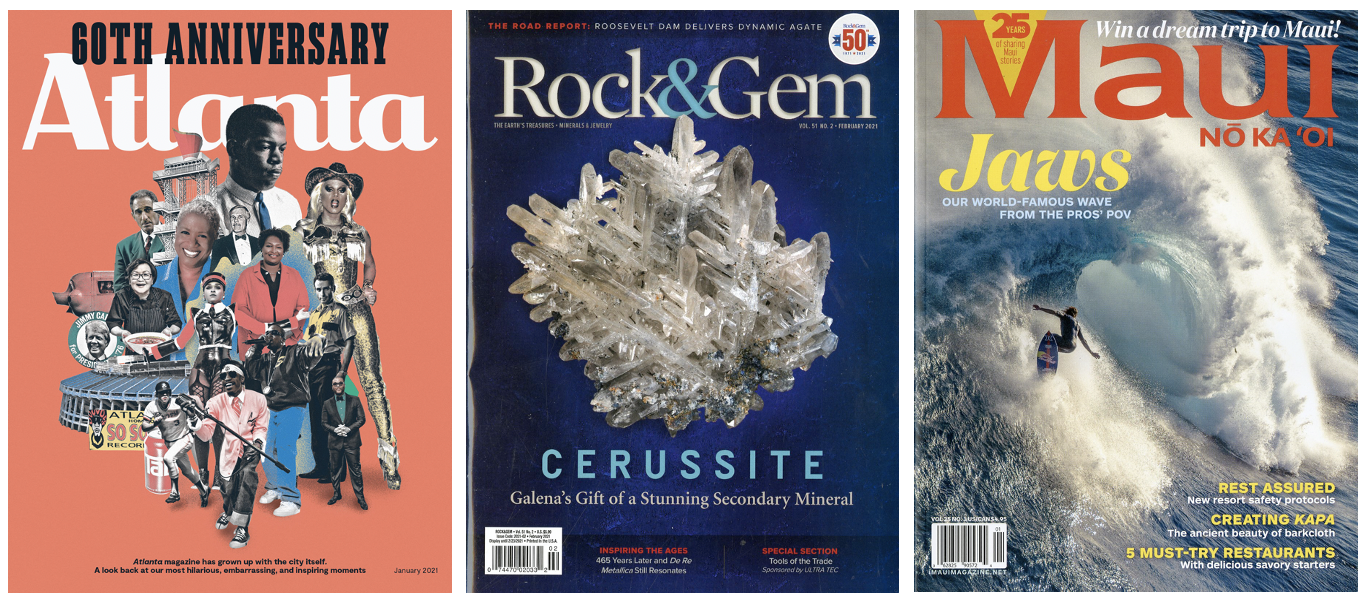
So take a look at some of the magazines I picked up this week that are celebrating milestones in their printed lives. I guarantee you’ll smile and recall a few memories you’ve shared with some of these titles. Along with the beautiful covers you see, there is also a quote or two from some of the editors and publishers as they offer up these anniversary issues. And as is the habit with magazines, there is a special connection with the reader in the editors’ words, that engagement that beckons you to sit a while and relax. Get away from the screen and all the notifications that live in the digital world and just enjoy a respite in time and all the extra things these commemorative issues offer. And remember, whether it’s 200 years or 63 years, every year counts when a magazine celebrates a happy and healthy anniversary. So enjoy and…

Welcome to the party!!

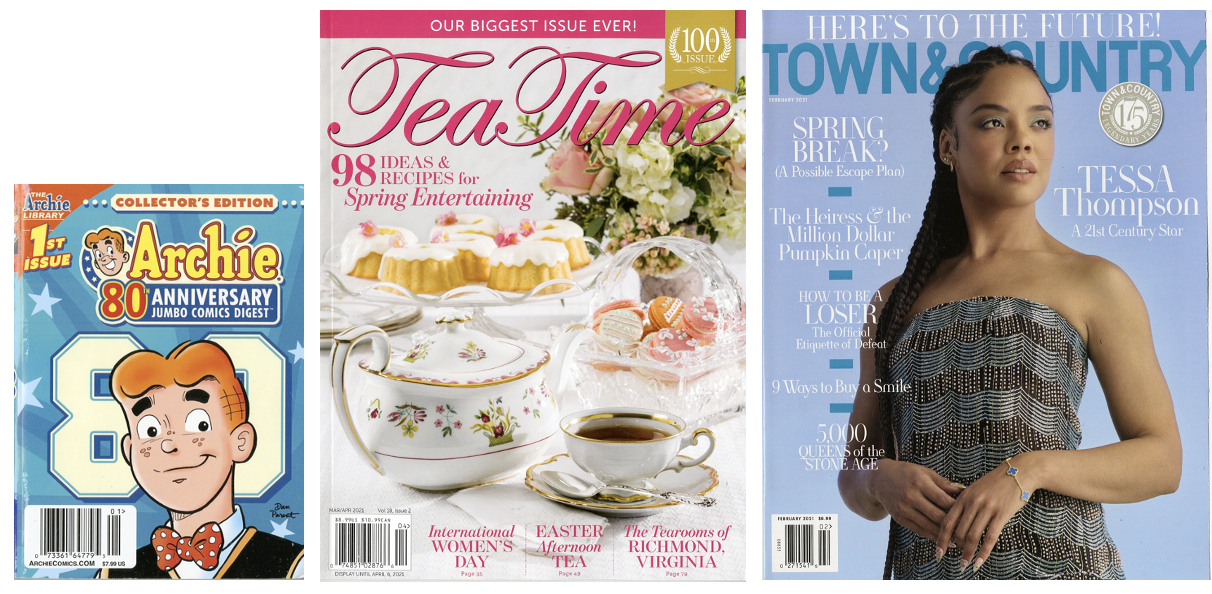
Archie – Celebrating 80 years

“For Archie’s 80th anniversary, we welcome back an Archie tradition in 2021… The Editor’s Notebook! This special feature is your monthly go-to spot to learn about cool behind-the-scenes info, enjoy great art, get sneak peeks at upcoming projects, read special interviews with the talent that make the stories you love, and even have a chance to meet super fans showcasing their Archie collections!” Mike Pellerito, Editor…

Sporting Classics – Celebrating 40 years

“It is hard to believe, but 2020 represented the end of our third decade of publishing Sporting Classics. It was a decade of challenge that became even more challenging as it sputtered into history. But Sporting Classics has done better than survive, done better than most small publishers. And as the giant hands of the universe’s timepiece TikTok us into 2021, it it with great pride that we celebrate our 40th anniversary and look forward to the next 40.” Duncan Grant, Publisher…

Tea Time – Celebrating its 100th issue

“As you picked up this issue, I hope you noticed something a little different about it. I hinted in our previous issue that there would be a “huge surprise” coming in this one. Not only is this our 100th regular issue, but it also has 100 pages. That isn’t just to celebrate our centennial issue, though it certainly is serendipitous.” Lorna Reeves, Editor…

Town & Country – Celebrating 175 years 

“There are many things I miss about our offices on the 27th floor of Hearst Tower, and the T&C archive closet is high on the list. There, in bound volumes of varying condition, is the history of Town & Country, almost all of the 175 years of it. This issue is the first in a big anniversary year for us, and if we were back at the tower we would all be combing through those black-and-white photographs, studying how we wrote about the Spanish flu pandemic a century ago, marveling at those outrageously wonderful cover lines from the 1960s, looking for people we know in the wedding announcements.” Stellene Volandes, Editor in Chief…

The Saturday Evening Post – Celebrating 200 years

“The Long and Winding Road. The Post celebrates its 200th birthday this year. When I mentioned that fact to a young person I know, he gasped, “That’s like, really old, man!” As the most recent editor in this long history, I often feel equally amazed and honored to be part of this legacy. Over two centuries, the Post morphed from a four-page weekly newspaper into a full-color magazine, ultimately gaining a readership of six million at its peak, and becoming one of America’s most popular and successful magazines ever published.” Steven Slon, Editorial Director and Associate Publisher…  

And now in alphabetical order – the complete list:

Archie – Celebrating 80 years

Atlanta – Celebrating 60 years

Different Leaf – Celebrating 1 year

Dogster – Celebrating 50 years

Kingdom – Celebrating its 50th issue

Marvel – Celebrating 80 years

Maui – Celebrating 25 years

Owl – Celebrating 45 years

Rock & Gem – Celebrating 50 years

Simply Pets – Celebrating 4 years

SkyNews – Celebrating 25 years

Sport Rocketry – Celebrating 63 years

Sporting Classics – Celebrating 40 years

Star Wars Insider – Celebrating its 200th issue

Tea Time – Celebrating its 100th issue

The Humanist – Celebrating 80 years

The Saturday Evening Post – Celebrating 200 years

Town & Country – Celebrating 175 years 

Vintage Guitar – Celebrating 35 years

Watch – Celebrating 15 years

These magnificent magazines with their longevity and relevance really drive home the point of how powerful print is when it comes to stamina and engagement with the reader. Celebrating these milestones is no small feat in this age of digital and instantaneous information. These are milestone commemorations, with many of the titles having been handed down through the generations. 

And in this time of quarantines and social distancing and mask-wearing, the comfort these printed magazines can bring can’t be lost on any of us. 

Until the next time…

See you at the newsstands…

h1

In A Digital World, Magazine Covers Still Carry Tremendous Weight. My Column From Poynter.

February 7, 2021

From Vice President Kamala Harris’ Vogue photos to former first lady Melania Trump’s invisibility, the impact of magazine covers remains significant. 

The following column appeared on The Poynter Institute website on Feb 1, 2021. Click here to see the original column.

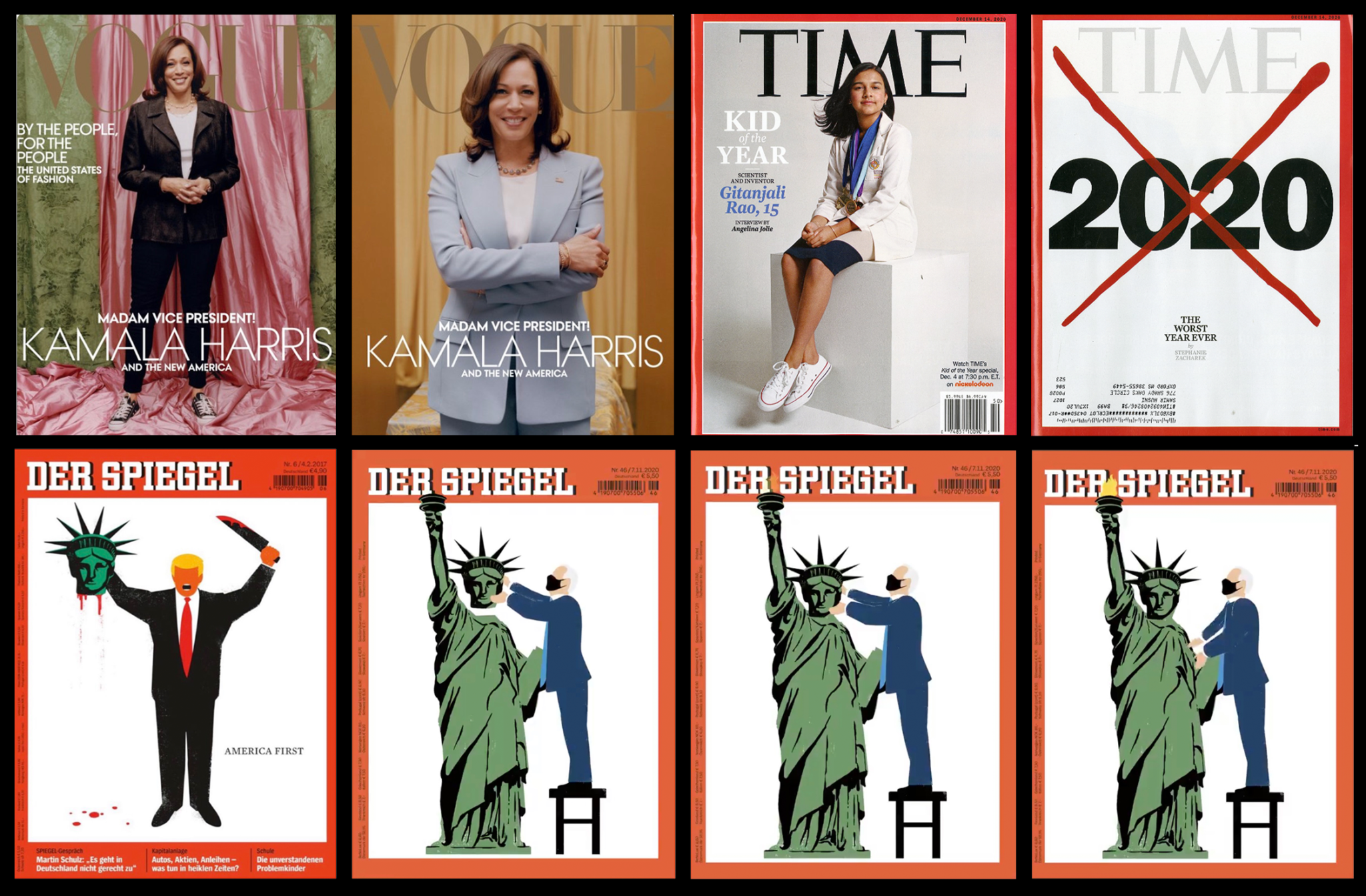
Magazine covers from Vogue, Time and Der Spiegel that have captured the public’s attention, despite the shift to a digital-first media world.

Magazine covers are in the news again. Vogue’s cover of Vice President Kamala Harris is just the latest to capture widespread audience attention. It won’t be the last. The power of the magazine cover in print has always been significant.

The editors I speak with regularly say that when politicians or celebrities are interviewed, they never fail to ask if they’re cover material. They don’t care about being featured on the web, on social media, on an app, on in any kind of digital space. All they care about is whether they will be on the cover of the printed magazine.

High-profile people, it’s clear, know the power of the magazine cover.

The publisher of People en Español, Monique Manso, recently told me that the promise of a print cover was key to getting access to important people. “It’s the print piece that makes them want to give that exclusive,” she said.

The magazine’s editor-in-chief, Armando Correa, described a celebrity exclusive where the person’s child would be photographed publicly for the first time, but being on the printed cover of the magazine was a precondition.

But as I told Scarlet Fu on Bloomberg’s Quicktake, the decision of what goes on the cover is still the editor’s prerogative, though the audience may not like it.

Vogue’s choice of cover photos for its February 2021 edition, with Harris wearing jeans and sneakers, was met by a tsunami of comments on social media accusing the magazine of “whitewashing” the vice president and showing disrespect for her by publishing such a casual, informal image.

In my interview with Fu, she asked why Vogue didn’t do a split cover — publishing different covers for the same issue — with the vice president. (Her question came before Vogue announced it would print a limited edition split cover featuring another photo that they had previously slated only for digital.)

Split covers are not a novel idea. I have a collection of magazines dating back to 1963 with split covers. They were used to test different names, images, cover lines — you name it. In other cases, magazines produced multiple covers as collectible items. For example, TV Guide issued collectors’ covers celebrating Star Trek’s 35th anniversary.

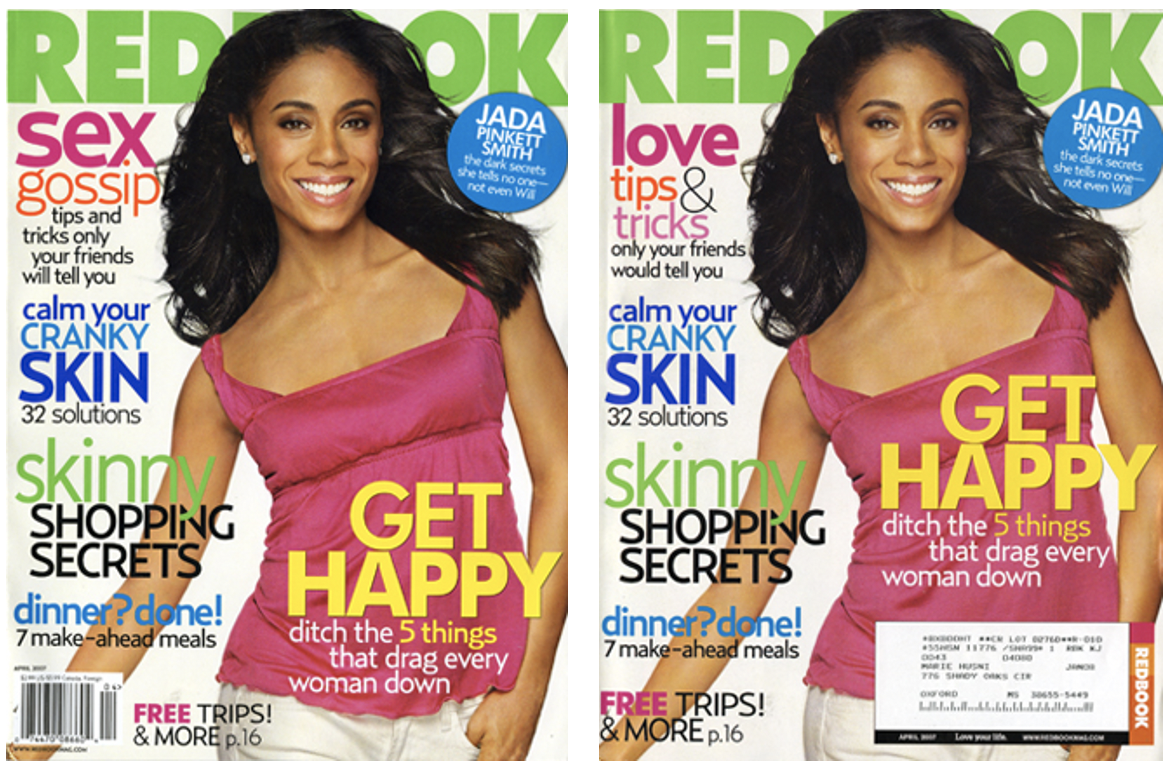
In its heyday, Redbook would have different covers — one for subscribers and one for the newsstands. For the newsstand edition, people would get a cover line with the word “sex” in it. For subscribers, that word would be changed to “love.” Same cover line, but different wording.

A newsstand edition of Redbook, left, and a subscriber edition, right.

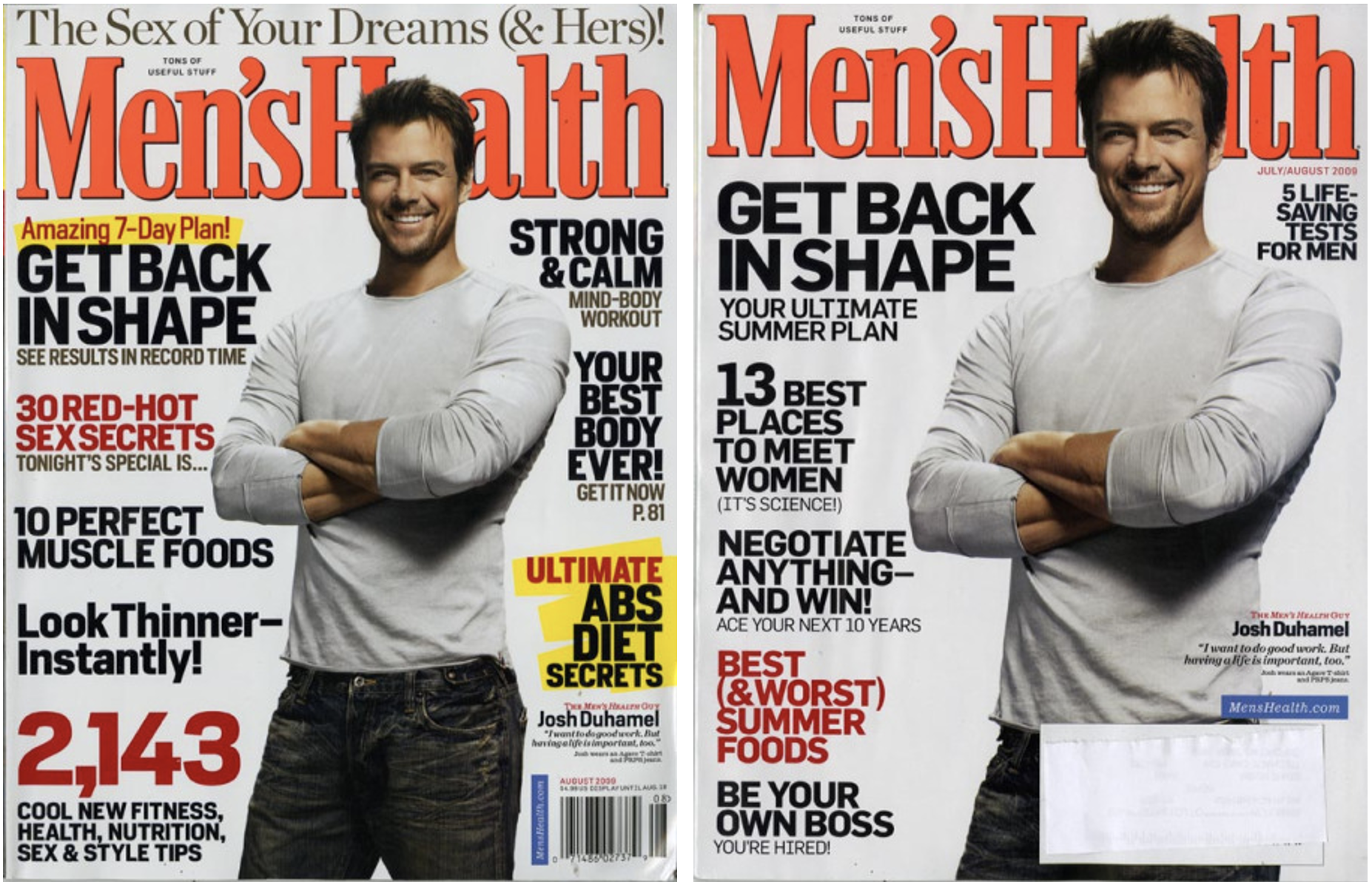
Men’s Health often did the same, highlighting sex and secrets for building abs on the single-copy sales covers.

A newsstand edition of Men’s Health, left, and a subscriber edition, right.

The thinking in both cases was that the word “sex” would grab the attention of the newsstand buyers and lead them to pick up the magazine. That extra emphasis is not needed for subscribers, who already have a relationship with the magazines.

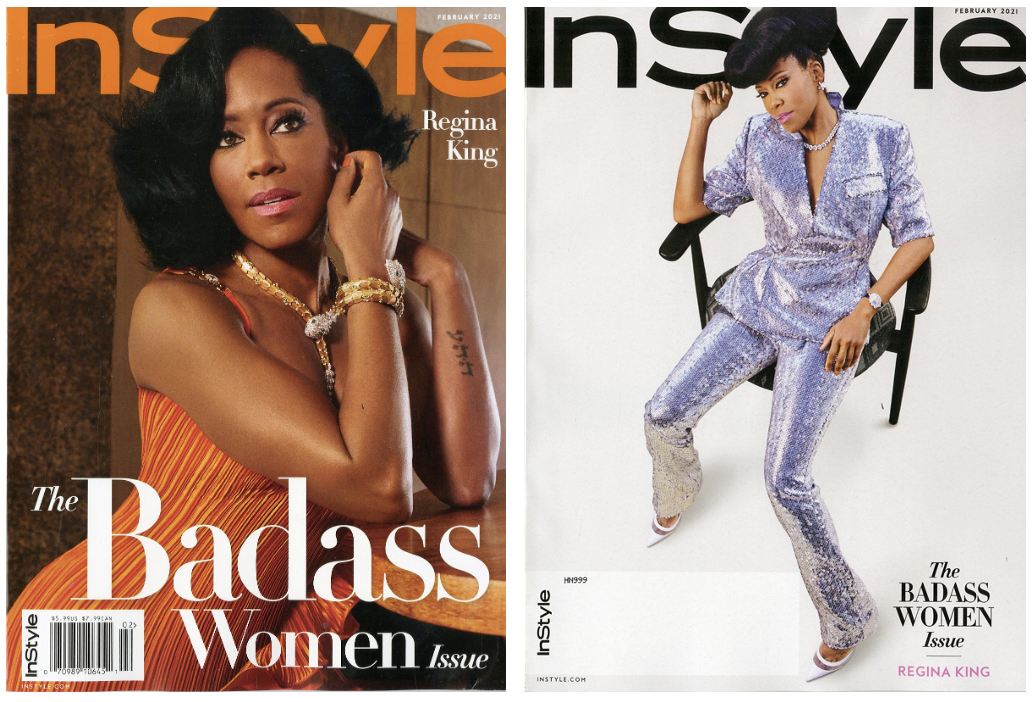
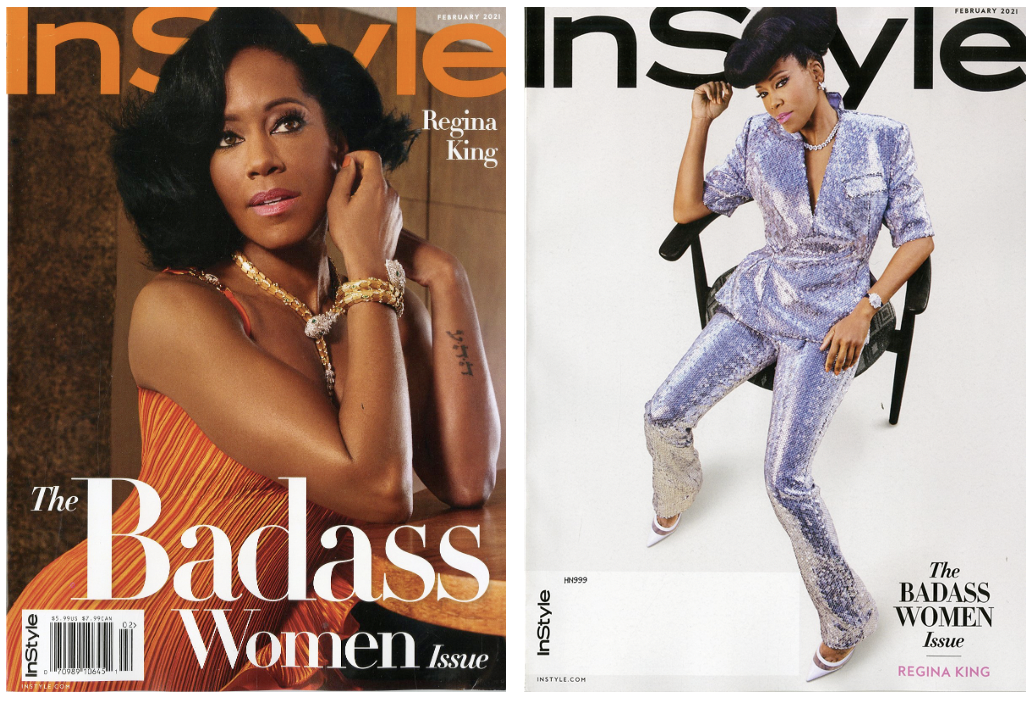
And the trend continues today. InStyle magazine is a perfect example. Look at its February issue — subscribers get one cover with minimal cover line treatment, a title that you can barely see, and a full-body shot of actress and director Regina King. Newsstands get another cover with a very large and bold cover line and a large, close-up shot of King.

A newsstand edition of InStyle, left, and a subscriber edition, right.

In January, InStyle featured former President Barack Obama on the subscriber cover, while the newsstand featured actress Jodie Comer.

A newsstand edition of InStyle, left, and a subscriber edition, right.

But a new question may be emerging. Does there have to be another cover to tame the social media beast?

Look at former first lady Melania Trump, who certainly knows the power of the magazine cover as she was a professional model for many years. From Vogue to British GQ, Trump graced the covers of many top fashion magazines. But as first lady, she had no such exposure. In her four years in the White House not once did she pose for a cover. Many other first ladies were offered that cover privilege: Michelle Obama and Laura Bush, to name two, but not Trump.

Were editors making a political statement by ignoring her? Or were they afraid of the social media pushback the audience isn’t shy to dole out?

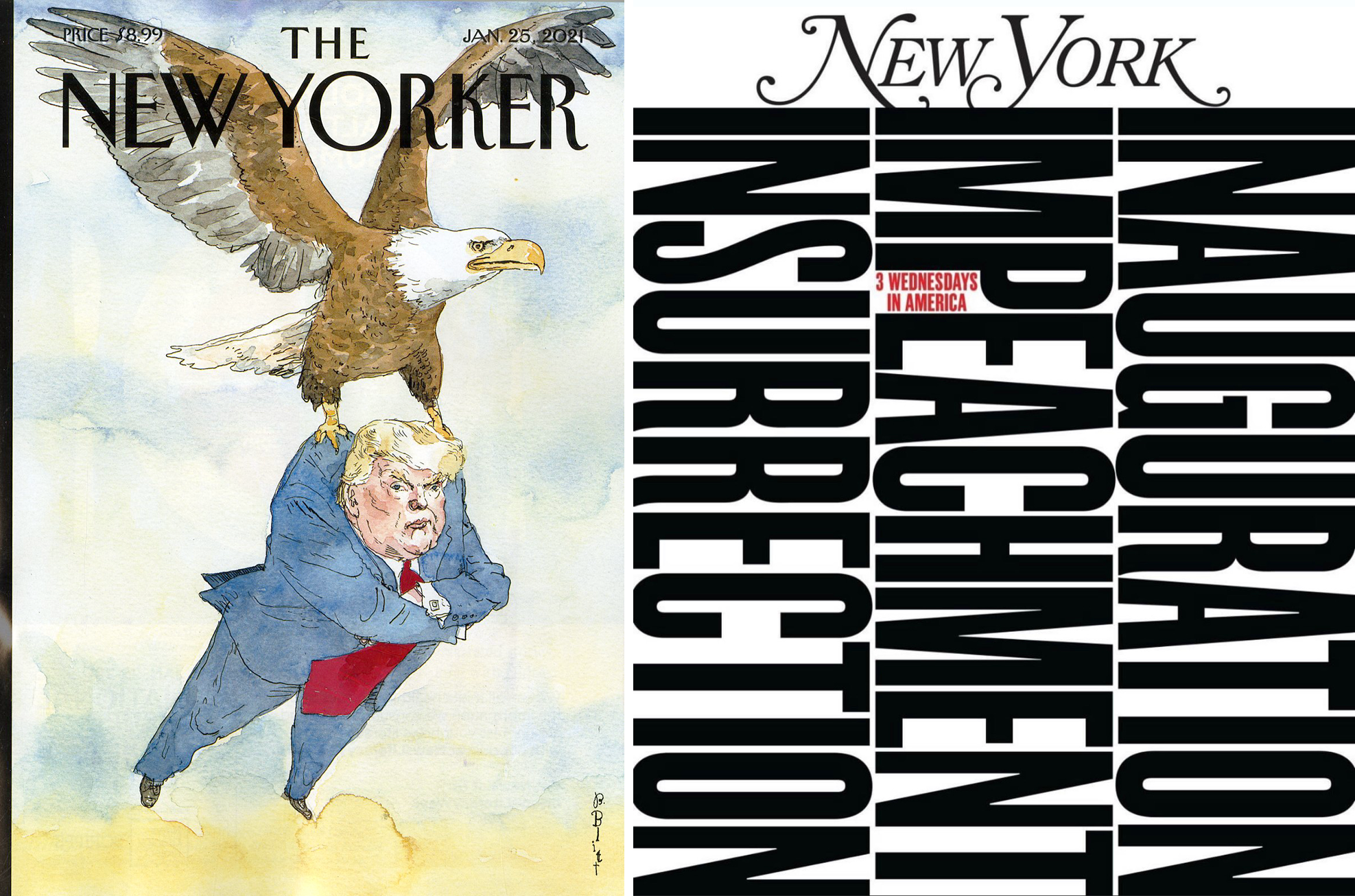
The magazine cover is still a powerful tool. Just look at the Jan. 25 cover of The New Yorker, or the January cover of New York magazine.

Recent covers from The New Yorker, left, and New York Magazine, right.

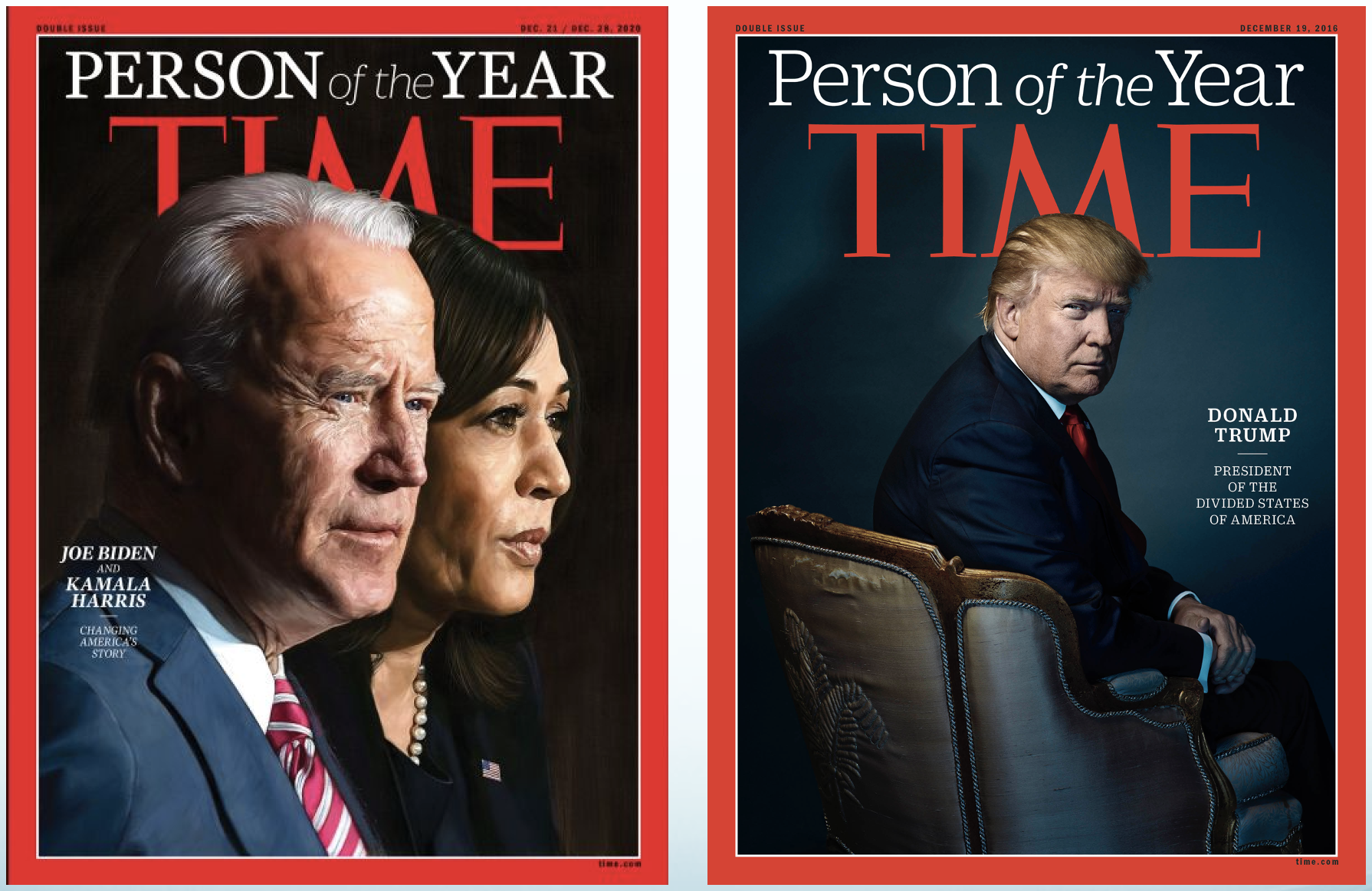
Or compare the cover of Time magazine and its editorial statements. When they chose former President Donald Trump as Person of the Year in 2016, the cover line read “President of the Divided States of America.” Yet when they chose President Joe Biden and Vice President Harris as the Person of the Year 2020, the cover line read “Changing America’s Story.”

Time Person of the Year covers featuring President Joe Biden and Vice President Kamala Harris, left, the 2020 selection, and former President Donald Trump, right, the 2016 selection.

One wonders, is the country less divided today than it was four years ago?

Social media is now a battering ram that can force editors to change their minds and produce covers to placate those on social platforms. My question is, are those people commenting on social media actually customers of the magazine?

There is a danger that the power of editing may be surrendered to masses that are not reflective of the magazine audience at all. When everybody is an editor, nobody is an editor.

h1

Publishing Is Believing And I Do Believe… A Mr. Magazine™ Musing

February 4, 2021

New Magazines:  The Life Blood Of The Magazine Industry

At Least 4,730 New Magazines Launched In The Last 20 Years…

In any industry or profession, without new birth, products, ideas, or people, there is no growth. If you’re not growing, if you’re not introducing new blood to the mix of what you have, you’re dying incrementally. And the lifecycle and growth of magazines aren’t any different than any other lifecycle. Yes, magazines come and magazines go, but just because one magazine folds it doesn’t mean the entire print medium is dying. 

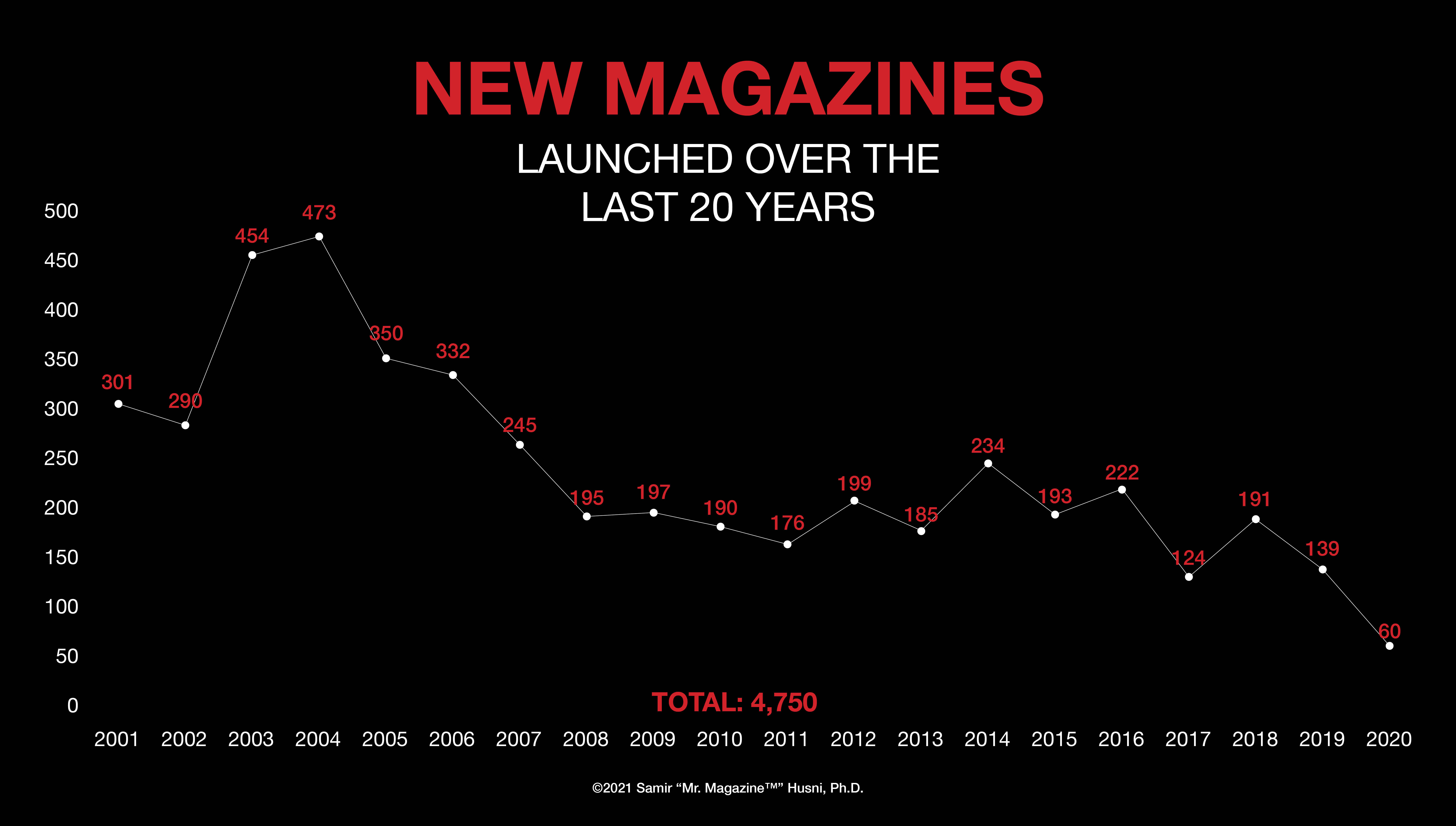
And while in the last 20 years the number of consumer magazines in this country aimed at the general public has remained steady, averaging at around 7,000 titles, it should be noted that in those same 20 years we had at least 4,730 new magazines coming into the marketplace. And the reason I say at least, is because those were the ones that I was actually able to buy and collect ink on papers copies from.  My definition was and is still is, “if it is not ink on paper, it is not a magazine.” And if I don’t have a physical copy of the magazine, it does not get added to the data on new magazines.  There has always been an influx of new print hitting mailboxes and newsstands nationwide, ranging from a yearly high of 450+ to a low of 60 due to the onset of the pandemic in 2020. 

Those new titles are the life’s blood of the magazine industry. And even if 70 percent of those magazines have died, which is the survival average of new magazines after four years of publishing, the remaining provide a good chuck of the magazines in the marketplace. 

Why am I talking about new magazines and the need to launch new titles aimed at different audiences? Mainly because people have been asking me about it, many have called and interviewed me about whether there is still room today for new magazines? My answer is there’s always room. To me, magazine publishing is like the digital sphere. There is no end for digital and there is no end for ideas and launching new magazines.

What does it take to launch a new magazine and what are some of the steps to make sure it’s successful? 

The most important aspect, based on my research, is that you have to find an audience. That’s number one. An audience who is willing and capable to pay the price of the magazine and the advertised goods in the magazine. The average cover price of a new magazine is inching toward the $10.00 figure. You have to be in the business of selling relevant, engaging content to an audience who one, can afford the price of your magazine and two, can benefit from what’s inside that magazine.  The old business model of selling the audience to an advertiser to make money is slowly but surely heading to the history books.  You must be in the business of selling content and creating experiences with the audience.

Nobody needs a magazine. Magazines are like chocolate. Nobody needs chocolate but once you start eating it you get addicted to it and you want more. Same thing with magazines. You have to create this relationship. And number two, you have to provide me with something different. Something unique. If I can Google a question and find its answer, it doesn’t belong in your magazine.

So the process of starting a new magazine begins with an idea. The very first thing you need to do if an idea comes to your mind is put it in writing. Ideas come by the dozen and are worth a dime. It’s the execution of the idea that sets it apart. So once you get the idea, once you boil it down to a very specific one sentence “this is what the magazine is going to be all about,” find the means and ways to reach that audience. Because the best ideas in the world, if they don’t have an audience, they are never going to go anywhere.

And believe in yourself. The sky is not the limit. No, you are the limit! Believe in yourself because everyone is going to tell you “this will never work.”  And all the successful magazines in history were published based on ideas that folks were told their ideas would never work or no one would ever buy them.

For the last 20 years, new magazines have continued coming into the world just like their predecessors before them. For a glimpse at how the numbers fell in any given year, here is a chart that myself and my team put together of new launches that have frequency from 2001 until 2020.

As you can see, the numbers have been strong (stronger in some years), but even in 2020 with a pandemic raging, we had 60 new magazines to hit newsstands. Nothing short of amazing.

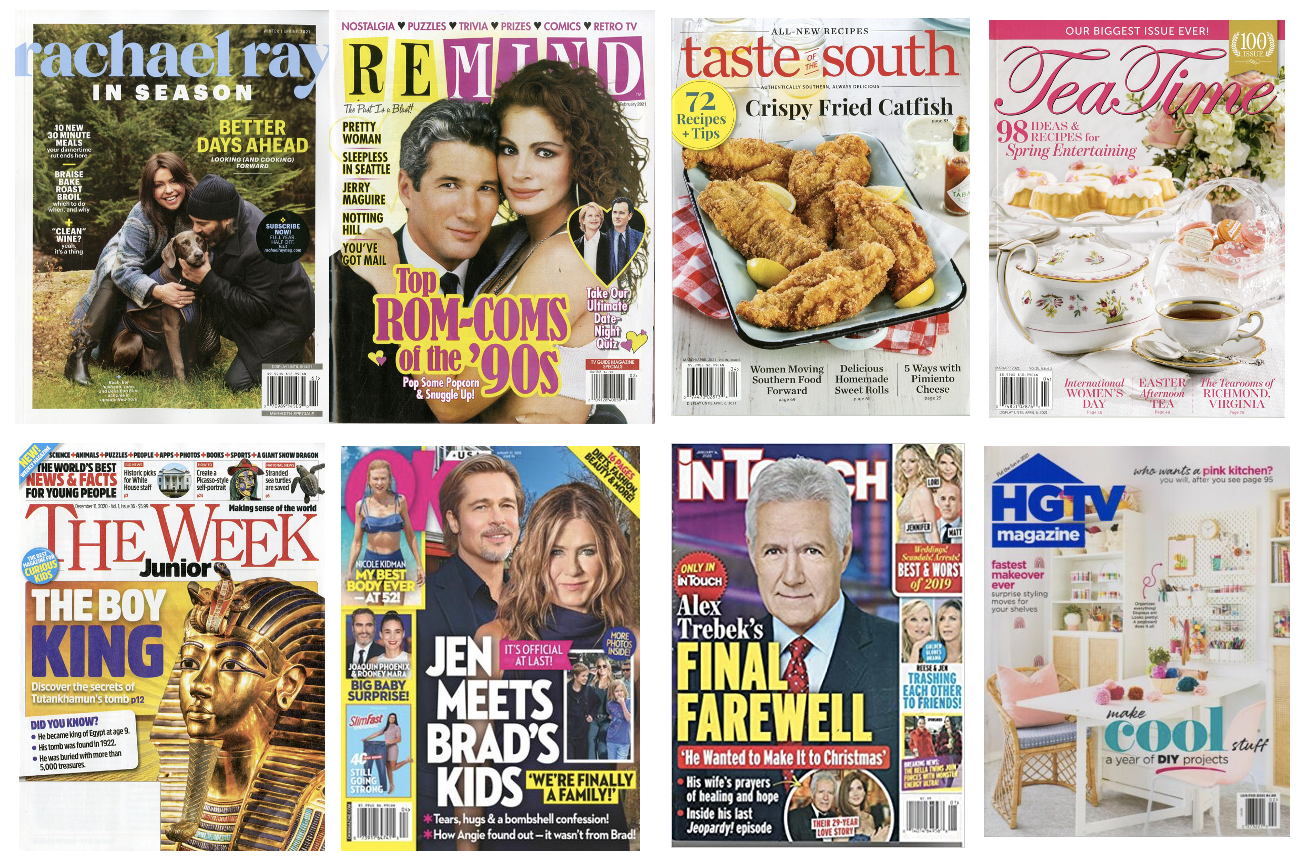
And many of these from the last twenty years are still going strong as you can see from the different titles scattered in this blog. 

And these are just some of the titles still engaging the audiences with excellent experience making and good content providing. The longevity of these magazines prove they still have viable, relevant, necessary and sufficient content that audiences want.

So what are you waiting for?  Start putting your ideas on paper and let the fun begin.  Magazine publishing, as one friend from The Netherlands once told me, “is believing.”  And I do believe.  

Do I hear an amen or two…

© 2021 Samir “Mr. Magazine™” Husni, Ph.D.
h1

Magazines 2020 Celebrating Blackness… A Mr. Magazine™ Musing.

January 16, 2021
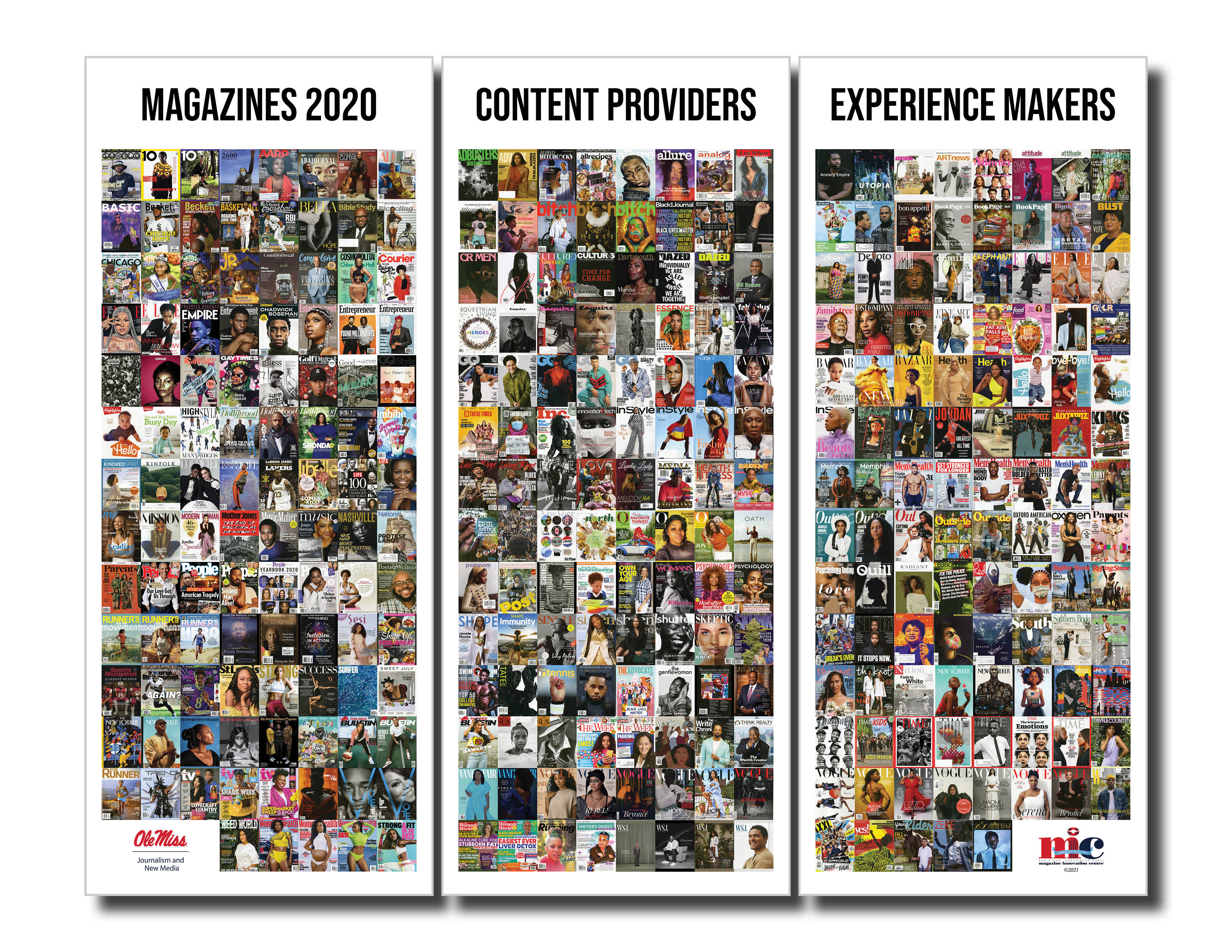
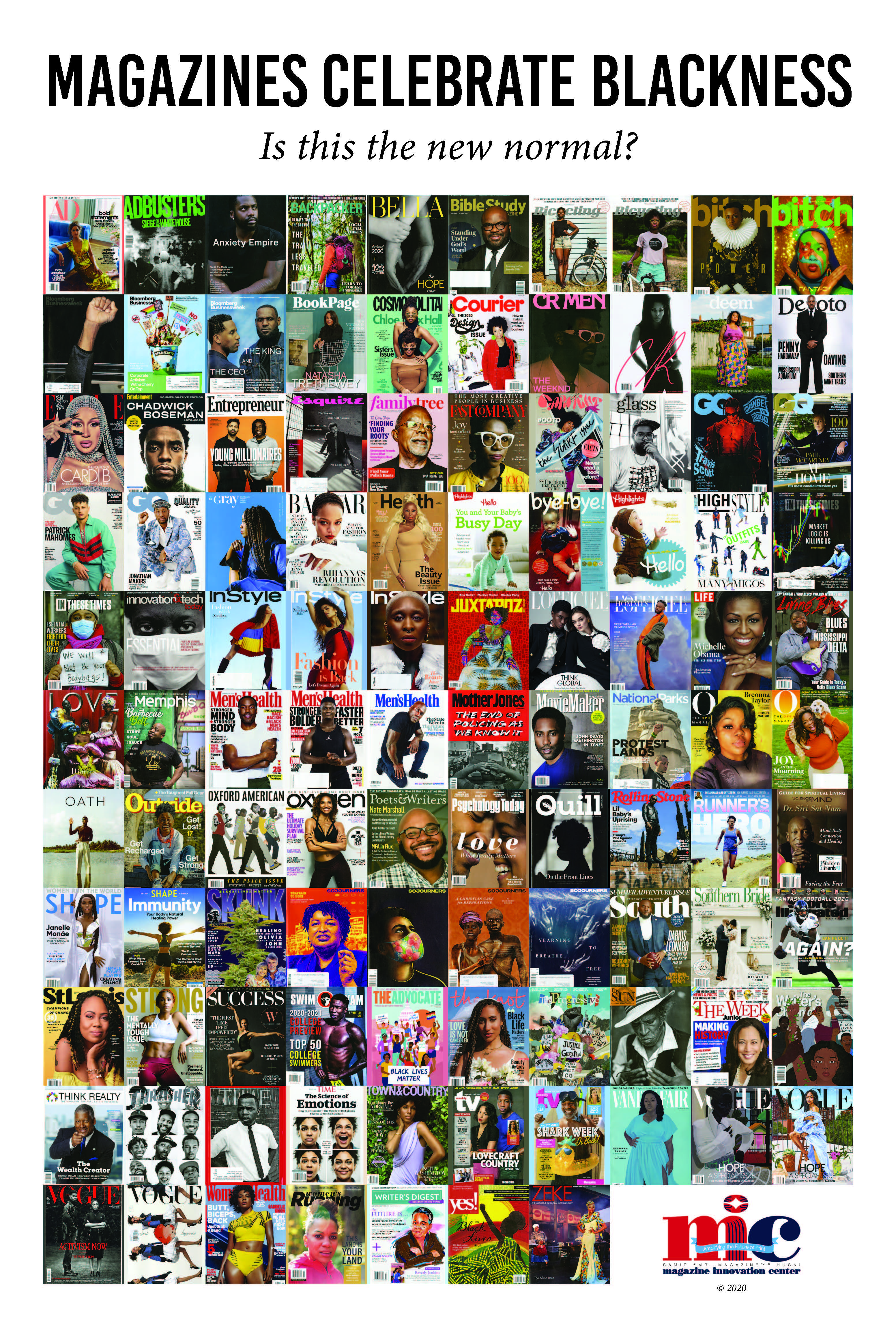
As the country celebrates Martin Luther King Jr.’s holiday, the Magazine Innovation Center at the School of Journalism and New Media, The University of Mississippi, finalized the wall poster of the magazines of the second half of 2020 celebrating Black subjects. In the last six months alone, mainstream magazines have featured at least five times more covers with Black subjects than in the last century combined. The poster will be available shortly to be mailed to those who request it from the Magazine Innovation Center. Details will appear on the Center’s website. The magazines are from the collection of the Center’s founder and director Samir “Mr. Magazine™” Husni, Ph.D. and was designed by journalism graduate student MacKenzie Ross.
h1

A New Year’s Message In Two Magazine Covers

December 31, 2020

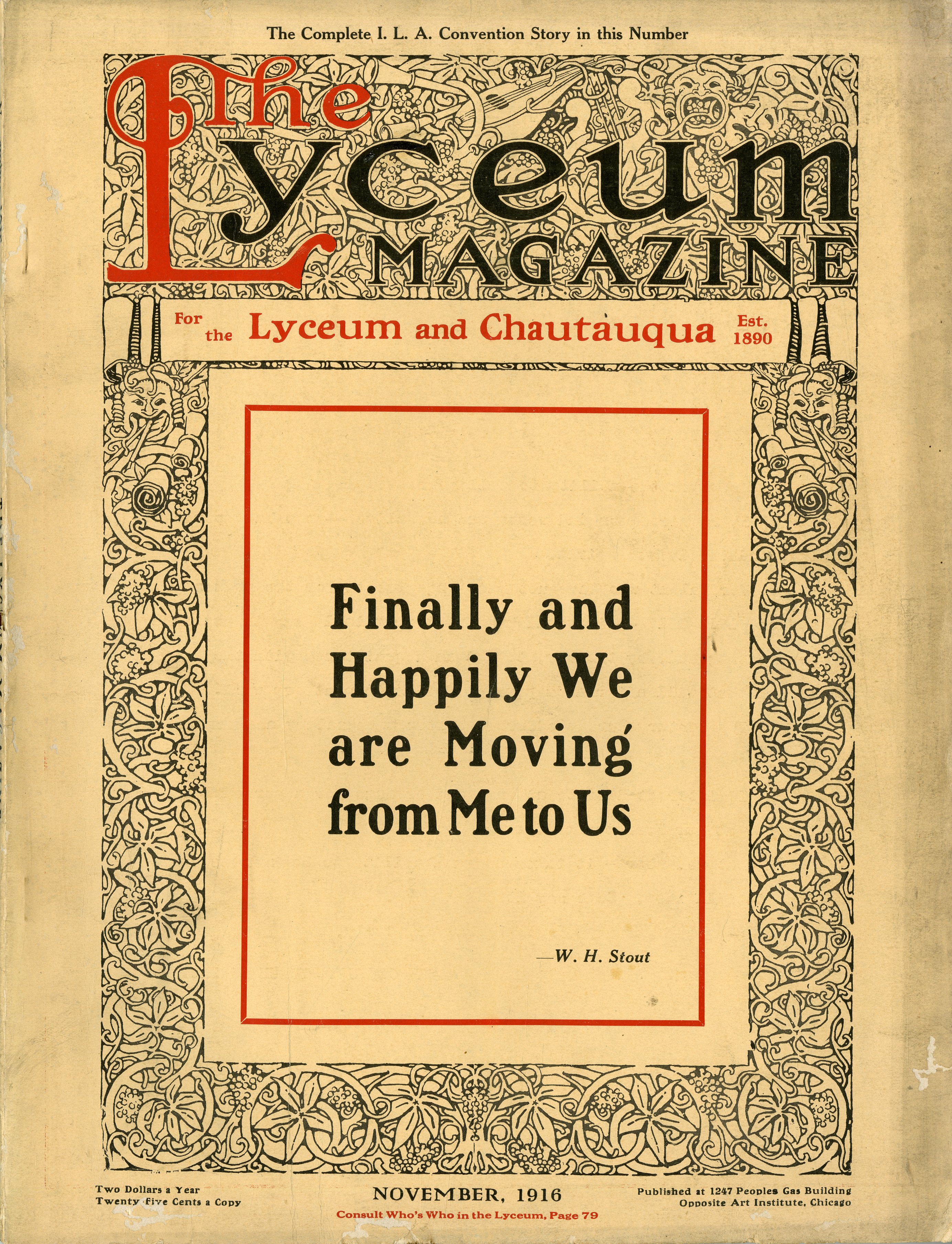
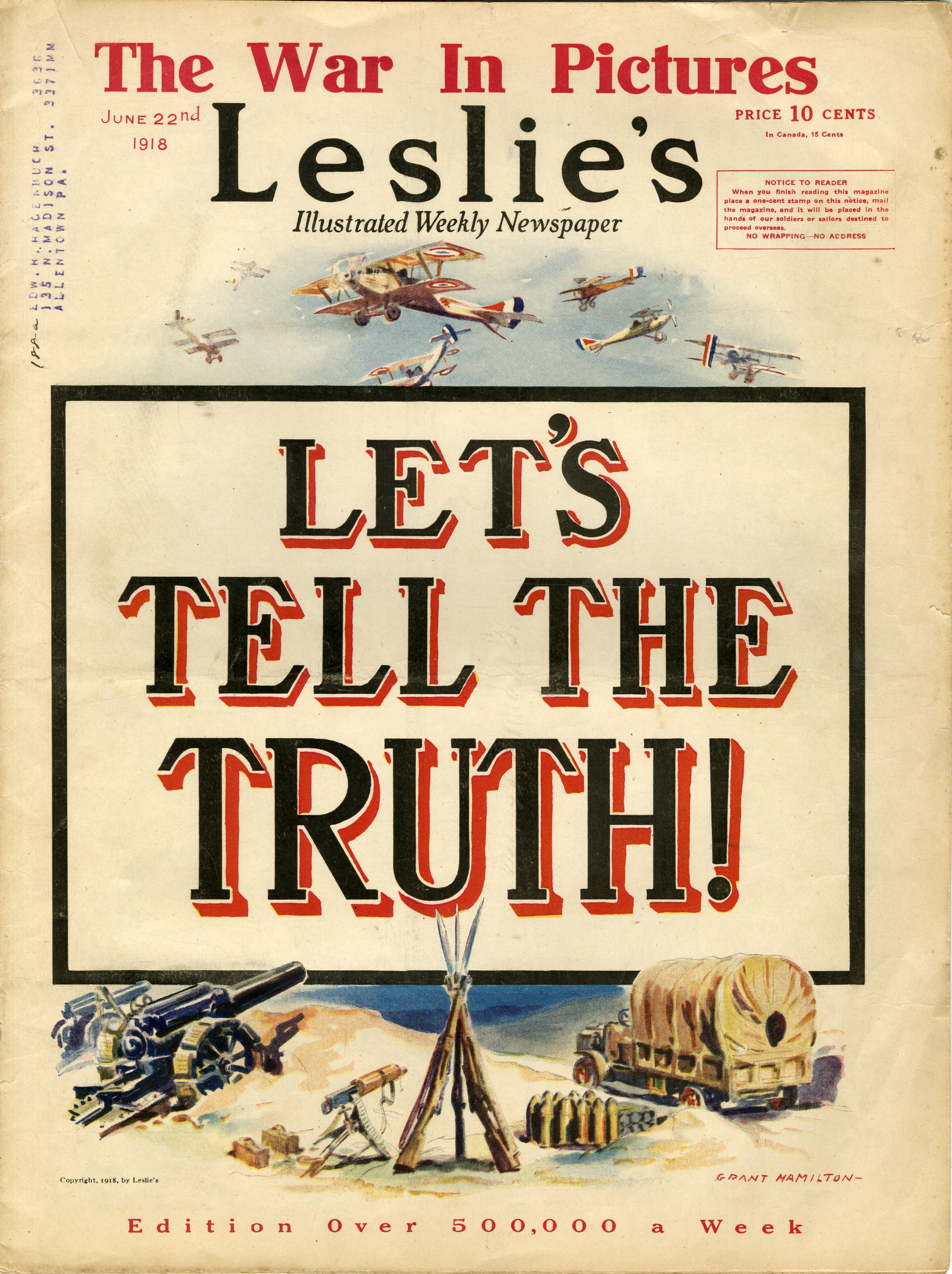
As we bid 2020 farewell, I thought if a picture is worth 1,000 words, a magazine cover or two from my collection is worth a million words. Here are two covers from 1916 and 1918 that sum my hopes and views of the coming year. Keeping the faith (and the magazines), easing the pain, stopping the hate, spreading the love and hoping this too shall pass. Have a wonderful, healthy and mentally prosperous new year.

The Lyceum Magazine November 1916
Leslie’s Magazine June 22, 1918

Here’s to a very successful 2021 magazine year and long live print in this digital age.

All my best and until we meet again in 2021 enjoy a magazine or two.

Samir “Mr. Magazine™” Husni

h1

Magazines Celebrate Blackness. Is This The New Normal? A Mr. Magazine™ Musing

September 29, 2020

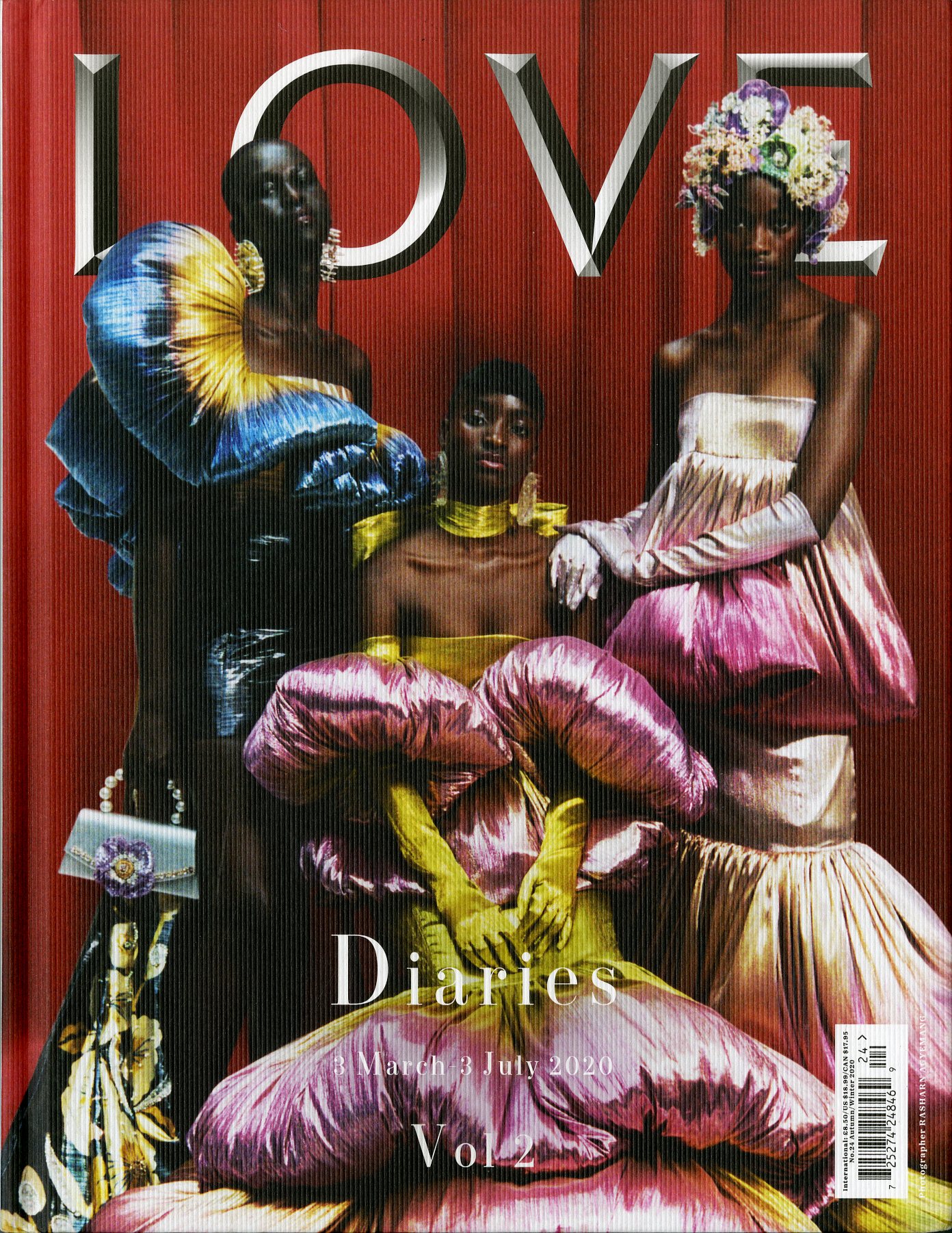
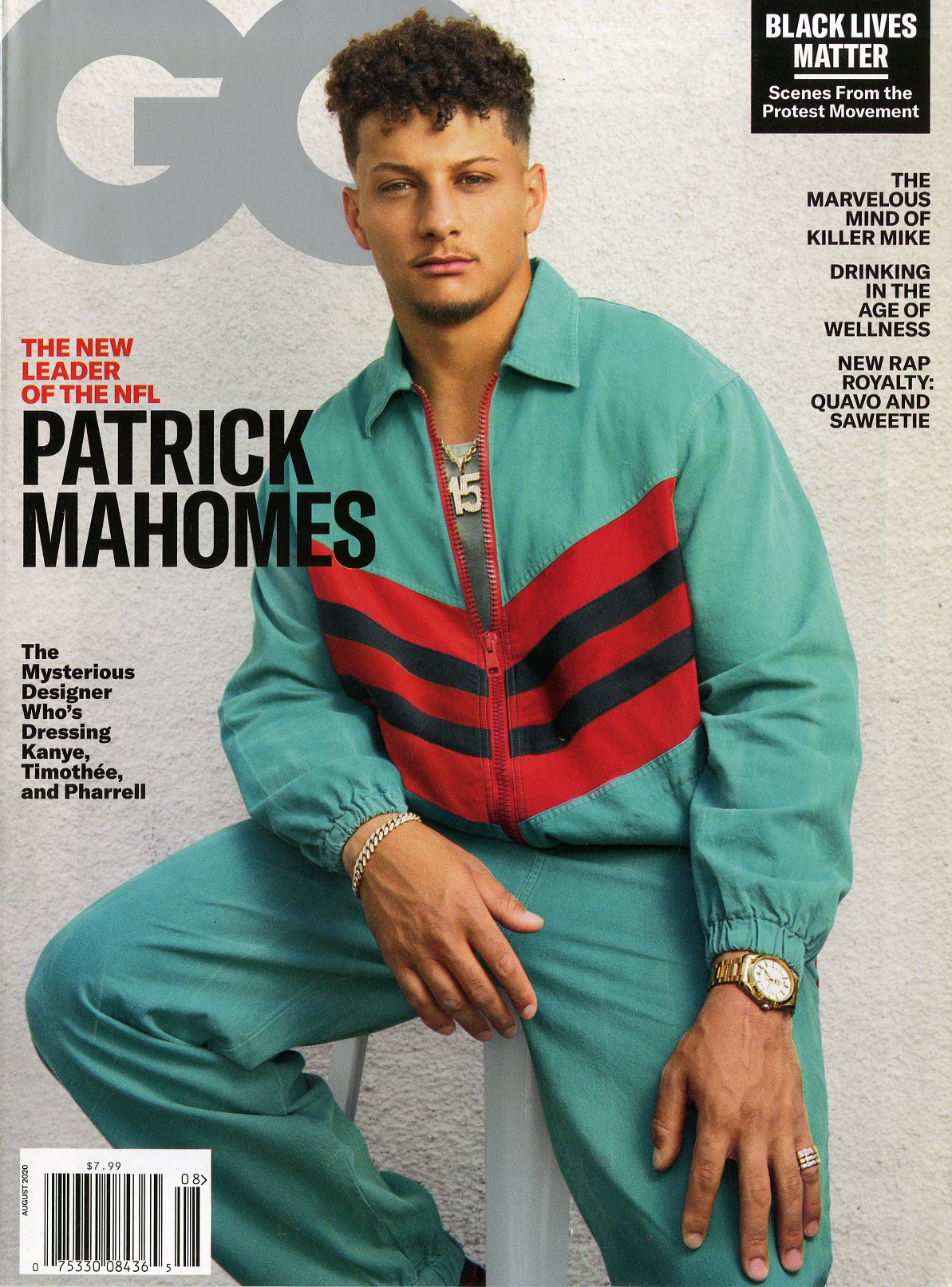
Change is taking place right before our very eyes, important changes in the world and in the world of magazines and magazine media.  From A to Z, magazines are celebrating blackness like they never have before.  Some are asking if this is the new normal, and some are lamenting about what took magazines so long to discover people of color in general and blacks in particular?  Blacks have appeared on covers of magazines in the past, but they were few and far between.  Yet, in the last few months I was able to buy more than  100 magazines with blacks and/or Black Lives Matter statements adorning their covers.  Change is taking place and change is good as the folks at GQ magazine stated in their global editorial (see below)…

I have decided that a picture is still worth a 1,000 words. So I assembled all the 106 magazines I bought or acquired in the poster below followed by excerpts from three magazine editorials.

 What follows are few excerpts from editors’ letters of three selected magazines ….

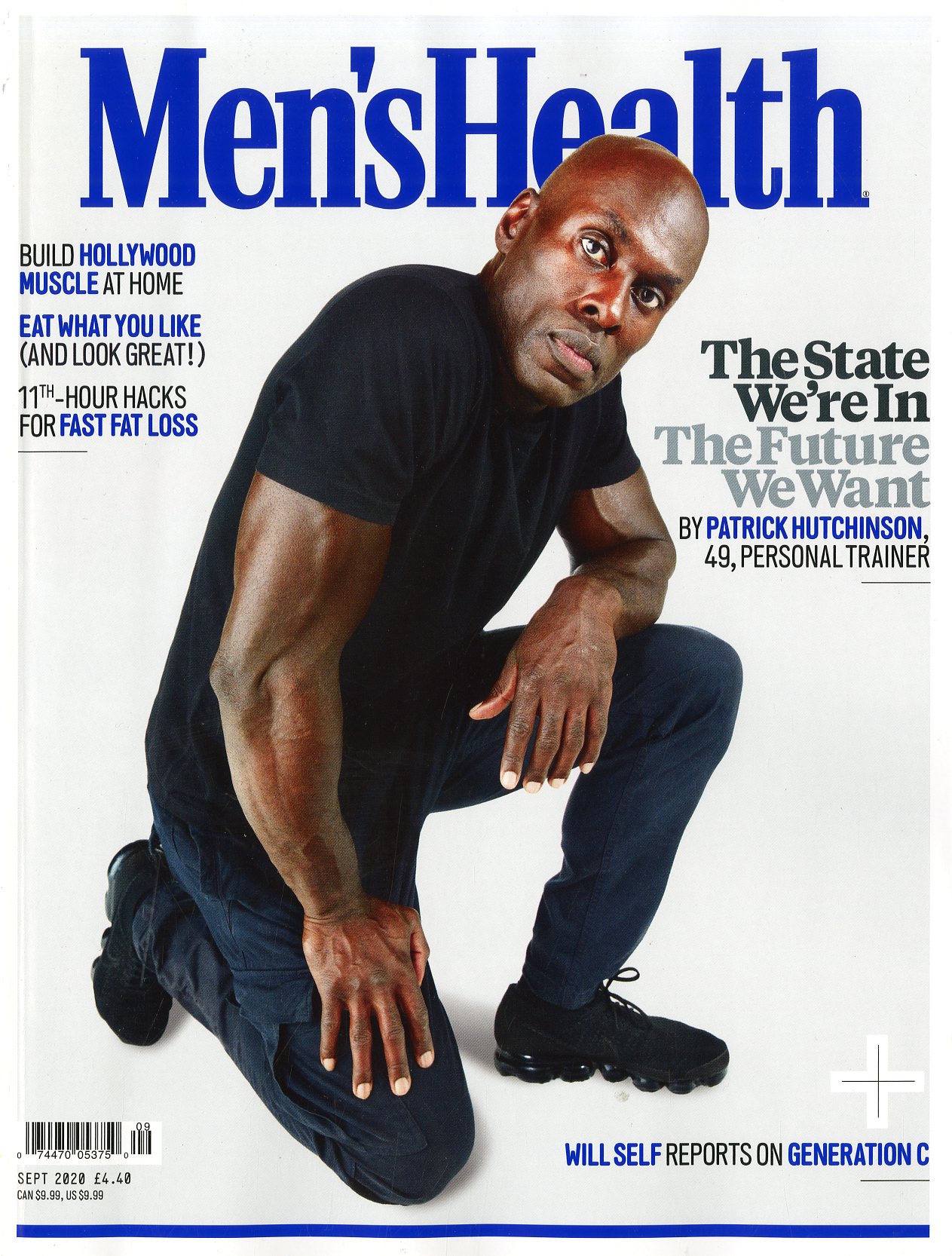
2020 IS NOT CANCELLED – IT’S GAME-CHANGING

By Toby Wiseman, editor in chief

UK Men’s Health magazine

              As I write this in late June, the past couple of weeks have proved fairly tumultuous for people working in the predominantly white UK magazine industry. In the wake of George Floyd’s killing in the US and the subsequent Black Lives Matter protests around the world, there has been a lot of belated hand-wringing and understandable brow-beating, as well as some unhelpful, imprudent sabre-rattling.

Editors have rightly been examining their consciences, reflecting on unconscious attitudes towards diversity, as reflected through their brands in past years, and how best to address them in the immediate future and beyond. Some have realised that they have work to do and have pledged as much.  Others have been guilty of rather cack-handed, disingenuous responses.

IT’S BEEN A LOT

By Ben Cobb, editor in chief

UK LOVE magazine

            We’re little more than halfway through 2020 and it’s already hard to grasp the biblical change that have tossed us around and spat us out into this alternate reality.  I read something recently that made some sense to me.  It was a quote by Lenin.  He said, “There are decades where nothing happens, and there are weeks when decades happen.” I don’t know about you, but the past four months feel like centuries have happened.

…Meanwhile we had a magazine to make… The industry shutters had come down, Lockdown was in full effect: there were no clothes to shoot, no talent to work with.  Think, think. Rethink. We had the freedom now to do something different. Nature had triggered its reset button and so should we. It was time for photographers to turn their cameras inwards and explore their immediate worlds. Time to produce heartfelt projects that reflected this once-in-a-lifetime experience. The brief was simple: let’s dream again.  As the pages began to fill with beautiful images, we felt buoyed.

Then came the three words that shattered any complacency: I Can’t Breathe. Eight minutes and 46 seconds of abject horror. Stop. WTF. The eyes of the world watched as George Floyd was murdered in broad daylight. There was nowhere else to look. This time there were no distractions; the pandemic had made sure of that. It was a perfect storm. Some day, we will look back and fully understand the inextricable link between these two moments – the Covid crisis and the BLM uprising that sprang from it – but right now, the future was suddenly there for the taking. Introspection flipped to action.  Outrage hotwired an ongoing process of re-education and accountability.  The gears had shifted and, with them, our focus at the magazine.

March to June.  Four months that saw humankind brought to its knees, the global economy eviscerated, sovereignties shaken, bronze gods toppled and 400 years of black oppression at the top of every agenda. So far, so fucking monumental. Maybe 2020 wasn’t so bad after all.

What We Mean When We Say “Change Is Good”

By Will Welch, editor in chief

US GQ magazine

            …Welcome to the special “Change Is Good” issue of GQ. It is a response to the wildly varied and overlapping forces of change – social, political, cultural, technological, economic—we are experiencing. The issue is intended as an instrument of inspiration and hope…

… As you’ll soon see, much of this issue found its purpose in the Black Lives Matter protests and larger racial-injustice reckoning that has followed.  When it comes to this moment of potential for true structural change, several of our profile subjects are setting an impeccable example of presenting ideas that are leading the way…

… So think of this issue as proof of concept—and each of these individuals’ stories as evidence. At GQ, we say change is good because change represents an opportunity—just add smart ideas, hard work, care for the community, and unflinching moral conviction , and suddenly you don’t have change, you have progress.

This notion has already gone global: “Change Is Good” is a rallying cry that is being projected out to some 50 million readers by all 21 worldwide editions of GQ simultaneously…

… GQ’s global unification around this idea is a first for us, and it represents a proud moment for our very worldwide brand…


Change is taking place.  Magazines are celebrating blackness. My only hope is that one day we don’t need to ask the question, is this the new normal, but just move on as if it is the normal thing to do rather than identifying it as new or anything else.  Change is good.  Agreed.


Until the next Mr. Magazine™ musing, all my best

Samir “Mr. Magazine™” Husni

h1

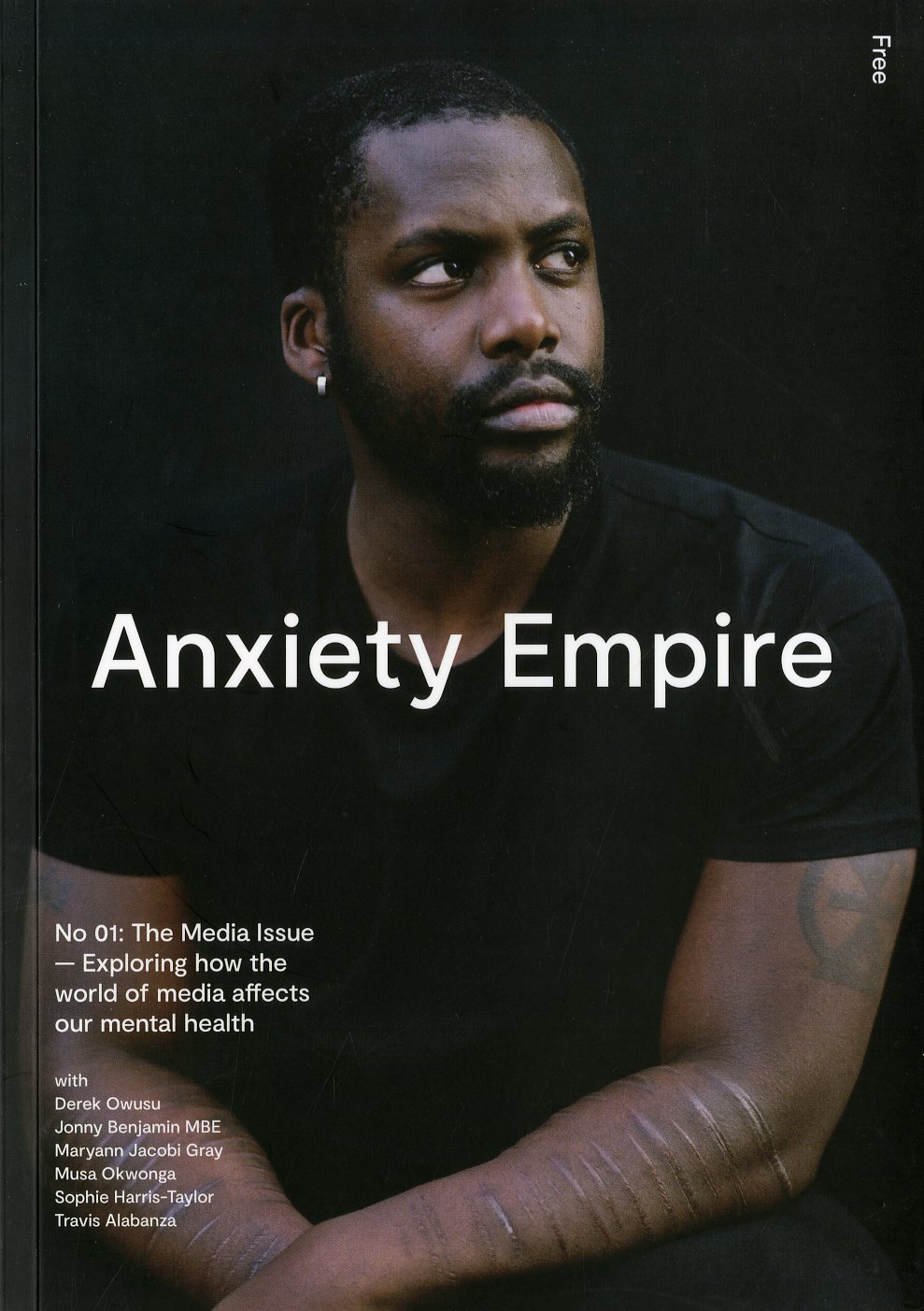
Anxiety Empire – A New British Title That Shines A Light On Mental Health As Sometimes Only A Magazine Can…

September 8, 2020

A Mr. Magazine™ Musing

A Mr. Magazine™ Musing…

Magazines  have always been reflectors of society. Their role as mediator and advocate for important issues of the day is evident by many of the tried and true brands that have been around for decades and by many of  the new titles that are being brought into the world today. Such as a new British title called Anxiety Empire.

Anxiety Empire was birthed into existence using Kickstarter to raise the funds needed to publish the magazine, and in unheard approach to a business model is offered to the public free of charge, although there is no advertising in the magazine to foot the bill. It explores mental health as not just an individual issue, but as an issue of society and how we live our lives, and thus believes that the magazine should be available to its audience free of charge.

The founder, creative director and editor in chief, Zoë Hough, writes in the inaugural edition of the new print magazine:

“When I started the Instagram account @anxietyempire in late 2017, I did so because – after working in a job which felt pretty damaging to my own mental health – I felt there was a need for more discussion around mental health in the workplace. But work is of course only one system of society which has a big impact on our mental health, and I found myself wanting to explore these systems in depth, which is how the idea for this print magazine came about; to look at macro systems of society and explore the impact they have on the mental health of us as individuals.”

Anxiety Empire is more of a project for its creator and was made free to the public – because the powers-that-be at the magazine believe that mental health resources should be accessible for all. As Hough added in the introduction to the first issue: “We all have mental health.”

Indeed.

The inaugural issue examines the world of media and its effect on mental health. Issue 02 will explore the ways in which the education system impacts our mental health. Exploring the many facets of society in regards to the impact each macro system has on our psyches and emotional reactions  is an avenue well worth exploring.

Anxiety Empire  truly offers what a magazine does best: informs, educates and inspires. This new magazine is something that will provide all of those things to people about a subject that has been taboo for generations, but is finally beginning to come to light using reason, education and compassion. Anxiety Empire deserves a special mention as it strives to provide a connection that sometimes only a magazine can: a deep, personal curiosity and caring that brings people together.  And remember if it is not ink on paper it is not a magazine.

And in today’s uncertain world that is something worth noting.

Until next time,

Mr. Magazine™