Archive for the ‘A Launch Story…’ Category

h1

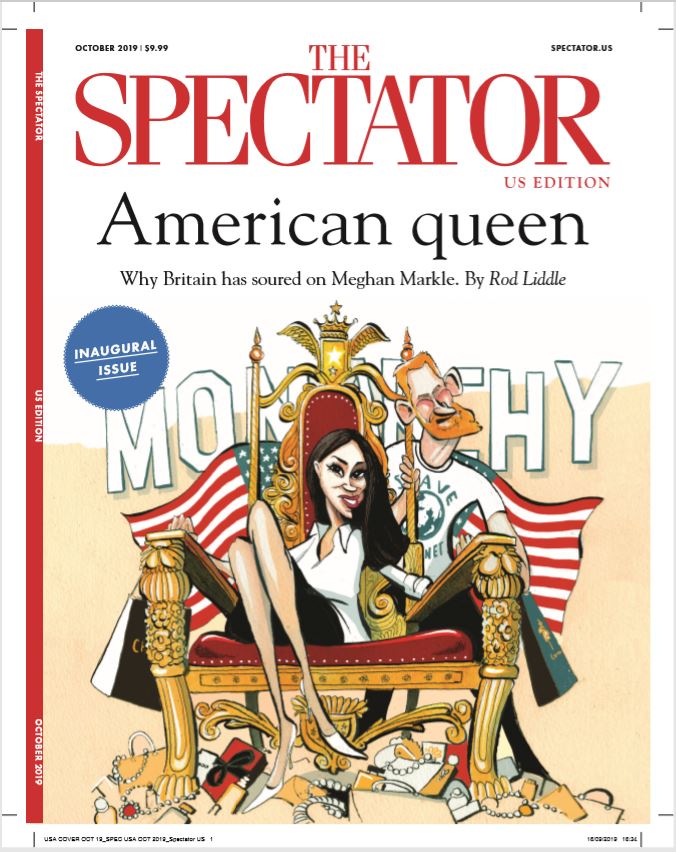
The Spectator Magazine: The British Are Coming… The Mr. Magazine™ Interview With Freddy Gray, Editor, The Spectator, US Edition…

September 30, 2019

A Mr. Magazine™ Launch Story…

“I think people like having The Spectator on their coffee tables at home, and I believe they like the physicality of a printed product. People are tired of looking at screens. You know, we used to talk about “lean back and lean forward” with publications. Lean forward with things like The Economist, lean back with things like Vanity Fair, but I’ve always thought The Spectator was both. We’re informative and we’re entertaining, something that you can read at home and relax with.”…Freddy Gray

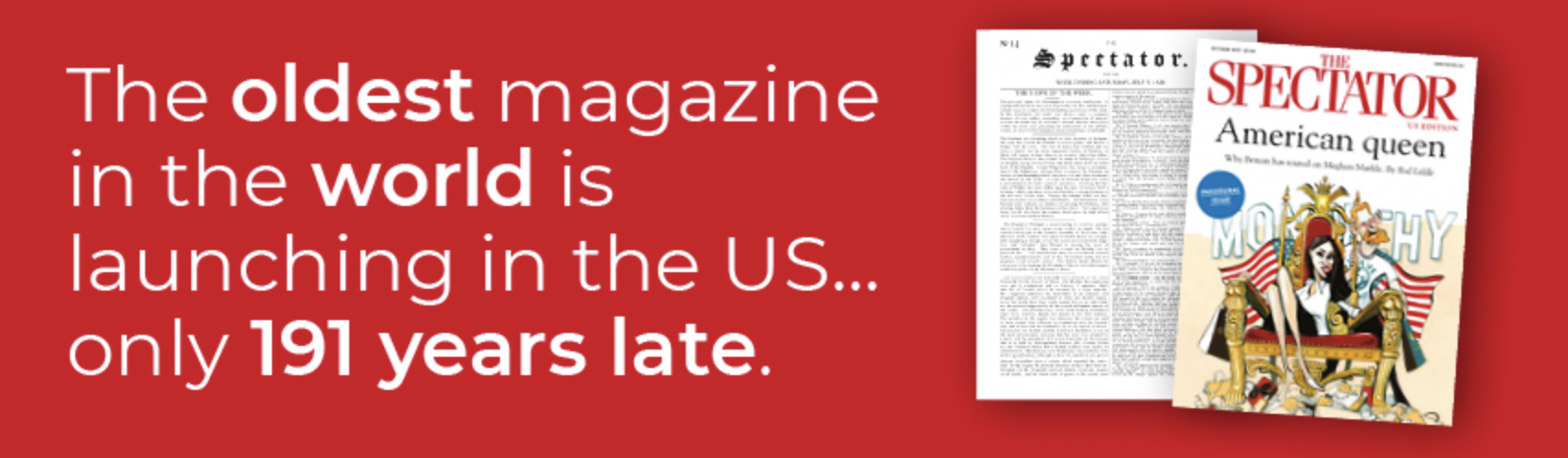
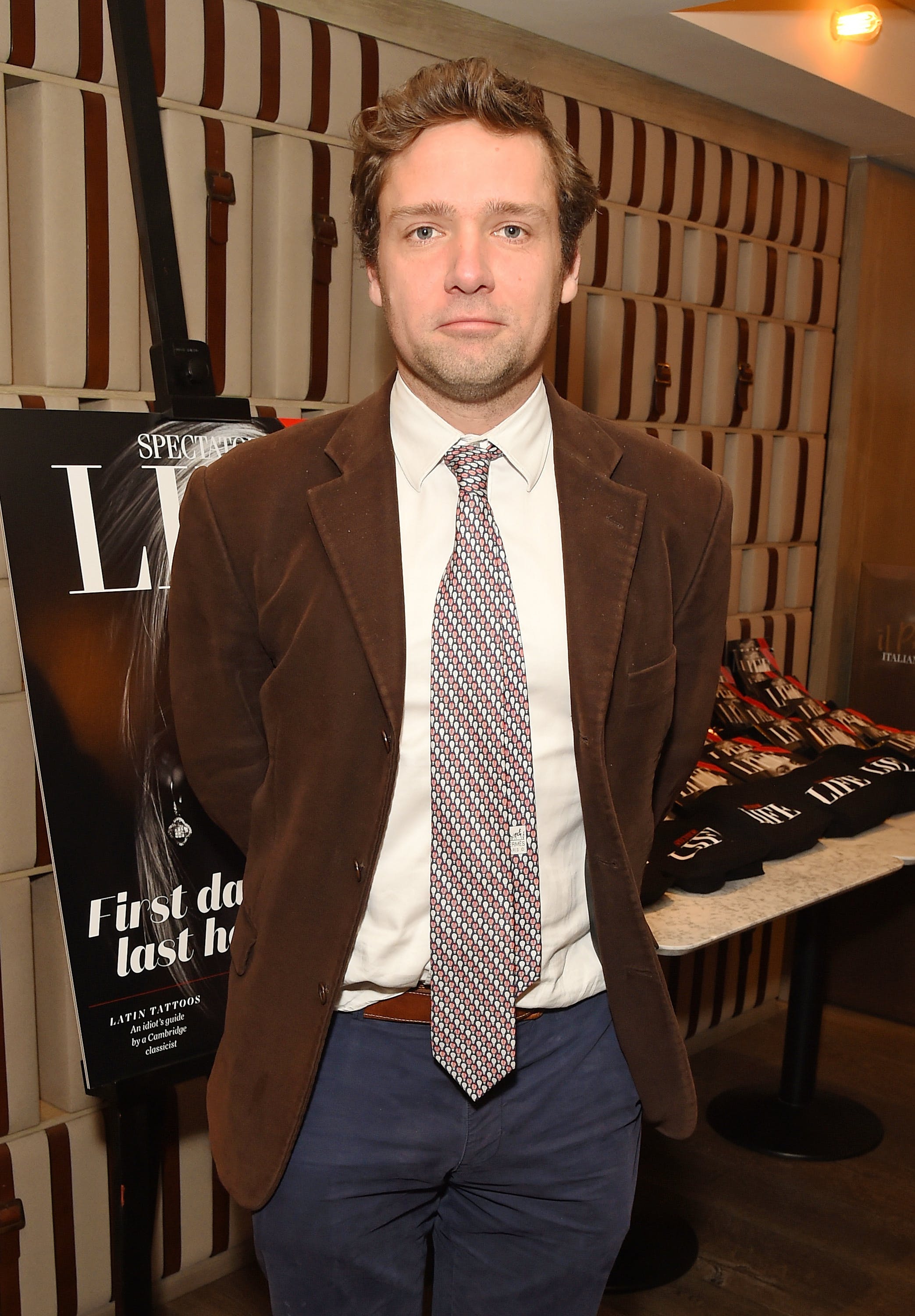
The Spectator, one of the world’s oldest, continuously published magazines (since 1828), is launching a U.S. monthly print version of the magazine on October 1 after starting a U.S. digital presence last year. Freddy Gray is the editor of the new American edition, and deputy editor of its British bulwark, The Spectator, a weekly which  features politics, culture, and current affairs.
The Spectator’s brand of journalism is unique and doesn’t strive to have its readers agree with them. In fact, according to Freddy, he would prefer a little dissension between the content and the reader, it makes for a richer relationship.

I spoke with Freddy recently and we talked about this new American version of the British magazine that’s been around for almost two centuries. Freddy said the powers-that-be at The Spectator were very pleased with how the U.S. website had done here in the states in the year since it began. But why print? Well, the ink on paper magazine has performed excellently in the U.K. for the past three years, no reason to think it won’t here as well.

And while The Spectator is trying to do something unique, Freddy said if he had to compare it to another magazine here in the states, its competition, it would have to be a title like National Review, but they don’t really see themselves as strictly a political magazine, since they have a big focus on books and art, and life in the realm. “We have a whole life section, which is about living life. And I think that makes us unique,” Freddy shared.

His perspective is they aren’t publishing stories in order to tell readers how to think. They aren’t politics bores. They aren’t interested in shaping the conservative or any other movement. They are The Spectator: their highest priority is to provide readers with engaging, beautifully written and entertaining copy.

So, I hope that you enjoy this tale from across the pond that is landing on our American shores soon, the Mr. Magazine™ interview with Freddy Gray, editor, The Spectator (U.S.).

But first the sound-bites:

On why he feels in this digital age there is a need for another print publication, especially one where there are conflicting opinions on the content: The reason we are encouraged by what The Spectator has done so far in the U.S., is that the website has done so well in the last year from scratch. And we know that print works for us in the U.K., it’s been doing really well for the last three years. And I think The Spectator’s USP is “don’t think alike.” We like to publish different opinions in the same magazine. In a world that’s increasingly tribal and polarized, I think people quite enjoy that. Readers like to be challenged.

On how the print edition will be different from the website: The print edition’s features will be more durable, obviously the website is a daily take on the passing scene, but the print edition is a monthly thing.

On what he feels will be the audience’s expectation after reading the first issue and what will be the “wow factor” making them want more: The idea is to challenge and entertain. The Spectator has kept a sense of fun, although I’m a great admirer of American magazines like the National Review and I used to work for The American Conservative. So, I think they’re all great magazines, but I think something that happened with American publications is they stopped having fun. And The Spectator has always kept a sense of humor and that is sorely lacking in these rather stiff and puritanical times.

On whether he feels working for The American Conservative magazine in the past will help him create this new political magazine now: Yes, I think so. The American Conservative is a very interesting publication and a very great publication, because it was set up to kind of oppose the war in Iraq when the rest of the conservative media were thundering toward the invasion of Iraq. It gave me an insight into the Conservative movement, such as it is, that perhaps other British people don’t quite have.

On the biggest challenge he thinks the magazine will have here in the States: The biggest challenge is going to be finding our audience, though we’re starting to do that now. I suppose the biggest challenge is in not falling into these sort of tribal impulses and the nature of these culture wars.

On the rather hefty subscription price of $24 per quarter after the initial first three months for $10: I think you’ll find a higher quality of writing and a higher quality of thinking. And that’s worth paying for.

On this combination of writing and thinking in The Spectator: I’m not exactly sure how much you know about The Spectator, but we’ve always published the greatest English writers. You can look back: Chesterton, Evelyn Waugh, Graham Greene, and many more. We also published quite a few great American writers: Michael Lewis, for example, we published his first-ever piece in The Spectator. We’ve always had this ability to focus on good writing and good writing is a product of good thinking. And that’s something we specialize in.

On how he balances his job between being deputy editor of the mother ship, The Spectator, and editor of the newborn The Spectator in the U.S.: With great difficulty. (Laughs) My editor back in London has been extremely kind and generous and has allowed me to focus on this project, certainly for the last couple of months, almost exclusively. At the moment, I’m pretty much focused on the American title.

On who is his competition in America: I think we’re trying to do something unique, but I suppose the natural competition would be the other conservative magazines like National Review, but I think we’re actually trying to do something a bit different. We sort of see ourselves as not really a political magazine, everybody obsesses over politics in America, and it is fascinating; we’re fascinated by politics, but we also have a big focus on books and art, and life in the round. We have a whole life section, which is about living life. And I think that makes us unique.

On why he thinks, in this digital age, The Spectator has seen this resurgence in print in the U.K. for the last three years: There is a combination of things. I think people like having The Spectator on their coffee tables at home, and I believe they like the physicality of a printed product. People are tired of looking at screens. You know, we used to talk about “lean back and lean forward” with publications. Lean forward with things like The Economist, lean back with things like Vanity Fair, but I’ve always thought The Spectator was both. We’re informative and we’re entertaining, something that you can read at home and relax with.

On what he would hope to tell someone he had accomplished with the magazine in one year: We want to get a foothold in the American magazine market. And I’m confident that we’ll do that.

On whether they’re in it for the long run: We are in it for the long run, our owner is very supportive. And I think they’re going to back us.

On how he would introduce The Spectator to his American audience: The story I would tell people is when I was starting The Spectator there was a letter in it from a reader and it said, I’ve just read the latest issue of The Spectator and I agreed with every article, therefore I’d like to cancel my subscription. And I’ve always thought that’s the great appeal of The Spectator, is that every magazine should have something that you profoundly disagree with or something that irritates you. We can challenge you, but you have to read it and enter into our world, which is a world of challenging what you think and being amusing.

On his opinion of today’s journalism being a bit hard to pinpoint: I think there’s an interesting difference, isn’t there, between the American approach to journalism and the British approach. Americans tend to take journalism a bit too seriously, I think. And it can become a bit stiff and a sort of civic duty. The British probably have the reverse problem of not really caring what’s true and just banging out anything anyway. (Laughs) I think The Spectator is a happy medium between the two.

On anything he’d like to add: I don’t know if you’ve seen our first editorial about our link to America. I think the history of The Spectator in America is quite interesting. The fact that we supported the North in the Civil War and that the former editor was invited to the White House by Teddy Roosevelt when he came over to work on The Spectator. I can’t say that I’ve been offered the same hospitality. (Laughs) But I am happy to be here.

On the biggest misconception he thinks people have about him: (Laughs) I think there are many conceptions about Freddy Gray, so I don’t know if there are many misconceptions, I try not to talk about myself. (Laughs again) I suppose people might think that I’m a bit more rightwing than I am. I’d like to think that a bit like The Spectator, I’m quite heterodox, I have different opinions about different things. I’m not informed by one particular ideology. I like to think differently.

On what someone would find him doing if they showed up unexpectedly one evening at his home: I would almost certainly be drinking a glass of wine and I like reading books, and seeing friends and family, that’s what I do most of the time.

On what keeps him up at night: The time difference between America and Britain. (Laughs)

And now the lightly edited transcript of the Mr. Magazine™ interview with Freddy Gray, editor, The Spectator.

Samir Husni: In the middle of everything that’s taking place in the magazine industry today, why do you feel there is a need for yet another publication, one where half of the readers may agree with the content and the other half may not?
Freddy Gray: The reason we are encouraged by what The Spectator has done so far in the U.S., is that the website has done so well in the last year from scratch. And we know that print works for us in the U.K., it’s been doing really well for the last three years. And I think The Spectator’s USP is “don’t think alike.” We like to publish different opinions in the same magazine. In a world that’s increasingly tribal and polarized, I think people quite enjoy that. Readers like to be challenged.

Samir Husni: How do you think the print edition will be different from what you’ve created on the web?

Freddy Gray: The print edition’s features will be more durable, obviously the website is a daily take on the passing scene, but the print edition is a monthly thing.

Samir Husni: Once I flip through that first issue, what is the expectation from the audience, whether they’re familiar with your website or not? What are you going to offer them and me that is going to wow us to want more?

Freddy Gray: The idea is to challenge and entertain. The Spectator has kept a sense of fun, although I’m a great admirer of American magazines like the National Review and I used to work for The American Conservative. So, I think they’re all great magazines, but I think something that happened with American publications is they stopped having fun. And The Spectator has always kept a sense of humor and that is sorely lacking in these rather stiff and puritanical times.

Samir Husni: You mentioned that you worked at The American Conservative magazine, you were the literary editor there, do you think your background will help you create this new political magazine that has a bit of a twist, so to speak?

Freddy Gray: Yes, I think so. The American Conservative is a very interesting publication and a very great publication, because it was set up to kind of oppose the war in Iraq when the rest of the conservative media were thundering toward the invasion of Iraq. It gave me an insight into the Conservative movement, such as it is, that perhaps other British people don’t quite have.

Samir Husni: The first American issue of The Spectator is coming out on Tuesday, October 1. What do you think is going to be your biggest challenge?

Freddy Gray: The biggest challenge is going to be finding our audience, though we’re starting to do that now. I suppose the biggest challenge is in not falling into these sort of tribal impulses and the nature of these culture wars.

Samir Husni: I see that the magazine is going to be rather expensive, you can get the first three months for $10, but then it’s going to be $24 for every quarter after that. In comparison to most of the American magazines that’s a hefty price to pay. What’s the philosophy behind that?

Freddy Gray: I think you’ll find a higher quality of writing and a higher quality of thinking. And that’s worth paying for.

Samir Husni: Tell me more about that combination of the writing and the thinking.

Freddy Gray: I’m not exactly sure how much you know about The Spectator, but we’ve always published the greatest English writers. You can look back: Chesterton, Evelyn Waugh, Graham Greene, and many more. We also published quite a few great American writers: Michael Lewis, for example, we published his first-ever piece in The Spectator. We’ve always had this ability to focus on good writing and good writing is a product of good thinking. And that’s something we specialize in.

Samir Husni: How do you balance your job between being deputy editor of the mother ship, The Spectator, and editor of the newborn The Spectator in the U.S.?

Freddy Gray: With great difficulty. (Laughs) My editor back in London has been extremely kind and generous and has allowed me to focus on this project, certainly for the last couple of months, almost exclusively. At the moment, I’m pretty much focused on the American title.
Samir Husni: Who’s your competition in America?

Freddy Gray: I think we’re trying to do something unique, but I suppose the natural competition would be the other conservative magazines like National Review, but I think we’re actually trying to do something a bit different. We sort of see ourselves as not really a political magazine, everybody obsesses over politics in America, and it is fascinating; we’re fascinated by politics, but we also have a big focus on books and art, and life in the round. We have a whole life section, which is about living life. And I think that makes us unique.

Samir Husni: You said that in the U.K. The Spectator has had great success in print for the last three years, and needless to say, it is one of the oldest, continuously published magazines in the world. Why do you think, in this digital age, it has seen this resurgence in print for the last three years?

Freddy Gray: There is a combination of things. I think people like having The Spectator on their coffee tables at home, and I believe they like the physicality of a printed product. People are tired of looking at screens. You know, we used to talk about “lean back and lean forward” with publications. Lean forward with things like The Economist, lean back with things like Vanity Fair, but I’ve always thought The Spectator was both. We’re informative and we’re entertaining, something that you can read at home and relax with.

 Samir Husni: Do you have any set goals? If you and I are having this conversation one year from now, what would you hope to tell me you had accomplished with The Spectator?

Freddy Gray: We want to get a foothold in the American magazine market. And I’m confident that we’ll do that.

Samir Husni: We both know it takes deep pockets to start a magazine. Is there a dedicated investor who is going to keep this going even if you hit some stumbling blocks along the way? Are you in it for the long run?

Freddy Gray: We are in it for the long run, our owner is very supportive. And I think they’re going to back us.

Samir Husni: How would you introduce The Spectator to your American audience? What’s your elevator pitch?

Freddy Gray: The story I would tell people is when I was starting The Spectator there was a letter in it from a reader and it said, I’ve just read the latest issue of The Spectator and I agreed with every article, therefore I’d like to cancel my subscription. And I’ve always thought that’s the great appeal of The Spectator, is that every magazine should have something that you profoundly disagree with or something that irritates you. We can challenge you, but you have to read it and enter into our world, which is a world of challenging what you think and being amusing.

Samir Husni: I’ve read your editorial about the uniqueness of the brand of journalism, and in this day and age, where even as a professor of journalism we are sometimes at a loss for what to teach students, is journalism good or bad…

Freddy Gray: I think there’s an interesting difference, isn’t there, between the American approach to journalism and the British approach. Americans tend to take journalism a bit too seriously, I think. And it can become a bit stiff and a sort of civic duty. The British probably have the reverse problem of not really caring what’s true and just banging out anything anyway. (Laughs) I think The Spectator is a happy medium between the two.

Samir Husni:  Is there anything else you’d like to add?

Freddy Gray: I don’t know if you’ve seen our first editorial about our link to America. I think the history of The Spectator in America is quite interesting. The fact that we supported the North in the Civil War and that the former editor was invited to the White House by Teddy Roosevelt when he came over to work on The Spectator. I can’t say that I’ve been offered the same hospitality. (Laughs) But I am happy to be here.

Samir Husni: As we look at the role of the journalist today, what do you think is the biggest misconception people have about you?

Freddy Gray: (Laughs) I think there are many conceptions about Freddy Gray, so I don’t know if there are many misconceptions, I try not to talk about myself. (Laughs again) I suppose people might think that I’m a bit more rightwing than I am. I’d like to think that a bit like The Spectator, I’m quite heterodox, I have different opinions about different things. I’m not informed by one particular ideology. I like to think differently.

Samir Husni: If I showed up unexpectedly at your home one evening after work, what would I find you doing? Having a glass of wine; reading a magazine; cooking; gardening; watching TV; or something else? How do you unwind?

Freddy Gray: I would almost certainly be drinking a glass of wine and I like reading books, and seeing friends and family, that’s what I do most of the time.

Samir Husni: My typical last question; what keeps you up at night?

Freddy Gray: The time difference between America and Britain. (Laughs)

Samir Husni: Thank you.
 

h1

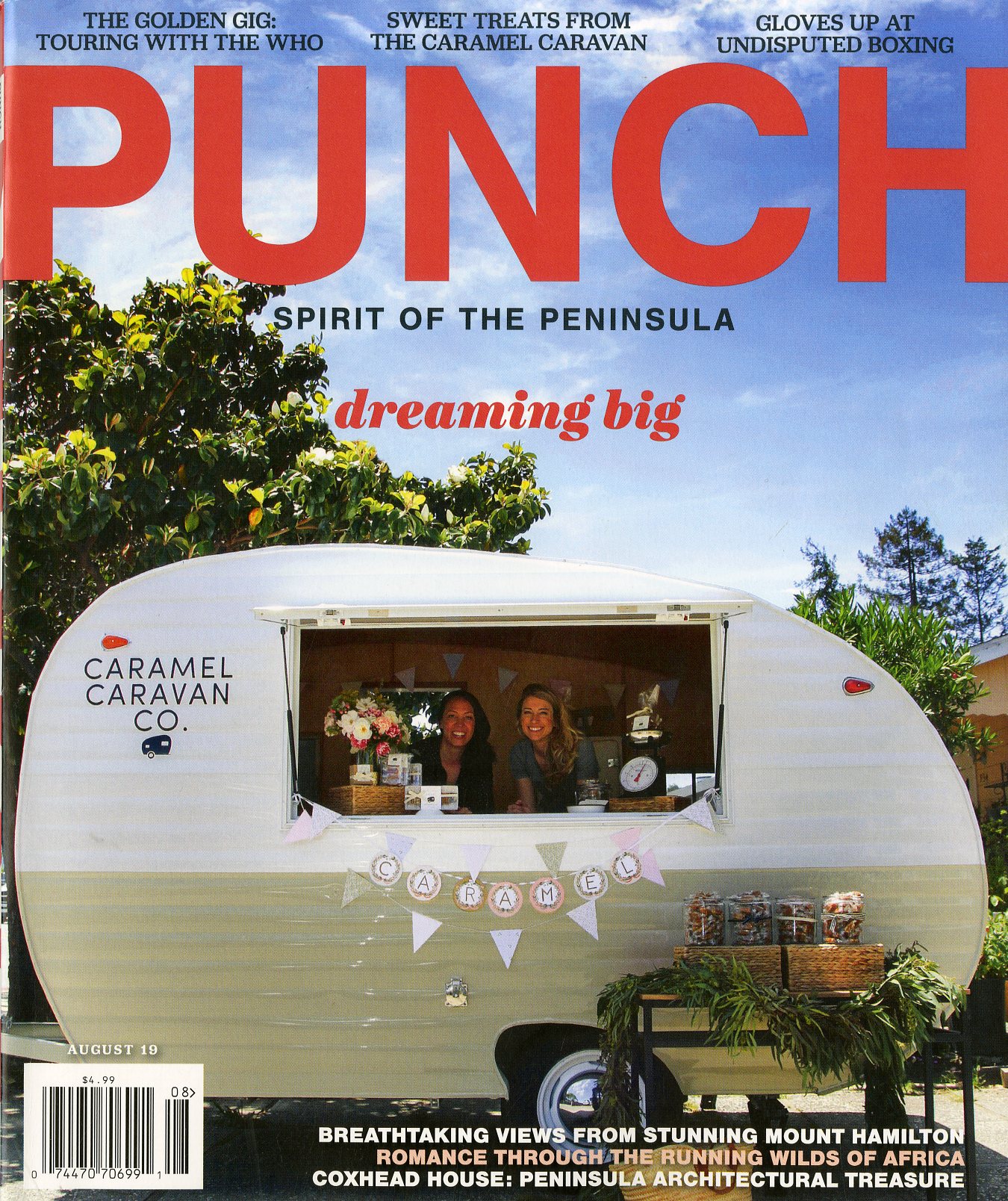
Punch Magazine: A New Regional Title That’s Packing A “Punch” On The San Francisco Peninsula – The Mr. Magazine™ Interview With Sloane Citron, Founder & Publisher…

September 26, 2019

“I’ve probably started, honestly, 50 publications in my career, I’m just like a serial magazine creator. And of everything I’ve launched nothing has gotten the reaction that this magazine has gotten. Every day we get calls, emails, or whatever, from people who are saying that they love our magazine, that they get so much from it, and they look forward to it every month.”… Sloane Citron.

 A Mr. Magazine™ Launch Story…

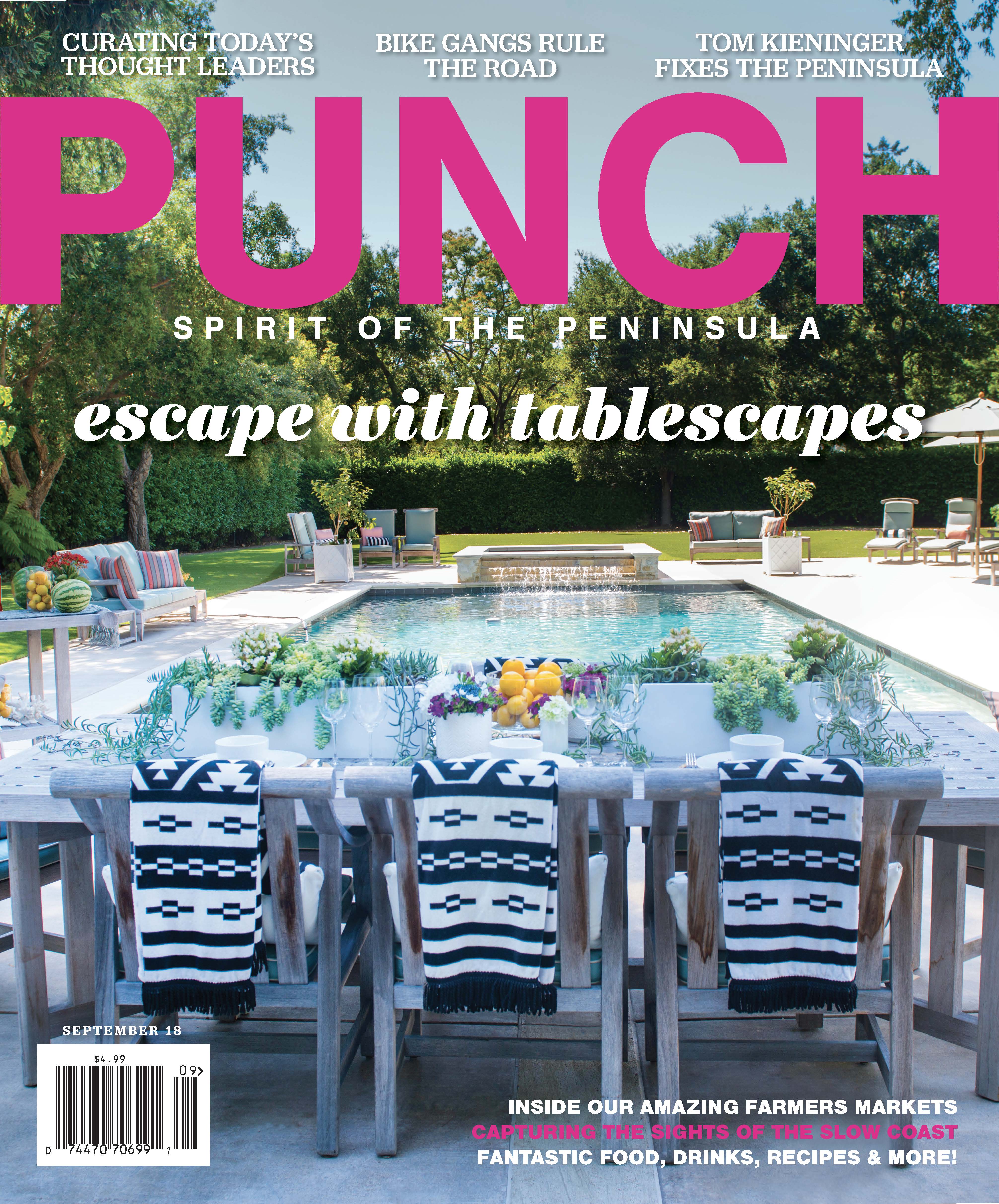
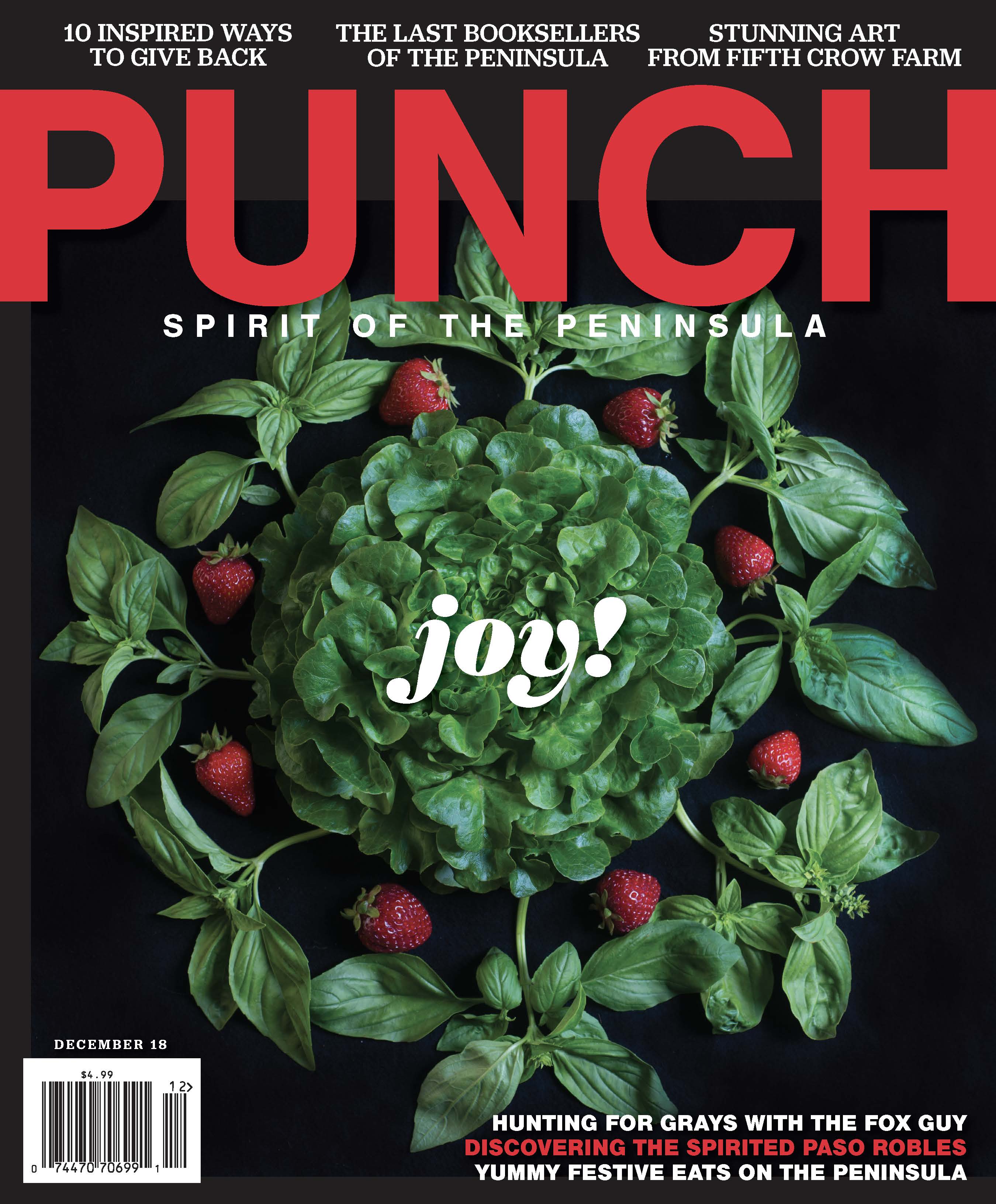
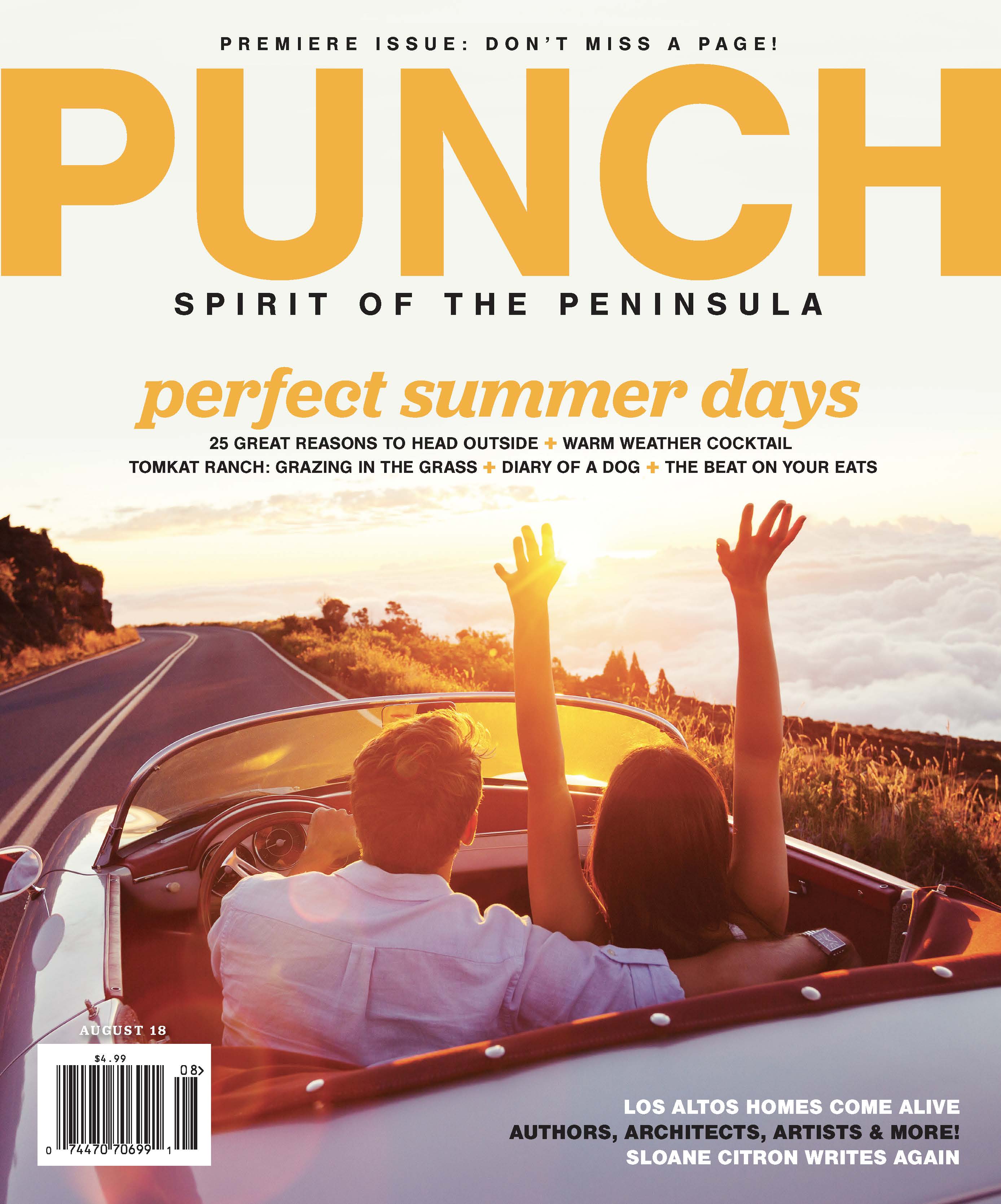
A new regional title that began its life in 2018, Punch magazine showcases new ideas, along with the cultures and traditions that encompass the San Francisco Peninsula. And while the magazine may be new, its founder and publisher is far from a novice when it comes to great magazines. Sloane Citron is a self-described “serial magazine creator” who has launched many, many titles throughout his career, including  his first magazine Peninsula, along with Northern California Home & Garden and Southern California Home & Garden, and the lifestyle title Gentry, among others. And in 2018 he launched a beautiful, very high-quality title called Punch, all about the San Francisco Peninsula where he calls home.

I spoke with Sloane recently and we talked about this new title of his and about how things have changed in the world of magazines, which he has been a part of for decades. Originally slated to purchase Sunset Magazine, Sloane moved on to something of his very own when that deal didn’t pan out, and his vision came to life in the form of a large-sized, ink on paper magazine filled with the beauty and charm of the San Francisco Peninsula area, and gave it a title that hails from the British weekly magazine known by the same name and for its humor and satire. It’s a title that definitely catches the eye and ear.

Sloane is a man who loves magazines, ink on paper magazines, that is. His passion for magazines goes back to his childhood when he created his very first title, mimeographed for him by his teacher, when he was only eight years old. The love of magazines is something that he and Mr. Magazine™ have in common.

So, I hope that you enjoy this glimpse into life on the San Francisco Peninsula and a conversation with a man who has enjoyed creating magazines for most of his life, the Mr. Magazine™ interview with Sloane Citron, founder and publisher, Punch magazine.

But first the sound-bites:

On whether people thought he’d lost his mind in launching a print magazine just one year ago: There I was with nothing to do and I had this prototype for a magazine. And I said, you know, magazines are what I love to do and this is a terrible idea and my wife thought I was crazy, but I said, you know, I’m going to just launch it. I’ll take this concept that I have and launch it for the San Francisco Peninsula and just create a really small team and do this. So, that’s what I did. We opened up here in Menlo Park with four full-time people and then I have an art director in Ketchum, Idaho that has worked beautifully, and other freelance people that are doing different things for us. And somehow we put out a monthly magazine.

On whether he believes an ink on paper regional magazine is still relevant or more people are looking to online resources: I’ve probably started, honestly, 50 publications in my career, I’m just like a serial magazine creator. And of everything I’ve launched nothing has gotten the reaction that this magazine has gotten. Every day we get calls, emails, or whatever, from people who are saying that they love our magazine, that they get so much from it, and they look forward to it every month. It’s gratifying that people really enjoy what we’re doing, but I don’t know if there is a need. There are very few publications for which there is a real need, because there’s so much information out there that you can get otherwise.

On magazines being an experience that people want rather than need: I would say that’s the case with this magazine, we really work hard to make it that way. I use the word “luscious” sometimes; we want the covers and the artwork and everything to just be beautiful, so that people want to get the magazine and they want to turn the pages, and enjoy it and feel connected to it.

On advertisers’ reaction in his area to an ink on paper regional magazine: If there wasn’t so much competition here, it would be pretty easy, but I’m competing against my old magazine… you know, I spent 23 years building it and building the name and developing it, so I had to compete head-on with my old company. So, I tried to be competitive, have lower rates, more distribution, and a better product. I felt if we did those three things we’d be able to get our share. But it hasn’t been easy. There’s great downward pressure on rate, honestly, because of lots of factors, including the Internet, with online advertising. There are people who just don’t feel the need for it anymore.

On what he would hope to tell someone he had accomplished in another year from now, on his second anniversary:I hope we get to a consistent revenue figure so that we don’t have to constantly feel like we’re working toward that. That would be the best result of 2020. Second would be that we have revenue coming in from our website; we don’t expect it to be huge, but if we could get a dependable revenue coming from our website, that would be a positive thing so that it supports itself. And also that my staff is happy and productive and enjoying what they’re doing.

On why he named the magazine Punch: I knew that I needed to come up with a name, I had been through this before. I said to my wife, I know, I’ll go retro and call it Peninsula, my first magazine. And she said, I thought you wanted to be new and bright. I said I do, and she said, well, naming it after your first magazine is a terrible idea. Very rarely do I think she’s right, but I thought she was right  this time. (Laughs) So, I started looking everywhere, I’d walk into an office or I’d walk into a room and I’d look for words and inspiration, anywhere I could find it. I struggled and struggled, then finally one night at about 11:30 p.m. I’m on Wikipedia looking at defunct British magazines for ideas. And there was Punch, and I remembered, because I’m a magazine guy, it hit me. I said, I remember there was a Punch magazine, it was a satire magazine and it had closed in the ‘80s actually. So, I said Punch, I kind of like the feel of that. I tested it on covers and mockups, and I liked it. That’s where it came from.

On whether he considers Punch his best magazine launch so far: I do, actually. Honestly, part of my mission with my whole career, part of it was creating magazines, but part of it was building a strong business that was very profitable, because I had a wife and four children and they needed taking care of. I didn’t have the luxury of always doing things that I wanted to, I had to do them from a strong business angle at all times. And with Punch, I’m able to just focus on making it as strong as possible and that’s been helpful in the mission.

On anything he’d like to add: I’ll say that one of the most important things for me is always having a group of people that I enjoy working with and who want to be here. It was somewhat challenging being in Silicon Valley where there is so many plentiful, very high-paying jobs, to find a staff that was interested and motivated to do this. And we were able to do so. That has been a great joy, because we all enjoy being with each other and we’re all very passionate about making this magazine as good as it can be. That has been an important part of this journey for me. Since I created this to have somewhere to go and something to do, to be able to do it with people who are highly professional and creative is very meaningful.

On what someone would find him doing if they showed up unexpectedly one evening at his home: I’m usually either reading or reading the news on the computer, or I’m watching the Giants on TV. I’m very passionate about the Giants, I watch all their games. And often I’ll be watching the game and reading the news from about 15 sources, which is kind of what I do.

 On what he thinks is the biggest misconception people have about him: People think I’m an extravert, because when I go out to sales calls or out to events and things like that, I can be very jovial and out there, but honestly, I’m a complete introvert. As my staff knows, I only go to things under extreme pressure, events. I get invited, obviously, to a lot of events and I almost never go, even though it would be good for the magazine, because I just can’t stand it. So, I only go to the things that I really have to. (Laughs) And that includes our own events. I’ve missed some of those as well.

On what keeps him up at night: Believe it or not, even though I’m not doing this for financial rewards… we lost a client the other day, they said they were going to do more digital now. And that actually kept me up at night. Even though it didn’t change my world, it just so ate at me that a client would leave us, it kept me up at night.

And now the lightly edited transcript of the Mr. Magazine™ interview with Sloane Citron, founder and publisher, Punch magazine.
 

Samir Husni: You launched Gentry magazine back in the early ‘90s and you’ve seen the magazine industry go up and down. Did people think you’d lost your mind for launching a new print magazine in 2018? And here you are now celebrating your one year anniversary.

Sloane Citron: Let me give you a little background real quick. I knew I wanted to be a publisher when I was eight years old. I started a publication at school and the teacher mimeographed it for me and I had the kids go out and sell it for a nickel. I got to keep three cents and they got to keep two cents.

In high school I started a magazine at Andover, and then in college I ran the college newspaper for four years, or was involved with it. I did an internship while I was in college at Los Angeles magazine. And that’s when the city/regional bug hit me and I said, this is great. This is what I love to do.

But I didn’t want to be a journalist, and people kept confusing that. Being a publisher and a journalist was two different things, I wanted to start things. And I knew I needed some credentials, so I went to Stanford Business School so that people would take me seriously.

My first job was at Miami magazine back in the early ‘80s and was the general manager who kind of fixed that for them, even though I really didn’t know what I was doing, but I learned on the job, if you will. But I wanted to come back to California, because I liked it here and my wife was from here.

So, I was able to raise some money, because I had seen that the Silicon Valley was really starting to develop and I launched the first magazine in this area called Peninsula, because we’re the San Francisco peninsula. I patterned it after New York Magazine, I copied their logo and their style, because I didn’t know what else to do. That was a paid title, subscriber and newsstand-based, and I grew that company quite large.

I started the first home and garden magazine in California, one for Northern California and one in Southern California. And then I saw that there were these hotel books, one was for San Francisco and one was for Los Angeles, and I got this idea and I started doing sub-markets. I did about a dozen of them all over California, at Beverly Hills, the West Side. Up here I did the Peninsula, I did the Wine Country, the East Bay, and that was a really good little business.

But I sold that company. My investors wanted to sell because we had done well, so we sold it. Then I started Gentry magazine with a partner. I didn’t love the editorial concept, but I had this idea that I wanted to try because I thought the whole model of a subscription-based magazine and newsstand was ridiculous. With a subscriber base, you’re constantly having to use direct mail, you’re constantly having to do renewals; it was such a strain on launching the company and so expensive. And the newsstand people were all corrupt and never paid us, wanted money under the table, so I said I’m going to create a new idea.

I created this concept that I called at the time, and this was 1992, “Saturation Delivery.” Instead of being subscriptions, we went to all the main areas of affluence, and they had to be entire areas, it couldn’t be picked off, such as a house here and a house there. It had to be a whole region or a whole city. The idea was to create a really beautiful magazine, better than you could do if it were paid, make it as great and strong as possible, and then give it away to all these people, put it on their doorstep every month or mail it to them. The cost for starting this company was a fraction of my first one and we were profitable after eight months, because the advertisers loved it, because we were going to every home they wanted to go to. And we had a beautiful package, plus we controlled our own newsstand, we only went to a few newsstands where we could control it, and I didn’t have to deal with that.

So, I didn’t have to have a circulation department. We had one person who did it part-time, but I eliminated the whole craziness and expense of a circulation department. No direct mail campaigns, no renewals, no insert cards; in fact, I made it difficult for people to buy subscriptions. We didn’t list it in the magazine anywhere.

That was a model that I kind of feel like I created. There wasn’t anyone doing it at the time, not that I knew about anyway. And now you have a lot of people doing it, like DuJour does that, so it’s common now, but back then it was all subscriber-based. But the model really worked extremely well and the company took off. I started a bunch of other magazines through that company. Then we sold half the company in the early 2000s when things were really good. It turned out to be a good move.

In 2016, a couple of things happened, I hit 60 years old and my partner was having a couple of health issues, and it just seemed like a good time to make a move. So, I exercised my sell option and I sold my half to her family, and thought I was done with publishing, which kind of answers your question. The business was great and it got me through my lifetime and I loved it, but it was done at that time.

And then, honestly, I was kind of bored. My wife is a major real estate agent here and before I knew it she was asking me to do stuff with her all the time, which was terrible. (Laughs)

Samir Husni: (Laughs too).

Sloane Citron: Some people could do that, I couldn’t do it. But then a weird thing happened, I got a call from a New York investment banking firm that does magazines The man’s name was Reed Phillips and he had actually been on the buying side of some of the magazines that I sold. And he told me that he had a great opportunity for me. And I asked him what he had in mind. He told me that Sunset Magazine was for sell. If you live out west, that’s a very iconic title, it has been around for over 100 years.

And I looked at it and told him that I thought I could make something happen with it, because Time owned it and they just totally mismanaged it, they bought it but just didn’t have any interest in it, especially with the new ownership. Once they spun it off Time Warner, they just depleted the thing. I knew I could take the brand and do a lot of things with it. I came up with a new look and feel for the magazine and spent six months raising the money, putting together a prototype and a team, working with the Time people. And I kept narrowing the team down to 12 of us, then there was eight, then four. And at the very end they told me that I was going to get it. But suddenly I didn’t get it.

They asked me could I close within a week. And I said no, I can’t close within a week, I didn’t even have a lawyer yet. So, they called me back and they said they were sorry, but they were going with a group in L.A. because they could close within a week. And three weeks after that, and it’s a joy talking to you because you understand all this, it was announced that Time was sold to Meredith. So, they needed to get rid of whatever they were getting rid of in order to close their deal with Meredith and sell themselves.

So, there I was, and this is the answer to your question in a long way, there I was with nothing to do and I had this prototype for a magazine. And I said, you know, magazines are what I love to do and this is a terrible idea and my wife thought I was crazy, but I said, you know, I’m going to just launch it. I’ll take this concept that I have and launch it for the San Francisco Peninsula and just create a really small team and do this. So, that’s what I did.

It’s funny, I had some money that I was going to put up and one of my best friends insisted that he be a part of it. He had made some money like they do here, with an IPO, he had been at Solar City and made a bunch of money, and he said I insist on being a part of this. So, he threw some money into it.

We opened up here in Menlo Park with four full-time people and then I have an art director in Ketchum, Idaho that has worked beautifully, and other freelance people that are doing different things for us. And somehow we put out a monthly magazine.

I don’t know what the end goal is. I knew I needed to be relevant because honestly, I love ink on paper, that’s where my heart is, but I knew that I needed to do a proper website, so we just completed our website, which is pretty cool, I think. It mirrors the magazine well. The idea is to just try and do my best with it, but I have no idea what the future holds.

Samir Husni: As you celebrate the first anniversary of Punch, are you more convinced than ever that in this day and age there is a real need for an ink on paper magazine for the Peninsula, or do you find most people going online?

Sloane Citron: That’s a great question. I’ve probably started, honestly, 50 publications in my career, I’m just like a serial magazine creator. And of everything I’ve launched nothing has gotten the reaction that this magazine has gotten. Every day we get calls, emails, or whatever, from people who are saying that they love our magazine, that they get so much from it, and they look forward to it every month. It’s gratifying that people really enjoy what we’re doing, but I don’t know if there is a need. There are very few publications for which there is a real need, because there’s so much information out there that you can get otherwise.

I look at it as entertainment, but we do fill a need in some ways. If you look through the magazine, we do hikes; we do food; we try to help people get the most out of living here. It’s an expensive place to live and if you’re going to live here, you should enjoy your lifestyle. So, we really go out of our way to try and find things that people learn from and will enjoy doing. Need is probably not the right word. If we weren’t around the world wouldn’t be much different.

Samir Husni: I tell my magazine students, no one really needs a magazine. The magazine must be like chocolate, an experience that people want to enjoy.

Sloane Citron: That’s exactly right. And I would say that’s the case with this magazine, we really work hard to make it that way. I use the word “luscious” sometimes; we want the covers and the artwork and everything to just be beautiful, so that people want to get the magazine and they want to turn the pages, and enjoy it and feel connected to it. So, you’re exactly right, that’s a good analogy.

Samir Husni: Being 100 percent ad dependent, your revenue is coming from advertising, or 99 percent of it is, what was the advertisers’ reaction in your area to an ink on paper magazine when you approached them?

Sloane Citron: If there wasn’t so much competition here, it would be pretty easy, but I’m competing against my old magazine… you know, I spent 23 years building it and building the name and developing it, so I had to compete head-on with my old company. So, I tried to be competitive, have lower rates, more distribution, and a better product. I felt if we did those three things we’d be able to get our share. But it hasn’t been easy. There’s great downward pressure on rate, honestly, because of lots of factors, including the Internet, with online advertising. There are people who just don’t feel the need for it anymore.

This is almost like a non-profit, honestly. Our goal here is just to break even, and that’s what we’re doing. Hopefully, we’ll grow some more so that we do a little bit more than that. There’s probably room for one or two regional magazines in the market, depending on the market size. And we have more than that here. Modern Luxury also has a title here called Silicon Valley, so it’s not easy. There’s less print advertising and there’s downward pressure on the pricing, those are the two things.

 Samir Husni: You didn’t have a non-compete deal with Gentry after you sold it?

Sloane Citron: I did for two years. When I signed it I said, I’m never doing anything else, are you kidding me? (Laughs) But I can’t help it, it’s what I’m passionate about. I figure I’ll do what I’m passionate about until I can’t do it anymore.

Samir Husni: As you look toward the future, and if you and I are having this conversation on your second anniversary, what would you hope to tell me that you had accomplished in another year?

Sloane Citron: I hope we get to a consistent revenue figure so that we don’t have to constantly feel like we’re working toward that. That would be the best result of 2020. Second would be that we have revenue coming in from our website; we don’t expect it to be huge, but if we could get a dependable revenue coming from our website, that would be a positive thing so that it supports itself. And also that my staff is happy and productive and enjoying what they’re doing.

Samir Husni: Why Punch? Where did you come up with the name?

Sloane Citron: I knew that I needed to come up with a name, I had been through this before. I said to my wife, I know, I’ll go retro and call it Peninsula, my first magazine. And she said, I thought you wanted to be new and bright. I said I do, and she said, well, naming it after your first magazine is a terrible idea. Very rarely do I think she’s right, but I thought she was right  this time. (Laughs)

So, I started looking everywhere, I’d walk into an office or I’d walk into a room and I’d look for words and inspiration, anywhere I could find it. I struggled and struggled, then finally one night at about 11:30 p.m. I’m on Wikipedia looking at defunct British magazines for ideas. And there was Punch, and I remembered, because I’m a magazine guy, it hit me. I said, I remember there was a Punch magazine, it was a satire magazine. And it had closed in the ‘80s actually. So, I said Punch, I kind of like the feel of that. I tested it on covers and mockups, and I liked it. That’s where it came from.

Samir Husni: Do you consider Punch your best launch so far?

Sloane Citron: I do, actually. Honestly, part of my mission with my whole career, part of it was creating magazines, but part of it was building a strong business that was very profitable, because I had a wife and four children and they needed taking care of. I didn’t have the luxury of always doing things that I wanted to, I had to do them from a strong business angle at all times. And with Punch, I’m able to just focus on making it as strong as possible and that’s been helpful in the mission.

Samir Husni: Is there anything you’d like to add?

Sloane Citron: I’ll say that one of the most important things for me is always having a group of people that I enjoy working with and who want to be here. It was somewhat challenging being in Silicon Valley where there is so many plentiful, very high-paying jobs, to find a staff that was interested and motivated to do this. And we were able to do so. That has been a great joy, because we all enjoy being with each other and we’re all very passionate about making this magazine as good as it can be. That has been an important part of this journey for me. Since I created this to have somewhere to go and something to do, to be able to do it with people who are highly professional and creative is very meaningful.

Samir Husni: If I showed up unexpectedly at your home one evening after work, what would I find you doing? Having a glass of wine; reading a magazine; cooking; gardening; watching TV; or something else? How do you unwind?

Sloane Citron: I’m usually either reading or reading the news on the computer, or I’m watching the Giants on TV. I’m very passionate about the Giants, I watch all their games. And often I’ll be watching the game and reading the news from about 15 sources, which is kind of what I do.

Samir Husni: What do you think is the biggest misconception people have about you?

Sloane Citron: People think I’m an extravert, because when I go out to sales calls or out to events and things like that, I can be very jovial and out there, but honestly, I’m a complete introvert. As my staff knows, I only go to things under extreme pressure, events. I get invited, obviously, to a lot of events and I almost never go, even though it would be good for the magazine, because I just can’t stand it. So, I only go to the things that I really have to. (Laughs) And that includes our own events. I’ve missed some of those as well.

Samir Husni: My typical last question; what keeps you up at night?

Sloane Citron: Believe it or not, even though I’m not doing this for financial rewards… we lost a client the other day, they said they were going to do more digital now. And that actually kept me up at night. Even though it didn’t change my world, it just so ate at me that a client would leave us, it kept me up at night.

 Samir Husni: Thank you.

h1

Road Grays Magazine: A New Print-Only Title About Baseball That Digs Deeper Into The Stories Of The Sport For The “Curious” Fan – The Mr. Magazine™ Interview With Aaron Stahl, Cofounder, Editor & Creative Director…

September 19, 2019

“A lot of it was wanting to provide something that allowed people to slow down a little bit, especially with sports media, there’s so much on the Internet that’s about “what happened in the game last night,” “what’s going to happen coming up this weekend.” It’s all about “right now.” And there’s a place for that and it’s really important if you’re following a team or you’re following a sport. But we wanted to do the opposite of that. We felt like there was a niche for the exact opposite, where you’re slowing down, you’re not worrying about what’s happening right now, you’re worrying about things that are a bit more timeless. And that’s something that print can do really well.” … Austin Stahl

A Mr. Magazine™ Launch Story…

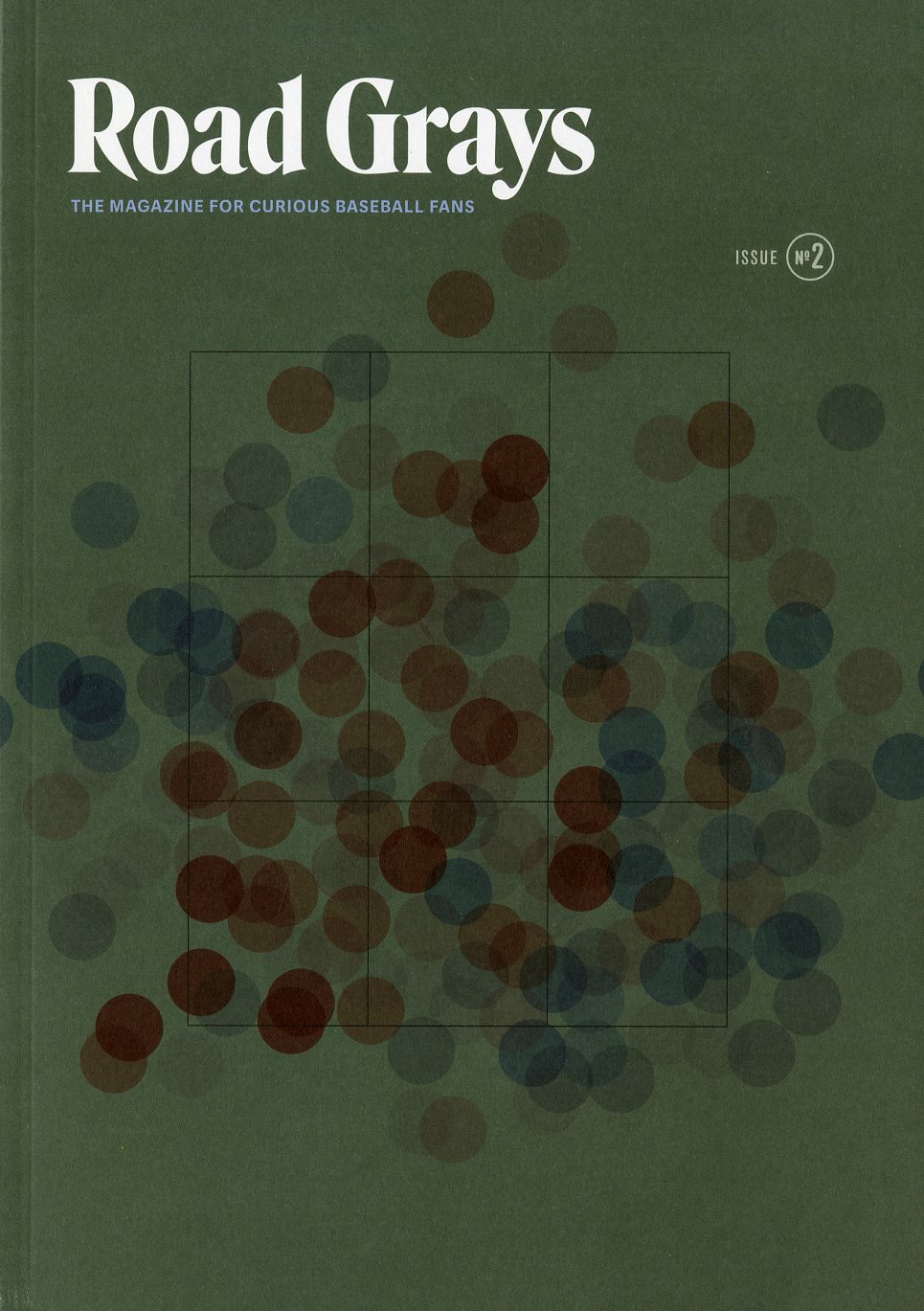
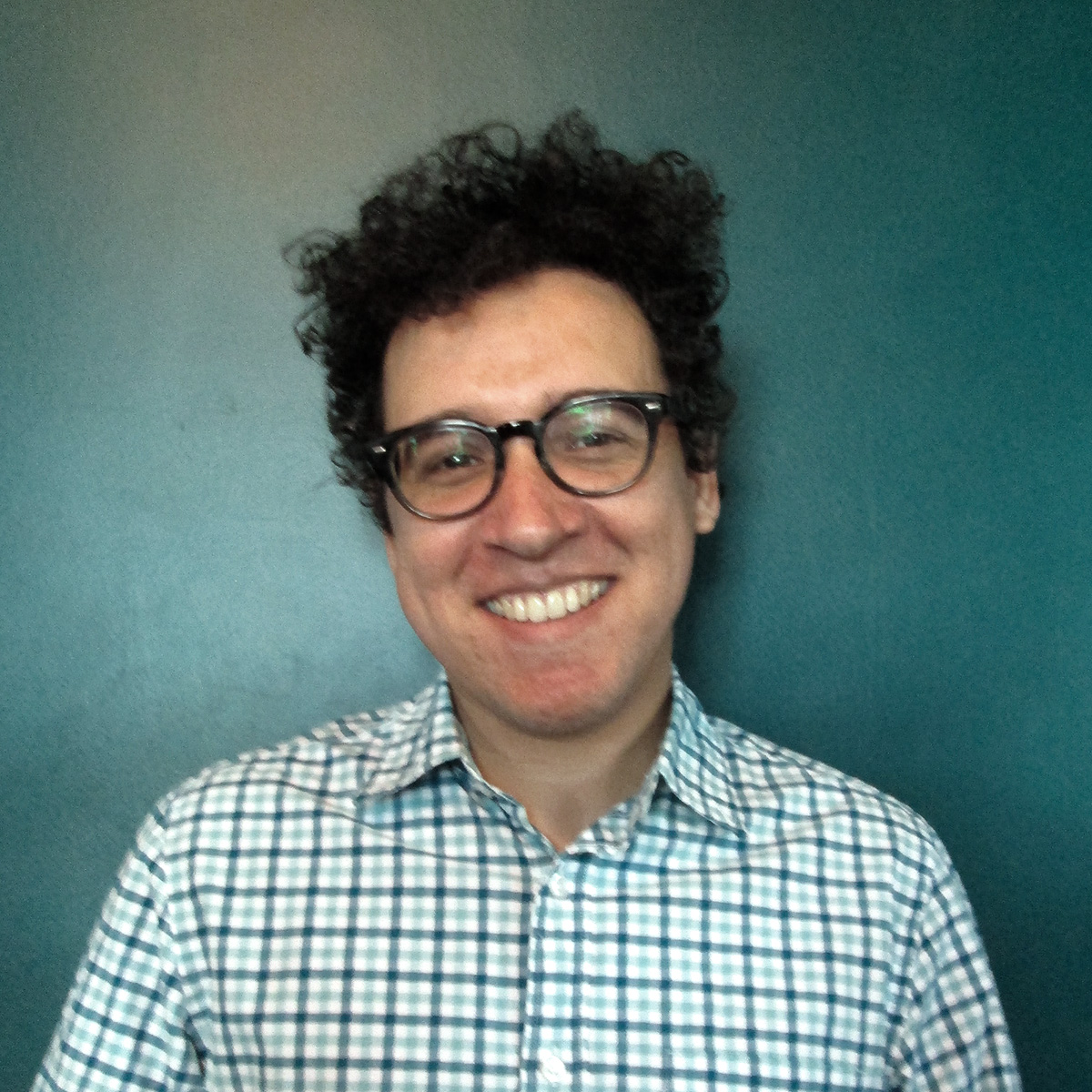
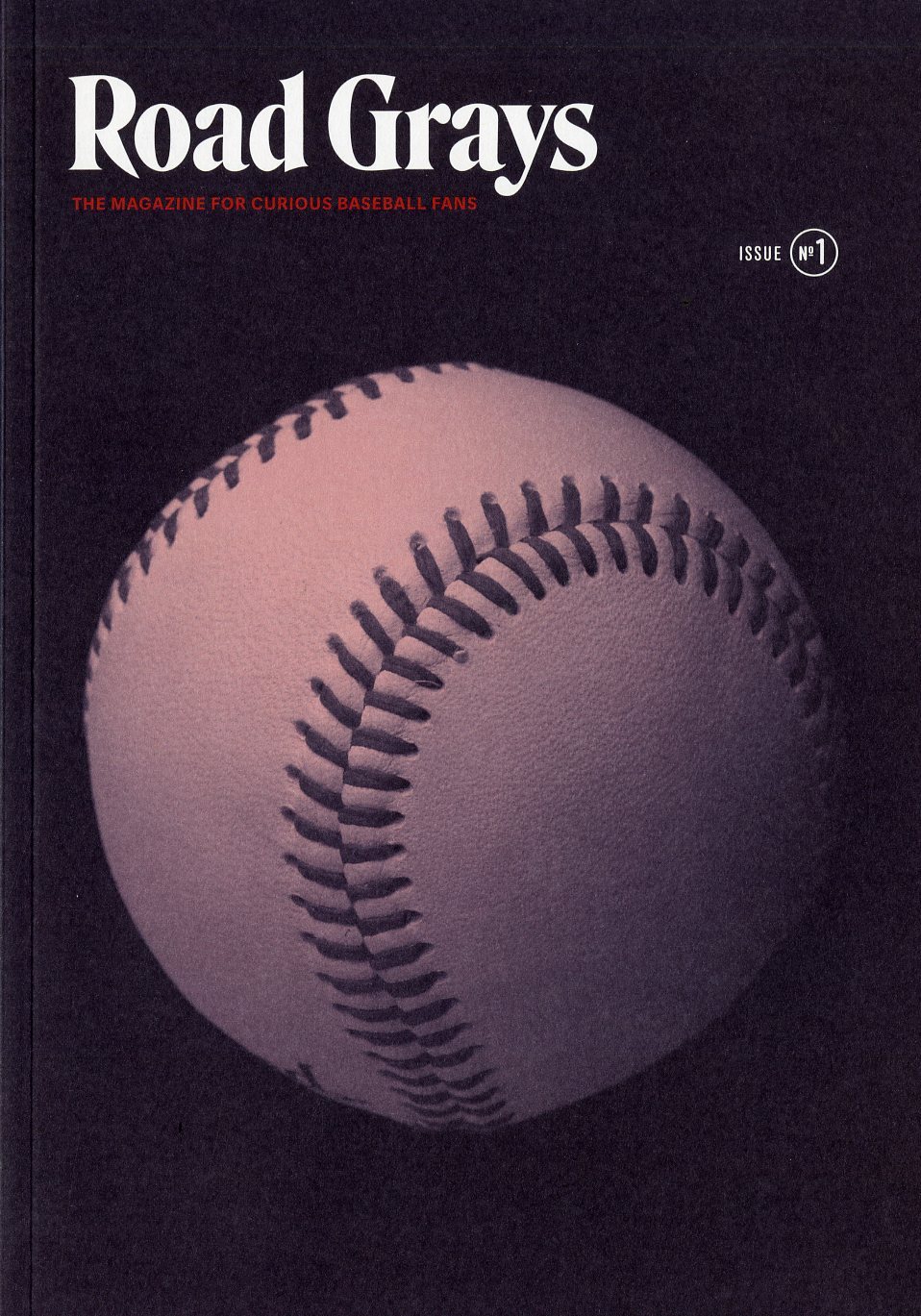
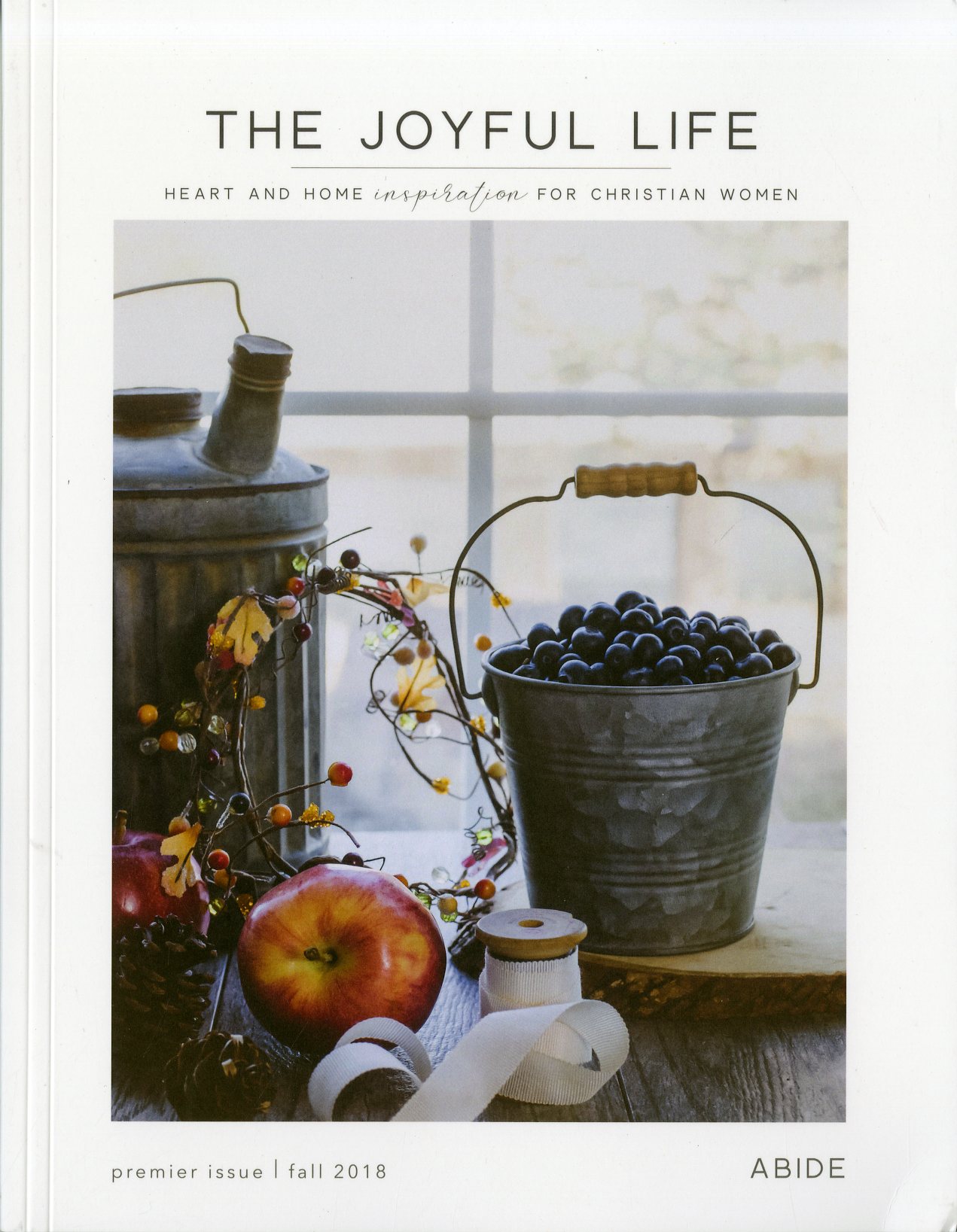
Available in print-only and dedicated to the “curious” baseball fan, Road Grays is a new magazine from Austin Stahl and his wife Megan Deyo Stahl that is beautifully done and tells original nonfiction stories from the world of baseball. Austin is an art director and designer by trade, working often for professional associations and educational institutions.

I spoke with Austin recently and we talked about this creative project that has become a twice-yearly published magazine that he is thrilled to say belongs entirely to his vision, from start to finish. Something he can’t say when he is designing work for others. And of course, Mr. Magazine™ is thrilled to see print the number one (and only) way to receive this great new title.

As with many others who have come to realize; in the world we live in today, slowing down and moving away from our screens on occasion is becoming a necessity for our psyches, and that’s one of the reasons Austin decided on a print-only format. The website will give you a preview of the magazine and give you a place to order it, but to enjoy it, you have to hold it in your hands, feel it, touch it, and experience it.

Austin adds that he and his wife’s goal is to tell great nonfiction stories, from all eras and levels of the game, that use baseball as a lens through which to see the world. And these stories are deeper and richer than most you find on the Internet or in other sports magazines on newsstands already. The storytelling doesn’t concentrate on the “right now” as the Internet does, but instead takes you down many times unknown paths and to baseball diamonds you may not have heard too much about until Road Grays.

So, I hope that you enjoy this delightful interview with a man who has been in love with the sport of baseball since he was a child and has found a way to express that love through the pages of a magazine, (if you print it, they will come), the Mr. Magazine™ interview with Austin Stahl, cofounder, editor & creative director, Road Grays magazine.

But first the sound-bites:

On why he decided to publish a print magazine in this digital age and why one about baseball: I’ve been an art director and designer for quite a while and specifically in the publication world. And I really love print; I always have, but most of my work has been for clients, serving their visions and their missions. So, a couple of years ago I got the itch to create something that was entirely my own. We weren’t sure at first what we wanted it to be; my wife, Megan, is my partner in this project and we spent a lot of time talking about what the magazine could be if we did our own thing. Ultimately, we hit on this idea of a different kind of baseball magazine. It seemed like there weren’t really any other magazines quite like this idea already out there. There are some really interesting ones about other sports that do a similar thing to what we’re trying to do: digging a little bit deeper and going into stories that aren’t being told anywhere else.

On what makes Road Grays different from other sports magazines: The idea is that we’re using baseball as a lens to see the world. These are stories about real people, whether it’s people who play the game, watch the game, or the people who make it happen behind the scenes. We’re not really focusing on big stars or stats, or what’s happening on the field day-to-day. Really we’re focusing on the stories that maybe you haven’t heard before, about the real people who are involved.

On why the magazine is available in a print-only format: For us, I think a lot of it was wanting to provide something that allowed people to slow down a little bit, especially with sports media, there’s so much on the Internet that’s about “what happened in the game last night,” “what’s going to happen coming up this weekend.” It’s all about “right now.” And there’s a place for that and it’s really important if you’re following a team or you’re following a sport. But we wanted to do the opposite of that. We felt like there was a niche for the exact opposite, where you’re slowing down, you’re not worrying about what’s happening right now, you’re worrying about things that are a bit more timeless. And that’s something that print can do really well.

On any stumbling blocks he’s had to face since launching the first issue in February 2019: I think my main challenge has been getting enough people to know about it. I’ve always been on the making of the magazine side, not so much about selling or promoting it. So, that’s been a bit of a learning curve, determining how best to do that and how best to get the word out. And that’s something that we’re still figuring out. Through a lot of trial and error; what are the best strategies on social media, or what other ways can you get the word out about what you’re doing. So, I think our biggest struggle right now is just growing enough to make this sustainable.

On what he’s learned since the execution of the first issue that has helped him with the second issue: Different strategies on social media and advertising, it’s been a lot of trial and error. I think slowly, as we continue to do each issue, we learn which things get a little more traction and which things don’t, in terms of actually making the magazine itself. I learned a whole lot about being an editor (Laughs), which is a new thing for me. And I found that I actually really enjoy it more than I even thought that I might. Just little things about how far in advance you need to talk to people and how long certain parts of the process takes on the editorial side. In my career, I’ve been used to just getting the content when it’s done and taking it from there as a designer. So, learning how to do it all from step-one has involved a bit of just jumping in and doing it.

On what type of experience he envisions his audience having with Road Grays: As I said before, I think it’s a slower experience, certainly, than what you get as a sports fan on the Internet, where everything is pretty much about right now. We wanted to emphasize that in the way that the stories are laid out and the way that the entire package is put together. It’s something that you want to sit down and spend some time with and just slow yourself down a little bit as you read. So, we wanted to design it in that way.

On what he would like to tell someone he had accomplished one year from now with the magazine: Hopefully, to have grown enough or reached enough people to make it a more sustainable project. We’re not making any money yet (Laughs), so I would like to get to a point where it’s at least paying for itself well enough that we can imagine doing it for quite a while. And I think that’s just a matter of reaching a little bit more people every single time.

On how he felt when he received that first issue of the magazine from the printer: It was exciting. I remember opening the box up and seeing all of them stacked up. Our first issue’s cover is a larger-than-life baseball (Laughs), so it was kind of cool to just open the box for the first time and see that cover staring back at me. The smell of ink is always exciting to me. As I’m sure you know as a magazine maker, there’s always something nice about that sensory thing that happens when you smell the ink for the first time. So, I remember that well. It’s always exciting when you get something back from the printer and it’s real, something that you’ve only seen on the screen until that moment, suddenly you can hold it in your hand. It was even more exciting because this time it was entirely mine, from start to finish.

On where he came up with the name Road Grays: I think it was one of those things where it just popped into my head and felt right, but the idea behind it is, traditionally in baseball the home team wears white and the visiting team wears gray. So, I kind of liked the implication that we were going out on a road trip, visiting all of these different people and stories kind of metaphorically. And bringing what we found back to you, the reader. Maybe there’s a little bit of a subliminal message in there about that idea of going out into the world and seeing what’s out there.

On why it’s available in print only: The print-only aspect is really about time; we’re doing this in our spare time, we have day jobs. So, it felt like a little bit too much to bite off if we were also running a website, a website that was more than just a place to purchase the magazine, but was an entity in and of itself. So, part of it was that and part of it was I just liked the idea of something more permanent, something that people might want to keep on their shelves, and maybe even refer back to it years later. I wanted to be sure that it felt quality enough that people wanted to keep it.

On the fact there is no advertising in the magazine and if that was a conscious decision based on the business model: We do have what we call sponsorships. Brands can sponsor us and we’ll thank them on a page in the magazine, but not having any display advertising was definitely a conscious decision, because I didn’t want it to take away from what we were doing, content-wise and design-wise. I guess I kind of wanted a little bit more control of everything that was on the pages.

On the magazine’s tagline: The Magazine For Curious Baseball Fans, and how he would define “curious” baseball fans: I think it’s people who want to dig a little bit deeper into some of the stories, instead of just the day-to-day of a long season or what’s happening on the field. People who are more curious about what goes on behind the scenes or who are interested in some of the stories beyond what you see at game time.

On anything he’d like to add: Just that my wife’s role is business and marketing advisor and she has been invaluable in helping with the business side of the magazine.

On what someone would find him doing if they showed up unexpectedly one evening at his home: Honestly, probably working on Road Grays. (Laughs) As I said, it’s more of an evenings and weekends thing for us, because we have day jobs. I would probably be getting something done on the magazine, or, I’m also a musician, so maybe playing some music or just hanging out with our dogs.

On the biggest misconception he thinks people have about him: One thing that I’ve had a few people who have gotten in touch with us suggest is, it seems like they think that we’re a much larger organization than we really are. I think people don’t realize that it’s just a couple of people in a spare bedroom making this magazine. (Laughs) And they kind of assume that we’re some big publishing company, which I guess is rather flattering. (Laughs again) Maybe it means that we’re doing something right.

On what keeps him up at night: I spend a lot of time worrying about the state of our country right now, the state of the world. Sometimes it kind of feels frivolous to be spending a lot of time thinking about a game, given what’s going on in the world right now, but maybe putting a little bit more empathy into the world by telling people stories is something positive, so that’s something I hold onto.

And now the lightly edited transcript of the Mr. Magazine™ interview with Austin Stahl, cofounder, editor & creative director.

Samir Husni: You launched your new print magazine, Road Grays, earlier this year and it’s about baseball and the human stories behind the game. Why did you decide in this day and age to publish a print magazine and why one about baseball?

Austin Stahl: I’ve been an art director and designer for quite a while and specifically in the publication world. And I really love print; I always have, but most of my work has been for clients, serving their visions and their missions. So, a couple of years ago I got the itch to create something that was entirely my own. We weren’t sure at first what we wanted it to be; my wife, Megan, is my partner in this project and we spent a lot of time talking about what the magazine could be if we did our own thing.

Ultimately, we hit on this idea of a different kind of baseball magazine. It seemed like there weren’t really any other magazines quite like this idea already out there. There are some really interesting ones about other sports that do a similar thing to what we’re trying to do: digging a little bit deeper and going into stories that aren’t being told anywhere else. There are a lot of great ones about soccer, and of course, Racquet, which is about tennis, and a number of others, but there wasn’t anything about baseball. Once we hit on that idea, we started to get pretty excited about it and it came together pretty quickly after that.

Samir Husni: What makes Road Grays different? Give me your elevator pitch for the magazine if someone asks you to define the concept.

Austin Stahl: The idea is that we’re using baseball as a lens to see the world. These are stories about real people, whether it’s people who play the game, watch the game, or the people who make it happen behind the scenes. We’re not really focusing on big stars or stats, or what’s happening on the field day-to-day. Really we’re focusing on the stories that maybe you haven’t heard before, about the real people who are involved.

Samir Husni: What do you think the role of print plays today in magazine publishing and how do you think it plays into Road Grays specifically, because even on your website you explain that it’s a “print-only” magazine. You can see a preview to order the magazine, but you can only receive it in print.

Austin Stahl: For us, I think a lot of it was wanting to provide something that allowed people to slow down a little bit, especially with sports media, there’s so much on the Internet that’s about “what happened in the game last night,” “what’s going to happen coming up this weekend.” It’s all about “right now.” And there’s a place for that and it’s really important if you’re following a team or you’re following a sport.

But we wanted to do the opposite of that. We felt like there was a niche for the exact opposite, where you’re slowing down, you’re not worrying about what’s happening right now, you’re worrying about things that are a bit more timeless. And that’s something that print can do really well. Hopefully, if you make it well, if you make an object that people like and want to keep around for a little while, they can come back to it a year from now if it’s still on their shelf and the stories are still just as relevant as they were then. That was our thinking on that. The Internet has its place, but print also has its place. They each do their own thing well.

Samir Husni: Since the first issue came out in February 2019, has this journey been a walk in a rose garden for you? Or have you had some stumbling blocks along the way?

Austin Stahl: I think my main challenge has been getting enough people to know about it. I’ve always been on the making of the magazine side, not so much about selling or promoting it. So, that’s been a bit of a learning curve, determining how best to do that and how best to get the word out. And that’s something that we’re still figuring out. Through a lot of trial and error; what are the best strategies on social media, or what other ways can you get the word out about what you’re doing. So, I think our biggest struggle right now is just growing enough to make this sustainable.

Samir Husni: What have you learned since the execution of the first issue that has helped you to enhance or change or do with the second issue?

Austin Stahl: Different strategies on social media and advertising, it’s been a lot of trial and error. I think slowly, as we continue to do each issue, we learn which things get a little more traction and which things don’t, in terms of actually making the magazine itself. I learned a whole lot about being an editor (Laughs), which is a new thing for me. And I found that I actually really enjoy it more than I even thought that I might. Just little things about how far in advance you need to talk to people and how long certain parts of the process takes on the editorial side. In my career, I’ve been used to just getting the content when it’s done and taking it from there as a designer. So, learning how to do it all from step-one has involved a bit of just jumping in and doing it.


Samir Husni: One thing I tell my students and my clients is that in this day and age you have to be more than just content providers, you have to be an experience maker. What type of experience do you envision your audience having with Road Grays?

Austin Stahl: As I said before, I think it’s a slower experience, certainly, than what you get as a sports fan on the Internet, where everything is pretty much about right now. We wanted to emphasize that in the way that the stories are laid out and the way that the entire package is put together. It’s something that you want to sit down and spend some time with and just slow yourself down a little bit as you read. So, we wanted to design it in that way.

We also wanted to make sure that there was enough fun involved too. The way that I have approached the art direction is making sure there’s enough color and plenty of smart editorial illustrations. We wanted the readers to feel like they’re being taken care of.

Samir Husni: Now that you have issue two under your belt, if you and I are talking again one year from now, what would you hope to tell me you had accomplished with the magazine?

Austin Stahl: Hopefully, to have grown enough or reached enough people to make it a more sustainable project. We’re not making any money yet (Laughs), so I would like to get to a point where it’s at least paying for itself well enough that we can imagine doing it for quite a while. And I think that’s just a matter of reaching a little bit more people every single time.

Samir Husni: If we could go back in time just a bit; can you describe the emotions it stirred within you when you received that first issue from the printer?

Austin Stahl: It was exciting. I remember opening the box up and seeing all of them stacked up. Our first issue’s cover is a larger-than-life baseball (Laughs), so it was kind of cool to just open the box for the first time and see that cover staring back at me. The smell of ink is always exciting to me. As I’m sure you know as a magazine maker, there’s always something nice about that sensory thing that happens when you smell the ink for the first time. So, I remember that well. It’s always exciting when you get something back from the printer and it’s real, something that you’ve only seen on the screen until that moment, suddenly you can hold it in your hand. It was even more exciting because this time it was entirely mine, from start to finish.

Samir Husni: How did you come up with the name? From all of the names you could have called a baseball magazine, why did you choose Road Grays?

Austin Stahl: I think it was one of those things where it just popped into my head and felt right, but the idea behind it is, traditionally in baseball the home team wears white and the visiting team wears gray. So, I kind of liked the implication that we were going out on a road trip, visiting all of these different people and stories kind of metaphorically. And bringing what we found back to you, the reader. Maybe there’s a little bit of a subliminal message in there about that idea of going out into the world and seeing what’s out there.

Samir Husni: Was it a conscious business model decision that you’re ad free, with a $12 cover price, on premium paper and only available in print?

Austin Stahl: The print-only aspect is really about time; we’re doing this in our spare time, we have day jobs. So, it felt like a little bit too much to bite off if we were also running a website, a website that was more than just a place to purchase the magazine, but was an entity in and of itself. So, part of it was that and part of it was I just liked the idea of something more permanent, something that people might want to keep on their shelves, and maybe even refer back to it years later. I wanted to be sure that it felt quality enough that people wanted to keep it.

Samir Husni: And the decision not to have any advertising?

Austin Stahl: We do have what we call sponsorships. Brands can sponsor us and we’ll thank them on a page in the magazine, but not having any display advertising was definitely a conscious decision, because I didn’t want it to take away from what we were doing, content-wise and design-wise. I guess I kind of wanted a little bit more control of everything that was on the pages.

Samir Husni: Define your audience for me. Your tagline is: The Magazine For Curious Baseball Fans, define the “curious” baseball fans.

Austin Stahl: I think it’s people who want to dig a little bit deeper into some of the stories, instead of just the day-to-day of a long season or what’s happening on the field. People who are more curious about what goes on behind the scenes or who are interested in some of the stories beyond what you see at game time.

Samir Husni: Is there anything you’d like to add?

Austin Stahl: Just that my wife’s role is business and marketing advisor and she has been invaluable in helping with the business side of the magazine.

Samir Husni: If I showed up unexpectedly at your home one evening after work, what would I find you doing? Having a glass of wine; reading a magazine; cooking; gardening; watching TV; or something else? How do you unwind?

Austin Stahl: Honestly, probably working on Road Grays. (Laughs) As I said, it’s more of an evenings and weekends thing for us, because we have day jobs. I would probably be getting something done on the magazine, or, I’m also a musician, so maybe playing some music or just hanging out with our dogs.

Samir Husni: What do you think is the biggest misconception people have about you?

Austin Stahl: One thing that I’ve had a few people who have gotten in touch with us suggest is, it seems like they think that we’re a much larger organization than we really are. I think people don’t realize that it’s just a couple of people in a spare bedroom making this magazine. (Laughs) And they kind of assume that we’re some big publishing company, which I guess is rather flattering. (Laughs again) Maybe it means that we’re doing something right.

Samir Husni: My typical last question; what keeps you up at night?

Austin Stahl: I spend a lot of time worrying about the state of our country right now, the state of the world. Sometimes it kind of feels frivolous to be spending a lot of time thinking about a game, given what’s going on in the world right now, but maybe putting a little bit more empathy into the world by telling people stories is something positive, so that’s something I hold onto.

Samir Husni: Thank you.
h1

NatuRx Magazine: A New Title For Better Living Through Cannabis – The Mr.™ Magazine Interview With Peter Moore, Editor In Chief…

September 15, 2019

A Mr. Magazine™ Launch Story…

“… We need to sort out the good from the bad; we need to follow the best science that’s going down now, and there have been tremendous impediments to studying cannabis that are only now just falling away, so we feel like we’re in a position to emphasize the usefulness of cannabis. So, that’s why we went with NatuRx, because we wanted to put the focus, not on the “stoner” excesses that cannabis has been a part of in the past, but instead look at it as a tool for better living, and that’s where the subline came from: Better Living Through Cannabis.” Peter Moore…

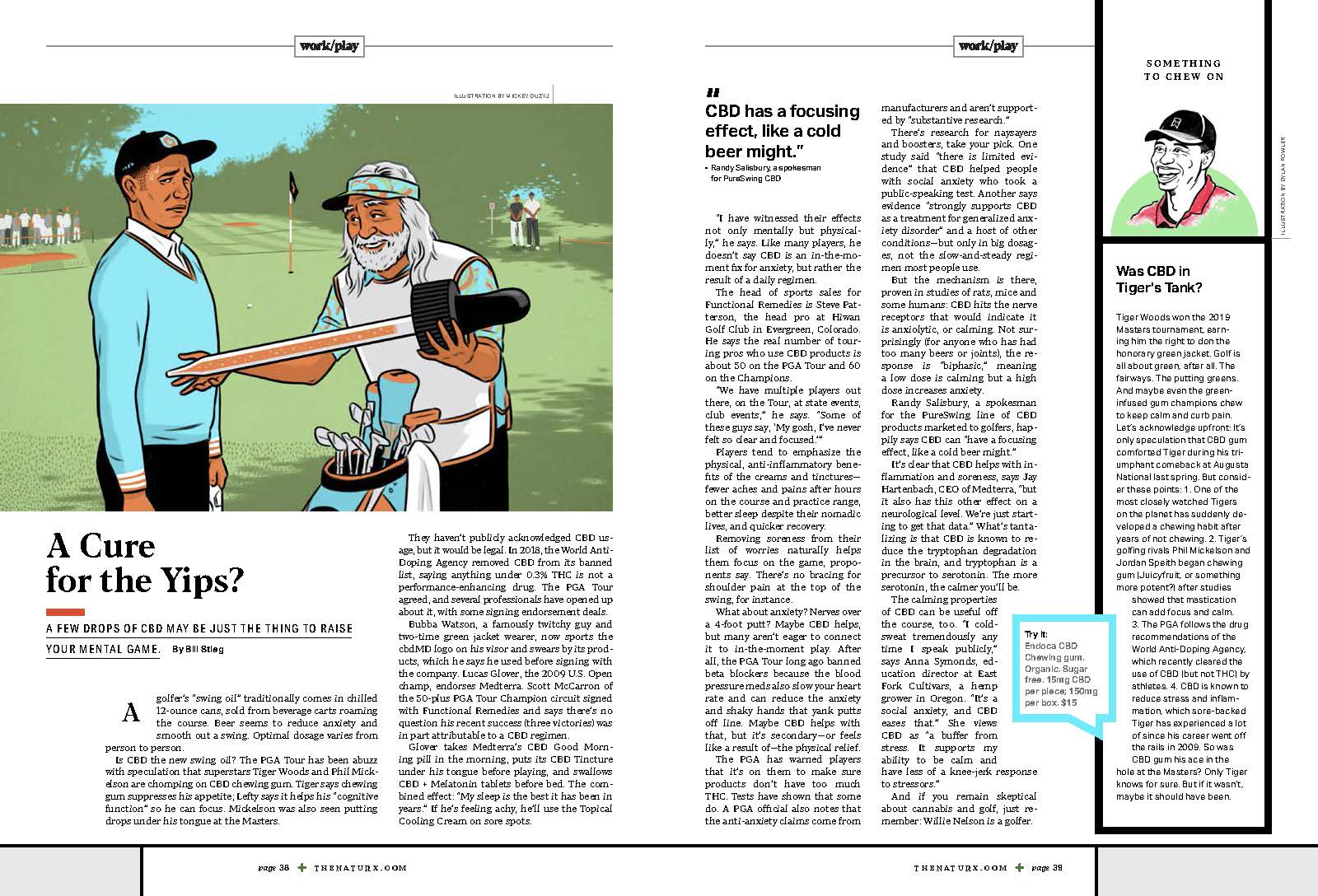
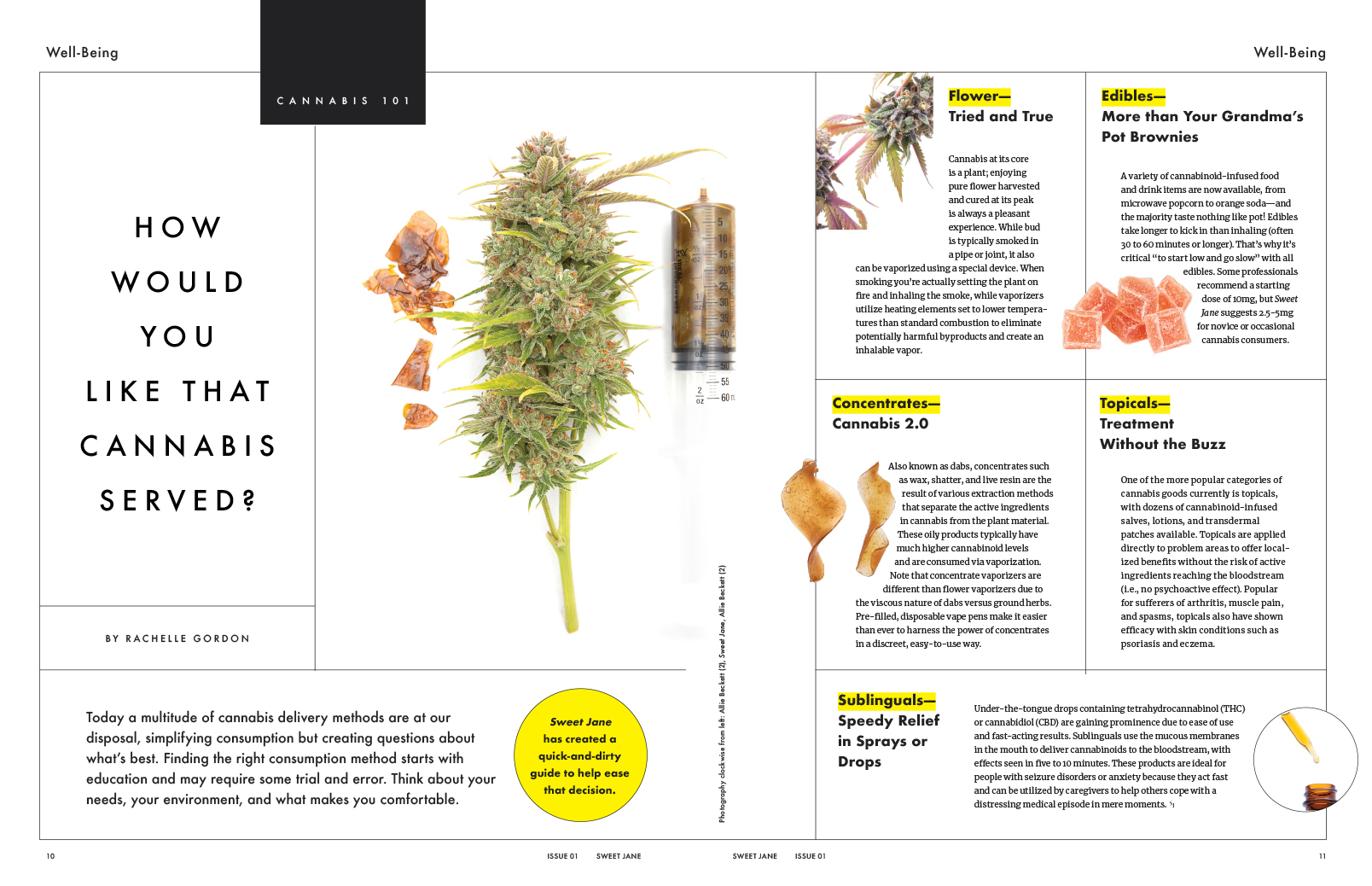
Active Interest Media’s (AIM) newest entry into the marketplace is NatuRx (pronounced Nature Rx), a multimedia platform whose mission is to educate health-conscious consumers about cannabis. Peter Moore, former editor at Men’s Health, is the editor in chief of this new title that’s tagline is “Better Living Through Cannabis.” And as Peter told me in a recent conversation, what differentiates this cannabis title from all of the others out there is its stand on being a guide for people when it comes to the best and worst cannabis scenarios, sorting the good from the bad, and helping people better understand cannabis. NatuRx is determined be a critical and watchful eye on this new world of green and to explain the healing powers and usefulness of the plant. And of course, it is the first big national service magazine focusing on cannabis.

Talking with Peter, I hear his passion for service journalism and in serving his readers. Helping people to better understand what cannabis can be used for when it comes to better health and fighting the detriments of certain conditions, such as PTSD, is so apparent in his words and in his vision for the magazine.

And as President & CEO Andrew Clurman said in a recent AIM press release, “As the publisher of wellness magazines such as Yoga Journal, Clean Eating, and Better Nutrition, we’ve been inundated with questions from our readers about the safe, legal use of CBD and THC as part of an active lifestyle. Our editors have been reporting on this emerging category for years, so it was a natural choice for us to create a new type of cannabis magazine, one that approaches cannabis from a health and fitness perspective and will appeal to affluent, educated adults.”

Peter would definitely agree as he told me how important his mission as an editor and the mission of advertisers for this magazine about cannabis is and will continue to be: “Our mission as editors will be to discover the very best uses for it, and that will also be the mission of the advertisers who will show up in NatuRx. What can we responsibly offer to people that will really improve their lives? I feel like with this magazine, as with Men’s Health, edit and advertising will be in lockstep, expressing different aspects of the same mission.”

It’s a beautifully done title and one Peter is very passionate about. And he believes in the people who are contributing and working on the magazine, describing them as some of the best in the business. A man whose professional life is filled with words and conversation, Peter enjoys painting in his spare time, clearing his thoughts with acrylics and watercolors to better prepare him for the next day of magazine passion. So, please enjoy this Mr. Magazine™ interview with a man who believes service journalism should be just that: a service to the readers and plans on delivering that with NatuRx, Editor in Chief, Peter Moore.

But first the sound-bites:

On when he moved to Colorado: I was laid off from Men’s Health in December 2015 and my wife and I had been looking around for what the next big thing was going to be for us. I had been coming out here to ski, backpack and backcountry ski for 20 years from Men’s Health, because I love to do all that stuff. And we thought, you know what, now’s our chance, let’s move to Fort Collins. So, we arrived here in May 2017.

On the interest in starting NatuRx magazine: The conversation had turned from “let’s get high” to “what use can we put cannabis to” and “what’s it good for?” And as a guy who had been trained for 20 years at Men’s Health and in service journalism, it was occurring to me that there’s a big need out there to understand the drug, to explain it, to see what it’s good for and what it’s not good for, up sides and down sides, it’s all a service magazine mission. And ironically enough, four months later, there was Jonathan Dorn inviting me down to Boulder, an hour away from Fort Collins where I lived, saying we really should do a magazine on cannabis. And the more we talked the more excited we got. Then the next thing you know, he was saying that we had a commitment from Meredith to partner on this, they’re our partner in the first issue, and we have newsstand commitments for a circulation of about 250,000. And people just kept signing on.

On the magazine’s title and not having the word “cannabis” in it: What we wanted to do was focus on the healing powers in particular. And its usefulness. I come out of the tradition of tons of useful stuff at Men’s Health. And part of what came out of the conversation I told you about was that people were looking for ways to improve their lives. One of the things that I’m proud of is while the magazine is called NatuRx, the subline is “Better Living Through Cannabis.” And I think that’s the focus that people have, this is a tool for living or it can be if you employ it in the right way. And people may not understand how it can be a positive in their lives, rather than a negative.

On empowering a brand on multichannel platforms: I think what we start with is an idea and a need. We live in a world where people select the version of it that’s going to fit best with their lives. So, for some people taking an online course is the way to go. And AIM has shown tremendous skill at putting that out there. Some people live on their phones and their tablets, for them NatuRx.com may be where they want to consume the content. Others want to hold a magazine in their hands. And for people of a certain generation, the magazine is still the best way to get their information. And it’s certainly an extraordinary design vehicle, especially because AIM puts its money where its mouth is, as far as paper stock and the great creative director, Bryan Nanista, who has a long history himself in this industry.

On how as an editor he balances between the art of creation and the art of curation: That’s where my experience at Men’s Health comes in very handy. I was trained for a couple of decades in how to sort out good information from bad, good studies from bad studies, reputable sources from non-reputable sources. And thank you very much Men’s Health magazine for giving me those skills. Even more important, how to apply those skills in the Wild West of cannabis, because some of the sources are… well, people have rushed into this area because there’s this so-called Green Rush toward cannabis, people trying to make their fortunes right now, and that means they’re putting out a lot of garbage. And there are also reputable, good companies that are putting out great stuff too.

On whether the Internet is a blessing or a curse to him as an editor: It’s widely known that “Dr. Google” can be a quack. And there are a lot of people who take at face value the first thing that shows up in their feed when they do a search. Overall, I would say that the Internet has been a blessing, if you have the tools to use it in the right way, but in the wrong hands those tools can do damage. Frankly, as a health editor, it’s a great thing for me that people do need help to be pointed in the right direction and I feel like I have the skills to help them judge what’s good, bad, and dangerous. And that they need that help means they’re going to be turning to NatuRx, and we certainly hope so.

On how he copes with all of the changes taking place in the magazine industry and the merger between church and state: I’m no stranger to that merger and I lived through it at Men’s Health, absolutely, with fairly intense partnerships between Men’s Health, advertisers and the editorial side. There is an old school part of me that says, gosh, it’s too bad that world went away, but it did go away. So, now what I need to do is use my brain and my instincts and my research to note that there are places we can’t go and shouldn’t go, and there’s not even any advertisers’ interests that we go there because it’s going to scuttle our credibility with readers. It’s all about a relationship with the reader.

On whether he expects a long-lasting relationship with his audience or a one-night stand after the first issue: My role when I was sitting in that room with that group of people after the Memorial service a couple of years ago, was as somebody who could answer questions from a base of knowledge and understanding, and take a sober look at an intoxicating drug, and at intoxicating possibilities, and people really need that. I feel like it’s a shoulder-to-shoulder relationship, where we’re going through this revolution along with people, but maybe we are a slightly more prepared, better-researched, discerning group who can guide the conversation with what we know and be honest about what we don’t know.

On what differentiates NatuRx from all the other cannabis magazines already on the market today: I feel like we are the first big national service magazine concentrating on cannabis. And given the background of all the people who are contributing to it, I think we have a track record on the staff of being among the very best to do this kind of reporting. So many of the magazines that I see out there are enthusiast magazines, meaning supporters, drunk with the possibilities, whereas I think that NatuRx is going to take a step backward to assess the progress of the revolution and to guide people to the parts of it that are going to serve them best. We’re going to be a critical eye on cannabis and we’re going to support the best advances and the most promising treatments and uses for cannabis. So, I feel that is going to be a good niche for us and it’s something that people really need right now.

On the biggest misconception he feels people have about him: I’ve always felt that some people look down their noses at service journalism and maybe I did too before I landed at Men’s Health. But the mission of somebody who is out to use all the tools that are available to journalists now to improve lives has been transformative for me as a journalist. My education at Men’s Health showed me that you really can help people if you provide timely information in the right format and with the right tone. And that’s an expertise that I have now and I’m grateful to Men’s Health and Rodale for providing that to me. And I’m just thrilled that this revolution swept along in cannabis and that I arrived in Colorado at just the right moment to find a new way to help people. And that’s my mission.

‘The Morning Commute, by Peter Moore

On what someone would find him doing if they showed up unexpectedly one evening at his home: What you will find me doing often is being upstairs in my renovated barn in my backyard in Fort Collins where my day-to-day office is, and the half of it facing east is my editorial office and the other half facing west is my art studio. I’m an acrylics painter and watercolorist and if I turn around it’s looking pretty nice over there with all my paintings leaning against the wall. I’m not Picasso, but I’m working hard at it and it’s something that I love to do, in particular because it does not have anything to do with words. And I need that, something that’s going to take me off the hook from talking and writing all the time. So, at night I just shut up and paint.

On what keeps him up at night: The thing that scares me and scares a lot of editors that I’ve seen on your blog is the attack on the press, which is one of those pillars of our democracy. Having a free and active, aggressive press. And the assault on that is unprecedented and unhealthy. It requires great care on our part to answer it in the right way. And the way to answer it is by using all of our skills to find out what’s wrong, what’s evil, and what’s great about what’s going on right now. And to justify people’s faith in that pillar of democracy.

And now the lightly edited transcript of the Mr. Magazine™ interview with Peter Moore, editor in chief, NatuRx magazine.

Samir Husni: When did you move to Colorado?  

Peter Moore: I was laid off from Men’s Health in December 2015 and my wife and I had been looking around for what the next big thing was going to be for us. I had been coming out here to ski, backpack and backcountry ski for 20 years from Men’s Health, because I love to do all that stuff. And we thought, you know what, now’s our chance, let’s move to Fort Collins. So, we arrived here in May 2017.

Given my background as a health writer and editor, all my old pals from the New York magazine industry were suddenly crowding around and giving me assignments to write about cannabis. It’s not like I had any particular expertise or even much experience with cannabis before we came out here, but at the urging of my old magazine buddies I began investigating it carefully and personally, yes, Samir…

Samir Husni: (Laughs)

Peter Moore: (Laughs too) …and when you develop an expertise, people notice it. And Jon Dorn did. So, there you go.

Samir Husni: I tell everyone I interview with magazines about cannabis, you do it for educational and medicinal purposes, of course.

Peter Moore: But it’s so interesting and I mentioned it in my editor’s note in the first issue; we were at a Memorial service a couple of years ago, and at about 8:00 p.m. after the Memorial service the adults in the room were sitting around and of course, now that I live in Colorado, the conversation turned to Colorado cannabis legalization.

And all of these people were gathered from all across the country, each started recounting their own use of cannabis; a lot of it for medicinal purposes, but recreational as well. We’re of the generation that went through that in college dorm rooms decades ago. But the conversation had turned from “let’s get high” to “what use can we put cannabis to” and “what’s it good for?” And as a guy who had been trained for 20 years at Men’s Health and in service journalism, it was occurring to me that there’s a big need out there to understand the drug, to explain it, to see what it’s good for and what it’s not good for, up sides and down sides, it’s all a service magazine mission.

And ironically enough, four months later, there was Jonathan Dorn inviting me down to Boulder, an hour away from Fort Collins where I lived, saying we really should do a magazine on cannabis. And the more we talked the more excited we got. Then the next thing you know, he was saying that we had a commitment from Meredith to partner on this, they’re our partner in the first issue, and we have newsstand commitments for a circulation of about 250,000. And people just kept signing on.

Albertsons chain of grocery stores; the magazine is going to be in more than 800 of those and their affiliates across the country by the end of September. Plus Meredith’s circulation is right behind it. And we’ve also got a really good team from Active Interest Media, who saw this in their participant media empire, as a very natural adjunct to the other stuff they have going.

I was thrilled to be asked by Jon, who was a pal of mine when Backpacker was owned by Rodale, to collaborate on this as well. So, here we go. A big magazine launch and I’m thrilled to be a part of it.

Samir Husni: Tell me about the name NatuRx. This is one of the few cannabis magazines that does not have the word cannabis in the title.

Peter Moore: Well, what we wanted to do was focus on the healing powers in particular. And its usefulness. I come out of the tradition of tons of useful stuff at Men’s Health. And part of what came out of the conversation I told you about was that people were looking for ways to improve their lives. One of the things that I’m proud of is while the magazine is called NatuRx, the subline is “Better Living Through Cannabis.” And I think that’s the focus that people have, this is a tool for living or it can be if you employ it in the right way. And people may not understand how it can be a positive in their lives, rather than a negative.

The recent difficulties with Vape pens shows you there is a downside to juvenile use among teenagers and young people. So, we need to sort out the good from the bad; we need to follow the best science that’s going down now, and there have been tremendous impediments to studying cannabis that are only now just falling away, so we feel like we’re in a position to emphasize the usefulness of cannabis. So, that’s why we went with NatuRx, because we wanted to put the focus, not on the “stoner” excesses that cannabis has been a part of in the past, but instead look at it as a tool for better living, and that’s where the subline came from: Better Living Through Cannabis.

Samir Husni: Peter, you’ve been involved with service journalism, as you said, for over 20 years. You’ve done it through multiple channels; do you feel that today you can’t practice service journalism in only one channel? AIM is launching NatuRx in print, tablet, mobile, education, social, events, email; do you create the brand and then have its products, or is it that you start with the product and create the brand as you grow?

Peter Moore: I think what we start with is an idea and a need. We live in a world where people select the version of it that’s going to fit best with their lives. So, for some people taking an online course is the way to go. And AIM has shown tremendous skill at putting that out there. Some people live on their phones and their tablets, for them NatuRx.com may be where they want to consume the content. Others want to hold a magazine in their hands. And for people of a certain generation, the magazine is still the best way to get their information. And it’s certainly an extraordinary design vehicle, especially because AIM puts its money where its mouth is, as far as paper stock and the great creative director, Bryan Nanista, who has a long history himself in this industry.

It all comes down to where people want to be when they’re receptive to the information they need to improve their lives. And I think that’s where AIM hangs its hat, in being there for readers in all the places they want to be.

And it’s a time for great opportunity as well, because when I was beginning my journalism career, there were 78 total magazines. And now, through your work I’ve learned that there are 800 launches per year and 5,000 titles that are out there now, and that isn’t even taking into account all of the various formats that can exist out there.

Samir Husni: As you put your editor’s hat on and look at the wealth of information out there, the good, the bad and the ugly, how do you balance between the art of creation as an editor and the art of curation as an editor?

Peter Moore: That’s where my experience at Men’s Health comes in very handy. I was trained for a couple of decades in how to sort out good information from bad, good studies from bad studies, reputable sources from non-reputable sources. And thank you very much Men’s Health magazine for giving me those skills. Even more important, how to apply those skills in the Wild West of cannabis, because some of the sources are… well, people have rushed into this area because there’s this so-called Green Rush toward cannabis, people trying to make their fortunes right now, and that means they’re putting out a lot of garbage. And there are also reputable, good companies that are putting out great stuff too.

And that’s what we need to do, sort out between the bad, crazy stuff that you see on the Internet and in your emails all the time, and the people who are doing it the right way and putting out quality products based on solid research , and that’s our mission as editors is to be an advocate for readers saying head this way, not that way, that way being danger-wise. If we can do a good job of sorting between danger and advantage, we’re doing an amazing service for people, especially right now.

Samir Husni: You mentioned especially right now, how in your 20-year career, and you started before the Internet was widely available, to today where almost anyone has access; how has your job or your thinking changed since then? Is the Internet a blessing or a curse?

Peter Moore: It’s widely known that “Dr. Google” can be a quack. And there are a lot of people who take at face value the first thing that shows up in their feed when they do a search. Overall, I would say that the Internet has been a blessing, if you have the tools to use it in the right way, but in the wrong hands those tools can do damage.

Frankly, as a health editor, it’s a great thing for me that people do need help to be pointed in the right direction and I feel like I have the skills to help them judge what’s good, bad, and dangerous. And that they need that help means they’re going to be turning to NatuRx, and we certainly hope so.

Samir Husni: As I look at the media kit for NatuRx, I see a combination of the traditional and the non-traditional, like ad rates from the basic inside-front cover to the advertorial spread to the guest-expert interview spread. As an editor, how do you cope with all of these changes taking place in the industry and the merger of church and state?

Peter Moore: I’m no stranger to that merger and I lived through it at Men’s Health, absolutely, with fairly intense partnerships between Men’s Health, advertisers and the editorial side. There is an old school part of me that says, gosh, it’s too bad that world went away, but it did go away. So, now what I need to do is use my brain and my instincts and my research to note that there are places we can’t go and shouldn’t go, and there’s not even any advertisers’ interests that we go there because it’s going to scuttle our credibility with readers. It’s all about a relationship with the reader.

At Men’s Health, and I believe at NatuRx, that relationship with the reader is important on the ad pages just as its important on the editorial pages. And I felt like, at Men’s Health certainly for 20 years, the advertisers were in it for the same reasons that we were, which was to provide information that was going to help people live better lives.

In a burgeoning industry, a soon-to-be, and is now, and will increasingly become, a multibillion dollar industry in the U.S., especially as legalization, that wildfire, spreads across the land, this is going to be a very big industry with its hands in all sorts of things. There will be competition for liquor intoxicants, in the fashion realm for fabric, sleep remedies, pain remedies; there isn’t a part of U.S. commerce that will not be impacted by cannabis. It’s going to be everywhere.

Our mission as editors will be to discover the very best uses for it, and that will also be the mission of the advertisers who will show up in NatuRx. What can we responsibly offer to people that will really improve their lives. I feel like with this magazine, as with Men’s Health, edit and advertising will be in lockstep, expressing different aspects of the same mission.

Samir Husni: As you move toward that relationship with your audience, your customers, whether they’re readers or advertisers; what do you expect the first issue to be like between you and them: a first date, a one-night stand, a love affair, or a long-lasting relationship?

Peter Moore: My role when I was sitting in that room with that group of people after the Memorial service a couple of years ago, was as somebody who could answer questions from a base of knowledge and understanding, and take a sober look at an intoxicating drug, and at intoxicating possibilities, and people really need that. I feel like it’s a shoulder-to-shoulder relationship, where we’re going through this revolution along with people, but maybe we are a slightly more prepared, better-researched, discerning group who can guide the conversation with what we know and be honest about what we don’t know.

There is so much that will be coming to light about this in the next few years, especially as the government monopoly on the source of research-grade cannabis breaks down. Recently, there was a big lawsuit from Dr. Sue Sisley in Arizona to end that government monopoly. She’s doing a double-blind study on the impact of cannabis on PTSD. There are going to be a thousand sources blooming on research and information on cannabis. Some of it is going to be cautionary, some very exciting and positive, and we’re going to help sort that out for readers. I think we’re sorting it out for ourselves, each of us on the editorial staff at the same time; we’re sorting it out for a potentially gigantic audience of people who need that information.

Samir Husni: If someone came to you and said, okay, you’re launching another cannabis magazine, where would you put it among the 20-plus titles already out there? Whether it’s MJ Lifestyle for women, Marijuana Ventures, Kitchen Toke – cooking with cannabis, or Ember; is it a competitor to those, a complementary, a corrective magazine? How would you define your unique selling proposition in the midst of all of these other titles on the market today?

Peter Moore:  I feel like we are the first big national service magazine concentrating on cannabis. And given the background of all the people who are contributing to it, I think we have a track record on the staff of being among the very best to do this kind of reporting. So many of the magazines that I see out there are enthusiast magazines, meaning supporters, drunk with the possibilities, whereas I think that NatuRx is going to take a step backward to assess the progress of the revolution and to guide people to the parts of it that are going to serve them best. We’re going to be a critical eye on cannabis and we’re going to support the best advances and the most promising treatments and uses for cannabis. So, I feel that is going to be a good niche for us and it’s something that people really need right now.

Samir Husni: What do you think is the biggest misconception that people have about you?

Peter Moore: I’ve always felt that some people look down their noses at service journalism and maybe I did too before I landed at Men’s Health. But the mission of somebody who is out to use all the tools that are available to journalists now to improve lives has been transformative for me as a journalist. My education at Men’s Health showed me that you really can help people if you provide timely information in the right format and with the right tone. And that’s an expertise that I have now and I’m grateful to Men’s Health and Rodale for providing that to me. And I’m just thrilled that this revolution swept along in cannabis and that I arrived in Colorado at just the right moment to find a new way to help people. And that’s my mission.

Samir Husni: If I showed up unexpectedly at your home one evening after work, what would I find you doing? Having a glass of wine; smoking some cannabis; reading a magazine; cooking; gardening; watching TV; or something else? How do you unwind?

Peter Moore: (Laughs) What you will find me doing often is being upstairs in my renovated barn in my backyard in Fort Collins where my day-to-day office is, and the half of it facing east is my editorial office and the other half facing west is my art studio. I’m an acrylics painter and watercolorist and if I turn around it’s looking pretty nice over there with all my paintings leaning against the wall. I’m not Picasso, but I’m working hard at it and it’s something that I love to do, in particular because it does not have anything to do with words. And I need that, something that’s going to take me off the hook from talking and writing all the time. So, at night I just shut up and paint.

Samir Husni: My typical last question; what keeps you up at night?

Peter Moore: The thing that scares me and scares a lot of editors that I’ve seen on your blog is the attack on the press, which is one of those pillars of our democracy. Having a free and active, aggressive press. And the assault on that is unprecedented and unhealthy. It requires great care on our part to answer it in the right way. And the way to answer it is by using all of our skills to find out what’s wrong, what’s evil, and what’s great about what’s going on right now. And to justify people’s faith in that pillar of democracy.

Samir Husni: Thank you.
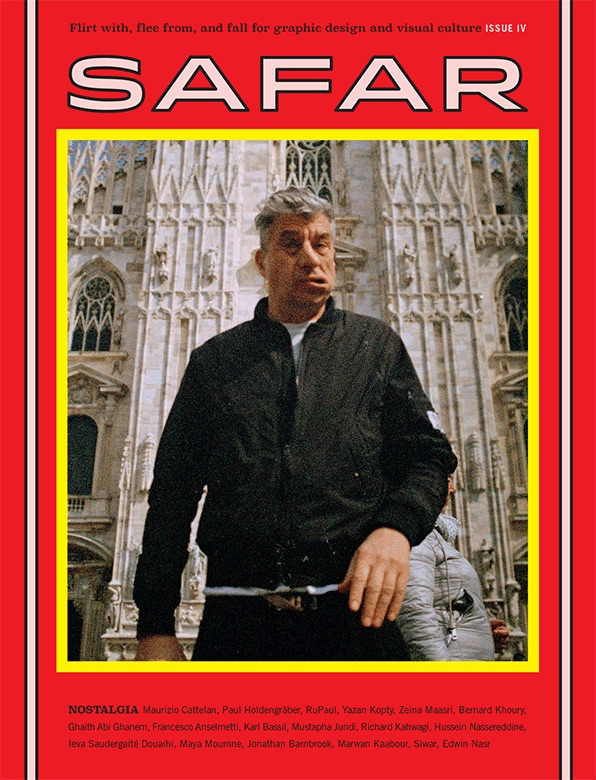
h1

The Joyful Life: A New Magazine That Provides “Heart & Home Inspiration For Christian Women” – The Mr. Magazine™ Interview With Sandi Sutton, Founder, Editor, & Creative Director…

August 21, 2019

“I think there is so much. One of the criteria for things that we use and put into the magazine is whether or not it’s timeless. And I really believe that our readers are intentionally looking for more deliberate, inspiring, and engaging content. I have at different times compared it to a fast food meal versus a feast. A fast food meal will nourish your body and you can take it in small bites and it will give you the fuel that you need momentarily, but when you sit down to a feast it’s an experience and it’s something you share with people. It’s relational. I see our publication as something that’s truly feeding women’s hearts and souls and it will have a measureable impact on, not just their lives, but their families’ lives too.” Sandi Sutton (On what print provides that digital can’t)…

A Mr. Magazine™ Launch Story…

In today’s world of chaos and mayhem, The Joyful Life is a new publication that seeks to inspire Christian women to rekindle their relationship with God and find the pure joy and peace that reconnection can bring in their everyday lives. Sandi Sutton is the founder, editor and creative director of the magazine and cherishes the mission of the ink on paper title, while understanding the sometimes-overwhelming job creating a new magazine can be.

I spoke with Sandi recently and we talked about The Joyful Life and the God-inspired path she believes her magazine is on. Sandi describes having an ink on paper magazine versus just a digital entity as comparing a feast to a fast food meal, and Mr. Magazine™ would have to agree. Sitting down to The Joyful Life in its print form is an experience that looking at a website just can’t compete with. The magazine is beautifully done and a “joy” to hold and read.

So, I hope that you enjoy this Mr. Magazine™ interview with a woman who has answered her own calling in life and strives to give all Christian women that same “Joyful” experience. And now Mr. Magazine™ talks to Sandi Sutton, founder, editor & creative director, The Joyful Life magazine.

But first the sound-bites:

On the story behind The Joyful Life: It was about two years in the making, as far as research and considering whether or not it was something I was actually going to do. I had been a photographer for 12 years prior to that and I had always had a dream of starting a magazine. I had initially planned to start a photography magazine, because I was so immersed in that industry. So my initial research and planning was leaning in that direction, but then about a year into that process…and I hadn’t pulled anything together, it was more just the research phase, but about a year into that I just felt this really strong calling from God that it needed to be a Christian magazine. It was about two years in the making, as far as research and considering whether or not it was something I was actually going to do. I had been a photographer for 12 years prior to that and I had always had a dream of starting a magazine. I had initially planned to start a photography magazine, because I was so immersed in that industry. So my initial research and planning was leaning in that direction, but then about a year into that process…and I hadn’t pulled anything together, it was more just the research phase, but about a year into that I just felt this really strong calling from God that it needed to be a Christian magazine.

On where the name “The Joyful Life” came from: Once I decided that it was going to be a Christian magazine, which took about a year, it was going to be called Joy in the Daily. So, for that first year of planning it was going to be called Joy in the Daily. And I had done all of the branding for it and I had acquired all of the social media. It was not until less than a week before I launched on social media that I changed the name to The Joyful Life. And I was literally sitting in my bathroom and getting ready, putting my makeup on, when I had this total epiphany that the magazine needed to be called The Joyful Life. I would say that it came from God because that wasn’t even on my radar.

On the elevator pitch for the magazine: Overall, the magazine is to remind women of their worth in Christ; to remind women of the joy that is found only in Him. We have so many magazines that we can turn to for just inspiration for our homes or our lives. There seemed to be this very missing piece, a void in magazines. One that brought really solid content that was going to be convicting and encouraging at the same time, but also mixed with something that was really beautiful and inspiring for their everyday lives. I think part of what women need to be reminded of is that a relationship with God affects every area of our lives. It’s not just this compartmentalized thing.

 On what she hopes to accomplish a year from now: I decided early on that we needed to build a really strong community around the magazine and I think being a faith-based publication, that has been something women have been longing for in their lives. So, we have built a really amazing community and our plans, not necessarily for 2020, but sometime in the next few years, we plan to extend to having an annual conference where we’ll bring in speakers. The conference will be heart and home inspiration as well. We’ll have speakers and workshops. So, we do plan on going in that direction, but as far as just the magazine itself, for 2020 we are going to make just a few changes to the magazine, more in design than anything.

On what she can do in print that digital can’t provide: I think there is so much. One of the criteria for things that we use and put into the magazine is whether or not it’s timeless. And I really believe that our readers are intentionally looking for more deliberate, inspiring, and engaging content. I have at different times compared it to a fast food meal versus a feast. A fast food meal will nourish your body and you can take it in small bites and it will give you the fuel that you need momentarily, but when you sit down to a feast it’s an experience and it’s something you share with people. It’s relational. I see our publication as something that’s truly feeding women’s hearts and souls and it will have a measureable impact on, not just their lives, but their families’ lives too.

On what someone would find her doing if they showed up unexpectedly one evening at her home: Definitely cooking. (Laughs) I love to cook and it’s something that relaxes me. It’s just life-giving to me. So, cooking for my family is something that I try to be really intentional about. I have five kids and three of them are grown and out of the house, but cooking is something that I do often. And for me, I love my work so much, and obviously I’m blessed to be able to work from home, my office is at home. So, a lot of times in the evening I’m still just pouring into the business in one way or another, but the relaxation side of the work is more just engaging with our community in the evenings. I don’t see that side as work; it’s just a joy to me.

On the biggest misconception she thinks people have about her: Probably that I am very organized and have it all together. (Laughs) I think there’s probably some truth to that. You have to be somewhat organized and kind of have things together a bit to be able to run a business that is this busy and deadline-focused, but at the same time it’s not something that comes naturally to me at all. And so I have to be very intentional about it.

On what keeps her up at night: Nothing keeps me up at night these days. (Laughs) And that is the honest truth. I spent many years just really experiencing anxiety at night and stress, particularly when I was doing my photography business. And I feel like I probably hung onto that longer than I should have. It was a very busy business and I was blessed and thankful for it, but it was stressful. The first year of the magazine was certainly a lot of work that I always felt was left undone, like I had way too much to do, but I hired three new employees in January 2019 and I have told them many times, to me they represent, one of them is the project manager and I feel like she represents my brain; the managing editor, she is my writer and editor heart; and then my community manager is such a representation of my heart toward our community.

And now the lightly edited transcript of the Mr. Magazine™ interview with Sandi Sutton, founder, editor & creative director, The Joyful Life.

Samir Husni: Tell me the story behind The Joyful Life. Why did you decide to come up with this beautiful print product in this digital age?

Sandi Sutton: It was about two years in the making, as far as research and considering whether or not it was something I was actually going to do. I had been a photographer for 12 years prior to that and I had always had a dream of starting a magazine. I had initially planned to start a photography magazine, because I was so immersed in that industry. So my initial research and planning was leaning in that direction, but then about a year into that process…and I hadn’t pulled anything together, it was more just the research phase, but about a year into that I just felt this really strong calling from God that it needed to be a Christian magazine.

.So, I spent several months just wrestling with that, and whether or not I felt there was going to be a market for it, but stepping away from my photography business and moving into this, I knew that was the direction that I needed to go.

I’ve always been a writer and I’ve always loved photography, so I knew that I wanted to create something that was going to be very visually appealing. Initially I had thought it would be something that I would do on my own, I really wasn’t prepared from the beginning to have teams of people working on it. And it just became something from really early on that made me realize if I was going to do this well and if I was going to do it with the standards that I wanted it to be done with, I was going to need help from a lot of people. And it just kind of came together in what I feel were miraculous ways.

Samir Husni: I was going to add, you probably needed help from above plus all those people.

Sandi Sutton: Oh yes, it’s been a huge faith walk. Had I known in the early stages even a fraction of the work involved, I may have been far too fearful, but it was something that I felt God was leading me to do. We have about 50 volunteers that work with us in addition to my staff. It has really become an amazing community effort.

Samir Husni: As you solidified your plans and put that first issue together, where did the name come from “The Joyful Life?” And the tagline: Heart & Home, inspiration for Christian women? How did all of the pieces of the puzzle come together?

Sandi Sutton: Once I decided that it was going to be a Christian magazine, which took about a year, it was going to be called Joy in the Daily. So, for that first year of planning it was going to be called Joy in the Daily. And I had done all of the branding for it and I had acquired all of the social media. It was not until less than a week before I launched on social media that I changed the name to The Joyful Life. And I was literally sitting in my bathroom and getting ready, putting my makeup on, when I had this total epiphany that the magazine needed to be called The Joyful Life. I would say that it came from God because that wasn’t even on my radar.

I was a little bit overwhelmed at the prospect of having to change everything, I knew I would need a different logo – all of it was going to have to change. The launch was already planned. But I did it, I just knew that The Joyful Life was what it needed to be. And in hindsight I feel like that was such a good decision because the name really does encompass everything that we are trying to promote through our publication. So, it was a good move.

The tagline kind of evolved over time as well. Initially, we had a longer tagline that was more descriptive of the overall premise of the magazine. And it was probably about four or five months in that I decided to condense it when we were in the process of designing the cover for the first issue. We initially launched our social media several months in advance of the first issue coming out. So, that first issue was a little bit more raw. (Laughs) It was put together a little differently than what we do now. There were a lot of things in that first issue that we were just trying out. And our tagline was a last minute decision, but again I just felt at peace about it and that it encompassed everything we were trying to promote and the mission behind what we’re doing.

Samir Husni: So, the magazine is out and the Summer issue is the first one on the newsstands; if someone came up to you somewhere and asked you to give them the elevator pitch for The Joyful Life, what would you tell them? What is the magazine?

Sandi Sutton: For me, the whole purpose of starting this magazine is because I feel like within Christianity, in the last couple of decades, there has been a slow disconnect from God with Christian women. When I look back on the trajectory of my life and the friends I’ve had for years, I think that we’ve just become so inundated with destructions. And in all the ways that we’re more connected as a society, we’re disconnected in our relationships. And that extends to our relationship with God as well.

Being in my forties with older kids as well as younger kids, their ages run the gamut, I just felt like women needed a reminder of their worth in Christ. And that we needed to just make that relationship with him a priority again.

Overall, the magazine is to remind women of their worth in Christ; to remind women of the joy that is found only in Him. We have so many magazines that we can turn to for inspiration for our homes and lives. There just seemed to be this very missing piece, a void in magazines. One that brought really solid content that was going to be convicting and encouraging at the same time, but also mixed with something that was really beautiful and inspiring for their everyday lives. I think part of what women need to be reminded of is that a relationship with God affects every area of our lives. It’s not just this compartmentalized thing.

I just felt there was a real void in the market for that and some of the other Christian magazines are either focused on lighter content or go much deeper theologically. I felt really strongly that it needed to be a beautiful combination of the two. That’s not my elevator pitch, that’s a really long response. (Laughs) The tagline is representative of that. We want their hearts to be inspired to rekindle their relationship with Christ and we want them to take that relationship with Him and allow it to permeate every area of their lives, including their homes. It really is heart and home inspiration.

Samir Husni: Two years after the planning, a year after you have four issues under your belt, if you and I are talking about The Joyful Life one year from now, what would you hope to tell me you had accomplished?

Sandi Sutton: My team is flying out here next month so that we can do some planning for 2020. One of the things that we’ve done with the magazine is we decided not to do traditional distribution in the way that most magazines do. Our magazine is too high-end of a publication cost-wise to make it reasonable ($24 cover price). It just wasn’t going to work to do traditional distribution. We do have one distributor and that is probably where you picked it up. We have it in a few retail places, and we have relationships with some wholesalers, so we have it out there a bit, but it’s not a magazine that I felt like people were going to just see on a shelf and pick up, especially when it’s considerably higher priced than other magazines.

I decided early on that we needed to build a really strong community around the magazine and I think being a faith-based publication, that has been something women have been longing for in their lives. So, we have built a really amazing community and our plans, not necessarily for 2020, but sometime in the next few years, we plan to extend to having an annual conference where we’ll bring in speakers. The conference will be heart and home inspiration as well. We’ll have speakers and workshops. So, we do plan on going in that direction, but as far as just the magazine itself, for 2020 we are going to make just a few changes to the magazine, more in design than anything.

And we’re promoting it through somewhat untraditional ways and we just hope to continue to see it grow. Our communities are growing and they’re thriving, and we do quarterly Bible studies as well. We have just a really great community of women that are investing in this; on the reader side and with our volunteers. It’s just a beautiful thing that God is doing with all of it.

Samir Husni: Being a writer, photographer and now a magazine publisher, what do you think that you can do in print that you cannot do in digital or social media?

Sandi Sutton: I think there is so much. One of the criteria for things that we use and put into the magazine is whether or not it’s timeless. And I really believe that our readers are intentionally looking for more deliberate, inspiring, and engaging content. I have at different times compared it to a fast food meal versus a feast. A fast food meal will nourish your body and you can take it in small bites and it will give you the fuel that you need momentarily, but when you sit down to a feast it’s an experience and it’s something you share with people. It’s relational. I see our publication as something that’s truly feeding women’s hearts and souls and it will have a measureable impact on, not just their lives, but their families’ lives too.

The content that we put into the publication is really timeless, even from quarter to quarter. There is certainly content in the magazine that is seasonally focused, but you could pick up any one of our issues at any time of the year and you will find things that apply to you. And I believe that will be true 10 years from now.

We also publish on our blog once a week, sometimes twice a week. And we post devotions every day on Instagram. A lot of our blog content has a timeless feel to it as well, but any time something is more currently relevant we would put it on the blog.

But I just believe that if women aren’t seeking it out right now, they still feel the pull of getting away from screens and seeing the value in just stepping away from their computer, stepping away from their phones; it’s like we’re bouncing back. We went the direction of everything being digital and everything being on our screens, but now we’re breaking the consequences of doing that. We’re seeing the repercussions of that being such a major factor in our lives, and now I feel that women are wanting to step back. I remember what life felt like when I used to make the time for just sitting down and reading. To just sit and be.

We are very intentional about making sure our publication is something that women will be able to spend time reading and walk away feeling like they’re full and nourished, and like they just had a reprieve and a chance to pause from the busyness of life going on around them.

Samir Husni: If I showed up unexpectedly at your home one evening after work, what would I find you doing? Reading a magazine; cooking; watching TV; or something else? How do you unwind?

Sandi Sutton: Definitely cooking. (Laughs) I love to cook and it’s something that relaxes me. It’s just life-giving to me. So, cooking for my family is something that I try to be really intentional about. I have five kids and three of them are grown and out of the house, but cooking is something that I do often. And for me, I love my work so much, and obviously I’m blessed to be able to work from home, my office is at home. So, a lot of times in the evening I’m still just pouring into the business in one way or another, but the relaxation side of the work is more just engaging with our community in the evenings. I don’t see that side as work; it’s just a joy to me.

Samir Husni: What do you think is the biggest misconception people have about you?

Sandi Sutton: Probably that I am very organized and have it all together. (Laughs) I think there’s probably some truth to that. You have to be somewhat organized and kind of have things together a bit to be able to run a business that is this busy and deadline-focused, but at the same time it’s not something that comes naturally to me at all. And so I have to be very intentional about it.

Samir Husni: My typical last question; what keeps you up at night?

Sandi Sutton: Nothing keeps me up at night these days. (Laughs) And that is the honest truth. I spent many years just really experiencing anxiety at night and stress, particularly when I was doing my photography business. And I feel like I probably hung onto that longer than I should have. It was a very busy business and I was blessed and thankful for it, but it was stressful. The first year of the magazine was certainly a lot of work that I always felt was left undone, like I had way too much to do, but I hired three new employees in January 2019 and I have told them many times, to me they represent, one of them is the project manager and I feel like she represents my brain; the managing editor, she is my writer and editor heart; and then my community manager is such a representation of my heart toward our community.

I feel like all of these women have come into my life and have invested so much in the business alongside me that I just don’t have that same kind of feeling of things not being done. And I just feel like we’re at a place right now that is so peaceful. I am so in awe of everything God has done with this publication in such a short time. I am experiencing, at this point right now, the peace and the joy that comes from so many months and years of hard work. It’s just a blessing.

Samir Husni: Thank you.
h1

Safar Magazine: A Lebanese Publication That’s Flirting With, Fleeing From & Falling For Graphic Design & Visual Culture – The Mr. Magazine™ Interview With Maya Moumne, Cofounder, Editor In Chief & Creative Director…

August 2, 2019

“We’re not even sure that it’s the best format (print), but it’s where our heart is taking us. And I’m always a firm believer in following your gut instinct and following your heart. To be very transparent, the magazine has not taken off financially at all, but I feel like if we’re stubborn and we study our audience a little better, the magazine will definitely take us there. There’s this aspect of archives that doesn’t exist online and in digital magazines that we’d like to retain with this print magazine.” Maya Moumne…

An independent magazine that focuses on the visual beauty and technique of graphic design in the Arab world is something worth talking about, as graphic design becomes more and more important and prominent in the Middle East. Safar magazine is published both in English and in Arabic in each issue (something done intentionally to attract a wider audience). And with each of its themed issues, the founders, Maya Moumne and Hatem Imam, invite a diverse set of contributors to talk about graphic design in their own individual voices as the theme allows.

On a recent trip to Lebanon, I spoke with Maya Moumne, one of the brand’s founders, and we talked about the unique aspects of the magazine, from the intriguing content of a print publication all about graphic design, a very rare thing in the Arab world, and the public talks between esteemed people in the cultural sphere, that is an extension of the magazine.

The magazine was born from an embryo started by Maya and Hatem in the form of Studio Safar, a graphic design company, mainly commission-based, that indulged their passion for design and print. It’s a lovely magazine and a very welcomed breath of fresh air to graphic design enthusiasts around the globe.

So, I hope that you enjoy this glimpse into the world of graphic design through the eyes of a very passionate young woman who is both an entrepreneur and an artist with a very important mission and dream, the Mr. Magazine™ interview with Maya Moumne, cofounder, editor in chief and creative director, Safar magazine.

But first the sound-bites:

On the story of Safar magazine: In 2012, my partner and I started a design studio called Studio Safar. It was mainly in a commission-based context. Throughout, with the type of work we were doing, my partner and I realized  that we already had a passion for print and it had always been our dream to delve into the publishing realm. So we decided to start a magazine on graphic design because there were no magazines in the area that tackled graphic design specifically. And certainly none that were available in Arabic. When we started we called it Journal Safar and the format of the magazine was very different from the current one that you have seen. It was more like a journal that was published by the Studio.

On the magazine’s tagline, “flirt with, flee from, and fall for graphic design and visual culture”: Say, we’re designing a publication; the role of the graphic designer cannot only be to design the page given the photography and the text, the designer’s role is really enacting the way that you read the publication or that you receive the content. You give me an article and you tell me that this is the text and these are the images. I can design this article in five different ways and in each one of these different ways, you will receive the content in a different manner. You’ll understand the content differently. So, the rule of the designer really is to flirt with the viewer. What we’re trying to do with the magazine is get people to flirt with this idea of design being an agent of cultural production, and getting them to fall for it, and also getting them to flee from misconceptions around design or trends around design.

On why she and her partner, Hatem Imam, decided print would be the best format for the magazine: We’re not even sure that it’s the best format, but it’s where our heart is taking us. And I’m always a firm believer in following your gut instinct and following your heart. To be very transparent, the magazine has not taken off financially at all, but I feel like if we’re stubborn and we study our audience a little better, the magazine will definitely take us there. There’s this aspect of archives that doesn’t exist online and in digital magazines that we’d like to retain with this print magazine. And for that reason the magazine is completely translated into English and Arabic in one publication or one document for the sake of having this material there five to ten years down the line. In Arabic, the dictionary of graphic design terms does not exist because graphic design is a very new field.

On where her journey began: My family moved to Canada many years ago and they stayed there for about eight years, but they eventually moved back to Lebanon. I was very young when they moved back to Lebanon, and when everyone asks me where I was raised, I say that I was raised in Beirut but the first half of my childhood was in Montreal, Canada. But the rest of my life, such as character-building, interest-building, everything, was in Beirut, Lebanon and nowhere else.

On what got her hooked on graphic design: The infinite possibilities. The fact that a graphic designer can be someone who is so well-informed about a musical project because they have to design a printed ephemera or an online ephemera around that musical project. And the fact that a graphic designer can be so well-informed about helping cybersecurity because they’re working with a cybersecurity company on their communications strategy. It’s really the infinite possibilities.

On the future of graphic design in the Arabic world since it’s a relatively new field: I can tell you from working based out of this region that people are turning more toward hiring graphic design agencies versus advertising agencies, and that’s been a really big shift and accomplishment in understanding the value of graphic design versus advertising. More and more advertising agencies are closing and more and more graphic design agencies are opening. I’m pretty confident that the times will change and graphic designers will be given much more agency than they are right now.

On the eclectic mix of stories and articles in the current edition and what made them decide to bring such a diverse group of individuals together in one issue: Most of the time the articles that we pick could really be a midnight project; I wake up at 3:00 a.m. and think, I really want to learn more about this or that. And then I’ll think, who’s a good designer? Whose research has touched on that? Or whose research is based on that? I’ll contact them and if they’re interested, then they’ll write an article about that. Other ideas will come really whimsically, almost accidentally.

On the biggest stumbling block they have had to face: I would have to say that it’s the finances. Every other part of it was a lot of hard work, but a very enjoyable process. I wouldn’t call it a stumbling block.

On what she would hope to have accomplished with the magazine one year from now: There’s a lot that I hope to accomplish with the magazine, but there are two things that I will mention in this interview. One of them is graphic designers will understand and learn that their role isn’t just to design what clients tell them to design; their role is much more important than that. They are actually cultural producers. That is one thing I would like to achieve with the magazine in one year.

On where people can go to get a copy of the magazine: For now, our Instagram account is the best way because we’re in the process of distributing the last issue to the distribution company and to bookstores around the world. And while we have one centralized link where people can just visit online to purchase the magazine from, they’re going to have to contact us and we can tell them where they can go online and what bookstores they can get it from based on what city they live in.

On anything she’d like to add: I’d like to elaborate a bit more on the last answer I gave and say that for example, with the launch of this last issue, an organization with so much history and so much prestige like Onassis Culture, based in Athens, took a particular interest in us and partnered with us to create the launch event of our last issue. And the launch event wasn’t just a matter of selling the magazine and partying and drinking, it included a series of public talks between Paul Holdengräber, who is someone that I have so much respect for and I was star struck when I met him, and we conducted a talk between three people in an auditorium with a stage and an audience, to talk about matters that are related to cultural production, nostalgia and design.

On what someone would find her doing if they showed up unexpectedly one evening at her home: Definitely having a glass of wine, it relaxes me. Definitely reading relaxes me, and definitely watching a movie relaxes me.

On the biggest misconception she thinks people have about her: I don’t know and I don’t really care what misconceptions people have about me.

On what keeps her up at night: It’s funny that you ask that because I actually do wake up in the middle of the night thinking about work. There are two main things: what’s the next step, which is always on my mind, what am I going to do next, let’s do this or do that. And the second one is how am I going to pay the bills.

And now the lightly edited transcript of the Mr. Magazine™ interview with Maya Moumne, cofounder, editor in chief, and creative director, Safar magazine.

Samir Husni: Can you tell me the story of Safar?

Maya Moumne: Yes, of course. In 2012, my partner and I started a design studio called Studio Safar. It was mainly in a commission-based context. So, if an art institution wants to design an identity, they’ll hire us, and if a publisher wants to have a book designed, he or she will contact us and we’ll design the book for them. And we have worked with art institutions, clients mainly in the cultural sector, some musicians, some corporate agencies and such.

Throughout, with the type of work we were doing, my partner and I realized  that we already had a passion for print and it had always been our dream to delve into the publishing realm. So we decided to start a magazine on graphic design because there were no magazines in the area that tackled graphic design specifically. And certainly none that were available in Arabic. When we started we called it Journal Safar and the format of the magazine was very different from the current one that you have seen. It was more like a journal that was published by the Studio.

In the last issue we decided that in order to make the publication more accessible, and to change this misconception of graphic design being something that is only service-oriented, we need to reach a larger audience, so we changed the name from Journal Safar to Safar alone, hoping that with the coming years the magazine will overpower the Studio. We’re hoping that people will recognize Safar as the magazine and not just the Studio, which is currently what’s happening.

We’ve also changed the type of articles that exist in the magazine that we publish. Before they were a bit more abstract than they are right now. We’re going more in the direction of content that is not just from graphic designers, and that’s the only way that we can disrupt that misconception.

Samir Husni: Your tagline is that you want to “flirt with, flee from, and fall for graphic design and visual culture.” Can you expand a little bit on that?

Maya Moumne: Of course. Everything that we do comes from our personalities, my partner and I, Hatem Imam. And also from the nature of the type of work that we do at the Studio and the culture that exists there. Every project that we take on, especially the commissioned ones, there is always a phase where we are trying to provoke the client, evoke the client, and we try to get them to question the nature of their own business. We feel very strongly that the rules of the graphic designer, in any given project, are so essential.

Say, we’re designing a publication; the role of the graphic designer cannot only be to design the page given the photography and the text, the designer’s role is really enacting the way that you read the publication or that you receive the content. You give me an article and you tell me that this is the text and these are the images. I can design this article in five different ways and in each one of these different ways, you will receive the content in a different manner. You’ll understand the content differently. So, the rule of the designer really is to flirt with the viewer.

What we’re trying to do with the magazine is get people to flirt with this idea of design being an agent of cultural production, and getting them to fall for it, and also getting them to flee from misconceptions around design or trends around design.

Samir Husni: Has anyone asked you or your partner, Hatem, whether you both have lost your minds, doing a print magazine in this digital age?

Maya Moumne: Yes, we have been asked that for sure.

Samir Husni: So, why did you decide print is the best format to flirt, flee and fall for graphic design?

Maya Moumne: We’re not even sure that it’s the best format, but it’s where our heart is taking us. And I’m always a firm believer in following your gut instinct and following your heart. To be very transparent, the magazine has not taken off financially at all, but I feel like if we’re stubborn and we study our audience a little better, the magazine will definitely take us there. There’s this aspect of archives that doesn’t exist online and in digital magazines that we’d like to retain with this print magazine. And for that reason the magazine is completely translated into English and Arabic in one publication or one document for the sake of having this material there five to ten years down the line. In Arabic, the dictionary of graphic design terms does not exist because graphic design is a very new field.

Samir Husni: I read a bit of your bio; how did your journey start, is it from Lebanon to Canada back to Lebanon?

Maya Moumne: My family moved to Canada many years ago and they stayed there for about eight years, but they eventually moved back to Lebanon. I was very young when they moved back to Lebanon, and when everyone asks me where I was raised, I say that I was raised in Beirut but the first half of my childhood was in Montreal, Canada. But the rest of my life, such as character-building, interest-building, everything, was in Beirut, Lebanon and nowhere else.

Samir Husni: What got you hooked on graphic design?

Maya Moumne: The infinite possibilities. The fact that a graphic designer can be someone who is so well-informed about a musical project because they have to design a printed ephemera or an online ephemera around that musical project. And the fact that a graphic designer can be so well-informed about helping cybersecurity because they’re working with a cybersecurity company on their communications strategy. It’s really the infinite possibilities.

And where I learned about graphic design was at AUB (American University of Beirut). Their graphic design program is quite particular because it’s not a technical program at all. In fact, a lot of it is critiqued for being very theoretical and not practical enough. But I think that the big theoretical part of their graphic design program is what enables the graphic designer to graduate from this degree and really delve into any field that they want.

Samir Husni: As you look at the entire subject of graphic design in the Arabic world and the Middle East, and as you said, it’s a brand new field, where do you see graphic design going and moving five years from now?

Maya Moumne: I can tell you from working based out of this region that people are turning more toward hiring graphic design agencies versus advertising agencies, and that’s been a really big shift and accomplishment in understanding the value of graphic design versus advertising. More and more advertising agencies are closing and more and more graphic design agencies are opening. I’m pretty confident that the times will change and graphic designers will be given much more agency than they are right now.

If we look at the ladder of design, design includes architecture, product design, interior design, industrial design , urban design and graphic design. I’m sure I’m missing a few more, but on that ladder graphic design is on the very bottom of it. They’re paid less than any other designer on the ladder and they’re also given much less importance. In Lebanon, for example, there are a lot of design festivals or design biannual for fashion designers, product designers and industrial designers, but there really isn’t much for graphic designers. And there are no programs that help graphic designers start new projects or apply for master’s degrees, such as financial aid and that sort of stuff.

But I’m pretty sure it’s going to change with time, and if anything that’s the mission of the magazine. I’d like to have a second compartment to the magazine, which is an online platform in addition to the print one, that would be an authority on graphic design.

Samir Husni: As I look at the current issue and I see the eclectic mix of articles and stories, from discussing posters for old movies to drag queens, to an interview that you did in Italy with Maurizio Cattelan. What was the thinking behind putting all of these different subjects together, yet they are all connected through graphic design and visual culture?

Maya Moumne: First and foremost, we started the theme as Nostalgia, and the theme of the last issue being about nostalgia too, in particular. And we try also to not let all of the articles discuss the technical aspect of graphic design just to be able to blur the lines a bit between what technical graphic design is and what visual culture is. And we feel that they fall hand in hand with each other. For example, the article on the print chimera that came with the Lebanese film posters in the ‘70s, ‘80s. and ‘90s. This was about how the history of film production leaves out all of the print aesthetics that came with the films. And all of that printed material was what made the films understandable for people and helped them to learn about the films.

If you read about the history of film production in a certain region, these texts on that history usually leave out the print part, the design part of it. And this article talks about that in particular. So, in that sense, it’s an article that’s related to nostalgia and it’s related to graphic design. And it talks about things that we like to read about.

Most of the time the articles that we pick could really be a midnight project; I wake up at 3:00 a.m. and think, I really want to learn more about this or that. And then I’ll think, who’s a good designer? Whose research has touched on that? Or whose research is based on that? I’ll contact them and if they’re interested, then they’ll write an article about that. Other ideas will come really whimsically, almost accidentally.

Samir Husni: What was the biggest stumbling block that you faced when you decided to launch the print magazine and how did you overcome it?

Maya Moumne: I would have to say that it’s the finances. Every other part of it was a lot of hard work, but a very enjoyable process. I wouldn’t call it a stumbling block.

Samir Husni: If you and I are having this conversation a year from now, what would you hope to tell me you had accomplished with the magazine?

Maya Moumne: There’s a lot that I hope to accomplish with the magazine, but there are two things that I will mention in this interview. One of them is graphic designers will understand and learn that their role isn’t just to design what clients tell them to design; their role is much more important than that. They are actually cultural producers. That is one thing I would like to achieve with the magazine in one year.

And the other thing is to prove everyone wrong in showing that a magazine about graphic design can reach people who are not only graphic designers, and that it can make money.

Samir Husni: If someone wants to get a copy of Safar, how would they do that?

Maya Moumne: For now, our Instagram account is the best way because we’re in the process of distributing the last issue to the distribution company and to bookstores around the world. And while we have one centralized link where people can just visit online to purchase the magazine from, they’re going to have to contact us and we can tell them where they can go online and what bookstores they can get it from based on what city they live in.

Samir Husni: Is there anything that you’d like to add?

Maya Moumne: I’d like to elaborate a bit more on the last answer I gave and say that for example, with the launch of this last issue, an organization with so much history and so much prestige like Onassis Culture, based in Athens, took a particular interest in us and partnered with us to create the launch event of our last issue. And the launch event wasn’t just a matter of selling the magazine and partying and drinking, it included a series of public talks between Paul Holdengräber, who is someone that I have so much respect for and I was star struck when I met him, and we conducted a talk between three people in an auditorium with a stage and an audience, to talk about matters that are related to cultural production, nostalgia and design.

These public talks are a very important extension of the magazine, it’s not just about it being a print magazine but it’s about a cultural exchange and dialogue. And that’s what I would like to add.

Samir Husni: If I showed up unexpectedly at your home one evening after work, what would I find you doing? Having a glass of wine; reading a magazine; cooking; designing; watching TV; or something else? How do you unwind?

Maya Moumne: All of the above. (Laughs) Definitely having a glass of wine, it relaxes me. Definitely reading relaxes me, and definitely watching a movie relaxes me.

Samir Husni: What is the biggest misconception people have about you?

Maya Moumne: I don’t know and I don’t really care what misconceptions people have about me.

Samir Husni: My typical last question; what keeps you up at night?

Maya Moumne: It’s funny that you ask that because I actually do wake up in the middle of the night thinking about work. There are two main things: what’s the next step, which is always on my mind, what am I going to do next, let’s do this or do that. And the second one is how am I going to pay the bills.

Samir Husni: Thank you.
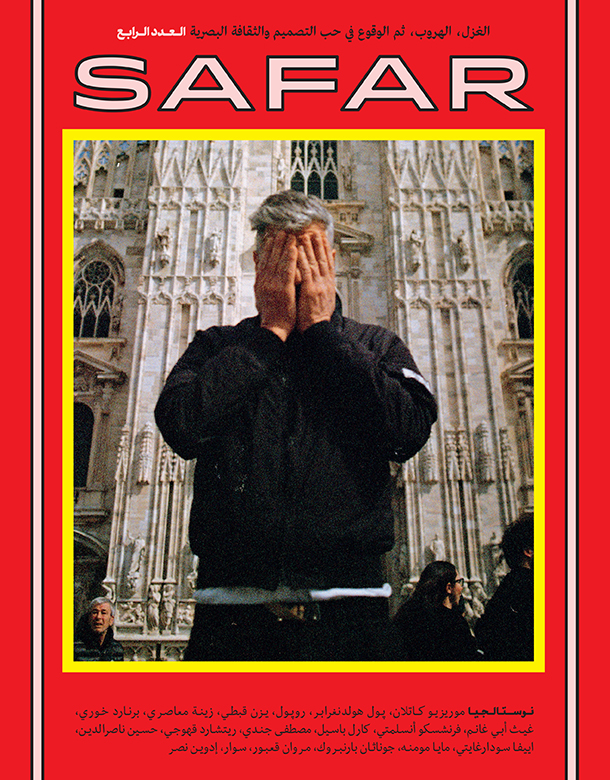
h1

RQ (Root Quarterly): A New Regional Magazine That Combines Local Art & Culture Along With Information About The City, All In One Beautiful Design – The Mr. Magazine™ Interview With Publisher & Editor In Chief, Heather Shayne Blakeslee…

July 22, 2019

“What I’m offering people is a chance to reconnect with their attention spans, with their ability to critically think, and with their ability to enjoy long-form profiles of artists and others who are in their city.” Heather Shayne Blakeslee (On why print)…

A Mr. Magazine™ Launch Story…

Root Quarterly, or RQ as the magazine is lovingly called, is a new title that Publisher and Editor in Chief, Heather Shayne Blakeslee, says is one part magazine, one part collaborative art project, and one part social experiment. The magazine offers insightful and provocative essays, profiles of local makers and artists, cultural criticism, fiction, poetry, and carefully-curated recommendations for getting the most out of life in Philadelphia—including a cocktail or dinner recipe here and there—all in a beautifully designed and printed magazine you can hold in your hands and settle down with on a Sunday afternoon, or argue over at Thursday night happy hour.

I spoke with Heather recently and we talked about this great new title and about its uniqueness in the Regional space. While on the one hand, RQ is a literary magazine that gives you the best in fiction, poetry and essays, it also has all the regional recommendations you could need or want for the city of Philadelphia. It has multiple personalities that lends itself to some fantastic reading and to some knowledgeable information.

And it has a creator who knows the value of a great team and the value of good storytelling. Heather is not only a publisher and editor, but she’s a businessperson, and a musician, keeping her eye on the future of this new print title by focusing on one goal, providing the best high-quality content that she can. With a goal like that, how could she be anything but successful.

So, now let’s get to the “root” of the story about RQ, the Mr. Magazine™ interview with  Heather Shayne Blakeslee, publisher and editor in chief, RQ magazine.

But first the sound-bites:

On the genesis of RQ (Root Quarterly) magazine: It had a long and maybe humorous start, going back 10 years or so. I was joking with my brother and he was joking with me. We were at a party in Brooklyn, and he’s kind of a witty guy, so he walked up to me and said, “Hey, didn’t I see you on the cover of Fancy Bitch magazine?” (Laughs) And I started laughing. He’s an art director and photographer and I’m a writer and editor and we had been batting around forever the idea of starting a magazine that was for women, but wasn’t a traditional women’s magazine. I thought about it for a really long time. I restarted the idea of thinking about putting a magazine together and looked at the landscape in Philadelphia and realized that we had very little arts and culture coverage anymore. The city paper, which was one of our main weeklies, went dark. And Philadelphia Weekly, which was still around, was much diminished from the state that it had been in 10 years ago even. And so, there was room for a publication like this, but it really has a dual purpose.

On why she chose print as a component for the magazine: I think people are so used to being able to fly off the handle in comment sections and have knee-jerk reactions to things. What I’m offering people is a chance to reconnect with their attention spans, with their ability to critically think, and with their ability to enjoy long-form profiles of artists and others who are in their city.

On whether any of her friends or colleagues thought she was crazy for starting a print magazine in this digital age: (Laughs) It’s interesting because, actually, the first thing that people say when they see the magazine is, “It is so beautiful. I can’t wait to sit down with this when I have time alone to enjoy it.” I did salons for a year before I started the magazine; I asked friends and colleagues to host salons in their homes. I asked them to create lists of people who might be interested in hearing more about a project like this. We did about seven or eight of them; I probably talked to about 100 people over the course of the year to get really specific feedback. Universally, people said if you do this, we will buy a subscription. They all said they would love to have something like this.

On whether the power of print today is more about just nostalgia: I think it’s absolutely more than nostalgia. One of the things that I’m curious about, frankly, is how un-self-aware we are as a species (Laughs), especially in the last 100 years or so, about the fact that our society has radically changed in the way that we organize ourselves. And our technology has radically changed.  Our minds and our brains and our bodies have not changed that quickly. There is a continuing evolutionary process going on here and we’re not meant to have 2,000 friends. And we’re not meant to organize ourselves even in the large groups that we do now in cities and in nations. And we’re not meant to consume as much information as the human mind consumes. It’s overwhelming to people.

On whether there have been stumbling blocks for her on this magazine journey: There are stumbling blocks at every turn. The main one though is time. I have a small business doing strategy and consulting for non-profit organizations and small businesses and doing editorial services. I have two major clients that I work with and this is the third thing that I’m working on, in addition to also being a musician who records and plays in Philadelphia. I’m on the Board for the local Folksong Society, so there’s a lot going on. Time, for me, is the main thing.

On the “root” origins of the magazine’s name: For me, I am a gardener and a plant person. And I am a lay biologist, so that’s a big world that’s important to me. I am not from Philadelphia, I’m from Central Pennsylvania. So for me, part of it is just being rooted in this particular region. It’s being rooted in, as I said, our own reality, rather than the online world, which is much more easily manipulated. And it’s about trying to connect and grow with other people and creating an intentional community of people who want this kind of thing in their lives.

On what she would hope to tell someone a year from now that she had accomplished with the magazine: I hope we’ve attracted additional investment; I hope our print runs have gone up; and I hope that we have attracted the people, whether they are writers and artists, or subscribers and supporters, who want to continue to make the project grow. We have already exceeded our very modest expectations that we set for ourselves in the first year. I was thinking if we got 250 people to subscribe the first year, that would make me happy and it would help to pay for some of the print runs. And nearly 100 people, some of them sight unseen, not even having seen a copy of the magazine, have subscribed already. (Laughs) And we’re just getting started and I think there’s a lot of room for growth on that and a lot of potential.

On anything she’d like to add: Yes, because you’re a magazine person, and maybe would be interested in the kind of hybrid that we’ve come up with. I don’t think that I have seen anywhere, especially in the U.S., a quarterly magazine that is both a city magazine, in that it will offer people the carefully curated recommendations of things that are happening in the city of makers, artists, destination restaurants, and other things like that, but that will also be publishing fiction, poetry, essays, and profiles of artists. It really is splitting the difference between a city magazine and an arts and culture journal.

On what someone would find her doing if they showed up unexpectedly one evening at her home: First of all, often in the evening, and this is the other reason why I suppose we’re able to do this because it’s really being done in partnership with many people, including my life partner, Walter, who is our copy chief, he and I read books aloud to each other in the evening. And often on things that we end up wanting to write about or have others write about in the magazine, we spar all the time on arguments and exposing each other to new thinkers, new writers and authors. So, a lot of our evenings are spent doing that. That’s sort of how our relationship is based, I suppose.

On the biggest misconception she thinks people have about her: That’s a super interesting question. (Laughs) I’m not sure I have an easy answer to that. People who know me well, who have either worked for me for a long time or have been my friend for a long time, or both, I think they recognize that I can come across as somewhat stern or very demanding, but that’s born from a desire to do really good work. Being demanding of the people who are around you is okay as long as you give them equal support, love and attention.

On what keeps her up at night: Oh gosh, so many things. (Laughs) I did sustainability work for a really long time, more than 10 years, and I think we continue to degrade our level of discourse to the point where we may not be able to solve issues like climate change or we may not be able to reconcile our modern world with the more modest ways that our bodies and our brains have evolved. That we may create things that destroy us. That’s the main thing that keeps me up at night, whether it’s the threat of nuclear war or the threat of climate change or the threat of AI advancing more quickly. I’m totally with Yuval Harari on that trifecta of monsters that keeps us up.

And now the lightly edited transcript of the Mr. Magazine™ interview with Heather Shayne Blakeslee, publisher and editor in chief, RQ (Root Quarterly) magazine.

Samir Husni: Tell me about the genesis of RQ (Root Quarterly).

Heather Shayne Blakeslee: It had a long and maybe humorous start, going back 10 years or so. I was joking with my brother and he was joking with me. We were at a party in Brooklyn, and he’s kind of a witty guy, so he walked up to me and said, “Hey, didn’t I see you on the cover of Fancy Bitch magazine?” (Laughs) And I started laughing. He’s an art director and photographer and I’m a writer and editor and we had been batting around forever the idea of starting a magazine that was for women, but wasn’t a traditional women’s magazine. I thought about it for a really long time.

I started working about four or five years ago at a small, independent publisher in Philadelphia. And ended up being the editor of one of the magazines there. And I realized how much I loved putting print magazines together and learned how to do it there. After the 2016 election, I realized in part that the level of civil discourse in the country  and the level of journalism had deteriorated to the point where people couldn’t talk to one another anymore, even if they had a small disagreement about something. And that was due in part to social media. And to people not getting together in rooms face-to-face.

So, I restarted the idea of thinking about putting a magazine together and looked at the landscape in Philadelphia and realized that we had very little arts and culture coverage anymore. The city paper, which was one of our main weeklies, went dark. And Philadelphia Weekly, which was still around, was much diminished from the state that it had been in 10 years ago even. And so, there was room for a publication like this, but it really has a dual purpose. One is arts and culture in Philadelphia, and ideas, essays, and analyses from mostly writers from here. Although, I’m open to a handful of people occasionally in each of the issues weighing in that are not from this region. But part of it is also around re-teaching ourselves critical thinking skills, analysis, and rhetoric.

Samir Husni: And you don’t think digital would have helped with that?

Heather Shayne Blakeslee: I don’t, because I think people are so used to being able to fly off the handle in comment sections and have knee-jerk reactions to things. What I’m offering people is a chance to reconnect with their attention spans, with their ability to critically think, and with their ability to enjoy long-form profiles of artists and others who are in their city.

Samir Husni: Did any of your friends or colleagues ask you if were you out of your mind for doing a print magazine in this digital age?

 Heather Shayne Blakeslee: (Laughs) It’s interesting because, actually, the first thing that people say when they see the magazine is, “It is so beautiful. I can’t wait to sit down with this when I have time alone to enjoy it.” I did salons for a year before I started the magazine; I asked friends and colleagues to host salons in their homes. I asked them to create lists of people who might be interested in hearing more about a project like this. We did about seven or eight of them; I probably talked to about 100 people over the course of the year to get really specific feedback. Universally, people said if you do this, we will buy a subscription. They all said they would love to have something like this.

So, I definitely wouldn’t have done it if the reaction had been tepid or lukewarm, but lots of people were really excited about it. I also had offers of help, people who offered to donate some money. I had offers where people said they would like to host one of these, could I come and talk to their friends. So, I’m going to keep doing that and keep connecting with people in person.

Certainly, there are people who have said, “Heather, are you crazy?” (Laughs) But they also have said, “If anybody can do it, you can do it.” So, I’m just going to continue on with the experiment, and it’s an experiment that may fail, but we’re going to give it our best shot.

Samir Husni: Can you elaborate a little on the power of print in this digital age, because one of the accusations that I receive is that I’m so nostalgic. Is it nostalgia or is there more to the power of print in today’s world?

Heather Shayne Blakeslee: I think it’s absolutely more than nostalgia. One of the things that I’m curious about, frankly, is how un-self-aware we are as a species (Laughs), especially in the last 100 years or so, about the fact that our society has radically changed in the way that we organize ourselves. And our technology has radically changed.  Our minds and our brains and our bodies have not changed that quickly. There is a continuing evolutionary process going on here and we’re not meant to have 2,000 friends. And we’re not meant to organize ourselves even in the large groups that we do now in cities and in nations. And we’re not meant to consume as much information as the human mind consumes. It’s overwhelming to people.

And it absolutely makes sense to me that we medicate ourselves with drugs, and don’t pay attention to what we eat, and we wonder why everyone is anxious and suppressed. I think even more than just thinking of it as a magazine, it’s really a way to reconnect with the idea that we have to slow down and be more mindful. And we have to accept that our minds are not equipped to handle the digital age. But we keep telling ourselves it’s progress, so I don’t think it’s nostalgia, I think it’s just an acknowledgement of our reality.

Samir Husni: Has it been a walk in a rose garden for you from the time you conceived of the idea and executed it? Or has there been some stumbling blocks along the way?

Heather Shayne Blakeslee: There are stumbling blocks at every turn. The main one though is time. I have a small business doing strategy and consulting for non-profit organizations and small businesses and doing editorial services. I have two major clients that I work with and this is the third thing that I’m working on, in addition to also being a musician who records and plays in Philadelphia. I’m on the Board for the local Folksong Society, so there’s a lot going on. Time, for me, is the main thing.

Money will come from being able to invest in the project and I’ve seen that already. Producing a really high-quality product and being explicit about what the vision of the magazine is has really been great, in terms of attracting investment and people who are supportive of it. But time is a huge issue and being able to find the right team of people who are willing to work as volunteers for as long as they need to. But we’ve been able to assemble a really great team over the course of the last year and I absolutely would not be able to do this without their support.

The biggest, almost-snafu was losing our designer the week before we went to print with almost nothing finished. Luckily, I’ve been working in the business world for a long time and my first instinct was, okay, how do I fix this? And I just got on my phone and texted the designer in town that I knew ideated and executed work quicker than anyone I knew, and he’s also a joy to work with. And he designed a beautiful magazine in six days, even with a full-time job and moving that week. So, having the right team of people who are dedicated and willing to get onboard behind you is just absolutely critical.

Samir Husni: Here’s a question where the pun is intended; what’s the “root” of the name of the magazine?

Heather Shayne Blakeslee: (Laughs) For me, I am a gardener and a plant person. And I am a lay biologist, so that’s a big world that’s important to me. I am not from Philadelphia, I’m from Central Pennsylvania. So for me, part of it is just being rooted in this particular region. It’s being rooted in, as I said, our own reality, rather than the online world, which is much more easily manipulated. And it’s about trying to connect and grow with other people and creating an intentional community of people who want this kind of thing in their lives.

Samir Husni: Heather, if you and I are having this conversation a year from now, what would you hope to tell me you had accomplished with the magazine?

Heather Shayne Blakeslee: I hope we’ve attracted additional investment; I hope our print runs have gone up; and I hope that we have attracted the people, whether they are writers and artists, or subscribers and supporters, who want to continue to make the project grow. We have already exceeded our very modest expectations that we set for ourselves in the first year. I was thinking if we got 250 people to subscribe the first year, that would make me happy and it would help to pay for some of the print runs. And nearly 100 people, some of them sight unseen, not even having seen a copy of the magazine, have subscribed already. (Laughs) And we’re just getting started and I think there’s a lot of room for growth on that and a lot of potential.

Samir Husni: Is there anything else you’d like to add?

Heather Shayne Blakeslee: Yes, because you’re a magazine person, and maybe would be interested in the kind of hybrid that we’ve come up with. I don’t think that I have seen anywhere, especially in the U.S., a quarterly magazine that is both a city magazine, in that it will offer people the carefully curated recommendations of things that are happening in the city of makers, artists, destination restaurants, and other things like that, but that will also be publishing fiction, poetry, essays, and profiles of artists. It really is splitting the difference between a city magazine and an arts and culture journal.

The closest thing that I can think of would be The New Yorker, but of course that’s a huge operation and a weekly and it also has national interest, but that is a little bit of what I’m thinking. I looked at magazines like Harper’s, The Atlantic, and The New Yorker, but also the London-based magazine, Riposte, is something that I enjoy. California Sunday Magazine is another that I really enjoy.

I also don’t see people paying enough attention to the design of the magazines. That is also really important to me, to have very high-production quality. And very, very good design, because I think if you’re going to ask people to subscribe to a print journal at this point, it kind of has to be an art object that they want to put on their coffee table and that they will not usually put into a recycling bin.

Samir Husni: If I showed up unexpectedly at your home one evening after work, what would I find you doing? Having a glass of wine; reading a magazine; cooking; gardening; watching TV; or something else? How do you unwind?

Heather Shayne Blakeslee: (Laughs) All of those things. First of all, often in the evening, and this is the other reason why I suppose we’re able to do this because it’s really being done in partnership with many people, including my life partner, Walter, who is our copy chief, he and I read books aloud to each other in the evening. And often on things that we end up wanting to write about or have others write about in the magazine, we spar all the time on arguments and exposing each other to new thinkers, new writers and authors. So, a lot of our evenings are spent doing that. That’s sort of how our relationship is based, I suppose.

I’m also a musician, I’m a singer/songwriter that does folk and Americana. I have a new record coming out in the fall with a band called Sweetbriar Rose that I’ve led for many years. And I also have been playing the cello for the last five years, so that gets me into a very meditative state and gets me away from words and into music and vibrations; just kind of centering myself in that way.

And I definitely spend a lot of time gardening, and I do cook to relax as well, but often I’m also listening to a podcast, usually Sam Harris, whose podcast used to be called “Waking Up” and is now called “Making Sense.” He’s one of my favorites.

It’s interesting because I’m also targeting this magazine at Gen Xers and Boomers; any enlightened millennials are welcomed to come along for the ride as well. (Laughs) I had a “Letter to the Editor” once at the magazine I was working at a couple of years ago that was interesting because it was about an editorial concerning my editor’s notes, and she failed to realize that the editor’s notes were in dialogue with the entire magazine that came after it.

And it was curious to me because I was thinking about it and these are people who just download songs. They don’t see the album anymore. And I think musicians are a little bit more tuned into the fact that we do think of things a little more holistically.

Samir Husni: What do you think is the biggest misconception that people have about you?

Heather Shayne Blakeslee: That’s a super interesting question. (Laughs) I’m not sure I have an easy answer to that. People who know me well, who have either worked for me for a long time or have been my friend for a long time, or both, I think they recognize that I can come across as somewhat stern or very demanding, but that’s born from a desire to do really good work. Being demanding of the people who are around you is okay as long as you give them equal support, love and attention.

I think that’s one of the reasons that the group of people that I have right now, who have gravitated toward the project, because they too are often more intellectual and not as emotional as other people are. But I can guarantee you I bleed just as red as everybody else and I’ve had my heart broken just as many times. (Laughs) I think I just have a disposition that bends toward rationality and reason and calm.

Samir Husni: My typical last question; what keeps you up at night?

Heather Shayne Blakeslee: Oh gosh, so many things. (Laughs) I did sustainability work for a really long time, more than 10 years, and I think we continue to degrade our level of discourse to the point where we may not be able to solve issues like climate change or we may not be able to reconcile our modern world with the more modest ways that our bodies and our brains have evolved. That we may create things that destroy us. That’s the main thing that keeps me up at night, whether it’s the threat of nuclear war or the threat of climate change or the threat of AI advancing more quickly. I’m totally with Yuval Harari on that trifecta of monsters that keeps us up.

And this magazine is in some ways a response to all of that and trying to get people to slow down, recognize the world that’s around them, including the existential threats that we face right now as a species with climate change.

Samir Husni: Thank you.  
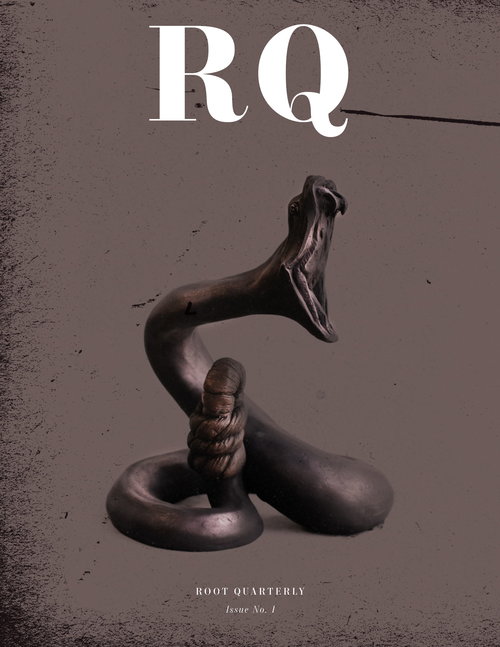


h1

Double Blind: A New Magazine That Looks At The Healing Properties Of Psychedelics In Both A Provocative And Scientific Way – The Mr. Magazine™ Interview With Cofounders, Shelby Hartman and Madison Margolin…

July 15, 2019

“We’re not just doing 500 word stories with sensationalistic headlines; we’re doing real journalism with 1,500 words or more and three or more resources and fact-checked quotes and studies where we look at the sample size and we look at who funded it. We wanted to put these stories out in a format that encourages people to sit down and absorb them with the care with which they were created.” Shelby Hartman (On why there had to be a print component)…

“Print is something that is beautiful and that you can hold; you can put it on your coffee table. It commands a different sort of respect than online pieces. Not to say that online doesn’t also command a lot of respect, but there’s something special about print. Shelby and I met in journalism school and both come from backgrounds in investigative writing. I took a major magazine course at Columbia and we really believe in the format. The design is really beautiful and this isn’t just about the story, it’s about putting something together that speaks to the whole package: the design, the art, and being able to highlight psychedelic-inspired art, poetry, and the stories.” Madison Margolin (On why there had to be a print component)…

A Mr. Magazine™ Launch Story…

Double Blind is a new biannual print magazine and media company covering timely, untold stories about the expansion of psychedelics around the globe. The magazine offers a provocative look at medicinal plants that have been used for centuries around the world in healing ceremonies and other medicinal applications. While many have a preconceived idea of the word “psychedelics” thanks in part to the 1960s and all of the connotations that has followed that era into the 21st century, the magazine also offers science along with the provocative.

I spoke with cofounders Shelby Hartman and Madison Margolin recently, two women who attended Columbia Journalism School at the same time but didn’t know each other, but who came together a little later to realize the need for a product like Double Blind, both the print magazine and the media company.

Shelby and Madison are both moderate users of what they believe in, psychedelics. And their true belief in the healing powers of plant-based medicine is unmistakable. Couple that with the research, such as the FDA’s laborious double-blind trials—psychedelics are slowly gaining legitimacy. The name Double Blind comes from those types of trials, where randomized clinical trial was invented—to ensure that scientists were not accidentally designing their research in a way that just confirmed what they already believed.

It’s an intriguing magazine that opens up tremendous possibilities for helping people with depression, post-traumatic stress disorder and many other illnesses. So, I hope that you enjoy this enlightening interview with two people who are passionate about journalism and about their magazine’s subject matter, the Mr. Magazine™ interview with Shelby Hartman and Madison Margolin, cofounders, Double Blind.

Madison Margolin (Left) and Shelby Hartman (Right)

 But first the sound-bites:

On the genesis of Double Blind (Shelby Hartman): Madison (Margolin) and I both began by reporting in cannabis. And at the same time, obviously, alongside our professional journeys we all have personal lives and personal journeys. Both of us have been on personal journeys of healing for a long time. And for me that has included a variety of different Psychedelic medicines which have really transformed my internal landscape and the way that I move through the world. I was always very fascinated by these medicines and wanted to report on them. And there was a natural opening for me to do so; I wrote a story for Vice on MDMA therapy for  post-traumatic stress disorder. And that provided me with a window into how rich this topic was and how much burgeoning research  there is going on in the field right now.

On how they came up with the name Double Blind (Madison Margolin): Basically, it’s a nod first and foremost to the double blind critical studies that are happening with psychedelics at various research institutions. Double blind meaning that neither the subject of the study nor the researcher knows whether the person is taking a placebo or the actual substance, whatever that is. But also we think that with Double Blind, it’s provocative and open to interpretation; what does it mean to really lift your blinders; what are we blind to? And a double blind indicates this level of truth that isn’t readily apparent. And that’s the background of the name specifically, the science and then also allowing people to have a little more philosophical take on Double Blind.

On the fact that there are so many other medicinal lifestyle magazines out there, many focusing on cannabis, what is their unique selling proposition (Madison Margolin): We’re specifically not a cannabis magazine. The main focus, obviously, is inspired by psychedelics, but we also see psychedelics as a lens to look at other issues like mental health, spirituality feelings, social equity, and environmental justice. But specifically because we know that there already is so much saturation in the cannabis space, we want to really delineate that we’re not a cannabis magazine.

On the fact that there are so many other medicinal lifestyle magazines out there, many focusing on cannabis, what is their unique selling proposition (Shelby Hartman): I’ll just add to that by saying there are similarities between cannabis and psychedelics in that they both are showing extraordinary promise for healing mental health conditions that basically the Western medical community at large has failed to heal. If we look at post-traumatic stress disorder, there is a huge number of people who have just been failed by the currently available treatments on the market. The same goes for depression and for anxiety; the same goes for addiction – nicotine addiction, opioid addiction, alcoholism.

On the 1960s perception of psychedelics (Madison Margolin): I think society at large has this notion of psychedelics that’s largely built on the image that was made popular during the sixties with Timothy Leary, who was at Harvard doing psychedelic research there with Richard Alpert , who became Ram Dass, and a lot of other researchers. And the proliferation of the psychedelic culture through The Grateful Dead and the Summer of Love, and things like that. I think that was an incredible contribution to the psychedelic movement and to people’s perception of psychedelics, but that’s not really the only thing that we can use to look at these substances.

 On whether people have thought they were on drugs when they decided to launch a print magazine in a digital age (Shelby Hartman): As I said, alongside my professional journey I’ve had a personal relationship with psychedelics and plant medicine. I would say that the most powerful plant medicine in my life has been iowaska. I wasn’t, obviously, on the iowaska when I had the idea for Double Blind, but I will say that I wouldn’t be who I am without it, and every single decision that I make in my life is a result of who I am and what I care about. And that is a result of iowaska.

On what they would hope to tell someone they had accomplished a year from now with Double Blind (Madison Margolin): When Shelby asked me to be a part of this with her, we said, okay, we’re going to create a magazine about psychedelics and related topics. I really feel like Double Blind is something that, coming through us, I think it’s something that needs to exist, whether it’s us or anyone else, but right now it’s us. We’re building a whole media company, so we’re going to be doing the magazine biannually; we’re putting online content out later this summer. We have people already who are interested in creating podcasts for us. We have a video person who is enthusiastic. We’re starting to partner with different groups and also doing our own events. Double Blind is going to be in various brick and mortar stores.

On why they decided to have a print product specifically (Madison Margolin): Print is something that is beautiful and that you can hold; you can put it on your coffee table. It commands a different sort of respect than online pieces. Not to say that online doesn’t also command a lot of respect, but there’s something special about print. Shelby and I met in journalism school and both come from backgrounds in investigative writing. I took a major magazine course at Columbia and we really believe in the format. The design is really beautiful and this isn’t just about the story, it’s about putting something together that speaks to the whole package: the design, the art, and being able to highlight psychedelic-inspired art, poetry, and the stories.

 On how they put the first issue together (Madison Margolin): Shelby had the idea of doing Double Blind and it started out with me and art designer, David Good, and it really sort of snowballed from there. We have a photo editor, a poetry editor, and we got a publicist pretty early on, Zoe Wilder. As far as the actual print magazine, we wrote some of the stories, some come from contributors, other writers who we are familiar with in the space and who we asked to be a part of this.

 On how they put the first issue together (Shelby Hartman): I’ll say in terms of the stories; I said before that Madison and I both have a love for long-form journalism. So we knew that we wanted the print issue to have at least three really substantial, long pieces. But we also, being that it’s a magazine, we also wanted it to have a diversity of content, in terms of length and seriousness, because we wanted it to be an enjoyable experience for people when they’re sitting down and flipping through it. We began to brainstorm around the different pillars of what we wanted our content to be. One area that we’re really passionate about covering, as Madison mentioned before, is the corporatization of medicine and the extent to which psychedelics will or will not be a part of that and the implications that will have for the access that people will have to psychedelics.

On anything they’d like to add (Shelby Hartman): I’ve said this before, but we care a lot and we’re very open. For me, this isn’t about us; it isn’t about Double Blind. We really want to be a part of a larger movement that is about awakening and about healing. And so I’ll just put it out to any of the journalists or companies or artists, or anyone who might be reading this interview, that we’re very open. So if you feel inspired by what we’re doing then reach out. We’re available.

On what someone would find either of them doing if they showed up unexpectedly one evening at one of their homes (Madison Margolin): I don’t really watch TV, but if I’m going to watch anything, it’s maybe a movie. If I’m not working, I really do try to spend time with the people I care about. Sometimes I work until the end of the day; sometimes I kind of peter out and I try to make dinner, or go to yoga, or go on a walk, or go out with friends somewhere. Sometimes I’ll smoke a joint before I go to bed because it helps me relax a little bit. Once I start smoking cannabis, I’m done. I cannot work anymore. I’m just not that kind of cannabis consumer, so to speak. I live in Los Angeles, so I love to explore the city and go to different spots that I’m curious about.

On the biggest misconception people have about either of them (Shelby Hartman): I don’t know how this is going to come across, but to be honest, I think you asked what we do when we get off work, and I’m a musician and I play ukulele. For a lot of years I would bike around with my ukulele and people called me “Ukulele Girl.” So, I don’t know if that’s still the impression people have of me, but I also go to Burning Man, this is going to be my eighth burn, and I bring my ukulele there and I bike around the festival with it. I also  play at people’s weddings and things like that, so people see me I think as this sort of whimsical, extraverted person, and I guess that is a part of me. But there is another very serious part of me that is on this deeply personal healing journey and is just trying to be okay like everyone else.

On the biggest misconception people have about either of them (Madison Margolin): Especially as a journalist who covers cannabis and psychedelics, people think that I’m much more of a heavy consumer than I am. The majority of my work, up until this point, has been in cannabis because there is just so much to cover there. I don’t know this strain from that strain, things like that, and the same with psychedelics. People think I’m some sort of psycho nut that eats all of the acid I can tolerate. (Laughs) That’s just not true of me. I’m really observant of how often and how much I take. I know people who have a tolerance for psychedelics or other drugs that I probably won’t ever have. I do have a really deep intellectual and spiritual attraction to them.

On what keeps them up at night (Shelby Hartman): Starting a company is a lot and I have no doubts about whether or not this is what we should be doing. It feels so right. And the reception that we’ve gotten from luminaries in the field who have been at this for decades is so humbling. And the number of people who have come up to us and said how this is the time for this and it needs to be done, there is no doubt about it. But we’re a startup and we’re not just a startup, we’re a media startup.

On what keeps them up at night (Madison Margolin): I actually sleep very well, but when I wake up feeling anxious about things, it’s really about how any business is difficult to get off the ground and media especially. The landscape for it hasn’t really been the most encouraging just seeing the way that other publications have started and failed or how even publications that have been around forever are now in the process of getting rebought or shifting. And Shelby and I both went to journalism school and a lot of our professors are coming out of an era of journalism that was so much different than what we’re growing up in and what we’re practicing now. So, it really is a fresh landscape and I think it’s going to take a fresh perspective and a fresh business approach to maintain and build a thriving media company.

And now the lightly edited transcript of the Mr. Magazine™ interview with cofounders, Shelby Hartman and Madison Margolin, Double Blind magazine.

Samir Husni: What is the genesis of Double Blind?

Shelby Hartman: Madison (Margolin) and I both began by reporting in cannabis. And at the same time, obviously, alongside our professional journeys we all have personal lives and personal journeys. Both of us have been on personal journeys of healing for a long time. And for me that has included a variety of different Psychedelic medicines which have really transformed my internal landscape and the way that I move through the world.

I was always very fascinated by these medicines and wanted to report on them. And there was a natural opening for me to do so; I wrote a story for Vice on MDMA therapy for  post-traumatic stress disorder. And that provided me with a window into how rich this topic was and how much burgeoning research  there is going on in the field right now. Since then it has only grown. Over the last five years it has really become what I see as a legitimate area of coverage. There is just so much. And we really felt like given how much there is that it was time for a media company and a magazine that was solely devoted to covering these topics.

Samir Husni: And where did the name come from?

Madison Margolin: Basically, it’s a nod first and foremost to the double blind critical studies that are happening with psychedelics at various research institutions. Double blind meaning that neither the subject of the study nor the researcher knows whether the person is taking a placebo or the actual substance, whatever that is. But also we think that with Double Blind, it’s provocative and open to interpretation; what does it mean to really lift your blinders; what are we blind to? And a double blind indicates this level of truth that isn’t readily apparent. And that’s the background of the name specifically, the science and then also allowing people to have a little more philosophical take on Double Blind.

Samir Husni: There are so many magazines in the marketplace today that deal with cannabis. From MJ Lifestyle to Kitchen Toke and many others. How do you differentiate Double Blind from all of the other medicinal lifestyle magazines using marijuana and other alternative remedies that are in the marketplace today? What is your unique selling proposition?

Madison Margolin: We’re specifically not a cannabis magazine. The main focus, obviously, is inspired by psychedelics, but we also see psychedelics as a lens to look at other issues like mental health, spirituality feelings, social equity, and environmental justice. But specifically because we know that there already is so much saturation in the cannabis space, we want to really delineate that we’re not a cannabis magazine.

We do focus on plant medicines and cannabis is a plant medicine, there is even an article in our issue that compares the up and coming psychedelic industry to the cannabis industry and looking at the lessons that psychedelics can learn from the route that cannabis has taken to legalization, to decriminalization, and things like that.

But aside from being the template and seeing how cannabis has paved the way, I sometimes feel that it is a gateway print. It opens people up to this whole other, broader notion of how plants can be part of our lives and healing. And that’s really just the tip of the iceberg for us. We’re trying to really go into a greater variety of plants and a profoundness with that.

Shelby Hartman: I’ll just add to that by saying there are similarities between cannabis and psychedelics in that they both are showing extraordinary promise for healing mental health conditions that basically the Western medical community at large has failed to heal. If we look at post-traumatic stress disorder, there is a huge number of people who have just been failed by the currently available treatments on the market. The same goes for depression and for anxiety; the same goes for addiction – nicotine addiction, opioid addiction, alcoholism.

And so there is a similarity there, but really the way that they function is fundamentally different. And I don’t think this is something that is talked about very often, particularly in the cannabis industry. I don’t want to diminish the extraordinary value of cannabis, but really cannabis is something that has to be used regularly. So, if you’re a veteran with, say, post-traumatic stress disorder and you’re using cannabis to quell your nightmares so that you can sleep, you have to take a small edible every day or you have to vape regularly. Whereas with psychedelics, you really only have to do a psychedelic two or three times it’s been shown by the research, and then you’re essentially cured. So, the whole experience of what it is and how it works is very different.

Samir Husni: Every time I hear the word psychedelics, I’m thrown back to the sixties. Is this a magazine in the making that had to wait 50 years before it came into being? Or is it a different psychedelic magazine than was published back in the 1960s?

Madison Margolin: I think society at large has this notion of psychedelics that’s largely built on the image that was made popular during the sixties with Timothy Leary, who was at Harvard doing psychedelic research there with Richard Alpert , who became Ram Dass, and a lot of other researchers. And the proliferation of the psychedelic culture through The Grateful Dead and the Summer of Love, and things like that. I think that was an incredible contribution to the psychedelic movement and to people’s perception of psychedelics, but that’s not really the only thing that we can use to look at these substances.

Psychedelics weren’t just discovered in the sixties, they’ve been a part of humanity really since the beginning of time in the form of plant medicines. Really only the synthetics got popular in that time period, but from the beginning of time people have been doing ceremonial healing for mental health and spiritual purposes in India, South America, the Middle East. Really anywhere there are plants, there are people using them medicinally.

What people are saying now is that we’re in the middle of a so-called psychedelic renaissance, in that people have gotten over the trauma of the sixties (Laughs) in that the 1960s really were wild and pushed boundaries and limits. The reaction by the government was the drug war. That’s the one thing that people should keep in mind, is how powerful psychedelics are to really inspire people like Nixon to misunderstand all drugs that are out there that can do a lot to heal you.

Since around the 1980s, especially when Rick Doblin founded MAPS, which is the Multidisciplinary Association for Psychedelic Studies, through the ‘90s and now, psychedelic research has been picking up again with people getting FDA approval to look at psilocybin or MDMA-assisted psychotherapy and going through these double blind critical trials.

And especially now, as there is more and more of that science  happening and getting approved, plus now with the decriminalization of psilocybin in Denver and of all entheogenic plants in Oakland, the magazine is coming at a time when people are starting to come back into the popular consciousness again, but not necessarily through pop culture first, but through science first. And that’s shifting the popular culture at large.

Shelby Hartman: And the science came through policy.

Madison Margolin: Yes, exactly. And one thing that I think we need to cover is that people are going to read about a study in any major news outlet, but we want to go deeper, such as what are the implications of that study; what are the biases that your average news article is maybe not privy to; how is this going to effect the culture at large; who has access to it; is it going to be affordable; what are the political and socioeconomic dynamics that are at play here, especially as these become more popular thanks to the policy changes and the scientific progress that’s being made.

Samir Husni: Did anybody ever ask you what drugs you were taking when you decided to launch a print magazine in this digital age?

Shelby Hartman: (Laughs) As I said, alongside my professional journey I’ve had a personal relationship with psychedelics and plant medicine. I would say that the most powerful plant medicine in my life has been iowaska. I wasn’t, obviously, on the iowaska when I had the idea for Double Blind, but I will say that I wouldn’t be who I am without it, and every single decision that I make in my life is a result of who I am and what I care about. And that is a result of iowaska.

The actual story is that I was sitting on my meditation pillow when I had the idea for Double Blind. I meditate every morning and it has become a hugely important part of my life. And I started meditating about four or five years ago after my first iowaska ceremony, because I sat in a ceremony and, obviously, what psychedelics do is they give you a window into your own mind, and what I realized when I looked into my own mind was, “My Goodness, there’s a lot going on in there; I really need to get this under control.” (Laughs) So, there is sort of a relationship there, but no, I wasn’t like on acid in the forest when I had the idea for the magazine. (Laughs again)

Samir Husni: If you and I are talking a year from now, what would you hope to tell me you had accomplished with Double Blind?

Madison Margolin: When Shelby asked me to be a part of this with her, we said, okay, we’re going to create a magazine about psychedelics and related topics. I really feel like Double Blind is something that, coming through us, I think it’s something that needs to exist, whether it’s us or anyone else, but right now it’s us. We’re building a whole media company, so we’re going to be doing the magazine biannually; we’re putting online content out later this summer. We have people already who are interested in creating podcasts for us. We have a video person who is enthusiastic. We’re starting to partner with different groups and also doing our own events. Double Blind is going to be in various brick and mortar stores.

What we’re trying to do is build an entire media company and something that people can go to as a place where they can learn about psychedelics and about what’s happening in psychedelic culture and science.

Samir Husni: But why print specifically; why did you decide to have a print product?

Madison Margolin: Print is something that is beautiful and that you can hold; you can put it on your coffee table. It commands a different sort of respect than online pieces. Not to say that online doesn’t also command a lot of respect, but there’s something special about print. Shelby and I met in journalism school and both come from backgrounds in investigative writing. I took a major magazine course at Columbia and we really believe in the format. The design is really beautiful and this isn’t just about the story, it’s about putting something together that speaks to the whole package: the design, the art, and being able to highlight psychedelic-inspired art, poetry, and the stories.

Shelby Hartman: I’m sure, Samir, that you having one foot in the editorial world and one foot in the business world, part of your question comes from is it even realistic to do a print issue in 2019? And obviously we see around the country that legacy newsrooms are struggling; I briefly worked at The Times-Picayune, which was the first major daily to stop printing every day. And I have mentors and friends who are in newsrooms around the country that are struggling, so I get it. But Madison and I, for right or for wrong, are doing this because we care, because we really, really, in our heart of hearts, care.

Psychedelics, and we sort of hinted at this before, they’re not just about psychedelics, they’re about healing. And they’re about mindfulness. And they’re about being more present in our lives. And in that spirit, it makes 100 percent sense for us to have a print edition because, I’m not going to get on my soapbox about technology, but we all know that as much as it has provided an opportunity for us to connect and create in efficient ways, it’s also really at the heart of what is detracting so many of us from the things that matter most in our lives. To have a print issue, to us, really sort of pushes back on that.

We’re not just doing 500 word stories with sensationalistic headlines; we’re doing real journalism with 1,500 words or more and three or more resources and fact-checked quotes and studies where we look at the sample size and we look at who funded it. We wanted to put these stories out in a format that encourages people to sit down and absorb them with the care with which they were created.

Samir Husni: Can you talk a little bit about that process of curation; how did you put this first issue together?

Madison Margolin: Shelby had the idea of doing Double Blind and it started out with me and art designer, David Good, and it really sort of snowballed from there. We have a photo editor, a poetry editor, and we got a publicist pretty early on, Zoe Wilder. As far as the actual print magazine, we wrote some of the stories, some come from contributors, other writers who we are familiar with in the space and who we asked to be a part of this.

Shelby Hartman: I’ll say in terms of the stories; I said before that Madison and I both have a love for long-form journalism. So we knew that we wanted the print issue to have at least three really substantial, long pieces. But we also, being that it’s a magazine, we also wanted it to have a diversity of content, in terms of length and seriousness, because we wanted it to be an enjoyable experience for people when they’re sitting down and flipping through it. We began to brainstorm around the different pillars of what we wanted our content to be. One area that we’re really passionate about covering, as Madison mentioned before, is the corporatization of medicine and the extent to which psychedelics will or will not be a part of that and the implications that will have for the access that people will have to psychedelics.

We already see right now that esketamine, which is a component of ketamine, was approved by the FDA for depression. There are some clinical trials looking to develop a synthetic version of ibogaine, called 18-MC. There is a for-profit company called Compass that’s basically looking to patent the way in which they synthesize psilocybin. So we’re already seeing for-profit companies in the pharmaceutical space that are interested in capitalizing upon the healing potential of these plants and potentially limiting the extent to which they’re acceptable to patients. So, that’s a really important area that we’re going to be following and we knew that we wanted a big feature on that. Madison put that one on and made it the pillar of our first issue, and it’s the first story you’ll read in there.

And then we also really wanted to talk about some other topics that we’ll be following, so we needed a story on each of those things. We knew we wanted to do a story on the relationship between personal and planted healing, looking at how when we heal ourselves we also begin to be more conscientious about the environment. That was the inspiration for our big piece on the relationship between “awe” over the natural world and starting to care about it or environmental justice.

And then we wanted to cover philosophy and consciousness; we want to cover intersexuality and social justice, so we have a piece in there about queerness; we have a piece about people of color and trauma experiences, such as people of color and racism. And then we have some fun, shorter, illustrated pieces that we hoped would make the overall issue more enjoyable for people to look through.

Samir Husni: Is there anything either of you would like to add?

Shelby Hartman: I’ve said this before, but we care a lot and we’re very open. For me, this isn’t about us; it isn’t about Double Blind. We really want to be a part of a larger movement that is about awakening and about healing. And so I’ll just put it out to any of the journalists or companies or artists, or anyone who might be reading this interview, that we’re very open. So if you feel inspired by what we’re doing then reach out. We’re available.

Samir Husni: If I showed up unexpectedly at your home one evening after work, what would I find you doing? Having a glass of wine; reading a magazine; cooking; watching TV; or something else? How do you unwind?

Madison Margolin: I don’t really watch TV, but if I’m going to watch anything, it’s maybe a movie. If I’m not working, I really do try to spend time with the people I care about. Sometimes I work until the end of the day; sometimes I kind of peter out and I try to make dinner, or go to yoga, or go on a walk, or go out with friends somewhere. Sometimes I’ll smoke a joint before I go to bed because it helps me relax a little bit. Once I start smoking cannabis, I’m done. I cannot work anymore. I’m just not that kind of cannabis consumer, so to speak. I live in Los Angeles, so I love to explore the city and go to different spots that I’m curious about.

Samir Husni: What is the biggest misconception that people have about the two of you?

Shelby Hartman: I don’t know how this is going to come across, but to be honest, I think you asked what we do when we get off work, and I’m a musician and I play ukulele. For a lot of years I would bike around with my ukulele and people called me “Ukulele Girl.” So, I don’t know if that’s still the impression people have of me, but I also go to Burning Man, this is going to be my eighth burn, and I bring my ukulele there and I bike around the festival with it. I also  play at people’s weddings and things like that, so people see me I think as this sort of whimsical, extraverted person, and I guess that is a part of me. But there is another very serious part of me that is on this deeply personal healing journey and is just trying to be okay like everyone else.

Madison Margolin: Especially as a journalist who covers cannabis and psychedelics, people think that I’m much more of a heavy consumer than I am. The majority of my work, up until this point, has been in cannabis because there is just so much to cover there. I don’t know this strain from that strain, things like that, and the same with psychedelics. People think I’m some sort of psycho nut that eats all of the acid I can tolerate. (Laughs) That’s just not true of me. I’m really observant of how often and how much I take. I know people who have a tolerance for psychedelics or other drugs that I probably won’t ever have. I do have a really deep intellectual and spiritual attraction to them.

Shelby Hartman: I actually think that’s one of our biggest strains as the founders of Double Blind, that we are very moderate and intentional about how we use drugs. I do believe, of course, like I’ve said, that they have extraordinary power, but I also believe that they have to be respected and they have to be taken seriously and they have to be taken in the right context. We come at this not from an advocacy standpoint, although it may have sounded that way in the interview, but really also as journalists.

And we want to listen to everybody and we want to report on the risks of these things, because we think ultimately that to be just waving the “everybody should be smoking weed and everyone should be doing psychedelics all the time” flag is actually  going to be damaging to the overall movement. It does have the potential to help people who really need help.

Samir Husni: My typical last question; what keeps you up at night?

Shelby Hartman: Starting a company is a lot and I have no doubts about whether or not this is what we should be doing. It feels so right. And the reception that we’ve gotten from luminaries in the field who have been at this for decades is so humbling. And the number of people who have come up to us and said how this is the time for this and it needs to be done, there is no doubt about it. But we’re a startup and we’re not just a startup, we’re a media startup.

I was joking the other day with a business advisor of ours that I’m speaking to investors and I’m speaking to journalism mentors and just all kinds of people, but I’m also a one-woman shipping department. And I’m also going back and forth between the postage offices and sticking labels on envelopes myself, and there is the feeling, which is probably common to all startups, not just us, that this is very delicate and I care about this so much that I don’t want to make a wrong move. Not just because this is my life, but because I think we’re really doing a service to all of the potential readers out there who are going to care about the stories that we’re doing.

Madison Margolin: I actually sleep very well, but when I wake up feeling anxious about things, it’s really about how any business is difficult to get off the ground and media especially. The landscape for it hasn’t really been the most encouraging just seeing the way that other publications have started and failed or how even publications that have been around forever are now in the process of getting rebought or shifting. And Shelby and I both went to journalism school and a lot of our professors are coming out of an era of journalism that was so much different than what we’re growing up in and what we’re practicing now. So, it really is a fresh landscape and I think it’s going to take a fresh perspective and a fresh business approach to maintain and build a thriving media company.

Samir Husni: Thank you both.


h1

Sweet Jane Magazine: Empowering Women Through Cannabis & Removing The Stigma Of Its Use – The Mr. Magazine™ Interview With Katy Ibsen, Publisher & Editor…

June 25, 2019

“I’m an optimist no matter what. I think people are overwhelmed with the constant connectivity that we have today. So even from a basic city, regional magazine in a community of 80,000 to a national print magazine about cannabis and women, it’s an experience that allows you to step away from technology. What’s old is new again sometimes, and I believe we’re seeing a resurgence of print in many ways because people feel like it’s a different experience that they’re not getting elsewhere.” Katy Ibsen…

A Mr. Magazine™ Launch Story…

In today’s magazine marketplace there is a wide variety of titles focusing on the still controversial world of the cannabis industry. From cooking with it to the best way to grow it, the highly-touted green herb has made a wide footprint in the printed space. But Sweet Jane, a new magazine that is all about cannabis, yet zeroes in on women and mothers in particular, strives to remove the stigma that is still attached to smoking, eating, or using the plant in general, making it clear that health and wellbeing is the focal point for the title.

Katy Ibsen is the publisher and editor of the magazine and the driving force behind the title’s mission. Katy believes that cannabis can and should be used by women and mothers for their physical and emotional wellbeing. Sharing the benefits of the plant is what Katy says is the vital message of Sweet Jane.

I spoke with Katy recently and she talked about the fact that our society seems to have no problem with mothers drinking wine for relaxation, yet smoking a joint would automatically make that same mother a bad parent in many social sets. The stigma attached to cannabis is very real and Katy says that Sweet Jane strives to bring greater understanding and acceptance of the plant to people across the country.

It was a very eye-opening conversation and deeply honest, and Mr. Magazine™ thoroughly enjoyed it. And I hope that you do as well. And now the Mr. Magazine™ interview with Katy Ibsen, publisher and editor, Sweet Jane magazine.

But first the sound-bites:

On the concept of Sweet Jane: Sweet Jane is a publication that empowers women through cannabis. As legalization, both medical and adult use, continues to occur across the country and individuals begin to experiment, I really felt like there was a lack of education, and a need for any sort of product, whether that be a magazine or a website, in my opinion, that really helps people feel comfortable approaching cannabis and to not feel stigmatized, and to have somewhere they could ask the right questions, even if they felt taboo. So, we wanted to create a magazine that helped people answer those questions and learn more at their own pace and in their own comfortable space.

On why she felt that she needed a print publication in this digital age: Well for one I love print; my background is in print publishing. I worked with city, regionals and tourism publications for most of my career. I think once you start publishing print, it’s hard to ever walk away from it. But the cannabis industry is kind of unique, where a lot of my research into how companies are able to approach their consumers showed that the online aspect was becoming more and more difficult. Cannabis is still a Schedule 1 drug in the Federal Government’s eyes, so because of that platforms like Facebook and Google, Instagram and Twitter have limitations of drug-related content. For example, the National Cannabis Industry Association had indicated that they even struggled publishing certain lobbying events because it’s related to cannabis and marijuana.

 On why she thinks cannabis magazines that elevate women are now becoming so prominent: I think that what we’re seeing is females happen to be one of the larger market segments who are consuming cannabis. Some have even gone as far to say that soccer moms are the largest demographic right behind baby boomers. So, right away we know that if a publication is going to be particularly successful, it’s probably going to want to appeal to women. And I think in a non-direct way people are not as comfortable accepting that a woman or a mother would consume cannabis for either recreational purposes or for anxiety or depression, pain or inflammation. There still seems to be a struggle accepting that. And I have many friends across the country who have indicated that and wanted to see something that helps them feel more comfortable talking about it.

On the genesis of the name, Sweet Jane: Originally it was a song by Lou Reed and the Velvet Underground, which they covered in the ‘70s. And it’s been in my rotation for a while. I wish that I could tell you that there was a little bit more inspiration behind it, but it really came from the song. And the song’s lyrics actually play a part because as parents and as women we’re trying to make ends meet. The Jane hook is obviously “Mary Jane,” but the Sweet Jane came from the song and its lyrics. But in my opinion the name provided a softness for it to be a feminine magazine. We are talking to women and to mothers.

On what “high” she hopes Sweet Jane will have reached in a year: I think greater acceptance of female and parent use of cannabis. We’re seeing more and more of the conversation about the debate of what’s more appropriate, a mother drinking a lot of wine and thinking that’s okay, that it’s very much a “Mommy Juice” or “Mommy Wine” culture and it is more accepted in our society. But if you see a mother smoke a joint, she’s a bad mom, potentially risking the wellbeing of her child. And that all stems from ignorance.

On what she believes the future of print is: I’m an optimist no matter what. I think people are overwhelmed with the constant connectivity that we have today. So, even from a basic city, regional magazine in a community of 80,000 to a national print magazine about cannabis and women, it’s an experience that allows you to step away from technology. What’s old is new again sometimes, and I believe we’re seeing a resurgence of print in many ways because people feel like it’s a different experience that they’re not getting elsewhere.

On how she decided on $5.99 for a cover price: It goes back to what you asked earlier: what do we want to achieve in five years. And that’s greater acceptance of the female and mother use of cannabis for their own wellbeing. So if I price my magazine at a price point where maybe a middle or lower income mother can’t afford it, then I’m not really achieving that mission. The access to it is greater if I have a manageable cover price that a woman can say, I can buy this magazine because all of this information is relevant to me and I can keep this magazine and reference it many times for a small price of $5.99, which is still a significant price for a lot of people. So, we wanted to make sure that it was as accessible as possible.

On what her plans are for the frequency: I’ve always felt that a four times per year frequency is good. Again, for justification of the reasons, the connectivity, people making time for a print product; all of that. I think publishing more than that can be costly and maybe not necessary. Currently we’re twice a year for 2019/2020. We’re hoping to increase our frequency to four times a year in 2021. We’re underwritten by advertising and our newsstand and cover price sales. We’ve built a very lean business model financially to continue the project through 2020 in hopes that we will increase our advertising enough to move to four times per year.

On anything she’d like to add: The other thing that I think is just really fascinating about the cannabis industry is that it has more opportunities for women. And states that don’t have any form of legalization yet aren’t seeing that, but I think just in general, a lot of the innovation that comes with cannabis is advancing a lot of industries, not just print publications. As we continue to see these magazines pop up and we’re very proud to be one of them, across the board greater acceptance of cannabis might actually become a reality. Putting our necks out there, Kitchen Toke, MJ, and many others that are also in the legacy of High Tines, my hope is that we are a small step toward greater acceptance and greater legalization. And I’m using my journalism background to do that.

On the biggest misconception people have about her: I lost my publishing job two years ago to take a sabbatical and spend time with my husband and start a family. And I knew at some point I would start a new project. Honestly, I don’t think that I would be pursuing a print publication if it weren’t in cannabis because of the opportunity that the print platform provides for the industry and for its consumers. And I think trying to explain that to people was challenging at times.

On what someone would find her doing if they showed up unexpectedly one evening at her home: To be completely clear, I live in a prohibition state, so I don’t have legal access to cannabis. So while I have experienced cannabis in my life and I currently use CBD for wellness, you wouldn’t catch me smoking a joint because I legally cannot. But you would catch me either running with my daughter  or enjoying a glass wine, because I still do that with my husband. And listening to some music, watching her play and grow. My daughter will be one soon. We laugh that I had a baby in a year and I had a magazine in a year. (Laughs) I only had one birth, but it feels like two. So, when I get the chance to just sit down and catch my breath, I take full advantage of that with my family.

On what keeps her up at night: I’m building a business and Sweet Jane is the largest piece of that pie. But I still service a lot of publishing clients; I do a lot of contract editing and publishing consulting and so, if anything, what keeps me up at night is how to get it all done. I am the primary child-caregiver in my house, so I balance everything that I do while raising my daughter. And it’s hard at times and things fall through the cracks, but I think what’s keeping me up at night is what’s the next priority and how do we accomplish that.

And now the lightly edited transcript of the Mr. Magazine™ interview with Katy Ibsen, publisher and editor, Sweet Jane magazine.

Samir Husni: Tell me about the concept of Sweet Jane.

Katy Ibsen: Sweet Jane is a publication that empowers women through cannabis. As legalization, both medical and adult use, continues to occur across the country and individuals begin to experiment, I really felt like there was a lack of education, and a need for any sort of product, whether that be a magazine or a website, in my opinion, that really helps people feel comfortable approaching cannabis and to not feel stigmatized, and to have somewhere they could ask the right questions, even if they felt taboo. So, we wanted to create a magazine that helped people answer those questions and learn more at their own pace and in their own comfortable space.

Cannabis comes with a lot of taboo stuff. And because of that I think we find that people aren’t comfortable talking about it; they’re not comfortable searching certain terms or asking other people about it, especially if they happen to live in a prohibition state. And by creating a magazine, a print magazine, that was a way that we could help people get that information and consume it however they wanted to.

Samir Husni: Why did you feel that you needed a printed edition in this digital age?

Katy Ibsen: Well for one I love print; my background is in print publishing. I worked with city, regionals and tourism publications for most of my career. I think once you start publishing print, it’s hard to ever walk away from it. But the cannabis industry is kind of unique, where a lot of my research into how companies are able to approach their consumers showed that the online aspect was becoming more and more difficult. Cannabis is still a Schedule 1 drug in the Federal Government’s eyes, so because of that platforms like Facebook and Google, Instagram and Twitter have limitations of drug-related content. For example, the National Cannabis Industry Association had indicated that they even struggled publishing certain lobbying events because it’s related to cannabis and marijuana.

But because of that there’s actually a little bit of  a print resurgence in the cannabis industry because they are limited in digital ways to reach consumers. It kind of created a good opportunity to actually use print.

Samir Husni: Suddenly, it went from one magazine, such as High Times, to a host of magazines about cannabis. At last count, I was up to 22 different titles. Why do you think cannabis magazines that elevate women are now becoming so prominent? We have had MJ Lifestyle, which elevates the feminine voice in cannabis and its culture; we have had Broccoli: Kitchen Toke; is that a unique selling feature of the magazine, aiming at cannabis and women? Or what’s the difference between cannabis and “people” and cannabis and “women?”

Katy Ibsen: That’s a great question and all of those publications that you named are phenomenal and founded by women. I think that what we’re seeing is females happen to be one of the larger market segments who are consuming cannabis. Some have even gone as far to say that soccer moms are the largest demographic right behind baby boomers. So, right away we know that if a publication is going to be particularly successful, it’s probably going to want to appeal to women.

And I think in a non-direct way people are not as comfortable accepting that a woman or a mother would consume cannabis for either recreational purposes or for anxiety or depression, pain or inflammation. There still seems to be a struggle accepting that. And I have many friends across the country who have indicated that and wanted to see something that helps them feel more comfortable talking about it.

Broccoli, Kitchen Toke, MJ Lifestyle are all perfect examples of advancing that conversation, but Sweet Jane’s differentiation is that we are focusing on the parenting/mother aspect of it, as well as the educational aspect. So, while we certainly profile women who are doing unique things, or things that are happening in the industry, we’re also trying to provide a healthy dose of really basic education that has been vetted and is from professionals who can help new cannabis users learn how to incorporate cannabis into their lives should they choose to.

And I think that’s something that really gets overlooked, especially as the legalization continues to happen and is even happening in the Midwest. Illinois just went recreational, Missouri has Amendment 2, which is the implementation of their medical program, Oklahoma went medical a year ago. And so you have a lot of Midwesterners, and especially, we’ll just say suburban housewives, who are curious, but don’t know what to do to start to incorporate it or even research or understand it.  And as those states start legalization, their staffs and individuals that are working in dispensaries will also have a learning curve about how they talk to consumers about cannabis.

We’re hoping to be a support and an intersect there to help women feel comfortable going into that dispensary in the Midwest or wherever the next legal state is going to be and asking the right questions to make sure they get the right product to have the best cannabis experience for whatever they’re wanting to use it for.

Samir Husni: And when you said the magazine provides a “healthy dose,” there’s no pun intended, right? (Laughs)

Katy Ibsen: (Laughs too) No pun intended. It seems basic, but some women would probably prefer to use a vape pen or an edible, but those are two very different experiences. And so we want to help them understand what those experiences are before they just blindly try it and have a really poor experience and decide that cannabis isn’t right for them or that plant medicine isn’t something that they believe will help them.

Samir Husni: Tell me about the genesis of the name, Sweet Jane.

Katy Ibsen: Originally it was a song by Lou Reed and the Velvet Underground, which they covered in the ‘70s. And it’s been in my rotation for a while. I wish that I could tell you that there was a little bit more inspiration behind it, but it really came from the song. And the song’s lyrics actually play a part because as parents and as women we’re trying to make ends meet. The Jane hook is obviously “Mary Jane,” but the Sweet Jane came from the song and its lyrics. But in my opinion the name provided a softness for it to be a feminine magazine. We are talking to women and to mothers.

But anybody who knows Lou Reed and the Velvet Underground is attracted to the name. We have had many compliments on it from middle-aged men. (Laughs) So, saying it’s specific to just women maybe isn’t the case, it’s specific to a couple different spaces. It works because ultimately, while we’re appealing to women, a lot of the content that we’re incorporating is gender neutral. Everybody needs to know the difference between flowers, concentrates, vaporizers and edibles. It’s not necessarily specific to women, albeit women may have a different reaction than men. But the information is basic in its form for all genders.

Samir Husni: If I ask you to put your futuristic hat on for a moment and you and I are having this conversation a year from now, what would you hope to tell me Sweet Jane has accomplished in that year? What “high” will Sweet Jane have reached a year from now?

Katy Ibsen: I think greater acceptance of female and parent use of cannabis. We’re seeing more and more of the conversation about the debate of what’s more appropriate, a mother drinking a lot of wine and thinking that’s okay, that it’s very much a “Mommy Juice” or “Mommy Wine” culture and it is more accepted in our society. But if you see a mother smoke a joint, she’s a bad mom, potentially risking the wellbeing of her child. And that all stems from ignorance.

If we at Sweet Jane, in the company of Kitchen Toke, Broccoli and MJ Lifestyle can show that cannabis is actually a very safe alternative, it’s a healthy alternative with less consequences than drinking. And I think the research is coming out more and more to prove that. So if we can help achieve conversations and greater acceptance then I think we’re on a path to success five years from now.

Samir Husni: You mentioned earlier that because of the subject matter you feel there is a resurgence for print with cannabis-related topics, but what do you think the future of print is?

Katy Ibsen: I’m an optimist no matter what. I think people are overwhelmed with the constant connectivity that we have today. So even from a basic city, regional magazine in a community of 80,000 to a national print magazine about cannabis and women, it’s an experience that allows you to step away from technology. What’s old is new again sometimes, and I believe we’re seeing a resurgence of print in many ways because people feel like it’s a different experience that they’re not getting elsewhere.

And there are examples of other individuals, entrepreneurs or publishers seeing a need for somebody to want to be involved in this niche and be engaged with it in this form versus a digital form. And with supporters like Barnes & Noble who are taking a risk on these publications and giving them an outlet to be consumed, there’s potential for it to keep growing. If we put content in our publication that people can’t find anywhere else then there’s a reason for people to seek out our print product. So, I think there’s a future.

Samir Husni: When I look at the cover price of all of your competitors, you’re at $5.99 and they’re at $18 and $20 an issue. How did you reach the decision to charge $5.99 per issue?

Katy Ibsen: Well, it goes back to what you asked earlier: what do we want to achieve in five years. And that’s greater acceptance of the female and mother use of cannabis for their own wellbeing. So if I price my magazine at a price point where maybe a middle or lower income mother can’t afford it, then I’m not really achieving that mission. The access to it is greater if I have a manageable cover price that a woman can say, I can buy this magazine because all of this information is relevant to me and I can keep this magazine and reference it many times for a small price of $5.99, which is still a significant price for a lot of people. So, we wanted to make sure that it was as accessible as possible.

Samir Husni: Your next issue is coming out in November. Are you starting as a quarterly or plans to move to six times per year? What are your plans for the frequency?

Katy Ibsen: I’ve always felt that a four times per year frequency is good. Again, for justification of the reasons, the connectivity, people making time for a print product; all of that. I think publishing more than that can be costly and maybe not necessary. Currently we’re twice a year for 2019/2020. We’re hoping to increase our frequency to four times a year in 2021. We’re underwritten by advertising and our newsstand and cover price sales. We’ve built a very lean business model financially to continue the project through 2020 in hopes that we will increase our advertising enough to move to four times per year.

Samir Husni: Is there anything you’d like to add?

Katy Ibsen: The other thing that I think is just really fascinating about the cannabis industry is that it has more opportunities for women. And states that don’t have any form of legalization yet aren’t seeing that, but I think just in general, a lot of the innovation that comes with cannabis is advancing a lot of industries, not just print publications. As we continue to see these magazines pop up and we’re very proud to be one of them, across the board greater acceptance of cannabis might actually become a reality. Putting our necks out there, Kitchen Toke, MJ, and many others that are also in the legacy of High Tines, my hope is that we are a small step toward greater acceptance and greater legalization. And I’m using my journalism background to do that.

Samir Husni: When you told people you were doing this, that you were launching this magazine, what was the biggest misconception they had about you?

Katy Ibsen: That’s a great question. I lost my publishing job two years ago to take a sabbatical and spend time with my husband and start a family. And I knew at some point I would start a new project. Honestly, I don’t think that I would be pursuing a print publication if it weren’t in cannabis because of the opportunity that the print platform provides for the industry and for its consumers. And I think trying to explain that to people was challenging at times.

And not necessarily because of their ignorance, but because they would look at me like, why would you do a print magazine? Aren’t those dying? (Laughs) Then they’d say, what are you going to write about with cannabis? There’s not a whole lot to it, but they’d come to find that there’s a great deal to it. And if we don’t educate the ignorance continues. Or if we don’t use our voice to help with criminal justice reform, then legalization continues to create a lot of social injustices.

So, we had, and my family had, an opportunity to shift that conversation. And I think we’re seeing it happen more and more and now people see it. Those who have loved the magazine since it’s been out have given us great feedback and they’ve been extremely complimentary.

My graphic designer and I laughed a little bit that we were some craft between The New Yorker and Real Simple, because we felt that the magazine was wordy, but it was a lot of useful, do-it-yourself information for cannabis. And people want to use cannabis. And the biggest compliment that people keeping saying is how beautiful the magazine is. (Laughs) We’re happy we achieved that, but our mission was ultimately that they walk away with more power based on the knowledge they learned from it. It’s a good bonus that they think it’s beautiful as well.

Samir Husni: If I showed up unexpectedly at your home one evening after work, what would I find you doing? Smoking a joint; having a glass of wine; reading a magazine; cooking; watching TV; or something else? How do you unwind?

Katy Ibsen: To be completely clear, I live in a prohibition state, so I don’t have legal access to cannabis. So while I have experienced cannabis in my life and I currently use CBD for wellness, you wouldn’t catch me smoking a joint because I legally cannot. But you would catch me either running with my daughter  or enjoying a glass wine, because I still do that with my husband. And listening to some music, watching her play and grow. My daughter will be one soon. We laugh that I had a baby in a year and I had a magazine in a year. (Laughs) I only had one birth, but it feels like two. So, when I get the chance to just sit down and catch my breath, I take full advantage of that with my family.

Samir Husni: My typical last question; what keeps you up at night?

Katy Ibsen: (Laughs) I’m building a business and Sweet Jane is the largest piece of that pie. But I still service a lot of publishing clients; I do a lot of contract editing and publishing consulting and so, if anything, what keeps me up at night is how to get it all done. I am the primary child-caregiver in my house, so I balance everything that I do while raising my daughter. And it’s hard at times and things fall through the cracks, but I think what’s keeping me up at night is what’s the next priority and how do we accomplish that.

Samir Husni: Thank you.
h1

Sports History Magazine: A New Publication That Revisits Some Of The Best & Most Provocative Moments In The World Of Sports – The Mr. Magazine™ Interview With Gill Schor, Founder & Editor In Chief…

May 7, 2019

A Mr. Magazine™ Launch Story…

“The digital platform is basically to collect all of the articles that I’ve been writing myself and other authors and journalists, and put them in a digital archive that’s available to a readership. And along with that goes out a weekly newsletter to interested parties. Now, I wanted to do a print version of that because it’s very hard for me to make money on the digital end, so I figured if I do the print I could try and explore ways through subscriptions, advertising and newsstand sales to see if I could monetize the idea of Sports History Magazine.” Gill Schor…

Sports History Magazine is a new publication that focuses on the history of sports, not today’s live streaming or the graphic replays of gridiron heroes in real time, but an actual ink on paper magazine that captures the essence of some of the best (and worst) times in the history of sports. From the black and white photographs that take us all back to those times, to the engaging stories that pull back the edges of the eras to allow us to once again revel in those great sports moments.

Gill Schor is the entrepreneur whose own passion for sports history motivated him to fill a void in this very niche market. From banker to transportation guru, Gill has expertise in a wide field of businesses, but publishing is something that he is tackling as he goes forward. But his passion is serving him well as the magazine’s content is both engaging and spot on for the topic.

I spoke with Gill recently and we talked about his hopes for this new magazine and what he believes his target audience to be; sports history buffs, of course, but curious millennials as well. The future for this magazine seems bright.

So, I hope that you enjoy this very interesting conversation with a man who is both an entrepreneur and a passionate dreamer who has brought his chimera to life, the Mr. Magazine™ interview with Gill Schor, founder and editor in chief, Sports History Magazine.

But first the sound-bites:

On the idea behind the print magazine and the digital website: The digital platform is basically to collect all of the articles that I’ve been writing myself and other authors and journalists, and put them in a digital archive that’s available to a readership. And along with that goes out a weekly newsletter to interested parties. Now, I wanted to do a print version of that because it’s very hard for me to make money on the digital end, so I figured if I do the print I could try and explore ways through subscriptions, advertising and newsstand sales to see if I could monetize the idea of Sports History Magazine.

On his decision to do a sports history title: I was a banker by profession and I was laid off during the Great Recession in 2008, and then I started my own business but sold it, and then I wanted to venture into publishing. I’ve always enjoyed sports history in particular, reading stories about athletes, games and events from the past. Everything today is all streamed, or live, and graphic, but I wanted to stick to some traditional media form, the written word. And I was also a history major in college, so that was also the knowledge behind my mind.

On having no background in publishing and launching a magazine anyway: With no background in publishing, that’s correct, but some background in writing. It was a lot of trial and error and I see myself as an entrepreneur more than anything else, because before this I ran a transportation company, which I sold and before that I was in finance. I would say that my expertise is my knowledge of a little bit of everything, not a lot of one thing. I did a lot of reading and I spoke to people in the industry, I have some contacts in the industry, and very slowly I’m making my way into the business. Every day you learn something new. And it’s picking up some traction. So the challenge right now is to find the sweet spots to the business model.

On what he thinks the “sweet spots” to the business model are: I think it’s a combination of advertising, newsstand sales, and subscriptions. Combine that with a well-written and well-presented sports history magazine and I think that can work.

On why he thinks there’s a necessity for a print publication about sports history: I think there’s definitely an opportunity out there. If you go to Barnes & Noble’s newsstands, you’ll see dozens and dozens of publications out there that are broken up into every single niche you can imagine. So, maybe not all of them make money, but some of them make money. And there’s a reason why they’re there, why they haven’t disappeared.

On how he felt when he saw that first printed issue: It was a wonderful feeling to get the first issue, but it needed revisions because what you do on the screen and how you lay it out, you really need to see it in your hands and on paper. The first copy that came out, I wasn’t too satisfied with it. I loved the concept and I saw the potential, but the actual copy that I got, I wasn’t too happy with it. So, I went back to the designer and worked with her a little bit more, and we did a second revision and then the second copy that came out, I was happy.

On the biggest challenge that he faces: I think the biggest challenge that I’m facing right now is finding the money to support the venture. Right now, I have all of the content that I need; I’ve accumulated enough articles and photographs for probably two years’ worth of issues. But what I need is the money to launch and to do the primary investment and go forward. So, I can do limited editions, limited prints, but if I want to do 15, 000 or 20,000 copies and spread it to the world, right now I can’t afford that.

On whether the magazine is more of a love affair or a business: The part that I love about publishing now is, again, the novelty side of it and the topics. I love sports history. I’ve gotten a lot of kudos for the idea and people read through them and they like them. I think it can be a good business.

On who his target audience is: The audience is people of all ages, but they have to have a specific interest in the history of sports. In other words, with some of the baby Boomers, it may bring some nostalgia on their end if they start reading stories about their sports heroes when they grew up. They’ll see photographs of these people, black and white photographs, and it might ring some bells in their heads. That’s one segment of the population. The other one is young folks who are curious, curious about sports history, or the ones who have kind of had enough of their fill of the latest scores or what’s going on now. These graphic streams that go into their handheld devices, maybe they want some substance and some real history. There are people like that out there as well.

On the one thing he would have done different with the launch if he could do it over today: I think I could have controlled my costs better, because at the outset I really didn’t know much about the business, so it was basically learn as you go. I spent some money in areas which I think I shouldn’t have, it just didn’t work out and it was a waste. So, it was a learning experience. Some digital marketing ventures and some other places where I put money in. I learned those lessons.

On what he would like to do or tell someone he had accomplished with the magazine a year from now: A year from now what I would like to do is have a partner in the launch. Somebody who is either in the business as a media company or somebody who has financial resources, such as an investment group who wants to get into the business. So, a year from now I’d like to say that I had partnered with some people and we have a circulation of at least 5,000 or 10,000 out there with subscriptions and good acceptance in the market.

On anything he’d like to add: Sports History is a very interesting topic. Most people enjoy sports, maybe they haven’t been presented with sports history, but it’s something that people would enjoy reading and going through photographs and learning about sports history stories. They might have a lot of these a-ha moments, wow I didn’t know that, type of thing from some of these articles.

On the biggest misconception he thinks people might have about him: I know I have admirers and sometimes they might think more of me than what I am, because they see me remotely. They might think that I’ve achieved more than I have, but I try to keep myself very basic, very grounded. I don’t talk big or way over my head. But they know when I grab something, when I’m serious about something, I take it all the way.

On what he would have tattooed upon his brain that would be there forever and no one could ever forget about him: Driven with ideas, good business sense, good vision, good planning, good coordination, good organization, just a good head on his shoulders.

On what someone would find him doing if they showed up unexpectedly one evening at his home: You could find me reading a book or having dinner with my family, maybe watching a movie on TV, or going to the gym.

On what keeps him up at night: Fear of failure. That’s always kept me up; I don’t like to fail. I’ve failed in the past, yes, you can’t make it without failing once or twice, you can’t, because otherwise you’re not taking the risks. Fear of failure is what keeps me up. I’m healthy and my family is healthy, so thankfully those kind of worries aren’t there.

And now the lightly edited transcript of the Mr. Magazine™ interview with Gil Schor, founder and editor in chief, Sports History Magazine.

Samir Husni: You’ve just launched a new magazine, Sports History, and you’ve launched a weekly digital entity, Sports History Weekly, what’s the idea behind doing the print edition and also doing the website?

Gill Schor: The digital platform is basically to collect all of the articles that I’ve been writing myself and other authors and journalists, and put them in a digital archive that’s available to a readership. And along with that goes out a weekly newsletter to interested parties. Now, I wanted to do a print version of that because it’s very hard for me to make money on the digital end, so I figured if I do the print I could try and explore ways through subscriptions, advertising and newsstand sales to see if I could monetize the idea of Sports History Magazine.

Samir Husni: Are you a historian? Are you a magazine fanatic? Why did you decide to start this whole venture?

Gill Schor: I was a banker by profession and I was laid off during the Great Recession in 2008, and then I started my own business but sold it, and then I wanted to venture into publishing. I’ve always enjoyed sports history in particular, reading stories about athletes, games and events from the past. Everything today is all streamed, or live, and graphic, but I wanted to stick to some traditional media form, the written word. And I was also a history major in college, so that was also the knowledge behind my mind.

So, slowly I got the idea. I looked around and saw that there were no publications out there that focused exclusively on sports history. You’ve certainly got tons of magazines on sports, Sports Illustrated being one of the most famous ones. And occasionally they might have an article or two on some figure or events from the past, but there’s nobody out there that just focuses on sports history as a magazine in itself. So, I decided to take advantage of this vacuum and launch something on my own.

Samir Husni: With no background in publishing whatsoever, how did you do it?

Gill Schor: With no background in publishing, that’s correct, but some background in writing. It was a lot of trial and error and I see myself as an entrepreneur more than anything else, because before this I ran a transportation company, which I sold and before that I was in finance. I would say that my expertise is my knowledge of a little bit of everything, not a lot of one thing. I did a lot of reading and I spoke to people in the industry, I have some contacts in the industry, and very slowly I’m making my way into the business. Every day you learn something new. And it’s picking up some traction. So the challenge right now is to find the sweet spots to the business model.

Samir Husni: What do you think that sweet spot is?

Gill Schor: I think it’s a combination of advertising, newsstand sales, and subscriptions. Combine that with a well-written and well-presented sports history magazine and I think that can work.

Samir Husni: Do people think you’re out of your mind by doing a print magazine in this digital age? At least, you acknowledge that you can’t make money from the digital side, but why do you think there’s a necessity for a print publication about sports history?

Gill Schor: I think there’s definitely an opportunity out there. If you go to Barnes & Noble’s newsstands, you’ll see dozens and dozens of publications out there that are broken up into every single niche you can imagine. So, maybe not all of them make money, but some of them make money. And there’s a reason why they’re there, why they haven’t disappeared.

And there is still something to be said about leafing through a magazine or a book. They haven’t totally disappeared, they’re still there. I enjoy it. And there is certainly a segment in the population that enjoys it, maybe it’s the older folks, the Baby Boomers, I don’t know. But I also think that if you make interesting and engaging content with rich photographs in the magazine, I think you can get some interest and turn that into a money venture.

Samir Husni: When that first issue came off the press, can you recall that moment and how you were feeling? Did it feel like you were on top of the mountain then and ready to see what was next?

Gill Schor: It was a wonderful feeling to get the first issue, but it needed revisions because what you do on the screen and how you lay it out, you really need to see it in your hands and on paper. The first copy that came out, I wasn’t too satisfied with it. I loved the concept and I saw the potential, but the actual copy that I got, I wasn’t too happy with it. So, I went back to the designer and worked with her a little bit more, and we did a second revision and then the second copy that came out, I was happy.

And going forward for the next seasonal issue and with two choices, I have an idea that with each issue there are ways to tweak and revise to find the spot that pleases you most, in terms of how it looks and how it reads.

Samir Husni: What is the biggest challenge that is facing you?

Gill Schor: I think the biggest challenge that I’m facing right now is finding the money to support the venture. Right now, I have all of the content that I need; I’ve accumulated enough articles and photographs for probably two years’ worth of issues. But what I need is the money to launch and to do the primary investment and go forward. So, I can do limited editions, limited prints, but if I want to do 15, 000 or 20,000 copies and spread it to the world, right now I can’t afford that.

Samir Husni: Is the magazine more of a love affair than a business? For example, when you created your transportation company, you were not in love with cars and transportation, correct?

Gill Schor: No, but I had an idea in mind. I always look for little uncharted areas, so when I started my transportation company I launched it with all Hybrid vehicles, all electric cars. And that didn’t exist back then, that didn’t exist 10 years ago. Today, yes, it’s no longer a novelty, but back then it was an environmental side to the business which actually drew a lot of attention from customers. They jumped on it because it’s a very competitive field. If somebody wants to go out to the airport, they have at least 10 or 15 options that they can choose from. But the fact that I marketed it as the only environmentally friendly service, that caught people’s attention. And that’s the part that I was in love with back then.

And the part that I love about publishing now is, again, the novelty side of it and the topics. I love sports history. I’ve gotten a lot of kudos for the idea and people read through them and they like them. I think it can be a good business.

Samir Husni: Who is your audience? Who are you targeting the magazine for?

Gill Schor: The audience is people of all ages, but they have to have a specific interest in the history of sports. In other words, with some of the baby Boomers, it may bring some nostalgia on their end if they start reading stories about their sports heroes when they grew up. They’ll see photographs of these people, black and white photographs, and it might ring some bells in their heads. That’s one segment of the population. The other one is young folks who are curious, curious about sports history, or the ones who have kind of had enough of their fill of the latest scores or what’s going on now. These graphic streams that go into their handheld devices, maybe they want some substance and some real history. There are people like that out there as well.

It’s an educated population; it’s a middle-ground read. I think it would go well in libraries, actually, and I’m working with some distributors or agencies that supply magazines to libraries, to try and put this in their stacks.

Samir Husni: If you could do one thing different from what you’ve done so far, what would it be?

Gill Schor: I think I could have controlled my costs better, because at the outset I really didn’t know much about the business, so it was basically learn as you go. I spent some money in areas which I think I shouldn’t have, it just didn’t work out and it was a waste. So, it was a learning experience. Some digital marketing ventures and some other places where I put money in. I learned those lessons.

Samir Husni: As you move forward, if you and I are having this conversation one year from now, what would you hope to tell me you had accomplished with the magazine?

Gill Schor: A year from now what I would like to do is have a partner in the launch. Somebody who is either in the business as a media company or somebody who has financial resources, such as an investment group who wants to get into the business. So, a year from now I’d like to say that I had partnered with some people and we have a circulation of at least 5,000 or 10,000 out there with subscriptions and good acceptance in the market.

Samir Husni: Is there anything that you’d like to add?

Gill Schor: Sports History is a very interesting topic. Most people enjoy sports, maybe they haven’t been presented with sports history, but it’s something that people would enjoy reading and going through photographs and learning about sports history stories. They might have a lot of these a-ha moments, wow I didn’t know that, type of thing from some of these articles.

From my end, I’m an entrepreneur, I make sure that things get done. And once they get launched there’s a plan behind it, a vision behind it. We don’t aim for the moon; we’re realistic with what’s possible and what’s not. And it’s all about calculated risks. Nobody says that this venture is going to succeed 100 percent, but it’s a calculated risk. It’s not a reckless risk.

Samir Husni: What’s the biggest misconception you think people have about you?

Gill Schor: I know I have admirers and sometimes they might think more of me than what I am, because they see me remotely. They might think that I’ve achieved more than I have, but I try to keep myself very basic, very grounded. I don’t talk big or way over my head. But they know when I grab something, when I’m serious about something, I take it all the way.

Samir Husni: If you could have one thing tattooed upon your brain that no one would ever forget about you, what would it be?

Gill Schor: Driven with ideas, good business sense, good vision, good planning, good coordination, good organization, just a good head on his shoulders.

Samir Husni: If I showed up unexpectedly at your home one evening after work, what would I find you doing? Having a glass of wine; reading a magazine; cooking; watching TV; or something else? How do you unwind?

Gill Schor: You could find me reading a book or having dinner with my family, maybe watching a movie on TV, or going to the gym.

Samir Husni: My typical last question; what keeps you up at night?

Gill Schor: Fear of failure. That’s always kept me up; I don’t like to fail. I’ve failed in the past, yes, you can’t make it without failing once or twice, you can’t, because otherwise you’re not taking the risks. Fear of failure is what keeps me up. I’m healthy and my family is healthy, so thankfully those kind of worries aren’t there.

Samir Husni: Thank you.