h1

Awesome Additions – What Television Can Teach Magazines and Magazine Media.*

February 14, 2014

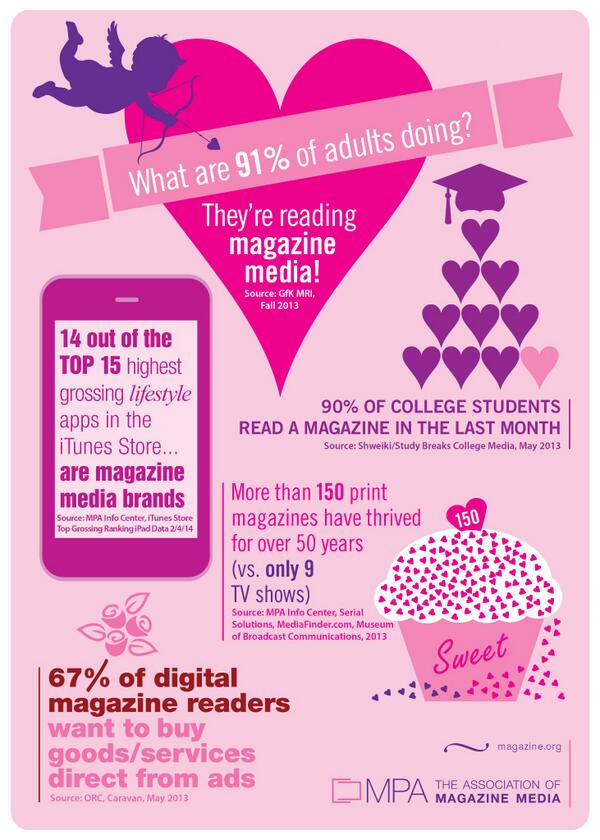
Be sure to check out the best Valentine’s magazine media card courtesy of The Association of Magazine Media at the end of this post. Happy Valentine’s Day.

photo Last week I was the guest of Reed Phillips, CEO and Managing Partner of Desilva+ Phillips at the Dealmakers Summit in NYC. The one-day summit covered all aspects of media, old and new. The following entry is more of a reporter’s notebook from the one-day summit with some direct applications I feel the magazine media folks can easily apply to their publishing model.

Whether you are in marketing, advertising, journalism, print or digital the buzzword heard around media circles lately is awesomeness. In the midst of all the fragmentation that is going on in today’s media world, people are looking for awesomeness and greatness when it comes to how they consume their content and in the actual information itself.

There is no question that we all live in an age of disruption, technological and otherwise. Between pop-up ads, a notification on our mobile devices or simply from the space technology occupies in our lives; we all know what it means to get interrupted. It’s the norm today when it comes to the way media interacts with us, its consumers.

photo2But there is something to be said for relaxation and time well spent, even in today’s busy world. But how can we monetize relevance and creativity into the equation of time well spent? Do we have to continue shoving something old into a new platform or worse yet shoving something new into our consumer’s faces while simultaneously expending a product they’ve trusted and grown accustomed to over the years? How can we avoid the problem of making a marketing story into a news story, when that isn’t the case at all?

Rest in Peace “Real Time,” Long Live “Right Time”…

Real people have real lives and real wants and needs. Thus until lately the words “Real Time” became the buzzwords of this digital era. However, now the same folks who brought us the “Real Time” have discovered that “Real Time” is not always the “Right Time.” Rest in peace “Real Time,” long live “Right Time.” Others who preached this platform or that platform are now preaching the brand and not the platform. The brands are what are important, not how they’re delivered. Some will insist that there is a difference between tech brands and platform brands. But which brand should you be after? Or does it even matter?

There is no way out. The same answer was heard loud and clear at the one-day summit: “Deal with it!” There’s really only one road-map to all those questions: Audience and content first…pure and simple.

The Search for Talent…

But content, the right content to the right audience, needs talent. And talent, my friends, is what is missing in our picture. It is a never-ending story; some things appear to never change. And one is if you can’t attract the best talent to your company, then your business will suffer and so will your audience and content.

Today’s young talent doesn’t just want to ‘do’ something; they want to be a part of it all, as it should be. And that’s where human contribution dollops into the mix. Human-created content will always be important and if you’re betting on a data-driven creativity – well, that’s a sure-fire fall to the bottom of the hill.

Of course these days, brands themselves are now content creators; they generate their own content about their own products. Some call that “content marketing,” others call it “native advertising,” and yet some others call it “journalism.” This is a big WORRY for those of us who still believe in the profession of journalism and the creation of good quality content that can easily be based on my simple formula for today’s journalist: Content Curators, Solution Creators, and Experience Makers.

But we have to do more than just create and curate content; we must create content that starts a conversation. Both content and the conversation must be quality-driven in order to engage the consumer. That and only that will provide you with an audience of awesome disturbers. This audience is just like the young talents. Some of the time they would enjoy a laid back glass of wine in hand, and a willingness to take it on. However they do not want to be taken advantage of in their down time. They still want to be engaged, disturbed, called for action…you name it. So do not take advantage of them and do not, most of all, waste their time.

Different and Better…

This is the media future. Having something unique, i.e. different and better, interactive and experiential, regardless of the platform and the number of the screens, which people will be willing to pay for, that’s what it’s all about.

Think about television for a moment, television and the second screen (any digital device we watch or engage TV on besides the actual television). From a free distribution model (just buy the television set) to a hefty monthly bill, operators have not killed the set, they just kept adding to it.

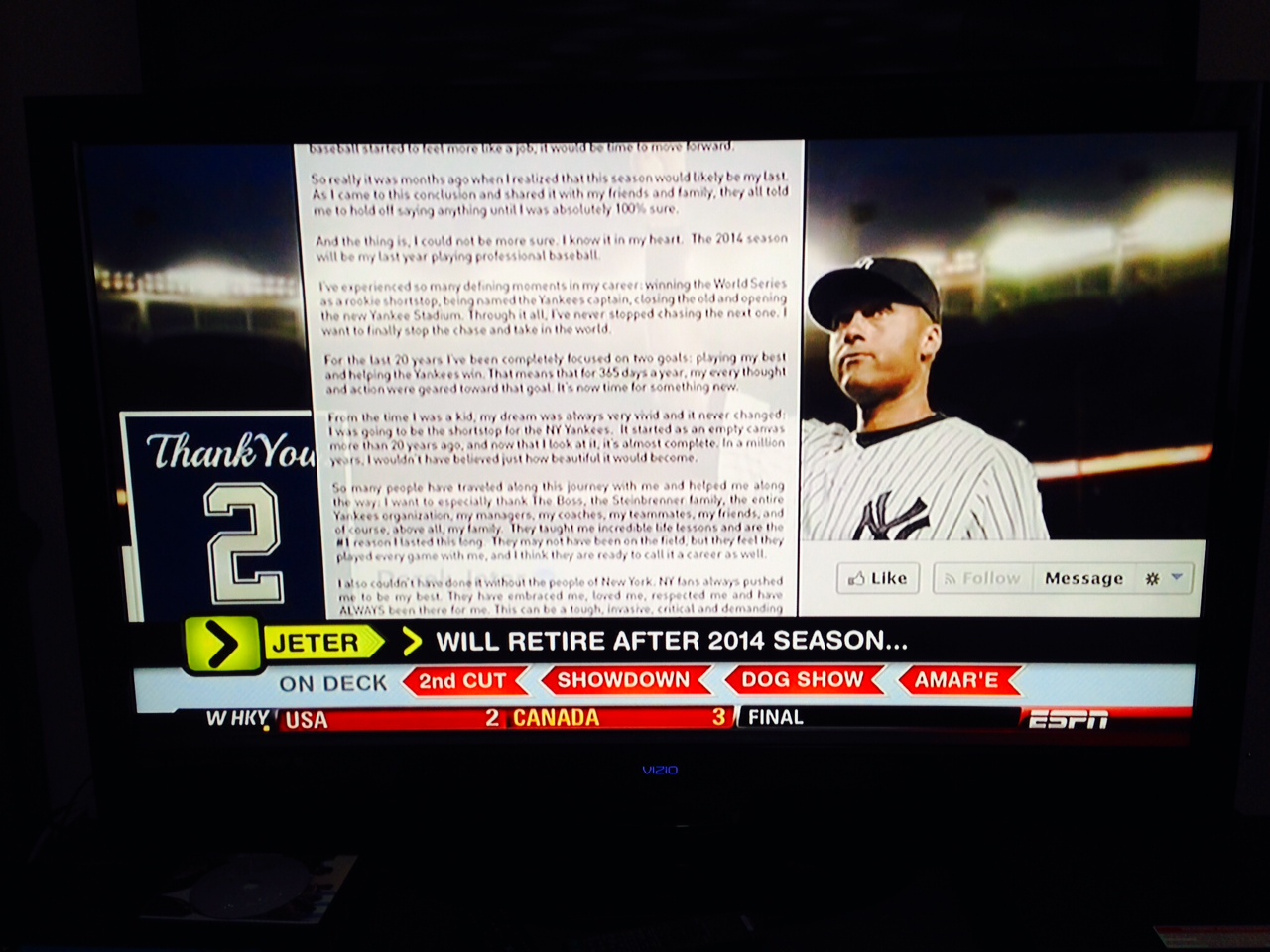
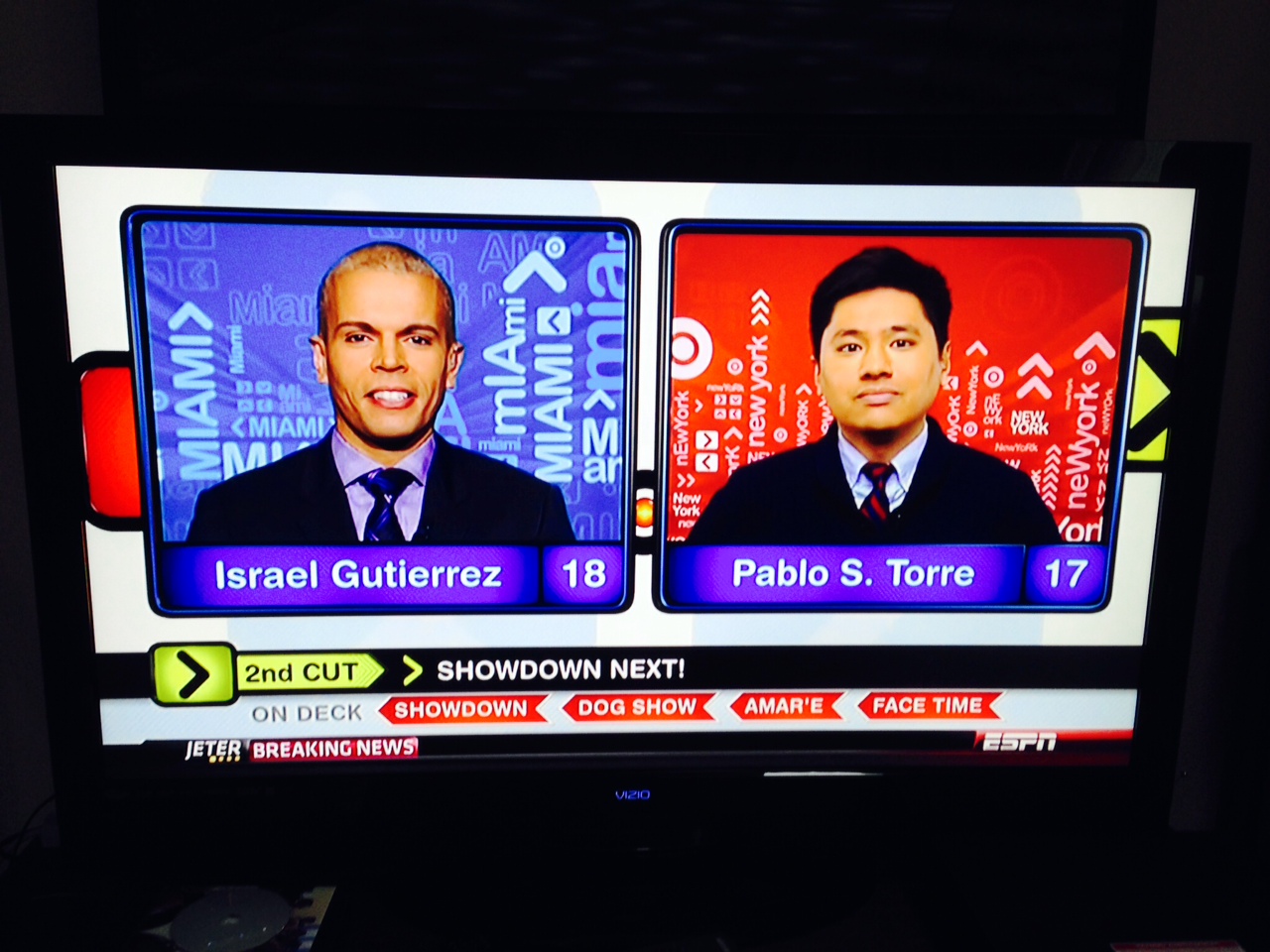
photo3 ESPN, for example, has a second screen (and third, fourth, etc.) for all its sports programs and those of other networks’ sports programs. In fact, 19 out of 20 sporting events not carried by ESPN, find folks watching said events using and interacting with ESPN on their second or third screen. In television the buzz word is addition and not elimination. Everything is an addition to TV, not a replacement for it, growing the market and the channels and not vice versa. Television is becoming personalized by the second screen.

Lessons for Magazines and Magazine Media…

Why can’t magazine media learn from television and create a second, third, even fourth screen in addition to the printed one, without euthanizing the senior parent from which the new platforms are born? Better yet, when will magazine media offer the same level of interactivity linking the first real screen to the many virtual screens out there? I was amazed that the television people at the event never mentioned the rise and increase of revenue and audience from the second screen based on the demise of the first screen.

photo4 It always saddens me when I hear magazine media executives talking about the demise of their printed product and touting how their digital and mobile platforms are going to thrive, while television and digital people talk about the success and future of the second, third and fourth screen in addition to their original legacy first screen. Nowhere is there a headstone in the cemetery of supposedly ‘dead’ media with the name Television etched on it, nor should there be. My friend Jim Elliott reminded me of that fact on our way from the one-day summit. It was an awesomely amazing moment. Eureka! Magazines are not using their second screens the same way television is.

When magazine publishers hook up the IV and send their ink on paper platforms to that print heaven in the sky, only to breathe life into digital and mobile counterparts that depended on the foundations of that print product in the first place, they’re opening themselves up to defeat before they even design their apps and sites.

The word legacy can translate into its synonym birthright. Magazines (and you know my definition of the word magazine: ink on paper), old and new, hold the birthright to everything magazine media is today. They have the privilege of being the eldest, the parent, if you will; of every platform of media today that isn’t ink on paper. And until magazine media learns that eliminating the foundation of their second, third or fourth screen will only destabilize the entire edifice, publishing will remain an iffy proposition in the 21st century and only continue to survive on shaky ground.

So, in short, the future is in those awesome additions to the original magazine screen, the page, the spread. Historically magazine publishers were the creators of the second screen for television…now it is their time to create their second, third and fourth screens without breaking or killing their first one. Awesome audiences deserve and demand awesome content in an age of awesome disturbance.

© Samir “Mr. Magazine™” Husni, 2014.

* A shorter version of this post appeared on minonline.com minsiders Feb. 12, 2014
————————————————————————————————————————————-
Happy Valentine’s Day: I can’t find a better Valentine’s card than the one created by The Association of Magazine Media. Share and Enjoy.
BgX36TwCIAEChtN

h1

Dr. Oz The Good Life: Real Time, Right Time, Real Audience, Right Audience, Real Magazine, Right Magazine…A Story of a Good Magazine Launch – The Mr. Magazine™ Interview with Kristine Welker, Publisher and Pursuant of The “Good Life.”

February 11, 2014

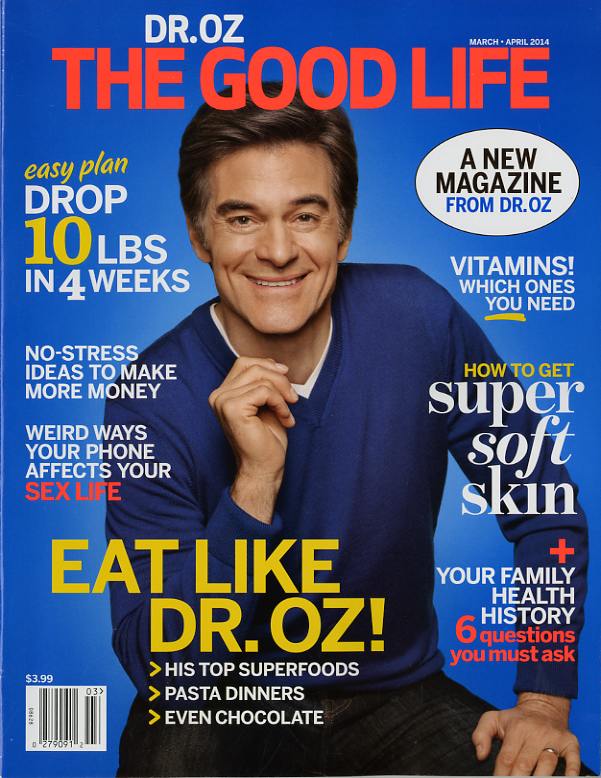
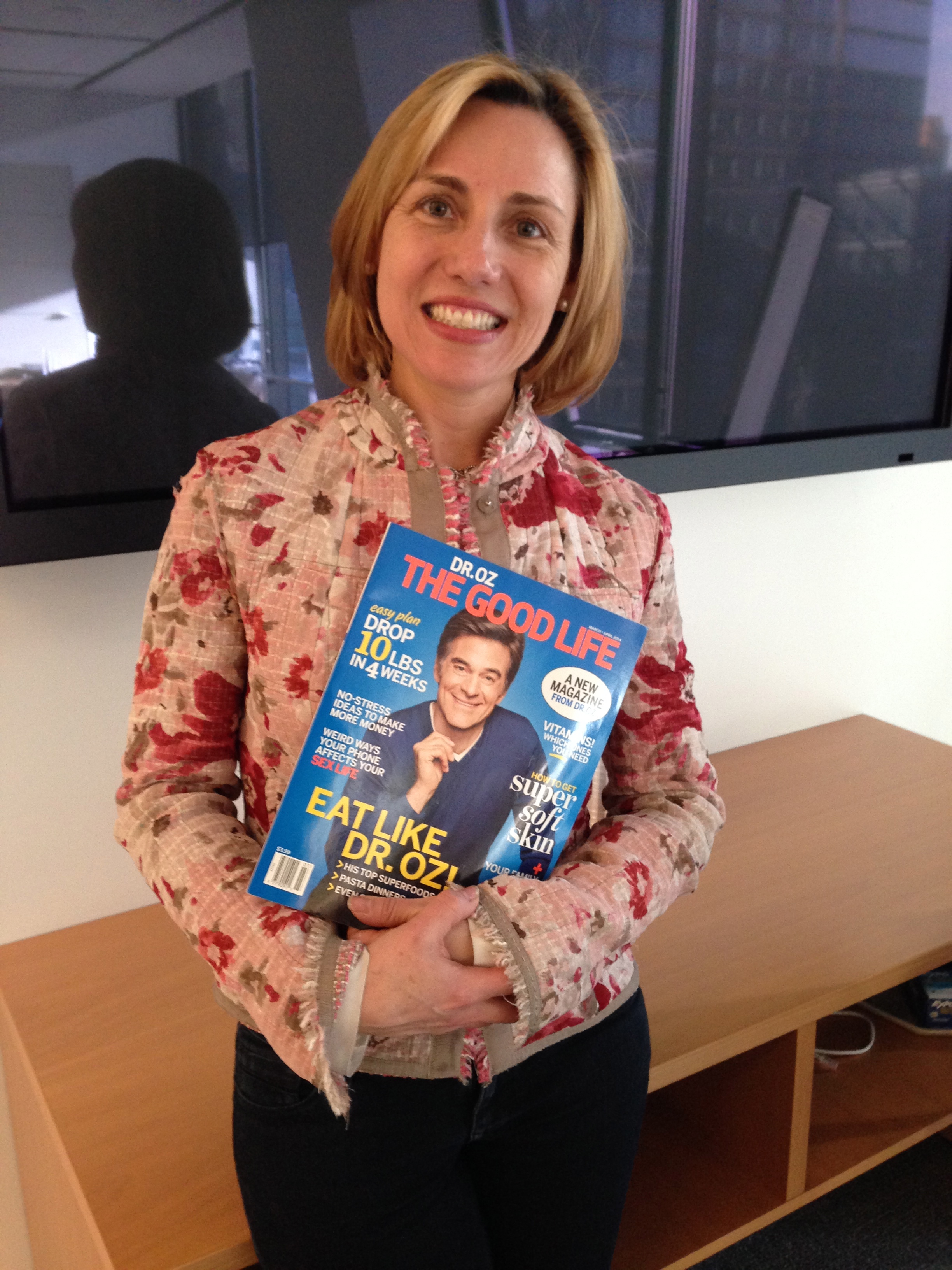
Dr. Oz86 Imagine over 60 advertisers signing on to a magazine sight unseen, no workable name created and not even a prototype to look at. Well, you really don’t have to just imagine it; you can actually believe it, because it really happened with Dr. Oz The Good Life magazine.

In the conference room of the 16th Floor at the Hearst Tower in NYC, vice president, publisher and chief revenue officer of Dr. Oz The Good Life magazine, Kristine Welker spoke with me about the power of the brand:

“They signed on based on the concept. We didn’t have a name and we didn’t have a prototype. Talk about the power of magazines and voice. All of these advertisers felt like this magazine so belonged or this brand belonged in print that without a prototype and without a name they said, “I’ll be in the issue.” Over 60 of them.”

Now that’s print power personified!

Ms. Welker was the founding publisher of Cosmo Girl! magazine in the late 90s, and the former chief revenue officer of Hearst Digital Media, a job she held for the last seven years.

With her digital background and experience in launching magazines, Welker brings a plethora of talent and creativity to the magazine that no one else could and believes in the Oz brand vehemently and the new launch of a print magazine in today’s digital world.

So sit back and enjoy Mr. Magazine’s™ hale and hearty interview with Kristine Welker, publisher of Dr. Oz The Good Life Magazine… But first the sound-bites.

The Sound-Bites:
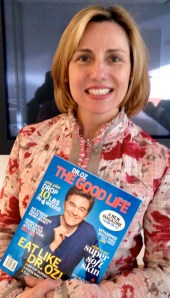
IMG_4525On backing away from the print versus digital argument and focusing on Dr. Oz as a brand…
I don’t see it as print or digital — it’s about a brand and you know I really responded to the power of and I believe in the brand around Dr. Oz. So for me I saw it as a giant opportunity not to go from digital to print but really to say this is a great brand opportunity, a great brand platform and a brand that millions of consumers want to see in print.

On printed magazines in today’s digital world…
With magazines we have to view technology as an enabler not as an inhibitor to growing our brands.

On launching a new magazine in today’s digital world…
You have to build upon your strength at the newsstand, but then begin to mine your own data to really prospect and find a new audience.

On her view of the digital future…
When I think about digital, I don’t just think about digital as your mobile device; I think about digital as maybe your Fitbit and your Jawbone and all the data.

On the first major step to ensure the future of a new magazine…
So the first part of it is for us to prove that we’re reaching and connecting with consumers today in a way that no other brand is and maybe no other platform.

On creating a new category of magazines…
What I was very happy to hear and to see from a media standpoint is that they see the white space that we do. We believe that like we did with Food Network and HGTV magazine that there’s an opportunity to go in and redefine the health and wellness magazine category.

On the power of the printed magazine…
You know there is a moment in time – in real time – that real people sit down on their real couch and they read a magazine for two hours and they enjoy every minute of this magazine.

On the biggest challenge for the magazine thus far…
I think the biggest challenge, which I’m not surprised by, is the struggle (advertising) people will have because they’re saying we don’t have a print budget. And I am trying to change that conversation to say: why don’t we talk about your brand budget and whether or not this brand fits with the profile of what your brand is trying to accomplish and not look at this as a print spend but brand affiliation.

On Kristine Welker’s predictions for the magazine a year from now…
I imagine it being a powerhouse in the magazine arena the way HGTV Magazine and Food Network Magazine became leaders in their field and redefined their categories.

On the genius that is the name — “The Good Life”…
That’s a great question and it’s a brilliant name…The Good Life. Everybody aspires to live the good life and they want to be on the path to a good life, a happier and healthier life.

On what keeps Kristine Welker up at night…
What I worry about is talent and maintaining the talent within big media companies that are perceived as legacy organizations and you know it’s important for us to be able to inspire and attract talent and say, “How excited would you be to work on a startup?” Everybody wants to work at a startup as opposed to, “How excited are you to launch a magazine?”

And now the lightly edited transcript of Mr. Magazine’s™ conversation with Kristine Welker, Publisher of Dr. Oz The Good Life magazine.
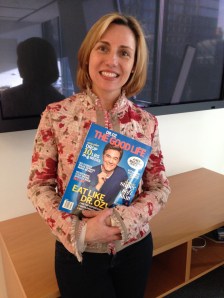
welkerSamir Husni: Of course the obvious question…a lot of your colleagues are jumping ship from print to work with digital and here you were in charge of digital and now you’re back to print. What’s going on?

Kristine Welker: You want to know if I’ve gone crazy, if I’ve gone nuts, right? I don’t see it as print or digital — it’s about a brand and you know I really responded to the power of and I believe in the brand around Dr. Oz. So for me I saw it as a giant opportunity not to go from digital to print but really to say this is a great brand opportunity, a great brand platform and a brand that millions of consumers want to see in print.

And so when you think about it every time he is on anybody’s cover whether it’s a magazine we own and operate or not, you name it, as you’ve been reporting; he’s one of the best if not the best selling magazine on newsstand for those magazines. So for me it wasn’t about going from digital back to print, it was looking at this as we all should — that this is a great brand opportunity and a brand that should be in print.

And clearly if you look at all the research, people want to buy magazines from him so why not a magazine? Anyway, I saw this as a great career opportunity to launch his magazine brand. But it’s also what do I take from digital to bring over to this magazine launch that might be different? How do we create the new model behind launching magazines? So it’s taking what we learned in digital and bringing it over to launching this brand.

SH: As you reflect on your career from working at Meredith in advertising and then going through CosmoGirl! and then going to digital…If you look at it from the beginning to now, how did things change for you in relationship to the industry?

KW: If I look back to CosmoGirl!, that was a great opportunity — launching CosmoGirl!. I was there for seven years and I had a terrific time. We were the first magazine to launch the magazine and the website simultaneously. So that was very, very unique.

What I learned was the power of the youth market, the power of the future. And I really began to listen and watch carefully to how they were consuming media. Obviously they were early adapters of technology. I decided I wanted to follow technology and that’s what brought me over to digital. But you know CosmoGirl! brought me on the path to understanding how people wanted to consume media. And if we look at the younger generation, from early on they wanted a magazine and a website. They wanted a magazine and mobile. It wasn’t one versus the other — they still wanted both.

So that put me on I believe an organic path, because when I started watching how they were consuming media that’s how I then decided to follow the technology, understand the world of digital and how that is changing how people are consuming brands and so that’s why I decided to move into digital.

I’d say what I learned in digital is how do you take existing models and bridge that with new models. So it was never an either or, it wasn’t print or digital. It’s not even native versus display or tablet versus mobile. It’s not an either or, like you said… it’s how do all of these touch points all work together? In digital what I would say I have learned is technology matters. With magazines we have to view technology as an enabler not as an inhibitor to growing our brands.

And so how do you take digital and bring it into the world of evolving the magazine model and bringing that forward? So after being in digital for seven years, I thought it’s time, the right brand and I thought this was the right brand, the right time and I thought the right product to say how might we do things differently? How might we launch a magazine differently?

And so in the past we would launch magazines on the newsstand exclusively and that’s how we would test and then we would do some consumer marketing testing. With this particular launch we were really smart about leveraging our data and so what we’ve learned in digital is the value of data and what publishers do really well now is realize that all of this data is a currency that we need to take advantage of more.

In launching this magazine I thought what was really smart is that we put it on newsstands like we normally do and have a great cover that’s going to pop on newsstand and great newsstand penetration but on top of that we had a really smart consumer marketing data driven strategy, where when we first decided to launch this magazine we had all these women that were what we call ‘hand raisers’ and they said sign me up for when this magazine came out. We call them “super fans” so there were 10,000 women almost over night that said when the magazine comes out I want to know more.

So we said let’s begin to profile the 10,000 women and turn that into a lookalike model and begin to find other likeminded women throughout the Hearst database of around 70 million names. And so that’s where it became very, very interesting.

From there we then learned in the focus groups that there are women who may not be watching Dr. Oz on the TV show because they’re working. They may not be even taping Dr. Oz because they’re taping something else like Scandal or The Good Wife or something else they might be interested in and we know that they may or may not stumble across the magazine at newsstand.

From there in the focus groups when they saw it and said this really speaks to me because I may not be reading parenting magazines anymore, I may not be reading health magazines because I’m not really focused on flat abs in five weeks anymore, but I would read this magazine. And so out of the focus groups we realized we may not stumble across these women.

Then we added Cosmo and Marie Claire into the mix. So anyway, you can begin to see that we became very savvy about using our data and so the company decided that it’s no longer good enough to just say I’m going to polybag this with Good Housekeeping because we know that when he’s on Good Housekeeping they’ll buy that magazine. I thought that was really interesting and we poly-bagged this on its own.

So you see where we began to pull data into doing database modeling and we did lookalike modeling. So all the things that digital advertising is credited for, lookalike modeling, targeted advertising; you know all the things that people love about digital, we took all of that learning and applied it to how we wanted to launch this magazine and we became very targeted in our approach.

So what I wove in there was how I made my journey, but I wanted to give you a sense of how we pulled some digital expertise and knowledge into saying how might we launch a magazine differently. And we decided to layer on the data and that doesn’t mean we didn’t do that it just means that we’re doing it more strategically.

SH: What was the most pleasant surprise in doing this — using digital to help with the launch of Dr. Oz The Good Life?

KW: I thought that was one interesting thing. I really believe that that’s a new approach to launching a magazine and its new model. And so we’re going to build upon our strength at newsstand but then begin to mine our own data to really prospect and find a new audience.

And that’s what I thought was really interesting. I think we’ll find an incremental audience because of that and I think that’s what’s interesting. I think digital for this magazine has only just begun.

What I think is going to be even more interesting is if you step back and look at the wellness space broadly and I’m not talking magazines, I’m talking wellness through the lens of a consumer; when you look around how many people are wearing the Fitbit or the jawbone? When I step back and look at new models I say he is the most trusted voice in the wellness category; so how does a magazine interact not just with your mobile device but what about your Fitbit and your Jawbone.

So when I think about digital I don’t just think about digital as your mobile device I think about digital as maybe your Fitbit and your Jawbone and all the data or I should say all the — obsession’s not the right word — but you know this is no longer a health movement, this is a cultural shift to people wanting to own their wellbeing and their wellness. Just the way people wanted to document their life on Facebook, if you look at the wellness space, people are documenting their own wellbeing so I think that’s where the digital opportunity for Dr. Oz comes in is how do you step back and look at the wellness space and how consumers are consuming wellness and so that’s where I think digital gets really interesting in what we do through that lens.

We’re not there yet but when we think further out such as how does ESPN communicate with twitter, then how do we communicate with our Jawbone? Those are the kinds of thing that I find interesting or fun.

SH: What was the biggest stumbling block? You had a great asset in the launch model, you had a great brand, you used digital to help execute the brand and besides all the naysayers in the media, what was or is the major stumbling block that may hinder The Good Life from succeeding?

KW: Well, first of all let me tell you the positive first. I’ve only been in front of advertisers and the press for about a week now. But advertisers because my friends in the press world don’t have any money to buy ad pages and we all know how important that is, so I’ll talk about it through the advertiser’s lens first.

What I was very happy to hear and to see from a media standpoint is that they see the white space that we do. We believe that like we did with Food Network and HGTV that there’s an opportunity to go in and redefine the health and wellness category. And that doesn’t mean that we want to be a health magazine, in fact we see this as a new kind of healthy women’s lifestyle magazine that covers everything from fitness to cooking, parenting, financial well being, beauty, you know all of the categories.

What I found most refreshing was the willingness of the media industry to not feel the need to categorize us. Because as we know the way people live their lives they don’t live through a vertical lens and from a media standpoint it’s often easier to put you in a vertical category. And I was really happy to hear that people felt like there are opportunities to take a horizontal approach. What I mean is the tendency is to say, “Well, what are you? Are you a health magazine or are you an “x” magazine.” So people, No. 1 saw the white space and really believed that there was an opportunity to create something totally unique. They obviously buy into the trusted voice of the authority of Dr. Oz. People respect the track record Hearst has in launching magazines and redefining categories like food and home.

I think the biggest challenge, which I’m not surprised by, is the struggle people will have because they’re saying we don’t have a print budget. And I am trying to change that conversation to say why don’t we talk about your brand budget and whether or not this brand fits with the profile of what your brand is trying to accomplish and not look at this as a print spend but brand affiliation. Does my brand align with your brand message because this brand holistically isn’t just print…it’s print, it’s digital and if we wanted to go even further, it’s television broadly and everything else that the Dr. Oz brand touches.

So that’s again my two weeks on the road. I’m not surprised by it but that’s the conversation that I need to change. Not talking about a print spend but a brand spend and getting them to look at us as brand to brand. Because if you look at so many brand marketers today, so many of their brand messages speak to health and wellness. And then with the beauty category it’s all about wellbeing and feeling better and taking care of you. If you look at insurance it’s all about being healthier and happier so there’s no question that there’s a brand allegiance — it’s getting past the print versus something else.

SH: I know you’ve only been on the road two weeks explaining this major shift in thinking. How long do you think it will take the media buyers to understand that it’s a brand, it’s not like ink on paper or pixels on a screen and what can you offer them in return?

KW: The first thing we need to do, and we are on the path to doing this, is to prove the power of this brand platform, because ultimately what an agency wants is to connect with an audience – the right audience of course.

And what does a marketer want? The marketer charges their agency with finding that audience and so I think the first thing is to prove that we are doing our job and branding the magazine and connecting with that audience and the audience at scale. And that’s what I would focus on. That’s what I will focus on because a marketer will always stop and say, “I want to reach people,” and right now they believe they can reach people in ways that sometimes include print and then sometimes don’t include magazines, so the first part is to prove that we’re touching the right audience and a sizeable audience because that’s what the marketer at the end of the day wants – they want to reach an audience and they want to reach the right audience.

So the first part of it is for us is to prove that we’re reaching and connecting with consumers today in a way that no other brand is and maybe no other platform is.

SH:One of the buzzwords today is that it’s no longer about the real time, it’s about the right time. You’ve used words like the right audience…

KW: Real time, right message, right context and then the right consumer. And sometimes the magazine might not be the right context so what they’re saying is if there’s a very targeted, click now, download, whatever it is, that may be better served. A highly-targeted, promotionally-driven response right this second to go get an offer of something that happens to be in a store right this moment. I mean that lends itself to a mobile driven strategy.

But yes it is real time, right now; right message and magazines do live in real time. I love that. People don’t read magazines in real time? When do they read them then, in their past life? You know there is a moment in time – in real time – that real people sit down on their real couch and they read a magazine for two hours and they enjoy every minute of this magazine.

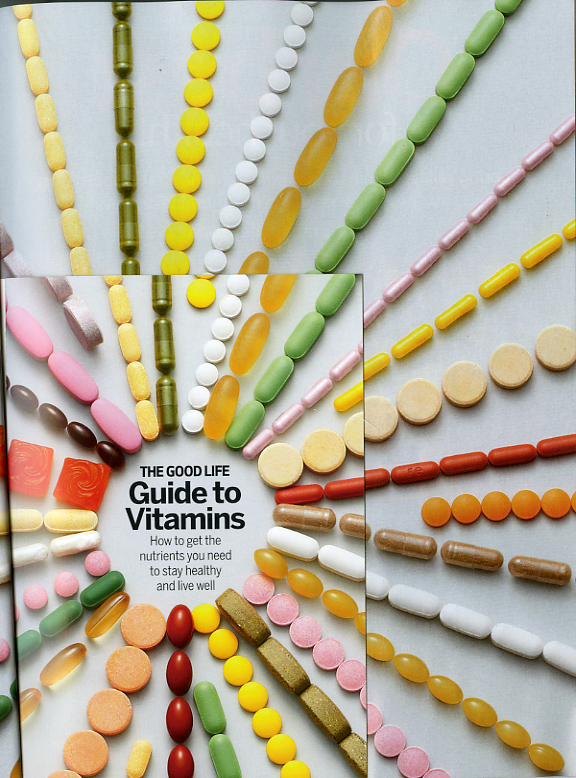
Oz insert-87 And what Dr. Oz loves is that they pull this out, this insert inside the magazine, this definitive guide to vitamins and they pass this along to other people in their family — it’s the power of living paper as Michael Clinton, (president and marketing & publishing director at Hearst Magazines), calls it. Here’s Dr. Oz, this is the stuff he says he can’t do on television. He can talk about dropping 10 pounds in 10 weeks. This is the thing he says somebody is going to take out of the magazine and put it up on their refrigerator. And what I love that he said once, “I’ll take it one refrigerator at a time, because that’s the door they open every day and if they want to take my magazine apart and put it up on their refrigerator, that’s the power of print.” That’s the power of touch, the power of connecting with people. Show me an advertiser that doesn’t want someone to tear their vitamin booklet out with the Walmart ad on the back and they don’t want this thing floating around the house for three months. That’s the ROI.

So that’s why I’m happy to be back in the magazine world because I have never felt that magazines didn’t matter even when I spent seven years in digital. It was always the power of brand at scale and at digital that we were able to aggregate audiences at scale and do interesting things.

But there are certain magazines that belong in print and this is definitely one of them. And Dr. Oz has proven that he can move an audience to take action. Because whenever he promotes something, whether it’s a diet or a product, people respond. And he himself believes that he can take that into a magazine format and he believes that he can touch more people. He doesn’t believe that he touches everybody… through all of the platforms that he’s on and he decided to go into magazines because he feels like he’s missing a huge audience and a huge opportunity.

SH: When I call you next year and make an appointment to speak with you what will you tell me about Dr. Oz The Good Life a year from now? Where do you imagine yourself to be with the magazine a year from now?

KW: I imagine the magazine published 10 times a year if not more. I imagine the magazine being a powerhouse in the magazine arena the way HGTV and Food Network became leaders in their field and redefined their categories.

But I also like to believe that we have done a good job finding other ways to connect other people to the good life and thinking about cross-platform in new and different ways and I believe people are so engaged with his brand and his content that they will go deeper within his community. Then they pay more to go deeper within that community.

And so I think that lends itself to lots of interesting opportunities for us as publishers of brands and content to do interesting things with that content. It goes back to something you said earlier, you mentioned the word community just in passing; I believe there is a very loyal community around Dr. Oz that will allow us to do interesting things and it could be by partnering with a wearable device or just sort of owning wellness in ways you might not have expected. And hopefully showing that magazines can penetrate and build an audience beyond just the pages of the magazine and I don’t just mean having a website and mobile but to do other things and I’m hesitant to use the term paid content model but you get where I’m going.

What else can we do to engage our audience beyond the pages of the magazine? It’s not just about a website any longer. That’s almost an antiquated model. So it’s redefining what cross-platform looks like is the best way to say it because the new model is no longer, I have a magazine and a website or I have a magazine and I have a mobile optimized site. That’s not the new model any longer.

So the question becomes, as we look back in a year, how we will move the new model forward and I haven’t figured that out yet. But there is something around this sort of momentum behind the health and wellness category and the fact that people want to document their wellness through the Jawbone and the Fitbit the way they wanted to document their lives on Facebook.

Our brand belongs in that space because the good life sets us up to helping people find that path towards living the good life. That could be apps that could be the Fitbit and the Jawbone, it could be a little bit with what Popular Mechanics is doing where they now have their online seminars. It’s all of these things that might take these people with us to achieving the good life that allows us to jump from the pages in the magazine to something out. I haven’t figured out the something else.

SH:Just make sure that I’ll be the first one when you figure it out, let me know and I’ll publish it.

KW: The wearable devices…think about it, TIME last week did a whole piece on mindfulness and everybody is walking around with their Jawbone and Fitbit. This is all about people documenting their health and wellbeing and I’m excited about that because people aren’t going to do that on Facebook. Facebook serves a purpose; I’ve documented my life on FB. But you see that people are now documenting their path to the good life. That’s what the Jawbone is.

SH: You’re focusing so much on the Good Life. I don’t think we can find a single human being and you promise them the good life and they say no I want the miserable life. Is that a purposeful marketing strategy, the focus on the good life more than Dr. Oz in the branding, in the name?

KW: That’s a great question and it’s a brilliant name…The Good Life. Because it’s exactly what you said, everybody aspires to live the good life and they want to be on the path to a good life, a happier and healthier life.

The way we all settled on The Good Life, and there were lots of names, really one came through focus groups, the focus groups that we did through the magazine research, and also the focus groups that Dr. Oz has been doing in touching so many people whether it’s at the hospital or on the TV show. You know we heard in focus groups that people were saying, “It’s not about flat abs, it’s not about my aliment, I genuinely want to live a good life – I want to be healthy and happy. That’s what I’m in pursuit of, the good life.”

What Dr. Oz says so brilliantly is that he wants to meet people where they are. Not everybody is at the same point along that journey to the good life. Somebody might be thinking about losing 10 pounds, somebody might not need to lose 10 pounds but might want to connect more with friends and family. Everybody is at a different place, but what we were hearing through the focus groups and what we’ve heard Dr. Oz comment about as well is that even when people were talking to him is that I want to be happy and healthy and that is speaking very much to what people were looking for in a magazine but also from him.

They don’t just see him as a doctor; they see him as somebody who is living a good life. He’s optimistic, he’s happy and he’s upbeat. And he is a very informed person who happens to be America’s favorite doctor, but they really see him not just as a doctor, they almost see him as the ultimate coach.

I think that’s a good way to look at it…a coach to being healthy of course, but being happy because he appears so happy. When you talk to him and ask him all these questions, and that’s where we felt so good about the Good Life, and then when we were talking more about it with focus groups, were immediately aspired to it and when we were hearing about the white space, the other thing and you’ll find your way to say this, the other thing we were hearing is that they realize that life isn’t one-dimensional and they recognize that life isn’t real simple.

That’s where with the lifestyle approach to the magazine we felt very comfortable and validated by it. Again our lives are just not one-dimensional. If they are time–deprived they may not be able to go deep into a category of interests. It might not just be about fitness or eating well or losing weight…so that was the other thing too.

All of these things rolled up for them as the things that they wanted in achieving the good life. So The Good Life was a great umbrella and the focus groups loved it. Now from a marketing standpoint, I will tell you it was the market speaking and the market of consumers spoke loudly, as you pointed out yourself, who doesn’t want the good life, so everybody really loved it. I will tell you from a marketing standpoint I think it speaks to what we want to do in the magazine very clearly. We don’t want to be a house magazine; we want to be a healthy living magazine, a healthy lifestyle magazine, so the good life says it all. So I love the title. I’m on the path to the good life.

SH: My last question to you…What keeps you up at night?


KW: Well, so I’m in the staffing mode right now. It doesn’t keep me up at night…let me answer not through the lens of just this magazine, maybe pulling back on the industry broadly.

I look at my career as a bit of a narrative and I think it’s important that people do things that they find interesting and not that they feel like they have to do. So this is something that I find very interesting.

What I worry about as an industry, and I get this question a lot, which is…you know people that stay at a company for a very long time, they see me as a throwback as opposed to somebody that has stayed at a company for over a decade and is working on their third start-up. So I latched onto a term that I love called an entrepreneur. I heard that somewhere.

What I worry about is talent and maintaining the talent within big media companies that are perceived as legacy organizations and you know it’s important for us to be able to inspire and attract talent and say, “How excited would you be to work on a start-up?” Everybody wants to work at a start-up as opposed to, “How excited are you to launch a magazine?”

I think it’s the whole idea that we have to continue to motivate and retain talent and keep them exciting and engaged in the idea of big media companies and also the world of media which includes magazines. So that’s the thing, I don’t know if I worry about it and stay up every night about it, but I do think it’s important and then I worry about the next issue.

SH: Thank you.

© Samir “Mr. Magazine™” Husni, 2014.

h1

From Print to Digital and Back to Print: The Journey of Kristine Welker, Publisher, Dr. Oz The Good Life Magazine

February 8, 2014

To some it may seem crazy, but to the passionate, fired-up, excited and curious Kristine Welker, vice president, publisher, and chief revenue officer of the newly launched Dr. Oz The Good Life magazine, the move back to print is nothing but a logical step in her publishing career journey. Dr. Oz The Good Life magazine is the third major print launch from Hearst magazines in the last five years, and Hearst is betting on a trifecta!

Ms. Welker was the founding publisher of Cosmo Girl! magazine in the late 90s, and the former chief revenue officer of Hearst Digital Media, a job she held for the last seven years. Now, she is back in the print saddle with the launch of Dr. Oz The Good Life magazine. What gives?

For the Mr. Magazine™ Minute, I asked her why did she move back to print from the digital world? Her answer below:

And stay tuned Tuesday for the in-depth Mr. Magazine™ Interview with Kristine Welker, publisher of Dr. Oz The Good Life magazine.

© Samir “Mr. Magazine™” Husni, 2014.

h1

The Magnificent Fourteen: A Tale of Ink on Paper’s Resilience

February 3, 2014

Before there was a web, there were magazines; and today, at the height of the web era there are magazines, and after the new innovations in the web era are discovered, there will be magazines…and by magazines I mean the ink on paper publications as they were first called in 1731.

The period of tremendous growth for the internet happened in the latter half of the 1990s. It went from a scientific and governmental research network to a commercial and consumer marketplace. It revolutionized the way we communicate, socialize, and conduct business. In 2000, after the dot.com of the 90s crashed in what has become known as dot.gone, Web 2.0 was born, and so were a host of new ink on paper magazines.

With the web explosion, magazines have always been and continue to be a breed apart from other media. There is a tactile expression of ownership and showmanship in the print versions of these glossy entities with the creatively enticing covers.

With the new millennium fast approaching and the web weaving even more intricate designs in cyberspace, magazines never gave up and some actually flourished and are still blossoming in 2014.

To celebrate 2014 here are the Magnificent 14 Magazines launched between 2000 & 2009. They are in chronological order of their birth:

Unknown

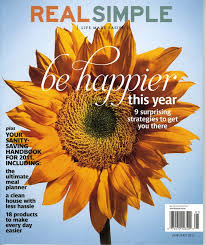
Real Simple was launched by Time Inc. in 2000 and since then the magazine hasn’t looked back. In a time of uncertainty and ambiguity, Real Simple has proven to be a mainstay with its manifestation of its title: remaining ‘Real Simple.’

According to its mission statement, REAL SIMPLE makes life easier by giving creative, practical, and inspiring solutions for both the everyday and special occasions. It’s a magazine that definitely has found its niche audience, even in 2014.

Unknown-1

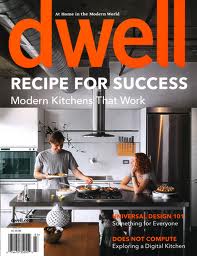
Dwell magazine also launched in 2000 and is a publication devoted to modern architecture and design. According to Michela O’Connor Abrams – President of Dwell Media – they now have 10 platforms at Dwell Media. The magazine is about 55% of the business and four years ago it was 94% of the business. But the magazine and the SIP’s for the newsstand remain very healthy. The reason O’Connor Abrams gives for the company’s continued success: her background in technology media and the focus on the audience and the communities Dwell has built and serves faithfully.

Unknown-2

O magazine is another mega-giant that was launched right after the onset of the web craze. With Oprah Winfrey and Hearst Corporation as its founders, failure just seemed impossible. A second printing of the first issue had to be ordered, a first in the history of American magazines. And of course, it’s still surviving and thriving in 2014. Another success story born amidst the digital boom.

Unknown-3

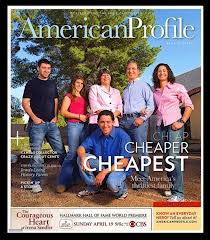
American Profile is a national magazine for community newspaper readers that launched in April 2000 with more than 2.5 million in circulation and was one of the top magazine introductions in years. In 2014, the magazine still proves that it has what it takes to survive in this digital age. American Profile’s current circulation is a perfect 10 million (ink on paper) copies weekly.

Unknown-4

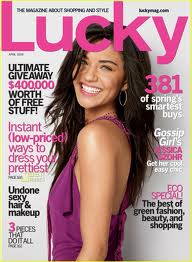
Lucky is a shopping and style magazine that launched in December 2000 and is one of Condé Nast’s biggest success stories. Today, Lucky has undergone a major transformation since new Editor and Chief Eva Chen took over. Along with artistic director, the famed Vogue editor Anna Wintour, the magazine stays true to its shopping brand, yet shows a newer creativity and an ability to withstand the Googler trends of 2014.

Unknown-5

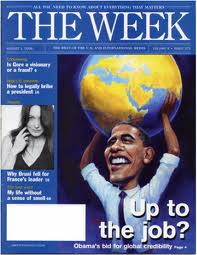
The Week started out as a weekly British news magazine and was introduced in America by Felix Dennis in 2001. It has been described as neither a liberal mag nor a conservative one, but a publication that presents both sides of the issues, something that may very well be a component in its longevity during the age of digital. In 2014 you can still think of The Week as the Rolls Royce of the newsweeklies.

Unknown-6

In Touch Weekly is a celebrity magazine that was launched in 2002 by Bauer Publishing. It was one of the first from the ground up new mass weeklies introduced in the United States in a long time. It is still going strong today, which definitely says a lot about its character and personality, considering a person can jump on Google’s search train and find out just about anything concerning celebrities and their latest exploits via the Internet.

Unknown-8

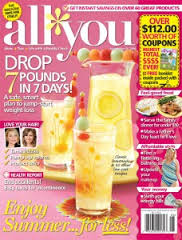
All You is a women’s magazine that was first published in 2004 by Time Inc. and was only sold at Wal-Mart and Sam’s Club. This targeted niche marketing is one survival technique that magazine publisher’s devised to combat drops in newsstand sales due to the increase in competition from digital and other print entities. The magazine now can be found in all retail stores and is available by subscription. So, in the case of All You, it’s working very well, thank you.

Unknown-9

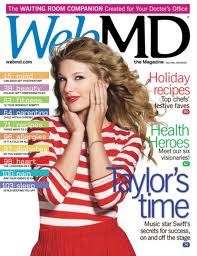
WebMD magazine was one of the early adaptors to ink on paper from pixels on a screen. It launched in 2005 with a million circulation and never looked back. The health website decided to integrate their extremely popular digital health information center with print and distribute free copies to practicing physicians all across the country. One of the beginning cases of digital and print integration. A definite sign of things to come.

Unknown-10

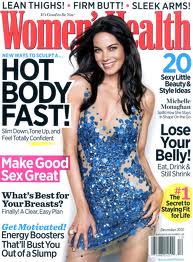
Women’s Health was created in 2005 as a sister publication of Men’s Health magazine. The women’s lifestyle magazine speaks to women all across the world with sections on fitness, sex & love, food and weight loss. Women’s Health proved to be an egg born from the pouch of the seahorse, Men’s Health, alongside a very caring Rodale Inc. family of magazines. Proof that ink on paper (as long as the content is necessary, relevant and sufficient) can still get in the ring with digital anytime, anyplace.

Unknown-11

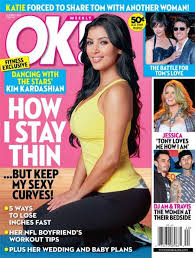
OK Weekly began in 1993 as a weekly British magazine, specializing in celebrity news. Its American counterpart crossed the pond in 2005 and has been keeping us abreast of celebrity weddings, gossip and news ever since. After a very rough and expensive beginning, the magazine was bought by American Media Inc. and is now surviving along side its sister Star magazine and the rest of the celebrity-info world that has seen some tough challenges in this digital age.

Unknown-14

Afar magazine is a travel magazine for those who are not faint of heart. It is not your typical travel magazine, which was exactly the intention of its co-founder Greg Sullivan who launched AFAR in 2009 with cofounder Joe Diaz in the midst of the worst economic crisis America was facing. Against all odds, AFAR has since become one of the leading experiential travel magazine media companies. The print component of Afar media works hand-in-hand with their foundation and website and displays integration at its best.

Unknown-15

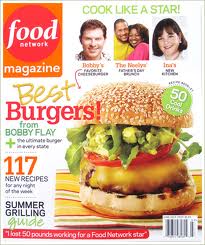
Food Network Magazine born in 2009 when other media companies were killing their food magazines, Hearst Magazines and Scripps Networks Interactive spun the ink on paper magazine from the highly popular Food Network television network. The first official print issue came out in June 2009 and has been cookin’ ever since. The magazine started out with a 300,000-issue rate base guarantee to advertisers and only grew as time went on. This success story combines Internet, television and print – a total integration of media, a major survival strategy for print that is still being utilized in 2014, bringing an eleventh rate base increase to 1.8 million in less than six years of its existence.

Unknown-16

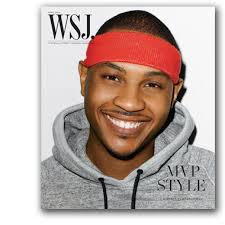
WSJ magazine is a glossy news and lifestyle magazine published by The Wall Street Journal. It started out as a quarterly in 2008 and became a monthly (10X) magazine in 2009. In its infancy, it was an insert with weekend home deliveries of The Wall Street Journal in some of the larger U.S. and European markets. Now the magazine is in every copy of the newspaper available for all the paper’s readers, but never-the-less its tag-line still says THE WORLD’S LEADING LUXURY MAGAZINE, and it’s still going strong in 2014.

It’s a comforting thought to those of us in love with print that the above-mentioned magazines are just a few that are still thriving and surviving in 2014. Knowing that integration is the key in this day and age, most publications are conjoining their digital and print children as closely as twins.

Staying necessary, relevant and sufficient in this digital age is vital to magazines. Their content must give readers what they want and then they will find what they need.

Happy magazine reading in 2014 and remember: the power of print integrated in the 21st century is Just Common Sense!

h1

January Magazine Launches Are HOT, HOT, HOT… Unlike the Month’s COLD Temperatures.

January 31, 2014

With the news that American consumers bought at the newsstands more than 12 million copies of different magazines each and every week of 2013 (thanks MagNet for sharing the news), now comes an additional 77 new titles to pick from. There is no shortage of new magazines regardless of the weather, the location, the subject matter, etc. etc. etc.

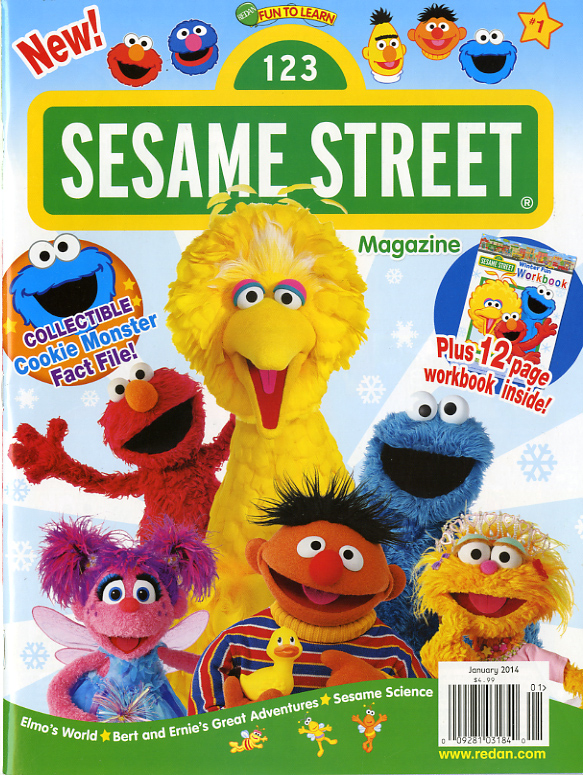
In January alone new titles appeared on the nation’s stands covering every conceivable topic one can think about and some that you do not want to think about. From Adult to Sesame Street new magazines left no “reader” behind. Magazines are aplenty and as the good folks at MagNet say “customers continue to show that they are willing to pay good money in a tough economic environment for high quality publications, especially if they can’t get those same publications more cheaply through subscriptions.”

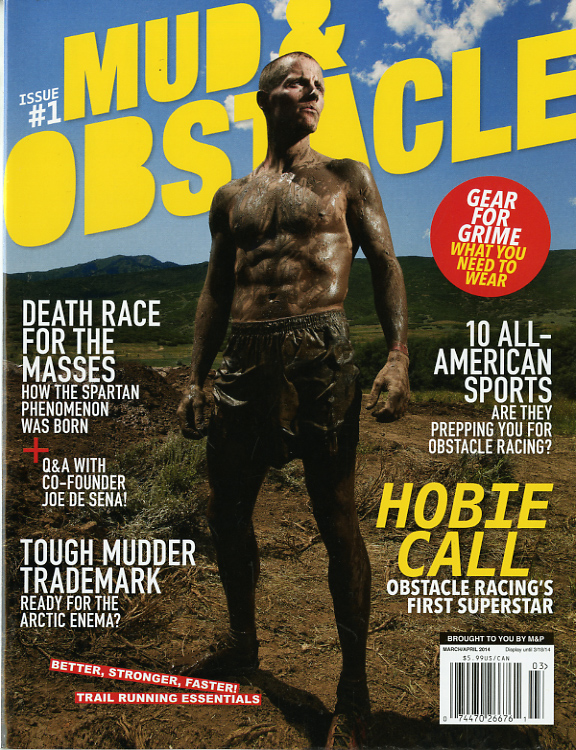
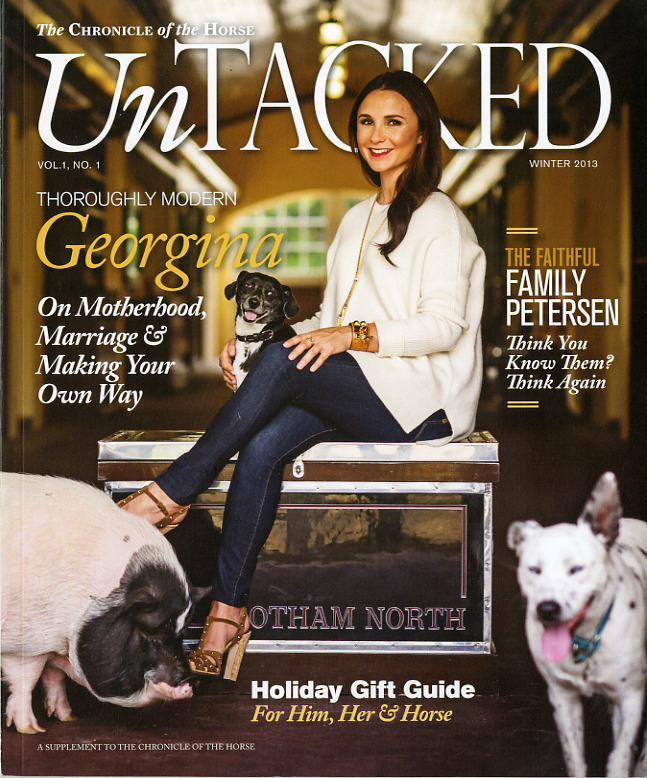
To check each and every new title appearing on the stands in January click here, and here is a sample of six new magazines from the January Mr. Magazine™ Launch Monitor.

Adult-18Electric Bike-19Mud & Obstacle-68Sesame Street-12UnTacked-4Zeroed-7

h1

Warning: Do Not Kill Your Print Publication Before You Watch and Read This.

January 27, 2014

The Mr. Magazine™ Interview with Dr. Robert Magee, Assistant Professor, Virginia Tech State University

“Ceasing a print publication in favor of an online-only publication might hurt the effectiveness of an organization’s marketing communications, and managers should not make the decision based on cost alone.”

Robert Magee, Ph.D.We are living in a digital era. This is a fact. No debate here. The debate that is raging in the magazine media industry is whether digital will replace or should replace print as the preferred method of delivery. The same debate is also taking place on college campuses as to whether universities should keep their printed alumni magazines or replace them with an online version.

Dr. Robert Magee, assistant professor at Virginia Tech State University, opted to take a scientific approach to this debate in an attempt to reach a definitive answer. So before you decide to kill your printed publication watch this Mr. Magazine™ Interview with Dr. Magee, and read the abstract below of his paper entitled: Can a print publication be equally effective online? Testing the effect of medium type on marketing communications that was published in Marketing Letters, a publication of Springer Science + Business Media.

Click below to watch my interview with Dr. Magee…

And read the abstract of his field experiment below:

Faced with budgetary pressures, many marketing communication managers are canceling the print distribution of their flagship magazine in favor of an online version. However, if the online publication is less effective in achieving the organization’s goals, this move may be ill advised. In a field experiment, subscribers of a promotional magazine received either a print version of the magazine or an e-mail invitation that linked to the online version.

The print version had a higher open rate than did the online version. In addition, print readers had higher recall memory and engaged in more browsing. Ironically, although younger readers indicated a preference for receiving an online version, the effect of medium on memory performance was strongest among the younger readers.

Therefore, ceasing a print publication in favor of an online-only publication might hurt the effectiveness of an organization’s marketing communications, and managers should not make the decision based on cost alone.
© Springer Science+Business Media


To read the entire paper click here
.

h1

Magazine Media Audience: The 2014 Magazine Media Moguls’ Great Expectations As Told to Mr. Magazine™… Part 5 of 5

January 24, 2014

SamirCEOs1

The Mr. Magazine™ First Ever E-Roundtable with 10 Magazine Media CEOs and Presidents


The Ever Changing Reach of Magazine Media: Embracing the “Total Audience?”

What are some of the largest magazine media companies expecting from 2014 in the world of magazine media? What are Active Media Interest, American Media, Inc., Condé Nast, Dennis Publishing, Hearst Magazines, Heinrich Bauer USA, Meredith Corp., Rodale Inc., The Taunton Press and Time Inc. up to in 2014?

Well, for this installment of “The 2014 Great Expectations” the CEOs and presidents of the aforementioned magazine media companies offer their expectations regarding the future of magazine media audiences in 2014.

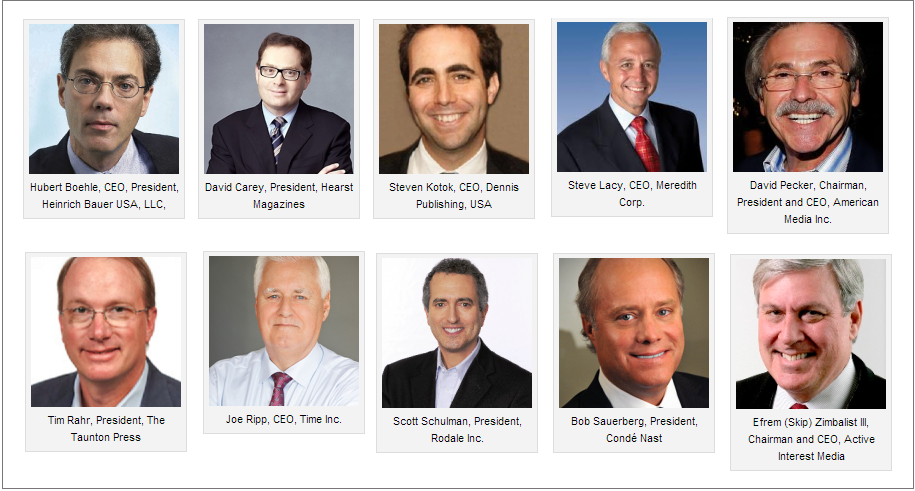
The CEOs and presidents are, in alphabetical order, Hubert Boehle, CEO, President, Heinrich Bauer USA, LLC, David Carey, President, Hearst Magazines, Steven Kotok, CEO, Dennis Publishing, USA, Steve Lacy, CEO, Meredith Corp., David Pecker, CEO, American Media Inc., Tim Rahr, President, The Taunton Press, Joe Ripp, CEO, Time Inc., Scott Schulman, President, Rodale Inc., Bob Sauerberg, President, Condé Nast, and Efrem (Skip) Zimbalist III, Chairman and CEO, Active Interest Media.

Now for their magazine media audience expectations for 2014:


HUBERT_BOEHLE_CEOHubert Boehle:
Concurrent with our new launches we expect our audiences to expand across the age spectrum from young girls (Girls’ World) to Gen X’ers (Closer) to Boomers (Celebrate).

david-carey-resized-o.jpg?w=359David Carey: Partnerships will also be more important than ever. I have said many times that we’d rather own half of a successful enterprise than all of an unsuccessful one, and in the last year alone, we’ve gone into business with NBCUniversal, Dr. Oz, DreamWorks and William Morris Endeavor. That’s on top of the highly profitable partnerships we enjoy with Scripps and Harpo and so many other companies around the world. We value our reputation for being a good partner, and we will continue to incubate ideas, meet with the companies and personalities that seek us out to build new brands together.

Steven Kotok-3Steven Kotok: Our digital audience is 10x our print audience on the Week and 20x on Mental Floss. Both are growing. Digital audience growing faster than print audience but revenue from print audience growing fastest.

Steve LacySteven Lacy: Our consumer connection is as strong as ever across multiple platforms – magazine readership (115 million); television viewership (strong news ratings); digital platforms (record 60 million monthly unique visitors); brand licensing (doublet-digit revenue growth). The key is continuing to maintain brand relevance to the next generation of consumers. Note that Better Homes and Gardens has a large and passionate social media following including 1.6 million Facebook followers. On Pinterest, BHG’s pins are among the most popular.

David PeckerDavid Pecker: The industry will begin to embrace a “total audience” concept that will include digital editions, websites and social media. My company has already developed a prototype for this that we feel will be the new standard of measurement.

Tim RahrTim Rahr: Our digital audience will continue to see very strong growth in 2014. The second season of Moveable Feast with Fine Cooking airs in September and will provide a nice lift as we head into the holiday season — primetime for Fine Cooking. We are also just beginning to appreciate the leverage our digital editions give us to reach enthusiasts outside of North America and we will invest some time this year in figuring out how that business can scale.

Joe Ripp4197finalJoe Ripp: Our audiences are communities of engaged consumers centered around common content experiences and interests. Given our access to data and technology, we have a unique opportunity to develop specific audience segments on our sites and across the web through our audience networks.

Scott SchulmanScott Schulman: For 2014 we’ve created a new company, Rodale Events, LLC, to design and operate live events at an even higher level. Live events fit so well with our mission to inspire people to improve their lives and the world around them. Rodale hosts over 25 integrated branded events—such as Men’s Health’s Urbanathlon (in its ninth year), Women’s Health’s RUN 10 FEED 10 race, the Runner’s World Half Marathon & Festival and the Bicycling Fall Classic—that draw over 100,000 fans and participants around the world. The level of engagement with these customers is unmatched and it’s a great way for marketers to reach passionate consumers.

robertasauerbergjr_0_0Bob Sauerberg: First, measurement is broken. Not unlike the television industry, we need to get credit for the audiences our brands are truly attracting, influencing and entertaining. Using newsstand – or any one slice of the audience – as a metric defining our reach is like judging the film industry’s success or failure by the amount of popcorn sold in theaters. We need to develop and push for a total audience metric.

ZimbalistSkip Zimbalist: In print, we tested the efficacy of significantly increasing our investment in DTP across a range of our titles. We experienced a good degree of success for many titles. In 2014, therefore, we are ramping up investment in DTP and expect audiences to grow in those titles. In print generally, exclusive of digital editions, we expect audiences to be flat to up slightly. Digital audiences will grow in the double digits again, after a very strong 2013. As is true across the industry, mobile is driving the growth while desktop audiences are generally flat. Social media is the largest source of growth, followed by digital editions.

Thank you one and all. Until next year…

The End.

©Samir “Mr. Magazine™” Husni, 2014.

h1

Magazine Media Advertising: The 2014 Magazine Media Moguls’ Great Expectations As Told to Mr. Magazine™… Part 4 of 5

January 23, 2014

SamirCEOs1

The Mr. Magazine™ First Ever E-Roundtable with 10 Magazine Media CEOs and Presidents


Major Changes Are in Order: “Abandoning Old Orthodoxies and Legacy Practices…”
Out With the Old, In With the New?

What are some of the largest magazine media companies expecting from 2014 in the world of magazine media? What are Active Media Interest, American Media, Inc., Condé Nast, Dennis Publishing, Hearst Magazines, Heinrich Bauer USA, Meredith Corp., Rodale Inc., The Taunton Press and Time Inc. up to in 2014?

Well, for this installment of “The 2014 Great Expectations” the CEOs and presidents of the aforementioned magazine media companies offer their expectations regarding the future of magazine media advertising in 2014.

The CEOs and presidents are, in alphabetical order, Hubert Boehle, CEO, President, Heinrich Bauer USA, LLC, David Carey, President, Hearst Magazines, Steven Kotok, CEO, Dennis Publishing, USA, Steve Lacy, CEO, Meredith Corp., David Pecker, CEO, American Media Inc., Tim Rahr, President, The Taunton Press, Joe Ripp, CEO, Time Inc., Scott Schulman, President, Rodale Inc., Bob Sauerberg, President, Condé Nast, and Efrem (Skip) Zimbalist III, Chairman and CEO, Active Interest Media.

Now for their magazine media advertising expectations for 2014:

HUBERT_BOEHLE_CEOHubert Boehle: Bauer Media magazines reach active buyers who shop where the advertised products are sold; with this comes great accountability to our advertisers. We will continue to stress our power at retail and offer custom made solutions to our clients.

david-carey-resized-o.jpg?w=359David Carey: We will be constantly evaluating our business models to determine what makes sense and is core to success and what is outdated and slowing the industry down. It will mean abandoning old orthodoxies and legacy practices that don’t make sense in the modern media landscape. Some choices may ruffle a few feathers, but there is no room today to hold on to anything that impedes progress and growth.

Steven Kotok-3Steven Kotok: Advertising brands will become savvier about which targets are best reached via print – e.g. Fashion, Thought Leader. While the trend toward multiplatform packages and content integration across multiple media will continue.

Steve LacySteve Lacy: As a public company, we limit advertising updates to our earnings releases and investor conferences. All of these materials are filed with the SEC, and our next update will be Jan. 29 when we announce second quarter fiscal 2014 earnings.
Anecdotally, we’re very pleased with continuing advertiser interest in the Meredith Sales Guarantee, which uses Nielsen Homescan data to prove that advertising in Meredith magazines increases retail sales for our clients. We currently have 30 brands participating, double the number from last year at this time. They are attracted by the 10 percent sales lift and $8 to $1 ROI experienced by Year 1 participants.

David PeckerDavid Pecker: Integrated programs that combine multiple media platforms will continue to be the focus for advertisers. Content integration and native advertising are also key, but only as long as they can be done without subverting the integrity of the brand.

Tim RahrTim Rahr: We continue to experience strong double-digit growth in digital advertising and expect it to continue through 2014. On the print side we are looking to be flat. Even as they are shifting dollars to digital our clients continue to appreciate the value of print as part of an integrated package.

Joe Ripp4197finalJoe Ripp: We will continue to shift the focus of our advertising and marketing programs toward consumer and results orientation. In 2014, our opportunity is to leverage new technologies with deep customer data, and content curation expertise. We will provide marketers with tools to deliver brand stories to specific segments of consumers across print and digital touchpoints.
In the appropriate context, branded content combined with an advertiser’s message provides marketers with a rich and engaged audience across print, desktop, mobile, social and video. Combined with advanced targeting capabilities, magazine brands can be more effective than ever before.

Scott SchulmanScott Schulman: In 2014, we’ll be building on our digital expansion. Rodale’s, our new e-commerce venture, is gaining traction in the market and is moving into its next phase of growth this year. It’s another great example of how we’ve extended our role as a healthy lifestyle company by providing solutions for improving people’s health, wellness and environment beyond the written word. I like hearing how often we have to restock our best selling items—Rodale’s has already found a passionate audience that we can cultivate and broaden. Beyond e-commerce, our digital business is growing with great new videos and high mobile usage.

robertasauerbergjr_0_0Bob Sauerberg: Our advertising partners know that Condé Nast is the only true luxury/premium content company extant. We will continue to work with marketers to connect their brands to our audience of influencers worldwide. We will continue to pioneer premium programmatic and work closely with our editors on native. The growth of our digital platforms has created a number of new opportunities for advertisers and we believe in having our content – and our advertisers’ content – everywhere our consumers are accessing it.

ZimbalistSkip Zimbalist: In our mature magazines, we expect print advertising revenue to be up in low single digits. In our newly launched, redesigned or acquired magazines, ad revenue will be up double digits. Digital advertising revenue will be up sharply, particularly that associated with sponsorship programs, video projects and events.

Stay tuned for the final installment tomorrow when the CEOs and presidents of the top magazine media companies reveal their expectation regarding the status and future of their audiences in 2014.

©Samir “Mr. Magazine™” Husni, 2004.

h1

Magazine Media Circulation and Distribution: The 2014 Magazine Media Moguls’ Great Expectations As Told to Mr. Magazine™… Part 3 of 5

January 22, 2014

SamirCEOs1

The Mr. Magazine™ First Ever E-Roundtable with 10 Magazine Media CEOs and Presidents


Circulation and Distribution: Focusing on Traditional Distribution with an Eye on New Ways of Reaching the Magazine Media Audiences.

What are some of the largest magazine media companies expecting from 2014 in the world of magazine media? What are Active Media Interest, American Media, Inc., Condé Nast, Dennis Publishing, Hearst Magazines, Heinrich Bauer USA, Meredith Corp., Rodale Inc., The Taunton Press and Time Inc. up to in 2014?

Well, for this installment of “The 2014 Great Expectations” the CEOs and presidents of the aforementioned magazine media companies offer their expectations regarding the status and future of magazine media circulation and distribution in 2014.

The CEOs and presidents are, in alphabetical order, Hubert Boehle, CEO, President, Heinrich Bauer USA, LLC, David Carey, President, Hearst Magazines, Steven Kotok, CEO, Dennis Publishing, USA, Steve Lacy, CEO, Meredith Corp., David Pecker, CEO, American Media Inc., Tim Rahr, President, The Taunton Press, Joe Ripp, CEO, Time Inc., Scott Schulman, President, Rodale Inc., Bob Sauerberg, President, Condé Nast, and Efrem (Skip) Zimbalist III, Chairman and CEO, Active Interest Media.

Now for the magazine media moguls’ “Great Expectations” regarding circulation and distribution of their magazine media for 2014:

HUBERT_BOEHLE_CEOHubert Boehle: Wholesalers are asking for higher efficiencies and, as long as this is accompanied with better service at retail level, we will support this effort. Since Bauer Media is heavily single copy focused, the increases in postal rates will have a minimal impact on our business.

david-carey-resized-o.jpg?w=359David Carey: 2013 was an exciting, transformational year for Hearst and for magazine media in general, and 2014 holds incredible promise in so many areas. Digital will continue to grow across the board – at Hearst, our ‘months to moments’ strategy is gaining speed as monthly cadence shifts to daily programming. In 2014, we will continue to make major investments in talent and content and we’re rolling out a new responsive design system that will cascade through our brands over the course of the year. We will build on the double-digit revenue increases of 2013, and the emerging pillars of programmatic and branded content will continue to dominate. Creating scale for marketers is of utmost importance.

Steven Kotok-3Steven Kotok: I think we will see continuing separation between those magazines that have true consumer wantedness and a robust reader revenue stream and those whose circulation is supported as an expense to deliver an ad revenue stream with the former faring better than the latter.

Steve LacySteve Lacy: We will continue our very successful initiatives to move more consumer subscription generation and transaction activities online. Also, we are in the early stages of a comprehensive project to enhance circulation profitability with particular emphasis on increasing consumer revenue from circulation activities. The emergency postal rate hike is significant and will require all media companies to keep a tight rein on costs to partially offset the impact.

David PeckerDavid Pecker: Newsstand sales will continue to be challenged, not only from the pressures of digital, but from wholesaler demands for greater efficiencies. Publishers will have to continue to redefine their content for the tablet reader, extend their brands into other media, and reexamine their retail distribution to optimize it.

Tim RahrTim Rahr: We expect modest growth in our print subscription business fueled primarily by our new PBS television show Moveable Feast with Fine Cooking. Other factors contributing to the growth include improved renewal rates from our auto-renewal programs and continually refining our online marketing tactics. As for all publishers, the newsstand remains a challenge. We are expecting a modest decline in sales – barring any significant disruption to the distribution system. As an aside, and this isn’t news to anyone reading your blog, we must get the interests of everyone in the supply chain aligned before the whole system collapses.

Joe Ripp4197finalJoe Ripp: We will continue to invest in digital audiences. We will deepen relationships and broaden the value proposition with consumers by offering new and enhanced subscription packages like those introduced by PEOPLE in 2013.

Scott SchulmanScott Schulman: Prevention magazine is poised for a big year in 2014. After reinventing two years ago, the brand has seen four consecutive periods of newsstand growth, and hit a very successful stride with double digit advertising increases in both print and digital. They’ve gained new readers through record online traffic and a revamped social strategy that has increasingly engaged a growing audience. We’re also building out smart extensions that have already captured new readers, from new branded books like “The Sugar Smart Diet” by SVP/Editorial Director Anne Alexander which debuted on the New York Times bestseller list, to the first ever Prevention R3 Summit held in Austin, Texas.

robertasauerbergjr_0_0Bob Sauerberg: Condé Nast will continue the successful roll-out of our collaboration with Amazon – Amazon All Access – which offers consumers a convenient one-click method to purchase, renew and manage their subscriptions. Last year, we led the industry in audience growth in both print and digital. We will continue to focus on growing our audience this year and have the benefit of Condé Nast Entertainment’s digital video network, which had over 560 million views from its launch in March through December. This new digital content is introducing our iconic brands to new consumers we’ve never before reached.

ZimbalistSkip Zimbalist: We expect our total paid circulation, print and digital, to increase low single digits in 2014. Print will be flat, and digital will continue double digit growth. The recent rate increases by the post office will cause us to shift more distribution out of the mail. We expect newsstand to decline and specialty distribution to compatible retail.

Stay tuned for the next installment tomorrow when the CEOs and presidents of the top magazine media companies reveal their expectations regarding the status and future of advertising in magazine media in 2014.

©Samir “Mr. Magazine™” Husni, 2014

h1

New Magazine Media Launches: The 2014 Magazine Media Moguls’ Great Expectations As Told to Mr. Magazine™… Part 2 of 5

January 21, 2014

SamirCEOs1

The Mr. Magazine™ First Ever E-Roundtable with 10 Magazine Media CEOs and Presidents

New Magazine Media Launches: Bullish on Print and Digital

What are some of the largest magazine media companies expecting from 2014 in the world of magazine media? What are Active Media Interest, American Media, Inc., Condé Nast, Dennis Publishing, Hearst Magazines, Heinrich Bauer USA, Meredith Corp., Rodale Inc., The Taunton Press and Time Inc. up to in 2014?

Well, for this installment of “The 2014 Great Expectations” the CEOs and presidents of the aforementioned magazine media companies offer their expectations regarding new magazine media launches in 2014.

The magazine media moguls are, in alphabetical order, Hubert Boehle, CEO, President, Heinrich Bauer USA, LLC, David Carey, President, Hearst Magazines, Steven Kotok, CEO, Dennis Publishing, USA, Steve Lacy, CEO, Meredith Corp., David Pecker, CEO, American Media Inc., Tim Rahr, President, The Taunton Press, Joe Ripp, CEO, Time Inc., Scott Schulman, President, Rodale Inc., Bob Sauerberg, President, Condé Nast, and Efrem (Skip) Zimbalist III, Chairman and CEO, Active Interest Media.

Now for their new magazine media launches’ expectations for 2014:

HUBERT_BOEHLE_CEOHubert Boehle: In 2013, we launched three magazines. Closer, which I just found out is already the 15th top selling magazine in Walmart. Celebrate with Woman’s World which sold an estimated 200,000 copies of its first issue, all at full retail price, a fabulous result. Finally Girls’ World which opens up a new category for us. So 2013 was an exciting year for us and we are not planning on slowing down in 2014. Two more magazines are pretty much ready for launch and we are beginning work on a third one.

david-carey-resized-o.jpg?w=359David Carey: There’s plenty of white space for introducing new products, which we are committed to doing every two years. In just a few weeks, we’re debuting Dr. Oz THE GOOD LIFE, following on the success of Food Network Magazine, now the No. 2 best selling monthly magazine on the newsstand, and HGTV Magazine, which achieved profitability and a circulation of more than one million in just 18 months. And we have plenty of ideas in the pipeline for what will come next.

Steven Kotok-3Steven Kotok: More activity from smaller companies in enthusiast space and little from the largest publishers.

Steve LacySteve Lacy: We’re very excited about Allrecipes magazine, which we launched in November. Advertiser and consumer response has been strong, and we’re proud it was named Launch of the Year by MIN. Its part on a larger effort to expand the Allrecipes brand across multiple platforms. Look for expanded Allrecipes video segments on The Better Show in 2014.

David PeckerDavid Pecker: Launching a new stand-alone print publication will become more and more costly and difficult – digital editions will be perceived as a better way to go, even with established brands looking to develop publications.

Tim RahrTim Rahr: Digital allows us to serve and grow our enthusiast customer base in a really nimble and agile way. Our new product efforts for the year will be focused on digital.

Joe Ripp4197finalJoe Ripp: Last fall, we launched the Time Inc. video network. In 2014, we’re going to be ramping up our production of compelling and original video programming from our new studio space. We’ll also continue to introduce new ad products that benefit from our enormous scale and our unparalleled data and insights.

Scott SchulmanScott Schulman: We have several international launches planned for 2014, both in new markets like the Middle East, first with Women’s Health in March, and new titles in current markets like Sweden, India and Portugal. We already reach 75 million people around the world with 95 international editions across 60 countries, and our brands and content are particularly well suited for a global audience. There is huge international interest in health and wellness, so we’re moving to extend our leadership as the global voice for healthy living.

robertasauerbergjr_0_0Bob Sauerberg: Last year, we launched the CNE digital video network. It has performed far beyond our expectations. We will roll out another six brand channels this year which will bring the total number to 13 by year’s end. Our focus is not on building and launching new brands, but instead organically growing and expanding the incredible brands we already have. It’s a bigger, better and more consistent ROI for us.

ZimbalistSkip Zimbalist: We have a number of new launches along the full spectrum of magazine media, events and video production. Our recent acquisition of Warren Miller Films gives us a new leg to the stool that we are rolling out among each of our five groups.
Overall, we expect revenues to up over 17% in 2014, after a 9% increase to a new record in 2013.

Stay tuned for the next installment when the CEOs and presidents of the top magazine media companies reveal their expectations regarding circulation and distribution of magazine media in 2014.

©Samir “Mr. Magazine™” Husni, 2014