
To Serve Kids Better, You Need To Be BOLDER: The Mr. Magazine™ Interview with Bronwyn Weaver Archibald, Editor In Chief Of BOLDER Magazine.
June 15, 2026It takes a bold person, bold in vision, bold in mission, and bold in goal to create a BOLDER magazine. That bold person is Bronwyn Weaver Archibald, editor in chief of BOLDER magazine, the new monthly magazine for “Kids 8-80″. I had an opportunity to chat with Bronwyn and we talked about BOLDER, the magazine, the role of print in this digital age, the birth of the idea to create a magazine about “Where Things Come From & Why We Care.”
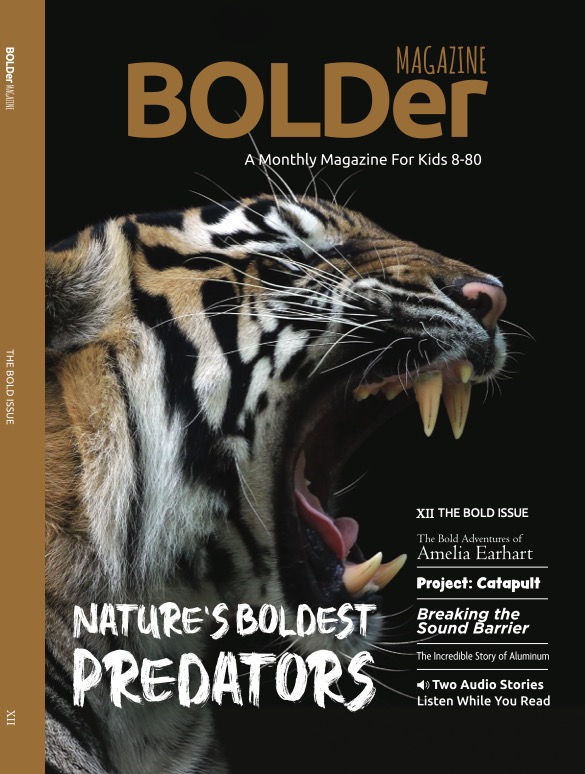
With a degree in Geology and English and armed with a very positive view of our world and how it turns, Bronwyn decided to swim against the current and about two years ago, she “started hatching an idea, a pretty big idea. A BOLDacious idea. Why not start an earth science magazine for kids from 8 to 80? A magazine so cool that everyone will be more curious about where things come from and why we care so much.” And, if I may add, she is swimming very well, thank you very much.
So, without any further ado, please enjoy my interview with Bronwyn Weaver Archibald, editor in chief of BOLDER magazine:
But first the soundbites:
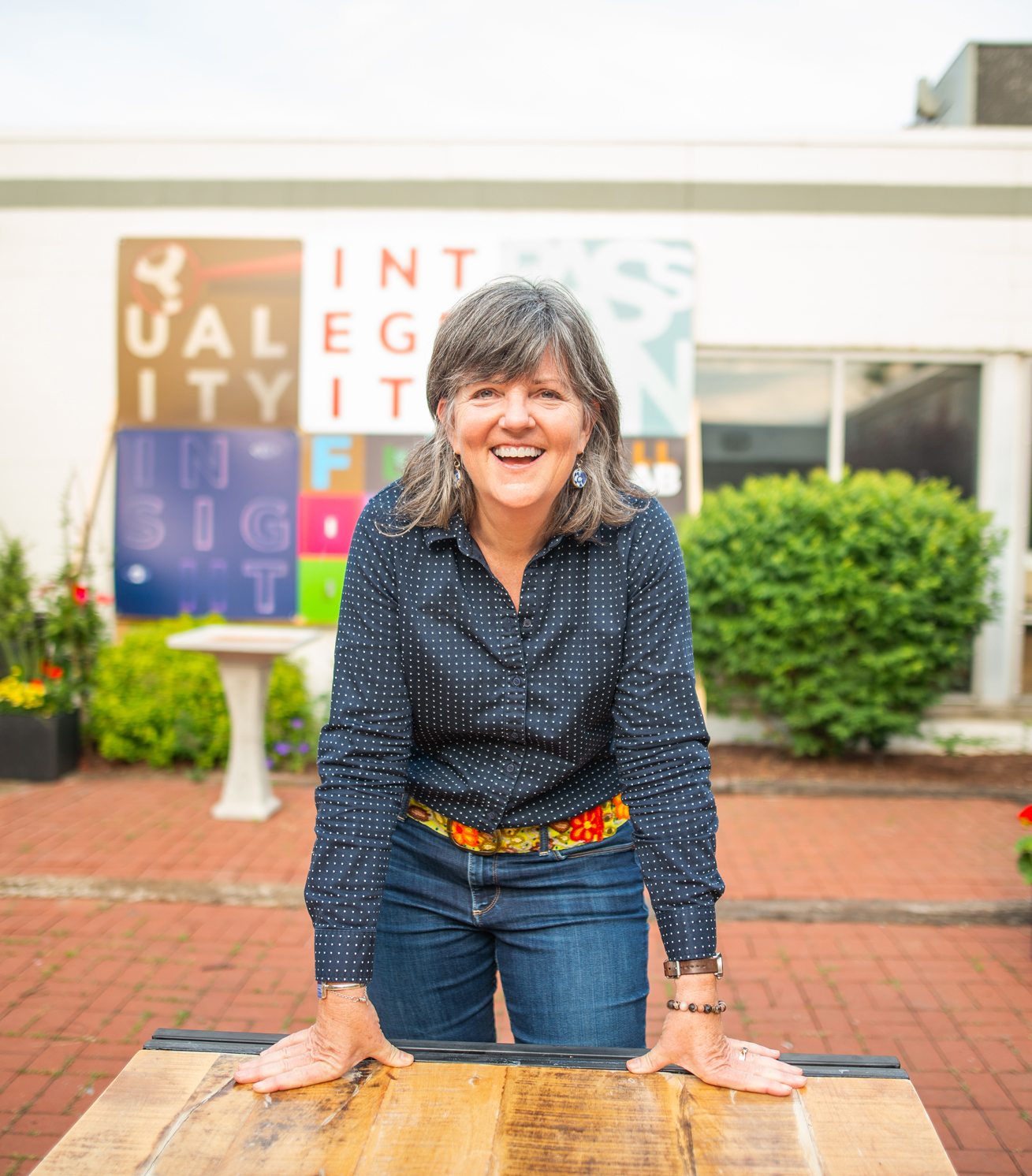
On the Bolder idea: “It was our big idea about two years ago to create a magazine that would engage not only the kids but the whole family about where things come from and why we should care about it. So, BOLDER was born.”
On why print in this digital age: “Print is so important for, especially for engaging anybody under the age of 18. I think that the way that studies have shown that the way that a young brain works, it is a much healthier environment for them to read information and to be able to enjoy it, to be able to engage with the information when it’s in print.”
On a magazine for 8-80: “We’ve found since we introduced our magazine is that we’re writing about things that are enjoyable to discover and to learn about from truly the whole spectrum in a family.”
On the idea behind the magazine: “Well, my background is in geology. And on our team of people, we’ve got subject matter experts that understand the discoveries in earth science, whether it’s discovering a resource and then figuring out how that powers the power station or goes into road building or how those resources are used.”
On using BOLDER in schools: “Some public schools are using the magazine to encourage reading to learn. We’ve got some schools that are using us for enrichment programs. And we’ve got some schools that are just incorporating it into any of the earth science classes that they have.”
On her biggest obstacle: “We underestimated the impact of the digital creep on printed materials. We didn’t appreciate that it had been a long time since people got excited about a magazine that would come to their home that they could enjoy every month.”
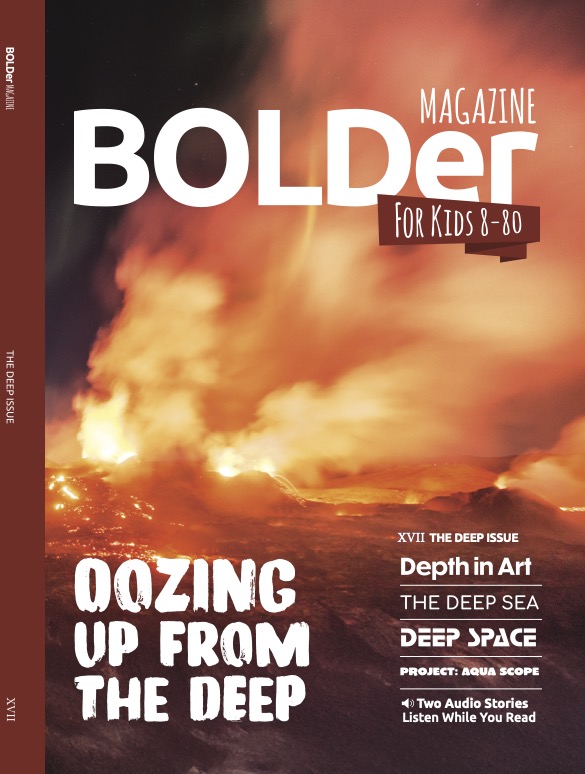
On being timely yet timeless: “In fact, our first issue had a date on it. And after that, we decided that we would just put Roman numerals on them. And in our disposable world, we were encouraging anybody that would subscribe to the magazine to keep it. To maybe go ahead and try to get all of the volumes so they wouldn’t miss out on any of the fun information.”
On the magazine’s audience: “I’m able to reach who knows who, inspiring them in the same way that maybe something that they’ll learn in the magazine might lead to a curiosity, to spark an interest that’ll become a lifelong hobby, a lifelong interest, maybe their career.”
On the decision to be ad-free: “We as a team thought that it would be better not to have advertising so that it’s part of our mission with the magazine to just be telling stories and engaging on this wonderful content. We wanted to have a safe space where somebody isn’t being sold something.”
On what keeps her up at night: “Getting to kids that are fixed to their devices and interrupting that by getting them outside or giving them something in print to read. “
And now for the lightly edited interview with Bronwyn Weaver Archibald, editor in chief, BOLDER magazine:
Samir Husni: Please tell me about BOLDER.
Bronwyn Weaver Archibald: So, It was our big idea about two years ago to create a magazine that would engage not only the kids but the whole family about where things come from and why we should care about it. So, BOLDER was born.
SH: Why a print magazine in this digital age?
BWA: Print is so important for, especially for engaging anybody under the age of 18. I think that the way that studies have shown that the way that a young brain works, it is a much healthier environment for them to read information and to be able to enjoy it, to be able to engage with the information when it’s in print.
Being on devices is something parents, grandparents, schools, I think everybody is thinking second thoughts about having children only consume information that they see on devices. And so, we think the experience of holding something in your hands, of being able to read it kind of back and forth, to be able to pick out a pencil or a pen. We’ve got art exercises in the magazine to be able to engage with it, put it down, be able to pick it up and go back to it later. Those are, we think it’s not just old school or nostalgic, but it is something that is joyful that we want kids to experience.
SH: Your tagline, “A monthly Magazine For Kids 8-80”: care to explain?
BWA: Yeah, exactly. And that’s what we’ve found since we introduced our magazine is that we’re writing about things that are enjoyable to discover and to learn about from truly the whole spectrum in a family.
For the kids to share it with parents or grandparents, for parents to engage the kids with and not have it be boring, so many, from my perspective, a lot of the things that are written for children are so not engaging. I don’t know how to describe it better than that. They are maybe simplistic.
They all look the same sort of caricature. They don’t allow a child to use their imagination through the discovery. If you’ve ever seen the original Toy Story movie, it had sort of the subject matter and the content that was written to engage the children, but there was also a subtext that engaged the parents or an adult watching the movie so that we all enjoyed it together.
And that’s what we try to do in the magazine is to make it so that no matter what age you are, you can learn something and you can discover something that maybe you never appreciated before.
SH: What gave you the idea for BOLDER?
BWA: Well, my background is in geology. And on our team of people, we’ve got subject matter experts that understand the discoveries in earth science, whether it’s discovering a resource and then figuring out how that powers the power station or goes into road building or how those resources are used.
We’ve got people on our team that understand that. And we also have people on our team that our managing editor was a teacher for 15 years. So we delight in making it interesting for kids.
And we’re very passionate about our mission to connect the dots about where things come from. So we didn’t begin this exercise, begin BOLDER Magazine to be a profitable enterprise.
I guess it’s hard to admit. We started this magazine because we thought it was an important thing to do. And we’re hoping that it becomes more sustainable as more people find out about us.
We’re pretty passionate about our mission.
SH: I see you are, so to speak, spreading your wings to reach the schools now.
BWA: Yes. We’ve been very well received in the schools, whether it is a private or public schools. For example, we’re in quite a few Catholic elementary schools and we are in public schools.
Some public schools are using the magazine to encourage reading to learn. We’ve got some schools that are using us for enrichment programs. And we’ve got some schools that are just incorporating it into any of the earth science classes that they have.
Our magazine is designed to be supplemental. So we’re not trying to replace any curriculum. We don’t really have an agenda other than the fact that we want kids to be curious about getting outside and exploring nature and exploring earth science.
SH: You’ve done a wonderful job with the issues that I’ve seen. So tell me, has it been a walk in the Rose Garden?
BWA: It’s not been a walk in the Rose Garden. It has been, in some ways, it’s been a walk in the briar patch.
We underestimated the impact of the digital creep on printed materials. We didn’t appreciate that it had been a long time since people got excited about a magazine that would come to their home that they could enjoy every month. So, not only are we having to show people what we’ve got in the magazine, but we’re having to reintroduce them to what it is like to get something delivered in the mail that the whole family can enjoy reading.
I grew up with the old National Geographic magazines that whether you looked at the pictures or you were interested enough to read the articles, it was something that the whole family enjoyed. And then it got put on a shelf so that you could go back to it when you were curious again about it. And our magazine has a project in it every month for the whole family.
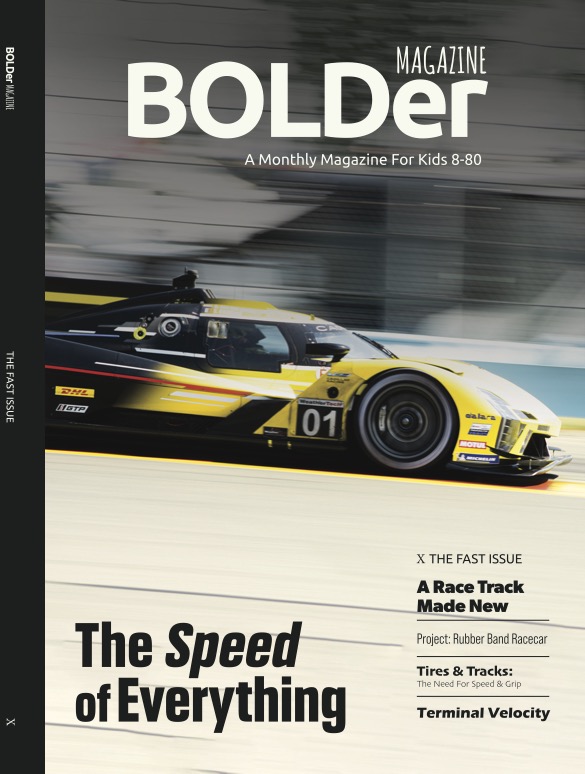
It has themes that are different from month to month. So one of the goals that we had was that we were going to create a magazine that had the longevity that it could be passed around in the family, could go from child to child and not fall apart. That’s why we’ve taken the, we made the investment to have the magazine printed from a really wonderful printer.
It’s almost like getting a book every month. And with the theme, each issue has a different theme.
SH: So it’s indeed timely but timeless.
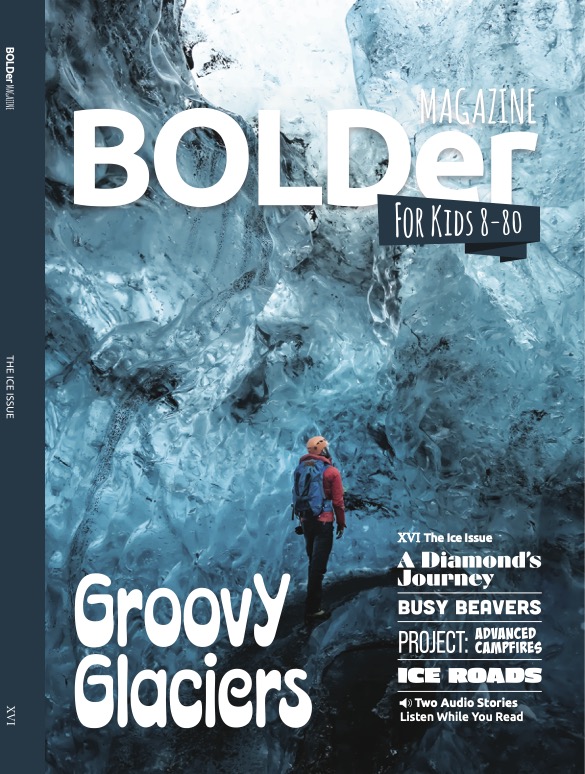
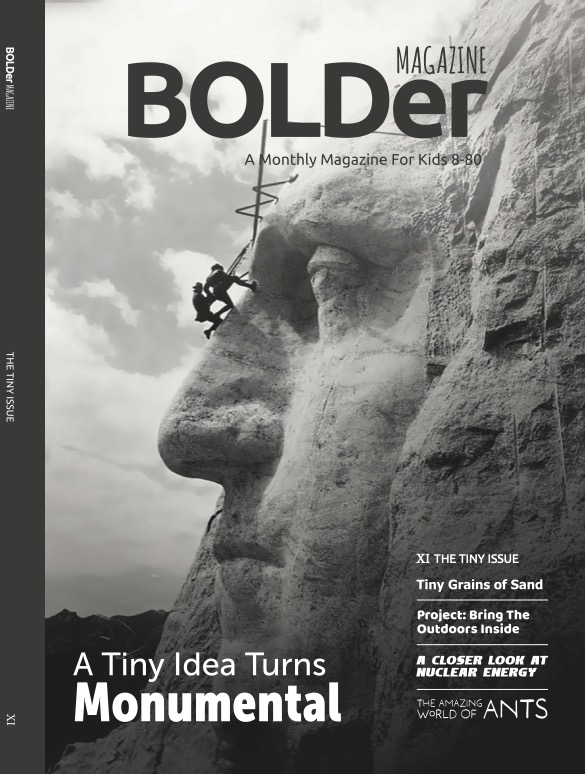
BWA: Exactly. In fact, our first issue had a date on it. And after that, we decided that we would just put Roman numerals on them.
And in our disposable world, we were encouraging anybody that would subscribe to the magazine to keep it. To maybe go ahead and try to get all of the volumes so they wouldn’t miss out on any of the fun information.
SH: So you underestimated the digital creep? What other obstacles or challenges you faced and you were able to overcome in the last year or so?
BWA: Well, one big part of our mission is to combat what we see as a pretty horrible condition in that children and adults alike face climate anxiety. And there is so much chatter about running out of resources and the state of our climate and it is creating a lot of fear. And so, part of our mission is to talk about how we’re not running out of resources.
That we’re solving problems every day and industry is doing a pretty good job in being problem solvers. And perhaps some of our young readers will be curious enough that it might lead them on a career path because there’s so many opportunities. We don’t talk about anything controversial in our pages, but we’re trying to communicate that there is an abundance that we should be grateful for.
And that kids all need to be outside as much as possible and not to be fearful of being outside. So our message is really starting to resonate. We feel that every month we get more people that find out about our magazine and agree with our mission to get kids interested in reading.
They’re discovering things like we have in every issue, we have two audio stories so that you can listen to the story as you read along. So our magazine is actually like an audio book and we’re not anti-technology, we just think there’s value in getting something in print. So every month that we print another magazine and we’re out there doing our job, more people find out about us.
So we’re having to hold on a little bit longer than we thought. We thought people would be signing up like crazy. We realize now we have to do a better job convincing them why it’s worth giving us a shot to try out a subscription.
SH: You’re a positive voice in the midst of a sea of negative voice and information.
BWA: Thank you for saying that.
SH: Like any positive voice, it’s hard in this, what I call the jungle of negativity that we live in. It’s so hard to break through. So I congratulate you on the magazine and wish you all the best.
So tell me, which one do you like more, being a geologist or being an editor-in-chief?
BWA: You know, I just had an experience just in the past week. I reached out to my mentor that I had when I was beginning to study geology in college. I had a professor.
His name is Dr. James Aronson. He’s almost 90 years old. He got me so excited about learning geology and discovering earth science.
He was such an inspiration. I told him the reason why I reached out to him was that through the magazine, I’m able to reach who knows who, inspiring them in the same way that maybe something that they’ll learn in the magazine might lead to a curiosity, to spark an interest that’ll become a lifelong hobby, a lifelong interest, maybe their career. And so just as I was inspired, I love the thought that our magazine can inspire the next generation.
SH: So tell me, what type of question that so far I failed to ask you that I should ask you?
BWA: I’m glad you did because I was wondering when you were going to ask me, why do we not have any advertising? And I wonder that often because we do need subscribers. I would love to be able to get another four or 5,000 subscribers would make a huge difference to the economics of what we’re trying to do. But we as a team thought that it would be better not to have advertising so that it’s part of our mission with the magazine to just be telling stories and engaging on this wonderful content.
We wanted to have a safe space where somebody isn’t being sold something. But I don’t know whether we are a real outlier.
SH: Before I ask you my typical last questions, anything you would like to add or anything you would like to about BOLDER?
WBA: We formulated our magazine based on our mission of what we wanted to accomplish. We wanted it to be perfect bound, but we didn’t want it to be ridiculous, so we made it 80 pages. We could have probably made it eight or 16 pages shorter, but then the spine is silly.
We feel that the content is enough so that something in our magazine will engage somebody in the family. And again, if we were making it thinner or less frequent, we think that would be a disservice. Because we are a startup and we haven’t gotten to the point where we’re sustainable yet.
SH: My typical last questions, if I come uninvited one evening to your house, what do I catch you doing, reading a book, watching TV, cooking, having a glass of wine?
BWA: Well, at our house, I would say that it would be more like, we would describe it as you would come unannounced to our farm. And this is the farm.
I’m sitting in a barn. That’s where my office is that was built in 1870. It is the farm that I grew up on.
And my husband, who is a third-generation mining engineer, and our daughters work in this business, too. So, we this is part of our passion is that you might see any or all of us here and we might be feeding baby dairy goats. We would be working in our garden.
We’d be feeding chickens or feeding our horses. So we live mostly outside. We love being outside in the middle of things.
I guess that’s part of the reason why we feel called to get kids excited about being outside and exploring nature, too.
SH: So you are as BOLDacious as the magazine itself?
BWA: Yes. In fact, it was when we came up with the name of the magazine, we thought maybe at first it would be B-O-U-L-D-E-R.
And then we decided, no, we do love rocks and geology and earth science, but we want kids to be confident that we have got plenty of earth resources. We just need to all be stewards of them.
SH: My last typical question is, what keeps you up at night these days?
BWA: Getting to kids that are fixed to their devices and interrupting that by getting them outside or giving them something in print to read.
SH: Thank you.


Leave a Reply