h1

On the occasion of Valentine’s Day: Falling in Love with our Customers

February 12, 2011

What follows is a blog post I wrote for PM: Poslovni Mediji in Slovenia where I am going to speak at their POMP forum next March. On the occasion of Valentine’s Day I thought it will be a good idea to share and spread the love.

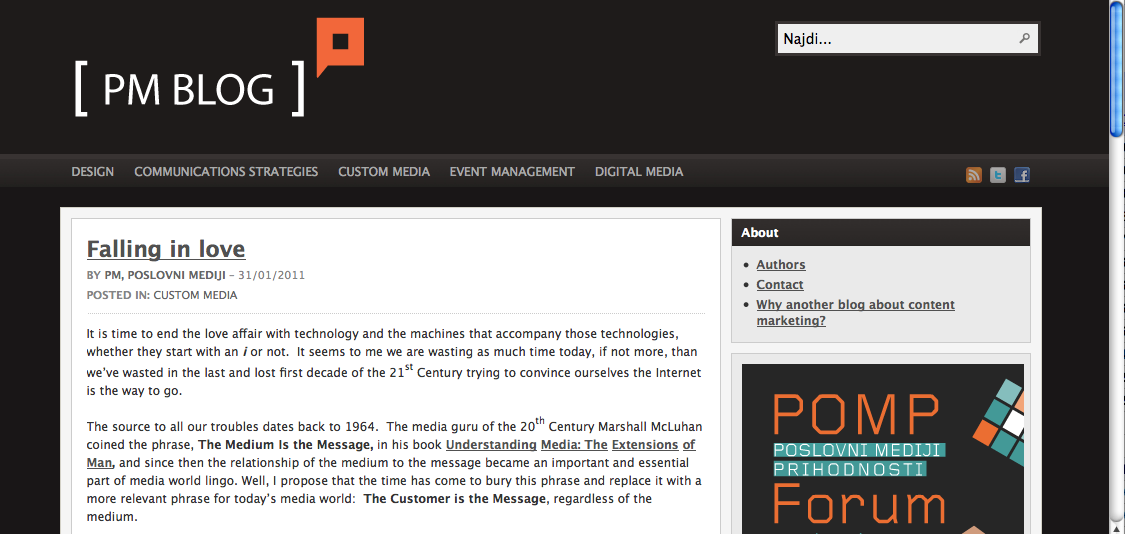
Falling in love

It is time to end the love affair with technology and the machines that accompany those technologies, whether they start with an i or not. It seems to me we are wasting as much time today, if not more, than we’ve wasted in the last and lost first decade of the 21st Century trying to convince ourselves the Internet is the way to go.

The source to all our troubles dates back to 1964. The media guru of the 20th Century Marshall McLuhan coined the phrase, The Medium Is the Message, in his book Understanding Media: The Extensions of Man, and since then the relationship of the medium to the message became an important and essential part of media world lingo. Well, I propose that the time has come to bury this phrase and replace it with a more relevant phrase for today’s media world: The Customer is the Message, regardless of the medium.

Technology is moving faster than the speed of light and change has become the only constant in the world of media platforms. In fact, technology is moving faster than any of us humans can keep up with on a regular basis, and unlike years past, humans are outlasting technology and not vice versa. Our challenge today is to stop, take a deep breath and decide whom we need to focus on and what message we need to dispense.

I am going to argue for the customer. I am going to fight to put the attention on the customer regardless of the machine. I want you to have a love affair with your customers. Know them inside out. Start by defining your customers. In my book I am always serving two types of customers: those who are on the receiving end of the message and those who are on the sending end.

The receiving customers are those readers, viewers, listeners and users who are looking for an engaging message that answers the simple question, What Is In It for Me? Note the three IIIs in the expression. All the focus should be on those IIIs, which collectively make our receiving customers.

The sending customer – the company, the advertiser, the brand maker – is seeking an engaging message that will provide the answer to the simple question, What Is In It for Me?

And what about us, the media folks? We are the romantic bridge that would and should connect those customers together and walk them through an engaging message we hope will create a long lasting relationship.

Romancing our customers should be our first and major mission while we are creating any medium. Falling in love with our customers and not our machines should be our goal for 2011 and beyond. Forget about the machines, forget about ink on paper, forget about pixels on a screen and forget about bytes on the airwaves. Fall in love with your customers, both on the sending and receiving ends. The result will be the best conceived media that will engage both senders and receivers. Let the love begin.

© Samir “Mr. Magazine™” Husni, Ph.D., Founder and Director, Magazine Innovation Center, @ The University of Mississippi’s Meek School of Journalism and New Media

To get in touch with Mr. Magazine™, send an e-mail at samir.husni@gmail.com or visit his blog at http://www.mrmagazine.wordpress.com.

Mr. Magazine™ will be a keynote speaker at the POMP forum, 17 March 2011, in Ljubljana, Slovenia.

h1

The misleading numbers and headlines and the industry that does not care to promote and defend itself!

February 10, 2011

It is amazing that the industry that I love and cherish does not even take the time to defend itself or at least try to explain some of the numbers and some of the misleading headlines that the prophets of doom and gloom continue to use to predict the magazine industry’s demise…


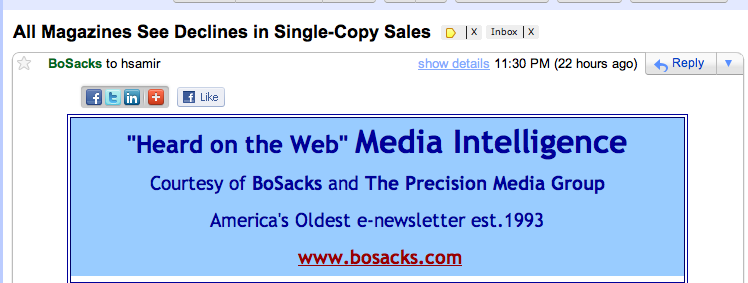
Some media pundits, such as my friend Bob Sacks, takes an article written by Ad Age’s Nat Ives and e mails it in his e-newsletter under the heading “All Magazines See Declines in Single-Copy Sales.” The story in fact, never mentioned “All Magazines” and that statement is dead wrong. Vogue, Fortune, All You, Martha Stewart Living, Food Network Magazine, and Rolling Stone among others, all saw their number go up. In fact the intro of Ives story read,

NEW YORK (AdAge.com) — Magazines have lost a little bit of paid circulation — again.
Glossy publishers still counted more than 308 million paying readers in the new semiannual circulation report from the Audit Bureau of Circulations despite the latest drip of declines. That’s a hefty customer base even if it’s down from nearly 312 million in the report a year earlier. And it’s not certain that magazines are merely helplessly losing ground among the media passions Americans will pay for. Many publishers are slowly charging loyal readers more while shedding less committed, less profitable consumers…

The article goes on to say,

Single-copy sales fell 7.3% in the second half of 2010 compared with the second half of 2009, a bigger drop than the 5.6% decline that came in the first half of last year. Newsstand sales previously plunged 9.1% in the second half of 2009, 12.4% in the first half of 2009 and 11.1% in the second half of 2008.

So, what is the problem? Well, those numbers reflect the ABC numbers, the Audit Bureau of Circulation which audits and reports those numbers twice a year. Do you know how many magazines the ABC audits and reports on? In 2009 that number was one short of 500. Do you know how many magazines were distributed and sold on the newsstands in 2009: 9,200. That means that ABC does not measure the status of 8,700 magazines. Of course that 8,700 number includes all the specials, one shots, book-a-zines and other special interest publications that publishers are now flooding the marketplace with.


I, by no means, am saying that the total circulation numbers are up. My friend John Harrington of The New Single Copy newsletter reports that the total units of all magazines sold on the newsstand last year was down by 8%. My question to the media pundits and the industry as a whole, can you please tell me how many specials can you find at any given time, on the newsstands and at the check out counters, with the TIME magazine logo? How many with the People logo? How many spin-offs from Fine Cooking? Fine Gardening? Reader’s Digest? Taste of Home? US Weekly? Better Homes and Gardens? Good Housekeeping? etc. etc. The list goes on and on and on. Who is buying those special issues and are readers buying those publications (with cover prices at least three times the regular issues cover prices) instead of the mother magazine? Are those sales effecting the sales of the mother magazine? Who is keeping track of those sales and the revenues they are generating? Are we victims of our own marketing techniques or there is a method behind the madness?

The sad part of the whole numbers ordeal, is that nobody questions numbers any more, including my own numbers. We’ve become a society consumed by lists, numbers and catchy headlines whether those numbers and headlines reflect reality or not. How much money are magazine publishers making from the newsstands as a whole, even with the 5, 6 and even 10% decline in their newsstands sale? And how big is the single copy revenue share from the total circulation magazine revenues? The MPA figures show that number at only 10% while the remaining 90% comes from subscriptions.

And here are some more questions for you to ponder. How many magazines, out of the 9,200, offer any subscriptions to readers? My educated guess, based on the number of new consumer magazines and their frequency, is less than one third at most. So what are those non-subscription magazines doing and how much revenue are they generating? How are the announced numbers this week compare to those of other media industries? Remember when three television networks each had 70 million viewers at any given time? What happened when the total number of television channels changed to 600 plus? Does any of those 600 channels command a 70 million audience on a regular basis? Is TV dead? Is Cable dead? You get my drift.

We have more magazines than ever. We have more options than ever. And just like television, the more channels we have, the fewer time we spend with each channel. Change is the only constant in our business. Why don’t we promote that and why don’t we give the numbers and the headlines yet another look. The magazine industry, compared to many other businesses, is still thriving, kicking and alive. You do not have to believe me or any of the media pundits. Just ask the folks who put more than 800 new titles on the market place last year alone.

Numbers lie, headlines mislead, and the medium is NO longer the message. An industry with more than 300 million active customers and more than 9,000 magazines to choose from and another 800 or so on their way, is NOT an industry on its way out. New technologies are helping and preparing the way to amplify the future of print (More on this in a later blog). Last time I checked we are in the communications business. Let us start to communicate with our customers and for now, ladies and gentlemen, restart your engines… the race is not over!

h1

Bloomberg Businessweek’s More than One Way…

February 6, 2011

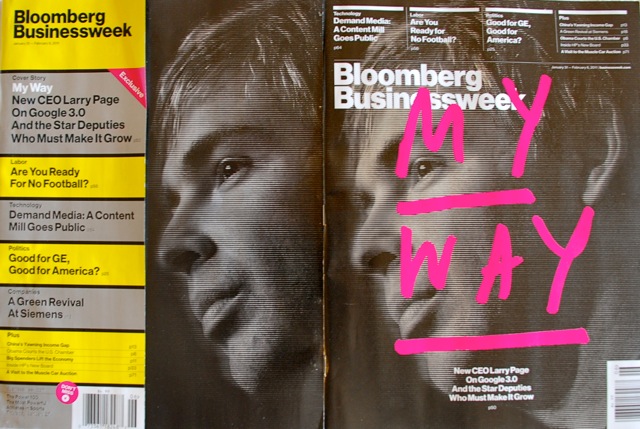
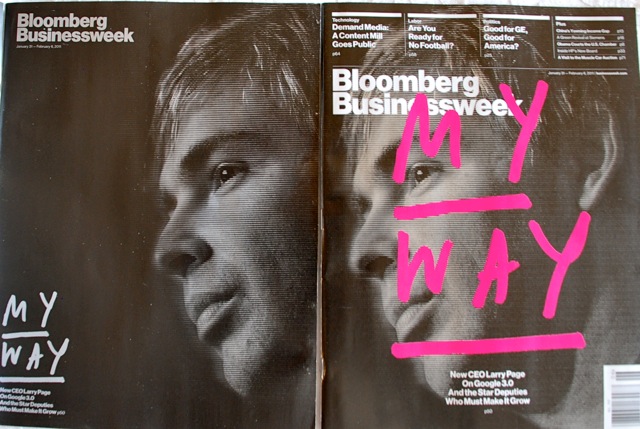
A big pink “My Way” may be on the cover of your Jan. 31 – Feb. 6, 2011 issue of Bloomberg Businessweek. And the reason I say may be is really very simple. The magazine is testing a cover flap on some newsstands (similar to that of The New Yorker’s cover flap) with more traditional cover lines and a very small magazine name. In fact if you remove the flap, the cover of the magazine is nothing but a black and white picture of Google’s new CEO Larry Page with even a much smaller “My Way” in the lower left corner of the page.

Take a look at both covers before and after the flap is opened.

Unlike the majority of the covers displayed at bookstores and that arrived at subscribers mailboxes, this new test seems to be a first departure from the recently redesigned magazine. While the cover test reveals a stunning use of black and white photography and typography, the cover flap however, provides a much easier way to skim, glance and read some of the important issues covered inside the now “must-read” weekly business magazine. This seems to be yet another major step for the not-so-new Bloomberg Businessweek to differentiate itself from other business titles in the marketplace and to reestablish its brand as the business market leader.

A job very well done. Enjoy!

h1

100 plus More New Magazines Launched in 2010 than 2009…

February 3, 2011

The numbers are almost ready and they are good. The total number of new titles arriving at the nation’s newsstands in 2010 exceeds that of 2009 by more than 100 titles.

In 2010 more than 805 new titles appeared on the stands for the first time compared with 702 in 2009.

While the number of magazines with any intended frequency took a little dip in 2010 to 187 compared with 197 in 2009, the number of specials and book-a-zines has jumped by almost 100 titles to more than 600.

The complete analysis and numbers will be out at the end of the month and the complete details and pictures of every single new magazine cover will be in the 26th edition of Samir Husni’s Guide to New Magazine that will be out soon.

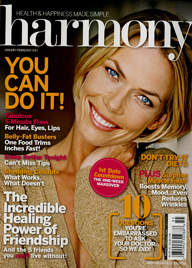
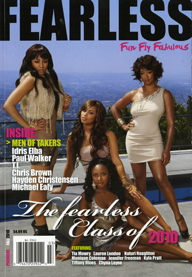
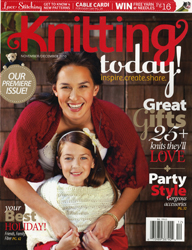
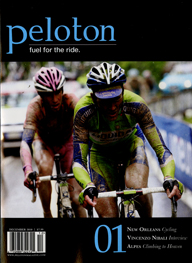
For now, enjoy the covers of some of the more than 800 new magazines published in 2010.

h1

How Many Cover Prices Can One Magazine Issue Have? In the Case of Family Circle: at least Five

January 31, 2011

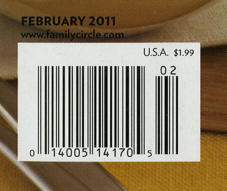
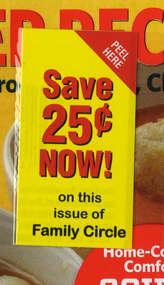
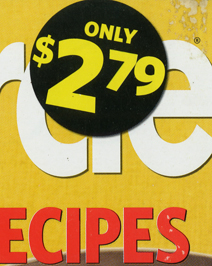
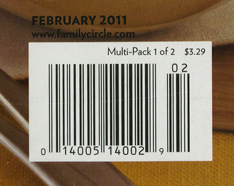
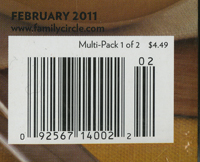
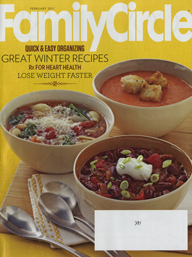
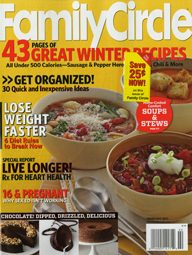
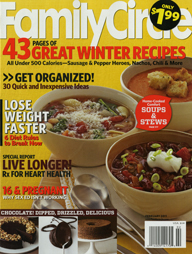
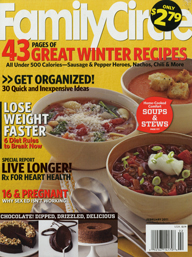
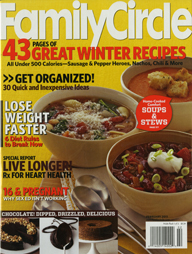
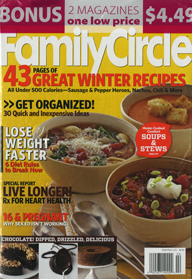
No one said that you have to have a Ph.D. in economic to be able to count the many different cover prices one magazine can have within a small radius of space. The Feb. issue of Family Circle magazine arrived earlier this month on the newsstand with a host of cover prices. From a mere $1.99 with a $.25 coupon from the cover price (at Wal-Mart), and the mere $1.99 with no coupon, to the only $1.99 with a star bust (at Books-A-Million), and the only $2.79 with a star bust (at Kroger), and the $3.29 as a two-magazines package (also at Wal-Mart, with Ladies’ Home Journal) and last but not least the $4.49 with yet another two-magazines package (also with Ladies’ Home Journal, at SAM’S Club). Look for yourself and judge! And while we are talking covers of one issue of one magazine, take a look at the subscribers’ cover and compare it with those of the newsstands. For some folks who say there is a science for the pricing of magazines on the newsstands, please help!

h1

On Magazines’ Successes, Flops and Time to Read: North East Mississippi Daily Journal Asks and Mr. Magazine™ Answers

January 23, 2011

The Food Network magazine is thriving, magazines that are big flops are a production of “ivory towers”, and when I am reading magazines I am doing my job. Those are the headlines from my interview with the editors of the Northeast Mississippi Daily Journal for their 3Qs spot in today’s newspaper.
Read the entire interview here

.

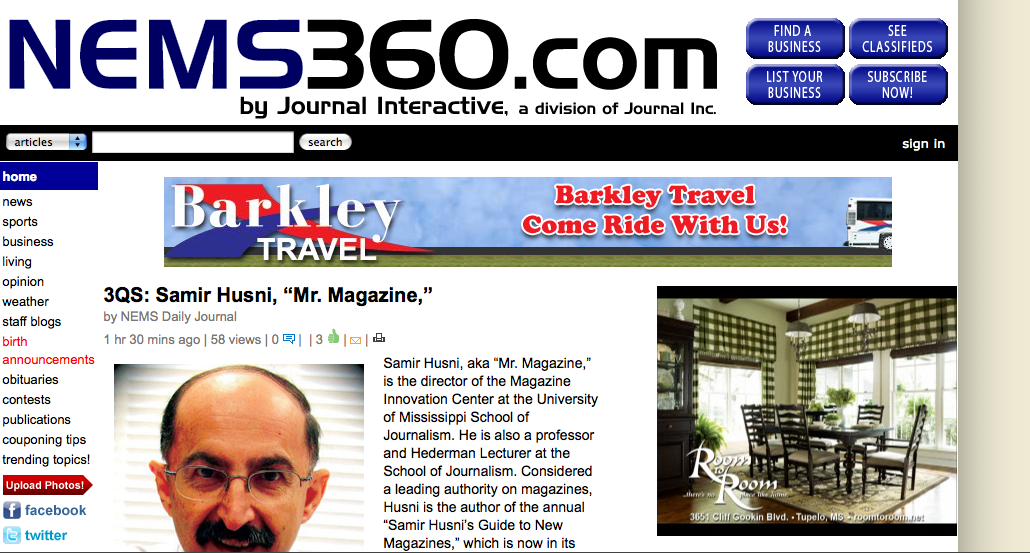
3QS: Samir Husni, “Mr. Magazine,”
by NEMS Daily Journal Nems360.Com

Samir Husni, aka “Mr. Magazine,” is the director of the Magazine Innovation Center at the University of Mississippi School of Journalism. He is also a professor and Hederman Lecturer at the School of Journalism. Considered a leading authority on magazines, Husni is the author of the annual “Samir Husni’s Guide to New Magazines,” which is now in its 25th year. He answered these questions from the Daily Journal last week.

Q: Which of today’s magazines do you consider successful and why?

A:Success is in the eye of the beholder, which is one main reason I do not attempt to define success these days by anything but survival. Staying in business these days is a success by itself. One magazine that emerged in the last three years and is not only surviving, but rather thriving, is Food Network Magazine. The magazine has been able to capture two basic addictions people have: food and celebrities. Folks who pick it up will not put it down until they start cooking.

Q:What do you consider the biggest magazine flops and why?

A:The history of American magazines is filled with flops and almost with no exception they all have one thing in common: the magazine was launched to satisfy the perceived needs of advertisers and not readers. Magazines that catered to what I call the concept of “counting customers rather than customers who count” have failed miserably. A few titles comes to mind: TV-Cable Week, which was published by Time Inc. in the 1980s, lost more than $47 million in less than a year, and Tina Brown’s magazine Talk in the early 2000s lost more than $55 million in a little over than a year. Both magazines had no connections with their audiences and were an “ivory tower” production, which leads me to conclude that the magazine that does not satisfy the needs, wants and desires of its readers first, no matter how much money is behind it, will not make it.

Q:Your office is full of magazines and other publications. How do you find time to go through them all?

A: I consider it a blessing from God that the gift He gave as a child – falling in love and creating handmade magazines from a very young age – has become my education and my profession. Not too many people can say when they are reading magazines in their office that they are doing their job. I can! If I am not at top of what is going on in the magazine world, I feel that I am doing my students and my university a disservice. The only way to serve my students is to stay on top of my field, and the only way I can do that is to make time for finding, buying and reading all the magazines that matter; and all of them do matter to me.

Copyright 2011 NEMS360.com. All rights reserved.

Read more: NEMS360.com – 3QS Samir Husni “Mr Magazine ”

h1

Collaborate, Innovate and Celebrate: What Can You Learn from Four Media Companies’ CEOs

January 18, 2011

The status and future of magazines distributed via newspapers will be the topic of the panel that I will be moderating on Thursday Jan. 20 in New York City. The panel will include the four CEOs of the major media companies that publish and distribute such magazines. The panelist are John Cobb III, CEO, Publishing Group of America; Stephen Duggan, CEO, Athlon Sports; Chuck Gabrielson, CEO, USA Weekend; and Jack Haire, CEO, Parade. (Full bios are at the end of the blog).

I have asked three colleagues to comment on the event and on the status of magazines distributed via newspapers. Lisa Scott, the executive director of PBAA and the event co-host answered my questions regarding who and why folks should attend the panel; Steve Cohn, editor in chief of min: media industry newsletter on the status of magazines distributed via newspapers; and Bob Sacks, founder and CEO of the Precision Media Group on the state and future of such titles.

I asked Lisa Scott who should attend such a panel? Her answer:

This panel, comprised of experienced CEO’s, offers anyone interested in the future of print media an opportunity to benefit from the panelists’ varied and cumulative insights, experiments, successes, mistakes, and reasons for optimism. Whether the attendee is a journalist, advertising professional, consumer marketer, media buyer, or supply-chain professional, there should be something to provoke or inspire or ponder on January 20.

And I asked, why should anyone attend such a panel?

Magazine and newspaper publishers and distributors will be able to understand why CEO’s are continuing to “bet” on print as a revenue source. More specifically, CEO’s can share real insight on the results of their research on their consumer audience, the role/value of digital media to these print-engaged consumers, and how and why they believe they can continue to woo investors in print media in the coming years. These insights can assist publishers and distributors to continue to build the case proving the vitality of print as a consumer’s media delivery vehicle in the years ahead.

As for Steve Cohn, the knowledgeable and well versed editor in chief of min:media industry newsletter, shed some light on the status of such magazines. He answered my questions about the magazines distributed via newspapers:

Newspaper-distributed magazines are growing because of (1) they fill a void created by the cessation of newspaper-published magazines due to their expense in a tough economy; and (2) they give newspapers added value.

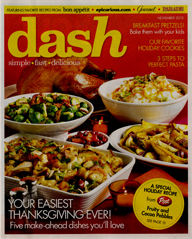
Until 2000, newspaper-distributed magazines were the realm of Parade and USA Weekend (formerly Family Weekly). Then, Publishing Group of America came in with the successful launch of the largely “C”- and “D”-county targeted American Profile, followed by the monthly Relish (epicurean) and Spry (health). Now, there are periodically released health titles from Parade/USAW, and the Parade-owned epicurean magazine Dash is about to start a regular monthly frequency in February.

The advantage of newspaper-distributed magazines is that they don’t have to worry about circulation. Newspaper sales take care of that.

Disadvantage, until recently, was that newspaper-distributed magazines were solely dependent upon advertising for revenues. Online is beginning to make a contribution here.

Traditionally, advertising in newspaper-distributed magazines has held its own in tough economies, because the titles’ large circulations and low CPMs versus television makes them comparably a bargain.

And of course my friend Bob Sacks of the bosacks.com fame offered this view of the status and future of magazines distributed via newspapers:

Magazines inserted into newspapers surely are an interesting and successful business model for some on-going publications. It is still difficult to attain those types of huge circulations from any publisher’s perspective. The numbers in your blog are, indeed, large and will stay that way for some limited time to come. But simple trend analysis reveals some interesting long-term data. In 1960 the penetration rate of newspapers into the American home was in the range of 1.1 newspapers per household. By 1995 the year before the great Internet adoption, it was down to .60 per American household, and by 2010 the penetration rate was resting under 0.35 per household.

I guess my question is, where and when is the circulation plateau rather than the continued plummet of a 50-year decline? I would add that it is extremely important to note that the decline in household penetration for newspapers happened long before the rise of the Internet.

So, what do you think? Is the future bright and rosy for such publications? Or is it a lost cause? I guess on Thursday we will have the answers when we listen to those four CEOs answer the aforementioned questions. What follows are the short bios, in alphabetical order, of the four CEOs:

John W. Cobb III
John W. Cobb III is CEO of PGoA Media, a publishing, digital media and event company built around the American Profile, Relish and Spry brands.

Cobb’s extensive background managing the expansion of print and digital brands puts PGoA Media in the best possible position to continue to deliver outstanding results for advertisers, tremendous value for newspaper partners and robust content for consumers.

Prior to joining PGoA Media, Cobb was Senior Vice President, Digital at Source Interlink Media, which is the leading provider of automobile, action sports and high-tech content. He managed more than 100 web properties, including Motor Trend, Automobile, Hot Rod, Motorcyclist and Surfer with revenues of $50 million and 22 million unique visitors a month.

With more than 20 years as a senior media/internet executive, Cobb has led and developed large-scale, multi-media properties for Petersen Publishing, EMAP, PRIMEDIA and Source Interlink Media.

Cobb is based in New York and has a wife and two children. He’s an avid pilot and an active snow and water skier. He also enjoys golf, travel and technology.

Stephen Duggan
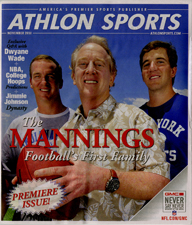
Stephen Duggan serves as President & Chief Executive Officer of Athlon Sports, publisher of Athlon Sports – the largest sports magazine in the U.S. with 9 million monthly circulation. Athlon is also the leading publisher of sports annuals with titles covering College Football, Pro Football, College Basketball, Pro Basketball, NASCAR, Pro Baseball and Golf.

Prior to joining Athlon, Stephen spent the previous decade working with private equity backed media companies. In 1999 Stephen helped found Publishing Group of America. Stephen was integrally involved in the successful launches of newspaper distributed American Profile, Relish and Spry magazines. Following the Sale of PGA in 2007, Stephen served as Chief Executive Officer of Alpha Media Group, publisher of Maxim magazine, where he led the Company’s successful business and balance sheet restructurings. Maxim is the leading magazine targeting young men 18-34 with a rate base of 2.5 million copies monthly.

Stephen currently serves on the Board of Directors for Questex Media Group, Inc, a leading global business-to-business (“B2B”) communications company serving multiple industries through a range of well-established, market-leading publications, events, interactive media, research, information and integrated marketing services.

Stephen is a graduate of Murray State University.

Chuck Gabrielson
Charles “Chuck” Gabrielson joined Gannett in 1971 at The Journal News in Westchester County, NY (then Westchester-Rockland Newspapers). He began his career as a management trainee in the advertising department then served in advertising and marketing management roles, including Advertising Director.
He joined USA WEEKEND in 1989 as Executive Vice President, named Publisher in 1996 and President and Publisher on January 2010. He previously served as Advertising Director of Macy’s Co. and Marketing/Sales Director of Advertising Age Magazine and Founder and Publisher of Creativity Magazine.

In 2009, Chuck was inducted to The Advertising Hall of Fame presented by MIN (Media Industry News). He is a graduate of Long Island University (LIU) and resides in New City, N.Y. with his wife Lisa.

Jack Haire
Jack Haire is President and CEO of Parade Publications. In his year and a half at the helm of the most widely read magazine in America, he has invested important resources in the brand and re-energized its business and editorial models. In addition to bringing top talent to Parade, Jack has helped forge strong partnerships with key newspaper and advertising partners. Under his leadership, Parade built a unique content distribution network with 40 million monthly unique visitors across 400 trusted newspaper web sites. Last November, Parade launched dash, a new food magazine and web business that will include branded content from Bon Appétit, Epicurious.com and Gourmet, marking the first editorial collaboration between Parade and Condé Nast.


Prior to joining Parade, Haire spent twenty-eight years at Time Warner Inc. During his tenure, he was publisher of Time Magazine, President of the Fortune/Money Group, and Chairman of the Time Warner Advertising Council. On his watch, both TIME and Fortune were chosen as Adweek’s Hottest Magazine, measured by 3 year advertising growth. He also partnered with CNN on the launch of CNNMoney.com, one of the Web’s most successful and profitable finance sites. He serves on the board of Concern Worldwide, U.S., an international humanitarian organization, and as a director of LodgeNet Interactive and Top Ten Reviews.


Haire lives in Connecticut with his wife and two children. He enjoys reading, golf, fishing, and playing or watching all sports.

To join us at this event, click here to register.

h1

What Makes Newspaper Distributed Magazines Thrive in a Digital Age?

January 10, 2011

Parade, USA Weekend, and American Profile magazines have a combined circulation of almost 60 million copies every single week. Add to that the monthlies Relish, Parade’s Healthystyle, Spry, Athlon Sports and Dash and the number jumps over 100 million circulation. What do all these magazines have in common? They are all magazines distributed via newspapers and are all expanding their presence on the digital front at the same time.

The concept of magazines distributed via newspapers is not a new one, yet it seems that in the last few years more magazines, with some hefty large circulation numbers, have launched using this method. What gives considering that the prophets of doom and gloom are predicting the demise of newspapers, as we know them: ink on paper?

This and many other questions will be at the heart of the debate, taking place on January 20 in New York City, at the Collaborate, Innovate, Celebrate CEO Roundtable sponsored by the Periodical and Book Association of America (PBAA), the American Association of Independent New Distributors (AAIND) and the Magazine Innovation Center (MIC) at The University of Mississippi.
The panelist include John Cobb, CEO, Publishing Group of America; Stephen Duggan, CEO, Athlon Sports; Chuck Gabrielson, CEO, USA Weekend; and Jack Haire, CEO, Parade. The panel will be moderated by Samir “Mr. Magazine™” Husni, founder and director of the Magazine Innovation Center.

The panel will also answer questions ranging from how are those publishers using digital to ensure a print future and what role does newspaper distributed magazines play in enhancing the newspapers readership and the newspapers themselves? What type of audience it is attracting? Are you after customers who count or just counting customers?

For more information or to join us in New York City at the CEO Panel, please click here.

h1

The Mr. Magazine™ 2011 Manifesto for a Healthy, Wealthy and Lively New Media Year

January 2, 2011

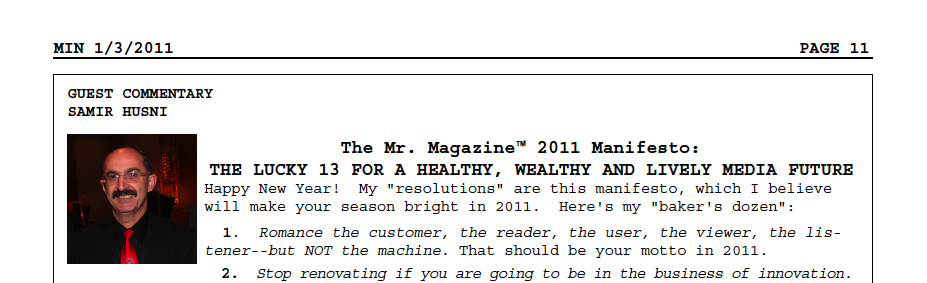
Today marks the beginning of a new year. A very good beginning indeed. A beginning that starts with nothing but ones. Today is 1, 1, 11. So, in honor of this new beginning, here is The Mr. Magazine™ 2011 Manifesto, published in min: media industry newsletter‘s Jan. 3, 2011 issue:


GUEST COMMENTARY
SAMIR HUSNI

The Mr. Magazine™ 2011 Manifesto:
THE LUCKY 13 FOR A HEALTHY, WEALTHY AND LIVELY MEDIA FUTURE

Happy New Year! My “resolutions” are this manifesto, which I believe will make your season bright in 2011. Here’s my “baker’s dozen”:

1. Romance the customer, the reader, the user, the viewer, the listener– but NOT the machine. That should be your motto in 2011.
2. Stop renovating if you are going to be in the business of innovation.
3. Throw a ball from left field, surprising your customers, readers, users, viewers, and listeners every time you interact with them. Give them what they expect, but surprise them with what they don’t.
4. Humanize your medium. Focus on the human voice, values, and vision behind the ink on paper, pixels on the screen, or bytes on the sound waves. In an age of isolated connectivity, humanizing the medium is a MUST, not an option.
5. Do not be afraid to charge for quality content. People are paying big money for what you think is not quality content.
6. Change your thinking and decide what is quality content based on your customers, readers, users, viewers, and listeners. Do not create based on you, but based on them. YOU are NOT THEM. Big surprise.
7. Hire someone younger, much younger, if you really want to innovate. Established folks drag a lot of luggage with them, intentionally or otherwise. Some may call this the wisdom of age, but I call it old habits that are hard to die hard. The “young and restless” drag very few and have yet to cement their feet in old or new habits.
8. Free yourself from the past but do not uproot yourself during the pruning season.
The new leaves and branches are what make a tree look good, not the roots. However, without the roots there will be no tree.
9. Keep in mind that only 9% of companies survive any disruptive innovation. Start thinking (and bring in someone new to think for you) on how to be a minority survivor rather than a majority has-been.
10. You are living the dawn of a new age, the age of Transcended Media. Are you ready to start the conversation with your customers, readers, users, viewers and listeners? Are you ready to keep the conversation going and whet their appetite for more?
11. 2011 is no different from 2010 or 2000. If you are NOT creating an engaging, addictive, repetitive conversation with your customers, readers, users, viewers, and listeners, that only means one thing: you are DEAD.
12. So show the world you are ALIVE and START romancing your customers, readers, users, viewers, and listeners. Make love to them and not to the platform or machine. You OWE it to them. And…
13. Stop being only a content provider and marketer. Start becoming an Experience Maker. There is where your media future starts.

And that, my friends, will lead you into a healthy, wealthy, and above all, lively media world of 2011 and beyond.

Samir Husni, Ph.D., is founder (2009) and director of the Magazine Innovation Center at the University of Mississippi, where he previously chaired the journalism department. Husni’s Mr. Magazine™ monicker comes from his tracking more than 18,000 launches since 1986, when his Guide to New Magazines debuted. The 26th edition of the Guide (Nautilus Publishing/Oxford, Miss.) will be released in February 2011.

A very happy and fruitful 2011 to all.

h1

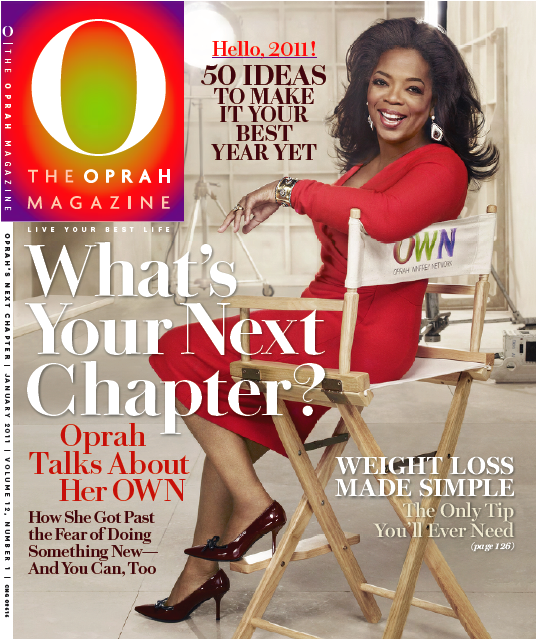
From “O, The Oprah Magazine” to “OWN”, programming for a television network is born. The Mr. Magazine™ Interview with Jill Seelig, O, The Oprah Magazine’s Publisher and Chief Revenue Officer

December 28, 2010

“Change” can easily be the word that defined the publishing world in 2010, and “Adapting to Change” will be the sentence defining the publishing world in 2011. One major change taking place in 2011 is Oprah Winfrey, the “show queen” of television, closing the “window” on her daily show and opening the “door” to her own television network OWN. A network that O, The Oprah Magazine is used “as the basis for the network’s programming.”

How will this end of an era, and the beginning of a new one, effect O, The Oprah Magazine, one of the most successful magazine launches of the last decade? I had the opportunity to ask Jill Seelig, vice president, publisher and chief revenue officer of O, The Oprah Magazine few questions regarding the forthcoming changes and in the words of the main cover-line of the January issue of O, The Oprah Magazine, “What’s Your Next Chapter?”

Here are the sound-bites followed by The Mr. Magazine™ Interview with Jill Seelig, publisher of O, The Oprah Magazine.

The magazine has very little duplication with viewers of The Oprah Winfrey Show.
Oprah loves the iPad – it was even part of her Favorite Things episode this year.
The app is an enhanced version of our print product, offering video and audio — much of it featuring Oprah herself – animation, interactivity, customization and tap-to-buy functionality.
The print and digital editions of our magazine live side by side comfortably.
O offers one of the most unique reading experiences for women. We are the only women’s magazine that comes from a place of optimism, inspiration and authenticity.
Advertisers tap into the depth of this reader connection, and it enhances and elevates the credibility of their brands.

And, now for the full interview:

Samir Husni: As the Oprah daily show comes to an end and a new era of Oprah starts, how will that effect O, The Oprah Magazine? Will the out of sight out of mind premise work here? Some say that repetition a major source of addiction, what will happen to the magazine without Oprah being seen on television every day?

Jill Seelig: O, The Oprah Magazine and OWN will be the go-to places for women who want to connect with Oprah and her message. Interestingly, the magazine has very little duplication with viewers of The Oprah Winfrey Show – currently only 19% of the show’s audience are O magazine readers. We believe that OWN – a 24/7 television presence – will drive more readers to the magazine, with more synergy and shared content living across both platforms. After all, as Oprah has said, David Zaslav came to her holding a copy of the magazine and said he wanted to use it as the basis for the network’s programming. OWN is dedicated to Oprah’s Live Your Best Life mission, just like the magazine.

SH: With Oprah now having her OWN, what are the plans to expand O, The Oprah Magazine? You’ve launched the first App. in Dec., any other plans of expanding and promoting the brand?

JS: We’re very excited about our iPad app, which launched as a monthly with our December issue. It has been extremely well-received, and was a featured app in the iTunes store from the moment it launched, taking the #1 spot in the lifestyle category right out of the gate, and we also have a digital edition available on the Nook as well as through Zinio.

Oprah loves the iPad – it was even part of her Favorite Things episode this year. Each month the O, The Oprah Magazine app gets richer and more compelling, as our editors incorporate innovative functionality and exclusive content – all filtered through the prism of Oprah’s philosophy and uplifting message. The app is an enhanced version of our print product, offering video and audio — much of it featuring Oprah herself – animation, interactivity, customization and tap-to-buy functionality. And Oprah loves books, and they are an important part of the magazine so one of the most unique features on the app is that users may access, for free, the first chapter of every book featured in the issue. If users like what they read, they can tap-to-buy through Amazon or Barnes and Noble.

SH: Hearst Magazines have invested a lot in enhancing and promoting their print products. What are you doing specifically with O, The Oprah Magazine to enhance and promote the print magazine? Are you working on ensuring a print future in a digital age?

JS: The print and digital editions of our magazine live side by side comfortably. O, The Oprah Magazine is the #3 monthly magazine at newsstand, and demand is high – readers love the tactile experience of holding our beautiful, glossy magazine and they love to interact with our brand up-close and in-person. Every year, thousands of readers join us at our signature event, O You!, which is a day of inspiration and education, delivered directly to our attendees by the experts they connect with every month in our pages. Over the years, we’ve held the event in cities from coast to coast. Speakers have included Dr. Oz, Suze Orman, Nate Berkus, Martha Beck, Donna Brazile and others, and of course our editor at large, Gayle King, who welcomes everyone and broadcasts her radio show from the venue. It is amazing to see the readers relating to our content in a dynamic way – we get (mostly) women from around the country and around the world who are passionate about the magazine.

Social media is proving to be a great way to stay in close contact with our audience – and it is not only the tweets from our magazine, or from creative director Adam Glassman or Gayle King – women can interact with nearly all of our contributors through social media. And of course we use emails and Facebook postings to ask for our readers’ opinions, encourage dialogue as well as invite them to attend events and enter amazing sweepstakes.

One recent example of print and digital working side-by-side was our 12 Day Holiday Give-O-Way, which was featured in the December issue, and awarded 12 winners all 70 products from the Holiday O List, plus select items from Oprah’s Favorite Things episode. Codes were hidden within the magazine’s pages and were accessible via the iPad, both of which drove readers to Oprah.com to enter every day for 12 days for a chance to win. In addition, we tweeted reminders, posted messages on Facebook and the result was more than 2.1 million entries!

SH: With the hope that the economy is rebounding, are there any plans to bring back O At Home or launch any other spinoffs?

JS: We’re focused on O, The Oprah Magazine and our digital editions at the moment.

SH: One of my mantras for the New Year is to Romance the Customer and not the platform. How do you see your readers, users, etc. interacting with the product and what are doing for them? The same when it comes to the advertisers? How would you answer the simple question for both readers and advertisers, “What is in it for me?”

JS: O offers one of the most unique reading experiences for women. We are the only women’s magazine that comes from a place of optimism, inspiration and authenticity, and because of that, 16 million readers connect with O on a deep emotional level every month. This magazine is truly a guide for our readers – helping them recognize what is wonderful about their lives and offering sage wisdom from our contributors on everything from achieving goals and dreams and making the most of their relationships, to financial planning to the best fashion and beauty buys.

Advertisers tap into the depth of this reader connection, and it enhances and elevates the credibility of their brands. Our readers tell us that when they consistently see an ad in O it’s a signal to them that the advertiser supports and shares the mindset of the women who read the magazine….that’s a powerful endorsement that moves readers to action and drives sales.

SH: If I am to give you a magic wand and you strike O, The Oprah Magazine to create a human being, who will it be? Can you describe that human being?

JS: That’s easy…it’s Oprah Winfrey. A woman in process who is curious about the world, eager to learn and grow, works in service of others, and challenges herself to Live Her Best Life everyday.

SH: Thank you.