Archive for the ‘New Launches’ Category

h1

Love Life; Live Big: It’s All In BigLife Magazine! The Mr. Magazine™ Interview With Ryan Waterfield – Co-Founder, BigLife Magazine…

January 21, 2015

“I love print magazines and I will never give up the fight or the belief that I have in their value. I was just at the beach with my family and everyone that I saw there had a print magazine. I mean, you just don’t read on an iPad when you’re at the beach.” Ryan Waterfield
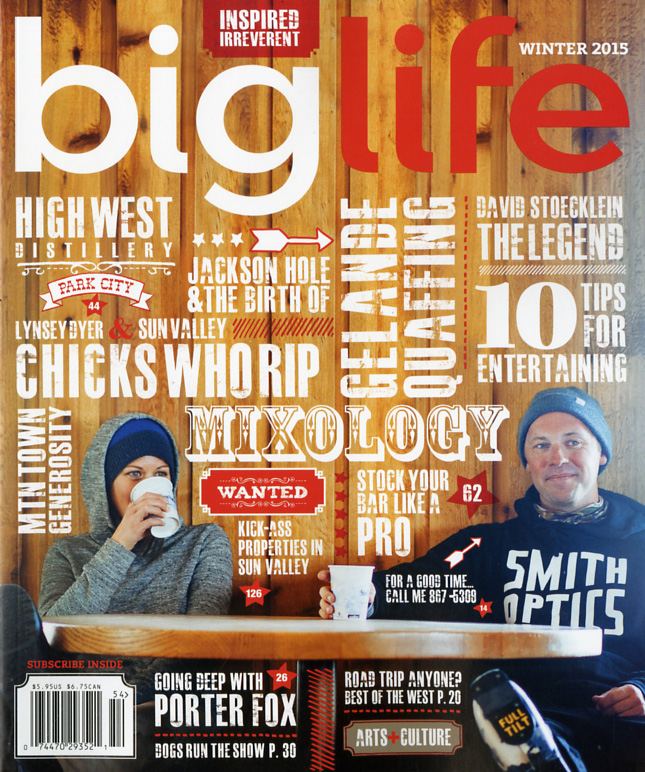
big life-1 Fun – just think about the word for a minute and the images it conjures up in your own mind. Everybody’s “fun” is a little different, but the emotion is the same: a carefree sunshiny day and the passion of a child filling your heart, causing it to beat out of your chest with expectation of what the day might bring.

When you pick up the magazine BigLife for the first time and each subsequent moment thereafter, that’s the response you feel from the virgin touch. It’s alive with fun and passion and content so dynamic it fairly reaches out from between the pages and grabs you along for the ride.

BigLife could be described no better than in the words of the woman who co-founded it and also serves as its editor-in-chief, Ryan Waterfield:

“I like to tell my friends (or anyone with a sense of humor) to imagine BigLife this way: Garden & Gun and Esquire meet in a dark bar. They have a torrid one-night stand. One-night stand results in a love (lust) child. Love child moves west and sets up shop in a mountain town. Falls in love with the ways of the West and starts a magazine. That’s BigLife (at least our idealized version of ourselves b/c I love G&G and Esquire. We have fewer nearly-naked chicks telling funny jokes and less of the garden stuff, more of the backcountry skiing stuff. But, you get the idea.)”

And that, my friends, sums up BigLife very well. The passion that ignited this love (lust) child comes from deep within Ryan Waterfield. Wife and mother of two; Ryan had a dream to turn her Sun Valley Focus magazine into something bigger, something that displayed the type of larger-than-life environment in which she lived. And after seeing and feeling the ink on paper product of that dream, Mr. Magazine™ is impressed. Very impressed.

This is a magazine where you can actually feel the emotions of each page, each word and each photograph emanate in a resounding fashion. And the element of mischievous fun is never farther than the masthead – where Ryan tongue-in-cheek pokes fun at the Hemingway-approved way of getting the creative juices flowing: alcoholic libations, while her creative director Britt Johnston just dreams of having the time to clean her house. Each member of the BigLife team has their own humorous blurb designed just for them. It’s unique and it’s fun. Just like the magazine itself.

So, sit back, mentally dig up your snow skies, and enjoy the Mr. Magazine™ conversation with Ryan Waterfield, Co-founder & Editor-in-Chief, BigLife magazine
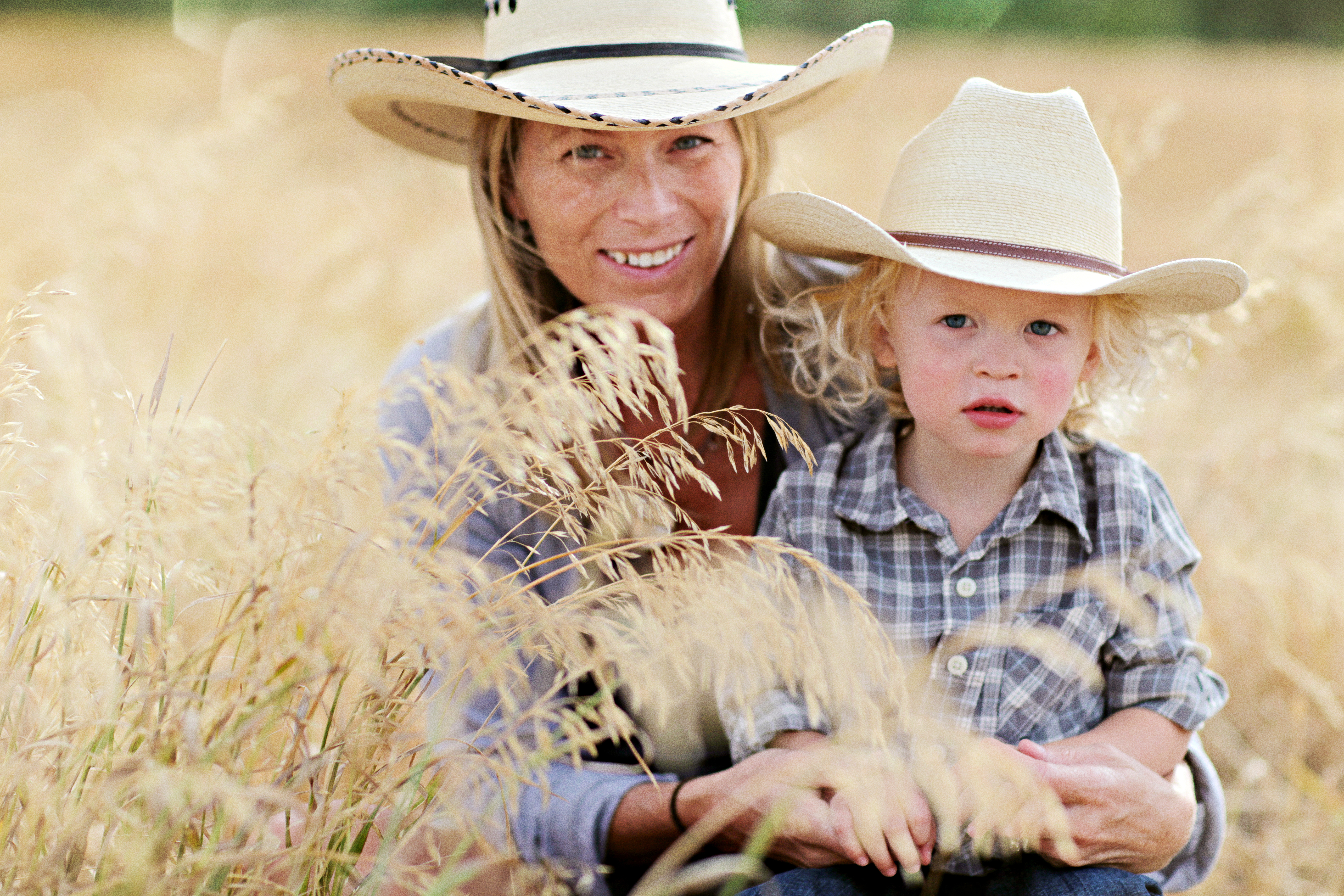
Ryan Waterfield with her son Townes Van Der Meulen (5). Ryan writes " my wonderfully stubborn and inventive son... and has an under-documented 18-month old sister."

Ryan Waterfield with her son Townes Van Der Meulen (5). Ryan writes ” my wonderfully stubborn and inventive son… Townes has an under-documented 18-month old sister.”

But first the sound-bites:

On what she was thinking to launch a print magazine in this day and age: I love print magazines and I will never give up the fight or the belief that I have in their value. And there are a lot of places where you don’t want to read a magazine on a digital device. So I believe in print.

On the concept of BigLife:
BigLife was born from this idea that in the mountain west, there really isn’t a magazine that captures the big life that we live here. There are magazines that do a great job of capturing the adventure side of it, but there is so much more to living in the mountain west. It’s a very rich life with commitments to causes and with a hunger for its culture.

On her own description of BigLife as the love child of Garden & Gun and Esquire: You’ll probably think it wasn’t such a one night stand between those two; I mean, Vanity Fair played a big role. I’m a huge reader of magazines, so there are so many that have inspired me over the years.

On the biggest stumbling block she had to face:
As for stumbling blocks; I’m a teacher by trade and I experienced 15 years in the classroom. I don’t have a background in publishing, but I have a love of magazines. So, the stumbling block for me is that I’m a novice in many ways.

On her most pleasant and surprising moment: The thing that was the most surprising and the most pleasant and the most encouraging was the amount of people I heard from. I heard from so many people that I knew and didn’t know.

On what she would tell someone who wanted to launch a new magazine:
I’d say: number 1 – make sure that you have a team that is willing to jump off the cliff with you and doesn’t mind figuring out how to fly on your way down together

On what keeps her up at night: I am so excited about what we’re doing that I can’t sleep because of that excitement. And then of course there is the terror of things like: do I have the right stuff in this issue of the magazine; have I talked to everybody I needed to talk to.

And now the lightly edited transcript of the Mr. Magazine™ interview with Ryan Waterfield, Co-Founder, BigLife magazine…

Samir Husni: My first question to you has to be are you out of your mind launching a print magazine in this day and age and with the added responsibilities of a family?

Ryan Waterfield: Absolutely, yes. (Laughs) That’s something my husband asks me all the time; what are you doing? Are you sure this is something that you want to do? I was laughing the other day because I moved to Sun Valley from Kentucky when I was 22-years-old. I had a job as a teacher at private school and took a very safe route for most of my life. And I loved teaching while I did it, but I always had this desire to write and to do something creative. Not that teaching isn’t creative, it definitely is. But writing was something that I wanted to do that was different. I got into writing and then the magazines came after that.

I love print magazines and I will never give up the fight or the belief that I have in their value. I was just at the beach with my family and everyone that I saw there had a print magazine. I mean, you just don’t read on an iPad when you’re at the beach. And there are a lot of places where you don’t want to read a magazine on a digital device. So I believe in print.

Samir Husni: Tell me a little about your new magazine, BigLife.
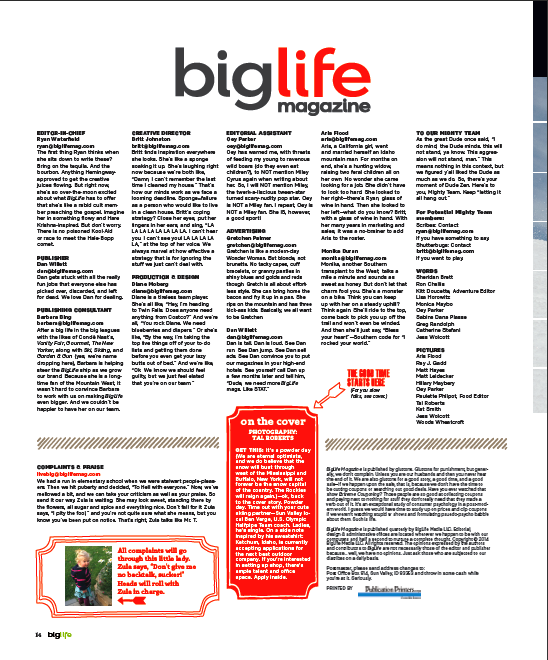
Picture 31 Ryan Waterfield: BigLife was born from this idea that in the mountain west, there really isn’t a magazine that captures the big life that we live here. There are magazines that do a great job of capturing the adventure side of it, some are very specific; they capture the skiing or the mountain biking side of it. “Powder” and “Outside” magazines are very adventure-based and they have wonderful writing and just do a great job.

But there is so much more to living in the mountain west. It’s a very rich life with commitments to causes and with a hunger for its culture. There is great architecture and design, especially now that the architecture scene is so exciting. There’s just so much going on.

And there seemed to be such a lack when it came to a magazine that encompassed all that. I just couldn’t find one that showcased the kind of life we live here. So, that’s what I wanted to do with BigLife.

Samir Husni: With BigLife, it seems as though you’re combining the power of photography with typography. Did you have a magazine in mind when you were creating yours?

Ryan Waterfield: A very good friend of mine, Britt Johnston, is the art director for BigLife. She and I worked together for three years on a property-based magazine here in Sun Valley; we weren’t the owners, but we helped the publisher launch the magazine. And she and I just had this great creative energy together.

So, when we started talking about what we wanted to do with the magazine BigLife; she brings the design and I bring the voice, to me the magazine reading experience is very elliptical, it’s not just the words. I mean, I love reading Harper’s and Atlantic Monthly for the articles, but I don’t get much in the way of design from those magazines. So we really wanted to put together smart, sassy editorial with a really great, energetic design.

Samir Husni: There are a few unique things that I’ve noticed in the magazine, including the way that you introduce your team and yourself.

Ryan Waterfield: It’s funny that you mention that – I wanted to do something like that with the property-based magazine that we did before, but we were kept on a much tighter leash. But since this is our own magazine and we don’t have to answer to anyone but ourselves, we just thought we’d have a lot of fun with it. And I have to say that I’m a big fan of McSweeney’s and Dave Eggers and I used to use Dave Eggers’ books in the classroom when I was teaching and just loved how playful he got with the copyright page and it was something that I had always wanted to do.

Reading is such an intimate experience; why not get to know the people who are putting the magazine together for you.

Samir Husni: In your description about yourself, it sounds as though you’re trying to channel Hemingway’s drinking lifestyle. (Laughs)

Ryan Waterfield: (Laughs) Yes, I’m mostly joking about that, although I’ll have an occasional drink here and there. (Laughs again)

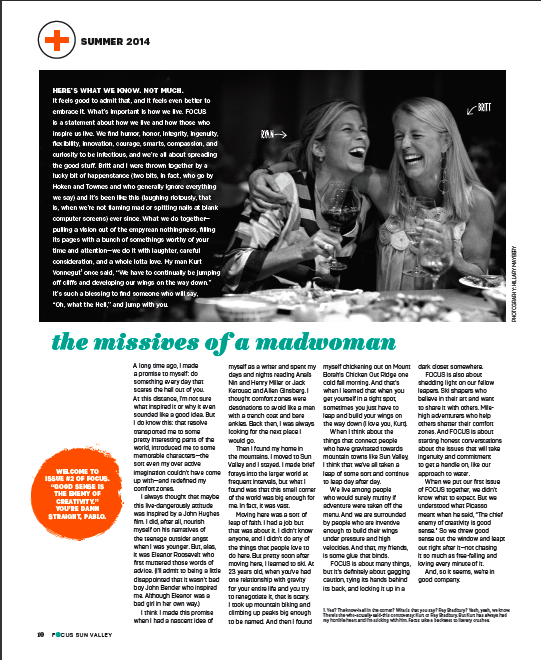
Initially, we did two issues of a magazine called Sun Valley Focus and they were basically our test magazines. We wanted to make sure that our idea had legs and that advertisers would get behind it and readers would enjoy it. So we did the two test issues, only distributed in Sun Valley and only written about things going on in Sun Valley. But very similar to what we have going on with BigLife. And the response was overwhelmingly positive.

When we decided to make the move to cover our entire region and go after our natural audience, we obviously extended the editorial scope. There are so many things that tie people who choose to live in these towns, or who dream about visiting them, or just visit them on a regular basis. There is definitely a sense of adventure and a commitment to causes and an appetite for the culture. And I wanted all of these things in the magazine. And when it came to establishing a voice, I wanted to express a sense of playfulness to people as well.

When I think about our ideal reader, I don’t think of an age. Our reader is somewhat ageless. But what they do have is a sense of adventure and a sense of fun. And we try to play to that in everything we do.
Picture 33 Samir Husni: If we can go back for a minute to that moment of magazine conception, when, as you told me in your email, Garden & Gun met Esquire in a dark bar and had a torrid one night stand (Laughs); can you tell me a bit more about that one night stand and how this love/lust child called BigLife was born?

Ryan Waterfield: (Laughs) You’ll probably think it wasn’t such a one night stand between those two; I mean, Vanity Fair played a big role. I’m a huge reader of magazines, so there are so many that have inspired me over the years. But, as I said, I was a disgruntled reader for a while because there just hasn’t been a magazine that spoke to what I felt the experience was living in the mountain west.

And when I thought about what magazines I was always fascinated by as a teen, Esquire was definitely one. I’m not a guy, but I loved reading Esquire, I would always steal my brother’s copy. Eventually, he made me get my own subscription. And GQ was another one; I loved their tone of voice and their sense of style.
Picture 35 But Garden & Gun was one that I discovered late. I was from the south and I’m always homesick for the south, even though I love living here. My husband shared an office with a southerner at one point and in their backroom was an issue of Garden & Gun and I found it. And that was really when I thought about that kind of magazine was something that we didn’t have in our area. A magazine that focuses on this region and the wealth of things going on here, not just the skiing and mountain biking, but one that focused on how rich our lives are and how big our lives are.

So, that’s when Garden & Gun came into the equation and somehow gave me a vision and showed me that we could do what it does out here too, of course, obviously differently. Having been born and raised in the south and moving to the west; the west is definitely not the south, that’s where the difference in the voice and the look comes in for us.

Samir Husni: Can you tell me between that moment of conception, that “aha” moment, and giving birth; what has been the biggest stumbling block that faced you before the magazine was born?
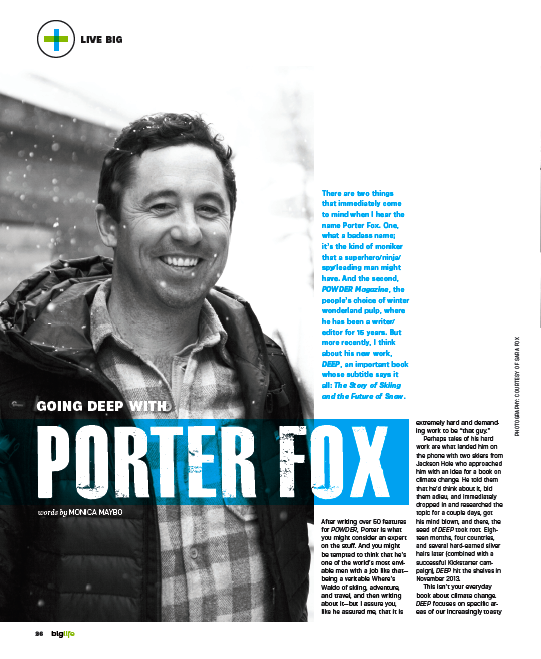
Picture 34 Ryan Waterfield: That’s a really good question. One of the first things that I was really lucky about was to have found a partner in Britt Johnson. She and I have both lived here forever and knew each other peripherally, and this is a very small town. We knew each other peripherally for years, but just never connected. And then we had our first children within months of each other and they ended up at the same daycare. We were both full-time working moms and would pick up our kids at the same time. Before you knew it, pick up time became a glass of wine here and there and we had a common spirit and felt a common creative energy. And Britt really helped give me the courage to quit teaching and try something different in my professional life. I was very lucky to fall in with her and find someone with such creative energy that matched my own.

That was the first really lucky think to have happened and then we hooked up with two other partners, Dan Willett and Diane Moberg, who had worked on another publication in this valley called Western Home Journal and it was a very different publication . It’s a home, architecture, design resource magazine.

But Dan and Diane have been in six other resort markets so they know those markets well too and we also work really well together. They are two more reasons we have to feel really lucky about.

And then as for stumbling blocks; I’m a teacher by trade and I experienced 15 years in the classroom. I don’t have a background in publishing, but I have a love of magazines. So, the stumbling block for me is that I’m a novice in many ways, but I did one magazine for three years and I was a very quick study. And I took it very seriously. And I feel like, in terms of life experience, in between when I quit my job and decided to become an editor of a magazine, I have basically gained my master’s in literature. (Laughs)

So, my inexperience would be my first stumbling block, but I’m definitely committed to solving that problem. And the second stumbling block is money. It’s an expensive endeavor. We’re very lucky in that a lot of the people who write for us are our friends, my former students, and a lot of the photographers are people we have known and have a great relationship with. And they have a commitment to quality editorial and beautiful magazines as well.

But money is a huge stumbling block. I’m in the process of writing a business plan and seeing what happens. I think we probably put the cart before the horse in a lot of ways because we had such energy for this vision and we just went and did it. And we’re writing the business plan after the fact. Now we’re going to work on getting investors. And that’s another stumbling block, I would say.

Samir Husni: What was the most pleasant or surprising moment in this whole creation process?

Ryan Waterfield: The most pleasant and surprising, I think, was to write. I am one of those writers who draft a lot; I am like Hemingway, I guess. I’ll write a draft and my first draft is always over the top and, God help me if anybody else sees it. Then I usually rein myself in a little bit and by the time I put it into print, it still has a little edge to it and not something just anybody would publish.

The thing that was the most surprising and the most pleasant and the most encouraging was the amount of people I heard from. I heard from so many people that I knew and didn’t know.

One of the things that we’re doing right now is putting together an advisory board of pros in the industry, people who know publishing and circulation; people who know the ins and outs that I don’t know.

And one of those people we’re putting on the advisory board reached out to me. She happened to get a copy of our launch issue of Focus, it came out summer 2014, and she called me up out of the blue and said, I love what you’re doing, now what do you want to do with it? I shared my vision and she and I have been talking a lot and she has been a great mentor.

The fact that people loved the voice, loved the energetic look and the sense of style, have been really encouraging things.

Samir Husni: If someone came to you and said, “Ryan, I want to start a new magazine,” what would you tell them?

Ryan Waterfield: (Laughs) Write your business plan first.

Samir Husni: (Laughs too) So, the opposite of what you did?

Ryan Waterfield: I’d say: number 1 – make sure that you have a team that is willing to jump off the cliff with you and doesn’t mind figuring out how to fly on your way down together. Number 2 – believe in your vision and be really excited. I was talking to one of my friends recently and I talk more about my magazine than I do my two children. And she said, “Wow, it’s like you just had another child.” And that’s true; this one is getting a lot of my attention right now.

I’d tell them to definitely have a team that’s willing to take risks with them and know that they can have a lot of fun together doing it. And always believe in their vision.

Samir Husni: Are you going to have national distribution, or limit it to your area?

Ryan Waterfield: It’s going to be a magazine that writes about our region and covers our region, but with national and international distribution. It’s BigLife, I have big dreams. (Laughs) We’re distributing right now in Sun Valley, Jackson Hole and Park City, but we certainly want to grow that. And we want to start with a good readership base in these mountain towns.

Samir Husni: My typical last question; what keeps you up at night?

Ryan Waterfield: I am so excited about what we’re doing that I can’t sleep because of that excitement. And then of course there is the terror of things like: do I have the right stuff in this issue of the magazine; have I talked to everybody I needed to talk to. I’m constantly making lists of people that I think would want to support something like this because they believe that this magazine could be really good for a mountain town. I think that we live in a world where really smart, educated, cultured people choose to live in these towns and at the same time there is a lack of really great jobs for people in these towns. And I think something like BigLife, if it makes it, could really shine the local light on these towns.

So, one of the things that keeps me up is that I want to do something really good for Sun Valley; I want to do something really good for the mountain west and I want to be able to speak to why this is a great place to invest in and to visit, and the excitement of all that definitely keeps me up at night. Of course, the idea of finding investors keeps me up too.

Samir Husni: Thank you.
h1

Putting Some “Simple Grace” In Our Lives, Bauer Prepares To Launch Its Newest Magazine For 2015. The Mr. Magazine™ Exclusive Interview With Carol Brooks, Editor-in-Chief, & Ian Scott, President/Publisher.

January 16, 2015

“Simple Grace, Your Daily Dose Of Hope. It’s Actually Something Different From Anything Bauer Is Doing Locally and Globally. It’s Very New In The Magazine Space.” Simple Grace Magazine’s Launch Story. A Mr. Magazine™ Exclusive.

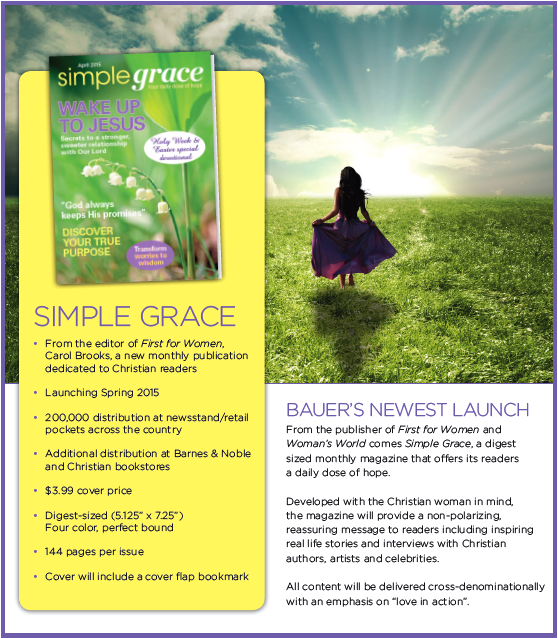
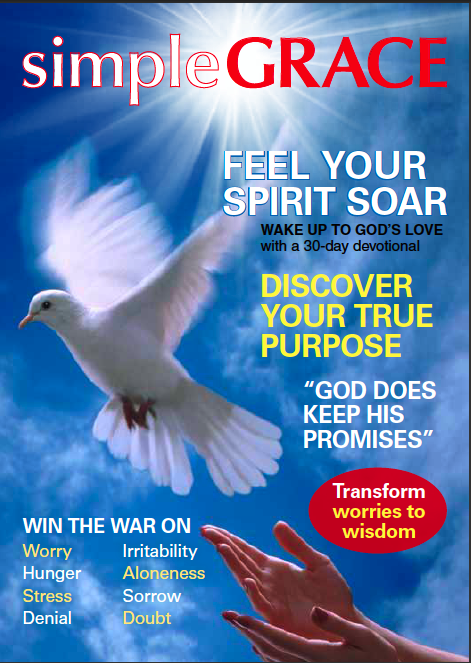
simple grace In my office hangs a sign that reads: there’s always hope, a simple phrase that holds a wealth of meaning. And in a few short months Bauer Media Group U.S. will have their own message of hope in the form of their newest print launch: Simple Grace. A message of hope that is two-fold and backed-up completely by proven successes, both from the inimitable Bauer Publishing and the sentiment itself which is preached from every Christian pulpit in the country: there is always hope.

A monthly devotional magazine with daily inspirational Bible quotes and content that is geared toward the love, kindness and support of God; Simple Grace is the first digest-sized, devotional magazine, targeting a mass audience on the nation’s stands, of its kind in the United States.

Simple Grace will be released in mid-April and is the brainchild of Carol Brooks, editor-in-chief for the past 13 years of First for Women. I spoke with Carol recently and Ian Scott, president/publisher, Bauer Media U.S. The concept behind the magazine is a unique one, a character trait of most of Bauer’s original launches, past and present. Being first and going somewhere no one else dares to go, is something Bauer firmly believes in; that is, when they firmly believe in the product. And Simple Grace is something that is near and dear to their heart and has the company’s full support.

But Carol said they didn’t go into this category without doing their homework. Between readers’ response from First for Women and the intense research on the market and what was and was not out there; Simple Grace was born from their reader’s desire to include God more as a part of their daily lives. Audience first is not only a Mr. Magazine™ mantra, but a Bauer one as well.

I hope you enjoy this refreshingly “hopeful” interview with Carol & Ian as we talk about a magazine that is filled with a “Simple Grace.”

But first, the sound-bites:


Carol Brooks

Carol Brooks

On defining Simple Grace: The tagline we’re talking about is “Your Daily Dose of Hope.” It’s going to be a digest-sized, primarily monthly, devotional magazine.

On whether a monthly magazine that targets a daily read will have a different approach with advertisers:
I think that our approach for one is that this is something that no one has done before; it’s totally new and a fresh aspect on the devotional.

On the moment of conception for the magazine:
I observed something through my readership; I’ve been editor-in-chief of First for Women for 13 years and when we queried our readership we found that God is a big part of their lives and we’ve just been surprised in different ways when we’ve heard from the First for Women readers how important God is in her daily life.

On Bauer’s ability to make the never-done-before a success:
How do I answer that? I think that we’re not afraid to try new things and I think we’ve shown that over the years.

On the launch plan for Simple Grace:
Our goal is to get it into as many stores as possible for the long-term. On the short-term, we’re going to be heavily-targeted at Wal-Mart and we’re going to be putting out in total about 200,000 copies of the first issue.

On the major stumbling block with launching the magazine: I guess the thing that is very different about it, in terms of even how book publishing works in this country, and it’s surprising honestly, is that there aren’t a lot of people speaking cross-denominationally to the Christian groups.

On the launch date of the magazine:
The first issue coming out for sale will be cover-dated May and will hit the newsstands mid-April.

On what keeps Carol up at night: Not wanting to unintentionally offend anybody or step on anyone’s toes. It’s a little bit daunting to enter an arena that is religious, because as much as you really don’t want to offend, maybe you might stumble into something.

Ian Scott

Ian Scott

And now the lightly edited transcript of the Mr. Magazine™ conversation with Carol Brooks, Editor-in-Chief, First for Women & Simple Grace magazines and Ian Scott, President/Publisher, Bauer Media U.S.

Samir Husni: Tell me about the magazine, Simple Grace. This is something completely different from any other Bauer publication that you have in the United States.

Carol Brooks: It’s actually something different from anything globally. It’s very new in the magazine space. So, yes, it’s a definite departure.

Samir Husni: Would you briefly define Simple Grace?

Carol Brooks: The tagline we’re talking about is “Your Daily Dose of Hope.” It’s going to be a digest-sized, primarily monthly, devotional magazine. The devotional category out there is generally books, but Simple Grace will be something that you read every day for about five minutes and it’s kind of divvied into every day of the month sections. It has an inspirational reading that the reader can spend five or ten minutes with each day.

Devotionals are really big business in the book market, but haven’t really been explored, in terms of periodicals and magazines.

Samir Husni: At least, on the newsstands. I know that there are a lot of devotional publications out there that different churches give to their parishioners, but nothing as major as Bauer is doing with Simple Grace.

Carol Brooks: Right, nothing on the newsstands like it.

Ian Scott: I think that one of the great things about this is I believe this is the first time any publisher has brought a magazine of this kind to mass retail in the United States, where the reader will be out doing his/her shopping, grocery and otherwise, and there the magazine will be for them to pick up. I think most of the other titles are on a subscription model of distribution. So, this is going to be something that is obviously very new as well.

Samir Husni: Ian, Carol just mentioned that this is a magazine that people will be using or interacting with for at least five or ten minutes each day, so that there is a repeat pick-up of the magazine on a very regular basis. Will that give you a different approach with advertisers for the magazine?

Ian Scott: I think that our approach for one is that this is something that no one has done before; it’s totally new and a fresh aspect on the devotional. We’re very, very excited about the whole thing.

Another thing is that the magazine is digest-sized, so it’s all about making it easily accessible, both in where you can buy it and also easily accessible to you, the consumer, where it can be pulled out of a briefcase or a purse and can be referred to because it’s a size that can be carried around.

And I think another one of the unique things that we’re doing with this magazine is on the inside front cover, when you open the magazine there’s going to be a detachable bookmark. The reader can literally pull it out and use it to mark their place in the magazine, so they’ll know where they are.

A lot of these magazines that I’ve seen recently appear to be quite flimsy, but this is a magazine that’s going to be 144 pages, perfect bound and it’s going to have a glossy cover with another four pages on top of that.

Samir Husni: Carol or Ian, can you describe that moment of conception? Who brought the idea to Bauer and when did that “aha” moment occur, when everyone realized that Simple Grace was something special?

Picture 27 Carol Brooks: I observed something through my readership; I’ve been editor-in-chief of First for Women for 13 years and when we queried our readership we found that God is a big part of their lives and we’ve just been surprised in different ways when we’ve heard from the First for Women readers how important God is in her daily life. So, when we looked into that we found that there is currently 250 million Christians in the U.S. and out of 80% of Americans, two-thirds pray daily.

So, we’re talking about people, “OK, this is a person that we’re reaching in terms of women’s service, but she has this other dimension in her life that doesn’t really fit within the boundaries of what we talk about in First for Women, but it’s a really important dimension.”

Also, there is a book called “Jesus Calling” that has now sold 13 million units, of the original book and other pieces of its franchise, and it has been a huge publishing success. So we took a look at it and saw that this is something that works in print; it’s a hardcover book and it’s really, really well-loved. And it continues to grow. It was published in 2004 and last year it sold 700,000 units. It’s something that has staying power and it’s desirable. And when we looked at it, we saw that it was a certain kind of devotional, but it’s a book that gives you a day, but it’s not the day of your year. For example, if you read it on a holiday such as Good Friday, it doesn’t reflect that it’s Good Friday.

So we thought, wow, if we could do a magazine we could combine beautiful visuals and make each entry very specific for that exact day of the week, year, or signify a certain holiday; even things going on in the news. We could do a similar kind of devotional, but with more immediacy.

Samir Husni: You may think I’m making this up, but my daughter and her husband were with me at Books-A-Million last week and actually bought “Jesus Calling” for their daily devotions.

Carol Brooks: Really? That’s interesting.

Picture 30 Ian Scott: This is something that Carol and everyone on the team have been working on now for nearly two years. So, it’s been a long time and a lot of work and research has gone into it before we got to the point we’re at today, where we’re ready to go forward with the magazine. Like any business you have to make sure that you have something that is wanted by the consumers that are out there and in a format that you think they’re going to love.

Samir Husni: Since the early 80s it seems as though Bauer keeps pulling these rabbits from their magic hat and putting titles on the marketplace that are revolutionary, meaning there is nothing like them already out there. When Woman’s World magazine was introduced, there were no weekly magazines for women on the newsstands. And when First for Women was announced it was a massive launch; so what makes Bauer click and tick when it comes to all of these new magazines?

Ian Scott: How do I answer that? I think that we’re not afraid to try new things and I think we’ve shown that over the years. We’re a company of individuals that are smart, we know publishing and we’ve never been afraid of trying the new and different and going out into the market where other people are maybe afraid to go. And I believe that’s testament to our commitment to the entire magazine industry.

Carol Brooks: And I think the reason that we came up with some of these ideas is because we’re very, very trained on the consumer. We know our readers, study and listen to them. The real genesis of this happened years ago when we heard from our First for Women readers. We pay special attention to what our readers tell us that they want and we really do our homework and research these things before we go forward. But we’re very profoundly consumer-driven.

Samir Husni: Can you describe the process of launching Simple Grace and will it be nationwide on all the newsstands?

Picture 28 Ian Scott: Our goal is to get it into as many stores as possible for the long-term. On the short-term, we’re going to be heavily-targeted at Wal-Mart and we’re going to be putting out in total about 200,000 copies of the first issue. We’re also looking into Barnes & Noble and obviously Christian bookstores and other places we can get distribution.

Like anything, we roll it out, but we want to be in a prominent position such as checkouts; we want to be right in front of the consumer’s eye so that it does capture their attention. Obviously, for us it’s a huge investment certainly to be in those prominent spots, but to us that’s the most important way to promote these products.

Samir Husni: Carol, what do you think will be the major stumbling block you’ll face in launching this magazine and how do you plan on overcoming it?

Carol Brooks: I guess the thing that is very different about it, in terms of even how book publishing works in this country, and it’s surprising honestly, is that there aren’t a lot of people speaking cross-denominationally to the Christian groups. There is evangelical publishing, catholic publishing, but there’s not as much cross-denominational talk. We’ve done a lot of market research and we’ve done a lot of looking at how the different denominations view different kinds of content and we feel very confident that we’ve hit on an approach that is extremely appealing and non-polarizing across denominations.

And I think that’s been the biggest challenge just because there are not a lot of people doing that intentionally.

Samir Husni: And when is the launch date for Simple Grace?

Ian Scott: The first issue coming out for sale will be cover-dated May and will hit the newsstands mid-April. And it will be a monthly magazine, priced at $3.99, digest-sized, with 144 pages; plus, as I said earlier, the four page cover and perfect bound.

Samir Husni: My typical last question, Carol; what keeps you up at night?

Picture 29 Carol Brooks: Not wanting to unintentionally offend anybody or step on anyone’s toes. It’s a little bit daunting to enter an arena that is religious, because as much as you really don’t want to offend, maybe you might stumble into something.

I would say I’m reading a lot from the Christian space and looking at a lot online and reading the comments. I’m just trying to calibrate myself so that I don’t upset anyone or offend anyone.

Samir Husni: Thank you.
h1

Made With INK (Globally): Five New Magazines Landing At An Airplane Near You! The Mr. Magazine™ Interview With Michael Keating, CEO & Co-Founder, INK

January 14, 2015

Content In The Sky Has Never Looked Or Read Better


“Our particular niche, which is inflight magazines, bucks trends because more and more people are traveling each year, so in fact, where you might have a decline in newsstand titles, we’re actually getting more readers.” Michael Keating

Picture 24 The sky’s the limit, or so we’ve been told and in the case of Michael Keating and Ink, Keating’s company that is today’s global leader in travel media, this statement couldn’t be truer.

Michael is responsible for establishing new business relationships and partnerships with airlines and railways and began his career in radio and television, working for the BBC, ITV, Channel 4 and MTV. He went on to co-found Pacific, an independent television production company and co-founded Ink with Simon Leslie in 1994.

Today, with a staff of more than 400 people, Ink creates award-winning media and builds innovative technology to provide more than 100 differentiated products across airlines and rail partners.

I spoke with Michael recently about this pie-in-the-sky publishing empire of his and how the success of inflight magazines, from content to advertisement, is a positive outlook and statement to all print publishers. We talked about his beginnings, the present, and the future of Ink Global. Having just won the American Airlines contract recently; the company’s future certainly looks brighter than ever.

So sit back, fasten your seatbelts please, and get ready to enjoy the Mr. Magazine™ conversation with Michael Keating, CEO and Founder, Ink Global.

But first the sound-bites:


michaelkeating On the expansion of his print empire in a digital age:
Our particular niche, which is inflight magazines, bucks trends because more and more people are traveling each year, so in fact, where you might have a decline in newsstand titles, we’re actually getting more readers.

On his strategy to continue the upward trend of inflight magazines:
It’s true; you do have to vie for people’s attention, but just because someone may be watching a movie on their own device doesn’t mean they don’t read the magazines. You know, TV screens have always existed on the long-haul flights, so I don’t believe that people only do one thing.

On the significant differences between all the magazines Ink publishes:
We never recycle the editorials; they’re really written for their own specific brand with that particular magazine’s audience in mind.

On the advertising outlook with inflight magazines:
Our advertisers get a very good response; otherwise they wouldn’t keep coming back.

On expanding the presence of Ink Global in the United States: When we won American, part of the terms of the contract was to have a local presence in Dallas because their headquarters are here.

On his move from broadcast journalism to print: I went to Lebanon to do this news item and I met a gentleman who was starting a new airline called British Mediterranean Airways.

On the major stumbling block he’s had to face:
Not every single magazine we’ve undertaken has been a success. In some instances, when we found it very difficult to sell advertising in a particular market, that was a big stumbling block.

On what keeps him up at night:
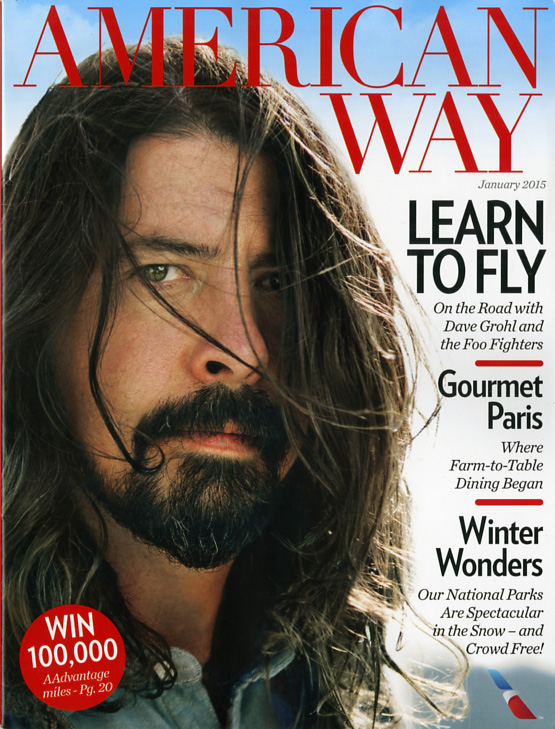
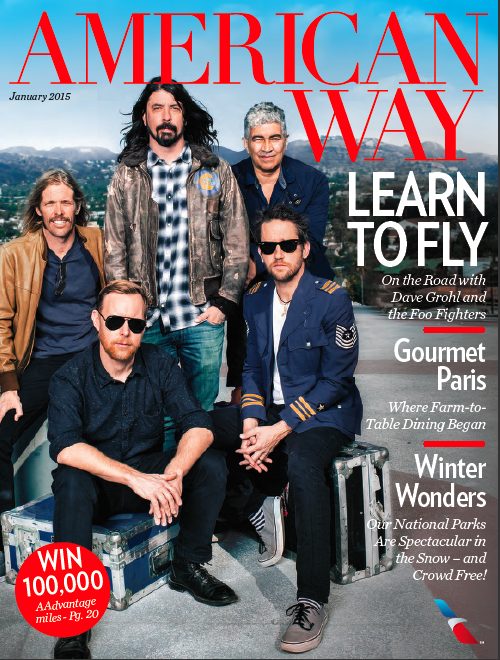
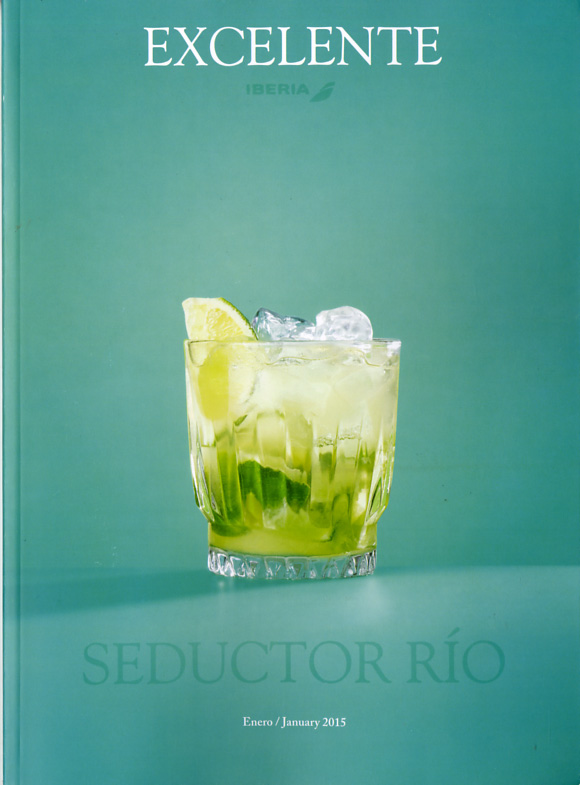
What keeps me up at night is often what happens around a launch period. If you think about at the first of January we have to have American Way on the planes and we have to have Ronda and Excelente on the planes as well, launching three major titles in exactly the same week causes me a few sleepless nights.

And now the lightly edited transcript of the Mr. Magazine conversation with Michael Keating, CEO and Founder, Ink Global…

The global network of INK...

The global network of INK…

Samir Husni: I was recently on your website and I saw the new magazines that have been launched. In launching those titles what were you thinking about, simply trying to expand your print empire of travel-related titles in an age where everyone else is saying print is in decline?

Michael Keating: Our particular niche, which is inflight magazines, bucks trends because more and more people are traveling each year, so in fact, where you might have a decline in newsstand titles, we’re actually getting more readers. In the case of American Airlines, with the recent merger with U.S. Airways, their annual passenger numbers will reach around 200 million, so inflight readership is growing.

Samir Husni: We used to say that the inflight magazines were read by a captive audience, but now in a digital age, where people are bringing their iPads or their smartphones or tablets that is no longer apropos of the situation. So, what’s your strategy to continue this upward trend with inflight magazines?

Ronda-3 Michael Keating: It’s true; you do have to vie for people’s attention, but just because someone may be watching a movie on their own device doesn’t mean they don’t read the magazines. TV screens have always existed on the long-haul flights, so I don’t believe that people only do one thing. They’ll get on a flight and have a nice meal, a glass of wine, read a book or a newspaper that they brought with them or watch a movie, but they’ll still pick up the magazine. We actually have a head of insight called Kevin Miller who is very experienced in doing research having worked for JC Decaux Airport,and we know that readership is exceptionally high.

Of course, I would like to think it’s just for excellent high-quality editorial, but people also love looking at the route maps and there is certain essential information that’s also in the magazines. And with low-cost carriers, when they’re selling food or drink onboard, they’ll often put a lot of the menu information into the magazine as well.

Despite the fact that I would love to think that every single passenger is picking it up only because of the entertaining features, sometimes they want simply to know how much a cup of coffee is or a sandwich and they’ll pick it up.

But once the magazine is in people’s hands, of course then it’s the job of our creative teams to make sure that passengers engage with it. Once in their hands they’ll have a flip-through or want to read the features that are presented. And in some instances, destination guides, like an EasyJet magazine, for example, there are more than 30 pages of city information in the back, so some of that is practical information, like really good restaurants and bar advice. Those destination guides are written by locals who live in each city. We have over 130 freelance writers on the easyJet network who all reside in those cities so it really is good local information.

Samir Husni: One of the things I’ve noticed is that American Way is completely different than Ronda; Ronda is different than Excelente and the same with the other magazines that you publish. Tell me about Ink Global, which you’re celebrating the 21st year of starting the company and what’s your strategy of growth and your plan for conquering the travel market?

Michael Keating: Yes, the magazines are completely different for every single airline. The first thing that we have to do is consider that particular brand, and clearly even the way in which we approach writing about a city would be completely different. For example, we do the Eurostar, which is the premium train between London, Paris and Brussels. And it’s bilingual, English and French. So, if we were writing a story on Paris for the Eurostar magazine, where there is an awful lot of Parisians traveling on the train, clearly the story would be differently positioned than if writing for American Way. What Americans want to do when visiting Paris is quite different to a local.

Again that would be different to easyJet from Iberia, for example. What might Spanish passengers want to do in Paris? Everything is completely tailored for the audience. I have a dedicated editorial team for each publication, so with any contract we’ll go out and hire dedicated editors, art directors to only work on that magazine. It’s not a shared resource. We never recycle the editorials; they’re really written for their own specific brand with that particular magazine’s audience in mind.

Samir Husni: What about the advertising market? I heard an agency executive last month on our National Public Radio saying that she doesn’t see anyone coming to her offices and asking to advertise in print. What’s your reaction to such a statement?

Michael Keating: Our advertisers get a very good response; otherwise they wouldn’t keep coming back. You just have to look at the number of series advertisers, those that will take multiple issues or in some instances annual contracts with the magazine. They wouldn’t be spending the money if they weren’t getting a good response.

In fact, we had a real estate advertiser form Spain who had taken space in the EasyJet magazine and they got a better response from easyJet Traveller than the Sunday Times, a big national newspaper in the U.K.

Why, because the people who may actually want to buy a second home in Spain; they’re more likely to get a response from people who are actually flying on an airplane to Spain than someone sitting in their armchair at home. It’s putting the right message in front of the right people at the right time.

Samir Husni: I noticed that you’re opening offices in Dallas and Miami…

Michael Keating: Yes, I’m talking to you from our Dallas office now.

Samir Husni: Are you expanding the presence of Ink Global in the United States?

Michael Keating: The expansion has been very recent because we won the contract for American Airlines. We’ve had offices for the last six years in New York, in Dumbo, Brooklyn and Atlanta. Atlanta is a sales office and New York is editorial. We placed the editorial staff in New York because there is great creative talent in the city.

American way-1Picture 23

When we won American, part of the terms of the contract was to have a local presence in Dallas because their headquarters are here. And we had to take on some of the existing staff because American Airlines has been published in-house for the past 48 years. So, this is really quite a departure for them to outsource it. And part of the deal was that we would take on some of their existing staff and would supplement that staff base with some exciting new talent.

We decided to open in Miami because one of the American Airlines publications is called Nexos and is bi-lingual, Spanish and Portuguese. The whole South American market is hugely important to the airline, that’s why they have a Spanish and Portuguese publication. So we needed to have some Spanish-speaking staff and Miami is a great place to recruit

Samir Husni: In 1994 when you co-founded Ink Global, your background was in broadcast; if you can recall that moment where you and Simon Leslie decided to found Ink Global, what made you move from broadcast journalism to print?

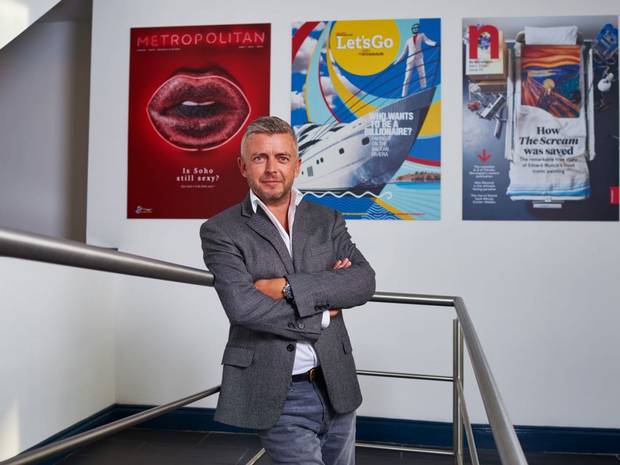
Michael Keating  in a picture from The (British) Independent newspaper

Michael Keating in a picture from The (British) Independent newspaper

Michael Keating: Michael Keating: What actually happened was there was a very good friend of mine who was Lebanese and his father worked in tourism in Lebanon. After the Civil War tourism was on its knees in the country and I was working for a TV news show called “London Tonight” and his father offered us free tickets to bring a TV news crew over to Beirut to do what I call an “And Finally” story on “Londoners are Booking Package Holidays to Lebanon Once Again.” It was an unusual idea at that time given that what people had been seeing about Lebanon on the news for many, many years was bombs and bullets. So, the idea of going there on vacation was almost laughable at the time.

I went to Lebanon to do this news item and I met a gentleman who was starting a new airline called British Mediterranean Airways. They started with one plane and one route, which was London to Beirut. He was there and he said, “Oh, you know about television; I’m going to need someone to do my inflight entertainment.”

We had a discussion and sure enough, I starting licensing movies and producing some audio/visual content for the airline. I knew Simon Leslie at the time because I was doing some writing for him, and I said to him “There is this start-up airline that I’m doing the inflight entertainment for and they need a magazine. Shall we go into business together? And that was the start of Ink Global. Such humble beginnings from a bar in Beirut!” A city obviously close to your heart.

Samir Husni: Indeed. You just took the words out of my mouth, being originally from Lebanon. (Laughs) That’s a perfect story for me.

Michael Keating: And then the airline expanded. It started operating to Amman, Damascus and Alexandria and the commercial director of that airline went on to be the commercial director of Branson’s then-European operation, Virgin Express. He called me and asked, “Do you want to do this Belgium-based airline, Virgin Express?” And I said, yes, please. So, I got that one as well.

And then we also did the magazine for an African airline called Alliance Air which doesn’t exist anymore. That was an alliance between the governments of South Africa, Uganda, Rwanda and Tanzania. So, you can probably take a guess why that airline doesn’t exist anymore.

So, we did Alliance Air, picked up easyJet and just kept adding more and more airlines. I really like the vertical. There is an argument that if you’re doing well in a particular field, then keep going and replicate success. Travel has always been a passion and being able to turn that into a career, has been a joy. The way we carved up the workload was that I focused on the creative side of the business and Simon Leslie would look after advertising sales.

Samir Husni: One thing that I’m interested in knowing is what was the major stumbling block? Your story can’t be all one success after the other; what was your major stumbling block and how did you overcome it?

Michael Keating: Not every single magazine we’ve undertaken has been a success. In some instances, when we found it very difficult to sell advertising in a particular market. Many people probably have the idea that airlines take out a nice, big, fat checkbook and pay us a huge amount of money to produce these publications. The reality is different in that they have to be 100% funded through advertising. That’s why I also think that the quality of the editorial and the design has dramatically changed over the decades in the sense that a long time ago the airlines would pay and these publications were completely created by a marketing department. They weren’t particularly commercial and they may not have been so nicely designed.

These days they have to be as good as or even better than newsstand-quality publications because the advertisers demand it. It’s also what passengers expect.


Samir Husni: From the magazines that I’ve seen it’s really great work, both editorially and in the design. My typical last question; what keeps Michael up at night, besides the time difference now?

Michael Keating: Michael Keating: (Laughs) That is often the problem with running a global operation because you literally can be chatting with one of the offices at all times of the day and night.

But what keeps me up at night is often what happens around a launch period. If you think that on the first of January American Way, Ronda and Excelente, all had to launch on the same day, that caused a a few sleepless nights. But I was delighted with the results.

Excelente-2

I think in the case of Ronda and Excelente, the team has produced something that’s really quite different and it’s a great accolade to them; the fact that they’ve created something very unique. Especially with Excelente, as it’s not like any other inflight magazine that I’ve ever seen before. I think there are some really clever ideas in there.

Samir Husni: Thank you.
h1

2014 Was A Great Year For New Magazines. The Mr. Magazine™ Interview With Mr. Magazine™…

January 1, 2015

“With all the troubles on the newsstands, 2014 proved to be a great year for new magazines. In fact 234 new magazines published with a regular frequency, putting this year’s numbers at 21% more titles then 2013.” Samir “Mr. Magazine™” Husni.

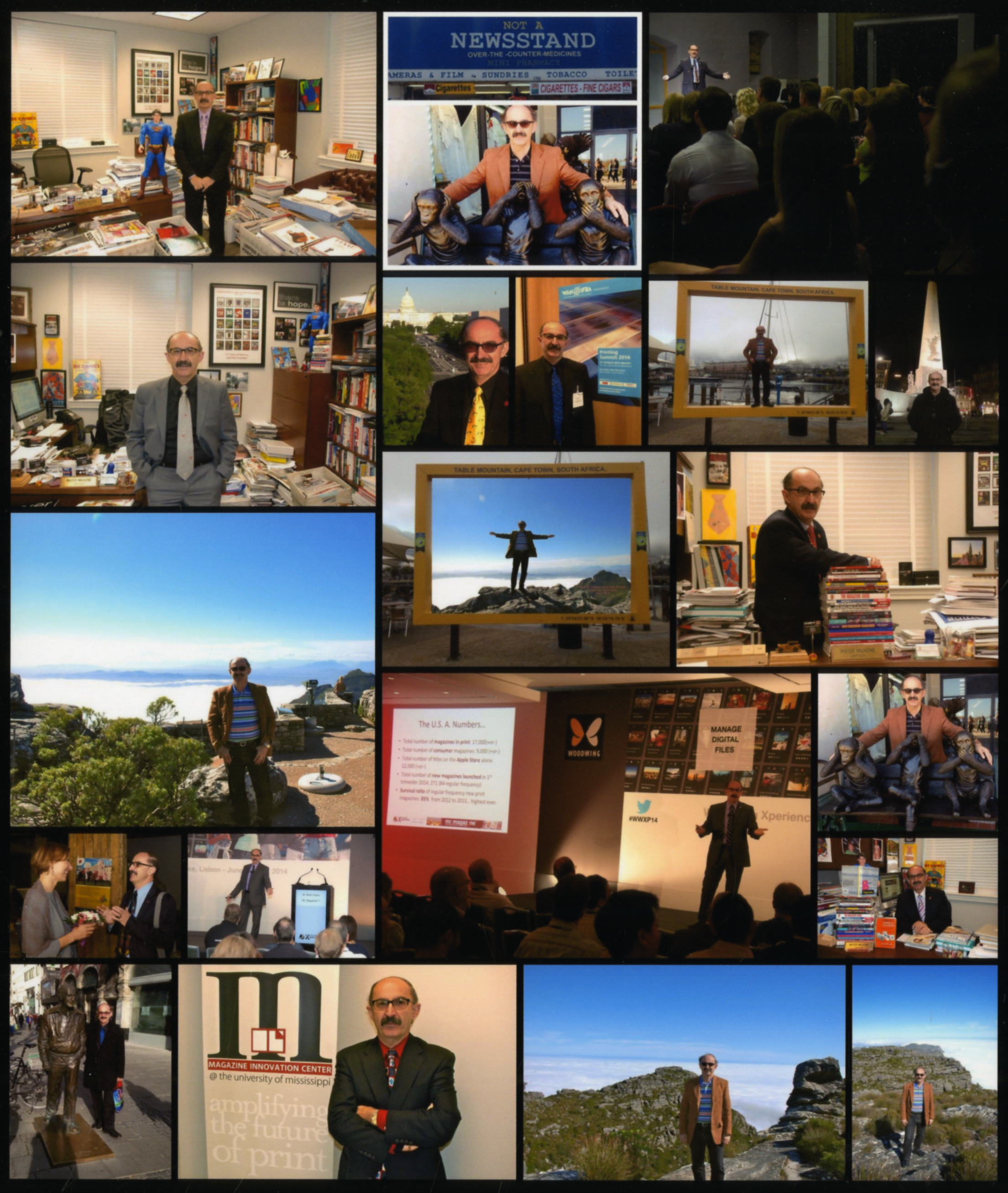
Mr. Magazine™ 2014:  Traveling the World Preaching the Gospel of Magazines, Magazine Media and the Power of Print in a Digital Age.

Mr. Magazine™ 2014: Traveling the World Preaching the Gospel of Magazines, Magazine Media and the Power of Print in a Digital Age.

First ever Mr. Magazine™ interview with Mr. MagazIne™[/caption] As we usher in a new year, the numbers are in and the totals look phenomenal. In customary Mr. Magazine™ style, new titles are lovingly collected and meticulously counted in order to bring the most accurate set of numbers of available new magazines to the world of magazine media and people interested in the industry.

Striving throughout the year to locate as many new magazine titles that are attainable through my extensive travels, I bring to the table some of the best reasons in the world for our industry to look forward to a very bright future. And while my endeavors aren’t a mystery to anyone that is familiar with Mr. Magazine™; I felt an interview with the man himself was necessary to clarify a few of the rules and regulations that lead up to the annual year-end publishing of the new launch numbers.

And who better to interview Mr. Magazine™ than Mr. Magazine™ himself. Why not? 2015 is a brand new year and we journalists are nothing if not innovative and willing to cultivate new ideas for the New Year.

Up first, the numbers for 2014 and the comparisons to its predecessor, 2013, and in the words of the inimitable Frank Sinatra: It was a very good year…

The Numbers of New Magazines

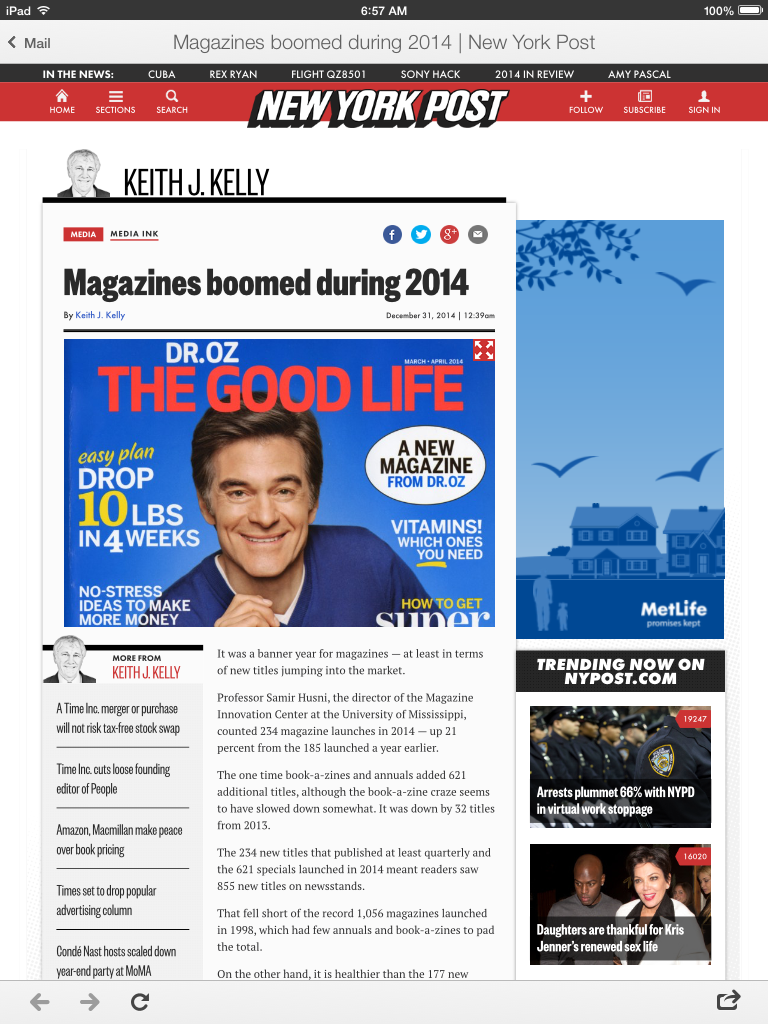
2014 by the numbers: There were a total of 855 new magazines published in 2014. The new crop of magazines was divided into 234 magazines with an intended frequency and 621 specials, annuals and book-a-zines.

2013 by the numbers:
There were a total of 838 new magazines published in 2013. The new crop of magazines was divided into 185 magazines with an intended frequency and 653 specials, annuals and book-a-zines.

The total number of magazines published in 2014 with a frequency represents an increase of 49 titles which is an increase of 21% in the number of new titles compared to those published in 2013. The total number of specials and book-a-zines decreased by 32 titles.

By the categories: The top ten categories among the magazines published with a regular frequency in 2014 are:

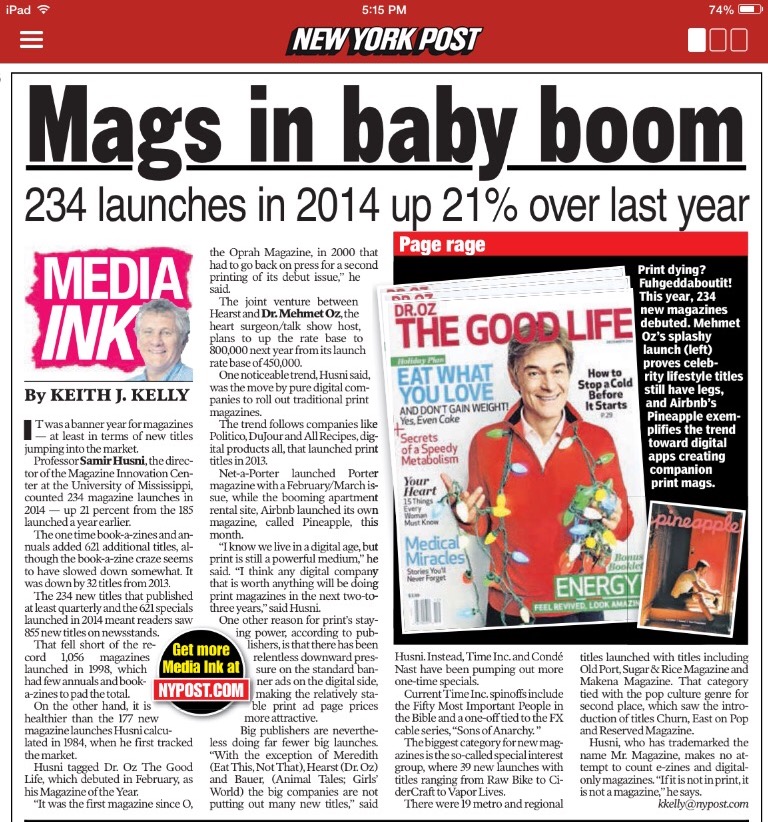
The interview with Samir "Mr. Magazine™" Husni as it appeared in the New York Post.

The interview with Samir “Mr. Magazine™” Husni as it appeared in the New York Post.

o Special Interest Publications: 39 – Examples: Raw Bike, CiderCraft and Vapor Lives

o Metro and Regional: 19 – Examples: Old Port, Sugar & Rice Magazine and Makena Magazine

o Pop Culture: 19 – Examples: Reserved Magazine, Churn and East on Pop

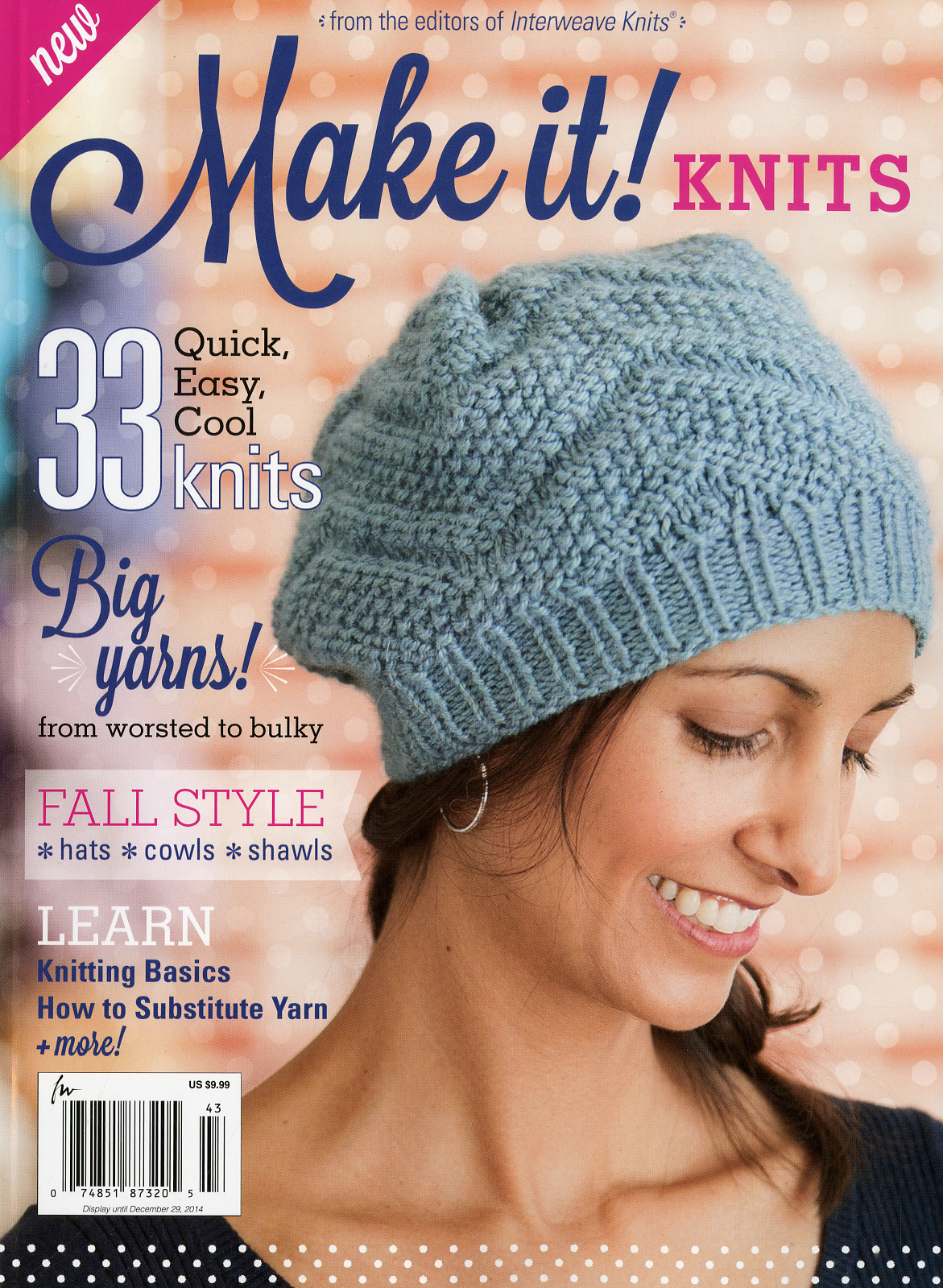
o Crafts and Hobbies: 15 – Examples: Knit Purl, Mollie Makes (U.S. Edition) and Hoop-la

o Children’s: 10 – Examples: Peppa Pig, Bible Fun for Children and Animal Tales

o Sports: 9 – Examples: All Things Sports, Maroon and Chicago Football

o Art and Antiques: 9 – Examples: Acrylic Artist, Artists & Makers and Art on Cuba

o Fashion: 7 – Examples: Porter, Eyelash and No Tofu

o Gay and Lesbian: 7 – Examples: Lei, Winq. and Men Addicted

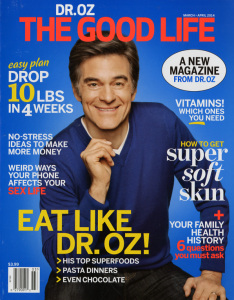
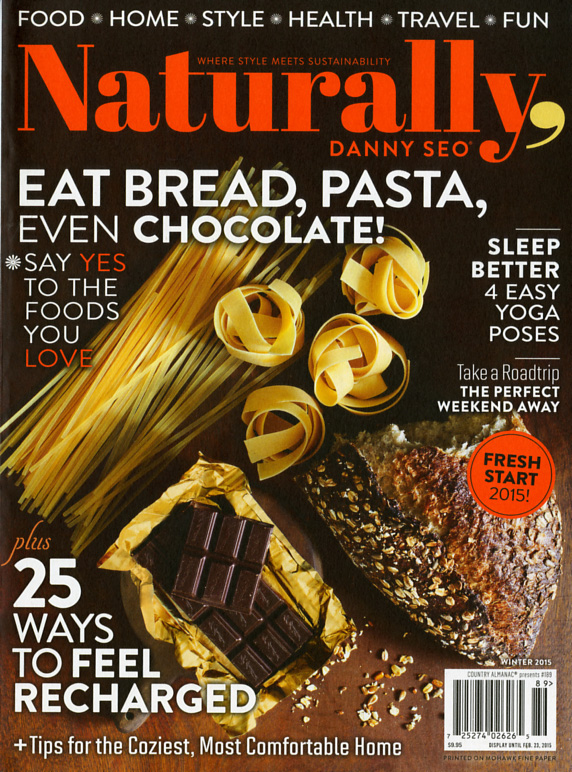
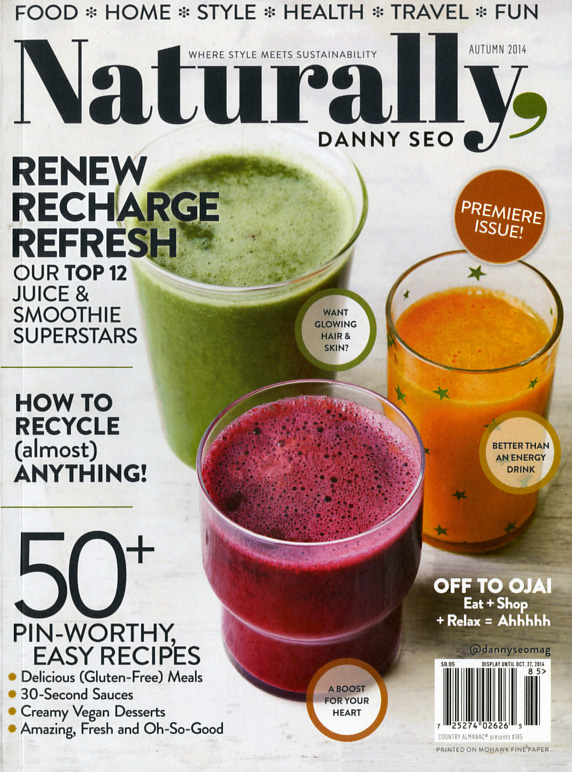
o Health and Wellness: 7 – Examples: Mantra, Naturally, Danny Seo and Dr. Oz The Good Life

And now the Mr. Magazine™ exclusive interview with Mr. Magazine™… please enjoy!

The Story Behind the Numbers

Samir Husni: How do you know that you have every new magazine?

Mr. Magazine™: I don’t… these numbers are for the titles that I was able to acquire and have in my possession. I only include in the numbers the magazines that I have physical copies of. I am sure there are some local and regional magazines that I did not find or acquire. Also, when I hear about a new magazine that is not available on the newsstands, I do not include it in the count. For example, the new travel magazine Pineapple was published in Dec. but I do not yet have a physical copy of the magazine, so it is not included in the numbers. So, needless to say my numbers are the minimum number of magazines published.

SH: What magazines are included in your numbers?

MM: First and foremost my definition of a magazine is a printed product. It must be a print entity to be included in the numbers. The numbers are then divided between those magazines that are published with the intention to appear four or more times on the stands, and those that are specials or a one time publication. All the magazines included in my numbers are distributed on the nation’s newsstands with a U.S. bipad and UPC code.

SH: Where can we find a list of all the magazines?

MM: I publish a monthly update on my http://www.launchmonitor.wordpress.com blog where the cover of each and every new title I acquire is presented.

SH: How long have you been tracking the new magazines?

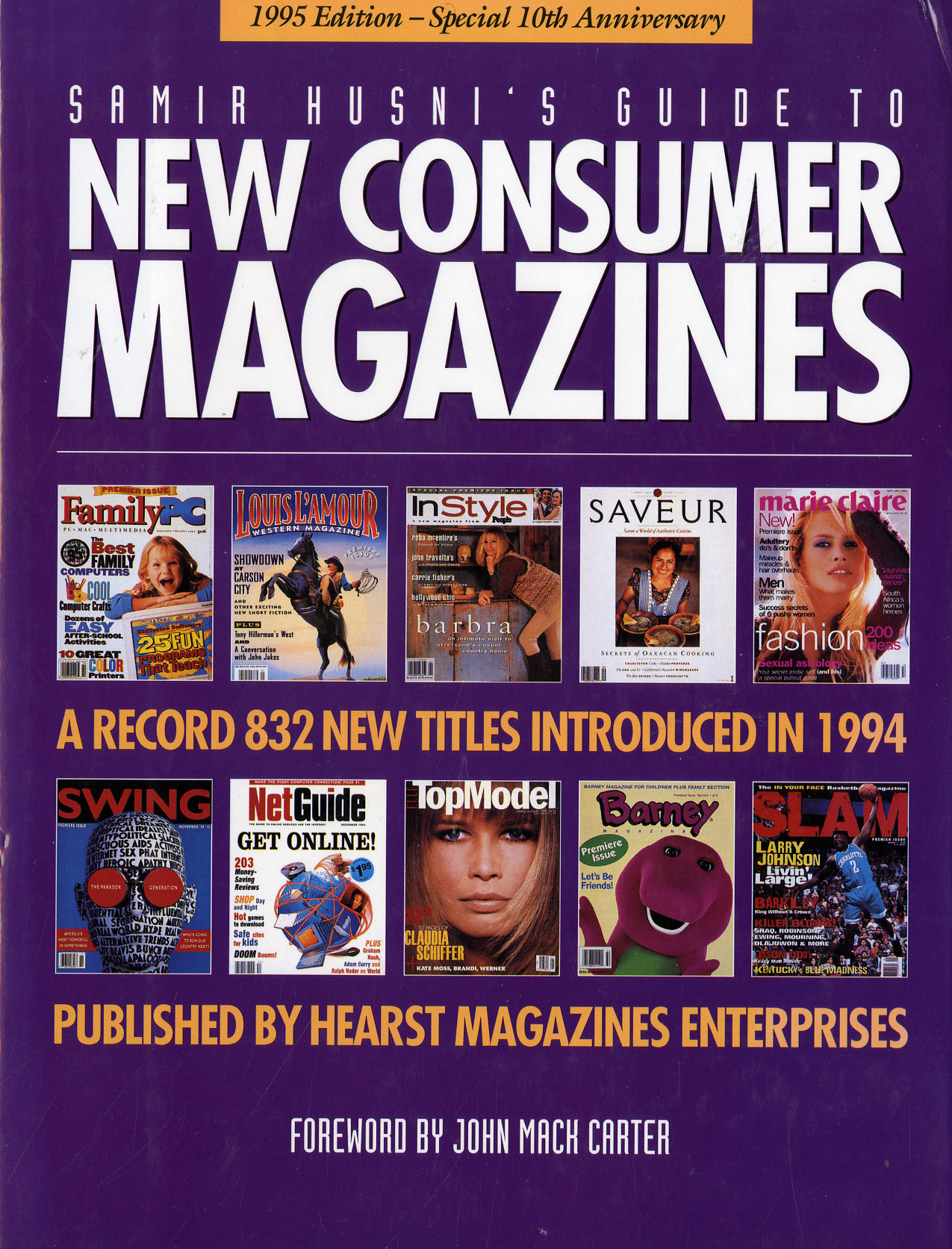
MM: It started as a hobby in Lebanon at a very young age. I used to buy every new magazine and every possible issue afterward of the new magazine. When I arrived in the United States in 1978 to pursue my graduate studies, I immediately knew that on a student’s budget I couldn’t buy every issue of every magazine, so I opted for collecting only first editions. In 1985, I published my first Guide to the new magazines, and since then I never stopped.

Of course, now with a little better budget than I had as a student, I can buy more magazines and I can add to my collection of more than 30,000 new titles that I currently own.

SH: Magazines are becoming more and more expensive. How much do you spend on magazines annually?

MM: You know people think that I must receive my magazines for free and I do receive a lot of them gratis. But in addition to the free magazines, I still manage to spend close to $28,000 a year buying magazines… Well, at least those numbers reflect the magazines that I have receipts for…

SH: Besides being your hobby turned profession, why do you do this?
MM: Well, I am a firm believer in print and the power of print. I know we live in a digital age and all the digital gadgets that I own (plenty of them) are a testament to that. Yet, I also believe that there is something unique about print and its power and how it relates to human beings… As long as we have human beings we are going to have print.

nypost SH: What’s next for Mr. Magazine™?

MM: Well, putting my money where my mouth is, I am working on a new book/event that will celebrate the 30 most notable launches of the last 30 years. Some of those new magazines that were launched in the last 30 years have added life and longevity to the magazine and magazine media industry. It is yet more evidence that any industry that does not give birth is a dying industry. The magazine industry, with all its problems, is NOT a dying industry. New magazines are the life’s blood of the industry and this new book and event will celebrate those 30 titles and their stories of beating the odds and thriving in a digital age.

I also finished a new book with two of my colleagues that will be published this summer. The book, Audience First, covers all the media and aims to introduce new theories and practices for both professionals and students of the news media industry.

And of course, I will continue nourishing my hobby of buying, receiving and reading magazines… let the good life continue.

Happy New Year to all. Keep on magazine reading…

SH: Thank you. Same to all.

Editor’s Note: The numbers of new magazines were released exclusively in the New York Post in Keith Kelly’s Media Ink column yesterday, Dec. 31, 2014. Click here to read Keith’s column on the 2014 Magazine Boom.

h1

Closer Weekly Magazine and Dr. Oz The Good Life Magazine Are The Co-Hottest Magazine Launch of the Year

December 5, 2014

Closer-13Dr. Oz-8

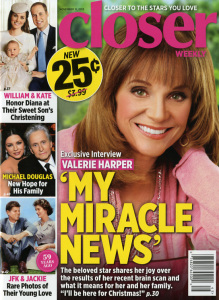
For the first time since 2000, two magazines shared the title “Hottest Launch of the Year.” Bauer Publishing’s Closer Weekly and Hearst Magazines’ Dr. Oz The Good Life were named earlier today as the co-hottest launches of the year. In 2000, American Profile and O, The Oprah Magazine were named co-launches of the year.

Closer weekly is the first major weekly magazine launch since 2004 and Dr. Oz The Good Life is the first new magazine to go to a second printing since 2000.

IMG_4545 The Hottest Launches’ event took place at the Grand Hyatt Hotel in New York City. The 30 Hottest Magazine Launches of 2014 were honored at the event that is held annually in partnership with min: media industry newsletter.

At the same event Newsweek was honored as the Hottest Re-Launch of the year.

The magazines were selected from a field of more than 800 new magazine launches covering the period of Oct. 2013 until the end of Sept. 2014. There were more than 200 titles in that group that were published with a frequency of four times or higher.

Congratulations to all the winners and looking forward to the crop of 2015.

Click here to read about all the 30 Hottest Magazine Launches of 2014.

h1

Naturally, Danny Seo: The Man,The Magazine, The Movement. The Mr. Magazine™ Interview With Danny Seo.

November 21, 2014

“But the reality is, to actually create a beautiful, curated, well-edited printed magazine; it’s not an easy process. And when we really looked at the space and thought about who our reader and customer was and what she’s really interested in right then, which is having some me-time, we felt the reader was looking for a publication where she could actually turn off her phone or the TV and have an appointed reading time with a tangible product that she can hold in her hands and go through page by page.” Danny Seo

naturally 1-5Living “Simply Green” is something that Danny Seo has been doing and promoting for years. Through his books, television programs, magazine columns, and his how-to lifestyle lectures, Danny Seo has shared his creative ideas on modern, eco-friendly living to millions of people.

And now he has another platform for his environmental practices and beliefs that is as beautiful as it is sustainable. Naturally, Danny Seo is the latest offering from a man who has been described as an eco-friendly lifestyle expert. And looking at and touching his newborn brainchild certainly backs up the description. The magazine is harmonious and balanced, beautiful and filled with creative and innovative ways a person can help sustain our planet in many different ways. From food, home, style, health, travel and just plain fun, Danny embraces a health-conscious attitude about life in general, instead of producing a magazine that promises you to lose 5 pounds in 5 days.

But don’t look for his face on the cover. Ever. In fact, it’s in his contract. Instead, look for sustainable topics done in an oh-so stylish way. And the paper the magazine is printed on feels amazing.

It’s just a great magazine and definitely deserves to be one of this year’s hottest new launches. So, sit back and let your earthy, inner spirit soar as you enjoy the Mr. Magazine™ interview with a man who loves the planet and is determined to prove it, Danny Seo, Naturally, Danny Seo…

But first, the sound-bites:

Danny Seo On why he chose a printed magazine as a platform: Well, you would think being an environmentalist, doing a digital magazine would be something that I’d be interested in because there’s no trees involved, no waste; it’s as eco-friendly as possible. But when you think about digital magazines, the reality is anybody can do a digital magazine.

On whether, as an environmentalist, he thinks print adds or takes away from the environment:
I think what it is, there’s a lot of things in our lives right now that are just cheap and of bad quality.

On a stumbling block he had to face during this journey:
I think it’s what we’ve noticed in Issues 1 and 2: we need to find more women to profile in the magazine.

On where his mind is at when he decides on the covers of the magazine: The number one promise we try to make is nothing sensational, no false promises; five pounds in five days, forget it, that’s not going to happen.

On his most pleasant surprise since starting the magazine:
It’s probably going to sound cheesy, but I was at Whole Foods when the magazine hit newsstands and I was buying a sandwich for lunch, this was in New York. And a woman picked up the magazine and began reading it and I could see her stop at a page, like she was having an “aha” moment and I could almost hear her thinking: I’ve never thought of this, what a great idea. And she put it in her cart to buy it.

On whether he’ll ever be featured on the cover:
No, in fact, that’s in my contract. I will never be on the cover.

On some of his favorite magazines: I really love so many magazines. My all-time favorite magazine and it’s almost impossible to find in the United States is Jaime. It’s a brilliant magazine.

On what keeps him up at night:
Nothing, I sleep very well.

And now the lightly edited transcript of the Mr. Magazine™ interview with Danny Seo, Editor-in-Chief, Naturally, Danny Seo…

Samir Husni: Congratulations on being named one of the hottest new launches for 2014. We had almost 800 new magazines, with over 200 published on a regular frequency.

Danny Seo: Thank you. It was a huge honor and our publisher has been on Cloud Nine ever since. (Laughs)

naturally2-6 Samir Husni: My first question to you is: why did you feel the need for a printed magazine? Your own personal brand is everywhere, so why the printed magazine?

Danny Seo: Well, you would think being an environmentalist, doing a digital magazine would be something that I’d be interested in because there’s no trees involved, no waste; it’s as eco-friendly as possible. But when you think about digital magazines, the reality is anybody can do a digital magazine. And I’m talking about my parents could do one, my neighbor; it’s almost like there’s absolutely no betting process about the quality of the product. If you have $20, you can buy a program and create something that people can flip through.

But the reality is, to actually create a beautiful, curated, well-edited printed magazine; it’s not an easy process. And when we really looked at the space and thought about who our reader and customer was and what she’s really interested in right then, which is having some me-time, we felt the reader was looking for a publication where she could actually turn off her phone or the TV and have an appointed reading time with a tangible product that she can hold in her hands and go through page by page.

When I’m in my office in New York, I actually answer my phone when it rings and women call me and are literally in tears as they tell me what a long time it’s been since they’ve read a magazine that didn’t talk down to them. And that this is the first magazine that’s not only incredibly inspirational, positive and fun, but it’s also beautiful to feel and look at. And that’s the number one reason we did this; there’s just a lack of respect in the printed space for this audience right now.

Samir Husni: When you talk about the environment; do you think that the printed word takes away from the environment or adds to it? You mentioned the trees; what do you think causes more environmental damage, all the computers, phones and devices that we trade in or get rid of every six months, or the paper we use to print magazines?

Danny Seo: I think what it is, there’s a lot of things in our lives right now that are just cheap and of bad quality. And you look at a lot of things in different categories: fast fashion, which is in retail where you buy clothes and after a couple of wears, you just throw it away; we would never think that in the 80s. (Laughs) No one bought clothes that way.

I’ve been a magazine editor at a number of titles and what I saw on the business side happening time and time again was people would say, “Oh, paper. It’s very expensive. We’re going to have to lower the paper quality.” And paper just got cheaper and cheaper and thinner and thinner and the overall product began to feel disposable.

And on the editorial side, I would hear things like, “We don’t have the budget to actually do original stories. So, we’re going to go into the archives and we’re going to reprint a story that ran in another magazine six months ago and no one will be able to tell the difference.” And to me, as a reader, I would think that kind of thing was really disrespectful, as someone who bought magazines. They still expected the reader to pay the same price for the magazine and the paper was so thin, I didn’t even like feeling it and I could see right through it. It was completely inferior in quality and I looked at the stories and things and they appeared more like stock photos and things that I’ve read and seen in the past.

If you just improve the quality of the paper and do all original stories, photograph everything without using any stock images, do original reporting, recipe development and actually go out and find untold stories and then you give everyone at least 8 pages to fully tell those stories; you really can still find an audience who’s willing to pay for that quality product.

If you’ll notice, we’re not $3 an issue or $4 an issue; we’re $10 an issue. And we have not gotten a single negative response from anyone complaining about the price of the magazine. Not a single email, or phone call, tweet or Instagram. (Laughs)

It’s like Field of Dreams: if you build it, they’ll come. (Laughs)

Samir Husni: Issue 2 is on the newsstands now. In the time between Issues 1 and 2, what has been the major stumbling block that you’ve had to face and how did you overcome it?

Danny Seo: That’s a tough one. But I think it’s what we’ve noticed in Issues 1 and 2: we need to find more women to profile in the magazine. You know, you sort of live in a cloud, a foggy, misty cloud when you’re shooting the stories. When we were laying out Issue 2, I was thinking; you know, that’s a lot of men we’re featuring. (Laughs)

We shot a beautiful story that’s going to be in the next issue and on day nine of a ten-day shoot, I was going to the raw images and I looked at the photographer and said, “Have you shot one woman on this trip?” (Laughs) I think we’re a women’s magazine and sometimes as a male editor-in-chief, I need to remind myself that our readers are mainly women, at home or working, with children or maybe thinking about starting a family. So, I have to constantly tell myself: think like your reader, not like yourself.

Samir Husni: When I was reading your editorial, you mentioned that you would never do a story about losing 5 pounds in 5 days, or some fad diet. But rather, I see your cover lines and they read: eat bread, pasta and chocolate. I can think of one other magazine that uses a similar approach and that’s Real Simple magazine, you’ll never find a diet or a celebrity on the cover. What’s your thinking behind the cover of your magazine?

Danny Seo: The number one promise we try to make is nothing sensational, no false promises; five pounds in five days, forget it, that’s not going to happen.

We’re trying to be a place that’s very realistic, but also again it’s very timeless. And what we’re trying to create is a product that people actually want to save and archive and build as a collection. And so there are very, very few magazines that are presented in a really timeless fashion. For me one of the inspirations was the very early editions of Martha Stewart Living. Those stories could be run in 2001 or they could be run today.

What you won’t see in the pages of our magazine are product shots, like 15 sunscreens under $15, because that’s not timeless. That’s now. And what that says to the reader is this is a disposable product and when you’re done reading this, you should throw it away, because 10 years from now those sunscreens aren’t going to be on the shelves and also, who cares about how to shop for sunscreens. (Laughs)

I think the biggest example of where we’re going, and we’re already at Issue 2; a lot of the stories that we’ve created in the first two issues we’re now partnering with One Kings Lane, it’s an online site that’s all luxury home products. We’re going to be doing a fine arts sale of the images from the magazine where people can actually buy them framed as original prints and put them in their home, because that’s been the number one request from readers is how do we buy these beautiful images. It’s very few magazines that could actually sell images from today, from a story that’s been done recently.

That’s sort of our promise when it comes to the covers; everything just feels real and it doesn’t scream at you on the newsstand like you’re five-years-old. (Laughs)

Samir Husni: And what has been your most pleasant moment since you started the magazine?

Danny Seo: It’s probably going to sound cheesy, but I was at Whole Foods when the magazine hit newsstands and I was buying a sandwich for lunch, this was in New York. And the day it launched, I was thinking that I didn’t know how it was going to sell or how people were going to respond to it; I felt like I was under the gun. I didn’t know what to do. That day I saw a woman standing in line and all the magazines were lined up at the check-outs and I saw our magazine among them. She picked it up and standing there in line, she began to read it. Eventually, she put it back on the stand and went to pay for her things and I remember thinking, we’re not a library, buy the magazine. (Laughs) But then the next person behind her picked it up and began reading it and I could see her stop at a page, like she was having an “aha” moment and I could almost hear her thinking: I’ve never thought of this, what a great idea. And she put it in her cart to buy it.

After that, I followed her to the register and asked her why she was buying the magazine. And she said, this (pointing to the article) just looks so delicious and I loved this story (she flipped through the magazine) and there’s just so much more to read and I don’t have time to read it all here. The flip quality to her was very important. And she was talking and pointing out to me the articles she really wanted to read as the cashier was ringing up her purchases. At that moment, I just pulled out my credit card and told her I was going to buy her groceries. (Laughs)

Samir Husni: (Laughs too) That’s a great story. Danny, I’ve read references that have been made about you, such as you’re the green Martha Stewart. But you’re not on the cover.

Danny Seo: Oh, yeah, I’m not.

Samir Husni: Are we ever going to see a Danny Seo cover one day?

Danny Seo; No, in fact, that’s in my contract. I will never be on the cover. It’s interesting, there is another publisher, a major magazine publisher, when we were talking about doing this magazine; we met in a room and they mocked up covers and I just saw a wall of me and I just looked at them and asked, “Why on earth would you want to put me on the cover?” And they said because you’re a brand, you have products in thousands of stores; you’re on TV all the time, so we have to put you on the cover. And I remember just saying, “Do you not want to sell magazines?” (Laughs)

This magazine is not a vehicle for me or to push me; it’s not an ego-driven project. It’s a magazine where also I don’t promote my products on the pages. People are investing $10, which is three times the normal price for a magazine, they deserve a better product. And I’m not going to advertise to my reader things that are only in my lifestyle. I have a very strong philosophy about how to live, how to eat and travel, about beauty and home and that philosophy is what I want to present. I think once you lose that trust or that bond about why you’re doing something like this, you lose the reader forever. That’s my commitment from myself to the readers. It’s about them and there is no other motive when it comes to the things we recommend or talk about.

Samir Husni: Any plans to increase the frequency from quarterly?

Danny Seo: In 2016 we’re going to six issues. We actually needed to increase the issues for Issue 2, but we couldn’t get more of the paper that we use.

Samir Husni: I know you’re a very busy man, but when you unwind or get your “me-time” and forget Naturally for a second, what magazine do you like to spend time with?

Danny Seo: I really love so many magazines. My all-time favorite magazine and it’s almost impossible to find in the United States is Jaime. It’s a brilliant magazine. We just came back from Ireland where we did a photo shoot and I actually went into a bookstore and bought back issues of the magazine. It was another inspiration for me in doing our magazine. I think Donna Hay is another beautiful publication; it also has that archival feel to it. Up in Canada, they do some great titles.

In the United States the titles that I really love is Real Simple, it’s one of the benchmarks that we look at and for news, I think New York Magazine is great and some of the supplement titles from the newspapers, like WSJ are fantastic too.

Samir Husni: My typical last question; what keeps you up at night?

Danny Seo: Nothing, I sleep really well. (Laughs)

Samir Husni: Thank you.
h1

The 30 Hottest New Magazine Launches and The One Hottest Re-Launch…

November 14, 2014

Newsweek-7 The number of new magazines being launched each year in the country isn’t growing smaller just because print is “supposedly” declining; quite the contrary. Between October 2013 and the end of September 2014 there was a total of 862 new magazine launches – with 232 of those promising frequency.

For a declining medium, print magazines are audaciously responding to that sentiment loudly and clearly with a courageous repudiation to their critics. Defining 862 new launches as “declining” is an understatement, to say the least.

In honor of the blood, sweat and tears (and let us not forget ink too) that were poured into every one of those 862 new launches and their predecessors from years past, once a year in conjunction with MIN (Media Industry Newsletter), I present the 30 hottest magazine launches of the year at a breakfast event in New York City. Click here for more information about the event.

The question I’m asked most often about the event is my selection process and what criteria do I use to select the 30 hottest launches for any given year? And because being one of the hottest new launches doesn’t guarantee success, I always feel compelled to point that fact out. But being chosen does mean something; it means that the angst and hard work of the magazine’s staff and all the people that are behind that product has been noticed and acknowledged. And in today’s media world the criteria for selection is very stringent.

In reaching my decision on what makes a hot magazine, by far the number one criteria point is the audience’s reaction to that magazine. How did the overall marketplace react and how did its intended audience respond to it? And just as important; how did the industry behave toward it? These questions are the first thing I ask upon selection of the hottest 30.

For example, when you have a website like Net-A-Porter launching a print magazine and when you read the CEO of Net-A-Porter telling people that her company is not complete without print, that firm declaration is enough for me to consider what that company has done, with the investment of time and resources, something worthy of being a hot launch. It’s simply the case of an entity listening to the pulse of its audience. And that’s what this entire business is all about: audience first.

Or a company like Bauer launching a weekly print magazine in this day and age; that alone is an indication the magazine should be included as a hot launch. And to go even further, when you have a magazine like Dr. Oz The Good Life that sells out on the newsstands and goes for a second printing, a first since 2000 when O: The Oprah Magazine was introduced, how dare I not name it as a hot launch?

Other criteria include the ability to be such a beautiful and rich magazine experience that the product can entrance an audience that is so far-removed from its intended consumer, through unbelievable photography, exquisite paper and undeniable style, it refuses to be ignored, such as Angler’s Journal, where the passion and beauty of fishing comes alive and can ignite an intense desire to flip through its pages and read its awesome content, even if the person doing so has never been fishing in their life.

And while there is no scientific formula for the selection process, there is a tangible connection between myself and magazines. I didn’t choose them; they chose me, so the living and breathing passion that I have felt for magazines over the last 30 years has instilled within me an innate ability to meld with ink on paper. We are conjoined.

Also, something has to grab my attention to be selected as a hot new launch, based on the comparative analysis of all the other magazines that are out there. To me, every new magazine is a good magazine. Any new launch is a good launch.

However, when you’re looking at 200 or 300 new magazines, invariably a magic quality will surface and single out those titles that float to the top like delicious cream. It’s when I begin to skim the top of that cream that I discover those 30 hottest new titles.

So without further ado; here are the 30 Hottest New Launches for 2014 in alphabetical order:

8 by 8-25
8 by 8
What happens when you combine a great creative art director with his love and passion for the game of soccer? You get a beautiful, artful magazine called 8 by 8, a beautiful magazine that the beautiful game deserves.

Angler's Journal-12
Angler’s Journal
Angler’s Journal brings the fishing life to the pages of a beautiful, oversized, well-done publication. It combines both stories and photography to give the reader (even people who aren’t interested in fishing) a passion for the sport.

Animal Tales-11
Animal Tales
If one thing stands out to me about 2014, it’s that this could easily be described as the year of the child. There have been more print magazines born into the marketplace for children than I can ever remember. We are celebrating our children from every angle, from the interactivity of puzzles to fantasy characters and the love between children and animals. Children’s magazines are hot and they happen to be scorching in ink on paper.

Bella Grace-10
Bella Grace
A major departure for Stampington & Company Publications, who normally focus on crafts and the crafting way of life; Bella Grace exemplifies a journal for women that celebrates the beauty of life and life’s adventures.

Chance-33
Chance
Chance looks at the world through the lens of theater and design. It’s a provocative way of enjoying great design in panoramic display and puts a new spin on art, photography and life without leaving anything to chance.

Closer-13
Closer Weekly
Most think a company would have to be crazy to launch a weekly magazine in this digital age. But when that magazine covers celebrities, icons who the audience (people over 40) of that magazine can relate to, you know it’s a hot launch.

Craft Beer-9
Craft Beer and Brewing
Craft beer is the “in” thing in beer these days and this magazine is a bible for everything you need to know about it and the actual brewing of this kind of libation. This magazine leaves nothing behind, teaching the reader how to brew it, drink it and enjoy the different aspects of craft beer.

Dinosaur-31
Dinosaur
Anyone willing to defy cultured extension deserves to be named one of the hottest new launches of the year, let alone the magazine is presented in a way that reflects the name, the audience and the industry as a whole. Dinosaur is definitely one of the hottest new launches of the year.

Dr. Oz-8
Dr. Oz The Good Life
Who doesn’t like the good life? It’s the dream of every living, breathing human being on Earth. And Dr. Oz now has a magazine to help us all discover that elusive chimera. The magazine covers how to boost one’s health through eating right, relationships and basically how to live life to the fullest. It’s definitely a hot launch.

Food & Travel Quarterly-20
Food & Travel Quarterly
When Benjamin Franklin said in this world nothing can be said to be certain, except death and taxes, he should have added, except that the human race loves to eat and travel. Now we have a magazine that combines two things that people love in a colorful, beautiful way.

Girl's World-27
Girl’s World
In their continuous attempt to meet each young girl or young woman’s needs in their stable of magazines, Bauer Publishing has filled in the gap between the very young and the very teenaged groups of young women with Girl’s World. This magazine is a stepping stone for the girl who’s preparing to come into her own as a young woman.

GQ Style-30
GQ Style
New to the United States, but published in other countries of the world, GQ Style is the perfect addition to the wardrobe of men’s magazines. It focuses only on style and fashion and is a beautiful accoutrement to the core GQ staple.

Live Happy-21
Live Happy
Happiness is becoming a science and the “happy” application methodology has found a home between the pages of Live Happy magazine. In this magazine, the science of being “happy” is explained and the audience is invited to join the movement. It’s upbeat and uplifting; something needed in our fast-paced, often dizzying society.

Modern Pioneer-4
Modern Pioneer
Modern Pioneer reaches back into the past to help readers survive the present and anticipate the future in a more earthy and natural way. It’s getting back to our roots in the best of ways. Just a great magazine.

Mud & Obstacle-22
Mud & Obstacle
This magazine captures the growing trend and love of elite obstacle racing and mud running and releases it onto the pages of print. While it may not be a new trend in sports, it is new to the pages of a magazine and has both male and female loyalists. The magazine is bold and forceful, similar to the sport and is a very welcomed addition to the family of print magazines.

Naked Food-3
Naked Food
This magazine was born from personal tragedy in order to help prevent and reverse diseases that are caused by unhealthy eating. It’s a magazine that has an honorable proposal: it’s a national health initiative that proposes the switch from the Standard American Diet (S.A.D.) to the New American Kind and Enlightened Diet (N.A.K.E.D.). The initiative focuses on preventing and reversing chronic degenerative diseases.

Naturally Danny Seo-19
Naturally, Danny Seo
Captivation of a trend at its best and applying it to food, home, style, travel, beauty and entertaining; Naturally, Danny Seo showcases the lifestyle authority of Danny Seo and brings a new generation into the sustainable lifestyle. It’s an amazing replica of a man’s life’s work and practices what it preaches by using premium recycled paper for its product. Going green is up front and shining in this magazine.

Nautilus-32
Nautilus
Humanizing science and culture, Nautilus magazine is a rare breed in the genre of true science magazines. Pleasant to read and even more pleasant to look at, each issue combines the sciences, culture and philosophy of a certain topic into a single story told by the world’s leading thinkers and writers.

one-1
One
One magazine comes from the One Club and is a magazine for creative people in advertising and design. It was an online product that moved, according to its director of content, to an entirely new entity called print, new, at least for the One Club. This is the post-digital era, as they call it in the magazine. So we have another digital entity discovering the power of print. I can only support this move and revel in it.

Pando Quarterly-29
Pando Quarterly
Another digital entity discovering print; Pando Quarterly offers great content and charges the reader a membership for it. It’s a sustainable concept and one that should benefit this sharp magazine fully. This is another example of intelligent, investigative journalism that another media organization had all but written off.

Politico-26
Politico
Probably one of the best executed magazines that was born from the womb of a printed newspaper and then a website, Politico came into this world a genius. Smart, quick and arrow-sharp, Politico is a force to be reckoned with on the field of political magazines.

Porter-28
Porter
A successful website and a virtual store have created a powerful print tool that only adds to their overall achievements. A fashion magazine for the stylish, intelligent woman of now, Porter magazine shows off its luxury retailer traits excellently. To paraphrase its CEO, now you can say we are a multi-media company.

Rescue Me-6
Rescue Me
We’ve had a few magazines that focused on the adoption of children; Rescue Me brings the adoption of animals to the forefront of the reader’s mind. This magazine has a mission, something more than just showcasing the beauty of pets. It expounds on the need of animals and how the people-to-pet relationship is of mutual benefit to both.

Sofia The First-5
Sofia the First
A magical fairy tale that teaches children to be bold, curious and kind; Sofia the First embodies the interactivity of first screen, second screen and even third. From the television series to the online games and now to the print magazine, it’s definitely the year of the child.

The Pitchfork Review-23
The Pitchfork Review
After more than 17 years online, Pitchfork has come into the print world with a vengeance. It combines long-form feature stories, photography, illustrations and other ephemera with selected recent pieces from the website. Another digital entity that has recognized the power of print.

Sunshine School 3-16Sunshine School 1-14Sunshine School 2-15

Sunshine School 4-17

The Sunshine School Series
Kids don’t read print? I beg to differ. This wonderful series of books is interaction at its best. These four titles launched by Penny Press are a prime example of what print does and can do to entertain our children with something that is not only tactile and can be shared between the laps of parent, grandparent and child, but also teaches in a most interactive way. Kudos to Penny Press.

Trending NY-2
Trending New York
This is innovation in print at its best. A brand new weekly magazine for women in New York that overcomes distribution troubles by just handing the magazine out on the streets of New York. It’s a unique magazine that had a unique way of introducing itself and it is a compliment to all the other magazines it was born from, such as Elle, Cosmopolitan and Marie Claire. It’s an utterly new way of doing business and deserves its spot among the 30 hottest new launches.

Uomo Moderno-18
Uomo Moderno
How can a men’s magazine add anything unique and different to an already crowded market? Well, you put an Italian twist on it, of course. Uomo Moderno is chic and sophisticated and very Italian. From the clothes to the exquisite content, Uomo Moderno is Italian living at its best.

Vapor Lives-34
Vapor Lives
Vaping is the hottest trend right now and vapor cigarettes are the hottest thing on the market. Here comes Vapor Lives, capitalizing on that trend and publishing not one, but two titles; one for the industry and one for the vaping audience.

Willow and Sage-24
Willow and Sage
The name conjures up images that are comforting and whimsical. It’s filled with great recipes for creating homemade bath and body items that soothe and replenish the soul. It’s a hot launch and a wonderful idea and another Stampington & Company product that may deviate from their “crafty” origins, but definitely enhances their repertoire.

Re-launch of the year:
Newsweek-7
Newsweek
Newsweek has to be the re-launch of the year, no question. Its print death was widely exaggerated by one of the most celebrated editors of our time, but like the phoenix it rose from the ashes and its dismal fate to become better than ever. With a different publishing and business model, Newsweek now sets the standard of what a weekly should be. It looks and reads like a monthly, but is published on a weekly basis. Just an excellent and timely re-launch.

Join the celebration on Dec. 5 when THE Hottest Magazine Launch from the aforementioned list will be announced. Click here for more information
.

h1

Magazines “For the World’s Most Important People…” The New Crop of Children’s Magazines. A Mr. Magazine™ Musing.

November 10, 2014

Peppa Pig-1 The launch of the latest new children’s magazine: Peppa Pig started me thinking about the importance of creating second and third screens for children. It’s not a new idea; Sesame Street has done it for years by linking its television program on national public television together with many successful magazines and movies.

In a sweeping gesture of digital omnipotence; many seers in the kingdom of publishing have said that children aren’t reading print anymore; they’re spending all their time on tablets and other digital outlets, but it would seem the rebellious subjects over at Redan Publishing would beg to differ.

This year alone, they’ve launched Sophia the First, re-launched Disney Junior and Sesame Street magazines; continued publishing Thomas & Friends, Strawberry Shortcake, Disney Princess and many others.

Redan children's mags-3 I have two grandchildren; one almost seven and the other a three-year-old and both of them are avid television and tablet viewers and users like the rest of their digital native generation. So what caught my attention about Peppa Pig magazine was the intriguing invitation to parents that was between its covers:

Need more Peppa time but away from the TV? Need to keep your Peppa fan busy, entertained, and fuel that bubbling imagination? This magazine is for you! We’ve got great ‘together’ activities, stories, recipes, crafts and more.

In my mind, there was no doubt, this was a call-to-arms for parents; a plea to join forces with the creativity and imagination that only an ink on paper product can physically instill in your child, not to mention the parent/child bonding, where the only thing separating the small lap from the large lap is that tactile magazine. This is where we see the power of the printed word and the interactivity between grandparent, parent, child and magazine come alive. This is where the magazine industry as a whole can see the advantage and possibilities of magazines becoming a second or third screen in the land of children’s entertainment.

The time my grandchildren spend engaging with magazines and then relating that information with what’s on the tablet or on television is amazing. Peppa Pig is a standout for me because of what an avid watcher my almost three-year-old grandson is of the program. Throw in a book and now a magazine of his favorite pig? He’ll be in hog heaven. He will now be able to flip actual pages along with the program.

Storytime-5 And it’s not just publishers in the United States; in the U.K., a company called Luma Works recently began publishing a monthly children’s magazine called Storytime. The magazine is jam-packed with famous fairytales, adventure and all kinds of talking animals and monsters. It’s an amazing and extremely interactive magazine that will have children and parents alike involved and captivated.

Animal Tales-16 Bauer recently launched Animal Tales – a magazine targeting children ages 6-12 and all about the wonderful world of animals.

Highlights for Children has: Highlights Hello – a magazine “aimed strictly at babies and toddlers”, Highlights High Five (My grandchild’s favorite magazine so far) – for ages 2-6 and “designed to spark children’s natural curious and creative natures and” its traditional Highlights magazine for children 6-12.

highlights-3-1 Christine Cully – Highlights editor – believes that children are the most important facets of their audience and all of the magazines they publish are geared toward that belief. She always ends her emails with “…for children are the world’s most important people.” Indeed they are.

My suggestion is that anyone who questions the future of print takes a look at these children’s magazines. Whether they’re print-only, a second or third screen or even the hundredth screen, doesn’t matter, but what does is showing the children of this world that we do care about them and their wants and needs. I believe if we abandon print and that tactile relationship that provides our children with the different sizes, feels, different types of paper and typography and, provides interactivity at the same time; if we abandon that, we cannot expect the children to create that. And being able to experience all of those sensations can be vital to the wholeness of a child’s environment.

So, don’t give up hope…ever, and thanks to the folks at Bauer, Highlights, Redan and the many other children’s magazine publishers, for since the dawn of the digital age, they have added more print magazines in their stable aimed at children of every age.

And for those of you who may have thought reading material for the digital native generation had disappeared; do me a favor, go to the newsstands and pick up a copy of one of the magazines mentioned in this article and put it in front of your child and see what happens.

I would love to hear from you on their reaction…

h1

A Healthy October Harvest of New Magazines…

November 7, 2014

Welcome to October and 74 wonderful new magazines and magazines reaching a wider distribution than their regional areas. This month there were 13 titles with intended frequency appearing on the nation’s stands with and they were as diverse and different as the autumn leaves scattered across a field. From Sudoku to Yoga – and everything in between, October was an awesome month for magazines.

So enjoy our new covers and get ready for a November to remember! And just in case you are bored this weekend, why don’t you stop by a newsstand and pick up a copy or two from the magazines shown below. I know you will not regret your decision. Enjoy the weekend.

Up first our frequency:

BIZ New Orleans-55Chic Metropolitan-57Crazy for Sudoku-7CyberTrendJoural of AMerican Law-53Not of U-49Shalom Tidings-51Shoes UPStorytimeSilent SportsSweet Tea Times-52The California Sunday Magazine-56Yoga+Health-50

And now our specials:

Wine Lovers' Guide to South AmericaNational Geographic - Places of a lifetimeMake Believe Ice PrincessLife - Seeing is BelievingAmerica's Most Highly Decorated HeroesExodusWWII Greatest BattlesTuscan HomeLegends of CountryLife - Gone with the windInside the Criminal MindWorld of Warplanes-11Women's Health-1Vintage Hoidays-28Ultimate Car-16TV Guide Marilyn-30Top 100-24The Vietnam Wars-15The Rise and Fall of the Roman Empire-44The Eco-Living Book-37The Civil War-14The Bible-8The Best for Your Kitchen & Home-46Tactical Training-33Super Star Quilts-2Spin U2-39Southern Cast Iron-21Sons of Anarchy-38Rimfire-47Pro Secrets for DIY-7People-17People Tribute-29NCIS-3Make It Knits-6Magical Moments-6MAD-2How DNA Shapes Your Life-13Holiday Home-10Holiday Crochet-40Herbal Remedies-3Healthy Recipes Around the World-18Halo-41Halloween Fun-zine-12Greatest College Rivalries-48Golf's Greatest-4Gluten-Free Recipes-45George Strait-5Froning-25Football's Greatest Quarterbacks-35Five Seconds of SUmmer-23Fast & Healthy-31Country Sampler's Christmas-42Cooking Light-19Christianity-4Carry Gun Companion-36Call of Duty-22Battle of the Bulge-27Bake It-32Annie's Christmas-43AK vs AR-3450 Great Westerns-5

h1

John Mack Carter: The Father of New Magazines and A Mentor. A Mr. Magazine™ Musing.

October 2, 2014

To the masses, John Mack Carter was “the storied magazine editor who headed the nation’s top three women’s magazines, including a 20-year stint at Good Housekeeping.” Mr. Carter died last week at his home in Bronxville, N.Y., after a lengthy battle with Parkinson’s disease. He was 86 years old.

To me, John Mack Carter was the father of new magazines and a mentor.

FullSizeRender I met him the first time in the early 1980s when he came to the University of Missouri’s School of Journalism School to speak to our class. It was a dream come true and the beginning of a lengthy mutual friendship and professional relationship.

In 1987 he came to Ole Miss to speak to my students on “Service Journalism… Today and Tomorrow.” The picture above, from November 6, 1987, shows John Mack Carter, director of new magazine development, Hearst Magazines, and editor in chief, Good Housekeeping, seated to the left with James Autry, president of the magazine group at Meredith, and standing left to right, Pamela Fiori, editor in chief of Travel & Leisure, Dorothy Kalins, editor, Metropolitan Home, David Jordan, editor, Better Homes and Gardens, and Samir “Mr. Magazine™” Husni.

In 1995 John Mack Carter wrote the introduction to my tenth anniversary edition of the Samir Husni’s Guide to New Magazines. It sums up my relationship with the legendary magazine editor, creator and friend:

A New Start For the Bible on New Magazines
1995 New Consumer Magazines1995 New Consumer Magazine - John Mack Carter foreword p 11995 New Consumer Magazine - John Mack Carter foreword

Whoever coined the phrase “There are no new ideas” was not only wrong, lacking in all imagination and probably a dunderhead – he or she was clearly not in the magazine business. Every year when University of Mississippi Professor Samir Husni comes out with his comprehensive report on the newest titles dawning in the magazine world, I’m awed by the scope of the bright new ideas out there and the ingenuity used by publishers to bring them to print. There are always curious new trends to ponder (Chicago Bride and Cincinnati Wedding suggest that the recent boom in wedding titles has gone, if not loco, at least amazingly local) and mysteries we may never solve (what’s behind those eight new magazines all about tattoos?). Only a few of the infant ventures will survive, of course, and indeed some are already dead as of this writing (Over the Edge, Pure). But that’s not always the point. To many publishers, the payoff is sometimes just the thrill of bringing these new titles to life and, in publishing’s maternity ward, it is Samir Husni who has established himself as the watchdog nurse on duty, our record keeper of birth certificates.

I first met Samir in 1982 when I arrived on the campus of the University of Missouri for a journalism conference and encountered a young grad student so exceptional that, in 1978, his professors back in his native Lebanon shipped him off to the U.S. to study “for four or five years, till the civil war cools down,” he says today, wryly. That hiatus was just about up when we met and he had to be thinking of his future while bombs continued to fall back home and faraway cousins dodged sniper’s fire as they zigzagged their way home through the Beirut streets. The newspaper headlines must have grown too much for this journalism student to bear because he turned his attention to magazines – more specifically to new ones. He did his doctorate dissertation on start-ups and, knowing that I share his odd passion for them, showed me the finished manuscript. “This should be a book!” I exclaimed when I saw how information-packed it was. He soon found a publisher and new editions have come out every year since.

Not surprisingly, Samir has a personality trait common to all smart publishers who attempt to launch new titles: he can spot a gap in a market and fill it. Back in the mid-1980s, academia had a need for an expert on start-ups, so soon after he got his Ph.D. this young man moved to Ole Miss and set himself up as the university world’s equivalent to what I was doing out of corporate offices in New York and we continued to be great friends. We worked together often, serving jointly on industry panels, lecturing to each other’s groups (me to his students at Ole Miss and him to my staff in New York and to the members of the American Society of Magazine Editors when I was its president) or just sharing wild ideas over breakfast when he happened to be passing through New York.

Being experienced in start-ups, I recently launched this new division at Hearst Magazines and made acquiring the publishing rights to Samir’s book one of my first tasks. We are now officially in cahoots with each other and have marked the occasion by overhauling this book for its milestone 10th anniversary edition. We’ve added hard covers, expanded the editorial content to include “The 50 Most Notable Launches,” given it a new graphic design and introduced color photos. My hope is that it continues to serve not only as the bible of our business but as an inspiration and invaluable resource to the publishing faithful whose new, daring ideas are poised to appear in our 11th, 12th and other future editions.

John Mack Carter
President
Hearst Magazines Enterprises

Thank you, John Mack Carter. I am sure you are more than proud of what you’ve accomplished and helped accomplish in the magazine world.

John Mack Carter, my friend and mentor, may you rest in peace.