Archive for the ‘Magazine Power’ Category

h1

Making Digital Permanent OffScreen: The Mr. Magazine™ Interview With Founder/Editor Kai Barch. A Launch Story

February 26, 2015

“There were a number of reasons (he chose print) and one of the first was really quite selfish. I was doing web designs for clients and I got really tired of producing something that didn’t last very long; whenever you create a website or some other digital design, it lives as long as the next release cycle or the next version number.” Kai Brach
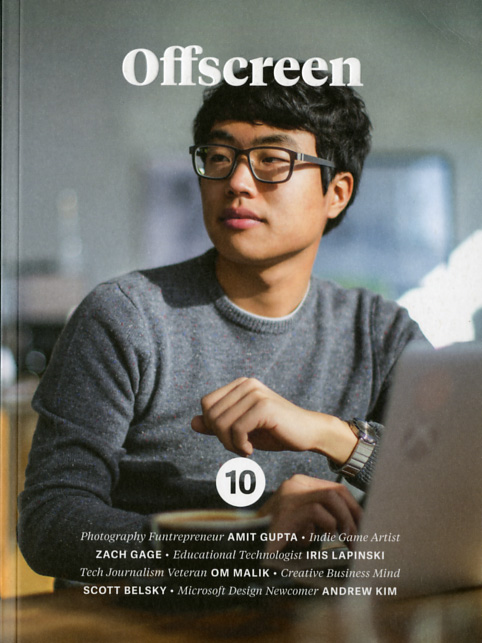
Issue 10 of Offscreen magazine.

Issue 10 of Offscreen magazine.

There is absolutely no doubt that we live in a digital age. From our laptops to our smartphones; being onscreen is a way of life for humans these days. But who are the people out there molding the web and building these virtual worlds that we all so embrace? Where are their stories; their tales of success and failure? Finally there’s a magazine that points to that place on the map; that continent called Cyber.

Offscreen is a print magazine all about people who use the internet and technology to be creative, solve problems, and build successful businesses. It’s an ink on paper that embraces digital – some might say integration at its best.

Kai Brach is a one man operation of Offscreen; he is the publisher, editor and art director for the publication. For ten years he was a web designer before he decided that he needed something more tangible than the virtual worlds of the internet to fulfill him. He needed to feel his work would last beyond mere pixels; he needed the collectability of print. He needed more than a software update; he needed the final version.

I spoke with Kai recently through Skype from his home in Melbourne, Australia. We talked about the life of a web-designer-turned-print-publisher; the fact that he taught himself InDesign and the basics of Magazines 101. Kai is an extremely ingenious and talented young man who knew what it would take to lift him to the next level of his creativity – from pixels to print – he found fulfillment in the printed word.

So sit back and enjoy this unique conversation with a man who learned for the first time what the phrase ‘final version’ truly means – a printed magazine – the Mr. Magazine™ interview with Kai Brach, Publisher & Editor, Offscreen…

But first the sound-bites:


On why a web designer would choose a printed product:
There were a number of reasons and one of the first was really quite selfish. I was doing web designs for clients and I got really tired of producing something that didn’t last very long; whenever you create a website or some other digital design, it lives as long as the next release cycle or the next version number.

On the launch of Offscreen:
It was a weird feeling because you send it off and a few weeks later this product, this magazine, comes back; especially for someone who hasn’t ever done anything in print before; it was a pretty amazing experience.

On his major stumbling block with the launch:
On the editorial side, and I still find this really challenging, working with 40 or 50 different contributors and getting them to give you what you want when you need it. That was and still is the biggest challenge of making any magazine; it’s working with the contributors.

On his most pleasant surprise:
The good thing was when I got the first issue in the mail, that was great, but what was even better was seeing other people get it in the mail and talk about it on Twitter and put the photos on Instagram, letting me know that opening the mail smelled amazing and that they had completely forgotten that print had these other multi-sensory experiences that they don’t get when they sit in front of a screen all day.

On whether he would ever work in the digital realms again:
Sure. I think everything has an expiration date and every project we do comes to an end at some point and I would never say I would not go back to digital.

On what keeps him up at night:
I think most of my worries that give me sleepless nights relate to contributors who are not getting back to me or are being late or telling me that they can’t do something at the last minute. Contributor worries definitely keep me up at night.

And now the lightly edited transcript of the Mr. Magazine™ interview with Kai Brach, Publisher & Editor, Offscreen…


Samir Husni: I was fascinated with your own personal digital background and the content of your magazine is all about the web and digital. Why did you choose print for your magazine?
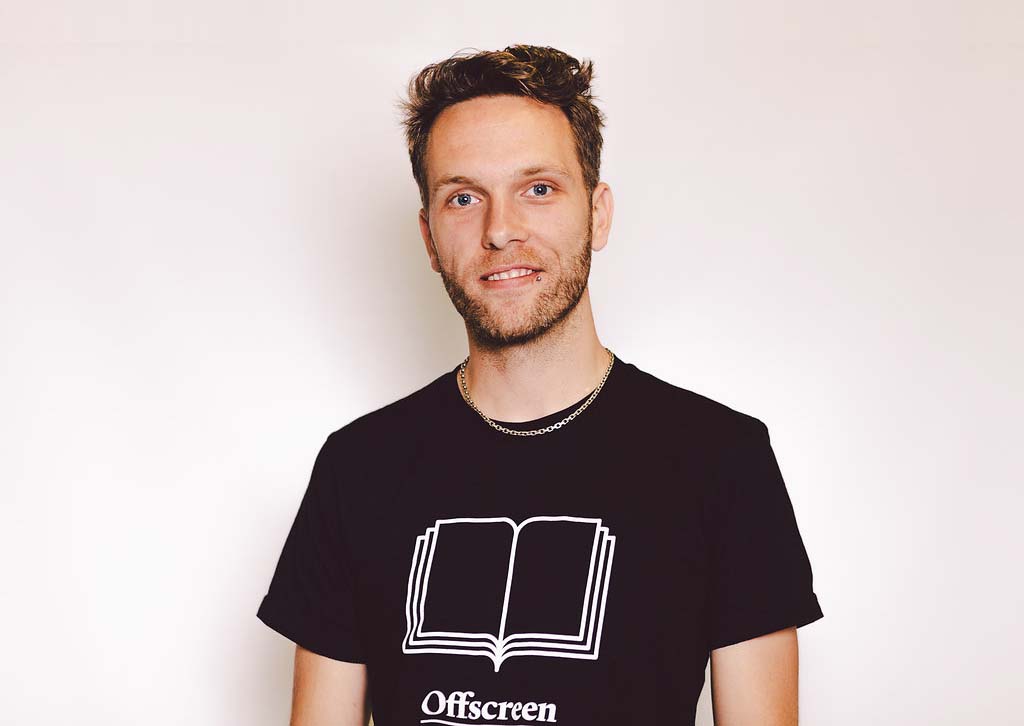
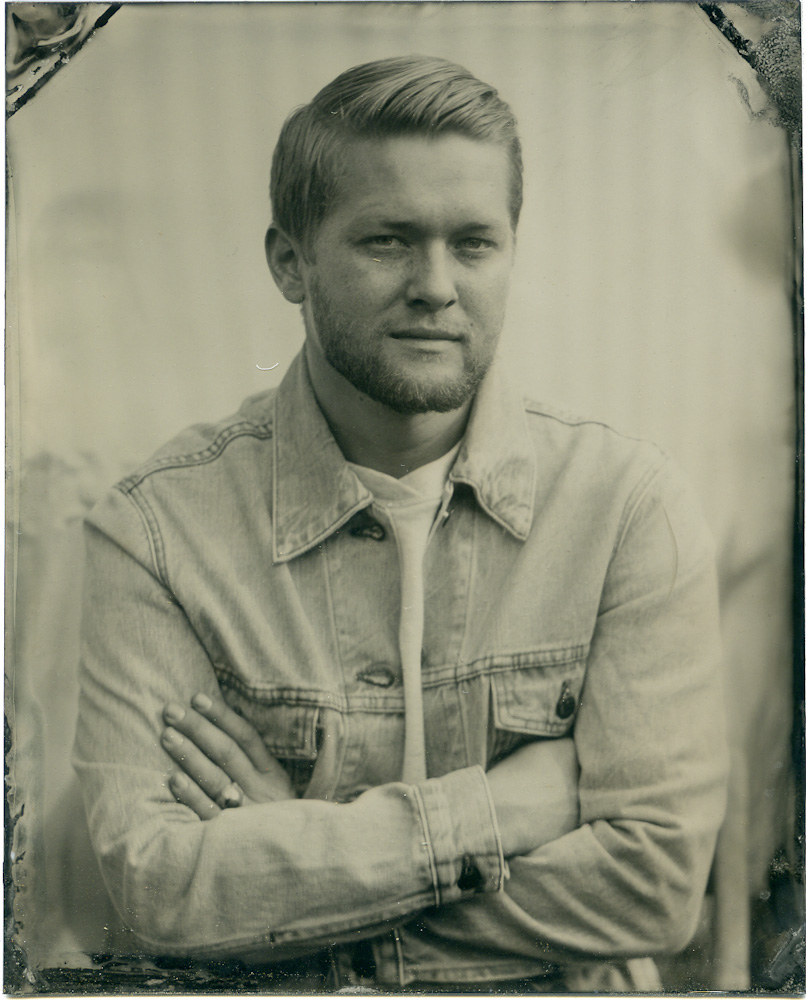
Kai Brach, founder, editor and publisher Offscreen magazine.

Kai Brach, founder, editor and publisher Offscreen magazine.

Kai Brach: There were a number of reasons and one of the first was really quite selfish. I was doing web designs for clients and I got really tired of producing something that didn’t last very long; whenever you create a website or some other digital design, it lives as long as the next release cycle or the next version number. So you produce something and it’s online now and two weeks later it’s already changed or it’s gone and disappeared into the ether that is the internet.

This process was not fulfilling at all and I really wanted to produce something that lasted longer than the average website. I wanted to create something that I could put on my shelf and say, look, this is what I made, and it will last as long as I have it on my shelf.

That was one of the reasons that I decided I was going to stop doing client work and try my hand at something completely different. If it turned out OK – I knew that I would be proud of it.

The other reason was there’s so much stuff being produced online. I personally find myself either reading something on my Kindle, iPad or my iPhone, which I don’t have an iPad any longer, but when I read something on any of my mobile devices, I get probably 10 minutes of read time before I’m interrupted by an email or some other notification. Or I’ll try to scan over articles or longer reads, but I find myself never engaging with them properly. And I noticed that whenever I read a book or a magazine on my travels, when I’m on the train or on the plane, that’s when I actually enjoy reading. So, I thought that it would be nice to have the things that I care about, reading about the web and how people build companies and how people are creative with technology, to read about that in a format that I actually absorb properly and not just scan through or quickly run over because I have another 15 messages to answer.

And so print was becoming almost like this island where I could go and relax and discover the actual process of reading again. It was really nice and calming. And that was the other reason; I just wanted to create something that people would not find distracting and that they wouldn’t feel pressured to read on the go.

So those were the main reasons, I guess. And then, of course, it’s hard to charge money for digital content, where you can put it in a magazine and provide a nice product experience; you make it something people want to keep, a collectable item, it’s then easier to charge people for it. Which doesn’t necessarily mean that you make a lot of money with it, because in publishing, and I’m sure you can attest to this fact, it’s really hard to actually make a lot of money, especially when it comes to independent publishing.

Samir Husni: Tell me the story of the launch; were you in Germany or had you already moved to Australia when you came up with the idea? Briefly, recount for me the launch of Offscreen.

Kai Brach: I was already in Australia and working as a web designer, but then I decided to stop doing that and gave myself six months to figure out what I wanted to do. I started traveling for those six months. I went to Europe and the U.S. and a few other places and I actually met up with quite a few people that I knew from the web industry.

It was during that time that I actually started to enjoy the stories that happened behind the scenes. We talked to a start-up guy who was very successful, but when you talk to him personally, you realize he went through a lot of failed attempts before he became successful and those stories that I was hearing from different people while I was traveling, encouraged me to somehow put them in a book or e-book or podcast, somewhere I could publish them.

So, I came back from my travels six months later and I decided at that point that I wanted to make a print magazine. I didn’t really know where to start, but I contacted some other magazines that I had sitting on my desk and asked them very simple questions about how to get started; what tools do you use; what production companies do you use; what printer do you use; just lots of questions.

Then I emailed a lot of printers in Germany and Australia, because I know German and the Germans know a thing or two about the printing press. (Laughs) I contacted various printers and asked them quotes based on very random numbers that I thought would make sense. I asked for a quote for 3,000 copies in the beginning and then I compared quotes and pretty much decided; OK, Germany is the only place where it makes financial sense to produce a magazine because in Australia it was extremely expensive. The cost of living is really high here.

From there, I decided to make a magazine based on the quote that I had. I had a quote based on 96 pages and I knew that was my limit. I put together a spreadsheet of people that I wanted to have in the first issue. Some of the people that I met during my travels were in the first issue, but also people that I knew through Twitter and Facebook were in there too.

Basically, I emailed a lot of people just asking them questions such as whether they would be interested in doing an interview with me and have that conversation printed in a magazine.

Of course, if you ask a web designer or some other digital person if they want to do an interview for an exclusive print magazine, you usually get some frowns and some weird looks, but once they saw the first issue, they really appreciated the magazine as well.

So, I pretty much taught myself just like when I did web design. Then, I jumped online and I actually did a course on a website called linda.com, which is an online tutorial where you pay $25 and you can watch videos of people using InDesign and preparing things for print and using color management; all those sorts of things. I taught myself how to use InDesign in a couple of weeks and of course, I used a lot of magazines that were sitting on my desk as a source of inspiration. I copied a bit here and there, but tried to be creative in other ways and after three months or so I did the PDF version of the first magazine and sent that to the printer in Germany and then I waited for four weeks or so and pretty much camped in front of my mailbox for the first issue to arrive.

It was a weird feeling because you send it off and a few weeks later this product, this magazine, comes back; especially for someone who hasn’t ever done anything in print before; it was a pretty amazing experience.

Samir Husni: What was the major stumbling block with this launch and how did you overcome it?
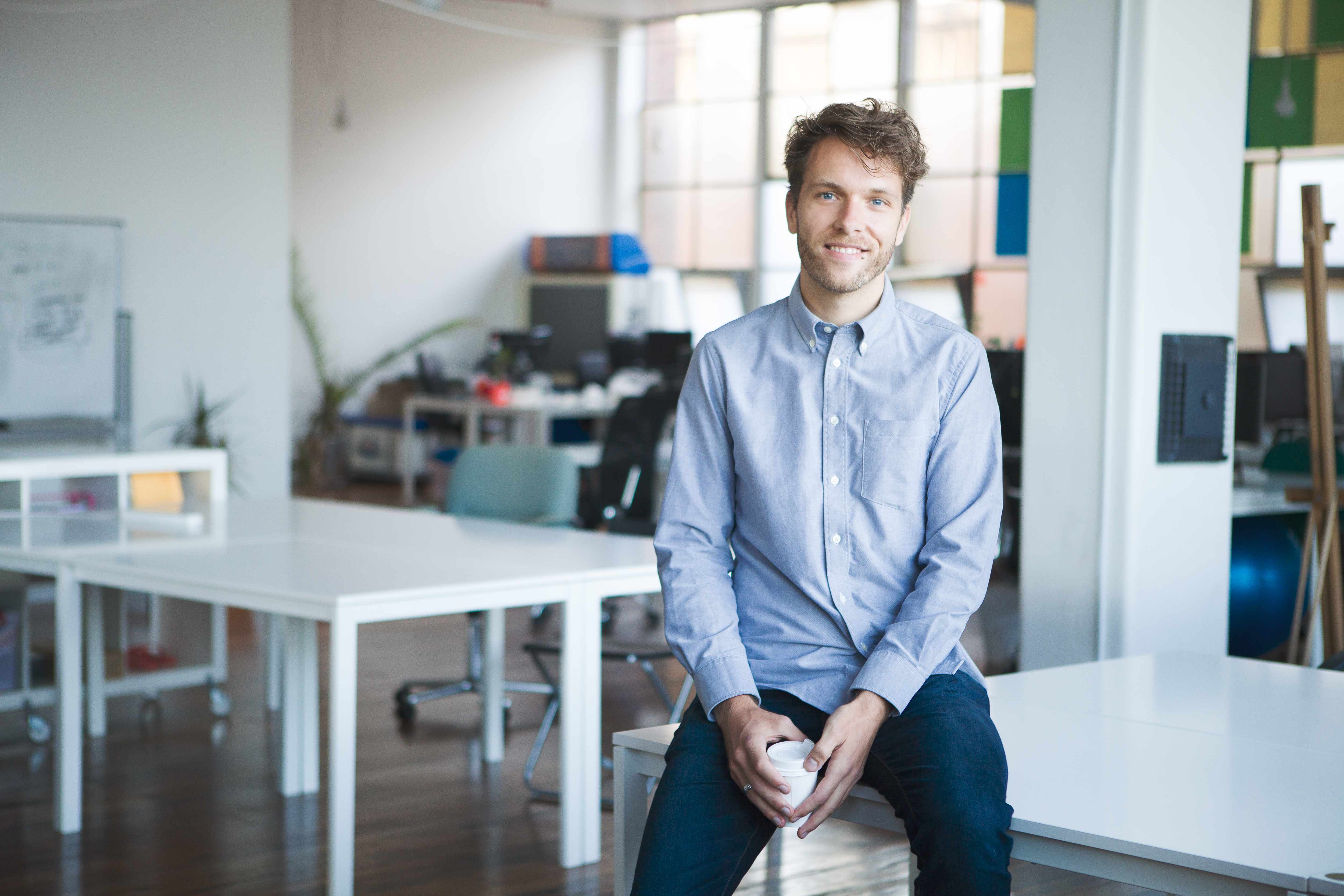
Kai  Brach, bringing virtual to reality.

Kai Brach, bringing virtual to reality.

Kai Brach: There’s the production side and then there’s the editorial side. The production side is, of course, figuring out how to avoid typographic issues, making the writing good, issues such as that. And that was a big challenge for me, because as a web designer I’m not used to creating something that has a final version. As a web designer, you produce something; you put it online and then you iterate and iterate and iterate until it’s as good as it can be. Coming to that final version was a big challenge for me on the production side.

On the editorial side, and I still find this really challenging, working with 40 or 50 different contributors and getting them to give you what you want when you need it. That was and still is the biggest challenge of making any magazine; it’s working with the contributors, especially if you’re trying to interview really busy people and get them to sit down and do a lengthy interview with you.

On top of that, keep in mind that I’m the only person behind Offscreen, so there’s no team. I do all the editorial, design, publishing and distribution myself. Every day I put on all these different hats and sometimes you get stuck in a certain area and it just doesn’t move forward.

So production was difficult because I was a web designer before I was a print magazine publisher and it was really hard to come to that final version and send it to the printer and be happy with it.

And the biggest challenge on creating the editorial side of it was dealing with so many different people at the same time and you have all these deadlines lined up.

Samir Husni: What was the most pleasant surprise?

Kai Brach: I think getting the magazine in the mail; the first issue, especially, was amazing. Unfortunately, other issues you get after that; you always see the things you can improve upon, instead of the things that you’ve done right. If you ask any publisher, he’ll always tell you that most of the time they always see things that are wrong with it, instead of the great things about it.

The good thing was when I got the first issue in the mail, that was great, but what was even better was seeing other people get it in the mail and talk about it on Twitter and put the photos on Instagram, letting me know that opening the mail smelled amazing and that they had completely forgotten that print had these other multi-sensory experiences that they don’t get when they sit in front of a screen all day.

Hearing the feedback from people with every single issue is what I live on and what I look forward to.

Samir Husni: Do you ever see yourself going back to web design and working within the digital sphere again?

Kai Brach: Sure. I think everything has an expiration date and every project we do comes to an end at some point and I would never say I would not go back to digital. At the same time, I’m still part of digital. I’m interviewing all these people and I also design and run my own website and I do a lot of social media activity. So, I’m still a part of digital and working within the digital industry as much as I am working in print.

But who knows what the future holds? Print is a great project and I really enjoy it, but I think every publication has a point in time where it either completely reinvents itself or it just stops. The makers or the publishers try their luck with something else.

Samir Husni: I hope you have a long life with Offscreen because the concept itself and the stories you’re telling, the people you’re profiling, is our world today. We live in a digital age, nobody can deny that. But very few people actually know those stories and I think you’re not only doing a great favor for the printed magazine industry, but also the digital world. You’re taking the fantasy out of digital and the virtual out of digital and bringing it to reality.

Kai Brach: I think there’s a lot of content that’s similar to what I do in the magazine that exists online. But for a lot of people when you put it into a magazine; first of all, it reaches a different category of readers. With magazines there is a category of readers that like to discover new things. When they go to shops or they see a magazine on a coffee table somewhere else, it’s a different type of reader that gets excited; you can’t really compare them with someone who subscribes to a certain blog or follows someone on Twitter.

But at the same time the content online is similar, there are a lot of interviews on podcasts and in e-books that everyone can listen to. Of course, my housemate who’s an architect probably wouldn’t listen to a two hour podcast about a digital product. So, for those people, they will discover that world through a magazine that they stumble upon. Would they stumble upon a podcast? Not really. (Laughs)

Samir Husni: Tell me a bit about your background. Are you originally from Germany, or did you grow up in Germany? And what’s the link between Germany and Australia?

Kai Brach: I’m German. I grew up there and lived there until 2002. I moved to Australia and settled here about six years ago. I was working as a web designer and I also did a lot of traveling and spent a few months in New York and went to other places around the world. I worked while I was on the go. I think that was one of the things that I was worried about when I started the magazine: would I be able to maintain that nomadic work pattern that I had, because I love being flexible and being able to go anywhere and work from my laptop. Luckily, I can still do that, but there are a few reasons I need to establish an address and be at home for, in terms of publishing. But 90% of it I can still do on the road, so I still travel.

Samir Husni: And you’re based in Melbourne now, right?

Kai Brach: Yes, in Melbourne. I spend a bit of time every year in Berlin, maybe one or two months. There is a lot of activity, in terms of independent publishing in Europe at the moment. I attend a lot of conferences and it seems for independent publishing; Europe is the place to be at the moment.

Samir Husni: My typical last question; what keeps you up at night?

Kai Brach: (Laughs) What doesn’t keep me up at night? Today I actually woke up at 4:00 a.m. Not because I was worried, but because I woke up for something and then I started thinking about my emails and how I had confirmed most of the interviewees for the next issue.

I think most of my worries that give me sleepless nights relate to contributors who are not getting back to me or are being late or telling me that they can’t do something at the last minute. Contributor worries definitely keep me up at night.

Samir Husni: Thank you.
h1

A “Collective Quarterly” Show And Tell Travel + Design Magazine. The Mr. Magazine™ Interview With Editorial Director Seth Putnam. A Launch Story.

February 24, 2015

“When I deal with the internet, I don’t feel there’s a sense of accomplishment necessarily or permanence with it; it’s so fleeting. And I wonder if that’s something that my generation is responding to, in terms of something tangible. When I finish reading a book or a magazine; I can look at it and say, I finished that, rather than just moving on to the next click or page.” Seth Putnam

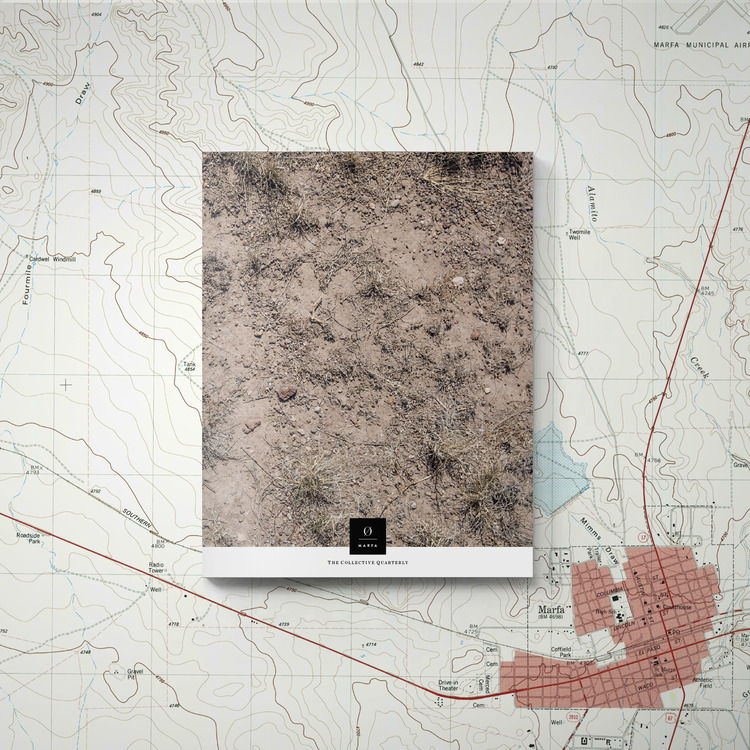
Issue Zero of The Collective Quarterly

Issue Zero of The Collective Quarterly

Bohemian destinations and creative accomplices who revel in the art of the uncommon, if that description seems unique and intriguing, then the magazine Collective Quarterly is calling to you.

Each issue of the magazine follows select craftspeople to an offbeat location, where they design uncommon objects while the cameras and writers capture their creative processes. It’s a journey deeply rooted in the heritages of the destinations that they visit. And they are the ‘Collective.’

Seth Putnam is the editorial director of Collective Quarterly and Jesse Lenz, an accomplished illustrator, is his business partner and creative director for the magazine. The two together have spawned an absolutely brilliant and well-done printed magazine that is both aesthetically pleasing and reader-satisfying with its rich and original content.

I recently spoke with Seth about the magazine. We touched on everything from the concept to the cover price, $25, and the fact that both he and his partner are digital natives who felt the need for a printed product to bring their audience a deeper and more meaningful engagement. The conversation was fascinatingly diverse and interesting.

I hope you enjoy this trip into a world where creativity in design and travel is the focal point for everything and the motivation behind two young men’s dream – the Mr. Magazine™ interview with Seth Putnam, Editorial Director for Collective Quarterly.

But first the sound-bites:

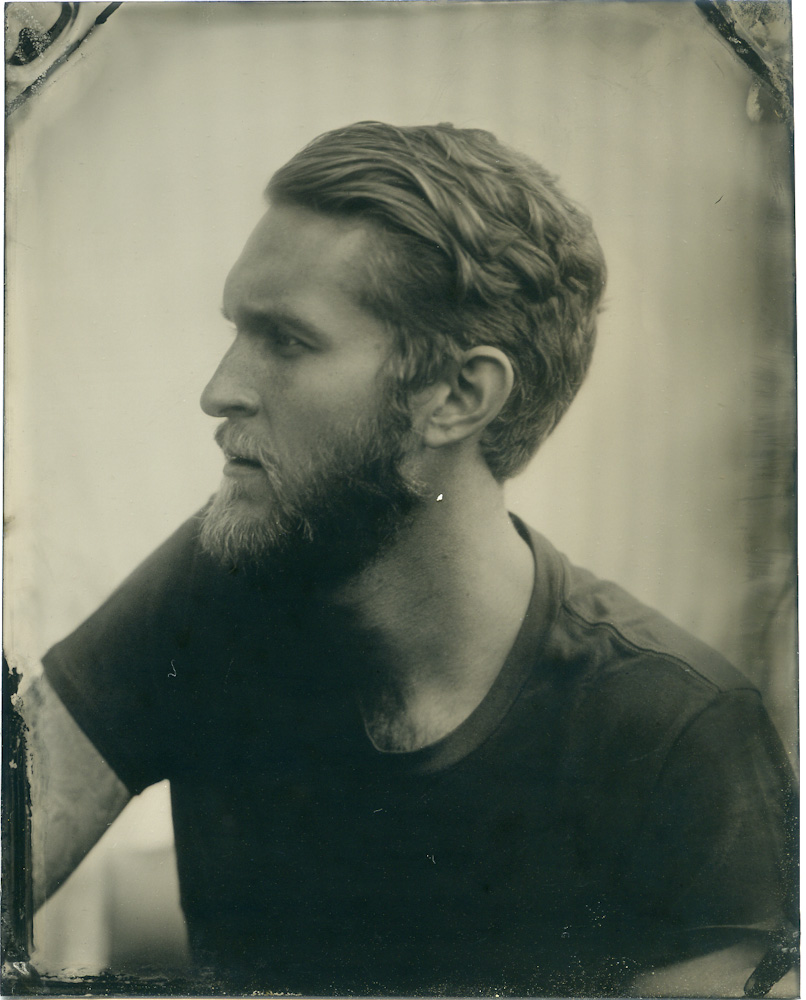
Seth Putnam, co-founder and editorial director, The Collective Quarterly magazine.

Seth Putnam, co-founder and editorial director, The Collective Quarterly magazine.

On the background of Collective Quarterly: It basically became a travel and design magazine where the travel portion is covered by each issue focusing on one location; one region. And then the design portion is covered by the fact that we bring with us a group of artists or craftspeople and we put together an experiential, inspiration trip for them, almost like an artist’s residency.

On why as digital natives, he and his partner decided they needed a printed magazine to connect with their audience:
Some parts of our business we approach with great research and thought, and then some we do simply out of a passion for something or a gut feeling. We decided to do print because, while yes, magazine subscriptions are falling and certain titles are closing, more titles are opening, particularly in independent, boutique niche genres’.

On the hefty cover price of the magazine – $25:
We landed on that price based on the cost to print a thousand copies of the issue 0 – we looked at it as an experiment. And it was very expensive.

On his opinion of why the digital natives of today are finding an endurable quality in the printed product:
When I deal with the internet, I don’t feel there’s a sense of accomplishment necessarily or permanence with it; it’s so fleeting. And I wonder if that’s something that my generation is responding to, in terms of something tangible.

On knowing who his target audience is:
Demographically, we haven’t run a lot of surveys or specific numbers, but I would say our audience skews younger, probably that 21 to 35 age-range, with a fairly even split of men and women, from the orders that I see coming in.

On how they came up with the name Collective Quarterly:
We were thinking of it as a place where, not only we could bring together really talented artists and craftspeople to go on these trips because each time the cast of characters is rotating, but also use our platform and voice as a medium for our readers to get involved as well. So, we had a sort of inclusive mindset and that’s why we ended up calling it the Collective Quarterly.

On how they decide on the destinations of each issue:
Usually it’s a collaborative decision between me and Jesse, the creative director, but we try and do a pretty good job of soliciting ideas at least from the other five or six people on our team or people that we’ve met on the ground in locations that we’ve visited.

On the biggest stumbling block he had to overcome:
Everything we have done so far has paid for itself and that’s been really exciting for us, but the challenge has been cash flow, for sure. Trying to make sure that when you’re working on two or three issues at a time, there’s enough money in the bank to pay your bills.

On his most pleasant moment:
The reason I got into journalism is because I have a very strong attachment to hearing other people’s stories. Oddly enough; that’s what we’ve been doing. It’s been really gratifying to see that we’re sort of living in a brave new world where if you’ve got a good idea and an internet connection, you can create your own platform for doing that kind of storytelling.

On advice he would give to students who are about to graduate and start their publishing careers:
If you have a story to tell, or if you want to tell someone else’s story, but there’s no obvious path to be able to do that through traditional media, then just do it; do it yourself.

On what keeps him up at night:
Just making sure that we’re doing good work and we’re treating people well, our sources and our team members, and that we’re doing a better job this time than last time.

And now the lightly edited transcript of the Mr. Magazine™ conversation with Seth Putnam, Editorial Director, Collective Quarterly…

Samir Husni: Give me some background on Collective Quarterly.

The first issue of The Collective Quarterly.

The first issue of The Collective Quarterly.

Seth Putnam: We’ve been working in earnest on it since January. 2013. My business partner and I met through the social networking site Instagram. I was working as a magazine writer in Chicago and he’s an editorial illustrator who has created covers for everyone from The New York Times Magazine to GQ to Money, and I think he actually did the Planet Hillary cover for The New York Times Magazine last year and then also the 10th anniversary of September 11th for the cover of Newsweek as well, so he’s a very accomplished illustrator.

As we looked at each other’s work on the social media sites, we became intrigued and decided to set up a call. During that call he told me that he’d like to start a magazine, so I asked him what he wanted it to be about and he asked: how about the creative process? I said that’s a little bit abstract to do an entire magazine about; how are we going to focus that?

We landed on the idea of travel, because we’ve found personally that the trips that we take and the people that we meet in these unseen, often, off the beaten path hideaways are certainly extremely inspiring to us and our passion for stories.

It basically became a travel and design magazine where the travel portion is covered by each issue focusing on one location; one region. And then the design portion is covered by the fact that we bring with us a group of artists or craftspeople and we put together an experiential, inspiration trip for them, almost like an artist’s residency. And then they go home and make something in their discipline, based on their time there, the things that they saw, and the people that they met. We chronicle those experiences and their design processes in the completed product and it’s available through our website as well.

Those are the two hooks of the magazine.

Samir Husni: When did you graduate from the University of Missouri?

Seth Putnam: 2010 – so, five years ago.

Samir Husni: You’re in your twenties?

Seth Putnam: Yes, I’m 26, as is my business partner.

Samir Husni: So, you’re a digital native; why print? When everyone is telling us that the future is digital and you even met your business partner via Instagram; why did you decide to go with print?

Seth Putnam: I guess we’re just young and foolish. (Laughs) Some parts of our business we approach with great research and thought, and then some we do simply out of a passion for something or a gut feeling. We decided to do print because, while yes, magazine subscriptions are falling and certain titles are closing, more titles are opening, particularly in independent, boutique niche genres’.

And much like we’re seeing people return to vinyl records, we’re seeing a love or an appreciation for tangible lifestyle, human interest coverage. So, sure newsweeklies and titles that rely on breaking events are probably suffering because of the immediacy of the internet, but I think that there’s definitely a market out there of people who are willing to put their dollars toward an experience or deeper stories that form another entertainment bucket for them.

But for us; it’s the beauty of being able to hold it; it’s the beauty of sending, as often as possible, reporters, writers and photographers places so that they can tell the stories in person; it’s a little hard to do sometimes, but it makes a better story. And I think the same is true for print versus consuming content on the web.

For the first few issues or the first couple of years, we focused entirely on print, whereas now we’re about to launch a journal on our website so that we can provide more daily stories for our readers, but print has definitely been the thing that we have thrown most of our energy into.

Samir Husni: I noticed that you have a hefty cover price for the print magazine.

Seth Putnam: (Laughs) That’s true. We landed on that price based on the cost to print a thousand copies of the issue 0 – we looked at it as an experiment. And it was very expensive.

What we’ve done is put out a second issue and we’re actually going for a third and we have negotiated a new deal with our printer that will hopefully allow us to get that cover price down in the $19 or $20 region, maybe not by the next issue, but in the not too distant future.

We’re finding that many of the magazines in our similar niche are charging in the $15 to $25 and sometimes up to $30 range, which is a luxury price point for sure. And we want to try and get that down as much as possible because we’ve seen that the magazines that are sticking around have come down somewhat from their original price point.

But again, when you’re printing a thousand copies, of course, we’re printing more than that now, but in the beginning we were doing a 1,000; the price per copy is exponentially higher than if you were printing 10,000 or 15,000 copies.

Samir Husni: I’m seeing more and more new magazines following your approach. The digital generation is finding some love for print or some enduring aspect of the printed product.

Jesse Lenz, co-founder and creative director, The Collective Quarterly

Jesse Lenz,
co-founder and creative director, The Collective Quarterly

Seth Putnam: Yes, I agree. When I deal with the internet, I don’t feel there’s a sense of accomplishment necessarily or permanence with it; it’s so fleeting. And I wonder if that’s something that my generation is responding to, in terms of something tangible. When I finish reading a book or a magazine; I can look at it and say, I finished that, rather than just moving on to the next click or page.

Samir Husni: And who do you view as your audience? Who bought that first issue and who’s buying the second? Do you have a sense of your target audience?

Seth Putnam: We’re beginning to get a better sense. I think the audience that adopts a magazine like Collective Quarterly in the beginning is definitely one that is sort of trend-focused; they care about travel and the story behind the destination and they might be the kind of people who shop at anthropology or urban outfitters, for example, which are some of the retailers we work with.

Demographically, we haven’t run a lot of surveys or specific numbers, but I would say our audience skews younger, probably that 21 to 35 age-range, with a fairly even split of men and women, from the orders that I see coming in.

But definitely people who have more than just one income and are able to purchase a magazine of that price point and also buy the products inside and maybe even take the trips that we’re recommending.

I suppose it’s an affluent audience, which raises some questions for us as far as how we want to make ourselves accessible to others as well.

Samir Husni: How did you come up with the name: the Collective Quarterly?

Seth Putnam: We put together a big Google document at the very beginning of our trip and the initial idea was much more focused on artists and makers than it currently is; I think we’ve achieved a little bit of balance there. We were thinking of it as a place where, not only we could bring together really talented artists and craftspeople to go on these trips because each time the cast of characters is rotating, but also use our platform and voice as a medium for our readers to get involved as well. So, we had a sort of inclusive mindset and that’s why we ended up calling it the Collective Quarterly. We toyed around with a lot of different names, but that one just seemed to fit.

Of course, since then we found out a lot of things are called collective. (Laughs) That raises some challenges for sure.

Samir Husni: (Laughs too) I noticed on the website that you refer to you and your team as ‘the Collective.’

Seth Putnam: Yes, definitely. That’s designed to create a sense of inclusion and to make it more about the group as a whole.

For example, there are certain titles out there, particularly in the independent niche genre, where they’re very much connected to a specific person, whether that’s Ben Ashby’s Folk magazine or Nathan Williams’ Kinfolk; they’re synonymous with one individual oftentimes. We wanted to start out at least by being a place where people could rise; the particular people that we find along the way and that we feature, and we’re hoping to be as active an organization as possible to help these people and give them success as well.

Samir Husni: The decisions to go to these places, whether it’s Texas or Montana or wherever you find those offbeat locations that the magazine focuses on; are they collectively decided on or are they just sudden ideas, someone saying, hey, why don’t we go to Texas?

Seth Putnam: Within our internal office structure, which is sort of a misnomer, because no one is in the same place; we have people in different cities: San Francisco, Phoenix and Chicago, also in West Virginia and Minneapolis; I don’t think any one of us is in the same city.

So, there is no office, so to speak, but within our decision-making structure there are definitely those who provide the drive and motivation and the pushing, and others who provide the steering, for sure. Usually it’s a collaborative decision between me and Jesse, the creative director, but we try and do a pretty good job of soliciting ideas at least from the other five or six people on our team or people that we’ve met on the ground in locations that we’ve visited. See what works with our schedules and our interests and then we go and scout those places to see if they have the kind of story quality that we’re looking for.

Samir Husni: When you graduated in 2010; did you ever think that you’d be doing what you’re doing now?

Seth Putnam: I had no idea. Usually people graduating from college aren’t sure about the next job they’re getting, much less what their long-term ambitions are. When the first issue came out I spoke through Skype to a class from the University of Missouri and I just did another one after the Montana issue came out and that first time I told them that I sure wished that I had taken magazine publishing because I didn’t have the first clue about making a magazine. There’s been a lot of trial and error, to be certain.

I spent the last four or five years freelancing and there’s a lot of isolation that comes with that when you’re working for yourself or rather, for 15 or 16 different editors or publications at a time, but you’re doing it from the comfort of your own home. So, I spent a long time as an individual rather than a manager or part of a team and I think that has been a really exciting challenge, and also transitioning from thinking that I’m not someone’s employee anymore, I’m a boss or an owner. That quick wired a definite mindset shift that I didn’t predict when I was in college.

Samir Husni: What has been the biggest stumbling block since launching Collective Quarterly and how were you able to overcome it?

Seth Putnam: When we all went to Texas, there were about eight or nine people on the trip, and everyone who was there paid their own way; we covered our own lodging costs and expenses, because as I said earlier, sometimes we make decisions without doing all the research that we could have. We started the magazine with no funding and we just paid our own way.

When we had gathered all of the content for stories and the photographs, and it became time to actually take it to print, we knew that we couldn’t foot that bill ourselves, so we considered whether or not we should do a Kickstarter. But we decided that if we were going to be a magazine that sells for that cover price, we wanted to establish ourselves less as needing help and more as something people would want to get in on early and be the first to get a copy.

We made a video and sort of styled it after a Kickstarter campaign and we ran that through our own website and we sold pre-orders rather than donations. And with what we earned in the first month or two, we were able to take it to print and the sales from that issue covered many of those expenses that we had paid out of our own pockets for the next one. So, it covered travel costs and lodging and some meals here and there.

Everything we have done so far has paid for itself and that’s been really exciting for us, but the challenge has been cash flow, for sure. Trying to make sure that when you’re working on two or three issues at a time, there’s enough money in the bank to pay your bills.

I think that’s one of the things that come along with not taking funding at the very beginning and obviously, there are tradeoffs. If you take funding then your investor owns part of your company and you lose a little control, but if you keep that control you may not have the liquidity to be able to do some of the things that you’d like to. We’re very much in that challenge mode right now and trying to figure it out; we’ve put out two issues now and we’re about to do a third; how do we stick around long enough to be able to keep this going for a while?

Samir Husni: What has been the most pleasant moment?

Seth Putnam: The reason I got into journalism is because I have a very strong attachment to hearing other people’s stories. I kept track of how many days I was on the road between this magazine and my other assignments last year, I was on the road for about 125 days, and most of the time was spent going to small hamlets around the country.

I don’t know if you’re familiar with the Georgia Rambler; he was an Atlanta Journal-Constitution columnist a few years ago, but he would go to small towns in Georgia and find someone and then ask them who was the most unforgettable person they knew. Then he would go and write about that person.

It’s funny because I corresponded with him; his name is Charles Salter, after hearing him on This American Life a few years ago; actually, when I was working in Mississippi, and we corresponded a little bit and I asked him as a naïve 21-year-old: how do I get a job like yours? And he said there aren’t that many out there anymore because you would need to be on a newspaper staff for 15 or 20 years to gain the experience, credibility and cache which would allow your editor to say: OK, go do this column. And then you’d have to write a daily column in the newspaper and the bottom is falling out of newspapers and that’s just not possible anymore.

But oddly enough; that’s what we’ve been doing. It’s been really gratifying to see that we’re sort of living in a brave new world where if you’ve got a good idea and an internet connection, you can create your own platform for doing that kind of storytelling.

Samir Husni: What advice would you give to students now who are reaching the graduation stage?

Seth Putnam: That’s a great question. I don’t generally have one go-to piece of advice where I say: if you’re a young journalism student, you need to know this, but one of the things that I really loved about my education, and still see at the University of Missouri when I go back and talk to students there, is that there are no limits on what they think is possible. And I think that’s worth reminding ourselves and them about to. If you have a story to tell, or if you want to tell someone else’s story, but there’s no obvious path to be able to do that through traditional media, then just do it; do it yourself.

Start a website or start some sort of platform online that allows you to tell that story and realize that it’s highly possible that you may have to do it for free because as a young student no one may be willing to pay you to do that.

But I think it’s a really powerful truth that when there’s something a person feels compelled to do or a story that someone feels compelled to tell, that’s inside and just has to come out, doing it on your own and doing it well; eventually, somebody is going to find a way to pay you for it. It’s an exciting time because there have never been fewer barriers to those of us in the storytelling industry to be able to seek our own path.

Samir Husni: My typical last question; what keeps you up at night?

Seth Putnam: Right now what’s been waking me up at 3:00 a.m. is the closing week of our Vermont issue. As I said; I’ve always worked as an individual and now I have a team of writers and colleagues and they’re depending on me to get things done, on time, and make sure all of the loose ends are neatly tied up, particularly when you’re about to send it to print. There are a lot of things that appear to be falling through the cracks and need your attention.

Just making sure that we’re doing good work and we’re treating people well, our sources and our team members, and that we’re doing a better job this time than last time.

It’s such a beautiful magazine and I am in such awe of our photographers and designers and the guys that are making sure it all happens. Another thing, from my standpoint, that sometimes keeps me up at night is trying to figure out how to elevate the quality of the writing, for sure, and to get people involved with us that are much better than we are, and can lift us to greater heights with the actual content.

Samir Husni: Thank you.

h1

On Audience First & The Characteristics Of A Successful Magazine… An Interview With Mr. Magazine™

February 23, 2015

“We definitely live in a digital age, there is no escaping that. And as I wrote recently in my Mr. Magazine™ Manifesto for 2015, there is no media company today that can exist without being platform agnostic. However, our audience is not necessarily platform agnostic. Some of our audience still want a printed magazine, some want online only and some want a printed newspaper.” Samir “Mr. Magazine™” Husni

Recently I was interviewed by one of my colleagues, Debora Wenger, a 17-year broadcast news veteran, and associate professor of journalism and director of the undergraduate program at the University of Mississippi’s Meek School of Journalism and New Media. She conducted the interview for the benefit of her Journalism 101 students and discussed some of the content of a new book she and I and another colleague have written called Managing Today’s News Media: Audience First. (FYI, the book will be published this summer by CQ Press, an Imprint of SAGE Publications, Inc.”

Within the interview we discuss what it takes to be a successful print magazine in the digital age that we live in today in comparison to the way things used to be in publishing days gone by. The information may surprise you…

So sit back and enjoy the flipside of this Mr. Magazine™ interview as the man usually asking the questions, this time around provides the answers.

You can either click on the video below and watch the interview, or you can read the sound-bites and the complete transcribed interview below.

Now for the sound-bites:

On his passion for magazines: It started as a hobby before it turned into my education and my profession. I was probably nine or ten years old when I bought my very first copy of Superman in Arabic when it first came to Lebanon, my home country. And I fell in love with the art of storytelling; fell in love with holding something in my hands that I could read on my own and at my own pace and didn’t have to depend on my father or my grandfather to tell me about.

On how he believes digital technology has affected magazines:
This is going to be very important in how we apply the usage of technology to print because for one thing the technological advances that we have now makes it possible to print the magazine a few hours before it is available to the general public on the newsstands or by mail. So, those deadlines that used to be like two or three weeks ahead of time; now Time magazine can change their cover on Tuesday night before they print on Wednesday and have the magazine on the stands the next day.

On whether all successful magazines need to have a relationship with their readers: When you hear about people falling in love with Time or falling in love with Cosmopolitan or Woman’s World; they’re not necessarily falling in love with the ink on paper, but with the content. Somebody once said that successful magazines are those that are purveyors of meaning. Add to that, say the meaning of life; ‘what is in it for me?’

On whether he believes a magazine provides information that you can’t get anywhere else:
Not necessarily that it provides you with information that you can’t get any other place, but rather explains the information in a way that you can’t get any other place, because in this day and age it is so easy for anyone to tell you what’s going on.

On whether magazines have adapted to the social changes of today:
Definitely. And we have to remember when television came onto the scene; television became part of the American household in the late 1950s and early 1960s, television fundamentally changed the mission of magazines.

On his opinion of provocative, powerful covers and whether they spark public discussion about important topics:
Magazines today are finding themselves playing the role of initiator and a lot of good magazine covers are those that ignite the discussion. Not only start it, but ignite it.

On the role advertising plays in the success of today’s new magazines: The majority of the big established magazines are still making at least 80% of their revenue from advertising, but it’s just the opposite with the new magazines, where they make 80% of their revenue from their customers who buy the magazines.

On why he believes journalism and marketing/communications students should be as passionate as he is about magazines:
One simple reason: I tell students all the time that there are three F’s in journalism that all marketing or communications people need to pay attention to, as long as they’re not part of your grades: fun, fame and fortune.

Professor Debora Wenger asks and Mr. Magazine™ answers...

Professor Debora Wenger asks and Mr. Magazine™ answers…


And now the lightly edited transcription of the Mr. Magazine™ interview conducted by Professor Debora Wenger…


Debora Wenger: Tell me a little about your passion for magazines. I know it’s been a part of your life for many, many years.

Samir Husni: It started as a hobby before it turned into my education and my profession. I was probably nine or ten years old when I bought my very first copy of Superman in Arabic when it first came to Lebanon, my home country. And I fell in love with the art of storytelling; fell in love with holding something in my hands that I could read on my own and at my own pace and didn’t have to depend on my father or my grandfather to tell me about. I could use my own tone of voice, flip the pages myself, and it was as though somehow the ink transferred into my blood. And since that day my heart began to pump ink instead of blood. (Laughs)

Debora Wenger: Obviously, you and I talk a lot about the future of journalism in particular, and you’re very passionate about the future of magazines. We live in a digital world right now and obviously digital technology has had an impact on all forms of communication; could you talk a little about how you see digital technology affecting magazines.

Samir Husni: Well, we definitely live in a digital age, there is no escaping that. And as I wrote recently in my Mr. Magazine™ Manifesto for 2015, there is no media company today that can exist without being platform agnostic. However, our audience is not necessarily platform agnostic. Some of our audience still wants a printed magazine, some want online only and some want a printed newspaper; we have to be careful before we make a decision on what we’re going to do to identify our audience. That’s why you and I and another colleague have written the book: Audience First.

This is going to be very important in how we apply the usage of technology to print because for one thing the technological advances that we have now makes it possible to print the magazine a few hours before it is available to the general public on the newsstands or by mail. So, those deadlines that used to be like two or three weeks ahead of time; now Time magazine can change their cover on Tuesday night before they print on Wednesday and have the magazine on the stands the next day.

Technology has helped a lot in terms of the speed of printing. The cost of printing, because of technology, has become so cheap that anybody and their neighbor can now launch a new magazine. The cost of entry into our business has become so small and that’s one reason that we are seeing more magazines being published now more than ever before.

Debora Wenger: In fact, we make the point that you’re talking about in the text book: despite the doom and gloom that you hear about print, the magazine industry is very robust now and has been for many, many years. In the text we talk about a number of characteristics of successful magazines and I’d like to walk through them with you one by one and get your take on whether you believe that these are in fact legitimate characteristics or if there is anything that you would add or take away from this list.

The first one is the relationship between magazines and readers and that all successful magazines actually have a relationship with their readers; what’s your response to that?

Samir Husni: If we go back in history, magazines in the United States and the rest of the world were the very first national medium; they were the very first mass medium worldwide which connected people virtually in California, in Mississippi, in New York; so when you received a copy of your Life magazine or Look or Saturday Evening Post, there was this virtual community, you knew that people in California were reading the exact same thing as here. You have to remember radio was local, newspapers were local; so the only thing that was a national marketing tool was the magazines.

That virtual community continues to exist into today. When you hear about people falling in love with Time or falling in love with Cosmopolitan or Woman’s World; they’re not necessarily falling in love with the ink on paper, but with the content. Somebody once said that successful magazines are those that are purveyors of meaning. Add to that, say the meaning of life; ‘what is in it for me?’ When I pick up a magazine, it’s like an older sister giving me advice, a younger brother terrorizing me or a friend coming to visit; so in fact it’s that sense of virtual community that has helped magazines succeed.

If I look at a magazine as a human being, then I’m spending time with a friend; I’m spending time with a consultant, or a doctor, without actually having to go any other place.

One very successful example that people always give is Cosmopolitan. When Helen Gurley Brown wrote her book about Sex and the Single Girl, she started receiving letters at home and her husband, who was a psychiatrist, asked her: why don’t you do a magazine and answer all these questions? And that’s how Cosmopolitan came about. With the magazine, she began answering the virtual community, instead of each one individually. And of course Cosmopolitan, which will celebrate 50 years in 2015, has become one of the most successful women’s magazines in the United States.

Debora Wenger: And that leads us into what is considered the second characteristic of a successful magazine; that it provides you information you can’t get anywhere else. Do you see that as a fundamental characteristic of successful publications?

Samir Husni: Not necessarily that it provides you with information that you can’t get any other place, but rather explains the information in a way that you can’t get any other place, because in this day and age it is so easy for anyone to tell you what’s going on. What we used to call our friends of journalism: the five W’s and the H; the Who, What, When, Where, Why and How, are easily accessible now via online and social media.

But the ‘what is in it for me’ and specifically for me; the more that I can make the magazine content give me the answer to that simple question, what’s in it for me, the more my relationship with the magazine is going to be successful, because I truly believe in the magazine business, just like in any other successful business, we have to be in the business of addiction. We have to get people addicted to the advice, addicted to the way of explaining how life goes on; how you can lose weight in this way or that way; how you can get to know your husband or wife better; how you can meet your boyfriend or girlfriend and what you can do. The more we create this habitual repetition of the information and the explanation of the information, the more we are creating that relationship that when the magazine comes to your mailbox and you open it up and see the magazine in there, you say: wow, she’s back; she’s here, rather than: oh no, here she comes again.

Debora Wenger: (Laughs) I think you have already referenced this to some extent with the story about Cosmopolitan, but the next characteristic that’s mentioned is magazines that are successful have adapted to social change. Certainly, there was a societal shift about the time that Cosmo came out with the statement: it’s OK to talk about sex, and have that topic be a feature in every single magazine. Do you agree that magazines that are successful have adapted to social changes?

Samir Husni: Definitely. And we have to remember when television came onto the scene; television became part of the American household in the late 1950s and early 1960s, television fundamentally changed the mission of magazines. Magazines until that era were the only national medium and the only connectors of that virtual community. So, when television came there was no need for the magazines to be that national, virtual community. When you sat down and watched TV back then, one-third of the country was watching the same thing you were watching.

Connectivity shifted from the virtual printed medium in your hand to the screen of the television in your den. We saw the beginnings of a social movement and a change in the role of American magazines, starting with magazines like Rolling Stone, MS, Playboy, Cosmopolitan and The Advocate; all these magazines had a specialty, a goal in mind that they wanted to relate to a specific community.

We started serving clusters of communities and when social media came onto the scene, where every person and their brother can be their own publisher and have their own blog; magazines starting playing a different role; one that said: OK, I know you have a community, but you need a voice for that community that can reach more people who think like you. And that’s why we’re seeing the power of that social impact. When we put the Boston Bomber on the cover of Rolling Stone; all of a sudden all hell broke loose. Everybody in the country was talking about it. When Time magazine put the mom nursing her three-year-old child on its cover, the whole country was talking about it. Magazines still impact culture, especially with the power of the printed cover. You don’t go looking for it; you’ll see it when you walk inside the grocery store or at the airports; it’s in your face.

Magazines are adapting and editors are getting cleverer in the use of things that they know will ignite social media.

Debora Wenger: Which leads to another one of the characteristics which is they define the major issues of society. They are leaders in setting the agenda for public discourse and they take sometimes controversial and important topics and put them in the public spotlight. And it sounds like that you definitely agree that with a provocative, powerful cover; you can actually spark public discussion about important topics.

Samir Husni: When I wrote my dissertation in 1983 about what makes magazines survive and fail; I wrote that magazines have two roles: they have a commercial role like any other business, if you’re not making money, you’re not going to stay in business, but they also have a social role. Magazines have been the best reflectors of society. They initiate some things, such as when Dr. Martin Luther King was assassinated or Robert Kennedy was assassinated. Esquire magazine took the lead trying to ban gun advertising and trying to have all the magazines unite in the ban. When the September 11th catastrophe took place, magazines initiated putting the American flag on every cover of the magazines during their October issues.

The role of reflecting society and initiating issues is shifting a little bit; we are becoming more of the initiators because social media is now the bigger reflector of society. Anybody these days now has access to tell you what’s taking place in their lives; that they’re waking up and having a cup of coffee or they are coming to class sleepy.

Magazines today are finding themselves playing the role of initiator and a lot of good magazine covers are those that ignite the discussion. Not only start it, but ignite it. Social media can then pour as much gasoline as it wants onto the fire or they can pour water onto it.

Debora Wenger: So you touched on what is the last characteristic that’s mentioned in the text as being indicators of a successful magazine and that’s the idea that they are adjusting to current economic conditions and limitations; although advertising still plays a significant role, but there’s more than just being funded by advertisers for magazines. What would you say about that?

Samir Husni: That’s a definite. When you look at the magazines that were published, let’s say, in the 1980s, the average cover price of a magazine then was $2.50. The average cover price of a new magazine today is more than $8.00. So, we’re shifting the business model, where it used to be that a big chunk of our money came from advertisers, now we are seeing the customer, the reader is carrying some of that burden.

But the majority of the big established magazines are still making at least 80% of their revenue from advertising, but it’s just the opposite with the new magazines, where they make 80% of their revenue from their customers who buy the magazines.

That’s why you’re also seeing a new shift taking place. Where we used to have a lot of magazines published on a regular frequency, weeklies like TV Guide selling 80 million copies every week, those magazines don’t exist anymore. Now you’d need 100 magazines, if not more, to sell 80 million copies in one week.

What we are seeing is that magazines are becoming more of a coffee table item, glossier and more like what we call book-a-zines. And with very high cover prices: $14.99 is becoming more the norm and they’re published less frequently. You have a lot of new magazines coming to the marketplace now published four to six times per year. In fact, in 2014, I saw more titles being published four times per year than any other frequency.

Nobody can compete with the speed of technology or social media. Any magazine that’s trying to compete with the delivery the same way social media delivers, is going to have the same fate the magazines of 1960s did when they tried to compete with television. No matter how many copies Life magazine increased their circulation by, 7 million or 8 million, or Look, or the Saturday Evening Post; they were never able to reach the 70 million a television channel could reach.

We’ve learned our lesson and we’ve learned that the best way to survive is to create a product, create content that the readers are not only willing to pay for, but can also afford to pay for. That remains the number one cornerstone for survival.

Debora Wenger: Before we wrap up, how about a few words to students about why they should be as passionate about magazines as you are.

Samir Husni: One simple reason: I tell students all the time that there are three F’s in journalism that all marketing or communications people need to pay attention to, as long as they’re not part of your grades: fun, fame and fortune.

Debora Wenger: Thank you.

______________________________________________________________________________________________________________________________
Picture 40

h1

The Size, Role & Future of Consumer Magazines: A Blast from Mr. Magazine’s™ Past… Dissertation Entries Part 1.

February 20, 2015

1983

Magazines, both consumer and trade, form the largest mass medium in the United States. In fact, it is almost impossible to know for certain how many different magazines exist at any one time. The Standard Periodical Directory lists 66,681 in the United States and Canada. Ayer’s Directory of Newspapers and Periodicals lists 12,010, excluding several thousand company or regional church magazines. Either of these figures puts the American magazine far ahead of any other mass medium in the country. This includes daily newspapers (approximately 1,750), television stations (850), and radio stations (6400).

A magazine is defined as a printed and bound medium that appears periodically at least four times a year. It is a publication that is intended for and available to the general public by subscription and/or through the newsstands for a stated price and meets the U.S. Postal Service requirements for second class mailing privileges. The role the American magazine plays is by far more complex, yet more flexible, than any other medium. Magazines depend on a mixture of advertising and consumer money to survive. The trend today is to reach an equal split between advertising and circulation revenues, including newsstand sales and subscriptions. Newspapers, radio, and television stations, by contrast, depend almost completely on their advertising revenues.

2015

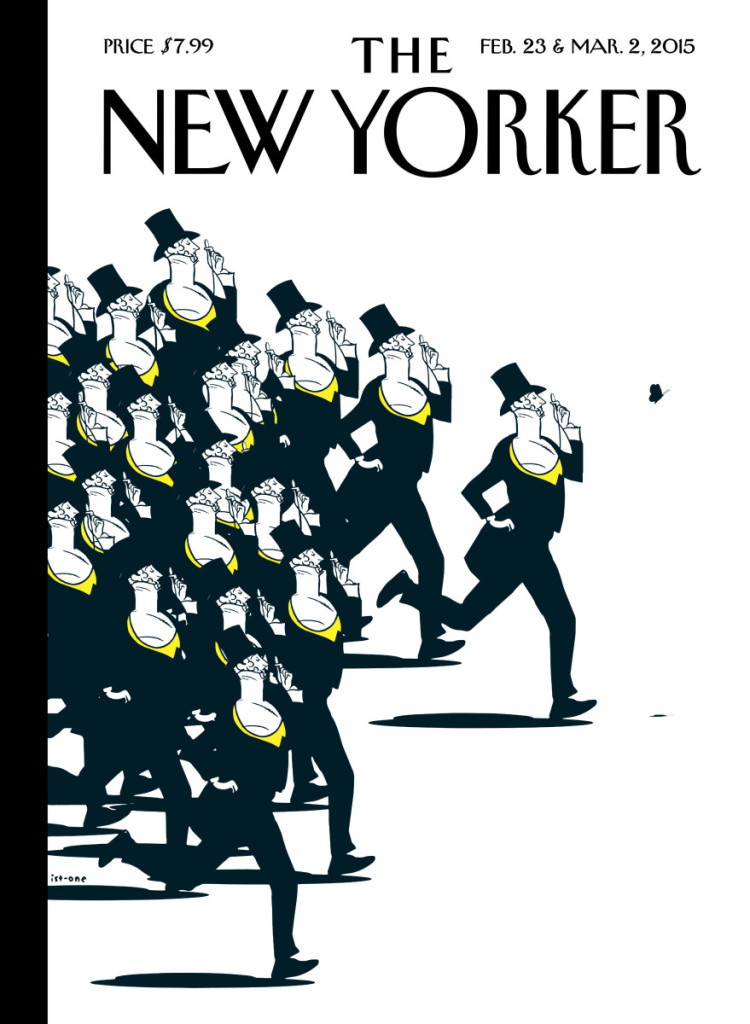
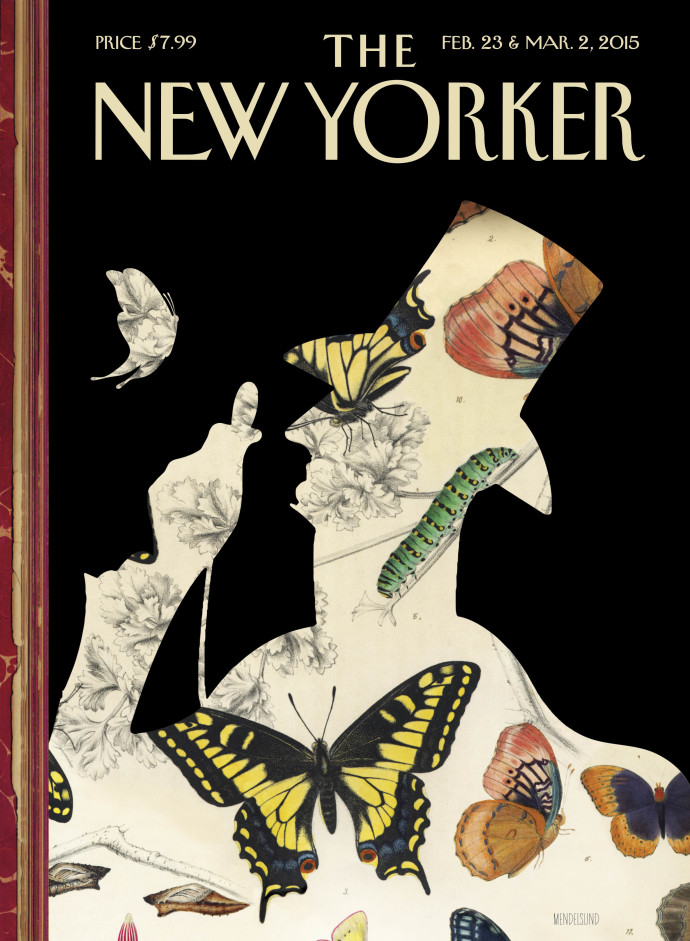
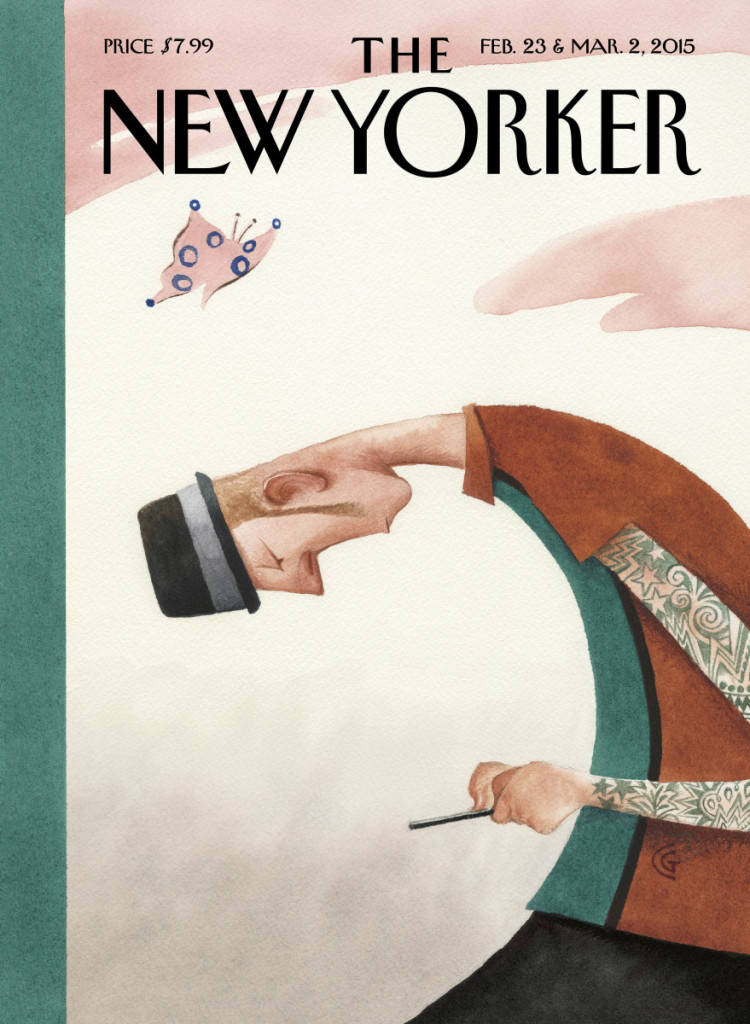
CV1_TNY_02_23_15Banyai.inddCV1_TNY_02_23_15Chast.inddCV1_TNY_02_23_15Mendelsund.indd The above information was written in 1983 and taken from a portion of my dissertation when I was at the University of Missouri-Columbia where I obtained my doctorate in journalism. And while the majority of the material still holds true, things have changed drastically in some areas.

Today some people define magazines differently than the original rendering. In the digital world e-zines and their cyber-content are designated ‘magazines.’ I contend that if it is not ink on paper, it is not a magazine.™ Some things do not change and that statement is one of them. Virtual content on a screen that you cannot physically touch, turn the page and then roll up and place conveniently under your arm for travel is not a magazine, with the last prerequisite being more important to people than one might think. What you see on a screen is digital content, web pages, mobile information, or anything else that it ‘actually’ is, but it is definitely not a magazine.

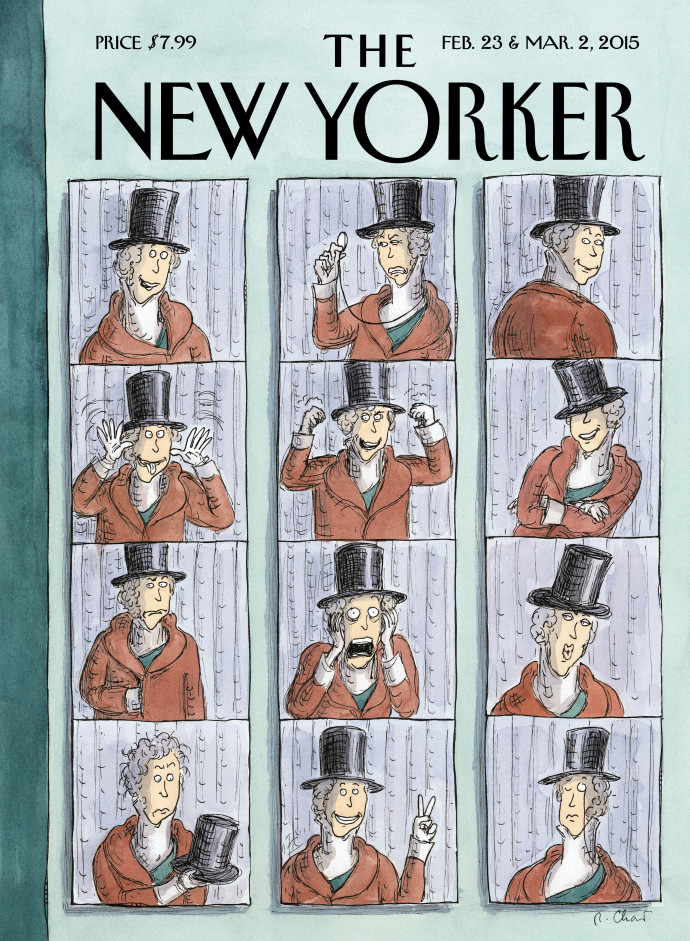
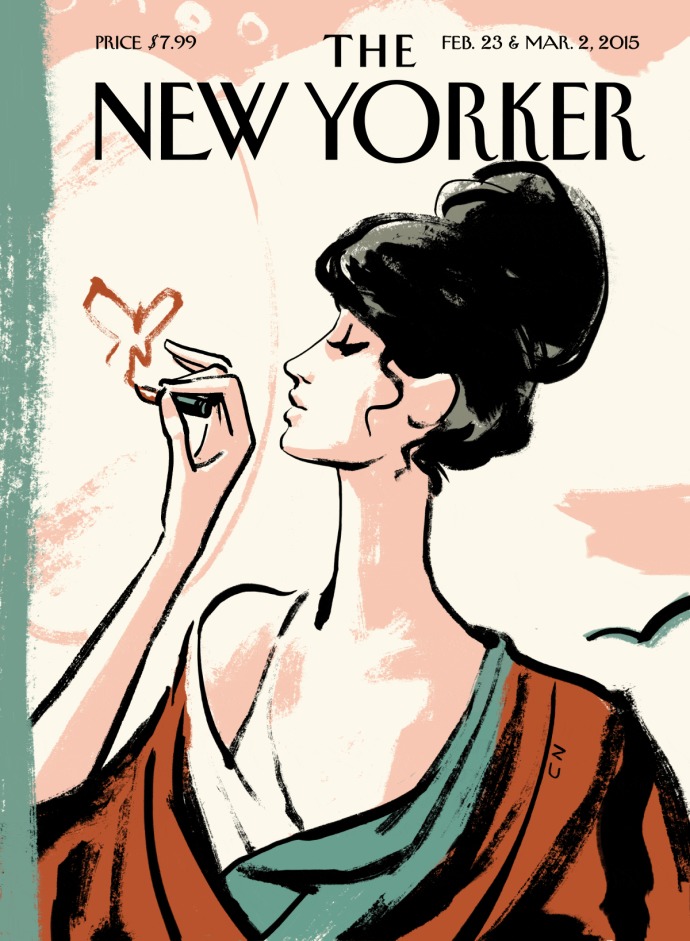
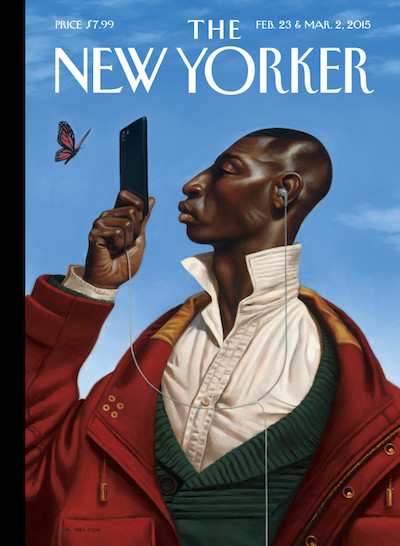
CV1_TNY_02_23_15Goodrich.inddWeb-1200x16381-690CV1_TNY_02_23_15Nelson.indd And while the trend in 1983 was to reach an equal split between advertising and circulation revenues, including newsstand sales and subscriptions; today things are a bit less cut and dried when it comes to advertising dollars and those precious ad pages that magazines have always depended on.

With the advent of digital, many publishers saw the future of magazine media in a land of make-believe, beyond that quasi rainbow of pixels the world had suddenly become so fascinated with. Unfortunately, their abandonment from the always-sturdy decks of print had them jumping ship before they had the complete picture. Sometimes placid waters are turbulent underneath.

CV1_TNY_02_23_15Blitt.inddCV1_TNY_02_23_15Mattotti.inddCV1_TNY_02_23_15Kunz.indd But when many boarded digital’s gangplank and strolled lightheartedly onto its bow and began to seek virtual advertising to join their journey, the dollars that had always been there before were nowhere to be seen. Hence, advertisers themselves were in a bit of a quandary. If the publishers weren’t putting the future into and onto print; how could they continue to buy space and peace of mind inside the covers of ink on paper?

So the trend for the 21st century became innovation and creativity; coming up with new and exciting ways to generate revenue and continue the singular experience that print magazines had and always would offer.

Of course recently there has been a migration back to print from the Land of Oz – or digital – whichever you’d like to call it, a migration and integration. Digital-only sites that have never been print are seeing the value and collectability of the printed word and magazines that had once been print, but folded to create pretty pages on a screen are coming home to ink on paper.

The one thing that hasn’t changed is the role of magazines; they’re still more complex and flexible than any other medium out there. And they were, are, and always will be reflectors of our society by mirroring the issues that are important to us as humans in a way that nothing else can.

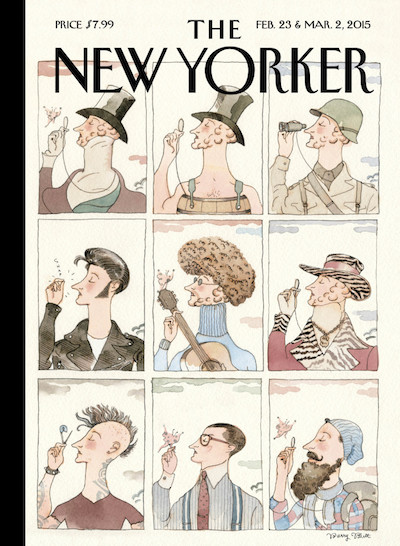
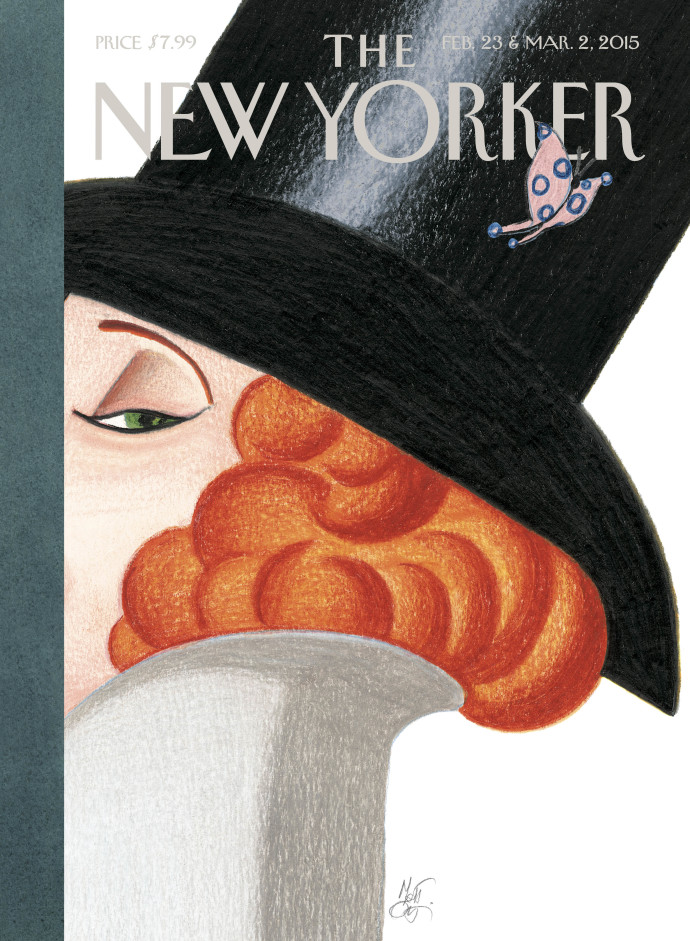
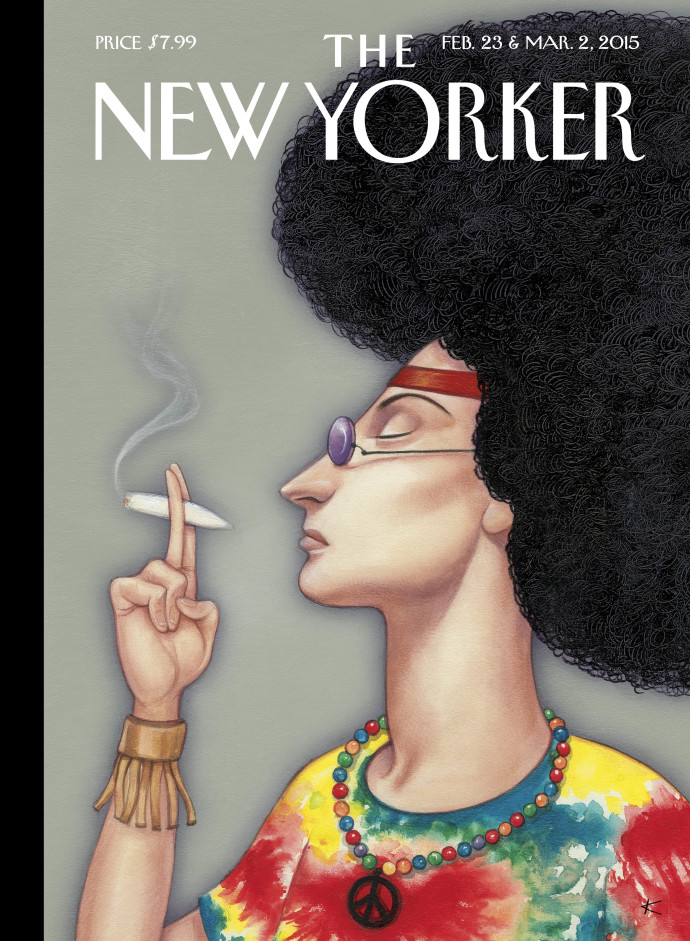
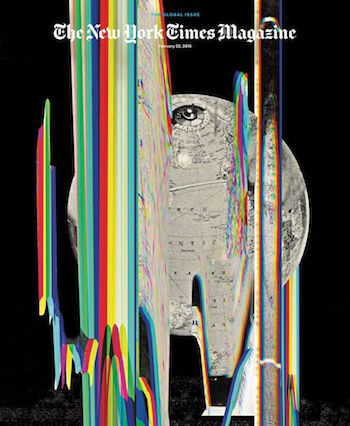
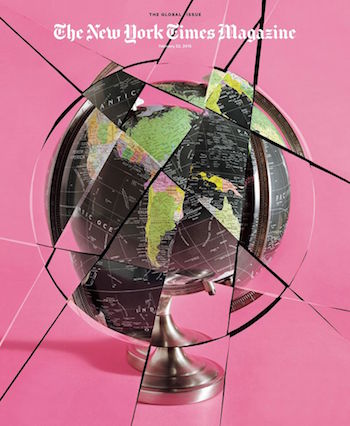
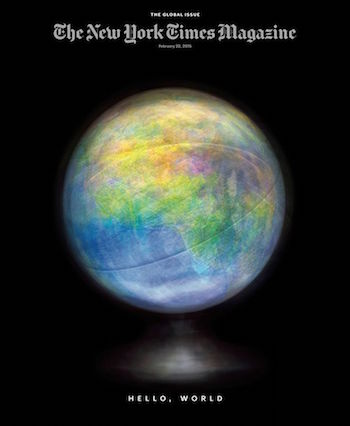
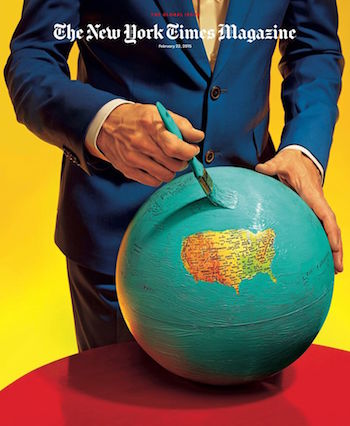
Case in point, this week’s covers of The New Yorker (see above) celebrating its 90th anniversary and this Sunday’s covers of The New York Sunday Magazine (see below). You have noticed I said covers and not cover, because both magazines have multiple covers for their issues this week: The New Yorker has nine covers and The New York Times Sunday Magazine has four covers. The covers alone are the best reflectors of our history, present and future.

10996167_10150536153049999_8193366741772338661_o10257880_10150536152894999_513737118604120893_o10861104_10150536152779999_3854239582398090376_o10984202_10150536152959999_5769548048661257162_o

Compare that to a page on a digital screen and think whether it would have made the same impression? Not hardly. What are the odds that the large mass of people who viewed that cover and bought that magazine from the newsstands, received it in their mail box, or had it arrive with their Sunday paper, would have all been looking at it simultaneously online? And would they have given it more than an exemplary glance before they scrolled on to something else? Highly doubtful. There is power in the printed word.

So, while the numbers may have changed somewhat since 1983, daily newspapers in the United States (1,382 in 2011), radio stations (14,728 full power stations in 2011) and TV stations (1,774 in 2011), the message of magazines and their impact haven’t.

And remember; if it is not ink on paper, it’s not a magazine™…

Watch for more ‘Dissertation Entries’ every Friday on the Mr. Magazine™ blog…
_______________________________________________________________________________________________________________________________
Picture 40

h1

A Return To Print: Plough Quarterly Digs Deep Into Christian Issues One Cause At A Time… The Mr. Magazine™ Interview With Publisher Sam Hine

February 19, 2015

“We had a very successful website, but we felt that the engagement with the material was superficial. People were only spending a few minutes, even less than a minute, on an article and not really thinking deeply about the topics we were raising.” Sam Hine

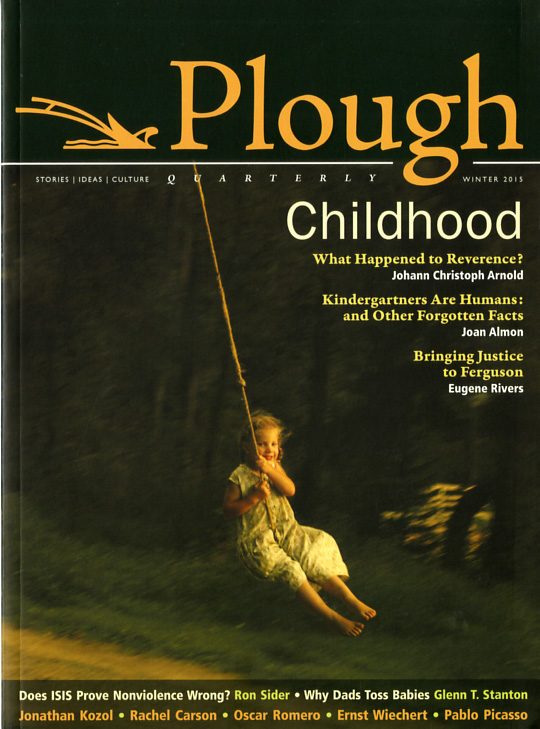
Plough1-1 In a world sometimes gone mad with violence from social and religious contentions and other issues that can only be handled from the far left or the far right; we all need a message of hope and renewal to refresh our hearts and souls and assure us that there is a greater good out there and we do have hope when it comes to a peaceful and loving future.

Not that socially and religiously-charged conflicts haven’t been going on since the Garden of Eden, it’s just that Adam and Eve didn’t have a Smartphone, iPad or computer to send them notifications about the battles every five seconds. Today the dissent is extremely in-your-face and there is no reprieve from it. But there are people out there dedicated to bringing us a different notification and message; one of hope and salvation from all the disunity we see in the world today.

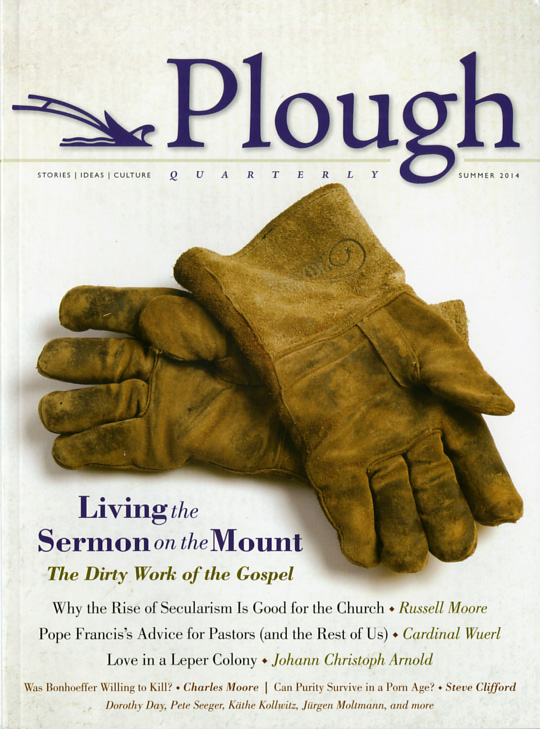
Plough Publishing re-launched its 94-year-old magazine as Plough Quarterly on June 10, 2014. It had been twelve years since the publication went online-only. Since then Plough.com had become a top destination for Christian e-books and online inspiration, and it seemed the editors learned a few things from its success online.

“Magazines are more relevant than ever,” said Sam Hine, publisher of Plough Quarterly in a press release that was released before the magazine’s re-launch. “They have been reimagined to answer a widespread dissatisfaction with the online reading experience. People are hungry for something that isn’t ephemeral—a quick scan, then on to the next thing with a click, swipe or tap. If content has integrity, people will be happy for a beautifully crafted product they can keep around or pass around.”

I spoke with Sam recently about the reasons behind Plough Publishing’s decision to bring back the print component of the brand and the message and mission of the company. As he talked about the compassion and genuineness of the magazine’s purpose: to proclaim the good news of Jesus Christ, his voice was soft-spoken and even, yet firm in his passion for the magazine’s mission and his determination to give his readers a more meaningful and engaging way to connect with that calling, through the power of the printed word.

I hope you enjoy this uplifting and inspiring conversation as much as I did. The words are real and the feelings behind them absolute: love and peace are much more satisfying than their antonyms any day of the week.

And now the Mr. Magazine™ conversation with Sam Hine, Publisher, Plough Quarterly.

But first the sound-bites:

Sam Hine On why Plough Publishing brought back their print magazine after 12 years:
There is also a limit to presentation, how nice you can make the reading experience online. And we heard from readers who missed the print magazine and told us that they would love to receive a quarterly journal from us. All of those things convinced us that it was time to bring back print.

On the DNA of Plough Quarterly and its focus:
It’s published by Plough Publishing House and we also publish books, currently about 12 titles per year, on faith, spirituality and social issues. And the focus of the magazine is to encourage people who want to put their faith into practice.

On why Christian magazines seem to be on the rise with consumers:
I think the United States has always been a very religious country. And I think people have always been serious about their faith. For a magazine like ours to succeed, it needs to offer something different and Plough Quarterly is really for people who are looking to go deeper with their faith and who are very serious about putting their faith into practice every day, not just on Sunday.

On what made him feel there was a place on the newsstands for Plough Quarterly:
Our sales are primarily subscription, but for us it’s important to be on the newsstands too so that new people discover us; that is the main reason we’re there.

On his biggest stumbling block during the re-launch and how he overcame it:
The decision was easy; we just had a lot to learn. The world has changed in many respects; how to promote and market a magazine; how to publish a product that offers something unique and different from what consumers can get online. And I think with each issue we’ve learned something and gotten better.

On his most pleasant moment:
The best thing was hearing from individual readers about how much they appreciated the magazine.

On what keeps him up at night:
Our mission as a publication and a publishing house is to proclaim the good news of Jesus Christ and to reach as many people as possible with the message of forgiveness, reconciliation and renewal that comes when we apply our faith to the needs of our time and we’ve hardly scratched the surface. Every day I think of how few people we’re reaching in comparison to how many are actually out there who need that message.

And now the lightly edited transcript of the Mr. Magazine™ interview with Sam Hine, Publisher, Plough Quarterly.

Samir Husni: Like the rest of the masses 12 or 13 years ago; your company said there’s no future for print, everyone is going online, so let’s fold our printed magazine and go digital. But then last summer you came back with a beautiful, very well-done, quarterly ink on paper magazine; what changed your mind after 12 years and made you decide you needed the print component again?

Sam Hine: The decision was made in 2002 to close the print magazine because we decided we could reach more people at less cost online only. And that was probably true, but over the years since, we had a very successful website, but we felt that the engagement with the material was superficial. People were only spending a few minutes, even less than a minute, on an article and not really thinking deeply about the topics we were raising.

There is also a limit to presentation, how nice you can make the reading experience online. And we heard from readers who missed the print magazine and told us that they would love to receive a quarterly journal from us. All of those things convinced us that it was time to bring back print.

Plough2-2 Samir Husni: For readers who are not familiar with Plough Quarterly, can you give me a little background? I know the magazine was founded in Germany in 1920, but can you give me more about the actual magazine, the movement and its mission?

Sam Hine: It’s published by Plough Publishing House and we also publish books, currently about 12 titles per year, on faith, spirituality and social issues. And the focus of the magazine is to encourage people who want to put their faith into practice. So, it’s applied Christianity; how can we apply what we believe to every area of life, from social issues to current events and popular culture. It’s a magazine of stories, ideas and art to inspire people to put their faith into action.

Samir Husni: Is the magazine published only in the United States, in English, or does it still exist in Germany?

Sam Hine: We’re only publishing in English, but it’s available worldwide. We have many subscribers in the United Kingdom, for example.

Samir Husni: I interviewed Carol Brooks last month from Bauer Publishing and they’re coming out with a new magazine called Simple Grace in April. And this is a secular publishing house that’s putting out a Christian-based monthly magazine on the nation’s newsstands. She quoted a lot of the same statistics that your company did in your press release, such as 77% of Americans are Christians and she also quoted the figures of how many copies the book Jesus Calling is selling. So, they decided to come up with this Christian magazine for the newsstands with a daily meditation for readers. Why do you think we’re seeing this resurgence maybe or renewed interest in Christianity now? Is it the political world that we live in or simply the changes that are happening? Why now?

Sam Hine: I think the United States has always been a very religious country. And I think people have always been serious about their faith. For a magazine like ours to succeed, it needs to offer something different and Plough Quarterly is really for people who are looking to go deeper with their faith and who are very serious about putting their faith into practice every day, not just on Sunday. It is a niche publication for people who are looking to dig deeper.

Another gap that we see we’re filling that other Christian publications for the most part are not, is the ability to build bridges between denominations. There are over 40,000 different Christian denominations and many Christian publications are published by a particular group or geared toward a particular segment. So, one of our goals and focuses is to really reach out across all these barriers and to include voices from all the different streams of Christianity. Plough Quarterly is a place where we can build unity and understanding between Christians of many different flavors and stripes. Jesus’ last prayer was for all of his disciples to be one.

Plough3-3 Samir Husni: I noticed that you put the magazine on the newsstands; in fact I found my copy at Books-A-Million. What made you feel that there was a place on the newsstands for this niche Christian-living type magazine?

Sam Hine: Our sales are primarily subscription, but for us it’s important to be on the newsstands too so that new people discover us; that is the main reason we’re there. We’re in Barnes & Noble as well as Books-A-Million and other independent newsstands. So, the main reason is that new people find the magazine and hopefully subscribe.

Samir Husni: When the decision was made to bring back the printed magazine; what was the biggest stumbling block that you faced and how did you overcome it? Or was the decision and the process easy and it was done?

Sam Hine: The decision was easy; we just had a lot to learn. The world has changed in many respects; how to promote and market a magazine; how to publish a product that offers something unique and different from what consumers can get online. And I think with each issue we’ve learned something and gotten better. And another important facet was that it had to be graphically pleasing. We’ll also sit down and spend a long time with an article and with print we’re able to do a longer form of journalism.

Samir Husni: What was the most pleasant moment with the re-launch?

Sam Hine: The best thing was hearing from individual readers about how much they appreciated the magazine. We’ve been pleasantly surprised; we passed our subscription goals for the first year within the first six months. We were a bit surprised at the reception.

Samir Husni: My typical last question; what keeps you up at night?

Sam Hine: Not Plough Quarterly. (Laughs) Our mission as a publication and a publishing house is to proclaim the good news of Jesus Christ and to reach as many people as possible with the message of forgiveness, reconciliation and renewal that comes when we apply our faith to the needs of our time and we’ve hardly scratched the surface.

Every day I think of how few people we’re reaching in comparison to how many are actually out there who need that message. We’re a mission-driven organization; we’re not for profit and we’ve barely begun. There is so much violence and suffering in the world and if we can encourage a few people each day to make a difference, to step out and do something for others, makes it worthwhile for me to come to work each morning and helps me sleep at night.

Samir Husni: Thank you.

_______________________________________________________________________________________________________________________________
Picture 40

h1

Magazine Launches: “Magazine Power By The Numbers.” A Mr. Magazine™ Exclusive

February 11, 2015

I’ve always said that the vivacity and life’s blood of the magazine industry is in its new launches, as in ink on paper new launches. There is nothing, be it human or otherwise that can continue its species without new birth. And that certainly applies to ink on paper in every way.

The very essence of growth and sustainability is within the confines of creation itself. And Mr. Magazine’s™ Launch Monitor was born from that idea. It is the nursery window where proud parents and relatives or friends of the family can stand and admire the beauty and potential of each newborn ink on paper at their leisure.

monitor
For the year 2015, I’m adding a new feature to the Launch Monitor: yearly comparisons. From the Top 10 categories to the Average Cover Price – each month will have the numbers for 2015 and 2014 for you to parallel and consider. The numbers will speak for themselves and the information will be available along with the usual new magazine launches and their covers.

jan by category

I hope you enjoy this new feature and I hope it brings another detail of our fascinating world of magazines into a clearer focus and understanding, because it’s a given; we can’t know where we’re going until we know where we’ve been…

It goes without saying that I have each and every one of the magazines posted on the Mr. Magazine™ Launch Monitor and remember my soon to be trademarked phrase “If It Is Not Ink On Paper, It Is Not A Magazine.”

h1

Monogamy, Addiction and Storytelling – A Trio That Can’t Be Beat…1,001 Mr. Magazine’s™ Blog Posts Takes A Lesson From 1,001 Nights And Passes It On To Magazines.

February 10, 2015

There was a story written long ago, that I’m sure many of you remember reading or hearing about, called One Thousand and One Nights, often known in English as Arabian Nights. Now I won’t give you a long, drawn-out refresher course in literature; suffice it to say, the premise of the story was the King, Shahryar, is shocked to discover his sister-in-law has been unfaithful to his brother for quite some time and subsequently finds out his own beloved bride isn’t so lily-white either when it comes to the art of fidelity.

Magazines Magazines and More Magazines Worldwide... Monogamy, Addiction and Storytelling.

Magazines Magazines and More Magazines Worldwide… Monogamy, Addiction and Storytelling.

The King has her executed and becomes bitter toward all women, marrying a succession of virgins, only to execute them one by one due to his mistrust of the fairer sex. Eventually the Vizier, whose duty it is to provide them, cannot find any more virgins. Scheherazade, the Vizier’s daughter, offers herself as the next bride and her father reluctantly agrees. On the night of their marriage, Scheherazade begins to tell the king a tale, but does not end it; she only leaves him longing for more each night, which does wonders for her ability to stay alive.

And hence, Mr. Magazine’s™ narrative begins where Scheherazade’s left off. Magazines could learn a few things from One Thousand and One Nights. When Digital showed her curvaceous pixels onto the magazine scene, publishing kings were definitely affected by the temptations she offered. And while print was certainly more monogamous than Shahryar’s brother’s wife proved to be; publishing kings were merely chomping at the bit to ‘execute’ their ink on paper spouse and marry every digital maiden that happened along, seeing visions of digital empires and fruitful offspring throughout that new kingdom called cyberspace.

Unfortunately, it didn’t quite work that way for magazine media, or King Shahryar, for that matter; albeit their situations were slightly reversed, with the kings of publishing trusting their new digital brides just a bit too much.

But while Shahryar was always distrustful of women after his brother’s experience, there was one thing for certain, he was still addicted to the opposite sex and kept coming back for more with as many different young ladies as the Vizier could find.

The addiction must be there. Without the desire and magnetic pull urging and demanding the King to try again or in the magazine’s case, the customer’s habitual return to the product, there would never have been a continuing relationship with Scheherazade for him, or a recurrence of connection and relevance with the audience for the magazine.

There is absolutely nothing wrong with the customer being obsessed with your product. In fact, it’s encouraged, just in case someone out there was wondering. A printed magazine is one of the most obsessional items around for human beings who enjoy reading. It’s an experience that plays on all the senses on many levels. So don’t kick it to the curb just because it’s the 21st century. In fact, most publishers today are finding print to be the collectable part of their digital/ink on paper duo, with a lot of digital companies conceiving print components just to add that attribute to their brand. You can’t exactly stick a webpage in the bottom drawer of your grandmother’s antique dresser to pull out later when you have the time to savor it. I suppose you could stick your laptop there, but trust me, the experiences are much different. Not to mention, the computer would most likely be dead anyway, depending on how long it took you to get back to it.

Once you’ve established the addiction factor into your kingdom, never forget the allure and deep satisfaction people have for the art of storytelling. After all, it’s what kept Scheherazade alive every night, that ability that she had to keep the King wanting more.

Weaving enchanting stories into the content of your product will continue that all-important addiction and perpetuate audience connection and repetition in a way that nothing else can.

Just remember that the King’s curiosity about the story Scheherazade told always bought her another day of life. Magazines would do well to remember that lesson.

Monogamy, addiction and storytelling – three points of interest in One Thousand and One Nights and three points of interest in Mr. Magazine’s™ 1,001 blog post. And as it was in Scheherazade’s case, there is always hope when you’re willing to innovate, create and motivate your product to be the best it possibly can.

Until 1,002…

h1

This Pineapple Is To Have, Hold, And Enjoy! The Story Of The Latest Travel Magazine Launch. The Mr. Magazine™ Interview with Publisher Christopher Lukezic.

January 30, 2015

“We believe print is a really unique way to experience content and a really unique way to engage with our readers. The tactile quality of the paper that we’re producing the magazine on, the photography; all of it, really comes to life on paper in a way you can’t necessarily get on a digital screen.” Christopher Lukezic

Pineapple-1 Airbnb, the world’s leading community-driven hospitality company, has added another component to their online presence: an ink on paper component, Pineapple magazine. Long known as the symbol for hospitality and welcome, the pineapple was a fruit that survived much during the 1400s and still managed to thrive, according to Pineapple publisher, Christopher Lukezic. It was brought to Europe from the West Indies and quickly became a sweet symbol of cordiality.

And the heritage of the “Pineapple” was a Godsend to Christopher as it represented everything he and his team wanted to present with their very unique travel magazine, which is slated to become the content force and driver of Airbnb’s community of readers and travelers, a hale and hearty symbol of travel that welcomes and greets warmly.

The magazine marks a major step for Airbnb to become not just a platform where stories are created, but where stories are told. Pineapple will reflect the unique perspective of Airbnb’s global community, with deeply local and personal content that hopefully will inspire travelers everywhere.

I reached out to Christopher recently and we talked about the excitement this ink on paper product has produced within the company and about the reasons for it. From the beauty displayed between the printed pages to the tactile feel of the paper itself; Christopher shared why he and Airbnb believe in the power of print as a digital entity themselves and why the distinct point-of-view of the magazine will go a long way in distinguishing it from the multitudes of competition on the newsstands already.

The magazine will cover a wide variety of topics – such as culture, art, food, and style – from a local’s perspective with neighborhood guides, insider tips, and unique, personal stories. Each issue will showcase three different cities through the lens of local community members and global travelers.

So grab your traveling gear and follow Mr. Magazine™ and Christopher Lukezic, Publisher of Pineapple, as they take you on a trip around the world of travel…

But first, the sound-bites:


Christopher Lukezic On why Airbnb chose a print component in a digital age:
I think that Airbnb wanted to be a bigger part of a producer of really high quality travel content. The magazine is a part of a larger effort by the company to move into the world of publishing and producing travel content.

On why he thinks more digital entities are adding a print component to their equation these days:
I believe that there is a certain tactile quality to print that engages with people and that’s something that doesn’t necessarily happen on a digital screen.

On the unique selling proposition he is offering the marketplace with so much competition out there already:
One of the things that we try to do is not to have a prescriptive travel magazine. We’re not a team of editors trying tell people what they should and should not do in a city.

On the major stumbling block he has had to face during the magazine’s conception and launch: You said it earlier: a digital company moving into print. It’s a very new world for us and we’ve been learning a lot as we go.

On that “aha” moment when he knew he’d hit on something special:
We went through a couple of iterations and a couple of ideas early on and we shifted course a few times, but I think for us it really all kind of came to fruition when we landed on the name. And I think that was the moment that we knew we were going to do something really special.

On his distribution strategy for the magazine:
We’re still trying to figure out what the future of the distribution strategy of the magazine will be. You will be able to purchase it and we’ll also distribute it to our community, so both of those ways will continue.

On the relationship between Airbnb the company and Pineapple the magazine: It’s very much a two-way street relationship. The future of this and how it ties into the business and how it relates to our core business, we’re still working on a lot of that, but it will very much be an integral part of the Airbnb experience.

On what he hopes to have accomplished with Pineapple a year from now:
Our real goal with Pineapple is for people to start to think about it as a place where they can come to plan their trip experience, as well as to book accommodations.

On what keeps him up at night:
Not much actually. I’m pretty happy with where things are and I’m really excited about the potential for this magazine and the future of it. The only thing that would maybe keep me up at night is not being able to do everything that we want to do.

And now the lightly edited transcript of the Mr. Magazine™ conversation with Christopher Lukezic, Publisher, Pineapple magazine…

Samir Husni: Airbnb has been a digital entity for almost seven years now, having begun in 2008; why did they decide to go with a print magazine now?

Christopher Lukezic: I think that Airbnb wanted to be a bigger part of a producer of really high quality travel content. We wanted to be a source for people to come to, not only to find great places to stay while they’re on a trip, but also when planning the trip itself; a source where they can find content that inspires them to visit places and also informs them about places they’re already going.

The magazine is a part of a larger effort by the company to move into the world of publishing and producing travel content.

Picture 36 Samir Husni: These days we are seeing more than one digital entity bring print into their equation and in this age where everyone not long ago was predicting the demise of print, we’re actually seeing a reversal of that bleak forecast. Why do you think this reversal is taking place?

Christopher Lukezic: I believe that there is a certain tactile quality to print that engages with people and that’s something that doesn’t necessarily happen on a digital screen. People are surrounded by screens all day long; they’re reading on their phones and their laptops and other digital devices. The engagement of content with print is that you can really get at someone in a different way with it. It’s a little bit of a slower experience and people will come back to it over and over again in the course of a few months, not consuming the magazine all at once, but in sort of bits here and there.

I think that from a travel standpoint print is still a really big part of the travel experience. Every year Google does a lot of research around different industries and they try to figure out what the different experiences are for the different industries. And for travel they put together an insight study every year. And actually they’ve shown year after year that print remains the most important source for travel, once they’re at a destination. When a traveler arrives in a city, print is still the predominant source of information that people use for planning their trip once they’re at the destination.

Those things combined make it an attractive opportunity for us as we move into content, to have a print aspect that is very much at the forefront of our content efforts as a whole.

Samir Husni: As a publisher of a new travel magazine and as you go on your sales calls; what is the unique selling proposition that you are offering the marketplace knowing that there are so many competitors out there?

Christopher Lukezic: One of the things that we try to do is not to have a prescriptive travel magazine. We’re not a team of editors trying tell people what they should and should not do in a city.

All of the content of the magazine is actually from people who live in these places, so we’ve actually gone and found people from every community in the cities that we feature. And we try to discover the city through their eyes. Not only places to see and eat, but to showcase what the life there is really all about.

We try to get at what the actual experience of living in the featured cities is and how these communities have formed over time and how people interact with each other in these cities. And on top of that, there are some tidbits and guides that are more digestible and easier to consume content which is important to travelers as they plan their trips.

But what we really wanted to get at was to honor the cities and unpack them from the inside out, rather than from the outside in. I think a lot of travel magazines approach that in the opposite direction; there’s a team of editors going to places and telling the reader about their experiences in the city and not necessarily going and finding people who live there and allowing them to tell the story.

Samir Husni: What has been the major stumbling block for you as a publisher and how did you overcome it?

Christopher Lukezic: You said it earlier: a digital company moving into print. It’s a very new world for us and we’ve been learning a lot as we go.

The big thing was trying to figure out what direction that we wanted to take with the magazine and how we could engage with our community in the right way. And we really wanted that balance of having this be something that was a collaborative effort that we made in conjunction with our community, but still contain a lot of interesting editorial content which engaged people in the right way. And we found a happy medium.

I think the challenge now is the future and continuing to expand the magazine and our content efforts as a whole, doing that both in print and online. So, we have a lot of work ahead of us and this is just the beginning of the process.

Samir Husni: And what has been your most pleasant moment or that instance when you just sat back and went “aha?”

Picture 38 Christopher Lukezic: This has been a team effort and there were four of us that were very involved in the production of the magazine.

Our editor-in-chief is Alex Tieghi-Walker and Brendan Callahan, who is our creative director and our photo editor, Carrie Levy. The three of them are all from magazine backgrounds and Alex has actually published a couple of his own magazines before and worked for Wallpaper, and so we have some great experience here. But trying to do something new and create something in a crowded market that we really felt proud of was important.

We went through a couple of iterations and a couple of ideas early on and we shifted course a few times, but I think for us it really all kind of came to fruition when we landed on the name. And I think that was the moment that we knew we were going to do something really special. We were struggling to find the right name for this magazine and when it did it was one of those moments when everything just seemed to fall into place. The name really tied together what the magazine is all about.

The name Pineapple is a descendant of hospitality; it’s a symbol that has been recognized for a very long time. The fruit was discovered back in the 1400s and was taken back to Europe by travelers and it’s one of the only fruits that survived the voyage from the West Indies back to Europe. And it became the symbol of hospitality. It was something you would leave for a guest when they came to visit you. It was a gracious sign that a host would leave.

And that’s what the magazine presents. We wanted the magazine to be a gift that a host would give to a guest when they arrived at their destination. So, naming the magazine Pineapple really reached the core of what we were trying to do with the content and the print magazine overall. We wanted this to be something that would greet the traveler when they arrived in their city somewhere around the world.

Samir Husni: I noticed that your distribution is divided; once people arrive at the place they are staying, part of Airbnb’s community of customers will get the magazine, or people can buy it on the newsstands at select bookstores. Will that be the norm for distribution, or are you thinking of building more of a presence on the nation’s newsstands and also of having a subscription base?

Christopher Lukezic: We’re still trying to figure out what the future of the distribution strategy of the magazine will be. You will be able to purchase it and we’ll also distribute it to our community, so both of those ways will continue.

We wanted this initial pilot issue to be a limited edition copy and there are 20,000 copies of this first issue, so we knew that it would be something quite special. We actually gave away a number of copies to our community free as a gift. But we also made them available for sale through very boutique shops and newsstands around the world. We’ll most likely be expanding our circulation into something much larger than it is now. But how we’ll actually distribute the magazine, we haven’t decided on.

Samir Husni: Can you describe for me the relationship between the magazine and Airbnb? Are the two entities separate or is it a two-way street relationship?

Christopher Lukezic: It’s very much a two-way street relationship. This is something that we created and all of the people that we feature in the magazine are from our community. These are all people who are active travelers, who are active hosts in the communities, so we have an incredibly diverse audience who read us and also an incredibly diverse community base who want to contribute to the magazine.

This is really a snapshot of the creative process of the world and I think that we’ve captured the most interesting people from our community and in these cities and brought their stories forward. The real pride of the community and the real pride for me is that the whole magazine is produced with the cooperation and in conjunction with our community. The photographers, the illustrators and all of the people we feature are Airbnb community members.

And the future of this and how it ties into the business and how it relates to our core business, we’re still working on a lot of that, but it will very much be an integral part of the Airbnb experience. Pineapple is our content arm, if you will.

Samir Husni: If a year from now, you and I are sitting down and talking about what Pineapple has accomplished in that year; what would you tell me?

Christopher Lukezic: Our real goal with Pineapple is for people to start to think about it as a place where they can come to plan their trip experience, as well as to book accommodations. So we’re clearly seeing it as a place where people come. Maybe they know where they want to go and they might actually rely on some of our hosts when they get to a destination to figure out what they want to do while they’re there.

We think that there is a real opportunity for content to play an important part in that experience. To help people plan trips and also to help people figure out what they want to do once they get to their destination. For us, that is the real goal of the magazine. We really want to be seen as a source for trusted, travel content.

Picture 37 Samir Husni: Will the frequency stay quarterly or are you planning something different for the future?

Christopher Lukezic: We’ve started issue two and it looks like we’ll launch sometime in the summer. From there, our goal is to continue to produce quarterly.

Samir Husni: Would you like to add anything else?

Christopher Lukezic: This is something that is very exciting for us as a company. It’s a new venture. In terms of a company going into print; I think print is very strong and I think it has changed.

We believe print is a really unique way to experience content and a really unique way to engage with our readers. The tactile quality of the paper that we’re producing the magazine on, the photography; all of it, really comes to life on paper in a way you can’t necessarily get on a digital screen. And for us that is really important. It means that the engagement with the magazine’s content and the relationship that people have with it is going to be much deeper than if we only did it onscreen.

Samir Husni: My typical last question; what keeps you up at night?

Christopher Lukezic: Not much actually. I’m pretty happy with where things are and I’m really excited about the potential for this magazine and the future of it. The only thing that would maybe keep me up at night is not being able to do everything that we want to do. We have to limit the things that we put into the magazine and for me that’s sometimes tough. There are things that we want to feature, write about and cover and produce, but we have a limited team and a limited number of resources we have to work with.

But for me, I’m really excited about where things are and I’m looking forward to the future of the magazine.

Samir Husni: Thank you.