h1

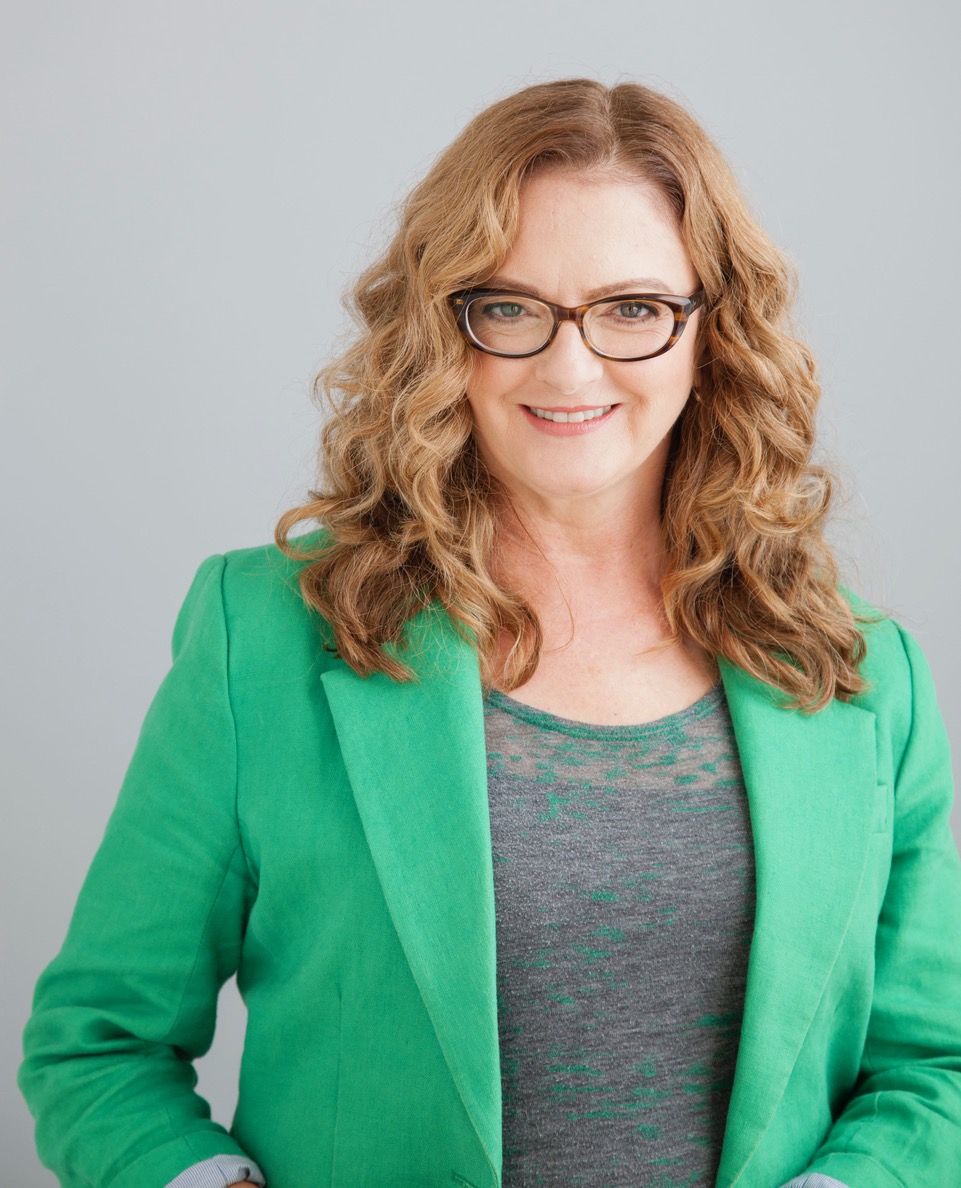
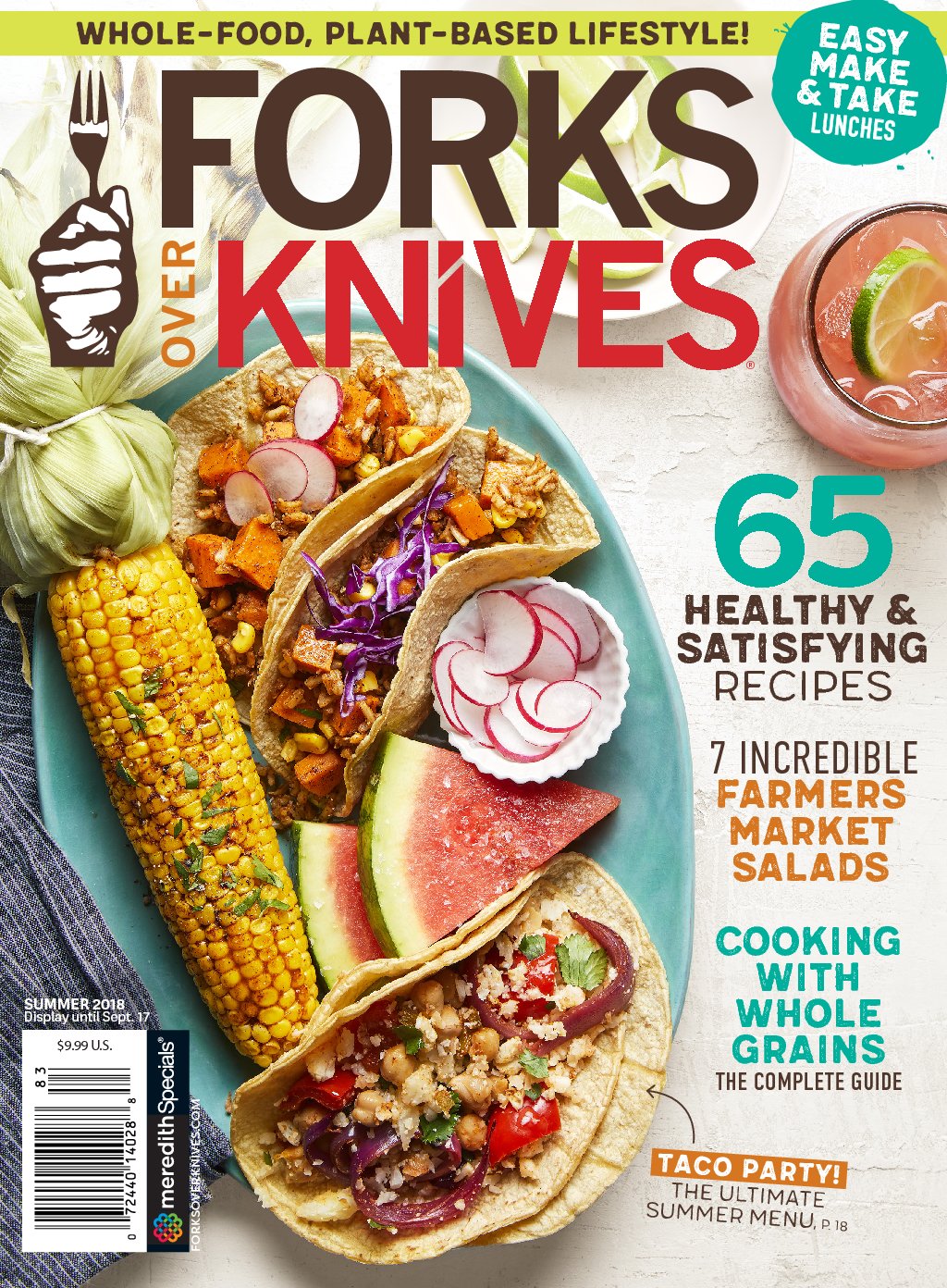
Showstopper Magazine: Celebrating Its First Anniversary With 40 Years Of Teen Dance History & Experience Behind It – The Mr. Magazine™ Interview With Founder, Debbie Roberts & Editor In Chief, Holly Childs…

August 20, 2018

“One thing that stands out to me, and one thing that made me really want to do the magazine is we’re not just full of ads. And many of the others are so heavy into ads. We’re trying to honor dancers; we’re trying to get as many kids as we can into each issue. We’re trying to look and look, study and study, and reach out to find which kids have great stories and get them in the magazine. We want them to be honored.” Debbie Roberts…

“We combined the digital element with it, with our app and our VIP site and it’s basically the online version of the magazine where we can push people with QR codes to video content and behind-the-scenes footage and extended interviews, plus extra content as well. So, we mixed both the print and the digital because teens aren’t normally drawn so much to print, but I think with the distribution method of the shows and Barnes & Noble and mixing it with the digital it really comes together.” Holly Childs…

A magazine devoted to dance, teenaged dance, that is; Showstopper magazine is celebrating its first anniversary in print, but the powers-that-be behind the colorful, photo-packed title are far from newbies when it comes to the world of teen dance. Debbie Roberts and her husband, David have been honoring and promoting dancers through their competition shows and sincere caring of the teens for 40 years. Showstopper events for them are more than a career, it has been a way of life for decades. And now they have brought that same excitement and care to print.

I spoke with Debbie and editor in chief, Holly Childs (a former Showstopper dance talent herself) recently and we talked about the magazine and its mission for the world of teen dance. It means so much to these two ladies as it represents the kids that are so important to them both, which is the one of the main reasons that Debbie wanted to start the magazine, to have a vivid place to showcase these teen dance stories and bring them to life within the pages of print. And from the beautiful photographs to the stories themselves, it’s a venue that Debbie hopes fulfills her mission: to honor the dancers.

And with no ads, its success is dependent on that hope, as distribution ranges from newsstand to the competition shows, where Debbie says the differentiation factor of the title from others out there, is born. The shows provide the Roberts’ with a venue that allows them to connect with the teens and get their input for content, something Debbie believes gives them a very high leg-up on magazines who maybe don’t have that type of interaction.

So, grab your sequined dance uniform and some confetti and enjoy the Mr. Magazine™ interview with two women who are “showstoppers” themselves, as they take us into the world of teen dance, Debbie Roberts, founder and Holly Childs, editor in chief, Showstopper magazine.

But first the sound-bites:

On how she got the idea for Showstopper and when she decided to actually do it (Debbie Roberts): I was actually always very interested in journalism, even in high school. I was editor of the yearbook and just had a great journalism teacher. And I had always wanted to start a magazine. I read Seventeen magazine all of the time and I just thought it was an incredible way to communicate. So, at age 16 I really wanted to do it. And when I met Holly I thought if I ever did it she would be the person who could help me make it come true, because she is such a go-getter.

On whether they both dance (Debbie Roberts): Dance has been my whole life. I had a dance studio for 25 years. I actually started teaching when I was 16, so that’s 50 years that I’ve been working, not 40. But no, not anymore, now I just work, work, work.

On whether they both dance (Holly Childs): I danced from age two to about 14 and I danced at Showstopper’s, so when I got the job, almost three and a half years ago, it was coming full circle for me because I used to attend their competitions when I was around nine-years-old.

On why they thought teenaged readers in today’s day and age would want a print magazine (Holly Childs): We also combined the digital element with it, with our app and our VIP site, which is http://www.showstopper.vip, and it’s basically the online version of the magazine where we can push people with QR codes to video content and behind-the-scenes footage and extended interviews, plus extra content as well. So, we mixed both the print and the digital because teens aren’t normally drawn so much to print, but I think with the distribution method of the shows and Barnes & Noble and mixing it with the digital it really comes together.

On how they are curating Showstopper’s 40-year history with teen dance, with what’s happening today (Holly Childs): We’re always working on curating the history with what’s happening today in a better way in each and every edition. And in this upcoming one we’re really focusing on telling the story of Showstopper and focusing a lot more heavily on dance, just to make sure that’s really seen on almost every page. I think we’ve realized as we’ve gone forward that the reach has really extended beyond our in-person shows and so it’s more important with every edition to tell Showstopper’s story and history, and also what’s happening with the brand today.

On Holly’s ability to write, edit and design and whether she has a favorite of the three (Holly Childs): Design, for sure, I have to say. It’s just the most creatively and aesthetically pleasing; it’s just very fulfilling to see the design of an artist. I love writing too and that was actually my major in college, English, but graphic design is always changing and can always be made better, so definitely design. But I love the other two as well.

On Showstopper’s point of differentiation (Debbie Roberts): One thing that stands out to me, and one thing that made me really want to do the magazine is we’re not just full of ads. And many of the others are so heavy into ads. We’re trying to honor dancers; we’re trying to get as many kids as we can into each issue. We’re trying to look and look, study and study, and reach out to find which kids have great stories and get them in the magazine. We want them to be honored.

On the biggest stumbling block they’ve faced this year and how they overcame it (Debbie Roberts): Both Holly and I can tackle a lot. I’m used to handling problems; I’ve had 40 years of a lot of challenges and I would say that we don’t have a lot of big stumbling blocks, because when something happens we just regroup and go on and do something else. We don’t let anything become a stumbling block more than just a couple of minutes.

On what has been the most pleasant moment (Debbie Roberts): I would say our photo shoots are just so inspiring because you get all of these kids together and they’re so excited that they are going to be honored for what they’ve done. These are kids who are hardcore dancers and they’ve worked themselves to the bone. They take seven days a week to dance. They just love it and they’re willing to do it as a career and they don’t even care if they make money. They’re just giving everything a million percent and that’s every photo shoot that we have.

On what has been the most pleasant moment (Holly Childs): Another amazing moment is seeing the pictures of the dancers holding up the magazine when they get it in the mail or see it in Barnes & Noble, that’s another amazing moment.

On what they would hope to say the magazine has accomplished if they were talking to someone about it one year from now (Debbie Roberts): I would say that we strive, just like we do in the show, to be better than we were before. Every article to be better than it was the last issue just to try and give more to kids. And maybe to make the magazine 20 pages bigger to honor more kids or more dancers, just to always be better and always have more quality. We’re so learning right now and we’ve seen mistakes that we’ve made and just try to go on and do better next time. Every magazine is so exciting and we just strive for the next one to be better.

On anything either of them would like to add (Holly Childs): One thing to add is that we also have a theme around each edition, the last one was the gold edition and the next is the explore/adventure edition. Exploring new genres of dance and new hobbies and new travel locations. We always try to have a theme around each edition.

On what she would have tattooed upon her brain that would be there forever and no one could ever forget about her (Debbie Roberts): I would say that we always did the very best and when we hit the best we said that we could do better. We just always want to be better and give more, that’s our philosophy.

On what she would have tattooed upon her brain that would be there forever and no one could ever forget about her (Holly Childs): I like that too. That’s perfect; I wouldn’t add a thing to that. Never be satisfied.

On what someone would find her doing if they showed up unexpectedly one evening at her home (Holly Childs): Planning the next day of work. (Laughs)

On what someone would find her doing if they showed up unexpectedly one evening at her home (Debbie Roberts): You’d find me working on the magazine, that’s my very fun thing to do and because it’s a lot of research. I’d be looking at YouTube videos or at letters that kids have written to us about maybe why they want to be in the magazine, those kinds of things. Researching new trends or old trends that are coming back; who’s doing what; those are things that I’d be doing.

On what keeps them up at night (Debbie Roberts): Definitely the magazine. It’s not work at all, it’s just fun to gather up ideas, and after 40 years of really working hard loading trucks and working in a warehouse, getting everything ready for a show, now the magazine is just my sheer fun. Just giving back through the magazine and then seeing the end result. So, it’s definitely the magazine that keeps me up at night, no doubt about that.

On what keeps them up at night (Holly Childs): I agree. I am always thinking about how we can make things better. We’re both never satisfied with the last thing we did, which is why I think a year from now, if you were to ask us, it’s going to be 10 times better than right now because we’re never satisfied. We’re always thinking about how we can improve and what we can do different; what are the latest trends that we can do for the next photo shoot, things like that. It’s more of a morning and afternoon thought for me, but if I think of a photo shoot idea in the middle of the night, I grab my phone and write it down.

And now the lightly edited transcript of the Mr. Magazine™ interview with Debbie Roberts, founder and Holly Childs, editor in chief, Showstopper Magazine.

Samir Husni: Showstopper magazine is celebrating its first anniversary; tell me a little bit about the conception of the magazine. When did you get the idea and decide that you were actually going to do it?

Debbie Roberts: I was actually always very interested in journalism, even in high school. I was editor of the yearbook and just had a great journalism teacher. And I had always wanted to start a magazine. I read Seventeen magazine all of the time and I just thought it was an incredible way to communicate. So, at age 16 I really wanted to do it. And when I met Holly I thought if I ever did it she would be the person who could help me make it come true, because she is such a go-getter.

So, I just woke up one day and said to myself, I’m 65-years-old and it’s either now or never, somehow or someway it’s going to happen. And I talked to Holly and she said yes, absolutely let’s do it. And we both kind of dove in and just said we don’t know what it’s going to take, but we’re going to learn. So, we started learning and digging in and that’s how it all started.

Samir Husni: And do you both dance?

Debbie Roberts: Dance has been my whole life. I had a dance studio for 25 years. I actually started teaching when I was 16, so that’s 50 years that I’ve been working, not 40. But no, not anymore, now I just work, work, work.

Holly Childs: I danced from age two to about 14 and I danced at Showstopper’s, so when I got the job, almost three and a half years ago, it was coming full circle for me because I used to attend their competitions when I was around nine-years-old.

Samir Husni: Why do you think teenaged dancers in today’s day and age want a print magazine?

Holly Childs: Debbie and David Roberts started Showstopper, which are national dance competitions, and they have regional and finals competitions and dance conventions all over the U.S. and now the world, including Japan. The history of Showstopper Dance Competitions began 40 years ago and they’re celebrating their 40th anniversary this year. They have so many in-person events that it’s a perfect distribution method for something that teens can relate to and hear other teen dancers’ stories, which is really the primary reason I feel that Debbie started the magazine, to tell all of the stories that were heard nationwide for 40 years.

We also combined the digital element with it, with our app and our VIP site, which is http://www.showstopper.vip, and it’s basically the online version of the magazine where we can push people with QR codes to video content and behind-the-scenes footage and extended interviews, plus extra content as well. So, we mixed both the print and the digital because teens aren’t normally drawn so much to print, but I think with the distribution method of the shows and Barnes & Noble and mixing it with the digital it really comes together.

Debbie Roberts: To go back a little bit, every weekend of my life I’m with dancers, and all of these young kids at all different levels, and I was thinking that these kids are so inspiring that we had to do more stories about them. With their heart and soul, they just love dance and they’re so excited about dance. So, I wanted to take that to another level, and we said that this is the time; this is the time to do it. And I was very discouraged with some magazines that were just ads, that’s really basically all they are. So, we really don’t do ads, we just want to honor dancers and their hard work. And inspire other dancers.

Samir Husni: Just from looking at this current issue, it seems as though you’re documenting teen dance. From 40 years until now, that involvement with the teen lifestyle and the teen dance really shines through. How are you curating Debbie’s 40-year history with teen dance, with what’s happening today?

Holly Childs: We’re always working on curating the history with what’s happening today in a better way in each and every edition. And in this upcoming one we’re really focusing on telling the story of Showstopper and focusing a lot more heavily on dance, just to make sure that’s really seen on almost every page. I think we’ve realized as we’ve gone forward that the reach has really extended beyond our in-person shows and so it’s more important with every edition to tell Showstopper’s story and history, and also what’s happening with the brand today.

Samir Husni: Holly, you write, edit, and you design; any favorite child among those three?

Holly Childs: Design, for sure, I have to say. It’s just the most creatively and aesthetically pleasing; it’s just very fulfilling to see the design of an artist. I love writing too and that was actually my major in college, English, but graphic design is always changing and can always be made better, so definitely design. But I love the other two as well.

Samir Husni: There are other dance magazines in the marketplace; what is Showstopper’s point of differentiation, besides you and David starting Showstopper Dance Competitions 40 years ago?

Debbie Roberts: One thing that stands out to me, and one thing that made me really want to do the magazine is we’re not just full of ads. And many of the others are so heavy into ads. We’re trying to honor dancers; we’re trying to get as many kids as we can into each issue. We’re trying to look and look, study and study, and reach out to find which kids have great stories and get them in the magazine. We want them to be honored. And I know for sure that they don’t have that passion now, because we’re not worried about selling ads and making money and they are. We’re just worried about having an incredible magazine that gives back to teenagers and we’ve expanded more into the dance lifestyle, such as what would they wear to school, so we have a bit of fashion, fashion that’s maybe been inspired by dance. Just give kids more than a magazine that’s filled with a lot of ads and just a few articles.

Holly Childs: We focus very heavily on the well-rounded approach of showing everything dancers are interested in, from healthy snacks to fashion, inspired by dance, and to technique and the inspirational stories. We’re not just focusing on people who have the strongest technique and who have made it, of course we love those people, but also in each edition we really tell a story about someone who has overcame something or who has struggled and made it through and can inspire other dancers who might also be going through something similar. We just focus on capturing all facets of a team dancer, not just a dancer.

Samir Husni: What has been the biggest stumbling block for you this year and how did you overcome it?

Debbie Roberts: Both Holly and I can tackle a lot. I’m used to handling problems; I’ve had 40 years of a lot of challenges and I would say that we don’t have a lot of big stumbling blocks, because when something happens we just regroup and go on and do something else. We don’t let anything become a stumbling block more than just a couple of minutes.

Holly Childs: I think the only “challenge” is since our magazine is in stores a lot longer than other magazines, we have to make sure that we’re not just doing that viral, happening right now, content. It has to be content that’s going to be relevant from February to May or from June until August, which that really helps us to tell more in depth stories or talk about things that aren’t just going to be irrelevant a week from now. You could pick up that magazine five years from now and the things inside would still be interesting because they’re not time sensitive.

Samir Husni: What has been the most pleasant moment?

Debbie Roberts: I would say our photo shoots are just so inspiring because you get all of these kids together and they’re so excited that they are going to be honored for what they’ve done. These are kids who are hardcore dancers and they’ve worked themselves to the bone. They take seven days a week to dance. They just love it and they’re willing to do it as a career and they don’t even care if they make money. They’re just giving everything a million percent and that’s every photo shoot that we have. You see these kids on paper and I meet them quickly, maybe at a show, but then to work with them for a whole day is really fun. And I know a lot of magazines don’t even do photo shoots, they just get pictures from the kids. But we do a long photo shoot where everybody interacts and it’s a lot of work. Holly puts all of that together and it’s so rewarding.

Holly Childs: We do a big group photo shoot where it’s like one big fun day. We have some photo shoots where there are just one or two kids, but our main photo shoot is with the group we call “The Circle Society” who are the featured group for that issue of the magazine. They are a group of talented and inspiring dancers and we get them all together for one to two days and it’s one of the most inspiring times, just seeing all of the talent and hard work come together.

Another amazing moment is seeing the pictures of the dancers holding up the magazine when they get it in the mail or when they see it in Barnes & Noble, that’s another amazing moment.

Samir Husni: If we’re having this conversation a year from now, what would you hope to tell me about Showstopper magazine and what it has accomplished?

Debbie Roberts: I would say that we strive, just like we do in the show, to be better than we were before. Every article to be better than it was the last issue just to try and give more to kids. And maybe to make the magazine 20 pages bigger to honor more kids or more dancers, just to always be better and always have more quality. We’re so learning right now and we’ve seen mistakes that we’ve made and just try to go on and do better next time. Every magazine is so exciting and we just strive for the next one to be better.

We try to do focus groups at our shows, and that’s the big thing at our shows that nobody has but us; we see probably 5,000 kids per weekend, so we can set up a little booth and ask the kids what they want to see in the magazine. I can put someone there for the whole day and ask the kids these things and nobody else can do that because we’re so connected with the competition and with these kids.

We can ask them what they want to see and what they don’t want to see. We have a whole survey that we do and we try to really stay with the kids, with the dancers, at all times. And nobody else can do that; nobody can touch us. They’re in an office in New York, not that that’s a bad thing, but they’re in an office and they never really meet any of the dancers. Anyone else’s main goal is to sell advertising and the magazine is secondary. And we’re just not that way, not that that’s a bad thing because that’s how they run their business and make money, but that’s not how we run things and make money. The bottom line would be the interaction with the kids. And it’s our lives.

Samir Husni: Is there anything either of you would like to add:

Holly Childs: And one thing to add is that we also have a theme around each edition, the last one was the gold edition and the next is the explore/adventure edition. Exploring new genres of dance and new hobbies and new travel locations. We always try to have a theme around each edition.

Samir Husni: If you could have one thing tattooed upon your brain that no one would ever forget about you, what would it be?

Debbie Roberts: I would say that we always did the very best and when we hit the best we said that we could do better. We just always want to be better and give more, that’s our philosophy.

Holly Childs: I like that too. That’s perfect; I wouldn’t add a thing to that. Never be satisfied.

Samir Husni: If I showed up unexpectedly at your home one evening after work, what would I find you doing? Having a glass of wine; reading a magazine; cooking; watching TV; or something else? How do you unwind?

Holly Childs: Planning the next day of work. (Laughs)

Debbie Roberts: You’d find me working on the magazine, that’s my very fun thing to do and because it’s a lot of research. I’d be looking at YouTube videos or at letters that kids have written to us about maybe why they want to be in the magazine, those kinds of things. Researching new trends or old trends that are coming back; who’s doing what; those are things that I’d be doing.

Holly Childs: I agree that no matter what we’re doing, whether on social media, or like Debbie said, on YouTube or flipping through magazines, watching commercials; it’s always in the back of our minds how we can use things that we’re drawn to in the magazine. So, even if we are relaxing, we’re always thinking too. (Laughs)

Debbie Roberts: Photo shoot ideas too; I’ll have a stack of magazines and go through them and say, if we could just get one big, wow photo shoot in every magazine. And the next issue is really cool because we have an elephant, so one big, wow photo shoot and how we can pull that off. What are the ideas; just all of those kinds of things. That’s it and it’s totally my life.

Samir Husni: My typical last question; what keeps you both up at night?

Debbie Roberts: Definitely the magazine. It’s not work at all, it’s just fun to gather up ideas, and after 40 years of really working hard loading trucks and working in a warehouse, getting everything ready for a show, now the magazine is just my sheer fun. Just giving back through the magazine and then seeing the end result. So, it’s definitely the magazine that keeps me up at night, no doubt about that.

And Holly is a newlywed, so that’s a whole different thing. (Laughs)

Holly Childs: (Laughs too) I agree. I am always thinking about how we can make things better. We’re both never satisfied with the last thing we did, which is why I think a year from now, if you were to ask us, it’s going to be 10 times better than right now because we’re never satisfied. We’re always thinking about how we can improve and what we can do different; what are the latest trends that we can do for the next photo shoot, things like that. It’s more of a morning and afternoon thought for me, but if I think of a photo shoot idea in the middle of the night, I grab my phone and write it down.

Samir Husni: Thank you both.

h1

Retro Fan Magazine: A Nostalgic & Evocative Look Back At The Pop Culture Of Yesterday With A Tagline That Reads “The Crazy Cool Culture We Grew Up With” & The Magazine Does Not Disappoint – The Mr. Magazine™ Interview With Michael Eury, Editor, Retro Fan Magazine…

August 15, 2018

A Mr. Magazine™ Launch Story…

“To me, and again I know that I’m speaking as a person who is 60-years-old and my perspective is obviously shaped by my experiences throughout my life, but I consider something in print to have a degree of permanence and actually a degree of importance that I really don’t think you have in quite the same way when it’s exclusively digital. There’s just something about holding it in your hand and having it on a shelf, having easy access to it for reference if you choose to. Or if it’s a book that you cherish and something that you pull off your shelf every year to reread, there is just something there that is very special.” Michael Eury…

From television’s “The Incredible Hulk,” to the highly popular Mr. Microphone, Ronco’s answer to the wireless device of the ‘70s, pop culture has seen many points of era interest come down the pike. The ‘60s, ‘70s, and ‘80s are chocked full of “retro” fads that just cannot be forgotten or ignored, especially now that there’s an exciting new magazine on newsstands to jog our memories. Retro Fan magazine is published by TwoMorrows Publishing and is an ultimate handbook for all things retro and fun, from tattoos in bubble gum packs to our favorite Saturday morning cartoons.

Micahel Eury is editor of the magazine and is also a comic book historian, author and editor and a man who sees the cultural importance of fads, ideas and the things of the past that still impact us today. I spoke with Michael recently and we talked about Retro Fan and the societal reverberations that pop culture brings to all of our lives.

The magazine is filled with these things that still play an important part of our lives: The Andy Griffith Show, Star Trek (how many of us grew up on Captain Kirk and Spock), an article with Lou Ferrigno (TV’s Hulk), and fun sitcom quotes, along with much, much more. It’s a great magazine jam-packed with information, and as Michael added, that all-important unpredictable factor that makes it unique.

So, sit back, relax, grab your Slinky for old times’ sake and enjoy the Mr. Magazine™ interview with Michael Eury, editor, Retro Fan magazine.

But first the sound-bites:

On why a print, retro-type magazine now, in today’s market: This is a natural outgrowth for the publisher himself. For 20 + years now, TwoMorrows has published a growing line of retro magazines that target comic book history and comic fandom. Over the past few years the publisher has experimented with a few books that branch out beyond comics into the broader popular culture. As far as yours truly is concerned, I have been working in the comic book industry for decades now. I used to be an editor and writer for comics and then overtime, as I got older, I sort of steered my career or it was steered by fate, toward being a comics historian. And since television and toys; collectibles and the moon-landing, and other pop culture events of my past, we’re also part of that pop culture tapestry that we pull from. It just felt like the right time to do this.

On the tagline “The Crazy Cool Culture We Grew Up With” and the audience that the magazine is targeting: To very specifically define it, and I’ll say this because this is our target audience I’m about to define, but I don’t necessarily want to anchor it exclusively to that. I’d like to have some flexibility as the magazine grows, but nonetheless it’s ‘60s, ‘70s, and ‘80s popular culture. So, that obviously creates a demographic of a reader who would probably be in his or her forties and up, because again, that’s their childhood that we’re talking about.

On whether he feels a reader can get the same history of pop culture in any other medium other than the printed publication: Well, I think you can. If you are prone to investigate that level of history, you certainly can, but we sort of do the searching for you and the gathering of the information for this. And also, with the involvement of people who are behind the creation of certain toys or comic books or TV shows; just whenever we do celebrity interviews to get their thought processes involved, I think that adds another layer for the audience as they’re reading the publication. Out of all of TwoMorrows’ publications, the others are largely targeted toward the comic book distribution network, meaning that most people who would buy the publication would either buy it off the stands or order it on a subscription list through their comic book shop or from the publisher itself.

On what he would hope to tell someone about Retro Fan one year from now: One year from now, I would hope that we are still on the newsstand. I think that in this particular age, as you know and as you are intimating from your questions, print is diminishing. I think that we have seen though that all of the deaf cries of the print medium that we’ve been hearing, and I’ve been in the publishing industry on and off for a good 30 years now, and people have been attempting to bury it for a long time, but it just isn’t quite going away. There are still readers, and perhaps they’re readers of a certain age who are aging and fading away (Laughs), but they still want to hold something in their hands that isn’t an electronic device. Given the demographic that we largely target, I think that our readers are going to prefer a print publication.

On the statement that today there is no war between print and digital, that it’s up to the reader to decide where they want to consume their content: I think that’s very well said and it’s very, very true. Print has held on in the past few years, and again, we also agree that the print runs are smaller than they have been in the past, but there still seems to be this balance between the two platforms, digital and print. If you were to talk to me about this 10 years from now, we may be fully digital at that point. I do think that there will be a continuing transition, but it’s not happening as rapidly as some of the doomsayers some 10 or 15 years ago were anticipating.

On whether he thinks that as long as we have human beings, we will have print: I hope that’s the case. That’s my interpretation as well. I think that someone half my age might disagree with me, but there’s a value to print. To me, and again I know that I’m speaking as a person who is 60-years-old and my perspective is obviously shaped by my experiences throughout my life, but I consider something in print to have a degree of permanence and actually a degree of importance that I really don’t think you have in quite the same way when it’s exclusively digital. There’s just something about holding it in your hand and having it on a shelf, having easy access to it for reference if you choose to. Or if it’s a book that you cherish and something that you pull off your shelf every year to reread, there is just something there that is very special.

On anything he’d like to add: The magazine is going to have an eclectic feel. It’s not going to be about one thing. It’s different from the comics history magazine that I edit, “Back Issue!” which is thematically-structured. Every issue of “Back Issue!” is centered around a given theme. And that has provided me editorial structure there. I really like Retro Fan to be more of just a really fun, almost unpredictable, grab bag of content. The second issue has a loose Halloween theme, but that’s a pretty broad subject when you really think about it, especially when couched within the ‘60s, ‘70s, and ‘80s.

On what he would have tattooed upon his brain that would be there forever and no one could ever forget about him: I’ve never been asked that before, that’s really a challenging question. I would hope that people would smile when they think of me in the future. Maybe through the work I have done with Retro Fan or other publications, because I know at the end of the day, I’m working on magazines and I also write books about comics and pop culture history. Is it the most important thing in the world to record the oral history of a comic book or animation artist? Or write about how the afro became a fashion sensation in the ‘70s? When you compare it to saving people’s lives on an operating table; no, but when you look at it from a broader perspective of just being a nice window into some of the pleasures and interesting things of our past, yes it does have some importance and I’m honored to be a part of this mechanism of recording these stories. So, if people think of me with a smile, wherever I am in the afterlife (Laughs) that will hopefully make me smile as well.

On what someone would find him doing if they showed up unexpectedly one evening at his home: I probably would be watching a little TV or reading a book. I’m finding now that I am editing a second magazine about pop culture that I’m spending less of my free time immersed in pop culture, because largely what has been my hobby in the past is my vocation, which is a really wonderful thing that a lot of people would wish for. So, it’s a blessing for me I believe, to be able to do this kind of work. I enjoy it. But I’m reading a murder mystery at night now, which has nothing to do with anything I do for my job.

On what keeps him up at night: (Laughs) Nothing keeps me up at night, but what gets me up at night is, and I can’t say this without sounding off color, but it’s having to go to the bathroom. (Laughs again) I am a man in my sixties. So, there is that. (Continues laughing) I’m really not that worried about things. I mean, there are plenty of things to be worried about. I could lose sleep at night over hatred; it does bother me when I really think about it. How, after all of the wonderful advances that I’ve seen throughout my lifetime; I grew up on Star Trek, which had this vision of the future where all cultures were working together as one. And you didn’t think about the fact that this person was from that culture or that planet.

And now the lightly edited transcript of the Mr. Magazine™ interview with Michael Eury, editor, Retro Fan magazine.

Samir Husni: I understand you have your own publishing company: TwoMorrows Publishing. So, tell me, why a print magazine; why a retro magazine; and why now?

Michael Eury: This is a natural outgrowth for the publisher himself. For 20 + years now, TwoMorrows has published a growing line of retro magazines that target comic book history and comic fandom. Over the past few years the publisher has experimented with a few books that branch out beyond comics into the broader popular culture. One that came out last year, this is by an author named Mark Voger, and the book is called “Groovy.” And it’s essentially looking at the hippie and the flower-power culture of the ‘60s and ‘70s. And there were a number of celebrity interviews, such as with The Brady Bunch kids and people like that. So, this is just a natural growth for him.

As far as yours truly is concerned, I have been working in the comic book industry for decades now. I used to be an editor and writer for comics and then overtime, as I got older, I sort of steered my career or it was steered by fate, toward being a comics historian. And since television and toys; collectibles and the moon-landing, and other pop culture events of my past, we’re also part of that pop culture tapestry that we pull from. It just felt like the right time to do this.

Samir Husni: The tagline of the magazine, “The Crazy Cool Culture We Grew Up With,” is sort of like you’re identifying your audience. Tell me more about that audience and how you want Retro Fan to connect with those of us that grew up in that crazy cool culture.

Michael Eury: To very specifically define it, and I’ll say this because this is our target audience I’m about to define, but I don’t necessarily want to anchor it exclusively to that. I’d like to have some flexibility as the magazine grows, but nonetheless it’s ‘60s, ‘70s, and ‘80s popular culture. So, that obviously creates a demographic of a reader who would probably be in his or her forties and up, because again, that’s their childhood that we’re talking about.

And the types of things that we’re carrying over from other TwoMorrows Publications and the other one that I edit is a magazine called “Back Issue!” It’s a comics history magazine that largely surveys the history of comics and related culture from the ‘70s forward, but mostly the ‘70s and ‘80s.

The thing that we bring over to this, to Retro Fan, is it’s not just nostalgia, although there is a really healthy dose of nostalgia here. There’s also a level of inquisitiveness. It’s essentially looking at all of this fun stuff that we all loved as kids, and looking at it through the lens of adulthood and whatever wisdom that we’ve garnered.

So, when we do an article about, for example, Lou Ferrigno, TV’s Incredible Hulk; obviously, there will be some basic Hulk questions that are asked of him, but also some other questions about his life and his personality to paint a broader picture of him as a person, beyond just him as the celebrity.

When we look at a certain toy or fad that was there at a certain time, yes, there’s a flashback aspect of it. But then we sort of want to analyze for us as a adults why it happened, why it happened at a certain time, and what repercussions do we experience today.

I wrote a one-page Retro fad article in the first issue, which you’ve read, about Mr. Microphone and as I was really looking back at that, beyond just the cheesiness of the marketing campaign (Laughs) and the fact that those things were so popular during their time, I realized that it was one of the very first mass-produced popular wireless devices and look at our culture today. And then secondly it was perhaps the first very popular device that really put the spotlight on the individual and now we live in an era of people carrying Smartphones and taking selfies, with a certain level of self-interest that has grown out of our attachment to these devices. Taking it back historically, Mr. Microphone was more than just this gimmick that a lot of people bought into. It was really a precursor of things to come.

Samir Husni: Do you feel that the magazines, the printed publications, or the books, are the best reflectors of that pop culture? Can you get that history of pop culture at your fingertips in any better medium?

Michael Eury: Well, I think you can. If you are prone to investigate that level of history, you certainly can, but we sort of do the searching for you and the gathering of the information for this. And also, with the involvement of people who are behind the creation of certain toys or comic books or TV shows; just whenever we do celebrity interviews to get their thought processes involved, I think that adds another layer for the audience as they’re reading the publication. Out of all of TwoMorrows’ publications, the others are largely targeted toward the comic book distribution network, meaning that most people who would buy the publication would either buy it off the stands or order it on a subscription list through their comic book shop or from the publisher itself.

With Retro Fan, we felt that there is an audience out there that is not typed in to that distribution network and by having it newsstand distributed, and it is a riskier and more expensive venture obviously to produce enough copies to distribute them in that fashion, we’re hoping to find individuals who are not connected to that distribution network I mentioned just a moment ago. And presumably you’re one of them, and I have gotten a lot of emails from people who have discovered the magazine on the newsstand, which is very encouraging.

To maybe anticipate a question; will that be enough to sustain its publication on the newsstand for months to come, I don’t know, it’s still too early to know. But it’s something that we felt strongly enough about, because I think there are just thousands of people out there who love the stuff that we grew up with. And we’re trying to find them.

Samir Husni: If you and I are chatting one year from now, what would you hope to tell me about Retro Fan?

Michael Eury: One year from now, I would hope that we are still on the newsstand. I think that in this particular age, as you know and as you are intimating from your questions, print is diminishing. I think that we have seen though that all of the deaf cries of the print medium that we’ve been hearing, and I’ve been in the publishing industry on and off for a good 30 years now, and people have been attempting to bury it for a long time, but it just isn’t quite going away. There are still readers, and perhaps they’re readers of a certain age who are aging and fading away (Laughs), but they still want to hold something in their hands that isn’t an electronic device. Given the demographic that we largely target, I think that our readers are going to prefer a print publication.

A year from now I still do hope that we will have a larger newsstand distributed print presence. If we find that the newsstand sales don’t warrant that cost, I think that due to the very strong reaction that we’ve had to the first issue and the anticipation for the future issues that the magazine will continue, but it would be distributed through the comic book world and through the publisher’s website. And we also publish it in the digital edition, so you can download it as well to bypass the print edition. And some people will do that, even older people who might prefer print, but they’ve got a houseful of books and magazines and sometimes you reach a certain point where there’s no more shelf space. (Laughs) But we’re going to continue to publish it as long as we can.

Samir Husni: I just gave an interview with a publication in South Africa and one of the things that I told them was the war between print and digital is long over, it’s up to the people to decide which platform they want to consume their content.

Michael Eury: I think that’s very well said and it’s very, very true. Print has held on in the past few years, and again, we also agree that the print runs are smaller than they have been in the past, but there still seems to be this balance between the two platforms, digital and print. If you were to talk to me about this 10 years from now, we may be fully digital at that point. I do think that there will be a continuing transition, but it’s not happening as rapidly as some of the doomsayers some 10 or 15 years ago were anticipating.

Samir Husni: I am one of those people who believe that as long as we have human beings we will have print.

Michael Eury: I hope that’s the case. That’s my interpretation as well. I think that someone half my age might disagree with me, but there’s a value to print. To me, and again I know that I’m speaking as a person who is 60-years-old and my perspective is obviously shaped by my experiences throughout my life, but I consider something in print to have a degree of permanence and actually a degree of importance that I really don’t think you have in quite the same way when it’s exclusively digital. There’s just something about holding it in your hand and having it on a shelf, having easy access to it for reference if you choose to. Or if it’s a book that you cherish and something that you pull off your shelf every year to reread, there is just something there that is very special.

I also understand though that someone who is 20-years-old, someone who has grown up with an electronic device in his or her hand is going to have an obviously very different look at reality and of how they enjoy their information. Anyone that would be of the age of a child or grandchild of mine would have a different perspective more than likely.

Samir Husni: Is there anything else you’d like to add?

Michael Eury: The magazine is going to have an eclectic feel. It’s not going to be about one thing. It’s different from the comics history magazine that I edit, “Back Issue!” which is thematically-structured. Every issue of “Back Issue!” is centered around a given theme. And that has provided me editorial structure there. I really like Retro Fan to be more of just a really fun, almost unpredictable, grab bag of content. The second issue has a loose Halloween theme, but that’s a pretty broad subject when you really think about it, especially when couched within the ‘60s, ‘70s, and ‘80s.

In the second issue, which comes out in September, you’ll have an article about the emergence of the horror movie host on television. There will be an interview with Elvira, and then I interviewed one of the sons of the Ben Cooper Halloween Costume company, who for kids of the ‘50s through the ‘80s, they were the number one manufacturer of these inexpensive, vinyl masked costumes that tied in the back, with all of the characters that you would expect from pop culture. From Mickey Mouse to the Six Million Dollar Man, and some weird things in between. Like Jaws – the shark. (Laughs) Anything that was popular in pop culture, you could dress up like for Halloween. So, I interviewed the son of one of the two founders and it has some very valuable insight and a lot of fun information there. And we look back at cartoon shows and such, so there is always going to be an unpredictable factor to the magazine. But a certain level of quality and intellectual curiosity will always be there.

Samir Husni: If you could have one thing tattooed upon your brain that no one would ever forget about you, what would it be?

Michael Eury: I’ve never been asked that before, that’s really a challenging question. I would hope that people would smile when they think of me in the future. Maybe through the work I have done with Retro Fan or other publications, because I know at the end of the day, I’m working on magazines and I also write books about comics and pop culture history. Is it the most important thing in the world to record the oral history of a comic book or animation artist? Or write about how the afro became a fashion sensation in the ‘70s? When you compare it to saving people’s lives on an operating table; no, but when you look at it from a broader perspective of just being a nice window into some of the pleasures and interesting things of our past, yes it does have some importance and I’m honored to be a part of this mechanism of recording these stories. So, if people think of me with a smile, wherever I am in the afterlife (Laughs) that will hopefully make me smile as well.

Samir Husni: If I showed up unexpectedly at your home one evening after work, what would I find you doing? Having a glass of wine; reading a magazine; cooking; watching TV; or something else? How do you unwind?

Michael Eury: I probably would be watching a little TV or reading a book. I’m finding now that I am editing a second magazine about pop culture that I’m spending less of my free time immersed in pop culture, because largely what has been my hobby in the past is my vocation, which is a really wonderful thing that a lot of people would wish for. So, it’s a blessing for me I believe, to be able to do this kind of work. I enjoy it. But I’m reading a murder mystery at night now, which has nothing to do with anything I do for my job.

Often, I do watch old television shows and movies, because I have a great appreciation for them. So, sometimes you would find me watching the Andy Griffith Show. I am from North Carolina, by the way, so that is gospel here. (Laughs)

Samir Husni: My typical last question; what keeps you up at night?

Michael Eury: (Laughs) Nothing keeps me up at night, but what gets me up at night is, and I can’t say this without sounding off color, but it’s having to go to the bathroom. (Laughs again) I am a man in my sixties. So, there is that. (Continues laughing) I’m really not that worried about things. I mean, there are plenty of things to be worried about. I could lose sleep at night over hatred; it does bother me when I really think about it. How, after all of the wonderful advances that I’ve seen throughout my lifetime; I grew up on Star Trek, which had this vision of the future where all cultures were working together as one. And you didn’t think about the fact that this person was from that culture or that planet.

We just had the Charlottesville, Va. anniversary and I went to see Spike Lee’s “BlacKkKlansman” recently and just to see the level of hatred in this country is something that would keep me up at night, but I think maybe I’m cushioned a bit by the nostalgia and the warm, fuzzy feelings of my youth to not allow it to affect me to my core. But I still carry it with me in my desire to try and be a good person every day and just treat people with respect.

Samir Husni: Thank you.

h1

Garment: Where Fashion Shows Off In Print…

August 1, 2018

“Garment embraces the battle of the opposites, and this is what [mis]suiting is all about.” Thus states Editor in Chief Emma-Chase Laflamme in her Editor’s Letter of the new Amsterdam Fashion Institute’s magazine Garment.

She goes on to say, “We believe there is no better analogy to reflect the evolution and current state of the fashion industry than the suit…They say if the suit fits, wear it. Garment says, does it have to? Welcome to the [mis]suit issue.”

The annual publication from Amsterdam University of Applied Science’s Fashion Institute has been a fixture in the Dutch magazine world for more than a decade. Each issue is unique, as unique as the students and faculty who creates it.

After a short hiatus of no print issue, this summer the magazine is back in print. Frank Jurgen Wijlens, one of two editorial coaches of the magazine and the program coordinator, tells me in a note that accompanied the magazine, “Dear Samir, happy to show we were back to print. Happy readings. All the best, Frank.”

Happy readings indeed. Well designed, well edited, great photography and greater [mis]suits.

Another good example of what print can deliver that digital can’t. The sense of holding this issue of Garment in your hands, flipping the nicely sewn pages (no pun intended), is worth every penny of the 13 Euros that the magazine costs.

Want your own copy? Go to http://www.hva.nl/amfi or http://www.amfi.nl

h1

NewBeauty Magazine: A Relaunch That Highlights Editorial Integrity & Authority, While Cultivating More Than Just A Millennial Audience – The Mr. Magazine™ Interview With Agnes Chapski, President, NewBeauty…

July 27, 2018

“It’s a huge population and a very affluent audience. They actually have more spendable income and more money. In the beauty space, it’s completely underserved, so when you think about it, to me, it’s an amazing opportunity to speak to women who are hungry to have this kind of information. No one is really intelligently speaking to them, so that is a strong business reason.” Agnes Chapski On Why Baby Boomers & Gen Xer’s Are So Important To NewBeauty…

NewBeauty has been described as the definitive authority on all things beauty, and has the tagline to prove it. As a brand that believes in content that is 100 percent dedicated to beauty, from the scientific to cutting edge, NewBeauty has carved a unique niche for itself in the beauty space. And while the scientifically-driven approach to beauty that founding editor Yolanda Yoh Bucher created is still very much present, new Editor in Chief, Emily Dougherty and President of the company, Agnes Chapski, decided that a bit of tweaking was in order. So, along with the design vision of Creative Director, Dean Sebring, the team has raised the bar even more to include not only the scientific, but a palpable new emphasis on fun and personal storytelling.

And it’s inspiringly beautiful – as the beauty content of the title demands. I spoke with Agnes recently and we talked about the present and the future of the brand – and not just the magazine. With a focus on the Omni-channel development of the entire brand, Agnes has the goal of further diversifying and developing the brands existing revenue streams and initiating even more. And with her experience, Agnes was publisher and chief revenue officer of Allure for nine years prior to joining NewBeauty, there is no doubt that she can handle the job and her goals. And while the millennial audience is always important, Agnes isn’t avoiding the baby boomers and the GenX generations either. Recognizing the potential that lies within that group, she is determined to speak to all women, no matter their age. Just another sign that she has a firm grasp on the helm of this strong brand.

So, grab a nice glass of your drink of choice and join me as we take a stroll down the lanes of beauty with a woman who is excited about the multiplatform of her brand and can’t wait to lay the foundation (pun intended) for all the great things to come, the Mr. Magazine™ interview with Agnes Chapski, president, NewBeauty.

But first the sound-bites:

On reinventing the magazine to have not only the science behind its content, but also the heart: I’ve been at Sandow now for about nine months and it was really important to relaunch the magazine for multiple reasons. A big part of it was finding the right editor in chief, finding Emily; obviously that was the first step. But when I think about NewBeauty and all of the assets that we have, we really are an Omni channel. We have so many other media assets, but also businesses that are surrounding the brand, but to me the magazine is really the foundation; it’s our most visible asset. And that editorial integrity and authority is extremely relevant, especially in today’s media landscape where for many other companies that has not been the priority. We truly believe, especially in the beauty space, that credibility matters to women.

On what she’s doing to ensure that NewBeauty doesn’t disappear from advertisers’ radar: I’m going to answer this question in two parts. Number one, we’re not solely reliant on advertising revenue in our organization. Our founder, Adam Sandow, always looked at business first and what I mean by that is, there are a lot of things that he created around the NewBeauty brand that are profitable and not reliant on advertising. So, it’s creating relationships and trying to be full-beauty solution providers to our clients versus just trying to attract advertising dollars from them. Advertising is an important revenue stream, but it’s not what we’re completely reliant on.

On what has been the most pleasant surprise for her since becoming president of NewBeauty:
I like that it’s really spread out, that we can go to clients and offer multiple solutions. We can talk to big clients and it would be one conversation, and we can talk to small, emerging brands and it would be a completely different conversation. But with both, we’re helping them to attach to the right customer and are offering them ways to accelerate their businesses. And that’s what’s interesting to me, going in as a brand consultant rather than just one that’s trying to sell someone something.

On whether there have been any stumbling blocks during the relaunch or it’s been a walk in a rose garden:
(Laughs) Nothing is a walk in a rose garden. I don’t really look at things too much as stumbling blocks; instead, it’s how do we fix this or how do we make it better? I look at things like that as fun, business challenges and as what keeps things interesting and challenging. Nothing is ever perfect, nor should it be, this is a constantly evolving and changing business, so it’s fun to be able to get ahead of it and adapt and to always be thinking differently. For those of us who have been in this industry for a long time and have stayed in it, you have to be that in order to be successful.

On what she would like to say one year from now that she had achieved and what goals met: I don’t think you should ever feel that you’ve met your goals; you should just start to create new ones as you go along. And yes, you can checkmark off certain goals and certain benchmarks, but what we wanted to accomplish here is the foundation where we make sure this is a really strong brand from every one of our assets. So, the magazine being relaunched is one part of that.

On why baby boomers and GenX audiences are so important to NewBeauty, while other magazines cultivate the millennial audience:
Why it’s important to us is because of exactly what you said. It’s a huge population and a very affluent audience. They actually have more spendable income and more money. In the beauty space, it’s completely underserved, so when you think about it, to me, it’s an amazing opportunity to speak to women who are hungry to have this kind of information. No one is really intelligently speaking to them, so that is a strong business reason.

On some constants that she believes should never change in the magazine business: I think there’s always going to be a strong demand for really good, credible content. And to me, in magazines, if you’re not doing that, what’s the point? It doesn’t matter whatever genre you’re in, you should be concerned about content. It shouldn’t be homogenized, it shouldn’t be built for one and played out across other brands. It should be respectful of the consumer and who you’re trying to serve. To me, that’s foundationally why magazines are so powerful as well. Good magazines are powerful. And consumers will respond to that. That’s a constant that has to happen.

On what drives her to get up in the morning and head for the office: That’s a good question. A lot of things drive me. Number one, I would say that always working on something that you really believe in, and I’m sure a lot of people say that, but it really is true. If you don’t have a passion for it and you don’t really believe in it and you don’t love it, it’s pretty hard to get up and go to the office.

On what someone would find her doing if they showed up unexpectedly one evening at her home:
I have two young boys, so I don’t know if I really relax when I get home. (Laughs) It’s almost like a whole other job starts, but we do family time and cooking is a big part of it. Just being in our home together as a family, when we all come back from our various activities during the day. But that is relaxing to me, even though it is a bit of chaos. (Laughs again).

On what she would have tattooed upon her brain that would be there forever and no one could ever forget about her:
It would go back to what I said a minute ago, which is that I do great teams and cultures and people want to work with me and on my team.

On what keeps her up at night: Nothing. I sleep so well. I work so hard each day and I don’t bring it home. When I’m at home, I’m about my family and I sleep really well. Work is challenges, it’s not things that keep me up.

And now the lightly edited transcript of the Mr. Magazine™ interview with Agnes Chapski, president, NewBeauty magazine.

Samir Husni: You have a brand new, reinvented, reengineered NewBeauty magazine and as Emily Dougherty, editor in chief, told WWD, in addition to the science there is now a heart for the magazine. As president of NewBeauty, can you expand a little on that?

Agnes Chapski: I’ve been at Sandow now for about nine months and it was really important to relaunch the magazine for multiple reasons. A big part of it was finding the right editor in chief, finding Emily; obviously that was the first step. But when I think about NewBeauty and all of the assets that we have, we really are an Omni channel. We have so many other media assets, but also businesses that are surrounding the brand, but to me the magazine is really the foundation; it’s our most visible asset. And that editorial integrity and authority is extremely relevant, especially in today’s media landscape where for many other companies that has not been the priority. We truly believe, especially in the beauty space, that credibility matters to women.

So, magazines have, at least for our properties, the deepest consumer engagement. MPA came out with some new data that I was reading and was fascinated with, the things that they’re looking at, and they said that on average women spend 51 minutes with magazines. I looked at where NewBeauty is and our women actually spend 90 minutes with every NewBeauty issue. I thought the MPA number was pretty impressive, but the NewBeauty numbers were almost twice that.

And that’s really where everything starts, with our magazine, and that is our core consumer. And our goal with her is to really create this holistic beauty experience, and Emily spoke to this. We want to inspire them as much as we want to inform them, and it’s the best place to really create that emotional connection. And then from there, as we engage her and push her and move her to our other media platforms, such as our web, our videos, social and our other businesses like our sampling business, TestTube and all of that, those are important pieces of our business, but the strength of them comes from that magazine consumer.

Samir Husni: Your background is in the beauty sector, you were at Allure for years. And as we look at the business side and the advertising revenue that’s shrinking at most magazines, do you feel that the beauty category is more protected than any other sector, in terms of the advertising revenue? And what are you doing to ensure that the beauty category isn’t going to disappear from the advertising revenue radar?

Agnes Chapski: I’m going to answer this question in two parts. Number one, we’re not solely reliant on advertising revenue in our organization. Our founder, Adam Sandow, always looked at business first and what I mean by that is, there are a lot of things that he created around the NewBeauty brand that are profitable and not reliant on advertising. So, it’s creating relationships and trying to be full-beauty solution providers to our clients versus just trying to attract advertising dollars from them. Advertising is an important revenue stream, but it’s not what we’re completely reliant on.

The other piece of that is also our circulation. If you look at our business model, our circulation is profitable. I’ve never worked in an organization where circulation has been profitable, it’s actually a drain on the P&L. We’re newsstand-driven, we charge $10 per copy and our subs are not discounted comparatively to the way the industry standard has been, where you’re pretty much giving the magazine away. So, we’re very conscious of making sure that we create a value around the product that we’re serving to our customers and that they pay for that and everything we do; every business line, not just the magazine.

And then the beauty piece of it is, I think this is one of the most vibrant categories out there. I have worked in many different areas in my career and the most interesting was when I came to Allure and got to work 100 percent in the beauty category. And if you think about the changes that have happened in this industry in the past 15 years, it’s incredible. The idea that all of these brands are emerging and they have the ability to push themselves out in a way where consumers are really in command of what it is they want and need. It has allowed so many different players in the beauty space to enter into it. And I find that fascinating and I think it’s going to continue to grow stronger. Women are so intrigued with what’s out there and finding and discovering solutions for their beauty.

The other thing that’s always really intriguing too about NewBeauty is, and I mentioned it earlier, it really is a full, holistic experience. Where Allure was more driven by traditional beauty, and what I mean by that is NewBeauty also tackles cosmetic enhancements and doctors, our expertise is driven from a more serious place. So yes, we want to inspire and we have amazing, beautiful content on beauty, but we also take a more serious approach to it as well. We always talk about inspiring and informing and having more credible information for women. It covers a much more holistic landscape than anything that’s out there in the marketplace.

Samir Husni: What has been the most pleasant surprise since you became president of NewBeauty?

Agnes Chapski: I like that it’s really spread out, that we can go to clients and offer multiple solutions. We can talk to big clients and it would be one conversation, and we can talk to small, emerging brands and it would be a completely different conversation. But with both, we’re helping them to attach to the right customer and are offering them ways to accelerate their businesses. And that’s what’s interesting to me, going in as a brand consultant rather than just one that’s trying to sell someone something.

Samir Husni: Have there been any stumbling blocks or has it been a walk in a rose garden for you?

Agnes Chapski: (Laughs) Nothing is a walk in a rose garden. I don’t really look at things too much as stumbling blocks; instead, it’s how do we fix this or how do we make it better? I look at things like that as fun, business challenges and as what keeps things interesting and challenging. Nothing is ever perfect, nor should it be, this is a constantly evolving and changing business, so it’s fun to be able to get ahead of it and adapt and to always be thinking differently. For those of us who have been in this industry for a long time and have stayed in it, you have to be that in order to be successful.

Samir Husni: If you and I are talking about NewBeauty one year from now, what would you like to tell me that you have achieved and what goals met?

Agnes Chapski: I don’t think you should ever feel that you’ve met your goals; you should just start to create new ones as you go along. And yes, you can checkmark off certain goals and certain benchmarks, but what we wanted to accomplish here is the foundation where we make sure this is a really strong brand from every one of our assets. So, the magazine being relaunched is one part of that.

We’ll be focusing on our digital assets in Q-4. In the fall, we’re relaunching our TestTube, which is our sampling subscription business and you’ll see that we have a new platform for that. We’ve already relaunched our awards business and credentialing and there will be more to come on that. We have plans to launch a few new initiatives that I can’t talk about yet. So, we’re constantly thinking toward what’s next, while shoring up everything that we have in our arsenal and making sure that we have the best products out there and that they’re all up to our standard, which is a premium consumer experience.

I guess a year from now, if I could checkmark off all of the assets that I inherited to work with and they are all in the right place, then I would be very happy as we start to launch new initiatives.

Samir Husni: One of the things that you’ve done is not to shy away from reaching the non-millennials, people who are older: the baby boomers and GenX. Why do you think people in the magazine business, I don’t want to say ignored, but you hear more of them talking about millennials, yet common sense will tell you that baby boomers and GenX have more money to spend, and there are as many of them as millennials. Why do you think that audience that you’re after now has been avoided by others for so long?

Agnes Chapski: Why it’s important to us is because of exactly what you said. It’s a huge population and a very affluent audience. They actually have more spendable income and more money. In the beauty space, it’s completely underserved, so when you think about it, to me, it’s an amazing opportunity to speak to women who are hungry to have this kind of information. No one is really intelligently speaking to them, so that is a strong business reason.

Why are other companies not embracing this audience? I think you’d probably have to ask them, but in my opinion, they don’t see that possibly the marketing dollars are there to support going after this older market segment. I disagree with that. I think they’re really smart marketers who have possibly gone the millennial route and have found that doesn’t work for some of the brands. For the brands they should know who they’re producing the products for and what age group makes sense and speak to them. And be proud of that. I’m of that age segment and I’ll spend a lot of money in that sector. I don’t want to be ignored.

Samir Husni: Change is the only constant in the magazine business these days, but there are some constants that I believe should never change, no matter the evolvements that are taking place. You’re a seasoned publisher, now president; what are some constants that you believe should never change in the magazine business?

Agnes Chapski: I think there’s always going to be a strong demand for really good, credible content. And to me, in magazines, if you’re not doing that, what’s the point? It doesn’t matter whatever genre you’re in, you should be concerned about content. It shouldn’t be homogenized, it shouldn’t be built for one and played out across other brands. It should be respectful of the consumer and who you’re trying to serve. To me, that’s foundationally why magazines are so powerful as well. Good magazines are powerful. And consumers will respond to that. That’s a constant that has to happen.

And the change is, I think, being flexible and nimble. It’s nice to work at a company that’s entrepreneurial. We can go out and try things and if we fail, okay, then we’ll try something else. We’re not beholden to a corporate-type structure that doesn’t allow for flexibility. And I think brands will survive if they can remain nimble in the marketplace, so that’s the business piece of it.

Samir Husni: What excites you and motivates you to get up in the morning and head for the office? What drives you?

Agnes Chapski: That’s a good question. A lot of things drive me. Number one, I would say that always working on something that you really believe in, and I’m sure a lot of people say that, but it really is true. If you don’t have a passion for it and you don’t really believe in it and you don’t love it, it’s pretty hard to get up and go to the office.

But the other really critical piece of it to me and it’s something that I hope I’ll be remembered for, is that I take a lot of pride in putting together and building great teams and cultures, and places where people come to and want to work. We care about each other, it sounds sort of cliché, but we work really hard and we are constantly striving to perform at a really high level, but in the context of a culture that supports that. And I’ve always built these microcosms within even bigger organizations and have built these amazing teams and cultures. And that makes you want to get up and do the best work that you possibly do. So, I think those two in combination are what gets me going.

Samir Husni: If I showed up unexpectedly at your home one evening after work, what would I find you doing? Having a glass of wine; reading a magazine; cooking; watching TV; or something else? How do you unwind?

Agnes Chapski: I have two young boys, so I don’t know if I really relax when I get home. (Laughs) It’s almost like a whole other job starts, but we do family time and cooking is a big part of it. Just being in our home together as a family, when we all come back from our various activities during the day. But that is relaxing to me, even though it is a bit of chaos. (Laughs again).

Samir Husni: If you could have one thing tattooed upon your brain that no one would ever forget about you, what would it be?

Agnes Chapski: It would go back to what I said a minute ago, which is that I do great teams and cultures and people want to work with me and on my team.

Samir Husni: My typical last question; what keeps you up at night?

Agnes Chapski: Nothing. I sleep so well. I work so hard each day and I don’t bring it home. When I’m at home, I’m about my family and I sleep really well. Work is challenges, it’s not things that keep me up.

Samir Husni: Thank you.

h1

Magazine Media: Change Is Constant, But Consistency Can Be Crucial.

July 24, 2018

A Mr. Magazine™ Musing…

We all know that change is the only constant in the world that we live in, but while change brings about progress and evolution, there are times when evolvement isn’t all it’s cracked up to be. For instance, just ask Amazon about its not-so illustrious Fire Phone that convinced the mega company its future was not in phone technology.

And so it goes in magazine publishing too. There are reasons to remain consistent and staunch when it comes to certain things. And let’s be honest, Mr. Magazine™ is here to talk about the magazine business, certainly not cell phone technology.

Take Rolling Stone, for example. Now that the 50-year-old musical and cultural staple is under new ownership, there have been significant changes made to the title. It’s now a larger format that will publish monthly rather than biweekly. However, the man behind the magazine’s successful legacy, Jann Wenner, is still ensconced as editor and has vowed in his first letter since becoming a non-owner persona that certain characteristics of Rolling Stone shall remain eternal:

“What isn’t changing is our commitment to the integrity, honesty and quality of our journalism and to our tradition of bold, clean design and original photography. It is our intention to continue that tradition for as long as we exist.”

And Wenner went on to say:

“In my view, magazine journalism – deep reporting, with original photography and a point of view – will always have a firm place in the cultural conversation.”

And that is why Rolling Stone’s impact is globally felt. From the shores of the U.S. to the European landscape, the magazine is as relevant and effective on one side of the ocean as it is on the other.

Recently, I made a trip to the land where I was born, Lebanon. Stopping in Italy during the flight, a dramatically impressive Italian version of Rolling Stone caught my eye and my heart. Needless, to say, it came home with me. The cover was spellbinding. Jann Wenner’s belief that magazine journalism should have a point of view was driven home as I looked at the poignant and impactful Italian issue that most definitely took a verbal and visual stand.

Magazines have always been reflectors of our society at that particular time, so they’re always evolving and morphing. But there are some facets of the profession of journalism and the magazine industry that should never morph into anything other than what it has always been: the pursuit of truth and the presentation of information and entertainment. After all, that’s what magazines do best!

Until the next time…

See you at the newsstands…

h1

Fighting For Freedom, Democracy, And Justice – The Lebanese Way: Journalist Paula Yacoubian, The Newest Member Of The Lebanese Parliament In An Exclusive Interview with Samir “Mr. Magazine™” Husni.

July 23, 2018

A Mr. Magazine™ Report From Lebanon

Paula Yacoubian, journalist and one of the newest members of the Lebanese Parliament.

“I feel like I have an obligation to give back and I enjoy it. I love to feel that I’m useful and that I’m helping. And honestly, I cannot imagine myself sitting around. Sometimes I get tired and I want to go and just have fun like everyone else. I go for one day and then the next I realize that what’s fun for me is helping people. So, it’s not only an obligation, it’s a pleasure to help, honestly.” Paula Yacoubian…

“Although it is not yet in the Guinness book of records, I read my first national newscast at the age of 17. Reading the news was not the only skill I started to develop… I had the chance to develop my news writing and language skills…” So starts the biography of one of the most recognized names in Lebanese media Paula Yacoubian. At age 42, Ms. Yacoubian was elected last May to the Lebanese Parliament.

During my visit to Lebanon, I was so intrigued by the story of Paula Yacoubian, I felt the need to meet with her and find out more about the many changes that took place in the Lebanese media since I left my home country in 1978.

Honest, truthful, energetic, ambitious, are but a few of the adjectives that I can think of after my meeting with Paula. She beams with enthusiasm as she recalls her career and her plans now as a member of the parliament rather than a member of the media. The old adage, “nothing will stop us now,” is certainly applicable to her mindset.

I met with Paula at al Mandaloun Café in the Achrafieh district of Beirut and the conversation that followed shed some light on her career, the media, and the issues that are of major concern to her and, if I might add, the majority of the Lebanese people.

“Is it more powerful to be a journalist or a politician in Lebanon?” I asked her. Paula Yacoubian’s answer will surprise you.

Reporting from Beirut. This is the first of interviews and stories about the media in Lebanon, my birth country.

So join me as we go on a journey of Lebanese media and politics in the Mr. Magazine™ interview with Paula Yacoubian.

But first the sound-bites:

On how Lebanese media has changed in the 25 years she has been involved with journalism: Technically, it has changed and evolved. We have beautiful, big studios and great technologies. However, the problem is the owners are the same and the media in Lebanon is part of the political system.

On who supports Lebanese media: All Lebanese press is supported. Even the Lebanese media that is published outside is no longer supported by foreign governments, but rather is supported by well-known, influential Lebanese individuals. There is no more foreign support of the media in this day and age in Lebanon. The days that Qadafi or other Arab leaders paid to help and launch Lebanese media are long gone.

On some of the stumbling blocks that she’s faced in starting her own communications company: I decided to start my own company because I knew as a journalist I would never be free unless I had my own company. As an employee I would never have the freedom that I would have as the owner, the boss. I care about freedom a lot and without ownership there is no financial security, no building self-confidence and no independence. Because, as you know, working for someone else is never secure. At any time they can let you go regardless of your performance or ability.

On the moment she knew that she wanted to be a journalist:
It happened by pure coincidence. I was paying a visit to someone in television and they asked me would I be interested in doing a screen test. And I said yes, why not. I was in the elevator with the lady and I asked her what kind of anchor she was looking for and she said a news anchor. I wondered how in the world I could do it, but I took the test. And the grammar wasn’t that hard to read and they liked my voice. So, the next day they told me I was hired.

On whether she feels that she has reached the top of her profession or that she still has more climbing to do: It depends on how you want to measure it. My mom’s ambition for me was to have a decent job and to have security. When I look back, I arrived a very long time ago, but you don’t know what life has in store for you around the next corner. And things unfold in your life. Now my ambitions are much, much bigger. I want to try and make a difference in my country. I want people to believe again that they can do change. And if they elect someone out of the box, out of the system, out of the ruling parties, they will do the right thing. This is how change happens.

On her social activism and why she always felt compelled to keep doing more:

“I want to try and make a difference in my country. I want people to believe again that they can do change.” Paula Yacoubian to Samir “Mr. Magazine™” Husni.

I like to be proactive with my life and when I feel that I can help, that I can bring something to the society that has given me so much, I like to pay back. The Dafa Campaign started because I was visiting one of the Syrian camps and it was so awful; the conditions were not human. So, I decided to do something. And I realized when you are a well-known figure you can do so much more than anyone else. A famous person can get things done, but most people don’t think of using their fame to do something for society.

On whether her work as a journalist was easier than her work as a member of Parliament: My work as a journalist wasn’t bringing any change to society. People don’t listen to journalists, unfortunately for us. I wish they did. They would know so much more. If they listened to journalists more than the politicians, they wouldn’t be living in denial. Now that I’m a politician, they listen much more to what I say, it gets more coverage.

On the trust factor that’s missing in both journalism and politics right now and the fact that she represents both: The campaigns in my race were really unheard of. They said all kinds of things about me. Some parties told very Christian conservatives that I was Muslim, because I was once married to a Muslim. I named my son Paul, he is baptized. I’ve never changed my name, it’s always been Paula.

On whether she can ever shed the journalistic Paula and just be the politician: I really wasn’t a journalist when I was a journalist. I was more of a politician, I used to give my opinion. I’ve never thought that objectivity was a really important part of being a journalist. I was always more of a politician when I was a journalist, because living in Lebanon you cannot just cover the news, the news is your life. You just can’t be objective in Lebanon and you shouldn’t be. Amanpour said it in a very nice way, being useful is more important than being objective.

On why she’s never seemed to mind crossing television networks: And it was also any challenge for me was a new challenge. I don’t like routine; I don’t like to keep on with the same thing. I get bored easily and I like new challenges, so that was partly why I used to change television stations. And sometimes circumstances forced me. Like MTV, I had to leave due to a contract obligation.

On how she felt being chosen to conduct an interview with the current Prime Minister: I think they chose the television, someone chose that that interview should be on Future Television and I was the only one who had a political show on Future TV, so I think that the network was very lucky that I was the person conducting the interview because I did everything possible to help the network with the situation they were in. And I did that despite the fact that maybe it was against my own interests, but I did what I had to do and I did the right thing without thinking twice about whether it was the thing for me to do or not.

On what someone would find her doing if they showed up unexpectedly one evening at her home: Honestly, you wouldn’t find me in the house. I don’t go back to the house before midnight. Tonight for instance, I’m having dinner with someone, an environmental specialist, before that I have another engagement, and before that another meeting. I have continuous meetings usually. Normally, I start around 8:00 a.m. and have meetings all day and then dinners in the evening that are related to what I do, such as the garbage crisis.

On what she would have tattooed upon her brain that would be there forever and no one could ever forget about her: Humbleness, because this is also one of our major problems in Lebanon, we all think that we know about everything and no one wants to be just a normal citizen, everyone wants to be someone. And we have an attitude problem. So, I just remind myself everyday about being humble, it’s just so important to stay in touch with reality and be human.

On what keeps her up at night: The garbage crisis, especially the environment. I used to say a few years ago that we can’t swim in our sea anymore. Very soon our kids will not be able to touch the sea and people would say that I was so pessimistic. And then before we realized it, it’s there. You cannot swim anywhere on many of our shores, and things are getting worse and worse by the day. And nobody cares.

And now the lightly edited transcript of the Mr. Magazine™ interview with Paula Yacoubian, acclaimed journalist, talk show host, and member of the Lebanese Parliament.

Reporting from Beirut, Lebanon.

Samir Husni: You’ve been at this for almost 25 years now; you started as a journalist at 17-years-old. Briefly, from your point of view, tell me how the Lebanese media has changed in those 25 years.

Paula Yacoubian: Technically, it has changed and evolved. We have beautiful, big studios and great technologies. However, the problem is the owners are the same and the media in Lebanon is part of the political system. And this is the same since the end of the civil war. They’re either directly party television or newspapers, or independent television or newspapers that need a political cover to support or defend in order for it to survive. There is really no free press in Lebanon, all the media are nothing but voices of the authority, I am sad to say.

Samir Husni: One of the very first articles I wrote in the States was about who owns the Lebanese press and I said there are three groups: the political parties, the Arab government and the foreign governments.

Paula Yacoubian: All Lebanese press is supported. Even the Lebanese media that is published outside is no longer supported by foreign governments, but rather is supported by well-known, influential Lebanese individuals. There is no more foreign support of the media in this day and age in Lebanon. The days that Qadafi or other Arab leaders paid to help and launch Lebanese media are long gone.

Samir Husni: You’ve done a lot and have established an integrated communications company that you are the CEO of. What have been some of the stumbling blocks that you, as a journalist, have faced throughout your career?

Paula Yacoubian: I decided to start my own company because I knew as a journalist I would never be free unless I had my own company. As an employee I would never have the freedom that I would have as the owner, the boss. I care about freedom a lot and without ownership there is no financial security, no building self-confidence and no independence. Because, as you know, working for someone else is never secure. At any time they can let you go regardless of your performance or ability.

Samir Husni: When Henri Sfeir took a chance on you, you were 17-years-old.

“My work as a journalist wasn’t bringing any change to society,” Paula Yacoubian to Samir “Mr. Magazine™” Husni

Paula Yacoubian: (Laughs) I lied about my age. I said I was 21, and he wasn’t the one to decide, actually. There was someone else who said that this girl could be an anchor and I told him that I was studying political science and that was how I started. And then he told me that my Arabic was very good, even though I was Armenian. And that’s when I told him that they were asking for my papers and I couldn’t bring any papers. And I told him that I was 17 and didn’t have any degree.

But I said one day I will have a political science degree and that’s when he told me to go and do not worry about it. So, I started with a lie and I never thought it would continue, but it was something to do during the summertime. But then it took over my whole life and I’m still somehow, even in what I do right now, I still have my journalistic skills and curiosity, even in my new job.

Samir Husni: You have a new job, as a member of the Lebanese Parliament. I guess congratulations are in order.

Paula Yacoubian: Thank you.

Samir Husni: At 17, even before going to college, when was that moment that you said this is it, this is what I want to do?

Paula Yacoubian: It happened by pure coincidence. I was paying a visit to someone in television and they asked me would I be interested in doing a screen test. And I said yes, why not. I was in the elevator with the lady and I asked her what kind of anchor she was looking for and she said a news anchor. I wondered how in the world I could do it, but I took the test. And the grammar wasn’t that hard to read and they liked my voice. So, the next day they told me I was hired.

It wasn’t something I planned or worked for or applied for; I didn’t even apply for the job. I didn’t fill out an application. But soon I was reading the newscast. And that’s how it happened. I had colleagues who helped me to read well and to know what I’m reading about. Then I learned Arabic and the grammar.

Samir Husni: But you moved from an anchorperson to a journalist, a reporter, an interviewer. And through the years you’ve become a household name in Lebanon and the Arab countries. When did you feel that you’d finally reached the top of your profession, or are you still climbing?

Paula Yacoubian: It depends on how you want to measure it. My mom’s ambition for me was to have a decent job and to have security. When I look back, I arrived a very long time ago, but you don’t know what life has in store for you around the next corner. And things unfold in your life.

Now my ambitions are much, much bigger. I want to try and make a difference in my country. I want people to believe again that they can do change. And if they elect someone out of the box, out of the system, out of the ruling parties, they will do the right thing. This is how change happens.

We have to overcome fears and believe that our country is not doomed and that it can have a future. And that the problem is with us and our choices and this political cast, this molding, and that it owns almost everything: the media, the money, the services. And they own the stories, they can do the stories the way they want. So, this is my new ambition now. But now the sky is the limit and if there are still Lebanese people who can still believe in anything, we can succeed.

Samir Husni: One of the things that I tell my students all of the time is that I never want them to say that the sky is the limit. I want them to say that they are the limit, such as Samir is the limit of himself.

Paula Yacoubian: Circumstances are important. I am lucky enough that people are ready to believe again. I think in four years we can have a major breakthrough and we can be a real alternative to this corrupt cast.

Samir Husni: But even before you entered politics, as a journalist you were involved with a lot of social issues. You did the Dafa Campaign, and I was reading some of your background and you’ve fought for women’s rights; you name it and you’ve done it. Why didn’t you just stop and enjoy being the top journalist and anchorperson in the country?

Paula Yacoubian: I like to be proactive with my life and when I feel that I can help, that I can bring something to the society that has given me so much, I like to pay back. The Dafa Campaign started because I was visiting one of the Syrian camps and it was so awful; the conditions were not human. So, I decided to do something. And I realized when you are a well-known figure you can do so much more than anyone else. A famous person can get things done, but most people don’t think of using their fame to do something for society.

For me, I feel like I have an obligation to give back and I enjoy it. I love to feel that I’m useful and that I’m helping. And honestly, I cannot imagine myself sitting around. Sometimes I get tired and I want to go and just have fun like everyone else. I go for one day and then the next I realize that what’s fun for me is helping people. So, it’s not only an obligation, it’s a pleasure to help, honestly.

Samir Husni: Do you think your work in journalism was easier than the work you will be doing as a member of Parliament?

Paula Yacoubian: My work as a journalist wasn’t bringing any change to society. People don’t listen to journalists, unfortunately for us. I wish they did. They would know so much more. If they listened to journalists more than the politicians, they wouldn’t be living in denial. Now that I’m a politician, they listen much more to what I say, it gets more coverage.

And others are always worried about my next step, what will I do. I think people are watching and they should be able to know what’s happening. They should be able to know the difference between smear campaigns and other things. I’m hoping that now I can do something if I continue, if I have the stamina and the energy. If I don’t get depressed. I can do a lot of things. But I need to feel that I have the support of the people. I think those who elected me are happy. And I hope that I’m making more people happy.

Samir Husni: Trust is the biggest missing factor in media today and in politics. And now you have double mistrust, you’re a journalist and a politician.

Paula Yacoubian: Not only that, they discredited me like no one else. The campaigns in my race were really unheard of. They said all kinds of things about me. Some parties told very Christian conservatives that I was Muslim, because I was once married to a Muslim. I named my son Paul, he is baptized. I’ve never changed my name, it’s always been Paula.

And still they had the guts to go and lie to people and tell them that I had changed my religion. With every Tweet they were saying different statements just to discredit me. And they were picking videos from my interviews, taking sound-bites and cutting them and it was going viral. Things like I wasn’t Armenian and people shouldn’t vote for me. It was a machine that had nothing to do but discredit me.

Samir Husni: But you overcame all of that and you were elected five weeks ago. Are you missing journalism? Can you ever shed the journalistic Paula and just be the politician?

Paula Yacoubian: No, I really wasn’t a journalist when I was a journalist. I was more of a politician, I used to give my opinion. I’ve never thought that objectivity was a really important part of being a journalist. I was always more of a politician when I was a journalist, because living in Lebanon you cannot just cover the news, the news is your life. You just can’t be objective in Lebanon and you shouldn’t be. Christiane Amanpour said it in a very nice way, being useful is more important than being objective.

Samir Husni: You started with the ICN (Independent Communications Network), then you went to LBCI, then MTV, then ART, and briefly at Al_Hurra in the United States. Your last job before being elected to the Lebanese Parliament last May was with Future TV. It seems that you didn’t mind working at politically diverse television stations. It seems to me, it was always Paula, rather than MTV; Paula rather than LBCI, etc…

Paula Yacoubian: Every new job for me was a new challenge. I don’t like routine; I don’t like to keep on with the same thing. I get bored easily and I like new challenges, so that was partly why I used to change television stations. And sometimes circumstances forced me. Like MTV, I had to leave due to a contract obligation.

So, it wasn’t always me choosing to leave or change television stations. I was always looking for something different. I never felt that this is what I want to do and this is where I want to stay. It’s more now that I feel that this is what I’m maybe destined for or what I’d like to do. I’m much, much better as a politician in Lebanon than being a journalist, because there is no independent journalism in Lebanon. It’s part of the system. All media outlets are part of the system.

Samir Husni: When the eyes of the world were on Paula, the only journalist to conduct a live interview with Prime Minister Hariri after he resigned from Saudi Arabia, every television channel, every country, the entire world was watching you. Can you describe for me the feeling that you had the night you were heading to the airport to do the interview and the world was watching you more than anybody else?

Paula Yacoubian: I think they chose the television station, someone decided that that interview should be on Future Television and I was the only one who had a political show on Future TV, so I think that the network was very lucky that I was the person conducting the interview because I did everything possible to help the network with the situation they were in. And I did that despite the fact that maybe it was against my own interests, but I did what I had to do and I did the right thing without thinking twice about whether it was the thing for me to do or not.

Samir Husni: My final typical three questions always start with this: If I showed up unexpectedly at your home one evening after work, what would I find you doing? Having a glass of wine; reading a magazine; cooking; watching TV; or something else? How do you unwind?

Paula Yacoubian: Honestly, you wouldn’t find me in the house. I don’t go back to the house before midnight. Tonight for instance, I’m having dinner with someone, an environmental specialist, before that I have another engagement, and before that another meeting. I have continuous meetings usually. Normally, I start around 8:00 a.m. and have meetings all day and then dinners in the evening that are related to what I do, such as the garbage crisis.

So, it’s every day, ongoing. Day and night, working as a Parliamentarian. And also for the issues that I’m handling. It’s difficult to be up to standards when it comes to the garbage crisis because you have to be a bit of an environmentalist, chemist, and you have to be a lawyer to know how they are doing the TOR (terms of references). So, it’s not an easy job.

Samir Husni: If you could have one thing tattooed upon your brain that no one would ever forget about you, what would it be?

Paula Yacoubian: Humbleness, because this is also one of our major problems in Lebanon, we all think that we know about everything and no one wants to be just a normal citizen, everyone wants to be someone. And we have an attitude problem. So, I just remind myself everyday about being humble, it’s just so important to stay in touch with reality and be human.

And to know that chance and luck are important components in our lives and is what drives you anywhere you go. I believe there are people who are much more qualified than I am, in a much better position to do what I’m doing and they just don’t have the same chance. If we’re all aware of this, maybe we’ll all be more humble.

Samir Husni: My typical last question; what keeps you up at night?

Paula Yacoubian: The garbage crisis, especially the environment. I used to say a few years ago that we can’t swim in our sea anymore. Very soon our kids will not be able to touch the sea and people would say that I was so pessimistic. And then before we realized it, it’s there. You cannot swim anywhere on many of our shores, and things are getting worse and worse by the day. And nobody cares.

Samir Husni: Thank you.

h1

Magazine Cover Wraps By The Numbers: What Print Can Do And Digital Can’t… A Mr. Magazine™ Exclusive From MEDIARadar

July 16, 2018

A Mr. Magazine™ Musing

I know I am a magazine and print junkie, but that does not mean that I do not value digital and what it has to offer to and for magazine media.

However, like I always say, there are some areas print can’t compete with digital, and some other areas where digital can’t compete with print.

One such area where digital can never compete with print is Magazine Cover Wraps. “Ain’t” no such thing in digital. Pure and simple.

So how can one utilize that print advantage? Well, rather than just be sentimental about it, MEDIARadar’s CEO Todd Krizelman, told me he “caught David Pilcher’s article on cover wraps yesterday morning as I was commuting into the office. I was curious to learn more, so went into MEDIARadar to see what we might find. We track cover wrap advertising specifically. It turns out that he’s right. There really is still a meaningful business here. About 20% of titles have sold a cover wrap in the past year, and both b2b and consumer magazine titles are active. The numbers are posted below:

I guess the numbers speak for themselves. Enough said.

h1

Humanized Content & Your Very Human Audience – It’s Not Bots Out There Reading Your Stuff. A Mr. Magazine Musing & Revisit…

July 7, 2018

Photo by Robert Jordan/Ole Miss Communications

In the summer of 2008, I wrote an article for the magazine of the Custom Publishing Council called “Content.” And while I realize that was 10 years ago, some things never age, such as the content of the “Content” article. That’s a lot of “content” you might say, and I agree with you. But content, good content combined with experience making, is what magazines are all about and custom publishing is still just as relevant and prevalent as it was in ’08, even more so.

I recently published an interview that I did with Drew Wintemberg, president of Time Inc. Retail. The focus of that conversation was on Special Interest Publications, or SIP’s as they are called in the world of publishing. There is nothing more customized than a singular topic magazine that targets a singular-topic-interested audience champing at the bit to learn more about that singular topic. That’s a lot of “singular topics” you might say, and I agree with you. But singular topics are what custom publishing is all about, even if you’re not a singular topic brand, knowing the singular topics that your audience is interested in is vital to the success of your custom publication.

Which leads me to the real crux of having success with any type of publishing, custom or otherwise, you have to know your customer’s customer, i.e. – the audience and the advertiser. That is the true mark of a professionally marketed and targeted publication. If you cannot humanize that magazine and give it a pointed and rigorous personality, one that can carry on a particular conversation with both the audience and the advertiser, then you’re simply tilting at windmills, because a one-dimensional idea that has not been “fleshed” out isn’t going to work. Not for you, not for your advertisers, and certainly not for your readers.

Hence, the revisit of my article for “Content,” the magazine. In it I suggest 7 easy steps to know your customer’s customer. Well, actually, it’s six easy ways plus one, which is seven anyway you add it. And these are not only good for yesterday and today’s market, they’re even more crucial for tomorrow’s marketplace. They present the idea that protecting and promoting your brand properly is the future of your publication and your entire company. And there is no better way to do that than by knowing your customer’s customer. You have to understand each and every facet of your brand, from who’s buying it to who’s advertising in it.

So, come along with Mr. Magazine™ as we take a trip down memory lane and run into today and tomorrow there as well…

Mr. Custom
Samir Husni

Protecting the Brand
Six (plus one) easy ways to know your customer’s customer

The most essential objective on the mind of any marketing director or head of a company is protecting the brand. This is paramount because companies must ensure their brand is not tarnished. That challenge becomes a huge responsibility on the shoulders for any individuals launching custom publications. If you fail to understand and help promote your customer’s brand in the proper way, the only thing the future holds for you, your marketing director or your media company is disaster.
There is no better way to protect and promote a brand than by understanding the customer’s customer. Knowing the people your custom publication targets is important to your success as a custom publisher, but success can only be guaranteed if you know the advertisers that are targeting your audience as well.

One of the simple questions I always ask people is, “Who is your audience?” Without really knowing who it is you are trying to reach, it is impossible to be successful at custom publishing. When I hear clients telling me that “everybody” is their audience, I know they haven’t even begun to do their homework. Before you attempt to create a custom publication, here are six plus one easy steps to consider:

1. Know the brand. This may sound elementary, but if the brand becomes unclear or gets diluted, it will lead to failure of the brand across the board and media outlets. You must know the brand inside out, upside down, forward and backward. It’s not enough to just know the brand you are working with from a marketer’s standpoint. You have to know it from the customer’s standpoint as well. Become a user of the brand, and if you aren’t the target demographic, find someone in your company who is.

2. Humanize the brand. You know the brand front and back; the next step is to make it warmer and more approachable than a concept. Imagine that soft drink, that pair of shoes, whatever product it may be, as a human being. Is it young or old? Rich or poor? Male or female? If you have taken my advice and have worked to know your audience better, then you should be able to identify the exact demographic and psychographic information about the human being that your brand has transformed into. Who does this human being want to have a conversation with? Once you have humanized your brand, it is much easier to create a voice for it.

3. Identify the voice. By combining the vision and the value of the brand, it becomes easier to create its voice. Is the voice preaching? Teaching? Conversational? Confrontational? Storytelling? You name it. Humanizing the brand isn’t enough. You have to take it further and come to a realization of how to protect the voice of the brand.

4. Identify the prototype person (if there is such a thing). Now that you have identified the voice of the brand, you need to identify who will be carrying on a conversation with it. A good way to think about it is if the humanized pair of shoes or the humanized soft drink came knocking on the door, would you welcome it in? You have to identify who will respond to the product. It will be easier to pair advertisers with your customers if you know who is involved in this conversation and exactly what they are like.

5. Think of the conversation that will take place. Once you have the humanized brand and the prototype person that will be holding a conversation, you need to think about the conversation that will take place. What will they talk about? Custom publishing has multifaceted goals, from the creation and retention of customers to the engagement of customers. Which of these facets applies? Also, how long will the conversation take?

6. Find the addictive elements of the conversation. What makes the prototype customer ask the humanized brand more questions? What aspects of their conversation make the customer more engaged? Find out what will make that prototype customer come back for more. In this day of brand dilution, not providing your customers with an addictive, exclusive and timely yet timeless conversation will do nothing but make the engagement between the brand and the customer brief. And when that happens, customers have no other choice but to look other places for the conversation they need, want and desire.

7. And above all, a dash of good luck. Why seven steps and not six? Because I believe seven is a much better number than six. Hope your next project will excel with these easy seven steps.

h1

A Different Story About The Newsstands: Drew Wintemberg, President, Time Inc. Retail, to Samir “Mr. Magazine™” Husni: We Have To Evolve And Find New Ways To Tap Into The Consumers. The Mr. Magazine™ Interview…

July 2, 2018

“You ask me why I’m bullish. I believe in the power of print in this digital age for several reasons. First and foremost, we at Meredith, and you know this already, have incredible, leading, iconic, trusted, powerful brands. And in this day and age of fake news that matters to our consumers. We see it. That’s part of the reason I’m so bullish on the SIP’s, and we see that when we hit the mark, such as The Royal Wedding for People or Magnolia Journal and other titles. I won’t beleaguer the phenomenal special editions or bookazines’ growth.” Drew Wintemberg…

Today’s newsstands are a hot topic of conversation at any meeting of the minds when it comes to publishers. From worrying about the present and future of the iconic shelves that display the stuff of dreams to the fear that the time to worry has run out; lately newsstands have been the bane of many publisher’s existence. Not so much for the powers-that-be at Time Inc. Retail. President of the division, Drew Wintenberg, is excited and hopeful when it comes to the status of the Special Interest titles that he oversees at Meredith.

With around 900,000 pockets out there in the retail world for Time Inc., Drew, has a different story to tell about the newsstands. He sees SIP’s as the wave of the immediate publishing future. I spoke with Drew recently and we talked about the phenomenon that is the special interest (bookazine) magazine. With high cover prices and their niche and targeted topics, they’re singular existence is only better for their owners the second time around. Or the third. The life of the reprinted SIP knows no boundaries. It’s an intriguing and profitable business model.

Drew is a firm believer in the power of print in this digital age and would go a step further than that by calling himself bullish on these successful goldmines called special interest publications. And he has the numbers to back it up.

So, I hope that you enjoy this Mr. Magazine™ interview as we step into the world of retail, Time Inc./Meredith style, and learn our way around from a man who definitely has the roadmap to success, Drew Wintemberg, president, Time Inc. Retail.

But first the sound-bites:

On how his job has doubled in titles by adding all of the Meredith publications: We already had that. Meredith was a client of ours. At Time Inc. Retail, we act as a sales agent, a broker, so Meredith was a sales and marketing client of ours and has been for over 20 years. From a sales perspective, we were already representing Meredith.

On whether being owned by Meredith now makes a difference in how Time Inc. Retail handles all of the SIP’s and other titles: I think it gives us a chance to really manage our overall portfolio. Meredith was making their own decisions when they were a stand-alone company, as we did at Time Inc. I think now it gives us a chance to really look across the portfolio and optimize what we deliver to the consumer from an SIP perspective. We’re very, very bullish on the whole SIP category and have been. It’s certainly one of the areas that’s growing at an accelerated rate relative to the rest of the business.

On whether he thinks it’s time to define all of the many SIP’s that are on newsstands as “magazines” rather than “bookazines” and specials: We call them special editions or special interest publications and the reason we call them that is because they’re normally of a singular topic that people are passionate about. That’s really what we’ve seen and is the story of our success, tapping into that. You look at a Magnolia Journal or some of the things that we’ve done around the Time brand, particularly as it relates to health. Who would have thought that two years ago mindfulness would be such an incredibly hot topic to the tune that we’ve released it four times and have had incredible sales on that.

On his assessment of what’s happening in the world of retail today when it comes to magazines: It’s not just magazines, I think it’s the entire landscape of bricks and mortar that is being challenged. It almost doesn’t matter what category you’re in. Look at the “center of the store,” that’s being squeezed. I think with the consumer or the shopping behavior dynamics changing and the onset of things like self-checkout, or scan-and-go, or things like the Omni-channel, where you do click-and-collect; I think any product that’s an impulse product at the frontend, you’re going to have to evolve yourselves. You’re going to have to use the existing space that we have, but also find new ways to tap into the consumer.

On whether he believes the recent Supreme Court ruling that states can collect taxes on Internet sales will bring people back to more brick and mortar shopping: No, not really, maybe a small percentage. Again, not speaking about magazines but in general, Amazon has what, 90 million Prime users or something? I mean, I don’t see, even though the state’s get to take some taxing, and there are a couple of states already doing that, I don’t see this massive swing back to bricks and mortar. Even the bricks and mortar retailers are trying to figure out the ecommerce piece as well, whether they’re trying to figure that out in order to compete with the Amazons, or more importantly for them, to compete with what’s happening as far as the way the shoppers’ buying behavior has changed.

On the biggest challenge that he’s facing today: There are really a couple. The first is the misnomer on what’s happening in the magazine category overall. There are segments of the category that have declined, but if we can get folks to focus on the special interests, special editions; they are growing. So, that’s the first thing. When I wake up it’s how do I get the right message out to everybody involved that magazines, in fact, are not going the way of newspapers, to your point.

On the fact that so many companies are producing special interest magazines (bookazines) today, does he foresee the market ever reaching a saturation point: Nothing is forever, but I can tell you that certainly for the foreseeable future this is…you know, we used to have the Seven Sisters, then we had the Seven Celebrities, I think the way the consumer is moving and that news is instantaneous, these single topic, high-interest publications are the rave of the foreseeable future. I don’t see it being a saturation thing like coloring books; I don’t see this as a fad. I look at our results over the last five years, there’s no way this is a fad that’s going away anytime soon.

On whether he bases his bullishness about SIP’s on actual numbers and figures: Yes, absolutely. I look at two things; I look at what’s been going on when you see the launch of a Magnolia Journal. How phenomenal that was. If you get the topic right and the right persona, in the Magnolia Journal’s case, it can be incredible. Then I look at the legacy Time Inc. special editions and I just see…because of the way that we go about picking the topics with in depth research, and I’ve seen the sales results since 2014; I am extraordinarily bullish on that trend continuing because of the research and the rigor that we put into picking what titles we’ll put on newsstand.

On any stumbling block he envisions when it comes to Time Inc. Retail being the leader in the number of published SIP’s: The only thing that could derail it is if you stop delivering on what the consumers’ expectations are. And I don’t foresee us doing that.

On how closely his team works with the editorial team on selecting topics for the SIP’s: We have a group of folks in our marketing team who manage the entire process. We occasionally will provide an idea, but they’re doing all of the consumer research and everything else, so we leave what the topics are going to be to them.

On anything he’d like to add: You ask me why I’m bullish. I believe in the power of print in this digital age for several reasons. First and foremost, we at Meredith, and you know this already, have incredible, leading, iconic, trusted, powerful brands. And in this day and age of fake news that matters to our consumers. We see it. That’s part of the reason I’m so bullish on the SIP’s, and we see that when we hit the mark, such as The Royal Wedding for People or Magnolia Journal and other titles. I won’t beleaguer the phenomenal special editions or bookazines’ growth.

On what someone would find him doing if they showed up unexpectedly one evening at his home: I’d be having a glass of wine, relaxing with my wife by our fire pit and just recounting the day. After that it would be cooking and probably grilling, more than likely.

On what he would have tattooed upon his brain that would be there forever and no one could ever forget about him: He made a difference in our lives.

On what keeps him up at night: It’s what you and I talked about earlier. Part of it is the speed in which bricks and mortar are morphing into this Omni-channel transformation. I think the last piece is as a leader of this organization, am I doing everything in my power to prepare our organization and our people for the future.

And now the lightly edited transcript of the Mr. Magazine™ interview with Drew Wintemberg, president, Time Inc. Retail.

Samir Husni: Suddenly, within a year, with Meredith, your job has almost doubled – you have more titles at Time Inc. Retail now.

Drew Wintemberg: We already had that. Meredith was a client of ours. At Time Inc. Retail, we act as a sales agent, a broker, so Meredith was a sales and marketing client of ours and has been for over 20 years. From a sales perspective, we were already representing Meredith.

Samir Husni: Does being owned by Meredith now make a difference, in terms of how you’re going to treat all of these SIP’s and all of these titles that are hitting newsstands?

Drew Wintemberg: I think it gives us a chance to really manage our overall portfolio. Meredith was making their own decisions when they were a stand-alone company, as we did at Time Inc. I think now it gives us a chance to really look across the portfolio and optimize what we deliver to the consumer from an SIP perspective. We’re very, very bullish on the whole SIP category and have been. It’s certainly one of the areas that’s growing at an accelerated rate relative to the rest of the business.

Samir Husni: One of the things that’s been seen in the last five or ten years is that we have company’s now being formed and doing nothing but the so-called bookazines. Do you think it’s about time for the industry to change or to just use the word “magazine” to define all of these SIP’s, because when I look at the newsstands today there are probably more “bookazines” than regular magazine titles?

Drew Wintemberg: We call them special editions or special interest publications and the reason we call them that is because they’re normally of a singular topic that people are passionate about. That’s really what we’ve seen and is the story of our success, tapping into that. You look at a Magnolia Journal or some of the things that we’ve done around the Time brand, particularly as it relates to health. Who would have thought that two years ago mindfulness would be such an incredibly hot topic to the tune that we’ve released it four times and have had incredible sales on that.

So, I think they are part of the magazine category. I think the challenge that we’ve always had is you have AAM (Alliance for Audited Media), which doesn’t include any because it’s advertising rate-based driven, so it doesn’t include any SIP’s. But for us, to answer your question, we would still call them special editions or special interest publications. They are part of the magazine category, obviously.
Samir Husni: As we look at the retail market, you’re actually in the marketplace as opposed to people who look at it from the outside in, give me your assessment of what’s happening in the world of retail today when it comes to magazines.

Drew Wintemberg: It’s not just magazines, I think it’s the entire landscape of bricks and mortar that is being challenged. It almost doesn’t matter what category you’re in. Look at the “center of the store,” that’s being squeezed. I think with the consumer or the shopping behavior dynamics changing and the onset of things like self-checkout, or scan-and-go, or things like the Omni-channel, where you do click-and-collect; I think any product that’s an impulse product at the frontend, you’re going to have to evolve yourselves. You’re going to have to use the existing space that we have, but also find new ways to tap into the consumer.

So, that’s one aspect of it. And everybody, certainly at the checkouts, is going through that when you look at Mars, Hershey, Wrigley, or the Coca-Cola folks; it’s how do you capture that impulse sale in an environment where the consumer is shopping differently? So, we’re working very hard on an ecommerce strategy to tap into that.

Samir Husni: Do you think the recent Supreme Court decision to allow states to begin collecting taxes on all Internet sales will help the brick and mortar stores bring more customers back to their way of shopping since costs will be relatively the same?

Drew Wintemberg: No, not really, maybe a small percentage. Again, not speaking about magazines but in general, Amazon has what, 90 million Prime users or something? I mean, I don’t see, even though the state’s get to take some taxing, and there are a couple of states already doing that, I don’t see this massive swing back to bricks and mortar. Even the bricks and mortar retailers are trying to figure out the ecommerce piece as well, whether they’re trying to figure that out in order to compete with the Amazons, or more importantly for them, to compete with what’s happening as far as the way the shoppers’ buying behavior has changed.

Samir Husni: Do you consider the shoppers’ buying behavior as your biggest challenge every morning when you come to the office? What is your biggest challenge today that you’re facing?

Drew Wintemberg: There are really a couple. The first is the misnomer on what’s happening in the magazine category overall. There are segments of the category that have declined, but if we can get folks to focus on the special interests, special editions; they are growing. So, that’s the first thing. When I wake up it’s how do I get the right message out to everybody involved that magazines, in fact, are not going the way of newspapers, to your point.

And the second would be the speed in which the bricks and mortar, in-store/Omni-channel transformation is taking place. I use this example quite often; I was at Mars when convenience stores went to pay-at-the-pump, and I feel this is maybe not quite that moment, because I think there will always be checkouts, but I think it’s incumbent upon all of us to sort through this new shopping dynamic and how we tap into that. We know that when, and this is why I am so excited about the SIP’s, the sales on those things are just incredible, whether it’s Mindfulness or it’s Star Wars or Beauty and the Beast. Consumers will buy those; it’s making sure that we give them access as they shop in an Omni-channel environment.

Samir Husni: You said that you’re bullish on the special interest publications and Time Inc. Retail owns many pockets out in the retail field.

Drew Wintemberg: We have on the special interests alone around 900,000 pockets, I think that’s pretty close.

Samir Husni: Which means you need to have at least 900,000 issues to fill them, if you were only going to put one issue in each pocket.

Drew Wintemberg: Between our Meredith legacy brands and the Time Inc. legacy brands, we’ll probably have 320 releases next year, something like that.

Samir Husni: With those 320 releases, add to that what’s coming from Topix Media, Centennial, from AMI, from Bauer, you name it; will we ever reach a stage where the shopper is bombarded by all of these titles, with the average cover price of $10 or $11? Or you don’t see ever reaching a saturation point?

Drew Wintemberg: Nothing is forever, but I can tell you that certainly for the foreseeable future this is…you know, we used to have the Seven Sisters, then we had the Seven Celebrities, I think the way the consumer is moving and that news is instantaneous, these single topic, high-interest publications are the rave of the foreseeable future. I don’t see it being a saturation thing like coloring books; I don’t see this as a fad. I look at our results over the last five years, there’s no way this is a fad that’s going away anytime soon.

And that’s the beauty of these special interest titles. Let’s take mindfulness, as I said, we will have released that four times in two years. You and I would spend hours if not days researching mindfulness in order to curate what is in that issue of Time’s Mindfulness. So, that’s the beauty of it. If you think about some of the other things like celebrities, celebrity news is instantaneous. Either it’s on Twitter, Facebook; it’s on a title’s website, so that’s part of why I’m so bullish on these. I just see the incredible success of these SIP’s.

And the other thing that’s tied to that is we used to have the belief that we needed to wait a couple of years before we would put out a reprint, and we talked about giving away consumer shop; the chances of the 140 million consumers who go through a Wal-Mart every week seeing that particular issue of Mindfulness that particular week is probably fairly small. So, you’re just exposing the brand and that particular topic to more people more often by changing how often you release it.

Samir Husni: From a retail point of view, I must say, you sound more bullish about SIP’s than a lot of people I have spoken with. Are you saying that because you actually have the numbers and figures to back up that bullishness?

Drew Wintemberg: Yes, absolutely. I look at two things; I look at what’s been going on when you see the launch of a Magnolia Journal. How phenomenal that was. If you get the topic right and the right persona, in the Magnolia Journal’s case, it can be incredible. Then I look at the legacy Time Inc. special editions and I just see…because of the way that we go about picking the topics with in depth research, and I’ve seen the sales results since 2014; I am extraordinarily bullish on that trend continuing because of the research and the rigor that we put into picking what titles we’ll put on newsstand.

And the other thing is now that we’re managing the entire portfolio, I think we even have a greater opportunity to optimize the portfolio and maximize the sales results. So, I’m very bullish on the SIP’s. I think that’s been the growth engine that offsets the decline. I also think it’s important that special interest magazines are a newsstand only product. You can’t get them on subscription.

Samir Husni: Some of your competitive set, such as Centennial Media are doing around 150 titles per year and Topix about the same thing. Bauer is putting out about the same and so is AMI. What’s the strategy for Time Inc. Retail? You have the largest number of pockets and the largest number of titles being put out, is there any stumbling block that you envision stopping you from that?

Drew Wintemberg: The only thing that could derail it is if you stop delivering on what the consumers’ expectations are. And I don’t foresee us doing that.

Samir Husni: How closely do you work with the editorial team? Is it a two-way street, you come up with an idea that you feel consumers want and bring it to them?

Drew Wintemberg: We have a group of folks in our marketing team who manage the entire process. We occasionally will provide an idea, but they’re doing all of the consumer research and everything else, so we leave what the topics are going to be to them.

Samir Husni: Is there anything else you’d like to add?

Drew Wintemberg: I’d just add a couple of points. You ask me why I’m bullish. I believe in the power of print in this digital age for several reasons. First and foremost, we at Meredith, and you know this already, have incredible, leading, iconic, trusted, powerful brands. And in this day and age of fake news that matters to our consumers. We see it. That’s part of the reason I’m so bullish on the SIP’s, and we see that when we hit the mark, such as The Royal Wedding for People or Magnolia Journal and other titles. I won’t beleaguer the phenomenal special editions or bookazines’ growth.

If you think about, for example, The Magnolia Journal, over 70 percent of The Magnolia Journal’s sales are from new category buyers, which is fantastic. We’re not cannibalizing the business. One of the challenges that we’ve always had is millennials and Gen Xer’s, so The Magnolia Journal’s index is at 113 with that segment. People magazine achieved a 50 percent share. The bottom line is in my opinion, consumers are still very much interested in quality, trusted content in print. And we work extraordinarily hard every day to deliver on that commitment and promise to them.

Samir Husni: If I showed up unexpectedly at your home one evening after work, what would I find you doing? Having a glass of wine; reading a magazine; cooking; watching TV; or something else? How do you unwind?

Drew Wintemberg: I’d be having a glass of wine, relaxing with my wife by our fire pit and just recounting the day. After that it would be cooking and probably grilling, more than likely.

Samir Husni: How do you want people to remember you? If you could have one thing tattooed upon your brain that no one would ever forget about you, what would it be?

Drew Wintemberg: He made a difference in our lives.

Samir Husni: My typical last question; what keeps you up at night?

Drew Wintemberg: It’s what you and I talked about earlier. Part of it is the speed in which bricks and mortar are morphing into this Omni-channel transformation. I think the last piece is as a leader of this organization, am I doing everything in my power to prepare our organization and our people for the future.

Samir Husni: Thank you.

h1

Rosa Magazine: In The Spirit Of The Phenomenal Rosa Parks, A Magazine That’s Intention Is To Be A Catalyst For Change As It Honors Women In Power & Politics, Both Past And Present – The Mr. Magazine™ Interview With Sandra Long, Publisher/Editor In Chief, Rosa Magazine…

June 28, 2018

“I am partial to print magazines, I still think there is a market for them. And when we had women pick it up, the look and feel of Rosa resonated with people and to be able to turn that page was important. Women still buy magazines, whether it’s fashion or, as we hope, political, they’re still buying magazines. I was firm that it had to be print. We will transition to do a little bit online, just to be able to feed that marketplace. But we’ll do print as long as they are supporting it.”…Sandra Long


A Mr. Magazine™ Launch Story…

Rosa Magazine is a new title that honors women in power and politics, past, present and future ones. Its goal is to always be non-partisan and simply tell the stories of these important women of history and of those that will someday have a page in our world’s chronicles of time. It’s an arduous goal, but one that Publisher and Editor in Chief, Sandra Long is determined to reach.

Sandra is a woman who is very much Rosa material herself, having once held the position of Deputy Secretary of the Maryland Department of Commerce, second in command of Maryland’s chief agency on commerce and industry. Her historical appointment marked the first for a woman or African American to this post in America. Quite an achievement and one that certainly qualifies her for the magazine’s tagline: Women in Power & Politics.

I spoke with Sandra recently and we talked about this fantastic new magazine that encourages women to make a stand for change in whatever areas of interest they may have. And as Sandra writes in her publisher’s letter in the premier issue: sometimes to change the system and the outcome of issues that we care about, we must hold political office.

And as for why she chose print as the perfect format for Rosa, according to Sandra, it’s about the look and feel of Rosa and how that resonates with readers right along with the content. And her firm belief that print is still a viable and prosperous technology for today’s world.

So, I hope that you enjoy this Mr. Magazine™ interview with a delightful woman who knows her way around the world of politics and is quickly learning the many facets that make up the magazine universe, Sandra Long, publisher and editor in chief, Rosa magazine.

But first the sound-bites:

On the genesis of Rosa magazine: Rosa magazine is actually my second magazine, but I started it because I came out of, when I was Deputy Secretary of Commerce, I came out of that political environment and I’ve always been politically active and my family has too. One of my distant cousins served in the United States Congress, Eddie Bernice Johnson from Dallas, and my folks are from Dallas. We just believe in telling good stories, and for Rosa it’s about telling good stories of what women have done politically and how we have impacted everything from the starting of the country to our political system today. I wanted to highlight some of the things that we’ve done in our past and also what we’re doing currently as we look to run for office and impact change.

On naming the magazine Rosa: Naming it Rosa was just in the spirit of Rosa Parks, in her image, that honesty and integrity, making a stand for something. And even though it’s not named after her directly, it is in that spirit. We wanted it to be able to tell people that Rosa Parks stood for something against all things. She made a stand. And today when we look at our political environment, it’s the things that we can do; we can make a stand. And it doesn’t have to be rowdy and unruly, but it can be where someone is just making a point.

On whether she is not only launching a magazine, but a movement as well: Our intent is to be able to start a movement. We want it to be able to grow naturally and organically; we think the time politically is right now when you look around and see what’s happening. There are more women who are running for office, and so this is probably the best time to launch a magazine around women in politics. I think it can be the beginning of a movement that helps spur more women into political office, locally and nationally. But it’s something that I’m not going to push out into the world, but just let it evolve naturally. And I think it will. I think women will gravitate toward having a magazine that is politically for them.

On why she decided on a print magazine: My family has been in print for almost 100 years. My great-grandfather did print and these were the old black newspapers, and my family also owns one of the oldest black newspapers in Dallas today. And so, I’ve always been partial to print. And contrary to popular belief, I do not think print is dead. I think the Internet is so large and there’s so much to search for, it’s still nice to be able to pick up a magazine and read.

On which career was easier, being the Deputy Secretary of the Maryland Department of Commerce, being in politics, or being a journalist/publisher/editor: That’s a great question. Really, it’s an easy question, because I’m going to tell you, I really think being deputy secretary was easier than being a journalist and a publisher. It’s difficult, because you have to try to understand your marketplace and who you’re writing for, you have to get the story right. We have to engage writers of all backgrounds, there is a lot to it, and that’s just the editorial side. I know I’m preaching to the choir here, you already know all of this. There are so many moving parts to it.

On whether she can really keep Rosa magazine non-partisan: The mission of Rosa is to definitely be non-partisan, to write about both sides of an issue and leave the readers to make their own decisions. We’re not trying to lean them either way, which honestly is the difficult part. And I’ll give you a great example. In the inauguration issue we had a story about political rhetoric and in that we just happened to use President Trump and the gentleman who started this big thing on political rhetoric, we used those two photos. And I’ll tell you, we did get some emails about using those, but had they read the story instead of just thinking that we were making a play after President Trump, they would have found that we were not. But he is a master at political language; he is a master at that and you have to give him that. So, I think it’s going to be hard, a very difficult task.
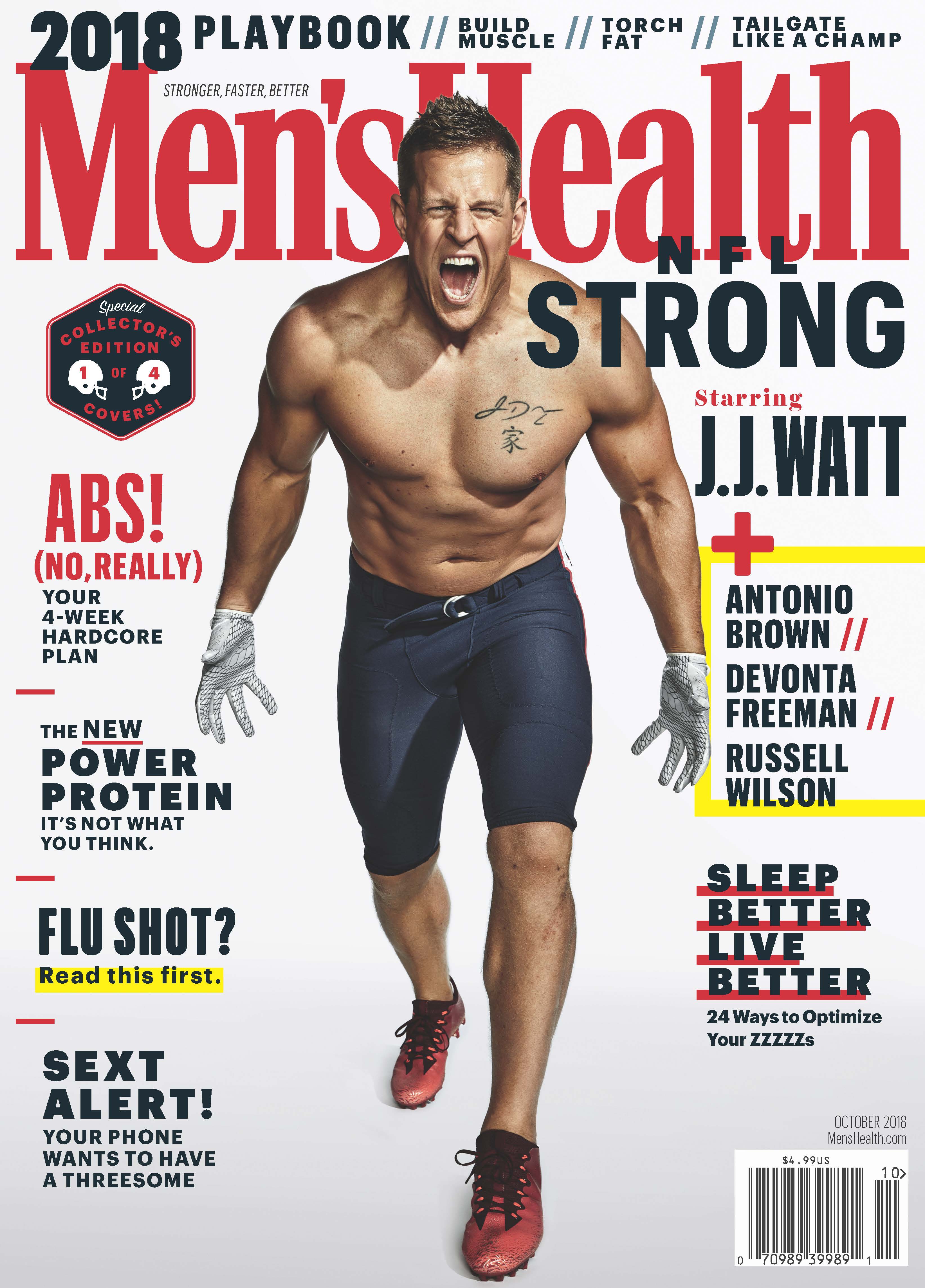
On what she hopes to say about Rosa magazine after the next 12 months: That’s a great question. I sit and think about what impact Rosa can make over the next 12 months, because we’ll be knee-deep in looking at that next presidential election; we’ll be approaching 2020. So, the impact that we want to be able to have, that I think Rosa will have, is to be able to bring women together, to say here is a magazine that has stories with women in political office, whether they’re running or whether they’re in their communities, what are they doing politically, and that they will see Rosa as a connector across the country. If we have done that and done that well, then we’ve accomplished what the mission of Rosa is meant to be.

On the largest stumbling block she thinks she’ll have to face: Here is the largest stumbling block, because sustainability in any effort, any venture, is key. Once you feel like you’re hitting your niche, then how are you going to sustain that? For us, one of the toughest challenges is that sustainability looks like advertising, because there is only so much self-funding that I can do. And we’re going to need to get advertisers; we’re going to have to take on people who are experts in the industry to be able to help us get the right advertisers.

On the most pleasant moment so far: The most pleasant moment was actually getting the magazine in my hand and being able to turn that page when it came from the printer, and just to look and ask was this the intent when we put this into print? Our designer, Matt Williams, is just brilliant, and when we turned that page, I have to tell you, I felt like it was a great nod to the women of our past and to the ones that are now, I think it was a job well done. That was an exciting moment.

On why she chose to publish in Nashville: Nashville, for me, is home and I know a lot of people here. And it’s a growing city. Nashville in its heyday was a publishing city and we had Printer’s Alley. We did a lot of the major magazines and we still do a lot of work on major magazines in print. I know some people might say that we need to be in New York or in Washington, but we can get there from Nashville, Tenn. I think it’s just a different mindset in Nashville. And it’s also, for lack of a better word, it’s always been my spiritual center. And so when I come to Nashville, I get clarity on what it is I feel like I’m supposed to be doing to impact the world personally.

On what someone would find her doing if they showed up unexpectedly one evening at her home: I’m doing one of two things, I’m either on Texture looking at magazine design, because that’s one of the things that I just love and it relaxes me. I just want to look and see what other designers are doing, it keeps us creative. And I’m probably watching some girly show – Real Housewives or something, if I’m not reading. But I have to tell you, to relax sometimes I’m watching some kind of reality TV show. I’ll indulge for at least an hour, so you’ll find me doing those things for sure.

On how she would like to be remembered: Probably service to mankind. I want to be known for service, that’s all I want to be known for. That I just wanted to serve people in the particular way that God gave me with my skillset, because there are some things that I’m not good at and most people who know me will tell you. (Laughs) Oh no, Ms. Long, she’s not good at that. (Laughs again) Or she’s successfully good at this; I am good at concepts and implementing. But it is always to be of service. So, if there’s anything I want people to remember about me or to be etched in stone or in the brains of people, that’s what I’d like to be remembered for.

On what keeps her up at night: There isn’t a lot that keeps me up at night, because from the moment that my feet hit the ground in the morning, I know what I’m supposed to be doing and I’m running hard every, single day, so by the time I get to sleep, I am a sound sleeper. There’s not anything that I’m really concerned about other than just making sure that I am doing all that I can do to give the magazine the right voice and the right life that it deserves. Nothing lasts forever, there’s a time and a season for everything. I just happen to think that this is Rosa’s season. That this is the time for a magazine of this caliber and with this target and mission.

And now the lightly edited transcript of the Mr. Magazine™ interview with Sandra Long, publisher/editor in chief, Rosa magazine.

Samir Husni: Congratulations on the launch of Rosa magazine. You’re a woman of many accomplishments and now you’re diving into the world of magazines and journalism. Tell me about Rosa.

Sandra Long: Rosa magazine is actually my second magazine, but I started it because I came out of, when I was Deputy Secretary of Commerce, I came out of that political environment and I’ve always been politically active and my family has too. One of my distant cousins served in the United States Congress, Eddie Bernice Johnson from Dallas, and my folks are from Dallas. We just believe in telling good stories, and for Rosa it’s about telling good stories of what women have done politically and how we have impacted everything from the starting of the country to our political system today. I wanted to highlight some of the things that we’ve done in our past and also what we’re doing currently as we look to run for office and impact change.

Samir Husni: Can you reconstruct that a-ha moment when you decided to call the magazine Rosa? How did the name come into being?

Sandra Long: That’s a great question. Even though we just launched this past March, I probably had the idea over two years ago and probably longer than that, but I just wasn’t in a position to understand what Rosa really was, you know you have to decide and define what is it. What kind of stories are you going to tell? So, even in my soul-searching about designing the magazine and what the format was going to be, it took a while. So, we’ve had the idea for a while.

Naming it Rosa was just in the spirit of Rosa Parks, in her image, that honesty and integrity, making a stand for something. And even though it’s not named after her directly, it is in that spirit. We wanted it to be able to tell people that Rosa Parks stood for something against all things. She made a stand. And today when we look at our political environment, it’s the things that we can do; we can make a stand. And it doesn’t have to be rowdy and unruly, but it can be where someone is just making a point.

So, I decided to name the magazine Rosa because I think it has substance, that name in and of itself, what it means has substance. I just wanted women to have a magazine that represented them, and it’s non-partisan. I wanted this to be a voice for women, for them to be able to express themselves politically and with issues that relate to that. So, that’s how I laid the foundation.

Samir Husni: In the magazine, your introduction has so many illustrations, such as the T-shirt “I am Rosa, I am Rosa.” In addition to launching the magazine, are you in the process of starting a movement, like the French with “I am Charlie?”

Sandra Long: Our intent is to be able to start a movement. We want it to be able to grow naturally and organically; we think the time politically is right now when you look around and see what’s happening. There are more women who are running for office, and so this is probably the best time to launch a magazine around women in politics. I think it can be the beginning of a movement that helps spur more women into political office, locally and nationally. But it’s something that I’m not going to push out into the world, but just let it evolve naturally. And I think it will. I think women will gravitate toward having a magazine that is politically for them.

We’ve done tests for all of these different age groups, the younger – the millennials, and I will tell you that it’s really amazing to see the reception from each one of those age groups, even the millennials. And we’re proud of that. So, to answer your question, we sure hope it starts a movement, but we’re going to just naturally let it happen.

And I think social media, as we all know, gives us that great presence. You can build a movement online, and I think we’ll do a lot of that. Now, we’ll need help to be able to do it, but we’ll definitely lay that foundation for that.

Samir Husni: Why did you decide to publish a print magazine?

Sandra Long: There are two reasons. Number one, my family has been in print for almost 100 years. My great-grandfather did print and these were the old black newspapers, and my family also owns one of the oldest black newspapers in Dallas today. And so, I’ve always been partial to print. And contrary to popular belief, I do not think print is dead. I think the Internet is so large and there’s so much to search for, it’s still nice to be able to pick up a magazine and read.
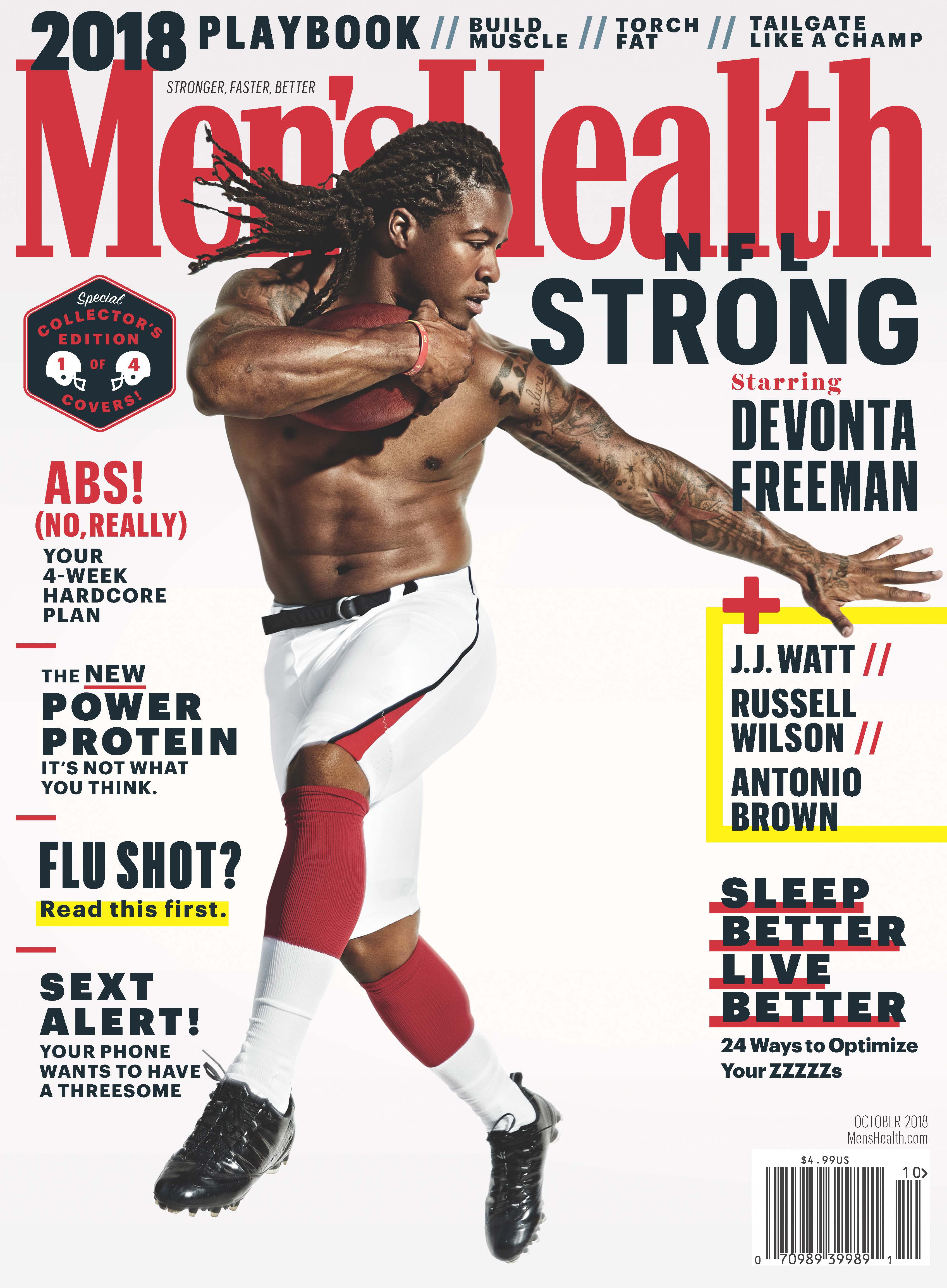
And because I am partial to print magazines, I still think there is a market for them. And when we had women pick it up, the look and feel of Rosa resonated with people and to be able to turn that page was important. Women still buy magazines, whether it’s fashion or, as we hope, political, they’re still buying magazines. I was firm that it had to be print. We will transition to do a little bit online, just to be able to feed that marketplace. But we’ll do print as long as they are supporting it.

Samir Husni: Which career was easier, being the Deputy Secretary of the Maryland Department of Commerce, being in politics, or being a journalist/publisher/editor?

Sandra Long: (Laughs) That’s a great question. Really, it’s an easy question, because I’m going to tell you, I really think being deputy secretary was easier than being a journalist and a publisher. It’s difficult, because you have to try to understand your marketplace and who you’re writing for, you have to get the story right. We have to engage writers of all backgrounds, there is a lot to it, and that’s just the editorial side. I know I’m preaching to the choir here, you already know all of this. There are so many moving parts to it.

And even though my family has been in the business, I did not print those things, I was in and around it, but to do it yourself and to pull your own team together and to try and get the voice right is hard. The voice of Rosa magazine has to be right, and it’s really difficult. But deputy secretary is probably a close second, it was hard. (Laughs)

Samir Husni: You’re trying to make Rosa apolitical in the divided sea that exists in our country. Is it possible to create something today that’s apolitical or isn’t on the right or on the left?

Sandra Long: The mission of Rosa is to definitely be non-partisan, to write about both sides of an issue and leave the readers to make their own decisions. We’re not trying to lean them either way, which honestly is the difficult part. And I’ll give you a great example. In the inauguration issue we had a story about political rhetoric and in that we just happened to use President Trump and the gentleman who started this big thing on political rhetoric, we used those two photos. And I’ll tell you, we did get some emails about using those, but had they read the story instead of just thinking that we were making a play after President Trump, they would have found that we were not. But he is a master at political language; he is a master at that and you have to give him that. So, I think it’s going to be hard, a very difficult task.

When we have our writer’s meetings, we are looking at every story, all of the language. What does this say to our readers? And are we really writing down the middle as we tell these stories of the past, present and future? It’s tremendously difficult, I have to tell you. I’m hoping that we hit the mark, but I also think the readers will keep us honest in that. Some of the women who were in office would say a certain story wasn’t non-political, that it had a slant to it, so we have to try and avoid that, it’s not what we want. We want to bring the nation of women, and male readers too, we have readers that are men; we want to bring the nation together. Or at least do our part.

Samir Husni: You’re referring to the article “Speaking in Code,” correct?

Sandra Long: Yes.

Samir Husni: It’s a great illustration, among other things, for the opening spread. So, tell me, if you and I are speaking a year from now and I ask you to tell me about Rosa, what would you hope to say?

Sandra Long: That’s a great question. I sit and think about what impact Rosa can make over the next 12 months, because we’ll be knee-deep in looking at that next presidential election; we’ll be approaching 2020. So, the impact that we want to be able to have, that I think Rosa will have, is to be able to bring women together, to say here is a magazine that has stories with women in political office, whether they’re running or whether they’re in their communities, what are they doing politically, and that they will see Rosa as a connector across the country. If we have done that and done that well, then we’ve accomplished what the mission of Rosa is meant to be.

One of my favorite stories in this issue is about a young lady named Blair, who is out of South Carolina and she’s young, but she ran for state office and she won. And so it’s important to have people look at that. Other young women who might have an interest in politics, to see that you can do it. Not everyone is going to want to run and win, but to just be in the ring is the idea. At least I threw my little Chanel hat into the ring. So, that’s what we’re hoping Rosa will accomplish. A year from now, I’m telling you if we can do that, then we will have done something that’s great.

Samir Husni: As we look ahead, as you look at Rosa and at the entire spectrum of women in power in politics, what do you feel will be the largest stumbling block you’ll have to face and how will you overcome it?

Sandra Long: Here is the largest stumbling block, because sustainability in any effort, any venture, is key. Once you feel like you’re hitting your niche, then how are you going to sustain that? For us, one of the toughest challenges is that sustainability looks like advertising, because there is only so much self-funding that I can do. And we’re going to need to get advertisers; we’re going to have to take on people who are experts in the industry to be able to help us get the right advertisers.

I think there’s a tremendous base of people who want more say, who want to be a part of Rosa magazine or are geared toward our audience. So, that’s probably my biggest challenge, if I’m being honest. I know that they will come. I did it without even thinking. Initially, it was a passion project coming out of the gate. It wasn’t where I was thinking we had to make sure we have advertisers, so I think we have to work for them now.

But here’s the thing, we have a product that they can hold in their hands and look at. It’s already on Barnes & Noble’s stands nationwide, but we’re going to need some help when it comes to finding people that believe in advertising in the magazine.

Samir Husni: What has been the most pleasant moment so far?

Sandra Long: The most pleasant moment was actually getting the magazine in my hand and being able to turn that page when it came from the printer, and just to look and ask was this the intent when we put this into print? Our designer, Matt Williams, is just brilliant, and when we turned that page, I have to tell you, I felt like it was a great nod to the women of our past and to the ones that are now, I think it was a job well done. That was an exciting moment.

But for me, I don’t relish too long, I will just say okay now, what’s next? (Laughs) At least, that’s what the staff says, they’ll say let’s just enjoy for a moment. But that was probably the most enjoyable moment for me. I’m just excited for the next issue, there are so many stories to be told.

Samir Husni: Why did you choose to publish in Nashville?

Sandra Long: Nashville, for me, is home and I know a lot of people here. And it’s a growing city. Nashville in its heyday was a publishing city and we had Printer’s Alley. We did a lot of the major magazines and we still do a lot of work on major magazines in print. I know some people might say that we need to be in New York or in Washington, but we can get there from Nashville, Tenn. I think it’s just a different mindset in Nashville. And it’s also, for lack of a better word, it’s always been my spiritual center. And so when I come to Nashville, I get clarity on what it is I feel like I’m supposed to be doing to impact the world personally.

We may open another office, and I know that we will open an office in D.C. that will be an editorial office, probably sooner rather than later, but for now the main office is in Nashville and I anticipate we’ll be here for the next year or two.

Samir Husni: If I showed up unexpectedly at your home one evening after work, what would I find you doing? Having a glass of wine; reading a magazine; cooking; watching TV; or something else? How do you unwind?

Sandra Long: I’m doing one of two things, I’m either on Texture looking at magazine design, because that’s one of the things that I just love and it relaxes me. I just want to look and see what other designers are doing, it keeps us creative. And I’m probably watching some girly show – Real Housewives or something, if I’m not reading. But I have to tell you, to relax sometimes I’m watching some kind of reality TV show. I’ll indulge for at least an hour, so you’ll find me doing those things for sure.

Samir Husni: How do you want people to remember you? If you could have one thing tattooed upon your brain that no one would ever forget about you, what would it be?

Sandra Long: Probably service to mankind. I want to be known for service, that’s all I want to be known for. That I just wanted to serve people in the particular way that God gave me with my skillset, because there are some things that I’m not good at and most people who know me will tell you. (Laughs) Oh no, Ms. Long, she’s not good at that. (Laughs again) Or she’s successfully good at this; I am good at concepts and implementing. But it is always to be of service. So, if there’s anything I want people to remember about me or to be etched in stone or in the brains of people, that’s what I’d like to be remembered for.

Samir Husni: My typical last question; what keeps you up at night?

Sandra Long: There isn’t a lot that keeps me up at night, because from the moment that my feet hit the ground in the morning, I know what I’m supposed to be doing and I’m running hard every, single day, so by the time I get to sleep, I am a sound sleeper. There’s not anything that I’m really concerned about other than just making sure that I am doing all that I can do to give the magazine the right voice and the right life that it deserves. Nothing lasts forever, there’s a time and a season for everything. I just happen to think that this is Rosa’s season. That this is the time for a magazine of this caliber and with this target and mission.

So, anything that weighs on my mind a little bit is about whether I’m doing everything that I need to do to move it along, but not where it is so forced and so pushed, but definitely where people will embrace it. And hopefully they will do that.

Samir Husni: Thank you.