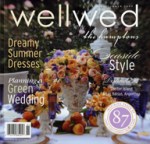
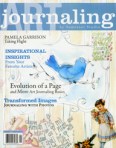
Media reporters and pundits these days are having a field day with the quarterly statistics from different agencies reporting the decline of magazine advertising and newspaper advertising and revenues. Those reporters and pundits remind me with an old western where the villains force you to dig your own grave then they throw you in it. All the reports have one theme in common: things are so bad that you will think print is the only medium that is hurting in the midst of the worst economic crisis in our history.
There is no doubt that our established media are hurting, but do not blame the medium. As I have mentioned more than once on this blog, it is the publishing model that is to blame. The American publishing model as we know is DEAD. We need to change and change must be radical in nature.
Well, a lot of new magazines are doing things differently. They are trying to adapt to a new publishing model. We just finished the final statistics of the new launches of 2008 and the numbers are amazing. Here are some facts that you need to know about our industry and about how some “prophets of bloom” are doing to combat all the grave diggers:
Total New Launches in 2008: 697
Launches with a Quarterly frequency or more 196
Average Cover Price $8.10, yes you read that write…almost $5.00 more than the established magazines
Average Subscription Price $28.05, imagine that real price for the cost of the magazines and of course your receive fewer issues (4 or 6 issues for that price).. compare that with 52 issues for an average of $20.
Average Advertising Pages 12.34, way less than the 50/50 split…it is more like 10% of the entire magazine…we are back in the business of selling content first and charging for it the fair price without subsidies…
Average Total Pages 111.01
And which categories were the hot ones? Here are the top ten of 2008
Top Categories
1. Epicurean… 97 (we love to eat regardless of the economy)
2. Crafts… 68 (since we are cooking at home we have time to do some crafts while the food is in the oven)
3. Sports… 62 (armchair sports people are still looking for something to complement their addiction)
4. Home… 44 (see number one, we are spending more time at home, so we better take care of it)
5. Entertainment…42 (finished all the food, done the crafts, read the sports at home, now is time to catch up with our other addiction: celebrities: they are free and will cost you nothing but the price of the magazine)
6. Metropolitan… 23 (there is no better place than home…act globally but live locally)
7. Fashion… 21 (money is low, fantasy replaces reality)
8. Health… 19 (do you really want to count how many articles dealt with stress and how to cope?)
T9. Games… 17 (first it was crosswords, then word seek, now Sudoko is the king/queen of the games magazines)
T9. Sex… 17 (I guess some still feel there is not enough on TV and the web)
And for you, the doubting Thomases of this world and the grave diggers, if you really want to see the magazines behind the statistics all what you have to do is to click here and take a tour of some of the products that folks who do not believe the end is near are doing and succeeding. The first three months of 2009 are already on display.
Learning from the new launches is going to be but one important aspect of the new Magazine Innovation Center that I am launching in August. Stay tuned for more info about MIC and our entire publishing industry. There is HOPE and there is more to come. Enjoy.
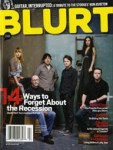 167 news magazines appeared for the first time on the nation’s newsstands in the first quarter of 2009. This number represents 14 titles more than the 154 titles first published in 2007 and 13 titles more than the 153 titles first published in 2008. Call it what you want, but yet again the innovative media companies and entrepreneurs have shown a resiliency against all odds, and for that matter against the prophets of doom and gloom.

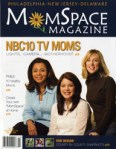
 The new magazines of 2009 included 61 titles with a stated regular frequency and 106 with no frequency stated. Compare that with 48 new magazines with a stated frequency in 2008 and 106 with no frequency stated. Amazing to say the least, is that in the worst of times American magazines will know that the best of magazines were launched in the worst of times. To paraphrase Charles Dickens, these are the worst of times. Let the new magazines roll off the presses and enjoy the images of the some of the new magazines launched in the month of March.
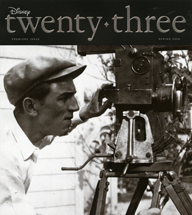 What do Disney Twenty-Three, Dirt Rag Bicycle Times, and Big Man have in common? They are but three new magazines published in the midst of the worst economic times we’ve seen in our lifetime. However, when in comes to new magazine launches last month, the numbers beg the question What Recession?
  81 new titles appeared for the first time on the nation’s newsstands in February (the best February yet) despite all the problems with the wholesalers and distribution channels. In one way or another those magazines found their way to the retailers and offered readers options to buy one out of 30 magazines published at least four times a year, one with a twice a year frequency, four annuals and 46 specials or book-a-zines.
 When I announced earlier this month my intentions to create the
 Another case-in-point is the Purpose Driven Connection magazine published by the Reader’s Digest Association. The quarterly sells for $9.99 and offers readers a 144-page magazine, a DVD and a Six-Session Video-Based Study Guide for Small Groups taught by the Rev. Rick Warren.