h1

Innovation in Print: Introducing the Machine-Washable, Ink-on-Paper, Highlights Hello Magazine

August 6, 2012

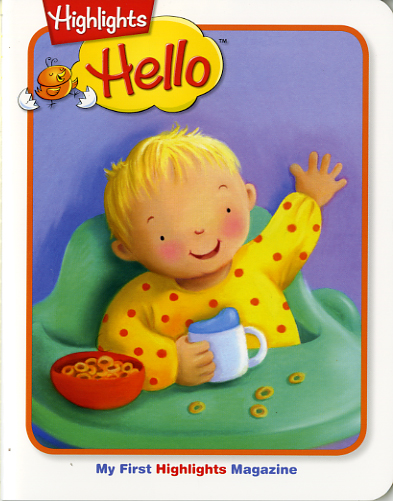
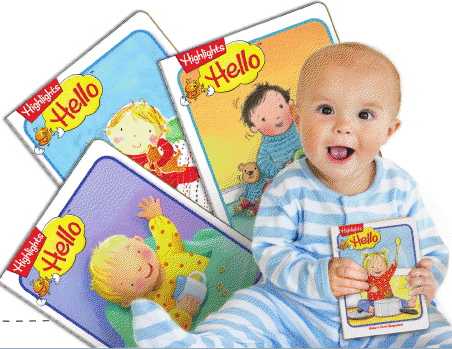
Imagine that… a printed magazine that you can throw in the washing machine, together with all your clothes, and still be able to read and enjoy it when it comes out of the dryer. That’s what the folks who brought us Highlights For Children magazine almost 67 years ago are about to introduce to the marketplace this coming January. Highlights Hello, the new ink on paper monthly magazine, with crystal clear display, is the latest addition to the family of Highlights magazines that include Highlights, Highlights High Five and now Highlights Hello. All three monthlies are 100% circulation driven and advertising free (I guess they do believe in the concept of customers who count rather than counting customers). The three magazines aim to cover the different stages of a child’s life starting from age 0 to age 11.

Highlights Hello is “printed with non-toxic ink containing soy and/or vegetable oils, on durable, washable, paper with rounded corners.” The magazine even survived the test of being put in a washing machine according to Chris Cully, the magazine’s editor in chief. Highlights Hello dubbed “the first Highlights magazine” is dedicated to “parents embarking on the journey to help their children become their best selves.”

I asked Chris why now and why ink on paper. Her answer,

“The research is clear about the benefits of reading aloud to babies and toddlers. The cuddling, talking, laughing, and singing are all part of the experience. A magazine like Hello makes it easier for parents to create these experiences often.

Also HELLO is lightweight and portable. It fits easily into mom’s purse or diaper bag. It fits toddler hands perfectly. It can be wiped clean–and it can withstand a little chewing. It is hard to imagine a digital product that could be so perfectly tailored to the needs of this audience.

And for those of us who believe children’s books and magazines on paper are going to be around a long time, this creates a great first experience and early memories.”

The 16-page-monthly is intended to be read aloud and in an engaging way (it even comes with the handy instructions to the parents in the corner of every new section) so that the content of the magazine becomes much more like an experience rather than just ink on paper content. The magazine targets babies 0 to 2 years old, their parents and caregivers.

In this digital age, there is still a place for lots and lots of good ink on paper ideas. As I have often mentioned on this blog, the so-called problem with print is not the ink on paper, but rather the message it carries. There is no need to shoot the messenger just because some messages or even a lot of messages stink!

By the way, please don’t try the washing machine test on your iPad, Kindle, or any other digital device. I can guarantee the results and I can guarantee that you will not be happy with them.


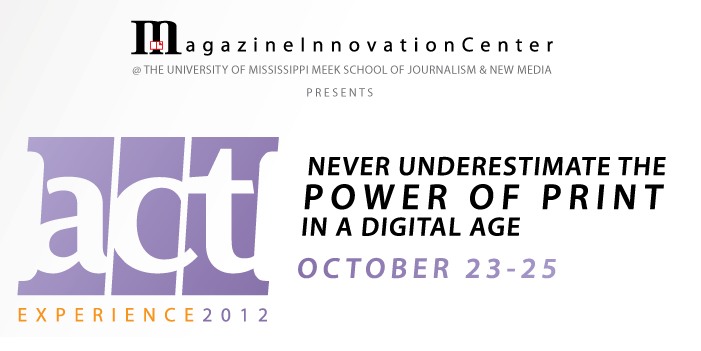
Be an experience maker and not just a content provider… Join us for the Magazine Innovation Center’s ACT 3 Experience Oct. 23 – 25. Find out more here about the event themed Never Underestimate the Power of Print in a Digital Age.

h1

John Harrington: Anyone worried about the future of publishing, whether in traditional or digital formats, would have their spirits boosted by attending (the ACT 3 Experience)

July 24, 2012

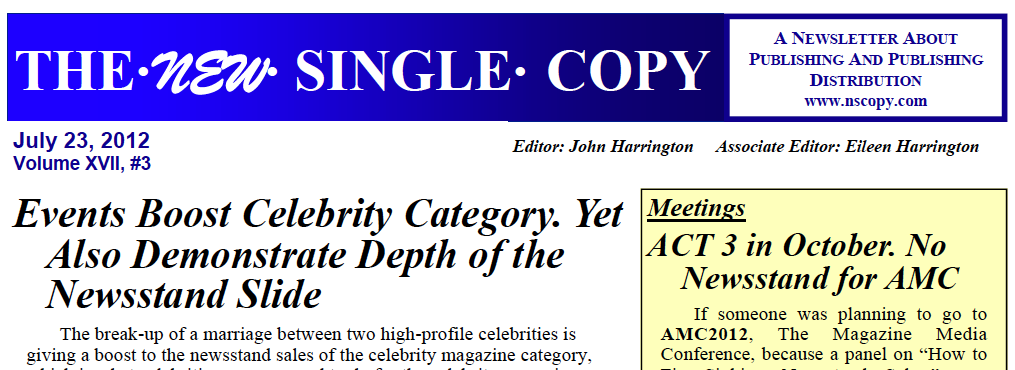
“Anyone worried about the future of publishing, whether in traditional or digital formats, would have their spirits boosted by attending (the ACT 3 Experience)” writes John Harrington, editor, The New Single Copy in this week’s newsletter.

What follows is a reprint from an article in the July 23, 2012 issue of The New Single Copy, the “newsletter about publishing and publishing distribution.”

… However, the following week (Oct. 23 – 25), newsstand will definitely be on the agenda, at ACT3: “Never Underestimate the Power of Print in a Digital Age.” The third edition of “Amplify, Clarify, and Testify,” sponsored by the Magazine Innovation Center, at the University of Mississippi Meek School of Journalism and New Media, will be held in Oxford, Mississippi, October 23 to 25. The panel one that promises an a very diverse experience. Among the participants will be Keith Bellows, vice president and editor-in-chief, National Geographic Traveler; Rebecca Darwin, president and CEO, Garden & Gun; David Friend, editor, creative development, Vanity Fair; Sid Holt, executive director, American Society of Magazine Editors; Kevin Keefe, vice president-editorial, Kalmbach Publishing; Dan Lagani, president, North America, Reader’s Digest Association; Roy Rieman, founder, Reiman Publications; Michael Rooney, chief revenue officer, The Wall Street Journal; Bob Sacks, president, Bosacks.com; Tony Silber, general manager, Red 7 Media; and John Harrington, The New Single Copy.

It may seem self serving to devote a good deal of space to ACT3, but the ACT programs have been truly unique, bringing a broad cross section of perspectives (foreign publishers, printers, advertising sales representatives, and new media innovators are also on the program). However, the most innovative aspect of ACT series has been the participation of undergraduate and graduate students in the program. Anyone worried about the future of publishing, whether in traditional or digital formats, would have their spirits boosted by attending. The Magazine Innovation Center at the University is under the direction of Samir Husni. For more information about ACT3 and the center, visit http://www.mrmagazine.com/act■

Thank you John. Space is limited at the ACT 3 Experience. To be one of the 60 people who can register to attend click here.

h1

Never Underestimate the Power of Print in a Digital Age: The ACT 3 Experience Oct. 23 – 25, 2012

July 15, 2012

Twenty Four leaders of the magazine media industry will converge on Oxford, MS to engage in a two and a half days experience regarding the power of print in a digital age. The third ACT (Amplify, Clarify and Testify) Experience hosted by the Magazine Innovation Center (MIC) at the University of Mississippi’s Meek School of Journalism and New Media will take place Oct. 23 – 25, 2012. The gathering is the third “think and do” experience that takes place at MIC, the innovation center founded by Samir “Mr. Magazine™” Husni that is dedicated to “amplify the future of print in a digital age.”

Registration to the Experience is limited to 60 attendees and 20 students. You can click here to register for the event. Once 60 registrations are received the registration will be closed and no longer accepted. So be the first to register if you want to take part of this triple M experience Magazines, Mississippi and Music.

Here is a list of the confirmed speakers so far (in alphabetical order):

Keith Bellows

VP and Editor in Chief
National Geographic Traveler

Jennifer C. Bergin

Vice President Marketing
Brown Printing Company

Rebecca Darwin
President & CEO
Garden & Gun magazine

Jim Elliott
President
The James G. Elliott Company

David Friend
Editor, Creative Development
Vanity Fair

Steve Grande

Vice President, Sales
Fry Communications, Inc.

Michael Gross
Owner & President
Paragon Media Inc.

John Harrington
Co-Publisher, The New Single Copy

Lisette Heemskerk

Publishing Director, Linda. magazine
Mood for Magazines, The Netherlands

Sid Holt
Executive Director
American Society of Magazine Editors

Carla Kalogeridis
Editorial Director
Association Media & Publishing

Kevin P. Keefe
Vice President-Editorial, Publisher
Kalmbach Publishing Co.

Mike Koedinger
Founder and CEO
Maison Moderne – Independent Publishing and Media, Luxembourg

Dan Lagani
President
North America, Readers Digest Association, Inc.

Mike Obert
Managing Partner
Open Book

John Parke
COO, Democrat Printing & Lithographing Co.

Jeramy C. Pritchett

Co-Founder, Blindfold magazine

Roy Reiman

Founder, Reiman Publications
Co-Publisher, Our Iowa magazine

Michael Rooney
Chief Revenue Office
The Wall Street Journal

Bob Sacks

President, Bosacks.com
and Precision Media Group

Tony Silber
General Manager
Red 7 Media

Michael J. Simon

EV President, Sales
Publisher Press

Sanne Visser
Publisher
Glossy Magazines, Sanoma Media
The Netherlands

Dick Waterman

Legendary Photographer and Journalist

For more information on the ACT 3 Experience click here and to be one of the 60 people to register click here.

h1

Lifting the Blindfold to See the Launch Story of Blindfold Magazine: The Mr. Magazine™ Launch Story

July 10, 2012

New ink on paper magazines are arriving at the market place at an exceptional rate: almost two a day. Some, of course, are much better done than others. Some will survive and stay in business for years to come, and some will die a sudden death before anyone ever hears about them.

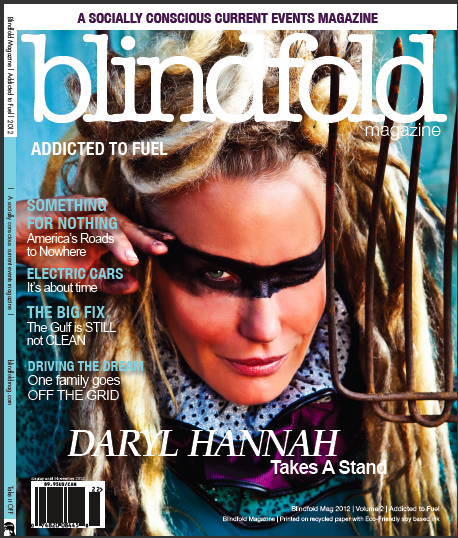
One recent launch, Blindfold, caught my attention and lead me to call the man behind the launch: Jeramy C. Pritchett, who is in his own words a “True Believer” and “Co-Founder” of the magazine.

In the following video interview done via Skype, I asked Jeramy about the story behind Blindfold, the struggles of publishing an ink on paper in a digital age, the happy moments of the launch and the struggles of a launch. I also asked him for his advice for anyone who wants to start a new magazine and what keeps up at night…

You will find Jeramy answers revealing, engaging, intriguing, interesting and above all genuine. Enjoy the video, pick up a copy of the magazine and let me know what you think…

h1

Story Magazine and 393 Other New Magazine Launches Cap the First Half of 2012 on a High Note…

June 30, 2012

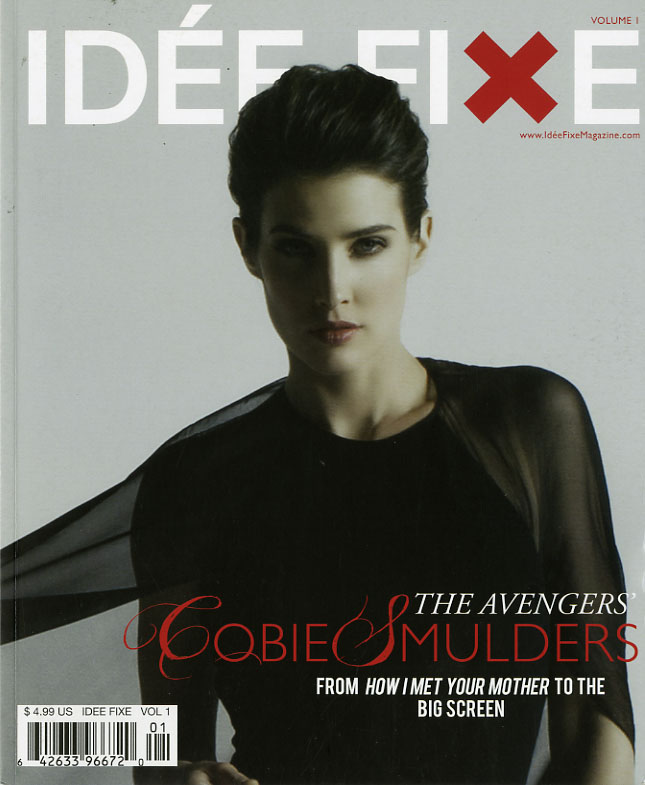
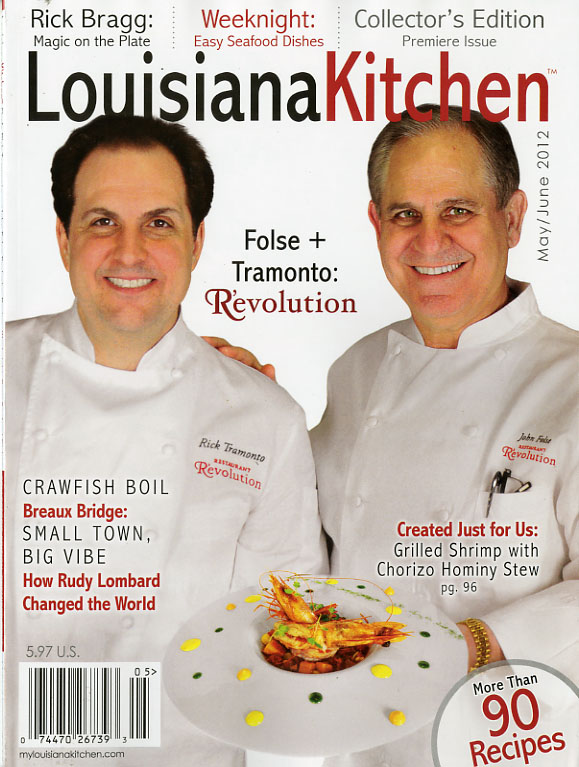
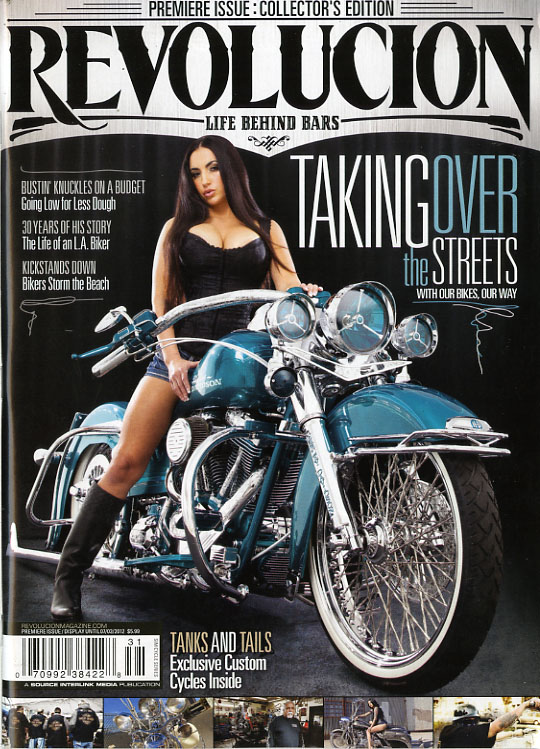
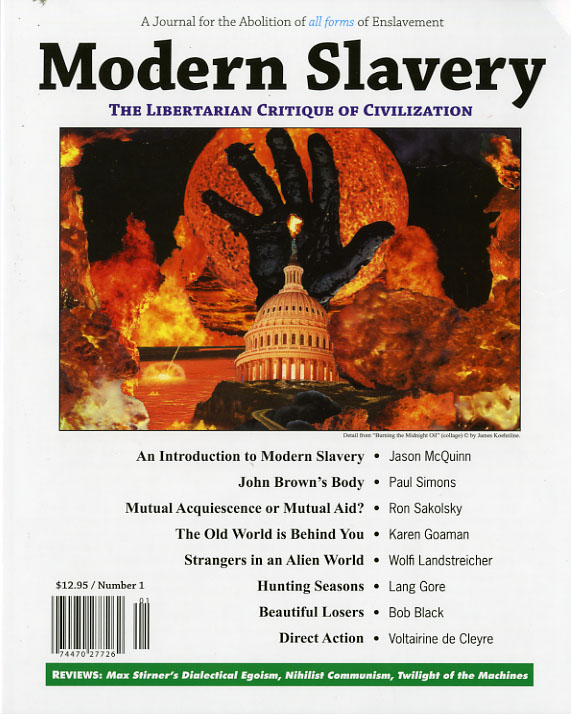
A perfect 100 was the total of new magazines with an intended frequency appeared on the nation’s newsstands in the first half of 2012. In addition to that 294 new titles appeared as specials, annuals or book-a-zines.
In the month of June alone a total of 59 titles arrived at the newsstands for the first time including 14 magazines published with a specific frequency (see some images below).
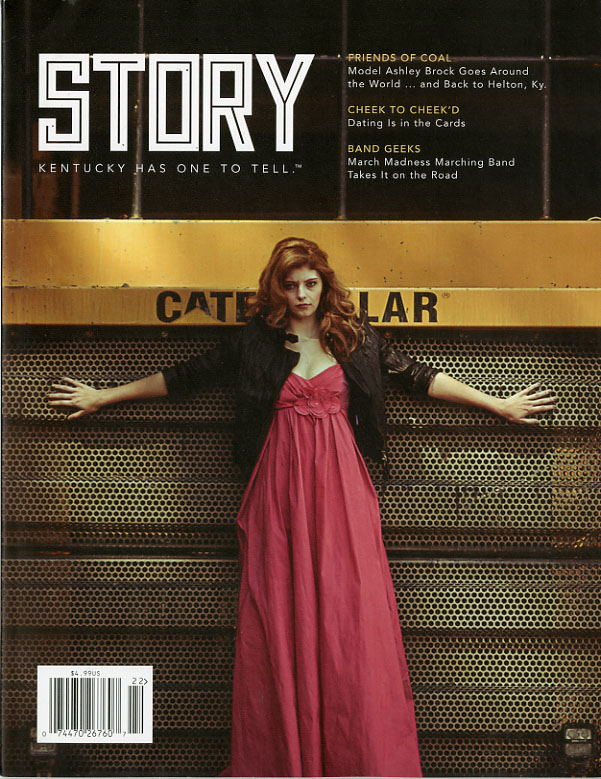
The last magazine arriving on the scene as the month of June comes to a close was Story magazine. The quarterly publication “is directed at readers in Kentucky who are interested in Kentucky life that often falls outside the bounds of traditional media.” With a tag line “Story: Kentucky Has One to Tell,” the magazine provides a welcomed twist on the city, state and regional publications. Check a preview of the magazine here and be sure to be one of the first to take a look at this publication which is the brain child of Julia L. Wilson, Story’s founder and editor in chief.

Check the entire June gallery here.

h1

The Man Behind FLAUNT Magazine: Luis Barajas’ Love Affair with Magazines. The Mr. Magazine™ Interview.

June 21, 2012

To paraphrase an old saying, behind every great magazine there is a great person. Well, behind the most interactive printed magazine FLAUNT (see my tour inside the pages of the magazine here) is a great man: FLAUNT’s co-founder and editor in chief of the magazine Luis Barajas. I reached out to Luis via Skype and conducted an interview with him about his love affair with magazines, the story of FLAUNT, the creative designs behind the magazine, the ideas behind the covers of FLAUNT, the genesis of the denim issue, the future and of course, what keeps him up at night.

Enjoy this Mr. Magazine’s™ flaunt, and lightly edited, interview with Luis Barajas, co-founder and editor in chief of FLAUNT magazine:

h1

FLAUNT: The Most Interactive Print Magazine Yet… and No Batteries or Smart Phones Are Needed!

June 19, 2012

When issue 122 of FLAUNT magazine landed on my desk, my initial reaction was WOW! I love this magazine and it is one of the few magazines that I have collected every single issue since its inception. The special collector’s Denim issue exceeded all my expectations when it came to innovation in FLAUNT in particular and in print in general. Innovation is nothing new to the folks at FLAUNT. Almost every issue of the magazine is a collector’s item by itself, but with issue 122 they’ve outdone themselves and every thing else they’ve done with the magazine.

Almost 300 pages of ink on paper surrounded by a cover printed on denim and a whole lot of pull outs, fold outs, postcards, maps and even a denim handkerchief folded neatly inside a jeans back pocket… I can go on and on describing this latest issue of the magazine, but instead I’ve opted to show it to you via video because I know some of you will not take my word for it, so here we go take a look at the video and enjoy what print, and only print, can offer in a digital age.

A side note, in honor of the FLAUNT’s Denim issue, I’ve got my jeans on today!

h1

My Magazine Alphabet Starts and Ends with a C: The ABCs of Publishing

June 18, 2012

My magazine alphabet starts with a C and ends with a C. Content, Customers, Clients, Consumers, Choice, Control, Constant and Change are but a few of the Cs that compose my magazine alphabet.

In the big debate over digital first and print second, digital first and content second, one major voice has been ignored: the customer’s. Before I am ready to declare a winner in these heated discussions, I urge you to remember that as journalism changes with the times, so does our audience. I have always believed, and will continue to do so, that the customer comes before anything else, and here is why.

Hank Price is the president and general manager of WXII-TV, the Hearst-Argyle owned NBC affiliate in Winston-Salem, N.C. He is also a senior fellow in broadcast news strategy at Northwestern University’s Media Management Center, where he teaches in both the domestic and international executive training programs.

Recently, I spoke with Price about “customers first.” He identified two important changes influencing consumers today:

1. Choice and 2. Control.

“The consumer wants to achieve choice, on their own time, and at their own pace,” Price told me. “And they want to control the content on their timetable, not ours. That’s why less than 60 percent watch TV programs at their originally aired times.”

He also added the four criteria that consumers are looking for:

1. Trusted sources. His take: “Content for our customers still trumps everything else. It doesn’t matter whether you have an iPad, an iPhone or a PC with the most brilliant screen resolutions available, if you don’t have what your customers are looking for in content, you might as well have a stone tablet with markings on it. They’re not buying it.” My take: It’s not about the platform, but rather the folks behind, and in charge of, the platform.

2. Immediacy. His take: “The public today not only expects immediacy in their content, they demand it.” My take: To borrow a line from Fleetwood Mac: “Yesterday’s gone.”

3. Screen size. His take: “Screen size is growing in the workplace, and getting smaller at home. More people are buying and enjoying apps than ever before. Once you create that magnificent content, you have to give it to them the way they want it. Above all, it’s their choice.” My take: It is a crazy place out there. After years of buying bigger and bigger TVs for our homes, now we are watching TV on our iPhones.

4. Quality. His take: “This means detailed quality in whatever platform you’re using. Whether your priority is pixels, screen resolution, or the paper you’re printing on, quality is mandatory.” My take: The days of poor quality pictures, paper, etc. are in the past.

I always add a fifth criterion that is absolutely proven in our current market. Customers today are looking for an experience. Good content is no longer enough by itself; we have to become experience-makers.

History Lessons
Going back in history, our forebears in this industry knew who their product was for: not themselves, but their customers. It didn’t matter what they liked; it was what their audience wanted that was uppermost in their minds.

Mother Jones magazine was founded on the principle that working men and women come first. It has always championed the underdog, been David to the corporate Goliaths and is still operating under the same mission statement the 17 members of its staff voiced some 36 years ago. Mother Jones’ founders envisioned a magazine devoted to a new brand of socially conscious journalism—one that took on corporate as well as political power. Today, that mission remains as timely as ever.

“Customers first” would have to be the prime mission of this magazine. After all, the Irish-American trade union activist, Mary Harris Jones, inspired this truth-seeking publication. Its history and present-day success validates its mission statement wholeheartedly.

The legacy of “customers first” is a rich and distinguished one. Time magazine’s commitment to its readers was prevalent from the beginning. The goal of Henry R. Luce and Briton Hadden was to deliver a magazine intended to
bring news to the mass public in a better way than the competitors of its day, such as The Literary Digest, which they considered their only real rival. Luce and Hadden wanted to break the news down into categories with each category delivering short punchy news pieces that the busy consumer could quickly understand and absorb.

The success of their innovations and mission statement to make news more than just bland facts, written down in black and white, validated their belief in caring about how their customers read and reacted to the news of that era. The philosophy carries over to the readers of Time today; the magazine’s longevity is a statement of that validation.

You can’t think “customers first” without mentioning Reader’s Digest. It was, and is, just what its title implies: A digest for its readers. Reader’s Digest was launched from the springboard idea that the founders (DeWitt Wallace and his wife, Lila Acheson) could provide their readers with the best value for their money by combining a “digest” of information: magazine, newspaper and periodical, all in the pages of one publication. However, after being unable to get any publisher interested in what seemed to be an impossible task, the couple decided to take on the mission themselves. They used direct mail as their marketing strategy and charged $3 for a year’s subscription, with a money-back guarantee. The magazine was launched in 1922 and was an instant success.

Wallace and his wife sought to save their readers money by giving them more varied content between their pages than the average magazine. For that reason, they more than validate their mission statement, and prove that a business model aimed at giving your customer the ultimate experience can, and will, succeed, no matter the odds.

Which brings me back to the fifth point on our criteria list: creating that experience. All of the above-mentioned publications went beyond the norm for their era (even beyond their own means, in some cases), to bring their readers more than just words on a page. They used the power of content to fight for justice, and to help right wrongs they saw inflicted. They tried to entertain, as well as to inform, and they sought value for their readers, when they could have, instead, just put their product out there like everyone else was doing. But they knew who mattered.

Experiences and encounters will be remembered—that’s the key. And when you give your customers the right experience, the sort of real encounter that effects all the senses, you are moving toward the stratosphere of real success.

Also, if you can realize that customers today want to have choice and control in their hands, not those of the publications that seek to maneuver them this way and that, the debate over which should come first, digital or print, will cease to be everyone’s main focus.

The main focus should always be our customers. No matter the format. End of story.

This column appeared in the May/June issue of Publishing Executive magazine.

h1

May Has Been a Stellar Month for New Magazines: At Least 82 Titles with 31 Published with Regular Frequency

June 5, 2012

What a month for new titles.  At least 82 new magazines reached the nation’s stands for the first time during the month of May.  The Mr. Magazine™ Launch Monitor has the list and image of every title that arrived at the stands in May.  Here are a few for your enjoyment. (updated June 12)

h1

Counting Customers or Customers Who Count? The Self-Inflicting Ills of the Magazine Industry

May 17, 2012

The magazine business model drama continues… It is amazing that after all this talk about the new magazine business model and how it is going to be more “consumer centric,” to receive offers to  subscribe to some great-name-brand magazines for a mere $5.00 for five or six issues (That is at least 80% discount of the cover price).  There is no need to blame customers and consumers for the decline in single copy sales, and there is no need to blame the tablets for that decline either.  There is no one to blame but the magazine publishing industry itself.  Publishers willing to sell a magazine like Wired, Vanity Fair or GQ for a mere $5.00 for the entire year, need to blame no one but themselves if their newsstands sales are declining.  For the magazine industry to survive and thrive we have to start charging the fair value for the content and experience magazines deliver, whether on the newsstand, digital or by subscription.  Otherwise, if we continue to be in the business of counting customers and not the business of customers who count, the magazine business can easily see the writing on the wall… and that writing is NOT good news!  Take a look at the latest offer that arrived in my inbox this morning…