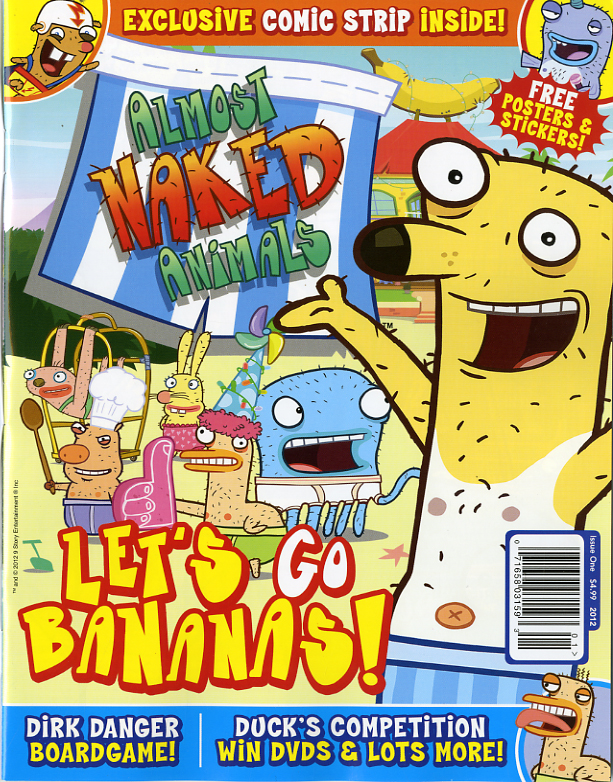
The Mr. Magazine™ Launch Monitor was able to locate and purchase a total of 78 new titles arriving at the nation’s stands for the first time in the month of November. From the 78 titles, 21 were published with an intended frequency and 57 were annuals, specials or book-a-zine.
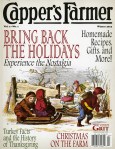
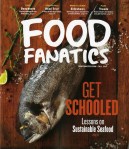
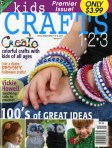
The new titles covered every topic under God’s green earth, targeted every age group and every lifestyle. Take a look at six new magazines below and check the entire gallery here.
And the next time someone tells you print is dead, take them to visit a newsstand or check the racks at a grocery store and see if they can stick to their words that print is dead. New magazines are the best indicator that print is and will continue to be well and alive and the nation’s stands are the ONLY place where the “proof is in the pudding…”
Diversity and innovation, the twins that should anchor and drive the changes in today’s magazine business, are always on the mind of Kenny Irby, Poynter Institute’s senior faculty for visual journalism, and newly appointed director of community relations & diversity programs. I met Mr. Irby during a visit to the campus of the University of Mississippi and I asked him three short questions about the magazine and print world today. His sharp and well-thought answers bring a needed prespective on the future of the industry and its surroundings.
In this brief interview Irby talks about magazines and their legacy of connectedness and value in reading societies, and how diversity drives innovation toward a more successful tomorrow.
So in typical Mr. Magazine™ Interview’s style, first the sound bites, followed by the video interview and then the succinct, but very informative, interview transcript with Kenny Irby.
The Sound Bites:
On magazines and diversity: First of all, I think it’s important to acknowledge that magazine publications’ staffs really do get the idea that diversity drives innovation.
On the future of magazines as we know them: I think as long as magazines continue to innovate and create attraction and connection to their audiences, they’ll continue to evolve and be very successful.
On the differences in magazines and newspapers when it comes to print: I think because the magazines are a definitive choice that the citizens make and that audiences will invest in them because they appreciate the value and the surprise that comes with a magazine. Newspapers have not learned enough from that constant kind of innovation and creativity.
On words of wisdom for publishers and editors: I think that magazine publications need to continue to innovate and develop, and to look at technologies that will continue to enhance the possibilities of the magazine in a digital space.
And now for the lightly edited transcript of the “Mr. Magazine™ Interview” with Kenny Irby of The Poynter Institute.
Kenny Irby: We’re talking about magazines and diversity. First of all, I think it’s important to acknowledge that magazine publications’ staffs really do get the idea that diversity drives innovation. We’ve seen great exploration and innovation in magazines, not only because of the technology, but because of the niche marketing, the special interests, and the possibilities that citizens and audiences are really excited by being able to have magazines and publications that they can keep that tactile feel and connectedness to. Now the key is to continue to diversify, not only in terms of topic, but also in staffs and story ideas. That is a human process. So, I think that’s why magazines once were the new media, and now are a legacy media that still has a connectedness value and penetration in reading societies.
Samir Husni: What do you think is the future of magazines as we know them?
Kenny Irby: I think as long as magazines continue to innovate and create attraction and connection to their audiences, they’ll continue to evolve and be very successful, not only because of the tablet technology that creates new opportunities, but because of the connectedness and the kind of topics and subject matter that magazines have historically covered and will continue to.
Samir Husni: Do you see any differences between magazines and newspapers when it comes to print?
Kenny Irby: Absolutely. I think because the magazines are a definitive choice that the citizens make and that audiences will invest in them because they appreciate the value and the surprise that comes with a magazine. Newspapers have not learned enough from that constant kind of innovation and creativity that magazines have exhibited for years in the past and we expect it to continue in the years to come.
Samir Husni: Any final words of wisdom to magazine publishers and editors?
Kenny Irby: I think that magazine publications need to continue to innovate and develop, and to look at technologies that will continue to enhance the possibilities of the magazine in a digital space and not just try to replicate what they’ve done in the print edition in an online edition. I think that’s what’s really important.
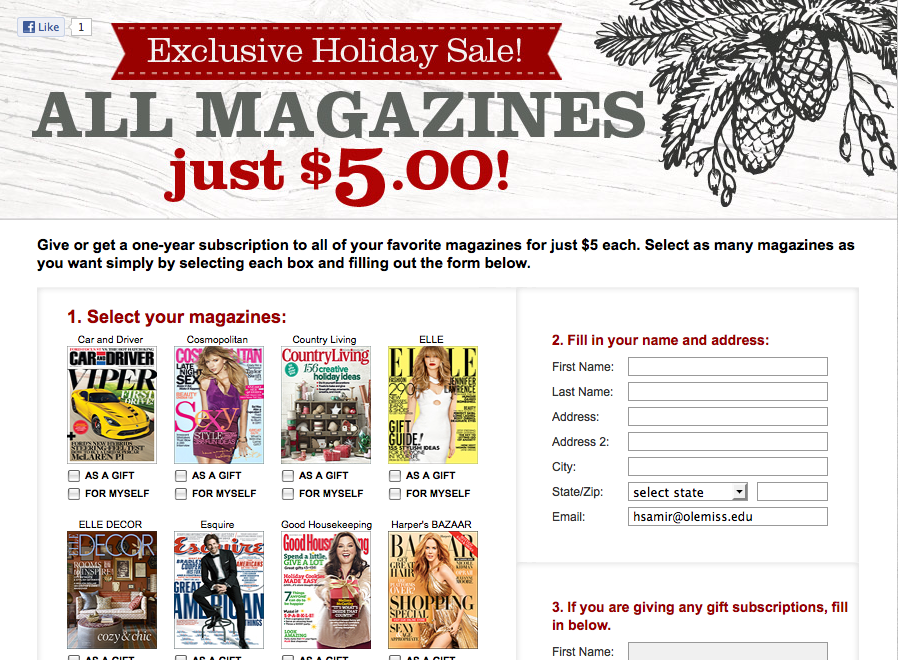
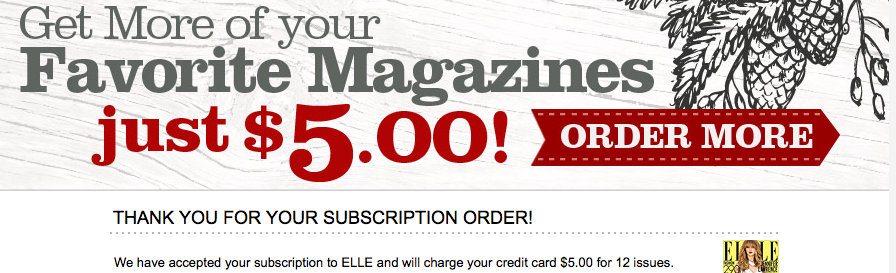
I know it is Thanksgiving Day, but the offer that I just received from the folks at Hearst magazines (which by the way I’ve accepted and responded to) was too good to be true. I know this is not the first year that I receive such an offer and I know that I am not the only one to receive it. The “Exclusive Holiday Sale” offers most of Hearst magazines (Think O, The Oprah Magazine, Good Housekeeping, Esquire, House Beautiful, Cosmopolitan, etc.) in the United States for a mere five dollars a year! That is less than the price of one copy of some of their magazines. Missing from the offer are Hearst’s newest entries Food Network magazine and HGTV magazine. Of course there is a catch, when you sign for the magazines you are signing for automatic renewal for upcoming years at the most current prices at that time. Needless to say that you can cancel at any time and enjoy the five-dollar subscriptions for the whole year until you receive another “exclusive holiday offer” next year.
Doing the math will result in getting 18 titles for $91.99 (I have no idea why I was charged $6.99 for Car and Driver), that is a total of 165 magazines at the average price of less than 18 cents a copy… Wow! I can’t but wonder whether the magazine industry will ever change to an industry that is more of an industry in search of customers who count rather than just counting customers? I am starting to have my doubts about such a change in the magazine world, so maybe the “good ol’ days” are coming back and the industry as a whole, with its old business model, and those ridiculous prices are a sign of an industry on its way to heal and not a desperate sign of an industry that continues to hurt but refuses to change its way. You know how our friends the Chinese define insanity: Doing the same thing over and over again and expecting different results every time.
Interested in getting your own magazine subscriptions for 18 cents a copy click here.
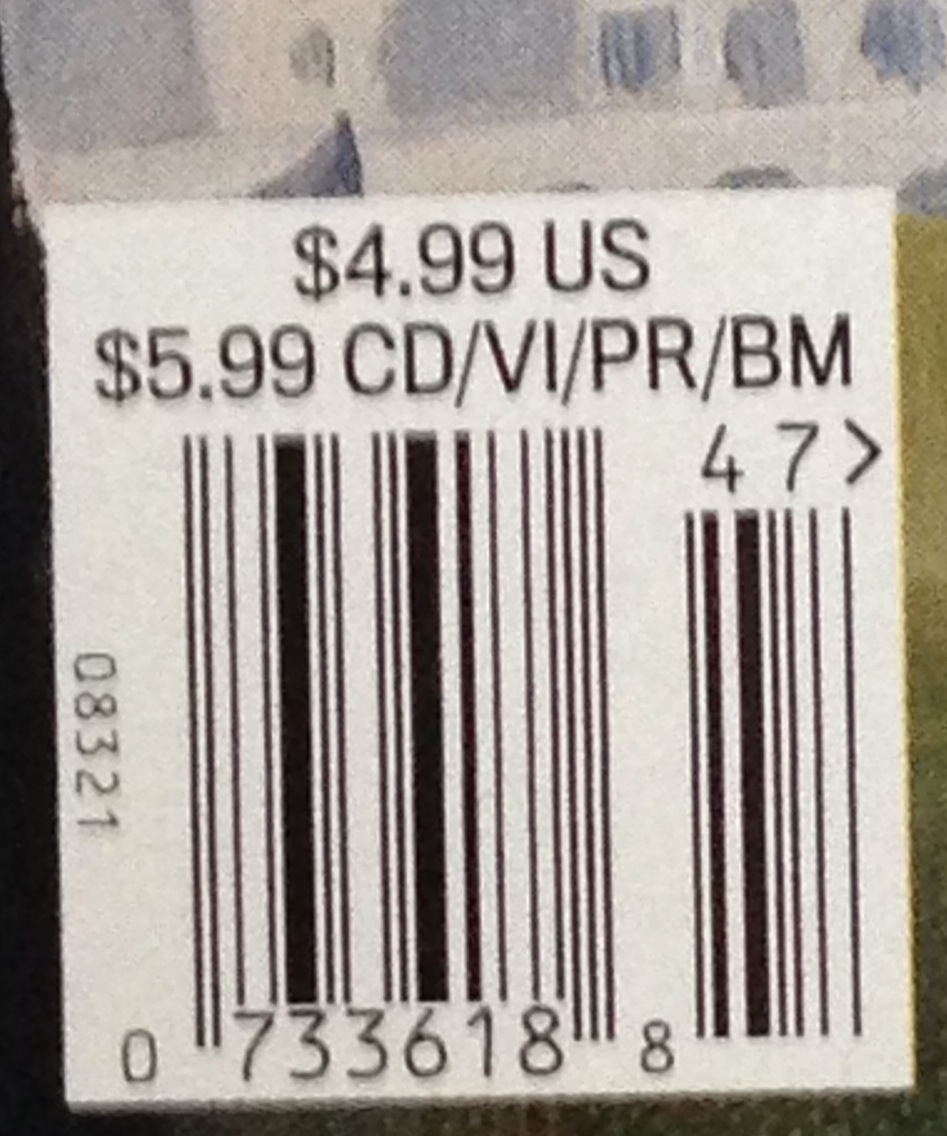
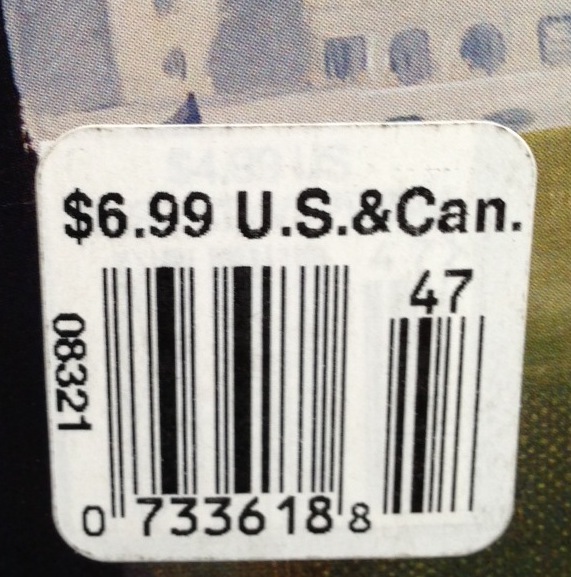
I promise you I am not trying to beat a dead horse, but I was surprised to see a sticker (on most of the copies) of Newsweek’s Nov. 19 “The Obama Conquest” election special issue. As you can see from the image (upper left) the regular price of the magazine on the newsstands is $4.99 (that is how much I paid for my copy at Books-A-Million). However the same issue at Barnes and Noble and Wal-Mart had a sticker on the cover hiding the original price and selling the magazine for $6.99 (upper right) instead of $4.99.
It is yet another sign of the confusion taking place at a magazine that once was part of a good healthy institution of weeklies in these United States of America. In the weeks past and, I am sure, in the weeks to come, more stories and interviews (sorry excuses) will be told and given for the demise of Newsweek in print. Do the audience and the history of such an institution a favor, be merciful and hasten its demise so the poor patient, sorry magazine, may rest in peace! Stop prolonging the agony.
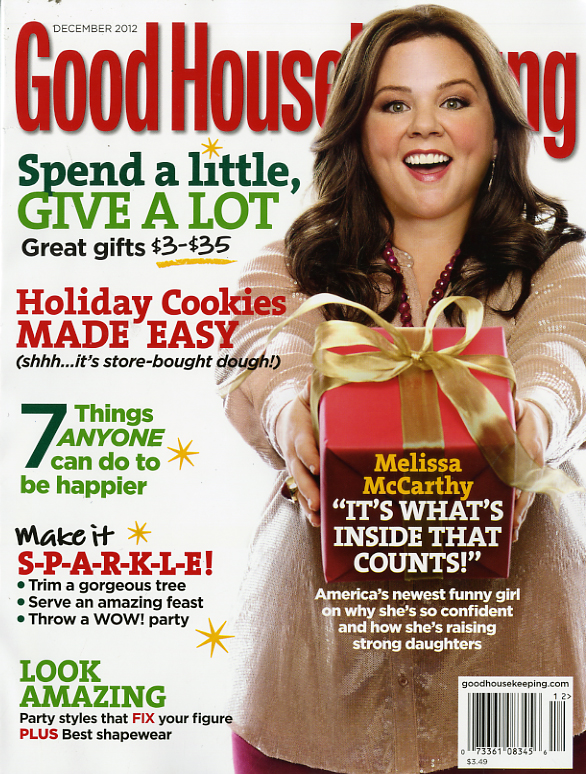
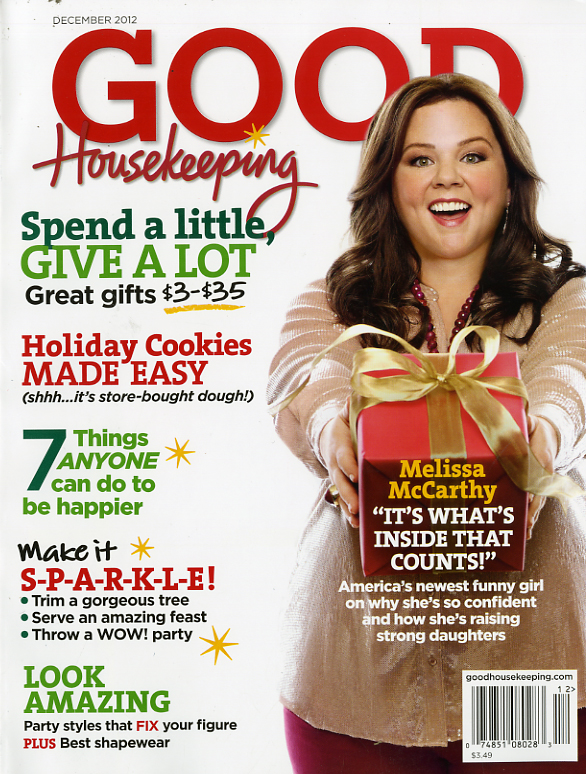
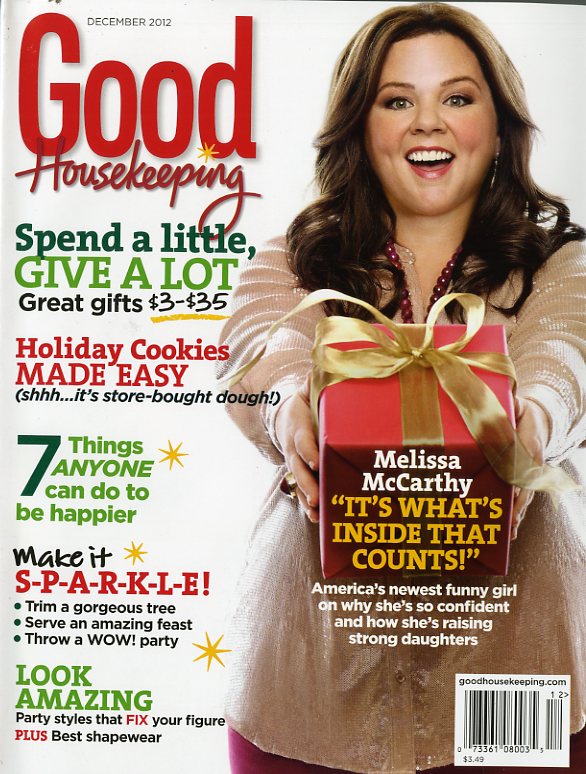
After few months of testing, Good Housekeeping magazine has settled on a new logo that it will usher nationwide with its January issue. The magazine has been testing two new logos emphasizing the word GOOD over the word Housekeeping. Last week, in an ad in The New York Times, Good Housekeeping revealed the logo that seems to have won the test…
Take a look at the three logos available at selected newsstands:
Say goodbye to this logo:
Save this logo, it seems it did not make the cut:
And get used to this logo, that is the new face of Good Housekeeping magazine.
The November/December 2012 issue of SOMA magazine is the Obsession issue.
In its pages there is an article about me, written by Angela Rogalski and a profile picture taken by Ignacio Murillo, (two students of mine who I have nothing but high hopes for a great magazine media future)…
Here is the beginning of the article:
Her name is Magazine and she is irresistible. Her smell is like black, murky ink and her touch is as soft as gloss. Her eyes are taglines of mesmerizing prose that one man can’t deny. Her minions live in the palms of her enticing hands, where they are pulled close and nurtured at the bountiful breasts of her covers. She waits for the one who will love her, the one who will inhale her minions into their very soul, and the one who will carry her name.
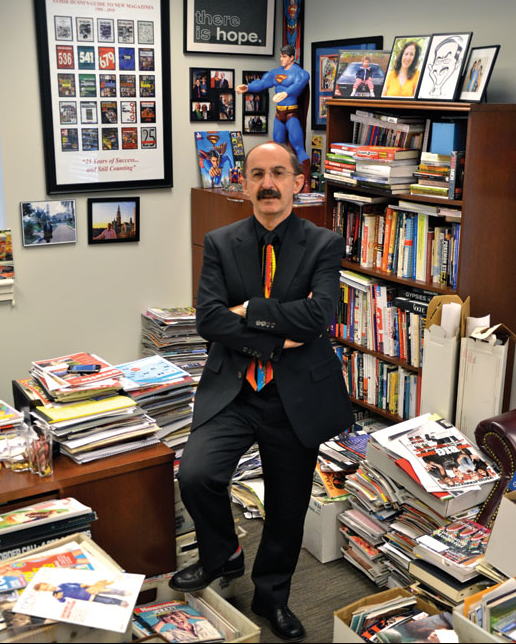
Dr. Samir Husni was born in Tripoli, Lebanon. When he was a boy of nine, he experienced a life-altering transformation; a transfusion, if you will. It was the moment that he bought his first comic book, Superman. He held the magazine in his hands for the first time, ran the pads of his fingers across the shiny cover, and felt a sensation similar to the blood leaving his body begin to take place. In that instant, whether by osmosis, mutation, or a combination of the two, his heart began to pump ink and Mr. Magazine™ was born.
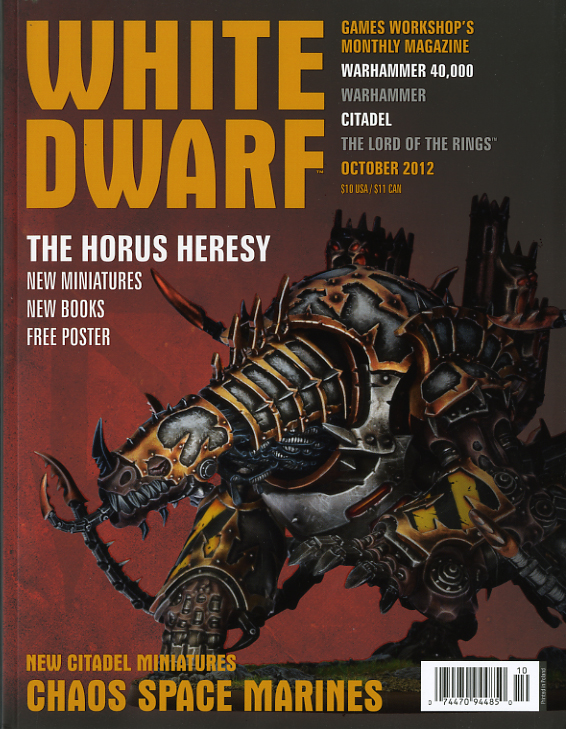
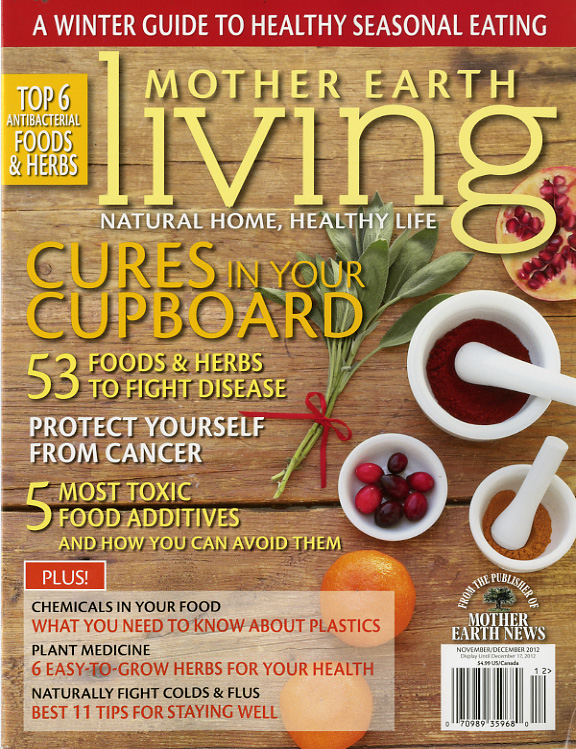
After a very healthy September, October witnessed the arrival of an even 100 new magazine titles on the nation’s newsstands. One quarter (25 titles) of the new magazines were published with an intended frequency while the remaining three quarters of the October crop (75 titles) were either annual publications or specials and book-a-zines. The October numbers are only one magazine lower than that of September.
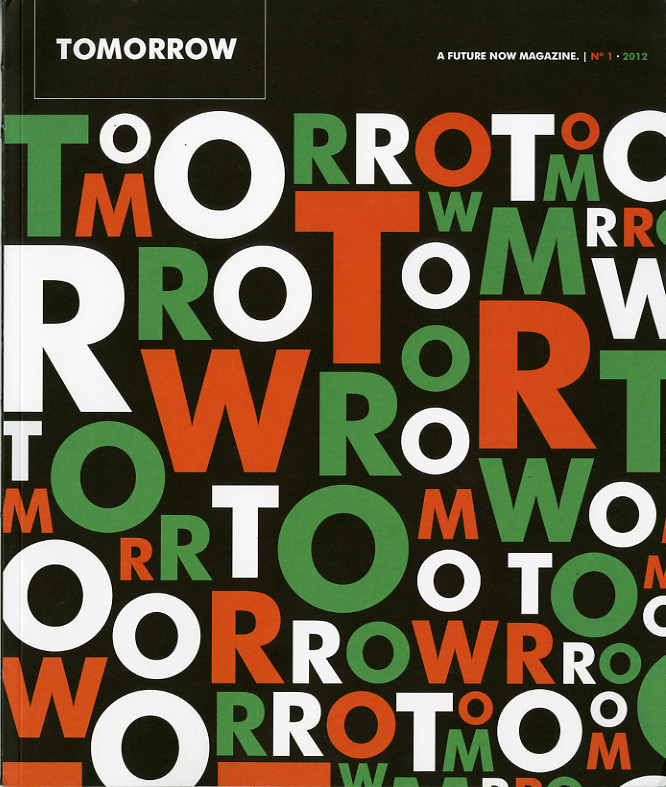
Two notable magazines were published as a result of the crowd sourcing fundraising “platform for creative projects” site “Kickstarter:” Howler and Tomorrow. Both are but two examples how technology is used to enhance the power of print. Publishing is believing and believing is the first step to creativity.
Take a look at some of the new magazine launches below and be sure to visit the Mr. Magazine™ Launch Monitor to see each and every one of those magazines.
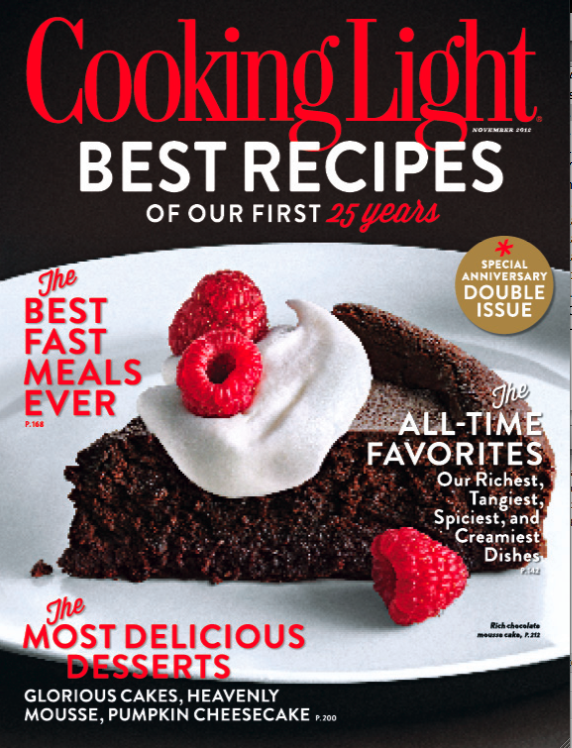
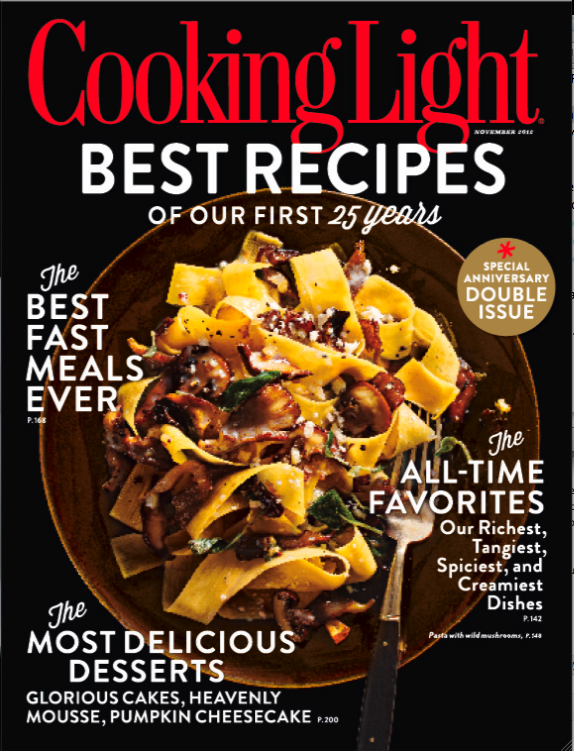
At a time when media folks are consumed with the news of the demise of the ink on paper editions of Newsweek and Smart Money, here is a magazine celebrating 25 years of a very successful run in ink on paper. Cooking Light’s secret ingredient for success is its brand. Scott Mowbray, the magazine’s editor in chief, told me in an interview via Skype, “When you’re a strong brand, your ability to survive is very, very strong.” Mowbray adds that in order to achieve success you have to make “all of these incredibly strong, proactive moves to make sure we could reach people at all of those points of need, because if you don’t then somebody else will.”
In a typical Mr. Magazine™ Interviews style, first the video clips from the interview, followed by the soundbites and then the entire, lightly edited, interview transcript.
And now for the soundbites:
On the success of Cooking Light…
Sometime in the 80’s, Americans had woken up to the fact that they wanted to have good food but also to have healthy food at the same time.
On the successful DNA of Cooking Light…
The interesting thing about the food category to me is there are really two action points, two activities people are involved in: One is just the leisurely part of reading the magazine and fulfilling their desire to think about food and think about cooking. The second is to help them cook.
On the current climate of the newsstand…
Well, the theory behind that is that I regard newsstand as something like a hurricane. You want to be making sure you’re going in the right direction all the time and you want to be listening to your customer.
On the magazine industry as a whole…
I think the opportunity is unbelievable. I think the challenges are extreme. I think that it’s a fun time if you like challenges.
On the importance of magazines having a strong brand…
When you’re a strong brand, your ability to survive is very, very strong.
On the supposed “death of print”…
The thing that I laugh about when I hear about the death of print – and you know this – look at the actual revenue that comes into companies from a successful print magazine and to say that part is dying is sort of preposterous.
And now for the lightly edited transcript of the “Mr. Magazine™ Interviews” with Scott Mowbray, editor in chief, Cooking Light magazine.
Samir Husni: Everybody is talking about the demise of Newsweek in print. The media is saying print is dead because one magazine is dead. And yet you are celebrating 25 years of a food magazine that for years has been one of the top food magazines in the country. And for around 20 years in a row, it’s always been gaining in terms of revenue, circulation, you name it. What’s your feeling about the print market in general today?
Scott Mowbray: You’re the expert in magazines, Samir. You know perfectly well print isn’t dead. But there’s a heck of a lot of interesting things going on with regard to print in certain categories. I take a lot of solace in the fact the food category is huge and the reasons its huge has not as much to do with the food business as it does to do with food in culture. What we’re talking about in America – the most exciting thing – is basically the invention of a new culture. The food culture is changing incredibly fast. You see it in all aspects of media. You see in television. You see it in the Internet. You see it in print. You see what’s going on in supermarkets and restaurants. From that point of view, I’m unbelievably optimistic. What the mix ends up being of how much your revenue comes from print, and how much from digital, and how much from tablet, and how much from mobile, that’s going to take a while to work itself through. That doesn’t happen in a year two. Obviously there are some casualties, but I mean, we’re doing just fine and we’re unbelievably optimistic about the future because of how exciting the food movement itself is within this country.
SH: I know you weren’t there in the beginning in 1987 when the magazine was launched, but could anybody have predicted that change that was going to take place in the food culture and the country as a whole. And here’s a magazine called Cooking Light, with a pecan pie on the cover, with all these fancy, fancy foods. Yet you see the word “light” and you say mmmh. Could you have predicted such a success?
SM: Well, back then, I certainly wasn’t working on the magazine, but I was already starting to work in the food world, and what was very clear was that the country was waking up to the fact that it had some food-related health issues. That had been percolating since the 50’s and 60’s. The statistics were starting to show just not how long you live, but also things like heart disease and other chronic conditions. So I often say that we’re sort of standing on the shoulders of giants here, because as you know, the magazine came out of a column that was in Southern Living, a very, very strong title. They had the vision and the foresight to realize that this wave that we’re surfing was just starting at that time. So, I think, yeah you could – all you had to do was look at the continuing success after launch in terms of growth to recognize that this was an unmet market, this market for healthy eating. Sometime in the 80’s, Americans had woken up to the fact that they wanted to have good food but also to have healthy food at the same time. It made total sense to make a magazine that was serving that audience. It’s always like, “How do you now which horse to bet on?” Well, smart publishing people do and did and happen to know. I think all the people that chose not to launch healthy cooking magazines at that times were probably pretty surprised by the unbelievable success that the magazine had.
SH: You’ve looked at the history of Cooking Light since you’ve been working at the magazine. What are some of the successful DNA elements that you’ve found throughout the years and how true has the magazine been to its DNA?
SM: With all service magazines, the successful DNA lies in your ability to serve the needs of the readers in a very direct and concrete way. The interesting thing about the food category to me is there are really two action points, two activities people are involved in: One is just the leisurely part of reading the magazine and fulfilling their desire to think about food and think about cooking. The second is to help them cook. The great thing about healthy cooking is that it’s essentially new problem solving. If Pad Thai is suddenly a hot dish in restaurants around America, and it was ten years ago, then they can look at us to do a healthy version of Pad Thai. So, we are solving new problems all the time and because the whole interest in food is changing so quickly, the problem solving opportunities are huge. What that means is our unit of exchange with the reader is the trusted recipe. Since I’ve been here in the last three years, we’ve gone from doing about 5 percent of our recipe development in house with our house kitchen to about 50 percent. So, half of the recipes now are developed by our test kitchen. We’ve got a crackerjack test kitchen. And to your point about the strength of the DNA, it’s in the code. The code is the recipe. We know what the code is. We know how to crack it. But there are always new problems. So, that’s why I’ve spent a lot of time building what I think is by far the best healthy kitchen in the country.
SH: Why are you testing different covers? Sometimes I see different cover lines, and sometimes I see different images. What’s the theory behind the testing? SM: Well, the theory behind that is that I regard newsstand as something like a hurricane. You want to be making sure you’re going in the right direction all the time and you want to be listening to your customer. When you put out a cover line about cheesecake and one is healthy indulgence and the other one is holiday indulgence, which of those is going to do better? Which button do you need to press to get a little bit of advantage on a newsstand, because like I said, newsstand is one heck of a volatile environment at the best of times and now more than I’ve ever seen.
As far as what you’re seeing in November, we actually had two different issues. We have this beautiful chocolate vermouth cake and then 50 percent is this gorgeous mushroom fettuccine. Those are alternating on newsstands. Every time you pick an issue up you’ll see the other one. I was just in the Atlanta airport on Friday – it just came out on Friday – and it was fun to see people picking it up and noticing that there was a different cover. Why did we do that? It’s not a test. It’s everywhere. The answer is there is a yin and a yang. There’s a savory and a sweet to the heart of what we do. We thought to celebrate our best recipes it would be fun to have that little message every time you pick that issue up. This is more to celebrate who we are, but we’re constantly doing testing just to see what the hell is going on with newsstand because it’s, like I said, a hurricane.
SH: Let’s talk a little bit about the industry on the whole. Is the industry’s cup half full, half empty, or three-quarters full?
SM: I think the opportunity is unbelievable. I think the challenges are extreme. I think that it’s a fun time if you like challenges. I can really only speak to our category, but when I was talking earlier about what the needs of the cook are, the needs of the cook happen in all those different places. There’s the leisurely reading place, there’s the final definition, which is the kitchen. In between that, there are the folks who like to sit in Starbucks and think about what they are going to cook this weekend. There are the folks who are sitting at work thinking about what they’re going to cook tonight. There are the folks that are in the supermarket thinking about what they need to cook that dish that they remember but don’t have the magazine with them. If you think about those, and everybody talks about those touch points with the consumer, but I firmly believe in the case of service journalism, particularly daily needs service journalism. You cook at least once a day, and you eat three times a day. The ability to serve a consumer at all those different touch points is critical to brand survival. What we’re working on is making sure we do touch the consumer at each of those points. I think when you’re finished thinking about what that is, and it’s going to be a few years from now, you’re going to find yourself with a very robust mix of iPad and tablet and mobile and print and book and newsstand and all that stuff. That mix of where the customer mix and how many are touching you is going to be different. I’m sure every part of the industry is thinking the same way, and I think the things that I said are more or less true depending on what your topic is, but the one thing that I take a great deal of comfort in is that food is incredibly important in daily lives and the need for information is constant.
SH: Let’s turn personal a little bit. What makes Scott tick and click in this day and age?
SM: What I’m most excited about right now is some of the stuff that I talked about earlier, which is simply what’s going on right now in the larger food culture. If you go to a country like India or Indonesia, where I’ve been many times, or if you go to Japan or Hong Kong, let alone France and Italy, what you see in those cultures is a well-developed food culture. You see that people high and low, rich and poor, know a lot about food and love food. It’s as true in India and Asia as it is in Europe. When you think about that and you think about America, you look at America and go “Wow we’re just in the beginning of that race.” Look what’s happening globally and locally with sustainability and chefs and all this stuff. When you think about how dynamic the food culture in this country is and you look at where it was 40 or 50 years ago, you see these unbelievable changes. So what keeps me both up at night but also eager to get up the next day is how exciting the larger culture is. Because boy, if you’re going to be reflecting a culture and leading a culture you want it to be a dynamic part of the culture. And I often say to people that food is in some ways as dynamic as what’s going on with the Internet. Young kids want to go work in a pickle factory as much as they want to build an iPad app. This is happening in Brooklyn and it’s happening in Portland, Chicago and Austin. This isn’t just happening in the big cities anymore. That’s what gets me going is not only keeping up, but leading in this dynamic food area – and it’s incredibly full of challenges. But I’m fundamentally excited as you can tell.
SH: Ten years from now, how will Cooking Light celebrate its 35th anniversary?
SM: I think it’s going to celebrate what I was describing, which is its ubiquity – it’s ability to reach people across whatever media has yet to be invented in a really, really effective way. I do see tremendous transformation happening in these brands. When you’re a strong brand, your ability to survive is very, very strong. But at the same time, let’s take the digital landscape, look what’s happening with food with things like Instagram and Pinterest or with all the local media that’s happening around restaurants and food. Those are competitors, those are competitive audiences, and those are competitive content producers. So, In 10 years, we had better be able to look back and say “Wow we made all of these incredibly strong, proactive moves to make sure we could reach people at all of those points of need” because if you don’t then somebody else will. That’s the critical thing. We have a huge advantage with the size of our enterprise and our expertise, but at the same time, we have this new generation of food-crazy kids coming along and you better be able to feed them.
SH: One final question, Scott: If somebody comes to you and says, “I want to start a new magazine,” what would you tell them?
SM: What I would say to them is don’t think of starting a new magazine, think of starting a new, and I hate the phrase content brand because I’m an editor, but you know what I mean by that. Start from the very start: How are you going to reach your audiences, whether you start with a magazine or print component or whether you start with a web component, be thinking of all of those needs. The thing that I laugh about when I hear about the death of print – and you know this – look at the actual revenue that comes into companies from a successful print magazine and to say that part is dying is sort of preposterous. Our renewal rates are fantastic at this magazine – we have stunning renewal rates. We have eager print consumers. So, on the other hand, do you want to start in that part of the business or do you want to say, “How do I provide information along this whole web?” Does it have a print element later? Our recipe division is now doing print. So, there are revenue streams. Where you start is sort of up to you. But know what your subject is. That’s as true now as it ever has been. In food, fortunately, as I said, it’s just an incredibly exciting area to be in.
SH: Congratulations again on this milestone and thank you.
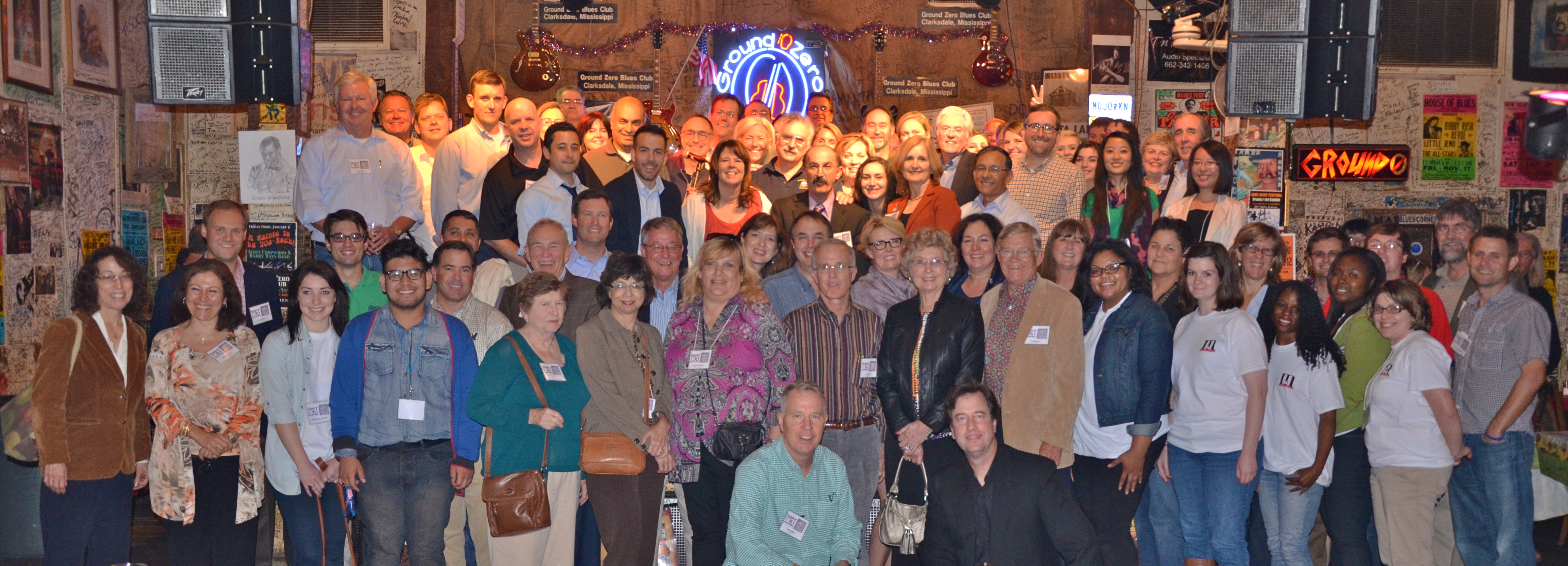
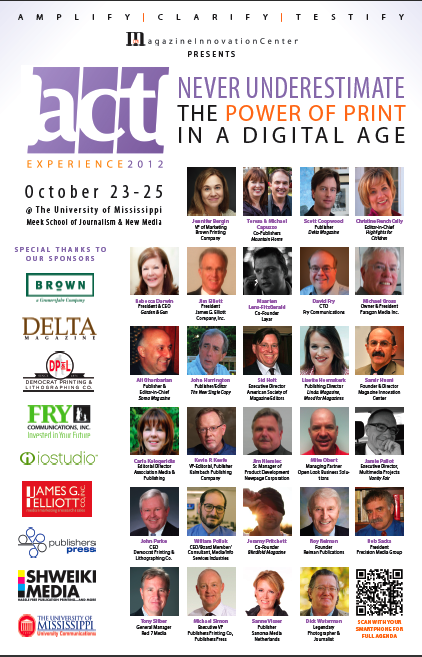
The ACT 3 (Amplify, Clarify and Testify) Experience is now in the history books. Sid Holt, the executive director of the American Society of Magazine Editors was the opening keynote speaker at the Experience. His speech, “So What is a Magazine,” set the stage for two and a half days of an experience themed “Never Underestimate the Power of Print in a Digital Age.” The event, hosted by the Magazine Innovation Center @ The University of Mississippi’s Meek School of Journalism and New Media, took place Oct. 23 – Oct. 25 and was attended by 145 magazine media experts from the publishing, printing, distributing, advertising and marketing industry.
Listen to Sid Holt as he attempts to define what is a magazine in this digital age:
The Magazine Innovation Center’s third ACT (Amplify, Clarify & Testify the power of print) just ended after three days of magazines, music and Mississippi. This year’s theme was Never Underestimate Print in a Digital Age.
What follows is the introduction that I wrote for the ACT 3 Experience’s program:
In 1962 I was introduced to the most magical experience of my life: the world of magazines. I was 9 years old and a new magazine was being advertised on television. That year Superman magazine arrived to Lebanon, and so was the heart of “Mr. Magazine™.”
Print is infectious and tangible. It’s the slick, shiny fashion magazines and the comics that kids have loved for generations. It’s that bewitching block of time where you sit mesmerized with your cup of coffee or your glass of wine and let the content of your favorite read transport you to that beach on the coast, or that cabin in the mountains. It is the experience that goes beyond the content. And if publisher’s today wouldn’t be so hasty as to put it out to pasture like an old nag who has served its purpose, it would be as stable today as it was thirty years ago.
To the naysayers of my last declaration, I say, prove it otherwise. I say, put as much thought, creativity and positive energy into print as you do digital and just see what happens.
Amplify, Clarify and Testify means just what it says. Amplify print, don’t smother it. Clarify print by distinguishing your brand with an indelible watermark that can’t be faded by the eons of cyber time that only last for a second. And then Testify about the results.
And if you gear your magazine media toward customers who count, instead of counting the customers you fear aren’t out there, I think you’ll be amazed at those results.
ACT III is the place for you to become fired up about print. It’s the round where you can dance to a different tune. Disco may be dead, but print isn’t. This years’ experience will celebrate and facilitate the creativity and longevity that print demands. Like a fine wine, print never goes bad or out of style. It is the mainstay of our industry that is proven and stationary, while digital roams cyberspace from the unverifiable realms to the unbelievable sectors.
As professionals, we cannot discount our digital audience either, however, but we can let print and digital co-exist if we are as creative and imaginative as both mediums demand and deserve. Audience first, or like I call it, customers first, should be our motto and guideline in every and all what we do in the magazine media of today and tomorrow.
We are here to serve our customers, with whatever venue they allow, but print has and is a relevant source for our customers. We must re-invent the excitement and the experience for our customers.
Like Clark Kent, my alter ego believes in unleashing power too: the power of print. The letters of print stand for something and here it is:
P: Power
R: Readers
I: Innovation
N: Nurturing
T: Tenacity
And that is the Power of Print.
So, enjoy the ACT III experience and fire up your creativity, folks, because you’re in for one heckuva’ ride! Let us unleash the power of print together…













 Mr. Magazine