h1

Passion and Excitement: It is the Best of Times. Day Two, ACT 5 Experience.

October 9, 2014

By Lisa Scott, Executive Director, PBAA
Print

From a passionate editor who was surrounded by Ole Miss students at the close of her presentation to predictive analytics; from the history of human information to branded photo contests with million dollar publisher revenues, Day Two of the Act 5 Experience covered the world of magazine media with deep dives and remarkable relationships with readers in six distinct and informative presentations. And to cap it off- the annual excursion to Morgan Freeman’s Ground Zero Blues Club in Clarksdale, MS with the best live Delta Blues music we’ll ever hear!

William “Billy” Morris III (Chairman, Morris Communications):
• We’ve moved from information scarcity to information overload
• Infinite information has changed journalism, but not the value, goal, and importance
• Digital media have disrupted journalism in many ways, but also have improved it
• We’re competing in a very different kind of business
• Visit the same websites as your readers- how do you make your print product more valuable given their experiences?
• Try new things and don’t be afraid to fail and be willing to spend money on those new things
• Journalism needs to reward readers richly for their time and attention- or they won’t engage
• What matters now, more than ever, is trust (a marriage of truth and accuracy) in journalism
• Brevity is important online- can refer readers to more information

Vanessa Bush (Editor in Chief, Essence Magazine):
• Print is giving birth to countless abundant opportunities to engage with our audiences
• Provide fresh, vibrant, enriching experiences to them
• 1 in 3 Black women are readers of Essence, a higher penetration that almost any other print media to a group
• The power of Essence is strong emotional communication
• Essence offers strong multi-platform experiences with a total reach of 12.9 touchpoints
• Unique and honest treatments speak to the core audience of Black women; by offering empowerment, edge and escape- the editorial formula for Essence
• The Essence Festival is the biggest live event in the US- draws 550,000 people to New Orleans over 4th of July holiday
• But nothing is possible without print- the “mother ship”
• Greatest challenge is keeping up with pace of consistent change
• Essence online is a distillation of the magazine content
Note: Essence’s power and magic was overwhelmingly apparent in the crowd of enthusiastic and passionate Ole Miss students who surrounded Ms. Bush for 20 minutes after her presentation, a tribute to the remarkable connection between the reader and the magazine.

John Harrington (Publisher, The New Single Copy)
Malcolm Netburn (Chairman, CDS Global)
John Phelan (Executive Director Consumer Marketing, Rodale):

• In 2010 publishers realized the importance of moving from advertiser-centric to consumer centric business model
• By 2014, this move had not taken place- in fact, a higher % of revenue was derived from advertising while subs and newsstand value each dropped nearly 33% as a share of revenue compared to 2010 numbers
• Next Issue Media, the “Netflix” model of $9.99 unlimited replica editions of magazines, is having an impact of newsstand revenue (since print newsstand issues sell at full cover price)
• The center of the universe is the consumer- the individual who opens up the magazine, goes to the editorial, says “this has value to me, I need/want to know more”
• Predictive data is the connective tissue between an issue and its readership
• The distance between content and audience must narrow
• We don’t know how to measure success right now- digital tools and platforms are changing everything
• There are fundamental changes to our approach to the business itself
• We need to understand a lot more about our audiences
• If you deliver value you’ll make money
• For readers- create “loyalty-engenerating experiences”- they will become evangelists for you
• Question is not how many people read us, but how engaged with us they are
• We need to develop a collaborative, industry-wide approach to data about our readers
• We need to predict what our readers want- be proactive not responsive- it’s based on clues about you
• Think outside the box- predictive data can show us an expanding potential universe of customers, not a shrinking one
• Data should not “filter down” rather “filter up”
• We need to know more about how people behave
• Circulation goals are changing slowly, but circulation tools are changing faster
• Consumers are throwing information about themselves to you, challenge is mining that data
• Dedicated mobile editions of mags can spur growth – same content, different experience (not replica editions)
• Opportunities to come:
o Frictionless mobile ordering and payments
o Business to business selling of consumer publications
o More aggressive direct promotion of digital subs
o New content bundles that include mag subscriptions
• Mag companies are becoming brand companies
• Consumer Marketing Directors are inventing new ways to sell, to get orders on file, and are trying to stay in contact with the consumers, but direct mail has been scaled back
• Membership/Affinity model is growing (learn from the non-profit world) (e.g. Oprah’s “Circle of Friends”)
• For Rodale- 7 titles (large + small) had versions of the same business model- in future this may modify to some with more ad % revenue, some circ driven or membership model
• Justin Smith: “To succeed we must accept this state of confusion and embrace chaos”

Gil Brechtel (President, MagNet)
Joshua Gary (MagNet):

• There’s turmoil in the newsstand but there is predictability to be made from it
• Figure out what you can do to deflect “bad things”- we still have the opportunity to affect success
• The best indicator of success of content is on the newsstand
• Addressing sales: placement, promotion, price, and product- which means covers!
• MagNet tags elements of the cover to allow a deep dive to analyze success and failure
(what elements really affect sales- and what elements don’t seem to matter)
• 15% of magazines sold are now bookazines- starting to flood the market

Espen Tollefsen (CEO, Interpress, Norway):
• Books on tablets are less than 2% of book sales- there is no common platform, thus print book sales are still strong
• There have been many more new titles brought to market, but circ total is actually unchanged
• Circ #’s down 30% for 10 largest titles over the last 5 years
• Magazine market decline is coming faster- down 10% YTD 2014
• International titles decline as well as domestic titles
• #1 reason for large drop is not mobile- it’s a decline in “in-store” focus and distribution issues
• Also there is a decline in the customer base/shoppers
• There is too much turnover in store management- less focus on the magazine category and more focus on food and beverage
• Newspapers have started re-focusing on promoting the print product- e.g. car sweepstakes every month for print purchasers
• Norway did not suffer a financial recession, but had a “psychological” recession- led to questioning what to do with individuals’ money- resulted in more savings, less spending
• Biggest challenge is not print vs digital, but reading vs every other form of activity that consumer spends his time on
• Publishers need to attract and develop readers

Keith Bellows (EVP Editor in Chief, National Geographic Traveler and Travel Media):
• We’re still in the middle of the bridge between print and digital – still driving “dazed and confused”
• Nat Geo- not a media company- only 3 mags- rather it’s all about Nat Geo’s mission to teach people about the planet
• But Nat Geo still has the same challenges as other media companies
• The era of relying on subs and advertising to keep the company profitable is over
• Wants a “deep sign of engagement” from their consumers
• Job is to come up with “big concepts” that might involve print (or not)
o Tour of a Lifetime
o Photo Contest (generates over $1million in revenue)
o Digital Nomad
o City Makers (print, films, online)
• Also project with the US State Dept to raise % of US citizens with passports- currently 37%, trying to use social media to get kids to get passports
• Think beyond the page- Nat Geo stopped seeing itself as a magazine
• For Travel- the cycle is dream, plan, go, share
• Nat Geo Traveler is “the little engine that could”- need to take advantage of global resources, re-invent, be smart and strategic and take chances
• This is the most exciting time in media (even though we’re on a bridge to nowhere right now)
• Publishing was a pretty simple business 5-6 years ago- now you need someone who thinks in 3 dimensions- video, social media, photos, reporting from the field… it’s exploding
• Print needs digital to survive
• It is inevitable that print partners with advertisers
• People will pay a huge amount for something they really love
• “Smash the mirror”- looking into a rear-view mirror doesn’t help us move forward
• Traveler is a huge success, yet wake up every day feeling that they are behind the 8-ball, shift will continue to happen
• Change happens faster than ever- embrace it
• Listen more closely than ever to the customer- what, when, how, how often to consumer- bring them into the text- be partners
• Be flexible- yesterday’s rules are today’s barriers
• Be media and distribution agnostic- It’s content first, channels later
• Go back to school- but your employees may be your best teachers. The walls between young and old have completely broken down- learn from one another. Intuition is critical in an organization. Young people know this world, listen- then lead
• Even if you’re the boss- don’t be afraid to say you don’t know- go into discussions not knowing the answer
• Spend 30% of your time creating new content models and revenue streams
• Steal from the best- no matter what industry or source
• Experiment- don’t be afraid to fail. 60% success rate is incredibly good- need to do more with less
• Print is a piece of the puzzle- of the media pie.
• The stories are what drive media- not the pipeline- don’t lose sight of that

h1

The Future is Bright: Hearst’s Michael Clinton on Magazine Media at the ACT 5 Experience…

October 9, 2014

Michael Clinton- President, Marketing and Publishing Director of Hearst Magazines delivered the keynote opening address at the Magazine Innovation Center’s ACT 5 Experience in Oxford, Mississippi on Oct. 7, 2014. Click below to watch his entire presentation.

h1

ACT 5 Experience: The Future of Digital Begins with PRINT. Day One

October 8, 2014

Print

Michael Clinton and Roy Reiman: Spot-On and Into the Future

By Lisa Scott, Executive Director, Periodical & Book Association of America (PBAA)

Can “Mr. Magazine” Samir Husni do it again? How can he possibly improve on the past four informative, entertaining, provocative conferences? If Tuesday night’s welcome and keynote address are a preview of the next few days, the bar has been raised yet again at Ole Miss!

Take an engaged and well-fed crowd of 175 speakers, guests, students, and attendees from around the world and add a dose of Roy Reiman’s plain-spoken yet “spot-on” insights into why this conference matters, and how he’s managed to have fun while achieving unique publishing success. Then bring on Michael Clinton who wowed the audience with a myriad of spectacular and inspiring Hearst magazine strategies, successes, and new ventures under the banner of “Magazine Media- Why the Future is Bright.” Mr. Clinton’s energy and passion were contagious and a source of terrific ideas for discussion in the classroom and in the workplace.

Some take-aways from Tuesday evening…

IMG_6480 From Roy Reiman (founder, Reiman Publications):
• The Act conference brings together people who are “doers instead of dreamers” who are not afraid to share both their mistakes and their successes
• Content should be so well done, so interesting, so desired by readers that they will pay
• Know your readers- for Our Iowa and Our Wisconsin they enjoy the “hunt” for “needles in a haystack”- in this case the letter “I” or “W” in ads- resulting in thousands of entries for advertiser prizes which drive readers to report that they “read” ads first in the magazine, which drives advertisers to sign multiple issue and full year contracts without a real ad sales person.
• Creativity is the engine that powers publishing
• “The day that this isn’t fun, I quit”

IMG_6484 From Michael Clinton (President, Marketing and Publishing Director of Hearst Magazines):
• Our children and grandchildren will still read print: “I’m with my people here at Act”
• Design your covers and content based on what you know your readers want
• Get the “pulse of the zeitgeist” to know what Americans are looking for
• Continuing investment in launching new print magazines speaks to the vitality of the medium
• If print is dying, why was the 2014 launch of Hearst’s Dr. Oz, the Good Life, such a fantastic success- it sold out on newsstand, had 300,00 subs in 4 months
• Magazine readership is relatively constant at 187 million, while there is massive disruption of TV audiences
• Hearst “Unbound”- magazine brands now exist on a global scale, on many platforms: social media, you tube videos, website, mobile, tablet, targeted editions (Cosmo for Latinas, for example)
• Audience matters- instead of measuring ad pages- now launched “Magazine Media 360” to measure how readers are connected to magazines across multiple platforms
• Printing innovations are bringing paper to life, as with Marie Claire five “origami” covers, zippered “jeans” cover
• Every reader comes into a magazine through the cover- need “stickability and viewability”
• Activating consumers off the page- rolls into e-commerce to drive immediate purchase of products in the magazine
• Geo and database targeting are targeting products to readers –editorially and with advertising
• Challenge is how to get advertisers to pay for the creative sales work editors are doing for them
• Traditional advertisers didn’t tell the consumer “what to do”- now they are sending the consumer to their website and driving immediate sales
• Magazine readers own tablets, but tablet reading is averaging only 4% of magazine readership
• You must shed your legacy thinking as a magazine publisher- need to wear a digital hat
• Hearst Digital Media – Months to Moments- to be competitive you have to be constantly posting and updating websites… the brand must be elastic- go wide to cover everything that (for example) a millennial woman might be interested in
• Go big or go home
• Brand integration (advertising with editorial) is a continuing focus for editors
• New series #GOBOLD to find “the new provocateur” is extending Hearst brands in many way and driving viewers back to print
• Fresh, new good ideas can build a great product in print- but you need to go beyond that
• Don’t give away your editorial- web content is not the same as the print product
• Keep your readers excited about the brand
• Getting advertisers to share revenue with magazines as the result of sales through the interactive branded products is like “affiliate marketing”- publishers need to develop this revenue stream

h1

Welcome to the ACT 5 Experience… the Full Agenda and the Director’s Welcome

October 6, 2014

The Magazine Innovation Center proudly presents its fifth ACT (Amplify, Clarify and Testify) October 7 to 10. The full agenda of the program that is themed The Future of Digital Begins with Print can be accessed here.

Click on the video below to hear the welcoming remarks of Samir “Mr. Magazine™” Husni, founder and director of the Magazine Innovation Center at the University of Mississippi.

Follow us at #micact5 and join the conversation live at #actchat

h1

59 Collected Bits Of Wisdom From The 59th Distripress Congress in Cannes, France. A Mr. Magazine™ Musing

October 3, 2014

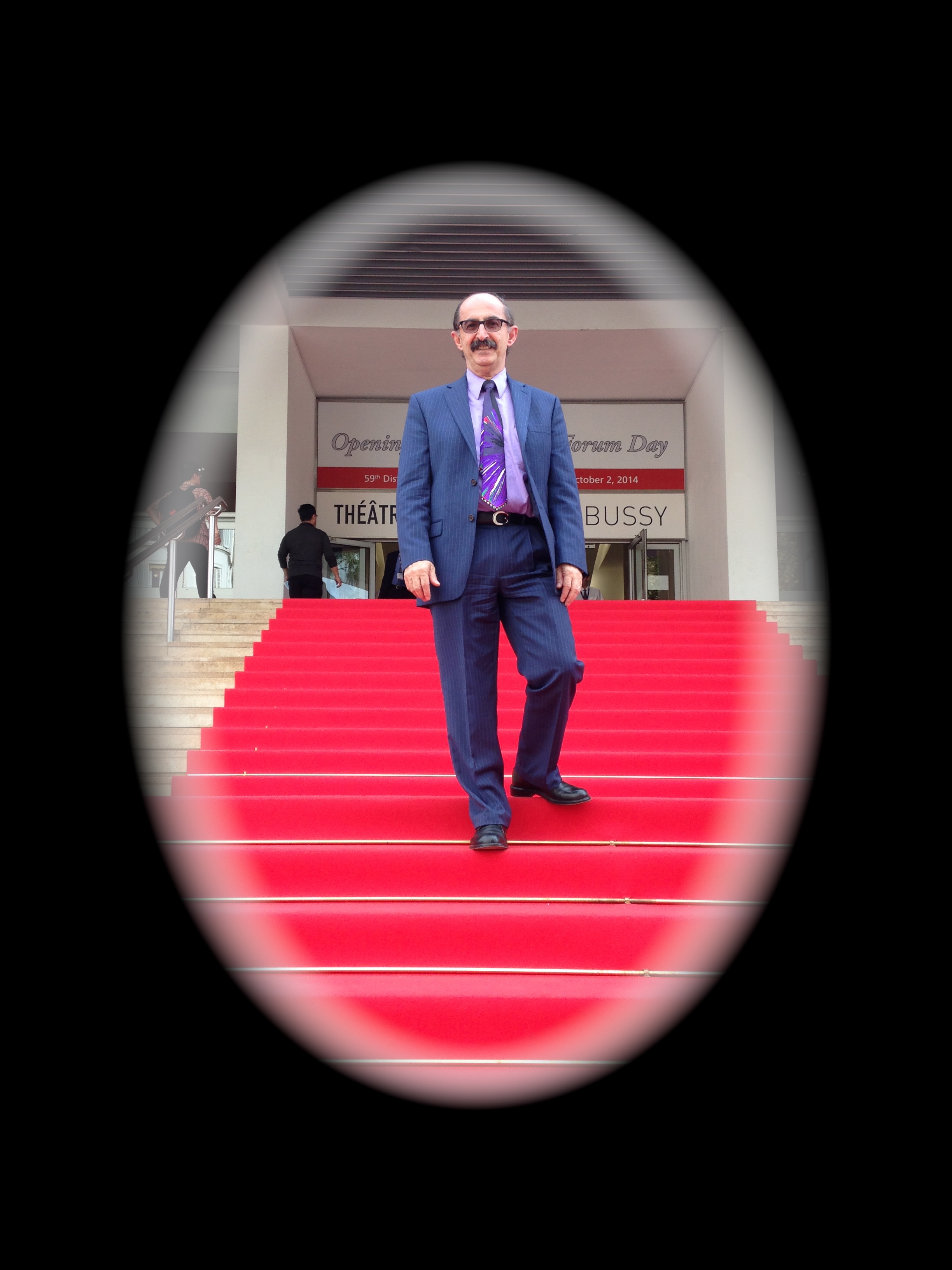
Distripress_Logo_Slogan_Cannes_RGB IMG_6389 Editor’s Note: Last week I was speaking, interviewing and moderating at different types of conferences and seminars across three European countries. I started with the Czech Republic where I spoke at a Toray’s meeting, then Slovakia where I visited the Student Media Center of the Pan European University in Bratislava, a daily newspaper, a major magazine media house and last but not least, traveled to Cannes, France to speak and moderate the Forum day at the 59th Distripress Congress. In the next few blogs, I will be reporting from all three countries with interviews, views and observations from the global media world.

Today’s report is from Cannes, France and it is an attempt to summarize the collective wisdom of all who spoke or participated in the Forum Day of the 59th Distripress Congress.

The following is a list of everyone who spoke at the Forum Day (sans Mr. Magazine™) and all of the tidbits of combined wisdom brought together in one sitting:

• David Owen: Managing Director of Distripress
• Anne-Marie Couderc: Keynote Speaker, President of Presstalis, France
• Diane Kenwood, Woman’s Weekly, UK
• Franska Stuy, Libelle Magazine, The Netherlands
• Morten Wickstrom, VG, Norway
• Matt Bean, Editor Entertainment Weekly, USA
• Jim Bilton, Wessenden Marketing, UK
• Peter Preston, Guardian/Observer, UK
• Tom Fender, Independent retailing consultant, UK
• Christina Lucas, Marketforce, UK
• Jean-Christoph Fare, Naville, Switzerland
• Arlene Shepard, Vice President of Gateway Newsstands, Canada


And here we go, in no particular order:

1. There was a consensus that there is a need to rethink the entire press sector, which includes changing the publisher’s economic model, rethinking the publishing landscape, whether it’s newsstand sales, home delivery or subscriptions and redefine the roles of the distributors, wholesalers and retailers
2. Sales of newspapers and magazines are set to continue to fall
3. Publishers are capitalizing on core brands by investing in digital solutions
4. The economic model for digital publishing has yet to be defined, although there are already some online-only titles out there
5. Print and digital media must complement each other
6. As we grow in the digital era, we must use digital media solutions to boost print media sales on the newsstands and we must introduce cross-media research into the equation
7. Some of the challenges for the distributors include:
• digital publishing
• in the business of selling content, there must be a way to put a value on content
• print and digital are working together and publishers’ strategies should include making digital media a part of editorial content, grow the brand in both print and digital versions and promote across all networks
8. Digital is no longer a threat; it’s a key to success
9. People change as they grow older
10. Fewer retailers, less retail space
11. We have three options: actively accelerate the decline of print, passively accept it or re-engineer for a different business model
12. We must have a sense of ownership and friendship with the reader
13. Print titles are still very profitable; print does work
14. The biggest challenge that we face in our industry today is making sure our readers know what they’re seeing, whether it’s editorial or advertising
15. You have to love what you do; otherwise your content will not be passionate and filled with variety
16. Keep it simple and make it fun
17. You need to create passion points for your magazine, so your product can have better reach, better engagement and better distribution
18. We have to turn our thinking from a digital newsstand type of mentality to a broadcast mentality
19. The print magazine is still the flagship of the brand
20. No one wants to be on the cover of a website
21. The future of our industry is going to be more fragmented and fractured than ever before
22. Western Europe is the homeland of the magazine business: 41% of all magazine volume.
23. Overseas, the majority of the business is 73% retail, 20% subscription and 7% digital
24. We will see a lot of consolidation and instability in the wholesale magazine press distribution network
25. We have to invest in short-run digital printing to save on the shipping rates on magazines across borders
26. We are witnessing the beginning of the end of the “death of print” diatribe and we are starting to talk about the decline of print instead
27. Nobody knows the future, including Peter Preston
28. Movies did not kill the theater; if you need proof, just travel to London and Piccadilly Circus and see if you can a ticket
29. I will never read War and Peace on my iPhone
30. You cannot take content across platforms; each must have its own
31. Most of our ills are self-inflicted and self-generated
32. Here is a formula for disaster: cut the content, cut the paper, cut the weight, increase the price and then wonder why sales are in decline; less for more is not a winning formula
33. Even The New York Times is talking about the “majesty” of print
34. The print version of most brands is still much more important than the digital component
35. Youngsters will never read the words or have to decide between: print or digital
36. 80% of stores in Germany say it’s important to sell press products in their store, 72% in France and 72% in the U.K.
37. People still want magazines and magazine destinations
38. Magazines in a lot of stores are still the number one sales and revenue generator
39. Retailers love new launches, such as Ricardo in Canada and Dr. Oz The Good Life in the United States
40. A mature magazine can benefit from a good promotion
41. Signposts in stores increase sales by 4.3%
42. We need to bring an entire category of magazines to life because we have smarter shoppers and we need to give them relevant offers
43. Offers that accompany magazines, such as a free bottle of water, will have a 20% positive swing
44. We have to have personalized marketing, tailored and targeted to a specific group of people
45. As we witness a one-third decline of the press volume, we have to find answers for how we counteract that declination
46. We are and we want to remain press retailers and we want to make money
47. We have to optimize the press and accelerate the diversification
48. We have to adapt to new market rules
49. There are more new magazines introduced worldwide
50. Magazines and newspapers are becoming parts of the brand, rather than the entire sum
51. The printed product is the cornerstone of the brand
52. With so many other extensions, such as events, digital, stores, shopping; the survival rate of new magazines is increasing
53. Humanizing the brand is essential for surviving
54. Retail stores must change with the times
55. We must promote print the same way we promote digital
56. Digital is no longer a seductive mistress; it’s a younger sister or brother to print
57. It’s no longer print versus digital, but print plus digital, plus events, plus stores, plus commerce
58. On all fronts, we have to be experience makers
59. We must have promotions; it’s the key to our survival. If we do not promote our products, no one will.

*****
If those of us who are passionate about the industry take these 59 points to heart and really try to implement and learn from them, the future of the media industry can start to reverberate with the hope it deserves for the masses it serves, because as Mr. Magazine™ eternally proclaims, “There is always hope.”
I hope to see you all again next year in Brussels for the 60th Annual Distripress Congress…and until then: go to a retail store, buy a newspaper and a magazine or two and enjoy!

h1

John Mack Carter: The Father of New Magazines and A Mentor. A Mr. Magazine™ Musing.

October 2, 2014

To the masses, John Mack Carter was “the storied magazine editor who headed the nation’s top three women’s magazines, including a 20-year stint at Good Housekeeping.” Mr. Carter died last week at his home in Bronxville, N.Y., after a lengthy battle with Parkinson’s disease. He was 86 years old.

To me, John Mack Carter was the father of new magazines and a mentor.

FullSizeRender I met him the first time in the early 1980s when he came to the University of Missouri’s School of Journalism School to speak to our class. It was a dream come true and the beginning of a lengthy mutual friendship and professional relationship.

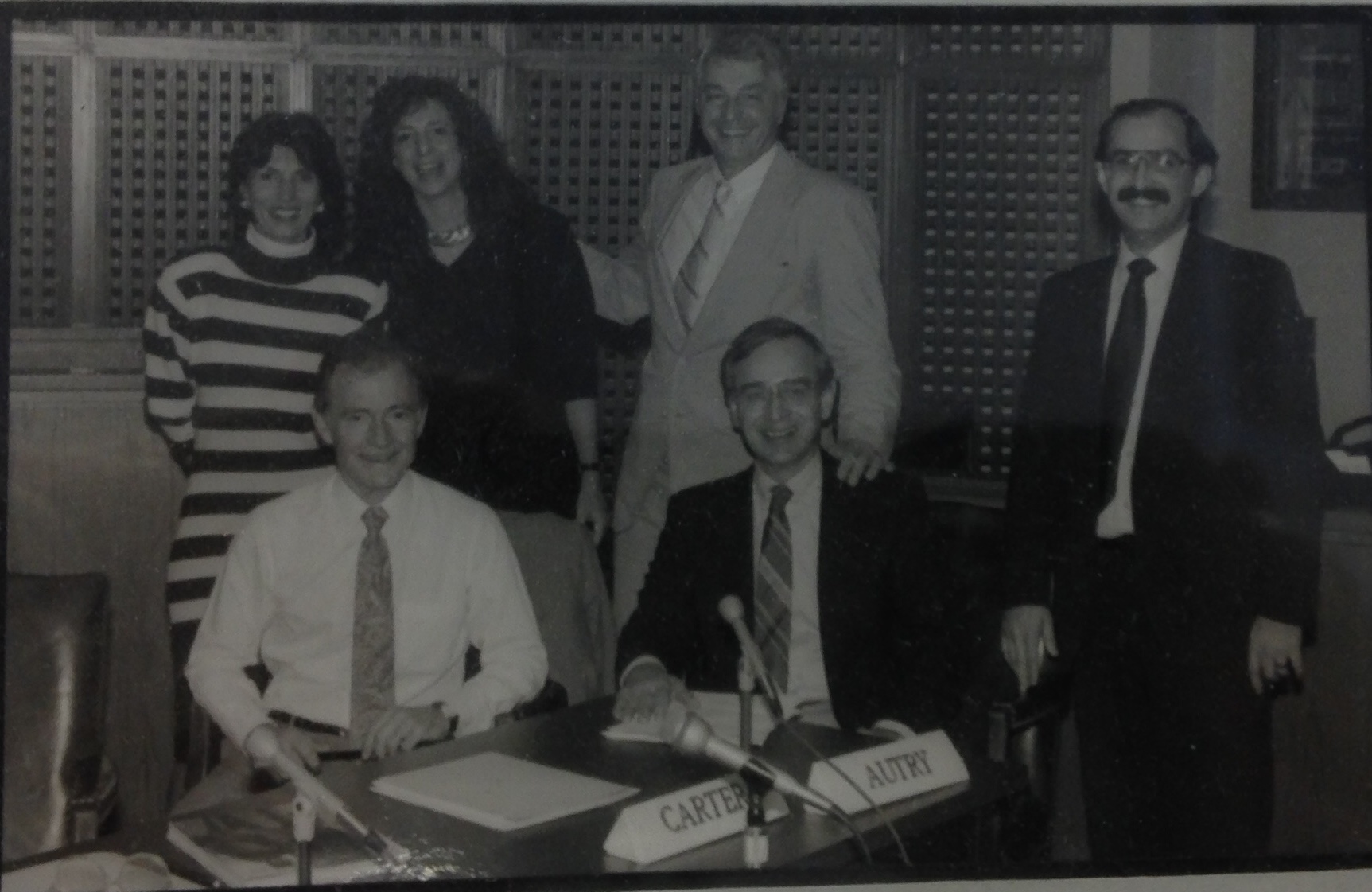
In 1987 he came to Ole Miss to speak to my students on “Service Journalism… Today and Tomorrow.” The picture above, from November 6, 1987, shows John Mack Carter, director of new magazine development, Hearst Magazines, and editor in chief, Good Housekeeping, seated to the left with James Autry, president of the magazine group at Meredith, and standing left to right, Pamela Fiori, editor in chief of Travel & Leisure, Dorothy Kalins, editor, Metropolitan Home, David Jordan, editor, Better Homes and Gardens, and Samir “Mr. Magazine™” Husni.

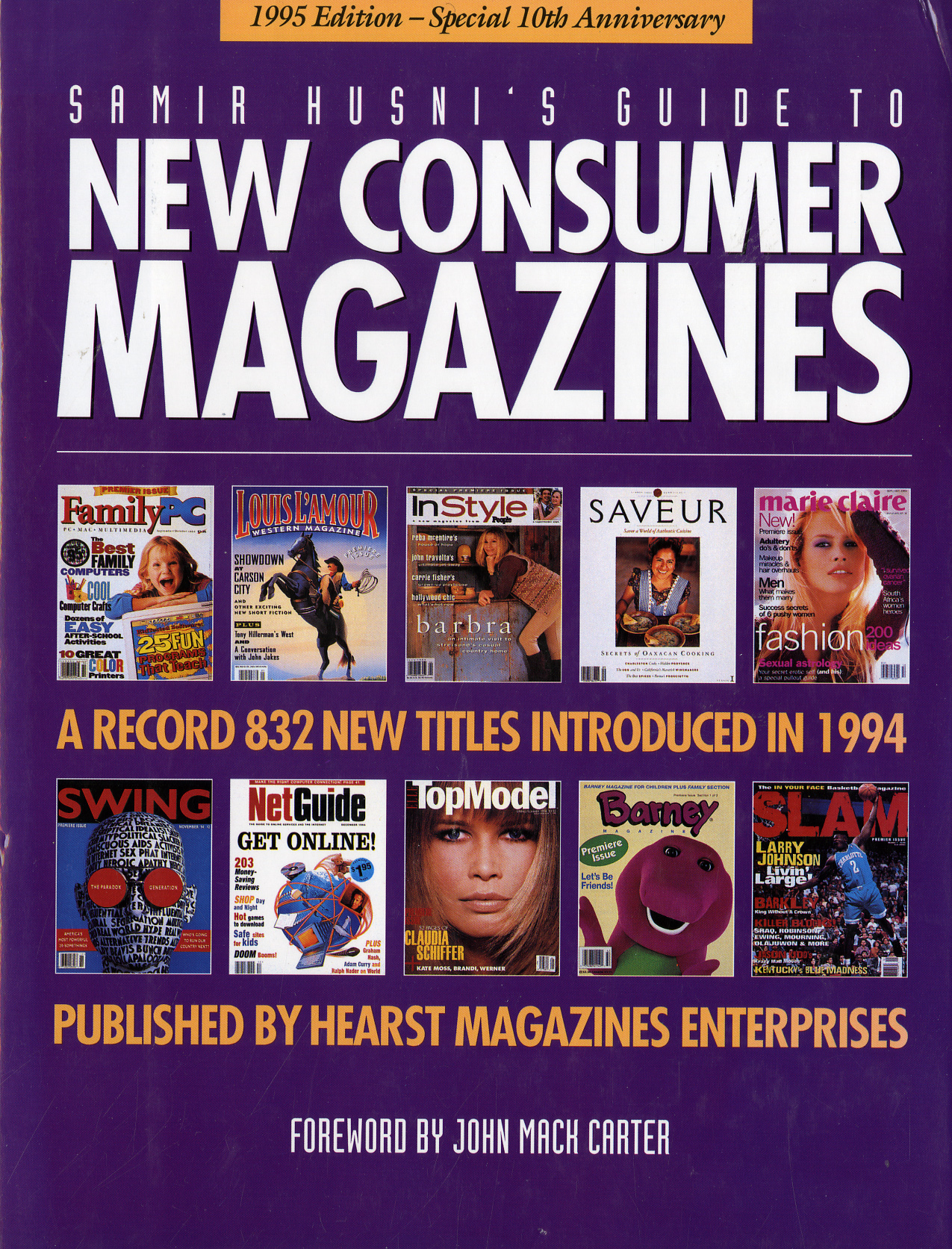
In 1995 John Mack Carter wrote the introduction to my tenth anniversary edition of the Samir Husni’s Guide to New Magazines. It sums up my relationship with the legendary magazine editor, creator and friend:

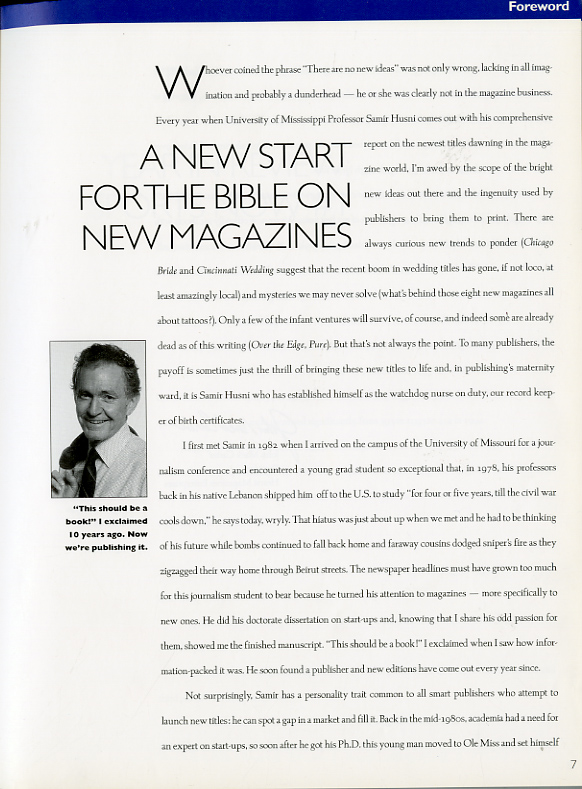
A New Start For the Bible on New Magazines
1995 New Consumer Magazines1995 New Consumer Magazine - John Mack Carter foreword p 11995 New Consumer Magazine - John Mack Carter foreword

Whoever coined the phrase “There are no new ideas” was not only wrong, lacking in all imagination and probably a dunderhead – he or she was clearly not in the magazine business. Every year when University of Mississippi Professor Samir Husni comes out with his comprehensive report on the newest titles dawning in the magazine world, I’m awed by the scope of the bright new ideas out there and the ingenuity used by publishers to bring them to print. There are always curious new trends to ponder (Chicago Bride and Cincinnati Wedding suggest that the recent boom in wedding titles has gone, if not loco, at least amazingly local) and mysteries we may never solve (what’s behind those eight new magazines all about tattoos?). Only a few of the infant ventures will survive, of course, and indeed some are already dead as of this writing (Over the Edge, Pure). But that’s not always the point. To many publishers, the payoff is sometimes just the thrill of bringing these new titles to life and, in publishing’s maternity ward, it is Samir Husni who has established himself as the watchdog nurse on duty, our record keeper of birth certificates.

I first met Samir in 1982 when I arrived on the campus of the University of Missouri for a journalism conference and encountered a young grad student so exceptional that, in 1978, his professors back in his native Lebanon shipped him off to the U.S. to study “for four or five years, till the civil war cools down,” he says today, wryly. That hiatus was just about up when we met and he had to be thinking of his future while bombs continued to fall back home and faraway cousins dodged sniper’s fire as they zigzagged their way home through the Beirut streets. The newspaper headlines must have grown too much for this journalism student to bear because he turned his attention to magazines – more specifically to new ones. He did his doctorate dissertation on start-ups and, knowing that I share his odd passion for them, showed me the finished manuscript. “This should be a book!” I exclaimed when I saw how information-packed it was. He soon found a publisher and new editions have come out every year since.

Not surprisingly, Samir has a personality trait common to all smart publishers who attempt to launch new titles: he can spot a gap in a market and fill it. Back in the mid-1980s, academia had a need for an expert on start-ups, so soon after he got his Ph.D. this young man moved to Ole Miss and set himself up as the university world’s equivalent to what I was doing out of corporate offices in New York and we continued to be great friends. We worked together often, serving jointly on industry panels, lecturing to each other’s groups (me to his students at Ole Miss and him to my staff in New York and to the members of the American Society of Magazine Editors when I was its president) or just sharing wild ideas over breakfast when he happened to be passing through New York.

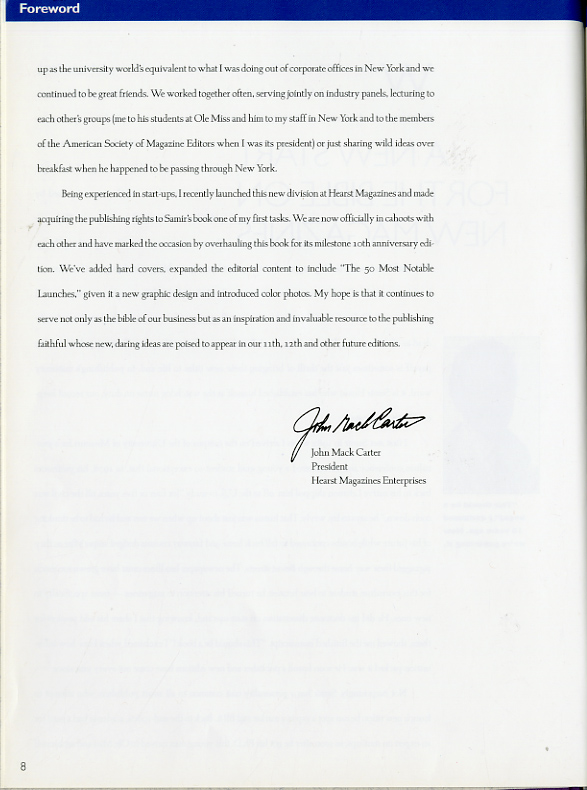
Being experienced in start-ups, I recently launched this new division at Hearst Magazines and made acquiring the publishing rights to Samir’s book one of my first tasks. We are now officially in cahoots with each other and have marked the occasion by overhauling this book for its milestone 10th anniversary edition. We’ve added hard covers, expanded the editorial content to include “The 50 Most Notable Launches,” given it a new graphic design and introduced color photos. My hope is that it continues to serve not only as the bible of our business but as an inspiration and invaluable resource to the publishing faithful whose new, daring ideas are poised to appear in our 11th, 12th and other future editions.

John Mack Carter
President
Hearst Magazines Enterprises

Thank you, John Mack Carter. I am sure you are more than proud of what you’ve accomplished and helped accomplish in the magazine world.

John Mack Carter, my friend and mentor, may you rest in peace.

h1

Woman’s Weekly (UK) Magazine: 103 Years & Still Going Strong. The Mr. Magazine™ Interview With Editor Diane Kenwood

October 1, 2014

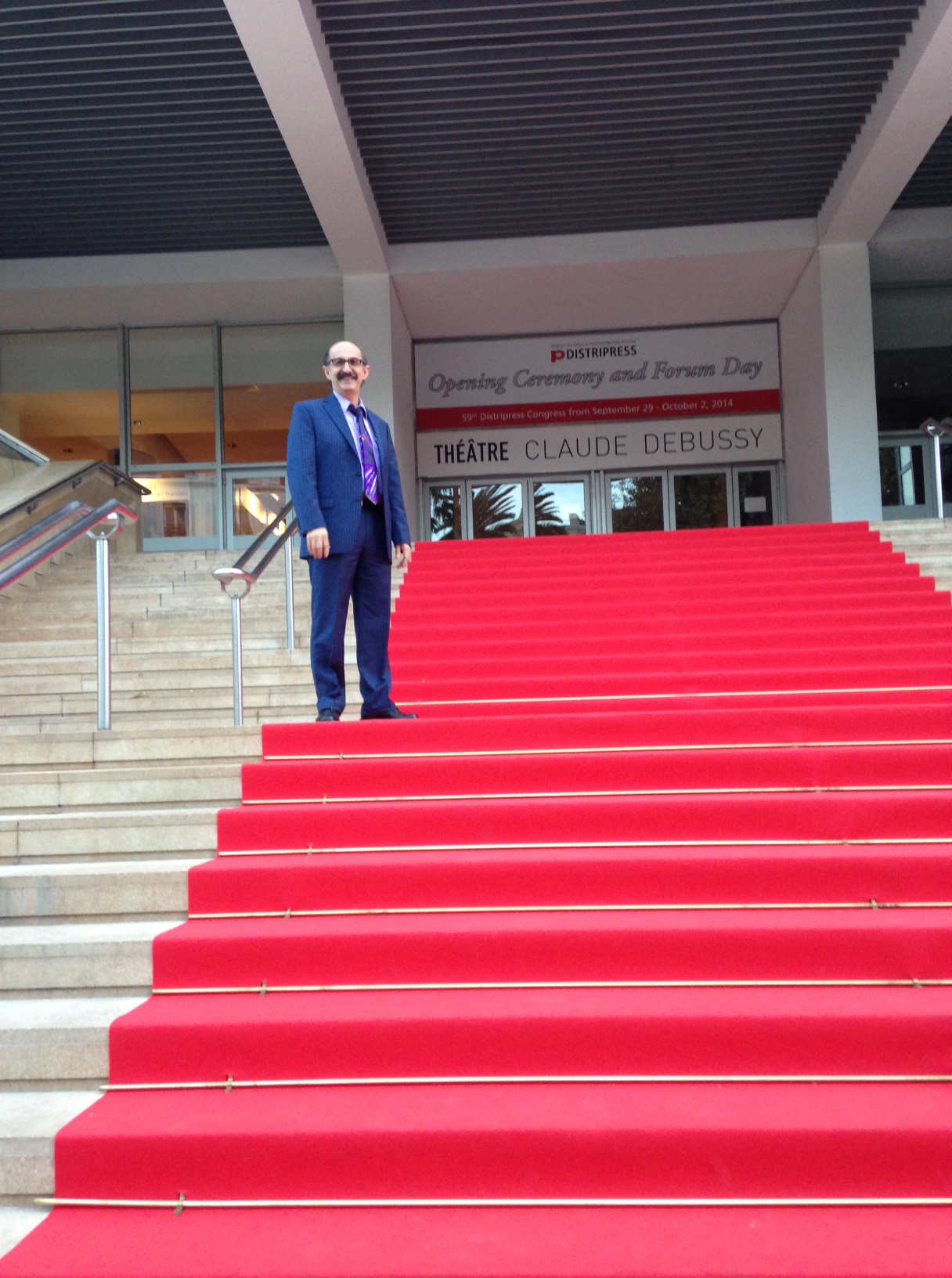
husnionredcarpet Editor’s Note: Last week I was speaking, interviewing and moderating at different types of conferences and seminars across three European countries. I started with the Czech Republic where I spoke at a Toray’s meeting, then Slovakia where I visited the Student Media Center of the Pan European University in Bratislava, a daily newspaper, a major magazine media house and last but not least, traveled to Cannes, France to speak and moderate the Forum day at the 59th Distripress Congress. In the next few blogs, I will be reporting from all three countries with interviews, views and observations from the global media world.

While many women’s magazines are being reported by some as hearing a death knell when they roll off the presses; the U.K.’s 103-year-old Woman’s Weekly continues to press forward with confidence, inspiration and an eye on the next 103 years.

In the second report from across the pond, I spoke with Diane Kenwood, editor in chief of Woman’s Weekly magazine. Ms. Kenwood had just finished her presentation at the Forum Day at the 59th Distripress Congress in Cannes, France. Her passion and confidence when she spoke about the magazine is evident in the Mr. Magazine™ video above…

So read along as you enjoy the brief, but inspiring, Mr. Magazine™ interview with Diane Kenwood, Editor-in-Chief, Woman’s Weekly, U.K…


But first the sound-bites…

On whether she feels Woman’s Weekly is on the endangered list: It’s so not true. It’s absolutely not true; we’re incredibly fortunate.

On whether or not she’s afraid of the future: No, I’m not scared of the future. I’m really excited about the future. I think it has its challenges; it’s hard, but I think challenging and hard makes you more creative.

On whether she ever envisions a time when Woman’s Weekly will not be in print:
Never! And certainly not during my time as editor, no. I genuinely can’t see a time when the magazine won’t be an absolutely critical part of the whole brand offering of Woman’s Weekly.

And now the lightly edited transcript of the Mr. Magazine™ interview with Diane Kenwood, Editor-in-Chief, Woman’s Weekly, U.K.

Samir Husni: A lot of folks in the United States and other countries say that general interest women’s magazines are dying; how about Woman’s Weekly?

Diane Kenwood: It’s so not true. It’s absolutely not true; we’re incredibly fortunate. And the thing about lifestyle magazines is the breadth of their content means you can constantly inspire, entertain and surprise people across any number of different content areas.

I think the magazines that are in real trouble in the U.K. are the celebrity magazines, because they’re all too similar and there isn’t enough celebrity news to go around. Also, TV titles because there are so many of them and they have to conglomerate their magazine titles.

But in the lifestyle market, I think the opportunities are enormous. And Women’s Weekly remains today as it has been from the day it was first published, the bestselling magazine in the lifestyle market.

Samir Husni; Is there anything that makes you afraid of the future?

Diane Kenwood: No, I’m not scared of the future. I’m really excited about the future. I think it has its challenges; it’s hard, but I think challenging and hard makes you more creative, more inventive and because we’re all in the same boat, everybody is being more creative, so there’s more opportunities for kinds of partnerships and joining together of ideas and making them happen and delivering them, that never really existed before. I’m tremendously invigorated by the future.

Samir Husni: My last question; do you ever see Woman’s Weekly not in print?

Diane Kenwood: Never! And certainly not during my time as editor, no. I genuinely can’t see a time when the magazine won’t be an absolutely critical part of the whole brand offering of Woman’s Weekly. We’ve been around for 103 years; we’re definitely going to be around for another 103.

Samir Husni: Thank you.

h1

SME: A Print Slovakian Newspaper That Demands Attention. The Mr. Magazine™ Interview with Tomáš Bella, Deputy Editor in Chief

October 1, 2014

samirinbratislava Editor’s Note: Last week I was speaking, interviewing and moderating at different types of conferences and seminars across three European countries. I started with the Czech Republic where I spoke at a Toray’s meeting, then Slovakia where I visited the Student Media Center of the Pan European University in Bratislava, a daily newspaper, a major magazine media house and last but not least, traveled to Cannes, France to speak and moderate the Forum day at the 59th Distripress Congress. In the next few blogs, I will be reporting from all three countries with interviews, views and observations from the global media world.

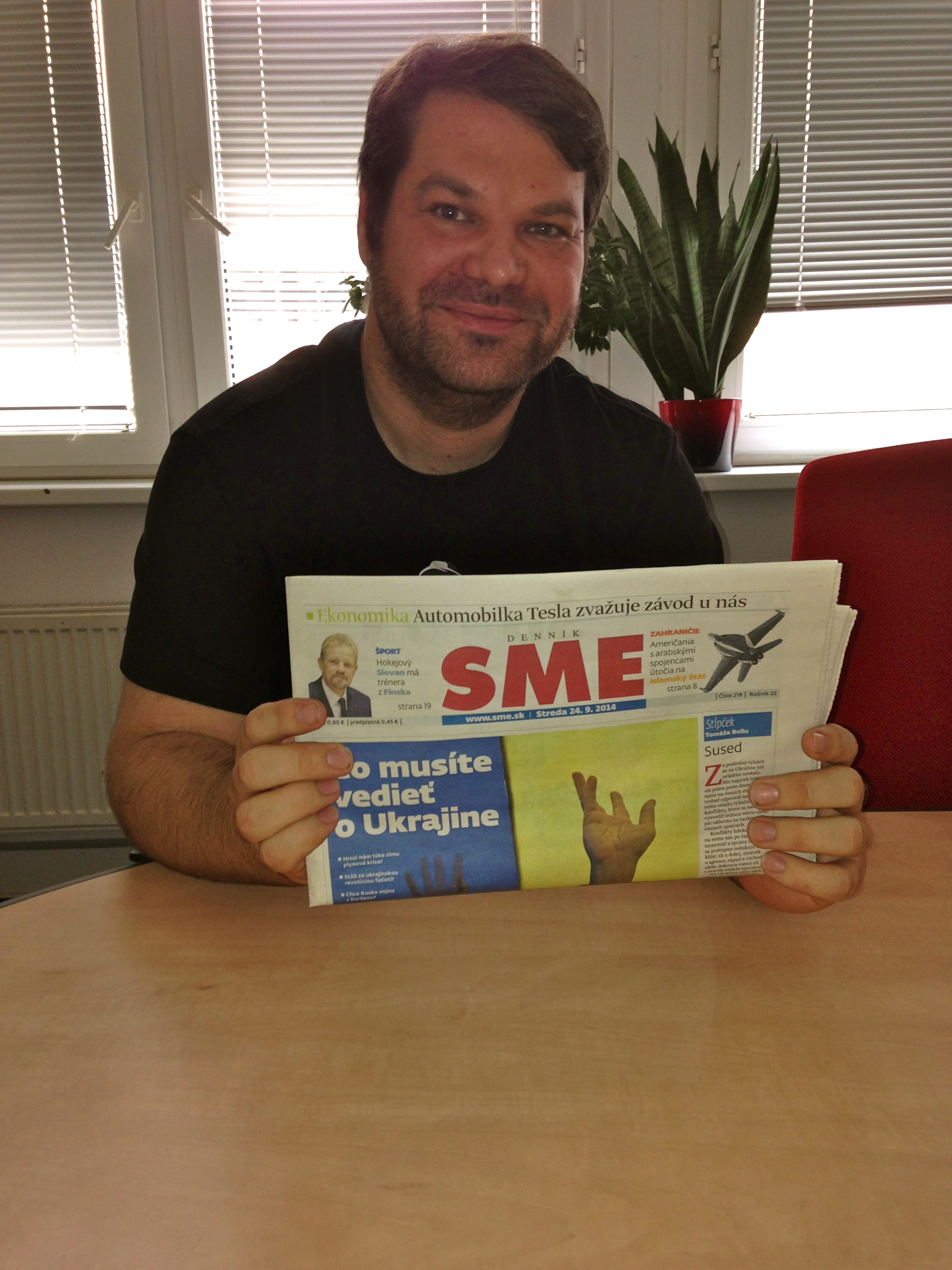
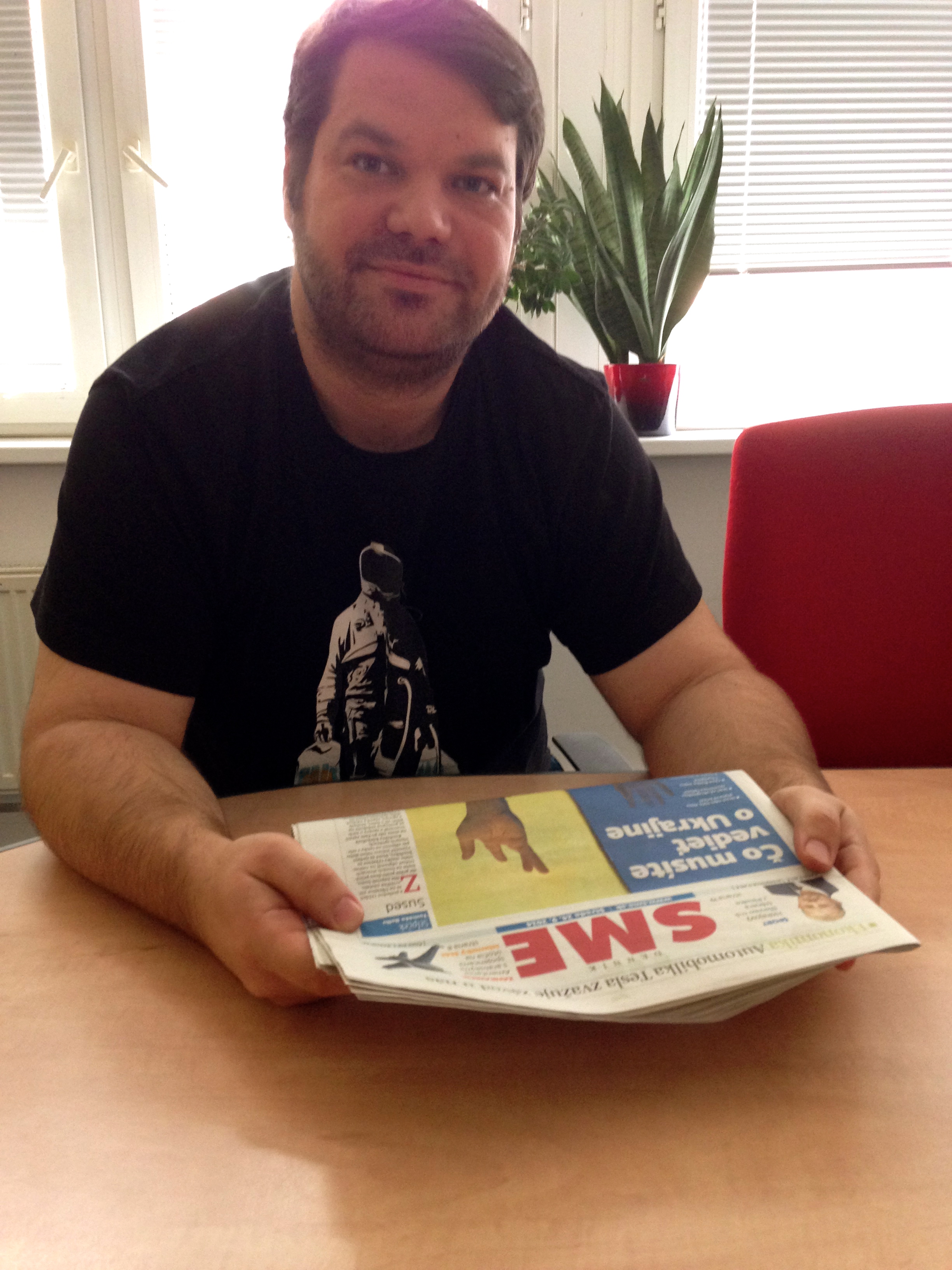
Today, is my interview with Tomáš Bella, deputy editor in chief of SME daily newspaper in Bratislava, the capital city of Slovakia. SME is succeeding while others failed and is showing that the future of newspapers, both in print and digital, may be in long-form journalism.

tomasof sme

But, first the sound-bites…

On SME and some of its recent changes: We are almost changing into a magazine. More and more often we are moving toward big topics, such as the one we did on the Ukraine.

On the future of the daily newspaper becoming a weekly on a daily basis: Maybe we will stop publishing daily, but will do six weeklies. What we are sure of is that long-form journalism is where we are clearly heading; sometimes we even have the first eight pages of the paper as one article.

On experimenting with SME’s paywall: We will probably spend all next year restructuring the entire paper around the business of paid content.

On whether he feels journalism is better or worse today because of the Internet: Right now, it seems as though we’re in chaos, but I think we will come out of this as better journalists.

On why most newspapers are still chasing numbers and clicks in the 21st century: I spent four years traveling the world trying to pursue publishers for the switching-to-paid content, but there are a lot of publishers who are set in their ways.

On what keeps him up at night: Well, I came back to journalism because it’s really extremely exciting. And the most interesting thing is we have exhausted all our bad options now; we have tried everything.

And now the lightly edited transcript of the Mr. Magazine™ interview with Tomáš Bella, Deputy Editor in Chief, SME Newspaper in Slovakia…

Samir Husni: Tell me about SME and some of the changes that are going on…

Tomáš Bella: We are almost changing into a magazine. More and more often we are moving toward big topics, such as the one we did on the Ukraine. Inside, there are eight pages just about the Ukraine, written by someone who is very, very knowledgeable.

Two years ago, our longest article would be one page long. Now we are doing 16-page articles.

Samir Husni: So you think that the future of the daily newspaper is a weekly on a daily basis?

tomas2 Tomáš Bella: That is the strategy of Gazeta Wyborcza, the biggest Polish daily. They are probably the best daily in Eastern Europe, with a long tradition of fighting against communism. And their strategy is clearly building very strong supplements for each day; they have six strong supplements every day.

So maybe we will stop publishing daily, but will do six weeklies. What the Gazeta Wyborcza is definitely doing is building very strong magazines, not on print paper, but on glossy. And they have a lot of magazines for each day and they’re building a strong brand.

What we are sure of is that long-form journalism is where we are clearly heading; sometimes we even have the first eight pages of the paper as one article. And this would have been unimaginable a year ago. This is something we are doing as often as we can because we are depending more and more on the income from our readers,

I was reading this article, it was my colleague’s idea, but I thought who would want to read eight pages about the Ukraine. It’s a hard topic and it’s not something you would expect. And it actually broke our record in sales online recently. For whatever reason, the people were buying to learn about Internet politics in the Ukraine.

Samir Husni: You said they bought it online; which brings up your concept about slowly experimenting with the paywall…

Tomáš Bella: Yes, I was working with this newspaper for ten years and then I left and established Piano Media, the company that bought Press Plus. I worked there for four years and then I came back here. Currently, the income from paid content online has maybe doubled in the last eight months. So we are really heavily investing in paid online content and it’s the only income that’s going up, everything else is going down.

We will probably spend all next year restructuring the entire paper around the business of paid content. Also, we don’t believe that advertising is going to come back and we don’t think online advertising is going to save us, so we will have a year, maybe eighteen months to rethink all the departments, to rethink what we should and should not be doing when the new paradigm is in place and see what people are actually willing to pay for online.

With print, it’s a bit more complicated. The paper with the Ukrainian story costs 80 cents. Normally, the paper costs 55 cents, but when we have a topic like this we raise the price of the paper. So Monday it’s 55 cents, but on Friday it’s 80 cents…etc.

It doesn’t mean that we’ll sell more of the special papers, such as the one with the Ukraine story; it’s hard to sell more on those days, but we will also not sell less and we will make more money.

Samir Husni: Do you think journalism as a whole, forget about the platform, is in better shape today than yesterday or worse and has the Internet helped or hurt journalism?

Tomáš Bella: Right now, it seems as though we’re in chaos, but I think we will come out of this as better journalists. I see it in the paper, a lot of uncertainty, but it’s definitely going to get better. Three years ago when we would do something like send a journalist to the U.S. for two weeks to write a story, the business department would say you’re crazy, you’re just wasting your money.

And now when we can measure just how many people buy the article; we are seeing that exactly the same kind of articles that we want to write, ones that aren’t about sex, but about hard issues, are the ones that people are willing to pay for. So if you switch from those terrible 90s where the measurement of your reward was clicks; when you switch from the measurement of your world being clicks to people willing to pay for content, suddenly the interest of journalists and readers seems to be more aligned. They appreciate that content, because here is the guy who wrote the article, he is a Slovak, but he’s one of the few Slovaks who is an expert on the Ukraine.

So when readers see that this is forty years of creative thinking about the topic and that experience has been put into those pages, then they are willing to pay for it when they realize the quality of the work. So I think it’s much better for journalists to be doing a job like that where you know that readers appreciate the work and are willing to pay for it, along with the advertisers. But it will still be a little painful until we get through the transition phase.

Samir Husni: And as you move into this transition phase; why do you think newspapers are still doing the same thing, still chasing clicks and numbers?

tomas3 Tomáš Bella: I spent four years traveling the world trying to pursue publishers for the switching-to-paid content, but there are a lot of publishers who are set in their ways. They are good people and they are producing good papers, but in no way are they prepared for the role they need to play. And for years at the conferences, everyone was telling them how to attract new readers through Facebook and Google and it became very important. But suddenly, it stopped working. Google and Facebook were making money, but not their papers.

So here in Slovakia when we started Piano Media and paid content, most of the publishers joined, but only two or three really understood that in three years they won’t be able to rely on advertising money because they will never win the fight with the Facebooks or the Googles for the price of advertisement; it’s just going to continue going down.

But this paper had a CEO and management that were wise enough to say that even if it is only small money in the beginning, we will keep investing into paid content because we think that it’s really important.

Samir Husni: My typical last question; what keeps you up at night?

Tomáš Bella: (Laughs) Well, I came back to journalism because it’s really extremely exciting. And the most interesting thing is we have exhausted all our bad options now; we have tried everything. We have tried cutting staff by 10 percent every year and many other things and we know where it leads.

So now it’s time to rethink everything; it’s time to say OK, do we really need a sports department or foreign news. It has gotten so bad that you can only dig yourself out with creative thinking and basically starting completely over from the beginning. And to me this is extremely interesting, so I came back here because I’m really curious how the paper is going to look in two years. I know with certainty it will not look like it looks today. And that’s really exciting.

And I believe this type of model is good for journalism. When people begin to pay for content and we can think about our reader instead of advertisers.

Samir Husni: Thank you.

h1

The Theologian of Vapor: Patrick Butson, Founder and Publisher, Vapor Digest & Vapor Lives Magazines. Where There is Vapor, There is a Magazine or Two. The Mr. Magazine™ Interview

September 26, 2014

“Although I had my degree from Harvard Divinity School and had written many theological things, albeit not necessarily published; I’ve been a printer for 25 years. Printing is what I do and so I think the reason I chose print is because I personally would rather have a really nice magazine in my hand.” Patrick Butson

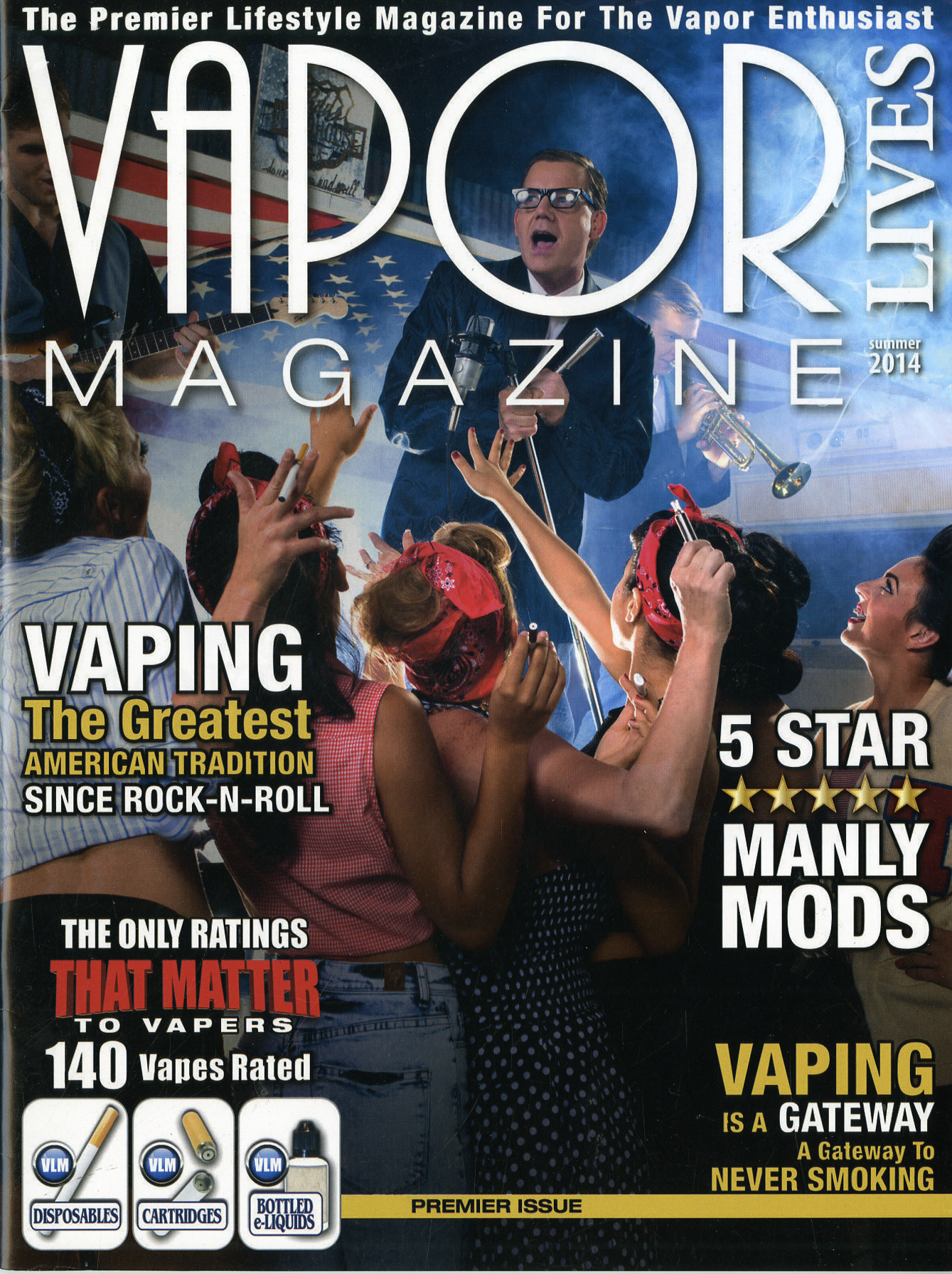
Professor PatrickAs the Founder and Publisher of Vapor Digest and Vapor Lives Magazines, Patrick Butson’s mission is to help the e-cigarette industry gain legitimacy by education and awareness. A graduate of Harvard Divinity School, the theologian – turned vaping visionary vows to set the record straight when it comes to vaping and the industry of e-cigs in general. He is convinced that vaping is the answer to many smokers’ prayers and that the part he plays in educating the public is divinely-inspired and validated.

I reached out to Patrick recently and we talked about his early days in divinity school, his calling to do something on a grand scale for God and his vision when it came to the print magazines he created, devoted to vaping and the e-cig industry. The conversation was sincere and open, revealing a man who truly and passionately believes in his magazines and his mission, but doesn’t discount the toll it has taken on his personal life.

So sit back and enjoy this most unique conversation with a man who is genuinely unique in his own way, set apart perhaps by a spirit that is made so by a predestined future – the Mr. Magazine™ interview with Patrick Butson, Founder and Publisher, Vapor Digest & Vapor Lives Magazines.

But first the sound-bites…

Premier Issue On why he started the vaping mission: To be honest with you, I don’t think that I’ve used the gifts that I’ve been given to their fullest potential.

On whether or not vaping has anything to do with his theological calling: Yes, it gave me this sense of calling again and I understand that sometimes when you’re looking for gold, everything you see is shiny.

On the two magazines; one trade, one lifestyle: My real intention when I started was to be more like the lifestyle magazines, but when I realized that what was needed was more of an investigative-type of magazine first, that’s why I did them both.

On the advertised emphasis of his theology degree: I did that because I believe it sets me a little apart, because what I do is try to focus on the vision of what it could be and let it lead me like the North Star.

On what’s in it for him: What’s in it for me most importantly is that I matter. I think that if I keep saying perceptive things and keep getting them right and keep giving out the information, along with the stories that people want to read, then I think I’ll have an influence.

On his ultimate goal for the magazines: My ultimate goal for Vapor Lives magazine would be for us to be a combination of Rolling Stone and Cigar Aficionado. I want it to be that important about a new social trend like Rolling Stone was.

On the major stumbling block that may prevent his goals: I think the main thing for me because I’m boot-strapping it and I don’t have the financing and the backing of some of the existing magazines that might want to get into the space.

On whether a year from now he sees himself surrounded by competitors and copycats: I do, yes I do. It’s already happening a bit. The tobacco industry’s trade publications have a couple of them that have combined with a vapor publication.

On why he decided on a print format for his magazines: Printing is what I do and so I think the reason I chose print is because I personally would rather have a really nice magazine in my hand.

On what keeps him up at night: The fact that in doing this, it’s taken a lot of work and a toll, not only on me physically, but it’s really taken a toll on my relationship with my family.

And now the lightly edited transcript of the Mr. Magazine™ interview with Patrick Butson, Founder and Publisher, Vapor Digest & Vapor Lives Magazines…

1st edition Samir Husni: After I read about all that you’re doing, it seems that you’re a one-man crusade. You’ve started the two magazines and the organization. You’re doing the testing and everything. Why?

Patrick Butson: I wrote in my book why. To be honest with you, I don’t think that I’ve used the gifts that I’ve been given to their fullest potential. When I was a young man, for some reason, I really always thought that God was going to do something special through me and I was somehow going to be inspirational or something; I don’t know exactly, but I found myself at Harvard Divinity School which confirmed that I was being led in that direction. And then I got married and when my wife and I got pregnant, I kind of panicked or got nervous; I’m not sure how to explain it perfectly, it was like me having this nebulous calling to do something great was fine for me as a single man. Although my wife was pretty cool with it, but I didn’t think it was fair for a child being brought into this world to have such an unsure future.

So I felt I had to make a choice. I could go get a real job and make some money or I could continue on this path of not knowing, but feeling like I was going in the right direction. And I guess all these years later, I kind of regret that I had to make a choice and realize now that I could have done both. I could have lived a more inspiring life and meant more to more people and found a way to take care of my family like many other people have done.

Yes, a lot of the reason why I’m doing this is that I regret not taking a more adventurous path and when I saw the first person vape, I just knew instantly that it was very special and had the potential to really change a lot of lives. So I began to follow that. Something that could give me that feeling again that I mattered.

Samir Husni: Do you think being the theologian that you are the whole idea of vaping has anything to do with your calling? Correct me if I’m wrong, but I don’t think you smoked before…

Patrick Butson: No, I didn’t smoke. And yes, it gave me this sense of calling again and I understand that sometimes when you’re looking for gold, everything you see is shiny. And if it’s something you want to follow, it could be fool’s gold and I might just be seeing what I want to see, but the vision and the perception I have of what vaping can become just energizes me and makes me want to do this.

Samir Husni: Almost at the same time you started two magazines, one for trade and one for the lifestyle.

Patrick Butson: In general, I got involved with it because I was excited. And when I started vaping I assumed there would be a magazine about it. I’m not a smoker per se, but once in a while I like a celebratory cigar and if I ever wanted to know what might be a good cigar, I’d go to Cigar Aficionado or if I wanted to know what’s a good craft beer, I’d go to the craft beer ratings, but when I did that for vaping I realized how you almost have to ask two questions.

Let’s say that you want to try a new honey-whiskey that Jack Daniels has come out with and you read the reviews and tried to get a sense of whether you’d like the flavor; all you really have to ask yourself is would I like it or not. You never have to ask yourself if the whiskey is safe, but that’s not true with the vaping landscape. It’s a very Wild, Wild West out there; you don’t know who you can trust, because people can make things sometimes look too good to be true. A person may have a friend who is a web designer and he could make that company look like a pharmaceutical giant. So that’s part of the reason why I did this too.

My real intention when I started was to be more like the lifestyle magazines, but when I realized that what was needed was more of an investigative-type of magazine first, that’s why I did them both.

Samir Husni: Why the emphasis on being a Harvard theologian – turned visionary? Everywhere I see your name that is very prominently written. Why?

Patrick Butson: I did that because I believe it sets me a little apart, because what I do is try to focus on the vision of what it could be and let it lead me like the North Star. But as I was trying to get people to listen to me and help me, they said don’t undersell or be embarrassed that you’ve got a theology degree and it’s true, so why not say it. I guess that’s part of why and it’s quite a unique thing to have. And it lets people know that I’m probably coming from a different angle than most.

Samir Husni: What’s in all of this for you?

Patrick V Butson - Headshot A Patrick Butson: What’s in it for me most importantly is that I matter. I think that if I keep saying perceptive things and keep getting them right and keep giving out the information, along with the stories that people want to read, then I think I’ll have an influence. That’s mainly what’s in it for me.

But I also realize that I need to monetize my efforts so that I can keep doing it and I’ve done not as well as I’d hoped, but I think I’m on my way. I have advertisers. If you have a copy, you’ll see several paid advertisements.

Samir Husni: What is your ultimate goal? Where do you see the magazines a year from now?

Patrick Butson: My ultimate goal for Vapor Lives magazine would be for us to be a combination of Rolling Stone and Cigar Aficionado. I want it to be that important about a new social trend like Rolling Stone was. It also gives the trustworthy ratings like Cigar Aficionado does. That would be my goal for that magazine. And it would be sold in Barnes & Noble and counters as you go through supermarkets. I’d love it to be a magazine like that and have that type of presence and clarity.

And I would like for the trade magazine to be the official source of the industry and the news magazine of the industry. That would be my two goals.

Samir Husni: And what do you think will be the major stumbling block that might prevent those goals from happening and how will you overcome that?

Patrick Butson: I think the main thing for me because I’m boot-strapping it and I don’t have the financing and the backing of some of the existing magazines that might want to get into the space. They would have the funds and the people and the pipelines to overwhelm me with financial might, so that’s obviously a concern.

I’m glad I was the first, but I don’t think I’ll always be the biggest, that’s not important to me. But as long as I always have my niche and my certain specialness, then I think I will have accomplished what I wanted to accomplish.

Samir Husni: There’s a saying in our business: there are the groundbreakers, the copycats and then there are the cheap imitators. And being a groundbreaker; do you think that a year from now you’re going to be surrounded by competitors and copycats?

Patrick Butson: I do, yes I do. It’s already happening a bit. The tobacco industry’s trade publications have a couple of them that have combined with a vapor publication. On the lifestyle side there’s several already out, with more coming every day. I think the thing that’s going to make or break the vaping lifestyle magazines would be the one that has maybe a celebrity on their cover first. And I don’t know any celebrities.

So I think that a publishing firm that already has celebrities on their roster and lined up would be the first to have one on the cover actually vaping, making them similar to how Cigar Aficionado now always has a famous person on their cover smoking a cigar. And I would think that would really establish that lifestyle magazine for vaping to have a high-end star on their cover; I believe they would definitely take the lead.

Samir Husni: There have been so many things that you have done digitally and we do live in a digital age; what made you decide on print for your magazines?

Patrick Butson: Although I had my degree from Harvard Divinity School and had written many theological things, albeit not necessarily published; I’ve been a printer for 25 years. Printing is what I do and so I think the reason I chose print is because I personally would rather have a really nice magazine in my hand. If you see my magazines, you’ll note that they’re on really high-quality paper, highly varnished, nice binding; they just look good. And that’s important to me. I really wanted it to be something that a consumer would want to hold in their hands and read.

Samir Husni: And now I see that you’re coming out with a book?

Patrick Butson: Yes, I sent you a copy.

Samir Husni: Yes, I’m looking at it now. It’s not only a showcase for the vapor industry, but it’s also a coffee table-type book.

Patrick Butson: Very much so. That was my plan from the beginning, to make it a coffee table book, mainly because I want people to flip through it. Also because I kind of did it backwards; I figured out how big I wanted it and how I wanted it to feel and look and I went to the bookbinder and he told me I needed 144 pages and I thought it’s going to be hard for me to fill 144 pages; I’m going to need a lot of pictures. (Laughs)

Another reason that I decided to do it that way is because I want people to read it. I’m going to be giving many of them away, mailing them out to people in the industry. It’s one of those things where I want you to look at it; I designed it where each page has its own integrity, its own little story. Where people may want to only look at one page, but you can learn something from that particular story.

Samir Husni: So what’s next for Patrick?

Patrick Butson: Well, I’m still operating in the red, so I’m hoping to start breaking even soon. That would be a great goal to reach. And I just want to keep doing it and doing it well. And I hope it becomes this thing in the industry where I’m one of the people that everyone looks to for hope. Right now, vaping and e-cigs, the essence of them are filled with controversy and anxiety, who’s right and who’s wrong, and I’m trying to just send a more positive message and if I can continue to do that, I will be happy. And I hope people in the industry will allow this technology to become the gift to mankind that I feel it was meant to be.

Samir Husni: As you’re talking, I realize how many hats you have worn and still wear: printer, theologian, visionary and missionary for the industry now?

Patrick Butson: Maybe, maybe so. Missionary, I’ve never thought of it in those terms, but you’re right. I think you’re right, because that’s what I’d like to do. That would be fine with me.

Samir Husni: My typical last question; what keeps you up at night?

Patrick Butson: The fact that in doing this, it’s taken a lot of work and a toll, not only on me physically, but it’s really taken a toll on my relationship with my family. It’s just one of these things where I’m not sure if it’s worth it. And that’s what keeps me up at night; is this effort, which has caused a lot of stress for me and my family with the traveling, because I go to all of these vape shows and I’m tired when I get home and I don’t spend as much time with my family; is it all worth it? Are all the sacrifices my family has had to put up with, worth it? They didn’t volunteer for this, after all, I volunteered them for it and that’s what bothers me and keeps me up at night.

Samir Husni: Thank you.

h1

Chilled Magazine Is Raising Spirits With A 360° Degree Approach To Publishing – The Mr. Magazine™ Interview With Publisher Jeff Greif

September 24, 2014

“I’m fully behind magazines and magazines have lived through television, they have lived through radio and they’ll live through the Internet, but we have to adapt and make our magazines a little bit easier to read, such as with smaller stories.” Jeff Greif

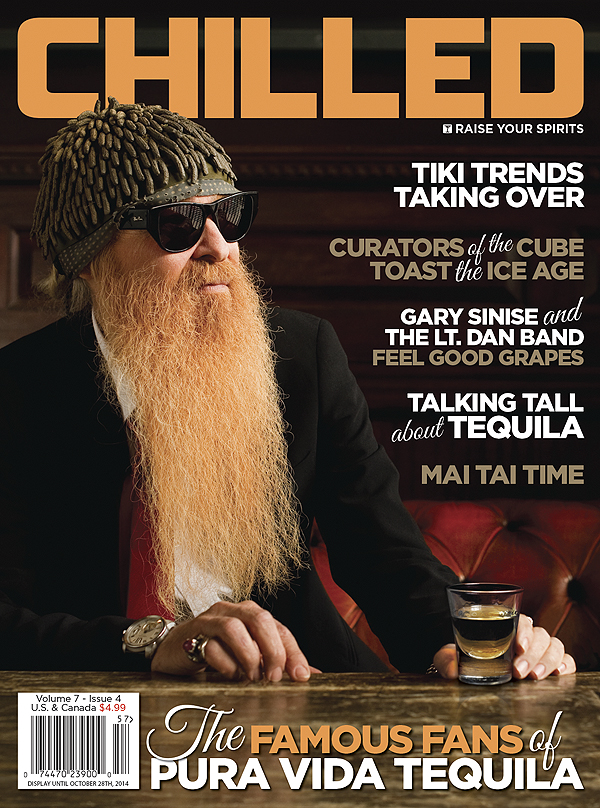
ChilledCoverNew Celebrities, vineyards, distilleries, libations and having fun responsibly; these are the main attributes of Chilled Magazine and the many components that make up the brand. Jeff Greif, whose past experience in the magazine media industry includes working at Marie Claire, Vogue, GQ and just a host of prestigious and illustrious titles, is now the publisher of the trade magazine that proudly resembles its consumer counterpart.

I recently spoke with Jeff about Chilled and its interesting subscription model, the magazine’s 360° approach to publishing – using print, digital and events to promote and propel the brand and the unique feature of a celebrity cover each and every issue. The conversation was definitely enlightening and should “raise the spirits” of anyone who has heard gloom and doom preached just one time too many regarding the future of print and its place within today’s publishing wheel.

So sit back, grab your drink of choice and enjoy “Chilling’” with Mr. Magazine™ and Jeff Greif, Publisher, Chilled Magazine.

But first the sound-bites…
Headshot
On the magazine’s tagline “Raise Your Spirits” and the DNA of Chilled: We re-launched the magazine three years ago and we took that tagline on when we launched the magazine and it’s sort of a play on words because it’s a spirits magazine and all the other spirits magazines are very, very serious and very responsible, as they should be. But we wanted to have fun, because at the end of the day when you’re drinking spirits you’re having fun. We wanted to be responsible, but on a lighter note.

On the story behind a subscription model that delivers immediately, instead of in 4 to 6 weeks: Well we’re a small magazine, so we have great customer service on our backend.

On the biggest stumbling block he’s faced at Chilled: We’re getting a lot of great feedback with our readership and we’re on a great trajectory. So there hasn’t been a stumbling block.

On the Chilled brand having such a complete 360° publishing model: Everything that we do is 360; we have a magazine, a tablet version, a website and we do events for clients because in the spirits industry events are very important.

On the fun and lighter side of Chilled, compared to other spirits magazines: We always have the celebrities as an overarching theme and that’s what makes us different and we try to get the celebrities involved in every part of the magazine, so that’s kind of our gift wrap, if you will.

On whether the crash of 2008 changed his thinking regarding magazine publishing: No, it didn’t. I’m fully behind magazines and magazines have lived through television, they have lived radio and they’ll live through the Internet, but we have to adapt and make our magazines a little bit easier to read, such as with smaller stories.

On whether the magazine’s glass is half-full or half-empty: I think our future still remains very positive. People are still very interested in the magazine; I think we’re doing something different in the marketplace and I think that they like the way that we work.

On what keeps him up at night: Not having enough time during the day and just trying to do everything we have to do.

And now the lightly edited transcript of the Mr. Magazine™ interview with Jeff Greif, Publisher, Chilled Magazine…

Samir Husni: In this day and age when you have a tagline that reads “Raise Your Spirits” it’s a much-needed sentiment for the entire industry. Tell me a little more about Chilled Magazine and why you want to raise spirits.

Jeff Greif: Chilled Magazine has been really great. We re-launched the magazine three years ago and we took that tagline on when we launched the magazine and it’s sort of a play on words because it’s a spirits magazine and all the other spirits magazines are very, very serious and very responsible, as they should be. But we wanted to have fun, because at the end of the day when you’re drinking spirits you’re having fun. We wanted to be responsible, but on a lighter note. That’s why we always have a celebrity on the cover and why we always do very positive editorial.

Samir Husni: One of the things that I’ve noticed is that you have almost a completely different approach when it comes to your subscription model. If I subscribe to your magazine you will send me the current issue immediately, I don’t have to wait 4 to 6 weeks. If I subscribe for two or three years, you will send me a box of Liquid Ice energy drink and four back issues immediately. Is that in response to some experience you had in the industry with someone asking why do I have to wait 4 to 6 weeks to get my magazine? What’s the story behind the subscription model?

Jeff Greif: Well we’re a small magazine, so we have great customer service on our backend. When you subscribe to Condè Nast or a big magazine, everything is going through a third party fulfillment house that’s very big and carrying a lot of big magazines; we deal with a small, independent backend, so we’re able to sort of customize everything and give really great customer service.

Samir Husni: Since joining the magazine, what has been the biggest stumbling block for you during the re-launch and in making sure that Chilled gets the opportunity to raise as many spirits as possible?

Jeff Greif: This is one of the most amazing magazines that I have ever worked on; it’s grown consistently every year and we’re getting a lot of great feedback with our readership and we’re on a great trajectory. So there hasn’t been a stumbling block.

I think that at some point we’ll reach that maturity level and that’s when we’ll probably see a few stumbles along the road.

Samir Husni: I receive a lot of your emails, so I see that there is even more than the magazine…

Jeff Greif: Everything that we do is 360; we have a magazine, a tablet version, a website and we do events for clients because in the spirits industry events are very important. And we also work with our advertisers to help get their messages out through editorials, product-shots and through drink recipes. So everything we do is 360 and we also have email blasts; we have 20,000 opt-in subscribers for our email blasts.

Samir Husni: Compared to all the other spirits magazines and alcohol magazines; you mentioned that you always have a celebrity on the cover and always have some positive spin and you also have fun with the magazine. Tell me more about that DNA that you adapted for Chilled.

Jeff Greif: Our magazine is divided into three parts. We always have the celebrities as an overarching theme and that’s what makes us different and we try to get the celebrities involved in every part of the magazine, so that’s kind of our gift wrap, if you will.

The meat of the magazine is new products, so we try to work with our advertisers and non-advertisers to tell our readers what is new and innovative that’s coming out.

The second part of our book is about the people that make the industry happen and I think a lot of our competitors are following on the bandwagon on this. I think there were a lot of pictures of parties from other magazines and we wanted to do something where we tell our readers what other people are doing, how they are successful in the industry, so we do stories about bartenders, brand managers, presidents; people who make the spirits industry happen.

And then the editorial well is about the spirits themselves; it’s the story behind the distilleries, a story about a particular brand, and again, it’s about celebrities. A lot of celebrities own brands; such as George Clooney owns a particular brand or Kathie Lee Gifford owns a vineyard and that’s always interesting. So that’s our “gift wrap” on top of everything else and that makes it fun.

Samir Husni: In 2008, when the economy busted and technology burst onto the scene; did that in any way change your thinking about magazine publishing?

Jeff Greif: No, it didn’t. I’m fully behind magazines and magazines have lived through television, they have lived radio and they’ll live through the Internet, but we have to adapt and make our magazines a little bit easier to read, such as with smaller stories. But I think people still want the visual product. I also think everyone needs to be a 360 company.

We’re doing an original edit for our website and we have a tablet edition, but our magazine is thriving.

Samir Husni: Is print still your major source of revenue or is it the events; what’s your balance in that area?

Jeff Greif: Print is still our number one source.

Samir Husni: For Chilled is the glass half-full or half-empty; what’s the future?

Jeff Greif: I think our future still remains very positive. People are still very interested in the magazine; I think we’re doing something different in the marketplace and I think that they like the way that we work. This year we broke a few accounts and next year they’re not going to be supporting the trade spirits market, but they still want to figure out a way to work with us because we’re adaptable. We listen to what our client’s needs are and we don’t try to sell them something; we try to help them grow their business.

Samir Husni: Tell me a little more about that adaptability and the DNA that makes you continue to tick and click with the consumer.

Jeff Greif: I think again it’s the product that we offer, it’s a great product. I came from Condè Nast and Hearst before I started with Chilled and those are consumer magazines, and I think that we made Chilled look beautiful; we have glossy pages, spreads in the front of the book, we look like a consumer magazine, so even though we’re a trade magazine, the brands love it because there is a luxury perception about it.

They also can get in the magazine, people like the brand managers and the brand presidents, so they feel good about the magazine and I think that’s why we’re doing so well.

Samir Husni: Anything you’d like to add?

Jeff Greif: Just that we’re very excited about the publicity that is going to surround the October issue. It will have a triple cover and this will be our first “spectacular” cover such as this and I believe it’s really going to take us to the next level.

Samir Husni: My typical last question; what keeps you up at night?

Jeff Greif: (Laughs) Not having enough time during the day and just trying to do everything we have to do. We’re a small team and we wear many hats and I love what I’m doing so I’m always staying up to think of more ideas.

Samir Husni: Thank you.