Archive for the ‘Magazine Power’ Category

h1

Maison Moderne: From Print Magazines To Events To Digital Dailies, A Company That Believes Magazines Are The Credibility Of The Brand And Digital Is The Power Of Its Reach – The Mr. Magazine™ Interview With Mike Koedinger, Founder & President Of The Board Of Directors, Maison Moderne, Luxembourg…

April 9, 2018

“People really cared about digital, they were thinking that would be the end (of print). And we were saying, no, let’s not panic. There might be reasons why print has a great future and now, 11 years later, I think it’s proven, digital was actually helping the print medium a lot. And of course, some of them lost quite a bit, many lost money, but I think maybe that was just cleaning up the industry, maybe weak media brands in print, they would just go out of business. But then in this great place for new brands, digital helps a lot to promote brands and to create communities. And I think digital can bring value to a media brand, so in the end digital would help printed media, in my opinion. If they’re worth it; if they’re worth the attention that readers can give them.” Mike Koedinger (on his opinion of what has happened since 2007)…

“There are plenty of reasons. One is we need a break from digital. Digital is there your entire day and night. So, we need breaks. Print also means there’s a moment when we choose to do something, there is no addiction. We happily choose to sit down, open a paper, and read it and spend time with it.” Mike Koedinger (on why he thinks print is still important and magical)…

Maison Moderne is Luxembourg’s leading independent media company. Founded in 1994 by Mike Koedinger, one of the company’s mission points is to offer an independent voice in the Luxembourg media landscape with an inclusive approach, publishing mainly in the first two vehicular languages of the country: French and English.

The one thing that stands out about Mike Koedinger and his company is the Print Proud Digital Smart take he has on his business and media in general. Maison Moderne’s flagship brand, Paperjam, has a powerful and unique ecosystem, and the roles of print and digital in its intense diversification strategy works (according to Mike) like this:

• The magazine is the credibility of the brand
• The digital is the power (of continuous reach)
• The club is the monetization (memberships and sponsoring)
• The data creates the value (we know our community)
• The B2B solutions respond to the needs of companies and decision makers

It’s an interesting and apparently successful business model that combines print and digital to each medium’s greatest potential, as Mike said that Paperjam’s readership in print has increased since 2006, during a period where daily and weekly press were losing its audiences. And Mr. Magazine™ is all for a strategy that brings print and digital together to work as a successful team.

Indeed. Enough said.

And now without further ado, please enjoy the Mr. Magazine™ interview with Mike Koedinger, founder and president of the Board of Directors, Maison Moderne.

But first the sound-bites:

On what has been happening since he wrote the book “We Love Magazines” in 2007: People really cared about digital, they were thinking that would be the end (of print). And we were saying, no, let’s not panic. There might be reasons why print has a great future and now, 11 years later, I think it’s proven, digital was actually helping the print medium a lot. And of course, some of them lost quite a bit, many lost money, but I think maybe that was just cleaning up the industry, maybe weak media brands in print, they would just go out of business. But then in this great place for new brands, digital helps a lot to promote brands and to create communities. And I think digital can bring value to a media brand, so in the end digital would help printed media, in my opinion. If they’re worth it; if they’re worth the attention that readers can give them.

On what the company is doing now in Luxembourg with its multiple publications: What happened was, back at that time we were publishing monthly magazines and those magazines also had a website. Nowadays, we publish digital daily and twice a day a newsletter goes out to a big number of people. So, we became a digital daily player that also publishes a monthly magazine. I have a business club and all of the features around it, so we’re used to the credibility of print media to get a media power to a digital and to get also a system of organizations to a very strong business club. So, at the end, for us it meant not a fight between digital and print, it’s actually both helping each other and we add the life element to that equation, what you call an ecosystem. So, we believe strongly that print, digital and life, the three of them work really well together. But the basic is the print.

On how he defines content today: For people coming from print, the main thing happening was that journalists and editors had to think more like regular people, TV people, because they had to be journalists non-stop. You couldn’t say, hey, that’s a great thing happening and we’ll have a story in two weeks. No, the thing became, what are you going to do in 15 minutes or later on today about that same story? And what are you doing at the end of the week? So, everything had to shift in the mindset of journalists. Some like and of course, some hate it, because it’s a different thing.

On the three things he would tell someone wanting to start a print magazine in today’s digital world: The first thing you must know is be sure about what you have to say. Is there a reason to produce a magazine, whether it be print or digital, so there always has to be a reason to do something. That would be the first thing I pointed out. And the second one would be do you know your audience; do you have a target? Is it a group you have identified; a group you have listed, a customer base or whatever? And that would be my second point, understanding the audience. Do you have an audience? And the third one would be the tone of voice for it. And the tone of voice includes the channels, the print magazine would be the channel if you know what to say and why. Do you know to whom your speaking? And is the printed medium the right thing?

On why he thinks the magic of print still works today: There are plenty of reasons. One is we need a break from digital. Digital is there your entire day and night. So, we need breaks. Print also means there’s a moment when we choose to do something, there is no addiction. We happily choose to sit down, open a paper, and read it and spend time with it.

On whether he thinks the future of print is in the small, independent boutique titles or there is still a market for both, boutique and mass: Mainstream media, they have the journalists, they have 500 journalists or a thousand journalists, with senior people doing great editing jobs, and they have all of the sources. So, 10 years ago, at that time, we thought that independents would be the future, they would provide inspiration and ideas, and it was easy for them to do it. But then on the other hand, if we have serious mainstream media companies we trust, and that have good content, they can do it, they have to get the resources to do it. So, I think the future will also be among them if they understand they might need a few years to establish their credibility within a community. And you have to be strict with your rules, you can’t say A and then do B.

On why it took 10 years for the magazine industry to realize that there was room for both print and digital, no one had to choose: Many people speak about numbers when they talk about market, it’s the media numbers. Strong players will do really well in digital growth. We have a strong digital growth, but in the meantime we also have that growth in print on the same media brand, which means the brand grows much faster.

On any areas in magazine media that gives him hope and that also stresses him out: I think the change in attitudes happened with many businesspeople in media first. The good and the bad thing with digital is that you have to keep on changing, so you become more alert, you’re open to change. Maybe years ago, you thought your business model and your media brand, everything, was going well, and that you would do a relaunch every five years and that will make life fantastic. That is over. And I think that’s good news, because we can and we love to adapt now. We also know that everything that’s true in digital today might not be true in six months. We don’t know what’s going to happen with new applications, new business models. The good thing is while that could be a danger for some people, it could also be a great opportunity, of course.

On other publications he has looked at and thought he might like to do something like that: It happens all of the time actually. I think the interesting point is that weekly supplements of daily papers are becoming really exciting. I think that’s a big trend. Many years ago it was proven with the weekly supplement that became a brand on its own. Today, you have L’Echo, which is a business paper and they have a fantastic weekend edition, really nicely produced, great design, great stock, just everything is quite great. I think that’s one type of inspiration, all of those really well-produced weekend supplements. We’re lucky in Luxembourg to speak German, French and English, so we can choose different markets, we can mix them up.

On whether there will be another Colophon: We’re thinking about it. Recently, I met up with Jeremy Leslie and we talked about it. We missed our 10 year anniversary, but we discussed that it would be a good thing to do again, but the event would have to be different than it was 10 years ago. At that time we were celebrating independent magazines and pointing out that there are some underdogs and people have to look at them. And that’s different from today. But today I would say that we are talking very seriously about it, but we want to take time on it, look out for what would be the best way to produce it in 2020 or maybe 2021. And mixing it up with mainstream and independent, I think that’s an important thing.

On what he would have tattooed upon his brain that would be there forever and no one could ever forget about him: Independent.

On what someone would find him doing if they showed up unexpectedly one evening at his home: I quit TV over 25 years ago, so there’s no TV in any of my places. But a number of years ago, I’m back into visual content with Netflix, which is a fantastic tool. It added another element. So, I might be doing something which I wouldn’t have done five years ago, but I’m doing it now.

On what keeps him up at night: I sleep very well. (Laughs) What actually keeps me up at night, to get back to your question, is to see if we can get Paperjam up and running as a franchise system in a few regions in Europe within the next three years. We believe strongly in our ecosystem, which we consider powerful and unique in Europe.

And now the lightly edited transcript of the Mr. Magazine™ interview with Mike Koedinger, founder and president of the board of directors, Maison Moderne.

Samir Husni: The last time you and I met in person was in 2007, and you dedicated your love for magazines in the book, “We Love Magazines.” What has been going on with you in those last 11 years? Give me an update. In 2007, we celebrated magazines; in 2009, digital burst upon the scene; what happened next?

Mike Koedinger: People really cared about digital, they were thinking that would be the end (of print). And we were saying, no, let’s not panic. There might be reasons why print has a great future and now, 11 years later, I think it’s proven, digital was actually helping the print medium a lot. And of course, some of them lost quite a bit, many lost money, but I think maybe that was just cleaning up the industry, maybe weak media brands in print, they would just go out of business. But then in this great place for new brands, digital helps a lot to promote brands and to create communities. And I think digital can bring value to a media brand, so in the end digital would help printed media, in my opinion. If they’re worth it; if they’re worth the attention that readers can give them.

Samir Husni: Did your organization in Luxembourg expand its print footprint, reduce its print footprint; what are you doing now with the multiple publications?

Mike Koedinger: What happened was, back at that time we were publishing monthly magazines and those magazines also had a website. Nowadays, we publish digital daily and twice a day a newsletter goes out to a big number of people. So, we became a digital daily player that also publishes a monthly magazine. I have a business club and all of the features around it, so we’re used to the credibility of print media to get a media power to a digital and to get also a system of organizations to a very strong business club. So, at the end, for us it meant not a fight between digital and print, it’s actually both helping each other and we add the life element to that equation, what you call an ecosystem. So, we believe strongly that print, digital and life, the three of them work really well together. But the basic is the print.

Samir Husni: As a journalist, as a designer, as an artist; how do you define content today and how is it different than what content used to be 10 or 20 years ago?

Mike Koedinger: For people coming from print, the main thing happening was that journalists and editors had to think more like regular people, TV people, because they had to be journalists non-stop. You couldn’t say, hey, that’s a great thing happening and we’ll have a story in two weeks. No, the thing became, what are you going to do in 15 minutes or later on today about that same story? And what are you doing at the end of the week? So, everything had to shift in the mindset of journalists. Some like and of course, some hate it, because it’s a different thing.

It’s trying times for journalists. The younger generation really love it, they’re really fast. Two, three years ago, we started having Facebook Live transmissions from press conferences. You can’t be faster than real time. While there was no added value, the timing was right, and then it took you two or three hours to ring out a great story on the topic. So, journalists were doing many things at the same time, but they were live-streaming unedited information and then they were writing a story. And that’s a big change, and people had to be ready for it. Some of them had difficulties, obviously. The thing is, it’s a great moment for journalism, because people have never been so strongly interested in news. And that’s really great.

Samir Husni: If somebody came to you today and said, Mike, I want to start a print magazine in this digital age. What are the one, two, threes that you would tell them? Before you do that, here is what you must know…

Mike Koedinger: The first thing you must know is be sure about what you have to say. Is there a reason to produce a magazine, whether it be print or digital, so there always has to be a reason to do something. That would be the first thing I pointed out. And the second one would be do you know your audience; do you have a target? Is it a group you have identified; a group you have listed, a customer base or whatever? And that would be my second point, understanding the audience. Do you have an audience? And the third one would be the tone of voice for it. And the tone of voice includes the channels, the print magazine would be the channel if you know what to say and why. Do you know to whom your speaking? And is the printed medium the right thing?

In most cases, I think it is. I’m not sure I would recommend going 100 percent print only. Maybe. It can be quite oppressive to be print only. If it’s for a specific reader group like educated readers with contact every three months, maybe that would be perfect. But otherwise, I would imagine a combination would be best, where they get little alerts from time to time and then press releases and things in the mail every three months or so.

We still do many magazines for clients. We have an art/digital team, but in the end, many companies and institutions come to us to produce print magazines. And it’s always working, if you have a great print magazine and you send it out, it works.

Samir Husni: Why do you think that print magic still works today?

Mike Koedinger: There are plenty of reasons. One is we need a break from digital. Digital is there your entire day and night. So, we need breaks. Print also means there’s a moment when we choose to do something, there is no addiction. We happily choose to sit down, open a paper, and read it and spend time with it.

The thing I really love with print is whatever the number of pages are, you have the media brand telling that you for the last 24 hours or the last week, or month, whatever it is, these are the most relevant topics we chose for you, on any given team that the brand is on. And that’s a great guarantee, otherwise it means you have these non-stop feeds that come at all hours. It’s non-stop ad can be really crazy. With some papers, you don’t have many pages, maybe 30, and those are the most relevant things: culture, politics, culinary, so it’s a great service. They did the work for you. It’s what newspapers are all about. Nowadays, you have to look at feeds, it’s like this addiction. So, I think for people who appreciate their time management, print is really great.

Samir Husni: You’ve started so many boutique magazines. In fact, between you and Jeremy (Leslie) and Andrew (Losowsky), you’ve coined the phrase “boutique magazines,” and with the Colophon One and Two, we had more boutique magazines than actually mass. Do you think the future of print is in those small, independent boutique titles? Or do you still feel there’s a market for both?

Mike Koedinger: For the daily printed press, the market would be very tough, that’s for sure. More and more strong media brands are going international, you have German brands that have English editions now, so they’re very strong in important domestic markets, while going international. So there would be a big fight within the super media brands: The New York Times, The Guardian. And I think that fight would be difficult. So, for the daily press, mainly in print, there will not be much left over in 10 or 15 years. But we said that before, years ago, so we’ll see. (Laughs)

Samir Husni: (Laughs too).

Mike Koedinger: But definitely there will be another fight for weekend publications, weekend supplements of daily papers or monthly magazines. It’s a fantastic break from the stressful week, when you have the weekend edition from quality magazines which you can read. Those are done both by niche players and by independent publishers.

But on the other hand, mainstream media, they have the journalists, they have 500 journalists or a thousand journalists, with senior people doing great editing jobs, and they have all of the sources. So, 10 years ago, at that time, we thought that independents would be the future, they would provide inspiration and ideas, and it was easy for them to do it. But then on the other hand, if we have serious mainstream media companies we trust, and that have good content, they can do it, they have to get the resources to do it. So, I think the future will also be among them if they understand they might need a few years to establish their credibility within a community. And you have to be strict with your rules, you can’t say A and then do B.

The independents are doing it out of a very personal passion. The mainstream media groups, while they need to have a strong team that has been with them a number of years and who have strong convictions, they can do it. If they have the freedom within their structure, they can do it.

Samir Husni: As a publisher, journalist, designer; you combine all of the entities of magazine making, why did it take 10 years for the industry to recognize that print is not going anywhere and digital is not going anywhere? Why didn’t the magazine industry have the same conversations it’s having now 10 years ago, that print and digital are both going to be around?

Mike Koedinger: Many people speak about numbers when they talk about market, it’s the media numbers. Strong players will do really well in digital growth. We have a strong digital growth, but in the meantime we also have that growth in print on the same media brand, which means the brand grows much faster.

Over a number of years, Paperjam grew by 20 percent globally in print, but enormously in digital. So, in the end, the numbers prove concepts. In the beginning, everyone was saying the future is digital, which meant readers would like to consume on digital channels, but now we can see that digital also means, depending on your market and your product, you can make money from digital, which is a new thing. At that time it was more about the readers are going to ask for it, but how do we make money? Nowadays, you can make money, but people also leave a brand quite fast. Newcomers like BuzzFeed, they come and they go. It’s like when they arrive, that’s the future. That would be the future that people would like to have for media consumption.

Today, there is more maturity; more people have Internet, even in Europe. It’s over 10 years of strong business. I think people have reconsidered how to do it; new ideas are still very strong. I remember Flipboard arriving and I thought that would be the future, forget the media brands. In the end, after three months, maybe you stop using it, you get bored by it, because somehow you lose what the media brand is about. About the editing and the selection of the information. I think it’s difficult to speak about world markets, territorial-wise, than mainstream, the niche, the daily press, the vertical press. Is it more the B to B titles, is it whatever, so it can be very difficult.

On our side, what we learned during that period is that somehow out of an initial conviction, we always focus on AB readers, highly-educated readers with high incomes, not being luxury or elite publications, but it was for us a more natural way to address people. We can’t do the mainstream publicist thing, we’re not good at that. We’re good at other stuff. And we noticed that it’s possible in a super-small market like Luxembourg, it’s difficult to understand for people out of Europe that we’re speaking of a market of 700,000 people, including babies and retired people.

Samir Husni: (Laughs).

Mike Koedinger: Also including 200,000 people who are commuting every day from neighboring countries, so it’s a super-small market. And in that small market we managed to prove that the system can work. And if it can work in this small market, it can work anywhere.

Samir Husni: As you look from that small market through the global vision of print and digital, and the future of magazine media, are there some areas that give you hope and other areas that stress you?

Mike Koedinger: Yes, I think the change in attitudes happened with many businesspeople in media first. The good and the bad thing with digital is that you have to keep on changing, so you become more alert, you’re open to change. Maybe years ago, you thought your business model and your media brand, everything, was going well, and that you would do a relaunch every five years and that will make life fantastic. That is over. And I think that’s good news, because we can and we love to adapt now. We also know that everything that’s true in digital today might not be true in six months. We don’t know what’s going to happen with new applications, new business models. The good thing is while that could be a danger for some people, it could also be a great opportunity, of course.

It could mean that you might be smaller today in print, but you could be larger in digital tomorrow. So, I think it’s a great opportunity for publishers, and it’s great for the talents of professionals, editors and journalists, because they will have to adapt, only a few brands can remain very classical in their journalism, others, we have to adapt. So, I think it’s a good thing that’s happening. People have become much more alert and ready to accept change. The market has also been a bit shaken up, which is a good thing.

The bad thing is that it’s difficult for planning; it’s difficult to invest money. If you invest money, it means you can’t invest for 10 years, you invest for two or three years, depending on your resources. We invest in a schedule of three to five years, because you never know. But we’re very confident that every change brings opportunity to us. As we are an agile company, we just react, even with a hundred people we try to behave like a startup, be fast, no external channel, nobody pressuring us on making more profit or not risking. So, for our size of company, it’s a great moment. We have resources, but we also have flexibility.

Samir Husni: If you were to choose one publication, what would be the last one you looked at and said, “Wow, I want to do something similar to that?”

Mike Koedinger: It happens all of the time actually. I think the interesting point is that weekly supplements of daily papers are becoming really exciting. I think that’s a big trend. Many years ago it was proven with the weekly supplement that became a brand on its own. Today, you have L’Echo, which is a business paper and they have a fantastic weekend edition, really nicely produced, great design, great stock, just everything is quite great. I think that’s one type of inspiration, all of those really well-produced weekend supplements. We’re lucky in Luxembourg to speak German, French and English, so we can choose different markets, we can mix them up.

On the other side, there are so many really funny and well-produced independent magazines, there are so many to even name, they’re popping up all of the time. And I think now, with all the people you have access to, it’s really easy to produce. The strength of them is that they are really honest. If they want to do something, they just do it. And I think that’s always inspirational. It’s not about one specific title, it’s likely more about their attitude, they can be really into doing something, maybe it’s been thought about for a couple of years, then it just pops up.

Samir Husni: Are we going to see another Colophon?

Mike Koedinger: We’re thinking about it. Recently, I met up with Jeremy Leslie and we talked about it. We missed our 10 year anniversary, but we discussed that it would be a good thing to do again, but the event would have to be different than it was 10 years ago. At that time we were celebrating independent magazines and pointing out that there are some underdogs and people have to look at them. And that’s different from today.

But today I would say that we are talking very seriously about it, but we want to take time on it, look out for what would be the best way to produce it in 2020 or maybe 2021. And mixing it up with mainstream and independent, I think that’s an important thing. Ten years ago there was no discussion about the business models, it was mainly about the design and independency. That was the big thing. But I think today, some of them that we celebrated at that time are still there, such as Fantastic Man, some have really established themselves as being big challengers.

But I think today it’s more about everything you need to do as a media brand: the business model, understanding the reader. There are so many tools for measuring all things now, you can’t just be about how it looks. I think that time is over. And the good thing is the established media companies, they really need those young talents, because they will grow up and maybe go to work for them. So, it’s also part of the system.

So, I think Colophon, if we bring it back, it will have to evolve and consider this new context. There are still events happening, coming and going about media. Jeremy (Leslie) is having his Modern Magazine conference annually now and very soon also in New York. So, there are things happening in independency and I think if Colophon comes back, the future should definitely include mainstream publishers and larger media companies, and what everyone can learn from each other. I think bringing those two worlds together would be a great thing to do.

Samir Husni: If you could have one thing tattooed upon your brain that no one would ever forget about you, what would it be?

Mike Koedinger: Independent.

Samir Husni: If I showed up unexpectedly at your home one evening after work, what would I find you doing? Having a glass of wine; reading a magazine; cooking; watching TV; or something else?

Mike Koedinger: I quit TV over 25 years ago, so there’s no TV in any of my places. But a number of years ago, I’m back into visual content with Netflix, which is a fantastic tool. It added another element. So, I might be doing something which I wouldn’t have done five years ago, but I’m doing it now.

Samir Husni: My typical last question; what keeps you up at night?

Mike Koedinger: I sleep very well. (Laughs) What actually keeps me up at night, to get back to your question, is to see if we can get Paperjam up and running as a franchise system in a few regions in Europe within the next three years. We believe strongly in our ecosystem, which we consider powerful and unique in Europe.

Samir Husni: Thank you.

h1

Bella Grace New Generation Magazine: Inspiring A “New Generation” Of Print With A Different Kind Of Teen Magazine – The Mr. Magazine™ Interview With Christen Hammons, Director of Publishing/Editor In Chief, Bella Grace New Generation…

April 5, 2018

“Based off of sales reports and things that we’ve been looking at in general about what teenagers are doing, they’re buying books at the bookstores. The Young Adult section has just exploded in the past few years. So, we think there are a large quantity of teenagers who do like print and do like having a physical copy of something.” Christen Hammons…

“I think there’s room for both. I’m an avid reader and I go back and forth between my Kindle and my paper books constantly. I have a huge paper book collection and love the feel of those. There are people who want to unplug from time to time and I think it’s nice to be able to have the feel of paper. But they can work alongside each other. I do believe some people get tired of technology occasionally and it’s a good break to be able to pick up a paper magazine. There are just certain things you can’t do digitally that you can with paper and that’s what we have really enjoyed. The act of going to the bookstore and picking up your magazine and flipping through it.” Christen Hammons (on print’s role in a digital age)…

A Mr. Magazine™ Launch Story…

Stampington & Company have been producing niche, enthusiast magazines for almost a quarter of a century. When it comes to arts and crafts, no one knows the space better than Stampington. But almost four years ago, the company stepped out of its comfort zone and launched a beautiful lifestyle magazine for women called Bella Grace. The first issue was filled with photographs and beautifully-penned stories that touched the heart and soul of the reader.

And now Bella Grace has given birth to a daughter, New Generation, a new teen magazine from Stampington geared toward 12-19 year old girls. Christen Hammons is director of publishing and editor in chief at Stampington & Company and is excited to send out birth announcements for the latest infant of the Bella Grace brand, a teen magazine that is proud to be different and offers girls places within its pages to journal, doodle, or just be themselves. A unique magazine for the individual teen with a need to find and share her voice, something New Generation encourages as over half of the magazine’s content is teen-contributed, with an ultimate goal of much more to come.

I spoke with Christen recently and we talked about the firm print foothold that the company still believes in so strongly, something that is obvious with every new title launched. But she and the company also believe in the digital presence of a brand too and definitely feel there is room for both, as she mentions in our conversation. Print Proud is an obvious fact with Stampington, but Digital Smart is also a part of its DNA, however, never a follower, Stampington & Company does digital its own way.

So, I hope that you enjoy this fascinating conversation with a woman who isn’t afraid to step out of the box and explore new frontiers, just as the company she works for isn’t, the Mr. Magazine™ interview with Christen Hammons, director of publishing/editor in chief, Bella Grace New Generation.

But first the sound-bites:

On whether Stampington and Company is out of its mind for starting a print publication for teenagers in this digital age: I really don’t think so. Based off of sales reports and things that we’ve been looking at in general about what teenagers are doing, they’re buying books at the bookstores. The Young Adult section has just exploded in the past few years. So, we think there are a large quantity of teenagers who do like print and do like having a physical copy of something. It sounds a little scary, but we thought it was worth a shot. There’s really nothing out there for that age group, especially the type of magazine that we’ve put out, where it is not focused on beauty or celebrities or anything like that.

On New Generation being a spinoff of Bella Grace, only for the younger Bella’s: Exactly. That’s exactly what the hope was. We call it, not even a sister publication, we’re almost calling it the mother publication because we had quite a bit of teenagers, although they were in the upper age range of what we’re featuring in New Generation, but we were having 18 and 19 year olds writing in to Bella Grace, submitting some really amazing stories. And we realized that we had a market already there, so it just seemed logical to do this.

On the non-political tone of the magazine: We’re trying to keep it a little bit on the lighter side. We are trying to keep it to where it will appeal to a variety of people. For example, I know Teen Vogue has taken a very strong political stance, but we want to make sure that there’s a place where they can take a break from all that’s going on in the world, because every day it’s something new for them to deal with, so it’s nice to have something that is all about them.

On the smaller size of New Generation: We’re trying to keep Bella Grace as the mother publication and the gold standard, where it has the book jacket cover, a very heavy cover and it’s a large magazine. This one is a little fun and whimsical and we made it a little bit smaller so you can throw it into your purse or in your bag or your backpack. We just think it’s fun to do things a little bit different and that not a lot of people do.

On what role she thinks print plays in a digital age: I think there’s room for both. I’m an avid reader and I go back and forth between my Kindle and my paper books constantly. I have a huge paper book collection and love the feel of those. There are people who want to unplug from time to time and I think it’s nice to be able to have the feel of paper. But they can work alongside each other. I do believe some people get tired of technology occasionally and it’s a good break to be able to pick up a paper magazine. There are just certain things you can’t do digitally that you can with paper and that’s what we have really enjoyed. The act of going to the bookstore and picking up your magazine and flipping through it.

On the high cover price: What we’re doing is creating an experience. We’ve always been known for having higher-end magazines. We use the best paper we can find; we use really thick paper. And on all of our magazines, we keep a limit on outside advertising that we include. We’re really committed to making sure our magazines across the board, even some of our art magazines, are more of an experience, not just stories and articles, but we’re trying to make them more interactive and things that you can’t find online or digitally.

On Facebook’s CEO buying ads in print newspapers to make his public apology about the recent data breach: We’ve been seeing an uptick in some of our advertising sales. I mean, we do limit that, we have a set number of pages that we allow, but we’re starting to see a little bit of a revitalization of some print advertising, which is hard to do because so much of advertising has changed now to product placement online or sponsorships and affiliate programs. But it’s been nice seeing a little bit of a revival of print advertising, because making magazines is very expensive, so it does help support the cost of producing them.

On how she plans on ensuring that the Stampington & Company brand grows and becomes even “brandier”: What we’re trying to do with our brand is stay true to just putting out what’s fresh and really trying to make sure that we aren’t holding onto titles that are maybe a little boring or dated, so we’re trying to stay with what we’ve become known for, which is putting out new stuff all of the time. And that’s hard to find at times too, because sometimes you think you can’t come up with a new idea, but we’ve managed to. We have some more titles coming out in the next year that will really show how we’re always trying to push the envelope when it comes to what a magazine can be.

On the lifecycle of a magazine and how nothing is supposed to live forever: That’s been hard for us. We just looked at some of the titles that we’ve had for a long time and realized they’re not selling as well anymore. What could we put out there that people will want to buy? It’s hard, but because we have worked on these magazines for a long time, they can get a little tedious, they’re fun, but over time, anything can get a little boring to work on, so it’s been fun to revitalize the company and everyone is excited about new stuff when we put it out. Then the readers also get excited, and you have to keep your readers interested in what you’re doing. And keep it fresh for the readers, because obviously, that’s who we make these for.

On the Bella Grace brand being such a shift in focus for the company and how that journey has been: It was very nerve-wracking. We’ve been known so long for just primarily being arts and crafts magazines, so to put something out there that’s more of a lifestyle was very scary, but it’s been so well-received. We’ve had so many people to thank us for launching it, because there’s nothing like it out there. So many women’s magazines seem to all focus on the same thing that we thought, we have amazing writers that we work with, we’re all about supporting women, so it’s just been so well-received.

On whether there might be a “son” of Bella Grace in the future instead of just being a women’s magazine: We’ve thought about that. We’re definitely always open to the idea of that. It’s just for now we feel like it’s such a good time to empower and support women. We have had occasional male contributors, but we haven’t really dove in to see if there’s an interest on the male side of things.

On the major stumbling block facing New Generation: I think it’s the matter of getting it into their hands. Whether it be a parent; our hope is that the original Bella Grace reader will see that we have something for the younger crowd and they get excited and pick it up. That’s going to be the biggest challenge, but we have ideas for reaching out to schools and English teachers to see if we can get them copies, maybe even wholesale copies, just to get it into their hands. That’s the first thing.

On the Audrey Hepburn quote in the first issue of New Generation and whether she thinks teens will relate: I think it’s just the message that it conveys and we know how popular beautifully-designed quotes are. If you spend any time on Pinterest, that’s what the majority of people are sharing on there, these types of quotes. And I think the one we used of Audrey Hepburn’s is a timeless quote.

On how she is integrating the print New Generation magazine with a digital presence: Our model has been, for the most part, to wait on producing anything digitally from our titles until the print version has sold out. So, once it has sold out we make it available digitally, so we do not have to do a reprint and a rerun of the magazines. What we’re trying to do is create a nice community online for the readers. With our Bella Grace Instagram, we really try to make an effort. We use Instagram quite a bit, as well as Facebook, of course, but it seems a lot of people are spending large amounts of time on Instagram now, and it’s really great to see the community that’s emerging from our readers. They’ll have conversations back and forth.

On what she would hope to tell someone about the magazine and its journey one year from now: I hope if we talk a year from now to tell you that the demand has been so great that we were able to increase the magazine’s frequency to as frequent as Bella Grace’s, which is quarterly. And we’re hoping by that time, I would love to have 90 percent of the contributors be within the age range that we’re reaching out to for New Generation. Right now, we have a little over half of the girls are within that age range. I would love to have almost the entire magazine made up of that, because we say on the back of the magazine that we believe everyone has a voice and a story to tell, and we really want to help them tell their stories.

On whether she feels they are more experience makers or journalists at Stampington & Company: I would say that we’re more makers than anything. We don’t report on news; I feel like we’re makers in this company and we’re trying to showcase the work of our peers at the end of the day, whether they’re writers, photographers. I think we’re makers because we’re putting out a product that we’re truly proud of, with a lot of content and a lot of just emotion.

On whether the last issue produced is always her favorite magazine: I’d like to think that each one is better and it’s my favorite, but it’s hard because I’m already looking at the next one. I finish one and my mind is already on the next one. It’s a good reminder to step back and look at what you’ve accomplished, because by the time we get our print copies back, I’m already knee-deep in the next issue and I have maybe a few minutes to flip through it and appreciate what we’ve done.

On anything she’d like to add: This is one of those magazines that we’re so passionate about and that’s not to say that we don’t connect with the artwork that we publish in our other magazines, but there’s really an emotional tie from myself, from our publisher, from our designers, when we work on Bella Grace, that it’s just something we’re so passionate about doing and we’re so proud of it. It’s a different kind of fulfillment that we get from working on these titles over our art magazines.

On what she would have tattooed upon her brain that would be there forever and no one could ever forget about her: I would hope that they would think of authenticity and honesty.

On what someone would find her doing if they showed up unexpectedly one evening at her home: At the end of the day you’ll likely find me watching hockey; I’m a huge hockey fan; I have season tickets, so my husband and I are huge hockey fans. We’re a little obsessive and it’s just a great way to unwind. If you’re watching a game, you have no choice but to focus on the game, your mind doesn’t wander whatsoever. But I am also a veracious reader, I think last year I read 55 books. I’m a little more than a book a week, so those are my two passions. Watching hockey, but also reading. I love reading and I like stepping away from the computer at the end of the day.

On what keeps her up at night: (Laughs) Just having so many ideas and not having the time to execute things. Sometimes I have these ideas that I’d love to do and I just look at my daily schedule and it’s sometimes not feasible.

And now the lightly edited transcript of the Mr. Magazine™ interview with Christen Hammons, director of publishing & editor in chief, Bella Grace’s New Generation magazine.

Samir Husni: Are you out of your mind starting a print publication for ages 12-19 in this digital age?

Christen Hammons: I really don’t think so. Based off of sales reports and things that we’ve been looking at in general about what teenagers are doing, they’re buying books at the bookstores. The Young Adult section has just exploded in the past few years. So, we think there are a large quantity of teenagers who do like print and do like having a physical copy of something. It sounds a little scary, but we thought it was worth a shot. There’s really nothing out there for that age group, especially the type of magazine that we’ve put out, where it is not focused on beauty or celebrities or anything like that.

It’s hard for teenagers sometimes, going through life, and we wanted to put something out there that really helped reaffirm who they are. And we think by combining it with the worksheet style, it provides something that was definitely worth picking up in print, because no other magazine has the worksheets and prompts for the kids to write in their book. So, we thought that was a key component for making sure that the print edition was worthwhile.

Samir Husni: Stampington, as a company, has been grounded in publishing all kinds of journals, from crafts to your latest, Bella Grace. And New Generation is a spinoff of Bella Grace, for the younger Bella’s.

Christen Hammons: Exactly. That’s exactly what the hope was. We call it, not even a sister publication, we’re almost calling it the mother publication because we had quite a bit of teenagers, although they were in the upper age range of what we’re featuring in New Generation, but we were having 18 and 19 year olds writing in to Bella Grace, submitting some really amazing stories. And we realized that we had a market already there, so it just seemed logical to do this.

Our hope is that the mothers will pick up this book for their daughters. Or grandmothers or aunts will pick this up for the younger girls in their lives and show them that there is something completely different out there for them. And hopefully it will reaffirm who they are during this really tough transition in their lives.

Growing up is not the same as it used to be. (Laughs) At least, when I did it. I just can’t imagine being a teenager these days. I think back to when I was a teenager and at the core, I think everyone struggles with the same issues and is looking for the same sort of validation in their lives. I would have loved something like this when I was growing up.

I was the girl who stayed home and wanted to read Jane Austen, instead of going out with friends. I was a homebody; I was a reader. I was a little bookish, so we’ve tried to open this up to all types of teenagers who have a wide variety of interests. I think sometimes that generation is underestimated, they get a lot of unfair criticism at times. They are a generation of substance and they’re smart. And we’re just hoping that by having their moms pick it up and putting it in their hands, that they’ll fall in love with it the way we have as we worked on it.

What’s really interesting too is that we’ve seen a couple of teen magazines launch recently, but this is one where at least half of the content is written by girls that are ages 12-19, which is really unique. There are some really incredible, talented children out there, teenagers out there, and I think that really sets it apart. They’re writing these stories for their classmates and their friends, and their own generation, so that’s what’s been fun, getting these incredible stories from these girls. I think our youngest contributor is 12 in this issue and it just gives them a voice. I think all anyone really wants is to be heard. So, we’ve been really proud to be able to provide them with their own voice.

Samir Husni: I’ve noticed that you have avoided any political aspects in the magazine?

Christen Hammons: We’re trying to keep it a little bit on the lighter side. We are trying to keep it to where it will appeal to a variety of people. For example, I know Teen Vogue has taken a very strong political stance, but we want to make sure that there’s a place where they can take a break from all that’s going on in the world, because every day it’s something new for them to deal with, so it’s nice to have something that is all about them. And something that just supports who they are and hopefully helps to give them a little more confidence, or lets them know that there’s other girls out there just like them that are committed to the same things in life.

Samir Husni: You’ve also managed to create a new size for the magazine, different than the rest of your titles. Tell me more about the idea of having a compact size print magazine.

Christen Hammons: In August 2017, we actually launched the first spinoff of Bella Grace, and that was our Field Guide, which is a whole workbook, full of prompts to write in and all of that. And we thought it would be fun to set it apart by making it a smaller size. So, it’s even smaller than New Generation, but we just thought it was a good size to tuck into your bag. It’s a nice distinction from Bella Grace.

We’re trying to keep Bella Grace as the mother publication and the gold standard, where it has the book jacket cover, a very heavy cover and it’s a large magazine. This one is a little fun and whimsical and we made it a little bit smaller so you can throw it into your purse or in your bag or your backpack. We just think it’s fun to do things a little bit different and that not a lot of people do.

Samir Husni: In your opinion, what role does print play in a digital age?

Christen Hammons: I think there’s room for both. I’m an avid reader and I go back and forth between my Kindle and my paper books constantly. I have a huge paper book collection and love the feel of those. There are people who want to unplug from time to time and I think it’s nice to be able to have the feel of paper. But they can work alongside each other. I do believe some people get tired of technology occasionally and it’s a good break to be able to pick up a paper magazine. There are just certain things you can’t do digitally that you can with paper and that’s what we have really enjoyed. The act of going to the bookstore and picking up your magazine and flipping through it.

We have a couple of coloring pages in New Generation. We’ve got over 16 worksheets that give girls a little fun prompt to write, and it encourages them to either write or doodle, things like that. And you can’t do that with digital. And we think that’s what’s really fun about it. But I do think there’s a place for both.

Samir Husni: For the price of one issue of New Generation, you can subscribe to an entire year of some other magazines.

Christen Hammons: What we’re doing is creating an experience. We’ve always been known for having higher-end magazines. We use the best paper we can find; we use really thick paper. And on all of our magazines, we keep a limit on outside advertising that we include. We’re really committed to making sure our magazines across the board, even some of our art magazines, are more of an experience, not just stories and articles, but we’re trying to make them more interactive and things that you can’t find online or digitally.

Samir Husni: Recently, a friend of mine reminded me that when Facebook’s CEO apologized for the data breach, he didn’t use Facebook or any digital device, he actually bought ads in print newspapers.

Christen Hammons: We’ve been seeing an uptick in some of our advertising sales. I mean, we do limit that, we have a set number of pages that we allow, but we’re starting to see a little bit of a revitalization of some print advertising, which is hard to do because so much of advertising has changed now to product placement online or sponsorships and affiliate programs. But it’s been nice seeing a little bit of a revival of print advertising, because making magazines is very expensive, so it does help support the cost of producing them.

Samir Husni: You’ve been making magazines for some time now and you’ve created your own niche in the marketplace, where even if your name is not on the magazine as Stampington & Company, people directly know that it’s a Stampington & Company magazine. How are you ensuring that your brand will continue to grow and that it becomes actually “brandier” as print has become “printier?”

Christen Hammons: What we’re trying to do with our brand is stay true to just putting out what’s fresh and really trying to make sure that we aren’t holding onto titles that are maybe a little boring or dated, so we’re trying to stay with what we’ve become known for, which is putting out new stuff all of the time. And that’s hard to find at times too, because sometimes you think you can’t come up with a new idea, but we’ve managed to. We have some more titles coming out in the next year that will really show how we’re always trying to push the envelope when it comes to what a magazine can be.

And what’s been fun with Bella Grace is that we’ve really embraced that as a brand. We’ve embraced it as a lifestyle, by having Bella Grace and then having the sister publications coming off of that and the daughter publications, it’s really strengthening our brand and becoming really well known. We’re hoping to maybe look into maybe product lines that support it, that really fit within the Bella Grace feel.

We’ve really just become committed to keeping our brand fresh and exciting and launching things off of that to really enforce what our brand is, because we have a couple of other special publications that will be coming from the Bella Grace name. So, we’ll keep playing with ways to keep that brand exciting, but at the same time we still have our Stampington brand as well, which we have another handful of stuff coming out in the next year in place of titles that aren’t working so well anymore. Sometimes people have seen enough copies of something and it’s time to maybe either reduce the frequency or just to shift focus onto something else that maybe people haven’t seen so much of.

Samir Husni: You’re actually living the lifecycle of magazines. This is one of the things that I tell people; when a magazine dies or a magazine is born, that’s the natural lifecycle. Nobody is supposed to live forever.

Christen Hammons: Right, and that’s been hard for us. We just looked at some of the titles that we’ve had for a long time and realized they’re not selling as well anymore. What could we put out there that people will want to buy? It’s hard, but because we have worked on these magazines for a long time, they can get a little tedious, they’re fun, but over time, anything can get a little boring to work on, so it’s been fun to revitalize the company and everyone is excited about new stuff when we put it out. Then the readers also get excited, and you have to keep your readers interested in what you’re doing. And keep it fresh for the readers, because obviously, that’s who we make these for. But it has been hard to say goodbye to a few titles though.

Samir Husni: The last time we spoke, it was when you launched Bella Grace and it was a major shift from the titles that you had. When we spoke then, you were testing the waters with something very different. How has that journey been for the company?

Christen Hammons: It was very nerve-wracking. We’ve been known so long for just primarily being arts and crafts magazines, so to put something out there that’s more of a lifestyle was very scary, but it’s been so well-received. We’ve had so many people to thank us for launching it, because there’s nothing like it out there. So many women’s magazines seem to all focus on the same thing that we thought, we have amazing writers that we work with, we’re all about supporting women, so it’s just been so well-received. I’m glad we were nervous, because it made it exciting. Being that excited should make you nervous, but it really has been well-received.

Samir Husni: Any thoughts about having any “sons” of Bella Grace instead of daughters, or you’re going to just be a women’s lifestyle magazine?

Christen Hammons: We’ve thought about that. We’re definitely always open to the idea of that. It’s just for now we feel like it’s such a good time to empower and support women. We have had occasional male contributors, but we haven’t really dove in to see if there’s an interest on the male side of things.

Samir Husni: What do you think will be the major stumbling block facing New Generation?

Christen Hammons: I think it’s the matter of getting it into their hands. Whether it be a parent; our hope is that the original Bella Grace reader will see that we have something for the younger crowd and they get excited and pick it up. That’s going to be the biggest challenge, but we have ideas for reaching out to schools and English teachers to see if we can get them copies, maybe even wholesale copies, just to get it into their hands. That’s the first thing.

Samir Husni: On the last page of the magazine, there’s a quote from Audrey Hepburn. One of my students, who is a senior and graduating this May, her magazine idea is a magazine called Hepburn, after Audrey Hepburn. And she is a reader of Bella Grace. And she knew that New Generation was coming out before I did, I guess. Do you think this generation will relate or why Audrey Hepburn for these 12-19 year olds?

Christen Hammons: I think it’s just the message that it conveys and we know how popular beautifully-designed quotes are. If you spend any time on Pinterest, that’s what the majority of people are sharing on there, these types of quotes. And I think the one we used of Audrey Hepburn’s is a timeless quote. I thought it would be a challenge coming up with quotes.

A large part of Bella Grace and New Generation are these quotes that are laid out on photography. And I thought it would be challenging to find quotes that would relate to the age group for New Generation. But it was actually really easy, because the themes are universal, I think, for the most part. And so we really tried to keep in mind that having these quotes in there; maybe the girls would rip them out of the magazine and put them on their walls.

We were just looking for something that would appeal to the wide range of girls that are in this. And that’s a very well-known quote from Audrey Hepburn. And at the end of the day, these girls may not know who Audrey Hepburn is, but they’ll like the message she’s sharing.

Samir Husni: As we look at this “New Generation” of print, and recently my new book came out, Print Proud Digital Smart, you said earlier that we have to have both today, print and digital. How are you integrating this proud print product with the digital presence?

Christen Hammons: Our model has been, for the most part, to wait on producing anything digitally from our titles until the print version has sold out. So, once it has sold out we make it available digitally, so we do not have to do a reprint and a rerun of the magazines. What we’re trying to do is create a nice community online for the readers. With our Bella Grace Instagram, we really try to make an effort. We use Instagram quite a bit, as well as Facebook, of course, but it seems a lot of people are spending large amounts of time on Instagram now, and it’s really great to see the community that’s emerging from our readers. They’ll have conversations back and forth.

And we’ve heard from people that they’ve made friends with the people that they have interacted with on Instagram, just through our account. So, we’re just trying to build an online community that’s apart from the magazine, but is still a digital presence online.

Samir Husni: As you look toward the future, if you and I are chatting a year from now, what would you hope to tell me about New Generation?

Christen Hammons: I hope if we talk a year from now to tell you that the demand has been so great that we were able to increase the magazine’s frequency to as frequent as Bella Grace’s, which is quarterly. And we’re hoping by that time, I would love to have 90 percent of the contributors be within the age range that we’re reaching out to for New Generation. Right now, we have a little over half of the girls are within that age range. I would love to have almost the entire magazine made up of that, because we say on the back of the magazine that we believe everyone has a voice and a story to tell, and we really want to help them tell their stories.

Samir Husni: Do you consider yourself more of an experience maker or a journalist?

Christen Hammons: I would say that we’re more makers than anything. We don’t report on news; I feel like we’re makers in this company and we’re trying to showcase the work of our peers at the end of the day, whether they’re writers, photographers. I think we’re makers because we’re putting out a product that we’re truly proud of, with a lot of content and a lot of just emotion.

Samir Husni: And is the last issue always your favorite magazine you produce from any magazine?

Christen Hammons: I have favorites. That’s funny because when you work on a magazine, each one has its backstory, and maybe this one was more difficult for whatever reason. We’ve had some things just happen within the company that has almost been laughable, where we’re right on track and then something happens and we’re totally thrown off and then we’re behind. So, sometimes you have those personal ties to the magazines that you’ll associate with that particular magazine.

I’d like to think that each one is better and it’s my favorite, but it’s hard because I’m already looking at the next one. I finish one and my mind is already on the next one. It’s a good reminder to step back and look at what you’ve accomplished, because by the time we get our print copies back, I’m already knee-deep in the next issue and I have maybe a few minutes to flip through it and appreciate what we’ve done.

Samir Husni: Is there anything that you’d like to add?

Christen Hammons: This is one of those magazines that we’re so passionate about and that’s not to say that we don’t connect with the artwork that we publish in our other magazines, but there’s really an emotional tie from myself, from our publisher, from our designers, when we work on Bella Grace, that it’s just something we’re so passionate about doing and we’re so proud of it. It’s a different kind of fulfillment that we get from working on these titles over our art magazines.

Samir Husni: If you could have one thing tattooed upon your brain that no one would ever forget about you, what would it be?

Christen Hammons: I would hope that they would think of authenticity and honesty.

Samir Husni: If I showed up unexpectedly at your home one evening after work, what would I find you doing? Having a glass of wine; reading a magazine; cooking; watching TV; or something else?

Christen Hammons: At the end of the day you’ll likely find me watching hockey; I’m a huge hockey fan; I have season tickets, so my husband and I are huge hockey fans. We’re a little obsessive and it’s just a great way to unwind. If you’re watching a game, you have no choice but to focus on the game, your mind doesn’t wander whatsoever. But I am also a veracious reader, I think last year I read 55 books. I’m a little more than a book a week, so those are my two passions. Watching hockey, but also reading. I love reading and I like stepping away from the computer at the end of the day.

Samir Husni: My typical last question; what keeps you up at night?

Christen Hammons: (Laughs) Just having so many ideas and not having the time to execute things. Sometimes I have these ideas that I’d love to do and I just look at my daily schedule and it’s sometimes not feasible.

Samir Husni: Thank you.

h1

Seventeen Magazine: A Brand That’s Helping Today’s Teens Effect Change In Our World – The Mr. Magazine™ Interview With The Print Proud Digital Smart Team, Joey Bartolomeo, Executive Editor & Kristin Koch, Digital Director…

April 2, 2018

“They’re still getting a lot of information from a lot of places and when you’re talking about print in particular, we’re kind of tuning out the noise for them. And so they come to print to really get a more curated experience and to find out things that they may not be getting on social media or from their friends. We’re this big sister that’s there for them. The things that we cover in the magazine and online are sometimes similar and sometimes different. There are still things in the magazine that are there for them. And who doesn’t want to see themselves in print, let’s be honest. It’s very special.” Joey Bartolomeo…

“As an extension, we’re all one brand. We have the same goals, but on different platforms we’re able to talk to them in different ways, we’re able to react to different kinds of events in different ways. Where the magazine might be able to profile and give more in depth and give the stories that readers really want to relish and spend time in; on social media we can cover the stuff in real time and we can also highlight teens on social media as well as in the magazine. You’re always going to see young people on our pages; you’re always going to see them on our feeds. We’re tackling many of the same issues, we’re just doing them in different ways that make sense for that platform and that audience.” Kristin Koch…

For 74 years, Seventeen magazine has been the go-to resource for teens and young people, inspiring confidence and self-awareness throughout its pages. Support for activism and causes that are important to teens has always been a part of the brand’s DNA and after almost three-quarters of a century that hasn’t changed. In fact, on March 24, the brand chartered a bus to take 30 New York City teen activists from organizations like Girl Up, New Yorkers Against Gun Violence and IGNITE – who would otherwise not be able to participate – to the march in Washington, D.C.

Group Photo at Hearst Tower NYC_Joseph Storch/Seventeen. March 24, 2018

At the march, Seventeen hosted a GIF video booth on Pennsylvania Avenue that encouraged participants to post a message on why they were marching, which they could share on social media. For every GIF posted from the booth, Seventeen’s parent company, Hearst, promised to donate $1 to Everytown for Gun Safety. The teens all posed in front of the Hearst building before setting off for Washington, D.C. and continued the photo story once they arrived. It was lots of pictures, lots of camaraderie, and lots of standing up for their cause.

Seventeen extensively covered the aftermath of the Parkland shooting, and has been a platform to inform teens and share teen perspectives around ending gun violence. The bus charter was a physical extension of that platform – giving young people an opportunity to participate in a movement that affects their lives, and creating an activist alliance for girls who want to make a difference.

Joey Bartolomeo is executive editor and Kristin Koch is digital director of Seventeen. I spoke with both recently and we talked about the avidly active stance the brand has on standing by teens and what’s important to them. From the brand’s participation in The March for Our Lives in Washington, D.C. to its “Perfectly Me” initiative, which promotes body confidence in teens, Seventeen is ready to tackle the issues right alongside its readers. Joey and Kristin are mothers of young children as well, and are as passionate about the rights of teens as their brand is. It was a vibrant conversation about accepting who we are and encouraging and supporting those that stand up for their rights.

So, I hope that you enjoy this look into the world of teens and all they hold dear enough to stand up for, and their right to do so, the Mr. Magazine™ interview with Joey Bartolomeo, executive editor and Kristin Koch, digital director, Seventeen magazine.

But first the sound-bites:

Kristin Koch

On the status of the Seventeen brand audience today (Kristin Koch): Our audience is incredibly powerful. Social media has enabled them to activate in new ways. In addition, obviously, we’re still seeing them mobilize in real person and go to organized marches, protests and walkouts, but now they’re able to reach a larger audience. They’re able to have their voices stretch across multiple platforms using social media. They’re able to tap into celebrities; they’re able to talk to politicians; they’re able to get their voices and their messages really heard.

On why social media savvy teens today need a brand so rooted in print, such as Seventeen (Joey Bartolomeo): They’re still getting a lot of information from a lot of places and when you’re talking about print in particular, we’re kind of tuning out the noise for them. And so they come to print to really get a more curated experience and to find out things that they may not be getting on social media or from their friends. We’re this big sister that’s there for them. The things that we cover in the magazine and online are sometimes similar and sometimes different. There are still things in the magazine that are there for them. And who doesn’t want to see themselves in print, let’s be honest. It’s very special.

On the magazine being a friend with benefits, but with a PG rating (Joey Bartolomeo): I think that’s a very good way to put it. We cover topics related to sex, but we do it in such a way that we’re definitely not R-rated. We just want girls to have the information they need to make smart choices, so we’re not telling them how to have sex, we’re telling them what information they need to know about their bodies and their minds before they go and make a decision that could really affect their lives.

Group Photo in DC_Allie Holloway/Seventeen. March 24, 2018

On Seventeen’s involvement with the March for Our Lives movement in Washington, D.C. and whether we’re seeing a change in the type of content teen magazines cover (Joey Bartolomeo): These are things that Seventeen has covered from the start of the magazine. Activism, helping out different people, using your voice; so, no, I think that the idea of teens speaking up and fighting for things has been something that Seventeen has been behind for decades. Sometimes you might hear more about it in the media now, but we know that Gen Z, and those are our readers right now, they’re so into this. They’re activists, and we’ve been highlighting that for years now. And the millennials before that. So, it’s not as new as people think it is. We know that they’ve been doing this and Seventeen has been doing this for decades.

On Seventeen’s involvement with the March for Our Lives movement in Washington, D.C. and whether we’re seeing a change in the type of content teen magazines cover (Kristin Koch): Teens have always been at the helm of these movements, students advocating for change. Of course, today they have many more tools to get their voices out there. And we’re really the teens’ guide to navigating; high school and college are some of the trickiest, most confusing times in your life. We know teens are smart and savvy, but they’re still looking for guidance and they’re still looking to us for answers.

On whether Seventeen is a reflection of teens today in the United States or is it an initiator of things for teens (Joey Bartolomeo): We really let the girls lead us on a lot of things. We see what they’re interested in and what they’re fighting for. And obviously, we look around and we know what the big issues are in the world of teens. So, we really try to follow their lead. We’re not pushing an agenda on them; we see what’s important to them, whether it’s letting transgender kids in high schools use the bathroom of their choice, or getting proper sex-ed in their schools. There was one girl that we featured who was protesting the Dakota Access Pipeline. These are things that are meaningful to teens and we just want to help show that if you’re a teen, maybe you can’t vote or maybe you don’t think that you have any power, but you really do and you can effect change.

On whether Seventeen is a reflection of teens today in the United States or is it an initiator of things for teens (Kristin Koch): We’re also helping to bring to light issues that really matter to them and should matter to them. And we’re making sure that they’re aware of everything that’s affecting them. And as Joey said, they may not be able to vote, but we want to make sure that they’re empowered to have access to information and to be able to know about the issues that are impacting their lives. So, we’re covering these issues and bringing them to the teens, but we’re coming to them with a perspective of what matters to them, how is this going to affect them, how can they create change as teens, not as adults.

On how easy or hard it was to become a multiplatform brand being so rooted in print (Kristin Koch): Obviously, it’s always a challenge to be constantly launching on new platforms, teens are really at the forefront of what the newest technologies and newest social media platforms are. They’re constantly finding new ways to connect. As their parents jump onto one platform, they may jump onto the next. So, we always have to be on top of what’s new, but it has really enabled us to spread our message and to reach a greater audience, and reach teens on different platforms.

Joey Bartolomeo

On how easy or hard it was to become a multiplatform brand being so rooted in print (Joey Bartolomeo): And one cool thing that we’ve done in print is to start including Snapcodes with some of our stories. What we’ll do is have a story and then it’ll drive to…we had one with a playlist, and it’ll drive to a story on our website where they can check out all of the music on the playlist. So, we know that they may have their phones in their hands while they’re reading the print magazine, and we’re giving them a really full experience and coming at them in a way that they actually consume things.

On the secret of Seventeen’s continued success while other mass market teen magazines in print have folded (Joey Bartolomeo): First of all, having Hearst behind us is amazing. We have great support from David Carey and Joanna Coles and everybody. They have all been really behind us and they were really behind us in getting the bus for the march and I think that’s so important, that they see the value in the Seventeen brand and what it means to people. Another thing is Seventeen, like you said, has been around for 74 years. So, there are a lot of people in the world, in this country, who have read Seventeen. And they know that it’s a brand that they can trust. They read it as teens; they’re daughters read it as teens; and they want their kids to read it.

On what’s next for Seventeen (Kristen Koch): What’s so exciting about Seventeen is as you said, this brand holds such a special place in so many people’s hearts, and so we’ve been able to really keep our core areas, while also expanding, and every day there’s something new. We’ve launched on Musical.ly; we’ve launched on Snapchat; we’re going to be ramping up on Snapchat; we tend to invest more in activism, such as the bus. It was a huge experience that we brought to the teens. We did a video booth at the march as well, where students could take videos explaining why they were marching. Hearst donated money to Everytown for Gun Safety every time a video was posted. That was a really exciting way that we could get involved in the march and also to help show that their voices mattered and their marching mattered and to help raise money for a great cause.

On what’s next for Seventeen (Joey Bartolomeo): And something that I think sets Kristin and I apart from other brands or other teams here, is that we actually do work a lot together So for Seventeen print and digital, we’re always communicating, we have regular meetings; we really try to see how we can sync up in special ways. And one of those things that is really important to us is our “Perfectly Me” initiative, which promotes body confidence and it’s something that we do every October.

On any fear of backlash, such as hashtag fake news, hashtag fake Seventeen (Kristin Koch): No, Seventeen is such a trusted brand and what we’ve seen is that our audience is so excited to get information from us and to work with us. They care about the issues that we’re talking about. In large part, as Joey said, we are amplifying their voices; we’re talking to them; we’re featuring them; we’re telling their stories. The world sort of woke up to the idea that teens are political, but they’ve always been. They’ve always been really invested in this, and I think everyone trusts Seventeen. We have amazing stories; we have great research, and we’re really here to guide teens along the way.

On what someone would find her doing if they showed up unexpectedly one evening at her home (Joey Bartolomeo): I am probably watching Riverdale on the DVR because I need to catch up on that show. I like to make sure that I’m in tune with what our readers are interested in, but I also do think Riverdale is a great show. After that, I’m probably asleep, because I have a three and a half year old. So, it’s long days.

On what someone would find her doing if they showed up unexpectedly one evening at her home (Kristin Koch): I’m probably right alongside Joey, binge watching one of our shows that our audience is obsessed with, Riverdale being one of the big ones. Or we program 24/7 on digital, so I’m probably still making sure there is no breaking news. If a celebrity our readers are following is getting married, I am going to be making sure that my entire team is posting, checking our Instagram, watching YouTube videos, making sure we’re on top of everything. After that, probably like Joey, going to bed. I have a young son too. (Laughs)

On what she would have tattooed upon her brain that would be there forever and no one could ever forget about her (Kristin Koch): The motto I sort of grew up living by, in many ways inspired by Seventeen, and that I hope to impart upon our audience going forward is be the change that you wish to see in the world. And that’s really what I hope to bring to Seventeen everyday through our programming. We have a lot of fun and passion and beauty too, but a huge part of what Seventeen is empowering teens to live their dreams and change the world. And it’s something that I try and do through my job everyday as well.

On what she would have tattooed upon her brain that would be there forever and no one could ever forget about her (Joey Bartolomeo): Something that I’ve actually said to girls that I’ve spoken to is embrace the curls, because I have curly hair. I spent decades trying to manage it and when I finally figured out how to do it, and I went with the curl and didn’t try to straighten it, it changed my life. And I know that sounds like a crazy statement, but when you stop fighting against things, like who you really are, it still takes work to get my hair to look the way it does, but I’m not in a constant struggle. And the message that I want girls to get out of that is go with who you are. Don’t try to reshape yourself, to fit into something or fight against something.

On what keeps her up at night (Joey Bartolomeo): There is so much, honestly. I think a lot, because it’s really on our minds lately, about this gun violence issue. And just the idea that everyone, teens, and like Kristin and I said, we’ve also got young kids, and just the idea of not feeling safe. And that’s not just in schools, but that’s in neighborhoods, because we obviously know that gun violence is not just something that’s limited to schools. There are teens facing this every single day across the country, just walking down the street.

On what keeps her up at night (Kristin Koch): For me, one of the things that we talk about all of the time is just making sure that young people are still going to have access to control over their bodies and their choices. That they can go use the bathroom that they feel comfortable using and that they don’t have to hide who they are for fear of some sort of retribution or somebody attacking them.

And now the lightly edited transcript of the Mr. Magazine™ interview with Joey Bartolomeo, executive editor, and Kristin Koch, digital director, Seventeen magazine.

Samir Husni: Seventeen Magazine, which started in 1944, was aimed at the 12-19-year-olds then. And I read in the press release that this was the biggest moment for teens since Vietnam. Tell me more about the audience of Seventeen magazine today and why do you say that they are social media savvy? Update us on the status of the audience for the Seventeen brand today.

Kristin Koch

Kristin Koch: Our audience is incredibly powerful. Social media has enabled them to activate in new ways. In addition, obviously, we’re still seeing them mobilize in real person and go to organized marches, protests and walkouts, but now they’re able to reach a larger audience. They’re able to have their voices stretch across multiple platforms using social media. They’re able to tap into celebrities; they’re able to talk to politicians; they’re able to get their voices and their messages really heard.

And Seventeen has been a platform for teen voices and we’ve been there to really help amplify those voices and effect change. So, as we see teens use their voices and these platforms to effect change and to campaign for social justice, we’ve really been there alongside them campaigning.

Samir Husni: If teens today are that social media savvy, why do they need a brand, such as Seventeen, that has been so rooted in print?

Joey Bartolomeo: They’re still getting a lot of information from a lot of places and when you’re talking about print in particular, we’re kind of tuning out the noise for them. And so they come to print to really get a more curated experience and to find out things that they may not be getting on social media or from their friends. We’re this big sister that’s there for them. The things that we cover in the magazine and online are sometimes similar and sometimes different. There are still things in the magazine that are there for them. And who doesn’t want to see themselves in print, let’s be honest. It’s very special.

In print, what we love to do is highlight girls who are, as Kristin said, using their voices to make change in the world, but then they’re also getting things from our editors, such as fashion and beauty, but it’s coming from experts and not just from watching a YouTube video or picking up something from Instagram. We’re talking to dermatologists when it comes to beauty and we have our fashion editors who they really trust and admire, so they are getting a lot out of the print magazine as well. And one thing that girls have told me before is that the magazine doesn’t drain their phone batteries and we know how important that is.

Samir Husni: Once, a former publisher of Seventeen told me that she viewed the magazine as a friend with benefits, but with a PG rating.

Joey Bartolomeo

Joey Bartolomeo: I think that’s a very good way to put it. We cover topics related to sex, but we do it in such a way that we’re definitely not R-rated. We just want girls to have the information they need to make smart choices, so we’re not telling them how to have sex, we’re telling them what information they need to know about their bodies and their minds before they go and make a decision that could really affect their lives.

Samir Husni: Recently, you went beyond sex, fashion and beauty; you entered the political realms by chartering a bus to take 30 New York City teens who could not afford to go on their own to join the “March for Our Lives” in Washington, D.C. Are we seeing a change in the content of magazine brands, especially those in the teen space?

Joey Bartolomeo: These are things that Seventeen has covered from the start of the magazine. Activism, helping out different people, using your voice; so, no, I think that the idea of teens speaking up and fighting for things has been something that Seventeen has been behind for decades. Sometimes you might hear more about it in the media now, but we know that Gen Z, and those are our readers right now, they’re so into this. They’re activists, and we’ve been highlighting that for years now. And the millennials before that. So, it’s not as new as people think it is. We know that they’ve been doing this and Seventeen has been doing this for decades.

Kristin Koch: It’s sort of like what you said with the Vietnam War; teens have always been at the helm of these movements, students advocating for change. Of course, today they have many more tools to get their voices out there. And we’re really the teens’ guide to navigating; high school and college are some of the trickiest, most confusing times in your life. We know teens are smart and savvy, but they’re still looking for guidance and they’re still looking to us for answers.

Group Photo at Hearst Tower NYC_Joseph Storch/Seventeen. March 24, 2018

And we’re always here for them to get them through these tough times and to help them, like Joey said, to make smart decisions for their bodies and minds, and to effect change. And to help them get the tools to learn how to be activists; how to organize together. We’re a great source to help connect them. Just like on the bus we’re going to be connecting teens from different organizations, all of whom are really passionate about fighting for change and fighting against gun violence. So, we’re able to bring them together and help to enable them to use their voices and go to this rally to fight for a cause that they feel really strongly and passionately about. And that affects them every single day.

Joey Bartolomeo: And if I could add one more thing, I think what Seventeen is really great at is highlighting teen’s voices and we really focus on that. We want to hear from the girls, so it’s not adults talking and telling stories, it’s the teens.

Samir Husni: Historically speaking, magazines have always either reflected or initiated what’s going on in society. Where do you see Seventeen? Is it a reflection of the teens in the United States or is it initiating things for the teens?

Joey Bartolomeo: We really let the girls lead us on a lot of things. We see what they’re interested in and what they’re fighting for. And obviously, we look around and we know what the big issues are in the world of teens. So, we really try to follow their lead. We’re not pushing an agenda on them; we see what’s important to them, whether it’s letting transgender kids in high schools use the bathroom of their choice, or getting proper sex-ed in their schools. There was one girl that we featured who was protesting the Dakota Access Pipeline. These are things that are meaningful to teens and we just want to help show that if you’re a teen, maybe you can’t vote or maybe you don’t think that you have any power, but you really do and you can effect change.

Kristin Koch: We’re also helping to bring to light issues that really matter to them and should matter to them. And we’re making sure that they’re aware of everything that’s affecting them. And as Joey said, they may not be able to vote, but we want to make sure that they’re empowered to have access to information and to be able to know about the issues that are impacting their lives. So, we’re covering these issues and bringing them to the teens, but we’re coming to them with a perspective of what matters to them, how is this going to affect them, how can they create change as teens, not as adults.

Samir Husni: How easy or hard has the change been, going from a single platform, ink on paper, to a multiplatform, if you name it, you exist on it? What were some of the difficulties in that transition or was it a walk in a rose garden for the brand?

Kristin Koch: Obviously, it’s always a challenge to be constantly launching on new platforms, teens are really at the forefront of what the newest technologies and newest social media platforms are. They’re constantly finding new ways to connect. As their parents jump onto one platform, they may jump onto the next. So, we always have to be on top of what’s new, but it has really enabled us to spread our message and to reach a greater audience, and reach teens on different platforms.

So, as an extension, we’re all one brand. We have the same goals, but on different platforms we’re able to talk to them in different ways, we’re able to react to different kinds of events in different ways. Where the magazine might be able to profile and give more in depth and give the stories that readers really want to relish and spend time in; on social media we can cover the stuff in real time and we can also highlight teens on social media as well as in the magazine. You’re always going to see young people on our pages; you’re always going to see them on our feeds. We’re tackling many of the same issues, we’re just doing them in different ways that make sense for that platform and that audience.

And I think Seventeen is such a good example of how we’ve been a very nimble team, we’ll transition really quickly depending on how our audience changes and how they’re consuming content. This year on digital, for example, we really shifted away from just programming content strictly for the website to focus on video and social-first programming, because that’s where now you see teens reading a lot of their media and news, on Snapchat’s Discover. It’s almost like a mini-magazine experience. And so, we launched on Snapchat in September. We relaunched our YouTube channel because lots of teens are consuming video now and they’re using YouTube as a their TV, but also as their Google in many ways, and that’s where they search for answers to things.

Group Photo in DC_Allie Holloway/Seventeen. March 24, 2018

So, we’re really giving a 360 approach to their lives and they turn to Seventeen as a guide. As Joey said, it’s like their big sister, and we’re their best friend and biggest supporter. And so, it’s challenging to always be on every platform for them, but it enables us to have a constant conversation, to stay on top of everything they care about.

And it’s a two-way street, it’s not just us blasting out information to them, we’re really communicating with them. We’re building relationships, they know our editor, and as they see their videos, they connect to them. They talk to them on social media, so we’re really building a community.

Joey Bartolomeo: And one cool thing that we’ve done in print is to start including Snapcodes with some of our stories. What we’ll do is have a story and then it’ll drive to…we had one with a playlist, and it’ll drive to a story on our website where they can check out all of the music on the playlist. So, we know that they may have their phones in their hands while they’re reading the print magazine, and we’re giving them a really full experience and coming at them in a way that they actually consume things.

Samir Husni: Seventeen is the last-standing of all of the mass, major teen magazines in print. What is the brand’s secret of survivability compared to all of the other magazines, whether it was Teen People or Young Miss or Teen Vogue? Why do you think Seventeen continues in print and all of its other platforms?

Joey Bartolomeo: First of all, having Hearst behind us is amazing. We have great support from David Carey and Joanna Coles and everybody. They have all been really behind us and they were really behind us in getting the bus for the march and I think that’s so important, that they see the value in the Seventeen brand and what it means to people. Another thing is Seventeen, like you said, has been around for 74 years. So, there are a lot of people in the world, in this country, who have read Seventeen. And they know that it’s a brand that they can trust. They read it as teens; they’re daughters read it as teens; and they want their kids to read it.

We hear from moms and grandparents all of the time saying they love our magazine and that they’re getting it for their daughters, and we hear from the daughters, who also say they love the magazine and that they’re still reading it and they’re in college. So, there’s something very special about it. And I think that people really do have that connection, That’s not to say that the magazines that haven’t survived didn’t do great things, because they really did, but I think that Seventeen has lasted so long because it’s trustworthy and we have great content and I believe people feel really connected to it, because again, it’s for the girls. The girls read it, they see themselves in it and that’s so important to teens, to really feel like they’re getting a genuine product.

It’s really amazing. Whenever we meet girls and if we say that Seventeen is doing this or that, we hear people get very excited about it. People love the brand. Girls know the brand of Seventeen and they love it. It’s exciting for us to get to interact with them when we meet them, because we know how important it is in their lives. And we all grew up reading Seventeen and it holds a very special place in our hearts as well. We try to bring to it the things that it brought to us. In many ways we’re answering the questions that maybe they’re too embarrassed to ask or helping them achieve their dreams. Or helping them figure things out and giving them a place to potentially see themselves, and maybe be featured and to help them do really amazing things.

It’s really also been an honor for us to highlight all of the teens who do such amazing things because growing up, we would read this magazine and we would be so inspired by other teens doing cool things. And now we have the chance to do that and to offer them multiple platforms to be able to amplify their voices and their messages.

Samir Husni: What’s next for Seventeen?

Kristin Koch: What’s so exciting about Seventeen is as you said, this brand holds such a special place in so many people’s hearts, and so we’ve been able to really keep our core areas, while also expanding, and every day there’s something new. We’ve launched on Musical.ly; we’ve launched on Snapchat; we’re going to be ramping up on Snapchat; we tend to invest more in activism, such as the bus. It was a huge experience that we brought to the teens. We did a video booth at the march as well, where students could take videos explaining why they were marching. Hearst donated money to Everytown for Gun Safety every time a video was posted. That was a really exciting way that we could get involved in the march and also to help show that their voices mattered and their marching mattered and to help raise money for a great cause.

Now, we’re looking to other ways that we can activate. There’s a lot happening in the world right now that’s really impacting teens. We launched a kind of sister community to Seventeen called Here and it is focused on our LGBTQ readers and their allies. It’s a Facebook group as well as a vertical on Seventeen.com and an Instagram channel. We’ve had a great response to that and we’re excited to grow it and we’re excited to see how digital and print can work together to create more live events, to create more and different campaigns around issues that matter. And to continue to advocate for teens and stand behind their fighting for different changes and fighting to make this world a better, more just place for them, while also guiding them through the tricky and fun and terrifying years as they grow from teens into adults.

Joey Bartolomeo: And something that I think sets Kristin and I apart from other brands or other teams here, is that we actually do work a lot together So for Seventeen print and digital, we’re always communicating, we have regular meetings; we really try to see how we can sync up in special ways. And one of those things that is really important to us is our “Perfectly Me” initiative, which promotes body confidence and it’s something that we do every October.

We worked really hard together on the bus trip to Washington, D.C. because we really wanted to make it not just a ride down for the girls, but we wanted to make it an event and something that they would get a lot out of and make it special, because we had them on the bus with us for at least eight hours. So, we actually worked on things for the bus, not just the experience of the march. We hoped that they would come away with a really full experience from the day.

Kristin Koch: I’ll also say that I think it’s been so clear right now that teens are changing the world and they’re our future and they’re going to remake this world into a more just, diverse, equitable place. And I see so much potential for Seventeen because we’re right there beside them, helping to guide them, helping to amplify their voices, as we said. And so there’s no limit on where Seventeen can go, because there’s really no limit on what teens can do and on what teens are doing.

Joey Bartolomeo: And we’re so excited that the rest of the world is figuring out how amazing these teens are right now. We hope that we will be able to share so many of their stories in print and on digital going forward. And to really help this generation get their messages out and become the leaders that they clearly are. When they get to be in college and beyond, we’re going to see so much from our readers now. It’s going to be amazing.

Samir Husni: Any fear of backlash: hashtag fake news, hashtag fake Seventeen?

Kristin Koch: No, Seventeen is such a trusted brand and what we’ve seen is that our audience is so excited to get information from us and to work with us. They care about the issues that we’re talking about. In large part, as Joey said, we are amplifying their voices; we’re talking to them; we’re featuring them; we’re telling their stories. The world sort of woke up to the idea that teens are political, but they’ve always been. They’ve always been really invested in this, and I think everyone trusts Seventeen. We have amazing stories; we have great research, and we’re really here to guide teens along the way.

Samir Husni: If I showed up unexpectedly at your home one evening after work, what would I find you doing? Having a glass of wine; reading a magazine; cooking; watching TV; or something else?

Joey Bartolomeo: What time is it you’re coming? (Laughs)

Samir Husni: (Laughs too) 9:15 in the evening.

Joey Bartolomeo: 9:15 p.m.? I am probably watching Riverdale on the DVR because I need to catch up on that show. I like to make sure that I’m in tune with what our readers are interested in, but I also do think Riverdale is a great show. After that, I’m probably asleep, because I have a three and a half year old. So, it’s long days.

Kristin Koch: I’m probably right alongside Joey, binge watching one of our shows that our audience is obsessed with, Riverdale being one of the big ones. Or we program 24/7 on digital, so I’m probably still making sure there is no breaking news. If a celebrity our readers are following is getting married, I am going to be making sure that my entire team is posting, checking our Instagram, watching YouTube videos, making sure we’re on top of everything. After that, probably like Joey, going to bed. I have a young son too. (Laughs)

Samir Husni: If you could have one thing tattooed upon your brain that no one would ever forget about you, what would it be?

Kristin Koch: The motto I sort of grew up living by, in many ways inspired by Seventeen, and that I hope to impart upon our audience going forward is be the change that you wish to see in the world. And that’s really what I hope to bring to Seventeen everyday through our programming. We have a lot of fun and passion and beauty too, but a huge part of what Seventeen is empowering teens to live their dreams and change the world. And it’s something that I try and do through my job everyday as well.

Joey Bartolomeo: Something that I’ve actually said to girls that I’ve spoken to is embrace the curls, because I have curly hair. I spent decades trying to manage it and when I finally figured out how to do it, and I went with the curl and didn’t try to straighten it, it changed my life. And I know that sounds like a crazy statement, but when you stop fighting against things, like who you really are, it still takes work to get my hair to look the way it does, but I’m not in a constant struggle. And the message that I want girls to get out of that is go with who you are. Don’t try to reshape yourself, to fit into something or fight against something.

If you’re gay, don’t fight against it, go with it; go with who you are. Go with what your interests are and go with what makes you happy. That doesn’t mean it’s always going to be easy, but your life will feel so much better and you’ll be so much happier when you look in the mirror and you’re not struggling every day. If you just really embrace who you are. And I think that’s a really important message that we put into Seventeen all of the time. It’s about feeling confident in who you are and I really want girls to feel that way.

Samir Husni: My typical last question; what keeps you up at night?

Joey Bartolomeo: There is so much, honestly. I think a lot, because it’s really on our minds lately, about this gun violence issue. And just the idea that everyone, teens, and like Kristin and I said, we’ve also got young kids, and just the idea of not feeling safe. And that’s not just in schools, but that’s in neighborhoods, because we obviously know that gun violence is not just something that’s limited to schools. There are teens facing this every single day across the country, just walking down the street.

It’s something lately that is on my mind. I hope that we can live in a safer place and I hope that young people can really effect some change and get something happening, so they don’t have to feel so scared every day wherever they are.

Kristin Koch: For me, one of the things that we talk about all of the time is just making sure that young people are still going to have access to control over their bodies and their choices. That they can go use the bathroom that they feel comfortable using and that they don’t have to hide who they are for fear of some sort of retribution or somebody attacking them.

We spend so much time encouraging teens to really embrace who they are and embrace the curls, as Joey said. We work hard every day to make sure that we’re able to let them know about what’s happening; how to fight against any legislation or any hatred that is preventing them from being able to be themselves and feel comfortable. And to be able to just be teens and enjoy that, and to grow up into adults who are able to embrace fully who they are and to be accepted. And feel comfortable doing that.

Joey Bartolomeo: I read the emails that come in from readers and they’re not always teens who are writing in, and I send then to Kristin sometimes. Some people have these attitudes that I think are so harmful to girls and that’s something that we talk about a lot. And it’s just unbelievable to me the way that some people refer to girls and the things that they have to fight against.

And it’s something that shocks me every time I get one of these emails. All of the sexism. But with things like the Me Too movement, we’re hoping things will change and they’ll feel safer and the workplace will be for effective, but we’re still seeing so many stories about sexual assault and that young women’s rights are being diluted in the halls of Congress. We just want to continue to advocate for young people and that they are able to own their choices. That they’re able to help identify what sexual harassment is. And hopefully all the work that we’re doing now will mean in the future our sons and daughters won’t have to face this in the same way that so many women have had to.

And that goes into bullying, body shaming, everything like that as well. Social media has a lot of great things about it and then it has a lot of downsides. And it’s something that we see girls struggle with all of the time. We just hope that if we can have Seventeen be a positive, encouraging platform for them in print and online, then hopefully that will help them spread positive messages and really get past these troubles that are out there, and the people who have these negative comments. And who are trying to take girls down.

Samir Husni: Thank you both.

h1

Entertainment Weekly: Proving Weekly Magazine Brands Can Stand Strong On All Platforms & Print Covers Are Still A Force To Be Reckoned With – The Mr. Magazine™ Interview with Henry Goldblatt, Editor In Chief & Tim Leong, Executive Editor, Entertainment Weekly…

March 29, 2018

“I don’t just consider myself editor in chief of a weekly magazine, but of an entire content organization. I became editor in chief a little over three years ago, and I remember when I was growing up, I felt that Entertainment Weekly set the agenda for that particular week’s conversation, like this is what we need to be psyched about in entertainment. So, I really tried to move that thought process into the 21st century. And I really want to give readers something on the cover of this magazine and inside the magazine that they can’t get on the Internet, that they can’t find on anyone’s social media feed, because of what our access allows.” Henry Goldblatt…

“In trying to make it spunky and something that fans would appreciate, and doing something in print that we can’t do online or in any other version of the brand, that and doing 15 covers and a big 40-page package inside, it really set it apart from digital content and made the print version special.” Tim Leong (on the landmark 15 commemorative Avengers covers EW did and 40-page inside Marvel package)…

For 28 years, Entertainment Weekly has been the go-to source for entertainment media news, reviews, and in depth articles about Hollywood behind-the-scenes, and for those fans who want a more inclusive and exclusive look at their favorite movies and TV shows.

Fandom is vitally important to the brand, such as the recent issue of Entertainment Weekly; it is one for the books. To honor Avengers: Infinity War, the latest and nineteenth film in the Marvel Cinematic Universe, EW published 15 commemorative covers featuring 22 superheroes and one bad guy. This is a big first for EW as it’s the most covers dedicated to an issue in the brand’s 28-year history and largely unprecedented in media.

To get the scoop on this fascinating landmark issue, I recently spoke to Henry Goldblatt, editor in chief and Tim Leong, newly promoted executive editor, about the amazing 15 covers and the equally amazing 40-page, exhaustive love letter to fans of the Marvel Cinematic Universe that Tim conceived. It was a lively, fun and informational conversation, much like the EW brand itself.

We also talked about the recent pack-up and move to the West Coast the brand undertook and the new Meredith ownership that has everyone excited about the future, laying to rest any of those rumored fears about Meredith selling EW and dampening bright horizons.

So, I hope that you enjoy this Mr. Magazine™ interview with a weekly brand that is strong on all of its many platforms, with two gentlemen at the helm who believe in its continued success fully and are always looking forward to the next week and the next issue, Henry Goldblatt, editor in chief, and Tim Leong, executive editor, Entertainment Weekly.

But first the sound-bites:

On Entertainment Weekly’s new ownership, new location, and all of the changes that are happening (Henry Goldblatt): I’m really excited because we’re a 28-year-old brand and it really feels like a startup. We were really able to reinvent ourselves with this move. And it was as simple as me putting together a business plan with the thought being that if we were starting this brand from scratch today, we would start it in L.A. And of course, when this brand was started back in the day it was started in New York City, because that’s where all publishing was and technology wasn’t good enough to put out a magazine across country when all of the hub was in New York. And that’s obviously changed.

On the role of print in a digital age (Henry Goldblatt): That’s a really good question. I don’t just consider myself editor in chief of a weekly magazine, but of an entire content organization. I became editor in chief a little over three years ago, and I remember when I was growing up, I felt that Entertainment Weekly set the agenda for that particular week’s conversation, like this is what we need to be psyched about in entertainment. So, I really tried to move that thought process into the 21st century. And I really want to give readers something on the cover of this magazine and inside the magazine that they can’t get on the Internet, that they can’t find on anyone’s social media feed, because of what our access allows.

On the role of Entertainment Weekly’s cover today (Henry Goldblatt): My job is to set the entertainment agenda and conversation each week, and luckily I’ve done a lot of stunts in order to do this. The 15 Avengers covers are the perfect example of this. If I had just published one Avengers cover, people would have thought that was nice, whatever, but it really takes effective stunts like the Dawson’s Creek reunion or an Avengers 15 covers stunt in order to grab readers’ attention in a crowded media landscape. And I think we’re doing a pretty good job of it.

On how Executive Editor Tim Leong conceived the 15 Avengers covers and his 40-page love letter to Marvel Cinematic Universe fans (Tim Leong): The process started almost a year ago. It began when we were trying to figure out how we would put all of these people on a cover, there are 20-something characters in this movie, so we were trying to figure out the logistics of even doing it. In trying to make it spunky and something that fans would appreciate, and doing something in print that we can’t do online or in any other version of the brand, that and doing 15 covers and a big 40-page package inside, it really set it apart from digital content and made the print version special.

On the execution of those 15 covers and whether the art director and design team were in shock (Tim Leong): The idea sounds a little crazy, right? It’s a little complicated, because I was the creative director at the time, when we first started the process. But by the time it published, I was no longer the creative director, so some of the wheels are already in motion, in terms of the planning and production of it, but the design of it all goes to Keir Novesky, our design director, who did that cover.

But it was a long back and forth. It started with a sketch that we did in-house and it’s pretty crazy, the final cover looks close to the original sketch, for sure. We definitely moved a lot of characters around and swapped some in and out, but it all started with a sketch.

On the secret to keeping their audience clicking and ticking and captivated (Tim Leong): We just did this great fandom study and the real heart of it shows that the fans really want to engage on multiple platforms, not only in print, but online and other avenues as well, social and live events. I think what Henry has done a great job at is directing this brand in a way that it is truly multiplatform. And I think part of that is having a consistent tone and voice across all of our platforms, making sure that we go to the places that our readers want to go, and bringing EW to all of the platforms where our readers live. And the study definitely backs that up.

On whether they’re making print more interactive (Henry Goldblatt): Yes. I mean, print is always going to be more of a lean-back experience, but I want to make sure that with this Avengers cover or with Dawson’s Creek or the Oscars, our entire staff sends out what we call a “rollout” for every issue. There’s a social point around every issue, there’s what articles are we publishing on ew.com; is there is a social campaign around that issue, is there a People TV special that we’re doing, what’s our video strategy? So, we’re asking ourselves all of those questions. If the issue covers the event in the tent pole, then we’re asking those questions around all of the ancillary things that come out of it.

On whether there is any time to do actual editing with all of the duties and responsibilities that today’s editor has (Henry Goldblatt): That’s a really good question. And I am going to give you a very honest answer. With the move to L.A., as I said, it does feel more like a startup. I’m doing a little more actual editing than I have been recently, but you’re absolutely right, a title of editor in chief can be a misnomer sometimes, because I may be working on a thousand things that have nothing to do with editing.

On Tim Leong being promoted from creative director to executive editor and is he happy using both talents (Tim Leong): The job goal is very similar, just the execution is different. Before you’re dreaming up how we’re going to treat this story from a design perspective, and now it’s how are we going to treat this story from an editorial perspective. And it’s still a ton of fun. I’m hugely excited about this opportunity and I’m eternally grateful to Henry for even considering me for this type of role. I find it to be incredibly fun and part of it is we have a wonderful stable of writers to work with. And they’re incredibly creative and that’s been one of the nicer joys of it.

On any truth to the rumors that Meredith might sell Entertainment Weekly (Henry Goldblatt): We read the same reports that you did. I was really heartened to hear the announcement a couple of weeks ago that Bruce Gersh was taking over as president of People and Entertainment Weekly and EVP of the company. He’s a great supporter of the brand and I don’t think they would have made such a fanfare announcement around that and put Entertainment Weekly in its purview just to sell us. I feel very confident about our future and I’m psyched to be a part of the Meredith family.

On anything either would like to add (Henry Goldblatt): I think the one thing that I’ve really tried to do at Entertainment Weekly is make sure that each of the print covers that are an event can feed our traffic, and the events themselves, can feed our traffic and our video streams and the rest of the brand in a very organic and cohesive way.

On what someone would find him doing if they showed up unexpectedly one evening at his home (Henry Goldblatt): I’m on the floor playing with my dog and watching TV, most likely Scandal.

On what someone would find him doing if they showed up unexpectedly one evening at his home (Tim Leong): If you came right this second, you’d see a mountain of boxes being unloaded. (Laughs) But I think one of the nice things about moving to the West Coast is an amplified family life. And you’d probably find me at home playing with my baby.

On what he would have tattooed upon his brain that would be there forever and no one could ever forget about him (Henry Goldblatt): This is going to make me sound like a company man, but when I took over Entertainment Weekly three years ago, the motto that I’ve used and would want everyone to engrave and tattoo on their foreheads is: Smart, Funny, First, those are the three qualities that every piece of Entertainment Weekly content should embody. A good piece embodies two of those qualities and a great piece embodies all three. I’ve been imparting this on the staff for years now and I would be a hypocrite if I didn’t tattoo it on my own forehead.

On what he would have tattooed upon his brain that would be there forever and no one could ever forget about him (Tim Leong): I’ve heard a lot of people say this, but I think it’s just so true and it’s what we really try to embody to the staff is work hard and be nice to people.

On what keeps him up at night (Henry Goldblatt): To be perfectly honest, what keeps me up at night is I’ve asked 25 to 30 people to uproot their lives and move to L.A. and have faith in me and in this brand, and I just want to come through for them and I don’t want to disappoint them.

On what keeps him up at night (Tim Leong): This job is a big responsibility and yes, we’re talking about entertainment, but even though it’s entertainment, it’s something that we take very seriously. And it’s something that I definitely want to be sure we do well, and I’m just trying to think about ways we can do it better. And even better for the future.

And now the lightly edited transcript of the Mr. Magazine™ interview with Henry Goldblatt, editor in chief, & Tim Leong, executive editor, Entertainment Weekly.

Samir Husni: Before we talk about Entertainment Weekly going to “Infinity War and Beyond,” Entertainment Weekly is going to the West Coast and beyond. What’s the status with Entertainment Weekly now, with the new ownership, the new location, with everything that’s taking place?

Henry Goldblatt: I’m really excited because we’re a 28-year-old brand and it really feels like a startup. We were really able to reinvent ourselves with this move. And it was as simple as me putting together a business plan with the thought being that if we were starting this brand from scratch today, we would start it in L.A. And of course, when this brand was started back in the day it was started in New York City, because that’s where all publishing was and technology wasn’t good enough to put out a magazine across country when all of the hub was in New York. And that’s obviously changed.

So, it’s really exciting to be in the backyard of the people and the projects that we cover and I think that it’s going to result in better access for us and more entertaining and better content for our readers.

Samir Husni: There is a lot of talk that in this day and age that there’s no room for print weeklies, and things are changing and moving so fast. Yet, last week I interviewed the chief revenue officer at Us Weekly and she said that they’re still doing two million copies. What do you think is the role of print in this digital age?

Henry Goldblatt: That’s a really good question. I don’t just consider myself editor in chief of a weekly magazine, but of an entire content organization. I became editor in chief a little over three years ago, and I remember when I was growing up, I felt that Entertainment Weekly set the agenda for that particular week’s conversation, like this is what we need to be psyched about in entertainment. So, I really tried to move that thought process into the 21st century. And I really want to give readers something on the cover of this magazine and inside the magazine that they can’t get on the Internet, that they can’t find on anyone’s social media feed, because of what our access allows.

We’re very lucky that movie studios and TV networks still vie to be on the cover of this magazine and that they realize it sells movie tickets and moves ratings for their TV shows. And so, we’re able to use that leverage in order to get some really wonderful, exclusive content.

Our next cover is going to be a reunion to celebrate the 20th anniversary of Dawson’s Creek. The cast has never been back together before, and this is something that we’ve been negotiating for months and months and months. And we’re super-excited about it and we think it’s going to do very well for us. When the cast was coming together, they would never do this for a random website, they wanted the prestige of Entertainment Weekly and we have a history with this show and being very good to them, so they were very excited about coming back together.

So, they will be on the cover of the magazine, there will be a special reunion TV show on People TV, and we have all sorts of videos and quizzes and all sorts of ancillary products and content that goes along with it that we’re super-excited about. Again, it’s the cover of this magazine that drew them to us and propels the best of the brand.

Samir Husni: I was in France once with Matt Bean when Matt was the editor and he mentioned then the fact that he never received a phone call from any celebrity to be on the website, they all wanted to be on the cover of the magazine. What do you believe is the role of the cover of Entertainment Weekly today?

Henry Goldblatt: I have to tip my hat to Matt, that’s a very good point. I’ve never received a call like that either. (Laughs) My job is to set the entertainment agenda and conversation each week, and luckily I’ve done a lot of stunts in order to do this. The 15 Avengers covers are the perfect example of this. If I had just published one Avengers cover, people would have thought that was nice, whatever, but it really takes effective stunts like the Dawson’s Creek reunion or an Avengers 15 covers stunt in order to grab readers’ attention in a crowded media landscape. And I think we’re doing a pretty good job of it.

Samir Husni: Tim, since you were behind the 40-page love letter to the fans of the Marvel Cinematic Universe, tell me how did you take the ideas and conceive those 15 covers?

Tim Leong: The process started almost a year ago. It began when we were trying to figure out how we would put all of these people on a cover, there are 20-something characters in this movie, so we were trying to figure out the logistics of even doing it.

One thing that really inspired the creation of this cover was comic book trading cards that I collected when I was a youth. When you collected them all and put them in the right order, sometimes they would make this 3×3 collecting card montage image. And I thought that was a really cool inspiration and loved it and wanted to try and replicate that. I hadn’t really seen it in magazines at this scale, certainly not one that included 15 covers. I always like a good challenge and trying to outdo ourselves every single time, so that was the inspiration. But it took that long, as we had to negotiate and produce this whole thing.

And to Henry’s point, in trying to make it spunky and something that fans would appreciate, and doing something in print that we can’t do online or in any other version of the brand, that and doing 15 covers and a big 40-page package inside, it really set it apart from digital content and made the print version special.

Henry Goldblatt: We sell all of the art issues in a back issue store, ew.com/backissue, and this one, so far, we’ve sold over 10,000 Avengers issues from the back issue store because people are collecting them all, which has been pretty awesome. And it’s important to note that EW is primarily a subscriber brand.

Samir Husni: Tell me a little about the execution of those 15 covers. How do you work with your art director, with the cover design? When Tim said let’s do this stunt cover, 15 covers, did the art director freak out, the design team? Did they say this is a weekly, what do you mean 15 covers? (Laughs)

Tim Leong: (Laughs too) The idea sounds a little crazy, right? It’s a little complicated, because I was the creative director at the time, when we first started the process. But by the time it published, I was no longer the creative director, so some of the wheels are already in motion, in terms of the planning and production of it, but the design of it all goes to Keir Novesky, our design director, who did that cover.

But it was a long back and forth. It started with a sketch that we did in-house and it’s pretty crazy, the final cover looks close to the original sketch, for sure. We definitely moved a lot of characters around and swapped some in and out, but it all started with a sketch.

It’s really interesting too, talking about these fans who have gone crazy for them. This happens quite a bit with some of our other covers, but there’s such fan passion for these characters and these franchises that a lot of fans start to make their own versions of the covers. Sometimes they feel slighted because their favorite character wasn’t on it or they really want someone else to be on the cover with someone else and they start making all of their fan versions of the cover, which is really cool to see.

Henry Goldblatt: I just wanted to add one thing to what Tim was saying. Tim is being super-modest, because of ideas like these I promoted him to executive editor because he was doing so much more than being the creative director. He really has both the outside of his brain and an editorial side of his brain that’s amazing, so it was ideas like this that got him that promotion.

Samir Husni: If I put all of these 15 covers together, would I get some kind of a poster of the Avengers?

Tim Leong: They all connect to make one big image. The background connects.

Henry Goldblatt: If you look at page one of our Avengers issue, you’ll see how they all connect.

Samir Husni: You’re also adding to the print by the entire website and brand. As you mentioned Henry, you’re no longer just doing a magazine, you have a brand. How are you going to ensure that the content in this brand and all of these exclusives from this cover that you can buy at the back issues store, to the Dawson’s Creek cover that’s coming up, how can you ensure that connectivity with an audience? I remember the former CEO of Time Inc. telling me that there is only an eight second attention span, do you have to do one stunt after another to keep their attention? What’s the secret to keeping your audience clicking and ticking?

Henry Goldblatt: I’m very fortunate; I have an enormous depth of research on the types of projects that our audience likes, and I’m actually going to let Tim speak to this, because he was involved in the study.

Tim Leong: We just did this great fandom study and the real heart of it shows that the fans really want to engage on multiple platforms, not only in print, but online and other avenues as well, social and live events. I think what Henry has done a great job at is directing this brand in a way that it is truly multiplatform. And I think part of that is having a consistent tone and voice across all of our platforms, making sure that we go to the places that our readers want to go, and bringing EW to all of the platforms where our readers live. And the study definitely backs that up.

But the study was really interesting and that was a really key takeaway for us. Fandom is a real mainstay for us, because you might just think of Avengers, that’s fandom, but that also applies to Outlander, which has been a massive success for us.

Henry Goldblatt: Yes, it’s not just fandom and you automatically think of the Comic-Con crowd, that’s not the case at all. We have fandoms such as Outlander, which is a very female skewing fandom that does every bit as well for us, both digitally and in print, as Avengers does. Shondaland is another big fandom, between Scandal and Grey’s Anatomy, that skews more female and does very well for us too. The Walking Dead and Game of Thrones; there are all of these pockets that our readers are passionate about.

And you may be a subscriber to Entertainment Weekly and you may not like every single subject that’s on the cover, but I guarantee you that throughout the year I’m going to appeal to you more often than I won’t.

Tim Leong: I just think one of the things that EW does better than other brands is really over delivering and going all in on those different fandoms. Like this Avengers one, for instance, giving you 40 pages, there are little fun things throughout. We hid 10 little Ant-Man characters throughout the issue just so you can find them. We just really kind of over deliver on the things that our readers love in a way that no one else can.

Henry Goldblatt: On the flip side to Avengers, about three weeks ago, we did a 90th anniversary tribute to the Oscars that was 40 or 50 pages and we called it “Hollywood’s Greatest Untold Stories – The Oscars Edition,” and we took a deep dive into the things you may not know about Oscar-winning movies; the things you could never see on TV. We worked with the Academy and got a whole bunch of pictures that they had never released before that were exclusive to Entertainment Weekly for this issue. So, an Oscars fan may be different from an Avengers fan, they may be the same, but we try and cover the entire pop culture landscape.

Samir Husni: Are you telling me that you’re making print interactive?

Henry Goldblatt: Yes. I mean, print is always going to be more of a lean-back experience, but I want to make sure that with this Avengers cover or with Dawson’s Creek or the Oscars, our entire staff sends out what we call a “rollout” for every issue. There’s a social point around every issue, there’s what articles are we publishing on ew.com; is there is a social campaign around that issue, is there a People TV special that we’re doing, what’s our video strategy? So, we’re asking ourselves all of those questions. If the issue covers the event in the tent pole, then we’re asking those questions around all of the ancillary things that come out of it.

Samir Husni: I have to ask you the questions; with the new ownership, with the move, with everything taking place, with the enhanced responsibilities, is the job of a magazine editor today a walk in a rose garden or was it ever a walk in a rose garden and do you have time to do any editing?

Henry Goldblatt: (Laughs) That’s a really good question. And I am going to give you a very honest answer. With the move to L.A., as I said, it does feel more like a startup. I’m doing a little more actual editing than I have been recently, but you’re absolutely right, a title of editor in chief can be a misnomer sometimes, because I may be working on a thousand things that have nothing to do with editing.

One of my favorite things that I get to do every week is a radio show for EW Radio and Sirius XM. And I never grew up with a broadcast background or any type of radio background, and this is a brand extension that I’m super proud of and we’re very invested in and it’s making us a lot of money. Sure, I never thought I’d be a radio broadcaster, but here I am and I’m enjoying it.

I work a lot with our publisher and our business side on initiatives, and again, that’s not what I was trained to do, but I’m enjoying it as well. So, having been in journalism for a long time, it’s nice to be able to stumble onto these new things and stretch my brain a bit.

Samir Husni: Tim, you moved from being creative director to the executive editor; what comes with that move? Are you happier using both talents? Do you have one foot in each place now?

Tim Leong: The job goal is very similar, just the execution is different. Before you’re dreaming up how we’re going to treat this story from a design perspective, and now it’s how are we going to treat this story from an editorial perspective. And it’s still a ton of fun. I’m hugely excited about this opportunity and I’m eternally grateful to Henry for even considering me for this type of role. I find it to be incredibly fun and part of it is we have a wonderful stable of writers to work with. And they’re incredibly creative and that’s been one of the nicer joys of it.

And not to go back to the Avengers, but so much of it is planning fun, cool stuff to do. And in the creative director role, that’s doing cool designs and illustrations and that type of cool stuff, but here it could be, for instance, with the cover story that’s coming out this week is “Ready Player One.” And I don’t know if you’re familiar with the book and the movie that’s coming out, directed by Steven Spielberg, but in that cover story our writer, Anthony Breznican, talks about how Steven Spielberg, his crew kept trying to put references to Steven Spielberg’s movie into Ready Player One, and he kept trying to take them out.

So, one thing that we did in the text was highlight or kind of write in titles of Steven Spielberg’s movies in the text and design them with the logos of those movie titles. It’s more of an editorial thing and about making it fun and interactive, and something special that you can only do in print and doesn’t quite work as well online. So, a lot of the goals are the same, the execution is just a little bit different between those two jobs.

Samir Husni: And I have to ask you about the rumors that Meredith may be selling the magazine, any truth to that?

Henry Goldblatt: We read the same reports that you did. I was really heartened to hear the announcement a couple of weeks ago that Bruce Gersh was taking over as president of People and Entertainment Weekly and EVP of the company. He’s a great supporter of the brand and I don’t think they would have made such a fanfare announcement around that and put Entertainment Weekly in its purview just to sell us. I feel very confident about our future and I’m psyched to be a part of the Meredith family.

Samir Husni: Is there anything else either of you would like to add?

Henry Goldblatt: I think the one thing that I’ve really tried to do at Entertainment Weekly is make sure that each of the print covers that are an event can feed our traffic, and the events themselves, can feed our traffic and our video streams and the rest of the brand in a very organic and cohesive way.

Samir Husni: If I showed up unexpectedly at your home one evening after work, what would I find you doing? Having a glass of wine; reading a magazine; cooking; watching TV; or something else?

Henry Goldblatt: I’m on the floor playing with my dog and watching TV, most likely Scandal.

Tim Leong: If you came right this second, you’d see a mountain of boxes being unloaded. (Laughs) But I think one of the nice things about moving to the West Coast is an amplified family life. And you’d probably find me at home playing with my baby.

Samir Husni: If you could have one thing tattooed upon your brain that no one would ever forget about you, what would it be?

Henry Goldblatt: This is going to make me sound like a company man, but when I took over Entertainment Weekly three years ago, the motto that I’ve used and would want everyone to engrave and tattoo on their foreheads is: Smart, Funny, First, those are the three qualities that every piece of Entertainment Weekly content should embody. A good piece embodies two of those qualities and a great piece embodies all three. I’ve been imparting this on the staff for years now and I would be a hypocrite if I didn’t tattoo it on my own forehead.

Tim Leong: I’ve heard a lot of people say this, but I think it’s just so true and it’s what we really try to embody to the staff is work hard and be nice to people.

Samir Husni: My typical last question; what keeps you up at night?

Henry Goldblatt: To be perfectly honest, what keeps me up at night is I’ve asked 25 to 30 people to uproot their lives and move to L.A. and have faith in me and in this brand, and I just want to come through for them and I don’t want to disappoint them.

Tim Leong: This job is a big responsibility and yes, we’re talking about entertainment, but even though it’s entertainment, it’s something that we take very seriously. And it’s something that I definitely want to be sure we do well, and I’m just trying to think about ways we can do it better. And even better for the future.

Samir Husni: Thank you both.

h1

W Magazine: Putting The Magic Back In Magazines – The Mr. Magazine™ Interview With Stefano Tonchi, Editor In Chief, W Magazine…

March 26, 2018

“I think for the generation before our parents, receiving magazines was a joy. People could not wait to get it, to have it, to read it; to own it.” Stefano Tonchi…

“There was joy because it was their way of knowing what was going on. And it was this fantastic, magic object. So, let’s put back the magic in magazines.” Stefano Tonchi…

“Digital is not everything. Digital is not going to kill or be a substitute for magazines. But magazines have to find a different way to be perceived and distributed.” Stefano Tonchi…

There is no denying that W magazine is a magical thing. The photography is brilliant and the typography and oversized format draws it into that world of collectibles as easily as a Fabergé egg would entice a collector of Romanov family history. But with the latest redesign and new presentation efforts propelled forward by the magazine’s editor in chief, Stefano Tonchi, the publication has become fine art, with each issue its own unique thematic piece.

I spoke with Stefano recently for a charming conversation about all of the changes that have been implemented at W to give the magazine an even more “keep it forever” flavor. Stefano is a man as passionate about his brand as anyone I have ever talked to. From the collector’s box that was designed to hold all of 2018’s issues, to the iconic broadsheet print format that he resurrected for special moments throughout the year, such as the “Best Performances” edition that was distributed during Golden Globes week, W magazine is on the cutting edge of what print today needs to be to stay innovative, relevant and addictive in this digital age we live in.

And as Stefano said himself, “Digital is not everything. Digital is not going to kill or be a substitute for magazines. But magazines have to find a different way to be perceived and distributed.”

Mr. Magazine™ couldn’t have said it better himself.

And now the Mr. Magazine™ interview with Stefano Tonchi, editor in chief, W magazine.

But first the sound-bites:

On how W is making print printier: For print, we said let’s slow down and really go deeply into the idea of collectible. Making print collectible. So, we got a better paper stock, we went to 150 grams, which is quite an investment. And we changed the cover stock, I added this glossy finishing for the logo and part of the covers. And we redesigned the magazine completely, so you saw the two issues; they’re really like thematic. We call them volumes because we don’t want to be tied to the article calendar, because there is no reason anymore for that. I felt that when you do print, you don’t need any more to be monthly or bimonthly, or whatever is the frequency, you have to be out when you have an interesting point of view. And also you need an interesting size, because you don’t want to see this magazine as like a little pamphlet. (Laughs) It’s kind of like motivating the audience. You want something that is substantial. So, we went to this new schedule of eight volumes, so we’re trying, as I said, to act instead of react, so I didn’t look at it as a reduction in the frequency, but really as a change of strategy.

On commissioning a collector’s box for the volumes: The idea was finding out how we could make people understand that they should keep the magazine and collect it. So, we decided we should create a box, and every year we would create a different box with a different artist.

On the collector’s box being sold out: We only created so many in quantity and they went very fast. You know, I think print has not changed in so long that we really need to rethink print. What is a print product? What should it look like? And how do we deliver it to people? If we declare that we’re a premium, luxury product; it has to look like a luxury product. It has to be on nice paper, wrapped and presented in a certain way.

On W’s three D philosophy: discovery, diversity and disruption: Discovery is part of the DNA of the brand. We keep discovering new talent; we put the best and most talented people on our covers and give them their first exposure. Greta Gerwig was one of our first covers and she was so thankful that she collaborated with us doing the kind of movie-stills project we did. And diversity, again, that is something that we have pursued. Something W was doing even before my time here. I think I added maybe some layers to it. And also diversity has become such an important part of today’s conversation.

On a luxury product such as W magazine having diversity as one of its cornerstones: I think it’s a responsibility. You said luxury; I think luxury products more and more need to have an added value. You buy something because it means something, it’s not just an object. You’re buying also what that company stands for. And because your customers are educated, they do understand that. They like, say buying from a company that is behind a museum or a political statement or will spend that kind of money in promoting causes. It becomes part of really the idea of luxury, that sense of responsibility.

On the third D – disruption: Disruption is doing things like the collector’s box, the print; changing the frequency completely or the ideal frequency, I would call that disruption. (Laughs) And to kind of surprise and be very unconventional. Look at the way we’ve been treating the movie industry in our Golden Globe coverage. Last year, we had two women kissing, two guys embracing; we created all of these ideas of couples and it was all about embracing diversity, and they were more than just pretty pictures. There was always a bit of an agenda or some kind of disruption in celebrity photography or celebrity coverage, in a certain way I think.

On bringing back the broadsheet to W magazine: That was another idea, to go against the current, to take something that is so old and kind of forgotten and say the broadsheet, that’s how the magazine was how W actually started. Between 1971 and 1992, it was just a broadsheet, a supplement to WWD, the lifestyle premium of WWD. So, we felt like again, let’s do something that’s totally different and goes against the current. People are doing so much digital that we said let’s take this content and print it on a broadsheet, the oldest thing possible.

On whether all of the changes have been a walk in a rose garden for W: I think we are living in a very difficult time of transition. All publishing companies are suffering so much. And for some, change has come very fast and late. But I think everybody is going through what people used to call “growing pains,” but are now “changing pains,” because we know we need to change, but nobody knows exactly how.

On whether this is the best of times for him: This has been an interesting New Year, because I’m very proud of what W is now. When I arrived six years ago, maybe there were too many people and too much waste, but today we are really small, and it’s nice to work with a small group of people who really feel and love the product. I think we all feel like we love doing the W that we’re putting out. We’re proud of it and we feel like it is what we want it to be. We feel very lucky that we can put out a magazine that still represents our vision.

On anything he’d like to add: What I wish is that we will be able to really find a new way to distribute print magazines. I think we need to, altogether as an industry, understand that the world has changed, there are no more newsstands; a lot of the things cannot be measured the way that they used to be. At the same time, digital is not everything. Digital is not going to kill or be a substitute for magazines. But magazines have to find a different way to be perceived and distributed.

On what keeps him up at night: I sleep very good. I have had some difficult moments, because business is not easy, but I’m not worried about how to do the magazine; I’m more concerned with what to put in the magazine. How to find this new way to present the idea of magazines? I think it’s more of what is a magazine today; that’s the question we have to answer.

And now the lightly edited transcript of the Mr. Magazine™ interview with Stefano Tonchi, editor in chief, W magazine.

Samir Husni: First of all, congratulations on winning an Ellie award.

Stefano Tonchi: Thank you, that was a nice surprise.

Samir Husni: You and I have talked in the past about how W magazine is making print “printier.”

Stefano Tonchi: Yes, and what we talked about one year ago is what we are delivering. Last summer, I really thought a lot about how to make things happen, and the company really wanted a specific plan. And the plan became to act and not just react. So, with digital, we have to be faster, and we went with social first, and we’re doing so much with our Instagram. Instagram is really the language that W uses the most, because out of all the social media it is the one that’s most visual. And we’re a visual magazine and I think about Instagram as sort of our daily magazine.

We just put out something that’s very fun that I would love for you to look at; it’s like a horoscope. There are 12 of them, but very sophisticated. It’s a way to show fashion and beauty in a different way for a generation who gets their magazines basically straight from the phone.

We’re also launching something new called “Instazine” that is almost like an extension of Instagram stories, so it’s more about storytelling; more like creating content from the images, because what I find very shortcoming and frustrating, coming from print and making magazines, is that on digital you use and you leave images without the content around them. There is very little storytelling in a certain way. And that’s what we do with magazines, we tell stories and we put a story next to another story and that’s how you build your identity as a publication. A lot of what is on digital gets used as a single item and sometimes you don’t even know where it comes from or who paid for it.

So, with digital, it’s fast, fast, fast. And for print, we said let’s slow down and really go deeply into the idea of collectible. Making print collectible. So, we got a better paper stock, we went to 150 grams, which is quite an investment. And we changed the cover stock, I added this glossy finishing for the logo and part of the covers.

And we redesigned the magazine completely, so you saw the two issues; they’re really like thematic. We call them volumes because we don’t want to be tied to the article calendar, because there is no reason anymore for that. We are all kind of daily magazines, through Instagram, through the social media and the website. You are producing news every day. That’s what I think every magazine brand is today, a daily.

So, I felt that when you do print, you don’t need any more to be monthly or bimonthly, or whatever is the frequency, you have to be out when you have an interesting point of view. And also you need an interesting size, because you don’t want to see this magazine as like a little pamphlet. (Laughs) It’s kind of like motivating the audience. You want something that is substantial. So, we went to this new schedule of eight volumes, so we’re trying, as I said, to act instead of react, so I didn’t look at it as a reduction in the frequency, but really as a change of strategy.

Samir Husni: And you believe in this strategy so much that you’ve commissioned a collector’s box.

Stefano Tonchi: Yes, because the idea was finding out how we could make people understand that they should keep the magazine and collect it. So, we decided we should create a box, and every year we would create a different box with a different artist. The first person who came to mind was Barbara Kruger and she didn’t have time then, but she will do it later, because I love Barbara. She did my first cover here at W, one of the first covers, the one with Kim Kardashian; the all about “me” cover, before the selfie. She was ahead of the times.

So, when Barbara couldn’t do it, we asked Ugo Rondinone and he did this beautiful box, and we’re trying to make the same eight stripes of his target painting.

Samir Husni: But the box is sold out, I understand.

Stefano Tonchi: Yes, because we only created so many in quantity and they went very fast. You know, I think print has not changed in so long that we really need to rethink print. What is a print product? What should it look like? And how do we deliver it to people? If we declare that we’re a premium, luxury product; it has to look like a luxury product. It has to be on nice paper, wrapped and presented in a certain way.

What would you think if you got home and on your doorstep there was this skinny, cheap-papered, in a plastic bag magazine? How could you call that a luxury product? I think magazines should become more expensive when you want them and also be delivered the way they do with the Net-A-Porter product. I think for the generation before our parents, receiving magazines was a joy. People could not wait to get it, to have it, to read it; to own it.

Samir Husni: You’ve built your entire W philosophy now around the three D’s: discovery, diversity and disruption.

Stefano Tonchi: Exactly.

Samir Husni: Can we talk about those three D’s?

Stefano Tonchi: Sure. Discovery is part of the DNA of the brand. We keep discovering new talent; we put the best and most talented people on our covers and give them their first exposure. Greta Gerwig was one of our first covers and she was so thankful that she collaborated with us doing the kind of movie-stills project we did.

We also discover talented photographers. We have an issue, Volume Three, that is, basically, cover to cover, all about discovery. A lot of new photographers; Ethan James Green, we were the first time that he shot covers, he did a man and a woman for the cover, just a lot of new people. And really discovering stories, that’s part of what we do.

And I’m lucky enough that the magazine can take many more risks than other publications, because it is our audience who expects to be surprised somehow. And they can deal with surprises; they come to W for discoveries. I think if you’re more of a mainstream publication, it’s more difficult.

And diversity, again, that is something that we have pursued. Something W was doing even before my time here. I think I added maybe some layers to it. And also diversity has become such an important part of today’s conversation. And the next issue, Volume Three, it’s all about it, because it’s our dual-gender issue. This year in particular, it’s all about life gender fluidity and bringing this new idea of gender without stereotypes to the forefront, that’s what it is. It’s not even about sexual orientation; it’s really about taking down stereotypes.

Samir Husni: When people hear the word luxury, it’s rare that the word diversity comes next. It’s intriguing enough that a luxury magazine such as W has diversity as one of its cornerstones.

Stefano Tonchi: I think it’s a responsibility. You said luxury; I think luxury products more and more need to have an added value. You buy something because it means something, it’s not just an object. You’re buying also what that company stands for. And because your customers are educated, they do understand that. They like, say buying from a company that is behind a museum or a political statement or will spend that kind of money in promoting causes. It becomes part of really the idea of luxury, that sense of responsibility.

And the customers look for that and they notice it. When you’re there and you’re trying to decide whether to buy this bag or that bag and both are luxury products, I think people take into consideration whether the company is actively responsible or not, or goes along with their principals about a subject, such as sustainability. Or their principals on gender equality or the company has been investing so much in women’s rights. Or the company is behind great artistic commitments, in terms of what they’re associated with. So, then what you buy is associated with those causes. With a magazine, you kind of have to take a position, because your readers want to associate with the causes that you’re behind.

Samir Husni: And you’re third D, disruption?

Stefano Tonchi: Disruption is doing things like the collector’s box, the print; changing the frequency completely or the ideal frequency, I would call that disruption. (Laughs) And to kind of surprise and be very unconventional. Look at the way we’ve been treating the movie industry in our Golden Globe coverage. Last year, we had two women kissing, two guys embracing; we created all of these ideas of couples and it was all about embracing diversity, and they were more than just pretty pictures. There was always a bit of an agenda or some kind of disruption in celebrity photography or celebrity coverage, in a certain way I think.

When you call in some film director to work with, to create some fashion portfolios, it’s innovation; it is rapture, I think. When you ask an artist to do a cover or to collaborate with a celebrity to make something special. To me, that’s disruption, because it breaks the way things have been done so far.

Samir Husni: Also, part of that disruption, this year at the Golden Globes, you brought back the broadsheet W.

Stefano Tonchi: That was another idea, to go against the current, to take something that is so old and kind of forgotten and say the broadsheet, that’s how the magazine was how W actually started. Between 1971 and 1992, it was just a broadsheet, a supplement to WWD, the lifestyle premium of WWD. So, we felt like again, let’s do something that’s totally different and goes against the current. People are doing so much digital that we said let’s take this content and print it on a broadsheet, the oldest thing possible.

Samir Husni: Has all of this been a walk in a rose garden for you? Everything you’re telling me, I can tell you are very passionate about.

Stefano Tonchi: I think we are living in a very difficult time of transition. All publishing companies are suffering so much. And for some, change has come very fast and late. But I think everybody is going through what people used to call “growing pains,” but are now “changing pains,” because we know we need to change, but nobody knows exactly how.

I have gotten a lot of support from the executives here at Condé Nast, like Bob (Sauerberg), and Anna (Wintour) have been very supportive. I think they were very impressed because we try and deliver what we talk about. We deliver it financially, that’s important, but we also deliver it as a product. Each issue should have some reason to be collected, every issue so far has its own specific graphic and photography identity, and there’s a common idea that runs through the issue. So, they’re unique products in that sense. And that’s what makes them collectible.

The first issue was about the movie industry in a certain way and about fashion. And there was also this idea of handcraft, all of the typography in the well was handwritten. So, there was this real touchy and feely aspect. Like the touch of a human hand, it was really a message that I wanted to put in that issue.

The second issue had this idea of collaboration, where we were inspired by movie posters and the three covers became like three movie posters. Every single story had an opening that was a movie poster.

Volume Three is about identity and we were inspired very much by ID cards, but the design and the graphic design of the issue is about the idea of ID tags. Almost like stickers that you wear to say who you are, because it is about gender identity.

We think about the issues almost like books, in a certain way. And we try to tell stories that have a little bit more of a reason to be preserved and told. They don’t have an expiration date.

Samir Husni: Between the Instazine and W, Instagram and all of your travels, is this the best of times for Stefano?

Stefano Tonchi: This has been an interesting New Year, because I’m very proud of what W is now. When I arrived six years ago, maybe there were too many people and too much waste, but today we are really small, and it’s nice to work with a small group of people who really feel and love the product. I think we all feel like we love doing the W that we’re putting out. We’re proud of it and we feel like it is what we want it to be. We feel very lucky that we can put out a magazine that still represents our vision.

Samir Husni: And it’s well-executed and gorgeous.

Stefano Tonchi: Thank you. I know you see a lot of them. And you read a lot of them. We don’t pretend to be The New Yorker or anything else, but I think we do well with our own mission.

Samir Husni: Is there anything you’d like to add?

Stefano Tonchi: What I wish is that we will be able to really find a new way to distribute print magazines. I think we need to, altogether as an industry, understand that the world has changed, there are no more newsstands; a lot of the things cannot be measured the way that they used to be. At the same time, digital is not everything. Digital is not going to kill or be a substitute for magazines. But magazines have to find a different way to be perceived and distributed. And we have to help. The box is kind of a way to say, let’s produce things that can go into the box. Let’s produce things that you want to keep. That’s the idea.

Samir Husni: And as you said earlier, when our parents would receive magazines in the mail, it was a joy and there was value.

Stefano Tonchi: Yes, there was joy because it was their way of knowing what was going on. And it was this fantastic, magic object. So, let’s put back the magic in magazines.

Samir Husni: My typical last question; what keeps you up at night?

Stefano Tonchi: I sleep very good. I have had some difficult moments, because business is not easy, but I’m not worried about how to do the magazine; I’m more concerned with what to put in the magazine. How to find this new way to present the idea of magazines? I think it’s more of what is a magazine today; that’s the question we have to answer.

Samir Husni: Thank you.

h1

Your Brain On Print/Your Brain On Digital – Day Two Of The Magazine Innovation Center’s ACT 8 Experience Promises To Be Extraordinary!

March 21, 2018

ACT 8 Experience Day Two
Wednesday, April 18, 2018 beginning at 8:15 a.m.

The Magazine Innovation Center’s ACT 8 Experience’s theme this year is Print Proud Digital Smart, and we invite you to register today and discover how appropriate that theme is to both our ACT 8 Experience and in our media world today. Contemporary success in magazines and magazine media and in communications in general is dependent upon both the printed word and the online pixel. In the 21st century, there is no excuse for any member of any audience having to choose. And our guests on Day Two will exemplify that fact.

Daniel Dejan

Liz Vaccariello


From Liz Vaccariello, Editorial Director, Parents Network, Meredith, to Daniel Dejan, ETC Print Creative Manager, Sappi, North America, you will hear how the two technologies go together like simpatico in motion.

Joe Hyrkin

Joe Hyrkin, CEO of the digital publishing platform, issuu, a medium that enables anyone — from independent creators to global brands — to distribute, measure and monetize their digital content, will also share his expertise.

Mona Hidayet, Executive Director, Clients & Products, Advantage CS, invites you to “Be Scholarly, Think Like a Shoemaker” with her presentation; Deborah Corn, Principal, Chief Blogger, and Intergalactic Ambassador to The PrinterverseTM – Print Media Centr, will give a lively discussion; and Erik van Erp, Founder and Editor, Print Media News, The Netherlands, follows with an internaitonal perspective on media.

On a Print Proud Digital Smart discussion panel happening right before lunch, Joseph Ballarini, Founder and Editor-in-Chief, Tail Fly Fishing magazine; Tony Frost, Senior Vice President, TVGM LLC, TV Guide; Mark Potts, Managing Editor, Alta The Journal of Alta California; Jen Ripple, Founder and Editor in Chief, DUN magazine; and John Thames, Founder & Publisher, Covey Rise Magazine, will come together to showcase how each brand’s print component is enriched and enhanced by its digital counterpart. The panel will be moderated by Joe Berger, Publishers Marketing & Sales Consultant, Joseph Berger Associates. You don’t want to miss this dynamic discussion.

And later that day Tony Silber, magazine-media expert, founder of M10 Magazine and president of Long Hill Media, will lead a panel discussion on Magazines at Retail with industry leaders: Jerry Lynch, President, Magazine And Books, Retail Association; William Michalopoulos, Vice President, Retail, Sales & Marketing, PubWorX; Sebastian Raatz, Publisher/Co-founder, Centennial Media: Ray Shaw, Executive Vice President/Managing Director, MagNet; Dave Forsman, EVP of Sales, TNG. The discussion should be provocative and informative, so Day Two will certainly be memorable.

Then we’ll have a “View from Abroad” with panelists: Zenebe Likyeleh Beyene, Instructional Assistant Professor of Journalism Instruction and Director of International Programs, Meek School of Journalism & New Media; Natashia Gregoire, Reputation Manager, Editor, Access magazine, Fed Ex; Abdulsalam Haykal, Founder and Publisher, Harvard Business Review Arabic, United Arab Emirates; Monique de Ruiter, Former Editor Diversity magazine and VTWonen, The Netherlands; and Franska Stuy, Founder & Editor, Franska.NL, The Netherlands. This internationally flavored conversation will be followed by an informative presentation entitled “Millennials and Media Today: Research Findings” by Marisa Davis, Associate Director, Product Marketing – MNI Targeted Media.

Newell Turner

Then the University of Mississippi will present its Silver Em Award to the very deserving Newell Turner, Editorial Director, Hearst Design Group. So, it’s a day and an evening that you do not want to miss!

See you at the ACT 8 Experience! Space is very limited, so click here to register and ensure your place at those two and half days of magazine and magazine media bliss and click here to view the agenda.

h1

Are You Ready? Magazine Innovation Center’s ACT 8 Experience Is Almost Here! Linda Thomas Brooks, James Hewes & Tom Quinlan, Kick Off Two And A Half Days Of Magazine Excitement!

March 20, 2018

ACT 8 Experience Opening Gala & Event Kickoff
Tuesday Evening, April 17, 2018 at 6:00 p.m.

What does MPA – The Association of Magazine Media, FIPP: The Network for Global Media, and LSC Communications have in common, other than the common thread of media, of course? Well, for one thing, each one of these great organizations will have their leaders present and accounted for at the opening evening of the ACT 8 Experience. An opportunity to get up close and personal with three people who each have their own expertise in the world of media, magazines and communications.

On a spring evening in April, the 17th to be exact, the Magazine Innovation Center at the Meek School of Journalism and New Media on the campus of the University of Mississippi will welcome Linda Thomas Brooks, President and CEO of MPA, James Hewes, President and CEO of FIPP, and Tom Quinlan, Chairman and CEO of LSC Communications to its campus.

We at the Magazine Innovation Center are honored and excited to extend an invitation for you to register today to be a part of this extremely compelling event. Nowhere else on earth will you find this magnitude of leadership, knowledge and vision under one roof as you will at the ACT 8 Experience. And this is only the opening gala! There are two more informative days of think-and-do and a fun filled trip to the Mississippi Delta in store for you if you join us.

Opening Night Keynote Speakers:

Linda Thomas Brooks was named president and chief executive officer of MPA—The Association of Magazine Media in January 2016. Before joining MPA, Thomas Brooks came from the other side of the media desk. She was Executive VP and Managing Director of GM Mediaworks in Detroit, President of Ingenuity Media at the Martin Agency in Richmond, Virginia, and Executive Director of Media & Marketing at Trilogy, a privately-held business technology company. She was also the co-founder and president of GearDigital, a data-driven integrated agency and a subsidiary of Wilson RMS. She is passionate about viewing the media landscape through the lens of the consumer and is an ardent believer in the power of strong media brands to change the world.

James Hewes has been a director of the FIPP Management Board since October 2015 and has been involved with FIPP since 2004 when he was working in the international publishing industry for BBC Worldwide. He was appointed FIPP CEO in 2017. FIPP: the network for global media, represents content-rich companies or individuals involved in the creation, publishing or sharing of quality content to audiences of interest. FIPP exists to help its members develop better strategies and build better businesses by identifying and communicating emerging trends, sharing knowledge, and improving skills, worldwide.

Tom Quinlan is Chairman and CEO of LSC Communications, a global leader in traditional and digital print, print-related services and office products that serves the needs of publishers,
merchandisers and retailers, with over 20,000 employees, annual revenues of over $3.5 billion with operations in Europe, Canada and Mexico. Formerly, he was the President and Chief Executive Officer of R.R. Donnelley & Sons Company, the largest provider of printing and communication business services in the world, with over 65,000 employees, annual revenues of over $10 billion, and more than 600 locations around the globe from March 2007 to September 2016.

So, if you’re interested in the world of magazines and magazine media, marketing and communications, or you’ve just always had the desire to head south; do it! Join us for ACT 8 and see what all the excitement is about! And if you’re already here among the magnolias, great food and awesome music, come join us for more of the same, plus some really great journalism too!

See you at the ACT 8 Experience! Space is very limited, so click here to register and ensure a place at those two and half days of magazine and magazine media bliss and click here to view the agenda.

h1

Headmaster Magazine –Why Print Is Still The Best Medium For Its Concept – A Mr. Magazine™ Update With Matthew Lawrence & Jason Tranchida, Editors…
March 19, 2018

Headmaster editors Matthew Lawrence, left, and Jason Tranchida. Photo by Nelson Villarreal.

“We were very committed from the get-go to do a print publication. And for the artwork in it and the concept for the issue, print freezes something in time and it juxtaposes projects next to each other that we want next to each other for whatever reason. And I think doing something online with that wouldn’t work” Jason Tranchida…
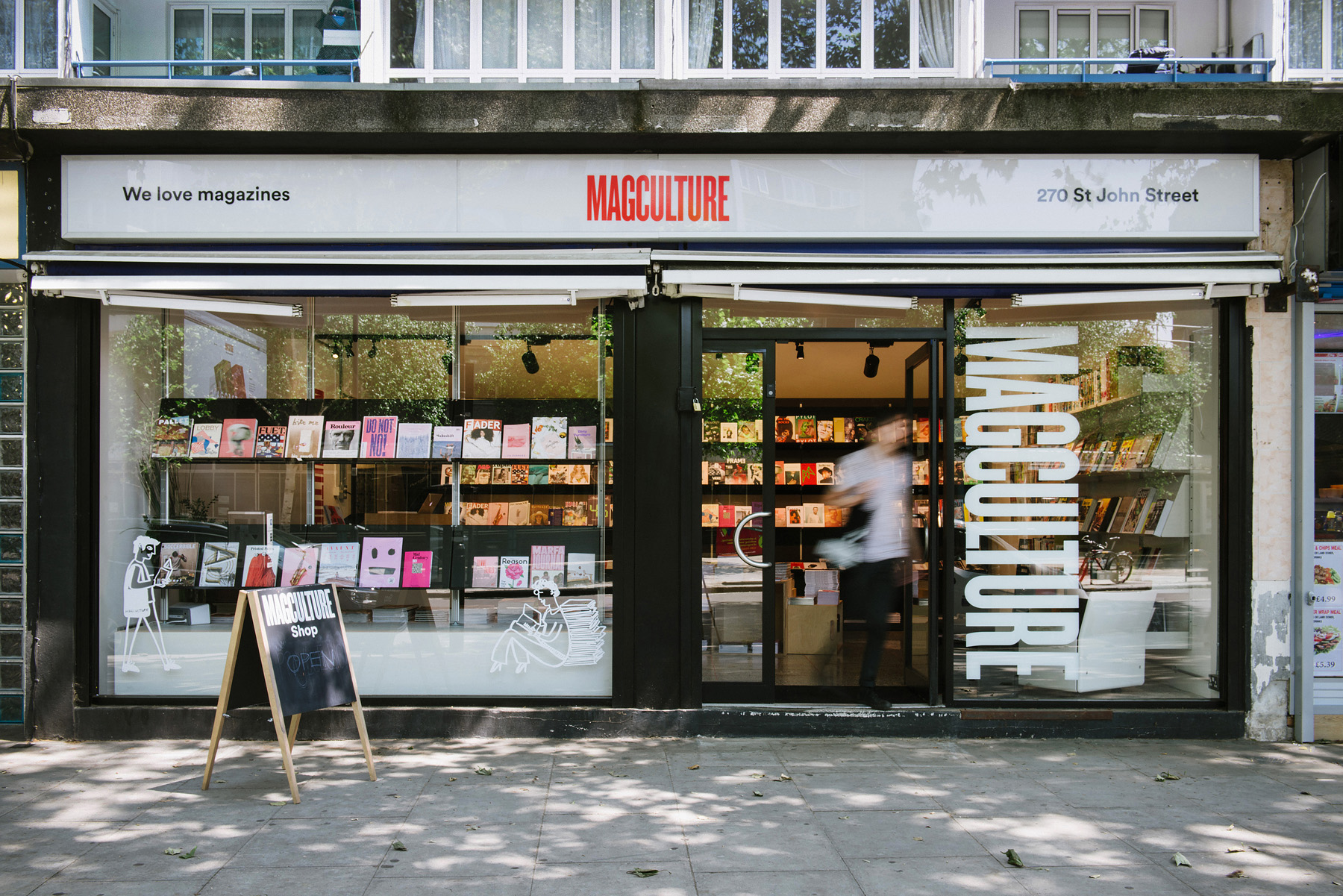
“And we are talking about doing the gallery thing at some point down the road, but the difference is a gallery show comes and goes, it’s up in a month or two, or whenever, but the print is there forever. Our first issue came out in 2010 and we still have that to look at and refer back to and to show people.” Matthew Lawrence…

A Mr. Magazine™ Update…

On May 23, 2015, I published a Mr. Magazine™ interview with Matthew Lawrence and Jason Tranchida about Headmaster magazine. At that time Matthew described Headmaster as “a magazine with original projects and the concept behind it is that we find artists and writers that we like and we give them assignments to do those original projects for the magazine. So, everything between the pages is made for Headmaster.”

The self-described art magazine for man-lovers was born in 2010 by the original four “headmasters,” but over the years the four became two, Jason and Matthew. And then almost three years ago, the magazine stopped production. But today it’s back, in a refreshed and exciting way.

I recently spoke to Matthew and Jason again about the rebirth and this is a Mr. Magazine™ update on where Headmaster is today.

Samir Husni: So, almost three years later, you’ve brought Headmaster back. What happened in the meantime?

Jason Tranchida: Well, a bunch of things happened. We never consciously said we were going to stop doing it; we just had a lot going on. Matthew had started a different full-time job, and then once he settled in, my work got crazy, so we had some of these sits and stops in getting the new issue out. And we knew that we wanted to do some other bigger changes, this was sort of a concept issue. We added pages to it; we changed the paper; did some design rethinking, things like that. It just kind of happened.

And then finally we got enough momentum going, told ourselves we had three months to finish this bad boy and we were going to go to print. We committed to a launch in Chicago at a new art book fair there and so we’re back.

Samir Husni: Why do you believe in print? Why do you believe that for Headmaster to exist, it better be in print?

Jason Tranchida: We were very committed from the get-go to do a print publication. And for the artwork in it and the concept for the issue, print freezes something in time and it juxtaposes projects next to each other that we want next to each other for whatever reason. And I think doing something online with that wouldn’t work. The only other medium that I think might work for what we’re trying to do is if we did actual gallery shows, where we did almost the same assignment and then did an art show around it, which is kind of what we’re doing now. We curate each issue; we’re careful about who’s in the issue; when we’re choosing who we want to work with, there are certain people who we wouldn’t put in the same issue.

Matthew Lawrence: And we are talking about doing the gallery thing at some point down the road, but the difference is a gallery show comes and goes, it’s up in a month or two, or whenever, but the print is there forever. Our first issue came out in 2010 and we still have that to look at and refer back to and to show people. Although that one is sold out, so we don’t really show it to people anymore. (Laughs)

Jason Tranchida: But it is interesting, along the line of freezing in time, some of the projects and assignments were given pre-election and some were given post-election, so we had the projects for a long time before we actually went to print. And then a couple of the artists were of the mind that they might have done some things differently because the whole landscape had changed, and they wondered would there be a chance to revisit the project, or put a disclaimer on it. But we basically said no because that’s where we were and they were as an artist at that time. And we do put the date of the assignment in each issue, so it does have that context. But it really makes the “freezing in the moment of time” hit home.

And the fact that the issue did take a while to come out, there’s a breath of something going on that’s different from other issues that were maybe done in a more condensed time.

Samir Husni: When can we expect to see an issue nine? Will it take another almost three years before we see the next issue of Headmaster?

Jason Tranchida: I hope not. (Laughs)

Matthew Lawrence: I would say within the next year. We released number eight in November 2017. And I would not release an annual magazine in November again; it’s just really hard with the stores and holiday stuff, and art fairs. I think the timing needs to be early fall or early winter after the New Year.

Jason Tranchida: Yes, I would like to ideally have all of our work in by the end of the year for the next issue. And then, once we have all of the work it usually takes us about two months from final design to getting it printed and back to us.

Samir Husni: And the best way for people to get the current issue?

Matthew Lawrence: You can order it on our website and we’re in about two dozen stores, mostly in the U.S.

Samir Husni: Thank you.

h1

Us Weekly: A Lot Can Happen In A Week! Us Weekly’s VP/Chief Revenue Officer, Vicci Rose to Samir “Mr. Magazine™” Husni: “The Fact Remains, Whether It’s Us Weekly Or Some Of Our Key Competitors, We Are Able To Provide A Tremendous Amount Of Paid Circulated Copies Every Single Week.” The Mr. Magazine™ interview…

March 14, 2018

“I’m a great fan of digital and I’m a big supporter. Us Weekly has a very sizeable print footprint with just under two million copies, 1,968,000 per week is our most recent AAM (Alliance For Audited Media) statement for the six months ending December 2017, so of course, we’re big believers in print. And I am incredulous with the number of conversations that I have with agencies and clients in acknowledging that their own research with media-mix modeling, etc. will point to a strong ROI, but it’s not in fashion, so the industry is often plagued with people who are concerned for their jobs because they’re not forward-thinking enough.” Vicci Rose…

“I do feel we just have to temper the industry’s excitement. And there are certain advertisers that rushed into the digital world, and so because we could measure it, thought that it would have the measurement that they wanted. But if we continue to see that click-through rates are a fraction of a percent, there isn’t an advertiser out there that could believe that is a success metric, where at the same time any of the more traditional quantitative research in print, Starch for example, shows tremendous awareness, tremendous activity levels, as a result of engaging with the ads. And that continues, even in the face of such tremendous, widespread access to digital.” Vicci Rose…

A lot can happen in a week, indeed. What former Us Weekly owner, Jann Wenner, said to Vicci Rose years ago, when describing the difference between Us Weekly and its prime competitor at the time, still remains valid to the VP/CRO today: you know, a lot can happen in a week. Since before the Internet and during Jann Wenner’s ownership of the magazine, Vicci Rose has been publisher of Us Weekly. And when it comes to celebrities and entertainment, her knowledge is vast and her opinion strong on both the category and the frequency of her brand: “The fact remains, whether it’s Us Weekly or some of our key competitors, we are able to provide a tremendous amount of paid circulated copies every single week.”

And indeed she is right, with her quoted amount of paid copies sold per week: just under two million copies, and her intense belief that all that is needed in the world of advertisement and magazines is for the two to come to an understanding about the continued value of print and the continued synchronization of digital with the legacy platform. It’s really as simple as that and as complex, as some advertisers are still seeking that pot of gold at the end of the digital rainbow. But being Print Proud Digital Smart has never been more important to her and her brand.

I spoke with Vicci recently and we talked about all of the above, and about the transition of ownership of the brand to American Media, Inc., and how her role as publisher, now chief revenue officer, has evolved over her many years in the business. While the core objective has remained the same, forming those strong bonds with agencies and clients, Vicci said today her job is always effected by the rapid changes within the industry. But if anybody can roll with the punches, it’s Vicci Rose. She is strong, dedicated and committed 100 percent to the continued success of Us Weekly.

So, I hope that you enjoy this delightful conversation with an equally delightful woman who believes that as long as Us Weekly remains current and relevant in the world of celebrities and entertainment, the brand’s present and future success is safe, the Mr. Magazine™ interview with Vicci Rose, VP/chief revenue officer, Us Weekly.

But first the sound-bites:

On how her role as chief revenue officer, publisher, has changed since the dawn of the digital age: Some of the evolution in my role is imposed by the rapid change in the industry. And another very important part of it is Us being more introspective to determine how we can keep pace with the rapidly changing world first and foremost, if we are truthfully driven by our audiences, which in turn then we promote and engage with our advertisers. So, I think in the initial stages of the role of publisher, and it was very much publisher, focused on the audience, the circulation, the advertisers’ interest in that audience to affect their objectives and strategies, etc. That’s always at the heart of what we do.

On why she thinks advertisers are so enamored by digital advertising in light of recent media reports on Bots and fake ads: I do feel we just have to temper the industry’s excitement. And there are certain advertisers that rushed into the digital world, and so because we could measure it, thought that it would have the measurement that they wanted. But if we continue to see that click-through rates are a fraction of a percent, there isn’t an advertiser out there that could believe that is a success metric, where at the same time any of the more traditional quantitative research in print, Starch for example, shows tremendous awareness, tremendous activity levels, as a result of engaging with the ads. And that continues, even in the face of such tremendous, widespread access to digital.

On finding new ways or creating new ways to engage with the advertisers and serve the customers and readers at the same time: It began first with positioning ads in relevant editorial. And that evolution of the positioning of the ads in relevant editorial became enhanced promotional pages and what we used to call advertorial pages. And today it’s a much more sophisticated translation of that original objective, which is branded and custom content as well as sponsored content. We are pursuing all of the avenues to allow our clients a better connection, a stronger connection, which includes social media components, but the translation of that has been a particularly productive avenue for Us Weekly over the years.

On her response when people say the entire celebrity genre and the weekly genre has no future in print: I totally disagree. The fact remains, whether it’s Us Weekly or some of our key competitors, we are able to provide a tremendous amount of paid circulated copies every single week. You just have to look at Us Weekly and People magazine. Again, the landscape has changed, where today not as much of our sales are at retail as they were before, but our average customer is paying roughly $70, that’s the actual price paid, for our subscription; for 52 weeks a year. And we’re able to sustain the circulation and in fact, the advertising, for 52 copies per year. And almost all of our weekly competitors in the entertainment and celebrity space are able to do that as well.

On why she feels there are less success stories, such as Us Weekly’s, in the media today and more doom and gloom magazine predictions: The proliferation of new products, new digital products, new software; the average CMO (chief marketing officer) today would be bombarded by not just six or seven entertainment magazines and 10 fashion and beauty magazines and the Seven Sisters. I mean, they are bombarded with thousands of alternatives today. So, I think in many cases, the decisions and the interaction with the publishing community has really been largely deferred to the advertising agencies. And they too have taken on such tremendous responsibility, as well as seeking new revenue streams.

On the analogy that digital was the seductive mistress when it burst upon the scene and print was always the steadfast spouse: (Laughs) Well, it’s interesting, there’s no question that digital, when it’s done right and with integrity…I always think, how did we end up here? The publishers have always had these tremendously solid relationships with our agencies and with our clients. And so, how did we lose so badly? You’re anecdote here is a perfect one for this because here we were, loyal, supportive; all of the editorial mentions that the editor is independent of commercial investment. And the support we’ve given over the years, yet, there was this shiny new object, the one that was thought to be the more exciting of the two.

On what someone would find her doing if they showed up unexpectedly one evening at her home: If you came to my house, you would probably find me somehow connected with my work. While I’m probably not proud to say it, other than my family and my twins, who are turning 21 soon, I am really totally immersed in what I do. But luckily that immersion does include a very significant and substantial immersion in pop culture and entertainment. I see a tremendous amount of movies; I watch a tremendous amount of television across the full spectrum: broadcast, cable, streaming.

On what she would have tattooed upon her brain that would be there forever and no one could ever forget about her: I think I’d like to have people think of me as their partner, a real consultative, professional who is dedicated and enthusiastic about what I do 12 and 14 hours per day. And that they can trust me to be a really committed and productive partner. I think that’s true with my dedication and my commitment in everything I do. I’d like that to be my legacy.

On what keeps her up at night: Two things, I have to be honest. One is, as we said earlier, how do we get the market to see the true value of print, which is there for them to see, it’s just a question of breaking through. And the other side of the equation, which is something that does plague all of us in the business, not only on the print side but also on the pure play digital, how do we accelerate the adoption of audiences to pay for the content they are consuming? Some are doing it well, others are doing it even more brilliantly, but as an industry we have not yet after 20 years or more, we have not as an industry solved this challenge.

And now the lightly edited transcript of the Mr. Magazine™ interview with Vicci Rose, VP/chief revenue officer, Us Weekly.

Samir Husni: You’ve seen it all in this industry. As a brand that has its cornerstone in print as Us Weekly does, how would you describe the change in your role as a chief revenue officer, as a publisher, from the dawn of the digital age until now?

Vicci Rose: Some of the evolution in my role is imposed by the rapid change in the industry. And another very important part of it is Us being more introspective to determine how we can keep pace with the rapidly changing world first and foremost, if we are truthfully driven by our audiences, which in turn then we promote and engage with our advertisers. So, I think in the initial stages of the role of publisher, and it was very much publisher, focused on the audience, the circulation, the advertisers’ interest in that audience to affect their objectives and strategies, etc. That’s always at the heart of what we do.

I can honestly say today that core objective is at the heart of the role of chief revenue officer. I do feel there is a difference in perspective, however, because growing up in our industry and our business, making the transition from the media side, media planning, at Benton & Bowles, where I worked with leading advertisers like Procter & Gamble, at the time it was called General Foods, the role of ad sales and publisher or management was very much about connecting the advertiser to the audience, in a very pure connection in that way.

Over the last decade or so more, it’s really about that consultative sales part of that equation. We could be far more creative over the last decade or two than ever before. We were engaged in a much more significant relationship, in terms of having a better understanding of what that client wanted to achieve. And through that process we built more comprehensive programs, again, using the media or the various components of our brand.

Us Weekly, as an example, went into the mobile space back in 2002 because it really didn’t require a significant investment, and I at the time as publisher had to determine how much of our resources could go into a forward-thinking medium. So, as I sit here today as chief revenue officer, that core objective is at the heart of what I do, but I do have to be so much more aware of a much broader platform. I have to be knowledgeable with not just my audience and how they engage, but where they engage. And where, as you just said, will we be engaging them in the next week or in the next month? (Laughs)

And I would honestly say tactically, we used to look at three and five-year plans regularly; today I hardly ever look at a five-year plan because I have to be really concerned with the three-month plan and the six-month plan and the 12-month plan. My role is that much more urgent and immediate, in terms of everything we do. We have to be far more concerned with the actual performance metric, that has been a very dramatic change in our responsibility to our clients.

And we’re under tremendous pressure to prove daily the power of print and the importance of print. In fact, I have a presentation coming up to one of the major agencies and one of the top ten clients in the industry to prove the power of print using many of the components from the very productive presentation that the MPA has designed, that magazines tell and sell. And then we adopt some of that information and translate it for our clients and how their product categories and their particular products have actually seen increases in consumption in magazine audiences.

My responsibility today is not just to connect clients and audiences, but really to prove that there is a powerful and productive connection and ultimately to help set up the ROI that they will achieve. In a long-winded way, my role has changed a lot, but there are still some core things that drive me every day in my role.

Samir Husni: Recently, I interviewed the president of Meredith Magazines, Doug Olson, and he was amazed and surprised that with all the data and with everything that print can offer, and with the stories that have been in the news lately about fake ads and all the Bots looking at the digital ads, he was amazed that some advertisers still have this strong belief in digital? Do you think the industry will ever overcome that newness of digital and see the return of the tangible ROI in the magazine business?

Vicci Rose: I’m a great fan of digital and I’m a big supporter. Us Weekly has a very sizeable print footprint with just under two million copies, 1,968,000 per week is our most recent AAM (Alliance For Audited Media) statement for the six months ending December 2017, so of course, we’re big believers in print. And I am incredulous with the number of conversations that I have with agencies and clients in acknowledging that their own research with media-mix modeling, etc. will point to a strong ROI, but it’s not in fashion, so the industry is often plagued with people who are concerned for their jobs because they’re not forward-thinking enough.

So, I would agree with Mr. Olson, yes. I am constantly surprised, especially in light of the fact that print for most of our clients works and has been proven to work. But at the same time I do feel that the digital component, and when I say digital, I mean the whole spectrum of digital, digital video, social media, mobile; all of those platforms add such a tremendous conduit to audiences, both our existing audiences, but more importantly to new audiences.

I do feel we just have to temper the industry’s excitement. And there are certain advertisers that rushed into the digital world, and so because we could measure it, thought that it would have the measurement that they wanted. But if we continue to see that click-through rates are a fraction of a percent, there isn’t an advertiser out there that could believe that is a success metric, where at the same time any of the more traditional quantitative research in print, Starch for example, shows tremendous awareness, tremendous activity levels, as a result of engaging with the ads. And that continues, even in the face of such tremendous, widespread access to digital.

So, I would agree with him. I do feel though that in the last year, year and a half, since many of our industry leaders on the client side are expressing concern again, not a wholesale withdrawal, but a concern. I do think there is a tempering of that willingness to try anything new at all costs and take on tremendous risk. And I have seen, in fact, in our presentation, that there are about 30 advertisers out there that have actually pulled away from print, then came back to print in a significant way and are actually growing their print. And there are many new research tools that will help us. In fact, thinking about Meredith, they were among the first companies to go into the Nielsen Catalina study and be able to, through some complexity, but be able to show their advertisers that there is significant ROI in print-based programs.

Samir Husni: You’ve been very creative in dealing with your clients and with advertisers. Can you talk a little bit about the new ways of getting revenue and advertising, rather than the traditional: we’ll sell you a page here or we’ll send you something on digital? What are you doing in terms of finding new ways or creating new ways to engage with the advertisers and to serve your customers and readers at the same time?

Vicci Rose: We actually started this back, I would probably say, at Mademoiselle magazine when there was first this opportunity to better engage our audience with some creative projects. And then pulling together the marketing team and really working with the clients to try to recognize more of the context and the relevance of the messaging. At first it began clearly with just positioning. It wasn’t just, let’s call it the Campbell’s Soup position that it used to be called in the women’s service area, the left-hand page opening the main editorial well and it didn’t really matter what the context of that adjacency was.

So, it began first with positioning ads in relevant editorial. And that evolution of the positioning of the ads in relevant editorial became enhanced promotional pages and what we used to call advertorial pages. And today it’s a much more sophisticated translation of that original objective, which is branded and custom content as well as sponsored content. We are pursuing all of the avenues to allow our clients a better connection, a stronger connection, which includes social media components, but the translation of that has been a particularly productive avenue for Us Weekly over the years.

And I think the reason why we’ve been able to see this as a very particularly productive channel for us, meaning the branded or custom content channel, is because we are able to work with the clients, really better understand what their objectives are. At times, because we’re dealing with celebrity and entertainment, we have to remind the client of what those objectives are and make sure that they adhere to what they originally thought was the objective and not get all caught up in the excitement of working with entertainment and celebrity.

But again, the importance of that I think has never been clearer than it is today with the new audiences. As you mentioned, that younger customer coming into media with very different expectations, with a very different landscape, and a very different appraisal of advertising and how they react to advertising. How they feel about companies and their promise, typically made in a classic ad.

So, we have this fantastic opportunity to work with our clients to really understand where their objectives converge with the interest of an audience. It takes it to a much purer level for me as a chief revenue officer, and still at heart a publisher. That’s the most exciting part of our business and what keeps so many of us active. It’s the creativity, but always knowing that it’s only creative if it satisfies that client’s objective.

So, yes, Us Weekly has had a very, very big stake in sponsored content and branded and custom content. In fact, the articles that you may be reading had recognized some of the programs that we triggered recently, first with the paper and packaging board, with the GRAMMY’s and being able to include them in a big GRAMMY-based initiative; Music’s Biggest Night, it was not formerly working with the GRAMMY’s, but again, being able to recognize and have some contextual relevance to awards programming.

And then most recently, with the completion now of the Olympics, we were able to align our client Nutrish with Olympics programming. So, context and relevance, as classically done by ad-placement in magazines, is now on steroids. (Laughs)

And we created a custom video with Kelli Stack, who was an Olympian, and she rescued some dogs from Sochi, when she was last participating in the Winter Olympics there. And we were able to sit down with her and understand how these wonderful animals helped her and her training, her relaxation, and her motivation. And it was a win-win with tremendous results. In fact, the contest, it was a user-generated contest where you provided pictures of your Olym-pet, and the votes were just under 900.000 in two weeks. It was very exciting.

Samir Husni: You mentioned the celebrity environment of Us Weekly has almost two million copies every week. What’s your response when people say the entire celebrity genre and the weekly genre has no future in print?

Vicci Rose: I totally disagree. The fact remains, whether it’s Us Weekly or some of our key competitors, we are able to provide a tremendous amount of paid circulated copies every single week. You just have to look at Us Weekly and People magazine. Again, the landscape has changed, where today not as much of our sales are at retail as they were before, but our average customer is paying roughly $70, that’s the actual price paid, for our subscription; for 52 weeks a year. And we’re able to sustain the circulation and in fact, the advertising, for 52 copies per year. And almost all of our weekly competitors in the entertainment and celebrity space are able to do that as well.

We do have a number of competitors that have double issues and so have lowered their frequency, but it’s still in the mid to high 40s, forty copies going out there. In fact, and this is fact not fiction, there is an audience out there buying hundreds of thousands of copies a week in our space, when the suggestion is that they could be getting much of this content online for free. So, there’s clearly a perspective, a point of view, a treatment, a community of celebrities that we include; how we approach them and frankly, how each one of these properties addresses this audience, is different.

To the untrained eye it may not be apparent, but our duplication among the magazines, let’s say, each one of us has a different statistic, but it’s between 15 and 18 percent on average, which in the scheme of things is very, very low in terms of duplication. If you look at some of the fashion/beauty books, some of those duplications can be in the 30 percentiles or women’s service books, again between 20 and 30 percent duplication.

So, the fact remains that our category is still quite vibrant and able to sustain this number of magazines every week. And I would tell you that Us Weekly, I do believe and continue to believe, that Us Weekly’s continued success, which originated with Jann Wenner’s initial vision for Us Weekly, remains today, 18 years later. We launched as a weekly 18 years ago in March, it’s hard to believe.

But today what drives us weekly and one of Jann’s initial comments to me, in terms of how he saw Us Weekly differing from our prime competitor at that time and even today, People magazine, is that he said, you know, a lot can happen in a week. And if we continue to focus our editorial perspective and objective on that kind of currency, in things that happen here and now, we will continue to win. And that has been a driving piece of our brand equity even today.

If you come on Us Weekly’s site on The Stylish channel, one of our strongest portfolios is called About Last Night, and it is a photo gallery of celebrities and what they looked like, fashion and beauty, in real time, updated every day. Or if it’s in the pages of Us Weekly, most of that editorial content happened in the last five to seven days. And if there is a rare occasion where a story isn’t yet fully baked or we decided that there’s something else that needed to go in its place, we rarely post that story only to run it the following week, because it won’t have the same sense of currency and urgency that it needs to have.

And that’s how Us Weekly continues to stay relevant to our audience. And integrity also drives that, or transitioning overtime, integrity, credibility, those are the demands of our audience. And as long as we continue to provide true news in an era of fake news, I think we will continue to thrive as we are today.

Samir Husni: Why are there less of your success stories out there in the media, in the general magazine media environment, than all of the doom and gloom stories that we hear about magazines and magazine media?

Vicci Rose: The proliferation of new products, new digital products, new software; the average CMO (chief marketing officer) today would be bombarded by not just six or seven entertainment magazines and 10 fashion and beauty magazines and the Seven Sisters. I mean, they are bombarded with thousands of alternatives today. So, I think in many cases, the decisions and the interaction with the publishing community has really been largely deferred to the advertising agencies. And they too have taken on such tremendous responsibility, as well as seeking new revenue streams.

And so I think the combination of the proliferation of alternatives, squeezing the dollars allocated to marketing, and again, we have a lot of clients that now within their marketing channel have so many objectives, high funnel, low funnel, where they’re judged, how they’re judged, how the executives themselves are compensated.

I think you’re very right, and frankly, this is what keeps me up at night. My greatest concern is how do I break through? How do we as an industry break through? How do we gain the attention of the ultimate decision makers for the funds? Thankfully we have a very strong leader in Linda Thomas Brooks at the MPA, and she has tremendous client-side perspective, agency-side perspective, and I think she’s doing an incredible job at breaking through that gauntlet.

But we’re not there yet. And I think we need very resilient and tenacious leaders in our industry who understand and will make this effort daily. And with no change in our resolve. Working with Linda and seeing her new presentation has given me personally the resolve and my team the resolve.

And as I mentioned to you, we have now adapted our presentation to include many of the facts and the findings that the MPA has given us. And I would tell you that in the last couple of weeks, since we decided to redirect a portion of our efforts to the “why print” equation, it’s always been implicit in what we’re selling, but now it’s “why print” as part of the larger picture. We have had tremendous response on both the strategy side of the agencies and certain key clients. We’re very, very excited about what we’re seeing now.

And it may be good timing. As you said earlier, there are many clients that are scratching their heads and saying, oh my gosh, we rushed into digital and now we have to think about where that true balance should be. And we may be coming in at just the right time to help them see that the balance is the prudent course.

Samir Husni: I tell my students that when digital exploded onto the scene in 2008, she became the mistress that no one could resist, while print was that faithful and steadfast spouse. People began spending all of that money on the mistress, digital, meanwhile there was the spouse, print, asking the question: what is she giving you for your money?

Vicci Rose: (Laughs) Well, it’s interesting, there’s no question that digital, when it’s done right and with integrity…I always think, how did we end up here? The publishers have always had these tremendously solid relationships with our agencies and with our clients. And so, how did we lose so badly? You’re anecdote here is a perfect one for this because here we were, loyal, supportive; all of the editorial mentions that the editor is independent of commercial investment. And the support we’ve given over the years, yet, there was this shiny new object, the one that was thought to be the more exciting of the two.

But I do feel that there is tremendous value. Us Weekly alone, for example, our own Google Analytics are roughly 30-35 million unique visitors a month that come to Us Weekly. But they go 350-400 million pages deep in our site. In fact, we are thrilled, we’ve worked really hard to develop the kind of relationship in the digital platform that would allow this audience, not only to come to usmagazine.com, but to come daily, multiple times per day.

But we do believe that there is a different experience, that the reader or the visitor has very different expectations when they come digitally. There are so many pages, there are so many galleries and videos. And when they come to the pages of the magazine, they have a much more curated view. Tina Brown once said that when she starts at the front of the magazine and she ends at the end of Us Weekly, she knows everything that she needs to know about those 20 to 30 people that everyone is talking about right now. It was many years ago that she stated that, but that’s still true today.

So, there is a different promise in the pages of the magazine than there is in digital, which allows us to really update the information minute-by-minute. And our content leadership, Dylan Howard, Jen Peros, our Style and Beauty director, Gwen Flamberg; they’ve done a tremendous job at really delivering on that expectation on the part of our audience. Far surpassing my expectations in a relatively short period of time since we transitioned to AMI’s ownership.

And while it was a challenging transition just in moving from one corporate culture to another, the commitment was very clear from the get-go. David (Pecker) understood the difference in our property; he understood how important the relationship with our digital audience was and continued to allow us to invest time, energy and resources in delivering. And I’m very excited to say that February, while the comScore for February isn’t out yet, it should be one of our largest comScore audiences in the last five years.

Samir Husni: If I showed up unexpectedly at your home one evening after work, what would I find you doing? Having a glass of wine; reading a magazine; cooking; watching TV; or something else?

Vicci Rose: I think all of the above. (Laughs) If you came to my house, you would probably find me somehow connected with my work. While I’m probably not proud to say it, other than my family and my twins, who are turning 21 soon, I am really totally immersed in what I do. But luckily that immersion does include a very significant and substantial immersion in pop culture and entertainment. I see a tremendous amount of movies; I watch a tremendous amount of television across the full spectrum: broadcast, cable, streaming.

I do have my projects that I’m absolutely obsessed with and I look forward to them and I support that through some of the social media that I see. I am also obsessed with cooking and that landscape, both digitally and in print. And if I go to bed at night, even if I may turn off the lights between midnight and 2:00 a.m., I’m always reading a book, if albeit only a very few pages before I go to sleep.

So, I would tell you that is where I find my personal enjoyment, and the boring of the lines between work and relaxation are just fine with me.

Samir Husni: If you could have one thing tattooed upon your brain that no one would ever forget about you, what would it be?

Vicci Rose: I think I’d like to have people think of me as their partner, a real consultative, professional who is dedicated and enthusiastic about what I do 12 and 14 hours per day. And that they can trust me to be a really committed and productive partner. I think that’s true with my dedication and my commitment in everything I do. I’d like that to be my legacy.

Samir Husni: My typical last question; what keeps you up at night?

Vicci Rose: Two things, I have to be honest. One is, as we said earlier, how do we get the market to see the true value of print, which is there for them to see, it’s just a question of breaking through. And the other side of the equation, which is something that does plague all of us in the business, not only on the print side but also on the pure play digital, how do we accelerate the adoption of audiences to pay for the content they are consuming? Some are doing it well, others are doing it even more brilliantly, but as an industry we have not yet after 20 years or more, we have not as an industry solved this challenge.

So, that is another one that keeps me up at night as I watch more and more of my audience, and I’m thrilled to see the growth in those audiences, but the burden on advertising is just too great to sustain it for the next 20 or 30 years.

Samir Husni: Thank you.

h1

Meredith’s Magazine President Doug Olson To Samir “Mr. Magazine™” Husni: “In Its Simplest Form, My Elevator Pitch Is We’re Playing To Win Versus A Lot Of People Who Are Playing Not To Lose.” A Mr. Magazine™ Exclusive First In-Depth Interview With Doug Olson.

March 10, 2018

A Mr. Magazine™ Exclusive

“We’ve made a pretty big bet that magazines are not going out of style with our acquisition of the Time Inc. portfolio of brands. We continue to be very excited about the future of these brands in all platforms, whether it’s in print or digital or social. Allrecipes is a perfect example of one of the brands that we took from digital and turned it into print, so obviously it has a very large footprint in digital, but the print continues to grow.” Doug Olson…

“At the end of the day, I think the beauty of the new Meredith Corporation is that we understand there is some transitioning or shifting going on, but we believe we’re in a place to participate in that too. But at the end of the day, if you want to reach consumers in a very credible way, we also have these big brands that have lots of tentacles on them, including a very large print footprint. It’s really interesting to me that a lot of these social media people keep coming to us because they want to have a print presence, because it legitimizes their social standing. If they can see it in print, it confirms that they made it.” Doug Olson…

As a diversified, publicly-held company, Meredith Corporation encompasses a vast array of magazines and magazine media entities that vary from its female-oriented consumer brands, such as Allrecipes and Better Homes & Gardens, to its expanded reach through acquisitions and strategic partnerships, such as its recent purchase of Time Inc. Meredith is now the largest magazine media company in the country.

Meredith’s Magazine President Doug Olson, is excited about the incoming titles that Time Inc. brings to the table, and is ready to roll up his sleeves and get busy. The future looks very bright indeed for Meredith and the additional family members it has brought into the fold.

I spoke with Doug recently, for his first in-depth interview, and we talked about the Time Inc. acquisition and about the legacy Meredith and what this new endeavor could and would mean for the company. Doug is a firm believer in print, and he’s also an advocate for digital and all of its many extensions, from social media to online. And for the partnerships that pump new blood into the legacy company that keeps defying the odds and launching new print magazines, many of them from former digital-only entities. In Doug’s own words: “If they can see it in print, it confirms that they made it.” Print Proud Digital Smart, indeed.

So, I hope that you enjoy this conversation with a man who believes in his brands, all of his brands, both new and old, and believes in his company and says the differentiator between Meredith and many others is, Meredith doesn’t just play to not lose, Meredith plays to win – the Mr. Magazine™ exclusive interview with Meredith’s Magazine President Doug Olson.

But first the sound-bites:

On whether he thinks magazines are really going out of style or if there’s been a rebirth: Honestly, we’ve made a pretty big bet that they’re not going out of style with our acquisition of the Time Inc. portfolio of brands. We continue to be very excited about the future of these brands in all platforms, whether it’s in print or digital or social. Allrecipes is a perfect example of one of the brands that we took from digital and turned it into print. It obviously has a very large footprint in digital, but the print continues to grow. While the Magnolia Journal gets a lot of press these days, the Allrecipes brand has been very successful as well, especially given its origin within digital. It’s up to almost 1.3 million subscribers; it’s one of the brands that has been meeting its numbers every single year since we launched it.

On how he feels going into the marketplace knowing that Meredith is now the number one magazine media publisher in the United States: We think we’ve been the efficient operator in the marketplace for some time and that’s one of the reasons that we got the opportunity to own these great brands. But we understand our standing in the magazine world, if you will, has changed. It’s one that we embrace; we certainly respect it. But at the same time, we’re going to keep doing what we’ve been doing. We think we do a lot of X’s and O’s, blocking and tackling, just back to the basics to help advertisers sell more products or get their brand messages out to consumers. And that’s what we’ve done since the beginning on this thing, and that’s what we’re going to continue to do.

On how it feels to be in charge of the largest group of magazines in the country: It feels great. There are really five of us that have worked on this for over five years. I was in the initial meetings when we tried to jar these great brands loose from Time Warner back in 2012. And we’ve stuck with it and now we’re here. Again, we respect how big the task is, but at the same time we’ve got great people at legacy Meredith and there are some really good talented people at the incoming Time Inc.’s stable of brands and its employee base. We think that together the combination will be dynamite.

On whether the titles of publisher and editor may be coming back to the newly acquired Time Inc. titles: We’re strong believers in that someone has to get up every single day and focus on the individual brand. At Meredith, everyone is an integrated seller, it’s just to what degree do they focus on print versus digital and some of the other advertising mediums that are out there now. So, we want to take the best of both organizations…there are some things at the incoming Time Inc. organization that were working pretty well in the marketplace. There were a lot of things, especially around People magazine, that have been very vibrant for them. They’ve done a great job of focusing on what really throws off a lot of revenue and a lot of profit for the old Time Inc..

On how it feels to have weeklies now, such as People magazine: It’s definitely different for us, but the great news is there is a lot of expertise on the weeklies that exist in the acquired organization and we’re clearly leveraging their expertise. We admire the People brand. Obviously, as you mentioned, it’s the largest in the U.S., probably the largest in the world, if you really get down to it. But we’ve also run a very large brand ourselves called Better Homes & Gardens, which has a lot of multiplatform tentacles hanging off of it; a huge licensing program at Walmart, and a very large special interest media stable of brands that we sell on the newsstand. We’ve got a very large digital presence, so we’re used to overseeing and managing very large brands, but clearly People is at the next level.

On recent comments CEO Tom Harty made about increasing rates, cutting frequencies and reducing circulation, mainly due to the postal service: We stand by his comments that if such a large increase is passed on to an industry in one fell swoop, especially the way they’re talking about it, then there’s going to be some kind of fallout. You can’t continue to do what you’ve been doing, business as usual, with such a large increase in your expenses.

On the rumors that Meredith wants to be purely a women’s magazine publishing company: First of all, I don’t think people understand that we actually have some other men’s titles within the legacy Meredith stable. Successful Farming actually started the company and is very much aimed at mostly males, although there are more and more females that are operators in that space these days. Wood Magazine is another one. We do a fair amount of custom printing things along the way for some male audiences as well.

On whether he feels Meredith and Hearst are in a race when it comes to new magazines or new partnerships: I think Hearst is a very formidable competitor. They have some great brands over there as well and some really good people. I would say that they have chosen a path and we’ve chosen a slightly different path. We think brands matter tremendously and I think they do too, but we’ve put our money on brands that are some of the biggest in the world, and they went after some smaller ones, what we would call tuck-in acquisitions. I think both strategies are good strategies. It’s great to have a strong competitor, to be honest with you. It makes us better if we have a strong competitor.

On whether this year will see a calmer Meredith after the Time Inc. acquisition or 2018 will be full-steam ahead: We’ve shared with our shareholders, our board and our leadership team that this is really a two-year journey. This is a big undertaking; we want to get it right and take our time. We want to get the cost structure in line with the realities in the marketplace, and we don’t think we can do that in one fell swoop. We have to be very iterative. We’re doing some things now that are going to give some clarity to the marketplace as to who is covering their account and who they need to talk to. And we have to make sure that we get all of our brands covered, so that there are not brands lost in the shuffle.

On whether Meredith doubled or tripled his salary with the all of the added responsibilities: (Laughs) I would love it if you would send an email with that in it to Tom Harty. (Laughs again)

We think that we’ve embraced the realities of the marketplace over the last few years. And we believe that we’re very competitive and we’re going to be an employer of choice when all is said and done here. And I think there’s a lot of people at the incoming Time Inc. who are looking forward to some really good, solid leadership. They have great career opportunities in front of them. We haven’t even talked about how awesomely the content generation mechanism of this organization is. The editorial and the content production that we do is second to none.

On whether he is spending a lot of time now shuttling between New York and Des Moines: Yes, we’re spending a lot of time on the new business, but at the same time we have our existing legacy Meredith business to also run. The great thing is I have really good people who work for me and throughout this organization. We’ve asked everybody to step up and do more. We want to learn as much as we can of what was happening in a real positive way at the old Time Inc. and not lose that in all of the things we do. But clearly there will be some changes, and we’re going to put the best possible team on the field to go out and deal with the new realities of this marketplace, which is a lot tougher than it used to be.

NEW YORK, NY – FEBRUARY 06: Doug Olson, president, Meredith Magazines accepting The Launch of the Year Award from Samir “Mr. Magazine™” Husni at the American Magazine Media Conference 2018 on February 6, 2018 in New York City. (Photo by Ben Gabbe/Getty Images for The Association of Magazine Media)

On the biggest stumbling block they faced during this transition and how they overcame it: That’s a good question. We’re not past it yet, we’re in the early stages. The easy part is actually done. The hard part now is making sure that we execute it the way we drew up the plans. But I think the biggest stumbling block was just getting everyone to believe and see what we see. That we see some great brands, that print is still a very big piece of an advertiser’s success moving forward. All of these great platforms, that large digital business that we have now between the two organizations puts us at number six for all unduplicated, unique visitors in the country.

On what someone would find him doing if they showed up unexpectedly one evening at his home: With all of the traveling that I do, it’s probably talking to my wife with a glass of wine in hand. We like to record some TV shows. For example, I hope no one lights me up over this, but we like to watch The Voice. That and we’re huge sports enthusiasts, so we like to go watch basketball and hockey games, volleyball and football, obviously. Anything except baseball regular season. I can’t do that. I try to go to the playoff games, but I can’t watch regular season baseball. Anything else sports-wise, we’re in. We’re also big water people, so we do a lot of wakeboarding, skiing, boating and tubing, and things like that. Only in the summertime, of course, in Iowa.

On what he would have tattooed upon his brain that would be there forever and no one could ever forget about him: I take this lead from my father who passed away last October. My dad always treated everybody the same. It didn’t matter if they were the CEO of the company or the person who was delivering the mail, he always treated people the same. And that’s what I try to do. So, I hope that people would say he was fair and treated everyone the same.

On what keeps him up at night: The biggest thing that keeps me up at night is the advertising marketplace. I struggle sometimes as to why advertisers put their money where they put it. We have all of the platforms and we feel really good that if an advertiser has a need, that we can help them solve whatever issue they’re trying to tackle. To me, some of this is all about attitude. The people who tend to work for us are very resilient; they’re very good at what they do. They get out there no matter what they’re told, even if they get a 15-minute meeting that was supposed to have been an hour and it gets shortened because of other commitments that the advertiser or agency has. They do their best to get the message out there. We can help sell more products and improve their brand.

And now the lightly edited transcript of the Mr. Magazine™ interview with Doug Olson, Meredith’s Magazine President.

Samir Husni: It was recently announced that Allrecipes has the fifth largest magazine media audience on a monthly average, 54 million. That’s double the number of people who watched the Oscars. As president of Meredith Magazines, what do you think the status of magazines is today? Are they really going out of style or has there been a rebirth; what’s going on?

Doug Olson: Honestly, we’ve made a pretty big bet that they’re not going out of style with our acquisition of the Time Inc. portfolio of brands. We continue to be very excited about the future of these brands in all platforms, whether it’s in print or digital or social. Allrecipes is a perfect example of one of the brands that we took from digital and turned it into print. It obviously has a very large footprint in digital, but the print continues to grow. While the Magnolia Journal gets a lot of press these days, the Allrecipes brand has been very successful as well, especially given its origin within digital. It’s up to almost 1.3 million subscribers; it’s one of the brands that has been meeting its numbers every single year since we launched it.

Samir Husni: Meredith’s chairman, Steve Lacy, told the Wall Street Journal that when he asked a reporter to guess how many Better Homes & Gardens printed 10 years ago versus how many it prints today…(Laughs) and we know of course, the answer is the same exact number.

Doug Olson: Yes, eight million.

Samir Husni: Eight million. So, when you go to the marketplace, and with Meredith now being the number one magazine media publisher in the United States, do you feel like the weight of magazine media is full on your shoulders or do you feel like you’re the defender of magazine media, or you’re just riding the wave?

Doug Olson: We think we’ve been the efficient operator in the marketplace for some time and that’s one of the reasons that we got the opportunity to own these great brands. But no, we understand our standing in the magazine world, has changed. It’s one that we embrace; we certainly respect it. But at the same time, we’re going to keep doing what we’ve been doing. We think we do a lot of X’s and O’s, blocking and tackling, just back to the basics to help advertisers sell more products or get their brand messages out to consumers. That’s what we’ve done since the beginning, and that’s what we’re going to continue to do.

And from a consumer perspective, what you brought up; we still do an eight million print run of Better Homes & Gardens today just like we did 10 years ago. You can pretty much look across our portfolio and it’s the same thing. Newsstand clearly has been challenged in the industry, but we’re one of the publishers, until recently with the Time acquisition, that really hasn’t relied that heavily on newsstand. And so our consumer metrics have never been stronger when you look at it across the board.

Samir Husni: I know that Steve Lacy took about four or five years to buy Time Inc., but for you, as president of Meredith Magazines, did it feel like you went to sleep one night and woke up the next morning in charge of the largest group of magazines in the country? How does that feel?

Doug Olson: It feels great. There are really five of us that have worked on this for over five years. I was in the initial meetings when we tried to jar these great brands loose from Time Warner back in 2012. And we’ve stuck with it and now we’re here. Again, we respect how big the task is, but at the same time we’ve got great people at legacy Meredith and there are some really good talented people at the incoming Time Inc.’s stable of brands and their employee base. We think that together the combination will be dynamite.

We have to go through this period where we get our go-to-market messaging correct and we have to get the right team on the field. Basically, we’re pivoting to change the sales structure as we speak. We told the marketplace that in roughly 60 days it would be business as usual from when we closed on January 31. Toward the end of March people are expecting to hear from us again. We’re working really hard to pivot this large portfolio and this big sales force to capitalize on the market.

Samir Husni: With all of the changes that took place at Meredith and venturing from print to multiplatform to capturing the audience, the consumers, you’ve never changed the structure. You kept the publisher as the title of publisher; you kept the editor as the title of editor. There is some talk or some quotes from Tom Harty and maybe others that those titles are coming back to the newly acquired magazines.

Doug Olson: We’re strong believers in that somebody has to get up every single day and focus on the individual brand. At Meredith, everyone is an integrated seller, it’s just to what degree do they focus on print versus digital and some of the other advertising mediums that are out there now. So, we want to take the best of both organizations…there are some things at the incoming Time Inc. organization that were working pretty well in the marketplace. There were a lot of things, especially around People magazine, that have been very vibrant for them. They’ve done a great job of focusing on what really throws off a lot of revenue and a lot of profit for the old Time Inc..

We think that we do some things particularly well; we’ve really stuck to our X’s and O’s blocking and tackling, if you will, uncovering the market, while everybody else in the marketplace was going through some kind of change, we just stuck with it. And we believe our secret sauce is working together, regardless of how we’re organized. The people who work at the legacy Meredith Corporation understand that we’re going to work together. So, if we need someone who has a little more expertise in shopper marketing, we bring them in and utilize them. At the end of the day, I think the structure is important, but I don’t think structure should get in the way of your ability to be successful.

Samir Husni: You mentioned People magazine and of course, it’s the number one moneymaking magazine in our country, both from circulation and from advertising, or at least it used to be for years. How does it feel to suddenly have weeklies now?

Doug Olson: It’s definitely different for us, but the great news is there is a lot of expertise on the weeklies that exist in the acquired organization, and we’re clearly leveraging their expertise. We admire the People brand. Obviously, as you mentioned, it’s the largest in the U.S., probably the largest in the world, if you really get down to it. But we’ve also run a very large brand ourselves called Better Homes & Gardens, which has a lot of multiplatform tentacles hanging off of it; a huge licensing program at Walmart; a very large special interest media stable of brands that we sell on the newsstand. We’ve got a very large digital presence, so we’re used to overseeing and managing very large brands, but clearly People is at the next level.

Samir Husni: Recently, Tom Harty made comments about possibly increasing rates, cutting frequencies and reducing circulation, mainly due to the postal service, can you comment on that?

Doug Olson: We stand by his comments that if such a large increase is passed on to an industry in one fell swoop, especially the way they’re talking about it, there’s going to be some kind of fallout. You can’t continue to do what you’ve been doing, business as usual, with such a large increase in your expenses.

Samir Husni: The last time I spoke with Tom, he mentioned that, because a lot of the talk in the industry was that Meredith was going to sell whatever is not aimed at women, whatever isn’t a women’s title, and Tom told me that Meredith was going to look at everything: men’s, women’s; you name it, although your expertise is in women’s titles. Can you put those rumors to rest, that you’re not going to be just a pure women’s magazine company?

Doug Olson: First of all, I don’t think people understand that we actually have some other men’s titles within the legacy Meredith stable. Successful Farming started the company and is very much aimed at mostly males, although there are more and more females that are operators in that space these days. Wood Magazine is another one. We do a fair amount of custom printing things along the way for some male audiences as well.

What I would say is that we’re looking at everything, like Tom said. Five years ago there were a lot of rumors that we didn’t want to buy the news and sports business – because we didn’t. But a lot has changed in the last five years. Those businesses have really nice digital extensions now and big audiences. When we say we’re looking at the portfolio in totality, we have to, because we have so many great brands in this stable and we want to make sure we put our best foot forward when we go to market.

But we’re a publicly-traded organization and so anything that makes money, obviously is high on our list. We don’t run brands that are unprofitable very long, so when we look at the new realities in the marketplace, we’re looking at it from all angles. How important is the digital business on some of these brands? What does their print future look like? Rate base, frequencies; there’s a lot to look at. We haven’t come to any conclusions yet, because we’re right in the middle of the analysis.

Samir Husni: Meredith and Hearst have been bringing in a lot of new magazines and entering a lot of new partnerships. Just before you bought Time Inc. you launched Hungry Girl with a partnership with the Hungry Girl, Lisa Lillien. Do you feel that you’re in a race with Hearst or the two of you are just happy to be the number one and number two in the magazine media field?

Doug Olson: I think Hearst is a very formidable competitor. They have some great brands over there as well and some really good people. I would say that they have chosen a path and we’ve chosen a slightly different path. We think brands matter tremendously and I think they do too. But we’ve put our money on brands that are some of the biggest in the world and they’ve went after some smaller, what we would call tuck-in acquisitions. I think both strategies are good strategies. It’s great to have a strong competitor, to be honest with you. It makes us better if we have a strong competitor.

Samir Husni: You’ve been so busy with the acquisition and you said that you had 60 days before it was back to business as usual, so will we see a calmer Meredith this year while you gather all the pieces, or you’re still going to be full-steam ahead?

Doug Olson: We’ve shared with our shareholders, our board and our leadership team that this is really a two-year journey. This is a big undertaking; we want to get it right and take our time. We want to get the cost structure in line with the realities in the marketplace, and we don’t think we can do that in one fell swoop. We have to be very iterative, if you will. So, we’re doing some things now that are going to give some clarity to the marketplace as to who is covering their account and who they need to talk to. And how do we make sure that we get all of our brands covered, so that there are not brands lost in the shuffle.

We’re working really hard on our organizational structures and what that’s going to look like over time, and we are doing it in a very controlled and managed fashion. It’s not going to be 60 days and that’s it, and then move on to greener pastures. We have a lot of work to do. We have some trends that we need to reverse, mostly with advertising. We’re going to have to roll up our sleeves and get back to those X’s and O’s, blocking and tackling, that we’ve been talking about. It all starts with clarity to the people that work in our organization and clarity to the marketplace.

Samir Husni: With the extra responsibilities that you have and the extra titles under your belt, and there was a lot of talk in the industry when Tom’s salary was revealed and how much less money it was compared to previous CEOs and other CEOs in the magazine business, because of all of these extra responsibilities, did Meredith double or triple your salary?

Doug Olson: (Laughs) I would love it if you would send an email with that in it to Tom Harty. (Laughs again)

Samir Husni: (Laughs too).

Doug Olson: We think that we’ve embraced the realities of the marketplace over the last few years. We believe that we’re very competitive and we’re going to be an employer of choice when all is said and done here. And I think there’s a lot of people at the incoming Time Inc. who are looking forward to some really good, solid leadership. They have great career opportunities in front of them. Like I said, everyone is an integrated seller.

We haven’t even talked about how awesomely the content generation mechanism of this organization is. The editorial and the content production that we do is second to none. It’s amazing. We cover a lot of different categories, readers’ patch and points. The people who create this great content every single day, as I meet more and more of them, are really tremendous resources and really good people.

We’re intentionally leaving the editorial alone for now and really focusing on the sales and marketing and some of the support organizations. We don’t want to get in the way of producing great content.

Samir Husni: Tell me how you’re spending your time now? Are you shuttling between downtown New York and Des Moines?

Doug Olson: Yes, we’re spending a lot of time on the new business, but at the same time we have our existing legacy Meredith business to also run. The great thing is I have really good people who work for me and throughout this organization. We’ve asked everybody to step up and do more. We want to learn as much as we can of what was happening in a real positive way at the old Time Inc. and not lose that in all of the changes. But clearly there will be some changes and we’re going to put the best possible team on the field to go out and deal with the new realities of this marketplace, which is a lot tougher than it used to be.

Samir Husni: If you had to pick one major stumbling block that faced this entire transition, what would that be and how did you overcome it?

Doug Olson: That’s a good question. We’re not past it yet, we’re in the early stages. The easy part is actually done. The hard part now is making sure that we execute it the way we drew up the plans. But I think the biggest stumbling block was just getting everyone to believe and see what we see. That we see some great brands, that print is still a very big piece of an advertiser’s success moving forward. All of these great platforms, that large digital business that we have now between the two organizations puts us at number six for all unduplicated unique visitors in the country.

Turning around advertising is huge for us. We need the entire portfolio to be more in line with what the legacy Meredith business is doing. Continuing to build digital is high on our list because six is great, but Facebook and Google at number one and number two, depending on which article you read, take anywhere from 65 to 80 percent off the top. And we have to continue to get scale and be innovative there so people want to turn to us at the same time they’re turning to Facebook and Google.

And when you’re doing all of these things at the same time, there are a lot of moving parts. I always describe it to my staff as we’re trying to change the tire on the car as we’re going 80 mph down the interstate.

Samir Husni: And if anyone can, Meredith can.

Doug Olson: We hope so. We’ve made a very large bet and the Meredith family has entrusted the management team and the board here has entrusted the management team to make this successful and we think we’re off to a good start. But like I said, it’s early days and a lot of work in front of us still.

Samir Husni: If I showed up unexpectedly at your home one evening after work, what would I find you doing? Having a glass of wine; reading a magazine; cooking; watching TV; or something else?

Doug Olson: With all of the traveling that I do, it’s probably talking to my wife with a glass of wine in hand. We like to record some TV shows. For example, I hope no one lights me up over this, but we like to watch The Voice. That and we’re huge sports enthusiasts, so we like to go watch basketball and hockey games, volleyball and football, obviously. Anything except baseball regular season. I can’t do that. I try to go to the playoff games, but I can’t watch regular season baseball. Anything else sports-wise, we’re in. We’re also big water people, so we do a lot of wakeboarding, skiing, boating and tubing, and things like that. Only in the summertime, of course, in Iowa.

Samir Husni: If you could have one thing tattooed upon your brain that no one would ever forget about you, what would it be?

Doug Olson: I take this lead from my father who passed away last October. My dad always treated everybody the same. It didn’t matter if they were the CEO of the company or the person who was delivering the mail, he always treated people the same. And that’s what I try to do. So, I hope that people would say he was fair and treated everyone the same.

Samir Husni: My typical last question; what keeps you up at night?

Doug Olson: The biggest thing that keeps me up at night is the advertising marketplace. I struggle sometimes as to why advertisers put their money where they put it. We have all of the platforms. We believe that if an advertiser has a need, we can help them solve whatever issue they’re trying to tackle. To me, some of this is all about attitude. The people who tend to work for us are very resilient; they’re very good at what they do. They get out there no matter what they’re told, even if they get a 15-minute meeting that was supposed to have been an hour gets shortened because of other commitments that the advertiser or agency has. They do their best to get the message out there. We can help sell more products and improve their brand.

We have this sales guarantee and it just always kind of blows my mind that more people don’t take advantage of that. We guarantee they will have more ROI if they put enough advertising into a national campaign. We can move the needle for them. They have a lot of choices, obviously, there’s a lot of experimentation, but I think there has been a lot of money put toward the things that really don’t move the needle. And I’m always struggling with why they don’t go back to what is proven. Whether it’s our digital or print, we’re going to stand behind it if they put a big enough campaign in the marketplace. Why would you not take a sure thing?

When people say, gee, my boss told me that we can’t do print anymore because print is dead, I don’t know what they’re really looking at to come to that conclusion. Other than a whole bunch of social media, which we know is not always exactly on point with the truth.
At the end of the day, I think the beauty of the new Meredith Corporation is that we understand there is some transitioning or shifting going on, but we believe we’re in a place to participate in that, too. If you want to reach consumers in a very credible way, we have these big brands that have lots of tentacles on them, including a very large print footprint. It’s really interesting to me that a lot of these social media people keep coming to us because they want to have a print presence, because it legitimizes their social standing. If they can see it in print, it confirms that they made it.

One of the things that’s important to me is that we’re playing to win. In its simplest form, my elevator pitch is we’re playing to win versus a lot of people are playing not to lose. You can use any sports analogy that you want on that sentence, but the people who play not to lose generally lose.

Samir Husni: Thank you.