Archive for the ‘Magazine Power’ Category

h1

Taking “Issuu” With The Art Of Digital Storytelling: “Issuu Stories” Is Born…And Digital Publishing & Social Sharing Climbs To New Heights – The Mr. Magazine™ Interview With Joe Hyrkin, CEO, Issuu…

May 24, 2018

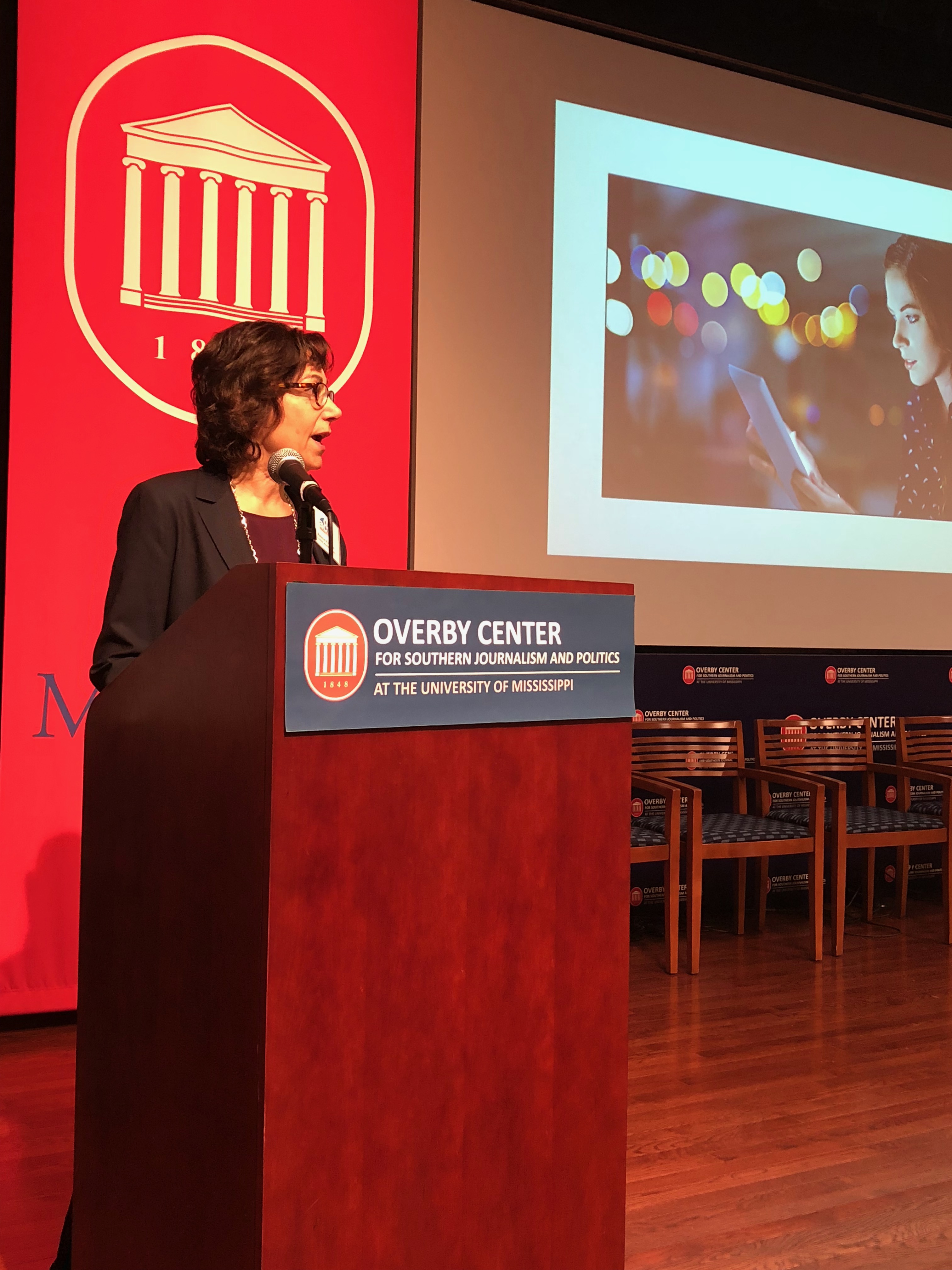
Joe Hyrkin, CEO, issuu, speaking at the Magazine Innovation Center’s ACT 8
Experience April 18, 2018.

“The future is really all about the creator, the publisher, having more and more control. So, they make the publication; they can control which stories they want to share and how; they can control how they use it. If they want they can share just on their own site; they can use it to share on Snapchat or Instagram or elsewhere; it gives them a whole set of tools now to engage the social media platforms more effectively around their whole content.” Joe Hyrkin…

“I think it offers a more comprehensive opportunity for monetization. One of the things that we’ve created in the story generator software that we’re making available as part of this, is the ability for publishers to put different images into the story than were in the original article. They can embed additional kinds of ads in the story than were in the article. It enables them to monetize the content in a more expansive way and it now also enables them to take advantage of these other platforms because they’re able to serve up that content in a format that people are aligned with already, and monetize the content as well.” Joe Hyrkin…
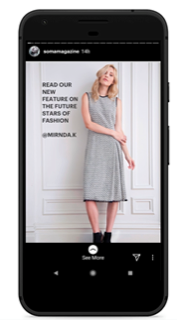
Issuu, the world’s largest digital discovery and publishing platform, announced Issuu Stories, a new mobile-optimized content sharing feature that enables brands and creators to highlight and share specific pages of their digital content on their favorite social channels. Joe Hyrkin is CEO of Issuu and is excited by this brand new feature, as it allows Issuu publishers, particularly ones of media content, magazines and newspapers, to be able to continue their relationship with the publishing platform and turn their content into stories that can be shared in any social experience, such as Instagram, Facebook, Snapchat, Twitter, Pinterest, LinkedIn, WhatsApp, and Reddit. To share a digital publication link through Instagram Stories, users must be an Instagram business user with more than 10,000 followers.

I spoke with Joe recently and we talked about Issuu Stories. The new feature gives users the ability to easily integrate their content on social to deliver beautiful spreads and slick scrolls, and share with GIFs generated on Issuu. Additionally, users can include a shareable link directing readers to sequential or non-sequential pages within their digital publication.

Joe believes Issuu Stories enables a deeper level of engagement by optimizing the way in which creators and brands can share their digital content. It’s an illuminating portal that opens up the possibilities for digital content and blazes that cyber trail that many are trying to machete their way through.

Leave it to Issuu to lead the way.

And now without further ado, the Mr. Magazine™ interview with Joe Hyrkin, CEO, Issuu.

But first the sound-bites:

On Issuu’s new feature called Issuu Stories: We are rolling out Issuu Stories and it’s something that I’m super-excited about because it now enables all Issuu publishers, particularly media content, magazines and newspapers, to be able to continue to use the Issuu system and turn articles into stories that can be shared in any social experience: Instagram, Snapchat, Facebook, Twitter, Pinterest.

On the restrictions that are in place when using Issuu Stories, such as on Instagram it must be a business account and have at least 10,000 followers: That’s an Instagram restriction. In order to share the story in the format that we’ve created, in order to share the content of a link on Instagram, you need to have more than 10,000 followers. So, it’s a restriction by Instagram and we’re actually going to talk to them about making some changes. I think one of the core reasons that they do that is they want to make sure that if people are sharing content from within the link that it’s high-quality content and it’s curated and there are some set of standards around it. And of course, those folks who are sharing Issuu Stories on Instagram have met a certain criteria of quality because of the publication that they’re creating.

On where he sees the future of magazine media and digital heading as Issuu moves forward: I actually think that this is only serving to drive more consumption of the full magazine. In the past, if you think about even a print-oriented newsstand, the way that magazines got sold was by the cover. The cover drove the vast majority of initial engagement for that whole publication. And now what we’re enabling people to do is engage beneath the covers, so they can use a story on page 37 to drive consumption of the whole publication.

On whether he believes this is a step toward easier monetization of publisher’s publications: I don’t know if I would say easier, but I think it offers a more comprehensive opportunity for monetization. One of the things that we’ve created in the story generator software that we’re making available as part of this, is the ability for publishers to put different images into the story than were in the original article. They can embed additional kinds of ads in the story than were in the article. It enables them to monetize the content in a more expansive way and it now also enables them to take advantage of these other platforms because they’re able to serve up that content in a format that people are aligned with already, and monetize the content as well.

On if Texture is the 800-pound gorilla, is Issuu the 400-pound one: There’s a 100-pound gorilla, absolutely, but what makes the zoo a great experience is being able to see the hundreds of different animals and how people look at the animals and the whole experience that’s available. And you can go into those areas in the zoo that are most interesting to you. You can see a 100-pound gorilla and that’s cool, but what I’m really interested in is the entire penguin exhibit and feeding the penguins and the experience that provides.

On whether he can envision a day when Issuu offers a membership and charges a set amount for all content or they just prefer to leave it up to the individual publishers: We are all about putting power and monetization control into the hands of the publisher, because I think they’re creating amazing stuff and we want them to be able to continue to thrive and build their business. And I think that means having a set of tools for distribution and it means having a set of options around monetization, where they’re not just stuck on a particular monetization format.

On any major hurdle Issuu might have to overcome: One of the hurdles here is publishers that use us have come to rely on a set of tools that they use Issuu for. So, they distribute or they sell a digital version of their magazine; often they will use us for one or two features and they sort of get locked into, this is what we’re going to be using Issuu for. And one of the hurdles that we have is to effectively communicate with them about those, which are all very much a part of the package and part of the foundation of why they’re using us, and then show them the new set of tools that are available to them around creating stories and distributing them.

On Sweet Paul magazine now having a print edition and being on newsstand: Sweet Paul is a great example. They’re a great business and they’re amazing people. I don’t know if you’ve spent much time with them, but they have built a media business essentially from scratch. And they’ve hooked some really high-quality content and their magazine has been in Anthropology and is now sold in Barnes & Noble. And a lot of that has happened, in large part, because when they first launched the magazine, they grew their audience through Issuu. And now they have this whole set of things they do. They have a magazine; they do events; they do video content; they’re advising other magazines. They’ve created this really interesting media business that I think is the wave of the future.

On anything he’d like to add: The other piece around it is, one of the things about all published magazines in particular is, often the story that is richest and most exciting to a particular reader isn’t obvious from either the cover or the way in which the magazine is marketed. And now through Stories it creates an accessibility into this quality content that hasn’t been available at scale or in a digital format before.
And now the lightly edited transcript of the Mr. Magazine™ interview with Joe Hyrkin, CEO Issuu.

Samir Husni: Tell me about this new feature called “Issuu Stories.”

Joe Hyrkin

Joe Hyrkin: We are rolling out Issuu Stories and it’s something that I’m super-excited about because it now enables all Issuu publishers, particularly media content, magazines and newspapers, to be able to continue to use the Issuu system and turn articles into stories that can be shared in any social experience: Instagram, Snapchat, Facebook, Twitter, Pinterest.

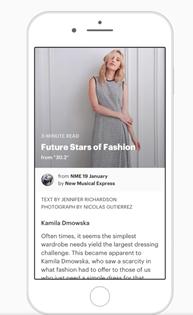
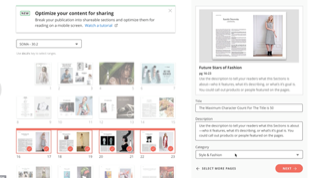
We’ve given publishers a set of tools that we’ve created, where we automatically show the whole flat plan of the publication. And then they can lasso elements of that publication. They can just very quickly click on the images and we identify the elements of text and images, and all of the different pieces of the content, they can click mobile optimize, and it turns it into a vertically-scrolling, mobile-optimized story or article that can be shared in its discreet format anywhere digitally.

And as you scroll and read through the story, as we always do at Issuu, we continue to drive engagement for the full magazine itself, so within the vertical scroll of the story, we have the cover of the publication and you click on that and it takes you to the full digital publication of the magazine itself. So, you can now start to use Issuu to share elements of the magazine, and then use those elements to drive more engagement into the full magazine.

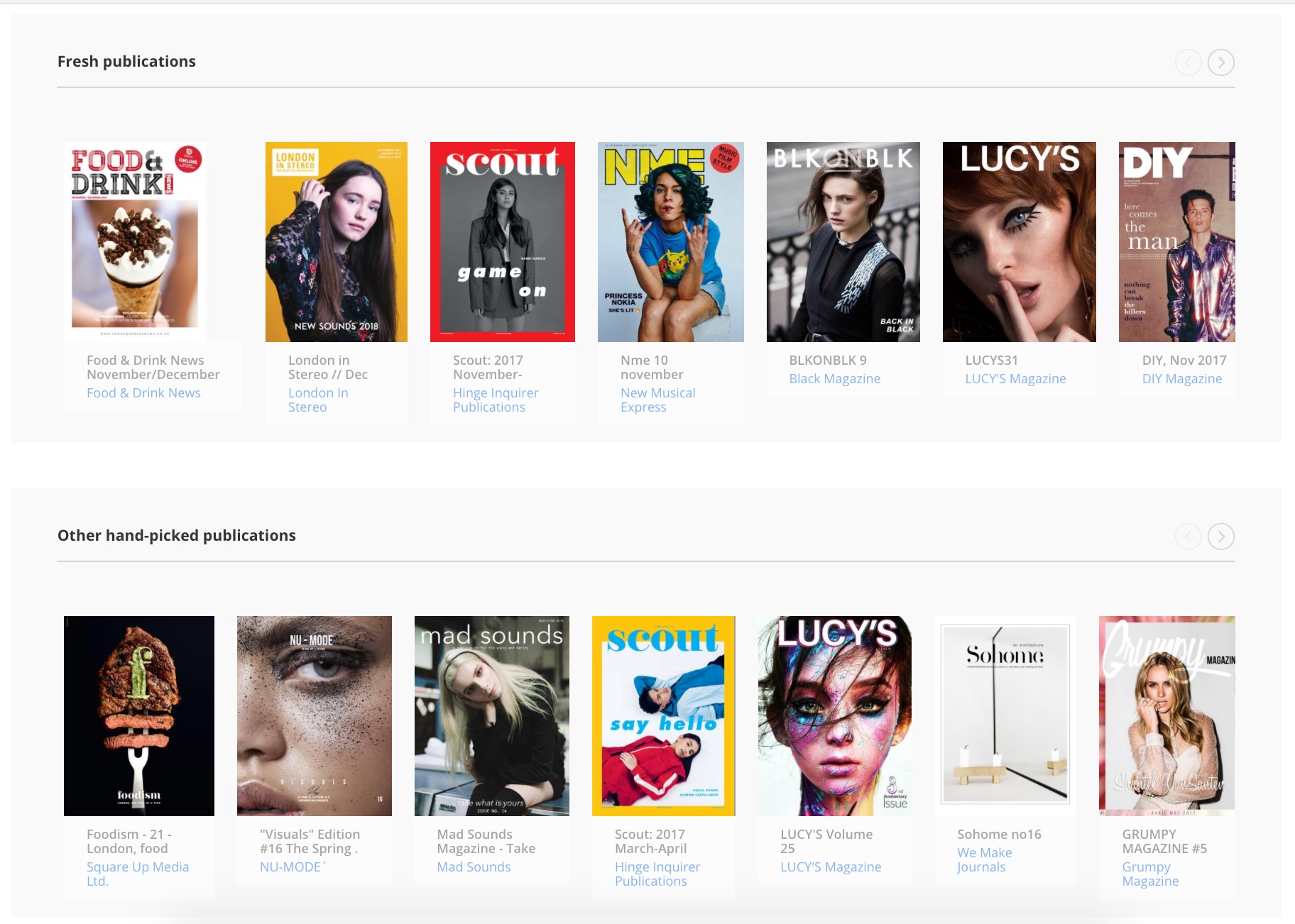
It’s basically a two-pronged approach. First is the software that publishers get access to, which automatically turns each of the articles into stories. And then on the consumer side, they’re able to subscribe to Issuu stories or to curate the most interesting sets of content for them across different categories as well.

Samir Husni: I’ve noticed that you’re limiting it somewhat. For example, people who use Instagram have to have an Instagram business account and more than 10,000 followers. Why are those restrictions in place?

Joe Hyrkin: That’s an Instagram restriction. In order to share the story in the format that we’ve created, in order to share the content of a link on Instagram, you need to have more than 10,000 followers. So, it’s a restriction by Instagram and we’re actually going to talk to them about making some changes. I think one of the core reasons that they do that is they want to make sure that if people are sharing content from within the link that it’s high-quality content and it’s curated and there are some set of standards around it. And of course, those folks who are sharing Issuu Stories on Instagram have met a certain criteria of quality because of the publication that they’re creating.

Samir Husni: What’s the future? You had a platform that offered the entire publication, now you’re offering a story-by-story feature. Where do you see the industry heading, in terms of magazine media and digital?

Joe Hyrkin: I actually think that this is only serving to drive more consumption of the full magazine. In the past, if you think about even a print-oriented newsstand, the way that magazines got sold was by the cover. The cover drove the vast majority of initial engagement for that whole publication. And now what we’re enabling people to do is engage beneath the covers, so they can use a story on page 37 to drive consumption of the whole publication.

If you think about something like The Economist as an example, they always have on their front cover a selection of titles of different stories that are within the magazine. So, they’re sort of calling it out via headlines and putting it on the front cover off the magazine. Our whole focus is on supporting the publisher to make their whole publication accessible and distributable. And now they can take pieces of it, use that to engage their audience and drive them deeper into the magazine. These stories can be shared as unique units, but contained within the structure of the story. It’s not just a link to the magazine, but it’s actually the full cover that drives you deeper into the magazine itself.

And then when we’re doing this, the future is really all about the creator, the publisher, having more and more control. So, they make the publication; they can control which stories they want to share and how; they can control how they use it. If they want they can share just on their own site; they can use it to share on Snapchat or Instagram or elsewhere; it gives them a whole set of tools now to engage the social media platforms more effectively around their whole content.

Samir Husni: Do you think that’s a step toward easier monetization of their publications?
Joe Hyrkin: I don’t know if I would say easier, but I think it offers a more comprehensive opportunity for monetization. One of the things that we’ve created in the story generator software that we’re making available as part of this, is the ability for publishers to put different images into the story than were in the original article. They can embed additional kinds of ads in the story than were in the article. It enables them to monetize the content in a more expansive way and it now also enables them to take advantage of these other platforms because they’re able to serve up that content in a format that people are aligned with already, and monetize the content as well.

They also can use these stories to reconnect with sales, whether it’s digital sales or they certainly could incorporate by a print subscription to the magazine. It gives them a whole new way to communicate with their audience and use this to grow a larger audience.

Samir Husni: If we assume Texture, especially now after being bought by Apple, is the 800-pound gorilla; is Issuu the 400-pound gorilla now?

Joe Hyrkin: (Laughs) I love these analogy conversations. Let’s say we’re the zoo, right?

Samir Husni; (Laughs too).

Joe Hyrkin: There’s a 100-pound gorilla, absolutely, but what makes the zoo a great experience is being able to see the hundreds of different animals and how people look at the animals and the whole experience that’s available. And you can go into those areas in the zoo that are most interesting to you. You can see a 100-pound gorilla and that’s cool, but what I’m really interested in is the entire penguin exhibit and feeding the penguins and the experience that provides.

So, the way I look at the difference here is Texture, particularly within the context of Apple, is about a very specific set of titles that are now going to be, and I don’t know anything more than you do, but they’ve publicly stated it’s now going to be part of a new Apple subscription service that they’re going to create, which in a certain way enables that content to have a larger audience than what was available just being Texture, because now they can connect it to the larger Apple audience. But still a very thin layer of content.

And what we’re doing now is by automating these stories; we will see hundreds of thousands of stories available that are enabling creators to really much more directly connect to people who are interested in what they have to offer.

Samir Husni: Do you envision one day that you will offer an Issuu membership, an all you can eat buffet that you can pay a set amount per month and access everything? Or do you want to leave it up to the individual publishers?

Joe Hyrkin: We are all about putting power and monetization control into the hands of the publisher, because I think they’re creating amazing stuff and we want them to be able to continue to thrive and build their business. And I think that means having a set of tools for distribution and it means having a set of options around monetization, where they’re not just stuck on a particular monetization format.

So, we will continue to offer more ways to distribute and more ways for them to monetize. And as part of Issuu Stories, we are actually rolling out a subscription product where readers can subscribe to receive the curated Issuu Stories that get delivered directly to them. For now, that’s really available because we want to help publishers make and share that content. There may be some monetization element that we layer on top of that, and if we did that it would be in association in some form with the publishers as well.

Samir Husni: What might be a major hurdle that you’ll have to overcome?

Joe Hyrkin: One of the hurdles here is publishers that use us have come to rely on a set of tools that they use Issuu for. So, they distribute or they sell a digital version of their magazine; often they will use us for one or two features and they sort of get locked into, this is what we’re going to be using Issuu for. And one of the hurdles that we have is to effectively communicate with them about those, which are all very much a part of the package and part of the foundation of why they’re using us, and then show them the new set of tools that are available to them around creating stories and distributing them.

I think one of the things that happens is, right now publishers have their own system that they use for creating things like this. They blog or they do this or do that, and ultimately this will save them a tremendous amount of time. It’s a different set of communications for us to share with folks around that. But so far the uptake has been really good and we soft-rolled it out last week, as we were publicly announcing it.

We’re finding that people we’ve shown this to, people like Lonely Planet and Red Bull, on those sort of larger brand sides, Tom Tom Magazine and Escapism and a whole set of others on the emerging brand side, are finding this is exactly what they needed. They had been trying to figure out how they could share the articles without destroying the integrity of the publication they had created and is the focus.

Samir Husni: I noticed that Sweet Paul now has his magazine on the newsstand at Barnes & Noble, a print edition.

Joe Hyrkin: Sweet Paul is a great example. They’re a great business and they’re amazing people. I don’t know if you’ve spent much time with them, but they have built a media business essentially from scratch. And they’ve hooked some really high-quality content and their magazine has been in Anthropology and is now sold in Barnes & Noble.

And a lot of that has happened, in large part, because when they first launched the magazine, they grew their audience through Issuu. And now they have this whole set of things they do. They have a magazine; they do events; they do video content; they’re advising other magazines. They’ve created this really interesting media business that I think is the wave of the future.

Samir Husni: Is there anything that you’d like to add?

Joe Hyrkin: The other piece around it is, one of the things about all published magazines in particular is, often the story that is richest and most exciting to a particular reader isn’t obvious from either the cover or the way in which the magazine is marketed. And now through Stories it creates an accessibility into this quality content that hasn’t been available at scale or in a digital format before.

There’s this great magazine, Soul Food, and Roy Choi, who is one of the inventors of the food truck movement; there’s a great article about him buried in the middle of this magazine, and now they can use Issuu Stories to direct readers into that particular body of content that wasn’t available before, and then use that to drive more and more engagement.

I think the key here is this unleashing of access that hasn’t been available before in a way that expands engagement with the whole publication.

Samir Husni: Thank you.
h1

2018 Print Advertising Is In Decline, But Advertisers Not Moving to Digital… Todd Krizelman, CEO Of MediaRadar, Responds To A Mr. Magazine™ Question. A Mr. Magazine™ Exclusive.

May 21, 2018

“You asked what happened to the 20,400 print advertisers who stopped buying print?” Todd Krizelman, CEO, MediaRadar, writes, the results are definitely surprising!

Of the 87,943 advertisers that stopped placing in print in 2018, 7,467 (8%) instead ran a digital campaign in 2018 during the same time period. 92% of the 87,943 stopped buying all together.

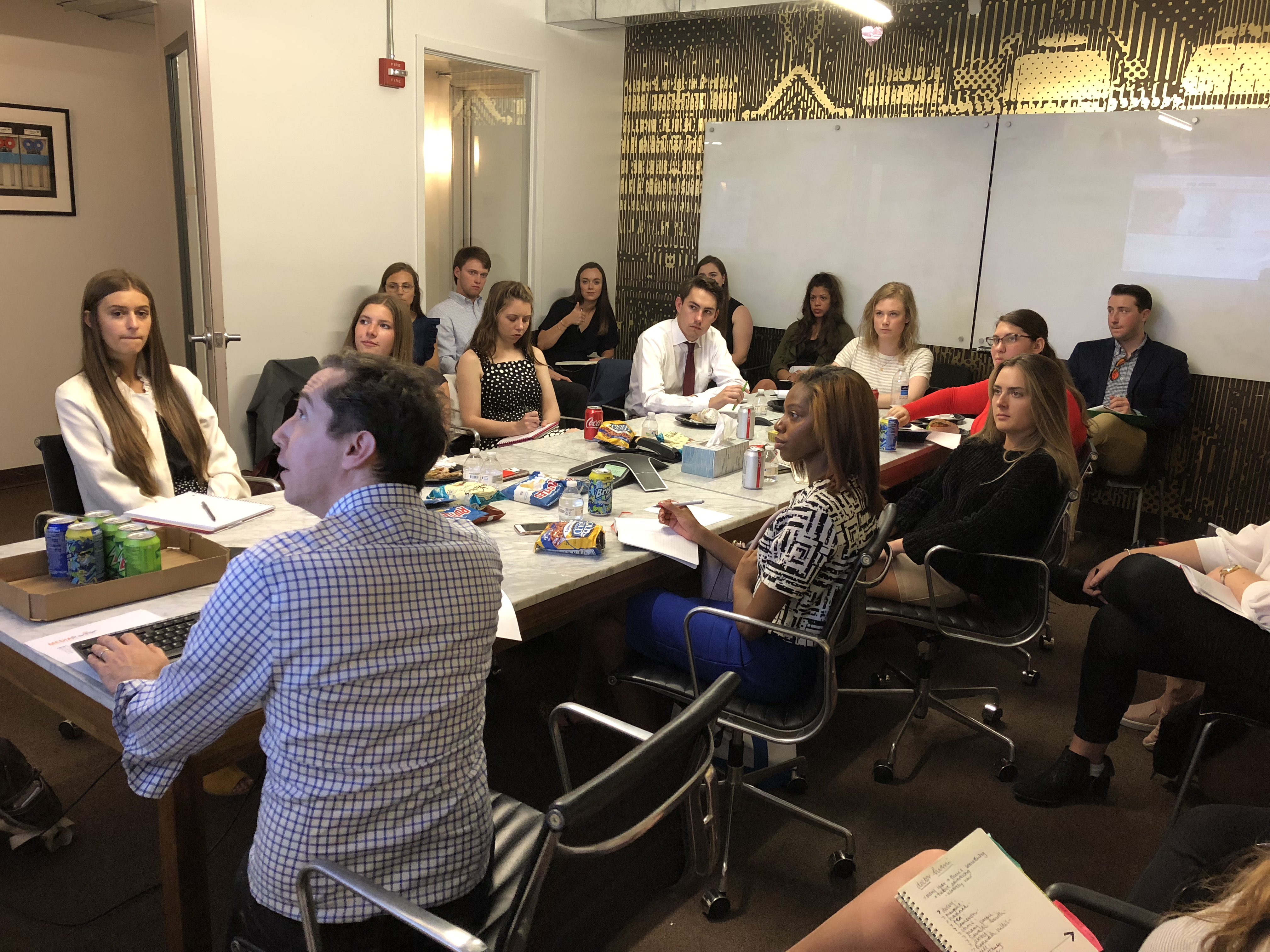
Todd Krizelman, CEO of Media Radar, presenting to the students of the magazine program at The University of Mississippi at the Magazine Making in New York City, May 15.

I had the pleasure to visit (with 16 students) with Todd Krizelman, CEO of MediaRadar, earlier in the week. During Todd’s presentation he mentioned that 20,400 print advertisers stopped buying print in the first four months of 2018. So, I asked him the common sense question that any journalist should ask when faced with a statistic like that. Todd graciously offered to follow-up on my question, “which turned out to be a riddle.” His quote, not mine.

There is a decline in print advertising in 2018, but very few of the brands who stopped placing ads in print moved to digital (which is so often the assumption). The following analysis reveals the surprising shifts in ad spend at the start of the year.

Based on MediaRadar analysis, there were 172,155 advertisers in print in Jan-Apr 2017 and 151,825 in the same period 2018, a decrease of 13%, or 20,330 advertisers. The 20,330 is the net decline, not the number of companies however that stopped buying year-over-year in this period. There were in fact 87,943 brands that stopped buying altogether in print.

That 87,943 brands stopped buying is not surprising (more on this shortly), but the net decline of 20,330 is a concern. Posted below is what we discovered.

i. Normal Advertiser Churn:
In most years we observe that only about half of advertisers buy again in the following year. This at first seems surprising, but it’s not unexpected. Here’s why:

1. Perishable Advertisers. Many advertisers have a short shelf life. For example: movie advertisers do not renew their campaigns. Real estate brokers and developers too buy 1x for each property.

2. Changing Product Lines. Many companies introduce new products each year, only advertising their new models. Technology companies are a great example. Their products have a short shelf-life and so the same product rarely renews. In local markets restaurants and bars tend to only spend when they launch.

ii. Unexpected Advertiser Churn:

This past year there were two categories of advertisers that were disproportionately impacted. Retail and real estate advertising were both down sharply. The two categories represent a big piece of print advertising especially. There were ~8,000 retailers that went out of business in 2017, more than any other year in history (Source: Fung Global Retail & Technology/ Credit Suisse), and the single worst year since 2008, when the market last collapsed. Many casually assign the decline in retail to the rise of firms like Amazon. Additionally, with rising interest rates, mortgage refinancing is crashing (down 40% last year, and expected to decline again 26%k) and new home buying is in decline. Just Friday morning, May 18, the WSJ wrote about the topic “The Era of Low Mortgage Rates Is Over”.

iii. The Takeaway
Of the 87,943 advertisers that stopped placing in print in 2018, 7,467 (8%) instead ran a digital campaign in 2018 during the same time period. 92% of the 87,943 stopped buying all together.

Of the 7,467 brands buying digital in 2018, 3,228 of them were new to digital (they didn’t run digital campaigns Jan-Apr 2017). This means that just 3.6% actively moved their business from print to digital this year.

While this analysis disproves that advertisers are moving in droves to digital, it does raise a question about the quality of the overall market for advertising. Bottom line is that a disproportionate number of companies sat out the market at the start of this year.

Methodology Notes:

How the 20,330 decline is calculated: There were 67,806 that were new to print in the first four months of 2018 and 87,943 that did not return in the same period. The difference between the companies stopping and starting is the 20,330 advertisers. (87,943 – 67,806 = 20,330)

MediaRadar analysis compared Jan-Apr 2017 vs. Jan-Apr 2018.

h1

It’s A Mag Mag Mag World & Mag Culture Is Bringing It To New York City: The Mr. Magazine™ Interview With Jeremy Leslie, Owner & Curator, Mag Culture…

May 15, 2018

“I’ve always had a fundamental belief in it (print), but what encourages me to continue that deep belief is the wave after wave of new magazines with fantastic ideas and fantastic values; just the good stuff that’s being made is what continues to inspire and excite me.” Jeremy Leslie…

“I always say that I lived through the promise of the iPad and the tablet, and there are one or two cases where it still has a valid role to play; for certain publications it’s very useful. But essentially, I sat through lots of technology meetings where I just always felt in my heart of hearts, if somebody walked in with this new technology called “magazine” and put it down in front of them, everybody would say “Yes!” (Laughs)” Jeremy Leslie…

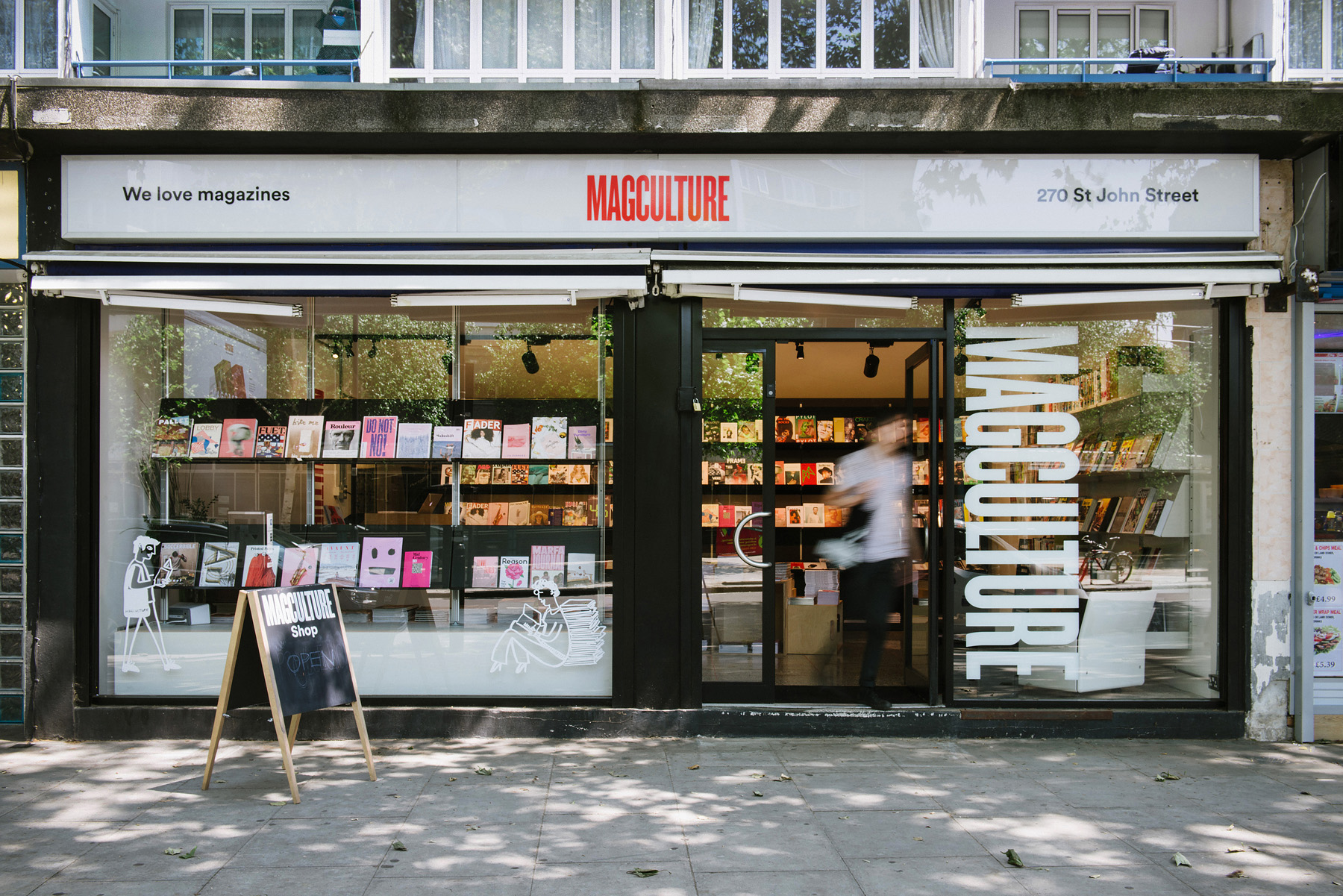
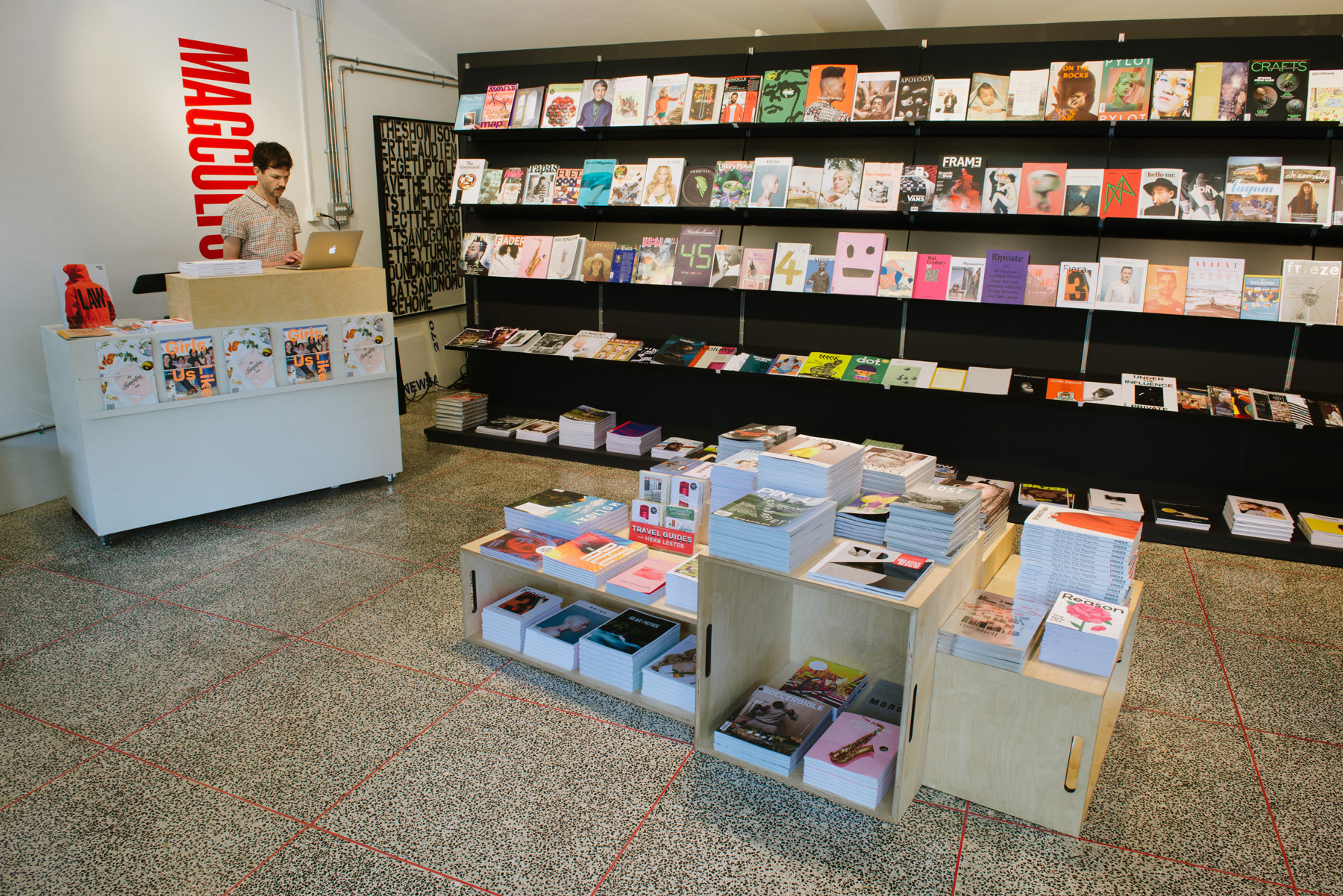
Jeremy Leslie is an author, a creative director, a designer, blogger, and owner of the London-based, brick and mortar shop, Mag Culture. Jeremy has 30 years of experience in magazine making. He has been art director for weeklies and monthlies and spent the nineties developing magazines for clients as diverse as BSkyB, Nike, Virgin Atlantic and Waitrose. He has written four books about editorial design and launched Mag Culture as a blog in 2006, adding the design studio in 2010, and shop in 2016. He is a man who believes in print and in the beauty and power of magazines.

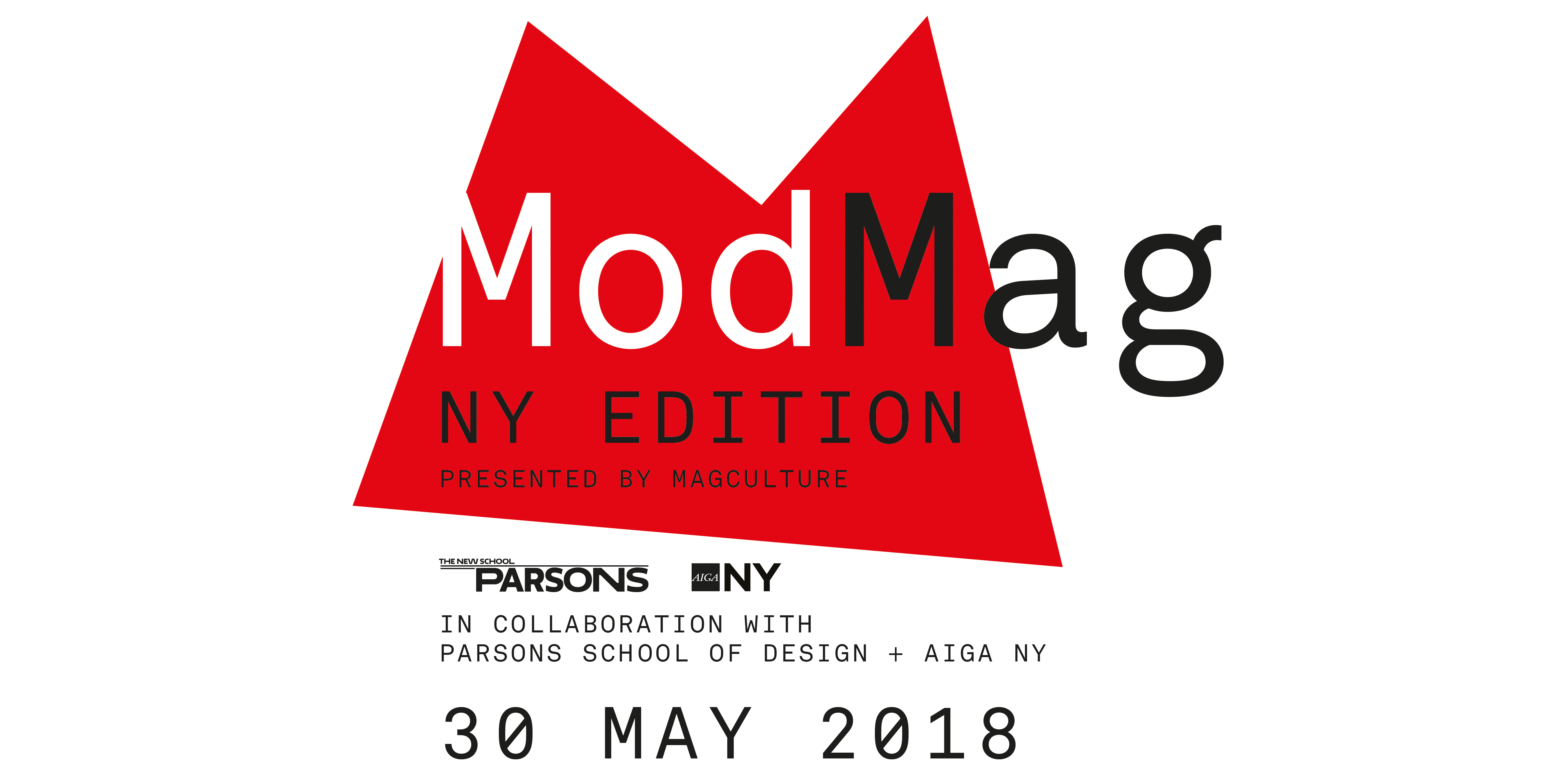
Since 2013, Jeremy has hosted ModMag, an annual event in London, which brings together a group of magazine-making talent from the U.K., the United States and across Europe. It is organized and moderated by Jeremy himself and this year he is bringing the highly successful conference to New York.

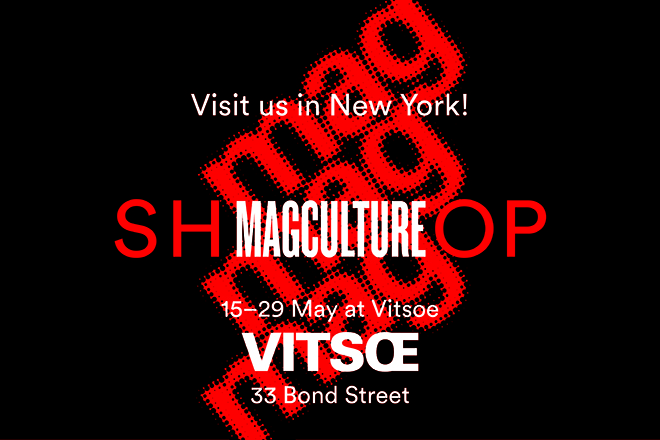
I spoke with Jeremy via Skype recently and we talked about the ModMag event which will be held on May 30th at the Parsons School of Design in New York City. This is the first time ever the event is being brought to the states, even though Jeremy said he’d been thinking about an NYC gathering for quite some time. For the two weeks leading up to ModMag, there will be a preview of the event as Mag Culture is launching, in collaboration with Vitsoe, a British furniture company, a pop-up venture that will bring about 100 magazines from Jeremy’s London shop to a temporary shop in Manhattan, allowing people to meet and greet local magazine-makers and commentators.

It should prove to be a very successful event and one that Jeremy hopes will be repeated many years to come in New York. So, I hope that you enjoy this Mr. Magazine™ conversation with a man who is as Print Proud as yours truly, but remains Digitally Smart as well, recognizing how important technology is in today’s magazine and business world.

And now, Jeremy Leslie.

But first the sound-bites:

On his take of the state of magazine media in 2018: I think there is this sort of curious paradox of the situation where, on the one hand, there are very major business challenges for the industry, and yet at the same time, it’s a hugely creative and innovative time for the industry. That would be my underlying story of where we are. Because of the business challenges the creative side of the industry has stepped up and has the opportunity to try things in a way that they haven’t had for quite some time. So, you see lots of experiments, lots of self-publishing; lots of projects where, frankly, the financial and business aspect is set aside and they’re concentrating on making lovely things, which is healthy for the industry, in terms of being inspirational.

On his definition of the word content today: I think, certainly, everything we do at Mag Culture is editorially considered, so in a sense, even the shop and the conference, all of these things are carefully planned and curated, if you like, so there’s an editorial point of view applied to that. So, it is all content, but it’s content in the best sense. It’s not just stuff that we’re pouring in; it’s the best content. We need a better word.

On what continues his belief in the power of print: I’ve always had a fundamental belief in it, but what encourages me to continue that deep belief is the wave after wave of new magazines with fantastic ideas and fantastic values; just the good stuff that’s being made is what continues to inspire and excite me. After quite a few years of work, we have established ourselves, and Mag Culture, as a lightening conductor for people who are doing interesting work in the magazine area. And it keeps coming; we don’t have to search for it.

On why he thinks magazines are continuously being made and shared all over the world: I think there are multiple reasons. Essentially, I believe there’s a difference between what people expect and what actually happens. And I think what many people in our industry expected and many foresaw, and they were wrong, was that digital would completely overtake print. One of the reasons that I started moving into the events and conferences was that I was tired of going to conferences, and yours is an exception to this, I was tired of going to publishing conferences and being faced with tech geeks telling me that everything was going to be on the robot plan. And I have my phone; I live on it; I need it; I wouldn’t be able to run my business without it. I’m not in denial about its role and its importance, but the idea that would sweep everything before it away and destroy print was always absurd in my view. And I think that’s now beginning to be established as the case.

On his most pleasant surprise since taking Mag Culture worldwide: The most pleasant surprise is the thing that contradicted perhaps what many people’s expectations were. And that is both here in London and when I travel, when I’m speaking at someone else’s conference or doing something myself abroad, the people you meet who are interested in and who are making magazines or who are interested in buying the magazines, are everyone. They’re not just art students or hipsters; they’re not a single type of person, they’re young people and old people and middle people, women and men; people of different backgrounds; it’s just a universal thing. People love it when they get the chance to see it.

On having an actual physical store where he sells magazines: One of the great things about having a physical space and having a shop that’s in the same space as my studio, is that I’m here all of the time, even though I’m not in the store all of the time. I get to meet a lot of people who come by to drop off their magazines themselves, so I get to meet a lot of the people making the magazines and I find out what their orientation and their reason for doing it is, and that’s always interesting.

On what has been the biggest stumbling block he’s had to face: The hardest part of the whole business remains the fact that one magazine is really easy to pick up and enjoy, and that’s part of the joy of the magazine, they’re made for your hands. But as soon as you put 20 of them in a box, they’re very difficult to handle. (Laughs) So, the biggest stumbling block is the distribution and logistics around the business. I think a lot of the young publishers making independent magazines are being very intelligent about how they are reinventing the making of magazines. And I think on our end, myself and other people are looking at how the retail side of it works.

On the genesis of the ModMag conference idea and why he decided to bring it New York later this month: We did the first ModMag, it was called The Modern Magazine then, which was named for my book of the same name. So, that was in 2013, and we’ve done five of them now. I published my book, The Modern magazine, and I wanted to mark its publication, so I planned maybe an evening with a panel discussion. And that developed very quickly and it became a whole day, because the book contained interviews with various leading lights in the industry, and when I spoke to some of them about how they might be involved, it quickly became clear that everybody wanted to be involved. So, we did the whole day event. And that was mainly to launch the book. But it was successful enough that everybody said that I had to do it again the following year. And we did. And now we’ve done five years and it has grown and moved to a bigger venue. I came to realize that there are two big publishing cities in the English language publishing world and one is my city, London, and the other is New York. I had had the ambition to launch New York for some time. And it suddenly happened very fast.

On what he would hope to say about the New York conference a month from now after it’s over: We’ve done five in London, so I would like to think – I mean, it is the first time and I realize it’s an unknown quantity for a lot of people who might be thinking about attending, but what I would hope to be able to tell you in June, say to you is that the response was good enough that we’re going to do it again next year. That’s what I hope.

On whether in five years he believes that we’ll still be celebrating the power of print: I believe so. I think as an industry we have to be honest with ourselves and accept that we got to the stage where there were too many magazines. There were just too many magazines, too many, too often, too alike, too familiar. I think we’re optimistic about the near future, in terms of we’ll see a return to better quality, better made things, there might be less magazines, but the magazines that remain will be better made and better produced, less wasteful of resources, and more desirable and will have a far deeper relationship with their readers.

On anything he’d like to add: Yes, just one thing I’d like to highlight. The ModMag takes place all day on May 30th, but in the two weeks running up to that, we have a collaboration with our friends at Vitsoe, where we are bringing about 100 of our magazines from the London shop and we’ll have a shop in Manhattan. And we’re calling this collaboration “Mag, Mag, Mag.” And alongside the shop we will have a program of smaller events, which will be free for people to come in and meet one or two people from local magazines, some of the local independents, and some local commentators. So, there’s a two week run up to the event. And that starts on the 15th of May and ends on the 29th.

On what someone would find him doing if they showed up unexpectedly one evening at his home: To clear my mind I swim regularly, watch soccer and read. But true unwinding means with my wife Lesley, our sons are home from University, and we’ re playing cards and working our way through a bottle of wine.

On what he would have tattooed upon his brain that would be there forever and no one could ever forget about him: That I love magazines.

On what keeps him up at night: (Laughs) Managing the cash flow. It actually does; the economics of the magazine shop are very complicated. It’s very worrisome.

And now the lightly edited transcript of the Mr. Magazine™ interview with Jeremy Leslie, owner and editor of Mag Culture.

Samir Husni: You’re much more than just a creative director; give me the Jeremy Leslie state of magazine media in 2018 from your point of view.

Jeremy Leslie: I think there is this sort of curious paradox of the situation where, on the one hand, there are very major business challenges for the industry, and yet at the same time, it’s a hugely creative and innovative time for the industry. That would be my underlying story of where we are. Because of the business challenges the creative side of the industry has stepped up and has the opportunity to try things in a way that they haven’t had for quite some time. So, you see lots of experiments, lots of self-publishing; lots of projects where, frankly, the financial and business aspect is set aside and they’re concentrating on making lovely things, which is healthy for the industry, in terms of being inspirational.

In that last statement, I talked about the business challenges that face the magazine industry, but it’s not just the magazine industry, it’s actually the publishing and content industry as a whole that faces one fundamental challenge, and that is will people pay for content, that’s the challenge. And I think we’re beginning to see now that people are willing to pay.

The content wants to be free, that was always the idea behind the Internet. The information, the content wants to be free and it will be free, but it might not be very good content that’s free. So, people are beginning to realize and are getting used to the idea of subscribing and paying for a Netflix or The New York Times, The New Yorker, and other subscription vehicles. And this will filter down.

The overall business and finance of publishing and making things online or in print will never be even, it will always go up and down, up and down, but I think we’re about to see an up, as quality sees through and people begin to realize and accept that they need to pay if they want good stuff.

Samir Husni: As I talk with magazine editors, publishers and designers, even the definition of the word content has changed. How do you define content? Here you are, someone who’s sole job in the beginning was as a creative director, then you became a watcher of the industry; and then you opened a shop; Mag Culture is all over the place. Is that still content? Is the brick and mortar store; your commentary on the industry; the conferences that you’re doing; is that still considered content in this day and age?

Jeremy Leslie: I think it is, yes. I use the word content all of the time, and I’ve just repeated it about 20 times in my last sentence. But I’m not comfortable with the word. I think the word content is slightly dismissive and slightly undervalues it by its very nature. It sort of implies that there’s a space that needs to be filled and you pour it in, or shovel it in, that’s my issue with the word content, but I’m not sure we have a better word as of yet.

I think, certainly, everything we do at Mag Culture is editorially considered, so in a sense, even the shop and the conference, all of these things are carefully planned and curated, if you like, so there’s an editorial point of view applied to that. So, it is all content, but it’s content in the best sense. It’s not just stuff that we’re pouring in; it’s the best content. We need a better word.

Samir Husni: You have been a driving force, even through the shop, of bringing in all of these new talents, bringing in all of these new magazines. What continues your belief in the power of print in this digital age?

Jeremy Leslie: I’ve always had a fundamental belief in it, but what encourages me to continue that deep belief is the wave after wave of new magazines with fantastic ideas and fantastic values; just the good stuff that’s being made is what continues to inspire and excite me. After quite a few years of work, we have established ourselves, and Mag Culture, as a lightening conductor for people who are doing interesting work in the magazine area. And it keeps coming; we don’t have to search for it.

There’s all sorts of great magazines being made and interesting digital projects, exciting things going on, not just here in London, not just in your country, New York, the big cities, but from all over the world. There are people who really love and want to make magazines and want to share them. It’s an international phenomenon.

Samir Husni: Why do you think that’s happening?

Jeremy Leslie: I think there are multiple reasons. Essentially, I believe there’s a difference between what people expect and what actually happens. And I think what many people in our industry expected and many foresaw, and they were wrong, was that digital would completely overtake print. One of the reasons that I started moving into the events and conferences was that I was tired of going to conferences, and yours is an exception to this, I was tired of going to publishing conferences and being faced with tech geeks telling me that everything was going to be on the robot plan. And I have my phone; I live on it; I need it; I wouldn’t be able to run my business without it. I’m not in denial about its role and its importance, but the idea that would sweep everything before it away and destroy print was always absurd in my view. And I think that’s now beginning to be established as the case.

Of course, some areas are very affected by the free access online to mobile content. News and immediate headlines, things like that, print can’t compete on that level. But I think people are beginning to realize that there’s a place for both. That you can be waiting for a train and have your phone and then when you actually get in and sit down you can have the magazine. You use both. And I think people are realizing that sometimes they want to get away from screens, they want time away from the big screens we’re looking at now or the little screens that we have in our pocket. They want to get away from that and have an uninterrupted run at some content that they’re enjoying, some reading, some great articles, some great pictures. And just lose themselves and rest in a way that you can’t with digital screens.

Samir Husni: What has been the most pleasant surprise that you’ve had since you opened the shop, since you took Mag Culture, sort of worldwide, in terms of conferences and events?

Jeremy Leslie: The most pleasant surprise is the thing that contradicted perhaps what many people’s expectations were. And that is both here in London and when I travel, when I’m speaking at someone else’s conference or doing something myself abroad, the people you meet who are interested in and who are making magazines or who are interested in buying the magazines, are everyone. They’re not just art students or hipsters; they’re not a single type of person, they’re young people and old people and middle people, women and men; people of different backgrounds; it’s just a universal thing. People love it when they get the chance to see it.

Samir Husni: Having a physical store, do you ever watch people coming into your store? Do you ever ask them why did you buy this magazine or that magazine? Or do you just watch?

Jeremy Leslie: I just sort of watch. One of the great things about having a physical space and having a shop that’s in the same space as my studio, is that I’m here all of the time, even though I’m not in the store all of the time. I get to meet a lot of people who come by to drop off their magazines themselves, so I get to meet a lot of the people making the magazines and I find out what their orientation and their reason for doing it is, and that’s always interesting.

And then watching people. People come in and get the idea behind the shop, that it’s a space that shows off the magazines with as much care as the magazines show themselves off. So, it’s peaceful and gallery-like and people are encouraged to come in and browse and look and sit down. There are chairs, people can sit down and read, make a decision in their own time. And that’s my favorite thing, that people come in and spend an hour looking at everything. And then they’ll go and pick three or four magazines and you know that they’ve really thought with care and have decided that they really want those particular magazines.

Samir Husni: Especially with the cover prices.

Jeremy Leslie: These are not cheap magazines, these are things that you’re buying to enjoy and value and appreciate for time.

Samir Husni: What has been the biggest stumbling block that you’ve faced and how did you overcome it?

Jeremy Leslie: The hardest part of the whole business remains the fact that one magazine is really easy to pick up and enjoy, and that’s part of the joy of the magazine, they’re made for your hands. But as soon as you put 20 of them in a box, they’re very difficult to handle. (Laughs) So, the biggest stumbling block is the distribution and logistics around the business. I think a lot of the young publishers making independent magazines are being very intelligent about how they are reinventing the making of magazines. And I think on our end, myself and other people are looking at how the retail side of it works.

And we work with some very able and enthusiastic and optimistic people on the distribution side, but that distribution side is the hardest part of the business and it remains really difficult. It’s very slow and cumbersome, and it’s a broken part of the industry that somebody needs to take a really good look at. In Europe it’s bad, but I suspect in America it’s even worse, because of the scale of the country.

Samir Husni: One of your solutions was doing the physical shop. The other solution is you started the ModMag conferences. Tell me about the genesis of that idea and why you decided to bring it to New York later in May?

Jeremy Leslie: We did the first ModMag, it was called The Modern Magazine then, which was named for my book of the same name. So, that was in 2013, and we’ve done five of them now. I published my book, The Modern magazine, and I wanted to mark its publication, so I planned maybe an evening with a panel discussion. And that developed very quickly and it became a whole day, because the book contained interviews with various leading lights in the industry, and when I spoke to some of them about how they might be involved, it quickly became clear that everybody wanted to be involved. So, we did the whole day event. And that was mainly to launch the book.

But it was successful enough that everybody said that I had to do it again the following year. And we did. And now we’ve done five years and it has grown and moved to a bigger venue. It has become established as a “thing.” And as I mentioned earlier, it was also partially in reaction to so many conferences where everybody stood up and said forget about print and make everything mobile.

So, whilst we’re celebrating and promoting the idea of print, at every event we make sure that we have someone involved in digital as well, because I always like to be very clear about this, I couldn’t run my business, none of these magazines that we’re supporting could run their business, without the Internet. It’s integral to any new business, any startup business. You have to have a web presence and be using social media, these are all absolutely vital parts of the magazine process.

From the very first ModMag day, we had Richard Turley, British designer and much-awarded former creative director at Bloomberg Businessweek in New York, backstage. He came over to speak. Each year, we’ve had an American speaker, and I came to realize that there are two big publishing cities in the English language publishing world and one is my city, London, and the other is New York. I had had the ambition to launch New York for some time. And it suddenly happened very fast. I was talking to a couple of people and I have worked in New York before and I have quite a few contacts there. And I’ve been involved with judging SPD (Society of Publication Designers) awards and the like. I’ve spoken at your conference, and I’m aware from our figures that our second biggest audience beyond London and the U.K. is New York on the website.

So, it suddenly fell into place that we had the opportunity to work with Parsons School of Design and then AIGA (the professional association for design), their New York Chapter was very keen to support, so the three of us came together to collaborate on doing ModMag. And kind of do the same with New York speakers, with one or two from other countries to maintain that international aspect.

Samir Husni: What’s your expectations? If you and I are talking again in June and I ask you about the New York ModMag event, what would you hope to tell me then?

Jeremy Leslie: We’ve done five in London, so I would like to think – I mean, it is the first time and I realize it’s an unknown quantity for a lot of people who might be thinking about attending, but what I would hope to be able to tell you in June, say to you is that the response was good enough that we’re going to do it again next year. That’s what I hope.

One of the things that always works well and happens in London every year is that we get a lot of people who work in the industry in the audience and we have our guest speakers, and during the day everyone mixes, it’s a very social and open; it’s very much a celebration of the industry you work in. So, I want people to go away feeling inspired and saying “do it again.” (Laughs)

Samir Husni: As you look from your position, seeing that you’re not only an author, you’re also a creative director, designer, shop owner, conference leader, what do you see in your crystal ball? If you and I are sitting and talking five years from now, are we going to be celebrating and burying everything the naysayers believed about print, that it’s dead?

Jeremy Leslie: I believe so. I think as an industry we have to be honest with ourselves and accept that we got to the stage where there were too many magazines. There were just too many magazines, too many, too often, too alike, too familiar.

There was a very interesting piece on the Nieman Lab website recently, talking about how the 1960s, 1970s huge, appetite-led revolution in newspapers was really a small phase in history, and in that period and for those who lived through it, it felt like that was how it had always been. But it had not always been like that. The industry is forever shifting and changing and adapting to new technology, by which I don’t mean digital technology, better and faster printing; all the way back to the beginning of magazines, it’s all been about what technology is available for their production. With the introduction of the half-tone, and the introduction of color, etc.; all of these things have shifted the way the business and the industry works.

And so it will always be. It will always have to react to everything else that’s around it. So, it can’t always be up at the top, a huge, booming business. We’ve come off the back of a huge boon at the end of the previous century and now I think we’re just sort of bottoming out, coming out. I think we’re optimistic about the near future, in terms of we’ll see a return to better quality, better made things, there might be less magazines, but the magazines that remain will be better made and better produced, less wasteful of resources, and more desirable and will have a far deeper relationship with their readers.

Samir Husni: I remind people all of the time that paper is a good technology. With all of the tablets, everybody wanted to be like paper, and I wondered why do they want to create something like something I already have. (Laughs)

Jeremy Leslie: Exactly. We know our hearts are in exactly the same place and it’s what you just articulated. I always say that I lived through the promise of the iPad and the tablet, and there are one or two cases where it still has a valid role to play; for certain publications it’s very useful. But essentially, I sat through lots of technology meetings where I just always felt in my heart of hearts, if somebody walked in with this new technology called “magazine” and put it down in front of them, everybody would say “Yes!” (Laughs)

Samir Husni: Is there anything else you’d like to add?

Jeremy Leslie: Yes, just one thing I’d like to highlight. The ModMag takes place all day on May 30th, but in the two weeks running up to that, we have a collaboration with our friends at Vitsoe, where we are bringing about 100 of our magazines from the London shop and we’ll have a shop in Manhattan. And we’re calling this collaboration “Mag, Mag, Mag.” And alongside the shop we will have a program of smaller events, which will be free for people to come in and meet one or two people from local magazines, some of the local independents, and some local commentators. So, there’s a two week run up to the event. And that starts on the 15th of May and ends on the 29th. And then on the 30th of May we have the conference.

Samir Husni: If I showed up unexpectedly at your home one evening after work, what would I find you doing? Having a glass of wine; reading a magazine; cooking; watching TV; or something else? How do you unwind?

Jeremy Leslie: To clear my mind I swim regularly, watch soccer and read. But true unwinding means with my wife Lesley, our sons are home from University, and we’ re playing cards and working our way through a bottle of wine.

Samir Husni: If you could have one thing tattooed upon your brain that no one would ever forget about you, what would it be?

Jeremy Leslie: That I love magazines.

Samir Husni: My typical last question; what keeps you up at night?

Jeremy Leslie: (Laughs) Managing the cash flow. It actually does; the economics of the magazine shop are very complicated. It’s very worrisome.

Samir Husni: Thank you.
h1

“Integrated, Not Complicated” With Daren Mazzucca, Vice President/Publisher, Martha Stewart Living, Meredith – Mr. Magazine™ Presents Highlights From The ACT 8 Experience…

May 14, 2018

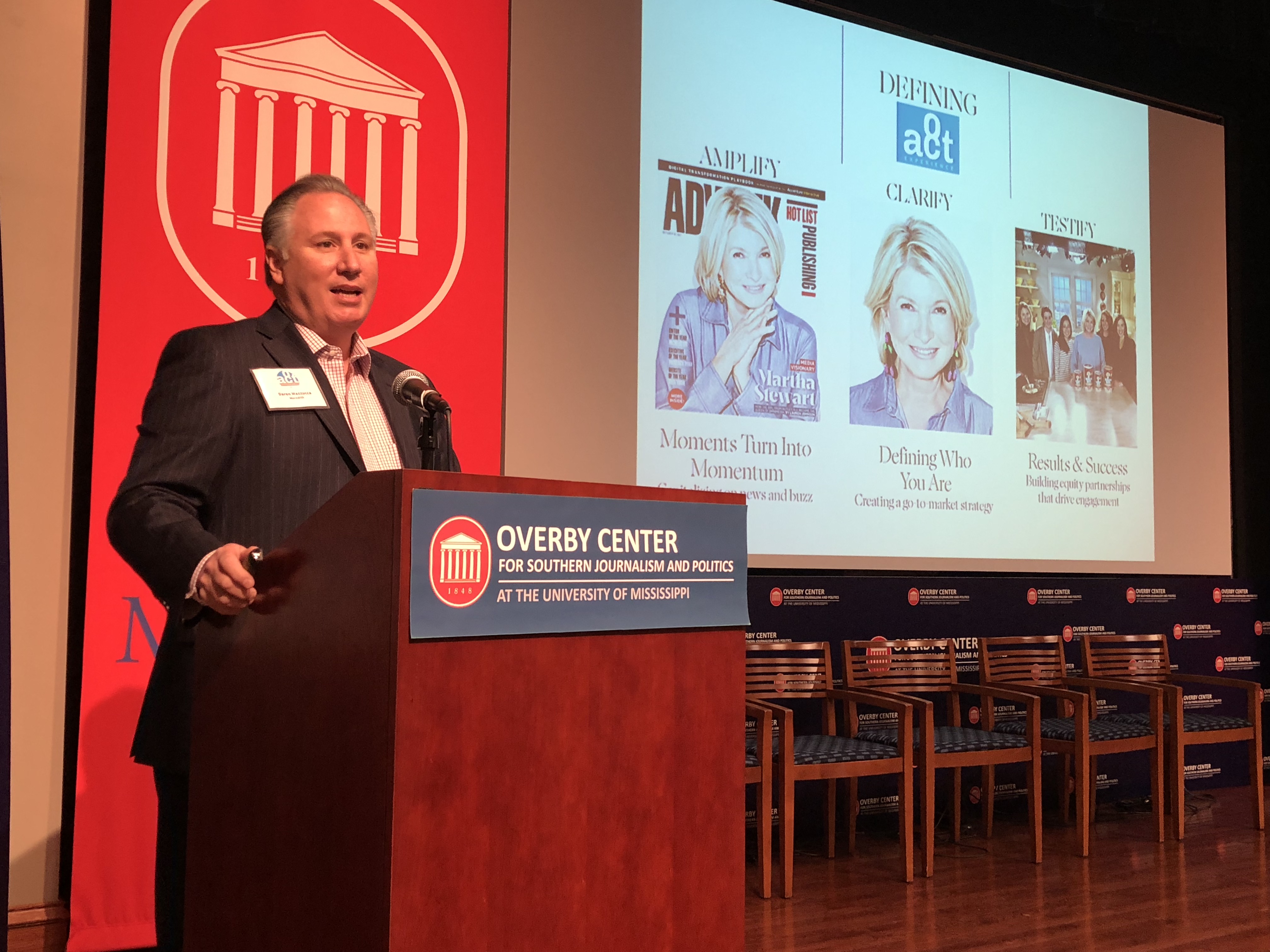
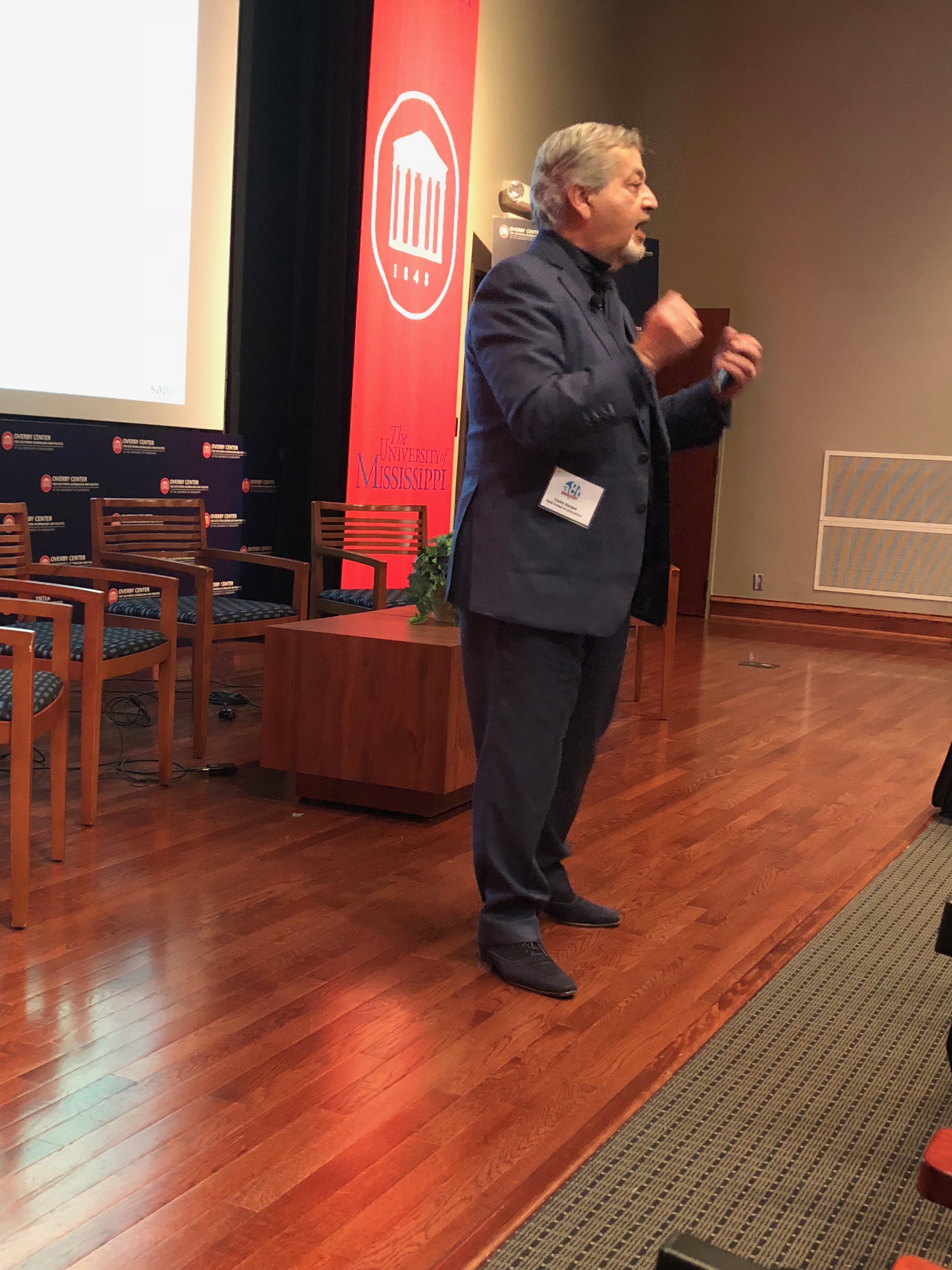
Daren Mazzucca, Vice President/Publisher, Martha Stewart Living, Meredith, speaking at the Magazine Innovation Center’s ACT 8 Experience, April 19, 2018.

Daren Mazzucca took the ACT 8 Experience stage on the third day of the conference, April 19, and gave those of us in the audience his interpretation of the word ACT, which Mr. Magazine™ defines as “Amplify, Clarify and Testify” the power of print. Daren took his ACT presentation and conformed it to the things that he and his team do on a daily basis at Meredith to market Martha Stewart’s highly successful brand.

• “Amplify” – turning moments into momentum.
• “Clarify” – defining who you are.
• “Testify” – results and success.

Daren’s marketing strategy of the Martha Stewart brand includes the firm belief that advertisers want to do business with people they like and trust, people who can “amplify,” take those special moments and turn them into motivational momentum. Staying true and authentic is powerful, “clarifying” who you are, and not trying to convince marketers that you’re something that you’re not is vital when you “testify,” talk about the results. Clients want to hear about successful results and know that their dollars are being converted into whatever they need to reach that audience.

Today, we are selling everything; cross platform is the only phrase that applies. And that was another important point, which was spot on with ACT 8’s theme of Print Proud Digital Smart, the fact that magazines and magazine media have to be integrated, but that does not mean complicated. From social media to websites, print to events, this integration takes on many roles, but it does not have to be stressful, worrisome, or complicated. Daren showed us that integration is simply a part of the service to clients: what are the advertisers’ needs, what are the brand’s unique benefits to the client, and how does your brand translate that into a media win?

Integrated, not complicated. Mr. Magazine™ couldn’t have said it better himself. In fact, Daren Mazzucca brought his marketing skills onto that ACT 8 stage and in an energetic, no-nonsense presentation showed us that the strategy of print and all things digital does not have to cause frown lines between your brows or knots in your stomach. It’s simply the way things have to be done today in order to produce spectacularly successful results for those clients that keep your brand strong.

To hear Daren Mazzucca’s entire presentation, please click the link below:

To relive all the presentations of the Magazine Innovation Center’s ACT 8 Experience go to http://www.mrmagazine.me and search for ACT 8.

h1

“Your Brain on Digital” With Joe Hyrkin, CEO, issuu – Mr. Magazine™ Presents Highlights From The ACT 8 Experience…

May 10, 2018

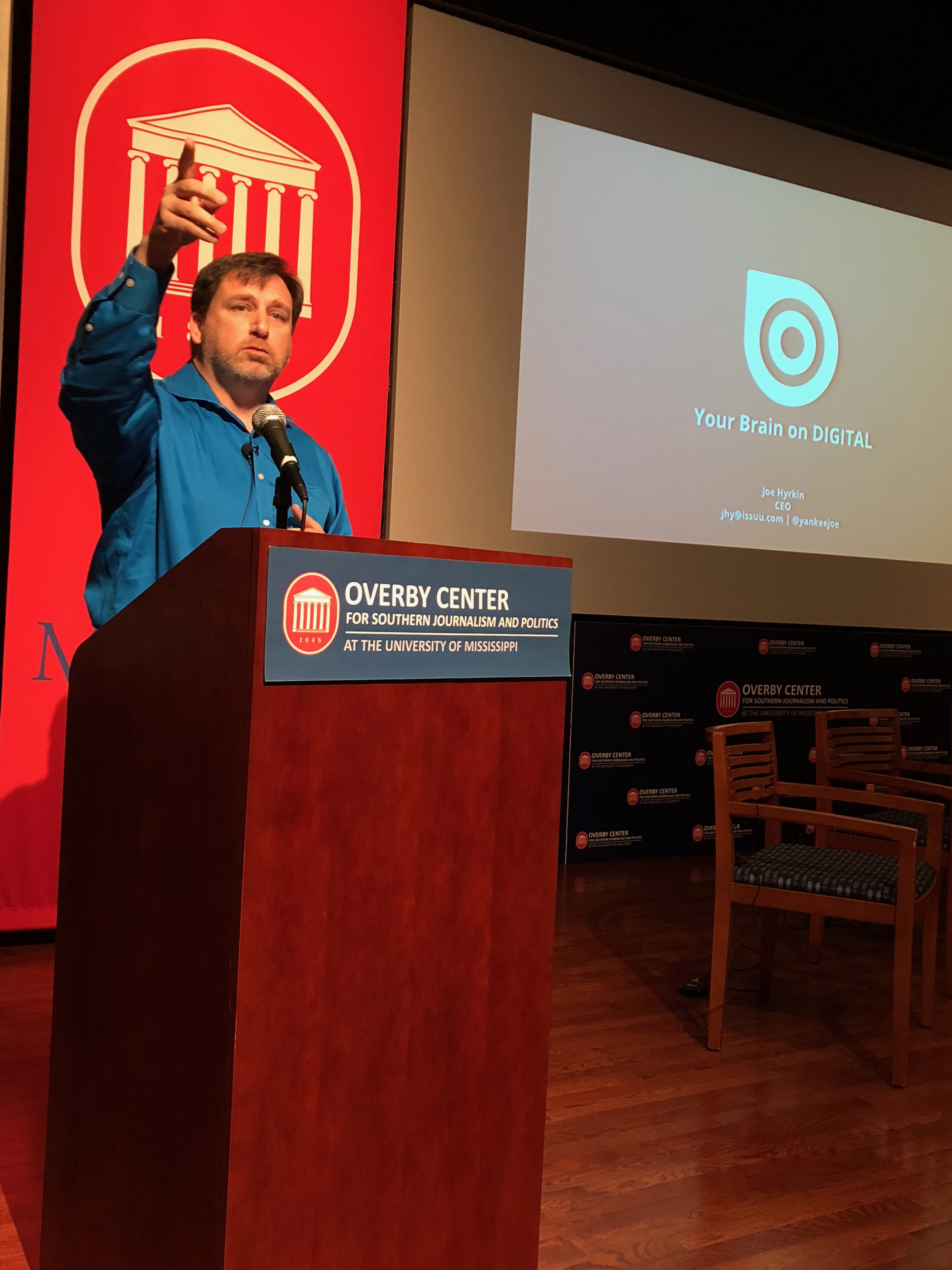
Joe Hyrkin, CEO, issuu, speaking at the Magazine Innovation Center’s ACT 8
Experience April 18, 2018.

A double rainbow. CEO of issuu, Joe Hyrkin, took the stage on day two of the ACT 8 Experience, showcasing a colorful double rainbow up on the big screen behind him. It was an absolutely spot on analogy of the fact that many of us, while cognizant of the things that are directly in our path, are oblivious to those spectacular moments and opportunities that sometimes present themselves in a different direction than our immediate focus is zeroed in on.

Joe runs issuu, which is a massive digital publishing platform that has over 40 million publications globally. These publications use issuu to get their content shared digitally to millions of visitors across the world. As Joe shared in his presentation, publishing is thriving today more than ever before, with magnificent titles being created and offered daily. “There is more content being created, shared and read in 2018 than ever before in the history of humanity,” he stated. And his thoughts on the future were just as positive and informed.

Joe presented our brains on digital, versus our brains on print, and asked us to consider the digital double rainbows that are offered to us through digital creation, distribution and monetization. He said over the next five years, there would be three billion + human beings digitally connected for the first time.

The world of publishing has come into its own. We have brilliantly done print magazines, and as Joe showed us, we have digital avenues, such as issuu, that use innovation, technology and engagement to connect us to the cyber spectrum of magazines.

Print Proud Digital Smart is not just a logo of the ACT 8 Experience, it’s the bottom line in the world of magazines and magazine media.

To hear Joe Hyrkin’s entire presentation, please click the link below:

To relive all the presentations of the Magazine Innovation Center’s ACT 8 Experience go to http://www.mrmagazine.me and search for ACT 8.

h1

Magazine Media: A Global View Researched And Documented – From the United States and Beyond… Mr. Magazine™ Presents Highlights From Linda Thomas Brooks and James Hewes’ Presentations At The ACT 8 Experience…

May 7, 2018

President and CEO of MPA – The Association of Magazine Media, Linda Thomas Brooks and President and CEO of FIPP – The Network for Global Media, United Kingdom, James Hewes, were two of the keynote speakers on the opening evening of the ACT 8 Experience, April 17, 2018. The gala was a glittering event filled with good food, great conversation, and amazing overtures about the positivity of print and digital together, putting their adversarial roles toward each other to bed once and for all.

Linda Thomas Brooks, President and CEO, MPA: The Association of Magazine Media, speaking at the ACT 8 Experience April 17, 2018.

Linda’s presentation began with a conversation about the power of magazine media. Linda came to her job as president and CEO of MPA after having been immersed in digital media for about 15 years, so as she eloquently put it, she knows what digital does well. But she also knows what magazines do well. And she totally understands what the two can do together, because as Linda put it that opening evening, “Magazine media lives in multiple formats.”

Her stellar presentation continued as she talked about how magazine media builds brands and sells product in a safe and transparent environment with demonstrable results and more rigor to prove it than anyone else. Trustworthy information is of paramount importance today to marketers and to consumers. Linda presented, from research done by the Edelman Trust Study, that customers are beginning to differentiate between platforms and media brands, showing consumer trust in platforms going down and their trust in journalism going up. Consumers are really thinking about where they’re getting the information that they’re using in their lives.

Her discussion was both eye-opening and well-received as industry leaders, journalism and marketing students, and academics gathered in the beautiful ballroom at the Inn at Ole Miss and listened to one of the first Print Proud Digital Smart moments of the ACT 8 Experience.

To hear Linda Thomas Brooks’ entire presentation, please click the link below.

James Hewes, President and CEO, FIPP: The Network for Global Media, United Kingdom, speaking at the ACT 8 Experience April 17, 2018.

James Hewes, president and CEO of FIPP, the network for global media, took the stage that same evening right after Linda Thomas Brooks. FIPP is an organization that empowers its members to build market-leading international businesses through intelligence, solutions and partnerships. Its members include: Business Insider, BuzzFeed, Elle, Wired and many, many others. James opened his presentation on 8 Industry Trends with a powerful statement about the magazine media industry’s diversity and vibrancy.

The 8 Industry Trends that FIPP’s research has uncovered and that James discussed are both interesting and developmentally important as they represent current industry challenges across the board:

1. Talent & Culture
2. The Elephant in the Room (referring to social media, platform specific marketing & content, and the renewed importance of the Google algorithm)
3. Print Matters
4. The State of Advertising
5. Subscriptions and Reader Revenue
6. The Power of Platforms & Platform-Focused Content
7. Blockchain – Betamax or VHS? (a discussion on the pros and cons of this emerging technology)
8. The Coming AI Revolution (artificial intelligence and looking at its potential)

To listen to James Hewes talk about these 8 Industry Trends in depth with wisdom and well-placed humor brought those of us in the audience much food for thought. (pun intended, as we dined on our delicious meal). James humanized these complex topics and left us with a hopeful curiosity that was exceeded only by an immense hope for the future and the technologies to come.

To hear James Hewes’ entire presentation, please click the link below.

To relive all the presentations of the Magazine Innovation Center’s ACT 8 Experience go to http://www.mrmagazine.me and search for ACT 8.

h1

“Your Brain on Paper/Print” With Daniel Dejan, ETC Print Creative Manager, Sappi North America – Mr. Magazine™ Presents Highlights From The ACT 8 Experience…

May 4, 2018

Daniel Dejan, ETC Print Creative Manager, Sappi North America, speaking at the Magazine Innovation Center’s ACT 8 Experience, April 18, 2018.

“Your Brain on Paper” and why we still love print was the focus of Sappi Paper’s Print Creative Manager for North America, Daniel Dejan. Day Two of the ACT 8 Experience brought Daniel to the stage to talk about our brain on paper and how we still love to read in print. Daniel’s discussion was all about the sensory, and his points made were just as magnetic. Touch, smell, sound, and sight are all a part of the experiences magazines create. And we as humans respond to that. Touching the mouse of your computer, while very instantaneously satisfying because, if everything goes according to pixel-plan, rapid information is at hand, it cannot replace the completely holistic adventure that ink on paper gives you.

And nobody can depict and tell that story like Daniel Dejan. He is the voice of paper when it comes to the positive reaction that the platform gleans from consumers.

And Sappi is the company that is as passionate about paper as its print creative director. Research and development is high on Sappi’s priority list as they continue to further sustainable and revolutionary ways to serve their customers in paper, believing that while we live in a digital age, print products are still the core of the publishing industry, and many others. Last year’s report that Sappi released “The Neuroscience of Touch” was an amazing study on the impact of print on the brain. Applying neuroscience to marketing, Sappi’s report helped us to understand why consumers are still triggered by certain stimuli, which in turn can help brands create better experiences for consumers.

At ACT 7 in 2017, Daniel spoke eloquently about the Haptic Brain, Haptic Hand, and the power of touch from that all-important report. This year at ACT 8, he continued the conversation and brought the audience many compelling reasons for why print is still a powerhouse to the senses. From sight to touch, smell to sound, reading in print is an experience unlike anything that pixels on a screen can offer. When we read in print, even the turning of the pages and the crackling of the paper that we hear emits a sensory perception. As Daniel stressed, it’s the complete sensory involvement that helps to make the print reading experience much richer. Even our bodies respond physically to reading on paper as heart rates and blood pressures decrease, and our overall comprehension is much better.

During the ACT 8 conversation, while those of us in the audience were totally engaged, Daniel said that the biggest challenge right now in photographic communication is that financial people are making aesthetic and marketing decisions. There are engagement techniques that many magazine media companies are failing to utilize, a particular issue with some Canadian companies that Daniel works with, such as special effects on covers and/or special inks.

So, in a world where continuous notifications and other digital distractions are a part of our daily lives and something that we’ve come to depend on for instant communication, Daniel Dejan, in his own inimitable way, showed us all at the ACT 8 Experience that the print reading experience is both welcomed by consumers and well deserved.

And the Print Proud Digital Smart way of making magazines continues.

To hear Daniel Dejan’s entire presentation, please click the link below.

To watch the entire ACT 8 Experience presentations please go to http://www.mrmagazine.me and search for ACT 8 Experience.

h1

“Putting The Consumer First” With Bonnie Kintzer, President & CEO, Trusted Media Brands – Mr. Magazine™ Presents Highlights From The ACT 8 Experience

April 30, 2018

Bonnie Kintzer, President and CEO, Trusted Media Brands, speaking at the Magazine Innovation Center’s ACT 8 Experience, April 19, 2018.

“Adapting and adopting,” a phrase that Bonnie Kintzer, president and CEO of Trusted Media Brands, believes in strongly for the success of a company. When Bonnie came back to Trusted Media brands four years ago, after having been gone for seven years, the company was burdened by debt and had just emerged from its second bankruptcy. The overall mood then was one of despair and dejectedness. Not a great model for success. Hence, the phrase “adapt and adopt” was born.

But Bonnie was determined to see the company come back to growth again. As the Reader’s Digest Association, it had not weathered the times of change and disruption well, but the content of its brands was still trusted and strong.

And today through adapting and adoption of innovation and the taking advantage of new platforms and products that drive today’s magazine consumer, Trusted Media Brands is strong and growing. According to the latest data from comScore, the Trusted Media Brands Digital Network now reaches 63 million consumers a month and is among the top 30 out of 2,000 digital lifestyle networks. The brand teams create around 2,000 pieces of high quality written and video content a month. In fact, Bonnie pointed out in her presentation, based on the most recent data from the MPA: The Association of Magazine Media, Taste of Home and Family Handyman brands are now the top two magazine media brands on Pinterest, outperforming such well-known brands as Allrecipes, House Beautiful, Cooking Light and Bon Appetit. Adapting and adopting, indeed.

On day three of the ACT 8 Experience, Bonnie took the stage that morning of April 19 and talked about “putting the consumer first” and it was a mesmerizing conversation. Her wit, charm and engaging presentation was surmounted only by the truth and wisdom of her words. She opened the final morning of ACT 8 brilliantly.

And to hear Bonnie Kintzer’s entire presentation, please click the link below.

To watch the entire ACT 8 Experience presentations please go to http://www.mrmagazine.me and search for ACT 8 Experience.

h1

Liz Vaccariello & Her 11 New Rules for Making Magazines. Mr. Magazine™ Presents Highlights From The ACT 8 Experience

April 27, 2018

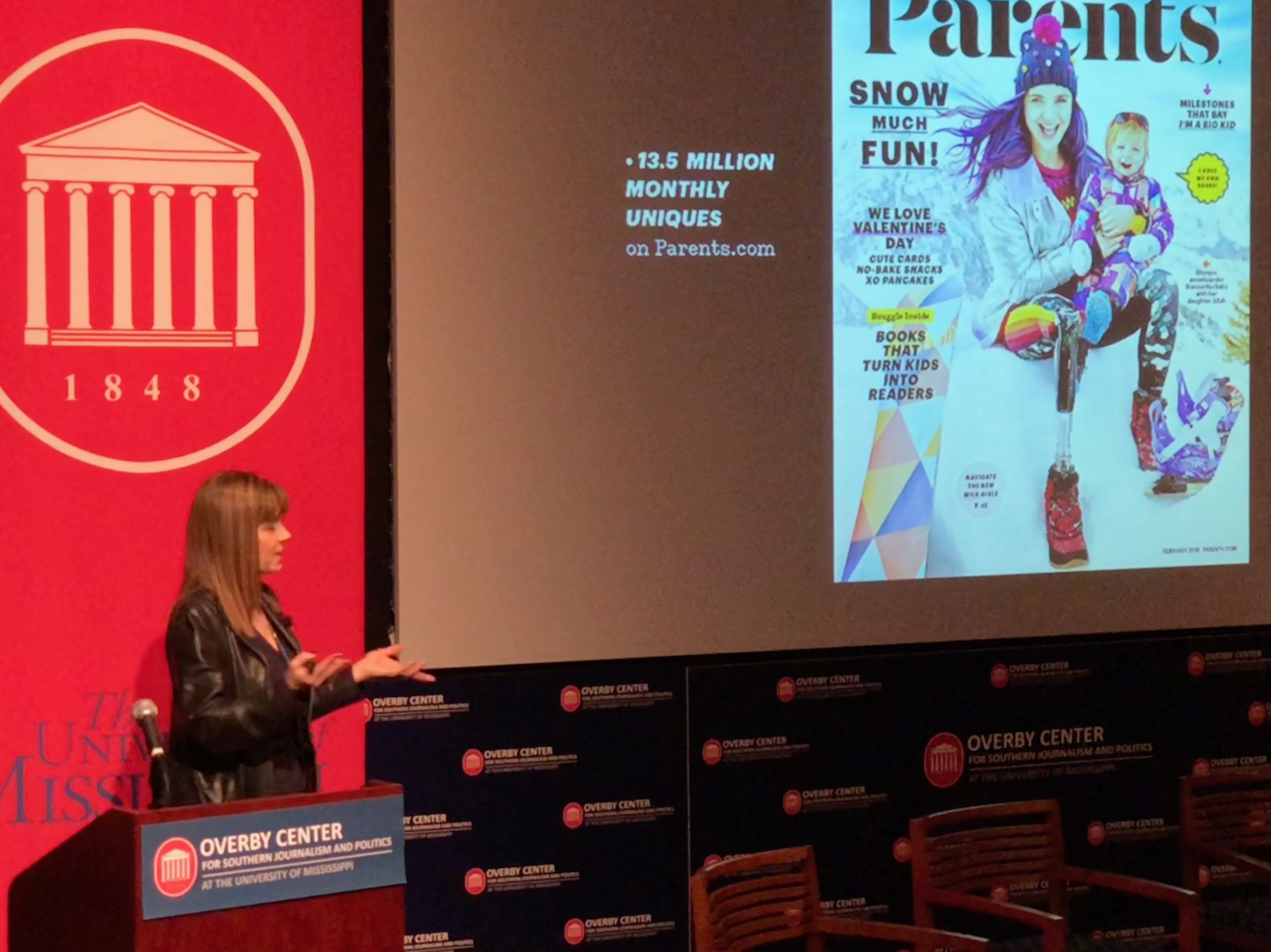
Liz Vaccariello, Editorial Director, Parents Magazine Network, Meredith, speaking at the Magazine Innovation Center’s ACT 8 Experience, April 18, 2018.

If the phrase “energetic enthusiasm” was defined in the dictionary, you’d find Liz Vaccariello’s name written categorically beside it. The editor in chief of the Meredith Parents Network has an exuberance for her brand and the industry in general that is contagious.

Liz was our opening keynote speaker for the first full day of the ACT 8 Experience on Wednesday morning, April 18. While the air in the room was expectant when she took the stage to give her presentation, by the time she accepted the resounding applause and descended the stairs to once again take her seat, it was electric.

Several beautiful covers of Parents magazine began the story she told showing mothers and their real-life children together in varying poses, and progressing into the stories within the magazine’s pages that brings the lives of different people, such as celebrities, Jenny Mollen and Jason Biggs, along with their two sons, onto a level that we all understand, that of simply being parents. Liz’s belief is that Parents magazine, and ALL magazines, can have an emotional connection with readers, and that the cover is the best and most important place to start.

But the meat of Liz’s talk was about her 11 New Rules for Making Magazines, which you will find below. And along with each one she presented, we were as engaged as new students on the first day of class, learning these rules as though they were the difference between an A and an F in the class, and for all intents and purposes, when it comes to a successful magazine, they are.

1. Understand your audience
2. Diversity matters
3. Don’t be too cool for school
4. Go for “Wow” instead of “Ugh”
5. Know that digital natives skim print differently
6. Let your audiences tell stories too
7. Welcome advertisers as partners and collaborators
8. Art is your story’s best friend
9. Display copy is crucial for voice
10. More is not necessarily better
11. Use humor to break through

And to see these rules presented as only Liz can click on the video below.

To watch the entire ACT 8 Experience presentations please go to mr.magazine.me and search for ACT 8 Experience.

h1

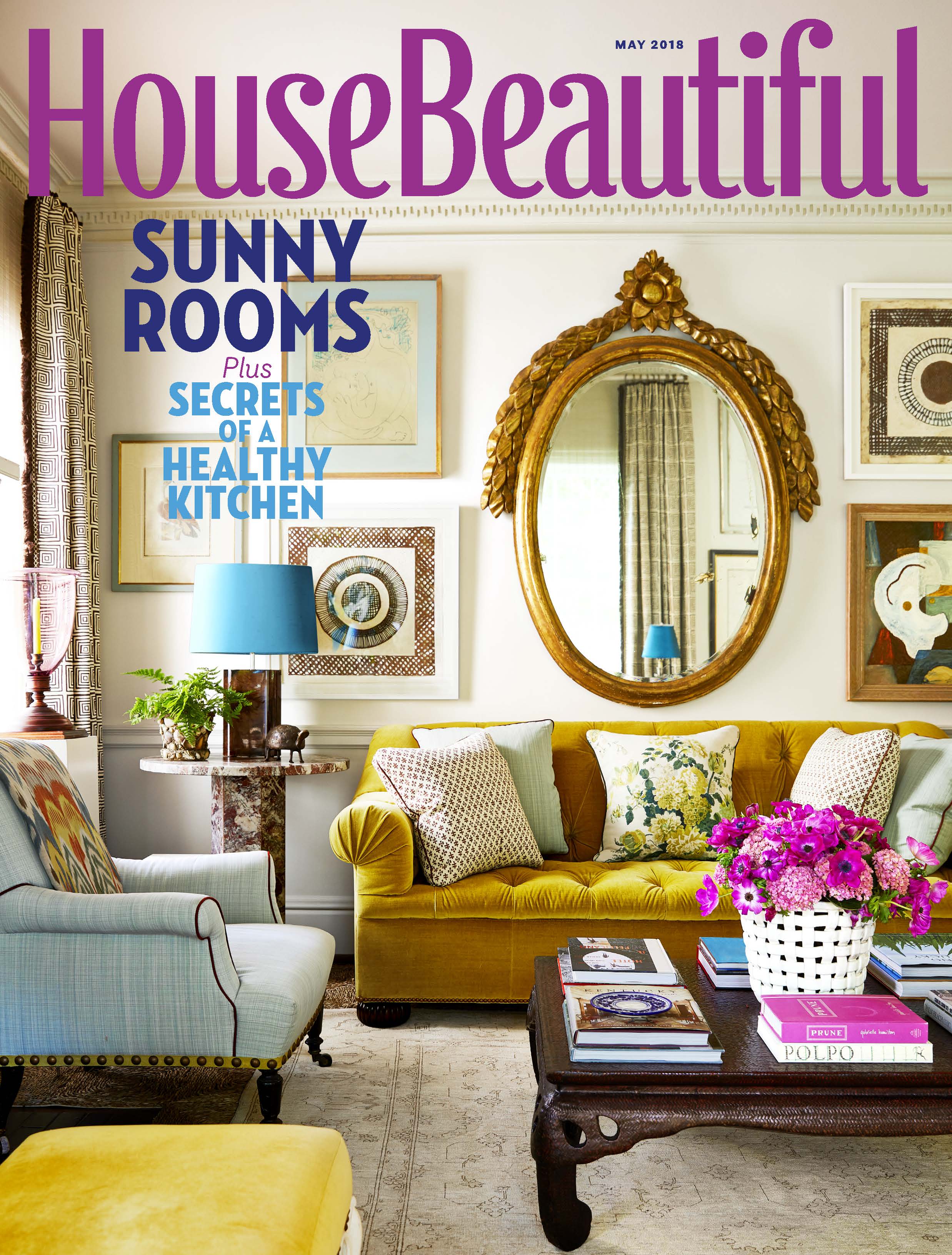
House Beautiful Magazine: Bringing The Concept Of Wellness and Better Living Through Design To Its Printed Pages & Its Multiplatform Audiences – The Mr. Magazine™ Interview With Sophie Donelson, Editor In Chief…

April 23, 2018

“I do think that the way readers engage with the magazine versus digital or social platforms, for example, it is a little bit different. We still have a halo or a level of importance, in a way, with the fact that something has been printed. We had to go through all of these steps, we had to make it in the flesh. There is something that still resonates with readers about print. That’s why you see, for example, in higher-ticket items, there is more of a trustworthiness that readers report when they read about something in print versus digitally. There’s a little bit of integrity, importance and trustworthiness that the medium itself delivers.” Sophie Donelson…

Bold moves and the execution of bold things, two enterprising concepts that House Beautiful is bringing to its multiplatform brand. For 121 years, House Beautiful has been there for its audiences of the past and the present, always with an eye on the future. It’s a legacy brand that has stayed relevant through evolvement, innovation and a journalistic competence that instills trust and integrity with every word and picture published, be that in print or on its digital and social media platforms.

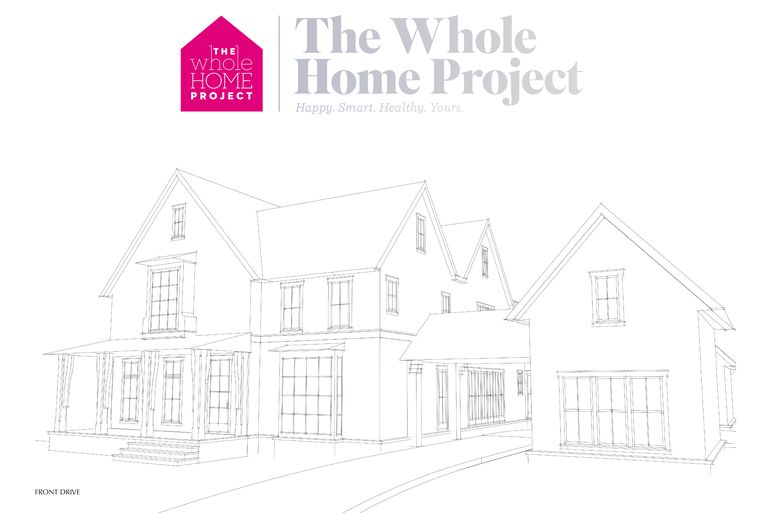
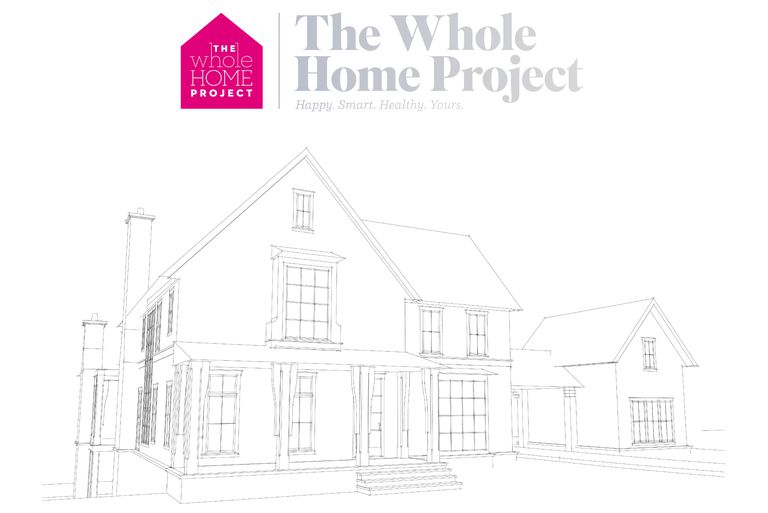
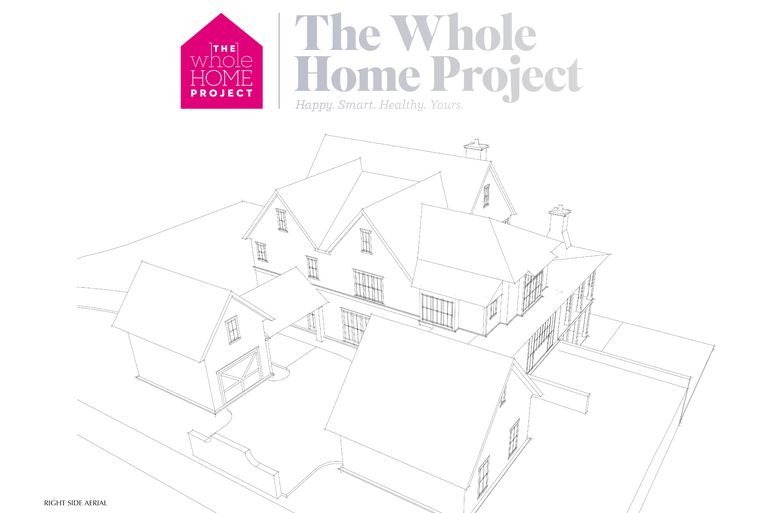
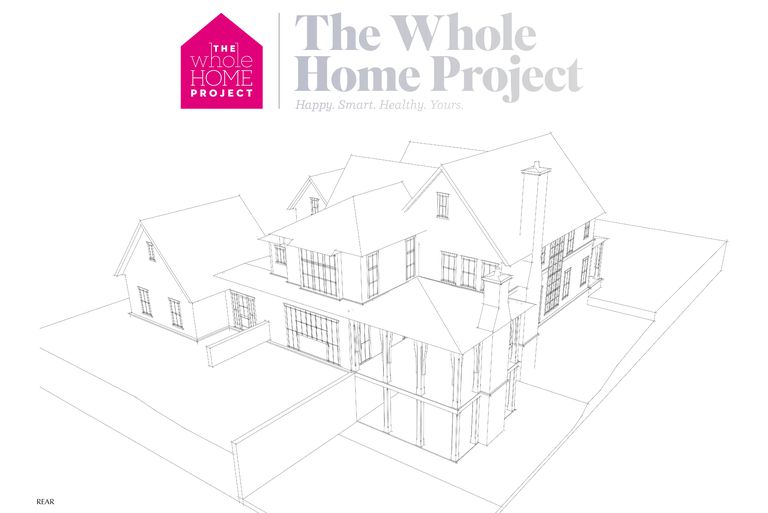
Recently, House Beautiful announced “The Whole Home Project Concept House,” the magazine’s first-ever custom-built show house devoted to wellness and better living. “The Whole Home Project Concept House” will be brought to life in the Brookhaven neighborhood of Atlanta, Ga., breaking ground in October 2018. Built by Michael Ladisic, of Ladisic Fine Homes and designed by architect Linda D’Orazio MacArthur, of Linda MacArthur Architects, this new home will showcase better living through design—from a kitchen designed to make you healthier, to an entryway and garage organized to eliminate clutter and promote calmness, to every space around and in between.

I spoke to Editor in Chief Sophie Donelson recently and we talked about this idea that a person’s physical and mental wellbeing can be impacted by the homes we live in. It is certainly food for thought and definitely an intriguing topic of conversation. And that is exactly what Sophie is passionate about, engaging in an intimate conversation with her audience.

In a recent press release, House Beautiful magazine announced that “The Whole Home Project Concept House will show readers how strategic design choices can deliver more than a pretty space—they can help you live a smarter, happier and healthier life. It’s our core belief at House Beautiful that happiness begins at home—and with this project, that the wellbeing of your WHOLE self, from health to energy to your outlook are informed by our homes.”

As a trusted authority on home design, with an audience of more than eight million (MPA June 2017), the brand and its master at the helm are excited about the future and ready to engage with its mass audience in a conversation about a more holistic view of home and hearth to reach the whole person, body, mind and spirit.

And now, please enjoy the Mr. Magazine™ interview with Sophie Donelson, editor in chief, House Beautiful magazine.

But first the sound-bites:

On Marshall McLuhan’s belief that the medium is the message and whether now the “house” is the message for House Beautiful: (Laughs) I love a good Marshall McLuhan paraphrase. Yes, it’s certainly one of the mediums, absolutely. I’m thinking why not; why not build a house on top of doing the coverage that’s already quite ambitious? I thought that the project already felt like a big undertaking and then we’re in a meeting discussing it, and suddenly it’s happening. I’m so excited about it and it’s fun and interesting, and I think it’s a time for taking bold moves, doing bold things.

On the brand’s core belief that “Happiness Begins at Home” and “The Whole Home Project Concept House”: For House Beautiful, the idea that happiness starts at home, home being yes, a physical place, but also obviously a mindset and something that looms very large for all of us. People who aren’t interested in decoration are still acutely interested in what’s happening at their home and what home means to them. And when things aren’t going well at home, things aren’t going well in life. And when things are happy at home, it’s a lot easier to build from there and to be a happy person and to go out and do great things in the world. So, the way we think about success and happiness has really shifted to be more inclusive of the whole person. And that’s where the name “The Whole Home Project” came about. It wasn’t about kicking off every single room, but actually about a home that could address the whole person.

On how House Beautiful, a legacy title with 121 years under its belt, is manifesting itself to today’s many-platform audiences: What’s fun for me today is how much outreach we do with marketing and events. And then also, of course, digital and social media have surfaced these communities of people out in a way where they talk and meet more readily. And that to me seems just really exciting because it’s not just us talking to them, it’s them talking amongst each other, and bonding over a story or idea. I see that all of the time as I travel throughout this country. So, that’s one thing that I feel is very impactful. I feel our readers are more quickly able to find each other.

On how her role as editor of House Beautiful has changed over the last five years or so: What’s really fun for me is the ability to deliver it to the reader on multiple platforms; to be able to meet them in real life; to be able to talk to advertisers about what their needs are and they’re often the same needs as ours. We have very similar goals, so we think of advertisers as partners that can help you get what you want. We think of readers who are talking to us and telling us what they’re interested in and what they respond to. It’s just a little bit more holistic, but the fun part is there’s just more platforms, channels and levers to work with. It’s not just us and the printed page. Those are all, yes, busy-making, but they’re also just opportunities.

On whether the job met her expectations: I knew some of the challenges, but I did not know how much fun it would be, I’ll be very honest. That was the big difference. I didn’t know how much passion everybody would bring to it and how so much of what I do during the day is just so interesting. That’s an amazing part of this job. It is absolutely a 24-hour per day job, in the way that you’re never not thinking about opportunities and what’s next, following what other people are doing and spending a lot of time listening. I love all of that.

On whether she feels one can show rigorous journalistic trustworthiness better in print or that both print and digital can have unfailing integrity: All of the above. I think journalism takes many, many forms. You can write a journalistic caption to an Instagram, and I often do. My favorite people to follow on Instagram are some of these young architects and architecture enthusiasts who will snap a picture of a home in their neighborhood and then give you the quick postage stamp-sized story of the former owner or how it was built or some architectural detail, and I think that’s service, that’s incredible. And it’s also catching you where you were just wasting time or looking for trust and they serve you something substantial. And I think that’s unbelievable. It makes me so happy to surprise people with integrity. That is one of the great joys of my job.

On the biggest stumbling block she’s had to face: I think learning to engage the team together, to create something bigger than just you and a couple of ideas, I constantly have to stop myself from overindulging with an idea myself. I would love to write a lot of the feature stories, and my managing editor will give me eyes and it’s like, no, you will not be writing that, you do not have time. Please don’t. Or I’ll find a book section that I just love and I’m being really picky about who gets the assignment, and I have to remind myself to step back and make sure that I’m leaving lots and lots of room for other people to bring their ideas forward. That mine are certainly not the best or most important.

On how she would summarize a day in her life: I sometimes describe it to somebody as doing 700 small things, and together they do add up to important things, but a lot of my day is very quick-moving. There’s a lot of decisions and just being decisive and feeling good about it. And also just making connections, such as saying I don’t know the answer to something, but I trust “this” person to do that, deputizing. Keeping things moving. The worst thing I can do is delay. Delay is death in magazines. You cannot sit on something.

On anything she’d like to add: I’d have to say that I am excited to be at a magazine that is able to talk to such a big readership about the importance of home. It’s not lost on me, the rare opportunity to talk about something so intimate with a mass audience. I think that we underestimate how big a role the physical space and the mental perception we have of our homes, what a role that plays in every single facet of our lives.

On what someone would find her doing if they showed up unexpectedly one evening at her home: I wrote about it for the first time, and it wasn’t something I had thought about until literally last month, I cook, I put things together. I’m fairly competent in the kitchen. There’s something about the ritual of using my hands. I use my brain all day, but the chopping and the prepping and the washing, I used to think it was so tedious, but it is a zone that I get into.

On what she would have tattooed upon her brain that would be there forever and no one could ever forget about her: The highest compliment that I ever get is that I have a nice spirit or energy to me. So, I think it would be something in that vein. I’d like to be somebody that you’re in a room with and you feel better after just being around. That would be a nice legacy to leave.

On what keeps her up at night: Not too much, I’m a pretty good sleeper. But I like A-1 news stories, honestly, like under resourced, underprivileged people, the saddest stories. The New York Times refers to it as the neediest. I remember the neediest.

And now the lightly edited transcript of the Mr. Magazine™ interview with Sophie Donelson, editor in chief, House Beautiful magazine.

Samir Husni: To paraphrase Marshall McLuhan, who used to say the medium is the message, in your case, is the “house” now the message?

Sophie Donelson: (Laughs) I love a good Marshall McLuhan paraphrase. Yes, it’s certainly one of the mediums, absolutely. I’m thinking why not; why not build a house on top of doing the coverage that’s already quite ambitious? I thought that the project already felt like a big undertaking and then we’re in a meeting discussing it, and suddenly it’s happening. I’m so excited about it and it’s fun and interesting, and I think it’s a time for taking bold moves, doing bold things.

Samir Husni: In one of the quotes that I’ve read – “Happiness Begins at Home,” you define the word home as much more than just the home, it’s the home project, the concept house that you’re building in Atlanta. Tell me a little bit more about it.

Sophie Donelson: For House Beautiful, the idea that happiness starts at home, home being yes, a physical place, but also obviously a mindset and something that looms very large for all of us. People who aren’t interested in decoration are still acutely interested in what’s happening at their home and what home means to them. And when things aren’t going well at home, things aren’t going well in life. And when things are happy at home, it’s a lot easier to build from there and to be a happy person and to go out and do great things in the world.

I like talking about this for House Beautiful and in broader strokes because we have a population of readers who are just obsessed with their homes, they love decorating and they love shopping. But there’s a much larger body of people who are interested in the power that having a great home can kind of give them.

So, I start from that mindset. And the color and the warm personality and the way that we take our pictures and write our stories, there’s an effervescence and joy in how House Beautiful covers home and an inclusiveness, I would say, that long precedes me and has been a part of this magazine for its 121-year history and right up through today. This is a magazine that you go to when you want to feel good about your home and to feel good about yourself.

And when I started to think about the parallels between the national conversation about, not just happiness, which was about 10 years ago when the “Happiness Project” came out by Gretchen Rubin, and a number of other authors were addressing happiness as a topic, I suppose, much in the way House Beautiful addressed color for the first time as an actual topic and not just as something happening out there, something loose and tangential. This national conversation in the last couple of years has really shifted toward health, mental wellbeing, positivity, not just happiness and not just being physically fit, but being mentally sound and feeling good.

We all started to really acutely understand that it’s all connected. It’s not just a positive mood or a good day, but potentially the way we eat and the way we fuel our bodies has an impact on our minds. How we sleep at night; I mean, how many conversations involve “sleeping your way to the top,” what do all the amazing executives and creatives have in common: they take time to sleep and to have downtime.

So, the way we think about success and happiness has really shifted to be more inclusive of the whole person. And that’s where the name “The Whole Home Project” came about. It wasn’t about kicking off every single room, but actually about a home that could address the whole person. Again, not just that a color might make you happy, but eventually your kitchen could be designed in a way that could help you be healthy. That your organization goals and executing them could make you feel calm and put together and capable. All of this made us feel that there were opportunities at home that our design decisions could radically impact our wellness and happiness. And that’s how it came about.

So people like my mother-in-law now would know words like Breathwork, and I’m asking, when did that happen? That mediation is not woo and it’s sort of an amazing time, there’s almost a national reckoning and welcoming of whatever someone needs to make them feel good. And I love that and there’s like an analogous part of it, and every single room of the house has the opportunity to seize on this idea.

Samir Husni: As an editor of a legacy title, how do you feel that the DNA of the magazine has evolved from pure ink on paper to manifest itself in Concept House, digital, and its many other platforms? How do you feel the DNA of House Beautiful today is manifesting itself to the multitude of audiences out there?

Sophie Donelson: I have January through June 1927 on my desk right now, because we’re working on the Small Spaces issue, and I’m being very careful since it’s a bound book. I was trying to find the first time that we talked about small spaces, and it’s in the June issue. It reads: it’s furnishing the small room, schemes for the living room in House Beautiful, home #16. Of course, House Beautiful, like many shelter titles had house plans and architect plans and elevations and that kind of thing. And there were five small-roomed schemes, which of course, I’m doing a version of today. So, we see this legacy every single day and it’s so much fun.

But the first thing that comes to mind is community. And what’s really fascinating to me is that magazine readers and subscribers still have very strong opinions of who they identify with, such as “I’m a House Beautiful person,” or “I’m more of a this or more of a that person.” We have brands that we identify with and that has sort of always happened.

But what’s fun for me today is how much outreach we do with marketing and events. And then also, of course, digital and social media have surfaced these communities of people out in a way where they talk and meet more readily. And that to me seems just really exciting because it’s not just us talking to them, it’s them talking amongst each other, and bonding over a story or idea. I see that all of the time as I travel throughout this country. So, that’s one thing that I feel is very impactful. I feel our readers are more quickly able to find each other.

Samir Husni: Years ago, editors used to just have a print magazine, a deadline, and just had to meet that deadline, but today even the definition of editor has changed. How has your role as editor of House Beautiful changed over the last five years or so?

Sophie Donelson: Oh my gosh, does wearing pink more often than I’d like to count? (Laughs) I really was representing the magazine at something recently and I picked out an outfit and I thought, no, that’s not who they want today. They want the joyful, happy, warm House Beautiful editor, so I changed my outfit.

I take the journalism aspect and the editing aspect of my job very seriously. Those are things that drew me to this industry and what I still take so much pleasure in doing. What we think of as an editor, whether it’s a pink pen and not a red one, doing edits, and thinking of concepts within the vision of the magazine.

But what’s really fun for me is the ability to deliver it to the reader on multiple platforms; to be able to meet them in real life; to be able to talk to advertisers about what their needs are and they’re often the same needs as ours. We have very similar goals, so we think of advertisers as partners that can help you get what you want. We think of readers who are talking to us and telling us what they’re interested in and what they respond to. It’s just a little bit more holistic, but the fun part is there’s just more platforms, channels and levers to work with. It’s not just us and the printed page. Those are all, yes, busy-making, but they’re also just opportunities.

Eliot Kaplan and Newell Turner, Newell primarily, but of course Eliot, the longtime Hearst recruiter, who recently retired, these are the guys who got me to Hearst. I remember taking meetings when I briefly left publishing for a couple of years to work in e-commerce, digital and marketing, and they would ask me what would I do at Hearst and I told them that I wanted a job where I could do special projects and work in marketing. I wanted to be a part of the print magazine, but also wanted to know what was happening online. I wanted to know about the revenue streams; I wanted to touch all of these different parts because so many of them interested me. And at the time, I think I thought I was kidding with them, that job didn’t exist. But ‘lo and behold it does exist. (Laughs) And it’s editor in chief, and it’s so cool. It’s so much more of an interesting job to me than I think a narrower land would have been maybe 20 or 30 years ago.

Samir Husni: Did the job meet your expectations?

Sophie Donelson: I knew some of the challenges, but I did not know how much fun it would be, I’ll be very honest. That was the big difference. I didn’t know how much passion everybody would bring to it and how so much of what I do during the day is just so interesting. That’s an amazing part of this job. It is absolutely a 24-hour per day job, in the way that you’re never not thinking about opportunities and what’s next, following what other people are doing and spending a lot of time listening. I love all of that. And of course, how can you not take it home with you, it’s a home magazine.

Samir Husni: You mentioned that you’re still a believer in the journalism, editing and trustworthiness of the job, do you feel that you can show those aspects more in print or can you show the same rigorous journalism criteria in the digital platform?

Sophie Donelson: All of the above. I think journalism takes many, many forms. You can write a journalistic caption to an Instagram, and I often do. My favorite people to follow on Instagram are some of these young architects and architecture enthusiasts who will snap a picture of a home in their neighborhood and then give you the quick postage stamp-sized story of the former owner or how it was built or some architectural detail, and I think that’s service, that’s incredible. And it’s also catching you where you were just wasting time or looking for trust and they serve you something substantial. And I think that’s unbelievable. It makes me so happy to surprise people with integrity. That is one of the great joys of my job.

Many people love this magazine, they love the way it looks, they like pretty things, and then to surprise them with something where it actually makes them feel an emotion, from a personal essay standpoint or just a really human connection like there’s something great there. Or again, a little bit of mystery or insight into how something works together. There are so many options and places to make that happen.

I do think that the way readers, back to Marshall McLuhan, the way that they engage with the magazine versus digital or social platforms, for example, it is a little bit different. We still have a halo or a level of importance, in a way, with the fact that something has been printed. We had to go through all of these steps, we had to make it in the flesh. There is something that still resonates with readers about print. That’s why you see, for example, in higher-ticket items, there is more of a trustworthiness that readers report when they read about something in print versus digitally. There’s a little bit of integrity, importance and trustworthiness that the medium itself delivers. It’s our job, obviously, as editors and journalists to make sure that is the case.

And as I see the generation kind of grow and shift, that sentiment may evolve, I would expect it to evolve, I would hope it would evolve. But for right now, I do think that people take rather seriously what are in the pages of a magazine, for sure.

Samir Husni: You seemed surprised when I asked you did the job meet your expectations, and you talked about the fun and the passion. What has been the biggest stumbling block and how did you overcome it? Or have there been any stumbling blocks or has it been a nice walk in a rose garden?

Sophie Donelson: The idea that I have expectations of this job is laughable, this job has expectations of me. The part that I always want to grow, as we say in career coaching, development opportunities, not challenges, just opportunities, such as inspiring my team, working together as unique, individual, creative people. The job is the people. They’re the best part; they’re what makes the days so fun.

When I talk to my five-year-old and he asks me about someone and I say, oh, it’s my friend at work. They are absolutely a colleague, they may report to me, but I naturally refer to them all of the time as a friend, especially when talking to a five-year-old, it’s the shortest way of saying this is a person who I talk with and laugh with every single day. So, that’s a friend, right?

But I think learning to engage the team together, to create something bigger than just you and a couple of ideas, I constantly have to stop myself from overindulging with an idea myself. I would love to write a lot of the feature stories, and my managing editor will give me eyes and it’s like, no, you will not be writing that, you do not have time. Please don’t. Or I’ll find a book section that I just love and I’m being really picky about who gets the assignment, and I have to remind myself to step back and make sure that I’m leaving lots and lots of room for other people to bring their ideas forward. That mine are certainly not the best or most important.

Samir Husni: If you were to summarize a day in the life of Sophie, how would you put it together? Do you go with the flow or are you an organized person?

Sophie Donelson: I sometimes describe it to somebody as doing 700 small things, and together they do add up to important things, but a lot of my day is very quick-moving. There’s a lot of decisions and just being decisive and feeling good about it. And also just making connections, such as saying I don’t know the answer to something, but I trust “this” person to do that, deputizing. Keeping things moving. The worst thing I can do is delay. Delay is death in magazines. You cannot sit on something.

It’s just a lot of small tasks and actions, and this is why editors put so much effort into their editor’s letter. It’s probably the most concentrated energy that any of us put into anything all week, which is just funny to me because we’re all writers. We all know how to do this, it’s a muscle that we use often. But that in terms of like concentrated time is a real rarity, to think about something over a month, which I do, and then to just sit for a couple of hours and actually write something and not just a headline.

Samir Husni: Is there anything you’d like to add?

Sophie Donelson: I’d have to say that I am excited to be at a magazine that is able to talk to such a big readership about the importance of home. It’s not lost on me, the rare opportunity to talk about something so intimate with a mass audience. I think that we underestimate how big a role the physical space and the mental perception we have of our homes, what a role that plays in every single facet of our lives.

In a really turbulent news cycle and with a technology default, where we might find ourselves busier or crankier or prone to ups and downs about how many Instagram likes something gets or some sour commenter, there is a panacea for all of this. Sometimes it’s just cheap, fresh flowers or a nice scent in your home, like cooking cinnamon buns or something, or tucking in early for the night, preferably with print so you’re not having that screen in your face.

I think these are really important times to talk about self-care through home and this is a really great magazine to go to. It’s a magazine that people naturally trust and don’t feel intimidated by, so we’re able to have richer conversations because people aren’t expecting to look at something and say, I want that, but I’ll never have it. This is a really uplifting magazine, where people can say, I want that and I think I might just go for it. It’s a privilege to sit here during this moment, in which I think we could all use to go home early.

Samir Husni: Since you’re going home early, if I showed up unexpectedly at your home one evening after work, what would I find you doing? Having a glass of wine; reading a magazine; cooking; watching TV; or something else?

Sophie Donelson: (Laughs) I wrote about it for the first time, and it wasn’t something I had thought about until literally last month, I cook, I put things together. I’m fairly competent in the kitchen. There’s something about the ritual of using my hands. I use my brain all day, but the chopping and the prepping and the washing, I used to think it was so tedious, but it is a zone that I get into.

And I cook for my family. I would absolutely eat a boiled egg or peanut butter on a rice cake standing up in the kitchen, if left to my own devices, while probably having a glass of wine. But if my husband is home, I’ll make a nice healthy dinner. I’ll describe it as feeding my body; I’m usually listening to a podcast and feeding my mind. I’m working with my hands, and so it’s very immersive. That, to me, gives me peace. Aldo, if my hands are busy in the kitchen, I don’t have to take care of the children, that becomes his job, so it’s a little bit of an escape as well. And that’s what you’ll find me doing on the weeknights when I’m not traveling or out for industry stuff, which I try to keep evenly split, half and half.

Samir Husni: If you could have one thing tattooed upon your brain that no one would ever forget about you, what would it be?

Sophie Donelson: The highest compliment that I ever get is that I have a nice spirit or energy to me. So, I think it would be something in that vein. I’d like to be somebody that you’re in a room with and you feel better after just being around. That would be a nice legacy to leave.

Samir Husni: My typical last question; what keeps you up at night?

Sophie Donelson: Not too much, I’m a pretty good sleeper. But I like A-1 news stories, honestly, like under resourced, underprivileged people, the saddest stories. The New York Times refers to it as the neediest. I remember the neediest.

Samir Husni: Thank you.