“I will say that The Magnolia Journal success, which you have certainly written about, is a great poster child for the magazine industry. Meredith is certainly proud and vocal about this phenomenon, but the press and the media industry seem quite muted. Magnolia is an example of a great idea created around a popular topic and noted celebrities that has become very profitable and successful. This new magazine model of high subscription pricing and less dependence on advertising is an interesting formula for the future and we have additional titles in the pipeline that will replicate this format. Magazines are still very popular and strong. As I said before, our consumer marketing business is experiencing strong results. Sourcing opportunities are expanding and direct mail continues to deliver high response rates. The marketplace would lead you to believe that consumer interest in magazines is declining, but we’re seeing quite the opposite.”… Tom Witschi
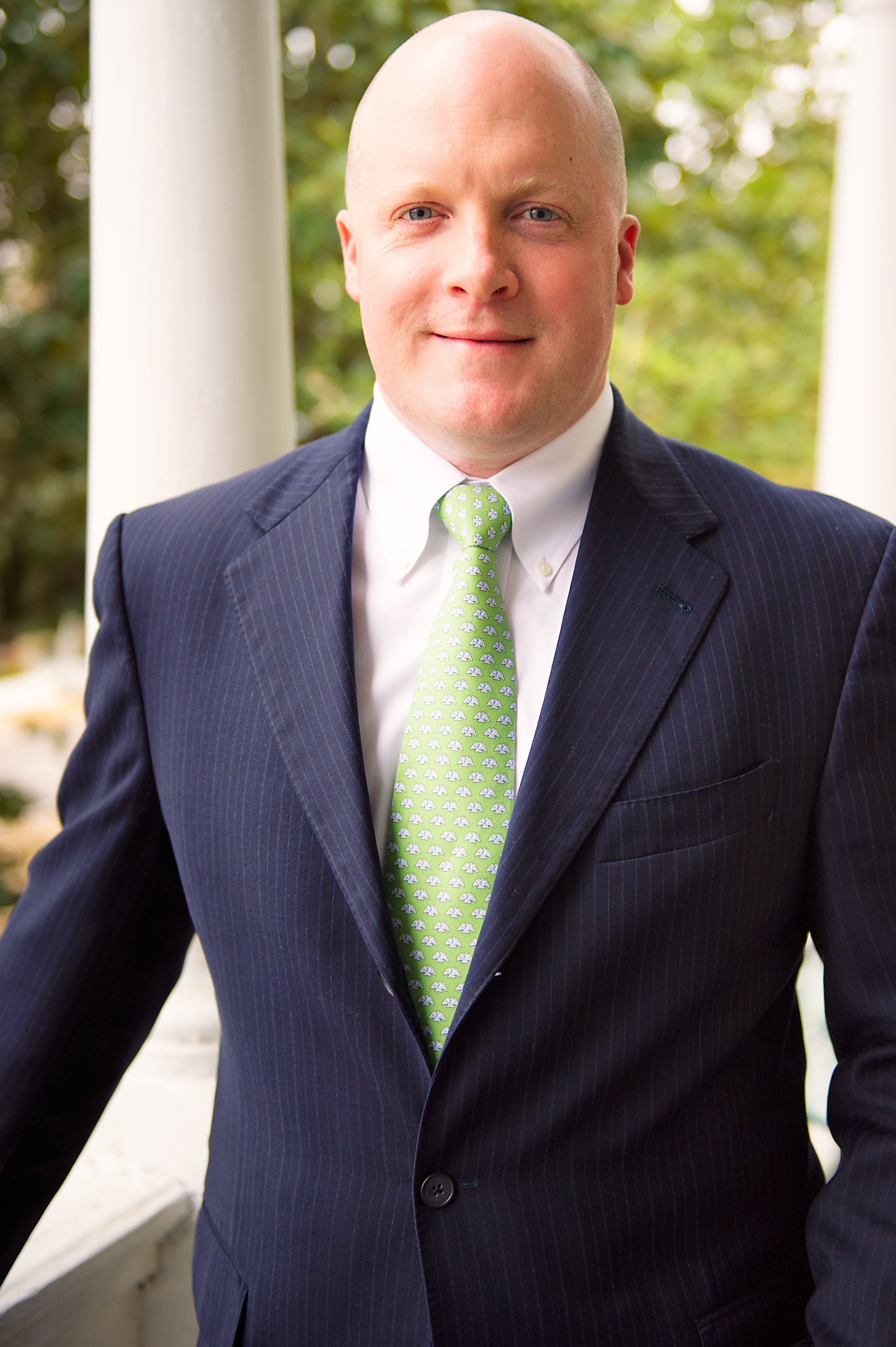
Tom Witschi is president for Consumer Products for Meredith Corporation and he oversees the operations and marketing of Meredith’s consumer facing products. It’s a wide scope of products and services that both challenges and excites him. Previously, Tom was president of Meredith’s Lifestyle Group. In this position, he had oversight for 10 Meredith brands and businesses including Shape, Allrecipes, EatingWell, Rachael Ray Every Day, Traditional Home, Midwest Living and More along with Brand Licensing, Content Licensing and the Special Interest Publishing Group. So, Tom has always known a bit about challenges that he always looks at as opportunities
 Tom Witschi is president for Consumer Products for Meredith Corporation and he oversees the operations and marketing of Meredith’s consumer facing products. It’s a wide scope of products and services that both challenges and excites him. Previously, Tom was president of Meredith’s Lifestyle Group. In this position, he had oversight for 10 Meredith brands and businesses including Shape, Allrecipes, EatingWell, Rachael Ray Every Day, Traditional Home, Midwest Living and More along with Brand Licensing, Content Licensing and the Special Interest Publishing Group. So, Tom has always known a bit about challenges and he always looks at them as opportunities.
I spoke with Tom recently and we talked about the challenges, but more importantly, we talked about the opportunities that presented themselves, especially with Meredith’s acquisition of the Time Inc. brands. Tom may have become a bit more challenged, but his excitement increased two-fold with all the possibilities and opportunities the merger provided.
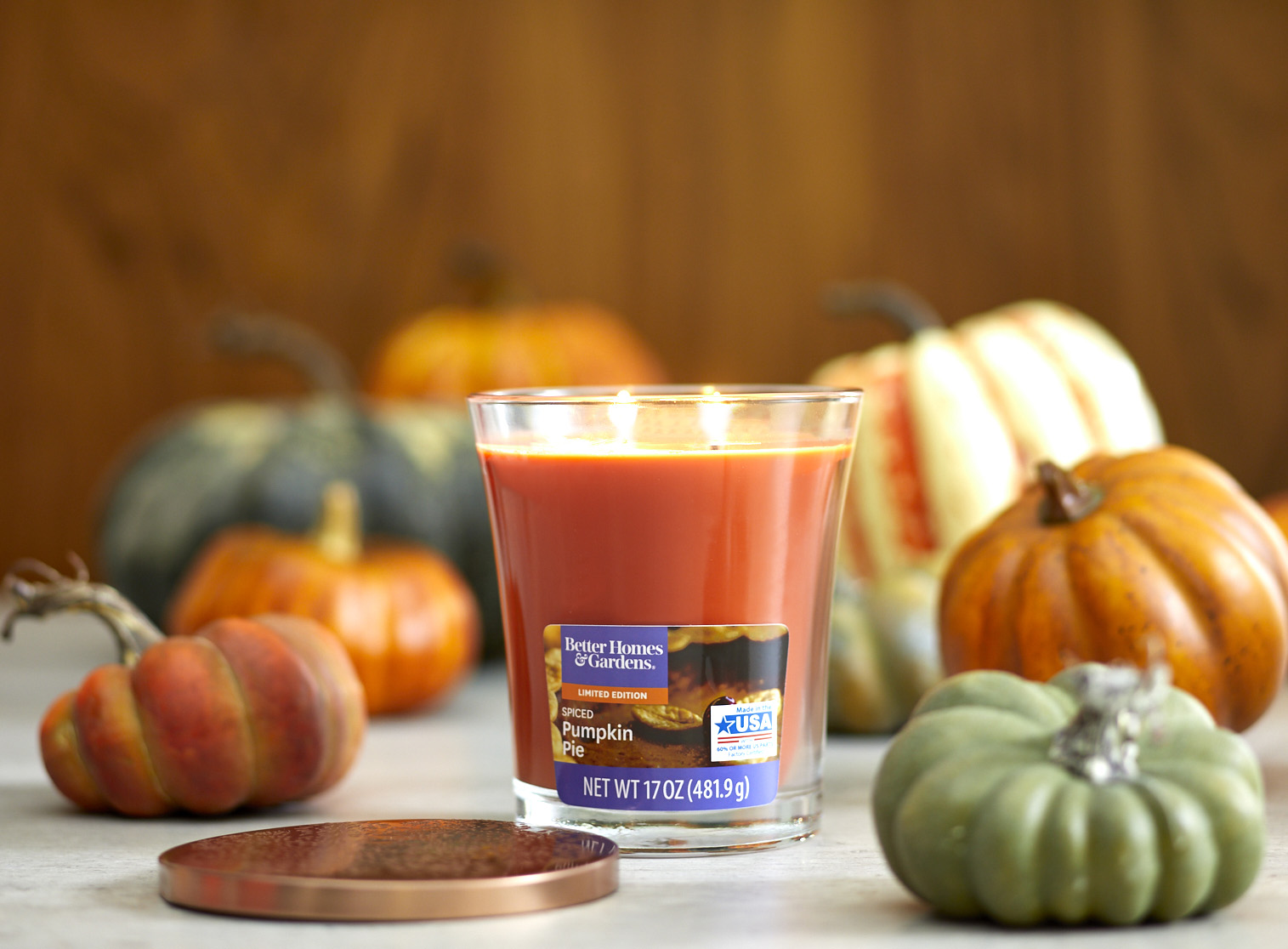
In addition to running Meredith’s large Consumer Marketing activities, Tom also oversees Meredith Brand Licensing which includes over 50 partnerships across multiple brands including Better Homes & Gardens flagship alignment with Walmart and over 3,000+ home and outdoor products available at 4,000 + stores and at Walmart.com. In addition, Better Homes & Gardens Real Estate in partnership with Realogy, EatingWell frozen meals, snacks and side dishes in an alliance with Bellisio Foods and Real Simple home products in conjunction with Bed, Bath and Beyond. He also oversees Synapse and Bizrate Insights, two affinity marketing businesses that were acquired as part of Meredith’s 2018 acquisition of Time Inc. Through their proprietary distribution channels, Synapse and Bizrate generate over 17 million annual subscriptions for over 250 publishers and these businesses are aggressively moving into marketing other products and membership services in the wellness, music and entertainment categories. In addition, Tom oversees Meredith’s digital consumer product initiatives including their fast-growing e-commerce activities across content, promotional offers and their proprietary shopping engine as well as their lead generation business (Meredith Performance Marketing) and finally paid products that includes Apps, brand memberships and their emerging partnership with the recently launched Apple News +.
It’s a busy day for Tom, but one that gives him excitement, reward and satisfies the passion he has for what he does. And according to Tom, there are some new irons in the fire that will soon come to fruition that are sure to make his day even busier and better. So, stay tuned. And magazines are still strong and vibrant and showing no signs of waned interest from their readers.
So, I hope that you enjoy this conversation with a man who was born to be busy and creative; in fact, he thrives on it and feels very fortunate to be a part of it, the Mr. Magazine™ interview with Tom Witschi, President, Consumer Products, Meredith Corporation.
But first the sound-bites:
On his very extensive career in the magazine media industry and what about that makes him tick: What makes me tick is hard to say (HA)…..I think I have broad knowledge of the media business that has really helped me, and good instincts both for differentiated products, business pacing, and certainly personnel and the right people to put into the right positions. I guess my background has prepared me well to handle the portfolio that I have today, which is also very broad, quite different and evolving. I certainly enjoy building businesses and looking for new and unique ways to get results. The businesses I run today are for the most part very different from each other and require different approaches and skillsets from our teams.
On his description of the magazine media times today: Well, I think there a couple of things going on today. First, I would say that conditions are changing rapidly, not a surprise to anyone. But it’s very difficult to predict the future and that makes change even harder. There are many people out there who seem to know what will happen 18 months from now, but I’m not so sure prognostication works too well in the media business these days. I’ve never seen a time where it’s more difficult to predict where things are going to go. And that’s both exciting and challenging at the same time. When I look back at the earlier part of my career, things were much more predictable, and you had a good idea of what was going to happen two years out. Three-year plans could really be achieved!! (HA) Today it’s really, really difficult. On the other hand, I would say from a very positive standpoint that the magazine media business today is way more complex and there are more opportunities for great ideas and brands.
On a quote a colleague of his in the industry made that said they no longer publish magazines, they create brands: Yes, I think that’s a fair and reasonable statement. Meredith remains very brand-focused and our strong content and engaged audiences are driving our point of difference. When we consider the larger media landscape….. we look at Facebook and Google for instance, the largest companies that are certainly in a very strong position today, but where Meredith stands out and delivers is with our exceptional brands and high-quality content. And that’s something that we will always hold onto provided we continue to invest and nourish but we cannot underestimate powerful brands and we need to continue to put them front and center.
On why he thinks today, suddenly, the talk has changed from being a magazine publishing company to a brand company: Obviously the economics and the fundamentals of magazine publishing have changed dramatically. I would argue that there still many good days ahead for magazines and certainly, consumer demand continues to be encouraging. I’m still a believer in magazines, but I’m also a realist and the formula is different today and we understand that declining advertising puts great pressure on the traditional model. But in the end, great magazines are great brands and thus have fantastic opportunities in the digital, video, commerce and licensing spaces to just name a few natural extensions……as we continue to demonstrate, great brands can expand their wings into so many new areas.
On whether he thinks it would have been possible to have the 15 year relationship Meredith has had with Walmart without a brand like Better Homes & Gardens and a print magazine like Better Homes & Gardens: Probably not… I mean I think it’s an extraordinary relationship that we have built with Walmart. It would be extremely difficult to replicate largely because the retail environment has changed so dramatically since that arrangement was first put together over 15 years ago. We have certainly grown with it and it’s become a huge business for both Walmart and us. But it would be extremely difficult to replicate that in today’s retail environment. We continue to grow this business nicely and were up double digits in our fiscal year that ended June 30th. For as large of a business as we have, to experience 12½ percent annual growth is extraordinary. It’s certainly a testament to the scale and power of Walmart and it involved lots of new product introductions, the refreshing of existing products and innovative marketing and promotional support. We now have over 3,000 skews in Home and Outdoor-related products, so there’s a lot of merchandise and a lot of choice, but in the end very high quality, well designed products at great prices. And now Walmart’s Internet side is really ramping quickly and we’re certainly a part of this exciting growth.
On whether he was overwhelmed by all the different brands he obtained when Meredith acquired Time Inc.: It’s been a very interesting and challenging merger. It’s always difficult to bring two large companies together; they have different approaches to business; they certainly have some differences in products, and it’s always a challenge to bring together two separate and distinct cultures but I can honestly say it has all come together extremely well. We shared alot in common coming into this merger in terms of expertise and business practices. Without question, I view this acquisition as a very big positive for us and for the future. Time Inc. had extraordinarily strong brands and they complemented the Meredith brands. Ultimately, together we are just that much more powerful and distinctive.
On Meredith’s licensing business being one of four cornerstones that falls under the Consumer Products umbrella and what are the other three: The first is Consumer Marketing, which is magazine subscription marketing and the digital storefront for our magazines called magazine.store. It’s also our continuous books business and it’s our digital editions. So that’s the consumer marketing piece. The second is Synapse and Bizrate Insights, and that came with the Time Inc. purchase, two highly successful companies that work sort of as brother/sister. They are affinity marketing businesses that generate magazine subscriptions, owned and operated clubs and other third-party products and services. The third group is what I would call our digital growth initiatives and that’s really broken into three areas. First paid products which include our apps (Cozi, largest family calendaring app and cooking light diet), membership and partnership programs and our just launched alliance with Apple and the Apple News + product. The second area is Meredith Performance Marketing, our lead generation technology and platforms that sources leads in the home improvement, healthcare and soon to be launched Streaming Services sector. And the last piece of the digital growth area is our fast growing and highly successful e-commerce business. We own and operate a proprietary shopping engine called Shop Nation that sources millions of products options and presents them to consumers through Meredith branded store fronts. Also, we operate a fast-growing content for commerce group that works closely with our digital editors to drive shopping activity through stories and product showcases. And lastly Linfield Media which operates the award-winning site PromoCodesForYou. We work directly with some of the largest retailers to push out promotional offers and discounted opportunities to consumers. Our three ecommerce areas work closely together and have developed excellent chemistry.
On whether he thinks Meredith should give him a few more responsibilities since he has so few (jokingly asked): (Laughs) I have plenty to think about and plenty to do, that’s for sure. I am very fortunate to be challenged and it’s a very exciting period to be in the media space. When you reflect on the assets that a company like Meredith has, our large database of loyal customers really stands out. But historically, magazines were the only products that we were charging our passionate brand fans. So now what we’re charged with doing today is saying that we want a larger piece of the consumer wallet and there are certainly more great and appropriate products and services that we can market to our customers.
On why he thinks the media always seems so negative when it comes to reporting news about magazines and magazine media: Not always, but it does seem like the press has painted an unbalanced picture of our media segment. As I said to you earlier, we had a sensational year in our magazine subscription business; the year ending June 30th. When we brought Meredith and Time Inc. together, we realized that both companies had strong direct marketing expertise. But we also had different ways of marketing our magazines. And so, we were able to very quickly find out and test into what practices would effectively transfer. We have seen some very encouraging results that are now being pushed out across our portfolio. Regarding the negativity. I guess a big part of it is being driven by the decline in print advertising but there are so many other positive things to talk about, and I think new consumer products is certainly one of those exciting areas where we are seeing meaningful growth and it’s becoming a big part of the overall Meredith portfolio. The key is brand diversification and ultimately diversification of the company’s revenue that is better balanced between advertising and consumer streams.
On what he would tell someone the highlights of 2019/2020 were if it was a year from now: We’ve made three acquisitions, one in March of 2019 that I talked to you about earlier, the digital couponing company, Linfield Media which is off to a great start and fits so well into our ecommerce strategy. In addition, we recently purchased Magazine.com, which is really a competitor to our Magazine.store which we built and launched three years ago. Sourcing magazine subscriptions digitally is increasingly an important area for us and through these two sites, we will generate millions of subscriptions for Meredith titles as well as other publishers. And the third acquisition will be closing shortly and fits nicely into our Synapse growth strategy as well as enhance Meredith’s content quality and expertise.
On anything he’d like to add: I think this is a very positive time in the media business. Yes, there are challenges, but the opportunities and possibilities continue to grow and it is our job the make the right bets and direct our resources to the best payoffs. There is a great deal of optimism at Meredith; we’re in a very exciting period and I’m fortunate to be a part of a smart and highly engaged leadership group that’s helping to steer the way.
On what he thinks is the biggest misconception people have about him: (Laughs) That’s a hard one to answer. I view myself as pretty straight forward and I think the people who work for me know that… I’m very detailed oriented and I guess that trait could be viewed as difficult at times, but I’m very open and I think very fair, balances and inclusive. And I try to operate this way, not only with my direct reports, but with all levels in our organization. We’re only as good as the people who work on our businesses. We can build great products and have great strategies; we can do all kinds of things the right way, but if we don’t have the right personnel in place and those people aren’t passionate and motivated and work well together, we not going to be successful.
On what he would have tattooed upon his brain that would be there forever and no one could ever forget about him: Passionate.
On what someone would find him doing if they showed up unexpectedly one evening at his home: I’m very passionate about sports, both doing and watching. I’m really focused on certain sports that I like to play (racket sports in particular) as well as just working out. I’m also a huge music fan. So, I would say that both music and sports are my passions and you would find me probably doing something related to those two categories if you spent a weekend with me or a couple of evenings.
On what keeps him up at night: I’m really driven to meet goals and do things well. So, what keeps me up at night is usually the 30-60-90-day plan of what we as a group want to accomplish and the outcomes we’re hoping for or expecting. That’s what keeps me up at night. The macro issues of the world crumbling or the media business changing, I feel like I have that relatively under control. It’s probably more about the 30-60-90-day execution plan that I’m constantly thinking about and working on. I don’t know if it keeps me up at night, but it’s certainly on my mind quite a bit.
And now the lightly edited transcript of the Mr. Magazine™ interview with Tom Witschi, president of Consumer Products, Meredith Corporation.
Samir Husni: In your career you have been publisher at Hachette, vice president/international publisher at Reader’s Digest Association, CEO of the EatingWell Media Group, and now you’re at Meredith as president of Consumer Products. What makes you tick and click in your professional life?
Tom Witschi: It’s been a very interesting professional journey, for sure. I’ve been very fortunate to have been exposed to different parts of the media business. I obviously started in the sales area and then went into sales management. Then that propelled me into general management and along the way I got experience with new products and international, and eventually my stint as the CEO of EatingWell, which was more of a startup and is now part of the Meredith family. I started here in mid-2011 as President of what we called the Lifestyle Group and a little over three years ago (in August 0f 2016) I moved on to become the President of Consumer Products.
What makes me tick is hard to say. I think I have a broad knowledge of the media business that has really helped me, and good instincts both for products, business pacing, and personnel and building teams to execute on the strategy. I guess my background has prepared me well to handle the portfolio that I have today, which is also very broad and largely very different. All of the businesses under me require different skillsets.
Samir Husni: To say the least in this magazine media climate, these are interesting times.
Tom Witschi: Very, very.
Samir Husni: Can you describe the times for us? (Laughs)
Tom Witschi: (Laughs too) Well, I think there a couple of things going on today. First, I would say that conditions are changing rapidly, as we all know. But it’s very difficult to predict the future and that makes change even harder. There are many people out there who seem to know what will happen 18 months from now, but I’m not so sure prognostication works too well in the media business these days. I’ve never seen a time where it’s more difficult to predict where things are going to go. And that’s both exciting and challenging at the same time. When I look back at the earlier part of my career, things were much more predictable, you had a good idea of what was going to happen two years out. Three-year plans could really be achieved! Today it’s really, really difficult.
On the other hand, I would say from a very positive standpoint that the magazine media business today is way more complex and there are more opportunities for great ideas and brands. In our case, I think content is driving the brands. When you think about the different areas that Meredith is involved in today versus going back 10 years ago, that’s the exciting part.
I would follow that by saying the challenge to all of these opportunities is you have to make the right bets. You don’t have unlimited resources. Let’s say there are 20 choices, I’ll use that as an example, of businesses that you can go into and you’re probably not going to be able to do them all well, so where you focus your attention and your resources is critical to success in today’s media world.
Samir Husni: A counterpart colleague of yours in the industry was quoted recently as saying, they no longer publish magazines, they create brands and the magazines are a part of that brand.
Tom Witschi: Yes, I think that’s a fair and reasonable statement. Meredith remains very brand-focused and our strong content and engaged audiences are driving our point of difference. When we consider the larger media landscape we look at Facebook and Google for instance, the largest companies that are certainly in a very strong position today, but where Meredith stands out and delivers is with our exceptional brands and high-quality content. And that’s something that we will always hold onto provided we continue to invest and nourish but we cannot underestimate powerful brands and we need to continue to put them front and center.
We have all kinds of other expertise, we certainly have data and insight that puts us in a very unique position. We know our customer and we know how to serve our customer, market to our customer. We have great marketing expertise, direct marketing expertise, but at the real center of it is brands and content. And to the person’s point before, again, our job is to decide what products and services we want to attach to these brands. And magazines are one piece of it.
Samir Husni: My relationship with Meredith goes all the way back to 1984 when I started the magazine program here at the University of Mississippi through funding from Meredith. And even back then they had Better Homes & Gardens real estate agencies. They were always much more than just a magazine. Why do you think today, suddenly, the talk changed from being a magazine publishing company to a brand company?
Tom Witschi: It’s a necessity. Obviously, the economics and the fundamentals of magazine publishing have changed dramatically. I would argue that there still many good days ahead for magazines and certainly, consumer demand continues to be encouraging. I’m still a believer in magazines, but I’m also a realist and the formula is different today and we understand that declining advertising puts great pressure on the traditional model. But in the end, great magazines are great brands and thus have fantastic opportunities in the digital, video, commerce and licensing spaces to just name a few natural extensions……as we continue to demonstrate, great brands can expand their wings into so many new areas.
We formed the Consumer Products Group in August 2016 really with that intention. We needed to accelerate our growth and we needed to focus on the consumer. For the most part, our model had been advertising-centric. And you’re right, in our past, we have done other things, for sure, such as brand licensing, but a big chunk of our business was tied to the advertising piece. So, we made a conscious decision that we needed to put more effort into the consumer products area, and really diversify our portfolio or our business model. And that’s what we’ve been really focused on.
So, I would say it’s a necessity and again, getting back to the exciting part of it, there are lots of things that brands can participate in within this media space. The list is long, and you learn every day and you learn which avenues to take and which avenues will be most beneficial for your business, both long-term and short-term.
Samir Husni: With this business, the consumer products, needless to say, one of the biggest businesses you have is your relationship and licensing business with Walmart. Do you think that would have been possible if you hadn’t had a brand like Better Homes & Gardens and a print magazine like Better Homes & Gardens?
Tom Witschi: Probably not… I mean I think it’s an extraordinary relationship that we have built with Walmart. It would be extremely difficult to replicate largely because the retail environment has changed so dramatically since that arrangement was first put together over 15 years ago. We have certainly grown with it and it’s become a huge business for both Walmart and us. But it would be extremely difficult to replicate that in today’s retail environment. We continue to grow this business nicely and were up double digits in our fiscal year that ended June 30th. For as large of a business as we have, to experience 12½ percent annual growth is extraordinary. It’s certainly a testament to the scale and power of Walmart and it involved lots of new product introductions, the refreshing of existing products and innovative marketing and promotional support. We now have over 3,000 skews in Home and Outdoor-related products, so there’s a lot of merchandise and a lot of choice, but in the end very high quality, well designed products at great prices. And now Walmart’s Internet side is really ramping quickly and we’re certainly a part of this exciting growth.
It’s really an extraordinary story, but it spans 15 years, so a lot of people have worked very hard on this business from both companies to make it successful.
Samir Husni: Less than three years after establishing the Consumer Products Division and becoming president, Meredith acquired Time Inc., so you’ve had more brands to come onboard. Were you overwhelmed by all the different brands you suddenly had?
Tom Witschi: It’s been a very interesting and challenging merger. It’s always difficult to bring two large companies together; they have different approaches to business; they certainly have some differences in products, and it’s always a challenge to bring together two separate and distinct cultures but I can honestly say it has all come together extremely well. We shared a lot in common coming into this merger in terms of expertise and business practices. Without question, I view this acquisition as a very big positive for us and for the future. Time Inc. had extraordinarily strong brands and they complemented the Meredith brands. Ultimately, together we are just that much more powerful and distinctive.
No, it’s been very helpful for the Consumer Products business. In August 2016 when we launched it, then it was just Meredith and we were somewhat limited, but today we’ve been helped by the addition of the Time Inc. brands. It has made our business much bigger and also the opportunities are much greater as a result of the two companies coming together.
Our licensing business is one of the four areas under Consumer Products, Grand Licensing. And we now have about 50 partnerships through 10 of our brands. And many of those relationships are through the Time Inc. brands. Now nothing that approaches the size and scale profitability of the Walmart relationship, but some very strong licensing arrangements that came with the Time Inc. deal. That gives you some idea of what scale can do and that puts us in a very great position to grow that business moving forward.
Samir Husni: You mentioned that this is one of four cornerstones of the Consumer Products Division, what are the other three?
Tom Witschi: The first is Consumer Marketing, which is magazine subscription marketing and the digital storefront for our magazines called magazine.store. It’s also our continuous books business and it’s our digital editions. So that’s the consumer marketing piece. The second is Synapse and Bizrate Insights, and that came with the Time Inc. purchase, two highly successful companies that work sort of as brother/sister. They are affinity marketing businesses that generate magazine subscriptions, owned and operated clubs and other third-party products and services.
First paid products which include our apps (Cozi, largest family calendaring app and cooking light diet), membership and partnership programs and our just launched alliance with Apple and the Apple News + product. The second area is Meredith Performance Marketing, our lead generation technology and platforms that sources leads in the home improvement, healthcare and soon to be launched Streaming Services sector. And the last piece of the digital growth area is our fast growing and highly successful e-commerce business. We own and operate a proprietary shopping engine called Shop Nation that sources millions of products options and presents them to consumers through Meredith branded store fronts. Also, we operate a fast-growing content for commerce group that works closely with our digital editors to drive shopping activity through stories and product showcases. And lastly Linfield Media which operates the award-winning site PromoCodesForYou. We work directly with some of the largest retailers to push out promotional offers and discounted opportunities to consumers. Our three ecommerce areas work closely together and have developed excellent chemistry.
Synapse is based in Stamford, Connecticut and Bizrate Insights is actually in Los Angeles. Just to give you some idea, they did about 18 million magazine subscriptions last year and we work with 250 publishers through our programs, our touchpoints and our distribution channels. So, that’s a very exciting business and we’re actually going to be making a big announcement in the next week about an acquisition for that group that will really add an additional, what I would call product and service, to the Synapse and Bizrate infrastructure. They have mostly been focused on magazines and it’s very, very successful, but we see that we have the infrastructure to support other products and services that have similar models to magazines.
This is a good example of a growth opportunity where we already have the retailers in place; we already have the online channel with Bizrate Insights and we’re predominantly selling magazines, but we can sell health-related products; we can be in the streaming services business, we’re already working with Spotify in the music business, so these are very similar membership models to what we have with magazines. And that’s a natural fit.
That’s the second group. The third group is what I would call our digital growth initiatives and that’s really broken into three areas. First is paid products and we operate two app businesses, one is called Cozi, which is the largest calendar-joined application for busy families; the other one is called Cooking Light Diet, which is a meal planning app. We also run Apple News Plus, our new relationship with Apple that just launched in April. That’s out of the paid products group. And then House Plans, which is a nice little business but growing, and also membership programs. We build membership programs around our brands.
The second area is called Meredith Performance Marketing, which is our lead generation business. We bought a company 2½ years ago out of Boston, and they predominately work in the Home Services space, and they’re a very close tie to Home Advisor. But we’re now moving into healthcare and also into streaming services as well, where lead generation is becoming a very important thing.
And the last area, which is probably our biggest growth area, is ecommerce. We are growing that business extremely quickly through three areas. We have a shopping platform called Shop Nation, which we bought in 2013. Time Inc. was very adept in an area called Affiliate Content Marketing, where we’re really using content on websites to drive commerce. And that business has accelerated in the last 18 months since we purchased Time Inc. in a big way. So, we’re doing a lot more of what we call affiliate content work with our websites.
And then lastly, we bought a small company back in March that is now turning out to be a real jewel for us called Linfield Media and they focus on the digital coupon space. So, that was a very important piece of the ecommerce area that we didn’t really touch and we were able to purchase that company back in March. The three areas, between Shop Nation, Affiliate Content Marketing, and Linfield, are now working very much together and it’s propelling our ecommerce growth to really big numbers right now. So, in a nutshell that’s my world.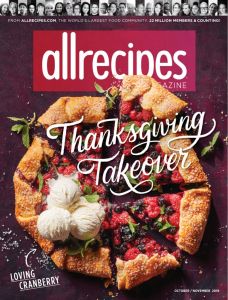
Samir Husni: It doesn’t seem like you have too much to do. Do you think Meredith should give you a few more responsibilities since you have so few? (Laughs)
Tom Witschi: (Laughs too) I have plenty to think about and plenty to do, that’s for sure. I am very fortunate to be challenged and it’s a very exciting period to be in the media space. When you reflect on the assets that a company like Meredith has, our large database of loyal customers really stands out. But historically, magazines were the only products that we were charging our passionate brand fans. So now what we’re charged with doing today is saying that we want a larger piece of the consumer wallet and there are certainly more great and appropriate products and services that we can market to our customers.
That’s what we’re focused on – really leveraging the assets of Meredith. And as part of that either requiring or starting new areas where we can leverage Meredith assets and invite consumers to try and get involved with more products and services.
Samir Husni: I’m sure since assuming this position it hasn’t exactly been a walk in a rose garden. You’ve probably had some challenges that you’ve had to overcome. Why do you think the media always focuses on the negative instead of the positives? You really don’t read about the success stories, such as the 12½ percent increase Meredith had with its Walmart relationship.
Tom Witschi: Not always, but it does seem like the press has painted an unbalanced picture of our media segment. As I said to you earlier, we had a sensational year in our magazine subscription business; the year ending June 30th. When we brought Meredith and Time Inc. together, we realized that both companies had strong direct marketing expertise.
But we also had different ways of marketing our magazines. And so, we were able to very quickly find out and test into what practices would effectively transfer. We have seen some very encouraging results that are now being pushed out across our portfolio. Regarding the negativity. I guess a big part of it is being driven by the decline in print advertising but there are so many other positive things to talk about, and I think new consumer products is certainly one of those exciting areas where we are seeing meaningful growth and it’s becoming a big part of the overall Meredith portfolio. The key is brand diversification and ultimately diversification of the company’s revenue that is better balanced between advertising and consumer streams.
Just bringing together two organizations that not only have good brands, but also have great individuals, great personnel, and applying best practices has been a big win for us. I don’t know about the negativity. I guess a big part of it has been because of the advertising challenges on the magazine side, but there are so many other positive things to talk about, and I think consumer products is certainly one of those things, where we’re seeing meaningful growth now and it’s a big part of our overall portfolio. And that’s something that we’re really excited about and think there’s a lot more growth to be had.
It’s a balancing act, but to get to the point that you and I discussed earlier, what’s exciting today is that we have so many opportunities out there. We’re not lacking in opportunities, it’s picking the right ones. But when you have that many opportunities, you’re always going to have some things that are down and not doing as well, and other things that are growing and on a different trajectory than they were maybe a year ago. So, that’s part of my job. And part of our job at Meredith is balancing all of that. And again, choosing the things that we want to invest our time and resources into. I think it’s a wonderful, exciting time in the business. I also think there are great things to talk about with companies like Meredith that have first-rate brands and first-rate content.
I will say that The Magnolia Journal story, which you have certainly written about, is a great poster child for the industry. Nobody ever talks much about that. There’s an example of a great idea; the magazine is obviously very, very profitable and successful. We have a lot of examples of that and we have more that are coming in the near term. Magazines are still very popular and very strong. As I said before, in our consumer marketing business we’re seeing really good results and direct mail continues to work well. We’re sourcing our subscriptions through all kinds of areas. People would lead you to believe that there isn’t interest anymore, but we’re seeing quite the opposite.
Samir Husni: If you and I are chatting a year from now, what would you tell me were the highlights of the 2019/2020 year in consumer products at Meredith?
Tom Witschi: We’ve made three acquisitions, one in March of 2019 that I talked to you about earlier, the digital couponing company, Linfield Media which is off to a great start and fits so well into our ecommerce strategy. In addition, we recently purchased Magazine.com, which is really a competitor to our Magazine.store which we built and launched three years ago. Sourcing magazine subscriptions digitally is increasingly an important area for us and through these two sites, we will generate millions of subscriptions for Meredith titles as well as other publishers. And the third acquisition will be closing shortly and fits nicely into our Synapse growth strategy as well as enhance Meredith’s content quality and expertise.
I’m going to be very focused on the success of those three acquisitions, integrating the people and the businesses into Meredith and taking advantage of the synergies we have. And where it’s appropriate, branch it out to other parts of the company where there is crossover. So, I would say the acquisitions are going to be a big part of our success over the next 12 months.
And we have a lot of things percolating in every business. We expect to grow our commerce business by roughly 80 percent over the course of the next year, that’s going to keep us awfully busy. We’re seeing huge increases in our lead generation business right now. And with our brand licensing, we’re on the verge of announcing two very sizeable deals over the next two months. We think we’ll be closing those and announcing them by Christmas.
There are things happening all the time. We have our wonderful leadership team, and we’re always looking for new things to do and think about and to acquire. So, there’s never a dull moment, but we have a lot on our plate and a lot to execute on for this year. That’s just a sampling of the things that are happening or about to happen.
Samir Husni: Is there anything you’d like to add?
Tom Witschi: I think this is a very positive time in the media business. Yes, there are challenges but the opportunities and possibilities continue to grow and it is our job the make the right bets and direct our resources to the best payoffs. There is a great deal of optimism at Meredith; we’re in a very exciting period and I’m fortunate to be a part of a smart and highly engaged leadership group that’s helping to steer the way.
Samir Husni: What do you think is the biggest misconception people have about you?
Tom Witschi: (Laughs) That’s a hard one to answer. I view myself as pretty straight forward and I think the people who work for me know that… I’m very detailed oriented and I guess that trait could be viewed as difficult at times, but I’m very open and I think very fair, balances and inclusive. And I try to operate this way, not only with my direct reports, but with all levels in our organization. We’re only as good as the people who work on our businesses. We can build great products and have great strategies; we can do all kinds of things the right way, but if we don’t have the right personnel in place and those people aren’t passionate and motivated and work well together, we not going to be successful.
It’s hard for me to answer misconceptions of me, but I guess at the end of the day I always want to be approachable, so if people feel I’m not approachable, I want to be. I know the power of people in this business. You want to work at a place where you’re motivated at and you want the leadership to be clear on the vision. It’s probably more of a feel than a misconception, and that feel would be that I’m not communicating enough or I’m not approachable enough. And I always want to be.
Samir Husni: If you could have one thing tattooed upon your brain that no one would ever forget about you, what would it be?
Tom Witschi: Passionate.
Samir Husni: If I showed up unexpectedly at your home one evening after work, what would I find you doing? Having a glass of wine; reading a magazine; cooking; watching TV; or something else? How do you unwind?
Tom Witschi: Maybe all the above. (Laughs) No, I’m very passionate about sports, both doing and watching. I’m really focused on certain sports that I like to play (racket sports in particular) as well as just working out. I’m also a huge music fan. So, I would say that both music and sports are my passions and you would find me probably doing something related to those two categories if you spent a weekend with me or a couple of evenings.
Samir Husni: My typical last question; what keeps you up at night?
Tom Witschi: I’m really driven to meet goals and do things well. So, what keeps me up at night is usually the 30-60-90-day plan of what we as a group want to accomplish and the outcomes we’re hoping for or expecting. That’s what keeps me up at night. The macro issues of the world crumbling or the media business changing, I feel like I have that relatively under control. It’s probably more about the 30-60-90-day execution plan that I’m constantly thinking about and working on. I don’t know if it keeps me up at night, but it’s certainly on my mind quite a bit.
Samir Husni: Thank you.