h1

Scott Mortimer, Meredith Corporation’s Vice President & Group Publisher, To Samir “Mr. Magazine™” Husni: “The Business Is Constantly Changing And Here At Meredith We’ve Embraced Change. And We Do That By Being Nimble, Opportunistic, And Evolving On A Weekly Basis.”… The Mr. Magazine™ Interview…

February 18, 2020

Today, Meredith Corporation is the largest media company in the world and they sustain that position by not slowing down. Scott Mortimer is vice president & group publisher over at Meredith, and he knows that new blood pumping through the company’s veins is a life giver for sure. From wildly compatible and sustainable partnerships to unbelievably innovative ideas that shift the company to another level, Scott is looking forward to the future and has his eye on the prize for Meredith: more new titles.

I spoke with Scott recently and we talked about the changes that are constantly a part of the magazine and magazine media life today. Scott says that while that can be a challenge and not for the faint of heart, at Meredith, the scale and size that they approach challenges with, makes them look forward to the opportunities.

I hope that you enjoy this very fascinating discussion with Scott Mortimer, vice president & group publisher, Meredith Corporation, as he talks about the enormous growth opportunity special interest titles offer the company, and quite possibly, magazines in general.

Please enjoy this Mr. Magazine™ interview…

But first the sound-bites:

On Meredith’s success story: From a speculative media perspective, it’s a consumer experience and we’re doing our best to create products that consumers want to buy and want to be a part of and that they’re passionate about. We have an unbelievable lineup of brands inside of Meredith that we’re leaning into and we’ve been very fortunate to also work with some great publishing partners and some great new brands out there; Magnolia Journal, Happy Paws, Forks Over Knives and Reveal; brands like that. We’ve just been fortunate that we’re creating products that consumers are engaging with and spending money to be a part of.

On the company’s push forward to launch more print magazines: Consumers vote with their pocketbooks, and let me give you some context around that. In our fiscal year, which ends in June, we’re going to sell about 20 million copies of special interest publications at retail. And 17 million of those are priced at $10 and higher. So, there’s clearly an appetite out there for quality products and immersive experiences that magazines deliver, we sort of compare it to the Netflix of magazines, if you will.

On whether he thinks the newsstands and single copy sales will eventually only be for the big, major corporations: I think when you talk checkout pockets, that’s certainly going to be the case. There are not as many mainlines as there used to be. Barnes & Noble and some of the big, book retailers and those kinds of folks have them, and Walmart certainly still has a mainline. But checkout is where we sell 90 percent of our product, and to provide a little bit of color around that, we have over 42 percent of this market. And we’re up to close to 1.3 million pockets right now, so there’s nobody in our space that has the brand lineup and display space we have to be able to do what we’re doing. It’s a business that, while very challenged, there’s no question about it, we’re competing at checkouts with gum, candy and mints like everybody else is, but when we get display space. We sell products. And that’s what’s so exciting about this, that people are looking for the brands that we have and looking for those experiences, and looking for the products that we’re delivering.

On Meredith’s Special Interest publications utilizing its relationships with other media publishers, such as ESPN: I think it goes back to what I said earlier, nobody has the scale at checkout that we do. And some of those brands you mentioned, ESPN is a brand new relationship for us, but one where we’ve been talking to them for some time now, and we just finalized that in the last couple of weeks. I can’t speak for all of those brands, but they have such rich content wells and such great content that they’re looking for other ways to share that with consumers. Obviously, ESPN is a huge platform with its TV and digital business, and didn’t have a print product anymore. So, this gave them an opportunity to expand back into the print space.

On what a magazine has to have for Meredith to bring it back after the company has closed or suspended it: Those are all high-quality brands that have illustrious histories and reputations, but the business model has changed where maybe advertising doesn’t carry as much weight as it once used to. Obviously, the advertising business, while we’re doing terrific there, it is challenged in a lot of ways and there’s a lot of competition out there. So, what we’re trying to do with these brands is find a way, if consumers love them as much as we think they do and as much as they’re telling us they do, to bring them back as a newsstand product or bring them back as a quarterly, high-priced, maybe $20 per year for four issues, product. People will pay for that sort of content.

On any challenges the company has had to face: It’s not easy. There are still discovery challenges. If you think about people’s shopping experiences; when you go to your local grocery store there may be 12 checkout lanes and only four of them are open at any point in time. And of course, we don’t have every magazine in every lane.  So, if you’re shopping that day and you happen to be in a lane that we don’t have a product in, but you see it in the next lane over, but it’s closed, it becomes a discovery issue. And it’s also getting people to know that it’s out there. We’re doing great, we’re selling 20 million copies, but it’s getting people to know the products are accessible, that’s the biggest challenge and has been for a long time.

On why they offered a subscription to Reveal, the Property Brothers’ new magazine, before the magazine was even released: We try to evaluate each business on its own merits and for that brand and that business, we felt that there was going to be a strong enough consumer demand to go right out of the gate with a subscription offer.

 On whether Meredith has yet to see another success story like Magnolia Journal: We had quarterlies in the portfolio before Magnolia Journal. Titles like Diabetic Living, DIY Magazine, Country Gardens; so those are all quarterly subscription, consumer revenue driven brands that were before Magnolia. Magnolia Journal is certainly the gold standard and an incredible launch for us. We’ve been on record saying that it’s Meredith’s most successful launch in our history, so I’m not sure it’s fair to compare anything else to Magnolia, quite candidly, but we’ve obviously had considerable success with other brands and other businesses that we’re leaning into.

On how Happy Paws stands up to his expectations: I can’t get into too much of that, but we’ve done two issues of Happy Paws; we have another issue coming out in May. And again, the success of a brand like that… when you put a couple issues out you learn what time of year works, what cover blurbs work; and you kind of learn what the appetite of the consumer is for a frequency and a cadence for the magazine.

On the special edition issue from Forks Over Knives: It’s called “How Do You Eat Plant-Based.” Forks Over Knives is a brand that does incredibly well and I would say that it’s at the top of all the food brands that we publish. There is a great appetite out there for more clean, plant-based eating and all of the components that the Forks Over Knives Brand represents. So, we’re seeing great success with that brand. We don’t have a read on the plant-based title yet, but I imagine it’s going to do incredibly well.

On what changes he sees for the future when it comes to new launches: We embrace and evolve and adapt virtually every day. Literally, our publishing schedule and publishing calendar for the special interest media portfolio changes weekly. And what I mean by that is we’ll have 300 to 325 titles on the publishing plan, but as we get sales data in and competitive data in; as current events happen out in the world, we’re constantly leaning into one area and pulling back from another.

On whether the change is too constant to even plan for three years out: Yes, three years is a long time in any business these days. We are going through our strategic planning process at Meredith over the next 60 days, and we do look a year or two out, but candidly, those are benchmarks and mileposts that we aim for, but we do try to evolve and change as we go. Literally, as I mentioned, the special interest media portfolio is one that’s in constant change and evolution every week.

On anything he’d like to add: Just that we’re using our size and scale and our edit expertise, which we didn’t touch on, but we have wonderful content leaders across the organization that understand consumers and are on point and on trend for what customers are looking for. It’s a collaborative process in the special interest media portfolio, where our marketing team sits with the edit team and tries to create products and brands that resonate with consumers. And I just can’t stress enough that it takes a village in this business to be successful, and we lean on our content leaders heavily in that process too for that success.

On what keeps him up at night: Just continuing to innovate and being relevant to consumers. We sell 20 million copies a year and that’s a lot. So, we have to continue to be relevant to the audience. That’s why we’ve tried to be innovative and aggressive with partners. And Ayesha is a great example of that. We’re so excited to have her be our partner in this and to bring this brand alive. She has close to 10 million social followers. Five years ago I don’t know that we would have thought about doing this, but today she is a brand and a business that we’re excited about. But being relevant to consumers is the answer, that kind of keeps us awake at night.

And now the lightly edited transcript of the Mr. Magazine™ interview with Scott Mortimer, vice president & group publisher, Meredith Corporation.

Samir Husni: The first obvious question, Scott, why is Meredith on fire?

Scott Mortimer: (Laughs) From a speculative media perspective, it’s a consumer experience and we’re doing our best to create products that consumers want to buy and want to be a part of and that they’re passionate about. We have an unbelievable lineup of brands inside of Meredith that we’re leaning into and we’ve been very fortunate to also work with some great publishing partners and some great new brands out there; Magnolia Journal, Happy Paws, Forks Over Knives and Reveal; brands like that. We’ve just been very fortunate that we’re creating products that consumers are engaging with and spending money to be a part of.

Samir Husni: About a year ago, you and I chatted when Happy Paws was first published. And that rule of thumb as far as new launches has continued; this year alone you reinvented Rachael Ray to Rachael Ray In Season; you published Reveal; you’re getting ready to publish the new magazine with Ayesha Curry; what is driving all of this…almost like a magazine a day, at these high cover prices?

Scott Mortimer: Consumers vote with their pocketbooks and let me give you some context around that. In our physical year, which ends in June, we’re going to sell about 20 million copies of special interest publications at retail. And 17 million of those are priced at $10 and higher. So, there’s clearly an appetite out there for quality products and immersive experiences that magazines deliver, we sort of compare it to the Netflix of magazines, if you will.

If you want to deep dive into a subject or a brand or a personality, this gives you the opportunity to do that unlike anything else that’s out there. The websites are great and the social handles are terrific and everybody has those and have incredible followings, but the magazine experience is one that is immersive and one that people are still looking for and desiring to have, as evidenced by us selling 20 million copies this year.

Samir Husni: I hear so much about the problems at the newsstands and single copy sales, and of course, we all know the problems are real, yet you have over one million pockets across the country. So, do you think eventually the newsstands will only be for the big, major corporations?

Scott Mortimer: I think when you talk checkout pockets, that’s certainly going to be the case. There are not as many mainlines as there used to be. Barnes & Noble and some of the big, book retailers and those kinds of folks have them, and Walmart certainly still has a mainline. But checkout is where we sell 90 percent of our product, and to provide a little bit of color around that, we have over 42 percent of this market. And we’re up to close to 1.3 million pockets right now, so there’s nobody in our space that has the brand lineup we have and the display space that we have to be able to do what we’re doing.

It’s a business that, while very challenged, there’s no question about it, we’re competing at checkouts with gum, candy and mints like everybody else is, but when we get display space. we sell products. And that’s what’s so exciting about this, that people are looking for the brands that we have and looking for those experiences and looking for the products that we’re delivering.

Samir Husni: How is Meredith special interest publications utilizing relationships with other media and magazine publishers, such as ESPN, The New York Times, the L.A. Times, Bonnier, or Active Interest Media?

Scott Mortimer: I think it goes back to what I said earlier, nobody has the scale at checkout that we do. And some of those brands you mentioned, ESPN is a brand new relationship for us, but one where we’ve been talking to them for some time now, and we just finalized that in the last couple of weeks. I can’t speak for all of those brands, but they have such rich content wells and such great content that they’re looking for other ways to share that with consumers. Obviously, ESPN is a huge platform with its TV and digital business and didn’t have a print product anymore. So, this gave them an opportunity to expand back into the print space.

The L.A. Times and The New York Times, even with Time and National Geographic, or other examples of traditional publishing partners that we deal with, are utilizing our size and scale, whether it’s printing, procurements and our distribution and display scale to get products out to consumers.

Samir Husni: In the industry, it’s rare to hear about a publisher killing a magazine and then bringing it back. You suspended Cooking Light and Coastal Living, and now they’re both back as subscription-driven publications. Did Meredith just change its mind and can we expect to see the same thing from Family Circle? What does the magazine need to have for Meredith to bring it back?

Scott Mortimer: Those are all high-quality brands that have illustrious histories and reputations out there, but the business model has changed where maybe advertising doesn’t carry as much weight as it once used to. Obviously, the advertising business, while we’re doing terrific there, it is challenged in a lot of ways and there’s a lot of competition out there. So, what we’re trying to do with these brands is find a way, if consumers love them as much as we think they do and as much as they’re telling us they do, to bring them back as a newsstand product or bring them back as a quarterly, high-priced, maybe $20 per year for four issues, product. People will pay for that sort of content.

We call it portfolio management; it’s just changing the business model a little bit and switching it and flipping it from advertiser-driven to consumer-driven. We’ll do that where it makes sense for the portfolio. And wherever there’s great brand affinity, we want to get that product into consumers’ hands.

Samir Husni: What are some of the challenges that you’ve had to face along the way?

Scott Mortimer: It’s not easy. There are still discovery challenges. If you think about people’s shopping experiences; when you go to your local grocery store there may be 12 checkout lanes and only four of them are open at any point in time. And of course, we don’t have every magazine in every lane.  So, if you’re shopping that day and you happen to be in a lane that we don’t have a product in, but you see it in the next lane over, but it’s closed,  it becomes a discovery issue. And it’s also getting people to know that it’s out there. We’re doing great, we’re selling 20 million copies, but it’s getting people to know the products are out there, that’s the biggest challenge and has been for a long time.

We are doing a lot of digital marketing around these brands, so when we have launches we’ll do digital campaigns, either socially or through the Meredith data base. So, we do drive awareness to them, but that’s always the biggest hurdle to overcome.

Samir Husni: I noticed that you did something different with Reveal, something you’ve never done before, you actually offered subscriptions before the magazine was out. Why did you make that change?

Scott Mortimer: We evaluate each business on its own merits and for that brand and that business, we felt that there was going to be a strong enough consumer demand to go right out of the gate with a subscription offer.

Samir Husni: You have had enormous success with Magnolia Journal and then all of the new titles that have come after that. Have you been able to replicate or even come close to the success of Magnolia?

Scott Mortimer: We had quarterlies in the portfolio before Magnolia Journal. Magazines like Diabetic Living, DIY Magazine, Country Gardens; so those are all quarterly subscription, consumer revenue driven brands that were before Magnolia. Magnolia Journal is certainly the gold standard and an incredible launch for us. We’ve been on record saying that it’s Meredith’s most successful launch in our history, so I’m not sure it’s fair to compare anything else to Magnolia, quite candidly, but we’ve obviously had considerable success with other brands and other businesses that we’re leaning into.

We let each brand stand on its own because they are clearly distinct and separate businesses and they have their own editorial voices and their own editorial perspectives and whether they grow to be “X” size or not doesn’t really matter to us… it goes back to that portfolio management. We set each business up on its own and it has to stand on its own. Whether it compares to another title or not, we just don’t pay much attention to that.

 Samir Husni: If you were to rate Happy Paws on a scale from 1-10, in terms of meeting your publishing expectations or the business plan for that magazine, what would you say?

Scott Mortimer: I can’t get into too much of that, but we’ve done two issues of Happy Paws; we have another issue coming out in May. And again, the success of a brand like that… when you put a couple, three issues out you learn what time of year works and you learn a little more about what cover blurbs work; and you kind of learn what the appetite of the consumer is for a frequency and a cadence for the magazine.

It takes a year or two to get all of that knowledge in about the product; one of the drawbacks to the newsstand space is you don’t get an immediate take on how products are selling, it takes some time to get POS updated and get return rates. So, we’re constantly evaluating that and overtime we figure out the right frequency and cadence for the magazine. And we’re right in the middle of that with the Happy Paws brand.

For example, Hungry Girl is another great case in point. We’ve done three issues and we’ve found the January timeframe for that brand works out well. That kind of “new year, new you” healthy recipes and that sort of thing, so it doesn’t mean that we won’t do more throughout the year, but finding when it resonates best with consumers is part of the discovery process in all of this.

Samir Husni: I also saw that Meredith had a special edition issue from Forks Over Knives, can you tell me about that?

Scott Mortimer: Yes, it’s called “How Do You Eat Plant-Based.” Forks Over Knives is a brand that does incredibly well and I would say that it’s at the top of all the food brands that we publish. There is a great appetite out there for more clean, plant-based eating and all of the components that the Forks Over Knives Brand represents. So, we’re seeing great success with that brand. We don’t have a read on the plant-based title yet, but I imagine it’s going to do incredibly well.

Samir Husni: As you look toward the future, what changes do you see for all those new titles that will soon be coming out in your almost a-magazine-per-day program?

Scott Mortimer: We embrace and evolve and adapt virtually every day. Literally, our publishing schedule and publishing calendar for the special interest media portfolio changes weekly. And what I mean by that is we’ll have 300 to 325 titles on the publishing plan, but as we get sales data in and competitive data in; as current events happen out in the world, we’re constantly leaning into one area and pulling back from another.

Some of our strongest performing categories right now are health and wellness, the plant-based that we talked about, animals; Royals tend to do very well for us as you can imagine. Pop Culture tends to work, franchises like Star Wars, and seasonal and holiday always do well for us. So, you’ll see us to continue to lean into those areas and when we have other things that don’t work as well, we usually pull back from those.

The business is constantly changing and here at Meredith, we’ve embraced change. And we do that by being nimble, opportunistic, and evolving on a weekly basis.

Samir Husni: And with that constant change, do you believe there is no way to know how to strategize or plan for what’s going to happen even three years from now?

Scott Mortimer: Yes, three years is a long time in any business these days. We are going through our strategic planning process at Meredith over the next 60 days, and we do look a year or two out, but candidly, those are benchmarks and mileposts that we aim for, but we do try to evolve and change as we go. Literally, as I mentioned, the special interest media portfolio is one that’s in constant change and evolution every week.

 Samir Husni: Is there anything you’d like to add?

Scott Mortimer: Just that we’re using our size and scale and our edit expertise, which we didn’t touch on, but we have wonderful content leaders across the organization that understand consumers and are on point and on trend for what customers are looking for. It’s a collaborative process in the special interest media portfolio, where our marketing team sits with the edit team and tries to create products and brands that resonate with consumers. And I just can’t stress enough that it takes a village in this business to be successful, and we lean on our content leaders heavily in that process too for that success.

Samir Husni: My typical last question: what keeps you up night?

Scott Mortimer: Just continuing to innovate and being relevant to consumers. We sell 20 million copies a year and that’s a lot. So, we have to continue to be relevant to the audience. That’s why we’ve tried to be innovative and aggressive with partners. And Ayesha is a great example of that. We’re so excited to have her be our partner in this and to bring this brand alive. She has close to 10 million social followers. Five years ago I don’t know that we would have thought about doing this, but today she is a brand and a business that we’re excited about. But being relevant to consumers is the answer, that kind of keeps us awake at night.

Samir Husni: Thank you.
h1

Fifty Grande: A Unique Travel Magazine With A New Outlook On Exploring The Fifty States – The Mr. Magazine™ Interview With Chris Walsh, Founder & Editor In Chief…

February 12, 2020

“I definitely wanted something that was kind of an offline, unplugged experience. We have that visceral reaction. I love magazines and we have that visceral reaction when we touch something; when we touch a magazine. And I definitely wanted to try and capture that. That’s part of the reason for the special box it comes in; it should feel like an event when something shows up at your door. It’s kind of all of these things in one, but ultimately I love magazines and that’s why I started it.”… Chris Walsh

A Mr. Magazine™ Launch Story…

Combining food, music and travel, Fifty Grande has got you covered if you’re interested in a different kind of travel magazine, one that concentrates solely on the U.S. and offers a unique take on the look, feel and content of a magazine.

Founder and Editor in Chief, Chris Walsh, says that Fifty Grande is a biannual that explores the U.S. and does good along the way. The first issue features seasoned writers and new ones alike exploring the main theme of hometowns. Chris adds that the magazine’s mission is to inspire more people to take advantage of all the incredible places and experiences across the country, connect with its communities and do good along the way. This is a magazine for the fun and adventurous—those who aspire to a life well-lived and see traveling, open-mindedness and new experiences central to that pursuit.

I spoke with Chris recently and we talked about this new title that arrives to its readers in a box, which Chris hopes will present to people the unique experience he is trying to achieve with each issue, which explores the country through one theme, offering immersive stories from a variety of voices and perspectives. You can expect in-depth articles, essays, oral histories, roundtables, Q&As, photo essays, travelogues and more, about every phase of traveling: planning, getting there, staying, doing, and recovering. Chris adds that since food and music are integral to traveling, and community and good citizenship are both important when viewing the world, the magazine uses all four as cornerstones for its coverage in each issue.

So, please enjoy the Mr. Magazine™ interview with Chris Walsh, founder and editor in chief, Fifty Grande magazine.

But first the sound-bites:

On the idea behind Fifty Grande magazine: The idea came about in a definite slow-build. I had been thinking about it for a couple of years. And as odd as it might sound, I think the travel market is actually underserved. You know there are many travel brands out there; there are many that are focused on the one percent, the ultra-luxury market and then there are a bunch of others that really focus on kind of niche parts, but I really felt there was an opportunity because there isn’t a travel magazine out there that really spoke to me, something that incorporated travel, music and food. And something that regular people can afford, a middle of the market type travel experience.

On the special box that the magazine comes in and how it feels like an event: That’s exactly what I was hoping for, that it becomes an event when people get it and they really enjoy the experience. It is meant to be an event on someone’s calendar. I hope to grow it to be a quarterly, and I really want people to be excited about it when they know that it’s coming.

On the fresh design: Design is as important an anything else. I’m an editorial guy, so I went to journalism graduate school at Columbia. I worked at magazines and online editorial teams, so I love the storytelling part of all of this, but design is so important. When you look at the newsstand, one of the things that I felt was lacking in the travel category was a travel magazine that had a travel feel. Traveling is fun and exciting. Sometimes when you look at what’s out there, the aesthetics are aspirational, but also sometimes very cold, just in scenery, such as just one person laying in a pool. Since travel is fun, the design of the magazine needs to be fun.

On his targeted audience: It’s for anyone who feels like they’re still trying to connect to an adventurous spirit. The magazine is really aimed at millennials, people in their 20s and 30s, who enjoy traveling. Those people will find something in here that they will like. Some of the reactions that I’ve gotten so far have also been from couples who have now moved out of their urban areas and are still trying to connect to their prior lives, either traveling or listening to music, so there’s a little bit of that and that doesn’t really surprise me. It’s really aimed at travelers in their 20s and 30s who are just trying to find places that might be fun to see and to visit.

On implementing the idea of Fifty Grande: I did a lot of research and I kept coming back to two ideas which were a travel magazine, which actually came to life, and then some sort of either online magazine or a magazine focused on New England; I’m from New England. And the more I focused on that second idea, the more I realized either I thought the market was covered or just the economics really didn’t work. And then I gradually started to come back to the idea of the travel magazine more and more.

On the biggest challenge he was able to overcome: To be honest with you, it was on the design side. For me, putting together a magazine is fun, coming up with the concepts, talking to the writers and working on those stories, that’s the fun part, but the design side – I had a very specific look and feel in my mind and what I was hoping would come to life. And this is what was in my head. This is what I wanted. So, finding someone who understood that was really the tough part. And it was just me talking to a lot of people. I worked on this idea for more than a year before I even began to plan the first issue. So, I talked to a lot of creative people and it just took me a long time to figure that piece out, because that wasn’t something that I had done before or was comfortable doing on my own.

On his happiest moment during the creation of the first issue: When the pallets showed up at my apartment. The first run was 5,000 magazines and of that 5,000, I had 500 shipped to my apartment in New York. So, I was just waiting around for a truck one morning and when the truck rolled down my street and these guys popped off the back of it and took a pallet and put it on the sidewalk in front of my building, that was kind of the most surreal and happiest moment for me. Again, going back to this physical thing we all love, the magazine, opening the boxes and pulling it out. It probably sounds very cliché, but it was a really happy and nice moment.

On his $28 per year subscription price and the fact that he is looking for an engaged audience not just skimmers: Yes, absolutely. And that’s what the whole idea is behind the editorial. You have to enjoy reading and you have to enjoy magazines to really like Fifty Grande. A lot of people keep asking me am I going to put it online and change the edit to make it shorter, but I’m not interested in doing that. The stories in the magazine aren’t even that long. I think the longest story was maybe 2,300 words. And maybe the shortest was around 500. But the average is somewhere between 1,100 and 1,500 words, but it is considered long-form when it comes to the online media out there. So, I do think you have to enjoy reading stories in order to enjoy Fifty Grande and get the most out of it.

On where the name Fifty Grande came from: Fifty, in reference to the states, obviously, and Grande, just trying to come up with something that was quasi-inspirational, and Grande just speaks to the vastness of the country, which I think gets lost in the conversation a lot when you talk about traveling in America, there’s just so much here. I keep saying there’s a whole world to see in the country. And of course, there was the very pragmatic issues of could I get the web domain and the trademark and all of that.

On the biggest misconception he thinks people have about him: I think I’m much more reserved than I think I am, that’s some of the feedback that I get about myself. More reserved, quiet and laid-back when I actually think I’m being quite high-strung. So, people thinking that I’m not engaged when I’m really engaged might be something, but other than that I don’t have anything too top of mind.

On what someone would find him doing if they showed up unexpectedly one evening at his home: I’m definitely with my daughter; I have a two-½-year-old and I actually have another one on the way. I’m an older dad, I’m 48, and I have a very young daughter, obviously, so I’m sort of playing catch-up with being a dad, but I love it so much. So, I spend tons of time with my daughter, both on the weekends and right after work. I tend to work on this magazine after she goes to bed, from around 8:00 p.m. until midnight. And I typically work on it early in the morning before I leave for work; I have a regular full-time job as well.

On what keeps him up at night: The magazine and just trying to get the word out, really. And I think I underestimated how difficult marketing a magazine really is; I mean, I knew it was difficult, I never had any misconceptions that it would be easy, but the retail aspect… for one, I don’t know a lot about it, so I’m learning, which is nice. I could have 10 people working on retail full-time and I don’t think it would be enough. So, thinking about how to get the magazine out into the world and how to get people to really understand what I’m trying to do is what keeps me up all the time.

And now the lightly edited transcript of the Mr. Magazine™ interview with Chris Walsh, founder and editor in chief, Fifty Grande magazine.

Samir Husni: What’s the idea behind your new magazine, Fifty Grande?

Chris Walsh: The idea came about in a definite slow-build. I had been thinking about it for a couple of years. And as odd as it might sound, I think the travel market is actually underserved. You know there are many travel brands out there; there are many that are focused on the one percent, the ultra-luxury market and then there are a bunch of others that really focus on kind of niche parts, but I really felt there was an opportunity because there isn’t a travel magazine out there that really spoke to me, something that incorporated travel, music and food. And something that regular people can afford, a middle of the market type travel experience.

I also felt that there wasn’t a huge focus on the U.S. There are many parts of the U.S. that are vastly under the radar for a lot of people. That was what was top of mind for this, and the other part of it was kind of a reaction to how web content has developed over the past 10 years. And what I mean by that is, I feel like there are a lot of great travel online media companies out there, but there’s also an onslaught of online lists and Top Tens, so I felt there was another opportunity there to offer a different editorial, deeper stories and different stories.

And I definitely wanted something that was kind of an offline, unplugged experience. We have that visceral reaction. I love magazines and we have that visceral reaction when we touch something; when we touch a magazine. And I definitely wanted to try and capture that. That’s part of the reason for the special box it comes in; it should feel like an event when something shows up at your door. It’s kind of all of these things in one, but ultimately I love magazines and that’s why I started it.

Samir Husni: You mentioned the packaging; when my copy arrived, it felt more like that special event that you just spoke about. Like I needed to sit down and read it cover to cover, and even enjoy the box itself.

Chris Walsh: Thanks so much. That’s exactly what I was hoping for, that it becomes an event when people get it and they really enjoy the experience. It is meant to be an event on someone’s calendar. I hope to grow it to be a quarterly, and I really want people to be excited about it when they know that it’s coming.

Samir Husni: The design is very fresh…with a few Easter Eggs scattered throughout, such as a plug page in the magazine with the good old-fashioned ads that you put on billboards.

Chris Walsh: To me, design is as important as anything else. I’m an editorial guy, I went to journalism graduate school at Columbia. I worked at magazines and with online editorial teams, so I love the storytelling part of all of this, but design is also very important. When I looked at the newsstand, one of the things that I felt was lacking in the travel category was a travel magazine that had a travel feel. Traveling is fun and exciting. Sometimes when you look at what’s out there, the aesthetics are aspirational, but also sometimes very cold, just in scenery, such as one person lying in a pool. Since travel is fun, the design of the magazine needs to be fun. And hopefully a little bit reverent. I don’t know if we’ve gotten there yet, but we’re certainly aiming for that. We were definitely trying to put a few Easter Eggs in there too and we’ll be doing more of that going forward.

Samir Husni: With the content, who is your targeted audience for the magazine?

Chris Walsh: It’s for anyone who feels like they’re still trying to connect to an adventurous spirit. The magazine is really aimed at millennials, people in their 20s and 30s, who enjoy traveling. Those people will find something in here that they will like. Some of the reactions that I’ve gotten so far have also been from couples who have now moved out of their urban areas and are still trying to connect to their prior lives, either traveling or listening to music, so there’s a little bit of that and that doesn’t really surprise me. It’s really aimed at travelers in their 20s and 30s who are just trying to find places that might be fun to see and to visit.

I think there is a natural crossover with music, food and travel. And you don’t often see that coverage in travel media. So, I think anyone with those interests, especially the three of them combined, would be very interested in this magazine.

The idea with the hometowns issue was I was trying to take this very big topic, the United States, and then somehow try to make it smaller for the first issue so that people could get their heads around it and also for the people writing the stories to get their heads around it too. That was the most insightful, yet personal, theme that I could come up with. So I used the Hometowns issue as a starting point and I hope each issue gets better from here on out with different themes and topics.

Samir Husni: Tell me about the actual implementation of the magazine.

Chris Walsh: I did a lot of research and I kept coming back to two ideas which were a travel magazine, which actually came to life, and then some sort of either online magazine or a magazine focused on New England; I’m from New England. And the more I focused on that second idea, the more I realized either I thought the market was covered or just the economics really didn’t work. And then I gradually started to come back to the idea of the travel magazine more and more.

And I just started talking to people. I partnered with research teams in my past jobs, so I started doing research with a friend and then on my own, just talking with people about travel magazines and what they want from them. And like I said earlier, I honestly feel, as odd as it sounds, because there are so many travel magazines out there and so many travel properties, I think the market is underserved in this area. I think there is the opportunity to focus on the mid-market, the upper mid-market of hotels and experiences and do it in a fun way. I’m not saying that we’re the best travel magazine out there, but we certainly can be different and that’s what I’m shooting for. A different look and feel and a different editorial. Something that stands out and is fun.

Samir Husni: What was the biggest challenge that you’ve been able to overcome?

Chris Walsh: To be honest with you, it was on the design side. For me, putting together a magazine is fun, coming up with the concepts, talking to the writers and working on those stories, that’s the fun part, but the design side – I had a very specific look and feel in my mind and what I was hoping would come to life. And this is what was in my head. This is what I wanted. So, finding someone who understood that was really the tough part. And it was just me talking to a lot of people. I worked on this idea for more than a year before I even began to plan the first issue. So, I talked to a lot of creative people and it just took me a long time to figure that piece out, because that wasn’t something that I had done before or was comfortable doing on my own.

So someone coming in and being able to articulate what was needed for stories and to just understand and get in sync with me was probably the most challenging part, finding the right person, but once we began talking, we moved very quickly.

Samir Husni: What was your happiest moment during the creation of this first issue?

Chris Walsh: When the pallets showed up at my apartment. The first run was 5,000 magazines and of that 5,000, I had 500 shipped to my apartment in New York. So, I was just waiting around for a truck one morning and when the truck rolled down my street and these guys popped off the back of it and took a pallet and put it on the sidewalk in front of my building, that was kind of the most surreal and happiest moment for me. Again, going back to this physical thing we all love, the magazine, opening the boxes and pulling it out. It probably sounds very cliché, but it was a really happy and nice moment.

Samir Husni: I see your subscription price is $28 per year, which shows that it’s not a magazine for skimmers, you’re looking for an engaged audience.

Chris Walsh: Yes, absolutely. And that’s what the whole idea is behind the editorial. You have to enjoy reading and you have to enjoy magazines to really like Fifty Grande. A lot of people keep asking me am I going to put it online and change the edit to make it shorter, but I’m not interested in doing that. The stories in the magazine aren’t even that long. I think the longest story was maybe 2,300 words. And maybe the shortest was around 500. But the average is somewhere between 1,100 and 1,500 words, but it is considered long-form when it comes to the online media out there. So, I do think you have to enjoy reading stories in order to enjoy Fifty Grande and get the most out of it.

I’m hoping that I engage a certain type of reader who is looking to approach travel in a different way. And someone who enjoys reading and who enjoys fun design.

Samir Husni: Where did the name “Fifty Grande” come from?

Chris Walsh: Fifty, in reference to the states, obviously, and Grande, just trying to come up with something that was quasi-inspirational, and Grande just speaks to the vastness of the country, which I think gets lost in the conversation a lot when you talk about traveling in America, there’s just so much here. I keep saying there’s a whole world to see in the country. And of course, there was the very pragmatic issues of could I get the web domain and the trademark and all of that.

Samir Husni: What do you think is the biggest misconception people have about you?

Chris Walsh: I think I’m much more reserved than I think I am, that’s some of the feedback that I get about myself. More reserved, quiet and laid-back when I actually think I’m being quite high-strung. So, people thinking that I’m not engaged when I’m really engaged might be something, but other than that I don’t have anything too top of mind.

Samir Husni: If I showed up unexpectedly at your home one evening after work, what would I find you doing? Having a glass of wine; reading a magazine; cooking; or something else? How do you unwind?

Chris Walsh: I’m definitely with my daughter; I have a two-½-year-old and I actually have another one on the way. I’m an older dad, I’m 48, and I have a very young daughter, obviously, so I’m sort of playing catch-up with being a dad, but I love it so much. So, I spend tons of time with my daughter, both on the weekends and right after work. I tend to work on this magazine after she goes to bed, from around 8:00 p.m. until midnight. And I typically work on it early in the morning before I leave for work; I have a regular full-time job as well.

Samir Husni: My typical last question; what keeps you up at night?

Chris Walsh: The magazine and just trying to get the word out, really. And I think I underestimated how difficult marketing a magazine really is; I mean, I knew it was difficult, I never had any misconceptions that it would be easy, but the retail aspect… for one, I don’t know a lot about it, so I’m learning, which is nice. I could have 10 people working on retail full-time and I don’t think it would be enough. So, thinking about how to get the magazine out into the world and how to get people to really understand what I’m trying to do is what keeps me up all the time.

Samir Husni: Thank you.
h1

The ACT 10 Experience Welcomes IMAG. Complimentary Registration Courtesy Of Quad. Space Is Limited, So ACT NOW.

February 10, 2020

Change is the Only Constant.

The Magazine Innovation Center is pleased to announce Quad as a Leadership sponsor of this year’s ACT 10 Experience. We also welcome the MPA: The Association of Magazine Media’s IMAG to Oxford, Miss. and to the School of Journalism and New Media at the University of Mississippi, where the two events will come together to celebrate all things magazine and magazine media. The Quad partnership will underwrite the cost of attendee registrations, making this year’s conference free to attend.  We thank them, and our Diamond (Advantage CS, Democrat Printing & Lithography, Hearst Magazines, Meredith Corporation), Platinum (issuu), Gold (Active Interest Media, Bonnier USA, LSC Communications), and Silver (Advantage Circulation Specialist, Bauer Media USA, Delta Magazine) sponsors for their continued support of our industry and their investment in the future industry leaders, our students.

The theme for the ACT 10 Experience is: Change is the Only Constant. And today, with magazines and magazine media, never has that statement been truer. ACT 10 Experience will explore all of the ins and outs, possibilities and impossibilities that await everyone who is a part of this amazing industry or who simply love it from a different perspective, perhaps.

Thanks to our partners and sponsors, The ACT 10 Experience will bring together under one roof, magazine and magazine media notables from around the world. From CEOs to publishers, editors in chief, to printers and paper companies, digital to social, rest assured, this is no ordinary conference. And scattered among these elite and renowned people are the students who we perpetuate with this experience, giving them each and every one an opportunity to get to know the best of the best in the industry, from journalism to marketing. ACT 10 Experience provides something no other conference has: the ability for a student with fresh ideas and innovative creativity to sit down and have a conversation with the CEO of a major magazine or magazine media company.

Quad will also sponsor the gala event for the IMAG Recognition Award – IMAG will recognize an individual for their expertise and service to the magazine media industry, and also the Mr. Magazine™ Launch of the Year for 2019 and the Student-Created Magazine Launch as well.

We are thankful to all of our sponsors (see list below) for their continued and very appreciated support of our efforts here at the Magazine Innovation Center on the campus of the University of Mississippi, where our focus is always on the future industry leaders.

For a list of confirmed speakers, please click here 

And once again, millions of thanks to our ACT 10 Experience sponsors:

Leadership Sponsor

Quad

Diamond Sponsors

Advantage CS

Democrat Printing & Lithography

Hearst Magazines

Meredith Corporation

Platinum Sponsors

issuu

Gold Sponsors

Active Interest Media

Bonnier USA

LSC Communications

Silver Sponsors

Advantage Circulation Consulting

Bauer Media USA

Delta Magazine

To visit the sponsor page for your own opportunity to support our future industry leaders, please click here 

And click here to register for this phenomenal event today! There is a limit of 100 registrants on a first-come, first-serve basis.

h1

Us Weekly Executive Vice President & CRO, Vicci Rose, To Samir “Mr. Magazine™” Husni: “I Think Our Future Is Really Bright…” The Mr. Magazine™ Interview…

February 5, 2020

“As someone in the business for multiple decades and who is extremely enthusiastic about where we are today and about the future, I have to say that as long as good content is developed and we have a willing and excited audience on the receiving end of that, I think our future is really bright, whether the form function is in print, digital or social, I think the quality content will really continue to compel a worthy community of highly coveted readers.” … Vicci Rose

Vicci Rose is Executive Vice President and Chief Revenue Officer of Us Weekly and its digital properties. Shortly after the publication’s March 2000 re-launch to a weekly frequency, Rose became one of the chief architects of the magazine’s turnaround and its impressive growth for nearly two decades. When someone says weekly magazines aren’t viable in this day and age, I always think of Vicci and the success she has brought to Us Weekly.

I spoke with her recently and we talked about the American public’s almost insatiable desire for celebrity news and entertainment. It’s a part of the magazine world that has never really gone away. It may have waned for a while, but people have always been very faithful to the genre.

Vicci has been a vibrant part of the magazine world for decades and believes in being positive, upbeat and hopeful about the future. She’s not wearing blinders by any stretch of the imagination, she just knows what pleasure and indulgences magazines bring their audiences. And indulgence is certainly the decided term she uses. Vicci said that while we may not allow ourselves many indulgences in our busy worlds of today, magazines may just be the only one we deem worthwhile to allow.

So, I hope that you enjoy this Mr. Magazine™ interview with Vicci Rose, Executive Vice President and Chief Revenue Officer of Us Weekly and its digital properties.

But first the sound-bites:

On her assessment of the future of magazines and magazine media: As someone in the business for multiple decades and who is extremely enthusiastic about where we are today and about the future, I have to say that as long as good content is developed and we have a willing and excited audience on the receiving end of that, I think our future is really bright, whether the form function is in print, digital or social, I think the quality content will really continue to compel a worthy community of highly coveted readers.

On whether she believes that magazines are more of a luxury item today, rather than an impulse buy, and based more on their individual value to the consumer: The term luxury; what does that mean? Is it a small luxury? Perhaps. I would say that we’re talking about indulgences; is it a candy bar that someone says, I have to have my piece of chocolate every day? I do feel that today with the economy being what it is for the average American, despite the health and wellness of the stock market, I do think we have very little indulgences and magazines may be that indulgence.

On the biggest challenge she thinks magazines and magazine media are facing: While there are so many challenges facing us in terms of the overall business, but thinking about my own point of view and how our business is affected, it’s been over a decade or more, and it’s not a new phenomenon, but I do think that the role of procurement and the need for businesses to increase their cost efficiency across the board, whether it’s my business or your business, there is this emphasis on prioritizing efficiency and sometimes sacrificing productivity.

On magazines being the original influencers: There is no question that social media has become part of our daily lives. But each one of these channels plays a role for each of us in varying degrees. You might be an Instagram follower; I might rely more on Twitter; one of us might read more magazines; we might take our newspapers in the digital format today. So, I do think the idea of personalization is also playing a greater role, which does make our jobs difficult, but I’m very optimistic about the future as long as consumers remain curious, as long as they remain passionate, and I don’t know about you, but every consumer I know has extended their day well beyond the 24 that seems to be the criterion today. (Laughs)

On whether she believes social media in all its platforms is friend or foe to magazine media: I think social media partners that are committed to quality content are absolutely our partners. We have benefited, and initially we had an audience that was really early adoptive, first to the digital landscape, mobile, and then Facebook and Twitter. And today we still see really rapid growth in Instagram and Instagram Stories and Instagram TV, so we believe very strongly in social media as a real advocate for our content.

On anything she’d like to add: I would say to keep the emphasis on good, quality journalism. I believe that will keep the lights on for all of us.  That rallying cry that is hopefully on the tip of everyone’s tongue, behind all of this is the importance of good quality journalism. The journalism has to survive in whatever form it’s in. We need to have a society that allows reporters, honesty and principles to be governing what we do and we need to have a society that believes in it, and that believes in truth.

On what keeps her up at night: You know I don’t sleep. (Laughs) I would say again, it’s back to the challenge of the corporate consolidation. Our industry is being consolidated, has been consolidated in terms of the big publishing companies, where there were once many and diversification, now there are a handful. And that’s happening now in the digital landscape. As you know, almost every one of my primary digital competitors, within the last three or four months before the holidays, consolidated as well.

And now the lightly edited transcript of the Mr. Magazine™ interview with Vicci Rose, Executive Vice President & CRO, Us Weekly, American Media.

Samir Husni: What is your assessment of the future of magazines and magazine media?

Vicci Rose: As someone in the business for multiple decades and who is extremely enthusiastic about where we are today and about the future, I have to say that as long as good content is developed and we have a willing and excited audience on the receiving end of that, I think our future is really bright, whether the form function is in print, digital or social, I think the quality content will really continue to compel a worthy community of highly coveted readers.

And what I mean by that is, of course, there is a lot of argument as to whether we should be targeting millennials or Gen X or Gen Z, but the bottom line is, we exist in a population in a community of consumers who are still very curious, very eager to learn more. The Royals are a fascination for the public, of course. People have a consuming passion that is still unsatisfied. The more we can give them, the more they can connect.

So, I do see that the future remains bright, but it is not without its challenges. I do believe that an environment where we continue to provide content with open borders, so to speak, on the digital platform, that puts the emphasis on those of us who are charging for our content to really focus in on those qualities that will command a price for that content.

For example, for our magazines, Us Weekly and many of the other titles here at American Media, we are charging premium prices at the newsstand. For our 52 issues per year, we’re charging $5.99 at the newsstand. So, in order for that consumer to feel justified for that purchase at retail, and by the way we’re competing with an average of 35 or 40,000 individual products for that shopper’s basket each week she goes into the store, we better have something of true value when she picks up that magazine, brings it home, and then sits down and consumes it. I believe the pressure continues to mount on us to make sure that the value to price equation is at an all-time high.

Samir Husni: I was speaking with the director of marketing and newsstand at Barnes & Noble, and she said that she looks at magazines today as luxury items. Do you believe with that high cover price, $5.99, on a weekly basis, that magazines are no longer just an impulse buy, but instead the consumer finds true value in them?

Vicci Rose: The term luxury; what does that mean? Is it a small luxury? Perhaps. I would say that we’re talking about indulgences; is it a candy bar that someone says, I have to have my piece of chocolate every day? I do feel that today with the economy being what it is for the average American, despite the health and wellness of the stock market, I do think we have very little indulgences and magazines may be that indulgence.

And they bring great joy to their audiences, whether you’re talking about the reader who picks up The New Yorker and is immersed in that editorial environment and again, the magazine may also have a very healthy digital business, but to that reader there’s nothing like picking up that magazine and sitting down as an avid reader of The New Yorker and doing so in print.

I do think that we would use the term indulgence as we sit down and really enjoy these physical experiences. And while we all have audiences that are intensely engaged with our digital, mobile and social properties, I don’t think the same adjectives are used when someone is explaining their connection to our digital content. There isn’t that same passion, that same indulgence, when you’re talking about the physical experience.

The short-term, near-term future for the next couple of years looks like magazines will continue to connect with the consumer. In fact, our audiences that are younger, the 18-34 year olds and the 18 to 49 year olds, are still quite strong in the magazine business. Of course, the need for a healthy and committed ad community has been one of our greatest challenges, as you well know. In 2019, and I don’t want to speak for other competitors, but I would say the rationale behind a number of very healthy and iconic editorial properties, the rationale for them to cease publication was not a lack of readers or a lack of committed audiences, it was a moving away by advertisers. And personally I think that’s one of the greatest challenges, not a loss of readership per se, but a loss of advertising support.

Samir Husni: What do you think is the biggest challenge for magazines and magazine media? The loss of advertising support?

Vicci Rose: While there are so many challenges facing us in terms of the overall business, but thinking about my own point of view and how our business is affected, it’s been over a decade or more, and it’s not a new phenomenon, but I do think that the role of procurement and the need for businesses to increase their cost efficiency across the board, whether it’s my business or your business, there is this emphasis on prioritizing efficiency and sometimes sacrificing productivity.

So, I believe more and more corporate consolidation and more and more emphasis on ROI and again, productivity efficiency, has hurt brand equity; our brand equity, as well as our client brand equity. When you look at the landscape, and again this brings in other elements of our business, do we in an error of urgency and immediacy and immediate gratification, do we have brands and marketers who are able to take a longer-term view of the health of their businesses? We’re all under the idea that in order to do something we need to see an immediate return on investment. And I absolutely think that has changed the mentality of opportunities in the marketplace.

And I think some of the change in our business has been to take highly productive businesses supporting print, and as you know there are mechanisms like media-mixed modeling, which is obviously a very important component of our marketers and our advertisers’ research to allow them to assess the success of their dollars in each media channel.

But I hear frequently about how print works. But the idea is they’re under pressure to explore new channels of innovation and so, even though they know print works for them, the idea of innovating and moving their businesses forward and exploring new channels is more important to the company than really reinvesting in what they perceive to be a “traditional,” even using the word “antiquated” medium. And I think for the magazine media industry, that’s one of our greatest challenges, because for every client that tells me that, that’s a client who is walking away from a tried-and-true mechanism for productivity into the unknown.

In fact, there was a recent article I read about the huge emphasis and continued emergence of influencer marketing and yet, there is no real trusted mechanism to measure the true ROI. There was a survey in the marketplace that this journalist quoted as 84 percent of the marketers that he queried admitted that there was absolutely no proof that their dollars had any kind of ROI, that they were investing in influencer marketing, yet they felt that it was working for them.

So, the question is, why is there still this double standard? And as long as there is that double standard, that will continue to be our biggest challenge on the magazine media side.

Samir Husni: I recall Linda Thomas Brooks , when she was the CEO of the MPA, I heard her speak once and she said something like: magazines are the original influencers.

Vicci Rose: (Laughs) We talk about that all the time, as you can imagine, with the earlier conversation we had about celebrities. Whether it’s Ariana Grande or Selena Gomez competing with each other, I think the current number is well over 180 million Instagram followers for one of the two of them, so you can’t dispute that social media impact of those individuals.

And we recognize that. There is no question that social media has become part of our daily lives. But each one of these channels plays a role for each of us in varying degrees. You might be an Instagram follower; I might rely more on Twitter; one of us might read more magazines; we might take our newspapers in the digital format today. So, I do think the idea of personalization is also playing a greater role, which does make our jobs difficult, but I’m very optimistic about the future as long as consumers remain curious, as long as they remain passionate, and I don’t know about you, but every consumer I know has extended their day well beyond the 24 that seems to be the criterion today. (Laughs)

Samir Husni: Do you think social media, in all of its many platforms, is a friend or foe to magazine media?

Vicci Rose: I think social media partners that are committed to quality content are absolutely our partners. We have benefited, and initially we had an audience that was really early adoptive, first to the digital landscape, mobile, and then Facebook and Twitter. And today we still see really rapid growth in Instagram and Instagram Stories and Instagram TV, so we believe very strongly in social media as a real advocate for our content.

We see our celebrities when they are covered in the magazine or on our website, reposting their photographs and their articles, and it brings back another huge community of readers and visitors. So, when the properties are committed to responsible journalism and responsible content; yes, we see them as a symbiotic partner and an advocate for our content and for what we do.

I think they’re, for the most part, the leading social media sites, and I do think that consumers value them. And we have to respect and recognize those properties that our consumers value. We approach our audiences as a community. And as you know our property, entertainment and celebrity journalism, especially through Us Weekly’s purview, which is very much about lifestyle through the lens of celebrity, is editorial content that is shared, relied upon and trusted, and those are very important attributes that are also part of the trusted social media properties.

So I think that we have everything to gain from a good and solid relationship with them. In fact, something that we’re very excited about and that we made a commitment to in the latter half of 2019, is a renewed commitment to YouTube. Our friends over at YouTube are working very closely with us to make sure that our new commitment across the portfolio, not just Us Weekly and J-14, but also OK! and In Touch Weekly; all of our properties, really understand how we can best navigate that flank to truly add value to our audiences.

And it’s not just going to be a repurposing of content; we’ve never believed in that from print to digital or from digital to mobile, we really see these various channels as opportunities to take the information and translate it in unique ways that particular population needs and we’re very excited about this new flank.

Samir Husni: Is there anything you’d like to add?

Vicci Rose: I would say to keep the emphasis on good, quality journalism. I believe that will keep the lights on for all of us.  That rallying cry that is hopefully on the tip of everyone’s tongue, behind all of this is the importance of good quality journalism. The journalism has to survive in whatever form it’s in. We need to have a society that allows reporters, honesty and principles to be governing what we do and we need to have a society that believes in it, and that believes in truth.

At Us Weekly, it’s a very important key tenant of our editorial and it’s important to us in the marketplace and it has also allowed us to trade on that with other elements of our story, whether it’s taking the material that we produce on a daily and weekly basis into a very productive email newsletter business, which we’ve been doing for almost two decades for our opt-in subscribers, roughly about 700,000 per day, and we’re almost on our second anniversary of a very healthy podcast business.

And while we’re still very committed to the almost two million copies of the magazine that goes into the hands of our consumers on a paid basis every week, we are continuing to thrive by adding new channels into the mix. And I do think it’s the diversification which will allow us to continue to thrive for the next 20 years. We just celebrated our 20th anniversary as a weekly and I’m hoping that these new flanks will allow us the next 20 and beyond.

Samir Husni: My typical last question; what keeps you up at night?

Vicci Rose: You know I don’t sleep. (Laughs) I would say again, it’s back to the challenge of the corporate consolidation. Our industry is being consolidated, has been consolidated in terms of the big publishing companies, where there were once many and diversification, now there are a handful. And that’s happening now in the digital landscape. As you know, almost every one of my primary digital competitors, within the last three or four months before the holidays, consolidated as well.

So, the challenge that I mentioned a few minutes ago about the marketing community looking for that efficiency concerns me. I want to engage with clients that are interested in talking about ways to further their brand equity. To really design programs for them that capitalize on the strong relationships between their consumer and potential consumers and their brands, and the potential consumers that we have in common that look to our content to make the match. So, that’s what keeps me up at night because I see that potential audience of marketers who are willing to pursue brand and brand equity shrinking. That does keep me up at night.

Samir Husni: Thank you.
 

h1

“Change Is The Only Constant…” Confirmed List Of Speakers Covering The Theme For The ACT 10 Experience…

February 4, 2020

Look who is coming to the Magazine Innovation Center’s ACT 10 Experience at The University of Mississippi’s School of Journalism and New Media April 21 to 23.  The list of the confirmed speakers so far listed alphabetically:

Donnyale Ambrosine – Editor in Chief, Culturs magazine

Joe Berger – Publishers Marketing and Sales Consultant, Joe Berger Associates

Doug Bitto – Principal, Advantage Circulation Consulting

Bruce Brandfon – Chief Media Officer, Duration Media, LLC.

Nicole Bowman – Principal, Bowman Circulation Marketing

Andréa Butler – Founder and Editor in Chief, Sesi Magazine

Andy Clurman – President & CEO, Active Interest Media

Deborah Corn – Intergalactic Ambassador to the Printerverse

Brittany Duhon – Business Travel Sales Manager, The Adolphus

James G. Elliott – President, James G. Elliott Co.

Allen Filson -Director, Professional Services, Canon Solutions America, Inc.

John French – Cofounder, French LLC

Karolyn Hart – Founder and CEO, Inspirehub Inc., Canada

Dan Heffernan – Vice President & Chief Product Manager, Advantage CS

Mona Hidayet – Executive Director, Clients and Products, Advantage CS

Sue Holt – Managing Director, ITP Consumer, United Arab Emirates

Joe Hyrkin – CEO, issuu

Jeff Joseph – Publisher & Editorial Director, Luckbox Magazine

Bonnie Kintzer – President & CEO, Trusted Media Brands

Sanne Groot Koerkamp – Editor in Chief, Quest magazine, The Netherlands

Michael Kusek – Publisher, Different Leaf Magazine

Simon Leslie – CEO & Cofounder, Ink, The United Kingdom

Matthew Lulay —  Senior Director, Mather Consulting

Jerry Lynch – President, Magazine and Book Retail Association

Chris Lyons – President, Brand United

Daren Mazzucca – SVP, Group Publisher, Martha Stewart Living Magazine, Real Simple Magazine, Meredith Corp.

John Mennell – Founder, Magazine Literacy

Tyler Nacho – Publisher and Editor in Chief, Kill Pretty magazine

Jo Packham – Creator & Editor in Chief, Where Women Create, Where Women Cook, What Women Create

Victoria Rose – EVP, CRO, Us Weekly, American Media, LLC

Lori Rosen – Founder & President, Rosen Group

Linda Ruth – Publishing Management And Consulting, PSCS Consulting and Official Act Experience Scribe

Bo Sacks – President, Precision Media

Brigitte Schmidt Gwyn – President & CEO, MPA: The Association of Magazine Media

Tony Silber – President, Long Hill Media

Krifka Steffey – Director, Merchandise, Newsstand, Barnes & Noble

John Thames – CEO/Publisher, Covey Rise Magazine & Bourbon +Magazine

Chris Walsh – Founder & Editor In Chief, Fifty Grande Magazine

And here are some more info regarding The Magazine Innovation Center at The University of Mississippi’s School of Journalism and New Media announces the theme for its 10th anniversary ACT (Amplify, Clarify, and Testify) Experience: Change Is The Only Constant.  The ACT 10 Experience is also proud to announce that it is welcoming the MPA: The Association of Magazine Media’s IMAG 2020 conference to the magazine media experience in Oxford, Mississippi.  The dates for the event are set for April 21 to 23, 2020.

The Magazine Innovation Center was founded in 2009.  The Center is the birthplace of the annual ACT Experience, which in 2020, will be in its 10th year. Each year MIC strives to provide industry leaders and aspiring media members a Think-and-Do Experience, brimming with ideas, inspiration and a little fun along the way. It’s also a time when students (future industry leaders) can meet and network with current industry leaders and professionals in the media community to further their own portfolios and knowledge. The magazine students are paired with industry leaders to shadow and learn from their expertise and experience. It’s a three-day world filled with possibilities for everyone; from potential careers for students to new friendships and business conversations between leaders.

The topics covered in this year’s ACT Experience are:

  1. Transformation of magazines from pure ink on paper entities to multi- magazine media platforms: print, digital, video, audio, events, and social media.
  2. The future of social and marketing roles of magazines and magazine media
  3. The future of paper and printing industries
  4. The future of circulation and distribution
  5. The future of advertising and marketing
  6. The future of magazine launches

Click here to check the list of the confirmed speakers so far and click here to register for the ACT 10 Experience.

Space is limited so don’t delay…. register today.

h1

Change Is The Only Constant: Announcing The Magazine Innovation Center’s ACT 10 Experience…

January 29, 2020

The Magazine Innovation Center at The University of Mississippi’s School of Journalism and New Media announces the theme for its 10th anniversary ACT (Amplify, Clarify, and Testify) Experience: Change Is The Only Constant.  The ACT 10 Experience is also proud to announce that it is welcoming the MPA: The Association of Magazine Media’s IMAG 2020 conference to the magazine media experience in Oxford, Mississippi.  The dates for the event are set for April 21 to 23, 2020.

The Magazine Innovation Center was founded in 2009.  The Center is the birthplace of the annual ACT Experience, which in 2020, will be in its 10th year. Each year MIC strives to provide industry leaders and aspiring media members a Think-and-Do Experience, brimming with ideas, inspiration and a little fun along the way. It’s also a time when students (future industry leaders) can meet and network with current industry leaders and professionals in the media community to further their own portfolios and knowledge. The magazine students are paired with industry leaders to shadow and learn from their expertise and experience. It’s a three-day world filled with possibilities for everyone; from potential careers for students to new friendships and business conversations between leaders.

The topics covered in this year’s ACT Experience are:

  1. Transformation of magazines from pure ink on paper entities to multi- magazine media platforms: print, digital, video, audio, events, and social media.
  2. The future of social and marketing roles of magazines and magazine media
  3. The future of paper and printing industries
  4. The future of circulation and distribution
  5. The future of advertising and marketing
  6. The future of magazine launches

Click here to check the list of the confirmed speakers so far and click here to register for the ACT 10 Experience.

Space is limited so don’t delay…. register today.


h1

Marvin Shanken, Editor & Publisher, Wine Spectator, Cigar Aficionado & Whisky Advocate In A Rare & Exclusive Mr. Magazine™ Interview: “I Consider Myself More Of An Editor Than Anything Else. It’s No Accident That Our Magazines Are Great.”

January 27, 2020

“The experience is an extension of the magazine to feed and reward people that have a passion for wine, whisky and cigars.” Marvin Shanken on being an experience maker in addition to a content provider

People think of me as a businessman or an entrepreneur, I’m really an editor. I spend more time thinking about, planning and working with my editors to execute each issue, in terms of everything from selecting the cover topic to the content, shaping the stories, to getting the photography, to making sure it’s right. That’s where my fingerprint is, but nobody necessarily knows that. I consider myself more of an editor than anything else. It’s no accident that our magazines are great.”… Marvin Shanken

One of the mavericks of publishing, that rare breed of individual who hasn’t sold out to the larger companies and has kept his own vision and business strategies in place for over 40 years, Marvin Shanken has three admitted passions: wine, cigars and whisky. And that trio has carried him successfully throughout his professional career. From print to digital to events, Wine Spectator, Cigar Aficionado, & Whisky Advocate have become the manifestations of Marvin’s passions.

I spoke with Marvin recently and we talked about his humble beginnings back in 1972 all the way until his present successes, opportunities and honors today. The MPA: Association of Magazine Media named Marvin the 2019 recipient of the Lifetime Achievement Award, an honor that was well-deserved. And he has also taken his brands into a new direction, the WS New York, a private dinner club in Hudson Yards, where his passions can have full rein. Along with two other partners, Marvin is tackling this new endeavor like he does with everything: positively and determinedly.

And while many people think of Marvin as a very astute businessman and bold entrepreneur, that’s not how he sees himself, “ I’m really an editor. I spend more time thinking about, planning and working with my editors to execute each issue…” he told me.

And now for this very special exclusive Mr. Magazine™ interview with the man who rarely gives interviews, Marvin Shanken, editor and publisher, Wine Spectator, Cigar Aficionado, & Whisky Advocate.

But first the sound-bites:

On being among that rare breed of independent publisher who started their own magazine media company and why there aren’t more entrepreneurs such as him today: When I started publishing, it was around 1972. I didn’t know what I was doing; I didn’t have any experience, but I was passionate about wine. All the rest came many years later. I would say that the first five years I starved to death and the next five years I began to make a living, but not a very good living, and then things kept progressing. The reason there are so few individual publishing entrepreneurs left is pretty obvious, the lifespan of individuals, the temptation to cash out and sell, the efficiencies of being part of a bigger company to bring down your costs, the pressure in the last decade to be very profitable, family issues; it’s endless and the industry, for the most part, has been struggling.

On his daughter assuming more responsibilities in the company: She is a vice president and involved in business development. She’s also involved in the digital and social areas. When I’m gone, it’s really my wife and my daughter, it’s going to be theirs. And they know my wishes, but it’s really going to be how they feel about it. I don’t necessarily know if my daughter is the heir apparent, she just had her first son and she’s going to raise a family. She’s a great daughter, very smart and very hardworking, but it’s an awful lot of pressure to have the kind of responsibility I have. I’m not sure that she wants it; I’m not sure that I want it for her, but we have a great team in the company. I’m not around all the time, the winters I’m in Florida and the summers I’m in The Hamptons, so we have a great team of people, what you’d call professional management, who can certainly carry on.

On publishing in both the B to B world and the consumer world: I started B to B. Before Wine Spectator, my first publication was a trade newsletter called “Impact,” which is research and analysis for executives in the wine/spirits industry and I still have that and it’s read all over the world. And that’s the one the sponsors the Impact seminar, which we’ve been doing for 44 years. One thing you can say about the company is it’s a little unique in the publishing world in that it’s so diversified. And it has been for most of its history. I started with a trade newsletter, then did a trade seminar; eventually moved into consumer with the Wine Spectator and that grew and then other things after that. So, I have a portfolio of trade newsletters and magazines in the trade division, and then I have the consumer division, which is Wine Spectator, Cigar Aficionado, Whisky Advocate, and that provides a nucleus. And then we do a lot of events and a lot of digital and new products.

On the event business, which is fairly new to most publishers, yet his company has been doing it for over 40 years: This year we celebrated our 40th anniversary of the New York Wine Experience, which is a weekend where we have 6,000 people come to taste hundreds and hundreds of wines and have sit-down seminars for a thousand, and so forth. The Impact Marketing seminar is in its 44th year. We do these Big Smokes, this year we did our annual one in Vegas, we had 4,000 in attendance who love cigars. We do Whisky Fests all over America, where we get 1,500 to 2,000 in each city.

On being more than just a content provider, on being an experience maker: It wasn’t by design. The categories that I chose to go into are areas in which I have  a passion for, so it’s very easy for me to want to do wine-tasting events for readers who share their love and interest in discovering wine like I do. Events became a natural extension. The experience is an extension of the magazine to feed and reward people that have a passion for wine, whisky and cigars.

On his assessment of the future of print magazines and magazine media: The future of magazines… this is a hard topic because most magazines depend on newsstand for their circulation, but we don’t. A dominant portion of our circulation has always been subscribers, so while you enjoy newsstand, it’s expensive, because a lot of them demand a fee to go in and then what you don’t sell you have to eat from a production standpoint. But it’s very clean when you have a subscriber, he pays you up front, you deliver the product and everybody is happy. I don’t want to say the percentage, but a very large percentage of what we do is subscribers. That makes the pressure on us from a circulation standpoint to be fairly negligible.

On whether or not he’s thinking of launching a cannabis newsletter: We did. I have a product called Shanken News Daily for the wine and spirits industry, which I started about five years ago. It’s a very successful trade newsletter that goes out daily. So, wanting to gain experience in cannabis, but not wanting to make a full commitment, we started a cannabis edition, which comes out once a week and is free to our subscribers. So, we’re gaining a lot of knowledge; we’re covering the industry and we’re waiting to see what happens with the federal government, in terms of whether or not they legalize it. If and when the industry becomes legalized on a national basis, we will then consider the next step in covering cannabis.

On anything he’d like to add: There are a number of new efforts in various stages of development. One thing that is fairly significant to us, but not something we’ve broadcast, is after three or four years of development we launched, in a partnership, a private club in New York in conjunction with a restaurant open to the public. It’s really two separate enterprises. This is a new direction for us that is very unique. For those that may be curious, there’s a development in New York City called Hudson Yard, which is the largest private development in the world, $26 billion. And it’s millions and millions of sq. ft. of office space for major companies; all the great luxury retailers; a lot of condominiums; it’s the first Neiman Marcus in the city; 25 or so restaurants of different levels.

On the biggest misconception he thinks people have about him: People think of me as a businessman or an entrepreneur, I’m really an editor. I spend more time thinking about, planning and working with my editors to execute each issue, in terms of everything from selecting the cover topic to the content, shaping the stories, to getting the photography to making sure it’s right. That’s where my fingerprint is, but nobody necessarily knows that. I consider myself more of an editor than anything else. It’s no accident that our magazines are great.

On what keeps him up at night: You hit a sore point because I haven’t slept through a night in probably 30 years. I think it’s part of the Shanken biology. But what keeps me up at night is I can’t turn off my brain. I’m constantly thinking about what I need to do tomorrow; what I didn’t do today; what I should have done today to keep the peanut rolling forward, keeping my brain calendar up to date.

And now the lightly edited transcript of the Mr. Magazine™ interview with Marvin Shanken, editor & publisher, Wine Spectator, Cigar Aficionado and Whisky Advocate.

Samir Husni: Jann Wenner from Rolling Stone, Larry Burke from Outside, Hugh Hefner, and yourself were and are a rare breed of independent publisher who started magazine media companies on their own and continued on their own throughout the years. Why do you think that kind of publishing entrepreneur is hard to find these days?

Marvin Shanken: When I started publishing, it was around 1972. I didn’t know what I was doing; I didn’t have any experience, but I was passionate about wine. All the rest came many years later. I would say that the first five years I starved to death and the next five years I began to make a living, but not a very good living, and then things kept progressing. The reason there are so few individual publishing entrepreneurs left is pretty obvious, the lifespan of individuals, the temptation to cash out and sell, the efficiencies of being part of a bigger company to bring down your costs, the pressure in the last decade to be very profitable, family issues; it’s endless and the industry, for the most part, has been struggling.

And you have to really love what you’re doing to resist the temptation to sell out when offers come along. Personally, I have never sat down with a buyer and I get calls and letters all the time. That doesn’t mean forever, but one of the things I realized is whoever buys my company, if I were to sell it, one of the first things they would do is look at my overhead, look at what I pay my people, and probably make some decisions to cut a significant part of the organization’s staff, because I have a lot of people that have been with me their whole life. I view the company as a family and the family may be ruined with a new owner who’s looking at it strictly as a business.

I also know that I’m not going to live forever and I will probably leave that decision up to my family when I leave.

Samir Husni: Your daughter, Jessica, has been assuming a lot of responsibilities in the company, correct?

Marvin Shanken: She is a vice president and involved in business development. She’s also involved in the digital and social areas. When I’m gone, it’s really my wife and my daughter, it’s going to be theirs. And they know my wishes, but it’s really going to be how they feel about it. I don’t necessarily know if my daughter is the heir apparent, she just had her first son and she’s going to raise a family. She’s a great daughter, very smart and very hardworking, but it’s an awful lot of pressure to have the kind of responsibility I have. I’m not sure that she wants it; I’m not sure that I want it for her, but we have a great team in the company. I’m not around all the time, the winters I’m in Florida and the summers I’m in The Hamptons, so we have a great team of people, what you’d call professional management, who can certainly carry on.

Samir Husni: You manage to publish both for consumers and for the business side. In fact, it seems you wear several hats, publishing between B to B and the consumers. How are you able to juggle between the two spaces?

Marvin Shanken: I started B to B. Before Wine Spectator, my first publication was a trade newsletter called “Impact,” which is research and analysis for executives in the wine/spirits industry and I still have that and it’s read all over the world. And that’s the one the sponsors the Impact seminar, which we’ve been doing for 44 years. One thing you can say about the company is it’s a little unique in the publishing world in that it’s so diversified. And it has been for most of its history. I started with a trade newsletter, then did a trade seminar; eventually moved into consumer with the Wine Spectator and that grew and then other things after that. So, I have a portfolio of trade newsletters and magazines in the trade division, and then I have the consumer division, which is Wine Spectator, Cigar Aficionado, Whisky Advocate, and that provides a nucleus. And then we do a lot of events and a lot of digital and new products.

We have faced the challenges of the new economy, which everyone predicted would happen and has happened, but we still operate fairly successfully because of the diversity of our portfolio, in terms of products and services. There are a lot of things that we do that people don’t even know about because there are layers and layers that are niche products for different groups, without going into great detail, which would be much too much. Our event business has been going on now for 44 years.

Samir Husni: Almost all the CEO’s, everyone that I have been interviewing lately are discovering the event business, they are saying that magazine media has to be in the event business, they have to do events. And you’ve been doing them for 44 years. What’s your secret sauce?

Marvin Shanken: This year we celebrated our 40th anniversary of the New York Wine Experience, which is a weekend where we have 6,000 people come to taste hundreds and hundreds of wines and have sit-down seminars for a thousand, and so forth. The Impact Marketing seminar is in its 44th year. We do these Big Smokes, this year we did our annual one in Vegas, we had 4,000 in attendance who love cigars. We do Whisky Fests all over America, where we get 1,500 to 2,000 in each city.

We’re trying something new in Florida in April; we’re doing our first Whisky Fest meets Big Smoke, where we’re combining two events to see if one + one equals three. Everybody who smokes cigars loves whisky and a lot of people who love whisky smoke cigars, not everybody, but a lot. So, we’re putting then all together at Hard Rock Casino & Hotel in the Ft. Lauderdale area in early April.

We innovate a lot; we do a lot of trade events. For the most part, everything we do is profitable. We have a strong events team. Some of the things that we do, I would describe as small and uninteresting to a big company, but very interesting to us, because we’re not a big company. We have around 150 full-time people, with two main offices in New York and in Napa Valley. We continue to operate very profitably and we continue to face challenges, particularly in the area of advertising.

It just so happens that this year our consumer advertising is down a little bit, but our trade advertising was up. Sometimes consumer is up and trade is down. And it may hang on one or two companies. If one of your major advertisers cuts back, that has an impact. And vice versa. Someone that wasn’t a major advertiser becomes one, then that changes things too. We operate very long-term. And we don’t make decisions based on budgets for next year and things like that. And I take enormous pride in having such a great group of people, especially young people who have made our company their career, as opposed to people who come here for a job.

Samir Husni: From your humble beginnings in 1972 to today, until you were inducted into the MPA: The Association of Magazine Media’s Hall of Fame, you’ve provided much more than content. You’ve been more of the experience maker, engaging your audiences with experiences, rather than just content. Why do you think that’s also a rare occurrence today, being more than just a content provider?

Marvin Shanken: It wasn’t by design. The categories that I chose to go into are areas in which I have  a passion for, so it’s very easy for me to want to do wine-tasting events for readers who share their love and interest in discovering wine like I do. Events became a natural extension.

Same thing happened with cigars. And although it was very unpopular at the time when I did this cigar magazine; it has been a huge success. There was a time when we were doing 10 cities a year with the events. But the economics didn’t work, we would get a thousand people in Denver or in Boston or wherever, that sounds like a lot of people, but when it comes to making money, I realized that you can only do fewer events that are larger so that once you cover your costs, you really start to make serious money.

Now we do this one event in Vegas where we get 4,000 that is a huge success. It’s basically our readers coming out every year and we’ve been doing one in Florida. We used to do it in New York and a lot of other places, but in New York we used to do it at the Marriott, but they eliminated smoking. Then we did it at one of the piers over the Hudson River, but I didn’t like the accommodations, they weren’t upscale enough.

And of course, these whisky events, which are enormously successful because since I developed Whisky Advocate, the market for whisky has just skyrocketed. And every year, the industry is introducing many new blends, reserves, and vintages of whisky similar to the wine market, and consumers are dying to try it. So, we’ll do Whisky Fests and we’ll have 300 or 400 whiskies that consumers can try, they’re not going to be able to try them all, but they’re there if you want them.

The event experience is an extension of the magazine to feed and reward people that have a passion for wine, whisky and cigars. Most magazines don’t review consumable products, so to speak. It’s design or art or sports, this, that or the other thing. So, I’m in a very special area and if you were to go to any of my events and walk around and look at people’s faces, they think that they’re at Disneyland for adults when they go to a cigar dinner or whisky dinner or wine event. It’s like a fantasy. It’s making people happy. It’s very rewarding to us as well, seeing the people’s satisfaction of producing what we do.

Samir Husni: Recently, I interviewed the director of merchandising from Barnes & Noble, Krifka Steffey, and she said that printed magazines are becoming a luxury item and that’s how she’s treating them in her stores. And you have the luxury items. What is your assessment of the future of print magazines and magazine media as we move farther into this new decade?

Marvin Shanken: That’s very interesting. Barnes & Noble is a perfect example. When you go to a Barnes & Noble, I don’t believe there’s any location anywhere that offers the breadth of magazines for sale that they do, however, I don’t think they take advantage of it. They sell everything. I never knew there was so many magazines until you look at what they sell. Yet, they don’t promote that. They promote their books, but they could carve out a greater niche for themselves if they were to promote the fact that virtually any magazine you could ever want is at Barnes & Noble.

The future of magazines… this is a hard topic because most magazines depend on newsstand for their circulation, but we don’t. A dominant portion of our circulation has always been subscribers, so while you enjoy newsstand, it’s expensive, because a lot of them demand a fee to go in and then what you don’t sell you have to eat from a production standpoint. But it’s very clean when you have a subscriber, he pays you up front, you deliver the product and everybody is happy. I don’t want to say the percentage, but a very large percentage of what we do is subscribers. That makes the pressure on us from a circulation standpoint to be fairly negligible.

In the last 10 years, I don’t have to tell you what’s happening with magazines, but basically we charge a lot of money for a subscription and our ABC audited circulation numbers, in Wine Spectator they have been fairly flat, which is an achievement, Cigar Aficionado has been pretty flat, which is also an achievement, and Whisky Advocate has probably tripled in the last 10 years. And we’ve raised our prices, which hasn’t seemed to hurt. Wine Spectator is around 400,000 in circulation, not total audience. I think Cigar is around 250,000, and I know Whisky Advocate is over 100,000 and growing rapidly. And they all have extensions, both digitally and events and other things.

Samir Husni: During the Hall of Fame event, there was talk of you launching a cannabis newsletter; is that in the works?

Marvin Shanken: We did. I have a product called Shanken News Daily for the wine and spirits industry, which I started about five years ago. It’s a very successful trade newsletter that goes out daily. So, wanting to gain experience in cannabis, but not wanting to make a full commitment, we started a cannabis edition, which comes out once a week and is free to our subscribers. So, we’re gaining a lot of knowledge; we’re covering the industry and we’re waiting to see what happens with the federal government, in terms of whether or not they legalize it. If and when the industry becomes legalized on a national basis, we will then consider the next step in covering cannabis.

But right now we’re just in a holding pattern while my editors are gaining knowledge and experience and providing very specific news on cannabis to the wine and spirits industry, a number of which have invested in cannabis companies. And read by constellation the wine and spirits company, which made a four billion dollar investment in Canopy Growth Company, which is the largest cannabis company, and many others. So, we are dipping our toe and are on the sidelines ready to pounce when the time is right.

Samir Husni: Is there anything you’d like to add?

Marvin Shanken: There are a number of new efforts in various stages of development. One thing that is fairly significant to us, but not something we’ve broadcast, is after three or four years of development we launched, in a partnership, a private club in New York in conjunction with a restaurant open to the public. It’s really two separate enterprises. This is a new direction for us that is very unique. For those that may be curious, there’s a development in New York City called Hudson Yard, which is the largest private development in the world, $26 billion. And it’s millions and millions of sq. ft. of office space for major companies; all the great luxury retailers; a lot of condominiums; it’s the first Neiman Marcus in the city; 25 or so restaurants of different levels.

And the developer is a company called Related, which is Steve Ross, who also owns the Miami Dolphins, Equinox, SoulCycle and many other companies. He and I have been very close friends for years. He asked me to be involved with him with restaurants when he did the Time Warner Center 15 years ago. And I said no and he said why not. I said because I don’t want to do it. And he came back to me four years ago and asked me about Hudson Yards, which I had never heard of. And after he explained to me kind of what it was, I said no and he said why not. And I said the same reason as 15 years ago. And then he said something, which probably tells you a little bit about my personality, he said you’re 73 and I’m 76, let’s have fun before we die. And I thought about it and I said okay.

So, we have created this extraordinary private club that is above and beyond anything that most people have ever seen in their lives, designed by David Rockwell. Spectacular space, unbelievable food from a great chef who was the number two to Thomas Keller for more than a decade, incredible wine list, unbelievable whisky list. Every week there are events for the members with great chefs, great winemakers, great whisky makers, and cultural people. The club is called WS New York, which is short for Wine Spectator. It’s a collaboration between Steve, Ken Himmel, his partner, and myself.

And it’s very significant. There are over 150 people who work there, there are five sommeliers, it has a great art collection on the wall; it has fireplaces and bars. It’s an incredible space. It was set up as a place for friends of ours, the three of us, to go and friends of our friends. It has only been opened for two months and we have already gotten over 400 members and we think before the end of the year, we’ll be completely sold out.

The people who have joined are the Who’s Who of New York from all different walks of life, as well as people from around the country. And they have one thing in common: they all love food, wine, whisky and events. So, it’s really a culmination of all the things I’ve been doing  these past 45 years. My art collection is on the wall; you sit there and you pinch yourself because you can’t believe how breathtaking it is. There are private dining rooms where they do a lot of private events. And it’s just starting to live its life, because it opened November 6. It’s something that’s very exciting and I think this will complement and expand everything we’re doing in the publishing and event business because once again, I’m making my community bigger and offering more options to people who are interested in food and wine, whisky and cigars.

And it’s not as expensive as people might think. I won’t say what it is, but when one of the CEO’s of a major corporation saw the club and became a corporate member, he said, WS New York is the cherry on top of Hudson Yards. So, a lot of the companies that are there have joined; a lot of the luxury retailers, their CEOs have joined. Right now there’s a building under construction, three million square feet, it won’t be ready for about another year or so, a million and a half square feet was taken by BlackRock, the largest money managing firm in the world. And the other million and a half was taken by Facebook.

So, all the office space is all sold out. The only thing really left are the condominiums. The building I’m in, which is in the center, next to the Vessel, is a 100-story building where the first-ever Equinox Hotel is located. Then there are 150 condominiums.

This is a new direction for us. It’s been a Black Hole, in terms of sucking up a lot of my time, but it’s something that rewards me because all my passions are integrated into what we’re creating and this club will live a lot longer than I will. And it will be something where people can come and really enjoy themselves immensely.

Samir Husni: What do you think is the biggest misconception people have about you?

Marvin Shanken: I’m not really out there. Really, it’s all about my brands; my magazines and my events. So, I don’t think people really know that much about me, because I don’t show my hand very much. But those that see me probably, hopefully, think of me as a dedicated and successful businessman, entrepreneur. And I know that a lot of people respect the quality of my content and that’s really how I breathe. It’s all about making each issue better than the last.

People think of me as a businessman or an entrepreneur, I’m really an editor. I spend more time thinking about, planning and working with my editors to execute each issue, in terms of everything from selecting the cover topic to the content, shaping the stories, to getting the photography, to making sure it’s right. That’s where my fingerprint is, but nobody necessarily knows that. I consider myself more of an editor than anything else. It’s no accident that our magazines are great.

And we talk about it all the time. And we also talk about how we can guarantee that we never mislead our readers. That we maintain the objectivity and the truthfulness that has escaped from journalism to a very large degree in the world. And I’m constantly asking questions of my editors to make sure that our readers know that what they read is the truth.

Samir Husni: My typical last question; what keeps you up at night?

Marvin Shanken: You hit a sore point because I haven’t slept through a night in probably 30 years. I think it’s part of the Shanken biology. But what keeps me up at night is I can’t turn off my brain. I’m constantly thinking about what I need to do tomorrow; what I didn’t do today; what I should have done today to keep the peanut rolling forward, keeping my brain calendar up to date.

In the early years, I’m sure I was worried about whether or not I could pay the rent or pay my people, but over the last 20 years that has been less of an issue. I’ve realized that I’m not going to live forever. That sounds a little poetic maybe, but I’ve had two serious health issues over the last five years, both of which I’ve successfully gotten through. I’m playing a lot of golf and I would never know I was sick, I feel great. But I realize that every life has a term. I still have a lot to do and I’m hoping that God allows me the time to finish my work.

Samir Husni: Thank you.

h1

Outside Magazine’s, Larry Burke, To Samir “Mr. Magazine™” Husni: “I’m Bullish, And It May Sound Crazy To Some, But Personally, I Love Print.” The Mr. Magazine™ Interview…

January 23, 2020

“We’ve actually had a very good print year. Our audience grew by an astounding 41 percent in print alone, not even including our digital growth, which across the board has been very strong. I’m speaking from a very narrow perspective, our own view of our brand and its opportunities and the opportunities that the brand has presented us year in and year out, both with advertisers and the reader and consumer side as well. I’m bullish. I’m bullish, and it may sound crazy to some, but personally, I love print and I think that we’ve had absolutely strong consumer retention on the print side, and a strong growth story on the print audience side, as evidenced by MRI’s recent results in the last study they did.” …Larry Burke

Outside is the world’s leading active lifestyle media brand. For 43 years, the Outside brand has covered travel, sports, adventure, health and fitness, as well as the personalities, environment and lifestyle of the world Outside. The magazine is the only publication to win three consecutive National Magazine Awards for General Excellence.

Larry Burke is chairman and editor in chief of Outside and it was his vision of health, robust fitness and just overall fun and physical wellness that brought Outside to life. Larry is the founder and has been with the magazine since its inception, making him one of the longest-serving magazine editors of a single brand and in a club of peers that includes the likes of Hugh Hefner, Jann Wenner, and Marvin Shanken.

I spoke with Larry recently and we talked about his affinity toward print, (actually, he used the word bullish) and we talked about the fact that he is a one-brand man and he is convinced that has made Outside, in all its formats and platforms, a very successful business.

Outside reported a 41 percent growth in its total print audience, which is the third highest increase, according to MRI’s Fall 2019 study. You certainly can’t argue with that particular success. And Outside reaches over 3.4 million active readers with every issue. Another confirmed success story.

So, please enjoy reading about many more of the brand’s successes in the Mr. Magazine™ interview with Larry Burke, chairman and editor in chief, Outside magazine.

But first the sound-bites:

On his assessment of the future of print magazines and magazine media: It’s no secret that with the proliferation of other media channels that print is viewed as traditional media and therefore is subject to all the pressures and competition from other platforms. In our particular case, and the industry in general, I think that the strongest brands that dominate their specific space, their specific lifestyle or market as the case may be, are in a great position to grow from their heritage. That’s certainly the case with us; we happen to dominate in a very active lifestyle marketplace as a media brand. And it has given us a lot of opportunities . Of course, there are a lot of challenges that go along with that, but personally, I’m very bullish on our ability to keep pounding away with our print platform, as well as all of our other platforms.

On his secret sauce of success: Let me just say this; when the two teams are going to play in the Super Bowl, and if a sports journalist calls them up and asks them what’s your game plan? They’re not going to tell you. And our secret sauce is a “secret sauce.” But I can tell you this much; Outside has been in the making for forty three years now and it has an incredible legacy of journalism. And we basically view ourselves as a content creator and a content distributor. And with that in mind, we position ourselves to provide that content to our consumers in any way they want to consume it. And in as many ways that they could possibly consume it. So, we want to be in all the channels of distribution with what has been a tremendous legacy of great journalism and storytelling.

On how he is breaking the stigma of if the magazine is an outdoors publication, it’s for a male audience: I never started in this business with a market research study. I had an idea about the way I thought people should live their lives as often as possible, giving consideration to their jobs. But on their personal time it was always about how we felt people should spend as much time as possible. And that was in an active lifestyle outside. There was no demographic; there was no male or female target. It was all about an attitude toward life. It just so happened that originally it was predominantly a male audience and it was always historically somewhere in the 70 percent male and somewhere in the 30 percent female.

On the biggest challenge he faced in 2019: There are challenges every year and we certainly have a lot of them. One of our biggest challenges is converting more online readers into habitual users. It’s a huge challenge, but it has a lot of opportunity associated with it. It’s difficult to get readers to come back habitually for a host of reasons. The biggest one might be that the majority of online readers consume media in 2020 through various umbrella platforms, from social media to news aggregators, than they do through a single source or a brand. As a result, it’s much harder to get readers to come directly to a singular website than it is to draw them in through Facebook or Flipboard or something like that, because that’s where all their eclectic interests are covered.

On the Outside Experience event: We love the event side because we get to be up close and personal with our readers, our users, our television viewers, our listeners, our podcast listeners. We get to meet these people at an actual live event. So, we’re very high on that side of our business and it’s a really fun kind of exhibition. Of course, we partner with Reed Exhibitions, which is the largest event organizer in the world, and they do a lot of the activations and stuff for us. It’s a terrific way to connect with the actual consumer as opposed to just looking at them through other marketing efforts that are in the traditional sense.

On being an independent company and whether he’s becoming a rare breed in the magazine industry: We are an independent company. One of the few that is recognized as a national and international brand. I really haven’t given myself much time to look behind me; look at the past and see what happened to all of those magazine titles that started at the same time as Outside. I really try to focus on what’s ahead of us, I don’t like to look in the rearview mirror often, unless it’s helpful in seeing the future. I do have to pinch myself now and then. Malcolm Forbes told me one time when I asked him a question about expanding the Outside brand and expanding the business, and this was back when it was still a juggernaut, I was real high on all these other ways to grow the business. And he looked up at me from his newspaper and said, “Just stick to your knitting.” (Laughs)

On the biggest misconception he thinks people have about him: (Laughs) I’m not sure I know what the perception of me is that people have. Frankly, I haven’t actually sought a lot of publicity. Whenever it comes by, I try to accommodate journalists or media, if they want to talk about Outside or myself personally, but really over 43 years, I haven’t had a lot of media exposure personally. So, I don’t know what the perception out there is, I honestly don’t. I’ve never even looked myself up on Google. (Laughs) I just don’t do that.

On what someone would find him doing if they showed up unexpectedly one evening at his home: You would find me taking my dogs out on my ranch, then I will go down and check on the horses, making sure they’re all well taken care of. You may also find me down at my tennis court, practicing my tennis game. I might be taking a hike with my wife, having a good husband and wife catch-up conversation on the day’s activities. You might also find me unloading my car with all my ski gear in it, because hopefully I’ve spent a day on the mountain.

On what keeps him up at night: I actually wake up almost to the minute at 3:00 a.m. every morning. And at that time, I go to bed no later than 10:00 p.m., I wake up at 3:00 a.m. and I’m immediately thinking about anything and everything in the world. No matter how small; no matter how large; it can enter my consciousness and that always includes something about Outside. Some opportunity that I want to remember to follow up on, some conversation I had with one of the staff people that I need to finalize. Some strategy that I think we need to employ in a certain area of the business. That goes on for approximately two hours and then I sleep for another hour before I get up at 6 or 6:30 a.m. religiously, every morning, no alarm clock necessary. (Laughs) And that’s how that goes.

And now the lightly edited transcript of the Mr. Magazine™ interview with Larry Burke, founder, chairman and editor-in-chief, Outside magazine.

Samir Husni: What is your assessment of the future of print magazines and magazine media?

Larry Burke: It’s no secret that with the proliferation of other media channels that print is viewed as traditional media and therefore is subject to all the pressures and competition from other platforms. In our particular case, and the industry in general, I think that the strongest brands that dominate their specific space, their specific lifestyle or market as the case may be, are in a great position to grow from their heritage. That’s certainly the case with us; we happen to dominate in a very active lifestyle marketplace as a media brand. And it has given us a lot of opportunities . Of course, there are a lot of challenges that go along with that, but personally, I’m very bullish on our ability to keep pounding away with our print platform, as well as all of our other platforms.

We’ve actually had a very good print year. Our audience grew by an astounding 41 percent in print alone, not even including our digital growth, which across the board has been very strong. I’m speaking from a very narrow perspective, our own view of our brand and its opportunities and the opportunities that the brand has presented us year in and year out, both with advertisers and the reader and consumer side as well. I’m bullish. I’m bullish, and it may sound crazy to some, but personally, I love print and I think that we’ve had absolutely strong consumer retention on the print side, and a strong growth story on the print audience side, as evidenced by MRI’s recent results in the last study they did.

And we’re going to take that forward into this year. It’s based on a lot of things, of course. Our overall market is growing, for one thing, people participating in an active, outside lifestyle and that just keeps growing. The outdoor industry is now an $877 billion goliath. So, from the broader market perspective in the space that we exist in, it looks very positive. And across the board, on all of our platforms, we’re talking about television, online, digital, newsletters, podcasts, events; all of those platforms are doing very well.

Samir Husni: What’s your secret sauce; your magic formula? Is it the blue stones in New Mexico? (Laughs) What differentiates you?

Larry Burke: Let me just say this; when the two teams are going to play in the Super Bowl, and if a sports journalist calls them up and asks them what’s your game plan? They’re not going to tell you. And our secret sauce is a “secret sauce.” But I can tell you this much; Outside has been in the making for forty three years now and it has an incredible legacy of journalism. And we basically view ourselves as a content creator and a content distributor. And with that in mind, we position ourselves to provide that content to our consumers in any way they want to consume it. And in as many ways that they could possibly consume it. So, we want to be in all the channels of distribution with what has been a tremendous legacy of great journalism and storytelling.

Recently, we started a company called Outside Studios, which was created to take our storytelling to an additional level and that’s into film, into docuseries or one-off documentaries, and theatrical releases, scripted or unscripted. So we have these opportunities, again, based on the legacy of the Outside brand and based on our legacy of incredibly-executed journalism and great storytelling. That’s really the essence of it.

Again, in terms of being a content creator and a content distributor, to a very specific, yet very broad market, a global market, that’s basically what we do. And it’s what has allowed us to have so many opportunities beyond what originally was simply one magazine. We are very highly focused on one thing, as Jack Palance said in “City Slicker.” (Laughs) We focus on one thing; we focus on the Outside brand. We don’t have a lot of brands to consider; we try not to have too many distractions that are out of our wheelhouse. Some things come across our transom that represent opportunities that we feel we can connect our consumers with. That could be, as was published not too long ago, an opportunity in the cruise ship business. It could be an opportunity in the hospitality business; it could be an opportunity in a lot of things. Again, going back to the brand, the brand has just developed a reputation over the last 43 years in solid journalism and content creation.

Samir Husni: With the Outside brand, you’ve been reaching the upper-aged millennials. And you’re getting as many females as males in that group. How are you reaching that audience, and breaking the stigma of if it’s an outdoors magazine, it’s for a male audience?

Larry Burke: I never started in this business with a market research study. I had an idea about the way I thought people should live their lives as often as possible, giving consideration to their jobs. But on their personal time it was always about how we felt people should spend as much time as possible. And that was in an active lifestyle outside. There was no demographic; there was no male or female target. It was all about an attitude toward life. It just so happened that originally it was predominantly a male audience and it was always historically somewhere in the 70 percent male and somewhere in the 30 percent female.

But as the decades wore on, we realized it and the market itself gravitated naturally toward the female gender. We’ve always spent a lot of time covering women, they have been on the covers going all the way back to the late ‘70s and early ‘80s. Women are a huge force in our world, but it wasn’t really recognized as much as it is today. They represent at least 50 percent of the population that is employed in our market and more and more people are flooding in to this market all the time. It just so happens that there’s an equal representation of women across other cultural disciplines as well.

It was quite natural when a couple of years ago we decided to have one issue totally edited, written, photographed, designed and the subjects, all women. All women on both sides of the equation, executing the issue and as subjects in the issue. I think that was a big eye-opener to a lot of women who individually weren’t subscribing. A lot of them might have been reading their husband’s copy or their boyfriend’s copy, but generally speaking overtime it just evolved into a pretty strong representation in both genres, women and men.

The floodgates have been opened, as evidenced by MRI’s recent study showing our 41 percent growth that came mainly from women, but also in regional areas like the Midwest. We also cover the whole LGBTQ community. We believe everyone should live an outside lifestyle.

That’s at the bottom of it, and that was what the idea of Outside was based on. We think it’s just good for people, good for the planet, good for relationships, business or personal, and that’s our mantra. We don’t exclude anybody; we’re very inclusive. And we’ve learned a lot along the way, over the last 43 years, about our audience and what it’s made up of and what the advertisers need to. Our marketing partners have evolved as well. There never used to be a strong, in our market anyway, there never used to be any strong attention given toward the female market or the children’s market, for that matter. Our world was pretty much, as you said, dominated by a male perception of what an active lifestyle was all about, but that has changed over the decades and it has really come to fruition now.

Samir Husni: What was the biggest challenge you faced in 2019 and how did you overcome it?

Larry Burke: There are challenges every year and we certainly have a lot of them. One of our biggest challenges is converting more online readers into habitual users. It’s a huge challenge, but it has a lot of opportunity associated with it. It’s difficult to get readers to come back habitually for a host of reasons. The biggest one might be that the majority of online readers consume media in 2020 through various umbrella platforms, from social media to news aggregators, than they do through a single source or a brand. As a result, it’s much harder to get readers to come directly to a singular website than it is to draw them in through Facebook or Flipboard or something like that, because that’s where all their eclectic interests are covered.

It’s important that we focus on things that will generate habitual use of our site for our readers in any given month. We have a lot of formulas that are on point to do that, which is a close to the vest subject, but we’re very intent on increasing the percentage of online visitors that return more often in a given month. So, that’s a challenge, but it’s also an opportunity because it leads to a lot of affiliate sales, print subs, reader revenue opportunities, advertising revenue opportunities; it leads to a lot of things. So, that’s one challenge.

Another challenge that comes to mind is bandwidth. I was mentioning all the opportunities that come to a brand like Outside; we have so many companies from a variety of fields that want to associate themselves with the Outside brand. And there are a lot of really strong opportunities there, that the bandwidth of our teams gets stretched. And with the huge changes in sales and marketing brought on by the emergence of digital and native, video and event platforms, and a lot of other platforms that we employ; all of that has created an environment where we really need to spend so much time in client service. But the challenge is really to, not only provide our existing clients with very healthy service, but to also prospect for new business and strategize on new markets, and new accounts to approach.

You have to balance the maintenance of existing business, which is critical for renewing that business, with breaking new business and growing our client base. So, there’s always that bandwidth challenge, where how much can we shove through the pipeline and still be effective at what we’re doing. So, it comes down to the economics; how much can you reinvest in growth and do you have more opportunities than you have funds to invest in those opportunities? It gets down to a lot of business modeling and a lot of strategic thinking. And a lot of editing of the opportunities, really.

 Samir Husni: And one of those edited opportunities is the Outside Experience that you started last year and that you’re doing again this year.

Larry Burke: Exactly. We love the event side because we get to be up close and personal with our readers, our users, our television viewers, our listeners, our podcast listeners. We get to meet these people at an actual live event. So, we’re very high on that side of our business and it’s a really fun kind of exhibition. Of course, we partner with Reed Exhibitions, which is the largest event organizer in the world, and they do a lot of the activations and stuff for us. It’s a terrific way to connect with the actual consumer as opposed to just looking at them through other marketing efforts that are in the traditional sense.

Samir Husni: Larry, do you feel that you’re a voice in the wilderness? When you look at all the magazines that were started when Outside began, and with what’s happening today in the industry, you’re one of very few that still owns the magazine and edits the magazine. You may or may not report to a board of some kind, but you’re not continuously looking at the stock market to see how you’re doing. Are you becoming a rare breed in the industry?

Larry Burke: We are an independent company. One of the few that is recognized as a national and international brand. I really haven’t given myself much time to look behind me; look at the past and see what happened to all of those magazine titles that started at the same time as Outside. I really try to focus on what’s ahead of us, I don’t like to look in the rearview mirror often, unless it’s helpful in seeing the future. I do have to pinch myself now and then. Malcolm Forbes told me one time when I asked him a question about expanding the Outside brand and expanding the business, and this was back when it was still a juggernaut, I was real high on all these other ways to grow the business. And he looked up at me from his newspaper and said, “Just stick to your knitting.” (Laughs)

I took that as, okay, if I believe in this idea of Outside; if I believe as I do, and I did then and I do to this day just as much, I believe that the idea of Outside is much more powerful than any particular platform or any vehicle for delivery of our content. It’s the idea behind Outside, that it is, in fact, just a great way to live your life. It’s good for the planet, it’s good for your family and it’s good for people in general. Our consumers, our audiences across all of our platforms, I think they believe that as well. They know that, in fact. They know that is true and all we have to do is create award-winning content and distribute that content through our channels in order to maintain a healthy business and be viable and loyal to our mission. And that’s basically our secret sauce.

I believe in focusing on just the Outside brand. There have been plenty of opportunities to acquire other titles, but I said no, I have my hands full with Outside. If I just stick with this brand, it can take us anywhere that we want to go.

Samir Husni: What do you think is the biggest misconception that people have about you?

Larry Burke: (Laughs) I’m not sure I know what the perception of me is that people have. Frankly, I haven’t actually sought a lot of publicity. Whenever it comes by, I try to accommodate journalists or media, if they want to talk about Outside or myself personally, but really over 43 years, I haven’t had a lot of media exposure personally. So, I don’t know what the perception out there is, I honestly don’t. I’ve never even looked myself up on Google. (Laughs) I just don’t do that.

Samir Husni: If I showed up unexpectedly at your home one evening after work, what would I find you doing? Having a glass of wine; reading a magazine; cooking; or something else? How do you unwind?

Larry Burke: You would find me taking my dogs out on my ranch, then I will go down and check on the horses, making sure they’re all well taken care of. You may also find me down at my tennis court, practicing my tennis game. I might be taking a hike with my wife, having a good husband and wife catch-up conversation on the day’s activities. You might also find me unloading my car with all my ski gear in it, because hopefully I’ve spent a day on the mountain.

In the summer, especially in the evening, you would probably find me swimming some laps in the pool because I try to stay in shape for surfing, which we’re going to Australia and New Zealand soon to do just that, we’re going down there to surf and dive from the Great Barrier Reef, then we’re going to do some sailing and we’re visiting New Zealand to do some bike touring and some rafting on the rivers there. This whole Outside thing came out of my own personal lifestyle.

Samir Husni: My typical last question; what keeps you up at night?

Larry Burke: I actually wake up almost to the minute at 3:00 a.m. every morning. And at that time, I go to bed no later than 10:00 p.m., I wake up at 3:00 a.m. and I’m immediately thinking about anything and everything in the world. No matter how small; no matter how large; it can enter my consciousness and that always includes something about Outside. Some opportunity that I want to remember to follow up on, some conversation I had with one of the staff people that I need to finalize. Some strategy that I think we need to employ in a certain area of the business. That goes on for approximately two hours and then I sleep for another hour before I get up at 6 or 6:30 a.m. religiously, every morning, no alarm clock necessary. (Laughs) And that’s how that goes.

If there’s one thing I think about it’s how can I make sure that Outside is positioned as best as it possibly can be going forward? And what might those opportunities be that Outside can take advantage of? Basically, in a nutshell, that’s it.

Samir Husni: Thank you.
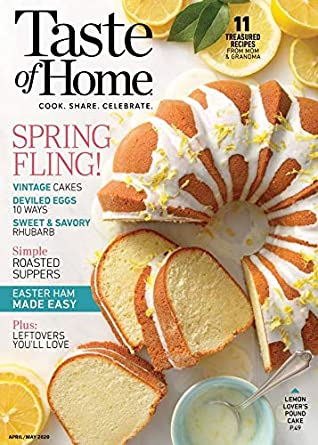


h1

HempGrower Magazine: A New Title From GIE Media, A Company That Strongly Believes Print Is Still A Very Engaging Platform – The Mr. Magazine™ Interview With Jim Gilbride, Publisher & Noelle Skodzinski, Editorial Director, HempGrower Magazine…

January 20, 2020

A Mr. Magazine™ Launch Story…

“When we launched our online products only, while it’s a nice introduction to the marketplace, your engagement online skyrockets when you launch your print magazine. It is one cohesive brand that touches all of these different areas of the marketplace. You can’t build a digital product without a print product. It’s a fully integrated approach of delivering content in as many ways that we can to our audience to grow our brand. I don’t believe the digital businesses will be as successful in the B to B space without a print magazine.” …Jim Gilbride

“If the content is good and it’s what people need, they will read it, regardless of the format. So, we’re providing in print, content that we know people need and will want. Whether it’s online or in print or at our conference, it’s all content that will help these people and their businesses. So, I agree with Jim, I don’t think print is dead. There are challenges with newsstand publications, but that’s a different model than we have. We are going to these people; we’re sending it directly to them and if the content resonates, they’re going to read it and be engaged with it.” …Noelle Skodzinski

A new title from GIE Media, HempGrower magazine’s mission is to support legal hemp cultivators by providing actionable intelligence in all aspects of the business—from regulatory news to analysis of industry trends and business strategy, as well as expert advice on cultivation, extraction, marketing, financial topics, legal issues and more. And while many companies are shying away from print, GIE is in the business of investing in quality content and new print titles, such as their latest, HempGrower.

Jim Gilbride is group publisher and Noelle Skodzinski is editorial director, and both have long-standing experience with the B to B marketplace and the world of cannabis, in general, having Cannabis Business Times and Cannabis Dispensary magazines under their belts, as well as an annual conference that they’re both anticipating with a brimming excitement. I spoke with Jim and Noelle recently, and while the world of hemp growing has now become a legal enterprise, both realize the challenge of this type of product and the importance of accuracy and absolute adherence to federal regulations when it comes to publishing. But they also thrive on those challenges and the excitement of quality content with the magazine.

The  next huge conference is coming up in April and Jim and Noelle are doubly excited by the opportunities that are on the horizon. Offering their loyal readership another revenue source with HempGrower is definitely a check-yes box for them.

So, I hope that you enjoy this Mr. Magazine™ interview about a new B to B magazine that is determined to bring correct and factual content to the world of hemp growers and all that are interested in this new, now legal, market.

But first the sound-bites:

On what he attributes the growth of his company to and the ability to add magazines, rather than losing them (Jim Gilbride): What separates us from the pack is, one, investment. We make sure that we spend a lot of money investing in quality content and editorial; quality graphic design; quality tools to build online and engage our readership. So, continuing to not cut any of those areas when a lot of publishing businesses cut back in graphics and editorial, things like that, we redoubled our efforts back in 2009 when the economy crashed to continue to invest in quality. Our number one job in any market that we serve is to educate our reader and help their businesses thrive. So, I would say that is one of the attributions.

On whether he believes it makes a difference in today’s world between being family-owned or owned by a group of investors or venture capitalists (Jim Gilbride): Yes. I believe that when we get into a marketplace, we embed ourselves and become part of that marketplace. And our family-owned business supports us and gives us good careers in being embedded in that marketplace. In the pest control marketplace, our group publisher has been there for 40 years. In the recycling marketplace, our group publisher has been there for 25 years. I’ve been here for 15 years. So, that longevity and being able to intimately be a part of a marketplace and to learn the ins and outs of that market; GIE Media over our 40-year history has never sold anything. When we decide to get into a marketplace, we’re in it for the long haul. And we’re going to make the long-term investments to make sure that we’re successful. We don’t want to be number two in any market that we’re in.

On whether moving from the cannabis business to the hemp business offers her a different high, pun intended (Noelle Skodzinski): (Laughs) There are a lot of similarities. Hemp has been experiencing prohibition for 82 years, so it’s the same kind of situation that all cannabis has been in. This market is newly legal in the United States. And there is an extreme mood right now for information, for all of the hemp farmers. And it doesn’t matter what they’re growing, whether it be CBD or seeds, grain or fiber, they need information now. They need to navigate the regulations; they need to navigate the marketplace; the supply and demand issues. We also kind of planned things in a timely fashion so that we’re reaching people when they need information the most. And then we evolve with the industry.

On the logic behind starting HempGrower online first and then getting into print (Jim Gilbride): The reason we did it is because, one, it’s pretty simple to get an online product up and running. So, we’re able to move a lot faster. And then once you have that up and running, you start to drive awareness and engagement for the print product that’s coming. I think they actually launched at the same time, you could say, but the reason that we launched online first is to market the product and create some demand before the print product hits the marketplace.

On many people saying that in the B to B category print is no longer needed (Jim Gilbride): I think it’s just not true because just look at the success we’ve had. When we launched our online products only, while it’s a nice introduction to the marketplace, your engagement online skyrockets when you launch your print magazine. It is one cohesive brand that touches all of these different areas of the marketplace. You can’t build a digital product without a print product. It’s a fully integrated approach of delivering content in as many ways that we can to our audience to grow our brand. I don’t believe the digital businesses will be as successful in the B to B space without a print magazine.

On why he thinks their business model is thriving, while magazines such as High Times are considering filing for bankruptcy (Jim Gilbride): I see High Times as more of a consumer magazine and I think it’s somewhere around $100 million in debt, so they’re trying to figure out their business model. We’re a vertical market, business to business publisher, and so that’s two very different businesses. We’re not going after the consumer market, we’re going after the legal businesses in those states that are operating legally, so we have a very engaged audience. We’ve had growers and dispensaries to say when they got their license, the first piece of mail they received was Cannabis Business Times and that they had been loyal readers since day one. So, we’re not trying to fight that consumer push, we’re all about B to B. I can’t speak to why they are thinking about folding or why they’re unsuccessful; all I can say is we’re two different things, consumer versus B to B media.

On what’s next for the company(Jim Gilbride): What’s next? Well, we have a large conference where we bring our engaged readership from all three brands together, which also brings all of our contributors and a lot of our board members and some really high quality speakers together at the Paris Las Vegas in April, which is another touchpoint for all of our brands. So our really engaged readership that likes to read the quality content in our magazine can meet all these folks and sit in a session for 45 minutes and learn about how to make their business more profitable. And learn about how to get into the business and when to license and how to invest in the business. So, gearing up for that will probably take up a lot of the first part of our year. And after that, we’ll see.

On whether dealing with cannabis and hemp as subject matter makes their jobs easier or harder (Noelle Skodzinski): I would say this is the most challenging position I’ve held, largely because of federal regulations. Editorially speaking, we have to make sure that every single thing that we publish is accurate. And I know that’s the goal of any editor, but with businesses that are in a regulatory gray area, where it may be legal in your state, but not legal federally, there are still towns that have moratoriums or bans on cannabis businesses, so we have to make sure that the information that we publish is up-to-date, that it’s accurate.

On what someone would find him doing if they showed up unexpectedly one evening at his home (Jim Gilbride): I’m not a wind down kind of guy. I kind of love chaos. I have three little kids, so last night I fell asleep on my daughter’s floor (Laughs), because I was so burned out from the last two weeks. If I wind down I have to get away with my wife, otherwise it’s complete chaos and I’m always moving, but that’s how I prefer it, so you would probably catch me running around my house chasing my toddlers.

On what someone would find her doing if they showed up unexpectedly one evening at her home (Noelle Skodzinski): I don’t wind down much either. Typically, I’m working even when I’m not working. I may be on my phone on the couch, checking emails, answering emails, looking things up. I’m constantly thinking of things that I have to do next, making lists of what I have to do. I’m working very hard on a better work/life balance, and Jim is helping me with that. But yes, I do enjoy a glass of wine in the evening, and I’m trying to get back into a fitness routine. I’m trying to scale back on the work, but launching three brands and a conference in five years has been a go-go-go environment, which I absolutely thrive in and love. But everyone needs to really try and balance their work and life so that you can continue to do more and be even stronger for next year.

On the biggest misconception she thinks people have about her (Noelle Skodzinski): I think that when I tell people what I do, people instantly will say things like, oh, you get to sit around and smoke pot all day. Many think it’s a very relaxed, cushy job, and while it is my absolute favorite job I’ve ever had, I love the company and the subject matter and I’m very passionate about the industry, it is not sitting back and smoking pot all day.

On the biggest misconception he thinks people have about him (Jim Gilbride): I think just that this is easy. We’re in the fastest-growing marketplace in the country, so it must be easy to walk into it and launch a magazine and take advantage of that. But that couldn’t be further from the truth. It is a challenge every step of the way. From hiring employees to the editorial challenges that Noelle talked about, to the sales challenges I mentioned. And the hiring pains – I don’t think that we’ve ever had enough people, because once we are fully staffed, we grow again. And those are all challenges that weigh on your mind every day. It’s rewarding, but it isn’t easy.

On what keeps her up at night (Noelle Skodzinski): A lot of things. (Laughs) Mainly just working on our conference keeps me up. People are paying a lot of money, it’s reasonably affordable compared to other conferences, but they’re paying money to come to an event and I want to ensure that they are happy and get value out of what we’re providing. And that’s not an easy task. Running a conference is very similar in certain ways; it’s content in a different format. But it’s also people are there, you’re engaging in person with your audience and if they’re not getting value out of what you’re providing, they’re not happy. And that puts a lot of pressure, it’s self-imposed pressure, but I want to make sure that people are benefiting from what we’re providing them and that they’re paying for.

On what keeps him up at night (Jim Gilbride): Honestly, no matter how stressed I am, I don’t have trouble sleeping. I’m usually whipped at the end of the day. If there’s anything that stresses me out, it’s just a lot of business management responsibility. I manage the P & L, so driving our business to a place where we need it to be for the good of the industry, as well as the good of the employees that work for us so hard day in and day out is important and so is just making sure that we hit our growth projections. We plan a budget every year and in that budget we plan our employment growth, benefits growth rate, and all of that. And making sure that we hit those projections from a financial standpoint so that we can be so good to the people who work so hard for us. So, if it’s anything, it’s being focused on that.

And now the lightly edited transcript of the Mr. Magazine™ interview with Jim Gilbride, Group Publisher and Noelle Skodzinski, Editorial Director, HempGrower magazine.

Samir Husni: Jim, reading your editorial in the first issue of HempGrower, this company started almost 40 years ago with one magazine and now you have all these magazines serving all kinds of “growing” industries; what do you attribute this kind of growth to in a digital age, where other people are leaving the business, you’re adding to the business?

Jim Gilbride: What separates us from the pack is, one, investment. We make sure that we spend a lot of money investing in quality content and editorial; quality graphic design; quality tools to build online and engage our readership. So, continuing to not cut any of those areas when a lot of publishing businesses cut back in graphics and editorial, things like that, we redoubled our efforts back in 2009 when the economy crashed to continue to invest in quality. Our number one job in any market that we serve is to educate our reader and help their businesses thrive. So, I would say that is one of the attributions.

And then continuing to look at each marketplace and see where they’re going to engage. Print is a very engaging platform still, so we continue to make that important investment in print, because we know that it’s a very engaging platform for readers. You also have to have digital, we know that. That is only an extension and a growth or redoubling our audience, so trying to engage with our audience as much as they will engage with us. And to deliver on all of those multiple platforms that has continued to make us successful.

And too, the other thing that I mentioned, quality editorial, quality graphics, as well as building the right vertical audience and spending the money in investment to make sure that you’re driving the right audience.

Samir Husni: Do you think there’s a difference in being family-owned as opposed to a group of venture capitalists or a group of investors owning the company? Does that make a difference in this day and age?

Jim Gilbride:  Yes. I believe that when we get into a marketplace, we embed ourselves and become part of that marketplace. And our family-owned business supports us and gives us good careers in being embedded in that marketplace. In the pest control marketplace, our group publisher has been there for 40 years. In the recycling marketplace, our group publisher has been there for 25 years. I’ve been here for 15 years. So, that longevity and being able to intimately be a part of a marketplace and to learn the ins and outs of that market; GIE Media over our 40-year history has never sold anything. When we decide to get into a marketplace, we’re in it for the long haul. And we’re going to make the long-term investments to make sure that we’re successful. We don’t want to be number two in any market that we’re in.

Samir Husni: Noelle, you started with the cannabis business and now you’ve moved to hemp. With this new HempGrower magazine, are you on a different high, pun intended?

Noelle Skodzinski: (Laughs) There are a lot of similarities. Hemp has been experiencing prohibition for 82 years, so it’s the same kind of situation that all cannabis has been in. This market is newly legal in the United States. And there is an extreme mood right now for information, for all of the hemp farmers. And it doesn’t matter what they’re growing, whether it be CBD or seeds, grain or fiber, they need information now. They need to navigate the regulations; they need to navigate the marketplace; the supply and demand issues. We also kind of planned things in a timely fashion so that we’re reaching people when they need information the most. And then we evolve with the industry.

Jim Gilbride: Noelle is not only over hemp, but she still oversees the cannabis business as well. I just wanted to make that clear.

Samir Husni: You launched the website for HempGrower first, last August. And then six months later, the print magazine came along. Is there a logic that you used? Start the online first and then go to print? Is this a new model for launching publications?

Jim Gilbride: The reason we did it is because, one, it’s pretty simple to get an online product up and running. So, we’re able to move a lot faster. And then once you have that up and running, you start to drive awareness and engagement for the print product that’s coming. I think they actually launched at the same time, you could say, but the reason that we launched online first is to market the product and create some demand before the print product hits the marketplace.

Noelle Skodzinski: It’s a similar model to what we did with Cannabis Business Times, in that the digital product came first. And then when GIE bought Cannabis Business Times we were able to launch the print publication. But like Jim said, the audience starts to engage with the brand online very quickly and frequently. We are then able to start learning more about the audience and start working with people who are in the industry to build that print publication. And we already have a brand out there that people have begun to trust and they understand our approach to the editorial and what we’re providing.  So, that has them looking forward to the print publication and they’re already engaged with that brand.

Samir Husni: There are some people who say in the B to B segment of magazines that print is no longer needed and there’s no place for it anymore. That everyone is moving to digital and social media. You’re proof that’s not true. Why is that?

Jim Gilbride: I couldn’t disagree with that at all. I think it’s just not true because just look at the success we’ve had. When we launched our online products only, while it’s a nice introduction to the marketplace, your engagement online skyrockets when you launch your print magazine. It is one cohesive brand that touches all of these different areas of the marketplace. You can’t build a digital product without a print product. It’s a fully integrated approach of delivering content in as many ways that we can to our audience to grow our brand. I don’t believe the digital businesses will be as successful in the B to B space without a print magazine.

Noelle Skodzinski: If I could add to that. Samir, I think you’ve been a kind of proponent of this concept. If the content is good and it’s what people need, they will read it, regardless of the format. So, we’re providing in print, content that we know people need and will want. Whether it’s online or in print or at our conference, it’s all content that will help these people and their businesses. So, I agree with Jim, I don’t think print is dead. There are challenges with newsstand publications, but that’s a different model than we have. We are going to these people; we’re sending it directly to them and if the content resonates, they’re going to read it and be engaged with it.

Jim Gilbride: I couldn’t agree more. It’s about quality content and it’s not about how you deliver it. If you don’t have quality content, of course print is going to die, because there’s not enough value there for people to buy into it to reach your audience. It’s all about quality content. If you have that you can build a print magazine. If you don’t, you can’t.

Samir Husni: As you reflect on 2019 and you look forward to 2020, what are your expectations for the future?

Noelle Skodzinski: I would love to have more time, more hours in the day.

Jim Gilbride: More cannabis legalization.

Samir Husni: What’s the trajectory, in terms of legalization? I know that CBD is now legal in all 50 states and hemp is legal in…?

Jim Gilbride: All but three.

Samir Husni: All but three. And cannabis is legal in what 23 states now, for one reason or another?

Noelle Skodzinski: I think it’s 33 medical and then 11 now for adult use.

Samir Husni: Why do you think the model that you’re using, between the Cannabis Business Times and HempGrower, is thriving now, while we hear about established magazines like High Times, for example, is thinking about filing for bankruptcy?

Noelle Skodzinski: We also publish Cannabis Dispensary, which we launched in 2017.

Jim Gilbride: I see High Times as more of a consumer magazine and I think it’s somewhere around $100 million in debt, so they’re trying to figure out their business model. We’re a vertical market, business to business publisher, and so that’s two very different businesses. We’re not going after the consumer market, we’re going after the legal businesses in those states that are operating legally, so we have a very engaged audience. We’ve had growers and dispensaries to say when they got their license, the first piece of mail they received was Cannabis Business Times and that they had been loyal readers since day one. So, we’re not trying to fight that consumer push, we’re all about B to B. I can’t speak to why they are thinking about folding or why they’re unsuccessful; all I can say is we’re two different things, consumer versus B to B media.

Samir Husni: You now have three titles, the two cannabis magazines and HempGrower. What’s next?

Jim Gilbride: What’s next? Well, we have a large conference where we bring our engaged readership from all three brands together, which also brings all of our contributors and a lot of our board members and some really high quality speakers together at the Paris Las Vegas in April, which is another touchpoint for all of our brands. So our really engaged readership that likes to read the quality content in our magazine can meet all these folks and sit in a session for 45 minutes and learn about how to make their business more profitable. And learn about how to get into the business and when to license and how to invest in the business. So, gearing up for that will probably take up a lot of the first part of our year. And after that, we’ll see.

Noelle Skodzinski: Our cannabis conference is now in its fourth year, but 2020 will be the first year that we are incorporating an educational tract for hemp. It will be largely focused on hemp for CBD, but in all of our publications we focus on the business, but in the grower publications, Cannabis Business Times and HempGrower, we also focus very heavily on the cultivation aspect; the farming. So, in 2020, the conference will have two professors and researchers from Purdue University who are giving sessions on hemp cultivation; results from research. And that’s something that we’re really looking forward to, bringing in the hemp component to the industry, because there’s a lot of crossover, a lot of marijuana growers who are looking into expanding into hemp now that it’s legal.

And a lot of companies that weren’t necessarily willing to get into marijuana growing because of the additional risk involved, because it’s still federally illegal, are interested in growing hemp. So, that’s really expanding our audience and as Jim said, bringing all of those people together so that they can learn from one another. So, that’s something we’re really excited about for 2020.

Samir Husni: Both of you had careers before the cannabis and the hemp publications, as publishers and as editors. Did cannabis and hemp make your career easier or harder when it comes to dealing with that particular subject matter?

Jim Gilbride: Both.

Noelle Skodzinski: I would say this is the most challenging position I’ve held, largely because of federal regulations. Editorially speaking, we have to make sure that every single thing that we publish is accurate. And I know that’s the goal of any editor, but with businesses that are in a regulatory gray area, where it may be legal in your state, but not legal federally, there are still towns that have moratoriums or bans on cannabis businesses, so we have to make sure that the information that we publish is up-to-date, that it’s accurate.

And we also have an obligation to our readers to feature businesses that are adhering to all the regulations that are out there. It’s very challenging for those businesses to do that, but they absolutely have to do it. So, part of our mission with these publications is to help advance the industry by advancing the businesses in them and the people involved in those businesses. And in order to do that, we have to make sure that we’re not featuring businesses that are not playing by the rules.

And that’s kind of a simple way to put it. There are many complications to that, but it’s extremely challenging editorially. We have a lot of vetting that we have to do for businesses that we never had to do before. When I was an editor in other positions, I didn’t have to dig around on publishing companies to make sure everything they did was legal. Typically, it was a very rare case that someone was doing something illegal. In the cannabis industry, I would say it’s also rare, but it can happen accidentally and it can happen intentionally. So, we just have to guarantee that what we’re publishing is accurate.

And the other challenging thing, especially with cannabis, is that cannabis did not have the luxury of all the other agricultural crops, in that they have had centuries of research behind them, University research that backed up all the science about cultivating this plant, so we’ve had to build very slowly a network of researchers, of experts that were cultivating underground for decades. And trying to get to the most accurate, the most proven methods of growing that are available, because that wasn’t available to cultivators.

 Samir Husni: And Jim, you said both?

Jim Gilbride: Now that I’ve had a couple of seconds to think about it, I wouldn’t say easier is the right word, exciting is certainly the right word. It’s really exciting to be a part of this industry and to see how things unfold. And how the industry continues to grow and states come online and as other folks get into the market, but it is certainly not easy. It is a challenge.

I remember, we were in New York City at a conference and we were going to get our first advertising client. After that meeting I found myself thinking that this was going to be a lot harder than I thought. There were just media companies and conference companies coming out of the woodwork. How do you differentiate yourself? How do you build a brand and quality when there has been a lot of mistrust and misguidance in the marketplace? We could get a big support advertising program in the next day, corporate over in Europe or somewhere else just says nope, we’re not doing this anymore and then it’s gone.

So, being federally illegal, there are people who kind of dip their toes in and then go away. It is certainly very challenging to be part of a federally illegal market and something that’s just so new. But it has certainly been probably the most exciting time I’ve had in my career.

Samir Husni: If I showed up unexpectedly at your home one evening after work, what would I find you doing? Having a glass of wine; reading a magazine; cooking; or something else? How do you unwind?

Jim Gilbride: I’m not a wind down kind of guy. I kind of love chaos. I have three little kids, so last night I fell asleep on my daughter’s floor (Laughs), because I was so burned out from the last two weeks. If I wind down I have to get away with my wife, otherwise it’s complete chaos and I’m always moving, but that’s how I prefer it, so you would probably catch me running around my house chasing my toddlers.

Noelle Skodzinski: I don’t wind down much either. Typically, I’m working even when I’m not working. I may be on my phone on the couch, checking emails, answering emails, looking things up. I’m constantly thinking of things that I have to do next, making lists of what I have to do. I’m working very hard on a better work/life balance, and Jim is helping me with that. But yes, I do enjoy a glass of wine in the evening, and I’m trying to get back into a fitness routine. I’m trying to scale back on the work, but launching three brands and a conference in five years has been a go-go-go environment, which I absolutely thrive in and love. But everyone needs to really try and balance their work and life so that you can continue to do more and be even stronger for next year.

Samir Husni: What is the biggest misconception you think people have about you?

Noelle Skodzinski: I think that when I tell people what I do, people instantly will say things like, oh, you get to sit around and smoke pot all day. Many think it’s a very relaxed, cushy job, and while it is my absolute favorite job I’ve ever had, I love the company and the subject matter and I’m very passionate about the industry, it is not sitting back and smoking pot all day.

Jim Gilbride: I think just that this is easy. We’re in the fastest-growing marketplace in the country, so it must be easy to walk into it and launch a magazine and take advantage of that. But that couldn’t be further from the truth. It is a challenge every step of the way. From hiring employees to the editorial challenges that Noelle talked about, to the sales challenges I mentioned. And the hiring pains – I don’t think that we’ve ever had enough people, because once we are fully staffed, we grow again. And those are all challenges that weigh on your mind every day. It’s rewarding, but it isn’t easy.

Samir Husni: My typical last question; what keeps you up at night?

 Noelle Skodzinski: A lot of things. (Laughs) Mainly just working on our conference keeps me up. People are paying a lot of money, it’s reasonably affordable compared to other conferences, but they’re paying money to come to an event and I want to ensure that they are happy and get value out of what we’re providing. And that’s not an easy task. Running a conference is very similar in certain ways; it’s content in a different format. But it’s also people are there, you’re engaging in person with your audience and if they’re not getting value out of what you’re providing, they’re not happy. And that puts a lot of pressure, it’s self-imposed pressure, but I want to make sure that people are benefiting from what we’re providing them and that they’re paying for.

And it’s the same thing with the content in the magazine. People’s businesses rely on this information that we’re providing and I don’t take that lightly. I may take to too seriously sometimes, so that I’m not sleeping as well as other people might, but I also think that it takes that type of person who worries about everything to make sure all of these moving parts, especially in this type of industry, are going to work.

Jim Gilbride: Honestly, no matter how stressed I am, I don’t have trouble sleeping. I’m usually whipped at the end of the day. If there’s anything that stresses me out, it’s just a lot of business management responsibility. I manage the P & L, so driving our business to a place where we need it to be for the good of the industry, as well as the good of the employees that work for us so hard day in and day out is important and so is just making sure that we hit our growth projections. We plan a budget every year and in that budget we plan our employment growth, benefits growth rate, and all of that. And making sure that we hit those projections from a financial standpoint so that we can be so good to the people who work so hard for us. So, if it’s anything, it’s being focused on that.

Samir Husni: Thank you both.

h1

Barnes & Noble’s Director Of Merchandise & Newsstand, Krifka Steffey, To Samir “Mr. Magazine™” Husni: “The Print Magazine Is Becoming A Luxury Item.” The Mr. Magazine™ Interview…

January 15, 2020

Mr. Magazine™ Presents… Conversations With Magazine and Magazine Media Leaders…

Invigorating the newsstand and driving traffic, two things that Krifka Steffey is determined to do in 2020. Krifka is Director of Merchandising for the Newsstand at Barnes and Noble and believes that with continued evolution and the idea that print magazines in today’s digital world are still relevant and are quickly becoming a luxury item for readers, the technology of print will remain a viable one.

Krifka’s advice to industry leaders is let’s look forward instead of backward; let’s promote what’s good about the industry, such as what’s selling, what people are attracted to, instead of always preaching gloom and doom. And most important let’s use social media as a conduit to ignite a better relationship with the audience: “I think social media actually should be giving the publishing industry, certainly magazine publishers, a lot of intelligence on what customers are paying attention to and what they like. And doing that virtually for free.”

It’s great advice from someone who knows the newsstand and the business of magazines at retail. She also works in partnership with publishers to create new and exclusive products, while conducting global searches for new magazines to add to the roster. She’s a busy lady with a head-full of great ideas.

So, please enjoy this lively conversation with, Krifka Steffey, Director, Merchandise & Newsstand, Barnes & Noble, as Mr. Magazine™ brings you the next in his series with the magazine and magazine media executives that make the industry world go-round.

But first the sound-bites:

On her assessment of the future of magazine newsstand and retail: What I foresee is that the evolution that has already started to take place within publishing will continue. And that evolution is moving, certainly, toward higher quality and toward  magazines becoming more of a luxury item, especially those that you would buy at retail versus what you’d receive at home by subscription. We’ve also seen major brands come down in their frequency, while seeing new titles in the bookazine format, where they don’t necessarily have a “next issue,” they’re a very singularly-focused subject or something that’s hot at the time. A lot of what our industry has been doing is looking back instead of looking forward, and asking what does that mean in terms of newsstand and physical retail?

On any particular accomplishments Barnes & Noble achieved in 2019: We have decidedly been creating greater partnerships directly with our publishers, not only bookazine publishers, but also with everyday brands that anyone on the street could name, in terms of giving feedback on trends that we foresee coming. I don’t think anyone could have anticipated the Korean pop band BTS ending up selling a million dollars in products on our newsstand, but that came about through a partnership with various publishers and advising them. We’re seeing these things trending; CD sales increasing; what can we do to get on this trend? And I think that’s a key part of why Barnes & Noble has been doing well with magazines; we’ve really been partnering with those publishers to see what’s coming.

On whether her role today is more collaborative with publishers: With some publishers we’ve moved toward a more collaborative, back and forth relationship, and in some cases, the same with some consultants. But there’s still a pretty large contingent of the business where there is no collaboration between publisher and retailer. And I know there are a lot of other retailers that are involved, but there still feels like there’s a disconnect in sharing trends and looking at data to produce products that customers are looking for.

On whether this new role makes her job easier or harder: I’ve been doing this collaboration with publishers since I started in the business, so I would say it’s probably easier, because we’re aware of what product is coming and we believe in it. And that’s because we have either seen some data that supported it or we’ve seen customer trends, something like that. We’re better able to support that internally and that’s either in emails, displays, or social media. So when we don’t know what is coming and we get surprised by a cover and we sell out, I really feel that we’ve missed a great opportunity. So, I would say those collaborations actually make my job easier, instead of having to react on the backend, I have knowledge on the frontend.

On the variety of magazines Barnes & Noble carries, including international titles with higher cover prices: The U.K. and Australian imports and other areas that we receive from, we also get some things from The Netherlands, these products are very high quality; they’re very unique and they’re perfective in their writing style. If you were to compare a domestic version of some very well-known brands to a U.K. version, they would read very differently. So, our perspective here has been that assortment. Let’s let people and customers choose what they want by what they buy.

On the biggest challenge she faced in 2019: I think we have a supply chain problem. I often describe it as a giant onion with so many layers within it and so much complexity. And we certainly faced challenges in the actual delivery, logistics, data, flow and analysis determining the right number of copies to the right places. But I also think our industry is very restricted in allowing new entries to the market. We tend to have a very consistent and almost, I hate to say aging, workforce within our industry that doesn’t present new opportunities as quickly as we really need.

On whether she is working on changing that: I am. We’ve been looking at various ways that we can, obviously, take in magazines. We also have our own distribution center; should we be distributing our own magazines? Should we be making our own magazines? We have a publisher partner as well, so there are various things we’ve been thinking about. There are lots of opportunities out there, because we certainly see customer demand. So, I think that will probably be the biggest challenge for this year, but it was also a challenge in 2019 too.

On whether she feels magazines are still traffic-generators for the bookstores, bringing  customers in: That’s a great question. I’ve often thought about the different customer types that we have within newsstand. And we definitely have a customer base that’s very loyal to our category. And so we often see two magazines in a basket and we don’t necessarily see a book, so I do think the newsstand on its own has its own traffic. When people look at our mainlines they say: wow, you carry so many magazines, but we sell about 90 percent of our assortment in every store. So when you see those conceivably smaller audience titles, they really do generate traffic to our stores.

On whether the specialty titles are bringing in the most revenue for Barnes & Noble, rather than the regular frequency magazines: I think that kind of goes back to the question about subscriptions. I mean when you really look at what subscriptions and ABC rate-based have done, those titles are really no longer newsstand profit-generators. For a lot of reasons we have those titles in-store because we know customers expect us to carry them, but in terms of newness factor or titles that are not available by subscription, that’s where those bookazines come in.

On whether the shift from Ingram to ANC made her life easier, harder or the same: The supply chain in general out there for everyone has gotten more complicated. We’ve gone through the various changes with UPS rates, and we have trucking from one depot to another. The printers are also an interesting component of all of this as well, so I think this entire thing, from start to finish, has been in a state of flux. Nothing very consistent or reassuring.

On whether she considers social media platforms friend or foe to magazines and magazine media: I actually see social media, especially Instagram, as almost being representative of an online magazine. You’re looking for a great image to support very little text, and then some are obviously longer, but I think social media actually should be giving the publishing industry, certainly magazine publishers, a lot of intelligence on what customers are paying attention to and what they like. And doing that virtually for free. But if we continue to give away content online, then we can’t continue to expect people to pay for that same thing in print.

On anything she’d like to add: I would just suggest to our industry partners that we should speak more positively about what’s happening in our industry and what is working and what’s selling. I think too often we’re still stuck in looking back instead of looking forward and that doesn’t do anybody any favors.

On what keeps her up at night: The challenge that we face with getting the right product that’s on trend at the right time. That aspect, when we have the speed to market challenges, that piece. And also getting the right volume of product into the right stores to service the right customers to avoid sellout. And that’s something that’s very challenging for me, because a sellout to me could be at one copy, could be at 10 copies, and that’s a lost sale opportunity. So, I think that’s the piece that concerns me the most. Less about attracting the millennials, or figuring out the next hot thing; it’s getting the right copy in the right place at the right time, which has always been our industry’s biggest problem.

And now the lightly edited transcript of the Mr. Magazine™ interview with Krifka Steffey, Director, Merchandise & Newsstand, Barnes & Noble.

Samir Husni: From a magazine merchandising perspective, what’s your assessment of the future of magazines and magazine newsstand and retail?

Krifka Steffey: What I foresee is that the evolution that has already started to take place within publishing will continue. And that evolution is moving, certainly, toward higher quality and toward  magazines becoming more of a luxury item, especially those that you would buy at retail versus what you’d receive at home by subscription. We’ve also seen major brands come down in their frequency, while seeing new titles in the bookazine format, where they don’t necessarily have a “next issue,” they’re a very singularly-focused subject or something that’s hot at the time. A lot of what our industry has been doing is looking back instead of looking forward, and asking what does that mean in terms of newsstand and physical retail?

For us, one of the things that we’ve really focused on is looking at the financials and the metrics. We have a very special business in that it’s consignment; it’s very productive per square footage in the retail space, and our customers are very loyal to this product. So, when you add all those things together, not only the math, but if you also look at the frequency of shelf and the loyalty of the magazine reader, it works out.

The industry is certainly going through some troubling times as brick and mortar retail, but I do feel that the customers want to shop in a physical store, especially for physical items like books and paper. So, I’m optimistic. I think we’re just going through a prolonged transition into those different formats.

Samir Husni: Looking back on 2019, what are some accomplishments you feel Barnes & Noble achieved from your perspective as director of Merchandise and Newsstand?

Krifka Steffey: We have decidedly been creating greater partnerships directly with our publishers, not only bookazine publishers, but also with everyday brands that anyone on the street could name, in terms of giving feedback on trends that we foresee coming. I don’t think anyone could have anticipated the Korean pop band BTS ending up selling a million dollars in products on our newsstand, but that came about through a partnership with various publishers and advising them. We’re seeing these things trending; CD sales increasing; what can we do to get on this trend? And I think that’s a key part of why Barnes & Noble has been doing well with magazines; we’ve really been partnering with those publishers to see what’s coming.

The other thing that we’ve done is work very hard internally to maintain our space. So, the fact that we merchandise our own product and our booksellers are familiar with it is also a key component that has been successful for us. But internally as a buyer, it’s always something that we have to continually resell internally.

Samir Husni: Are you more involved with the publishers today and with giving them ideas? In other words, is it more of a two-way street now, as opposed to the publishers publish it, ship it, and then you sell it?

Krifka Steffey: With some publishers we’ve moved toward a more collaborative, back and forth relationship, and in some cases, the same with some consultants. But there’s still a pretty large contingent of the business where there is no collaboration between publisher and retailer. And I know there are a lot of other retailers that are involved, but there still feels like there’s a disconnect in sharing trends and looking at data to produce products that customers are looking for.

And I think that’s the real component we’re missing; we’re not getting a whole lot of big launches. We’re going to see “Reveal,” the Property Brothers’ new magazine from Meredith early in 2020, which is very exciting, but we haven’t had a major launch like that one since The Magnolia Journal. Part of that has to do with perhaps just paying attention to what is trending at retail and what things are trending online that can convert into the magazine format.

Samir Husni: Does this make your job easier or harder?

Krifka Steffey: I’ve been doing this collaboration with publishers since I started in the business, so I would say it’s probably easier, because we’re aware of what product is coming and we believe in it. And that’s because we have either seen some data that supported it or we’ve seen customer trends, something like that. We’re better able to support that internally and that’s either in emails, displays, or social media. So when we don’t know what is coming and we get surprised by a cover and we sell out, I really feel that we’ve missed a great opportunity. So, I would say those collaborations actually make my job easier, instead of having to react on the backend, I have knowledge on the frontend.

Samir Husni: You’re one of the few newsstands that carries a variety of magazines, including a lot of British and Australian titles. What’s the logic or reasoning behind that, especially since the cover prices are extremely high?

Krifka Steffey: The U.K. and Australian imports and other areas that we receive from, we also get some things from The Netherlands, these products are very high quality; they’re very unique and they’re perfective in their writing style. If you were to compare a domestic version of some very well-known brands to a U.K. version, they would read very differently. So, our perspective here has been that assortment. Let’s let people and customers choose what they want by what they buy.

I spend a lot of time looking for new products like that to import. And I think some of these cover prices lend back to that idea that the print magazine is becoming a luxury item. If we’re able to bridge all of these different price points, certainly for the retailer and for the publisher, higher price points can equal a better P&L for everybody.

Samir Husni: What was the biggest challenge you faced in 2019?

Krifka Steffey: I think we have a supply chain problem. I often describe it as a giant onion with so many layers within it and so much complexity. And we certainly faced challenges in the actual delivery, logistics, data, flow and analysis determining the right number of copies to the right places. But I also think our industry is very restricted in allowing new entries to the market. We tend to have a very consistent and almost, I hate to say aging, workforce within our industry that doesn’t present new opportunities as quickly as we really need.

Samir Husni: Are you working on changing that?

Krifka Steffey: I am. We’ve been looking at various ways that we can, obviously, take in magazines. We also have our own distribution center; should we be distributing our own magazines? Should we be making our own magazines? We have a publisher partner as well, so there are various things we’ve been thinking about. There are lots of opportunities out there, because we certainly see customer demand. So, I think that will probably be the biggest challenge for this year, but it was also a challenge in 2019 too.

Samir Husni: Do you still feel magazines are traffic-generators for the bookstores, bringing  customers in?

Krifka Steffey: That’s a great question. I’ve often thought about the different customer types that we have within newsstand. And we definitely have a customer base that’s very loyal to our category. And so we often see two magazines in a basket and we don’t necessarily see a book, so I do think the newsstand on its own has its own traffic. When people look at our mainlines they say: wow, you carry so many magazines, but we sell about 90 percent of our assortment in every store. So when you see those conceivably smaller audience titles, they really do generate traffic to our stores.

Additionally, as to being a complement to a book, we often see when we have major bestsellers like Michelle Obama’s “Becoming,” that a magazine is the number one attached. So, I think different people are coming to our stores for different reasons, they’re either loyalists or they’re coming in and also pairing up with a book.

Samir Husni: When I spoke to the people at ANC, they said that while the bookazines and the specialty titles aren’t selling the biggest units, they are making the biggest chunk of the money. Is it the same for Barnes & Noble? Are all of these specialty titles bringing in the most revenue, rather than the weeklies and the monthlies?

Krifka Steffey: I think that kind of goes back to the question about subscriptions. I mean when you really look at what subscriptions and ABC rate-based have done, those titles are really no longer newsstand profit-generators. For a lot of reasons we have those titles in-store because we know customers expect us to carry them, but in terms of newness factor or titles that are not available by subscription, that’s where those bookazines come in.

So, to me, when you can effectively balance what will be a subscription title and what you’ll have on mainlines, that’s really going to provide more of the stability that the publishers are interested in. But it really hasn’t done that so far, and also conversely managing what they give away online digitally. So, I think that’s probably their biggest challenge is to figure out bookazines versus subscription titles versus digital. For me, I think the newest and most interesting things we’re seeing are bookazines.

Samir Husni: Since the shift from Ingram to ANC, has it made your life easier, harder or the same?

Krifka Steffey: The supply chain in general out there for everyone has gotten more complicated. We’ve gone through the various changes with UPS rates, and we have trucking from one depot to another. The printers are also an interesting component of all of this as well, so I think this entire thing, from start to finish, has been in a state of flux. Nothing very consistent or reassuring.

But I do foresee there to be some opportunities in the future, because certainly, despite what everyone reads about print, customer demand is there, it’s truly amazing when you drill down. I really feel like The Magnolia Journal wasn’t celebrated quite enough for what it was. With one issue, Barnes & Noble sold 47,000 copies, that’s what we really need to be looking at. How do we generate more of that? Because certainly, if we can get the publishers to bring these types of titles out faster, then some of the woes with the supply chain and making money and not making money would be largely fixed.

Samir Husni: Do you think digital, with all its platforms, including social media, is a friend or a foe to magazine media?

Krifka Steffey: I actually see social media, especially Instagram, as almost being representative of an online magazine. You’re looking for a great image to support very little text, and then some are obviously longer, but I think social media actually should be giving the publishing industry, certainly magazine publishers, a lot of intelligence on what customers are paying attention to and what they like. And doing that virtually for free. But if we continue to give away content online, then we can’t continue to expect people to pay for that same thing in print.

And I think there’s a lot to be saved in terms of the upcoming centennial Z-generation, but the millennials themselves are a generation that it almost feels like we skipped. And so pulling them back into the format has been challenging. Why would they pay for something that they’ve been used to getting for free? My team and I have sat down, and they’re all millennials, and we’ve discussed what would they pay for. And it has to be something pretty exceptional and not something you can get online. So, that’s a big challenge.

But with some of the things that we’ve seen selling lately, I mentioned BTS with K Pop, or anything that has Harry Styles on it, practically selling out, we’re obviously making some strides in that direction.

I do think the trend that we’ve seen with mindfulness is representative of understanding that at some point digital is harmful for us. And I was thinking about this recently, at what point will we really disconnect? In Europe, it’s certainly much more trendy to put your phone away and to not carry it around with you, but in the U.S. we’re still very loyal to our phones and to digital. So, at some point though, I do think we’ll start to follow that trend.

Samir Husni: Is there anything you’d like to add?

Krifka Steffey: I would just suggest to our industry partners that we should speak more positively about what’s happening in our industry and what is working and what’s selling. I think too often we’re still stuck in looking back instead of looking forward and that doesn’t do anybody any favors.

Samir Husni: What keeps you up at night?

Krifka Steffey: The challenge that we face with getting the right product that’s on trend at the right time. That aspect, when we have the speed to market challenges, that piece. And also getting the right volume of product into the right stores to service the right customers to avoid sellout. And that’s something that’s very challenging for me, because a sellout to me could be at one copy, could be at 10 copies, and that’s a lost sale opportunity. So, I think that’s the piece that concerns me the most. Less about attracting the millennials, or figuring out the next hot thing; it’s getting the right copy in the right place at the right time, which has always been our industry’s biggest problem.

When you look at a map and truly understand the logistics, complexity is across the United States. It is amazing how quickly packages in general reach some of these areas, considering how long it takes to cross Texas, how many DC’s are located near Arizona, but at the same time I still feel like there are improvements to be made. And customers, they expect when they see a cover pop up on social media, such as Instagram, they expect it to be available at their local retailers.

Samir Husni: Thank you.