Archive for the ‘News and Views’ Category

h1

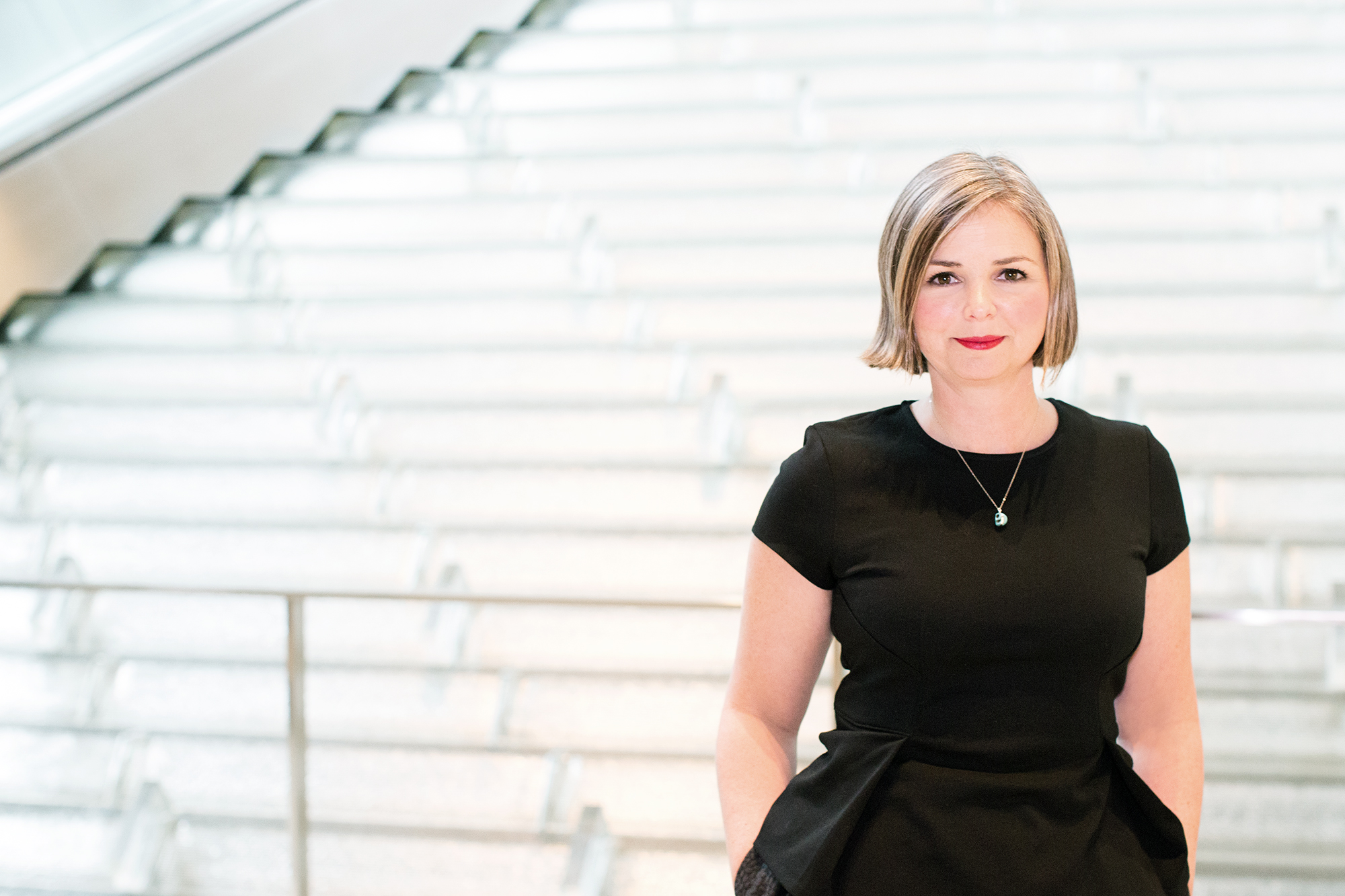
Hearst Magazines’ Chief Content Officer, Kate Lewis To Mr. Magazine™ : “Print Injects A Kind Of Authority And Expertise…” The Mr. Magazine™ Interview

February 11, 2019

“That’s what I thought. I’m ready for this. And I was excited. I had spent five years in digital; I was excited to be able to return to the media I had fallen in love with, which was print. That was the thing that defined my decision to become a magazine person in the first place. I had been a maniacal print obsessive for my whole childhood. And spending those years in digital really helped me have perspective on consumers and consumer behavior. That instant feedback that you get from digital is extraordinarily valuable, and I felt like that this would be a great chance to bring the things that I had learned there to bear on print and to see if we could help engagement and connectivity to readers in print as well.” Kate Lewis (On her reaction when she was first offered the position of chief content officer at Hearst Magazines)…


Hearst Magazines stands almost unrivaled in its array of successful and engaging magazine titles, both nationally and internationally. And no one does it better that Hearst when it comes to the marriage of print with digital. So, it stands to reason that the person who would be in charge of this massively engaging kingdom would have to be as inspiring and creatively expressive as the portfolio of content they reign over. And as connected to both print and digital as the company is.

Kate Lewis would be that professionally protective ruler of the kingdom, with her scepter in both the print and digital realms. Kate joined Hearst Magazines Digital Media in 2014 as vice president, content operations and editorial director, and was promoted to senior vice president in 2016. In her current role as chief content officer of Hearst Magazines, she directs content strategy for Hearst Magazine brands in print and digital, overseeing all editors in chief and digital directors in the U.S., and liaise with the company’s international network to maximize global content opportunities. In other words, Kate has a full plate and is enjoying the plentiful fare immensely.

On a recent trip to New York, I sat down with Kate and we talked about her palate for everything Hearst, and her vision for the brands that she oversees. While the number of titles she oversees may sometimes seem a bit overwhelming, she has a knack for seeing the positive in everything, the opportunities in challenges and the potential of each and every brand. That’s why her upbeat and energetic take on the creative and business side of the organization is so palpably filled with optimism and spot-on truth. And why Mr. Magazine™ thoroughly enjoyed this conversation.

I hope you do the same as you read along with Kate and myself as we discuss the success of Hearst Magazines and the future of magazines and magazine media. So, without further ado, the Mr. Magazine™ interview with Kate Lewis, chief content officer, Hearst Magazines.

But first the sound-bites:

On whether she feels the industry has given up on connecting print to Generation Z and millennials:I don’t think that we’ve given up on them. I think discoverability with that generation is very hard. I grew up as a kid reading every magazine under the sun, because I walked by 15 newsstands on my way to school every day. They were very much in my face. And kids today, even if they do walk by a newsstand, of which there are very few, you have to go all the way to 55th and Third to find yours. And even if they are walking by a newsstand, they have their faces in their phones anyway. So, I don’t think giving up on them is the right phrase, because I think they have an appetite for this kind of content packaged in this way, but I think we have work to do around how they discover it.

On some tricks that she has in her bag to reach that particular audience:I think this is one of the things that we’re really thinking about with Cosmopolitan; Cosmo has now united print and digital under Jessica Pels and she should definitely be your next interview, she’s amazing. We have such a huge audience of readers for Cosmo in digital, she’s been thinking a lot about how do we use digital to help those readers to connect and understand that there is more from this brand, that you can get print from them. And I think it’s something that Brian Madden, who is our head of consumer marketing, is also really focused on.

On why she thinks the industry has done so much when it comes to bringing people from print to digital, as if it were a one-way street, but has not done as much in taking people from digital to print:I think both are hard, to be honest. I don’t know how much we have done, bringing people from print to digital. I think society has just moved there. I think we have as much Google, Facebook, Yahoo, AOL; all of those things in a day to thank for making people digital. But I don’t think we’ve done enough work and I think we need to so that we can remind people of print. And the fact that there’s a different way of receiving a different slant on this information that’s extremely rewarding. And to sell that to them through their phones.

On how a trusted medium, a trusted brand, can use information about the audience, which today seems very free, but at the same time protect the audience’s privacy:We do that now, because the content that we deliver to them digitally is not overly personalized and that’s true in what we print too. But I bet if you give us 10 years that readers will seek more personalized deliverables, so the people that I know, the characters that I’m interested in, the trends that I’m interested in, and the topics that I’m interested in; I would like for that to be curated for me by the brands that I trust. So, I bet overtime you will see us use that information in ways that are more productive for the reader.

On the power of the brand and what differentiates Harper’s Bazaar or Good Housekeeping from a blog or Facebook:We have learned a lot from bloggers in how we produce magazines, and I think we’ve learned a lot in terms of consumers wanting there to be voice in the things that they see and even in the way that things are packaged. You think about food blogs and consumers seem to like step-by-step, so there have been things we’ve learned from bloggers. But at the end of the day, there is a kind of expertise and authority and breadth of a brand like Good Housekeeping that is just really different from what a blogger is doing. For the most part, a blogger has a niche and they’re sticking to that niche; it’s parenting, cooking, autos, just whatever it is, and they’re delivering in depth their point of view and their point of view alone.

On whether she feels the legacy print business has surrendered a lot of  its brand power due to a fascination of this digital mistress it now has:I don’t think we’ve surrendered our power at all. The difference for me between influencers and media brands is that influencers have usually one platform on which they exist. So for example, if we put a YouTube star on Instagram or an Instagram star onsite, it doesn’t translate. They have a platform that is their natural habitat and that’s where they belong. A brand can traverse any platform. You can have a brand be executed across any of the places that we publish and be pretty darned successful in those places with the right ambition. So, I think that’s one way in which we are really different than influencers.

On how she goes through her day wearing so many brand’s hats as chief content officer:First and foremost, I am extremely lucky because the people who individually run these brands, they are the people. Travis Okulski, who runs Road & Track, I don’t need to know about cars, Travis knows about cars. But I can help Travis be a leader; I can help him be a strategist; I can help connect him to his peers. Even last night, we were back and forth on a story; I can edit with him, there’s so much I can offer him, but I can’t offer him car expertise. (Laughs) He’s teaching me. It’s been a slow process, I’m trying.

On whether we will see her fingerprints throughout all of the brands or each brand is going to continue to have its own identity:I really hope that’s the case. I worry about that a lot, and that’s such a good question, because I do strongly feel that in this moment of saturated media, being unique and having a distinction is the best thing you can do for a brand. So, I really do worry and fret about that a lot and some of the decisions that I have made here have been a reflection of that.

 On whether she is a believer in audience first:Yes, I am. That statement I need to credit to Kristine Brabson, who runs content strategy for us. She’s a genius. We often hear if you look at top-performing content that’s spiking on any given day; recently it was Adam Levine’s tank top because it was the Super Bowl. And you have to be really careful not to look at the things that spike or the things that are common denominators as being a reflection of what our brands are or being a reflection of what our audience loves. We must go audience first, but it has to be a mix of the things that are a daily habit for them, that gets them reading. We’re all talking about Adam Levine’s tank top, then we should write about it, if it’s within the wheelhouse of our brand.

On whether she feels her editors are still editing with the same rigor or has the rigor been diluted due to the speed and daily necessity of the content:I think we’re doing both. And I think that there are groups of people who excel at both. We had a features team in digital that could take, over the course of a year they would produce maybe six stories. Those people are as valuable as the person who is covering “This Is Us” and writing five stories every Tuesday, because they just watched the show. You really need to make sure, and this is why I would say that we lead with audience, you really need to make sure that you’re hitting every interest that a reader might have and that includes really carefully honed crafted multilayered content. And that includes the light touch.

On how they are utilizing data about their many audiences:I actually had a big editor’s meeting recently and we were talking about some of the ways that data works for us. And I think for the editors, data is not a new word, every year for the past five years has been the year of data for us. I think as a company, we’ve gotten far more extraordinary in the way that we produce it and make it accessible and make it a part of the daily life of people. But editors have always known how to hunt down the information that they need to help them decide what to write, how to write it, when to publish it, where to publish it. And all of those decisions have always been influenced by what our audience is doing on any given day and what the data tells us about that.

On her reaction when she was first offered the position of chief content officer:There were so many complicating factors, but what I thought was, I’m ready. That’s what I thought. I’m ready for this. And I was excited. I had spent five years in digital; I was excited to be able to return to the media I had fallen in love with, which was print. That was the thing that defined my decision to become a magazine person in the first place. I had been a maniacal print obsessive for my whole childhood.

On the biggest challenge she’s had to face:My biggest challenge honestly is the thing that you pointed to before, which is that there are so many brands, so excellent each in their own way, and I am just one human. So, how do I manage this incredibly big organization with all of these talented people that allows me to get smarter from just spending time with them. I hope that they get smarter from spending time with me too. Then, how do I build that connectivity and collaboration across the org. We’re doing good so far, but I definitely have not solved it. (Laughs)

On what she would hope to tell someone that she had accomplished as chief content officer in 2019:I want there to be a complete continuity between all of the creators in this building. I want everyone who is on the creative team in this building to let their ideas go where they may. And not be challenged by: I’m in this bucket, I work for this person, I think this way. But instead, to say: I have a great idea, now where can it live? And then to be able to call upon on all of the right people to help them do that. So, for me, it’s both the freedom to think of creation in any media, reaching the audience in any media, and then the ability to collaborate with the right people to make it happen.

On anything she’d like to add:The only thing I would add is that I hope one year from now that I feel like I’m having as much fun as I am right now. I think the environment in my editorial team is trepidatious, because we see what is happening to media companies  around us, but actually it’s full of joy. To me that’s extraordinarily important, that we delight in our work, because it shows up on the page. And you can really tell when you’re reading a magazine or a post, looking at an Instagram post, whatever it is, that the person who did it took pride in it and felt happy doing it. And that is really important to me.

On what she would have tattooed upon her brain that would be there forever and no one could ever forget about her:We’ve always said that my tombstone is going to read “Enter Smiling.” And that is definitely my approach, which is that I look at challenges and opportunities with optimism. So, that’s what I would want tattooed on me.

On what someone would find her doing if they showed up unexpectedly one evening at her home:Probably working. I’m so bad to admit that. I have two extraordinary kids, but they’re teenagers, so they have a ton of homework. And we have really fun dinners, but I’d say after dinner, you might find us all working.

On the biggest misconception she thinks people have about her:I feel like I’m such an open book, that I’m not sure how many misconceptions there are, but that’s maybe just what I think of my own delivery. The biggest misconception about me may be, it’s either one thing or the other, but they’re opposites. It would either be that I’m sophisticated or that I’m basic. And the truth is I’m a combination of both, so I feel like some people see me as being incredibly basic, because I really do understand that mass market audience in the U.S. and I really subscribe to it and I love trashy culture. Probably more than I should. My avatar in social media is Taylor Swift, she’s my favorite person on earth, even though I have never met her. But one can dream.

On what keeps her up at night:My to-do list; again, because I feel quite overwhelmed by the number of people that I want to touch base with and connect with every day. And quality. It goes back to that thing of do we still craft features the way we always did? I think that I have a team that is incredibly good at scale and I think that I have people on my team who are very good at quality. And how do you make sure when you have more people working on scale and less people working on quality that the quality has a voice and a seat at the table.
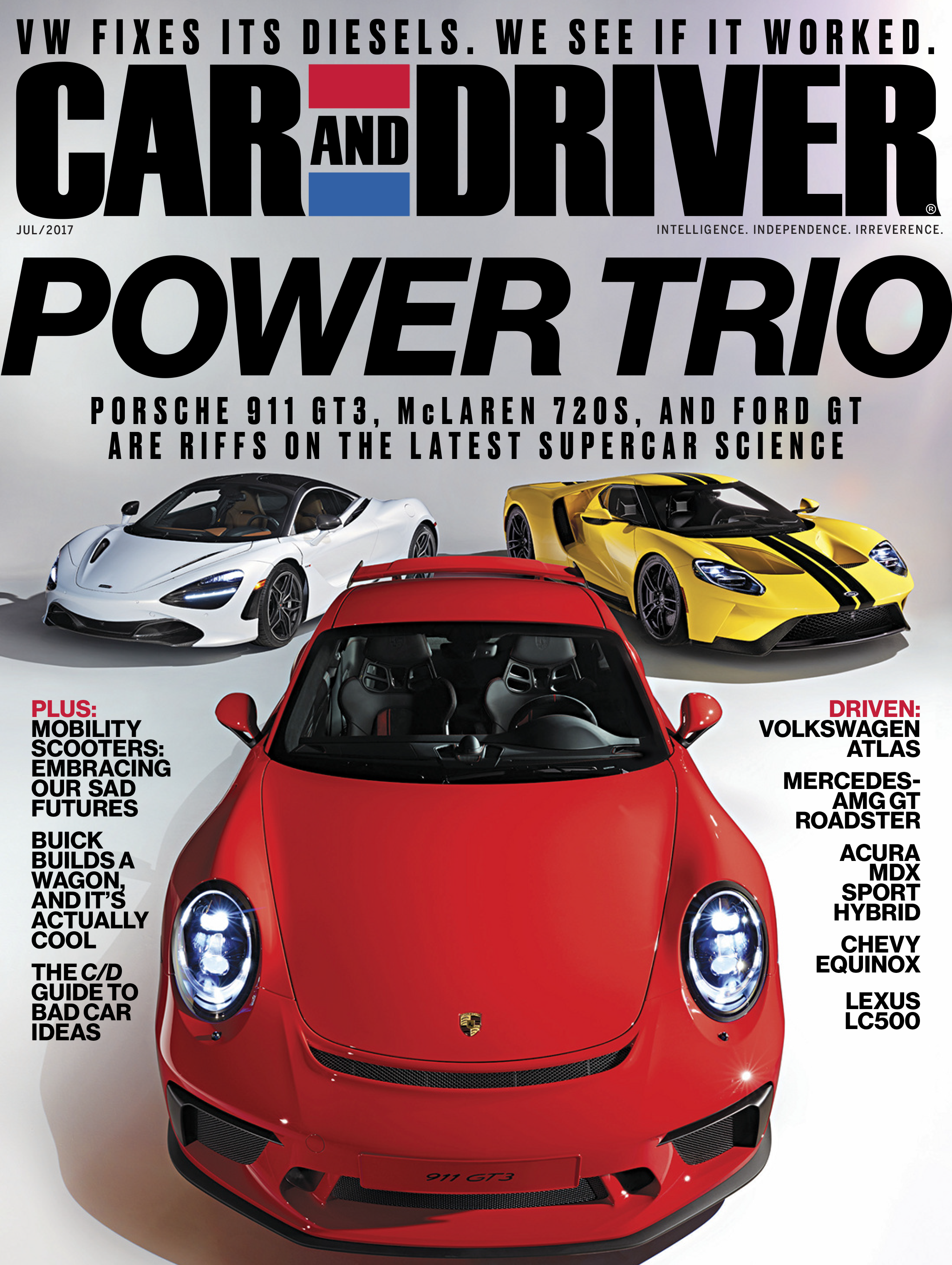
And now the lightly edited transcript of the Mr. Magazine™ interview with Kate Lewis, chief content officer, Hearst Magazines.

Samir Husni: I read your interview with WWD and I saw where your own son is an avid magazine reader, whether it’s Road & Track or Car and Driver. And I’m about to speak as an educator, someone who teaches 18-year-olds; do you feel that the industry has given up on Generation Z and millennials when it comes to print or is that a myth that no one knows how to correct?

Kate Lewis: I don’t think that we’ve given up on them. In fact, a couple of meetings ago I was talking to our editor of Seventeen, where we’re actually making some changes to what the next issue will be. With that brand we’re very focused on a single topic, a single theme, because I think that will speak to those girls in a more specific way.

But, you were saying this before, I think discoverability with that generation is very hard. I grew up as a kid reading every magazine under the sun, because I walked by 15 newsstands on my way to school every day. They were very much in my face. And kids today, even if they do walk by a newsstand, of which there are very few, you have to go all the way to 55thand Third to find yours. And even if they are walking by a newsstand, they have their faces in their phones anyway. So, I don’t think giving up on them is the right phrase, because I think they have an appetite for this kind of content packaged in this way, but I think we have work to do around how they discover it.

Samir Husni: Besides reinventing Seventeen, what are some other tricks that you have in your bag to try and reach out to that audience?

Kate Lewis: I think this is one of the things that we’re really thinking about with Cosmopolitan; Cosmo has now united print and digital under Jessica Pels and she should definitely be your next interview, she’s amazing. We have such a huge audience of readers for Cosmo in digital, she’s been thinking a lot about how do we use digital to help those readers to connect and understand that there is more from this brand, that you can get print from them. And I think it’s something that Brian Madden, who is our head of consumer marketing, is also really focused on.

Because the daily habit that we’ve established with our readers now is through digital. This is the potentially “new” newsstand. So, how do we turn that into a way to say, “Hey look, you can see us in different packages.” We’re good at getting people to move from following us on Instagram to YouTube to reading us onsite, so this is just another thing that we should try and connect with them on.

Samir Husni: You were quoted once, “We don’t judge the audience. We want to go where the audience is and not judge them.” Why do you think that the industry has done so much when it comes to bringing people from print to digital, as if it were a one-way street, but has not done as much in taking people from digital to print?  

Kate Lewis: I think both are hard, to be honest. I don’t know how much we have done, bringing people from print to digital. I think society has just moved there. I think we have as much Google, Facebook, Yahoo, AOL; all of those things in a day to thank for making people digital. But I don’t think we’ve done enough work and I think we need to so that we can remind people of print. And the fact that there’s a different way of receiving a different slant on this information that’s extremely rewarding. And to sell that to them through their phones.

Samir Husni: It seems today’s audience, in general, are less concerned about their privacy and are willing to give you more information than ever before. How can a trusted medium, a trusted brand, use that information about the audience, but at the same time protect their privacy?

Kate Lewis: We do that now, because the content that we deliver to them digitally is not overly personalized and that’s true in what we print too. But I bet if you give us 10 years that readers will seek more personalized deliverables, so the people that I know, the characters that I’m interested in, the trends that I’m interested in, and the topics that I’m interested in; I would like for that to be curated for me by the brands that I trust. So, I bet overtime you will see us use that information in ways that are more productive for the reader.

Samir Husni: Tell me a bit more about the power of the brand and what differentiates, let’s say, Harper’s Bazaar or Good Housekeeping from a blog or Facebook?

Kate Lewis: First, let me go back to how we now feel less sad about how we’re targeted. And I totally agree with that. But I think the one risk with that, and I think this is where printed magazines can help set us free in a way, is you’re often delivered digitally the thing that you already knew you wanted.

So, I know that I’m interested in new lights, but I find a billion new lights. And if I looked at one that had a white bulb, then I’m going to be shown all the lights with the white bulbs. But there is one with a red bulb, but I’ll never be shown that one. And the nice thing about print is that it does draft off consumer interest, but it also injects a kind of authority and expertise that helps me go somewhere I might not have gone. It helps bring inspiration. Digital delivery can often be extraordinarily targeted to the point where you are never exposed to new ideas. And I think print can allow people to be exposed to things they wouldn’t have known before.

Now, how do I think that Good Housekeeping is different than a blog? (Laughs) I don’t even know where to begin. We have learned a lot from bloggers in how we produce magazines, and I think we’ve learned a lot in terms of consumers wanting there to be voice in the things that they see and even in the way that things are packaged. You think about food blogs and consumers seem to like step-by-step, so there have been things we’ve learned from bloggers.

But at the end of the day, there is a kind of expertise and authority and breadth of a brand like Good Housekeeping that is just really different from what a blogger is doing. For the most part, a blogger has a niche and they’re sticking to that niche; it’s parenting, cooking, autos, just whatever it is, and they’re delivering in depth their point of view and their point of view alone.

And I think a brand like Good Housekeeping delivers an array of subjects about which they have an array of experts who have opinions that are vetted and have been honed over the years. I gives you a much bigger cornucopia of intelligence than you’re getting from a single blog. Both have value, but they’re strikingly different.

Samir Husni: Michael Clinton told me that somehow the business was mistaken in thinking that the bloggers were the influencers, when in reality the brands are the bigger influencers. And you’ve been in the business since the ‘90s, so do you feel that the print business as a whole, not just Hearst, the legacy print business has surrendered a lot of  its brand power due to a fascination of this digital mistress it now has?

Kate Lewis: I don’t think we’ve surrendered our power at all. The difference for me between influencers and media brands is that influencers have usually one platform on which they exist. So for example, if we put a YouTube star on Instagram or an Instagram star onsite, it doesn’t translate. They have a platform that is their natural habitat and that’s where they belong. A brand can traverse any platform. You can have a brand be executed across any of the places that we publish and be pretty darned successful in those places with the right ambition. So, I think that’s one way in which we are really different than influencers.

And I would say that the other way that we’re different is that influencers are often really admired by women, because they want to be them. So, I want to be Jane Doe because I look at her and I see her life and I want to be her. Brands are something that I am. I am an Elle woman; I am. I am in the tent; I am part of the club. And I don’t want to be an Elle woman because that’s not a human, it’s a thing, it’s a feeling, it’s a spirit; it’s a state of mind. And so I think that’s another way in which we differ.

Influencers are inspiring, I’m not besmirching them. They have motivated women to make purchasing decisions in all the ways that brands do, but I don’t want to be them. I want to be friends with them and I want to know them because I’m inspired by them. But with the brand, I can wake up in the morning and say, “Okay, I’m a Cosmo girl. That’s who I am.”

So, I think that’s a big difference between how influence is wielded from an influencers point of view and how influence is wielded from a brand point of view.  We do sometimes do the same things. We help them make decisions, but in really different ways. And I would like to think of our way as being super-inclusive.

Samir Husni: Between the platforms and between your job, you’ve been in this position now for almost six months. You’ve humanized the brands, as you referred to the Cosmo Woman or the Elle Woman, so how do you go through your day wearing so many brand’s hats? Are you the Popular Mechanics expert or the Seventeen Girl; are you the HGTV person?

Kate Lewis: First and foremost, I am extremely lucky because the people who individually run these brands, they are the people. Travis Okulski, who runs Road & Track, I don’t need to know about cars, Travis knows about cars. But I can help Travis be a leader; I can help him be a strategist; I can help connect him to his peers. Even last night, we were back and forth on a story; I can edit with him, there’s so much I can offer him, but I can’t offer him car expertise. (Laughs) He’s teaching me. It’s been a slow process, I’m trying.

In some ways I think I would be best-served in this job if I was actually none of the brands, that I don’t particularly identify with any of them more or less than the other. There are obviously ones that speak to me. I own a house, so all of the shelter brands are interesting to me. I am a woman, so all of the women’s brands are interesting to me. But so are all of the men’s brands, and so are all of the specialty brands.

My job is to help editorial leadership, which at this company is so excellent in its own category. Our editors in chief are the most impressive people I have ever worked with. They really understand their beats, and my job is to help them be excellent editors and excellent leaders. And so that frees me up from having category expertise across all of these many brands (Laughs), because I would be very much in trouble.

Samir Husni: And what about the brand dillusion? Will we see Kate’s fingerprints throughout all of the brands or each brand is going to continue to have its own identity? Good Housekeeping will never look like Food Network.

Kate Lewis: I really hope that’s the case. I worry about that a lot, and that’s such a good question, because I do strongly feel that in this moment of saturated media, being unique and having a distinction is the best thing you can do for a brand. So, I really do worry and fret about that a lot and some of the decisions that I have made here have been a reflection of that.

When I came, the shelter group had a bunch of shared teams and I split them back up, so now Elle Décor and House Beautiful and Veranda all have their unique teams. We did that on digital too; we kept the teams separate. I would rather have a small team. People should come to work here because they want to work at Veranda, or House Beautiful or Elle Decor. And so I’m looking for people who have that kind of passion and affinity for a brand to work on it, and hopefully that will help steer that brand to be its own unique execution.

Samir Husni: How do you translate that to your statement about you don’t judge the audience? Is it audience first, rather than platform first, rather than digital first, rather than print first? Are you a believer in audience first?

Kate Lewis: Yes, I am. That statement I need to credit to Kristine Brabson, who runs content strategy for us. She’s a genius. We often hear if you look at top-performing content that’s spiking on any given day; recently it was Adam Levine’s tank top because it was the Super Bowl. And if you think that’s what your audience is and that’s all you wrote about that day, and you look at our top-performing stories and there are five of them that are about Adam Levine’s tank top, you would think what a bunch of uninteresting content they produced today or how can Americans only care about his tank top? There’s so much in the world that we could be writing about.

And you have to be really careful not to look at the things that spike or the things that are common denominators as being a reflection of what our brands are or being a reflection of what our audience loves. We must go audience first, but it has to be a mix of the things that are a daily habit for them, that gets them reading. We’re all talking about Adam Levine’s tank top, then we should write about it, if it’s within the wheelhouse of our brand.

And then also to make sure that we infuse into every day, content that will surprise them and inspire them, take them to someplace new. So, that content mix feels really critical to me to keep our audiences engaged.

Samir Husni: Are you seeing any difference in your editors, where they used to have the luxury of producing a magazine once a month, now they have to create on a daily basis.

Kate Lewis: We’re all running around like crazy. (Laughs) For sure.

Samir Husni: But do you feel that you’re still editing with the same rigor or has the rigor been diluted due to the speed and daily necessity of the content?

Kate Lewis: I think we’re doing both. And I think that there are groups of people who excel at both. We had a features team in digital that could take, over the course of a year they would produce maybe six stories. Those people are as valuable as the person who is covering “This Is Us” and writing five stories every Tuesday, because they just watched the show. You really need to make sure, and this is why I would say that we lead with audience, you really need to make sure that you’re hitting every interest that a reader might have and that includes really carefully honed crafted multilayered content. And that includes the light touch.

Samir Husni: In this digital age where it’s much easier to collect the data about your audience, how are you benefiting from that? How are you using that data? When I asked Michael Clinton what would be the one word to define 2019, he said data. Last year it was audio; the year before it was video. Do you spend your time crunching data?

Kate Lewis: No. I actually had a big editor’s meeting recently and we were talking about some of the ways that data works for us. And I think for the editors, data is not a new word, every year for the past five years has been the year of data for us. I think as a company, we’ve gotten far more extraordinary in the way that we produce it and make it accessible and make it a part of the daily life of people. But editors have always known how to hunt down the information that they need to help them decide what to write, how to write it, when to publish it, where to publish it. And all of those decisions have always been influenced by what our audience is doing on any given day and what the data tells us about that.

There was a great example that our editor from Country Living dotcom, Michelle Profis, gave recently, which I may bungle, but basically she decided to go hard after “The Voice,” the TV show, this year. And they wrote a lot of content around it and it was very popular with her audience.

And they did so many polls in that content that they actually knew who the winner would be. It wasn’t even polls. What they did was related links. So, if you were reading a story that was about two contestants, at the bottom there would be: for more information on Contestant A, click here. For more information on Contestant B, click here. And they started to track who was going where and what it was, and they ended up knowing before it was over basically who was going to win.

And that kind of thing helps them have a content strategy. They obviously need to write more stories about the person who is the bigger hit. And it’s been interesting to see editors use data in those kinds of ways. It doesn’t change so much instinct about what people like. The first instinct was to go hard after “The Voice” this year, because they thought it would be a big season. That’s just a thing, and then you begin to understand how to craft that narrative in a way that will connect more deeply with people. And data helps to do that.

Samir Husni: Where do you find those people who still have that gut feeling?

Kate Lewis: I find them everywhere. I think the instinct of editors is the thing that makes them want to do this. Anyone who is applying for a job here already has that instinct, because they understand how media affects people and they have sort of a gut about it.

Samir Husni: When you were asked by WWD, you said that only in your dreams did you ever think you would be here, where you are today.

Kate Lewis: Yes.

Samir Husni: In the large span of being a magazine editor, you have had a short lifespan, you haven’t been in this business for 50 years or so before you achieved this position. If you can recall that moment when you were offered this job, what was your reaction?

Kate Lewis: There were so many complicating factors, but what I thought was, I’m ready. That’s what I thought. I’m ready for this. And I was excited. I had spent five years in digital; I was excited to be able to return to the media I had fallen in love with, which was print. That was the thing that defined my decision to become a magazine person in the first place. I had been a maniacal print obsessive for my whole childhood.

And spending those years in digital really helped me have perspective on consumers and consumer behavior. That instant feedback that you get from digital is extraordinarily valuable, and I felt like that this would be a great chance to bring the things that I had learned there to bear on print and to see if we could help engagement and connectivity to readers in print as well.

Samir Husni: What was the biggest challenge that you had to face and how did you overcome it?

Kate Lewis: I’m not sure I have overcome it yet. (Laughs) My biggest challenge honestly is the thing that you pointed to before, which is that there are so many brands, so excellent each in their own way, and I am just one human. So, how do I manage this incredibly big organization with all of these talented people that allows me to get smarter from just spending time with them. I hope that they get smarter from spending time with me too. Then, how do I build that connectivity and collaboration across the org. We’re doing good so far, but I definitely have not solved it. (Laughs)

Samir Husni: If you and I have this conversation a year from now, what would you hope to tell me that you had accomplished as chief content officer in 2019?

Kate Lewis: I want there to be a complete continuity between all of the creators in this building. I want everyone who is on the creative team in this building to let their ideas go where they may. And not be challenged by: I’m in this bucket, I work for this person, I think this way. But instead, to say: I have a great idea, now where can it live? And then to be able to call upon on all of the right people to help them do that. So, for me, it’s both the freedom to think of creation in any media, reaching the audience in any media, and then the ability to collaborate with the right people to make it happen.

Samir Husni: Is there anything you’d like to add?

Kate Lewis: The only thing I would add is that I hope one year from now that I feel like I’m having as much fun as I am right now. I think the environment in my editorial team is trepidatious, because we see what is happening to media companies  around us, but actually it’s full of joy. To me that’s extraordinarily important, that we delight in our work, because it shows up on the page. And you can really tell when you’re reading a magazine or a post, looking at an Instagram post, whatever it is, that the person who did it took pride in it and felt happy doing it. And that is really important to me.

Samir Husni: If you could have one thing tattooed upon your brain that no one would ever forget about you, what would it be?

Kate Lewis: We’ve always said that my tombstone is going to read “Enter Smiling.” And that is definitely my approach, which is that I look at challenges and opportunities with optimism. So, that’s what I would want tattooed on me.

Samir Husni: If I showed up unexpectedly at your home one evening after work, what would I find you doing? Having a glass of wine; reading a magazine; cooking; watching TV; or something else? How do you unwind?

Kate Lewis: Probably working. I’m so bad to admit that. I have two extraordinary kids, but they’re teenagers, so they have a ton of homework. And we have really fun dinners, but I’d say after dinner, you might find us all working.

Samir Husni:  What’s the biggest misconception people have about you?

Kate Lewis: I feel like I’m such an open book, that I’m not sure how many misconceptions there are, but that’s maybe just what I think of my own delivery. The biggest misconception about me may be, it’s either one thing or the other, but they’re opposites. It would either be that I’m sophisticated or that I’m basic. And the truth is I’m a combination of both, so I feel like some people see me as being incredibly basic, because I really do understand that mass market audience in the U.S. and I really subscribe to it and I love trashy culture. Probably more than I should. My avatar in social media is Taylor Swift, she’s my favorite person on earth, even though I have never met her. But one can dream.

But on the other hand, as you know, I have this big fancy office and this big fancy job and I think that one assumes that to be in this position you have to be fairly sophisticated.

Samir Husni: My typical last question; what keeps you up at night?

Kate Lewis: My to-do list; again, because I feel quite overwhelmed by the number of people that I want to touch base with and connect with every day. And quality. It goes back to that thing of do we still craft features the way we always did? I think that I have a team that is incredibly good at scale and I think that I have people on my team who are very good at quality. And how do you make sure when you have more people working on scale and less people working on quality that the quality has a voice and a seat at the table.
Samir Husni: Thank you.
h1

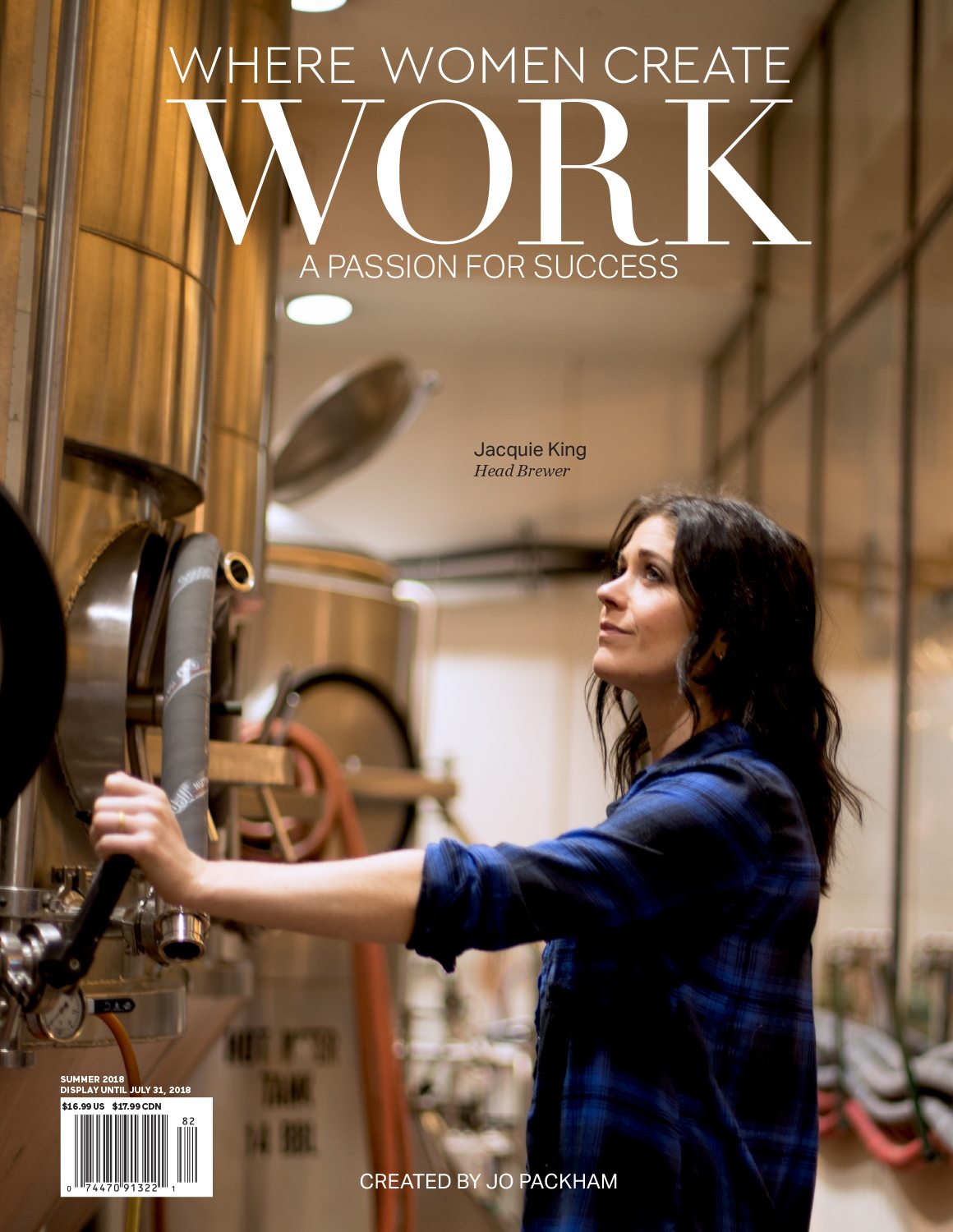
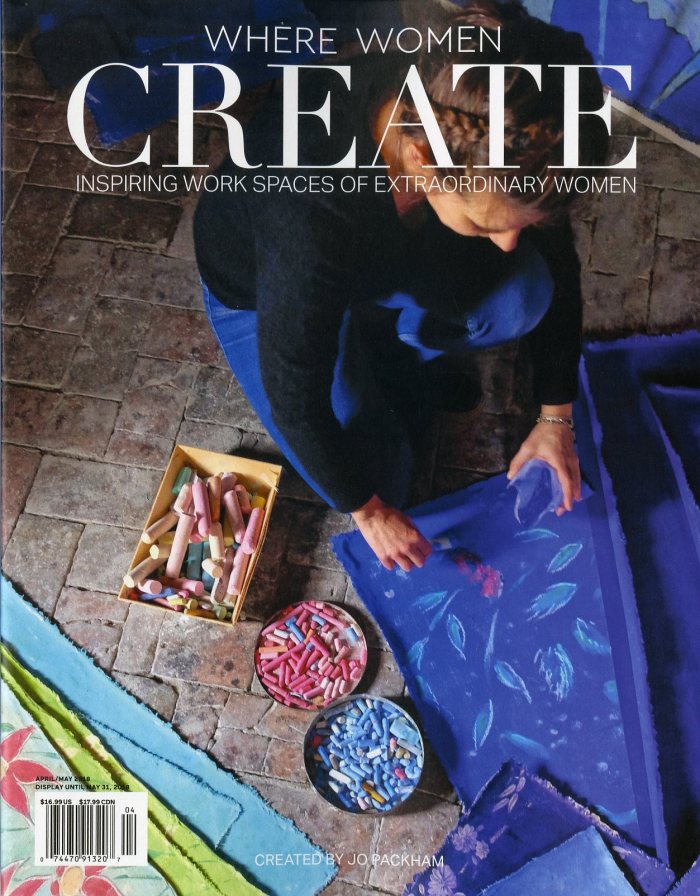
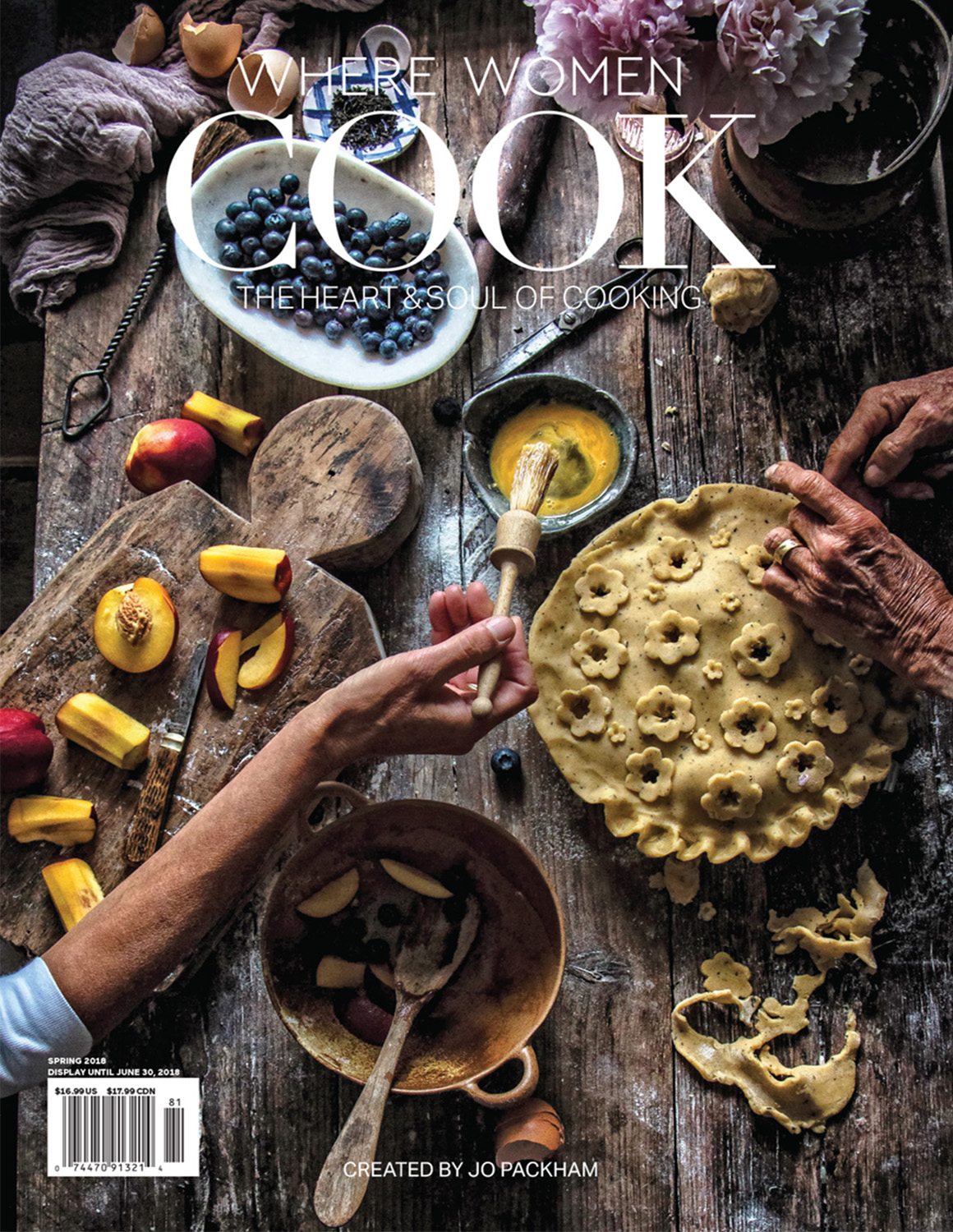
Where Women Create Work Named The 2018 Magazine Launch Of The Year by MPA: The Association of Magazine Media & Mr. Magazine™

February 7, 2019

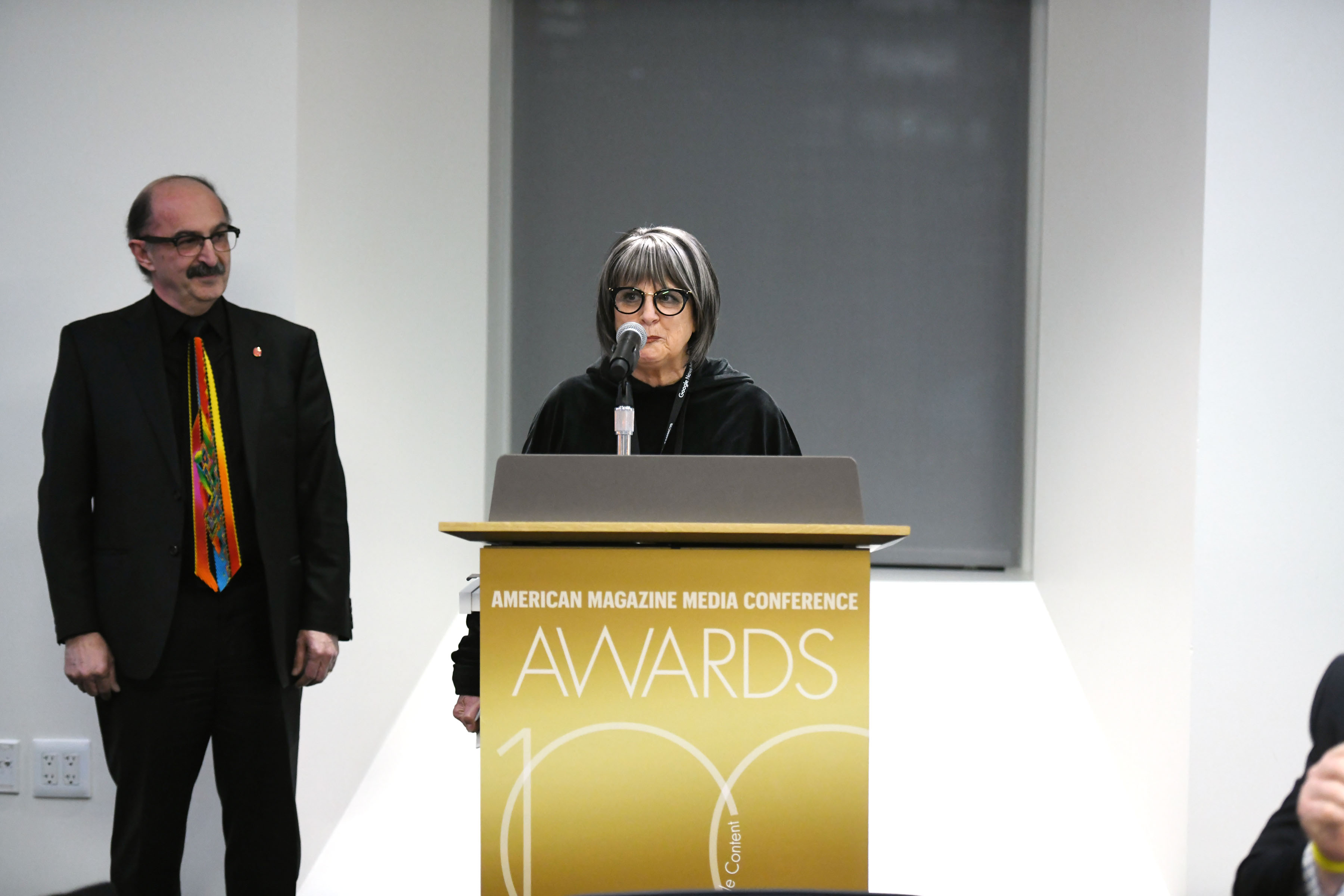
NEW YORK, NEW YORK – FEBRUARY 05: Jo Packham speaks at American Magazine Media Conference 2019 on February 05, 2019 in New York City. (Photo by Noam Galai/Getty Images for MPA The Association of Magazine Media)

New York, NY (February 7, 2019) – MPA – The Association of Magazine Media today announced WHERE WOMEN CREATE WORK is the 2018 Magazine Launch of the Year.  The award was presented by Samir “Mr. Magazine ™” Husni at the American Magazine Media Conference on February 5 at 225 Liberty Street in downtown Manhattan.

“As MPA celebrates its centennial and recognizes the 100-plus years of magazine media excellence, it is wonderful to see so many new magazine brands launch year after year,” said Linda Thomas Brooks, President and CEO, MPA – The Association of Magazine Media.  “Companies big and small continue to see the value in magazine media and its ability to connect with audiences in a way no other medium can.”

“WHERE WOMEN CREATE WORK gives women a much-needed platform to tell their own stories, in their own words about their own passions,” added Husni. “Launching a new magazine is an accolade in itself, but this brand was the clear winner because of its ability to connect with women on numerous levels and because of its beautiful, eye-catching design.”

To be eligible for the Launch of the Year award, magazine brands must have a regular print frequency and have launched between January 1 and December 31, 2018. They are evaluated on creativity and reaction from both the magazine media industry and consumers. Almost 200 magazine brands qualified for the award based on these criteria, which is more than 40% higher than last year.

“I am so honored to receive this award—especially among such an esteemed group of finalists,” said Jo Packham, Creator and Editor in Chief, WHERE WOMEN CREATE. “WHERE WOMEN CREATE WORK points out the most extraordinary women of our time. I am extremely proud of the stories we have told and cannot wait to shed even more light on the artisan entrepreneurs, the makers’ creative processes and artistic work spaces, and those passionate about all things food from around the world.”

And here is a video used with permission from the Women’s Leadership LIVE Facebook who were at the event…


h1

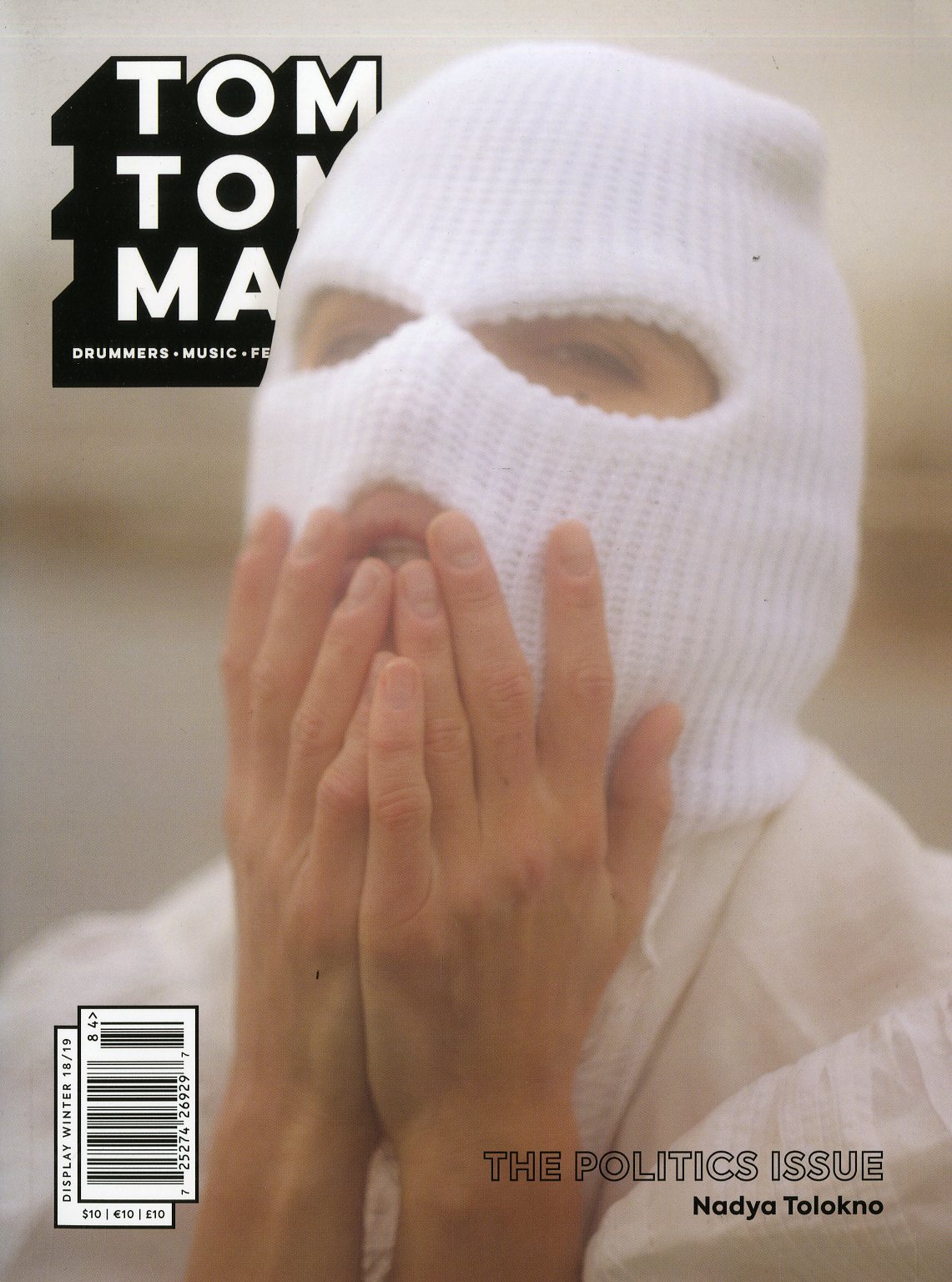
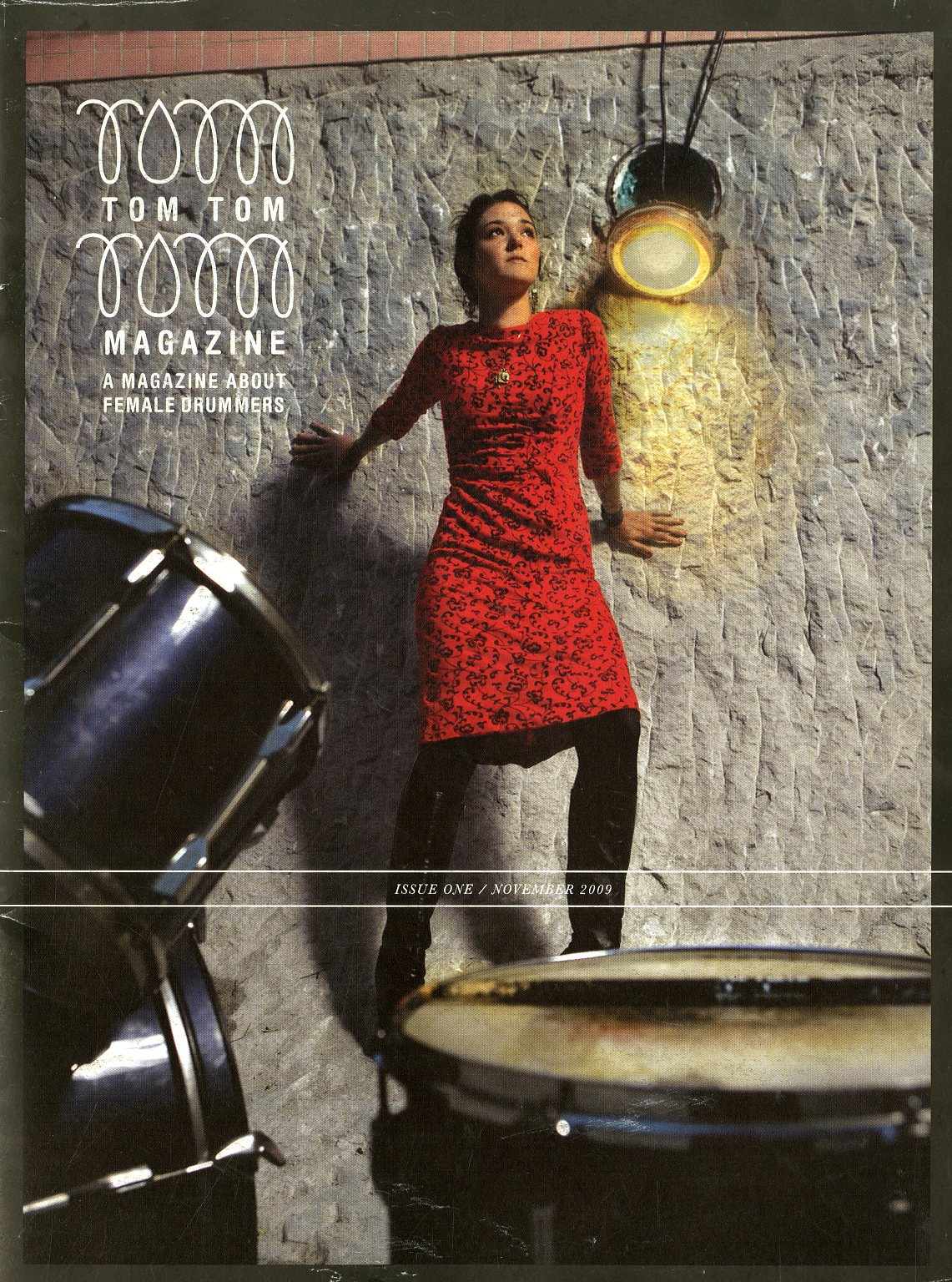
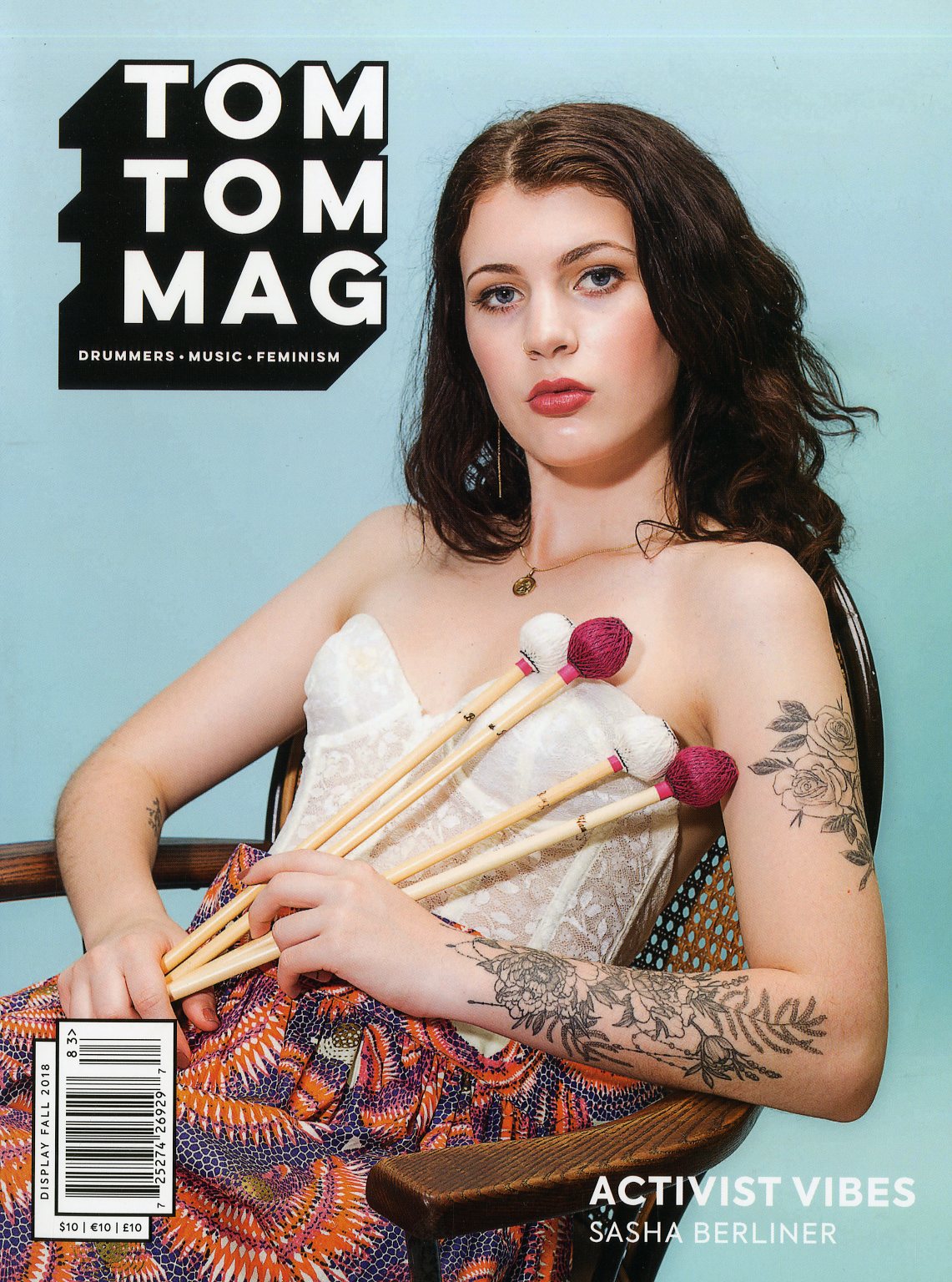
Tom Tom Mag: Born From The Womb Of Digital With The Mission Of Giving Female Drummers The Respect That Google Search Engines Didn’t – The Mr. Magazine™ Interview With Mindy Abovitz-Monk, Founder & Publisher…

February 4, 2019

It was really not my decision, it was the people who were already coming to our parties and the people who were looking at our website and really wanted to see our content in print and I really had no idea what that was going to do to my life and how it was going to change everything. But I agreed to do print because I felt like you couldn’t ignore print; you can’t ignore print, it’s an object. And I knew that we were going to make the print quality as high as we could. And we were going to design it really well. So, I figured we would get a lot of respect, that female drummers would get a lot of respect, once we had a print object. More so than if it was just digital.” Mindy Abovitz-Monk (On the print edition being born from digital)…

 In 2009, a young woman decided to put “female drummer” into the Google search engine to see what results came up and was appalled with the content that was available to her. Everything from bikini-clad women standing next to drum sets, to articles about whether or not women could play drums was about her only choices when it came to something that she was passionate about, but nothing substantial or meaningful was to be found. So, she decided to do something about it. And that was eventually to start her own brand; her own movement.

Mindy Abovitz-Monk is a self-taught drummer and drum machine programmer with a Masters in Media Studies from The New School in New York. She started Tom Tom Magazine; the first and only magazine about female drummers, in 2009 with the goal to change Google search results for the word pairing, “female drummer.” And that she did. Tom Tom is now a full color print magazine and media company with global distribution that reaches millions.

I spoke with Mindy recently about Tom Tom and the mega influence it has had on female drummers and women musicians in general. As a feminist and an activist herself, Mindy is determined to take on ethics and morality in media making and to do it across all of Tom Tom’s platforms, including the print magazine. She hopes to impact the music industry through print media, new media, showcases, panels and community interactions and see a large increase of female drummers in the next ten years. The magazine itself has a feminist mission and seeks to raise awareness about female percussionists from all over the world and hopes to inspire women and girls of all ages to drum, while strengthening and building the community of otherwise fragmented female musicians.

To some, it may seem a lofty goal, but to Mindy, it’s a way of life and her message. But more importantly, it’s the worthy message of her brand. And now, without further ado, the Mr. Magazine™ interview with Mindy Abovitz-Monk, founder and publisher, Tom Tom Magazine.

But first the sound-bites:

On the genesis of Tom Tom Mag: I’m a feminist and I have a degree in media from The New School in New York, and I have been drumming since I was 21-years-old and working in the music industry, both as a volunteer and for paid work since I moved to New York City in 2002. Also, I’ll back up just a little; when I was a teenager I was introduced to Riot grrrl music, which has had a resurgence recently, but it’s basically an unapologetic genre of music made by women. The women were not necessarily adept at their instruments, but they could really create their messaging, and that inspired me really early on. Fast forward to New York City about 20 years later, then my introduction to Riot grrrl, and I had been working in the music industry; I had been volunteering in the music industry and I had been drumming, touring, and I realized that I didn’t think that female drummers were getting very good representation. And specifically in Google search. I Google searched girl drummer back in 2009 and the results were offensive. It was like pictures of girls next to drum sets in bikinis and articles about whether or not girls could play drums. And I decided if things still looked like that in the media, it was going to be up to someone like me to change it.

On Tom Tom Mag, the print edition, being born from the womb of digital: It was really not my decision, it was the people who were already coming to our parties and the people who were looking at our website and really wanted to see our content in print and I really had no idea what that was going to do to my life and how it was going to change everything. But I agreed to do print because I felt like you couldn’t ignore print; you can’t ignore print, it’s an object. And I knew that we were going to make the print quality as high as we could. And we were going to design it really well. So, I figured we would get a lot of respect, that female drummers would get a lot of respect, once we had a print object. More so than if it was just digital.

On whether launching the magazine has been a walk in a rose garden for her or she has had some challenges along the way: No, it was never a walk in a rose garden. The only rose garden part of this entire experience has been the support coming from our fans and from our community. That was an overwhelming blossoming garden and continues to be. Every other part was a challenge and a hurdle; print was difficult in 2009 and it’s difficult today. Monetizing what so many people consider to be a niche subject around a niche market has been challenging and difficult. Prior to us coming along, the majority of the drum industry didn’t even believe that there were female drummers.

On the biggest mistake she made and how she corrected it: I honestly am not going to believe that we make mistakes, so I can’t off the top of my head think of the biggest mistake we made. But I can tell you a mistake that was perceived to be made this past year and the consequences that we faced because of it. We released an issue themed “Sex + Love” at the beginning of last year. We’ve been theming our issues almost the whole time and so we themed that issue “Sex + Love.” Of course we’re still talking about drums, percussion, and beatnikking. We talked about sex toy guide for tours, band names that had racy names like “Thunderpussy” and “Boob Sweat.” We talked about your relationship with your bandmates and being single on the road. We did not inform our advertisers that we were theming our issue “Sex + Love” and we ended up losing close to $50,000 of sponsorship money.

On the most pleasant moment of her journey: I have had many, many pleasant moments. But one really pleasant moment that I had was when I put in a proposal to MoMA PS1, which is a museum in Queens, to show the museum drummers. I put a proposal together, it was a total stab in the dark. I didn’t think that they would agree and they did. And I think that allowed me to broaden my horizons and to realize that we were going to reach people outside of just the music industry. And that the art world saw value in us, by valuing us as the female drummer and also in me as an owner of this magazine and as someone who can use different platforms to articulate a similar message. And that platform was their museum. So, that was an incredible moment for me.

On whether the magazine has given some people not only hope, but also ignited interest in them to get into this field: Yes, 100 percent. I don’t have the statistics in front of me, but there’s Tom Tom Magazine, which I started; there’s Hit Like a Girl, which I co-founded, which is a female drummer contest that’s global and based online. She Shreds Magazine started because of Tom Tom and loads of other media companies and organizations kind of sprouted up and felt supported by us or felt inspired by us. And I think Tom Tom itself and all of the other companies that started up because of us has greatly affected the music industry and introduced many more girls and women to it. And they have given the women already there more confidence to stand up and promote themselves. And to ask for things, such as tour money, or whatever it might be.

On what she hopes to accomplish with the brand in 2019: This year is a very big year for us, it’s our 10 year anniversary year. That whole landmark happened for us 10 years ago, which was launching the blog, buying our URL, and finally at the end of the year in 2009, we printed our first issue. So we’re spending the entire year, this year, looking back at what we did, focusing on what we’re doing now and readjusting for 2020 to what we want to do in the future, what impact we want to make moving forward.

On anything she’d like to add: I would add that my main reason for starting this was to infuse ethics and morals into media making. And I do believe as a media maker, and it seems like almost all of us are one now, if you have a social media handle or you have Twitter or Instagram or you have a blog, I feel like we all have a responsibility to portray accurate stories that inspire folks to be themselves. And there was a drought for that when I started the magazine and I feel like in a lot of ways there’s still a need for people to step up and tell their true stories.

On the biggest misconception she thinks people have about her: The biggest misconception that people have about me is if they don’t know me, they might think that I’m just all business and not very friendly actually. When you step into a position like the one I have, you don’t have a lot of time and that may look elusive to someone from the outside, such as if I don’t return an email, which is very often. Or if I don’t have a lot of time to talk at a show or a party. So, I think people might not realize that I’m very warm, very caring, and very generous, but with only a limited amount of time in the day. Maybe that’s the biggest misconception. (Laughs)

On what someone would find her doing if they showed up unexpectedly one evening at her home: Back in the day you would have caught me drumming or running to town for a house party, a house show. These days you’re going to find me cooking, playing with my dog, catching up with a friend, or watching some kind of documentary that’s inspiring.

On what she would have tattooed upon her brain that would be there forever and no one could ever forget about her: I want them to think about the power that they have as an individual. In everything I do, I hope to show people that they have, as an individual and as a small group and then a larger group if they can, that they have the power to set change.Years ago I used to love the quote “With great power comes great responsibility.” But these days I think I would say “Be kind and gentle with myself.” That’s where I’m at right now.

On what keeps her up at night: The health of my loved ones. But in relationship to Tom Tom, what keeps me up at night is trying to understand where information is being disseminated to the younger generation most. I am desperate to know where everyone is, what’s the media watering hole, and where is it going to be in two to five years from now, because I want to be wherever it is. So, I spend a lot of time thinking about YouTube , Instagram, and Snapchat, trying to understand how we can be a part of it. That keeps me up at night.

And now the lightly edited transcript of the Mr. Magazine™ interview with Mindy Abovitz-Monk, founder and publisher, Tom Tom Magazine.

Samir Husni: Can you tell me the genesis of Tom Tom Mag?

Mindy Abovitz-Monk: I’m a feminist and I have a degree in media from The New School in New York, and I have been drumming since I was 21-years-old and working in the music industry, both as a volunteer and for paid work since I moved to New York City in 2002. Also, I’ll back up just a little; when I was a teenager I was introduced to Riot grrrl music, which has had a resurgence recently, but it’s basically an unapologetic genre of music made by women. The women were not necessarily adept at their instruments, but they could really create their messaging, and that inspired me really early on.

Fast forward to New York City about 20 years later, then my introduction to Riot grrrl, and I had been working in the music industry; I had been volunteering in the music industry and I had been drumming, touring, and I realized that I didn’t think that female drummers were getting very good representation. And specifically in Google search. I Google searched girl drummer back in 2009 and the results were offensive. It was like pictures of girls next to drum sets in bikinis and articles about whether or not girls could play drums. And I decided if things still looked like that in the media, it was going to be up to someone like me to change it.

I knew how to code, per three-level of coding and SCO to search engine documentations. I started a blog with the sole intention to change Google search results around “female drummer,” “woman drummer,” and “girl drummer,” and that very quickly evolved into a website, events, and then within one year, a print magazine focusing on female drummers, beatnikers, and producers, essentially just to give credibility and a home to the women of the past, present and future who were and are going to be drummers, and who didn’t really have a home until then.

Samir Husni: So, Tom Tom Mag, the print edition, was born from the womb of digital?

Mindy Abovitz-Monk: Yes. And it was really not my decision, it was the people who were already coming to our parties and the people who were looking at our website and really wanted to see our content in print and I really had no idea what that was going to do to my life and how it was going to change everything. But I agreed to do print because I felt like you couldn’t ignore print; you can’t ignore print, it’s an object. And I knew that we were going to make the print quality as high as we could. And we were going to design it really well. So, I figured we would get a lot of respect, that female drummers would get a lot of respect, once we had a print object. More so than if it was just digital.

Samir Husni: And now 35 quarterly issues later, do you feel your journey has been like a walk in a rose garden, or have you had many challenges along the way? And if so, how did you overcome them?

Mindy Abovitz-Monk: No, it was never a walk in a rose garden. The only rose garden part of this entire experience has been the support coming from our fans and from our community. That was an overwhelming blossoming garden and continues to be. Every other part was a challenge and a hurdle; print was difficult in 2009 and it’s difficult today. Monetizing what so many people consider to be a niche subject around a niche market has been challenging and difficult. Prior to us coming along, the majority of the drum industry didn’t even believe that there were female drummers.

And so my biggest challenge was to convince this industry that we existed. And not only that we existed, but to invest in us, so to sponsor and advertise within every platform of our magazine. Distribution and essentially every conversation that you might imagine a business owner having was for the most part challenging and then rewarding. Challenging in that I was pressed to convince people that female drummers are not a niche, we are a viable customer to speak to. And then rewarding when people came around and agreed and actually gave us a chance, opened their doors and let us perform. Larger companies invested in us overtime and that made it all worthwhile.

Samir Husni: If you had to evaluate this journey you’ve been on, what has been the biggest mistake you’ve made and how did you correct it?

Mindy Abovitz-Monk: That’s a good question. I honestly am not going to believe that we make mistakes, so I can’t off the top of my head think of the biggest mistake we made. But I can tell you a mistake that was perceived to be made this past year and the consequences that we faced because of it. We released an issue themed “Sex + Love” at the beginning of last year. We’ve been theming our issues almost the whole time and so we themed that issue “Sex + Love.” Of course we’re still talking about drums, percussion, and beatnikking. We talked about sex toy guide for tours, band names that had racy names like “Thunderpussy” and “Boob Sweat.” We talked about your relationship with your bandmates and being single on the road. We did not inform our advertisers that we were theming our issue “Sex + Love” and we ended up losing close to $50,000 of sponsorship money.

When members of the drum industry’s advertisers who lean more conservative and are what they call family-oriented, or whatever they said, gave us a call and said they were not happy and would have to see the advertising piece for the next issue, I gave all of this tons of thought and even wrote out an entire podcast season that addressed the issue of censorship in the media and the relationship between advertisers and media makers.

Some people would say that we made a mistake by printing racy content and not letting our advertisers know what we were doing. And other people, myself included, would say this is the same content that we’ve been printing the whole time. We’re a feminist organization and we’re an activist organization and we always put our readers and our community first. And our readers and our community need to know that positive sexuality exists, that you can be in control of your own sexual narrative and there are lots of ways that that exists and that’s what this issue addressed. How to be safe as a musician and have an intimate lifestyle.

So, we’re true to our mission and we lose some of our sponsors. It was a huge hit for us and we’ve been basically suffering all year, all last year. Was it a mistake? I don’t know. I don’t think so, but it’s a business mistake maybe, if you look at it simply as dollars and cents.

Samir Husni: What has been the most pleasant moment in this journey? Was it when the first issue came out or when issue 35 came out, or something else?

Mindy Abovitz-Monk: I have had many, many pleasant moments. But one really pleasant moment that I had was when I put in a proposal to MoMA PS1, which is a museum in Queens, to show the museum drummers. I put a proposal together, it was a total stab in the dark. I didn’t think that they would agree and they did. And I think that allowed me to broaden my horizons and to realize that we were going to reach people outside of just the music industry. And that the art world saw value in us, by valuing us as the female drummer and also in me as an owner of this magazine and as someone who can use different platforms to articulate a similar message. And that platform was their museum. So, that was an incredible moment for me.

Samir Husni: Have you noticed since the magazine launched whether there has been an increase of female drummers or the audience has stayed the same? Has the magazine given some people not only hope, but also ignited interest in them to get into this field?

Mindy Abovitz-Monk: Yes, 100 percent. I don’t have the statistics in front of me, but there’s Tom Tom Magazine, which I started; there’s Hit Like a Girl, which I co-founded, which is a female drummer contest that’s global and based online. She Shreds Magazine started because of Tom Tom and loads of other media companies and organizations kind of sprouted up and felt supported by us or felt inspired by us. And I think Tom Tom itself and all of the other companies that started up because of us has greatly affected the music industry and introduced many more girls and women to it. And they have given the women already there more confidence to stand up and promote themselves. And to ask for things, such as tour money, or whatever it might be.

I don’t have a hard number, but I would say at least we’ve grown the female drummer industry by 10 percent, probably more like 20 to 25 percent. And in general, girls and women in music by 10 percent as well, probably more.

Samir Husni: If you and I were having this conversation a year from now, what would you hope to tell me you had accomplished with Tom Tom Mag?

Mindy Abovitz-Monk: This year is a very big year for us, it’s our 10 year anniversary year. That whole landmark happened for us 10 years ago, which was launching the blog, buying our URL, and finally at the end of the year in 2009, we printed our first issue. So we’re spending the entire year, this year, looking back at what we did, focusing on what we’re doing now and readjusting for 2020 to what we want to do in the future, what impact we want to make moving forward.

So, this is a very big year for us. It’s evaluation; we’re stepping back from some projects; we’re pushing forward into new projects, doing things that we’ve never done before and pressing pause on things that we’ve done in a rote fashion. All in the hopes of celebrating what we’ve done, celebrating where we are and celebrating where we’re heading in the future. So, I think this time next year I’ll probably tell you a lot that I don’t know right now. But I’m hoping to learn a lot this year.

Samir Husni: Is there anything else you’d like to add?

Mindy Abovitz-Monk: I would add that my main reason for starting this was to infuse ethics and morals into media making. And I do believe as a media maker, and it seems like almost all of us are one now, if you have a social media handle or you have Twitter or Instagram or you have a blog, I feel like we all have a responsibility to portray accurate stories that inspire folks to be themselves. And there was a drought for that when I started the magazine and I feel like in a lot of ways there’s still a need for people to step up and tell their true stories.

I just want to see more of that happen in the future and I hope to continue to do the same, to continue telling stories about real people and inspiring other people to feel good about themselves and confident to be greater than who they are.

Samir Husni: What’s the biggest misconception people have about you?

Mindy Abovitz-Monk: The biggest misconception that people have about me is if they don’t know me, they might think that I’m just all business and not very friendly actually. When you step into a position like the one I have, you don’t have a lot of time and that may look elusive to someone from the outside, such as if I don’t return an email, which is very often. Or if I don’t have a lot of time to talk at a show or a party. So, I think people might not realize that I’m very warm, very caring, and very generous, but with only a limited amount of time in the day. Maybe that’s the biggest misconception. (Laughs)

Samir Husni:If I showed up unexpectedly at your home one evening after work, what would I find you doing? Having a glass of wine; reading a magazine; cooking; watching TV; drumming; or something else? How do you unwind?

Mindy Abovitz-Monk: Back in the day you would have caught me drumming or running to town for a house party, a house show. These days you’re going to find me cooking, playing with my dog, catching up with a friend, or watching some kind of documentary that’s inspiring.

Samir Husni: If you could have one thing tattooed upon your brain that no one would ever forget about you, what would it be?

Mindy Abovitz-Monk: I want them to think about the power that they have as an individual. In everything I do, I hope to show people that they have, as an individual and as a small group and then a larger group if they can, that they have the power to set change. Years ago I used to love the quote “With great power comes great responsibility.” But these days I think I would say “Be kind and gentle with myself.” That’s where I’m at right now.

Samir Husni: My typical last question; what keeps you up at night?

Mindy Abovitz-Monk: The health of my loved ones. But in relationship to Tom Tom, what keeps me up at night is trying to understand where information is being disseminated to the younger generation most. I am desperate to know where everyone is, what’s the media watering hole, and where is it going to be in two to five years from now, because I want to be wherever it is. So, I spend a lot of time thinking about YouTube , Instagram, and Snapchat, trying to understand how we can be a part of it. That keeps me up at night.

Samir Husni: Thank you.  
 

h1

Midwest Living: Defining Life In The Midwest With The Brand That Knows It Best – The Mr. Magazine™ Interview With Trevor Meers, Editorial Content Director, Midwest Living/Meredith Travel Marketing Content Studio…

January 28, 2019

I think that’s going to depend somewhat on that brand. What is its identity? What is its target audience? I think it would be hard to give a one-size-fits-all answer to that. Certainly that print component has such an enormous part in continuing to ensure your permanence and credibility. And obviously we’ve seen that a lot with many digital brands and TV brands going into print rather than the other direction when you look at the success of say, Allrecipes or the Magnolia Journal. So, I think it depends on your audience, but that print piece still plays such an anchor role in defining who your brand is.” Trevor Meers (On whether he thinks a legacy brand can exist today without its print component)…

 Celebrating the richness of life in the Midwest, Midwest Living magazine is dedicated to providing its readers with a wealth of region-specific information and inspiration, focusing on travel and events, food and dining, and home and garden, as well as other editorial content that entertains and informs about the area. Founded in 1987, the magazine is a legacy brand that is unequivocally proving that longevity is all about innovation in content and the magazine’s editorial content director, Trevor Meers, is leading the way for those innovations.

I spoke with Trevor recently and we talked about a few of those amazing innovations in print that the magazine is implementing with its May/June issue, such as augmented reality between its pages, using QR codes to virtually bring the pages to life. And the thematic profiles of content that also begin with that issue, which will focus on how vitally important the cabin lifestyle is in the Midwest.

The magazine may be sporting a reputation of excellence that is over 30 years old, but it’s certainly not resting on those laurels comfortably, Instead, the publication is using Trevor’s word of the times for Midwest Living – reinvention, and practicing it.

Indeed. Midwest Living is keeping print moving forward, while being proud of its innovations and digital footprints as well. Mr. Magazine™ bids you enjoy this great conversation with a man who has dubbed travel, food, home and design, and adventure the DNA of his brand, Trevor Meers, Editorial Content Director, Midwest Living/Meredith Travel Marketing Content Studio.

But first the sound-bites:

On his view of the job of editorial director today versus when he joined Midwest Living in 2003:The biggest change that I’ve seen is we’re all required to be more entrepreneurial. We’re still journalists at heart, but we all are tasked with looking for ways to see where our brand can go next. And that’s been a really exciting development for those of us who embrace it, which we certainly have at Midwest Living. To not just be doing the stories, but be thinking about ourselves as brand leaders, and that really goes to the idea  of being out of the office, which I reference in my bio, and that’s relationship building. So, certainly we’re in the travel category, so we’re out visiting the destinations we cover constantly.

On how he would define Midwest Living:Midwest Living certainly draws on the tradition of brands like Sunset and Southern Living that were our predecessors, and when Midwest Living was created in the late ‘80s, certainly those brands were part of the template that was looked at to create this one. So, Midwest Living is a mix of home and garden, food, and travel. And we are the only journal of life in the Midwest and we capture all of those passionaries’ for our readers. I talk a lot about the travel category with Midwest Living, because that’s one of the first obvious endemic categories for us, in terms of advertising. So, we’re clearly a staple for a lot of advertisers in the travel category.

On what differentiates an ink on paper brand that also has a digital presence from just any blogger or individual out there who tells you about great places in the Midwest to visit:Certainly brand has a lot to do with that. And that’s obviously a staple for Meredith as a whole, we have these strong brands that built up their credibility over time. We haven’t just appeared on the scene; we’ve been around and we’ve proven that we’re trustworthy. And we’ve proven that we have staying power. One of the great advantages still, not just for brands but for print specifically that I like to point to is discoverability.

On whether he thinks any legacy brand can exist today without its print component:I think that’s going to depend somewhat on that brand. What is its identity? What is its target audience? I think it would be hard to give a one-size-fits-all answer to that. Certainly that print component has such an enormous part in continuing to ensure your permanence and credibility. And obviously we’ve seen that a lot with many digital brands and TV brands going into print rather than the other direction when you look at the success of say, Allrecipes or the Magnolia Journal. So, I think it depends on your audience, but that print piece still plays such an anchor role in defining who your brand is.

On what would be his lead if he were writing an article about the many changes that have taken place in publishing and magazines and magazine media:I’m thinking of words more than a full lead and reinvention is definitely one of them. And the successful brands, the successful content leaders over the last decade have been the ones who are willing to reinvent and that can be in a variety of ways. And we’ve really done that well and successfully at Midwest Living, whether that’s looking for different revenue streams or defining your voice as your audience is potentially changing.

On whether the last 13 years has been a walk in a rose garden for him:(Laughs) I don’t know that anyone would call the media landscape a walk in a rose garden for the last 13 years, but I think it’s all in how you look at it. You choose to embrace this as an opportunity, and that’s what we’ve done. We have looked at this as a chance to get to do things that we haven’t done before.

On what he looks for in potential employees from a human resources perspective:The core is still good reporting when I’m looking for a particular editor or writer, because that will never change. Now your tools might change and the way you go about gathering that information, but if you don’t have good reporting instincts and drive to find the best story, you’re going to struggle regardless of the platform. And you asked earlier about one thing that differentiates legacy brands from other brands that might pop up and come and go, and I think that solid reporting is a big part of that.

On the highlight of accomplishment for him at Midwest Living:One of the things that I’m proudest of at Midwest Living is I’ve been the editor for almost four years now, and when I took over in 2015 we looked at a brand that needed a shot in the arm, in terms of thinking about, not just the way it looked, but also the kinds of stories we told. But we knew that we had a legacy brand that was strong, so we had to figure out the right way to adapt a brand to a new era while preserving what we had.Recently a friend of mine, another editor in the industry, was giving a talk and she said that if you want to look at a brand that has reinvented itself while holding on to its core DNA, look at Midwest Living. And I think that’s one of the highest compliments; that we’ve been able to understand who we are while recognizing that there are different ways that we can go about carrying out that same DNA.

On the biggest challenge he’s faced at Meredith and how he overcame it:I think the biggest challenge is one that’s ongoing and that is when you have so many opportunities in front of you now, you have to choose. And because of all of the different platforms and the different ways that we can tell stories, we have more ideas that we can execute on, so it’s a matter of choosing where we should tell that one, which avenue should we go down, in terms of whether it’s a custom product that we might be able to work on, where should we invest those resources. I had a professor once who called it the economizing problem, which is unlimited wants and limited resources. And it’s a good problem to have that we have more great ideas than we can execute, so that way we get to pick the best of them. And that’s exciting but it’s challenging to pick them and figure out the best path to take.

On how he balances his time between Midwest Living and the content marketing, custom publications:There are a few answers to that question. One is we do have separate teams, we have editors and designers who focus just on Midwest Living and we have some who work just on the custom products. And my creative director and I have a hand in all of that, but we do have teams that are dedicated to those. So, that allows those folks to really concentrate specifically on their topics and their audiences. There are some things that are different, but if you’re doing  good content marketing, there aren’t going to be that many differences. You still want to tell a good story.

On whether he feels Midwest Living is helping to unite all of the Midwestern states to be more relevant and real to people:I definitely think we have helped to define the region after 30-plus years of doing this. There are 12 states that are officially a part of the Midwest, and that was originally sent out by the U.S. Census Bureau and we kept with that definition of our 12 states. And there are still pockets just like there is in any region. There is a place that just calls themselves the North, when you get into places like Minnesota, but the identity of the center of the country has been increasingly coalescing over the last few years. I think a lot of it has been brands like Midwest Living and they’re putting it all together in a cohesive storyline and helping people recognize what’s going on in this region even if you’re a resident of it.

On anything he’d like to add:I’d like to talk a little bit about the exciting new innovations that we have going on at Midwest Living. Coming up in our May/June issue are a couple of special features going forward. One is its theme is the cabin issue, and cabin culture if anyone knows the Midwest, it’s an important part of the Midwest culture. So, we’re going to cover that in more aspects, in terms of locations where you can go to rent cabins. We’re going to be doing stories about families who have renovated theirs, to get the home and design angle. We’re doing food stories about chefs who do outdoor cooking and how you can do that at home. And decorating for your cabin. So, that will all be covered with our theme.

On what he would have tattooed upon his brain that would be there forever and no one could ever forget about him:I would like people to think that there’s a person who embraces reinvention. Personally, I don’t do really well with people who talk all of the time about how things were. There are a lot of good things from the past that we want to hang onto, but we need to test all of that to make sure it’s really the best way to keep doing it. I said earlier that I’m interested in what’s effective and what’s true, not simply what’s familiar. So, reinvention can be scary and painful, but it’s also what makes life an adventure if you’re willing to see it as an opportunity.

On the biggest misconception he thinks people have about him:Well, I would lump myself and the Midwest into one answer on that. The Midwest as a whole, including all of us who cover it, is a far more relevant region than a lot of people give us credit for. We have about 52 million consumers within the Midwest, about 21 percent of the population, and so it’s a vast audience that a lot of products aren’t reaching with their media messaging. And if you look at our spendable income, our dollar is worth about a dollar and eight cents in the Midwest compared to other regions. So, if you just think about a consumer in any region and increase their income by eight percent, think what they could do with that.

On what someone would find him doing if they showed up unexpectedly one evening at his home:It’s a bit of a busman’s holiday with me and my family, because we cover a lot of travel at our magazine, but we love to travel, so a lot of times you will find us flipping through a guidebook or an Instagram feed or it might even be a U.S. Forestry Park map, planning our next adventure. I count myself very fortunate that I’ve landed at a place where I get to do so much of my work in a category that I personally love. And if you look at our living room raw, it’s going to look like a bit like a Tetris puzzle because we’re always trying to find room for more of the photos from our trips because we like to relive those memories.

On what keeps him up at night:I’d say, going back to relatively the same answer that we talked about with the biggest challenge, and that’s really choosing the best way to use our resources. And when we see so many directions that we could take a story, it’s picking the one that we think is going to give us the biggest exposure and have the best results for our readers.


And now the lightly edited transcript of the Mr. Magazine™ interview with Trevor Meers, Editorial Content Director, Midwest Living/Meredith Travel Marketing Content Studio.

Samir Husni: You’re the third editor in chief of Midwest Living and it has been published now for almost 33 years. And you’re also the editorial content director for the Travel Studio at Meredith. I read part of your bio and it said that you “spend most of your time scheming ways to escape the office in search of more food, adventures and interesting people.” Tell me about the job of an editorial director today versus when you joined Midwest Living in 2003.

Trevor Meers: The biggest change that I’ve seen is we’re all required to be more entrepreneurial. We’re still journalists at heart, but we all are tasked with looking for ways to see where our brand can go next. And that’s been a really exciting development for those of us who embrace it, which we certainly have at Midwest Living. To not just be doing the stories, but be thinking about ourselves as brand leaders, and that really goes to the idea  of being out of the office, which I reference in my bio, and that’s relationship building. So, certainly we’re in the travel category, so we’re out visiting the destinations we cover constantly.

But we’re also getting to know our clients and as we’ve really realized to a stronger degree than we have in the past, our brand leaders are such great spokespeople for what story we’re telling. And that’s valuable; we take that out to our advertisers and represent our brand in that way.

Samir Husni: You referred to Midwest Living as being in the “travel category.” If you met someone on the street and you told them you worked for Midwest Living, how would you define that brand, because the first thing that comes to some people’s minds would be Southern Living or Sunset, a regional magazine, yet you just defined it as travel. So, how would you truly define Midwest Living?

Trevor Meers: Midwest Living certainly draws on the tradition of brands like Sunset and Southern Living that were our predecessors, and when Midwest Living was created in the late ‘80s, certainly those brands were part of the template that was looked at to create this one. So, Midwest Living is a mix of home and garden, food, and travel. And we are the only journal of life in the Midwest and we capture all of those passionaries’ for our readers. I talk a lot about the travel category with Midwest Living, because that’s one of the first obvious endemic categories for us, in terms of advertising. So, we’re clearly a staple for a lot of advertisers in the travel category.

But obviously we have an important role in helping to define the taste of the food and home design and gardening in the region, just as Sunset and Southern Living has throughout their history. But travel is especially important to us because that’s been able to give rise to a really robust custom content that we’ve launched off the brand in a big way here in the last four years.

Samir Husni: You mentioned when we started this conversation about the importance of journalism. In this day and age where anyone can blog or Tweet or write anything about travel or places they like or don’t like, what differentiates an ink on paper brand that also has digital extensions and a digital presence from just anyone out there telling you about a great restaurant or a great place to visit in Iowa?

Trevor Meers: Certainly brand has a lot to do with that. And that’s obviously a staple for Meredith as a whole, we have these strong brands that built up their credibility over time. We haven’t just appeared on the scene; we’ve been around and we’ve proven that we’re trustworthy. And we’ve proven that we have staying power. One of the great advantages still, not just for brands but for print specifically that I like to point to is discoverability.

The digital world has done a lot to segregate us off into intellectual feed fills where we can set things up to only feed us the information that we already either know about or agree with. And when you purchase a magazine, I talk to our editors about the fact that’s really a contract with the reader. Giving a contract to a trusted team of curators to present content that know you’re going to like even if you’re not sure you know anything about it yet. You’re trusting that these people have the taste and that they understand this audience, that they’re going to give me information that I am going to find interesting and it’s going to be reliable.

Samir Husni: Do you think any legacy brand can exist today without its print component?

Trevor Meers: I think that’s going to depend somewhat on that brand. What is its identity? What is its target audience? I think it would be hard to give a one-size-fits-all answer to that. Certainly that print component has such an enormous part in continuing to ensure your permanence and credibility. And obviously we’ve seen that a lot with many digital brands and TV brands going into print rather than the other direction when you look at the success of say, Allrecipes or the Magnolia Journal. So, I think it depends on your audience, but that print piece still plays such an anchor role in defining who your brand is.

Samir Husni: You’ve been at Midwest Living now for 13 years. As a journalist, let’s imagine that you’re writing an article about the many changes that have taken place in publishing, magazines and magazine media; what would be your lead in that article?

Trevor Meers: I’m thinking of words more than a full lead and reinvention is definitely one of them. And the successful brands, the successful content leaders over the last decade have been the ones who are willing to reinvent and that can be in a variety of ways. And we’ve really done that well and successfully at Midwest Living, whether that’s looking for different revenue streams or defining your voice as your audience is potentially changing.

So, we really look a lot at thinking about holding to what is effective and what is true, not just what we used to do. And that might mean, as I said, different revenue strategies, it could mean different platforms. To some degree you’re thinking about being platform agnostic, thinking where’s the best place to tell that story. And many times that’s going to be across multiple platforms.

Samir Husni: Has it been easy for you, difficult, challenging; or has it been a walk in a rose garden for the last 13 years?

Trevor Meers: (Laughs) I don’t know that anyone would call the media landscape a walk in a rose garden for the last 13 years, but I think it’s all in how you look at it. You choose to embrace this as an opportunity, and that’s what we’ve done. We have looked at this as a chance to get to do things that we haven’t done before.

I talked about being entrepreneurial at the beginning, and I think that’s really drawn out the content creators who have that entrepreneurial strength. And some people didn’t even know they had it in them until a new landscape was put out there and they started looking at it as new ways to tell stories that hadn’t even been thought of before. And if things hadn’t changed we probably wouldn’t have ever tried that. But now that we have a chance to we can see all of these advantages to telling stories in different ways.

Samir Husni: As you interview and hire people for jobs at Midwest Living and at the Travel Studio at Meredith, are you looking at things differently today than, let’s say, when you were hired? From a human resources perspective, what do you look for in potential employees?

Trevor Meers: The core is still good reporting when I’m looking for a particular editor or writer, because that will never change. Now your tools might change and the way you go about gathering that information, but if you don’t have good reporting instincts and drive to find the best story, you’re going to struggle regardless of the platform. And you asked earlier about one thing that differentiates legacy brands from other brands that might pop up and come and go, and I think that solid reporting is a big part of that.

The visual aspect is also huge, so your editors need to be able to take some photography that can be used, they need to be able to capture video, they need to be able to do a good interview in audio, in case we decide to turn something into a podcast or something like that. So, that’s a broader skillset. Where we used to segregate more between a print journalist and a radio journalist, there are specialties within that skillset, but we do need more of a general purpose person who can capture that kind of content.

And an ability to tell a story in some different voices, because there is going to be a different voice in your print piece versus how you write that on Instagram, or even potentially on Facebook being different from Instagram. And having the ability to adapt your voice to the proper platform is something that we really watch for.

Samir Husni: In your own experience, if you recall your tenth year at Meredith, what would you consider the highlight of accomplishment for you or the moment you said wow? Can you pinpoint a specific moment?

Trevor Meers: One of the things that I’m proudest of at Midwest Living is I’ve been the editor for almost four years now, and when I took over in 2015 we looked at a brand that needed a shot in the arm, in terms of thinking about, not just the way it looked, but also the kinds of stories we told. But we knew that we had a legacy brand that was strong, so we had to figure out the right way to adapt a brand to a new era while preserving what we had.

Recently a friend of mine, another editor in the industry, was giving a talk and she said that if you want to look at a brand that has reinvented itself while holding on to its core DNA, look at Midwest Living. And I think that’s one of the highest compliments; that we’ve been able to understand who we are while recognizing that there are different ways that we can go about carrying out that same DNA.

Samir Husni: What has been the biggest challenge that you’ve faced at Meredith and how did you overcome it?

Trevor Meers: I think the biggest challenge is one that’s ongoing and that is when you have so many opportunities in front of you now, you have to choose. And because of all of the different platforms and the different ways that we can tell stories, we have more ideas that we can execute on, so it’s a matter of choosing where we should tell that one, which avenue should we go down, in terms of whether it’s a custom product that we might be able to work on, where should we invest those resources. I had a professor once who called it the economizing problem, which is unlimited wants and limited resources. And it’s a good problem to have that we have more great ideas than we can execute, so that way we get to pick the best of them. And that’s exciting but it’s challenging to pick them and figure out the best path to take.

Samir Husni: How do you balance your time between editing a major print magazine, with almost a million in circulation and with a web presence, and doing the custom publications? Is there any difference between creating a content marketing, custom publication than creating a general interest, regional magazine?

Trevor Meers: There are a few answers to that question. One is we do have separate teams, we have editors and designers who focus just on Midwest Living and we have some who work just on the custom products. And my creative director and I have a hand in all of that, but we do have teams that are dedicated to those. So, that allows those folks to really concentrate specifically on their topics and their audiences. There are some things that are different, but if you’re doing  good content marketing, there aren’t going to be that many differences. You still want to tell a good story.

And I think many of the clients that we work with on the content marketing side have gotten much more savvy about that, in that a few years ago they would also come to us dictating exactly what they wanted the message to be. Now they’re hiring us and saying that we know the audience, here’s the way we’re generally trying to go, tell that story in the way that you think will resonate with our audience.

I think we’ve seen a real increase in the quality of a lot of content marketing that’s done by the better companies. So, at the core it’s still telling a good story; it’s still doing content that you know readers are going to be interested in.

Samir Husni: When Midwest Living was launched the challenge was that people did not believe that there was something called the Midwest. There was Chicago and Des Moines, there was Kansas City, there was St. Louis, do you feel that misconception is still there now or has Midwest Living help to unite all of these Midwestern states?

Trevor Meers: I definitely think we have helped to define the region after 30-plus years of doing this. There are 12 states that are officially a part of the Midwest, and that was originally sent out by the U.S. Census Bureau and we kept with that definition of our 12 states. And there are still pockets just like there is in any region. There is a place that just calls themselves the North, when you get into places like Minnesota, but the identity of the center of the country has been increasingly coalescing over the last few years. I think a lot of it has been brands like Midwest Living and they’re putting it all together in a cohesive storyline and helping people recognize what’s going on in this region even if you’re a resident of it.

 Samir Husni: Is there anything you’d like to add?

Trevor Meers: I’d like to talk a little bit about the exciting new innovations that we have going on at Midwest Living. Coming up in our May/June issue are a couple of special features going forward. One is its theme is the cabin issue, and cabin culture if anyone knows the Midwest, it’s an important part of the Midwest culture. So, we’re going to cover that in more aspects, in terms of locations where you can go to rent cabins. We’re going to be doing stories about families who have renovated theirs, to get the home and design angle. We’re doing food stories about chefs who do outdoor cooking and how you can do that at home. And decorating for your cabin. So, that will all be covered with our theme.

We’re also launching this as our first Smart issue, so we’ll have augmented reality available throughout the issue, both in the editorial and the advertising. So readers will be able to bring a lot of the stories to life with QR codes and they’ll be able to hear from the chefs behind the recipes, they’ll be able to see a furniture maker making furniture. It’s a great example of how print continues to innovate and Midwest Living specifically continues to find new ways to tell stories through the print avenue.

Samir Husni: If you could have one thing tattooed upon your brain that no one would ever forget about you, what would it be?

Trevor Meers: I would like people to think that there’s a person who embraces reinvention. Personally, I don’t do really well with people who talk all of the time about how things were. There are a lot of good things from the past that we want to hang onto, but we need to test all of that to make sure it’s really the best way to keep doing it. I said earlier that I’m interested in what’s effective and what’s true, not simply what’s familiar. So, reinvention can be scary and painful, but it’s also what makes life an adventure if you’re willing to see it as an opportunity.

Samir Husni: What’s the biggest misconception you think people have about you?

Trevor Meers: Well, I would lump myself and the Midwest into one answer on that. The Midwest as a whole, including all of us who cover it, is a far more relevant region than a lot of people give us credit for. We have about 52 million consumers within the Midwest, about 21 percent of the population, and so it’s a vast audience that a lot of products aren’t reaching with their media messaging. And if you look at our spendable income, our dollar is worth about a dollar and eight cents in the Midwest compared to other regions. So, if you just think about a consumer in any region and increase their income by eight percent, think what they could do with that.

So, that’s a message that we want to get out there about a region that also has so many innovative things happening, in terms of the chefs and the performing arts, and even the landscape, because people underestimate how great it really is. The Midwest by nature, we tend to be very self-effacing, and a big part of the new Midwest Living approach is we need to be louder and prouder about this region that we cover.

Samir Husni: If I showed up unexpectedly at your home one evening after work, what would I find you doing? Having a glass of wine; reading a magazine; cooking; watching TV; or something else? How do you unwind?

Trevor Meers: It’s a bit of a busman’s holiday with me and my family, because we cover a lot of travel at our magazine, but we love to travel, so a lot of times you will find us flipping through a guidebook or an Instagram feed or it might even be a U.S. Forestry Park map, planning our next adventure. I count myself very fortunate that I’ve landed at a place where I get to do so much of my work in a category that I personally love. And if you look at our living room raw, it’s going to look like a bit like a Tetris puzzle because we’re always trying to find room for more of the photos from our trips because we like to relive those memories.

Samir Husni: My typical last question; what keeps you up at night?

Trevor Meers: I’d say, going back to relatively the same answer that we talked about with the biggest challenge, and that’s really choosing the best way to use our resources. And when we see so many directions that we could take a story, it’s picking the one that we think is going to give us the biggest exposure and have the best results for our readers.

Samir Husni: Thank you.


h1

Magazine Media Quarterly: Arriving This Spring– A New Print Magazine For Magazine-Business Executives

January 24, 2019
Friends, readers and fellow information distributors, we are proud to report our direct involvement in a new print magazine project from a lovable team of experts. This is a project created with love and respect for our industry.
It is our hope that you will all subscribe to this free print magazine designed to promote all our businesses and mutual careers. The magazine will be published by the Magazine Innovation Center at the School of Journalism and New Media at The University of Mississippi.
Magazine Media Quarterly
A Business Magazine For Magazine-Business Executives, Coming This Spring!
To Subscribe Click Here
Magazine Media Quarterly, a magazine for magazine-media executives and the aspiring entrepreneurs who want to be part of magazine media.
MMQ is dedicated to the premise that new kinds of information are needed to help publishers prosper in a new media landscape. It’s produced by the University of Mississippi’s Magazine Innovation Center and intended for managers, directors and executives in sales, marketing, content creation, web development, data management and more.
Today’s media leaders want unduplicated insights into the new competitive landscape. They want perspectives and actionable knowledge, all from the leading innovators in the business.
They want how-to analyses, opinion, and case studies in success. And they want to understand the impact of the latest trends, and where the new challenges are coming from, even before they occur. Magazine Media Quarterly is unique in the depth of its knowledge of the market and in its unparalleled access to the thought leaders at all companies, large and small, B2B and consumer.
MMQ’s executive management team includes Mr. Magazine™, Dr. Samir Husni; Bosacks, whose “Heard on the Web” is the industry’s first and most influential enewsletter; Tony Silber, Forbes.com contributor and founder of the acclaimed M10 magazine; and Jim Elliott, one of the leading magazine-sales leaders of this era.
MMQ will launch early in the second quarter of 2019 with an exclusive qualified-controlled circulation of 5,000. Readership will be balanced among the professional disciplines as well as all magazine-media sectors. Select industry suppliers will serve as donors, underwriters, and benefactors.
Because of the limited size of the subscriber file, MMQ will not be able to accommodate all of the people we anticipate will want this ground-breaking magazine.  So we’re offering readers of “Heard on the Web” an exclusive, limited-time opportunity to apply to be on the subscription list. Just fill out the form here, and we will keep you posted in the days ahead as we build the file.
h1

Gym Class Magazine: Reborn & Serving Up Quality Journalism In The Best Format To Consume It – The Mr. Magazine™ Interview With Steven Gregor, Founder, Gym Class Magazine…

January 24, 2019

A Mr. Magazine™ Relaunch Story

“I don’t think listening to vinyl is the best way to listen to music necessarily. Technology has maybe improved the way people can listen to music, but I think magazines are still the best way to consume quality journalism.” Steven Gregor…

When a print magazine is resurrected, Mr. Magazine™ rejoices and never more so than with the iconic Gym Class – born first from the passions of a man who has always been in love with magazines and breathing once again from that same passion. Steven Gregor created Gym Class to promote and support magazines and that mission is still prevalent – but with the new Gym Class, he is determined to curate the best of the best in journalism.

I spoke with Steven recently and we talked about the reborn magazine and his decision to theme each issue of the new Gym Class and republish stories that tell the most compelling, the most factual and the most comprehensive content out there in the world today. Steven is determined to become a curator of content extraordinaire. And that determination is palpable when he talks about Gym Class and his never-ending love of and for magazines.

So, I hope that you enjoy this delightful conversation with a man who believes in magazines and in what they stand for and represent. From joy to entertainment to information, there is no better way to consume quality journalism than with a great magazine – and Steven Gregor, founder of Gym Class Magazine, has created and curated what he feels is one of the best. Read all about it here in the Mr. Magazine™ interview.

But first the sound-bites:

On the story of Gym Class Magazine:It’s been almost 10 years since I started Gym Class; I started it in 2009. And it started as a very small zine. And it started as a zine which was a riposte to men’s magazines. So, it wasn’t a magazine about magazines at all, which is maybe why it wasn’t such an obvious match to the world. Overtime, it became a magazine about magazines, and it developed from there. The reason why I decided to stop publishing with the 15th issue was I felt like things had changed, because my main priority with Gym Class was promotion magazines and I felt like, obviously making a magazine is a massive financial undertaking, and it felt like so much of the conversation around magazines was happening online or in person at events. I didn’t really feel there was much need for a magazine about magazines anymore.

On the name Gym Class and it sounding like an exercise magazine:I have to say I receive a lot of comments from Instagram and social media from gym and fitness people. Basically, Gym Class started as an alternative, independent magazine or a zine for men. And I thought that the majority of mainstream magazines that targeted men promoted this idea of what was involved with the “ideal” man: the successful job, the fancy car, the attractive partner, the big house; all of that sort of stuff. And I didn’t really respond to that all that much. So, I decided to make Gym Class the opposite to that, a riposte to that. And it had the strapline at the time “For the Guy Chosen Last,” so that’s where the name Gym Class comes from. It was a magazine for the guy chosen last in gym class, the opposite of the guy mainstream magazines, I thought, were telling me that I needed to be.

On deciding there was a need for a magazine like Gym Class and why he continued with it rather than starting a new magazine:To be honest with you, the motivation for Gym Class was about making something that I wanted to make, so I never did take a stand back and identify a magazine about magazines as being a niche or there being a hole in the market for that type of magazine. I never thought about it like that. It was just that I started Gym Class because I wanted to make a magazine about things that I was interested in, and just because I am so interested in magazines, that side of things took over.

On what motivates him to do what he does:I wish I could tell you. I’ve always loved magazines. I was that kid who was chosen last in high school gym class; I was that person, that young kid. What I used to do after school; I didn’t go play sports after school, I used to go hang out at the local Blockbuster, over local news agents, and somehow it seems so unusual now, but back then I was fortunate enough in the suburb that I grew up in to have massive news agents with an international range of magazines, which was very unusual. The person who ran the shop was quite happy for me to just while away an hour or two quite regularly and just flip through the magazines. So, I was very lucky.

On how he would define the DNA of Gym Class today:At the heart of the project, the heart of making Gym Class is still to promote magazines. So, I did that in earlier issues with interviews with magazine art directors, designers, and editors. This time I have decided to republish articles from other magazines based on a theme. Each issue of the new Gym Class will have 10 feature articles and they’ll all be previously published from other magazines and they’ll all be about one thing which I will choose. And the new Gym Class has the strapline culture in case you missed it. In the new issue there are articles with magazine makers previously published in New York Magazine, The New York Times newspaper, California Sunday Magazine, The New Yorker; so it’s about curating a reading list of articles.

On whether he thinks people miss a lot in this fast-paced digital world:Gym Class has come back, first and foremost, to promote other magazines and other publications, but there is a little bit of motivation there to provide an alternative to social media, which is so much a celebration of the very newest of everything. And so much does get missed. So, hopefully Gym Class can present people with something they may have missed, which they didn’t know they had missed or they didn’t know they would have enjoyed.

On what role he thinks print plays in today’s digital world:I think there is a requirement on print, perhaps more than ever that what is included on the pages of the magazine is the very best it can be. That’s not to say that it can’t be frivolous, because I believe it can be. It can be pure entertainment. But what it does need to do is be of the highest possible quality of what it is presenting. It’s not about being first doing something, it’s about being the best at covering it.

On whether he feels some people’s comparison of print magazines to vinyl records is a fair one:I hope not. And I say I hope not because I feel like I have records on the shelf only because there’s an element of nostalgia there, an element of wanting to collect something. With magazines, of course there are people who collect magazines for nostalgia and the desire to collect them exists, but I hope that magazines continue to thrive because what they’re doing is vital, not from their nostalgic comfortable position on the sofa with warm socks on. I hope magazines are more relevant than vinyl.

On whether he thinks Gym Class is trying to be a curator for the content out there:Definitely. I think of Gym Class now, from the next issue, as being a carefully curated reading list. It’s about only including the best of what I found on that particular theme of that particular issue. It’s about celebrating and promoting the very best. If people read it and then go on to read the publications that are featured in it, then fantastic. I think everyone needs to think more about what they consume. They need to take a responsibility for what they consume, and I feel like only then will the publishers who are interested in the best of the best hopefully grow.

On anything he’d like to add:Only to say that I’m quite interested to see how people respond to it, because it is very different to what it was the last issue. It’s very different to that. The new Gym Class is first and foremost a celebration of quality journalism and quality writing, so I hope people respond well to that, and I hope they’re open-minded to it.

On what he would have tattooed upon his brain that would be there forever and no one could ever forget about him:Apart from the title Gym Class (Laughs), I would like them to think of me as someone who champions the very best of magazine publishing.

On the biggest misconception he thinks people have about him:(Laughs) I think that people think that I have more magazines than I have. And a common misconception among people who don’t know me is that there’s a much bigger team involved in making Gym Class, whereas the team 90 percent of the time the team is just me.

On what someone would find him doing if they showed up unexpectedly one evening at his home:The radio will be on; the radio will definitely be on. And I will probably be looking at my iPhone. I hate to admit that and it’s embarrassing. (Laughs)

 On what keeps him up at night:(Laughs) That’s such a hard question. I worry a lot about social media and its addictiveness and how much of it I feel is a waste of time. We were talking earlier about magazines providing a curated voice and I feel like that is harder and harder to find on social media. I feel like I have to endure a lot of stuff that I’m not interested in to every once in a while get one of those nuggets that I love or that I find interesting or inspiring. A good example is I am really not interested in hearing anything more about the American president, other than from The Guardian newspaper or the television news that I might watch here in London, in the U.K.

And now the lightly edited transcript of the Mr. Magazine™ interview with Steven Gregor, founder, Gym Class Magazine.

Samir Husni: The first time I saw Gym Class Magazine it was Issue 11 and I just said, “Wow!” It was great. And I wondered why I hadn’t seen it in the States before Issue 11, and then the next time I picked it up was Issue 15 and I was saddened to learn it would soon be gone. But now you’re back. So, tell me the story of Gym Class.

Steven Gregor: It’s been almost 10 years since I started Gym Class; I started it in 2009. And it started as a very small zine. And it started as a zine which was a riposte to men’s magazines. So, it wasn’t a magazine about magazines at all, which is maybe why it wasn’t such an obvious match to the world. Overtime, it became a magazine about magazines, and it developed from there.

The reason why I decided to stop publishing with the 15thissue was I felt like things had changed, because my main priority with Gym Class was promotion magazines and I felt like, obviously making a magazine is a massive financial undertaking, and it felt like so much of the conversation around magazines was happening online or in person at events. I didn’t really feel there was much need for a magazine about magazines anymore.

Two years past and I still loved magazines as much as I always had, and decided to give it a go. The challenge was to bring Gym Class back but not to what I had done before, but to think of a new way of promoting and supporting magazines.

Samir Husni: Let’s go back to 2009 and tell me what was the idea behind the name – when you hear Gym Class, you think it’s another exercise magazine.

Steven Gregor: Exactly, and I have to say I receive a lot of comments from Instagram and social media from gym and fitness people. Basically, Gym Class started as an alternative, independent magazine or a zine for men. And I thought that the majority of mainstream magazines that targeted men promoted this idea of what was involved with the “ideal” man: the successful job, the fancy car, the attractive partner, the big house; all of that sort of stuff. And I didn’t really respond to that all that much. So, I decided to make Gym Class the opposite to that, a riposte to that. And it had the strapline at the time “For the Guy Chosen Last,” so that’s where the name Gym Class comes from. It was a magazine for the guy chosen last in gym class, the opposite of the guy mainstream magazines, I thought, were telling me that I needed to be.

Samir Husni: When you did decide there was a niche for a magazine about magazines, when was that realization and how did you decide to act upon it; rather than starting a new magazine, why did you continue with Gym Class?

Steven Gregor: To be honest with you, the motivation for Gym Class was about making something that I wanted to make, so I never did take a stand back and identify a magazine about magazines as being a niche or there being a hole in the market for that type of magazine. I never thought about it like that. It was just that I started Gym Class because I wanted to make a magazine about things that I was interested in, and just because I am so interested in magazines, that side of things took over.

And when people started to notice Gym Class, it tended to be, I’m a magazine art director myself, and I noticed that it tended to be other art directors/designers from a magazine or publishing background that responded to it. And that’s just how it developed. There was no masterplan.

Samir Husni: Did you fall in love with that combination of words and pictures and ink on paper? What is it that motivates you to do what you’re doing?

Steven Gregor: I wish I could tell you. I’ve always loved magazines. I was that kid who was chosen last in high school gym class; I was that person, that young kid. What I used to do after school; I didn’t go play sports after school, I used to go hang out at the local Blockbuster, over local news agents, and somehow it seems so unusual now, but back then I was fortunate enough in the suburb that I grew up in to have massive news agents with an international range of magazines, which was very unusual. The person who ran the shop was quite happy for me to just while away an hour or two quite regularly and just flip through the magazines. So, I was very lucky.

Where did that come from? I have no idea. I grew up in a very traditional suburban family environment and I think maybe magazines offered a window to a more exciting or glamorous world and I guess it was the same with movies, hanging out at Blockbuster. It was this window to a new world, a new exciting world. Of course, this was years before the international social media.

Samir Husni: Magazines were the Internet of the previous years.

Steven Gregor: This is where we got our culture, our news, our gossip; it was our sense of escape and escapism.

Samir Husni: And being connected to the world; we were connected through the pages of the magazines, whether I lived in Lebanon or the United States or the U.K., or France; all of these magazines that ended up at the news agents wherever a person lived were from all over the world.

Steven Gregor: Yes, it was amazing. I grew up in Australia and the first magazine I remember loving was the Australian edition of Smash Hits Magazine, the pop music magazine. But I also remember equally discovering Wallpaper Magazine for the first time, which was truly international in what it covered and what it presented. And I remember that blowing my mind, the idea of this international person.

Samir Husni: If you were to define what you envision as your DNA now for the born-again Gym Class, what would it be?

Steven Gregor: At the heart of the project, the heart of making Gym Class is still to promote magazines. So, I did that in earlier issues with interviews with magazine art directors, designers, and editors. This time I have decided to republish articles from other magazines based on a theme. Each issue of the new Gym Class will have 10 feature articles and they’ll all be previously published from other magazines and they’ll all be about one thing which I will choose. And the new Gym Class has the strapline culture in case you missed it. In the new issue there are articles with magazine makers previously published in New York Magazine, The New York Times newspaper, California Sunday Magazine, The New Yorker; so it’s about curating a reading list of articles.

The next issue is called the Magazine Issue so it’s about magazines. Moving forward, the theme won’t be about magazines. It could be about film or TV or music, something like that. And the idea is by republishing quality articles from other quality publications, therefore we’re promoting both magazines. And hopefully someone reads Gym Class and then goes on to purchase or subscribe to one of those magazines that has been republished in Gym Class.

Samir Husni: In this digital age, where everything is moving so fast and so quick, you want to remind people in case they’re missing something, but do you think they’re missing a lot of things?

Steven Gregor: (Laughs) Gym Class has come back, first and foremost, to promote other magazines and other publications, but there is a little bit of motivation there to provide an alternative to social media, which is so much a celebration of the very newest of everything. And so much does get missed. So, hopefully Gym Class can present people with something they may have missed, which they didn’t know they had missed or they didn’t know they would have enjoyed.

Samir Husni: What do you think the role of print is in today’s digital age? Do you think print should continue being done as it was in 2009 or  is today’s print totally different?

Steven Gregor: I think there is a requirement on print, perhaps more than ever that what is included on the pages of the magazine is the very best it can be. That’s not to say that it can’t be frivolous, because I believe it can be. It can be pure entertainment. But what it does need to do is be of the highest possible quality of what it is presenting. It’s not about being first doing something, it’s about being the best at covering it.

Samir Husni: A lot of people compare print to vinyl records. Do you think this is a fair comparison?

Steven Gregor: I hope not. And I say I hope not because I feel like I have records on the shelf only because there’s an element of nostalgia there, an element of wanting to collect something. With magazines, of course there are people who collect magazines for nostalgia and the desire to collect them exists, but I hope that magazines continue to thrive because what they’re doing is vital, not from their nostalgic comfortable position on the sofa with warm socks on. I hope magazines are more relevant than vinyl.

I don’t think listening to vinyl is the best way to listen to music necessarily. Technology has maybe improved the way people can listen to music, but I think magazines are still the best way to consume quality journalism.

Samir Husni: Looking at the industry as a whole, you said that print should be quality journalism, and yet there’s still a lot of fluff and a lot of junk out there. How do you think the public, the audience, can differentiate between what’s good, bad, ugly; do you think a publication like Gym Class will help the audience curate and to show them the best of the best? Are you trying to be a curator for the content out there?

Steven Gregor: Definitely. I think of Gym Class now, from the next issue, as being a carefully curated reading list. It’s about only including the best of what I found on that particular theme of that particular issue. It’s about celebrating and promoting the very best. If people read it and then go on to read the publications that are featured in it, then fantastic. I think everyone needs to think more about what they consume. They need to take a responsibility for what they consume, and I feel like only then will the publishers who are interested in the best of the best hopefully grow.

Samir Husni: Is there anything you’d like to add?

Steven Gregor: Only to say that I’m quite interested to see how people respond to it, because it is very different to what it was the last issue. It’s very different to that. The new Gym Class is first and foremost a celebration of quality journalism and quality writing, so I hope people respond well to that, and I hope they’re open-minded to it.

Samir Husni: If you could have one thing tattooed upon your brain that no one would ever forget about you, what would it be?

Steven Gregor: Apart from the title Gym Class (Laughs), I would like them to think of me as someone who champions the very best of magazine publishing.

Samir Husni: What’s the biggest misconception you think people have about you?

Steven Gregor: (Laughs) I think that people think that I have more magazines than I have. And a common misconception among people who don’t know me is that there’s a much bigger team involved in making Gym Class, whereas the team 90 percent of the time the team is just me.

Samir Husni: If I showed up unexpectedly at your home one evening after work, what would I find you doing? Having a glass of wine; reading a magazine; cooking; watching TV; or something else? How do you unwind?

Steven Gregor: The radio will be on; the radio will definitely be on. And I will probably be looking at my iPhone. I hate to admit that and it’s embarrassing. (Laughs)

Samir Husni: My typical last question; what keeps you up at night?

Steven Gregor: (Laughs) That’s such a hard question. I worry a lot about social media and its addictiveness and how much of it I feel is a waste of time. We were talking earlier about magazines providing a curated voice and I feel like that is harder and harder to find on social media. I feel like I have to endure a lot of stuff that I’m not interested in to every once in a while get one of those nuggets that I love or that I find interesting or inspiring. A good example is I am really not interested in hearing anything more about the American president, other than from The Guardian newspaper or the television news that I might watch here in London, in the U.K.

I really don’t need all of the noise. All of the comments; all of the opinions. I feel like I’ve reached the peak of the American president. So, worrying about all of that stuff does enter my mind, things that I let in and have no interest in. That’s a concern. The real concern is if there are people that social media is their whole diet, that’s quite scary.

Samir Husni: Thank you.
h1

Sesi Magazine: On A Mission To Fill The Void In The Mainstream Market For African American Teen Girls – The Mr. Magazine™ Interview With Andréa Butler, Editor In Chief & Founder, Sesi Magazine…

January 21, 2019

A Mr. Magazine™ Launch Story…

“I personally love print, but just keeping them (our teen readers) in mind, I did do a survey and we’ve done several surveys in between throughout the years, and every time 100 percent of our responders say they prefer print magazines to digital ones. People would say that print is dead and that’s just not true. I totally cosign your tagline that says if it’s not ink on paper, it’s not a magazine. I totally believe that. And the teenagers do too, at least our niche of black teen girls, they are all about print. And they’re all about getting off of their cellphones sometimes. Yes, they’re always on them, on Instagram, Twitter and all that, but they also like to take a break from it.” Andréa Butler…

Enthralled with magazines since she was a teenager, but frustrated by the lack of diversity when it came to the mainstream magazines she saw on newsstands as a girl, Andréa Butler vowed one day to start her own title for young black girls. Girls who really couldn’t relate to the pages of Seventeen and Teen People that they were forced to read by default then. So, when she went to grad school for magazine journalism, her seriousness and long-time vow became more of a reality. But after graduation she strayed from her course for a few years, teaching and then editing for someone else, only to come back strong, creating her own title: Sesi Magazine.

On a mission to fill that void in the mainstream media, one in which Andréa felt Black girls were virtually invisible, Sesi (a quarterly, print magazine for Black teen girls) celebrates them. I spoke with Andréa recently and we talked about Sesi and its dedication to and for young African American girls who need that voice, that foundation of understanding to relate to. As Andréa put it, it’s not part-time engagement and understanding, it’s 365 days of magic for its readers. The magazine is filled with content that uplifts, helps and celebrates teendom for the young black female.

And it had to be print, Andréa said. Print is her first love, but more importantly she said the surveys that she had conducted were firm and immovable: young, black teen girls wanted print and they wanted Sesi. And thankfully, Andréa gave it to them.

So, I hope that you enjoy this conversation with a very determined young lady who knew what the ethnic market needed and gave it to them as well, Sesi Magazine. Please enjoy the Mr. Magazine™ interview with Andréa Butler, editor in chief and founder, Sesi Magazine.

But first the sound-bites:

On the story of Sesi Magazine:When I was a teenager I was obsessed with teen magazines like Seventeen, Teen People and YM, but I realized that there was never really anybody who looked like me on the cover. Or on the inside they might have that token black girl who I couldn’t use the makeup tips or the hair tips because it was a different shade or different hair texture. And they also didn’t really speak about the issues that I was going through, so there was a lot of stuff that I couldn’t relate to, but I still read them because that was all there was. So, when I was about 17 and flipping through these magazines I literally just had a this sentence pop into my head that said: if nothing has changed by the time I’m done with school, I’ll just start one myself.

On why she chose a print magazine for her teen readers:I personally love print, but just keeping them (our teen readers) in mind, I did do a survey and we’ve done several surveys in between throughout the years, and every time 100 percent of our responders say they prefer print magazines to digital ones. People would say that print is dead and that’s just not true. I totally cosign your tagline that says if it’s not ink on paper, it’s not a magazine. I totally believe that. And the teenagers do too, at least our niche of black teen girls, they are all about print. And they’re all about getting off of their cellphones sometimes. Yes, they’re always on them, on Instagram, Twitter and all that, but they also like to take a break from it.

On whether her magazine journey has been a walk in a rose garden or there have been challenges:There have been a lot of challenges. (Laughs) We still go through challenges now, it’s still a hustle. And it’s a hard  business because it’s always been based on advertising, and while we are also looking at other ways to monetize, we still do reach out to advertisers. And what has been the hardest thing is getting them to understand that print is valuable, especially the smaller companies. We’ve been trying to go after smaller companies and black-owned companies, mostly to start with because we know that we’re very aligned.

On her elevator pitch to someone about Sesi Magazine:I would say that Sesi is a teen magazine for black girls that we created to fill that void in the mainstream magazine market.

On whether she feels the need is as strong today as it was 10 years ago for a black teen magazine:Yes, because we still do what no other magazine does. Yes, they may put a black girl on the cover more often sometimes now in mainstream magazines, but they’re still not just specifically edited for the group that we specifically edit for. So, of course, anybody can read Sesi, but we are geared specifically for that niche. We talk about things that black girls go through; things that black girls relate to all year long, not just a few articles in one issue.

On what she hopes to accomplish in one year:I’m hoping that I would be able to say that we have brought on many more partnerships for the magazine and that we have grown our readership by another 10,000 readers in the next year. And that we have become more of a household name, at least among our niche. And that the trend is continuing upward with our readership as it has been. Just continuing to grow and to get our name out there and hopefully we will have had more appearances in the media and be able to advertise ourselves more and hire more people. And do some events. That’s what I hope to be able to say in one year.

On any plans to increase the frequency in the future:We don’t plan on increasing the frequency anytime soon. When I first started it, my plan was to start out quarterly and then go to bimonthly and then go to ten times per year, but it’s a lot to, we have a small team, so it’s a lot to maintain just quarterly. So, I think quarterly is a good publishing schedule for us. And we fill in between our issues with our website. We publish more current event kinds of posts that are trending more, like things we wouldn’t really cover in the magazine or curate for the magazine.

On how she gauges the ethnic market out there today:I feel like we’ve come a way, a long way from like 30 years ago, but I still think there’s always going to be room for improvement. And I think that a niche magazine like Sesi, like Essence, like Latinas, are always going to be relevant, because a general magazine just can’t focus on a specific audience as a niche magazine can. Our kinds of magazines aren’t really going anywhere, but I think it’s great that mainstream magazines are being more inclusive.

On the low price of the magazine and its subscription:I was trying to be comparable to the other teen magazine prices and I wanted teens to be able to afford it. We’re hoping that we get more partnerships to help cover those costs also. We’re thinking about raising the price of the subscription to $12-$15 in the next year, so we may also be doing that. But right now it’s still $10.

On what she would have tattooed upon her brain that would be there forever and no one could ever forget about her:That’s a good question. I would like them to think driven and really connected to the culture. Those two things are important, because when I was coming up with the name for Sesi I knew that I wanted it to have a connection to the continent of Africa and I didn’t know what to call it. I knew that I didn’t want to call it Black Girl Magazine because that was generic and I didn’t like it. So, I just actually went online looking for baby names that were of African descent and I stumbled upon Sesi. And it means sister in the Sotho language of Southern Africa and it comes from the country Lesotho.

On the biggest misconception she thinks people have about her:I’m not sure what people say about me when I’m not around. (Laughs) But when I was younger people would tell me that they thought that I was quiet, and I guess I am, but I think that would be a misconception because I’m quiet when I don’t really know people. I am really an introvert, but once I get to know someone I am outgoing with those people. It just takes me a little while to warm up. But I’m not mean or anything. I don’t think anyone has ever said I’m mean. (Laughs)

On what someone would find her doing if they showed up unexpectedly one evening at her home:A lot of the time, I find myself working into 8 or 9 o’clock at night, it’s hard for me to pull myself away, but when I do force myself to stop working, I do watch a lot of TV, it’s a relaxation for me. And I’ll pour a glass of wine or open a bottle of hard cider and just relax and also read a book. I’m reading “Well, That Escalated Quickly” by Franchesca Ramsey right now. And so I do enjoy that.

On what keeps her up at night:Always thinking about who I can reach out to next for a potential partnership or what can we write about for the next issue that we haven’t written about before. So, I keep my phone next to me and sometime I wake up in the middle of the night and just jot things down. So, those kinds of things do keep me, just thinking about what else I can do with the magazine, something new. New partnerships; new features; new people to work with in any kind of way.

And now the lightly edited transcript of the Mr. Magazine™ interview with Andréa Butler, editor in chief & founder, Sesi Magazine.

Samir Husni: Tell me the story of Sesi, what made you decide to create a magazine?

Andréa Butler: When I was a teenager I was obsessed with teen magazines like Seventeen, Teen People and YM, but I realized that there was never really anybody who looked like me on the cover. Or on the inside they might have that token black girl who I couldn’t use the makeup tips or the hair tips because it was a different shade or different hair texture. And they also didn’t really speak about the issues that I was going through, so there was a lot of stuff that I couldn’t relate to, but I still read them because that was all there was. So, when I was about 17 and flipping through these magazines I literally just had a this sentence pop into my head that said: if nothing has changed by the time I’m done with school, I’ll just start one myself.

I didn’t really give it much thought after that, I was only 17, and I didn’t think about it again until I was getting ready to graduate from college and I decided to try this idea. I decided to go to grad school for magazine journalism and that’s where I developed the first business plan and the first prototype. And then I actually ended up teaching high school for five years and then working at Living Social doing editing for another four years before I actually launched the magazine all the way. We did a few test issues in 2009/2010, but we relaunched consecutively; we’ve been publishing since December 2012.

Samir Husni: Where did you go to graduate school?

Andréa Butler: Kent State.

Samir Husni: Everyone you talk to will tell you that teens don’t read, and if they do everything they read is digital; why did you decide, especially after you put the magazine on the newsstands last June, why did you decide that you were going to do something in print for teens?

Andréa Butler: I personally love print, but just keeping them (our teen readers) in mind, I did do a survey and we’ve done several surveys in between throughout the years, and every time 100 percent of our responders say they prefer print magazines to digital ones. People would say that print is dead and that’s just not true. I totally cosign your tagline that says if it’s not ink on paper, it’s not a magazine. I totally believe that. And the teenagers do too, at least our niche of black teen girls, they are all about print. And they’re all about getting off of their cellphones sometimes. Yes, they’re always on them, on Instagram, Twitter and all that, but they also like to take a break from it.

I’ve had readers, on their Instagram story say how they were feeling sick, so they pulled out their magazine and it made them feel better. And how they loved just actually engaging with the print magazine. And since June, each quarter, our sales on the newsstand have also gone up. We’re heavily subscription right now, most of our orders are subscription, but we’re growing on the newsstand sales as well.

Samir Husni: As you look at your own history, going from graduate school, developing the prototype, then actually doing and testing the magazine, then launching the magazine, has it been a walk in a rose garden for you or have there been some challenges you’ve had to face and if so, how did you overcome them?

Andréa Butler: There have been a lot of challenges. (Laughs) We still go through challenges now, it’s still a hustle. And it’s a hard  business because it’s always been based on advertising, and while we are also looking at other ways to monetize, we still do reach out to advertisers. And what has been the hardest thing is getting them to understand that print is valuable, especially the smaller companies. We’ve been trying to go after smaller companies and black-owned companies, mostly to start with because we know that we’re very aligned.

And with a lot of the smaller companies, it’s sometimes harder to educate them about the importance of print and how we can also do integrated marketing as well. So, that has been the biggest challenge, just money. (Laughs) But we’re hanging in there.

We have partnered with Mixed Chicks and Kinky-Curly, which are two national hair companies. We also just closed a deal with Black Girls Golf and the PGA, because the PGA is trying to get more black teens involved in golf. And so that was interesting niche that we hadn’t really thought of before. But we have a lot of athletic girls who read the magazine too and we thought they may be interested. And we already had a kind of cost-sharing thing with Black Girls Golf anyway, where they sign up for a junior membership and they get a subscription to Sesi automatically.

We also have a swimwear company that was started by a black teen and she advertises with us as well. So, it has been a struggle, but the readership has been growing quickly, so that’s something good to have.

Samir Husni: If you meet someone and you introduce yourself to them by telling them that you’re the publisher and founder of Sesi, what would be your elevator pitch? If I gave you 18 seconds to tell me about the magazine, what would you tell me?

Andréa Butler: I would say that Sesi is a teen magazine for black girls that we created to fill that void in the mainstream magazine market.

Samir Husni: With all of the supposed integration that’s taking place and you can read a lot of articles about more African Americans appearing on mainstream magazine covers, do you still feel the need is as strong today as it was 10 years ago for a black teen magazine?

Andréa Butler: Yes, because we still do what no other magazine does. Yes, they may put a black girl on the cover more often sometimes now in mainstream magazines, but they’re still not just specifically edited for the group that we specifically edit for. So, of course, anybody can read Sesi, but we are geared specifically for that niche. We talk about things that black girls go through; things that black girls relate to all year long, not just a few articles in one issue.

It’s kind of like that campaign for Black History 365, we do black girl magic 365. It’s not an afterthought; it’s not just sometimes, it’s all of the time. So, it’s something that our readers tell us that they’ve been waiting for and they’re excited about. Some of them have said that they used to read Seventeen, but since they found Sesi they stopped and read Sesi now.

The biggest way that people find out about us is through the search engine results, typing in teen magazines for black girls. That’s still what people are searching for.

Samir Husni: Let’s say you and I are having this conversation one year from now, what would you hope to tell me you had accomplished with Sesi?

Andréa Butler: I’m hoping that I would be able to say that we have brought on many more partnerships for the magazine and that we have grown our readership by another 10,000 readers in the next year. And that we have become more of a household name, at least among our niche. And that the trend is continuing upward with our readership as it has been. Just continuing to grow and to get our name out there and hopefully we will have had more appearances in the media and be able to advertise ourselves more and hire more people. And do some events. That’s what I hope to be able to say in one year.

Samir Husni: As you move forward, you publish the magazine now as a quarterly, any plans to increase the frequency? Besides increasing the circulation and maybe the advertising, what are your plans for the future?

Andréa Butler: We don’t plan on increasing the frequency anytime soon. When I first started it, my plan was to start out quarterly and then go to bimonthly and then go to ten times per year, but it’s a lot to, we have a small team, so it’s a lot to maintain just quarterly. So, I think quarterly is a good publishing schedule for us. And we fill in between our issues with our website. We publish more current event kinds of posts that are trending more, like things we wouldn’t really cover in the magazine or curate for the magazine.

We will continue to stay quarterly, but what I do want to do over the next several years is grow the size of the book a little bit. It’s 52 pages or so of content mostly, we have like three or four ads in there right now, so it’s full of content. So, I do want to increase that even more and hire more people so that we can have more fashion stories, which people have asked us for. And more beauty stories in the same issue. I just want to be able to give readers more content at once than we do now. More stories in one department to grow the book.

Samir Husni: Is there anything you’d like to add about the ethnic magazine market as a whole? Do you feel that we’ve come a long way or that we’re still a long way away from “coming a long way?” How do you gauge the ethnic market out there now?

Andréa Butler: I feel like we’ve come a way, a long way from like 30 years ago, but I still think there’s always going to be room for improvement. And I think that a niche magazine like Sesi, like Essence, like Latinas, are always going to be relevant, because a general magazine just can’t focus on a specific audience as a niche magazine can. Our kinds of magazines aren’t really going anywhere, but I think it’s great that mainstream magazines are being more inclusive.

But I do think there is always going to be room for improvement and while mainstream magazines are being more inclusive, but again, they will never be able to do what the niche magazines can do. And something else about Sesi is that it’s only $10 per year for a subscription and it’s $4.99 per copy on the newsstand. And we’re in Barnes & Noble and Books-A-Million is coming this year. I just have to fill out the paperwork. (Laughs)

Samir Husni: It’s very cheap in price.

Andréa Butler: That’s what everyone says. I was trying to be comparable to the other teen magazine prices and I wanted teens to be able to afford it. We’re hoping that we get more partnerships to help cover those costs also. We’re  thinking about raising the price of the subscription to $12-$15 in the next year, so we may also be doing that. But right now it’s still $10.

Samir Husni: Where are you based, by the way?

Andréa Butler: In the D.C. area, actually in Stafford, Virginia. And all of our team is all over the country and we communicate via email or text or phone calls.

Samir Husni: If you could have one thing tattooed upon your brain that no one would ever forget about you, what would it be?

Andréa Butler: That’s a good question. I would like them to think driven and really connected to the culture. Those two things are important, because when I was coming up with the name for Sesi I knew that I wanted it to have a connection to the continent of Africa and I didn’t know what to call it. I knew that I didn’t want to call it Black Girl Magazine because that was generic and I didn’t like it. So, I just actually went online looking for baby names that were of African descent and I stumbled upon Sesi. And it means sister in the Sotho language of Southern Africa and it comes from the country Lesotho.

And what’s crazy, and that’s crazy in a good way, is a few years ago a Peace Corps worker reached out to me from Lesotho and she said that she stumbled upon the magazine and wondered if we could donate to the girls there to help build their library. So, we did that for several years. And I just thought that was really cool connection because she had no idea where I had gotten the name from or why I had started the magazine.

And then just recently I did my ancestry DNA and found out that 39 percent of me is from a region that one of the included countries is Lesotho. And I thought oh my gosh!

Samir Husni: What’s the biggest misconception you think people have about you?

Andréa Butler: I’m not sure what people say about me when I’m not around. (Laughs) But when I was younger people would tell me that they thought that I was quiet, and I guess I am, but I think that would be a misconception because I’m quiet when I don’t really know people. I am really an introvert, but once I get to know someone I am outgoing with those people. It just takes me a little while to warm up. But I’m not mean or anything. I don’t think anyone has ever said I’m mean. (Laughs)

Samir Husni: If I showed up unexpectedly at your home one evening after work, what would I find you doing? Having a glass of wine; reading a magazine; cooking; watching TV; or something else? How do you unwind?

Andréa Butler: Probably all of those things. (Laughs) A lot of the time, I find myself working into 8 or 9 o’clock at night, it’s hard for me to pull myself away, but when I do force myself to stop working, I do watch a lot of TV, it’s a relaxation for me. And I’ll pour a glass of wine or open a bottle of hard cider and just relax and also read a book. I’m reading “Well, That Escalated Quickly” by Franchesca Ramsey right now. And so I do enjoy that.

Samir Husni: My typical last question; what keeps you up at night?

Andréa Butler: Always thinking about who I can reach out to next for a potential partnership or what can we write about for the next issue that we haven’t written about before. So, I keep my phone next to me and sometime I wake up in the middle of the night and just jot things down. So, those kinds of things do keep me, just thinking about what else I can do with the magazine, something new. New partnerships; new features; new people to work with in any kind of way.

Samir Husni: Thank you.
h1

Make: The Magazine That Created A Movement Of People Who Think, Articulate & Brainstorm About The Many Disciplines Of Technology – The Mr. Magazine™ Interview With Dale Dougherty, Founder & CEO, Maker Media…

January 17, 2019

“I think one of the things that I believed at the time I started Make was that I could do a more visual magazine in print than I could do online. And online sites, every page looks almost the same. And I think the idea of focusing and then developing that attention of someone is something that magazines are particularly good at.” Dale Dougherty…

“I think a good publishing company is a franchise that can last multiple generations. And many have. That’s kind of been my goal; how do I keep it going? I think we’ve had a lot of initial growth in the magazine to get where we are, we’re at about 100,000 circulation. And it’s kind of stable there. But I think it would be really hard to do that as just a digital website, in terms of having a business model behind it. I think there are a lot of reasons why the web and the Internet are important and we use it, but it doesn’t really give you a business model today. And I hope we can, overtime, migrate some of this and make it work, but the feedback we get from people is actually that they like the tangible product.” Dale Dougherty…


Curiosity, ideas, and people. Three ingredients in Dale Dougherty’s business plan for a successful company, which includes a magazine, events and an entire movement of creators. Dale is a man who had the idea that bringing communities of people together to talk technologies and DIY projects would be a fantastic way to engage and connect. He wasn’t wrong. Maker Faire is one of the largest celebrations of invention, creativity, curiosity and hands-on learning that is inspiring the future and showcasing the best in global makers. And the print magazine is the cornerstone and foundation for all things “Maker.”

I spoke with Dale recently and we talked about his awesome ideas involving creativity and hands-on educational experience. And the word experience is key to Dale, because in all things “Maker,” it’s about the experience. From the children who get involved to the adults who bring their own brand of learning to the table, Make Magazine and Maker Faire is a brand that encourages and promotes the people’s ideas. It’s all about the engagement.

Enjoy the Mr. Magazine™ interview with Dale Dougherty, founder and CEO of Maker Media as he takes you on this magnificent journey of excitement into the world of technology and creativity.

But first the sound-bites:

On why in this digital age he focused his brand on making things with your hands:Probably the biggest reason is that people do it. It’s counter to a lot of what we’re told, but people use their hands. They actually like it and they find it rewarding, compelling and satisfying. And actually, a pathway into understanding technology is to play with it and to use it and to take it apart and put it back together, make it do things that it wasn’t intended to do. And I think people have always done this, whether it’s technology and computers or steam engines and mechanical things.

On how he began in 2005:I had developed a series of books called “Hacks” at O’Reilly Media and it was largely how people would, from a software perspective, hack software to make it do what they wanted it to do, getting information from different sites and creating something. And usually it was fun and kind of playful, and they were doing projects. And one of the books in that series was about an early digital recorder and they were taking it apart and they were replacing it, and they were updating it and putting in a new hard drive. And it just opened the door a little bit to the kinds of things we do on our computer, making modifications, customizations and personalization. And we’re going to expect to do it across our entire world.

On how he put the whole concept of Make and the Makers together:I think it evolved, meaning first of all, it was finding real people doing stuff. One time I said to Tim O’Reilly, who ran O’Reilly Media, that I thought it was Martha Stewart for geeks. (Laughs) Tim and I, in our work, had always heard of discovered community, like technical communities specifically. These are open-source developers or people that were building some of the infrastructure for the Internet. And just getting to know who they were, what they did, what motivated them, and how they became who they were, was very informative.

On the Maker Faire and whether it was a stroke of genius:I don’t think it was a stroke of genius by any means, there’s always a lucky part of things you do. You find the right people to help you do things and those things actually work out. But the simple conception was that I wanted to find a way to feature makers and their work and make it possible for people to talk to them. I didn’t know if it would work, but I thought it was still worth trying.

On the biggest challenge he’s had to face:I think one of the biggest challenges is paddling upstream, that nobody believes in magazines and nobody believes in events. And getting the capital to do what we’re doing and making money off of what we’re doing is always a struggle, but I think we’ve achieved this certain level of stability and consistency. I heard someone on a podcast recently talking about someone in the media having to get over the idea that it’s a technology company and it’s going to get that kind of return in the market. And I think that’s kind of right. A technology company might come into existence and be gone in six months, because it doesn’t do what it’s supposed to do.

On what happened with the magazine called Craft that he tried to produce:We did about two and a half years of Craft and I think a couple of things happened. One is at the time I started Make there was an emerging Indie craft movement, which I found really fascinating. And we feature that at Maker Faires. It was certainly more of a female audience and what was fascinating to me was these were largely women who did not learn crafting from their mom or parents, but they learned from each other and they learned it in an urban setting, taking classes or in other places. I thought we could start with Craft and then end up in a similar place to Make, in terms of how technology was transforming crafting and how crafting itself was a technology.But in 2008, I was faced with a choice and I just didn’t have any capital to fund growing both magazines, so I just needed to consolidate. It was during the recession and I just had to make a choice.

On anything he’d like to add:Going back to that experience, I think one of the things is there is a particular experience of a magazine. If you watch a movie, you’re not trying to text and do a bunch of other things, and I think with most of our online media, we’re in an environment of distraction, not focus. And yet, unlike a book, which is sort of a single narrative, a magazine is richer and takes you in a different direction, it’s a little bit of this and a little bit of that. As you mentioned earlier, the experience itself of a magazine is still something that is going to stay with us.

On the biggest misconception he thinks people have about him:That’s interesting. I’m very passionate about what I do and sometimes I think that can get played against you. This passionate business person – people will say, well, you should just be looking at the numbers or you should just look at the business, and I guess my goal has been to find a way to make this business work and find a way to serve this audience, because there’s something really valuable here. And sometimes, I think that gets played back as well, you should just focus on the business.

On what he would have tattooed upon his brain that would be there forever and no one could ever forget about him:The message of our Maker Faire is that we’re not just consumers, we’re also producers. We can create things and that’s actually such a human thing, we don’t want to lose it.

On what someone would find him doing if they showed up unexpectedly one evening at his home:I do live in wine country on the weekends, I have a small winery, but you might find me doing that. But I’m getting a little too old to drink that much wine. Reading is probably my biggest interest. I do enjoy sports and other things too, all of the teams, but I think the origins of what I do in Make is in curiosity. How do I learn about things? How do I learn about what people do? I find reading is the greatest way to do that.

On what keeps him up at night:To some degree, it’s just running as a business, balancing the social value. Some people think we’re non-profit, and we’re not. So, figuring out how to make this a sustainable business. In the long run, I’ve kept it going 15 years. I want to make sure somehow I can set it up so it continues after my life and because of the value to society and the need for this.

And now the lightly edited transcript of the Mr. Magazine™ interview with Dale Dougherty,  founder and CEO of Maker Media.

Samir Husni: You’ve been in the “Making” business since 2005, 13-plus years, producing Make Magazine. Tell me in this digital age, why are you doing something that requires handwork, or combines their brains and their hands at the same time, to focus your brand on?

Dale Dougherty: Probably the biggest reason is that people do it. It’s counter to a lot of what we’re told, but people use their hands. They actually like it and they find it rewarding, compelling and satisfying. And actually, a pathway into understanding technology is to play with it and to use it and to take it apart and put it back together, make it do things that it wasn’t intended to do. And I think people have always done this, whether it’s technology and computers or steam engines and mechanical things.

Samir Husni: If you could go back to 2005 and tell me what got you into this?

Dale Dougherty: I had developed a series of books called “Hacks” at O’Reilly Media and it was largely how people would, from a software perspective, hack software to make it do what they wanted it to do, getting information from different sites and creating something. And usually it was fun and kind of playful, and they were doing projects. And one of the books in that series was about an early digital recorder and they were taking it apart and they were replacing it, and they were updating it and putting in a new hard drive. And it just opened the door a little bit to the kinds of things we do on our computer, making modifications, customizations and personalization. And we’re going to expect to do it across our entire world.

And the applications of the future won’t be just on a screen, they’ll be really all around us, because chips and other things will be in stuff and data and sensors and things will be available to us, so how do we think more broadly about that. How do we do that for our home or our car, or just fun things in our lives that we want to do. The idea in some ways, was as I started to do a book series, I thought this is actually hard to fit into book-length chunks, but it actually might make a magazine. So, the original idea was Hacks as a magazine title, but then my kids kind of pushed back on that, they didn’t get the hacking thing very much.

And stepping back, I have to say an important point in doing the research was that I actually saw people doing this and that’s where it came from. The “Hack” series was finding out what people were doing and having them tell how they did it. So, I’ve always been interested in how-to information and the sharing of that. And what fascinated me as I looked back at magazines like Popular Science and Popular Mechanics, really back to 1918, 1930s, 1940s, up to Popular Electronics in the ‘70s, it had very much that kind of spirit of how-I-do-stuff. And I really liked that, so in this consumer society that we live in people don’t believe they can do stuff as much. And products are created that sort of keep them out rather than let them in.

And it’s just a hunch in a way that there were people out there who knew how to do this stuff and if I could find them and share what they were doing with others, we might create more people who could do stuff.

Samir Husni: It seems to me that the whole concept of Make and the Makers is based on a three-legged stool of creativity, community and innovation. How did you put that concept together?

Dale Dougherty: I think it evolved, meaning first of all, it was finding real people doing stuff. One time I said to Tim O’Reilly, who ran O’Reilly Media, that I thought it was Martha Stewart for geeks. (Laughs) Tim and I, in our work, had always heard of discovered community, like technical communities specifically. These are open-source developers or people that were building some of the infrastructure for the Internet. And just getting to know who they were, what they did, what motivated them, and how they became who they were, was very informative.

I’m not an engineer, I was an English major in college and I was self-taught in computing and all that. But I knew how they thought and I knew in some ways how they worked. And as I came up with the idea, I would just find more people doing it. And so I was really trying to capture that. And what we’re probably known for now more than the magazine is Maker Faire, which we started a year afterward. And that was just sort of on the recognition that I was moving a lot of people to the magazine and I thought that these were really interesting people and talking to them, their eyes light up and their enthusiastic, and they care tons about what they’re doing. And we don’t get to meet them in any other way; they’re not on TV, they’re not in the newspaper. So, I wanted to really connect with them.

And I wondered if I could combine an art fair, science fair, craft fair and even a county fair, and bring those people together and just ask them to share their projects with other people. And let people talk to them. And I figured we’d see if it worked.

We had a pretty good turnout our first year, about 15,000 people, which is larger in scale than most craft fairs and art fairs and science fairs. And it really just gave me a sense that people are really hungry for this and it was fresh and creative.

And going back to the innovation thing, the question is how do you create innovators; where do they come from? What is it they do before they’re innovators and are recognized as innovators? And I think our traditional answer is they went to school and learned to become innovators. And that’s actually not true. I think they practiced innovation in ways that they didn’t call it that. And it was very much in the spirit of play, like how do I fix something or take something apart? Or how do I combine two things that aren’t supposed to work together?

So, when I started the magazine, I was pretty serious that I wanted it to be about play, not about productivity or how do you make things to make a living. That was a possibility that I was open to, but it seemed that all of this occurred just because people enjoyed doing it. Just the way that some people like to cook and some people like woodworking. And that sort of gave me the identity for the magazine. This is a magazine full of projects, using technology in ways that might be unusual or cool. It wasn’t about fixing your toilet, but it was about what YOU could do, not about what someone else was doing.

If you look at the development over the years of a Popular Science and a Popular Mechanics, in their origins they weren’t trying to be very practical magazines about things that people did, like building a birdhouse or your own two-car garage. It all sort of began with the phrase: this might seem like an unusual project, but it’s something that you can do. I thought it was like an invitation to do stuff, so I wanted the magazine to be primarily about these projects that whether you did them or not, you learned how to do things that you might want to do.

Samir Husni: Most magazines today, it takes them maybe five years, ten years, some magazines 100 years, to be in the event business. But you did it sort of right out of the gate, a year later, after you did the magazine, four issues in you created the Maker Faire. Was it a walk in a rose garden for you or a stroke of genius?

Dale Dougherty: (Laughs) I don’t think it was a stroke of genius by any means, there’s always a lucky part of things you do. You find the right people to help you do things and those things actually work out. But the simple conception was that I wanted to find a way to feature makers and their work and make it possible for people to talk to them. I didn’t know if it would work, but I thought it was still worth trying.

A lot of what actually fascinated me about Make and Maker Faire was that it was kind of running in an almost diagonal direction compared to where the tech industry was going with Facebook and apps. I was thinking that one of the reasons for producing the magazine is it’s tangible and I really thought that people would collect it because I had come across people’s collections of Popular Science and Popular Mechanics. In fact, for maybe the first 10 years I produced Make Magazine in a format that was identical, the digest format, that was identical to those early magazines. And it was really intended to be that, because there was something collectible about that format. And I thought nobody knows what website you read and what you find on it, but let me put these things on your desk or in your home or out on the table and people will find them and start talking about  them.

I actually think the key thing, especially in events, is that you learn from what you do. I think too much sometimes goes into planning and trying to make it perfect and to know everything. And one of the things that we’ve learned over the years is that we’ve determined in this that we wanted a family event. I think the magazine was targeted for males, probably 35 and up, maybe not targeted, but that’s kind of where the audience is. But we wanted a family event and we wanted kids there and to make it fun and enjoyable, so that whether you were into this or not, you could still get exposed to it and that worked.

Over the years, it’s been remarkable how many kids are there. It has almost become an educational event, because parents are coming and bringing their kids, saying I want them exposed to this. This is something they don’t see in their world, they don’t see at school. And these are creative, clever people who have original ideas that they make real.

Samir Husni: What has been the biggest challenge in your journey, in this last 13 years, if you could pinpoint to one major challenge that you’ve faced and how you overcame it?

Dale Dougherty: I think one of the biggest challenges is paddling upstream, that nobody believes in magazines and nobody believes in events. And getting the capital to do what we’re doing and making money off of what we’re doing is always a struggle, but I think we’ve achieved this certain level of stability and consistency. I heard someone on a podcast recently talking about someone in the media having to get over the idea that it’s a technology company and it’s going to get that kind of return in the market. And I think that’s kind of right. A technology company might come into existence and be gone in six months, because it doesn’t do what it’s supposed to do.

But I think a good publishing company is a franchise that can last multiple generations. And many have. That’s kind of been my goal; how do I keep it going? I think we’ve had a lot of initial growth in the magazine to get where we are, we’re at about 100,000 circulation. And it’s kind of stable there. But I think it would be really hard to do that as just a digital website, in terms of having a business model behind it. I think there are a lot of reasons why the web and the Internet are important and we use it, but it doesn’t really give you a business model today. And I hope we can, overtime, migrate some of this and make it work, but the feedback we get from people is actually that they like the tangible product.

I had this one note from a reader and he said that he waited for the magazine to come and he started clearing out his garage and arranging for it, and the day it came he sat in his chair and he spent two or three hours on the magazine. He said he was filled with dozens of ideas of things that he wanted to do over that next month or two. (Laughs) And I thought, that’s exactly what I wanted. The magazine becomes an experience, like a movie, but more than being an end of itself, it’s a launching unit encouraging you to do things yourself. And that’s where the real is. You don’t need cooking magazines unless you cook. The idea is you become a better cook, you try out new things. And culturally I was trying to create that environment around technology and just the idea of making.

 Samir Husni: I teach that as journalists we have to be more than content providers, we have to be experience makers. And Make is a great example of that.

Dale Dougherty: I think experience is still the primary currency here and as much so as the experience that goes on in the person’s head, and in a sense, what they do with their body and do things in the world as a result. And I think that’s why Maker Faire made sense to me.

One of the interesting challenges that I had early on is when we did our first Faire in New York, we ran a couple in Austin and then we started in New York, but I was getting a lot of requests from people asking why I didn’t do one in Seattle or one in Boston, and then eventually Tokyo and other places. We just didn’t have the ability to do it and so we ended up writing a playbook, meaning guidelines on what Maker Faire is and how to produce it. It wasn’t so much on just the event, but more this is a community event, so you need the community to engage; you need to discover the community of makers and have them be a part of this event, otherwise it doesn’t make sense.

And so we began licensing the Faire in a pretty lightweight manner, to community groups, science centers and some businesses. And in the last couple of years we’ve had about 200 Maker Faires per year in 44 countries. We have a producer network of people that we work with and talk to, but they’re kind of run independently as well.

Samir Husni: You tried to duplicate the same thing that you have done with Make with a magazine called Craft, what happened there?

Dale Dougherty: Yes, we did about two and a half years of Craft and I think a couple of things happened. One is at the time I started Make there was an emerging Indie craft movement, which I found really fascinating. And we feature that at Maker Faires. It was certainly more of a female audience and what was fascinating to me was these were largely women who did not learn crafting from their mom or parents, but they learned from each other and they learned it in an urban setting, taking classes or in other places.

I thought we could start with Craft and then end up in a similar place to Make, in terms of how technology was transforming crafting and how crafting itself was a technology. Thinking about things like wearable computing today, involving textiles and electronics. But in 2008, I was faced with a choice and I just didn’t have any capital to fund growing both magazines, so I just needed to consolidate. It was during the recession and I just had to make a choice.

And I think it also possibly points to something I had to realize, in our heart we weren’t magazine publishers, we were really community organizers and other things. And I kind of think of it as an association model; you exist because this group of people values what you do, and how do you serve them? It isn’t just through magazines, it’s also through events and maybe through other kinds of things like workshops or other ways to learn to do things. And that’s generally from where we evolved. I can’t imagine doing a magazine on another subject today, partly because it’s hard.

Samir Husni: Is there anything you’d like to add?

Dale Dougherty: Going back to that experience, I think one of the things is there is a particular experience of a magazine. If you watch a movie, you’re not trying to text and do a bunch of other things, and I think with most of our online media, we’re in an environment of distraction, not focus. And yet, unlike a book, which is sort of a single narrative, a magazine is richer and takes you in a different direction, it’s a little bit of this and a little bit of that. As you mentioned earlier, the experience itself of a magazine is still something that is going to stay with us.

I think one of the things that I believed at the time I started Make was that I could do a more visual magazine in print than I could do online. And online sites, every page looks almost the same. And I think the idea of focusing and then developing that attention of someone is something that magazines are particularly good at.

Samir Husni: What’s the biggest misconception you think people have about you?

Dale Dougherty: That’s interesting. I’m very passionate about what I do and sometimes I think that can get played against you. This passionate business person – people will say, well, you should just be looking at the numbers or you should just look at the business, and I guess my goal has been to find a way to make this business work and find a way to serve this audience, because there’s something really valuable here. And sometimes, I think that gets played back as well, you should just focus on the business.

I think a lot of what we’ve done really well with a small team over the years is we have actually stimulated out of a magazine. We’ve created a movement of people that work independently of us, but we’ve created something – this sort of association where people in their hearts belong to something meaningful to them. And they want their kids to belong to it and it helps to shape and define their lives.

Samir Husni: If you could have one thing tattooed upon your brain that no one would ever forget about you, what would it be?

Dale Dougherty: The message of our Maker Faire is that we’re not just consumers, we’re also producers. We can create things and that’s actually such a human thing, we don’t want to lose it.

Samir Husni: If I showed up unexpectedly at your home one evening after work, what would I find you doing? Having a glass of wine; reading a magazine; cooking; watching TV; or something else? How do you unwind?

Dale Dougherty: (Laughs) I do live in wine country on the weekends, I have a small winery, but you might find me doing that. But I’m getting a little too old to drink that much wine. Reading is probably my biggest interest. I do enjoy sports and other things too, all of the teams, but I think the origins of what I do in Make is in curiosity. How do I learn about things? How do I learn about what people do? I find reading is the greatest way to do that.

Samir Husni: My typical last question; what keeps you up at night?

Dale Dougherty: To some degree, it’s just running as a business, balancing the social value. Some people think we’re non-profit, and we’re not. So, figuring out how to make this a sustainable business. In the long run, I’ve kept it going 15 years. I want to make sure somehow I can set it up so it continues after my life and because of the value to society and the need for this.

Samir Husni: Thank you.
 

h1

Linda Thomas Brooks To Samir “Mr. Magazine™” Husni: Magazines Are A Shortcut To All Knowledge… The Mr. Magazine™ Interview With The President and CEO Of The MPA – The Association Of Magazine Media, On 100 Years Of MPA Excellence & The Upcoming American Magazine Media Conference In New York City On February 5, 2019…

January 13, 2019

“What’s interesting is it’s a word that gets overused now, this idea of influencers, but I think magazines and magazine brands and magazine editors were the original influencers. And when somebody wants to know something about whatever the topic is, travel or cooking or parenting or fashion or outdoor sports, or just whatever, magazines are sort of a shortcut to all of that knowledge.” Linda Thomas Brooks…

On February 5, 2019 at the beautiful Henry R. Luce Auditorium in New York City, 300 of the most influential people in the magazine media industry, including presidents and CEOs, top publishers, notable editors,  advertisers and working press, representing the decision makers from both publishing and content, will gather together to explore the power and influence of magazine brands and to celebrate magazine media’s long-standing, trusted relationship to both consumers and marketers.

The year 2019 also designates the 100thanniversary of the MPA – The Association of Magazine Media and Mr. Magazine™ (circa 1919) will step through the portals of time to discuss some of the top titles being published during that exceptional year of magazines. Just as today, there were ups and downs during that year, but magazines were on hand, reflecting society’s interests and issues, and of course, Mr. Magazine’s™ 100-year-old counterpart was there too, tabulating and buying every first edition he could get his hands on.

I spoke with MPA’s President and CEO, Linda Thomas Brooks recently about the American Magazine Media Conference and her upcoming third anniversary (January 15) at the helm of the MPA. Linda is excited and jubilant about the MPA’s marvelous past and about where the association is headed into the future. From Magazine Media 360° to the MPA’s Social Media Report which tracks social media performance, Linda is proud of the accomplishments the MPA has realized before and during her almost three year tenure.

And with the Kelly Awards ceremony and the Top 13 Hottest Launches of 2018, presented by today’s Mr. Magazine™, the February 5 event is chocked full of more fun, excitement and knowledge than can be believed.

Mr. Magazine™ hopes to see you there! And Mr. Magazine™ 1919 certainly invites you to attend as well, before it’s too late and he has to return to the magazines of the past.

So now, please enjoy the Mr. Magazine™ interview with Linda Thomas Brooks, president and CEO of MPA – The Association of Magazine Media (with comments by Susan Russ, as well).

But first the sound-bites:

On the upcoming 100thanniversary of the MPA and why she thinks magazines and magazine media have lasted so long: I have 100 reasons, but you don’t need 100 reasons. What’s interesting is it’s a word that gets overused now, this idea of influencers, but I think magazines and magazine brands and magazine editors were the original influencers. And when somebody wants to know something about whatever the topic is, travel or cooking or parenting or fashion or outdoor sports, or just whatever, magazines are sort of a shortcut to all of that knowledge.

On whether the upcoming conference is time to dwell on the past, on what a great 100 years it has been, or look forward to the next 100 years and the future: All of the above, of course. I think we need to own this amazing history that we have, but obviously looking forward is a big part of that. All of these brands have amazing plans, they’ve already made amazing transitions in their business and how they look at things. So, we’re going to celebrate all of that.

On how she feels the MPA is still as relevant today as it was 100 years ago: I haven’t been around for too many of those 100 years (Laughs), but what’s interesting is the issues that were at the forefront 100 years ago are still relevant: dealing with how magazines get into consumers’ hands, and the postal, etc., but our role now is so much broader. When the MPA was started magazines had one format, one life, they were printed magazines. And now our magazines are print, digital, mobile, social and video content and they’re so robust and so dynamic. And why we’re relevant is because we have to stay on top of that, whether that’s things like measurement, like our social media engagement report where we try to put some metrics to it, or helping to advocate for issues that are important in the digital landscape, whether that’s privacy or any of the data issues.

On the points of differentiation between magazine media and the rest of the mass media that’s out there, especially in this day and age: It’s funny somebody else asked me if I had to say the one word that was going to be important in 2019 and I said it would be credibility and that was sort of my word because again, the digital media ecosystem, it’s a really interesting place; you can get lost for a long, long time in the content that’s out there. Some of it’s really good and some of it’s entertaining and some of it’s really horrible and some of it is downright evil. And not just the content, that’s not even getting into the data collection and the data uses. So, the credibility that magazine brands have, the care that they put into the content that they produce, again, across formats, is a really important distinction.

On whether she thinks people should take the conference as a whole package or should they make sure they don’t miss one certain topic: Well, they absolutely must be at my remarks, of course. (Laughs) No, seriously, I think it is the whole package because we’re addressing so many different issues across the day. Some of it talks about the print legacy, some of it talks about the way people are transforming across formats and using things like Instagram; some of them are business side people, some are editors. So, I think they’re all important, but if you look at them in isolation, you’re going to miss the bigger picture, which is how will those pieces come together.

On the longevity of magazine brands and magazine media and why we don’t celebrate them more: We’re going to. And it’s great that you’ve been helping us sort of figure out the trajectory and the path. A publisher asked me recently, they were doing an internal sales meeting and he was looking for some fun facts, and I gave him some of those to say that we really need to own this. It’s funny, I think the industry, and not just the magazine industry, but the broader media marketing industry sort of shied away from the word legacy like it was a bad thing. And I talk to people about that all of the time and ask them: isn’t a legacy what we all want? We want to leave professional legacies; we want to leave personal legacies for our children and our grandchildren, for the people who work for us.

On any other plans for celebration this year of the MPA’s 100thanniversary: I’m not sure about another special event, but hopefully we’ll be celebrating all year in the way that we talk about the business and the things that we highlight and through the facts and amazing background pieces that you’re uncovering. Part of what the MPA does is help our members come to grips with business issues and we spend all year working really, really hard internally with our members. And so I think looking for some additional opportunities to not only do the hard work, but even if it’s just a moment or two of celebration or the reflection of just looking back on what we’ve accomplished, I think that’s a really important thing.

On approaching her own third year anniversary with the MPA and whether she would liken it to a walk in a rose garden or similar to the marathons that Michael Clinton likes to run: Every day is a walk in the park. It’s funny, Michael and I have gotten comments about it, and I haven’t done as many marathons as he has, but I’m a runner too and I’ve done a number of them. In a lot of ways, I do liken this job to a marathon, because you know, in every job you have good days and you have bad days, you have challenges that didn’t exist, you have things that crop up that you have to deal with, and we always try to remember and to take the long view.

On the one thing she is most proud of accomplishing in those three years: Number one is really sort of focusing on new analytics that help explain the complexity of the magazine ecosystem, so Magazine Media 360, which actually preceded me, I can’t take credit for it, but I think we’ve enhanced and made that better, made it bigger and easier for people to use, and to really help explain how our magazine brands come to life across channels.

On anything she would like to add: Obviously, we’re really excited about the people who are going to be on the stage and sharing their perspective, but the cool thing about this conference too is just the interaction between all of the attendees. So, you’ve been coming long enough and you probably remember that we did that strolling lunch last year, and the impetus for that was our attendees, our members love talking to one another. They don’t want to sit still in one spot, they want to keep the conversations going.

On this being the first time the conference is being held at a magazine publisher’s instead of a hotel or conference venue: As far as we know, yes. Susan has a few more years than me, but we’re both relatively new, but yes, as far as we know this is the first time. And we’re really lucky. Meredith’s facility is so fantastically beautiful and we know that they get a lot of calls for that space, from inside and outside the industry. It’s just an incredible space and we’re really lucky that they’re willing to allow the industry to use it and for people to gather there, because it’s going to be fantastic.

And now for the lightly edited interview with Linda Thomas Brooks, President and CEO, MPA: The Association of Magazine Media:

Samir Husni: On February 5, 2019 during the American Magazine Media Conference, the MPA will be celebrating its centennial. Why do you think magazines and magazine media have lasted so long?

Linda Thomas Brooks: I have 100 reasons, but you don’t need 100 reasons. What’s interesting is it’s a word that gets overused now, this idea of influencers, but I think magazines and magazine brands and magazine editors were the original influencers. And when somebody wants to know something about whatever the topic is, travel or cooking or parenting or fashion or outdoor sports, or just whatever, magazines are sort of a shortcut to all of that knowledge.

Somebody put hours and hours of work into collecting and editing and curating this amazing set of information that I can just pick up on a whim and gain from all of their knowledge and perspective. That continues to be a very valuable package for consumers. I could go on the Internet and find all of that stuff, but Holy Cow, I don’t have time to do all of that. I have a day job.

Samir Husni: As you look forward to the conference in less than three weeks, are you going to dwell on the past, on what a great 100 years it has been, or you’re looking forward to the next 100 years and the future?

Linda Thomas Brooks: All of the above, of course. I think we need to own this amazing history that we have, but obviously looking forward is a big part of that. All of these brands have amazing plans, they’ve already made amazing transitions in their business and how they look at things. So, we’re going to celebrate all of that.

SamirHusni: How do you feel that the MPA is still as relevant today as it was 100 years ago?

Linda Thomas Brooks: I haven’t been around for too many of those 100 years (Laughs), but what’s interesting is the issues that were at the forefront 100 years ago are still relevant: dealing with how magazines get into consumers’ hands, and the postal, etc., but our role now is so much broader.

When the MPA was started magazines had one format, one life, they were printed magazines. And now our magazines are print, digital, mobile, social and video content and they’re so robust and so dynamic. And why we’re relevant is because we have to stay on top of that, whether that’s things like measurement, like our social media engagement report where we try to put some metrics to it, or helping to advocate for issues that are important in the digital landscape, whether that’s privacy or any of the data issues. So, we have a much bigger job now that magazines themselves are much more diverse businesses.

Samir Husni: I noticed some key words for the conference this year, such as trust and credibility. What do you feel are the points of differentiation between magazine media and the rest of the mass media that’s out there, especially in this day and age?

Linda Thomas Brooks: It’s funny somebody else asked me if I had to say the one word that was going to be important in 2019 and I said it would be credibility and that was sort of my word because again, the digital media ecosystem, it’s a really interesting place; you can get lost for a long, long time in the content that’s out there. Some of it’s really good and some of it’s entertaining and some of it’s really horrible and some of it is downright evil. And not just the content, that’s not even getting into the data collection and the data uses.

So, the credibility that magazine brands have, the care that they put into the content that they produce, again, across formats, is a really important distinction. And I think both consumers and marketers are starting to figure that out because there’s a lot of stuff out there that is unhealthy for a brand, unhealthy for a person to read or consume; unhealthy for our society.

Samir Husni: Needless to say, the conference is the largest gathering of magazine and magazine media makers in the country. If you were to point to one session, would it be the C-suite insights, the sales and marketing leadership, the business transformation; I mean, do you think people should take the conference as a whole package or should they make sure they don’t miss one certain topic? In other words, you might miss this, but definitely don’t miss that.

Linda Thomas Brooks: Well, they absolutely must be at my remarks, of course. (Laughs)

Samir Husni: (Laughs too).

Linda Thomas Brooks: No, seriously, I think it is the whole package because we’re addressing so many different issues across the day. Some of it talks about the print legacy, some of it talks about the way people are transforming across formats and using things like Instagram; some of them are business side people, some are editors. So, I think they’re all important, but if you look at them in isolation, you’re going to miss the bigger picture, which is how will those pieces come together.

Samir Husni: As I look back at some of the history of magazines, I’ve been researching magazines from 1919 and also looking at the charter of the MPA and the folks who founded it, there are more than 55 magazine titles, brands, that are still being published today and more than 100 advertising brands that are still in business today. Can you think of any other entity that has survived through thick and thin, good and bad, the way magazines have? And why don’t we celebrate magazines even more?

Linda Thomas Brooks: We’re going to. And it’s great that you’ve been helping us sort of figure out the trajectory and the path. A publisher asked me recently, they were doing an internal sales meeting and he was looking for some fun facts, and I gave him some of those to say that we really need to own this. It’s funny, I think the industry, and not just the magazine industry, but the broader media marketing industry sort of shied away from the word legacy like it was a bad thing. And I talk to people about that all of the time and ask them: isn’t a legacy what we all want? We want to leave professional legacies; we want to leave personal legacies for our children and our grandchildren, for the people who work for us.

So, I think the fact that these magazine brands have this unbelievable legacy, and by the way, many of them were the earliest adopters on new ways to bring their brands to life too. And I think that is something that we need to celebrate more than we do.

Samir Husni: I know that the AMMC is going to be the beginning of the celebration for the MPA’s centennial, but what other plans do you have this year to celebrate such a milestone?

Linda Thomas Brooks: I’m not sure about another special event, but hopefully we’ll be celebrating all year in the way that we talk about the business and the things that we highlight and through the facts and amazing background pieces that you’re uncovering. Part of what the MPA does is help our members come to grips with business issues and we spend all year working really, really hard internally with our members. And so I think looking for some additional opportunities to not only do the hard work, but even if it’s just a moment or two of celebration or the reflection of just looking back on what we’ve accomplished, I think that’s a really important thing.

And sometimes just like in your everyday life, you have work to do and errands to run and you forget to stop and smell the roses, so to speak. And so we’re going to try and incorporate those moments all year.

Samir Husni: Talking about celebration, you’re approaching your own third anniversary at the MPA. Tell me, do you feel this journey at the MPA has been a celebration for you, a walk in a rose garden, or maybe one of those marathons that Michael Clinton likes to run?

Linda Thomas Brooks: (Laughs) Every day is a walk in the park. It’s funny, Michael and I have gotten comments about it, and I haven’t done as many marathons as he has, but I’m a runner too and I’ve done a number of them. In a lot of ways, I do liken this job to a marathon, because you know, in every job you have good days and you have bad days, you have challenges that didn’t exist, you have things that crop up that you have to deal with, and we always try to remember and to take the long view.

And to say that there are hard things that we need to help remember, there are issues on which we need to advocate, but always remembering why we’re doing it, which is that these brands matter. They matter to marketers and to consumers and to the world at large. And we want to make sure that we help those brands perpetuate themselves. I don’t want to live in a world where all media is crowdsourced. I want our brands to be around to inform and engage people and to bring people together on the basis of facts and culture and inspiration, and enlighten people. Those are all really important societal elements, beyond just advertising and marketing.

Samir Husni: If you look back at your three years so far with the MPA, and someone cornered you and asked you to name one thing you are most proud of, what would it be?

Linda Thomas Brooks: (Laughs) Can I have two?

Samir Husni: (Laughs too) Okay, the art of the deal, go ahead.

Linda Thomas Brooks: Number one is really sort of focusing on new analytics that help explain the complexity of the magazine ecosystem, so Magazine Media 360, which actually preceded me, I can’t take credit for it, but I think we’ve enhanced and made that better, made it bigger and easier for people to use, and to really help explain how our magazine brands come to life across channels.

And then related to that, the social media engagement tool is just another example and we have more tools in the works to help quantitatively explain the benefits of magazine media content. So, I’m really proud of that because it changed from just sort of an esoteric conversation to something that we can really point to the data and say: look, you don’t have to believe me, here are the comparable data facts that really prove the value of magazine brands.

And then also I think related to that is the focus again on quality content and helping to explain to people what goes into a magazine. Why is that such a beautiful thing? What’s behind it? And I know you’ve seen it, we did the first one at your conference, the Bubble Charts, where we deconstructed edits to show people what goes into it. We’ve done a number of those and some other exhibits and conversations like that.

I think for a while, as an industry, we forgot to explain to people why what we do is different than somebody just sitting down and opening their laptop and sharing their perspective. And so focusing again on the content and the quality of the content, and the process; what is the editorial process and what goes into it? I think that’s a really important element and another thing that I’m really proud of.

Susan Russ: And I would add conversations. Linda has conversations literally all day, every day. And I think that has really moved the deal in many, many areas, whether it be among the board, among our members, the people who are out on the street every day, and the marketers and the advertisers. So, there is a lot of really good, healthy conversation.

Samir Husni: Is there anything else you’d like to add?

Susan Russ: I’ll just say that we obviously want everyone to attend the conference, but the agenda is really packed with star-studded magazine media luminaries. We have editors in chief from all over the spectrum of types and size, new magazines and older magazines, and I can’t remember any conference that has had such representation from so many leaders that are doing this business every single day.

Linda Thomas Brooks: Obviously, we’re really excited about the people who are going to be on the stage and sharing their perspective, but the cool thing about this conference too is just the interaction between all of the attendees. So, you’ve been coming long enough and you probably remember that we did that strolling lunch last year, and the impetus for that was our attendees, our members love talking to one another. They don’t want to sit still in one spot, they want to keep the conversations going.

So, we’re doing a similar thing this year at lunchtime, so that people have real food and don’t starve, but also have the chance to talk with one another. It’s not that they don’t know each other, but it’s hard for people to work in time for that in their day jobs. So, having that time to share and celebrate, to give one another some ribbing, just whatever it is, is really cool.

Then the awards at the end, including the recognition that you help us with, but also the Kelly’s and the people that we’re honoring from the industry. Again, I think just taking a few minutes to celebrate what is good and the work that gets done in our business.

Samir Husni: Isn’t this the first time that the event actually takes place at a magazine publisher’s and not at a hotel or a conference venue?

Linda Thomas Brooks: As far as we know, yes. Susan has a few more years than me, but we’re both relatively new, but yes, as far as we know this is the first time. And we’re really lucky. Meredith’s facility is so fantastically beautiful and we know that they get a lot of calls for that space, from inside and outside the industry. It’s just an incredible space and we’re really lucky that they’re willing to allow the industry to use it and for people to gather there, because it’s going to be fantastic.

And also I think it’s a cultural shift. I think for many, for a lot of years in the business people were sort of very competitive; a publisher from one house didn’t necessarily want to be at the other guy’s house, and I think that’s all changed now. People are still competitive in the marketplace, of course, but their very collegial and I think that they understand that there are many aspects of the business in which it helps to collaborate.

Samir Husni: And that sends a great message as far as the MPA’s centennial, because when the association was formed, all of these competitors, all of these 19 competitors, came together to help the membership and to help promote the business, rather than to promote their individual titles. It was more of a collective force, all working together from all of the aspects of the industry. And 100 years later, almost the same thing is happening.

Linda Thomas Brooks: Yes, here we are again.

Samir Husni: Thank you.
h1

The 13 Hottest Magazine Launches Of 2018 — Mr. Magazine™ Teams Up With The MPA: The Association of Magazine Media To Present “The Launch Of The Year” At The American Magazine Media Conference Feb. 5, 2019…
January 7, 2019

As 2018 slipped through the portals of time and high-fived 2019 as they passed each other in the hallway of new magazines, we acknowledge that 2018 was a fantastic year for magazines and feel certain that 2019 will see just as much success. It is with that in mind that we are honored to once again celebrate those new titles that were born this past year. This time “The Launch of the Year” is being selected from all of the new magazines that were started from January 2018 through December 2018.

To honor and celebrate those new magazines, Mr. Magazine™ and MPA: The Association of Magazine Media will come together to pay tribute to “The Launch of the Year” during the American Magazine Media Conference in New York City on February 5, 2019.

There were 191 new magazine titles that arrived on the scene with the intent to publish on a regular frequency in 2018, and you can add to that another 600+ bookazines and specials that are not included in this selection. You can view all the new titles with frequency at the Mr. Magazine™ Launch Monitor here.

The criteria for the selection process is as follows:

  • We must have actual physical copies of them.
  • The number one criteria point is the audience’s reaction to that magazine. How did the overall marketplace react and how did its intended audience respond to it? And just as important; how did the industry behave toward it? These questions are the first thing I ask upon selection of “The Launch of the Year.”
  • Major industry leaders’ launching new print magazines certainly is something that must be recognized because it speaks of the power of the medium. These people aren’t in the business of wasting dollars on something that has no value. In the past there have been new offerings from publishing giants such as Hearst, Condé Nast, Meredith and the southern-born Hoffman Media. For companies as distinguished and successful as these to create and bring new titles into this digital world signifies the good health and power of print.
  • And then there are the entrepreneurs, with their vision and determination to launch their magazine no matter the cost to their wallets and their emotions; they are no less amazing. Some of the best titles we’ve seen in a long time have been from relatively unknown publishers who are not without experience, just without the stolid names that audiences know so well.
  • The criteria for selection is based on factors that include creativity and audience reaction first and foremost, and then industry trends and as always, those rogue wildcards out there that just won’t be denied and seem to make some of the best magazines around.
  • Also, something has to grab our attention to be selected as “The Launch of the Year,” based on the comparative analysis.

Top 13 Launches for 2018 (in alphabetical order)

  1. Compulsive
  2. Ember
  3. Fleishigs
  4. Good Company
  5. Hungry Girl
  6. Jez
  7. Jugular
  8. Kitchen Toke
  9. L’Officiel USA
  10. Outboard
  11. Retro Fan
  12. Western Hunting Journal
  13. Where Women Create, Where Women Create Work, What Women Create, Where Women Cook

Compulsive

Are you interested in exploring captivating, compelling conversations? Then welcome to Compulsive Magazine. According to the title’s tagline, captivating and compelling is exactly how they create a comfortable space for their readers to enjoy the magazine. From beauty to health, inspirational articles to fashion and style, Compulsive is enthusiastic, passionate, and irresistible. And Mr. Magazine™ says welcome to the Top 13!

Ember

Born from a collaboration between the folks at Paper and a growing marijuana dispensary chain in Los Angeles called MedMen, Ember is one of the latest cannabis and cannabis culture magazines to hit newsstands. With the goal of destigmatizing and bringing marijuana into the everyday culture more and more, the magazine is a heady dose of all things cannabis, with ads that are as informative and compelling as the articles. Mr. Magazine™ thinks Ember burns brightly among the other weed-based titles and enjoyed the read “highly.” (Joking, of course).


Fleishigs

The word Fleishig means meat, pure and simple. From beef to poultry and the fat in between, kosher culinary culture involves keeping certain foods, such as meat, away from other certain foods, such as Milchigs, or dairy. Hence, a new food magazine all about the meat-centric point of view, without diluting the content away from the main vein: the meat. From the team behind Bitayavon and Joy of Kosher, this new kosher food magazine is brilliant. Recipes abound and the articles are as rich as the protein-filled subject matter. What a refreshing change of pace and an awesome way to explore the kosher lifestyle or enrich it!

Good Company

Inspired by the success of her latest book, “In the Company of Women” (now a New York Times Best Seller), Grace Bonney’s new print magazine, Good Company, provides motivation, inspiration, practical advice, and a vital sense of connection and community for women and non-binary creatives at every stage of their lives. Each issue of Good Company focuses on one overarching theme, including Change, Fear, Community, Mentors, and much more. It’s a magazine, but more than that, it’s a conversation and one that beckons you (the reader) to jump right into. And if you do – there’s no doubt you’ll be in Good Company!

Hungry Girl

Lisa Lillien is the Hungry Girl and she is this new magazine published through a partnership with the Meredith Corp. Lisa is the New York Times bestselling author and the creator of the Hungry Girl brand. She is the founder of http://www.hungry-girl.com, the free daily email service that entertains and informs hungry people everywhere. Complementing her brand nicely is this great new print magazine that adds another dimension to her digital platforms. It’s exciting and intriguing and inspires all of us to realize that just because we’re “hungry” doesn’t mean we can’t make smart food choices and determine creative ways to eat the foods that we love and still fit into our pants!

Jez

Jez is a new quarterly magazine, which highlights what’s new and best in fashion, beauty, culture and entertainment, but also has a special focus on philanthropy. In fact, the magazine’s tagline is fashion, culture, philanthropy. Founder and editor in chief, Ezequiel De La Rosa, has been a designer, store owner, makeup artist, photographer (which he still is, photographing many of the images between the covers of the magazine) and now a magazine creator. The magazine is artistic, beautiful,  and has that strong entrepreneurial spirit that makes it stand out above many of its peers. Welcome to the finals, Jez!

Jugular

An antidote for boredom, indeed. This new title’s tagline is certainly one that fits as the oversized, brilliantly-done magazine was born out of the desire to tell real and uncontaminated stories filtered through one of the keywords of the 21st century: DESIGN, To hold this new publication in one’s hands is to understand the meaning of the phrase: tactile experience. It’s an unbelievably exciting project that was born out of the passion of people who wanted to go deeper into the story, deeper into the design, and hit that “jugular” where the blood flows passionately between the brain and heart. And it definitely affects the main arterial flow of emotions.

Kitchen Toke

Kitchen Toke is the first magazine about cooking with cannabis. It focuses on exploring and understanding cannabis for recreational and medicinal use, covering cooking and entertaining seasonally with cannabis along with the chefs and individuals who are advancing marijuana in food and health. It’s a fantastic magazine whose founder and president, Joline Rivera, said has recipes and stories that help people to understand all of the misinformation that’s out there about the plant, causing unnecessary and misplaced fear for many people when it comes to using it in food or at all. An amazing offering from the cannabis world that seems to be exploding!

L’Officiel USA

A European title that now lives in the USA too, this big, bold magazine aims to merge the century-long traditions of its predecessor with a modern approach. L’Officiel, the 96-year-old French luxury fashion and lifestyle magazine owned by the Jalou family offers fashion, beauty, music, film, literature, culture, lifestyle, wellness, politics and more with an emphasis on telling stories that matter. And its American counterpart is glorious  and marks a new chapter for L’Officiel. Welcome to America!

Outboard

A new magazine dedicated to outboards, this title offers the immediate rush of a speedboat. It’s sleek, shiny and as addictive as the adrenaline that flows through one’s body as you skim the surface of some smooth waters at the clipped speed of sound! The photos are bold and splashed across print pages that feel like the salty silk of the ocean beneath your fingers. Outboard is a new title that Mr. Magazine™ can’t wait to see more of!

Retro Fan

Retro Fan magazine, published by TwoMorrows Publishing, is an ultimate handbook for all things retro and fun. From tattoos in bubble gum packs to your favorite Saturday morning cartoons, this magazine takes you back to the past with an exuberance that is reminiscent of childhood. It’s filled with things that still play an important part in many of our lives: The Andy Griffith Show, Star Trek (how many of us grew up on Captain Kirk and Spock), articles, such as one with Lou Ferrigno (TV’s Hulk), and fun sitcom quotes, along with much, much more. Mr. Magazine™ was so excited to discover this title that he had to include in our 2018 Baker’s Dozen!

Western Hunting Journal

A magazine produced by a team who are self-proclaimed passionate hunters dedicated to publishing the best information for hunters in the West with in-depth gear reviews, world-class hunts, expert shooting advice, industry news, and hunting information that is relevant to hunters who chase big game, waterfowl and upland gamebirds. It features excellent photography, great writing and smart design. And Mr. Magazine™ for one says welcome to this passionate and bold hunting experience!

Where Women Create, Where Women Create Work, What Women Create, Where Women Cook

Jo Packham believes we all have a story to tell and she also believes it is her job to give a venue to those ideas; hence, the four titles that she created and formerly published (three of them anyway) with Stampington & Company by her side. But no longer is she affiliated with the giant crafting publisher. Today, she is following through with her own vision, through her partnership with Disticor, and has decided there is more to tell than just “where,” we also need to know “what.” And for the beauty, content, and magnificent design of these magazines, Mr. Magazine™ has included all four of the titles (counted as one entry) into this Baker’s Dozen of fantastic new publications. 2018 was a great year for Jo Packham! Welcome to the fold!