Archive for the ‘New Launches’ Category

h1

Innovation in Print: The Qlix’s Experience Tenisha Anderson’s New Magazine in an Envelope

February 5, 2010


They say good things come in small packages, and they are right! When the first issue of Qlix magazine landed on my desk, WOW, was my first reaction. I know I have been writing about innovation in print every now and then, but now I am starting to see more of that innovation coming my way. Maybe, at last, that light at the end of the tunnel is not the train coming after all.

Last year I wrote about Abe’s Penny (it is one year old this month), a magazine that comes in weekly post cards mailed to the readers one card at a time. It is an attempt to utilize the sense that print, and only print, can master: A product you anticipate, you touch and feel, it comes to you, it seeks your address and knocks on your door steps, and then you sit back, relax, grab that glass of wine or cup of coffee and get engaged in an experience of the most “me-time” that can ever exist.

Well, Qlix magazine, published by TenStyle Media Inc. of Chicago, provides such an experience. It is innovative, creative, romantic, and above all engaging. It is a “found” experience to use a phrase from the tag line of the magazine. The magazine is divided into four sections: The Envelope (the cover of the magazine) that holds the content, Collectible Cards (interviews/profiles of emerging talents and concepts in the fashion industry), Fashion Poster (fashion visual editorial), and Poster Magazine (article features, columns and departments). The inspiration of the magazine comes from overseas and similar innovative magazine concepts such as South Africa’s MK Bruce Lee and Spain’s La Mas Bella magazines.

I asked Tenisha Anderson, the magazine’s publisher and editor three questions regarding Qlix magazine that aims to create “a visual and kinesthetic experience within an independent publication that celebrates all emerging talents and concepts within fashion semi-annually.” What follows are my questions and her answers.

Samir Husni: How did you come with this idea and why?

Tenisha Anderson: During my time at Colophon 2009 in Luxembourg, being around various independent magazine publishers and learning how they started, and just seeing how enthusiastic people were about print magazines really inspired me to pursue a long time goal of starting a magazine. Qlix’s packet format was inspired by several publications I came across at Colophon 2009 that bucked the normality of what a magazine is aesthetically suppose to look like and I was drawn to their magazines and seeing what they are about just from their unique format, more so then many of the others that would typical catch my eye. Therefore, I felt that if I was going to create a magazine, and a fashion magazine at that, that I needed to add my own ingenuity of how I wanted to present it. I didn’t want Qlix to appear as your typical independent fashion publication, although the content of Qlix covers emerging fashion talent (and who doesn”t), we also focus on emerging fashion concepts that are coming out. Plus the talent we cover isn’t only an emerging fashion designer, or photographer, but we also try to cover the talent that is sometimes forgotten (i.e. business mavens behind a new fashion pr firm or retailer, or a fresh forward illustrator, a crazy-skilled textile designer, fashion writer, a trend forecaster, etc.). Qlix knows it takes a village to showcase the end result.

SH: How important is the print component of the “experience” of the Emerging, Fashion and Found?

It’s very important, because the print component of the Qlix brand is to show that “Print IS NOT Dead”, but just evolving. Although Qlix is a multiplatformed brand with Qlix magazine, Qlixmag.com and the upcoming Qlix TV, the experience that the readers get with the print component is a kinesthetic one, encouraging reader interaction with the content, building a cohesive community between the reader and the publication.
Thus, whenever our readers “experience” Qlix magazine , they become inspired/motivated by what their peers, people just like them, are doing. Inspiration doesn’t always come from the top of the totem pole, and exposure for an emerging talent can come from some of the unlikeliest places. In a nutshell, I feel when you see what your peers are doing and that people are taking notice of that, then hopefully it will motivate you to do the same. That’s the Qlix experience.

SH: Why fashion and do you see this experience going into other categories?

I chose to do a fashion publication for several reasons, 1) fashion is my background, both educational and career-wise; 2) I’m part of the market I’m targeting; 3) I wanted to create a magazine where it didn’t seem like work to me, no matter how much research I do or how many hours I put into Qlix, it never feels like a job. Plus, fashion appeals to so many of the senses, I don’t think fashion magazines will ever be irrelevant. I hope this type of “experience” goes into other categories, although I do agree with your last interviewee, Magnus Greaves, that all magazines that are in print right now are not best served by that format. However, I do believe such creativity and innovativeness regarding the aesthetic of print magazines could revitalize the industry again and subdue all the naysayers that want to see the doom of print.

Here you have it. A new experience waiting for you to immerse into. Don’t wait, click here to order your free copy of the limited edition first issue, and get ready to relax and enjoy.
h1

Magnus Greaves to Mr. Magazine™: “I was in the business of paying for paper and giving it away for free… I woke up one day and decided that’s not very good.” The Mr. Magazine™ Interview: MYMAG and the New Magazine Business Model Behind Greaves’ New Venture

January 25, 2010

What can you do to ensure a print future in a digital age? The answer to this question came with ease to Magnus Greaves, the man coming from the world of finance and an entire Wall Street driven media magazine venture, Double Down Media, that went belly up when the entire market, and the American magazine business model that was based on that market, went belly up too! Magnus, the ever-dreaming and planning financier, found a way to use the digital age to enhance print and ensure its success in a completely different way than his first venture Double Down Media.

In Nov. 2009 Magnus Greaves founded MYMAG magazine, “a whole new concept in print magazines – one that leverages a celebrity’s fan base to reach an audience of readers/buyers.” Each issue of the magazine is a limited edition by itself and is created by a celebrity tastemaker for distribution to his/her fans “in order to share first-person and unfiltered insights on his/her interests and inspirations.”

I had the chance to talk with Magnus about MYMAG, the glossy print magazine and the Web site, “the celebrity’s ever-expanding online universe, providing exclusive video, commentary and links.” What follows are the sounds bites of the interview followed by the typical Mr. Magazine™ loosely edited transcript of the interview.

Magnus Greaves on the genesis of MYMAG idea:

“It started out by analyzing the magazine business then realizing like everything else now, it’s about people and their own personal networks”

Magnus Greaves on the selection of the tastemakers:

“The ultimate criteria wasn’t to find the most popular people, it was to find people that were popular and meaningful and had a good following within their particular niche.”

Magnus Greaves on why tastemakers want to be involved in MYMAG:

“Everybody responds very well to it because we kind of introduced it to them on the basis of it being a personal media platform, which they control.”

Magnus Greaves on MYMAG’s innovative distribution channel:

“We’re not going to send 10 to the newsstand hoping to sell 3. We’re not going to spend a lot of money trying to figure out who their (the tastemakers) audience is and how do we sell it to them. We’re facilitating something that wants to happen, which is a fan connecting with a particular celebrity.”

Magnus Greaves on the old American magazine business model: “

“I was in the business of paying for paper and giving it away for free… I woke up one day and decided that’s not very good. The rest of the time was spent trying to chase 40 or 50 advertisers on a monthly schedule. That was really tough.”

Magnus Greaves on the future of magazines:

“When you say magazine I think of a brand that creates content around a particular message. In that respect, I think the future looks fantastic.”

Magnus Greaves on the way he defines his business model:

“I think it’s important that people understand that yes, we are using magazines, but we’re not just purely in the magazine business. I look at our business as being one of connecting interesting, influential pacemakers and the people that follow them.”

And now for the complete, lightly edited, transcript of my interview with Magnus Greaves the founder of the new magazine MYMAG:

Samir Husni: How are you doing?

Magnus Greaves: I’m doing great. Thing are exciting, so I’m having fun.

SH: That’s what the magazines look like. All those folks are having fun and digging into their archives and picking up things. Tell me how did you come up with this the MYMAG idea? Did you wake up one day and say, “there is a void in the marketplace and I am going to fill it?”

MG: It was almost like that. Double Down Media was my first venture into the magazine business. Prior to that I had been in the world of finance and trading so when I got into the magazine business, because I love magazines, I thought there was an opportunity to create something unique for the trading community. Those magazines turned out really great; they were great products. We tried to come up with a unique business model, but the overall business model for magazines was pretty terrible. At the same time, it was really when the internet and online properties started kicking in. I was always watching and trying to analyze the trends that were making these online properties so valuable, but at the same time affecting magazines in a negative way. About three years ago I was reading one of those books about Google and the whole concept of targeted advertising and then it kind of clicked to me; wouldn’t it be amazing if you could apply all these principles and trends of online media, personalization and on-demand and customization, and apply that to the magazine business. So, the original concept for my magazine was that any individual could create a magazine for themselves, or to distribute to their friends if they so chose. I did a lot of work in that regard. I partnered up with HP, did a lot of work with the people over at Google, a lot of really smart people. But then I realized one day, that’s not really going to fly. The more we went into it, the more we realized, it’s more about the person making the choice of content and sharing it. So, we decided that it would be probably a better business model to focus on well known individuals, taste-makers, celebrities, and have them create magazines which we could then print in a limited run to distribute to their fans. It started out by analyzing the magazine business then realizing like everything else now, it’s about people and their own personal networks and then that’s how we changed the focus to MYMAG and I’m really glad we did.

SH: On what basis did you select those three first MYMAG’s?

MG: It was important for us to choose three very different people, and it was also important for us to choose individuals that were well known but most importantly had a very tight connection with their fan base. The ultimate criteria wasn’t to find the most popular people, it was to find people that were popular and meaningful and had a good following within their particular niche. We wanted to make sure they connected with their fans directly in some way. With Olivia Munn, the actress and the television hostess, she is amazing when it comes to Twitter and her website to engage directly with her fans. Steve Aoki, he has his own clothing line, which is distributed in retail shops around the world and he tours constantly. Brett Ratner does a lot of personal appearances and people connect with him through his films and he’s picking up his own social media activity. So, it was important to us that we were able to work directly with these people and they have a direct connection with their fans because we decided we weren’t going to go through a traditional newsstand distribution model; that we wanted to sell the magazines primarily online via our website. So, these first three pacemakers have proven just fantastic to work with. The funny thing is when you read all their letters is that they each harbored a fantasy one way or another at some point of creating their own magazines. So, a collaboration with each of them was wonderful.

SH: What really fascinates me about the concept is that back when I was growing up all the celebrity magazines were about them. It was a fan club but more like the outsider looking in. Now you are giving the followers of those celebrities an inside peek of the mind of those celebrities.

MG: Exactly. I think we all have people we look up to, whether it’s an actor or a scientist or an academic, and we hope that a magazine that we like will do an article about them and we hope that the writer that they chose is going to have a good day and dig up the information that we want. MyMag flips that around and takes all the kind of death work out of it and we just hand it over to that particular individual. Collaborating with Brett Ratner was phenomenonal. He knew every article of every magazine that he wanted and where he wanted it placed. He knew the message that he wanted to get across and the personal stuff he wanted to contribute. So, the end product allows one of his fans to really get a great glimpse of what makes him tick. You see the content from other sources that inspires him and informs him and educates him at the same time he gives something personal of himself and that’s him. Our creative director kind of helped get that out of him and made sure that we there to acquire the content that he wanted. But, that’s really Brett Ratner. I think that’s what makes this quite a fun project for us to do but also for people to buy the magazine and see, “Hey, what’s this guy all about?”

SH: What role are the taste-makers playing in promoting the magazine?

MG: Again, we’re really trying to work with people that have their own personal channels directly into their fans. If you take Olivia Munn for example, she’s on Twitter, she’s on Facebook, she’s on her own website, she does personal appearances, she has her own TV show; for each of those channels that she has to connect with her fans, she’s talking about the magazine, she’s talking about how she put it together. We had a photo shoot with her and then she chose three of the photos and posted those online for the fans to vote with poster ultimately went into our magazine. So that’s what we ended up including. They get very actively involved. With Steve Aoki, now I’m working with his management team to make sure that the magazines follow him on tour, and are part of the merchandise that’s available at each of his shows. I worked with him to make sure we get it at his fashion retail outlets. I think it’s such a fun process for them. It’s not, “Ok, we’ll do one meeting and then we’ll drop it.” It’s very collaborative and we have to work quite closely from start until right through the selling process. With each of them we’re talking about doing a follow-up magazine at some point as well. I think they really get a lot out of it too.

SH: Who’s lined up next for MyMag?

MG: We’ve had a pretty phenomenal series of conversations. Everybody responds very well to it because we kind of introduced it to them on the basis of it being a personal media platform, which they control. So, we are looking at it in different ways. We want to get more people from the area of music and film and entertainment. We’ve recently started having a lot of conversations with the people from the world of sports. We are looking at expanding in the UK where I used to live so we’re having a lot of conversations about UK pacemakers as well. I really want to reach out to business leaders or people from the world of technology or science or economics. I want to make sure we go to a diverse a range of people as possible to show how unique MyMag is. It’s interesting. When we did the original prototype, we called it “MyMag by Olivia Munn.” Then we realized it’s actually “Olivia Munn by MyMag.” Then we started getting into the collaborative process where we realized this is just Olivia Munn and she can call it whatever she wants. That was just a real change of mindset and it opened everything up for us. And it was at that point we realized, whoa, this is their unique magazine, so we can work with an astronaut and a cheerleader at the same time, going to two totally different audiences and that’s what we facilitate.

SH: You’re selling the magazine for $10 per copy. What’s the reaction? How are the sales? I don’t know if you can reveal the numbers, how many copies are we selling or…

MG: The sales have actually being going great. We made a point of really analyzing the fan base of each of these individuals to make sure the print run of each was limited so that we didn’t have a huge amount of pressure on our selves. Would we be able to sell out? We’re not going to send 10 to the newsstand hoping to sell 3. We’re not going to spend a lot of money trying to figure out who their audience is and how do we sell it to them. We’re facilitating something that wants to happen, which is a fan connecting with a particular celebrity. With Olivia Munn we started with her marketing campaign right away and having done the photo shoot and the video and the vote for the poster, that allowed us to sell a lot of magazines very very quickly. Our distribution model with Steve Aoki was slightly different. As I mentioned we’re going to go on tour with him. We’re going to go the retail outlets. Brett Ratner always has a lot of amazing projects lined up. So, we’re tying his magazine to those events as well. One of the things we made sure to do with each of these that it’s a timeless magazine. If Brett Ratner took content from the 50s, 60s, 70s, and 80s… There is nothing there that is time sensitive where if we don’t sell it by the end of the month it’s not expired. But these magazines, you could pick it up now, you could pick it up in a year’s time and it’s still going to be very relevant. That also takes the sales pressure off of us to just focus on running a great little business.

SH: Again, it’s customer based, you are going to make the money from the customers, the readers who are going to buy the magazines. There’s very limited advertising. Tell me about a little bit more about this business model.

MG: When I was in the business of paying for paper and giving it away for free… I woke up one day and decided that’s not very good. The rest of the time was spent trying to chase 40 or 50 advertisers on a monthly schedule. That was really tough. The advertising market gets tougher and that business model gets even dicier. Also, you want to give each advertiser meaningful opportunities. So, we decided to look at it from a fresh start. We decided, this is this individual’s magazine, so let’s not try to find 48 advertisers to go in there. Let’s really focus on the content and what this person has to say. Because we were able to make money on the actual magazine, then we could therefore offer a meaningful exclusive sponsorship to one sponsor, one brand. And the brands have reacted very positively to that because effectively, it’s not like they’re putting an ad in a magazine, it’s as though they are getting an additional endorsement from a particular celebrity. That’s a much easier business to be in as well than to be in the magazine advertising sales business. We also allow the pacemaker to put in an ad for a personal project that they have and we also encourage them to each put in an ad for a non-profit or charity that they support. Over time the advertising world is going to grow. The advertisers that we are speaking to at the moment, the sponsors we are speaking to now, they want to tie in an event with the celebrity, or some form of retail distribution, put the magazines in their stores and their outlets. Maybe eventually we might get more than one advertiser per issue, but for the moment, that’s all we need to make our business model work, which is a lot less stressful.

SH: Do any of the celebrity tastemakers have a say in terms of veto power over the advertiser?

MG: Absolutely. It’s their magazine. So we don’t want to force a brand on them that they don’t believe in. What’s actually been great is that most of these celebrities I speak to already have some form of existing brand relationship and they want us to talk to those particular brands first to see if we can come up with an interesting program. It’s just completely different from the old advertising model that I dealt with with the traditional magazine publishing.

SH: What’s a number, if you can identify a number that will make you say that you’ve achieved your goal? Or there is no such thing in this new business model?

MG: Absolutely. I’m happy to share our print runs. The initial print run for Steve Aoki and Brett Ratner was 75,000 magazines each, and we did an initial print run for Olivia Munn of 15,000 magazines. We are able to sell those magazines at very achievable numbers and be profitable. That’s why it becomes a nice business. So, it’s not about trying to sell a million magazines, it’s not about trying to get on to the newsstand and lose money that way in order to hopefully make it back on advertising. We set those numbers low. We analyzed what their fan base is. We look at the channels we have to reach that fan base. We don’t make it too difficult on ourselves. It also gives us the flexibility of creating the magazine that we want or the individual wants. There’s no pressure to kind of, “Oh, we better do it this way in order to do more sales.” We tell them to do whatever they want to do. They know their fans and those are the numbers we have to hit.

SH: I noticed there was a difference between the first magazine and Steve Aoki, and then Brett and Olivia were a different size. Is that just purely for printing purposes?

MG: The matte finish we had with Aoki was something that we collaborated with him and decided it was the best finish given the magazine he wanted to put together and then Brett and Olivia wanted a glossier finish, so we changed the paper for that. We also looked at the magazine and thought some of the content they had we might try slightly wider paper, which we actually feels achieves sort of the dimensions and presence that we wanted. I think that sort of paper size we went with Hey Olivia and Rat Mag is probably what we’ll go with forward. Although if any of the people that we work with wants to choose something different then that’s up for discussion as well.

SH: Do we know who is pacemaker #4?

MG: It’s going to be pacemaker 4, 5, and 6. We’re going to do another series of 3. I will personally send you the announcement in about a week’s time. We have a really outstanding individual who’s signed on and we’re sitting down with him and creating a magazine right now and we’re just getting the other two that are going to be in the same series, we’re getting all that started as well. We’re going to put out our press release probably about a week or two’s time. It’s some terrific people that we’re talking with.

SH: I’ve noticed when you gave me the list of the pacemakers, movie stars, fashion, music… You said you want to broaden into sports. You avoided the word politics. Will we ever see an Obama Mag?

MG: You know what, I would love it. I’d love Obama MYMAG and a Sarah Palin MYMAG. Absolutely. Politics is on there as well. If a politician that is in office is allowed to do it, that would be just phenomenal. But maybe if it’s somebody who just left office, that might be a little bit easier, but that would be on our radar screen. We need to think as across the board as possibly can to try and find unique audiences. Here’s the deal, it’s amazing to me when you look on say, Twitter, and you see people that have audiences of 100’s of thousands of people, which I’ve never heard of this individual. That’s what’s so wonderful about it is. It doesn’t matter if I’ve heard about them or not. Those 100’s of thousands of people have and all we’re trying to do is just facilitate that two-way communication. What I find interesting is at one point it was really unique for celebrities to have their own website, and then to have a blog and then have Twitter. But now everybody is following different paths and what we’re trying to offer with MyMag is a different medium, which allows them to get a different message across with bigger content. The response we’ve had to the first three magazines tells me that we are helping to do that.

SH: Do you believe in the future of print?

MG: 100 percent, absolutely. I don’t think all the magazines that are in print right now are best served by print. I think there are certain magazines, fashion magazines, longer reads, those types of magazines; I personally love in a print format. But there’s other types of magazines where it’s more about the brand and this table of writers and their message and I enjoy reading that on my laptop or on my iPhone. Print is an extremely portable, wonderful medium. I just think it’s better suited to some publications than others. What we’re trying to do is to look at a different way of looking a print and also a different way of collaborating with those great kinds of magazine brands. If you look at some of the magazines that participated in this project, it’s kind of blown my mind. It’s all fantastic publishers. It’s not like we had to go out and get second rate content. What’s been great about those conversations is to see how the magazine publishers are also looking at print and are willing to support innovative models in print as well.

SH: What keeps you up at night?

MG: In terms of this business? I get just kind of excited. My mind wanders off in different direction thinking about what we can do and where we can go with it. Suddenly we’ve been having conversations with brands. So, at the moment, these magazines that we’re talking about are really personality driven. Brands have been speaking to us about creating magazines which are personality driven but are also brand driven in a different way. It’s almost kind of in the custom publishing model. My mind starts fantasizing about that. I start thinking about the unique aspects of the opportunities out there. I think about how we’re going to apply the model in that context. I’m fascinated to bring this to Asia. I have some friends from Japan that just really want to bring it over there because they think it’ll be big, extremely well received. In terms of the business, strategic things, is the chess game to try and figure out the best ways to get the magazines in the hands of the fans. What we’ve found is that it’s really just about awareness and communication. If you let them know that this individual created a magazine, why they did it, and what’s in it, they come to our website. The traffic on our website some days boggles my mind. It’s been fantastic. We’re at the stage where it’s really the excitement of the project that really keeps me up at night. I can tell you that previously I was kept up at night by far worse problems. I have many nights where I was completely sleepless. This is a very exciting experience.

SH: If you put your futuristic cap on, how does the future look for the magazine business in the United States?

MG: It’s funny. When you say magazine I think of a brand that creates content around a particular message. In that respect, I think the future looks fantastic. Last month I bought Esquire and GQ on my iPhone and I really enjoyed both of those experiences. So the thought of Apple bringing out a tablet, I just think that that’s going to be a terrific medium for reading a magazine. I wasn’t overly excited about the Kindle or any of those other ones but I think if Apple does something with a tablet that’s similar to the iPhone, but bigger and better, that’s an exciting opportunity for those brands. I think that there’s a lot of magazines out there. There’s a lot of overlap. I think that the brands that are meant to stay out there hopefully will. I think that people should use the proper platform and take advantage of its unique characteristics. But I think a lot of those brands might just end up distributing content via online platform. If people are smart about it and they go with it and they learn from some of the other media forms that went online and faced the whole digitalization process before, I think that a lot of them will do quite well. Others, not so well.

SH: You mentioned you enjoyed the GQ and Esquire on your iPhone. Did you feel there was a difference in how you experienced the magazine between having the printed copy in your hand and having it on your iPhone?

MG: Absolutely. First of all, I felt that the GQ application was done a lot better than the Esquire application. I thought that there were a lot of cool things about the way GQ did it. I thought that given that the sort of screen and resolution on the screen, a lot of the photography came up really really well. Also you can turn it sideways and see the layout from the magazine itself and I thought that was really interesting in case you needed the sense of comfort of, “Whoa, what am I missing?” Then you realize, “I’m not really missing that much.” Will I do it every month like that? I might alternate back and forth. If it’s a particularly special issue for whatever reason, I’ll take it in a print format. But I have to say, for a first time out, I thought that the GQ app especially was pretty good. There are certain magazines like Paradis or Carl’s Car that I would never ever buy those in anything except for a print format just because those are such wonderful print experiences.

I think it’s important that people understand that yes, we are using magazines, but we’re not just purely in the magazine business. I look at our business as being one of connecting interesting, influential pacemakers and the people that follow them. It’s been a three plus year journey of trying to figure out what is the future of magazines and how do I create a business model that takes advantage of that as part of the conversation and then realizing I’m not in the magazine business, I’m in a different business. I think MyMag ended up in a really nice place and we have some very exciting opportunities in front of us.

SH: Thank you.

h1

Going Beyond Pure Content: Experiencing More New Magazines in 2009 but with Less Frequency…

January 11, 2010

As the numbers of the new magazine launches are tallied the early numbers show an increase of more than 50 titles in 2009 than that of 2008, however the magazines published with a frequency of four or more saw a decline of almost 25 titles.

The December new magazine launches totaling 74 new titles divided between 21 regularly published titles and 53 annuals and specials helped bring the total number of new magazines published in 2009 to 734 compared to the final tally of 685 in 2008. For those who still doubt the vitality of the magazines they need only check the number of new magazine launches back in the 80s when we had 234 new magazines published in 1985. Remember that in 1985 digital and the internet were the domain of research labs and not on every one’s desk and laptop!

The crop of 2009 saw 181 new magazines published with a frequency of four times or more compared to 208 in 2008 with similar frequency. The major change between the 80s and today is the frequency of the launches. Back then it used to be 2/3 of the magazines published with a regular frequency and 1/3 with the special or annual frequency. Now it is just the opposite. Publishers have learned the value of a special (high cover price, low creation cost) and are utilizing that with the help of magazines that do not exist in print any more but their brands continue to survive such as the famous Life magazine brand.

One thing all those new magazines share in common: they are more than content. They are trying to create an experience that goes beyond content. You can get content on any digital device, but getting the magazine experience is and should go beyond content. Witness Respect. magazine, the new magazine paying tribute to the greatest images of the Hip-Hop culture, or Sup, the magazine for Standup Paddling (yes you read that right). Witness MH+L (Modern Home + Living) the modern celebrity lifestyle magazine or Classic Properties International, the magazine about homes and estates from around the world. Each and every one of those December new launches may have content that you can find on the internet, however the experience you get from picking up the magazines and flipping through their pages goes way beyond the content delivery. Try it for yourself and you will understand what I mean.

If magazines were only content, that medium would have died years ago. Magazines are experiences and those experiences will continue to evolve and change year after year. Enjoy the crop of 2009 and looking toward a great 2010 and beyond.

h1

Part 3: Ten Days Around the Magazine World: Romancing the Magazines in Lebanon

December 24, 2009

When Rudyard Kipling wrote “OH, East is East, and West is West, and never the twain shall meet,” he either did not visit or heard of Lebanon. The capital of Lebanon, my birth country, the city of Beirut used to be referred to as the Paris of the Middle East. Today, it can easily be referred to as the Paris and New York of the Middle East. English, French and Arabic are the every day languages of all the majority of the people in Lebanon. A quick look at the country’s newsstands and one will be amazed by the number of titles in all the aforementioned languages.


Romancing a New Magazine
On my fourth day of the Ten-Day-Around-the-Magazine-World tour I landed in Beirut and headed 50 miles north to my birth town Tripoli, the second largest city in Lebanon. My first magazine activity was to speak at a new magazine launch party called Abjad (which translated from Arabic is the first four letters of the alphabet and is also short for the alphabets). The magazine is the brain child of veteran Lebanese journalist Bassem Bakkour. Abjad is a new magazine aimed at high school students and refers to itself as “an encyclopedia in a magazine.” The magazine combines history and science fiction, science and space, geography and lifestyle. The magazine is mainly in Arabic but have sections in English and French.

Bassem’s vision for the magazine is to fill a void in the Lebanese market place where, although there are hundred of magazines published, none is aimed at this audience, the 13 to 18 year olds. Bassem’s goad is to get the magazine distributed in all high schools in Lebanon. The magazine launch party at the See and Sea restaurant overlooking the Mediterranean sea, marked a dual celebration for me. The first, the celebration of the launch of a new magazine, and the second, the fact that this is my first-ever speech I give in my birth country since I left Lebanon 31 years ago. The launch of Abjad is a great example of how new magazines can be initiators rather than reflectors of society. The majority of magazines usually are reflectors of what goes on in our society. Only few magazines, the ground breakers, are more initiators of things to help educate, entertain and inform their readers. Abjad is such a magazine.

It is not all Good News
The same day when the celebration of the launch of the new magazine was taking place, another journalistic event was taking place in Lebanon. The fourth anniversary of the assassination of Gebran Tueni, the director general of An-Nahar one of the leading independent newspapers in Lebanon. Tueni, who was also a member of the Lebanese parlement, was assassinated on Dec. 12, 2005. Tueni’s family and the An-Nahar newspaper established The Gebran Tueni International Freedom of the Press Award that is giving annually to a journalist who is instrumental in his or her defense of the freedom of the press. This year’s recipient was Asos Hardi the director of Awene, a publishing and distribution firm in Iraq. An emotionally and intellectually executed special issue of the weekly supplement that Gebran Tueni established was distributed on the day of the event. Nahar Ash-Shabab issue number 578 is a keeper for me.


New Magazines in Arabic, English and French
The next day I went on my magazine tour of the newsstands. To say I was surprised by the number of new magazines will be an understatement. I found new magazines in Arabic, in English and in French. SoChic is a hefty 242 pages of fashion, elegance and beauty published by one of Lebanon’s best known women’s magazine Al-Hasnaa. The Arabic language magazine is a who’s who guide to some of the top fashion designers of Lebanon and the Middle East. Gala, the German import, is now being published monthly in Arabic from Beirut. The content of the magazine has been totally adapted to the Lebanese market with some infusion of the international world of celebrities. The third new magazine published is Fatafeat and is published in two separate editions: English and Arabic. The magazine is “the first and only food magazine of the Middle East,” published from Dubai and distributed through the Arab world. Fatafeat is a brand expansion of the Fatafeat Cable Channel that will celebrate its third anniversary on Dec. 26.


Another European import to Lebanon is the first issue of L’Officiel Levant, the Lebanese edition of the French leading fashion magazine by the same name. The first bimonthly issue also has a hefty 242 pages and is well designed and packaged. The remaining three new magazines that I have added to my collection were all in English. In magazine is the latest entry into the field of fashion and inspiration. The magazine promises to be a “source for trendy women and curious men and if you like vice versa.” Daring is the adjective that comes to mind to describe this magazine and its cover. The second new English language magazine is Eleganté, the “way to luxury and lifestyle.” The magazine combines lifestyle articles such as “If you think of cheating on your man, think again!!” to “Outrageous Hotels for the Mega Rich.” Last but not least is Absolute Beirut the magazine devoted to the “experience and entertainment” around the capital city of Lebanon: Beirut. Absolute Beirut can easily be a copy cat of Gotham magazine or Ocean Drive magazine. A lot of society and party scene pages scattered between all the luxury info-tainment.

As I stroll the streets of Tripoli carrying my loot of new magazines, a sly smile appears on my face as the funny thought of the prophets of doom and gloom that print is dead and the future is for something else. It is yet time again for some of those prophets to leave their cocoons and tour the world. An active and healthy magazine market still rules in a lot of places. All what you have to do is reach out and smell the magazines…they are out there.

Next on the tour, a Lebanese magazine called Jasad (Body) that is causing quite a stir in Lebanon and the Arab world and two futuristic newspapers in a world filled with traditional newspapers.

To read part one of my ten days tour click here.
To read part two of my ten days tour click here.

h1

Part 2: Ten Days Around the Magazine World: In Paris C’est dit! Vivre magazines

December 23, 2009

And for those of you who speak French as bad as I do, the above title means “In Paris It Is Said Magazines are Living…” Growing up in Lebanon it is assumed by many who meet me that I should be able to converse in French, but alas, I was one of the few who went to an American school in Tripoli, Lebanon and thus my French is 100% dependent on my wife’s knowledge of that language (She went to a French speaking school). So, to give credit where credit is due, the help with the translations of the names of the magazines come from my wife.

Day Three: Paris
Well, back to my travels and the story at hand. C’est dit! and Vivre Paris are the names of two of six new magazines that welcomed me at the Charles De Gaulle’s Airport upon arriving in Paris on my third day of the Ten-day-around-the-magazine-world trip. The newsstands were crowded, and I mean crowded with magazines lining the shelves in every square centimeter of the store.

Pocket size vs. Standard size
The first thing that attracted my attention was the availability of some magazines in more than one format. I have heard and seen the practice of the so called pocket size publication sprouting all over Europe since the launch of the pocket size Glamour magazine in the United Kingdom. All across the continent magazines are now testing the pocket size along with the standard size. Some selling for the same price while others discounting the smaller size. The key problem is of course for the retailers who are not willing to give the magazine double display due to the crowded shelves. One solution I saw in Amsterdam is the placement of the pocket sized magazine in front of the standard size, thus sharing the same space, and probably cutting the draw of the standard size magazine.

The Gala example
The one magazine that grabbed my attention was the German import Gala. The French Gala came in three different editions: the standard magazine with a 2.20 euros cover price, the pocket size magazine with a 1.80 euros cover price (which by the way is nothing but a proportional reduction of the standard size making everything smaller including the type, unlike the specifically pocket-size designed British Glamour), and a standard sized magazine with a cover mount of four Christmas cards and envelop designed by Jean-Paul Gaultier, Gucci, Sonia Rykeil and Christian Lacroix. The magazine and the cards costs 4.95 euros. Well, I bought all three identical magazines all sporting the new Miss France on the cover Malika Ménard. It is amazing that with the increase of the number of new magazines arriving on the market place, that some magazines want to create clones and then demand double the space on the retail floor for the same magazine. Will it work, and at what cost, is going to be the six million dollar (or euro) question.

The New Launches
My visit to the newsstands was really fruitful. I ended up with six new magazines ranging for those aimed at teens to the extremely well done Paris Living magazine. My first new magazine was TCHiK. A pocket sized publication that reminded me so much of Life & Style Weekly magazine combining celebrities, fashion and beauty. The name of the magazine seems to be a play on the word Chic, with a heavy TCHik French accent.

One of the biggest surprises that caught my attention was the second new magazine: Teen People. Yes, you read that right. A new magazine with an English name (remember Teen People magazine here in the United States) that deals exactly with what the now defunct American magazine: celebrities and more celebrities aimed at teenagers. The third new magazine called Séries fan capitalizes on the Twilight’s celebrities fame and names. In addition, it comes with 2010 Twilight “calendrier.” The amazing thing about all the aforementioned three magazines is the fact that they are all aimed to a group of people who the prophets of doom and gloom want us to believe they don’t read: teenagers.

Moving up a notch, is the fourth new magazine I found: F! mag. The magazine’s tag line is “News from a Woman’s Perspective.” F! mag is a bimonthly magazine with a weekly look. And as with any French women’s magazine, you can’t escape the mandatory Carla Bruni, the First Lady of France, article adorning the pages of the magazine. New magazine number five is C’est dit! magazine. The tag line of the “It is Said” magazine is “The True Life of Women.” The magazine has a very striking resemble to a lot of the British supermarket women’s weeklies magazines. Keeping the best for last is the sixth new magazine that I gained on my trip to Paris: Vivre Paris. A coffee table magazine with a hefty guide to the city of Paris that promises to show you Paris as you’ve never “read it.” From street art to bars, the magazine provides the reader with a new look and perspective to the “city of lights.”

Well, my plane is getting ready to leave to my next stop: Beirut, Lebanon. I am happy with my loot from Paris, but I am happier that in few more hours the plane is going to lend in my birth country Lebanon. But, that will be the next segment of my ten-day-trip-around-the-magazine-world. Stay tuned.

To read the first report about this magazine journey click here.

h1

Ten Days Around the Magazine World: For Any One Who Doubts the Future of the Printed Magazine, READ ON! Today: Amsterdam, The Netherlands

December 22, 2009

I just returned to the United States from a ten-day-world-magazine-trip that took me to five countries in three continents: Europe, the Middle East and North America. My trip confirmed my doubts that people who made it their mission to predict the demise of the printed word have never been outside their little cocoons and thus have never visited the many newsstands of the world. My trip took me to Amsterdam, Paris, Beirut, Tripoli (Lebanon), Prague and back to Amsterdam and Memphis. The results three suit cases and more than 150 pounds of magazines. (Do not not even ask about the money I had to pay for the extra and excess luggage).

In the next few days I will be writing about each of those cities and the magazines I have encountered during my visits.

Today’s city is Amsterdam, The Netherlands.

Aldipress, one of two national distributors in The Netherlands invited me to conduct a “speed seminar” to a host of their clients, publishers and retailers. My title of the seminar was “Ensuring a Print Future in a Digital Age.” The premise of the seminar was based on two basic beliefs: human behavior and the three ships that cruise across all of human behavior, and the need to create a “Must Have” rather than “Nice to Have” print publications. The three ships are Ownership, Showmanship and Membership. The “Must Have” publication must be necessary, sufficient and relevant to its audience. The seminar was a celebration of the world of magazines and the people who produce, edit, design, print and distribute them. At the seminar the publishers of Ode magazine handed me a copy of their special issue that was to be distributed at the Copenhagen summit. Ode, the magazine “For Intelligent Optimists” published the special issue on “The Solutions We Need Now.” The magazine urges everyone to “do the right thing at the right time: now.”

Later that evening Aldipress was the main sponsor of the “Mercur Tijdschriften Gala 2009” the Oscars of the Magazines World in The Netherlands. The winner for Magazine of the Year was G + J’s magazine Quest with its tag line Braintainment. The Editor of the Year was Franksa Stuy, the editor in chief of The Netherlands number one magazine Libelle, a publication of Sanoma Publishers. The Launch of the Year award went to FLOW the new, state of the art use of paper, magazine published by Sanoma Publishers to “Simplify Your Life – Feel Connected – Live Mindfully – and Spoil Yourself.”

The visit to Amsterdam ended the next morning with a visit to the newsstands where I was able to find four new Dutch magazines and one British one. Elephant, the new British magazine about “The Art & Visual Culture Magazine.” The launch issue with its 204 pages costs $19.99. The magazine promises to offer “inspirational pages featuring up to the minute visual material, fresh faces and original voices.”

The four Dutch new magazines are: Reiz& magazine, JFK Style, Janine and WR Watch Report. Reiz& magazine bills itself as the biggest journey in The Netherlands. A travel magazine that is published 11 times a year and offers its readers a wide variety of destinations including a special 16-page section on Oman. JFK Style, a spin off of JFK magazine, the Dutch magazine for men that is named after the late U.S. President John F. Kennedy. David Beckham graces the cover of the classically designed black and red cover of the launch issue of the magazine. Janine, the magazine named after Violinist Janine Jansen, tags itself as the “First and Only magazine of Style.” The latest of a host of celebrity-named magazines on the Dutch market, Janine promises to offer a different kind of content that utilizes a host of celebrity names on its cover and in its presentation.

Last but not least is the WR Watch Review magazine with the tag line “magazine about watches that matter.” A showcase of watches in a presentation fit to a “king.” WR is NOT your everyday watch magazine. It offers a host of profiles, reviews and great photography starting from the double cover and all over its 178 pages.

Needless to say, no trip to The Netherlands is complete for me without picking up a copy of the newspaper that I consider the example of newspapers-to-come NRC-Next. The paper that was started with the motto “News is free, information you have to pay for.” It is “A Must Buy” for me although I don’t speak a word of Dutch. As I board my plane heading to Paris, I feel a great sense of satisfaction: it has been a great visit to Amsterdam where the celebrations of the Mercur Gala Awards and the new magazines that were started in the last few weeks made my trip “necessary, sufficient and relevant.”

Stay tuned: next my magazine world at the Paris airport.

h1

“Keep it Simple” and Other Words of Wisdom from Food Network Magazine Publisher Vicki Wellington

December 10, 2009


What advice does the publisher of the Most Notable Launch of the Year have to offer future magazine publishers? “Keep it simple,” says Food Network Magazine publisher Vicki Wellington. “A magazine, especially a new introduction, has to be truly unique,” she adds. “It has to fill a gap in the marketplace with content that engages readers and is delivered in exactly the way they want it to be delivered. In our case, that means with fun and friendliness.”
Read my entire interview with Vicki Wellington in the December issue of Folio magazine here.

h1

New Magazine Launches: November ’09 Was a Really Cold Month…

December 4, 2009

And I do not mean just the weather temperature, but rather the amount of magazines launched for the first time during the month of November 2009. Only 43 new titles made it to the nation’s newsstands compared with 89 titles in November of 2008. A drop of almost 50% from the same period last year.

There were 11 magazines launched last month with an intended regular frequency in 09. In November 08 there were 20 magazines with similar intended frequency. All the others were specials and one time shots.
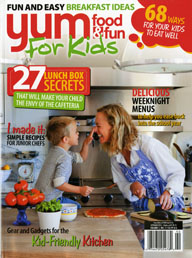
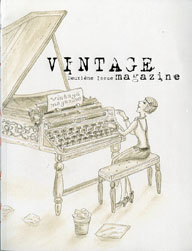
Some of the new magazines arriving for the first time to the nation’s newsstands show the quality only a print medium can only deliver such as the case with Vintage magazine. Another magazine takes an old topic such as Christmas and turns into a quarterly magazine celebrating (and aptly named) Christmas 365 days a year. Susie magazine, on the other hand, offers Christian teens an outlet to share their opinions and advice. The area where it is starting to show some recovery and growth is in regional magazines such as the new Louisiana magazine Scene. And last but not least, a new magazine celebrating the lifestyles and values of nurses called Scrubs.
So how are we doing so far this year? Well, according to the early statistics we had four months where the launches this year were more than last, and seven months where 08 saw more launches than 09. However, we have a total of approximately 650 titles so far, very close to the 685 total of 2008. Therefore, Dec. is going to be the deal breaker whether this year will exceed the number of new launches from last year or not. So keep your fingers crossed, continue to celebrate the newborns arriving on the market place and never lose hope in an industry that knows it is in transition and is finding ways to deal with that.

h1

Innovation in Print: Three Magazines that Count …

November 19, 2009


What would you call a person who is willing to pay $20 for a single issue of a magazine? A customer who counts. This last week I bought two magazines, Vintage and MyMag that I paid $20 and $10 for a single copy for each respectively, and I did that gladly. A third magazine (which is on its way to me) that also counts is the Dutch magazine O.K. Periodical, the design oriented magazine from The Netherlands. All three have one thing in common: innovation for customers who count and not just count customers together with the best usage of technology to amplify the printed product.


Vintage magazine‘s premiere issue is a printed beauty to hold. The magazine, modeled after the famous Flair magazine of the 50s (which by the way, I have every issue of), uses various different types of paper, die-cuts, fold-outs and is sewn together rather than stapled or glued. Each page explores the “possibilities of print, font, color, photography, and texture…” The magazine is the brainchild of Ivy Baer Sherman who was inspired to create Vintage magazine by Fleur Cowles who published and edited Flair in 1950 -51. Vintage magazine is worth every penny of the $20 and can be ordered at the magazine’s website here.

MyMag on the other hand, is the $10 an issue new magazine founded by Mangus Greaves, Phil Rugile and Warren Noronha. Each issue of MyMag uses a celebrity to scan the available media in order to create a magazine that addresses the desires of that celebrity. So, if you are a fan of Steve AOKI, you will love the first issue of the magazine that AOKI put together for you. For a visual and voyeur society, what best can bring you the thoughts and actions of a celebrity right there to your mailbox. MyMag is sold on the magazine’s website here and can ordered on an issue by issue basis.


O.K. Periodicals third issue is themed Repeat. The Dutch independent design-magazine, shows the world’s first crowd-sourced magazine cover. A brilliant idea of using technology and digital to create a print product that would have taken ages to do in the golden olden days. “Hundreds of people have made their contribution by designing a small part of it,” says William van Giessen on behalf of the editorial team of the magazine. He adds, ” The bizarre yet unique reproduction underlines the power of the online network.” The magazine, published twice a year, launched their third issue in Berlin to celebrate the “on and off line celebration of media.” The issue can be ordered from the magazine’s website here.

The aforementioned three magazines are nothing but a tiny example of what innovation can do to preserve print and the role of print in a fast moving technological and digital age. It is another reminder that we must use technology to amplify the future of print and not just vice versa. We have to continue to explore and expand our ways on how to reach our relevant customers through the relevant media without the need to sacrifice one on the alter of the other. Our future is not going to be either or, but rather, all.

h1

Food Network magazine: The Most Notable Launch of the Year

November 17, 2009


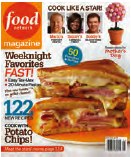
In an exclusive report on Foliomag.com, the Hearst Communications’ new launch Food Network magazine was named The Most Notable Launch of the Year. The magazine, launched in Nov. 08 was selected from a field of 752 magazines published between Oct. 08 and Sept. 09. Read the entire story by Folio’s Matt Kinsman here.

Some excerpts from Foliomag.com are below:

While 2009 may be remembered more for the number (and quality) of magazines that closed, it was also an active year for launches, with 752 new titles debuting between October 2008 and September 2009, according to Samir “Mr. Magazine” Husni, director of the Magazine Innovation Center at the University of Mississippi.

Of those 752 new magazines, Husni has identified the 15 most notable launches of the past year. His criteria include five key questions:

■ How much publicity did the magazine generate?
■ How relevant was the magazine to the intended market?
■ Was the magazine notably diversified and specialized?
■ How innovative were the magazines?
■ Was the magazine so bizarre it had to be included?

“Since the industry seemingly came to a crashing halt in September 2008, we are starting to see more and more evidence that the American publishing model of the past is dead and that our industry has to innovate to survive,” says Husni. “Many of these notable launches are witnesses to that.”

For a complete look at Husni’s 15 Most Notable Launches of the Year, and his interview with Food Network magazine publisher Vicki Wellington, look for FOLIO:’s December issue.