 “Magazines are a pretty unique medium. I’m not saying they’re better or worse than anything else that we do or any other way that people consume stories, but reading a magazine is an experience that it’s very hard to replicate. I think we saw that when magazines started rolling out tablet editions and that the reception was different than I think the industry thought it was going to be. Now the industry has adapted and made it better and it’s working, but it’s pretty hard to replicate the experience of sitting down with a magazine.” Ryan D’Agostino
“Do I think that I could ever sell it without a print component? Absolutely, but I don’t see that happening in any near future picture. I think the brand has such a great heritage and if anything we’ve double-downed on that heritage over the past couple of years, which is what’s giving us this resonance in the marketplace that I think will help us build and sustain momentum for the foreseeable future.” Cameron Connors
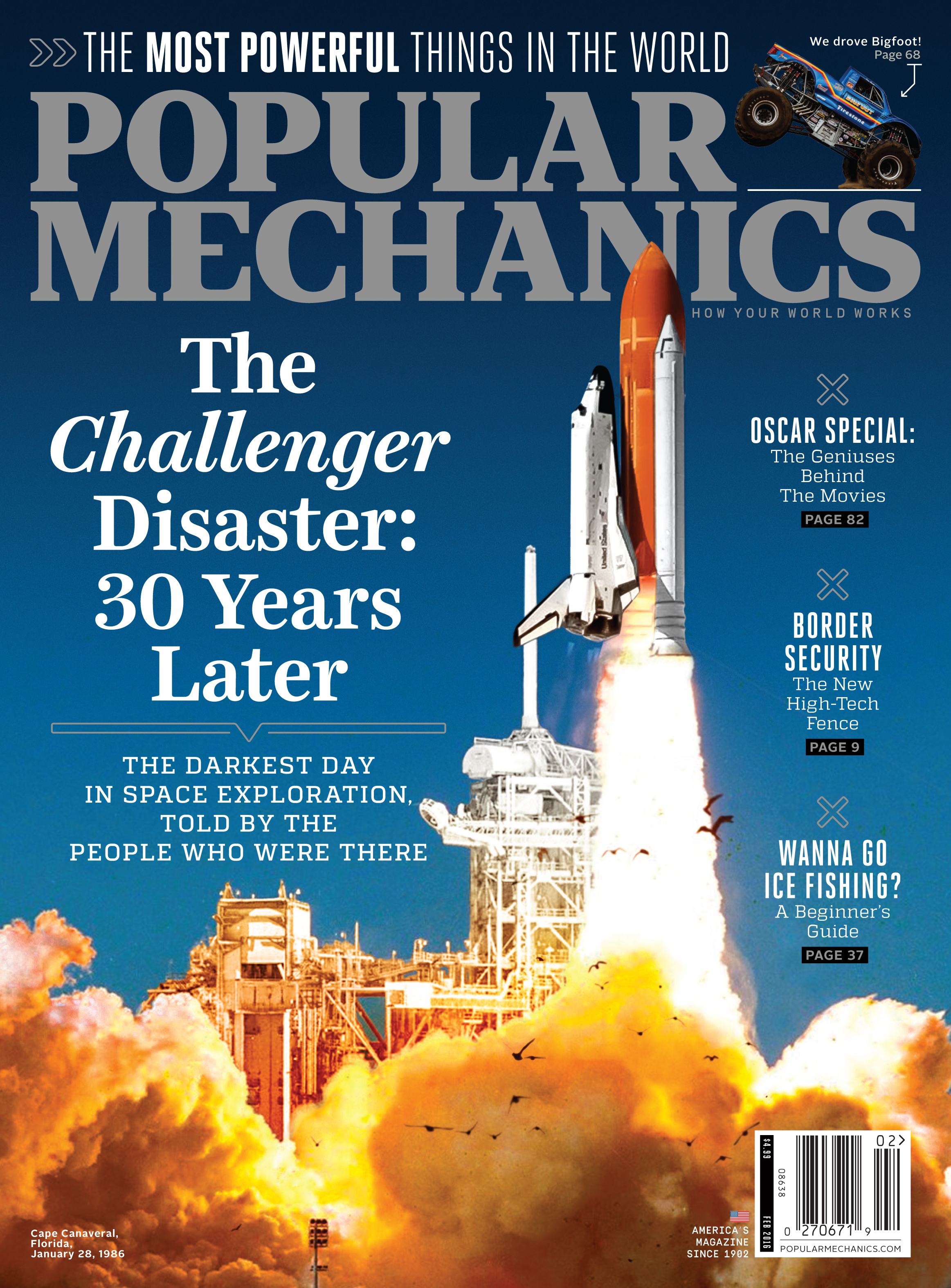
Popular Mechanics magazine began in 1902 and has witnessed many changes in the technological world over those 114 years, right along with its own transformation. Today the magazine retains that initial DNA, the foundation of a time when people valued building skills and loved making things themselves, but has a new voice and vibrancy that comes from a magazine team, headed by editor-in-chief, Ryan D’Agostino, and publisher, Cameron Connors, which honors the magazine’s heritage, but also believes in growth and fun at any age.
I spoke with both Ryan and Cameron recently and we talked about the changing roles of editors and publishers in today’s digital age and how infusing the longevity that Popular Mechanics enjoys, with an IV filled with fresh ideas and new voices was the goal and the fruition of both Ryan and Cameron’s past few years with the brand. The success of what they’ve done with the magazine as far as rejuvenated content and a rebirth of ad interest is apparent. Bringing back the magazine’s original thinking that people can do and make anything, with the right tools and knowledge, yet putting a zest and energy into that foundation, has been something that the two men have done favorably.
Both men bring a vibrancy and excitement to the brand that cannot be denied and is contagious when it comes to sharing that natural engagement they have with the audience. It was a fun and informative discussion that I know you will enjoy.
So, grab your latest Popular Mechanics issue and take some time to read the Mr. Magazine™ interview with Ryan and Cameron.
But first, the sound-bites:
 On the changing role of a publisher in today’s magazine and magazine media marketplace (Cameron Connors): That’s a great question. I think having the digital experience is definitely one thing that’s setting today’s publishers apart and understanding how to fully represent a brand, particularly in today’s market where brands are becoming more and more fragmented with various access points across the social media platforms that we all use. I think the publisher’s role has increased to the point where you have to become a master of all of those platforms too, understanding at any given time how your brand is being represented on those platforms.
On whether he feels his role has changed now and is more involved than ever before (Cameron Connors): Absolutely. I mean, it is an always on role. We’re always thinking of new and inventive ways to extend the brand to attract a new advertiser. The days of old where you sit down and are able to ink a full schedule with just a lunch conversation are kind of over. There is so much, in terms of media, everything has changed.
On the definition of an editor today (Ryan D’Agostino): It’s also quite different than it was in years past, generations past, and even just a few years ago. An editor today is overseeing an entire brand. It’s weird to use that term, because what we typically think of ourselves as doing is telling stories and editing great stories, and that’s still a part of it. It’s a huge part of what any good editor-in-chief is doing now. That part has not changed.
On whether Ryan believes the name Popular Mechanics hinders people from knowing exactly what the magazine is about (Ryan D’Agostino): I don’t think it hinders at all. I love the name of the magazine; it feels like it could have been created in 1902, which it was, or it feels like it could have been launched in Brooklyn last week. I love the name Popular Mechanics; in fact, my first day on the job here two years ago, I assembled the staff, they didn’t know me, I just gathered them around and my first official act here was I told them that I wanted to outlaw the phrase “Pop Mech.” (Laughs) There was this habit of calling it Pop Mech and even in the magazine regularly and abundantly, on the folio was Pop Mech and Pop Mech was everywhere and I just thought I don’t know what that means.
On whether publisher, Cameron Connors asked himself why he was taking a job at Popular Mechanics when he first accepted the offer (Cameron Connors): Actually, it was quite the opposite. I was thrilled when I was given this opportunity because what I saw was a brand with so much unrealized potential. You asked Ryan if the name of the brand was a hindrance at all; I think we actually use the name to our advantage and fully change the conversation around the brand based precisely on what Ryan has been able to do: refreshing the voice, refreshing the environment, bringing on vibrant, new writers that have great and amazing ideas that give everybody, the media community, the Academy of Motion Pictures Arts and Sciences, a whole new take on what Popular Mechanics means to people in this day and age.
On whether Cameron feels making the magazine more of a men’s general interest magazine would broaden the scope of its audience, rather than make it even more of a niche magazine (Cameron Connors): Yes I do. And that’s by design on the editorial side. And from an advertising standpoint, that very approach is helping us break into new categories of advertising that we, I don’t think based on my records, have ever seen before. You mentioned survival; we were at the outdoor retailer show demonstrating and we were fresh on the scene there and when people saw what we were doing they were instantly intrigued. And as a result we’ve seen great momentum in that particular category coming out of that show.
On the biggest challenge Cameron has had to face (Cameron Connors): The biggest challenge that I think we’ve faced since I got here was that the brand was not necessarily known for creative thinking from an advertising standpoint. The first thing I noticed was there was some glimpses of it here and there, but we needed a consistent approach, proactively flooding the market with great ideas, great partnerships, great new thinking and great new editorial franchises. So, that presented a challenge in the beginning when we were just starting to get into this transition, the whole rebuilding the plane in the air analogy.
 On the biggest challenge Ryan as editor has had to face (Ryan D’Agostino): My biggest frustration has been this line of thinking out in the world about print. People will say, print, what, you still have a magazine? We’re really interested in digital, but print? And this is where I think Hearst has been really smart in promoting the idea that, if you look at any of our print magazines as the hub or the mother ship, even if it’s less of a revenue source, without it all of these other things don’t exist. That’s something that we believe strongly in here at Hearst.
On whether Ryan believes editors-in-chief would be better served with the title curators-in-chief (Ryan D’Agostino): No, I don’t think so. I believe curator is an overused term. I think everyone on my staff is very much a creator, every month and every day and every minute. In any medium they work, an artist has more tools than ever before that we can use. And maybe that’s a better Popular Mechanics analogy: more tools. You can create anything you want really with the stories that we tell.
On whether Cameron thinks as publisher he could ever sell the Popular Mechanics brand without a print component (Cameron Connors): Do I think that I could ever sell it without a print component? Absolutely, but I don’t see that happening in any near future picture. I think the brand has such a great heritage and if anything we’ve double-downed on that heritage over the past couple of years, which is what’s giving us this resonance in the marketplace that I think will help us build and sustain momentum for the foreseeable future.
On whether as editor Ryan can envision a day without a print edition for the magazine (Ryan D’Agostino): I don’t. From a business standpoint I don’t see why that would be a good idea; it’s not something that we talk about here.
On what Ryan thinks the role of print is in today’s digital age (Ryan D’Agostino): The digital age? Does that imply that it’s digital at the expense of everything else? I don’t think it does. Anytime that you get some sort of technological disruption, throughout history there’s the assumption that everything before it is going to fade away, but historically that hasn’t happened.
On why Ryan thinks it took the industry five or six years to realize that we could have both print and digital and audiences for both (Ryan D’Agostino): I think it’s because we were going after the tablet market; I don’t think anyone took their foot off the gas in creating print. On the print side it’s not like our budgets were slashed and put toward the tablet edition; I think it was just an exciting thing and I think that we’re an industry of creative minds, so when something like a tablet comes along, it stoked our minds into thinking how were we going to use it. We’re nothing without experimentation.
On what someone would find Ryan doing if they showed up unexpectedly one evening at his home, reading a magazine; reading his iPad; watching TV or playing with his children (Ryan D’Agostino): Some mix of all of those. You’ll find me helping my kids with their homework. You’ll find me showing them on my iPad things that we’re working on in the magazine, because I have two boys, they’re 6 and 9, so much of our content is fascinating to them. Maybe a drone story that I’m working on or an F16 story for the December issue; just all kinds of cools stuff and they become my little focus group sometimes when I come home from work and show them what I’m working on. And that’s fun.
On what someone would find Cameron doing if they showed up unexpectedly one evening at his home (Cameron Connors): You would probably catch me cooking. That’s my own personal version of DIY in the home, and maybe a bourbon too, depending on how the day went. I have two children of my own, 6 and 4, and something we like to do that was inspired by the magazine is giving our kids an understanding for the heritage of things.
On anything Ryan would like to add (Ryan D’Agostino): Of course, I’d want to emphasize some things on a slightly more detailed level of what we’re doing in the magazine, just some of the changes. Well, not so much changes. When I first got the job my first thought was what am I going to change? How am I going to make this my own? And that’s all well and good, I’ve done plenty of that, but then there’s also the second reaction which is, wait a minute, this thing has been around since 1902, I better not screw it up. What should I not touch? A lot of magazines have come and gone since 1902, so what has kept Popular Mechanics around?
On anything Cameron would like to add (Cameron Connors): Armed with all of the ammunition that Ryan just described, we’ve seen the conversation around the brand just completely change, particularly over the last six months. We find ourselves in a position now where we are driving conversations that we’ve never had before with advertisers and ad categories.
 On what motivates Ryan to get out of bed in the morning (Ryan D’Agostino): With me usually behind on everything, I can’t wait to get to the office to catch up on everything so that I don’t have people asking me for things that I should have had done three days ago. (Laughs) But seriously, we have so much going on that I do get here very early in the morning. I get up very early and I come in very early. And I always have a couple of hours when I get here to catch up on stuff when it’s kind of quiet and I can put my music on loud if I want to and it’s that time when I, before the exciting onslaught of every day begins, can look at what we’re doing for the next few months or the next year or even just the next issue, and remind myself of what we’re doing and why we’re doing it.
On what motivates Cameron to get out of bed in the morning (Cameron Connors): Truly, it’s my colleagues. I think we’ve built an incredible team here at Popular Mechanics and across the men’s group. And I honestly can’t wait to get in every day to work with Ryan and his team, our marketing team, my management, to continue to further the mission of this brand.
On what keeps Ryan up at night (Ryan D’Agostino): For me it’s that there might be something that happened on the planet that we didn’t know about. (Laughs) We try to cover everything and I guess I should include outer space too because that’s part of our purview. We want to engage the audience and make them want to sit down and spend some time with us every month and that’s going to be by giving access and insight and having something to say about everything that’s happening around us.
On what keeps Cameron up at night (Cameron Connors): The only time I find myself up at night is if I feel like a wasted a single minute of the day. Everything from professional to personal is precious and you have to maximize it.
And now the lightly edited transcript of the Mr. Magazine™ interview with Ryan D’Agostino, Editor-In-Chief and Cameron Connors, Publisher, Popular Mechanics magazine.
Samir Husni: Cameron, you’ve worked on just the digital side of the brand and now you’re back working with both print and digital. You’re in charge of all of the revenue for Popular Mechanics; how would you describe the changing role of a publisher in today’s magazine and magazine media marketplace?
Cameron Connors: That’s a great question. I think having the digital experience is definitely one thing that’s setting today’s publishers apart and understanding how to fully represent a brand, particularly in today’s market where brands are becoming more and more fragmented with various access points across the social media platforms that we all use. I think the publisher’s role has increased to the point where you have to become a master of all of those platforms too, understanding at any given time how your brand is being represented on those platforms.
And on top of that, you have to be able to translate all of that to an advertiser and help them to understand the value of those touchpoints for your brand and for them across those platforms. So, it’s become a bigger job.
Samir Husni: Is it much easier now than your previous role or is it more involved, as though you have to be on it 24/7? Hearst has the tagline: from months to moments. Do you feel your job has changed from days to moments?
Cameron Connors: Absolutely. I mean, it is an always on role. We’re always thinking of new and inventive ways to extend the brand to attract a new advertiser. The days of old where you sit down and are able to ink a full schedule with just a lunch conversation are kind of over. There is so much, in terms of media, everything has changed. You have to be always on, whether you’re talking print, digital, social content, just you name it. There is so much in the way of disruption that you have to keep tabs on it all of the time.
Samir Husni: Ryan, to borrow a title from one of your departments that you edit over at Esquire, “The Meaning of Life;” what’s the meaning of an editor today?
Ryan D’Agostino: It’s also quite different than it was in years past, generations past, and even just a few years ago. An editor today is overseeing an entire brand. It’s weird to use that term, because what we typically think of ourselves as doing is telling stories and editing great stories, and that’s still a part of it. It’s a huge part of what any good editor-in-chief is doing now. That part has not changed.
What has changed, and I’ll just speak for myself as an editor, is being attached at the hip with Cameron, speaking to him as many times during the day and going on as many trips with him during the year as I can to get the message out there and help however I can to do what we’re doing.
It’s looking at our Instagram feeds and posting to it regularly, which I do because I live a great many parts of the Popular Mechanics life myself; I’m in an old house with an old barn that I’m trying to restore. I’m about an hour north of New York City and I drive my car and I own an old pick-up truck that I try to keep running. I have little kids and I’m teaching them how to do woodworking, and so I’ve become a part of our social media strategy simply because I’m having these experiences. I work closely with our digital team every day to help think about what they’re doing, tell them about what we’re doing and try to brainstorm together about how to translate all of it where it makes sense.
So, the whole parts of being an editor, which are assembling a talented group of people to work with, to think about what stories we’re going to tell from month to month; that’s all still there. And to make the magazine entertaining and fun to read; lively and funny when it needs to be; insightful with every page and that it has beautiful photography. Writing a great headline; all of that hasn’t changed, there’s just more to it than that today.
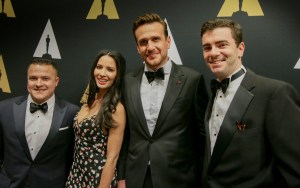
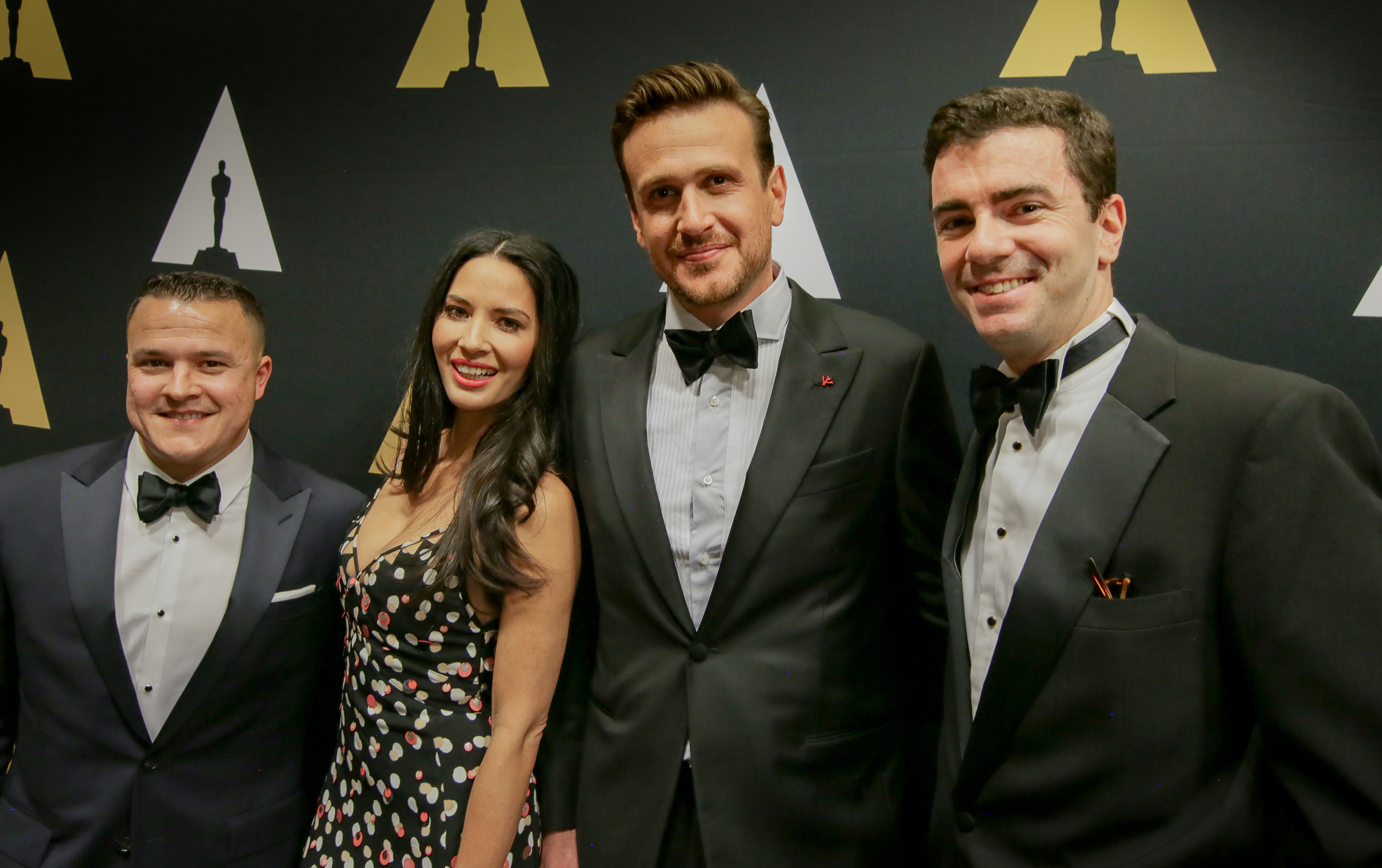
Cameron Connors, Olivia Munn, Jason Segel, Ryan D’Agostino, photo by Eric Heimbold.
Ryan D’Agostino: I don’t think it hinders at all. I love the name of the magazine; it feels like it could have been created in 1902, which it was, or it feels like it could have been launched in Brooklyn last week.
I love the name Popular Mechanics; in fact, my first day on the job here two years ago, I assembled the staff, they didn’t know me, I just gathered them around and my first official act here was I told them that I wanted to outlaw the phrase “Pop Mech.” (Laughs) There was this habit of calling it Pop Mech and even in the magazine regularly and abundantly, on the folio was Pop Mech and Pop Mech was everywhere and I just thought I don’t know what that means. It’s an ugly-sounding noise and it just eviscerates our name and we should be reminding people what we’re about at every turn.
What we’re about, and the way that we’ve defined Mechanics for 2016 and beyond are the Mechanics of life; the Mechanics of your every day. And how everything around you works, whether that’s the new SpaceX rocket that you’re reading about in the paper or the airplane you’re flying in or the assisted-driver car that you’re driving or the cocktail you’re drinking or the movie you’re watching. So, we define Mechanics very broadly.
Sure, when I tell people I was at Esquire and now I’m at Popular Mechanics; they’ll ask Popular Mechanics? Depending on their level of magazine interest and literacy they might think it’s about fixing cars or they might have a deeper understanding of what it really is, but I explain like this: we tell the story of the world around us and how it works.
And that’s something that the magazine has done for over 100 years, but it’s something that we’re redefining today. So, when we put Olivia Munn on the cover of the magazine last year and when we entered the world of the Academy Awards as a sponsor of the Scientific & Technical Oscars; who would have thought in 1902 or anytime in our history that editor and the publisher of Popular Mechanics would be on the Red Carpet at the Academy Awards event with a couple of movie stars? But somehow it felt right. It didn’t feel out-of-place and my hope is that every month in the magazine it won’t feel strange at all to be reading about Olivia Munn, military technology, how to build a deck, how to make a drink; all of those things between the same covers every month and under the same name, Popular Mechanics, so they’ll all make sense the way we’re defining it.
Samir Husni: And Cameron, did you have a similar experience? When you accepted the job, did you ask yourself what am I doing? Why am I taking this job at Popular Mechanics?
 Cameron Connors: Actually, it was quite the opposite. I was thrilled when I was given this opportunity because what I saw was a brand with so much unrealized potential. You asked Ryan if the name of the brand was a hindrance at all; I think we actually use the name to our advantage and fully change the conversation around the brand based precisely on what Ryan has been able to do: refreshing the voice, refreshing the environment, bringing on vibrant, new writers that have great and amazing ideas that give everybody, the media community, the Academy of Motion Pictures Arts and Sciences, a whole new take on what Popular Mechanics means to people in this day and age. So, I found it very exciting and as I said, it’s totally changed the conversation around the brand across the board.
Ryan D’Agostino: It takes some work to tell people exactly what you’re asking about and what we’re talking about. And I think what you’re getting at is, OK, Esquire, where I came from, has a defined identity; it’s fairly rooted in popular culture and people understand that it’s a men’s magazine. Popular Mechanics over the years has been a niche publication for people with specific interests. We’re trying to bring it out of the niche market and make it a magazine for everybody, because I really think that the things that the magazine is about have become popular now. Everybody is making something and building things with their hands and are interested in heritage manufacturing in the United States and how things work. Every parent wants their kids to learn about how things work and engineering, and so it’s very much entered the mainstream.
But that’s why Cameron and I are so constantly out there talking to whoever will listen and telling them what we’re doing so they can understand and they won’t continue to hear the name Popular Mechanics and think of it as a great, classic American magazine, which it is, but they don’t really understand the excitement that we’re feeling about it right now.
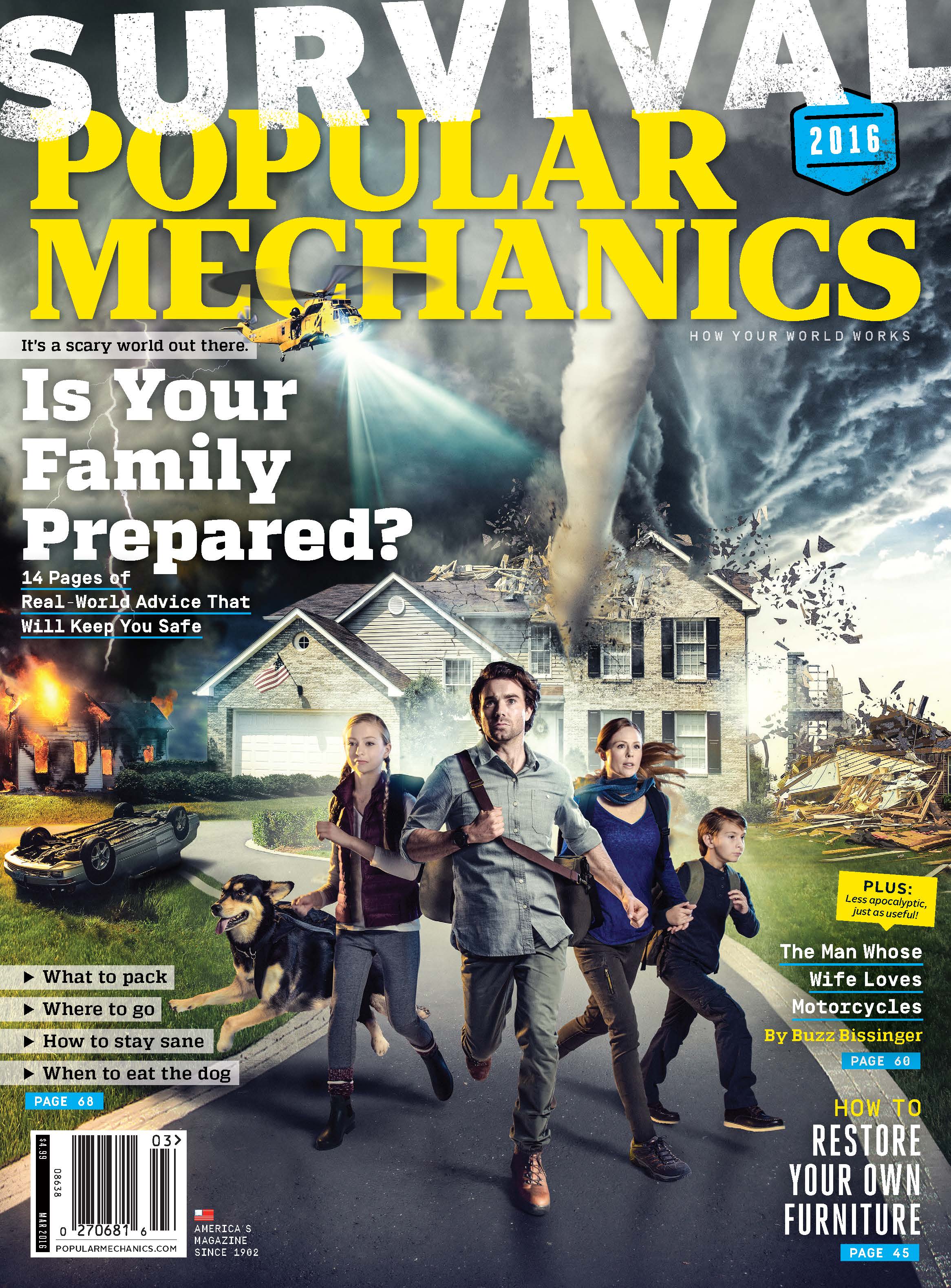
Samir Husni: Cameron, do you feel making Popular Mechanics more of a men’s general interest magazine will broaden the magazine’s audience? For example, last month the cover was survival, but there are three or four special interest magazines that have nothing in them but survival. The cover before, let’s say, was about building a home and there are many DIY magazines and home building magazines out there. So, do you feel that going against the trend widens the horizon of the magazine, rather than making it even more specialized?
Cameron Connors: Yes I do. And that’s by design on the editorial side. And from an advertising standpoint, that very approach is helping us break into new categories of advertising that we, I don’t think based on my records, have ever seen before. You mentioned survival; we were at the outdoor retailer show demonstrating and we were fresh on the scene there and when people saw what we were doing they were instantly intrigued. And as a result we’ve seen great momentum in that particular category coming out of that show.
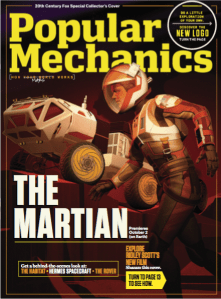
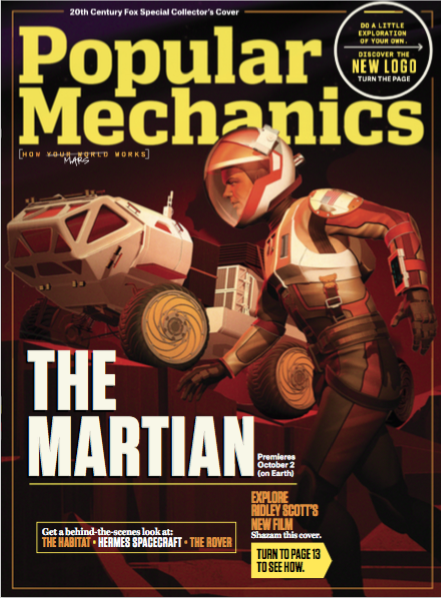
Another proud moment for us was in the entertainment space, which really hasn’t been a core, endemic category for us, was last year when we partnered with Fox on the launch of “The Martian.” We did a collector’s cover that was all Martian-branded and then Ryan had the good fortune of interviewing Ridley Scott, so it all tied together very nicely. We did a Martian week on the website during the launch and it also helped that “The Martian” was a huge hit, but it was also one of those moments for us as a brand that was so smooth, none of it was forced, it all made perfect sense.
To go back to your original question, what all of this is doing is helping us branch out into new categories of advertising, which is exciting for me and it’s exciting for the entire staff to see as we chart new territory.
Samir Husni: Cameron, before someone reading this interview thinks that both of your journeys during the last few years has all been smooth sailing; what has been the biggest challenge that you’ve had to face and how did you overcome it?
Cameron Connors: The biggest challenge that I think we’ve faced since I got here was that the brand was not necessarily known for creative thinking from an advertising standpoint. The first thing I noticed was there was some glimpses of it here and there, but we needed a consistent approach, proactively flooding the market with great ideas, great partnerships, great new thinking and great new editorial franchises. So, that presented a challenge in the beginning when we were just starting to get into this transition, the whole rebuilding the plane in the air analogy.
We were able to overcome that by simply not letting our foot off the gas and getting out there proactively with great ideas like what we did with “The Martian.” That’s been the biggest challenge, but also the biggest win for me since I’ve been here.
Samir Husni: And Ryan, from the editorial side, what has been your biggest challenge and how did you overcome it?
Ryan D’Agostino: My biggest frustration has been this line of thinking out in the world about print. People will say, print, what, you still have a magazine? We’re really interested in digital, but print? And this is where I think Hearst has been really smart in promoting the idea that, if you look at any of our print magazines as the hub or the mother ship, even if it’s less of a revenue source, without it all of these other things don’t exist. That’s something that we believe strongly in here at Hearst.
So, without those stories being written by people and being reported by people and being photographed by people and being designed by people; without Popular Mechanics magazine; what is popularmechanics.com; is there an Instagram feed or any of the other things that extend from the brand? It’s just a really smart way to look at things. We can be interested in and worried about taking advantage of all of these things and concerned that we need to be doing that; we can look at every single platform and use them all to tell stories and bring in revenue and draw in readers and participants in Popular Mechanics or whichever brand it is, but to not freak out and say that the world is over and we need to build a new one.
Hearst right now is marked by very rational thinking in this way and it makes our job much easier. When you think about it we need all of these things. When we report a story, I love trying to figure out how many different ways we can tell it. What’s the Twitter version of it and what’s the 5,000 word version of it? And everything in between. And if not every platform applies to every story, fine. Let’s think that way and communicate that, rather than freaking out and saying that we can’t do what we do anymore and we have to reinvent it. This is actually an incredibly exciting time because there’s just more Popular Mechanics out there.
I think about the editors from 1902, or the 1920s or the 1930s; they would have loved to have had a website and a Twitter feed and a Facebook page and Instagram and all of those things, because you can never fit what you want to fit in the magazine. And all of these new storytelling devices we have now; they would have been so jealous, so I just try to make sure we’re taking advantage of all of those things.
Samir Husni: Do you feel that you’re more of a curator now than a creator? Should we start calling editors curators-in-chief?
Ryan D’Agostino: No, I don’t think so. I believe curator is an overused term. I think everyone on my staff is very much a creator, every month and every day and every minute. In any medium they work, an artist has more tools than ever before that we can use. And maybe that’s a better Popular Mechanics analogy: more tools. You can create anything you want really with the stories that we tell.
I don’t think we’re just arranging information and trying to figure out how to pump it out, because don’t forget, without the reporting and the ideas; I mean, that’s what I tell my editors all of the time that I rely on them for the most. It’s not can they edit a good story or write a good headline, that’s important and goes without saying, but it’s ideas. We have nothing without ideas. And that goes for every platform, every medium, every website director, editor at this company. You have to have ideas about how to do things differently, in an original way and that’s what’s going to get people excited out there in the world. So, we are relentless creators.
Samir Husni: Cameron, as you are working with a team of creators, do you think that you could ever sell the brand of Popular Mechanics without a print component?
Cameron Connors: Do I think that I could ever sell it without a print component? Absolutely, but I don’t see that happening in any near future picture. I think the brand has such a great heritage and if anything we’ve double-downed on that heritage over the past couple of years, which is what’s giving us this resonance in the marketplace that I think will help us build and sustain momentum for the foreseeable future.
Samir Husni: And Ryan, can you envision Popular Mechanics without a print edition?
Ryan D’Agostino: I don’t. From a business standpoint I don’t see why that would be a good idea; it’s not something that we talk about here.
Samir Husni: Ryan, in today’s marketplace what’s the role of print in this digital age?
Ryan D’Agostino: The digital age? Does that imply that it’s digital at the expense of everything else? I don’t think it does. Anytime that you get some sort of technological disruption, throughout history there’s the assumption that everything before it is going to fade away, but historically that hasn’t happened.
Magazines are a pretty unique medium. I’m not saying they’re better or worse than anything else that we do or any other way that people consume stories, but reading a magazine is an experience that it’s very hard to replicate. I think we saw that when magazines started rolling out tablet editions and that the reception was different than I think the industry thought it was going to be. Now the industry has adapted and made it better and it’s working, but it’s pretty hard to replicate the experience of sitting down with a magazine.
The way I look at is the role of print hasn’t changed because the consuming public out there is showing that they don’t ‘not’ want to read magazines, there are times in their lives when they want to do it. I’m just excited that the digital age, if that’s what we’re living in because there’s digital technology now and digital ways of communicating, that the digital age is an opportunity, but I don’t think we should panic and look at it as one opportunity at the expense of another.
Samir Husni: Why did it take the industry five or six years to discover that it doesn’t have to be print or digital, it can be both? Rather than thinking digital was replacing print; why didn’t we see that they were two different experiences and that we could have both?
Ryan D’Agostino: I think it’s because we were going after the tablet market; I don’t think anyone took their foot off the gas in creating print. On the print side it’s not like our budgets were slashed and put toward the tablet edition; I think it was just an exciting thing and I think that we’re an industry of creative minds, so when something like a tablet comes along, it stoked our minds into thinking how were we going to use it. We’re nothing without experimentation.
And that’s why magazines and magazine brands remain so lively. Snapchat; how are we going to use that? Who knows how it’s going to work, but there are amazing and exciting things being done there. I don’t think there should be a lot of regret about going headfirst into tablets and trying to make that work because it seemed like a natural thing. And now we’re adapting.
Cameron Connors: I would also add that I think when digital came along and disrupted everybody’s lives, it gave a lot of different forms of media a wake-up call to sort of spawn that period of experimentation. During that process things became more fragmented, social was on the rise, mobile took affect; a lot of these things began to add up and everyone thought everything else was falling apart, which was absolutely not the case. When it came down to it this was still a brand. Whether it was a magazine or a website, we weren’t just a thing. The brand meant something to people.
And that’s our point when we’re out talking about the brand and making sure we drive home why it’s valuable to people and people buy it.
Samir Husni: To move into some questions about both of you personally; Ryan, if I showed up unexpectedly at your house one evening, what would I find you doing? Reading a magazine with a glass of wine; reading your iPad, watching TV, or playing with your children?
Ryan D’Agostino: Some mix of all of those. You’ll find me helping my kids with their homework. You’ll find me showing them on my iPad things that we’re working on in the magazine, because I have two boys, they’re 6 and 9, so much of our content is fascinating to them. Maybe a drone story that I’m working on or an F16 story for the December issue; just all kinds of cools stuff and they become my little focus group sometimes when I come home from work and show them what I’m working on. And that’s fun.
In terms of media consumption, on any given night it’s probably not wine, it’s bourbon. We subscribe to a lot of magazines at the house, and there are a couple of hours at night where I can either read a book, which takes me about four months to actually read sometimes because I’m just exhausted and I’ll read five pages and I’m falling asleep, but I try, or I can read a magazine. My wife and I have a show that we watch and streaming either Netflix or watching other movies. I’m going to the Oscars this weekend, so I’m trying to catch up on the Oscar-nominated movies. I might also be in the barn; it’s pretty typical.
Samir Husni: And Cameron, what would you be doing?
Cameron Connors: You would probably catch me cooking. That’s my own personal version of DIY in the home, and maybe a bourbon too, depending on how the day went. I have two children of my own, 6 and 4, and something we like to do that was inspired by the magazine is giving our kids an understanding for the heritage of things. Most recently we bought a throwback record player and started a record collection, so you might find me showing them a little about that, which has been a lot of fun.
Samir Husni: Is there anything else either of you would like to add?
Ryan D’Agostino: Of course, I’d want to emphasize some things on a slightly more detailed level of what we’re doing in the magazine, just some of the changes. Well, not so much changes. When I first got the job my first thought was what am I going to change? How am I going to make this my own?
And that’s all well and good, I’ve done plenty of that, but then there’s also the second reaction which is, wait a minute, this thing has been around since 1902, I better not screw it up. What should I not touch? A lot of magazines have come and gone since 1902, so what has kept Popular Mechanics around?
Then you start looking at what that thread of longevity is, if there is one over the last 114 years, and what I found in reading all of those back issues up until today, there is this sense of wonder about the world and curiosity, and those are the qualities of Popular Mechanics that have marked the reader since day one. It was the magazine that was going to help them understand stuff. The original tagline was written so that you could understand it, which I like the spirit of that and I get it, and that’s what people want. They want complex things presented in a way that they can understand and relate to and can have fun talking about.
So, we’ve done things such as instead of hiring only science writers or technological writers, working with writers like Joshua Ferris, the acclaimed novelist; Buzz Bissinger, the author of “Friday Night Lights” who is writing about motorcycles for us; Gary Dell’Abate, who you may know better as “Baba Booey” from Howard Stern. I met him at a party and it turns out that he’s a gadget freak who is really into technology and is very knowledgeable about it and will be writing about technology for us.
So, what you end up with is a magazine that’s about the same things that it’s always been about, but with a broadened definition of that, and writing that is truly engaging and fun. I’m trying to make this a magazine for writers because I think that will attract a bigger audience and continue this momentum that we have now. We’ve gotten a couple of national magazine award nominations, which is a testament to my staff and the creativity of their ideas. We’re having so much fun here right now; it feels like a startup, but with 100 years of history.
Samir Husni: And Cameron, would you like to add anything?
Cameron Connors: Armed with all of the ammunition that Ryan just described, we’ve seen the conversation around the brand just completely change, particularly over the last six months. We find ourselves in a position now where we are driving conversations that we’ve never had before with advertisers and ad categories. To see us in a spot where we can now begin driving, not only revenue for our own brand, but across the Hearst men’s group and across the Hearst portfolio, is incredibly exciting. I think the sky is truly the limit.
Samir Husni: Ryan, what motivates you to get out of bed in the morning?
Ryan D’Agostino: With me usually behind on everything, I can’t wait to get to the office to catch up on everything so that I don’t have people asking me for things that I should have had done three days ago. (Laughs)
But seriously, we have so much going on that I do get here very early in the morning. I get up very early and I come in very early. And I always have a couple of hours when I get here to catch up on stuff when it’s kind of quiet and I can put my music on loud if I want to and it’s that time when I, before the exciting onslaught of every day begins, can look at what we’re doing for the next few months or the next year or even just the next issue, and remind myself of what we’re doing and why we’re doing it. I look through back issues; I look at other magazines around us and I get ideas from my editors that they send me every two weeks. And I try to think of ways to constantly reinvent what we’re doing. I took my whole staff to see “Spotlight” the other week; it was like 12:30 in the afternoon. And only one of them had seen it. I just thought, the movie is about hardworking journalists who are trying to do something important to them and that’s something we can all relate to.
The simple answer to your question is to keep doing what I was doing yesterday.
Samir Husni: And Cameron, what motivates you to get out of bed in the morning?
Cameron Connors: Truly, it’s my colleagues. I think we’ve built an incredible team here at Popular Mechanics and across the men’s group. And I honestly can’t wait to get in every day to work with Ryan and his team, our marketing team, my management, to continue to further the mission of this brand. So, it’s all that and then checking my numbers and sales, of course. (Laughs)
Samir Husni: My typical last question; what keeps you up at night?
Ryan D’Agostino: For me it’s that there might be something that happened on the planet that we didn’t know about. (Laughs) We try to cover everything and I guess I should include outer space too because that’s part of our purview. We want to engage the audience and make them want to sit down and spend some time with us every month and that’s going to be by giving access and insight and having something to say about everything that’s happening around us.
And when we choose to define the magazine the way that we have, which is basically there is nothing that we have to cover and there’s nothing that we can’t cover. And that’s how I look at it. When you define it that way, it’s wonderful and totally daunting because we might miss something. That’s the challenge.
And what it means to be a man now is different and men are re-embracing skills that their grandfathers had that may be slipping away with each generation, knowing how to fix stuff and build stuff. I think there was a time when guys didn’t do that for a few years and I think we all look to our dads and our grandfathers. I’m 40, so I look to my dad and my grandfathers and there’s stuff that they can do with their eyes closed that I don’t know how to do. Fixing the lamp in the kitchen, changing the oil in the car; I can change the oil, but a lot of guys can’t and they might not want to admit it or it’s a little emasculating and I think that’s why we’re seeing this return to being a sort of Renaissance person, someone who knows a little about everything and a lot about some things and is highly skilled and curious and interesting to talk to. And I don’t think that person is a lot different than someone reading Popular Mechanics in 1908 or today.
Samir Husni: And Cameron, what keeps you up at night?
Cameron Connors: The only time I find myself up at night is if I feel like I wasted a single minute of the day. Everything from professional to personal is precious and you have to maximize it. If I feel like I didn’t see something coming or if someone has an issue with an ad deal, those are the things that keep me up at night.
Samir Husni: Thank you both.

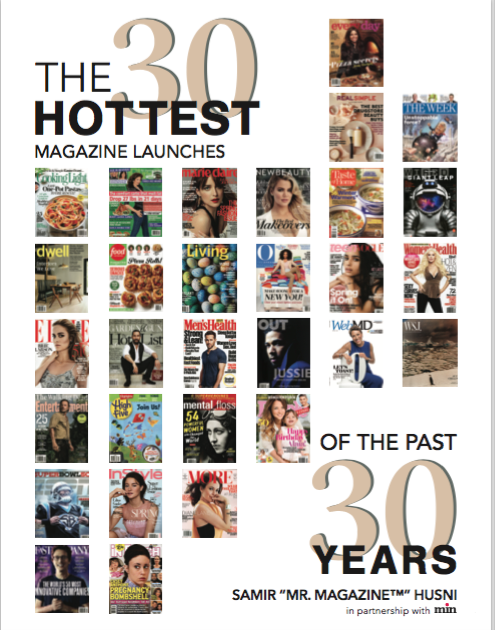
 honor; however, I also know that some will name other magazines that should reside on that list. But there were benchmarks that had to be met in order to be a part of the stellar lineup.
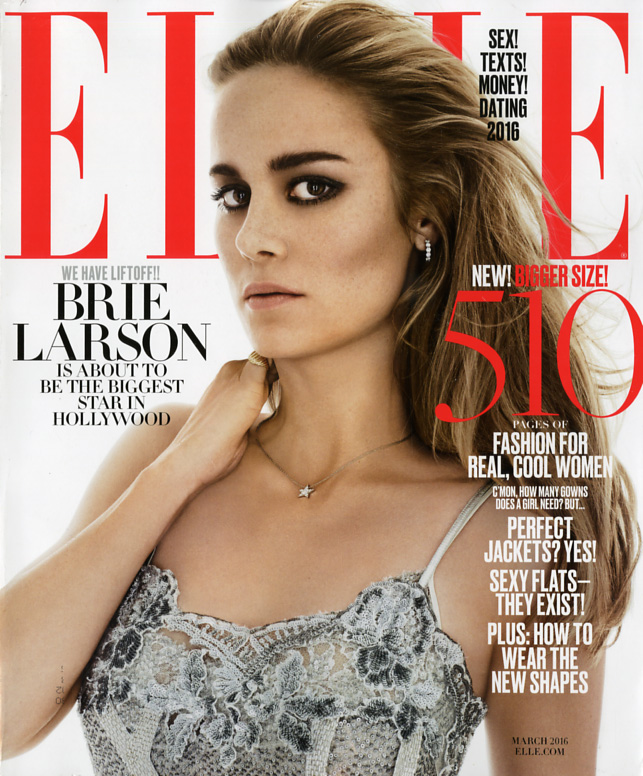
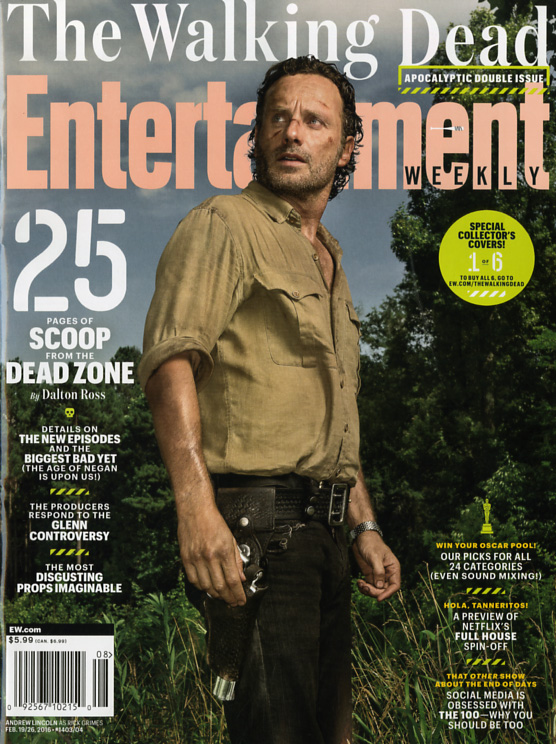
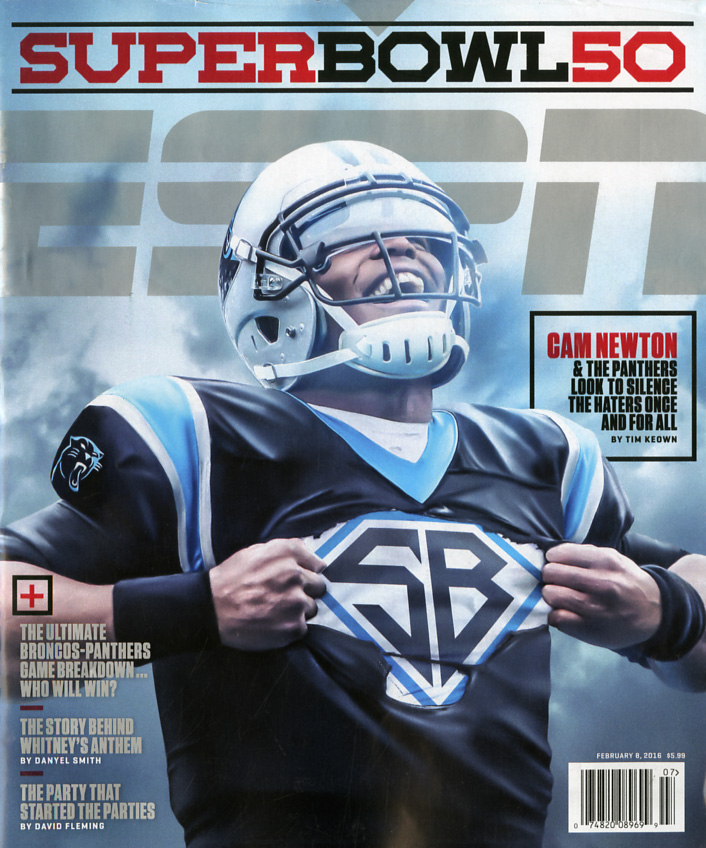
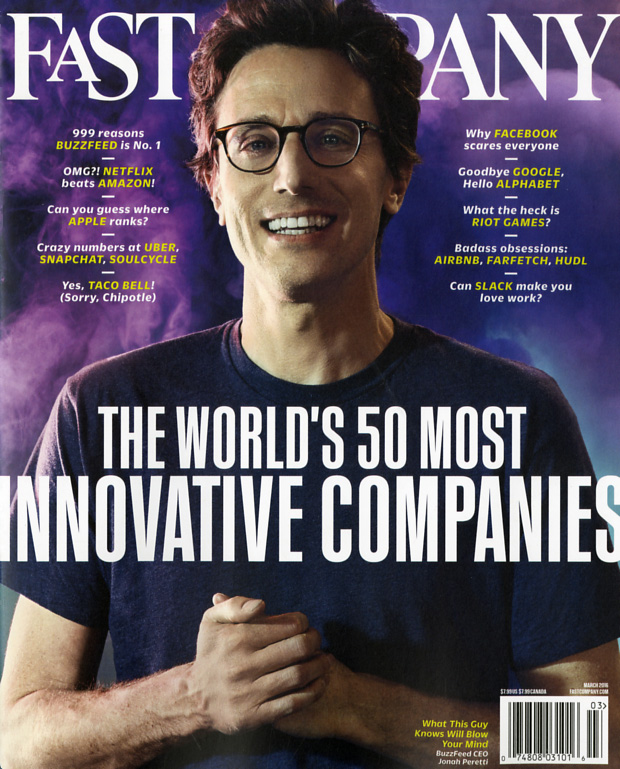
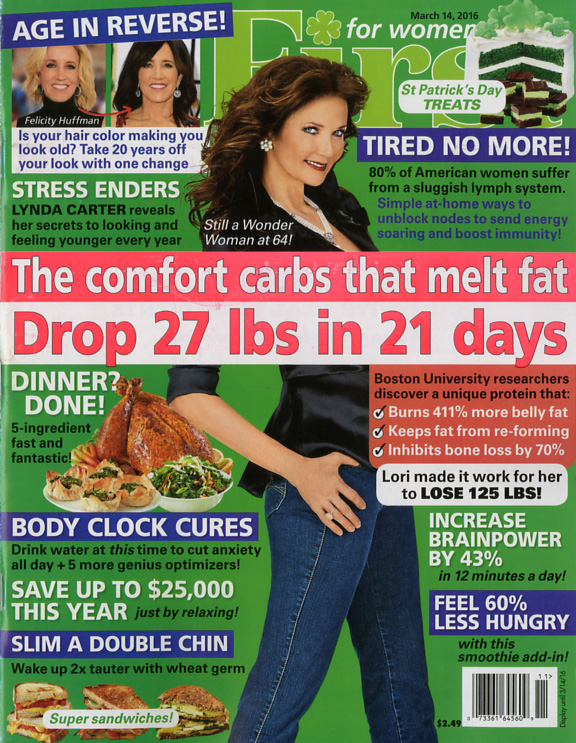
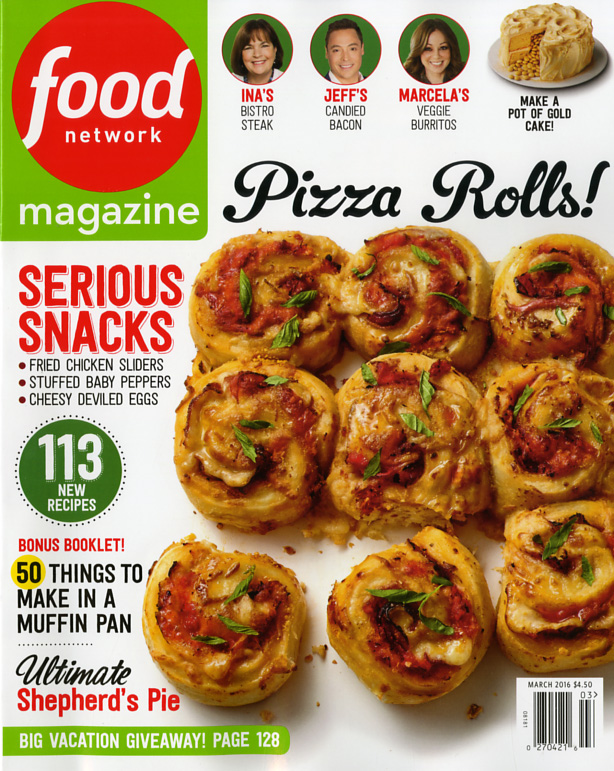
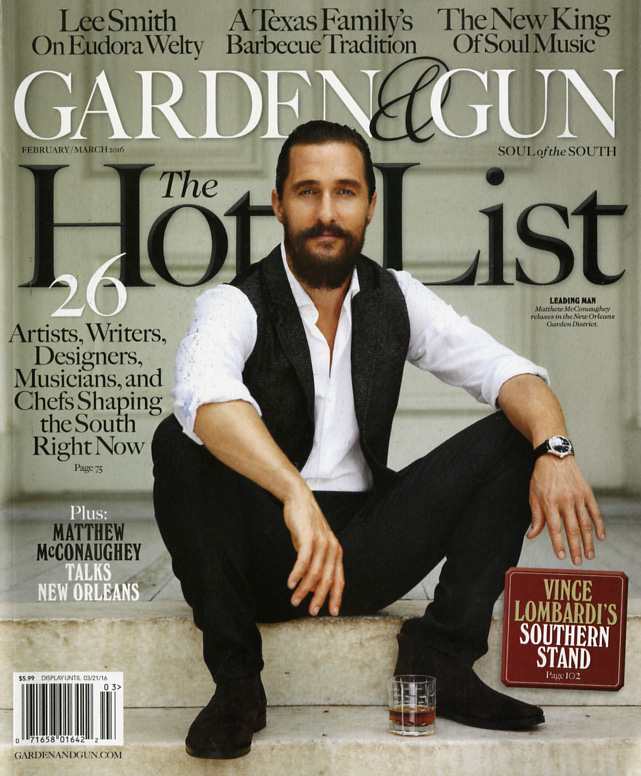
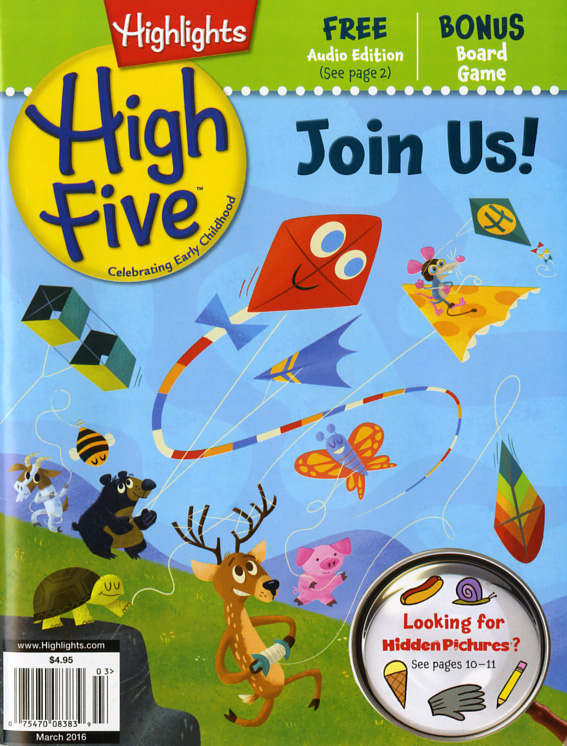
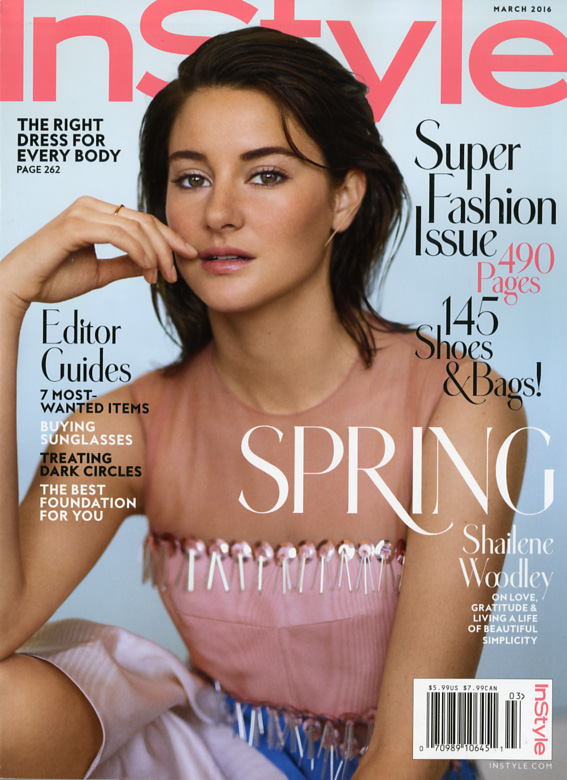
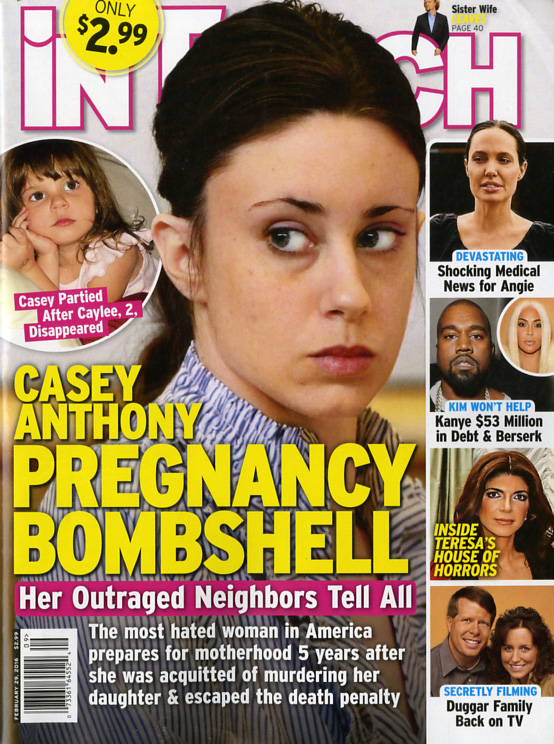
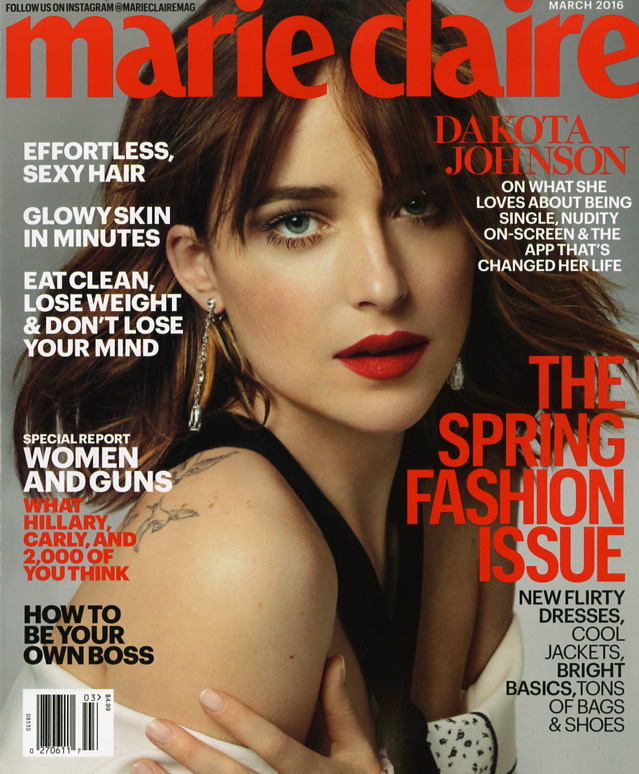
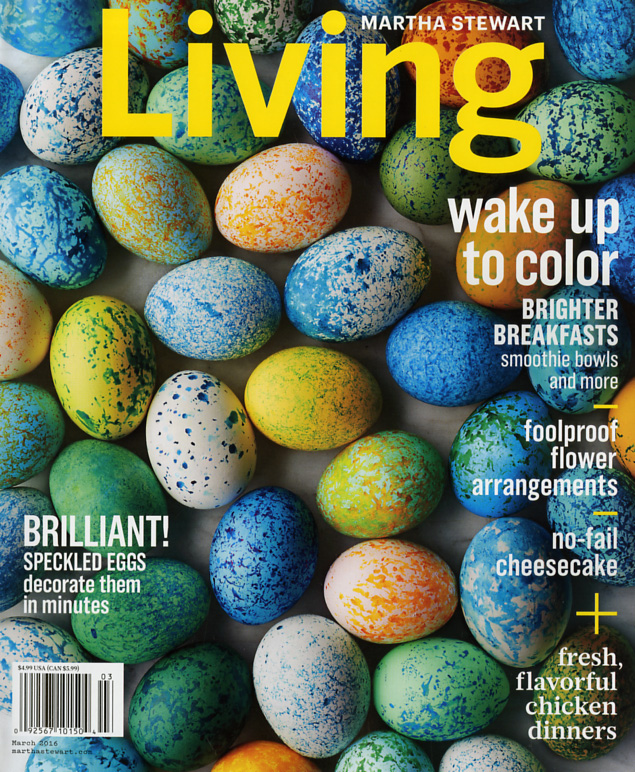
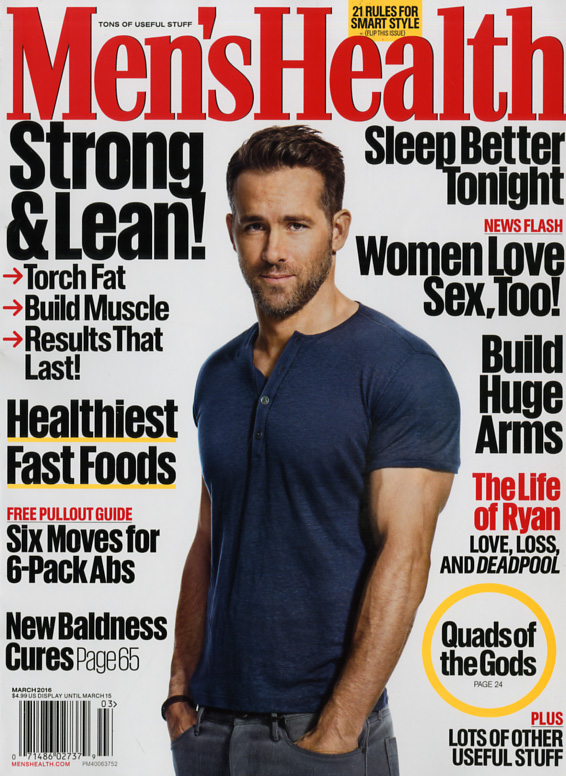
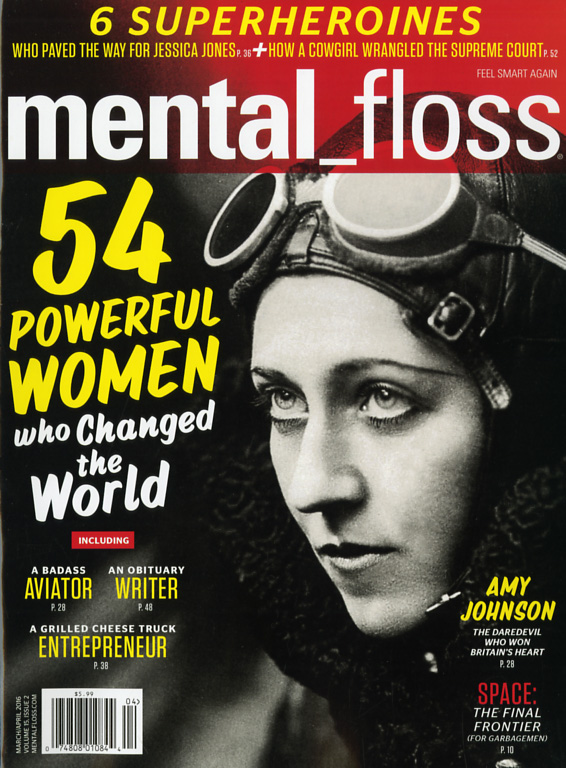
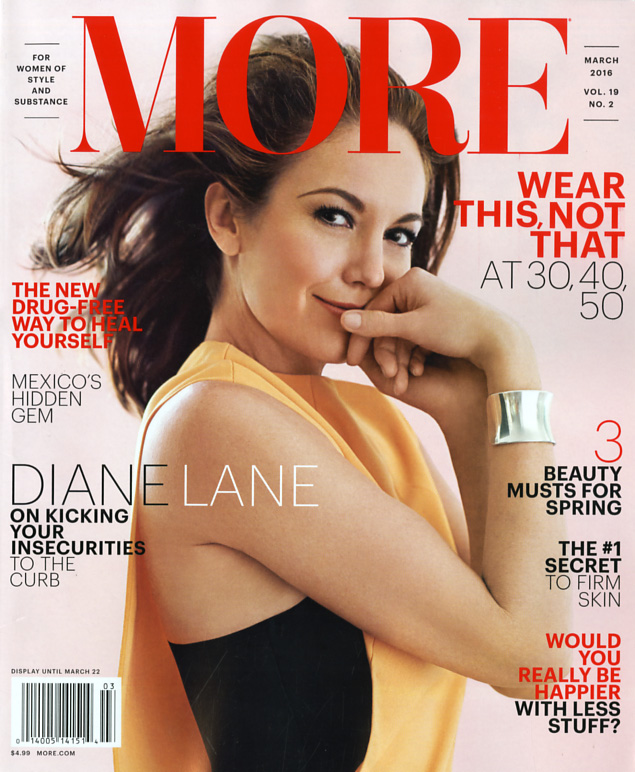
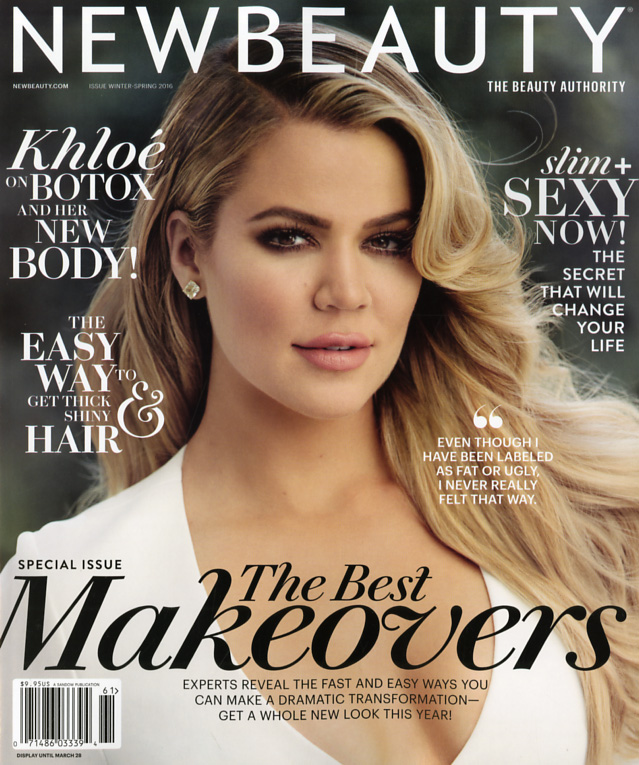
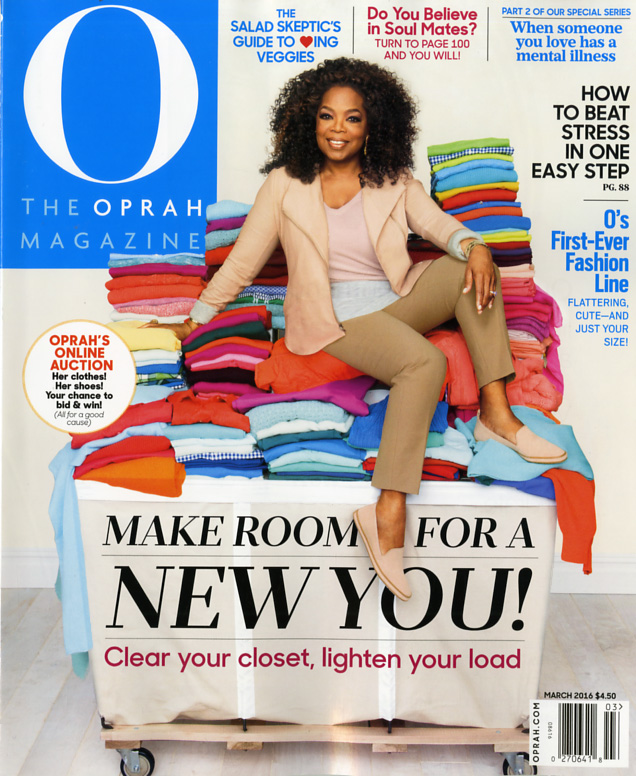
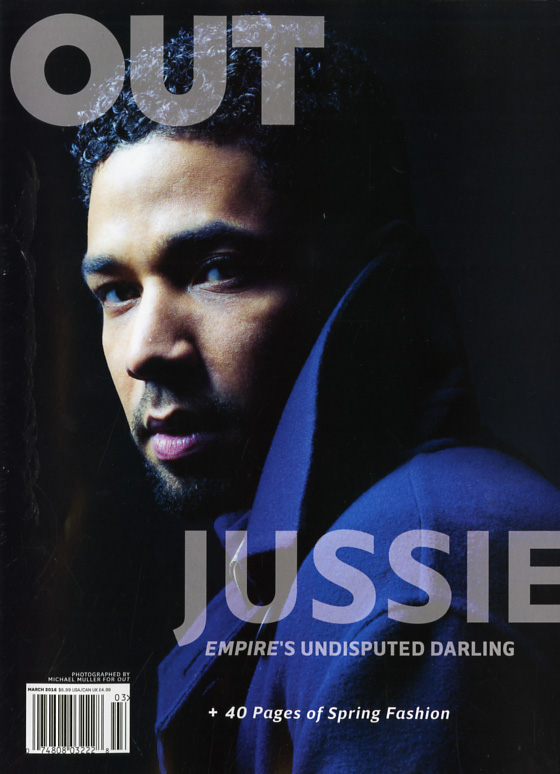
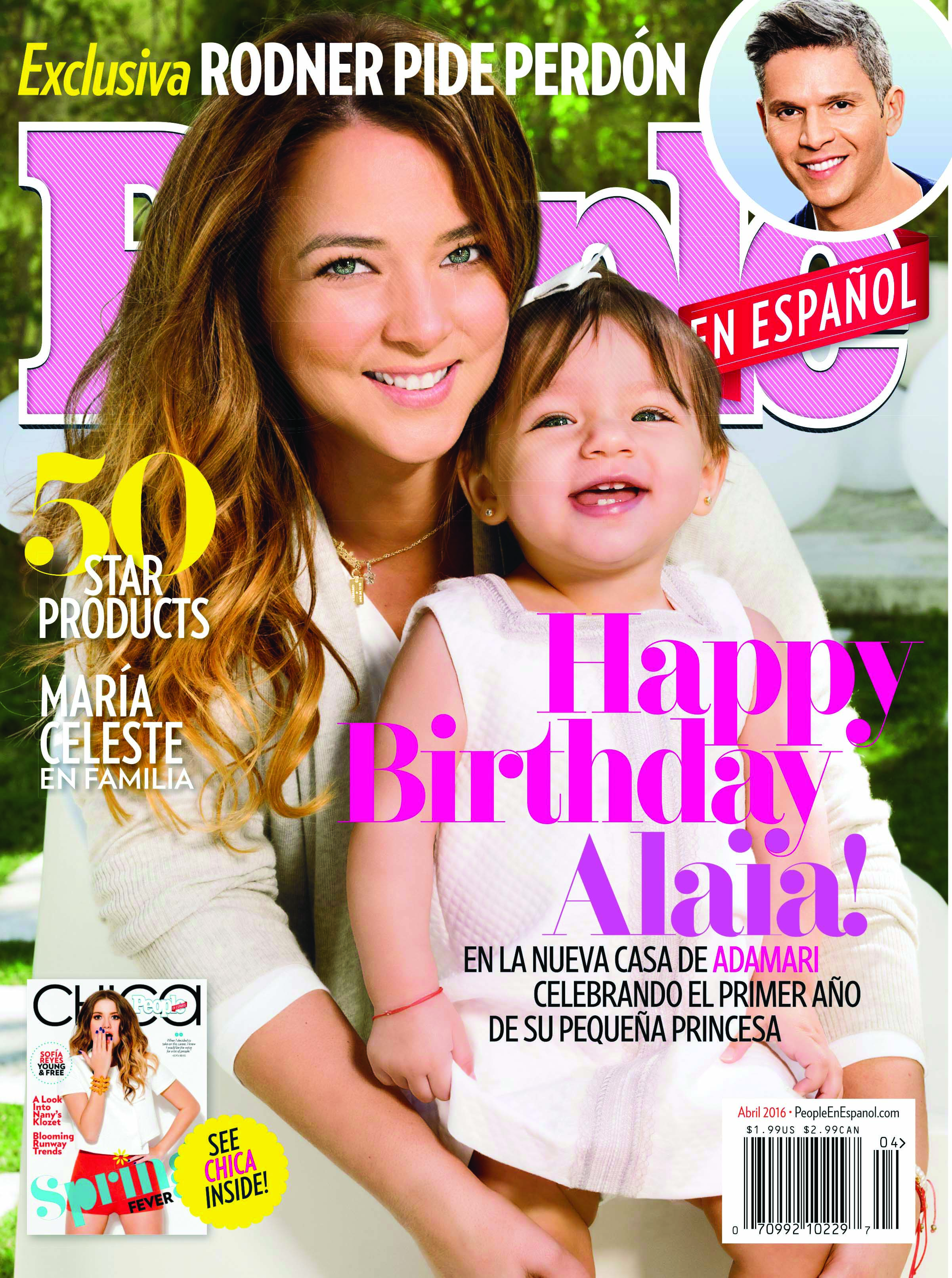
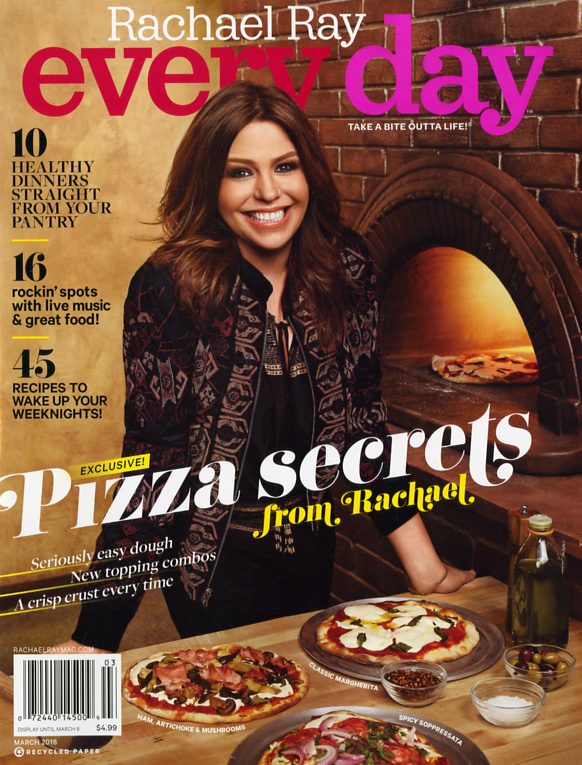
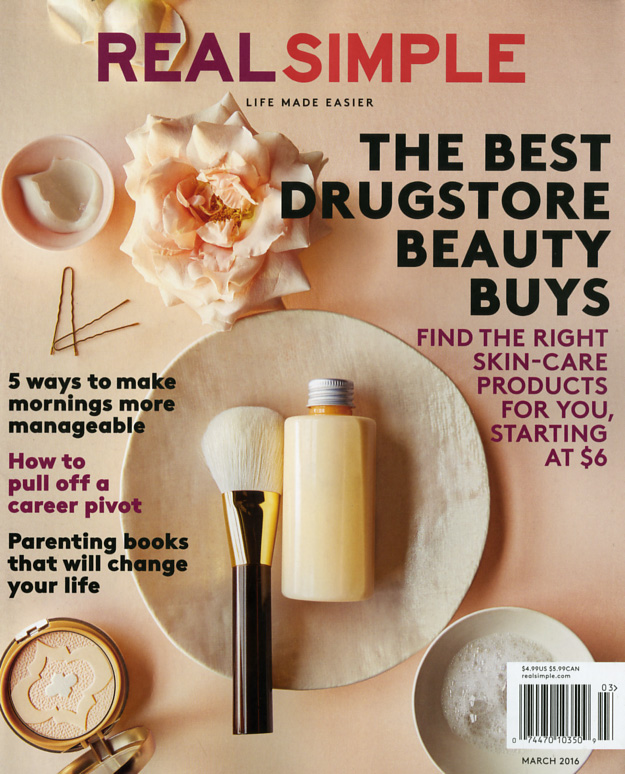
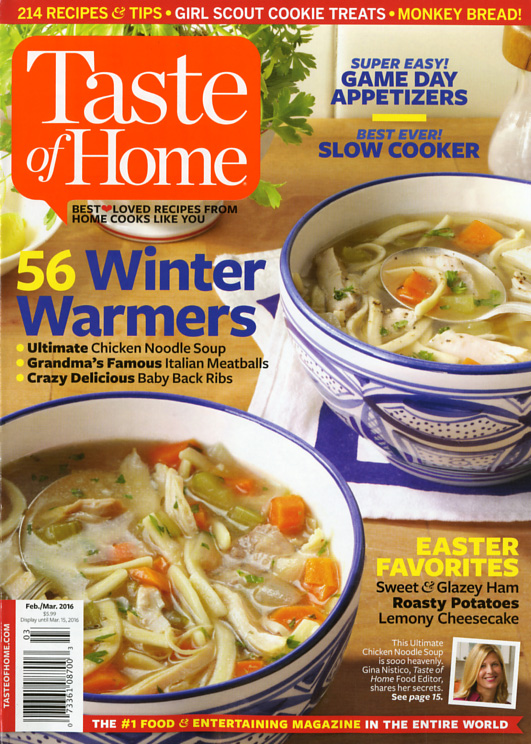
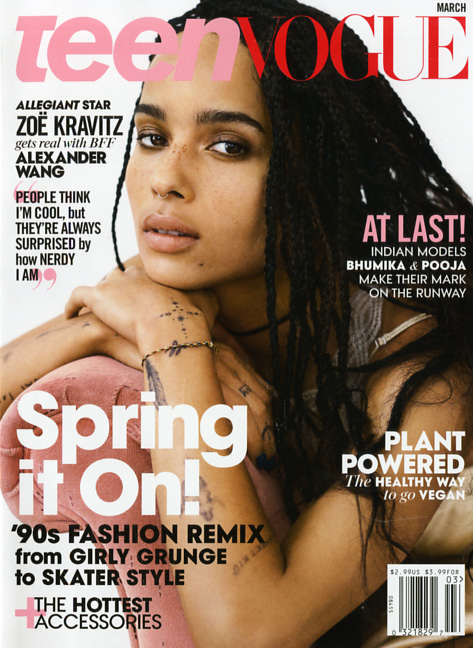
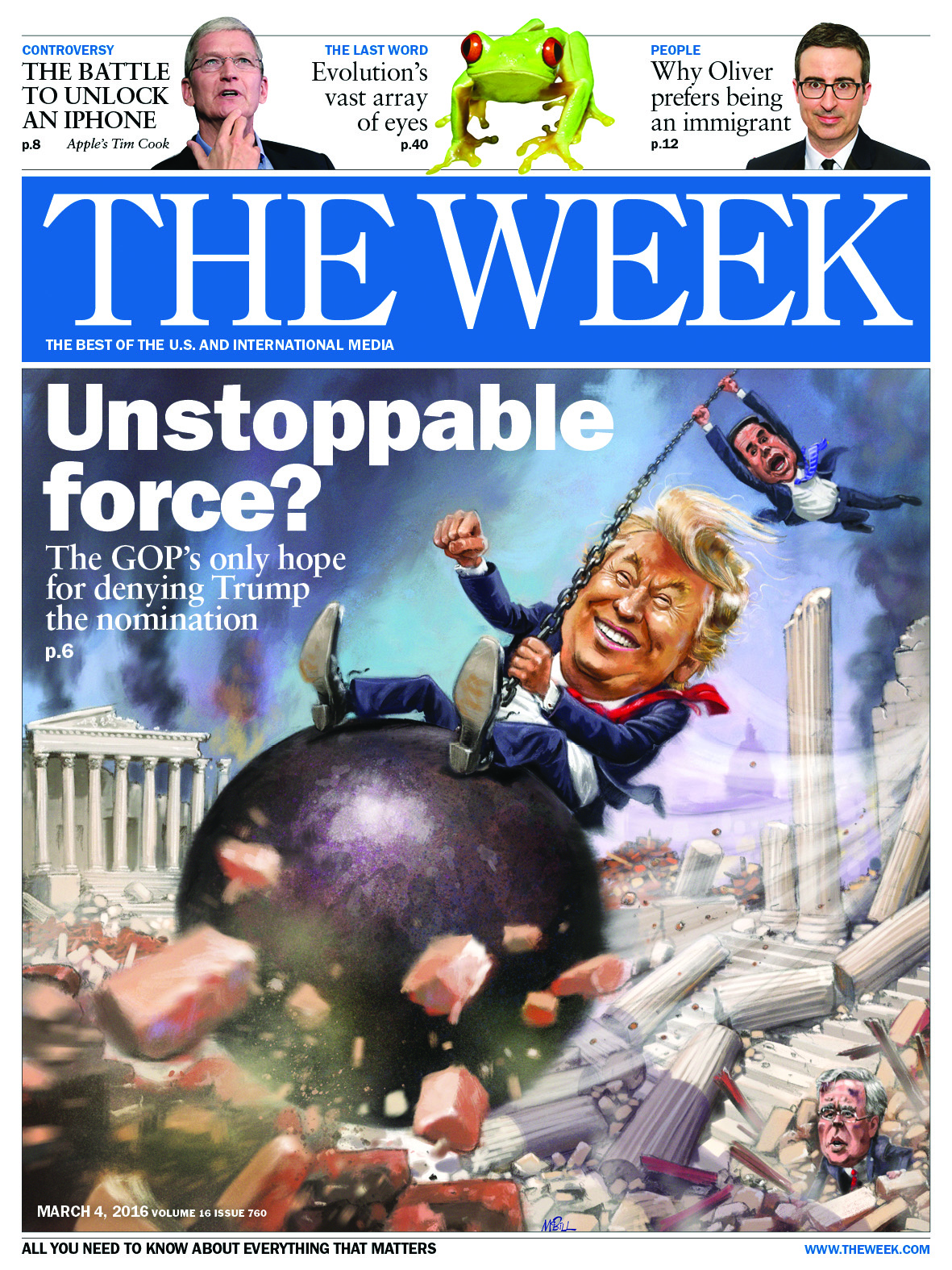
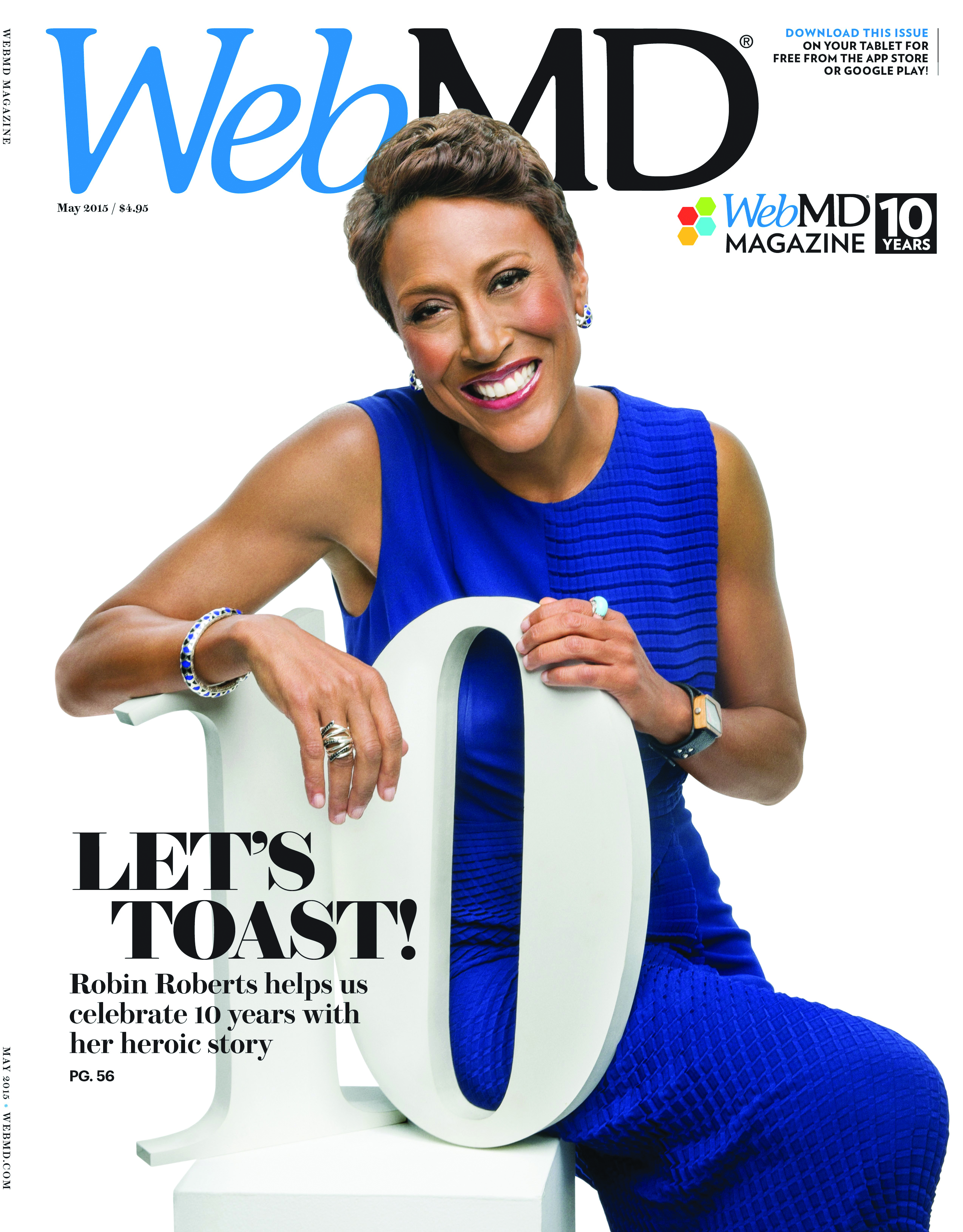
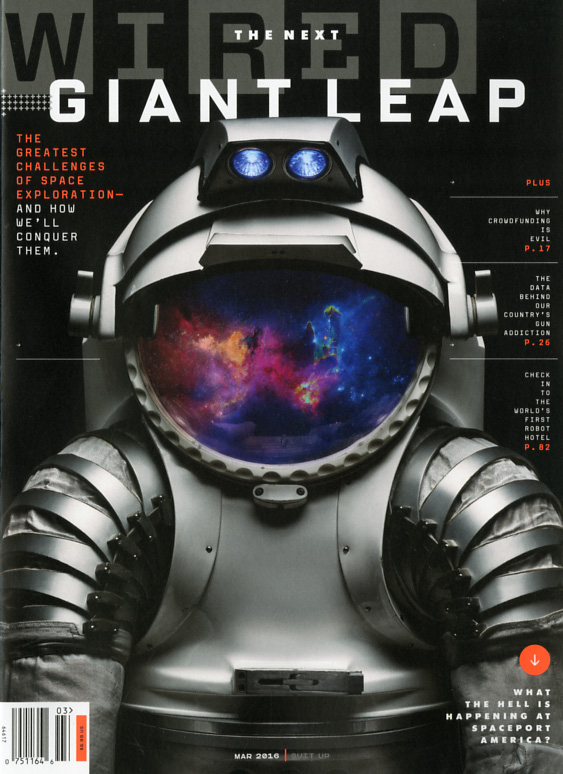
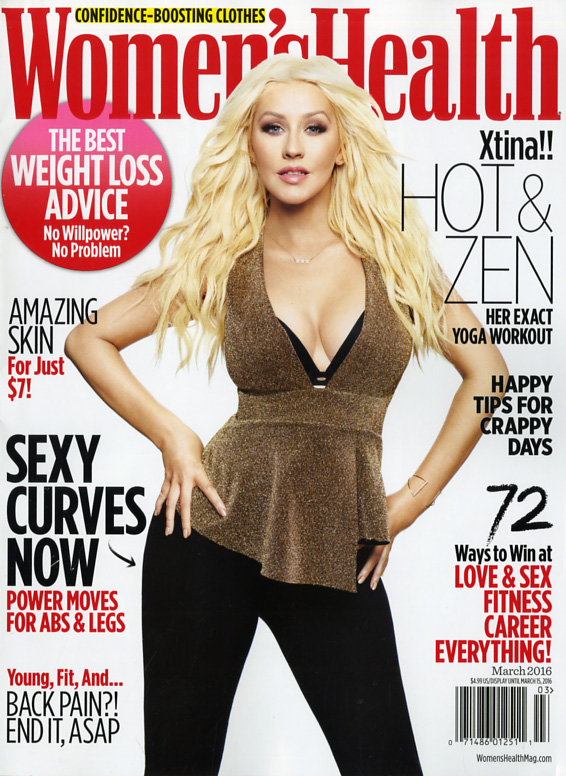
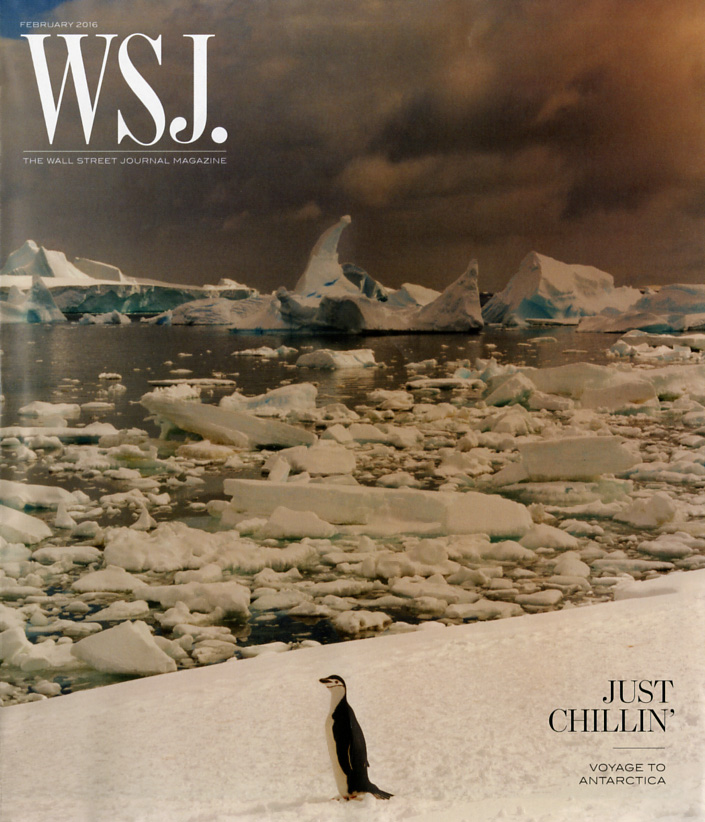

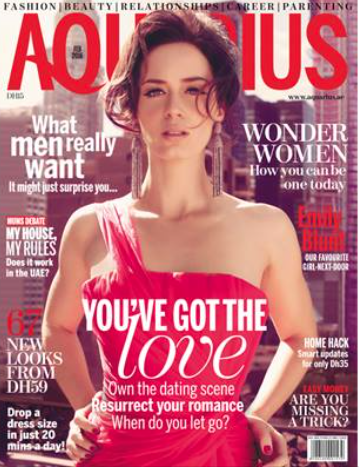
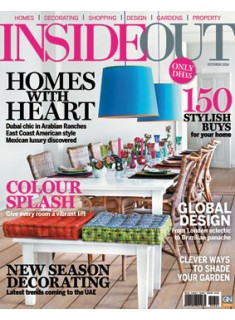
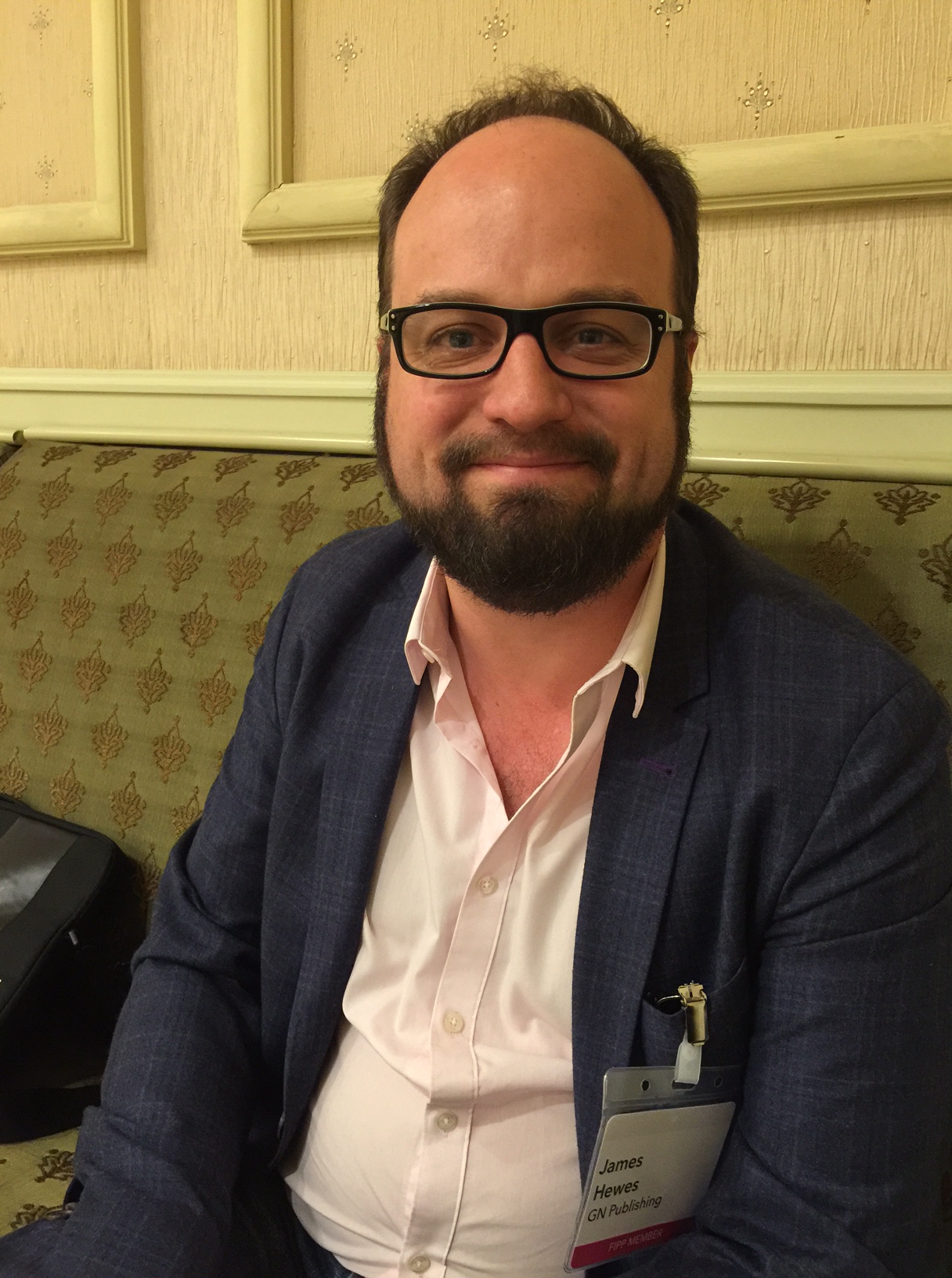
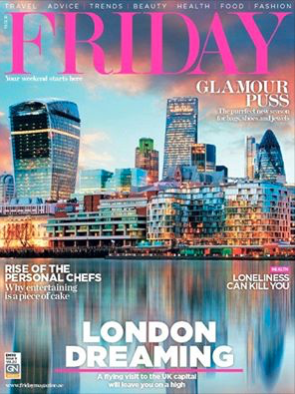
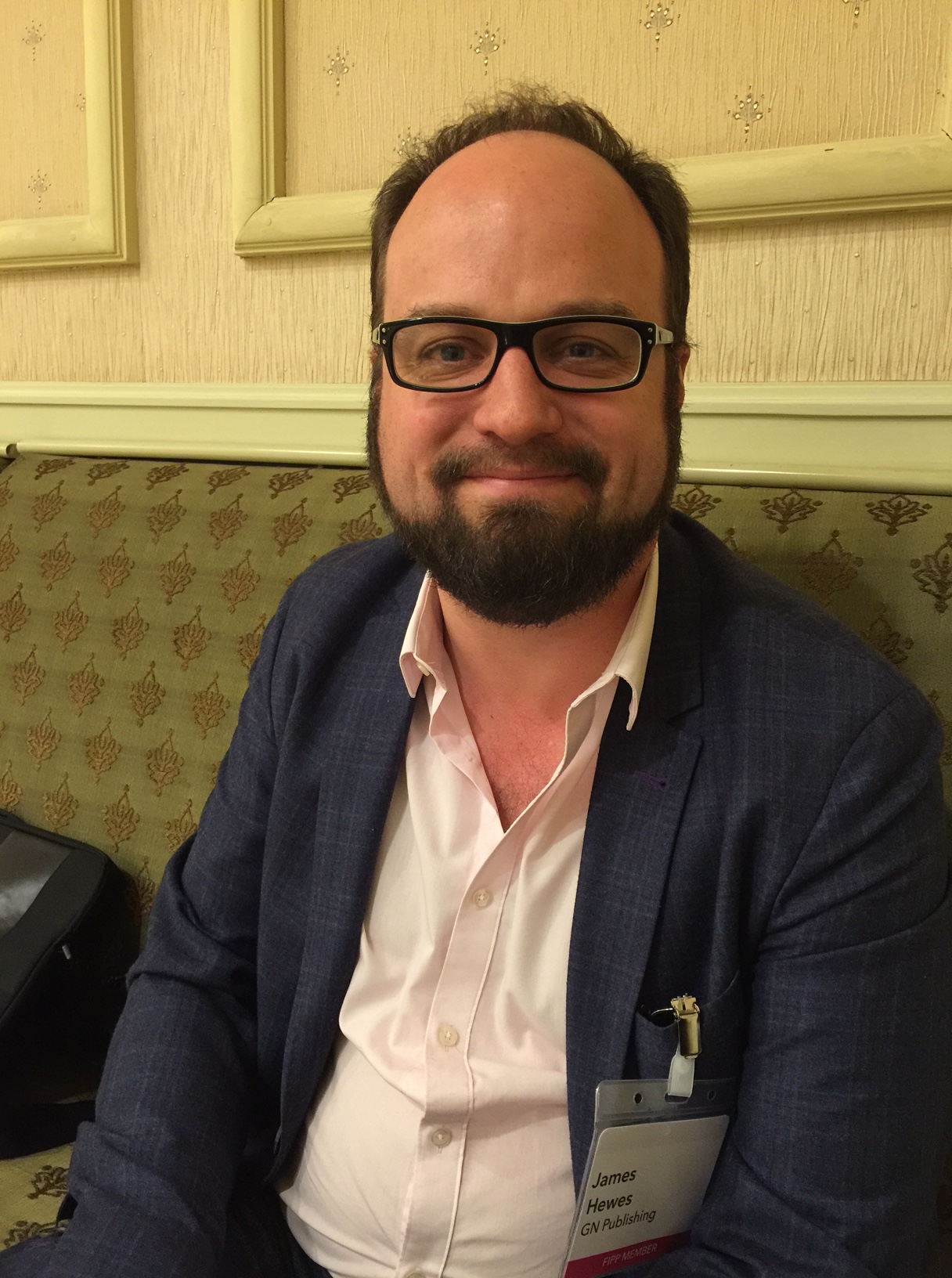
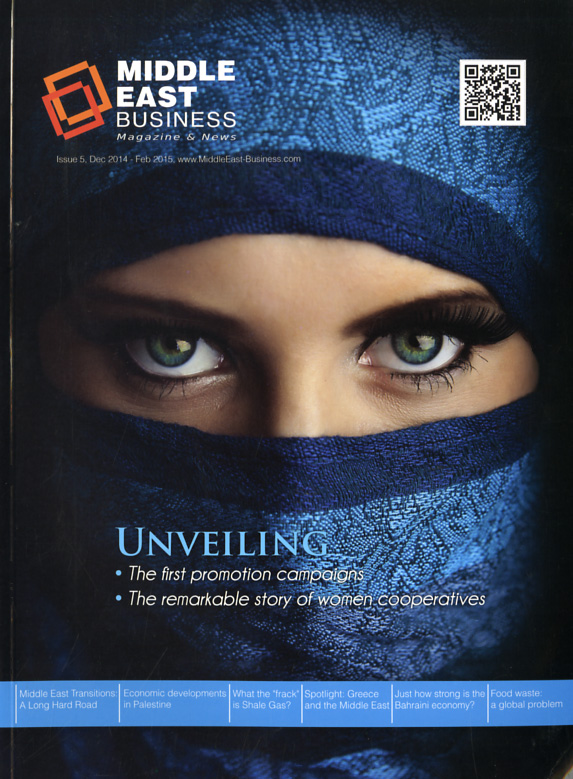
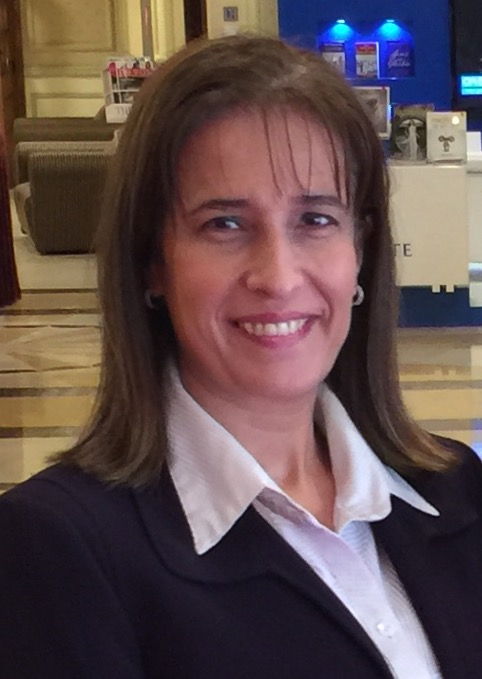
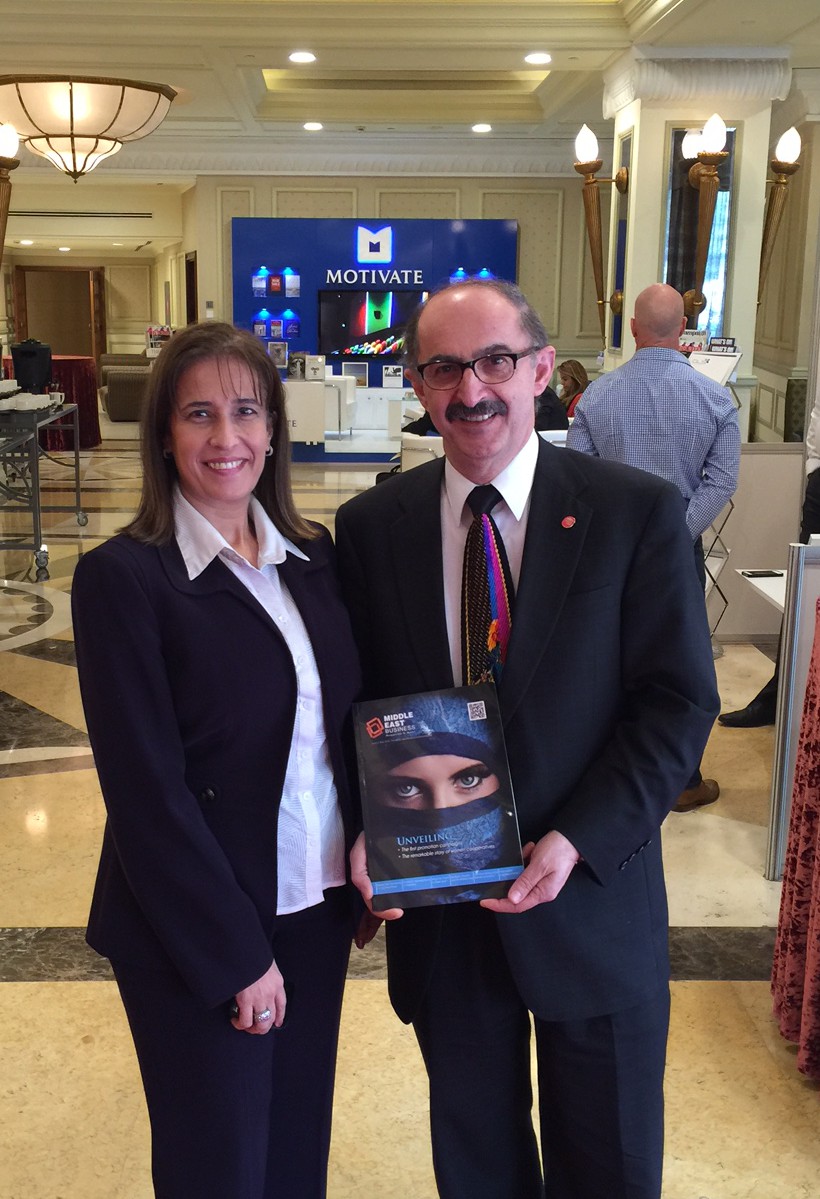
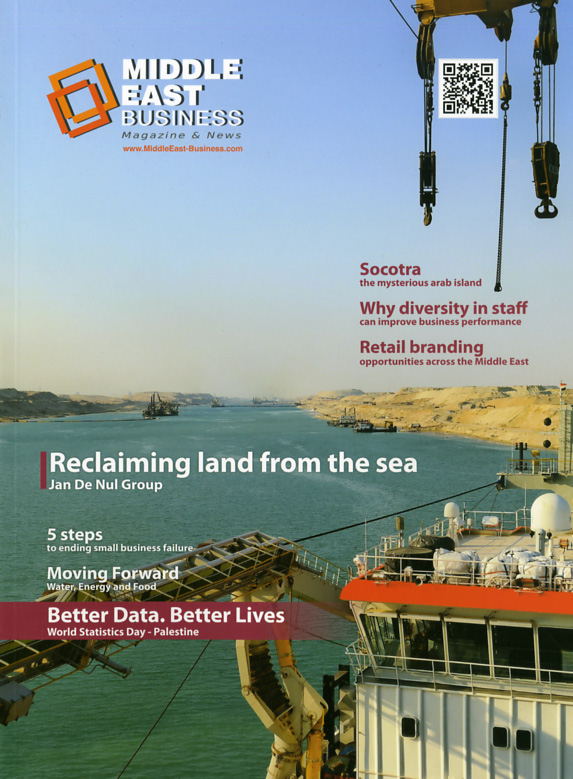
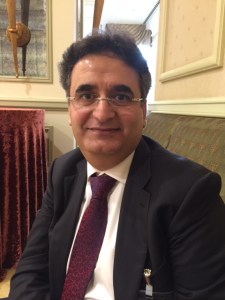 Mohammad Alomar is managing director of the company and leads his group, according to Mohammad, like a maestro guides his orchestra to the ultimate goal of bringing entertainment and joy to its audience. Mohammad has been in journalism and publishing media for more than 20 years as an editor-in-chief of many magazines, among them Robb Report Arabia, the Arabic edition for the luxury Robb Report magazine.
 On his mission to bring the top 50 magazines in the world to the Arab region and on how he identifies the top 50: We did our exercise very well. We started in the markets in the Western world. In the lifestyle category, we asked ourselves what we wanted. We talked with Condé Nast and I’m a very big fan of Vanity Fair. And we knew we also needed something for mother and child; is there one? We wanted something with interior design and indoor lifestyle, like Better Homes and Gardens.
 On his opinion of the future of print: The future we believe in. Everyone has a TV, but it did not destroy the legacy of radio. These are media and media are pipes. The biggest challenge is readers and what they want. If they want apples, then you need to invest in apples. If they would like to have apricots, invest in apricots. We believe and this is the most important thing, digital expanded our reach, it didn’t threaten our circulation at all.
 Mohammad Alomar: The Saudi Specialized Publishing Company was established in 2006 out of the idea that we are the largest in the market, but after reviewing the kind of changes that the market would be facing in the next few years in publishing when it came to newspapers and magazines we began to think about special publishing targeting a special audience because the market was fragmented and cemented.
 Mohammad Alomar: We did our exercise very well. We started in the markets in the Western world. In the lifestyle category, we asked ourselves what we wanted. We talked with Condé Nast and I’m a very big fan of Vanity Fair. And we knew we also needed something for mother and child; is there one? We wanted something with interior design and indoor lifestyle, like Better Homes and Gardens.
 Mohammad Alomar: It hasn’t been smooth sailing always. Building something new, you always encounter challenges, and encountering sometimes, some regulations that will not allow you to fly higher. Sometimes even in big organizations you have corporate politics, but I consider myself lucky enough that I was supported big time by my CEO and we’re friends. He told me one day when we met for the first time, we spoke about the concept of specialized publishing, he told me to consider my dreams. He said that was my job description, to fulfill my dreams here. And we did that.
 Mohammad Alomar: We do believe strongly in print. We do not think at all that print is dying or has already died, because I am doing the kind of business like Condé Nast International is doing. They are doing Madame Magazine for Air France; they are doing the same for BMW and Mercedes. We are doing this sector in print and we are making a lot of profit. And we know the market and we know that millennials are not on digital devices all the time. They know Vogue and Marie Claire. They know this magazine and that magazine and they’re bringing these beautiful things to their tables.