Archive for the ‘Magazine Power’ Category

h1

Reflections And Random Thoughts Of A Long Hot Magazine Summer…

July 16, 2016

A Mr. Magazine™ Musing… On Sports Illustrated, Cosmopolitan, Guns & Ammo Sniper, Vanity Fair Classics, And Ladies’ Home Journal.

In Mississippi where I live, we have extremely long, hot, humid summers – sweltering, in fact. So, what better time to grab some magazines and get contemplative? Of course, in Mr. Magazine’s™ realm of existence, it’s always a good time to grab a magazine – for any reason.

Summer 2016 has certainly proven to be an interesting and speculative season so far in the world of magazine media.

Sports Illutrated PP After much publicity and talk about the Caitlyn Jenner, Sports Illustrated cover for their special summer double issue on “Where Are They Now?” I was surprised to walk into my local Kroger Supermarket and find Ken Griffey, Jr. on the cover of the magazine instead of Caitlyn Jenner. Of course, after I picked up the magazine and looked inside, it mentioned on the table of contents that there were two covers.

But what stunned me more than anything else and made me quite pensive was why did they decide to do a split cover on such a trending cover? Did they assume that many of the newsstands wouldn’t welcome a Caitlyn Jenner front-and-center or didn’t they trust in the cover enough to sell the desired issues with the Sports Illustrated audience?

Needless to say, when I went to the closest Barnes & Noble, I found the Caitlyn Jenner cover. Maybe they’re just testing the waters, but after the huge increase in sales for Vanity Fair when they used Caitlyn Jenner on their cover, I was really surprised the powers-that-be at Sports Illustrated decided to split the SI cover. But Vanity Fair’s audience isn’t the same as a Sports Illustrated audience, that is a given. However, I felt that I would be remiss as a connoisseur of everything “magazine” if I didn’t at least call attention to the fact that as I’ve always said the magazine cover is a powerful tool. It can affect people in many different ways and must be used with care. And obviously, the folks at Sports Illustrated would agree.

CosmoCosmopolitan has been taking the word “sex” out of subscribers’ covers for quite some time, but leaving it on the newsstand editions, which boggles the brain of Mr. Magazine™. I mean, do we, the readers, really not know what Cosmo contains, whether subscriber or newsstand connoisseur? And maybe it’s because subscribers know what the magazine is all about that they don’t feel the need to mention the word sex on the cover of their issue. After all, it’s newsstand buyers’ attention that’s at stake when your magazine is propped up against an army of others who are also jostling and elbowing for consumer recognition. But are we thinking for our customers again? Are we forgetting that content is worth much more than shock value?

But I’m just musing here, remember.

It’s amazing the play on words used when it comes to cover lines on each magazine, the comparison of “look at this issue and look at that issue” of the August editions of Cosmo. The subscriber cover reads: “So Hot! How to Keep the Flame Alive,” but the newsstand cover fairly shouts: Gold Medal Sex – How to Cross the Finish Line Together!” Even the exclamation points are in different locations for dramatic effect.

In doing this, we assume that all newsstand buyers are impulse shoppers, but that’s simply not the case. In reality, a lot of newsstand consumers, based on my own studies and on research done by other professionals; many consumers buy habitually from newsstands because they choose not to subscribe. And they also carefully peruse many titles before selecting the ones they want. Many don’t know the meaning of the word “impulse.”

SniperSniper edI also picked up a copy of Guns & Ammo’s Sniper magazine and immediately fell in love with the editorial. “Imitation is the Sincerest Form of Flattery. It’s Also The Most Annoying.” Sniper Editor, Tom Beckstrand, points his finger at a copycat title that hit a bit too close to home and wrote about it in his Letter from the Editor note in the recent issue. It was a joy to read and also really hit the nail on the head when it comes to the business of imitation. While it’s not uncommon to “copy” the look and ideas of one title to a new one; it’s very uncommon for the copycat to look exactly the same, right down to using a similar font (as Editor Beckstrand points out in his editorial). And then when the mirror image comes out several weeks ahead of the original in an attempt to fool readers…well, that’s certainly questionable, to say the least . But Beckstrand handles the entire debacle with aplomb and grace, as only an original can. Kudos to the real Sniper.

Vanity Fair ClassicsOn a positive note, in a nearby bookstore I found the first issue of the French Vanity Fair Classics and it is amazing. I was bowled over by everything about the magazine, the design, the feel, the look, and the content, which I had to deputize my wife, who speaks French, to read and translate for me. It’s a great magazine and I know that Vanity Fair is trying to do similar things here in America with Vanity Fair Icons, but Vanity Fair Classics is definitely a keeper. It was worth every penny of the $16.90 that I paid for it.

Ladies Home Journal 1And last, but certainly not least; I was browsing the magazines at my local store and was pleasantly stunned to see the new design of Ladies’ Home Journal in the latest issue. The content and the presentation were wonderful. My first reaction was: why didn’t they do this before? Could the change in the content and the change in direction have kept them publishing on a regular, monthly basis?

But my musings do not dwell in the past. I will say this issue of Ladies’ Home Journal is one of the best that I’ve seen in a long time. And hopefully, as more magazines are rediscovering print and rediscovering frequency, and rediscovering the way content in print should be, the lessons learned will ring true for many decades to come.

Until next time…

Mr. Magazine™ suggests you grab a magazine and get contemplative – you never know what you might discern…

h1

Food Mexico And Me & Food Acapulco: Two Magazines Launched South Of the Border By An American With A Strong Determination And A Fierce Passion For Entrepreneurship – The Mr. Magazine™ Interview With Executive Editor Kenneth Isom Barnes

July 14, 2016

“I think in Mexico it would be very difficult to exist without a print edition for a magazine, mainly because much of Latin America is still a very tactile society. Credibility really depends on being able to show something, so being taken seriously by advertisers, by media partners, by writers, does require a print version.” Kenneth Isom Barnes

Food Mexico Accepting an invitation to experience Mexico with a friend who lives there is not the most typical of ways to start two magazines in another country; in fact, some might call it atypical. And in some cases, complete craziness. But to those passionate dreamers and risk takers we all know as entrepreneurs, it’s just another day inside their heads.

Kenneth Barnes is one young man whose motto of “make life beautiful wherever you are” would probably be one of the biggest catalysts that caused him to stay in Mexico after that initial visit and launch two gorgeous food magazines. And living with regrets should he not have followed his heart would probably be the other propeller that carried him straight into his seeming destiny.

I spoke with Kenneth recently and we talked about his early life and then his eventual magazine life. He’s a man who has known responsibility, having cared for his grandmother until her death when both of his parents died within weeks of each other. And he’s a man who believes in taking chances and then working hard to make the most of any opportunities that might come his way.

With Food Mexico and Me and Food Acapulco, he’s achieved what some might call two impossibilities, having seen quite a bit of success with the two magazines in just a little over three years. Just goes to show that with hard work and a passionate spirit about what you’re doing, a person can capture their dreams and run with them. Or in Kenneth’s case; stay put with them and build them into a Mexican brand.

I hope that you enjoy this inspirational story of a man who believes you can make your life beautiful and successful no matter your environment, even if you’re carving your niche in unfamiliar surroundings. And now the Mr. Magazine™ interview with Kenneth Barnes, Executive Editor, Food Mexico and Me and Food Acapulco.

But first the sound-bites:

0392_PSHPOn why he’s thinks the environment in Mexico is much more open to new magazines and ideas than the United States: I think that magazines are still important in Mexico and print media is also very important here. The United States has a lot more digital media than Mexico. But the Mexican media tends to be more flexible in that there are more opportunities to enter and even though there are some very large companies that are in the magazine business, smaller players do have a place to enter into the business.


On what gave him the idea to go to Mexico and launch his magazines: It’s sort of a complex story. I was in my 20s and both of my parents died 13 days apart and I became the sole caregiver for my grandmother. A few years later she died and a friend of mine who was Mexican and was going back to Mexico to spend time with his family suggested that I come with him and visit Mexico. So, when I went to Mexico, I eventually got my Visa and a job. And after a few years in late 2012, I was thinking that maybe I should choose a new city to live in. I lived in Acapulco, which is a very challenging city right now, and it came to me that if I don’t make where I am beautiful, I can go all over the world and I’ll have the same troubles after six months or a year. So, I decided one way that I could do that was to do something constructive. And that’s when I came up with the idea of Food Acapulco, merging the idea of the international culinary assets, local culinary assets, and some interviews, in a print format. And it was picked up by Wal-Mart within the local region and it sold extraordinarily well.


On his next magazine launch, Food Mexico and Me in both English and Spanish: Yes, it was launched in English and Spanish. We got the contract to test market our magazine in Manhattan, so that’s why we did an English version of it as well.


food-mexico-meOn the positive and negative things he’s learned from his Mexican experience launching magazines: On the positive side I’ve learned that in Mexico people will at least listen to you, they will at least hear you out, which is something that you don’t really have in the United States. Try to get a deal with CBS or Comcast and it would be nearly impossible, where in Mexico, whether it’s a large advertiser or a distributor or retailers; you can be heard. As far as the negatives, I think that the negatives in Mexico are very similar to other countries in that print is a challenging market because there is so many other media formats, in particular the Internet.


On whether he thinks he could exist without the print component of his brand: I think in Mexico it would be very difficult to exist without a print edition for a magazine, mainly because much of Latin America is still a very tactile society. Credibility really depends on being able to show something, so being taken seriously by advertisers, by media partners, by writers, does require a print version.


On whether he’s had any backlash from the Mexican audience since he’s a United States citizen basically telling them how to cook and eat their own food: No, absolutely no backlash. In fact, there has only been a very welcoming environment. You have to remember that a lot of Mexican media already is dominated by foreign corporations. For example, Mexicans love Hollywood movies.


On the magazines’ future: The future for the magazine is that I want to increase the frequency as well as increase the way that we reach out to consumers. The Mexican media market is becoming more fractured over time, so we’re using our magazines as a way to build our initial brand and our initial business.


On any upcoming plans for the brand: We’re consistently talking to partners about helping us to launch new magazines, to sponsor new advertising in our magazines, to do promotional projects outside of the traditional print realm.


On anything else that he’d like to add: Mexico is a very aspirational market. Many people are really seeking to improve themselves and improve themselves many times by the items that they consume. That means that you have to advertise in the market to a Mexican consumer in a slightly different way than you would to an American, German or a Japanese consumer, which are countries where people have traditionally for generations more wealth.


On what someone would find him doing if they showed up unexpectedly one evening at his home: Usually what I do is a lot of research about Mexican society and culture. Though not so much as what has been told, but the subtext. That helps me a lot in trying to craft messages for our magazine and in finding new opportunities which maybe larger companies in Mexico that print magazines aren’t looking at.


On what motivates him to get out of bed in the morning: What drives me is that Mexico is an open market where there are many large companies that dominate the industry, but very few startups. So, because of that it gives you an open field to reach out to all types of sources that may have never been reached out to before. Having that chance of being more or less an explorer, I find interesting.


On whether he has any plans to return to the United States: I would definitely consider coming back to the States in the future, but for the foreseeable future I’m going to be focusing on the Mexican media, whether it’s print or other media formats. But I have a lot of love for the United States and I have a lot of interest in American media as well; I’ll just see how things work out.


On what keeps him up at night: What keeps me up at night is just the idea or worry that I might miss an opportunity on any given day and then how am I going to make an opportunity for tomorrow?


And now the lightly edited transcript of the Mr. Magazine™ interview with Kenneth Barnes, Executive Editor, Food Acapulco & Food Mexico and Me.

Samir Husni: You have experience in the U.S. with media, but you’ve said that the environment in the United States was less flexible and open for new magazines or magazine ideas than in Mexico. Why do you think that it’s easier to publish in Mexico than here in the States?

Food Acapulco 1Kenneth Barnes: I think that magazines are still important in Mexico and print media is also very important here. The United States has a lot more digital media than Mexico.


But the Mexican media tends to be more flexible in that there are more opportunities to enter and even though there are some very large companies that are in the magazine business, smaller players do have a place to enter into the business.

Now, granted, it depends on the genre. Are you a celebrity magazine; a history magazine; a food magazine, and so on, but we’ve found in the food space it’s been very open and welcoming. And I know from my friends and colleagues that starting magazines in the U.S. can be quite challenging.

Samir Husni: Where are you originally from?

Kenneth Barnes: I grew up for most of my life in North Carolina, but lived a few other places as well. I also went to Duke University there as well.

Samir Husni: What gave you the idea to go to Mexico and launch your magazines?

Kenneth Barnes: It’s sort of a complex story. I was in my 20s and both of my parents died 13 days apart and I became the sole caregiver for my grandmother. A few years later she died and a friend of mine who was Mexican and was going back to Mexico to spend time with his family suggested that I come with him and visit Mexico.

And eventually when I told my other friends and family about that; I thought they would tell me that I was being crazy for even considering it, but everyone encouraged me to go. So, when I went to Mexico, I eventually got my Visa and a job.

And after a few years in late 2012, I was thinking that maybe I should choose a new city to live in. I lived in Acapulco, which is a very challenging city right now, and it came to me that if I don’t make where I am beautiful, I can go all over the world and I’ll have the same troubles after six months or a year.

So, I decided one way that I could do that was to do something constructive. And that’s when I came up with the idea of Food Acapulco, merging the idea of the international culinary assets, local culinary assets, and some interviews, in a print format. And it was picked up by Wal-Mart within the local region and it sold extraordinarily well.

After that, we were able to, with our second issue; place it in Sanborns, which is where the dominant retail companies sell books and magazines in Mexico. And then this past December we made a deal with Televisa, which owns the largest magazine distributors here in Mexico, and they’ve been great to work with.

It’s been a progression in my experience, and I sort of fell into the magazine projects more so than starting out with a particular plan to move to Mexico and make a magazine. It was more of a personal journey of being constructive and productive wherever I was in the world.

Samir Husni: After Food Acapulco, you launched Food Mexico and Me, both in Spanish and English.

Kenneth Barnes: Yes, it was launched in English and Spanish. We got the contract to test market our magazine in Manhattan, so that’s why we did an English version of it as well.

Samir Husni: And are you still doing Food Acapulco or just Food Mexico and Me?

Kenneth Barnes: We’re primarily doing Food Mexico and Me, but we do have a new issue of Food Acapulco coming out later this year.

Samir Husni: You’ve been doing this for over three years now; how would you evaluate your experience? Would you encourage more people to come from the States to Mexico to launch a magazine? What lessons have you learned, both positive and negative?

Food Acapulco 2Kenneth Barnes: On the positive side I’ve learned that in Mexico people will at least listen to you, they will at least hear you out, which is something that you don’t really have in the United States. Try to get a deal with CBS or Comcast and it would be nearly impossible, where in Mexico, whether it’s a large advertiser or a distributor or retailers; you can be heard. And that doesn’t always mean there’s a positive conclusion, but what it does mean is that you have a chance to at least have an audience, which may lead to something.

I think that’s the biggest positive that I find in the Mexican market, as well as a general sense of people being flexible to new ideas. So, there is no road block to people saying we’ve been doing this for 50 years; we’re not going to change, which sometimes happens in other countries.

As far as the negatives, I think that the negatives in Mexico are very similar to other countries in that print is a challenging market because there is so many other media formats, in particular the Internet. I think there’s also a tendency in the Mexican market to be more television-dominant than print-dominant, so that also becomes a challenge as well.

Samir Husni: When you look at the print magazines and when you look at Food Mexico and Me, and Food Acapulco, what’s unique about the print edition and do you think that you could exist without the print component?

Kenneth Barnes: I think in Mexico it would be very difficult to exist without a print edition for a magazine, mainly because much of Latin America is still a very tactile society. Credibility really depends on being able to show something, so being taken seriously by advertisers, by media partners, by writers, does require a print version.

I think what also makes our print version unique is that there are ways that we can exhibit content to a Mexican audience that’s unique to print and that doesn’t always translate well into the digital format. The Mexican audience can be quite sophisticated, those people who buy magazines, so you can really go on a much more in depth level than the typical “30 Ways to Lose Weight in 30 Days” type thing.

 Samir Husni: Have you had any backlash from your Mexican audience, considering it’s a United States citizen telling them how to cook and eat their own food?

Kenneth Barnes: No, absolutely no backlash. In fact, there has only been a very welcoming environment. You have to remember that a lot of Mexican media already is dominated by foreign corporations. For example, Mexicans love Hollywood movies.

In my particular case, we do a lot of international food, as well as Mexican food, and I think what has helped me was my first year in Acapulco I lived with a Mexican family. So, I was able to deeply understand the psyche of Mexicans and what they find acceptable and unacceptable. And in general, Mexicans are warm and pleasant people and they’re open to new ideas and new concepts. This isn’t a society where people will just shun something because it’s different.

Samir Husni: Where are you living now, Mexico City?

Kenneth Barnes: Yes, in Mexico City.

Samir Husni: What’s the future for you? Are you going to increase the frequency of those magazines; are you making a living from those magazines; or do you still feel as though you’re a tourist there?

Kenneth Barnes: I think in Mexico you always feel like a tourist at times. The future for the magazine is that I want to increase the frequency as well as increase the way that we reach out to consumers. The Mexican media market is becoming more fractured over time, so we’re using our magazines as a way to build our initial brand and our initial business.

And then go forward into areas of increasing our social media outreach, our audience outreach, our online outreach, as well as branching out into new mediums, such as television, films, radio; just the many ways that we can reach a larger segment of the Mexican population that don’t always have the time to read a magazine.

As far as income, the magazine has generated income, but definitely not enough that I would say that I have “arrived.” It’s an ongoing process, but we have a lot of positive things coming up in the future, which I’m optimistic about.

Samir Husni: Such as?

Kenneth Barnes: We’re consistently talking to partners about helping us to launch new magazines, to sponsor new advertising in our magazines, to do promotional projects outside of the traditional print realm.

We also have plans to eventually do something in video here in Mexico, relating to recipes, food culture, things of that nature. But that’s really been my direction. I’ve received enough positive feedback, both from a financial and market standpoint, it has led me to continue the process for three years and to be optimistic for the future.

Samir Husni: Is there anything else that you’d like to add?

Kenneth Barnes: There are two things that I’d like to say. First, that Mexico is a very aspirational market. Many people are really seeking to improve themselves and improve themselves many times by the items that they consume. That means that you have to advertise in the market to a Mexican consumer in a slightly different way than you would to an American, German or a Japanese consumer, which are countries where people have traditionally for generations more wealth.

The second thing that I would say is that the Mexican consumer’s mind isn’t always transparent, it can be opaque, so what people may say they want and what they actually want can be different. So it’s important to have really good people on the ground to help you navigate the marketplace. In my case, I have a really great team of people who help me, both Mexicans and internationals here in the country. And that helps us not only do market research, but to get all of the paperwork required to get our magazines done, find great partners, advertisers and distributors. Those are the two things that I’d like to add.

Samir Husni: If I showed up unexpectedly one evening at your home, what would I find you doing; reading a magazine, reading on your iPad, watching television, or something else?

Kenneth Barnes: Usually what I do is a lot of research about Mexican society and culture. Though not so much as what has been told, but the subtext. That helps me a lot in trying to craft messages for our magazine and in finding new opportunities which maybe larger companies in Mexico that print magazines aren’t looking at. That’s what I spend a lot of my time doing.

Samir Husni: What motivates you to get out of bed in the morning?

Kenneth Barnes: What drives me is that Mexico is an open market where there are many large companies that dominate the industry, but very few startups. So, because of that it gives you an open field to reach out to all types of sources that may have never been reached out to before. Having that chance of being more or less an explorer, I find interesting.

Samir Husni: Any plan to come back to the United States or Mexico is home now?

Kenneth Barnes: I would definitely consider coming back to the States in the future, but for the foreseeable future I’m going to be focusing on the Mexican media, whether it’s print or other media formats. But I have a lot of love for the United States and I have a lot of interest in American media as well; I’ll just see how things work out.

Samir Husni: My typical last question; what keeps you up at night?

Kenneth Barnes: In life, like my original point that I made earlier; you have to make life beautiful wherever you live. I don’t want to miss out on opportunities. I think that so many times in life we miss great opportunities to improve ourselves or the ones around us. And I don’t want to be that person who says I should have, I could have.

I started a magazine in Mexico, which may have been a kind of strange thing to do for someone who just came to the country to stay for a few months and then gets a job and starts a magazine, but I’m glad that I did it, instead of waiting and wondering my whole life if I should have.

And now that I’ve tried to make my life more beautiful where I am, I see that there are people who walk with you and help you along the way. So, it’s not as lonely or scary as you might think, if you’ll just start and make a five-year plan.

What keeps me up at night is just the idea or worry that I might miss an opportunity on any given day and then how am I going to make an opportunity for tomorrow?

 Samir Husni: Thank you.


h1

The “YouEconomy” According To Success Magazine: Take Control Of Your Time, Your Happiness & Your Money – The Mr. Magazine™ Interview With Jim McCabe, General Manager & Josh Ellis, Editor In Chief, Success Magazine

July 11, 2016

SM1608_YouEconomy_no_barcode“This is more of a general statement of how we look at print as part of our brand. We’re very, very happy to be in the magazine business and we look at the print product as a powerful opportunity for us to be able to put out issues like the “YouEconomy” issue with careful study of interesting issues that are effecting our readers lives in a way that only print can do it. And that is in a format that is long-form, and that people can spend time with and can share with others and that’s durable.” Jim McCabe


“You mention all of the different avenues that we have to put the good news about this out and express it to as many people as we can, but yes, the print magazine was the lead edge. That’s where we really wanted to plant the flag was with that identifiable cover that we have on the August issue.” (On the role of print versus all of the other platforms Success has) Josh Ellis


“That’s why for us as a magazine and a media brand that is targeted to people and that really wants to be partners with people as they journey to success; that’s why the print product is so important for us. It’s the place where we can have the longer form discussion; it’s durable and we have all of the avenues where people can continue that discussion socially and online and we give them day-to-day inspiration with those vehicles, but nothing can replace print as the durable place for a long-form discussion.” Jim McCabe


“The cover story alone is 6,000 words, and that’s just something that you don’t see online very much. People will not sit down for the hour that it takes to read a story that long and from the same website and keep scrolling and scrolling, but in print it’s an enjoyable read, because of things like layout and the feel of the paper. We thought it was so important for our readers to get the entire sense of what has developed in the “YouEconomy” that print is the perfect place to really make the announcement.” Josh Ellis


jimupdate

Jim McCabe

Take action and work for yourself in the “YouEconomy.” The upcoming August issue of Success magazine is sounding the trumpet and ushering in the concept/movement that could change people’s professional lives with a positive and affirming message that according to General Manager, Jim McCabe, is both naturally evolved and organically grown. Through the thought process that there are no limits or boundaries except the ones we set for ourselves, the “YouEconomy” and Success magazine will show us how we can free ourselves from all types of restrictive mindsets.


I spoke with Jim and editor in chief, Josh Ellis, recently and we talked about this incredibly liberating concept that a person can live and work basically anyway they choose when they decide to follow their passions and become engaged with their own agenda, instead of an employer’s. It’s a fascinating subject matter and definitely worth an expanded special issue of Success, which is what readers will get with the August issue. The magazine is devoting each and every feature, including the 6,000 word cover story, to the “YouEconomy” in some form or fashion. A must read for those ready to take control of their own professional destiny.


Josh Ellis

Josh Ellis

As Josh and Jim each brought their own passions and ideas to the table, the discussion was lively and informative with a hint of “You can do this too” behind every word. Of course, Mr. Magazine™ already subscribes to the “YouEconomy” with every new magazine that hits newsstands, as his passion would allow for nothing less. And the August issue of Success offers each of its readers the same opportunity to explore their own unique passions.


So, without further ado, I hope that you enjoy the Mr. Magazine™ interview with Jim McCabe, General Manager & Josh Ellis, Editor In Chief, Success Magazine.


But first the sound-bites:


On how the magazine’s team is being used to create the “YouEconomy” movement (Jim McCabe): It’s not necessarily that we’re creating a movement; it’s the sense that I think we’ve tapped into something that has naturally evolved, and that’s this sense that people are looking at their lives in a different way for a lot of different reasons.


On whether success today is easier or harder than ever (Jim McCabe): What we preach is that there is no universal definition of success. To each individual, success means something different. To some success is very traditional, it means what they can acquire: how big a house they have, how many cars they own, how they travel the world. To others success could mean something very different. Success could mean throwing themselves into charity work to be able to try and find a cure for a disease that’s affected a loved one.


Success 1On how the “YouEconomy” concept is captured within the pages of the magazine (Josh Ellis): It’s completely representative of what we’ve tried to make the magazine about for as long as I’ve been here. Some people sort of confuse it with something like Money or Fortune, but it hasn’t been that. It’s been a holistic definition of success.


On whether the “YouEconomy” humanizes success (Josh Ellis): I think so. As Jim touched on, there were a lot of old definitions and I think it can even go back as far as the Industrial Age. We had this old timey view of what success looked like, but really it’s an individual thing. And so much of what we do and why we settled on the “YouEconomy” name in fact was to make it individual for each person, because each person’s definition of success in this 21st century economic paradigm is really up to them.


On how you know when you’ve achieved success (Jim McCabe): That’s a very individual thing. But one thing that we talked a lot about in the magazine as one of the measurements is plain happiness. Are you satisfied with what you’re doing? Do you feel as though the work that you’re putting in is fairly compensated? And are you doing not only the things that you want to do professionally, but are you able to do the things that you want to do personally and developing as an individual to a place that you want to be?


On whether the “YouEconomy” formula is the same for everyone when it comes to achieving success and happiness (Jim McCabe): What I think is fascinating about the “You Economy” is that it’s cross generational. There are people in their 50s now who started their careers and were 100% sure they were going to be in corporate America for the rest of their lives and their biggest fear in life was always losing a job and not having an opportunity to earn income and then where that next job was coming from and what they were going to do. And then you also have the younger people, the millennials, who have just come out and have always looked at life differently and aren’t necessarily enamored with signing up with a company forever and having a boss tell them what to do. But the one universal thing that they all have now is immediate opportunity. The one thing that I think the “YouEconomy” eliminates is the unknown.


On whether the “YouEconomy” formula is the same for everyone when it comes to achieving success and happiness (Josh Ellis): With our research; we did a Harris Poll, with more than 2,000 adults, and we found that a third of Americans in the workforce have made money in this way within the last year and millennials are the biggest part of it. And so to your question about whether this is an avenue for just about everybody, I think that our research does support that.


On the role the print magazine plays in the “YouEconomy” concept versus all of the other platforms Success has (Josh Ellis): You mention all of the different avenues that we have to put the good news about this out and express it to as many people as we can, but yes, the print magazine was the lead edge. That’s where we really wanted to plant the flag was with that identifiable cover that we have on the August issue.


On how important it is to spread the message that print is still viable in this digital age (Jim McCabe): This is more of a general statement of how we look at print as part of our brand. We’re very, very happy to be in the magazine business and we look at the print product as a powerful opportunity for us to be able to put out issues like the “YouEconomy” issue with careful study of interesting issues that are effecting our readers lives in a way that only print can do it. And that is in a format that is long-form, and that people can spend time with and can share with others and that’s durable.


On how important it is to spread the message that print is still viable in this digital age (Josh Ellis): The other thing too is this was such an important tent-pole for our brand as a whole and in really helping our readers to understand what we’re about and to sort of define, whether they knew it or not, who our readers are. And the cover story alone is 6,000 words, and that’s just something that you don’t see online very much. People will not sit down for the hour that it takes to read a story that long and from the same website and keep scrolling and scrolling, but in print it’s an enjoyable read, because of things like layout and the feel of the paper.


On anything else they’d like to add (Jim McCabe): Just that we’re very, very proud of it and I’m extremely proud of it because this is the reflection of Josh’s leadership, taking over the magazine and producing such a quality product so quickly. And taking on a subject that I think is really interesting and newsworthy and groundbreaking. And it’s a reflection of how great a staff he put together for us to be able to do this.


On anything else they’d like to add (Josh Ellis): I think that a lot of times a national magazine that isn’t in the New York sphere can be easy to overlook, but doing big issues and really getting out there and trying to produce something that will make a statement is an important way to create some brand awareness. And so this was really a huge issue for the magazine and for everything that we do at Success.


On what someone would find them doing if they showed up unexpectedly one evening to their home (Jim McCabe): I’m usually catching up on the day’s news one way or the other, either scanning CNN or Bloomberg or something, or catching up with the Journal or The New York Times or the Post or some of the things that I have to read every day, but haven’t gotten to, and possibly exercising and trying to squeeze that in as well.


On what someone would find them doing if they showed up unexpectedly one evening to their home (Josh Ellis): I love to cook; I try to do that as much as I can. But I am a subscriber to several magazines, so I will take some time and read through a few long-form pieces a week. Other than that, playing with the dog or playing video games. (Laughs)


On what keeps them up at night (Jim McCabe): These days? The state of politics in the U.S. (Laughs) That really does worry me, because I just think that we’re in a place now where we’ve pushed out a good group of people, a moderate group of people and we’re constantly debating on the fringes as opposed to trying to understand all of the amazing blessings and things we have here.


On what keeps them up at night (Josh Ellis): I’m easily fixated on some kind of content that I’m enjoying, so whether I’m reading a magazine story or a book or watching something on Netflix, I have contrary to what a lot of people assume about my generation, a pretty good attention span, so I’m willing to invest some time in entertainment or to learn something new, or to just think about one thing for a long time.


And now the lightly edited transcript of the Mr. Magazine™ interview with Jim McCabe, General Manager & Josh Ellis, Editor in Chief, Success magazine.


Success August IssueSamir Husni: I was reading about the “YouEconomy” movement in an article in the August issue of Success and it said that it’s much more than money, it’s opportunity for growth, innovation, creating a legacy; it’s about your skills, ideas, your smile. Tell me how you’re taking the magazine and creating the “YouEconomy” movement with the Success team?


Jim McCabe: It’s not necessarily that we’re creating a movement; it’s the sense that I think we’ve tapped into something that has naturally evolved, and that’s this sense that people are looking at their lives in a different way for a lot of different reasons.


Thirty years ago the way that people looked at their career was very, very different, it was predictable; you knew what courses to study in college if you were going into a certain discipline, you would attach yourself to a company that had a particular path that would allow you to see your future there for decades and the compensation was arranged to give you pensions and other things that made it very comfortable and worthwhile to invest your time there.


When the world began to shift and we could go into hundreds of reasons why that was, but that covenant between the worker and the business began to erode and it became much more of a transactional relationship, people began to look at what they were doing for the majority of their lives and instead of just looking at compensation from the financial standpoint, they looked at compensation from a number of different standpoints. They looked at the emotional standpoint, the legacy standpoint, and from a simple happiness standpoint.


And these are all things that we’ve preached in the magazine, so naturally what happened was people began to identify with what we were talking about and we began to see this group of people who were growing become much more interested in the things that we were doing. And that’s part of the reason I think you saw our website over the past couple of years go from 300,000 monthly uniques to close to two million. That’s why we have the three million Facebook likes that we have.


It’s been a natural marriage of what we have always consistently said. And the circumstances of where people are in their lives have matched that and that’s how we’ve come together.


Samir Husni: Do you think achieving success today is easier or harder than ever?


Jim McCabe: What we preach is that there is no universal definition of success. To each individual, success means something different. To some success is very traditional, it means what they can acquire: how big a house they have, how many cars they own, how they travel the world.


To others success could mean something very different. Success could mean throwing themselves into charity work to be able to try and find a cure for a disease that’s affected a loved one. Success for some people could mean that they just want to surf all day and they need to have the right amount of income to be able to support that, so finding something that they can do in the off-surfing hours to support that lifestyle is important.


I think the major difference that we’re in now and one of the major points about the “You Economy” is that there are many accepted definitions of success. In the past, again thirty years ago, there was a pretty universal definition of how people measured each other when it came to success, the size of their home, the type of car they drove. Now, people look at individuals and are very open to saying, OK, they’re living the life that they want to live and I’m fine with that. I’m not going to judge them. They’re successful by their own definition and that’s great.


Samir Husni: Josh, how do you take the “YouEconomy” and try and capture it in the pages of the magazine, because you now have to deal with work, play and life?


Josh Ellis: It’s completely representative of what we’ve tried to make the magazine about for as long as I’ve been here. Some people sort of confuse it with something like Money or Fortune, but it hasn’t been that. It’s been a holistic definition of success.


We redesigned the front of the book to try and encompass as many of the major pillars of how our readers define success and it’s happiness, health, growth and purpose. And I think for a lot of people, especially younger people, millennial readers, the growth and the purpose aspect of success and the “YouEconomy” as an avenue toward that is just a natural fit. We think that younger readers especially, they recognize that there is a certain amount of money that will allow them to live comfortably and to pursue the passions that they want.


Jim talked about people who want to surf all day; some people, especially my age, we don’t want to come into an office. We want to work from home or only work 15 hours per week and still be able to make a living doing that and the “YouEconomy” represents a way that that’s possible. It also makes it possible to be able to make a living doing things that we’re passionate about, whether it’s contract labor, something that we have great skills in, or even something as simple as Uber driving. There are so many avenues to entrepreneurship now that the “You Economy” makes perfect sense for us.


Samir Husni: With the “YouEconomy,” are you humanizing success?


Josh Ellis: I think so. As Jim touched on, there were a lot of old definitions and I think it can even go back as far as the Industrial Age. We had this old timey view of what success looked like, but really it’s an individual thing.


And so much of what we do and why we settled on the “YouEconomy” name in fact was to make it individual for each person, because each person’s definition of success in this 21st century economic paradigm is really up to them. It’s how they want to achieve it, the things that they can do, and this is in a lot of ways where we come in. It’s the things that they can do to supplement their skills and to make themselves more productive or more persuasive, or so many different soft skills that we can teach that are helpful not only in traditional careers, but also in careers as our readers define them for themselves.


Success 2Samir Husni: Jim, as an achiever, how do you know or when do you feel that you’ve achieved that success with the “YouEconomy?” Do you have a measurement or some sort of guideline that let’s someone know they did it, they achieved success?


Jim McCabe: That’s a very individual thing. But one thing that we talked a lot about in the magazine as one of the measurements is plain happiness. Are you satisfied with what you’re doing? Do you feel as though the work that you’re putting in is fairly compensated? And are you doing not only the things that you want to do professionally, but are you able to do the things that you want to do personally and developing as an individual to a place that you want to be?


So, that’s a very individual and emotional thing, but I think anybody who has worked in a traditional career has had times when they felt like they were stuck in a job or that they weren’t being recognized or were worried about whether or not they were getting that promotion.


And I think taking those equations out and allowing yourself to say that you’re going to be responsible for your own paycheck and everything else that happens gives people a sense of freedom and happiness that if they’re able to meet those goals, which we’re saying in the “You Economy” that there’s so many different options for someone to be able to do that and there are combinations of options out there that allow you to do that, the happiness equation is something that people get.


Samir Husni: From what I understand, happiness today is more of a science than an emotion. With that happiness as the anchor for success, do you think that people from all walks of life can achieve the same results from the “YouEconomy” concept, achieve the same level of happiness? Is the “YouEconomy” formula for everyone?


Jim McCabe: What I think is fascinating about the “YouEconomy” is that it’s cross generational. There are people in their 50s now who started their careers and were 100% sure they were going to be in corporate America for the rest of their lives and their biggest fear in life was always losing a job and not having an opportunity to earn income and then where that next job was coming from and what they were going to do. And their world was thrown upside-down in the past couple of decades. Some people said it was chapter two or whatever, but people had to reinvent themselves, but there was always that sense that they were rejected by what they thought was the establishment and they didn’t know if they were going to go forward.


And then you also have the younger people, the millennials, who have just come out and have always looked at life differently and aren’t necessarily enamored with signing up with a company forever and having a boss tell them what to do. But the one universal thing that they all have now is immediate opportunity. That person who’s been thrown out there, there are tons of things that they can do and tons of ways that they can use the skills that they’ve developed in their career with freelancing or whatever, even if they wanted to do something like drive for Uber, they can immediately still be out there earning an income. So, for the younger folks, there’s the ability to figure out what they really want to do and take time between jobs and earn additional income doing different things as they figure it out.


The one thing that I think the “YouEconomy” eliminates is the unknown and the fear of not having access to income. And that was something that drove generations of people. I think one of the most interesting things about the “YouEconomy” from our standpoint is the same people, especially when you’re looking at freelancers, have realized that they were selling themselves short by allowing themselves to be employed by other companies. And what they found was that their work was more valuable than they thought it was. And those companies were willing to pay them more as individual contractors than they were paying them as employees, and that they could work for more people.


So, I think that mindset and the ability to take advantage of that has given them a freedom and eliminated a layer of fear that drove people for a long time.


Josh Ellis: And I just want to add to that, because I think your question was a little bit about how widely encompassing this is, at least among the population. With our research; we did a Harris Poll, with more than 2,000 adults, and we found that a third of Americans in the workforce have made money in this way within the last year and millennials are the biggest part of it. Of course, they are now like the largest generation in total numbers, but they only make up just over 50% of the “YouEconomy” workforce. People over 55 are 30% of the “YouEconomy” and there’s also a majority of minority participants, 55% of the people in the “YouEconomy” are racial or ethnic minorities.


And so to your question about whether this is an avenue for just about everybody, I think that our research does support that.


Samir Husni: What role does the printed Success magazine play in all of this and how do the other platforms fit in: the books, videos, website and your video courses? Is the print magazine the anchor for all of this or just a part of it? What drives that relationship that you want to establish between the brand and those generations?


Josh Ellis: You mention all of the different avenues that we have to put the good news about this out and express it to as many people as we can, but yes, the print magazine was the lead edge. That’s where we really wanted to plant the flag was with that identifiable cover that we have on the August issue.


Jim was getting to the point that a lot of the time people who worked in companies and then became freelancers didn’t realize until after the fact just what a great opportunity this was and I think that’s what our issue is, it’s like a siren call kind of thing to jostle people into understanding what the opportunity is for them now, with what technology has made possible and changes in the economy have made possible.


And in the August issue, it isn’t just about the cover story where we’re expressing the total opportunity of the “YouEconomy,” but it’s also every feature in the issue is designed to either speak to people of a certain background, whether they’re women or younger people or older people or anyone wanting to start a traditional business.


Or take on something like an Uber’s job, which we‘ve mentioned a couple of times, but that’s just one of the many avenues into this. There are so many others; you can walk dogs and make a living doing it now and find work doing that at the touch of a button on your iPhone. There are also direct selling opportunities where people can find a product that they’re really passionate about and share that with other people in their network. So, what we tried to do was use the entire issue to really highlight what’s available.


Success 3Samir Husni: How important do you feel it is to spread this message that print is still viable in this digital age?


Jim McCabe: This is more of a general statement of how we look at print as part of our brand. We’re very, very happy to be in the magazine business and we look at the print product as a powerful opportunity for us to be able to put out issues like the “You Economy” issue with careful study of interesting issues that are effecting our readers lives in a way that only print can do it. And that is in a format that is long-form, and that people can spend time with and can share with others and that’s durable.


We went through a redesign a year ago and as part of that redesign we talked a lot about what we wanted the print product to do and be in our universe of users and readers. And one of the things that we talked a lot about was, and one of the reasons that we changed our paper stock and other things that we did, was because durability was something that was important. We want the print product to be something that people save, use and refer back to and is part of a library that they use in developing the strategy they have to build their own personal level of success.


And as Josh said, by taking the entire edit well and looking at this story from different personal angles, from different contributors, that’s something that people will invest hours in and they’ll all invest hours in a print product to do that. So, that’s why for us as a magazine and a media brand that is targeted to people and that really wants to be partners with people as they journey to success; that’s why the print product is so important for us. It’s the place where we can have the longer form discussion; it’s durable and we have all of the avenues where people can continue that discussion socially and online and we give them day-to-day inspiration with those vehicles, but nothing can replace print as the durable place for a long-form discussion.


Josh Ellis: The other thing too is this was such an important tent-pole for our brand as a whole and in really helping our readers to understand what we’re about and to sort of define, whether they knew it or not, who our readers are. And the cover story alone is 6,000 words, and that’s just something that you don’t see online very much. People will not sit down for the hour that it takes to read a story that long and from the same website and keep scrolling and scrolling, but in print it’s an enjoyable read, because of things like layout and the feel of the paper.


We thought it was so important for our readers to get the entire sense of what has developed in the “You Economy” that print is the perfect place to really make the announcement.


Samir Husni: Is there anything else that you’d like to add?


Jim McCabe: Just that we’re very, very proud of it and I’m extremely proud of it because this is the reflection of Josh’s leadership, taking over the magazine and producing such a quality product so quickly. And taking on a subject that I think is really interesting and newsworthy and groundbreaking. And it’s a reflection of how great a staff he put together for us to be able to do this.


As I said before, we’re happy to be in the magazine business and this is a reflection of the talented group of people we have under Josh.


Josh Ellis: I think that a lot of times a national magazine that isn’t in the New York sphere can be easy to overlook, but doing big issues and really getting out there and trying to produce something that will make a statement is an important way to create some brand awareness. And so this was really a huge issue for the magazine and for everything that we do at Success.


Samir Husni: If I showed up unexpectedly to your house one evening after work, what would I find you doing; reading a magazine, reading your iPad, watching television, or something else?


Jim McCabe: I’m usually catching up on the day’s news one way or the other, either scanning CNN or Bloomberg or something, or catching up with the Journal or The New York Times or the Post or some of the things that I have to read every day, but haven’t gotten to, and possibly exercising and trying to squeeze that in as well.


Josh Ellis: I love to cook; I try to do that as much as I can. But I am a subscriber to several magazines, so I will take some time and read through a few long-form pieces a week. Other than that, playing with the dog or playing video games. (Laughs)


Samir Husni: My typical last question; what keeps you up at night?


Jim McCabe: These days? The state of politics in the U.S. (Laughs)


Samir Husni: (Laughs too).


Jim McCabe: That really does worry me, because I just think that we’re in a place now where we’ve pushed out a good group of people, a moderate group of people and we’re constantly debating on the fringes as opposed to trying to understand all of the amazing blessings and things we have here. And it’s an uneasy time. I have children and they’re going to live in a different world than I lived in, and although they have the opportunities of the “YouEconomy” which is great, I’m just hoping that they can enjoy all of that, plus the freedoms and happiness that I had.


Josh Ellis: I’m easily fixated on some kind of content that I’m enjoying, so whether I’m reading a magazine story or a book or watching something on Netflix, I have contrary to what a lot of people assume about my generation, a pretty good attention span, so I’m willing to invest some time in entertainment or to learn something new, or to just think about one thing for a long time. I don’t have any great fears like Jim, but I’m happy to sit down with something and enjoy for a good while.


Samir Husni: Thank you.
 

h1

Rodale’s Organic Life: Chapter Two Unfolds As The Handbook For Happy, Healthy Living – The Mr. Magazine™ Interview With Melanie Hansche, Editor In Chief, Rodale’s Organic Life Magazine

July 6, 2016

COVER“I’m also pretty old school; I do love the feel of print. I love the feel of sitting down and flipping through pages. It’s a very experiential thing. I find it very relaxing. And I think what’s been interesting with what we often refer to as the digital disruption is as iPad magazines are also fabulous because they also offer a kind of interaction and interactivity that you can’t get with the printed page, but I have always returned to that more tactile, page-turning approach and I think actually the markets have gone back that way too.” (On what it is about print that ignites her creative passions) Melanie Hansche


“We’re seeing a lot of magazines enter the market with beautiful paper stock and beautiful photography and they’re very lush, vibrant visual experiences. Print products still represent escape for people. When their subscription arrives in the mail, the reader might flip through it very quickly, maybe starting from the back, but what’s been found is they return to it on the weekend and read it cover to cover. And I’m certainly that person too.” Melanie Hansche


Fifteen months ago, Rodale’s Organic Life was reborn from the legacy title Organic Gardening. The magazine has transitioned from its original how-to approach when it comes to the organics of a healthier style of life, to a more all-encompassing lifestyle title that embraces the organic way of life completely without the purist attitude that some people fear when they pick up a magazine about organic living. With the current issue Rodale’s Organic Life starts chapter two of the rebirth.


Organic Life’s brand new editor in chief hails from Sydney, Australia and believes strongly and passionately in the brand and agreed that the militant idea that a reader had to be 100% committed to organic living was not what the magazine was about. Melanie Hansche is vivacious and ardent when talking about her new organic baby and was adamant that the magazine was willing to meet its readers on whatever level of their own organic journey they might be on at the time when they first pick up the magazine.


I spoke with Melanie recently and we talked about her future plans for the magazine and her intense passion for the printed page. It was a conversation that was both delightful and informative. The dedication to print and its tactile nature that could be heard in her voice when talking about the magazine was not lost on Mr. Magazine™. It was extremely well-received.


So, grab a copy of Rodale’s Organic Life, kick back, relax and enjoy the Mr. Magazine™ interview with a woman who loves everything organic, especially her magazine, Melanie Hansche, Editor In Chief, Rodale’s Organic Life.


But first, the sound-bites:


Melanie Hansche_Corporate Portrait-Rodale-11-21-2014_0195-2On what her plans are for the future of the new adopted Organic Life: The new adopted child that I’ve inherited is very young; it’s 15 months old. As a very young brand, it was and still is trying to find its space. And the really exciting thing, I think, is to take on a young brand or a product and think about how you can evolve it and take it in a direction that really resonates with your audience. The team and I, we have decided to evolve the brand even further by being a lot more targeted about our audience.


On the new “target” audience: When the brand started it did have a legacy with Organic Gardening readers and it’s really tried to be all things to all people, which I totally understand, because on the one hand, we want to try and welcome every person into this organic lifestyle. But really I think that approach wasn’t working and it wasn’t resonating and we wanted to be a lot more positive about who we’re speaking to and particularly who are the people that are embracing this kind of lifestyle or asking questions and changing their habits.


On what she brings from her native Australia to Organic Life magazine: I think my Australian sensibility that I bring to the magazine is probably the magazine experience that I’ve had in Australia and the way that Australians are really not into the way they execute magazines, in terms of photography, styling and visual direction; it’s very fresh and vibrant and very modern. The food styling and photography is fantastic and so I feel like that’s a sensibility that I’ve brought with me from Australia.


On how she plans to use her skills as a curator to place the organic movement between the covers of a 104 page magazine: That’s a really good question. First of all we’re expanding our content areas, so when I talk about the fact that women in their 30s are making decisions about children, we’re going to include more parenting and family content. And the other two areas that we’re expanding and that we feel resonates with this audience is obviously beauty, as we’re talking to a more female audience, and then also home décor and home style and the stories behind craftspeople, artisans and makers, as I like to call them. So, we want to talk about an organic lifestyle on many different levels. And by expanding our content areas, we explore the conversation, so to speak.


On the most pleasant moment she has encountered in her new job since moving to America 18 months ago: When I joined Rodale, I was working on special projects in the food space because food media has been my specialty for over 10 years. And that was really exciting because I worked on a lot of different assets. I worked on a cookbook; I worked on building up our test kitchen; I worked on a digital project that was a database of recipes, and I worked on an event. So, I was able to work on many different things, but when I was asked to look after Organic Life three months ago, I realized how much I missed putting a magazine together. I’ve always worked in magazines and I love the creative process.


On what has been the biggest stumbling block that she’s had to face and how she overcame it: I would say the biggest stumbling block in moving here was being an unknown quantity, building relationships and trust; it’s getting buy-in from your coworkers. When I was in Sydney, it was like being a big fish in a little pond. And suddenly I arrive here in America, very innocent and wide-eyed, and I became a very little fish in a big pond and I really had to establish myself, establish my credentials all over again and have people understand what I do and what my skillset is and how I could benefit their brand and what I could bring to the table.


On what it is about a printed magazine that ignites her creative passions: The reason why I went into magazines in the first place as opposed to perhaps becoming a young newspaper journalist was that I always felt that magazines were more creative and certainly the writing and the imagery was, because it allowed editors and writers to explore areas in a lot more depth and in a much better visual style than say the old pyramid structure of newspaper writing did, which I found very formulaic and boring. So, I went into magazines because I found them to be much more creative and they allowed for more creative writing, and that still resonates with me today and is why I still love magazines.


On how it is to edit her CEO, Maria Rodale: I will say that Maria and I have a fabulous relationship built within the last 12 months because I edited her cookbook. And so we know each other very well and we also complement each other very well.


On anything else that she’d like to add: I’m excited about what the future holds for us, because I’ve always thought that this brand can resonate really strongly with an audience, particularly as the organic movement grows. One thing I want to say is that a lot of people are a little bit afraid that when you see a magazine called Organic Life that they have to be 100% organic. And the anecdote that I always go back to is one that a friend told me. She said that I can’t read your magazine because I drink cola. And this is exciting and is a great example because it’s how an organic lifestyle can be perceived. It can be perceived as really pure and really evangelical. So, what we’re trying to do at the magazine is say that this movement is approachable and it’s fun and vibrant; we’ll meet you at whatever stage of your journey you’re at.


On the tagline: a handbook for happy, healthy living: The magazine never had a tagline before and I felt very strongly that it would give this brand a more distinctive identity and a personality if we stated on the magazine just what the magazine does. It helps us lead a happier, healthier life.


On what someone would find her doing if they showed up unexpectedly at her home one evening: You would probably find me cooking actually. I’ve worked in Sydney for so long that I’m fairly food-obsessed, but the other reason you would find me cooking is that I find it relaxing. Cooking lets me switch off in the evening and I destress.


On what motivates her to get out of bed in the morning: Moving to New York has given me an energy and an engagement and has inspired me in ways that I guess Sydney didn’t. It’s a city that drives you and being here really excites me. And it’s also the product. To be honest, working on something that you personally and passionately believe in; it’s very easy to get out of bed in the morning.


On what keeps her up at night: I have a tendency to sweat the small stuff. I wish I didn’t. I wish I could just turn my brain off, but sometimes, and I don’t think it’s a bad thing when you care too much about things, but sometimes I worry about little things that I shouldn’t.


And now the lightly edited Mr. Magazine™ interview with Melanie Hansche, Editor In Chief, Organic Life Magazine.


Samir Husni: Organic Life is a little over a year old and you’re the new editor in chief; what are your future plans to take care of this new adopted child?


Melanie Hansche: The new adopted child that I’ve inherited is very young; it’s 15 months old. As a very young brand, it was and still is trying to find its space. And the really exciting thing, I think, is to take on a young brand or a product and think about how you can evolve it and take it in a direction that really resonates with your audience.


The team and I, we have decided to evolve the brand even further by being a lot more targeted about our audience. And with our editorial content and our vision direction definitely reflects that new target audience.


Samir Husni: Can you explain a bit more about the new “target” audience?


Melanie Hansche: When the brand started it did have a legacy with Organic Gardening readers and it’s really tried to be all things to all people, which I totally understand, because on the one hand, we want to try and welcome every person into this organic lifestyle. But really I think that approach wasn’t working and it wasn’t resonating and we wanted to be a lot more positive about who we’re speaking to and particularly who are the people that are embracing this kind of lifestyle or asking questions and changing their habits.


And we’re really clear that that person is most likely a young woman, 30 to 40-years-old. A better choice of words is it’s a young Gen X woman, and indeed, an older millennial woman, and guys too. I really think there’s a split, perhaps 70 percent female, 30 percent male split.


I am that reader; I am in that age group, that late thirties woman who for the last few years started making changes in my life. And the first gateway for me was food and I changed my diet to a more organic diet.


And then I started thinking about the skincare that I was using and I went organic, and a year later I switched out all of my makeup to an organic brand. I think a lot of women in that age group are making those kinds of decisions. And when you’re having children is the other point, the other gateway, if you will, where women start to make different choices as it pertains to their health.


And I do think that younger millennial audience is far more switched on and far more engaged in the kind of clothes that they wear and who makes them and who’s producing their food and the kind of travel they do; they’re a lot more thoughtful. And this is a brand that’s definitely about being thoughtful.


So, when you talk about our new audience that is the audience that we’re talking about, that older millennial and younger Gen X woman and to a certain extent men a well.


Organic Life editor's letter Samir Husni: Do you think your being from Down Under; can it be more organic than that, bringing someone all the way from Australia to lead this magazine? What do you bring from the land Down Under to Organic Life?


Melanie Hansche: Interestingly, the organic movement in Australia pretty much mirrors the organic movement in America. And it’s the very same issues. People Down Under are embracing an organic lifestyle for the same reasons. But there are also the same barriers, whether that’s price or information; it’s exactly the same, but a smaller microcosm.


When I moved to the States I remember my first trip to Whole Foods and I was just amazed at how the trends that I had been seeing back in Australia were just blown out. In Australia, for example, people had just started drinking coconut water and there were a couple of brands on the shelf. And walking into Whole Foods I remember thinking, oh my gosh, there are 20 coconut waters on their shelves. And it was the same whether it was nut milk or flour alternatives; just the sheer amount of organic products and lines that were available.


I think my Australian sensibility that I bring to the magazine is probably the magazine experience that I’ve had in Australia and the way that Australians are really not into the way they execute magazines, in terms of photography, styling and visual direction; it’s very fresh and vibrant and very modern. The food styling and photography is fantastic and so I feel like that’s a sensibility that I’ve brought with me from Australia.


Samir Husni: I noticed in your first letter from the editor, you also showed a picture of your cottage in Australia and you also brought the family aspect of the organic lifestyle into the forefront and how you want the readers to enjoy the magazine on their own porches or wherever they want to sit down and relax with it. As a curator and someone who is seeing all kinds of organic trends taking place, how are you going to use your skills to curate that organic movement and put it between the covers of a 104 page magazine?


Melanie Hansche: That’s a really good question. First of all we’re expanding our content areas, so when I talk about the fact that women in their 30s are making decisions about children, we’re going to include more parenting and family content.


And the other two areas that we’re expanding and that we feel resonates with this audience is obviously beauty, as we’re talking to a more female audience, and then also home décor and home style and the stories behind craftspeople, artisans and makers, as I like to call them. So, we want to talk about an organic lifestyle on many different levels. And by expanding our content areas, we explore the conversation, so to speak.


And the other thing that we became very clear on was that as a magazine called Organic Life, we have to show some kind of leadership, or advocacy in this space and in this movement. So, from now on every issue that we do, we make sure that we have one very hard-hitting or thoughtful piece of advocacy in the organic world, whether that’s in America or abroad. And an example of that is in our first issue, the large story that we did on a very small town in the Italian Alps that is the first town in the world to ban pesticides.


When we talk about our content strategy it’s really about pushing these different buttons and it’s inviting people into this movement by giving them inspiration and information in areas that pertain to their everyday life: beauty, food, health, and gardening. But then also it’s really hard-hitting where it counts and gives the audience really serious journalism and some serious leadership on issues that take place.


Samir Husni: How long have you been in the States?


Melanie Hansche: I’ve been here for 18 months.


Samir Husni: What has been the most pleasant moment in your new job since you moved here 18 months ago?


Melanie Hansche: When I joined Rodale, I was working on special projects in the food space because food media has been my specialty for over 10 years. And that was really exciting because I worked on a lot of different assets. I worked on a cookbook; I worked on building up our test kitchen; I worked on a digital project that was a database of recipes, and I worked on an event. So, I was able to work on many different things, but when I was asked to look after Organic Life three months ago, I realized how much I missed putting a magazine together. I’ve always worked in magazines and I love the creative process.


And when I began this, it was like getting back on a bike. I was so excited and the team was so great and I loved the creativity of it that honestly, the most pleasurable moment was being asked to edit this magazine.


Samir Husni: What has been the biggest stumbling block that you’ve had to face and how did you overcome it?


Melanie Hansche: I would say the biggest stumbling block in moving here was being an unknown quantity, building relationships and trust; it’s getting buy-in from your coworkers. When I was in Sydney, it was like being a big fish in a little pond. And suddenly I arrive here in America, very innocent and wide-eyed, and I became a very little fish in a big pond and I really had to establish myself, establish my credentials all over again and have people understand what I do and what my skillset is and how I could benefit their brand and what I could bring to the table.


And to be honest, that was very hard, but I also feel like it’s making me stronger and making me more persistent than I was before. (Laughs)


Samir Husni: I could feel the passion in your voice when you talked about putting the magazine together; you’ve worked in digital and books, what is it about a print magazine that delivers that high for you, rather than just working on digital or some other project?


Melanie Hansche: The reason why I went into magazines in the first place as opposed to perhaps becoming a young newspaper journalist was that I always felt that magazines were more creative and certainly the writing and the imagery was, because it allowed editors and writers to explore areas in a lot more depth and in a much better visual style than say the old pyramid structure of newspaper writing did, which I found very formulaic and boring. So, I went into magazines because I found them to be much more creative and they allowed for more creative writing, and that still resonates with me today and is why I still love magazines.


I’m also pretty old school; I do love the feel of print. I love the feel of sitting down and flipping through pages. It’s a very experiential thing. I find it very relaxing. And I think what’s been interesting with what we often refer to as the digital disruption is as iPad magazines are also fabulous because they also offer a kind of interaction and interactivity that you can’t get with the printed page, but I have always returned to that more tactile, page-turning approach and I think actually the markets have gone back that way too.


We’re seeing a lot of magazines enter the market with beautiful paper stock and beautiful photography and they’re very lush, vibrant visual experiences. Print products still represent escape for people. When their subscription arrives in the mail, the reader might flip through it very quickly, maybe starting from the back, but what’s been found is they return to it on the weekend and read it cover to cover. And I’m certainly that person too.


Magazines to me, the way the type and the photography stick to each other and can work together; the way the illustration or the way hand-drawn fonts work together, I just love the creativity of that, and how we can speak to an audience with the simplicity of the printed page.


Samir Husni: You’re one of the few editors that I know of in the States that their CEO writes a column for the magazine or a story or article. How difficult is it for you as an editor to edit Maria Rodale?


Melanie Hansche: I will say that Maria and I have a fabulous relationship built within the last 12 months because I edited her cookbook. And so we know each other very well and we also complement each other very well. One of the reasons that she brought me onboard in the first place was because she knew the brand that I had come from in Australia and she loved it a lot. There is a lot of great respect and humor between the two of us; so in fact, it’s fairly easy to have an open editor/writer relationship with each other and we often brief her on the theme or topic of that issue. Generally, we let her have free reign over what she writes about and then workshop her columns a little bit, but I have to say given the history and the nature of our relationship, it’s actually not as tricky as you might think. (Laughs)


Samir Husni: (Laughs too) Maria is a rare entity in this business, where you have the CEO actually writing.


Melanie Hansche: Exactly. And to some extent, this magazine is also her baby. It was birthed as Organic Style over 10 years ago and now it’s been rebirthed as Organic Life and she really believes in this product and she believes in how much this can resonate with an audience. And she is very passionate about it and I’m actually very lucky that our CEO is as engaged with the product as I am. So, it’s a really good thing.


organic spread 2 Samir Husni: Is there anything else that you’d like to add?


Melanie Hansche: I’m excited about what the future holds for us, because I’ve always thought that this brand can resonate really strongly with an audience, particularly as the organic movement grows.


One thing I want to say is that a lot of people are a little bit afraid that when you see a magazine called Organic Life that they have to be 100% organic. And the anecdote that I always go back to is one that a friend told me. She said that I can’t read your magazine because I drink cola. And this is exciting and is a great example because it’s how an organic lifestyle can be perceived. It can be perceived as really pure and really evangelical.


So, what we’re trying to do at the magazine is say that this movement is approachable and it’s fun and vibrant; we’ll meet you at whatever stage of your journey you’re at. And we’re not here to scold you for what you are or are not doing. This organic life is a journey and it means different things to different people.


So, I would love an audience to give this magazine a chance and realize that it’s actually really fun and it’s really vibrant and engaging. And it’s not judgmental. Living an organic life is about intentions; it’s not about some tricky label definition or certification. I want this to be a very encouraging and joyful magazine. And also for it to be really practical too, so I want people to understand that our mission isn’t a completely pure and militant one; it’s much more welcoming and inquisitive than that.


Samir Husni: Is that the reason for the tagline: a handbook for happy, healthy living?


Melanie Hansche: Correct, correct. The magazine never had a tagline before and I felt very strongly that it would give this brand a more distinctive identity and a personality if we stated on the magazine just what the magazine does. It helps us lead a happier, healthier life. And that’s why we included a tagline for this issue.


Samir Husni: If I showed up at your home one evening unexpectedly, what would I find you doing, reading a magazine or reading on your iPad, watching television, or something different?


Melanie Hansche: You would probably find me cooking actually. I’ve worked in Sydney for so long that I’m fairly food-obsessed, but the other reason you would find me cooking is that I find it relaxing. Cooking lets me switch off in the evening and I destress. After a long day, there is something about chopping, stirring, creating dishes that I really like. So, I would probably invite you to sit down and share a plate of food and a glass of wine with me.


Samir Husni: What motivates you to get out of bed in the morning?


Melanie Hansche: Moving to New York has given me an energy and an engagement and has inspired me in ways that I guess Sydney didn’t. It’s a city that drives you and being here really excites me. And it’s also the product. To be honest, working on something that you personally and passionately believe in; it’s very easy to get out of bed in the morning.


Samir Husni: My typical last question; what keeps you up at night?


Melanie Hansche: I have a tendency to sweat the small stuff. I wish I didn’t. I wish I could just turn my brain off, but sometimes, and I don’t think it’s a bad thing when you care too much about things, but sometimes I worry about little things that I shouldn’t. And those are the things that keep me up at night. Sometimes I just need my husband to bring me back down to earth, when he asks me what I’m worrying about. And when I tell him, it’s generally something that happened at work that day that I probably don’t need to think about anymore. But that’s what keeps me up at night, the small stuff.


Samir Husni: Thank you.


h1

Billboard: The Power And Magic of Magazine Covers…

July 4, 2016

Billboard coverOne of the major social roles of magazines is being an initiator of change.  From Esquire’s leading role in initiating the ban on gun advertising in the 1960s to this week’s Billboard’s cover, and the spread that follows, calling on Congress to stop gun violence.

The message is clear, but the medium is even clearer.  Nothing like a magazine cover can deliver, in your face, at your newsstands, on your coffee table, and in your mailbox a message as such.  No need to turn anything on, no switches and no batteries.  Judge for yourself.

To quote from the cover of the magazine and its editorial, “An Open Letter To Congress STOP GUN VIOLENCE NOW. As leading artists and executives in the music industry, we are adding our voices to the chorus of Americans demanding change. Turn the page. Get involved… Billboard and the undersigned implore you — the people who are elected to represent us — to close the deadly loopholes that put the lives of so many music fans, and all of us, at risk.”

Billboard inside spread

h1

Magazine Launches First Half 2016 Vs. 2015: More Specials, Less Frequency

July 1, 2016

The total number of magazine launches in the first half of 2016 totaled 396 titles divided between 99 titles with a regular frequency and 297 specials and book-a-zines. Compare those numbers to the first half of 2015 where 412 titles were launched divided between 118 titles with a regular frequency and 294 specials and book-a-zines.

Needless to say the first half of 2016 witnessed a decrease of 19 titles with frequency and an increase of 3 titles in the special book-a-zine category. The total loss of the first half of 2016 from that of 2015 stands at 16 titles.

To check each and every title please visit the Mr. Magazine™ Launch Monitor here.

h1

Mr. Magazine™ Launch Monitor: 58 New Titles Arrive In June…

July 1, 2016

June showed steady numbers as the lazy, hazy days of summer began, with a total of 58 new titles, 13 of which were with promised frequency. Adult and teen coloring crafts were once again in the forefront as three new titles hit newsstands and regional made a strong showing as publisher, Arkansas Wild delivered two new titles this year following the launch of the first one late in 2015: Bike Arkansas, Fish Arkansas and Paddle Arkansas. From the cannabis world, and a spinoff of the successful “Marijuana Venture” magazine, comes a new title: Sungrower & Greenhouse, that is dedicated to cannabis growers who use natural sunlight.

It’s a great variety of impactful titles that will help make those long summer days a breeze as you enjoy each one. See you next month for a fantastic July!

And, as always, a quick reminder that if I do not have a physical copy of the first issue, you will not see it in the launch monitor.  So, if I missed your launch please send me a copy of your first issue to:

Samir “Mr. Magazine™” Husni

P.O. Box 1062

Oxford, MS 38655

Up first, our June frequency covers:

B Magazinebike arkansas fishing arkansas Mirror Mirror Modern Comfort Modern Farmhouse Style paddle arkansas Project Calm ranch horse journal Refined Home Star Tastic Coloring Book Sungrower & Greenhouse True Colors


And now our Specials:

USA Today Ali Special100 American OriginalsBarbarosaBest of Hobby Farms

Colorado RailroadsCountry CottageCupcakesDory's Adventure

Drinks and SnacksEat Smart Lose WeightEssence PrinceFood & Wine Fast & Fresh

Founding FathersGarden Tips 1Good Housekeeping Light & Easy RecipesHidden Hollywood

History of the RifleI Love Lucy 1Just Swap ArtKnit Scene

KumihimoLIFE Ali SpecialLIFE Science FictionLog Home Living

Men's Fitness Special Collector's Issue 1OXSPaula Deen Potluck DishesPEOPLE Ali Special

Popular SciencePrevention Fit in 10Prevention Instant CalmRolling Stone Prince

Secret SocietiesSports Illustrated ALI SpecialSpy PlanesSUNSET Best Outdoor Cooking

The Complete FishermanThe GreatestThe Note Remembers ALIThe Power Issue

The Vanishing WomenTIME Ali SpecialTIME The Science of HappinessUSA TODAY SPORTS ALI


Women's Health Over 50

h1

Military Kids’ Life Magazine: A Title For The Children Of Service Men & Women Of All Branches – Giving The “Chameleon Kids” The Voice That They Deserve – The Mr. Magazine™ Interview With Janine Boldrin, Creative Director, Military Kids’ Life Magazine

June 22, 2016

Military Kids Life 2

“When I saw my own kids and how they engage with magazines and books; they love print. They love going to the library; they love touching and they’re very tactile. Kids will read a magazine in the back of a car; they love the brightness of it and they love getting mail. Kids today love getting something in the mailbox that is for them. That’s such an enjoyable experience. It’s not an experience you can have by downloading something on a phone or looking at a tablet or other Smart devices.” Janine Boldrin (on why she chose print for the magazine)


“And they (kids) tell us. They love how bright it is and they love the feel of it. We think a lot about the feel of our magazine. When they touch it, they love the quality of the pages. And that’s what kids like and engage with. So, we’ve found that a print experience is perfect for what we’re trying to do.” Janine Boldrin

Military Kids’ Life magazine is the only print title for kids of U.S. service members of all branches that gives voice to the experiences these children have from their parents serving our country. Launched in April 2015 it incorporates military kids as reporters, allowing them the opportunity to tell their stories in their own way and connecting them with a host of people who provide a backdrop of different topics in which they can showcase their talents.

Janine Boldrin is the creative director of the magazine and also a military spouse, her husband being active duty Army. Janine is a woman who knows the excitement and the angst of military life, and the joy of being a writer and a journalist. Her thrill is in the passion she has for her product and the kids who make her smile every day.

JB Headshot I spoke with Janine recently and we talked about the magazine and the diverse emotions military life brings to the families. But no matter the mixed emotions adults and children alike might feel when either being deployed or watching a parent leave for months on end, the magazine presents a positive and bright outlook on the service environment and offers essays, articles, fiction, fun activities and poems, all centered on the concept of finding the bright side of life as a military kid.

The tagline for the magazine is “Find Your Adventure,” so, I invite you to sit back, smile and enjoy the military adventure of a lifetime as you experience a Military Kids’ Life – the Mr. Magazine™ interview with Janine Boldrin, Creative Director, Military Kids’ Life Magazine.

But first the sound-bites:

On the reason behind the company name Chameleon Kids: Chameleon Kids is all about our military kids, the children of U.S. service members, all branches. The reason that we named it Chameleon Kids is because our military kids go into communities and while they have to blend with the communities they move into, they’re also very distinct. So, we chose the word chameleon because we felt it really represented what our military kids have to be like.

On whether she has found her own adventure in the pages of the magazine: It’s 110% my adventure. (Laughs) I love it. It’s amazing the emails that I receive from kids. I have three kids of my own and they’re really why I wanted to do this. I had not worked within the kid’s space with writing, so it was very unfamiliar to me. I wasn’t quite sure what I was going to get, but when I get stories from kids, I am encouraged as an adult every single day.

On the “Hit the Road” section of the magazine: Our reporters are doing content for our print magazine, but they’re also developing some online content for us. For instance, we did a section in our most recent issue on the USO and we sent four military kid reporters out to visit some USOs across the United States. And they had designated times that they needed to go; they had representatives that they were meeting with to interview, and it really gave them a unique experience. They learned communication skills, how to tell a story, how to be responsible and it’s just a great opportunity for them.

Military Kids Life 3 On why she decided to launch a print magazine: When I saw my own kids and how they engage with magazines and books; they love print. They love going to the library; they love touching and they’re very tactile. Kids will read a magazine in the back of a car; they love the brightness of it and they love getting mail. Kids today love getting something in the mailbox that is for them. That’s such an enjoyable experience. It’s not an experience you can have by downloading something on a phone or looking at a tablet or other Smart devices.

On how she’s carrying it from the love and passion stage to a business model: That’s a very good point. You can have a passion for something, but it doesn’t necessarily mean that everybody else will have that same passion for your product. And we were worried about that at the beginning because we weren’t sure where this was going to go. But what we have found is that we’ve created something that people didn’t realize they needed, and in doing that we have found a home for our magazine in schools, libraries and in non-profits that serve military families.

On the biggest stumbling block she’s had to face: I think part of it was just not pushing hard enough in the beginning. I feel like we started out really slowly. And we focused on things that weren’t important. For instance, we really thought we needed to have an awesome website right from the get-go. So, we put way too much time and way too much energy in creating this website, instead of really focusing on getting the product out the door. That was one of our primary fails in the beginning.

On the most pleasant moment she’s had on this journey: It’s the kids, every single time. Their emails are just wonderful. I just love the kids’ feedback. They’re brutally honest. They will be the best critic on the face of the earth. They do not filter their comments like adults do. If they don’t like something, they’ll tell you they don’t like it. (Laughs) And if they love something, they’ll have a very genuine expression about it.

On anything else that she’d like to add: I just hope that we’re able to connect more with schools and libraries and that more know that we exist. Quite frequently older military kids will tell us that they really wish this magazine had been around when they were kids. It’s really just hoping that we can reach more people to let them know we exist.

On what motivates her to get out of bed in the morning: When I was a kid I wanted to be a journalist. I’ve wanted to be a writer since day one. I took a very long and winding path to get there, including getting master’s degree in manufacturing and working for IBM. One day I managed to get back to what was truly my original calling. And what gets me out of bed is providing encouragement and opportunities to kids who also feel that, so that they don’t go down a winding path, but they see a more direct way out to what they truly see as their passion and growing their passion, because I would have loved that.

On what keeps her up at night: You know, military life isn’t easy; it really isn’t. My husband is gone from us more than he’s been at home and when you have three kids it’s a huge balance in making sure that everyone’s emotional needs are being met, when you’re the only parent around and your spouse is in a job that puts them in harm’s way. We’re in a society that is very disconnected from that. They don’t understand the sacrifice, truly that is made by military families and the sacrifices that our kids make. And that keeps me up at night.


And now the lightly edited transcript of the Mr. Magazine™ interview with Janine Boldrin, Creative Director, Military Kids’ Life Magazine.

Samir Husni: Tell me the mission, the idea behind Military Kids’ Life and behind the company name, Chameleon Kids.

Janine Boldrin: Chameleon Kids is all about our military kids, the children of U.S. service members, all branches. The reason that we named it Chameleon Kids is because our military kids go into communities and while they have to blend with the communities they move into, they’re also very distinct. So, we chose the word chameleon because we felt it really represented what our military kids have to be like. They have to be a part of their community, but they’re also very vibrant and interesting. And that’s why we chose that name.

We also tried to avoid always using military terms with our kids because military kids are kids too and quite frequently you’ll see anything directed toward the military community using a word like operation kids, or operation this or that, or camouflage. So, we tried not to be too much military, because they really do just like to do fun things also.

The magazine was really born out of me being a writer for the past ten years within the military space. I had written a lot about military families, about veterans and service members, and I really found that there was a void when it came to our military kids. They didn’t have anything that represented their voices. As I started looking at it and researching, I realized that everything that I found out there really focused on the act of moving and most of the time the imagery was pretty sad. It would be a military kid crying or waving goodbye to a parent.

When I looked around at my peers, because we’re an army family, I saw kids that were just being kids and they really had an exciting life because many of them lived overseas, they moved a lot and had amazing experiences. I wanted to give them an opportunity to share that with each other, so that they could become encouraged about military life, rather than just hear this message all of the time that they were broken because their parents were being deployed and they would have too many challenges and have to struggle, and that moving was a bad thing. So, I wanted them to share their stories with each other.

And when they did that, I found that they had a great respect for each other. So, that’s really why we launched the magazine. We did a prototype and tried to figure out if it would work and if it was what they wanted and we found out that it was. We’ve had an exciting journey since.

Samir Husni: To borrow from your tagline “Find Your Adventure,” have you found your adventure; is this your adventure now?

Janine Boldrin: It’s 110% my adventure. (Laughs)

Samir Husni: (Laughs too).

Janine Boldrin: I love it. It’s amazing the emails that I receive from kids. I have three kids of my own and they’re really why I wanted to do this. I had not worked within the kid’s space with writing, so it was very unfamiliar to me. I wasn’t quite sure what I was going to get, but when I get stories from kids, I am encouraged as an adult every single day.

Recently we started sending military kids out to do reporting in the field and it’s been so much fun. They go to concerts and museums; they meet with representatives of the museums and then they write a story for us. And they write to me just to say thank you. They thank me for giving them this experience and for trusting that they could do it. And it really is an adventure. It’s so much fun.

Samir Husni: And you’re talking about the “Hit the Road” section of the magazine; the road trips that the kids are making?

Military Kids Life1 Janine Boldrin: Our reporters are doing content for our print magazine, but they’re also developing some online content for us. For instance, we did a section in our most recent issue on the USO and we sent four military kid reporters out to visit some USOs across the United States. And they had designated times that they needed to go; they had representatives that they were meeting with to interview, and it really gave them a unique experience. They learned communication skills, how to tell a story, how to be responsible and it’s just a great opportunity for them. So, that’s what we’re doing with our reporters; we’re trying to get them out, more than just doing things over the phone, so that they can write about their own experiences.

Samir Husni: We live in a digital age, there’s no question about it. And some people say that kids don’t read anymore; so why did you decide to launch a print magazine?

Janine Boldrin: That is an excellent question because we have been asked that since the beginning. We don’t get that question so much anymore, but when we launched the magazine everybody said we had to be out of our minds because kids would not engage with it if it’s not online content.

When I saw my own kids and how they engage with magazines and books; they love print. They love going to the library; they love touching and they’re very tactile. Kids will read a magazine in the back of a car; they love the brightness of it and they love getting mail. Kids today love getting something in the mailbox that is for them. That’s such an enjoyable experience. It’s not an experience you can have by downloading something on a phone or looking at a tablet or other Smart devices.

People get their mail every single day and when a magazine shows up with the child’s name on it, it’s exciting for that child. And then they can go up in a tree with it, they don’t have to worry about glare. They can sit on the playground with it, and that’s where we see our kids’ reading magazines.

And they tell us. They love how bright it is and they love the feel of it. We think a lot about the feel of our magazine. When they touch it, they love the quality of the pages. And that’s what kids like and engage with. So, we’ve found that a print experience is perfect for what we’re trying to do.

Samir Husni: I can hear the passion in your voice and the love you have for this project. How are you taking it from mere passion and love to a business model?

Janine Boldrin: Exactly. That’s a very good point. You can have a passion for something, but it doesn’t necessarily mean that everybody else will have that same passion for your product. And we were worried about that at the beginning because we weren’t sure where this was going to go. But what we have found is that we’ve created something that people didn’t realize they needed, and in doing that we have found a home for our magazine in schools, libraries and in non-profits that serve military families. We have a lot of military personnel stationed overseas that order individual subscriptions. We’re working with overseas schools that serve military kids to get our magazine into their schools.

What we’ve found is that it really serves as a springboard for conversation for military kids in group settings. We’ve also developed an educator’s guide that goes along with every issue so that teachers know how to use the magazine in their classrooms and in their small groups. It can help in starting conversations with military kids about their experiences.

Something that is secondary to our primary audience is that we’ve found that adults who interact with military kids are reading our magazine, because they want to learn what the military kid experience is so they can serve them better. We’re finding that teachers, parents; again, non-profits that serve military kids, they want to be reading it, so that they understand what our kids are experiencing. And that’s how we’ve grown our business.

It started with us thinking about individual subscribers, but now we’re getting subscriptions from schools. Our magazines are going to select USO centers and one of those is in airports where kids and parents will sit down in for periods of time between flights. And as you well know, airports are a place where people pick up magazines. We’ve found a lot of different homes that we didn’t expect to find and we’re finding more every day.

Samir Husni: You’ve launched the magazine and you’re now on issue #6; what has been the biggest stumbling block that you’ve faced during all of this and how did you overcome it?

Janine Boldrin: I think part of it was just not pushing hard enough in the beginning. I feel like we started out really slowly. And we focused on things that weren’t important. For instance, we really thought we needed to have an awesome website right from the get-go. So, we put way too much time and way too much energy in creating this website, instead of really focusing on getting the product out the door. That was one of our primary fails in the beginning.

I will say that we sped up after that play. Once we got past that and put our first prototype out, then I started realizing and my business partner Amy, who’s also another military spouse, also realized that it was really more about just getting the product out there and it didn’t need to be perfect. We’re perfectionists, her and I. But we realized the magazine didn’t need to be perfect in the beginning and now as we get it out and it’s getting where we want it to be, we see it as more of an evolution than perfect from the start.

Samir Husni: What was the most pleasant moment for you on this journey?

Janine Boldrin: It’s the kids, every single time. Their emails are just wonderful. I always keep a copy of the magazine in the backseat of my car because my kids will be doing something and I’d much rather have them reading the magazine than playing some electronic device. And I love to hear them comment about something they read.

I just love the kids’ feedback. They’re brutally honest. They will be the best critic on the face of the earth. They do not filter their comments like adults do. If they don’t like something, they’ll tell you they don’t like it. (Laughs) And if they love something, they’ll have a very genuine expression about it. So, I love hearing those comments from my kids in the backseat or one that has emailed me.

Recently I was at the pool with friends that I have known for quite some time. Their daughter had written something in school weeks ago and had said to her mom that they had to bring it to me. So, her mom had packed it into the pool bag and her daughter gave it to me at the pool and said, “Ms. Janine, can you please read my essay? I really want you to read this.” And it was all about her father’s deployment. I sat down and read it and it was just so genuine about her feelings as she was going through this experience. And I felt so trusted with her story and all of these kids’ stories. It takes a lot of trust to put your story out into the world.

So, it’s them, the kids. It’s them bringing me what they want to share with their peers and the world. And that’s what’s really exciting about it.

Samir Husni: Is there anything else that you’d like to add?

Janine Boldrin: I just hope that we’re able to connect more with schools and libraries and that more know that we exist. Quite frequently older military kids will tell us that they really wish this magazine had been around when they were kids. It’s really just hoping that we can reach more people to let them know we exist. And we’re always happy to send a complimentary copy because we find that once people see it and experience it, they understand it. And they get excited about it too.

And I’m also really excited about our reporters. We have about eight reporters in D.C. and we have a database of around 30 kid reporters across the United States. And we’re connecting them with opportunities to go out and experience things and write about them. Adults and organizations have responded great to that.

That’s what I hope to see in a year, that we’re in more schools and libraries for military kids and getting more experiences for our reporters.

Samir Husni: What motivates you to get out of bed in the morning?

Janine Boldrin: When I was a kid I wanted to be a journalist. I’ve wanted to be a writer since day one. I took a very long and winding path to get there, including getting master’s degree in manufacturing and working for IBM. One day I managed to get back to what was truly my original calling.

And what gets me out of bed is providing encouragement and opportunities to kids who also feel that, so that they don’t go down a winding path, but they see a more direct way out to what they truly see as their passion and growing their passion, because I would have loved that. I would have loved to have had that same support and someone telling me that I could do this. And that I could not only do it, but be successful. And then being shown that this is how I could do it.

That’s really what gets me out of bed is encouraging kids to, and maybe they’re not going to become journalists, but to develop their communication skills and have someone to tell them that they can do this. And that they’re stories are pretty cool.

Samir Husni: My typical last question; what keeps you up at night?

Janine Boldrin: (Laughs) What keeps me up at night? Probably my own kids. (Laughs again)

You know, military life isn’t easy; it really isn’t. My husband is gone from us more than he’s been at home and when you have three kids it’s a huge balance in making sure that everyone’s emotional needs are being met, when you’re the only parent around and your spouse is in a job that puts them in harm’s way. We’re in a society that is very disconnected from that. They don’t understand the sacrifice, truly that is made by military families and the sacrifices that our kids make. And that keeps me up at night.

It worries me and that’s really why I have the magazine too, because I need something that reminds me of why we do this and the positivity and the bright side of life that we encourage as a military kid. Our parents read our magazine too and they frequently tell me that it also reminds them of the positive side of military life.

So, it’s my own kids, military life and the challenges that presents. And it’s another reason why I started the magazine.

Samir Husni: Thank you.
h1

TV Guide: “Reengineered” For Today’s Television Audience And Industry– The Mr. Magazine™ Interview With Paul Turcotte, President/Publisher, TV Guide.

June 16, 2016

“Absolutely. I’m one of the few people who doesn’t focus on the delivery. I think that if we’re providing a service that people need; in this particular case, I actually believe print is the most effective way to curate this information. I find that this is an example where technology takes longer than it does the printed service. It’s easy to flip open the page, do the read; this is what’s worth watching; done. I can do that before you can even open your app.” Paul Turcotte (on whether he believes there is a future for the printed magazine).

TV Guide old and new There is one thing in common between yours truly and TV Guide magazine. We were both born in 1953. TV Guide became the go-to source for anything television related, from daily programming to previews of each new season’s shows. As for me, you know the rest of the story.

On a recent trip to New York City with my students, we were privileged to visit with the folks at TV Guide in their headquarters on the14th Floor, 50 Rockefeller Place. The place was buzzing. The plans to “reengineer” the magazine were going full-fledge. Dummy designs filled the walls of the room and editors, designers and president/publisher Paul Turcotte were there. They introduced the new designs, the new sections, and all the additional content the new magazine will have. Ideas were exchanged, comments made and the necessity of a printed television guide in today’s marketplace was debated thoroughly. And it was unanimous; the need for a true “guide” was an absolute must.

Brits Tony Frost and Paul Aarons were brought in to work closely with TV Guide editor in chief Nerina Rammairone and designer Kevin Newman. The end result is now on the newsstands. So go pick up a copy of the new TV Guide and then read my review and interview with its president and publisher.

Today, in the digital world in which we live, the need for the particular type of television guide of yesterday has diminished with programming information at the touch of a finger for most of us. However, the need for a guide that actually “guides” us through the maze of infinite channels and information, be it entertainment or actual news, has never been more essential. And with the reengineering of today’s TV Guide, that’s just what we have.

Paul’s idea behind the “reengineering” of the new TV Guide seeks to sort through all of the confusion and turmoil that we have on our large-screened, digital TV devices these days. His guideline and roadmap is made to provide a guide to “What’s Worth Watching;” saving the reader’s time and curating the many programs on television is what the new TV Guide aims to do. My first reaction has been more than positive starting with the change of the iconic logo from the cornered television screen of the days long gone, to the flat edged television screen. Call it catching up with the times.

Paul Turcotte I spoke with Paul this week about the newly “reengineered” TV Guide, a word that he introduced during our conversation and that I liked immediately. My first question to him was, “Can this magazine be saved?” A line I paraphrased from the famous Ladies’ Home Journal magazine section, “Can This Marriage Be Saved.” The focal point of the redesign, according to Paul, is service, service to the industry, but more importantly service to the readers, another characteristic trait that Mr. Magazine™ likes. Providing a true television guide that leads the reader down the overcrowded programming highway and points the way to the shows actually worth watching is worth a goldmine in today’s muddled television roadmap. The profusion of information and channel-surfing that one must go through to find a program that interests them to watch is next to impossible without at least 15 minutes of their own research.

But the reengineered TV Guide does that job for you. And Paul is as excited as a new father about his baby. As well he should be. It’s a wonderful change and a positive one for the magazine’s future.

So, I hope that you enjoy this journey through the land of TV Guide – because it’s a given that you have a great team “guiding” you to what’s worth watching…The Mr. Magazine™ interview with Paul Turcotte, President and Publisher, TV Guide.

But first the sound-bites:

On whether he believes that TV Guide can be saved: Definitely. And I have a very specific reason I believe that to be true. It’s not the magazine, it’s the industry. Television, programming and content are such a hot and vibrant industry right now that the service we provide is what is still viable.

On the role he sees the “new” TV Guide playing in the market within the next year: The redesigned, or as I like to say, the reengineered magazine is now more reflective and useful, in terms of how people are consuming content today. First of all, we have more real estate committed to the service element of TV Guide, which is helping people understand what’s worth watching.

On the curation aspect of the magazine: Yes, it’s a curated Guide and we need that. So, we are focused more on a curation; we’re using our authority and our knowledge to provide viewer’s with an answer to the question: what is the best programming available right now?

On bringing new talent onboard, such as Tony Frost and Paul Aarons from the U.K.’s OK magazine: Yes, Paul Aarons. One of the things that we wanted to do was to ensure that we achieved the best results for our readers, but also to bring in outside perspective. We brought in Tony Frost and Paul Aarons to guide (no pun intended) and help ensure that we were looking at the reengineering from all points of view.

On the biggest stumbling block he’s had to face during the magazine’s reengineering and how he overcame it: That’s a good question. I don’t know that I would call it a stumbling block, but my focus in the reengineering of the magazine was on identifying the market needs and bringing those to the attention of the new team. Again, it was focused on recognizing the patterns and behaviors of consumers today.

Before and after On the most pleasant moment he had during the redesign: It was like any vision, as the magazine started to unfold and we started to see the redesign, we recognized that we in fact are answering a lot of the basic needs. We have run the reengineered magazine by some of the top network executives and the response has been overwhelmingly positive.

On his expectations for the magazine: That’s a great question. For newsstand, I think what’s going to make me happy frankly is – we get pretty decent numbers on newsstand; we want to make sure that, and obviously I want to see our numbers jump, but it’s more important to me that we’re positioning the magazine correctly and what I want is for people to respond to the service elements of the magazine, which is more information on streaming and more information on movies.

On what motivates him to get out of bed, excited to go to work: Through my career I’ve learned what I love to do. And I love fixing; I love responding to a market. And as I mentioned at the beginning of our interview, the television industry is on fire right now. I clearly see the need for the service that we’re providing.

On whether he is a firm believer in the future of the printed magazine: Absolutely. I’m one of the few people who doesn’t focus on the delivery. I think that if we’re providing a service that people need; in this particular case, I actually believe print is the most effective way to curate this information. I find that this is an example where technology takes longer than it does the printed service. It’s easy to flip open the page, do the read; this is what’s worth watching; done. I can do that before you can even open your app.

On what someone would find him doing if they showed up unexpectedly at his house one evening: You’ll likely find me at home with my son and we’ll have sports on television and the BBQ going and there are certainly magazines all around, because I am a big, big fan of, what I call, the guided tour, I think a good editor and a good magazine constantly brings you points of view that you’re familiar with, but they share new insights that you hadn’t thought of.

On anything else that he’d like to add: I think right now the biggest opportunity for us is, and maybe at the same time a challenge, because usually your challenge is your opportunity, we have a brand that is so well-recognized, but with that comes everybody’s own personal experience with the brand, so our hope is that we can take advantage of the brand awareness, but also get permission for people to look at this for the first time all over again.

On what keeps him up at night: (Laughs) The last thing I said – how do I get the industry to deserve us more? (Laughs again) Honestly, what’s fun about this industry, especially right now, is there’s not a week, or sometimes even a day, that goes by that there’s not a new program introduced that we believe we can support and help, and so it definitely keeps my passion burning at night, which is – how can we help ABC introduce this new show; what else can we do; how else can we participate? And the industry is so vibrant that there’s a new challenge every day. And I love that.

new sections

And now the lightly edited transcript of the Mr. Magazine™ interview with Paul Turcotte, President and Publisher, TV Guide.

Samir Husni: You’ve been a publisher at Men’s Health, a publisher and chief revenue officer at a daily newspaper; suffice it to say, that you have been in the media business for a long time. Do you think TV Guide be saved?

Paul Turcotte: Definitely. And I have a very specific reason I believe that to be true. It’s not the magazine, it’s the industry. Television, programming and content are such a hot and vibrant industry right now that the service we provide is what is still viable. I think that there are older titles that’s time has come and gone, but there’s never been a better time or a bigger need for guidance about what’s worth watching on television than there is right now. So, that’s why I’m encouraged.

Samir Husni: What’s the plan? As you introduce the “new” TV Guide, how do you envision the magazine and the role it will play? After 63 years, we have more television channels than ever before. I’m a firm believer that we need more guidance today because of all of those channels and the fact that we’re bombarded by information. So, tell me where do you see TV Guide fitting into that picture in the upcoming year?

Paul Turcotte: The redesigned, or as I like to say, the reengineered magazine is now more reflective and useful, in terms of how people are consuming content today.

First of all, we have more real estate committed to the service element of TV Guide, which is helping people understand what’s worth watching. So, whether it’s a new streaming section that we have of what’s newly available or the movies available through the various over-the-top services, we’re providing guidance for what’s great to watch. There are 1,500 television shows on networks right now and there are over 400 scripted television shows; the question is which ones are worth watching and that’s what we’re doing with the new TV Guide.

more new sections We’re combining both a service element with the authority that is TV Guide to provide very useful information for people’s viewing habits. And the part that I’m encouraged by is that there are 120 million households watching television. Networks alone have over 40 million domestic subscribers, so people are investing in programming. We have the opportunity to help them enhance that.

Samir Husni: I believe that curation aspect is what’s worth watching and it definitely got my attention; finally somebody is thinking of the magazine as more of a “guided” Guide than just a yellow pages Guide.

Paul Turcotte: Yes, it’s a curated Guide and we need that. So, we are focused more on a curation; we’re using our authority and our knowledge to provide viewer’s with an answer to the question: what is the best programming available right now?

But I think you’ll also see that we’re also focusing more on service and the quality of programming than we are on the celebrity of the industry. We literally edit the magazine for people who thoroughly enjoy programming, not the celebrity of the show. We don’t talk about the gossip of who’s dating whom; it’s all about what’s the best programming out there across all platforms right now.

Samir Husni: I’ve noticed that you’ve also brought some new talent onboard. In that whole process of “reengineering,” and by the way I love that word, you’ve brought Tony (Frost) and the creative director from OK from the U.K.

Paul Turcotte: Yes, Paul Aarons. One of the things that we wanted to do was to ensure that we achieved the best results for our readers, but also to bring in outside perspective. We brought in Tony Frost and Paul Aarons to guide (no pun intended) and help ensure that we were looking at the reengineering from all points of view.

And I think the result of that is very positive. Every page has been analyzed, researched and overanalyzed to make sure that we’re actually providing the direction and the service to our readers in the most utilitarian format. And also in what I think is intuitive; it’s very easy with so much content to overthink things and a lot of what we’re trying to do at the magazine is just to have it be intuitive and friendly.

Samir Husni: You’re known in the industry, and correct me if I’m mistaken, as a hands-on publisher. You’re a hands-on CRO; you see everything, every word and picture. You’re involved to that extent.

Paul Turcotte: I am, yes.

Samir Husni: What has been the biggest stumbling block that you’ve had to face during the reengineering of the magazine and how did you overcome it?

Paul Turcotte: That’s a good question. I don’t know that I would call it a stumbling block, but my focus in the reengineering of the magazine was on identifying the market needs and bringing those to the attention of the new team. Again, it was focused on recognizing the patterns and behaviors of consumers today.

What we did was from the marketing point of view, meaning the market industry point of view and also from our readers point of view; we wanted thorough knowledge in how they were consuming content and how they were using the magazine? And also what was frustrating people right now and how we could help with that.

I would say that my biggest role in the reengineering was properly positioning the challenge to our editorial team and to Tony and Paul so that they could come back with effective answers to the market needs. So, that’s what we did. We identified what were the industry needs and what viewers really needed right now.

new sections As an example we are introducing a new section on movies and we recognize how challenging it is to navigate through the current delivery systems to find a movie worth watching. And we spent a lot of time on what is the best way to present the information and we’re really excited about it. And it shows in the way that we’ve laid out that service to our readers.

Samir Husni: What was the most pleasant moment that you had during this reengineering?

Paul Turcotte: It was like any vision, as the magazine started to unfold and we started to see the redesign, we recognized that we in fact are answering a lot of the basic needs. We have run the reengineered magazine by some of the top network executives and the response has been overwhelmingly positive.

And for me, the most rewarding part is watching the team come together and feeling really good about the work they’re doing. As a unit and an organization, we’re really excited about what we’re delivering.

Samir Husni: As the reengineered magazine hits newsstands soon, what are your expectations? What will put you over-the-top happy and think: yes, they got it?

Paul Turcotte: That’s a great question. For newsstand, I think what’s going to make me happy frankly is – we get pretty decent numbers on newsstand; we want to make sure that, and obviously I want to see our numbers jump, but it’s more important to me that we’re positioning the magazine correctly and what I want is for people to respond to the service elements of the magazine, which is more information on streaming and more information on movies.

On our cover, we’re providing more service elements there too for our call-outs. We are telling about curation for movies, more information on streaming and also more information on what’s worth watching. So, I’m hoping that people will respond to that side of the new magazine.

Samir Husni: You’ve had a multimedia career, and not only media, but the events business too. What motivates you today to get out of bed, excited and ready to get to the office and go to work?

Paul Turcotte: Through my career I’ve learned what I love to do. And I love fixing; I love responding to a market. And as I mentioned at the beginning of our interview, the television industry is on fire right now. I clearly see the need for the service that we’re providing. I’m very aware of our history and am intrigued by the challenge of taking, what I think, is arguably the most successful magazine in the history of publishing and reinvigorating it and serving a whole new generation, but serving it the way that it needs to be served today. And I’m enjoying this work as much as I’ve enjoyed anything over the years.

Samir Husni: Do I take it then that you’re a firm believer in the future of the printed magazine?

Paul Turcotte: Absolutely. I’m one of the few people who doesn’t focus on the delivery. I think that if we’re providing a service that people need; in this particular case, I actually believe print is the most effective way to curate this information. I find that this is an example where technology takes longer than it does the printed service. It’s easy to flip open the page, do the read; this is what’s worth watching; done. I can do that before you can even open your app.

Samir Husni: (Laughs). Excellent point.

Paul Turcotte: (Laughs too).

Samir Husni: If I showed up at your house one evening unexpectedly; what would I find you doing; reading a magazine, watching television, reading your iPad, or something else?

Paul Turcotte: You’ll likely find me at home with my son and we’ll have sports on television and the BBQ going and there are certainly magazines all around, because I am a big, big fan of, what I call, the guided tour, I think a good editor and a good magazine constantly brings you points of view that you’re familiar with, but they share new insights that you hadn’t thought of.

So, I’m probably a classic multitasker. The game is on TV; I’ve got my magazine going and there’s a lot of activity in the home.

Samir Husni: Is there anything else that you’d like to add?

Paul Turcotte: I think right now the biggest opportunity for us is, and maybe at the same time a challenge, because usually your challenge is your opportunity, we have a brand that is so well-recognized, but with that comes everybody’s own personal experience with the brand, so our hope is that we can take advantage of the brand awareness, but also get permission for people to look at this for the first time all over again.

Samir Husni: And we’re not talking about selling eight million copies on the newsstands?

Paul Turcotte: No, we’re not. If we’re doing 100,000 copies on newsstand, that’s a good story for us.

And you asked before about my expectations; I would add that for the reader I hope to appeal to someone who watches television intentionally, not just passively. And I want the magazine to genuinely be of service to that reader. And on the business end, an old boss and now a mentor of mine, Richard Extract, once told me: an industry gets the magazine it deserves. So, my hope is that we’ve provided a magazine for the industry that it now believes supports them and they in turn jump back onboard and support us. We hope that we’re providing the magazine that the industry deserves.

Samir Husni: My typical last question; what keeps you up at night?

Paul Turcotte: (Laughs) The last thing I said – how do I get the industry to deserve us more? (Laughs again) Honestly, what’s fun about this industry, especially right now, is there’s not a week, or sometimes even a day, that goes by that there’s not a new program introduced that we believe we can support and help, and so it definitely keeps my passion burning at night, which is – how can we help ABC introduce this new show; what else can we do; how else can we participate? And the industry is so vibrant that there’s a new challenge every day. And I love that.

Samir Husni: That’s the amazing thing; when we had three television channels, almost everybody knew what they wanted to watch and at what time. Now, with the numbers that you shared with me and the number of channels that we have available, we spend more time searching.

Paul Turcotte: And it’s interesting, there is a, I think Nielsen stat, that states over 50 percent of television viewers report that at least once a day they cannot find something worth watching on television. Once a day. And that’s the opportunity for TV Guide. That’s why I think the future is very bright. The need in the marketplace is there; our job is to serve that need.

Samir Husni: Thank you.
h1

The Power And Magic Of Print: Words Of Wisdom (WOW) From The Editors Of Pallet Magazine…

June 14, 2016

Pallet issue 3 Starting today I will be posting short Words of Wisdom as wow mini blogs based on quotes or article written by others about the power of print in today’s digital age. My first selection comes from issue three of Pallet magazine where the editors wrote in their intro letter:
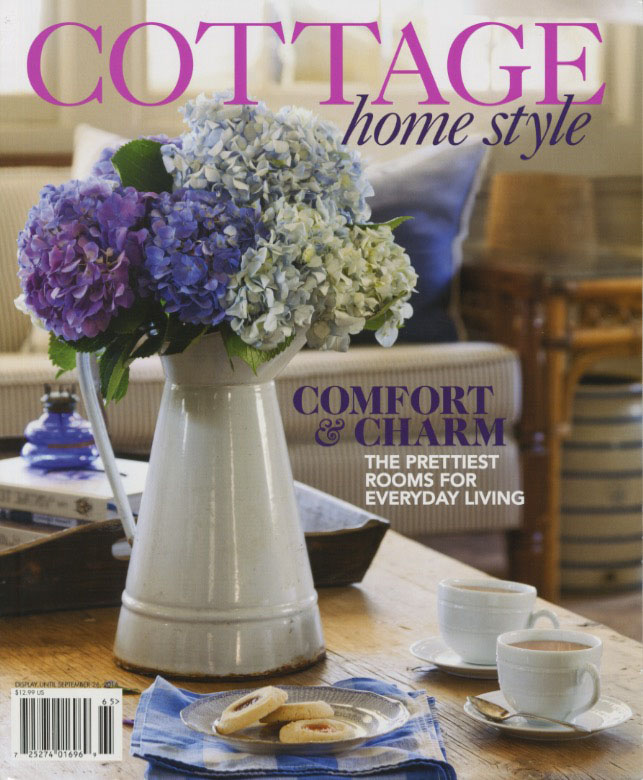
Not many things have the power to make people stop and appreciate what’s in front of them nowadays. A good beer is one and a quality magazine another. Unplugged from the low-level anxiety that comes with reading online, and that bottomless pit of information, sometimes it’s comforting to feel how many pages are left between your fingers.
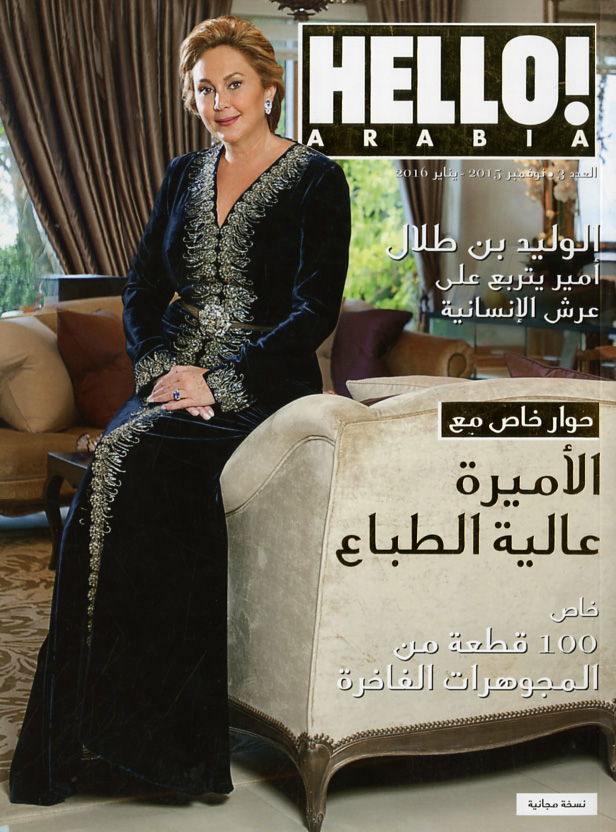
Knowing there’s a beginning and end to anything, being able to see it, like the last few sips at the bottom of a bottle, always helps you to savor the moments in between.

Letter from editor