
“There has been so much talk about digital replacing print completely, but in fact delving into a print publication with its design, all the multiple levels of interest that you have in a magazine, it’s not like anything else. And there is plenty of evidence that people are returning to print in great numbers. And I think that point can be shown in America.” Steven Slon…
“There are many things that The Post got wrong historically. They had some very unenlightened views on women and immigrants, but as far as Black people, they really have a long history of being a little bit more aware than the average publication, going back to the 1800s when it was a solid abolitionist newspaper and was very much pushing for the civil rights of Black Americans and the end of slavery.” Jeff Nilsson…
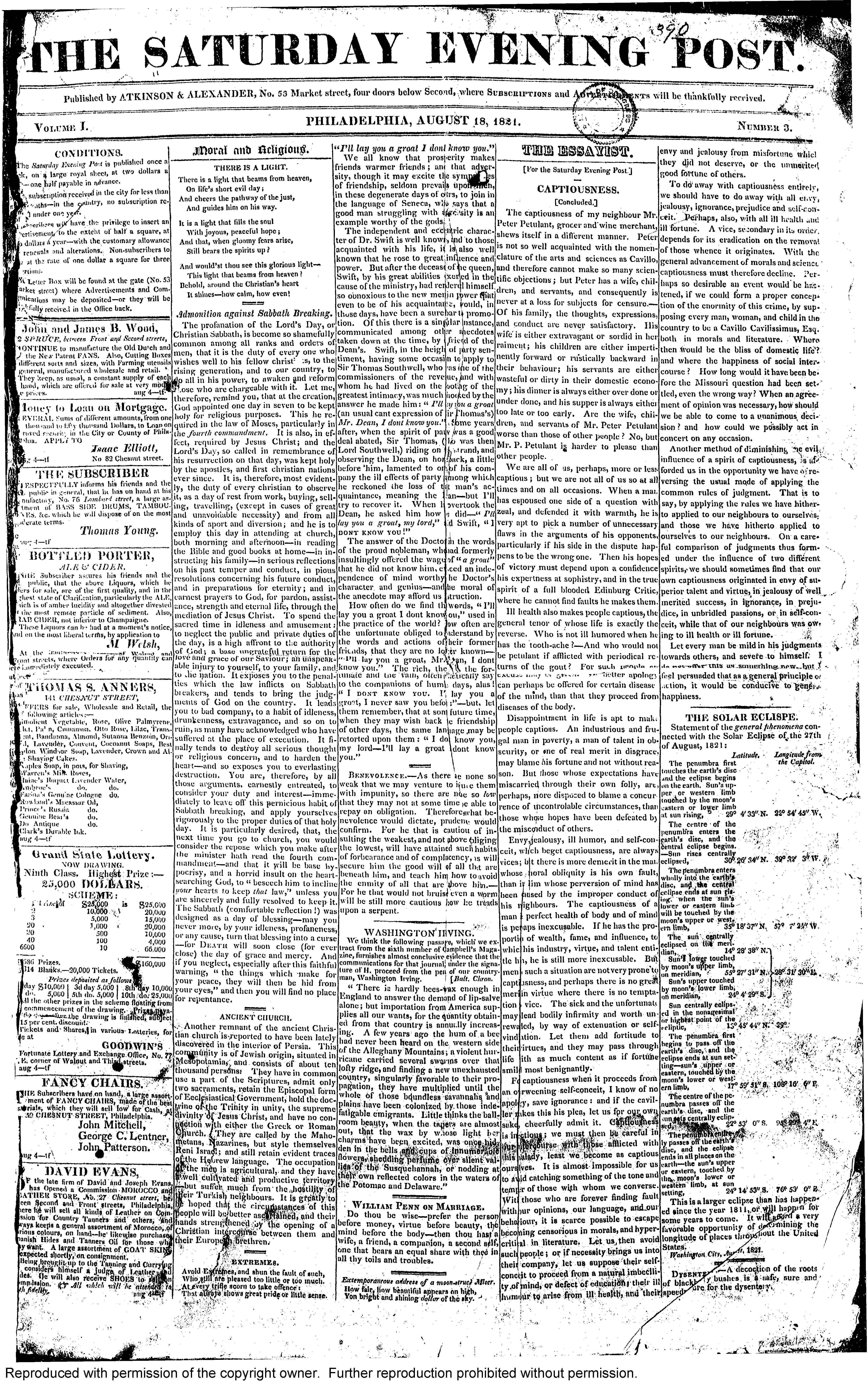
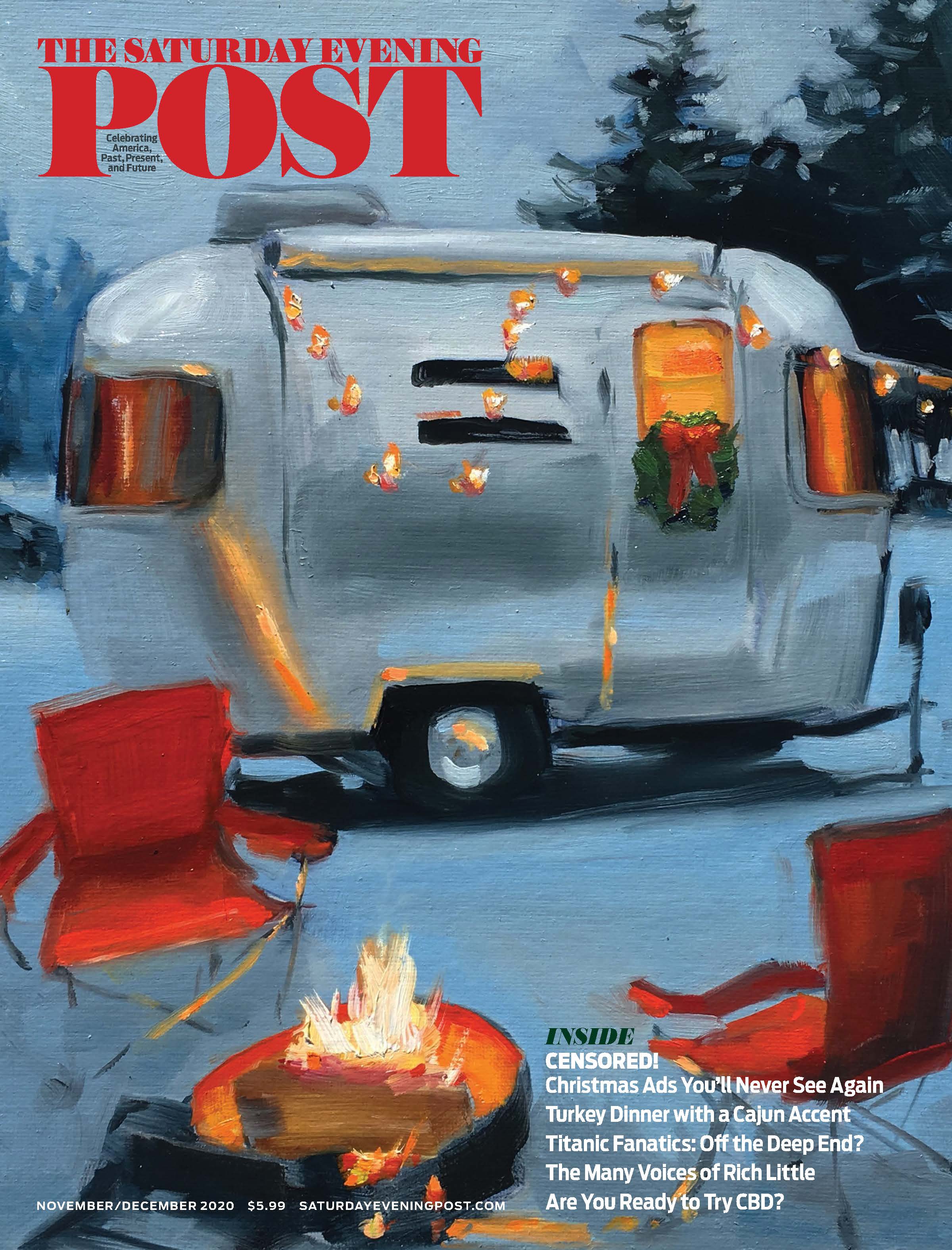
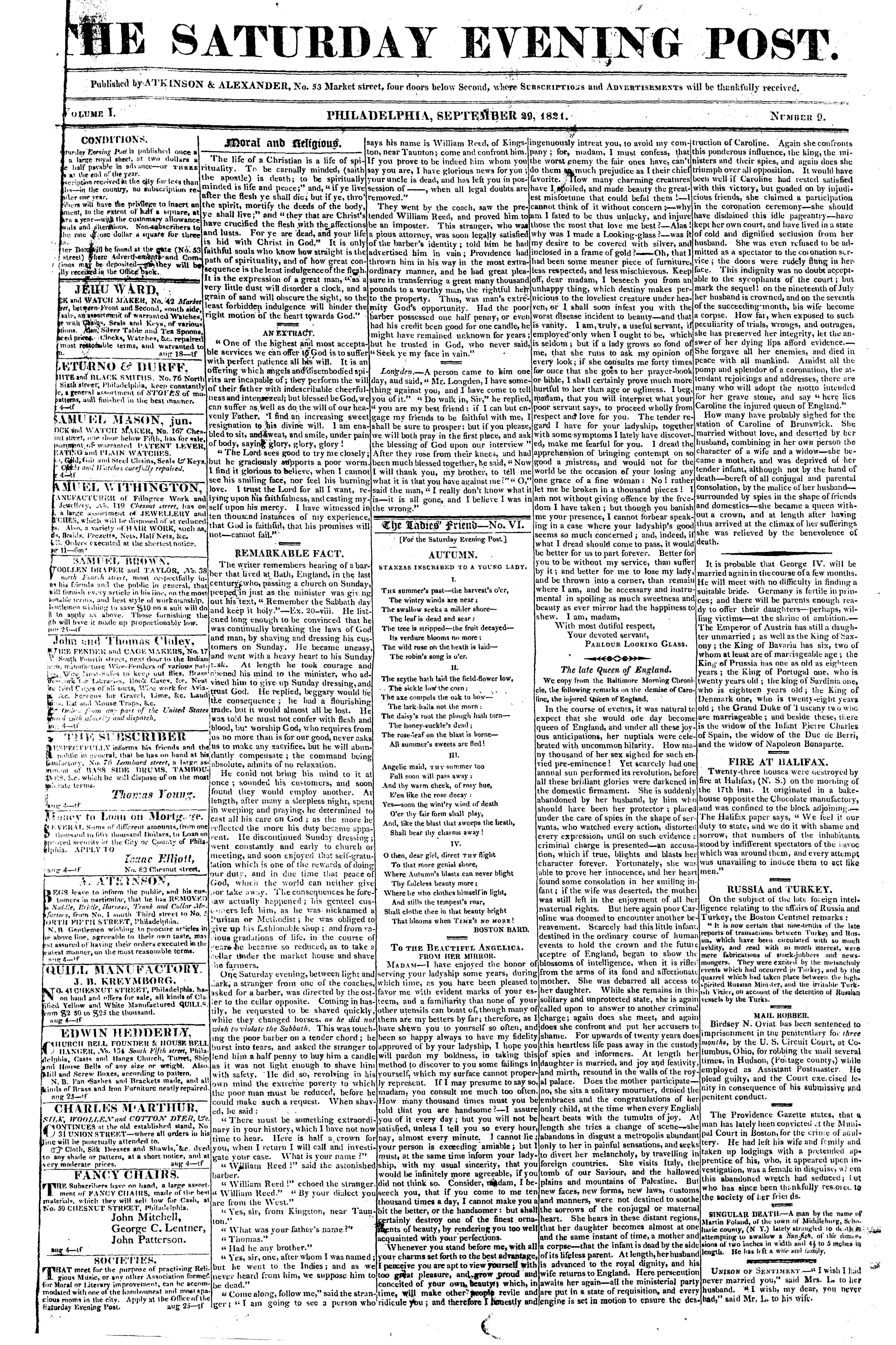
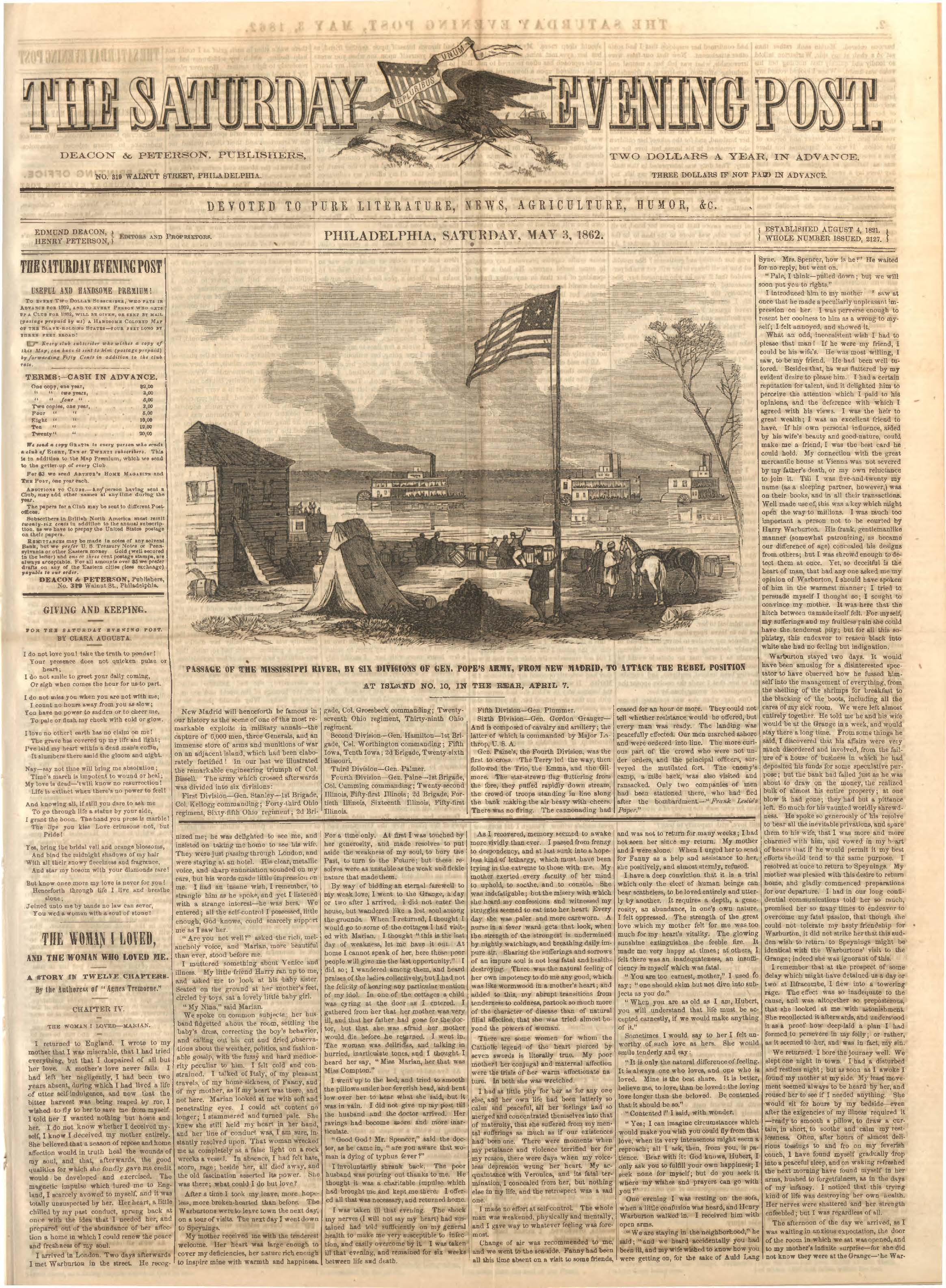
In 2021 The Saturday Evening Post will celebrate 200 years of chronicling American history in the making. From Napoleon to Lincoln to The Civil Rights Movement, the magazine has been a staple and a part of our American culture for generations.
With the upcoming celebratory milestone, I spoke recently to Steven Slon, editorial director and associate publisher & Jeff Nilsson, director of The Post’s archives and we talked about what some have called the most significant of the early magazines. Its rich history and still-strong future gave us quite a lot to discuss and the conversation was as fascinating as the magazine itself.
So, I hope that you enjoy this Mr. Magazine™ interview with Steve and Jeff as we take a look back, a present glimpse, and a glance into the future of The Saturday Evening Post.

But first the sound-bites:
On The Saturday Evening Post’s claim that it was founded in 1721 by Benjamin Franklin when it was really launched in 1821 (Steven Slon): The market people for The Saturday Evening Post in the mid-twentieth century were very clever by today’s standards. You could call it alternate facts or you could call it just a little creative bending of the story, but in effect we do feel that The Post owes a debt to Benjamin Franklin in that his Poor Richard’s Almanack in a way provided a template for the concept that became the model for The Saturday Evening Post. It’s like a popular publication for the whole family, safe for all members of the family to read, interesting to diverse interests and senses of humor and so on.
On what role The Saturday Evening Post plays in today’s marketplace (Steven Slon): We’re continuing the tradition of a magazine for the whole family, not bifurcated into now-interest groups, not following the trend toward verticality. We are a magazine that you immerse yourself in. And you’ll find some stories about trends, some about politics, some news-based, some personal interest stuff, some self-care; our health reporting is almost in the Rodale tradition, which has been my background, the you-can-do-it, here’s-how-to-do-it. So we cut a wide range of subjects and our readers just really enjoy immersing themselves in the magazine, sort of like a warm bath, you can just relax and you find interesting material.
On whether he feels The Saturday Evening Post is swimming against the current in today’s magazine publishing world (Steven Slon): We are swimming against the current and we’re proud to do it because we feel this is where a really good magazine is. It’s like the personality of a human, there’s an arrangement of interests, people aren’t just tennis players or skiers or cycling enthusiasts, or just interested in politics or just interested in cooking. We have recipes, we have sports, we talk about gambling in the next issue.

On why Beurt SerVaas thought the magazine was worth saving in the 1960s (Steven Slon): To begin with Beurt SerVaas, who ultimately purchased the magazine, was an international businessman with many operations around the world. He had factories in Poland, for example. And he was known as a turnaround guy. He was brought in to help with the breakup of The Saturday Evening Post when it went bankrupt.
On what the 200-year-old legacy of The Saturday Evening Post means in today’s world (Steven Slon): I think solid reporting, fairness, balance, just quality. Certainly we consider our 200-year-old history as being a part of American history. One of the things that we feel strongly about is the magazine in the 1920s, under George Horace Lorimer’s leadership, was part of the effort to make the United States feel like a truly united country.

On how The Saturday Evening Post has coped over the years with each facet of new media, from radio to the Internet (Jeff Nilsson): Starting in the 1920s radio was considered a novelty but certainly no challenge to print publications. And motion pictures were also really considered off the chart. They really weren’t going to be any threat to established media. By the late 1920s, they were reporting on radio broadcasting and the business with a bit more respect, but still the numbers were so high in the 1920s that they weren’t worried. But as sound came to motion pictures, it started to bite into the entertainment dollars of the United States.
On the future of The Saturday Evening Post as it enters its third century (Steven Slon): The future is we’re certainly growing our website, we’re 50 percent more traffic year over year. In the last two years, it’s just been going up exponentially. The challenge that we face is the lack of awareness that the publication is out there. We’re not on the newsstand right now because the cost of that is prohibitive. We don’t have a ton of financial backing to do that kind of thing. So, we have to be conservative in our business plans. Our readership is somewhat closed, we have 250,000 paid subscribers; our actual market share is bigger in the sense that over one million people read the magazine based on third party analysis of the pass-along rate.
On getting the word out that the magazine isn’t dead (Steven Slon): We have a story to tell and that is that we have an extraordinarily good magazine. For the price of a couple of ham sandwiches, you get a year’s subscription, $15. It’s a magazine that you can immerse yourself in. We have one of the highest rates of read-through. I was talking to our salespeople recently. When they’re tabbing the magazine they talk about the fact that people don’t read just one article, they immerse themselves, they read from cover-to-cover. A much higher rate than other magazines.
On getting the word out that the magazine isn’t dead (Jeff Nilsson): I wanted to add something, and you mentioned this earlier; when The Post really started taking off it tried to reach a national audience in the 1800s, but particularly in the 1900s. And Curtis believed that there was an American taste. There was an average American that was interested in certain things and instead of breaking up the readership like McClure’s did or Harper’s or Atlantic which pitched itself to various sections of New England, he pitched it to the country.
On whether The Saturday Evening Post would be considered a history of American taste or just a general interest magazine reflecting today’s marketplace (Steven Slon): I think certainly it’s a history of pop cultural America and also a more serious part of American history. We created a regular column that Jeff writes called The Post Perspective and we feel we have this unique ability to show let’s say that a trend of today has antecedents in history.
On what’s in store for the celebration year of 2021 (Steven Slon): The big issue will be the July/August issue because that’s the actual anniversary, but in each issue we’re going to have a selection on a theme. The first batch for the January issue will be a selection of some of the earliest stories and earliest reporting from the 19th century. So, reporting on the death of Napoleon, for example. On the assassination of Abraham Lincoln, we covered that.
On why magazines of today are so different from the magazines of yesteryear (Steven Slon): There are some that are maintaining a style, culture and a tradition that dates back to their origins, such as The New Yorker, Vanity Fair, even The Smithsonian, which covers a range of subject matter with a historical slant. We’re going against the trend toward verticality because we can’t. It’s that simple. We couldn’t even begin to be a vertical, we have so many different strands of interest that we’d have to completely restart the magazine with a different theme.
On how he thinks The Post handled diversity and people of color (Steven Slon): I’d say that we were similar to the historically other mainstream magazines in that I don’t think there was adequate representation of minorities. I would dispute the claim that some people make that The Post prohibited coverage of minorities. That is not true, I believe.
On how he thinks The Post handled diversity and people of color (Jeff Nilsson): I’d like to also add that there are many things that The Post got wrong historically. They had some very unenlightened views on women and immigrants, but as far as Black people, they really have a long history of being a little bit more aware than the average publication, going back to the 1800s when it was a solid abolitionist newspaper and was very much pushing for the civil rights of Black Americans and the end of slavery.
And now the lightly edited transcript of the Mr. Magazine™ interview with Steven Slon, editorial director and associate publisher & Jeff Nilsson, director of archives, The Saturday Evening Post.
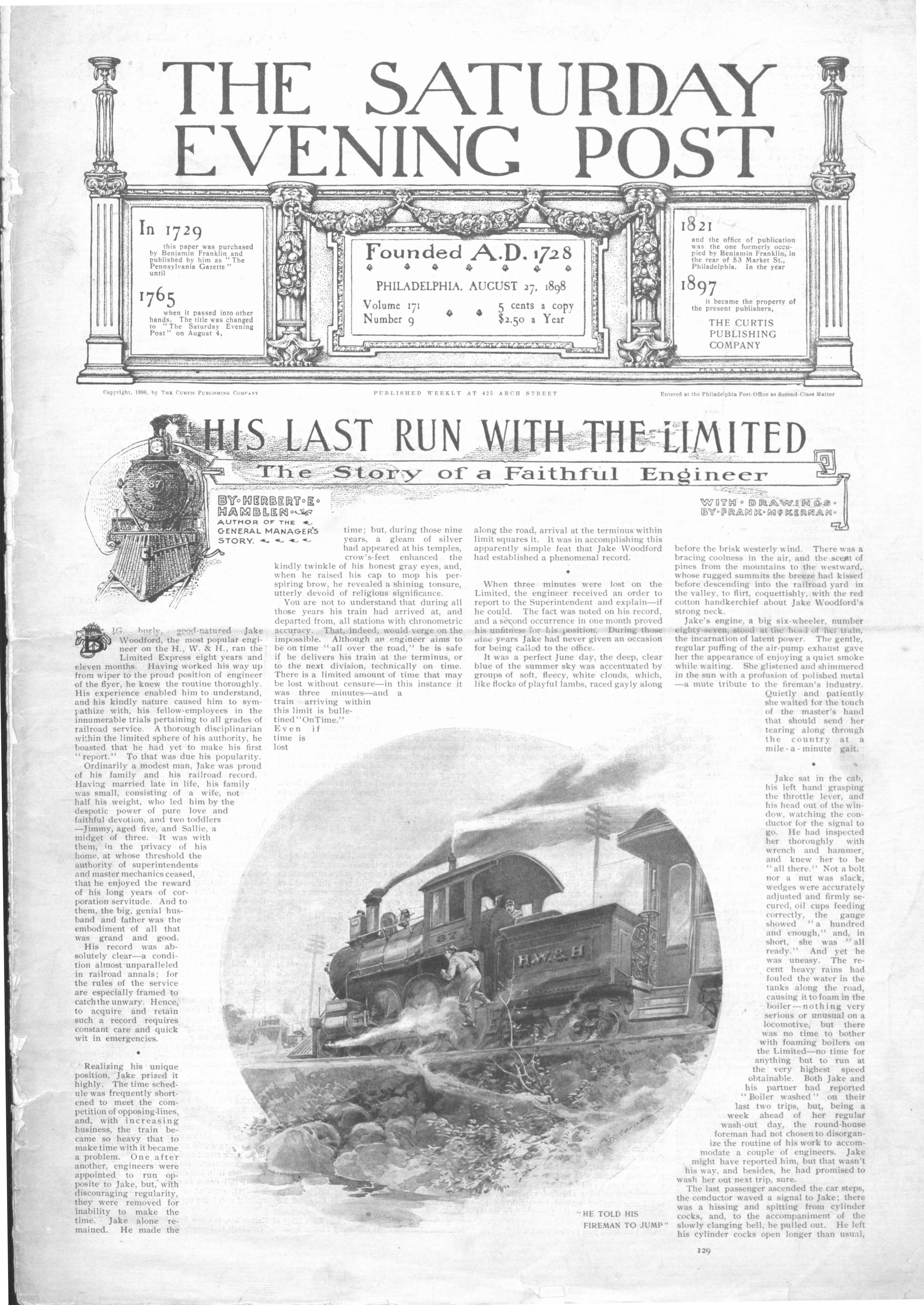
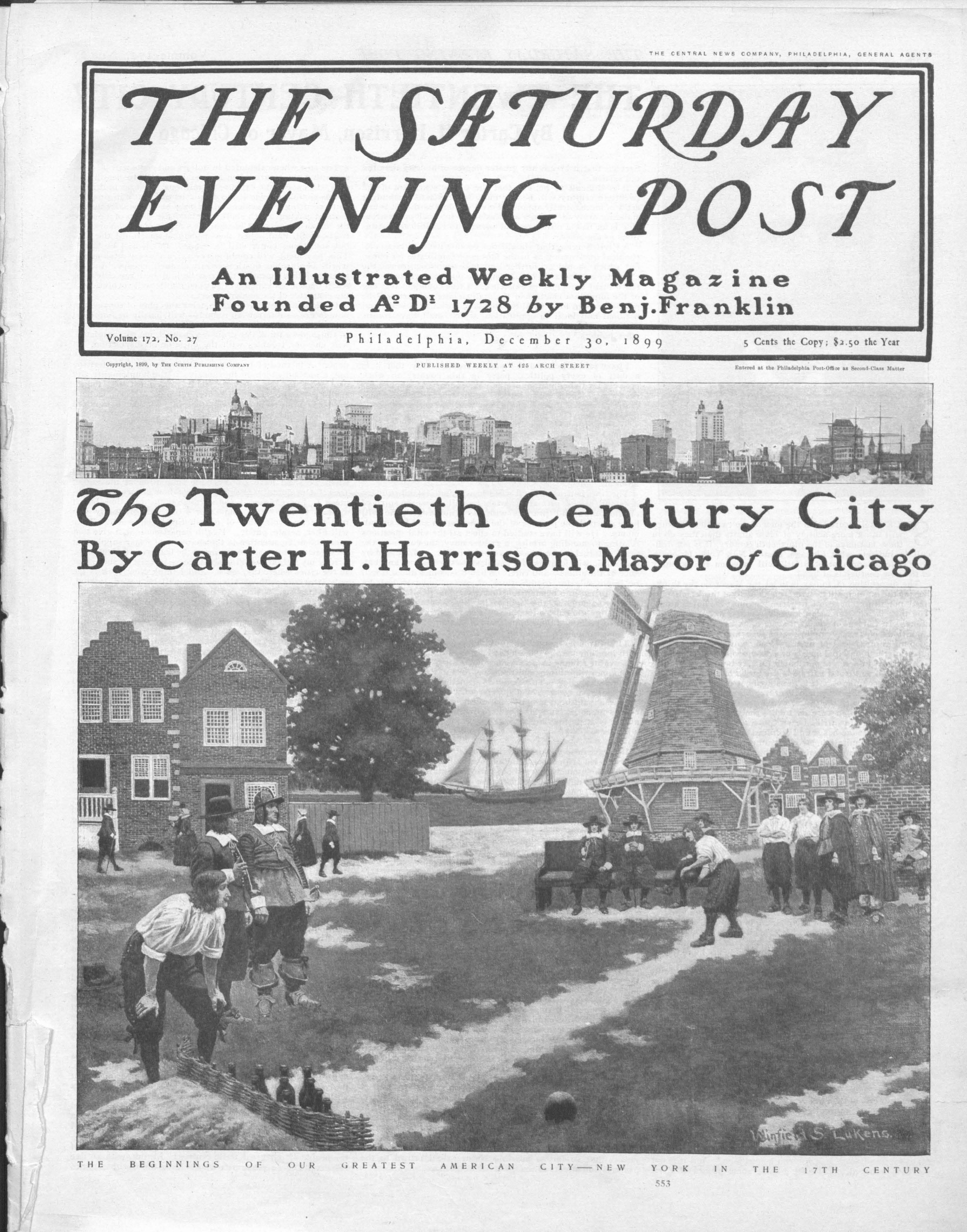
Samir Husni: In 1821 The Saturday Evening Post was launched and it became the most important magazine in American history, according to many historians. Yet, some were confused when The Saturday Evening Post added the tagline “Founded in 1721 by Benjamin Franklin” before even Benjamin Franklin started his own magazine in 1741. Can you tell me about that story?
Steven Slon: The market people for The Saturday Evening Post in the mid-twentieth century were very clever by today’s standards. You could call it alternate facts or you could call it just a little creative bending of the story, but in effect we do feel that The Post owes a debt to Benjamin Franklin in that his Poor Richard’s Almanack in a way provided a template for the concept that became the model for The Saturday Evening Post. It’s like a popular publication for the whole family, safe for all members of the family to read, interesting to diverse interests and senses of humor and so on.
Now there’s a bit of a real connection in the sense that the founders of The Saturday Evening Post in 1821 were modeling on some of the work of Benjamin Franklin. And they also published it, printed it in the same printing shop in Philadelphia that Benjamin Franklin had used so that they could claim a little, let’s say paternity. (Laughs)
Samir Husni: But in 1821 Benjamin Franklin was dead.
Steven Slon: And his publications, The Pennsylvania Gazette, whatever, had been gone for 15 to 20 years. The real start of the magazine, granted it owes a debt to the kind of thinking and the style and tone of Poor Richard’s Almanack and The Pennsylvania Gazette, the magazine was founded in 1821, the real publication. And it really had no direct link. We’re now counting it the real way and we feel that 200 years is a pretty long history. And it makes us the oldest magazine in America.
Samir Husni: And of course, the folks at the Old Farmer’s Almanac will say that they’re 225 years old, but the difference is they are an annual and you’re a periodical publication.
Steven Slon: Yes.
Samir Husni: What role is The Saturday Evening Post playing today? You have a 200-year-old history, but how is that past relevant in today’s marketplace?
Steven Slon: We’re continuing the tradition of a magazine for the whole family, not bifurcated into now-interest groups, not following the trend toward verticality. We are a magazine that you immerse yourself in. And you’ll find some stories about trends, some about politics, some news-based, some personal interest stuff, some self-care; our health reporting is almost in the Rodale tradition, which has been my background, the you-can-do-it, here’s-how-to-do-it. So we cut a wide range of subjects and our readers just really enjoy immersing themselves in the magazine, sort of like a warm bath, you can just relax and you find interesting material.
We’re also in the tradition of, from the earliest platforms that were released in the early part of, certainly the 20th century, the idea that we want to be known for unbiased reporting, we don’t take sides. For example, in the recent, current election we’re not taking sides, we’re sending issues that relate to some of the big trends in the country, such as America’s divide and what can be done about it. We’re not saying that we support one candidate over the other. In addition, we’re a nonprofit, so we’re a 501(c)(3), we’re not really committed to advocate politically.
Samir Husni: As you look at the status of magazine publishing, and as you look at the extreme niche that we’re moving into, it seems many are calling print a luxury item now and believe you have to sell it with a cover price of $10 or $15 or even more, how does it feel to be swimming against the current? You have a magazine like The Saturday Evening Post, still with a cover price of $5.99 and still printing a quarter million copies or more every other month, do you feel you’re swimming against the current? And what do you hear from your audience?
Steven Slon: We are swimming against the current and we’re proud to do it because we feel this is where a really good magazine is. It’s like the personality of a human, there’s an arrangement of interests, people aren’t just tennis players or skiers or cycling enthusiasts, or just interested in politics or just interested in cooking. We have recipes, we have sports, we talk about gambling in the next issue.
Our readers like it. Granted, we’re swimming against the tide, but we hear from our readers that they’re very satisfied. Our renewal rates are historically high for magazines. And we’re happy. As an editor, certainly I’m happy to be producing a magazine where you get to talk about lots of different things. I have a short attention span, I want to hear about this and a little bit of that, and I think our readers do too.
Samir Husni: The Saturday Evening Post has died and come back several times over these 200 years of existence. And really, the major salvation for the magazine came in the 1960s when all three biggies, Life, Look and The Saturday Evening Post were facing their demise, but someone came to the rescue and bought The Post along with its archives. Can you talk a little bit about why Beurt SerVaas thought it was worth saving?
Steven Slon: To begin with Beurt SerVaas, who ultimately purchased the magazine, was an international businessman with many operations around the world. He had factories in Poland, for example. And he was known as a turnaround guy. He was brought in to help with the breakup of The Saturday Evening Post when it went bankrupt.
The story of why it went into bankruptcy is rather involved, but I’ll just briefly say that in the early 1960s The Post actually hit its highest circulation numbers, it was over six million. And in some regards, it became top-heavy, and it was very expensive to produce that many copies. And when small details go wrong, the whole thing began to collapse. They started buying timberland to control the paper and the value of the land went down and then they tried cutting circulation, limiting it to the higher income zip codes. And that turned off a lot of readers because it’s a magazine for average folks, it was never a New Yorker, a high-brow magazine, it was a magazine for middle-grounders, regular people. There was an author in The Post who found out after receiving his check for his article that they were taking him off their subscription list. Sorry. (Laughs)
In any case, Beurt SerVaas was brought in to help break up The Saturday Evening Post. And in doing so, he saw value, not so much in The Post, but in the children’s magazines, Jack and Jill and Child Life. And at the time these were circulated through schools and were very profitable. And he thought that would be of some value to him, so he wanted to preserve that. So in the process he shipped all of the equipment and materials, what was left of The Post, out to Indianapolis.
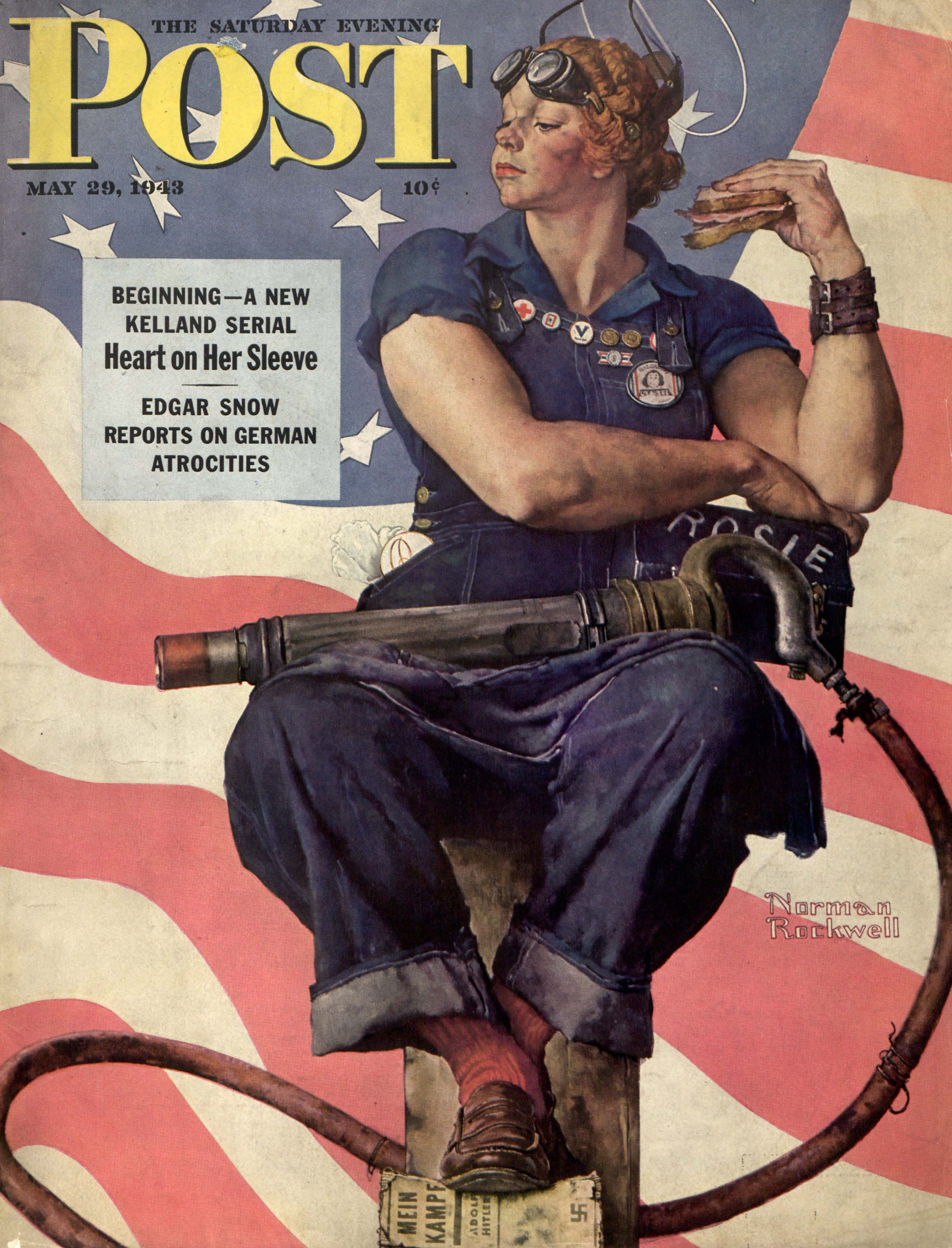
But in doing so there were several Rockwell canvasses lying around the office. In those days, they were considered to have no value, even Rockwell didn’t value them. He had gotten paid for them and in some cases he gave them away like to the local Boy Scouts for an auction. One of his canvasses went at auction for 50 cents in the ‘50s or ‘60s. And he called SerVaas and said that he’d like to come down and pick up his paintings.
So, he came down in his old station wagon, drove down by himself and threw his paintings in the back, just tossed them in. Rockwell told SerVaas that he was glad he was taking over the company and hoped he could revive the publication. SerVaas told him sure, he could maybe do that, but he said it sort of noncommittally.
Then later, Norman Rockwell was on The Today Show and he was asked about what was going to happen to The Saturday Evening Post, because as you and I know this was such a big publication, it was as if a network TV station had gone out of business. Rockwell then said that he’d met the new owner of the company and that he was going to relaunch The Saturday Evening Post. He mentioned that they were in Indianapolis and they received bushels of mail from people across the country wanting to know when they could get the magazine.
So Beurt SerVaas said to his wife Cory, I guess we’re launching this magazine. (Laughs) And you’re going to be the editor. So, his wife Cory, who was an M.D. and not someone in the publishing business became the facto editor of the magazine and it went on from there. And it was very heavily focused on health reporting in those years, but otherwise they kept a lot of the traditions alive.

Samir Husni: You have a rich archive with 200 years of magazines, and the last time I visited The Post they were digitizing everything. What do you think the legacy of The Saturday Evening Post is today?
Steven Slon: I think solid reporting, fairness, balance, just quality. Certainly we consider our 200-year-old history as being a part of American history. One of the things that we feel strongly about is the magazine in the 1920s, under George Horace Lorimer’s leadership, was part of the effort to make the United States feel like a truly united country.
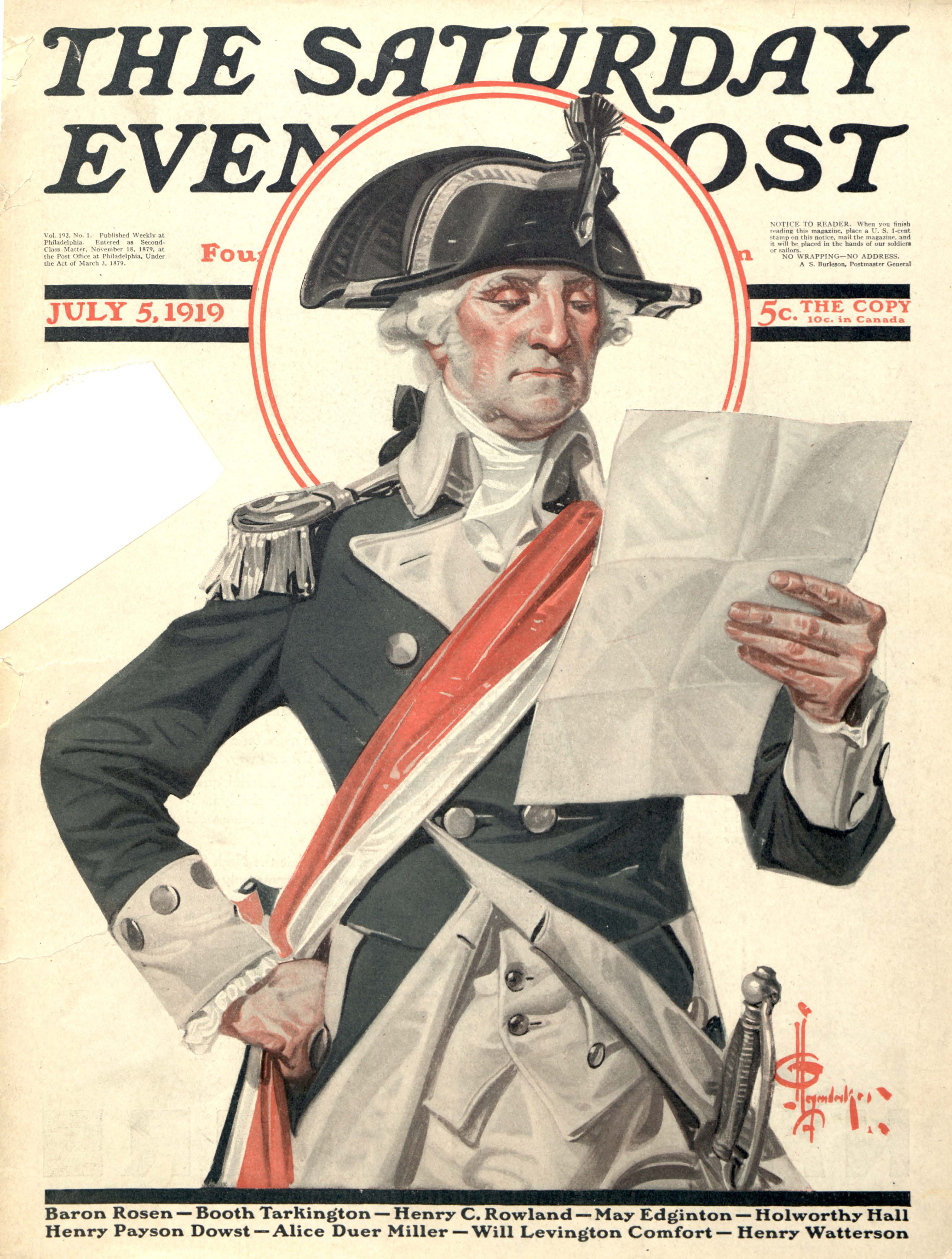
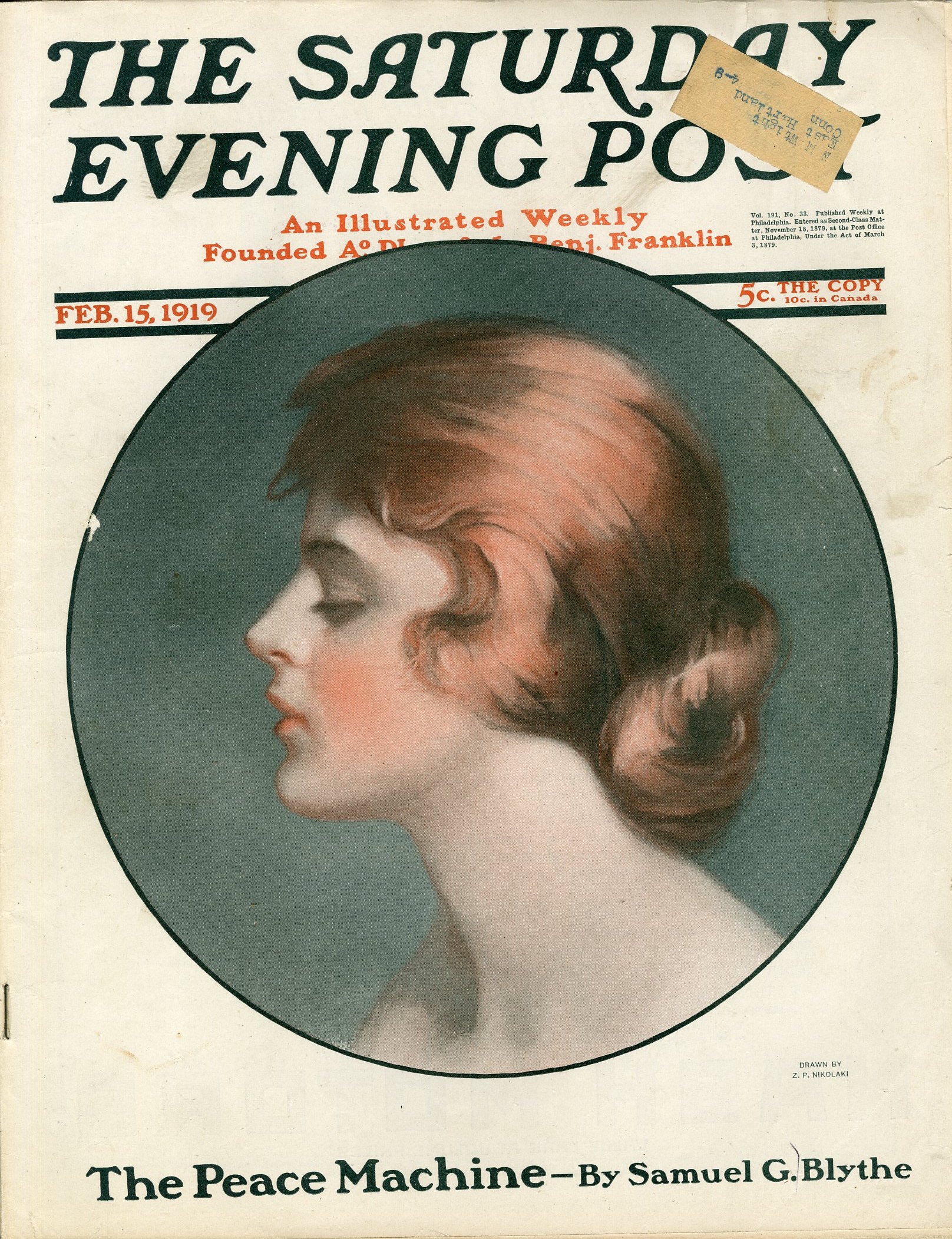
At the turn of the century, America was not in any sense a “United” States. There were pockets of immigration all over, people speaking different languages, there were different cultures. And remember travel was difficult at the time, for the average person they may not have gone 20 miles from home, you traveled by horse and buggy, cars were just a new concept that very few people had. So, The Post gave this picture of America, partly through its covers, its portraits, its illustrations, a picture of America that people could relate to and say yes, that’s who we are, especially when you look at Rockwell and the sense of unity, the sense of children playing, the sense of adults working the commuter life in later years, were brought to life by The Post and it was a shared experience that helped create a part of that feeling of being united.
We have this incredible archive in which we have completed our digitization and relaunched our website about a year ago with full access to all but a few issues of the magazine, all the way back to 1821. You need to be a subscriber to get full access, but if you go online a lot of the time we surface selections from our past, flipbooks, and tell a story about a particular story that ran and allow people to read it. But subscribers can go to any edition of the magazine and read through it at any time. So, all of this great history is there for the reader to have and it’s an American treasure.
Samir Husni: With its history, you have a magazine that has witnessed the birth of radio, television, the Internet and digital. Do you have a sense of how the magazine coped with all of this new media, how it adjusted?
Steven Slon: I can talk about digital because that’s something that we’re involved in right now. It’s a good point, certainly, TV did not hurt The Post in the mid-century because – actually I can’t speak to that, I don’t know why. The publication is a different experience, reading a magazine and watching TV, those are two discrete things.
I think that digital is hurting the basic news business because we learn things in minutes, in seconds. For example, Biden being declared the winner recently. Everybody was talking about that within seconds of its occurrence. In the early part of our existence, we reported on the death of Napoleon within two or three weeks, and that was fast then. (Laughs) So, it’s hurting that kind of reporting, but our well is featured stories that are timely, sensitive and relevant, but they’re not based on breaking news. As a bimonthly, one can’t be anyway.
Jeff Nilsson: Starting in the 1920s radio was considered a novelty but certainly no challenge to print publications. And motion pictures were also really considered off the chart. They really weren’t going to be any threat to established media. By the late 1920s, they were reporting on radio broadcasting and the business with a bit more respect, but still the numbers were so high in the 1920s that they weren’t worried. But as sound came to motion pictures, it started to bite into the entertainment dollars of the United States.
And in the 1950s as television started up, they ran several articles to talk about how television was having trouble. It had trouble because the networks weren’t putting any money into television, they thought it would fail. But in the early reporting by The Post, they sort of stood back and considered it to be an unusual, two-headed dog of entertainment. They didn’t really take it seriously until the 1960s.
The Saturday Evening Post responded to that by sort of giving television a bad edge and they talked about the cultural wasteland, which is what one of the famous critics of the 1960s called television. But by the mid-sixties, they realized that television was here to stay and that we would look stupid if we didn’t start covering television as part of our mix of editorial content.
So, from that point on they did start taking it seriously, but I think that radio had started the drift away from print and even from what I’ve read the numbers of The Post had started to decline a little before the Second World War. With the Second World War though there was a paper shortage and the magazines were limited as to who could publish and who couldn’t. The Post had all the paper that it needed, though flimsy of stock, but they were able to enjoy a closed market and people were hungry for information during the war. So it boosted us up, but the plateau was not exactly level and it was declining somewhat. Even in the ‘50s when our numbers were still good, we got up to six and a half million in subscriptions in the early ‘60s, but even so they could realize that magazines weren’t growing at the same rate they used to.
Samir Husni: As the magazine enters its third century, what’s the future for The Saturday Evening Post?
Steven Slon: The future is we’re certainly growing our website, we’re 50 percent more traffic year over year. In the last two years, it’s just been going up exponentially. The challenge that we face is the lack of awareness that the publication is out there. We’re not on the newsstand right now because the cost of that is prohibitive. We don’t have a ton of financial backing to do that kind of thing. So, we have to be conservative in our business plans. Our readership is somewhat closed, we have 250,000 paid subscribers; our actual market share is bigger in the sense that over one million people read the magazine based on third party analysis of the pass-along rate.
People read it, but that’s still a small percentage of the population. So, it’s somewhat hermetically sealed. Our readers love us and they enjoy it. It’s hard to get the word out to people beyond that. And we’re hoping in a way with our 200thanniversary we can get the word out. Hey, we’re still here and we’re incredibly vibrant and alive, interesting and diverse.
Samir Husni: Do you have a story to tell that will shed this idea that the magazine is dead?
Steven Slon: We have a story to tell and that is that we have an extraordinarily good magazine. For the price of a couple of ham sandwiches, you get a year’s subscription, $15. It’s a magazine that you can immerse yourself in. We have one of the highest rates of read-through. I was talking to our salespeople recently. When they’re tabbing the magazine they talk about the fact that people don’t read just one article, they immerse themselves, they read from cover-to-cover. A much higher rate than other magazines.
Why is that? As an editor I want to say that it’s about the quality. It’s about good reporting, tight editing, respect for the reader, and again to clarify, we’re not a nostalgia magazine, we’re a magazine that shares its past, but we’re a magazine about what’s going on today and the trends. I just think it’s a great magazine and I think quality is what makes a magazine sell and grow. And people have to hear about it, of course to do that.
I can share a story. I was giving a talk about the history of the magazine, showing slides of the new covers and so on that we’re doing, keeping up the tradition of the great art covers of the past. And somebody raised their hand in the audience and asked, you’re completely online, so how do I get the magazine? And I said I’ve just been telling you for an hour that we’re still in print. But people have it in their heads that we’re not, so it’s hard to break through that.
Jeff Nilsson: I wanted to add something, and you mentioned this earlier; when The Post really started taking off it tried to reach a national audience in the 1800s, but particularly in the 1900s. And Curtis believed that there was an American taste. There was an average American that was interested in certain things and instead of breaking up the readership like McClure’s did or Harper’s or Atlantic which pitched itself to various sections of New England, he pitched it to the country.
If you think about where the magazine is right now, we have at least 100 years, more than a hundred years, that we have really been reaching to American standard tastes. Now in an age of continual change, where there is so much that isn’t recognizable, The Post stands out as something that is more of a standard. This is how Americans have entertained and educated themselves for hundreds of years, and will keep going in that way. But now, in my mind, the phrase keeps coming back now more than ever when people are wondering what is it that defines being American, what is the American experience. We are probably as good a reflection as any magazine if not better.
Steven Slon: And I’d like to add that there has been so much talk about digital replacing print completely, but in fact delving into a print publication with its design, all the multiple levels of interest that you have in a magazine, it’s not like anything else. And there is plenty of evidence that people are returning to print in great numbers. And I think that point can be shown in America.

Samir Husni: With this rich history, how are you making use of it and how are you promoting it for a new generation? Is there a chance that The Saturday Evening Post will be considered a history of American taste or is it just a general interest magazine reflecting today’s marketplace?
Steven Slon: I think certainly it’s a history of pop cultural America and also a more serious part of American history. We created a regular column that Jeff writes called The Post Perspective and we feel we have this unique ability to show let’s say that a trend of today has antecedents in history.
In 2008 to 2010, there was the economic crisis that we were facing and we could talk about the bank crisis of 1907 because we covered it. We did a story that showed the ups and downs of the banking system over the years and showed that these down moments were part of a cyclical trend rather than just a one-off event, which when in real life it appears we’re in the midst of a banking crisis and it seems to be a unique event, but in fact it has a history.
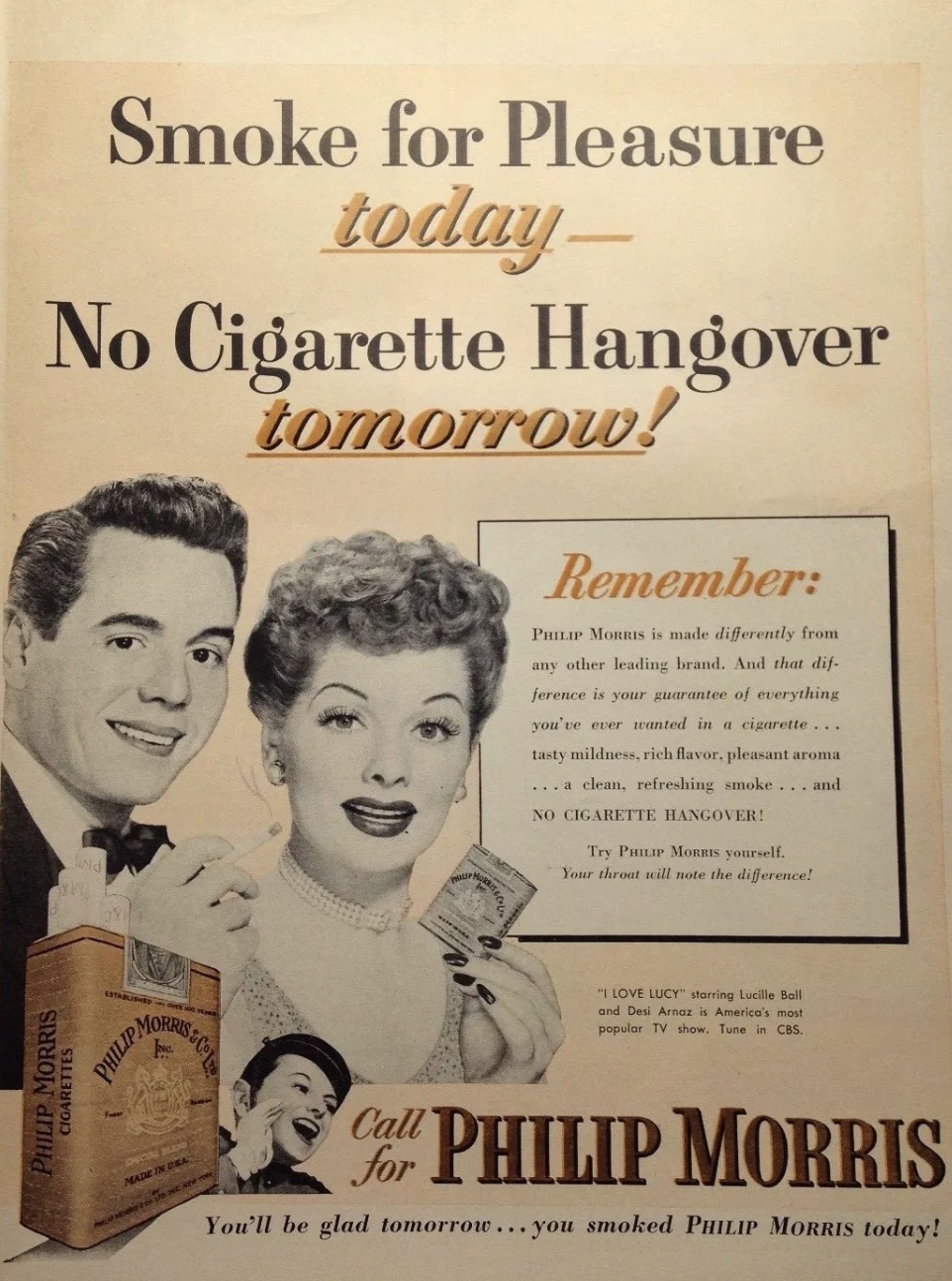
In our current issue we have a small selection of some of the ads that ran in the 1950s that would be shocking if you saw them today. We actually say on our cover “Censored” 1950s ads. These are ads that portrayed women as domestic tools of the family whose only care and interest for Christmas gifts was to get a new vacuum or a new refrigerator, some tool of the trade. And men were juvenile, and not to mention we have pictures of cowboys and Indians, costumes for kids that were completely cultural appropriation and all that.
And then of course, cigarette ads. There is this incredibly funny ad, a picture of Santa with a cigarette in his mouth, promoting the T-zone or whatever it was, what a good cigarette.
Samir Husni; And you can do that because you’re no longer on the newsstands. I remember when you did the Kennedy reprint, you could not put it on the newsstands because of the cigarette ads.
Steven Slon: I didn’t check into that, but you’re probably right. But I think because we’re showing it in a historical context, we’re not actually running an ad for cigarettes.
Jeff Nilsson: You asked about the relevance of historical material. I have to keep reminding myself as a historian, I think this is all interesting. I always say that if you don’t know how you got here, you don’t know where you are. But when I think about the readers of The Post, I think about having visited some friends and they bring out their family album. Nothing is more boring than somebody’s family album. You don’t know any of these people.
And American history is very much the same way. If you don’t know what’s going on it’s just a number of incoherent stories. Our job is to provide history that people can see a connection to, see how it affected their lives, see how it parallels with what is going on. And if we can’t do that then yes, we are a nostalgia magazine, but we’re making sure that this is relevant, that all the material in the vaults somehow touches on experiences and thoughts that people have today. And that’s our goal and that’s how we’re going to stay relevant.

Samir Husni: Can you see yourself as the bridge that connects yesterday with tomorrow?
Jeff Nilsson: Sure. I’ll take that exactly as it is. I’m going to copy that one. (Laughs)
Samir Husni: Tell me about 2021, the celebrations. What’s in store? Will you be celebrating the entire year?
Steven Slon: The big issue will be the July/August issue because that’s the actual anniversary, but in each issue we’re going to have a selection on a theme. The first batch for the January issue will be a selection of some of the earliest stories and earliest reporting from the 19th century. So, reporting on the death of Napoleon, for example. On the assassination of Abraham Lincoln, we covered that.
Jeff Nilsson: Yes, we got that to the newsstand within a week, which was very unusual.
Steven Slon: And then in future issues we’ll celebrate fiction. And I’ll read off a few names. This is the thing that people don’t realize, in the 19th century Edgar Allan Poe, James Fenimore Cooper, Harriet Beecher Stowe, Washington Irving and Mark Twain were all published in the magazine.
In the 20th century Joseph Conrad, Rudyard Kipling, Jack London, Call of the Wild was first published in The Saturday Evening Post before it was put out as a book, Ring Lardner, Ray Bradbury, Agatha Christie, Faulkner, F. Scott Fitzgerald is a story unto himself, 68 stories published in The Saturday Evening Post over the years. The first story he was paid $400 which in the ‘20s was huge money. By the end of his tenure with The Post, he was being paid $4,000 per story. That was what some people made in a year then. So, a well-paid job. He was able to travel the world, squire Zelda around to their European extravagance, was criticized by other writers like Hemingway for frittering away his talents on short stories when he could have been writing novels, but he was being paid so well he didn’t need to.
And then of course later, Kurt Vonnegut. And we had great reporting. In the sixties with the “new” journalism. We had the writers associated with the new journalism who wrote for The Post.
Jeff Nilsson: Tom Wolfe and Joan Didion.
Steven Slon: Yes. Joan Didion, Slouching Towards Bethlehem, that was published in its entirety, it was assigned and published by The Post. Eisenhower’s memoirs was published in The Post, his war memoirs before he became president.
Samir Husni: Why are today’s magazines nothing like what magazines used to be? Unless you disagree with me and then if you could tell me how they are the same.
Steven Slon: There are some that are maintaining a style, culture and a tradition that dates back to their origins, such as The New Yorker, Vanity Fair, even The Smithsonian, which covers a range of subject matter with a historical slant. We’re going against the trend toward verticality because we can’t. It’s that simple. We couldn’t even begin to be a vertical, we have so many different strands of interest that we’d have to completely restart the magazine with a different theme.
We can do it because we’re a nonprofit, we’re not just chasing the easiest dollar. Certainly with magazines today, many of them are purely a business operation, it’s let’s find interest groups and target them and it’s an easier sell. We’re targeting Americans in the broad sense. We could be a much bigger circulation .

Samir Husni: We are seeing a huge increase in Black subjects on the covers and inside the pages of American magazines. We’ve seen more in the last 120 days than we have in probably the last 120 years. Any idea how The Saturday Evening Post dealt with diversity? Were minorities and people of color a part of the magazine?
Steven Slon: I’d say that we were similar to the historically other mainstream magazines in that I don’t think there was adequate representation of minorities. I would dispute the claim that some people make that The Post prohibited coverage of minorities. That is not true, I believe.
I would add that today we are making it a renewed commitment to diversity. We have a big article coming in the next issue about a school that has made an extraordinary drive to increase diversity and support low-income students whoever they are without any concern for their ability to pay. And how they have created extraordinary change in their culture.
We covered Black Lives Matter in our kids magazines this year. Actually, one of our kids magazines had an article, first-person story about teenaged kids who attended a Black Lives Matter demonstration over the summer and how they were moved by it. So, I think that has to be part of the conversation going forward.
Jeff Nilsson: I’d like to also add that there are many things that The Post got wrong historically. They had some very unenlightened views on women and immigrants, but as far as Black people, they really have a long history of being a little bit more aware than the average publication, going back to the 1800s when it was a solid abolitionist newspaper and was very much pushing for the civil rights of Black Americans and the end of slavery.
In the 1900s they were reporting on how the Black vote was being suppressed in the South. In 1917 they were talking about Black troops and how they had acquitted themselves with such honor that they were showing up the white troops that they were serving alongside of. In the 1940s they were saying that this was their country too and Blacks should be able to serve in combat roles. Starting in the Civil Rights movement we had a number of pieces talking about the Freedom Riders in the South and the young people who were getting involved. We had a piece by Martin Luther King, Jr.
Steven Slon: There was a cover story on Malcolm X and we also did an in depth story about Jackie Robinson and the behind-the-scenes planning that led to his being placed in the Major Leagues. There was some subterfuge involved and they pretended he was being prepared for a Minor League team when in fact the plan was to put him in a Major League team.
Samir Husni: Thank you both.




 Mr. Magazine