Archive for the ‘A Launch Story…’ Category

h1

This Pineapple Is To Have, Hold, And Enjoy! The Story Of The Latest Travel Magazine Launch. The Mr. Magazine™ Interview with Publisher Christopher Lukezic.

January 30, 2015

“We believe print is a really unique way to experience content and a really unique way to engage with our readers. The tactile quality of the paper that we’re producing the magazine on, the photography; all of it, really comes to life on paper in a way you can’t necessarily get on a digital screen.” Christopher Lukezic

Pineapple-1 Airbnb, the world’s leading community-driven hospitality company, has added another component to their online presence: an ink on paper component, Pineapple magazine. Long known as the symbol for hospitality and welcome, the pineapple was a fruit that survived much during the 1400s and still managed to thrive, according to Pineapple publisher, Christopher Lukezic. It was brought to Europe from the West Indies and quickly became a sweet symbol of cordiality.

And the heritage of the “Pineapple” was a Godsend to Christopher as it represented everything he and his team wanted to present with their very unique travel magazine, which is slated to become the content force and driver of Airbnb’s community of readers and travelers, a hale and hearty symbol of travel that welcomes and greets warmly.

The magazine marks a major step for Airbnb to become not just a platform where stories are created, but where stories are told. Pineapple will reflect the unique perspective of Airbnb’s global community, with deeply local and personal content that hopefully will inspire travelers everywhere.

I reached out to Christopher recently and we talked about the excitement this ink on paper product has produced within the company and about the reasons for it. From the beauty displayed between the printed pages to the tactile feel of the paper itself; Christopher shared why he and Airbnb believe in the power of print as a digital entity themselves and why the distinct point-of-view of the magazine will go a long way in distinguishing it from the multitudes of competition on the newsstands already.

The magazine will cover a wide variety of topics – such as culture, art, food, and style – from a local’s perspective with neighborhood guides, insider tips, and unique, personal stories. Each issue will showcase three different cities through the lens of local community members and global travelers.

So grab your traveling gear and follow Mr. Magazine™ and Christopher Lukezic, Publisher of Pineapple, as they take you on a trip around the world of travel…

But first, the sound-bites:


Christopher Lukezic On why Airbnb chose a print component in a digital age:
I think that Airbnb wanted to be a bigger part of a producer of really high quality travel content. The magazine is a part of a larger effort by the company to move into the world of publishing and producing travel content.

On why he thinks more digital entities are adding a print component to their equation these days:
I believe that there is a certain tactile quality to print that engages with people and that’s something that doesn’t necessarily happen on a digital screen.

On the unique selling proposition he is offering the marketplace with so much competition out there already:
One of the things that we try to do is not to have a prescriptive travel magazine. We’re not a team of editors trying tell people what they should and should not do in a city.

On the major stumbling block he has had to face during the magazine’s conception and launch: You said it earlier: a digital company moving into print. It’s a very new world for us and we’ve been learning a lot as we go.

On that “aha” moment when he knew he’d hit on something special:
We went through a couple of iterations and a couple of ideas early on and we shifted course a few times, but I think for us it really all kind of came to fruition when we landed on the name. And I think that was the moment that we knew we were going to do something really special.

On his distribution strategy for the magazine:
We’re still trying to figure out what the future of the distribution strategy of the magazine will be. You will be able to purchase it and we’ll also distribute it to our community, so both of those ways will continue.

On the relationship between Airbnb the company and Pineapple the magazine: It’s very much a two-way street relationship. The future of this and how it ties into the business and how it relates to our core business, we’re still working on a lot of that, but it will very much be an integral part of the Airbnb experience.

On what he hopes to have accomplished with Pineapple a year from now:
Our real goal with Pineapple is for people to start to think about it as a place where they can come to plan their trip experience, as well as to book accommodations.

On what keeps him up at night:
Not much actually. I’m pretty happy with where things are and I’m really excited about the potential for this magazine and the future of it. The only thing that would maybe keep me up at night is not being able to do everything that we want to do.

And now the lightly edited transcript of the Mr. Magazine™ conversation with Christopher Lukezic, Publisher, Pineapple magazine…

Samir Husni: Airbnb has been a digital entity for almost seven years now, having begun in 2008; why did they decide to go with a print magazine now?

Christopher Lukezic: I think that Airbnb wanted to be a bigger part of a producer of really high quality travel content. We wanted to be a source for people to come to, not only to find great places to stay while they’re on a trip, but also when planning the trip itself; a source where they can find content that inspires them to visit places and also informs them about places they’re already going.

The magazine is a part of a larger effort by the company to move into the world of publishing and producing travel content.

Picture 36 Samir Husni: These days we are seeing more than one digital entity bring print into their equation and in this age where everyone not long ago was predicting the demise of print, we’re actually seeing a reversal of that bleak forecast. Why do you think this reversal is taking place?

Christopher Lukezic: I believe that there is a certain tactile quality to print that engages with people and that’s something that doesn’t necessarily happen on a digital screen. People are surrounded by screens all day long; they’re reading on their phones and their laptops and other digital devices. The engagement of content with print is that you can really get at someone in a different way with it. It’s a little bit of a slower experience and people will come back to it over and over again in the course of a few months, not consuming the magazine all at once, but in sort of bits here and there.

I think that from a travel standpoint print is still a really big part of the travel experience. Every year Google does a lot of research around different industries and they try to figure out what the different experiences are for the different industries. And for travel they put together an insight study every year. And actually they’ve shown year after year that print remains the most important source for travel, once they’re at a destination. When a traveler arrives in a city, print is still the predominant source of information that people use for planning their trip once they’re at the destination.

Those things combined make it an attractive opportunity for us as we move into content, to have a print aspect that is very much at the forefront of our content efforts as a whole.

Samir Husni: As a publisher of a new travel magazine and as you go on your sales calls; what is the unique selling proposition that you are offering the marketplace knowing that there are so many competitors out there?

Christopher Lukezic: One of the things that we try to do is not to have a prescriptive travel magazine. We’re not a team of editors trying tell people what they should and should not do in a city.

All of the content of the magazine is actually from people who live in these places, so we’ve actually gone and found people from every community in the cities that we feature. And we try to discover the city through their eyes. Not only places to see and eat, but to showcase what the life there is really all about.

We try to get at what the actual experience of living in the featured cities is and how these communities have formed over time and how people interact with each other in these cities. And on top of that, there are some tidbits and guides that are more digestible and easier to consume content which is important to travelers as they plan their trips.

But what we really wanted to get at was to honor the cities and unpack them from the inside out, rather than from the outside in. I think a lot of travel magazines approach that in the opposite direction; there’s a team of editors going to places and telling the reader about their experiences in the city and not necessarily going and finding people who live there and allowing them to tell the story.

Samir Husni: What has been the major stumbling block for you as a publisher and how did you overcome it?

Christopher Lukezic: You said it earlier: a digital company moving into print. It’s a very new world for us and we’ve been learning a lot as we go.

The big thing was trying to figure out what direction that we wanted to take with the magazine and how we could engage with our community in the right way. And we really wanted that balance of having this be something that was a collaborative effort that we made in conjunction with our community, but still contain a lot of interesting editorial content which engaged people in the right way. And we found a happy medium.

I think the challenge now is the future and continuing to expand the magazine and our content efforts as a whole, doing that both in print and online. So, we have a lot of work ahead of us and this is just the beginning of the process.

Samir Husni: And what has been your most pleasant moment or that instance when you just sat back and went “aha?”

Picture 38 Christopher Lukezic: This has been a team effort and there were four of us that were very involved in the production of the magazine.

Our editor-in-chief is Alex Tieghi-Walker and Brendan Callahan, who is our creative director and our photo editor, Carrie Levy. The three of them are all from magazine backgrounds and Alex has actually published a couple of his own magazines before and worked for Wallpaper, and so we have some great experience here. But trying to do something new and create something in a crowded market that we really felt proud of was important.

We went through a couple of iterations and a couple of ideas early on and we shifted course a few times, but I think for us it really all kind of came to fruition when we landed on the name. And I think that was the moment that we knew we were going to do something really special. We were struggling to find the right name for this magazine and when it did it was one of those moments when everything just seemed to fall into place. The name really tied together what the magazine is all about.

The name Pineapple is a descendant of hospitality; it’s a symbol that has been recognized for a very long time. The fruit was discovered back in the 1400s and was taken back to Europe by travelers and it’s one of the only fruits that survived the voyage from the West Indies back to Europe. And it became the symbol of hospitality. It was something you would leave for a guest when they came to visit you. It was a gracious sign that a host would leave.

And that’s what the magazine presents. We wanted the magazine to be a gift that a host would give to a guest when they arrived at their destination. So, naming the magazine Pineapple really reached the core of what we were trying to do with the content and the print magazine overall. We wanted this to be something that would greet the traveler when they arrived in their city somewhere around the world.

Samir Husni: I noticed that your distribution is divided; once people arrive at the place they are staying, part of Airbnb’s community of customers will get the magazine, or people can buy it on the newsstands at select bookstores. Will that be the norm for distribution, or are you thinking of building more of a presence on the nation’s newsstands and also of having a subscription base?

Christopher Lukezic: We’re still trying to figure out what the future of the distribution strategy of the magazine will be. You will be able to purchase it and we’ll also distribute it to our community, so both of those ways will continue.

We wanted this initial pilot issue to be a limited edition copy and there are 20,000 copies of this first issue, so we knew that it would be something quite special. We actually gave away a number of copies to our community free as a gift. But we also made them available for sale through very boutique shops and newsstands around the world. We’ll most likely be expanding our circulation into something much larger than it is now. But how we’ll actually distribute the magazine, we haven’t decided on.

Samir Husni: Can you describe for me the relationship between the magazine and Airbnb? Are the two entities separate or is it a two-way street relationship?

Christopher Lukezic: It’s very much a two-way street relationship. This is something that we created and all of the people that we feature in the magazine are from our community. These are all people who are active travelers, who are active hosts in the communities, so we have an incredibly diverse audience who read us and also an incredibly diverse community base who want to contribute to the magazine.

This is really a snapshot of the creative process of the world and I think that we’ve captured the most interesting people from our community and in these cities and brought their stories forward. The real pride of the community and the real pride for me is that the whole magazine is produced with the cooperation and in conjunction with our community. The photographers, the illustrators and all of the people we feature are Airbnb community members.

And the future of this and how it ties into the business and how it relates to our core business, we’re still working on a lot of that, but it will very much be an integral part of the Airbnb experience. Pineapple is our content arm, if you will.

Samir Husni: If a year from now, you and I are sitting down and talking about what Pineapple has accomplished in that year; what would you tell me?

Christopher Lukezic: Our real goal with Pineapple is for people to start to think about it as a place where they can come to plan their trip experience, as well as to book accommodations. So we’re clearly seeing it as a place where people come. Maybe they know where they want to go and they might actually rely on some of our hosts when they get to a destination to figure out what they want to do while they’re there.

We think that there is a real opportunity for content to play an important part in that experience. To help people plan trips and also to help people figure out what they want to do once they get to their destination. For us, that is the real goal of the magazine. We really want to be seen as a source for trusted, travel content.

Picture 37 Samir Husni: Will the frequency stay quarterly or are you planning something different for the future?

Christopher Lukezic: We’ve started issue two and it looks like we’ll launch sometime in the summer. From there, our goal is to continue to produce quarterly.

Samir Husni: Would you like to add anything else?

Christopher Lukezic: This is something that is very exciting for us as a company. It’s a new venture. In terms of a company going into print; I think print is very strong and I think it has changed.

We believe print is a really unique way to experience content and a really unique way to engage with our readers. The tactile quality of the paper that we’re producing the magazine on, the photography; all of it, really comes to life on paper in a way you can’t necessarily get on a digital screen. And for us that is really important. It means that the engagement with the magazine’s content and the relationship that people have with it is going to be much deeper than if we only did it onscreen.

Samir Husni: My typical last question; what keeps you up at night?

Christopher Lukezic: Not much actually. I’m pretty happy with where things are and I’m really excited about the potential for this magazine and the future of it. The only thing that would maybe keep me up at night is not being able to do everything that we want to do. We have to limit the things that we put into the magazine and for me that’s sometimes tough. There are things that we want to feature, write about and cover and produce, but we have a limited team and a limited number of resources we have to work with.

But for me, I’m really excited about where things are and I’m looking forward to the future of the magazine.

Samir Husni: Thank you.

h1

It’s A Bird, It’s A Plane – No, It’s A Drone! The Skies & Newsstands Are Making Room For The Latest Buzz – The Mr. Magazine™ Interview With Tim Kidwell, Editor-In-Chief, Drone 360

January 22, 2015

“I am not one of those people who think print is dead; I think print has a place and a role in publishing.” Tim Kidwell

Drone360 cover They are an unknown quantity in so many ways, yet becoming more and more used each and every day. From law enforcement to agriculture, photographers to a fascinated public; drones are captivating common interests all across the country.

Drone 360 is a new launch from Kalmbach Publishing, the company that brings us the science-based magazine Discover and a host of hobbyist magazines. Drone 360 pays tribute to the compelling world of multirotor aircraft and attempts to assist in answering some of the tougher issues about the flying machines, such as how the FAA plans on regulating their commercial use. While the magazine is only scheduled for this premiere issue, Editor-in-Chief Tim Kidwell is hopeful the special interest ink on paper product does well and he’s given the green light to fly his drone again, many times. But for now, the first issue will land on the nation’s newsstands on March 24.

I reached out to Tim recently to talk about the engaging world of drones and we discussed the many facets of the aircraft. From the hobbyists whose enthusiasm comes from a different level of curiosity, to the commercial world that would love to uncover the vast array of possibilities drones offer; Tim talked with an enthusiasm of his own about the aircraft.

So, sit back, relax and enter a world of alternative flight as you enjoy the Mr. Magazine™ conversation with Tim Kidwell, Editor, Drone 360.

But first, the sound-bites:

On the genesis of Drone 360: I guess by now drones have become a part of everyday life. They’re affecting our culture and pushing technology. They’re becoming a part of our businesses as people try and figure out how they can use them for all sorts of commercial and scientific efforts. They’re everywhere.

On the concept behind the magazine:
Right now it’s a special interest publication that we’re putting out in conjunction with Discover. We really thought that it was the perfect time for us to get in there and talk about a lot of the issues.

On the intended audience of the magazine:
The people that this (magazine) will probably interest the most are men, aged 18 to 39; I think that’s probably where the sweet spot is. However, when we were putting the magazine together I told our team that while 18 to 39 year old men might be where the sweet spot is, I want this magazine to be easily read by anyone who is interested in tech and gear.

On the major stumbling block he faces in launching the magazine:
Our biggest challenge to me is just making sure that we get market penetration and eyes on the magazine. If we can get eyes on the magazine I think that it will go.

On why print was the best format for the magazine’s message:
I am not one of those people who think print is dead; I think print has a place and a role in publishing. I believe there are ways to still get information out there on the internet, but I think the internet is very good at disseminating information but it’s all up to the reader when it comes to trying to cull down and decide what’s good and what’s bad.

On the most pleasant moment he had when putting the magazine together:
The coolest thing so far, I think, has been when we came up with the feature story list. We said the stories on that list were what we wanted to see happen. And what we started to see were these threads, these concerns and comments that were linking all of these stories together and it really made the entire magazine gel.

On what keeps him up at night:
If I had to pick one thing; I really love tech, but I worry about how tech is used. And that’s what keeps me up at night.

Screen shot 2015-01-21 at 7.14.47 PM And now the lightly edited transcript of the Mr. Magazine™ interview with Tim Kidwell, Editor, Drone 360…

Samir Husni: My first question to you is why did you decide to launch your magazine now? Do you believe drones are going to be a more integral part of our near future? Tell me about the genesis of Drone 360.

Tim Kidwell: I guess by now drones have become a part of everyday life. They’re affecting our culture and pushing technology. They’re becoming a part of our businesses as people try and figure out how they can use them for all sorts of commercial and scientific efforts. They’re everywhere.

And as far as whether it’s a fad or not, I don’t think that drones are a fad in the sense that I believe we’re going to see them used more frequently for law enforcement and in commercial endeavors. I think maybe we’ll see a drop off in their popularity as something that the hobbyist would use. What we’re seeing right now is, especially with quadcopters, they’re a lot easier to fly than fixed wing or traditional helicopters in RC circles. So, we’re seeing this surge of, “Wow, I too can fly something and it doesn’t take very much for me to get it into the air.”

We’re seeing a real fervor behind that, but I also think that will die back a little. I’m not saying it’s going to disappear, but I don’t think it’s going to remain as hot and as trendy for hobbyists as it is right now. Something else will come along and take that up. But for the foreseeable future, drones, multirotor aircraft, these sorts of things are here to stay.

Samir Husni: What is the vision behind Drone 360.

Tim Kidwell: Well, right now it’s a special interest publication that we’re putting out in conjunction with Discover. We really thought that it was the perfect time for us to get in there and talk about a lot of the issues, not only on the hobby side, because I think there is some space there for us to talk about beginning hobbyists and how they can get into multirotor aircraft and how they can fly safely, those sort of things.

But we also thought that, again, there is so much going on with the science end of tins and culturally with law enforcement that we really needed to get in there and touch on these different topics.

The other thing that really spurred us was the FAA was coming out with rules in 2015, so we thought this was the perfect time to get in there and start really talking about them and giving balanced coverage. You can get a lot of rhetoric on both sides, where they are extremely pro or extremely against, and I thought what we needed to do was come in and give a balanced approach and say there are some valid opinions on both sides and let’s explore both as we move along.

Samir Husni: Who is the intended audience; whom are you trying to reach with the printed magazine?

Tim Kidwell: If we’re going to be honest, the people that this will probably interest the most are men, aged 18 to 39; I think that’s probably where the sweet spot is. However, when we were putting the magazine together I told our team that while 18 to 39 year old men might be where the sweet spot is, I want this magazine to be easily read by anyone who is interested in tech and gear and RC, even casually, and who just want to find out what is going on with the drones. We wanted it to be open and accessible to everyone, but we do understand that our target audience is men, 18 to 39.

Samir Husni: Tim, what do you anticipate to be the major stumbling block when it comes to the launch of the magazine and how are you planning to overcome it?

Tim Kidwell: The major stumbling block is where magazine publishing and publishing in general is right now. It’s going to be penetration into the market and getting seen that will be our biggest challenge. I think the content and subject matter is great and I believe it’s pertinent and exciting. So, our biggest challenge to me is just making sure that we get market penetration and eyes on the magazine. If we can get eyes on the magazine I think that it will go.

Samir Husni: Do you think print is the best vehicle to reach that audience today?

Tim Kidwell: I am not one of those people who think print is dead; I think print has a place and a role in publishing. I believe there are ways to still get information out there on the internet, but I think the internet is very good at disseminating information but it’s all up to the reader when it comes to trying to cull down and decide what’s good and what’s bad, whereas I think a magazine like what we’re doing here, you have to be very judicious in putting together what stories we do. We only have so many pages; in this case, we have 92. We only have 92 pages, so we have to make sure those stories are as concise and as good as we can possibly do them. And a printed magazine is a great way to get that information out.

Samir Husni: As you were putting this magazine together; what was the most pleasant moment that you had? Or the “aha” moment as you were putting this first issue together.

Tim Kidwell: The coolest thing so far, I think, has been when we came up with the feature story list. We said the stories on that list were what we wanted to see happen. And then we began getting them assigned and as they started to come back in and we were reading through them, we started to notice common threads developing. And that was the neatest thing.

On one of the initial stories it was maybe just a reference or two to something like situational awareness. Then we see in another story that situational awareness come up again, but somebody else has a different take on it. And what we started to see were these threads, these concerns and comments that were linking all of these stories together and it really made the entire magazine gel.

Samir Husni: How often do you plan to publish Drone 360?

Tim Kidwell: We hope that there are going to be more of these. Like I said earlier, it’s a special-issue publication that we’re doing in conjunction with Discover. So, right now this is the one, this is our premiere; we hope we’ll get the green light to do more. But right now this is the only one that’s planned currently. We’ll see how well it does and if it does well, then we will consider what we can do next.

Samir Husni: Looking at the cover; this magazine is rooted in science; it’s rooted in Discover and it’s rooted in a company known in the field of special interest publications, connectivity to its audience and hobbyists in different realms of things.

Tim Kidwell: Yes, we’re pushing it in conjunction with Discover, so it’s going off of Discover’s bipad. However, we aren’t necessarily targeting just Discover’s audience. We’re looking at a broader mix of hobbyists and general interest, people who are interested in drones or people who are interested in the tech of drones or those interested in getting into the hobby of quadcopters or multirotor aircraft. So, we’re looking at a much broader audience than just the science end, which would be more of an interest for the Discover audience.

Samir Husni: Anything else you’d like to add about Drone 360? Is it going to be delivered via drone? (Laughs)

Tim Kidwell: (Laughs too) It will not be delivered via drone because we’re still waiting on the FAA decision on how to use them commercially. (Laughs) All I want to say is that we’ve been extremely excited about this project. We put it together and turned it around very fast and it’s been a great experience for all of us. Drones are here to stay and they are something that we’re going to have to live and cope with and figure out just where they fit in when it comes to our everyday life.

Samir Husni: My typical last question; what keeps you up at night?

Tim Kidwell: What keeps me up at night? (Laughs) I have a lot of things that keep me up at night. I have a new baby on the way, so worrying about that keeps me up. (Laughs)

If I had to pick one thing; I really love tech, but I worry about how tech is used. And that’s what keeps me up at night.

Samir Husni: Thank you.

h1

Love Life; Live Big: It’s All In BigLife Magazine! The Mr. Magazine™ Interview With Ryan Waterfield – Co-Founder, BigLife Magazine…

January 21, 2015

“I love print magazines and I will never give up the fight or the belief that I have in their value. I was just at the beach with my family and everyone that I saw there had a print magazine. I mean, you just don’t read on an iPad when you’re at the beach.” Ryan Waterfield

big life-1 Fun – just think about the word for a minute and the images it conjures up in your own mind. Everybody’s “fun” is a little different, but the emotion is the same: a carefree sunshiny day and the passion of a child filling your heart, causing it to beat out of your chest with expectation of what the day might bring.

When you pick up the magazine BigLife for the first time and each subsequent moment thereafter, that’s the response you feel from the virgin touch. It’s alive with fun and passion and content so dynamic it fairly reaches out from between the pages and grabs you along for the ride.

BigLife could be described no better than in the words of the woman who co-founded it and also serves as its editor-in-chief, Ryan Waterfield:

“I like to tell my friends (or anyone with a sense of humor) to imagine BigLife this way: Garden & Gun and Esquire meet in a dark bar. They have a torrid one-night stand. One-night stand results in a love (lust) child. Love child moves west and sets up shop in a mountain town. Falls in love with the ways of the West and starts a magazine. That’s BigLife (at least our idealized version of ourselves b/c I love G&G and Esquire. We have fewer nearly-naked chicks telling funny jokes and less of the garden stuff, more of the backcountry skiing stuff. But, you get the idea.)”

And that, my friends, sums up BigLife very well. The passion that ignited this love (lust) child comes from deep within Ryan Waterfield. Wife and mother of two; Ryan had a dream to turn her Sun Valley Focus magazine into something bigger, something that displayed the type of larger-than-life environment in which she lived. And after seeing and feeling the ink on paper product of that dream, Mr. Magazine™ is impressed. Very impressed.

This is a magazine where you can actually feel the emotions of each page, each word and each photograph emanate in a resounding fashion. And the element of mischievous fun is never farther than the masthead – where Ryan tongue-in-cheek pokes fun at the Hemingway-approved way of getting the creative juices flowing: alcoholic libations, while her creative director Britt Johnston just dreams of having the time to clean her house. Each member of the BigLife team has their own humorous blurb designed just for them. It’s unique and it’s fun. Just like the magazine itself.

So, sit back, mentally dig up your snow skies, and enjoy the Mr. Magazine™ conversation with Ryan Waterfield, Co-founder & Editor-in-Chief, BigLife magazine

Ryan Waterfield with her son Townes Van Der Meulen (5). Ryan writes " my wonderfully stubborn and inventive son... and has an under-documented 18-month old sister."

Ryan Waterfield with her son Townes Van Der Meulen (5). Ryan writes ” my wonderfully stubborn and inventive son… Townes has an under-documented 18-month old sister.”

But first the sound-bites:

On what she was thinking to launch a print magazine in this day and age: I love print magazines and I will never give up the fight or the belief that I have in their value. And there are a lot of places where you don’t want to read a magazine on a digital device. So I believe in print.

On the concept of BigLife:
BigLife was born from this idea that in the mountain west, there really isn’t a magazine that captures the big life that we live here. There are magazines that do a great job of capturing the adventure side of it, but there is so much more to living in the mountain west. It’s a very rich life with commitments to causes and with a hunger for its culture.

On her own description of BigLife as the love child of Garden & Gun and Esquire: You’ll probably think it wasn’t such a one night stand between those two; I mean, Vanity Fair played a big role. I’m a huge reader of magazines, so there are so many that have inspired me over the years.

On the biggest stumbling block she had to face:
As for stumbling blocks; I’m a teacher by trade and I experienced 15 years in the classroom. I don’t have a background in publishing, but I have a love of magazines. So, the stumbling block for me is that I’m a novice in many ways.

On her most pleasant and surprising moment: The thing that was the most surprising and the most pleasant and the most encouraging was the amount of people I heard from. I heard from so many people that I knew and didn’t know.

On what she would tell someone who wanted to launch a new magazine:
I’d say: number 1 – make sure that you have a team that is willing to jump off the cliff with you and doesn’t mind figuring out how to fly on your way down together

On what keeps her up at night: I am so excited about what we’re doing that I can’t sleep because of that excitement. And then of course there is the terror of things like: do I have the right stuff in this issue of the magazine; have I talked to everybody I needed to talk to.

And now the lightly edited transcript of the Mr. Magazine™ interview with Ryan Waterfield, Co-Founder, BigLife magazine…

Samir Husni: My first question to you has to be are you out of your mind launching a print magazine in this day and age and with the added responsibilities of a family?

Ryan Waterfield: Absolutely, yes. (Laughs) That’s something my husband asks me all the time; what are you doing? Are you sure this is something that you want to do? I was laughing the other day because I moved to Sun Valley from Kentucky when I was 22-years-old. I had a job as a teacher at private school and took a very safe route for most of my life. And I loved teaching while I did it, but I always had this desire to write and to do something creative. Not that teaching isn’t creative, it definitely is. But writing was something that I wanted to do that was different. I got into writing and then the magazines came after that.

I love print magazines and I will never give up the fight or the belief that I have in their value. I was just at the beach with my family and everyone that I saw there had a print magazine. I mean, you just don’t read on an iPad when you’re at the beach. And there are a lot of places where you don’t want to read a magazine on a digital device. So I believe in print.

Samir Husni: Tell me a little about your new magazine, BigLife.

Picture 31 Ryan Waterfield: BigLife was born from this idea that in the mountain west, there really isn’t a magazine that captures the big life that we live here. There are magazines that do a great job of capturing the adventure side of it, some are very specific; they capture the skiing or the mountain biking side of it. “Powder” and “Outside” magazines are very adventure-based and they have wonderful writing and just do a great job.

But there is so much more to living in the mountain west. It’s a very rich life with commitments to causes and with a hunger for its culture. There is great architecture and design, especially now that the architecture scene is so exciting. There’s just so much going on.

And there seemed to be such a lack when it came to a magazine that encompassed all that. I just couldn’t find one that showcased the kind of life we live here. So, that’s what I wanted to do with BigLife.

Samir Husni: With BigLife, it seems as though you’re combining the power of photography with typography. Did you have a magazine in mind when you were creating yours?

Ryan Waterfield: A very good friend of mine, Britt Johnston, is the art director for BigLife. She and I worked together for three years on a property-based magazine here in Sun Valley; we weren’t the owners, but we helped the publisher launch the magazine. And she and I just had this great creative energy together.

So, when we started talking about what we wanted to do with the magazine BigLife; she brings the design and I bring the voice, to me the magazine reading experience is very elliptical, it’s not just the words. I mean, I love reading Harper’s and Atlantic Monthly for the articles, but I don’t get much in the way of design from those magazines. So we really wanted to put together smart, sassy editorial with a really great, energetic design.

Samir Husni: There are a few unique things that I’ve noticed in the magazine, including the way that you introduce your team and yourself.

Ryan Waterfield: It’s funny that you mention that – I wanted to do something like that with the property-based magazine that we did before, but we were kept on a much tighter leash. But since this is our own magazine and we don’t have to answer to anyone but ourselves, we just thought we’d have a lot of fun with it. And I have to say that I’m a big fan of McSweeney’s and Dave Eggers and I used to use Dave Eggers’ books in the classroom when I was teaching and just loved how playful he got with the copyright page and it was something that I had always wanted to do.

Reading is such an intimate experience; why not get to know the people who are putting the magazine together for you.

Samir Husni: In your description about yourself, it sounds as though you’re trying to channel Hemingway’s drinking lifestyle. (Laughs)

Ryan Waterfield: (Laughs) Yes, I’m mostly joking about that, although I’ll have an occasional drink here and there. (Laughs again)

Initially, we did two issues of a magazine called Sun Valley Focus and they were basically our test magazines. We wanted to make sure that our idea had legs and that advertisers would get behind it and readers would enjoy it. So we did the two test issues, only distributed in Sun Valley and only written about things going on in Sun Valley. But very similar to what we have going on with BigLife. And the response was overwhelmingly positive.

When we decided to make the move to cover our entire region and go after our natural audience, we obviously extended the editorial scope. There are so many things that tie people who choose to live in these towns, or who dream about visiting them, or just visit them on a regular basis. There is definitely a sense of adventure and a commitment to causes and an appetite for the culture. And I wanted all of these things in the magazine. And when it came to establishing a voice, I wanted to express a sense of playfulness to people as well.

When I think about our ideal reader, I don’t think of an age. Our reader is somewhat ageless. But what they do have is a sense of adventure and a sense of fun. And we try to play to that in everything we do.

Picture 33 Samir Husni: If we can go back for a minute to that moment of magazine conception, when, as you told me in your email, Garden & Gun met Esquire in a dark bar and had a torrid one night stand (Laughs); can you tell me a bit more about that one night stand and how this love/lust child called BigLife was born?

Ryan Waterfield: (Laughs) You’ll probably think it wasn’t such a one night stand between those two; I mean, Vanity Fair played a big role. I’m a huge reader of magazines, so there are so many that have inspired me over the years. But, as I said, I was a disgruntled reader for a while because there just hasn’t been a magazine that spoke to what I felt the experience was living in the mountain west.

And when I thought about what magazines I was always fascinated by as a teen, Esquire was definitely one. I’m not a guy, but I loved reading Esquire, I would always steal my brother’s copy. Eventually, he made me get my own subscription. And GQ was another one; I loved their tone of voice and their sense of style.

Picture 35 But Garden & Gun was one that I discovered late. I was from the south and I’m always homesick for the south, even though I love living here. My husband shared an office with a southerner at one point and in their backroom was an issue of Garden & Gun and I found it. And that was really when I thought about that kind of magazine was something that we didn’t have in our area. A magazine that focuses on this region and the wealth of things going on here, not just the skiing and mountain biking, but one that focused on how rich our lives are and how big our lives are.

So, that’s when Garden & Gun came into the equation and somehow gave me a vision and showed me that we could do what it does out here too, of course, obviously differently. Having been born and raised in the south and moving to the west; the west is definitely not the south, that’s where the difference in the voice and the look comes in for us.

Samir Husni: Can you tell me between that moment of conception, that “aha” moment, and giving birth; what has been the biggest stumbling block that faced you before the magazine was born?

Picture 34 Ryan Waterfield: That’s a really good question. One of the first things that I was really lucky about was to have found a partner in Britt Johnson. She and I have both lived here forever and knew each other peripherally, and this is a very small town. We knew each other peripherally for years, but just never connected. And then we had our first children within months of each other and they ended up at the same daycare. We were both full-time working moms and would pick up our kids at the same time. Before you knew it, pick up time became a glass of wine here and there and we had a common spirit and felt a common creative energy. And Britt really helped give me the courage to quit teaching and try something different in my professional life. I was very lucky to fall in with her and find someone with such creative energy that matched my own.

That was the first really lucky think to have happened and then we hooked up with two other partners, Dan Willett and Diane Moberg, who had worked on another publication in this valley called Western Home Journal and it was a very different publication . It’s a home, architecture, design resource magazine.

But Dan and Diane have been in six other resort markets so they know those markets well too and we also work really well together. They are two more reasons we have to feel really lucky about.

And then as for stumbling blocks; I’m a teacher by trade and I experienced 15 years in the classroom. I don’t have a background in publishing, but I have a love of magazines. So, the stumbling block for me is that I’m a novice in many ways, but I did one magazine for three years and I was a very quick study. And I took it very seriously. And I feel like, in terms of life experience, in between when I quit my job and decided to become an editor of a magazine, I have basically gained my master’s in literature. (Laughs)

So, my inexperience would be my first stumbling block, but I’m definitely committed to solving that problem. And the second stumbling block is money. It’s an expensive endeavor. We’re very lucky in that a lot of the people who write for us are our friends, my former students, and a lot of the photographers are people we have known and have a great relationship with. And they have a commitment to quality editorial and beautiful magazines as well.

But money is a huge stumbling block. I’m in the process of writing a business plan and seeing what happens. I think we probably put the cart before the horse in a lot of ways because we had such energy for this vision and we just went and did it. And we’re writing the business plan after the fact. Now we’re going to work on getting investors. And that’s another stumbling block, I would say.

Samir Husni: What was the most pleasant or surprising moment in this whole creation process?

Ryan Waterfield: The most pleasant and surprising, I think, was to write. I am one of those writers who draft a lot; I am like Hemingway, I guess. I’ll write a draft and my first draft is always over the top and, God help me if anybody else sees it. Then I usually rein myself in a little bit and by the time I put it into print, it still has a little edge to it and not something just anybody would publish.

The thing that was the most surprising and the most pleasant and the most encouraging was the amount of people I heard from. I heard from so many people that I knew and didn’t know.

One of the things that we’re doing right now is putting together an advisory board of pros in the industry, people who know publishing and circulation; people who know the ins and outs that I don’t know.

And one of those people we’re putting on the advisory board reached out to me. She happened to get a copy of our launch issue of Focus, it came out summer 2014, and she called me up out of the blue and said, I love what you’re doing, now what do you want to do with it? I shared my vision and she and I have been talking a lot and she has been a great mentor.

The fact that people loved the voice, loved the energetic look and the sense of style, have been really encouraging things.

Samir Husni: If someone came to you and said, “Ryan, I want to start a new magazine,” what would you tell them?

Ryan Waterfield: (Laughs) Write your business plan first.

Samir Husni: (Laughs too) So, the opposite of what you did?

Ryan Waterfield: I’d say: number 1 – make sure that you have a team that is willing to jump off the cliff with you and doesn’t mind figuring out how to fly on your way down together. Number 2 – believe in your vision and be really excited. I was talking to one of my friends recently and I talk more about my magazine than I do my two children. And she said, “Wow, it’s like you just had another child.” And that’s true; this one is getting a lot of my attention right now.

I’d tell them to definitely have a team that’s willing to take risks with them and know that they can have a lot of fun together doing it. And always believe in their vision.

Samir Husni: Are you going to have national distribution, or limit it to your area?

Ryan Waterfield: It’s going to be a magazine that writes about our region and covers our region, but with national and international distribution. It’s BigLife, I have big dreams. (Laughs) We’re distributing right now in Sun Valley, Jackson Hole and Park City, but we certainly want to grow that. And we want to start with a good readership base in these mountain towns.

Samir Husni: My typical last question; what keeps you up at night?

Ryan Waterfield: I am so excited about what we’re doing that I can’t sleep because of that excitement. And then of course there is the terror of things like: do I have the right stuff in this issue of the magazine; have I talked to everybody I needed to talk to. I’m constantly making lists of people that I think would want to support something like this because they believe that this magazine could be really good for a mountain town. I think that we live in a world where really smart, educated, cultured people choose to live in these towns and at the same time there is a lack of really great jobs for people in these towns. And I think something like BigLife, if it makes it, could really shine the local light on these towns.

So, one of the things that keeps me up is that I want to do something really good for Sun Valley; I want to do something really good for the mountain west and I want to be able to speak to why this is a great place to invest in and to visit, and the excitement of all that definitely keeps me up at night. Of course, the idea of finding investors keeps me up too.

Samir Husni: Thank you.

h1

Putting Some “Simple Grace” In Our Lives, Bauer Prepares To Launch Its Newest Magazine For 2015. The Mr. Magazine™ Exclusive Interview With Carol Brooks, Editor-in-Chief, & Ian Scott, President/Publisher.

January 16, 2015

“Simple Grace, Your Daily Dose Of Hope. It’s Actually Something Different From Anything Bauer Is Doing Locally and Globally. It’s Very New In The Magazine Space.” Simple Grace Magazine’s Launch Story. A Mr. Magazine™ Exclusive.

simple grace In my office hangs a sign that reads: there’s always hope, a simple phrase that holds a wealth of meaning. And in a few short months Bauer Media Group U.S. will have their own message of hope in the form of their newest print launch: Simple Grace. A message of hope that is two-fold and backed-up completely by proven successes, both from the inimitable Bauer Publishing and the sentiment itself which is preached from every Christian pulpit in the country: there is always hope.

A monthly devotional magazine with daily inspirational Bible quotes and content that is geared toward the love, kindness and support of God; Simple Grace is the first digest-sized, devotional magazine, targeting a mass audience on the nation’s stands, of its kind in the United States.

Simple Grace will be released in mid-April and is the brainchild of Carol Brooks, editor-in-chief for the past 13 years of First for Women. I spoke with Carol recently and Ian Scott, president/publisher, Bauer Media U.S. The concept behind the magazine is a unique one, a character trait of most of Bauer’s original launches, past and present. Being first and going somewhere no one else dares to go, is something Bauer firmly believes in; that is, when they firmly believe in the product. And Simple Grace is something that is near and dear to their heart and has the company’s full support.

But Carol said they didn’t go into this category without doing their homework. Between readers’ response from First for Women and the intense research on the market and what was and was not out there; Simple Grace was born from their reader’s desire to include God more as a part of their daily lives. Audience first is not only a Mr. Magazine™ mantra, but a Bauer one as well.

I hope you enjoy this refreshingly “hopeful” interview with Carol & Ian as we talk about a magazine that is filled with a “Simple Grace.”

But first, the sound-bites:


Carol Brooks

Carol Brooks

On defining Simple Grace: The tagline we’re talking about is “Your Daily Dose of Hope.” It’s going to be a digest-sized, primarily monthly, devotional magazine.

On whether a monthly magazine that targets a daily read will have a different approach with advertisers:
I think that our approach for one is that this is something that no one has done before; it’s totally new and a fresh aspect on the devotional.

On the moment of conception for the magazine:
I observed something through my readership; I’ve been editor-in-chief of First for Women for 13 years and when we queried our readership we found that God is a big part of their lives and we’ve just been surprised in different ways when we’ve heard from the First for Women readers how important God is in her daily life.

On Bauer’s ability to make the never-done-before a success:
How do I answer that? I think that we’re not afraid to try new things and I think we’ve shown that over the years.

On the launch plan for Simple Grace:
Our goal is to get it into as many stores as possible for the long-term. On the short-term, we’re going to be heavily-targeted at Wal-Mart and we’re going to be putting out in total about 200,000 copies of the first issue.

On the major stumbling block with launching the magazine: I guess the thing that is very different about it, in terms of even how book publishing works in this country, and it’s surprising honestly, is that there aren’t a lot of people speaking cross-denominationally to the Christian groups.

On the launch date of the magazine:
The first issue coming out for sale will be cover-dated May and will hit the newsstands mid-April.

On what keeps Carol up at night: Not wanting to unintentionally offend anybody or step on anyone’s toes. It’s a little bit daunting to enter an arena that is religious, because as much as you really don’t want to offend, maybe you might stumble into something.

Ian Scott

Ian Scott

And now the lightly edited transcript of the Mr. Magazine™ conversation with Carol Brooks, Editor-in-Chief, First for Women & Simple Grace magazines and Ian Scott, President/Publisher, Bauer Media U.S.

Samir Husni: Tell me about the magazine, Simple Grace. This is something completely different from any other Bauer publication that you have in the United States.

Carol Brooks: It’s actually something different from anything globally. It’s very new in the magazine space. So, yes, it’s a definite departure.

Samir Husni: Would you briefly define Simple Grace?

Carol Brooks: The tagline we’re talking about is “Your Daily Dose of Hope.” It’s going to be a digest-sized, primarily monthly, devotional magazine. The devotional category out there is generally books, but Simple Grace will be something that you read every day for about five minutes and it’s kind of divvied into every day of the month sections. It has an inspirational reading that the reader can spend five or ten minutes with each day.

Devotionals are really big business in the book market, but haven’t really been explored, in terms of periodicals and magazines.

Samir Husni: At least, on the newsstands. I know that there are a lot of devotional publications out there that different churches give to their parishioners, but nothing as major as Bauer is doing with Simple Grace.

Carol Brooks: Right, nothing on the newsstands like it.

Ian Scott: I think that one of the great things about this is I believe this is the first time any publisher has brought a magazine of this kind to mass retail in the United States, where the reader will be out doing his/her shopping, grocery and otherwise, and there the magazine will be for them to pick up. I think most of the other titles are on a subscription model of distribution. So, this is going to be something that is obviously very new as well.

Samir Husni: Ian, Carol just mentioned that this is a magazine that people will be using or interacting with for at least five or ten minutes each day, so that there is a repeat pick-up of the magazine on a very regular basis. Will that give you a different approach with advertisers for the magazine?

Ian Scott: I think that our approach for one is that this is something that no one has done before; it’s totally new and a fresh aspect on the devotional. We’re very, very excited about the whole thing.

Another thing is that the magazine is digest-sized, so it’s all about making it easily accessible, both in where you can buy it and also easily accessible to you, the consumer, where it can be pulled out of a briefcase or a purse and can be referred to because it’s a size that can be carried around.

And I think another one of the unique things that we’re doing with this magazine is on the inside front cover, when you open the magazine there’s going to be a detachable bookmark. The reader can literally pull it out and use it to mark their place in the magazine, so they’ll know where they are.

A lot of these magazines that I’ve seen recently appear to be quite flimsy, but this is a magazine that’s going to be 144 pages, perfect bound and it’s going to have a glossy cover with another four pages on top of that.

Samir Husni: Carol or Ian, can you describe that moment of conception? Who brought the idea to Bauer and when did that “aha” moment occur, when everyone realized that Simple Grace was something special?

Picture 27 Carol Brooks: I observed something through my readership; I’ve been editor-in-chief of First for Women for 13 years and when we queried our readership we found that God is a big part of their lives and we’ve just been surprised in different ways when we’ve heard from the First for Women readers how important God is in her daily life. So, when we looked into that we found that there is currently 250 million Christians in the U.S. and out of 80% of Americans, two-thirds pray daily.

So, we’re talking about people, “OK, this is a person that we’re reaching in terms of women’s service, but she has this other dimension in her life that doesn’t really fit within the boundaries of what we talk about in First for Women, but it’s a really important dimension.”

Also, there is a book called “Jesus Calling” that has now sold 13 million units, of the original book and other pieces of its franchise, and it has been a huge publishing success. So we took a look at it and saw that this is something that works in print; it’s a hardcover book and it’s really, really well-loved. And it continues to grow. It was published in 2004 and last year it sold 700,000 units. It’s something that has staying power and it’s desirable. And when we looked at it, we saw that it was a certain kind of devotional, but it’s a book that gives you a day, but it’s not the day of your year. For example, if you read it on a holiday such as Good Friday, it doesn’t reflect that it’s Good Friday.

So we thought, wow, if we could do a magazine we could combine beautiful visuals and make each entry very specific for that exact day of the week, year, or signify a certain holiday; even things going on in the news. We could do a similar kind of devotional, but with more immediacy.

Samir Husni: You may think I’m making this up, but my daughter and her husband were with me at Books-A-Million last week and actually bought “Jesus Calling” for their daily devotions.

Carol Brooks: Really? That’s interesting.

Picture 30 Ian Scott: This is something that Carol and everyone on the team have been working on now for nearly two years. So, it’s been a long time and a lot of work and research has gone into it before we got to the point we’re at today, where we’re ready to go forward with the magazine. Like any business you have to make sure that you have something that is wanted by the consumers that are out there and in a format that you think they’re going to love.

Samir Husni: Since the early 80s it seems as though Bauer keeps pulling these rabbits from their magic hat and putting titles on the marketplace that are revolutionary, meaning there is nothing like them already out there. When Woman’s World magazine was introduced, there were no weekly magazines for women on the newsstands. And when First for Women was announced it was a massive launch; so what makes Bauer click and tick when it comes to all of these new magazines?

Ian Scott: How do I answer that? I think that we’re not afraid to try new things and I think we’ve shown that over the years. We’re a company of individuals that are smart, we know publishing and we’ve never been afraid of trying the new and different and going out into the market where other people are maybe afraid to go. And I believe that’s testament to our commitment to the entire magazine industry.

Carol Brooks: And I think the reason that we came up with some of these ideas is because we’re very, very trained on the consumer. We know our readers, study and listen to them. The real genesis of this happened years ago when we heard from our First for Women readers. We pay special attention to what our readers tell us that they want and we really do our homework and research these things before we go forward. But we’re very profoundly consumer-driven.

Samir Husni: Can you describe the process of launching Simple Grace and will it be nationwide on all the newsstands?

Picture 28 Ian Scott: Our goal is to get it into as many stores as possible for the long-term. On the short-term, we’re going to be heavily-targeted at Wal-Mart and we’re going to be putting out in total about 200,000 copies of the first issue. We’re also looking into Barnes & Noble and obviously Christian bookstores and other places we can get distribution.

Like anything, we roll it out, but we want to be in a prominent position such as checkouts; we want to be right in front of the consumer’s eye so that it does capture their attention. Obviously, for us it’s a huge investment certainly to be in those prominent spots, but to us that’s the most important way to promote these products.

Samir Husni: Carol, what do you think will be the major stumbling block you’ll face in launching this magazine and how do you plan on overcoming it?

Carol Brooks: I guess the thing that is very different about it, in terms of even how book publishing works in this country, and it’s surprising honestly, is that there aren’t a lot of people speaking cross-denominationally to the Christian groups. There is evangelical publishing, catholic publishing, but there’s not as much cross-denominational talk. We’ve done a lot of market research and we’ve done a lot of looking at how the different denominations view different kinds of content and we feel very confident that we’ve hit on an approach that is extremely appealing and non-polarizing across denominations.

And I think that’s been the biggest challenge just because there are not a lot of people doing that intentionally.

Samir Husni: And when is the launch date for Simple Grace?

Ian Scott: The first issue coming out for sale will be cover-dated May and will hit the newsstands mid-April. And it will be a monthly magazine, priced at $3.99, digest-sized, with 144 pages; plus, as I said earlier, the four page cover and perfect bound.

Samir Husni: My typical last question, Carol; what keeps you up at night?

Picture 29 Carol Brooks: Not wanting to unintentionally offend anybody or step on anyone’s toes. It’s a little bit daunting to enter an arena that is religious, because as much as you really don’t want to offend, maybe you might stumble into something.

I would say I’m reading a lot from the Christian space and looking at a lot online and reading the comments. I’m just trying to calibrate myself so that I don’t upset anyone or offend anyone.

Samir Husni: Thank you.

h1

Naturally, Danny Seo: The Man,The Magazine, The Movement. The Mr. Magazine™ Interview With Danny Seo.

November 21, 2014

“But the reality is, to actually create a beautiful, curated, well-edited printed magazine; it’s not an easy process. And when we really looked at the space and thought about who our reader and customer was and what she’s really interested in right then, which is having some me-time, we felt the reader was looking for a publication where she could actually turn off her phone or the TV and have an appointed reading time with a tangible product that she can hold in her hands and go through page by page.” Danny Seo

naturally 1-5Living “Simply Green” is something that Danny Seo has been doing and promoting for years. Through his books, television programs, magazine columns, and his how-to lifestyle lectures, Danny Seo has shared his creative ideas on modern, eco-friendly living to millions of people.

And now he has another platform for his environmental practices and beliefs that is as beautiful as it is sustainable. Naturally, Danny Seo is the latest offering from a man who has been described as an eco-friendly lifestyle expert. And looking at and touching his newborn brainchild certainly backs up the description. The magazine is harmonious and balanced, beautiful and filled with creative and innovative ways a person can help sustain our planet in many different ways. From food, home, style, health, travel and just plain fun, Danny embraces a health-conscious attitude about life in general, instead of producing a magazine that promises you to lose 5 pounds in 5 days.

But don’t look for his face on the cover. Ever. In fact, it’s in his contract. Instead, look for sustainable topics done in an oh-so stylish way. And the paper the magazine is printed on feels amazing.

It’s just a great magazine and definitely deserves to be one of this year’s hottest new launches. So, sit back and let your earthy, inner spirit soar as you enjoy the Mr. Magazine™ interview with a man who loves the planet and is determined to prove it, Danny Seo, Naturally, Danny Seo…

But first, the sound-bites:

Danny Seo On why he chose a printed magazine as a platform: Well, you would think being an environmentalist, doing a digital magazine would be something that I’d be interested in because there’s no trees involved, no waste; it’s as eco-friendly as possible. But when you think about digital magazines, the reality is anybody can do a digital magazine.

On whether, as an environmentalist, he thinks print adds or takes away from the environment:
I think what it is, there’s a lot of things in our lives right now that are just cheap and of bad quality.

On a stumbling block he had to face during this journey:
I think it’s what we’ve noticed in Issues 1 and 2: we need to find more women to profile in the magazine.

On where his mind is at when he decides on the covers of the magazine: The number one promise we try to make is nothing sensational, no false promises; five pounds in five days, forget it, that’s not going to happen.

On his most pleasant surprise since starting the magazine:
It’s probably going to sound cheesy, but I was at Whole Foods when the magazine hit newsstands and I was buying a sandwich for lunch, this was in New York. And a woman picked up the magazine and began reading it and I could see her stop at a page, like she was having an “aha” moment and I could almost hear her thinking: I’ve never thought of this, what a great idea. And she put it in her cart to buy it.

On whether he’ll ever be featured on the cover:
No, in fact, that’s in my contract. I will never be on the cover.

On some of his favorite magazines: I really love so many magazines. My all-time favorite magazine and it’s almost impossible to find in the United States is Jaime. It’s a brilliant magazine.

On what keeps him up at night:
Nothing, I sleep very well.

And now the lightly edited transcript of the Mr. Magazine™ interview with Danny Seo, Editor-in-Chief, Naturally, Danny Seo…

Samir Husni: Congratulations on being named one of the hottest new launches for 2014. We had almost 800 new magazines, with over 200 published on a regular frequency.

Danny Seo: Thank you. It was a huge honor and our publisher has been on Cloud Nine ever since. (Laughs)

naturally2-6 Samir Husni: My first question to you is: why did you feel the need for a printed magazine? Your own personal brand is everywhere, so why the printed magazine?

Danny Seo: Well, you would think being an environmentalist, doing a digital magazine would be something that I’d be interested in because there’s no trees involved, no waste; it’s as eco-friendly as possible. But when you think about digital magazines, the reality is anybody can do a digital magazine. And I’m talking about my parents could do one, my neighbor; it’s almost like there’s absolutely no betting process about the quality of the product. If you have $20, you can buy a program and create something that people can flip through.

But the reality is, to actually create a beautiful, curated, well-edited printed magazine; it’s not an easy process. And when we really looked at the space and thought about who our reader and customer was and what she’s really interested in right then, which is having some me-time, we felt the reader was looking for a publication where she could actually turn off her phone or the TV and have an appointed reading time with a tangible product that she can hold in her hands and go through page by page.

When I’m in my office in New York, I actually answer my phone when it rings and women call me and are literally in tears as they tell me what a long time it’s been since they’ve read a magazine that didn’t talk down to them. And that this is the first magazine that’s not only incredibly inspirational, positive and fun, but it’s also beautiful to feel and look at. And that’s the number one reason we did this; there’s just a lack of respect in the printed space for this audience right now.

Samir Husni: When you talk about the environment; do you think that the printed word takes away from the environment or adds to it? You mentioned the trees; what do you think causes more environmental damage, all the computers, phones and devices that we trade in or get rid of every six months, or the paper we use to print magazines?

Danny Seo: I think what it is, there’s a lot of things in our lives right now that are just cheap and of bad quality. And you look at a lot of things in different categories: fast fashion, which is in retail where you buy clothes and after a couple of wears, you just throw it away; we would never think that in the 80s. (Laughs) No one bought clothes that way.

I’ve been a magazine editor at a number of titles and what I saw on the business side happening time and time again was people would say, “Oh, paper. It’s very expensive. We’re going to have to lower the paper quality.” And paper just got cheaper and cheaper and thinner and thinner and the overall product began to feel disposable.

And on the editorial side, I would hear things like, “We don’t have the budget to actually do original stories. So, we’re going to go into the archives and we’re going to reprint a story that ran in another magazine six months ago and no one will be able to tell the difference.” And to me, as a reader, I would think that kind of thing was really disrespectful, as someone who bought magazines. They still expected the reader to pay the same price for the magazine and the paper was so thin, I didn’t even like feeling it and I could see right through it. It was completely inferior in quality and I looked at the stories and things and they appeared more like stock photos and things that I’ve read and seen in the past.

If you just improve the quality of the paper and do all original stories, photograph everything without using any stock images, do original reporting, recipe development and actually go out and find untold stories and then you give everyone at least 8 pages to fully tell those stories; you really can still find an audience who’s willing to pay for that quality product.

If you’ll notice, we’re not $3 an issue or $4 an issue; we’re $10 an issue. And we have not gotten a single negative response from anyone complaining about the price of the magazine. Not a single email, or phone call, tweet or Instagram. (Laughs)

It’s like Field of Dreams: if you build it, they’ll come. (Laughs)

Samir Husni: Issue 2 is on the newsstands now. In the time between Issues 1 and 2, what has been the major stumbling block that you’ve had to face and how did you overcome it?

Danny Seo: That’s a tough one. But I think it’s what we’ve noticed in Issues 1 and 2: we need to find more women to profile in the magazine. You know, you sort of live in a cloud, a foggy, misty cloud when you’re shooting the stories. When we were laying out Issue 2, I was thinking; you know, that’s a lot of men we’re featuring. (Laughs)

We shot a beautiful story that’s going to be in the next issue and on day nine of a ten-day shoot, I was going to the raw images and I looked at the photographer and said, “Have you shot one woman on this trip?” (Laughs) I think we’re a women’s magazine and sometimes as a male editor-in-chief, I need to remind myself that our readers are mainly women, at home or working, with children or maybe thinking about starting a family. So, I have to constantly tell myself: think like your reader, not like yourself.

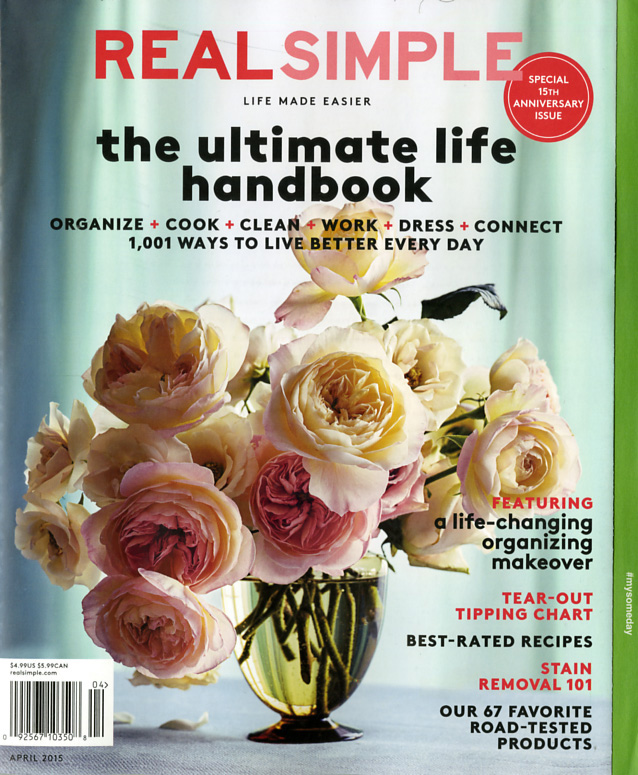
Samir Husni: When I was reading your editorial, you mentioned that you would never do a story about losing 5 pounds in 5 days, or some fad diet. But rather, I see your cover lines and they read: eat bread, pasta and chocolate. I can think of one other magazine that uses a similar approach and that’s Real Simple magazine, you’ll never find a diet or a celebrity on the cover. What’s your thinking behind the cover of your magazine?

Danny Seo: The number one promise we try to make is nothing sensational, no false promises; five pounds in five days, forget it, that’s not going to happen.

We’re trying to be a place that’s very realistic, but also again it’s very timeless. And what we’re trying to create is a product that people actually want to save and archive and build as a collection. And so there are very, very few magazines that are presented in a really timeless fashion. For me one of the inspirations was the very early editions of Martha Stewart Living. Those stories could be run in 2001 or they could be run today.

What you won’t see in the pages of our magazine are product shots, like 15 sunscreens under $15, because that’s not timeless. That’s now. And what that says to the reader is this is a disposable product and when you’re done reading this, you should throw it away, because 10 years from now those sunscreens aren’t going to be on the shelves and also, who cares about how to shop for sunscreens. (Laughs)

I think the biggest example of where we’re going, and we’re already at Issue 2; a lot of the stories that we’ve created in the first two issues we’re now partnering with One Kings Lane, it’s an online site that’s all luxury home products. We’re going to be doing a fine arts sale of the images from the magazine where people can actually buy them framed as original prints and put them in their home, because that’s been the number one request from readers is how do we buy these beautiful images. It’s very few magazines that could actually sell images from today, from a story that’s been done recently.

That’s sort of our promise when it comes to the covers; everything just feels real and it doesn’t scream at you on the newsstand like you’re five-years-old. (Laughs)

Samir Husni: And what has been your most pleasant moment since you started the magazine?

Danny Seo: It’s probably going to sound cheesy, but I was at Whole Foods when the magazine hit newsstands and I was buying a sandwich for lunch, this was in New York. And the day it launched, I was thinking that I didn’t know how it was going to sell or how people were going to respond to it; I felt like I was under the gun. I didn’t know what to do. That day I saw a woman standing in line and all the magazines were lined up at the check-outs and I saw our magazine among them. She picked it up and standing there in line, she began to read it. Eventually, she put it back on the stand and went to pay for her things and I remember thinking, we’re not a library, buy the magazine. (Laughs) But then the next person behind her picked it up and began reading it and I could see her stop at a page, like she was having an “aha” moment and I could almost hear her thinking: I’ve never thought of this, what a great idea. And she put it in her cart to buy it.

After that, I followed her to the register and asked her why she was buying the magazine. And she said, this (pointing to the article) just looks so delicious and I loved this story (she flipped through the magazine) and there’s just so much more to read and I don’t have time to read it all here. The flip quality to her was very important. And she was talking and pointing out to me the articles she really wanted to read as the cashier was ringing up her purchases. At that moment, I just pulled out my credit card and told her I was going to buy her groceries. (Laughs)

Samir Husni: (Laughs too) That’s a great story. Danny, I’ve read references that have been made about you, such as you’re the green Martha Stewart. But you’re not on the cover.

Danny Seo: Oh, yeah, I’m not.

Samir Husni: Are we ever going to see a Danny Seo cover one day?

Danny Seo; No, in fact, that’s in my contract. I will never be on the cover. It’s interesting, there is another publisher, a major magazine publisher, when we were talking about doing this magazine; we met in a room and they mocked up covers and I just saw a wall of me and I just looked at them and asked, “Why on earth would you want to put me on the cover?” And they said because you’re a brand, you have products in thousands of stores; you’re on TV all the time, so we have to put you on the cover. And I remember just saying, “Do you not want to sell magazines?” (Laughs)

This magazine is not a vehicle for me or to push me; it’s not an ego-driven project. It’s a magazine where also I don’t promote my products on the pages. People are investing $10, which is three times the normal price for a magazine, they deserve a better product. And I’m not going to advertise to my reader things that are only in my lifestyle. I have a very strong philosophy about how to live, how to eat and travel, about beauty and home and that philosophy is what I want to present. I think once you lose that trust or that bond about why you’re doing something like this, you lose the reader forever. That’s my commitment from myself to the readers. It’s about them and there is no other motive when it comes to the things we recommend or talk about.

Samir Husni: Any plans to increase the frequency from quarterly?

Danny Seo: In 2016 we’re going to six issues. We actually needed to increase the issues for Issue 2, but we couldn’t get more of the paper that we use.

Samir Husni: I know you’re a very busy man, but when you unwind or get your “me-time” and forget Naturally for a second, what magazine do you like to spend time with?

Danny Seo: I really love so many magazines. My all-time favorite magazine and it’s almost impossible to find in the United States is Jaime. It’s a brilliant magazine. We just came back from Ireland where we did a photo shoot and I actually went into a bookstore and bought back issues of the magazine. It was another inspiration for me in doing our magazine. I think Donna Hay is another beautiful publication; it also has that archival feel to it. Up in Canada, they do some great titles.

In the United States the titles that I really love is Real Simple, it’s one of the benchmarks that we look at and for news, I think New York Magazine is great and some of the supplement titles from the newspapers, like WSJ are fantastic too.

Samir Husni: My typical last question; what keeps you up at night?

Danny Seo: Nothing, I sleep really well. (Laughs)

Samir Husni: Thank you.
h1

An Italian and Magazine Love Affair: The Story of Uomo Moderno Magazine. The Mr. Magazine™ Interview With Founder and Publisher Francesco Di Maio

November 18, 2014

“I went for ink on paper because I believe that my magazine is a collector’s item. So I feel it’s something that people needed, not digitally, but in their hands, something that they needed to hold on to, something physical and tangible.” Francesco Di Maio

Uomo Moderno-18 In the already crowded market of men’s interest magazines; what do you do to stand out and capture your audience’s attention? Put an Italian spin on it, of course. Uomo Moderno is everything fashionable and stylish, from an Italian perspective. It’s sleek, modern and absolutely beautiful to look at.

Francesco Di Maio is the publisher of the magazine and I reached out to him recently when I selected Uomo Moderno as one of the 30 Hottest New Launches of the year. We talked about the possible insanity of what he’d done by launching another men’s interest magazine and his motivation for doing it anyway. Francesco was gracious, honest and very passionate about his subject matter and his ink on paper product. Recognizing the collectability and ownership of print, he felt putting his magazine out there on paper in all its brilliance was the right path for him. And I would definitely have to agree with him.

So sit back, maybe in some Italian leather if you have it, and enjoy the Mr. Magazine™ interview with Francesco Di Maio, Publisher, Uomo Moderno…

But first the sound-bites:

Francesco 3 On whether he was crazy to launch a men’s interest magazine in this day and age: I could be. (Laughs) People have called me crazy in the past. But, I look around me and I see people are still reading magazines and are interested in them and I think one of the most engaging things is that people are really interested in niche magazines.

On the DNA of Uomo Moderno: I was very inspired by the year 2013, which was declared by the Italian government the year of Italian culture in the United States. The magazine is what I see as a showcase of what it means to live in Italian style.

On the biggest stumbling block he’s faced:
In my opinion, it’s a common stumbling block or challenge that any new magazine is going to face, trying to get partners (advertisers) onboard. But it’s happening little by little.

On his most pleasant surprise:
The amount of high-profile people who are discovering the magazine and who want to be in it, both in Italy and America. I’m so excited about that.

On whether he expected to come as far as he has in such a short time since the magazine’s launch:
No, not whatsoever. I never dreamed on being down the road this far in just over a year.

On why he decided on an ink on paper product:
I went for ink on paper because I believe that my magazine is a collector’s item.

On whether we will ever see an Italian edition: They (Italians) read the English digital version and look at the pictures, so I think one day it may very well be, especially if I see that there is a definite interest.

On what keeps him up at night:
Sometimes good things, sometimes bad things. (Laughs) There are times where I’m up at night thinking about the future, the possibilities of exciting articles.

page0001 And now the lightly edited transcript of the Mr. Magazine™ interview with Francesco Di Maio, Publisher, Uomo Moderno…

Samir Husni: First of all, congratulations on Uomo Moderno being selected as one of the hottest magazine launches of 2014.

Francesco Di Maio: Thank you very much and I am very excited about being chosen as one of your hottest new launches of the year.

Samir Husni: My first question to you is: do you think you’re out of your mind to launch a men’s fashion magazine based on the Italian lifestyle in this day and age?

Francesco Di Maio: I could be. (Laughs) People have called me crazy in the past. But if you look at the magazine market you can see several things happening.

It’s my understanding of the industry, and I’ve been in publications, not continuously, but for the most part, the last 20 years, and what I see is there have been radical, almost revolutionary changes in the way people consume information. First, with the rise of the Internet and personal websites and second, all the social media; we see that information is being consumed in different ways through postings and pictures and of course, that has upset the entire print market, not just for magazines, but for newspapers and also for books.

But at the same time, I look around me and I see people are still reading magazines and are interested in them and I think one of the most engaging things is that people are really interested in niche magazines. They’re looking to find information according to specific topics or specific categories.

So with all of this upset in the magazine market, we also see a growth of specific niche magazines and some are actually selling better now than they have in the past. I think it is probably crazy and a person would have to be a little out of their mind to launch a new magazine in this market, but at the same time I think if someone is able to create a magazine according to what people want and what they’re looking for, then possibly it’s not as crazy as it seems.

Samir Husni: Can you tell me a little about the DNA of Uomo Moderno and what you’re trying to accomplish with it?

Francesco Di Maio: I was very inspired by the year 2013, which was declared by the Italian government the year of Italian culture in the United States. And we see that within the U.S. there is a lot of interest in Italy and a lot of people don’t understand modern-day Italy. And even people who say that they are from Italian descent, second-third-or fourth generation, they claim their Italian heritage, yet they don’t really understand anything about their ancestors’ country yesterday or today. They just know that someone in their family emigrated here from Italy. But they have a great love and passion for their heritage.

These facts were part of my motivation, but also another catalyst for the magazine was that Italy has gone through a very serious economic crisis. Our country is one of the strongest countries in design, fashion and creativity, but is on the verge of collapse.

So I took all of these factors into consideration and I thought it would be great to showcase Italian fashion, style, design, décor and architecture, just everything about living in Italian style in modern-day Italy, to show the world who we are despite the economic troubles that we’re having.

The magazine is what I see as a showcase of what it means to live in Italian style. I called it Uomo Moderno, which in Italian means Modern Man. And it doesn’t have to be a man in the sense of a male “man,” it can be female. Although its focus is on the male man because I’m a man and I write from a male perspective. And I deal with a lot of topics that interest men. But I am bringing more and more topics that would interest females into the magazine, because in the United States much of my readership is female.

Basically, if I had to say it in a nutshell, the magazine is a showcase of living in Italian style and I try and make it a lifestyle and fashion magazine, which presents young and emerging entrepreneurs and designers of Italy to the United States. And not only entrepreneurs, but musicians, actors and people from all walks of life.

Francesco 2 Samir Husni: What was the biggest stumbling block that you had to overcome when it came to launching the magazine?

Francesco Di Maio: I think the biggest stumbling block would be what everyone would face, because when it comes down to the content or the graphic design, the layout and creativity, there is no problem. There is so much content because we’re dealing with a country that is abundant in style, fashion and creativity. When you think about the actual magazine itself; I think one of the biggest stumbling blocks is not even distribution because people want the magazine; the biggest stumbling block is getting the sponsors and advertisers onboard, because the magazine is new and of course people have to see the value of the magazine and they have to want to be in the magazine.

In my opinion, it’s a common stumbling block or challenge that any new magazine is going to face, trying to get partners onboard. But it’s happening little by little. People are seeing and loving the magazine and they’re calling to discuss it, in terms of advertising and investments. It’s a challenge that just takes time even with a quality product.

Samir Husni: And what was the most pleasant surprise?

Francesco Di Maio: The amount of high-profile people who are discovering the magazine and who want to be in it, both in Italy and America. I’m so excited about that.

We did New York Fashion Week and we had Jason Pierre-Paul of the New York Giants walk in our fashion show. And during Philadelphia Fashion Week, we had Brandon Boykin of the Philadelphia Eagles. What happened was having them walk in the fashion show, we were on national television two times this week, first on CBS Game Changers and then on NFL Rush Zone – Nicktoons, Nickelodeon.

For me, it was just so exciting because I didn’t expect that within a year and a half of the magazine’s existence, this would happen. I got to meet these great celebrities and it was just so exciting. These are some of the joyful moments of publishing a magazine.

Samir Husni: When you launched the magazine, did you ever expect that in just over a year you would be at the point you are at now?

Francesco Di Maio: No, not whatsoever. (Laughs) I launched the magazine with the intention of being digital only and we did a few trial runs. Then when I heard the reaction of so many people in various industries tell me how beautiful the magazine was and how much they loved it and how easy it was to read and digest the information; I knew I was on to something. But I never dreamed on being down the road this far in just over a year. And I never dreamed of being on television, for sure. (Laughs) It’s just very exciting.

Samir Husni: Why, after doing the testing on digital, did you decide to go with ink on paper?

Francesco Di Maio: I went for ink on paper because I believe that my magazine is a collector’s item. I believe that the quality of the magazine, both in terms of the physical paper and print and the content, is something that people would want to save and interestingly, I have a lot of people tell me: Francesco, I keep your magazine on my piano or my coffee table and people come to my home and they really admire it.

So I feel it’s something that people needed, not digitally, but in their hands, something that they needed to hold on to, something physical and tangible. That’s what motivated me to do it in print and that has been the result so far, people have been pleased.

Samir Husni: Will we ever see an Italian edition of the magazine?

Francesco Di Maio: It’s funny you ask that because I have a very big readership in Italy on the website and Facebook and many Italians are following the magazine, but I don’t know the percentage of Italians that read English. Uomo Moderno magazine is a magazine for foreigners written in English so that they can understand about living in Italian style, but I’m noticing that a lot of Italians are reading the magazine because they don’t know about all of these emerging designers we’re writing about.

200 Samir Husni: Foreigners in their own land. (Laughs)

Francesco Di Maio: Yes, for the moment. (Laughs) They read the English digital version and look at the pictures, so I think one day it may very well be, especially if I see that there is a definite interest. Yes, I would love to have an Italian version. I’ve been looking into a Chinese version, because I know that in China there is an extremely high interest in Italian fashion and design. Just as I know that in the Middle East or North Africa, there are many followers who really love Italian design. But with English as kind of a global language, people are able to read it. So these are things I will need to figure out in the future.

Samir Husni: Is there anything else you’d like to add?

Francesco Di Maio: The only thing I’d like to add is I’m really extremely excited about the people who are my partners. They’ve been a great support. Also, I’d like to say that it’s a great pleasure to be able to present and showcase Italy and all of its fashion, the good and the bad. And to be nominated as one of the 30 Hottest New Launches in the U.S. is a great honor and I did not expect it. I am so thankful to be recognized, to start out as no one and then to have the hard work noticed. It’s such an honor.

Samir Husni: My typical last question; what keeps you up at night?

Francesco Di Maio: Sometimes good things, sometimes bad things. (Laughs) There are times where I’m up at night thinking about the future, the possibilities of exciting articles. Sometimes those things keep me up at night. Or I’ll be really excited about an edition that we’re doing.

And occasionally, I’m up at night worrying about all of the challenges that we’re facing. Those things keep me up.

Samir Husni: Thank you.

h1

Going the Distance: The Story of AFAR as Told by Its Co-Founder/CEO Greg Sullivan. An ACT 5 Presentation.

October 17, 2014

Greg Sullivan,Co-founder/CEO of AFAR Media, publisher of AFAR magazine delivered the second keynote of day three of the ACT 5 Experience. You can view his Oct. 9 presentation by clicking the video below.

h1

Get Ready to Feel Smart Again: Floss Your Brain With Mental Floss Magazine… The Mr. Magazine™ Interview With the Magazine’s Co-Founder Will Pearson

August 22, 2014


“I think there is an incorrect belief that younger readers aren’t reading print. And I think that belief has largely been because so many people are watching the shifts in the industry that are happening that have made it more challenging for some of the huge mass market titles to be successful in the same way they were in the past.” Will Pearson

mental floss-2 Do you want to know how to start a magazine? Just ask Will Pearson and Mangesh Hattikudur, two young men, who while still in college, decided to Google that very question.

The result was the birth of Mental Floss – a magazine that makes its readers “feel smart again” by informing them of just about anything they might want to know – from the sublime to the ridiculous.

And 14 years later, the magazine is still flossing its readers’ brains with content so original, it’s as though the words themselves had just been born.

I spoke with Will Pearson, one of the magazine’s founders, recently and discovered the passion and fire he had for Mental Floss as a younger man, when he and his buddy Mangesh came to see me at Ole Miss in 2000 to ask me about the magazine start-up, was still burning bright after all these years. From a YouTube channel, to games, from the print magazine to a children’s line of products; Mental Floss and its creators are the epitome of innovation and zesty delight.

So get ready to “feel smart again” as you enjoy the Mr. Magazine™ interview with Will Pearson – co-founder of Mental Floss.

But first the sound-bites…

will-pearsonOn the current status of Mental Floss after 14 years: The current status of Mental Floss is good. Fortunately, we’ve seen tremendous growth over the past three years.

On how they’ve managed to maintain their younger audience:
I think there is an incorrect belief that younger readers aren’t reading print.

On the increase in frequency of the magazine:
We’ve been able to maintain our growth and with a profitable circulation have found that it was profitable to go one issue higher, from six to seven to eight and now nine and looking at going beyond that potentially and we’ll continue to do that as long as the numbers make sense.

On whether the brand could exist without the digital component:
Can the brand exist without a printed magazine? I think it can exist, but I don’t think it would be as strong without the magazine.

On where the majority of their revenue is coming from:
An increasing percentage of our revenue over the past couple of years has been coming from advertising on the digital side of the business and that’s now representing probably about half of our business, to be honest with you.

On anything for children on the horizon:
We’ve definitely been dabbling in the children’s industry. There is a great company that’s called Melissa & Doug that make children’s products and we’ve started a line with them called Smarty Pants and we’re expanding that line.

On what keeps him up at night: I think weighing the opportunities that we have is constantly what keeps me up at night. Trying to think of what we should be doing next and that constant battle and balance of making sure that we’re doing the things that we’re currently doing very well, while also looking at new opportunities.

And now the lightly edited transcript of the Mr. Magazine™ interview with Will Pearson – Co-Founder, Mental Floss…

Samir Husni: A lot has changed since we visited some 14 years ago and also with the recent death of Felix Dennis. So considering all that’s happened, what’s the current status of Mental Floss?

Will Pearson: The current status of Mental Floss is good. Fortunately, we’ve seen tremendous growth over the past three years. You know, one of the main reasons we sold to Felix was not just for own wellbeing, but knowing that the brand would be in good hands. We’d admired Felix from a distance for years, the way that he approached business and the way that he had successfully grown so many businesses. And had managed to do so while not always following the rules of the industry, which was kind of exciting for us. So we knew that in selling to Felix we would be able to continue to grow Mental Floss in the spirit in which it was launched and not have to follow the rules of some corporation or just become a number within a bigger corporation.

Really nothing has changed with Mental Floss since Felix passed. When Felix knew that he was not well and a few of us also knew that he wasn’t well, he put the pieces in place to make sure his companies in the U.S. and around the world would remain strong and would continue funding the planting of the trees in his forest in the U.K. and that would remain his legacy.

It’s in many ways such a fitting thing with it being somebody as eccentric as Felix, that after he passes we’re now working for a bunch of trees, which is very funny and also I think for our employees a kind of fun thing to know that it’s not some giant corporation that everybody is reporting to, that we’re actually doing this for a really fun and interesting cause.

Samir Husni: What would you tell someone who would say to you, “But Will, you’re cutting trees to continue with print, yet you’re planting trees…

Will Pearson: (Laughs) This is very true. And it is one of those things – there’s nothing that replaces the experience of reading a print magazine for a lot of people. Obviously the industry has tried to make moves to move to a more sustainable source of paper for printing, but really until the day comes that something feels as good or replaces that experience of reading a print publication, there will still be those of us that enjoy holding and reading paper. It’s a very different experience and I know you fully understand.

And so we’ll be doing that as long as there is an interest there. It’s not the biggest portion of our audience, but it is by far the most loyal, those 150 to 200,000 people that read every issue are by far the most engaged members of our audience.

Samir Husni: So who is your audience? You started this magazine 14 years ago; you and Mangesh were the digital natives, you were both finishing school and the Internet was just coming onto the scene. How have you managed to keep the same audience as you both are?

Will Pearson: I think there is an incorrect belief that younger readers aren’t reading print. And I think that belief has largely been because so many people are watching the shifts in the industry that are happening that have made it more challenging for some of the huge mass market titles to be successful in the same way they were in the past.

But there is no evidence that smaller titles, or titles that find a very core audience, can’t be successful. So fortunately, we really had no choice but to start this brand on a shoestring budget and to grow it organically. We didn’t have the deep pockets to blow this out in a huge way. If we had, we would have burned through that cash quickly and probably have gone out of business.

I think the same would have happened had we decided to launch Mental Floss as a digital-only property. But what we did instead was in a very organically-grown way, we started to find this core audience. And in many ways it was more of a psychographic, our audience is a younger audience, many of them are in their 20s and 30s, but at the same time it’s really more the lifelong learner. So we have a decent percentage of our readers who are retired and just looking to continue their education or return to their education.

We have a number of readers who are teenagers that are interested in these kinds of topics and looking forward to the things that they may learn in college.

Unlike many lifestyle titles or titles that are really focused in on a very narrow group, Mental Floss is really reaching more of that psychographic of the lifelong curious learner that’s out there.

Samir Husni: I’ve noticed that recently the frequency of the printed magazine is increasing. You went from six to nine times…

mental floss2-3Will Pearson: Yes, that’s kind of unusual right now in the industry. But the reality is because of the circulation model that we have, because we refuse to spend a fortune to kind of artificially grow the circulation and because we don’t give the magazine away, which much of that goes to your credit of advising those of us who were starting up magazines over the past decade or two, we know the value of our product.

Magazines have real value. So much work goes into producing these and readers get great joy out of reading each issue and it almost seems criminal to try and sell a subscription for $3.99 or whatever, because it doesn’t lead to a sustainable model.

What we really had to do, out of necessity early on, but have continued to do so, and it was certainly a belief of Felix’s with The Week or any of his other publications, charge the value of the magazine. So people are paying $24 or $25 for a subscription to Mental Floss, which on a price per copy basis is really high across the industry right now.

So we’ve been able to maintain that growth and with a profitable circulation have found that it was profitable to go one issue higher, from six to seven to eight and now nine and looking at going beyond that potentially and we’ll continue to do that as long as the numbers make sense.

Samir Husni: You referred to Mental Floss as a brand, not just a magazine; do you think the brand can exist if there is no printed product?

Will Pearson: Can the brand exist without a printed magazine? I think it can exist, but I don’t think it would be as strong without the magazine. Again, it’s almost intangible to try and explain it, this connection that people have to print magazines that deliver to them in the mail with whatever frequency it is. That establishes such a strong connection and when we think about the other things we do as a brand, whether it’s publishing books or creating games or building an e-commerce division or trying to build up awareness of our YouTube channel; just anything that we’re doing, that core magazine audience are the first ones to know about it and are the first ones to rally behind it and spread the word about the existence of whatever that new project is.

I do believe the brand could exist at this point without the print product, but I believe it would be existing as a weaker brand than it is now.

Samir Husni: Where is the majority of your revenue coming from: the games, YouTube or the print magazine?

Will Pearson: You know, an increasing percentage of our revenue over the past couple of years has been coming from advertising on the digital side of the business and that’s now representing probably about half of our business, to be honest with you. The subscription revenue or circulation revenue is becoming a smaller piece, but still a very important component and the good thing about the way we’ve been trying to build this is the advertising revenue is being built on top of the sustainable business because what we don’t want to do is fall into the trap of being so reliant on advertising that the company could not survive if there were a significant downturn in the advertising industry.

We’re in a fortunate time now though where we’ve seen such explosive growth on the digital side of the business; the video side of the business and on social media and so many advertisers are moving there rapidly that it’s given us the opportunity to capitalize on that and we’d be crazy not to capitalize on it, but it’s just a common additional, strong component of what we’re doing now as a brand.

Samir Husni: After 14 years, do you feel smart again, or did that smartness never leave you?

Will Pearson: (Laughs) It depends on what day you’re asking me. Actually, I think part of the fun of this business to this point and the reason that we’re still doing this 14 years later is that is does still feel that there is so many things for us to learn. Every day we wake up and we try to think how can we advance the business one additional step and it still feels very entrepreneurial and that’s a very exciting part of being able to do this. I think the day that it feels like we’re either on auto-pilot or just trying to maintain an existing business, it would probably be time for Mangesh and me to move on to something else. But fortunately we’re not at that point. We continue to learn every day and we continue to grow the business. I know we’ve learned an enormous amount over the past several years, but with just how much the industry has changed and how much the world is changing on a daily basis also makes it obvious to us that we have that much more to learn.

Samir Husni: Since you’re both parents, are we going to see a special issue such as Mental Floss for Kids?

Will Pearson: We’ve definitely been dabbling in the children’s industry. There is a great company that’s called Melissa & Doug that make children’s products and we’ve started a line with them called Smarty Pants and we’re expanding that line.

And we are evaluating what the possibilities might be, both in print and digitally, for how to expand that line. Because so many of our readers are either becoming parents or grandparents and it’s something that they’re thinking about.

Part of the spirit of Mental Floss from its beginning was being able to celebrate knowledge in a way that children do or in the way that many children’s products do and that we weren’t really seeing happening with adult products. So I think it would only make sense for us to extend in that direction.

Samir Husni: Anything else you want to add?

Will Pearson: It is still fun after all these years, especially when people are constantly asking us: how did this happen? How did this come about? It’s just funny to be able to tell them the story and your involvement in the story and to be able to say, you know, we wanted to know how to start a magazine, so we Googled it and Google was a pretty young thing at that point, and ended up finding someone who would become a longtime mentor and friend. And it’s just been a lot of fun to be able to go on this ride and have so many people who were such a big part of the early start of the magazine to still be cheering us on.

Samir Husni: My typical last question; what keeps you up at night?

Will Pearson: (Laughs) Well, if it’s not my children, which they unfortunately are Pearson’s, which means they don’t sleep much, we don’t sleep much by nature. Which is both a good and a bad thing, I guess.

But I think weighing the opportunities that we have is constantly what keeps me up at night. Trying to think of what we should be doing next and that constant battle and balance of making sure that we’re doing the things that we’re currently doing very well, while also looking at new opportunities. And it’s easy to go too far in either direction, like not exploring new opportunities, but it’s also very easy to go in the direction of trying to do too many things at once and diluting the brand and not doing any of those things very well. And that’s the battle that I’m constantly fighting and trying to think through internally.

But it’s also why whenever we approach a new project, we tend to experiment a good bit and be able to survive early failure by those experiments, rather than just sinking millions of dollars into some new project. The YouTube channel, for example, is something that we decided, you know what, for a year let’s test this, let’s do a show, see how it goes; if it does well, we can expand it beyond there. And it’s been a huge success; there’s over a million subscribers to the channel now, thanks to our partnership with John Green, who’s been a big part of that and so we’re going to be expanding that, launching a couple of new shows this year.

But those are the kinds of things that are constantly keeping me up at night and just asking myself, are we focusing on the right things.

Samir Husni: Thank you.
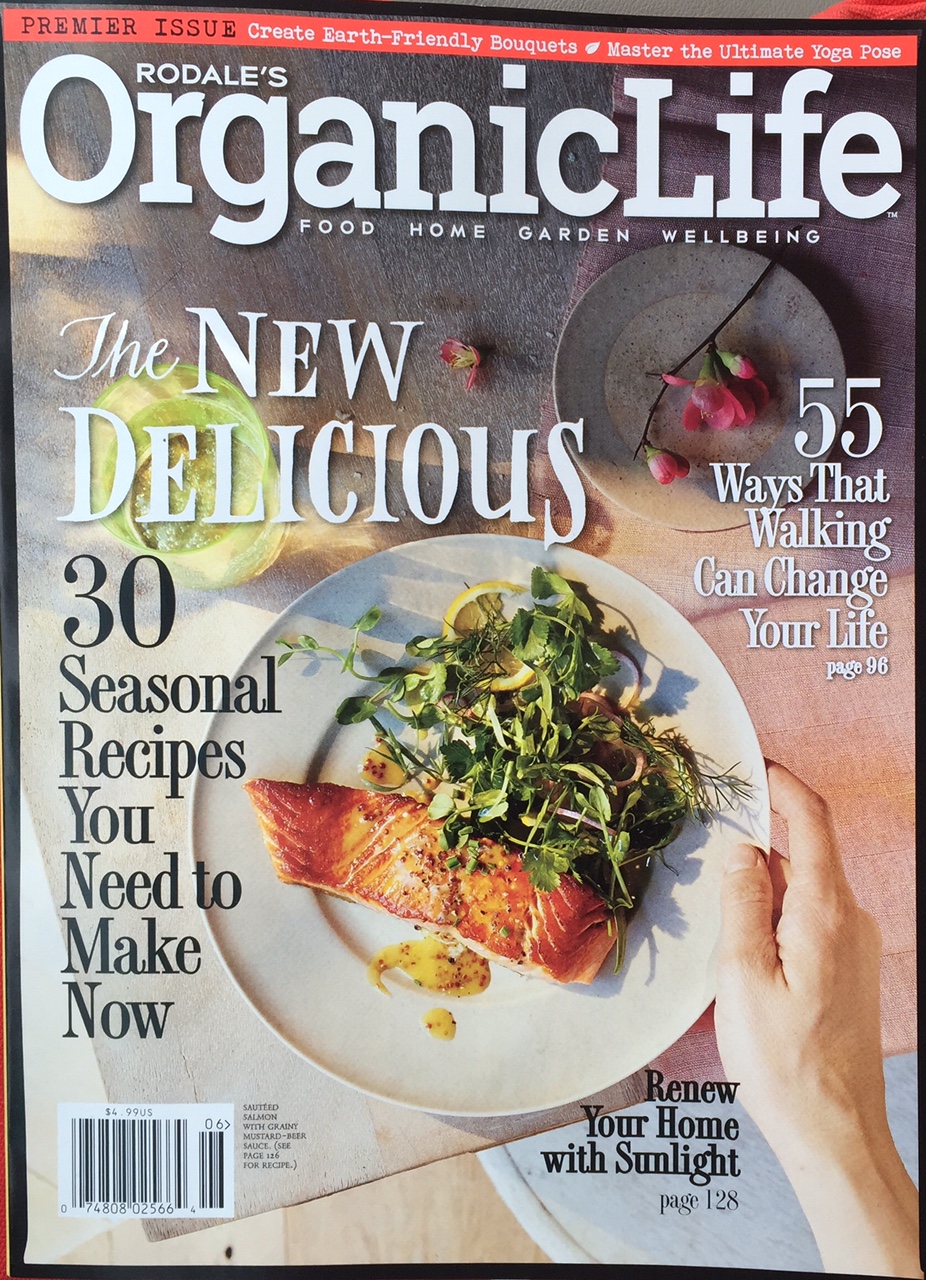
h1

Intercourse, The Magazine: No, It’s Not What You Are Thinking… The Mr. Magazine™ Interview With Editor & Director Of Education Development, Catherine Despont.

August 18, 2014

INTERCOURSE-1INTERCOURSE BACK COVER-2 What’s in a name? I just did a blog about that very topic. However, I didn’t include a magazine that is relatively new and devoted to the creation, synthesis and discussion of art, science and education.

The name of the magazine is Intercourse and just mentioning that moniker is cause for conversation. Indeed, isn’t that the sign of captivating content?

The magazine was created within the confines of Pioneer Works, a non-profit organization that according to its Founder & Director, artist Dustin Yellin, fearlessly bridges the chasm between disparate disciplines.

TheBuilding15 (2) The organization is housed in a building built in 1866 and was first occupied by Pioneer Iron Works, one of the largest machine manufacturers in the United States- constructing ships, boilers, tanks, sheet iron, detachable railroad tracks, grain elevators, and machinery for sugar plantations. The building was completely destroyed by a devastating fire in 1881 and rebuilt shortly thereafter.

As for the magazine, Yellin describes it better than I ever could in his letter from the editor in the current issue of Intercourse:

“Ballet or blitzkrieg, Intercourse is not the sickeningly sweet swill used to fatten you at the trough. It is not cotton candy confirming old prejudices. Burning up in the synaptic pop, boiling over in the cosmic crucible, drowning in a million possible futures, it is a swath of spinning galactic organisms coalescing. Intercourse is a capsule to treat tunnel-vision tremors. Anyone can swallow it. You’ll soon feel it dissolving, swimming up your bloodstream, mincing and chirping, to make your beautiful brain grab someone and dance a jig.”

catherinedespontCatherine Despont is the Editor of the magazine and is in charge of Education and Editorial Development. I reached out to Catherine to discuss the magazine’s title and mission and discover more about Pioneer Works in general. The Mr. Magazine™ interview follows and I think you’ll be both amazed and inspired by her answers.

But first the sound-bites…

On the background of the magazine’s title: For us it was about being in this space in a world that was increasingly virtual, when this space is really about being physically present with other people and to that sense, an idea of both intellectual interchange and dialogue, but also physical presence, community and closeness is tied up in the word Intercourse for us.

On why they decided to do a print product instead of just a digital entity: Because the printed product really has the physical presence and so much of this space is about the physical.

On consumer reactions to the ink on paper magazine: People think it’s very beautiful and say it feels like a real object. It has more of a book-like quality because of the format.

On the drive behind the magazine and the non-profit organization, Pioneer Works: To me it’s the opportunity to start a different conversation here. To look at art not just as a fine art object, but as a creative methodology that can be used to understand the world and to approach any kind of subject.

On how they can assess the success of the magazine and Pioneer Works: I believe that step-by-step we’re experiencing success with all we’ve done so far. It’s just a matter of getting the word out to people and getting people to the space and obviously getting them engaged with the magazine, even if they’re in cities that aren’t next door to us.

On what keeps her up at night: Deadlines keep me up at night, dreams of who I could entice into this building; I’m constantly thinking about who I can reach out to, who I can talk to, who I can bring in and do a lecture with and who I can start a conversation with.

And now the lightly edited transcript of the Mr. Magazine™ interview with Catherine Despont, Editor, Intercourse Magazine…

Samir Husni: My first question has to be about the title. To see a magazine called Intercourse has to stop you. Can you give me a little bit of background on the title?

Catherine Despont: It’s important to know that the magazine is associated with a large exhibition space in Brooklyn called Pioneer Works Center for Art and Innovation. And it’s a 25,000 square foot old factory space and it houses a museum, with museum-style exhibitions. We have art and science residencies, so artists and scientists have studios in the space for anywhere from 1-6 months to work on their projects. And we also have a big education department.

And this whole project is the vision of an artist named Dustin Yellin. Dustin is an artist who makes these large sculptures out of glass. He has very big studios and he’s always had kind of a stream of having a place where artists can work together in a common space and just share ideas. He’s always had environments where lots of people have been working together at one time. He had a large studio in Red Hook, just up the street from this space for many years. This place became available and it was always his dream to buy it. And so he bought it just under three years ago and initially thought that he would live in it and have his studio in it, but this project has grown exponentially in that time, so he’s moved his studio out of it, but now runs it and oversees the project.

I’m the editor of the magazine, which ties together all the contents that comes out of this space and I also do the educational programming here.

To answer the question about the title Intercourse, it was always a word that initially Dustin thought he might call the space, but it was a bad choice for a lot of reasons. Intercourse really, obviously, has this idea of discourse, of interchange and catches the eye, but for us it was about being in this space in a world that was increasingly virtual, when this space is really about being physically present with other people and to that sense, an idea of both intellectual interchange and dialogue, but also physical presence, community and closeness is tied up in the word Intercourse for us.

Samir Husni: Here is this community of artists; you have this whole venue – why did you decide to actually do a printed product, in addition to everything else you’re already doing? Why not just the web or digital?

intercourse spread-4 Catherine Despont: Because the printed product really has the physical presence and so much of this space is about the physical. And the idea is we don’t just have artists here; we have artists and scientists; we have a Microscopy Lab, geneticists in residence, we’re working with a new community bio-genetics lab to set up a wet-lab for people to actually do bioengineering here.

For us the space is really about access to subjects and disciplines that would be traditionally sort of reserved for institutions or university settings. And we felt that we really did need the space where lots of different ideas could come together so that a person who is a creative thinker can access any idea, resource or type of person that they need in order to bring their vision to it as well as to voice their expression.

And in that sense it’s also important to have a printed document, both as a way of archiving, as a way of having a tangible trace of the work that’s going on here and also because a lot of internet magazines and print magazines in general also tend to have this very specialized feeling. Either they’re specialized to a particular content or they’re directly targeted to a specific audience.

And it was important to us to have a document that captured the compendium, like the full range of the discussions that happen in this place. The magazine has been our best resource for visitors coming to the space and in trying to get people to understand what we’re doing in a nutshell.

cathedralspace.4 (2) The space itself is very dramatic; it’s a former ironworks and it was built in 1866 and it has this large cathedral-like hall because they originally built train cars in it. There’s something very stunning about walking into it and seeing it. People have a hard time understanding how all of our programming comes together until they see the space and so the magazine is another platform for us to get people to understand the scope and the range of what we’re talking about.

Samir Husni: When people pick up the magazine for example at Pioneer Works; have you been able to track any reactions to it?

Catherine Despont: People think it’s very beautiful and say it feels like a real object. It has more of a book-like quality because of the format. The word Intercourse has this very interesting resonance against the image of the cover that it’s on, because it’s such a fine art image. So immediately there is this tension between the actual word and the elegance of the drawing that’s on the cover. It’s a very dense document and there is a lot of different material in it. There is a lot of strange sort of connections between the articles and people are just very excited. It’s like their way of touching and holding what’s been going on here.

We have so many events and classes, so many exhibits that people like to feel like they’ve taken a part of the place away with them when they leave and that they’ve interacted with it.

Samir Husni: What’s the drive behind Pioneer Works and the magazine? What is it that keeps Catherine going every single day?

Catherine Despont: To me, it’s establishing a new paradigm in education and the creative arts. I think we have a real crisis in education right now; it’s much too expensive and it’s incredibly specialized and competitive. I think it really stalls ideas from just reaching their fullest expression because of the silos that things exist in.

To me it’s the opportunity to start a different conversation here. To look at art not just as a fine art object, but as a creative methodology that can be used to understand the world and to approach any kind of subject.

What drives me is just feeling like I’m really at the forefront of a new movement, in terms of education, in terms of the way we understand the relations between creativity and science and the way in which all of these things can have real effects on people and their lives. So this is really about a community of change and an experiment in envisioning what kind of structures we want for the future; how we want to learn about the world and how we want to engage with the world.

Samir Husni: How can you assess your success; when can you say that you’ve met your goal?

Catherine Despont: We’re launching new programs all the time, for example, when we have 500 people come through our door for events. All of this when we have hundreds of applications for our residency program; all of those things signal success to us.

We’re still in the process of capitalizing within the space and there are a number of building projects that we want to complete. We’re building a science lab, a music recording studio; we want to build a woodshop and a metal shop and an observatory and eventually we see this operating as a canvas.

Once we’ve secured an endowment and once we have people regularly enrolled in this full time as a school and people see us as a resource for a new way of thinking, I think that will definitely be success. But I believe that step-by-step we’re experiencing success with all we’ve done so far. It’s just a matter of getting the word out to people and getting people to the space and obviously getting them engaged with the magazine, even if they’re in cities that aren’t next door to us.

Samir Husni: My typical last question; what keeps you up at night?

Catherine Despont: I just wish there were more hours in the day to do the work that we have to do. Deadlines keep me up at night, dreams of who I could entice into this building; I’m constantly thinking about who I can reach out to, who I can talk to, who I can bring in and do a lecture with and who I can start a conversation with.

It’s the most exciting opportunity I’ve had and my mind is constantly racing about making the most of it.

Samir Husni: Thank you.
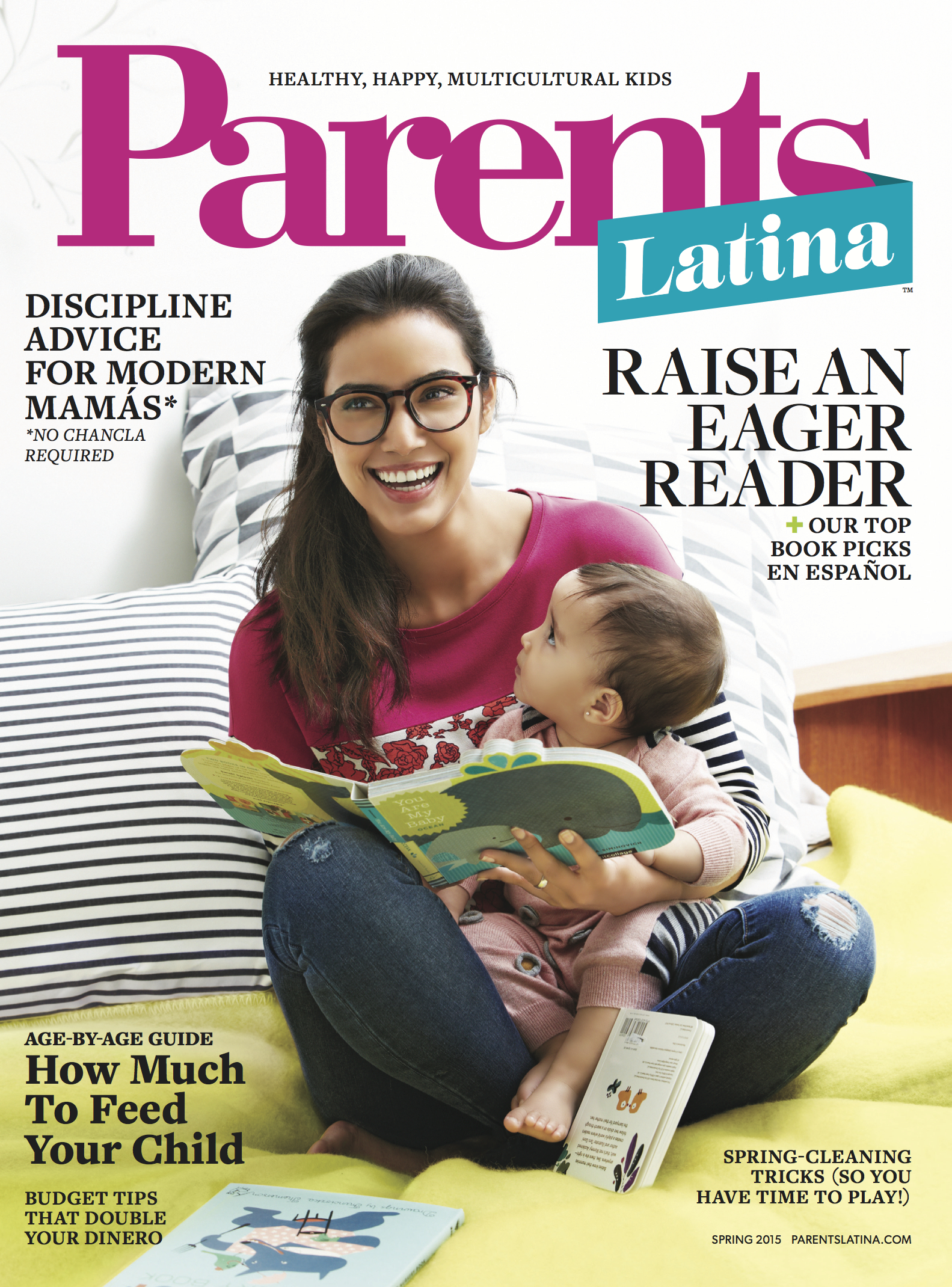
h1

Traveling the World One New Magazine at a Time… A Mr. Magazine™ Musing.

July 31, 2014

When many people travel they attempt to learn words and phrases from their host countries in order to communicate and understand the local citizens better – and while that is a most noble and natural cause; when Mr. Magazine™ travels, not only is communication a priority, but also the word “new” is paramount on his list. Whether it’s nouvelle, noveau, jadīd or neu; Mr. Magazine™ revels in the many ways to say the word new.

husniinriga At the newsstands in Riga, Latvia.

Why, you might ask? Because new inserted before the word magazine is an exciting prospect to me and when you put the word stand behind it (OK – plus an extra “s”), the word newsstand is born. And I ask you; what could be more thrilling than new magazines and newsstands in foreign countries?

I can’t think of anything.

While most people when traveling to foreign lands are picking up a guide or a map to the best museums or the best places to visit, such as the National Museum of Beirut, Belem Tower in Lisbon or Table Mountain in Cape Town, South Africa, Mr. Magazine™ is searching for newsstands, asking locals to show him where the best in the city he’s visiting is located and the quickest route to get there.

And visiting I did. In the last five months or so, my travels took me to Cape Town, South Africa…Riga, Latvia…Paris, France…Amsterdam, The Netherlands….Lisbon, Portugal…Helsinki, Finland…Munich, Germany and Beirut, Lebanon to name a few.

I have delivered presentations and seminars ranging from trends in magazines to the need to place the customer or the audience first in these wonderful countries and while the presentations and the meetings went very well, it is that newsstand street education that was the secret ingredient that held all the seminars and presentations together.

A newsstand in Riga No shortage of magazines in Riga, Latvia.

There is a lot to be learned from a visit to a newsstand anywhere in the world, they remain the best reflector of any society and the latest magazines found there are the new blood of any newsstand. And as I traveled the globe this summer, it dawned on me that this revelation must be shared to be appreciated. So typically, I began to buy these new magazines, searching nooks and crannies of cities so beautiful, they took my breath away, to find sometimes quaint, sometimes immense newsstands across the world. And from my determined hunts, I gathered some of the finest and most creative ink on paper products that I have seen in a long time.

So for your viewing pleasure, take a look at the treasures I brought back from a few of the world’s newsstands and…Vive le pouvoir des revues imprimées!

Until my ship sails again…
Mr. Magazine™
© Samir “Mr. Magazine™” Husni, 2014.

Untitled-59Untitled-56Untitled-55Untitled-53Untitled-49Untitled-48Untitled-45Untitled-44Untitled-41Untitled-40Untitled-37Untitled-36Untitled-33Untitled-32Untitled-29Untitled-28Untitled-25Untitled-24Untitled-20Untitled-19Untitled-16Untitled-15Untitled-12Untitled-10Untitled-7Untitled-6Untitled-3Untitled-2Untitled-1new-33new-32new-28new-29new-25new-24new-21new-20new-16new-15new-12new-11new-8new-7new-6