h1

Matt Bean Comes Home Again To Men’s Health: “Magazines Have Been, And Always Will Be, A Vibrant And Powerful Spotlight In Our Society” – The Mr. Magazine™ Interview With Matt Bean, Editor In Chief, Men’s Health

October 7, 2016

mh1116_news

Some people say that you can never go home again, but that old adage doesn’t apply to Matt Bean. Matt has come home to Men’s Health and he’s never been happier. Formerly at Time Inc., Matt is back at the helm of a brand that he started at in 2004 as an associate editor. By 2012, he was in charge of digital product development at Rodale. He knows the brand, but more importantly, he is passionate about Men’s Health and plans on bringing an entrepreneurial perspective to the job of editor in chief.

I spoke with Matt recently and we talked about how he wants to evolve the brand, while keeping its core content and value delivery to the reader the constant goal. As Matt explains it, Men’s Health is a service magazine that is directly connected to its audience. Nothing is more important than that relationship, and while he plans on moving the brand forward, both in print and digitally, the foundational essence of the title will not change. You don’t fix what isn’t broken. But he has many ideas on growing the digital side and bringing in new readers to the print magazine, while continuing to satisfy the magazine’s loyal, legacy audience.

So, I hope you enjoy this great conversation with a man who proves you can go home again, and you can do it with gusto, the Mr. Magazine™ interview with Matt Bean, Editor In Chief, Men’s Health.

But first the sound-bites:
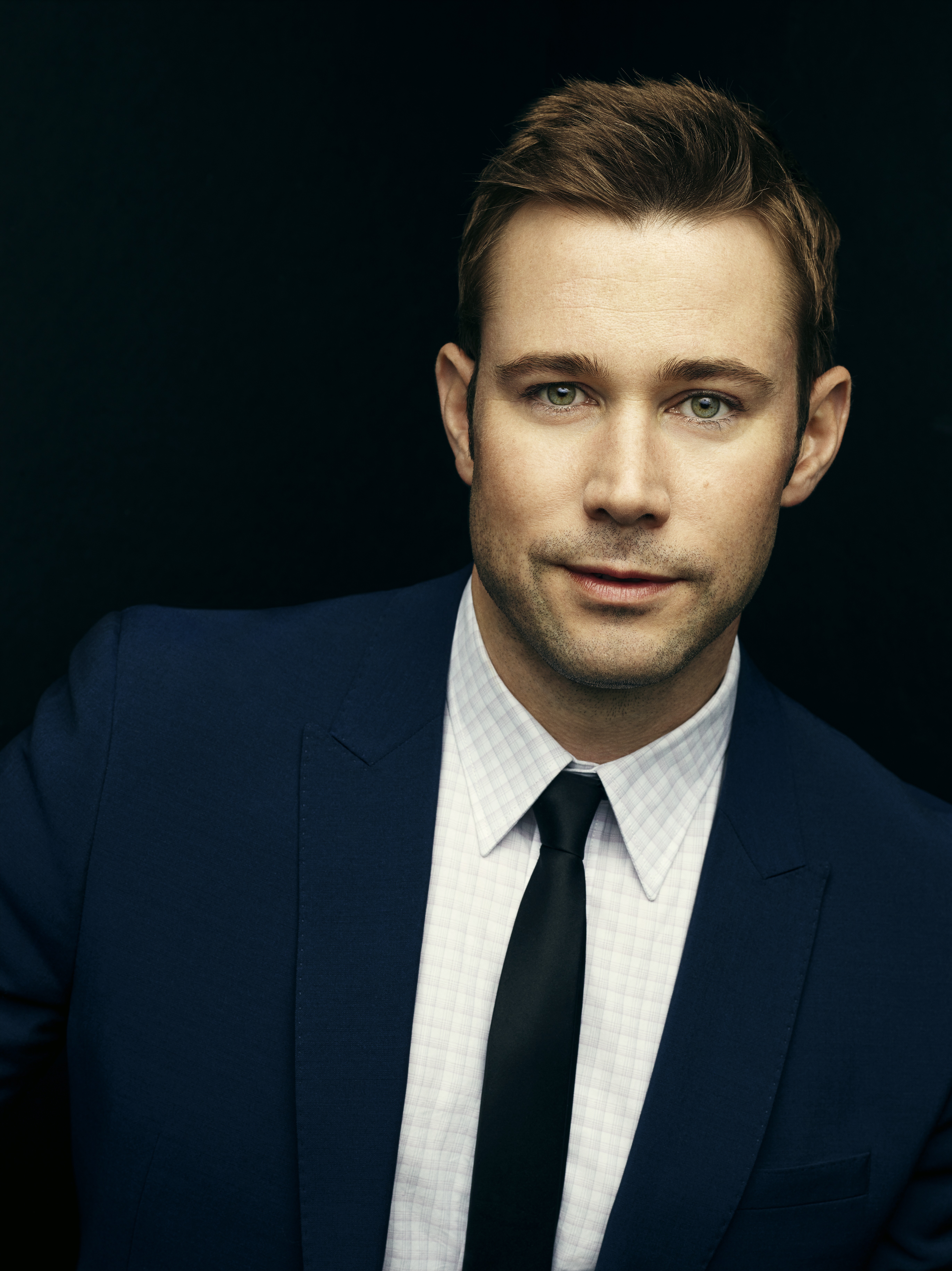
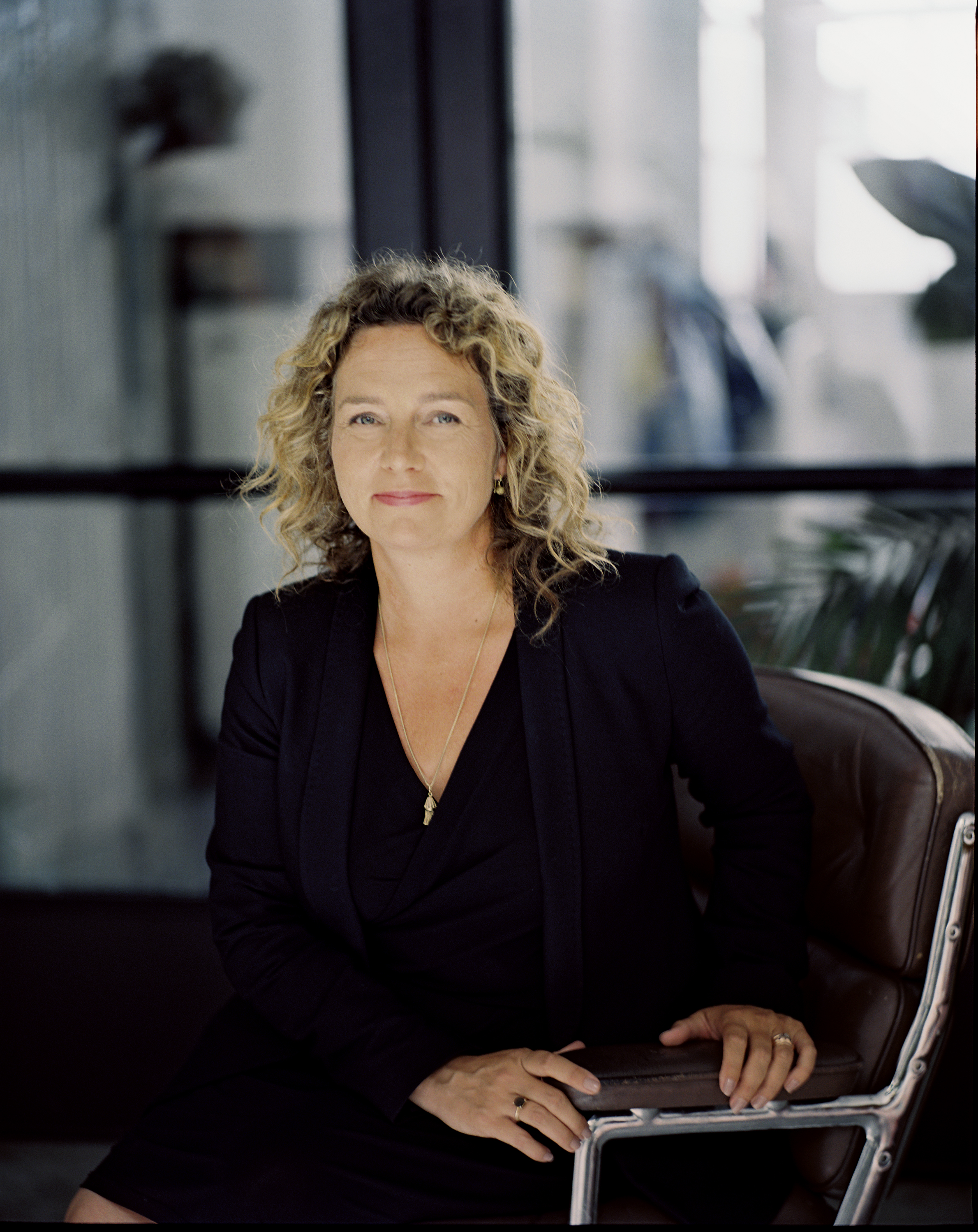
Matt Bean photograph by Miller Mobley  hair, makeup and grooming by Sonia Lee for Exclusive Artists using Kevyn Aucoin and Baxter

On coming “home” to Men’s Health: It’s what I know and it fits my lifestyle directly as a reader. And being able to channel what I know and love in to my day-to-day job is a rare and fortunate occurrence. Journalism is an obscenely cool business because you get to focus on things you love if you play it right. And you get to learn day in and day out. So, it’s been great.

On that moment when he received the call that he had the job as editor in chief of Men’s Health: I wish I could, but it wasn’t so much just one decisive moment as it was a series of conversations. Imagine, if you will, that you haven’t seen a really good friend in a long time, and a lot of stuff has happened to both of you in the meanwhile. You can’t possibly jump right back into that friendship all at once; there are so many different layers for you to get through.

On when his fingerprints will show up on Men’s Health: I don’t think it will be until the Jan./Feb. or the March issue, because these magazines work very down-the-road. I’ve said to the staff that I don’t want to change things for the sake of changing them. There’s a lot of good that’s being done at the magazine.

On how he plans to take a very good magazine already and make it better: There’s such great brand equity that you can’t hope to change any of that. What you can do is evolve the magazine packaging; try to come up with new ways to communicate with the reader on the newsstand. And convert those first-time readers into subscribers or multiple-issue customers. To me, that’s the real goal here.

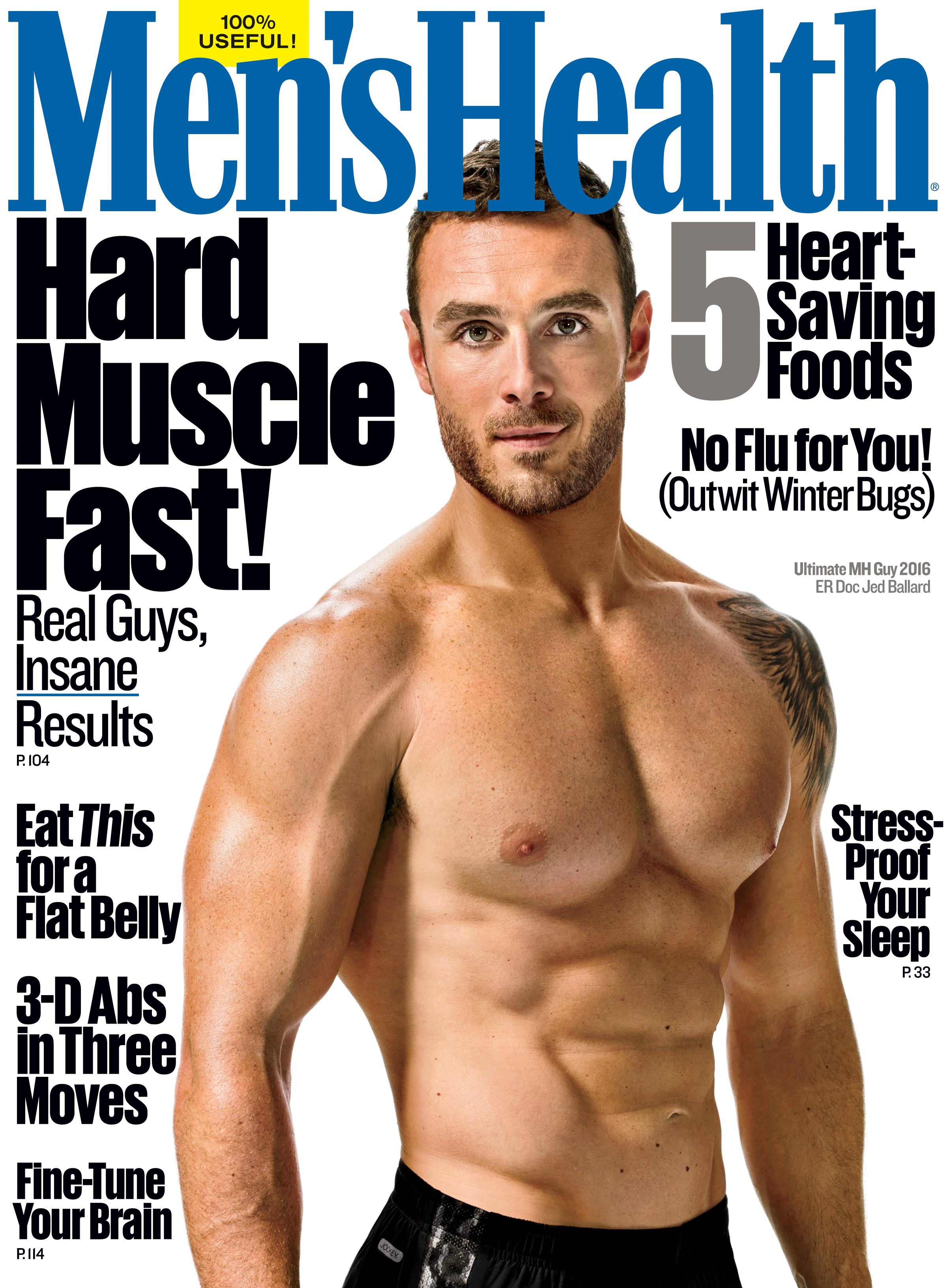
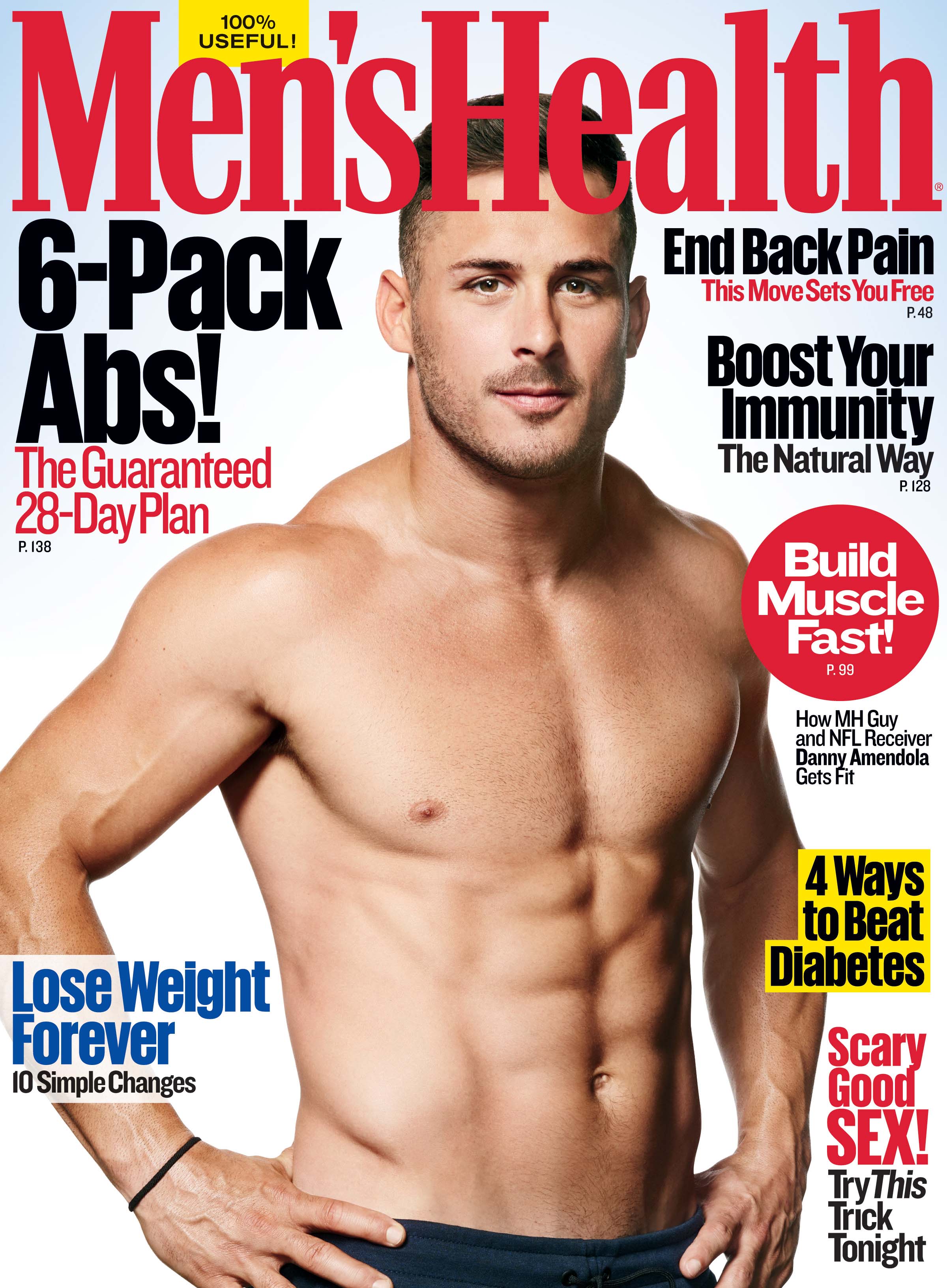
On what role he thinks the cover of Men’s Health plays in today’s digital marketplace: I think the cover is an important tool in the digital marketplace, but I think perhaps it’s a less important tool for a magazine such as Men’s Health, which is all about the reader. We certainly have many tools in our quiver as we look to piece together the cover, but recently working with Michael Lafavore, who’s our editorial director; we’ve been testing models on the cover, because for the Men’s Health reader, the most important decision-making points to them is whether or not, as it pertains to the cover subject, they want to have a beer with that guy, in other words, is he approachable, personable, someone who resonates with them emotionally? Or do they want to be that guy?

On how he decides what goes into the printed magazine versus the content that goes online: I think the magazine has scarcity designed into it as a format and that forces you to be a little bit more sensitive to the mix so that you represent all of the different content that there is men might be interested in. But also you want to make sure that you’re elevating the content so that it really feels as though it’s delivering value. Online I think there’s a direct correlation between volume and reach. Not to say that we want the quality to suffer, but there is an opportunity to provide content that is, shall we say, more immediate, but might not have such a long shelf life.

On why, after all of his digital experience, he still believes in print: Magazines have been, and I believe always will be, a vibrant and powerful spotlight in our society for what matters most.

On what will be his biggest challenge and how he’s going to conquer it: Right now the challenge for most publishers is how to accelerate the crossover from print to digital revenue? It’s sort of an inevitable future for us. There is a decline in many newsstand circulations. I think though there is a natural caring level that we’ll reach and it will stabilize. And the questions will be how do we stabilize that at the highest level possible? And how do we continue to communicate our value proposition to our readers and potential readers? But also how do we develop new potential streams of revenue?

On anything else he’d like to add: One of the reasons that I’m so bullish on this period in history for magazines and for Men’s Health, is men have never really, say in the past 200 hundreds, undergone such a radical transformation in the way that we perceive ourselves and the way we are perceived. And I think part of improving every aspect of a man’s life is that conversation about the role of a man in the world today.

On what someone would find him doing if they showed up unexpectedly one evening at his home: If you come to my house, what will you find me doing? It really depends. I just bought a Mig welder and I’ve been welding furniture and trying to really get into the craft of it. I kind of feel so much of what we do digitally lacks an end product that can really be experienced physically and tangibly and there’s a deep satisfaction in being able to step away from a project and point to it and say I made that.

On what keeps him up at night: I don’t know. Just two nights ago, I had the best night of sleep that I’ve had in years. And it may have been just because I’m now in Pennsylvania. Aside from having a general problem of getting to sleep late at night, I’m probably the worst offender of the rule that you shouldn’t use a device with a screen before going to bed. I oftentimes find myself catching up on Facebook. It’s hard to go to bed when you’ve got all of that in your head. Really, everyone should just keep the devices out of the bedroom; it’d be a lot easier for them.

And now the lightly edited transcript of the Mr. Magazine™ interview with Matt Bean, Editor in Chief, Men’s Health.
mh1016_news_loSamir Husni: Welcome back to Men’s Health. And as I’m sure everyone there has said; welcome home.

Matt Bean: Thank you. That’s how it feels. It’s really a cool thing to have so many smiles and so much love from people in that building. It’s a rare thing in publishing these days, certainly. And actually, I’m surprised at just how much fun I’ve having already. Surprised and thrilled.

Samir Husni: Anytime you and I have gotten together, you’ve always had a place in your heart for Men’s Health. I could just feel it, and for your job there. Every time we met you talked about it, in one way or the other.

Matt Bean: (Laughs) Yes, it’s what I know and it fits my lifestyle directly as a reader. And being able to channel what I know and love in to my day-to-day job is a rare and fortunate occurrence. Journalism is an obscenely cool business because you get to focus on things you love if you play it right. And you get to learn day in and day out. So, it’s been great.

Samir Husni: Can you relive that moment when you received the call that you had the job as editor in chief of Men’s Health?

Matt Bean: I wish I could, but it wasn’t so much just one decisive moment as it was a series of conversations. Imagine, if you will, that you haven’t seen a really good friend in a long time, and a lot of stuff has happened to both of you in the meanwhile. You can’t possibly jump right back into that friendship all at once; there are so many different layers for you to get through.

But I would say, for me, the moment where it all really clicked was when I started sitting down with some of the team that Maria (Rodale) had either recently hired or recently promoted, in other words, folks who I hadn’t met yet. And then sitting down with folks that I had known for more than a decade and who I respected, trusted and loved, and really getting a chance to see them in their new roles; it became clear to me that this was a different Rodale than the one I had been at before. And it was especially well-suited now for the challenges that are facing this industry, because of the personnel and because of the experiences that they all brought to the table.

I was so happy to become reacquainted with the brand that I already knew and loved and was delighted by many of the changes that I saw here. Beth Buehler, who is our COO now; she is just exceptionally talented. And she’s smart and appreciated the challenges and opportunities of this business in a very entrepreneurial way.

So, to think about what it would be like to be back here really seemed to me that it was delayered in a sense. That if you had an idea and you had to bring that idea to life, there were two or three people that you’d need to call. It wasn’t this whole juggernaut or gauntlet rather; that you’d have to get through in order to put that good idea into action.

And I think speed is something that publishers require more than ever now as they adapt to the changing marketplace. Publishers used to wait five years for a magazine to break even; when is the last time you’ve heard of anyone having the patience to do that today? Everything needs to happen more quickly whether it’s your ability to comment on current events on the website, or your ability to turn a profit on a business venture. I was really delighted by what I found when I became reacquainted with the brand.

Samir Husni: When are we going to see your fingerprints on Men’s Health?

Matt Bean: I don’t think it will be until the Jan./Feb. or the March issue, because these magazines work very down-the-road. I’ve said to the staff that I don’t want to change things for the sake of changing them. There’s a lot of good that’s being done at the magazine and we do have a position open for a new site director, which is the top role digitally. I certainly want to spread the word about that. That’s an opportunity for us to continue to evolve our strategy online. You’ll probably end up seeing impact on that front more quickly. Obviously, I have a lot of experience in digital and mobile through the years. And I’d like to be able to partner with Beth and Heidi Cho, who runs digital for all of the brands, to help bring that to life.

Samir Husni: How do you plan on taking a very good magazine and make it better?

Matt Bean: I feel as though there are these immutable concerns and hopes and dreams and fears that may have been around for a millennium. And much of that has not changed. In a certain respect, what Men’s Health offers is a value proposition to its readers that we will work harder than any other title to make sure the advice we’re giving you will pay off. The promises that we make are worth the cost that’s printed on the cover. And I think that’s why we have such a devoted and large circulation of more than 1.8 million. You earn that over the course of many, many years, because readers follow your advice and find that it works.

There’s such great brand equity that you can’t hope to change any of that. What you can do is evolve the magazine packaging; try to come up with new ways to communicate with the reader on the newsstand. And convert those first-time readers into subscribers or multiple-issue customers. To me, that’s the real goal here.

You look at the newsstand, which I’m sure you spend a lot of time doing, and it’s a crowded marketplace more than it’s ever been, and magazines are in fewer pockets than they’ve ever been in before. I’m going to have a lot of fun really trying to understand how to be very clear with the promises that we’re making to the reader. How to strip away layers so that it really becomes a tool of communication with, not only fans of the brand, but also potential new converts.

Samir Husni: When we spoke at the panel in Cannes three years ago, you said there’s nothing like the printed magazine cover; that nobody would ever ask you to place their story on a website, it had to be on the cover of a printed magazine. What role do you think the cover of Men’s Health plays in today’s digital marketplace?

Matt Bean: I think the cover is an important tool in the digital marketplace, but I think perhaps it’s a less important tool for a magazine such as Men’s Health, which is all about the reader. We certainly have many tools in our quiver as we look to piece together the cover, but recently working with Michael Lafavore, who’s our editorial director; we’ve been testing models on the cover, because for the Men’s Health reader, the most important decision-making points to them is whether or not, as it pertains to the cover subject, they want to have a beer with that guy, in other words, is he approachable, personable, someone who resonates with them emotionally? Or do they want to be that guy?

And sometimes celebrities, much like certain athletes, can seem so otherworldly to us. The average potential reader can be divorced from that. Depending on who you’re choosing, the average guy might not see himself in that person’s shoes. We’ve always found that men are perhaps less invested in reading about the workout habits of an NFL lineman because a) the lineman can bench press 1,000 lbs. and b) they spend their lives in the gym or on the field, so it’s not as applicable to the average guy. They can’t see themselves in that person’s shoes, and I think you might say the same for certain celebrities.

Now, there’s a sweet spot for celebrities. Take a guy like Mark Wahlberg; who wouldn’t want to sit down and have a beer with him and listen to some of his stories? He’s a little bit more like the average guy who hit it big. So, we really try and consider the holistic purpose of our covers as we go to put them together. And I think that’s something you’ll see us experimenting with more as we move forward.

This is a unique challenge for service magazines as a whole. But it’s also an important edge for us, because we’re offering you the opportunity to improve your life with every page of the magazine. And other titles, whether it’s Real Simple magazine or Afar magazine, they’re not putting celebrities on the cover either because it’s all about the reader. How can we help to improve the lives of the reader?

Samir Husni: What would you put in print that you wouldn’t put online? With such a large brand; how do you decide what goes into the printed edition of Men’s Health as opposed to the content you place online?

Matt Bean: I think the magazine has scarcity designed into it as a format and that forces you to be a little bit more sensitive to the mix so that you represent all of the different content that there is men might be interested in. But also you want to make sure that you’re elevating the content so that it really feels as though it’s delivering value.

Online I think there’s a direct correlation between volume and reach. Not to say that we want the quality to suffer, but there is an opportunity to provide content that is, shall we say, more immediate, but might not have such a long shelf life.

That’s really how we approach those different media. When it comes to looking at something like Instagram or Snapchat, certainly, you want the work that you put onto those platforms to be made for them, to be tailor-made for them, because otherwise the audience just doesn’t respond. If all you’re doing is taking a feature story and breaking it up into small chunks to dump on Instagram, no one is going to read that. There’s a storytelling vernacular that fits every platform.

And I think it’s possible to do incredibly thoughtful content that takes place in consecutive 15 second bursts, but it just takes a different perspective. For us, we try to match the story to the platform as best we can.

Ultimately, I think most of what we print in the magazine has reason to end up online. Magazines consistently struggle with the question of cannibalization; you’ve seen several magazines, including Entertainment Weekly, experiment with paywalls digitally, some are successful, some eventually roll it back. And that’s one of the challenges that we deal with repeatedly, but fortunately Men’s Health, as a flagship property, the print magazine remains very strong.

Samir Husni: After working on all forms of digital and mobile; why do you still believe in print?

Matt Bean: I believe in the global brand. I think the most exceptional brands exist on all platforms and have permission from their readers to really expand that relationship. That includes the Essence Festivals, for example, which is a fantastic idea.

But the magazine occupies a special place in our hearts and our culture. That is absolutely undeniable. Magazines have been, and I believe always will be, a vibrant and powerful spotlight in our society for what matters most. And it all comes down to scarcity. There are only so many pages in a magazine and there are only so many issues in a year, so that contract with the reader that what we’re putting in there matters most to them right now. You’re never going to run out of pixels on a website, so that scarcity is simply not part of the medium. And as I’ve said before, you can’t book anybody, whether it’s a celebrity or an astronaut to be on the cover of your website. You need to have a foot in both fields.

Samir Husni: What’s going to be your biggest challenge and how are you going to conquer it?

Matt Bean: Right now the challenge for most publishers is how to accelerate the crossover from print to digital revenue? It’s sort of an inevitable future for us. There is a decline in many newsstand circulations. I think though there is a natural caring level that we’ll reach and it will stabilize. And the questions will be how do we stabilize that at the highest level possible? And how do we continue to communicate our value proposition to our readers and potential readers? But also how do we develop new potential streams of revenue?

For many potential readers of the website they do feel as though some information has been commodified. People tend to not pay for commodified content; if you can get everywhere, why would you pay for it anywhere? Therefore, it’s incumbent upon publishers to find a model that works to find a value proposition for their content, even to find a package for that content that has a perceived value.

There are a lot of things that can convey value to the reader. Utility – is it easy to use? Beauty – is it well-designed? Authority – are these the experts? And is their advice available anywhere else? Those are things that all go into the calculus of communicating value and I think that’s the greatest challenge. How do we set that up for the reader and the viewer and the visitor on our digital channels?

Samir Husni: Is there anything else you’d like to add?

mh0916_newsMatt Bean: One of the reasons that I’m so bullish on this period in history for magazines and for Men’s Health, is men have never really, say in the past 200 hundreds, undergone such a radical transformation in the way that we perceive ourselves and the way we are perceived. And I think part of improving every aspect of a man’s life is that conversation about the role of a man in the world today.

I think that Men’s Health has always had an incredibly erudite audience. And that audience is often equated with its abs and wanting to be in happy relationship or be good in bed, and all those other things; but ultimately, they’re an audience of optimizers and experimenters. To me, having a scientific background, that’s incredibly exciting to be a part of and that readership is one that I’m honored to be a voice for, because I think it’s never been as important for us to provide a voice for those men and it’s never been more a part of our culture as a whole to want to improve oneself.

What I’m saying is that Men’s Health may be more than 25 years old, but it’s only begun to reach its peak. I’m very excited about where we can take the brand.

Samir Husni: If I show up unexpectedly at your home one evening after work, what do I find you doing; reading a magazine, you iPad, watching television, or something else?

Matt Bean: I am an absolute hoarder of magazines, probably second only to you, Samir. (Laughs) I have every issue of Portfolio; all of the good issues of Giant magazine; many of the issues of Radar magazine; dozens and dozens of back issues of Spy magazine; innumerable copies of vintage Sports Illustrated; I’m just a huge fan of magazines and really believe in collecting them. That becomes a problem (Laughs) when you don’t have a library to put them in as you do.

Each year I judge the Regional Magazine Awards for the folks at Mizzou. And the problem is that I can’t get myself to get rid of any those magazines, because they’re so fascinating to look at. Each magazine offers a different approach to presenting their audience with actionable text, service and advice. And it’s just so essential to me that I can’t myself to part with them. I will say that if I get any relief from my magazine hoarding, it would be that the Texture App is just so damn good right now. It feels comprehensive and I think it’s more than worth the money.

If you come to my house, what will you find me doing? It really depends. I just bought a Mig welder and I’ve been welding furniture and trying to really get into the craft of it. I kind of feel so much of what we do digitally lacks an end product that can really be experienced physically and tangibly and there’s a deep satisfaction in being able to step away from a project and point to it and say I made that.

And you’ll often find me doing retrograde analog craftsmanship projects, or cooking. I cook probably five nights a week. Lately, I’ve been cooking a lot from Jerusalem: A Cookbook. Zahav has a cookbook, which is a fantastic Israeli restaurant in Philadelphia. I just can’t get enough of Turkish, Mediterranean, Greek and Israeli food. My favorite recipe lately has been and I think it’s called Jerusalem Chicken. And it’s phenomenal.

Samir Husni: My typical last question; what keeps you up at night?

Matt Bean: I don’t know. Just two nights ago, I had the best night of sleep that I’ve had in years. And it may have been just because I’m now in Pennsylvania. Aside from having a general problem of getting to sleep late at night, I’m probably the worst offender of the rule that you shouldn’t use a device with a screen before going to bed. I oftentimes find myself catching up on Facebook. It’s hard to go to bed when you’ve got all of that in your head. Really, everyone should just keep the devices out of the bedroom; it’d be a lot easier for them.

I read all of the time and I like to wrestle with some heavy fare. Lately, I’ve been reading Knausgaard’s autobiography, which is six volumes and each is about three inches thick. It’s incredibly raw and honest, and can lead you to some dark places. I think that’s a good answer, instead of saying that I just can’t get to sleep because my brain won’t shut down. (Laughs)

Samir Husni: (Laughs) Thank you.

h1

Mr. Magazine’s™ Presents min 30 Hottest Launches For 2016!

October 5, 2016

mr-magazine-by-robert-jordanIt’s that time again; time for the 30 Hottest Magazine Launches of the Year (October 2015 through September 2016) and 2016 was an absolutely bona fide year for new magazines. Content was diverse and designs were divine and they just kept coming each and every month. Happily, new magazines have shown no signs of slowing down over the years, even with the naysayers predicting the death of print. That magazines were, are and always will be a reflector of our society and a concrete part of it forever is a fact that Mr. Magazine™ said all along and will continue to say as long as there are human beings to hear it.

Once again, in conjunction with min; we will be presenting the awards to the 30 Hottest Launches at a breakfast celebration on December, 8, 2016 at the Yale Club in New York City. The event will begin at 8:00 a.m. and conclude at 10:00 a.m. Along with the 30 Hottest, we will also announce and present awards to: The Hottest Publisher for 2016, The Hottest Editor for 2016, and The Number One Hottest Launch for 2016. This year promises to be one of the best yet! So join us for all of the fun and excitement!

Since beginning this very daunting task of selecting the 30 Hottest Launches, considering the love I have for all magazines, many have asked what the qualifications for making Mr. Magazine’s ™ list for the 30 Hottest Launches are and the first and foremost qualifying factor is you have to be a magazine. And if you’re not print, you’re not a magazine. Some might think that consideration is pretty obvious, I do; however, in this digital age, you might be surprised at what some consider a magazine.

The next qualifying factor is the time frame. The magazines chosen had to be published between the months of October, 2015 through September, 2016, and there were a total of 790 new magazines for that period that we had actual physical copies of, with 217 of those having regular frequency. The quality content and amazing designs were beyond the pale and selecting only 30 out of the 217 with promised frequency was almost impossible. Almost.

But when Mr. Magazine™ has a job to do, he gets it done. How is the actual selection process conducted, you might ask? It’s simple really, yet as complex as the cosmos. Between the months of October 2015 through September 2016, all new magazine titles with a regular frequency and that we have actual physical copies of are carefully considered for this very important list. The chosen magazines are selected based on a certain criteria.

In reaching my decision on what makes a hot magazine, by far the number one criteria point is the audience’s reaction to that magazine. How did the overall marketplace react and how did its intended audience respond to it? And just as important; how did the industry behave toward it? These questions are the first thing I ask upon selection of the hottest 30. And once I’ve answered those initial questions, then I really get down to work. Remember my mantra: Audience First.

For example, major industry leaders’ launching new print magazines certainly is something that must be recognized because it speaks of the power of the medium. These people aren’t in the business of wasting dollars on something that has no value, especially when those new babies are some of the absolutely best of the best. This time around there was new offerings from publishing giants such as Condé Nast, Meredith and the southern-born Hoffman Media. For companies as distinguished and successful as these to create and bring new titles into this digital world signifies the good health and power of print.

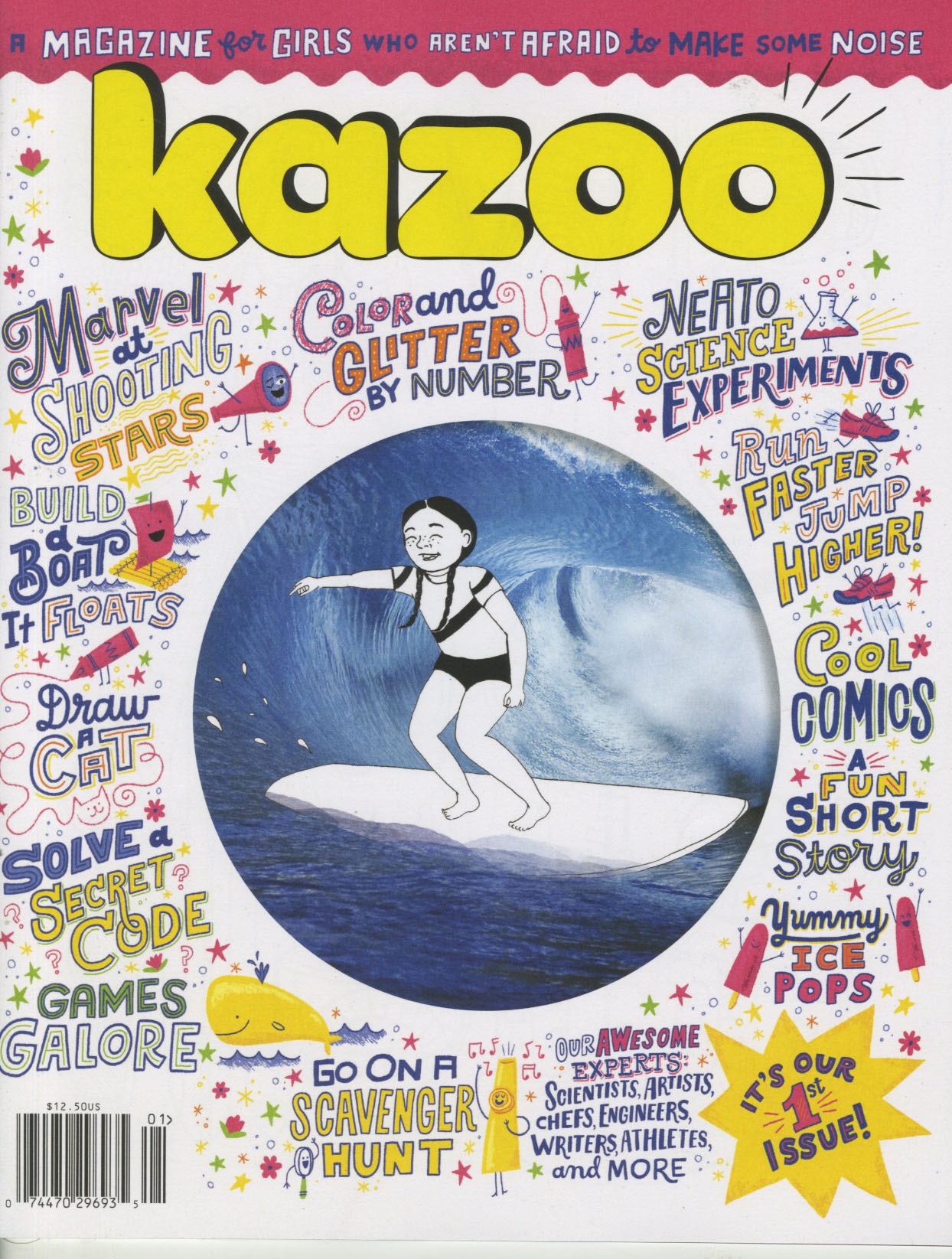
And then there are the entrepreneurs, with their vision and determination to launch their magazine no matter the cost to their wallets and their emotions; they are no less amazing. Some of the best titles I’ve seen in a long time are among our Top 30 and they come from relatively unknown publishers who are not without experience, just without the stolid names that audiences know so well. Magazines such as: Kazoo, Jarry and Pallet.

So, the criteria for selection is based on factors that include creativity and audience reaction first and foremost, and then industry trends and as always, those rogue wildcards out there that just won’t be denied and seem to make some of the best magazines around.

Also, something has to grab my attention to be selected as a hot new launch, based on the comparative analysis of all the other magazines that are out there. To me, every new magazine is a good magazine. Any new launch is a good launch. I’ve always said my connection to ink on paper is a mutual one, but one that chose me first, albeit willingly. The passion that I have for magazines is not one that I can deny, nor do I even want to. We are connected and I love it.

So, without further ado, here are the 30 Hottest Launches for 2016 in alphabetical order:

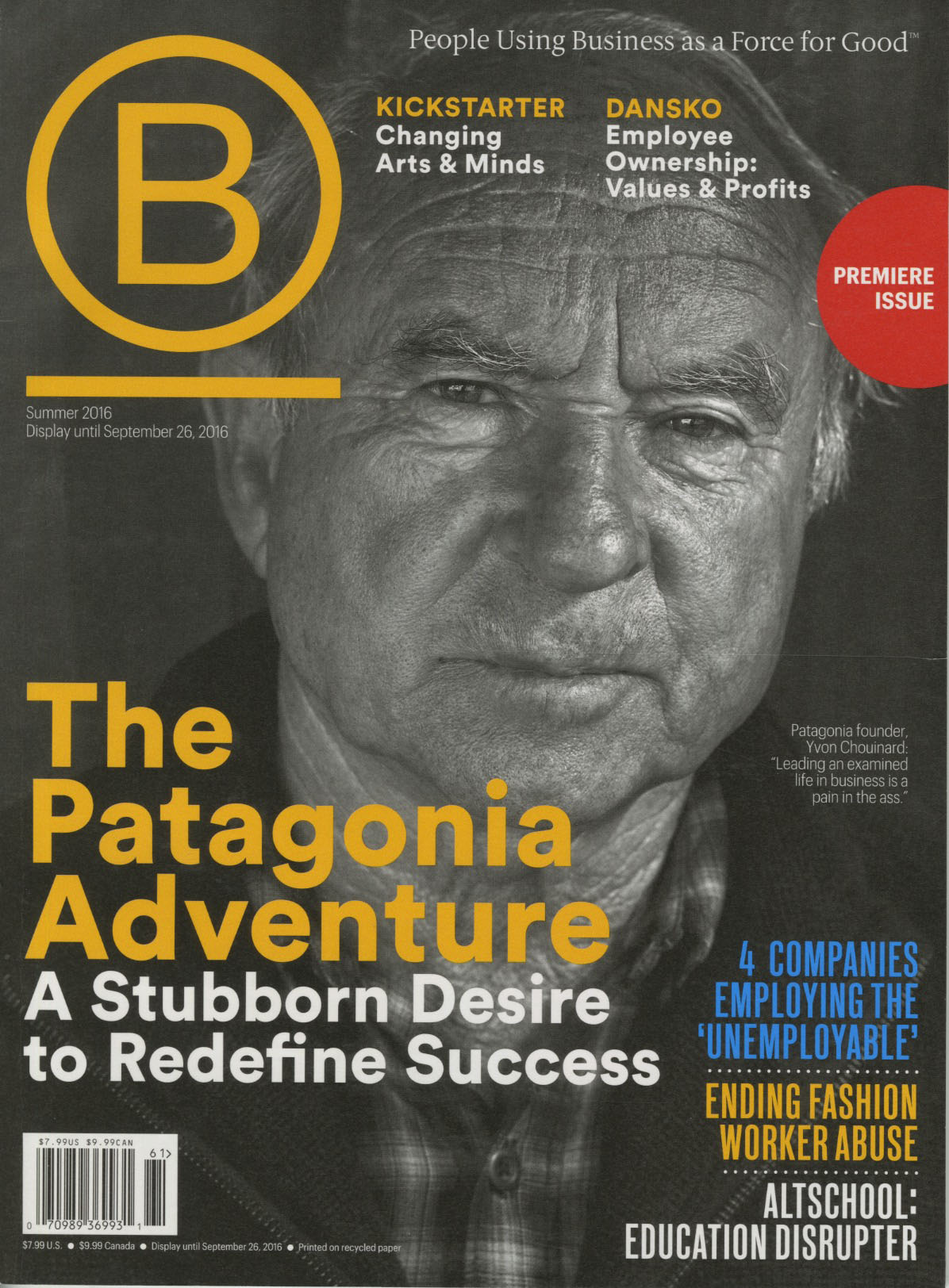
B Magazine

B Magazine

Bake from Scratch

Bake from Scratch

Beekman 1802 Almanac

Beekman 1802 Almanac

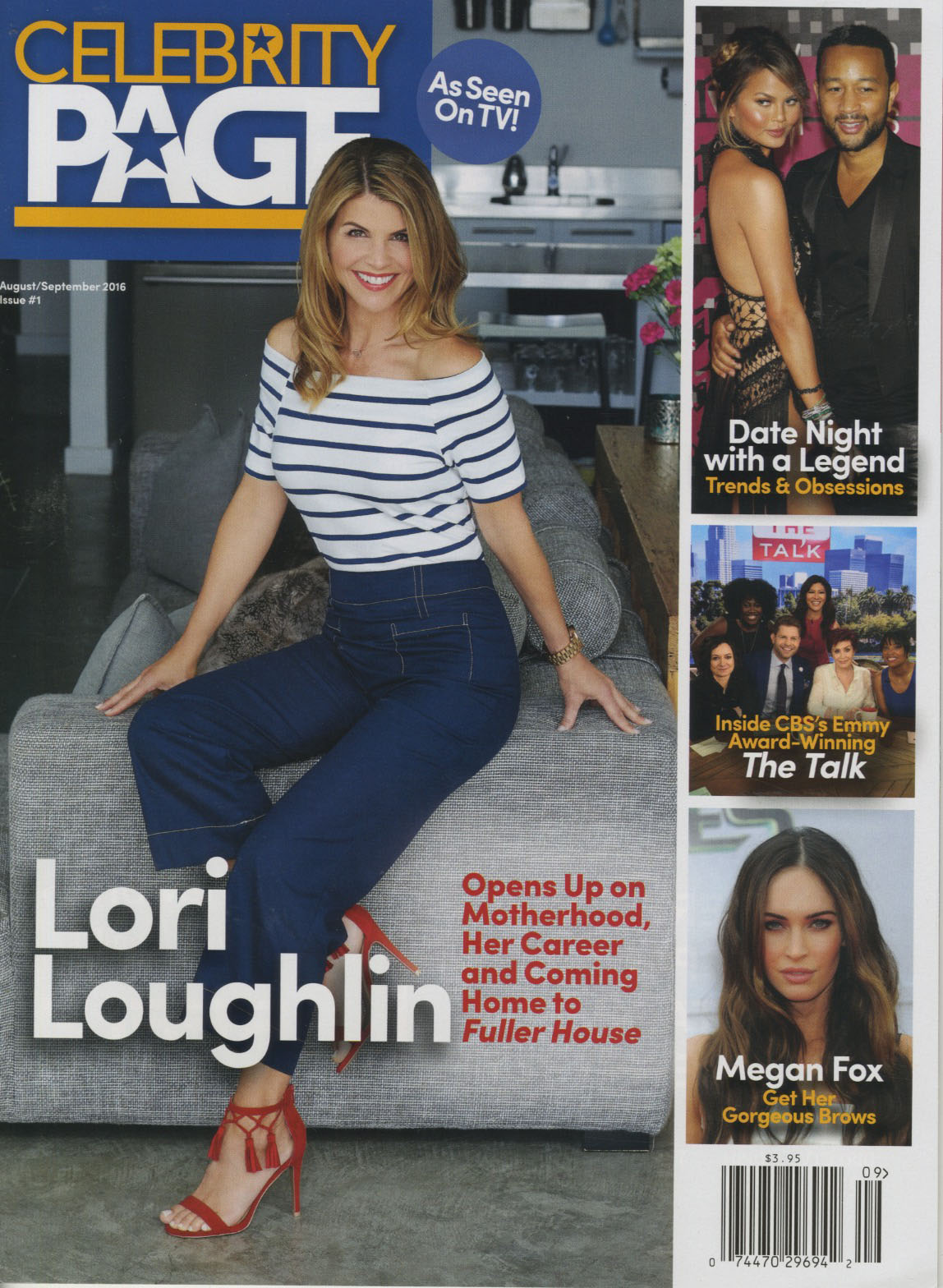
Celebrity Page

Celebrity Page

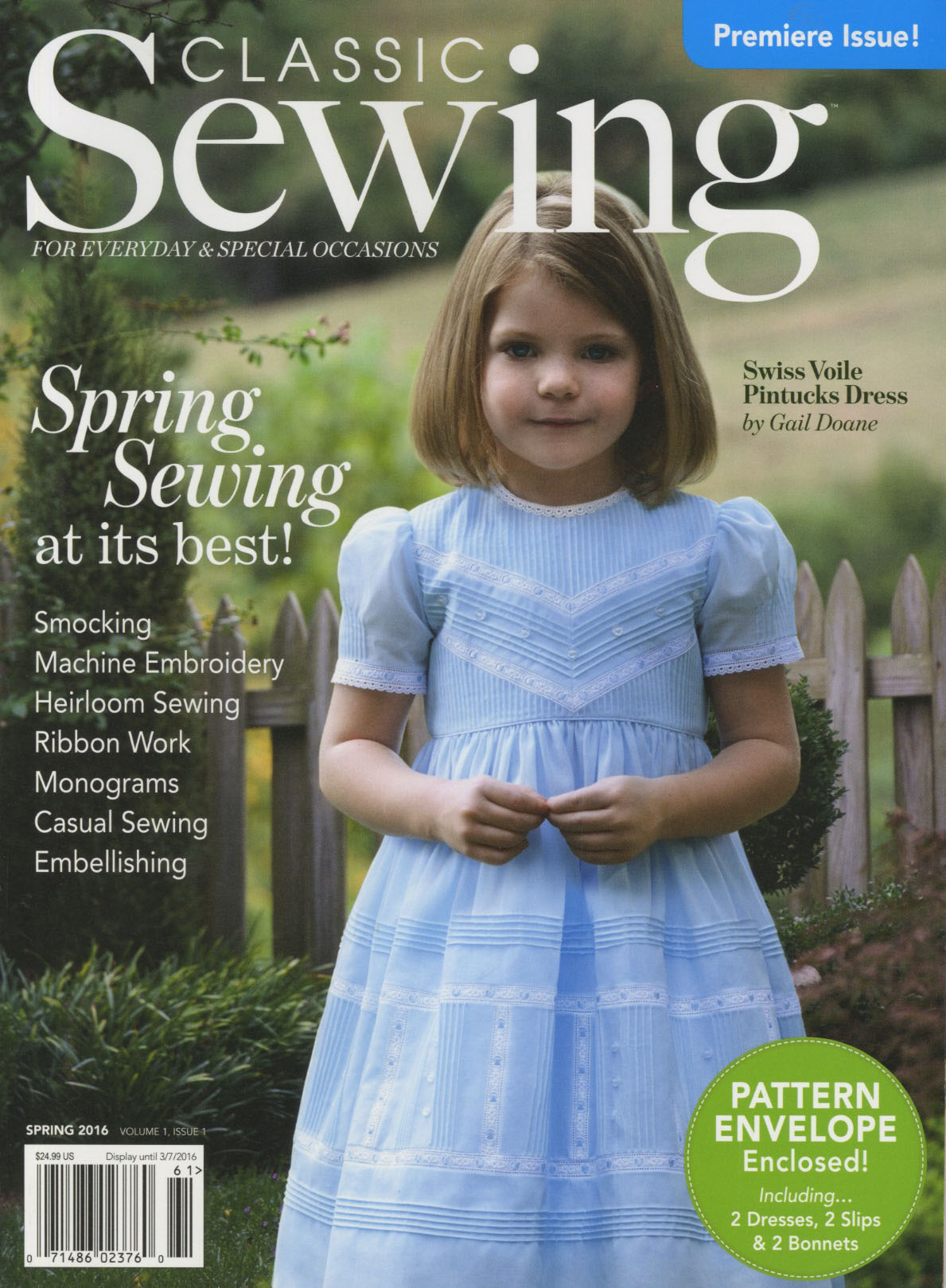
Classic Sewing

Classic Sewing

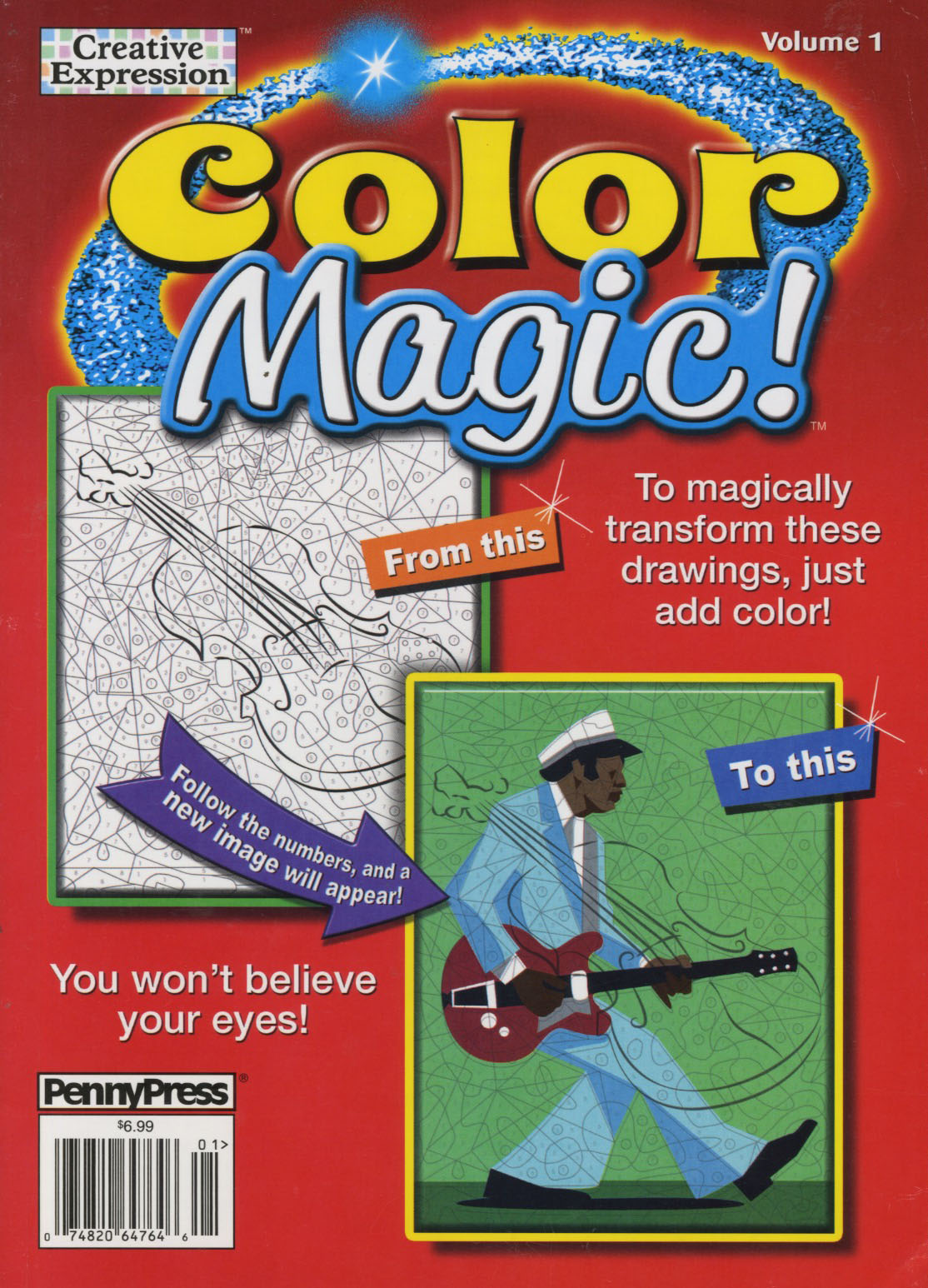
Color Magic!

Color Magic!

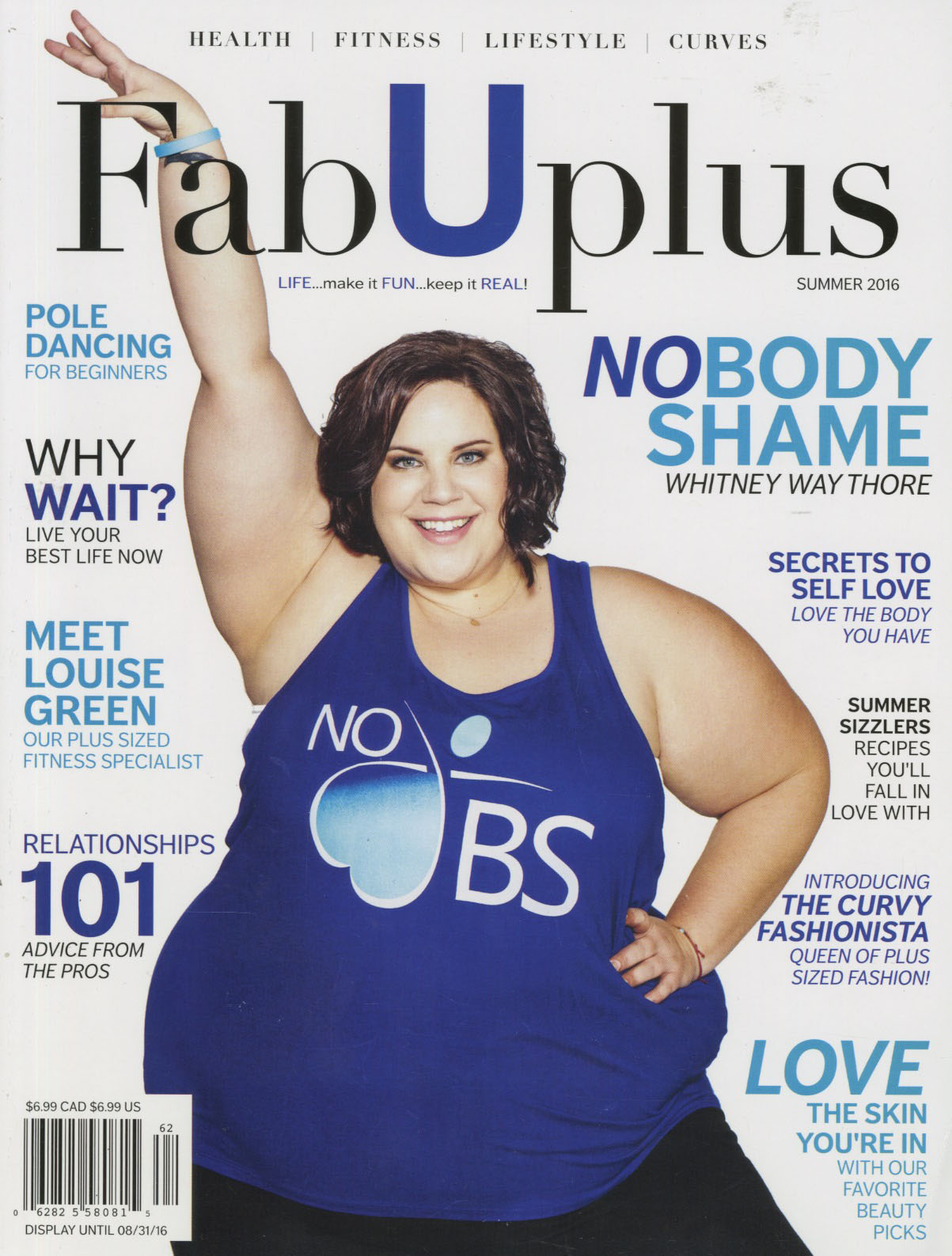
FabUplus

FabUplus

Forged

Forged

Galerie

Galerie

GQ Style

GQ Style

Hola!

Hola!

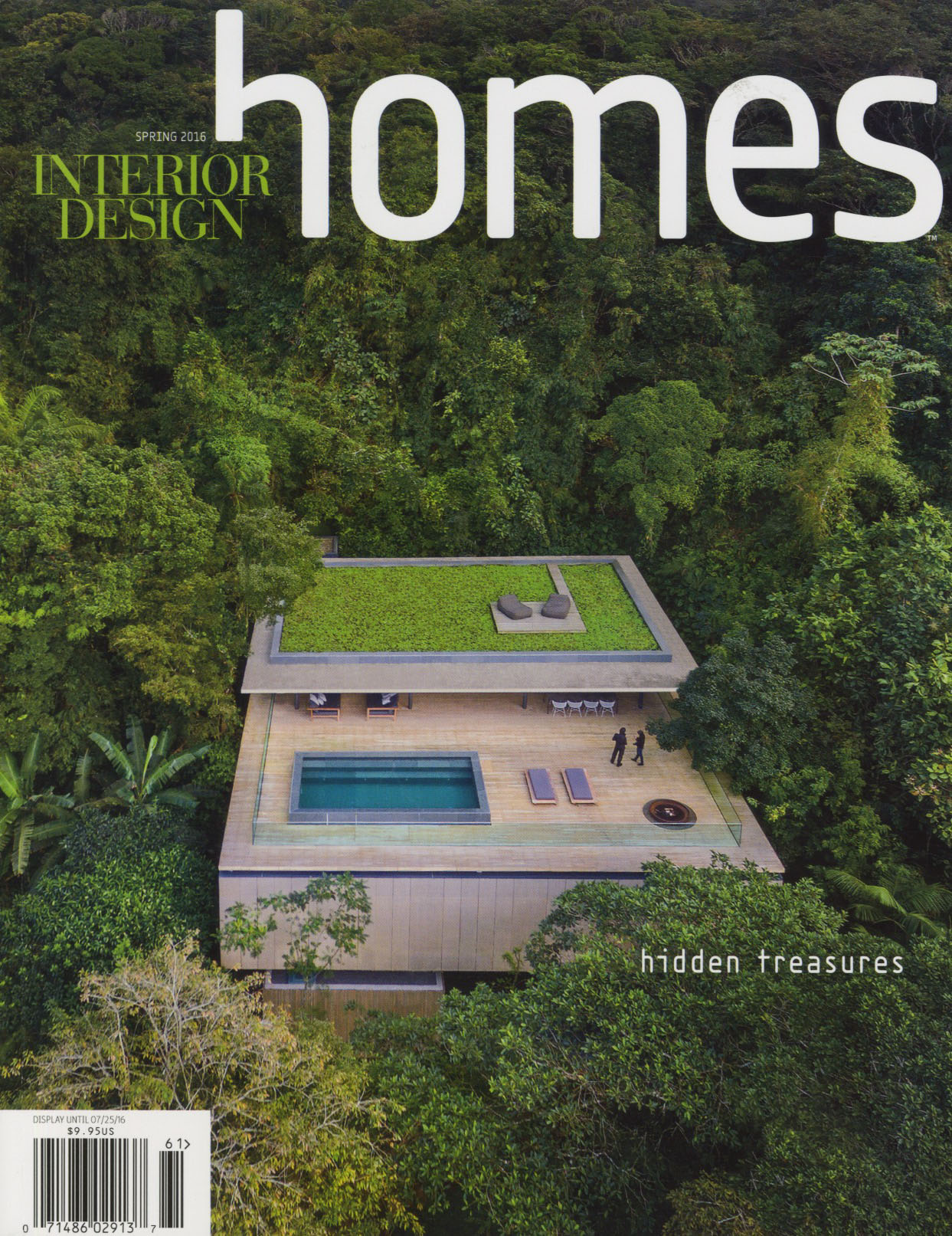
Interior Design Homes

Interior Design Homes

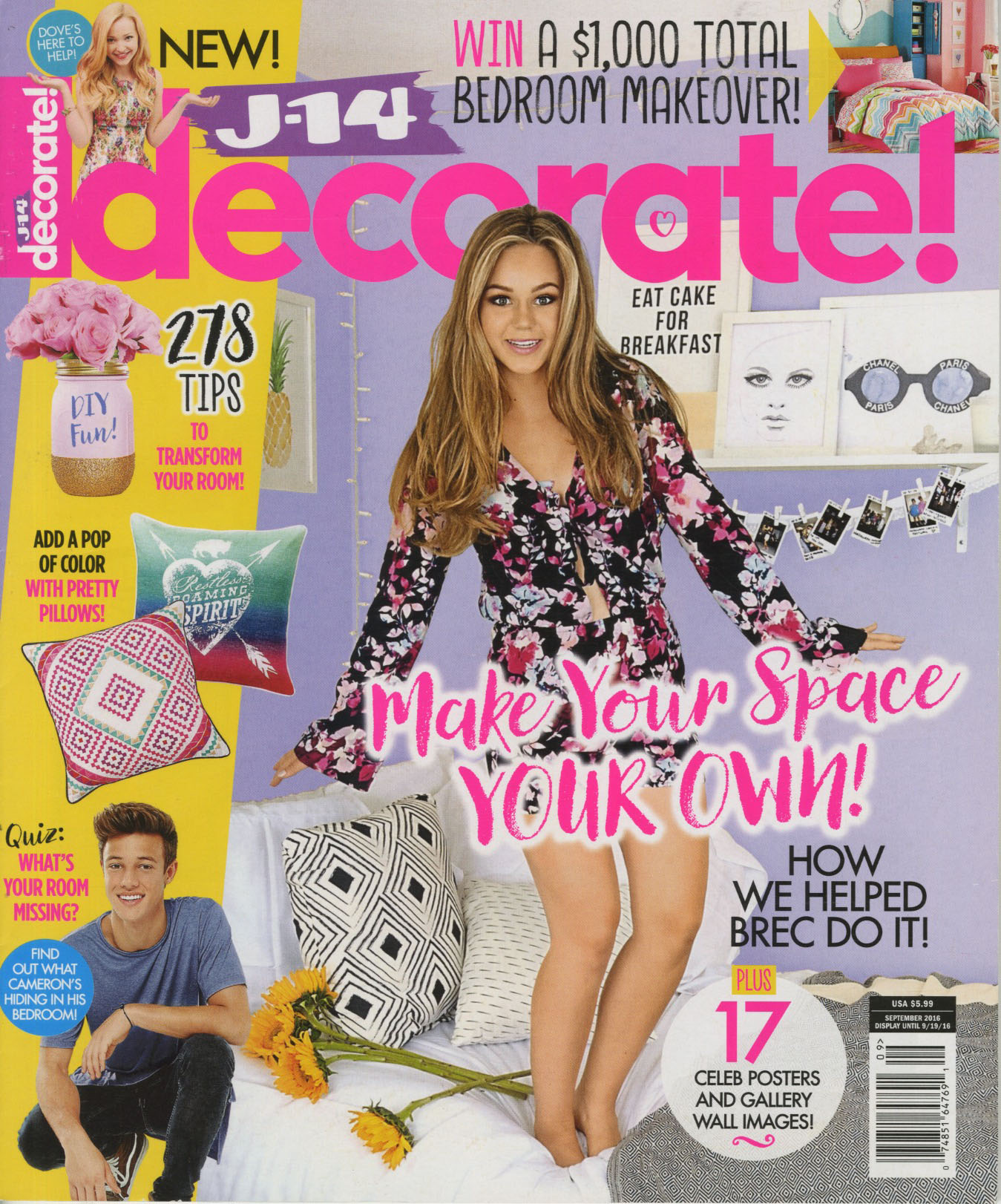
J-14 Decorate!

J-14 Decorate!


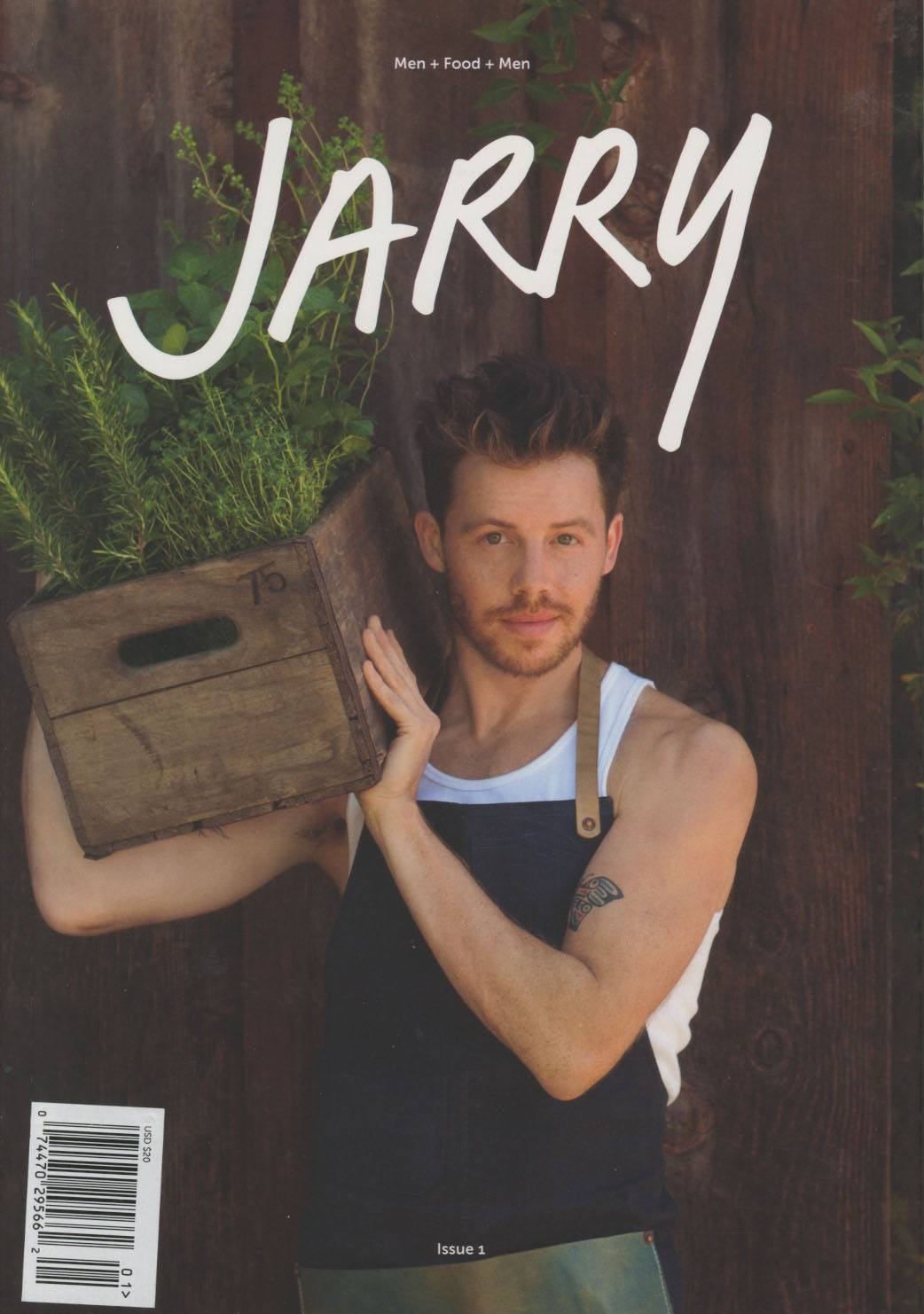
Jarry

Jarry

Kazoo

Kazoo

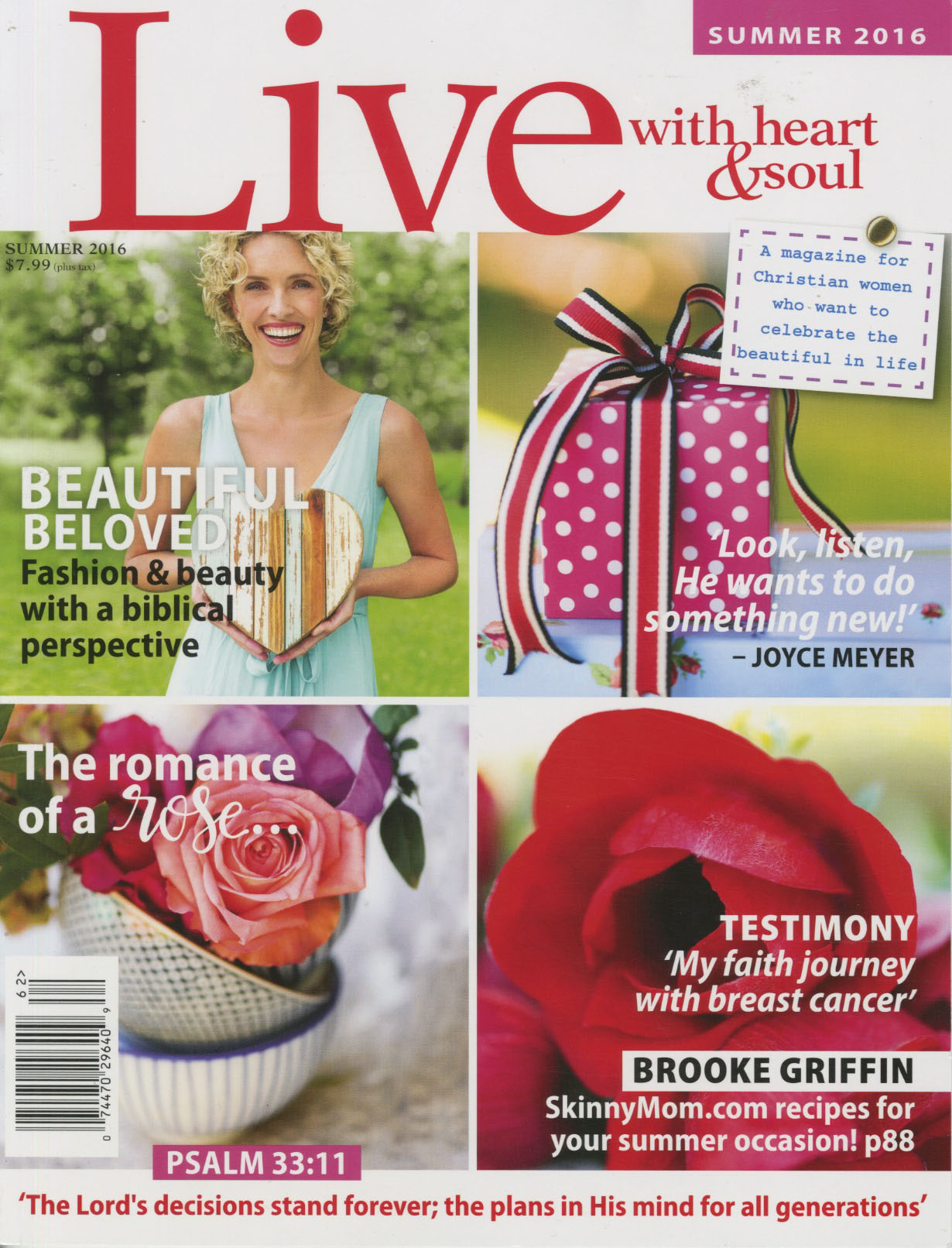
Live with Heart and Soul

Live with Heart and Soul

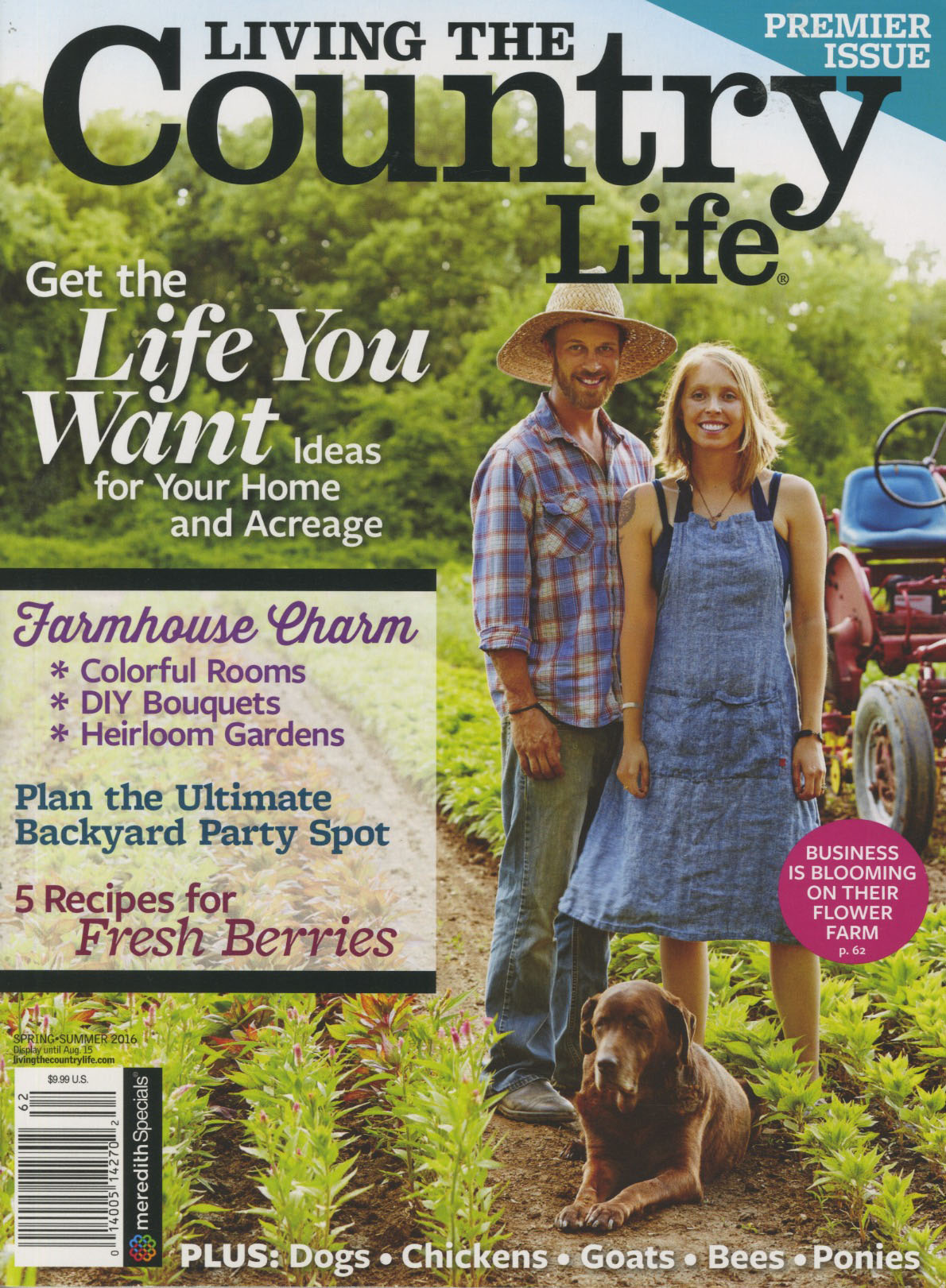
Living the Country Life

Living the Country Life

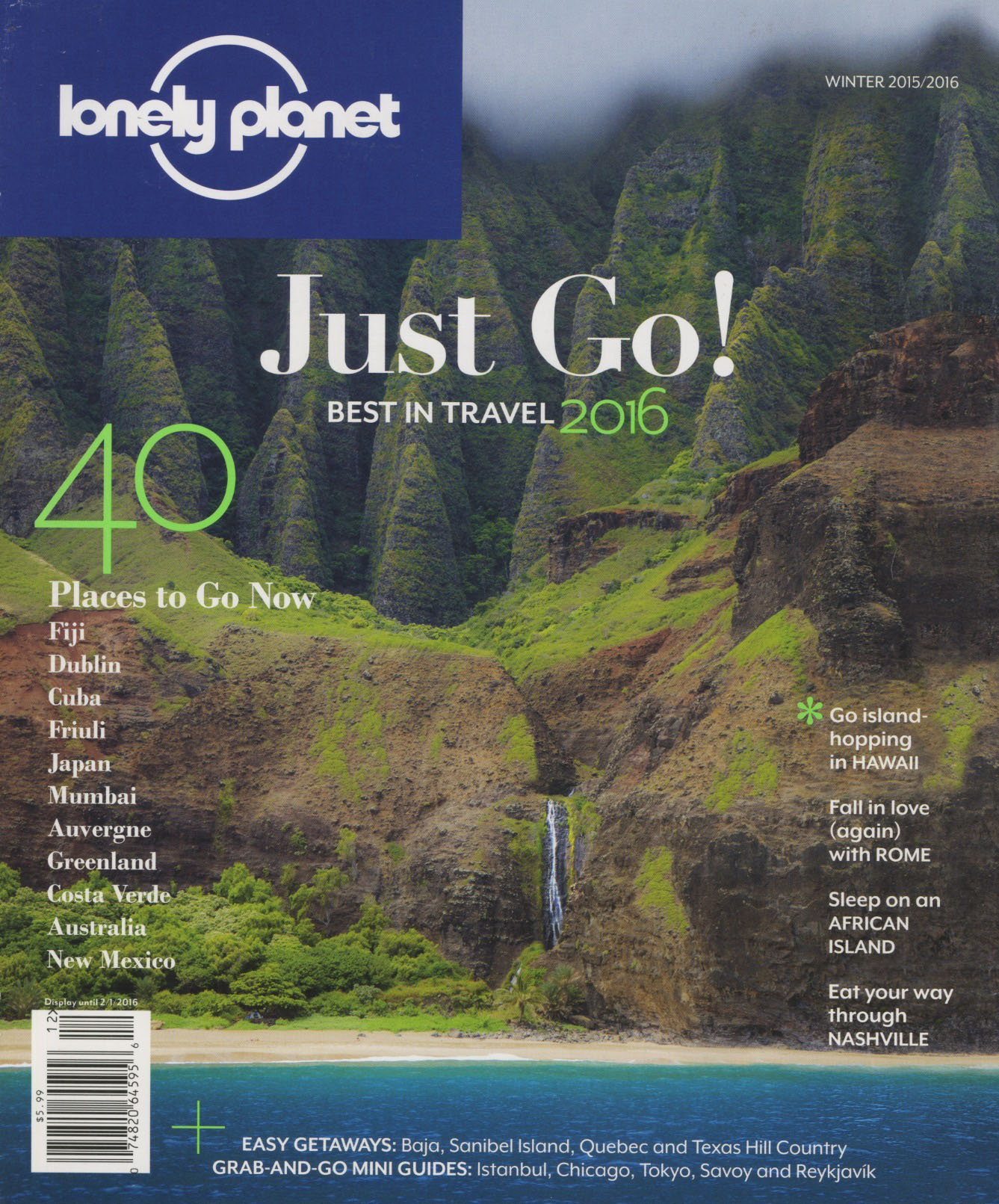
Lonely Planet

Lonely Planet

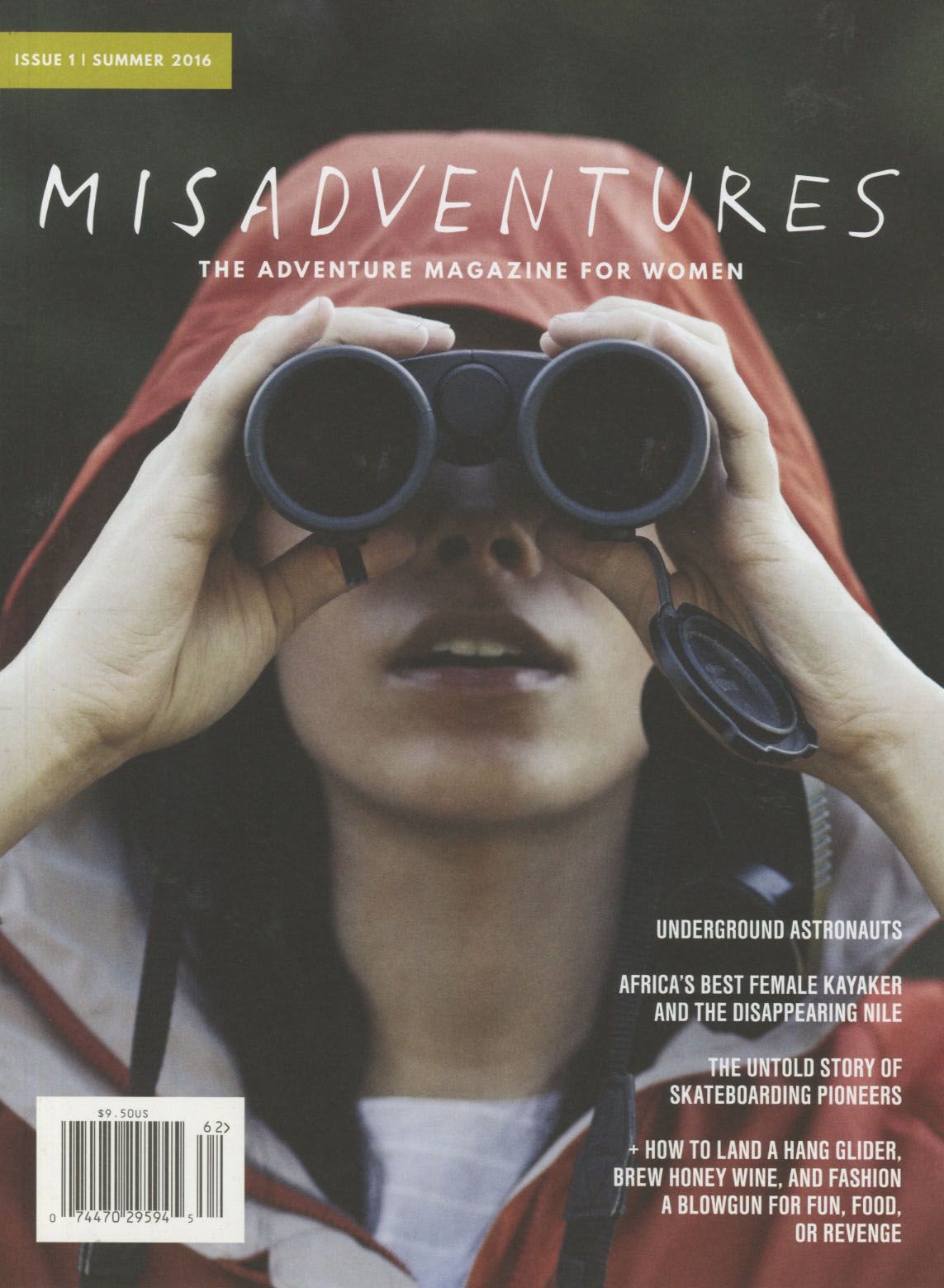
Misadventures

Misadventures

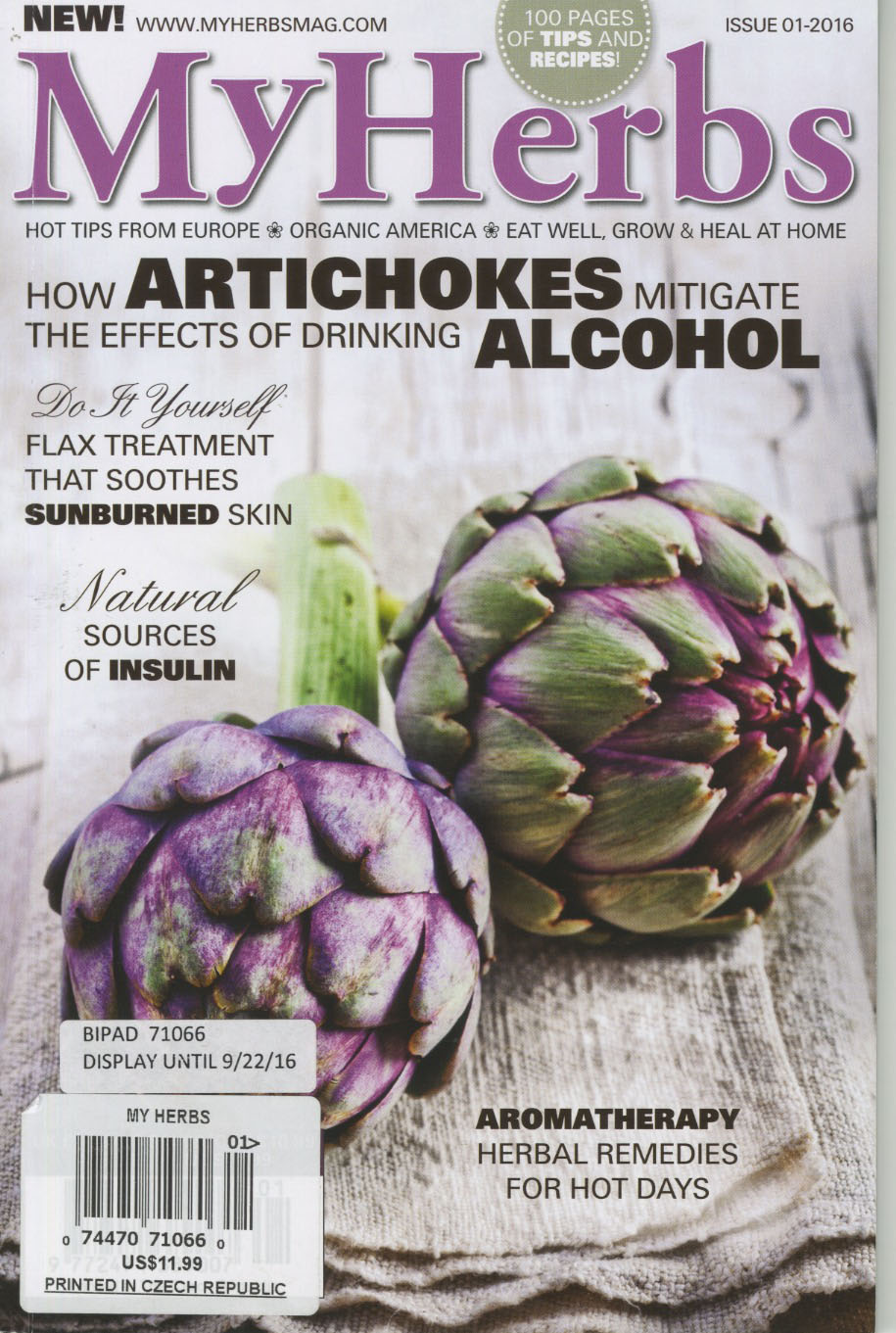
My Herbs

My Herbs

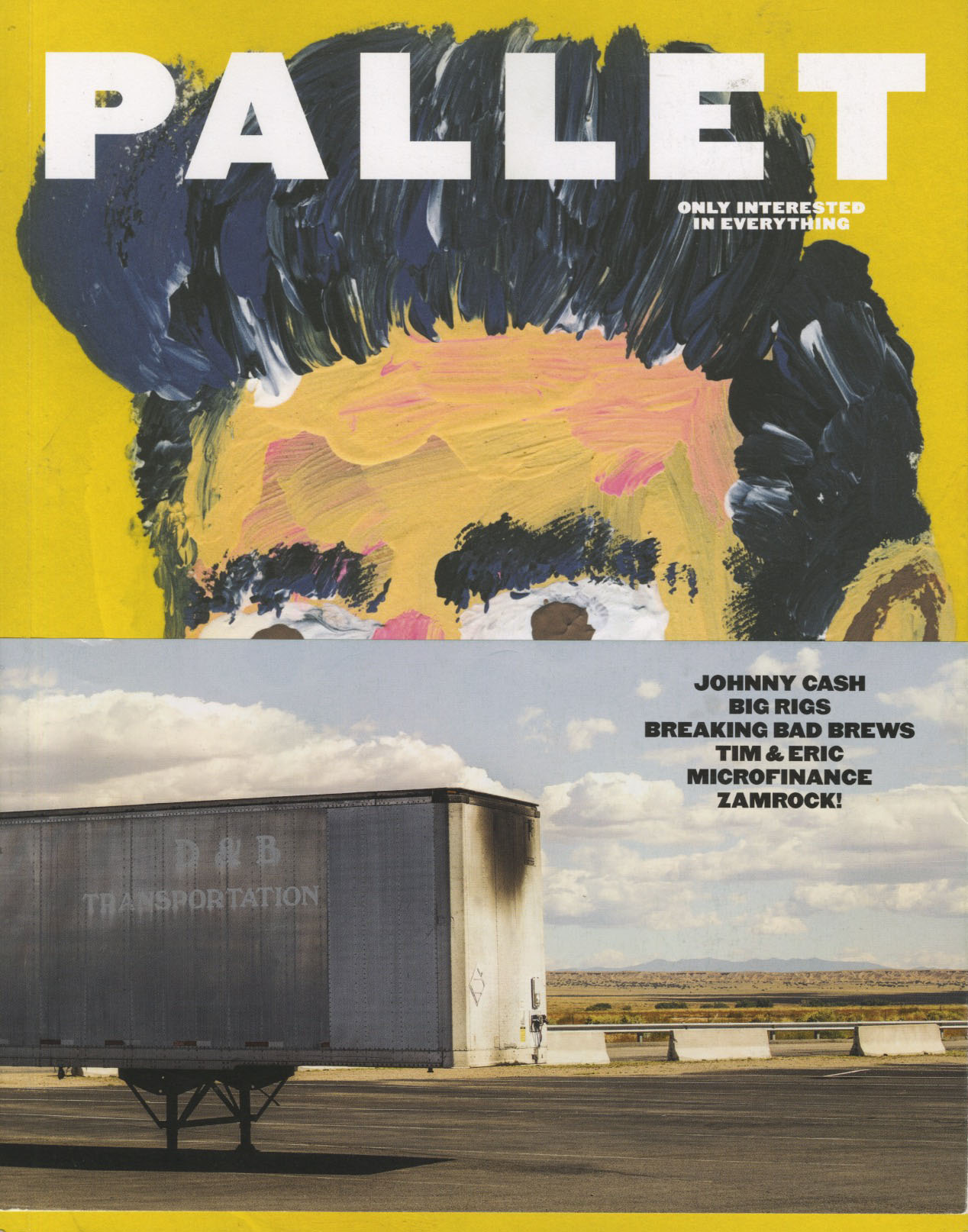
Pallet

Pallet

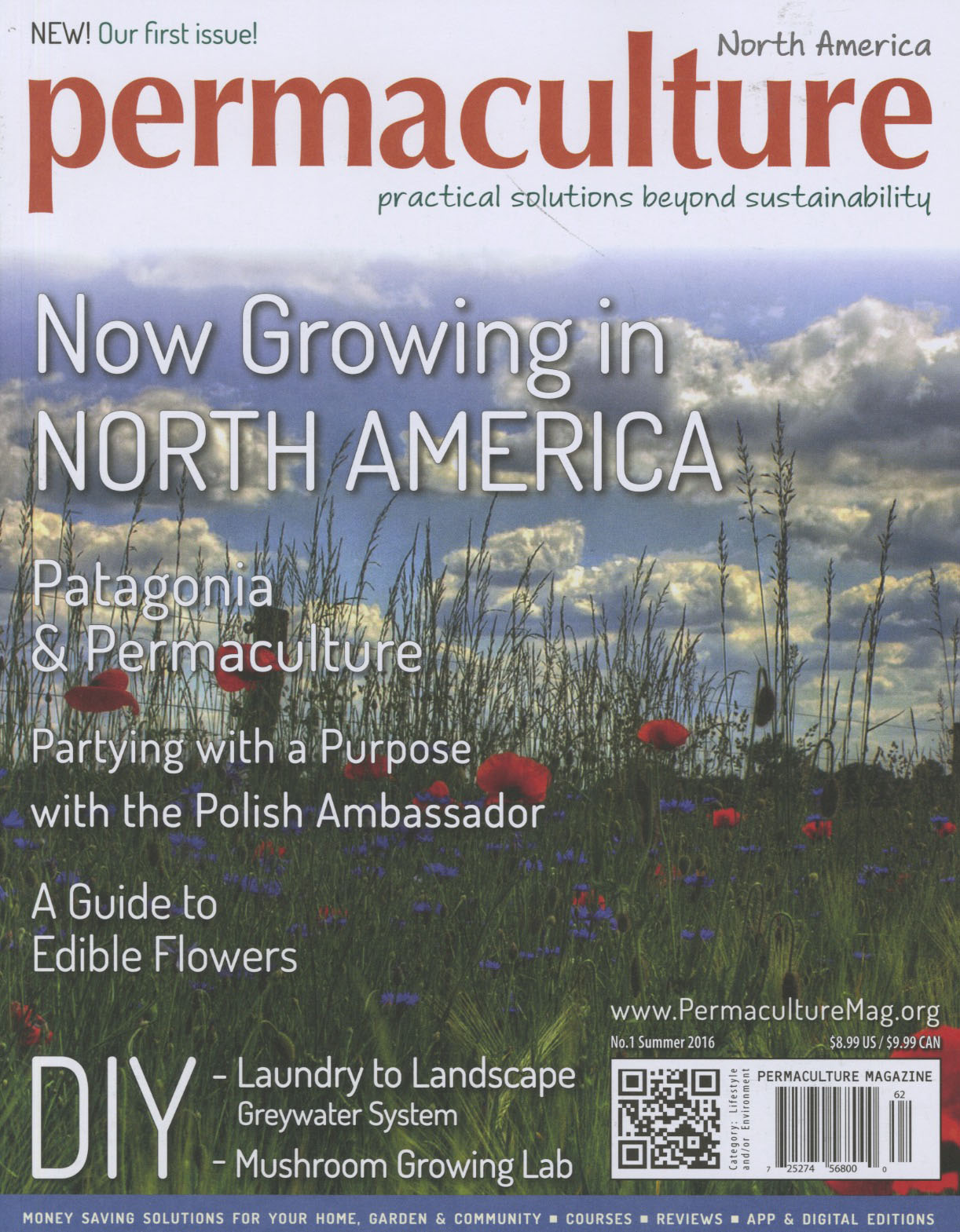
Permaculture

Permaculture

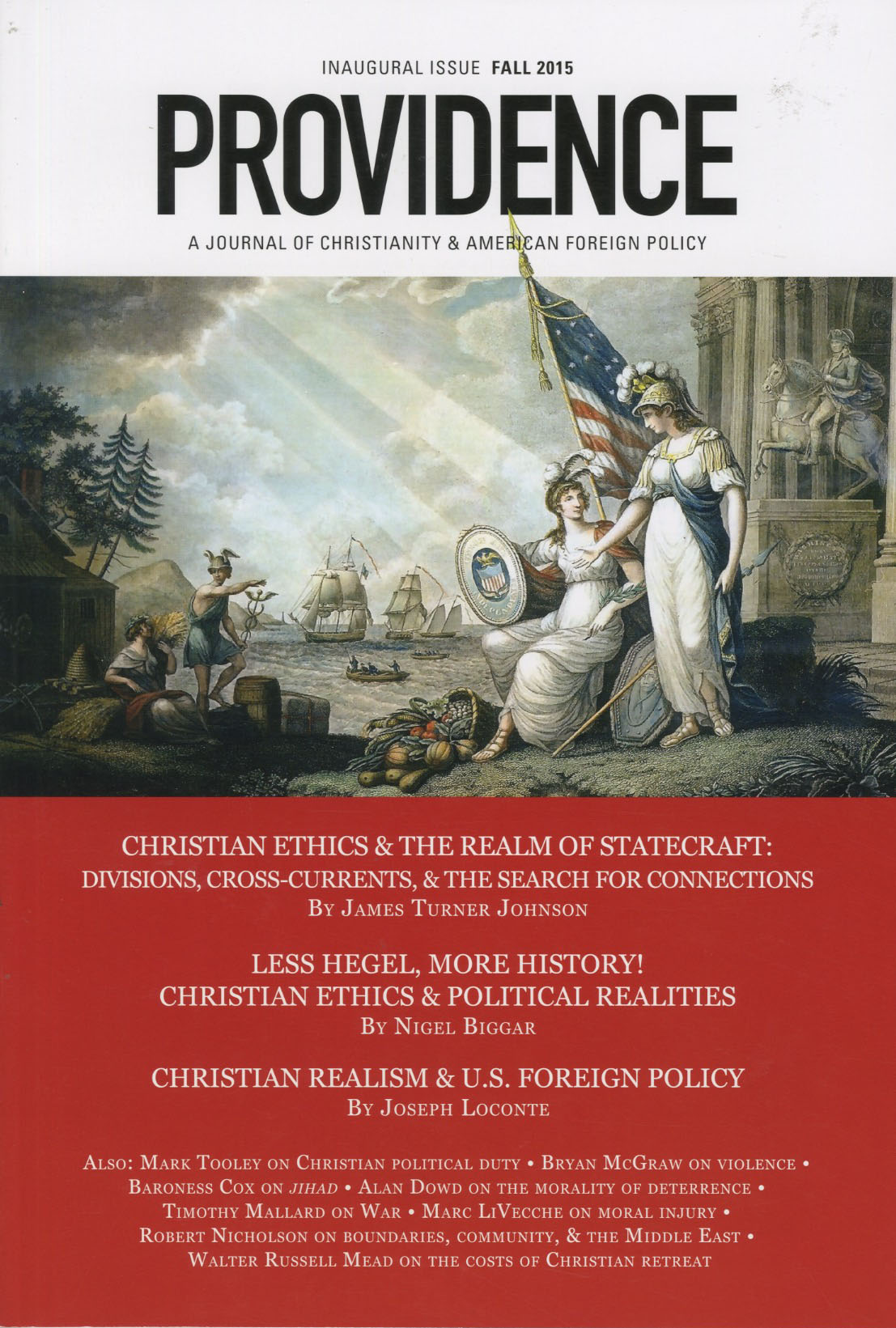
Providence

Providence

Southern Cast Iron

Southern Cast Iron

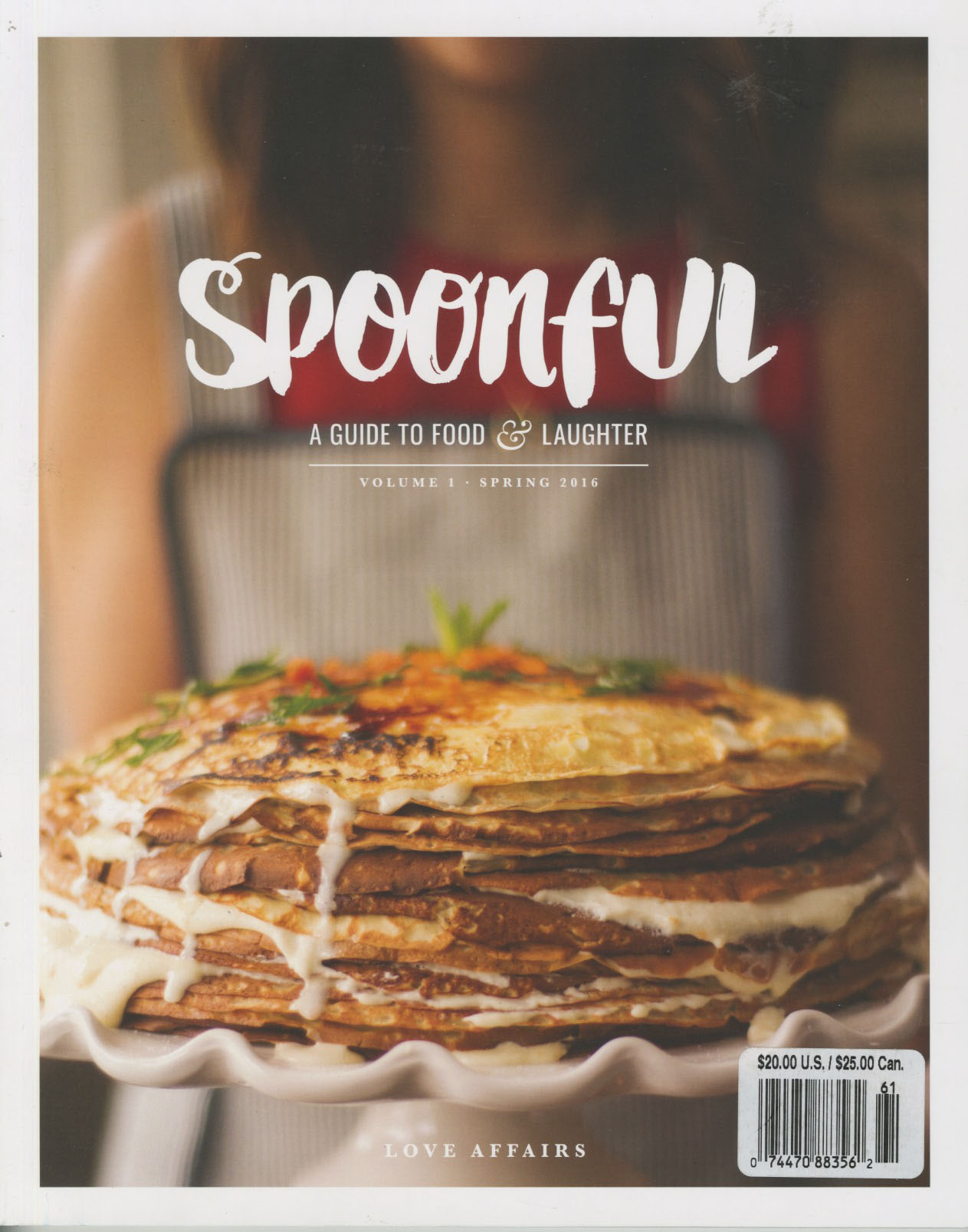
Spoonful

Spoonful


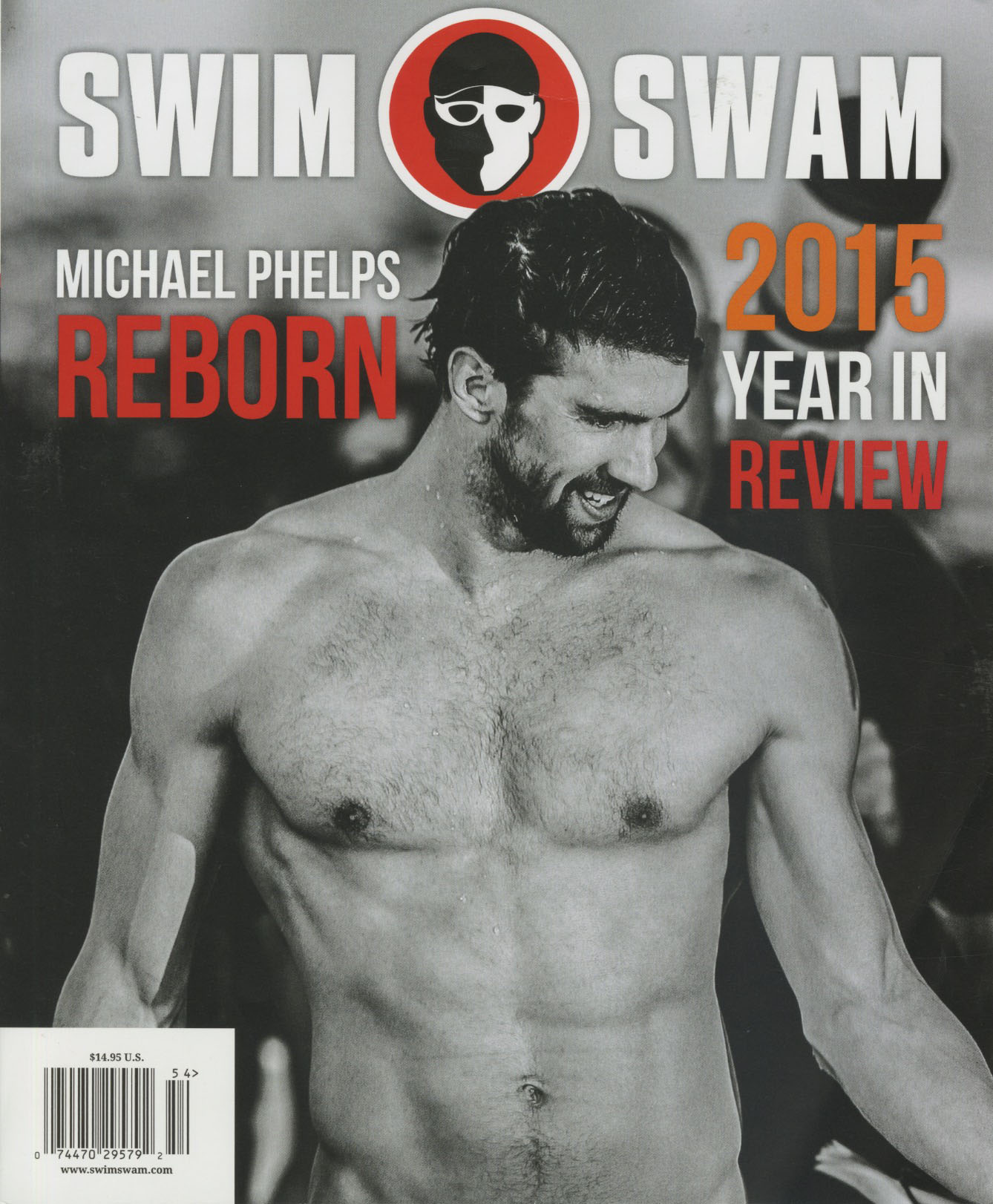
SwimSwam

SwimSwam

Tablet

Tablet

The Clever Root

The Clever Root


Tread

Tread

Women's Golf Journal

Women’s Golf Journal

h1

Happy Anniversary To Some Of My Dearest Friends… Well, I Mean Magazines.

October 5, 2016

A Mr. Magazine™ Musing…
mr-magazine-by-robert-jordan

On any given day you can visit the newsstands and find an expansive array of new titles intermingled with your old favorites, beckoning you to take some time and free-roam the shelves, browsing, picking and choosing from some of the best reflective entertainment and information around. Even though the reports on and about the newsstands are usually from a negative perspective, they’re absolutely still the best place to view American magazines in all their glory.

On a recent visit to the newsstands (yes more than one), I was struck by the number of anniversary issues that many of the legacy titles were celebrating, and it really drove home the point of how powerful print really is when it comes to its stamina and engagement with the reader. Its survivability rate is enhanced when you consider the tangible experience these magazines’ readers have been enjoying for generations. And while we may have seen quite a few first, second and even third anniversary issues hit stands, these are milestone commemorations; many becoming heritage favorites handed down through the generations.

town-countrytown-country-2

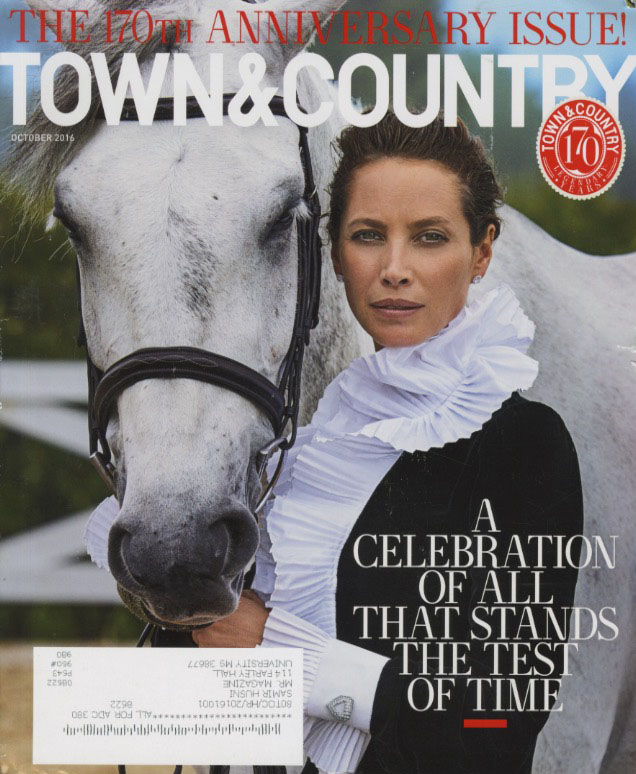
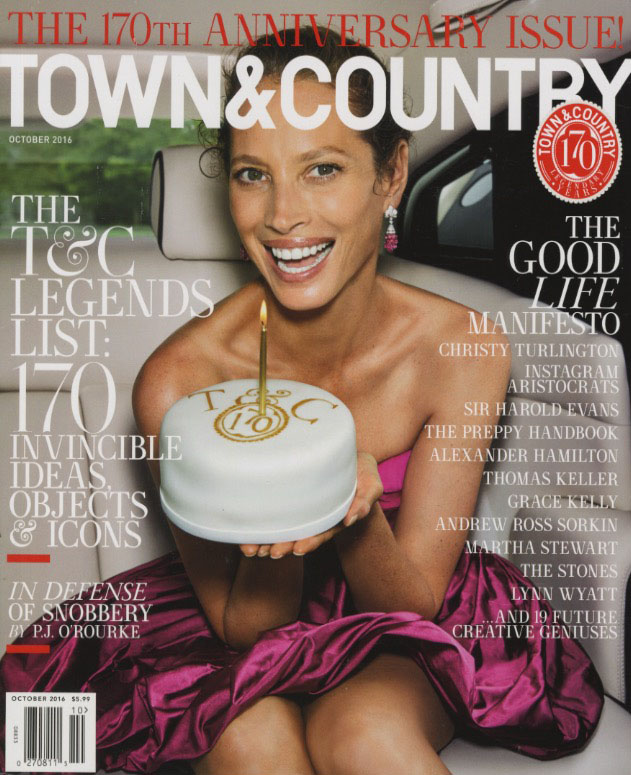
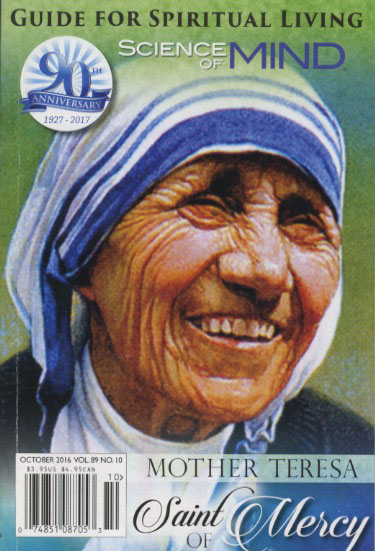
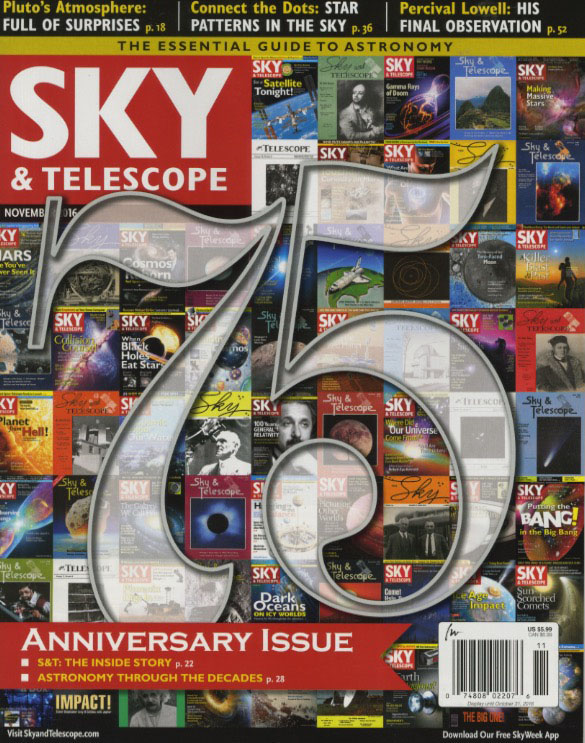
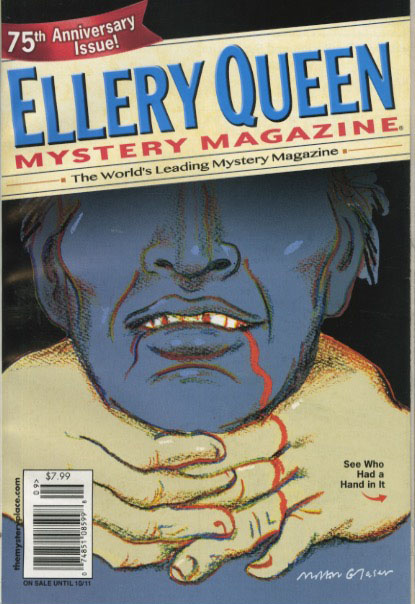
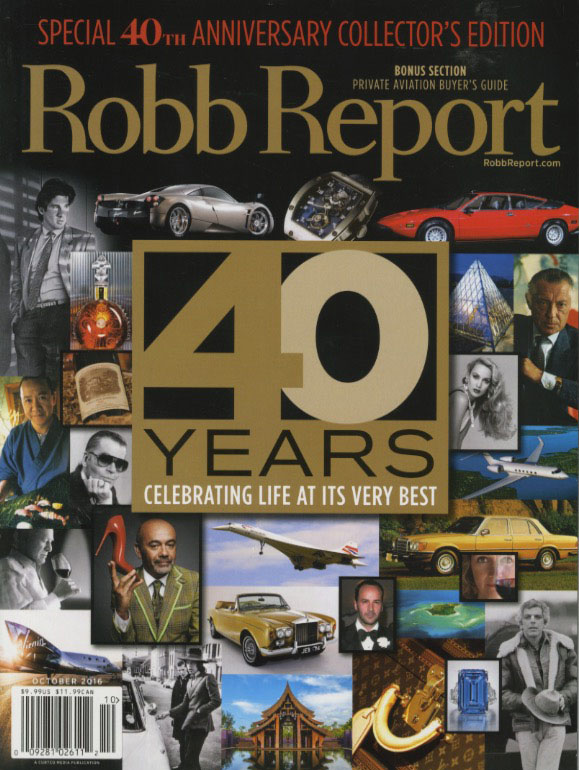
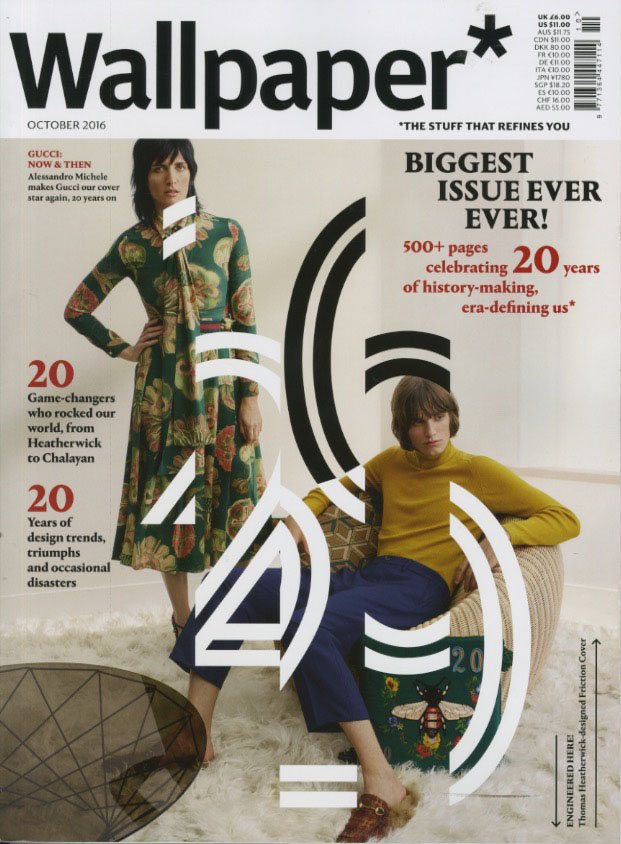
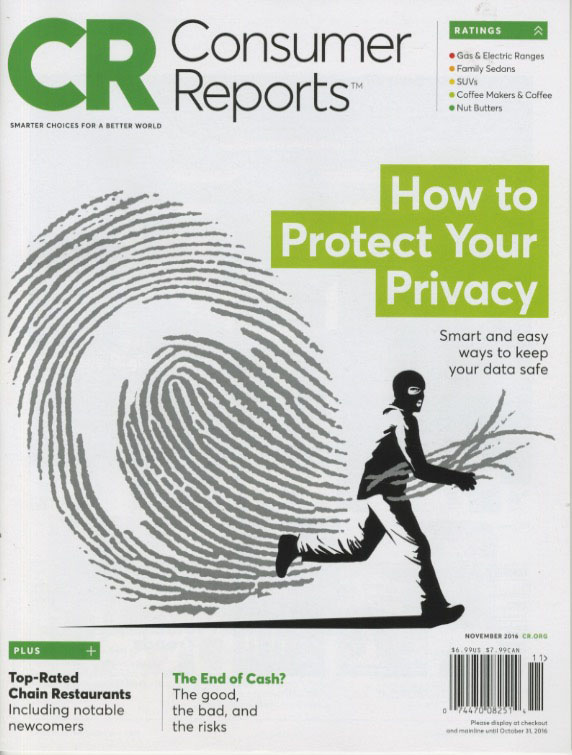
Awestruck, I stood in front of the newsstand just admiring all of the very special anniversary issues I was seeing: Town & Country celebrating its 170th anniversary issue; Science of Mind magazine, its 90th anniversary; Western Horseman publishing its 80th celebratory edition; Sky & Telescope proclaiming its 75th anniversary issue; Ellery Queen’s Mystery Magazine extolling 75 years also; Robb Report observing its 40th anniversary collector’s edition; Allure celebrating 20 years, along with Wallpaper*, which for its 20th has its biggest issue ever; and Consumer Reports celebrating 80 years with a new design, but the same timeless information.

science-of-mindwestern-horsemansky-telescopeellery-queenrobb-reportallurewallpaperconsumer-reports

And this is just a sample that I was able to peruse and finally drag myself away from. Of course, looking at those legacy titles and then seeing all of the new magazines out there each and every month that I keep on buying, collecting and documenting, titles that may or may not have that same staying power quality of the legacies (just check the Mr. Magazine™ Launch Monitor); I find myself wondering sometimes who will document those titles 20th, 40th, or 75th anniversary issues? It’s saddens me to think of all of these new titles that are coming to the marketplace that may have no one to blatantly celebrate their successes through their own generations. Ah – but that’s another musing.

Instead, I’ll just celebrate these anniversaries with some of my dearest friends and find satisfaction in knowing that as long as we have human beings, we’ll have magazines. And remember, if it isn’t ink on paper, it isn’t a magazine. And if it’s not ink on paper, I’m sure there won’t be any 170th anniversary two-cover editions like Town & Country’s even celebrated.

So, go grab these anniversary issues at the newsstand and give them your own Happy Anniversary recognition!

Until the next Mr. Magazine™ Musing…

h1

Roger Black: The Master Of Creative Magazine Design For Such Famed Titles As Rolling Stone, Esquire & Newsweek Talks About His Work And His Life – The Mr. Magazine™ Interview With Roger Black

October 4, 2016

“The great advantage that magazines have that newspapers don’t really have, and the electronic media doesn’t have is that personal engagement, that one on one with reading and writing. Now, a blogger can get that; I read Jon Carroll; he used to be the editor of New West when I was doing that back in the 1980s. He was at the Chronicle in San Francisco for a long time and then retired and now he’s just doing a blog. And it’s fantastic. He wrote the best obituary that I’ve read in years only last week.

“I’m not trying to say that print has an innate advantage when it comes to reading and writing or a monopoly on it, but it is a very pleasant form of reading. It’s the whole thing of reading a book or a magazine under a tree or at the beach or on the airplane without power. And folding it and putting it in your bag and just wandering off. That is very pleasant.” Roger Black

roger-black_photo-dan-rhatiganTo call Roger Black a pioneer of magazine design seems an understatement; he’s a master. From Rolling Stone to Newsweek, and many great titles in between, he has left some decisive fingerprints on publications, so decisive in fact, that many who came after him made the decision to stick with the design of the master, at least in some fashion.

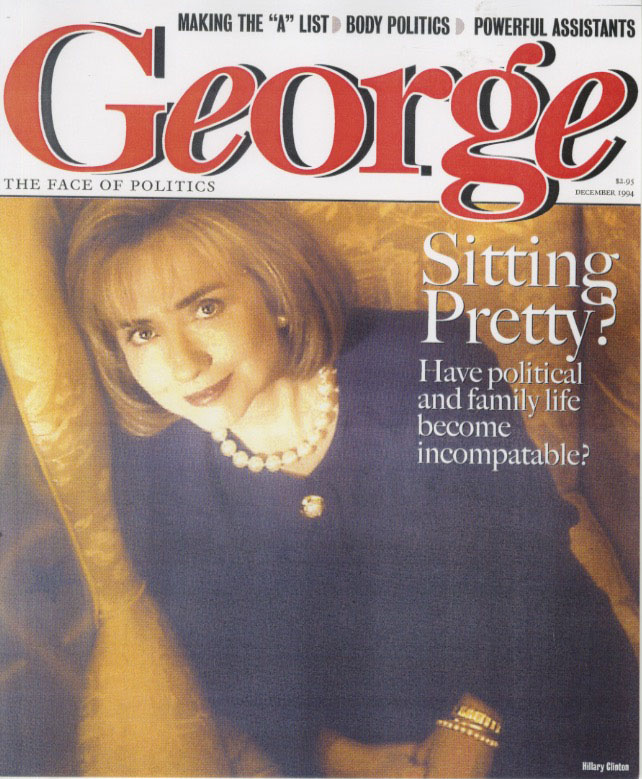
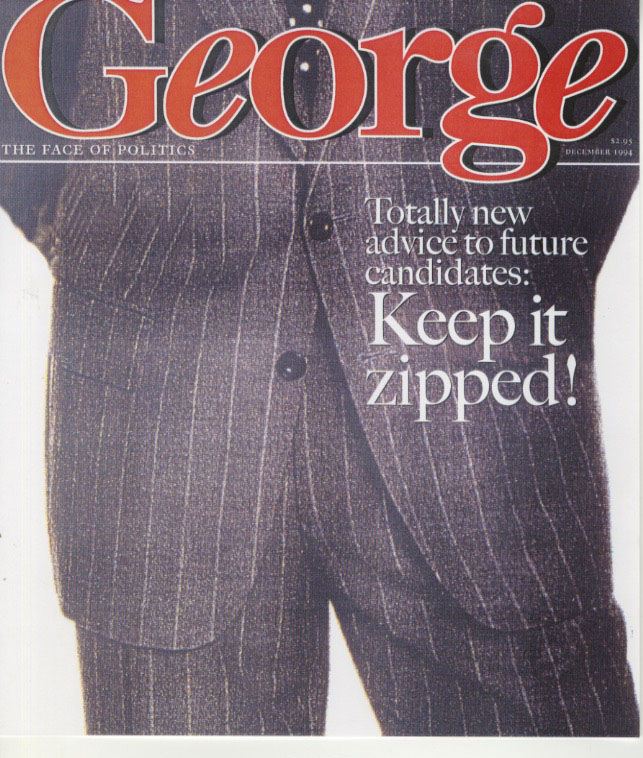
I first met Roger when I was doing a bit of consulting with Hearst Magazines and he was asked to design an up and coming new political title called George, the brainchild of the inimitable John Kennedy, Jr. In fact, I still have several of the prototype covers Roger designed and John Jr. was considering, when they decided to go in a different direction with the magazine.

Roger made an indelible mark on Rolling Stone as he came up with a typeface singularly for the magazine and gave it a typographical identity that still holds true to legacy today. He is an artisan of type and a creator of striking subtleties and bold statements. In an article written by Michael Wolff for New York Magazine, Michael writes: We (the general reader) expect magazines to look the way Roger makes them look. Roger has created a standard. Using a Macintosh, he has become the Windows of print. And while he did pioneer the use of computers in design, he does have a strong belief in the power of the print experience. So, Mr. Magazine™ agrees with Michael Wolff; Roger Black is definitely the Windows of print.

Today, Roger is far from retired, but instead, doing his own thing and enjoying life, while pondering the schematics of the business models. While a lover of print, he is still a connoisseur of digital, but not very pleased with what’s out there on the web today, except for a few exceptions. I spoke with Roger for an hour recently (via Skype while he was in Hong Kong) and we talked about his life in magazine design and his vision for the industry’s future. He posed some very interesting questions that will be addressed at an upcoming Poynter Institute panel of designers and editors. What if the industry’s current problems rests on the design aspect of the magazine or website as opposed to advertising or editorial? What can designers do to make the magazine experience more immersive?

These are just a few of the possible issues that will be addressed and discussed at the October Poynter event. But it’s a given that Roger Black will be the go-to designer for help with the solutions, because after all, when you can learn from the master, there is nothing better.

And now the Mr. Magazine™ interview with Roger Black.

But first the sound-bites:

On where he is in the world these days: I’m in Hong Kong. I’m actually just hanging out here. I have a lot of friends in Hong Kong. I was living here off and on for about three years. And then things starting happening in the U.S., so the last four months I’ve been in the States.

On the biggest changes in design over the years and how he’s adapted to those changes: The biggest change for me is magazines don’t have that team togetherness anymore. The departments have been cut to almost no one. There’s a lot of contractors and freelancers, and then in some magazines, like Time Inc. has the foundry. And there are these hubs that the newspapers have in quite a lot of the different groups and they’re combining the work of many publications. First that happened in production, then in design and now even in editorial. So, that kind of team is what I miss now.

On how he differentiates ink on paper and pixels on a screen in this digital age: Two things are happening right now. I think that the web design is probably going to change quite a lot in the next five years, probably more than it’s changed in the last twenty, because of the new tools. And also because of frustration with the way that publications have turned out on the web. So, my feeling is that the current design of webpages for publications is not any good. There are some important exceptions, but for the most part if you go to a magazine website or a newspaper website they have the same kind of setup they had from the beginning: a header, a main story, some kind of index, some blurbs, links, and now increasingly the random assault of ads in different sizes and different levels of animation and aggression. They pop over or they start twitching at you or there’s an auto start video.

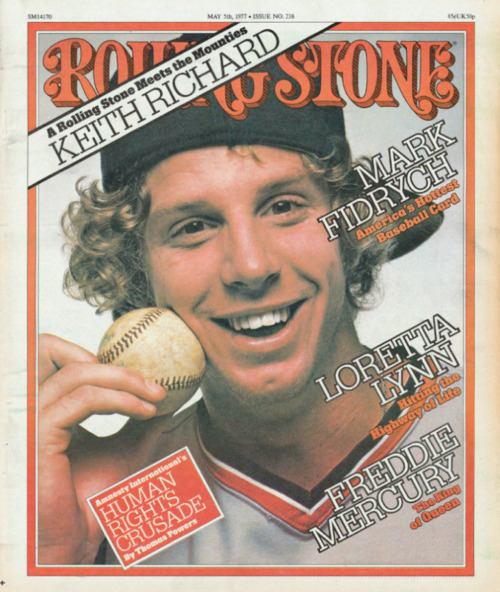
rolling-stone-coverOn which of the many magazines that he designed or created in the United States was the most pleasant for him to work on: Actually, I have a hard time picking out a single one, because I never took a job that I didn’t think would be fun. And they usually were. I was wrong sometimes, but it’s very hard to judge all of these things. My reputation was set in those days in the beginning at Rolling Stone. And that was an amazing experience and I was there for four years, which is the longest I was at any one place. The only other publication that I was at for four years was The New York Times and that was moving around too. I was able to establish a typographic identity and that was part of the reason they hired me. Jann Wenner wanted to have a typeface, which was a fairly novel idea.

One of Roger Black's prototype covers of George

One of Roger Black’s prototype covers of George

I can’t remember how John Kennedy showed up. The former picture editor at Rolling Stone and later on at Newsweek, Karen Mullarkey, was friends with him and she may have been the one to put him in touch with me. But it was one of those things where he had an enormous amount of enthusiasm and I think he could see that there was an opportunity for this to happen and that the country could go for a political magazine and his celebrity could help to carry it. He could open a lot of doors and sell ads, but the problem was that the editorial focus was never there. It didn’t know if it wanted to be a Wonk magazine, like The New Republic or Politico is today, or The Hill. Or if it wanted to be more pop; more Vanity Fair, to be a little glossy, more luxurious, more kind of celebrity-pitched.

On helping to launch Out magazine: Yes, and that was a similar time. We kind of did it out of the backend of Esquire, which was kind of fun. That was Michael Goff, who I have kept up with. He later became the editor of MSN, Microsoft Network, and I think did pretty well during the Microsoft boom. And he’s now doing something called Towle Road, which is a gay website that’s quite fun and it’s very political, and has a social side too; they do a big thing in the summer in Provincetown.

roger-black-coverOn when he fell in love with the square serif type: It was really early. I had a wonderful start at design. I recently went back to my 50th prep school reunion for my graduating class and I got to look through the stuff that I did then, because it turned out that I started trying to do design in school. And there was a wonderful designer named Robert Dothard, who was actually the first art director of Print magazine, which began as a fine printing journal, and who was advising the school on publications. He had owned his own printing company in Brattleboro and ended up becoming a magazine designer, and taught me how to set type. That’s where I got to actually slab-serif type!

On what keeps him up at night: (Laughs) Well, this interview is. (Laughs again) I’m worried about the business model, to tell you the truth. I have a home in Tampa Bay, Florida with my husband, Foster. We met at the Poynter Institute and we both rent offices from them. I got involved with Poynter on thinking about how you approach design in the current environment. So, we’re doing a program soon in New York that’s called The Poynter Digital Design Challenge. We’re asking five designers to try and figure out how to do digital publications.

And now the lightly edited transcript of the Mr. Magazine™ interview with Master Designer, Roger Black.

Samir Husni: Where in this vast world is Roger Black these days?

Roger Black: I’m in Hong Kong.

Samir Husni: And what’s happening in Hong Kong?

Roger Black: I’m actually just hanging out here. I have a lot of friends in Hong Kong. I was living here off and on for about three years. And then things starting happening in the U.S., so for the last four months I’ve been in the States.

I came to Hong Kong between type conferences. I went to the ATypI, which is the big one; the International Type Association, and it was in Warsaw this year. And I could have gone back to the States, but I knew that I would have to be in Bangkok soon, so I just decided to hang out in Hong Kong for a couple of weeks and catch up with folks.

Samir Husni: Through all of these years, you’ve launched a lot of new magazines and you’ve designed and redesigned a lot of magazines; how did you survive the evolution of design and have you enjoyed that progression?

Roger Black: There are two different things that have happened. There’s been an obviously big sea change, which it took us a while to understand just how big it was. I always say that people expect, or have the assumption, that things will be like they were when they got into this industry. That’s the norm.

I showed up essentially at the beginning of the art directing thing with magazines. I was able to announce that I was an art director and I was around 22-years-old. And people accepted it; there weren’t very many magazine or publication art directors around. Some of the biggest, most visual magazines like Life did not have an art director, and we’re talking about 1972. There were some magazines with art directors like Holiday or Town & Country, and the fashion magazines, like Esquire, but that was in the 1960s. In the ‘70s it was suddenly decided, pretty much as a result of the success of New York magazine, and to some degree Rolling Stone, that we had to have art directors or the magazines had to have art directors. So, it was a very good time to show up on the scene. I suppose it’s a good time to retire now. (Laughs) So, I hit the curve pretty nicely, No, I’m not retiring.

In any case, there have been big changes. One of the things that I was thinking about recently was the way Rolling Stone worked in the ‘70s. There was a picture posted on Facebook in a Facebook group of Rolling Stone alumni from 1977, which was the 10th year that they had moved to New York. And there’s a picture from the art department after a long day of deadline; it was the final closing in San Francisco. And everyone looked like they’d had a few consumables (Laughs), I’m not in the picture, but it was taken in my office. And what struck me about it was what a very happy little community; what a close group it was. How much everyone liked each other. There’s a certain amount of physical work in that little group.

The biggest change for me is magazines don’t have that team togetherness anymore. The departments have been cut to almost no one. There’s a lot of contractors and freelancers, and then in some magazines, like Time Inc. has the foundry. And there are these hubs that the newspapers have in quite a lot of the different groups and they’re combining the work of many publications. First that happened in production, then in design and now even in editorial.

So, that kind of team is what I miss now. When I went to Newsweek 10 years later, we had 100 people in art and photo to put out Newsweek. We had one department called “cover” and it had 11 people in it. I wandered by one day and I remember seeing the receptionist at her desk. The phone rang and she picked it up and said, “Good afternoon, cover.” (Laughs) And that stuck in my mind.

Newsweek had many, many covers. There were a lot of editions and with each one there were several different stories that were fighting for the cover, and probably several versions of each cover. So, it wasn’t like they didn’t have anything to do over there and work was much more tedious, with all the time it took to get type set and color separations were much more involved and the copy kept changing, things like that. It wasn’t a preposterous number of people doing that; Time Inc. had more. But it was a moment in time.

And it was fun. There were a lot of great people. I think the art departments were less structured than the editorial departments; they were smaller typically. And we were very young. I had already been the art director of The New York Times when I got to Newsweek. And I was still in my 30’s. And typically, my staff was younger than myself.

And now everyone is talking about the role of women in the media or technology and then it was mostly women. I don’t know if people remember that, but the art departments were almost an all-girl band in those days. And they were paid pretty well. I don’t think that we thought too much about the disparity between the men and women, but I think that Rolling Stone or Newsweek or any of the places that I worked at in the ‘70s, ‘80s and into the ‘90s; we were hiring the best people, we didn’t think about whether they were male or female. And women did a lot of the work. Managing editors of Rolling Stone were women, almost all of them. The photo editors were all women; it was interesting. And that I miss. I miss all of that community and the institutional aspects of it.

The problem was that it was institutional. The flip side is that everyone thought that this was going to go on forever, despite the fact that there had been enormous change in the ‘70s and ‘80s in technology. We went through the Scitex stuff and then the Macintoshes came in the late ‘80s and early ‘90s and everything changed. And it kept changing.

The way the photography was first, from Life magazine, for chartering airplanes to send photographs like Queen Elizabeth’s coronation back to New York and processing them in the air in order to try and get a color cover before anybody else. And it seemed all fine. We had giant satellite dishes that we were leasing out, sending things to remote plants; Newsweek in those days was 3 million in circulation. It was a big production. And we thought that was going to go on forever.

Now, today, the flip of that is we’re all essentially single actors, there are a few magazine art departments left, but for the most part you go into a publication and it’s one designer kind of doing all of the production too, maybe with an assistant and a photo person. And typically are freelancers doing a lot of it, freelancers in little studios doing a bunch of magazines at the same time. Or the bigger companies like Hearst or Condé Nast have increasingly brought all the redesigns in-house now. I haven’t done a redesign on a U.S. magazine in quite a while, the last was Scientific American. And that’s all a big change.

So, we’ve gone from a large enterprise to a very entrepreneurial, one-person studio for the most part. And we see this all over. The editors and the writers are often on their own too. And I think I miss the comradeship and the give-and-take, and also the fun of that.

At the same time, I left in 1987; Newsweek was my last job. I haven’t worked for anyone since. I took a job out here just as a way of getting to Hong Kong. It was an in-house redesign and I think everyone understood that I wasn’t going to stay there forever. But I got to Honk Kong and I enjoyed going around China and its regions. I’m now redesigning a paper that I already did once in Bangkok, The Nation, which is an English-language daily that has a TV channel and a website and all of the usual multimedia efforts.

Samir Husni: Speaking of multimedia; how do you juggle your creative thinking when you’re dealing with the ink on paper or pixels on a screen? Do you find that more challenging and more creative than when you were limited to one medium?

Roger Black: The main attraction is we now have video and animation that we didn’t have then. The reason that I went out on my own and left Newsweek after two years was that I was doing redesigns, or doing launches, and I was trying to set up a design system of, and the easiest way to describe it is just the type specifications; the little structures of headlines and subheads, pictures and captions and the other elements that you put together to design pages.

I wasn’t actually doing that many pages myself, part of that was that I had moved up so there were other staffers; I had a number of wonderful art directors who worked with me, first, at the publications, at Rolling Stone, New York or Esquire, but also in the studio. When I started a studio we immediately got work. And for 15 years or so, from ’87 until the end of the ‘90s, the highest that we ever got was 200 designers during the tech boom. We did a big rollup and it was called “Circle.com” and I was the chief creative officer. I should have known that that was the beginning of the end. (Laughs) Just the idea of calling yourself that. I actually joked about it in social media. I said that’s funny, because I always thought the chief creative officer was God. (Laughs again) That would be the only chief creative officer that I would recognize.

In any case, what we were doing was creating design systems or typography and art directing styles and putting together a stable of photographers and illustrators and commissioning typefaces, all of that stuff. And the typographical relationships were specified in stylebooks. So, when the web started, when you’re designing a website you’re not designing it page by page. You’re designing a set of rules, and increasingly it’s becoming more code and more algorithmic, or it’s interpreting CSS (Cascading Style Sheets) in a very interesting way, so that the webpages are very flexible and very responsive.

And for me, it was less of a shock to do that than it might have been for designers who think of themselves as artists and who start by drawing out the shape and the style of the page, it’s similar to pinning the paper to the drafting table or stretching the canvas and putting it on the easel. I never thought of that. I was always thinking about: with a 48-point head, I think I want a 16 on 18 point deck. It’s a little bolder. But if it gets too wide, I want this or that, you know? Those are the rules and that’s very webby.

Two things are happening right now. I think that the web design is probably going to change quite a lot in the next five years, probably more than it’s changed in the last twenty, because of the new tools. And also because of frustration with the way that publications have turned out on the web. So, my feeling is that the current design of webpages for publications is not any good. There are some important exceptions, but for the most part if you go to a magazine website or a newspaper website they have the same kind of setup they had from the beginning: a header, a main story, some kind of index, some blurbs, links, and now increasingly the random assault of ads in different sizes and different levels of animation and aggression. They pop over or they start twitching at you or there’s an auto start video.

The worst examples are the clickbait ads at the bottom of what seems like every page of very good publications, from Taboola or Outbreak or some place, which may or may not be related. You go to Facebook and you’re kind of amazed at how everything works together so well. But you go to most magazine websites and it doesn’t work well at all, it’s kind of an assault. So everyone is rather upset that the publication experience has been replaced by individuals arriving by some link to one story. They don’t look at the cover or the table of contents; they don’t page through the publication; they just dive right in and read a little bit of one story. And it’s shocking how little they do read. I don’t know if you followed the last report of session times that people were claiming and the idea that you would even have a two minute session time seems like a lot today, but you can’t read a story in two minutes, and they’re talking in the seconds.

So, I think that the digital publications, the web and most of their apps are at their nadir. I think they’re bound to get a lot better. Meanwhile we’re seeing an increase in small circulation-based business models for what people are calling “artisanal” magazines. These are extremely focused magazines; some of them relatively large like Monocle that are very laboriously produced; a lot of love goes into them. And they have very loyal readers and people love these magazines. And they find plenty of time to read all the way through an article or a whole magazine.

But none of them have done that well with their websites yet. But I think these magazines are showing the way. These small circulation-based publications have revenue models, which could be even crowdfunded, but they’re reader supported. It’s like NPR; it’s not advertising.

The big mistake that web publications made in 1995 was to imagine that they at last were going to be able to do the broadcast model, which was free space and free time, and you’d make the money back by building circulation. It never worked. No one ever got to the point where that model could work. Other people did, the Huffington’s of the world did OK, but not the old fashioned guys; not the guys from 6th Avenue.

And why is that? Well, that’s not a great model. (Laughs) In America, and I think it started with radio in the late ‘20s, print people were always kind of jealous of broadcast. So, by the ‘50s, Time and Life and those big publications, the Reader’s Digests, really were pushing circulation to get very big revenue from a relatively small cost per thousand page rate. And that worked as long as they were still mass media, but as soon as the mass media thing began to disappear, it stopped.

We see even fairly latecomers to the model like The Guardian in England now complaining that they’re not making any money. And I was always amazed that they thought that they could do it and the free model would work. (Laughs)

The old guys that are doing fine are people like The Economist; they have a very nice app, it works beautifully on my iPad. I read it every week. It’s the closest thing on the magazine side to Kindle. It’s page-based; you swipe the pages and it’s very easy to read. You can adjust the text. Now, they don’t have much in the way of layout, it’s like an old fashioned newspaper in some ways. But they have good covers and you read it.

And The New Yorker, using that kind of typical Condé Nast app model, is also quite good. I think when you have a publication on the newspaper side, the Financial Times, where you have a fairly lightly arted publication; it’s much easier to kind of go bookish on it. While we’ve been struggling, the book publishers almost went through the wringer. They were the first to start running for the hills. They were in a huge panic mode.

But in the last couple of years the decline flattened out somewhat. E-books began to flatten out too. And there are quite a few interesting book publishers that have come along and we find that there’s a very devoted group of readers who like to read books and they even like them in print. They want to read all of the way through and they have their favorite authors. I have a sister who reads a book a week still. She’s 84-years-old. And that’s great. I also know some 20-year-old’s also like to read, not quite as much as my sister, but they’re very busy.

When people talk about this session time, the supposed attention span problem of the millennials; I keep pointing to things like long-term sessions in video games and movies. We had a pretty bad summer when it came to movies, but there’s this wonderful thing that happens; people actually go to the movie theater. Now, we understand that the theater business is declining too, but meanwhile Amazon and Netflix and the rest have picked up quite a lot of the slack.

The films and the narrative-based long form is a very tantalizing point of fact for people in magazines. And we had been pushing away from that. When I was at Rolling Stone and you’d read magazines like Esquire or The New Yorker you’d find a 5,000 word, and the occasional 10,000 word, piece. Hunter Thompson would write two or three-parters that were heading toward 10,000 words for each part. Thinking that we knew what we were doing, we’ve chopped it into little, tiny tidbits of information and lots of pages. If you look at say, Cosmo, there’s hardly anything longer than 200 words throughout the whole thing. That’s a very engaging fun thing to have for a very short session, but at the same time, you go to the web and it’s all short pieces. With Facebook you’re just bathed in that, or Twitter or Instagram, or wherever. So, where do you go?

It’s not very effective in this market and I think that what’s going to happen is that these artisanal magazines are going to lead the way toward a different experience, where it’s very much like the old days. It will be more like the old journals; it’s actual writing and very personal.

The great advantage that magazines have that newspapers don’t really have, and the electronic media doesn’t have is that personal engagement, that one on one with reading and writing. Now, a blogger can get that; I read Jon Carroll; he used to be the editor of New West when I was doing that back in the ‘80s. He was at the Chronicle in San Francisco for a long time and then retired and now he’s just doing a blog. And it’s fantastic. He wrote the best obituary that I’ve read in years only last week.

I’m not trying to say that print has an innate advantage when it comes to reading and writing or a monopoly on it, but it is a very pleasant form of reading. It’s the whole thing of reading a book or a magazine under a tree or at the beach or on the airplane without power. And folding it and putting it in your bag and just wandering off. That is very pleasant.

Samir Husni: You’ve left a lot of footprints and handprints on a host of magazines in the United States. Which one was the most pleasant experience for you? Which one do you want the history books to read: Roger Black designed or created this magazine?

Roger Black: Actually, I have a hard time picking out a single one, because I never took a job that I didn’t think would be fun. And they usually were. I was wrong sometimes, but it’s very hard to judge all of these things.

My reputation was set in those days in the beginning at Rolling Stone. And that was an amazing experience and I was there for four years, which is the longest I was at any one place. The only other publication that I was at for four years was The New York Times and that was moving around too. I started at Rolling Stone as the assistant to Tony Lane who just passed away this year, and he was a pretty wild and amazing art director, typographer, much better art director than I, in terms of knowing photographers and working with illustrators, because he came from the record companies, where they had a lot of money and fat rolodexes, as we used to say.

At Rolling Stone there were a couple of things that happened. I was able to establish a typographic identity and that was part of the reason they hired me. Jann Wenner wanted to have a typeface, which was a fairly novel idea.

The only other magazine since 1929 that had its own typeface, as far as I know, was Avant Garde. Herb Lubalin had made a typeface for the magazine, which actually became the foundation for ITC, the company that he started with Aaron Burns. He figured out how to get that type as text, with the wonderful Ed Rondthaler from Photolettering. Avant Garde was just a display type and the type was set at Photolettering in New York, which was the best photo-type shop and the most expensive, $10 per word. (Laughs) It’s a concept that we can’t even understand anymore.

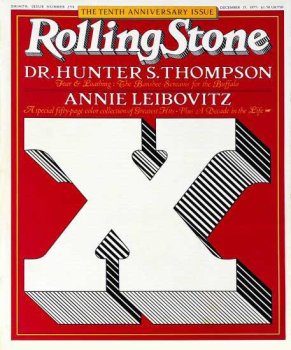
Anyway, that was interesting. So, Jann got me that opportunity and I pushed it as far as I could. I didn’t know exactly what typeface it should be, so we did a whole year of exploration and started putting things in the magazine, and that helped to identify what it was and by 1977, I started in ’75, we had the typeface drawn and it went into the famous 10th anniversary issue, with the big X on the cover, it had a red background with the white X that Jim Parkinson drew. That was the culmination of that design; we had all of the pieces together then.

I continued on there for another year and then I was succeeded by Mary Shanahan. So, the amazing thing for me was that by trying to come up with a look and feel that was based on the history of the magazine and contributed that, but pushed it a lot farther, we were able to set a model and a style that has persisted until today. So, it’s been 40 years. It’s pretty amazing. There have been interruptions, there have been times it seemed out of date and Jann wanted to change art directors or they kind of cleaned the decks and started over again. But then another art director would come along and restore it. (Laughs)

The first time that happened was when Fred Woodward, who is the great art director now at GQ, he brought back the 1977 format for the front and the back of the book. And when I got that copy, I’ve always been a subscriber, I called Fred up and asked him was it a copy he did just for me. (Laughs) Or do they all look like this? It seemed amazing.

And then it changed again. They threw out the type; they had a couple of art directors after Fred, who had different ideas, and Jann encouraged that; you can’t keep doing the same thing always. And when Joe Hutchinson, the current art director came in, and that’s been nearly 10 years, he restored it again. And if you look at Rolling Stone covers today, they bear an uncanny resemblance to what we did 40 years ago.

Now it’s a much more challenging situation, but there’s an identity there. The great magazines hold on. Time magazine has held on to its look and feel. Walter Bernard did a big rethink of that in 1977 and had a big change, but it was still Time.

When I did Esquire in the early ‘90s, my big challenge was to make it look like Esquire. One of the things when we design a new magazine is people who come across it and don’t know how old it is, they should think that it’s been there for a while; it’s established and has always looked that way. A magazine should have a natural look.

When I was at Smart magazine, one of the things that I learned was, and that was the beginning of the downsizing, I had a particularly important scale change, because I had come from Newsweek, where we had a fleet of blue Skyline cars waiting for us to take us home at night. (Laughs) The reason why Smart only lasted 13 issues was it was never funded. Hearst would put $5 million toward a launch, getting it to break even, and they would give it a few years. But we didn’t have a few years. And we had some crazy people on the publishing side. But it was fun. We had a really good time.

I had a great time at Rolling Stone; a pretty good time at Newsweek. Maynard Parker was there and Rick Smith, who I just did a project with, he’s retired, but he’s doing the Pinkerton Foundation, which is a very nice New York City charity group.

Samir Husni: Talking about experiences; I have the cover that you designed with Hillary Clinton when you were doing the prototype for George magazine.

Roger Black: Oh my; I forgot about that. (Laughs)

One of Roger Black's prototype covers of George

One of Roger Black’s prototype covers of George

Samir Husni: Tell me about that experience with John Kennedy, Jr. and George magazine.

Roger Black: Well, it was very interesting. I was at Esquire in those days. My deal at Hearst was that I had to do Esquire as part of my consulting thing and then I would move around and work with other magazines. We started Smart Money and I did some redesigns of several other magazines. And I also did my own stuff at that time, like Foreign Affairs that I designed and several others.

I can’t remember how John Kennedy showed up. The former picture editor at Rolling Stone and later on at Newsweek, Karen Mullarkey, was friends with him and she may have been the one to put him in touch with me. But it was one of those things where he had an enormous amount of enthusiasm and I think he could see that there was an opportunity for this to happen and that the country could go for a political magazine and his celebrity could help to carry it. He could open a lot of doors and sell ads, but the problem was that the editorial focus was never there. It didn’t know if it wanted to be a Wonk magazine, like The New Republic or Politico is today, or The Hill. Or if it wanted to be more pop; more Vanity Fair, to be a little glossy, more luxurious, more kind of celebrity-pitched.

The actual first issue of George... needless to say it was not designed by Roger Black.

The actual first issue of George… needless to say it was not designed by Roger Black.

I don’t even remember who the editor was when I did that prototype, but they were pushing for the wonkier magazine; they wanted to have real political impact and get people engaged in politics the way that Americans used to. When people read the newspaper back in the 19th century, they then discussed it and argued about it. And everyone voted. Today, people talk about how democracy isn’t working; it works if you use it. If everyone got out and voted, democracy would work. And this was what John Kennedy, Jr. believed; if he could ignite real democracy it would be an amazing thing.

But the editors wanted it a little more technical, the party politics and all that. So, that prototype was junked as being too New Republic; too serious and boring. And the magazine that they put out was much more Vanity Fair-like and it had the George Lois covers, which didn’t ultimately work.

Samir Husni: You’re also credited with helping and launching Out magazine.

Roger Black: Yes, and that was a similar time. We kind of did it out of the backend of Esquire, which was kind of fun. That was Michael Goff, who I have kept up with. He later became the editor of MSN, Microsoft Network, and I think did pretty well during the Microsoft boom. And he’s now doing something called Towle Road, which is a gay website that’s quite fun and it’s very political, and has a social side too; they do a big thing in the summer in Provincetown.

He was working for me as a kind of editorial manager/assistant; a sort of staff editor. I always liked to have an editor on staff because it turned the tables on them, because they were reporting to the art director and it was kind of fun. He was a really good one and he helped me write a book. It was called Desktop Design Power, the publisher named it, but it was about desktop publishing design in that same era, and he really wrote it. He was the ghostwriter. We were very good friends.

He showed up at Banana Republic, at Trips magazine, which was an ill-fated, one issue magazine, which was also incredibly fun. I know I have the proofs of the second issue someplace. I’m going through my archives now for the first time ever.

Goff had this idea to do some kind of gay publication. And this was right at the time that the AIDS epidemic was beginning to be understood and there was a lot of consciousness in the gay community. It was changing and becoming much more serious and we had Out Week.

I was going back to my 25th prep school reunion. And I met one of my best friends from school who was at The Boston Globe, Bob Hardman, and he was out and gay. Out Week had just folded and he asked me at that event what was going to replace Out Week, and I said that’s funny because I had this friend Michael Goff who was working on just such a thing. And he asked me to put him in touch with Michael.

So, Hardman helped to start it. He put some money in and helped them to figure it out. Under that regime it didn’t last all that long. Eventually it was sold, but it was really quite an amazing thing. I helped on the design; there were several other designers that worked on it. I got credit for it, but it was really Michael Goff who did it.

There was this woman named Sarah Pettit who was a great editor and who died fairly young. She figured out how to do a gay and lesbian magazine, which was probably an impossible idea. But it worked, I think.

Samir Husni: When did you fall in love with the square serif type?

Roger Black: It was really early. I had a wonderful start at design. I recently went back to my 50th prep school reunion for my graduating class and I got to look through the stuff that I did then, because it turned out that I started trying to do design in school. And there was a wonderful designer named Robert Dothard, who was actually the first art director of Print magazine, which began as a fine printing journal, and who was advising the school on publications. He had owned his own printing company in Brattleboro and ended up becoming a magazine designer, and taught me how to set type. That’s where I got to actually slab-serif type!

There was a magazine called Vermont Life in the ‘70s, and it was a very nice magazine. He did that and then a number of school publications and he was working with Deerfield, which wasn’t that far away. Deerfield, where I went to school, is almost a suburb of Springfield.

Dothard was in Brattleboro and he did the school printing. Deerfield Academy had a famous headmaster named Frank Boyden; he was the one who got Bruce Barton to do the school’s fundraising. Bruce Barton wrote a famous book about fundraising and a series of letters, model letters about fundraising. He was the founder of Batten, Barton Durston & Osborn; he was also a genius. He did the first publications for the school and they were beautifully done, like classical American fine printing.

And Dothard was aware of that and tried to keep that, so everything the school printed had to be seen by Dothard. So, that was how I met him; I was doing the student activity extracurricular kind of thing that was called American Studies Group. We were doing an art show of a New England artist and I was writing and editing and putting the show together with a bunch of people, members of the group, and I was told that if we printed anything Dothard had to be involved.

So, he did this wonderful thing of letting me think I was designing this catalog, and it came out beautifully. It was really the first book that I ever designed, the first publication, and I didn’t design it, of course. I couldn’t have. But he made me understand what the steps were to make all of those decisions. Then he offered me a summer job, what we’d call today an internship, but he called it an apprenticeship. And he taught me how to set type and I got to work on some books and magazines, and it was that composite era; we were still setting metal type. So, I learned that whole production system.

And from his old printing shop, he had a collection of wood type that included some slab serifs and I just thought they were fantastic, because wood type is something that even a child can set. But he also had some beautiful Monotype that had been cast as single letters and the classics type from the English revival in the 1920s, Centaur and Bembo. I loved the combination of any of these 19th century typefaces, and these classical revivals. Dothard thought I was out of my mind and told me that I couldn’t use those together. (Laughs) If you use a 19th century slab serif, Egyptian we call it; you have to use a 19th century text face.

And that was actually the basis for my Rolling Stone work. When I went to college, which was the next step, because this was the year before I went to college that I had this internship, I discovered that there was this wonderful type shop in Chicago called Ryder, and a friend of mine pointed out this typeface called Egiziano that they were using, and I fell in love with it and it’s still on my business cards. If people ask me my favorite typeface, I always say Egiziano. (Laughs)

Samir Husni: My typical last question; what keeps you up at night?

Roger Black: (Laughs) Well, this interview is. (Laughs again) I’m worried about the business model, to tell you the truth. I have a home in Tampa Bay, Florida with my husband, Foster. We met at the Poynter Institute and we both rent offices from them. I got involved with Poynter on thinking about how you approach design in the current environment. So, we’re doing a program soon in New York that’s called The Poynter Digital Design Challenge. We’re asking five designers to try and figure out how to do digital publications.

And as I was saying at the beginning of this conversation, I don’t think we’ve figured it out. I think we’ve done a lot of really bad websites and a lot of really bad apps. And they’re not working. I mentioned a few that are exceptions, but in large part, they’re not sustainable in their current form.

I’m not the one who is going to figure out the new business model, and I don’t think it’s going to be easy; although we talked a bit about what I think are the roots of it, which is it’s going to have to be reader-supported.

But what if you step away from those issues and ask what would we do if we thought that design was the problem? What if we imagined that design could solve the problem? Could we make a publication that’s more compelling, more immersive and more fun, one that’s more long-form, more sustainable, in terms of reader/writer involvement? How do you do that?

We’re asking some fairly well-known and successful designers with different backgrounds and different reputations to think about that. We’re doing a two-day session on October 17th and 18th at Columbia. The first session will be another group of pundits, and what I call pundits are experts that are fairly well-known, practiced editors and one designer, who are going to set up the problem. I’ll do a little introduction, listing all of the worst-practices and best-practices that I can see. And they’re all going to say what they want; we haven’t talked about that. It’s very interesting what people come up with about millennials or about anything at all.

It might be kind of surprising to see what they think the problems are; they’re not necessarily the obvious, it’s not the typeface. It’s going to leak over the parameters of just design. What we’re going to do is adjourn for a couple of months and then in January we’re going to reconvene. The designers are each going to do a little presentation of sketches; it could be a prototype or code, just whatever they can come up with, and what they’re solution would be. And all of this will be published and made public.

And I think that’s part of the conversation that has to happen. We’ve been making way too many assumptions that a website has to look like this or that; we have to have as many ads on a page as we possibly can. The assumption is that we’re trapped in this article-based-like the app Texture, they even list articles. Their email newsletter reads “recommended articles.” But no, let’s talk about the whole magazine, not just select articles. And it’s supposed to be an app where you read magazines! This assumption that we’ve lost the entire publication; that we’re all just wire services now, is wrong. I don’t think it’s going to work. We’ve dismembered the publication without thinking it all the way through. I think that you can still do it.

Now, I don’t have the example. I tried one a few years ago called Treesaver, where we did a Kindle-like magazine that was page-based, using very simple html code. A few people picked it up, but it didn’t go very far. And then you have Texture, and it’s really just captured PDF’s. Just look at Adobe and their Digital Publishing System; that was going to be the answer. We had that Fast Company thing to come out a couple of years ago and that was very interesting. Then the publishers seemed to just forget about it and to say goodbye.

We’ve seen these so-called artisanal magazines, these little Kickstarter publications that are showing up, are also showing the way. On the art side, there are some very interesting things. There had been a lot of interesting digital experiments, some of them more on the aggregation side. Medium is a pretty amazing thing, but it’s not a publication. What’s odd is that Facebook and Twitter have become the publications. And with Facebook’s amazing data management or heuristics, or whatever you want to call it, everybody’s Facebook experience is a little different. One of the things that I noticed recently is that mood swings happen with my cohorts on Facebook. They got very wound up during the debates recently and I found myself posting an article from the Smithsonian and it had an illustration, a picture of a cat mummy from the British Museum, and it was about the DNA history of cats; where do cats come from? It turned out that they’d been with us a lot longer than we’d thought and some were Viking cats. The Vikings distributed cats or moved them around; they would travel with them on the ships and go all over the world.

That was amazing stuff and everyone was so happy to have cats after Hillary and Trump. (Laughs) And you see that happening on Facebook; the moods change. Everyone gets serious or they want relief. There’s a lot of poignant stuff. It’s very magazine-y and it’s very personal. But it is quite random and eventually I think you’re going to get tired of it. We see that the millennials have already moved out.

People are looking for a direct, personal connection; they’re looking for affirmation of the things that they’re interested in, their pursuits and their loves in their lives. And it could be that they’re just interested in GoPro and high-tech stuff. Drones maybe; I just don’t know. But fine, let them have a magazine for it. (Laughs) And if you do it great, they’ll be very happy with it. But I don’t think we’re doing it great. We have to stop worrying about and blaming Steve Jobs and Mark Zuckerberg and everyone else, and start thinking about the fact that maybe it’s our fault. What can we do to turn this around? Maybe it won’t work, but we have to try. And that’s what I want to do, and what keeps me up at night.

Samir Husni: Thank you.
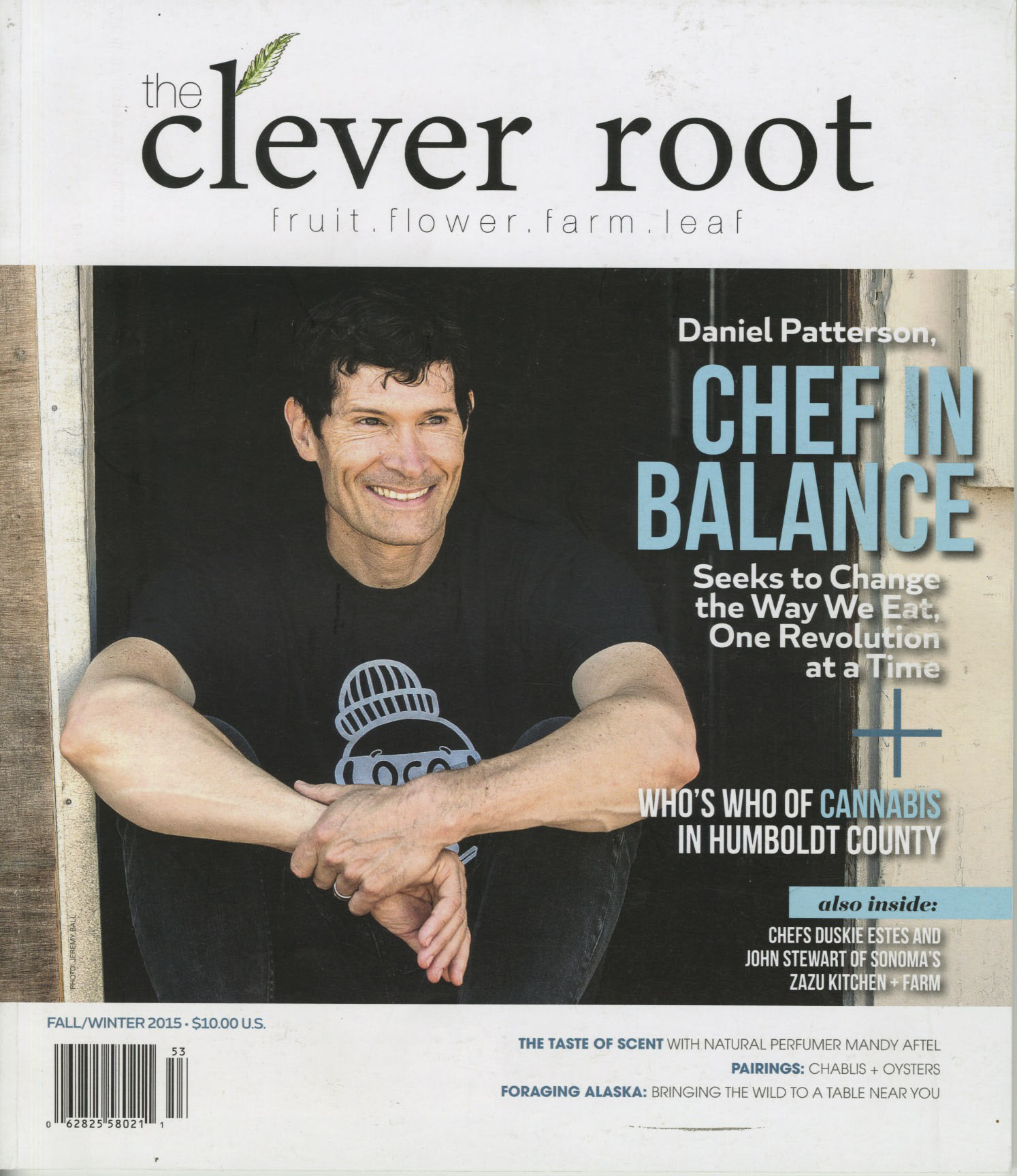
h1

I Miss This Type Of Journalism: A Monthly Magazine Without Political Slant or Personal Bias…

September 30, 2016

From the Mr. Magazine™ Vault…
fullsizerenderfullsizerender_1

The above magazine Know The FACTS, with a tag line that reads,”A Monthly Magazine Without Political Slant or Personal Bias”. In addition to the tagline, the magazine published a creed on the back of its first anniversary issue dated February 1956. The Creed reads:

WE BELIEVE
In the Power of Truth. That the American people want the Facts and all the Facts.
That the people are willing and able to face all the Facts squarely, at all times.
That they want the Facts without Political slant or personal bias.
That the American people do to want to be told HOW to think, or WHAT to think; that they can make up their own minds.
That OUR task is a new one: to give you concise, FACTUAL reports on the issues America is talking about and worrying about; to give you the FACTS without trying to tell you what to think.
That An Informed Public Makes a Strong Republic.

That was 60 years ago and I do miss that type of journalism. No additional comments are necessary or needed. Enough said.

h1

Celebrity Page Magazine: Putting Readers On The Positive “Page” Of Their Favorite Celebrities’ Lives – The Mr. Magazine™ Interview With Daniel Hall, Publisher, Celebrity Page, Bella New York & Bella L.A.

September 29, 2016

A Mr. Magazine™ Launch Story

cp-1st-issue

“We had the print background and we believed in that. Also, with everything we were reading and researching, we felt that print is strong. I know it’s taken a pretty bad beating over the past several years, but really in the past two years we’ve seen a great surge in print again. And for us we felt that it’s almost not real until it’s in print. The digital is fantastic and we certainly have full digital; we’re doing a lot with video, and I like to say that we drive it all to our digital. We have a tangible lead behind that people want and we bring it all together with events.” Daniel Hall

Two new print titles have recently hit newsstands: Celebrity Page and Bella L.A. Both are from the creative talents of husband and wife team, Daniel and Courtenay Hall. The Hall’s began their passionate magazine journey with Bella New York, a women’s luxury lifestyle publication offering an insider’s guide to one of the most affluent areas in America. Bella New York spotlights a sophisticated combination of fashion, beauty, health, philanthropy, arts and culture, cuisine, celebrity and entertainment.

fb_img_1474642837794Bella L.A. is the latest regional title that will mirror its sister publication, only focusing on L.A. instead of the Big Apple. I spoke with Daniel Hall recently and we talked about his future vision for the Bella Media Group brand and how he and Courtenay hope to keep spinning the North American globe by having Bella’s for many, many cities. Next up: Miami.

The other new title is one that is unique in its desire to cast celebrities in a more positive light: Celebrity Page, named after the syndicated entertainment news program that airs on the cable network, REELZ. The magazine is a monthly that showcases many of the philanthropic efforts that celebrities are interested in. It also presents a more comfortable look at some of our greatest and most popular icons. It’s a breath of fresh air in the celeb world as it shies away from the behind-the-bushes-caught-you negativity many of the gossip-based titles go for. Daniel’s unique strategy for distributing the premiere issue was an exclusive deal with Barnes & Noble, which earned him first-shelf placement in the Entertainment section in all 634 stores as a joint partnership. While it was a most sweet deal, Daniel said for following issues it will not be Barnes & Noble exclusively as they plan on broadening their horizons and newsstands.

Daniel is a print lover from way back, as is his wife, Courtenay. They used their passion and their own money to start Bella New York and have watched it grow and flourish – so much so they started Bella L.A. and Celebrity Page.

So, I hope that you enjoy this very interesting discussion with a man who knows how to use hard work, passion and dedication to make his dream come true – the Mr. Magazine™ interview with Daniel Hall, publisher, Celebrity Page, Bella New York and Bella L.A.

But first the sound-bites:

fb_img_1474642820386

On why he’s launching print magazines in this digital age: By design, when we came up with the idea for Bella, we knew that we wanted to go to national with a bunch of regionals, if you will. Bella New York was our first magazine, obviously, and it’s been just a little over five years and we’re going onto Bella L.A. and because 50 percent of the content will be of national interest and the other 50 percent of the content is going to be geared toward that region. And we chose that model because we did not want to compete against the nationals; we didn’t want to have our fashion compete against Vogue. So, we said that if we take a little bit of the nationals and put it into a regional and then let that region own it with some local content, we felt like we’d have better success, because through our research we felt niche publications were doing better.

On the idea behind Celebrity Page magazine and its connection to the television program of the same name: Basically, we’ve partnered with the people who actually have Celebrity Page TV. Of course, we’re not partners with them on the television show, just on the print and the digital. We saw an area where we wanted to position celebrities in a positive light. We wanted to show their philanthropic efforts; we didn’t want to come across as a tabloid that was hiding in the bushes and seeing who was coming out of a cellulite clinic or anything like that.

On why he decided to go through Barnes & Noble exclusively for the distribution of the premiere issue of Celebrity Page: We have a great relationship with Barnes & Noble when it comes to Bella. And our sales are fantastic with them, so I approached them and asked if they’d want to partner with us on this launch. According to what they told me, this was the first time they had entered into this type arrangement too. I was able to negotiate first-shelf placement in the Entertainment section in all 634 stores as a joint partnership. And we said that through the TV and through the magazine, we would also promote Barnes & Noble and just try to drive readers and traffic to their retail outlets to help promote the store and really, just help everyone’s cause.

On what he believes the role of print is today: We had the print background and we believed in that. Also, with everything we were reading and researching, we felt that print s strong. I know it’s taken a pretty bad beating over the past several years, but really in the past two years we’ve seen a great surge in print again. And for us we felt that it’s almost not real until it’s in print. The digital is fantastic and we certainly have full digital; we’re doing a lot with video, and I like to say that we drive it all to our digital. We have a tangible leave behind that people want and we bring it all together with events.

On the biggest stumbling block that he had to face during the launch of any of his magazines and how he overcame it: Two things come to mind: the naysayers who kept saying print is dead and we were absolutely crazy to go into a print publication. Had we listened to any of those people we obviously wouldn’t have launched any of our magazines. So, I think overcoming all of the naysayers just as we were starting to do our preliminary research on what we should do and how we should launch. The second thing was the finances of launching. We did not go after investors. My wife and I self-funded. We like to say it was an Amex card and a dream. And literally it was. We sold the first issue on the concept; we printed a media kit and we sold the idea.

paris-coverOn where the next Bella magazine will be after New York and L.A.: As far as our business model, we plan on going to Miami next. And we’re hoping to do that in one year’s time. Miami and then next, and I’m not sure why really, but we felt we wanted to do something in either Dallas or Houston, something along those lines as a fourth market.

On the most pleasant moment he encountered during the launching of the magazines: I graduated from the Fashion Institute of Technology (FIT) in 1997 with a B.A.and I had the opportunity to go back and interview the president of the college for the magazine. And it’s those types of things that hit me sometimes and I can’t really believe they’re happening, and interviewing some of these amazing athletes and just having exposure and being able to highlight them. With Bella too, we’re fashion, beauty, wellness; we’re an overall lifestyle, those are just three of the main focuses of the magazine. And even a lot of the wellness content; when you’re highlighting these philanthropic efforts of some of these unfortunate diseases and things some children have; when we support them and we go to these fundraisers and highlight and try to help them create awareness; that is meaningful to us.

On anything else he’d like to add: I’d just like to thank our supporters and thank our team. We’re a small crew that does a lot. And really, everything that we do is to just try and put good content to each of those areas and basically don’t stop. Bella is an example of what passion and dedication can do.

On what someone would find him doing if they showed up unexpectedly to his home one evening: We have three small children, not so small now; they’re 12, 11 and 7. Being that we work together, we try when we come home to turn it off. And sometimes that’s difficult, because obviously, you’re always thinking of something. What needs to be done? But we really try to focus and get home and then zone in on what’s important at that point. For the most part it would be being with the children, doing something, whether it’s afterschool soccer, or just being home. It’s really family time that we focus on and we try to really pay attention to doing good quality family time and during the day good quality business.

On what keeps him up at night: I have to say that I am a good sleeper, so when it is bedtime, I can typically shut it down and go to sleep. But when I am kept up it’s just all of the activities of what we’re doing. I don’t want to ever take anything for granted. Life is short for all of us, so at night I try to really think of whether or not we accomplished what we wanted to? I think of strategic ways that we can do better to make a bigger impact on people that is going to be meaningful and to help them. We try and make the content more than just fluff. We try to make a difference with the brand when people are reading the pages of Bella and Celebrity Page.

And now the lightly edited transcript of the Mr. Magazine™ interview with Daniel Hall, publisher, Celebrity Page, Bella New York and Bella L.A.

bella-laSamir Husni: Why are you launching a new print magazine in this digital age? And in fact, with Bella L.A., you’re actually launching two print magazines; tell me a little about your story.

Daniel Hall: By design, when we came up with the idea for Bella, we knew that we wanted to go to national with a bunch of regionals, if you will. Bella New York was our first magazine, obviously, and it’s been just a little over five years and we’re going onto Bella L.A. and because 50 percent of the content will be of national interest and the other 50 percent of the content is going to be geared toward that region.

And we chose that model because we did not want to compete against the nationals; we didn’t want to have our fashion compete against Vogue. So, we said that if we take a little bit of the nationals and put it into a regional and then let that region own it with some local content, we felt like we’d have better success, because through our research we felt niche publications were doing better. And we’re not niche in the sense of a special interest type of publication; we’re still more general interest. We are appealing to the masses.

But we knew by focusing on each region it would allow them to own it and hopefully want to purchase it, and it has been. Thank God it has been going that way. It’s been a real grass roots effort, but it’s certainly been gaining momentum issue after issue, and we felt it was time to launch Bella L.A. now in order to keep that momentum going.

Samir Husni: In addition to Bella, you’ve just launched Celebrity Page. And you’ve launched it in a way that it’s only distributed at Barnes & Noble. Would you tell me about the genesis of the idea behind Celebrity Page, the magazine and its connectivity with the television program?

Daniel Hall: Basically, we’ve partnered with the people who actually have Celebrity Page TV. Of course, we’re not partners with them on the television show, just on the print and the digital. We saw an area where we wanted to position celebrities in a positive light. We wanted to show their philanthropic efforts; we didn’t want to come across as a tabloid that was hiding in the bushes and seeing who was coming out of a cellulite clinic or anything like that.

Being that celebrities are such icons really, if you will, to some of the millennials and to older folks as well and the impact that celebrities have on people’s lives; we felt that by putting a positive spin on it and by putting something new out there, and with the TV component to back it up and the full digital, it would be something good to partner on, and be great to add to the Bella Media Group portfolio as just a positive reinforcement to these celebrities of highlighting and honoring them for what they do in that positive way.

Samir Husni: Why did you decide to go through Barnes & Noble exclusively with the premiere launch of Celebrity Page?

Daniel Hall: We have a great relationship with Barnes & Noble when it comes to Bella. And our sales are fantastic with them, so I approached them and asked if they’d want to partner with us on this launch. According to what they told me, this was the first time they had entered into this type arrangement too. I was able to negotiate first-shelf placement in the Entertainment section in all 634 stores as a joint partnership. And we said that through the TV and through the magazine, we would also promote Barnes & Noble and just try to drive readers and traffic to their retail outlets to help promote the store and really, just help everyone’s cause.

We felt it was a good partnership for us. Barnes & Noble is obviously a great name, and you know better than anyone, as far as newsstands go, that they have certainly been struggling over that past few years, but our stand sales are great and we felt that if we could really promote one place and tell people: hey, go here, get it here, it would be very effective.

We are rolling out with another national distributor after this initial first issue, so it’s not going to be exclusive with Barnes & Noble anymore. We are going to increase with additional stands as well, and that will be through The Publishing Distribution. We’ve signed up with those guys as well. But for the launch we went with Barnes & Noble exclusively and it went great. We’re doing a lot of cross-promotion with them. We’re just trying to get people who shop there to purchase our magazine, obviously, but also any title.

Samir Husni: Someone might wonder what you’d been drinking to publish three print magazines in this digital age. What do you believe the role of print is today?

Daniel Hall: I come from a print background. And so does my wife. My wife Courtenay is the editor in chief of the magazine and I’m the publisher, so it’s a husband and wife combo. We met in college at our first job with an advertising agency. My wife jumped over to publishing first and I followed.

So, we had the print background and we believed in that. Also, with everything we were reading and researching, we felt that print s strong. I know it’s taken a pretty bad beating over the past several years, but really in the past two years we’ve seen a great surge in print again. And for us we felt that it’s almost not real until it’s in print. The digital is fantastic and we certainly have full digital; we’re doing a lot with video, and I like to say that we drive it all to our digital. We have a tangible leave behind that people want and we bring it all together with events.

But what we felt in print was exactly that; the tangible leave behind. The celebrities are very supportive and to give you an example, I think it was in our second issue, we highlighted a health expert. Tragically, she was on her deathbed about two months ago. Her niece called me and asked for copies of that issue of the magazine so that they could pass it around to members of the family.

And that just reconfirmed to us the specialness of print; you just can’t get that with digital. You’re not going to have somebody ask you to go get your digital archive so they can see their cover photo. So, I feel the pass-along with print is invaluable. And it’s just real. You have that print copy and these writers, celebrities and editors that we’re highlighting, they take those copies and they keep them forever. We just feel like that when it’s in print, it’s real. We knew that we couldn’t be solely in print, but we wanted to drive it all with the backbone being print. And adding the multiplatform to our brands as supporting everything, but knowing print is still the strongest; it gives the best return on investment and we felt the pass-along rate, as far as having them displayed in doctor’s offices and salons, that type of thing. And print is the most trackable. With digital it’s craziness with all of the numbers; there were a thousand clicks, but did someone walk through my door and purchase the product?

And the brands can get so crafty with print and people love it. You have that diamond ring jumping off of the glossy whit page, it’s just looks gorgeous. And we’re avid magazine readers. From the beginning we knew that we needed to do a print publication, plus the digital and with Celebrity Page, the TV components.

Samir Husni: What was the biggest stumbling block that faced you in the launch of Bella or Celebrity Page and how did you overcome it?

Daniel Hall: Two things come to mind: the naysayers who kept saying print is dead and we were absolutely crazy to go into a print publication. Had we listened to any of those people we obviously wouldn’t have launched any of our magazines. So, I think overcoming all of the naysayers just as we were starting to do our preliminary research on what we should do and how we should launch.

The second thing was the finances of launching. We did not go after investors. My wife and I self-funded. We like to say it was an Amex card and a dream. And literally it was. We sold the first issue on the concept; we printed a media kit and we sold the idea. We were able to sell enough to print our first edition and from there it just continued to roll. We call it an “attic startup,” we launched out of an attic where we lived and it was really a grass roots effort. It was having enough confidence to overcome the naysayers and then being bold enough to sell it before printing, knowing that we had to deliver. I think having our backs against the wall like that, knowing that those challenges really pushed us and motivated us to prove that print was not dead, it’s still very much alive, and you don’t need a big VC (venture capital) company behind you. You need passion, motivation and hustle, and you really can accomplish things and make your dreams come true.

Samir Husni: I interviewed a gentleman who just started a magazine down in New Orleans recently called Art+Design, and he quoted Tennessee Williams in his letter from the publisher, saying: “The United States has three major cities, New York, Los Angeles and New Orleans. And everywhere else is Cleveland.” So, where is the next Bella after New York and L.A.? Is it going to be New Orleans?

Daniel Hall: (Laughs) That’s a good point and it’s certainly a possibility. As far as our business model, we plan on going to Miami next. And we’re hoping to do that in one year’s time. Miami and then next, and I’m not sure why really, but we felt we wanted to do something in either Dallas or Houston, something along those lines as a fourth market.

Miami would be next. And that’s the beauty of it. The content when we designed Bella and we were putting the departments in place and how we would structure it, we knew that was the direction that we wanted. That with each magazine we could have different covers or we could have one cover across all titles and then still have our “Love in the City” and our “Chow Bella,” which is our food section, geared specifically toward that major market. That’s our idea. So, hopefully, God willing, Miami will be our next market.

Samir Husni: During the process of launching those magazines, what was the most pleasant moment that you encountered?

Daniel Hall: I graduated from the Fashion Institute of Technology (FIT) in 1997 with a B.A. and I had the opportunity to go back and interview the president of the college for the magazine. And it’s those types of things that hit me sometimes and I can’t really believe they’re happening, and interviewing some of these amazing athletes and just having exposure and being able to highlight them.

With Bella too, we’re fashion, beauty, wellness; we’re an overall lifestyle, those are just three of the main focuses of the magazine. And even a lot of the wellness content; when you’re highlighting these philanthropic efforts of some of these unfortunate diseases and things some children have; when we support them and we go to these fundraisers and highlight and try to help them create awareness; that is meaningful to us. And that makes it a little bit more real for me that we’re actually making a difference in some of these families’ lives by trying to help. Where some of these magazines never even think of covering a kidney disease or something else, we kind of promote that to really help create awareness and then we go and fully support the event; we back it and do fundraising and that type of thing.

I think a lot of the enjoyment comes from being involved in those types of things and being able to honor those families by just highlighting and helping to create awareness for their situations.

Samir Husni: Is there anything else that you’d like to add?

Daniel Hall: I’d just like to thank our supporters and thank our team. We’re a small crew that does a lot. And really, everything that we do is to just try and put good content to each of those areas and basically don’t stop. Bella is an example of what passion and dedication can do. It’s amazing that we’ve been fortunate enough to be able to get to where we are today, and we plan on keeping going and we truly appreciate everyone involved.

Samir Husni: If I showed up unexpectedly to your home one evening after work, what would I find you doing; reading a magazine, reading on your iPad, watching television, or something else?

Daniel Hall: We have three small children, not so small now; they’re 12, 11 and 7. Being that we work together, we try when we come home to turn it off. And sometimes that’s difficult, because obviously, you’re always thinking of something. What needs to be done? But we really try to focus and get home and then zone in on what’s important at that point. For the most part it would be being with the children, doing something, whether it’s afterschool soccer, or just being home. It’s really family time that we focus on and we try to really pay attention to doing good quality family time and during the day good quality business.

You can catch us doing anything from playing a board game, to sitting and watching a family movie together, and we try to do that. One night is movie night; one night is board game night; sometimes it is just everyone doing their own thing. My wife is a big TV fan, so I may just try and catch something that she has DVR’ed and we’ll watch it together. In the later part of the evening, after the kids have gone to bed, it will be back to work and trying to plan for the next day and week, and back into the thinking process.

Samir Husni: My typical last question; what keeps you up at night?

Daniel Hall: That’s a good question. (Laughs) I have to say that I am a good sleeper, so when it is bedtime, I can typically shut it down and go to sleep. But when I am kept up it’s just all of the activities of what we’re doing. I don’t want to ever take anything for granted. Life is short for all of us, so at night I try to really think of whether or not we accomplished what we wanted to? I think of strategic ways that we can do better to make a bigger impact on people that is going to be meaningful and to help them. We try and make the content more than just fluff. We try to make a difference with the brand when people are reading the pages of Bella and Celebrity Page.

So, if I am kept awake, it’s from thinking about the day and of new ideas about how we can differentiate and better ourselves.

Samir Husni: Thank you.

h1

Refugee Crisis? Here’s One Magazine’s View From 1938… From My Vault of Classic Magazines

September 26, 2016

ken-today-2-coverscreen-shot-2016-09-26-at-9-00-13-am

In a two-page large illustration, Ken magazine, in its July 14th, 1938 issue, ran the above image regrading the refugee crisis knocking on the doorsteps of the United States and the world. Magazines were, are, and will continue to be the best reflectors of both our culture and society… Indeed the more things change, the more they stay the same. 2016 feels so 1938!

h1

Elsie Magazine: The Creatively Sumptuous Publication Teams Up With Fiverr’s Website For Its Fourth Issue To Bring The Most Eclectic & Interesting Content To Its Audience Yet – The Mr. Magazine™ Interview With Les Jones, Founder & Creator, Elsie Magazine

September 26, 2016

A Mr. Magazine™ Interview from Across the Pond

image

“I think, probably like you, Samir, I’m a huge lover of print. I don’t think that you can really substitute that kind of quality of sitting down with a magazine or a book. I think the online, digital environment is extremely exciting, but it’s just different for me. The production of an actual physical item that people not only read, but hopefully put onto their shelves and keep is really important to me. So, no, I don’t think digital is the absolute future; there’s still a big future for print.” Les Jones

“I suppose it was always inevitable that there would be a bit of a print backlash. Digital came in rather big and bold and everyone just assumed that was the future and print would disappear, but there’s no indication of that at the moment. I think people still like to hold a magazine and flip through the pages; it’s a completely different experience than scrolling through a digital magazine.” Les Jones

Picture a magazine with fantastic photography, eye-catching typography and a dedication to design that would make even the most studied of creators of layouts salivate. Then throw in an individualized theme or topic of content that is so totally unique in its concept that the magazine virtually stops you in your tracks with its originality of information.

Once you’ve conjured up that image in your mind’s eye, you’ll find yourself thinking about Elsie magazine, a creative and independent publication whose founder is based in England. And while the magazine may originate from across the Pond, the content is completely global in perception.

les-portrait-1-colourFounder and creator of Elsie, Les Jones, is a man who is a self-admitted thinker of thoughts – thoughts that come with rapidity and continuity. And when you peruse Elsie for the first or the fifteenth time, you’ll understand his genius. I spoke with Les recently as he had just wrapped up issue four of the magazine and had teamed up for this issue with the website Fiverr, a unique site that is a marketplace for creative and professional services. For the fourth issue, Les decided to commission a random group of individuals who use the site to advertise their skills and areas of interest, something the website refers to as “gigs,” to fill the pages of the fourth issue. The powers-that-be at the website saw the magical conglomeration of creative design and typography and decided to join the fun for this iteration of the magazine by sponsoring Les in his endeavors for the “Fiverr” issue.

It’s a spot-on idea that hits on everything good and viable for combining two platforms that offer two different experiences. I hope that you enjoy the Mr. Magazine™ interview with a man who has a thing for print, but knows how to utilize digital to make it an original and provocative experience, Les Jones, founder and creator, Elsie magazine.

But first the sound-bites:

elsie-3-1

On the creation of issue four of Elsie magazine: In order to tell you about issue four, I need to tell you a little bit about issue three. Issue three was based completely on one photograph that I took in London. It was a picture of a sign that had been covered in stickers. And when I had a look at it on my screen, I suddenly had the thought that behind every one of those stickers was a person and a story. When I came to issue four, having spent quite a while tracking all of the people down behind the stickers, traveling all across Europe to meet all of these really interesting people, I decided that I wanted to make as eclectic a magazine for number four as I had done for number three. But I gave myself the self-imposed grief of doing it without leaving my house. And I had a few ideas knocking around in my head as to where I wanted to take the magazine.

On whether the future of print is utilizing the best of digital: I’m not sure. I think, probably like you, Samir, I’m a huge lover of print. I don’t think that you can really substitute that kind of quality of sitting down with a magazine or a book. I think the online, digital environment is extremely exciting, but it’s just different for me. The production of an actual physical item that people not only read, but hopefully put onto their shelves and keep is really important to me.

On whether he’s using the magazine as an experience that he’s actually living: Yes, I would say so. For me, the reason that I said the magazine was not specifically because I wanted to publish a magazine; it was very much along the lines that I wanted to create experiences for myself. So, you might have picked up from earlier issues of the magazine that randomness plays quite a big role in what I do. You might remember from the first issue I ended up in Poland and it was a completely random visit, where I threw a dart into a map and then just went off for a week.

On whether he felt allowing the website Fiverr to be a sponsor was a wow factor for this issue: To be honest, I hit on the idea, having been pointed in the direction of their website. And I kind of lost myself in the project and I was probably at least two-thirds of the way through the magazine, if not three-quarters of the way finished, when, and why it hadn’t occurred to me before I don’t know, but it occurred to me that I was obviously doing an entire magazine through the conduit of the Fiverr website, that this might be something that Sam and the guys at Fiverr would be interested in as well.

On whether people can go to the Fiverr website and find Les Jones there: If you go to Fiverr and you search “Les Jones,” you can download a copy of the magazine, the Fiverr issue. And I have put a couple of other gigs on the site that are linked to previous iterations of the magazine.

On why he thinks it took so long for the magazine industry as a whole to realize that print is still a viable resource and very important: That’s a very good question. I think print has always been there in the background, fighting the rearguard action, hasn’t it, in terms of trying to maintain its presence within the marketplace. But what I see, and I’m sure you do too working with magazines across the world, if anything it’s a growing environment. The amount of small, independent magazines out there at the moment all just trying to carve out a particular niche; I think they’re coming in thick and fast at the moment.

On his most pleasant moment during his magazine journey: There were many, I must say. The nicest moment for me was the piece of mail art that I had from a girl in Canada. It was the most beautiful thing that she produced and in the actual words that she put in the letter, she talks about the fact that on her university campus she quite often leaves the letters around randomly for people to find and pick up. And she enjoys that experience; dropping a little bit of creativity into people’s lives even though she might never meet them.

On the biggest stumbling block he had to face and how he overcame it: If I’m honest, Samir, there really weren’t any really big stumbling blocks whatsoever. I commissioned the gigs and I worked on the process or on the basis that if it was interesting to me and I if I thought what was going to come back was interesting to other people, I went with it.

elsie-3On what someone would find him doing if they showed up at his house one evening unexpectedly: You’d have to catch me in the house and not out in one of the fields around my house walking my dog, but I also could be watching football on the television. I’m into football big time. Generally, I’d probably be on my computer doing some work. There’s usually a glass of wine in the vicinity; although I have been pretty good for the last six to eight months. I don’t have a glass of wine during the week, only on the weekends these days.

On what keeps him up at night: I tell you what keeps me up at night and I just recently had this experience when I woke up at half past four in the morning; it’s ideas. I wish sometimes that I could turn the tap off and not have the ideas swimming around in my head all of the time. I don’t particularly solicit them, they just drop in. As soon as they’re there, they announce their arrival and I feel as though I have to give them the space and think about them.

And now the lightly edited transcript of the Mr. Magazine™ interview with founder and creator, Les Jones, Elsie magazine.

elsie-cover-1Samir Husni: The last time we spoke was in 2011 when the first issue of Elsie came out and you were creating individualized magazines. Now, somehow you’ve turned the tables and you’ve done a magazine created by a host of individuals in one magazine. Tell me about issue four.

Les Jones: In order to tell you about issue four, I need to tell you a little bit about issue three. Issue three was based completely on one photograph that I took in London. It was a picture of a sign that had been covered in stickers. And when I had a look at it on my screen, I suddenly had the thought that behind every one of those stickers was a person and a story.

So, I set out to try and track down all of the people behind the stickers in that one photograph. So issue three of the magazine is basically the entire journey of tracking down all of these people behind the stickers, which took me all over Europe to Italy and to Portugal, to The Netherlands and New York, where the guy was a tattoo artist, and I really just tracked all of these people down behind those stickers. It was really an interesting project. I printed all of the stickers on a sheet, and the idea was that people then would actually put the stickers on their own cover, so they created their own magazine cover.

When I came to issue four, having spent quite a while tracking all of the people down behind the stickers, traveling all across Europe to meet all of these really interesting people, I decided that I wanted to make as eclectic a magazine for number four as I had done for number three. But I gave myself the self-imposed grief of doing it without leaving my house. And I had a few ideas knocking around in my head as to where I wanted to take the magazine.

And then a friend introduced me to Fiverr; she had just had some illustrations done for her wedding invitations. So, I went onto their website and thought it was a very interesting environment, with these people all over the world basically posting their gigs, what they’re prepared to do and what their skills are, into the marketplace.

So, I started to dabble and I started to commission people all across the world to just do whatever it was they were advertising to do. And I just waited for things to come in. And as soon as they started coming in I felt that I had a really strong concept for the magazine, and rather than it be all about me and my photography and my graphics, things like that, I would create a curated magazine, where I’m putting all of these things in, and is quite random and eclectic, coming from 29 different countries. And then I would piece it all together as a whole. So, that’s kind of where it all started.

Samir Husni: It seems to me that you have utilized the best of digital to create a print collectible edition; is that the future of print?

Les Jones: I’m not sure. I think, probably like you, Samir, I’m a huge lover of print. I don’t think that you can really substitute that kind of quality of sitting down with a magazine or a book. I think the online, digital environment is extremely exciting, but it’s just different for me. The production of an actual physical item that people not only read, but hopefully put onto their shelves and keep is really important to me.

elsie-2The interesting thing about all of the stuff that came in for the magazine is that it all started with digital; you’re right about that, people sent me their content via email and download. But quite a lot of it was also physical. One of the first things I commissioned was a woman in Japan and her gig was to send Japanese sweets to post. And she was actually the first one, and then I got this envelope and I opened it, and outpoured all of these beautiful Japanese sweets in their wrappings.

Quite often, when I was going into the actual Fiverr site and looking around for things that I wanted to feature in the magazine, the physical nature was quite important. People would send me postcards, and I had a couple of people send me mail art, where they literally designed the letter, from the envelope to little drawings and the notes that they put inside. And all of that is very tactile stuff, which for me were probably the most interesting things that went into the magazine. So, no, I don’t think digital is the absolute future; there’s still a big future for print.

Samir Husni: You invite people to come to your place and stop by; you’ve put your address on all of these envelopes; are you using Elsie as more than a printed magazine? Are you using it as an experience that you’re actually living?

Les Jones: Yes, I would say so. For me, the reason that I said the magazine was not specifically because I wanted to publish a magazine; it was very much along the lines that I wanted to create experiences for myself. So, you might have picked up from earlier issues of the magazine that randomness plays quite a big role in what I do. You might remember from the first issue I ended up in Poland and it was a completely random visit, where I threw a dart into a map and then just went off for a week.

And I think that kind of setting the ball rolling and then just following where it lead was really interesting for me. And that’s where I get the creative payback, if you like. I don’t sit down and have a clear vision of a finished product; I just like to start it and then see where it leads.

So, I think you’re right. Using the magazine as a catalyst to experiences and interactions and ways of working with people, is very much what it’s about. I’m also about to start new live events with it as well. So, I’m doing about 12 Elsie magazine events around the U.K. The first one starts next week and will go into the New Year. As well as sort of gauging reactions about Elsie and the stories in the magazine; I’m also going to use those events to get the audience to actually create new content for future issues. So, they’ll be doing stuff also to actually provide content for future issues. And I like that idea and the interactions and that experience-based thing; very much so.

Samir Husni: The experience that you had this time is you were able to get a sponsor, which you have not done with the first three issues.

Les Jones: No, I hadn’t done that before.

Samir Husni: Were you that convinced that the website Fiverr and this issue of Elsie was a wow factor, so you decided to merge your efforts with them and see what happened?

Les Jones: To be honest, I hit on the idea, having been pointed in the direction of their website. And I kind of lost myself in the project and I was probably at least two-thirds of the way through the magazine, if not three-quarters of the way finished, when, and why it hadn’t occurred to me before I don’t know, but it occurred to me that I was obviously doing an entire magazine through the conduit of the Fiverr website, that this might be something that Sam (Katzen – PR Manager) and the guys at Fiverr would be interested in as well. *(See my question to Sam Katzen at the end of the interview with Les Jones…)

So, I literally sent them an email and told them about doing the entire magazine pretty much through the content on their website and that it was coming together really well and was an interesting experience; would they be interested? And I asked if we could have a conversation; I didn’t really make a formal approach for sponsorship, if you like.

elsie-2-cover-009It was when I sent the stuff to Sam that they got in touch with me and said that it looked like a really interesting project. And that they would like to get involved with it in some way. And it’s fantastic to have some sponsorship behind the magazine, because everything I do on the magazine is self-funded and I pay for everything myself, so to have that support was great.

I was very keen to point out and to be fair to Sam and the people at Fiverr, and they were also in agreement, that they had no involvement in the editorial direction of the magazine whatsoever. That was 100 percent me and they supported it from the general principle.

Samir Husni: Can I expect to be able to locate you when I go to the Fiverr website, and see your name with the statement that you’re willing to create a magazine for whoever wants one? All they have to do is submit their idea and you’ll create the magazine and this is what it will cost them? (Laughs)

Les Jones: (Laughs too) That would be interesting, wouldn’t it? If you go to Fiverr and you search “Les Jones,” you can download a copy of the magazine, the Fiverr issue. And I have put a couple of other gigs on the site that are linked to previous iterations of the magazine.

One of the things I do, and I think there are a few in issue one, are these random illustrations where I literally just put my finger in the dictionary and then create a word from Googling that image. So, I’ve put that on a as a gig, If you want me to use your name and Google your name and then whatever comes up, create a unique piece of art from it, that’s one of the gigs that I’ve put onto Fiverr. But to do a magazine, a whole magazine, knowing how long it takes? (Laughs) That might be pushing it a little bit.

Samir Husni: Why do you think it took the magazine industry as a whole almost five to ten years to recognize that print isn’t going away and that digital isn’t our sole future? Supposedly, we are some of the top creative minds in the world today; why do you think it took so long for magazine media to figure out that print is still a viable resource and very important?

Les Jones: That’s a very good question. I think print has always been there in the background, fighting the rearguard action, hasn’t it, in terms of trying to maintain its presence within the marketplace. But what I see, and I’m sure you do too working with magazines across the world, if anything it’s a growing environment. The amount of small, independent magazines out there at the moment all just trying to carve out a particular niche; I think they’re coming in thick and fast at the moment.

How long they’ll survive, I don’t know. That’s been one of the questions that I’ve often asked myself about Elsie; how long can I keep it going? One of the things that was a real spur to me is when I launched the first issue and it was reviewed by The New York Library Journal, they voted it one of their top 10 new magazines of that year, which was fantastic. And one of the things that they put in the review was, the chance of Les Jones keeping this magazine going was pretty small, but enjoy it while it lasts, is the way I believe they put it. And I kind of took that on the chin and thought OK, I am going to keep this going and I am going to keep pushing it. (Laughs)

It’s a tough journey because without the same exposure the mainstream magazines get, just trying to get the word out there and the magazine in front of people is really difficult. Slowly, but surely, it’s growing a fan base of people who value the uniqueness of the magazine.

I suppose it was always inevitable that there would be a bit of a print backlash. Digital came in rather big and bold and everyone just assumed that was the future and print would disappear, but there’s no indication of that at the moment. I think people still like to hold a magazine and flip through the pages; it’s a completely different experience than scrolling through a digital magazine. I find that I concentrate more when I have a physical thing, rather than the digital.

Samir Husni: What was the most pleasant moment for you during this journey; I mean besides receiving all of those candies from Japan?

Les Jones: (Laughs) Which I haven’t eaten yet.

Samir Husni: (Laughs too).

Les Jones: There were many, I must say. The nicest moment for me was the piece of mail art that I had from a girl in Canada. It was the most beautiful thing that she produced and in the actual words that she put in the letter, she talks about the fact that on her university campus she quite often leaves the letters around randomly for people to find and pick up. And she enjoys that experience; dropping a little bit of creativity into people’s lives even though she might never meet them. That letter just kind of kept opening and revealing more bits of stuff and little letters and bits of typography. I thought it was fantastic.

The most humorous and the one that made me laugh the most was a crocheted beard, which I have shown it to all my friends and after the New Year, in the winter, I’m thinking of getting everyone a crocheted beard. (Laughs) So, that was great.

I love that kind of eclectic nature of some of those kinds of gigs. I deliberately chose those that were slightly off the wall, rather than some of the more mainstream things.

Samir Husni: And what was the biggest stumbling block with issue four that you had to face and how did you overcome it?

Les Jones: If I’m honest, Samir, there really weren’t any really big stumbling blocks whatsoever. I commissioned the gigs and I worked on the process or on the basis that if it was interesting to me and I if I thought what was going to come back was interesting to other people, I went with it.

I curated the magazine, so not everything that I actually commissioned went in. Probably 20 percent of the stuff didn’t make it for whatever reason, I just didn’t think it fit or wasn’t in keeping with the flow of the magazine.

I suppose the only small thing was that once I’d actually commissioned a gig from someone, and then went back to them and told them what I was doing with the magazine, then asked them if they would contribute some information about themselves, where they lived and what they did, and most people responded, but I had to chase a few down for the information. Not because they were being reluctant, they just hadn’t gotten around to it. Other than that, it was really a pleasurable experience. It was great having those kinds of things drop into your email inbox or having an envelope dropping into my mailbox. It was great.

elsie-3-cover-with-stickers2-lrSamir Husni: If I showed up unexpectedly to your home one evening after work, what would I find you doing, reading a magazine, reading on your iPad, watching television, or something else?

Les Jones: You’d have to catch me in the house and not out in one of the fields around my house walking my dog, but I also could be watching football on the television. I’m into football big time. Generally, I’d probably be on my computer doing some work. There’s usually a glass of wine in the vicinity; although I have been pretty good for the last six to eight months. I don’t have a glass of wine during the week, only on the weekends these days.

It’s a very relaxed environment. Probably a lot of noise with all of the kids in the house; I have four children; although they don’t all live at home now. But, yes, I’d probably be doing something creative or just catching up on things.

Samir Husni: My typical last question; what keeps you up at night?

Les Jones: I tell you what keeps me up at night and I just recently had this experience when I woke up at half past four in the morning; it’s ideas. I wish sometimes that I could turn the tap off and not have the ideas swimming around in my head all of the time. I don’t particularly solicit them, they just drop in. As soon as they’re there, they announce their arrival and I feel as though I have to give them the space and think about them.

I’ve actually got lots of ideas for other magazines, other than Elsie. Hopefully one day I’ll turn Elsie into, not just the magazine it is, but into a publishing house for a range of titles. So, I have lots of creative ideas for other magazines floating around in my head, I just need to find the time, space and the resources to bring them to market.

Samir Husni: Thank you.
_______________________________________________________________________________________________

*About Fiverr
A question to Sam Katzen, Fiverr manager of PR:

Samir Husni: Sam, may I ask you a question? Why are there so many people on Fiverr offering print and print related services; offering to send you a postcard or a handwritten note?

Sam Katzen: While there are a lot of people offering those gigs on Fiverr, in reality about 99 percent of our marketplace is digital services. So, most of the things are being delivered via the Internet, and that makes sense because a lot of the users and customers are small businesses. So, a lot of the services are sort of in the professional vein, but I also think that because our marketplace is so broad; we’re in 190 countries, with millions of users because of that, you have an opportunity for creativity to really flourish and be exposed from a global standpoint.

What Les has experienced in Elsie and what the magazine really showcases to me is that there are different varieties of what’s considered interesting and creative from all over the world and those things can all be expressed in a place like Fiverr. And that’s probably one of the reasons you see a lot of mail art, for instance.

h1

Up In Arms Over Native Advertising? Why? It’s Been Going On For Years. A Mr. Magazine™ Musing.

September 23, 2016

The Mr. Magazine™ Series “From the Vault of Classic Magazines”
Part 4…

When you start an excavation into old magazines for purposes beyond research; in my case, the sheer love of the classics with their depth of content and a type of journalistic style that isn’t seen that much anymore; you begin to notice the things that haven’t changed as well as those that aren’t as prevalent. And the one very apparent fact is that native advertising wasn’t just invented in the 21st century with the rise of the Internet.

I was amazed and a bit stunned to find blatantly “native” advertising in two of the most respected and prestigious magazines, which are still around today, I might add, in classic editions.

esquire-cover esquire-inside

From Esquire’s October, 1939 edition (well over 70 years ago), and I’m sure you could have counted that for yourself, yet I feel the need to verify it again to my own ears, just look at a Brooks Brothers ad that bears an extremely strong resemblance to an editorial page. The way the fashion is presented in the advertisement is very classy, yet appears as almost a story about the chosen garments.

And then with National Geographic, which the edition on topic is from February 1956, there is an article written by a former Ambassador to Great Britain, Lewis W. Douglas, titled “Some Sober Facts Behind the Search for Oil,” which at the end of the article you read:

This is one of a series of reports by outstanding Americans who were invited to examine the job being done by the U.S. oil industry. This page is presented for your information by The American Petroleum Institute, 50 West 50th Street, New York 20, N.Y. Mention the National Geographic – It identifies you.
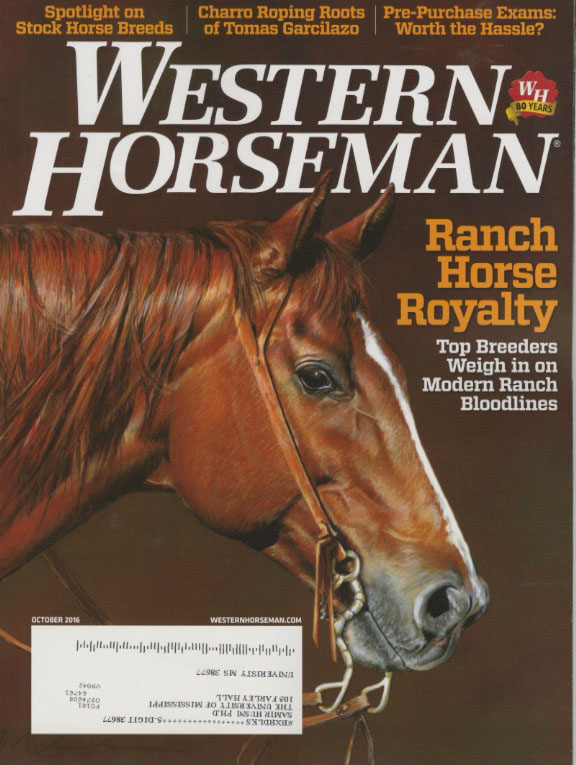
If this is not a brand voice, as our friends at Forbes like to call it, I must have a different idea of the term. And if the Brooks advertising isn’t native advertisement, yes…well, you get my meaning.
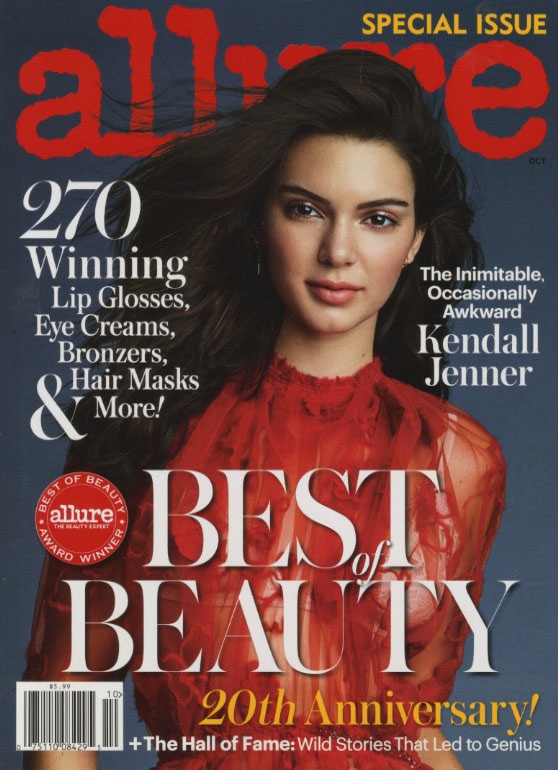
So before we let the horror of it all when it comes to native advertising offend and repulse us, just remember, there really isn’t anything new under the sun out there. Where we believe we’re the first to try something, whether it works or not, chances are there has been another Adam or Eve before us who have already proven or disproven the idea.

national-geographic-covernational-geographic-inside

Until the next Mr. Magazine™ “From the Vault of Classic Magazines…”

h1

WOTH Magazine: “Wonderful Things” Happen Between The Pages Of This New Dutch Launch – The Mr. Magazine™ Interview With Publisher, Toon Lauwen & Founding Editor, Mary Hessing

September 22, 2016

A Mr. Magazine™ Launch Story…

01covereng

“We decided to make a print magazine because we wanted it to be a beautiful thing and we thought about design and designers and the way they work, for them materials are very important. We also thought about their skills and the stories behind their ideas for the product. We figured for the magazine, for the media in which we’re telling these stories, it’s the same. So, this is something that you want to hold in your hands, something that materializes. It’s not that we don’t want to have any digital additions, but we want it to be something that you can cherish and keep and something that you can hold and feel the paper, because it’s the same with design.” Mary Hessing

“We also want to reach out to a larger community than the Dutch one, because that’s the reason we took it into an English version too, to have a larger exposure and make it possible to be more European. And that’s also a twist of the necessary optimism it takes to move forward. We tried to show the quality of the magazine with the paper, the lettering and the typeface, etc.” Toon Lauwen

Woth Wonderful Things is a new lifestyle magazine focused on interiors and design, but one done in a more personal way, with strong visuals and content about people and objects that are so interesting they make you wonder about them and the innovative creativity they display that stirs imaginations.

Real-life couple, Toon Lauwen and Mary Hessing, who are based in The Hague in the Netherlands, created this beautiful new publication, and between their support network of longstanding Dutch designers and professionals they have both been involved with for decades, Mary is a former editor in chief for Dutch design magazine Eigen Huis & Interieur, and her partner Toon has been in the business for decades, they started a crowdfunding campaign and made the design dream magazine a reality.

00000663portraitmaryhessingvoorinternet-photo-brenda-van-leeuwenI spoke with both Toon and Mary recently and we talked about their vision for this outstanding new magazine. The deep sentiments of a personal relationship with both the reader and the subject matter that Mary so strongly believes in, and the focus on good content and magnificent writing that Toon strives for with each and every word and page; it’s clear the two of them have a passion for Woth that will only grow and flourish.

So, I hope you enjoy this Mr. Magazine™ interview with two people who made a dream into a reality with hard work, creative ideas and superb content, and a network of people who believe in this magazine as much as they do, Toon Lauwen, Publisher, and Founding Editor, Mary Hessing, Woth Wonderful Things Magazine.

But first the sound-bites:

On the idea behind the magazine and why they decided on a print product (Mary Hessing): We decided to make a print magazine because we wanted it to be a beautiful thing and we thought about design and designers and the way they work, for them materials are very important. We also thought about their skills and the stories behind their ideas for the product. We figured for the magazine, for the media in which we’re telling these stories, it’s the same. So, this is something that you want to hold in your hands, something that materializes.

On why they chose to publish it in an English version (Mary Hessing): Because we have very good connections in Holland with Dutch designers. And Dutch designers are worldwide and that’s very important in this industry. And I think that we have the best commitment for making good content. And we’re trying to broaden our scope and bring it to the world, not only to Holland.

jwk_1653On whether it was easy to market the magazine (Toon Lauwen): Initially we started out with an idea, so we made a crowdfunding campaign, Indiegogo. So, we did interviews and Mary did that to engage our public with the new idea of this magazine. As an independent, we had to start out using a network that we already had. I have been doing this for over 20 years. Mary is the figurehead, so to speak, and she has actually done a lot of good footwork with those designers and brands in Italy and all over Europe to make all of those connections, also with the advertisers.

On any stumbling blocks they had to face and how they overcame them (Mary Hessing): What was really difficult was we started out with no money, with just this idea, so we asked a lot of people to help us. We did the crowdfunding campaign, but even before that we had been asking people from our network if they would help us out with the content. And I received all positive responses, everyone was really supportive and really thought we should do the magazine. Everybody felt there was a need for a project like this and that it would definitely get off the ground. Then we did the crowdfunding campaign, and I also asked the people I used to work with, most of them are freelancers now, to help us out with making the magazine.

On how difficult it was as a couple working together (Toon Lauwen): We’ve worked together before, of course. But then I was writing for a former magazine, but now we’re really teaming up because we’re both responsible for getting it to the printer and getting the bills paid, etc. We’re a business team. And that does take some adjustment, but on the other hand it’s also something we like to do. With our house, we did it together.

On what they hope the magazine has achieved in one year (Mary Hessing): I would really like the magazine to have a solid base and have a strong and healthy existence. And that it has secured its right to exist. And I want it to stand out independently from other magazines.

01coverengOn anything else they’d like to add (Mary Hessing): I’d like to emphasize that Dutch Designer Gert Dumbar made our logo. He’s an old family friend of mine and he did this as a favor to us. And I’m really proud of it. It’s so funny because I asked this really elderly gentleman to make something really bold and daring and fantastic, and when I asked him for the logo for “Wonderful Things,” he thought the word Woth was a strange and intriguing word. It’s such a strong logo and I think in a way there’s a little bit of the 1980s influence there, and I think it’s interesting because everybody is now looking at the ‘80s for inspiration and we have the real thing.

On what someone would find them doing if they showed up unexpectedly one evening at their home (Mary Hessing): I would probably be putting my children to bed which takes forever. (Laughs) I always like to make up with them for all of the things I missed during the day, so that takes time.

On what someone would find them doing if they showed up unexpectedly one evening at their home (Toon Lauwen): I might be watching a documentary or reading a book. I read about history a lot.

On what keeps them up at night (Mary Hessing): Living up to expectations from other people, not normally, but especially about this project.

On what keeps them up at night (Toon Lauwen): I’m always reasoning in my head about a tagline, or just some small thing. I’ve been a worrier since I was young; it’s my nature. (Laughs)

ton-of-hollandspreadAnd now the lightly edited transcript of the Mr. Magazine™ interview with Toon Lauwen, Publisher, and Founding Editor, Mary Hessing, Woth Wonderful Things Magazine.

Samir Husni: Tell me the idea behind the magazine and why you decided to launch a print publication in this digital age?

Mary Hessing: We decided to make a print magazine because we wanted it to be a beautiful thing and we thought about design and designers and the way they work, for them materials are very important. We also thought about their skills and the stories behind their ideas for the product. We figured for the magazine, for the media in which we’re telling these stories, it’s the same. So, this is something that you want to hold in your hands, something that materializes. It’s not that we don’t want to have any digital additions, but we want it to be something that you can cherish and keep and something that you can hold and feel the paper, because it’s the same with design.

Samir Husni: And why did you publish in an English version as well?

Mary Hessing: Because we have very good connections in Holland with Dutch designers. And Dutch designers are worldwide and that’s very important in this industry. And I think that we have the best commitment for making good content. And we’re trying to broaden our scope and bring it to the world, not only to Holland.

Samir Husni: Toon, as the publisher, how easy was it for you to market the magazine? You’re a great team and you have a known editor and the Dutch design is known all over the world. What was the reaction when you first went and tried to sell an ad or tried to get some sponsorship for the magazine?

Toon Lauwen: Initially we started out with an idea, so we made a crowdfunding campaign, Indiegogo. So, we did interviews and Mary did that to engage our public with the new idea of this magazine. As an independent, we had to start out using a network that we already had. I have been doing this for over 20 years. Mary is the figurehead, so to speak, and she has actually done a lot of good footwork with those designers and brands in Italy and all over Europe to make all of those connections, also with the advertisers.

That footwork really enabled us to make direct contact with the advertisers, the bosses of those brands, to ask them to support our magazine in the middle of the year, because we started out in May or June. So, our campaign was concentrated in mid-season, summer. It wasn’t a piece of cake, that’s for sure.

But nevertheless, we’ve found a true optimism with the people and an involvement with them at the brands, helping us out, buying advertisements, and also with the readership through subscriptions and single issues, just based on a campaign or an idea and largely dependent on an image that Mary put out as an editor in chief of the title that she worked at before.

Samir Husni: Was it all just a stroll through a rose garden, or should I say; a tulip walk…

Toon Lauwen: (Laughs).

Samir Husni: …that you had no stumbling blocks and no problems? Or did you have stumbling blocks, and if so, what were they and how did you overcome them?

portretten-ronald-vd-kempMary Hessing: What was really difficult was we started out with no money, with just this idea, so we asked a lot of people to help us. We did the crowdfunding campaign, but even before that we had been asking people from our network if they would help us out with the content. And I received all positive responses, everyone was really supportive and really thought we should do the magazine. Everybody felt there was a need for a project like this and that it would definitely get off the ground. Then we did the crowdfunding campaign, and I also asked the people I used to work with, most of them are freelancers now, to help us out with making the magazine.

So, we had the contacts and the crowdfunding. Then we had to actually make the pages. And everyone helped us for as long as they could, but at the end of the day we’re the only ones responsible for getting it to the printers. We are really grateful and happy that everybody was so supportive and helpful, but it can only stretch so far.

Samir Husni: How difficult is it for you as a couple to work together?

Toon Lauwen: It’s really easy because I’m writing a lot, so my concentration is totally different. To begin with, I work best in the mornings and Mary works at night, until 2 or 3:00 a.m. I’m always reasoning in my head what to write, which usually takes a lot of time and concentration for me. But now there was no time for that. We had to produce a lot of text.

Mary Hessing: You are two different people in your thought patterns, but also on energy levels as well. So, I work at night and normally I sleep very well. But these days, with the magazine, sleep was very difficult, so I was awake a lot. I would go to bed late and rise really early because I knew there were things we had to do for the magazine. So I would just do it.

Toon Lauwen: We’ve worked together before, of course. But then I was writing for a former magazine, but now we’re really teaming up because we’re both responsible for getting it to the printer and getting the bills paid, etc. We’re a business team. And that does take some adjustment, but on the other hand it’s also something we like to do. With our house, we did it together.

Mary Hessing: We renovated 15,000 squares and we’re still together, so I think we can argue, but we will manage. (Laughs)

Samir Husni: If we’re talking one year from now about the magazine; what do you hope you could tell me that Woth had achieved in that year?

Mary Hessing: I would really like the magazine to have a solid base and have a strong and healthy existence. And that it has secured its right to exist. And I want it to stand out independently from other magazines.

Toon Lauwen: We started out as a new title, typically niche, since it’s about design. And the name itself, calling it “Wonderful Things,” we want it to reach out to people with its ideas and its motivation of people who work with design, but not only designers, just anyone creative in general, chefs and any other professions. So, we made the format a bit broader that just the theory of design only. That’s what we were trying to do with the title, “Wonderful Things,” and the brand.

mary437defbwphotokasiagatkowskaMary Hessing: Also, I wrote for many years for two other design titles and working with design can be difficult. When you look at all of the living magazines around the world, a lot are based on the same formula and it’s very difficult to make it personal, so we’re really trying to find a way to make Woth personal. And we’re doing this by focusing on the creatives. Whatever we do we want to put them central. And in a way I think this could be like a human interest idea for a design and interior decorating magazine. I think people are interested in these people in the magazine; they’re superstars in a way, and they have a very nice way of living and great view of the world, so we really want to speak to them on a personal level.

This is what we’re aiming for. We want it to be personal. What I get back from people is the way it’s written, it is really personal.

Toon Lauwen: We also want to reach out to a larger community than the Dutch one, because that’s the reason we took it into an English version too, to have a larger exposure and make it possible to be more European. And that’s also a twist of the necessary optimism it takes to move forward. We tried to show the quality of the magazine with the paper, the lettering and the typeface, etc.

So, we hope that we can answer your question about where we’ll be in a year by saying we have evolved from a local niche magazine to bit more European, and that we even have a global reach.

Mary Hessing: Because of my work, I’ve been visiting countries and people everywhere and there is this connection between people, the way that they look at their lives, the way they live them. The people I work with, the agents and photographers internationally; these are all very nice and interesting people. I feel like there’s already a connection and I’d really like this magazine to be a magnet for that as well

Samir Husni: Is there anything else you’d like to add?

Mary Hessing: I’d like to emphasize that Dutch Designer Gert Dumbar made our logo. He’s an old family friend of mine and he did this as a favor to us. And I’m really proud of it.

Samir Husni: It really looks good.

Mary Hessing: It’s so funny because I asked this really elderly gentleman to make something really bold and daring and fantastic, and when I asked him for the logo for “Wonderful Things,” he thought the word Woth was a strange and intriguing word. It’s such a strong logo and I think in a way there’s a little bit of the 1980s influence there, and I think it’s interesting because everybody is now looking at the ‘80s for inspiration and we have the real thing. He’s from the spirit, so I think this is very interesting that all these other people are copying this idea and we have the real thing.

Samir Husni: If I showed up unexpectedly to your home one evening after work, what would I find you doing; would you be reading a magazine, your iPad, watching television, or something else?

Mary Hessing: I would probably be putting my children to bed which takes forever. (Laughs) I always like to make up with them for all of the things I missed during the day, so that takes time.

Toon Lauwen: I might be watching a documentary or reading a book. I read about history a lot.

Mary Hessing: He’s also a great cook and he always says that he cooks and it’s his gift to us and it is. But actually it’s his hobby, his way to relax.

Samir Husni: And you’re based in The Hague, correct?

Mary Hessing: Yes, we are.

Samir Husni: My typical last question; what keeps you up at night?

Mary Hessing: Living up to expectations from other people, not normally, but especially about this project.

Toon Lauwen: I’m always reasoning in my head about a tagline, or just some small thing. I’ve been a worrier since I was young; it’s my nature. (Laughs)

Samir Husni: Thank you.