h1

Magazines 2020: Launch, Distribute, And Make Money Again… 41 Experts Show You How At The Magazine Innovation Center’s ACT 7 Experience…

February 13, 2017

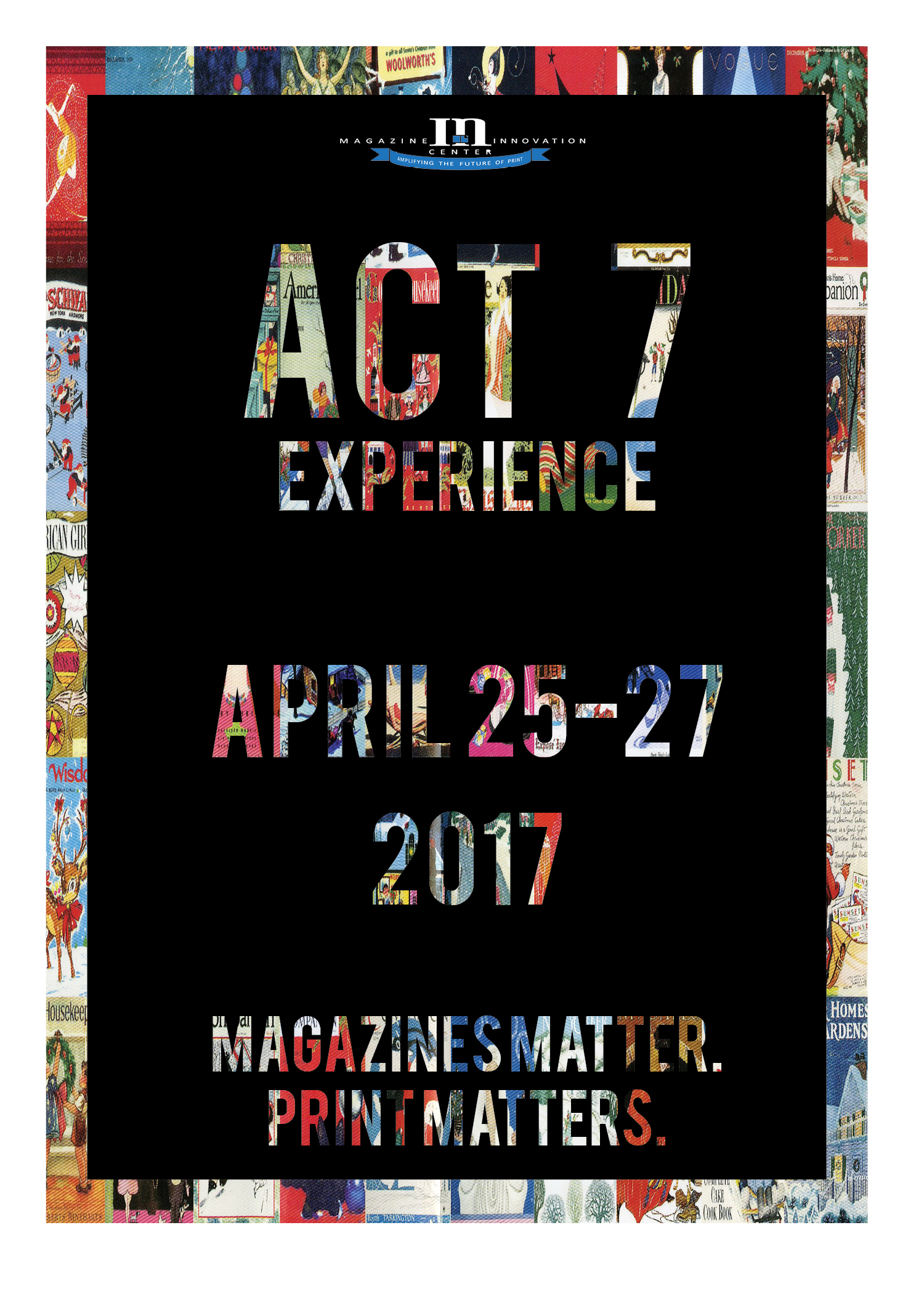
ACT_LogoThe reimagining of magazines and magazine making will be alive & well at the ACT 7 Experience, April 25-27, 2017 at the Magazine Innovation Center in Oxford, Miss. From publishing, editing, printing, advertising, marketing, distribution and designing, leaders and experts from each field of the magazine and magazine media business will cover every facet of the world of magazines. There will be no page left unturned and no topic untouched as we get into the minds of some of the world’s greatest magazine makers and distributors.

So, join us for a spring magazine revival as we look toward Magazines 2020 and learn what it takes to make magazines make money again; make magazines rise again; and most importantly, what it takes to MAKE MAGAZINES GREAT AGAIN!

Magazines Matter Print Matters is our theme this year and below is the tentative agenda with all the confirmed speakers for the ACT 7 Experience… So do not delay and come join us for three days of Magazines, Music, and Mississippi!

Remember space is limited to the first 100 registrants, so ACT NOW by clicking here to register…

act7final
Magazines Matter, Print Matters: ACT 7 Experience Agenda

Tuesday, April 25, 2017

ACT 7 Experience Opening Gala:
The Inn at Ole Miss
120 Alumni Dr.
University, Miss. (on campus)

6:00 p.m.: Registration and Reception

7:00 p.m.: Welcoming remarks – Samir “Mr. Magazine™” Husni

8:00 p.m.: Opening Keynote Address – Phyllis Hoffman DePiano, CEO, Hoffman Media –
Brian Hart Hoffman, Chief Creative Officer, and Eric Hoffman, Chief Operating Officer

9:00 p.m.: “Oxford on Your Own,” with shuttles from the Inn at Ole Miss to the Oxford Square and back

Wednesday, April 26th, 2017

7:30 a.m.: Breakfast (Overby Lobby in Farley Hall)

8:15 a.m.: “Setting the Stage for the ACT 7 Experience” – Samir “Mr. Magazine™” Husni

8:30 a.m.: Opening Keynote Address – Daniel Dejan, North American ETC, (Education, Consulting and Training), Print & Creative Manager for Sappi Fine Paper
“The Neuroscience of Touch: Haptic Brain/Haptic Brand”

9:00 a.m.: Reed Phillips – CEO & Managing Partner, DeSilva+Phillips
“How to Add Value to Your Brand Before You Sell It”

9:30 a.m.: John French – Former CEO of Cygnus Business, Former CEO of Penton and Former President of Business Magazines, Primedia
“Life Lessons in Adding Value”

10:00 a.m.: “Making Magazines Make Money Again”
Jim Elliott – President, James G. Elliott Company, leads a panel discussion on the topic with:
John French – Former CEO of Cygnus Business, Former CEO of Penton and Former President of Business Magazines, Primedia
Daniel Fuchs – VP, Publisher and Chief Revenue Officer, HGTV Magazine
Steven Mayer – Publisher, Plate Magazine

11:00 a.m.: Break

11:15 a.m.: Todd Krizelman – CEO, MEDIARadar

11:45 a.m.: Jerry Lynch – President, Magazine and Books, Retail Assoc. (MBR)

Trip to the Mississippi Delta – Hosted by Scott Coopwood, Publisher, Delta Magazine

12:30 p.m.: Boxed Lunch on the Bus & Trip to the Mississippi Delta

2:30 p.m.: B.B. King Museum, Indianola, Miss.

3:30 p.m.: Dockery Farms Historic District, Cleveland, Miss.

4:00 p.m.: Delta Blues Museum, Clarksdale, Miss.

5:00 p.m.: Downtown Clarksdale (Free to walk around and experience the Delta, Clarksdale-style)

6:00 p.m.: Ground Zero Blues Club, Clarksdale, Miss.

6:45 p.m.: Dinner at Ground Zero

9:30 p.m.: Depart Clarksdale heading back to Oxford

Thursday, April 27, 2017

7:30 a.m.: Breakfast (Overby Lobby in Farley Hall)

8:15 a.m.: “Continuing the ACT 7 Experience” – Samir “Mr. Magazine™ Husni

8:30 a.m.: Opening Keynote Address – Doug Kouma – Editorial Content Director, Meredith Core Media

9:00 a.m.:Distribution 2020 – Panel Consisting of:
Jay Annis – VP/Business Manager, Hello & Hola Media Inc.
Steve Crowe – VP/Consumer Marketing, Meredith
Eric Hoffman – COO, Hoffman Media
Curtis Packer – Director of Promotions, OTG
David Parry – President & CEO, TNG
Sebastian Raatz – Executive VP, Bauer Publishing, U.S.A.
Tony Romano – CEO, Co-founder, Topix Media Lab

10:30 a.m.: Break

10:45 a.m.: “Tales of a Magazine Launch” –Tony Silber, VP, Folio, leads a panel discussion on the topic with industry leaders from printing, publishing, production, and distribution:
Ron Adams — Publisher, Via Corsa magazine
Laura Bento – Founder and Editor, Good Grit magazine
Brian Hart Hoffman – Editor in Chief, Bake From Scratch magazine
Michael Kusek – Publisher, Take magazine
Gemma Peckham – Founder and Editor, ROVA magazine
Lukas Volger – Co-founder/Editorial Director, Jarry magazine

12:00 noon: Boxed Lunches

12:45 p.m.: “Launching a New Magazine? Here’s How You Do It”
Joe Berger – Publishers Marketing & Sales Consultant, Joseph Berger Assoc.
Nicole Bowman – Founder & Principal, Bowman Circulation Marketing
Ingrid Jakabcsin – Senior VP, Procurement & Distribution, TNG
Steven Knapp – Emmy Award winning Producer/Director, entertainment & advertising
Marshall McKinney – Design Director, Garden & Gun
Jennifer Reeder – VP, Sales, Democrat Printing
Steve Viksjo – Co-founder/Creative Director, Jarry magazine

2:15 p.m.: Franska Stuy – Founder and Editor, Franska.nl, The Netherlands
“Life in Digital”

2:45 p.m.: Break

3:00 p.m.: Bo Sacks – President/Publisher, Precision Media Group
“The Truth About Digital Advertising Lies…”

3:30 p.m.: John Harrington – Partner, Harrington Associates, Former Editor/Publisher, The New Single Copy
“Why I’ve Learned: A Personal Perspective.”

3:50 p.m.: “Life in Custom Publishing”
Christian Anderson – Associate Publisher, iostudio
Bobby Stark – President, Parthenon Publishing

4:30 p.m.: Alison Baverstock – President & Founder, Alison Baverstock and Associates, The United Kingdom
“How to Build a Community through Shared Reading of a Printed Book”

6:00 p.m.: Closing dinner and Closing Keynote address – Sylvia Banderas, Publisher/VP, Integrated Sales, Hola!

screen-shot-2017-02-13-at-9-24-39-am

h1

Wild Hope Magazine: Sometimes It Takes A “Wild Hope” To Help Sustain Us & Save The Many Species That Live In Our World – The Mr. Magazine™ Interview With Kathryn Arnold, Story Curator, Wild Hope Magazine

February 13, 2017

A Mr. Magazine™ Launch Story…

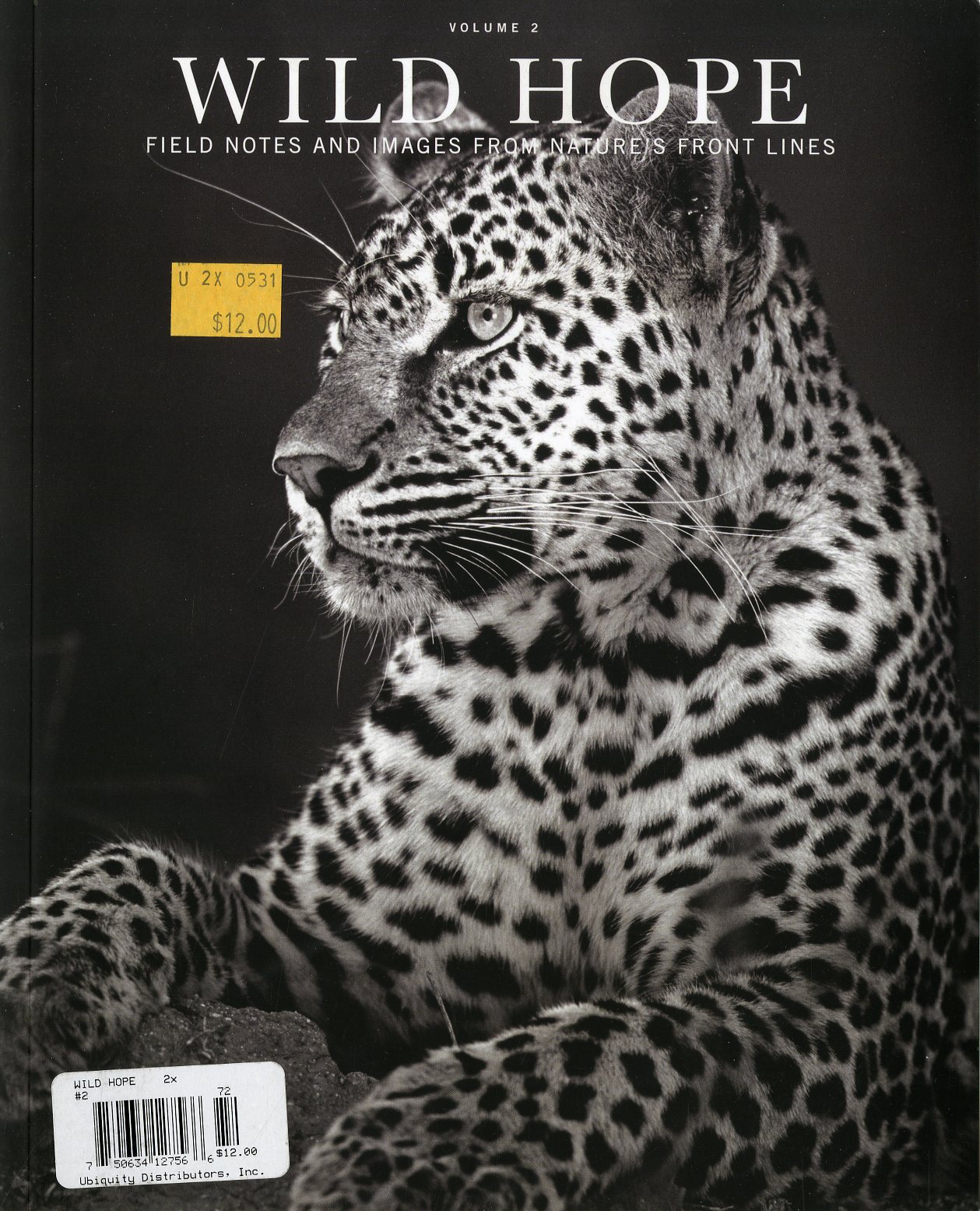
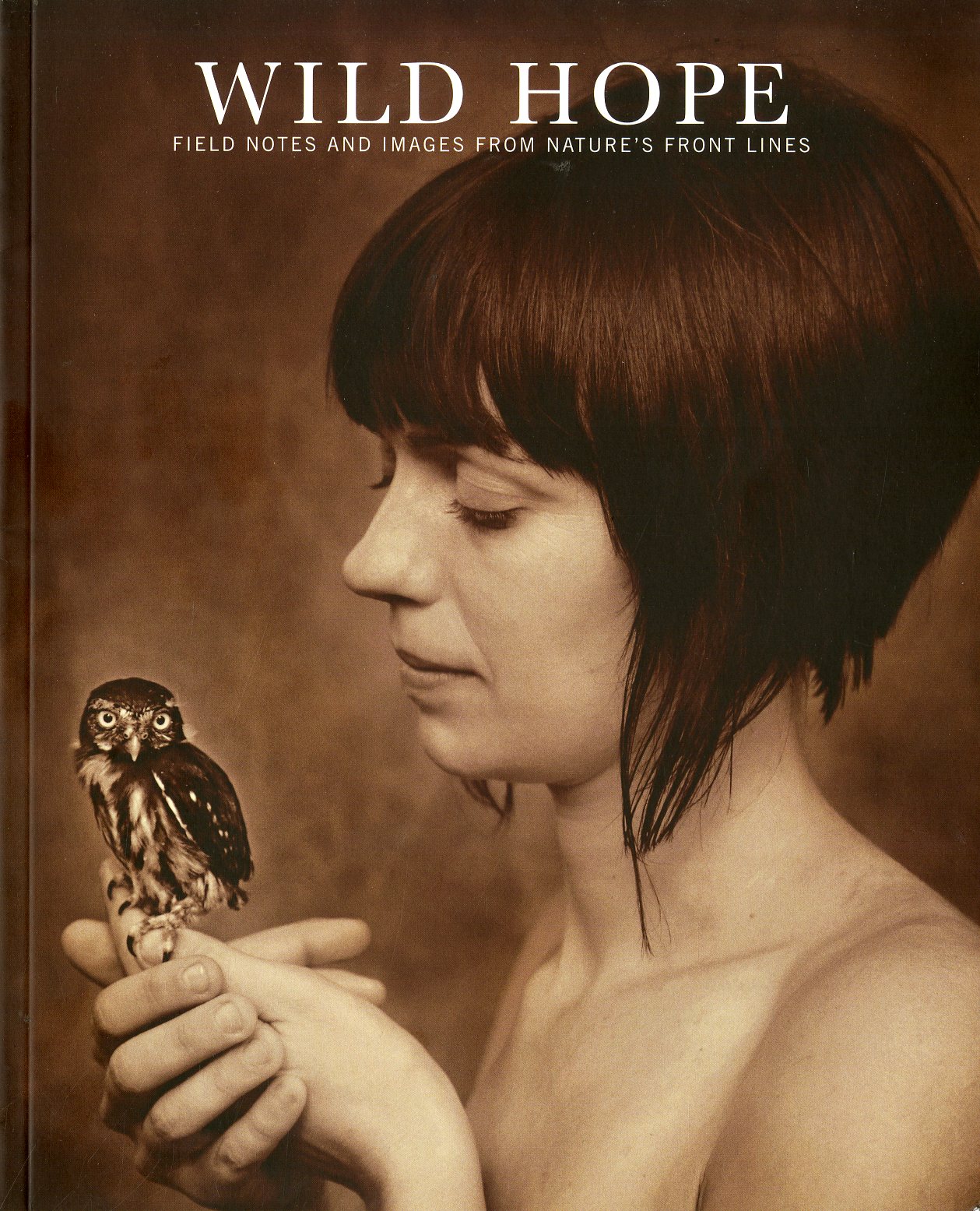
wild-hope-issue485“As you know, print is a very different experience than online. And people consume media in different ways; they consume information in different ways. And it’s been amazing to me to see what has been happening in bookstores; people picking up the magazine and writing to me. Or they’ll pick up Volume II and order Volume I directly from me. The physical presence of the magazine creates its own type of awakening that’s different from what happens on the Internet. Plus there’s just the beauty of the design itself; it’s a very different experience than you get online. One of the things that I’m trying to do with the magazine is to present other species as individuals and as being as real as humans. And I don’t think that you get that when you’re looking at pictures on the Internet. When you see it in the beautiful way that Jane lays it out in the magazine, it has a different, more powerful impact.” Kathryn Arnold (on why she felt her mission needed a print magazine)

We humans have been put in charge of planet Earth. Its water, food supply and wildlife are all under our supervision and dominion. Unfortunately, sometimes we are not the best of caretakers. We tend to put other, more personal intentions ahead of what’s best for the biodiversity of our planet. That’s when checks and balances are called into play. And one of those indicators comes in the form of a new magazine: Wild Hope.

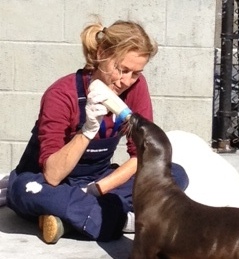
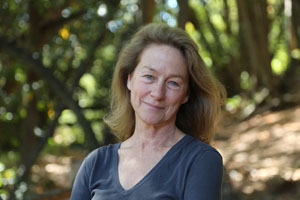
neladio1Wild Hope’s co-creator, or story curator, as she calls herself, is Kathryn Arnold, former editor in chief of Yoga Journal. Kathryn has over 30 years’ experience in the business of magazines, having worked at many titles throughout her career. But it was when she started volunteering at a marine mammal center that she began to realize she knew very little about the planet we all live on. So, she went back to school and got a degree in Natural History. And the rest, as they say, is…well, history.

Today, she is in the business of trying to help save planet Earth and all of its living creatures that are threatened or endangered in one way or another. Bringing awareness through a beautiful print magazine that is elegantly put together and quite a joy to read: Wild Hope.

I spoke with Kathryn recently and we talked about the birth of this beautiful new infant, and about how she plans on sustaining it and using it as a tool for awareness of many of our planet’s biodiversity issues. From a little porpoise in the Gulf of California called a Vaquita, to the individuality of each animal that exists, Kathryn’s passion to help is evident with every page of Wild Hope.

And as we all need, and must have hope to exist; sometimes it takes a braver, wilder hope to sustain something as uniquely complex and beautiful as Mother Earth and all of her inhabitants. So, enjoy the Mr. Magazine™ interview with a woman who has that kind of hope, Kathryn Arnold, story curator, Wild Hope magazine.

But first the sound-bites:

kathrynphoto2On why she refers to her position at the magazine as story curator: I’m calling myself that, a “story curator,” because that’s really what I’m doing. I’ve spent my career as a magazine editor or a book editor, but in creating Wild Hope, what I’m doing is reaching out to my community of veterinarians, wildlife rehabilitators, conservationists and biologists who aren’t necessarily professional writers. I encourage them to tell us their personal stories about the work that they’re doing to help save Earth’s biodiversity.

On that moment of conception with Wild Hope: The story has a few points to it; one, back in 2002 I began volunteering at a place here in Marin County called The Marine Mammal Center, taking care of the animals that we rescued and admitted, then rehabilitated and released back into the wild. And that awakened me to the fact that I knew very little about the ecosystem that I lived in. So, that set me on the path to go back to school and get a degree in Natural History. So, the idea to create Wild Hope came out of that wanting to share the hope that I had and that I had gleaned from being in that community; I wanted to share that hope among the community to lift their spirits.

On the business model for the magazine: I spent 30 years in magazine publishing, so I’m very familiar with the traditional models, both in consumer and B to B publishing. I have years of working within that model. And when I started Wild Hope, my intentions were not to try and emulate that model. It began with becoming a 501(c)(3); I was adopted as a fiscal sponsor of Earth Island Institute, so I am a project of the Earth Island Institute, so that provide me with 501 (c)(3) status. My approach has been to be sort of a crowdsourced magazine, if you will. And to not necessarily think of it as something that’s going to be financially successful in the traditional sense of a magazine, but successful in terms of raising people’s awareness of our need to save our biodiversity. It’s really mission-driven; it’s not financial-driven.

On why she thinks it’s important that the magazine’s mission has a print component: As you know, print is a very different experience than online. And people consume media in different ways; they consume information in different ways. And it’s been amazing to me to see what has been happening in bookstores; people picking up the magazine and writing to me. Or they’ll pick up Volume II and order Volume I directly from me. The physical presence of the magazine creates its own type of awakening that’s different from what happens on the Internet.

On how she feels the role of editor in chief has changed over the years: I’ve certainly seen it change. I began my career at Working Woman magazine in the 1980s and from there went to Savvy magazine, and from there went to New Hope Natural Media in Boulder, Colorado. And then from there to Yoga Journal, and through my career I definitely saw the role of editor in chief changing from one of being an editor and creator of experiences to one of being a marketer. The content selection became all about what’s going to sell the magazine and what’s going to sell advertising.

On her feelings when she held that first issue of Wild Hope in her hand: It was definitely like holding a newborn for me. I’m a very self-critical individual (Laughs), so I can always see the flaws in the work that I do. And because this was something that became so central to my value system; it became a driving motivation for me to get the magazine done and to start this conversation in a bigger way than just talking to friends.

On the biggest challenge she thinks she will face: It’s going to be interesting to see how it plays out. In the first issue, every one of the stories came from either a direct experience I’d had, or from someone who knew someone who could contribute the stories or the photographs. But then after the first issue, I started receiving submissions from people I didn’t know. And that’s been true of the third issue as well. So, I think that’s going to be my greatest challenge going forward. Will that be sustainable, or am I going to have to start assigning stories at some point? Will this organic system of submissions continue?

On what someone would find her doing if they showed up unexpectedly at her home one evening: Actually, I work a full-time job that’s not Wild Hope. I am the marketing and communications manager for Spirit Rock Meditation Center here in Marin. So, if you were to come over to my house in the evenings, what you would find me doing is working on Wild Hope. (Laughs)

On what keeps her up at night: The challenges that accompany the work that I’m trying to do and the work of the people who are contributing to Wild Hope. The challenges to those efforts are what keep me up at night.

And now the lightly edited transcript of the Mr. Magazine™ interview with Kathryn Arnold, Story Curator, Wild Hope magazine.

wild-hope-1st-issue484Samir Husni: I’ve seen a lot of magazines and magazine mastheads throughout my career, but I have never seen one that refers to a “story curator” as you do for your own position at Wild Hope magazine. Tell me about that new title that you have created for yourself.

Kathryn Arnold: I’m calling myself that, a “story curator,” because that’s really what I’m doing. I’ve spent my career as a magazine editor or a book editor, but in creating Wild Hope, what I’m doing is reaching out to my community of veterinarians, wildlife rehabilitators, conservationists and biologists who aren’t necessarily professional writers. I encourage them to tell us their personal stories about the work that they’re doing to help save Earth’s biodiversity. So, really, I’m curating their stories as opposed to what you would conventionally think of a magazine editor doing, things like assigning stories. I’m not assigning stories; I’m collecting stories. And then I’m shaping them into a magazine that I hope will inspire others to engage in saving Earth’s biodiversity.

Samir Husni: Tell me about that moment of conception with Wild Hope. What clicked in your brain and made you think that you needed to do a print magazine about this topic?

Kathryn Arnold: The story has a few points to it; one, back in 2002 I began volunteering at a place here in Marin County called The Marine Mammal Center, taking care of the animals that we rescued and admitted, then rehabilitated and released back into the wild. And that awakened me to the fact that I knew very little about the ecosystem that I lived in. So, that set me on the path to go back to school and get a degree in Natural History.

And along the way, I met so many other people who were engaged in the work of saving other species. And I found it very inspiring, yet among that community I also felt that there was a great deal of despair.

So, the idea to create Wild Hope came out of that wanting to share the hope that I had and that I had gleaned from being in that community; I wanted to share that hope among the community to lift their spirits. I first thought of it as a website, because truthfully, it was less expensive to do.

But then I was inspired by two former staffers that worked with me at Yoga Journal. I used to be the editor in chief of Yoga Journal. They were two young people on my staff who launched their own print magazine. And honestly, my protégés inspired me to start a print publication, and then I just happened to meet up with Jane Palecek at a “Women in Publishing” conference and mentioned to her my concept. And Jane told me that she would be happy to partner with me on the magazine and help to create it. And of course, Jane was an award-winning designer at Afar magazine and she was also at Mother Jones.

So, it was those factors that compelled me to start Wild Hope. Me wanting to create a place where people in this community who were engaged in saving wildlife could talk to each other and lift each other’s spirits and know that we’re all not alone. There was this huge community of people out there who were endeavoring to save Earth’s biodiversity. I wanted to bring them together in a magazine and lift their spirits. And then when my own protégés inspired me to start a magazine, and meeting up with Jane during that mindset; those factors coming together inspired me to start Wild Hope.

Samir Husni: You’re following your passion, this is something that you’ve been involved with and something that you’ve volunteered for; this is the heart part of launching the magazine. Where does the brain part of launching Wild Hope come in? What is your business model for surviving in this day and age?

Kathryn Arnold: I spent 30 years in magazine publishing, so I’m very familiar with the traditional models, both in consumer and B to B publishing. I have years of working within that model. And when I started Wild Hope, my intentions were not to try and emulate that model. It began with becoming a 501(c)(3); I was adopted as a fiscal sponsor of Earth Island Institute, so I am a project of the Earth Island Institute, so that provide me with 501 (c)(3) status.

My approach has been to be sort of a crowdsourced magazine, if you will. And to not necessarily think of it as something that’s going to be financially successful in the traditional sense of a magazine, but successful in terms of raising people’s awareness of our need to save our biodiversity. It’s really mission-driven; it’s not financial-driven.

We found an amazing printer in Minnesota that can actually print a quality magazine for less than you can have it printed for in China. And I have priced the magazine at a point where we can make the print-run cost with each issue. And all of our contributors are contributing for free. So, that’s our business model. And it’s definitely mission-driven; everybody that’s contributing is doing so because this mission is so important to them, to help raise awareness and to help share the stories.

I am growing the magazine gradually. I started out with zero distribution, and it was picked up by Small Changes, a distributor out of Seattle. They were the first distributor to pick me up. And then most recently, I was picked up by Disticor Distribution. So, we’ve gone from zero distribution in bookstores to, with the printing of the third issue, which is now at the printer, a distribution of 3,400 copies in bookstores. So, I’m growing it very slowly, gradually and strategically. I intend for the magazine to be able to wash its face (Laughs); for it to break even with every issue.

So, the distribution is growing gradually as people discover the magazine, and bookstores have also been contacting the distributors. It’s a very careful strategy that appears to be working. But I’m not creating this magazine for the sake of creating one as a business. It’s all grounded in the mission.

Samir Husni: Why do you think it’s important for that mission to have a print component in this digital age?

Kathryn Arnold: As you know, print is a very different experience than online. And people consume media in different ways; they consume information in different ways. And it’s been amazing to me to see what has been happening in bookstores; people picking up the magazine
and writing to me. Or they’ll pick up Volume II and order Volume I directly from me. The physical presence of the magazine creates its own type of awakening that’s different from what happens on the Internet.

Plus there’s just the beauty of the design itself; it’s a very different experience than you get online. One of the things that I’m trying to do with the magazine is to present other species as individuals and as being as real as humans. And I don’t think that you get that when you’re looking at pictures on the Internet. When you see it in the beautiful way that Jane lays it out in the magazine, it has a different, more powerful impact.

Samir Husni: From your experience as editor in chief of Yoga Journal for many years, and now the story curator for Wild Hope; how has the role of a magazine editor evolved or changed over the years?

Kathryn Arnold: (Laughs) I’ve certainly seen it change. I began my career at Working Woman magazine in the 1980s and from there went to Savvy magazine, and from there went to New Hope Natural Media in Boulder, Colorado. And then from there I went to Yoga Journal, and through my career I definitely saw the role of editor in chief changing from one of being an editor and creator of experiences to one of being a marketer. The content selection became all about what’s going to sell the magazine and what’s going to sell advertising.

I think it moved away from delivering content that was of value first to the reader. I was always tried to balance that in my positions, but the editor in chief’s job has become mainly one of a marketer. And it does also depend on the magazine. Certainly, there are those where that isn’t true, but I think at the really big circulation magazines that is what’s happening. And even at smaller niche magazines like Yoga Journal, special interest magazines; it’s all about that market.

Samir Husni: Once that first issue of Wild Hope arrived and you held that magazine in your hand; what was the degree of satisfaction for you? Was it like holding a newborn baby; or more like, finally it’s done?

Kathryn Arnold: It was definitely like holding a newborn for me. I’m a very self-critical individual (Laughs), so I can always see the flaws in the work that I do. And because this was something that became so central to my value system; it became a driving motivation for me to get the magazine done and to start this conversation in a bigger way than just talking to friends.

It was this feeling of having actualized something from inside me that was of core importance to me and to the people I know. And then to get the really positive response to it, which let me know that I had done something worthwhile and would continue.

Samir Husni: What do you think will be the biggest challenge that you’re going to face raising this newborn?

Kathryn Arnold: It’s going to be interesting to see how it plays out. In the first issue, every one of the stories came from either a direct experience I’d had, or from someone who knew someone who could contribute the stories or the photographs. But then after the first issue, I started receiving submissions from people I didn’t know. And that’s been true of the third issue as well. So, I think that’s going to be my greatest challenge going forward. Will that be sustainable, or am I going to have to start assigning stories at some point? Will this organic system of submissions continue?

It’s been amazing to receive these stories from people I don’t know and who want to be a part of Wild Hope. That feeds my hope that I am on the right path here, but I think that will be my greatest challenge. I just don’t know if that can be sustained. And because I’m being so cautious about distribution and the printing and all of that, I’m not concerned that I can’t sustain the financial model, it’s whether I can sustain my story curation model.

Samir Husni: As I flipped through the pages of the first issue, I can’t remember the last time that I’ve seen a magazine that had the binding sewn; I can actually see the stitches in the binding. It’s not glued or saddle stitched, which gives it that feel of collectability. That sense of, this magazine isn’t going anywhere. You can actually lay the pages flat and they’re not going to break.

Kathryn Arnold: And I don’t want people throwing it away. Corporate Graphics is our printer and they do an amazing job. They are very inspired by the magazine and its editorial. And they’ve given us, what I think, is a very reasonable price, which includes the stitching. I highly recommend them to anyone interested in printing a magazine or something else. It’s great quality.

Samir Husni: If I showed up unexpectedly at your home one evening after work, what would I find you doing; reading a magazine; reading your iPad; having a glass of wine; watching television; or something else?

Kathryn Arnold: Actually, I work a full-time job that’s not Wild Hope. I am the marketing and communications manager for Spirit Rock Meditation Center here in Marin. So, if you were to come over to my house in the evenings, what you would find me doing is working on Wild Hope. (Laughs)

Samir Husni: My typical last question; what keeps you up at night?

Kathryn Arnold: The challenges that accompany the work that I’m trying to do and the work of the people who are contributing to Wild Hope. The challenges to those efforts are what keep me up at night.

For instance, in the Gulf of California, there is a small porpoise that’s on the edge of extinction called the Vaquita. There are probably fewer than 30 left due to the illegal gillnet fishing for another endangered species, a fish called the Totoaba. And it’s all because the swim bladder of this particular fish is prized in China. So, the Vaquita porpoise gets caught in the gillnets and drowns. And although the areas in which they inhabit, the Gulf of California, is off-limits to fishing, the poaching continues. So, the future doesn’t look very bright for the Vaquita.

And that’s the sort of thing that keeps me up at night. There are a lot of people who are engaged in rescuing the Vaquita, and we’re working with the government of Mexico to try and save them. So, that keeps me up at night; will we be able to save the Vaquita, or is it too late?

And I have that story in the next issue of Wild Hope. The question is can we bring enough light to this situation that even if the Vaquita is extinguished, it can be a call to action for the next endangered species? It’s a heroic effort to go in and try and save this little porpoise. But the next time, can we start sooner?

With the magazine, I’m trying to help others see wild species as individuals, because in my wildlife rehabilitation work it has become very clear to me that animals are as individual as humans are. You can’t just talk about a California sea lion; every California sea lion is different and has its own personality and needs just like we humans do. And that’s one of the things that I’m trying to do with Wild Hope. Not just show pictures of gorillas, but show pictures of a specific gorilla that has its own personality, which I believe you can see in the first issue. We’re trying to help people see other species as real as they do human beings. And to show that every species contributes to the web of life, and educate people about what it is that different species do contribute.

Samir Husni: Thank you.

h1

Factual Facts In An Age Of Alternative Facts… Just The {Magazine Media} Facts Ma’am!

February 7, 2017

A Mr. Magazine™ Musing…

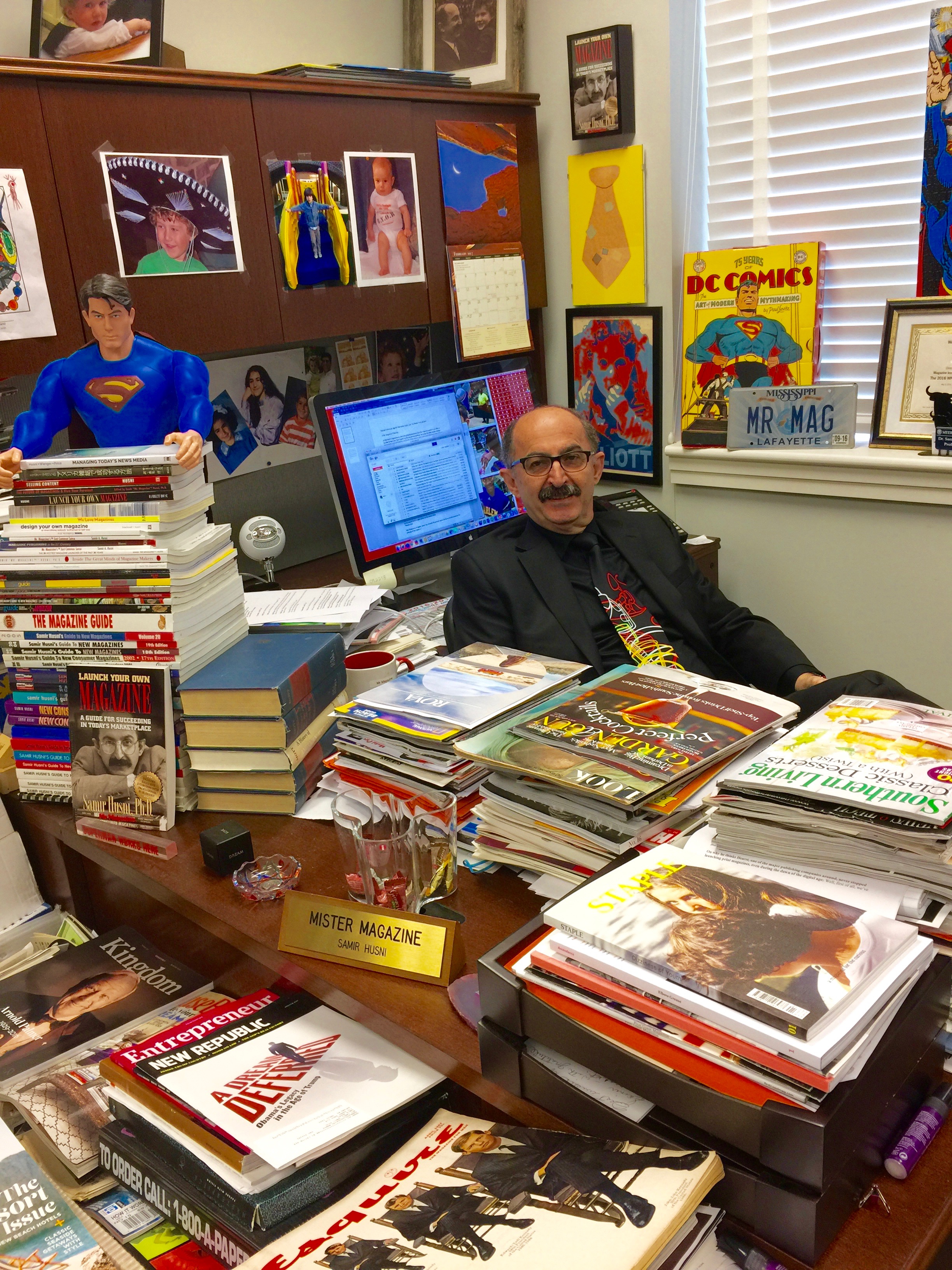
Samir Husni 2017In the land of leprechauns, the most prized possession that the magical creatures can offer a human being is the “pot ‘o gold” at the end of the rainbow. But what the little rascals always fail to point out is that there is no “end” of the rainbow. It’s as elusive as the gossamer veils you chase in the fog.

It was after having that imagery floating around in my brain for a while that I began to really muse about that mysterious “pot ‘o gold.” And about how it reminded me a lot of what the media world is up against when it comes to digital advertising and the ability to realize any revenue from the phantom microcosm we call the Internet.

 Pot Of Gold Dan Hilbert And of course, after that brainstorm, it stands to reason another would follow, right? I began to consider all of the “Alternative Facts” that we have to choose from in these days of what I like to call, “fish-tale journalism,” where sometimes the facts take on a magical life of their own and grow big enough to actually become stories and news sources. So, with the weight of importance these thoughts presented, Mr. Magazine™ decided to do a little research himself on the world of digital advertising and revenues. And here are a few factual facts that I discovered and that might make you see the world of Internet advertising in an entirely different light.

The Random Facts:

The average US online ad growth in the first half of 2016 was +19% from which Facebook saw a +68% growth, Google +23% growth and everyone else -2% decline
*Source: IAB, Google, Facebook, DCN

Year-over-Year Growth of Digital Spending: In the four-year period 2011 to 2015 the industry witnessed an average growth of 19%. In 2016 the growth of digital spending was a 6.8% with Dec. 2016 at a mere 0.7% growth.
*Standard Media Index, January 2017.

Online advertising spending growth has dropped almost in half from a 26.2% in 2015 to 13.3% in 2016.
*Standard Media Index, January 2017.

The number of mobile devices with ad blocking software installed jumped 38% from 275 million at the end of 2015 to 380 million at the end of 2016.
*Media Post.

The “trajectory of digital spend has recently hit a major speed bump as brands question the efficacy of the medium.”
*CEO of the Standard Media Index.

WPP’s CEO Sir Martin Sorrell expects growth in digital ad spend to slow over the next few years as concerns over view ability, ad fraud and measurement impact budgets.
*UK’s Marketing Week magazine

*Magazines show the highest return on advertising spend. In fact for everyone dollar spend in magazine advertising, the return on the investment is the highest of all media. Every dollar spent magazines has a $3.94 return on the investment compared with a $1.53 in digital video advertising.
*Nielsen Catalina Solutions.

“Agencies may be underestimating traditional media, while clients feel there’s not been enough seamless integration as we chased the shiny objects,” Mark Sneider, president of RSW/US, told AdWeek in an interview.
*Source: Venture Beat

But for most companies, digital advertising remains dauntingly massive, complex, and obscure. We found that mobile advertising can suck in up to 40 percent of your advertising budget on fees and commissions alone, if you’re not careful. It includes DMPs, DSPs, SSPs, no fewer than three different kinds of ad networks (of which there are about 1,000 currently), plus multiple kinds of ad exchanges.
*Source: Venture Beat

*The number of new magazines launched in 2016 was 225 compared with 236 in 2015. The total number of new book-a-zines launched in 2016 was 623 compared with 578 in 2015.
*Samir “Mr. Magazine™” Husni Launch Monitor.

Now, are you sure that the Leprechaun is really offering you a pot ‘o gold that exists?

So, I wonder, why are we still chasing that “pot ‘o gold” while we have one right under our noses? For the life of me I can’t answer this question. It makes no sense, but, remember, maybe and only maybe, it is just common sense, and therefore, it is too hard to see…

Until next time…

See you at the newsstands…

h1

For The Love Of Magazines: A Mr. Magazine™ Guest Blog For MNI Targeted Media Inc.*

February 6, 2017

screen-shot-2017-02-04-at-1-57-23-pm

I have been in love with the printed word since I was a mere boy of nine-years-old. Now, while that statement might not seem like a gargantuan expression of passion to some; you would have to first understand my ink on paper addiction completely. I have over 35,000 first edition magazines in my collection, some dating back to the late 1800s. In fact, recently I have been digging through the Mr. Magazine™ Classic Vault of vintage magazines and the experience has been unbelievable. The fact that magazines over 100 years old are still just as relevant and captivating as they were the day they were first published is a statement in and of itself.

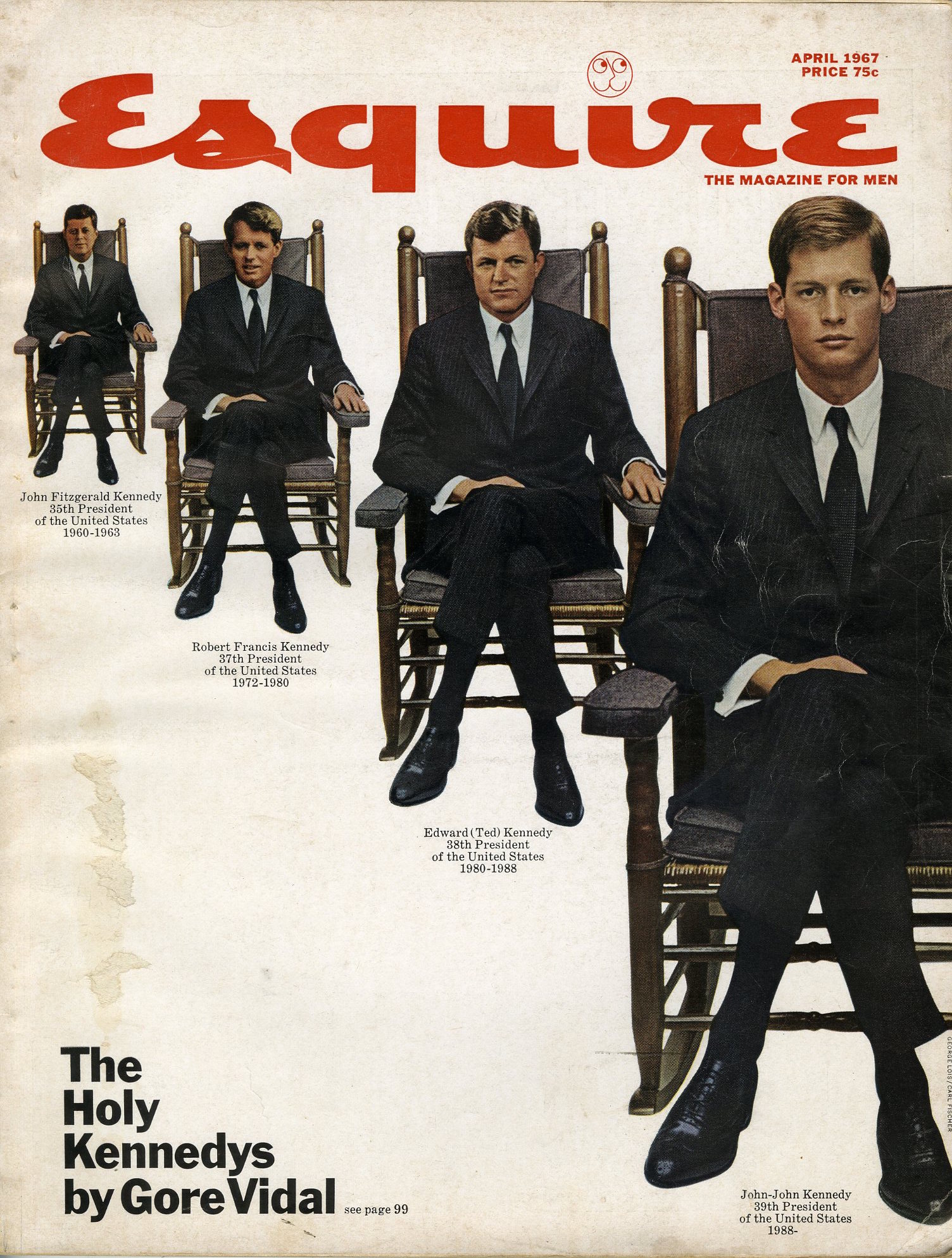
Read what Harold T. P. Hayes, the legendary editor of Esquire in the 1960s, wrote in the April 1967 Backstage with Esquire: “With some gnashing of brows, it can scrutably be admitted now, Esquire’s Advertising and Promotion staffs have for the last few months been seeking just the right word to express this magazine’s personality. Involvement is the trait with the vote so far, and they may have a point.”

Esquire-cover April 1967By the way, that same issue of Esquire had the story of a less famous transsexual who changed from a man to a woman in 1958. The story, The Transsexual Operation was written by Tom Buckley, who was also a reporter for The New York Times, and was covered with much less fanfare than the one named Caitlyn Jenner… Printed magazines, well searched, show that there is nothing new under the sun.

Magazines have always been reflectors of the society we live in, mirror images of the people, places and times that nothing else can duplicate. Not even the digital realms, sacred though they are to some. And while I am a firm believer in all things digital; I am also an even firmer evangelist for all things print. It’s the 21st century, folks; we can have both. It stands to reason if you have a print magazine in your left hand and an iPad in your right; you’ve already solved the publishing dilemma that we entertain in this era. You already have BOTH – now let that sink in for a moment before we go any further.

Tick-tock – OK, let’s move along.

I’ve always strongly believed that life without print in the Magazine Media world would be as unbalanced and shaky as a disproportionate scale, causing everything to be a bit off kilter and just not right. It would be like Kojak without his sucker, a stuffy kid without Vicks VapoRub, or Mr. Magazine™ sans his mustache; some things are just destined to be under your nose, no matter what. And ink on paper is one of those when it comes to the schnoz of all magazine media.

Complications, dilemmas, obstacles and concerns, these are all adjectives used when describing the problems going on in magazine media today. In fact, problems that have materialized in our traditional magazine world since 2008 when the economy went bust and technology burst upon the scene. Since then we’ve heard the naysayers crying: “Print is dead! Long live digital!” And more recently the catchphrase: “Print isn’t dead; it’s just in decline,” as magazine media scrambles to adjust and rise like a phoenix from the ashes of problems that digital supposedly caused print and the entire industry when it fusilladed into prominence in 2008.

But the problem is not with ink on paper and the solution is not with just pixels on a screen. The problem is our tendency to fret or panic. And there is no need for that because there is a place for both, print and digital. Print is something that our audiences want; therefore we have to give it to them. When we forget the importance of the one and only reason we exist; we create, we design and we plan for our audience, that’s where we get into trouble.

And as we find our footing again in this digital age in which we live, we are discovering that there are attributes (we’ve always known this, but as with any new toy, digital made us forget for a while) that only print can offer to our audiences. And truthfully, the digital-only world has stumbled over this undeniable fact too; as many websites have decided that they cannot engage and connect with their audiences as completely without a print component: Porter, Allrecipes, SwimSwam; and the list goes on and on. Multichannel is the answer today, not print or digital.

Some of those attributes that are impossible to ignore and that are vital in today’s world are:

Collectability: Print is forever. It’s premium content that the customer is willing to pay for and can appreciate lying around on their coffee table, and that will be there if so desired through the next millennia. Unfortunately, the same cannot be said for your favorite website.

Sense of touch: Print is tactile and feels good beneath the fingertips. It doesn’t matter how many times you caress your computer screen, I promise you the sensation will not be the same.

Me-time: Print offers that escape that so many of us seek in our busy hectic lives. When you curl up with your favorite magazine, it’s an experience, not a quick Google search. And we need that desperately today.

Addiction: Print has that addiction quality that you just can’t find online. Content that brings you to the edge of your seat; photographs that take you on an exotic journey; information that you didn’t even know you needed until you flipped open its pages.

And there are many more that for the sake of time I won’t mention. Suffice it to say, that in the 21st century, print is an even more important and viable option for the audience, the advertiser, and the magazine media world than ever before.

In short, print is here to stay. As long as we have human beings, we will have print. After all, everything began with print; you do remember those stone tablets, right?

More about Mr. Magazine™:
Dr. Samir “Mr. Magazine™” Husni is a world-renowned leader in the global publishing industry, advising publishers, media and news outlets, and more, about their magazine content and marketing strategies.

He’s the founder and director of the Magazine Innovation Center at the University of Mississippi’s Meek School of Journalism and New Media, and is the author of many influential publications, including Managing Today’s News Media: Audience First, Inside the Great Minds of Magazine Makers, and Magazine Publishing in the 21st Century.

Forbes ASAP magazine called him “the country’s leading magazine expert,” and The European Union’s Magazine Power magazine said, “Dr. Samir Husni is one of the world’s most influential voices in global publishing, advising major publishing houses across the globe on their editorial and advertising strategies. When he talks, the magazine industry listens…”

To keep up-to-date with the ever-evolving print industry, visit Mr. Magazine’s website, here.
————————————————————————————
*The blog above was written by me at the request of the folks at MNI Targeted Media Inc. a Time Inc. company. Needless to say I was more than happy to do it. Click here to see the original post.

h1

Hornet App: Creating A Global Newsroom To Bring More Editorially-Driven Content To The LGBT Community & Prove The Gay Social App Can Be Much More Than A Dating Connection – The Mr. Magazine™ Interview With Sean Howell, President & Co-Founder, Hornet Networks

February 6, 2017

“I love beautiful magazines. One of my best friends is the editor of a super-small magazine, and I have another friend, Peter Cummings, who founded a magazine that closed and just came back to life, called XY. So, I love print magazines. And much like the print magazine is a beautiful thing that you keep and cherish, we want to keep making both our apps and the ad units better than current industry standards, and that’s why we’re moving away from those annoying 320×50 ads and trying to create something that’s better. It’s possible that we would have a print magazine, but not anytime soon.” Sean Howell

horent-logo-1Hornet is an app for gay men that promotes connection, longevity in relationships, whether by simply keeping in touch or forming long-lasting communications, and more recently more editorially-driven content for the LGBT community it serves.

Sean Howell is president and co-founder of the globally-known social app, and is determined to bring more journalistic type content to a niche area in the mobile world that has long had the narrative of being strictly a dating-type service. Howell is in the process of creating a global newsroom staffed with some of the best known LGBT journalists who lost their jobs due to the demise of the publications they worked for. His aim is to create a newsroom that not only relates to its audience, but also delivers topnotch journalistic content. Making LGBT journalism great again seems to be his goal.

I spoke with Sean recently and we talked about the changes he had already implemented in the app; the hiring of more journalists with a background in good content; the ads that are more than the typical banner ads; the profile section users can use that is more personalized with face photos and interests, and we talked about the millions of gay male users that utilize the app and the issues that are important to them. It was an interesting conversation about a niche in the mobile world that is growing rapidly.

So, I hope that you enjoy this Mr. Magazine™ interview with Sean Howell and the global network that he is trying to create to serve the LGBT community by the offering the best of what true journalism can offer.

But first the sound-bites:

headshot-sean-howellOn why he thinks more LGBT social apps, including Hornet, are moving toward content rather than just being social dating components: A lot has changed in media in the last 16 years. With the first Internet boom and maybe a second or third one now; the total number of readers that are on some digital tool like their phones has really grown, and that’s where they are today, just in terms of the number of eyeballs that are there. And whether it’s a publisher or an advertiser or a social app like us, there are just too many readers out there all day to not be giving them content that they can enjoy. So, really it’s about where the readers are.

On how to remove the dating stereotype that many LGBT apps have and make them more editorially-driven with content: Giving our readers great content is important. What that content means for them is custom-made content that’s just for this audience, where if their interests are stamp-collecting in India, having the right kind of content that is really engaging to that reader is important. We have 15 million readers online and having perfect content for them takes a big team. And that’s what we’re assembling so that we can make the content as powerful and relevant as possible.

On the challenges he faces in breaking the stereotype: For one, we didn’t make this stereotype. The stereotype can exist, but I would say gay men easily understand this idea that they might go online and hook up with someone and that person becomes their best friend, and they can chat with that person online; sometimes you chat with people for years before you ever meet them. And that’s just a very common, gay, coming-of-age type experience. Really, the stereotype that I’d like to change is what people can expect from an online experience. I think media today and print journalism have to adapt to new ways of doing business and someday there will be a new way for us. We’re not tearing down, we’re continually trying to make our product better and give people more and more resources as we grow as a company.

On his business model for Hornet: It’s all about premium advertising. You know, mobile is still new. Getting a CMO from Coca-Cola to change their advertising budget to mobile has been something the entire industry has been working on for a long time. There are a lot of powerful things that advertisers can do with their mobile ads.

On whether we’ll ever see a Hornet magazine on newsstands: I love beautiful magazines. One of my best friends is the editor of a super-small magazine, and I have another friend, Peter Cummings, who founded a magazine that closed and just came back to life, called XY. So, I love print magazines. For us, we support other magazines. With XY, we’ve been advertising in them so that they can exist; it’s important that our community has these resources. But I think we’re really going to be sticking to our strong suit, which is a digital format. It’s possible that someday we would have some kind of “look book,” but I think the distribution model that we are focused on is something that is so used and so liked, and we’re focused on something much larger.

On whether he’s seen a shift in the delivery of content with magazines such as Jarry, FourTwoNine and XY: Jarry is a great, cool niche magazine that’s a beautiful art book, essentially. And I think it’s beautiful, but I think there’s a difference. I think there’s a way for us as a large platform to support them. I’m not going to speculate as to what Jarry’s circulation is, but it’s a very niche publication. And we could slice and dice our user base in a way where we could help identify gay chefs, for example, which is the focus of Jarry, the urban, gourmet life. I think these are all great publications, driven by smart people. I don’t know that they indicate a shift; they’re a bit of a sign of the times; how quickly a magazine can adapt and grow.

On what someone would find him doing if they showed up unexpectedly at his home one evening: Definitely a glass of wine or an Armagnac. We just opened an office in France, so I’ve graduated from cognac to Armagnac; it’s my new thing. Now we have so many great stories that we produce. We just did this really interesting one with 100 LGBT people emerging from around the world; it’s so global. We had contributors helping to create that content from Taiwan, Japan, and Brazil; just all over the world. No one has this super-international newsroom. So, I like to read and I’m a real media junkie. You’ll find me with some Armagnac and reading a lot on my phone in the evenings.

On anything else he’d like to add: I’m so excited to be talking about media and the fact that we get a chance to produce it. I think that the rapid growth that we’ve had often even surprises me. And the fact that we get to bring on these journalists at a really critical time; such as Stephan Horbelt from Frontiers, a magazine that shut down, but many of these journalists who worked at magazines that folded still have a home with us. LGBT reporting by LGBT people is just absolutely critical.

On what keeps him up at night: Right now it’s really the fate of the world on several topics. One, I’m really concerned about the fact that the U.S. has been the champion of LGBT rights for the last four of Obama’s eight years, with Randy Berry as the special envoy for the LGBT community. I think we were making strides. We had eight openly gay ambassadors, and now I just worry that we won’t get to continue that. And if not, we’re really looking at international issues, something that could help prop up that movement. And in countries where it’s already difficult; they don’t feel the green light, it could make it even worse.

And now the lightly edited transcript of the Mr. Magazine™ interview with Sean Howell, president & co-founder, Hornet Networks.

Samir Husni: With all the LGBT media consolidations, and with some magazines folding, and some new magazines being created into new print products; as president of Hornet you said that you feel the social apps need to be beefed up with more content, rather than just being dating mechanisms. In Hornet’s case, you are starting to offer editorials and other content and other apps are offering fashion and many other topics of interest. Why do you think this is happening with the LGBT social apps?

horent-logo-1Sean Howell: First, I’m so happy to talk to another magazine nut. I love magazines and I have a lot of friends in the business. Second, a lot has changed in media in the last 16 years. With the first Internet boom and maybe a second or third one now; the total number of readers that are on some digital tool like their phones has really grown, and that’s where they are today, just in terms of the number of eyeballs that are there. And whether it’s a publisher or an advertiser or a social app like us, there are just too many readers out there all day to not be giving them content that they can enjoy. So, really it’s about where the readers are.

And then in terms of what we’re trying to do, the editors are super-important. We need to have journalism today and if that means we need to change the format of the material and make it more digital and more mobile-based, then that’s what we’re going to do. There are so many important news stories, that having not just good journalists, but having even mixed journalists is also important. For instance, the new appointee for the Secretary of Education doesn’t have a good policy on teen bullying, not every reporter might be able to catch that, and so having reporters that specialize in LGBT brings something to the table. So, we can’t just have these journalists to go away and have media not reflect that. We have to find new homes and new ways of formatting content.

Samir Husni: As you’re discovering these new ways of formatting content and the necessity of journalism, when someone goes to your app, how do you change the stereotype that the only reason the app exists is for the social connectivity, the dating factor; the hooking up, if you will. How do you make it more journalistic and editorially-driven with content?

Sean Howell: Great question. Partly, good content is by far the best thing that you can offer an audience. And so, if you look at the caliber of the journalists that we’ve brought on; the founding editor of Tetu, which is probably the most beautiful gay magazine ever made, and it was the longest running French, gay magazine, and even Frontiers, which was Southern California’s oldest and largest lesbian, gay, bisexual, transgender (LGBT) magazine, and was the more serious of the regional gay magazines. We’re offering that kind of content to our users and we have a top journalist from Turkey who joined and is reporting on Middle Eastern issues and we have a really big newsroom and great contributors from all over the world.

So, giving our readers great content is important. What that content means for them is custom-made content that’s just for this audience, where if their interests are stamp-collecting in India, having the right kind of content that is really engaging to that reader is important. We have 15 million readers online and having perfect content for them takes a big team. And that’s what we’re assembling so that we can make the content as powerful and relevant as possible.

And to the question about dating and “hooking up;” I think that general media always looks at dating apps from a “dating” perspective, because it kind of leans toward what the narratives have been for a long time. And what we (LGBT community) do online is different from what happens with straight people. We might go to a city, meet some friends, go on dates; hook up, and then leave the city and come back a year later. And what Hornet allows people to do is keep in touch. So, when you come back to the city, we’ve organized your address book by proximity, and you can keep in touch with those people. And your ability to describe yourself in a profile is a big part of what we’re doing.

So, allowing people to share ideas like content is part of any community. Unlike the straight world, you don’t need an app to find your community, but if you live in Iowa or Turkey, your online community is a really big part of who you are. There is this idea about physical places building communities, called the Third Place, and I’d argue that for gay people online forums and apps are a Third Place, so it’s definitely something more than “hooking up,” even if people do that on an app.

Samir Husni: So, how are you going to change that stereotype? What are some of the tools that you’re going to use? You’ve hired great journalists, such as the former editor of Tattoo; you’ve brought people from Brazil and Turkey. What do you think will be some of the challenges you’ll face in breaking that stereotype and showing people that if they use Hornet it’s a community; it’s much more than just two people hooking up?

Sean Howell: For one, we didn’t make this stereotype. The stereotype can exist, but I would say gay men easily understand this idea that they might go online and hook up with someone and that person becomes their best friend, and they can chat with that person online; sometimes you chat with people for years before you ever meet them. And that’s just a very common, gay, coming-of-age type experience.

Really, the stereotype that I’d like to change is what people can expect from an online experience. I think media today and print journalism have to adapt to new ways of doing business and someday there will be a new way for us. We’re not tearing down, we’re continually trying to make our product better and give people more and more resources as we grow as a company.

But there are a lot of things that already exist in Hornet that I think are quite different from other apps that are more about sex than we are. You know, 95 percent of our profiles have face pictures, and that’s not common on an app or a print list, where people are just meeting and anonymously for sex. They post a picture and we call them headless torsos. And we allow people to have an Instagram-like profile with multiple pictures and to paint different aspects of who they are, and tag the profiles with different interests such as who their favorite author is. And then that’s in their profile and you can click the author’s name and see who else might be interested in him or her.

I think we have a great trajectory ahead of us and this idea of community already exists inside of our app and we’re just continually expanding it.

Samir Husni: Recently, I read a study that showed the online advertising growth in the United States during the first half of 2016 was dominated by Facebook, with it growing 68 percent; Google by 23 percent, and everyone else was minus two percent. What is your business model? How are you going to make money from Hornet in order to survive?

Sean Howell: It’s all about premium advertising. You know, mobile is still new. Getting a CMO from Coca-Cola to change their advertising budget to mobile has been something the entire industry has been working on for a long time. There are a lot of powerful things that advertisers can do with their mobile ads.

But the first generations of mobile ads were very small banners; we just called them mobile banners, but their technical dimensions were 320×50, which is just a measurement of size. And really what we’ve built into our app is a native ad format that takes the imagery from the advertisers and puts it into the app in a natural way. And it has a beautiful effect and is something that an advertiser wants to buy or needs to buy.

In terms of our growth, we’ve seen the same thing. We’ve had probably 200 or more percent of growth in advertising revenue year over year, and we’re focusing on these native ads, which are more beautiful and more powerful for an advertiser.

Samir Husni: Do you think one day we’ll see a Hornet magazine on the newsstand, gathering all that great content and telling people that you want to create something permanent and not just online?

Sean Howell: I love beautiful magazines. One of my best friends is the editor of a super-small magazine, and I have another friend, Peter Cummings, who founded a magazine that closed and just came back to life, called XY. So, I love print magazines.

For us, we support other magazines. With XY, we’ve been advertising in them so that they can exist; it’s important that our community has these resources. But I think we’re really going to be sticking to our strong suit, which is a digital format. It’s possible that someday we would have some kind of “look book,” but I think the distribution model that we are focused on is something that is so used and so liked, and we’re focused on something much larger.

And much like the print magazine is a beautiful thing that you keep and cherish, we want to keep making both our apps and the ad units better than current industry standards, and that’s why we’re moving away from those annoying 320×50 ads and trying to create something that’s better. It’s possible that we would have a print magazine, but not anytime soon.

Samir Husni: From a reader’s point of view, a consumer of gay publications; why do you think some of the mainstream magazines that have been with us for years and years are folding, yet we have a new slew of magazines coming to the market, such as Jarry, the magazine for men+food+men. Or FourTwoNine that Maer Roshan just started editing, and XY, Peter’s magazine. As a reader, are you seeing a shift in the content delivery of those publications?

Sean Howell: Jarry is a great, cool niche magazine that’s a beautiful art book, essentially. And I think it’s beautiful, but I think there’s a difference. I think there’s a way for us as a large platform to support them. I’m not going to speculate as to what Jarry’s circulation is, but it’s a very niche publication.

And we could slice and dice our user base in a way where we could help identify gay chefs, for example, which is the focus of Jarry, the urban, gourmet life. I think these are all great publications, driven by smart people. I don’t know that they indicate a shift; they’re a bit of a sign of the times; how quickly a magazine can adapt and grow.

As far as readership, I think that digital is often really important to print publications and sometimes they’re really ignored. A publication like Jarry is probably best-served in print form. I don’t know that the reason those magazines exist is anything other than they’re quality products. If you make a quality product, people are going to want it.

Samir Husni: If I showed up unexpectedly at your home one evening, what would I find you doing; reading a magazine; reading your iPad; having a glass of wine; watching television; or something else?

Sean Howell: Definitely a glass of wine or an Armagnac. We just opened an office in France, so I’ve graduated from cognac to Armagnac; it’s my new thing. Now we have so many great stories that we produce. We just did this really interesting one with 100 LGBT people emerging from around the world; it’s so global. We had contributors helping to create that content from Taiwan, Japan, and Brazil; just all over the world. No one has this super-international newsroom. The whole idea is, to some previous large magazine like Out or something, they don’t have the means to do that, or even have rejection. If they don’t have readers in Brazil, why create content in Portuguese? We’re creating content in several languages now: French, Portuguese, Russian, and Spanish. There is just so much interesting stuff.

I do get magazines and they do often change my opinions on things. I get Reason magazine and I get The Humanist and I like to read them side-by-side. But right now I’m having trouble. A lot of the people that we hired as journalists are people that I really enjoy, but they’re somewhere in Scotland and I really wish that I could give this guy a full-time job; he’s totally not being utilized as well as he could be.

So, I like to read and I’m a real media junkie. You’ll find me with some Armagnac and reading a lot on my phone in the evenings.

Samir Husni: Is there anything else you’d like to add?

Sean Howell: I’m so excited to be talking about media and the fact that we get a chance to produce it. I think that the rapid growth that we’ve had often even surprises me. And the fact that we get to bring on these journalists at a really critical time; such as Stephan Horbelt from Frontiers, a magazine that shut down, but many of these journalists who worked at magazines that folded still have a home with us. LGBT reporting by LGBT people is just absolutely critical. And having a newsroom that isn’t one designated token LGBT newsroom, but a whole group of people that are international and multiethnic changed the conversation within that newsroom; I believe that is something that we’ve just peeled the first layers from. It’s going to be a deeper and richer experience with great content.

Samir Husni: My typical last question; what keeps you up at night?

Sean Howell: Right now it’s really the fate of the world on several topics. One, I’m really concerned about the fact that the U.S. has been the champion of LGBT rights for the last four of Obama’s eight years, with Randy Berry as the special envoy for the LGBT community. I think we were making strides. We had eight openly gay ambassadors, and now I just worry that we won’t get to continue that. And if not, we’re really looking at international issues, something that could help prop up that movement. And in countries where it’s already difficult; they don’t feel the green light, it could make it even worse.

There are 72 countries in the world where being gay is a crime and I thought sometimes that we were making progress, but we have a long ways to go. And HIV, that’s really an important issue and one we take super-seriously and we have a full-time person who is our health innovation strategist who works on that. And while a lot of HIV statistics look good around the world, with incident rates dropping, unfortunately, if you really look at the number around key populations, there are inglorious lists of drug issues and incarcerated people. The rates in many countries have increased dramatically and the CDC plays a huge role in the global response; the president’s fund for HIV plays a huge role; the global fund plays a huge role. I’m worried that HIV won’t get priority funding and that could be a huge problem where there isn’t access to treatment.

We really need to pay attention to global policy on each of these issues this year. Our 18 million users are 100 percent gay men and their access to treatment and especially prevention should be a human right and not denied to us. We need to be increasing awareness and not decreasing.

Samir Husni: Thank you.

h1

Plate Magazine: Taking Food Further & Celebrating Creative Culinary Innovation In The Most Delicious Of Ways – The Mr. Magazine™ Interview With Steven Mayer, Publisher, Plate Magazine

February 1, 2017

“The ideas and the photos that we publish really have an evergreen quality to them; they’re timeless. It’s not a matter of getting the news quickly or on a timely basis. It’s not a matter of instant response; it’s really designed to inspire people and get them thinking about their menus. A print magazine that you can actually hold and look at the pictures is inspiring.” Steven Mayer

screen-shot-2017-01-31-at-5-12-44-pmAn evergreen quality. That’s how Plate magazine Publisher, Steven Mayer describes this magazine. Plate is a food publication, B to B even, that takes the timeless quality of print and runs with it. The photographs are rich and the editorial is full and robust. From restaurateurs to chefs, this magazine caters to the sensual and the tangible quality that each of us experience when we taste or create that perfect dish. And it’s a trade publication; a very unique concept in this niche category, one that usually relies on ads and generalized information, which is the norm for a B to B publication.

I spoke with Steven recently and we talked about his 25+ years in this field of magazines and magazine publishing. For 20 of those he was with the highly successful Restaurants & Institutions magazine, serving as publisher for the last five or six years of his tenure. When that magazine folded, he was approached by some of his colleagues about Plate Magazine. And he was intrigued by the focus of the title, one that wasn’t on every aspect of running a restaurant, but more about the food and the menu, the creative culinary side of the business. Needless to say, he was hooked and he’s been there ever since.

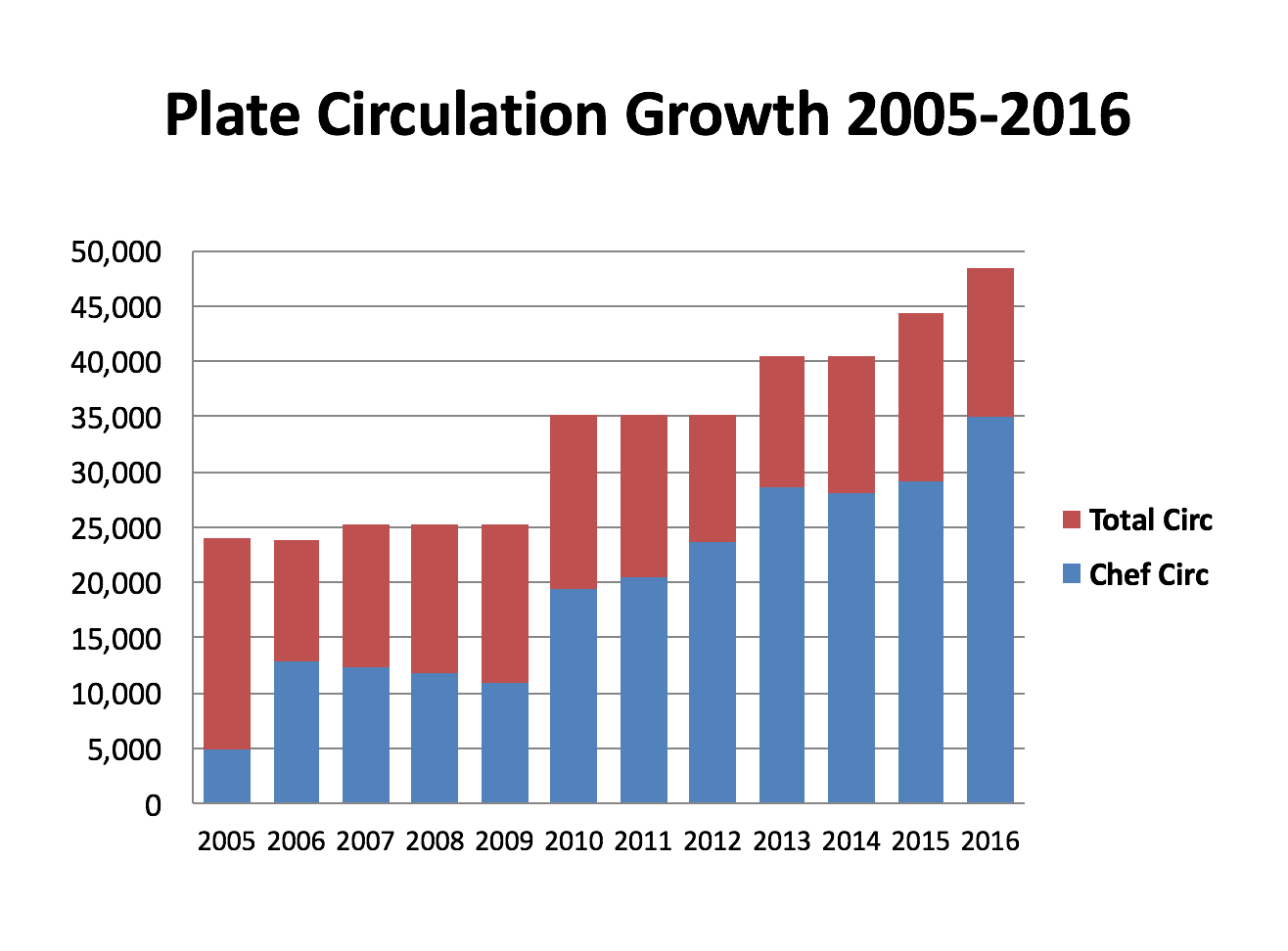
The magazine has grown steadily over the past 15 years that it has been in existence, their audience doubling within that time. They have expanded to the web and have a dot com that successfully captures the beauty and passion of the B to B magazine. It’s definitely a unique and wondrous publication for the trade category, but one that has proven its commitment to its audience.

So, sit down, relax, and fill your “Plate,” you’re about to be sated to the brim with inspiration, great information and one man’s passionate dedication to his brand, the Mr. Magazine™ interview with Steven Mayer, publisher, Plate magazine.

But first the sound-bites:

sdm-photoOn the genesis of Plate: I spent 20 years with Restaurants & Institutions, and the last five or six years I was the publisher of that magazine. I left in 2001, and in 2002, some former colleagues of mine were starting this magazine called Plate, and they contacted me around the time of the first issue which was being developed and worked on. And I joined them about the time that first issue came out. I think what they (the audience) really responded to was the fact that Plate was designed from the get-go to focus on, not every aspect of running a restaurant, like Restaurants & Institutions had and other publications, but we really focused on food and the menu, and the culinary side of the business.

On whether he feels people in the magazine industry, especially B to B, gave up on print too soon: I’m not sure people in our field have entirely given up on print, there remains, even though I mentioned that Restaurants & Institutions no longer exists, and there have been a couple of other significant closures of publications, but there are still at least 15, if not 20 or 30 print magazines that serve this industry. You mentioned Food Fanatics before, and it’s relatively a new entry to the field; it’s sponsored by one of the major broad lined distributors, US Foods. So, you have even non-traditional publishers entering the print arena in this field.
screen-shot-2017-01-31-at-5-25-19-pmOn the DNA that differentiates Plate from all of the other magazines that are in the marketplace: That theme issue approach is definitely one of the differentiation factors of Plate. I mentioned how we started out as a hybrid of custom publishing; our first issue was from the National Pork Board and was naturally all about pork. But I think at the time, even when we decided to go quarterly, and then we decided to go six times per year, which remains our basic frequency to this day, we were competing against regular monthly, at the time, even weekly publications. It was almost a tactical, instead of a strategic decision at the time; if we were going to compete with much more frequent publications, we had to make every issue a special issue, or a keeper issue, in some respect.

On his major challenge today, in 2017, and how he plans to overcome it: The challenges remain in still getting people to understand the importance of our niche, and that the whole industry really is looking more at culinary innovations than ever before. That remains one of the keys to success of a restaurant today. Any consumer of restaurants would know this, but you could walk into an Applebee’s or a Chili’s and hardly tell the difference. Those kinds of restaurants are struggling, yet in every city you can find many new restaurants that are often trendy and cool and referred to in the industry as “chef-driven” restaurants. That’s where the industry remains creative and vibrant and exciting. And so we have to convince people that we’re really at the forefront of trends and where they want to be.

On his most pleasant moment: It’s been a very pleasant, gratifying and rewarding experience, because first of all, Plate really does stand for something. It really does have a true brand identity. I can be very proud of the product that we produce; the magazine itself is beautiful, strong and growing.

On what someone would find him doing if they showed up unexpectedly one evening at his home: Before I read a magazine, which might come later at night, I’m probably watching the news, having a drink with my wife, and getting dinner ready. I have a wonderful wife of 35 years who is a great cook and we’ve given our kids a love of food too, so Plate plays a big part in even our home life. We always enjoyed meals together as a family, and we still have meals together whenever we’re both home. When I get home, there are usually wonderful smells coming from the kitchen, and we enjoy a drink or a bottle of wine together with our meal.

On what keeps him up at night: Just keeping the magazine successful in the marketplace and to keep it growing stronger every day.

And now the lightly edited transcript of the Mr. Magazine™ interview with Steven Mayer, publisher, Plate magazine.

Samir Husni: You have quite an extensive history in B to B publishing. You mentioned that after 25+ years, you added Plate 15 years ago. Tell me about the genesis of Plate.

screen-shot-2017-01-31-at-5-12-55-pmSteven Mayer: Most of those 25 years I spent with a single publication that was in its time clearly the leader in its field, the restaurant industry, and that was Restaurants & Institutions. It existed throughout the 1980s and much of the 1990s and probably in its heyday was one of the biggest B to B magazines in the country, generating north of $25 million per year in revenue.

Restaurants & Institutions actually has folded now; the company that published it, Reed Business Information, basically pulled up stakes here in the United States. They publish newspapers and other endeavors around the U.K. and elsewhere in the former British Commonwealth.

I spent 20 years with Restaurants & Institutions, and the last five or six years I was the publisher of that magazine. I left in 2001, and in 2002, some former colleagues of mine were starting this magazine called Plate, and they contacted me around the time of the first issue which was being developed and worked on. And I joined them about the time that first issue came out.

The first issue of Plate was half and half custom publishing, as well as a new magazine launch; it was kind of a hybrid between the two. They did publish it with a sponsorship of a single company, which was the National Pork Board, but really didn’t have a plan going forward, other than let’s try this with the National Cattlemen’s Beef Association as well. When that didn’t pan out for a variety of reasons, we really had to look at coming up with what might be a sustainable business model.

The first issue that we put out was all about pork incidentally, and was put out for the National Pork Board. The kind of reaction that it generated in the marketplace was remarkable. The response was amazing. We got emails and phone calls from people saying they had never seen a magazine like Plate before and where had we been all of their lives. (Laughs) I think what they really responded to was the fact that Plate was designed from the get-go to focus on, not every aspect of running a restaurant, like Restaurants & Institutions had and other publications, but we really focused on food and the menu, and the culinary side of the business.

And from the very beginning that’s what has set it apart and continues to set it apart, and really is a niche for this magazine that doesn’t exist elsewhere in the restaurant or food service industry.

Samir Husni: You mentioned also that although you started out as print only, you’ve expanded to online and digital, yet last year 80 percent of your revenue was still coming from print.

Steven Mayer: Yes.

Samir Husni: Do you think that people in the print industry, especially B to B, gave up on print too soon?

Steven Mayer: I’m not sure people in our field have entirely given up on print, there remains, even though I mentioned that Restaurants & Institutions no longer exists, and there have been a couple of other significant closures of publications, but there are still at least 15, if not 20 or 30 print magazines that serve this industry. You mentioned Food Fanatics before, and it’s relatively a new entry to the field; it’s sponsored by one of the major broad lined distributors, US Foods. So, you have even non-traditional publishers entering the print arena in this field.

We might be unusual, in that respect, but our audience consists of restauranteurs, and chefs in our case, who are very, call it sensual for lack of another term, they’re very oriented towards eating and tasting, as well as reading. And all of the magazines in the field, even going back to the ‘80s and ‘90s, one of the things that distinguished Restaurants & Institutions was its gorgeous food photography and its graphic quality.

I think that we do have publications in our field, media brands in our field that have moved more toward digital than we have. For example, there is one, call it the newspaper of the industry, Nation’s Restaurant News, it’s like The Wall Street Journal or the Ad Age of the field, and it was naturally more vulnerable, I think, to the Internet, or more suitable to the Internet, than a publication like ours was. The ideas and the photos that we publish really have an evergreen quality to them; they’re timeless. It’s not a matter of getting the news quickly or on a timely basis. It’s not a matter of instant response; it’s really designed to inspire people and get them thinking about their menus. A print magazine that you can actually hold and look at the pictures is inspiring.

We’ve frankly struggled to come up with a website, and only recently have we redesigned our website so that it would capture the same ethos and aesthetic of the magazine. It’s hard to do in a digital format.

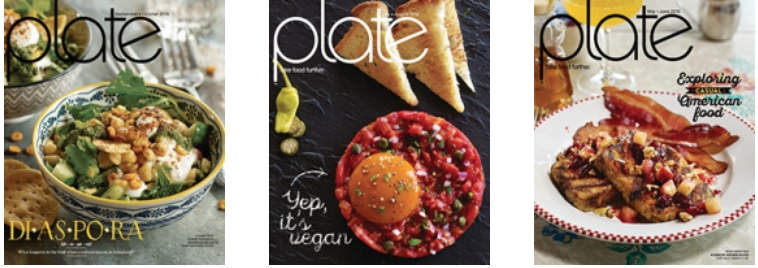
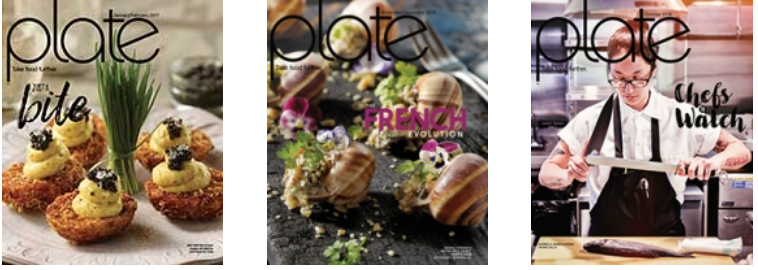
Samir Husni: I’ve noticed that with the magazine you’ve held to that original concept, the first issue being dedicated to pork; you still have every issue with one theme, such as casual eats, Vegan, chefs to watch, the French issue. Can you define that DNA that differentiates Plate from the host of other magazines that are in the marketplace?

Steven Mayer: That theme issue approach is definitely one of the differentiation factors of Plate. I mentioned how we started out as a hybrid of custom publishing; our first issue was from the National Pork Board and was naturally all about pork. But I think at the time, even when we decided to go quarterly, and then we decided to go six times per year, which remains our basic frequency to this day, we were competing against regular monthly, at the time, even weekly publications. It was almost a tactical, instead of a strategic decision at the time; if we were going to compete with much more frequent publications, we had to make every issue a special issue, or a keeper issue, in some respect.

So, from a tactical point, we wanted to give each issue the keeper value, the timelessness of the shelf life, if you will, and show that it was not just a regular issue of a magazine. There were a lot of implications of that, which were frankly costly and difficult to overcome. And imagine if you will a regular monthly magazine if advertising falls short and they have to cut some articles from the January issue or they could run them in the February issue.

In our case, if the January issue was about French and the next issue was about Vegan, you can’t necessarily hold it over until the next issue. We were kind of obligated to maintain a certain level of coverage from the very beginning, with at least 50 or 60 pages of editorial per issue to cover a subject completely, from appetizers to desserts. And that meant that there was little regard for ad/edit ratio; we’ve kind of grown into our shoes, but originally we were publishing 60 or 70 pages of editorial, when we might only have 20 pages of advertisement. And we’ve never exceeded a 50/50 ratio, which for trade publications is very generous and rich with editorial content.

The other implication of what we do is that with doing these theme issues literally there were advertisers who would look at our issues and ask, for example, if it’s all about pork, why should I be there if I sell fish or potatoes or cheese? And it’s taken a long time; it’s still an issue in some respects that we have to address today, to get people to not just buy into the editorial hook, if you will, of a particular issue, but to really understand the concept of whatever the subject matter is, it’s really designed to engage the reader and to get them to think about their menu beyond the obvious limitations of pork or fish or French or Italian.

And some of those issues, obviously, have to be French and still have pork and fish and cheese and everything in it. But there are people out there who still to this day resist the concept or they ask when are you going to do a soup issue because I sell soup, even though soups might be part of every issue.

So, we’ve kind of created a little bit of a monster; we’re a very unique publication. These theme issues; when you look back in time, we’ve certainly managed to diversify far beyond the product focus. For example, to do issues on burnt foods or fermentations; at the time we did those issues people really thought we were a little bit crazy, a whole issue about burning foods? And then last week in The New York Times in the food section identified that as a hot new trend.

In many respects, we’ve been ahead of the curve, in terms of identifying subjects that are kind of at the cusp of becoming trends. Our editors have been tremendous at doing that, and I think that their anticipation of market trends is borne out. For example, the National Restaurant Association identified the Top 20 Trends and probably 15 of those have been not only identified and named, but actually covered in depth by Plate magazine in the past five or six years, so we’re ahead of the curve. I think from a chef’s or restaurateur’s point of view we’re much more meaningful and in depth because we don’t just say French is coming back, we actually identify 50 or 60 chefs in restaurants around the country that are best-practice examples of chefs really doing whatever we’ve reported, and doing new and interesting things with French cooking to appeal to today’s consumers. And that’s something of real usefulness and value, and even an inspiration to chefs.

Samir Husni: What do you consider today, in 2017, your major challenge and how do you plan to overcome it?

Steven Mayer: That’s a very good question. We’re still a niche publication, and that means we’re not all things to all people in our industry. I’m not sure that any of the publications really, given some of the business challenges, can afford to be all things to all people. Restaurants & Institutions, for example, once claimed to be. And it used to be true that you could read Time magazine and consider yourself an informed citizen, but that’s not true today either.

So, we’re still a niche publication and we compete sometimes for business with publications that have much larger circulations than ours, or have a broader range of content. Yet we still want to grow. We’ve grown steadily over the last 15 years, and we want to continue to grow. In fact, our audience has doubled over the past 15 years.

The challenges remain in still getting people to understand the importance of our niche, and that the whole industry really is looking more at culinary innovations than ever before. That remains one of the keys to success of a restaurant today. Any consumer of restaurants would know this, but you could walk into an Applebee’s or a Chili’s and hardly tell the difference. Those kinds of restaurants are struggling, yet in every city you can find many new restaurants that are often trendy and cool and referred to in the industry as “chef-driven” restaurants. That’s where the industry remains creative and vibrant and exciting. And so we have to convince people that we’re really at the forefront of trends and where they want to be.

Aside from that, there are the challenges of developing other sources of revenue above and beyond the magazine. Digital is one; the events we do are another. We do a big event during the National Restaurant Association show that we call “Plate Night.” We continue to look at new opportunities to extend or expand the brand, and still remain true to our essence, if you will, and what you said before, our DNA. Our motto is “We Take Food Further” and if it doesn’t take food further, it’s probably not right for Plate magazine. It might be right for somebody else, but we have to stay true to our brand essence as well. And yet continue to grow.

Samir Husni: What has been the most pleasant moment throughout your 15 years with Plate?

Steven Mayer: It’s been a very pleasant, gratifying and rewarding experience, because first of all, Plate really does stand for something. It really does have a true brand identity. I can be very proud of the product that we produce; the magazine itself is beautiful, strong and growing.

It’s kind of remarkable too that the team that we’ve assembled over the years, and it’s a small team of us really, there are literally little more than half a dozen who work full-time on the magazine. We’re part of a small publishing company or media company called MTG Media Group and we have three different brands here, but all total the company has barely 30 people and yet Plate, has had the same core group together for 15 years.

Our editor wrote in the very first issue of the magazine; our editorial director was my partner and brought me to the company 15 years ago. Another one of my colleagues from another magazine, I’ve known him three-plus years in the field and he’s been with me now seven or eight years on the magazine. The team we’ve assembled is very rewarding and the success we’ve enjoyed; we really do have a true mission and a purpose. We’re not just another magazine that has a little more circulation or a little more rate; we really do have an identity and that’s something I take great pride in.

It’s really taught me; even after all of the years that I’ve spent in publishing, a new language or a new vocabulary, talking about what makes a magazine successful with its audience; its readers, and then trying to convince advertisers that that’s important to them as well, the readers are important to them. And that level of engagement with readers is important to them too. The uniqueness of the platform that they can share with Plate magazine and our readers is also important to them; it’s truly given me a new language and vocabulary when talking about a media brand.

Samir Husni: If I showed up unexpectedly to your home one evening, what would I find you doing; reading a magazine; having a glass of wine; watching TV; cooking; or something else?

Steven Mayer: (Laughs) Probably a combination of all of the above. Before I read a magazine, which might come later at night, I’m probably watching the news, having a drink with my wife, and getting dinner ready. I have a wonderful wife of 35 years who is a great cook and we’ve given our kids a love of food too, so Plate plays a big part in even our home life. We always enjoyed meals together as a family, and we still have meals together whenever we’re both home. When I get home, there are usually wonderful smells coming from the kitchen, and we enjoy a drink or a bottle of wine together with our meal.

Samir Husni: My typical last question; what keeps you up at night?

Steven Mayer: Just keeping the magazine successful in the marketplace and to keep it growing stronger every day.

Samir Husni: Thank you.

h1

The Lineage Of Magazines – Lest We Forget Where Magazines Came From: Thinking About The Content Of Magazine Content

January 29, 2017

A Mr. Magazine™ Musing…

mccalls-cover jan 1951The substance of the content of magazines has always been important. Each letter of each word formed matters. And when you string those letters together to make words, you then begin to create sentences, followed subsequently by paragraphs, followed by…well; you see where I’m going with this.

As the eras have passed, it seems that “substance” has sometimes fallen by the wayside. Vintage words that are weighty and meaningful are often replaced with a group of vowels and consonants that seem flighty and gossamer-thin. Even in the 21st century, content matters, especially in magazines, and especially in this digital age where everything is fast and instantaneous.

For those of you who follow my blog, it’s no secret that I have been digging into my Mr. Magazine™ Classic Vault of vintage magazines. And as most of you know, I have what some would call an “extensive” collection. I happened upon a beautiful hardback compilation of McCall’s recently and was struck by the substance of the content.

mccalls-eleanor345McCall’s Magazine has a rich and lustrous lineage. The magazine began as a small-format called The Queen in 1873, and was renamed McCall’s Magazine—The Queen of Fashion in 1897, later shortened to simply McCall’s. During the 20th century it reveled in an abiding popularity with its readers and is known as one of the “Seven Sisters” group of women’s service magazines.

McCall’s has always been known for its extremely staunch commitment to service in the women’s category. From the Eleanor Roosevelt column entitled “If You Ask Me,” which the former first lady wrote from 1949 until her death in 1962, to the Betsy McCall paper dolls that were printed from 1951 to 1995, and were available in most issues for children to cut out, McCall’s created content that was both service-oriented and engagingly entertaining.

mccalls-cover347The articles featured were often different from the norm, but still considered service as the content believed in its audience, and knew that women were interested in far more than just how to sew and cook, albeit those were valued topics as well. In the 1940s and 1950s, it featured many articles that covered subject matter that was also substantive and varied. For example, the January 1951 cover story written by Doris Fleeson “Washington’s Ten Most Powerful Women,” was written at a time when most women only had power through men and the article stated as much. In fact, the byline in part reads: but the cold fact is that NO woman has power except through a man, quite a compelling and strong sentiment, especially for the era.

mccalls-cover349And then there were the contemplative features that made one think and consider, such as “How Female is Your Husband” written by Don Wharton. These types of articles were cutting edge for the times and comparatively magazines today could learn a few things from the masters who over 50 years ago were creating content that was so bulked with important and vibrant information, the magazine fairly groaned from its verbiage girth. In a good way, of course; that satisfied groan that many of us get when we finally push away from the Thanksgiving table.

So, as we put together the words, sentences, paragraphs and pages of our magazines today, Mr. Magazine™ asks the simple question: “Do you really know the content of your content?”

Until next time…

See you at the newsstands…

h1

The ACT 7 Experience Presents: Magazines Matter, Print Matters… Providing Answers To Today’s Major Magazine And Magazine Media Questions…

January 27, 2017

The Ins & Outs of Making A Magazine – From Launch To Revenue – From The People Who Actually Do it & Do it Well…

act7_lores

Can the newsstands be saved? How can you add value to your brand? Do you want to make more money in the magazine business? How can you maintain ink on paper in a digital age? Do you have problems with direct mail? Do you know how to launch your own magazine? From the smallest detail to the most major of decisions you might have to make? How to choose a printer? What about paper? Do you know how to get your magazine distributed? Do you know how to make money with your magazine, real, actual revenue?

And can you find Oxford, Miss.? Because if you can, all of the other questions that Mr. Magazine™ just asked can be answered with a resounding yes, if you attend the ACT 7 Experience at the Magazine Innovation Center on the campus of The University of Mississippi from April 25-27.

We have gathered together industry leaders from each area of magazines and magazine media: editorial, publishing, printing, distribution and brand value; and we’ve brought them under one roof to share their ideas on everything “magazine.” From the launch to the first dollar you actually make on your publication.

So, for less than $400, (and trust me, that’s far less than what it costs to produce a magazine) you can register below and be one of the elite 100 attendees who will hear these industry experts answer each of the questions I asked you in the introduction. Only 100 seats are available, so register today and be assured that you’re among the first ones seated.

The sooner you register, the better the chances are that you will be able to attend this once-in-a-lifetime event.
Click here to register.

For travel and planning purposes the event starts at 6 pm on Tuesday April 25 and ends on 9 pm on Thursday April 27. Plan to fly into Memphis International Airport (a one hour drive from Oxford) and leave anytime on Friday April 28.

h1

“How Do You Add Value to Your Brand Before You Sell It?” Reed Phillips, CEO & Managing Partner, DeSilva+Phillips, Will Tell You At The ACT 7 Experience…

January 27, 2017

Reed Phillips

Reed Phillips

The ACT 7 Experience continues on Wednesday, April 26, with Reed Phillips, CEO & Managing Partner, DeSilva+Phillips. Reed will talk about “How To Add Value to Your Brand Before You Sell It.” A concept that starts a dialogue and a checklist on what you need to know and do before you put your brand out there in the marketplace.

Reed Phillips is co-founder of DeSilva+Phillips, and one of the leading Mergers and Acquisitions advisor to media and marketing industries. DeSilva+Phillips have advised and invested in the industry on more than 250 transactions valued at over $8.5 billion. Reed specializes in magazines, events, marketing services, market research and information services.

He has completed transactions with companies such as Bonnier Corp., Condé Nast, Dow Jones, IDG, Infogroup, News Corporation, TPG Growth, The New York Times Company, Rodale, Shamrock Holdings, Time Inc., Televisa and WPP. Reed was the winner of the 2007 Media Deal of the Year presented at ACG’s InterGrowth Conference by Mergers & Acquisitions. Currently, he is Oaklins’ Treasurer.

Earlier in his career, he was founder of Fathers magazine, Associate Publisher of The New Republic, Vice President of The Washington Weekly and Circulation Director of The Washington Monthly. He also serves on the executive board of Oaklins International, the leading middle-market global investment bank, and is treasurer of the Foreign Policy Association.

Owners of magazine media entities who are thinking or considering selling their brand, or just wanting to know how to add financial value to their brand are encouraged to attend. The morning of Wednesday, April 26 will continue to inform, engage and surprise attendees – so plan on joining us for ACT 7! Space is limited, so be sure to register here. We will bill you later.

Stay tuned, more speakers, more programs at the ACT 7 Experience will follow.

h1

ACT 7 Experience Wednesday April 26 Keynote Speaker Daniel Dejan: The Neuroscience of Touch: Haptic Brain/Haptic Brand

January 26, 2017

Daniel Dejan

Daniel Dejan

ACT 7 Experience will resume on Wednesday morning, April 26, with keynote speaker, Daniel Dejan, who will open up the ACT 7 Experience with a presentation on The Neuroscience of Touch: Haptic Brain/Haptic Brand, which unites neuroscience and branding to explore the many ways touch impacts how people perceive brands.

An award-winning graphic designer, art/creative director, production manager and print buyer, Daniel Dejan is widely respected in the print communications industry as a graphic arts educator, author and consultant. As North American ETC, (Education, Consulting and Training), Print & Creative Manager for Sappi Fine Paper, Mr. Dejan provides value-added marketing, sales and technical consultation as well as in-house and end-user training and education for the print, paper and creative communities.

Over the past 30 years, Daniel has written for various graphic arts publications. He served as technical consultant and a contributing writer for “The Designer’s Guide to Print Production.” Daniel is a Certified G7 Expert with a proficiency in Color and Color Management. He has shared his expertise, presenting keynote addresses, seminars and workshops for AIGA chapters, the Printing Industries of America, Canadian Printing Industries, IDEAlliance, the IPA, the Spectrum Conference, Print Production Clubs and Art Directors Clubs throughout the US and Canada, National and International print, design and marketing events, conferences and symposiums, as well as in numerous presentations hosted by paper merchants, printers and corporations, all of which keep him on the road in excess of 200 days per year much to the chagrin of his family and pets.

neuro-science-of-touchThe Neuroscience of Touch is Sappi’s groundbreaking book, written in collaboration with renowned neuroscientist Dr. David Eagleman, and dives deeper into haptics, the science of touch. It explores why touch is such a crucial part of the sensory experience and how it influences emotion and decision making, establishing this sense as critical to any brand experience.

More than half the human brain is devoted to processing sensory experiences. How things feel drives our thoughts and behaviors, influences comprehension, retention of information, and profoundly shapes our emotional connections.

Daniel will explore haptics—the study of how our sense of touch shapes what we think in his Wednesday morning presentation and discussion. He’ll talk about companies that have built deep emotional connections by integrating touchable media into branded communications and shares guiding principles for all to use as touch points.

It will be a great opening morning for ACT 7 – so plan on joining us there! Space is limited, so be sure to register here. We will bill you later.

Stay tuned, more speakers, more programs at the ACT 7 Experience will follow.