h1

Secrets of Success in an Innovative World…

December 24, 2011

What follows is my column from the Nov/Dec issue of Publishing Executive magazine.

Mr. Magazine’s M.O. : ‘Dare to Be Different’ and Other Tips for Success in an Innovative World

I have a collection of more than 1,000 neckties, however one of them stands apart from all the rest. It is a red tie with tens of white sheep and one—and only one—black sheep. I wear it to class the very first day of school mainly to remind the students about the need to be different. Forget unique. There is nothing unique in this world. A sheep is a sheep is sheep. However, a black sheep is different than a white sheep, and thus the theme of the class becomes “Dare to Be Different.”

➊ Dare to Be Different and Better

Almost on a daily basis I receive phone calls and e-mails from folks who want to start a new magazine. They all start with the same opening line, “There is nothing like it on the marketplace.” My typical answer, “Guess what? There is a reason there is nothing like on the marketplace. It does not work.” So my first tip is always to dare to be different and better than what is out there. There is no such thing as unique. Every publication out there has a different DNA; find out what your DNA is and mingle with the crowds. If you are better and different you will stand out.

➋ Romance the Customer

Being better and different means you have to know and romance your customer, your intended audience that you are aiming to reach to sell a different and better message. We spend so much time nowadays romancing the technology where, in reality, it is not the technology you need, my friend, but the customer. Falling in love with your customer requires knowing that customer, dating that customer and partnering with that customer. There is no better tip than falling in love with your customer. Romancing the stone—or the technology—will take you nowhere.

➌ Serve the Demographical Divide in Your Audience

Dissect that customer based on the demographics. The last few decades, the industry focused so much on psychographics. The challenge today is the demographics. We are approaching a three-generational divide in the country: those who are under 25, the ones born right after the birth of the Mac and the desktop publishing era (remember those years); the ones between 25 and 55, the ones who actually witnessed the birth of the Mac and worked their way to the iPads; and those who are over 55, many of whom spend most of their time with what we now call “traditional media.”

Guess what? Each one of those audiences consumes media in their own way. There is no one size fits all. We need to be aware of the changing demography of this country and adapt our media to that change. Did you know that there are more folks over the age of 50 in the United States of America than under 50? What are you doing for them?

➍ Focus on Who and What … Not How

Last but not least, that fictitious division between old and new media needs to be thrown out of the window. It is something that we create, and, in reality, it does not exist. My grandson, who is barely four, shifts from his iPad to his books without evening thinking, or saying, for that matter, “I am moving from the digital age to the ink on paper age.” It is part of the routine. It is us folks over 50, who make that reference to the shift from one age to the other. To the younger generation, every day brings in a new media, whether it is in print or on a tablet. The absolute best tip I can leave you with is the one that I have learned from my students at the university. Focus on whom you want to reach, with what message, and the how to reach will follow. Stop spending time on the how, but rather on the who and what.

Dare to be different …and I will say one more time, different and better. PE

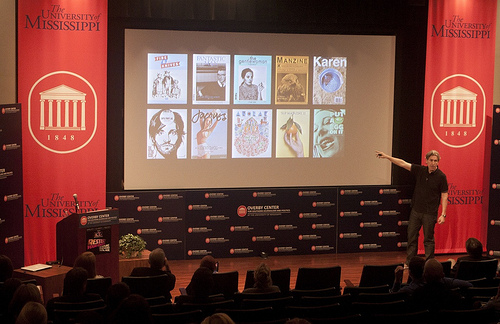
Samir Husni, aka Mr. Magazine™, is founder and director of the Magazine Innovation Center at The University of Mississippi’s Meek School of Journalism and New Media. He can be reached at samir.husni@gmail.com and can be followed at MrMagazine.com

h1

min and Samir “Mr. Magazine™” Husni Announce: 2011 Hottest Magazine Launches of the Year and Hottest Editor, Publisher, Design Director, + Hottest Reinventions of the Year

December 6, 2011

From minonline.com

When I select a magazine as a hot launch, it’s more of a status symbol or medal-of honor to celebrate that moment when all the DNA for a magazine comes to fruition.
It’s in the conception where a hot launch plays a big role. It’s the vision, values and voice of those magazines that deserve the honors and awards. From a field of over 800 new consumer titles, I looked over every magazine that has been published from October 2010 to September 2011 and went through a process similar to the creation of cream from a vat to whole vitamin A and D added milk.
—Dr. Samir Husni, Founder and Director, Magazine Innovation Center @ The University of Mississippi’s Meek School of Journalism and New Media


View pdf of the special Intriguing Issue by clicking on the link below

19712_min_Intriguing_Issue

h1

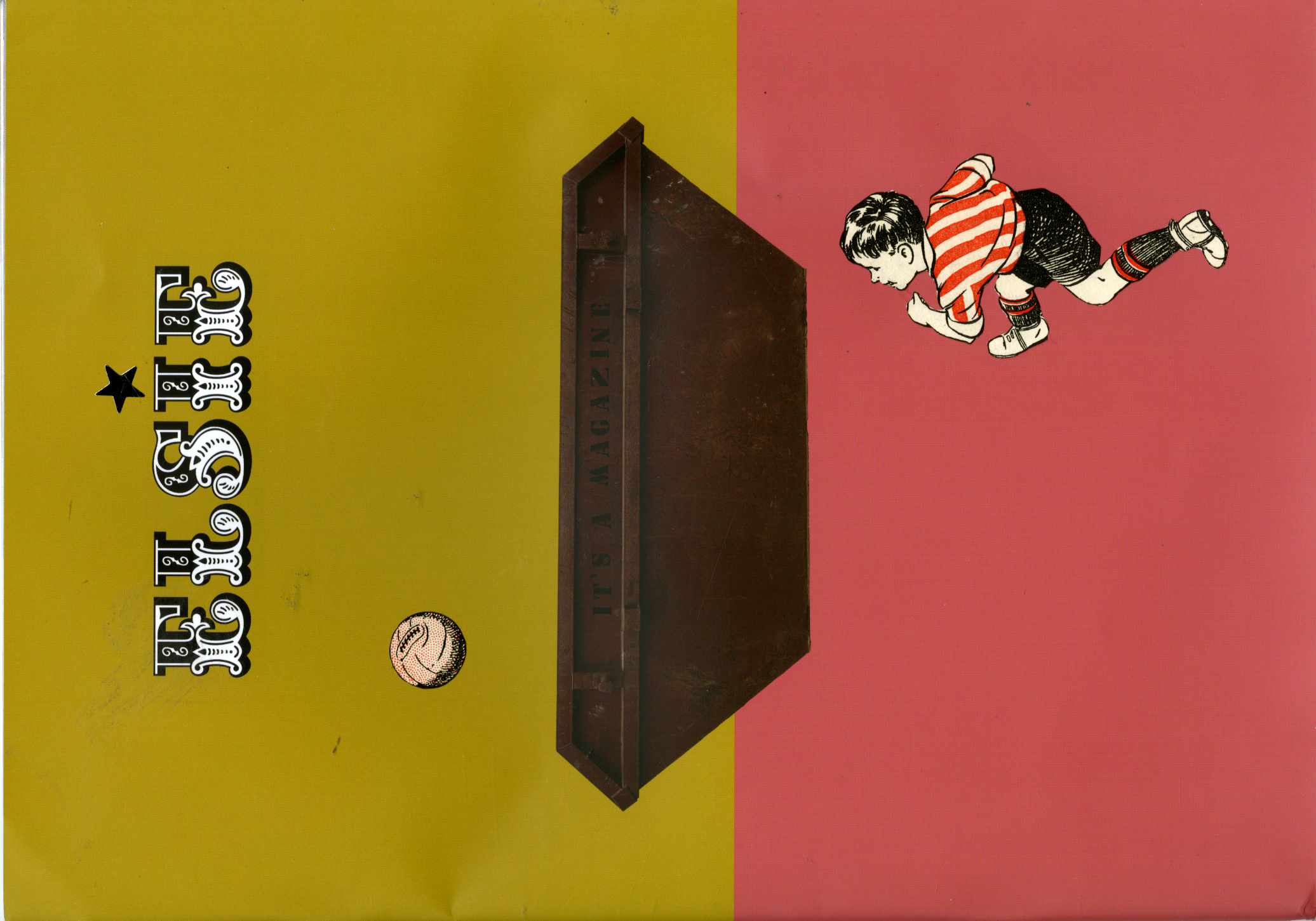
Introducing “Elsie” The Perfect Outlet for Passion and Creativity. The Mr. Magazine™ Interview with Elsie’s Founder Les Jones

November 21, 2011

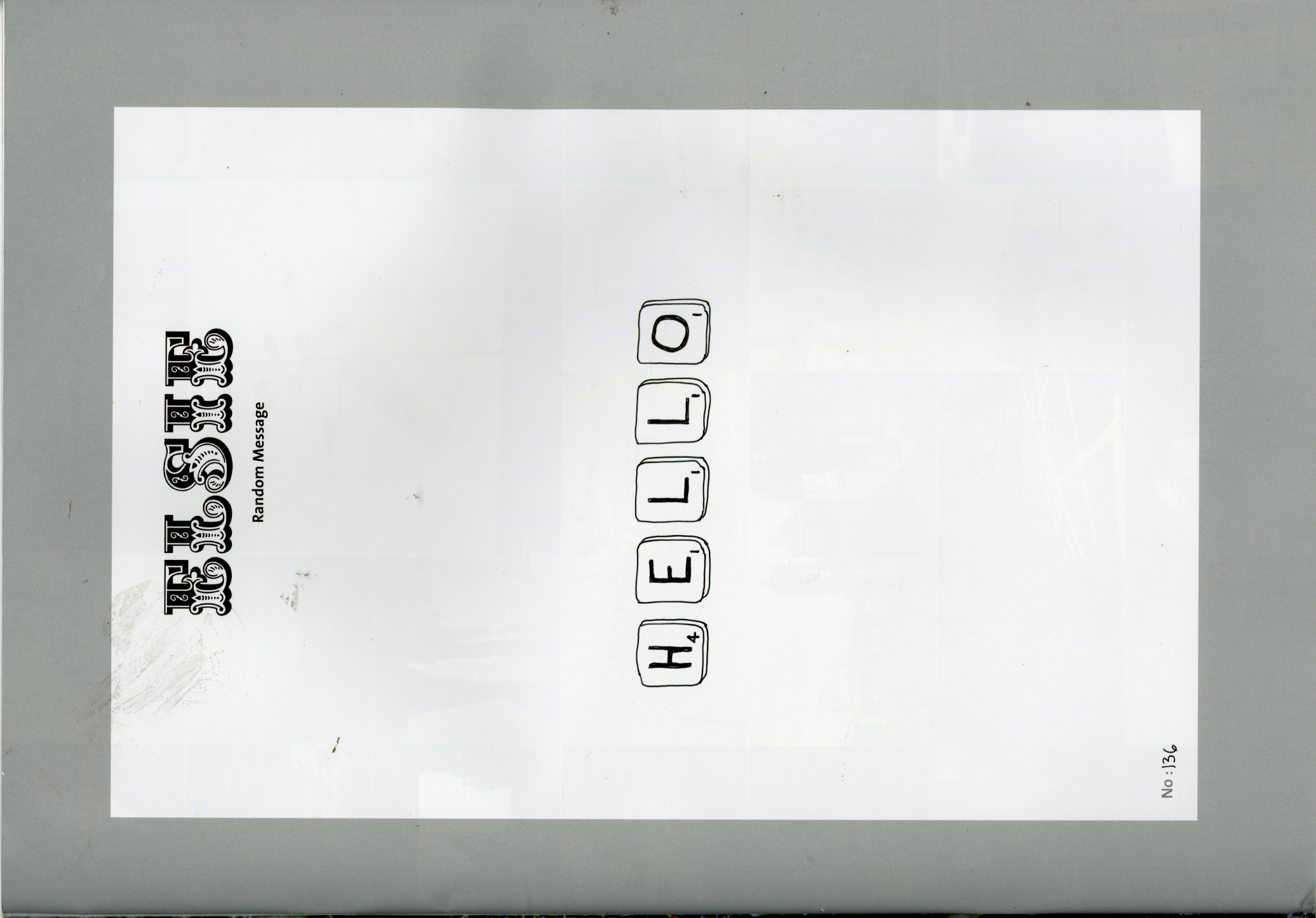
“The magazine format felt like the perfect vehicle” and outlet for all the creative juices flowing from Leslie Colin Jones, the founder and creator of Elsie magazine. An ink on paper magazine where no two copies of the same issue are the same. Limited edition premieres, each one comes with its own serial number together with different cover designs and inserts. While the magazine is printed via the traditional litho method, it is still a true testament to what print, traditional and digital can do for you in this day and age.

Fueled by passion and energized by creativity, Elsie, the magazine, led me to get in touch with its founder to find out the origins of this new venture and the man behind the magazine. In typical Mr. Magazine™ Interviews, here are first the sound-bites followed by the complete interview with Mr. Jones.

The Sound-bites

On the outlet for work as a designer and photographer: The magazine format felt like the perfect vehicle for presenting the results to the outside world

On the reason for the magazine: My work is produced for the sheer joy of being creative

On the role of the magazine: I see Elsie as a vehicle to take me places and people that I would not ordinarily visit or meet.

On the future of print and digital: The emergence of digital print and online printing services has in a way democratized print

On what makes him tick and click daily: The great buzz of excitement that you get when the creative juices are flowing freely!

And now for the full interview with Leslie Colin Jones:

SH: You say Elsie is a one man’s creation, tell me about the conception and creation of Elsie.

LJ: As a designer and photographer I produce a lot of self initiated work. This portfolio of work has been building over the past few years and I wanted to create something that would be an outlet for this work but also a catalyst to new projects and interactions.
A lot of the work I do is based around themed briefs and the magazine format felt like the perfect vehicle for presenting the results to the outside world and also engaging people in the development of future content.

SH: Who is Elsie?

LJ: Elsie isn’t a real person. I chose the name for two reasons – firstly, I wanted a name that wasn’t in any way pretentious. My work is produced for the sheer joy of being creative – so I wanted a name that didn’t aspire to grander things. The reason I settled on Elsie, is because the initials of my first and middle names are L C (Leslie Colin) – and there it was!


SH: What is the vision and mission of Elsie?

LJ: Elsie the magazine is the first step towards a bigger vision. In the new year, I will be taking the magazine on the road with a series of live events. The live events will be interactive and members of the audience will be engaged in creating content for future issues of Elsie. There will also, hopefully, be exhibitions linked into the mag. I see Elsie as a vehicle to take me places and people that I would not ordinarily visit or meet. Ultimately, it’s all about creative expression and having fun.

SH: Is this the future of print (specialized, niche, limited editions, etc) or there is room for both big and small printed publications?

LJ: I think there’s room for both. The emergence of digital print and online printing services has in a way democratized print – making it available to the masses. There really no reason why anyone with the desire to express themselves in print should not do so. However, these small run exercises are unlikely to be profitable and people should be aware of this from the outset. As such, there will always be a market for the larger publications driven by higher circulations, wider distribution and advertising revenue.

SH: There is a lot of interactivity on the pages of Elsie, each cover is different, each page three is handwritten, post cards, surprise images, etc… What is the purpose of creating a magazine to the nth degree of interactivity?

LJ: For me, it’s about creating something unique and lasting. Many magazines are bought, read and then disposed of. I want Elsie to be something that people want to treasure and keep. The customization makes each copy personal to the buyer. They have something that no-one else has…which hopefully, makes the magazine feel special.

SH: What is the future of Elsie?

LJ: As mentioned above…Elsie will move into live events. I’m already planning the next issue, which will take the magazine to the next level, both in terms of content, volume and customization…so watch this space.

SH: What makes Les tick and click every morning? What is the energy behind the motivation to create an ink on paper magazine in this digital age?

LJ: Online stuff is great, but it’s transient. Print has longevity, it’s tactile – it’s not just about reading it’s also about holding, touching, displaying and storing. It’s permanence creates a different dynamic in the creative and design process – what’s committed to paper cannot be changed by the click of a mouse. I’ve just passed my 52nd birthday, but I actually feel like I’ve just got to the starting line – I’m excited about where Elsie might take me, and I’m looking forward to producing work that will stretch me and take me into new areas.

That’s what drives me…that, and the great buzz of excitement that you get when the creative juices are flowing freely!

SH: Thank you.

You can order a copy of Elsie here.

h1

How Do I Love My Magazines? Let Me Count the Ways…

November 18, 2011

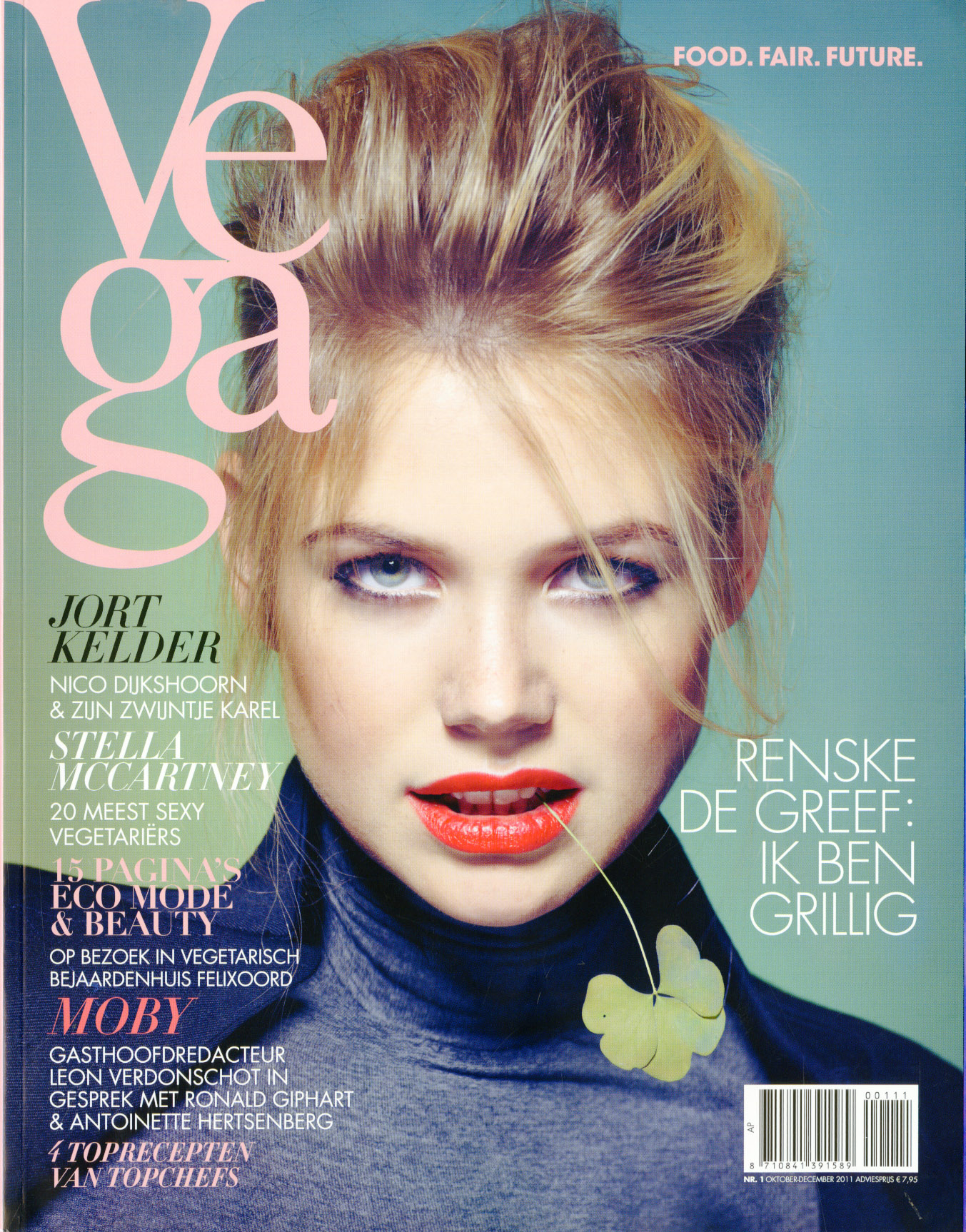
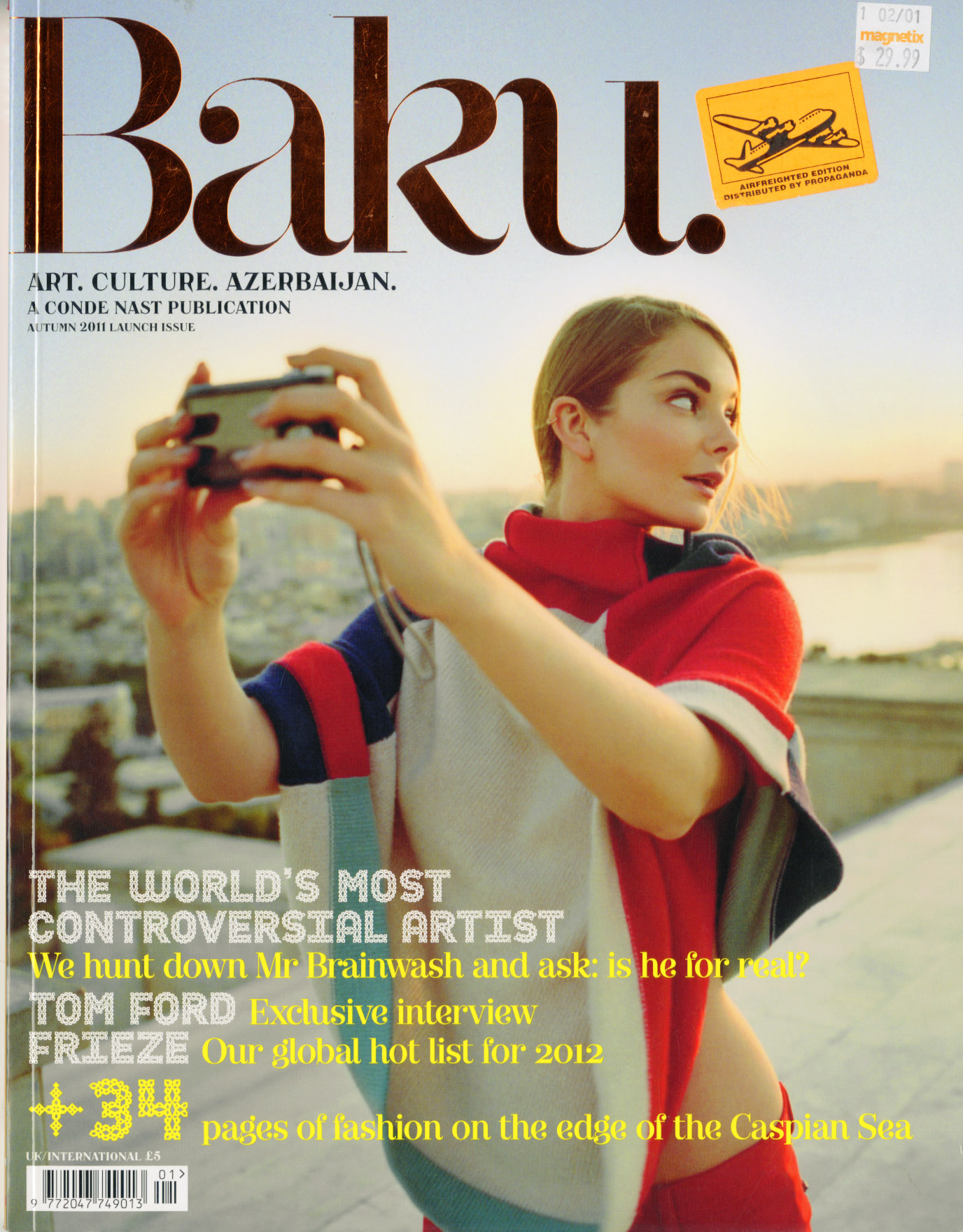
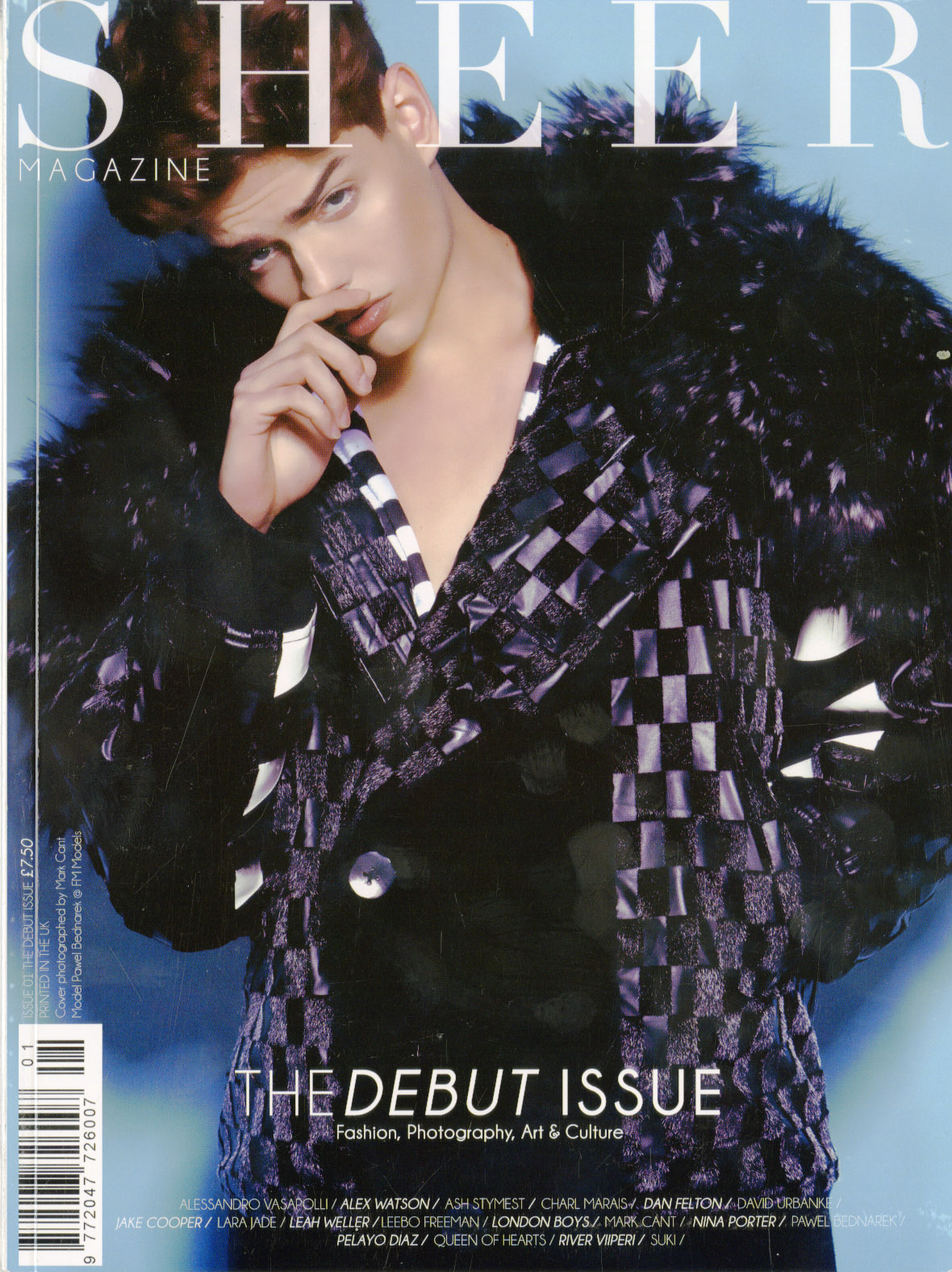
From Amsterdam to Baku, from New York City to the Holy City of TSFAT, from London to Northampton and San Francisco seven new magazines and seven new reasons were added to the thousands other reasons that made me fall in love with those ink on paper magazines in the first place. Every time I discover a new magazine, I fall in love again and again. Magazines were, are and will continue to be my first and last love and those seven new ones from across the globe are nothing but yet another testament of my love affair with those ink on paper creatures…

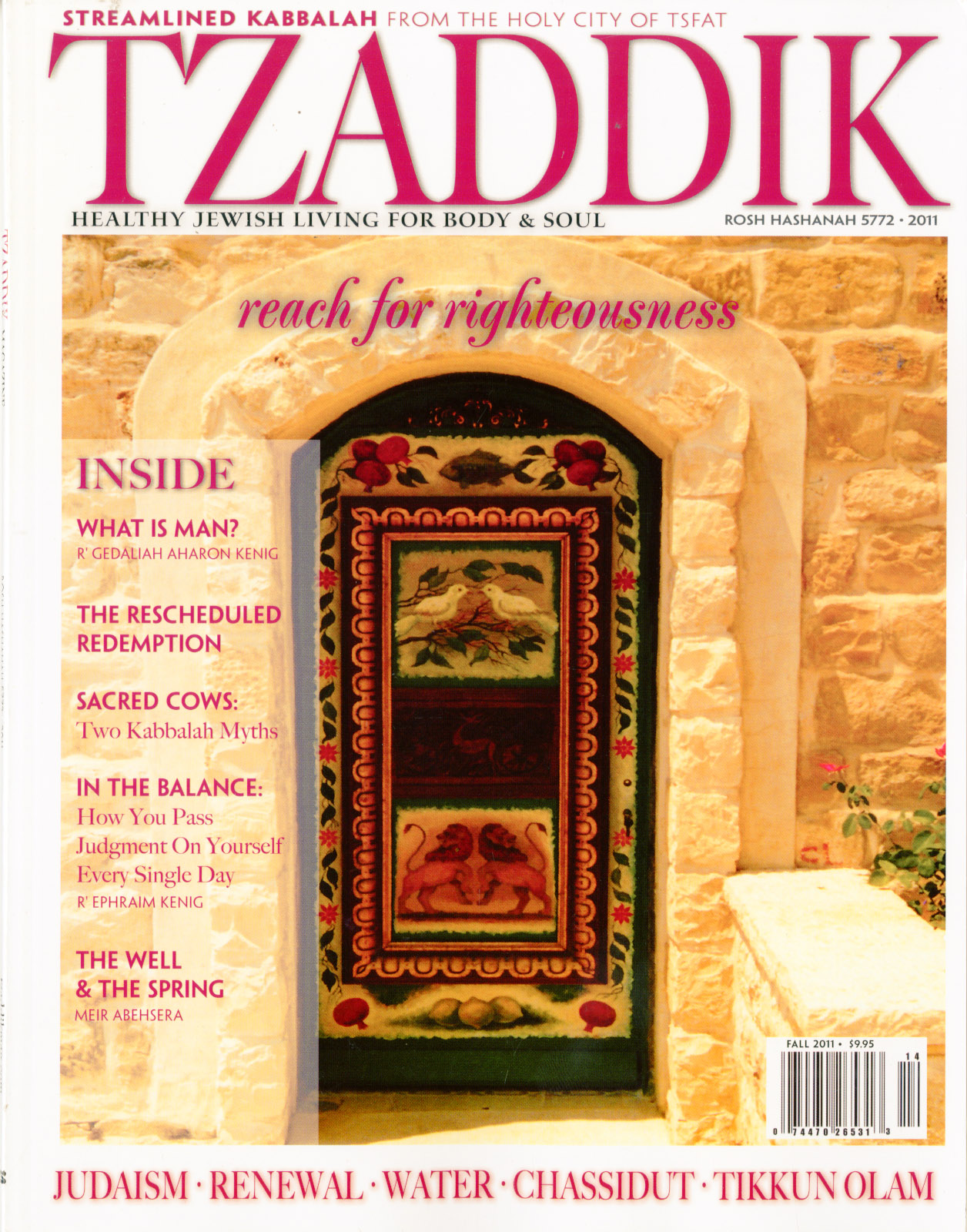
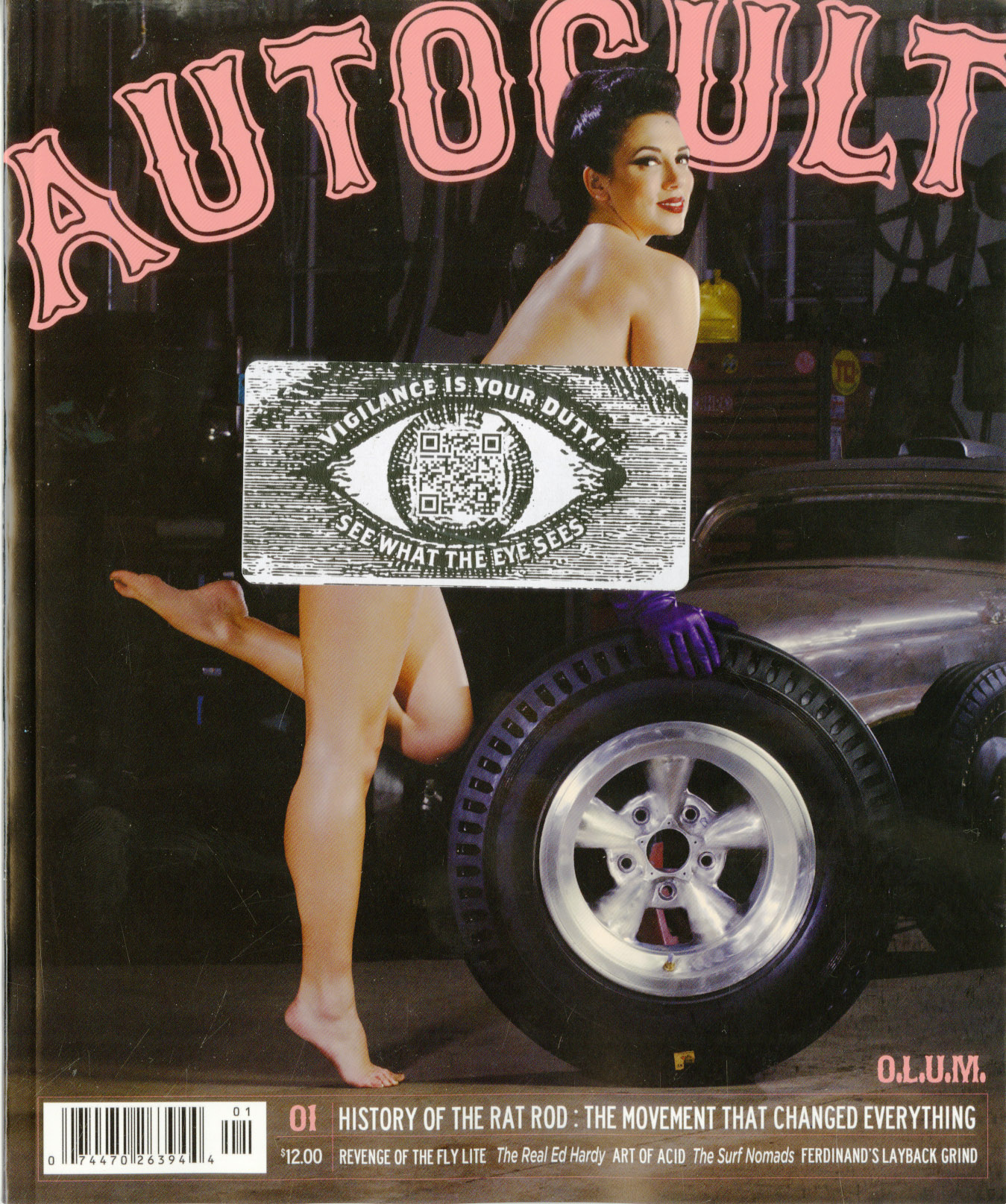
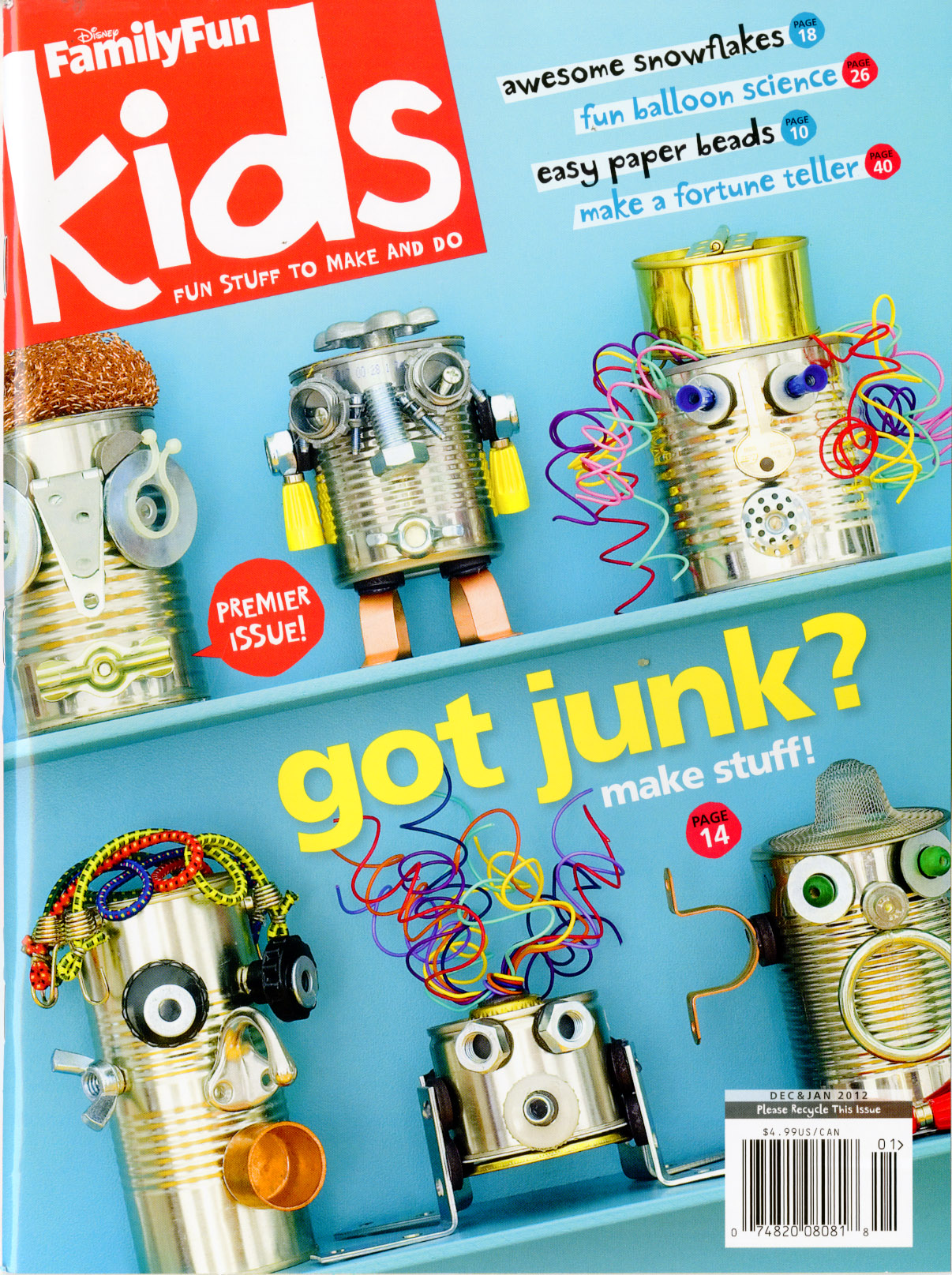
Sharing the love are Vega magazine from The Netherlands, Baku. magazine from Azerbaijan, Sheer from the United Kingdom, Tzakkik magazine from Israel, and Style.com/Print, Auto Cult and Disney Family Fun Kids from the United States of America.

Vega, the magazine of Food, Fair and Future is, as the name suggests, a magazine for all things vegetarian. This new Dutch magazine, launched earlier this month with 148 beautiful and meat-free pages, quotes actress Natalie Portman, “I’m a strict vegetarian… I just really, really love animals and I act on my values. I’m really against cruelty to animals.”

Baku.: Art.Culture.Azerbaijan is a Condé Nast publication that celebrates all the aforementioned “on the edge of the Caspian Sea.” Leyla Aliyeva, Baku.’s editor-in-chief, writes in the premiere issue, which launched on the 20th anniversary of Azerbaijan’s independence, “Welcome to the first issue of Baku.the new international arts and culture magazine. Baku. Azerbaijan, is one of the world great cities – a place that combines the historic and the ultra contemporary, plus so much more.”

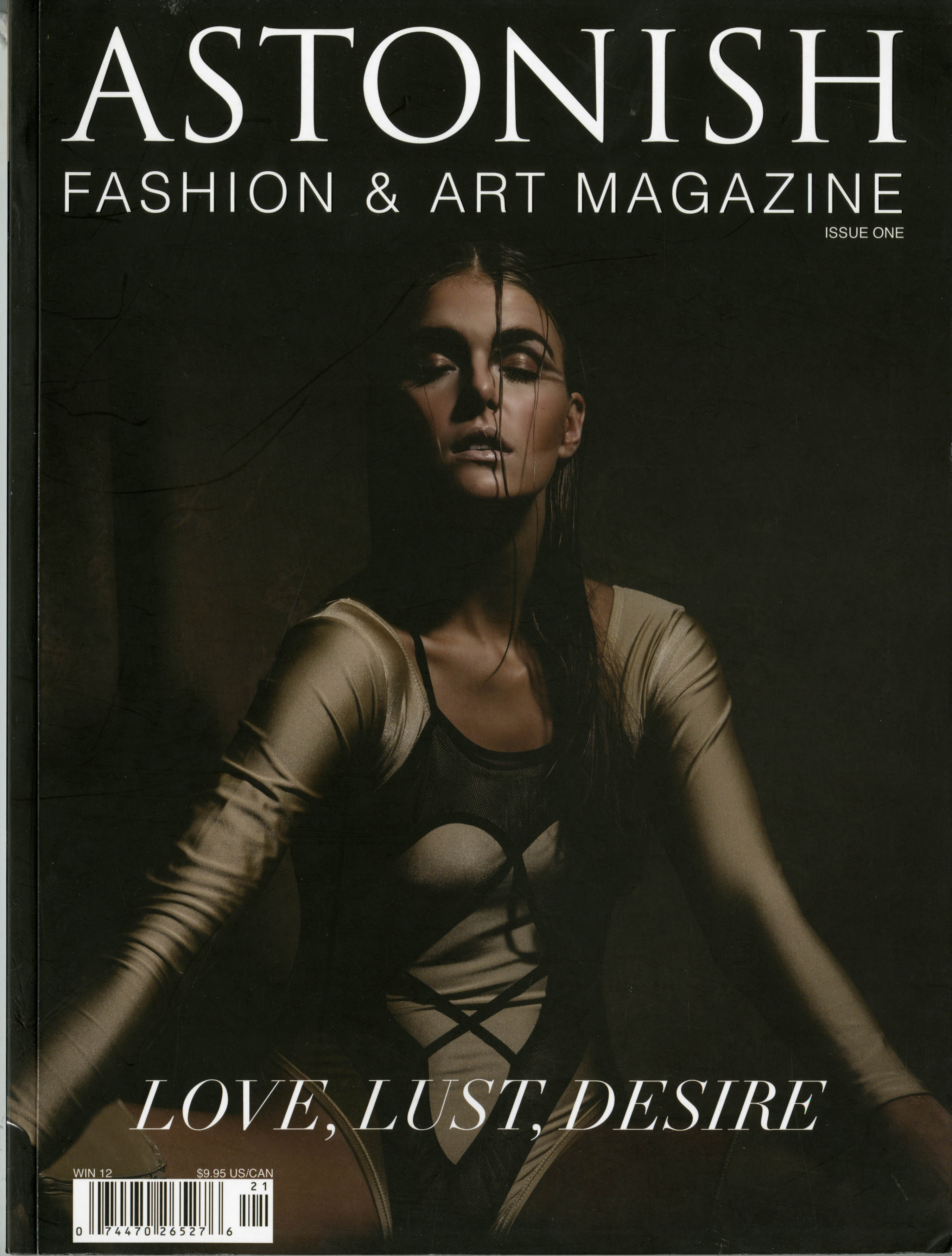
Sheer, the magazine that combines Fashion, Photography, Art & Culture, aims to “showcase young and new talent, through high fashion editorial, focusing on photography, art and culture.” Daniel Neale is the magazine editor who launched the magazine online in October 2010. He writes in the debut issue of Sheer, “In our first month the issue had reached over half a million views, and it was from that point, that I started to work on establishing my dream of launching a print version of Sheer.” Well, the dream is now a reality.

Tzaddik, the Healthy Jewish Living For Body and Soul, offers “Streamlined Kabbalah from the Holy City of TSFAT” and as its editor in chief Sharon Marson writes, “The magazine’s cornerstone message communicates, that we “reach for righteousness.” She adds, “Welcome to the release of the first issue. Welcome to what is possible. Welcome to the dream.”

Style.com/Print magazine is the latest website finding its way to print. The twice annual publication’s first issue comes in a luxurious over-sized 216 pages and is lead by editor in chief Dirk Standen’s report from New York, London, Milan and Paris. “Style.com and now Style.com/Print,” writes Standen in the premiere Spring 2012 issue, “live to celebrate fashion.” The magazine promises to deliver “two semi-annual issues of Style.com/Print right off the Fashion Week runways…” Another pixels on a screen discovering the power of ink on paper. Welcome aboard.

Autocult, the occidental lodge of underground motoring, arrives with a hefty priced premiere issue of $12.00. The magazine “pretty much embodies the cult of the automobile.” The editor’s mantra regarding magazine publishing should be a mantra to everyone thinking of launching a new magazine in this day and age. Dan Stoner writes, “If your magazine can be replaced with a website, it should be. And what kind of lessons can be learned from that? Well, it all boils down to making something that provides a memorable experience and moves the quality-of-life needle a skosh toward the ‘+’ end.” The editor continues, “If I make a magazine that you like to hold in your hands, that has a little weight to it, that you want to collect and couldn’t imagine just throwing out after a week, shows you things you never knew about before and does it in a way that inspires you to start a new project of your own, well, then I think that’s the kind of magazine that’ll stand the test of time. And the test of ever-changing new media that likes to feed on the weaker magazines.” All what I can add to his words is AMEN!

Disney Family Fun Kids, fun things to make and do. The new magazine from the folks at Disney’s Family Fun have packed every page of the new bimonthly “with fun stuff to do, like cutting out funny mustaches… making our own paper beads… and building can robots…” Jon Adolph and Moria Greto, the magazine’s editor and art director respectively write in the first issue, “We want this magazine to inspire kids to make and do things on their own. Still, some projects may require a little help from a grown-up.” Can’t be more interactive than that!

Every new day brings a new love or two or three. So, what are you waiting for? Sitting in front of your computer or tablet will never put a magazine in your hands and help you fall in love. Digital is fantastic and great, but a magazine IT IS NOT. So, get up, get out, visit a newsstand and buy a magazine or two and start falling in love. Don’t take my word for it… try it yourself, you will love it. Guaranteed.

h1

The NFL Wants to Use an Ink on Paper Magazine to Draft the Fans

November 16, 2011

Still looking for another reason to believe in print? You do not have to wait for Santa. Just check the latest announcement from the National Football League (NFL). The NFL is launching a new magazine in print and the first collector’s edition issue is hitting the newsstands in December, “just in time for the holidays.”

The amazing thing about the official NFL magazine is the subscription campaign the NFL is running on the magazine’s website. Plenty of comparisons to social media and the web, and not the highly complementary comparisons. Some of such comparisons:

“NFL Magazine covers the game with insight no tweet, click, or post can match.”
“NFL Magazine will tell you in ways you haven’t seen in a post or in a tweet.”
“We’ve got insider perspective. In-depth coverage from contributors who know every inch of the league.”

The ink on paper magazine will make its debut on December 13 and will publish monthly at the rate of $19.90 for 12 issues. By the way, subscriptions to the official magazine of the NFL includes a free subscription to the its digital issues. Check the latest on the NFL official magazine here.

h1

From New Zealand with “Magazine” Love…

November 14, 2011

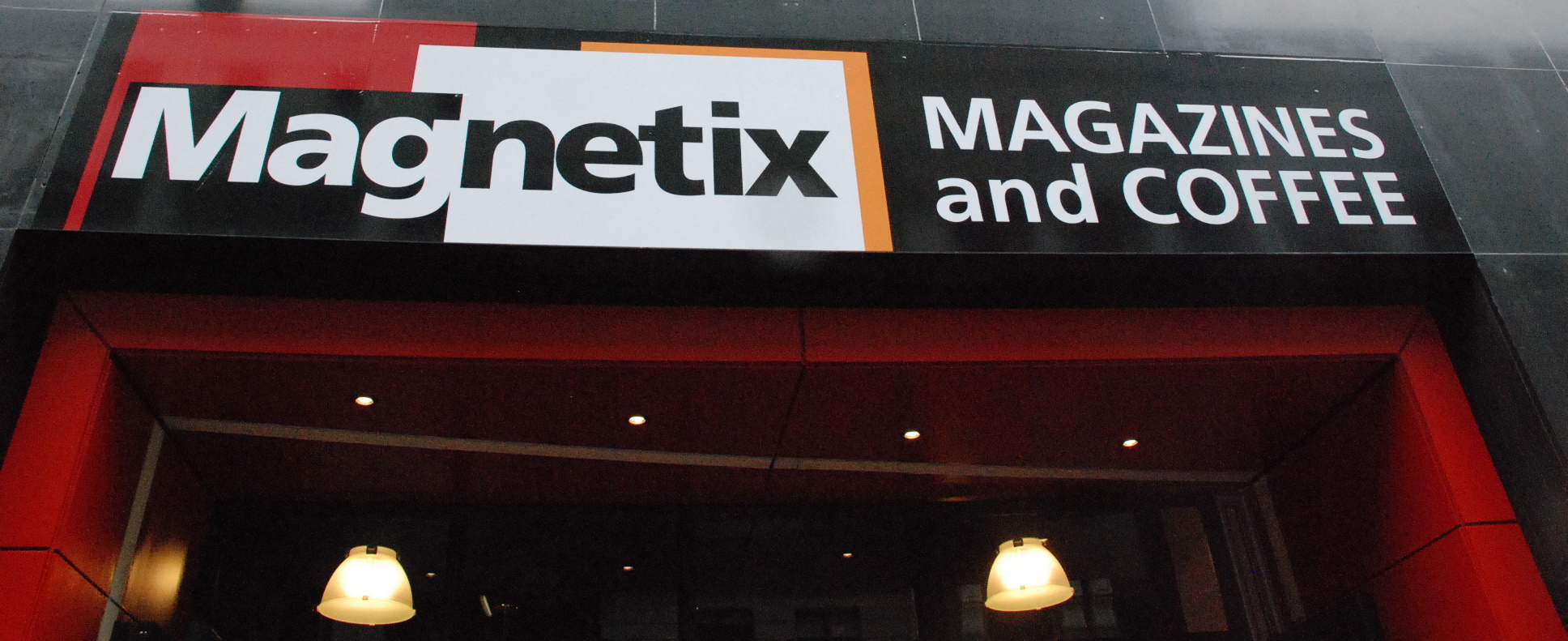
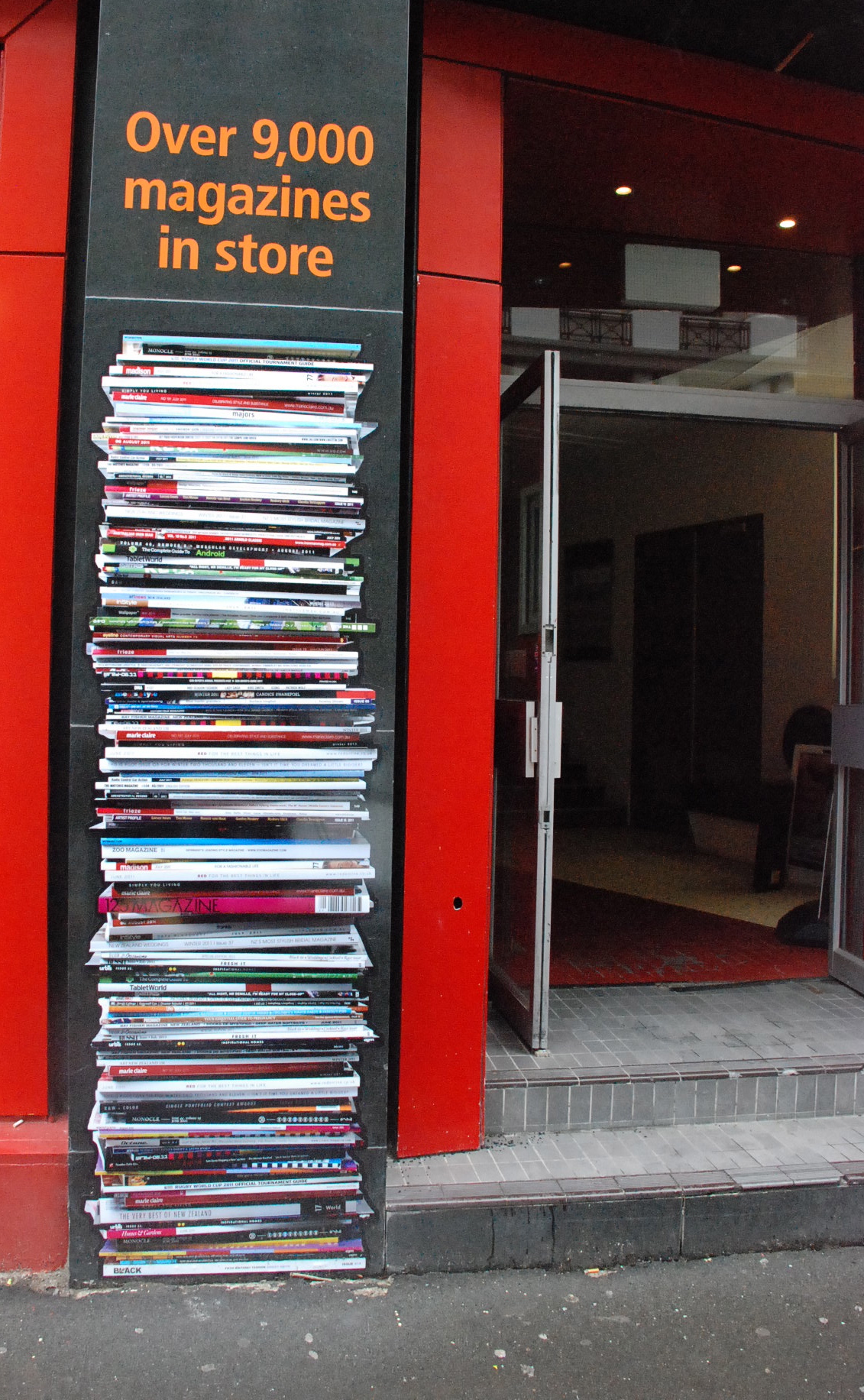
Just returned from a speaking engagement trip in New Zealand where I gave a talk on “Generation Next: Publishing Trends that Shape the Future of Editorial” at the Society of American Travel Writers‘ 56th Annual Convention in the capital city Wellington. On my last day in the city I discovered this magazine newsstand and I thought “what else can sum up my visit and my views about the future of print in a digital age more than those two pictures?” Seeing is believing! Add a cup of java, and yours truly is on cloud nine, or in this case cloud 9,000. Thank you SATW for the invite!

h1

Husni’s Believe It or Not! A Record 107 New Titles Arrived to the Newsstands for the First Time in October

November 2, 2011

This one is for the record books. At least 107 new titles arrived to the nation’s newsstands for the first time during the month of October. It has been a long long time since the number of new magazines arriving to the newsstands exceeded the 100 mark.

There were a lot of specials, a lot of book-a-zines and a lot of titles hoping to publish four times or more. In fact 24 titles from the 107 were launched with the hope that they will publish at least four times a year.

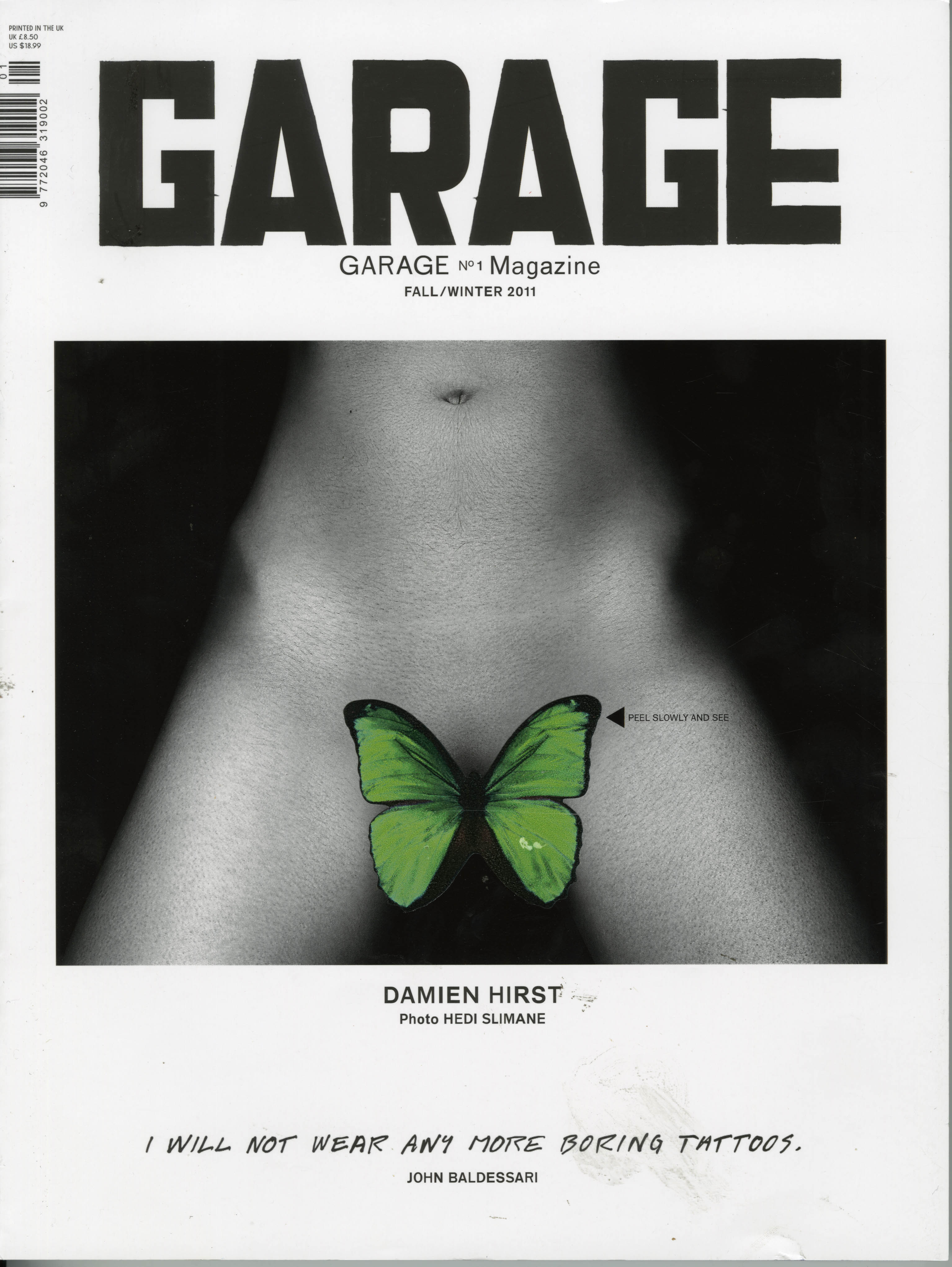
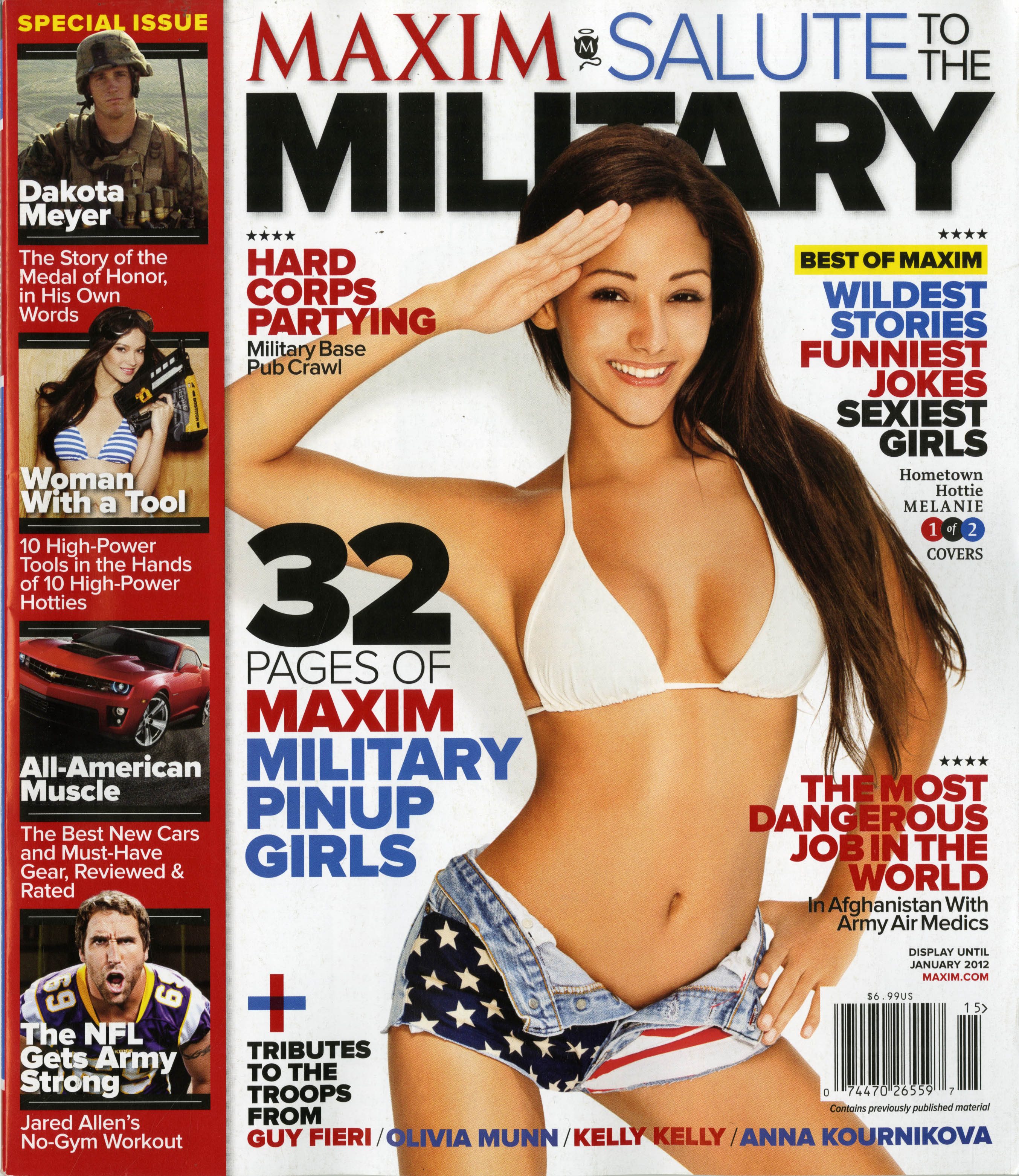
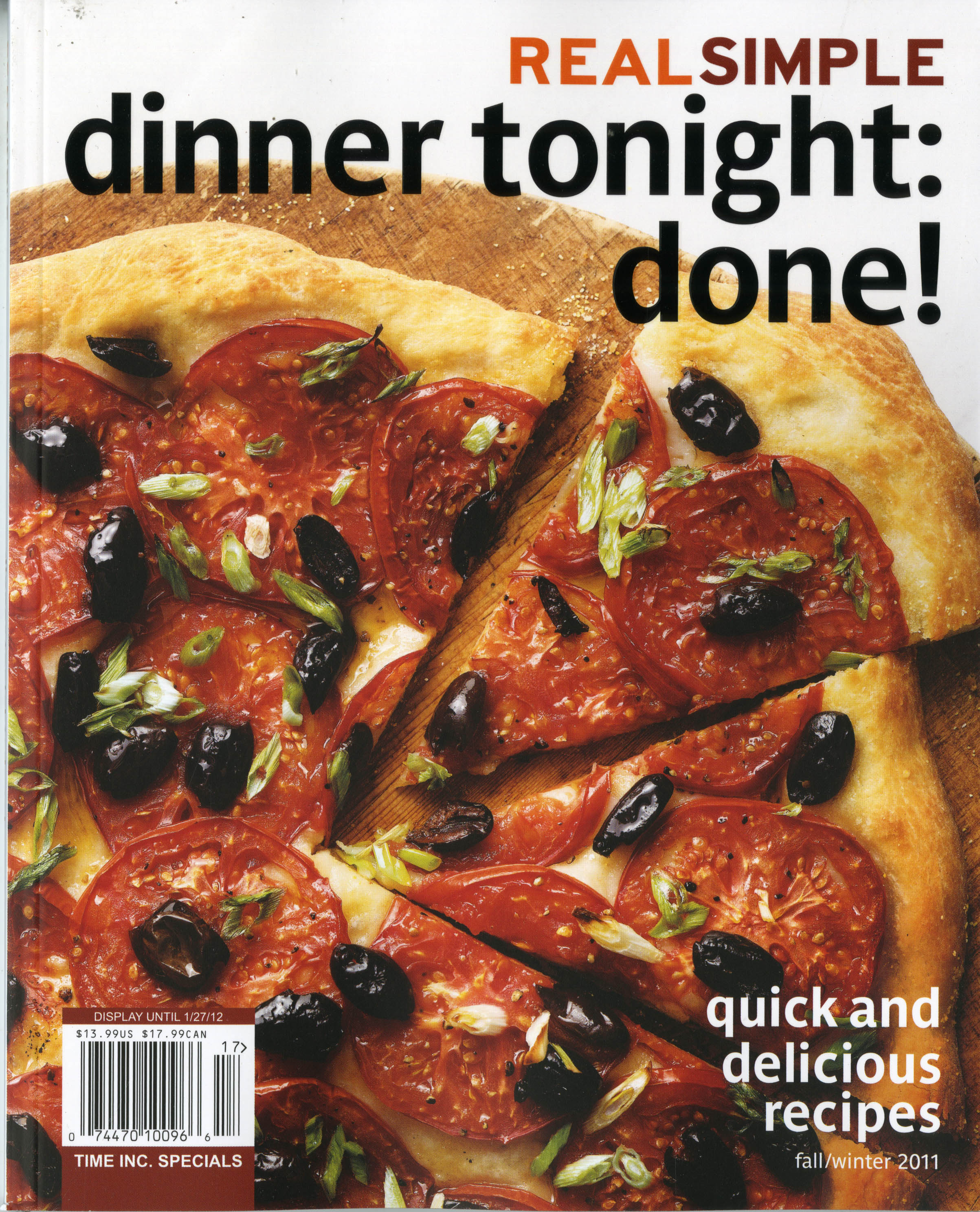
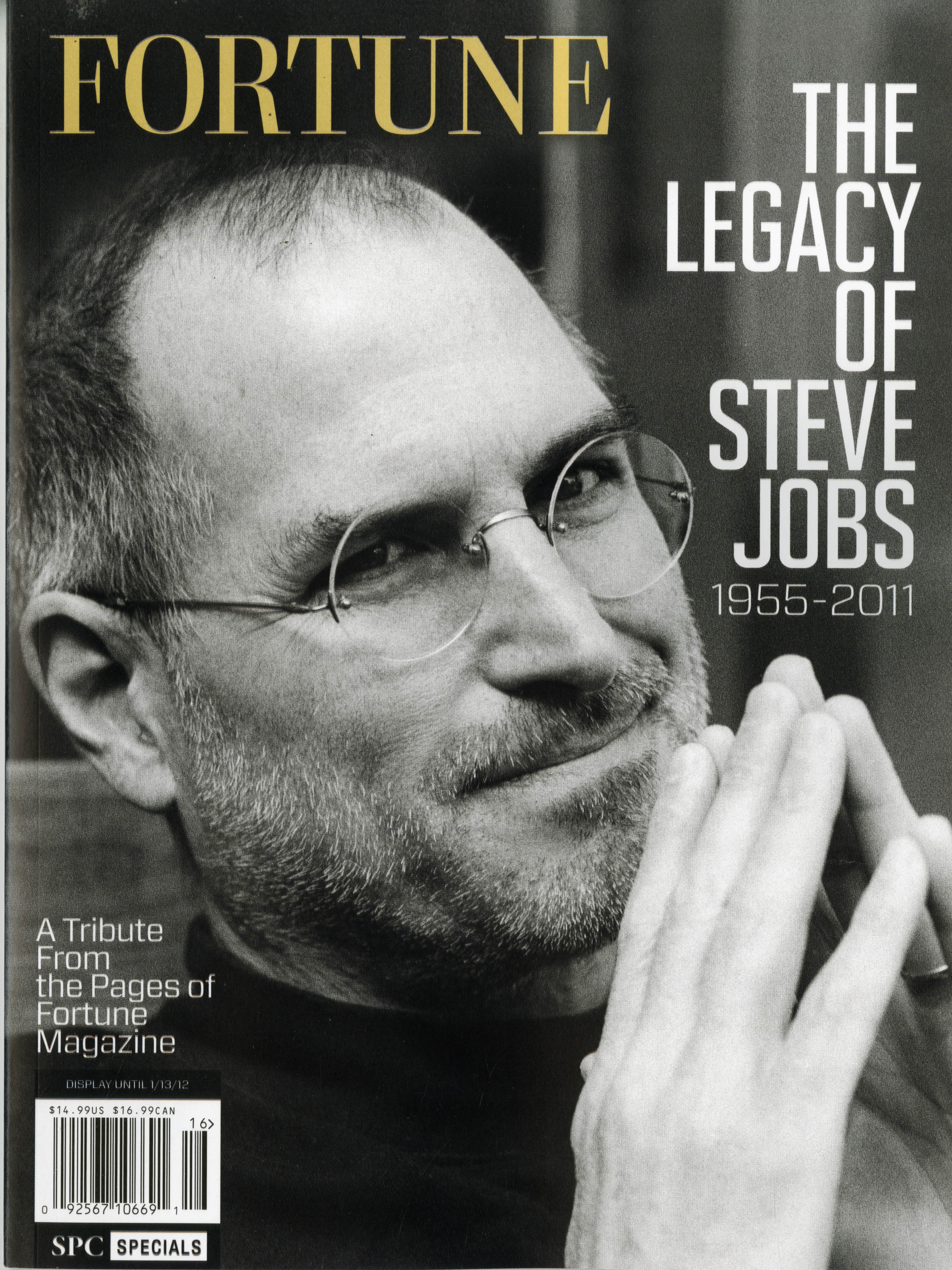
Feast your eye with a selection of the new October magazines, and remind yourself when you hear that newsstands’ sales are down, the magazine industry is in trouble, the marketplace is shrinking and we are surrounded by doom and gloom, remind yourself that there are still some brave souls out there who are still willing to take a gamble on launching a new magazine, an ink on paper magazine.

Rather than cursing the marketplace, light a candle and visit a newsstand near you. You will be surprised with what you will see. Go and judge for yourself, you do not have to take my word for it. Just see what the folks who produced these 107 new titles have to say about the magazine industry, whether their magazines are specials, one shots or 12 times a year. They are all out there and I have bought each and every one of them.

h1

Jeremy Leslie: Ten Days in the States. Reflections on the ACT2 Experience

November 1, 2011

Jeremy Leslie, editorial director and founder, magCulture.com in the United Kingdom, spoke at the ACT2 Experience last week. His remarks about the Experience are on his blog here and below is the section regarding the ACT2 Experiences blog here

The final leg of the trip was south to Oxford, Mississippi and Samir ‘Mr Magazine’ Husni’s ACT2 Experience. I first met Samir when we invited him to deliver a keynote at Colophon2007, so it was a pleasure to return the favour. He’s director of the Magazine Innovation Center at Mississippi University, and this was the second ACT2 event he’s organised. I enjoyed meeting fellow speakers including editors Will Pearson of Mental Floss and Franska Stuy from Dutch title Libelle, but the main point was for Samir’s students to get rare time with professionals. Each speaker was allocated a student ‘shadow’ to look after them but also share time together – so a big hello and thank you to my shadow Ben. Hope you’ve sorted a name for your magazine!

While much of the conference was business-orientated, my role was to talk about creativity and share some magazines the audience might not know. The primary message of my talk was simple – quality counts – but I was pleased to have that echoed by a number of other speakers who were generally very positive about an industry so often described as in decline. My secondary message, however, that there have been too many magazines and fewer was better, was a harder sell and I fear I’ll be remembered as the speaker who celebrated closures!

Also on the schedule: a trip further south to the Mississippi Delta, driving through cotton fields to Clarksdale (above) and the Blues Museum and briefly meeting Morgan Freeman (God!) at his Ground Zero blues bar in the same town.

Thanks to Samir for a hugely enjoyable event, and to Lily and Shawn for the drives to and from the airport.

Thank you Jeremy and all those who attended and those who spoke at the ACT2 Experience. Stay tuned to ACT3, tentatively scheduled for Oct. 16 – 19, 2012.

h1

Sid Evans’ Seven Commandments to Succeed in Today’s Magazine Marketplace… as told at the ACT2 Experience

October 29, 2011

The ACT2 Experience at the Magazine Innovation Center @ The University of Mississippi’s Meek School of Journalism and New Media ended last night. However, while the events came to a conclusion, the Experience continues and the lessons from the aforementioned Experience continue to be bountiful. Here is lesson one written by Tony Silber on his blog at Folio:.

Sid Evans on What Southern Magazines Can Teach the World About Media
A report from the ACT2 Conference.
By Tony Silber

To watch Sid Evans presentation at the ACT2 Experience click here.
What’s the difference between Garden & Gun and Portfolio, two award-winning magazines that were both launched in 2007?

Other than the obvious response—Portfolio is out of business while Garden & Gun thrives—for Sid Evans, the difference comes down to one word: Soul.

Evans, the group editor of Time Inc.’s Lifestyle Division and founding editor of Garden & Gun, says being “soulful” makes all the difference between magazine success and failure, and it’s something Southern magazines can teach the world.

Evans was a keynote speaker at the ACT2 Conference in Oxford, Mississippi, and in his presentation, he offered seven key ingredients for success of Southern magazines, ingredients that all magazine brands can emulate. “Our first cover had Pat Conroy standing in a fountain,” Evans said. “It was not a choice a focus group would have made. But to me it made sense!”

In music, art, literature, architecture, food and more, there is “an abundant, rich life” in the South, and that’s what people want, Evans said. “We were a general-interest magazine about Southern culture, and it struck a nerve immediately,” he said. “And somehow, that translates beyond the South.”

Here are Evans’ 7 ingredients of successful Southern magazines.

1. Make people proud of where they’re from. Think about what was going on in the South in 1966, when Southern Living was launched, he said. It wasn’t great. “But Southern Living was about a civilized, gracious place.”

2. Make food the center of everything.
“Food is what binds people together,” Evans said. “It’s what they talk about. And it’s not just the recipes, it’s the stories—the barbeque joint that’s been around since the 1950s. The term ‘American food’ doesn’t really mean anything—but Southern food, that means something.”

3. Never underestimate the power of a great story. “A lot of the media world has lost sight of that fact,” Evans said, recounting a story in Southern Living of how people survived the devastating tornados in Alabama earlier this year, and how it touched people all over the world.

4. Never underestimate the power of nostalgia.
“Even as you do Facebook and develop a Twitter presence, remember nostalgia,” Evans said. “At Garden & Gun, we got a letter from a reader in New Jersey who said we made her nostalgic for a place she’s never been. We did story on Facebook about Southern sodas, regional sodas that people grew up with. It was like someone dropped a bomb on our Facebook page!”

5. Have a drink. Southern Living has had a “tortured relationship” with alcohol over the years, Evans said, but now, alcohol is a regular part of the magazine, as it should be. “When you do a story about a mint julep, you’re doing something about more than a drink,” he said. “When you think about most kinds of alcohol, they come from somewhere else. But bourbon is ours. It is uniquely Southern.”

6. Pick the right heroes.
“One of the things that makes Southern magazines unusual is that readers treat celebrities as members of an extended family,” Evans said. “When you’re writing about celebrities, you need to be careful. If they don’t seem real, if they don’t represent the South well, then you lose credibility with readers.”

7. Make your readers the star.
“Elevate them,” Evans says. “Recipe sharing is a huge part of the culture—a kind of cultural secret weapon.”

And in the end, Evans repeated, a magazine should “be soulful. It’s not a business strategy, but it is a business philosophy.”

The ACT2 conference is organized by Samir Husni, director of the Magazine Innovation Center at University of Mississippi the journalism school, and widely known as “Mr. Magazine.” The two-day event, in its second year, has doubled in size from 2010, Husni said.

To watch Sid Evans’ presentation at the ACT2 Experience click here.

h1

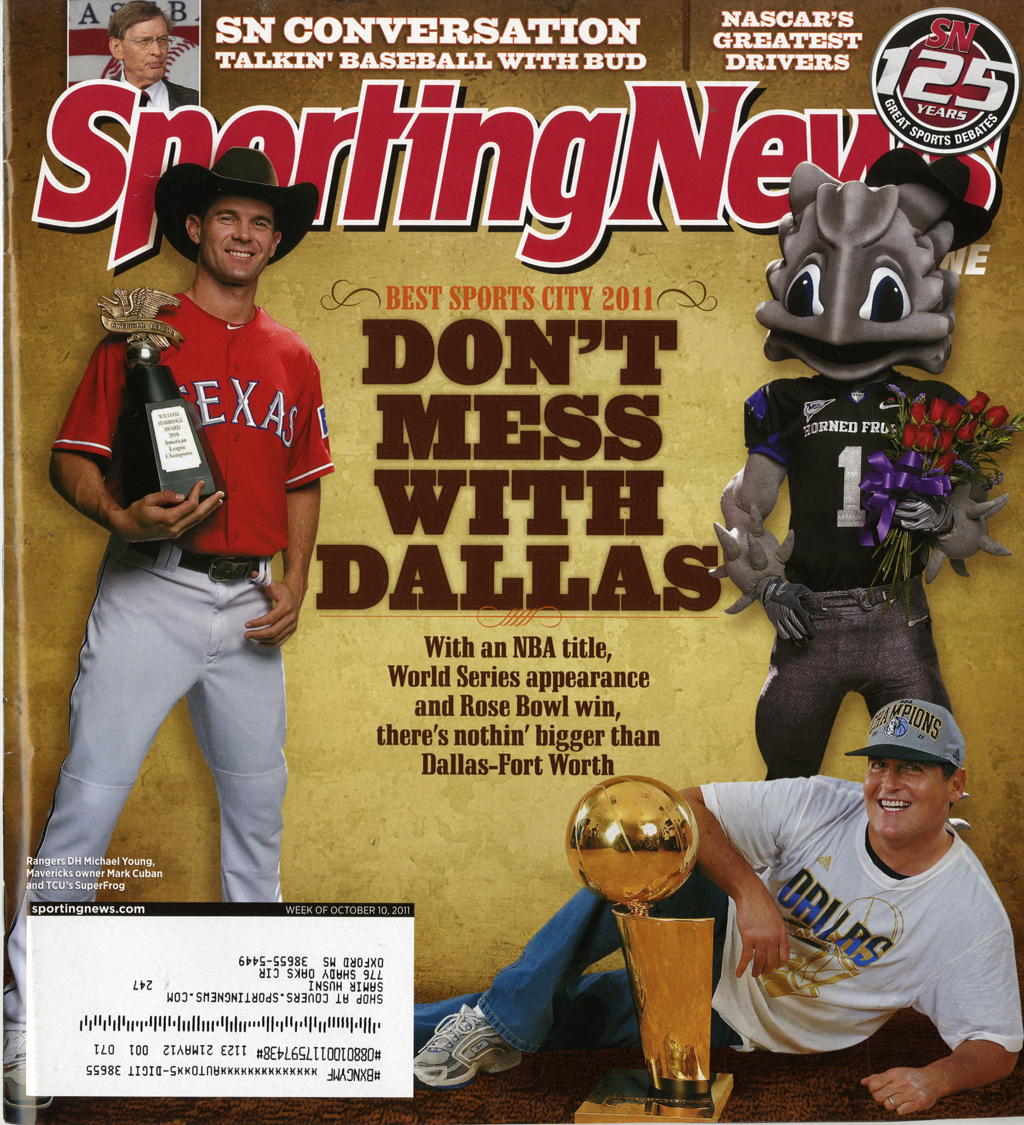
Sporting News Magazine: Fuzzy Math, a Sign of the Times, or Just a Last Gasp!

October 20, 2011

Long time ago, in not a far away place, magazines used to consider their subscription cards as a legally binding contractual agreement with their subscribers. If you subscribe for a magazine for a year or a specific number of issues, the magazine used to honor your subscription to that entire period of time. You subscribe for six issues, you get six issues regardless of the frequency of publishing. You subscribe to one year, you receive a one year of magazines unless there was a specific number of issues mentioned in that one year subscription. Frequency was and should never be the basis for magazine subscriptions.

Well, yesterday I received a post card from Sporting News Magazine. It read, “We have decided to merge the bi-weekly (28 issues a year, including four double issues) print edition of Sporting News Magazine with our affiliated Sporting News Yearbooks. The resulting publication will continue to be called Sporting News Magazine, will be published monthly, and will generally focus on one seasonal sport preview.” So far, so good. You will say it is a sign of the hard economic times.

My subscription to Sporting News Magazine runs until May 21, 2012. So, I figured they will take the number of issues remaining in my subscription and extend my subscription to the new monthly until all my issues have been sent. Well, I figured wrong. Instead of receiving at least another 14 issues of the magazine, I was told that “after serving your October 10, 2011 issue, you currently have $4.60 remaining on your paid subscription to the bi-weekly Sporting News Magazine. To fulfill that, we will send you 1 issues (sic) of the monthly Sporting News Magazine.” Yes, you have read that right, 1 ONE issue left. The card went on to read, “If for any reason you choose not to continue receiving Sporting News Magazine, please contact us at 1-800-777-6785 (U.S. only) for a full refund on the remaining dollar value of your paid subscription.”

I called the number and was put on hold for ten minutes because they are “experiencing heavy calling volume and if I want to cancel I can go to sportingnews.com” I tried the number again today and received the same recorded message. I opted to wait and when the subscription agent took my call, she explained to me the change in frequency and the way they calculated my remaining “dollar value” from the magazine. She also told me that the new cover price of the magazine will be $8 and the Nov. issue will be a double issue with a $16 cover price, so the magazine is doing me a favor by rounding up by remaining $4.60 and sending me one issue with the $16 cover price.”

I am sure that the folks at Sporting News Magazine have cleared this deal with their lawyers and accountants, but even if it legally a way-out of fulfilling their subscription obligations, I do not believe it is the right way or the moral way to deal with the folks who believed in their magazine and subscribed to it for a lengthy period of time. Even if it the legal thing to do (and I am not a lawyer) I do NOT think it is the right thing to do.

Sporting News Magazine should respect the contractual agreement it had with its subscribers and should honor that either for the number of issues remaining or the time frame remaining. Asking folks to cancel their subscription if they do not like the alternative is indeed a sign of the these tough economic times. I said it once and I will say it again, magazines and newspapers are not dying, but too many are committing suicide. I wish Sporting News Magazine with its 125-year history will not join those who “are committing suicide” by the actions and marketing philosophy they are taking.

In my many years of observing and following the magazine industry, I never recall a time where a magazine encouraged its readers to cancel their subscriptions. This must be a first. Yet, I do believe that there is still time to change, survive and thrive.