Archive for the ‘News and Views’ Category

h1

A Revival In the Business of New Magazine Launches… The First Six Months Of 2015 Official Mr. Magazine™ Numbers

July 1, 2015

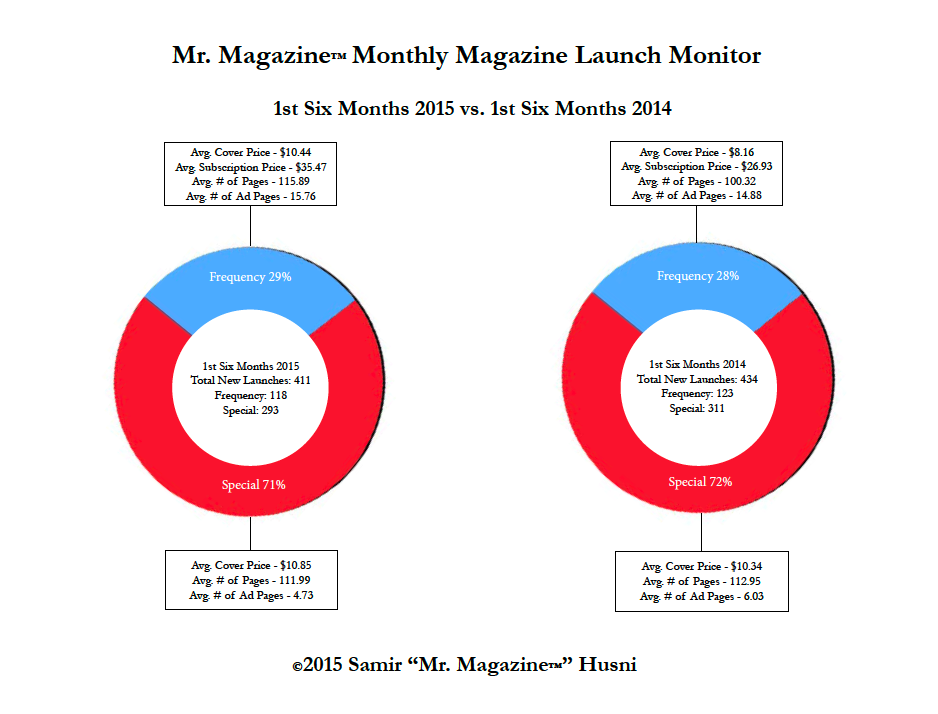
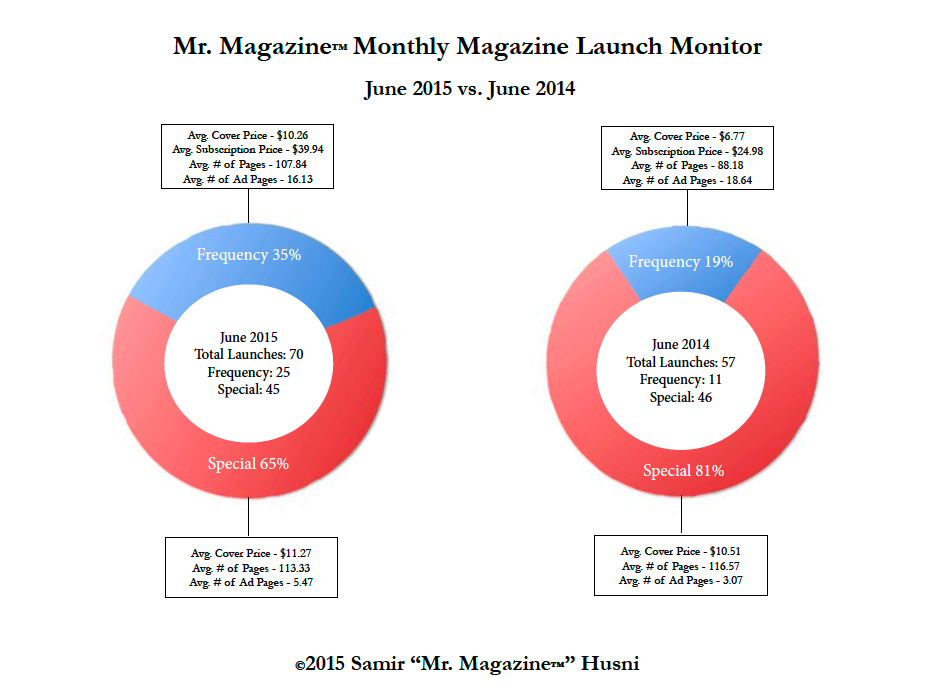
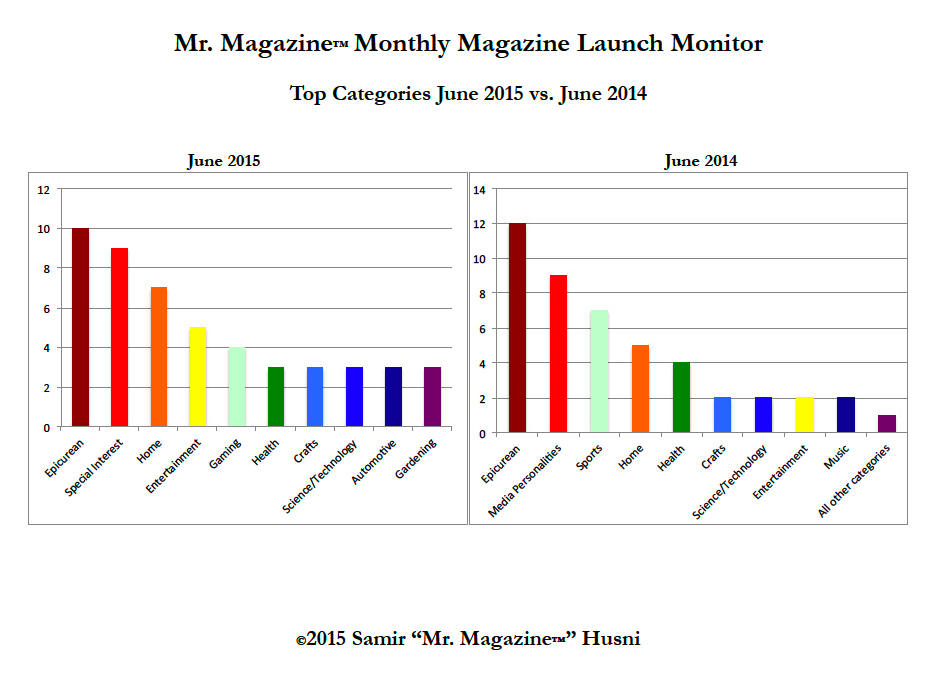
Contrary to what you may have read or seen in some media reports, the growth in the magazine industry is not done, in fact the opposite is true. So here is my tally of new magazine launches for the first six months of 2015 compared with those from the first six months of 2014. Chart one compares the numbers of the first six months, chart two compares the number of the June launches, and chart three compares the different categories from June. (I do have each and every one of those magazines in my possession. Nothing gets coded, counted, or scanned unless I have a physical copy of the magazine).

While the numbers are down by 5 magazines in the frequency titles, what is worth noting is that every major magazine and magazine media company has launched a new magazine during the first half of 2015. A first in a long long time. And the same holds true for the publishers of bookazines. It’s a very good sign indeed when the big players are taking note of the power of print once again and breathing new life back into their ink on paper entities. Some magazine and magazine media companies are putting out three to four new bookazines on a weekly basis.

So, the numbers are good, the health of the industry is good and the light at the end of the tunnel is starting to look like the light and not the train coming…

So here are the charts comparing the first six months, followed by the June charts, and a few magazine covers of the last six months.

Chart One
New Magazine Launches First Six Months 2015 and 2014

Picture 7

Chart Two
Magazine Launches in June 2015 by Numbers

Picture 5


Chart Three
Magazine Launches in June 2016 by Category

Picture 6

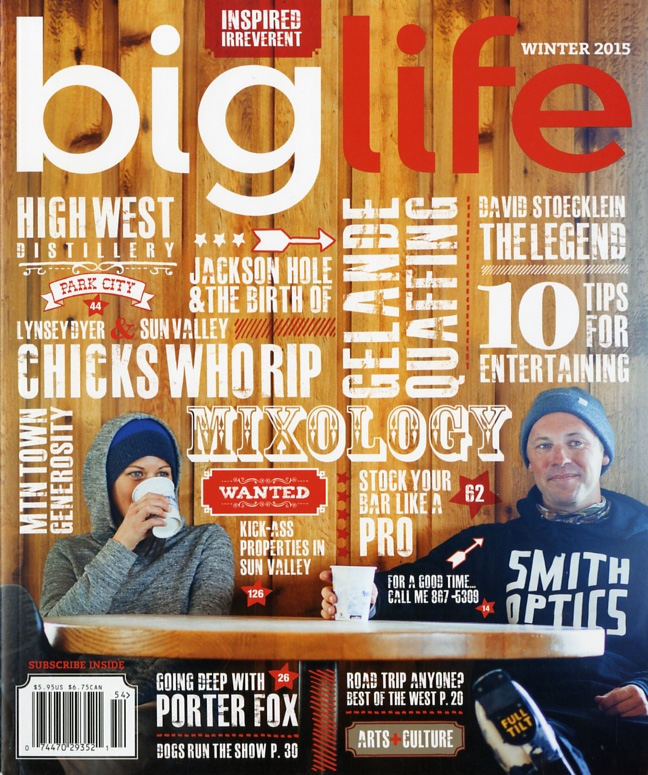
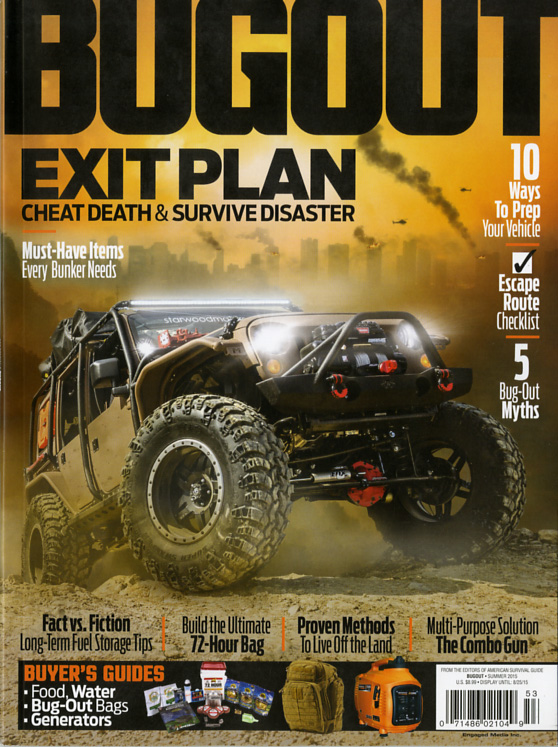
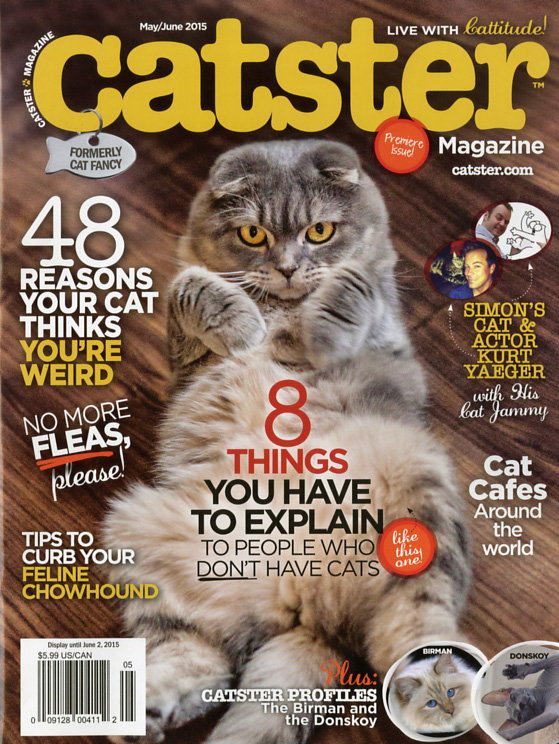
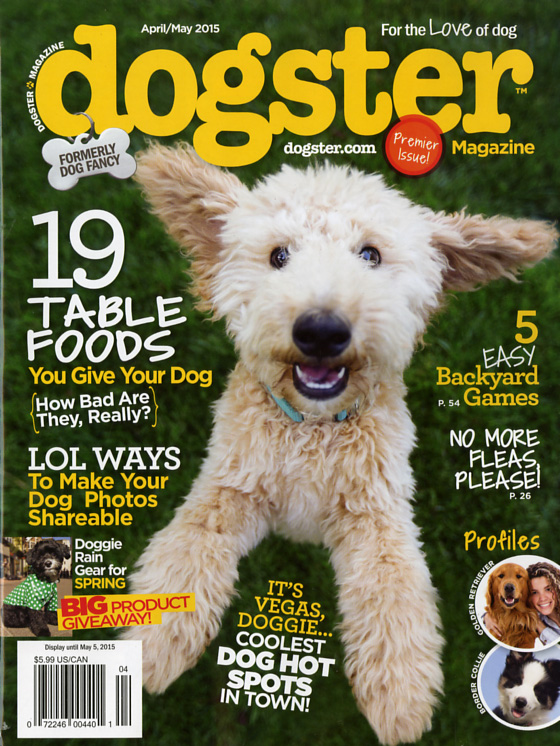
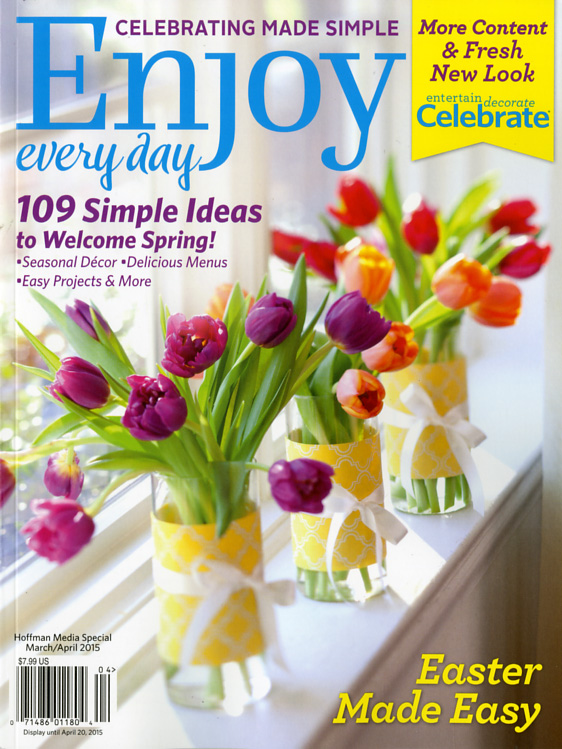
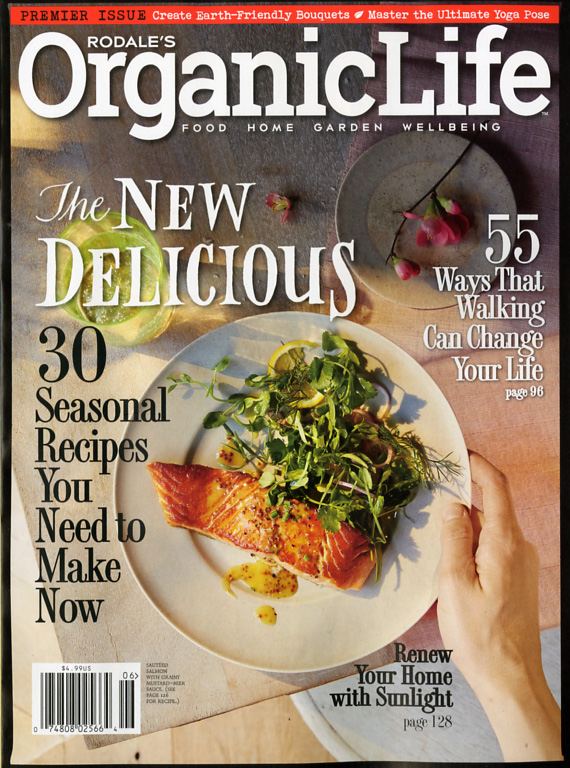
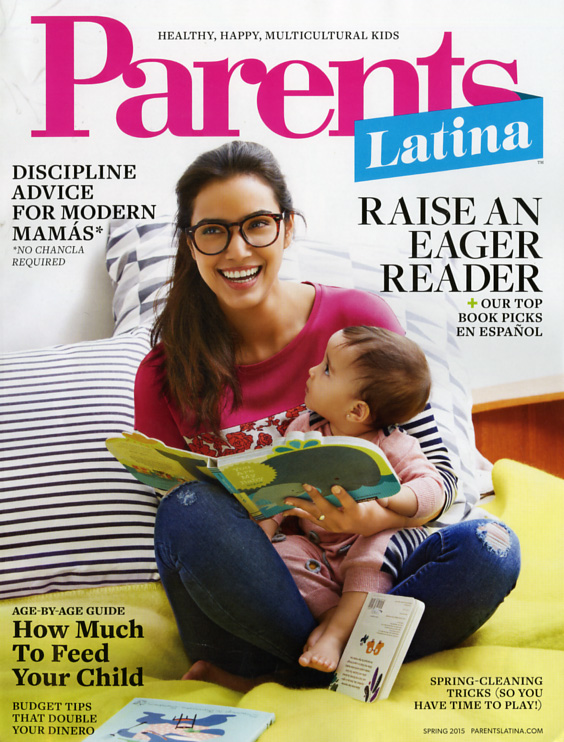
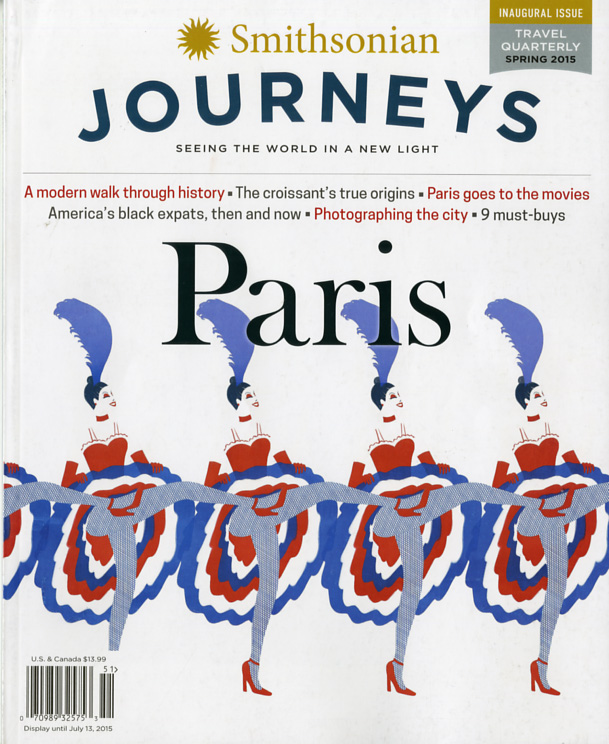
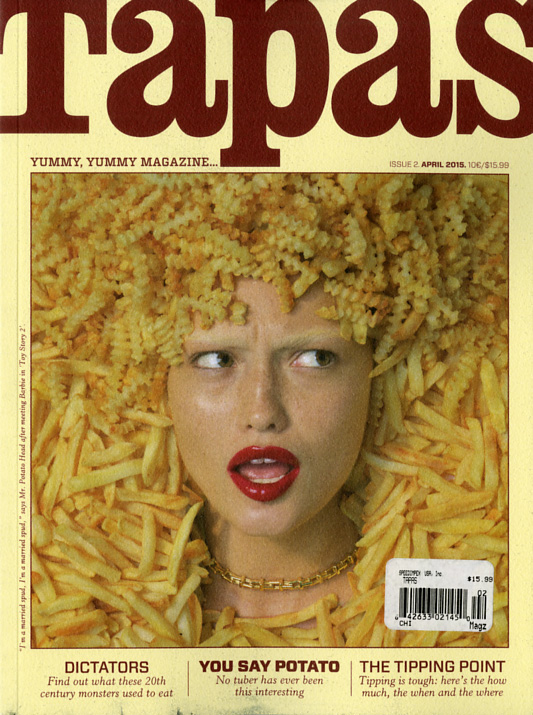
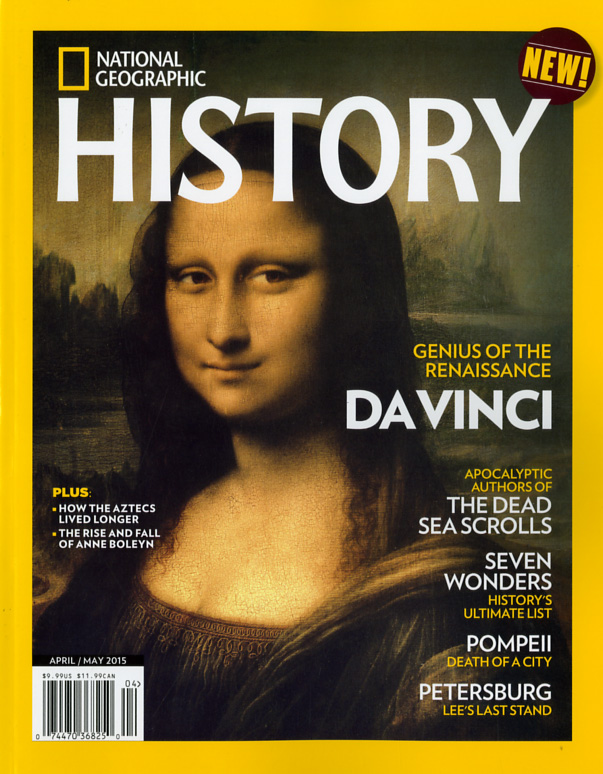
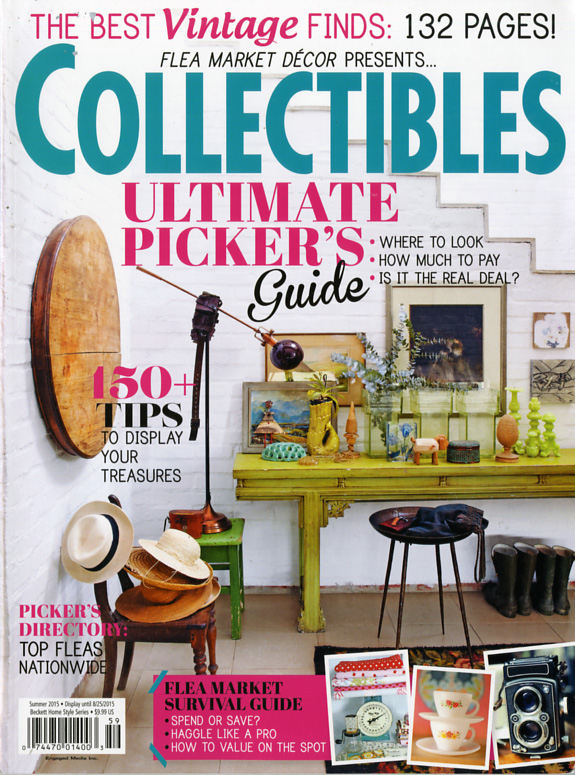
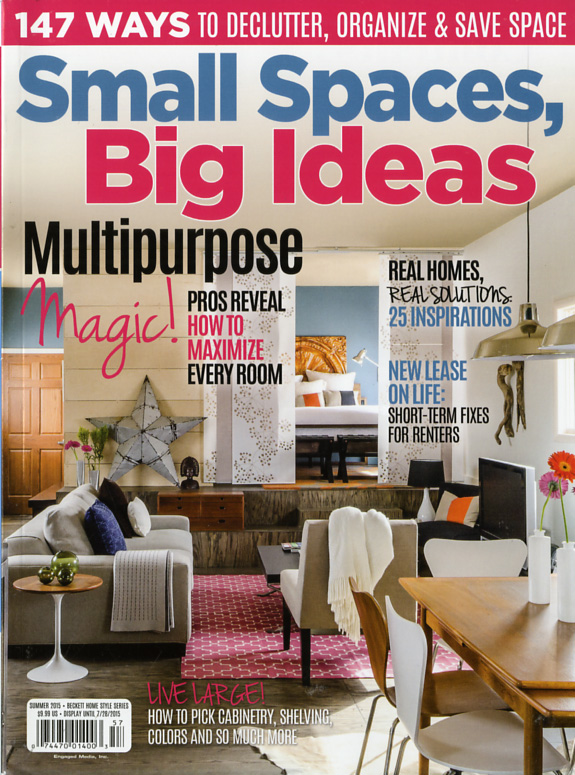
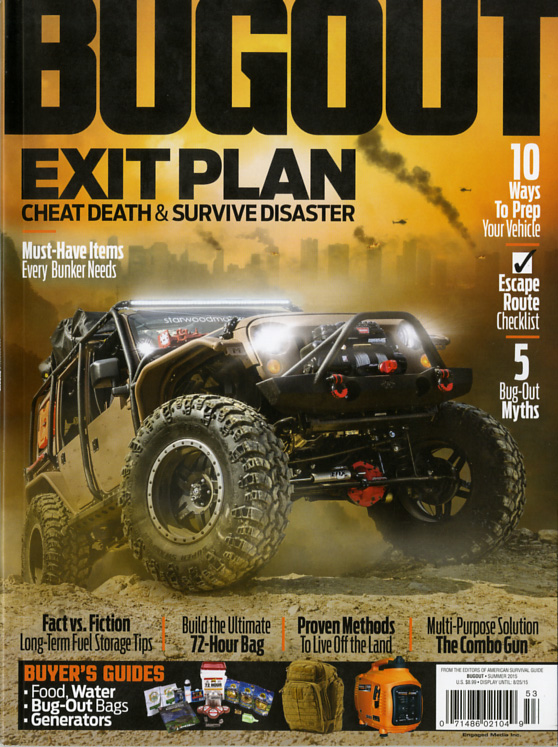
And for your eyes only, here are some of the recently published new magazines. To see the entire set of new magazines please visit my sister blog www.launchmonitor.wordpress.com

Ballistic-7BigLife-24Bugout-12Catster-6Dogster-7Enjoy Every Day-6Organic Life-5Parents Latina-3Simple Grace-5Smithsonian Journeys-1Tapas-12National Geographic History-7

h1

Looking Forward From The New Single Copy & Through The Tapestry Of A Preeminent 40-Year Career In The Magazine Industry – Those Were The Days – The Mr. Magazine™ Interview With John Harrington, Editor, The New Single Copy…

July 1, 2015

“I think that every major publisher would tell you that the newsstand is a major factor in launching a publication. So they need it there for that. It may certainly be smaller and carry less titles, but for the major publishers launching new titles it will remain necessary to maintain it in some way.” John Harrington

Arriving at a crossroads in one’s life is an important destination for most people as it signifies change which oftentimes leads to growth of immeasurable proportions. For John Harrington, a man 40 years in the magazine industry, it also can be a time for reflection and course redirect as priorities become the prime focus of one’s life. Either way, change is inevitable and growth of immeasurable proportions can also be defined as a collective sigh of a job well done.

But as “they” say, it ain’t over till it’s over. And it’s definitely not over for my good friend, John Harrington. While John has decided to enjoy more of his Sunday afternoons by eliminating the regularly-scheduled newsletter that he’s been doing for the last 19 years, he will still be dipping his toes into the world of magazine wholesaling, publishing and distribution by writing an occasional blog about the industry and continuing to keep his experienced eye on what’s going on in the world he knows so well, the world of magazines.

From his early days as president of CPDA (Council for Periodical Distributors Associations) when the trade group had more than 400 magazine wholesaler-distributors in the United States and Canada, to the editor of the highly successful and renowned The New Single Copy, with its continuous coverage of the magazine business, and a particular focus on the retail distribution channel, John Harrington is a man who knows his way around a newsstand.

As a partner in Harrington Associates, LLC, which publishes The New Single Copy and the annual Magazine Retail Sales Experience series of studies, which provides services to the periodical distribution industry, and works with individual wholesalers, publishers, and national distributors, he definitely knows more about the business side of magazine distribution than most people have had time to forget. He and his wife, Eileen, edited and published The New Single Copy newsletter for almost two decades.

I had the privilege of talking to John recently about his decision to semi-step away from the rigors of a regular gig, so to speak, and the new direction his life is taking, and also about the world of wholesale and distribution, past, present and future. It was an intriguing and interesting conversation to say the least and one that I know you will enjoy being a part of. And now the Mr. Magazine™ interview with John Harrington, Editor, The New Single Copy.

But first, the sound-bites:

John Harrington On why after 40 years he’s decided to slow down and back away from his regular newsletter offering: First of all, I’ve tried to indicate that I’m not leaving the industry; I’m just not going to write a regularly-scheduled emailed newsletter on a deadline anymore. I intend to maybe do some work with individuals and put out a blog from time to time. I have some notes about things that I’ll probably send out in two or three weeks and I’m still going to be following everything very closely.

On the most pleasant moment he’s had throughout his 40 year career: I would have to say running CPDA (Council for Periodical Distributors Associations) and working with the wholesalers for so many years. The last years became a little difficult because there was so much pressure being put on the channel that we were putting out a lot of fires all of the time and then eventually we didn’t put out the last fire.

On the major stumbling block he had to face and how he overcame it: (Laughs) I’m not sure I ever overcame it. The old wholesaler structure of basically dense market areas, somewhat protected and controlled by publishers, I think was destined to change and the disappointment was that it did not change in an evolutionary way. It did not get modified and be allowed to adapt to changing circumstances, but instead it collapsed virtually overnight. I don’t think that you can find many instances in American business or business anywhere that the entire nature of a business was rendered obsolete virtually overnight.

On why he thinks we’re not seeing any change in the distribution model even though everyone admits that change is unequivocally needed: There’s two sides of the issue, there are the wholesalers themselves who have struggled, even though the surviving wholesalers are from fairly secure entities, parts of either larger companies or owners with sufficient finances to see things out. Their focus for the last 10 years and particularly the last five years, dealing with two major collapses of their competitors, has been basically trying to realign their paths of distribution and take cost out of the system because sales were declining and make best use of the facilities they had in place, which has been an isolated sort of activity, they’re doing it in the terms of which they understand it.

On what he thinks about single-copy cover prices having huge increases while subscription prices tend to be dirt-cheap: It devalues the product in every way and the rates that they offer the new subscribers and the returning subscribers is in some ways a slap in the face to the long-term subscribers. But that’s part of what I was referring to before, and again, this is across the board virtually. There are very few magazines that aren’t well below 65 or 79% off the cover price for the subscriptions.

On whether he can envision a day when there will be no newsstands in America or that the only thing available on newsstands will be bookazines or specials and frequency magazines will be subscription only: No, but it could still get smaller. I think that every major publisher would tell you that the newsstand is a major factor in launching a publication. So they need it there for that. It may certainly be smaller and carry less titles, but for the major publishers launching new titles it will remain necessary to maintain it in some way.

On whether he thinks it’s easier to shop for new titles via a digital device or a regular newsstand: I don’t think there’s any question, bricks and mortar is the only place you can really shop for magazines, take your time and look around and see if there’s something interesting to you. There are probably three other people in the world besides you who do that. (Laughs) Maybe.

On what he’d like the industry to remember and say when they hear the name John Harrington: (Laughs) I hope they’d say he seemed to be very honest about his opinions and they were generally thoughtful and often right. And that he was nice to his grandchildren.

On anything else he’d like to add: As I wrote near the end of the last issue of The New Single Copy; one of my goals is to work on what I call a personal history of the magazine distribution channels during my time. I really don’t have the energy or the capabilities to do the research for a longer history, going back through the entire conception; however, I’ll touch on it in some way.

On what keeps him up at night: Now, nothing.

And now the lightly edited transcript of the Mr. Magazine™ interview with John Harrington, Editor, The New Single Copy.

Samir Husni: It’s rare for anybody in the magazine industry that’s been as connected as you have for almost 40 years and so involved to just leave the industry…
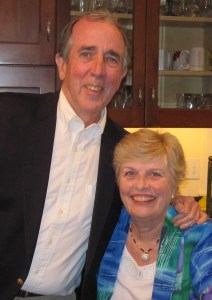
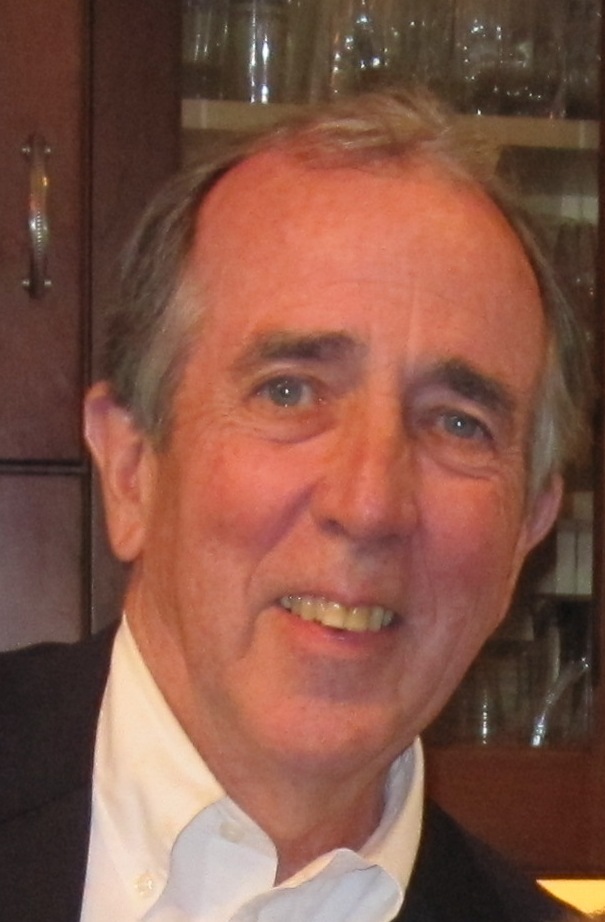
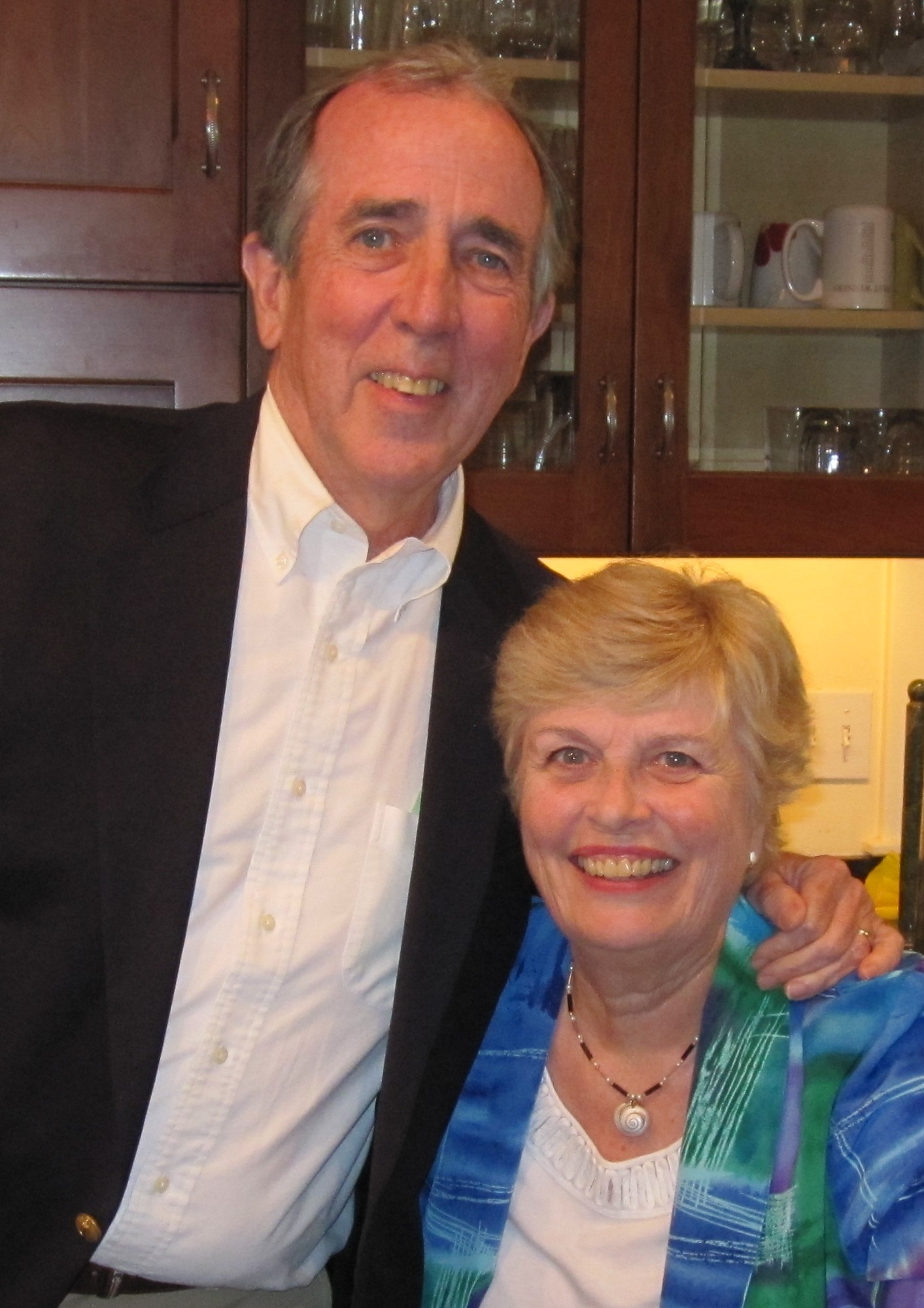
John and Eileen Harrington, editor and associate editor of The New Single Copy.

John and Eileen Harrington, editor and associate editor of The New Single Copy.

John Harrington: First of all, I’ve tried to indicate that I’m not leaving the industry; I’m just not going to write a regularly-scheduled emailed newsletter on a deadline anymore. I intend to maybe do some work with individuals and put out a blog from time to time. I have some notes about things that I’ll probably send out in two or three weeks and I’m still going to be following everything very closely.

Some habits don’t break very easily. I can easily get over the habit of ruining my Sunday afternoons by writing the newsletter, but at the same time I can guarantee you that each morning I’ll still get up and go through the same websites and look for the same email newsletters and kind of keep track of business. So, I’m not leaving the business.

Samir Husni: If you could pick the most pleasant moment of your 40 year career, what would it be?

John Harrington: I would have to say running CPDA (Council for Periodical Distributors Associations) and working with the wholesalers for so many years. The last years became a little difficult because there was so much pressure being put on the channel that we were putting out a lot of fires all of the time and then eventually we didn’t put out the last fire.

But most of those years were good. They were such an interesting group of people, a unique culture within the publishing business. There were just a lot of times that many interesting things came out of that, a lot of experiences from working with them. It wasn’t just me, but overall the CPDA may have even extended their situation and the unique position that they operated in for a long time. I think it may have extended their vitality for a long time too.

I could go into a lot of interesting things about the wholesaler community and not just individuals, but the other thing that I was always pleased with was I just enjoyed being around the magazine business. For someone who had some writing ambitions, even being around it in some fashion was always interesting. You met interesting people; you were working on things that were in the headlines when new magazine articles and issues came out and captured the attention of the country and even the world. And you were there as part of it; you were a part of the group of people that brought it out and put it on the stands.

And in those days particularly even more so, the headlines were made by the magazines that were sold on the newsstands. So it was all interesting fun and very rewarding, all the good adjectives that you could put to it.

Samir Husni: What was the major stumbling block that you had to face during your career and how did you overcome it?

John Harrington: (Laughs) I’m not sure I ever overcame it. The old wholesaler structure of basically dense market areas, somewhat protected and controlled by publishers, I think was destined to change and the disappointment was that it did not change in an evolutionary way. It did not get modified and be allowed to adapt to changing circumstances, but instead it collapsed virtually overnight. I don’t think that you can find many instances in American business or business anywhere that the entire nature of a business was rendered obsolete virtually overnight.

Until mid-1995, sometime in July, a major chain demanded that wholesalers submit offers to service all of its particular divisions. Previously, chains had done that all of the time and for one reason or another they weren’t successful in doing it.

But at that particular time they were and it just set off a cascade of similar operations and demands taking place which literally rendered the business of magazine wholesaling unprofitable, again virtually overnight. And that was going from a profitable, comfortable business to unprofitable almost instantaneously. And it never recovered. Even today; the surviving wholesalers, and don’t forget there were about 300 different locations in mid-1995 and operated by about 195 different ownership units, today there’s basically three ownership units that represent just about all of the significant part of the business. And the business is much smaller. It’s not just smaller because of what happened then, there are a lot of factors going into that, which you’ve written about a lot, as I have, and others have as well.

That’s the biggest disappointment and frankly, while I’ve written about it and I’ve been insulated from it personally, I don’t think I’ve done anything to change the nature of the business to make it a stronger business. It’s probably more fragile today than it ever was.

Samir Husni: Almost every CEO that I’ve interviewed in the last six months, especially those that deal with a lot of single copy sales, tell me that the distribution model needs to change, that the business has to change. Yet, it seems that we’ve become experts in talking about the need to change and we accept the fact, but why do you think that we’re not seeing any change?

John Harrington: You just capsulized what I’ve been writing about particularly for the last year or two, maybe longer. There’s two sides of the issue, there are the wholesalers themselves who have struggled, even though the surviving wholesalers are from fairly secure entities, parts of either larger companies or owners with sufficient finances to see things out.

Their focus for the last 10 years and particularly the last five years, dealing with two major collapses of their competitors, has been basically trying to realign their paths of distribution and take cost out of the system because sales were declining and make best use of the facilities they had in place, which has been an isolated sort of activity, they’re doing it in the terms of which they understand it.

Then from the publishers side and I’m sure that I’ve read every interview that you’ve done, and I’ve met with many of these people myself; I think they’re overwhelmed with the enormous changes that are going on in the entire publishing business. They call themselves magazine media today; they don’t call themselves magazine businesses.

And it’s not just that they have single-copy to worry about or the newsstand to worry about, they’re trying to protect their circulations in general, their subscription circulations. You can maintain subscription circulation, although you’re likely to not be very profitable at maintaining them because there are an infinite number of ways to maintain subscriptions. And they’re seeing the advertising sales decline, not certainly at the same rate, although there have been years at which they’ve declined by 25 or 26%.

So they’re trying to deal with that part of it and they’re trying to extend their brands, that the publishing industry is using more and more, into the digital world or the mobile/digital universe.

And it’s a very uncertain thing. There are several things: one – their leadership, and that’s not the problem, but they’re all running where they are in a very different publishing environment and now they’re trying to extend and make profitable operations in a digital environment that is not what they were born to or what they were trained in.

So they’re having to deal with and adapt to a techy world. And it’s not just the obvious ones, the Apples or the Googles, Amazons and Facebooks and many others as well. I mean, they’re brilliant people, but they’re not trying to sell magazines or magazine media, they’re just trying to communicate on a broader scale, develop new technologies and exploit them in one way or another.

So you’re doing all of this in a great transitioning universe and I think it’s hard for the CEO’s of the five, six, seven major publishing companies to say, golly, I really have to do something about the single-copy, because they’ve got about ten other things they need to do something about.

Everybody can say that they have to do something about it, the distribution channel is dysfunctional and they need to straighten it out, but I guess at the beginning of the day when they make the list of what they’re going to do; they have seven or eight things above that item on their list.

And yet I do think by the fact that it has consolidated so much, they focused on it for a very short time and worked together with the surviving wholesalers. The wholesalers are really smart people and they’re great survivors. They could at least find out if it’s salvageable.

Samir Husni: Based on what I read in your final newsletter, you’re a big fan of The New Yorker. You consider The New Yorker the best magazine in the world.

John Harrington: Absolutely.

Samir Husni: Recently I bought the issue that had the Charleston church and the nine birds flying on the cover, because I wanted to have the copy that doesn’t have a label on it. The cover price was $7.99. And the subscription cards in the magazine screamed at me to get 50 issues for $50, so that’s $1 per issue. Do you think it’s fair for anybody to pay seven dollars more on the newsstand for one issue when they can get it for one dollar? And if go a few years back, The New Yorker was $2.99 or $1.99 at one time, when the subscription was .50 cents or $1 per issue. Why do you think we’re seeing this huge increase in single-copy cover prices and we’re not seeing it in subscription cover prices?

John Harrington: Why, because as I said before, and I don’t want to pick on The New Yorker, there are even more outrageous examples out there and since I subscribe to it, I really didn’t know what the cover price was. There are several ironies in that and one is they’re devaluing the product when they offer these subscription prices.

At CPDA, the wholesalers; we were pointing it out and crying about it when most publishers were saying it was 25 or 35% off newsstand price; we thought that was damaging sales, which it was.

It devalues the product in every way and the rates that they offer the new subscribers and the returning subscribers is in some ways a slap in the face to the long-term subscribers. But that’s part of what I was referring to before, and again, this is across the board virtually. There are very few magazines that aren’t well below 65 or 79% off the cover price for the subscriptions.

You can maintain subscription levels and produce numbers to satisfy your advertising rate base in the subscription business. You may not be profitable at it, but you can maintain the numbers to sustain your advertising sales. It’s not a great business model for the long-term.

Samir Husni: We keep hearing that newsstands in America are only 8% of the total picture. Can you ever envision a day when there will be no newsstands in America? Or that they will continue to exist, but everything we’ll be able to buy will be bookazines or specials and the regular frequency magazines will be subscription only?

John Harrington: No, but it could still get smaller. I think that every major publisher would tell you that the newsstand is a major factor in launching a publication. So they need it there for that. It may certainly be smaller and carry less titles, but for the major publishers launching new titles it will remain necessary to maintain it in some way. How they maintain it is a whole different question.

In the last year or so the question that I’ve asked everybody I’ve talked to is where is the bottom? And everybody says they don’t know. Which is kind of a frightening situation because you hope the bottom isn’t zero. And at the same time there’s nobody that seems to be trying to do anything about it, like promoting the sale of magazines at newsstands in some way.

It’s very hard to reach consumers on that, I realize, but there has to be ways in which they could do it, especially in the digital universe where communicating with readers is an easier thing to do and can be done at a totally different cost than it used to be.

And there would always be some level of newsstands; I mean, look at bookstores and terminals, they’re still a per-location-base to sell more magazines per location on average than any other type of outlet. And they have much larger selections too, at least the bookstores anyway.

And it may end up limited to those types of accounts, but I can’t see there not being newsstands. Certainly, digital newsstands haven’t proven to be a way to find new publications.

Samir Husni: Do you think it’s easier to find a new publication via digital devices or it’s easier to see it displayed on the newsstand?

John Harrington: I don’t think there’s any question, bricks and mortar is the only place you can really shop for magazines, take your time and look around and see if there’s something interesting to you. There are probably three other people in the world besides you who do that. (Laughs) Maybe.

Samir Husni: (Laughs too).

John Harrington: You can’t shop at a digital newsstand. I mean, you can go to it if you know what you’re looking for and maybe find it. Even so-called mixed industry media doesn’t lend itself for shopping a newsstand carrying forty or fifty titles. As far as I’m concerned, no, you can’t shop a digital newsstand, but you can shop a traditional newsstand, whether it’s in a market or a bookstore.

Samir Husni: Are we going to see a bolder, more specifically vocal John Harrington as he now becomes more of an outsider looking in on this industry? Will you now be able to produce that magic wand and tell the magazine media world what it should do in regards to wholesalers and distributors?

John Harrington: Well, as soon as I learn and discover what it is we need to do, I won’t be shy about promoting that. (Laughs) The big frustration is we know all the reasons why the situation is where it is and it’s not just limited to newsstand. We don’t know how to get it to where we’d like it to be. And in fact, for the broader publishing business, they’re trying to determine where it is. I read very definitive statements from all the CEOSs of these companies and yet I sense that there’s a sort of feeling that if something can be said strongly enough and often enough, it’s what’s going to happen. But I’m not sure it will when they turn their backs.

I’ve been trying to raise a lot of questions over the years, so maybe I’ll keep raising questions. I know the first blog that I’m going to put out is going to be a specific suggestion, it’s not going to be outrageous, but it’s something that I’ve been noodling around and trying to work out the details for.

Samir Husni: John, since you’re closing a chapter in your life and since Baird David retired and Dan Capell passed away; who’s going to be the next generation of industry newsstand and circulation watchers? Have you groomed anybody to take your place?

John Harrington: (Laughs) No, no one in my family is going into that business; I can assure you of that. Joe Berger is a publishing consultant and he has a blog and he does some very interesting stuff on it, but the last time I talked to him he said that he’d been so busy trying to help his clients that he hadn’t been able to blog very much.

One of the frustrations and I don’t know what somebody else would do, but one of the frustrations is how often can you raise the same issue and offer the same suggestions or directions; it’s probably the challenge that every editor faces. How do I make this issue of the magazine different from the last one? So, how many times can you say the same thing in a slightly different way?

Maybe it’s you and Bob Sacks. You’ve been doing so many interviews lately; you’ve probably touched on more newsstand issues than I have, particularly after I reduced my frequency to basically every other week. And Bob is out there every day with something.

Samir Husni: John, what would you like the industry to remember and say when they hear the name John Harrington?

John Harrington: (Laughs) I hope they’d say he seemed to be very honest about his opinions and they were generally thoughtful and often right. And that he was nice to his grandchildren.

Samir Husni: Anything else that you’d like to add?

John Harrington: As I wrote near the end of the last issue of The New Single Copy; one of my goals is to work on what I call a personal history of the magazine distribution channels during my time. I really don’t have the energy or the capabilities to do the research for a longer history, going back through the entire conception; however, I’ll touch on it in some way.

And I really do hope to do that. I’ve done a few interviews over the last year or two with some of the old-time wholesalers who are no longer in the business, but still around. I intend to do some more and talk to a number of people. So, while it’s not going to be something that gets into my personal life, it is going to be hopefully a recapping of the events that took place that changed the business through the current time.

But I also think there will probably be an emphasis on the old business because it was so unique. It was a family-owned business, somewhat large in scope; most of them were in the second or third generation and some even into a fourth generation. There were some genuine characters in it.

But I think it will be a fascinating story about a group of people who regarded themselves as a brotherhood and a lot of my contemporaries, people my age, as I was working my way through the business, swore up and down as they left to go off to college or wherever they went when they left home for the first time, that their fathers would hand them a list of all the wholesalers in the United States and Canada and tell them if they needed help for any reason, call the nearest wholesaler. And they did. (Laughs) And they were helped. There was no question.

A wholesaler in Maine felt a connection with a wholesaler in California or Oregon. The wholesaler in Portland, Oregon and the wholesaler in Portland, Maine felt a connection with each other and might even call each other up once in a while and talk to each other. They had relationships literally like that. They understood the pressures and the changes in the business. It was a very unique thing.

It was a relationship too among many of the suppliers. There were family relationships that existed between the suppliers, usually on the circulation side and the newsstand side of the publishing businesses; they had much bigger departments in those days, and the national distributors.

I’d say maybe a year after I got into the business and was working my way through and beginning to understand it a bit more; I was at a conference or a convention and I was talking with somebody from one of the publishing companies and was a newsstand circulator, a guy about my age, but he’d been in it longer than I had at that point. And I said to him, you know what amazes me about this is the family connections; somebody is always related to somebody else. There’s nobody that’s just a loner in the business. I told him that he and I might be the only two people who were not related to somebody else in the business and that I wasn’t entirely sure about him. (Laughs)

And some people moved from the wholesaler side to the publishing side and back and forth. A lot of the wholesalers became wholesalers after spending 20 or 30 years as publishing reps and managed to find a small agency somewhere that they could make a down payment on and take over if they didn’t have any family in the business.

And I heard that distributors encouraged that among their reps and sometimes might even help them by giving them a low-interest loan to buy a small agency. It’s really a fascinating sociology that’s worth writing about.

The thing about national distributors is really how all of that is defined. Now technically, Time Inc. is a national distributor, but it’s actually the circulation distribution arm of Time Inc. But on the other hand, some of the others are so-called pure national distributors. Traditionally, when I came into the business and there were 400-plus wholesalers, there were a dozen national distributors and their function was two-fold. One – they were billing and collection agencies for publishers because a small publisher and even large publishers couldn’t be doing collecting from 400 wholesalers on a monthly basis.

But the other was they were essentially a bank and they advanced publishers a certain amount, say 50% from the day they went on sale, so they kept a cash flow in the business. And if a publisher didn’t sell 50% with that issue, it was deducted from the payment of the next issue. And there’s not much of that going on today, I can assure you. So national distributors as we knew them then through the function they once performed are no longer there. Not the way it was anyway. That was very unique.

Samir Husni: My typical last question; what keeps you up at night?

John Harrington: Now, nothing.

Samir Husni: Thank you and best of luck in your future ventures.

h1

“Engaging” A Global Audience With Quality Content & Creative Expertise – The Mr. Magazine™ Interview With Nick Singh, President, Engaged Media Inc.

June 30, 2015

“I believe magazines will always be there and being strong financially and being a decent size, but not too big gives some companies an advantage in the marketplace… I think trying to figure out this business and what works is challenging and exciting. Putting together a nice group of folks, along with some good strong content, whether it’s editorial or art, and finding out this really helps sales is exciting.” Nick Singh

Withstanding disruption and looking at innovative techniques to move print forward in a digital age is something that Engaged Media is proficient at, especially with Nick Singh at the helm. Nick is President of Engaged Media and his 20-plus years of publishing-industry experience, combined with exemplary leadership skills have driven EM’s continued expansion during unprecedented change in the print-magazine industry over the past decade.

Nick has led EM’s continued expansion globally, increasing EM’s presence in the United States, India and the Philippines over the past 3 years. His primary focuses on leadership development, operational excellence and providing his organization with a clear and concise vision have led to consistent market-share gains for EM.

I spoke with Nick recently about the ever-changing landscape of the magazine media world. From newsstand to distribution, his thoughts were concise and bulleted toward a profitable future for Engaged Media and spot-on advice for the magazine industry at large.

From the gamut of titles that his brand covers, we discussed where the ideas for all the different subject matter came from and if there were any topics Engaged Media shied away from. It was a very compelling conversation.

So, I hope you enjoy this revealing and interesting discussion as I picked the brain of yet another innovative and creative magazine maker of our time and learned quite a bit about the scope and reach of a brand that knows few boundaries as it strives for excellence and expertise in its continued success. Get ready for the Mr. Magazine™ interview with Nick Singh, President, Engaged Media Inc.

But first, the sound-bites:

2015-05-15 11.43.51 On the genesis of Engaged Media and how the company separated from its relative, Beckett Media: Long story short, this one owner stepped in and he owns about 30 other companies, non-publishing for the most part, insurance and healthcare, coding and other areas, and he acquired both Beckett and us, we were basically one company. In 2008, we learned how to turn it around as fast as we could because we had to, no more leverage from the banks. So, in 2012 we separated the companies into two different companies because the Beckett model is a very successful model, but it’s in sports collectables.
On whether he thinks the pendulum is swinging back toward making money at the newsstands: We’ve been doing OK; it’s just that last year when Source shut down was probably the biggest hit because there are inefficiencies. I think people are being optimists and I try to stay middle-of-the-road and as close to reality as possible.
On whether he believes the single-copy sales and distribution model should be reinvented: It isn’t a profitable business model for some publishers to be on newsstand, and yet for others like us and our competitors in our segment; we do rely heavily on newsstand. We also do high quality, high-priced items and that means a lot to us, but not everybody has the same business model, so something has to change, yes. And there has to be better efficiencies and a new model. What that is; we don’t know.

On his thoughts on the rising cover prices of bookazines and where he sees the trend heading: Right now we see some $12.99’s working, at least in our categories and from a competitive perspective, we see some folks doing some nice magazines at $9.99. We’re testing some $12.99’s and we’ve been doing $9.99’s for a while. The $12.99’s seem to work, even in Wal-Mart where they try to be the low price leader. I don’t know where this trend will go, what sort of price limitations or ceiling there will be, if any.

On the most pleasant moment he’s had during his career at Engaged Media Inc.: Growing newsstand has been very pleasant for us and growing profitability has also been very pleasant. Since 2012 to 2015 we’ve been able to grow, and not just newsstand, but also with a good editorial team and a good art design team. I think that’s been very pleasant for us, just this level of growth.

On the major stumbling block he’s had to face and how he overcame it: Changing our business model. I think working with our partners; working closely with a lot of our partners and meeting mutually on what works and what doesn’t. The old way that we used to do business was get copies out everywhere and anywhere, where now we kind of selectively pick and choose where we want to be, there are certain chains that we don’t pick or certain areas geographically because we don’t find them profitable.

On the gamut of topics Engaged Media publishes and if there’s one category they won’t touch: Probably the broader entertainment categories; we’ve tried. We’ve dipped into many categories and there are two or three that we might touch, but our secret sauce so to speak is getting quality people and quality editorial and we’ve done some things without quality editorial and we’ve learned. So we will not touch things that we don’t have the expertise in.

On whether or not he has a favorite title from his broad stable of magazines: That’s a great question. No favorites from my side. Our editors of course do and the newsstand team, I’m sure they do as well, and our ad sales team. Our digital online team probably does too, based on which ones are performing the best. But no, I don’t have any favorites in particular.

On what makes him click and tick and motivates him to get out of bed in the mornings: I believe magazines will always be there and being strong financially and being a decent size, but not too big gives some companies an advantage in the marketplace. It’s not easy; I think it’s challenging and that makes it fun. I think trying to figure out this business and what works is challenging and exciting. Putting together a nice group of folks, along with some good strong content, whether it’s editorial or art, and finding out this really helps sales is exciting.

On whether he can ever envision a day where Engaged Media has no print publications: No, I cannot.

On the future of print for Engaged Media: I think the future of print for us is if we’re 95% print today, I would love to see our print growing slightly in the new categories as needed, specific categories that we do have some expertise in and that we think we can do better, faster and cheaper than some other folks, it would be a market share flag and it would be surviving the newsstand.

On how involved he is with the actual ideas for the magazines’ subject matter: We have a very good team, it’s not just me or about me. We facilitate good thinkers, people who are always creative and out there and we get plenty of ideas from these folks. And we put it through the test; whether it’s from our customers, from advertising, from retailers or wholesalers or national distributors; we kick around a lot of ideas. There’s no “one” place where they come from; our advertising sales reps, our editorial team and our newsstand team are all very, very strong.

On what keeps him up at night: Declining margins. (Laughs) If our partners aren’t profitable, then we’re not going to be profitable. I’d love to see this industry turn around or at least stabilize somewhat. I think that’s what keeps me up at night.

And now the lightly edited transcript of the Mr. Magazine™ conversation with Nick Singh, President, Engaged Media Inc.

Samir Husni: You’re one of the bigger players, especially on the newsstands when it comes to single-copy sales, yet you’re one of the best-kept secrets in the industry. Tell me a little about the genesis of Engaged Media and how you moved from Beckett Media and all the sports collecting magazines under that umbrella to the world of Engaged Media and the many titles that you have now.

Collectibles-13 Nick Singh: We do try to stay below the radar and fortunately we’re able to test a lot of issues and we do a lot of category analysis. We have an international team; we have roughly around 100 employees, 45 or so here in the U.S. and 45 abroad, from the Philippines to India, from our parent company. So we do have decent backing by a private owner who owns about 30 companies.

Engaged Media started roughly about 10 years ago, even though we didn’t use the name Engaged Media then. We purchased or acquired Beckett Media and about three other companies in southern California. Beckett was and still is in Dallas and we’re in southern California with the acquisition of a few small publishers.

A few of us came from Primedia or TEN – the Enthusiast Network or Source Publishing, whatever you might want to call them today; I still have a lot of friends there. So, about ten years ago we came into this company and it was in a lot of debt. We learned our lessons quite a bit and our new owner; I call him new, but he’s seven years new now, I’ve been here for 10 years running a couple of departments, production and circulation, with the new owner in 2008, because we were in high debt and heavily leveraged, when the market crashed we had to learn how to stand on our two feet and become cash flow positive and get rid of the debt somehow.

Long story short, this one owner stepped in and he owns about 30 other companies, non-publishing for the most part, insurance and healthcare, coding and other areas, and he acquired both Beckett and us, we were basically one company. In 2008, we learned how to turn it around as fast as we could because we had to, no more leverage from the banks.

So, in 2012 we separated the companies into two different companies because the Beckett model is a very successful model, but it’s in sports collectables. It was a great brand and still is and Beckett.com is a good revenue stream and a great business model. It’s a completely different business model from our enthusiast publication side where we have Diesel World, Gun World, hunting magazines with some survivalist elements that seem to be working right now, like American Survival Guide. And we have the Homes category, with Cottages & Bungalows, Romantic Homes and these niche titles that did not fit into the Beckett model, so we’re roughly 90 to 95% of the print business, that’s if we combine the two companies.

But as we separated, we learned quite a few lessons. We learned that using newsstands as 60% of our revenues and then ad sales, subscriptions and the very small digital, which has grown pretty fast, but it’s still only about 1 to 2 % of our total revenue, so we think that there’s a lot of upside in digital. We still learned that on newsstand, we can make a profit if it’s done correctly, but also, if not done correctly, we could lose a lot of money. It’s a high-risk, high-reward business for us. The good thing about newsstand is we can pull out whenever we want; there’s no sub-liability with long-term sub-liabilities or advertisers. It’s not advertising-based-strong like our core publications are in the automotive and outdoor segments. So, it allows us to test a lot of things.

Now we realize that there are many challenges. (Laughs) Last year we took the chance and decided to grow revenues and market shares in newsstand and we were able to fortunately move up to, I’m guessing the top 13 or 14 publishers in newsstand in the country or North America, but with that comes a huge price because when Source shut down our margins tightened up quite a bit. And then TNG (formerly The News Group) picked up a lot of businesses and we’re great partners with TNG, but it’s costing us a lot more. Our revenues are up again this year, hopefully the margins are getting better, but right now they’re tightened for sure. And that’s where we are today.

Samir Husni: Do you think the pendulum is swinging back towards not only hope for the newsstands, but also toward the thinking that there is actual money to be made there?

Nick Singh: We’ve been doing OK; it’s just that last year when Source shut down was probably the biggest hit because there are inefficiencies. I think people are being optimists and I try to stay middle-of-the-road and as close to reality as possible.

Many of the things that we did to grow our revenues, many of those specials, maybe if we did 100 specials; I would say that 50 of them didn’t work; it was probably our worse success rate. The good thing is we’ll never do those 50 again, the 50%.

We’re hearing everything with distribution has been fixed, but looking at Q4 and Q1, efficiencies are still low and the wholesaler wants to charge for efficiencies, but if we were to turn it around the other way and say, hey Mr. and Mrs. Wholesaler, why don’t you completely take over the distribution and increase the efficiencies, but if you lose sell or revenues or lose efficiencies, then maybe you should be responsible for it, right? I don’t see that happening and I don’t think anybody wants to be responsible for that efficiency, although the charges were inefficient. I still inefficiency so far; I haven’t seen any actual numbers that prove that it’s getting better.

Samir Husni: With all the changes that have taken place in our industry from the demise of the Mom and Pop wholesalers to the national distributors becoming just two or three major players and the wholesalers maybe two major players; do you think it’s time to reinvent the single-copy sales and distribution model? Do we need that multifaceted distribution channel?

Nick Singh: I don’t think so. I think yes, we need to change and become more efficient; 21 days to get on sale is a long time and that hasn’t changed since I started in the business in the 1990s. I’ve been doing this for 20-something years and I know you’ve been even longer, since the 1970s. And it still takes 21 days to get on sale.

It isn’t a profitable business model for some publishers to be on newsstand, and yet for others like us and our competitors in our segment; we do rely heavily on newsstand. We also do high quality, high-priced items and that means a lot to us, but not everybody has the same business model, so something has to change, yes. And there has to be better efficiencies and a new model. What that is; we don’t know.

Samir Husni: I’ve noticed also that the cover prices have risen, especially with the so-called bookazines. When we hit $7.99 we were sure people wouldn’t go for that. And then $9.99, now it’s $11.99 and recently I bought some for $13.99. Where do you see the red light being erected; the point where you decide people are just not going to pay $15 for a bookazine?

Small Spaces Big Ideas-12 Nick Singh: Right now we see some $12.99’s working, at least in our categories and from a competitive perspective, we see some folks doing some nice magazines at $9.99. We’re testing some $12.99’s and we’ve been doing $9.99’s for a while. The $12.99’s seem to work, even in Wal-Mart where they try to be the low price leader. I don’t know where this trend will go, what sort of price limitations or ceiling there will be, if any. We haven’t tested anything at $14.99 or $15.99. We think these work pretty well in the bookstores, but not in the other classes of trade so far.

Samir Husni: Since you became president of Engaged Media Inc., what has been the most pleasant moment that you’ve had in your career and why?

Nick Singh: Growing newsstand has been very pleasant for us and growing profitability has also been very pleasant. Since 2012 to 2015 we’ve been able to grow, and not just newsstand, but also with a good editorial team and a good art design team. I think that’s been very pleasant for us, just this level of growth.

So for us it’s a little bit of a different strategy than maybe other folks because of the growth we’ve seen three years in a row, roughly a 20 to 25% growth rate. Next year, let’s hope that we can sustain that. But what’s really going to make a big difference for us, and the pleasantry may be over, is if the same level of margins aren’t there. Then we’d have to look at other avenues like digital and all those things. But I’m not sure if anybody’s got that figured out yet. My most pleasant moment has been growing newsstand and growing a good company.

Samir Husni: What has been the major stumbling block that you’ve had to face and how did you overcome it?

Nick Singh: Changing our business model. I think working with our partners; working closely with a lot of our partners and meeting mutually on what works and what doesn’t. The old way that we used to do business was get copies out everywhere and anywhere, where now we kind of selectively pick and choose where we want to be, there are certain chains that we don’t pick or certain areas geographically because we don’t find them profitable.

I think that’s been the best change in our business model, even with our subscription base. We don’t go after new subscriptions if it doesn’t make any sense. We don’t do rate-based; we’re a direct response advertiser, so it’s all about if they’re getting direct responses and phone calls to increase our advertiser’s businesses. We like the return-on-investment strategy for us and for our customers at the same time.

Samir Husni: You have quite the stable of magazines. You can go from Flea Market Décor to Young for Kids to Knife Illustrated to Gun World to American Homesteader and then to Fantasy Football; you really run the gamut of topics. Is there one category where you said no, we won’t touch that one?

Nick Singh: Probably the broader entertainment categories; we’ve tried. We’ve dipped into many categories and there are two or three that we might touch, but our secret sauce so to speak is getting quality people and quality editorial and we’ve done some things without quality editorial and we’ve learned. So we will not touch things that we don’t have the expertise in.

Samir Husni: Do you have any favorites from all of the titles that you put out? Would you say this is my firstborn or that you treat all your children equally?

Nick Singh: (Laughs) That’s a great question. No favorites from my side. Our editors of course do and the newsstand team, I’m sure they do as well, and our ad sales team. Our digital online team probably does too, based on which ones are performing the best. But no, I don’t have any favorites in particular.

Samir Husni: If someone dropped in on you at home and you were sitting down with a magazine and relaxing, which one would it be?

Nick Singh: I just walked into an acquisition meeting recently with probably my favorite magazine right now and that’s Fantasy Football.

Samir Husni: I just finished a new book called Inside the Great Minds of Magazine Makers and now I want to get inside your mind, so what makes Nick click and tick and motivates you to get out of bed each morning and say this is going to be a great day?

Nick Singh: I think seeing a couple of new business models that I won’t go into detail about right now, but that we think could be a way out of this thing; it’s mixing in the print magazine, digital and some online assets, whether it’s e-commerce business or other content management businesses, is exciting and motivational.

I believe magazines will always be there and being strong financially and being a decent size, but not too big gives some companies an advantage in the marketplace. It’s not easy; I think it’s challenging and that makes it fun. I think trying to figure out this business and what works is challenging and exciting. Putting together a nice group of folks, along with some good strong content, whether it’s editorial or art, and finding out this really helps sales is exciting.

I don’t think this business will be the same in four or five years and that excites me every day because what do we do? Do we walk out and leave or do we keep improving and doing things better, faster and cheaper? And I think of course the latter is the answer. So that excites me every day, just trying to figure this thing out.

Samir Husni: Can you ever envision a day where Engaged Media has no print publications?

Nich Singh: No, I cannot.

Samir Husni: What do you believe is the future of print for your company?

Bugout-12 Nick Singh: I think the future of print for us is if we’re 95% print today, I would love to see our print growing slightly in the new categories as needed, specific categories that we do have some expertise in and that we think we can do better, faster and cheaper than some other folks, it would be a market share flag and it would be surviving the newsstand. I don’t think there will be as many players in five years, but I would like to see that revenue share be more mixed and diverse to probably 50% print.

Samir Husni: How involved are you with bringing in actual ideas to the team? For example, when I look at one of your newest magazines Bugout, or Go Gluten Free or Low Sugar Living; how involved are you in suggesting those trends or ideas? Do you wake up at night and say we should do a magazine about that?

Nick Singh: We have a very good team, it’s not just me or about me. We facilitate good thinkers, people who are always creative and out there and we get plenty of ideas from these folks. And we put it through the test; whether it’s from our customers, from advertising, from retailers or wholesalers or national distributors; we kick around a lot of ideas. There’s no “one” place where they come from; our advertising sales reps, our editorial team and our newsstand team are all very, very strong. We have somebody with 30 years of experience on our newsstand team, Gus Alonzo.

We have ideas coming from everywhere. And what we do is shut down a lot of the ideas or we keep them alive if we think they have legs. We have a few more of that hasn’t been done or somebody is doing it, but we don‘t think they’re doing it well enough in new categories.

So, we measure it and we look out. Bugout was a no-brainer that came from a lot of our advertisers; it’s kind of survivalist-meets-automotive, which makes a lot of sense. We’ll see where that one goes. We keep testing the ones that make a lot of sense to us, but there’s still a lot of risk involved, if we’re able to take the risk and currently we are able to manage risk OK, I would say.

Samir Husni: If I wanted to describe you in one word, would it be Victorian, Romantic or American; I’m just looking at some of the different titles of the magazines that you have. Or would it be Maximum Drive? What word defines Nick?

Nick Singh: Enthusiast.

Samir Husni: My typical last question; what keeps you up at night?

Nick Singh: Declining margins. (Laughs) If our partners aren’t profitable, then we’re not going to be profitable. I’d love to see this industry turn around or at least stabilize somewhat. I think that’s what keeps me up at night.

Samir Husni: Thank you.

h1

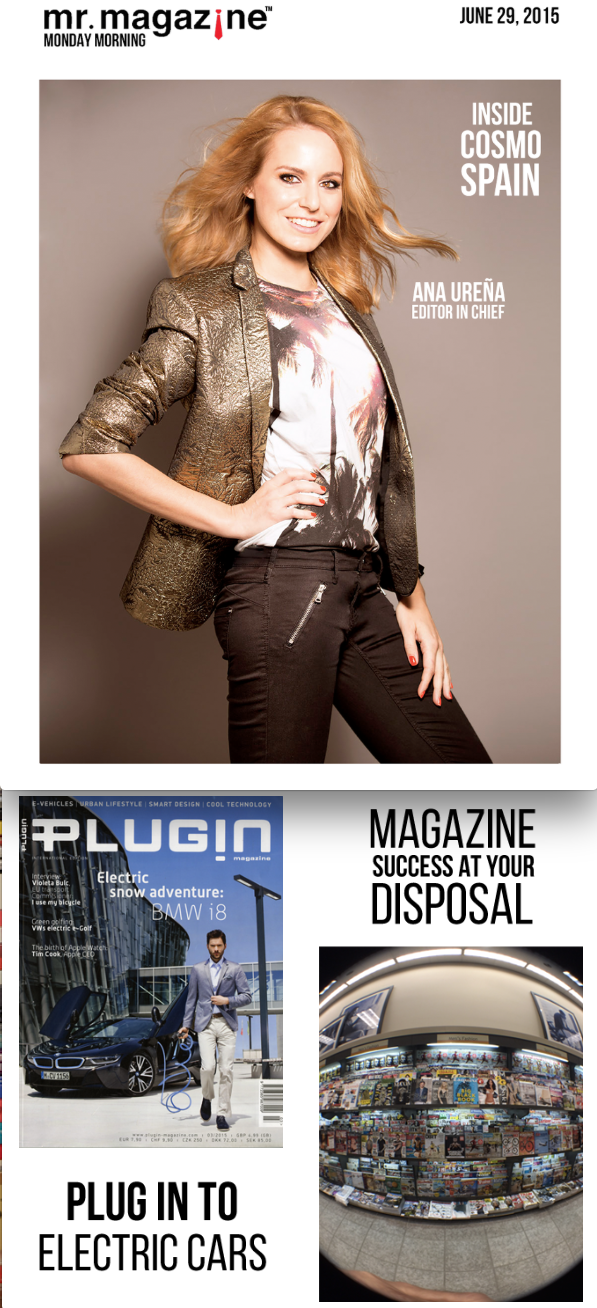
Mr. Magazine™ Monday Morning Global And Local…

June 29, 2015

Screen Shot 2015-06-29 at 8.36.53 AM The new issue of Mr. Magazine™ Monday Morning is out. To read the June 29 issue click here. The free emailed newsletter contains the best of the Mr. Magazine™ blog and appears every Monday morning in subscribers e-boxes.

To subscribe to the Mr. Magazine™ Monday Morning click here.

Have a great week. Hit the newsstands and buy a magazine or two. There is no better experience than sitting down or laying back with a magazine in your hands. And remember, “if it is not ink on paper, it is not a magazine.”™

h1

Why What Worked For Magazines In 2007 Won’t Work Today. A Very Strong First Six Months In The Land of New Magazines. A Mr. Magazine™ Musing.*

June 26, 2015

The numbers are strong for the first six months of 2015: 411 to be exact. 118 with frequency and 293 specials and book-a-zines. Major publishers are rediscovering the power of print.

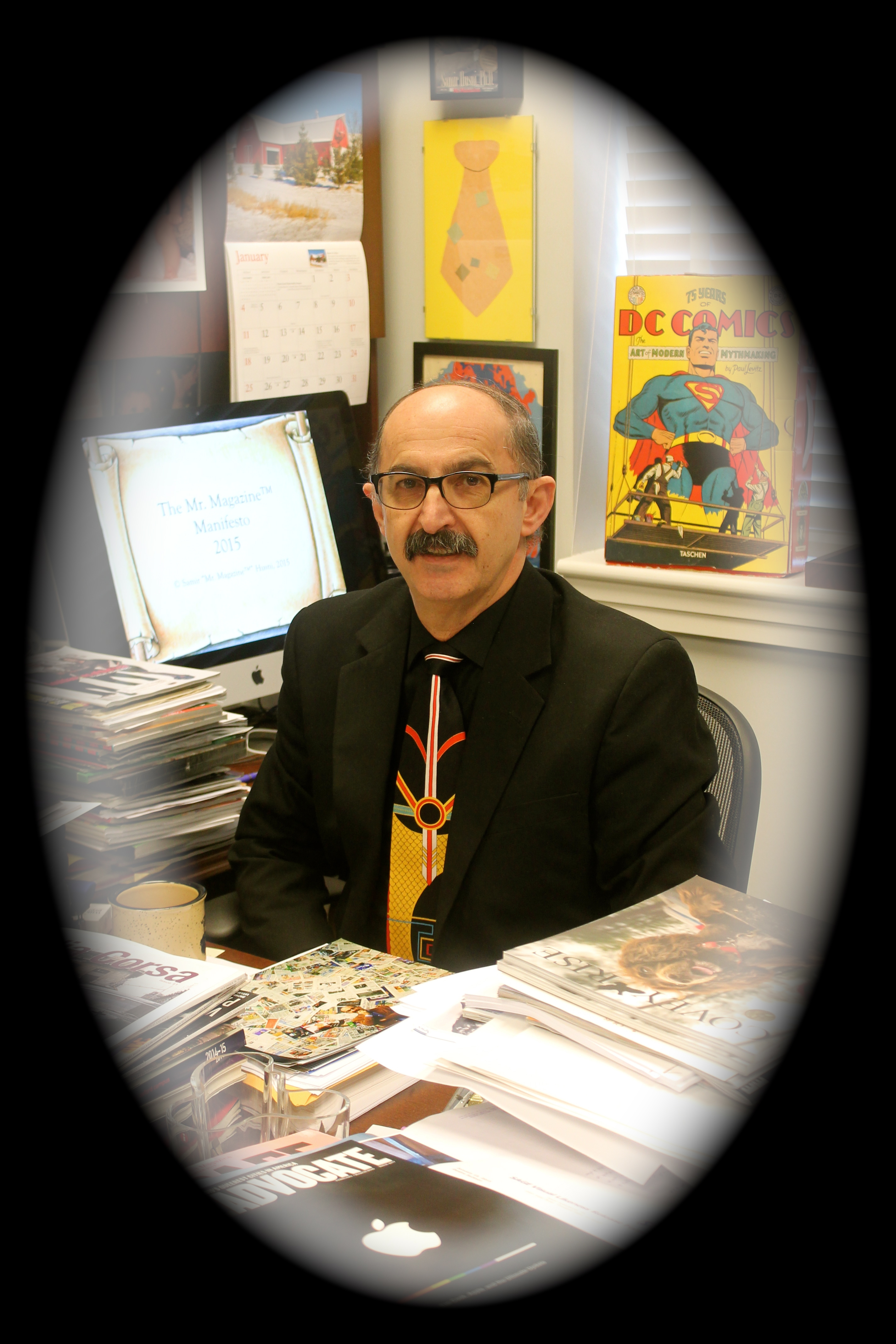
samir2015 If the world of magazines and magazine media has changed at all in the last seven to eight years, and we all know that it has, then why does the industry insist on continuing to create magazines as though we’re still living in the year 2007? It’s a conundrum that, quite frankly, I fail to understand. We all know that we live in a digital age, not even Mr. Magazine™ will argue with that, but we also know, according to research from some of the largest publishing houses on the continent, that print is still a valued friend that the buying public will not turn their backs on. In fact, from Bauer’s Simple Grace to Meredith’s Parents Latina, the big players are back in the print game with vim and vigor.

Below are but a few new titles from major publishing companies that have launched new print titles within the last six months:

•Bauer – Simple Grace
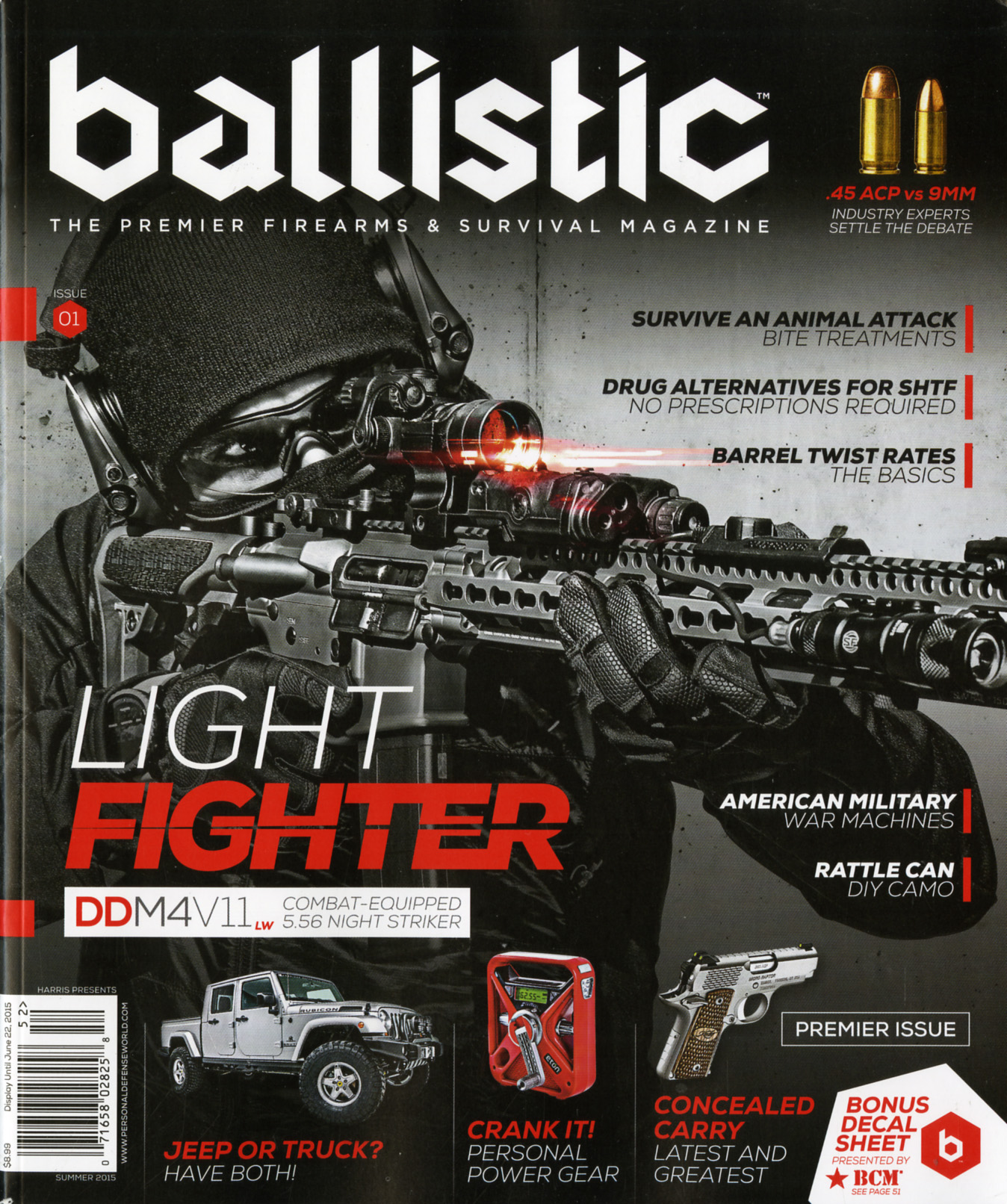
•Harris – Ballistic
•Hearst – Trending NY
•Hoffman Media – Enjoy Every Day
•I-5 Publishing – Dogster and Catster
•Meredith – Parents Latina
•National Geographic – History
•Rodale – Organic Life
•Smithsonian – Smithsonian Journeys

And for the first six months of 2015, the numbers are standing strong and proud (with more details and comparisons next week):

• Total New Launches: 411
• Frequency: 118
• Specials: 293

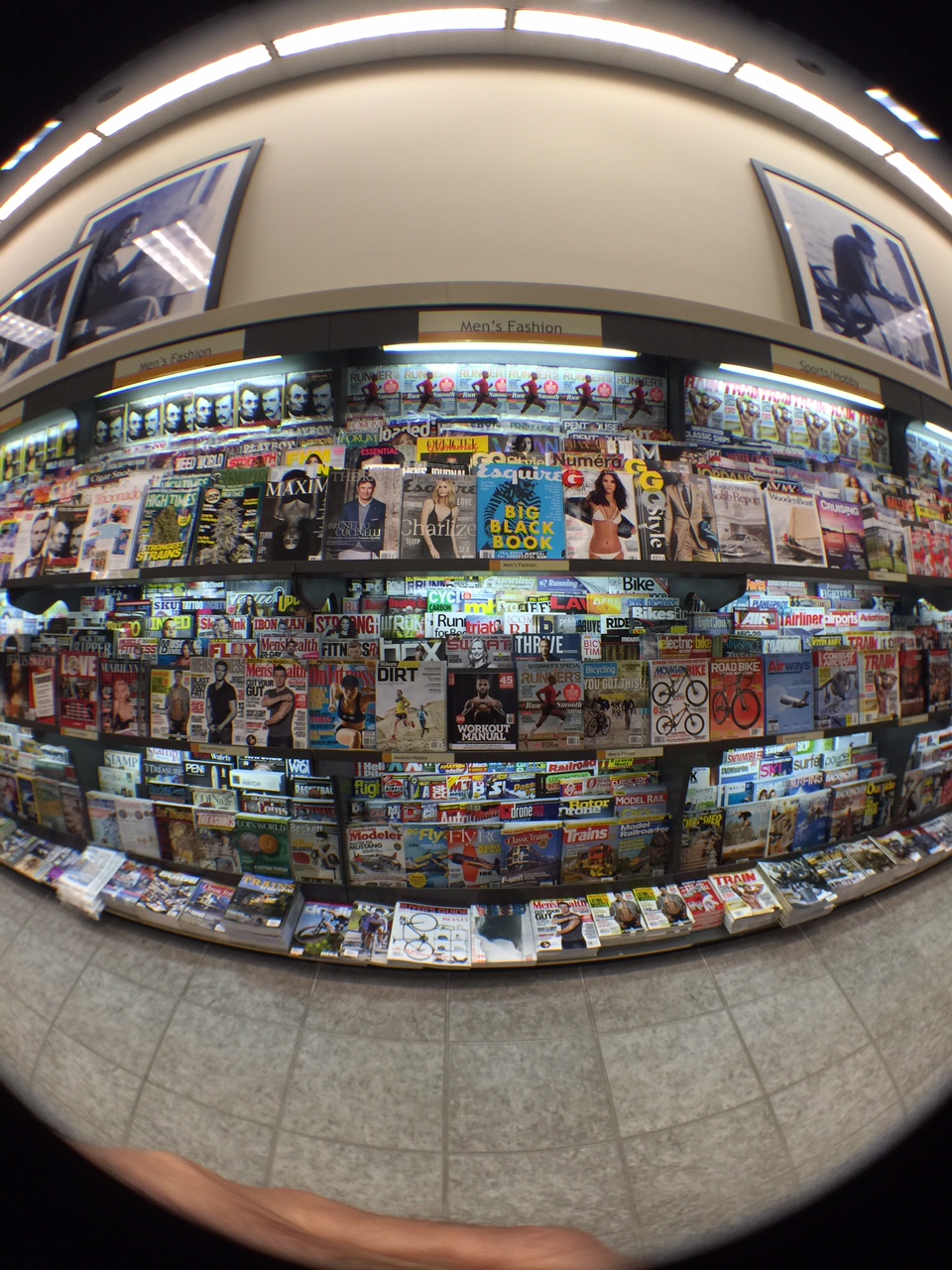
IMG_8285 It’s not the ingredients for the recipe that need to change, we’re adding distinctive and enticing elements to the pot; it’s the way we’re mixing that delicious stew in the same old way, which is continuing to produce magazines as though the year was 2007 instead of 2015.

What do I mean by that? First of all, before the Internet explosion magazine media was complacently successful following the ad path and content trail set years before. And it worked. After 2007 and Web mania, that model ceased to be profitable or proficient. And the prophets of print gloom and doom had a field day crying, “Print is dead,” all the while publishers were holding their collective breaths and fearing the worst.

When TV was invented, radio didn’t die; when a popular brand such as “MASH” or “Dallas” lived its lifespan and died a natural death; the entire television industry didn’t curl up its toes and jump in the grave with it, of course not. So why with the advent of digital, did print publishers allow their ink on paper child to hang its head, pack its bags and go into exile, or in some cases, commit suicide?

Fear and the lack of understanding that digital wasn’t going to replace print; its mission was to promote and co-exist with it.

But we as an industry must learn print’s place in today’s digital world. Print must have that collectability factor that we never worried about before, because if you want to know how to replace your doorknob, you can bet your shiny new keyhole that Google can tell you that information quicker than next month’s issue of your favorite DIY magazine. You, as a publisher, instead should concentrate on showing your audience the most dazzling and up-to-date doorknobs on the market today, or the oddest places people install doorknobs on their doors, or…well, you get my meaning. Content-driven information that excites the reader and causes that little niggle in the pit of his/her stomach as they’re about to toss that magazine, once read, into the trash; now that’s the collectability factor.

I have outlined nine roles print media can play in today’s magazine environment:

1. Be curators of content. There’s too much content and a scarcity of curation. Print can say: we’ve done the research for you, now here are the answers. The uniqueness of print’s ability to validate those responses by using the trust factor of research and explanation is incomparable.

2. Be analyzers of data. Google knows more about me than my wife. We must analyze the data so we know our audiences. Rather than focus groups, take10 readers to lunch. Listen to their challenges. Then feed their hunger. The lunch table most publishers should use when offering their audience sustenance is social media. Nowhere can you gain a better understanding of your reader’s wants and needs than social media platforms. Once again, digital and print working together.

3. Be creators of solutions. Amid so much conflicting content, validate information for readers. Let them depend on you by being one step ahead– preview the near future.

4. Be masters of opinions. Start conversations and lead public debate – you are the authority. Then, importantly, let the audience know they’re being heard, even if you don’t agree. This can happen through social media or the interactivity of your print audience, preferably both.

5. Be makers of experiences. Share and create experiences that lead to engagement.

6. Be suppliers of addiction. Nobody needs a magazine, so you need to make readers dependent on you. Dispense the drugs the audience needs. Change their wants to needs. Today everyone wants and needs stability in our sometimes crazy world; they need a reason to hope and believe that tomorrow is going to be better than today, so Bauer gave us “Simple Grace” to hold onto. They saw the want and the need of this type of content in our world.

7. Be witty storytellers. Fulfill your readers’ needs, but don’t forget the cliffhanger to make them buy the next issue.

8. Be provokers of emotions. Create content that stirs emotional reactions.

9. Be innovators in print. Let’s keep doing things differently.

Exercising these nine stratagems into the way we stir our pots will mix things up a bit and change the texture of our stew in a positive way.

Many people thought the onset of digital with all its many devices was going to change the world of magazine media, and in some ways, it did. For one it showed us that bells and whistles don’t really matter; in the world of devices, digital and otherwise, there is really only one thing that matters when it comes to magazine reading; it’s called content.

In a recent interview I did with Martha Stewart Living Publisher, Daren Mazzucca, he elaborated on that sentiment when I asked him why Meredith decided to remove all the bells and whistles from its digital entity and make it a straight replica of the magazine:

“I think it makes the most sense. I believe that tablet access for all brands has kind of flattened out a bit; if you look at two or three years ago when we all believed that tablets were going to soar and some believed they would replace print, but that hasn’t been the case. The paper format is still the primary vehicle that women want to engage with. They curl up with it, take it with them, and tablets have pretty much plateaued in the marketplace.”

Today, in 2015, it’s more about the experience than ever before. We are all bombarded by notifications of information on a minute-by-minute basis and sometimes when your Smartphone seems to have a life of its own, those notifications can become second-by-second. It’s a fast-paced, never-slow-down existence that we lead.

However, there does come a time when all of us want to disconnect from our digital realities and just have a lean-back experience with a glass of wine and our favorite magazine.

Travel+Leisure’s Editor-in-Chief, Nathan Lump, said it best about the lean-back experience in a recent Mr. Magazine™ interview:

“I think for me, it’s really true in the sense that when you think about it, we have so much information at our fingertips; no one necessarily needs to read a magazine in order to learn things, so those that do are obviously making a very conscious choice that they want to give a certain amount of their leisure time to that experience.”

And without a doubt, we have to make sure that experience is phenomenal and merits a return visit to our publication. Let’s be provokers of emotion and reaction. Take the topic your audience is crying out for and then make them emotionally care about the words you’ve put together.

And always be print innovators; we have to continue to do things differently and not be afraid to take the path less traveled – even if that path takes us over the rainbow and far, far away. We’re not in Kansas anymore, Toto – and we have to remember that…

*The above is an updated version from my article that I wrote for the Magazines At Retail conference earlier this month.

h1

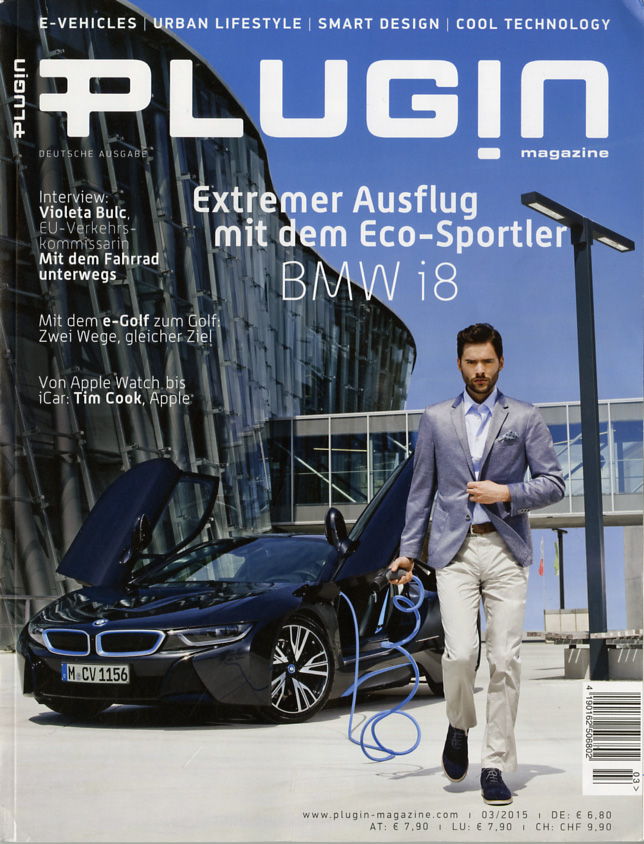
“Plugin” To The World Of Electric Cars & The Lifestyles Of Their Owners – The Mr. Magazine™ Interview With Dusan Lukic, Editor-in-Chief, Plugin Magazine

June 25, 2015

“We decided that we had to go with print because if you’re talking about lifestyle and life stories; if you’re talking about photography; you just have to showcase all of that in print. And there are still a lot of people who are willing to pay for that in a print format.” Dusan Lukic (on why he chose ink on paper for Plugin)

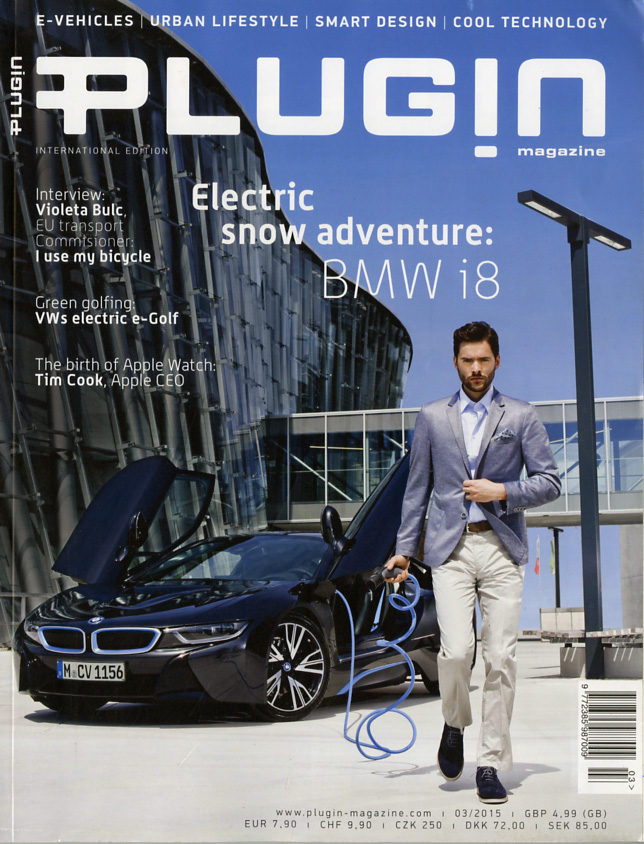
Plugin English-6 Welcome to another installment of the Mr. Magazine™ International Interviews where I had the extreme pleasure of speaking with Dusan Lukic, editor-in-chief, Plugin Magazine, from his office in the beautiful city of Ljubljana, Slovenia.

Dusan is a veteran of magazine publishing and knows his way around the small market, having worked at Adria Media in Ljubljana from the very beginning. Publishing licensed powerhouse titles such as Elle and Cosmo, Dusan and his team are now proudly publishing their first international offering with the new Plugin Magazine. With an English version and a German and Slovenian version as well, the beautifully-done, sleek coffee table collectable is an amazing journey into the eco-friendliness of electric cars and the lifestyles of their owners. It’s certainly what you need to “Plugin” to the world of alternative automotive experiences.

I hope you enjoy the Mr. Magazine™ interview with Dusan Lukic, Editor-in-Chief, Plugin Magazine, as you get a glimpse into the world of magazine publishing from the beautiful country of Slovenia.

But first, the sound-bites:


On the genesis of Plugin Magazine and why it was done in both an English version and a German version:
We came up with the idea of adding a lifestyle element to it and thought about maybe doing it for a chain of hotels, so it would have a controlled distribution. Then we decided to just go national with it and do an English version and a German version because we discussed it with the distributor and they agreed that we should do both because that would be the easiest thing to do with the first issue.

On how the lifestyle element of the magazine is presented:
We’re going to be highlighting the people who are buyers or are thinking about buying electric cars. They’re people who aren’t prepared to give up their freedom of riding around, yet they want to be more environmentally friendly, so they’re considering or have already bought an electric car. On that same note, they also do not want to give up their comfortable home, but they want it to be more eco-friendly. So basically, our target audience is people like that, which usually mean more men than women.

On why the company chose a print component when the magazine deals with the eco-friendly subject of electric cars:
We chose a paper that is quite environmentally friendly. We also have a website; of course, we really started with the website before the magazine. We also have a social media presence too, but we decided that we had to go with print because if you’re talking about lifestyle and life stories; if you’re talking about photography; you just have to showcase all of that in print.

Dusan_Lukic On whether he feels the pendulum is swinging back toward print in Europe the way it is in the United States:
Basically, there is no simple answer to your question. We know what we think; we think that in some markets, print is far from dead and in other markets we have our digital to split the difference.

On the history of Adria Media:
Adria Media is quite an old company; we started with our first magazine in 1996 and I’ve been with the company since the beginning. We started with a car magazine that no longer exists and then we started adding other magazines, either our own or through licensing. We now have 13 magazines and 10 websites, but it’s still a small company, about 120 people.

On the major stumbling block Europe and his company in particular is facing in today’s magazine media market:
In Slovenia, we’ve always been a small market, but we know how to operate in a small market. Of all the countries in this part of Europe, Slovenia was hit hardest by recession. And of course, consumer confidence sank to floor-level and one of the first things that people stopped buying was magazines.

On the hefty cover price and whether that was due to the first issue being ad-free:
It’s like this; we did the first issue without advertising and that was on purpose. What we didn’t want to do was to contact the car industry and the fashion industry without a product on the market. Now we are discussing different ad strategies since we’ve published the first issue.

On what keeps him up at night:
Currently worrying about the future and the stories that we have to do. If you’re a publisher for a small market and you go international, one of the things that you have to do is learn to think like the big international publishers do. I know what I’m doing thanks to my education, but still it’s hard. We know our market here and we know our reader, but we don’t exactly know what would be interesting to our readers outside of this country.

And now the lightly edited Mr. Magazine™ interview with Dusan Lukic, Editor-In-Chief, Plugin Magazine…

Samir Husni: Can you tell me a little about the genesis of Plugin Magazine? Why both an English and German version and why it’s ad-free? And also what’s the mission with this magazine? You say you want people to live smart, drive green and Plugin.

Dusan Lukic: Well, you know that Slovenia is a really small country and of course in Europe, generally print media doesn’t do that well, and that fact is even more obvious here. For example, we have a much distorted advertising market; almost 80% of advertising money goes to television.

We’ve done what we can basically; we have quite a big publishing company; we do a lot of licensed titles; we do Elle, Playboy, Cosmo and others, but we started thinking there’s 2 million in the country and if we only think locally from the beginning, then we’re doomed from the beginning. So we switched and started thinking instead, what else can we do? What is out there that hasn’t been done yet?

We do a car magazine here also, so we’ve sort of found a niche with electric cars and so we started thinking about an electric cars magazine and plugging highways and things like that into it.

But then again, anyone can do a car magazine, so we needed to do something better and different. We came up with the idea of adding a lifestyle element to it and thought about maybe doing it for a chain of hotels, so it would have a controlled distribution. Then we decided to just go national with it and do an English version and a German version because we discussed it with the distributor and they agreed that we should do both because that would be the easiest thing to do with the first issue.

We also have a really good knowledge of the languages here, because Slovenia is close to Austria, so a lot of people speak German and English is a language that is spoken quite a lot here and it wasn’t hard to find people who could write in English or translate.

Samir Husni: Tell me about the concept of Plugin, because the magazine is technically divided into two sections: driving and living. How is the concept of the lifestyle element done? Is it the lifestyle of the electric car owner or driver or the car itself?

Plugin German-5 Dusan Lukic: We’re adjusting a little bit now with the magazine. All the stories that are in it about electric cars, there are two really big ones in the first issue and there is going to be more, but they’re going to be done in more of a lifestyle-type way. We’re going to be highlighting the people who are buyers or are thinking about buying electric cars.

They’re people who aren’t prepared to give up their freedom of riding around, yet they want to be more environmentally friendly, so they’re considering or have already bought an electric car. On that same note, they also do not want to give up their comfortable home, but they want it to be more eco-friendly. So basically, our target audience is people like that, which usually mean more men than women.

What we want to do is make a very interesting lifestyle magazine and also use it to showcase to those people the electric cars and the Plugin hybrid. This target generation, let’s call it 35-50 years old, affluent enough; they know how to live nicely, yet they’re very environmentally conscious and friendly. They don’t want to read a specialized car magazine; they don’t want to read a specialized architectural magazine, but they do like to read nice stories about all of the areas in Plugin.

Samir Husni: Since one of the focuses of Plugin is environmentally friendly electric cars; why did you decide to go with print when some people say print is not environmentally friendly because it involves the killing of trees?

Dusan Lukic: That’s not true, basically. We chose a paper that is quite environmentally friendly. We have a website; of course, we really started with the website before the magazine. We also have a social media presence too, but we decided that we had to go with print because if you’re talking about lifestyle and life stories; if you’re talking about photography; you just have to showcase all of that in print. And there are still a lot of people who are willing to pay for that in a print format.

Samir Husni: In the United States we’re starting to see the pendulum swinging back toward print. Five years ago everyone was talking about the fact that print was dead; now they’re talking about print’s changing nature or the decline of print. Do you see that happening now in Europe, even though you’re having trouble with advertising, newsstands and single-copy sales? Not the same print that we had before the digital age, but a different print business model that’s on the horizon?

Dusan Lukic: There’s no simple answer to that in Europe. I certainly hope that’s the case. But if you look at our biggest market for our German issue, which is Germany, you’ll find the country still has a really strong print base. If you look at their car magazines, there are about 300,000 different car magazines for a country of 80 million.

And then on the other side we have the U.K. and they don’t really sell a lot of digital issues, percentage-wise, but on the other side of the U.K., the biggest car magazines sell only 50,000, but you’ll find online subscribers at around 15 or 20,000.

Basically, there is no simple answer to your question. We know what we think; we think that in some markets, print is far from dead and in other markets we have our digital to split the difference.

Samir Husni: Tell me a little about Adria Media.

Dusan Lukic: Adria Media is quite an old company; we started with our first magazine in 1996 and I’ve been with the company since the beginning. We started with a car magazine that no longer exists and then we started adding other magazines, either our own or through licensing. We now have 13 magazines and 10 websites, but it’s still a small company, about 120 people.

We started with some really niche products. The first magazine was about Formula One, then a car magazine, one about sports climbing, and then we shifted our focus more toward the women’s side. We have three glossy weeklies; we have Elle, Cosmo; we have a magazine called Sensa, which is about inner well-being. And we’re the first magazine company here in Slovenia to really embrace digital. In 2009, we had about 16 or 18% share of our advertising revenue from digital, which was, even for European standards, quite high then.

We were the first to start doing digital versions of the magazines. But in the last few years we’ve had to really consolidate the company because our revenues went down 30% more. The advertising market shrank, the copies-sold went down and television became all-conquering.

But we’re still alive and we’re the only magazine publisher here. There is another company that went bankrupt and their titles got picked up by another publishing company, but they’re selling it again, so we are basically the only stable magazine publisher here.

Samir Husni: What do you think is the major stumbling block facing your company specifically and magazine companies in general in Europe?

Dusan Lukic: In Slovenia, we’ve always been a small market, but we know how to operate in a small market. Of all the countries in this part of Europe, Slovenia was hit hardest by recession. And of course, consumer confidence sank to floor-level and one of the first things that people stopped buying was magazines.

The other thing was this big shift of advertising money to TV. The problem is we basically have one national TV station. We have two commercial channels, but they’re owned by the same company. We also have the largest Internet portal in Slovenia and they have done deals that are still being investigated by the anti-competition authority. But basically they really lowered prices, they were almost dumping prices and then they gained 75 or 80% of the advertising market.

So there is very little left for everybody else and that includes magazines. In Europe, the normal share for television is 40%, maybe 50%, but not 70 or 80%.

The third thing is a lot people bought magazines in grocery stores before the recession. Now there are chains here that do not sell magazines at all. They have food items cheaper than some of the larger chains that do still sell magazines, so as the consumers started shopping with those for the cheaper food prices, all of the impulse buyers that used to buy magazines on the way out aren’t doing that anymore. We’ve lost a lot of business to the stores that no longer sell magazines.

So, there are three of four factors that figure into it and while each by themselves might not present a big problem; altogether they do.

Samir Husni: What’s the solution?

Dusan Lukic: We didn’t go for the big advertising because once you lower your prices you can never get them back up. We managed to get into contact with some of these retailers and put together special magazine packages for them that they could sell at the cash price. We got some sales there.

We also optimized our own internal structure to cope with the loss of revenue. And we’re trying to get some licensed titles to start publishing and do some smaller titles.

And of course the biggest thing we’ve done is Plugin and going international. International markets are big and they’re different; we have to learn a lot about them, but the opportunities are much bigger than if you just stay close and within your own country’s borders.

Samir Husni: I noticed that you not only went international, but you also went with a hefty cover price, because if there’s no advertising, the magazine needs to sell for almost 8 Euros?

Dusan Lukic: It’s like this; we did the first issue without advertising and that was on purpose. What we didn’t want to do was to contact the car industry and the fashion industry without a product on the market. Now we are discussing different ad strategies since we’ve published the first issue.

It seems to have been a good decision, because in Slovenia we’re not really used to big companies telling us about advertising. And that’s what’s happening to us now. I think it was the right decision to do the first issue ad-free and now we can go all-out.

In fact, in our first Slovenian issue, we had about 25 ad pages. And we’re thinking that the next international issues will be similar.

Samir Husni: So, you’re actually publishing three editions? German, English and Slovenian?

Dusan Lukic: Yes and I’ll say this, financially speaking, the Slovenian edition doesn’t really make much sense, but we are a Slovenian company and we are working in Slovenia and it is a topic important to the Slovenian people, so we felt we had to do it regardless of the amount of money we would make.

Samir Husni: My typical last question; what keeps you up at night?

Dusan Lukic: (Laughs) Currently worrying about the future and the stories that we have to do. If you’re a publisher for a small market and you go international, one of the things that you have to do is learn to think like the big international publishers do. I know what I’m doing thanks to my education, but still it’s hard. We know our market here and we know our reader, but we don’t exactly know what would be interesting to our readers outside of this country.

And just thinking about the next story, who to get for the next interview and how to promote the magazine. Those are some of things that keep me up at night.

Plus, I like to read, so I read magazines long into the night because I don’t have time during the day. And I read about 50/50 print and digital. Some magazines have to be read in print, architecture magazines or car magazines with great photography. I still prefer to read them in print if possible. Some magazines are really good in digital, so it’s different.

Samir Husni: Thank You.

h1

Scintillating & Addictive – Cosmo Spain Holds Its Own With Its American Sister – The Mr. Magazine™ Interview With Ana Ureña, Editor-In-Chief, Cosmopolitan Spain

June 23, 2015

“One of the things on one post-it is “create addiction.” And every time I look at content, because my editors will show me and get my opinion or they’ll show me the finished feature; I’ll look at it and ask myself does this piece create addiction or why would someone want to read more? Or would I want to read more next month? So, that’s one of the messages and if the answer is no, it doesn’t create addiction or that it’s boring; we won’t run it. We don’t run things just to run them. It has to have that special spark.” Ana Ureña (on her use of post-it-notes for inspiration)

ana cosmo spain In a series of Mr. Magazine™ Interviews I’ll be speaking with some of the editors, publishers, CEOs of different magazines and magazine media companies overseas. The first of these interviews is with the editor-in-chief of Cosmopolitan Spain, Ana Ureña. Ana joined the magazine in December 2014 and is an open and entertaining person with firm ideas of how to create and maintain that special spark she believes Cosmopolitan the brand has always had.

Ana’s contention is that Cosmo the brand speaks to all women, from all walks of life and from each and every country of the world. Therefore the content must be translatable to all, from the U.S. to Spain and everything in between and all around.

Our conversation was fun-filled and totally free-spirited, and focused in part on the empowerment of women, something that Ana feels is the most important role Cosmo plays in its audience’s lives. Creating enrichment and positivity with readers using a page-by-page value check is something that she strongly believes in.

Through creativity, such as the Cosmo Pose hashtag promotion she came up with for readers to send in their own Cosmo Power Pose, Ana is bringing fun and vitality to the Spanish arm of the brand.

So, I hope you enjoy this internationally-flavored Mr. Magazine™ interview with a young woman who knows what she wants out of life and is determined to help her readers find their own strength and focus along the way – a conversation with Ana Ureña, Editor-In-Chief, Cosmo Spain.

But first, the sound-bites:

On the difference between Cosmo Spain and its American counterpart: Right now, nothing. (Laughs) No, I’m kidding. I’m a very big fan of the American Cosmo and when I first started at Cosmo in Spain, I did think there was a lot of content that we were missing out on and weren’t using in the same way they were in the American edition. I think that Cosmo as a brand talks to all women, so you could take any content from any Cosmo and it would translate into any country, that’s the beautiful thing about the magazine, because it speaks to all women about women issues and challenges. And it does it in a really fun and happy way.

On using her post-it-note inspiration system:
When you came over a couple of months ago a lot of the things that you said about “common sense” really hit home and I didn’t want to forget what I’d learned, so I thought why not put it on a post-it and put it up on the board where I could see it every day when I went into the office and make those points of interest my own.

Ana_Ureña_ANiv_B On the creation of the hashtag Cosmo Pose:
When I first walked into the offices I started looking at all the Cosmo covers that had been published over the years in many editions, not just the Spanish one. And I noticed that most of the girls on the covers were in a special pose where they had their hands on their hips, either one or both. And I thought wow; almost all of them are doing that on every cover. I didn’t know why, but I thought it was a fun and interesting concept.

On her newspaper background and whether she has found any difference between newspapers and magazines:
Well, the only difference is in newspapers we used to do everything more quickly. (Laughs) The magazine is a monthly so we have more time to think about things. But I think the approach for me is still the same because you still have to think of interesting stories to tell and stories you think the readers are going to want to read and that’s going to enrich their lives.

On the balance between Cosmo Spain’s digital and print presence: I’ve always had Twitter and that’s always been there, that hasn’t changed. So, when I was at the newspaper, I used to Tweet every day about what I was thinking, which was always so interesting. (Laughs) But I have never stopped using Twitter.

On the major stumbling block she’s had to face:
The biggest challenge for me has been the lack of time because you never have enough time to finish everything you have to do. When I was working for the newspaper I was working from home because I was freelancing. I could work at 2:00 a.m. in my pajamas, no problem, but here I have to be in the office and I can’t be in the office in my pajamas at 2:00 a.m. because people would think that I’m a crazy lady, so I have to get things done within the work hours.

On her most pleasant moment:
My most pleasant moment has definitely been interacting with the readers because they reach out and that’s never happened before. I can tell that they’re reading the magazine; I can tell that they’re reading the website or whatever aspect of Cosmo they’re interested in.

On whether or not the magazine would be transformed into herself if she struck it with a magic wand:
No, it would definitely be the whole team. One of the issues that I have personally with magazines is it’s not good if the magazine becomes the editor. The magazine has to be a magazine, it’s the brand. And the brand is Cosmo, it’s definitely not me. But if course I bring a little bit of me to the magazine, but there’s a little bit of me, a little bit of the art director, of the features editor; a little bit of all of us. And that’s what makes it Cosmo.

On what keeps her up at night:
I’m usually a really good sleeper. I’m usually so tired by the end of the day that I just knockout and go to sleep. Maybe the problems of the world bother me, but definitely not my job because it’s something that I really like and enjoy.

And now the lightly edited transcript of the Mr. Magazine™ interview with Ana Ureña, Editor-In-Chief, Cosmopolitan Spain.

Ana_ureña_B Samir Husni: You’re the editor of Cosmopolitan in Madrid, Spain. And you have an American and Spanish background. What would you say is the biggest difference between the American Cosmo and the Spanish Cosmo?

Ana Ureña: Right now, nothing. (Laughs) No, I’m kidding. I’m a very big fan of the American Cosmo and when I first started at Cosmo in Spain, I did think there was a lot of content that we were missing out on and weren’t using in the same way they were in the American edition. I think that Cosmo as a brand talks to all women, so you could take any content from any Cosmo and it would translate into any country, that’s the beautiful thing about the magazine, because it speaks to all women about women issues and challenges. And it does it in a really fun and happy way.

When I first started looking at the Spanish Cosmo, it had lost a little bit of its spark, but I found that the American one was filled with a lot of spark and fun and obviously, it’s about that fun, fearless woman. And I think that’s the DNA of the magazine. So, we’re trying to bring all of that excitement and fun back into the Spanish edition.

Samir Husni: Can you tell me a little bit about your philosophy as an editor? I understand that you use post-it-notes for inspiration?

Ana Ureña: I do. As a matter of fact, when you spoke in Spain few months ago a lot of the things that you said about “common sense” really hit home and I didn’t want to forget what I’d learned, so I thought why not put it on a post-it and put it up on the board where I could see it every day when I went into the office and make those points of interest my own.

One of the things on one post-it is “create addiction.” And every time I look at content, because my editors will show me and get my opinion or they’ll show me the finished feature; I’ll look at it and ask myself does this piece create addiction or why would someone want to read more? Or would I want to read more next month? So, that’s one of the messages and if the answer is no, it doesn’t create addiction or that it’s boring; we won’t run it. We don’t run things just to run them. It has to have that special spark.

Another post-it message is “does it make me feel better?” I always want positive articles in the magazine; I don’t want anything negative or anything that would make the reader feel bad about herself when she sees it or when she reads it.

And I also ask myself would I spend money on this magazine to read its content or can I find it on Google for free? And if the answer is that I can find it on Google for free, we don’t run it because there’s no point. We’re not helping the reader at all.

And the last post-it is “what is the takeaway value for the reader?” Every page has to have takeaway value for our reader. They have to learn something new on every page. Even the contents page, I don’t care, every page has to have something. Maybe a small link to something, or a quote of someone famous or a tip for the day; it just has to have something. The thing about Cosmopolitan, at least for the Spanish edition, is it has two different ways to read it. They can read it very quickly by just reading the titles or the bullet points or they can read it slowly and take in the meat of every article and really enjoy the experience.

Samir Husni: Since you became editor in December 2014, you’ve been introducing even more new and fun things for your audience; for example, I noticed that you have the hashtag Cosmo Pose. Tell me a little bit about that and how you’re putting that into practice.

Ana Ureña: When I first walked into the offices I started looking at all the Cosmo covers that had been published over the years in many editions, not just the Spanish one. And I noticed that most of the girls on the covers were in a special pose where they had their hands on their hips, either one or both. And I thought wow; almost all of them are doing that on every cover. I didn’t know why, but I thought it was a fun and interesting concept.

Then when I was reading a book about body language, there was one pose in the book called the power pose and it was exactly the same as the Cosmo Pose. If you stand with your hands on your hips and you feel powerful, right? The author was saying if you have a job interview, for example, and you’re nervous, go into the bathroom and stand in front of the mirror and do the power pose for a count of 20 and you’ll be able to ace your interview because by doing that pose you’ll begin to feel more powerful.

And I knew that was also the Cosmo Pose and I thought what a great way to empower women; if they practice every morning just doing the Cosmo Pose they will feel better about themselves, which is what Cosmo is all about.

So I started a hashtag called Cosmos Pose and I was encouraging girls to either send us or upload to Instagram or Twitter their Cosmo Poses so we could show the best of our Cosmo communities. I’m hoping people will really get into this and start sending them in because we’re turning 25 this year and we want to do something big with all the Cosmo Poses at the end of the year, like a composite, just something fun.

Samir Husni: My understanding is for the next issue you’re actually giving away a Selfie Stick for someone to use to take their Cosmo Pose?

Ana Ureña: That’s right because sometimes it’s hard to take a selfie of a Cosmo Pose because it’s a very close-up shot and you can’t get your whole body in the picture. But with a Selfie Stick you can actually take a longer distance shot by yourself; you don’t need any help. And you can take the picture and send it to us.

Samir Husni: You came from a newspaper background; how did you make the switch from newspapers to magazines and as a journalist, are you finding any difference between the two?

Ana Ureña: Well, the only difference is in newspapers we used to do everything more quickly. (Laughs) The magazine is a monthly so we have more time to think about things. But I think the approach for me is still the same because you still have to think of interesting stories to tell and stories you think the readers are going to want to read and that’s going to enrich their lives.

When I was in newspapers I used to do a lot of fashion and lifestyle, obviously, but I always used to try and get a human angle to it or something that would pull a reader in. And that’s something that we try to do in Cosmo as well. When we tell a story we always want it to be something with a human side.

Samir Husni: In this digital age where you feel that you have to be in contact with your readers on a second-by-second basis; how are you balancing between your digital presence and your print presence?

Ana Ureña: I’ve always had Twitter and that’s always been there, that hasn’t changed. So, when I was at the newspaper, I used to Tweet every day about what I was thinking, which was always so interesting. (Laughs) But I have never stopped using Twitter. So, the Twitter feed remains a constant and also the Instagram feed.

Samir Husni: What has been the major stumbling block that you’ve had to face since you became editor of Cosmopolitan and how did you overcome it?

Ana Ureña: The biggest challenge for me has been the lack of time because you never have enough time to finish everything you have to do. When I was working for the newspaper I was working from home because I was freelancing. I could work at 2:00 a.m. in my pajamas, no problem, but here I have to be in the office and I can’t be in the office in my pajamas at 2:00 a.m. because people would think that I’m a crazy lady, so I have to get things done within the work hours. And the things that I can take home, I do. But there are some things that I’m still struggling with to get done.

Samir Husni: And what has been your most pleasant moment since you became editor?

Ana Ureña: My most pleasant moment has definitely been interacting with the readers because they reach out and that’s never happened before. I can tell that they’re reading the magazine; I can tell that they’re reading the website or whatever aspect of Cosmo they’re interested in. They ask questions and they reach out to you and that means that someone is out there and someone is listening.

Samir Husni: If I gave you a magic wand that you could strike the magazine with and it would immediately transform itself into a human being, who would that be, Ana?

Ana Ureña: (Laughs) No, it would definitely be the whole team. One of the issues that I have personally with magazines is it’s not good if the magazine becomes the editor. The magazine has to be a magazine, it’s the brand. And the brand is Cosmo, it’s definitely not me. But if course I bring a little bit of me to the magazine, but there’s a little bit of me, a little bit of the art director, of the features editor; a little bit of all of us. And that’s what makes it Cosmo.

Samir Husni: Do you have to be a Cosmo person to work at Cosmo?

Ana Ureña: Definitely. (Laughs) I was a Cosmo girl before I came here. I just realized it.

Samir Husni: What motivates you to get out of bed in the mornings and say it’s going to be a great day?

Ana Ureña: Coffee. (Laughs) Strong coffee.

Samir Husni: (Laughs too) What makes Ana click and tick and gives you that energy from within?

Ana Ureña: I am constantly wondering what’s going to come at me today; the surprise element and I love that. Every day is different.

Samir Husni: My typical last question; what keeps you up at night?

Ana Ureña: (Laughs) I’m usually a really good sleeper. I’m usually so tired by the end of the day that I just knockout and go to sleep. Maybe the problems of the world bother me, but definitely not my job because it’s something that I really like and enjoy.

Samir Husni: Thank you.


And Back In The U.S.A….

Cosmo 1-1Cosmo 2-2Take note of the differences between the two July covers of the American version of Cosmopolitan – one for subscribers and one for the newsstands.

This isn’t the first time a magazine changes the word “sex” that appears on the newsstand edition to the word “fun” or “love” on the subscription cover. Cosmo is taking a page from its sister publication Redbook which used that approach for years a while back.

The newsstands’ cover reads, “WILD SUMMER SEX 8 Surprise Moves From Foreplay to Fireworks!”

The subscribers’cover reads, “WILD SUMMER FUN 8 Surprise Moves for Hotter Date Nights!”

Gone are the SEX, the foreplay and the fireworks.

So my simple question, what gives? You be the judge and let me know what you think…

h1

The Power Of Print: Mr. Magazine™ Monday Morning Special Issue.

June 22, 2015

Mr. Magazine™ Monday Morning 6/22 What do MORE, Vanity Fair, and Forbes have in common? All three magazines have illustrated the power of print in a digital age from three different perspectives.

MORE was able to get the First Lady of The United States of America to edit an issue of the magazine, a first in the history of American magazines and the history of a sitting First Lady.

Vanity Fair
was able to generate enough buzz on social media about the Caitlyn Jenner interview, along with amazing photographs taken by Annie Leibovitz, to create a case study which should be copied time and time again on how to best use digital to promote print in today’s marketplace.

Forbes, on the other hand, shows the power of print via its Brand Voice and how to use that brand voice to promote both the advertisers and the content of the magazine.

All in all this past week has been a great reminder about the power of print and to quote Lesley Jane Seymour, editor in chief of MORE magazine, ““Print is not dead; it’s very much alive and if someone hasn’t gotten that message from the recent ink on paper wonders that we’ve had, then they must have been hiding under a rock.”

To read all three exclusive interviews with the editor in chief of MORE, Lesley Jane Seymour, the publisher of Vanity Fair, Chris Mitchell, and the chief revenue officer of Forbes, Mark Howard, subscribe to my Mr. Magazine™ Monday Morning here, or click here to read this week’s issue, and of course you will also find my musing about the power of print and the death of “PRINT IS DEAD.”

Enjoy your week.

h1

Reunion Planning At Its Best – 25 Years Of Family, Military & Class Reunions – The Mr. Magazine™ Interview With Edith Wagner, Founder, Publisher, Reunions Magazine

June 19, 2015

“A decision had to be made in terms of whether or not we could continue to afford to print. At this point with the last several issues, the amount of advertising has covered it, but we’ve really survived for the last 25 years because I’m very passionate about it. A lot of my savings is gone. I’ve never missed a payroll and we pay our bills, but it’s hard.” Edith Wagner

Reunions-18 Reunions Magazine has been around for 25 years and is a small publication that has the backbone of a mammoth. Edith Wagner is the founder and publisher and the glue that has held it together for a quarter of a century. Refusing to give up, Edith has done whatever it took to keep the magazine afloat, even dipping into her own savings. Her passion for the magazine and its subject matter was equaled only by her determination.

Today the magazine is in its 25th year and about to undergo a drastic change by attempting a digital-only format designed to keep Edith’s dream alive and allow the audience to continue its relationship with the brand.

I spoke with Edith recently about the transition and about the history and legacy of the Reunions brand. Her determination and passion is still strong and her faith in what she’s about to do is focused. And for Reunions’ creator and leader, she is as tenacious today as she was 25 years ago.

So, I hope you enjoy the Mr. Magazine™ interview with Edith Wagner, Founder & Publisher, Reunions Magazine and meeting a lady who believes in her passion and her brand.

But first, the sound-bites:

edith_headshot_edited On the genesis of Reunions Magazine: When I started out we were talking about reunions of adoptees and birth parents and I very quickly learned that there was no money in that. I would talk to people about my idea and they would say oh, it could be interesting, and that was my reaction. And this went on for two years before the 25-year-ago beginning of the actual magazine. But with the family, class, military and other reunions we found a market.

On just who the Reunion audience is: For the audience, our audience is reunion planners. And the magazine has become reader-driven; we get almost all of our material from our readers. I think what happens with a lot of reunions is that they love to see their story in a magazine. And I make it clear that there has to be something special about the reunion.

On the fact that after 25 years, Reunions is going digital-only: A decision had to be made in terms of whether or not we could continue to afford to print. At this point with the last several issues, the amount of advertising has covered it, but we’ve really survived for the last 25 years because I’m very passionate about it. A lot of my savings is gone. I’ve never missed a payroll and we pay our bills, but it’s hard.

On whether she believes the legacy of the brand can survive without a print component: Your guess is as good as mine, but we do have a huge presence on the web. We have a very large webpage. I have about 12 years’ worth of content that I haven’t even forced onto the webpage yet. We don’t date things because frankly reunions aren’t dated. And that fact has been a real serious advantage for us. Every now and then there’s news. But what I hear from readers a lot is that they just collect the magazines and when they’re getting ready to plan their next reunion they sit down and they read them all.

On the major stumbling block that she’s had to face over the last 25 years and how she overcame it: It’s always been money. How did we overcome it? We just sort of knuckled down and every now and again we’d come up with a new idea for a special thing we could do and sell.

On her most pleasant moment: Travel writing and traveling to represent companies was a couple of things that were a bonus and just fell into my lap over the years and made it a lot of fun.

On what keeps her up at night: I don’t have a lot of trouble sleeping. (Laughs) Right now it would have to be the transition. There are a lot of people who have to be notified and I’m not talking about sending out a form letter. What I’ve been agonizing and losing sleep over is exactly how to tell people what we’re doing. So far, the response has been amazing because we’ve been talking to advertisers first.

And now the Mr. Magazine™ interview with Edith Wagner, Founder and Publisher, Reunions Magazine…

Samir Husni: Congratulations on staying in business for 25 years.

Edith Wagner: Thank you.

Samir Husni: Tell me the story of Reunions magazine and its quarter-century history.

Edith Wagner: When I started out we were talking about reunions of adoptees and birth parents and I very quickly learned that there was no money in that. I would talk to people about my idea and they would say oh, it could be interesting, and that was my reaction. And this went on for two years before the 25-year-ago beginning of the actual magazine.

At that time Phil Donahue and Oprah Winfrey were on television. And people could relate to those types of programs, of course, but they were always telling me about their military reunions or their family or class reunions. So, I quickly realized that if I used the title Reunions my idea could be expanded to cover all of those things and that’s when we got out of just the adoptee and birth parent part.

But with the family, class, military and other reunions we found a market. But we started out in a slightly down-market in the 90s. It was the early 90s that a lot of businesses started pulling their salespeople back, because then they were on the road all the time and that was becoming very expensive, people were doing a lot more work over the phone. And the hotels needed to fill up their rooms on the weekend; if they had all the business during the week, they could have a skeleton staff on Saturday and Sunday and get by, but all of a sudden they weren’t having as much business during the week and they needed to fill up on weekends and what better way to fill up on weekends than with reunions? And there began the basis for our being able to support ourselves.

Our primary advertisers are convention and visitors bureaus and hotels. Our big problem now, obviously, is advertising. Who have you not heard that from? Now, we’re much more into the convention and visitors bureaus than we are hotels, some resorts and one time a year we have a big feature on ranches; ranches are great places for family reunions.

We’ve worked out some of the problems, but there’s not enough in it consistently right now for the cost of printing and postage. And that’s one of the reasons that we’re making some changes.

Samir Husni: Who is the Reunion audience?

Edith Wagner: For the audience, our audience is reunion planners. And the magazine has become reader-driven; we get almost all of our material from our readers. I think what happens with a lot of reunions is that they love to see their story in a magazine. And I make it clear that there has to be something special about the reunion.

One of the things that I discovered very early on was a very substantial part of our audience is African Americans. And in terms of the advertisers, most of the advertisers that we have are appealing, to a great extent, if you look at the images they use, to African American families. Certainly, in proportion to the overall population, I would say that the percentage of African American families who have family reunions is a little bigger than any of the other percentages. And these reunions are usually the most well-organized and best put together of any.

Samir Husni: And how has that fact impacted the magazine over the years? Since African Americans are a substantial part of your audience, can Reunions now be classified as an ethnic magazine?

Edith Wagner: No, not at all. I think what it impacted was family reunions in general. African American families have taken the family reunion to another level and have demonstrated to other ethnic groups that there are all of these wonderful things that you can do with family reunions.

When we first started out, reunions were just really moving into being a three-day event, with people having to travel to reunions. Prior to that, reunions had been a Sunday picnic. People may have gone to reunions, but they were usually going home, back to the home place or back the farm where everyone grew up. And that still happens, but not as much as it did 25 years ago.

People had begun to travel for reunions and they had turned into more of a Friday, Saturday and Sunday-type event. And now with many reunions, people travel Tuesday through Thursday and make the reunion even longer, in part because if you’re going to travel, you don’t want to picnic just on Sunday afternoon, you have to make the travel worthwhile.

Another trend that has begun to happen is large groups of people will take their vacations together. It takes some planning; you obviously have to be some place that can accommodate everybody. And a lot of these kinds of things are what we include in the stories that go into the magazine and online.

Samir Husni: I read your letter from the last issue and in it you said that would be the last of Reunions regularly-scheduled print edition for now. Is it 25 years and now it’s over?

Edith Wagner: A decision had to be made in terms of whether or not we could continue to afford to print. At this point with the last several issues, the amount of advertising has covered it, but we’ve really survived for the last 25 years because I’m very passionate about it. A lot of my savings is gone. I’ve never missed a payroll and we pay our bills, but it’s hard.

But I didn’t want to give it up. I haven’t aggressively tried to sell it; I can think of people who I wish would consider buying it, but the people I have talked to want to turn it into a travel magazine. And while we have travel information in the magazine; I don’t want it to be a travel magazine. We have a substantial following.

Convention and visitors bureaus frequently have family reunion planning workshops and it’s usually either a half or an all-day Saturday and often I’m invited to come and speak. Recently, I was in Newport News, Virginia, and the way most of them get their audience is through the magazine. We don’t sponsor it and we have nothing to do with it other than I’m the speaker. And at this point, I only do it for advertisers. It’s an added value.

Samir Husni: Do you think the legacy of the magazine will be able to survive without a print edition?

Edith Wagner: Your guess is as good as mine, but we do have a huge presence on the web. We have a very large webpage. I have about 12 years’ worth of content that I haven’t even forced onto the webpage yet. We don’t date things because frankly reunions aren’t dated. And that fact has been a real serious advantage for us. Every now and then there’s news. But what I hear from readers a lot is that they just collect the magazines and when they’re getting ready to plan their next reunion they sit down and they read them all.

And as I said, we have a huge webpage and a very active Facebook page. And some people are impressed by our numbers and others aren’t, we’re a very small business. But the reasons we can attract advertisers is our readers, our webpage visitors and we also have a huge Pinterest page and all of these people are reunion planners.

If you’re a Convention and Visitors Bureau, a hotel or a rancher or even a cruise line looking to book reunions; we’re the ones who can deliver the reunion planners. That’s certainly what has kept us going all of these years.

Plus, a lot of the CVB’s that we work with have been with us for a long time. We know them well and they know us well. I wish we had a lot more. And a lot more say they are doing reunions and are recruiting them.

The other thing is that reunions travel. A lot of families, military groups and even class reunions are beginning to travel more and more. For class reunions we always include information, but it isn’t of particular interest to our advertisers because if they do class reunions they’re right there; they’re generally in the same city where the people went to school.

Samir Husni: What has been the major stumbling block that you’ve had to face in this 25-year journey and how did you overcome it?

Edith Wagner: It’s always been money. How did we overcome it? We just sort of knuckled down and every now and again we’d come up with a new idea for a special thing we could do and sell.

Samir Husni: And what has been the most pleasant moment in these last 25 years?

Edith Wagner: The people who are with me today have all pretty much been here for at least 24 of those 25 years and we’re all neighbors.

There are a couple of things that have happened that I could have certainly never predicted and are pretty cool. First of all there were a number of summers that I stayed on the phone doing interviews and talking about reunions, which I loved because I love talking about reunions. And this was probably in the late 1990s or early 2000s.

Then I was hired by a series of companies to travel around the country and do mostly early morning or late afternoon local TV shows to talk about reunions. And my job was to slip in the name of the company during an interview. I did Kentucky Fried Chicken, Hebrew National and a folding furniture company that I promoted as a furniture people would want for their reunion picnic.

Samir Husni: So, you were basically doing native advertising before native advertising was a topic of conversation? (Laughs)

Edith Wagner: (Laughs too) Yes, yes. One summer I did 23 cities and that wasn’t in a straight line; I kept coming back home. And that was the summer I also wrote a book called “The Family Reunion Source Book.” It was 1998 or 1999.

But then about the same time I started getting invitations to go on press trips and do travel writing. And I did a lot of that, some foreign travel, not very much, but some. And I really limited myself to the kinds of places that reunions would go to. Every now and then I’d get an invitation that was a bit of a stretch, where I knew it was too expensive for a reunion or a place that was just not somewhere a reunion would be held.

Travel writing and traveling to represent companies was a couple of things that were a bonus and just fell into my lap over the years and made it a lot of fun.

Samir Husni: My typical last question; what keeps you up at night?

Edith Wagner: I don’t have a lot of trouble sleeping. (Laughs) Right now it would have to be the transition. There are a lot of people who have to be notified and I’m not talking about sending out a form letter. What I’ve been agonizing and losing sleep over is exactly how to tell people what we’re doing. So far, the response has been amazing because we’ve been talking to advertisers first. And advertisers are interested in supporting us online. I’m hoping that our advertisers are going to follow us online. We’ve come up with a whole web-based rate sheet for them and some ideas of what we want to do online, adding things like video. So, the transition keeps me up a bit at night.

Samir Husni: Thank you.

h1

A Legacy Brand That Knows How To Innovate & Create – There’s Nothing “Old” About This Old House – The Mr. Magazine™ Interview With Scott Omelianuk, Editor-In-Chief, This Old House Magazine

June 17, 2015

“Given what our print circulation is right now and the revenue that comes from it, which to me suggests that there is an audience who wants it, I don’t think it’s anytime soon. My biggest concern is the post office problems at this point. (Laughs) It’s not the audience; we have the audience. We’re doing really well with renewal rates and like I said, I think a lot of that has to do with the fact that we have this dialogue with the consumer that lets us give them what they want.” Scott Omelianuk (on if he can ever envision This Old House without the print component)

Screen shot 2015-06-16 at 9.07.47 PM From television to print, from digital to an all-new Spanish-speaking television show; This Old House has been binding its many platforms together almost from the beginning to bring its audience the best of what the brand has to offer. The renovation champion of the space is one legacy brand that knows how to adapt to change while continuing to provide outstanding content on each and every platform it masters.

Scott Omelianuk is editor-in-chief of This Old House brand and is a man who knows his way around a hammer himself, since he was working after school as a carpenter’s gopher at the age of 15. I spoke with Scott recently and we talked about the brand in all of its many formats. From the print product to the new TheSnug.com, the mobile-first site that was built on a next generation digital publishing platform, that delivers premium, highly functional sites with sophisticated community participation and native advertising built in, the brand is moving forward to grow its audience with the latest technology and quality print content possible.

TheSnug.com is the first independent website developed by Time Inc. to appeal to millennials and is projected to have a combined social reach of more than 30 million across its partners. It will be driven by community participation and syndicated content with original content, including video, being rolled out in the near future.

It’s an exciting time for This Old House and an exciting time for its Editor-In-Chief, Scott Omelianuk. So I hope you enjoy this interesting interview and if you feel the urge to redo a room in your house, grab a copy of This Old House, I’m sure you’ll find all the help you need between its covers.

But first, the sound-bites:

On whether he’s seeing a change in his audience for the better or worse: Overall our audience has grown pretty significantly over the last couple of years. I’d like to verify these numbers before I actually commit to them of course, but I think MRI put the print audience at 6.6 million and our television audience is up a little bit; our digital audience is growing, particularly on mobile obviously. And the new things that we’ve done have also grown the audience.

On any duplication of the brand’s print and digital audience: Yes, there definitely is and we’ve made a significant effort to do value-added content digitally, things that we can’t get in the print pages, everything from more photos of a house, which we might also include in our tablet edition, to downloadable or printable templates to help with a craft or a DIY project.

Screen shot 2015-06-16 at 10.24.11 PM On reaching a new audience with a legacy brand like This Old House without removing the word “old” from the title: We’re reaching out with new efforts such as The Snug.com, which is looking at a younger audience and in this case, a female millennial audience, showing them content that comes from This Old House as well as other places, but essentially stripped of its legacy branding. Say, the byline is This Old House, but that’ll be about it. And it’s done in a much more contemporary, mobile-first responsive design, hyper-social interface platform that they’re looking at the content on.

On when there might be a printed issue of The Snug.com: There’s no question that as soon as we started filling the buckets with content on The Snug we realized that there was a print opportunity. When it happens, I’m not so sure. It’s a matter of just making sure the economics word out and I think The Snug’s audience could be a little bit larger before we do that. The plan isn’t immediate, but it’s there.

On being the first legacy brand to utilize user-generated content for a magazine and why they haven’t done it again: We have actually, when I reference the reader remodel contest, that’s also the user-generated issue. The recognition for that was I’m very fortunate to have had a multimedia background before I arrived at This Old House; I worked in magazines at GQ and Esquire and other places. I’ve done web and television work and it was very clear to me that the boundaries we liked and the hierarchy of our industry liked wasn’t nearly as important to the consumer. (Laughs) They didn’t care whether someone on a web team or a print team was producing content for either of those things; they wanted good content period.

On whether he thinks a brand can survive without all of its extensions: The damaging thing for a brand to do is not to look at the new opportunities because you don’t know where the audience is going to go. Every place the audience goes, they do need good content. At a certain point you might decide this or that program or this or that utility, whatever the offering is, doesn’t provide enough of an ROI. And I don’t even mean that financially; I just mean in terms of audience engagement. So, you might let tings drop off at a certain point. But I think to not explore where we’re going with technology at every opportunity is a troubling thing.

On being one of the first legacy brands to integrate their staff and platforms and why others haven’t followed their example: (Laughs) I don’t know. I guess I’m not a good evangelist. (Laughs again) I think that part of what you just said is the answer and that is that we’re the most creative people in the world, right? There’s a difference between being very passionate and very creative about the way you design this feature story. Or you write this 7,000-word profile, which is going to be art when you’re done with it. And having editors who are passionate enough about what you do to help you achieve those things. And then having people who are able to take a step back and look broadly at what’s happening.

On if he can ever envision a day there won’t be a print component of This Old House: Given what our print circulation is right now and the revenue that comes from it, which to me suggests that there is an audience who wants it, I don’t think it’s anytime soon.

On what keeps him up at night: No one likes change and I don’t particularly like it either, but we don’t have a choice. The pace of change that we’re experiencing now is as slow as it will ever be in our lifetimes. It’s about making sure I stay ahead and have that next thing. I want to keep being first for my brand. I want us to keep having those firsts.

And now the lightly edited transcript of the Mr. Magazine™ interview with Scott Omelianuk, Editor-In-Chief, This Old House…

Samir Husni: It’s amazing to see how many of the younger generation are interested in the subject of renovation and see it as more of a challenge and a great experience. Are you seeing a change in the audience with This Old House and the entire brand and if so, is it a change for the better or a change for the worse?

Scott Omelianuk: Overall our audience has grown pretty significantly over the last couple of years. I’d like to verify these numbers before I actually commit to them of course, but I think MRI put the print audience at 6.6 million and our television audience is up a little bit; our digital audience is growing, particularly on mobile obviously. And the new things that we’ve done have also grown the audience.

But I think one of the interesting stories is the amount of attention we receive on social and how that audience is sometimes very different from what you would imagine. We do really well on two opposite ends of what I think the social spectrum is in some respects. One is Google+ where you would think more male, nerdy, tech-savvy kind of people are and we have a really significant resize, I think maybe a 600,000 Goggle+ audience. And then on the opposite end of the scale is Pinterest where we have the same size audience, almost 600,000.

To me, the exciting thing about that is it proves the value of the content that we’re doing and that’s what it all comes back to is creating content that consumers want, whether they buy a subscription or they’re going to find us on social media and then find their way back to one of our digital properties.

Samir Husni: Do you see any duplication between the print and digital audiences?

Scott Omelianuk: Yes, there definitely is and we’ve made a significant effort to do value-added content digitally, things that we can’t get in the print pages, everything from more photos of a house, which we might also include in our tablet edition, to downloadable or printable templates to help with a craft or a DIY project.

In that respect, we really make an effort to drive back and forth between the two platforms; most of our large franchises are in both print and digital, such as our reader remodel contest. In print, you can use your Smartphone with a Blippar app on it to enter the sweepstakes or you can go to the website and enter that way. So these are all things that we’ve made an effort to do to keep the audience in both places.

Now a huge amount of our online traffic comes from Search regardless. And those folks we presume to be new to the brand and if we can make them repeat customers, that’s great. I think that’s one of the reasons that the footprint has grown a little bit is because people search for a problem and they actually find good content that’s trustworthy and vetted for them and they know that they can come back to us next time.

Samir Husni: How are you benefiting from the power of the brand, while at the same time having to respond to some people who might say how can you have a powerful brand today with the word “old” in it?

Scott Omelianuk: (Laughs) Well, there’s no question that the greatest strength, which is this very recognizable name that started with the television show 35 years ago and has people watching it today with their children who watched it themselves with their parents, which in some cases gives us three generations of viewers; there’s no question that “old” is a little bit of a liability, but we’ve done a number of things I think to minimize the impact.

One is not to be embarrassed by it; that is who we are. We fully know that not all of our readership, viewers or online users live in old houses. And so the content we present to them I would describe as Americana and that might be the kind of thing you imagine in a 100-year-old farmhouse, but would also be something in a newly-constructed cottage somewhere.

We try to remove age or remove any date at all from any of the content we present. We always talk about new technology. The story of the home really matches to the story of broader technology, in many ways.

We have a Smart Home issue, our second, coming out in September. I don’t think anyone wants to live in a museum, so for us we want to take these houses, houses that are of quality; houses that were nicely made, and make them useful for people who live in them today.

That’s one thing. Another is reaching out with new efforts like we are with The Snug.com and that is looking at a younger audience and in this case, a female millennial audience, showing them content that comes from This Old House as well as other places, but essentially stripped of its legacy branding. Say, the byline is This Old House, but that’ll be about it. And it’s done in a much more contemporary, mobile-first responsive design, hyper-social interface platform that they’re looking at the content on.

So, again it comes back to what I said about social; it’s the content that’s really what’s valuable, not a particular delivery. All of the deliveries are valuable.

At The Snug.com we see us reaching a much younger audience, a much more female audience; our general audience by the way is about 50/50, male/female. The Snug.com is more female and younger. And it echoes a little bit of something that we see when we run things like the user-generated contest, which is that the most active group of people generally for us is on the younger side of our median and that makes sense, right? You’re buying your first house or you’re upgrading to your second house that’s big enough for the family or just whatever. So you’ve not really settled in yet or thought about downsizing. You’re not doing any of those things; you’re much more active in the space.

So even though we have readers who span from 18 to 80, I think the most active portion of our audience is the younger half.

Samir Husni: When are we going to see the first printed issue of Snug?

Scott Omelianuk: (Laughs) When we set about creating The Snug.com our first intention was to put a stake in the ground for reaching a millennial audience in a way that we could extend the franchise basically beyond that particular content. So, you could imagine that there would be a Snug Table and that would be about entertaining or food or cooking, or a Snug Buddy would be about pets; a Snug Dollar might be a finance site that you could extend this franchise into an ecosystem but move traffic back and forth across it and provide a broad ad opportunity.

There’s no question that as soon as we started filling the buckets with content on The Snug we realized that there was a print opportunity. When it happens, I’m not so sure. It’s a matter of just making sure the economics word out and I think The Snug’s audience could be a little bit larger before we do that. The plan isn’t immediate, but it’s there.

I think the really interesting thing about The Snug is the engagement of the audience. We’ve been live for four full months and in that first four months we’ve registered 13,000 contributors of all stripes: blogger, individuals, brands, and altogether they’ve contributed more than 40,000 pieces of content to the platform. And that’s pretty astonishing to me and really exciting.

We’re building on that. We want to make sure that the platform is a stable and viable entity basically, but then I do think that there’s an opportunity for a slick SIP model for the content on there.

Samir Husni: You were one of the early legacy magazines that adapted to user-generated content; you published, if I’m not mistaken, the very first user-generated content magazine in the states.

Scott Omelianuk: Yes, that’s true.

Samir Husni: Why haven’t you done it again?

Scott Omelianuk: We have actually, when I reference the reader remodel contest, that’s also the user-generated issue. The recognition for that was I’m very fortunate to have had a multimedia background before I arrived at This Old House; I worked in magazines at GQ and Esquire and other places. I’ve done web and television work and it was very clear to me that the boundaries we liked and the hierarchy of our industry liked wasn’t nearly as important to the consumer. (Laughs) They didn’t care whether someone on a web team or a print team was producing content for either of those things; they wanted good content period.

So, very early on I tried to integrate the staff of This Old House so that there were no significant silos between who was contributing content to what platform. And as we did that, one of the responsibilities was to participate in the TOH.com community and we realized what a vibrant community we had and how much good information users were exchanging. That’s when we decided that it was valuable and that we should take advantage of it and use the content in print. And we did that; it was Ad Age’s idea of the year, I think it was 2008.

And we’ve done it every year since and it’s been a little bit different, but I think the thing that’s really terrific about having done it is every year it creates an ongoing multi-month, as we ask users to upload content; we create sort of a dialogue between the editors and those people. I think we have a profound understanding of who our consumer is in a way that a lot of other places don’t because they’re showing us what they’ve done; they’re showing us how we may have influenced or inspired them in their own projects. They’re calling and telling us or mailing and telling us what their challenges have been or what their proudest moments are.

And we include those and not just in the user-created issue, which is a sort of wholesale slab of that content, but in every issue there are two or three stories that had their genesis in conversations with our consumer.

So I believe that binds them more tightly to us. It also allows us to give them the kind of content that they want even better. It’s something that I would encourage everyone to do, particularly as research dollars get tighter and tighter, it’s just a really great way to have a dialogue with your consumer and create content. And it’s almost a little distasteful to say consumer at that point, because really what you’ve done is created a community with them. And that’s really important and that’s something that magazine media, whether it’s print or not, can do really well with, if we keep that in mind.

And to be perfectly frank, that’s what we’ve done in extending the idea of home improvement to this all new Spanish-language television show. The stuff we learned such as the emotional connections of the home, the importance of creating this safe place for people and a comfortable place.

We’ve extended to the Hispanic market now and so instead of being purely DIY kind of content on “SOS: Salva Mi Casa” there are family stories as well because; the fact of the matter is that’s why we do these things anyway.

Now we might not go back and change the flagship This Old House show from what it is, but we have new opportunities with new audiences on new platforms to do that, to recognize our ongoing realization of how people interact with our content. So, when you see “SOS: Salva Mi Casa” on Telemundo, you don’t have to speak Spanish to recognize it. You will see that there’s a family component, an emotional component, something really strong and primal about making the simplest improvements to the house that make a huge difference to people.

Samir Husni: Television and magazines have been with us for a long time, magazines longer than television. We now have social media and digital; do you think a brand can survive if we lose any of the brand extensions?

Scott Omelianuk: I honestly think, I don’t know about losing, but I think you have to take the opportunity. Whenever a new platform comes out and people start talking about it, we have a discussion here at our brand about how we might take advantage of it.

We had a Tumblr best-of pick in 2014 for This Old Apartment Tumblr, which actually influenced our creation of The Snug, because it performed so well for itself. We’re also talking about Meerkat and Periscope now; who knows what’s next. We’re talking about how to reinvent the tablet edition of the magazine, so that maybe it’s not the same linear experience that the print edition of the magazine is, even if it has the same content because I want to take advantage of the habits and native technology that’s in the tablet, more than I want to recreate a print edition.

The damaging thing for a brand to do is not to look at the new opportunities because you don’t know where the audience is going to go. Every place the audience goes, they do need good content. At a certain point you might decide this or that program or this or that utility, whatever the offering is, doesn’t provide enough of an ROI. And I don’t even mean that financially; I just mean in terms of audience engagement. So, you might let tings drop off at a certain point. But I think to not explore where we’re going with technology at every opportunity is a troubling thing.

And I do think that for us television is really important because it’s a very cost-effective way of creating digital video. You basically have assets that are paid for and then exploited again digitally at low cost. Whenever we can get the opportunity to create a new television show it allows us to augment our video library, which is already quite large and does really well for us. I think we total about a million plays a month in video and that’s not so bad.

Samir Husni: With the whole integrated staff and integrated creation of what you’ve done; your brand was one of the first to learn that print and digital can and do work together and complement each other very well. Why do you think it took the industry at least five years, six years now, to learn that? To go from print is dead to print is in decline to, who knows five years from now, maybe it will be the power of print again. If we are the most creative people on the face of the earth, why did it take us so long to learn that the two integrated is the only thing that makes sense? Why didn’t people learn from your example?

Scott Omelianuk: (Laughs) I don’t know. I guess I’m not a good evangelist. (Laughs again) I think that part of what you just said is the answer and that is that we’re the most creative people in the world, right? There’s a difference between being very passionate and very creative about the way you design this feature story. Or you write this 7,000-word profile, which is going to be art when you’re done with it. And having editors who are passionate enough about what you do to help you achieve those things. And then having people who are able to take a step back and look broadly at what’s happening.

But then you’re running a business too, so it becomes the founder’s dilemma. You see that the audience is changing and that they might be going in this direction, but you’re making your money here. So how do you find the time to band with the resources or investments to carve out and move when the vast majority of revenue is coming from that other spot.

I think we benefit from the fact that we’re a mid-sized brand and when we dip into a new technology, it’s not devastating to our bottom line. We don’t risk a lot by taking the time to explore that new opportunity.

It’s actually quite hard for people to get out of their swing lanes and take a broader look and to not just be afraid because no one likes change. Or to not be afraid because you don’t know what these things are going to do to the P&L. And to not be afraid because it just might be a waste of time and you’ll embarrass yourself. You know, there are things we’ve done that we stopped doing because we thought they were going to be great, but didn’t work. And that’s OK, but it all depends on the stage you’re on I think. If you’re on a quieter stage you can get away with more, I guess. (Laughs)

I really think that’s the answer and again, I was fortunate in that I had for better or worse a career experience, and I think it was ultimately for the better, where I bounced between a couple of different jobs in media. And that allowed me to see the connections between the people who might have been in one place at a time, and they couldn’t see them. And that made it a little easier.

Samir Husni: Being this, and as much as I hate the phrase I’m going to use it, this multimedia practitioner, do you envision a day when we will not have a print edition from This Old House?

Scott Omelianuk: Given what our print circulation is right now and the revenue that comes from it, which to me suggests that there is an audience who wants it, I don’t think it’s anytime soon. My biggest concern is the post office problems at this point. (Laughs) It’s not the audience; we have the audience. We’re doing really well with renewal rates and like I said, I think a lot of that has to do with the fact that we have this dialogue with the consumer that lets us give them what they want.

I think we’ll be in print for some time; I don’t know about forever, because to say that is just foolish. Given our financials for now, there will be a print edition of This Old House continued, yes. And maybe Snug too, at least quarterly. (Laughs)

Samir Husni: My typical last question; what keeps you up at night?

Scott Omelianuk: (Laughs) I have a four-year-old that doesn’t always sleep. So, that’s one thing. Just thinking about what’s next and having the bandwidth to do all of the exciting things that are coming and trying to be there when they are.

No one likes change and I don’t particularly like it either, but we don’t have a choice. The pace of change that we’re experiencing now is as slow as it will ever be in our lifetimes. It’s about making sure I stay ahead and have that next thing. I want to keep being first for my brand. I want us to keep having those firsts. And that’s what makes it exciting and that’s what makes it exciting for people to come to work here. And why I get the opportunity to talk to people like you.

Samir Husni: Thank you.