Archive for the ‘News and Views’ Category

h1

Hola! Made In USA Magazine: The Passion & The Legacy Continues Through The Third Generation – The Mr. Magazine™ Interview With Eduardo Sánchez Pérez, Editor-In-Chief, ¡Hola! and Hello Magazines. An Encore Presentation

August 15, 2016

Hola! Made In USA magazine just hit the newsstands in the United States and in honor of this new edition to the wonderful world of print, here is an encore  Mr. Magazine™ interview from February, 2016 with ¡Hola!’s Editor In Chief, Eduardo Sánchez Pérez. 

August 2016 issue of ¡Hola! that hit U.S. newsstands.

August 2016 issue of ¡Hola! that hit U.S. newsstands.

“I don’t envision a day when we will have no print editions. I don’t know if ¡Hola! will be forever, but a magazine with beautiful pictures and positive stories will always be there. You cannot give the same product in digital. With a print magazine, you can buy it, collect it, and share it with someone. And you have that ownership feeling that this magazine is yours. Also the flow of the content into the magazine is important. We always start with beautiful houses or beautiful people at home; this is a product that needs some physical connection, it’s real and tangible, so paper is the best way to present it.” Eduardo Sánchez Pérez

From Spain with love…

HOLA-2 A magazine born from a beautiful love story that’s all about family, tradition and legacy; ¡Hola! was founded in Barcelona in 1944 by Antonio Sánchez Gómez and his wife, Mercedes Junco Calderón. The two had a dream of creating a small magazine that could entertain readers and show them the beauty of life through great stories and breathtaking photographs.

As the magazine grew over the years, their son Eduardo Sánchez Junco, joined the family business, along with his wife, Mamen Pérez Villota and the values of family, respect and honor were woven deeply into the ¡Hola! brand.

Today, ¡Hola! and Hello magazines are still family owned and ran by the children of Eduardo Sánchez Junco and Mamen Pérez Villota, along with Eduardo’s 95-year-old mother, who still does layouts and works for the magazine.

Their youngest child, Eduardo Sánchez Pérez is Editor-In-Chief of ¡Hola! and Hello and oversees, along with his sisters, the “small” magazine that has grown into a readership of 20 million according to Eduardo, and is translated into 11 different languages.

Hello III-15 I spoke with Eduardo on a recent trip to Spain and we talked about the special ingredients that have made both magazines so successful. As Eduardo’s father called it: the “Espuma de la vida” or the froth of life that both ¡Hola! and Hello are committed to bringing their readers each week. We also talked about all of the expansions and growth the brand has seen over the years and its possible print birth in the United States. It was a moving and inspiring conversation with a man who appreciates the traditions of his family’s past, while keeping his eyes firmly on the future.

So, I hope you enjoy this Mr. Magazine™ interview with Eduardo Sánchez Pérez, Editor-In-Chief, ¡Hola! and Hello magazines as he shows us that the family who publishes together definitely stays together through many generations.

But first the sound-bites:

EIC On the legacy of ¡Hola! and Hello: If you ask someone in Spain about ¡Hola!, people who know the business, they would say that ¡Hola! is Eduardo Sánchez Junco, my father. They would say my father. My father had three children and I am the youngest of the three. I have two sisters; Mamen is the oldest; and my other sister is called Mercedes. Although Mamen, the oldest, is the one that is more involved with me in the magazine and she’s the editor of the Mexican edition, while Mercedes is more involved in different parts of the business.

On how the company has managed to maintain its familial structure over the years and not become traded and have shares and shareholders: That’s probably because we’re a third generation and what we’ve seen over the years. My father was the only son of my grandparents. My grandfather was very much focused on journalism; he worked at a newspaper first and then he had the idea to create ¡Hola! in 1944 in Barcelona. So then my father continued the tradition in the 1980s doing all of the same things my grandfather had done and continuing the secret of this business, which is what he described as “being in the kitchen.” We have the restaurant and so we have to do the cooking, so we put together the ingredients.

On the ingredients that go into ¡Hola! to make it different from all the other celebrity magazines out there: (Laughs) It’s difficult to know exactly, but probably every cook would say a lot of love and a lot of charm. (Laughs again) It’s true that we have to do things thinking in the long-term. We never make any editorial decision based on the short-term, so it’s focusing very much on what ¡Hola! or Hello means. I sometimes feel like I’m just continuing a heritage that I received. And I will one day pass it to my children. At least, we hope someone from the family continues it. We follow what my grandfather called “Espuma de la vida” which is our brand name. We call it “Espuma de la vida,” a froth of life, but basically we do content that is normally positive, more than negative.

On the fact that his father was able to buy pictures of Lady Diana topless and then buried them in the archives so they would never be published: Yes, that was really exceptional. But my father was very exceptional. He had this intuition to move quickly when making decisions. And that’s probably one reason he was so successful. It never took him very long to make any decision about anything of great importance such as that, or any important piece of news. He always said that was an advantage, that he was the owner and the editor, which put him in another position when it came to important decisions about the company. But yes, he made the quick decision to buy and destroy the pictures. Nowadays, it would seem difficult that this could be repeated. And also Lady Diana was someone our readers loved and sometimes there is that special relationship between readers and personalities. And we consider our readers as part of our family. And of course, my family was shocked when Lady Diana died.

cover after fundraisingfamily with royal familyOn the decision to launch Hello magazine in the U.K.: My sisters were staying in London in the 80s and we went a couple of times to visit them, I think in the summertime. And my father always told me wherever I went for holiday or in the summer, I was in this business, so if there was a kiosk nearby, go and see what was out there. My father and I went to Harrod’s and there was a kiosk there and we looked for ¡Hola! and it was there buried in the same place as all of the other magazines and newspapers. Then we saw two English ladies come into Harrod’s for tea and they bought ¡Hola! magazine in Spanish, sat down in the restaurant and began chatting with the magazine in their hands, without speaking Spanish. Suddenly, my father realized that there wasn’t anything in the market with Lady Diana on the cover the way ¡Hola! had; we had her on the cover all of the time.

On the expansion of ¡Hola! or Hello almost globally: The expansion of ¡Hola! magazine probably started with ¡Hola! Spain in the 60s by going to Latin America. Well, actually, it probably started with my grandfather. Latin America has always liked ¡Hola! very much. There’s always been, and there still is, this connection between Latin America and Spain. We feel very much that we are united; we’re connected by the language and also by our way of life and we just have many things in common. ¡Hola! has always been very welcomed in all of the American countries, including the Hispanic speaking Americas.

On how he decides which country gets which magazine: ¡Hola! or Hello and how decisions such as those are made: We try to analyze a country and its market. That’s why it’s so important to have local partnerships, local people who can understand everything better. We’re publishing in 11 or 12 different languages right now. We reach more than 20 million readers. It’s quite a challenge, of course, but the principles are the same; we’re deeply respectful of the personalities and the local traditions and also the readers who are going to buy it.

On whether his grandmother, who started the magazine with her husband and who is 95 now, ever expect the magazine to be worldwide: (Laughs) No, of course not. In the beginning they had the idea to launch this small magazine. In a country like Spain in the 40s, it was after the War, their expectations were to create a small business for maybe 10 years or so. That’s why my grandfather asked my father to go to university to study something else other than journalism. Not because he didn’t love journalism, but because he thought ¡Hola! magazine would only last several years. No one ever thought it would grow as big as it is right now.

On his mother and father returning to school and his dad getting a degree in journalism after a law was passed in Spain requiring one to be an editor of a magazine: Yes, I remember when I was younger going with my mother and father to the university to see if they passed their exams. He went for four or five years to the university at the same time that he was editing the magazine. I know he enjoyed it and he liked it very much. It was probably a good thing because you always learn when you go to the university. So, that’s true. My mother and my father went.

On what motivates him to get out of bed in the morning: I feel very lucky because it’s always different every week. And it’s very exciting every week. Every week you have to find the right story for the cover and find the right people to talk with. Every week you find interesting people and their stories that you can share with your readers. And sometimes you receive a story so beautiful that the feeling is it’s the right content and it’s an exciting thing. And we have the satisfaction of knowing that we’re making a product that our readers like. There are some weeks better than others, of course, but then another week comes and it’s great. With the weekly, I have a little time to relax and make decisions with my small team, along with my main family members.

On whether he can ever envision a day when ¡Hola! and Hello are digital only: No, I don’t envision a day when we will have no print editions. I don’t know if ¡Hola! will be forever, but a magazine with beautiful pictures and positive stories will always be there. You cannot give the same product in digital. With a print magazine, you can buy it, collect it, and share it with someone. And you have that ownership feeling that this magazine is yours. Also the flow of the content into the magazine is important. We always start with beautiful houses or beautiful people at home; this is a product that needs some physical connection, it’s real and tangible, so paper is the best way to present it.

On whether the magazine is coming to the United States soon: We are starting with the website right now, hola.com-usa. We will have a team that will be working with both the website and then the magazine too. For example, on two occasions we have published a big scoop on hola.com-usa first, such as Paulina Rubio being pregnant. The scoop was to be in all of our magazines, but we decided to put it on our American website first. So the American print edition is an absolute priority.

On anything else he’d like to add: People have to feel it’s their magazine; it’s not international. It’s the magazine of their country. It doesn’t matter the ownership, because the spirit of the magazine is done for British people by British people.

On what keeps him up at night: What’s probably most difficult is, one of the brand values of ¡Hola! and Hello is when we publish a story or any piece of news, we’re very sure about the content. We’re very sure that we’re not wrong. You have to be very sure about the content. To be correct every week and not to fail in any small thing and continue to be the magazine that’s reliable and truthful; that’s probably my main worry.

And now the lightly edited transcript of the Mr. Magazine™ interview with Eduardo Sánchez Pérez, Editor-In-Chief, ¡Hola! and Hello.

With Eduardo Sánchez Pérez at the magazine's offices in Madrid.

With Eduardo Sánchez Pérez at the magazine’s offices in Madrid.

Samir Husni: In this world of corporate ownership it’s rare to see a grandson continuing the traditions of his grandfather and also his dad. Your grandfather started the magazine in Barcelona, moved it to Madrid, and now it’s almost worldwide. Everywhere you go there’s an ¡Hola! or Hello magazine, and it’s still in the family.

Eduardo Sánchez Pérez: If you ask someone in Spain about ¡Hola!, people who know the business, they would say that ¡Hola! is Eduardo Sánchez Junco, my father. They would say my father. My father had three children and I am the youngest of the three. I have two sisters; Mamen is the oldest; and my other sister is called Mercedes. Although Mamen, the oldest, is the one that is more involved with me in the magazine and she’s the editor of the Mexican edition, while Mercedes is more involved in different parts of the business.

Samir Husni: No one thinks of ¡Hola! as a family business because it’s worldwide. Everywhere you go; the Middle East, Canada, the Philippines, Thailand; just everywhere there is either an ¡Hola! or a Hello. How have you been able to maintain that family ownership and not become Wall Street traded or another company-traded with shares and shareholders?

Eduardo Sánchez Pérez: That’s probably because we’re a third generation and what we’ve seen over the years. My father was the only son of my grandparents. My grandfather was very much focused on journalism; he worked at a newspaper first and then he had the idea to create ¡Hola! in 1944 in Barcelona.

So then my father continued the tradition in the 1980s doing all of the same things my grandfather had done and continuing the secret of this business, which is what he described as “being in the kitchen.” We have the restaurant and so we have to do the cooking, so we put together the ingredients. And we do the meal every day. (Laughs) Well, every week in this case. And we serve it as if we were the owners of a restaurant. We feel the contact with our readers and our audience and our clients as strongly as if they were a part of our house or our family. We’ve always believed that that is the differentiation and the value of all of our business We’ve always been in control of the editorial line of the magazines and the little touch of the ¡Hola! family point of view. We always want that touch to be behind the product. And as the third generation, we are very much involved in this right now.

active at 95 I’m the editor of ¡Hola!, the magazine of Spain, and editor-in-chief of Hello magazine and trying to oversee all of the operations, my sister is co-editor of ¡Hola! and also editor in Mexico and we also have some other members of the family like my aunt; my uncle (General Manager of ¡Hola, Javier Junco Aguado) and my mother and my grandmother who is still around and a part of things. My grandmother, Mercedes Junco Calderon, is 95-years-old, but she still continues to do one magazine, this one. She is the founder and she makes the selections and deals with all of the productions of these different articles and different photo shoots. So this DNA; this business, is a big part of our family. We believe if we lose this family contact with the business, it would not be the same.

That’s one reason when we started being more international, our partners have to always think like and see that the original family owners are still involved when making decisions. So, when we go to a country, sometimes we own it; we buy the operation from the family. Sometimes we license the brand, but we always sustain control of the editorial line of the ¡Hola! family in Spain.

And we hope the spirit continues like this. And it’s not that we control every page of every magazine in the world, but we try, with everyone doing ¡Hola! magazine from every part of the world, to think what the ¡Hola! family would do in each case. And if there’s any doubt, they ask me; they ask Madrid and we share opinions about other experiences and we make sure to put the brand in the hands of some of our favorite partners in every country. Plus, the feeling that our partners have that they’re in good hands when we share this kind of market is very important to us.

Samir Husni: Let me go with you to the kitchen; what are the ingredients of that recipe that you serve every week and how is it different than all of the other celebrity magazines; all of the other weeklies that are out there? What’s your grandfather’s secret recipe that you continue using?

Eduardo Sánchez Pérez: (Laughs) It’s difficult to know exactly, but probably every cook would say a lot of love and a lot of charm. (Laughs again) It’s true that we have to do things thinking in the long-term. We never make any editorial decision based on the short-term, so it’s focusing very much on what ¡Hola! or Hello means.

illustradted issue I sometimes feel like I’m just continuing a heritage that I received. And I will one day pass it to my children. At least, we hope someone from the family continues it. We follow what my grandfather called “Espuma de la vida” which is our brand name. We call it “Espuma de la vida,” a froth of life, but basically we do content that is normally positive, more than negative. It’s glamorous and it’s happiness; it celebrates life. When you open the magazine, you forget about your worries and you know that you are in a comfortable environment. You’re not going to find anything inside the magazine that is going to increase your daily worries.

I would say that that’s the main part. There’s nothing in the short-term that’s worth changing the editorial line of the magazine that we’ve had for all of these years. But basically the ingredients are to get exclusive content of the personal life or the human interest of famous people. And not only celebrities, but personalities. We normally don’t call it celebrities; we prefer to say personalities or relevant people.

As another ingredient; it’s never-before-seen pictures of a certain event, or exclusive pictures of an event. So, when you have all of these things, you have our main menu. (Laughs)

Samir Husni: One of the examples I heard that reflects that menu or those ingredients was that your father was able to buy the pictures of Lady Diana topless and he buried them in the archives so that they would never be published. Do you think that you could find a publisher today or an editor today who would go to that extreme to buy a scoop and bury it, rather than publishing it? And did that happen after the launch of the magazine in the U.K.? And I’d like for you to tell me the story again of how Lady Diana was influential through her pictures of publishing the magazine in the U.K.

Eduardo Sánchez Pérez: Yes, that was really exceptional. But my father was very exceptional. He had this intuition to move quickly when making decisions. And that’s probably one reason he was so successful. It never took him very long to make any decision about anything of great importance such as that, or any important piece of news. He always said that was an advantage, that he was the owner and the editor, which put him in another position when it came to important decisions about the company.

I wasn’t involved really in the decision, but he always said that he had the opportunity to protect someone who was the main reason we were launching in the U.K. from bad pictures. And the main reason that we were so successful in the U.K. Lady Diana had given us hundreds of covers. And the fact that he had this opportunity was the unusual thing. Normally, these photographers prefer to do bigger business by spreading that content all over the world.

But he had the opportunity at that moment and he made the decision quickly and of course it was very personal to him. And the decision was based only on his appreciation of the image of someone who had done so much for him, without her knowing that she had done anything at all. But Hello could express its gratitude by doing this. It was preferable that those pictures were never published.

But yes, he made the quick decision to buy and destroy the pictures. Nowadays, it would seem difficult that this could be repeated. And also Lady Diana was someone our readers loved and sometimes there is that special relationship between readers and personalities. And we consider our readers as part of our family. And of course, my family was shocked when Lady Diana died.
People really get involved in this business, as you know; you’re passionate about it. And our readers feel these personalities are a part of their lives and that’s how we want to produce the product; with respect to these personalities and respect to the readers. We want to respect personalities because they deserve respect, but also because we put ourselves as readers too, as buyers even. And they deserve the respect and the attention, so we want to make every page of the magazine special. And maybe that’s one of the reasons we have these special relationships with the stories that we approach.

Samir Husni: Going back to Lady Diana; you told me the story of how the decision was made to launch the British edition of Hello. Can you recall that story?

Eduardo Sánchez Pérez: My sisters were staying in London in the 80s and we went a couple of times to visit them, I think in the summertime. And my father always told me wherever I went for holiday or in the summer, I was in this business, so if there was a kiosk nearby, go and see what was out there. My father and I went to Harrod’s and there was a kiosk there and we looked for ¡Hola! and it was there buried in the same place as all of the other magazines and newspapers. Then we saw two English ladies come into Harrod’s for tea and they bought ¡Hola! magazine in Spanish, sat down in the restaurant and began chatting with the magazine in their hands, without speaking Spanish.

Suddenly, my father realized that there wasn’t anything in the market with Lady Diana on the cover the way ¡Hola! had; we had her on the cover all of the time. Whenever we had a doubt about ¡Hola!’s cover, we would put Lady Diana or Caroline of Monaco on the cover. As far as what we had been told, the English press was in a big crisis in the 80s. In general, the U.K. was in an economic crisis.

So, the market was a bit stagnant, not many new magazines were being launched. So it was another great decision of my father’s after studying the market somewhat, that even though the environment wasn’t very good to launch a magazine, he was certain that he could bring something new to the market as ¡Hola! and Hello magazine had done with our different approach to the news and beautiful pictures.

Samir Husni: And the rest of the story is history. ¡Hola! or Hello are almost everywhere.

Eduardo Sánchez Pérez: The expansion of ¡Hola! magazine probably started with ¡Hola! Spain in the 60s by going to Latin America. Well, actually, it probably started with my grandfather. Latin America has always liked ¡Hola! very much. There’s always been, and there still is, this connection between Latin America and Spain. We feel very much that we are united; we’re connected by the language and also by our way of life and we just have many things in common.

¡Hola! has always been very welcomed in all of the American countries, including the Hispanic speaking Americas. So, the magazine has always put a lot of attention on international stories. Spain in the 60s; we used to put a lot of American stars on the covers. For example, I remember when the three astronauts went to the moon; we covered that so ¡Hola! has always had the idea of being a very international magazine. We believe it doesn’t always matter who, but what or how.

I remember my father, who didn’t speak English, when he started Hello in the U.K. and began working with the British team and was trying to explain what Hello was all about. And it was probably one of the biggest success stories of the British press for a magazine. And it was just by sharing stories more than names. It’s the human interest stories basically and putting all of the ingredients together which has given the magazine such success.

International stories have always been a part of our magazine, so after the success of the British edition, we went to Mexico, where we’re quite successful right now. Then we started finding certain partners in other countries. And in the beginning it was more of an adventure, an unknown field.
For example, what would happen if we started a magazine in a certain county? Russia and Turkey were the first two countries where we went into a partnership with another country and the result was fantastic and we found great people who understood the essence of the brand and how to take care of it. We found out that the Hello and ¡Hola! brand was more flexible than we believed at the beginning. And now we are in 35 different countries.

Of course, you need to find the right partner and you need the right team; a team that you can explain the way you want the product to be done and they instinctively know.

Samir Husni: I’ve heard a lot of stories, such as when you launched Hello in Thailand, with the Royal Family on the cover. You had an issue with where to put the logo because you can’t put anything above the Royal Family. And I saw one of the copies in the hallway when I first came into the building and it had the logo on the bottom of the page. How sensitive do you have to be to all of the cultural issues with Hello in the Middle East or Thailand or the Philippines? And also, how do you decide which country gets Hello as the name or ¡Hola!? I noticed the Philippine edition is ¡Hola!, although it’s in English. How do you make those decisions?

Thai coverEduardo Sánchez Pérez: We try to analyze a country and its market. That’s why it’s so important to have local partnerships, local people who can understand everything better. We’re publishing in 11 or 12 different languages right now. We reach more than 20 million readers. It’s quite a challenge, of course, but the principles are the same; we’re deeply respectful of the personalities and the local traditions and also the readers who are going to buy it.

It’s true that royal families are very important to us. Royalties, in our opinion, are an asset for a country and that joins the different values and makes royal families try and be good examples for society. They are our ambassadors and are the essence of traditions of the countries they are born to and also people who are working for the benefits of the society.

And being the first family, they have to attend to guests when they come to the country, so they show others much hospitality. They’re a mixture of glamour, high society and aristocracy, which is something that people like to read about. ¡Hola! and Hello take the reader to places they don’t normally have access to. So it’s important that we show how it is to be a part of the glitz and glamour and the parties. So, the royal families are an important part of our magazine and our product.

Yet, this was something that we didn’t really know about when we started in Thailand. That was something that the local editor of the magazine was very clear about, that nothing goes above the Royal Family, such as a logo, and there was no problem then. We were honored by the princess of Thailand, who was the first cover of the magazine. It was a very important thing for us and we are very grateful to the Royal Family that they would give us this consideration.

Actually, the first cover of Hello magazine was Princess Anne; it was an exclusive interview with Princess Anne inside the royal palace.

Samir Husni: Did you ever have a discussion with your grandmother, who is 95 now; did she ever expect that this little magazine that she and her husband created would grow to such magnitude? And it’s my understanding that he was the journalist and she was the designer?

Eduardo Sánchez Pérez: Yes, that’s right.

Samir Husni: Did she, in her wildest dreams, ever expect ¡Hola! and Hello to be this worldwide publication?

Eduardo Sánchez Pérez: (Laughs) No, of course not. In the beginning they had the idea to launch this small magazine. In a country like Spain in the 40s, it was after the War, their expectations were to create a small business for maybe 10 years or so. That’s why my grandfather asked my father to go to university to study something else other than journalism. Not because he didn’t love journalism, but because he thought ¡Hola! magazine would only last several years. No one ever thought it would grow as big as it is right now.

It’s a very beautiful story. My grandmother said she became a journalist for love; she was in love with my grandfather and she wanted to spend more time with him. And he thought it was a great idea. So he left his job at the newspaper and they began to work together from their home. And that’s how it all began. They worked at a very small table in a small room. They were a couple in love and making a magazine that they believed would entertain people. The magazine was created to entertain and to take readers to places they wouldn’t otherwise have access to. And to take the best of life and put it into a magazine and into pictures.

frist pic coverAn interesting anecdote is, those first five covers of the magazine have illustrations, because at that time prestigious magazines had illustrations on the covers and not pictures. The magazine was more or less about the society of Spain, but also you’ll read about Hollywood actors and some very interesting stories. But the cover was always a glamourous illustration, done by a very well-known illustrator, and of glamourous events. The first cover is the seaside in Barcelona; another cover was about going to the theatre; another one is horseracing at a country club; and it was done weekly. We’ve always been weekly since 1944. We have always been ready for our readers every week.

So, after five covers, they had to cut to reduce costs and my grandfather was very concerned about losing the illustration, they were very expensive. He thought there was nothing else to cut, he had analyzed everything and he would have to stop doing the illustrations and put a picture on the cover instead. So he went to the cinemas, because the cinemas were the first clients of ¡Hola! and also he had a good relationship with the owners of the cinemas in Barcelona. So he went to see his friends and asked what the next film they were showing would be. And it was a Clark Gable film, so he put a picture of Clark Gable on the cover. (Laughs)

Samir Husni: (Laughs too).

Eduardo Sánchez Pérez: And he discovered by accident, all because he wanted to reduce costs, what people really liked; to have pictures of celebrities on the covers. Why did he choose Hollywood actors; well first, because he had always wanted to include film reviews and talk about Hollywood celebrities in the magazine. But also because the only way you can have access to good quality pictures was to ask the cinemas to give you pictures they received from Hollywood. They would receive the films plus pictures to promote the film. It was an easy way to find high resolution pictures of Hollywood actors.

It’s interesting, my grandfather wrote a little bit about the story of the magazine when we published issue 2,000. And he talked about the phrase “Espuma de la vida,” which is what’s at the top of the glass of say, champagne, for example. The froth of life is at the top of the glass of champagne, which he related with happiness, with a glamorous life. He said business and economics; these things were heavy and made people think too much. That kind of heavy news goes to the bottom of the glass; what’s at the top? That’s ours; our news.

That’s why we don’t talk about politics or economics or anything like that. That’s why ¡Hola! and Hello are read by a large number of different kinds of people. And we hope that they all find something inside to help them forget about their problems and something that makes them feel better. And at the same time, they can talk and share the magazine with others and maybe find solutions to their own problems by reading how others have done it. Reading about family sagas, such as Lady Diana and now seeing Prince William; people have that feeling of involvement or of a relationship with the family.

Samir Husni: As fate would have it, your dad studied engineering and then there was a law in Spain that you have to have a degree in journalism to be an editor of a magazine. So, it’s my understanding that he went back with your mother to school to study journalism.

Eduardo Sánchez Pérez: Yes, I remember when I was younger going with my mother and father to the university to see if they passed their exams. He went for four or five years to the university at the same time that he was editing the magazine. I know he enjoyed it and he liked it very much. It was probably a good thing because you always learn when you go to the university. So, that’s true. My mother and my father went. A little bit more of their love story. My young parents doing what they needed to do. And my mother saying of course she would go, she could spend more time with her husband. My mother was originally involved in the magazine, so she went because she wanted to help my father.

Samir Husni: And did they advise you and say don’t go to school for journalism, there’s no future in it; go for something else? Or did you go to school for journalism too?

Eduardo Sánchez Pérez: I went to the Journalism University here in Madrid. I have two degrees basically, journalism and business and administration. So, I have a little bit of both. My father always said to me he would trade his degree to speak English. (Laughs)

Samir Husni: (Laughs too).

Eduardo Sánchez Pérez: English or another language. He spoke French, but he felt very bad that he couldn’t communicate his thoughts to the English-speaking people. Fortunately, he always had a good team of people who spoke both Spanish and English around him.

We live in the house where my grandparents lived when they left Barcelona and came to Madrid. They bought two floors of a house, the basement and the first floor where they put the office and they lived on the second floor.

Another example, my father said we were like farmers; they have a house underneath their house. (Laughs) It’s more or less the same. We live on the second floor and the cow is in the basement.
I don’t think it’s still there, but my grandfather had a small connection from the house to the office, a way to go in without going through the main entrance, because many times my grandfather and father would go to work in pajamas. (Laughs) And I remember my father would receive visitors anytime. The office was so small that he didn’t have a proper meeting room, so where I used to study and watch TV was his meeting room. So, I’d come home from school and go to watch TV and there might be someone famous standing there with him.

And that carried over to the magazine; you’re in my house, you’re part of my family. We used to say that ¡Hola! magazine should be something that you could leave on the table and not be afraid for your children to read. It’s a family magazine. You won’t find anything inside that would be bad for them, family-friendly, but very interesting.

a letter and KingAnd it’s not always positive, sometimes it’s a sad story, but what you get at the end, even if it’s sad, is a positive message. And the pictures are always beautiful. And it was a family unit, my grandparent and my parents would discuss why they did this or that in the magazine. And you learned a lot from these conversations. We’re bigger now, but we’re still in the same building and we still have lunch with my grandmother almost every day. And now we explain to her why we’ve done this or that. We all still try to share opinions. We feel more like journalists and publishers than businesspeople.

And also designers in a way; the design of ¡Hola! is another secret or another ingredient, which is big pictures and finding those big pictures from the right selection of pictures and giving them the right space and the right number of pages. We never begin a story thinking about how many pages we want to use. We just let our imagination flow. But if we have to cut, we always do more first and then cut. (Laughs)

Samir Husni: Through osmosis or something, magazines are in you. You’ve seen it from your grandfather; your father; your grandmother; your mother; what motivates you to get out of bed in the morning? Is it tradition, because your entire family has done it all of your life or there is something that excites you every morning and causes you to look forward to going to the office?

Eduardo Sánchez Pérez: I feel very lucky because it’s always different every week. And it’s very exciting every week. Every week you have to find the right story for the cover and find the right people to talk with. Every week you find interesting people and their stories that you can share with your readers. And sometimes you receive a story so beautiful that the feeling is it’s the right content and it’s an exciting thing. And we have the satisfaction of knowing that we’re making a product that our readers like. There are some weeks better than others, of course, but then another week comes and it’s great. With the weekly, I have a little time to relax and make decisions with my small team, along with my main family members.

As we’re improving and increasing the size, it’s very important that we keep professionalism a top priority. To have a professional team is very important. That’s something that we’ve been building on in the last years. Knowing that our business must have an important technology element, art, and we actually have more people working on the website now than in the magazines. So, there are many changes that we know we have to face and we’ll face them in a very professional way, while trying to continue with the family ownership. And keeping the family in on the editorial line and in every piece of print that we publish; I believe that we’re building a very professional team. And internationally we are competitive.

Samir Husni: Can you ever envision a day when there is no print component to ¡Hola! or Hello?

Hello Arabia II-10Eduardo Sánchez Pérez: No, I don’t envision a day when we will have no print editions. I don’t know if ¡Hola! will be forever, but a magazine with beautiful pictures and positive stories will always be there. You cannot give the same product in digital. With a print magazine, you can buy it, collect it, and share it with someone. And you have that ownership feeling that this magazine is yours. Also the flow of the content into the magazine is important. We always start with beautiful houses or beautiful people at home; this is a product that needs some physical connection, it’s real and tangible, so paper is the best way to present it.

Of course, there are technological advances that are really interesting and can be really beautiful. We were awarded by Apple the best newsstand application. We’re doing videos and we’re also including QR codes for watching videos. There is a lot of interaction that you can have with your readers by using the telephone and the magazine at the same time.

And I’m completely sure that magazines like ¡Hola! are necessary for a society. A healthy society will always have an ¡Hola! or Hello magazine.

Samir Husni: Are you bringing the magazine to the United States soon?

Eduardo Sánchez Pérez: We are starting with the website right now, hola.com-usa. We will have a team that will be working with both the website and then the magazine too. For example, on two occasions we have published a big scoop on hola.com-usa first, such as Paulina Rubio being pregnant. The scoop was to be in all of our magazines, but we decided to put it on our American website first. So the American print edition is an absolute priority. We don’t have a partner there, we’re going by ourselves. We already have some readership in the U.S. with ¡Hola! Spain in California. And at the same time we’re building a beautiful website with reliable information. Thankfully, we have learned a lot about digital from our Spanish readers and in the summertime we hope to establish the magazine. But for now we’re starting with the website.

Samir Husni: Is there anything else you’d like to add?

Eduardo Sánchez Pérez: People have to feel it’s their magazine; it’s not international. It’s the magazine of their country. It doesn’t matter the ownership, because the spirit of the magazine is done for British people by British people. It’s a British product. Everywhere we go; the product is about the people and their stories.

Samir Husni: My typical last question; what keeps you up at night?

Eduardo Sánchez Pérez: What’s probably most difficult is, one of the brand values of ¡Hola! and Hello is when we publish a story or any piece of news, we’re very sure about the content. We’re very sure that we’re not wrong. You have to be very sure about the content. To be correct every week and not to fail in any small thing and continue to be the magazine that’s reliable and truthful; that’s probably my main worry.

Plus, of course, to continue to have this relationship with our readers; the relationship of community and knowledge of what they like.

Samir Husni: Thank you.
h1

From My Vault Of Classic “New” Magazines – The Business Week And The New Yorker. Part 2.

August 12, 2016
A Mr. Magazine™ Musing
 I am going to go ahead and open my classic “new” magazines’ vault and start reporting on some words of wisdom editors, publishers, marketers and circulation folks used to write to introduce their new magazines, their readers, and their advertisers.
Consider this an informative journey down memory lane, for there is much we can learn from these masters; things we can either repeat or avoid in today’s marketplace.
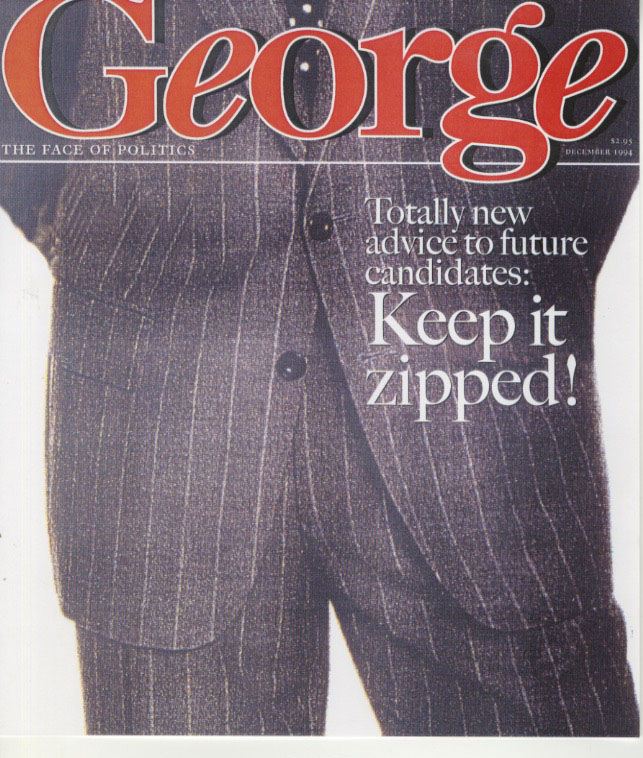
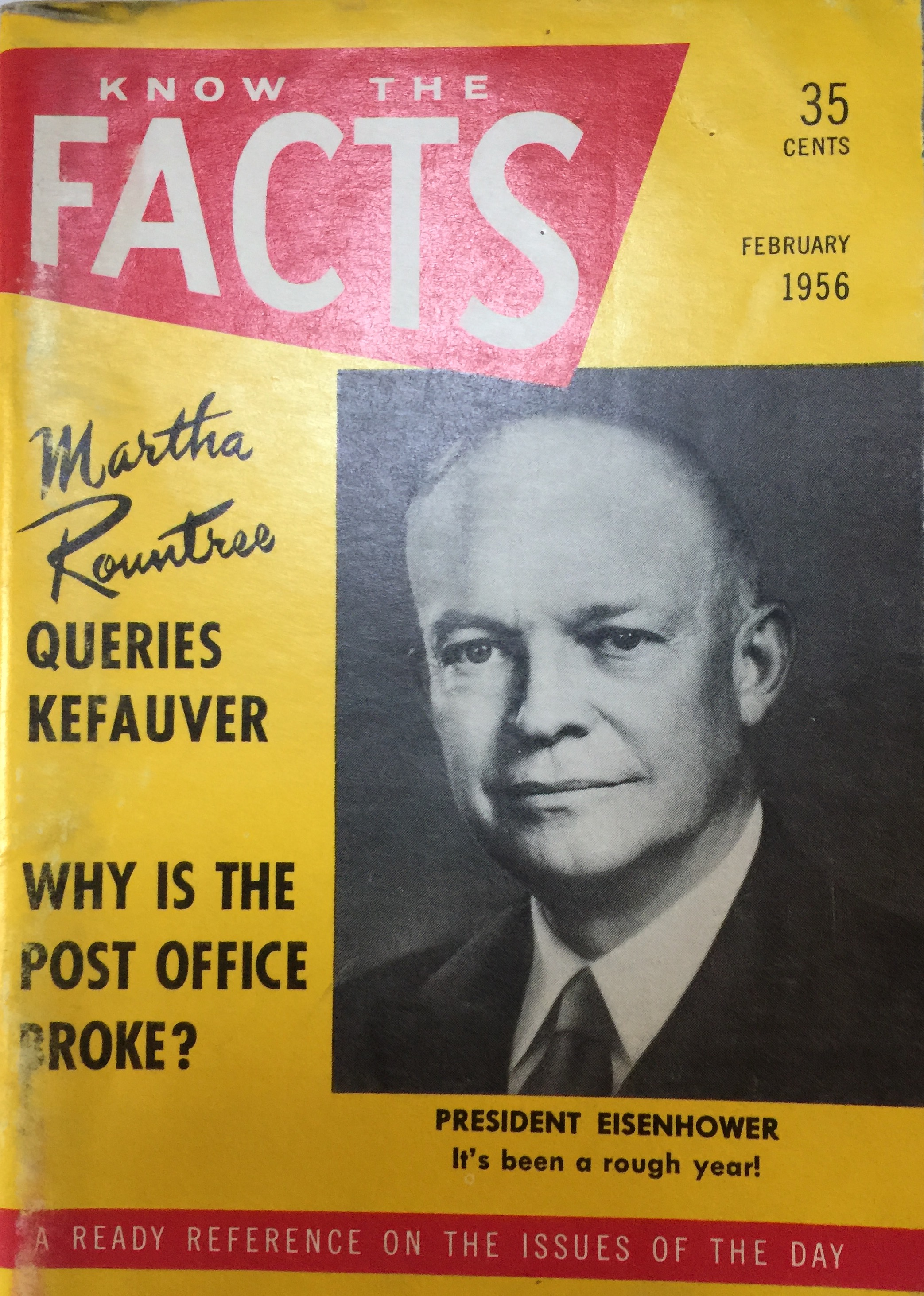
In part two of this “classic new magazines” musings, I look at the first issues of  THE BUSINESS WEEK, September 7, 1929 and THE NEW YORKER, February 21, 1925.  Notice the importance of the word “THE” in both titles.
The Business WeekThe Business Week:  No. 1
Mission statement:
Malcolm Muir, President of McGraw-Hill Publishing Co. wrote in the first issue:
“THE BUSINESS WEEK herewith makes its first appearance — on a great plan, with a high ambition. Its ambition is to become indispensable — no less — to the business man of America.  Its plan, we trust, shows forth in its pages.”
“Swiftly, intelligently, tersely, it tells the week’s business news, and the news of business. The distinction is not fine-spun. Business news impinges upon business from outside — news of the tariff, of the reparations settlement, of crops. New of business originates within business — news of developments in management technic, of improved production process, and (outstanding these days) of changes in marketing methods.”
Curation at its best:
“The whole story of the week is set forth in compact limits, a study in the fine art of saving the reader’s time. Nothing irrelevant is included; nothing really important is omitted.”
Strong editorials and opinions:
“You will find THE BUSINESS WEEK always has a point of view, and usually a strong opinion. Both of which it does not hesitate to express.
You may find a little humor somewhere, if you look sharp.
And all the way through, we hope, you will discover it is possible to write sanely and intelligently of business without being pompous or ponderous.
We hope you will miss those vague but solemn generalities about business that pass so often for deep wisdom.”
The New YorkerThe New Yorker: Vol. 1, No. 1
A who’s who:
Advisory editors: Ralph Barton, Marc Connelly, Rea Irvin, George S. Kaufman, Alice Duer Miller, Dorothy Parker, Alexander Woollcott
A good starting point:
“One of the first things you do in starting a magazine, after you have got the notion to do it and, as our advertising friends say, sold your associates on the idea, is to rent an office and the next thing you do is get a telephone.”
Mission statement:
“THE NEW YORKER starts with a declaration of serious purpose but with a concomitant declaration that it will not be too serous in executing it. It hopes to reflect metropolitan life, to keep up with events and affairs of the day, to be gay, humorous, satirical but to be more than a jester.”
“It will publish facts that it will have to go behind the scenes to get, but it will not deal in scandal nor sensation for the  sake of sensation.”
The audience:
“It will conscientiously to keep its readers informed of what is going on in the fields in which they are most interested. It has announced that it is not edited for the old lady in  Dubuque. By this it means that it is not of that group of publications engaged in tapping the Great Buying Power of the North American steppe region by trading mirrors and colored beads in the form of our best brands of hokum.”
Until next time, read, learn and laugh… All the best.
h1

From My Vault Of Classic “New” Magazines – Real Needs And TIME. Part 1.

August 10, 2016
A Mr. Magazine™ Musing
Starting today, I am going to go ahead and open my classic “new” magazines’ vault and start reporting on some words of wisdom editors, publishers, marketers and circulation folks used to write to introduce their new magazines, their readers, and their advertisers.
Consider this an informative journey down memory lane, for there is much we can learn from these masters; things we can either repeat or avoid in today’s marketplace.

My first two magazines are Real Needs from 1916 and TIME from 1923. Enjoy.

Real NeedsReal Needs: A Magazine of Co-Ordination Vol. 1, Number 1, March 2016

Edited by Charles A. Lindbergh

Magazines are permanent

“The first number of this Magazine, though published in December, bears the date of March. That is because it is to be a permanent publication, and it will take until March to do the organizing.”

Magazines are real information providers

“As the Magazine is published mainly for the purpose of furnishing information that is usually kept from the public, and which should be known by everybody, I ask those who believe in the work to aid in giving it circulation. After reading a copy, unless you desire to preserve it, hand it to someone else to read.”

Magazine’s Ad/Ed ratio

“This magazine will be published in the form of a small book, suitable to carry in a coat side pocket… Only 16 pages can be allowed for advertising out of 192 pages in each issue, so better get the space early.

TIMETIME: The Weekly News-Magazine Vol. 1, No. 1 March 3, 1923

From the Masthead:

TIME, the Weekly News-Paper. Editors – Briton Hadden and Henry R. Luce.

The Magazine’s Audience

Roy E. Larsen, Circulation Manager of the magazine reports in the first issue:

“Time The Weekly News-Magazine

  • the man who wants the fact
  • the man who wants to do his own thinking after he has the facts
  • the busy man

Is there such a man?”

“The response to the announcement of the News-Magazine idea has supplied the answer. Such a man exists.”

Audience Psychographics and Demographics Circ. 1923

“Who is he? Is he merely a distinguished citizen? Is he necessarily President of a great university? or an Ambassador? or a Magnate? or a Bishop? or a Member of the United States Senate? As a matter of fact the man was found in Ohio, among the lesser nobility. It is also discovered in flight to Florida. His twin-likeness was tracked down in Boston, and the postmaster reported his alias – in Chicago.”

“He must live somewhere! Of that there is no possible doubt, no possible probable shadow of doubt, no possible doubt whatever. Furthermore, he is not as elusive as the Scarlet Pimpernel, nor as extinct as the Dodo.”

Until next time, stay tuned!


h1

Family Circle Refines & Redesigns With Consumer-Driven Focus That Brings The Magazine A New Logo, Refreshed Layouts And Bolder Fonts & Photography – The Mr. Magazine™ Interview With Linda Fears, VP & Editor In Chief, Family Circle Magazine

August 9, 2016

image002-2“For us, there’s the trust factor in being a magazine that’s so established, and there’s a lot to be said for having that trust. You don’t necessarily trust what you find online. They may be good ideas, but you don’t know where they came from; have they been tested and vetted. So, we give them that. And that’s not just in Family Circle; that’s in any good magazine. It’s a compliment. With all of the websites that have come up in the past 10 years and all of the social media that’s cropped up in that time frame, good magazines have been able to hold their ground because they do offer curated content, which I think is really important.” Linda Fears

“A long time ago people thought that with TV, radio was going to die, and then with the Internet, TV was going to die. I think that people just assume that the next new thing is just going to completely take over and that’s never the case, except maybe with DVR’s. (Laughs) I think that it’s unfair to assume that people aren’t going to read print anymore. I have three kids and my two older ones are in their twenties and they both read magazines still. They practically don’t watch any TV, except for Netflix on their laptops. But they do read magazines.” Linda Fears

“My oldest son is 25 and had started reading books on his iPad, then one day he discovered that he didn’t like reading on a screen anymore. He really missed holding a book and having the satisfaction of closing it after he was finished. And I just thought that was really interesting. And for our audience, they do like the tactile feel of a magazine. Not to say that they don’t read online content, of course they do. But when you have a magazine that’s very visual and has a lot of content that people want to keep and share with friends or family, it’s not easy to do that in a digital form.” Linda Fears

 The September issue of Family Circle will have a new look and a more energetic feel about it, as the magazine celebrates a redesign that introduces a new logo, refreshed layouts, new fonts and bolder photography.

Linda Fears Headshot_August 2016_jpgVP and editor in chief, Linda Fears said that, “The new Family Circle focuses on the needs of leading millennial moms who are raising Generation Z—women who are influencers inside the home and out. We’re always striving to cultivate their passions for everything from cooking, healthy living and home decorating, to style and community involvement—all while guiding them through the ups and downs of family life.”

I spoke with Linda recently and we talked about how she “cultivates the audience’s passions” and stands behind the legacy brand that reaches 16 million readers every month with a stalwart passion of her own. Linda recognizes that her audience is some of the busiest women out there and that Family Circle has the honored responsibility of trying to help them navigate their respective journeys in an easier way.

The September issue marks the largest edition they’ve done in two years and also features major advertisers such as Allergan, Coca-Cola, Maybelline New York, Waverly, Aveeno, Kraft and Olay, among others.

While the look is fresh and new, Linda said that it’s still the same Family Circle, offering women engaging content, candid advice and the peace of mind to raise a happy, healthy family.

So, sit back, relax and enjoy the Mr. Magazine™ interview with a woman who’s been bringing people into the “Family Circle” for over a decade, Linda Fears, VP & Editor In Chief, Family Circle magazine.

But first the sound-bites:

On what Family Circle is today versus years ago: Well, it’s certainly not the same magazine it was 84 years ago; however, what we started as, which was a food and recipe circular; what remains today is our history of food editorial and our audience’s love of our food, so that’s one thing that hasn’t changed. But pretty much everything else has changed.

On whether she feels in today’s digital climate an editor has to be the ultimate curator for their audience: Obviously print magazines can’t turn into a Pinterest or an Instagram. I believe that editors need to be aware of what’s going on online and in social media, but for their product, which is print magazines, we are the ultimate curators. When women are as busy as my audience is, they don’t have time to search for anything and everything that may be of interest to them. My staff and I are responsible for knowing the kind of content that she’s looking for and giving her a well-edited version of that content that is inspiring and informative.

On whether her job is easier or harder today than it was before the digital explosion: It’s not easier or harder; I think it’s different. It’s become necessary for all of my editors to be very aware of a lot more potential content that’s out there. To pay attention to what our audience is looking at and reacting to. And make sure that our content stays fresh and current.

On how she cultivates the passion of the audience: First, you have to know what they’re passion points are. For example, take food; we know that we have a very food-focused audience that has always, since the beginning of Family Circle, looked to us for our food content and frankly, for our expertise in food. So, luckily for us, everyone is obsessed with food these days. You can barely go online without seeing people posting photos of what they ate in a restaurant the night before or what they made for lunch that day.

On whether she feels a bigger responsibility to make Family Circle that calming role in today’s chaotic world while also cultivating the audience’s passion: Amidst all of what you said is going on, it makes our audience, who are raising children, even more focused on how to raise happy, healthy kids. Do I feel a bigger responsibility? I don’t think so; I just think we have to keep doing what we do best and stay focused on her and her life stage. And how to help her be the best mom she can. And that includes every area of the magazine that we offer up.

On the biggest stumbling block that she’s had to face and how she overcame it: There have been some different challenges over the years that I wouldn’t necessarily call stumbling blocks, but just challenges. We’ve had to confront the rise of content online and figure out how we were going to deal with that in our own way. And I also think that newsstand has been a problem for everybody, and it’s gotten to the point where there is so much competition for people’s attention in stores in a way that there never used to be. People are shopping less often, so the foot traffic in stores is less than it used to be.

family circle1 image002-2On the new redesigned logo: Thank you for noticing. We did update the logo. Our logo was designed about 35 years ago, but it’s not a proper typeface, it’s a font that whoever selected it condensed onto the front of the magazine. It always bothered me because the letters were distorted and it looked like a big block. But it’s tricky changing your logo with MRI and everything else that could potentially affect your audience and recognition of the brand.

On why she thinks it took so long for magazine industry leaders to realize that it isn’t print or digital, it’s both: Honestly, I don’t know. A long time ago people thought that with TV, radio was going to die, and then with the Internet, TV was going to die. I think that people just assume that the next new thing is just going to completely take over and that’s never the case, except maybe with DVR’s. (Laughs)

On anything else that she’d like to add: We’re introducing a couple of new columns in the new issue in areas that we received a lot of positive feedback from with our research. One is “Social Circle,” which is going to help our readers connect to the largest social media communities through snapshots of popular polls and pins that we’ve shared on our channels, upcoming photo campaigns like contests we’re planning. It’s kind of a landing page for if we’re doing a Facebook poll and we want to reveal the results or if something is particularly trending on Instagram that we want to share.

On what someone would find her doing if they showed up unexpectedly to her home one evening: Cooking. I cook dinner every night. I’m passionate about cooking; I love it. I just renovated part of my home and that included my kitchen. So, it’s a lot more fun than it used to be. (Laughs)

On what keeps her up at night: Lately, it’s my third child leaving for college. (Laughs) As far as my job, it really doesn’t keep me up at night. I feel like we’re in such a good place right now. We didn’t redesign because there was anything broken. We didn’t feel that we were in trouble in any way or that there was something that needed to be fixed.


And now the lightly edited transcript of the Mr. Magazine™ interview with Linda Fears, VP & Editor In Chief, Family Circle magazine.

Samir Husni: Family Circle has a very good history. It was one of two magazines that were sold on the nation’s supermarkets and it was one of the largest newsstand titles out there, but things have changed somewhat. Briefly, take me through that journey; what’s Family Circle today as opposed to what it used to be. Or is Family Circle still the same magazine it was then?

Linda Fears: Well, it’s certainly not the same magazine it was 84 years ago; however, what we started as, which was a food and recipe circular; what remains today is our history of food editorial and our audience’s love of our food, so that’s one thing that hasn’t changed. But pretty much everything else has changed.

I’ve been here just over ten years now and every other year I have had my art department do a redesign of the magazine. Not a total architectural redesign, but primarily refreshing fonts and layouts, because I feel like these days women are so used to viewing content online and are influenced by the very modern advertising around them that if you don’t keep up with design, your magazine will look old very quickly, so every other year we refresh it.

This year what I decided to do was to go a bit beyond just redesigning, I wanted to really understand the leading millennial mom, so it’s moms who are turning 37, who on average have children who are about 10 or 11-years-old. And I mean on average because the average age for having a baby is still 26. Some moms are having babies older, but on average these moms have kids who are in middle school, so I wanted to really try to understand what kind of content they were consuming and where they were finding it; how different are they from moms even five years ago?

So, we did months and months of consumer research as we were building on our strong readership and circulation; we’re working as hard as ever to help our 16 million readers, which frankly, I think are the busiest women in America, because when you’re raising kids and you’re working, it’s the busiest time of your life.

We did all of this research with women 35-45 and we really got a lot of amazing information about them. What was most meaningful to us was that they still love reading magazines. That’s not to say, obviously, that’s the only place they get content from. They love Pinterest, Facebook; they love Instagram, but they really do love magazines. And they look to magazines as a place where they can get information and kind of a break from a really busy lifestyle. And we were very happy to hear that.

We actually had them do an exercise before they joined the focus group and it was to create their perfect Pinterest board of an ideal magazine. We encouraged them to look anywhere and everywhere online and they pinned a lot of content that was interesting to them and a lot of visuals that they were attracted to. So, with all of that information, and there were a lot of similarities among these Pinterest boards, which was great, I actually went outside and hired an outside designer to do this redesign.

And I think the result of it is just spot-on. I’m really confident that readers will be drawn to these much more energetic layouts; the visuals are sophisticated, and we’ve added more conversational voice, which we hope will amplify the content off of the page and onto social media.

So, what hasn’t changed are the types of content that we know these women are drawn to, including food, health, for her and the whole family; she’s very interested in home and DIY, beauty and fashion; those things haven’t changed much, and then of course, raising kids who are tweens and teens. We feel with this new redesign that we’re presenting these ideas in a way that’s very natural and serviceable and really focused on making her every day more enjoyable and less stressful.

image002-2Samir Husni: Ten years ago the web was just really getting started and everybody in the industry was struggling and trying to find the right direction to go in. And then everyone placed all their bets on the tablet; it was a chaotic time for magazine media. How did your job as an editor change during those 10 years; do you feel like you have to curate more in the print edition than before, so that when your busy readers sit down for that “me” time to relax with a glass of wine and their Family Circle, their content is primed and ready for them?

Linda Fears: And you’re right about that glass of wine, because all of these ladies love wine, that’s another thing that we found out. (Laughs) But yes, I think that you’re exactly right. Obviously print magazines can’t turn into a Pinterest or an Instagram. I believe that editors need to be aware of what’s going on online and in social media, but for their product, which is print magazines, we are the ultimate curators. When women are as busy as my audience is, they don’t have time to search for anything and everything that may be of interest to them. My staff and I are responsible for knowing the kind of content that she’s looking for and giving her a well-edited version of that content that is inspiring and informative.

A lot of these women told us that they’re not that attracted to websites anymore; they’ve kind of gone beyond that and like some of their social media better. They’ll Google things if they have a specific question, but they use Facebook to keep up with their friends and they get a lot of inspiration from Pinterest and from the photo pins. Some of them even do look to Pinterest for ideas in all walks of life.

But for us, there’s the trust factor in being a magazine that’s so established, and there’s a lot to be said for having that trust. You don’t necessarily trust what you find online. They may be good ideas, but you don’t know where they came from; have they been tested and vetted. So, we give them that. And that’s not just in Family Circle; that’s in any good magazine.

It’s a compliment. With all of the websites that have come up in the past 10 years and all of the social media that’s cropped up in that time frame, good magazines have been able to hold their ground because they do offer curated content, which I think is really important.

Samir Husni: And has that made your job easier or harder over the last 10 years?

Linda Fears: It’s not easier or harder; I think it’s different. It’s become necessary for all of my editors to be very aware of a lot more potential content that’s out there. To pay attention to what our audience is looking at and reacting to. And make sure that our content stays fresh and current.

So, I don’t think it’s harder; I just think it’s different. Frankly, it’s more fun. To have competing attention for content drives us to be a little more clever at times in coming up with ways to present our content in an inspiring and useful way.

It was important to us to get the information from these leading millennials; from these women who are attracted to the Family Circle brand. And also because the kids they’re raising now are not millennials anymore, they’re Generation Z. And Gen Z are kids between, roughly, 6 and 19 or 20. So, we really wanted to find out what has changed with this new generation of kids; are parents worried about different things than they were even three or four years ago. That came into play as well when we were thinking about what to do with this redesign. I don’t think my job is harder these days; you just need to be on top of your audience, because things change so much more rapidly than they used to.

Another thing that we’re doing because we are cognizant that our audience is finding content elsewhere, not instead of reading a magazine, but in addition; we are including more bloggers onto our pages from Pinterest and Instagram, and from people who have their own blogs, so in September you’ll find a few of those in our Home, Health and Food sections. Obviously, we’re still going to be using experts, but we are adding some social media stars to the mix.

Samir Husni: One of the things that caught my attention in the press release about the redesign was your quote: “you’re always striving to cultivate the passion of the audience.” How do you do that; how do you cultivate the passion of the audience?

Linda Fears: First, you have to know what they’re passion points are. For example, take food; we know that we have a very food-focused audience that has always, since the beginning of Family Circle, looked to us for our food content and frankly, for our expertise in food. So, luckily for us, everyone is obsessed with food these days. You can barely go online without seeing people posting photos of what they ate in a restaurant the night before or what they made for lunch that day.

Tapping into that passion with this redesign has caused us to really focus on our food photography and hire some new food photographers. And we’re focusing a bit more on our food photography being more naturally lit, sort of straddling that fine line between looking perfect and too messy. We want people to look at our food photography and be inspired to make the recipes that we create and feel like they can. Not be intimidated by something that looks like it was created by a chef or something that was created by one of their kids. This is a happy medium. So, that’s one example of tapping into their passions.

We also know that our readers are passionate about their homes. So, there’s a lot these days that are capturing people’s attention. In addition to magazines that focus only on the home, there’s HGTV and it has become very popular. So, it’s our being aware of what’s most important to our audience and they want a comfortable home and they also want a home that they can do some DIY in and tap a project for themselves. We have an entire DIY piece in the September issue on using paint to upgrade inexpensive pieces of furniture to make them look more expensive, so that sort of thing. We really do understand what they’re looking for and it’s our job to take it one step further.

Samir Husni: In the midst of everything that’s taking place in our country, from politics to crime to terrorism; do you feel you have a larger responsibility now for the magazine to offer this, so to speak, comfort food to the audience? Do you play a calming role while you’re also cultivating their passion?

Linda Fears: Amidst all of what you said is going on, it makes our audience, who are raising children, even more focused on how to raise happy, healthy kids. Do I feel a bigger responsibility? I don’t think so; I just think we have to keep doing what we do best and stay focused on her and her life stage. And how to help her be the best mom she can. And that includes every area of the magazine that we offer up.

Obviously, we’re not going to be competing with CNN; we’re not going to cover breaking news with a monthly magazine. But as a respite from all of that, it is a responsibility that we take very seriously, but we know that her number one responsibility and focus is her family. And those are the areas that we focus on.

Samir Husni: Over the last 10 years that you’ve been at Family Circle, what has been the biggest stumbling block that you’ve had to face and how did you overcome it?

Linda Fears: There have been some different challenges over the years that I wouldn’t necessarily call stumbling blocks, but just challenges. We’ve had to confront the rise of content online and figure out how we were going to deal with that in our own way. And I also think that newsstand has been a problem for everybody, and it’s gotten to the point where there is so much competition for people’s attention in stores in a way that there never used to be. People are shopping less often, so the foot traffic in stores is less than it used to be.

It’s our job to figure out how to constantly present ourselves to women in new and different ways. We’re actually doing a test on our next mailings. One of the things that we asked the focus group was to tell us about a piece of mail that they received and didn’t immediately throw into the garbage, something unsolicited that attracted their attention, whether it was a brochure or a pamphlet. The women in the Chicago focus group, which we did in person; we also did a series of focus groups online as well, but the Chicago group brought in mail to us and they ranged from department store pieces to mail from much smaller home stores, and we noticed that what they liked about those pieces of mail were that they were very graphic and they had a lot of photography; they weren’t chocked full of a lot of pushy sales words. They were more upscale-looking and they were simple. A lot of them were hard stock fold overs. So we decided to change around our mailing for new subscribers and we’ll see what happens and if they’re attracted to this.

You can’t rely, at least books the size of mine, which we used to have a gigantic newsstand presence; you have to figure out other ways to attract readers. That’s a challenge as well, but we’re still holding our own on newsstand; the only women’s magazine that outsells us at this point is Cosmo. But we sell better than all food magazines, all parenting magazines and all shelter magazines; so, as bad as things are we’re still outselling our competition.

Samir Husni: I noticed that with the new redesigned logo; it feels friendlier.

Linda Fears: Thank you for noticing. We did update the logo. Our logo was designed about 35 years ago, but it’s not a proper typeface, it’s a font that whoever selected it condensed onto the front of the magazine. It always bothered me because the letters were distorted and it looked like a big block. But it’s tricky changing your logo with MRI and everything else that could potentially affect your audience and recognition of the brand.

What we did this time was to find a font that was familiar enough to the one we had, except it is more modern and it is friendlier and I think it’s even a little more feminine than the other one. The font is called circular, which is ironic. (Laughs) We selected it on purpose. (Laughs again) You’ll notice the difference in that the C’s are rounder; the R and the M doesn’t have that square tail on them; the A is different, but it’s actually close enough to what we had that our internal research department didn’t really feel that it was necessary to test because they didn’t think that we would get enough of a read. I think people will notice and think that it looks better, but it’s still totally recognizable as Family Circle.

Samir Husni: And then was it on purpose that you had seven words that started with a capital C on the cover lines of the September issue?

Linda Fears: That was not on purpose. (Laughs) I didn’t even realize that. The fact that we know our readers love cleaning tips and they love learning how to be more organized and to clear clutter; it was a coincidence.

This is actually our biggest issue in two years, which is really exciting and there are a lot of major advertisers in this issue.

Samir Husni: Why do you think it took the magazine media world, the editors and publishers, so long to discover that it’s not print or digital, it’s both?

Linda Fears: Honestly, I don’t know. A long time ago people thought that with TV, radio was going to die, and then with the Internet, TV was going to die. I think that people just assume that the next new thing is just going to completely take over and that’s never the case, except maybe with DVR’s. (Laughs)

But I don’t know why it took so long, except I think that it’s unfair to assume that people aren’t going to read print anymore. I have three kids and my two older ones are in their twenties and they both read magazines still. They practically don’t watch any TV, except for Netflix on their laptops. But they do read magazines.

My oldest son is 25 and had started reading books on his iPad, then one day he discovered that he didn’t like reading on a screen anymore. He really missed holding a book and having the satisfaction of closing it after he was finished. And I just thought that was really interesting. And for our audience, they do like the tactile feel of a magazine. Not to say that they don’t read online content, of course they do. But when you have a magazine that’s very visual and has a lot of content that people want to keep and share with friends or family, it’s not easy to do that in a digital form. And we know our readers keep the magazine and share it.

Unfortunately, we sometimes have to wait until the shine wears off on whatever is new and different out there for people to figure out how it’s going to fit into their lives and what they will continue using and what they will give up. And I don’t think magazines will ever go away. There is just something really lovely about sitting down with a magazine and potentially ripping out pages that you want to save. And I think advertisers have found that they’re not getting that return on their investments online, so all of that is being rethought as well.

Samir Husni: Is there anything else that you’d like to add?

Linda Fears: We’re introducing a couple of new columns in the new issue in areas that we received a lot of positive feedback from with our research. One is “Social Circle,” which is going to help our readers connect to the largest social media communities through snapshots of popular polls and pins that we’ve shared on our channels, upcoming photo campaigns like contests we’re planning. It’s kind of a landing page for if we’re doing a Facebook poll and we want to reveal the results or if something is particularly trending on Instagram that we want to share.

We’re also adding a new column called “Creative Spaces,” because we know so many women in our audience work either part-time or full-time in their home, or they just like to have a place in their house that is just for them. So, we’re looking for the most creative spaces and photographing them, and interviewing the women who created them to help our audience create something in their home that works for them. I’m excited about these two new additions and I think people will really like them.

Another thing is that we’re enhancing our 360-approach to wellness. And even though we have always done women’s health and children’s health; family health, whether that’s a spouse or elder care, and also incorporated psychology and relationships within those pages, for this issue and going forward, we’re looking to some popular bloggers to infuse the content with a little more energy. We went to Instagram for September, to some of the biggest Instagram fitness stars and shared a move from each of them. So, that’s fun.

I think that readers will recognize that we are including content from a lot of places that they’re looking at and also traditional expertise within our pages. And as we were talking about before, family is forever; people are always going to have family and be raising children. We are the experts in providing content for healthy families and happy, healthy kids.

When we started our column “Modern Life” two years ago, it was in an effort to be inclusive of all kinds of modern families and you will see that going forward. In this issue we were actually able to, since it was a big book, have three pages on our “Modern Life” and we have two moms raising their teenaged daughter. We’ve done families with transgendered kids and families who are single-by-choice; we’ve done adopted families, step families; a couple who moved back in with one of their parents; couples that work at home together; farm families. There’s just an endless supply of American families out there that could be featured. And I think we’re unique in that. To be a family lifestyle book that really showcases every sort of family that you would encounter. We feel very confident that readers are going to like it, so we’ll see.

And I think our September cover is a really good preview of what’s inside because you’ll see a lot of the new fonts on the cover; we have the giant word ‘sweet’ on the cover. We’re not going to do that every issue, we’re going to do the giant word when it makes sense to. We have a lot more colors on the cover and we have foods shot in more natural light and looking more natural.

Samir Husni: If I showed up unexpectedly at your home one evening after work, what would I find you doing; reading a magazine, reading on your iPad, watching television, or something else?

Linda Fears: Cooking. I cook dinner every night. I’m passionate about cooking; I love it. I just renovated part of my home and that included my kitchen. So, it’s a lot more fun than it used to be. (Laughs)

Samir Husni: And do you use your Family Circle recipes or do you reach out to your cousins, some of the other Meredith titles?

Linda Fears: I don’t exclusively use Family Circle recipes, but I do use a lot of them. I know how well they turn out and that they’re triple-tested. But no; I use a lot of recipes from other Meredith titles, and beyond Meredith. I like to experiment and I like trying different ethnicities. I really cook anything and everything. But I use a lot of Family Circle recipes. In fact, I make some of them so often I don’t even have to look at the recipe anymore.

Samir Husni: My typical last question; what keeps you up at night?

Linda Fears: Lately, it’s my third child leaving for college. (Laughs) As far as my job, it really doesn’t keep me up at night. I feel like we’re in such a good place right now. We didn’t redesign because there was anything broken. We didn’t feel that we were in trouble in any way or that there was something that needed to be fixed.

I think that even though every time I’ve had the group redesign, I’ve loved it; I feel like this is the best one that we’ve done so far. And I love that it’s based on good research. So, my work doesn’t keep me up at night, my kids do. (Laughs again)

No matter what you do, if you’re a parent, your kids come first. It’s what you worry about and what you put a lot of your energy into. I think understanding what that life stage is really like helps me be a better editor, particularly since the majority of women work these days. It’s challenging. And I think it’s our job at Family Circle to help make their lives easier in any way we can.

Samir Husni: Thank you.
 

h1

The Old Farmer’s Almanac At 225 Years: Still Useful With A Pleasant Degree Of Humor, And A Fresh New Look – The Mr. Magazine™ Interview With Sherin Pierce, Publisher, The Old Farmer’s Almanac

August 4, 2016

old-farmers-almanac-2017“It’s been the kind of product that’s been passed down from generation to generation and print was how it was passed along. And I think that’s been essential to the longevity of the product, because you have the history of the product in print going back to 1792, those original editions. And there’s something so tangible about a product when you can feel it in your hands and look at the date and see an edition from the 1800s or the very first edition, and you’re holding it in your hands. So, print has been the most essential element in keeping this product alive.” Sherin Pierce


When readers pick up the 2017 Old Farmer’s Almanac, they’re going to be pleasantly surprised by the subtle changes and nuances that have been implemented with the new, polished design. As the Old Farmer’s Almanac, North America’s oldest continuously published periodical, celebrates its 225th edition, the time-honored publication also extols a few updates that have given it a fresher, sharper focus and look.

Sherin Pierce has been publisher of the Old Farmer’s Almanac since 1994 and is very familiar with the beloved publication, more so than just about anyone else. I spoke with Sherin recently and we talked about the reasons for the enhancement and polishing that brought about this revitalization. With their digital footprint growing daily, Sherin said they felt that the time had come to set up the visual presence for the next 225 years. The challenge was to do that without being disloyal to the brand’s legacy look and feel. As Sherin put it, “Why fix something that isn’t broken?” That’s why a “fixing” wasn’t called for, just a bit of refurbishing. After all, how many other publishers can say they work for a publication that’s celebrating such a milestone as a 225th anniversary? How about, no one else?

And now, without further ado, the Mr. Magazine™ interview with a woman whose magazine definitely doesn’t look its age, no matter the couple of centuries or so that it has been around, Sherin Pierce, Publisher, the Old Farmer’s Almanac.

But first the sound-bites:

sherinOn what keeps the print edition of the Old Farmer’s Almanac going after 225 years of continuous publishing: The simple answer is the incredible love and affection that people have for the Old Farmer’s Almanac and that love started in its print form. Of course, that’s how the Almanac began back in 1792 and it developed a reputation of being credible and trustworthy, and something that people welcomed into their families and homes.

On whether she can think of any other product that has stood the test of time the way the Old Farmer’s Almanac has: Maybe some food products, such as Baker’s Cocoa. They were some of our first advertisers in the Almanac. And Arm & Hammer, which is also in the Almanac, however it’s morphed into being more of an ingredient in laundry detergent and toothpaste rather than baking soda. I think the difference is that these products may have lasted as long; they’ve stood the test of time, some molasses brands and baked beans and things like that. But how much do people hold them with real affection? I think that’s part of the charm of the Almanac. People really have a great reservoir of love and respect for the product as well.

On the magazine’s recent redesign: We called it polishing the brand because we didn’t change anything; we took that cover engraving and illustrated it again. The font was something that we had developed as a custom font for the Almanac, and that was one of the most dramatic changes, but if you look at the 2016 Almanac versus the new one, you’ll see that it just brings everything into a sharper focus.

 On making it fresher, rather than a complete redesign: If it isn’t broken, you don’t fix it, so we enhanced it rather than a complete redesign. It’s such a recognizable cover and you don’t want to do anything to damage that, but you want to, again, enhance certain elements that may have faded a bit over the past decades.

 On the tagline, useful, but with a pleasant degree of humor: That was from Robert B. Thomas and he wanted to make sure that all of the intimation that we had was useful, whether we talked about the weather, the planets, stars, food; whether it was anecdotes or pleasantries, gardening, just whatever we talked about had to be useful information. But at the same time we wanted to have a pleasant way of presenting that information, so it wasn’t like lecturing people.

On the biggest stumbling block that she’s had to face and how she overcame it: Well, because the Almanac is sold at retail and it just dominates so many markets, I think one of the biggest challenges was the whole change in traditional newsstand. With the Almanac we have bookstore distribution and we have direct sales distribution into all of the hardware chains, so we had amortized our risks, but still the newsstand was the major source of distribution for the Almanac.

On the fact that the Old Farmer’s Almanac trademark of the hole in the upper left-hand corner of the magazine can’t be recreated online: (Laughs too). No, but you know what, we have the ‘hole’ story and we tell it online, but it’s not the same. See, that’s why when people said that print was dead, we always knew that for the Almanac to survive, we had to have print. We just had to. People need that and they want to see it.

On anything else that she’d like to add: When we looked at the Almanac this year, part of the reason that we wanted to look at the brand again was because the online presence and the social media presence has been growing by leaps and bounds. Our Facebook is at 1.4 million; Instagram is about 70,000; Pinterest and Twitter; all the ways in which we’re communicating on a daily basis and finding new people to come to the Almanac brand. We wanted to make sure that whether it was online, social media or print, every time someone accessed us they knew they were coming to the Old Farmer’s Almanac. We wanted to make that very clear, visually and in tone and voice.

On what someone would find her doing if they showed up unexpectedly to her home one evening: I’m on my road bike cycling. And then when I get home I go to a Zumba class or a yoga class. After being behind a desk all day, I cycle to work as well, in the summertime, not in the wintertime; I’m doing something very physical and active. I exercise and then I come back and garden. And at the end of the day I usually read.

On what keeps her up at night: What keeps me up at night are deadlines that may be missed. Also, I sometimes wonder why we can’t be more decent and civilized to one another. We’re all in competition as publishers, but we’re civil to one another. And I wish the way we all work together professionally could carry over into our daily lives. The divisiveness and the rhetoric that we’re hearing now are very upsetting and it’s hard to imagine that our lives are so governed by negativity.

And now the lightly edited transcript of the Mr. Magazine™ interview with Sherin Pierce Publisher, the Old Farmer’s Almanac.

Samir Husni: Congratulations on reaching such a milestone, the 225th edition of the Old Farmer’s Almanac.

Sherin Pierce: Thank you.

farmers-almanac_0Samir Husni: After 225 years of continuous publishing and in this digital age, and I know that you’ve expanded and are everywhere, from the web to mobile, but what keeps the print magazine going after all of this time?

Sherin Pierce: The simple answer is the incredible love and affection that people have for the Old Farmer’s Almanac and that love started in its print form. Of course, that’s how the Almanac began back in 1792 and it developed a reputation of being credible and trustworthy, and something that people welcomed into their families and homes.

So, it’s been the kind of product that’s been passed down from generation to generation and print was how it was passed along. And I think that’s been essential to the longevity of the product, because you have the history of the product in print going back to 1792, those original editions. And there’s something so tangible about a product when you can feel it in your hands and look at the date and see an edition from the 1800s or the very first edition, and you’re holding it in your hands. So, print has been the most essential element in keeping this product alive.

It has morphed into other platforms, but it really all started with print. And that’s something that we understand and respect. For many of our readers who still want the Almanac in print, we’re always going to have a copy for them in print as well as our other platforms.

Samir Husni: For a magazine historian like me, the Almanac started just 51 years after the very first magazine was ever published in the United States; can you think of any other product that has lasted through thick and thin like the Almanac has? That’s still as fresh as it was 225 years ago?

Sherin Pierce: Maybe some food products, such as Baker’s Cocoa. They were some of our first advertisers in the Almanac. And Arm & Hammer, which is also in the Almanac, however it’s morphed into being more of an ingredient in laundry detergent and toothpaste rather than baking soda.

I think the difference is that these products may have lasted as long; they’ve stood the test of time, some molasses brands and baked beans and things like that. But how much do people hold them with real affection? I think that’s part of the charm of the Almanac. People really have a great reservoir of love and respect for the product as well. So, besides the longevity, we also have that going for us.

Samir Husni: You’re in a unique position; you’re the only publisher that I know of that can go to someone in the industry and say, we’ve been publishing this magazine for 225 years, especially this year with the redesign and everything that you’ve done. What’s different now with the redesign?

Sherin Pierce: When we looked at the cover of the Almanac, we looked at just polishing it a bit. It’s like when you have your reading glasses on and they’re a little foggy, you clean them and then you look at something and you see everything with clearer, fresher eyes.

We called it polishing the brand because we didn’t change anything; we took that cover engraving and illustrated it again. The font was something that we developed as a custom font for the Almanac, and that was one of the most dramatic changes, but if you look at the 2016 Almanac versus the new one, you’ll see that it just brings everything into a sharper focus. It’s still the familiar yellow cover; it’s still the familiar engraving; the four seasons; Ben Franklin and the founder, Robert B. Thomas, look like real people. And you can actually see the engraving of the four seasons. Everything has just come to life and in a sharper focus.

It looks very much the same, but just polished. And it’s just so much clearer and so much more eye-catching. It’s something that we needed to do; we really needed to polish the magazine a little. Developing that font was essential because we use that font now across all of the products that we do and online and on Facebook, so that’s the recognizable font of the Old Farmer’s Almanac. It’ll be across all print, social media and online as well.

Samir Husni: When I saw the new redesigned cover, I was pleasantly surprised by how fresh it looks, but I didn’t feel I was looking at a stranger; that this wasn’t my old friend, the Old Farmer’s Almanac.

Sherin Pierce: That was part of the challenge. If it isn’t broken, you don’t fix it, so we enhanced it rather than a complete redesign. It’s such a recognizable cover and you don’t want to do anything to damage that, but you want to, again, enhance certain elements that may have faded a bit over the past decades, and just bring it into sharper focus, so that when people look at it they can still see the same Old Farmer’s Almanac, but with a clearer, fresher look.

And I think we achieved the pleasant surprise that we wanted. We didn’t want it to be unrecognizable; we just wanted people to feel that there was something a bit different about it that they couldn’t really put their finger on, but that there was something fresher about it.

Samir Husni: The tagline: useful, but with a pleasant degree of humor…

Sherin Pierce: That was from Robert B. Thomas and he wanted to make sure that all of the intimation that we had was useful, whether we talked about the weather, the planets, stars, food; whether it was anecdotes or pleasantries, gardening, just whatever we talked about had to be useful information. But at the same time we wanted to have a pleasant way of presenting that information, so it wasn’t like lecturing people.

We wanted to have a pleasant degree of humor, permeate everything we do with that humor. We don’t take ourselves seriously, but we take our work very seriously. So, we want people to feel good about getting the information from the Almanac, because humor is so essential in life. If the information is just dour and straightforward facts, people aren’t going to come back to the magazine time and again to get this information. Let’s be honest, you can find this information anywhere if you search long and hard, but we curate it in a way that’s useful and we add a special tongue-in-cheek sense of humor in everything that we present. So, it makes people feel good. They have the information and they enjoyed the entire process of getting it.

And whether we do it online or in print, it’s a touchstone for us. Anytime that you have a touchstone that you can go back to and ask whether something really lives up to what the founder wanted 225 years ago; I think that’s remarkable. Everything we do is governed by those few words: useful, but with a pleasant degree of humor.

Samir Husni: You’ve been the publisher since 1994 and you’ve seen a lot of changes; what has been the biggest stumbling block that you’ve had to face over the years and how did you overcome it?

Sherin Pierce: Well, because the Almanac is sold at retail and it just dominates so many markets, I think one of the biggest challenges was the whole change in traditional newsstand. With the Almanac we have bookstore distribution and we have direct sales distribution into all of the hardware chains, so we had amortized our risks, but still the newsstand was the major source of distribution for the Almanac.

And when the newsstand began to implode in the 1990s, with The Anderson News grabbing the chains and you start seeing all of these mega wholesaler groups forming, the demise of the small wholesaler, the smaller stores that sold the Almanac, all the small mom-and-pop stores that the smaller wholesalers could send copies to; when they became these big wholesaler groups, all they were interested in were the big chains. That’s all they could service, and losing all of those tens of thousands of smaller towns and the smaller wholesalers, it hurt us.

And so many of our customers in those C and D counties, there are no major chains, this is what they depended on, the smaller wholesaler service these smaller towns. That was a big challenge for us, to have to figure out with people losing the ability to buy the Almanac locally, how could we get it to them? So, we did start marketing the Almanac more aggressively and began shipping it to people. So, that was one way we overcame that whole thing.

And we went online in 1996; almanac.com was established 20 years ago. And we learned very quickly how to take the Almanac and not just put the whole issue online for free. We took elements of the Almanac and built our website to reflect all of the different sections of the Almanac. So, you could get a sense and a feel and an up-to-the-moment look at the Almanac, but the print was still the annual publication and it was different from what you got online. And we also developed a way to sell the Almanac as an online publication as well.

So, I think that transition, especially when everyone kept saying that print was dead; we never gave up on print, but that transition showed that we could coexist. Print and online could coexist; there’s no reason one has to die for the other one to live. We developed our E-book versions for Kindle and iPad; we kept our page-turner version on almanac.com, but we continued in print as well.

We went from a high in the 1990s in print of about 6.3 million and now we’re holding at 3 million. And most of that is due to the challenges of distribution on the newsstand. With the number of wholesalers you can’t put more copies out there, the capacity just isn’t there. And that was one of the challenges that we had to face. As wholesalers get bigger and bigger, the demands get greater. And for an annual publication, we have to have everything working perfectly because we have one chance every year. We have one chance and we have to get it right, so all of the planning and printing and distribution; it all has to come to fruition and it has to work. We have several redistributions, obviously, but everything depends on that one opportunity to get the job done correctly.

The average newsstand sale is not 26%; we’re regularly in the high 30’s and even though we look back nostalgically at the days when we were in the 40’s and even 50’s, it’s still pretty good, given the amount of copies that we put out. Every year we begin with zero orders and we have to build that whole print order year after year. Nobody ever gives you anything; you have to fight for it. Every year you have to plan and think about what you need to do and that’s going to be the ongoing challenge. Also with scan-based trading and Pass Through RDA, every year more and more pressures are put on publishers who sell at retail. There is a lot of pressure and again, it’s constant evaluations. Those are the challenges that are going to be ongoing.

The good news is in certain chains, like the specialty accounts, such as Lowe’s, Tractor Supply and Home Depot, we do very well. When you’re selling in the 70% in those places, it offsets some of the other issues you have on the newsstand.

Samir Husni: I know you’ve recreated a lot on digital and online, but what do you do with that trademark of the Old Farmer’s Almanac, the hole in the upper left-hand corner? You can never create that in digital, can you? Nobody is going to drill a hole in their computer to make that. (Laughs)

Sherin Pierce: (Laughs too). No, but you know what, we have the ‘hole’ story and we tell it online, but it’s not the same. See, that’s why when people said that print was dead, we always knew that for the Almanac to survive, we had to have print. We just had to. People need that and they want to see it. We have several versions of the Almanac; our hardcover version doesn’t have the hole, but it’s a collector’s edition. It’s sold with the one hundred year or two hundred year and the current Almanac, so we do the reprints of those. For instance, in 2017 we’ll reprint the 1817 and the 1917 editions. It comes as a package. So, you’ve got 200 years of Almanac publishing. So, that’s a collector’s edition.

People want that familiar hole; the more things change, the more people want some things to remain the same. It’s that kind of stability in this ever-changing world. You’re bombarded with so much and then there’s this little yellow book that stands for simpler times. And it’s still so relevant.

Samir Husni: Is there anything else that you’d like to add?

Sherin Pierce: When we looked at the Almanac this year, part of the reason that we wanted to look at the brand again was because the online presence and the social media presence has been growing by leaps and bounds. Our Facebook is at 1.4 million; Instagram is about 70,000; Pinterest and Twitter; all the ways in which we’re communicating on a daily basis and finding new people to come to the Almanac brand. We wanted to make sure that whether it was online, social media or print, every time someone accessed us they knew they were coming to the Old Farmer’s Almanac. We wanted to make that very clear, visually and in tone and voice.

And I have to say, we’re not owned by a big, mighty conglomerate; we’re a small and independent publishing company, but we have really talented, hardworking people. Everyone has a focus and a great commitment to what they do. And with those words of advice from our founder and such a committed staff; a hardworking, smart and talented staff, I think we can really keep this brand and give it all the accolades that it needs for 225 years, and then also position it for the future as well. I won’t be here for the next 225 years, but that’s OK; we’ll leave it in a good situation so that someone else can take it forward. Honestly, it takes a village. (Laughs)

And whether it was what happened inside this building or outside, it’s the people who helped us with the redesign, illustrator Steven Noble, Sam Berlow and David Berlow of The Font Bureau, Ben Scott and Lainey Fink at Bluerock Design, and all the other people who helped, it really took a village. Everyone wanted to be a part of keeping this historical legacy going. I’m very lucky to have the support system that I have.

 Samir Husni: If I showed up unexpectedly to your home one evening after work, what would I find you doing; reading a magazine, reading your iPad, watching television, or something else?

Sherin Pierce: I’m on my road bike cycling. And then when I get home I go to a Zumba class or a yoga class. After being behind a desk all day, I cycle to work as well, in the summertime, not in the wintertime; I’m doing something very physical and active. I exercise and then I come back and garden. And at the end of the day I usually read. I read the paper that I’ve read for the last 30 years, the Wall Street Journal. I might watch some TV; I love comedies and I love watching some of the political shows as well, so I will watch a little TV. But it’s really a variety of things. More or less, as I get to the end of the day, I switch off the electronics and unwind with print.

Samir Husni: My typical last question; what keeps you up at night?

Sherin Pierce: What keeps me up at night are deadlines that may be missed. Also, I sometimes wonder why we can’t be more decent and civilized to one another. We’re all in competition as publishers, but we’re civil to one another. And I wish the way we all work together professionally could carry over into our daily lives. The divisiveness and the rhetoric that we’re hearing now are very upsetting and it’s hard to imagine that our lives are so governed by negativity.

I’m an optimistic person and I’m always trying to see how I can do things better and how I can learn. I’m very curious; I love to learn. I love history and I try to look at it as examples of the mistakes that have been made and I try not to repeat them.

I hope that in some small way the work we do makes people’s lives better and brings them to a place of a bit more peace and tranquility. When you’re looking at the things that are the most essential, you can look at the sky and the beautiful moon every month and understand more about nature and figure out who we are in the context of nature. It’s a time of a little introspection. And to take away from some of the anger and angst that seems to govern our lives every day.

I just hope that the Almanac can bring that because that’s what I hope for people. I would like to make the anger and violence disappear and try to introduce a level of tranquility into their lives. And I think we do that with the little yellow book. And that’s what I hope to accomplish. I have kids and I want this world to be a place where they can flourish and live in safety and harmony. That’s what I hope for.

And unfortunately, I think the web has given people an opportunity to be so anonymous in a way, there’s no face-to-face, the things that are said online when you read some of the comments; it’s horrifying. If you were face-to-face with someone, you would never say that. Behind that wall of anonymity, people say whatever they want. We have to have filters and to think about the impact of what we’re saying.

Samir Husni: Thank you.
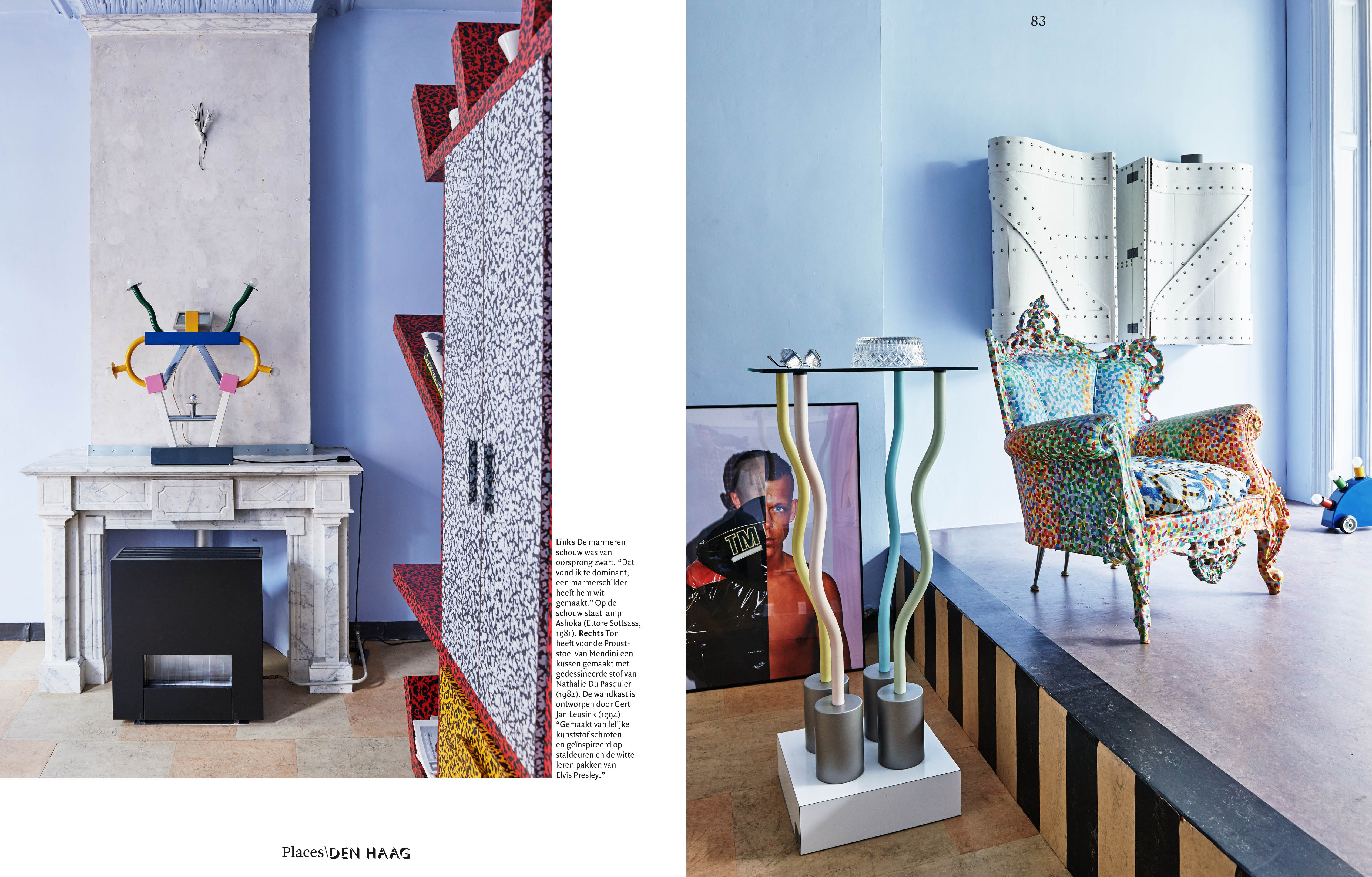
 

h1

Skaaren Design: Editorial & Good Design – What Magazine Making Has Brought Together, Let No Shrinking Budget Put Asunder – The Mr. Magazine™ Interview With Cody Skaaren, Creative Director & Designer, Skaaren Design

July 28, 2016

Ethisphere Cover Award Winner“I think budgets have shrunk a little bit and a lot of people are interested in digital magazines over print magazines; we get a lot of calls and a lot of interest in doing digital magazines. I think they believe it’s going to be much cheaper, but when they dig into it and realize how much a digital magazine actually costs to do right; basically the same price except the advertising isn’t as expensive. You can’t make as much money on advertising with a digital edition as you can in a print edition, for the most part. So, I see a lot of interest, but I see a lot of interest wane once they get into it. I think people kind of see digital magazines like a website, where it’s not going to cost much money.” Cory Skaaren

 “I find that working closely with the client is almost a necessity. So many people want to hire you and just tell you to do what you do and that’s just a recipe for disaster. We always try and sit down, and I can’t use the word education enough, and educate our clients, and not just about the business of magazines themselves, sometimes they know that kind of stuff, but I really like to talk about the process of design and setting up a magazine that is great, but giving it room to evolve. And, I want to know certain things too. I really need to understand the editorial model. If we’re not a part of creating the editorial model, then I want to understand why the editorial model is the way it is. Why they’re writing the kind of articles they are. I want a 360 degree understanding of that magazine or I can’t design it.” Cory Skaaren

What is good design? According to Cory Skaaren of Skaaren Design in Phoenix, Arizona, good design is the marriage of all elements of the process. From the editorial to the original photography, to the typography and the illustrations; good design is more than filling 96 pages and calling it a completed magazine. There is the flow and the feel; the life of the content that literally breathes from the pages. And Mr. Magazine™ would definitely agree. The magazine is certainly a living, breathing entity.

cory_portrait_01_111213I spoke with Cory recently and we talked about the genetics that make a healthy magazine; one that’s not only easy to absorb, but also highly successful. After 20 years in the design and visual communication business, Cory makes it abundantly clear that narrative is everything. The stories are as much a part of the design as the grids are. And it’s definitely a marriage made in heaven when it’s done right.

From Kono, a martial arts magazine for children, to Ethisphere, a quarterly magazine that’s dedicated to information on ethical leadership for CEO’s, directors and other business professionals, to Beyond Cinema, all about the film industry; Cory has experienced great design firsthand, his own. With Skaaren Design he works with many new magazines as he designs, consults and shares how important the art of storytelling really is to good design.

So, I hope that you enjoy the Mr. Magazine™ interview with a man who knows good design is much more than lines and grids, Cory Skaaren, Creative Director & Designer, Skaaren Design.

But first the sound-bites:

On the difference between how design and creativity are implemented today versus prior to the digital explosion: I think budgets have shrunk a little bit and a lot of people are interested in digital magazines over print magazines; we get a lot of calls and a lot of interest in doing digital magazines. I think they believe it’s going to be much cheaper, but when they dig into it and realize how much a digital magazine actually costs to do right; basically the same price except the advertising isn’t as expensive. You can’t make as much money on advertising with a digital edition as you can in a print edition, for the most part.

On whether all of these changes are helping or hurting the creative industry: Well, I guess I think it’s hurting it. We just have to keep justifying the importance of the psychological effect of good art and good design and good flow. I work with a lot of people who are doing a magazine for the first time, so we’re ushering them through the process. And I think sometimes part of the reason why they decided to do a magazine was because they thought it was going to be cheap because they’ve heard about stock photography and all of these things that are easy and fast and relatively cheap to get.

On whether he encourages or discourages people who have no magazine experience when they come to him with an idea for a new launch: Some of the best experiences I’ve had with people and magazines are newcomers to the publishing space because you’re kind of starting clean with them and you can explain things and as long as they’re reasonable, I think you can get to the heart of the matter pretty quickly.

On a few determinates that are a must in today’s creative design marketplace: Being a designer I really don’t work on magazines that don’t have an art budget. I think original photography and original art is vital to just the life of the magazine. That’s probably a pretty cliché answer, but I also think editorial structure and the flow of the magazine is something that’s very important and a lot of people don’t even consider, going back to the people who are entering publishing for the first time, it’s surprising sometimes that they don’t understand the very basics of the front of the book and the back of the book, and the well, things like that.

On how he made the transition from starting out drawing comic books to designing magazines: I was in college; I was going to design school and I was doing the cartoon for a local nightlife magazine in Phoenix, Arizona. I was basically a glorified intern; I really hadn’t designed anything of note. I had just been an illustrator. Late one night I walked into the office to turn in my cartoon and the publisher’s wife was there and she said that the art director had just quit and asked me to design the magazine. And I just said yes because that’s what we were taught to do; you never said no. So, the next day I started designing the magazine.

On the biggest stumbling block that he’s had to face and how he overcame it: I really believe in the importance of good design. Obviously I see, even though I’m a writer and I’m probably more hands-on with my magazines than a lot of “creative directors” are, we help direct and create editorial. A lot of the magazines that we’ve done over the last 10 years, we helped create and launch. But getting people to understand the importance of good design and spending money on good design; and when I say design I’m including illustration and photography and good writers even for that matter. And I think the only way to truly overcome that is to spend a lot of time with the client educating them on what makes a magazine good.

On his most pleasant moment: When you find a client who really understands and who wants to build something with you; that’s great. And they’re in it for the long haul; that’s when magic really happens. My favorite thing about doing a magazine, obviously besides the design and working with illustrators is working with the editor and working with the editor in chief. During the production of one of our magazines, I’m probably on the phone with an editor in chief almost every day, talking about things, going over articles; what we can do to make them better; what information we can add to make the content better.

Kono BatsOn which of the magazines that he works on he would use as an example to a potential client: I think the best magazine that I ever worked on was Kono magazine, which was a martial arts magazine for kids. But it was really a kid’s lifestyle magazine. That magazine just had a lot of life and it caught on with the readership very quickly. We broke almost all of the rules of magazine design; we didn’t have a baseline grid. The whole magazine was designed as if a kid made it.

On the new magazine he’s launching this summer: We’re launching a new magazine called Hyper and it’s kind of a continuation of what we did with Kono. Even though we built Kono from the ground up, Kono wasn’t my idea. Kono was an idea of two guys who were in the martial arts industry and who realized that every kid in the United States took martial arts at some point in their lives. It’s actually one of the largest sports for kids in the United States; more kids are in martial arts than football or little league baseball. And there are around 35,000 martial arts schools across the United States. And they didn’t have a media platform.

On what motivates him to get out of bed in the morning: It’s a challenge sometimes, because doing magazines, and we’re doing four magazines right now, so there’s always a magazine to do. A lot of time magazines can kind of weigh on your psyche a little bit because there’s no respite from it. There’s so much to do that you finish one and the next one just starts; you don’t even get a breath sometimes. I think the challenge of just getting it right is enough for me. I take it very seriously that someone has decided to give me a fair amount of money to design their magazine.

On what someone would find him doing if they showed up one evening unexpectedly at his home: I’m probably watching a movie on Apple TV.

On what keeps him up at night: Print deadlines. (Laughs) Print deadlines and the million unknowns that can happen overnight. One of the dangerous things about being an outside counsel to clients is you’re not in the room with their employees, so a lot of discussions take place on their side of the fence that you’re not privy to. So, sometimes you wake up to a decision and that decision could go either way; it could be an amazing decision or it could be a bad decision. And sometimes you have to spend the time to walk them back from that or you just have to change course or go with it.

And now the lightly edited transcript of the Mr. Magazine™ interview with Cory Skaaren, Creative Director & Designer, Skaaren Design.

Samir Husni: You’ve been a creative director for some time now; what do you think are the major changes in design and creativity when it comes to print, before 2007, and after 2007? Do you feel that there’s been a line drawn in the sand; this is how we used to do it and this is how we do it now?

Cory Skaaren: Yes, I think there is a difference. May I ask why you chose the year 2007?

Samir Husni: That’s when the Smartphone arrived on the scene, and then in 2010 here came the tablet. Supposedly, that was the beginning of the digital explosion, which actually hit in 2009.

Cory Skaaren: I think budgets have shrunk a little bit and a lot of people are interested in digital magazines over print magazines; we get a lot of calls and a lot of interest in doing digital magazines. I think they believe it’s going to be much cheaper, but when they dig into it and realize how much a digital magazine actually costs to do right; basically the same price except the advertising isn’t as expensive. You can’t make as much money on advertising with a digital edition as you can in a print edition, for the most part. So, I see a lot of interest, but I see a lot of interest wane once they get into it. I think people kind of see digital magazines like a website, where it’s not going to cost much money.

But I think the bigger thing is just the rise in popularity of these design element sites, like Creative Market and obviously stock photography just gets cheaper and cheaper every year. I really have to struggle to get people to spend money on original art and original photography sometimes.

BC Hawke SingleSamir Husni: Do you think that all of these changes, including the budgets and the tightening of the budgets and this myth that people can go digital and will not cost them anything to print or to distribute; is this helping the creative industry or hurting?

Cory Skaaren: Well, I guess I think it’s hurting it. We just have to keep justifying the importance of the psychological effect of good art and good design and good flow. I work with a lot of people who are doing a magazine for the first time, so we’re ushering them through the process. And I think sometimes part of the reason why they decided to do a magazine was because they thought it was going to be cheap because they’ve heard about stock photography and all of these things that are easy and fast and relatively cheap to get, and you kind of have to walk them back from that a bit and talk them into spending a little more money so that they’re investing in something that people will actually care about in the long term.

Samir Husni: If someone came to you today and told you they were starting a new magazine, would you encourage or discourage them in today’s market? They have no background in magazines whatsoever, just that fascination that they have an idea no one else has ever had and they want to launch this new magazine.

Cory Skaaren: Some of the best experiences I’ve had with people and magazines are newcomers to the publishing space because you’re kind of starting clean with them and you can explain things and as long as they’re reasonable, I think you can get to the heart of the matter pretty quickly.

But I do say this is not a short-term way to make money. I tell them if you want to make money in publishing, it’s going to take a lot of infrastructure and a lot of building and it’s a long-term investment and depending on, obviously their industry and what they want to accomplish with their magazine, I give them a general ballpark of what it’s going to cost.

And reasonable people understand that and they thank you for being honest with them and then there’s some people that you can’t reason with and they’re just going to go to someone else and they’re not going to be around after their third issue.

So, it’s a pro and con there, but I’m a big believer that part of my job is to usher the client through the process of any design project, whether it be a logo design, a magazine design, or anything, and try to get them to think about it a little differently and how we can do it; get more bang for our buck, because that’s a big deal today. And how to do it faster and easier, because let’s face it, there are a lot of hands in the pot when it comes to magazine design, or magazine creation, I guess.

Getting all those people on one page and getting people to focus on their jobs; that can save a client a lot of money just by developing a creative process that works within their structure and allows us to do the magazine without 400 revisions for every page.

Samir Husni: If you were to have a formula; although I know that in the business of design there’s no such thing as formulas, but if you were to come up with some determinates that you think makes a good design for a print magazine and its website in today’s marketplace, could you name two or three things that are a must?

Ethisphere-MagazineCory Skaaren: Being a designer I really don’t work on magazines that don’t have an art budget. I think original photography and original art is vital to just the life of the magazine. That’s probably a pretty cliché answer, but I also think editorial structure and the flow of the magazine is something that’s very important and a lot of people don’t even consider, going back to the people who are entering publishing for the first time, it’s surprising sometimes that they don’t understand the very basics of the front of the book and the back of the book, and the well, things like that.

I have loved magazines since I was a child. I started in this business in comic books, so that story structure meant a lot to me, so whenever I picked up a book in my formative years, the impact of how that story was structured meant a lot to me, and the comfortability of a reader being able to pick up any issue of Rolling Stone and going right to the movie reviews or right to the music reviews; that consistency and quality over time, that’s really what I drill into them from the first meeting.

Samir Husni: I too fell in love with comics. Those were my magazines when I was growing up in Lebanon. The storyline; the whole aspect from A to Z was what moved me into this magazine direction. Where did you grow up?

Cory Skaaren: I grew up in Minnesota, but my first job in this business was drawing comic books.

Samir Husni: How did you make the transition from drawing comic books to designing magazines?

Cory Skaaren: I was in college; I was going to design school and I was doing the cartoon for a local nightlife magazine in Phoenix, Arizona. I was basically a glorified intern; I really hadn’t designed anything of note. I had just been an illustrator. Late one night I walked into the office to turn in my cartoon and the publisher’s wife was there and she said that the art director had just quit and asked me to design the magazine. And I just said yes because that’s what we were taught to do; you never said no. So, the next day I started designing the magazine. I had never designed a magazine before. I thought I understood magazines, but that magazine was horrible. I did a horrible job designing it. They paid for my education in print production and how to set up Quark. This was back in the day of Quark XPress.

So, that’s how I got into it; really by accident. Coming from comic books, I really and truly understood the structure of a story; how to illustrate a story; how to create a flow through 84 pages. I just kind of got onto it. And what I realized living in a town like Phoenix, which is certainly not the publishing capital of the world, there was a lot of magazines being published out of here at the time and I was someone who had some experience, so I just slowly started doing it. And now it’s about 50% of my business.

Samir Husni: What’s the other 50%?

Cory Skaaren: Mainly branding and brand consulting. But we do a little bit of everything.

Samir Husni: What has been the biggest stumbling block that you’ve had to face and how did you overcome it?

Cory Skaaren: I really believe in the importance of good design. Obviously I see, even though I’m a writer and I’m probably more hands-on with my magazines than a lot of “creative directors” are, we help direct and create editorial. A lot of the magazines that we’ve done over the last 10 years, we helped create and launch. But getting people to understand the importance of good design and spending money on good design; and when I say design I’m including illustration and photography and good writers even for that matter.

And I think the only way to truly overcome that is to spend a lot of time with the client educating them on what makes a magazine good, and how that affects the bottom line, and so many of them believe that if they make it, readers will come. And so many go into it with the idea that all they have to do is get that first issue printed and the advertisers will come flocking. It’s a pretty rude awakening when that doesn’t happen.

Samir Husni: What has been the most pleasant moment for you during your career?

Cory Skaaren: When you find a client who really understands and who wants to build something with you; that’s great. And they’re in it for the long haul; that’s when magic really happens. My favorite thing about doing a magazine, obviously besides the design and working with illustrators is working with the editor and working with the editor in chief. During the production of one of our magazines, I’m probably on the phone with an editor in chief almost every day, talking about things, going over articles; what we can do to make them better; what information we can add to make the content better. Those are the things that I really enjoy. I enjoy creating content and then visually realizing it.

I find that working closely with the client is almost a necessity. So many people want to hire you and just tell you to do what you do and that’s just a recipe for disaster. We always try and sit down, and I can’t use the word education enough, and educate our clients, and not just about the business of magazines themselves, sometimes they know that kind of stuff, but I really like to talk about the process of design and setting up a magazine that is great, but giving it room to evolve.

And, I want to know certain things too. I really need to understand the editorial model. If we’re not a part of creating the editorial model, then I want to understand why the editorial model is the way it is. Why they’re writing the kind of articles they are. I want a 360 degree understanding of that magazine or I can’t design it. And it’s hard to do that long-distance.

And there are a lot of litmus tests that people need to pass before they get into the magazine business. I think that’s one of the big misunderstandings. Publishing is still kind of sexy; owning a magazine is kind of sexy. And it gives you entrée into a lot of things and people get caught up into that, but they don’t realize that they’re going to lose money for a fair amount of time. And they have to have a decent enough runway to let the magazine be successful. And that’s a challenge.

Kono was a very interesting business model, because what we did was create our own distribution model. I think we put about 8 to 10,000 magazines on the newsstands and we sold individual subscriptions. But the bulk of our sales, because the martial arts industry didn’t have a media platform, we would print the magazines and then martial arts schools would buy them from us in bulk and give them to their students as a retention tool. In one year we went from; the first magazine we printed, I think we sold 60,000 copies, by issue #10; we were selling 275,000 copies per issue. We were actually profitable in 10 issues, but it was a very non-traditional hands-on approach to it.

Samir Husni: I’m a potential client and I have a magazine idea, so I ask you to send me a sample from all the things you’ve done, which magazine would you send me?

Cory Skaaren: I think the best magazine that I ever worked on was Kono magazine, which was a martial arts magazine for kids. But it was really a kid’s lifestyle magazine. That magazine just had a lot of life and it caught on with the readership very quickly. We broke almost all of the rules of magazine design; we didn’t have a baseline grid. The whole magazine was designed as if a kid made it. The demographic was like 6 to 12. So, we kind of went at the design with the mindset that if a kid who was 6 to 12-years-old designed their own magazine, what would it look like? We designed the entire magazine out of clipped paper and things were taped and pinned to the pages; it was very interactive.

I think that I would show that only because it showcases thinking outside the box and not everything has to be based on a grid system. It really ignored all of those traditional rules of magazine design.

Samir Husni: You said you were in the process of launching a new magazine this summer, could you tell me about it?

Cory Skaaren: We’re launching a new magazine called Hyper and it’s kind of a continuation of what we did with Kono. Even though we built Kono from the ground up, Kono wasn’t my idea. Kono was an idea of two guys who were in the martial arts industry and who realized that every kid in the United States took martial arts at some point in their lives. It’s actually one of the largest sports for kids in the United States; more kids are in martial arts than football or little league baseball. And there are around 35,000 martial arts schools across the United States. And they didn’t have a media platform.

Kono, unfortunately, was kind of shut down due to the recession. It was a very successful magazine, but we were so new that we couldn’t really survive that. So, Hyper is a continuation of that, but we’re gearing it more toward a slightly older demographic, like 12 to 16-year-olds. We’re taking everything we learned from Kono and putting it into an older demographic.

Samir Husni: What motivates you to get out of bed in the morning?

Cory Skaaren: It’s a challenge sometimes, because doing magazines, and we’re doing four magazines right now, so there’s always a magazine to do. A lot of time magazines can kind of weigh on your psyche a little bit because there’s no respite from it. There’s so much to do that you finish one and the next one just starts; you don’t even get a breath sometimes.

I think the challenge of just getting it right is enough for me. I take it very seriously that someone has decided to give me a fair amount of money to design their magazine. You and I both know that magazines are not cheap, so to have that faith and hand over that money and say to me, do the best job you can and get it right is something that I take so seriously that it almost drives me crazy.

And I think that there are so many challenges in there because if you’re a designer magazines are really a boot camp for design, because everything is in there. There’s typography, photography, editorial, copy fitting; you name it and it’s in there. And it all has to be functioning. We never get it 100% right, I don’t think. But maybe that’s just me never being happy with it, but there’s always some challenge to every issue, no matter how many issues of the same magazine that you do; there’s always something that can be improved or that you didn’t quite have the time to get 100% right, and that’s the challenge for the next issue. So, I think that drive to just get it right is what keeps me going.

Samir Husni: If I showed up one evening unexpectedly to your home, what would I find you doing; reading a magazine, reading your iPad, watching television, or something else?

Cory Skaaren: I’m probably watching a movie on Apple TV.

Samir Husni: My typical last question; what keeps you up at night?

Cory Skaaren: Print deadlines. (Laughs) Print deadlines and the million unknowns that can happen overnight. One of the dangerous things about being an outside counsel to clients is you’re not in the room with their employees, so a lot of discussions take place on their side of the fence that you’re not privy to. So, sometimes you wake up to a decision and that decision could go either way; it could be an amazing decision or it could be a bad decision. And sometimes you have to spend the time to walk them back from that or you just have to change course or go with it.

So, that really keeps me up at night. Sometimes I wonder: what’s being talked about right now that’s going to affect my day tomorrow that I’m not going to know about until it’s too late.

Samir Husni: Thank you.
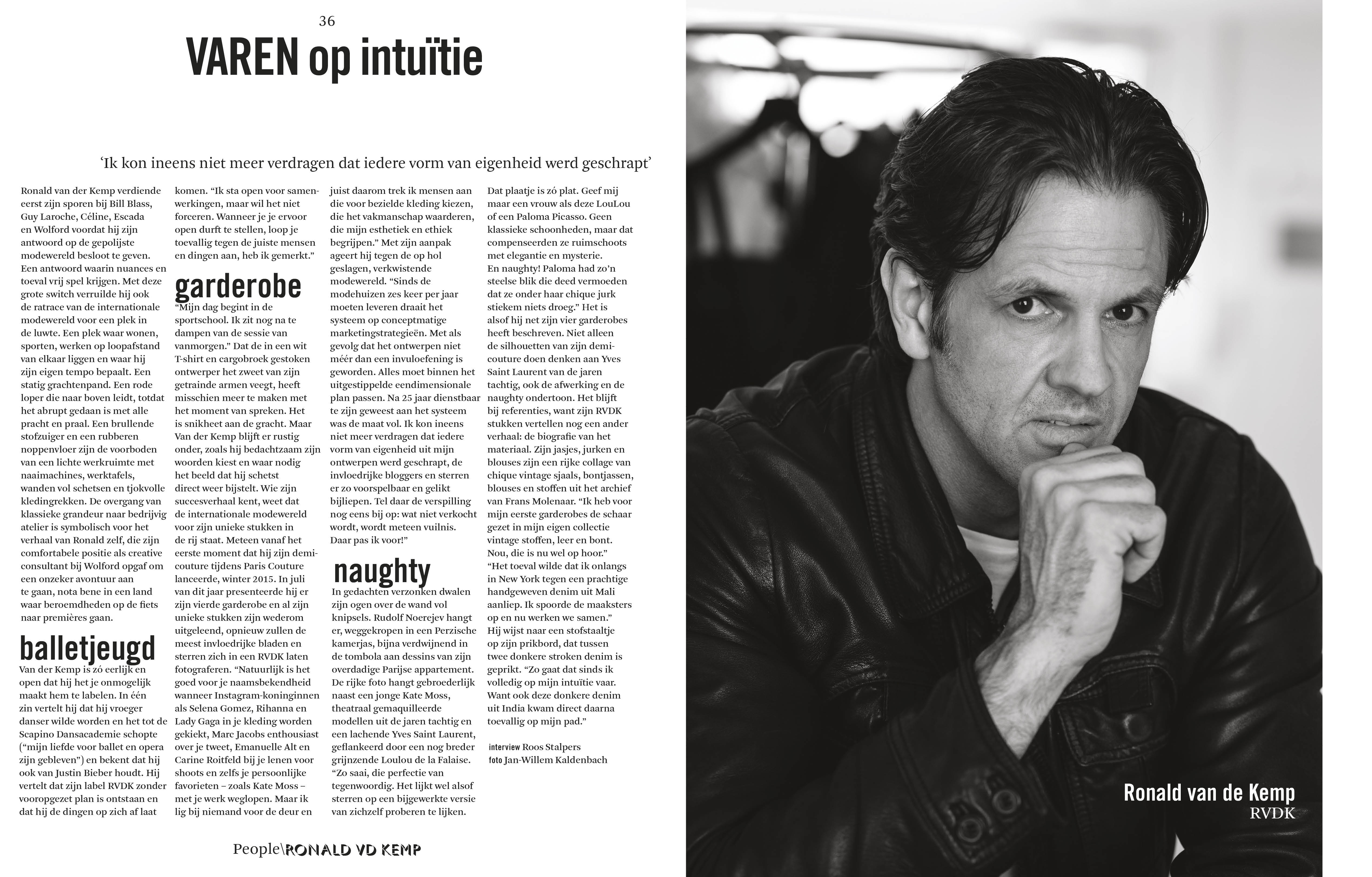


h1

Pacific Standard Magazine – A Magazine Worth Printing With Stories That Matter – The Mr. Magazine™ Interview With Nick Jackson, Editor In Chief, Pacific Standard Magazine.

July 25, 2016

COD_PacificStandard_w_580“We had to think what makes a magazine piece different than what anybody can get anywhere else? And for us that are the stories that we’re going to put months of work into; we’re going to dedicate extra research toward, whether that’s through fact-checking, copyediting, or just research and report. Also, I think that as much as people have tried, you can’t really replicate the print experience in any other medium.” Nick Jackson

“I have a walk-in closet that’s just my magazine closet. I subscribe to 40 magazines in print, despite being a guy who started in the digital space. I still think that print magazines are just such a perfect medium. They’re a great thing and I love seeing what everybody else is doing.” Nick Jackson

 Making the worlds of research, media and public policy, not to mention academia and technology, engaging and compelling to the general populace is something that Pacific Standard’s new redesign is setting out to do.

Launched originally in 2008 as Miller-McCune magazine by Sara Miller McCune, the founder and head of Sage Publications, the name was changed to Pacific Standard in 2012. The magazine has always striven to publish stories that are important and matter, covering topics that are left untouched by many other publications.

However, today’s Pacific Standard, with its compelling new redesign, has taken the maelstrom of hot topics that are splashed across today’s mediums and featured them within the pages of the magazine to captivate readers with timely information in a new and deeper format that brings the art of long-form journalism back to the forefront.

Nick Jackson is editor in chief of Pacific Standard and has brought the brand into this redesign boldly and confidently, anxious to show readers the positive changes that have been made. Nick comes from a background that includes such giants in publishing as The Atlantic, Slate and Outside magazines. He knows his stuff and is proud to be cultivating stories that inform and change people’s lives.

I spoke with Nick recently and we talked about the magazine’s new look and more poignant perspective. It was an interview that was filled with focus for the brand’s future and excitement for its present, without discounting its esteemed past, recognizing the brilliance of Sara Miller McCune, founder of Sage Publications, who launched the magazine.

So, I hope that you enjoy the Mr. Magazine™ interview with a man who is helping his brand to continue to raise the “standard” in today’s journalism, Nick Jackson, editor in chief, Pacific Standard magazine

But first the sound-bites:

08 Nick_PacificStandard_0817_webOn his definition of a magazine “worth printing” in 2016: We need to differentiate ourselves from what everybody else is doing. We have a pretty robust presence at this point. We’re not huge, but we’re up to the point where we’re publishing 10 to 12 original, non-aggregation pieces a day on our site. So, we had to think what makes a magazine piece different than what anybody can get anywhere else?

On how they’re using digital to enhance the printed product: I actually think that’s something that I’m proudest of. My background is almost exclusively in digital. I got my start at Slate and The Atlantic years ago. And we’ve really created a truly hybrid newsroom; it’s a small newsroom, but it really is platform agnostic and informs everything we do.

On how the brand is doubling its efforts to utilize more research and investigative reporting in both the printed magazine and on its website: I think first of all; we have to do that. There’s really sort of a mass versus class situation in publishing right now. We don’t really aspire to be a BuzzFeed or even a Vice or Vox. And so we thought that it was really important to double down on our mission, which I think is something that not a lot of other places are doing. It’s really a couple of different factors for us and part of that is the academic background. A lot of our work is informed by the latest research, particularly in the social and behavioral sciences, rather than just relying on an anecdote.

COD_PacificStandard2_w_580On the redesign issue’s second cover: The other cover is Ralph Nader. We have special distribution on Capitol Hill, in airport lounges and a couple of other places. One of the things that we want to do is affect policy one way or another and I think that it helps for us to do hand delivery on Capitol Hill, where we thought Ralph Nader would resonate a little more strongly.

On whether the magazine’s targeted audience is shrinking or expanding in today’s world: For us, the audience is expanding. I don’t know what the larger groups of those sorts of people are; they’re difficult to reach. That’s the future. We were founded by Sara Miller McCune, whose background is in starting Sage Publications 50 years ago, which is an incredibly successful academic publisher, but that’s an entirely different business where you have to publish in those journals to go up for tenure.

On the biggest stumbling block he’s had to face during the redesign and how he overcame it: It would probably be finding that balance. We’re more focused on our mission than we’ve ever been. And I’ve worked with a lot of people here on narrowing that down. Knowing that we want to reach our audience and ultimately everybody wants their stuff to get out in front of as large an audience as possible.

On what has been the most pleasant moment during the redesign: It’s hard to pick just one. It’s been a lot of fun. At its best, magazine making is just a really fun and collaborative project, and over the past year or so while we were remaking the magazine we were also building out a new office space that has more room for us to grow into. So, we were actually making the magazine, and I talk about meeting in coffee shops and other things in the editor’s letter, but that’s completely true. (Laughs) A lot of this was made on the fly around California while we were building this new office space, while we were getting ready to grow and expand.

On what someone would find him doing if they showed up unexpectedly at his home one evening: I’m probably reading a magazine. I have a walk-in closet that’s just my magazine closet. I subscribe to 40 magazines in print, despite being a guy who started in the digital space. I still think that print magazines are just such a perfect medium. They’re a great thing and I love seeing what everybody else is doing.

On what motivates him to get out of bed in the morning: It’s the magazine we’re putting out. As I said, I worked at The Atlantic, Slate and Outside, and I did a lot of work there that I’m really proud of. Those are incredible publishers doing great work today, but a big chunk of my time was thinking through things such as; I’m going to send someone to live on Everest and report on the plight of Sherpas there, which is something that we did when I was at Outside.

On what keeps him up at night: Fact-checking. (Laughs) Fact-checking headaches. We’re about to close a food issue and for us that’s a big feature on food safety; an issue that involves 46 or more government agencies. So, the headaches of closing a piece like that are many. But, they’re very exciting challenges to work through. But they’re still challenges. So, you’re constantly worried.

And now the lightly edited transcript of the Mr. Magazine™ interview with Nick Jackson, Editor In Chief, Pacific Standard Magazine.

 Samir Husni: Congratulations on the new and improved Pacific Standard magazine. You wrote in your editorial that you decided to actually create a magazine worth printing in 2016. How would you define a magazine “worth printing” in today’s digital age?

Nick Jackson: We need to differentiate ourselves from what everybody else is doing. We have a pretty robust presence at this point. We’re not huge, but we’re up to the point where we’re publishing 10 to 12 original, non-aggregation pieces a day on our site. So, we had to think what makes a magazine piece different than what anybody can get anywhere else?

And for us that are the stories that we’re going to put months of work into; we’re going to dedicate extra research toward, whether that’s through fact-checking, copyediting, or just research and report. Also, I think that as much as people have tried, you can’t really replicate the print experience in any other medium. So, we’ve put a lot more energy, resources, time and money into our art and photography and we’re really trying to create this object that people want to keep.

One thing that I’m constantly thinking about is what National Geographic was to people in the 1980s and 1990s, which was a magazine that lived on the newsstand, but was also a magazine that people kept and collected. We’re trying to capture some of that in 2016. We want to last more than just a moment. We don’t want to compete with newsweeklies or other printed products. We want to create something that you’re going to keep and share and pass around; something that you’re going to refer back to over and over again. Those are the kinds of things that you can do in print in a way that you can’t do online. So, that really began the whole discussion about redesigning the magazine.

Samir Husni: I was looking at the redesigned issue and reading your letter from the editor and saw the accompanying photo. In that picture you’re using digital devices as you create this magazine, so how are you using digital to enhance this new Pacific Standard magazine that you’re trying to create?

Nick Jackson: I actually think that’s something that I’m proudest of. My background is almost exclusively in digital. I got my start at Slate and The Atlantic years ago. And we’ve really created a truly hybrid newsroom; it’s a small newsroom, but it really is platform agnostic and informs everything we do. Being platform agnostic is something that everybody talks about and aspires to, and it’s something that we’ve been talking about industry wide for five or six years now. But every place that I’ve worked there’s still people who work in digital and people who work in print. And for some places that works very well. You can look at Hearst where they’ve completely split the two.

Every single person on my team is working on both and that’s made both products better. For us that means that if we have someone who is primarily responsible for assigning featured stories, they can say this story is going to benefit from a quick turnaround time; maybe there’s news pegged like the upcoming election that we want to push out online, but it doesn’t necessarily make sense in print because of the long lead time. So, we really have people who are able to, because they’re working across platforms; decide something works best here or there. This is the story that’s going to be better if we put a couple of months of editing into it for the print magazine.

And that’s also helping our website. We’re doing more fact-checking and copyediting and some of the more traditional print processes; we’re doing more of that online that a lot of places are, so it’s making our website better too.

letter from the editorSamir Husni: You mentioned that in both, the print and the PS mag.com that you’re doubling down on the mission to combine research with narrative and investigative reporting; give me some examples of how you’re doing that.

Nick Jackson: I think first of all; we have to do that. There’s really sort of a mass versus class situation in publishing right now. We don’t really aspire to be a BuzzFeed or even a Vice or Vox. And so we thought that it was really important to double down on our mission, which I think is something that not a lot of other places are doing.

It’s really a couple of different factors for us and part of that is the academic background. A lot of our work is informed by the latest research, particularly in the social and behavioral sciences, rather than just relying on an anecdote.

Another differing factor is our core focus areas, where we focus on educational, economic and social justice, and the environment, which largely is a lot of climate change for us now. But you can see those in almost any story we do, so the new redesign issue’s cover for newsstands is “The Addicted Generation.” We had a separate cover for some of our special distribution, but that’s another conversation.

“The Addicted Generation,” which is a traditional magazine piece in that there was weeks’ worth of reporting and dozens of sources of people in their late 20s and early 30s, largely millennials who grew up on Ritalin and other ADHD drugs and who are now struggling, trying to get themselves off of it. They would consider themselves addicted, that’s a word that we don’t use lightly, but it comes up over and over again in our reporting on this.

But it’s more than just their stories. We actually in print and we struggled with this a little bit online, where you can see the packaging of print really is something special. We moved a lot of their individual and personal stories into sidebars, and ran them like “as told” and we focused the feature itself around what the research really told us about how people become dependent on these drugs or don’t become dependent; where’s the research at? The core of the feature is really written with the people studying this issue and the doctors at the heart of it, and then we moved the actual effected millennials into the sidebars.

So, that’s probably a slightly different approach than another magazine would have taken on this story, but I think it really sets us apart and offers something unique and important to our readers.

Samir Husni: You’ve piqued my interest by mentioning another cover; what’s the other cover?

Nick Jackson: The other cover is Ralph Nader. We have special distribution on Capitol Hill, in airport lounges and a couple of other places. One of the things that we want to do is affect policy one way or another and I think that it helps for us to do hand delivery on Capitol Hill, where we thought Ralph Nader would resonate a little more strongly.

I mentioned this in the editor’s letter too; in the redesign we opened up the feature well a little bit, we’re going to be running four features an issue instead of three and with some of that extra space we’re going to be doing more photo essays and more long-form interviews. So, Ralph Nader is our first long-form interview.

We’ve paired with Lydia DePillis, who used to be a labor reporter at the Washington Post and is now at the Houston Chronicle down in Texas. But she has a deep background in a lot of these issues that Ralph Nader’s been involved in for 40 or 50 years at this point. We paired them up and had them talk a lot about the election and what’s coming up. We thought the timing would do well, so he’s our first. And then we have a couple more in the works, but the long-form interview is something that I think we want to do more of and we’re hoping that opening up the feature well will allow us to do that.

That’s the first time that we’ve done a split cover, I don’t know if we’ll keep doing it, but we have been playing around a lot with covers lately. Even the previous issue, which was an entirely water-themed issue; we did a wraparound cover and because we’re a non-profit, we’re in a slightly different position than other places. That back page real estate is less important to us for advertisers and I think it really helps differentiate us. We’re going to try and do some more wraparound covers. I think it gives this thing more of a book quality than a traditional magazine.

back cover useSamir Husni: I love your insect and spider back cover. It’s been said that 55% of people in the Western Hemisphere start reading the magazine from the back.

Nick Jackson: Right. We’ve been working on this redesign while putting out the magazine for 9 or 10 months or so, and there are a lot of obvious things that we wanted to do: expand the feature well, bring more art and photography in, eliminate stock completely; probably the most difficult thing to come up with was what to do with that back page. Not the back cover, but that last page in the magazine. I think everybody in the industry talks about it, and I think only a few magazines have figured it out. You think about The New Yorker cartoon, or maybe the Proust Questionnaire at Vanity Fair, but it’s such a difficult piece of real estate.

Samir Husni: I think even with the prison tattoo; it’s a very captivating last page.

p useNick Jackson: Yes, we’re just going to try and keep it really bold and bright; just focus on a single object that’s related to some of our core coverage areas and tell a brief, little historical story about that object. It was fun, because we actually had someone create that prison tattoo gun before we shot it, so we have it here in the office. I talked about using it to maybe give myself a small Pacific Standard tattoo or something. (Laughs)

Samir Husni: Let’s talk a little about your targeted audience. “You’re trying to reach civically engaged citizens interested in improving both private behavior and public policy to promote a more fair and equitable world.” I read that from your letter from the editor. Is that audience shrinking or is that audience expanding? Do we have such an audience in the country as we see it today?

Nick Jackson: For us, the audience is expanding. I don’t know what the larger groups of those sorts of people are; they’re difficult to reach. That’s the future. We were founded by Sara Miller McCune, whose background is in starting Sage Publications 50 years ago, which is an incredibly successful academic publisher, but that’s an entirely different business where you have to publish in those journals to go up for tenure.

We know that most academic papers are only read by three or four people and there’s really important work being done in the space, and that’s really why we put out this magazine, which is how do we take some of the best research happening today and package that in a way that gets people excited.

I just talked about Ralph Nader being our first big interview; we don’t do the big celebrity profile; we don’t do the extended service package; we don’t do a lot of the things that are easier sells to an audience for other people. We’re doing some pretty deeply investigative reporting. We’re doing a lot of scientific work; how do you package that in a way that gets people excited about it and engaged with it?

That’s really why we redesigned the magazine. We’re constantly thinking about how you get in front of those people; how do we stay true to our mission and reach them? So, we know that our audience is expanding.

Samir Husni: What has been the biggest stumbling block that you’ve had to face during this redesign and how did you overcome it?

Nick Jackson: It would probably be finding that balance. We’re more focused on our mission than we’ve ever been. And I’ve worked with a lot of people here on narrowing that down. Knowing that we want to reach our audience and ultimately everybody wants their stuff to get out in front of as large an audience as possible.

So, a lot of it was thinking, OK – we have this front-of-book that’s largely built around the academic work that is our foundation, but maybe it’s too academic in its presentation. We were doing a lot with citations to journals; we had a lot of departments named after things that hinted back at the university and the Ivory Tower. Maybe it was a little off-putting for just your general reader, which is really who you’re trying to expose with new information.

A lot of that we worked on, and I think we’ve landed in a place that we’re pretty comfortable with. We have pushed what used to be our prospector section, as a sort of short front-of-book stuff, with this new section called “Field Notes,” which is really our version of Talk of the Town. They’re very short, very fun pieces and they’re lighter on the research than a lot of the other stuff we do. So, trying to find that balance is always tricky for us.

But it doesn’t make a lot of sense for us to stray from our mission too much and just do work to attract an audience, because if that’s what we wanted to do, we would work elsewhere. I worked at The Atlantic and Outside and at a bunch of big publishers and had a much larger audience than we do here, but the reason for me coming to Pacific Standard was that I wanted to do work that I felt was important. I wanted to do stories that mattered, which we make our tag on. And work that feels like it can make a difference, whether that’s affecting public policy like we talked about, even if it’s affecting private, individual behavior in some way.

Obviously, with everything going on now we’re doing a lot of work around the Black Lives Matter movement and police violence. If you can just use the latest social behavioral research to get people to think about their actions and maybe change them, instead of, I don’t know, creating some quiz or list or something that’s been done in the past, then that’s the most important thing, even if you’re not reaching a huge audience.

Trying to find that balance is always hard. I’ve got a lot of people who have left bigger and more well-known magazines to come out here and try to work on this, because they think everybody is excited about having some affect. So, you’re looking to give up the scale for the impact. Trying to measure impact and trying to figure out what the right equation is will always be tricky.

Samir Husni: What has been the most pleasant moment during the redesign?

Nick Jackson: It’s hard to pick just one. It’s been a lot of fun. At its best, magazine making is just a really fun and collaborative project, and over the past year or so while we were remaking the magazine we were also building out a new office space that has more room for us to grow into. So, we were actually making the magazine, and I talk about meeting in coffee shops and other things in the editor’s letter, but that’s completely true. (Laughs) A lot of this was made on the fly around California while we were building this new office space, while we were getting ready to grow and expand.

And just getting this brain trust, this group of people who have come from all over the country to work together on this magazine, to think through things such as if we start from scratch, and there are a lot of things that have remained the same from previous iterations because they work, but let’s think about it as though we’re creating a magazine from scratch and we have the resources to do that; how do we make a magazine that we’re excited about putting out?

And it’s really the collaborative nature of magazine making that’s a great joy. The best part about it is that it doesn’t end when the redesign is ready and that’s a daily process. I’m in the middle of shift week right now and I have a lot of people huddled around, trying to put out the best thing they can on a timeline. And that’s always so much fun.

Samir Husni: If I showed up at your home one evening after work unexpectedly, what would I find you doing; reading a magazine, or reading your iPad; watching television, or something else?

Nick Jackson: I’m probably reading a magazine. I have a walk-in closet that’s just my magazine closet. I subscribe to 40 magazines in print, despite being a guy who started in the digital space. I still think that print magazines are just such a perfect medium. They’re a great thing and I love seeing what everybody else is doing.

So, I’m probably reading a magazine; maybe I’m reading other stuff online. There’s very little I’m doing that’s not related to my work, which may sound sad to some people, I guess, but it’s how I found my way into this. I went to a boarding school for math and science geeks and thought I would become a physicist, and only decided to get into journalism and magazine making because it was sort of my hobby and my interest on the side. And I thought if I can make that a career, then that’s the way to go.

When your put in a position when you seem to have a clear trajectory in one direction and you shift from that because you’re so passionate about whatever it is that’s pulling you in another direction, then that shows in your work.

Samir Husni: What motivates you to get out of bed in the morning?

Nick Jackson: It’s the magazine we’re putting out. As I said, I worked at The Atlantic, Slate and Outside, and I did a lot of work there that I’m really proud of. Those are incredible publishers doing great work today, but a big chunk of my time was thinking through things such as; I’m going to send someone to live on Everest and report on the plight of Sherpas there, which is something that we did when I was at Outside.

But I also have to think about how do I put together a great service package for somebody? Or how do I grow the revenue streams on the website? And that’s something that we’re still sort of thinking about here, but most of our energy and focus goes into just putting out great stories, which I think is what everybody who gets into this business wants to do, but realizes at best that can only be a percentage of what they do. Here, it’s a much larger percentage than anywhere else.

Samir Husni: My typical last question; what keeps you up at night?

Nick Jackson: Fact-checking. (Laughs) Fact-checking headaches. We’re about to close a food issue and for us that’s a big feature on food safety; an issue that involves 46 or more government agencies. So, the headaches of closing a piece like that are many. But, they’re very exciting challenges to work through. But they’re still challenges. So, you’re constantly worried. The difference with print over web is that I have a ship date that I have to meet; these stories have to be ready at a certain time. No matter what they have to be ready to go out the door. And that can be tricky.

Samir Husni: Thank you.
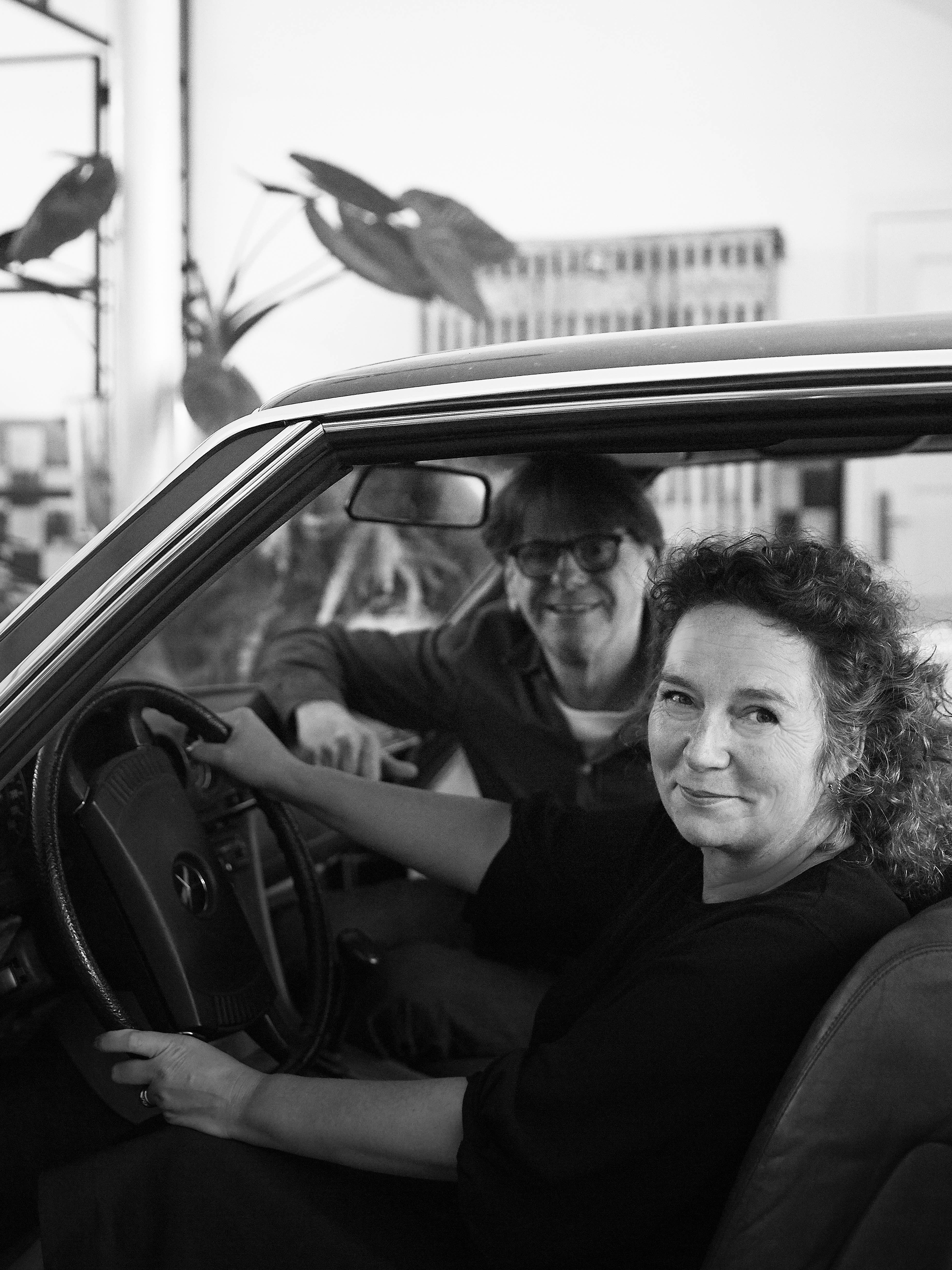
h1

Niépi Magazine Launches In The U.S. – Teaching Us Cuisine & The Art Of Living As Only The French Can – The Mr. Magazine™ Interview With Peter S. Walsh, Publisher, Niépi Magazine, U.S.A.

July 21, 2016

A Mr. Magazine™ Launch Story

Screen Shot 2016-07-20 at 7.15.43 PM “I’m a huge believer that print helps to monetize the digital audience. And as evidence of that is the fact that All Recipes was digital-only and then launched print.” Peter S. Walsh

(On whether he believes newsstands are dead or dying) “I would never use those words because I have too much respect for all of the good people who are in the newsstand industry, whether it’s retailer, distributor, national distributor, wholesaler, or publishers. We’re all aware over the last 25 years how much things have changed, in that the amount of magazines that are being distributed through the system has grown tremendously, but the amount of space for display has not. Yet, the largest and the most sophisticated and healthiest publishers like Meredith, like Condé Nast, like Hearst; they continue to launch magazines in print.” Peter S. Walsh

 Niépi – defined as a Balinese ceremony held on the night of New Year’s during which noise is made to scare away demons and our own fears. Niépi Magazine embraces that definition – only from a food state of mind.

The magazine was created and founded by Frédérique Barral and her daughter, who were both diagnosed as gluten intolerant. A native of France, Frédérique decided that she and her daughter needed to take control of the ingredients that went into their bodies, learn about them and decide what went into their foods. And it was in that mindset the idea for Niépi magazine was born and began publishing a French language version in France and Belgium in 2014.

Peter S. Walsh is a businessman who knows quite a bit about the magazine media business, from circulation to distribution to print production, Peter has done it all for many, many years. And he knew a great title when he saw it. That’s why when he was approached about publishing an English language version of the magazine, he did his research and Niépi magazine was born in the United States. It’s scheduled to debut on newsstands in early September.

I spoke with Peter recently and we talked about the magazine; about its origins; its name, and its future. Oh, and if you’re trying to tie the meaning of the name in with the food category – think about it this way: learning to live free of the demons that can affect our bodies, or in Peter’s words, “It’s teaching its readers about sustainable, organic food and showing people ways to eat so that it enhances their health and wellbeing.” And it’s extremely memorable and the tagline totally befitting: Cuisine & the Art of Living.

So, make some noise and create your own “Niépi” as you read and enjoy the Mr. Magazine™ interview with Peter S. Walsh, Publisher, Niépi Magazine, U.S.

But first the sound-bites:

Peter Walsh Head Shot 7_17_16On why he decided to launch a print magazine in the food space in today’s digital age: I’m a huge believer that print helps to monetize the digital audience. And as evidence of that is the fact that All Recipes was digital-only and then launched print. I thought there was a really great opportunity in the marketplace for a magazine that sets out up front that it’s covering organic, natural foods, sustainably-sourced foods, etc.

On what Niépi brings to the marketplace that isn’t already there: Our editorial mission is to show people beautiful food and recipes so that they’re eating things that are healthy and natural, which increases their wellbeing and overall health. And we’re covering it from the viewpoint and through the prism of the French people, or in particular, this French editor.

On his expectations for the magazine: In terms of the newsstands, like all magazines, I want to put it where I believe the readers are. And we believe that overwhelmingly the readers are female and we believe that we’ll attract an audience that is younger than, let’s say, Bon Appétit’s audience. So, what I want to do is, and am accomplishing this now with the help of Curtis Circulation, is get into Whole Foods and Kroger and Mariano’s Fresh Market and other great markets. The first order of business is bringing it into those retailers that are really devoting space to organic produce and foods.

On whether he feels the newsstand is dead or dying: I would never use those words because I have too much respect for all of the good people who are in the newsstand industry, whether it’s retailer, distributor, national distributor, wholesaler, or publishers. We’re all aware over the last 25 years how much things have changed, in that the amount of magazines that are being distributed through the system has grown tremendously, but the amount of space for display has not. Yet, the largest and the most sophisticated and healthiest publishers like Meredith, like Condé Nast, like Hearst; they continue to launch magazines in print.

On anything else he’d like to add: I hope that I defined it correctly as sustainable, organic food and showing people ways to eat so that it enhances their health and wellbeing.

On what motivates him to get out of bed in the morning: I tell people all of the time that I am a bit of a magazine geek. And I’ve been involved with magazines since 1981 when I started with ICF, a division of the Hearst Corporation here in Chicago. Over the years I’ve worked for companies such as Hearst and ADS Publisher Services. And I am somebody who just finds magazines one of the greatest media out there. I enjoy the format.

On what someone would find him doing if they showed up at his home one evening after work unexpectedly: You’d probably catch me at my desk or on my couch. I read a lot of magazines and also I wear a lot of different hats in my business. I am one of the owners of Niépi, that’s part of it. I am an owner.

On whether this is the first time he’s been a magazine owner: It is, yes. For 35 years I’ve either been a circulator or a consultant to publishers. And I continue to do that and I specialize in circulation and I also, over the last 10 years, have specialized in print production, because I currently do a lot of graphic design and printing projects. I print catalogs as well as I print magazines. So, to a small publisher I have been functioning as the circulation department and the production department.

On whether it makes a difference that he’s an owner this time around, rather than a hired consultant: Of course it does. It makes me want to work harder and obviously over the last three or four months I’ve had to set up many, many different parts of the structure, including the postal and the fulfillment, e-commerce, the website and social media.

On what keeps him up at night: To be brutally honest, what keeps me up is will our editorial be compelling enough to attract readers and to have them return and repeat purchase, whether that’s on the newsstand or subscription, because I tell people all of the time as good a circulator as I am; I can print it and make it look beautiful, but I cannot make people buy the magazine. And that’s the Catch-22.


And now the lightly edited transcript of the Mr. Magazine™ interview with Peter S. Walsh, Publisher, Niépi Magazine, U.S.

Samir Husni: How did you reach the decision to launch a print magazine, especially in the food space, in this digital age?

cover01-2Peter S. Walsh: I’m a huge believer that print helps to monetize the digital audience. And as evidence of that is the fact that All Recipes was digital-only and then launched print.

What happened in this particular case was that I am a consultant and a long-time circulator, and a gentleman who was an American, but lives in the south of France, met this couple that had started this magazine in 2014. He met them within just the last year. And when he met them he thought it was a beautiful magazine and he realized that they produced it in French, in France and Belgium, and he asked them would they be open to a co-publishing or royalty agreement where we would do it in English, and so we’re calling this the International version – English language version, of Niépi.

So, John, my financial partner, found me after poking around the newsstand business a little and realized that he needed someone to kind of steer the ship. And some people referred him to me. We sat down and talked. I was very impressed with the magazine and even though I knew the category of cuisine and food titles well, I wasn’t recently familiar with it, but I did a lot of research after John and I talked. I thought there was a really great opportunity in the marketplace for a magazine that sets out up front that it’s covering organic, natural foods, sustainably-sourced foods, etc.

And of course, we see how the supermarket industry has been doing in the last few years, where more or less the largest supermarkets have plateaued or flattened. And the ones that are growing are the ones that are devoting more space in their produce department to organic foods.

Samir Husni: What’s the expectations? Food has become the sex category of the 21st century in magazines; we have more food titles in the marketplace than ever before. You name the specialty and it’s there. What does this new magazine bring to the market that’s not already there?

Peter S. Walsh: You’re right. Years ago we had the very large food titles like Bon Appétit, Gourmet, which obviously Condé Nast folded years ago in 2009, and Food & Wine. And they’re all very large. And as you indicated, in recent years the category has fragmented into subject-specific food titles, such as gluten-free or sugar-free, etc. And I believe those are all covered in what we’re doing.

Our editorial mission is to show people beautiful food and recipes so that they’re eating things that are healthy and natural, which increases their wellbeing and overall health. And we’re covering it from the viewpoint and through the prism of the French people, or in particular, this French editor.

Samir Husni: You’ve been involved before with the magazine Naked Food and you’ve done other things in this category, so you’re no stranger to the niche. Now, if you would please put your newsstand cap on and tell me about a magazine with a French name, one that has gorgeous pictures in it; what do you think your expectations should be? Do you think that people are going to stop in their tracks and say: what’s this?

Peter S. Walsh: Actually, the name Niépi is not French. It’s French spelling because the couple that founded the magazine is from the south of France. The name Niépi is from the island of Bali and they have sort of a New Year’s celebration that goes on for about a week. And in the middle of it, they call one evening of the festivities Niépi. And what they do is people go outside and bang on pots and pans and make lots of noise and you may have heard about this in other cultures as well. The idea is that they’re casting out evil spirits and starting the New Year fresh.

It’s also a bit of an allegory of embracing our lives and casting away fear and living a little more fearlessly. And in the case of our magazine, the couple liked the theme and then they changed it to a French spelling, but the idea is that food and the way people approach it, it just so happened that this couple, Frédérique Barral and her daughter, were having some health issues, They became diagnosed as gluten intolerant, so they started the magazine talking about gluten-free, and again, it’s the two of them saying to the readership: take control of your diet. Take control of the ingredients in the food that you put into your body. So, that’s the reason behind the name.

When I was introduced to the magazine I thought: OK, it’s not an English language word. We’ll immediately need to spell that out to the reader, so if they see it on the newsstand they’ll know what it is. But with that said, I still liked the name Niépi because it’s short and cute, and because it’s memorable. People can remember it very quickly. And what we did is add the tagline right below it, which is Cuisine & the Art of Living.

In terms of the newsstands, like all magazines, I want to put it where I believe the readers are. And we believe that overwhelmingly the readers are female and we believe that we’ll attract an audience that is younger than, let’s say, Bon Appétit’s audience. So, what I want to do is, and am accomplishing this now with the help of Curtis Circulation, is get into Whole Foods and Kroger and Mariano’s Fresh Market and other great markets. The first order of business is bringing it into those retailers that are really devoting space to organic produce and foods. Of course, we’ll also be in every Barnes & Noble because we pay the promotional fee. Also, like most food titles, we’ll have a lot more subscriptions than we will have newsstand sales.

Samir Husni: I noticed that you have a hefty cover price.

Peter S. Walsh: Yes, $9.95. And that’s quarterly.

 Samir Husni: People keep telling us that the newsstand is dead or dying; is it?

Peter S. Walsh: I would never use those words because I have too much respect for all of the good people who are in the newsstand industry, whether it’s retailer, distributor, national distributor, wholesaler, or publishers. We’re all aware over the last 25 years how much things have changed, in that the amount of magazines that are being distributed through the system has grown tremendously, but the amount of space for display has not.

Yet, the largest and the most sophisticated and healthiest publishers like Meredith, like Condé Nast, like Hearst; they continue to launch magazines in print. And what we try to do is just basically be targeted and be very vigilant about where the copies go, because I like high sell-through. I want to get a 50% sell-through and I remember years ago when 50% was a low sell-through, so that shows you my age. (Laughs)

There was also a study recently that I read, which I was very interested in, and it showed that when people have great discounts off of their newsstand price; when they sell subscriptions at discounts of 50% or 60%, or more, then that’s connected to lower sell-throughs on the newsstand. And I thought that was really insightful and intriguing.

Cover prices have obviously gone higher. We’re printing a magazine that will be on heavier paper and it’ll be thicker than most of the other magazines that are in the space. And we know that quarterly $10 is not too much. Our basic subscription is $29.95, so that’s 25% off the newsstand. And if we increase frequency, I hope we can do six issues next year in 2017, and if things are profitable and the marketplace wants more, we’ll increase it to maybe 8, 9, or 10 issues in 2018. We’ll lower the cover price a bit if we increase frequency.

Samir Husni: Is there anything else that you’d like to add?

Peter S. Walsh: I hope that I defined it correctly as sustainable, organic food and showing people ways to eat so that it enhances their health and wellbeing.

Samir Husni: And the first issue will hit newsstands when?

Peter S. Walsh: Around September 1, 2016. We’re shipping around August 15th.

Samir Husni: What motivates you to get out of bed in the morning?

Peter S. Walsh: I tell people all of the time that I am a bit of a magazine geek. And I’ve been involved with magazines since 1981 when I started with ICF, a division of the Hearst Corporation here in Chicago. Over the years I’ve worked for companies such as Hearst and ADS Publisher Services. And I am somebody who just finds magazines one of the greatest media out there. I enjoy the format.

When I was with Times Mirror Magazines, I was the guy who got cross-merchandising into Wal-Mart and Kmart. So, we put hunting and fishing magazines in the hunting and fishing departments, rather than the mainline and it was shortly followed by craft magazines, etc. I’m a great magazine devotee. I literally touched or worked on hundreds of magazines. I’ve been able to catch lightning in a bottle a few different times and I really like talking about magazines, whether it’s the operations or whether I’m selling advertising, which I am starting to do with this magazine.

Samir Husni: If I showed up at your house one evening unexpectedly, what would I find you doing; reading a magazine; reading your iPad; watching television; or something else?

Peter S. Walsh: You’d probably catch me at my desk or on my couch. I read a lot of magazines and also I wear a lot of different hats in my business. I am one of the owners of Niépi, that’s part of it. I am an owner.

Samir Husni: Is that a first for you, being an owner?

Peter S. Walsh: It is, yes. For 35 years I’ve either been a circulator or a consultant to publishers. And I continue to do that and I specialize in circulation and I also, over the last 10 years, have specialized in print production, because I currently do a lot of graphic design and printing projects. I print catalogs as well as I print magazines. So, to a small publisher I have been functioning as the circulation department and the production department.

Every facet of magazine publishing is interesting to me and I’m not an editor; I’m not trained as an editor, but I hire editors and designers. As far as the business side of publishing magazines, that’s really my passion. It really is.

Samir Husni: Does it make a difference that you’re an owner this time around, rather than a hired consultant?

Peter S. Walsh: Of course it does. It makes me want to work harder and obviously over the last three or four months I’ve had to set up many, many different parts of the structure, including the postal and the fulfillment, e-commerce, the website and social media.

Of course, being an owner and having partners; I have people to answer to and I’m giving this 110% of my time.

Samir Husni: My typical last question; what keeps you up at night?

Peter S. Walsh: To be brutally honest, what keeps me up is will our editorial be compelling enough to attract readers and to have them return and repeat purchase, whether that’s on the newsstand or subscription, because I tell people all of the time as good a circulator as I am; I can print it and make it look beautiful, but I cannot make people buy the magazine. And that’s the Catch-22.

I believe that the editorial mission and the brand that comes from editorial and the design together; that is what drives a magazine. All great magazines; people can instantly tell. What is Rolling Stone about editorially? Well, we all know it’s rock and roll, but it’s also politics and it’s liberal. And that’s a voice that’s been going on since Jann Wenner was throwing the bundles off the back of his station wagon in San Francisco in 1967, same thing with Time or Playboy.

I think that if we want to be a great magazine and be around for the long term, we have to be compelling editorially and be of service to our readers. The proof is in the pudding and we’ll see when we get out there.

Samir Husni: Thank you

h1

Local Pittsburgh & Local Arts Magazines: Two Regional Publications That Believe Both In The Printed Word & The Need For It Today More Than Ever – The Mr. Magazine™ Interview With Jeff Rose, Owner/Publisher, Local Pittsburgh & Local Arts Magazines

July 19, 2016

Local Pittsburgh 1“The first reason is that I think people are on digital overload. You look at your phone and your computer all day or your tablet all day, and it’s not comforting. If you go to sit on your porch and you want to just read something; our publication is set up to be interesting, fast reads. We’re not trying to do five page essays on things, because I don’t think people’s attention spans allow for that anymore.” Jeff Rose… (On why he still sees a need for print in this digital age)

 “Millennials, the younger generation that has been overloaded from the day they were born with digital, are now discovering the pleasures of reading a book or reading a magazine. It’s almost like an escape; you don’t have to worry about your tablet and that email that’s popping up in the middle of your reading something.” Jeff Rose

Any publication that puts its readers first by putting its content first will receive a big thumbs-up from Mr. Magazine™. Content is king because your audience is your kingdom; without them there would be no need for you – or your advertisers.

jeff roseLocal Pittsburgh magazine has been devoting itself to its “kingdom” for three years now and Owner/Publisher Jeff Rose is a firm believer that his audience is and always will be first and everything else is secondary. I spoke with Jeff recently and we talked about his regional publication and his newest launch, Local Arts, which focuses on Pittsburgh’s art scene.

Jeff’s take on publishing is straight-on, no holds-barred customer and stories first. He doesn’t believe in cultivating advertising relationships based on advertorial or any other ties that bind, other than good old-fashioned, well-written content.

He is a man who calls himself a “small” businessman, but in reality his integrity and strong belief in his brand make his outlook and professionalism cast a very big shadow indeed. Plus, he is print passionate and gives some very good reasons why the world still needs to be flipping pages with their fingers, not their mouse.

So, I hope that you enjoy this very informative and straightforward interview with a man who is just as informed and candid as his opinion, the Mr. Magazine™ interview with Jeff Rose, Owner/Publisher, Local Pittsburgh & Local Arts Magazines.

But first the sound-bites:

LocalArtsOn how he moved from direct marketing and coupon-type publications into the consumer side of publishing with Local Pittsburg and Local Arts magazines: My business partner and I felt that, in the city of Pittsburgh anyway, there wasn’t any publication that was a champion of small business and of stories that mattered. Everything that was being done in Pittsburgh was pay-to-play. There are some good publications in Pittsburgh, without a doubt, but we just felt there was a gap there.

On how he decided to fill that gap: We looked at the demographics of some of the other publications. They were either really high-end or we have a weekly city paper that’s published that’s really just more or less covering the bars and some of the weekly activities, but there was nothing on a quarterly basis that was really talking about things going on in and around the city and that was speaking to people who engage in the city.

On why he decided to launch a local arts magazine: About a year ago we brought on a full-time editor, before we were basically flying by the seat of our pants. The editor had some background with a web page that focused on the arts and so he started introducing stories on painters and on performing arts, but I noticed that he was only getting a couple of pages in the back of the book. And I noticed in other publications and in newspapers; everywhere was devoting just a little bit of space to the arts, but not a lot.

On the non-traditional sizes of both magazines: Well, because we were Local Pittsburgh and there was already a publication called Pittsburg Magazine; if I had gone traditional magazine size, I think there might have been some confusion. Then when Local Arts came along, if I had done it the same size as Local Pittsburgh, it would have been thought of as maybe just a supplement. I wanted it to be different.

On why he thinks there’s still a need for a printed publication in this digital age: The first reason is that I think people are on digital overload. You look at your phone and your computer all day or your tablet all day, and it’s not comforting. If you go to sit on your porch and you want to just read something; our publication is set up to be interesting, fast reads. We’re not trying to do five page essays on things, because I don’t think people’s attention spans allow for that anymore.

On the most pleasant moment he’s had on this journey: I don’t know if there’s been a single moment; it’s ongoing. Being a small business owner, it’s frustrating at times. I’m question myself and what I’m doing, but it’s when I walk in to talk to a client and instead of them saying that they like the ad we’re running for them, they say to me that they read a certain article and found it totally immersive and that the magazine is publishing good pieces.

On the biggest stumbling block he’s had to face: Well, when you hear all of the time that people are putting all of their money into digital or that they don’t believe in print anymore; it’s frustrating because first off, in a lot of instances, the I-put-all-of-my-money-into-digital, especially when it comes to small business owners, really means that they don’t have a marketing budget. And that’s really what it comes down to.

Local Pittsburgh 2 1On anything else he’s like to add: Things changed tremendously when I brought on an editor who understood that end of the business. That was kind of an A-ha moment for the company. As a magazine, you need to think of readership first.

On what someone would find him doing if they showed up unexpectedly to his home one evening: I’m a Netflix and Amazon Prime documentary junkie. I watch documentaries constantly. So, that’s probably what you would find me doing, because I don’t get home until 9:00 or 10:00 p.m. and that’s pretty much what I do.

On what motivates him to get out of bed in the morning: The pure panic of knowing that I have to pay bills and pay people; I have to go out and finish up articles; I have deadlines coming up. So, pretty much sheer panic gets me out of bed every morning. (Laughs)

On what keeps him up at night: I always second-guess and question myself. Not so much question what we’re doing, but how we’re doing it. In other words, when we went with the smaller size for Local Arts; I loved it and it received great reviews, but I immediately questioned myself. Should I have gone with a larger size? Should I have stayed with the Local Pittsburgh size?

And now the lightly edited transcript of the Mr. Magazine™ interview with Jeff Rose, Owner/Publisher, Local Pittsburgh & Local Arts Magazines.

Samir Husni: Tell me the history behind Local Pittsburgh and Local Arts; I know you were in the direct marketing, advertising and coupon-type publications for about 15 years, but what gave you the idea to move into the consumer side of things with Local Pittsburgh and then just this year, Local Arts magazine?

Local Pittsburgh 3Jeff Rose: My business partner and I felt that, in the city of Pittsburgh anyway, there wasn’t any publication that was a champion of small business and of stories that mattered. Everything that was being done in Pittsburgh was pay-to-play. So, all of the articles coming out, anything that was written, you could basically trace it back to an ad on the page or two that followed. And the content was really lousy and people weren’t reading, and because of that I think other publications were struggling. There are some good publications in Pittsburgh, without a doubt, but we just felt there was a gap there.

Samir Husni: And how did you decide to fill this gap?

Jeff Rose: We looked at the demographics of some of the other publications. They were either really high-end or we have a weekly city paper that’s published that’s really just more or less covering the bars and some of the weekly activities, but there was nothing on a quarterly basis that was really talking about things going on in and around the city and that was speaking to people who engage in the city; young families living in the city; singles living in the city; graduate students; people who go out and spend money in these small businesses that are engaged in local events and go to the art galleries and volunteer. And we felt that we could fill that gap and so far, so good.

Samir Husni: I know that Local Pittsburgh has been publishing for three years now and then you launched Local Arts earlier this year; why did you decide to branch specifically into the arts?

Jeff Rose: About a year ago we brought on a full-time editor, before we were basically flying by the seat of our pants. The editor had some background with a web page that focused on the arts and so he started introducing stories on painters and on performing arts, but I noticed that he was only getting a couple of pages in the back of the book. And I noticed in other publications and in newspapers; everywhere was devoting just a little bit of space to the arts, but not a lot.

In the last five to eight years in Pittsburgh, we’ve witnessed a restaurant renaissance and now we’re kind of experiencing an art renaissance going on here. A lot of local artists from Brooklyn and from other large cities are moving to Pittsburgh because it’s affordable. And the art scene here is bursting. I realized that no one was doing a publication that was focused on this.

Our publication, as opposed to being an art publication like a lot of the others are, they’re basically written for artists and written for art collectors; we write for the general population that might be interested in art and want to know more about what’s going on in the arts and aren’t trying to educate themselves. So, we take it from a different point of view than a lot of other art publications across the country and what they seem to focus on.

Samir Husni: One thing that I noticed about both magazines is that you opted for a different size, not the traditional magazine size. Local Pittsburgh has more of a horizontal flow and Local Arts is a bit larger than a square. Why is that?

Jeff Rose: Well, because we were Local Pittsburgh and there was already a publication called Pittsburg Magazine; if I had gone traditional magazine size, I think there might have been some confusion.

Also, I just felt like that if I was going to do something to make the publication stand out immediately, it had to be a change in format and a little bit non-traditional, so that’s why we went with Local Pittsburgh that way, and we’ve gotten excellent reviews on it. People really like reading a publication in that format.

Then when Local Arts came along, if I had done it the same size as Local Pittsburgh, it would have been thought of as maybe just a supplement. I wanted it to be different.

No, we are toying with the idea of going more traditional with Local Arts, just because of the fact that it’s very picture-heavy. When people read it, things need to pop off of the page. But that wouldn’t be until next year. We’re getting very good reviews on the size it is now; people like it and it’s similar to a playbill size or something that you’d pick up at theatres or galleries.

Samir Husni: I hear people ask all of the time: why would you need a print publication in this digital age, especially for a local market where everyone can Google something or go to their mobile phone and get the information? Why do you think there’s still a need for a printed publication?

Jeff Rose: The first reason is that I think people are on digital overload. You look at your phone and your computer all day or your tablet all day, and it’s not comforting. If you go to sit on your porch and you want to just read something; our publication is set up to be interesting, fast reads. We’re not trying to do five page essays on things, because I don’t think people’s attention spans allow for that anymore.

We want something that can be read in comfort; you have an extra 15 or 20 minutes at a coffee shop or a couple of minutes before a business meeting; you’re at a restaurant eating by yourself. In the past, people went to read newspapers and it was to gain information and to find out the news that was going on in the world. Today, I think people pick up publications as a way to relax and escape from what’s in front of them all of the time. And I think that’s why it’s been successful

Millennials, the younger generation that has been overloaded from the day they were born with digital, are now discovering the pleasures of reading a book or reading a magazine. It’s almost like an escape; you don’t have to worry about your tablet and that email that’s popping up in the middle of your reading something. I see people reading on their phones and suddenly a call comes in. Reading print is that alone time, away from all of that.

Samir Husni: What has been the most pleasant moment for you since you began this journey?

Jeff Rose: I don’t know if there’s been a single moment; it’s ongoing. Being a small business owner, it’s frustrating at times. I’m question myself and what I’m doing, but it’s when I walk in to talk to a client and instead of them saying that they like the ad we’re running for them, they say to me that they read a certain article and found it totally immersive and that the magazine is publishing good pieces.

We publish pieces that no one else publishes, because to me content is first and everything else follows. The rest of Pittsburgh seems to always tie their content in with the advertising. And I look for stories that you can’t sell ads about, because they’re not profitable stories, but they’re good stories, so you sell the readership. And when you sell the readership, then the advertising gets seen. Then there’s real time spent looking at something and readership means that ads are getting seen and people are talking about them and our advertisers win.

Samir Husni: What has been the biggest stumbling block that you’ve had to face and how did you overcome it?

Local Pittsburgh 4Jeff Rose: Well, when you hear all of the time that people are putting all of their money into digital or that they don’t believe in print anymore; it’s frustrating because first off, in a lot of instances, the I-put-all-of-my-money-into-digital, especially when it comes to small business owners, really means that they don’t have a marketing budget. And that’s really what it comes down to.

It’s frustrating. I’ve been in with clients when they tell me that they don’t believe in print or they’re not putting in a print marketing budget because they don’t think it works much, and I look on their desks and it’s full of magazines and newspapers. So, I know that they’re reading print, but I think that they’re scared because all they’re being told is you have to spend money on Facebook and Twitter and it’s become beaten into their heads.

But I do see it starting to turn around again and it’s doing so a lot with small businesses. They’re engaging back with print, I believe, more than the larger companies, and that’s because it’s harder to turn a big ship than a smaller one.

Samir Husni: Is there anything else that you’d like to add?

Jeff Rose: Things changed tremendously when I brought on an editor who understood that end of the business. That was kind of an A-ha moment for the company. As a magazine, you need to think of readership first.

It’s easy to sell your soul; it’s easy to have a big company come to you and ask you if they promise to spend $20,000 in advertising with your publication, will you write four articles that they want, or when you do write an article on healthcare, I need you to not say anything bad about what we’re doing here in Pittsburgh.

It’s hard to turn away that money, but ultimately, over a period of time it gets recognized by everyone else. I have people who notice that we don’t sell our soul. And if you have good readership, it might be a slower course to success, but it will be a stronger course. It’s one that doesn’t have weak legs beneath it. You’re not one client away from going out of business, which a lot of times these companies do if they tie themselves in with big partners.

Samir Husni: If I showed up unexpectedly to your home one evening after your workday is done, what would I find you doing; reading a magazine, or reading your iPad; watching television, or something different?

Jeff Rose: I’m a Netflix and Amazon Prime documentary junkie. I watch documentaries constantly. So, that’s probably what you would find me doing, because I don’t get home until 9:00 or 10:00 p.m. and that’s pretty much what I do.

 Samir Husni: What motivates you to get out of bed in the morning?

Jeff Rose: The pure panic of knowing that I have to pay bills and pay people; I have to go out and finish up articles; I have deadlines coming up. So, pretty much sheer panic gets me out of bed every morning. (Laughs)

Samir Husni: My typical last question; what keeps you up at night?

Jeff Rose: I always second-guess and question myself. Not so much question what we’re doing, but how we’re doing it. In other words, when we went with the smaller size for Local Arts; I loved it and it received great reviews, but I immediately questioned myself. Should I have gone with a larger size? Should I have stayed with the Local Pittsburgh size?

I always tell people that I’m the guy that buys a black car with a red interior, but stays up three nights wondering if I should have bought a red car with a black interior. It’s not so much second-guessing myself as it is just asking myself questions and rethinking.

We do a lot of research within our advertisers, within the people we write stories on. We’ve gone to a lot of different art people in the city who are respected and we’ve asked them what they thought about the size of Local Arts and it’s about 50/50. Some say yes, but eventually it might be nice to go to a full size and some say no, it sets yourself apart and people like the size. So, I think that’s the biggest thing, me just questioning things.

Samir Husni: Thank you.
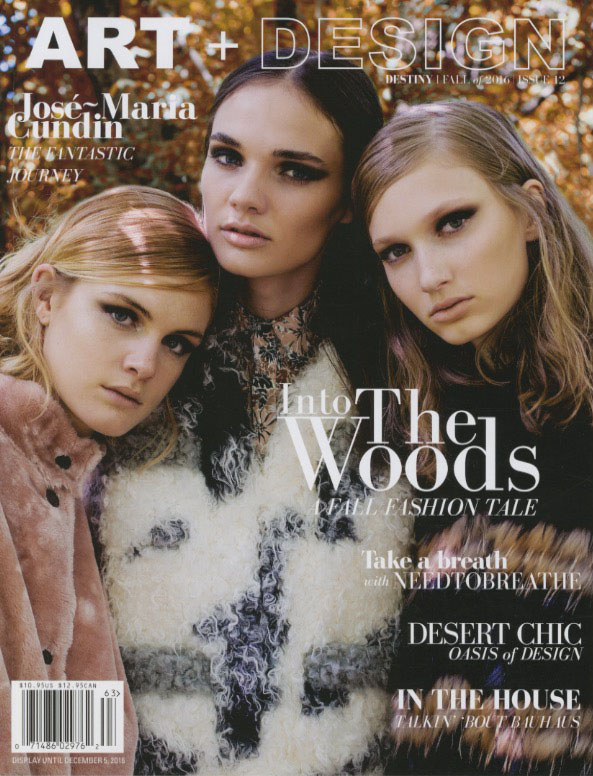


h1

Reflections And Random Thoughts Of A Long Hot Magazine Summer…

July 16, 2016

A Mr. Magazine™ Musing… On Sports Illustrated, Cosmopolitan, Guns & Ammo Sniper, Vanity Fair Classics, And Ladies’ Home Journal.
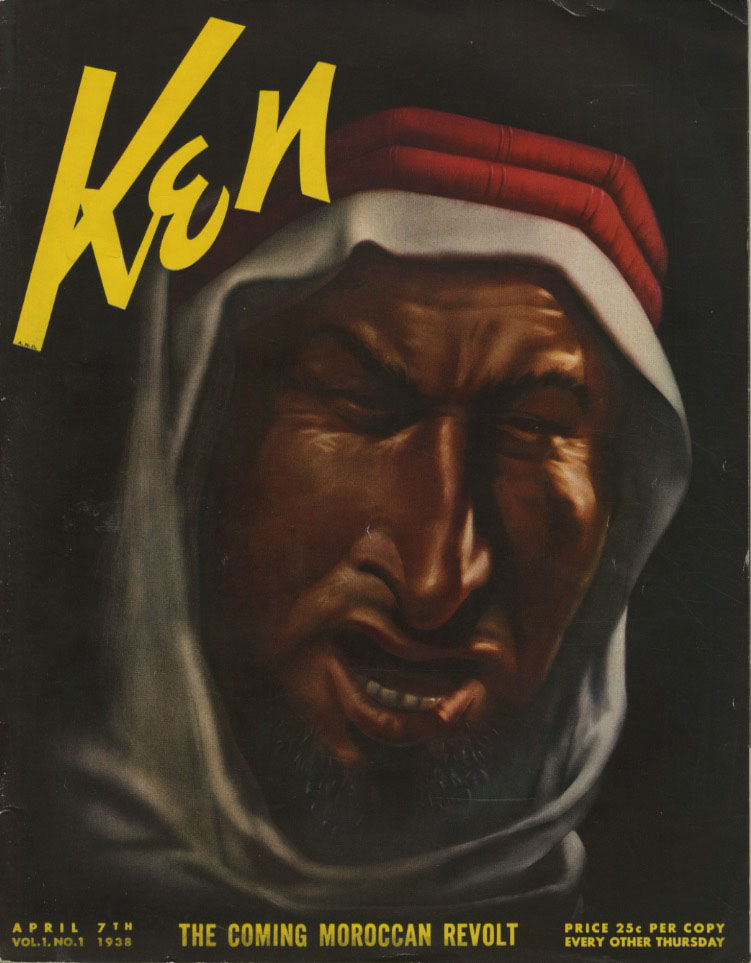
In Mississippi where I live, we have extremely long, hot, humid summers – sweltering, in fact. So, what better time to grab some magazines and get contemplative? Of course, in Mr. Magazine’s™ realm of existence, it’s always a good time to grab a magazine – for any reason.

Summer 2016 has certainly proven to be an interesting and speculative season so far in the world of magazine media.

Sports Illutrated PP After much publicity and talk about the Caitlyn Jenner, Sports Illustrated cover for their special summer double issue on “Where Are They Now?” I was surprised to walk into my local Kroger Supermarket and find Ken Griffey, Jr. on the cover of the magazine instead of Caitlyn Jenner. Of course, after I picked up the magazine and looked inside, it mentioned on the table of contents that there were two covers.

But what stunned me more than anything else and made me quite pensive was why did they decide to do a split cover on such a trending cover? Did they assume that many of the newsstands wouldn’t welcome a Caitlyn Jenner front-and-center or didn’t they trust in the cover enough to sell the desired issues with the Sports Illustrated audience?

Needless to say, when I went to the closest Barnes & Noble, I found the Caitlyn Jenner cover. Maybe they’re just testing the waters, but after the huge increase in sales for Vanity Fair when they used Caitlyn Jenner on their cover, I was really surprised the powers-that-be at Sports Illustrated decided to split the SI cover. But Vanity Fair’s audience isn’t the same as a Sports Illustrated audience, that is a given. However, I felt that I would be remiss as a connoisseur of everything “magazine” if I didn’t at least call attention to the fact that as I’ve always said the magazine cover is a powerful tool. It can affect people in many different ways and must be used with care. And obviously, the folks at Sports Illustrated would agree.

CosmoCosmopolitan has been taking the word “sex” out of subscribers’ covers for quite some time, but leaving it on the newsstand editions, which boggles the brain of Mr. Magazine™. I mean, do we, the readers, really not know what Cosmo contains, whether subscriber or newsstand connoisseur? And maybe it’s because subscribers know what the magazine is all about that they don’t feel the need to mention the word sex on the cover of their issue. After all, it’s newsstand buyers’ attention that’s at stake when your magazine is propped up against an army of others who are also jostling and elbowing for consumer recognition. But are we thinking for our customers again? Are we forgetting that content is worth much more than shock value?

But I’m just musing here, remember.

It’s amazing the play on words used when it comes to cover lines on each magazine, the comparison of “look at this issue and look at that issue” of the August editions of Cosmo. The subscriber cover reads: “So Hot! How to Keep the Flame Alive,” but the newsstand cover fairly shouts: Gold Medal Sex – How to Cross the Finish Line Together!” Even the exclamation points are in different locations for dramatic effect.

In doing this, we assume that all newsstand buyers are impulse shoppers, but that’s simply not the case. In reality, a lot of newsstand consumers, based on my own studies and on research done by other professionals; many consumers buy habitually from newsstands because they choose not to subscribe. And they also carefully peruse many titles before selecting the ones they want. Many don’t know the meaning of the word “impulse.”

SniperSniper edI also picked up a copy of Guns & Ammo’s Sniper magazine and immediately fell in love with the editorial. “Imitation is the Sincerest Form of Flattery. It’s Also The Most Annoying.” Sniper Editor, Tom Beckstrand, points his finger at a copycat title that hit a bit too close to home and wrote about it in his Letter from the Editor note in the recent issue. It was a joy to read and also really hit the nail on the head when it comes to the business of imitation. While it’s not uncommon to “copy” the look and ideas of one title to a new one; it’s very uncommon for the copycat to look exactly the same, right down to using a similar font (as Editor Beckstrand points out in his editorial). And then when the mirror image comes out several weeks ahead of the original in an attempt to fool readers…well, that’s certainly questionable, to say the least . But Beckstrand handles the entire debacle with aplomb and grace, as only an original can. Kudos to the real Sniper.

Vanity Fair ClassicsOn a positive note, in a nearby bookstore I found the first issue of the French Vanity Fair Classics and it is amazing. I was bowled over by everything about the magazine, the design, the feel, the look, and the content, which I had to deputize my wife, who speaks French, to read and translate for me. It’s a great magazine and I know that Vanity Fair is trying to do similar things here in America with Vanity Fair Icons, but Vanity Fair Classics is definitely a keeper. It was worth every penny of the $16.90 that I paid for it.

Ladies Home Journal 1And last, but certainly not least; I was browsing the magazines at my local store and was pleasantly stunned to see the new design of Ladies’ Home Journal in the latest issue. The content and the presentation were wonderful. My first reaction was: why didn’t they do this before? Could the change in the content and the change in direction have kept them publishing on a regular, monthly basis?

But my musings do not dwell in the past. I will say this issue of Ladies’ Home Journal is one of the best that I’ve seen in a long time. And hopefully, as more magazines are rediscovering print and rediscovering frequency, and rediscovering the way content in print should be, the lessons learned will ring true for many decades to come.

Until next time…

Mr. Magazine™ suggests you grab a magazine and get contemplative – you never know what you might discern…