Archive for the ‘News and Views’ Category

h1

American News Company’s (ANC) President & CEO, David Parry, To Samir “Mr. Magazine™” Husni: “When We Look At It From A Practical Standpoint, We Recognize The Magazine Business Is Anything But Dead.” The Mr. Magazine™ Interview…

January 13, 2020

Mr. Magazine™ Presents… Conversations With Magazine and Magazine Media Leaders…

Building on strong partnerships with retailers, publishers and consumers, the American News Company (ANC), is looking positively toward 2020 and the future of the distribution business and the magazine industry. David Parry is president and CEO of ANC and spoke with me recently about the mergers, acquisitions and overall health of the business.

David was excited about the amount of retail space and placement of magazines that ANC has been able to retrieve and the reformation of his organization. And in his words, while the retail changes might not be gargantuan: “Major changes, probably not, that’s maybe too strong a statement. But I would say a significant change. We have gotten a lot of positive traction at retail in regards to space.” So, that is good news.

With a new, more efficient program called “Drive,” which stands for Distribution Reinvented, about to be in place, David is ready to face 2020 head-on and with clarity.

So, please enjoy this informative conversation with David Parry, president and CEO, ANC, as Mr. Magazine™ brings you the next in his series with the magazine and magazine media executives that make the industry world go-round.

But first the sound-bites:

On his assessment of the future of magazine distribution: That’s a great question. Interestingly enough, the last 12 months have seen, obviously, a lot of change going on within American News Company (ANC) and the reformation of the organization.

On whether he thinks publishers will see a major change in retail space allocation and placement for 2020: Major changes, probably not, that’s maybe too strong a statement. But I would say a significant change. We have gotten a lot of positive traction at retail in regards to space.

On important accomplishments ANC had for 2019: There’s been a lot, however, successes to us may not be successes to the masses. We’ve had the integration of CMG, Genera, MagNet, RS2, and TNG all into one organization, including the Curtis integration, and now including Cowley Distributing.

On the biggest challenge the company faced in 2019: I think, yet again, like a broken record, it’s sales declines. We’re still facing pretty large sales declines and in a business that is a fixed cost business, which is what we have as it relates to warehousing, trucking and so on, it’s very difficult to cut your expenses at the rate of your margin decline associated with the decline of magazine sales.

On whether he thinks there is a need for both a magazine distributor and a wholesaler or are they now one and the same: That’s a great question, a sensitive question, but I’ll do my best to answer it in the proper way. I think we are evolving into a hybrid system. The national distributor’s functions are critical.

On whether he thinks the future of single copy sales will be the high cover-priced bookazines and other higher-end magazines: If we can use history as our guide, and we can see in current history, with this evolution and going back to these bookazines, to these single topic, non-subscription-based products and their success, I think there’s a real place for them.

On if the honeymoon period during all the mergers and acquisitions is over now and he has his own team fully in place: In my opinion it’s never over. It will continue to just transition.

On what keeps him up at night: As it relates to this discussion, what keeps me up at night is trying to figure out the way to mitigate the sales decline and right size the infrastructure to make our segment of the business more variable and less fixed so that we can drive a healthier P&L.

And now the lightly edited transcript of the Mr. Magazine™ interview with David Parry, president & CEO, American News Company (ANC).

Samir Husni: What is your assessment of the future of magazine distribution in 2020?

David Parry: That’s a great question. Interestingly enough, the last 12 months have seen, obviously, a lot of change going on within American News Company (ANC) and the reformation of the organization. But one of the big initiatives that we’ve had as a company has been working with our retail customers to right-size the space that we have. To make sure that we have adequate space for magazines in a proper location.

Samir Husni: Do you think retailers will see a major change in retail space allocation and placement for 2020?

David Parry: Major changes, probably not, that’s maybe too strong a statement. But I would say a significant change. We have gotten a lot of positive traction at retail in regards to space. We welcomed our new publisher clients from Curtis at our publisher summit a month ago, and presented key departmental updates, including the significant traction that our sales team has gained in recapturing checkout space across several key chains.

ANC/CMG has gained traction with Walmart to add 7 ‘B’ sized magazine pockets at the self-checkout area of the store, in 1,500+ stores.  When approved, the self-checkout display will represent a significant enhancement for magazines in this high traffic area, which represents 60% of all Walmart transactions.

Samir Husni: What are some important accomplishments ANC had for 2019?

David Parry: There’s been a lot, however, successes to us may not be successes to the masses. We’ve had the integration of CMG, Genera, MagNet, RS2, and TNG all into one organization, including the Curtis integration, and now including Cowley Distributing. So, I think if you’re looking at a single accomplishment it would be to integrate all of those companies and drive out as much inefficiency as possible and build a stronger base in which to operate from through 2019 and then focusing and going forward into 2020. That was a Herculean effort by our team, to be able to pull that off.

Samir Husni: What was the biggest challenge the company faced in 2019?

David Parry: I think, yet again, like a broken record, it’s sales declines. We’re still facing pretty large sales declines and in a business that is a fixed cost business, which is what we have as it relates to warehousing, trucking and so on, it’s very difficult to cut your expenses at the rate of your margin decline associated with the decline of magazine sales. So, yet again, the biggest hurdle we had to overcome in 2019 was really mitigating those margin reductions from the sales loss and producing a positive result for the organization.

Samir Husni: Do you think there is a need for both a magazine distributor and a wholesaler or are they now one and the same?

David Parry: That’s a great question, a sensitive question, but I’ll do my best to answer it in the proper way. I think we are evolving into a hybrid system. The national distributor’s functions are critical. There are many things that they do and have expertise in that we have not done and don’t have expertise in, and quite candidly, we’re learning from each other as we go through this process.

 Samir Husni: Do you think the future of single copy sales will be the high cover-priced bookazines and other higher-end magazines?

David Parry: If we can use history as our guide, and we can see in current history, with this evolution and going back to these bookazines, to these single topic, non-subscription-based products and their success, I think there’s a real place for them. And I think you’re right, magazines may become more of a specialty product like they have somewhat done on the book side with the move from mass market to higher priced trade.

Samir Husni: Is the honeymoon period during all the mergers and acquisitions over and do you have your own team fully in place?

David Parry: In my opinion it’s never over. It will continue to just transition. It’s still a challenging business. Certainly, there’s a Darwinism effect in all of this from all sides: Distribution, Retail and Publishing. We’re just going to continue to see that.

Samir Husni: What keeps you up at night?

David Parry: As it relates to this discussion, what keeps me up at night is trying to figure out the way to mitigate the sales decline and right size the infrastructure to make our segment of the business more variable and less fixed so that we can drive a healthier P&L.  Our ultimate goal is and has been to build a sustainable distribution company for the industry. That’s what really keeps me awake at night, that’s the genesis of everything for us. It doesn’t matter about changing or diversifying our business model as it relates to this discussion and our overall business strategy. We want to get the primary business right, and that’s the magazine distribution business.

Samir Husni: Thank you.

Next up, Krifka Steffey, Director, Merchandise & Newsstand, Barnes & Noble.

h1

Bonnier Corporation’s CEO, Eric Zinczenko, To Samir “Mr. Magazine™” Husni: “Magazine Brands With Strong Equity And Connections To The Consumer Will Always Have Their Place.” The Mr. Magazine™ Interview…

January 9, 2020

Mr. Magazine™ Presents… Conversations With Magazine and Magazine Media Leaders…

Bonnier Corporation is one legacy media company that may have been around for over 200 years, but is definitely not showing its age. In fact, it’s looking forward to 2020 and beyond with steadfast vim and vigor. The USA portion of this heritage company opened its doors in 2007 and under the guidance and leadership of its present CEO, Eric Zinczenko, has enjoyed immense success, creating better quality content with less workforce. And it’s a success that Eric is determined to see continue into the next year and beyond.

Strong magazine brands with consumer engagement and equity are key to Bonnier’s plans for 2020, along with event growth and their many other revenue streams. I spoke with Eric right before the holidays and he shared with me success stories and the many challenges he faced in 2019, the success stories far exceeding any obstacles he may have encountered. And while he admits these are challenging times for magazines and magazine media, they’re also hopeful times and a great season for new opportunities.

So, please enjoy this intriguing conversation with, Eric Zinczenko, CEO, Bonnier Corporation, as Mr. Magazine™ brings you the next in his series with the magazine and magazine media executives that make the industry world go-round.

But first the sound-bites:

On his assessment of magazines and magazine media in 2020: I believe the evidence is in front of us, that the future will be challenging for magazines and magazine media. Changes in media consumption behavior; accelerating technology disruption, giving consumers more control; the proliferation of content on all platforms; the fight for viewership and engagement; I think all of this points to times getting more complex and difficult before getting easier. With that said, I still believe there are magazine brands and smart companies that will be able to weather these challenges and market forces. Magazine brands with strong equity and connections to the consumer will always have their place.

On whether he thinks there are lessons American magazine media can learn from European business models: They’re heavy freelance in Europe, very heavy. And they look to have the smallest organization possible, they’re not reliant on a lot of corporate overhead and corporate allocations. And there is a level of efficiency there that we certainly have learned from having Swedish owners. And at Bonnier Corp. we have reduced our employee headcount over the years, over my tenure as CEO, by about one half in the last five years, of the entire workforce.

On any accomplishments or successes for Bonnier USA that he is proud of in 2019: My fiduciary responsibility as the company CEO is to deliver on expected results and 2019 will be another year where Bonnier Corp. will meet or exceed our financial objectives. We will exceed our targets for consolidated revenues for 2019, and reviewing our financials recently, we should be able to meet our 2019 EBIT budget target. Our current cash position is strong enough for me to make the call now that we will meet or exceed our 2019 cash flow budget as well. Considering the challenges around us, and what I know of our peers in the industry, I’m very proud of this result and our teams should be proud too of this exceptional performance.

On whether 2019 was a walk in a rose garden for him or he had some challenges along the way: No, it wasn’t a walk in a rose garden. (Laughs) It was a challenging year; it was one of my most difficult years, but yet we found a way as a company to still meet our financial obligations and I couldn’t be prouder of that. But the event in Saudi Arabia was extraordinary and the other points that I mentioned here, in terms of accomplishments, helped fill the gaps and the variances coming from media and other places where we had challenges.

On whether he thinks the magazine industry was slow to change when it comes to the traditional advertising business model: I do, but I think everybody now is following this diversified model. But I think the answer to your question is yes, a lot of companies were slow because it’s hard. When you have large organizations built on decades of success under one model and then you’re forced to explore a new future path for sustainability, that gets difficult for an organization; it gets difficult for cultures. And there is a resistance to change, orthodoxies are present and oftentimes people are scared or hesitant. And I think it’s a typical response.

On whether he considers social media platforms friend or foe to magazines and magazine media: I think social media is both a friend and foe. It’s such a powerful medium. The sheer scale and immediacy is so powerful, how can it not be both? Used correctly, magazine brands can reach new audiences, deliver content and news instantaneously. And then there are metrics, so thanks to those metrics we are closer to understanding the consumer more than ever before, and while doing so I think you have a chance to add brand awareness and equity overtime. But used incorrectly, we’ve all witnessed the damage that can be done with social media platforms. They’re so powerful that brand equity and reputations can erode in minutes or even be destroyed with the medium.

On anything he’d like to add: These are challenging times, but I always say that I’m grateful that these are our problems to solve. I think we’re lucky to have this opportunity. I know you have interviewed many of my peers who are doing fantastic work in tough times, and watching their companies and our industry evolve over the last few years has been inspiring. I think 2019 will go down as one of our more difficult years at Bonnier Corp. and yet again, we will have another year of exceeding expectations. So, I feel fortunate for how our company is going into the holiday break here and look forward to our work in 2020.

On what keeps him up at night: With five years in this role, the nights are getting easier. But still there are some nights where a fair amount of second-guessing happens overnight. Are we moving fast enough? Did I make the right call? What did the Board really think of this or that? And I think this is pretty common for the job. Where I do lose some sleep is when there are internal operational issues where I believe we are making the task in front of us harder than we should. That’s when nights get restless and anxious and I just want these issues resolved, which we seem to somehow find a way to do.

And now the lightly edited transcript of the Mr. Magazine™ interview with Eric Zinczenko, CEO, Bonnier Corporation.

Samir Husni: As we approach 2020, what’s your assessment of the future of magazines and magazine media?

Eric Zinczenko: I believe the evidence is in front of us, that the future will be challenging for magazines and magazine media. Changes in media consumption behavior; accelerating technology disruption, giving consumers more control; the proliferation of content on all platforms; the fight for viewership and engagement; I think all of this points to times getting more complex and difficult before getting easier.

With that said, I still believe there are magazine brands and smart companies that will be able to weather these challenges and market forces. Brands with strong equity and connections to the consumer will always have their place. For companies to be successful, I believe all business models and the organizational structures of the past built around exploiting advertising and media must be replaced by new models around content, commerce, affiliate membership and more. And I think this all has to be done with the smallest and most nimble organizational structures to be able to move more urgently to innovate and explore.

Samir Husni: You mention a smaller and more nimble organizational structure, this has been the case in Europe for years. Do you think there are lessons we can learn from the Europeans or lessons that we can apply to magazine media in the United States?

Eric Zinczenko: They’re heavy freelance in Europe, very heavy. And they look to have the smallest organization possible, they’re not reliant on a lot of corporate overhead and corporate allocations. And there is a level of efficiency there that we certainly have learned from having Swedish owners. And at Bonnier Corp. we have reduced our employee headcount over the years, over my tenure as CEO, by about one half in the last five years, of the entire workforce.

Samir Husni: Can you name three accomplishments or successes for Bonnier USA in 2019 that you’re proud of?

Eric Zinczenko: My fiduciary responsibility as the company CEO is to deliver on expected results and 2019 will be another year where Bonnier Corp. will meet or exceed our financial objectives. We will exceed our targets for consolidated revenues for 2019, and reviewing our financials recently, we should be able to meet our 2019 EBIT budget target. Our current cash position is strong enough for me to make the call now that we will meet or exceed our 2019 cash flow budget as well. Considering the challenges around us, and what I know of our peers in the industry, I’m very proud of this result and our teams should be proud too of this exceptional performance. So, that’s number one.

Number two and a big driver to our financial success is our Bonnier Events. In 2019, our Bonnier Events business unit was hired by the Kingdom of Saudi Arabia to produce and manage a five-day automotive festival in the capital city of Riyadh in November. And it was an ambitious initiative; it’s a first-year event, a new venue, a foreign country; you could call it an “away” game (Laughs), and we were still able to meet our deliverables. By most metrics the event was a success, but more importantly, the success we had in Saudi Arabia now proves to international venue organizers that Bonnier Corp. is clearly capable of producing and managing events globally.

And number three for 2019 is that our diversification strategy for the company is ahead of target. And this is where we have revenues from our other business units outside of media growing, and we are nearing an inflection point where our three business units, which are events, consumer products and working mother group, will combine for revenues that will be higher than that of media.

I just mentioned events and our international growth, our consumer products and brand licensing business unit now has three Bonnier brands under license: Outdoor Life, Saveur and Popular Science. Our working mother business unit also had a successful year launching Culture At Work, which is their new consulting arm, and that’s adding solid revenue and margin to the group. And then they have year-over-year growth coming from their Diversity Best Practices membership group. So, all of this is exciting and energizing to see, the diversification strategy coming together.

Samir Husni: So, was 2019 a walk in a rose garden for you, or you had some challenges along the way?

Eric Zinczenko: No, it wasn’t a walk in a rose garden. (Laughs) It was a challenging year; it was one of my most difficult years, but yet we found a way as a company to still meet our financial obligations and I couldn’t be prouder of that. But the event in Saudi Arabia was extraordinary and the other points that I mentioned here, in terms of accomplishments, helped fill the gaps and the variances coming from media and other places where we had challenges.

Samir Husni: With Bonnier, you have a sort of three-legged stool business model, with events and other revenue units, do you think that the magazine industry was slow to change when it comes to that traditional advertising business model?

Eric Zinczenko: I do, but I think everybody now is following this diversified model. But I think the answer to your question is yes, a lot of companies were slow because it’s hard. When you have large organizations built on decades of success under one model and then you’re forced to explore a new future path for sustainability, that gets difficult for an organization; it gets difficult for cultures. And there is a resistance to change, orthodoxies are present and oftentimes people are scared or hesitant. And I think it’s a typical response.

The harder response is to lean into disruption and I always say don’t adjust, but disrupt and go for bold, and you’re beginning to see companies do that. I know you’ve interviewed other peers who are beginning to make bold decisions and move as quickly as they can.

Samir Husni: Do you think digital, with all its platforms, including social media, is a friend or a foe to magazine media?

Eric Zinczenko: I think social media is both a friend and foe. It’s such a powerful medium. The sheer scale and immediacy is so powerful, how can it not be both? Used correctly, magazine brands can reach new audiences, deliver content and news instantaneously. And then there are metrics, so thanks to those metrics we are closer to understanding the consumer more than ever before, and while doing so I think you have a chance to add brand awareness and equity overtime. But used incorrectly, we’ve all witnessed the damage that can be done with social media platforms. They’re so powerful that brand equity and reputations can erode in minutes or even be destroyed with the medium.

But I know you asked this question because you understand that this relationship between publisher and platform is complex, which it is. Social media platforms have their own interests and they constantly change the rules, the algorithms; really anything that will tilt the field of play in their favor to protect their business interests, as they should. Obviously, it makes things more difficult for publishers and content producers, but these platforms with their sheer scales and social influence, their impact, they’re just too big to ignore.

Therefore I think it’s our responsibility as business leaders to be relentless in finding ways to explore the power of the platforms for our interest and business objectives.

Samir Husni: Is there anything you’d like to add?

Eric Zinczenko: These are challenging times, but I always say that I’m grateful that these are our problems to solve. I think we’re lucky to have this opportunity. I know you have interviewed many of my peers who are doing fantastic work in tough times, and watching their companies and our industry evolve over the last few years has been inspiring. I think 2019 will go down as one of our more difficult years at Bonnier Corp. and yet again, we will have another year of exceeding expectations. So, I feel fortunate for how our company is going into the holiday break here and look forward to our work in 2020.

Samir Husni: What keeps you up at night?

Eric Zinczenko: With five years in this role, the nights are getting easier. But still there are some nights where a fair amount of second-guessing happens overnight. Are we moving fast enough? Did I make the right call? What did the Board really think of this or that? And I think this is pretty common for the job. Where I do lose some sleep is when there are internal operational issues where I believe we are making the task in front of us harder than we should. That’s when nights get restless and anxious and I just want these issues resolved, which we seem to somehow find a way to do.

One thing that helps me sleep at night, if I’ve learned anything over my time at Bonnier Corp., is that we have strong brands, great people, and a supportive and understanding Board and ownership. And I think it’s an enviable position to work from. And I’m grateful for that.

Samir Husni: Thank you.  

Next Up, David Parry, president & CEO, American News Company (ANC).

h1

Meredith Magazines President & General Manager, Doug Olson, To Samir “Mr. Magazine™” Husni: “If You Give Consumers What They Want, They’ll Pay For It.” The Mr. Magazine™ Interview…

January 5, 2020

Mr. Magazine™ Presents… Conversations With Magazine and Magazine Media Leaders…

Meredith, the largest magazine media publisher on the planet today, is facing 2020 with a full-steam ahead position. Doug Olson, president and GM of all of the iconic Meredith brands is positive that if publishers give the consumers what they want, they’ll pay for it. I spoke with Doug recently for this Mr. Magazine™ beginning of the New Year series, and to say I was impressed and inspired by the conversation would be an understatement.

From a traditional advertising business model, to a subscriber-based one, to consumer-driven, Meredith is giving the customer what they want and expect from each of the many brands, depending on the title. With Better Homes & Gardens power housing its way into 2020 with a firm 7.6 million circulation to the smaller brands that live in high-quality style, Doug and Meredith are focused on forging a successful path into the future with all of the brands.

So, please enjoy this delightful and most informative conversation with Doug Olson, president and GM, Meredith Magazines as Mr. Magazine™ brings you the next in his series with the magazine and magazine media executives that make the industry world go-round.

But first the sound bites:

On his assessment of magazines and magazine media in 2020: We feel good about our brands in general. Obviously, we’re multiplatform, we’re not just a magazine company. We also have one of the top 10 media roll ups in the country from a unique visitor standpoint. We think there’s still a lot of energy and enthusiasm for the printed product out there, evidenced by the fact that we have 43 million subscribers, which is a number that tends to blow people away. So, we’re not only really excited about our brand portfolio, but we have a lot of consumers that pay money for those products. Jill (Davison – vice president, Corporate Communications) and I talk about this all the time, that it’s really the analog paywall, if you will, and people continue to support it very heavily, from a consumer perspective.

On any success stories he can share from 2019: The biggest thing that we’ve done over the last year or so is that we have our brand sales and marketing operation hitting on all cylinders, if you will. We combined two, very large organizations over the last, almost two years now, and there’s been a lot of disruption. One of the big things that we did is set up sales and marketing teams for each brand and they’re working very well. We’re clearly outperforming the industry on the print advertising front and at the same time the level of collaboration, cooperation and chemistry between our sales and marketing teams across digital, corporate sales and the brands has never been better.

 On his biggest challenge for 2019: Clearly, the  toughest decision was the closing of an iconic brand like Family Circle that had been with us for over 80 years and had been very profitable throughout those years. It still produced really nice premium content for our consumers. But at the end of the day when we looked at that, we weren’t making any money and we couldn’t see a path forward. It didn’t have a large at-scale digital presence like most of the rest of our brands have.

On making money from SIPs on the newsstand: In the last 12 months, we have sold about 19 million copies of special interest publications, bookazines,  at a price point of $9.99 or higher. It is a very profitable business for us. We are the market leader from any measure on that particular business, and it’s one that we’re throwing a big shoulder behind because we think there’s a lot of opportunities still there. And as you’ve seen, some our newer offerings have been a quarterly cadence at those higher price points. It’s a consumer-driven product and isn’t so dependent upon advertising. So, we’re really excited about some of our new or recent launches and we think there is more to come.

On how Meredith is handling the question of the changing magazine media business model: Our mass-reach brands, what I call our Uber-brands, are doing quite well  as advertising-based models. Something like PEOPLE is very successful in print, digital, video and social. Any platform that you can think of, we have a major presence for our brand like that. So, we have brands that are very successful in the mass-reach area, but the things that advertisers have not supported at the levels they used to, those are the things that we’ve been looking at and if there’s a path forward with a different model, that’s what we’ve been implementing.

 On whether print and its frequency will be a major change for Meredith in the future: I wouldn’t say a major change. I think there are some brands that could to be less frequent than they are today within our industry. We have stepped up our portfolio, as part of our overall portfolio management and made those determinations of what makes sense to be a weekly, to be a monthly, and what makes sense to be less frequent. As you said, change is constant and it’s something that we’ll continue to look at, but we feel like we have things right now where they need to be.

On whether he feels like there’s a brain-drain in the industry, as far as new talent coming into the business: No, I don’t. I feel like we have a lot of people coming into our business and more would like to.  There isn’t the turnover in our core business that maybe there was at one point, five or ten years ago, for sure, but I think the people that are coming into the space are learning a lot from the veterans that are here. I think they’re very enthusiastic, they’re very proud of working on these great brands. They love when they’re part of the integrated approach, whether it’s sales and marketing or if you’re a content generation person, the ability to work on a magazine and also help out on the website and the social media and all the other different platforms.

 On whether he considers social media platforms friend or foe to magazines and magazine media: They’re clearly frenemies, they’re friends with some initiatives and then very stiff competitors in other situations. The consumer will ultimately decide what they want to consider to be premium content; what’s worth their hard-earned money when they’re paying for something. Our job is to really be on all platforms that our consumers are on, regardless of where they want to consume the content. And to make sure that we throw the same effort behind a social media post that we do for one of our magazine stories. We’re a premium content company, at the end of the day that’s what we are.

On anything he’d like to add: Hopefully, you can hear in my voice, that I love our products. I love our brands. The team of people that we have is second to none. We had a lot of choices between Time Inc. and Meredith, and then of course, new people who wanted to come and join the new Meredith. So, we’ve had a lot of opportunity to talk to people who are really good at what they do. And I feel from top to bottom, from our biggest brands to our smallest, that we have the right leadership on the sales and marketing side and also the right content leaders on the brands.

On Cooking Light and Coastal Living going to a subscription model: My view is if something can make it on newsstand in today’s world; if you can hit your key performance indicators, with some people it’s a certain level of profit, with others it’s a certain level of sell-through; whatever your metric is for success, ours happens to be, as a publicly-traded company, the things that we put out, we want to make money. If you can make it on newsstand and that’s a healthy environment and you’re making money there, then it probably has a really good chance of coming back as a subscription title. But it has to be a different consideration.

On whether he wears a different hat for each of Meredith’s brands, such as when dealing with Better Homes & Gardens versus another title with a smaller circulation: Yes, absolutely. Something like a Better Homes & Gardens, which is not only a powerhouse; it’s one of the largest magazines in the world, from a circulation standpoint, but also remember it has one of the largest licensing programs in the world at Walmart. It’s a big brand extension at Walmart, with all the products that we sell there. So, when you look at a Better Homes & Gardens, you have the media piece and then the brand extension piece, and they’re both very large. Then when you put it together, you absolutely have to look at that brand differently than you would look at, say, Happy Paws.

And now the lightly edited transcript of the Mr. Magazine™ interview with Doug Olson, president & General Manager, Meredith Magazines.

Samir Husni: As we approach 2020, what’s your assessment of the future of magazines and magazine media?

Doug Olson: We feel good about our brands in general. Obviously, we’re multiplatform, we’re not just a magazine company. We also have one of the top 10 media roll ups in the country from a unique visitor standpoint. We think there’s still a lot of energy and enthusiasm for the printed product out there, evidenced by the fact that we have 43 million subscribers, which is a number that tends to blow people away. So, we’re not only really excited about our brand portfolio, but we have a lot of consumers that pay money for those products. Jill (Davison – vice president, Corporate Communications) and I talk about this all the time, that it’s really the analog paywall, if you will, and people continue to support it very heavily, from a consumer perspective.

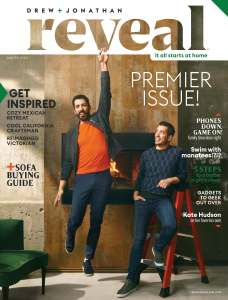
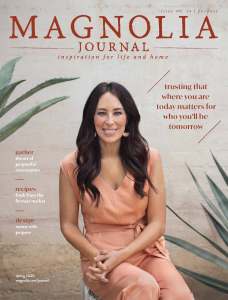
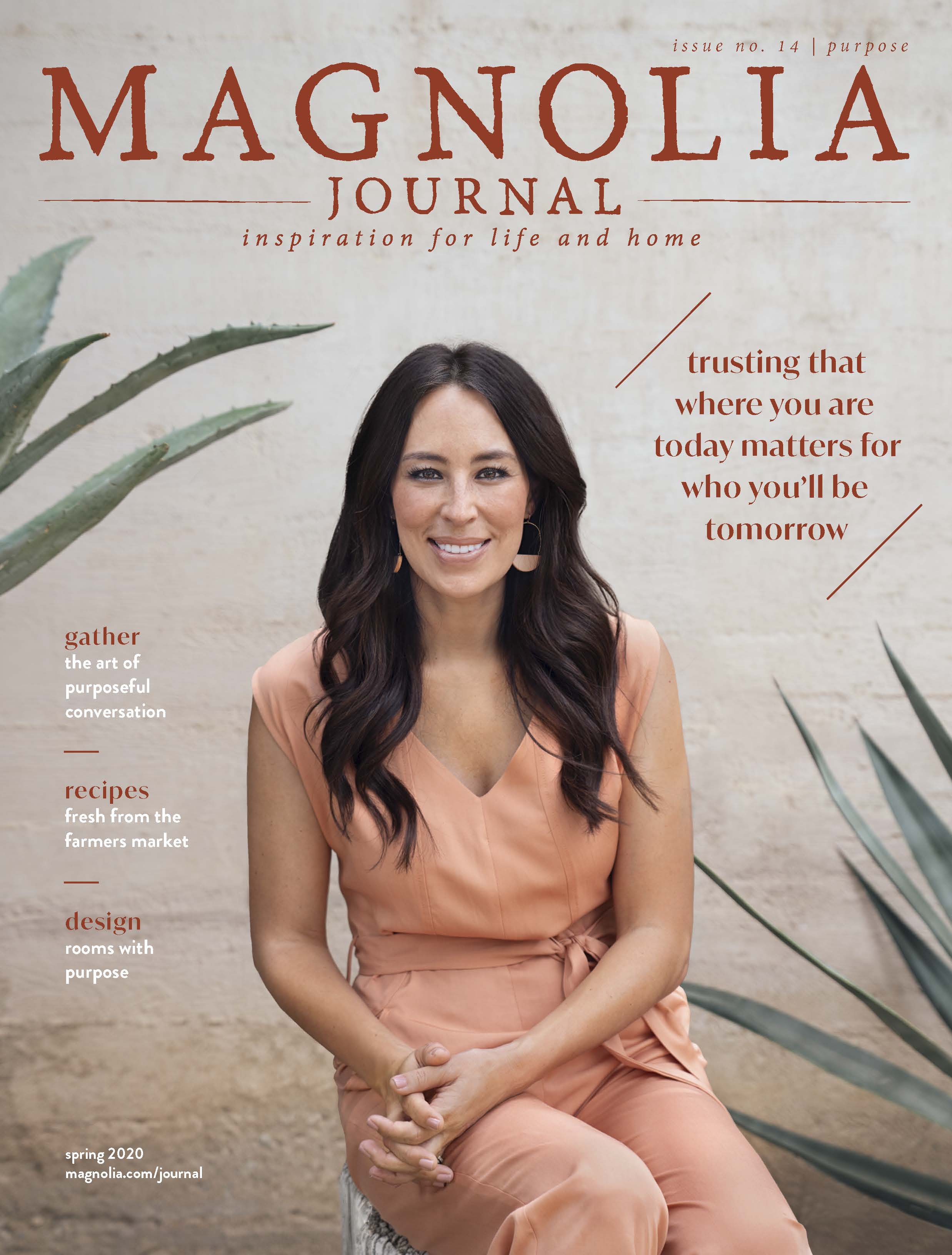
Clearly, the issues in our business have been more on the advertising front, but we feel like there’s a lot of advertisers that are coming back to print because they know it works and has a good ROI. So, I think there will still be adjustments to portfolios throughout the industry, but some of us feel pretty good about our mass-reach brands, both in print and in digital, and are looking for new opportunities to continue to give consumers what they want. And us, in particular, have demonstrated that if you give consumers what they want, they’ll pay for it. Things like The Magnolia Journal or Reveal by the Property Brothers, Drew and Jonathan Scott, and some of the other things that we’re bringing back for home delivery.

We’re continuing to do portfolio management and the things that are working well, we’re doing more and the things that aren’t working, we’re transitioning to a different model.

Samir Husni: Change seems to be the only constant in the magazine and magazine media industry, and I know a lot has happened in 2019 at Meredith, but can you name three accomplishments or successes for 2019 that you’re proud of?

Doug Olson: The biggest thing that we’ve done over the last year or so is that we have our brand sales and marketing operation hitting on all cylinders, if you will. We combined two, very large organizations over the last, almost two years now, and there’s been a lot of disruption. One of the big things that we did is set up sales and marketing teams for each brand and they’re working very well. We’re clearly outperforming the industry on the print advertising front and at the same time the level of collaboration, cooperation and chemistry between our sales and marketing teams across digital, corporate sales and the brands has never been better.

That’s number one. Number two, our portfolio management is something that we’re very proud of. Again, there has been some things that haven’t been fun, as far as stopped publishing some titles, but the things that we’re adding, there’s a lot of enthusiasm, especially from the consumers, that we’re very excited about. And again, if you give the consumer what they want, they’ll pay for it.

The third thing is we at Meredith take our industry-leading role very seriously and we’re trying to continue to advocate for both mediums, the digital world and the traditional business in the print world. We’re trying to lead the charge and get people to understand that this is a profitable business and there’s still a lot of money and a lot of premium audiences that we’re aggregating for advertisers. And we’re still at heart a content company that’s producing premium content that audiences want to consume.

Samir Husni: I know you had some challenges in 2019, including the hard decision to fold Family Circle, yet at the same time, you’re launching Reveal. What would you consider your biggest challenge for 2019? Was it the Family Circle closing?

Doug Olson: Clearly, the  toughest decision was the closing of an iconic brand like Family Circle that had been with us for over 80 years and had been very profitable throughout those years. It still produced relevant premium content for our consumers. But at the end of the day when we looked at that, we weren’t making any money and we couldn’t see a path forward. It didn’t have a large at-scale digital presence like most of the rest of our brands have.

It was a general information women’s service title, so not really a candidate for a special interest publication, which we are the market leader on as well. We just didn’t see a path forward that made any sense for us, our shareholders and quite honestly, the consumers, because we would have had to make that product in a lot less expensive way than what we were putting into it. I know some of the advertisers liked it because it was an efficient ad-buy, but at the end of the day we didn’t see a path forward and it didn’t make sense to continue.

So, we made that very tough decision, but I’m happy to report that several people who worked on sales and marketing and/or the content part of that organization have new homes with other brands at Meredith because of some of the growth that we’ve seen.

Samir Husni: I was speaking with the CEO of ANC, David Parry, and he was telling me that while the revenue stream from the newsstand is changing with the SIPs, where they’re not selling as many units as they do from the frequency magazines, they’re making more money from them.

Doug Olson: In the last 12 months, we have sold about 19 million copies of special interest publications, bookazines, at a price point of $9.99 or higher. It is a very profitable business for us. We are the market leader from any measure on that particular business, and it’s one that we’re throwing a big shoulder behind because we think there’s a lot of opportunities still there. And as you’ve seen, some our newer offerings have been a quarterly cadence at those higher price points. It’s a consumer-driven product and isn’t so dependent upon advertising. So, we’re really excited about some of our new or recent launches and we think there is more to come.

Samir Husni: When you look at the traditional, advertising-dependent magazine business model, how is Meredith handling the question of the changing magazine business model?

Doug Olson: Our mass-reach brands, what I call our Uber-brands, are doing quite well  as advertising-based models. Something like PEOPLE is very successful in print, digital, video and social. Any platform that you can think of, we have a major presence for our brand like that. So, we have brands that are very successful in the mass-reach area, but the things that advertisers have not supported at the levels they used to, those are the things that we’ve been looking at and if there’s a path forward with a different model, that’s what we’ve been implementing.

We have multiple business models that we’re deploying and where it makes sense, it’s advertising-based. And where it doesn’t make sense, it’s consumer-driven. And I think you’ll see others follow our lead on that. The days of trying to make these huge rate bases and to continually pound on the advertising model is really tough. Either you have a successful brand or you don’t, from an advertising perspective. And if you don’t have a successful advertising-based model, then you need to look at doing something else or maybe not doing it.

Samir Husni: Meredith has been doing the SIPs before anyone else even discovered that space existed. As far back as I can recall, Meredith had special interest publications.

Doug Olson: Yes, we invented that, for sure.

Samir Husni: I also spoke with Krifka Steffey who is director of merchandising with Barnes & Noble, and she said that magazines to them anymore are luxury items. And you can’t be luxury if you’re published weekly or monthly. Are we going to see more changes at Meredith? People is the only weekly you have left. Sports Illustrated just announced it will become a monthly as Entertainment Weekly did. Is print and its frequency going to be a major change in the future?

Doug Olson: I wouldn’t say a major change. I think there are some brands that could be less frequent than they are today within our industry. We have stepped up our portfolio, as part of our overall portfolio management and made those determinations of what makes sense to be a weekly, to be a monthly, and what makes sense to be less frequent. As you said, change is constant and it’s something that we’ll continue to look at, but we feel like we have things right now where they need to be.

I’m a big believer that the high-quality paper, the high-quality product is something that consumers are willing to pay for if you give them the subject matter or the topics that they’re looking for. And that’s really what we’ve tried to do on that part of our business.

Our fastest growing brand since legacy Meredith took over the Time Inc. business, and is part of the new Meredith now, has actually been PEOPLE. Digitally, on people.com, and some of the other digital extensions and the magazine itself has done quite well, especially from an advertising perspective in the last year.

And one of the things that we’ve been doing is investing in some of the titles that we didn’t feel were at the level of quality that they needed to be and they’re market-leading brands. So, about 14 or 15 months ago, we invested in new and better paper for both Food & Wine and Travel + Leisure. Both brands have done excellent from a performance standpoint on advertising since we took over those brands from Time Inc. And we’re going to do it again. With the March issue for Travel + Leisure, it’s going to get bigger trim size and higher quality paper. And the Food & Wine brand is going to get bigger trim size and better quality paper as of their April issue. Both of those are getting another investment, so two investments in the physical product in the last 14 or 15 months.

Then with Health, which is a brand that was pretty much ignored when it first got here. Everyone asked were we going to shut down Health. Health is something that we’ve since put a great team of people on and we have found some white space in the marketplace and it’s done very well. We’re really excited about it. We’re also increasing its trim size and paper quality as of the March issue.

Samir Husni:  Someone in the industry told me recently that his biggest fear was of a brain-drain. That magazines and journalism as a whole weren’t attracting a new generation of sellers and marketers. Do you feel that way? That there’s a brain-drain in the industry?

Doug Olson: No, I don’t. I feel like we have a lot of people coming into our business and more would like to.  There isn’t the turnover in our core business that maybe there was at one point, five or ten years ago, for sure, but I think the people that are coming into the space are learning a lot from the veterans that are here. I think they’re very enthusiastic, they’re very proud of working on these great brands. They love when they’re part of the integrated approach, whether it’s sales and marketing or if you’re a content generation person, the ability to work on a magazine and also help out on the website and the social media and all the other different platforms.

It has certainly slowed down, as far as the opportunities, but there’s still a fair amount of people coming into the business. We, as the leadership team, one of our biggest goals and something we have to get right is to continue to challenge them and give them new opportunities because it’s not like it used to be, where you came in at one level and in a couple of years you went to another level, and then suddenly you’re a supervisor, and then you’re at a manager level.

The opportunities are clearly not as abundant as they used to be when we were in growth mode, but we’ve done a pretty good job at Meredith of creating opportunities for people so they can make this their career and they can get exposed to other things that make them very marketable. At the end of the day, what we want is marketable people, hopefully working for us, but if they’re not here, we want them to be successful when they go to the next opportunity as well.

Samir Husni: Do you consider all of these social media platforms friend or foe to magazines and magazine media? 

Doug Olson: They’re clearly frenemies, they’re friends with some initiatives and then very stiff competitors in other situations. The consumer will ultimately decide what they want to consider to be premium content; what’s worth their hard-earned money when they’re paying for something. Our job is to really be on all platforms that are consumers are on, regardless of where they want to consume the content. And to make sure that we throw the same effort behind a social media post that we do for one of our magazine stories. We’re a premium content company, at the end of the day that’s what we are.

Samir Husni: Is there anything you’d like to add?

Doug Olson: Hopefully, you can hear in my voice, that I love our products. I love our brands. The team of people that we have is second to none. We had a lot of choices between Time Inc. and Meredith, and then of course, new people who wanted to come and join the new Meredith. So, we’ve had a lot of opportunity to talk to people who are really good at what they do. And I feel from top to bottom, from our biggest brands to our smallest, that we have the right leadership on the sales and marketing side and also the right content leaders on the brands.

We know it’s a tough business; we know there’s a pocket of naysayers out there. One of the things that keeps me up at night is coming up with enough creative ways to prove to people that print is alive and well. But at the same time we know that the digital future is out there too, and we’re ready for that as well.

One of the things that we’re really proud of is that we’re reaching almost all women, even younger demographics as well. We’re hitting 90 percent of the female millennial population, somehow, someway, through our trusted brands and our digital experiences, that’s eighty-five percent of Gen Z and 90 percent of all women in the U.S. in general. We feel like, yes, we do a lot of things targeted at women, but we’re not just talking about older women, we’re talking about all women. That’s something that really blows people away, the 43 million subscribers stat blows people away because it’s bigger than Spotify and all these other brands that people are gaga about. To me, one of the things that we’re very proud of is our reach, regardless of age, income, etc., etc.

Samir Husni: You just answered my typical last question about what keeps you up at night (Laughs). So, I read about Cooking Light going back to a subscription model and Coastal Living doing the same.

Doug Olson: My view is if something can make it on newsstand in today’s world; if you can hit your key performance indicators, with some people it’s a certain level of profit, with others it’s a certain level of sell-through; whatever your metric is for success, ours happens to be, as a publicly-traded company, the things that we put out, we want to make money.

If you can make it on newsstand and that’s a healthy environment and you’re making money there, then it probably has a really good chance of coming back as a subscription title. But it has to be a different consideration. A lot of the things that we’re doing now are really nice paper and we’re going to have smaller rate bases attached to them, but it’s also going to cost the consumer $20 for four issues. And there’s enough people willing to pay that to make a nice business out of some of these smaller brands.

Samir Husni: When you’re presiding over all of these different brands, do you have to wear a different hat for each of them? For example, when you’re dealing with Better Homes & Gardens, which has 7.6 million in circulation versus a title with only 100,000 or 200,000 copies?

Doug Olson: Yes, absolutely. Something like a Better Homes & Gardens, which is not only a powerhouse; it’s one of the largest magazines in the world, from a circulation standpoint, but also remember it has one of the largest licensing programs in the world at Walmart. It’s a big brand extension at Walmart, with all the products that we sell there. So, when you look at a Better Homes & Gardens, you have the media piece and then the brand extension piece, and they’re both very large. Then when you put it together, you absolutely have to look at that brand differently than you would look at, say, Happy Paws.

And at the same time the cost… when we’re printing eight million on a print run, just little things, a few dollars per thousand here and there, times it by eight million, it’s a big number. The flexibility on some of these smaller titles, with high-quality paper and some of the things that we’ve tried from a high impact unit for the advertisers, is very manageable on the smaller brands. It gets really hard when you’re printing eight million or something.

Samir Husni: Thank you.

Next up, Eric Zinczenko, CEO, Bonnier Corporation. 

h1

Active Interest Media’s President & CEO, Andy Clurman, To Samir “Mr. Magazine™” Husni: “We’re Going To Market With The Service Business, More Than The Product Business.” The Mr. Magazine Interview…

January 2, 2020

Mr. Magazine™ Presents… Conversations With Magazine and Magazine Media Leaders…
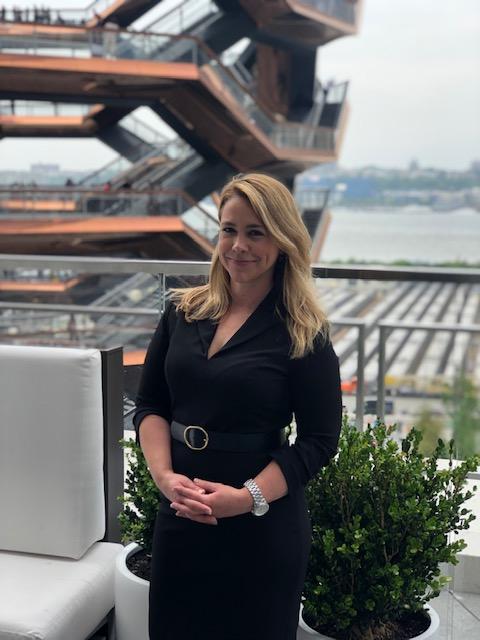
Diversifying and expanding their business and their audiences is something that Andy Clurman, president & CEO of Active Interest Media (AIM), sees as a New Year’s fact more than a New Year’s resolution when it comes to the company. I spoke with Andy recently for this Mr. Magazine™ series with the movers and shakers of the magazine world and Andy was adamant:

“For the most part anything that is competing in the broader universe for audience and ad dollars really should be well on their way to the strategy and reality of a diversified model or I think you’re going to see a continued attrition of brands and businesses that didn’t make that leap.”

Andy’s word for 2020 would have to be diversify. And in today’s media realms, that would seem to be good strategy for the goals AIM is trying to achieve in this New Year. So, Mr. Magazine™ now invites you to sit back and enjoy this latest conversation as we continue the series with the magazine and magazine media executives that make the industry world go-round.

But first the sound-bites:

On his assessment of the future of magazines and magazine media: I think we’ve officially answered the post-magazine era as a one-dimensional business. And anybody who hasn’t moved to really diversify and not just expand their audience to multiplatform, but figured out how to build other revenue streams off those multiplatform extensions… I mean, I’m sure there are some things on a regional or local level that are probably vibrant and healthy as standalone magazines. There are some niche categories, special interest categories that are still viable and sustainable as a single magazine, but for the most part anything that is competing in the broader universe for audience and ad dollars really should be well on their way to the strategy and reality of a diversified model or I think you’re going to see a continued attrition of brands and businesses that didn’t make that leap.

On three accomplishments Active Interest Media had for 2019: The three biggest were, and part of an overall mantra we’ve had, trying to convert our relationship with the audience, subscribers and marketers from one that’s more transactional to one that’s more of a membership model, which is not a radical idea, but we’ve actually had a lot of traction in building out membership programs. We’ve launched six of them and we have four more in the queue across different brand groups. And they have different combinations of benefits and services. And in these early days we’re seeing some good traction in turning a $15-$19 a year subscriber into a $50 to $200 a year member.

On his biggest challenge for 2019: I think the biggest challenge continues to be the downward pressure on all things advertising revenue. And sometimes that’s in the form of print, sometimes that’s sponsorships, but that world continues to get on the margin, not universally, but on the margin, it continues to disappoint and get tougher. The antidote for that is what I was talking about first, we’ve really accelerated our new product/new service development and launch. If I’m frustrated or disappointed about anything, it’s just the time it takes to ideate, innovate and execute on new products/new services and get them to scale up in the marketplace.

On why he thinks more people aren’t racing to imitate AIM’s success and way of doing things: One reason is we have a physical plant and a production machine, a factory that produces. The principle set of products that this factory produced overtime was magazines that had a very specific set of deadlines, production cycles and supply chains and organizations that were built around them. And the concept of product development or acquisitions or things that would be the components to transforming and diversifying the business, except for maybe the largest companies that have strategic planning departments.

On teaching a course on innovation in Virtual and Augmented Reality, Apps and Licensing, at the University of Colorado (Boulder) and whether he’s given up on teaching students how to innovate in print: No, in fact that is this semester’s assignment, because one of the reasons I agreed to do this is I thought I could learn from them, and while I have millennial children, I don’t have them captive in a classroom for a whole semester, so it’s a way for me to go to school on what these kids are thinking, where they’re heading; where they see media heading, and I think we can learn from them as much as they can learn from us.

On whether he believes social media is friend or foe to magazine media today: I would say that unless you are really some kind of Luddite and you don’t see any virtue at all in the benefits of digital media, it has been a friend to magazine media. It’s allowed us to radically expand our audiences and our reach across all kinds of borders and generations. It’s given us sales and marketing channels that we didn’t have in an analog world. I think the greatest competition and challenge has been mostly limited to the advertising line.

On anything up and coming that he can talk about: We’ve put a lot of time, energy and effort into these memberships, which, as I said, all have very different assets embedded in them, different marketing plans, different audiences. Now that we’ve spent the year designing them, testing them, researching them, 2020 is going to be the year to really launch and scale them. And we think that can be a game changer for us in terms of how we relate to and serve our audiences. We’re also going to be expanding on this theme of going to market with the service business, more than the product business.

On anything he’d like to add: I don’t think historically magazine media companies have been fixated on their “text stack.” But with all the emerging automated marketing and CRM, and different kinds of platforms that you need, we’re trying to figure out where to place our bets, both in time and financially, around what is the optimal text stack to accomplish all the things that we want to do. Because we now have a business that used to have… if you look at it as a product business, if we used to have 10 skus, we now have hundreds of skus.

On what keeps him up at night: I remain concerned about the brain drain, or prospective brain drain, in our industry in keeping the best and brightest motivated and excited about the work we’re all doing. And that people are coming to us and bringing their talents. And where they see this as something that’s not just gratifying and where they can live out part of their passion, but something that allows them to build a career here and really commit themselves. In Boulder, we have an abundance of things to gratify people from a lifestyle standpoint, as we do in other parts of the country, but we’re really looking for people who are both passionate and committed to the business as well.

And now the lightly edited transcript of the Mr. Magazine™ interview with Andy Clurman, president & CEO, Active Interest Media (AIM).

Samir Husni: As we approach 2020 what is your assessment of the future of magazines and magazine media?

Andy Clurman: I think we’ve officially answered the post-magazine era as a one-dimensional business. And anybody who hasn’t moved to really diversify and not just expand their audience to multiplatform, but figured out how to build other revenue streams off those multiplatform extensions… I mean, I’m sure there are some things on a regional or local level that are probably vibrant and healthy as standalone magazines. There are some niche categories, special interest categories that are still viable and sustainable as a single magazine, but for the most part anything that is competing in the broader universe for audience and ad dollars really should be well on their way to the strategy and reality of a diversified model or I think you’re going to see a continued attrition of brands and businesses that didn’t make that leap.

Samir Husni: What are three accomplishments or successes from 2019 at Active Interest Media (AIM)?

Andy Clurman: The three biggest were, and part of an overall mantra we’ve had, trying to convert our relationship with the audience, subscribers and marketers from one that’s more transactional to one that’s more of a membership model, which is not a radical idea, but we’ve actually had a lot of traction in building out membership programs. We’ve launched six of them and we have four more in the queue across different brand groups. And they have different combinations of benefits and services. And in these early days we’re seeing some good traction in turning a $15-$19 a year subscriber into a $50 to $200 a year member.

Then on the marketing front, in some groups we’ve changed how we go to market from selling media products, the impression-based products, to selling bundles of products and services. And having those be tiered programs that are structured as year-long, or in some cases, multi-year partnerships where we’re providing a whole package of strategic services and marketing services. And that might be anything from research to creative to custom content, to video, to having media packaged strategically around what they’re trying to accomplish month-by-month, quarter-by-quarter.

So, that was a concept we had with our marketing services group, and rather than going out and trying to sell those things à la carte, which we had done; after we had launched it, we regrouped and changed the way we were going to market with our core customers and that has had a really good effect in the group setter out there first doing it. Again, taking this one relationship with marketers and our audience from a transaction to one of an ongoing member.

Then the second thing is we have been studying how to get into the ecommerce business and we’ve had a couple of different permutations of that over the past few years, starting with the early days of building out a dropship business in yoga. And now we’ve gone to school on other companies that have successfully built out content-based affiliate models.

Then cutting various deals with the major ecommerce players. And we’re starting to see that revenue really scale up, which is gratifying, because it’s one of the most purist ways I’ve seen that you can monetize your good content. And the huge investment we make in product reviews and to be able to turn those into revenue from getting an affiliate piece of a transaction, without compromising your editorial integrity or putting an undue burden on people to create something that’s a totally new platform, it’s a natural extension.

In the new product development and new go-to-market strategy, those are things that we’re pretty happy about and all the progress we’ve seen there. We’ve also launched a new media brand and business model around CBD, which being in Boulder we couldn’t resist getting into the CBD business.  It’s our NatuRx brand, which is also in combination with the first CBD subscription box program that we just launched on Cyber Monday and we have high hopes for how that will work.

We also made a couple of meaningful acquisitions that were a huge undertaking. One was an asset that we bought from F+W out of the bankruptcy, which that consumed most of my spring and part of my summer. And we bought a small business, but it has been a strategic springboard for more stuff. We added the fly-fishing film tour to our Warren Miller ski film tour business. And we’re now in the process of launching a mountain bike film tour, so we have a lot a great new products and we’re bringing in more assets that are things that fit into the mix.

Samir Husni: What has been the biggest challenge in 2019 and how did you overcome it?

Andy Clurman: I think the biggest challenge continues to be the downward pressure on all things advertising revenue. And sometimes that’s in the form of print, sometimes that’s sponsorships, but that world continues to get on the margin, not universally, but on the margin, it continues to disappoint and get tougher. The antidote for that is what I was talking about first, we’ve really accelerated our new product/new service development and launch. If I’m frustrated or disappointed about anything, it’s just the time it takes to ideate, innovate and execute on new products/new services and get them to scale up in the marketplace.

You’d like to see all of your great ideas and all the great work that goes into those ideas have an outside effect on the business, but you’re still dealing with some declining revenue streams. Your two steps forward/one step back is kind of the monthly trend, so you just have to figure out how to keep the momentum, the pace and the commitment to building and transforming the business while you’re still subject to and aware of the negative trends that we all see in the market.

Samir Husni: It seems that everybody in the magazine media industry thinks change is in order, especially of the business model. And everyone has seen your success at AIM, why do you think more people aren’t racing to imitate you?

Andy Clurman: One reason is we have a physical plant and a production machine, a factory that produces. The principle set of products that this factory produced overtime was magazines that had a very specific set of deadlines, production cycles and supply chains and organizations that were built around them. And the concept of product development or acquisitions or things that would be the components to transforming and diversifying the business, except for maybe the largest companies that have strategic planning departments.

We have not been built and organized and there’s not a tradition of new products development as really at the forefront of our business. Where if you take tech businesses, whether it’s Apple or any other example, and they have built around the new product is going to surpass the old product and obsolesce the old product  and we need to obsolesce ourselves constantly before somebody else does. And they work at a pace and a level of urgency that I don’t think our industry has really ever embraced.

Where we could be Blackberry or Motorola when we have brands in some cases that have been around for 100 years. We feel, rightly or wrongly, and lately it might be wrongly, we feel a little more secure than people who are in businesses where they’re under a more imminent threat or they’re emerging categories with emerging technologies.

Samir Husni: Among the many hats that you wear, you’re also teaching a course on innovating media at the university there in Colorado. One of the categories that you’re helping students with is developing products in VRAR (Virtual and Augmented Reality), Voice, Events, Apps and Licensing. Have you given up on teaching them how to innovate in print?

Andy Clurman: No, in fact that is this semester’s assignment, because one of the reasons I agreed to do this is I thought I could learn from them, and while I have millennial children, I don’t have them captive in a classroom for a whole semester, so it’s a way for me to go to school on what these kids are thinking, where they’re heading; where they see media heading, and I think we can learn from them as much as they can learn from us.

Samir Husni: Do you think social media, in its many different platforms, is friend or foe to magazine media today?

Andy Clurman: I would say that unless you are really some kind of Luddite and you don’t see any virtue at all in the benefits of digital media, it has been a friend to magazine media. It’s allowed us to radically expand our audiences and our reach across all kinds of borders and generations. It’s given us sales and marketing channels that we didn’t have in an analog world. I think the greatest competition and challenge has been mostly limited to the advertising line.

You have digital natives who are running the ad business and who are, in some cases, turning into digital savages around how they view advertising and how they view performance marketing. And we’re held to the same standards, where they don’t have brand safety, brand-building, brand awareness; all the traditional advertising/marketing principles in mind. Then that’s where it becomes very difficult for us to compete on a scale where that kind of dollars moving into all things digital: performance, marketing, social media, just becomes a vacuum that is absorbing a lot of the available dollars, much less providing any kind of growth opportunity for traditional kinds of media.

Samir Husni: As we look toward 2020, a new decade, anything in store that you can talk about that AIM is planning to launch or do, in addition to the CBD box?

Andy Clurman: We’ve put a lot of time, energy and effort into these memberships, which, as I said, all have very different assets embedded in them, different marketing plans, different audiences. Now that we’ve spent the year designing them, testing them, researching them, 2020 is going to be the year to really launch and scale them. And we think that can be a game changer for us in terms of how we relate to and serve our audiences. We’re also going to be expanding on this theme of going to market with the service business, more than the product business.

One of the analogies that we talk about is IBM used to sell printers and mainframe computers, and now they’re a service company.  They’ve transformed their business. And it’s a lot more fun to be in partnership with a marketer than trying to badger them to buy something every month.

We may be reshaping, reconfiguring our portfolio in some ways. We’re looking at potentially changing up some of the mix of groups and assets we have and I’ll keep that vague for the moment, but I’ll let you know when we have a definitive plan around that. But we’ll pretty much continue to grow on the same strategy, which is to diversify around the audiences that we have with every way we can drive consumer revenue greater with services, memberships, events and ecommerce. And those are all growth opportunities in the platform.

In 2019 we, and again, it’s not radical based on other things that people are doing in the industry, but we went from the less-is-more approach to let’s-put-out-fewer, from a frequency standpoint, better magazines. So, in almost every case with our main brands, we reduced frequency and increased book size, production values, and maintained, in most cases, the subscription price, so people were paying more for less frequency, but better quality. We’ve gotten universally good feedback response from both the audience and marketers. And then taking some of that content capacity and investing it in building out more on the digital platforms, social, video, and mobile. So, we think we’re providing better content and making print more of a less frequent, but more meaningful event when someone gets their awesome magazine at their doorstep.

Samir Husni: Is there anything you’d like to add?

Andy Clurman: I don’t think historically magazine media companies have been fixated on their “text stack.” But with all the emerging automated marketing and CRM, and different kinds of platforms that you need, we’re trying to figure out where to place our bets, both in time and financially, around what is the optimal text stack to accomplish all the things that we want to do. Because we now have a business that used to have… if you look at it as a product business, if we used to have 10 skus, we now have hundreds of skus.

.Figuring how to deliver those and how to market those, particularly when you have things that are recurring revenue businesses like memberships, it gets very complicated. It’s a challenge and an opportunity, but it’s one that, and I know you’re going to ask this, it’s one that keeps me up at night. But we think we have the right technology, the right text stack, and the right people for what we are hoping to accomplish in the marketplace.

Samir Husni: I’ll ask you anyway (Laughs), what keeps you up at night?

Andy Clurman: I remain concerned about the brain drain, or prospective brain drain, in our industry in keeping the best and brightest motivated and excited about the work we’re all doing. And that people are coming to us and bringing their talents. And where they see this as something that’s not just gratifying and where they can live out part of their passion, but something that allows them to build a career here and really commit themselves. In Boulder, we have an abundance of things to gratify people from a lifestyle standpoint, as we do in other parts of the country, but we’re really looking for people who are both passionate and committed to the business as well.

Samir Husni: Thank you.

Next up, Doug Olson, president & general manager, Meredith Magazines.

h1

From The Roaring 1920s To The Storming 2020s… A Mr. Magazine™ New Year’s Musing…

December 31, 2019

Welcome to 2020… 

Whether it’s going to be the “Roaring ‘20s” again in the world of magazines and magazine media or the “Storming ’20s”, remains to be seen. But rest assured 2020 will go into the history books as the year of excellent vision, as you can see from my series of conversations with the movers and shakers of the magazine media industry (part 7 appearing Thursday Jan. 2)…

You know, Mr. Magazine™ had to bring this “vision thing” somewhere into the blog.  Now, that the  “2020 vision” pun is out of the way, and while we wait for this New Year to unfold, Mr. Magazine™ deduced that it would be apropos at the very beginning to look back 100 years to see where and what the world of print media was celebrating that first year of what would become the Roaring ‘20s.

Needless to say, Henry Luce, founder of Time Inc. and all of its many magazines, had proclaimed to his readers that the 20th century would be known as the “American Century,” and when he launched TIME Magazine in 1923, it was a manifestation of that 20th century and what was going on at the time.

I decided in this New Year’s musing to reflect back on two titles that were actually published in that first week of 1920, the leading weekly illustrated newspaper at that time, Leslie’s Weekly and from the trade side of the business, Campbell’s Courant, formerly The Optimist.

If we take a peek at these two magazines we will discover a couple of things: one, we will see how that really was the beginning of the “American Century,” by taking a look at what the (then) Secretary of the Interior, Franklin Lane, wrote in the editorial of that issue of Leslie’s Weekly, which you will find below verbatim, and we’ll also take a look at what the powers-that-be at Campbell’s Soup wrote in the introduction of their magazine.

However, everything wasn’t hunky-dory at the beginning of the Roaring ‘20s any more than they are today. But there was a hopefulness in the air after the end of WWI. And it was the end of the famed printer’s strike. And during that time, we must remember that print was the only mass media people had, so it was a very vital part when it came to receiving current information. So, anything that affected print, affected the mass population across the nation.

Leslie’s Weekly was happy to announce that after all the disruptions due to the printer’s strike in New York, that they were moving back to New York City from Chicago where they had been printing now that the strike was over, as you will read in an excerpt found below from the publishers.

And as we approach our own, hopefully, the 2020s will be more roaring than storming. Let us stride bravely into the New Year as our counterparts from yesteryear did, knowing that the industry we all love is strong and resilient. And as Mr. Magazine™ continues his conversations with the great magazine makers of today, we will see that their vision of the future is definitely 2020!

Leslie’s Weekly Jan. 10, 1920

Know America

By Secretary of the Interior Lane

As Edward Everett Hale used to pray, “Teach us to know that we are sons of the living God,” so I would pray also that we might know that we are sons of a living America. To know that is to know that we can solve our difficulties, answer our problems, and go on growing. For a living America is one that is not static, fixed, traditional, but one that is moving, living, growing, and therefore always ready for the day’s work. We have an American way of doing things, not a European way. Because we have an American conscience and an American sense of justice and an American common sense – these are our traditions and they are equal to any task.

Leslie’s Weekly, Jan. 10, 1920

To All Leslie’s Subscribers

The publishers of Leslie’s are pleased to announce that the strike of printers in New York and vicinity has ended in an amicable settlement and that the printing of Leslie’s has been resumed at the Charles Schweinler Press, from which we will receive the same prompt and efficient service that we have enjoyed for many years past

The strike made it necessary to place our work temporarily with a Chicago firm, and we were fortunate in not missing an issue during the strike, but the difficulties of manufacturing the paper more than one thousand miles from the office of publication were so enormous that our issues were unavoidably late in appearing. As it is a physical impossibility to gain the time lost, it has been found necessary to combine the issues of December 13th, 20th and 27th  into one large number; also to combine the issues of January 3rd and 10th, and the issues of January 17th and 24th. We will in this way resume delivery of papers to our subscribers on the regular schedule during the month of January.

To make up to the subscribers the issues missed by the combinations, all subscriptions will be automatically extended for four numbers beyond the normal expiration date. No correspondence on this subject will be necessary, and we would ask all of our subscribers to note carefully this announcement and to refrain from sending us unnecessary complaints at a time when the entire energies of our organization are being devoted to the restoration of the subscription service to its normal high standard.

Campbell’s Courant, Jan. 1920

To you, dear reader, our customer or business associate, in whose interest this publication was conceived and in whose service it has its being – to you, we earnestly and hopefully re-dedicate it. May “The Courant” prove a helpful and cheering friend during the New Year.


Until the next time…

See you at the newsstands…

Both today’s and the ones from yesteryear…

h1

Hearst Magazines’ President, Troy Young, To Samir “Mr. Magazine™” Husni: “Established Media Brands Are Rising Again.” The Mr. Magazine™ Interview…

December 30, 2019

Mr. Magazine™ Presents… Conversations With Magazine and Magazine Media Leaders…

Deeper. One word the president of Hearst Magazines, Troy Young, uses to define the focus for the company in 2020. A deeper relationship with consumers. According to Troy, a deeper understanding of what the customer wants and how Hearst Magazines is serving them is vital for the future. Hearst magazine brands are strong across all platforms, Troy emphasized, but video and affiliate partnerships are bringing in new revenue and strengthening the company even more.

However, he also believes that evolving with the digital times does not necessarily mean a business model change. Advertisement remains important, along with all the other added streams of revenue the company is enjoying. It’s a process of adapting and evolving, but without disallowing advertisement, which he believes will continue, along with a more consumer-driven focus.

So, please enjoy this conversation with Troy Young, president, Hearst Magazines, as Mr. Magazine™ continues his series with the magazine and magazine media executives that make the industry world go-round.

But first the sound bites:

On his assessment of the future of magazines and magazine media: What magazines represent to readers, which is point of view, passion and perspective, that’s not going away. Magazines play an important role in the information ecosystem. Certainly, the Internet has changed how that information gets to the consumer. And it has changed the tools that we have to tell stories, but I don’t think that category of information is any less vital than it has been in the past.

On adding the word “media” to the mastheads of some of the Hearst titles: Well, we make all kinds of media, but it’s still definitely defined by magazines.

On any success stories he can share from 2019: I’m really happy that we keep evolving our business and through that evolution we’re hitting our financial goals. I love that we’ve created a more collaborative organization across print and digital. That’s enabling us to tell more ambitious stories. A few years ago video wasn’t as important to our work as it is today. We have dozens of series in production, which make up a significant part of our revenue. It’s just enabling us to become more ambitious storytellers.

On his biggest challenge for 2019 and whether he overcame it: We’re all working to overcome the fundamental changes in our business model, which is managing a decline in print advertising by growing new sources of revenue in areas like video and partnerships and affiliates. And I think that’s what everyone in the industry is doing. And it’s really forcing everyone to look at how you can become a stronger consumer business.

On how Hearst is seeing the evolvement of the business model, such as with higher cover prices, SIP’s on newsstands, memberships or something else: To me those aren’t business models. I don’t think the business model really changes. I think it’s still going to be advertising-dependent, and depending on the title, more or less will come from the consumer. Inevitably, more of our media business is shifting toward consumer revenue, but advertising will play a huge role, particularly in categories like fashion and luxury. The type of advertising that we generate through our media brands evolves, it shifts to video and data and more services. So, there’s a shift in where the money comes from, but it’s still advertising that’s a really big part of your revenue.

On whether he thinks the way magazines are viewed has changed over the years: Traditionally, magazines served as a format to deliver information and advertising that was really well-understood. I think as we introduced digital platforms, suddenly magazines meant not just print but all the ways that you could express these brands digitally, including video, podcasting and social media. We’ve always had very powerful consumer brands, so that was the real allure of creating new content for new channels, because consumers loved those brands and they wanted to interact with them in these new platforms.

On whether he believes social media is friend or foe to magazine media today: It’s allowed our brands to be bigger than ever. If you look at all of our brands, we touch more consumers today than we ever have because of how we live across social platforms. More people, across more generations experience our brands today because of social media. So, I’m positive on that account.

On whether the honeymoon stage is over for him now since he’s been on the job for a little over a year: Well, there’s a lot of work to do. And I put a lot of pressure on myself to build on the incredible legacy of Hearst Magazines. Every day when I come into the office, that’s my goal, to make sure that these brands are stronger tomorrow than they were yesterday.

On the one word he would use to sum up magazines and magazine media for 2020: Deeper.

On anything he’d like to add: I think that we’ve done an amazing job with building very large audiences. The next chapter in building stronger relationships with the consumer is to go deeper in our understanding of what the audiences want and how we’re serving them. And that really is an important next focus for our company.

On whether he thinks magazines have done a good job in promoting their own success stories or they can do better: I think that we can do better. The world went crazy about digital, but we had incredibly powerful brands. New media brands that were built through this digital transition got more attention. And I think what’s happening now is these established media brands are rising again.

On what keeps him up at night: Sugar. I’m not kidding.

And now the lightly edited transcript of the Mr. Magazine™ interview with Troy Young, president, Hearst Magazines.

Samir Husni: As we approach 2020, what’s your assessment of the future of magazines and magazine media?

Troy Young: What magazines represent to readers, which is point of view, passion and perspective, that’s not going away. Magazines play an important role in the information ecosystem. Certainly, the Internet has changed how that information gets to the consumer. And it has changed the tools that we have to tell stories, but I don’t think that category of information is any less vital than it has been in the past.

You have an industry that’s redefining itself for a new distribution system and a new set of storytelling tools, but consumers still want to connect around their passions and around their points of view. And they want the curatorial expertise of an editor.

I think what is happening though is the Internet or digital is, in some ways, ruthless in terms of forcing media companies to really earn attention every day with the consumer. It means that our magazine media brands need to be more meaningful than ever to consumers to earn their attention and earn a place in their lives every day.

That means we have to be really clear about what we’re creating and the audiences that we serve. And when we do that, we’re also able to find new revenue streams beyond the traditional advertising stream that magazines have. It also forces us to get more of our revenue from the consumer. And to me that’s the evolution that our industry is going through right now.

Samir Husni: I noticed on the mastheads of some your titles that you’ve added the word “media” to Hearst Magazines, was that part of this evolution?

Troy Young: Well, we make all kinds of media, but it’s still definitely defined by magazines.

Samir Husni: Can you name three accomplishments or successes for 2019 that you’re happy about?

Troy Young: I’m really happy that we keep evolving our business and through that evolution we’re hitting our financial goals. I love that we’ve created a more collaborative organization across print and digital. That’s enabling us to tell more ambitious stories. A few years ago video wasn’t as important to our work as it is today. We have dozens of series in production, which make up a significant part of our revenue. It’s just enabling us to become more ambitious storytellers.

So, I would say those three things: evolving the business, collaboration across our print and digital groups, and the evolution of video in our company.

Samir Husni: What would you consider to be the biggest challenge you faced in 2019 and did you overcome it?

Troy Young: We’re all working to overcome the fundamental changes in our business model, which is managing a decline in print advertising by growing new sources of revenue in areas like video and partnerships and affiliates. And I think that’s what everyone in the industry is doing. And it’s really forcing everyone to look at how you can become a stronger consumer business.

Samir Husni: The business model for magazines at one time was almost 90 percent dependent on advertising, but of course those days are gone. How is Hearst Magazines changing that model and how do you foresee the future of that magazine business model? Some companies are telling me they’re going the membership model, some the SIP’s on the newsstand, higher cover prices. How is Hearst seeing the future of the business model?

Troy Young: To me those aren’t business models. I don’t think the business model really changes. I think it’s still going to be advertising-dependent, and depending on the title, more or less will come from the consumer. Inevitably, more of our media business is shifting toward consumer revenue, but advertising will play a huge role, particularly in categories like fashion and luxury. The type of advertising that we generate through our media brands evolves, it shifts to video and data and more services. So, there’s a shift in where the money comes from, but it’s still advertising that’s a really big part of your revenue.

Also how we sell media changes. We are now helping people leverage and really understand our audiences, so that they can deliver targeted offers to them. And we can help them do that in more meaningful ways with content and by leveraging data.

I think that there’s an important new revenue stream that a lot of people will talk to you about, which is commerce revenue or affiliate revenue. In my mind, that’s a new type of performance advertising. And the revenue that a lot of us are getting from different platforms is becoming almost a “new” newsstand.

In some ways the business model hasn’t changed much. We get paid for our content from consumers, partners and we sell advertising.

Samir Husni: Do you think the view of what magazines used to be and what they are today has changed much over the years? And if so, how are you reflecting that at Hearst Magazines? I was speaking with Krifka Steffey, the magazine buyer for Barnes & Noble, and she was telling me that today she views magazines as luxury items. Hearst fits perfectly with that luxury item definition, but you also have a lot of service journalism for men and women.

Troy Young: Traditionally, magazines served as a format to deliver information and advertising that was really well-understood. I think as we introduced digital platforms, suddenly magazines meant not just print but all the ways that you could express these brands digitally, including video, podcasting and social media. We’ve always had very powerful consumer brands, so that was the real allure of creating new content for new channels, because consumers loved those brands and they wanted to interact with them in these new platforms.

And as a result of that, the understanding of what magazine media is really varies generationally. People who grew up with magazines understand magazines in a very specific way defined by print and I think younger people see a brand like Cosmopolitan as being a very different thing. It’s still curated; it’s still very driven by a very specific point of view, but it lives in different places and it creates different types of content. And there’s an informality to it.

I really think it ends up being generational and magazines fortunately can mean a lot of different things, which is really exciting.

Samir Husni: Do you think social media, in its many different platforms, is friend or foe to magazine media today, and why?

Troy Young: It’s allowed our brands to be bigger than ever. If you look at all of our brands, we touch more consumers today than we ever have because of how we live across social platforms. More people, across more generations experience our brands today because of social media. So, I’m positive on that account.

Samir Husni: Is the honeymoon stage over for you now at Hearst? You’ve been president now for a little over a year; is the changing of the guard complete or is it an evolving process?

Troy Young: (Laughs) Well, there’s a lot of work to do. And I put a lot of pressure on myself to build on the incredible legacy of Hearst Magazines. Every day when I come into the office, that’s my goal, to make sure that these brands are stronger tomorrow than they were yesterday.

Samir Husni: If you were to sum up magazines and magazine media in one word for 2020, what would that word be?

Troy Young: Deeper. Deeper relationships with our audiences.

Samir Husni: Is there anything you’d like to add?

Troy Young: I think that we’ve done an amazing job with building very large audiences. The next chapter in building stronger relationships with the consumer is to go deeper in our understanding of what the audiences want and how we’re serving them. And that really is an important next focus for our company.

Samir Husni: Many magazine media executives are telling me that a deeper relationship with the audience is their focus. And magazines do have very large audiences, more than most of the social media outlets. Do you feel that magazines have done a good job in promoting their own success stories or they can do better?

Troy Young: I think that we can do better. The world went crazy about digital, but we had incredibly powerful brands. New media brands that were built through this digital transition got more attention. And I think what’s happening now is these established media brands are rising again.

Samir Husni: What keeps you up at night?

Troy Young: Sugar. I’m not kidding.

Samir Husni: Thank you.

Next up. Andy Clurman, president & CEO, Active Interest Media (AIM).

h1

Condé Nast’s Global CEO, Roger Lynch, To Samir “Mr. Magazine™” Husni: “Condé Nast Is Fortunate In Having Leading Brands That Consumers Trust And Are Willing To Pay For.” The Mr. Magazine™ Interview…

December 26, 2019

Mr. Magazine™ Presents… Conversations With Magazine and Magazine Media Leaders…

Condé Nast’s first global CEO, Roger Lynch, is stepping into 2020 with opportunity on his mind. Roger believes that today’s magazine media companies are missing the boat if they’re not seeing the bigger picture: their creative talents and the consumers’ appetite for high quality content. And when you have tried and true content, trustworthy through many years of dedication, as Condé Nast does with all of its iconic brands, the future looks very bright indeed.

Mr. Magazine™ invites you to enjoy this conversation with Roger Lynch, global CEO, Condé Nast, as we continue to delve into the world of magazine and magazine media, with the people who make the industry we all love go-round.

©Nicol Biesek

But first the sound-bites:

On his assessment of the future of magazines and magazine media: I think companies that think of themselves as magazine companies are missing the broader opportunities. These companies are creative companies with really talented journalists and storytellers. The technology and media that are used by consumers to engage with this content will continue to change over many years. What will never change is the appetite and need for the highest quality content. Condé Nast has a huge opportunity in front of us to define what it is to be a modern global media company, and to actively shape the future of our industry.

On any accomplishments Condé Nast realized in 2019: We launched new editions of Wired in the Middle East and South Korea, brought La Cucina Italiana to the U.S. and Serbia and launched new editions of Vogue in Greece and Hong Kong. We introduced unique resources for industry audiences like AD Pro and Vogue Business and Vogue Business in China.

On what he considers the biggest challenge he failed to overcome in 2019: 2019 was a year of transition for Condé Nast, and 2020 will bring even more change. So the challenge for us is to navigate that transition and it’s ongoing.

On his approach to the future business models for the Condé Nast brands: With so much free, and even misleading, content available today, I believe consumers are increasingly looking for sources they can trust. I also believe that they are willing to pay for certain types of content that they value and know they can trust. Condé Nast is fortunate in having leading brands that consumers trust and are willing to pay for. I believe our opportunity lies in engaging with consumers on the platforms that they want to engage with us on, and in providing the highest quality content.

On whether he considers social media a friend or foe to magazines and magazine media: Magazines used to provide one of a very limited ways for brands to reach their consumers. Social media has dramatically expanded the number of ways brands can reach their consumers. Magazines without high quality and highly differentiated content have undoubtedly suffered from the growth in social media and the access to all kinds of content that it enables. I do believe social media can be a friend to companies who produce high quality and highly differentiated content if these companies use social media as a new way to broaden their audience reach. Social media needs companies that produce this high quality content and content companies need social media to reach larger audiences and promote their content.

On whether the honeymoon stage is over now after all these months on the job: It’s actually only been eight months! The honeymoon is just beginning! We announced our new global structure back in August, and have announced a number of new executive appointments within the last month. It’s a pretty even split of existing and new leaders, and I’m excited to see what new ideas begin to surface once we start working together in the new year.

On whether all the travel he has to do for his job was what he expected: This actually isn’t the most travel I’ve ever had to do for a job — years ago, I was commuting from L.A. to London every other week! But I’ve loved having the opportunity to meet our teams in different markets, learning about how they run their business, and gaining a better understanding of the complexities inherent to each region.

On what keeps him up at night: Jet lag from all the travel!

And now the lightly edited Mr. Magazine™ interview with Roger Lynch, global CEO, Condé Nast.

Samir Husni: As we approach 2020 what is your assessment of the future of magazines and magazine media?

Roger Lynch:  I think companies that think of themselves as magazine companies are missing the broader opportunities. These companies are creative companies with really talented journalists and storytellers. The technology and media that are used by consumers to engage with this content will continue to change over many years. What will never change is the appetite and need for the highest quality content. Condé Nast has a huge opportunity in front of us to define what it is to be a modern global media company, and to actively shape the future of our industry. And we have  an exceptional arsenal at our disposal to help make it happen: a portfolio of iconic brands, world-class content creators, exceptional video capabilities, immense global scale and loyal and influential audiences that consistently and regularly interact with us in new and evolving ways.

Samir Husni: What are three accomplishments or successes from 2019 at Condé Nast?

Roger Lynch: We launched new editions of Wired in the Middle East and South Korea, brought La Cucina Italiana to the U.S. and Serbia and launched new editions of Vogue in Greece and Hong Kong. We introduced unique resources for industry audiences like AD Pro and Vogue Business and Vogue Business in China.

In video, we created 100 digital pilots in the U.S., launched Bon Appetit’s OTT channel and GQ Sports and introduced new concepts across 50+ channels in 11 markets.

We’ve also made significant progress in reorganizing ourselves to better facilitate our evolution into a modern media company, we’ve created new ways of working together globally, and we’ve put talented leaders in place to help us continue our transformation. We’ve only just begun to tap into what’s possible when we work together as one global team, and the opportunity ahead has never been greater.

Samir Husni: What do you consider the biggest challenge that you failed to overcome in 2019, if any?

Roger Lynch: 2019 was a year of transition for Condé Nast, and 2020 will bring even more change. So the challenge for us is to navigate that transition and it’s ongoing.

Samir Husni: Magazine Media folks keep on talking about the need to change the revenue business model for magazines and magazine media. What is your approach to the future business model of magazines and magazine media?

Roger Lynch: With so much free, and even misleading, content available today, I believe consumers are increasingly looking for sources they can trust. I also believe that they are willing to pay for certain types of content that they value and know they can trust. Condé Nast is fortunate in having leading brands that consumers trust and are willing to pay for. I believe our opportunity lies in engaging with consumers on the platforms that they want to engage with us on, and in providing the highest quality content. If we continue to do this well, consumers will be increasingly willing to pay to engage with brands like ours. This will enable us to have a more balanced mix of consumer and advertiser revenue.

Samir Husni: Do you think social media (in its many different platforms) is a friend or a foe to magazine media and why?

Roger Lynch: Magazines used to provide one of a very limited ways for brands to reach their consumers. Social media has dramatically expanded the number of ways brands can reach their consumers. Magazines without high quality and highly differentiated content have undoubtedly suffered from the growth in social media and the access to all kinds of content that it enables. I do believe social media can be a friend to companies who produce high quality and highly differentiated content if these companies use social media as a new way to broaden their audience reach. Social media needs companies that produce this high quality content and content companies need social media to reach larger audiences and promote their content. I do believe this symbiotic relationship between content companies and social media will need to continue to change so that the economics provide a better balance for the value these content companies provide.

Samir Husni: After nine months on the job, is the honeymoon, if there was one, over with the team and have we seen the last of the changes of the guard?

Roger Lynch: It’s actually only been eight months! The honeymoon is just beginning! We announced our new global structure back in August, and have announced a number of new executive appointments within the last month. It’s a pretty even split of existing and new leaders, and I’m excited to see what new ideas begin to surface once we start working together in the new year.

©Nicol Biesek

Samir Husni: You are on the road most of the time, is that what you imagined the job to be and what are some of the “hidden” surprises (both pleasant and unpleasant) that you have discovered on the job?

Roger Lynch: This actually isn’t the most travel I’ve ever had to do for a job — years ago, I was commuting from L.A. to London every other week! But I’ve loved having the opportunity to meet our teams in different markets, learning about how they run their business, and gaining a better understanding of the complexities inherent to each region.

Samir Husni: What keeps you up at night?

Roger Lynch: Jet lag from all the travel!

Samir Husni:  Thank you.

Next up, Troy Young, president. Hearst Magazines.

h1

LSC Communications’ Chairman/CEO/President, Tom Quinlan, To Samir “Mr. Magazine™” Husni: “I’m Still A True Believer In The Power Of Print To Deliver Content In A Convenient And Engaging Way.” The Mr. Magazine™ Interview…

December 23, 2019

Mr. Magazine™ Presents… Conversations With Magazine and Magazine Media Leaders…

Tom Quinlan, chairman/ CEO/ president of LSC Communications faces the future of printing with set goals in mind. While 2019 brought the company and Tom many challenges, he faced them the only way he knew how: straightforward and with a strong belief in the printed product.

Today, the cloud of uncertainty with the merger of LSC and Quad is over and Tom’s vision for the company has been refocused once again on the job at hand. Assessing what the New Year and the fresh decade will bring, Tom is determined to get the costs where they need to be to propel LSC forward and into a very bright future. And with his firm faith in the products he produces and the people he works with, both client and employee, Tom is positive things will be on the right path for the years ahead. But don’t take Mr. Magazine’s™ word, get it straight from the printer’s mouth.

And now the Mr. Magazine™ interview with Tom Quinlan, chairman/ CEO/ president, LSC Communications as Mr. Magazine™ continues his series with the magazine and magazine media executives that make the industry world go-round.

NOTE: The conversations with the magazine and magazine media executives are going to be published chronologically as they took place.

But first the sound-bites:

On how he would assess the future of magazine printing and print in general as we move toward 2020: I think magazines will continue to thrive. There are more titles out there than ever before, but the quantities of many of those titles are not what the industry is used to. By that I mean, it’s the high single-digit or low double-digit mean count runs, and those are few and far between today. The targeting and the specific customer focus has resulted in magazine publishers shifting to smaller runs, but to a more engaged audience, which translates into a more profitable audience.

On how he is positioning LSC to meet all of the changing demands of 2020: When you think about us, I could probably roll into what our accomplishments were. When you think about, what I’ll call, the innovations that we’ve brought forward in mailing, what we’ve made in cooperative mailing; we’ve brought dramatic changes, reductions, to postal costs, especially to our magazine and catalog customers. We’ve developed even better optimization tools within our call-mail, high density program. We want our magazine customers to achieve lower postal per piece cost than what they have in the past. And in this program magazine customers claim carrier route, high density piece discounts and carrier route pallet bundle and pallet discounts. Most magazine customers in the past have never seen such rates, because they haven’t had this service, so we’re excited about that.

On accomplishments the company has had for 2019: In 2019, staying focused on the needs of our customers during the Quad transaction, and then after the transaction was terminated, those were obviously, for the first seven months of the year, times of great change. Change that was supposed to take place, but which can cause individuals to get distracted. But our employees really stepped up and continued to deliver on behalf of our customers. So, I’m really grateful for all of their hard work, perseverance and continued pride in what they do. That was a big part of the first seven or eight months in 2019.

On whether he considers the failed merger with Quad the biggest challenge he faced in 2019 or he’s put it behind him: I would definitely not say it’s behind me. First of all, if the transaction had went forward, I wasn’t going to be a part of the combined company. I was going to be out of a job. And quite frankly, that uncertainty hung over every person at LSC, whether they would be employed going forward. And obviously when the transaction was terminated, that was lifted.

On whether he sees bookazines and specialty magazines impacting the printing business in a positive way: I think it’s a mixture of good and bad for a printing company, definitely not indifferent. We have to keep pace with the changing magazine media model. Our model is always changing as well. The bet is that the industry is losing the business of larger magazines that are folding as you said, and the tough decisions that we have to make internally to align and optimize our operations to remain competitive is there. The good is that the specialty magazines or niche/enthusiast, however you want to look at them, are a sweet spot for us. And they have been for years, so we have to continue to keep them a major focus.

On whether he sees social media and digital as friend or foe to print: It depends on how well the magazine is using social media and digital. If it’s used strategically, it’s a friend and enables such a thing as, to me, more hyper targeted content and the ability to adjust content based on feedback for deeper engagement with the reader. And the ability to expand that content with video and images, platforms to communicate directly with readers. However, if the magazine is simply using it to have a presence and not effectively to create an enhanced and unique experience for the reader, then it’s going to be a foe. To me, the rise of visual media has led magazines to have to overcome the challenges of just content saturations. In order for people to want to engage with magazine content, it needs to have the right balance of strategy and creative content to stand out from the competition since the competition is no longer limited to just magazines. All brands are now creators of content as well.

On whether he sees the magazine media cup fuller today than a few years ago: I would say as it relates to magazines, I didn’t see a significant drop  that came in 2019. I continued to believe that there would be a three to five percent down, from a volume standpoint as an industry. Obviously, there was a step-change in 2019 that has taken place, so I think that there’s a reset that’s taken place within the industry. And as we look forward into 2020 and 2021, is it going back to those types of numbers or is it going to be a continued elimination of printed products? Again, I think as some of the large ones go out to backfill those titles that had the number of copies that you indicated earlier, it’s going to be really difficult.

 On why he thinks that happened: I think technology right now is catching people’s attention. There’s chief marketing officers where the dollar is being spent on advertising on an electronic standpoint. And that is now well-above what is being spent on a physical standpoint. I believe there will be a balance there, but we as an industry, publishers and printers, have to prove to the CMOs that the printed product is a good product for them to get a return on. Again, people with good content , it helps with good brand, can make the argument that there are many successful titles out there that magazine publishers have.

On anything he’d like to add: The increased pace of the transition of the content from print to digital is going to continue. We’ll see how fast it continues to occur in this new decade coming up. I’m still a true believer in the power of print to deliver content in a convenient and engaging way. It’s up to us in our industry, the print industry, to make that paper as interactive as we can. And we have to continue to do that as we move forward.

On his upcoming acceptance of the 2020 Franklin Award for Distinguished Service: Thank you very much. I’m deeply honored and touched that I will be a recipient of the award.

On what keeps him up at night: Our balance sheet. I have to fix our balance sheet. As soon as I can fix the balance sheet, in my mind the stock price will react accordingly. Customers and vendors then won’t be asking us about our financial shape. It’s been a tough year from the standpoint of not being able to react as quickly as we wanted to on the cost side, so we have to make that up. And again, once we start to do that, once we start to see that, then I think our balance sheet will get more in line and we’ll be back to where we used to be. What keeps me up right now is just making sure that we get a balance sheet in the next decade that will allow us to continue to be around for many more decades to come.

On his plan to attack that balance sheet: Getting the cost infrastructure to match what the revenue base is will be key. As you can see, we unfortunately made the announcements already about our Reno facility during this time frame. Again, we have to continue to adjust our platform which was built for the days when those publications, each one that you mentioned, with the counts that they had were out there. We have to adjust our size to reflect more of what’s going on today. That, combined with having a tremendous distribution network is going to put us in a unique place within the industry to continue to serve the industry at the level they expect us to be at.

And now the lightly edited transcript of the Mr. Magazine™ interview with Tom Quinlan, chairman/CEO/president, LSC Communications.

Samir Husni: As we approach 2020, what’s your assessment of the future of magazine printing and print in general as we move toward a new year?

Tom Quinlan: I think magazines will continue to thrive. There are more titles out there than ever before, but the quantities of many of those titles are not what the industry is used to. By that I mean, it’s the high single-digit or low double-digit mean count runs, and those are few and far between today. The targeting and the specific customer focus has resulted in magazine publishers shifting to smaller runs, but to a more engaged audience, which translates into a more profitable audience.

These smaller runs could be a count of a few hundred thousand, so it’s not as if they’re 500, 600, or a 1,000, they’re large, but again, they’re not what we’re used to seeing out there. More and more content from magazine publishers falls under the heading “niche enthusiasts.” This type of content forces community and all of us want to be in a community, belong to a community, so we believe that there’s bright days ahead there. We all know that print has been impacted by technology, but that disruptive technology is now starting to assist the printed product as opposed to destroying it. People want a break from the addictive screens and iPhones.

The point is we have to continue to do some vibrant products that differentiates the physical content from the electronic content. I think when you see brands and retailers that are started purely online that are now looking to include print in their engagement with customers, the magazine bodes well for the future in 2020.

The book market is what I would call “choppy,” from that standpoint. I think in education, book publishers are managing their inventory differently than they have in the past. I still think K-12 physical content will lead the way. Higher-read electronic content will lead the way, with physical content following.

The trade is going great. The demise of the book market because of the E-Reader a number of years ago has not occurred, will not occur. As long as the content is out there, the book market will continue to do well. And I also believe catalogs will continue to be a main part of retailers. Our job is for printers to continue to lower their distribution costs as they look to enter the marketplace.

Samir Husni: How are you positioning LSC to meet all of these new changing demands in 2020?

Tom Quinlan: When you think about us, I could probably roll into what our accomplishments were. When you think about, what I’ll call, the innovations that we’ve brought forward in mailing, what we’ve made in cooperative mailing; we’ve brought dramatic changes, reductions, to postal costs, especially to our magazine and catalog customers. We’ve developed even better optimization tools within our call-mail, high density program. We want our magazine customers to achieve lower postal per piece cost than what they have in the past. And in this program magazine customers claim carrier route, high density piece discounts and carrier route pallet bundle and pallet discounts. Most magazine customers in the past have never seen such rates, because they haven’t had this service, so we’re excited about that.

We’re excited about our cooperative mailing program to include inline polybagging, which is going to enable magazine customers to polybag inline during the actual call-mail process. Customers can now receive advertisement onserts that legacy call-mail services would traditionally not accept.

As I think about what we have to offer to the marketplace that differentiates LSC from others is what we can do, savings-wise, for people on the distribution side.

Samir Husni: What other accomplishments have you had in 2019?

Tom Quinlan: In 2019, staying focused on the needs of our customers during the Quad transaction, and then after the transaction was terminated, those were obviously, for the first seven months of the year, times of great change. Change that was supposed to take place, but which can cause individuals to get distracted. But our employees really stepped up and continued to deliver on behalf of our customers. So, I’m really grateful for all of their hard work, perseverance and continued pride in what they do. That was a big part of the first seven or eight months in 2019.

We’re square in the niche/enthusiast magazines. I’ve eliminated the name short-run/long-run from our vocabulary here at LSC. You know, we’re the largest printer of such titles. And we’re winning in key verticals, the universities, the co-ops; those are just two verticals that we’re making a pretty big impact on.

And then I would say, again, I think we’ve taken distribution to another level. We’ve integrated Farrington, Clark Group and R.R. Donnelley’s logistic business into LSC and I think we’re just starting to see the benefits of that as we move toward 2020.

Samir Husni: Any residuals left from that merger with Quad or lack of merger with Quad? Do you consider that your biggest challenge that you failed to overcome in 2019, or you’ve put it behind you?

Tom Quinlan: I would definitely not say it’s behind me. First of all, if the transaction had went forward, I wasn’t going to be a part of the combined company. I was going to be out of a job. And quite frankly, that uncertainty hung over every person at LSC, whether they would be employed going forward. And obviously when the transaction was terminated, that was lifted.

Having clarity is always a good thing and from October 2018 through when the deal was terminated in July 2019, we operated underneath the interim operating covenant of the purchase agreement, so we were limited in the actions that we could freely take.  Once those restrictions were lifted, we commenced taking the actions that you’ve seen and continue to see to get the company’s cost structure in line with the environment that we’re operating in.

Nine months is a long time to run any business, especially one in our industry, under such conditions. But again, it’s our customers and the dedication and attitude from our loyal employees during this time that was tremendous. Again, I can’t thank the employees enough for continuing to provide exceptional quality and service to our clients as all of this was unfolding during 2019.

Basically, as the magazine market was getting hit harder this year than any other year past based on declines, we weren’t able to act as quickly as we normally would have, so we’re making up for that now and getting ahead of it.

Samir Husni: You mentioned that you’ve eliminated short-run/long-run terminology from your vocabulary at LSC, but you’re seeing a lot of specialty magazines and bookazines. And while we do still have AARP with 23 million copies, the giants such as the TV Guide of yesterday with 18 million and National Geographic with 11 million, those days are gone. Do you see that new business model impacting printing companies in a positive way? Is your source of revenue going to change?

Tom Quinlan: I think it’s a mixture of good and bad for a printing company, definitely not indifferent. We have to keep pace with the changing magazine media model. Our model is always changing as well. The bet is that the industry is losing the business of larger magazines that are folding as you said, and the tough decisions that we have to make internally to align and optimize our operations to remain competitive is there. The good is that the specialty magazines or niche/enthusiast, however you want to look at them, are a sweet spot for us. And they have been for years, so we have to continue to keep them a major focus.

Brands have been built overtime with a consistency of presence in front of loyal subscribers, so we’d like to keep strong brands front and center regularly and consistently, that’s very important. Again, the bookazines and the SIPs have been healthy for the business, but having those core products, those core brands out there on a consistent basis is also important for us.

In addition to our platform being a perfect fit for those specialty magazines, there’s absolutions that satisfy the more holistic needs of the industry, which services video and photography and services through our internal creative agency, Hudson Yards, and again, going back to our highly differentiated logistics offering.

Samir Husni: Do you think all of these new technologies, including social media, are friend or foe to print?

Tom Quinlan: It depends on how well the magazine is using social media and digital. If it’s used strategically, it’s a friend and enables such a thing as, to me, more hyper targeted content and the ability to adjust content based on feedback for deeper engagement with the reader. And the ability to expand that content with video and images, platforms to communicate directly with readers. However, if the magazine is simply using it to have a presence and not effectively to create an enhanced and unique experience for the reader, then it’s going to be a foe. To me, the rise of visual media has led magazines to have to overcome the challenges of just content saturations. In order for people to want to engage with magazine content, it needs to have the right balance of strategy and creative content to stand out from the competition since the competition is no longer limited to just magazines. All brands are now creators of content as well.

From a business perspective, we’re always looking at new ways to seamlessly connect the printed page to the digital world and vice versa. The magazine publishers have so much data themselves, to me, that as soon as they can unlock that powerful tool that they have, they know their customers better than anybody else. They know what their likes are, they have the interaction with them. So again, I do echo probably what some of the other people that you’ve spoken to have said, that using technology can be of greater assistance than harm.

Samir Husni: If you look at the last three or four years of the print industry as a whole, do you see the magazine media cup fuller today than then?

Tom Quinlan: I would say as it relates to magazines, I didn’t see a significant drop  that came in 2019. I continued to believe that there would be a three to five percent down, from a volume standpoint as an industry. Obviously, there was a step-change in 2019 that has taken place, so I think that there’s a reset that’s taken place within the industry. And as we look forward into 2020 and 2021, is it going back to those types of numbers or is it going to be a continued elimination of printed products? Again, I think as some of the large ones go out to backfill those titles that had the number of copies that you indicated earlier, it’s going to be really difficult.

On the flipside, I do think that people are more apt to start out something that may have 100,000 subscribers or 50,000 subscribers and then try and see if they can work their way up as they go through it. But at the same time, our industry has to be ready from an equipment standpoint; from a distribution standpoint, to adjust to the new volumes that are going to be for magazine publishers.

Samir Husni: Why do you think that happened?

Tom Quinlan: I think technology right now is catching people’s attention. There’s chief marketing officers where the dollar is being spent on advertising on an electronic standpoint. And that is now well-above what is being spent on a physical standpoint. I believe there will be a balance there, but we as an industry, publishers and printers, have to prove to the CMOs that the printed product is a good product for them to get a return on. Again, people with good content , it helps with good brand, can make the argument that there are many successful titles out there that magazine publishers have.

Our industry like every other industry in media like to talk about the downfall and how bad things are, but on the flipside there are still a lot of successful content out there, which ranges from all sizes of magazine publishers.

Samir Husni: Is there anything you’d like to add?

Tom Quinlan: The increased pace of the transition of the content from print to digital is going to continue. We’ll see how fast it continues to occur in this new decade coming up. I’m still a true believer in the power of print to deliver content in a convenient and engaging way. It’s up to us in our industry, the print industry, to make that paper as interactive as we can. And we have to continue to do that as we move forward.

Samir Husni: And I’d like to congratulate you on the 2020 Franklin Award for Distinguished Service that you will soon receive. It’s very well-deserved.

Tom Quinlan: Thank you very much. I’m deeply honored and touched that I will be a recipient of the award.

Samir Husni: What keeps you up at night?

Tom Quinlan: Our balance sheet. I have to fix our balance sheet. As soon as I can fix the balance sheet, in my mind the stock price will react accordingly. Customers and vendors then won’t be asking us about our financial shape. It’s been a tough year from the standpoint of not being able to react as quickly as we wanted to on the cost side, so we have to make that up. And again, once we start to do that, once we start to see that, then I think our balance sheet will get more in line and we’ll be back to where we used to be. What keeps me up right now is just making sure that we get a balance sheet in the next decade that will allow us to continue to be around for many more decades to come.

Samir Husni: Does that mean there will be some bitter pills that you have to swallow or they’ll be sugarcoated? What’s your plan to attack that balance sheet?

Tom Quinlan: Getting the cost infrastructure to match what the revenue base is will be key. As you can see, we unfortunately made the announcements already about our Reno facility during this time frame. Again, we have to continue to adjust our platform which was built for the days when those publications, each one that you mentioned, with the counts that they had were out there. We have to adjust our size to reflect more of what’s going on today. That, combined with having a tremendous distribution network is going to put us in a unique place within the industry to continue to serve the industry at the level they expect us to be at.

Samir Husni: Thank you.  

Next up, Roger Lynch, global CEO, Condé Nast.

Editor’s Note:  Wishing you a very happy holiday season and looking forward to a prosperous new year.  Mr. Magazine™ Conversations will resume after Christmas.

h1

Bauer Media Group’s President & CEO, Steven Kotok, To Samir “Mr. Magazine™” Husni: “Where Magazine Media Can Best Serve The Reader, Magazines Will Continue To Thrive.” The Mr. Magazine™ Interview…

December 20, 2019

Mr. Magazine™ Presents… Conversations With Magazine and Magazine Media Leaders…
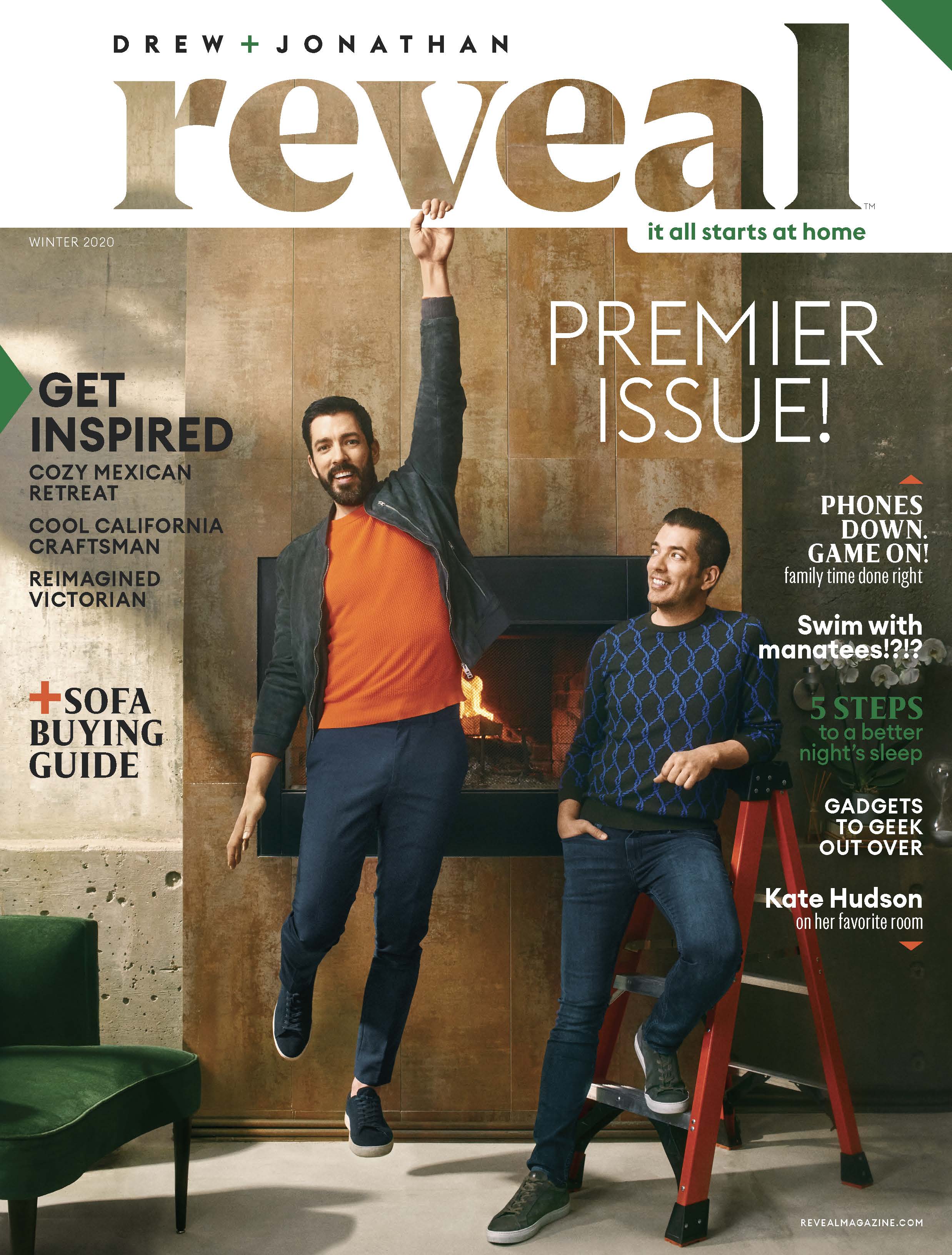
Bauer Media Group’s president and CEO, Steven Kotok, uses a positive barometer when facing the future. With the New Year approaching, and with change the only constant in everything magazine and magazine media, he firmly believes that where magazines best serve the reader, they will continue to thrive.

Woman’s World and First for Women are number one and number two respectively on newsstands, so Bauer Media is definitely best-serving its demographic, women. So, obviously, knowing your target audience has never been more important. And as Steven said, with 90 percent of the company’s revenue coming from its readers, engagement with the audience is Bauer’s life blood. But what better to flow through its veins?

So, please enjoy this most informative interview with Steven Kotok, president and CEO, Bauer Media Group as Mr. Magazine™ continues his series with the magazine and magazine media executives that make the industry world go-round.

(The conversations with the magazine and magazine media executives are going to be published chronologically as they took place).

But first the sound-bites:

On his assessment of magazines and magazine media in 2020: People today are more engaged with media of all kinds than ever before. And where magazine media can best serve the reader, magazines will continue to thrive as Bauer has. Ninety percent of our revenue is from readers, so that engagement is our life’s blood. But I don’t think there’s a blanket answer, it’s really different audience segments and different types of products that are going to really continue to engage readers. And then others may be better-served in other media.

On which segments of magazine media he thinks will thrive: We focus mainly on our own, and we’re really serving women over forty. So, our psychographics do still engage with magazine media. They find a lot of value in it. I think it’s also the type of products that people are putting out or where they’re earning money. From that product, I think you see some of the ad-supported titles that may not be as engaging to the consumer and they may have trouble, whereas others do better. But we feel strongly about our own.

On any success stories he can share from 2019: I’d say for us, we had traditionally been a newsstand-focused business and we made a big investment in growing our subscription revenue stream. And we did it with premium pricing, higher than a lot of our competitors, and we earned positive ROI from that investment. So, we grew our total subscription revenue and that was a really big win for us. We did it with some great marketing and some smart investment, but also because Woman’s World and First for Women continue to really engage our readers as much as ever. We have a great editor and a great team and they’re still number one and number two on newsstands in sales, so we know we’re doing the right thing in our traditional channel. But it’s been great to build additional revenue in the subscription channel, especially because it was a significant investment for us.

On any challenges he faced in 2019: There were definitely some challenges. (Laughs) The challenges are built-in. Your traditional question of what keeps you up at night, that’s kind of our days now. We used to worry about things happening, I think it’s all happened now. I think we’re all in. A lot of the challenges that maybe were concerns 20 years ago are now part of our daily lives. But on the Bauer front, every year we set ourselves a goal. For 2019, our biggest goal was really to execute an acquisition within the company, and we actually fell off with that goal. As much as those three achievements are great and made us a stronger business at the end of the year than we were at the beginning of the year, by our own measure of are we doing our core mission of serving the readers, or on a financial basis, there are a lot of moving pieces that have to come together to make an acquisition happen and make it make sense for us and for someone willing to part with something that we value. And it was just tough to make it happen this  year. But we hope that will be one of our 2020 successes.

On whether Bauer is interested in more acquisitions: Definitely. And in the last 24 months, Bauer has made something like 20 or so acquisitions around the world. We’re a very acquisitive company generally, but each market kind of has its own challenges, which makes it easier or harder.

On why he thinks magazine media companies are slow to jump in and change their business models: I don’t think it’s just magazine media, you see the same in digital, where you find a lot of digital brands trying to build subscription or membership revenue models. I don’t know whether people are slow to jump in, sometimes companies are accused of being too fast to jump into something. I think looking at any media, whatever media products that exist now were developed and evolved over years to align with a really particular business model. You can’t wake up one morning and just say, “I want to start earning money from these other people,” because the people’s people with their money, whether that’s consumers or advertisers or event sponsors, ecommerce shoppers or whatever, they’re going to have something to say about what they do with their money.

On how he sees the magazine media glass, half-full, three quarters full or 50/50: I know your job is to look at the whole media landscape, but those of us who are operators are really just running around show. Where we saw the glass might not have been half-full or we thought there had to be some consolidation to make it more than half-full, and there were actually some assets that we thought were going to be more valuable grouped together with other similar assets. For us, what we have, are women’s brands that are number one and number two at the newsstand and growing their subscription and ad revenues. To us that’s ninety percent full of something. Obviously, we wake up or start January 1 and just think about all of the stuff that isn’t done yet or took longer than we wanted it to. That’s the focus, that 10 percent to us is like 100 percent, it’s kind of the stuff that consumes us.

On whether he feels social media is a friend or foe to magazine media: I don’t know if different media are foes to each other, I don’t believe social media is a foe any more than TV is a foe. All the different media, we’re all competing for people’s time. People have a finite amount of time and we’re all competing to make good use of that time. I don’t think they’re foes. On one hand, magazines have built great audiences on social media the same as magazines can build and publicize their brands on TV, put your editor on TV or something. And by the same token, there is a lot of crosspollination among the different media, so I don’t know that there are foes, but we are all competing.

On anything he’d like to add: The rules in general don’t change, even if the mediums change. If you’re providing value to someone and you do it well, you’re going to find a way to make a buck and to keep on doing what you’re doing. That rule hasn’t changed, even with the environment changes.

On what keeps him up at night: What I said before I believe is true, a lot of the things that used to keep us up at night are now part of our daytime reality. But it’s part of the fabric of the world. It’s really about what to do next. We’re pretty happy with our business; we’ve done a lot to transform it. There’s always more to do, as I said, it always feels like you started at zero. But it really is what to do next; what else can we do to grow this business, whether through acquisitions or launches… or whatever, but it’s less of a defensive thing. It’s all factored in, priced in, all of these challenges. So, it’s really what’s the next thing that can grow.

 And now the lightly edited transcript of the Mr. Magazine™ interview with Steven Kotok, president & CEO, Bauer Media Group USA.

Samir Husni: As we approach 2020, what’s your assessment of the future of magazines and magazine media?

Steven Kotok: People today are more engaged with media of all kinds than ever before. And where magazine media can best serve the reader, magazines will continue to thrive as Bauer has. Ninety percent of our revenue is from readers, so that engagement is our life’s blood. But I don’t think there’s a blanket answer, it’s really different audience segments and different types of products that are going to really continue to engage readers. And then others may be better-served in other media.

Samir Husni: From your point of view, what are the segments that you think are going to thrive?

Steven Kotok: We focus mainly on our own, and really we’re serving women over forty. So, our psychographics do still engage with magazine media. They find a lot of value in it. I think it’s also the type of products that people are putting out or where they’re earning money. From that product, I think you see some of the ad-supported titles that may not be as engaging to the consumer and they may have trouble, whereas others do better. But we feel strongly about our own.

 Samir Husni: Having that strong feeling and knowing that 90 percent of your revenue is coming from readers who engage with your products, can you name three accomplishments or successes for 2019 that you’re proud of?

Steven Kotok: Yes, I’d say for us, we had traditionally been a newsstand-focused business and we made a big investment in growing our subscription revenue stream. And we did it with premium pricing, higher than a lot of our competitors, and we earned positive ROI from that investment. So, we grew our total subscription revenue and that was a really big win for us. We did it with some great marketing and some smart investment, but also because Woman’s World and First for Women continue to really engage our readers as much as ever. We have a great editor and a great team and they’re still number one and number two on newsstands in sales, so we know we’re doing the right thing in our traditional channel. But it’s been great to build additional revenue in the subscription channel, especially because it was a significant investment for us.

Number two; in our traditional newsstand channel we’ve put out a bunch of new products, continued to grow our SIP business, and those traditionally have been one-offs, but we’ve started doing more products that we’re going to repeat. We did Whoa, Wait for Walmart, which is available exclusively at Walmart, and that has been a big success. We plan on doing four of those next year. We also started a great series of inspirational content that has been a success called Everyday Faith, in partnership with DaySpring. We’ve been really happy that we can grow revenue in the newsstand channel as well.

And I’d say the third thing, and this might be first at some publishers, but it’s definitely third at Bauer, because anything that has to do with the readers comes first, but we were the only major publisher to grow both ad pages and ad revenue in 2019. And we’re most proud of that because we didn’t do it by changing the products to become a “better ad environment.” We really reinvented our messaging to the ad community to try and better articulate what the product does for the reader. We started with a deep reader study and really talked to the readers themselves, we did focus groups in multiple cities. So, we started with the readers to articulate to the advertisers why we are number one. That really led to a big turnaround in growth in ad revenue.

Bauer is still very much a bottom-line company and I think all three of those are tied to revenue growth, but I think all three of those also start with getting things right with the reader.

Samir Husni: Are you saying that 2019 was a walk in a rose garden for you, or you had a few challenges along the way?

Steven Kotok: No, there were definitely some challenges. (Laughs) The challenges are built-in. Your traditional question of what keeps you up at night, that’s kind of our days now. We used to worry about things happening, I think it’s all happened now. I think we’re all in. A lot of the challenges that maybe were concerns 20 years ago are now part of our daily lives.

But on the Bauer front, every year we set ourselves a goal. This is my third full year here; 2017 was really like optimizing the operations, which we did and we improved the bottom line for the first time in a while. In 2018, the goal was really to divest some of our assets and to focus on the women’s group for the long-term and that really improved our margins.

For 2019, our biggest goal was really to execute an acquisition within the company, and we actually fell off with that goal. As much as those three achievements are great and made us a stronger business at the end of the year than we were at the beginning of the year, by our own measure of are we doing our core mission of serving the readers, or on a financial basis, there are a lot of moving pieces that have to come together to make an acquisition happen and make it make sense for us and for someone willing to part with something that we value. And it was just tough to make it happen this  year. But we hope that will be one of our 2020 successes.

Samir Husni: While others are selling, Bauer is in the market to buy?

Steven Kotok: Definitely. And in the last 24 months, Bauer has made something like 20 or so acquisitions around the world. We’re a very acquisitive company generally, but each market kind of has its own challenges, which makes it easier or harder.

Samir Husni: As you look at magazine media in general, not just Bauer, and you’ve been in magazines for years now, why do you think magazine media companies are slow to change their business models? Why are they so slow in jumping in?

Steven Kotok: I don’t think it’s just magazine media, you see the same in digital, where you find a lot of digital brands trying to build subscription or membership revenue models. I don’t know whether people are slow to jump in, sometimes companies are accused of being too fast to jump into something. I think looking at any media, whatever media products that exist now were developed and evolved over years to align with a really particular business model. You can’t wake up one morning and just say, “I want to start earning money from these other people,” because the people’s people with their money, whether that’s consumers or advertisers or event sponsors, ecommerce shoppers or whatever, they’re going to have something to say about what they do with their money.

So, adding a new revenue stream to an existing product, I just don’t think that’s how we all got to where we were in the first place. Most of the successful media products out there didn’t start out trying to think about a revenue stream and then develop something for it. They really started with a problem they could solve for someone, some great idea that they felt would really have value to someone else. And then from there, obviously you have to do your math and ask, “Can I deliver this to people in a way that it makes more money than it costs to do?” And as we know, there’s a lot of great ideas that can’t generate more money than they cost to execute.

But where that’s possible is where people can be successful, taking an existing product that’s evolved to make its money a certain way and then adding a revenue stream to it. I just don’t think it’s ever going to get people where they need to go. I believe they have to go back to how they were successful in the first place, which was solving a consumer, or in some cases, an advertiser need and starting from there.

So, I guess I question the premise that people have been slow to do it, but I do think that you’re not going to be successful starting with adding a revenue stream to an existing product. You have to deliver value to the folks whose money you want.

Samir Husni: You’ve always been on the positive side of things and you’ve worked with very successful companies, so do you see the magazine media glass as half-full, three quarters full, or 50/50?

Steven Kotok: I know your job is to look at the whole media landscape, but those of us who are operators are really just running around show. Where we saw the glass might not have been half-full or we thought there had to be some consolidation to make it more than half-full, and there were actually some assets that we thought were going to be more valuable grouped together with other similar assets.

For us, what we have, are women’s brands that are number one and number two at the newsstand and growing their subscription and ad revenues. To us that’s ninety percent full of something. Obviously, we wake up or start January 1 and just think about all of the stuff that isn’t done yet or took longer than we wanted it to. That’s the focus, that 10 percent to us is like 100 percent, it’s kind of the stuff that consumes us.

I think for each medium or each brand or company, it’s really a different answer, and the answer may be different from people on the outside than on the inside. People on the inside are clearly investing their time and their careers in that company and they see an opportunity and they’re probably the best ones to run those companies. So, I think it really differs.

In general, as I said in the last question, if you’re delivering value to someone who’s going to pay for it in one way or another, whether it’s a consumer or an advertiser, you’re going to be in a good place. And when you can’t provide value or where you’re trying to get by with a trick or something, that’s not a great long-term plan. It really differs by company. A lot of us are just focusing on what we have in front of us. I assume most people feel good about the companies they’re running or they would hopefully find someone else to do it who had a more optimistic vision.

Samir Husni: Do you think social media is a friend or foe to magazine media?

Steven Kotok: I don’t know if different media are foes to each other, I don’t believe social media is a foe any more than TV is a foe. All the different media, we’re all competing for people’s time. People have a finite amount of time and we’re all competing to make good use of that time. I don’t think they’re foes. On one hand, magazines have built great audiences on social media the same as magazines can build and publicize their brands on TV, put your editor on TV or something. And by the same token, there is a lot of crosspollination among the different media, so I don’t know that there are foes, but we are all competing.

When you look at some categories, obviously, with Instagram, anything that’s built around famous people, famous people used to need to reach their audience through a third party media platform. Now with something like Instagram, a social media platform can serve that need for them. So, I think in that case, for people with a finite amount of time they can spend looking at celebrities, I would have to think that engaging directly with celebrities through social media has cut into the other thing.

I believe it’s one giant ecosystem and different subcategories, different brands, different businesses are always rising and falling. Seinfeld and MASH, the most popular shows ever aren’t on TV anymore. So, I think there’s always going to be rising and falling, but I don’t know that it’s a foe. I don’t know that social media is somehow damaging magazine media in some unique way other than the fight for attention for people’s time that all the different media engage in.

Samir Husni: Is there anything you’d like to add?

Steven Kotok: The rules in general don’t change, even if the mediums change. If you’re providing value to someone and you do it well, you’re going to find a way to make a buck and to keep on doing what you’re doing. That rule hasn’t changed, even with the environment changes.

Samir Husni: What keeps you up at night?

Steven Kotok: What I said before I believe is true, a lot of the things that used to keep us up at night are now part of our daytime reality. But it’s part of the fabric of the world. It’s really about what to do next. We’re pretty happy with our business; we’ve done a lot to transform it. There’s always more to do, as I said, it always feels like you started at zero. But it really is what to do next; what else can we do to grow this business, whether through acquisitions or launches… or whatever, but it’s less of a defensive thing. It’s all factored in, priced in, all of these challenges. So, it’s really what’s the next thing that can grow.

Samir Husni: Thank you.

Next up, Tom Quinlan, Chairman/CEO/President, LSC Communications Inc.

h1

Trusted Media Brands President & CEO, Bonnie Kintzer, To Samir “Mr. Magazine™” Husni: “I Believe The Credibility Of Our Brands Will Drive The Demand For Content.” The Mr. Magazine™ Interview…

December 18, 2019

Mr. Magazine™ Presents… Conversations With Magazine and Magazine Media Leaders…

President and CEO of Trusted Media Brands, Bonnie Kintzer, recently shared her views about the future of magazines and magazine media with Mr. Magazine™ and from Bonnie’s perspective the news is positive and promising. While she isn’t one to wear rose-colored glasses when it comes to the realities of the magazine industry, she also doesn’t believe in naysaying the optimistic points of view either. An important factor in Bonnie’s magazine mantra is the credibility of Trusted Media’s brands. For generations many of the titles in her portfolio have been the go-to resources for trusted and proven information. And in this day and age, being able to trust and depend on the source of one’s content is vital.

Trusted Media Brands has also had many pluses for 2019 and Bonnie believes in saying them loud and proud. And her thoughts for 2020 are leaning toward the same positive challenges. And that’s exactly how she views the New Year – challenging, yes, but always with a positive outlook.

So, please enjoy the next installment of the Mr. Magazine™ series with industry leaders – Bonnie Kintzer, president and CEO, Trusted Media Brands.

(NOTE): The conversations with the magazine and magazine media executives are going to be published chronologically as they took place…

But first the sound-bites:

On her assessment of the future of magazines and magazine media, especially in 2020: I feel very positive. I think that we’ll continue to see strong customer revenue-based brands, which we are. And I believe we’ll continue to see business models evolve. I feel like we started that path a few years ago to really strengthen the relationships with consumers, with magazines being a very important part. And also introducing other services or products that consumers who love those brands are really interested in. I also believe that the credibility of our brands will drive that; we are a reliable source of information and inspiration. That credibility is really what drives the demand, both for content in print, digital and new products. So, I’m optimistic.

On how she views the future of Trusted Media Brands’ legacy media: I think Reader’s Digest will be here forever. When you look at the renewal rates, circulation and economics of Reader’s Digest, I never worry about Reader’s Digest. I read letters from our readers all the time and you can see that this is a brand that passes down generations in a single family and it’s a really beautiful thing. We definitely treat each of our brands differently. If you look at Taste of Home, we’ve launched a subscription box, because we felt that for people who love to cook and bake, they wanted more hands-on products, so we launched the cookware and the bakeware. That’s much more a focus for Taste of Home than our other brands.

 On three successes the company has had in 2019 that she is proud of: Number one would probably be the fact that we’ve been able to launch new products and services that consumers are paying for. We’re really excited about that. Whether it’s our branded products like the cookware and bakeware, or it’s DIY University, or the growth of the Taste of Home subscription box, I think all of those things are so important. We’ve always been a consumer-driven company, as you know, and the idea that we can now go into all of these new product areas and get positive feedback, as in people are paying for it, is huge.

On whether she has heard that almost 98 percent of cookbooks are sold in print: I’m not sure about that, but it wouldn’t surprise me. Also, QVC has been good for us. We’re the largest non-celebrity cookbook seller on QVC with Taste of Home. So, that’s been great. And we did our first non-cookbook, a religious book: Reader’s Digest Who’s Who in the Bible on QVC that did really well. So, we’re excited that we’ve been able to branch out of cookbooks. QVC has been a great partner for a long time.

On any challenges she had in 2019: There are always challenges. (Laughs) I think the biggest challenge – well, there are a couple, but one would be for the advertising partners to see us as a media company and not only magazines. We’re very proud of our print, but we feel like our digital engagement is exceptional. And our numbers are very strong. So, we’d like to be seen as a brand, as a brand for our partners to work with. I think that’s a challenge for all magazines and definitely one for us.

On why she thinks magazine media professionals are always talking about change, yet they’re hesitant to actually change their business models: I imagine they make quite a lot of money. We were never one of those companies. I know there was a management team here at some point that wanted to be more ad-driven, but the company was still always making more money from consumers, they just made it out of marketing correctly. So, you’d have to ask those other companies, but they make a heck of a lot of money, so I assume that’s hard to walk away from.

 On being consumer-driven and does she see splitting that revenue moving forward: Digital advertising for us in the last two years has been exceptional. We have had exceptional growth and far exceeded industry growth on digital advertising. That is for sure. And that will continue to grow. Seventy-five percent of our money comes from consumers; will we ever be 50/50? I don’t know. We love that consumers pay for our content; we think it’s a very healthy business. We’re delighted to see the growth in our digital advertising. And like we say, let’s grow the pie and not worry about the percentages. (Laughs) And we’re doing that. That’s an amazing thing for this particular company, to see topline growth. We’ve had bottom-line growth since I’ve been here, but to see topline growth is a great turn of events for us.

On whether she feels all of the digital and social media platforms are friend or foe to magazines and magazine media: I think the digital platforms are both; we do a lot on Facebook and Pinterest and Instagram is growing for us. We think it’s a great way to engage with consumers. We know that our consumers are there; we drive a tremendous amount of traffic from those platforms, so that’s a very strong positive and trend. Obviously, on the not-so-friendly side, they get to change their algorithms without notice or rationale. And that puts a strain when that happens.

On whether she views the magazine media cup as three-quarters full or half-full: I think three-quarters full, I do. I’m definitely much more optimistic than I am pessimistic about the platforms.

On anything she’d like to add: This is really always a war of talent. And when I look around our company I continue to be inspired by the people who we have here. And having almost half of our employees in the Midwest gives us tremendous advantage to understand what’s happening in this country and to really know what’s important to people, which is cooking great meals, doing their own projects, and being inspired by the stories of their neighbors. And I think that’s what keeps us all very grounded; knowing who we serve every day.

On what keeps her up at night: There’s just so much change all the time. And making sure that you’re staying on top of all of those changes and being very disciplined in what does and doesn’t matter in those changes, because you can read a lot of things and get swept up, but some stuff doesn’t really matter for my business. And I think we do that. My team is very well-read, but also very grounded about what is a priority and what isn’t. And so I think it’s a constant review of your prioritization of your time and resources. And that’s probably what keeps me up – are we doing it right? So far the results would say yes, but no one here is so bold to say that it’s an automatic.

And now the lightly edited transcript of the Mr. Magazine™ interview with Bonnie Kintzer, president and CEO, Trusted Media Brands.

 Samir Husni: As we approach 2020, what’s your assessment of the future of magazines and magazine media?

Bonnie Kintzer: I feel very positive. I think that we’ll continue to see strong customer revenue-based brands, which we are. And I believe we’ll continue to see business models evolve. I feel like we started that path a few years ago to really strengthen the relationships with consumers, with magazines being a very important part. And also introducing other services or products that consumers who love those brands are really interested in. I also believe that the credibility of our brands will drive that; we are a reliable source of information and inspiration. That credibility is really what drives the demand, both for content in print, digital and new products. So, I’m optimistic.

Samir Husni: Is there a difference in the brands that you have? You have from the legacy brand like Reader’s Digest, which is almost 100 years old, to almost a quarter-century with Taste of Home, and then Family Handyman; how do you view the future of “legacy” magazine media?

Bonnie Kintzer: I think Reader’s Digest will be here forever. When you look at the renewal rates, circulation and economics of Reader’s Digest, I never worry about Reader’s Digest. I read letters from our readers all the time and you can see that this is a brand that passes down generations in a single family and it’s a really beautiful thing. We definitely treat each of our brands differently. If you look at Taste of Home, we’ve launched a subscription box, because we felt that for people who love to cook and bake, they wanted more hands-on products, so we launched the cookware and the bakeware. That’s much more a focus for Taste of Home than our other brands.

For Family Handyman where our content is so valuable and valued, we have a lot more digital-only products where people pay for our content, whether it’s DIY University or Family Handyman Insider, or where we’ve digitized all of our project plans which people are now paying for. And we didn’t see any decline in volume of downloads once people started paying. So, that’s wonderful, that people understand this content is worth something. We’ve created these plans over 75 years and they’re worth something. In that way, I feel like each brand is on the path dependent upon the content and the competitive landscape.

Samir Husni: I heard you speak at the most recent FIPP Congress in Las Vegas and you sounded very positive about the accomplishments the company has achieved in 2019. Can you name three of those accomplishments that you’re most proud of and consider total successes for Trusted media?

Bonnie Kintzer: Number one would probably be the fact that we’ve been able to launch new products and services that consumers are paying for. We’re really excited about that. Whether it’s our branded products like the cookware and bakeware, or it’s DIY University, or the growth of the Taste of Home subscription box, I think all of those things are so important. We’ve always been a consumer-driven company, as you know, and the idea that we can now go into all of these new product areas and get positive feedback, as in people are paying for it, is huge.

And on the consumer and subscription side, we’ve seen great growth in our digitally-sold subscriptions and that’s very good for us, it’s very healthy for our business, in terms of the relationship with the consumer, bringing in consumers who are very comfortable paying with a credit card and buying digitally. Alec (Alec Casey – chief marketing officer) and his team have done a phenomenal job with growth there.

The other thing is the growth of our book business. How incredibly exciting is that? We’re launching more books and they’re doing really well. And of course, the data shows that more people are going a little bit more toward print than digital eBooks. We’re really happy to have that.

All of our brands have books; Taste of Home has quite a lot of cookbooks, Reader’s Digest, of course, has select editions, but Reader’s Digest also launched a mystery book series and a puzzle and game series. Family Handyman has its annual edition, they also have a number of DIY books and books on how a house works, so I think we’ve done a great job of understanding what the consumer wants in the book area. And by selling it primarily through DTC (direct-to-consumer), although we do have a trade business as well, it becomes very profitable.

Samir Husni: I was told once that almost 98 percent of all cookbooks are sold in print?

Bonnie Kintzer: I’m not sure about that, but it wouldn’t surprise me. Also, QVC has been good for us. We’re the largest non-celebrity cookbook seller on QVC with Taste of Home. So, that’s been great. And we did our first non-cookbook, a religious book: Reader’s Digest Who’s Who in the Bible on QVC that did really well. So, we’re excited that we’ve been able to branch out of cookbooks. QVC has been a great partner for a long time.

Samir Husni: Would you tell me that 2019 was a walk in a rose garden or did you have some challenges throughout the year?

Bonnie Kintzer: There are always challenges. (Laughs) I think the biggest challenge – well, there are a couple, but one would be for the advertising partners to see us as a media company and not only magazines. We’re very proud of our print, but we feel like our digital engagement is exceptional. And our numbers are very strong. So, we’d like to be seen as a brand, as a brand for our partners to work with. I think that’s a challenge for all magazines and definitely one for us.

On the cost side of the magazine business, as you know, it’s a constant cost battle. Again, Alec and his team are amazing people and they have been able to overcome some, but it’s constant, in terms of whether it’s fulfillment, postage or paper; there’s just always something to be dealt with, on top of just the regular course of business.

I’d say those have definitely been challenges in 2019. I look on the advertising side; we’ve won some amazing pieces of business. So, I’m very encouraged going forward.

Samir Husni: You’re known for, number one, taking the company out of bankruptcy. Two, you changed the name from Reader’s Digest Association to Trusted Media Brands, and you converted back to the old consumer-driven business model. Why do you think magazine media professionals keep talking about change, yet they’re hesitant in actually changing their business models?

Bonnie Kintzer: You mean changing away from being an ad-driven model?

Samir Husni: Yes.

Bonnie Kintzer: I imagine they make quite a lot of money. We were never one of those companies. I know there was a management team here at some point that wanted to be more ad-driven, but the company was still always making more money from consumers, they just made it out of marketing correctly. So, you’d have to ask those other companies, but they make a heck of a lot of money, so I assume that’s hard to walk away from.

Samir Husni: I know you’re generating a lot of revenue from consumers, but as you move forward, how do you envision that split in revenue, if you can share those numbers with me?

Bonnie Kintzer: Digital advertising for us in the last two years has been exceptional. We have had exceptional growth and far exceeded industry growth on digital advertising. That is for sure. And that will continue to grow. Seventy-five percent of our money comes from consumers; will we ever be 50/50? I don’t know. We love that consumers pay for our content; we think it’s a very healthy business. We’re delighted to see the growth in our digital advertising. And like we say, let’s grow the pie and not worry about the percentages. (Laughs) And we’re doing that. That’s an amazing thing for this particular company, to see topline growth. We’ve had bottom-line growth since I’ve been here, but to see topline growth is a great turn of events for us.

Samir Husni: Do you think all of these digital and social media platforms, and even the TV platforms, such as you mentioned with QVC, are they friend or foe to magazine media and why?

Bonnie Kintzer: I think the digital platforms are both; we do a lot on Facebook and Pinterest and Instagram is growing for us. We think it’s a great way to engage with consumers. We know that our consumers are there; we drive a tremendous amount of traffic from those platforms, so that’s a very strong positive and trend. Obviously, on the not-so-friendly side, they get to change their algorithms without notice or rationale. And that puts a strain when that happens.

We’ve done a very good job of overcoming those, but the idea that somebody is changing something and you don’t know what it is or when it’s coming is obviously not something a friend does. Being able to have direct access to audiences is always a challenge as well, but we’ve been very pleased with our relationship with the platforms. But we understand that it’s critical for us to have direct relationships with our consumers and we never lose sight of that. So, that’s always our goal, to get the audiences to our own sites so that we can get them to sign up for our newsletters and we can collect names and continue the relationship.

Samir Husni: Do you view the magazine media cup as three-quarters full then? Or halffull?

Bonnie Kintzer: I think three-quarters full, I do. I’m definitely much more optimistic than I am pessimistic about the platforms.

Samir Husni: Is there anything that you’d like to add?

Bonnie Kintzer: This is really always a war of talent. And when I look around our company I continue to be inspired by the people who we have here. And having almost half of our employees in the Midwest gives us tremendous advantage to understand what’s happening in this country and to really know what’s important to people, which is cooking great meals, doing their own projects, and being inspired by the stories of their neighbors. And I think that’s what keeps us all very grounded; knowing who we serve every day.

Samir Husni: What keeps you up at night?

Bonnie Kintzer: There’s just so much change all the time. And making sure that you’re staying on top of all of those changes and being very disciplined in what does and doesn’t matter in those changes, because you can read a lot of things and get swept up, but some stuff doesn’t really matter for my business. And I think we do that. My team is very well-read, but also very grounded about what is a priority and what isn’t. And so I think it’s a constant review of your prioritization of your time and resources. And that’s probably what keeps me up – are we doing it right? So far the results would say yes, but no one here is so bold to say that it’s an automatic.

Samir Husni: Thank you.

Next up, Steven Kotok, president & CEO, Bauer Media Group USA.