Archive for the ‘News and Views’ Category

h1

Joe Hyrkin, CEO, Issuu, To Samir “Mr. Magazine™” Husni: “What We’re Seeing Is This Resilience Among Publishers Who Are Getting Their Content Out There And Are Continuing To Publish.” The Mr. Magazine™ Interview…

April 9, 2020

Publishing During A Pandemic (8)

“I think for publishers, in a certain way, this could potentially be a really golden time, because they are able to connect with their audience more so now than ever before. People actually have the time to read the stuff they care about. People are going to develop new passions and new hobbies. There’s going to be opportunities that come out of this that is not all doom and gloom.” … Joe Hyrkin

The pandemic has paused us all in many of the same ways. Working from home, staying at home, and social distancing ourselves from friends and family that do not live with us. It has caused tragic and enormous loss of life all around the globe. But while we feel and see all the horrible toll this disease has caused, there has to be hope for the future; hope for better days to come. In fact there is a framed poster in my office with the phrase “There is Always Hope” in every language you can imagine.

Joe Hyrkin is CEO of Issuu, the world’s leading Omni channel content tools and publishing digital platform. And while like all of us, Joe has seen the extreme rapidity of working from home and caring for the health and welfare of his employees, he’s also digging for the positive that can come out of this awful nightmare. The caring for others on the personal side, and the creativity and innovation he’s seen from his resilient employees on the professional side.

I spoke with Joe recently and we talked about all of this, the dark days of the disease and the brighter tomorrow we all have faith is coming. While one of the biggest challenges for publishers, he believes, is advertising, he feels there’s going to have to be a whole lot more creativity around how publishers work with advertisers in the midst of all this.

The positive nature of Joe’s thinking shows up in our conversation. So, I hope that you enjoy this eighth installment in the series of Publishing During A Pandemic, in the Mr. Magazine™ interview with Joe Hyrkin, CEO, Issuu.

But first the sound-bites:

On how Issuu is operating during the pandemic: There’s two pieces, one is just the general operations of how the business is running. And on the operations side, we moved to all remote about three weeks ago. We have offices in Palo Alto, Copenhagen, Berlin, and then we have a few people scattered around the United States who are already working remotely. But we now have everyone working from home.

On the business model during the pandemic: On the business side, and this is all tied to operations too, one of the things that I’ve been reminding everybody, and I think it’s important for every company and every business, is don’t conflate what’s happening in your company with what you’re reading in the press. There’s going to be a lot of challenges and huge downturns in advertising, some companies are doing better than others, understand what’s happening in your own company before you just assume it’s going to be lumped in with everything else. For us, it’s been really interesting. We don’t rely on advertising, it’s a small piece of our revenue as we’ve talked about. The bulk of our business is our customers paying us for access to additional tools and services. What we’ve found is we’re actually growing in the midst of this. We’re being very careful; we’ve reduced prices in some areas; we’ve made a number of the features that we used to charge for free, particularly for magazine publishers.

On many major publishers saying their plans have not really changed yet, but that they are doing a lot of content on their digital platforms: For us, more people are using Issuu digital sales now as a way to generate revenue. We’re finding more people using Issuu Collaborate. It’s a great flat planning system, but it also helps in terms of managing collaborators, managing remote workers, managing their contributions, their things coming in on time. It’s always been used for that, but now it’s even more important because there is increasingly no centralized location for publishers. Right now the centralized location is online and on Zoom.

On whether he ever envisioned something like this happening, even in his worst nightmares: No. But not only that, it’s the speed in which we’ve done it. Just think about it. Two months ago. Your ACT 10 Experience was fully scheduled six weeks ago, and I was planning on being there this April. I wasn’t even questioning it. I think it’s amazing how radically the world has changed in a matter of weeks. It’s totally unimaginable. There was a well-known movie about an epidemic, I can’t remember what it was called, but the writer of that script was recently quoted as saying, I couldn’t have written the script to align with what’s been happening in the world right now, because no one would have believed it. It would have been too farfetched.

On whether he thinks everything will go back to the traditional way of doing business after the pandemic is over or the work-from-home directive has given him room for thought: I think most businesses, most not all, are designed to revolve around people operating together in some fashion, but we’re all learning that there’s a lot more flexibility available to us. The biggest challenge that I’m finding with my company right now, my team, is people who have school aged children, particularly elementary schoolchildren and younger, are really struggling. One of the things that I do think will come out of it operationally will be a lot more openness to flexibility, so even when we do go back to the office, I think there will be an openness to flexibility and to connecting with each other and employees more. There’s an empathy that we’re all learning for each other.

On what keeps him up at night: How long is this going to last. And it was interesting for the first couple of weeks, working at home and learning how to use Zoom and those sorts of things, but how do we support the individuals in the company who are most challenged by it, with childcare, as we talked about. With aging parents in some instances. With the distance that people have with their families. There is an extra layer of stress that all of my employees have; some people talk about it, some don’t, but this is on everybody’s mind. And in some instances it weighs pretty heavily on them.

And now the lightly edited transcript of the Mr. Magazine™ interview with Joe Hyrkin, CEO, Issuu.

Samir Husni: In the doom and gloom environment that we’re living in today, both in the media world and in our everyday reality, how is Issuu operating during this pandemic?

Joe Hyrkin: There’s two pieces, one is just the general operations of how the business is running. And on the operations side, we moved to all remote about three weeks ago. We have offices in Palo Alto, Copenhagen, Berlin, and then we have a few people scattered around the United States who are already working remotely. But we now have everyone working from home.

In which case, we’re doing a lot more Zooms. In fact, in the middle of March we had hoped to have a full offsite planning meeting for the next two quarters, and usually we do those in person, in Copenhagen. And people from the U.S., Copenhagen and Berlin all work together for a week on all the planning. That was scheduled for the second week in March, and we kept waiting to see if we were going to be able to do that, or if we should start planning our business remotely. We ended up moving it to Zoom.

The big challenge is there is a nine hour time difference between California and Copenhagen, so operating, and this is a group that has to work together because we’re planning all the details, so what we did was start the meetings early in the morning here. They ran from 6:00 a.m. here in California to 1:00 p.m., which meant it was late afternoon into the evening in Copenhagen. We took an hour break so that people could have dinner with their families. And in fact, for the sole purpose of planning, we delivered meals to people’s homes so they would have time to have a meal with their families during these planning sessions.

There’s this great feature in Zoom called “Raise Your Hand,” so having a meeting with 10 or 12 people, we used that feature and had someone moderating it. It was really productive. We started doing that the week before everyone began working remotely. So, we had a bit of a head start. We’ve done everything remotely since then.

We’ve now had two company-wide meetings. One of the things that I’ve done differently is we usually haven monthly all-hands meetings, where people come together in the three main offices, it’s at the same time, 8:00 a.m. in California, 5:00 p.m. in Europe. We’re now doing two of those a month, just to get people together more frequently. I’ve started doing Zoom for office hours, twice a week to talk about anything, so anyone who wants to talk is more than welcome to do that. We’ve just made a lot of effort to connect with people and communicate with them much more throughout this whole process.

Samir Husni: What about the business model?

Joe Hyrkin: On the business side, and this is all tied to operations too, one of the things that I’ve been reminding everybody, and I think it’s important for every company and every business, is don’t conflate what’s happening in your company with what you’re reading in the press. There’s going to be a lot of challenges and huge downturns in advertising, some companies are doing better than others, understand what’s happening in your own company before you just assume it’s going to be lumped in with everything else.

For us, it’s been really interesting. We don’t rely on advertising, it’s a small piece of our revenue as we’ve talked about. The bulk of our business is our customers paying us for access to additional tools and services. What we’ve found is we’re actually growing in the midst of this. We’re being very careful; we’ve reduced prices in some areas; we’ve made a number of the features that we used to charge for free, particularly for magazine publishers.

We’ve made “Collaborate,” the flat planning system freely available to all Issuu customers. We used to charge a 30 percent rev share for folks who used Issuu digital sales, but we’re not charging the rev share anymore, we’re letting them keep all of that revenue. What we keep finding is increasingly, particularly magazines and newspapers because they can’t print anymore, printing facilities are closed, even if they’re not closed they’re normal means of distributing the printed paper is no longer available. Their concerns around printed stuff related to Covid-19 has to do with is the virus on it and are people passing their germs around.

So, what we’re seeing is this resilience among publishers who are getting their content out there and are continuing to publish. So, they have been moving to Issuu. We’ve seen a number of, particularly university publishers, issuing press releases telling people that they will keep publishing and they’re moving everything to Issuu. There’s an interesting local magazine, the Merritt Herald in British Columbia, they did an entire editorial on moving strictly to digital copies due to Covid-19, which are available on their website through Issuu. We also saw The Kenyon Collegian do that through our Issuu webpage.

What we’re finding is more and more publishers are continuing to create that magazine and newspaper experience and they’re highlighting their use of us. It’s a great responsibility for us; our role in all of this is we have to keep running and operating, making sure that we’re delivering even more for publishers to get their content out.

Samir Husni: Yet every CEO and every publisher that I have spoken with so far have told me that they haven’t changed anything, as far as their frequency, or print? So far the plans are to continue as is. And they’re doing a lot on their digital side, publishing a lot of their content there.

Joe Hyrkin: For us, more people are using Issuu digital sales now as a way to generate revenue. We’re finding more people using Issuu Collaborate. It’s a great flat planning system, but it also helps in terms of managing collaborators, managing remote workers, managing their contributions, their things coming in on time. It’s always been used for that, but now it’s even more important because there is increasingly no centralized location for publishers. Right now the centralized location is online and on Zoom.

We’re also seeing people share and distribute that content through the different channels more: Facebook, Instagram; we’re seeing more creativity around what they can do with digital. I think the big challenge for all the publishers is advertising. We’re seeing these huge cuts: travel, airlines. If you were relying on travel and hospitality to fuel your advertising, you’re going to have to find that somewhere else. There’s going to have to be a whole lot more creativity around how publishers work with advertisers in the midst of all this.

The big challenge that I’m finding is we just don’t know how long this is all going to last. So, if it’s going to be a month, okay we can keep things pretty much the way they were operating before, we don’t have to make a huge number of changes, we’ll be back to normal in a month. But we don’t know. We don’t know what’s going to happen to the businesses that were advertising, both big and small.

Samir Husni: Did you ever envision something like this happening, even in your worst nightmares? The entire world shutting down?

Joe Hyrkin: No. But not only that, it’s the speed in which we’ve done it. Just think about it. Two months ago. Your ACT 10 Experience was fully scheduled six weeks ago, and I was planning on being there this April. I wasn’t even questioning it. I think it’s amazing how radically the world has changed in a matter of weeks. It’s totally unimaginable. There was a well-known movie about an epidemic, I can’t remember what it was called, but the writer of that script was recently quoted as saying, I couldn’t have written the script to align with what’s been happening in the world right now, because no one would have believed it. It would have been too farfetched.

Samir Husni: As CEO of a major digital company, do you think you’ll return to your traditional way of doing work after this is over? Or has the work-from-home directive given you room for thought?

Joe Hyrkin: I think most businesses, most not all, are designed to revolve around people operating together in some fashion, but we’re all learning that there’s a lot more flexibility available to us. The biggest challenge that I’m finding with my company right now, my team, is people who have school aged children, particularly elementary schoolchildren and younger, are really struggling.

They’re trying to balance being with their family all day, childcare that they now have to do themselves, and they’re having to learn how to homeschool. I have brilliant engineers and brilliant marketers who are really good at what they do every day in the office, they don’t know how to homeschool. We’re demanding culturally, there is a huge demand on people, to be able to figure out how to balance their home life with homeschooling and trying to get their work done. And we’re trying to be as flexible as we can. We understand that people are challenged with all of these things. And we know some of the work is going to come late.

We’re asking people who have a little extra time to help. We’re moving deadlines in certain instances and we’re having everyone reach out to their manager or the exec staff if they’re too challenged; let’s talk through it and be flexible.

One of the things that I do think will come out of it operationally will be a lot more openness to flexibility, so even when we do go back to the office, I think there will be an openness to flexibility and to connecting with each other and employees more. There’s an empathy that we’re all learning for each other.

The other thing that’s interesting is doing everything by Zoom, we’re all seeing into each other’s homes. You meet people in the office, you see them with their tie, you see them however they operate, then suddenly we’re seeing people’s bookshelves or their art in their homes. If they have children, put them in your lap for the Zoom, we’re encouraging that, it’s totally fine. There is a humanness that is one of the silver linings to this process.

Samir Husni: My typical last question; what’s keeping you up at night these days?

Joe Hyrkin: How long is this going to last. And it was interesting for the first couple of weeks, working at home and learning how to use Zoom and those sorts of things, but how do we support the individuals in the company who are most challenged by it, with childcare, as we talked about. With aging parents in some instances. With the distance that people have with their families. There is an extra layer of stress that all of my employees have; some people talk about it, some don’t, but this is on everybody’s mind. And in some instances it weighs pretty heavily on them.

Then what will be the follow-on economic fallout. I think we’re all kind of in the middle of what’s happening right now, day-to-day, but once we do start to go back to work and when we discover the new normal, whatever that may be, what kind of economic environment are we going to be walking back into? We’re going to see so many stores closed, businesses closed. In my neck of the woods, in Silicon Valley, we’re going to see many well-funded startups that are going to fail. What is the overall impact going to be on how we’re operating?

When this started, the economy was in really good shape, people talk about that, and now it’s being discussed as a health crisis. What keeps me up at night related to this is, yes it’s a health crisis and we’re going to start to see real economic challenges as well, but will we be able to bounce back from that quickly?

The flip side is the best companies, the best innovations, some of the best creativity manifests out of these challenges. If we look back at the 2008 financial crisis, so many interesting creative products and businesses and ways of operating evolved out of that. So, I am excited to see what manifests; what new products and what new ways of operating come out of this.

I think for publishers, in a certain way, this could potentially be a really golden time, because they are able to connect with their audience more so now than ever before. People actually have the time to read the stuff they care about. People are going to develop new passions and new hobbies. There’s going to be opportunities that come out of this that is not all doom and gloom.

One of the things I always love about talking to you is you have this great perspective on the longevity of the magazine world. It has gone through all kinds of upheavals, from wars to Depressions to digital, to on and on. And yet it keeps going. So, what will the new evolutions of this category, of this sort of ecosystem of journalism and print content; where is that going to go? That’s an exciting thing, I think.

Samir Husni: Thank you.

h1

The Audience Of One: Lessons From The Past On Serving Both Readers And Advertisers Of Magazines… From The Mr. Magazine™ Vault

April 8, 2020

From the Mr. Magazine™ Vault

Taking a brief break from the series Publishing During A Pandemic interviews with magazine and magazine media executives, here is a blast from a century ago, with a very nice soothing cover… Enjoy this latest From the Vault of Mr. Magazine™ and will be back later today with the series of interviews on Publishing During A Pandemic.

Some might think that the idea of specialization and customization of magazines to reach specific audiences is a new one.  Some might even argue that with digital printing it’s easier than ever before  to customize every single copy of a magazine.  But what if I told you, that specialization and customization are probably as old as magazines themselves? 

A century ago, in the April 1920 issue of The Modern Priscilla magazine (1887-1930), the editors wrote the following:

“A SPECIALLY printed edition of PRISCILLA for each subscriber would seem almost the only answer to the many, many letters we receive from our friends who are enthusiasts on special phases of needlework or handicraft, but lukewarm or stone-cold on others. Of course you know as well as we do the impossibility of any such delightful dream; but it is to meet to some extent the demand for a fuller treatment of certain subjects that please a limited audience that the Priscilla Special Service Sheets have recently been made a feature of our magazine.

Magazine space for any one subject is limited, as of course you realize. If, for example, you are not interested in Bobbin Lace, you would not want us to omit one or two pages of your favorite crocheting in order to give enough bobbin lace patterns to suit Mrs. Jones and Mrs. Smith. In order, therefore, that we may maintain the variety of interest which makes the magazine of widespread value, and at the same time give you more information on your particular “hobby,” we are supplementing various articles and subjects by these Service Sheets – which are really magazine pages printed just for you. The minimum charge of two 2-cent stamps which we make for these sheets in no way covers the cost. It is merely a safeguard against wastage of valuable material.”

So the solution to the problem 100 years ago was to develop specially printed pages for the specific needs of the audience, leaving the magazine as general interest as possible, with the additional on-demand sheets being personalized for the niche audiences.

 The editors continued to write:

Eight Service Sheets are now in print. No. 1 is a sheet of beautiful and simple Batik designs. In this connection some of our readers will be glad to know that we are able to supply a limited number of copies of the September, 1919, PRISCILLA, which discusses Batik work at length. These copies can be had for 15 cents each. Special Service Sheet No. 2 gives a group of interesting and usable patterns for Bobbin Lace, with complete directions. Sheet No. 3 is a supplement which gives in full the lengthy instructions for the Venetian crochet pieces shown in the January, 1920, issue of THE PRISCILLA. Sheet No. 4, devoted to Household Linens for the Hope Chest, was planned by Amy Gay for the bride-to-be. It gives quantities, sizes, and discusses the proper marking of linens. Sheet No. 5, Costume Embroideries, offers suggestions for suitable designs for blouses and frocks. Sheet No. 6, Church Laces, gives block patterns for beautiful filet altar-pieces. Sheet No. 7, Baby Embroideries, gives various designs for tracing, which mothers will find helpful in making dainty baby things. Sheet No. 8, Bead Chains, is an answer to the plea for more patterns for the pretty and popular sautoirs. Watch the magazine each month for the announcement of new Special Service Sheets which may include the very things you most desire. Your turn is sure to come.”

As I mentioned in an earlier post, there is nothing new under the sun, not even delivering an individualized copy of a magazine or even just an article…

And talking about The Modern Priscilla, I was amazed to see all the calls to support the advertisers in the magazine in the folio of every editorial page.  Here are some of those marginalia nuggets of supporting the advertisers:

We guarantee the reliability of every advertisement in The Priscilla

Advertising identifies goods of unquestionable value

Read the advertisements before you turn the page

There is a world of interest in reading advertisements

Advertisements help you to live better, dress better, be better

Advertising keeps you posted

When you ask for an advertised article, don’t accept a substitute

Advertising offers money saving opportunities

It is safer to rely on advertised goods than on non-advertised goods

Advertisements are really interesting, read them and see

Things you need are advertised in every issue of The Modern Priscilla

Go shopping with our advertisers. We guarantee you against loss

The more you read advertising the more interesting if becomes

Cultivate the habit of specifying the brand you want to purchase

Advertisements are news. Good news – Timely news – Helpful News

The very thing you most desire may be advertised in this very issue


Precious audience first advice from a century ago… happy holidays, stay safe, stay well, and stay inside.  This shall pass too.

h1

Paul McNamee, Editor of The Big Issue From The U.K. To Samir “Mr. Magazine™” Husni: “I Believe Something Has Been Triggered By The Coronavirus That Is Making People Look Out For Others In Ways They Wouldn’t Have Always Done Before.” The Mr. Magazine™ Interview…

April 7, 2020

Publishing During A Pandemic (7)

“The social responsibility is a key part of it and essentially why we are here. The social responsibility we feel for those people who need us is why we do what we do. They buy the magazine from us and they sell them to the public, and that’s at the heart of everything. And you can’t really separate us from anything else and I think the only reason that people have been keen to help The Big Issue, whether it’s the subscribers, corporate subscribers, or retailers, is because they recognize that responsibility and they want to find a way to help those people who write in the margins. I believe something has been triggered by the Coronavirus that is making people look out for others in ways that wouldn’t have always done before.” … Paul McNamee

The Big Issue is a magazine that feels a strong social responsibility to its vendors, and that’s because those people who sell the magazine are the homeless across Britain, and actually across  the globe now that there are branches all over the world of The Big Issue. The magazine supports the homeless by allowing them to buy the publication at half price and then resell it for the entire cover price.

Paul McNamee is editor of The Big Issue and spoke about the magazine which was started by Lord John Bird and Gordon Roddick some 29 years ago. Lord Bird had a bit of colorful past, in and out of prison, and Roddick was cofounder, along with his wife Anita, of The Body Shop, a cosmetics business that grew exponentially. According to Paul, the pair, Bird and Roddick, wanted to do something about the homeless crisis going on in London. Hence, the unusual business model of the magazine that has had to be slightly restructured due to the pandemic.

“There were two things that were key for us to do. The first was to make sure that those people who rely on The Big Issue for an income, our street vendors, and there are around 1,500 of them in any given week across Britain. We had to make sure that they could get income,” Paul told me and went on:

“We came up with a three month subscription offer, which seems to be right about the time people think this will be through its worst. It’s a three month offer, with a goal of 60,000 subscriptions.  Then we started building an app. We have a website and we’re very good at social media, and we started building the app very quickly. We began talking with retailers, because we’ve never in all of our history been sold in shops. So we started speaking to major retailers in Britain and they were very keen to do what they could to help. And just yesterday we went into the shops for the first time in our history.”

Paul told me that the social responsibility they felt to their vendors and readers was the only reason the magazine existed. So, despite much duress, these fantastic magazine people, our friends across the pond, came up with a way to continue the magazine and help their fellow man.

Magazines and their creators are amazing…

So, for the seventh in the series of Publishing During A Pandemic, here is the Mr. Magazine™ interview with Paul McNamee, editor, The Big Issue, United Kingdom.

But first the sound-bites:

On the history of The Big Issue: The Big Issue was started in 1991, 29 years ago in London by John Bird and Gordon Roddick. At that time, John Bird was a printer, but with a very colorful past. He had been in and out of prison and had been homeless himself on and off for several years. Gordon Roddick was a friend of his who had set up The Body Shop, a cosmetics company, with his wife Anita Roddick. The pair of them, Bird and Roddick, wanted to do something about the growing homelessness crisis that they saw in London. And they came up with the idea of a magazine that would be produced professionally and then sold to those who were homeless or vulnerable or right on the margins. The homeless people would buy it for half the cover price, then sell it for the cover price and that difference was how they made a living. So the more they sold the more they could make.

On how he has changed the business model due to the pandemic: We just had to. In publishing, as it is in a lot of industries, when you’re thinking of a big change, you plan it over time. You will perhaps test it. Then you will decide whether or not the change you are planning is worthwhile or workable. But with the pandemic, we simply didn’t have time to do any of that. We just had to act and act quickly.

On why he thinks The Big Issue is relevant today during the pandemic: The social responsibility is a key part of it and essentially why we are here. The social responsibility we feel for those people who need us is why we do what we do. They buy the magazine from us and they sell them to the public, and that’s at the heart of everything. And you can’t really separate us from anything else and I think the only reason that people have been keen to help The Big Issue, whether it’s the subscribers, corporate subscribers, or retailers, is because they recognize that responsibility and they want to find a way to help those people who write in the margins. I believe something has been triggered by the Coronavirus that is making people look out for others in ways that wouldn’t have always done before.

On anything he’d like to add: One thing I’d like to say is that I want to thank people who have supported The Big Issue during this time. A month ago we were making plans for future issues, we’re a weekly, so we have to plan a bit ahead. We were making plans for spring, for special issues, all those kinds of things. All of that had to go out the window as we restructured content and found new content. And I want to thank people who have come along with us and supported us and have allowed us to rebuild and be there for the vendors.

On what keeps him up at night: Wondering what we’re going to put in the magazine the next morning. I know that a lot of people have said that during this time, working from home means a lot less to do and they can make plans for the garden or make plans to work around the house; I don’t know where those people are getting time, because I feel like we’re working longer and more intensely than we did before this happened. At night, I try and get a little bit of sleep and then I wake up and get ready to go again, because we have to go again.

And now the lightly edited transcript of the Mr. Magazine™ interview with Paul McNamee, editor, The Big Issue.

Samir Husni: How are things in the U.K.?

Paul McNamee: Still locked down. Still quiet. Still uncertain. But I think people are getting more used to this strange way of life.

Samir Husni: For people who may not be familiar with The Big Issue outside of the U.K., would you tell us a little about it?

Paul McNamee: The Big Issue was started in 1991, 29 years ago in London by John Bird and Gordon Roddick. At that time, John Bird was a printer, but with a very colorful past. He had been in and out of prison and had been homeless himself on and off for several years.

Gordon Roddick was a friend of his who had set up The Body Shop, a cosmetics company, with his wife Anita Roddick. The pair of them, Bird and Roddick, wanted to do something about the growing homelessness crisis that they saw in London. And they came up with the idea of a magazine that would be produced professionally and then sold to those who were homeless or vulnerable or right on the margins. The homeless people would buy it for half the cover price, then sell it for the cover price and that difference was how they made a living. So the more they sold the more they could make.

And that basic model of people coming to The Big Issue to buy and then going on the street to sell, that’s been the business model ever since, with the 50 percent cut. And that model grew in  London and it was actually fortnightly, then it went to weekly across the U.K., and ultimately around the world. The Big Issue is now in Japan, Korea, Australia, Taiwan, South Africa, and numerous other street papers that have used The Big Issue’s business model, either by copying it and using the professional team to produce it and sell it. Or in the States, particularly, there’s a lot of city-based street papers that use a lot more input from those who sell it, but they earn a much more modest scale than The Big Issue.

So, The Big Issue started as a single organization, a single publication in London, and spread to influence a global movement.

Samir Husni: When you have a publication like The Big Issue that depends on sales on the streets, how have you changed the business model with this pandemic and stay-at-home directive?

Paul McNamee: We just had to. In publishing, as it is in a lot of industries, when you’re thinking of a big change, you plan it over time. You will perhaps test it. Then you will decide whether or not the change you are planning is worthwhile or workable. But with the pandemic, we simply didn’t have time to do any of that. We just had to act and act quickly.

There were two things that were key for us to do. The first was to make sure that those people who rely on The Big Issue for an income, our street vendors, and there are around 1,500 of them in any given week across Britain. We had to make sure that they could get income. There’s no other way for them to get it. They’re not employed in any traditional sense, although we feel that they’re workers and they’re essentially running small businesses by buying a product and selling it. But in a traditional sense, they’re not employed, therefore they can’t benefit from government help, so we had to think very quickly. How do we manage to get benefit to those people?

And then the other side to that is how do we manage to keep going as a business because we have to be here for our staff to help those vendors and then afterward. When the crisis is over, we suspect that we’ll be needed in a bigger way, there might be more need for people to make that kind of income. So, we have to carry on.

I suppose the third thing is how do we make sure that we get a magazine into the hands of the people who enjoy it. We don’t want them to stop. So, when you’ve got those particular challenges, you very quickly come up with ways to overcome them, first, with subscriptions. Unlike a lot of magazines, we had no subscription base because of the interaction that people have with street vendors. And they enjoy that interaction, it’s important for us that exists. We may have had a few dozen subscriptions, but no real base.

We came up with a three month subscription offer, which seems to be right about the time people think this will be through its worst. It’s a three month offer, with a goal of 60,000 subscriptions.  Then we started building an app. We have a website and we’re very good at social media, and we started building the app very quickly. We began talking with retailers, because we’ve never in all of our history been sold in shops. So we started speaking to major retailers in Britain and they were very keen to do what they could to help. And just yesterday we went into the shops for the first time in our history.

So, we’ve had all of these incredible revolutionary changes to the business model that we had to implement, and at the same time produce a magazine and stuff for the app remotely, with people not being able to communicate as they normally would and not being able to look and check pages in the normal way. It’s been quite a few weeks.

Samir Husni: In addition to the social responsibility of publishing the magazine, why do you think The Big Issue is relevant today during this pandemic?

Paul McNamee: The social responsibility is a key part of it and essentially why we are here. The social responsibility we feel for those people who need us is why we do what we do. They buy the magazine from us and they sell them to the public, and that’s at the heart of everything. And you can’t really separate us from anything else and I think the only reason that people have been keen to help The Big Issue, whether it’s the subscribers, corporate subscribers, or retailers, is because they recognize that responsibility and they want to find a way to help those people who write in the margins. I believe something has been triggered by the Coronavirus that is making people look out for others in ways that they wouldn’t have always done before.

In terms of a publication, one thing that I’ve always been repetitive about and that I make sure the staff understands and everybody understands is that it’s not enough for people to take pity on a vendor and buy the magazine, they have to want it and want the content. They need to feel as though they’re getting something that they’re not necessarily getting from other places.

That might be because we have a particular challenge to orthodoxies, to institutions; we’re not owned by a big publisher, therefore we don’t have to fall into step with any particular thinking. We can be outside of the mainstream; we can allow ourselves to be a platform for people who might not necessarily have a voice anywhere else, and we can also bring a particularly different style of cultural input. The interviews that we conduct are admittedly different; we don’t have an agenda, people feel much more open when talking to us. We have good writers who come along and want to write for The Big Issue.

Content is key and it has to be something that people want to return to again and again. And I take pride in the fact that we’ve can consistently go up against any other standard magazine and win awards for covers, content, design and editing, for all these things and we still sell in big numbers. Social responsibility, you can’t really separate it, but we have a core identity in the content that others don’t really have.

 Samir Husni: Is there anything you’d like to add?

Paul McNamee: One thing I’d like to say is that I want to thank people who have supported The Big Issue during this time. A month ago we were making plans for future issues, we’re a weekly, so we have to plan a bit ahead. We were making plans for spring, for special issues, all those kinds of things. All of that had to go out the window as we restructured content and found new content. And I want to thank people who have come along with us and supported us and have allowed us to rebuild and be there for the vendors.

And also the staff of The Big Issue, because I think a lot of the focus has been on how we’re supporting our vendors and how we were immediately able to get money to them and get support to them, but the staff deserves huge credit for doing that, because again, they’re working at home and they can’t necessarily see the results of what they’re doing, but they have made a huge and a positive impact. I want to thank everyone who has supported us and encourage them to do more, to get their friends to take subscriptions and also to pay credit to the staff.

Samir Husni: My typical last question; what keeps you up at night?

Paul McNamee: Wondering what we’re going to put in the magazine the next morning. I know that a lot of people have said that during this time, working from home means a lot less to do and they can make plans for the garden or make plans to work around the house; I don’t know where those people are getting time, because I feel like we’re working longer and more intensely than we did before this happened. At night, I try and get a little bit of sleep and then I wake up and get ready to go again, because we have to go again.

Samir Husni: Thank you.

h1

Bonnie Kintzer, President & CEO, Trusted Media Brands To Samir “Mr. Magazine™” Husni: “Our Magazines Are Very Relevant Today… And We Are Not Rethinking Our Business…” The Mr. Magazine™ Interview…

April 6, 2020

Publishing During A Pandemic (6)

“In times like this people want the familiar and they want the comfort. Sitting back and reading a magazine about gardening or cooking gives you a really good feeling. Everyone is inundated with the news and a lot of worry and I think magazines are a really great way to relax and remember what’s important to you. I think they’re very relevant.” Bonnie Kintzer…

“There’s nothing here that says that our business model needs to change. In some ways, quite the opposite, you could say that out business model is strongest during times like this where we have the direct relationship with the consumer. And the consumer wants to get these products in print and also digitally. As I said, the digital traffic is exceptional. These have been the strongest days, outside of Thanksgiving and Christmas, for Taste of Home, for instance. People want to know how to bake bread or tortillas, and what to feed their kids. For Family Handyman, they’ve been breaking records, in terms of DIY projects  and landscaping. People need to keep busy. I think we’re on the right track with content and that’s what we do well.” Bonnie Kintzer…

This sixth installment of the Mr. Magazine™ series: Publishing During A Pandemic features Bonnie Kintzer, president and CEO, Trusted Media Brands. Bonnie is a person who feels the tragedy going on in the world deeply, while trying to retain her sense of optimism that is an integral part of who she is and how she does her job.

Bonnie said that while there are challenges for all media companies during these uncertain and devastating times, Trusted Media Brands will remain the consumer-driven company they’ve always been and sees no reason to do anything differently when this pandemic is behind all of us: “We are not rethinking our magazine business. We think that our consumers very much enjoy getting their product in print and our digital business will continue to expand.”

The faith she has in her teams and in the content of Trusted Media Brands is inspiring. And the message of support she sends her employees is stalwart.

I hope that you enjoy this next installment of Publishing During A Pandemic with Bonnie Kintzer, president and CEO, Trusted Media Brands.

But first the sound-bites:

On how Trusted Media Brands is operating during this pandemic: We’re operating 100 percent from home, everyone is working from their home environment. I was just looking at some numbers; in the last two weeks we’ve printed six magazines and 13 books. Our digital content is doing really well, our traffic is up. We’ve actually been hitting records because of our food content and our DIY content. Reader’s Digest has broken records too, so I think from an operational perspective, we haven’t missed a beat. It’s really an incredible tribute to our team.

On why it seems that every article written or every topic talked about by media critics, when it comes to magazines and magazine media, paints a picture of doom and gloom: Well, it’s certainly not our case. Our circulation efforts are up – we’re primarily a DTC (Direct-to-Consumer), so our magazines response rates are up, which is obviously great. Our DTC books are on track; our subscription box orders are up, so I think a lot of the doom and gloom is obviously advertising-related. We have been hit unproblematically, but in total for us, most of our revenue comes from the consumer and that consumer revenue is holding strong thankfully.

On whether the work-from-home directive was an easy one for them: We did a lot of planning, with half of our business being in Wisconsin and Minnesota. They were about two weeks or a little bit less, just a little behind, the New York and Northeast shutdown. We ended up having planning time, which really helped obviously, because most of our, except for Reader’s Digest, all of our products are really created in the middle of the country.

On whether she feels that after the pandemic is behind all of us, she may rethink the way the business is run: We are not rethinking our magazine business. We think that our consumers very much enjoy getting their product in print. Our digital business will continue to expand. We launched a health website, we did a quiet soft launch a few months ago, and it’s doing quite nicely during this pandemic. So, we’ll be looking at more vertical launches, which we had already said was our intention. It’s been great to see the subscription box business doing well during this time. Maybe that will expedite additional launches in the box space.

On whether she ever envisioned something as catastrophic as the pandemic happening: I was actually on vacation in Hawaii with my kids on a very remote island and I got back on March 11. That first 48 hours was like being shell-shocked, because even though I had been reading while I was away, it’s obviously not the same as coming back to the Metro New York area in real life. In the end you have to rely on your team and have a lot of communication. And we had that. We did two Town Halls this week. We had 200 employees on each of the Town Halls, all over the world. We have people in Europe and our Canadian employees, and I think that was very important and we’ll do another one of those in a few weeks.

On her message to the advertisers during this pandemic: With advertisers we are communicating that we are here for them and as they’re revisiting their marketing messages and their plans. And for us it’s business as usual, in terms of our content creation. I’m really partnering with them on what comes next, because I think obviously advertisers are trying to figure out what’s the best message that they need to have and where do they want that message to be.

On what makes magazines and magazine media relevant today: In times like this people want the familiar and they want the comfort. Sitting back and reading a magazine about gardening or cooking gives you a really good feeling. Everyone is inundated with the news and a lot of worry and I think magazines are a really great way to relax and remember what’s important to you. Magazines are very relevant today.

On any words of wisdom: I think it is good to be optimistic during these times. I always say keep your feet on the ground, but be optimistic. And be honest about what’s happening. You cannot solve a problem that you haven’t accurately identified. So, if there’s a challenge, name it and deal with it. People are incredibly resilient and I see that with our employees, just an amazing amount of resilience. And that inspires me.

On what keeps her up at night: What doesn’t, who’s sleeping well? I worry about my employees’ health; I worry about a vendor having to temporarily shut down a facility. I think all of our vendors have backup plans and we’ve certainly reviewed them all. And I worry about how many people are going to be sick and die. In the New York area, it’s happening now. I think there’s a lot to worry about, but there’s also a lot to look forward to.

And now the lightly edited Mr. Magazine™ interview with Bonnie Kintzer, president and CEO, Trusted Media Brands.

Samir Husni: How is Trusted Media Brands operating during this pandemic?

Bonnie Kintzer: We’re operating 100 percent from home, everyone is working from their home environment. I was just looking at some numbers; in the last two weeks we’ve printed six magazines and 13 books. Our digital content is doing really well, our traffic is up. We’ve actually been hitting records because of our food content and our DIY content. Reader’s Digest has broken records too, so I think from an operational perspective, we haven’t missed a beat. It’s really an incredible tribute to our team.

Samir Husni: Why do you think that almost every article we pick up, everything from the so-called media critics, paints such a picture of doom and gloom for the industry?

Bonnie Kintzer: Well, it’s certainly not our case. Our circulation efforts are up – we’re primarily a DTC (Direct-to-Consumer), so our magazines response rates are up, which is obviously great. Our DTC books are on track; our subscription box orders are up, so I think a lot of the doom and gloom is obviously advertising-related. We have been hit unproblematically, but in total for us, most of our revenue comes from the consumer and that consumer revenue is holding strong thankfully.

Samir Husni: When you hear things like, avoid paper, the Coronavirus can stay on paper; do you think fears like that will have a lasting impact on the industry? What’s Plan B for you should you need it?

Bonnie Kintzer: For businesses like ours that are consumer-driven and not ad-driven, it won’t change the health of our magazine business at all. For companies that are advertising-driven, it’s obviously a different set of economics, but I’ll let them comment on that. But I’m not seeing that at all for us.

Samir Husni: As you made the move from office to home, was it an easy one and seamless? Or have there been challenges?

Bonnie Kintzer: We did a lot of planning, with half of our business being in Wisconsin and Minnesota. They were about two weeks or a little bit less, just a little behind, the New York and Northeast shutdown. We ended up having planning time, which really helped obviously, because most of our, except for Reader’s Digest, all of our products are really created in the middle of the country.

For the New York team, I would say, Bruce Kelley is our chief content officer at Reader’s Digest and he did an amazing job of getting everyone on his team together. He put together a planning calendar of how they were going to make this work. I’m sure it wasn’t without its challenges, but I will say that we haven’t missed any dates at all when it comes to our schedule.

And thankfully, with technology, it makes an enormous difference. And our vendors have all been deemed essential, so that also makes a big difference. I can’t say enough good things about all of our vendors, whether it’s LSC or CDS, they’ve been in constant contact with us. They have done an incredible job making sure that it is business as usual from a consumer perspective.

Samir Husni: If we look at history, especially with Reader’s Digest, DeWitt Wallace started the magazine right after World War I from his hospital bed in Paris in 1920. Once this pandemic is behind us, what do you think the future holds for magazines and magazine media? Are you rethinking the business in any way at all? Or will it be business as usual?

Bonnie Kintzer: We are not rethinking our magazine business. We think that our consumers very much enjoy getting their product in print and our digital business will continue to expand. We launched a health website, we did a quiet soft launch a few months ago, and it’s doing quite nicely during this pandemic. So, we’ll be looking at more vertical launches, which we had already said was our intention. It’s been great to see the subscription box business doing well during this time. Maybe that will expedite additional launches in the box space.

There’s nothing here that says that our business model needs to change. In some ways, quite the opposite, you could say that out business model is strongest during times like this where we have the direct relationship with the consumer. And the consumer wants to get these products in print and also digitally. As I said, the digital traffic is exceptional. These have been the strongest days, outside of Thanksgiving and Christmas, for Taste of Home, for instance. People want to know how to bake bread or tortillas, and what to feed their kids. For Family Handyman, they’ve been breaking records, in terms of DIY projects  and landscaping. People need to keep busy. I think we’re on the right track with content and that’s what we do well.

Samir Husni: Did you ever envision the situation we’re living with today, even in your worst nightmares? And do you think you can prepare for something like this?

Bonnie Kintzer: I was actually on vacation in Hawaii with my kids on a very remote island and I got back on March 11. That first 48 hours was like being shell-shocked, because even though I had been reading while I was away, it’s obviously not the same as coming back to the Metro New York area in real life.

In the end you have to rely on your team and have a lot of communication. And we had that. We did two Town Halls this week. We had 200 employees on each of the Town Halls, all over the world. We have people in Europe and our Canadian employees, and I think that was very important and we’ll do another one of those in a few weeks. I’m sending letters out every week, my head of HR is sending out notes. So, I think we just have to really connect with as many people as possible, because nothing could prepare anybody for this.

Samir Husni: What’s the message you’re communicating with your staff, and your advertisers?

Bonnie Kintzer: With advertisers we are communicating that we are here for them and as they’re revisiting their marketing messages and their plans. And for us it’s business as usual, in terms of our content creation. I’m really partnering with them on what comes next, because I think obviously advertisers are trying to figure out what’s the best message that they need to have and where do they want that message to be.

To the company, I’ve been communicating about what’s happening with business and also just sharing information about things, whether it’s working from home or some of the challenges, both personally and professionally. And to my leaders, we are meeting every week on video and making sure that all my leaders are in touch with all of their people. And that everyone gets contacted, that we make sure that all of our people are safe and healthy, and that we identify if there’s a need we can help somebody with. I do think that our employees feel connected, which is very important.

Samir Husni: What makes magazines and magazine media relevant today?

Bonnie Kintzer: In times like this people want the familiar and they want the comfort. Sitting back and reading a magazine about gardening or cooking gives you a really good feeling. Everyone is inundated with the news and a lot of worry and I think magazines are a really great way to relax and remember what’s important to you. Magazines are very relevant today.

Samir Husni: Any final words of wisdom?

Bonnie Kintzer: I think it is good to be optimistic during these times. I always say keep your feet on the ground, but be optimistic. And be honest about what’s happening. You cannot solve a problem that you haven’t accurately identified. So, if there’s a challenge, name it and deal with it. People are incredibly resilient and I see that with our employees, just an amazing amount of resilience. And that inspires me.

Samir Husni: My typical last question; what keeps you up at night?

Bonnie Kintzer:  What doesn’t, who’s sleeping well? I worry about my employees’ health; I worry about a vendor having to temporarily shut down a facility. I think all of our vendors have backup plans and we’ve certainly reviewed them all. And I worry about how many people are going to be sick and die. In the New York area, it’s happening now. I think there’s a lot to worry about, but there’s also a lot to look forward to.

 Samir Husni: Thank you.  

h1

Troy Young, President, Hearst Magazines To Samir “Mr. Magazine™” Husni On Publishing During A Pandemic: “We Have To Be More Innovative Than Ever.” The Mr. Magazine™ Interview…

April 3, 2020

Publishing During A Pandemic (5)

“It’s time for us to be leaders. We have to be insanely creative in how we work and how we understand value as we’re creating. We have to be more innovative than ever, and there are going to be times that it’s really hard. We need to fuel that emotion and then move on.” Troy Young

“We’re seeing people want to consume lifestyle content because in some ways it’s an alternative to just the relentlessness of hard news. So, people want our content, they love our brands. And figuring out how we deliver against that and how we pay for it is one reason why we’re going through a period of so much change.” Troy Young

In this fifth installment of publishing during a pandemic, I reached out to Troy Young, president of Hearst Magazines, to see how Hearst was managing during this tragic and uncertain time. As we continue to see the gloom and doom in the news media, and very rare mention of anything uplifting or positive, Troy and his team are determined to shed some bloom and brightness with quality content. The glass can be viewed as half full as easily as it can half empty, and Hearst is pushing forward with serving their customers where they are and via any platform they like.

I spoke with Troy very recently and we talked about how magazines and magazine media content is more relevant today than ever before. People are looking for valued and trusted information  from those credible brands that they have come to know. Troy pointed out that in one month alone,  the Hearst Magazine brands published 1,900 health-related articles.  Amazing indeed.

Trusted content will always come from trusted brands…

So, please enjoy the fifth installment of the Mr. Magazine™  series: Publishing During A Pandemic with Troy Young, president, Hearst Magazines.

But first the sound-bites:

On how Hearst Magazines is operating during this pandemic: The first thing we had to do is move our workforce into collaborating and connecting in an entirely new way. Fortunately,— because we have a fairly large composition of very technically sophisticated workers, be it engineers or digital editors — it’s been relatively seamless. And, we have been using digital tools to connect with each other for a while now, so the transition to working remotely has been less disruptive than you’d expect. I’ve heard that from many others too, so I think the world is adjusting well.

On when the pandemic is over if he thinks there will be a pause for consideration in the traditional office environment:  I’m actually hopeful that we can use this as an opportunity to create some more lasting change. One of the bright spots for many people and for many senior executives is — for example — how efficient we can be when we create a virtual meeting. We set up a Zoom link and five people can be looking at each other and we can run a very productive meeting in 25 minutes. That gives us more flexibility in a lot of ways, in terms of our personal lives and our professional lives.

 On whether Hearst is considering any publishing schedule or frequency changes: What’s really important to me is wherever we’re creating a product —whether it’s a print, digital, video or experiential product — it has to be a great product and consumers have to value it. I think you’ll see us look critically at frequency across some of our titles, as we’ve been doing for a long time. We made the decision to change frequency on Esquire months before the pandemic crisis — you may see more of that.

On whether he had ever envisioned a crisis situation like we have today and how he might have prepared for it: I don’t know if you can prepare for it, but I feel like the fundamental structural transformation that we have gone through in magazine media was hard work and we had to make a lot of hard decisions. To an extent, that prepared us for the next set of hard decisions that are coming at us so quickly because of this pandemic. But, I don’t think any of us could have seen this coming as quickly as it did and as aggressively as it did.

On whether he thinks magazines and magazine media are relevant today: I think that we should separate two sides of magazine media: What is the content and how is it being packaged and distributed? To me, magazine media never goes away. And to me, magazine media is not the news. It is point of view; it is passions; and it is perspective; and it moves in and around the news and the things that people care about, but it brings more perspective to that conversation. And that’s what is so wonderful about it. And all of the journalism that surrounds it.

On any message he would like to send his advertisers, readers or staff: The first thing for our advertisers right now is we’re thinking about them, because I know that their businesses are incredibly difficult. And whether you’re in retail, luxury, fashion, beauty, or the automotive space, your business is facing many significant challenges. As a partner, I’m worried about them and their businesses and want to know how we can help them.

On what he tells his teams when they get together for a meeting: It’s time for us to be leaders. We have to be insanely creative in how we work and how we understand value as we’re creating. We have to be more innovative than ever, and there are going to be times that it’s really hard. We need to fuel that emotion and then move on.

 On what keeps him up at night: What keeps me up at night is that, as a society, we need to stay connected to our better angels. Cuomo said it best, and I totally agree: How do we keep positive; how do we keep helping one another. And I worry sometimes that in a crisis like this, we can let it get the better of us. And I think that we have to be like that on every level. With our families; with our coworkers; and in society. And if I worry about anything it’s, how are we reacting to these challenges and are we staying positive?

And now the lightly edited Mr. Magazine™ interview with Troy Young, president, Hearst Magazines.

Samir Husni: There’s so much doom and gloom taking place currently, not only in the world, but in the media circles. How are you as president of Hearst Magazines operating the company during this pandemic?

Troy Young: The first thing we had to do is move our workforce into collaborating and connecting in an entirely new way. Fortunately,— because we have a fairly large composition of very technically sophisticated workers, be it engineers or digital editors — it’s been relatively seamless. And, we have been using digital tools to connect with each other for a while now, so the transition to working remotely has been less disruptive than you’d expect. I’ve heard that from many others too, so I think the world is adjusting well.

We’re starting to see some of the challenges though, in terms of the effect it can have on mental health. We’re seeing the challenges of parents who are having to balance managing a school in their home and doing their work simultaneously. These types of changes are concerning given that they have the potential to put more stress on our employees.

The other question is how — during these unusual circumstances — do we move bigger projects forward and implement bigger initiatives that we were planning. How do we get those going. I think this might be a little harder to do in the remote workforce.

On top of that, we have real challenges across the industry. We have a varied portfolio, from women’s services to luxury to men’s publications, but some of those worlds are being hit tremendously hard — fashion and luxury, in particular. It will impact everybody’s revenue in the industry. I’ve spoken to many across the magazine industry and the sentiment is pretty consistent, this is going to be a really challenging time.

Our point of view is that the effects of coronavirus will accelerate trends that we’ve already been working on for quite some time. And those trends are managing rate bases more aggressively: growing our digital business, growing consumer revenue, becoming a leader in the commerce space and further developing our video production capabilities. But those are challenges that we were facing before —they are now just coming at us really fast.

Samir Husni: When the pandemic is behind us, do you think there’s a possibility that, as in education, where universities are rethinking how they’re teaching online, considering how well your teams are working remotely, do you think there will be a pause for reconsideration of the traditional office environment?

Troy Young: I’m actually hopeful that we can use this as an opportunity to create some more lasting change. One of the bright spots for many people and for many senior executives is — for example — how efficient we can be when we create a virtual meeting. We set up a Zoom link and five people can be looking at each other and we can run a very productive meeting in 25 minutes. That gives us more flexibility in a lot of ways, in terms of our personal lives and our professional lives.

So, I do think some of the learnings will rewire how we think as workers and certainly as a media company. And some of those will be really positive.

Samir Husni: Are you thinking of changing any publishing schedules, any frequencies for the print products? Are you concentrating more on digital or is everything for now still status quo?

Troy Young: What’s really important to me is wherever we’re creating a product —whether it’s a print, digital, video or experiential product — it has to be a great product and consumers have to value it. I think you’ll see us look critically at frequency across some of our titles, as we’ve been doing for a long time. We made the decision to change frequency on Esquire months before the pandemic crisis — you may see more of that.

Some of these changes may be short-term, given the lack of ad-demand right now, some may not be. But what’s really important underneath all of it is that you still create a product that the consumer really desires.

Samir Husni: Did you ever, in your worst nightmares, envision a situation like this? And how do you prepare for it?

Troy Young: I don’t know if you can prepare for it, but I feel like the fundamental structural transformation that we have gone through in magazine media was hard work and we had to make a lot of hard decisions. To an extent, that prepared us for the next set of hard decisions that are coming at us so quickly because of this pandemic. But, I don’t think any of us could have seen this coming as quickly as it did and as aggressively as it did.

Samir Husni: In the midst of all that’s happening, why do you think that magazines and magazine media are relevant today? Or are they relevant today?

Troy Young: I think that we should separate two sides of magazine media: What is the content and how is it being packaged and distributed? To me, magazine media never goes away. And to me, magazine media is not the news. It is point of view; it is passions; and it is perspective; and it moves in and around the news and the things that people care about, but it brings more perspective to that conversation. And that’s what is so wonderful about it. And all of the journalism that surrounds it.

I think that will persist. How a model of delivering that content on the printed page in a package through a set of distributors and retailers and how that gets reshaped are different questions. But I believe there will be demand for the printed product for a long time and it will hold up better in some categories than others. I think it holds up really well in shelter and fashion.

And in other places like lifestyle media for men and in health — we see a strong demand and consumers really like the product. It’s changing and as it changes, our job is to evolve how we distribute content. And if you look at what magazine publishers have done over the last decade, we’ve become incredibly nimble at creating content for ten different distribution points. And creating multiple different types of content from short Tweets to new video formats to online features — and we still continue to produce magazines. I think our industry is really resilient, and our job as leaders is to follow how consumers want to consume our content.

Samir Husni: Is there any message you want to send to your staff or your readers or to your advertisers during all of this?

Troy Young: The first thing for our advertisers right now is we’re thinking about them, because I know that their businesses are incredibly difficult. And whether you’re in retail, luxury, fashion, beauty, or the automotive space, your business is facing many significant challenges. As a partner, I’m worried about them and their businesses and want to know how we can help them.

The second thing that I would say is, I just looked at our March digital performance — in terms of the content we created and how it was read, and I can tell you that people still want to hear from us. The distribution of our content continues to grow; year over year we’re up. Our teams have been incredibly responsive.

Last month, we published 1,900 articles around Covid-19, but found different ways to talk about it that was relevant to our different audiences. And we’re seeing people want to consume lifestyle content because in some ways it’s an alternative to just the relentlessness of hard news. So, people want our content, they love our brands. And figuring out how we deliver against that and how we pay for it is one reason why we’re going through a period of so much change.

Samir Husni: What do you tell your team every time you meet for a meeting? What’s your message of encouragement?

Troy Young: It’s time for us to be leaders. We have to be insanely creative in how we work and how we understand value as we’re creating. We have to be more innovative than ever, and there are going to be times that it’s really hard. We need to fuel that emotion and then move on.

And, most importantly, we have to care for our coworkers.

Samir Husni: My typical last question; what keeps you up at night?

Troy Young: It’s so funny that you ask that, Samir, because our executive team meets every morning at 9:00 a.m. and sometimes we talk about a broad range of things. This morning, it started with how many people right now are waking up in the middle of the night? And I made the joke that maybe we should shift the call to 3:00 a.m.

But what keeps me up at night is that, as a society, we need to stay connected to our better angels. Cuomo said it best, and I totally agree: How do we keep positive; how do we keep helping one another. And I worry sometimes that in a crisis like this, we can let it get the better of us. And I think that we have to be like that on every level. With our families; with our coworkers; and in society. And if I worry about anything it’s, how are we reacting to these challenges and are we staying positive?

Samir Husni: Thank you.

h1

Phyllis Hoffman DePiano, Chairman & CEO, Hoffman Media To Samir “Mr. Magazine™” Husni: “We Want To Bring Hope And Beauty To The World… Our Words Of Encouragement Are We’re All In This Together.” Publishing During A Pandemic (3)…

April 1, 2020

“… We’re carrying on as much as possible. And it’s giving our people a focus; it’s also giving them time to be creative. As you know when you’re in an office everything is going wide open with the business aspect of it, telephones ringing. Now, you really just have a lot of quiet time. And I think what’s good about this is our editors and editorial teams working individually and together are having time to really think about good editorial. What can we do in the future? What has been valuable to people during this?” Phyllis Hoffman DePiano

Positivity and staying strong and focused is the mindset that Hoffman Media has taken during this tragic pandemic. With keeping their people safe and healthy the main goal of their efforts, Chairman & CEO Phyllis Hoffman DePiano, said her team is working from home and still producing the great content their readers expect.

I spoke with Phyllis recently and we talked about a few of her titles, such as Bake From Scratch, Victoria, and Taste of the South, and about how Hoffman brands center on home and hearth, which everyone is interested in anyway, but especially now. Providing the comfort of home and food, Hoffman titles bring hope and joy to these uncertain times we find ourselves living in.

In Phyllis’s words: “People need hope. They need hope and they need to know that this is going to pass and we’re going to get through it if we work together as a nation. And if people will stay home and separate themselves.

And what better item to have at home with you than a Hoffman magazine. Along with their social media and online resources, the community spirit the brands foster brings everyone together even while social distancing prevails.

So, I hope that you enjoy this third in a series of Publishing During A Pandemic Mr. Magazine™ interview with Phyllis Hoffman DePiano, Chairman & CEO, Hoffman Media.

 But first the sound-bites:

On how Hoffman Media is operating during this pandemic: Hoffman Media is good. We’ve mobilized our entire business to work remotely and we’re still producing great content. With the magazines we work so far ahead and we have a lot of seasonal photographs and things and now we can do the editorial work to go with them. And we continue producing the content that our readers want.

On whether she would have ever anticipated anything like this ever happening: As far as whether I have ever anticipated anything like this, not to this magnitude. Years and years ago when we were very small, Desert Storm was happening and that was the first time our country had been in a conflict like that in years, I guess since the Vietnam War. Everything shut down, people were scared to death. That passed, and of course 9/11 was devastating to everybody. But what we have found is we gear our editorial toward making your home your haven. Even our travel is evergreen. I think people are spending more time with their magazines and we’re doing a lot of online encouragements to our readers.

 On her message to Hoffman’s employees, readers, and advertisers during these uncertain times: As far as our staff, Brian or Eric (Hoffman) or I will write a letter to all of them every week encouraging and thanking them for their work and letting them know that we’re doing everything in our power to maintain operations as they are. And for advertisers; people are spending more time with our magazines and I think that’s true even of the back issues. I’m getting emails from people that tell me they’re reading one of our magazines from a year ago. Our magazines are normally not thrown away, they’re kind of little treasures. So, we’re seeing people engaged heavily with our magazines during this time.

On whether she feels having that print magazine in hand enhances that sense of community and eliminates a little bit of that social distancing factor we all are practicing: I think it does because even with our advertisers, people are going to their websites and really spending time with the resources that we present. And I do think that it is a sense of community because I know each of our magazines like Victoria, for example, Victoria has a huge sense of community, so their social media, websites and blogs are very community-spirited. So yes, we’re seeing that is very important and it kind of keeps you from feeling that you’re isolated because you’re actually reading and seeing what other people are commenting, and it’s really refreshing.

On what keeps her up at night: What keeps me up right now is the safety of our employees. Are they safe? Do they have everything they need? I want to make sure they have food and supplies. I’m making masks right now, face masks for needs that we have among our people. So, that’s what keeps me up, is everybody who works for us, that we’re committed to and they’re committed to us, do they have everything they need during this time. My phone is on, as I told them, text me, call me if you need anything. We will figure out how to get it to you.

And now the lightly edited Mr. Magazine™ interview with Phyllis Hoffman DePiano, Chairman & CEO, Hoffman Media.

Samir Husni: How is Hoffman Media operating during this tragic pandemic?

Phyllis Hoffman DePiano: Hoffman Media is good. We’ve mobilized our entire business to work remotely and we’re still producing great content. With the magazines we work so far ahead and we have a lot of seasonal photographs and things and now we can do the editorial work to go with them. And we continue producing the content that our readers want.

Our subscriber business has not fallen; our grocery sales are up in the newsstand, but I think that would be true of everyone. That’s where you can go these days, the grocery store and the drugstore. And we’re just being very patient and working with our partners in advertising and tourism. When it comes back we’re going to be looking for ways to help them rebound. We’re still seeing custom content for our food clients as big. But all in all, it’s early, but we’re pulling together as a team. And that’s all you can do right now.

We’re doing teamwork remotely and our IT department has set up conference apps where the whole team can be on the screen at the same time and talk through things. It’s very unusual but it’s working.

Samir Husni: The magazine industry has been through tough times, after September 11 and many other things that have happened, but we’ve never faced anything like this social distancing. Did you ever anticipate anything like what we’re seeing today?

Phyllis Hoffman DePiano: As far as whether I have ever anticipated anything like this, not to this magnitude. Years and years ago when we were very small, Desert Storm was happening and that was the first time our country had been in a conflict like that in years, I guess since the Vietnam War. Everything shut down, people were scared to death. That passed, and of course 9/11 was devastating to everybody.

But what we have found is we gear our editorial toward making your home your haven. Even our travel is evergreen. I think people are spending more time with their magazines and we’re doing a lot of online encouragements to our readers. We’re bringing editorial to them, our baking crowd and cooking crowd. Taste of the South is absolutely exploding, but people are home cooking. Our magazines by the very nature of them lend themselves to spending a lot of time with them during times like this when you are sheltering at home.

Samir Husni: And what’s your message to your employees, readers, and advertisers? What words of wisdom can you offer in these uncertain times?

Phyllis Hoffman DePiano: As far as our staff, Brian or Eric (Hoffman) or I will write a letter to all of them every week encouraging and thanking them for their work and letting them know that we’re doing everything in our power to maintain operations as they are. And for advertisers; people are spending more time with our magazines and I think that’s true even of the back issues. I’m getting emails from people that tell me they’re reading one of our magazines from a year ago. Our magazines are normally not thrown away, they’re kind of little treasures. So, we’re seeing people engaged heavily with our magazines during this time.

And how long will things be this way, who knows. I wish I had a crystal ball, I really do. I’m ready for it to be over like everyone else. But we’re concerned mainly with the safety of our staff. We wouldn’t want anything to happen to anyone. That would be tragic. So, I don’t know where we are in this timeline of this Covid-19 virus. You think surely we’re getting to the end and then you don’t know.

But we’re carrying on as much as possible. And it’s giving our people a focus; it’s also giving them time to be creative. As you know when you’re in an office everything is going wide open with the business aspect of it, telephones ringing. Now, you really just have a lot of quiet time. And I think what’s good about this is our editors and editorial teams working individually and together are having time to really think about good editorial. What can we do in the future? What has been valuable to people during this?

And our words of encouragement are we’re all in this together. It’s not that Hoffman Media is the only one experiencing this, this is worldwide and all media companies are experiencing it to various degrees of severity. We’re very grateful for our staff and they’re just phenomenal. It’s a comfort to know that they take ownership of this business as we do. We look forward to coming out on the other side of this with a different perspective maybe of appreciation for even the tiniest of things that we can encourage people with through the pages of our magazine.

Emails are important, our social media is very important and our websites; we’re keeping those updated regularly. We’re seeing in our sewing and craft division a lot of at-home education, because we have an extensive program of learn-to-sew and enhance your skills at home. The educational site launched right before this happened, so we’re seeing that we are a resource for people who truly are staying home and want to continue to learn. And it’s the same thing with bake and our cooking. We’re doing videos partnering with our advertisers, teaching people how to do things.

It’s really returned us to, I won’t say the basics, but I will say to the things that people really want to learn. It has made us look at that and think this is a great time to bring that to people.

Samir Husni: Do you think in this age of social distancing or what I call isolated connectivity, holding or having a print magazine in hand enhances that sense of community or eliminates a little bit of that social distancing?

Phyllis Hoffman DePiano: I think it does because even with our advertisers, people are going to their websites and really spending time with the resources that we present. And I do think that it is a sense of community because I know each of our magazines like Victoria, for example, Victoria has a huge sense of community, so their social media, websites and blogs are very community-spirited. So yes, we’re seeing that is very important and it kind of keeps you from feeling that you’re isolated because you’re actually reading and seeing what other people are commenting, and it’s really refreshing.

We have had a wonderful time – I write a blog “The Ribbon” in my journal and it’s nothing but encouragement. I think that to our readers, if I can bring any kind of encouragement to them on a weekly basis, I’m going to do that. I’m going to spend time writing, because you just never know what you might say or you might lead them to something that could help them. It’s been a really wonderful sense of community for me to write that blog. And of course our editors and their staff all work on their own individual social media platforms, including Instagram.

So yes, it’s an extension of our community that we have, not only through the pages, but for the extension of the pages. Our online store is a resource for a lot of people who are not near, for example, bookstores that might carry the Bake From Scratch annual edition. We’re seeing our online store sales continue to meet budget and we’re very excited about that. People need hope. They need hope and they need to know that this is going to pass and we’re going to get through it if we work together as a nation. And if people will stay home and separate themselves.

We have found in our business that when things are like this, such as after 9/11, our readers really band together and bring forth to social media platforms, which are today a lot more extensive than they were when 9/11 occurred, they were in their infancy then. It’s very rewarding when someone says they were so pleased to read an article about a certain topic in one of our magazines.

We want to bring hope and beauty to the world; we want to bring encouragement, because there’s too much reality right now that people are having to deal with.

Samir Husni: My typical last question; what keeps you up at night?

Phyllis DePiano: What keeps me up right now is the safety of our employees. Are they safe? Do they have everything they need? I want to make sure they have food and supplies. I’m making masks right now, face masks for needs that we have among our people. So, that’s what keeps me up, is everybody who works for us, that we’re committed to and they’re committed to us, do they have everything they need during this time. My phone is on, as I told them, text me, call me if you need anything. We will figure out how to get it to you.

The face masks I’m making actually started with my doctor who I had asked a few weeks ago if he needed any. At the time he was good. Then he called me and said they were having a huge shortage, so I made 40 for his office staff.

And I was talking to Brian recently and he told me about some people who needed masks too. So, I’m making those. They’re not couture by any means, but they work. We feel like we’re helping here and you want to do something to help. Even though it’s small and insignificant, anything we can do to make our world a better place and to show people we care about them, because that makes a difference in people’s lives so much, that somebody cares about you.

Samir Husni: Thank you.

h1

Publishing During A Pandemic (2): Andy Clurman, President & CEO, Active Interest Media (AIM) To Samir “Mr. Magazine™” Husni On Changing Or Halting Any Print Schedules: “We Have Not Done That As Of Yet.” The Mr. Magazine™ Interview…

April 1, 2020

“We are studying different impacts (Of The Current Pandemic), but so far advertising has held up. There has been some cancellations, but there have been more delays, with people pushing campaigns back. At least as of the end of last week we hadn’t seen a material drop in advertising, which made us read that every issue of the moment was going to be profitable, but we’re keeping our eyes wide opened and everybody is communicating in real time what they’re seeing in our different markets. It would be surprising if advertising didn’t come down a bit.”… Andy Clurman

Ingenuity and determination. Two descriptive traits that we Americans have proven over the years to have an abundance of. And during this life-altering pandemic that we’re all facing, never have we demonstrated it more, both personally and professionally. And magazines and magazine media are no different.

Recently, I spoke with Andy Clurman, president and CEO at Active Interest Media. Andy told me that his team at AIM were unbelievable, taking the work-from-home directive and running with it, coming up with creative and new ideas to keep even their events business operational (a Facebook Live team roping event) during the social distancing that we’re all practicing. From events to their print titles, AIM is moving forward during this tragedy with hope, grace and fortitude, as Andy and his team develop an awareness for this new world we are all living in currently, while keeping the business an Active, Interest-ing Media company.

So, without further ado, here is the Mr. Magazine™ interview with Andy Clurman, president and CEO, Active Interest Media (AIM).

But first the sound-bites:

On how he is conducting business during this pandemic: We have a lot of people working remotely and thankfully through technology it wasn’t a big leap for us two weeks ago to ask everyone to work from home. We have a couple of essential positions where those people have to come in periodically, but so far just using all the tools we have and the ones we’ve gotten better at, such as Microsoft teams that I think are fully functioning, we’re doing good. The thing that has been most impacted is obviously our event business, which is growing to be a larger and larger part of our company. Fortunately, none of our largest marketing events are happening this time of the year, but we did have to cancel, postpone, or virtualize a whole number of events which included a boutique boat show we were doing in Seattle, a log and timber home show in Minneapolis, a number of team roping events in New Mexico, a fitness and yoga event that we were doing.

On whether they are changing or halting any of their print schedules for now: We have not done that as of yet. We are studying different impacts, but so far advertising has held up. There has been some cancellations, but there have been more delays, with people pushing campaigns back. At least as of the end of last week we hadn’t seen a material drop in advertising, which made us read that every issue of the moment was going to be profitable, but we’re keeping our eyes wide opened and everybody is communicating in real time what they’re seeing in our different markets. It would be surprising if advertising didn’t come down a bit.

On whether he thinks the business model will reinvent itself after the pandemic is over: Long before all the longer-term impacts and social changes, I think people were accelerating or reinventing the business on the fly, for example, we started an ecommerce initiative a while ago, last summer, and it’s been honestly somewhat languishing. Then suddenly when we got to the end of this year, we really ramped it up and we’re seeing signs of incredible traction,. Across the company, just in the last two weeks, as we’ve been looking at what else we could do to help diversify and safeguard the business against a decline in advertising, we ramped up the ecommerce-related effort and a new product that we’re going to be bringing to the market in a few weeks.

On the message he would like to send to his team during these difficult times: I think the message is all of us are in this business and in different sections of the business because we have a mission and we’re driven by what we think is a valuable service to our audience, our marketing partners, and the community that we have as a team in our company. This is a moment when I think it’s proving to be a test of people’s character and commitment. And it’s really gratifying to see the extraordinary levels people are stepping up to in order to fulfill those commitments to each other and to their communities.

On the message he would send his advertisers and readers: We’ve been sending those out almost daily. We’ve been sending access to our online yoga classes for anxiety, health and wellness classes. So our message is we’re here to support them and we’re here to support each other. The sum of that preserves the bedrock of what we all do and our business. We might all take some lumps in the short term, but it will preserve and probably create some unexpected evolution that we’ll all be a part of when we navigate through this.

On anything he’d like to add: You don’t want to be blindly optimistic, but seeing the character and the collaboration that people are rising to is a testament to the quality of our people and everyone else as well.

On what keeps him up night: In a perverse way; intellectually it focuses the mind when you’re presented with problems that you haven’t ever encountered in your very long career and think you’ve seen everything. I guess the thing that I’m wondering most is you don’t know what you don’t know, right? So what is it that I don’t know since I’ve never encountered this before? Are we doing enough of the right things?

And now the lightly edited Mr. Magazine™ interview with Andy Clurman, president and CEO, Active Interest Media (AIM).

Samir Husni: Magazines and magazine media have adapted through many crises over the years, but to my recollection there has been nothing like this. How are you conducting business through this pandemic?

Andy Clurman: We have a lot of people working remotely and thankfully through technology it wasn’t a big leap for us two weeks ago to ask everyone to work from home. We have a couple of essential positions where those people have to come in periodically, but so far just using all the tools we have and the ones we’ve gotten better at, such as Microsoft teams that I think are fully functioning, we’re doing good.

We’re very happy at the moment and grateful that we have not seen a big impact, as of yet, on people’s health as far as we can tell. We’re doing daily check-ins with everyone. We have a twice per week town hall meeting with everybody. Leadership meetings, all using videoconferencing, so people have been improving their videoconferencing game with lots of clever tricks of the trade.

The thing that has been most impacted is obviously our event business, which is growing to be a larger and larger part of our company. Fortunately, none of our largest marketing events are happening this time of the year, but we did have to cancel, postpone, or virtualize a whole number of events which included a boutique boat show we were doing in Seattle, a log and timber home show in Minneapolis, a number of team roping events in New Mexico, a fitness and yoga event that we were doing.

But what has been so amazing is how creative my team has been in coming up with ways to not just do virtual events, but finding ways to, for example, do a team roping event using Facebook Live and still be able to have people compete from the privacy of their own backyard practice arenas. So, that business is certainly challenged. And figuring out what to communicate, and the things that are longer-ranged. For example, our largest fitness event is in mid-July at Disneyland, so researching alternate dates, making contingency plans, communicating with all of our presenters and our attendees with what we’re doing so they’re not in the dark.

Another thing that has been really impressive is how each one of our groups has stepped up with different kinds of industry support and leadership efforts and assistance, particularly in places that have been really hard hit like the fitness industry where fitness trainers aren’t able to do in-person training with their clients. The skiing industry has summarily shut down and the outdoor industry, most of the retailers are closed. We have a lot of industry impacts and we’re trying to be helpful and supportive and give people resources to either be able to do what they love or, for example, we’ve opened up our entire online education library for free to all of our industry partners in all of our categories.

Samir Husni: What about the publishing side? I understand how the events side is heavily impacted, but what about the magazines? Are you changing print schedules or halting any of the print titles for now?

Andy Clurman: We have not done that as of yet. We are studying different impacts, but so far advertising has held up. There has been some cancellations, but there have been more delays, with people pushing campaigns back. At least as of the end of last week we hadn’t seen a material drop in advertising, which made us read that every issue of the moment was going to be profitable, but we’re keeping our eyes wide opened and everybody is communicating in real time what they’re seeing in our different markets. It would be surprising if advertising didn’t come down a bit.

Samir Husni: When this is behind us, do you think the publishing business model will readjust or reinvent itself? What’s your expectations in the midst of what’s going on now?

Andy Clurman: Long before all the longer-term impacts and social changes, I think people were accelerating or reinventing the business on the fly, for example, we started an ecommerce initiative a while ago, last summer, and it’s been honestly somewhat languishing. Then suddenly when we got to the end of this year, we really ramped it up and we’re seeing signs of incredible traction,. Across the company, just in the last two weeks, as we’ve been looking at what else we could do to help diversify and safeguard the business against a decline in advertising, we ramped up the ecommerce-related effort and a new product that we’re going to be bringing to the market in a few weeks.

There’s been a lot of looking at the things that we had in our development pipeline and really focusing on the ones that we think would be most helpful to our customers right now and things that will add more diversification to the business. Even though everybody is hunkered down at home, there’s a lot of creative energy flowing that’s going into driving some of these new revenue streams, which we’ve always been pretty good at, but the team is even more energized and more creative when we’re dealing with all of these unknowns.

On the social and business impact, this is really proving how much technology allows us to function in all kinds of places. I don’t know if you’re experiencing this, but I have; you can conduct your classes on Zoom, but the engagement level of students, and I would imagine the same holds true for a team, and even though it’s implicit, the quality of communication you have when you’re in person with people is much better than it is over a really good video platform.

Samir Husni: What message would you want to send to your team during these difficult times?
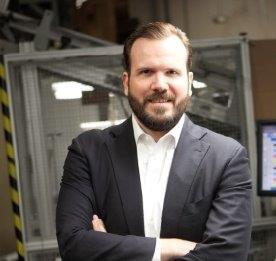
Andy Clurman: I think the message is all of us are in this business and in different sections of the business because we have a mission and we’re driven by what we think is a valuable service to our audience, our marketing partners, and the community that we have as a team in our company. This is a moment when I think it’s proving to be a test of people’s character and commitment. And it’s really gratifying to see the extraordinary levels people are stepping up to in order to fulfill those commitments to each other and to their communities.

One example of that I can share is shortly after we all hit the work-from-home button, our marketing services group launched a project called “Newton.” And the idea behind “Newton” was to pull together our different groups and come up with what sort of products and services we could build and bring to market at a time when all the terms of commerce and community had phased at least temporarily. They called it “Newton” because Isaac Newton was famously quarantined during the Great Plague in 1665, and that’s when he discovered gravity. So, without any prompting, one of our groups took a leadership role and pulled together other parts of the company to try and come up with some great new ideas. It’s inspiring to see people step up like that.

Samir Husni: Do you have a special message for the advertisers and the readers?

Andy Clurman: We’ve been sending those out almost daily. We’ve been sending access to our online yoga classes for anxiety, health and wellness classes. So our message is we’re here to support them and we’re here to support each other. The sum of that preserves the bedrock of what we all do and our business. We might all take some lumps in the short term, but it will preserve and probably create some unexpected evolution that we’ll all be a part of when we navigate through this.

Samir Husni: Is there anything you’d like to add?

Andy Clurman: You don’t want to be blindly optimistic, but seeing the character and the collaboration that people are rising to is a testament to the quality of our people and everyone else as well.

 Samir Husni: My typical last question; what keeps you up at night?

Andy Clurman: In a perverse way; intellectually it focuses the mind when you’re presented with problems that you haven’t ever encountered in your very long career and think you’ve seen everything. I guess the thing that I’m wondering most is you don’t know what you don’t know, right? So what is it that I don’t know since I’ve never encountered this before? Are we doing enough of the right things?

Samir Husni: Thank you.


h1

Diane Silberstein, Former Playboy Publisher, To Samir “Mr. Magazine™” Husni: “This Is A Time For Reinvention.” The Mr. Magazine™ Interview…

March 30, 2020

“I am very privileged. I’ve worked with some amazing people in my career, and it’s not over yet. I’ve met some incredible people… I’ve worked with some of the most incredible marketers around, people at agencies and on the client’s side. And my colleagues that have never failed to impress and inspire me. And we just keep going. This is a time of reinvention, that’s for sure.” … Diane Silberstein

Playboy is folding the print component of its iconic brand, citing the Coronavirus as the reason. A victim of the pandemic and its tragic hold on the world as a whole right now? Some may believe that, but as for me personally, I don’t think so. I believe the brand as a whole, and not just the magazine, lost its relevance long before Hefner’s death or the Me Too movement.  But rather than lead with my assumptions, I decided to go to an insider who has been at the helm of Playboy and ask her opinion.

Diane Silberstein is no novice when it comes to the world of magazines. From launching Allure to  being at Elle and The New Yorker, combined with her days at Playboy and Opera News, she is a woman who knows her way around magazines and publishing. And when it comes to Playboy and being the first female publisher at the gentlemen’s magazine, well, she is definitely a groundbreaker.

I spoke with Diane recently about her illustrious career in publishing and all of those wonderful brands she worked on. It was a delightful conversation and one where she agreed that Playboy was Hugh Hefner and Hef was Playboy: “Mr. Hefner was a big part of the brand. I wish that Playboy had continued on building the brand in a way that evolved it for the next generation.” The idea of being a part of a brand that was at one time untouchable in circulation when it came to men’s magazines, makes Diane an inimitable part of magazines and magazine publishing.

So, I hope that you enjoy this informative interview with a woman who has had a magnificent career in the past and has no intention of slowing down when it comes to the future. Once this pandemic has passed, and she firmly believes it will, the time for reinvention is at hand. For magazine brands and their publishing mantras. And now the Mr. Magazine™ interview with Diane Silberstein, former publisher, Playboy.

But first the sound-bites:

On being a former publisher of Playboy and her reaction to the news that the print magazine was closing up shop: My first emotions were very sad, another iconic brand shuttering its doors. I had the same reaction when I heard that Glamour magazine was suspending publication, which is the first place I worked; it was my first job out of college. But here was an iconic brand that meant so much to such a great number of men. The circulation was three million when I was there. I was there in 2003, 2004, and 2005. So, that’s going back a number of years, but with a circulation of three million, the readership was up to almost seven million. We reached a lot of men in America. So it was just heartbreaking to hear that it was going away.

On whether she feels the reason the magazine didn’t make it was because Hefner was no longer there: I think Mr. Hefner was a big part of the brand. I wish that Playboy had continued on building the brand in a way that evolved it for the next generation. During the early 2000s, Playboy was battling against Maxim, which was a huge brand at the time as well for young men. And I don’t think there’s been another brand that has taken over and stepped into the role to really capture the attention of young men today.

On whether she was comfortable showing the photography to the ad community considering she was a female publisher for Playboy: It was very comfortable for me to talk about the magazine and it was very comfortable to be in a presentation, and especially talk to other women who were buying media, about the magazine and explain the mindset of women talking about Playboy, and marketing Playboy, with it being the magazine that was entertainment for men.

On the transition of going from working at Elle and fashion to Playboy and skin: You’re not necessarily working with solely the editorial content, you’re really working as a publisher with an audience, and that’s what you’re marketing. So, at Elle, we were really marketing an audience of women who were interested in fashion and beauty. At Playboy we were marketing an audience of men, red-blooded American men, who were interested not just in women, but who were also interested in cars and electronics and in looking good and grooming. And that was the audience that we were marketing.

On Diane Silberstein the publisher and the difference between working for a nonprofit and a profit publication: My publisher self and my experience in sales and marketing stays with me and continues with me now into my career in real estate. I think the differences between not-for-profit and profit is everything looks at the bottom line for profitability. In my own experience in the nonprofit world, I found change to be slow in spending and very challenging, because the approval process is many layered between management and reporting to a board that has varying points of view. So, it just takes much longer to get things accomplished. And to me that’s the biggest difference.

On some of the highlights of her career: When I look back on the whole of my career, one of the highlights that stands out in my mind is launching Allure magazine, because rarely do you have the privilege of working for a man like S.I. Newhouse. And being able to launch a magazine where you have incredible resources at your disposal and the top talent that’s in the business, and the ability to create something from the ground up. And probably the most interesting as a highlight was certainly working at Playboy, because it was so varied and it was the first time I had ever worked for a public company, so it involved quarterly reporting; it was a different set of skills that were needed and I was able to work with so many different areas.

On whether visiting the Playboy mansion was ever part of an advertising coup: (Laughs) Every client wanted to go to the mansion, but no, that wasn’t a prerequisite for signing, not at all. But a lot of clients did use the mansion for events and programs, and we certainly allowed that. But no, that was not a carrot for clients. Not at all.

 On what Hefner was like as a boss: Well, I reported to Christie Hefner who was CEO of the company, I did not report to Hef. I think to get more in depth knowledge that probably came from Jim Kaminsky, who was editorial director during my term there. But Mr. Hefner, from my observations, did make the final call on everything.

On the advice she would give someone today (after the tragic pandemic is behind us) who wanted to launch a new magazine in this digital age: I think you have to be really honed in on a niche topic. And you have to build your audience really from the ground up. It has to happen organically and it’s a tough thing to do today. I wouldn’t advise anyone to do it, especially if they’re investing their own capital in it. It’s a very difficult time for all media brands and everybody is struggling for support. And when I say support, I mean marketing and advertising support.

On her vision of the future of the printed magazine: I think it’s obvious that the migration to online and how we consume media is in a digital world going forward.

On how she proposes people can make money from digital media: With digital media, you’re either charging the consumer for exclusive content or you’re very specifically charging for your audience that you can target and micro-target.

On whether anyone today can replicate her own footsteps in the marketplace or advertising world or those were the good old days: I hate to discourage anyone from going into the business today, because obviously we need journalists and people to report on what’s happening today in the industry. So, I would say if your passion is writing, definitely do it. But there is a new way in which we do business. My friends who are still in the industry on the business side, they are all stretched so thin because they’re not doing single titles anymore, they’re working on multiple titles, everything has been condensed. We do talk about the fun that it used to be. It was such a great business, both from the client side and our side as media sellers. It was fun and it was great, money was free flowing because advertisers only had the choice of print media or television to get their eyeballs. That was it. Business wasn’t as fractured.

On any other career highlights she’d like to mention: Other highlights that were very challenging for me; my time at Ziff Davis Media, Yahoo! Internet Life magazine, which was back in 2001 and 2002, I was there as publisher at 9/11 and right after 9/11, Ziff Davis Media closed its entire consumer magazine division and that included Expedia Travels, Yahoo! Internet Life, and a small magazine called Family Internet Life. And there was no advertising. Certainly nothing in the travel industry, because no one was traveling after 9/11.

On being the first female publisher of Playboy magazine: It was an amazing time to be there. It really was. And Christie (Hefner) was my role model because I was on the fence about working there, but she was so smart, she pointed out to me that many of the writers who wrote for The New Yorker also wrote for Playboy. I took home two years’ worth of the magazine and read them. My whole background had been basically marketing to women and here was my opportunity to market to men on a very grand scale. And it just made sense. And to be able to work for a public company, which was a big draw.

On the biggest misconception she thinks people have about her: I think the biggest misconception people have about me is that I don’t eat junk food, (Laughs) I’ve always been pretty much the same size. But I have a wicked sweet tooth and a weakness for ice cream. And I’ll never turn down pizza.

On what keeps her up at night: What really keeps me up is what will happen to this country should Trump be reelected. And I’m very worried about the Coronavirus, but I feel that this too shall pass if everyone will stay in and stay home. But I’m worried about longer-term when it comes to what’s going to happen in this country.

And now the lightly edited Mr. Magazine™ interview with Diane Silberstein, former publisher, Playboy.

Samir Husni: Amidst the horrible reports of Covid-19 all over the world came the news that Playboy has decided to stop its print edition. As a former publisher of Playboy magazine, were you surprised by that decision? What were your first emotions when you heard the news?

Diane Silberstein: My first emotions were very sad, another iconic brand shuttering its doors. I had the same reaction when I heard that Glamour magazine was suspending publication, which is the first place I worked; it was my first job out of college. But here was an iconic brand that meant so much to such a great number of men. The circulation was three million when I was there. I was there in 2003, 2004, and 2005. So, that’s going back a number of years, but with a circulation of three million, the readership was up to almost seven million. We reached a lot of men in America. So it was just heartbreaking to hear that it was going away.

Samir Husni: Did you ever have the feeling that without Hefner being there the magazine wouldn’t make it, as though he and the brand were one in the same?

Diane Silberstein: I think Mr. Hefner was a big part of the brand. I wish that Playboy had continued on building the brand in a way that evolved it for the next generation. During the early 2000s, Playboy was battling against Maxim, which was a huge brand at the time as well for young men. And I don’t think there’s been another brand that has taken over and stepped into the role to really capture the attention of young men today.

What are young men looking at? I feel like I have almost a focus group here between my own sons and their friends. What do they look at and what do they read? They’re not really consuming media, lest it’s a complete vertical. They’re not consuming general interest media, unless it’s online. And I think addressing young men, you really had to morph brands online much quicker and include much more content. They all talk about Thrillist, they all look at Thrillest. And then they go vertical; they go into the sports; they follow food; they listen to podcasts; they all follow their entertainment online, but there’s not a general interest option. And Playboy was general interest, but Playboy was a little bit too risqué for general interest tastes. It didn’t follow the times; it needed to adjust itself and take the nudity out of the magazine to be much more politically correct. Certainly in today’s times with everything that we’re going through with the “Me Too” movement.

Samir Husni: Steve Cohn said to me that you once told him that being a female publisher at Playboy was to your advantage because you were more comfortable showing the pictures, the photography, to the ad community than your male sales people were.

Diane Silberstein: Yes, that’s true. It was very comfortable for me to talk about the magazine and it was very comfortable to be in a presentation, and especially talk to other women who were buying media, about the magazine and explain the mindset of women talking about Playboy, and marketing Playboy, with it being the magazine that was entertainment for men.

Samir Husni: You’ve been at Elle, The New Yorker; you’ve worked with Tom Florio and Tina Brown, you’ve been there. How was the transition going from working with Elle and fashion, to Playboy and skin?

Diane Silberstein: You’re not necessarily working with solely the editorial content, you’re really working as a publisher with an audience, and that’s what you’re marketing. So, at Elle, we were really marketing an audience of women who were interested in fashion and beauty. At Playboy we were marketing an audience of men, red-blooded American men, who were interested not just in women, but who were also interested in cars and electronics and in looking good and grooming. And that was the audience that we were marketing.

Samir Husni: The last time you and I talked, you were the publisher of Opera News and I asked you if there was a difference between being a publisher for a not-for-profit and for a profit publication. And you told me that once a publisher, always a publisher. Tell me more about Diane, the publisher. I know you’re in real estate now, but you were in publishing for years. Tell me about that time.

Diane Silberstein: My publisher self and my experience in sales and marketing stays with me and continues with me now into my career in real estate. I think the differences between not-for-profit and profit is everything looks at the bottom line for profitability. In my own experience in the nonprofit world, I found change to be slow in spending and very challenging, because the approval process is many layered between management and reporting to a board that has varying points of view. So, it just takes much longer to get things accomplished. And to me that’s the biggest difference.

And wearing a publisher hat is really the managerial and executive skills that I take now into my own business; I’m my own boss now. And how I run my business are the same marketing skills and the same bottom line skills, I’m running a P & L for my business. And the same people skills that I use now in meeting people every single day. Each person is a new client and it’s a new adventure. It’s wonderful.

Samir Husni: If you were going to tell me three highlights of your career so far, what would they be?

Diane Silberstein: It’s very hard to edit it down to three highlights, but when I look back on the whole of my career, one of the highlights that stands out in my mind is launching Allure magazine, because rarely do you have the privilege of working for a man like S.I. Newhouse. And being able to launch a magazine where you have incredible resources at your disposal and the top talent that’s in the business, and the ability to create something from the ground up.

The idea of launching Allure was very controversial at the time because the industry said who needs another magazine about beauty, but it was a different approach and it was the new face of beauty, but there were a lot of naysayers. It was a very tenacious group of people and staff that we hired to get it off the ground. It was so much fun; it was hard work, but it was so much fun and we were all in it together.

When you hire a staff and you pick people and you put them together, it’s such a cohesive bunch when you’re working together on a launch, there’s really nothing like it when you’re creating something from the ground up. So, I would have to say that’s one of the highlights of my career.

Certainly, working at Elle magazine was another highlight, because being publisher at Elle, at the time Elle was in the third place position after Vogue and Harper’s Bazaar, and we were able to rebuild Elle into the number two position behind Vogue. That took a lot of hard work, and again it was the team there and they were amazing.

And probably the most interesting as a highlight was certainly working at Playboy, because it was so varied and it was the first time I had ever worked for a public company, so it involved quarterly reporting; it was a different set of skills that were needed and I was able to work with so many different areas. I worked with the group that did international licensing, I worked with product licensing; I was able to work with our dotcom team, somewhat with the entertainment division. The brand had so many different legs that it just made the job so much more interesting.

 Samir Husni: One of your colleagues said that the reason advertising flourished at Playboy during some stages of the magazine’s lifespan was that before some signed the deal they wanted a visit to the mansion. Did you get a lot of requests to visit the mansion before you closed a deal with clients?

Diane Silberstein: (Laughs) Every client wanted to go to the mansion, but no, that wasn’t a prerequisite for signing, not at all. But a lot of clients did use the mansion for events and programs, and we certainly allowed that. But no, that was not a carrot for clients. Not at all.

Samir Husni: What was your experience with Hefner? I had heard he was somewhat of a control freak, but in your view what was he like as a boss?

Diane Silberstein: Well, I reported to Christie Hefner who was CEO of the company, I did not report to Hef. I think to get more in depth knowledge that probably came from Jim Kaminsky, who was editorial director during my term there. But Mr. Hefner, from my observations, did make the final call on everything.

Samir Husni: Was he involved with the advertising at all, as he was with the editorial?

Diane Silberstein: No, he wasn’t involved in the advertising.

Samir Husni: What advice would you give someone today, after this tragic pandemic is behind us, on launching a new magazine in today’s digital age?

Diane Silberstein: I think you have to be really honed in on a niche topic. And you have to build your audience really from the ground up. It has to happen organically and it’s a tough thing to do today. I wouldn’t advise anyone to do it, especially if they’re investing their own capital in it. It’s a very difficult time for all media brands and everybody is struggling for support. And when I say support, I mean marketing and advertising support.

Samir Husni: Can you envision a future without print magazines and being only online? What is your vision of the future of the industry?

Diane Silberstein: I think it’s obvious that the migration to online and how we consume media is in a digital world going forward.

Samir Husni: And how do you propose people can make money from digital media?

Diane Silberstein: With digital media, you’re either charging the consumer for exclusive content or you’re very specifically charging for your audience that you can target and micro-target.

Samir Husni: Can anyone replicate your steps in today’s marketplace or those were the days?

Diane Silberstein: I hate to discourage anyone from going into the business today, because obviously we need journalists and people to report on what’s happening today in the industry. So, I would say if your passion is writing, definitely do it. But there is a new way in which we do business.

My friends who are still in the industry on the business side, they are all stretched so thin because they’re not doing single titles anymore, they’re working on multiple titles, everything has been condensed. We do talk about the fun that it used to be. It was such a great business, both from the client side and our side as media sellers. It was fun and it was great, money was free flowing because advertisers only had the choice of print media or television to get their eyeballs. That was it. Business wasn’t as fractured.

When digital was introduced, and I was there at the early beginning with Phase 2 Media, it was the wild, wild west in 1999 and 2000, because no one knew what the Internet would become or how to advertise on it; how would they reach people? And no one knew that ecommerce would become such a big part of how we live, especially today. With how we’re living today, thank God for ecommerce because we can sit home and we can order electronics and no one has to go out and shop. You can have anything delivered to your doorstep. It’s wonderful and keeps you from feeling isolated. But no one ever thought that 15 or 20 years ago.

It was just a very different way in which we all lived. The way we entertained clients; the way we went out; the events; the way we had sales meetings. You tell these stories and the young people in the business today scratch their heads. You did what? You took your whole staff to Puerto Rico for a sales meeting? I can’t believe you did that. (Laughs) Those are the days that will probably never repeat themselves, that’s for sure.

Samir Husni: Any other highlights from your career that you’d like to add or mention that we haven’t talked about?

Diane Silberstein: Other highlights that were very challenging for me; my time at Ziff Davis Media, Yahoo! Internet Life magazine, which was back in 2001 and 2002, I was there as publisher at 9/11 and right after 9/11, Ziff Davis Media closed its entire consumer magazine division and that included Expedia Travels, Yahoo! Internet Life, and a small magazine called Family Internet Life. And there was no advertising. Certainly nothing in the travel industry, because no one was traveling after 9/11.

This was in September, so Yahoo! Internet Life was about to close its holiday issue, which was all about electronics and gadgets and gear. No one was advertising so we had no revenue streams coming in, everyone pulled their marketing and media budget. And finally Ziff Davis just said they couldn’t support it; they couldn’t go forward. I think we published two or three more issues and then they pulled the plug. We had to tell the staff that the magazine was closing. We didn’t even own the title of Yahoo! Internet Life; Ziff Davis’s contract said that it was licensed with Yahoo and it said that if they made any changes that Yahoo got the title back, they weren’t even able to retain the Yahoo title.

The hardest thing was facing an entire room of people and thinking my first job now as publisher is to help everybody get a new job. And I did. I called everybody I knew in publishing and everyone had a new job within two and a half weeks. Then I thought, what am I going to do. (Laughs) So, I started talking to people and that’s when I ended up at Playboy.

Samir Husni: I remember that was groundbreaking. You were the first female publisher of Playboy magazine.

Diane Silberstein: It was an amazing time to be there. It really was. And Christie was my role model because I was on the fence about working there, but she was so smart, she pointed out to me that many of the writers who wrote for The New Yorker also wrote for Playboy. I took home two years’ worth of the magazine and read them. My whole background had been basically marketing to women and here was my opportunity to market to men on a very grand scale. And it just made sense. And to be able to work for a public company, which was a big draw.

Samir Husni: What do you think is the biggest misconception people have about you?

Diane Silberstein: I think the biggest misconception people have about me is that I don’t eat junk food, (Laughs) I’ve always been pretty much the same size. But I have a wicked sweet tooth and a weakness for ice cream. And I’ll never turn down pizza.

Samir Husni: My typical last question; what keeps you up at night?

Diane Silberstein: That’s a loaded question. What really keeps me up is what will happen to this country should Trump be reelected. And I’m very worried about the Coronavirus, but I feel that this too shall pass if everyone will stay in and stay home. But I’m worried about longer-term when it comes to what’s going to happen in this country.

But overall, I am very privileged. I’ve worked with some amazing people in my career, and it’s not over yet. I’ve met some incredible people, including yourself and Steve Cohn. I’ve worked with some of the most incredible marketers around, people at agencies and on the client’s side. And my colleagues that have never failed to impress and inspire me. And we just keep going. This is a time of reinvention, that’s for sure.

Samir Husni: Thank you.

h1

“The Gravest Danger Was Fear Itself.” Words of Wisdom From The Pages of Magazines

March 30, 2020

Here is a great picture and a quote from a special edition of TIME magazine on the 100 Photographs The Most Influential Images of All Time.  The cover image and its description caught my attention and that description could not be any less appropriate today than it was in 1932.

“One September day in 1932, in the depths of the Great Depression, the PR team for one of the world’s wealthiest clans set out to fan excitement for the family’s latest project: Rockefeller Center, some 6 million square feet of skyscraper space built on 22 acres in the heart of Manhattan. The team took a lot of photos that day, but only one became iconic. It showed 11 men sitting casually on a girder 800 feet above the pavement. They chat, scan newspapers, cadge a light, all while dangling their feet in an ocean of thin air. Lunch Atop a Skyscraper suggests the peril that yawned in 1932, when America, and the world dangled over an abyss. And it contains the crazy confidence of a nation that knew the gravest danger was fear itself.”


h1

Publishing During A Pandemic: Doug Olson, President, Meredith Magazines, To Samir “Mr. Magazine™” Husni: “It’s Important For Us To Stay Laser-Focused On Creating Relevant And Essential Content For Consumers And Supporting Our Partners…We’re All In This Together” – A Mr. Magazine™ Exclusive Interview…

March 27, 2020

“If you would have told me six months ago that in the middle of March every employee would be working from home and creating the same premium content, that we would be selling advertising, putting our magazines together, and updating our websites from our home environments, I would have said that would be very difficult. But within a matter of a day or two, we had all of our operations up and running from work-from-home scenarios thanks to a talented and tireless team working behind-the-scenes to make that happen seamlessly and they continue to do so. I’m so proud to be part of this stellar organization.” … Doug Olson

 “I think from our perspective, our content and premium storytelling is resonating with consumers right now, even more so than usual. Our content is vital and an important much-needed escape from the current C-19 crisis.”… Doug Olson

These could certainly be described as the “worst of times” in some ways. The world is facing a pandemic of gargantuan proportions; people are sheltering inside their homes to prevent the spread, allowing those who can to work from home and try and go about their normal duties as efficiently as possible.

The world of magazines is no different. With the added challenges of bookstores and newsstands temporarily closing, the already stretched profitability of some magazine media companies has become an even thinner line of revenue. As everyone awaits the end of Covid-19 and hope that we and our friends and families stay safe and healthy, we also know that we are strong and resilient. That our country as a whole will come back and be better than ever.

Over at Meredith Corporation, Doug Olson, president, Meredith Magazines, has the same opinion. And while before this pandemic, Meredith was launching and publishing new titles at successive speeds, believe it or not, not much has changed for them. Their “secret sauce” is still working, even in this time of uncertainty.

I spoke with Doug recently and we talked about his team’s ability to just jump in and do what was needed to be done during this time. And about how proud he was of them and their dedication. His belief that we’re all in this together is an attitude that permeates Meredith before and during Covid-19.

So, I hope that you enjoy this ray of hope that Doug and his team offer all of us as we try and get past this tragic time in our lives and focus more on the positive side of things. And always remember, this too shall pass. And now the Mr. Magazine™ interview with Doug Olson, president, Meredith Magazines.

 But first the sound-bites:

On his message to his staff during these trying and uncertain times: Our number one message throughout this crisis continues to be keeping our employees and their families safe and healthy. We’re all in this together. We are so proud of how our Meredith family is overcoming the extremely difficult circumstances throughout this crisis. Obviously, most of our offices are closed because of state directives or local guidance, and in locations where we’re able to remain open, we’re recommending that everyone work from home.

On any plans he has to slow down the publication schedule of the special interest titles: We clearly evaluate our publishing schedule every week, but currently there are no changes. We do realize that Barnes & Noble is not currently taking any new products given the circumstances. We saw an uptick at newsstand in the first week when everybody began working from home. The last week has been virtually flat. We sell the bulk of our product at Walmart, Target and the big grocery chains. There’s a lot of traffic, and keep in mind, every checkout aisle is open. Under  normal circumstances, a lot of those checkout lanes are not open and people do a lot of the self-checkouts. Under the current circumstances, with the number of people in the store, all checkout lanes are open. As consumers wait to check out o, as they’re waiting to check out, they have the opportunity to take a look at some of our products and many are putting them in their cart and their hard-earned money toward the immersive experiences our brands provide.

On whether Meredith plans to launch the new Ayesha Curry magazine as scheduled during the tragic pandemic: Yes, the magazine is complete and we’re talking to Ayesha’s team about the launch. We’re currently planning to launch it as scheduled in late April.

On whether they have a name for the new magazine yet: We do have a name for it. I believe she is going to announce it on her social media a little closer to launch. The magazine is printed and ready to go. Ayesha has over nine million social media followers, so she plans to unveil the name to those brand enthusiasts.

On Meredith’s positive attitude toward their continued publication of new titles and the company’s secret sauce for success: I think from our perspective, our content and premium storytelling is resonating with consumers right now, even more so than usual. Our content is vital and an important much-needed escape from the current C-19 crisis. That said, magazine media is a challenging business. We continue to read about the doom and gloom, but we’ve proven that with a powerful portfolio and trusted premium content leading the way, you can outperform the market significantly. There are definitely obstacles ahead for all of us. It’s important for us to stay laser-focused on creating relevant and essential content for consumers and supporting our partners. That, I believe, will carry the day.

On his message for the future to his readers, customers and advertisers: Our message is we’re all in this together. By banding together this country has always proven that it can overcome any situation. I believe we play a small part in that at Meredith, whether it’s a magazine, website, video, or social media, we’re going to continue to inform, inspire and entertain our audience. Together, all of us will overcome this crisis and move ahead to brighter days.

 On whether he thinks working from home could turn into a future business model for Meredith: I know that we have many employees who work for us that would love to come back to the office for the socialization aspect of their regular jobs, but I see your point. Some of this may be looked upon differently when we move forward.

On anything he’d like to add: Again, our number one focus throughout this crisis continues to be keeping our employees and their families safe and healthy. Obviously, keeping the business moving forward is very important to us, especially as a publicly-traded company. But our paramount focus continues to be the safety and well-being of our team. At the end of the day, that’s the most important priority right now. I believe the business is thriving because our employees are safe and secure.

And now the lightly edited Mr. Magazine™ interview with Doug Olson, president, Meredith Magazines, Meredith Corporation.

Samir Husni: It seems that the people in the media business are always quick to sound the alarms of doom and gloom, not only for the country, but for magazine media as well. When Playboy magazine folded, it’s because of the Coronavirus and when Esquire goes to six times per year, it’s also the pandemic. You’re the president of the magazine division of Meredith, the largest magazine group in the world; in the midst of all of this Covid-19 and all of these shutdowns, what’s your message to your magazine people?

Doug Olson: Our number one message throughout this crisis continues to be keeping our employees and their families safe and healthy. We’re all in this together.

We are so proud of how our Meredith family is overcoming the extremely difficult circumstances throughout this crisis. Obviously, most of our offices are closed because of state directives or local guidance, and in locations where we’re able to remain open, we’re recommending that everyone work from home.

If you would have told me six months ago that in the middle of March every employee would be working from home and creating the same premium content, that we would be selling advertising, putting our magazines together, and updating our websites from our home environments, I would have said that would be very difficult. But within a matter of a day or two, we had all of our operations up and running from work-from-home scenarios thanks to a talented and tireless team working behind-the-scenes to make that happen seamlessly and they continue to do so. I’m so proud to be part of this stellar organization.

PEOPLE has put out two issues in the last two weeks, completely done remotely, with a 200-member team. These are tremendous accomplishments and there is enormous innovation, creativity and collaboration happening across the board.  I’m humbled and grateful for our employees’ response to all of this.

Our employees are dealing with a lot of different circumstances right now. Some are caring for their elderly parents; some are homeschooling their kids now that Spring Break is mostly over, at least in the Midwest.

The fact that we’re overcoming all of the challenges, putting out the same premium quality content in our magazines and across all of our platforms is deeply satisfying and prideful.

Samir Husni: Excluding the magazines that are subscription-driven, whether it’s PEOPLE, Better Homes & Gardens or REAL SIMPLE, how do you think this shutdown or stay-at-home way of working is going to impact the strategy for the special interest publications? With all of these millions of copies you’ve been putting on the newsstand and with Barnes & Noble stopping shipments of magazines because people can’t got to the bookstores or newsstands, any change in plans or slowing down in those titles?

Doug Olson: We clearly evaluate our publishing schedule every week, but currently there are no changes. We do realize that Barnes & Noble is not currently taking any new products given the circumstances.

We saw an uptick at newsstand in the first week when everybody began working from home. The last week has been virtually flat. We sell the bulk of our product at Walmart, Target and the big grocery chains. There’s a lot of traffic, and keep in mind, every checkout aisle is open. Under  normal circumstances, a lot of those checkout lanes are not open and people do a lot of the self-checkouts. Under the current circumstances, with the number of people in the store, all checkout lanes are open. As consumers wait to check out o, as they’re waiting to check out, they have the opportunity to take a look at some of our products and many are putting them in their cart and their hard-earned money toward the immersive experiences our brands provide.

It’s also important to keep in mind that 96 percent of all of our rate-based titles are subscription-based. We only have four percent that are newsstand. And subscriptions have sold at a higher than normal average as well. So, if something’s index is normally at 100, we’ve seen most of our direct mail campaigns and some of our digital subscription activities actually over index, past that 100 mark.

The special media titles, to your point, we do put out roughly 300 products per year, the higher-priced, higher quality magazines that we’re famous for here at Meredith.  And so far the sales trends are holding as well.

Samir Husni: Are you still going to launch the new Ayesha Curry magazine as scheduled?

Doug Olson: Yes, the magazine is complete and we’re talking to Ayesha’s team about the launch. We’re currently planning to launch it as scheduled in late April.

Samir Husni: Is there a name for it yet?

Doug Olson: We do have a name for it. I believe she is going to announce it on her social media a little closer to launch. The magazine is printed and ready to go. Ayesha has over nine million social media followers, so she plans to unveil the name to those brand enthusiasts.

Samir Husni: You sound very optimistic and you continue to publish magazines, while many cry doom and gloom, touting the closure of some magazines as the end of days. Why does the media only shout the bad news, rather than the good news, such as Meredith’s continuation of new titles? And what is Meredith’s secret sauce that secures that positive attitude?

Doug Olson: I think from our perspective, our content and premium storytelling is resonating with consumers right now, even more so than usual. Our content is vital and an important much-needed escape from the current C-19 crisis.

That said, magazine media is a challenging business. We continue to read about the doom and gloom, but we’ve proven that with a powerful portfolio and trusted premium content leading the way, you can outperform the market significantly. There are definitely obstacles ahead for all of us. It’s important for us to stay laser-focused on creating relevant and essential content for consumers and supporting our partners. That, I believe, will carry the day.

Samir Husni: If you were going to send a message to your readers, customers, advertisers; whether you called it a message of hope or simply Doug looking into his crystal ball for the future, what would that message be?

Doug Olson: Our message is we’re all in this together. By banding together this country has always proven that it can overcome any situation. I believe we play a small part in that at Meredith, whether it’s a magazine, website, video, or social media, we’re going to continue to inform, inspire and entertain our audience. Together, all of us will overcome this crisis and move ahead to brighter days.

Samir Husni: Do you think working under pressure, working from home will be a model for the future or this is just temporary and everyone will return to the office once the pandemic is over?

Doug Olson: I know that we have many employees who work for us that would love to come back to the office for the socialization aspect of their regular jobs, but I see your point. Some of this may be looked upon differently when we move forward.

We’ve proven that we can execute many parts of our jobs remotely, including some tasks we never dreamed we could do. In all of our business continuity plans we always assumed that one office within Meredith would have some kind of challenge that we’d have to overcome, but I don’t think any of our scenarios took into account that all of the employees would be working from home.

Again, I’m so proud of our team. I know that there are a lot of other organizations out there that have accomplished similar Herculean efforts and this speaks to the silver lining of this crisis — it brings out the best in everybody. So, we’re going to continue to support one and all and do the best job we can.

Samir Husni: Anything you’d like to add?

Doug Olson: Again, our number one focus throughout this crisis continues to be keeping our employees and their families safe and healthy. Obviously, keeping the business moving forward is very important to us, especially as a publicly-traded company. But our paramount focus continues to be the safety and well-being of our team. At the end of the day, that’s the most important priority right now. I believe the business is thriving because our employees are safe and secure.

When we’re able to bring them back together, we’re going to learn and apply some great lessons from this, and make some adjustments. Now more than ever, I love our Meredith family, our business, our portfolio and I genuinely appreciate people like you who support our organization and industry. Stay well!

Samir Husni: Thank you, stay safe, stay well, and stay inside.