Archive for the ‘New Launches’ Category

h1

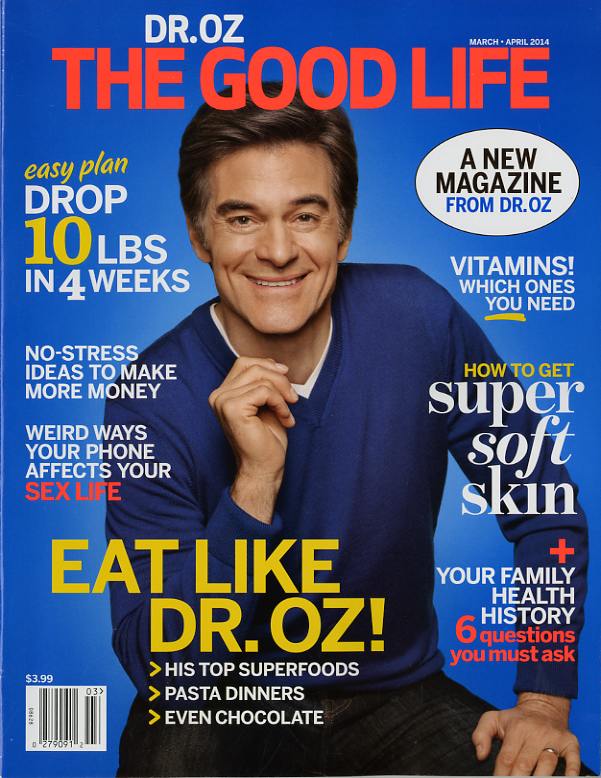
Dr. Oz The Good Life: Real Time, Right Time, Real Audience, Right Audience, Real Magazine, Right Magazine…A Story of a Good Magazine Launch – The Mr. Magazine™ Interview with Kristine Welker, Publisher and Pursuant of The “Good Life.”

February 11, 2014

Dr. Oz86 Imagine over 60 advertisers signing on to a magazine sight unseen, no workable name created and not even a prototype to look at. Well, you really don’t have to just imagine it; you can actually believe it, because it really happened with Dr. Oz The Good Life magazine.

In the conference room of the 16th Floor at the Hearst Tower in NYC, vice president, publisher and chief revenue officer of Dr. Oz The Good Life magazine, Kristine Welker spoke with me about the power of the brand:

“They signed on based on the concept. We didn’t have a name and we didn’t have a prototype. Talk about the power of magazines and voice. All of these advertisers felt like this magazine so belonged or this brand belonged in print that without a prototype and without a name they said, “I’ll be in the issue.” Over 60 of them.”

Now that’s print power personified!

Ms. Welker was the founding publisher of Cosmo Girl! magazine in the late 90s, and the former chief revenue officer of Hearst Digital Media, a job she held for the last seven years.

With her digital background and experience in launching magazines, Welker brings a plethora of talent and creativity to the magazine that no one else could and believes in the Oz brand vehemently and the new launch of a print magazine in today’s digital world.

So sit back and enjoy Mr. Magazine’s™ hale and hearty interview with Kristine Welker, publisher of Dr. Oz The Good Life Magazine… But first the sound-bites.

The Sound-Bites:

IMG_4525On backing away from the print versus digital argument and focusing on Dr. Oz as a brand…
I don’t see it as print or digital — it’s about a brand and you know I really responded to the power of and I believe in the brand around Dr. Oz. So for me I saw it as a giant opportunity not to go from digital to print but really to say this is a great brand opportunity, a great brand platform and a brand that millions of consumers want to see in print.

On printed magazines in today’s digital world…
With magazines we have to view technology as an enabler not as an inhibitor to growing our brands.

On launching a new magazine in today’s digital world…
You have to build upon your strength at the newsstand, but then begin to mine your own data to really prospect and find a new audience.

On her view of the digital future…
When I think about digital, I don’t just think about digital as your mobile device; I think about digital as maybe your Fitbit and your Jawbone and all the data.

On the first major step to ensure the future of a new magazine…
So the first part of it is for us to prove that we’re reaching and connecting with consumers today in a way that no other brand is and maybe no other platform.

On creating a new category of magazines…
What I was very happy to hear and to see from a media standpoint is that they see the white space that we do. We believe that like we did with Food Network and HGTV magazine that there’s an opportunity to go in and redefine the health and wellness magazine category.

On the power of the printed magazine…
You know there is a moment in time – in real time – that real people sit down on their real couch and they read a magazine for two hours and they enjoy every minute of this magazine.

On the biggest challenge for the magazine thus far…
I think the biggest challenge, which I’m not surprised by, is the struggle (advertising) people will have because they’re saying we don’t have a print budget. And I am trying to change that conversation to say: why don’t we talk about your brand budget and whether or not this brand fits with the profile of what your brand is trying to accomplish and not look at this as a print spend but brand affiliation.

On Kristine Welker’s predictions for the magazine a year from now…
I imagine it being a powerhouse in the magazine arena the way HGTV Magazine and Food Network Magazine became leaders in their field and redefined their categories.

On the genius that is the name — “The Good Life”…
That’s a great question and it’s a brilliant name…The Good Life. Everybody aspires to live the good life and they want to be on the path to a good life, a happier and healthier life.

On what keeps Kristine Welker up at night…
What I worry about is talent and maintaining the talent within big media companies that are perceived as legacy organizations and you know it’s important for us to be able to inspire and attract talent and say, “How excited would you be to work on a startup?” Everybody wants to work at a startup as opposed to, “How excited are you to launch a magazine?”

And now the lightly edited transcript of Mr. Magazine’s™ conversation with Kristine Welker, Publisher of Dr. Oz The Good Life magazine.
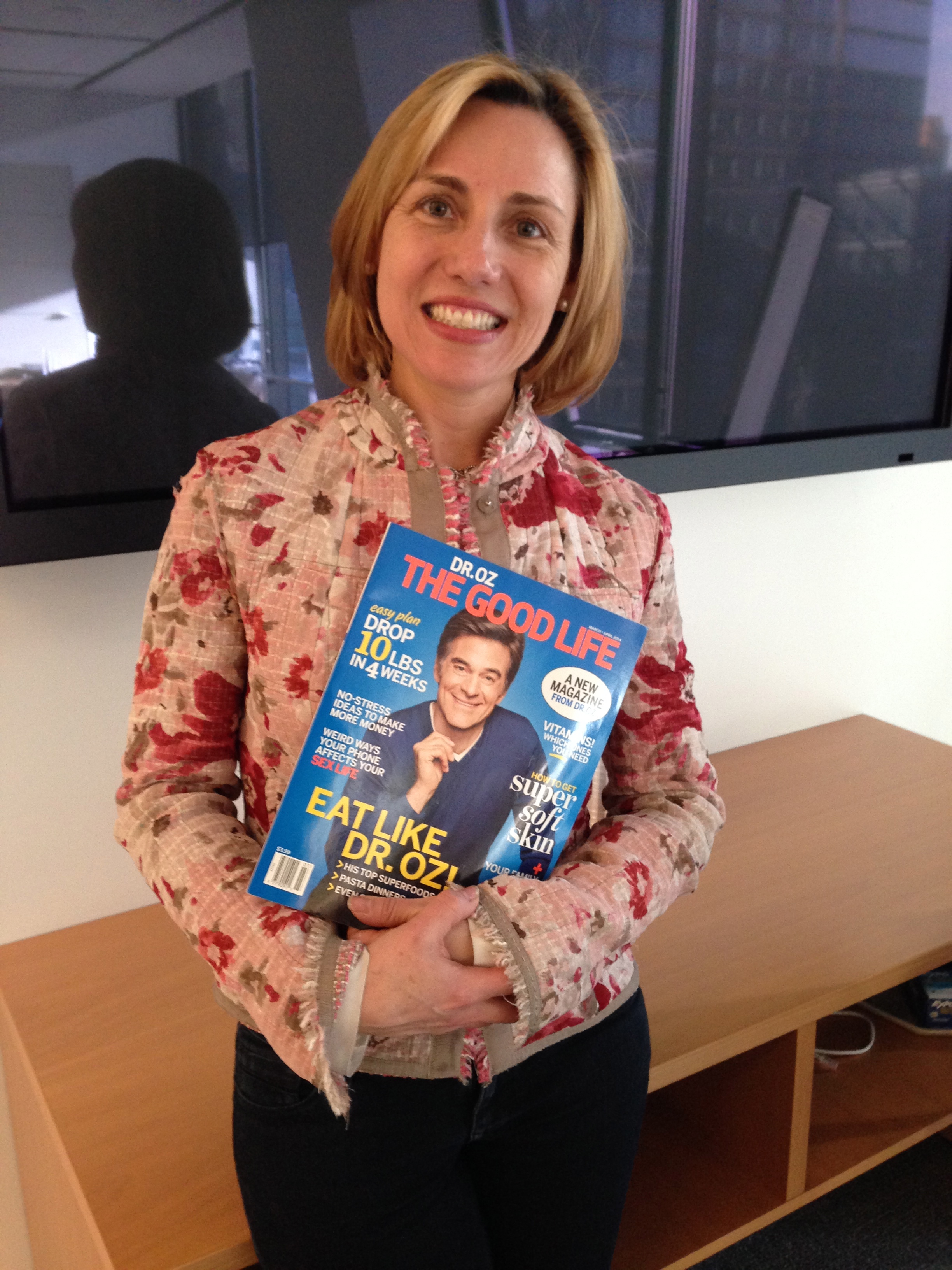
welkerSamir Husni: Of course the obvious question…a lot of your colleagues are jumping ship from print to work with digital and here you were in charge of digital and now you’re back to print. What’s going on?

Kristine Welker: You want to know if I’ve gone crazy, if I’ve gone nuts, right? I don’t see it as print or digital — it’s about a brand and you know I really responded to the power of and I believe in the brand around Dr. Oz. So for me I saw it as a giant opportunity not to go from digital to print but really to say this is a great brand opportunity, a great brand platform and a brand that millions of consumers want to see in print.

And so when you think about it every time he is on anybody’s cover whether it’s a magazine we own and operate or not, you name it, as you’ve been reporting; he’s one of the best if not the best selling magazine on newsstand for those magazines. So for me it wasn’t about going from digital back to print, it was looking at this as we all should — that this is a great brand opportunity and a brand that should be in print.

And clearly if you look at all the research, people want to buy magazines from him so why not a magazine? Anyway, I saw this as a great career opportunity to launch his magazine brand. But it’s also what do I take from digital to bring over to this magazine launch that might be different? How do we create the new model behind launching magazines? So it’s taking what we learned in digital and bringing it over to launching this brand.

SH: As you reflect on your career from working at Meredith in advertising and then going through CosmoGirl! and then going to digital…If you look at it from the beginning to now, how did things change for you in relationship to the industry?

KW: If I look back to CosmoGirl!, that was a great opportunity — launching CosmoGirl!. I was there for seven years and I had a terrific time. We were the first magazine to launch the magazine and the website simultaneously. So that was very, very unique.

What I learned was the power of the youth market, the power of the future. And I really began to listen and watch carefully to how they were consuming media. Obviously they were early adapters of technology. I decided I wanted to follow technology and that’s what brought me over to digital. But you know CosmoGirl! brought me on the path to understanding how people wanted to consume media. And if we look at the younger generation, from early on they wanted a magazine and a website. They wanted a magazine and mobile. It wasn’t one versus the other — they still wanted both.

So that put me on I believe an organic path, because when I started watching how they were consuming media that’s how I then decided to follow the technology, understand the world of digital and how that is changing how people are consuming brands and so that’s why I decided to move into digital.

I’d say what I learned in digital is how do you take existing models and bridge that with new models. So it was never an either or, it wasn’t print or digital. It’s not even native versus display or tablet versus mobile. It’s not an either or, like you said… it’s how do all of these touch points all work together? In digital what I would say I have learned is technology matters. With magazines we have to view technology as an enabler not as an inhibitor to growing our brands.

And so how do you take digital and bring it into the world of evolving the magazine model and bringing that forward? So after being in digital for seven years, I thought it’s time, the right brand and I thought this was the right brand, the right time and I thought the right product to say how might we do things differently? How might we launch a magazine differently?

And so in the past we would launch magazines on the newsstand exclusively and that’s how we would test and then we would do some consumer marketing testing. With this particular launch we were really smart about leveraging our data and so what we’ve learned in digital is the value of data and what publishers do really well now is realize that all of this data is a currency that we need to take advantage of more.

In launching this magazine I thought what was really smart is that we put it on newsstands like we normally do and have a great cover that’s going to pop on newsstand and great newsstand penetration but on top of that we had a really smart consumer marketing data driven strategy, where when we first decided to launch this magazine we had all these women that were what we call ‘hand raisers’ and they said sign me up for when this magazine came out. We call them “super fans” so there were 10,000 women almost over night that said when the magazine comes out I want to know more.

So we said let’s begin to profile the 10,000 women and turn that into a lookalike model and begin to find other likeminded women throughout the Hearst database of around 70 million names. And so that’s where it became very, very interesting.

From there we then learned in the focus groups that there are women who may not be watching Dr. Oz on the TV show because they’re working. They may not be even taping Dr. Oz because they’re taping something else like Scandal or The Good Wife or something else they might be interested in and we know that they may or may not stumble across the magazine at newsstand.

From there in the focus groups when they saw it and said this really speaks to me because I may not be reading parenting magazines anymore, I may not be reading health magazines because I’m not really focused on flat abs in five weeks anymore, but I would read this magazine. And so out of the focus groups we realized we may not stumble across these women.

Then we added Cosmo and Marie Claire into the mix. So anyway, you can begin to see that we became very savvy about using our data and so the company decided that it’s no longer good enough to just say I’m going to polybag this with Good Housekeeping because we know that when he’s on Good Housekeeping they’ll buy that magazine. I thought that was really interesting and we poly-bagged this on its own.

So you see where we began to pull data into doing database modeling and we did lookalike modeling. So all the things that digital advertising is credited for, lookalike modeling, targeted advertising; you know all the things that people love about digital, we took all of that learning and applied it to how we wanted to launch this magazine and we became very targeted in our approach.

So what I wove in there was how I made my journey, but I wanted to give you a sense of how we pulled some digital expertise and knowledge into saying how might we launch a magazine differently. And we decided to layer on the data and that doesn’t mean we didn’t do that it just means that we’re doing it more strategically.

SH: What was the most pleasant surprise in doing this — using digital to help with the launch of Dr. Oz The Good Life?

KW: I thought that was one interesting thing. I really believe that that’s a new approach to launching a magazine and its new model. And so we’re going to build upon our strength at newsstand but then begin to mine our own data to really prospect and find a new audience.

And that’s what I thought was really interesting. I think we’ll find an incremental audience because of that and I think that’s what’s interesting. I think digital for this magazine has only just begun.

What I think is going to be even more interesting is if you step back and look at the wellness space broadly and I’m not talking magazines, I’m talking wellness through the lens of a consumer; when you look around how many people are wearing the Fitbit or the jawbone? When I step back and look at new models I say he is the most trusted voice in the wellness category; so how does a magazine interact not just with your mobile device but what about your Fitbit and your Jawbone.

So when I think about digital I don’t just think about digital as your mobile device I think about digital as maybe your Fitbit and your Jawbone and all the data or I should say all the — obsession’s not the right word — but you know this is no longer a health movement, this is a cultural shift to people wanting to own their wellbeing and their wellness. Just the way people wanted to document their life on Facebook, if you look at the wellness space, people are documenting their own wellbeing so I think that’s where the digital opportunity for Dr. Oz comes in is how do you step back and look at the wellness space and how consumers are consuming wellness and so that’s where I think digital gets really interesting in what we do through that lens.

We’re not there yet but when we think further out such as how does ESPN communicate with twitter, then how do we communicate with our Jawbone? Those are the kinds of thing that I find interesting or fun.

SH: What was the biggest stumbling block? You had a great asset in the launch model, you had a great brand, you used digital to help execute the brand and besides all the naysayers in the media, what was or is the major stumbling block that may hinder The Good Life from succeeding?

KW: Well, first of all let me tell you the positive first. I’ve only been in front of advertisers and the press for about a week now. But advertisers because my friends in the press world don’t have any money to buy ad pages and we all know how important that is, so I’ll talk about it through the advertiser’s lens first.

What I was very happy to hear and to see from a media standpoint is that they see the white space that we do. We believe that like we did with Food Network and HGTV that there’s an opportunity to go in and redefine the health and wellness category. And that doesn’t mean that we want to be a health magazine, in fact we see this as a new kind of healthy women’s lifestyle magazine that covers everything from fitness to cooking, parenting, financial well being, beauty, you know all of the categories.

What I found most refreshing was the willingness of the media industry to not feel the need to categorize us. Because as we know the way people live their lives they don’t live through a vertical lens and from a media standpoint it’s often easier to put you in a vertical category. And I was really happy to hear that people felt like there are opportunities to take a horizontal approach. What I mean is the tendency is to say, “Well, what are you? Are you a health magazine or are you an “x” magazine.” So people, No. 1 saw the white space and really believed that there was an opportunity to create something totally unique. They obviously buy into the trusted voice of the authority of Dr. Oz. People respect the track record Hearst has in launching magazines and redefining categories like food and home.

I think the biggest challenge, which I’m not surprised by, is the struggle people will have because they’re saying we don’t have a print budget. And I am trying to change that conversation to say why don’t we talk about your brand budget and whether or not this brand fits with the profile of what your brand is trying to accomplish and not look at this as a print spend but brand affiliation. Does my brand align with your brand message because this brand holistically isn’t just print…it’s print, it’s digital and if we wanted to go even further, it’s television broadly and everything else that the Dr. Oz brand touches.

So that’s again my two weeks on the road. I’m not surprised by it but that’s the conversation that I need to change. Not talking about a print spend but a brand spend and getting them to look at us as brand to brand. Because if you look at so many brand marketers today, so many of their brand messages speak to health and wellness. And then with the beauty category it’s all about wellbeing and feeling better and taking care of you. If you look at insurance it’s all about being healthier and happier so there’s no question that there’s a brand allegiance — it’s getting past the print versus something else.

SH: I know you’ve only been on the road two weeks explaining this major shift in thinking. How long do you think it will take the media buyers to understand that it’s a brand, it’s not like ink on paper or pixels on a screen and what can you offer them in return?

KW: The first thing we need to do, and we are on the path to doing this, is to prove the power of this brand platform, because ultimately what an agency wants is to connect with an audience – the right audience of course.

And what does a marketer want? The marketer charges their agency with finding that audience and so I think the first thing is to prove that we are doing our job and branding the magazine and connecting with that audience and the audience at scale. And that’s what I would focus on. That’s what I will focus on because a marketer will always stop and say, “I want to reach people,” and right now they believe they can reach people in ways that sometimes include print and then sometimes don’t include magazines, so the first part is to prove that we’re touching the right audience and a sizeable audience because that’s what the marketer at the end of the day wants – they want to reach an audience and they want to reach the right audience.

So the first part of it is for us is to prove that we’re reaching and connecting with consumers today in a way that no other brand is and maybe no other platform is.

SH:One of the buzzwords today is that it’s no longer about the real time, it’s about the right time. You’ve used words like the right audience…

KW: Real time, right message, right context and then the right consumer. And sometimes the magazine might not be the right context so what they’re saying is if there’s a very targeted, click now, download, whatever it is, that may be better served. A highly-targeted, promotionally-driven response right this second to go get an offer of something that happens to be in a store right this moment. I mean that lends itself to a mobile driven strategy.

But yes it is real time, right now; right message and magazines do live in real time. I love that. People don’t read magazines in real time? When do they read them then, in their past life? You know there is a moment in time – in real time – that real people sit down on their real couch and they read a magazine for two hours and they enjoy every minute of this magazine.
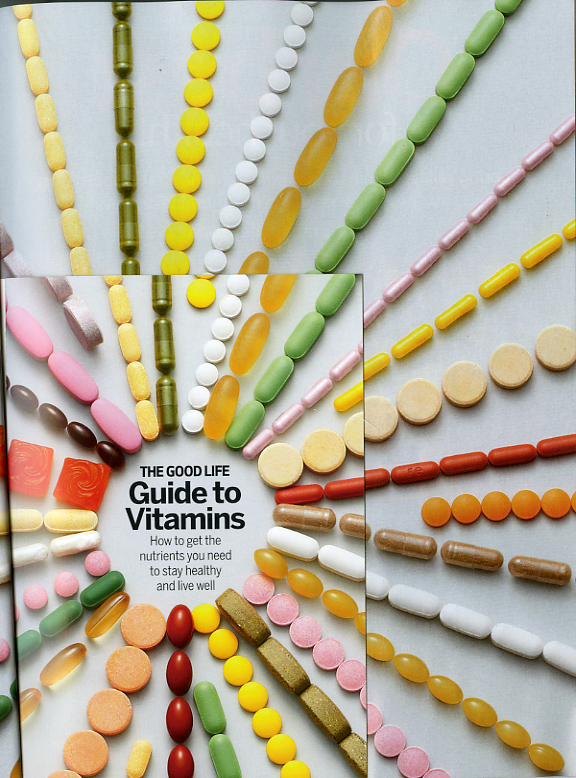
Oz insert-87 And what Dr. Oz loves is that they pull this out, this insert inside the magazine, this definitive guide to vitamins and they pass this along to other people in their family — it’s the power of living paper as Michael Clinton, (president and marketing & publishing director at Hearst Magazines), calls it. Here’s Dr. Oz, this is the stuff he says he can’t do on television. He can talk about dropping 10 pounds in 10 weeks. This is the thing he says somebody is going to take out of the magazine and put it up on their refrigerator. And what I love that he said once, “I’ll take it one refrigerator at a time, because that’s the door they open every day and if they want to take my magazine apart and put it up on their refrigerator, that’s the power of print.” That’s the power of touch, the power of connecting with people. Show me an advertiser that doesn’t want someone to tear their vitamin booklet out with the Walmart ad on the back and they don’t want this thing floating around the house for three months. That’s the ROI.

So that’s why I’m happy to be back in the magazine world because I have never felt that magazines didn’t matter even when I spent seven years in digital. It was always the power of brand at scale and at digital that we were able to aggregate audiences at scale and do interesting things.

But there are certain magazines that belong in print and this is definitely one of them. And Dr. Oz has proven that he can move an audience to take action. Because whenever he promotes something, whether it’s a diet or a product, people respond. And he himself believes that he can take that into a magazine format and he believes that he can touch more people. He doesn’t believe that he touches everybody… through all of the platforms that he’s on and he decided to go into magazines because he feels like he’s missing a huge audience and a huge opportunity.

SH: When I call you next year and make an appointment to speak with you what will you tell me about Dr. Oz The Good Life a year from now? Where do you imagine yourself to be with the magazine a year from now?

KW: I imagine the magazine published 10 times a year if not more. I imagine the magazine being a powerhouse in the magazine arena the way HGTV and Food Network became leaders in their field and redefined their categories.

But I also like to believe that we have done a good job finding other ways to connect other people to the good life and thinking about cross-platform in new and different ways and I believe people are so engaged with his brand and his content that they will go deeper within his community. Then they pay more to go deeper within that community.

And so I think that lends itself to lots of interesting opportunities for us as publishers of brands and content to do interesting things with that content. It goes back to something you said earlier, you mentioned the word community just in passing; I believe there is a very loyal community around Dr. Oz that will allow us to do interesting things and it could be by partnering with a wearable device or just sort of owning wellness in ways you might not have expected. And hopefully showing that magazines can penetrate and build an audience beyond just the pages of the magazine and I don’t just mean having a website and mobile but to do other things and I’m hesitant to use the term paid content model but you get where I’m going.

What else can we do to engage our audience beyond the pages of the magazine? It’s not just about a website any longer. That’s almost an antiquated model. So it’s redefining what cross-platform looks like is the best way to say it because the new model is no longer, I have a magazine and a website or I have a magazine and I have a mobile optimized site. That’s not the new model any longer.

So the question becomes, as we look back in a year, how we will move the new model forward and I haven’t figured that out yet. But there is something around this sort of momentum behind the health and wellness category and the fact that people want to document their wellness through the Jawbone and the Fitbit the way they wanted to document their lives on Facebook.

Our brand belongs in that space because the good life sets us up to helping people find that path towards living the good life. That could be apps that could be the Fitbit and the Jawbone, it could be a little bit with what Popular Mechanics is doing where they now have their online seminars. It’s all of these things that might take these people with us to achieving the good life that allows us to jump from the pages in the magazine to something out. I haven’t figured out the something else.

SH:Just make sure that I’ll be the first one when you figure it out, let me know and I’ll publish it.

KW: The wearable devices…think about it, TIME last week did a whole piece on mindfulness and everybody is walking around with their Jawbone and Fitbit. This is all about people documenting their health and wellbeing and I’m excited about that because people aren’t going to do that on Facebook. Facebook serves a purpose; I’ve documented my life on FB. But you see that people are now documenting their path to the good life. That’s what the Jawbone is.

SH: You’re focusing so much on the Good Life. I don’t think we can find a single human being and you promise them the good life and they say no I want the miserable life. Is that a purposeful marketing strategy, the focus on the good life more than Dr. Oz in the branding, in the name?

KW: That’s a great question and it’s a brilliant name…The Good Life. Because it’s exactly what you said, everybody aspires to live the good life and they want to be on the path to a good life, a happier and healthier life.

The way we all settled on The Good Life, and there were lots of names, really one came through focus groups, the focus groups that we did through the magazine research, and also the focus groups that Dr. Oz has been doing in touching so many people whether it’s at the hospital or on the TV show. You know we heard in focus groups that people were saying, “It’s not about flat abs, it’s not about my aliment, I genuinely want to live a good life – I want to be healthy and happy. That’s what I’m in pursuit of, the good life.”

What Dr. Oz says so brilliantly is that he wants to meet people where they are. Not everybody is at the same point along that journey to the good life. Somebody might be thinking about losing 10 pounds, somebody might not need to lose 10 pounds but might want to connect more with friends and family. Everybody is at a different place, but what we were hearing through the focus groups and what we’ve heard Dr. Oz comment about as well is that even when people were talking to him is that I want to be happy and healthy and that is speaking very much to what people were looking for in a magazine but also from him.

They don’t just see him as a doctor; they see him as somebody who is living a good life. He’s optimistic, he’s happy and he’s upbeat. And he is a very informed person who happens to be America’s favorite doctor, but they really see him not just as a doctor, they almost see him as the ultimate coach.

I think that’s a good way to look at it…a coach to being healthy of course, but being happy because he appears so happy. When you talk to him and ask him all these questions, and that’s where we felt so good about the Good Life, and then when we were talking more about it with focus groups, were immediately aspired to it and when we were hearing about the white space, the other thing and you’ll find your way to say this, the other thing we were hearing is that they realize that life isn’t one-dimensional and they recognize that life isn’t real simple.

That’s where with the lifestyle approach to the magazine we felt very comfortable and validated by it. Again our lives are just not one-dimensional. If they are time–deprived they may not be able to go deep into a category of interests. It might not just be about fitness or eating well or losing weight…so that was the other thing too.

All of these things rolled up for them as the things that they wanted in achieving the good life. So The Good Life was a great umbrella and the focus groups loved it. Now from a marketing standpoint, I will tell you it was the market speaking and the market of consumers spoke loudly, as you pointed out yourself, who doesn’t want the good life, so everybody really loved it. I will tell you from a marketing standpoint I think it speaks to what we want to do in the magazine very clearly. We don’t want to be a house magazine; we want to be a healthy living magazine, a healthy lifestyle magazine, so the good life says it all. So I love the title. I’m on the path to the good life.

SH: My last question to you…What keeps you up at night?


KW: Well, so I’m in the staffing mode right now. It doesn’t keep me up at night…let me answer not through the lens of just this magazine, maybe pulling back on the industry broadly.

I look at my career as a bit of a narrative and I think it’s important that people do things that they find interesting and not that they feel like they have to do. So this is something that I find very interesting.

What I worry about as an industry, and I get this question a lot, which is…you know people that stay at a company for a very long time, they see me as a throwback as opposed to somebody that has stayed at a company for over a decade and is working on their third start-up. So I latched onto a term that I love called an entrepreneur. I heard that somewhere.

What I worry about is talent and maintaining the talent within big media companies that are perceived as legacy organizations and you know it’s important for us to be able to inspire and attract talent and say, “How excited would you be to work on a start-up?” Everybody wants to work at a start-up as opposed to, “How excited are you to launch a magazine?”

I think it’s the whole idea that we have to continue to motivate and retain talent and keep them exciting and engaged in the idea of big media companies and also the world of media which includes magazines. So that’s the thing, I don’t know if I worry about it and stay up every night about it, but I do think it’s important and then I worry about the next issue.

SH: Thank you.

© Samir “Mr. Magazine™” Husni, 2014.

h1

From Print to Digital and Back to Print: The Journey of Kristine Welker, Publisher, Dr. Oz The Good Life Magazine

February 8, 2014

To some it may seem crazy, but to the passionate, fired-up, excited and curious Kristine Welker, vice president, publisher, and chief revenue officer of the newly launched Dr. Oz The Good Life magazine, the move back to print is nothing but a logical step in her publishing career journey. Dr. Oz The Good Life magazine is the third major print launch from Hearst magazines in the last five years, and Hearst is betting on a trifecta!

Ms. Welker was the founding publisher of Cosmo Girl! magazine in the late 90s, and the former chief revenue officer of Hearst Digital Media, a job she held for the last seven years. Now, she is back in the print saddle with the launch of Dr. Oz The Good Life magazine. What gives?

For the Mr. Magazine™ Minute, I asked her why did she move back to print from the digital world? Her answer below:

And stay tuned Tuesday for the in-depth Mr. Magazine™ Interview with Kristine Welker, publisher of Dr. Oz The Good Life magazine.

© Samir “Mr. Magazine™” Husni, 2014.

h1

January Magazine Launches Are HOT, HOT, HOT… Unlike the Month’s COLD Temperatures.

January 31, 2014

With the news that American consumers bought at the newsstands more than 12 million copies of different magazines each and every week of 2013 (thanks MagNet for sharing the news), now comes an additional 77 new titles to pick from. There is no shortage of new magazines regardless of the weather, the location, the subject matter, etc. etc. etc.

In January alone new titles appeared on the nation’s stands covering every conceivable topic one can think about and some that you do not want to think about. From Adult to Sesame Street new magazines left no “reader” behind. Magazines are aplenty and as the good folks at MagNet say “customers continue to show that they are willing to pay good money in a tough economic environment for high quality publications, especially if they can’t get those same publications more cheaply through subscriptions.”

To check each and every new title appearing on the stands in January click here, and here is a sample of six new magazines from the January Mr. Magazine™ Launch Monitor.

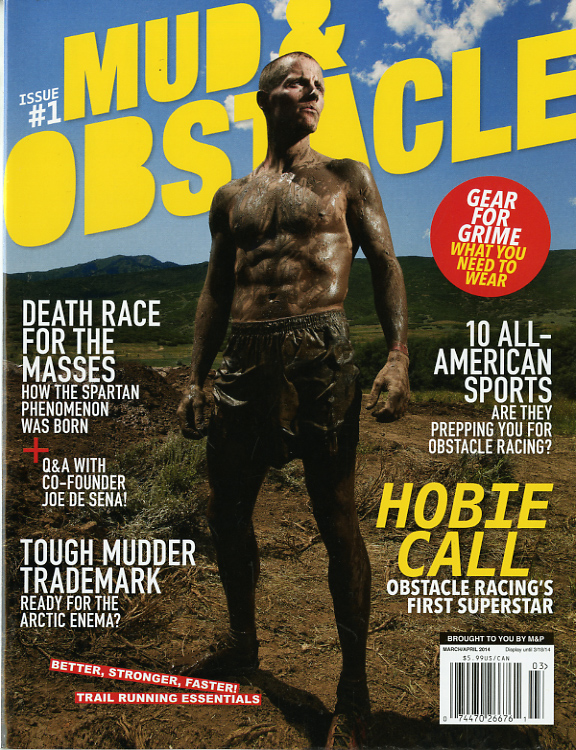
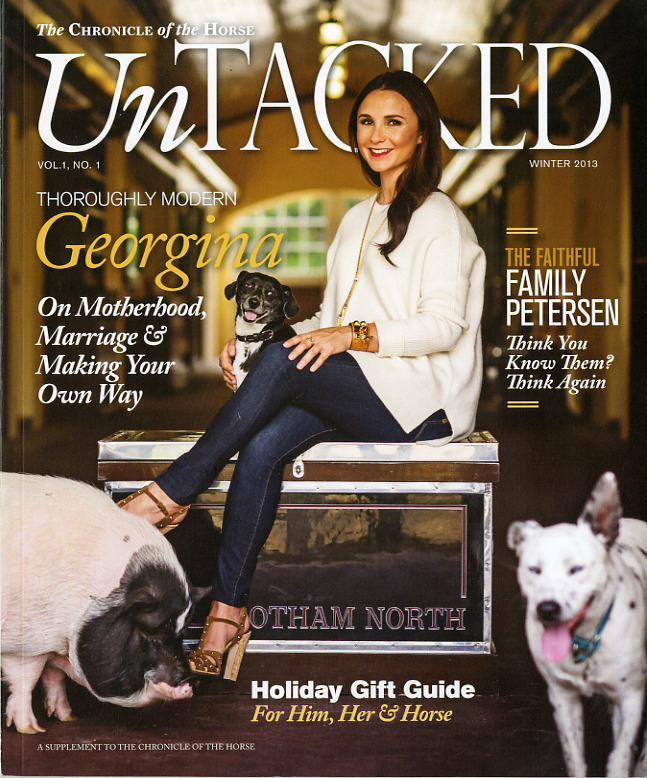
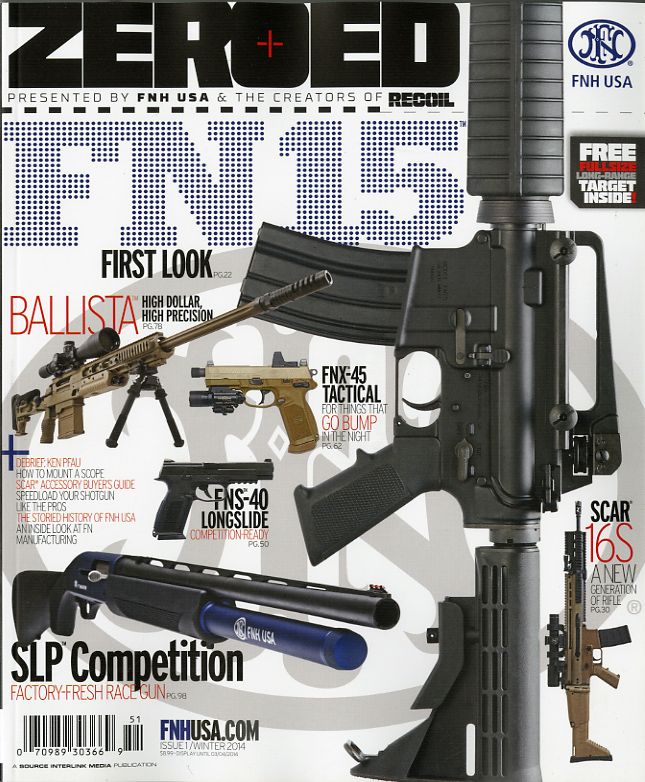
Adult-18Electric Bike-19Mud & Obstacle-68Sesame Street-12UnTacked-4Zeroed-7

h1

New Magazine Media Launches: The 2014 Magazine Media Moguls’ Great Expectations As Told to Mr. Magazine™… Part 2 of 5

January 21, 2014

SamirCEOs1

The Mr. Magazine™ First Ever E-Roundtable with 10 Magazine Media CEOs and Presidents

New Magazine Media Launches: Bullish on Print and Digital

What are some of the largest magazine media companies expecting from 2014 in the world of magazine media? What are Active Media Interest, American Media, Inc., Condé Nast, Dennis Publishing, Hearst Magazines, Heinrich Bauer USA, Meredith Corp., Rodale Inc., The Taunton Press and Time Inc. up to in 2014?

Well, for this installment of “The 2014 Great Expectations” the CEOs and presidents of the aforementioned magazine media companies offer their expectations regarding new magazine media launches in 2014.
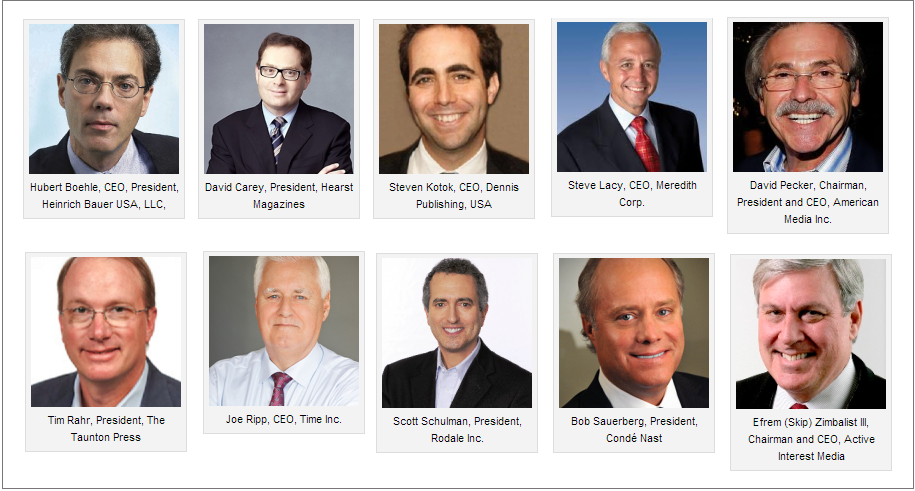
The magazine media moguls are, in alphabetical order, Hubert Boehle, CEO, President, Heinrich Bauer USA, LLC, David Carey, President, Hearst Magazines, Steven Kotok, CEO, Dennis Publishing, USA, Steve Lacy, CEO, Meredith Corp., David Pecker, CEO, American Media Inc., Tim Rahr, President, The Taunton Press, Joe Ripp, CEO, Time Inc., Scott Schulman, President, Rodale Inc., Bob Sauerberg, President, Condé Nast, and Efrem (Skip) Zimbalist III, Chairman and CEO, Active Interest Media.

Now for their new magazine media launches’ expectations for 2014:

HUBERT_BOEHLE_CEOHubert Boehle: In 2013, we launched three magazines. Closer, which I just found out is already the 15th top selling magazine in Walmart. Celebrate with Woman’s World which sold an estimated 200,000 copies of its first issue, all at full retail price, a fabulous result. Finally Girls’ World which opens up a new category for us. So 2013 was an exciting year for us and we are not planning on slowing down in 2014. Two more magazines are pretty much ready for launch and we are beginning work on a third one.

david-carey-resized-o.jpg?w=359David Carey: There’s plenty of white space for introducing new products, which we are committed to doing every two years. In just a few weeks, we’re debuting Dr. Oz THE GOOD LIFE, following on the success of Food Network Magazine, now the No. 2 best selling monthly magazine on the newsstand, and HGTV Magazine, which achieved profitability and a circulation of more than one million in just 18 months. And we have plenty of ideas in the pipeline for what will come next.

Steven Kotok-3Steven Kotok: More activity from smaller companies in enthusiast space and little from the largest publishers.

Steve LacySteve Lacy: We’re very excited about Allrecipes magazine, which we launched in November. Advertiser and consumer response has been strong, and we’re proud it was named Launch of the Year by MIN. Its part on a larger effort to expand the Allrecipes brand across multiple platforms. Look for expanded Allrecipes video segments on The Better Show in 2014.

David PeckerDavid Pecker: Launching a new stand-alone print publication will become more and more costly and difficult – digital editions will be perceived as a better way to go, even with established brands looking to develop publications.

Tim RahrTim Rahr: Digital allows us to serve and grow our enthusiast customer base in a really nimble and agile way. Our new product efforts for the year will be focused on digital.

Joe Ripp4197finalJoe Ripp: Last fall, we launched the Time Inc. video network. In 2014, we’re going to be ramping up our production of compelling and original video programming from our new studio space. We’ll also continue to introduce new ad products that benefit from our enormous scale and our unparalleled data and insights.

Scott SchulmanScott Schulman: We have several international launches planned for 2014, both in new markets like the Middle East, first with Women’s Health in March, and new titles in current markets like Sweden, India and Portugal. We already reach 75 million people around the world with 95 international editions across 60 countries, and our brands and content are particularly well suited for a global audience. There is huge international interest in health and wellness, so we’re moving to extend our leadership as the global voice for healthy living.

robertasauerbergjr_0_0Bob Sauerberg: Last year, we launched the CNE digital video network. It has performed far beyond our expectations. We will roll out another six brand channels this year which will bring the total number to 13 by year’s end. Our focus is not on building and launching new brands, but instead organically growing and expanding the incredible brands we already have. It’s a bigger, better and more consistent ROI for us.

ZimbalistSkip Zimbalist: We have a number of new launches along the full spectrum of magazine media, events and video production. Our recent acquisition of Warren Miller Films gives us a new leg to the stool that we are rolling out among each of our five groups.
Overall, we expect revenues to up over 17% in 2014, after a 9% increase to a new record in 2013.

Stay tuned for the next installment when the CEOs and presidents of the top magazine media companies reveal their expectations regarding circulation and distribution of magazine media in 2014.

©Samir “Mr. Magazine™” Husni, 2014

h1

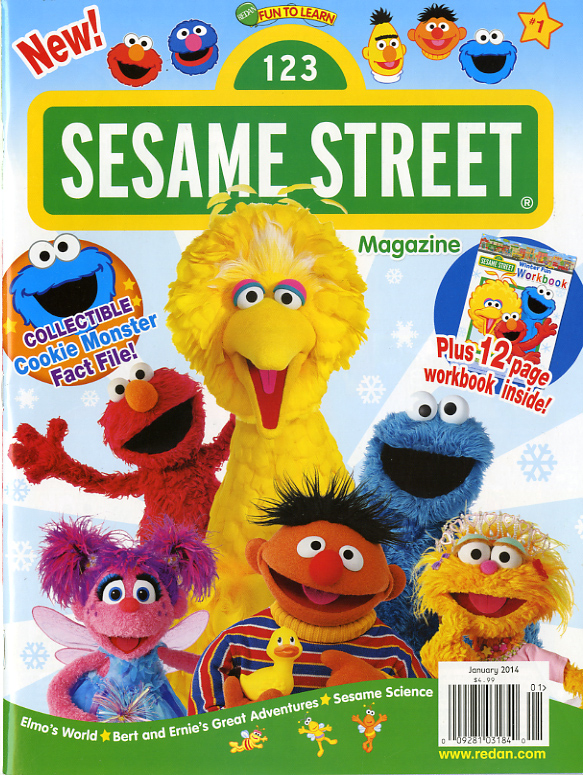
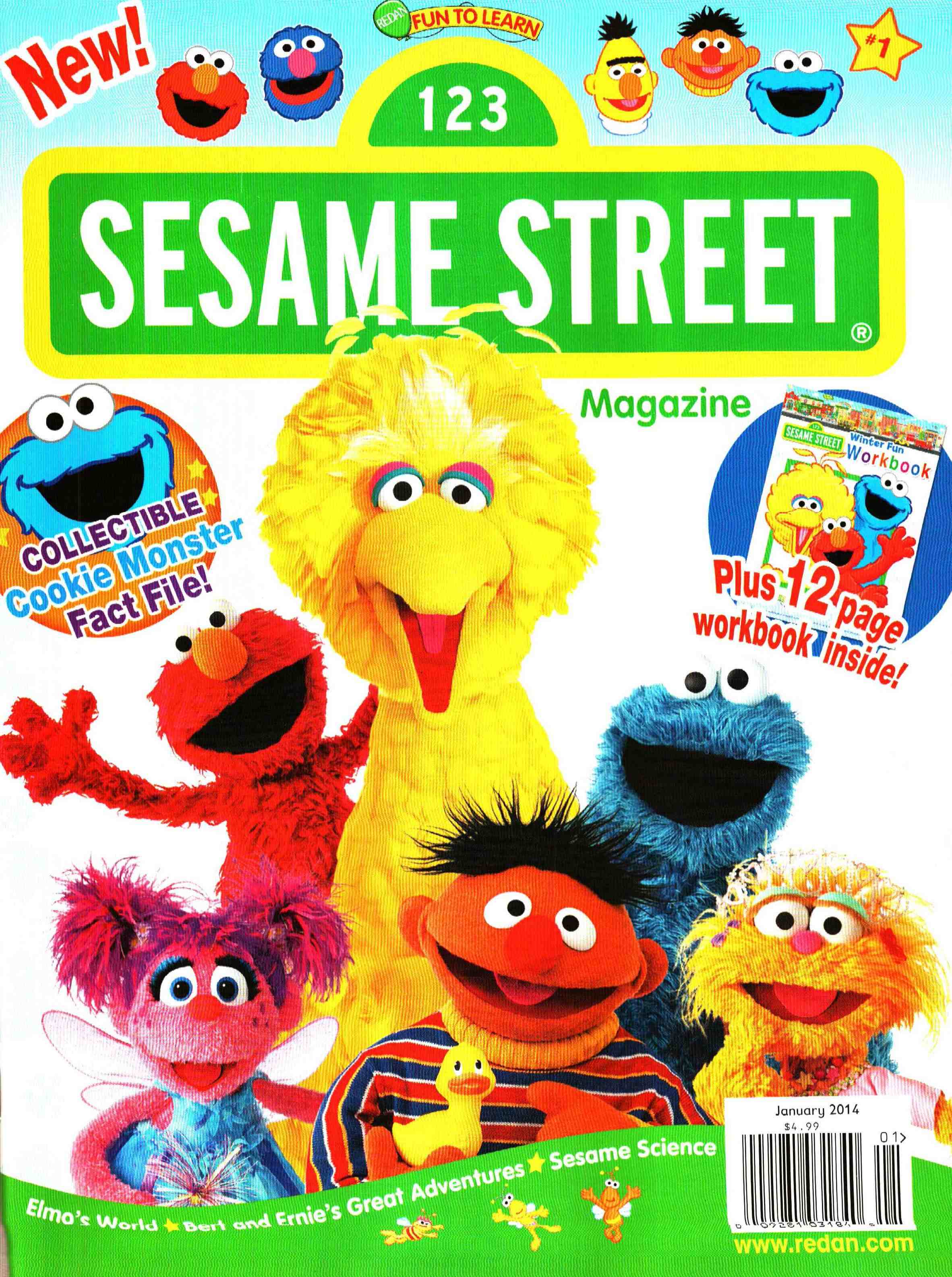
Sesame Street Magazine Returns to Print…

January 5, 2014

sesame streetAnother casualty of the 2008 double whammy that impacted the magazine industry, when the economy busted and technology burst on the scene, was children’s magazine Sesame Street. Founded in 1970 by the Children’s Television Network the magazine folded its print edition in 2008.

Following the “return to print” trend, Jan. 2014 welcomed back the relaunch of Sesame Street magazine by the New Jersey based Redan Publishing Inc., the company with the tag line “Fun to Learn.”

The magazine is published 6 times a year with a cover price of $4.99 and a subscription price of $27.93.

Welcome back Sesame Street magazine and the entire Sesame Street crew…

h1

Eight Book-A-Zines for Almost One Hundred Dollars Usher In the New Year with a Blast…

January 1, 2014

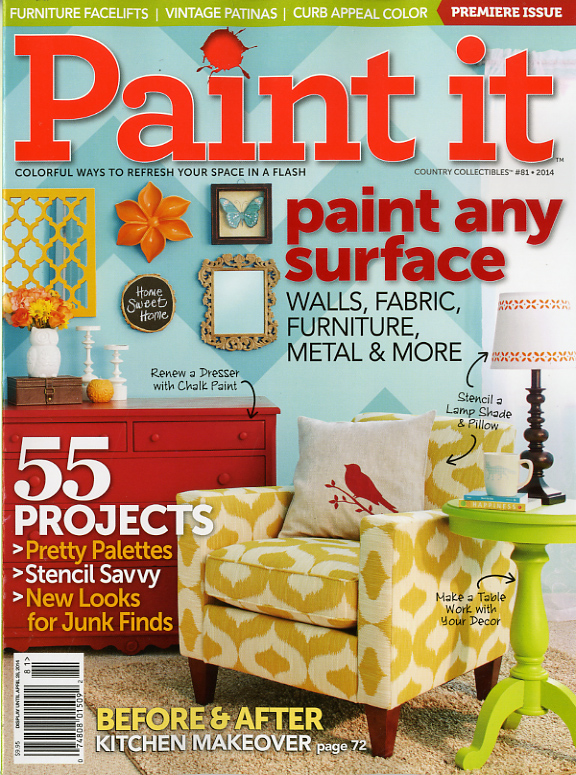
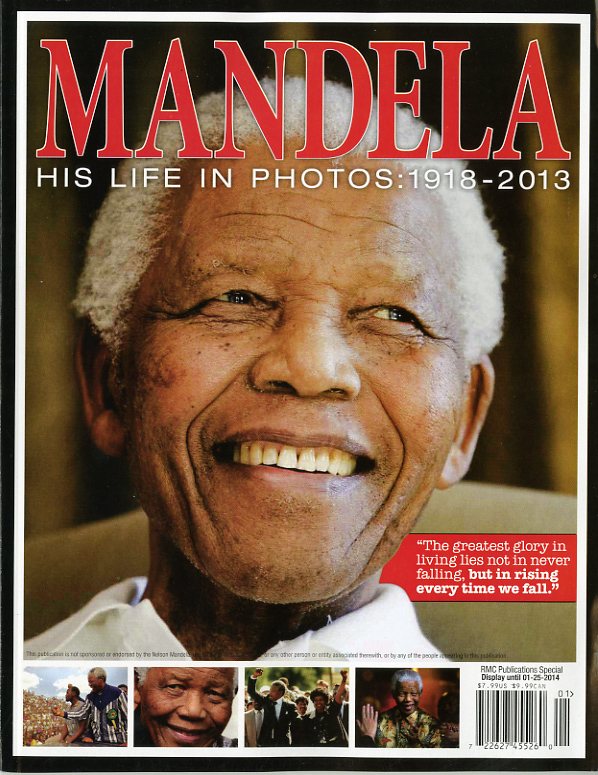
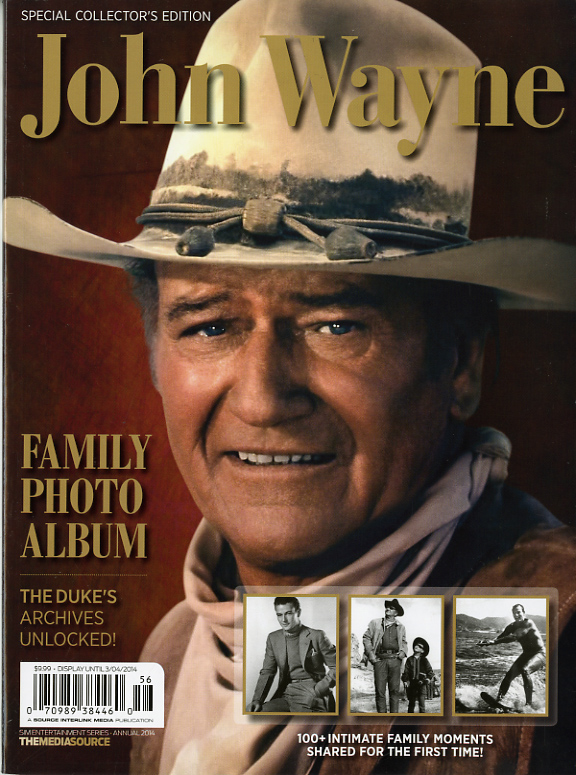
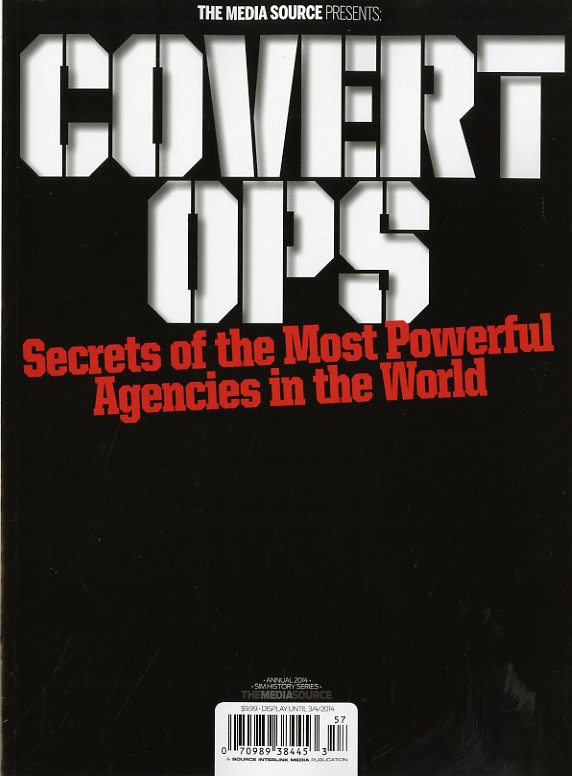
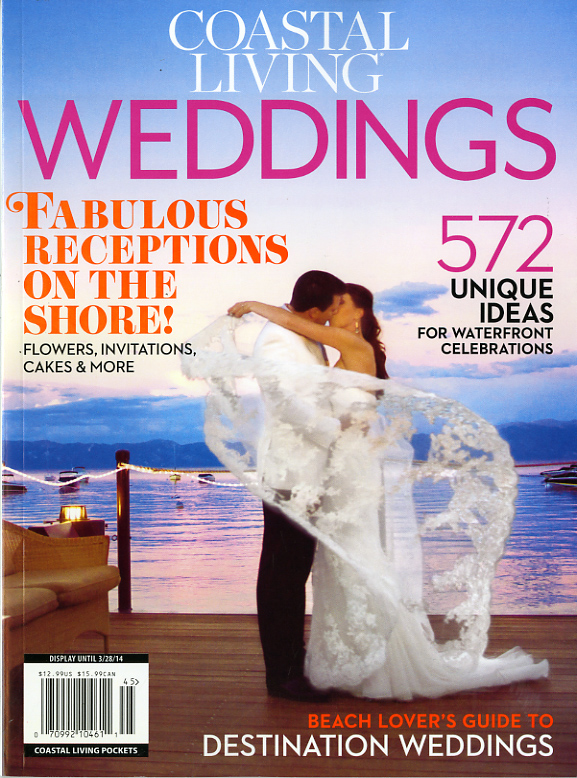
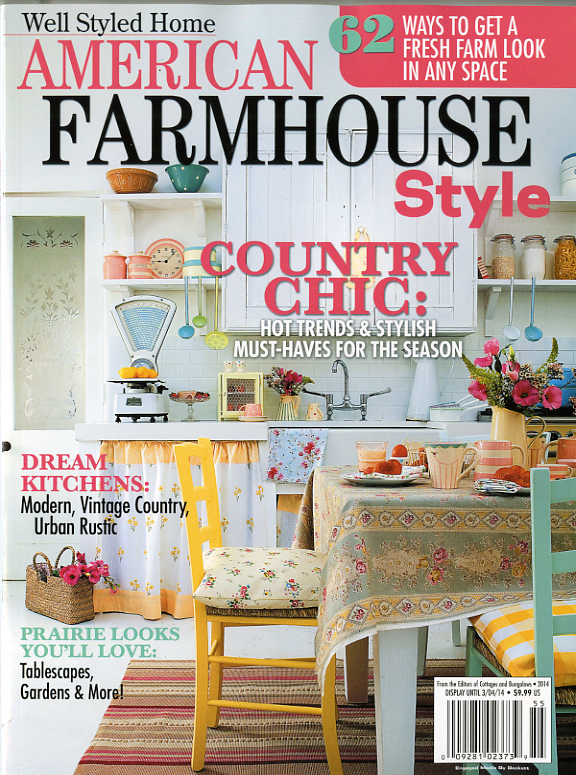
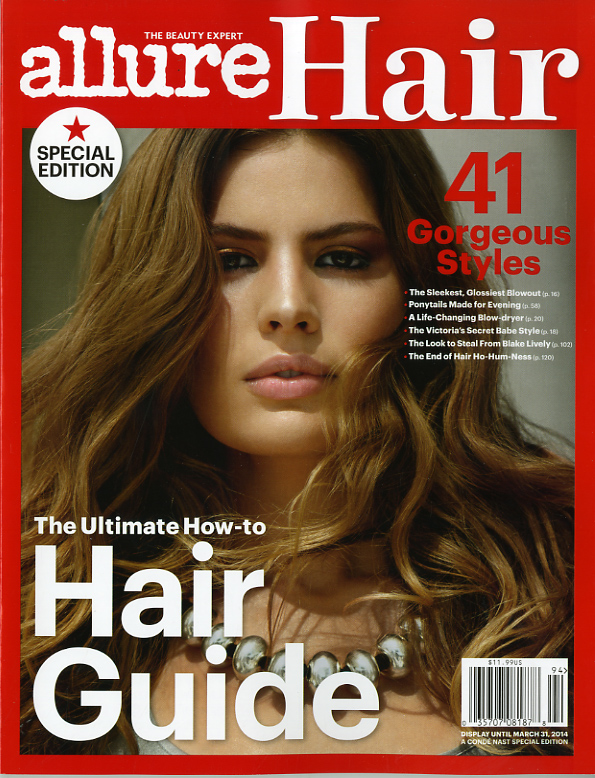
If the first signs of the new year provide a clue of what the year ahead is going to be in terms of new magazines, then the forecast for 2014 is going to be simple: it is the year of the book-a-zines. Eight titles ushered in the first day of 2014 with a total cover price of almost one hundred dollars; a little more than ten dollars an issue.

From hair to paint, from heroes to zeroed, and from new beginnings to final tributes, a total of eight titles ushered in the first signs of life for new magazines in 2014. Take a look and let the celebrations begin.

Zeroed-7

Paint It-6

Mandela-4

John Wayne-2

Covert Ops-3

Coastal Living Weddings-8

American Farmhouse Style-5

Allure-1

h1

2013 New Magazines: Survival is Way UP, Launches are Barely Down… The Mr. Magazine™ Year-End Wrap-Up

December 26, 2013

The Headlines:

865 Total New Magazines Launched in 2013; 5 less than 2012.
183 Total New Launches with Four Times Frequency or More; 48 less than 2013.
85% Survival Rate of New Magazines Launched in 2012; the highest ever compared with the high of 70%.

But now the days grow short
And the new launches are wrapping up
From Politico to Closer
From newsstands to grocer
New Magazines printed from ink sweet and clear
It was a very good year…

Taking liberties with the song Ol’ Blue Eyes made famous was perhaps a desecration on my part, but well-deserved when it comes to wrapping up the year 2013 in the magazine media world. There was absolutely no letdown when it came to new launches and re-launches for this past year.

And while all eyes are on the re-launch of Newsweek and the new launch Dr. Oz – The Good Life in the upcoming 2014; this past year witnessed a plethora of its own in rebirths and blessed deliveries.

At the front of the nursery window are three magazines that are sure to strike up conversations among the magazine media world in the coming year.

allrecipes-3Closer2-4politicomagcover

allrecipes
is certainly stirring things up – just like their tagline professes. From website to print, Meredith Corporation deepens their commitment to the food category by expanding their very popular digital brand into a print product. With the built-in recognition of the popular website, allrecipes in print is definitely making an impact on the magazine media world.

Closer Weekly a celebrity magazine targeted at women 40 and up, is from Bauer Publishing and promises to give their competition a run for their money. With Bauer’s commitment to newsstand sales and their aim to feature celebrities that women forty and over grew up with, they’re counting on a different market than the rest of the celebrities titles. Their premier issue sold for 25¢ and Bauer distributed 2 million copies. The regular price of the magazine is $3.99 a copy. Judging by Bauer’s earlier commitment to their magazines, I have no doubt that regardless of the media prophets of doom and gloom, the magazine is going to have a very good future indeed.

Politico the digital go-to site for political junkies, launched their print counterpart, Politico Magazine, and hasn’t looked back. With the print version, Politico is going for the deeper dive, featuring long-form journalism and a broad spectrum of topics that appeal not only to the core Washington audience, but also international and non-political readers around the country. Giving birth to a political print magazine that’s lofty goal is to become the leading, dominant news outlet for coverage of Washington, politics and power-at-large, is definitely ambitious, but without ambition where would any magazine new or established be today? It should be noted that Politico was born both on the digital and the ink on paper platforms. They actually did years back what everyone else is trying to do today.

During this year-end wrap-up, I would be terribly remiss if I didn’t talk about three very important factors concerning the year 2013.

1.Launches are down, Survival is UP: While magazine launches with a regular frequency (those published with the intention to publish at least 4 issues a year) were a bit down over 2012: 183 in 2013 versus 231 in 2012 and the total of 865 titles overall in 2013 compared to 870 in 2012. However it should be noted that for the first time since I have been tracking the numbers, more than 30 years ago, the survival rate for new launches after one year in business is 85%. This is 15% above the previous highest survival percentages.

2.Digital is discovering Print: To realize the phenomenal impact that print has had on the digital world in 2013 is amazing. Going from the mantra: “Print is dead – Long live Digital” to the fact that many digital entities themselves are discovering the solid foundation and revenue-building facets that print provides is nothing short of stunning. Sites like allrecipes.com, pitchfork.com and others launched print products that allow them a different platform to showcase more of their great content and photographs, in an entirely dissimilar way than their digital counterpart.

3.Book-a-zines rule the Newsstands: While the total of new launches with frequency declined somewhat in 2013, the host of Book-a-zines certainly filled any empty slots on the newsstands. Book-a-zines are niche marketing at its best. They’re targeted to just about any topic or personality a reader might be looking for.

To sum the aforementioned factors, and as I stated earlier, the survival rate entirely offsets that difference in the number of titles in 2013 compared to 2012. Having an 85% survival for the launches of 2012 is most definitely a worthy factor.

The top 10 categories of new magazines in 2013 are:

• Special Interest/lifestyle: 23
• Crafts/Games/Hobbies/Models: 16
• Epicurean: 11
• Metropolitan/Regional/State: 11
• Art/Antiques: 9
• Fashion/Beauty/Grooming: 8
• Entertainment: 7
• Popular Culture: 7
• Men’s: 7
• Sports: 7

And that’s just less than half of the varied categories, but as you can see, some remained the same and some did not. But every year, the categories differ along with the magazine producer’s dreams.

I hope you have enjoyed the Mr. Magazine™ 2013 wrap-up. And once again, in the words of Ol’ Blue Eyes: “It was a very good year!”

To check all the magazine launches of 2013 and to stay tuned with all the magazine launches on a monthly basis check the Mr. Magazine™ Launch Monitor
.

Have a great and wonderful new year and enjoy the wonderful world of magazines.

h1

Bringing the Passion and Love of Soccer (Really Football) Into the Pages of a New Beautiful Magazine: 8by8 Magazine. The Mr. Magazine™ Interview with Robert Priest and Grace Lee.

December 17, 2013

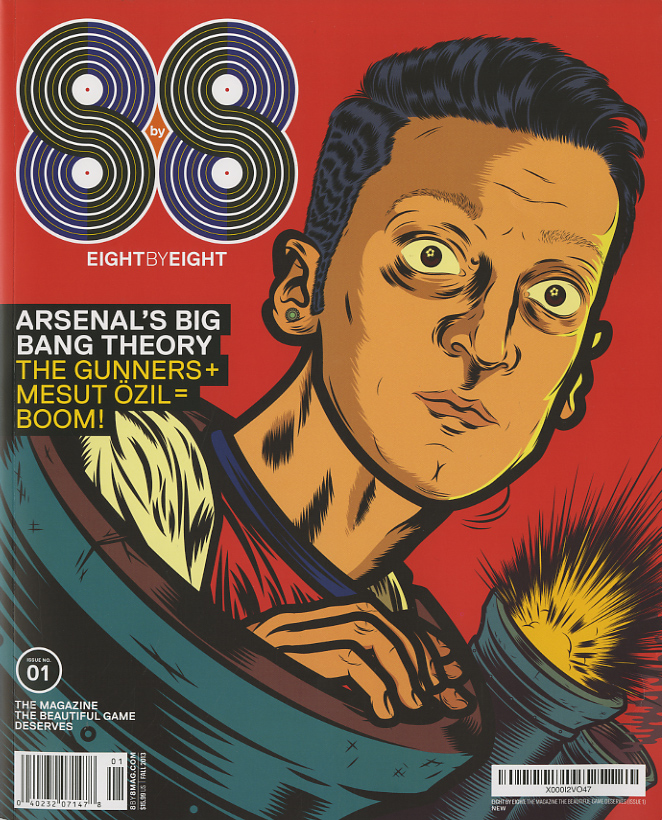
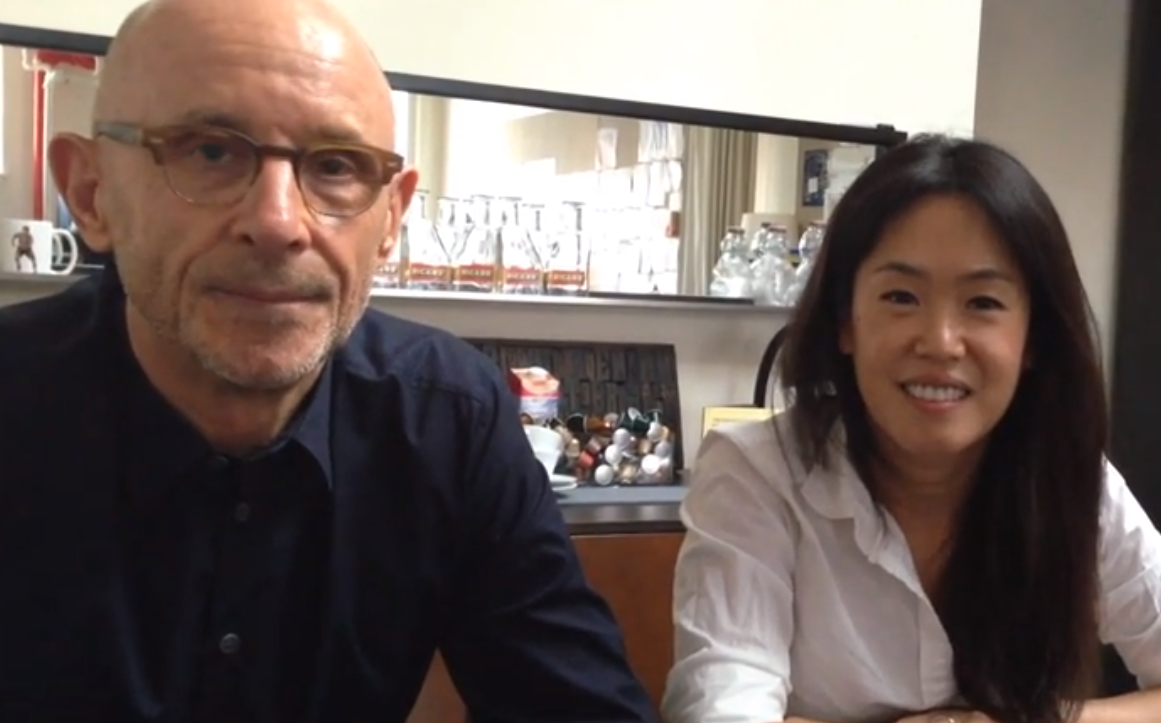
eight-by-eight When you hear the names Robert Priest and Grace Lee, the first thing that comes to mind is a great design team. Between the two of them they have designed, redesigned and reinvented an endless number of magazines. But, today, in addition to their design work, they have new titles: Robert Priest, founder and editor and Grace Lee, founder and creative director of a new magazine of their own creation 8by8: The Magazine The Beautiful Game Deserves.

I asked them to share with me the pleasures of moving beyond design into creating and editing an entire magazine. Last Friday I posted the Mr. Magazine™ Minute with the two of them, today you have the entire intriguing Mr. Magazine™ Interview with Robert Priest and Grace Lee. Get ready, set and go…

As with any Mr. Magazine™ Interview, first the sound-bites followed by the lightly edited full transcript. Enjoy.

The Sound-Bites:


On what 8by8 is trying to accomplish:

From our point of view, we’re trying to have a voice in football — world, global football. We’re trying to make our way into that arena. I feel that we’ve got something to say. There’s a lot that goes on in soccer that’s underreported. There are some major issues in here, even about the World Cup. And I feel like we have this other dimension that’s our bread and butter, we make things look good.

On the use of illustrations in 8by8:
I felt that by adding the additional element of illustration where it’s really a political commentary that the idea of it goes back to classic cartoon where you sort of have a dig at something. It allows you to say something that you can’t ever get in a photograph. You can say that diving is an issue or you can say something about a personality without being mean-spirited, but you can just say something and people will just kind of subliminally go “Oh yeah, of course.”

On why a creative director has become the editor in chief of a soccer magazine:

Also, you know, there’s that thing where I’ve worked on men’s magazines and political magazines and business magazines and women’s magazines, but I’ve never had a chance to do a sports magazine. So this is my chance.

On whether or not 8by8 is a vanity project:
No, not at all. We’re in this to make money. We’ve had this discussion and it’s a good question. It’s not a vanity project at all. It’s something we know about and it’s something that we know we can make look good and I think once you get six or 10 or whatever it ends up being on your table; I think this is going to be a really nice body of work.

On the expensive cover price ($15.99):
You’re going to eliminate some people that would like it but they can’t manage that — it’s true. It’s an audience of people who are, we imagine at that price, going to be well-educated, prepared to pay that kind of money and love the thrill of the game and the look of it. But we do know that and we do know that we are going to miss out on some.

On the lost art of illustration in magazines:

It is, but you know for the longest time it also says now, modern…For me the way we’re assigning illustration with the combination of veterans and young kids at our school, I’m very conscious that they are modern-looking, energetic, colorful, the likenesses have to be perfect. Then you can start making a point, as I said the idea of political commentary through illustration. And I feel like it again separates us from literally every magazine because hardly any magazine uses illustration anymore or if they do it’s for decoration and there’s no decoration here — it’s pure editorial commentary.

On a detail-heavy magazine like 8by8 appealing to the current ADD generation:
I feel like that it fits with the ADD audience. Most of our articles are 1,500 to 2,000 words; they don’t go on for 12,000 words. And then the pacing of it is very exciting. It’s not a traditional magazine in the sense that there’s a front of the book and then there’s a well and then there’s a back of the book. It’s almost wall-to-wall feature.

On attempting to duplicate ink on paper with digital:
The simple duplication doesn’t have the emotional pull for me that that does. I can see the same image on the screen and I appreciate it but there’s something that literally drives me — it’s like a drug — to this. So I personally don’t think so, but I’m sort of getting up there so I’m quite prepared to be wrong on this.

On the future of 8by8:

This would be an all-out brand and maybe do other extensions of sports magazines off of this. We would like to up the frequency, we would like to have a daily web presence, we would like to have a TV channel and we would like to have products.

On the future of magazines:

I think the future is where each magazine is a kind of club. You’re a member of 8by8 and for that you get this gorgeous magazine, information off the web, you go to their parties — only subscribers go to their parties and events — information comes to you as if you’re just a very select person.

On the challenges 8by8 is facing:

Grace Lee: Distribution is one, marketing is the other, getting it out there, getting people to see it and know about it. That’s extremely hard I think. There’s a lot of word and mouth and all of that, but how do you get it to a bigger audience. You can create fantastic products but if you can’t market them you’re not going to do well.

Robert Priest: We’re being pretty aggressive and we’re learning a lot about social media and what that can bring to us. We’re learning how that works. It’s fascinating really, isn’t it? That’s it — we need to get it out there, we need for everybody to know about it.


And now the lightly edited transcript of Mr. Magazine’s™ Interview with Robert Priest and Grace Lee of 8by8 magazine

Robert Priest and Grace Lee

Samir Husni: Last year it was Howler, this year it is 8by8. Tell me about the evolution of Robert Priest and Grace Lee from Howler to 8by8.

Robert Priest: The genesis of it is that we wanted to start a magazine here at Priest and Grace when we first started our company. We looked around and we knew we wanted to do a soccer magazine or a site but something soccer related and we went to England and we looked for editors and it was just a long process and we never found anybody who was good. And we found these two youngish guys – George Karushy and Mark Purvey.

Grace Lee: Well what happened was we were like, forget it, and let’s just start something. So we remembered George, who was an intern at Portfolio — we were both at Condè Nast Portfolio. And he helped coach one of Robert’s soccer teams. And we’re like he’s a soccer guy, let’s contact him and see if he can help start producing some content with us. We contacted him and he said that’s strange let’s meet because I have an idea too. So when we met he wanted to start an American soccer magazine and we said that’s funny because we want to start more of a European soccer magazine and we thought we could combine the two and that’s how we started.

RP: So we designed the identity for it, we designed the logo.

GL: The website, all the identity pieces. They had nothing to do with the decisions on any visual aspects of it. It was completely ours.

RP: It just turned out that it just wasn’t a good fit for any of us really so we ended up deciding to part company. As you probably know we did very well with the design in terms of shows and awards and stuff like that. But we still wanted to continue, but we wanted to change the editorial content to more European, not to deny America at all — the US men’s national team and some MLS for sure, but we wanted to work with the content being some of the very best soccer you can get. And so it ends up being a largely European, South American content and as you know you can do a publication in more or less any country about anything. It works fine. What would you say the percentages of overseas orders are, Grace?

GL: I would say about 40 percent which is, I think, kind of unusual.

RP: But I think again it’s early days for us and we’re getting the word out, we’re progressive on social media and all of that.

SH: Howler looked great. It felt great. It’s sort of like what ink on paper is supposed to be in this day and age, in this digital age. Tell me a little bit about 8by8. Now you are in control of the editorial and in control of the design. What’s the mission? What are you trying to accomplish?

RP: From our point of view, we’re trying to have a voice in football — world, global football. We’re trying to make our way into that arena. I feel that we’ve got something to say. There’s a lot that goes on in soccer that’s underreported. There are some major issues in here even about the World Cup. And I feel like we have this other dimension that’s our bread and butter, we make things look good.

It’s not an all action soccer magazine, it’s a sort of selected action. Every photograph is curated. I think I looked at 500,000 photos acting as the photo editor. I feel that with that kind of attention to detail I want to bring this sort of romance back into soccer but I also want to address the issues within soccer. I felt that by adding the additional element of illustration where it’s really a political commentary that the idea of it goes back to classic cartoon where you sort of have a dig at something. It allows you to say something that you can’t ever get in a photograph. You can say that diving is an issue or you can say something about a personality without being mean-spirited but you can just say something and people will just kind of subliminally go “Oh yeah of course.”

And so to me it’s about the personalities of the game. I sort of grew up with this weird magazine called Charles Buchan Football Monthly and my first impressions of that were that all these portraits, really kind of bad headshots of people coming at you all the time, well that really made an impression on me — just to look at the guy’s face who’s so dazzling on the field and just read into his personality. That’s what this is, it’s kind of pushing that further, commenting on the personality, it’s giving everybody sort of a straight look, that feeling of “Who is this guy?”

SH: Everybody who I told that I was going to interview Robert Priest said, “You mean the creative director?” But I said he’s also the editor in chief. How has that transformation gone? Did it come naturally or did Grace help?

GL: No. I’m not a soccer fanatic, I don’t know very much about soccer. But when it comes to making a magazine that’s what I love to do. So in terms of editor in chief that’s his entire background — he’s obsessed with soccer and I don’t think anybody would of known about it but he knows more than most people so it was a natural progression.

RP: Also, you know, there’s that thing where I’ve worked on men’s magazines and political magazines and business magazines and women’s magazines but I’ve never had a chance to do a sports magazine. So this is my chance.

And then beyond that I have to say it was a kind of shock to be doing the editorial assigning and as much as when you read stories by writers and then you get something that isn’t as good back, the notion of whipping a story into shape is so much more important than I ever imagined and thankfully we’ve been very well supported by a couple of line editors who are geniuses so that we are in good shape right there.

But I don’t presume to go too deep with writers with the structure of the stories — my line editors do that — it’s more to do with the overarching feeling and the idea and the writing, of course. If the writing is crappy, and a lot of soccer writing is, that’s what I want to avoid.

SH: So is this more of a pursuit of a passion, a pursuit of a dream rather than a business model, that you hope to be rich and famous some day?

RP: No, not at all. We’re in this to make money. We’ve had this discussion and it’s a good question. It’s not a vanity project at all. It’s something we know about and it’s something that we know we can make look good and I think once you get six or 10 or whatever it ends up being on your table; I think this is going to be a really nice body of work. But we’re relentless about making sure this is a success. And that’s not that easy. Obviously starting a new magazine — you are the one person in America who knows the success rate and it’s pretty low. But we’re completely convinced that there are enough people here, let alone the rest of the world, to support this easily and we’ve just got to reach them.

SH: A cover price of $15.99 is pretty hefty.

RP: You’re going to eliminate some people that would like it but they can’t manage that — it’s true. It’s an audience of people who are, we imagine at that price, going to be well-educated, prepared to pay that kind of money and love the thrill of the game and the look of it.

But we do know that and we do know that we are going to miss out on some. We’ve noticed a lot of other magazines are being highly priced right now, sort of indie magazines. We feel that the value within this is more pronounced than some of the magazines out there that can sell for $25.

So we feel like we’ve put a lot of energy into it and we think the readers can understand that. That’s certainly the first response, that they can’t believe the amount of detail. It is pricey and we are going to lose a certain number of readers, but the readers who get it really enjoy it and I feel like there are enough of them.

SH: Do you feel like this is the future of print — for ink on paper we have to go after the customers who count rather than just counting customers?

RP: The idea of an almost limited run with a high-quality product perhaps oversized on very nice paper can be the future if it’s backed up with other things. We’re not going to get to a site for a bit, but we are going to back it up with an app. We go back and forth on a daily basis. We have the app done but we just want to make sure that it makes sense. Once you start you can’t go back. That’s a thing a lot of magazines are facing right now because I think they would go back.

GL: I don’t know if they’re even monetizing off of it.

SH: You mentioned in the beginning the use of illustration — we used to say that if you can’t get a real picture, use an illustration. Your concept is different — it’s the opposite. Why?

RP: First of all, I love illustration. I acknowledge the fact that illustration has been going downhill, not downhill, but it’s been less used in major publications. It’s just a fact.

GL: When we’ve worked on redesigns for major publications the editor always wants photographs because it says realism, which is sad.

RP: It is, but you know for the longest time it also says now, modern. For me the way we’re assigning illustration with the combination of veterans and young kids at our school, I’m very conscious that they are modern-looking, energetic, and colorful, the likenesses have to be perfect. Then you can start making a point, as I said, the idea of political commentary through illustration. And I feel like it again separates us from literally every magazine because hardly any magazine uses illustration anymore or if they do it’s for decoration and there’s no decoration here — it’s pure editorial commentary.

SH: What is the reaction so far — what’s some of the feedback?

RP: 99 percent positive. To be frank, early on people were confusing why we looked like the first two Howlers. Because Howler now doesn’t look anything like us. Once you’ve done a few issues nobody’s going to worry — if they want to buy either they will.

I think it’s a very precise look and it kind of talks about where Grace and I work together. It’s very precise work and very detailed work. I feel like that just seems like it’s thought out — it certainly is. But the detail is really worked on a lot. All the facts, all the information, it’s a lot of content.

Picture 27 SH: Some will say Grace and Robert are wasting their time. We have an ADD generation — they don’t pay attention to details; their attention span is roughly 2.5 seconds. So who is your audience?

RP: I feel like that’s not the audience that we’ve got. For instance, there’s that timeline about Arsenal that people have been lapping up. Just as recently as this morning someone wrote that they had spent nearly the whole day just wading through it, reliving their past and understanding their further past and understanding their future. I feel like that’s fine. Not everything is so detailed…

GL: I feel like that fits with the ADD audience. Most of our articles are 1,500 to 2,000 words; they don’t go on for 12,000 words. And then the pacing of it is very exciting. It’s not a traditional magazine in the sense that there’s a front of the book and then there’s a well and then there’s a back of the book. It’s almost wall-to-wall feature.

RP: It’s really important, the order of the pages, and I know it is with other magazines but I’ve always felt that I was as good as anybody in terms of the pacing. I remember GQ with Art Cooper, he always used to really listen to my ideas of which order the stories should be because I always felt that I just had that natural sense about that. And I think it really helps.

SH: One of the things that struck me when you told me that you’re doing this; now you have to deal with distributors you have to deal with this and that. What happened to the Robert Priest and Grace who used to enjoy the design and the beauty and now they have to deal with the ugly part of the magazine business. How is that?

RP: Grace really is the business brain. She’s a very quick learner and we’ve learned a lot really, haven’t we, Grace?

GL: We learned a lot the first time around when we did Howler and I streamlined it the second time around, knowing all the things that we shouldn’t have done, and how to make it easier on ourselves. But personally the ugly part is the part I love. I love doing that stuff and figuring how to get it out there, why it works, building the website, how do we distribute. I love knowing all that stuff.

Then I love designing on top of it but I love doing that part of it. To know only one aspect of the magazine you feel so sheltered, when you come out you realize there are so many things to doing — the physical shipment and storing that nobody ever thinks of.

Picture 26 SH: Do you think you can ever duplicate the beauty of design on ink on paper in the digital world and will it have the same lasting impact, the same lasting effect?

RP: The simple duplication doesn’t have the emotional pull for me that that does. I can see the same image on the screen and I appreciate it, but there’s something that literally drives me — it’s like a drug — to this. So I personally don’t think so but I’m sort of getting up there so I’m quite prepared to be wrong on this.

GL: I feel the same way. I’m drawn toward print too and when we are duplicating it for the iPad it looks great, but the size is so constrained and then the movement and the restrictions. You can do a lot more and add interactivity and video and sound and stuff like that but it still doesn’t feel the same to me either.

And it’s interesting because the only thing I do read on my mobile stuff is The New York Times, which is very disposable, and New York Magazine and The New Yorker and that’s about it. I love the designs of Wired just like everyone else but when I see it on the iPad it falls flat. So I’ll never ever purchase it for my personal use so it makes me wonder if I won’t even use it, why anyone would purchase our iPad version of it. We’re definitely going to do a digital version of it, but I just don’t know if it’s going to live in an app or if it’s going to live on the web. That’s where we are.

SH: Will you also charge $16 for the app?

GL: Yeah, I will actually. Because the content is the same and like anybody in the publishing industry knows, doing a magazine on your own is incredibly expensive, especially if you don’t have the volumes that the bigger companies have. It will be free to subscribers. People think the money in distribution and paper costs a lot; actually it’s more content than anything.

SH: If you can put your futuristic hat on — first on 8by8…

GL: This would be an all-out brand and maybe do other extensions of sports magazines off of this. We would like to up the frequency, we would like to have a daily web presence, we would like to have a TV channel and we would like to have products.

SH: In general what is the future of magazines in this country?

RP: I think the future is where each magazine is a kind of a club. You’re a member of 8by8 and for that you get this gorgeous magazine, information off the web, you go to their parties — only subscribers go to their parties and events — information comes to you as if you’re just a very select person. I’ve heard this from Condè Nast, the idea that Vogue is suddenly this big printed magazine on even better paper than this and it’s a small run and you get it and you get to meet Anna Winter, you’re at the party, you’re meeting the models, you’re meeting the various people in the issue. It becomes something else.

It is a brand but I think that brand is going to become more spread out. I feel like print will always be there but I think it will become a component of the brand.

SH: What’s the biggest challenge you’re facing?

RP: You talked about it yourself. I think distribution is the biggest challenge.

GL: Distribution is one, marketing is the other, getting it out there, getting people to see it and know about it. That’s extremely hard I think. There’s a lot of word of mouth and all of that, but how do you get it to a bigger audience. You can create fantastic products but if you can’t market them you’re not going to do well.

RP: We’re being pretty aggressive and we’re learning a lot about social media and what that can bring to us. We’re learning how that works. It’s fascinating really, isn’t it? That’s it — we need to get it out there, we need for everybody to know about it.

SH: My last question for you — what keeps you up at night?

RP: I’m driven crazy by contributors who don’t call me back within 10 seconds. I want to know that they’re going to write that story or they’re going to do that illustration for me. It drives me absolutely bonkers.

GL: I think it’s finding time to do this honestly. It’s been great because we’ve been getting a lot of recognition and jobs from it, but at the same time I want to do this and we’re so stretched thin. But at the same time I guess that’s a good problem.

SH: Thank you and good luck.

h1

A Mr. Magazine™ Invite: Join Me for the Mr. Magazine’s™ Year-End Wrap-Up: Wednesday Dec. 18, 1 PM Eastern Time…

December 17, 2013

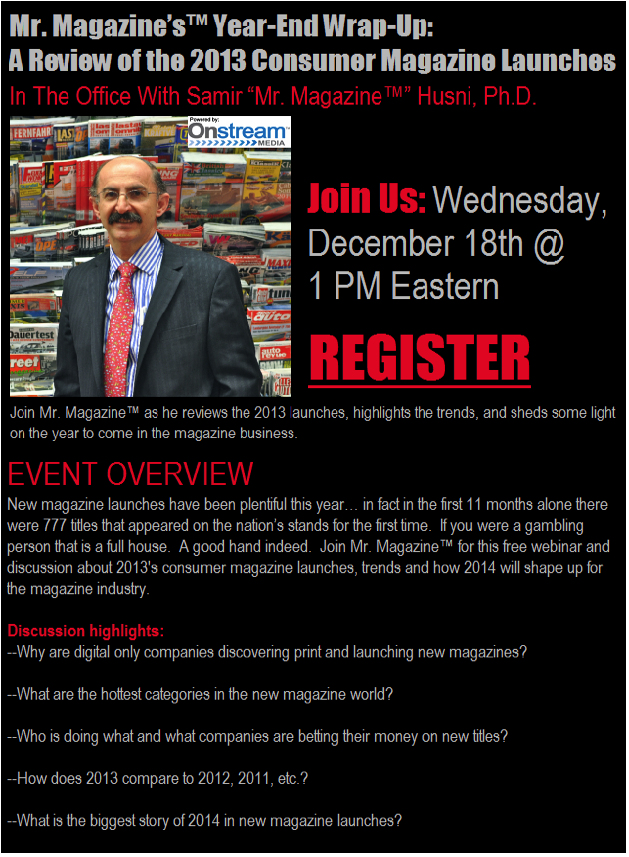
Tomorrow, Wed. Dec. 18 at 1 pm eastern, noon central time, I will be reviewing the 2013 launches, highlighting the trends, and shedding some light on the year to come in the wonderful world of magazines. Please be my guest as I broadcast live from my office and feel free to ask me any questions. To register (it is free, but you need to register) please click here.
Picture 7

h1

Robert Priest and Grace Lee: This is Why we Opted to Launch 8by8 the New Soccer Magazine. The Mr. Magazine™ Mintue

December 13, 2013

When you hear the names Robert Priest and Grace Lee, the first thing that comes to mind is a great design team. Between the two of them they have designed, redesigned and reinvented an endless number of magazines. But, today, in addition to their design work, they have new titles: Robert Priest, founder and editor and Grace Lee, founder and creative director of a new magazine of their own creation 8by8 magazine.

I asked them to share with me the pleasures of moving beyond design into creating and editing an entire magazine. Their answer is in the Mr. Magazine™ Mintue below:

And watch this space for a more in-depth interview with Robert and Grace about the story of 8by8 magazine soon.