Archive for the ‘New Launches’ Category

h1

Mornings With Jesus Magazine Joins Guideposts In ‘Guiding’ The Way Spiritually; A New Launch From The Folks Who Brought Hope And Inspiration To Millions – The Mr. Magazine™ Interview With John Temple, President & CEO, Guideposts

June 2, 2015

“The industry has gone through some peaks and valleys. I can remember when some of the people, where I serve on the board; some of the people there would say well, print is dead. We have to shift to digital; we have to get out because of postage and paper and all of these kinds of things. We don’t have to do that anymore. People understand that there is a very valuable role for print. And people like the tactile feel. In my view, print is never going to go away. It’s never going to go away.” John Temple

The Mr. Magazine™ Reports from the IMAG conference.

A prototype cover of the new magazine Mornings with JESUS.

A prototype cover of the new magazine Mornings with JESUS.

In a world oftentimes filled with frenetic and spiraling conflicts, cataclysmic happenings and mayhem in general, it seems natural and spontaneous that people would begin a quest for a more peaceful and even-keeled existence, where life becomes more inspirational and there is a meaning and a method to the madness. And one place the masses are turning to for that piece of spirituality and comfort is magazines and magazine media. The trend is becoming one of the most popular in the industry today and with good reason.

For 70 years Guideposts has been leading the pack when it comes to content that is encouraging, uplifting and inspirational and the brand shows no sign of slowing down now, with the upcoming launch of a new magazine in the wings and a deep commitment to both their print and digital platforms. My own memories of Guideposts date back to 1979 when my first feature writing professor in the United States, Ben Peterson, was one of the magazine’s senior editors. I was able to learn a lot about Guideposts, the magazine, first hand from him, and until now, my learning about this inspirational magazine has never ceased.

So, during the IMAG Annual Conference, which took place May 18th to 20th in Boulder, Colorado; I was lucky enough to be able to sit down with John Temple, president and CEO of Guideposts, to talk about the magazine and the brand. From the spiritual movement which seems to be sweeping the land and the magazine industry, to the strategy Guideposts is implementing to fulfill and keep up with its audience’s needs; John and I talked the spectrum about the magazine, the brand and the new launch: Mornings with Jesus. It was as informative a discussion as the conference itself was. I thoroughly enjoyed John’s take on the subject matter and was excited to hear about yet another new title we can all welcome into the fold.

So, sit back and be inspired and encouraged by the Guideposts brand, which has been providing those comforts for generations as you read the Mr. Magazine™ reports from the IMAG conference with John Temple, President & CEO, Guideposts.

But first, the sound-bites:


IMG_6730 On his opinion about the sudden spirituality trend in magazine media:
I think the country is changing. The country is getting older and the baby boomers are getting older, so they start thinking about things that maybe they didn’t think about when they were young and building careers and having children and all of these kinds of things. I think there’s a natural progression to faith and religion and some of the other things. It may manifest itself in different ways because people aren’t so much going to church as they used to. But I don’t think that they’re any less spiritual than they were.

On his strategy for leading the company in today’s digital world:
In my view, this is the best of all times. I’ve been in this business a long, long time and I’ve never seen the opportunities so great for companies like ours, media companies, content companies, inspirational and religious companies, because we can now use the digital environment to build communities and talk to different groups in ways that we could never do it before.

On how he plans to double the company’s digital revenue: We’re going to do it really by leveraging digital and brands and making sure that we use a lot of the digital content and the digital audiences that we have. We have 800,000 people on Facebook, and they really are our friends, and yet we don’t do anything with them now. We don’t tell them about anything that we’re doing.

On the launch of the new title, Mornings with Jesus:
When I came back two years ago, they had this book that they had created in 2010 called Mornings with Jesus, it was daily devotionals. And I looked at it and I said wow; I love that brand. It’s a tremendous brand. And you can just see a young mother in her kitchen, the sun’s shining through, she’s got a cup of coffee there; the kids have gone to school; she hasn’t gone to work yet and she opens up this magazine called Mornings with Jesus. And it’s just really, really powerful.

On the fact that the company is moving toward a more Christian perspective, rather than the Judeo-Christian views the brand was founded upon:
The reason for that is we haven’t left the Judeo-Christian point-of-view with Guideposts and others, but we’re broadening the reach. So, we’re reaching into people who want a little more than what we had provided, because there’s a connection there, a kind of funnel. You bring in a whole bunch of people through Guideposts and the faith and inspiration, but as you go down the funnel there are people who want more and more of the religious component. So, we’re providing that.

On whether the new magazine, Mornings with Jesus, will be ad-free:
It’s going to be ad-free for a while. We have to see how this thing is going to work and we’re going to grow it organically.

On the new title’s circulation base: We’re looking for 100,000 at the end of the fiscal year within the next 12 months. But we’re going to do a lot of testing.

On whether he sees today’s market as a return to the ‘power-of-print’ days:
Absolutely. The industry has gone through some peaks and valleys. I can remember when some of the people, where I serve on the board; some of the people there would say well, print is dead. We have to shift to digital; we have to get out because of postage and paper and all of these kinds of things. We don’t have to do that anymore. People understand that there is a very valuable role for print.

On the major stumbling block he’s had to face and overcome since becoming CEO of Guideposts:
The digital component has to sit at the same table with print; it has to. So that when you talk about a new idea; it isn’t just a print idea, it can be a digital idea or a digital handprint as well. And that’s the biggest task, to get people to understand that and kind of unlearn old habits.

On what keeps him up at night:
I do worry; I’m taking such a big transformation risk and I’ll kind of wake up in the middle of the night and ask myself, am I right? Do I really have the vision right? I do worry a little about that.

And now the lightly edited transcription of the Mr. Magazine™ conversation with John Temple, President & CEO, Guideposts.

Samir Husni: Suddenly, there seems to be a resurgence of spiritual-like magazines. We saw this recently with Simple Grace and the many bookazines about Jesus, Mary and the Bible. Of course, Guideposts has been doing this for 70 years or so. What do you think about this trend? Is the country changing; is the overall mood changing, or are people simply looking for some kind of relief?

John Temple: Yes, I think the country is changing. The country is getting older and the baby boomers are getting older, so they start thinking about things that maybe they didn’t think about when they were young and building careers and having children and all of these kinds of things. I think there’s a natural progression to faith and religion and some of the other things. It may manifest itself in different ways because people aren’t so much going to church as they used to. But I don’t think that they’re any less spiritual than they were.

The other area which I find very exciting is the new millennials. These people are coming along and they have a commitment; a social commitment; a spiritual commitment and it’s not manifested in the same old ways, but it’s there and I have great hopes for that generation, and for the changes that they’ll bring about in this country.

Samir Husni: How do you think Guideposts is adapting to all of these changes? Is it benefiting from these changes, especially since we now live in a digital age and you’re reaching both the millennials and the baby boomers? What’s your strategy; how are you leading the company now in this digital age?

IMG_6731 John Temple: In my view, this is the best of all times. I’ve been in this business a long, long time and I’ve never seen the opportunities so great for companies like ours, media companies, content companies, inspirational and religious companies, because we can now use the digital environment to build communities and talk to different groups in ways that we could never do it before.

Samir Husni: And you mentioned in your speech that you’re hoping to double your digital revenue; how are you going to do that?

John Temple: We’re going to do it really by leveraging digital and brands and making sure that we use a lot of the digital content and the digital audiences that we have. We have 800,000 people on Facebook, and they really are our friends, and yet we don’t do anything with them now. We don’t tell them about anything that we’re doing. We’re launching this new magazine next month and we’re going to tell them; we’re going to say hey, come to the Guideposts website because we have a new magazine that we think you would really be interested in. So, there’s going to be a lot of cross-fertilization between digital, promotion and print and just everything else that we’re doing.

Samir Husni: Can you tell me a little bit about the new magazine?

John Temple: It’s called Mornings with Jesus. When I came back two years ago, they had this book that they had created in 2010 called Mornings with Jesus, it was daily devotionals. And I looked at it and I said wow; I love that brand. It’s a tremendous brand. And you can just see a young mother in her kitchen, the sun’s shining through, she’s got a cup of coffee there; the kids have gone to school; she hasn’t gone to work yet and she opens up this magazine called Mornings with Jesus. And it’s just really, really powerful.

And what we’ve found is the test results are spectacular. They’re just wonderful. And we’ve tested some outside lists and things like that and it’s going to lists that we don’t normally mail. We tested a whole bunch of different ideas; we tested the donor’s campaign; we tested the fundraising club and we tested the magazine; all three of them worked.

Samir Husni: With Mornings with Jesus; you’re taking the company one more step toward Christianity, rather than the Judeo-Christian principles that were what Guideposts was based on.

image.aspx John Temple: That’s very astute. Yes and the reason for that is we haven’t left the Judeo-Christian point-of-view with Guideposts and others, but we’re broadening the reach. So, we’re reaching into people who want a little more than what we had provided, because there’s a connection there, a kind of funnel. You bring in a whole bunch of people through Guideposts and the faith and inspiration, but as you go down the funnel there are people who want more and more of the religious component. So, we’re providing that.

Samir Husni: And is it going to be ad-free, or are you going to be depending on advertising, circulation and digital?

John Temple: It’s going to be ad-free for a while. We have to see how this thing is going to work and we’re going to grow it organically. We’ll see about ads as time goes on.

Samir Husni: Any idea about the circulation?

John Temple: We’re looking for 100,000 at the end of the fiscal year within the next 12 months. But we’re going to do a lot of testing. So, within the next year we’ll know where this magazine is going.

Samir Husni: Any newsstands or just subscriptions for now?

John Temple: Not yet, just subscriptions.

Samir Husni: So, I need to know how to get my copy then. (Laughs)

John Temple: (Laughs too) We’ll send you one.

Samir Husni: It seems that suddenly we are seeing almost every media company in this country going back to print. How has your experience been with Guideposts; it was one of the largest magazines in the country and I’m sure you suffered when everybody else suffered. So, are you seeing the power of print coming back now?

John Temple: Absolutely. The industry has gone through some peaks and valleys. I can remember when some of the people, where I serve on the board; some of the people there would say well, print is dead. We have to shift to digital; we have to get out because of postage and paper and all of these kinds of things. We don’t have to do that anymore. People understand that there is a very valuable role for print. And people like the tactile feel. In my view, print is never going to go away. It’s never going to go away.

Samir Husni: Since you became the CEO of Guideposts; what has been the major stumbling block that you’ve had to face and how did you overcome it?

John Temple: The major stumbling block was, as I said in my speech today, was to really get people to understand about digital. And I used the expression ‘infused Guideposts with a digital soul’ which really means putting the digital component into the DNA of the company. The digital component has to sit at the same table with print; it has to. So that when you talk about a new idea; it isn’t just a print idea, it can be a digital idea or a digital handprint as well. And that’s the biggest task, to get people to understand that and kind of unlearn old habits.

Samir Husni: My typical last question; what keeps you up at night?

John Temple: (Laughs) I just get very excited about everything. I wake up in the middle of the night and I have things on my mind and I just can’t go back to sleep. And some of my best ideas come at 3:00 a.m.

But I do worry; I’m taking such a big transformation risk and I’ll kind of wake up in the middle of the night and ask myself, am I right? Do I really have the vision right? I do worry a little about that.

Samir Husni: Thank you.

h1

Neither Cop Nor Convict, But Rather King Of The Newsstand: Single-Copy, No Advertising, No Subscriptions, No Digital – Topix Media Lab Goes Bookazine Print In A Big Way – The Mr. Magazine™ Interview With Tony Romando, CEO and Co-Founder, Topix Media Lab.

May 27, 2015

The Mr. Magazine™ Reports from the IMAG conference.

“And these tributaries (collector’s editions) are how I think print will stay around because it’s specialized. I can go to any dot com or any digital platform and get all of my news for every facet of my life right then on the spot. But we don’t want to do that. We just want to do one very specific brand of news, for one very specific customer and that’s it.” Tony Romando

Collectability is a word that has become synonymous with print in the 21st century. It’s a fait accompli. Without that collectability factor, print today is what digital content would be tomorrow; a day late and a dollar short.
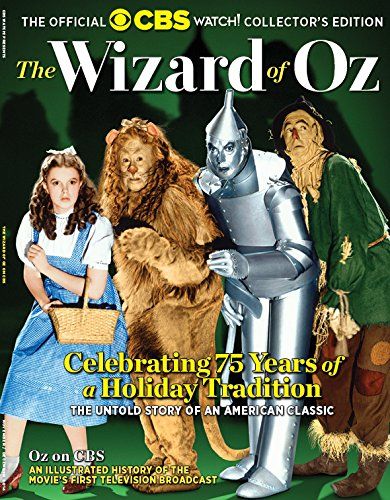
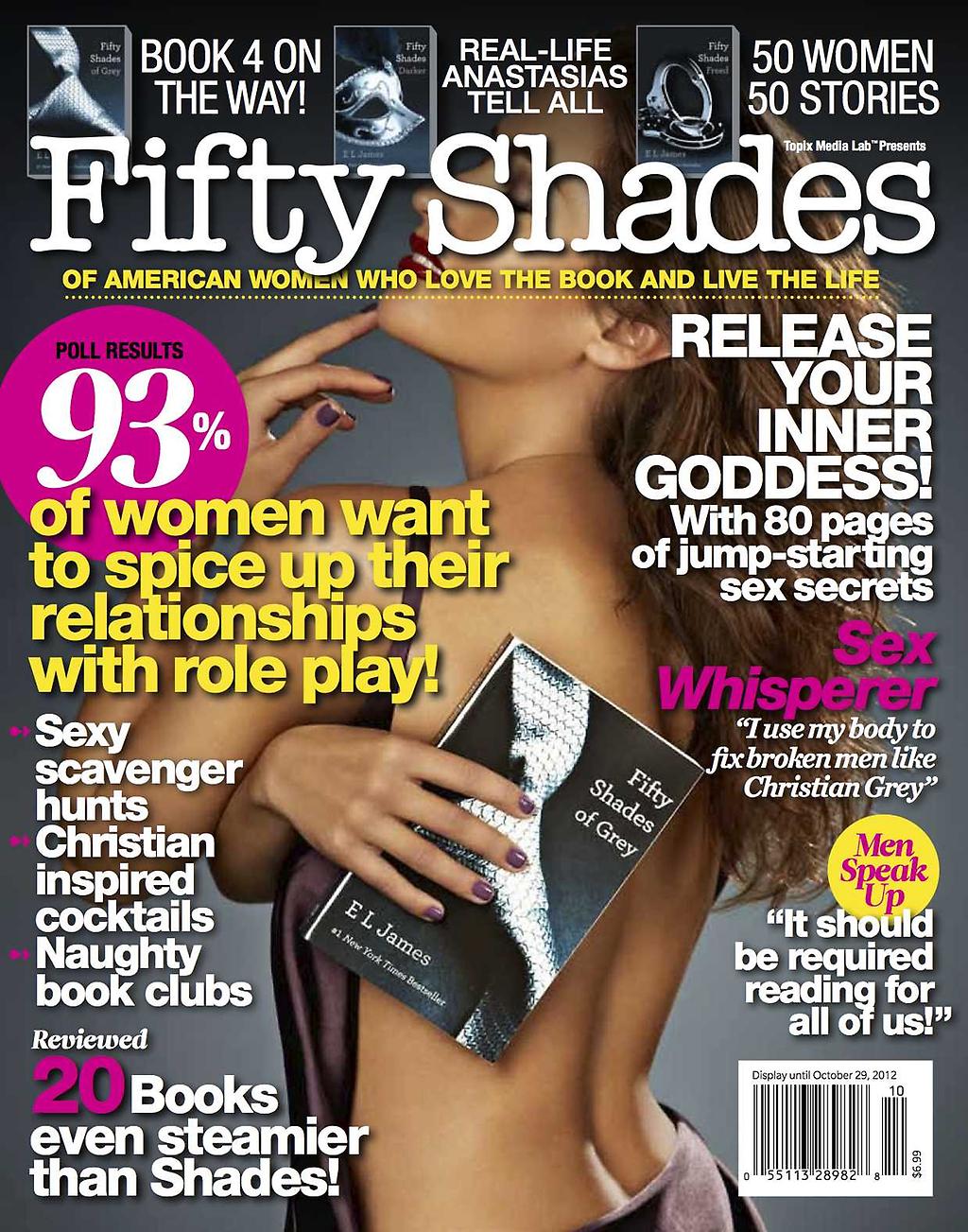
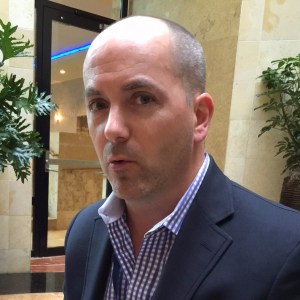
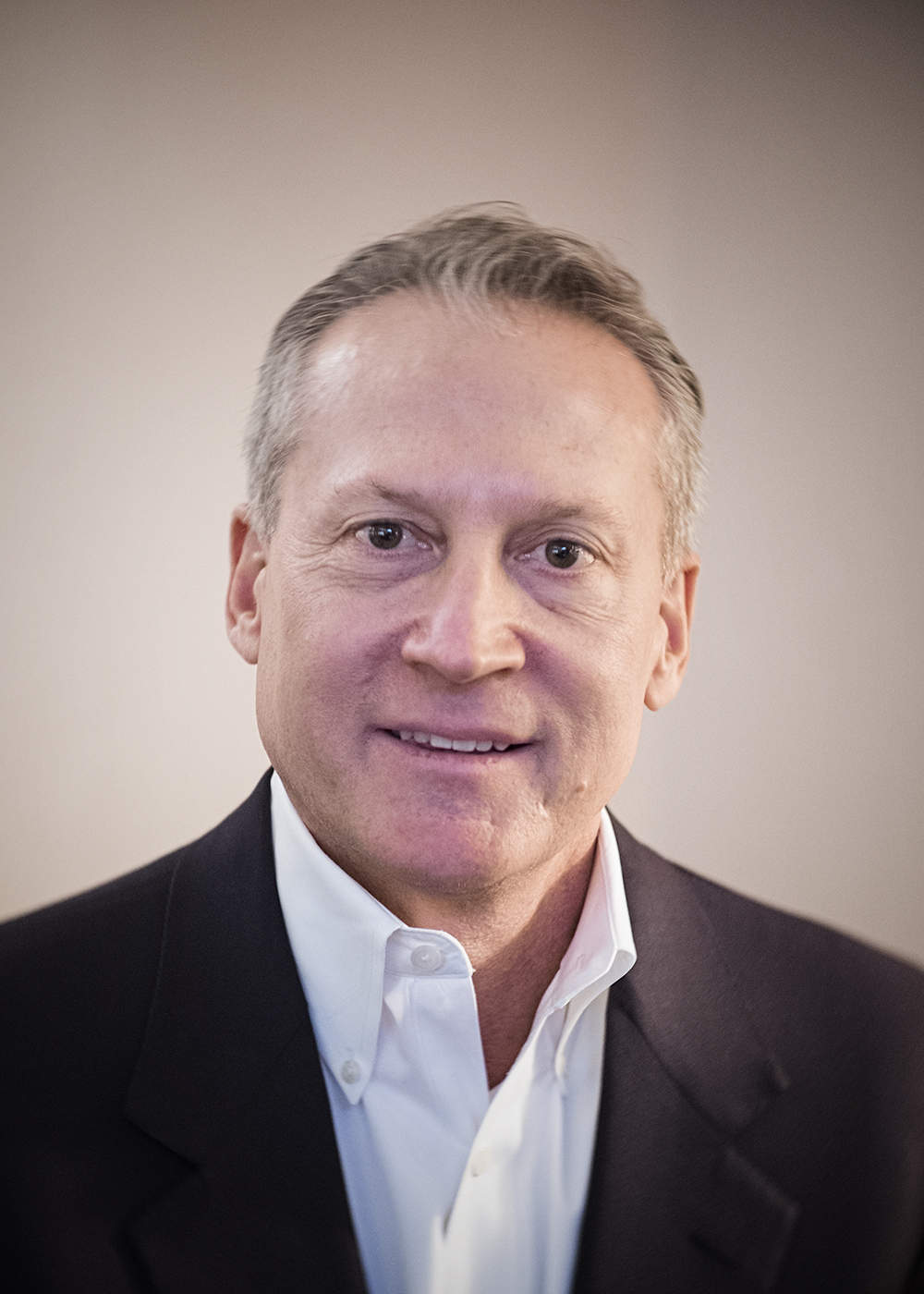
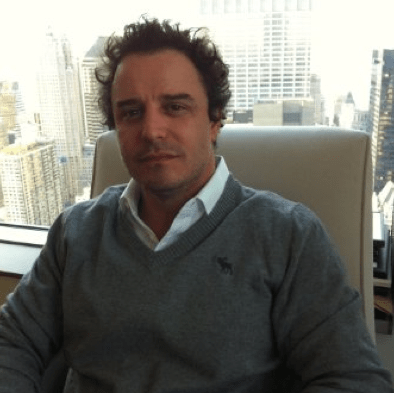
tony-photoTony Romando, CEO and co-founder of Topix Media Lab, probably understands the viability of collectable print better than anyone in the industry today, because that’s the name of his game: collectability. Publishing anywhere from 90 to 110 specialized topical bookazines per year; he is a man who knows his business and knows it well. From his triumphs to his defeats; Tony remains true to the Topix mission: providing quality products for one specialized consumer at a time, with no advertising, no subscriptions and no digital.

During the IMAG Annual Conference, which took place May 18th to 20th in Boulder, Colorado; I was able to sit down with Tony and discuss where his career had been, where it was now and where he saw it heading in the future with Topix. The man is as down-to-earth and open as the conference was enlightening. From convicts and cops, which according to him was sprinkled throughout his family tree, to the recently degreed CEO of one of the most prolific bookazine publishing companies in the world today; Tony is a force to be reckoned with and a man who was a true pleasure to interview.

So, I hope you enjoy the Mr. Magazine™ reports from the IMAG conference with Tony Romando, CEO & Co-Founder of Topix Media Lab. It will inspire you to believe that with the right dream and focus, you can do whatever your heart desires by staying true to your vision.

But first, the sound-bites:
topix8 On the genesis of Topix Media Lab: The genesis started with, I was at WWE (World Wrestling Entertainment) working for Vince McMahon and like any good, smart business guy, he wanted to figure out new revenue streams that basically weren’t totally wrestling-based. We had an infrastructure of publishing; we had everything already set up and it seemed to make sense that we could do publishing for other businesses. When he didn’t really love the idea of stepping that far outside of his comfort zone, it seemed like the right time and opportunity to start the company on my own. I and another guy founded the company three years ago and it started off horribly; catastrophic.

On why it started out horribly: I think the general plan was we would do generic collector’s edition magazines. My incorrect opinion was that we would have readers who really loved the subject matter, but didn’t care about the brand. Brands are not important. They care about One Direction or The Hobbitt or 50 Shades of Grey; they don’t care who is the one doing the magazine or who the authority is, they just care about the subject matter. And it turned out that was completely incorrect.

On how he turned it around and became one of the most prolific bookazine publishers out there: We’re doing, to be honest with you, two per week. Some weeks we do three; some weeks one, but I think the real turning point was realizing that we couldn’t sustain a generic magazine business.
topix 2 On what he was thinking when he decided to go single-copy sales only: No advertising; no subscriptions; no digital. It’s as though I’m trying to sell you a steam engine or a trolley car. I would say that even though it may be a slowly declining business, there will always be room for the biggest brands. There will always be Men’s Health because they’re the category leader; there will always be Scientific American, they’re the best at what they do, and the best of those magazines will always be there.

On whether he fears there may come a time when the newsstands are filled with only bookazines and a magazine only shows up every now and then: The flagship magazines don’t want to do collector’s editions, they look down on those; those are marketing tools, revenue streams, they’re not important enough. And because of that, there’s a real push/pull between the people who do the bookazines for the big companies and the people who do the flagship magazines. And because of that they’ll never have the best quality product they can put out at the same time.

On his major stumbling block: The major stumbling block was not on the publishing side, it was on the entrepreneurial side. You do six magazines a year; you can balance a checkbook easily, there are a few dollars coming in, a few dollars going out and very few people to concern you. But as you add clients and you get to a point where you’re probably doing 90 magazines or more per year; we’ll probably do between 90 and 110, you hit a point where it becomes very complex.

On his most pleasant moment: That’s a tough question. I almost want to say being my own boss, but as I said before, I have more people to answer to now than ever before. So, I think the most pleasant part of this journey is knowing that Topix Media Lab is on everyone’s radar.

On what keeps him up at night: What keeps me up is more research and more data and I’ll stumble onto one new piece of information that basically says instead of doing a cover with six images, I should do it with three images. And that’s the best part of it. I think too many people are on autopilot when it comes to what they should do; it’s the same stuff, year in and year out. And there is so much good stuff out there that hasn’t been tried yet. So, what keeps me up is doing more research.

And now the lightly edited transcription of the Mr. Magazine™ interview with Tony Romando, CEO, Co-Founder, Topix Media Lab.

Samir Husni: Tell me about the genesis of Topix Media Lab.

Tony Romando: The genesis started with, I was at WWE (World Wrestling Entertainment) working for Vince McMahon and like any good, smart business guy, he wanted to figure out new revenue streams that basically weren’t totally wrestling-based. We had an infrastructure of publishing; we had everything already set up and it seemed to make sense that we could do publishing for other businesses.

There were other harebrained ideas, like doing catering; you know they feed 100 of those crazy wrestlers every week, three or four days a week, so it seemed like they could be one of the largest catering businesses in the world. He said no to the catering. He also said no to doing any publishing outside of WWE.

I wanted to do Biggest Loser magazine in 2008 and I wanted to do it as a bookazine because the Brits have been doing it for a long time and they’re the best; they’ve been doing it even longer than Time Inc.

So, when he didn’t really love the idea of stepping that far outside of his comfort zone, it seemed like the right time and opportunity to start the company on my own. I and another guy founded the company three years ago and it started off horribly; catastrophic.

Samir Husni: What happened?

Tony Romando: You know, you put a little bit of money together and you acquire a very small team, four editors, not even, two editors and one designer with one photo person; five guys in a tiny room in a cramped New York office. I’ve made a million mistakes and I’m making fewer mistakes every week that goes by, but still, huge numbers of mistakes.

I think the general plan was we would do generic collector’s edition magazines. My incorrect opinion was that we would have readers who really loved the subject matter, but didn’t care about the brand. Brands are not important. They care about One Direction or The Hobbitt or 50 Shades of Grey; they don’t care who is the one doing the magazine or who the authority is, they just care about the subject matter. And it turned out that was completely incorrect.

Every now and then we would have a successful issue with one brand that was a stand-alone generic, but for the most part they were kind of failures. All of them, except for two were failures. And I didn’t think it was possible that I sold magazines that were 4% sellers, the kind of issues that just shut companies down. On my office wall I have framed the first of four of our lowest selling covers of all time: 4%, 6%, 7%; I think one was 11%. All four of them I have in my office now as reminders of what not to do.

Samir Husni: And yet in a short span of time, you’ve become one of the most prolific publishers of bookazines. You’re putting out almost a quarterly on a weekly basis.

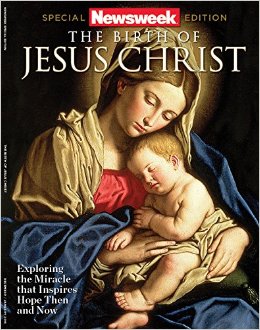
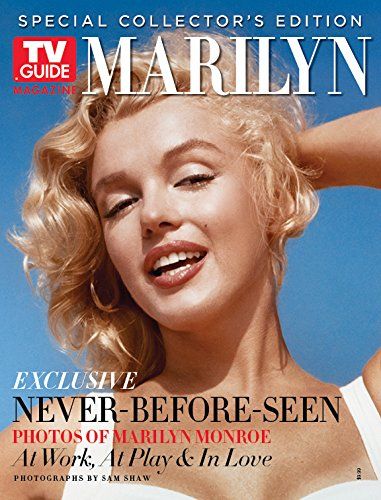
topix 3 Tony Romando: We’re doing, to be honest with you, two per week. Some weeks we do three; some weeks one, but I think the real turning point was realizing that we couldn’t sustain a generic magazine business. There are a lot of companies that are even getting into this space right now; I just saw four new generic bookazines on the newsstand two weeks ago on Marilyn Monroe, The Beatles, Jesus; people just flood the market with them.

And knowing that I had been in the generic space and that it didn’t work; I came in one day and said if I can’t land a good, proper brand to do special collector’s editions for within six months, then I’m done. And that’ll be it. It was my way of getting our team to focus on partnering with existing iconic brands. So, we were fortunate that Dave Fishman of TV Guide took a chance on us, because at that point we made a quality product, but we had no proof in the sales, because when you cut those licensing deals in the beginning, you give away a lot to try and get your footing and build a foundation.

But backing up; I think the thing about Topix that’s different from most bookazine companies is that we are strictly an analytically researched-based company. It’s all in the numbers; nothing matters on gut. I come up from the editorial side and coming from there; you know, editors think they know everything.

I think I spoke to a circulation conference 10 years ago in Atlantic City, massively hungover, standing in a room with a 1,000 people, and I think my speech to them was editorial people don’t know squat; they think they know everything and if they would follow the circulation people’s advice, the newsstand people would sell more copies.

But editorial people don’t care about copy sales really, as much as they should. So, having come up the editorial side, I realized that knowing that we are an editorial-based company and knowing that it’s all in the cover or the subject or the 100 pages that we do, it was crucial that we use analytics to base everything on.

We landed TV Guide and started doing research and I came across a mathematical equation that John Wayne was still one of the single-most popular adult celebrities. People think of him as a great American; he’s iconic; people live their lives by his code, and no one had put him on a cover; he was the only guy 20 years running to be on the Harris Poll for top actors; I think he was in the top 10 for 20 years. It was just the perfect storm.

So we did that for our first TV Guide and it sold 35 or 36%, which is a homerun these days. For us it was like the first time that we had seen any real money, real revenue; we were off and running at that point.

From there it was trying to figure out how we could leverage our one brand, TV Guide, to parlay it into more brands. I think now we’re up to 15, 16, around 17 brands.

Samir Husni: And I’m sure you’re no longer just five people in a small room?
topix 4 Tony Romando: No, now we’re 16 people in a little bit bigger room. (Laughs) Our story is a good one because everything we’ve done has been haphazard; it’s calculated, but I’m still the IT guy; I’m still the mailroom guy; I’m the CEO, but I’m also one of the edit guys. We all have 15 different jobs.

I had found an office space in midtown through my wife’s friend, who had a private equity company in this office that was owned by Blackstone and I gave them a good deal. They gave us this little remnant piece of office space and the only reason we moved out of there was because we became a fire hazard; we had ten people in a room that was unsafe and illegal.

Then we wondered if we could get cheaper space and more of it if we moved down to the Wall Street area before Condè Nast, before Time Inc.; before everyone. I had lived down in that area for 20 years; I knew that everything was cheap, and I lived very close so it was helpful.

Samir Husni: We live in a digital age; no one can argue that no matter how much we love print. What were you thinking when you decided, not that you were only going print, but you were only going single-copy sales?

topix 5 Tony Romando: (Laughs) No advertising; no subscriptions; no digital. It’s as though I’m trying to sell you a steam engine or a trolley car. I would say that even though it may be a slowly declining business, there will always be room for the biggest brands. There will always be Men’s Health because they’re the category leader; there will always be Scientific American, they’re the best at what they do, and the best of those magazines will always be there.

And because of that, there should always be collector’s editions that go along with the best. But the ones that are the second and third tier down from those best ones, if those get weeded out; we’re not selling monthly magazines, we’re selling one thing to one very specific customer. We’re not all things to all people, so if you buy GQ, you learn how to drink with style and dress with style; there’s something for every part of your life. These bookazines are only one topic, so for us it was easy to say this is where we want to be because people will always read about these iconic figures.

I think the difference really is saying that originally we targeted certain brands for the 50-plus market. They still want magazines. But people don’t want to spend $10 or $11 on a digital magazine. They just don’t. We’ve tried it, there’s just no money there. People want to collect something. So these are a poor man’s coffee table books. They stay on their coffee tables to be showcased forever. They don’t just read it and throw it away.

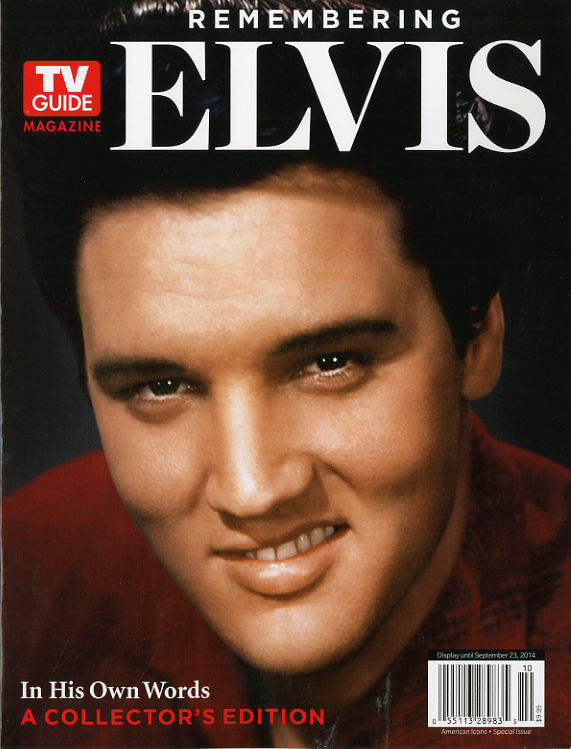
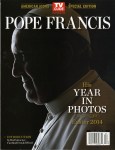
topix 6 And I think that’s been the real tradeoff for us because once we think of these as magazines, we’ll be dead. They have to be considered as keepsakes forever. To my point on John Wayne, we did John Wayne on TV Guide and it did so well that I went back to John Wayne’s son, Ethan Wayne, who runs John Wayne Enterprises, and said why don’t we do a stand-alone John Wayne collectable every other month. And he said let’s try it. And it was our bestseller. And we went ahead and put Elvis on Newsweek and it was also one of our bestsellers. So we went to the people who own Elvis, Authentic Brands Group, and told them the same thing, let’s do Elvis every other month.

And these tributaries are how I think print will stay around because it’s specialized. I can go to any dot com or any digital platform and get all of my news for every facet of my life right then on the spot. But we don’t want to do that. We just want to do one very specific brand of news, for one very specific customer and that’s it.

topix7 The final thing I’ll say though is our business is a lot less complicated because we don’t have advertising and we don’t have subscriptions, so there’s no subscription debt liability hanging over our heads. We don’t have a fleet of people selling ads; we have a rep firm and sometimes we sell a sponsorship for a couple of bucks. People have tried it and been semi-successful; we’ve had a little bit of success, but that’s just gravy for us. And I think because we don’t have those complications, we’re not beholden to a member.

We put out a really great product; if we don’t put out a piece of crap, people buy it. And if they buy it, the proof is in the numbers. And if it’s in the numbers and we sell those copies that means we did our job right. And so companies will now come to us and say we do bookazines and we’re breaking even; we do six of them per year and we’re selling 60,000 units and we still can’t make any money. Why is that? And my answer to them is I don’t know what you have built into your infrastructure, but I have 16 people; we create everything; we generate everything; we do everything from front to back, and we can turn a big profit on 60,000 units, so let us do it for you. And we’ll champion your brand and at the same time, we’re ambassadors of their brand and we want to make a few dollars in the process, but our goal is to make sure that their brand has the extension that we are in control of.

Samir Husni: I’m sure that you’ve noticed lately, keeping up with all of these launches and all of the different brands, it’s almost a ratio of 2 to 1, in terms of the number of bookazines arriving on the marketplace. Are you afraid that we’ll reach a situation point where the entire newsstands will become bookazines and every now and then there’s a magazine?
tony-photo2Tony Romando: You know I think it should keep me up at night, but it doesn’t because I didn’t invent it; I saw a good opportunity and I think I was ahead of the curve, but there were other companies in front of us. We got in the market and they all said, they’re going to take away all of our sales and we see that their sales still work and our sales work.

Just last week, as I mentioned, someone else brought their bookazines to market as well. In the entrepreneurial spirit, I want everyone to do well. But I think what it comes down to is the quality of the product and the brand of the product. And I think that I have the best brands and I believe as long as I continue to bring in really great brands, such as a Reader’s Digest or Discovery Channel, Disney; to be able to do all of the Star Wars magazines for the next couple of years is a big deal. And I think no matter who puts a generic Star Wars magazine on the newsstand at the same time, if mine is the official LucasArts collector’s edition or Disney collector’s edition, that’s what matters.

I think the tradeoff between us and other companies is we are an editorial-based company; the integrity of the product comes first. And I believe any of our partners would say that our product is superior to most because unfortunately, the bigger companies say, how can we make a few more bucks and they put a team on making special issues. The flagship magazines don’t want to do collector’s editions, they look down on those; those are marketing tools, revenue streams, they’re not important enough. And because of that, there’s a real push/pull between the people who do the bookazines for the big companies and the people who do the flagship magazines. And because of that they’ll never have the best quality product they can put out at the same time.

Now, we don’t own any products and we don’t want to own any products. We cut licensing deals for a few years, but we want to be able to say this is your product; we work for you.

I was an intern at Rolling Stone 20 years ago. I have more bosses today as CEO than I had 20 years ago. I answer to probably 42 people on a daily basis. And some of those people that I answer to don’t know the magazine business well and some do know it well. And I don’t know which one is worse, but there are a lot of people to answer to. I think as long as we make the quality of the product better than the next guy, we should be good.

Samir Husni: You were at Rolling Stone?

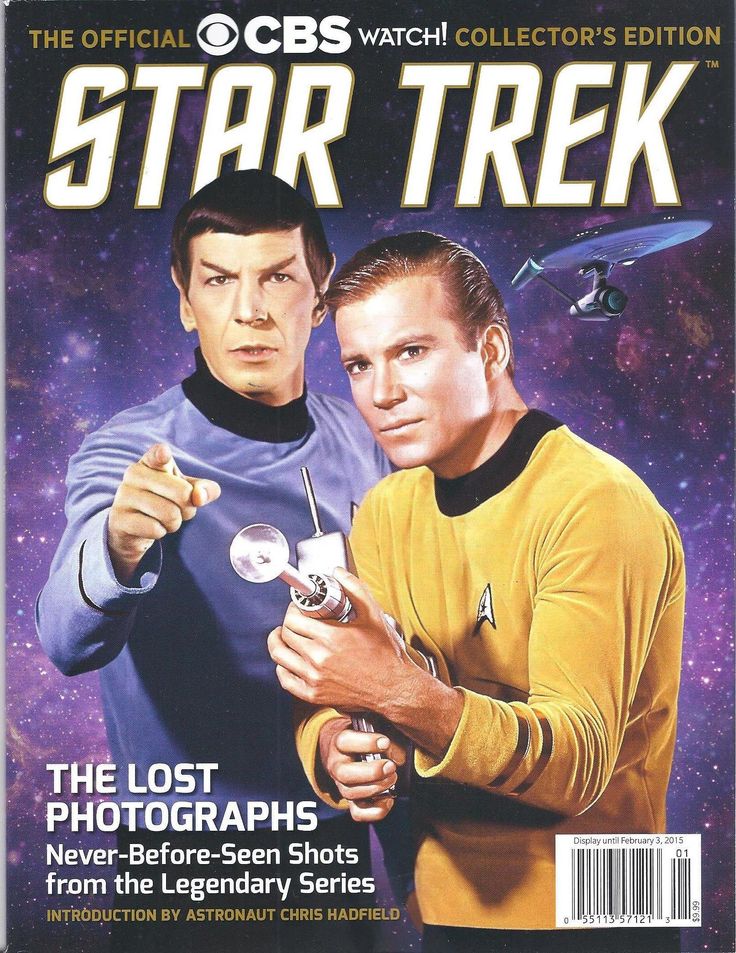
topix 1 Tony Romando: When I was in college many years ago, I went to Rolling Stone and they offered me an assistant’s job and I promised then I would go back and get my degree. So all of these years later, I did. I had four classes, which I finally just banged out over two semesters and I got my diploma in the mail two weeks ago. And to have it is really a big deal. I’m from a long line of convicts and cops. My family has worked as convicts and cops. All from Chicago and no one had ever been to college. Not one member, even in the extended families.

It’s been a good year. I just graduated and we’re in contract with Rodale to do 12 bookazines a year for them. And their bookazines are always very successful. But they can’t seem to figure out how to make any good money. Prevention is really small down here. No one even knows who Prevention is. It’s like 65,000 copies; that’s a lot of money. So, when they called me and said we can’t figure out how to make this work; I got my fork and knife out and told them I can make this work for you.

The funny thing; what we do, I think, is very simple. You analyze the space better than anyone and I spend a lot of time also analyzing the space out there.

Samir Husni: And you know it’s amazing. It started in the U.K. with the bookazines, but now it’s all over Europe and all over the world. I just gave an interview to a magazine in the Netherlands all about the bookazine trend. They wanted to know all about the bookazine phenomenon. So, I can guarantee you that your interview is going to be making the rounds.

Tony Romando: Good, because long-term plans are really short-term because two years ago I said I’m going to give it six months and if I don’t end up flying, I’m out. Then I started adding clients. And last year, around May, I said 2015 is my year. I’ve built up everything and if I can’t make it work in 2015, I’m leaving. I’m done. My wife has her own company and I’ll do something else.

And then we hit May and I knew that we really had something. Now I’m looking at it, still in short-term stages, but I’m starting to look at it more long-term; what can I do in 2016 and 2017? And one of the things that I want to do is look into the international market; what can we do in India, in Australia and in the U.K. to make them buy our magazines. International is a good step, because there’s only so much we can do here.

Samir Husni: What has been the major stumbling block that’s faced you through your journey with Topix Media Lab and how did you overcome it?

Tony Romando: The major stumbling block was not on the publishing side, it was on the entrepreneurial side. You do six magazines a year; you can balance a checkbook easily, there are a few dollars coming in, a few dollars going out and very few people to concern you. But as you add clients and you get to a point where you’re probably doing 90 magazines or more per year; we’ll probably do between 90 and 110, you hit a point where it becomes very complex.

And because it becomes complex, the fear was that we would outgrow our internal mechanism, so we’ve kind of pumped the brakes. We have so many brands now, that we’ve hit a point where we want to make sure our brands get the love they need. We don’t want to be greedy. I think we’re all chasing the same brands and sometimes I beat Time Inc. to the punch and sometimes I don’t beat them. We may be on their coattails, but we’re a long distant second place or third place or whatever it is.

I think the big stumbling block is making sure the internal side of it works and that we don’t outgrow what we have the capability of doing. The Source thing really threw us for a loop because it’s kind of skewed all of our numbers for an entire year and as a small company; I think we went from $3 million in revenue to $12 million in revenue to $18 million in revenue, with a forecast of maybe $40 million in revenue this year. That’s pretty heavy growth for an industry that claims to be dying, which is pretty shocking.

But the good news, and I mean this in the most sincere way; I don’t know what I don’t know. So, I’m sure that I’m making mistakes that I don’t even know about along the way and the ignorance of it has been slightly beneficial.

For me, it’s a different kind of story. When I was 17, I joined the Navy. I left home and joined the Navy, spent five years scrubbing bird crap off a runway; the second longest; largest runway in the world is in Guam. I was there for years and I was chipping bird crap off of the runway. So, 18 hours a day, 6 days a week; I know what real hard work is.

Doing this for 18 hours a day and crunching numbers and making magazines is a cakewalk. And it’s a treat. If you get the right people to do the right thing; it’s like I used to pick all the topics; I did all the analyses, the John Wayne stuff, and then at a certain point I realized I’m not good enough at it, so I hired someone who just comes in and crunches numbers all day. I think the stumbling block was how you actually put out quality topics that will sell and hit the certain sell-through range; now, they don’t all have to be winners, but we don’t want any that are 12% either. And if they can all stay somewhere here, with a couple of spikes on this end, then we’ll make a lot of money.

So, to answer your question; one of the biggest mistakes I’ve made is not realizing fast enough that I’m not great at something. And if I’m not great at this thing, then I need to hire someone who is amazing. And now that I have these people in place, it’s become a lot easier to sit back. Now I can just criticize their work all day as opposed to my own. (Laughs)

Samir Husni: (Laughs too) And what has been the most pleasant moment throughout this journey?

Tony Romando: That’s a tough question. I almost want to say being my own boss, but as I said before, I have more people to answer to now than ever before. So, I think the most pleasant part of this journey is knowing that Topix Media Lab is on everyone’s radar. We tried to fly under the radar for three years; I was hoping to go six years without anyone noticing that we existed. Being on your radar, knowing that we come up in board meetings or meetings at big publishing companies; it’s a very flattering thing. To know that we’re in the mix with those guys is great, but it’s also daunting because that means we have the bull’s-eye on our back.

The long-term goal or the short-term goal really, is to partner with one of these bigger guys and knowing that we have the ability to bring in bigger brands than most people, whether that’s because we identify them sooner, there are a couple of really big untapped brands that people don’t even think about that I have on my list of ideas on my wall that I think would make really great bookazines.

And because we haven’t gone to those yet; we don’t want to get too big too quick. What we really want to do, what I really want to do, is partner with someone big who wants to be part of something smaller that they can share in the revenue stream of it and would help us get to certain pockets because, and you know this as well as anyone, you want to be at the main line; well, you’re at the main line, but you want to be at the checkout.

But a lot of those guys want to be at the checkout because of their advertising rate base and I don’t need that, so I want to systematically pick checkouts. If I can get 30,000 copies in Wal-Mart, instead of 10,000 copies, and sell 40%, I’m going to do a lot better.

But the downside to that is no matter how much money that you have, you can’t just drop a bag of money down and say I want in; you have to wait your turn, start at the bottom, work your way up; you’re in the bad aisle that’s never opened, then you slowly move over.

And I think a lot of these big guys have the millions of dollars invested in those pockets and because we know that you can take a magazine and go from 25% sell-through to 35 or 40% sell-through just by going to the checkout, I’m now trying to figure out how to jockey ourselves into a position where we can partner with someone we might be competing with right now and pool our resources together, because I think we can show them how to do the bookazine business for one-tenth of what they’re doing it and they can kind of carry us across the finish line to some of those checkout pockets. That would be a really great synergy and that’s where we’re headed next.

Samir Husni: And before I ask you my typical last question: who was your favorite wrestling figure, since you’re no longer with WWE? (Laughs)

Tony Romando: (Laughs too) Strangely, it would have to be Shane McMahon. Vince McMahon, who’s the CEO and Chairman of the Board, his son Shane, who I worked for, was a business guy. But he also grew up in the business.

And he used to jump off of the Jumbotron, which is this huge screen, and he would jump 50 or 60 feet onto a table with other people. I mean, he owned the company and he did not have to do that kind of stuff or put himself in harm’s way. He was amazing in the sense that he would jump from the highest point and put himself at the biggest risk. He’d put himself in the most dangerous positions.

But on Monday, when wrestling was over, on Tuesday, he was back at the office and wearing a suit, looking at the consumer product group, the China expansion. The rest of these guys were wrestling again. He was able to do both and no matter what you think about wrestling, they are a pretty amazing group of guys because you’re afraid of them because they’re massive and they’re also just a little bit crazy, but they’re really impressive athletes too.

So, with all of these guys, it’s like they’re the most amazing guys to see in person because they’re just huge. And they have great character and they’re all banged up. Whether you call it real or not, it’s scripted, but the action is really real. Everyone should go to a wrestling show.

Samir Husni: We have followed it some; in fact, I was the crazy person who took his entire family to the Valentine’s Night Massacre. (Laughs)

Tony Romando: (Laughs too) It’s really amazing, isn’t it?

Samir Husni: It really is.

Tony Romando: Yes.

Samir Husni: My typical last question; what keeps you up at night?

Tony Romando: Single-copy sales would be the answer that I give you. But to be honest, what keeps me up at night is doing more research on the next big project. I don’t lose any sleep and I don’t stress over this business at all. I have a two-year-old son; my wife is pregnant with twins; I’m up all night anyway. I’m up day and night from the family side, but it’s not because I’m worried about the business.

What keeps me up is more research and more data and I’ll stumble onto one new piece of information that basically says instead of doing a cover with six images, I should do it with three images. And that’s the best part of it. I think too many people are on autopilot when it comes to what they should do; it’s the same stuff, year in and year out. And there is so much good stuff out there that hasn’t been tried yet. So, what keeps me up is doing more research. The more information I have, the less dumb I feel when things go bad. At least, I did my homework. (Laughs)

Samir Husni: Thank you.

h1

On A Scale Of One-To-Ten – TEN: The Enthusiast Network Lives Up to Its Name – The Mr. Magazine™ Interview With Scott Dickey, CEO, TEN.

May 25, 2015

The Mr. Magazine™ Reports from the IMAG conference.

“We’re not surprised that digital brands are launching publishing products; it’s the most powerful level of engagement, whether it’s a book, newspaper, or a magazine; there is no higher level of engagement than when a consumer is reading a printed product. We’re in for the long-haul.” Scott Dickey

IMG_6733
The IMAG Annual Conference took place May 18th to 20th in Boulder, Colorado and it was without a doubt one of the most enlightening and effective conferences I’ve attended in quite a while. Be Bolder in Boulder was the theme of the conference and many of the speakers at the event were aiming their cannons toward just that for the future of their brands.

Scott Dickey of TEN: The Enthusiast Network was no exception. His presentation was an eye opener to many if not all at the conference. He joked that when he took charge of the company, one of his publishers told him that the true name of the company is PEPSI, as in the soft drink. Of course that soft drink reference reflects the many changes and ownerships that is the current TEN company’s heritage. In a few magazine years, the name evolved to TEN from Peterson, E-Map, PRIMEDIA, and Source Interlink before it went bankrupt. Scott joked and said the company now is PEPSI TEN.

I spoke with Scott after his own presentation and we talked about the last fifteen months, since his joining the team, of the content company’s rebranding and his vision for its future. Since his taking the helm, his mission has been to create and deliver content that engages with his audience: enthusiasts of everything action and outdoor oriented.

His focus is clear and his determination to return to some of the core fundamentals of the company is succinct. From Motor Trend to Surfer and a possible new print version of their highly successful “Roadkill” digital brand; Scott has set TEN on course for a very bright future indeed, both in print and in digital.

I hope you enjoy the Mr. Magazine™ interview with Scott Dickey, CEO, TEN: The Enthusiast Network. It’s sure to leave you as motivated and inspired as the man himself is.

But first the sound-bites:


On why TEN is one of the best-kept secrets in the industry:
That’s a flattering way to put it. It’s certainly not something that we want to be a secret. I think when companies go through unfortunate transitions of ownership, leadership and financial disarray, you lose a lot of momentum and the fundamentals of operating a company and I think this company unfortunately didn’t spend a lot of time talking to the industry about who they were and what they had to offer.

On his magic touch and the formula he’s using to lead the company into the future: I think the biggest thing that I realized early on was that the company didn’t have any creditability within its own staff and that we needed to focus on the core fundamentals of internal communication, very clear lines of organization; we had to get the company back focused on the fundamentals of all this and what success looked like and what our expectations were and where we felt we could win.

On the role print plays currently in the company: Social obviously dwarfs everything and digital is just enormous for us. But in terms of the importance of our everyday roles and responsibility in the company, we’re still foundationally a publishing entity at our core, so it still represents 50% of the company’s business, less or more depending on what metric you’re looking at.

On whether he can imagine TEN without any print components: I definitely see where there are going to be pockets of opportunity where we’ll have brands that won’t have a print entity. One of our most powerful and valuable brands today is a brand called Roadkill, which I mentioned is sort of our House of Cards, our Game of Thrones in the automotive industry. If you go on YouTube and you take a Roadkill, you’ll see the power of that audience and it doesn’t live in print at all. We’re actually thinking about launching a print product this fall behind that brand because it has such a huge following and we think we can extend the power of that brand by getting into different distribution channels.

On any improvements he thinks the distribution model needs: Being owned by a distributor, they put more time and energy and value in what was being distributed at newsstand because of the cover price and the economics for somebody who may buy the magazine once a year or once a quarter. Those customers are experiencing the good stuff, the better package, the better paper quality, even better content. But the loyal subscriber was getting the crap, right, because we had driven down the subscriber economics so much that you’re actually penalizing the people who were committing to you for a year or two or three. And I think that’s a model that we have to completely unwind.

On launching digital-only entities, such as TEN’s “Roadkill” into a print format: We see opportunity there. And we’re not surprised that digital brands are launching publishing products; it’s the most powerful level of engagement, whether it’s a book, newspaper, or a magazine; there is no higher level of engagement than when a consumer is reading a printed product. We’re in for the long-haul.

source_motor_trend_february_2015_usa On the example of Recoil’s business model: High cover price, high subscription price and more reliance on circulation than advertising for revenue resources, is why TEN has shed some of its legacy titles and started new titles such as Roadkill: We had a lot of duplicative content as a company historically through a series of acquisitions and consolidations of smaller publishers along the way; Peterson, Mcmullen Argus, and when I came in we had four titles dedicated to the world of Mustangs; four Mustang magazines. And that’s just very difficult to rationalize.

On the biggest stumbling block he’s had to face or is currently facing: You started the conversation with one of them: no one knows who the heck we are. But that’s just a case of blocking and tackling and execution and time in the marketplace, investing in the audience.

On what keeps him up at night: Right now, we’re having some pretty significant SEO (Search Engine Optimization) challenges internally with some of our automotive business. And we’re not doing as good a job on delivering against some of our digital campaigns that we’ve secured with some of our larger clients. So, we’ve got some work to do.

And now the lightly edited transcript of the Mr. Magazine™ conversation with Scott Dickey, CEO, TEN: The Enthusiast Network.

Samir Husni: I noticed during your speech that everyone’s jaws dropped and their eyes opened when you said that TEN is the fifth largest magazine company in the United States. Why do you think that TEN is one of the best-kept secrets in the industry?

Scott Dickey: That’s a flattering way to put it. It’s certainly not something that we want to be a secret. I think when companies go through unfortunate transitions of ownership, leadership and financial disarray, you lose a lot of momentum and the fundamentals of operating a company and I think this company unfortunately didn’t spend a lot of time talking to the industry about who they were and what they had to offer. It’s understandable; I’m not being critical, but we’re in a moment in time where we’re now a new enterprise; we’ve been restructured and we have foundational strength and great assets and brands and great audiences, so we have to start the educational process all over again.

Whether we’re the fifth, sixth or seventh, it’s all debatable. But it’s a huge company with great depth and reasonable reach, but with a base of consumers that can really add a lot of value to our advertisers.

Samir Husni: What’s Scott’s magic touch? All bets were against you when you took this job. So, in the midst of this transformation, in creating this new network, this content company; first you’ve eliminated the title publisher, you have general managers now; what’s the secret or not-so-secret formula that you’re using to lead the company?

Scott Dickey: Well, I’m learning too, this is a process. I think the biggest thing that I realized early on was that the company didn’t have any creditability within its own staff and that we needed to focus on the core fundamentals of internal communication, very clear lines of organization; we had to get the company back focused on the fundamentals of all this and what success looked like and what our expectations were and where we felt we could win.

And we had to eradicate stagnation and build a trust back with the staff, so that they could take risks and attempt to innovate. I think that there was so much fear in the building and so much just legacy muck that the company was in disarray, so we had to do a lot of clean-up early on and start the conversation fresh and that took some time. We’re still in the clean-up mode, 15 or 16 months later and I think we probably have another six months of that ahead of us.

Samir Husni: One of the things that I’ve noticed you’ve done; you’ve sort of flipped the formula, where print content used to be the most dominant thing, now if I recall correctly from your presentation, print is around 4%?

Scott Dickey: From an audience perspective, yes. Social obviously dwarfs everything and digital is just enormous for us. But in terms of the importance of our everyday roles and responsibility in the company, we’re still foundationally a publishing entity at our core, so it still represents 50% of the company’s business, less or more depending on what metric you’re looking at.

But our focus is to try to divert as many resources as we can toward new growth opportunities, toward new revenue models and new opportunities to stimulate growth in the organization and that’s a tricky process, but it’s one that we’re challenging ourselves to evaluate on any given moment on any given day.

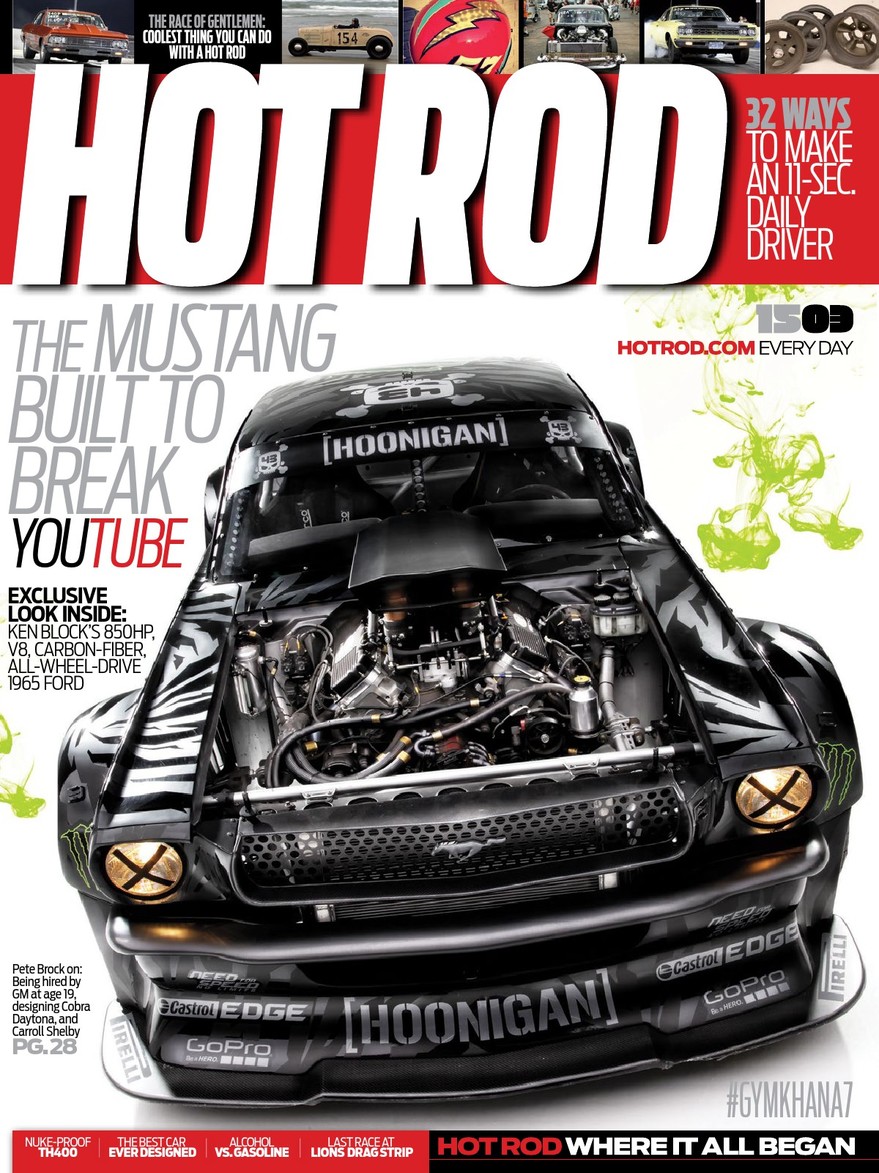
Hot Rod 2015-03_000001 Samir Husni: Can you ever imagine TEN without a print component? Can you imagine those brands existing without a print entity at all?

Scott Dickey: Yes; I mean, we’re already there. We shelved 18 brands last year, shelved the print versions of them and several of those brands live on in in the digital and social worlds.

So, yes, I definitely see where there are going to be pockets of opportunity where we’ll have brands that won’t have a print entity. One of our most powerful and valuable brands today is a brand called Roadkill, which I mentioned is sort of our House of Cards, our Game of Thrones in the automotive industry. If you go on YouTube and you take a Roadkill, you’ll see the power of that audience and it doesn’t live in print at all. We’re actually thinking about launching a print product this fall behind that brand because it has such a huge following and we think we can extend the power of that brand by getting into different distribution channels.

Samir Husni: Where do you see a need for improvement in our distribution business model?

Scott Dickey: Being owned by a distributor, they put more time and energy and value in what was being distributed at newsstand because of the cover price and the economics for somebody who may buy the magazine once a year or once a quarter. Those customers are experiencing the good stuff, the better package, the better paper quality, even better content. But the loyal subscriber was getting the crap, right, because we had driven down the subscriber economics so much that you’re actually penalizing the people who were committing to you for a year or two or three. And I think that’s a model that we have to completely unwind.

Samir Husni: This industry is the only industry that I know of that rewards the marginal customer and penalizes the frequent.

Scott Dickey: And then even with the marginal customer, where we should raise price, we’ve got retailers like Wal-Mart that just won’t let you do it. And you’ve got massive amounts of distribution with one retailer and that retailer says unless you give me product improvement to justify the price increase, you can’t increase the price.

So, we’ve got some work to do. I think there are some legacy aspects to the business model that needs to be reinvented and we saw a lot of good stuff today with the presentations.

Samir Husni: I’ve noticed lately, within the last few years, a lot of digital-only companies are bringing in print magazines to complement. With Roadkill, do you envision that as a regularly published magazine or a test-run in September?

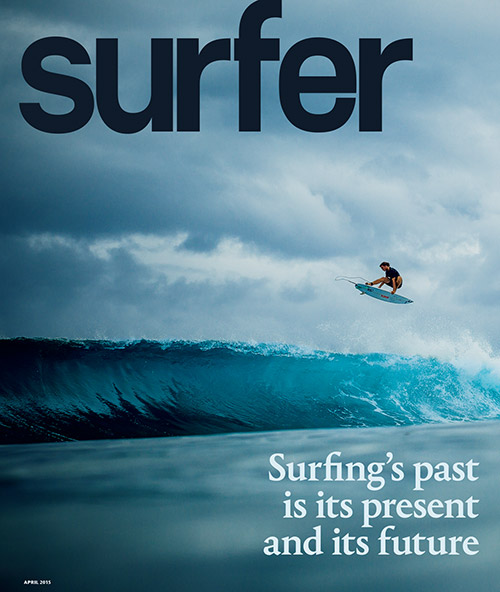
surfer-april-2015 Scott Dickey: We’re starting with the mantra of being a quarterly and that we put it predominantly on newsstands to start and build a subscription business from scratch. We’ve been very successful with a few other properties: Recoil and Offgrid, in particular. They’re number one sellers on newsstands; they’re bigger than Motor Trend and have a very different economic model behind them, $8.99 cover price and $59.99 subscription for six issues.

So, we believe that if you don’t have the legacy baggage that some of the publishing brands have had to deal with, you can resurrect from scratch, a great business model that we all can kind of reflect back on from the ‘80s and ‘90s. We see opportunity there. And we’re not surprised that digital brands are launching publishing products; it’s the most powerful level of engagement, whether it’s a book, newspaper, or a magazine; there is no higher level of engagement than when a consumer is reading a printed product. We’re in for the long-haul.

Samir Husni: This year in April, almost every major media company in the United States, with the exception of maybe Time Inc., launched a new print magazine. Technically, following the Recoil model: very high cover price, very high subscription price, more dependence on circulation than advertising in terms of revenue; is this the reason you’re shedding some of the legacy titles and coming up with new titles like Roadkill?

Scott Dickey: We had a lot of duplicative content as a company historically through a series of acquisitions and consolidations of smaller publishers along the way; Peterson, Mcmullen Argus, and when I came in we had four titles dedicated to the world of Mustangs; four Mustang magazines. And that’s just very difficult to rationalize.

Our consolidation started and ended with one single premise: what is in the best interest of the consumer. We really believe that all roads start and end with that line of thinking. If you answer the question what’s in the best interest of the consumer; what is the consumer looking for, and you can solve that problem or meet that need, then it’ll work for your customers a.k.a. your advertisers, and certainly work for the company and my colleagues.

Samir Husni: What has been the major stumbling block you’ve either had to face or you’re facing now as CEO of TEN?

Scott Dickey: You started the conversation with one of them: no one knows who the heck we are. But that’s just a case of blocking and tackling and execution and time in the marketplace, investing in the audience.

We just launched a big advertising campaign on Automotive News, Adweek and Ad Age and I’m attending conferences like this to help spread the word; spread the Gospel of what we have to offer. It’s a short-term challenge, but one that I think we can overcome.

We’re still outrunning the declining economics of print, just like everybody else, and I think trying to dedicate resources to areas of growth, whether it’s digital, social, video, experiential, data, even for us broadcasting, and going over the top with our own channel this summer, just trying to build those businesses, while trying to maintain and protect the four, that’s clearly the biggest challenge.

Also, balancing the allocation of resources on both sides of that equation is challenging, but it is doable. We know that we can make it happen; we know that we can become the first publisher to cross that chasm, the first big publisher to cross that chasm, and we’re dedicated to winning that fight.

Samir Husni: My typical last question; what keeps you up at night?

Scott Dickey: Right now, we’re having some pretty significant SEO (Search Engine Optimization) challenges internally with some of our automotive business. And we’re not doing as good a job on delivering against some of our digital campaigns that we’ve secured with some of our larger clients. So, we’ve got some work to do.

One of the reasons our company is a habit in the transformation of a legacy publisher to a content creation company is because our websites were so bad that our editors just skipped digital in terms of desktop website experiences and went directly to social and video. So, we’re ahead of the game on social and video, but we’re way behind on digital. And we have to do a lot of rebuilding. That’s what’s keeping me up at night right now.

Samir Husni: Thank you.


h1

A Millennial Read That’s Fast-Paced, Upbeat & Not Digital – The Mr. Magazine Interview With Emily Cronin, Editor-In-Chief, Trending NY Magazine.

May 11, 2015

“One of the results of living on your Smartphone is you crave a break and people like me and my friends; our readers, I think increasingly, new magazines bring a breath of fresh air and a treat. Although, like you, it’s my job to read magazines and keep up with everything that’s going on, I still favor them and bring them on vacation with me, because you read a magazine very differently on a long commute or a flight or in a beach chair than you do at your desk.” Emily Cronin

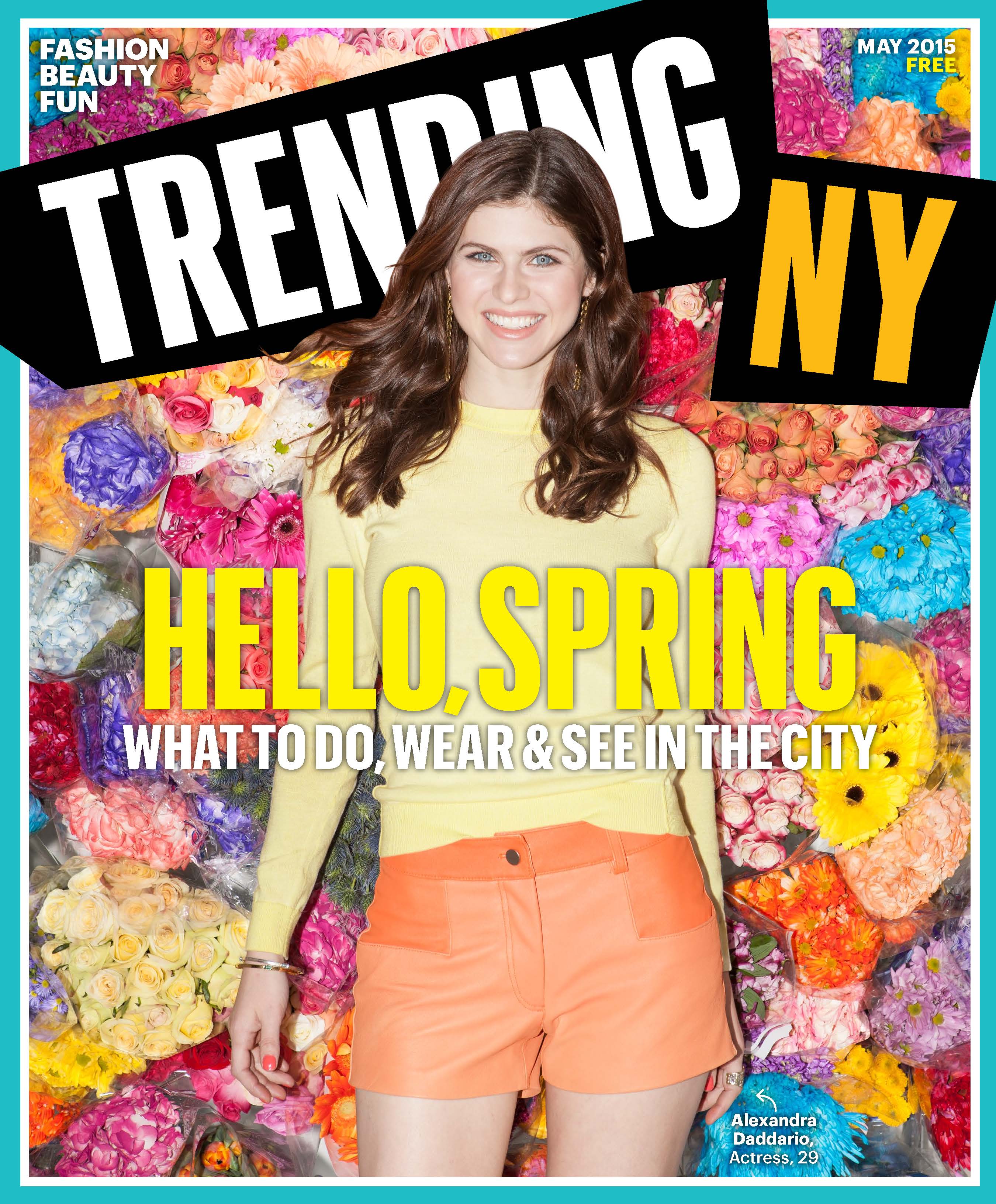
Trending_Cover_May 2015 A new free, monthly fashion, beauty and entertainment magazine for millennial New York women, that’s the concept behind Hearst’s, Trending NY. It’s upbeat, colorful and a fast read that not only competes with millennials’ digital devices; it’s actually a welcomed diversion and something readers are excitedly craving in their fast-paced lives, at least according to Trending NY’s founding editor, Emily Cronin.

And if anyone should know the minds of the magazine’s readers; it’s Emily. Being a millennial herself, she knows the value of a long, deep breath away from the bombardment of today’s information flood and Trending NY is ready to provide that much-needed respite. After four pilot issues last year, Trending NY starts regular monthly publication with the May 2015 issue.

I spoke with Emily recently and we talked about her early interests in political science, becoming a foreign correspondent, and then the ultimate realization of her love of stories, storytelling and beautiful, collectable covers. And of course, we talked about the potential of Trending NY and the goals she hopes to accomplish with the magazine that collects all the trending topics of interest a millennial New York woman wants and needs to know, and puts into the timelessness of print.

I hope you enjoy this refreshing interview with a young lady who knows the convenience of the digital age, but also knows in order to enjoy the beauty and joy of life, sometimes you have to slow down the pace and relax with a great magazine. And now the Mr. Magazine™ interview with Emily Cronin, Editor-in-Chief, Trending NY.

But first the sound-bites:

On how her career transitioned from a Political Science major in college to fashion, beauty and entertainment: It’s a long story, but the short version is when I was in college I wanted to be a foreign correspondent in the Middle East. But at the same time I was working on the student newspaper and the student magazine. And I found that what I loved was telling longer stories that you could really invest in and make beautiful and create covers that had a lifespan.

On why she believes millennials are craving the lean-back experience of print:
One of the results of living on your Smartphone is you crave a break and people like me and my friends; our readers, I think increasingly, new magazines bring a breath of fresh air and a treat.

On whether she fears that readers will come to expect an overabundance of direction from Trending NY:
Actually, that’s really fun. Whether I’m an editor or not, I’m constantly on the hunt for information about what’s new and what’s on the horizon. And Trending NY is an amazing vehicle for my team and me to share our discoveries. Everything that’s in the magazine is something that we’re excited about.

On the basic concept of the magazine:
Trending NY is the new free monthly fashion, beauty and entertainment magazine for millennial New York women. The magazine is a quick shop-able read; everything in the magazine, all the clothes, all the beauty items, are in store now; there’s none of the delayed gratification that we’ve grown accustomed to with traditional monthly fashion magazines.

On whether she thinks we may see more “Trending” titles upcoming:
You never know. I would love it if that were somewhere in the future, but I’m really not at will to say. Although, I will say that Trending is a name that lends itself to other cities, so I wouldn’t be surprised.

On the biggest stumbling block she’s had to face:
There have definitely been small challenges, but there have been no stumbling blocks; this whole thing has been a lot of fun, honestly.

On her most pleasant surprise:
I love it when I see people reading it on the subway. It makes me feel a little like a spy, sitting there watching them and trying to see the pages that they’re lingering over and just to witness people interacting with it and enjoying the product that we’ve worked so hard on is really a joy.

On what she feels the role of an editor is in 2015 compared to the years before the digital explosion: I think now more than ever the editor has a responsibility to filter all of the information that’s out there. There is an unbelievable torrent of information hitting our reader every day and something that I repeat all the time to my team is that we have to be specific.

On what motivates her to get out of bed every morning and look forward to going to work:
What really keeps me going is the next big idea. Hearst has now committed to producing more issues of Trending NY to December 2015 and we have ideas for features for a year beyond that. So, constantly we’re refining and building our ambition and trying to figure out how we can make the next issue even better and that’s a huge motivating factor.

On what she reads at home when she’s relaxing:
What am I reading? Everything, I’m very lucky. One of the best things about being an editor at Hearst is that I get all of our magazines and I bring them home with me and have giant leaning towers of magazines on the floor all over the apartment. I love nothing more than after the kids go to bed, flipping through a magazine and really taking more time with it.

On what keeps her up at night: I’m always thinking about the magazine and am really driven by excitement at what we can accomplish with it.

And now the lightly edited transcript of the Mr. Magazine™ conversation with Emily Cronin, Editor-in-Chief, Trending NY.

Samir Husni: You majored in Political Science and graduated with honors from Duke University, but so far your journalism experience has been in fashion, beauty and technology, no politics. When was the transition from Political Science in school to what you’re doing now? It’s very fascinating. And now you’re editor-in-chief at a very young age for a major magazine; can you tell me about your career paths?

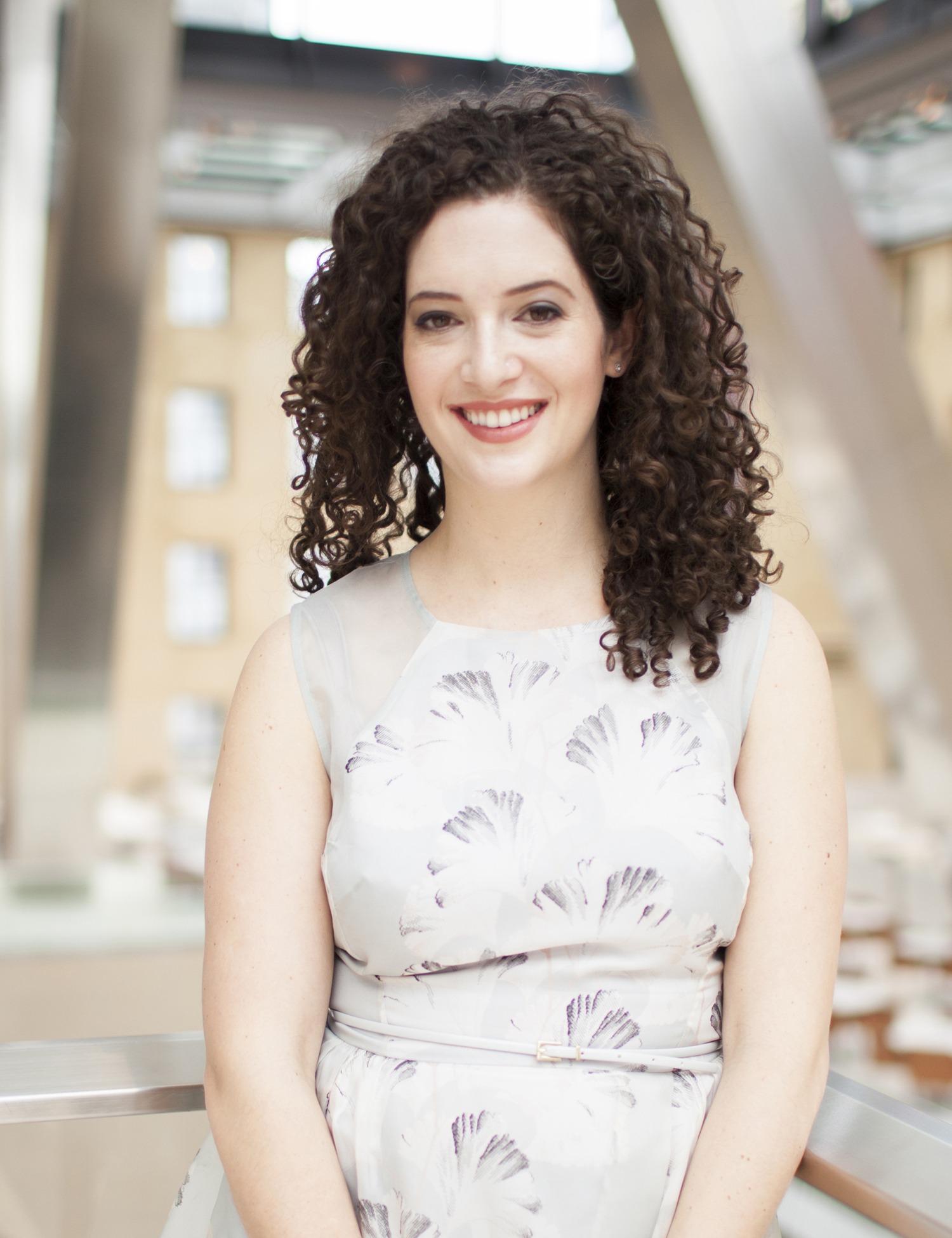
EmilyPortrait1 Emily Cronin: It’s a long story, but the short version is when I was in college I wanted to be a foreign correspondent in the Middle East. But at the same time I was working on the student newspaper and the student magazine. And I found that what I loved was telling longer stories that you could really invest in and make beautiful and create covers that had a lifespan.

When I graduated, instead of moving to the Middle East, I moved to London and I did start working in financial and political news; my first jobs were actually at the Financial Times and CNBC. But it became quickly apparent to me that I wanted to be in fashion magazines; I wanted to do features and fashion and create those beautiful stories that I loved.

I was very fortunate; I entered and won the Vogue talent contest for young writers, which having moved to London and not knowing anyone in the magazine industry, it gave me a great foot in the door and paved the way for me to go and work at Harper’s Bazaar and Elle UK in London. I’m really happy with the path my career has taken.

Samir Husni: Congratulations on your latest achievement, becoming editor-in-chief of Trending NY. If someone your age asked you; Trending NY is aimed at millennials, are you out of your mind to publish a print magazine for this age group? Millennials live on their Smartphones and digital devices; this is a digital age, after all. Why do you think they would be reading Trending NY in print?

Emily Cronin: That’s very true, but one of the results of living on your Smartphone is you crave a break, and people like me and my friends and our readers, I think, increasingly view magazines like a breath of fresh air, like a treat. And although, like you, it’s my job to read magazines and keep up with everything that’s going on, I still savor them and bring them on vacation with me, because you read a magazine very differently on a long commute or a flight or in a beach chair than you do at your desk.

What I’m so excited about with Trending NY is the chance to provide something that surprises and delights our reader and makes her feel like she’s been given a gift. So, absolutely, there’s not just a place for this in New York, but it’s something that women in our demographic are craving.

Samir Husni: You’re now the curator for these women in New York. Do you feel any sense of alarm or fear that they’re going to depend on you to tell them what to do?

Emily Cronin: Actually, that’s really fun. One of the reasons that I think a lot of people, including myself, get into journalism is that we like to be the ones who know what’s going on before anyone else and we also like to be the ones who tell everyone else what’s happening.

Whether I’m an editor or not, I’m constantly on the hunt for information about what’s new and what’s on the horizon. And Trending NY is an amazing vehicle for my team and me to share our discoveries. Everything that’s in the magazine is something that we’re excited about. We make very sure of that. It’s really a pleasure every month to share it with the readers.

Samir Husni: For those who are not living in New York, Emily; can you tell me a little bit more about the magazine so people outside of the City will have a better idea of what’s trending and what it’s all about?

Emily Cronin: Of course. Trending NY is the new free monthly fashion, beauty and entertainment magazine for millennial New York women. The magazine is a quick shop-able read; everything in the magazine, all the clothes, all the beauty items, are in store now; there’s none of the delayed gratification that we’ve grown accustomed to with traditional monthly fashion magazines. And we really collect the best of what’s happening in New York so that our readers can maximize their experience in the City. It’s positive, upbeat and inspirational and everything a girl could want to read on her commute.

Samir Husni: Can we expect to see from Hearst later on a Trending L.A. or a Trending Chicago; is this an experiment or is New York unique for such a magazine?

Emily Cronin: You never know. I would love it if that were somewhere in the future, but I’m really not at will to say. Although, I will say that Trending is a name that lends itself to other cities, so I wouldn’t be surprised.

Samir Husni: What has been the biggest stumbling block that you’ve faced since starting Trending NY and how did you overcome it?

Emily Cronin: This whole experience has honestly been so refreshing because we had a chance to come in and do something completely new. We are effectively a startup publication with all the backing and resources of the incredibly well-resourced Hearst Corporation.

There have definitely been small challenges, but there have been no stumbling blocks; this whole thing has been a lot of fun, honestly.

Samir Husni: What has been the most pleasant surprise?

Emily Cronin: You know what; I love it when I hear that people are saying nice things about the publication behind my back. In other words, when I get positive feedback secondhand; where someone will say to me, my colleagues came in and saw the magazine on my desk and said they picked that up recently and it was really good.

I also love it when I see people reading it on the subway. It makes me feel a little like a spy, sitting there watching them and trying to see the pages that they’re lingering over and just to witness people interacting with it and enjoying the product that we’ve worked so hard on is really a joy.

Samir Husni: You’re now the editor of Trending NY; what would you say if someone asked you what the role of editor is today in 2015 compared to what it was before the digital explosion?

Emily Cronin: I think now more than ever the editor has a responsibility to filter all of the information that’s out there. There is an unbelievable torrent of information hitting our reader every day and something that I repeat all the time to my team is that we have to be specific. If we’re going to tell our reader that she needs to go to this festival in Brooklyn, that’s not good enough. We have to tell her the one event that she can’t miss and what she should eat and drink and wear.

I view one of the roles of Trending NY as a crib sheet for overstretched New York women; they don’t want to know every movie that’s opening this weekend or every restaurant that has a special, they want to know exactly what everyone else is talking about so that they can stay in the flow of the conversation, which is moving faster and faster every day.

Samir Husni: Having said that; what makes Emily get out of bed every morning and look forward to going to work?

Emily Cronin: Well, the first thing that gets me out of bed in the morning is my 16-month-old twins. They wake up very early and then of course, I’m up early too, which gives me a chance to check my email and look at Instagram and Twitter.

But what really keeps me going is the next big idea. Hearst has now committed to producing more issues of Trending NY to December 2015 and we have ideas for features for a year beyond that. So, constantly we’re refining and building our ambition and trying to figure out how we can make the next issue even better and that’s a huge motivating factor.

Samir Husni: The twins are in bed and asleep and you’re sitting on your couch at home with a glass of wine if you indulge; what would I find you reading and would it be on a digital device or in print?

Emily Cronin: What am I reading? Everything, I’m very lucky. One of the best things about being an editor at Hearst is that I get all of our magazines and I bring them home with me and have giant leaning towers of magazines on the floor all over the apartment. I love nothing more than after the kids go to bed, flipping through a magazine and really taking more time with it. Obviously, I look at everything that comes across my desk at work in a very quick way, with a view toward seeing how the things that we’re doing are trending. But really reading the features and looking at the fashion shoots; I look at everything you’d expect me to look at in all of our publications that I can name and some that I can’t. I also look at the international titles, having come up in London; I still get all of my British magazines as well.

Samir Husni: My typical last question; what keeps you up at night?

Emily Cronin: Can I say the twins again? (Laughs)

Samir Husni: Of course. (Laughs too)

Emily Cronin: What keeps me up at night is actually very similar to what gets me up in the morning and that’s excitement at the potential of what we can do with Trending NY and what we can accomplish.

And I’ve definitely learned to sleep with a pen and a notepad on my nightstand so that if I wake up with a very specific, detailed thought about a feature or a headline or a distribution issue, I can write that down and I can also write down the big ideas. Sometimes when I wake up, I find that I’ve written down something that actually is useful.

To be a little more concise, I’m always thinking about the magazine and am really driven by excitement at what we can accomplish with it.

Samir Husni: Thank you.

h1

New Magazines Enjoying A Strong Spring Time… Rediscovering PRINT.

April 29, 2015

Rodale's Organic Life Sub.parents latina

The beauty of Springtime, in large part, is always the fresh, new buds that Mother Nature gives birth to and then nurtures with her showers and warmer temperatures.

April saw major publishers doing the same thing with their brands, giving birth to beautiful new magazines and cosseting them with the care and concern that only a parent can.

national geo history

A total of 70 new titles hit the newsstand for April and 20 of them were with regular frequency. Out of those 20 newborns, 5 of them were delivered from large-scale publishers that show no fear in the face of cynics who still decry the value of print in today’s world. Print is on the rise; was there ever any doubt?

From National Geographic’s ‘History’ to Bauer’s powerhouse, ‘Simple Grace;’ the big houses are once again inking up their printers and truly having a good old-fashioned ‘print’ revival. Meredith launched ‘Parents Latina;’ Smithsonian has decided to take quarterly ‘Journeys’ and Rodale is educating us on the ‘Organic Life.’ What more could a magazine lover ask for? Maybe to see the beautiful covers?
SGD-1505-coverSJ

So, first here are the numbers for April 2015 launches compared to that of April 2014 as seen in chart 1 and in chart 2 below are the top categories for both years.

Chart 1
april launches

Chart 2
April categories

To see each and every launch of April and every other month please visit my Launch Monitor blog at www.launchmonitor.wordpress.com

h1

Mr. Magazine™ Launch Monitor: A Healthy First Quarter And Second Quarter Opens With A Bang…

April 5, 2015

The first quarter of 2015 ended with 191 titles – down 19 titles from the 210 titles appearing in the first quarter of 2014. The largest drop were the titles published with the intention to appear at least four times a year on the nation’s newsstands. The total of new magazines with frequency in 2015 was 45 titles compared to 61 titles in 2014. As for the specials and book-a-zines, the numbers almost ran neck-to-neck with 2015 producing 146 titles compared to the 148 titles from 2014. To see each and every magazine launch click here.

The first chart below illustrates the total number of the titles, average cover price, average subscription price, average number of advertising pages, and average number of pages of the new magazines.

The second chart below compares the top 10 categories of the new launches in 2015 to those in 2014.

Chart One:
launches q1

_____________________________________________________________________________________________________________________

Chart Two:
categories q 1

_____________________________________________________________________________________________________________________
And A strong start for Second Quarter:

parents latinaSGD-1505-covernational geo history

The month of April is still in its infancy, but three major new launches are already on the nation’s newsstands with a fourth one arriving soon. Meredith was the first publisher to introduce the quarterly Parents Latina, National Geographic Society followed with the bimonthly National Geographic History, and Bauer Publishing with the monthly Simple Grace. Rodale is getting ready to launch Organic Life in ten days. A strong start for quarter two of 2015 and a good sign of a healthy and hefty spring ahead… and by the way, did I fail to mention that all these new launches are magazine launches, as in ink on paper launches? I guess March showers are indeed bringing in April flowers!

h1

March New Magazines: A Solid Month For New Titles…

April 2, 2015

The numbers are in for the month of March and they look good. Not as good as March 2014 but as a whole it was a good month for new magazines. Almost two out of every three titles arriving at the newsstands today are either a special issue about a specific topic or a book-a-zine. To see each and every new title arriving to the newsstands for the first time click here.

The first chart below illustrates the total number of the March magazines and how they compare to the previous year. The second chart shows the top ten categories in new launches.

Picture 37
———————————————————————————————————————-
Picture 38

h1

New Magazine Power By The Numbers: February 2015 Compared To February 2014. A Mr. Magazine™ Exclusive

March 15, 2015

I’ve always said that the vivacity and life’s blood of the magazine industry is in its new launches, as in ink on paper new launches. There is nothing, be it human or otherwise that can continue its species without new birth. And that certainly applies to ink on paper in every way.

The very essence of growth and sustainability is within the confines of creation itself. And Mr. Magazine’s™ Launch Monitor was born from that idea. It is the nursery window where proud parents and relatives or friends of the family can stand and admire the beauty and potential of each newborn ink on paper at their leisure.
launches fef14:15
For the year 2015, I have added a new feature to the Launch Monitor: monthly comparisons. From the Top 10 categories to the Average Cover Price – each month will have the numbers for 2015 and 2014 for you to parallel and consider. The numbers will speak for themselves and the information will be available along with the usual new magazine launches and their covers.

The methodology for this new feature is simple. I am a student of the newsstands. I visit the newsstands almost daily and hunt for new magazines. Every new magazine I find I buy. Once bought, my staff code the magazine, scan the cover and add to my 30,000 plus collection of new magazines. I also depend on the folks launching new magazines and mailing me their first issues. If I do not have a physical copy of the magazine it is not in the statistics. Having said that, I am sure that I do not have every single new magazine. So please treat the aforementioned numbers as the minimum number of new launches.

categories feb 14:15

I hope you enjoy this new feature and I hope it brings another detail of our fascinating world of magazines into a clearer focus and understanding, because it’s a given; we can’t know where we’re going until we know where we’ve been…

It goes without saying that I have each and every one of the magazines posted on the Mr. Magazine™ Launch Monitor and remember my soon to be trademarked phrase “If It Is Not Ink On Paper, It Is Not A Magazine.”

h1

The Doctor Is In As Physicians’ Life Magazine Gets Ready To Launch – The Mr. Magazine™ Interview With Peter Slack, President of Slack Incorporated, Publisher of Physicians’ Life… A Launch Story

March 11, 2015

“The nature of this publication is we want physicians to spend some time away from their practice, getting away, relaxing and curling up with something. And that’s what print does.” Peter Slack

PhysiciansLifecover A lifestyle print magazine targeted for the busy, sometimes stressful world, of clinical practice; Physicians’ Life offers a respite to the maddening world of medical for those overworked men and women who choose to dedicate their lives to others. The magazine aims for a place where doctors can escape from their offices and patients for a while and enjoy getting lost in a world of travel, exercise and connection with other professionals just like themselves. And not only does it aim; it hits its mark quite well.

I have met Peter Slack, president of Slack Incorporated and publisher of Physicians’ Life, and we clicked from the first time we met. In fact, we clicked so much that he hired me to be a publishing consultant on this new magazine launch. So here you have it, truth in reporting, I am a paid consultant for Physicians’ Life but that did not stop me from having a frank conversation with Peter Slack about this new magazine venture. It is a story of a new launch and no one can explain it more than the publisher of the magazine.

I spoke with Peter recently about this brave new world called consumer magazines. Slack has been publishing B to B magazines for years, but this is their first endeavor into the world of consumerism. And while the target audience is physicians, the advertisers won’t necessarily be from the pharmaceutical and health-care worlds. Physicians’ Life will play more toward the affluence of doctor hood, with travel, fashion, auto and luxury being a prime mark for advertisers.

Peter and I talked about the risks; the rewards, and the expense of such a project as this, but he noted that a print component in the consumer world was a very natural extension of what Slack is already doing, and a superb way to grow their market.

So, sit back and relax, the doctor is in and enjoy the Mr. Magazine™ interview with Peter Slack, President of Slack Incorporated, Publisher of Physicians’ Life…

But first the sound-bites:


Wyanoke-aOn whether he is out of his mind to launch a print magazine in this digital age:
No, I don’t think we are out of our minds. I think it’s a great idea and we’ve done our research. All along the way with our research, we were prepared to change our minds and say no. But the results kept coming back as green lights, and the red lights didn’t pop up.

On why his company is making the move to the consumer side of magazines:
The way it came about is the leadership of our company got together about two years ago and we made the statement that we’re a very healthy company; we know what we’re doing in the professional healthcare media space; what more can we do to expand our company, because if you’re not going forward, you’re going backward in the business climate today.

On what he envisions his major stumbling block to be and how he plans to overcome it:
The major stumbling block for us is that we’re privately held and we did not go and get outside financing for this publication. We’re still funding it in-house. We’re fortunate that we do have a lot saved up since we spend our money very judiciously. We’re not a public company; we’re not floating a bond and we’re not going to a VC (venture capitalist), so we have a limited budget to do this and it’s a very expensive project.

On his most pleasant moment so far:
The pilot issue came out in early January and we took copies with us to a meeting we had of ophthalmologists in Hawaii. I took several of them (ophthalmologists) aside and gave them copies of the pilot issue and to man, every single one said, “This is tremendous and much-needed. You guys are on the right track.”

On what he expects the next year to bring:
A year from now I hope to tell you that physicians are reading it and advertisers are embracing it.

On why he decided to go with a print publication for consumers:
The nature of this publication is we want physicians to spend some time away from their practice, getting away, relaxing and curling up with something. And that’s what print does.

On the doctors sharing with doctors tagline of the magazine:
Doctors are unique people, just as any professionals are, but doctors do respect each other. They’ve gone through the same schooling and we’ve learned over time that doctors enjoy hearing from other doctors.

On what keeps him up at night: There is so much opportunity right now in healthcare publishing, with the different platforms: print, online, mobile and there’s a lot of substandard information out there because it’s so easy for almost anyone to put information online. What keeps me up at night is making sure that we’re intelligently approaching that opportunity in the most aggressive way that we can and that we’re not missing the boat.

And now the lightly edited transcript of the Mr. Magazine™ conversation with Peter Slack, President of Slack Incorporated, Publisher of Physicians’ Life…

Samir Husni: Are you out of your mind launching a print magazine in this environment that we live in; one where you hear nothing but gloom and doom?

Peter Slack: (Laughs) I knew you’d start with a good question. No, I don’t think we are out of our minds. I think it’s a great idea and we’ve done our research. All along the way with our research, we were prepared to change our minds and say no. But the results kept coming back as green lights, and the red lights didn’t pop up.

And we’re not the only people launching new publications right now. It’s seems like the time is right for this one.

Samir Husni: You’re an established media company that is specialized in B to B magazines; you have a lot of specialty magazines aimed at physicians and all kinds of people in the medical and healthcare field; why are you making the move to the consumer side?

Peter Slack: That’s a great question. The way it came about is the leadership of our company got together about two years ago and we made the statement that we’re a very healthy company; we know what we’re doing in the professional healthcare media space; what more can we do to expand our company, because if you’re not going forward, you’re going backward in the business climate today.

So, I challenged our upper leadership to come back with new ideas that could either be within our current comfort zone or outside it. And the idea of a consumer magazine came back from our chief financial officer, Darrell Blood, whose fiancée is a physician, and he made a strong argument that the time was right for someone who knows physicians and knows what they’re all about, to put together a publication that would meet their needs outside of the daily practice.

And yes, this is outside of what we do, but it’s related to what we do, because what we do 24 hours per day, every day of the year, is we work with physicians. That’s what we do and what we know, and we listen to their lives, both professionally and outside of what they do in their clinical practices.

When Darrell brought up the idea and said that he’d heard about the stresses that physicians were under when he’d attended cocktail parties and dinners with his fiancée and her colleagues; well, we’d been hearing these same things at our editorial boards and dinners that we’d been going to for several years from doctors that we knew very well.

So, yes, we know our marketplace well; we know the professional healthcare publishing world well, and we’re thankful that we’ve done well and continue to do well. But we’re looking for new ways to grow our company. And this seems like a natural fit.

Samir Husni: What do you envision to be the major stumbling block through this consumer journey and what do you plan on doing to overcome it?

Peter Slack: The major stumbling block for us is that we’re privately held and we did not go and get outside financing for this publication. We’re still funding it in-house. We’re fortunate that we do have a lot saved up since we spend our money very judiciously. We’re not a public company; we’re not floating a bond and we’re not going to a VC (venture capitalist), so we have a limited budget to do this and it’s a very expensive project.

We’re fortunate also in that we have around 40 advertising sales reps that sell to the professional marketplace, to pharmaceutical and device companies, and our editors are professional editors in creating professional, peer-reviewed publications and newspapers for physicians and other healthcare practitioners. None of us on the advertising sales side or the editorial side really fully understand the consumer marketplace, or the lifestyle marketplace and so one of the best things that happened to us is we went on a search to find out who could help us and we discovered the James G. Elliott Company in New York and they’ve brought great resources, on both the research side to prove the concept, they introduced us to you, Samir, and you have helped us and consulted with us along the way in this new kind of arena, and you introduced us to Beth Weinhouse who has turned out to be a Godsend on the editorial side.

The Elliott Group are professionals and they know how to reach the luxury marketplace; the consumer marketplace; the affluent marketplace which physicians fall into. Samir, you’ve helped us with the overall consulting of magazine publishing versus professional healthcare publishing, and Beth has jumped in and given us just what we needed to develop the editorial.

Samir Husni: What has been the most pleasant moment so far, since you’ve launched the pilot issue and until the launch of the first issue; what was the moment that made Peter Slack think: Wow!

Peter Slack: The pilot issue came out in early January and we took copies with us to a meeting we had of ophthalmologists in Hawaii, it’s a meeting every year of about 1,000 ophthalmologists, and we know them very well; we’ve been in ophthalmology forever, so we know many of them that attend extremely well.

So, I took several of them aside and gave them copies of the pilot issue and to man, every single one said, “This is tremendous and much-needed. You guys are on the right track.” That’s an anecdotal way of saying that our research is validated and the concept is good.

Samir Husni: Peter, if I sit down with you a year from now and ask you to reflect on the first year of Physicians’ Life; what would you tell me?

Wyanoke-a Peter Slack: I would tell you that in the past year the factors that we’ve looked at about its success was of course advertising, but before advertising, the support was editorial interest. We’re going to test the first couple of issues to see how well it’s being read. We’re going to test the audience and I hope to tell you that the audience embraces it.

And the second thing that I hope to tell you is that the advertising community has embraced it as well, because that’s essential. There have been publications in the past that have been produced by healthcare publishers that went outside of the clinical realm and provided some of this kind of information and they did well. But the advertising environment changed over that period of time and that’s why we’re going to a different segment this time which we think is going to work.

So, a year from now I hope to tell you that physicians are reading it and advertisers are embracing it.

Samir Husni: You are launching, as far as I know, the largest consumer magazine launch in 2015; you’re launching with almost 350,000 in controlled circulation, magazines mailed to the physicians, and another 150,000 copies to distribute at conventions. Technically, you may end up with half a million copies. Does that make you tremble a little or have some doubts about launching the largest new magazine launch of 2015?

Peter Slack: It’s exciting, isn’t it? (Laughs) I think the answer to that question is that the physicians who are going to be receiving this publication; we already have a relationship with. As a company we mail or reach electronically or in some way, 450,000 physicians every month. So the list of 350,000 that we’re going to be mailing Physicians’ Life to is culled from that same list of 450,000 that receive something from us every month. So, they know us. They know who Slack is.

And there is this confidence that when it arrives in the mail to them, and I’m not saying the first issue is going to be read by every single one of them, but there is this confidence that when they ask who’s behind this publication and they see it’s us, they’re going to recognize it as something they should spend a little more time with.

And the copies that are distributed at conventions, and they’re going to be distributed from our booths, we exhibit at 70 to 80 medical conventions each year, and right on the booth it’s going to read Slack Publishing and Physicians’ Life is going to be there and they’ll make that connection as well.

So, you’re right; it’s going to be an expensive proposition; you know what it costs to print and mail 350,000 copies, plus now we have the additional 150,000; it’s an expensive proposition. But this is the risk that we have decided to take.

Samir Husni: I know people will understand the reason that you decided to go with print because you’re working with me. (Laughs)

Peter Slack: (Laughs too) I’m glad that you believe in print too.

Samir Husni: So, if you take me out of the equation; why did you decide to go with a print publication for these physicians?

Peter Slack: The nature of this publication is we want physicians to spend some time away from their practice, getting away, relaxing and curling up with something. And that’s what print does.

Right now they have a big stack of peer-reviewed publications and they read some of them and maybe they read them just when they need to or when they have the time. They go online and they search for information and Google brings it to them; they’re used to that kind of quick information; that quick hit, to go in when they need something and find it.

This is different. This is not go to Google and put in: where do I want to go on vacation, or I wonder if there are other physicians doing what I’m doing or if they enjoy wine or if they have the same challenges I do in getting a workout in. This is something they can pick up in one place and read it in their home or on the airplane, have it in their hands and flip the pages and actually get a feeling that they’ve escaped their professional world for a little while. And print does that.

We will have a website and it will operate under the same premise: this is a place that you can go and escape. And this is interesting; we’re not even going to have a search function on the website. We don’t want them to go to the website and put in search words; the front page is going to have categories that they can go to and clock on and over time, when the articles build up, there will be a reservoir of articles, but we don’t want them to go in and search and immediately go to a little nugget of information; we want them to really experience what we’ve put together to help them escape from their practice.

So, there’ll be a website and it’ll do that and it’s going to be restricted to physicians only. We plan on having a forum set up where they can share ideas with each other on the website.

But the print in this case really fits and really works because we’re going to have a front cover and a back cover and everything in between. It’s information that’s going to be developed by us and our physicians’ editors. And we think it is important for them to get in one place and actually pick it up and spend some time with it.

Samir Husni: I noticed your tagline: doctors sharing with doctors. Tell me a little about that tagline and about the importance of that personal connection with each other for the physicians, rather than just journalists sharing with doctors.

Peter Slack: Doctors are unique people, just as any professionals are, but doctors do respect each other. They’ve gone through the same schooling and we’ve learned over time that doctors enjoy hearing from other doctors. So, what we’ve done, and our research bore this out too and it was very clear, if this was written and directed by doctors to other doctors and doctors were on the editorial board and the editorship that it would make a difference. So, every article is going to have a spin on it to make it directed toward doctors and written by doctors. There might be an article there about working out, but this is going to be about how physicians have very difficult schedules, so how do you get your workout in because you’re a physician? Just those kinds of things. The general topic can generally be found anywhere across the many, many magazines on the newsstands, but these articles are going to be written in the direction of physicians only, written by our staff, which are directed by physicians.

Samir Husni: Anything else you’d like to add?

Peter Slack: Nothing, other than the fact that this is something that is really a natural extension of us. You made the great point that it’s somewhat out of our comfort zone, but it really is a natural extension. And it’s something that we’re very excited about.

Samir Husni: My typical last question; what keeps you up at night?

Peter Slack: Probably two things: getting a good putting stroke going; that’s probably the number one thing. (Laughs) And number two is there is so much opportunity right now in healthcare publishing, with the different platforms: print, online, mobile and there’s a lot of substandard information out there because it’s so easy for almost anyone to put information online. There is such a great opportunity for legitimate publishers to approach the marketplace now.

So, what keeps me up at night is making sure that we’re intelligently approaching that opportunity in the most aggressive way that we can and that we’re not missing the boat, because I really think that this is a tremendous opportunity, the time right now, for legitimate publishers to put out quality information and to gain the interest of their audience.

Samir Husni: Thank you.

h1

New Magazine Launches: A February To Remember

March 2, 2015

While most of us have had a ‘Frozen’ February and had to ‘Sift’ through quite bit of snow and ice; new magazines have kept right up with Mother Nature’s upheavals. From Disney’s new children’s bi-monthly magazine, Frozen, to the epicurean delight of Sift; new titles offered a warm haven to escape to during a cold winter month that for most of us went beyond the mere chill of wintry winds and cold temperatures.

February 2015 saw 65 new titles hit newsstands, with 16 of those launches promising regular frequency. Specials were once again diversely niche, offering everything from March Madness to The Sound of Music. Cooking and eating healthy remained a strong voice in new magazines and also book-a-zines devoted to notable topics such as The Civil Rights Movement, Science & Entertainment.

So, I hope you enjoy the beautiful covers for February 2015 and are getting ready for spring renewal with warmer temperatures and sunshiny days and more new magazines to discover in the marvelous month of March!

To check and see each and everyone of the February magazine launches click here.