Archive for the ‘Magazine Power’ Category

h1

Okra Magazine: Real Southern Culture From The Most Southern Place On Earth: The Mississippi Delta – The Mr. Magazine™ Interview With Scott Speakes, Publisher, Okra Magazine…

August 21, 2017

A Mr. Magazine™ Launch Story…

“We’re working on our third issue, so we’re still very young. And we’re still learning the ropes of the business. We’ve talked to people and asked questions. I know the statistics are small for success, but we’re doing both print and digital. We talked about doing just digital, but we love the printed magazine so much, we decided to do both. We’re finding that so many people love to pick it up and touch it and smell it and feel the paper.” Scott Speakes…

You can’t get much more southern than okra. Whether you fry it, boil it, or stew it with tomatoes; okra is a vegetable pretty much synonymous with the south. And now we have a magazine by the same name. Okra’s tagline reads: Real Southern Culture, and is defined by the magazine’s publisher, Scott Speakes, as finding out what’s beneath the surface; what’s real and true and not just what’s in the headlines when it comes to the south.

I spoke with Scott recently and we talked about the new magazine and what it took to get it from the concept he and his good friend, Genie Jones, who is also editor in chief, talked about some nine years before, to the newsstands where it lives among other new and established titles today. As a passion that became a reality, Scott admitted that there have been struggles, as far as advertising and a steady revenue stream are concerned, but the dream has been realized and he is determined to keep it going.

For a magazine that celebrates southern culture, Okra has the right ingredients for an experience into the many aspects of southern living that a publication of its particular category needs. And as Scott said, the name is perfect. How much more southern can you get than a delicious helping of Okra?

And now, please enjoy the Mr. Magazine™ interview with Scott Speakes, publisher, Okra magazine.

But first, the sound-bites:

On the story behind Okra: The story of Okra actually started about nine years ago. A friend of mine, Genie Jones, who is the editor in chief of the magazine and a very good friend of mine since 1993; she and I started talking about this nine years ago. I was living in Atlanta; I’m a photographer and she’s a creative director, and we came up with the name immediately. What’s more southern than okra? We threw out a couple of other names, but I can’t even remember what those were, because Okra was the one that really stood out immediately. We designed the logo, and had some concepts and photography-type things that we wanted to do. We looked at it and the name and the design really stood out, and that’s what we wanted.

On the covers of both issues of the magazine having people who bear a strong resemblance to each other: (Laughs) A couple of months ago, someone asked me who our model was. Kevin Gillespie is a chef in Atlanta and is known throughout the South and really across the nation. And he was on our first cover. He was a finalist on Top Chef and owns several restaurants himself in Atlanta. We were very fortunate to get him, because we were unknown. The cover of the second issue; we had been talking to Ben and Erin Napier and they wanted to do it, but they were, and are, just so busy. But earlier this year we were able to do their story. And I didn’t even think about the similarities of the covers, and when they came out side by side, I still didn’t think about it; but yes, I finally noticed the resemblance. But that wasn’t our intent, to put people on the cover all of the time, or prominent people on the cover all of the time.

On how he defines the magazine’s tagline of “Real Southern Culture”: We thought about that one a lot. We went through some ideas of what we really thought about the south and what we believed other people thought about the south and then, what did we want to share with people about the south. We didn’t want the usual sights and places and people, that kind of thing. We wanted to explore what’s underneath the surface of it.

On the thinking behind the magazine being designed in chapters: Nobody is really doing that. It was something that just kind of happened. We think the south is like a good book; it’s full of stories. And every story has many chapters. So, we decided to make the magazine like a book, which is something that I haven’t seen anybody do. We’re trying to be different.

On where he sees Okra among other southern titles such as Garden & Gun: About two years ago, when we started researching this more and getting into it, I receive a lot of magazines to look through and I’m getting more every week, but Garden & Gun was always one of my favorites; it’s beautiful, well-done and designed great. When we started thinking about this, Garden & Gun was an ideal. And as Garden & Gun grew, to me they became more of a higher end publication. I feel like Okra is more of a companion piece to Garden & Gun.

On why he chose Cleveland, Miss. to publish from: We get asked that a lot and I’m from Cleveland. I went to school at Ole Miss and I’m a graduate from there. My father was a graduate of Ole Miss. I was doing photography there. The most southern place on earth is the Mississippi Delta. I lived in Atlanta for a long time, along with some other cities. We thought about going out of Atlanta, but there are so many things going on there. So, we said why not do a southern magazine named Okra out of the most southern place on earth, which is the Mississippi Delta, and it’s my hometown and I am super-proud of it.

On whether anyone told him he was out of his mind to bring another print magazine into this digital world: Yes, many people have asked me why I was doing this. It’s just a passion and something that I have wanted to do for a while. And it is crazy, I know. And I find out more and more everyday just how crazy it is. (Laughs) But it’s fun for me. The difficult part is having the capital to print. The printers are making the money, for sure. (Laughs again) That’s the hard part.

On anything else he’d like to add: We’re working on our third issue, so we’re still very young. And we’re still learning the ropes of the business. We’ve talked to people and asked questions. I know the statistics are small for success, but we’re doing both print and digital. We talked about doing just digital, but we love the printed magazine so much, we decided to do both. We’re finding that so many people love to pick it up and touch it and smell it and feel the paper.

On what he would have tattooed upon his brain that would be there forever and no one could ever forget about him: I want to do the right thing when I can and be a creative person and I’m proud of the south and I’m proud of my Delta. And I really want to showcase that in the magazine in the best way that I can. I just want to be known as a great friend and a great father.

On what someone would find him doing if they showed up unexpectedly one evening at his home: You would find me cooking, with a glass of wine, hanging out with my wife and daughter, cooking together and just having a good time. You would see stacks of magazines, some opened, some closed, while we’re cooking. Lots of southern magazines.

On what keeps him up at night: Finding the capital and revenue for the magazine. The content doesn’t keep me up; we have a lot of our editorial calendar already knocked out. It’s mainly how do I get people to advertise and be a part of the magazine. So, getting it to the right people to find media-buyers who will take a chance on us.

And now the lightly edited transcript of the Mr. Magazine™ interview with Scott Speakes, publisher, Okra magazine.

Samir Husni: Tell me the story of Okra.

Scott Speakes: The story of Okra actually started about nine years ago. A friend of mine, Genie Jones, who is the editor in chief of the magazine and a very good friend of mine since 1993; she and I started talking about this nine years ago. I was living in Atlanta; I’m a photographer and she’s a creative director, and we came up with the name immediately. What’s more southern than okra? We threw out a couple of other names, but I can’t even remember what those were, because Okra was the one that really stood out immediately. We designed the logo, and had some concepts and photography-type things that we wanted to do. We looked at it and the name and the design really stood out, and that’s what we wanted.

In 2016, all of those years later, we decided the timing was right and we should go ahead and do it. We were in the design business; we’re very visual and we read the books, researched many things. It took a little over a year to get this first issue out, and it has been a learning experience since, trying to get it distributed and get contacts. How to try and find advertising, which is the hardest part. But everything else seems to be falling into place. We’re getting large distributors and we’ve known a lot of people over the years who are in the business, photographers, designers and writers that we’re finding.

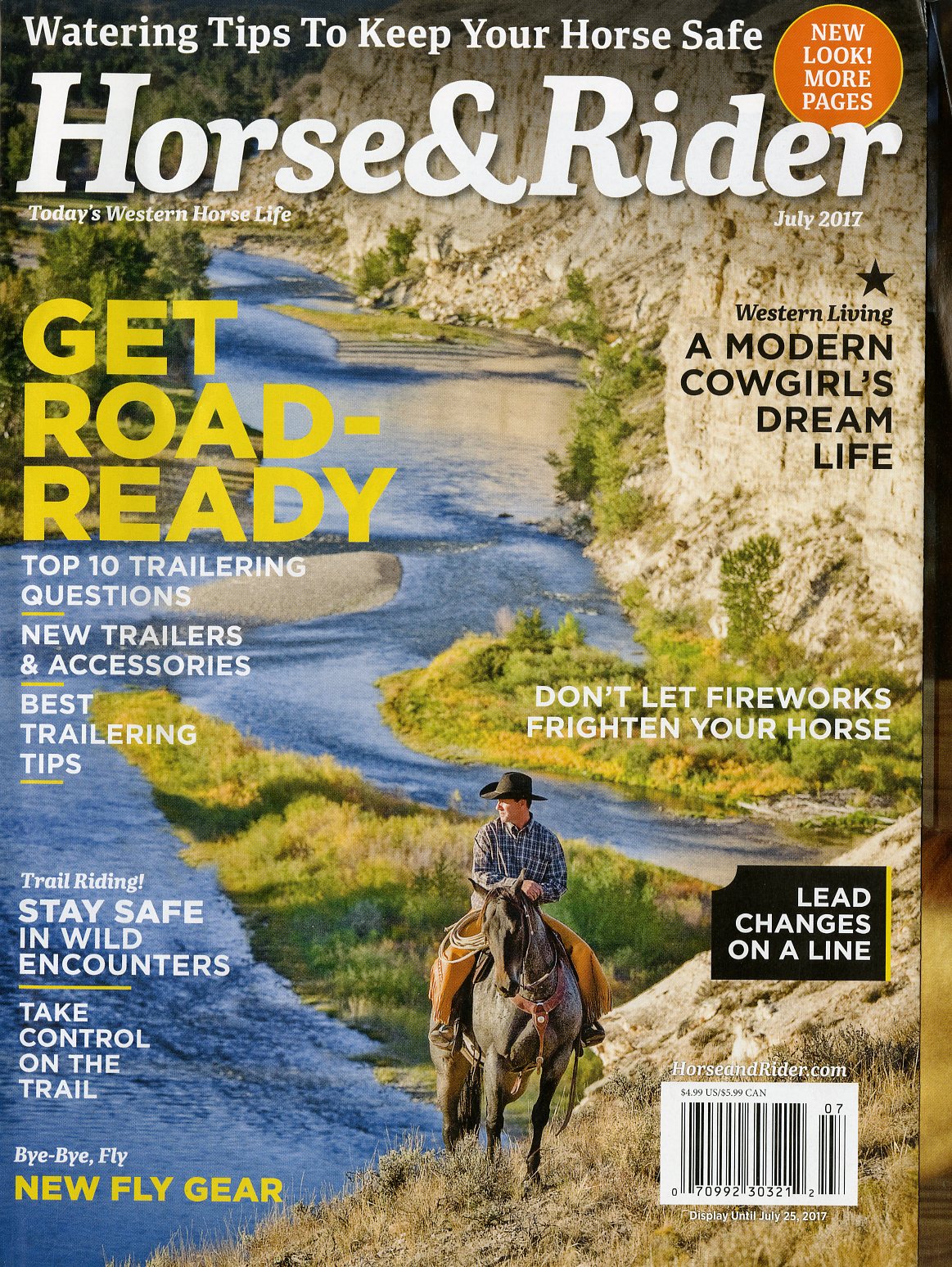
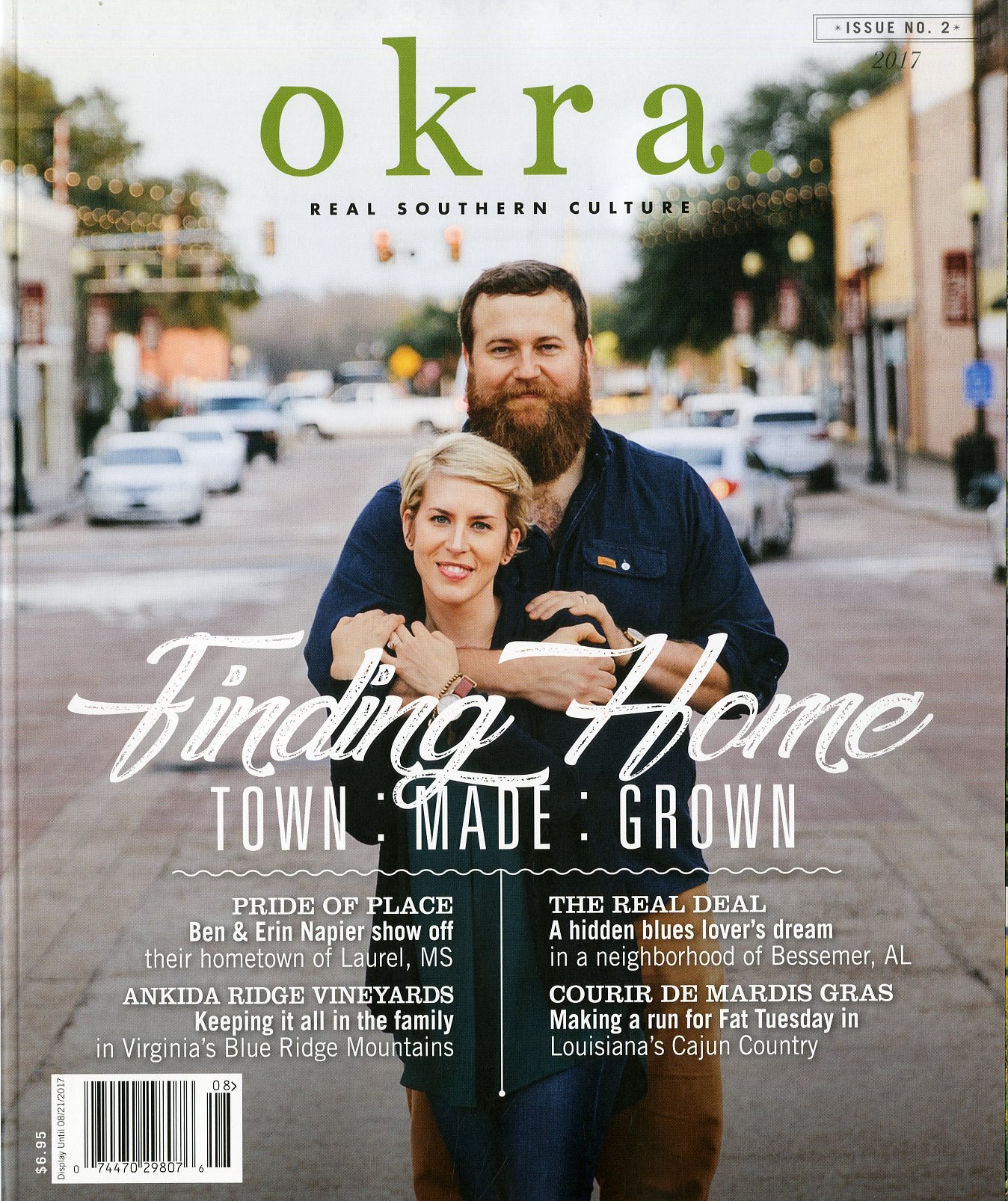
We were lucky to get the cover that we did for the first issue; the food issue. And the second cover, which is out on newsstands right now, we were lucky to get Ben and Erin Napier from Laurel, Miss. before their show started. After their show came out they became stars across the South and were doing very well. We were just fortunate with timing to have them on our second cover and it just kind of catapulted us throughout the industry and on social media.

Samir Husni: Was it on purpose or was it just pure coincidence that both men on the cover have red beards?
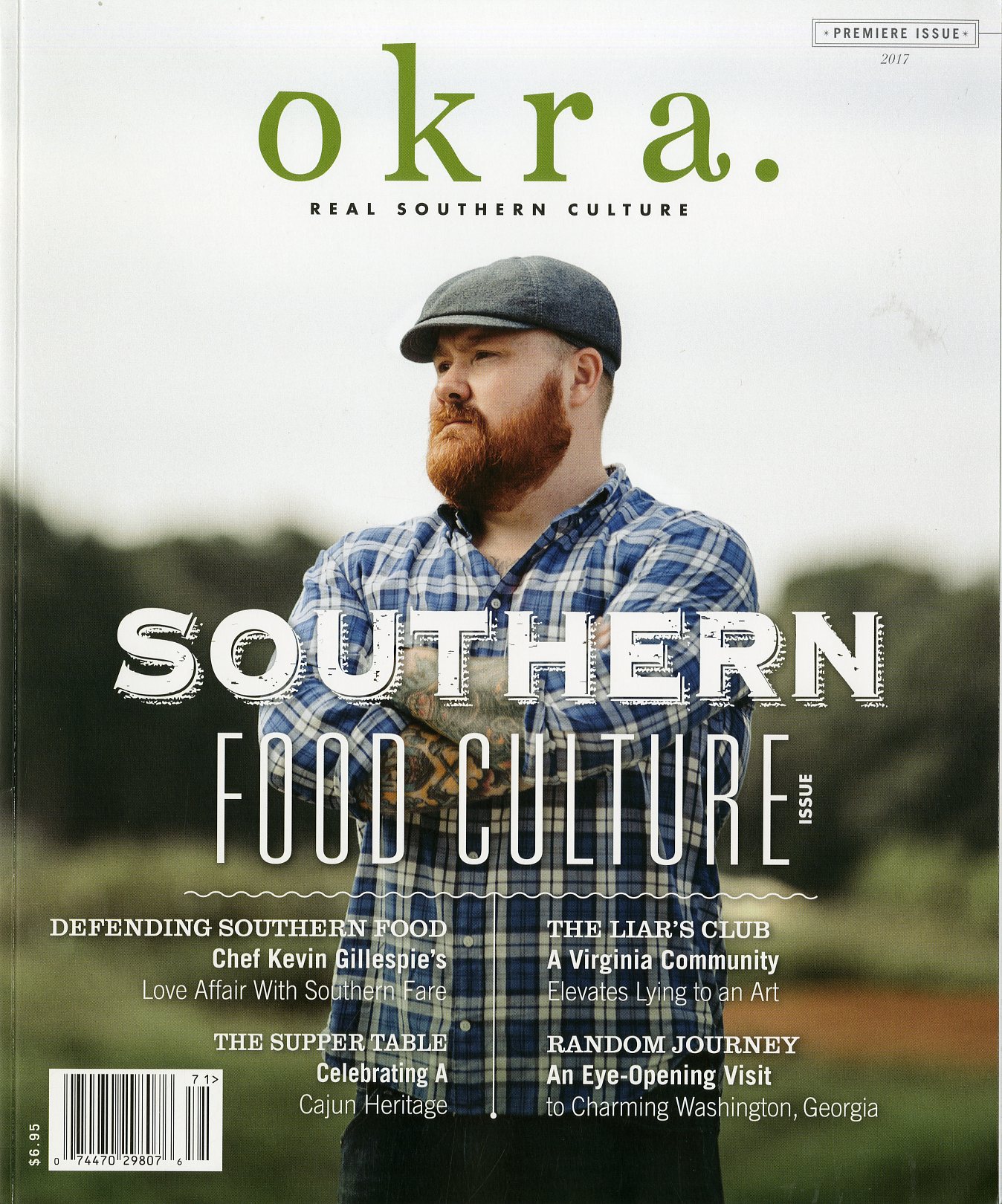
Scott Speakes: (Laughs) A couple of months ago, someone asked me who our model was. Kevin Gillespie is a chef in Atlanta and is known throughout the South and really across the nation. And he was on our first cover. He was a finalist on Top Chef and owns several restaurants himself in Atlanta. We were very fortunate to get him, because we were unknown.

The cover of the second issue; we had been talking to Ben and Erin Napier and they wanted to do it, but they were, and are, just so busy. But earlier this year we were able to do their story. And I didn’t even think about the similarities of the covers, and when they came out side by side, I still didn’t think about it; but yes, I finally noticed the resemblance. But people are now saying, who is the guy that you keep using for the cover? They’re, of course, totally different people, but you’re right, there is a resemblance.

But that wasn’t our intent, to put people on the cover all of the time, or prominent people on the cover all of the time. We do want to do it some; I think we need that for exposure, but we also want to go beneath the surface some with people who aren’t quite as known. They’re about to break through as a chef or a musician or an author, that’s the people who we really want to expose and show our readers. The people who never really get talked about. When our next issue comes out, it’ll be a lot of more that.

Samir Husni: Your tagline is “Real Southern Culture.” Would you define “real southern culture?”

Scott Speakes: We thought about that one a lot. We went through some ideas of what we really thought about the south and what we believed other people thought about the south and then, what did we want to share with people about the south. We didn’t want the usual sights and places and people, that kind of thing. We wanted to explore what’s underneath the surface of it.

Which brings me to the real part of it, what’s underneath the surface; the people; the places? We wanted to meet the locals and find out what made them tick. Sure, also people we’d heard of, famous people, but we wanted to find out what really makes the south tick. There’s the good and the bad, and we wanted to showcase all of that through the magazine, through the photography as well as the content and the stories that we do.

So, to me, real southern culture is brought out to the everyday person; what is real about the south to them? And then we’re figuring out what we think is real about the south to us, and all of that seems real about the south to other people, whether it’s kudzu or a big-time chef, people want to know about food and places, history and culture. I would say our reader is a culturally-minded, independent, mobile readers, and they want to know about those kinds of things. So, we’re trying to find all of those things that deal with food, history, art and travel, and bring it to them. Find out what’s going on in the real south and not just what people see in the headlines.

Samir Husni: I see that you’ve designed the magazine in chapters, rather than sections. What was the thinking behind that?
Scott Speakes: Nobody is really doing that. It was something that just kind of happened. We think the south is like a good book; it’s full of stories. And every story has many chapters. So, we decided to make the magazine like a book, which is something that I haven’t seen anybody do. We’re trying to be different.

Genie and I are very visually-oriented; I’m a photographer and she’s a creative director, so we’re looking at ways to make things stand out differently with our design and our concept. And chapters seemed like the logical thing to do.

Samir Husni: So, being different; where do you see yourself among the southern magazines that already exist in the marketplace, such as the ever-popular, mass Southern Living, to Garden & Gun, to Good Grit? I just picked up a new magazine from South Carolina called Shrimp, Collards & Grits. Where do you see Okra within that competitive set?

Scott Speakes: About two years ago, when we started researching this more and getting into it, I receive a lot of magazines to look through and I’m getting more every week, but Garden & Gun was always one of my favorites; it’s beautiful, well-done and designed great. When we started thinking about this, Garden & Gun was an ideal. And as Garden & Gun grew, to me they became more of a higher end publication. I feel like Okra is more of a companion piece to Garden & Gun. The stories that we tell may not be in Garden & Gun, because that magazine just seems more of a higher end publication. I think that’s why we’re a good companion. We kind of found our little niche. That’s why our tagline is “Real Southern Culture,” we catch the everyday person. So, side by side, I think Okra is a great companion piece. I don’t see Garden & Gun as competition. I’m not going after that higher end advertising. And I’ve noticed they’ve reached outside of the south today. But it’s still one of my favorite magazines.

And as far the others, like Good Grit; I think our design and our content is totally different than theirs. Okra doesn’t resemble their publication at all, I don’t think. And Southern Living is a different magazine. They’ve been around forever and have millions of readers, so they’re also very different from us. I think our readers are really catching on to Okra as something they can relate to, whether it’s nostalgic or the look and feel of our paper, and even the advertising we have is a part of the magazine. And that’s important to us, making our advertising look like an easy part of the magazine. We don’t put an ad in there just to have it. We design it out and make sure it flows with the magazine, because it has to be part of it so you can really be interested in what is being advertised.

Samir Husni: Why did you choose to publish in Cleveland, Miss.?

Scott Speakes: We get asked that a lot and I’m from Cleveland. I went to school at Ole Miss and I’m a graduate from there. My father was a graduate of Ole Miss. I was doing photography there.

The most southern place on earth is the Mississippi Delta. I lived in Atlanta for a long time, along with some other cities. We thought about going out of Atlanta, but there are so many things going on there. So, we said why not do a southern magazine named Okra out of the most southern place on earth, which is the Mississippi Delta, and it’s my hometown and I am super-proud of it. And people will tell me, Cleveland, Miss., I’ve never heard of that. You have all of these magazines out of Charleston and Atlanta, and bigger cities; I just thought it would be great for us to come to people from a smaller town. But we still have access to everything else.

Samir Husni: Did anybody ever tell you that you were out of your mind in this day and digital age to bring another print magazine onto the scene?

Scott Speakes: Yes, many people have asked me why I was doing this. It’s just a passion and something that I have wanted to do for a while. And it is crazy, I know. And I find out more and more everyday just how crazy it is. (Laughs) But it’s fun for me. The difficult part is having the capital to print. The printers are making the money, for sure. (Laughs again) That’s the hard part.

It also took a couple of months to get distribution across the south, but now we’re everywhere in the south and beyond. We have some partnerships and things that we’re working on. But we don’t have investors or partners with deep pockets. It’s just us. So, if the money doesn’t come in, everything is up to us. The hardest part is finding media people to buy advertising.

Samir Husni: Is there anything else you’d like to add?

Scott Speakes: We’re working on our third issue, so we’re still very young. And we’re still learning the ropes of the business. We’ve talked to people and asked questions. I know the statistics are small for success, but we’re doing both print and digital. We talked about doing just digital, but we love the printed magazine so much, we decided to do both. We’re finding that so many people love to pick it up and touch it and smell it and feel the paper.

Like myself, I can put it in my backpack and take it with me, or put it on my coffee table, or in my car. I like having that quick access, and I give away a lot of magazines that way too, because I can be in my daughter’s pick up line at school and someone will stop me and say they love the magazine and need another copy, and I just hand them one out. It’s fun to see people’s reaction to the magazine. We’re trying hard and we’re getting a lot of good feedback, and we’re going to keep going.

Samir Husni: If you could have one thing tattooed upon your brain that no one would ever forget about you, what would it be?
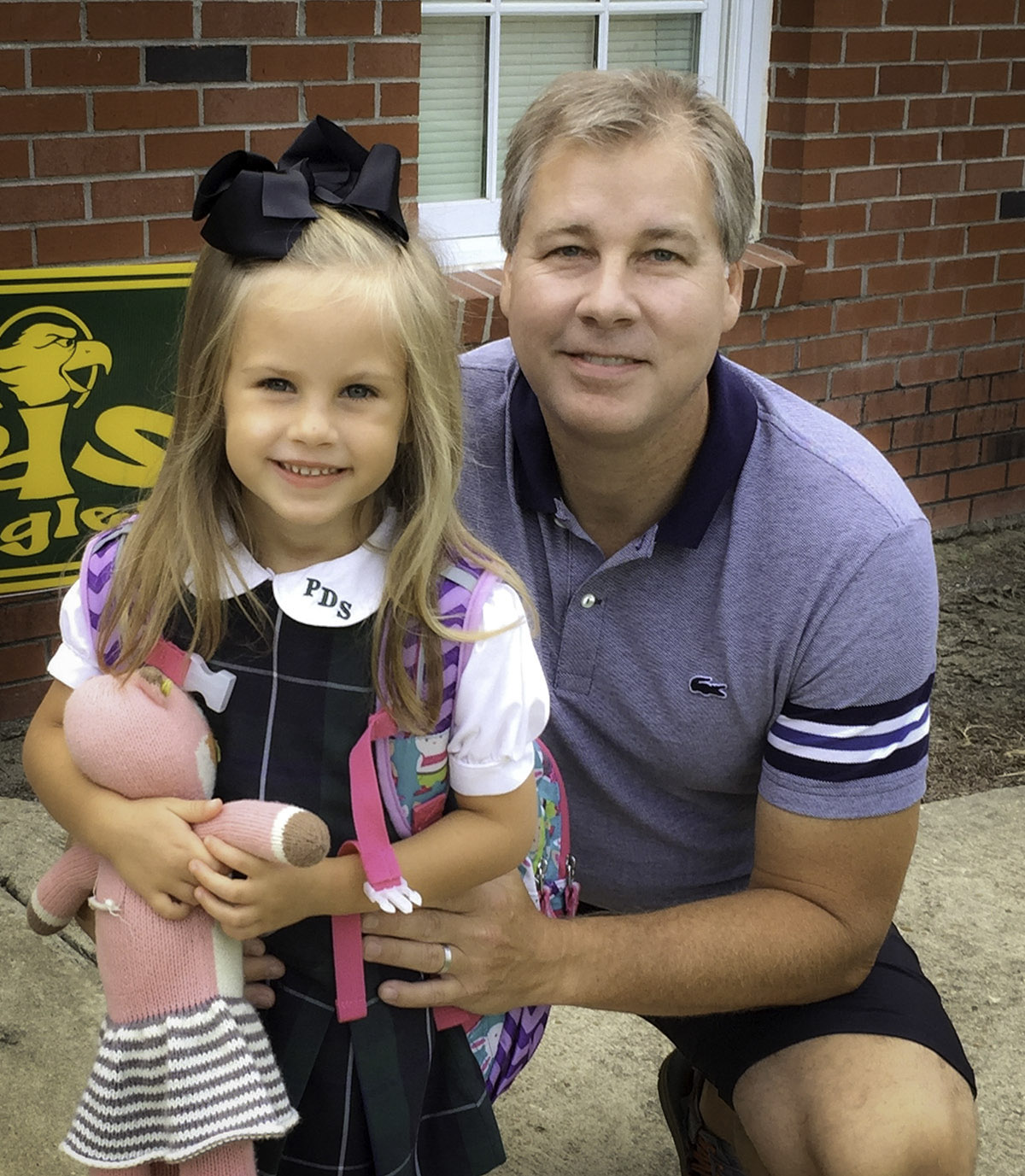
Scott Speakes and his daughter Shelton

Scott Speakes: I got married later in life; I’ve only been married seven years and this is my first marriage. When I was single, I just did whatever I wanted to, lived from city to city; it was all about me. I now have a five-year-old and always try to do the right thing. I want to be a great father, a great husband and a great friend to people. And I always wanted to be a photographer, even when I was in journalism at Ole Miss. I wanted to do photojournalism.

I want to do the right thing when I can and be a creative person and I’m proud of the south and I’m proud of my Delta. And I really want to showcase that in the magazine in the best way that I can. I just want to be known as a great friend and a great father.

Samir Husni: If I showed up unexpectedly at your home one evening after work, what would I find you doing? Having a glass of wine; reading a magazine; cooking; on your iPad; watching TV; or something else?

Scott Speakes: You would find me cooking, with a glass of wine, hanging out with my wife and daughter, cooking together and just having a good time. You would see stacks of magazines, some opened, some closed, while we’re cooking. Lots of southern magazines.

Samir Husni: My typical last question; what keeps you up at night?

Scott Speakes: Finding the capital and revenue for the magazine. The content doesn’t keep me up; we have a lot of our editorial calendar already knocked out. It’s mainly how do I get people to advertise and be a part of the magazine. So, getting it to the right people to find media-buyers who will take a chance on us. It’s a Catch-22. A new magazine; people look at you and ask why would we pay X amount of dollars to advertise with you? Show us your numbers. Yes, we have good distribution across the south and we’re growing with each issue, but we don’t have the numbers. And they know that. It’s one of those things where you ask yourself, how can I convince somebody? And it’s not easy to convince somebody to buy media.

But we’re slowly getting it. The state of Mississippi is now onboard with us, and it took us a little while to get that. And the other states; we cover 13 states, so we’re literally trying to figure out how to get into all 13 states. Our social media has really taken off over the last year, so we’re getting a lot of feedback from that, especially Instagram. People are following us and finding us and reaching out to us, and they’re commenting about us. But what keeps me up at night is finding the revenue to fund the magazine. The rest seems to be coming a little easier for me.

Samir Husni: Thank you.
h1

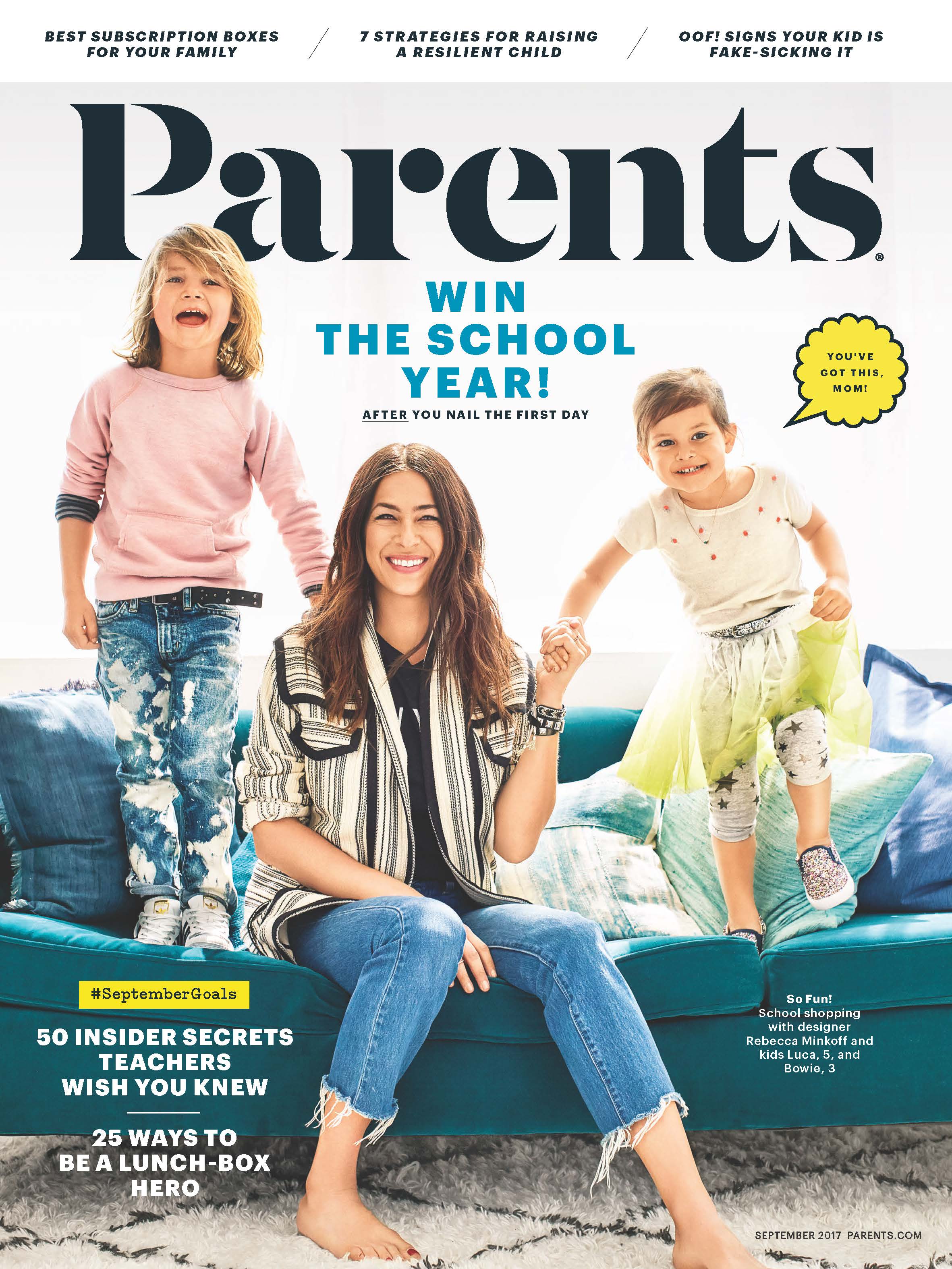
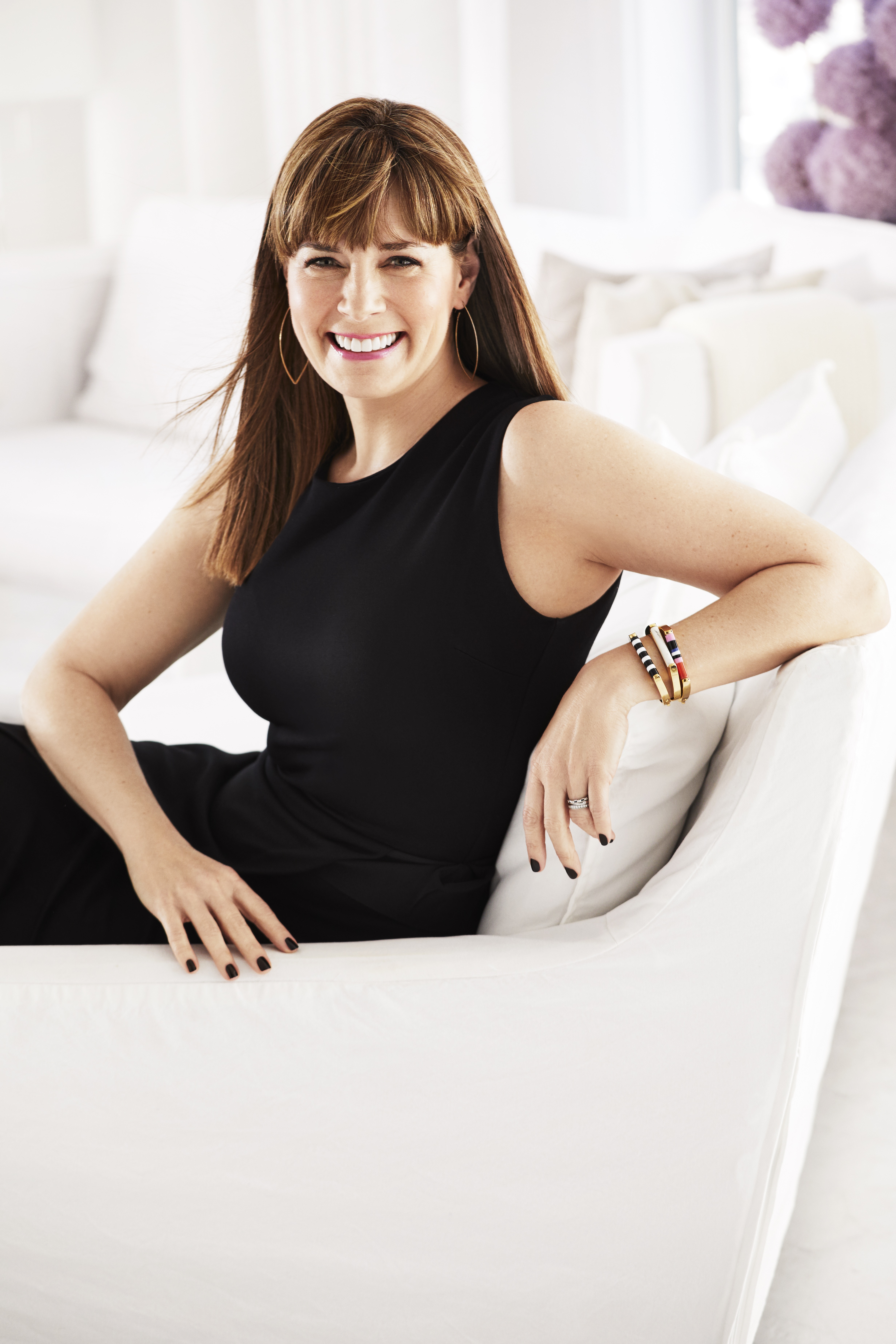
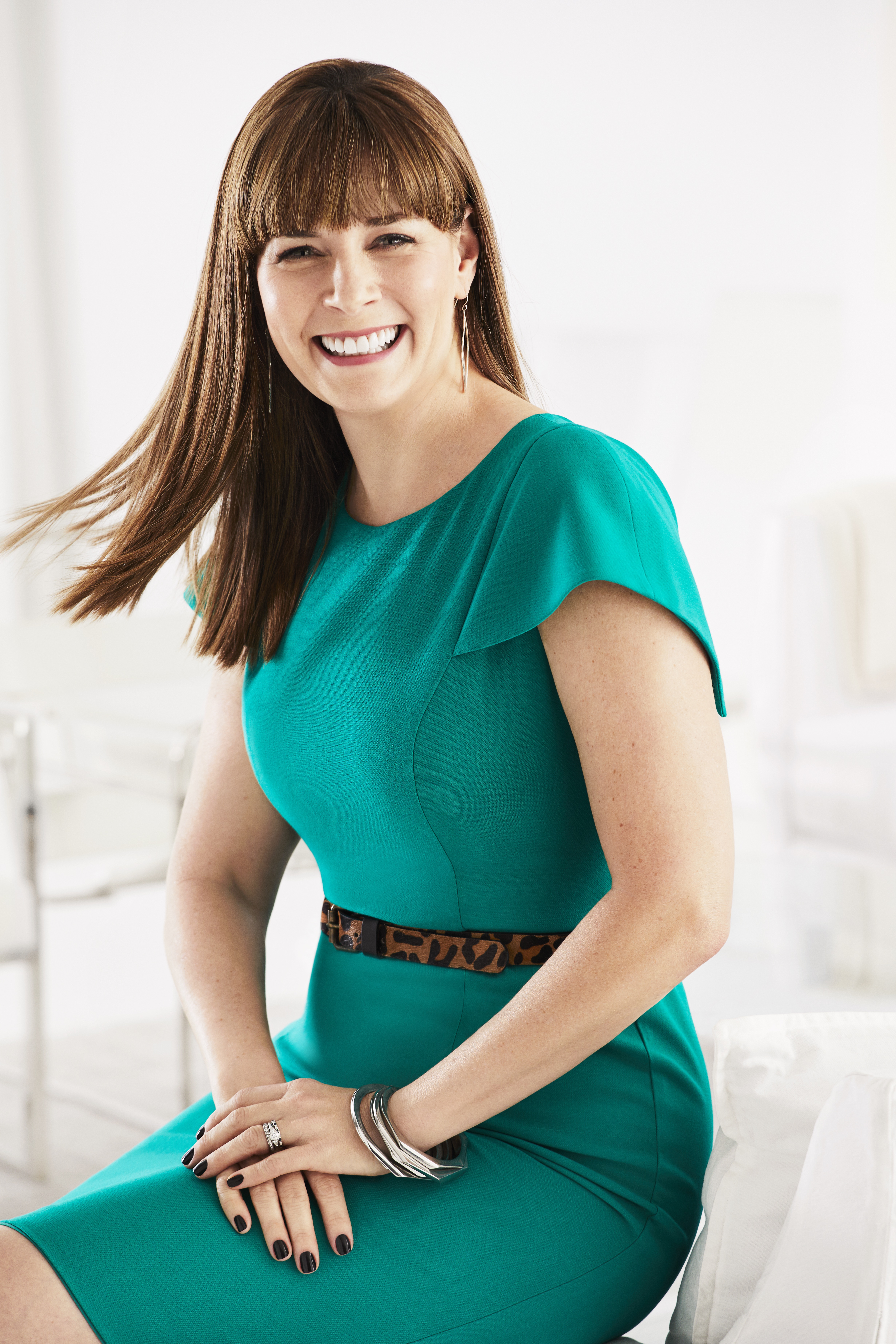
Parents Magazine & Its Editor In Chief, Liz Vaccariello, Both Offering Inspiring Storytelling & A Quieter Editorial Experience In This Manic Digital Age – The Mr. Magazine™ Interview With Liz Vaccariello…

August 17, 2017

“When she’s (the consumer) reading the magazine, she needs a much quieter editorial experience. It needs to be more inspiring. And she has more time. She wants to take more of an emotional journey, rather than be hit over the head with all sorts of practical advice and alarming statistics and stories.” Liz Vaccariello…

“I feel like that’s the power of magazines; it’s the power to tell a story in a unique way. Video tells a story; social media can tell a story, but the print story, the way pictures, words, headlines and the pacing of the magazine take you on a journey, that’s a much different kind of experience.” Liz Vaccariello…

With the recent redesign of Parents Magazine under the direction and leadership of Parents Editor in Chief Liz Vaccariello, the brand known for its credibility and stalwart trustworthiness, has been at the forefront of media these days, and its editor interviewed about the redesign many times over.

So, in true Mr. Magazine™ fashion, I decided to do something entirely different, and mention the redesign minimally, focusing instead on something that both Parents Magazine and its editor in chief have in common: storytelling.

Liz Vaccariello comes home to Meredith (she served as executive editor at Meredith’s Fitness for seven years) after several very successful positions with other titles, most recently as chief content officer and editor in chief for Reader’s Digest. Her storytelling drives her belief in the power of magazines, and the value of the journey they take you on.

I spoke with Liz recently and we talked about the role of print in this most digital age. She was adamant; when someone is reading a magazine, they’re seeking a different type of experience than digital can provide. They’re questing, as Liz put it, for a “quieter editorial experience” and inspiration. That’s very hard to find in the busy, noisy, notification-filled world that roams online.

And while the redesign of Parents Magazine is important and a value unto itself, what fills the pages of those designs, the stories, are always icing on the designer’s cake. So, come with me and experience the passion of a storyteller, a woman who believes magazines have the magical power of telling stories in the most unique of ways, and someone who knew from the sixth grade what her life’s journey would be, a wordsmith, the Mr. Magazine™ interview with Liz Vaccariello, editor in chief, Parents Magazine.

But first the sound-bites:

On why she feels the Parents brand needs a printed magazine in this digital age: The answer to that question is also the answer to why we did a redesign. In this digital age, the mom and dad, but mainly the mom, is on her phone and she’s on her social media, or she’s Googling or querying the solution to a problem. She might be on a Facebook page where she’s feeling a little less-than or judged, for example. When she finally puts down that phone, our research tells us that is when she is engaging with the magazine. It’s her me-time.

On being a storyteller first: I feel like that’s the power of magazines; it’s the power to tell a story in a unique way. Video tells a story; social media can tell a story, but the print story, the way pictures, words, headlines and the pacing of the magazine take you on a journey, that’s a much different kind of experience. And my love for storytelling is one of the first things that I wanted to bring to this team and ask them, many of whom have been here for decades or more; how do we tap into, not only a mother’s exhaustion, but her exhilaration?

On what’s different for her as an editor for Parents Magazine as opposed to other magazines she has edited, such as Reader’s Digest: What’s different about this role is that it speaks to a very unique and constantly moving readership. And that’s mothers. So, I had to immerse myself into millennial moms, and the world they were coming from. Aesthetically, who are the influencers? Also, verbally. What are the phrases that they’re using? What’s the language that they’re using? And culturally. This is a time where mothers are rejecting the mom-shaming or the guilt trips that used to be put on other mothers.

On her reaction when she was offered the job of editor in chief of Parents Magazine: My first reaction was utter shock. And I will tell you the reason why was because Parents Magazine, under my predecessor, was very strong and healthy, highly respected and admired. So, I never in a zillion years thought that this would be an opportunity for me. So, it was shock that I was talking about this suite of Parenting brands.

On the biggest stumbling block that faced her: The biggest stumbling block? I don’t know; it was a pretty seamless transition. I was surprised and delighted to find that almost every single person on my team was enthusiastic about taking a shift in direction and tone. People who had been here decades were some of the most enthusiastic participants in the early research and rethink that we did. So, really delight and surprise at how positive people were to do something new and fresh with the magazine. I wouldn’t call it a stumbling block; I’d probably call it my biggest surprise.

On why she felt the need for a change in the magazine when it was already strong and healthy: You change because your audience changes. The brand didn’t change, nor did what the audience needs from a parenting magazine change. But the generation coming into your space is different from the one that was entering your subscriber file five or ten years ago. They’re speaking a different language. Instead of helicopter parents, they’re the sons and daughters of helicopter parents. So, they’re looking at behavior in a different way. They’re looking at discipline in a different way. They are more interested in hearing from other moms and dads just like them.

On anything she’d like to add: This role is unique in that I am running; I am hands-on-editor-and-chiefing (laughs) the biggest magazine, and the biggest part of the business. But I also get to think beyond the magazine and the magazine’s core general brand and think about Latina parents, one out of every four babies born in this country is born to an Hispanic parent. So, Parents Latina is growing very quickly. And it’s fun to turn my attention to that demographic and see what we can do to interpret this voice and this information for them.

On why there are more line extensions from main titles in the Hispanic market than in the African American market: That’s a really interesting question. In the case of parenting, and I’ll answer in my space in particular, something unique happens when a second generation Latina in the United States becomes a mom. She doesn’t necessarily think of her Latina identity in the forefront of her mind until that moment she has a baby. And then suddenly she’s thinking more about her heritage and it becomes much more important to her. She wants to have one foot back in that culture.

On a memory or memories that she reflects on in her role as editor in chief and main storyteller of Parents Magazine: I often return to a moment in sixth grade when I was doing homework in my bedroom. I remember writing a book report about something and I was sitting at my desk with my pencil and paper. I remember looking at a sentence and thinking that I wanted to change the sentence, so I took another piece of paper and put it next to the first and began to change the words around in the sentence and reading it out loud and listening to the changing rhythms. And then deciding on the perfect way I wanted to say that sentence and putting it back on the paper.

On what she would have tattooed upon her brain that would be there forever and no one could ever forget about her: (Laughs) Mom to Sophia and Olivia. Sophia and Olivia’s mama; that’s my most important job. I think that’s why I get so excited and lit up about my job, because I get to help mommies and daddies and I know how much fun that is and how helpful that can be when you’re a mom. If we can help someone with the stories that we tell; make her laugh or feel better, or do something more efficiently, that’s wonderful. I’m in a good place and I have one of the best jobs in America.

On what keeps her up at night: We’re always concerned about the decline in print advertising. Meredith has a wonderful story about how the growth in digital advertising has far outpaced our small declines in print advertising. But, it doesn’t keep me up at night, because I just got back from a road trip with my publisher, Steven Grune, and I have to tell you, it made me proud to be a Meredith employee because I’m showing this redesign, and I’ve done a lot of road trips over the years for various companies and with various publishers. But when Meredith comes to town, and it speaks highly of Meredith and of Steve Grune and the Parents brand, but when we come to town 30 people show up and they want to hear what’s new with Meredith and with Parents Magazine. So, that speaks highly of our position in the marketplace.

And now the lightly edited transcript of the Mr. Magazine™ interview with Liz Vaccariello, editor in chief, Parents Magazine.

Samir Husni: Since the redesign of Parents Magazine, you’ve given quite a few interviews about that, so for this interview I thought I’d ask you something a bit different. In this digital age, why do you think the Parents brand needs a print magazine?

Liz Vaccariello: The answer to that question is also the answer to why we did a redesign. In this digital age, the mom and dad, but mainly the mom, is on her phone and she’s on her social media, or she’s Googling or querying the solution to a problem. She might be on a Facebook page where she’s feeling a little less-than or judged, for example. When she finally puts down that phone, our research tells us that is when she is engaging with the magazine. It’s her me-time.

We did a digital focus group where we had subscribers send in video tapes and show us precisely where in the house they kept their Parents Magazines. It was next to the big, comfy chair, or on their nightstands, or next to the bathtub.

So, when she’s reading the magazine, she needs a much quieter editorial experience. It needs to be more inspiring. And she has more time. She wants to take more of an emotional journey, rather than be hit over the head with all sorts of practical advice and alarming statistics and stories.

Samir Husni: The first thing that comes to mind when I read about you or think about you is storyteller.

Liz Vaccariello: Thank you. I feel like that’s the power of magazines; it’s the power to tell a story in a unique way. Video tells a story; social media can tell a story, but the print story, the way pictures, words, headlines and the pacing of the magazine take you on a journey, that’s a much different kind of experience.

And my love for storytelling is one of the first things that I wanted to bring to this team and ask them, many of whom have been here for decades or more; how do we tap into, not only a mother’s exhaustion, but her exhilaration? How do we tap into nostalgia when it comes to being a mom? Then suddenly, you’re nostalgic for your childhood, for example. There’s so much humor that goes with being a parent. And oftentimes, failing to be a perfect parent. Let’s be able to laugh at ourselves.

You can see in the new magazine, we have very short stories, some are longer, but there are little ways to tell those emotional stories in a way that feels like a complete and authentic life.

Samir Husni: Did you have to make any adjustments when you came to Meredith from Reader’s Digest, Prevention, Reminisce? All these magazines that you’ve edited; what’s different about Parents Magazine?

Liz Vaccariello: What’s different about this role is that it speaks to a very unique and constantly moving readership. And that’s mothers. So, I had to immerse myself into millennial moms, and the world they were coming from. Aesthetically, who are the influencers? Also, verbally. What are the phrases that they’re using? What’s the language that they’re using? And culturally. This is a time where mothers are rejecting the mom-shaming or the guilt trips that used to be put on other mothers.

So, I had to do a lot of research into “what is meaningful right now for this millennial, and even coming up soon, Gen Z mom?” And that was unique. You still want to tell good stories, but you also want to speak in a way that is familiar to your audience so that they get you.

Samir Husni: A little less than a year ago, you and I were talking and this job was in the making. And no matter how much I tried, you wouldn’t tell me the name of the magazine. (Laughs)

Liz Vaccariello: (Laughs too).

Samir Husni: Can you describe that moment when you were offered this job as editor in chief of Parents Magazine? What was your first reaction?

Liz Vaccariello: My first reaction was utter shock. And I will tell you the reason why was because Parents Magazine, under my predecessor, was very strong and healthy, highly respected and admired. So, I never in a zillion years thought that this would be an opportunity for me. So, it was shock that I was talking about this suite of Parenting brands.

The magazine; the business was very, very healthy heading into the redesign. Our MRI, our household income, they were both high. We’d experienced a boost of 3.3 percent in household income. So, there was nothing at all broken about the magazine. The fact that my predecessor was leaving was a shock. That was my absolute first reaction.

And then my second one was just feeling my heart swell, because I love to lead brands that touch people’s hearts. You always want to improve people’s lives, but I loved Reader’s Digest because it spoke to positivity and hope. And an oasis of optimism in a world of snark. And with Parents, when you think about optimism and hope, and happiness and meaning, very few things rival being a parent. So, this really hit my sweet spot of service and soul.

Samir Husni: And what has been the biggest stumbling block you’ve faced and how did you overcome it?

Liz Vaccariello: The biggest stumbling block? I don’t know; it was a pretty seamless transition. I was surprised and delighted to find that almost every single person on my team was enthusiastic about taking a shift in direction and tone. People who had been here decades were some of the most enthusiastic participants in the early research and rethink that we did. So, really delight and surprise at how positive people were to do something new and fresh with the magazine. I wouldn’t call it a stumbling block; I’d probably call it my biggest surprise.

Normally, when you come in, the new editor in chief will often bring in their new photo director, their new assistant, their new creative director, and I didn’t do any of that. I found that the team here was filled with superstars. Agnethe Glatved, who did the redesign with me, has been with the magazine eight years, and this is her third refresh of the magazine. When you have that level of talent, they’re able to pivot and embrace change. It was a nice experience.

Samir Husni: Let me go inside your great magazine maker mind, you come to a magazine that is doing well, there was nothing wrong with it; why change?

Liz Vaccariello: You change because your audience changes. The brand didn’t change, nor did what the audience needs from a parenting magazine change. But the generation coming into your space is different from the one that was entering your subscriber file five or ten years ago. They’re speaking a different language. Instead of helicopter parents, they’re the sons and daughters of helicopter parents. So, they’re looking at behavior in a different way. They’re looking at discipline in a different way. They are more interested in hearing from other moms and dads just like them.

For 90+ years, Parents Magazine has stood on the shoulders of its credibility. We’ve always done partnerships with the American Academy of Pediatrics. Every word and picture in Parents Magazine had a reputation for being absolutely trustworthy and credible. So, this generation of reader not only expects that kind of creds from our pages, they want that enhanced by what other parents are doing.

They want to know what the experts say, they want to know that trampolines are dangerous; the American Academy of Pediatrics warns parents against having any kind of trampolines in the backyard. But they also want to make their own decisions. Maybe to them the benefit of family exercise and the hours spent jumping on the safest trampoline they can get is worth the mild risk that somebody might twist an ankle. So, what are other parents doing? And how do they justify having a trampoline? So, you need to add how other people in their world are interpreting the news and the guidelines.

Samir Husni: Is there anything you’d like to add?

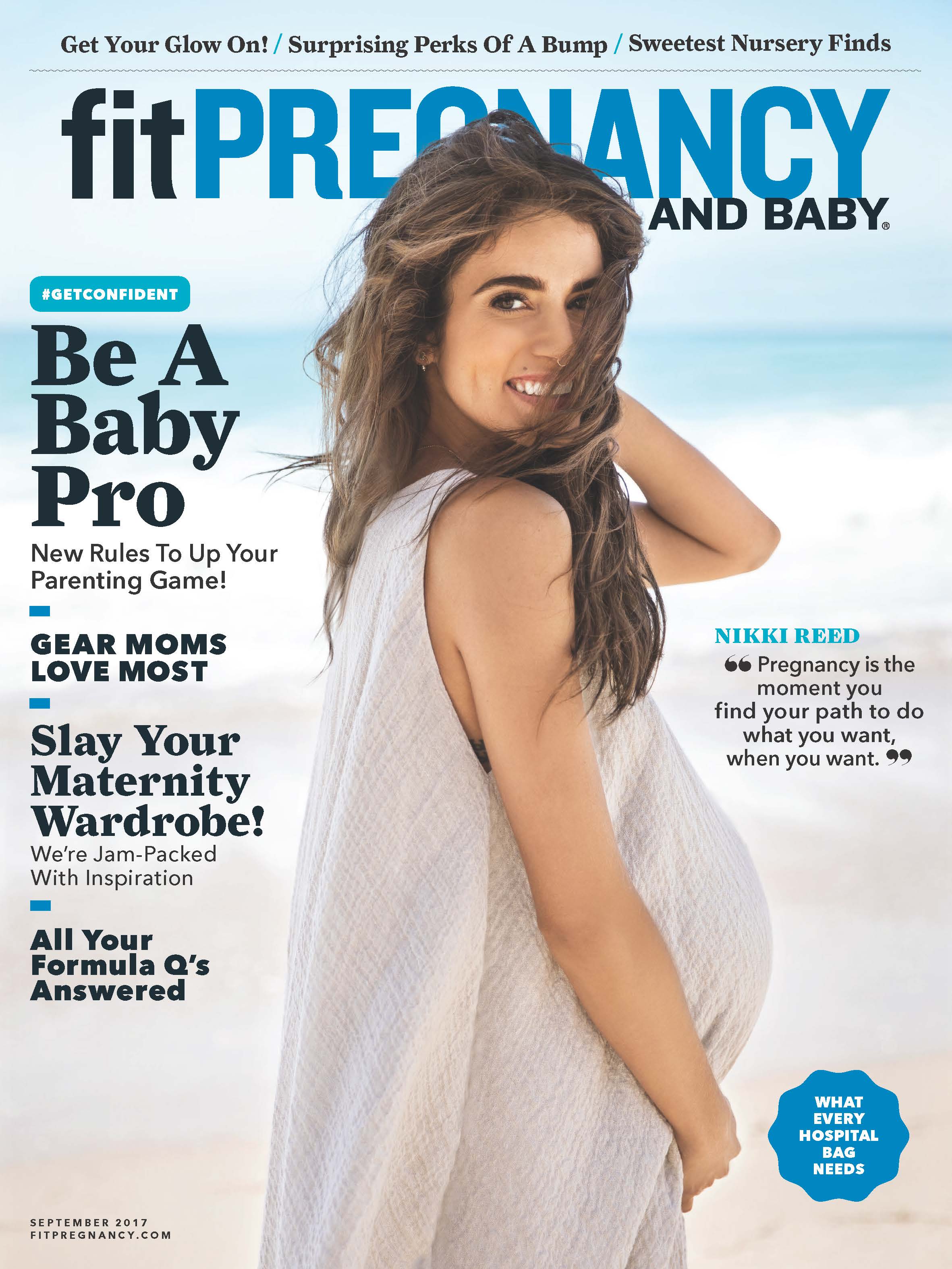
Liz Vaccariello: I think it’s interesting. We call it the Meredith Parents Network, and Parents Magazine is the jewel in the crown of the Network. And by far, the largest of the magazines, but it also includes Fit Pregnancy and Baby, FamilyFun Magazine, Parents Latina and Ser Padres.

This role is unique in that I am running; I am hands-on-editor-and-chiefing (laughs) the biggest magazine, and the biggest part of the business. But I also get to think beyond the magazine and the magazine’s core general brand and think about Latina parents, one out of every four babies born in this country is born to an Hispanic parent. So, Parents Latina is growing very quickly. And it’s fun to turn my attention to that demographic and see what we can do to interpret this voice and this information for them.

And then think about the baby space and the pregnancy space, and what kind of digital products; what apps; what magazines can we offer the pregnant mom or the wanting-to-be pregnant woman. So, there is always something new; the business is constantly evolving and shifting. It’s a bigger job in that I get to do a lot of fun things, in addition to editing the one magazine.

Samir Husni: Why have we seen more line extensions in the Hispanic market than we have in the African American markets when it comes to the main titles?

Liz Vaccariello: That’s a really interesting question. In the case of parenting, and I’ll answer in my space in particular, something unique happens when a second generation Latina in the United States becomes a mom. She doesn’t necessarily think of her Latina identity in the forefront of her mind until that moment she has a baby.

And then suddenly she’s thinking more about her heritage and it becomes much more important to her. She wants to have one foot back in that culture. And it’s important that her child be perhaps bilingual and understand the Spanish language. Maybe she doesn’t know it, so she wants to learn it too. So, the cultural touchpoints become very important to her in the parenting space. That’s why in my network Parents Latina made sense.

Samir Husni: What memories from your own childhood do you reflect on in your role as editor in chief and head storyteller of a parenting magazine?

Liz Vaccariello: I often return to a moment in sixth grade when I was doing homework in my bedroom. I remember writing a book report about something and I was sitting at my desk with my pencil and paper. I remember looking at a sentence and thinking that I wanted to change the sentence, so I took another piece of paper and put it next to the first and began to change the words around in the sentence and reading it out loud and listening to the changing rhythms. And then deciding on the perfect way I wanted to say that sentence and putting it back on the paper.

In that moment, there was a knock on my bedroom door and in walked my dad. He said you’re up late, you must be doing homework. He had come in to say goodnight. And I remember saying to him that I had just decided that I wanted to be a writer. I remember that moment and the idea of creating a story and telling it in a rhythmic, pleasing way. And working with the words. The words acting like a puzzle. So, I always remember my father being a witness to that pivotal moment in my life.

Samir Husni: If you could have one thing tattooed upon your brain that no one would ever forget about you, what would it be?

Liz Vaccariello: (Laughs) Mom to Sophia and Olivia. Sophia and Olivia’s mama; that’s my most important job. I think that’s why I get so excited and lit up about my job, because I get to help mommies and daddies and I know how much fun that is and how helpful that can be when you’re a mom. If we can help someone with the stories that we tell; make her laugh or feel better, or do something more efficiently, that’s wonderful. I’m in a good place and I have one of the best jobs in America.

Samir Husni: My typical last question; what keeps you up at night?

Liz Vaccariello: We’re always concerned about the decline in print advertising. Meredith has a wonderful story about how the growth in digital advertising has far outpaced our small declines in print advertising. But, it doesn’t keep me up at night, because I just got back from a road trip with my publisher, Steven Grune, and I have to tell you, it made me proud to be a Meredith employee because I’m showing this redesign, and I’ve done a lot of road trips over the years for various companies and with various publishers. But when Meredith comes to town, it speaks highly of Meredith and of Steve Grune and the Parents brand, but when we come to town 30 people show up and they want to hear what’s new with Meredith and with Parents Magazine. So, that speaks highly of our position in the marketplace. And also of Steve. Our September issue is nice and thick; our October issue is even thicker, so it’s looking really good. I’m actually sleeping quite well. (Laughs)

Samir Husni: Thank you.

h1

Magazines Are Going “Boutique.” Is That A New Trend? Mr. Magazine™ Thinks Not…

August 15, 2017

A Mr. Magazine™ Musing…

We hear a lot of talk today about magazine publishing becoming a “boutique” business, what with all of the special interest magazines and niche publications that are so pointedly targeted that many fear not even the intended audience will be able to recognize them.

However, this “boutique” description may be new, as far as the actual wording, but let me assure you, there is nothing about being niche or a special interest magazine that hasn’t always been around. We’ve always had special interest magazines right along with the general interest ones. And we’ve always had titles that reflected very specific topics, such as: cars, music, history, celebrities; you name it, because after all, magazines have always been, in my book, the best reflectors of our society, and they always will be.

Just in these past couple of weeks, I came across a host of new magazines that are truly nothing but a reflector of our present day society. And that’s our society as a whole, because as the global magazine network starts to take shape, magazines are being published in France, printed in the Netherlands, and distributed in the United States. And the topics are as targeted and trend-worthy as they have ever been.

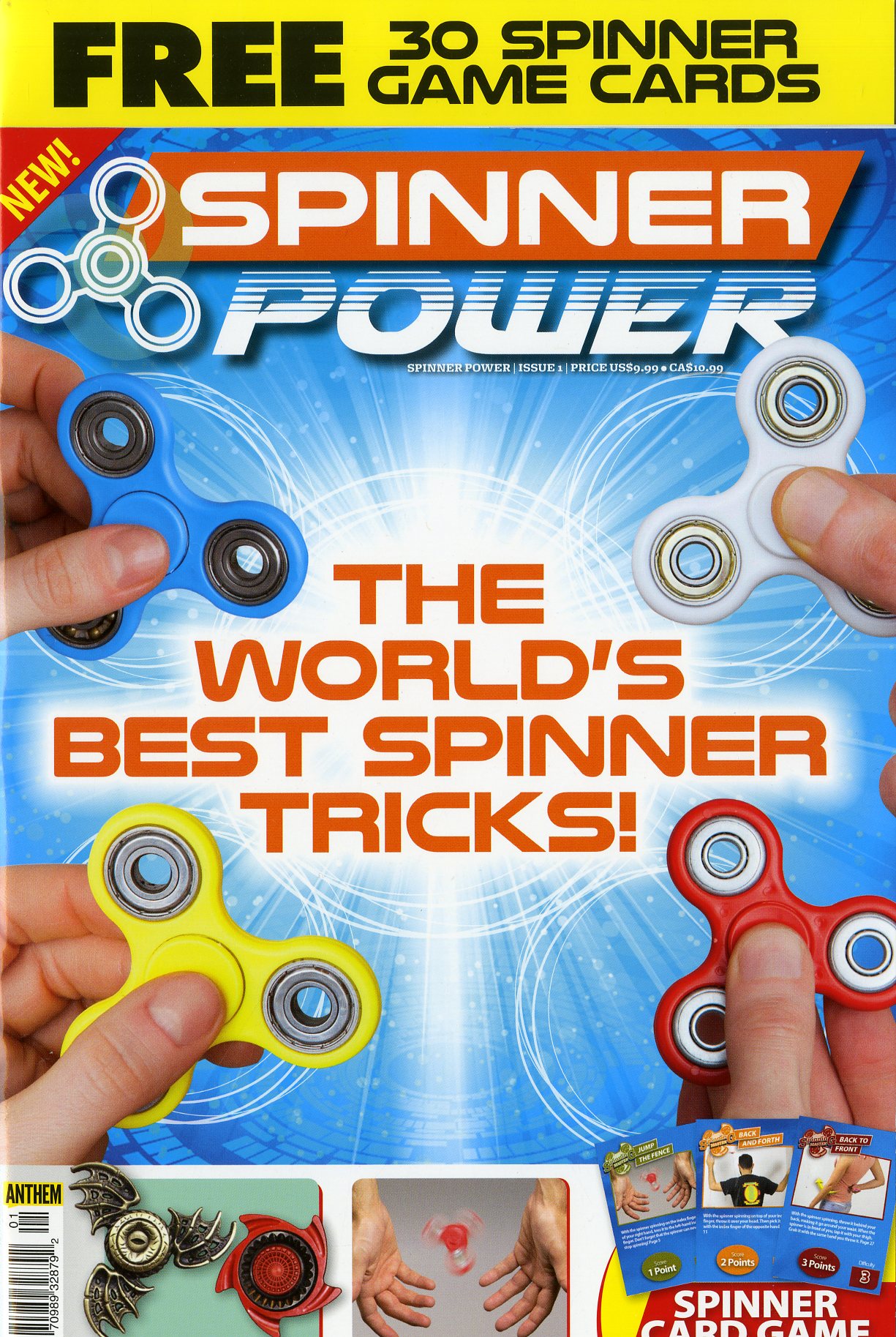
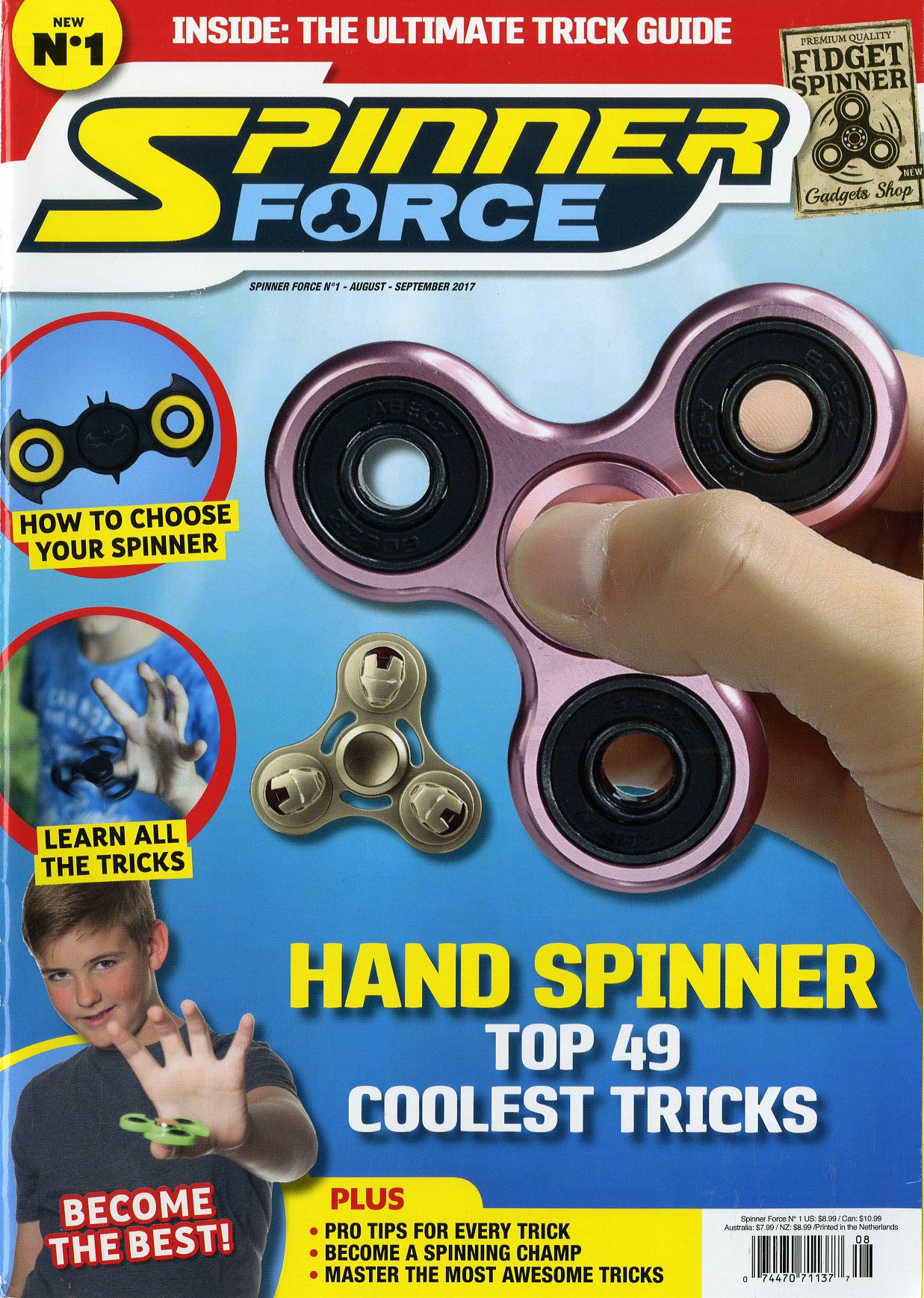
For example, Spinner Force, a new title about the fidget spinner craze, and also Spinner Power; can you think of a better topic that reflects what’s going on in our world today? Not since the Yoyo or the Pet Rock has the planet seen such popularity with a small, no doubt, inexpensively made toy. Yet, so far, there are at least two magazines on the topic. But of course there is. Magazines are always at the forefront of what matters to us.

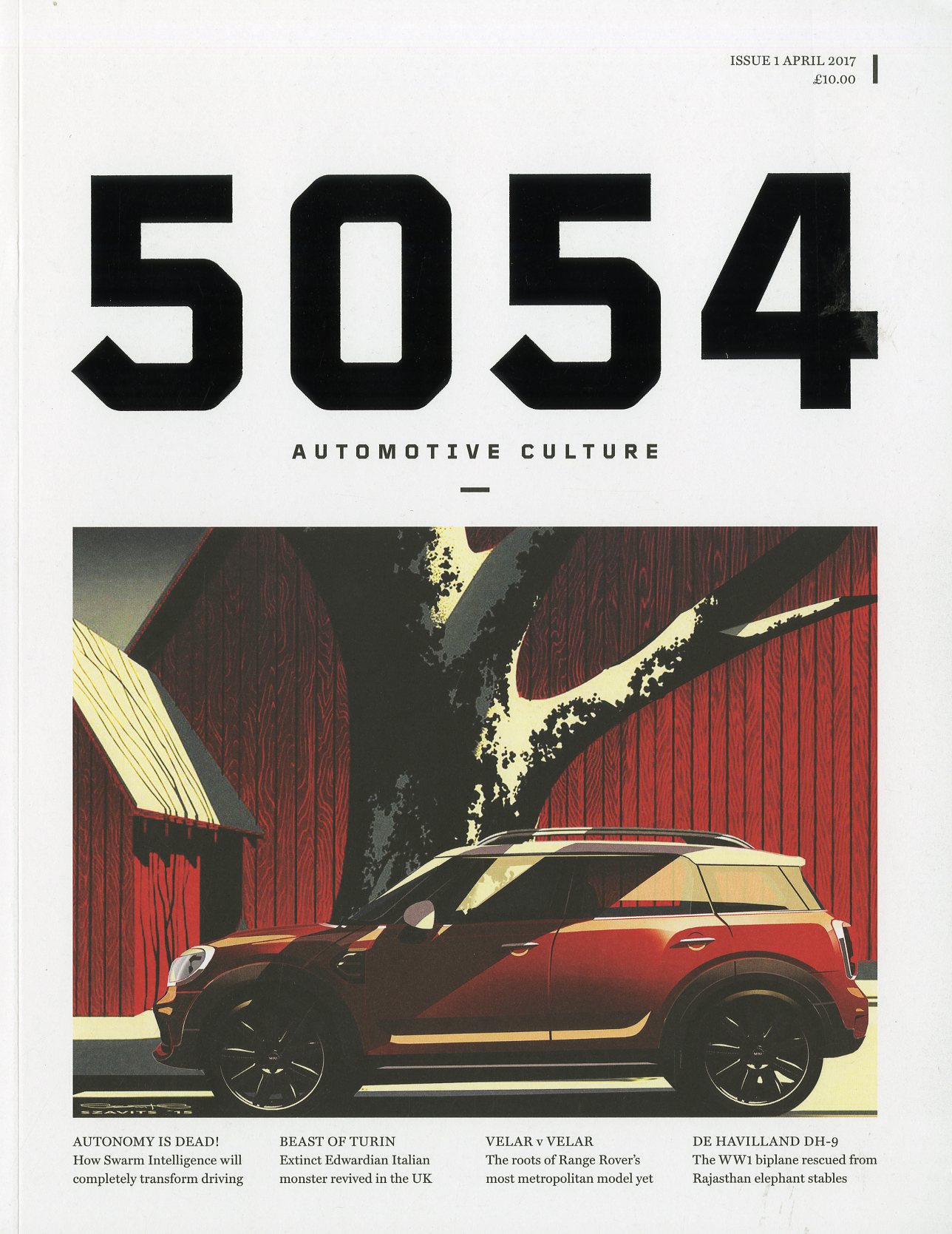
Then there’s the new twist on car magazines, such as 5054, which deals with automotive culture. And as the founding editor of the magazine states inside the first issue’s cover: the magazine’s rough mission statement is to cover automotive culture. And that might mean most things with an engine. And engines might mean engineering. In other words, this is not your average car mag.

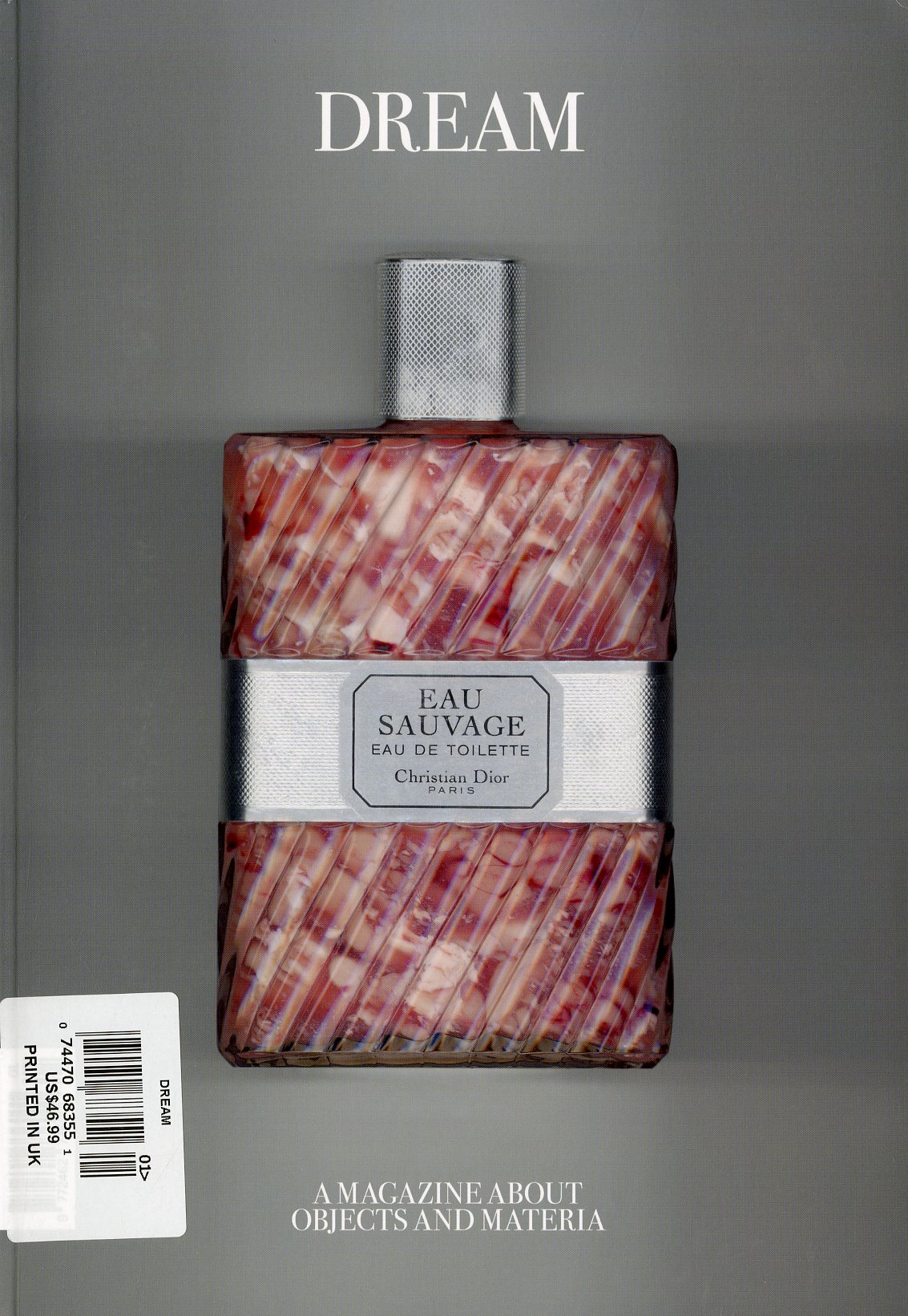
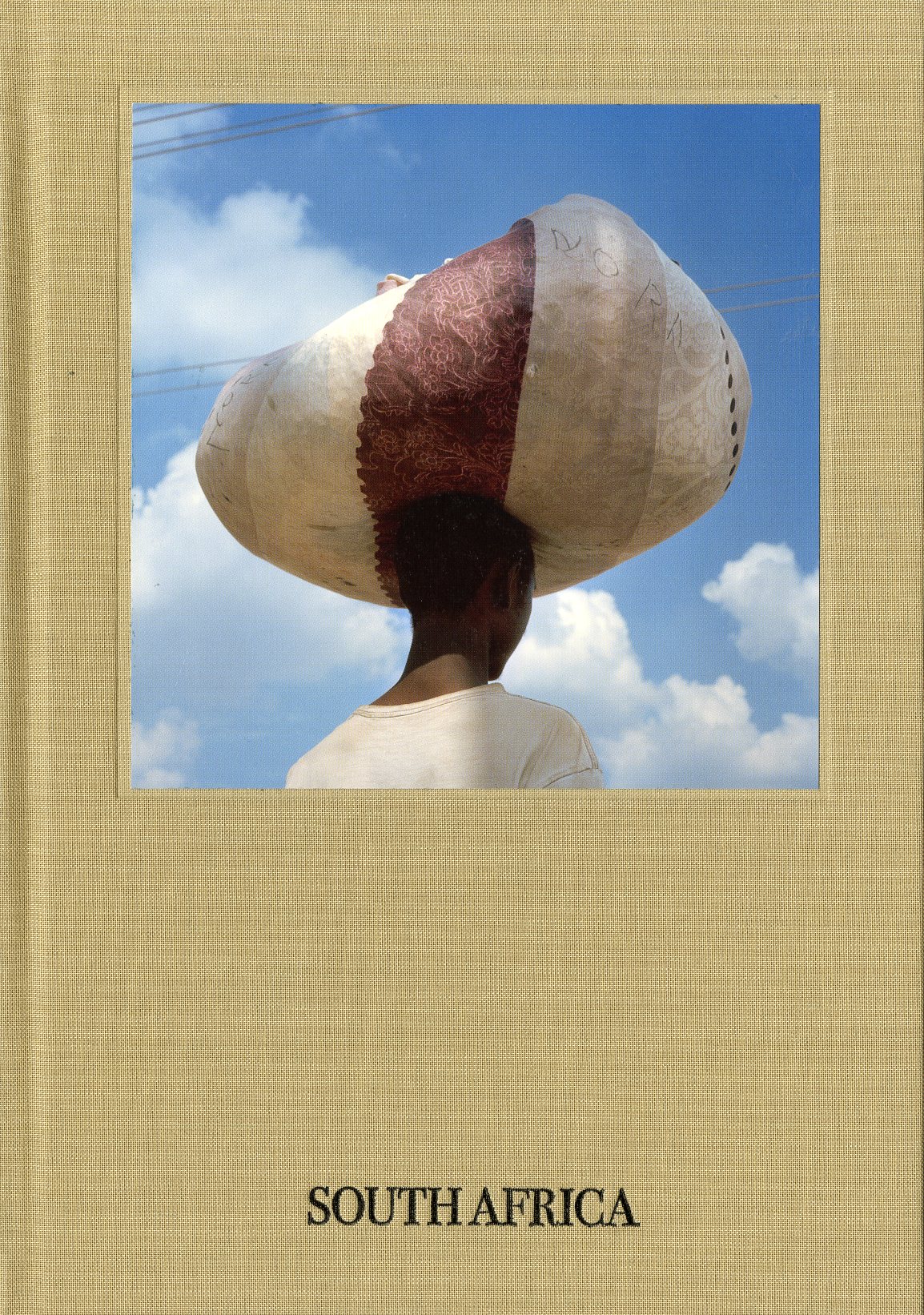
Or there’s a new magazine called Dream dedicated to objects and materia. And as the editor tells us about her “dream” finally coming true with the publishing of this first issue, we learn that this chimera of print is all about the inanimate, but takes shape in the dreams that created the objects. Quite captivating. And along with the magazine, a hardbound book called South Africa conjoins with this premier issue to allow the audience a look into one contributor’s experience in the country watching the graceful and elegant balance of objects onto people’s heads.

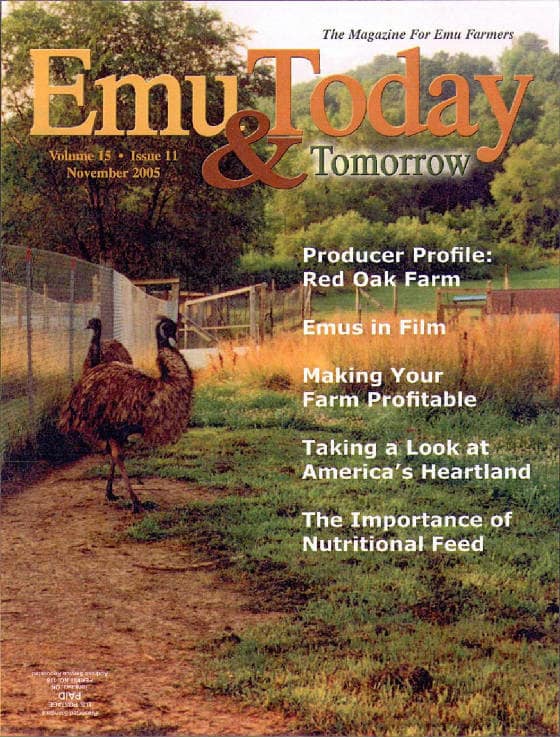
Wow! That’s about as niche as the 2005 magazine titled Emu Today & Tomorrow. As I said, being a special interest magazine is not as “boutique” as some might think.

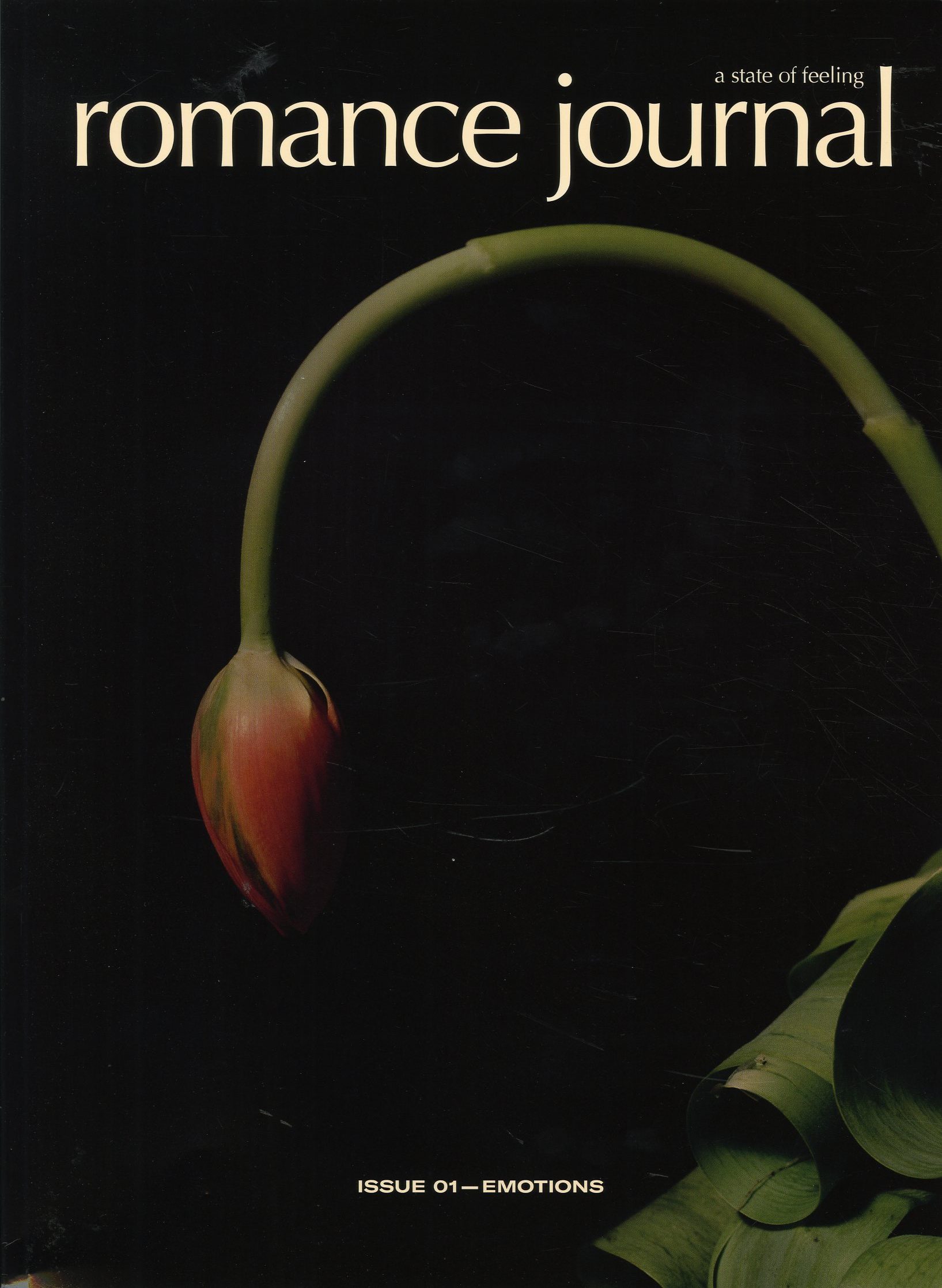
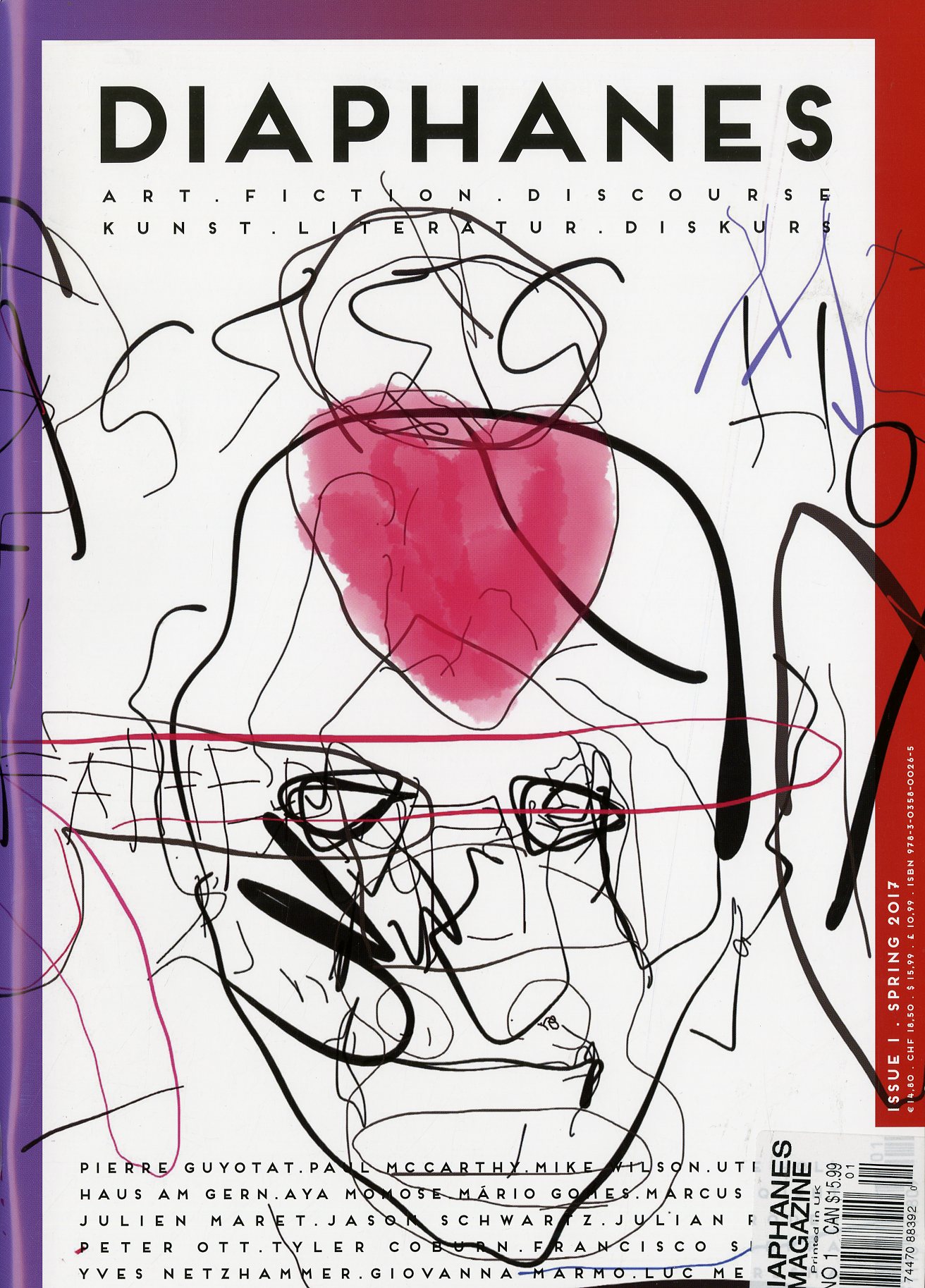
Then there’s the new magazine Diaphanes that’s published in both German and English. Or the new twist on an old concept, the Romance Journal. It’s a new magazine that the first issue focuses on just emotions.

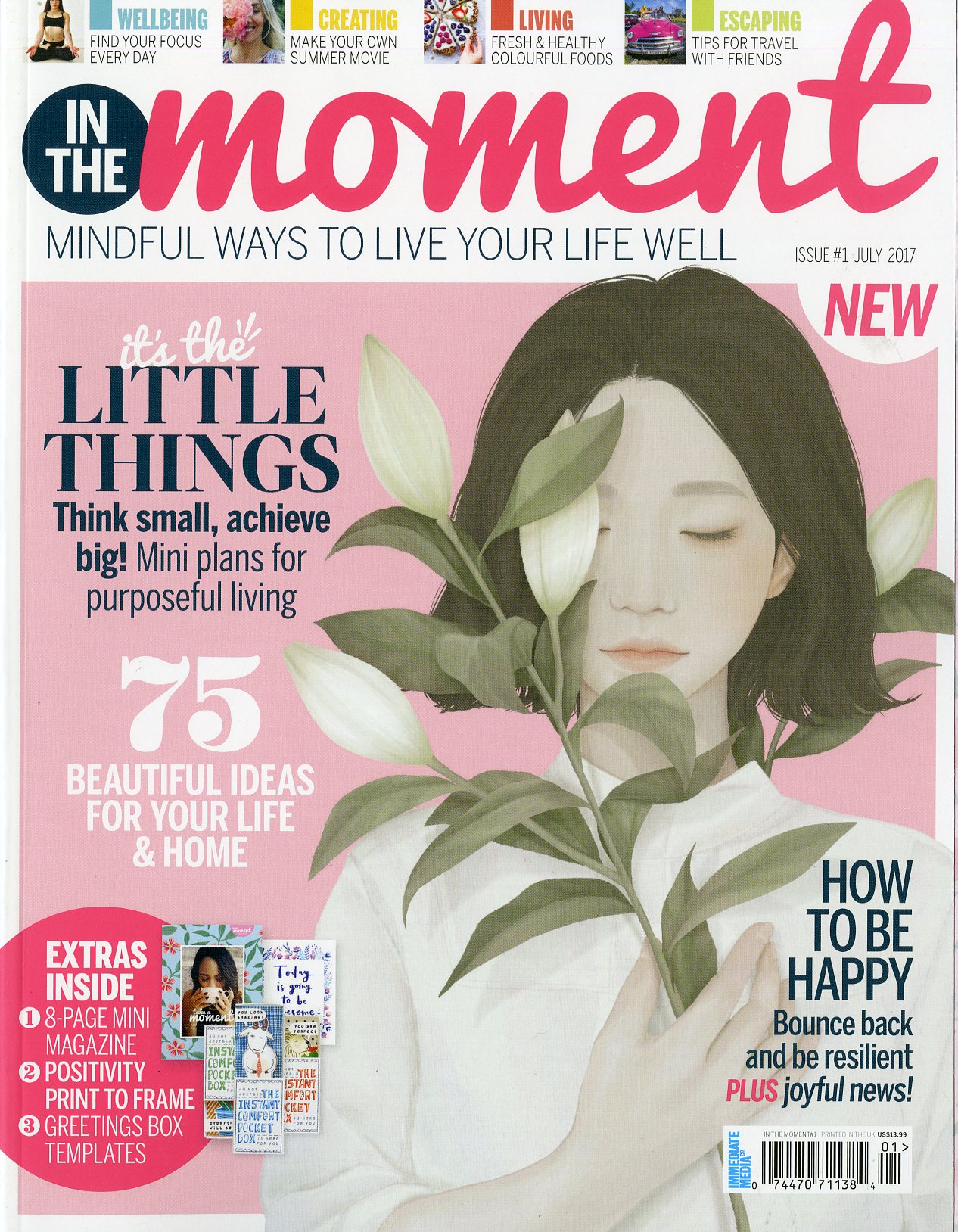
Or things I’d never heard about, but my grandson had, such as a sport called Pickleball, which I’m sure is a deserving sport that needed its own magazine. The mindfulness craze continues with a new magazine from the U.K. called In the Moment, treating us to mindful ways to live our lives well.

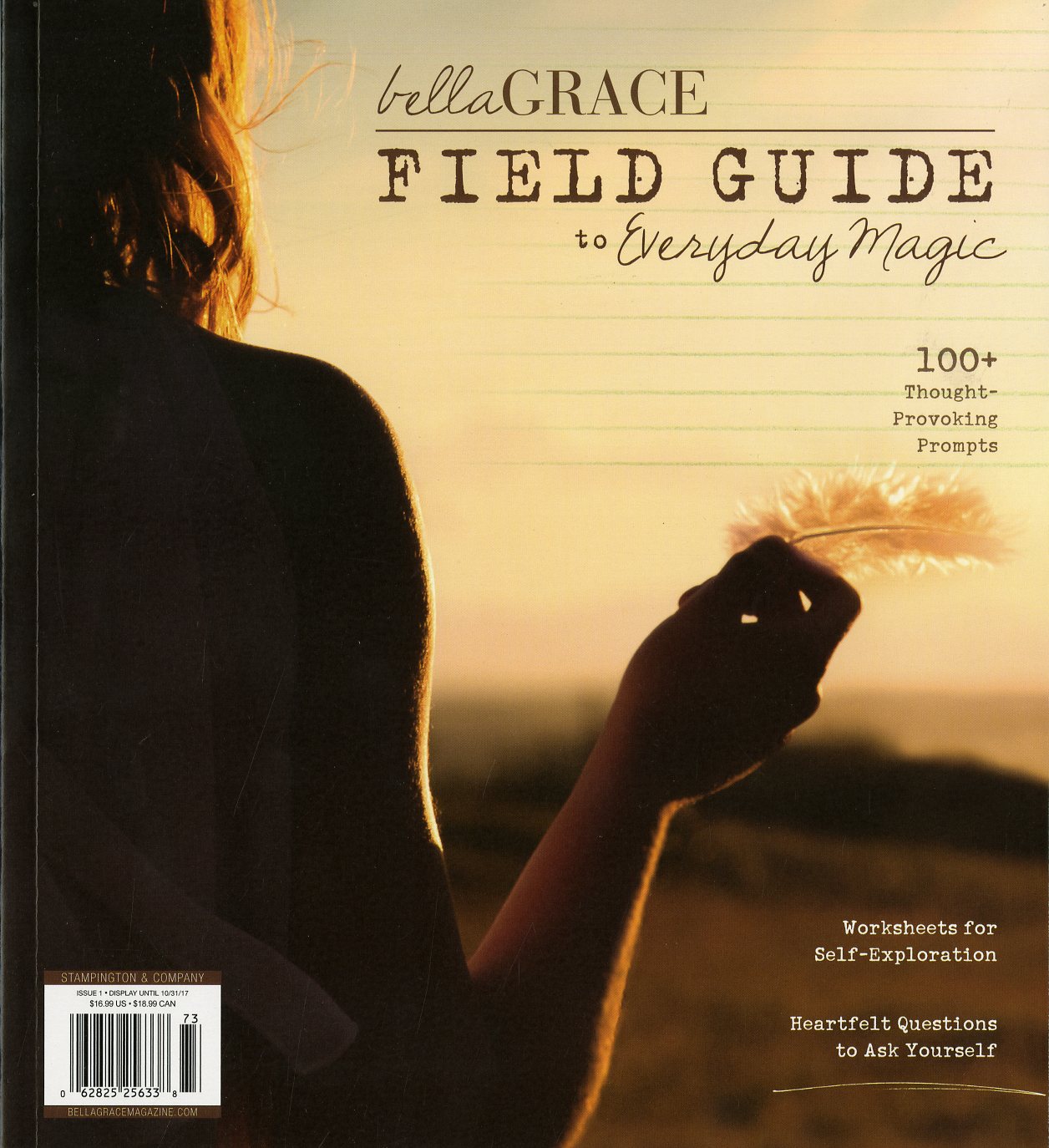
And there’s a new magazine from Poland all about cities and the way they have changed over the years called Cities Magazine. From our good friends at Stampington & Company, we have Bella Grace – Field Guide to Everyday Magic, which has the feel of your own personal journal and invites to write in it as you would a diary.

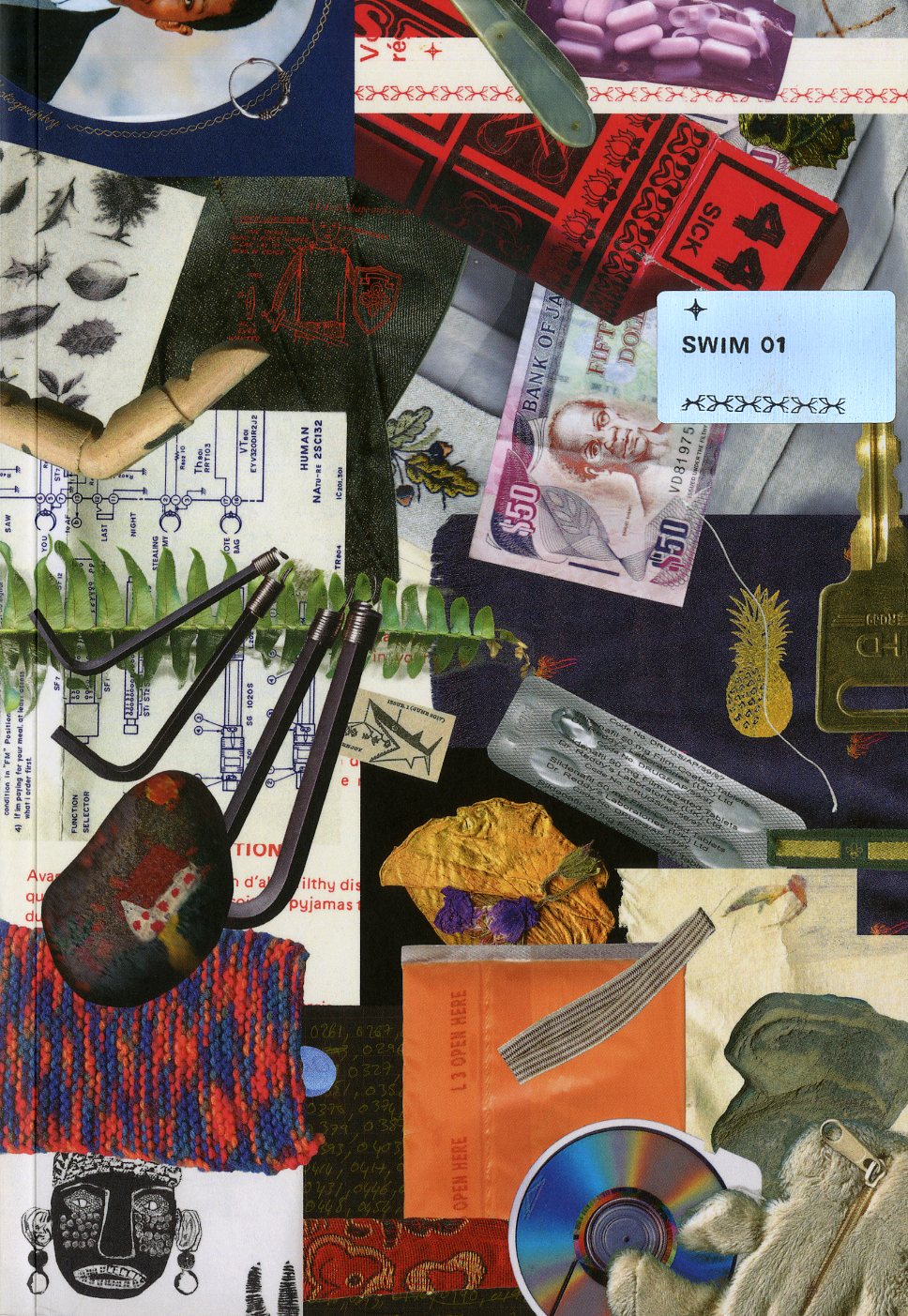
Then we have a new title called Swim that combines art, photography and literature in a publication driven by narrative, so we can feel free to start anywhere, even at the end if we choose.

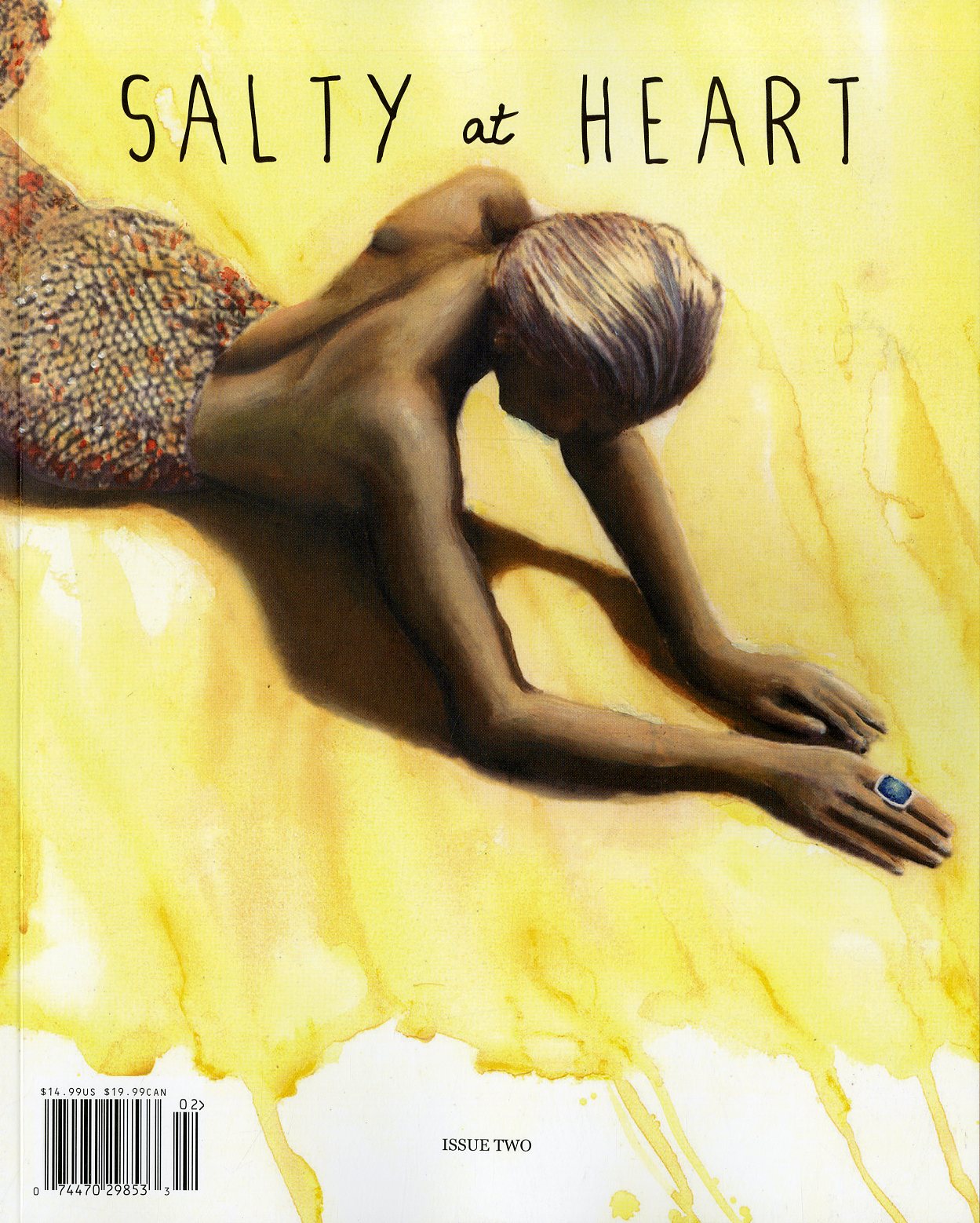
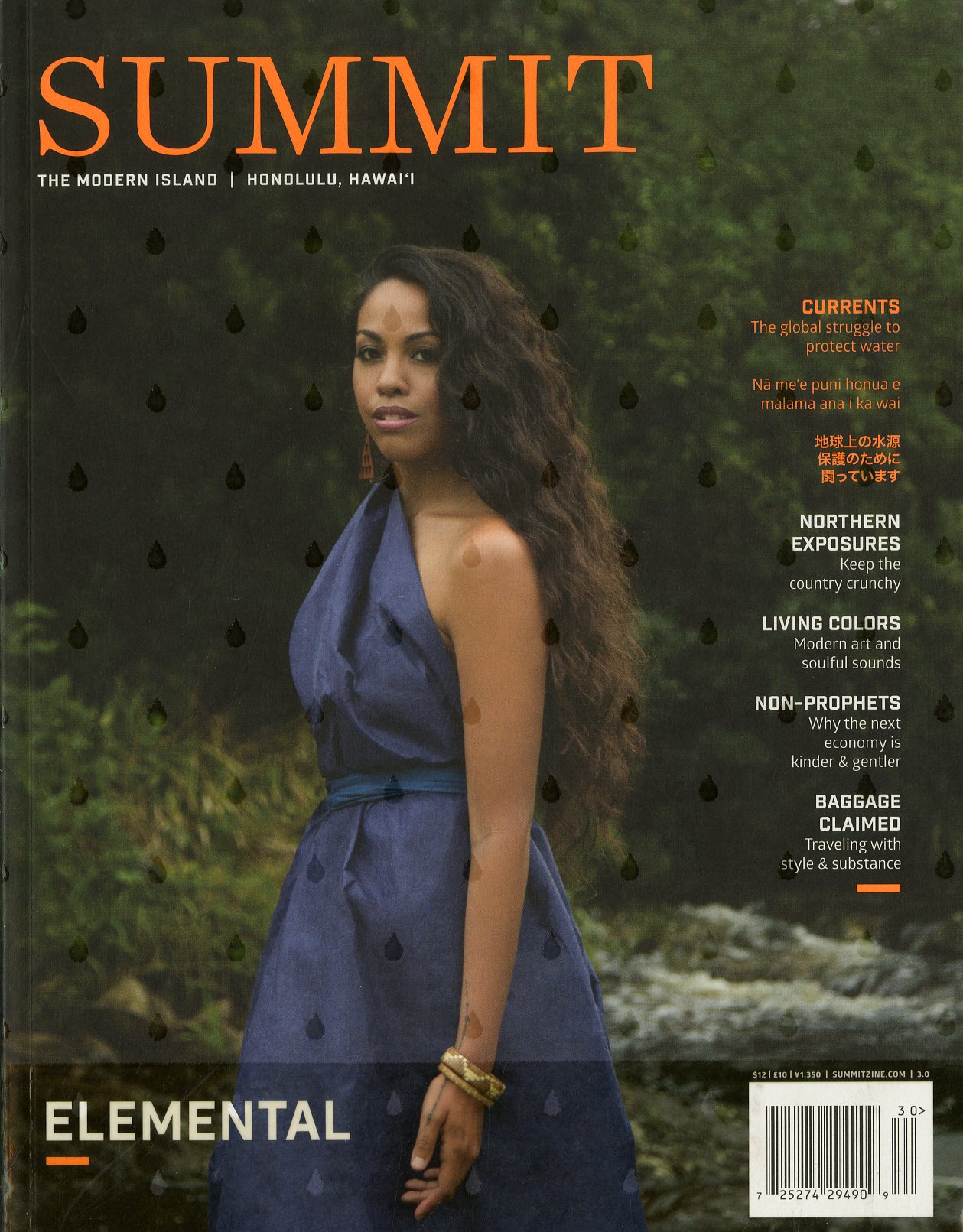
And I cannot leave out Salty at Heart, which is a new title for those who love the ocean and living in the beauty and miracle of the moment. We have Summit; a magazine about the resurgence of Hawaiian activism that took place on the peak of Mauna Kea, and examines a new generation of globally connected thinkers and doers. As its mission statement states, “Summit is Hawai’i’s global magazine, with in-depth coverage of arts, design, style, business, civics, and literature in the Hawaiian hemisphere.”

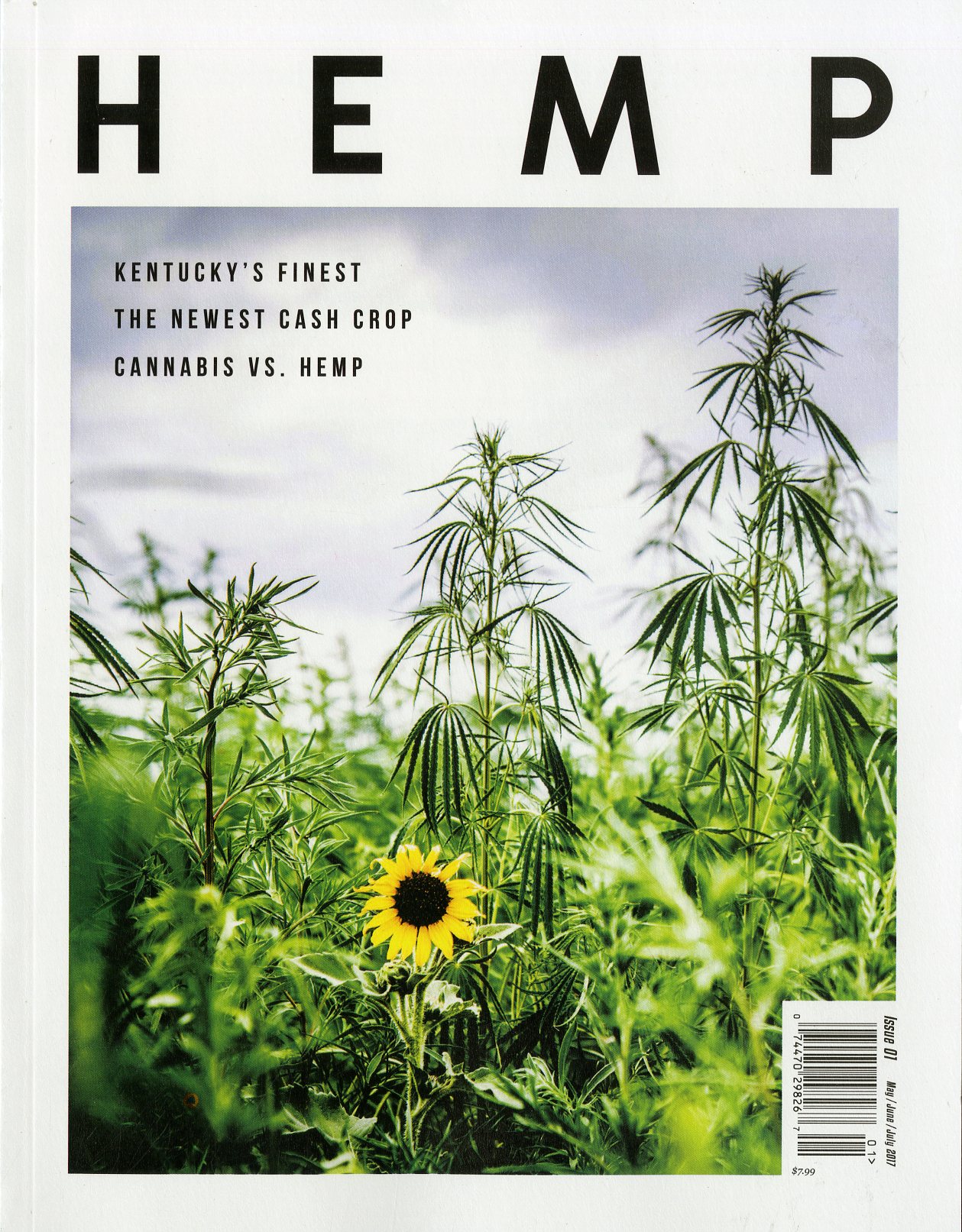
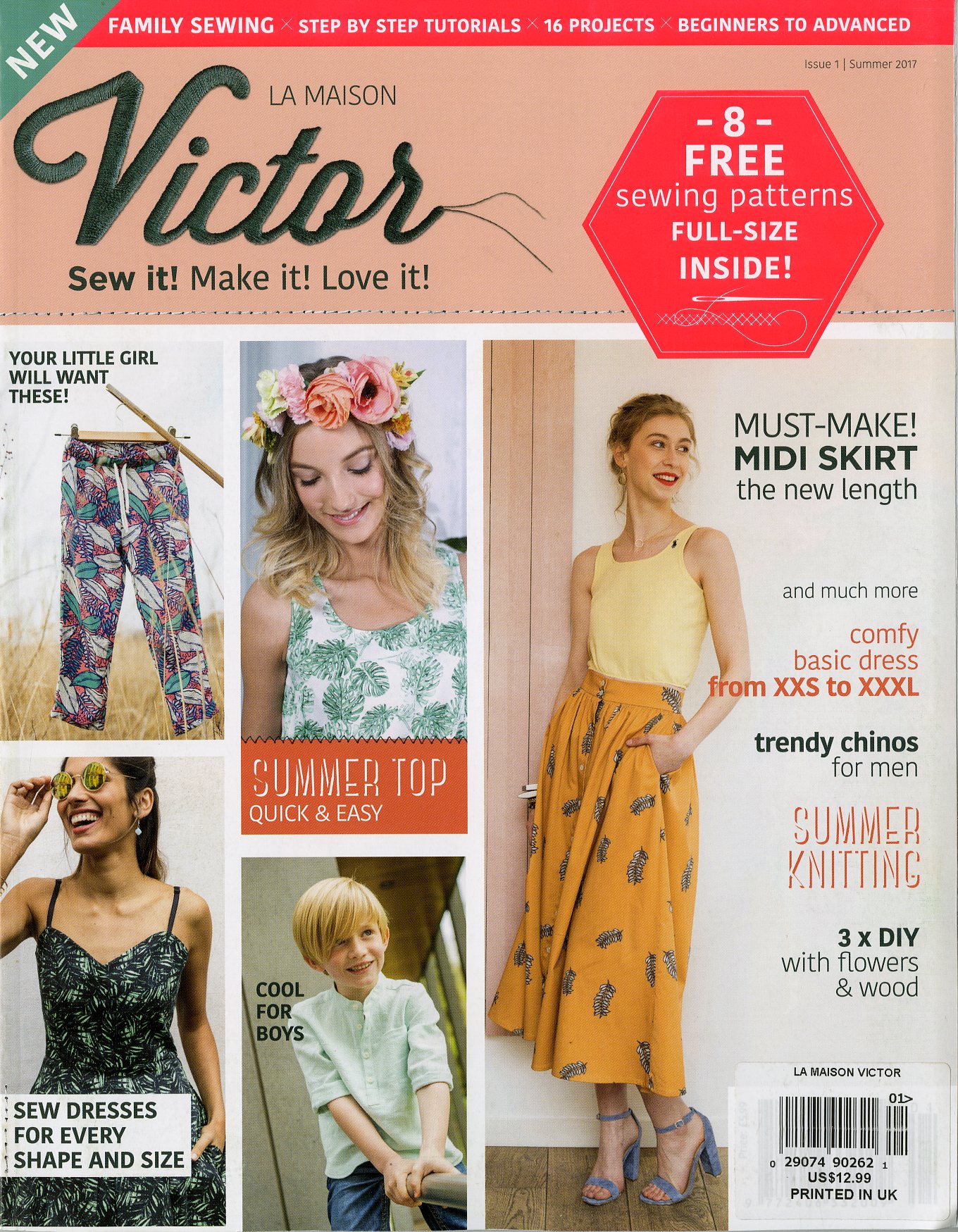
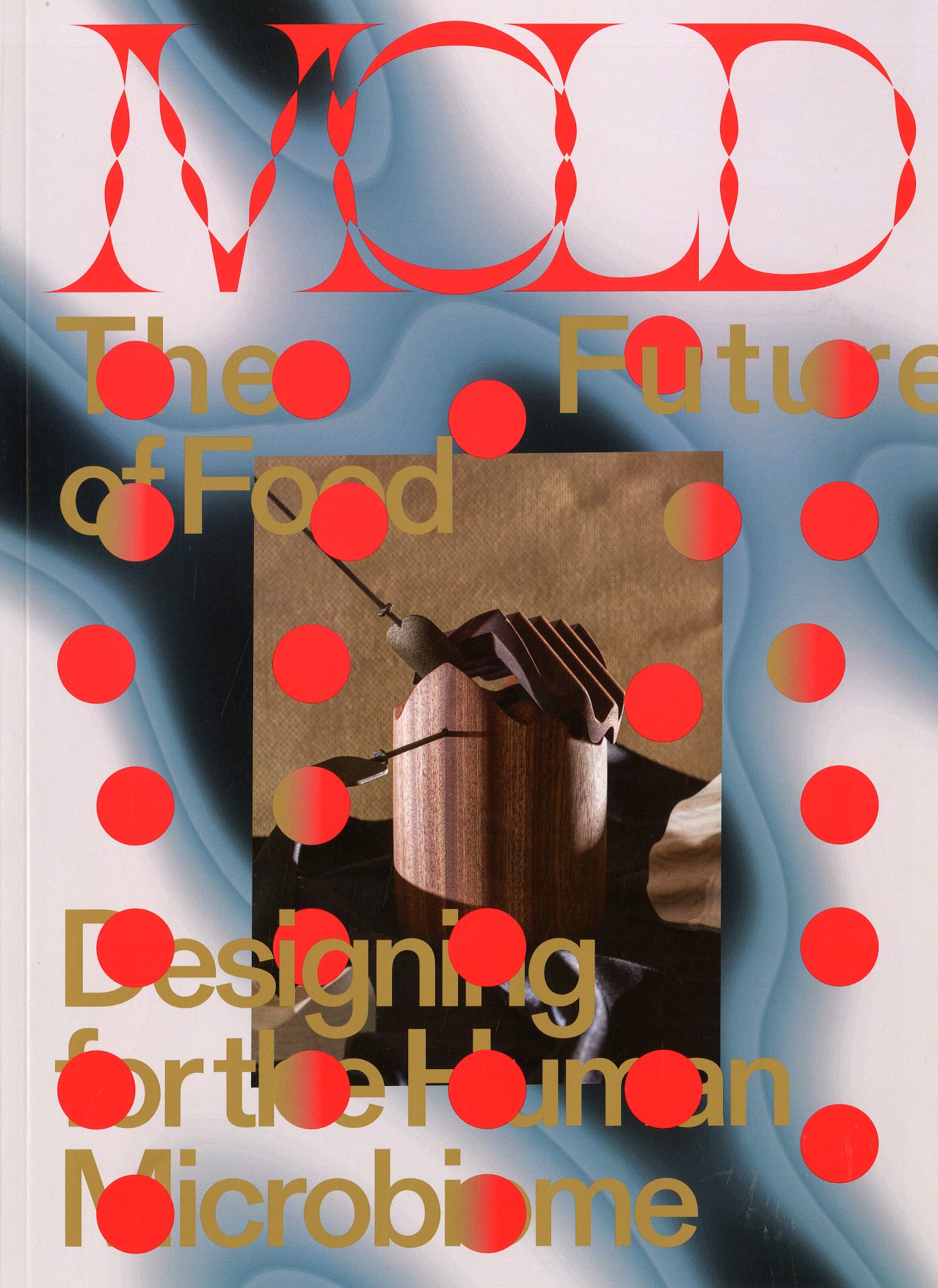
Hemp is a magazine that explores the renaissance around the reality of hemp farming that’s sweeping the U.S. A sewing magazine published in Belgium and distributed internationally called Victor, and last, but certainly not least, a new title called Mold. Yes, Mold, a magazine that moves beyond the aesthetics of food, and celebrates design as an agent of change in our food system. Mold explores the innovations emerging at the intersections of science, technology, agronomy, gastronomy, engineering and design.

So, as you browse through those titles and as you spend a lot of money to purchase those titles, Dream has $46.99 cover price, join us in the “boutique” and sit back, relax and enjoy the eternally reflective nature of magazines.

Until next time…

Mr. Magazine™ will see you at the newsstands…

h1

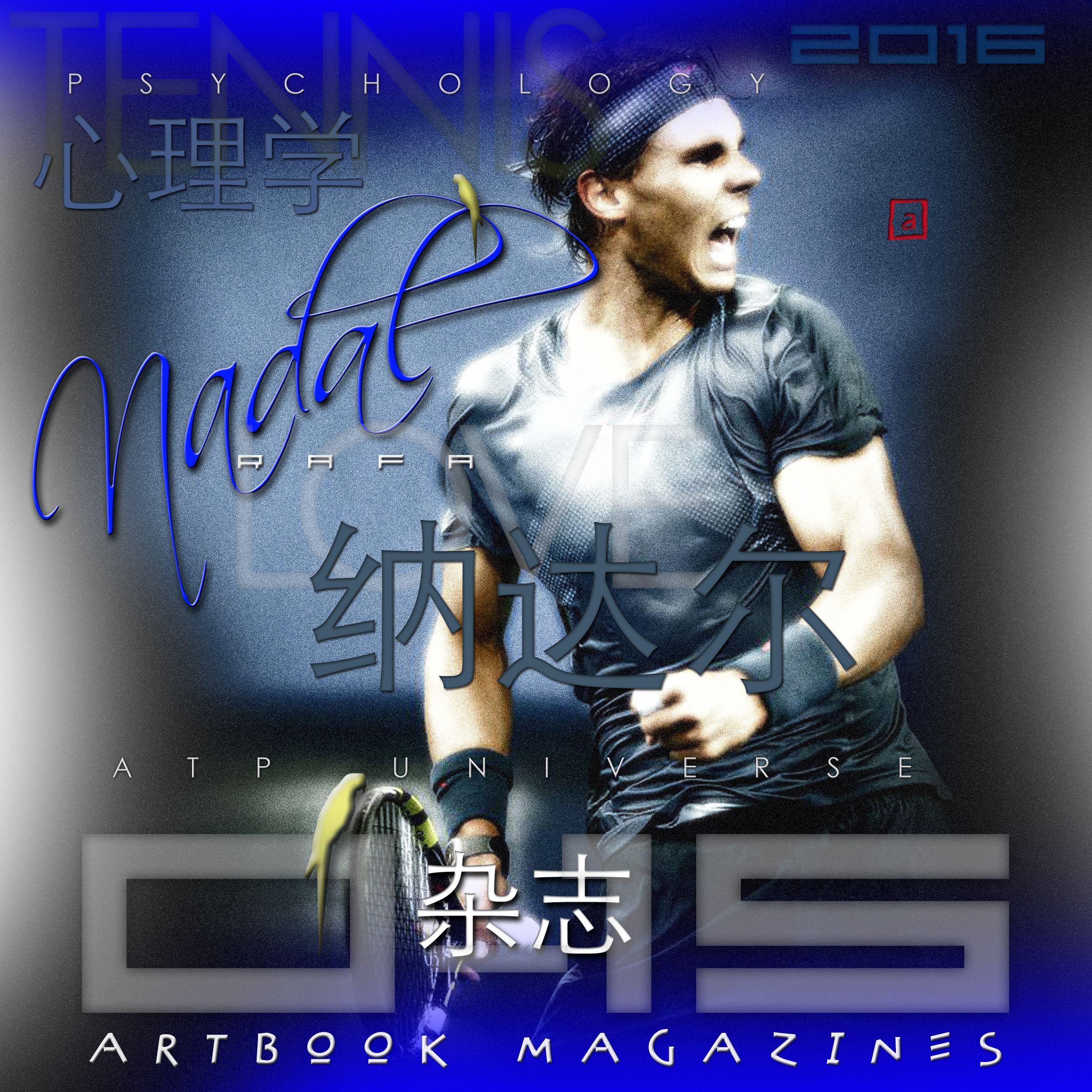
Alie Oz: A Man With A Vision To Revolutionize The Publishing Industry Through Art & Artists, Innovation And Philanthropy Using Print As The Most Connective Medium – The Mr. Magazine™ Interview With Alie Oz, Director, Arts Sports International…

August 10, 2017

“There is no such thing as a “best,” because best only applies based on what we’re looking for. If you’re looking for a way to get timely information, then you cannot beat digital. However, if you’re looking for quality and beauty, and certain human elements, such as touching the paper for that physical connection, print provides that. There is no human connection like an organic texture of a good quality paper. With a monitor this is not possible, because we’re on the outside of that connection.” Alie Oz…

“With print, you’re much more connected to those pages. And there are different fundamentals for people. Some want to be in control, so they want to sit down in front of the monitor and click here or there. But many people are tired of making decisions all of the time. They want to just sit back and be entertained. With each page they flip, they want to see something surprising. They don’t want to know beforehand what they will be looking at. They just want to relax and be entertained.” Alie Oz…

Call him a dreamer, call him a theorizer; call him anything you can think of that would describe a true visionary, and Alie Oz will most probably explain to you why you think that. The man is a deep-thinker and truly sincere and concerned about this planet, the cultures that influence people’s behavior and the choices they make and the arts and artists who bring beauty and consciousness into our lives. And he has a plan to revolutionize the present-day business models that most publishers use. According to Alie, it’s a very simple approach, nevertheless, a very comprehensive one.

Alie described it in this way, “In the pursuit of creating a vision for new age philanthropy to help Artists and Children in need, the process inspired me to a vision that will revolutionize print publishing in its entirety. From its purpose, its new entity, its definition, its look, its products, its production, its publishing and its business model; it will be transformed in such a way that the print magazine world will go from what it is today, to a desirable, profitable and honorable art form, that is unimaginable by today’s standards and reality.”

Between art, sports and the beauty of both, 0-15 ArtBook Magazines were born. And the philanthropic influence of Alie himself isn’t lost on this new business model; in fact, at one point during our conversation, he described it as a new vision for the “Philanthropic Business Model.”

Alie said that we have to change everything about print magazines, beginning with the definition and identity to “ArtBook Magazines.” That they have to be created as an art form (artwork) by real artists. Timeless, collectible ArtBooks that reflect the artistic side of any given subject, or subjects, like a moderately printed coffee table book.

He added that the production process had to be changed as well, by eliminating the unnecessary waste, and by replacing old ways of doing things with clever and intelligent thinking, and unique methods of creativity and production process. And that publishers then needed to be innovative and introduce a completely new vision for the publishing business model to the equation, to make this vision so profitable (equal or more profitable than the Internet publishing business model), so that it becomes one of the most desirable new age businesses for entrepreneurs, with its new role of how ArtBook Magazines can serve us and our business in our cultures. While all of this might sound like a pipe dream to some, to Alie Oz it’s not only possible; it’s achievable.

So, come along with Mr. Magazine™ as we take a walk down a visionary’s path and possibly discover that the Philanthropic Business Model is here to rescue us all, the Mr. Magazine™ interview with Alie Oz, director, Art Sports International.

But first, the sound-bites:

On the idea behind 0-15 ArtBook Magazines: There are two parts of this. On the one hand, there is the philanthropic part; how can we help people, children in need, and this is worldwide. And redefine art and artists and understand their responsibility and their effect; how they can influence the cultures and therefore our behavior changes and we become more sensible people, and in turn world problems seem not so insurmountable, because the world’s problems have become more and more senseless. We’ve become robotic and driven by greed; greed is run by fear, etc.

On why he is starting this new business model overseas and bring it into the U.S.: I discovered that the East follows the West, because of Colonialism and everything else, and they are so much more receptive to new ideas. Even by their nature they’re more open to innovations, because of their freshness and virginity when it comes to these high-end developments. If you can break down that Colonialism stage, they can be original and unique, and that allows creative minds to be so much fresher, and in turn, creates creativeness within the platform. In the West, new ideas have to convince people that their old ways are not good enough, which most people are reluctant to believe, and also to give up their old ways to adapt the new ways.

On whether he thinks print is the best medium to implement his creative vision: There is no such thing as a “best,” because best only applies based on what we’re looking for. If you’re looking for a way to get timely information, then you cannot beat digital. However, if you’re looking for quality and beauty, and certain human elements, such as touching the paper for that physical connection, print provides that. There is no human connection with a monitor; we’re on the outside of it. Also, this vision is the beginning of the one that will follow next, which will bring all three media (Print+TV+Internet III) together and make them function like one organism. After this vision is in place, I am willing to introduce the next vision for the more future-oriented players.

On how his business model will allow publishers to offer their product for free and still make money: The answer to this will be explained to certain chosen ones to give them a heads up in this visionary business plan.

On whether he’s on to something that’s possible or he’s merely a dreamer:
It is very much real and with proof of concept, all details will be explained to seriously interested players.

On the biggest stumbling block facing him in launching this business model: There are no stumbling blocks at all, because as I said, we’re doing this as a part of our philanthropy vision. In our vision, we give this licensing to retired tennis players or young tennis families, or even players as a supporting source. So, philanthropists can have this magazine and have children educated from it. The economics are so attractive that the objective is never compromised. Of course, we’ll add more of the art and the nobility and the consciousness into the product, and it will be an art platform. We’re doing this in our philanthropy business, and once the magazine is established, we’ll be introducing many other products and businesses and services. The way we use this publishing vision is unique, and as our base to introduce other new ideas and boutique business to help the needy

On the possibility that the publishing world will understand his vision and get excited by it; what would then stop him from doing it on his own and becoming that multi-billionaire:
Anything is possible, however today my focus is on the broader picture. I’m interested in changing the art and artists, fundamentally, culturally, practically, and effectively. And I’m just a single human being who has a vision that could change things from a fundamental level. If I meet the right people/publishers, I will make plans to take actions to implement this vision in a larger scale to lead all. With our philanthropy business model and the platform that we’ve created with 0-15 ArtBook Magazine, we have so many other products that will start small businesses and help everybody. So, me creating many ArtBook Magazines and storming the publishing world means I would rather work with someone and achieve that goal under special conditions. It’s not the money that motivates me, it’s doing the right thing and getting the publishing business to the right stage. And to get the publishing world to where they belong by influencing our lives in the right ways by creating the right products and awarding our artists and influencing people the way true artists should. I would like to make the publishing business a very attractive, lucrative and desirable business for young entrepreneurs by making publishing an art form.

On what keeps him up at night: Well, I am worried about what’s going on in America, in our senseless behavior, the choices we make because of our cultures that affect our decisions; our thought processes that lack taste, class, reasoning and consciousness, that senseless lack of understanding and disconnection. Why did we become this way? What causes this senselessness? Who and how can help make these corrections?

And now the lightly edited transcript of the Mr. Magazine™ interview with Alie Oz, director, Arts Sports International.

Samir Husni: Give me some background on the idea behind 0-15 Artbook Magazines and the company.

Alie Oz: There are two parts of this. On the one hand, there is the philanthropic part; how can we help people, children in need, by connecting many forces altogether, such as the sports world, artists, corporations, governments, philanthropists, new entrepreneurs, etc., and this is worldwide. And redefine art and artists and understand their responsibility and their effect; how they can influence the cultures and therefore our behavior changes and we become more sensible people, and in turn world problems seem not so insurmountable, because the world’s problems have become more and more senseless. We’ve become robotic and driven by greed; greed is run by fear, etc.

So, our senses are designed to protect us and give us rationale and give us an understanding of everything that’s supposed to help us to survive in the best conditions. So, the artist’s job should be that, because human beings who are in touch with their senses fully are the best part of ourselves. And that should be an artist, which we have an obligation to redefine, protect and help them to perform their best.

But overtime, like everything else, art and artists have become business components and instead of a true meaning and purpose of what art and artists should be, they become just another tool for the middleman to make more profit for all costs. It becomes another game. So, that question is very important to me personally, because I’m an artist by birth. I had my first exhibition when I was 12-years-old and I dedicated myself to question everything to make them better through arts. In this process I became an art director at 18.

Let’s say, we have these wonderful ideas and wonderful talents, but how can humankind benefit from this, instead of becoming a tool for the rich and famous? So, the idea of art and the artist is very important. And we have to reanalyze and redefine that, in order to help more humankind to influence their behavior and make them more sensible and conscious creatures.

So, the classic question is: how do you save the world? Well, everyone has their own answer. In my humble opinion, the answer is by changing the proportion of the world. Having more artists, with the right definition of the word artist, is how you can save the world. In order to do that, we have to be open to art. And we must make it so organic and so pure, and make it a part of our lives and in all business.

I extract the art and artist from the talent and the taste; not even from perfection. The consciousness has to be the guiding force of what art and the artist should be. And the artist is the ambassador of that energy. Everything is made of that energy; consciousness is the source, so the artist should be the one who brings that consciousness to our lives.

Now, true talents, true tastes, true craft; yes, of course, that is a part. In my opinion, the first artists that we know are our mothers. And they’re the ones creating something incredible with the hope that eventually wonderful things will follow.

I’ve been involved with many different projects, this being a growth process of ourselves. At one point, with a dear friend of mine, Caroline Newhouse, her family is in the publishing business, we were discussing magazines. Why are magazines so important? In those discussions, I was always arguing that those pages were being wasted and because there was no challenge to the magazine world, magazine publishers did nothing to improve them. They were basically sleeping and enjoying the glory and benefits of the publishing world.

But once they were challenged, the problems began to rise to the surface. And very quickly, some fell apart, because their models fell apart. So, these problems have been around since a couple of decades ago and I promised my friend that I was going to do something. In fact, at one point Caroline wanted to hire me for Condé Nast, although she wasn’t in charge. But I was very busy with other projects at that time, nevertheless, I promised her that I was going to do something about it, because we’d had this wonderful conversation. And she was an artist.

But going back to how we can help people using all of the elements together, because all energies have to connect to each other and then to consciousness. Everything we do has to connect to each other; our purpose of helping people, media, the arts, just everything. I realized that the best way to do this was to implement art and artists into consciousness, was into business models. I always hated it when, as a child, I would hear people say, “Don’t take it personally; it’s just business.” We have to be conscious of everything we do, even in business.

So, one after another these ideas would come in, so I decided to create an organization where we can connect these powerful elements together; to redefine art and artists and inject the idea of art and artists into businesses and connect the sports world, because that’s very much needed and they’re a very powerful group of people. And then create a business model that will help the children and artists by connecting publishing and small businesses, government and philanthropy; everything. So, the idea of helping people really motivated me to start developing the organization.

And this is a part of my passion already, as a platform, I put print publishing in the center of it. So, with the publishing we create a platform to help children, artists, the sports world; and allow governments and philanthropists to become involved and create a new vision for philanthropy. Since I wanted to revolutionize the publishing world, it has to be improved in order to do that. And the purpose of our publishing platform is to develop a vision for philanthropy, and at the same time revolutionize the publishing world.

In my vision, everything about publishing will change. Only two things will remain the same in the publishing process: the paper and distributing monthly. Besides those two elements, everything changes, because that’s my nature, I do not accept things they way they are, I like to change and improve things. Because I believe anything and everything can be improved, and that is the way civilization moves forward and true human capacity develops.

Now, I have an opportunity for a couple of years, while we are going forward with the philanthropic vision, I can start focusing on the publishing as well. I realize from my research how to develop this vision; how to improve everything. The publishing world works in a very old-thinking way. If you look at the columns and the text and the graphics, things haven’t changed very much over the years since Gutenberg. Everything else has changed in the world; why hasn’t publishing changed? Through the process of shortsightedness, the publishing world has been left behind.

When the Internet started challenging the publishing world, then everything fell apart. What I want to do with the publishing business involves three elements: the products, the production, and the publishing. In this process, in my opinion, the products have to be an artwork, because the publishing itself, touching the paper, it shouldn’t be taken for granted. There is something very natural and human about that.

In this out of control development; for the most part I agree with the world development, but if you lose connection from one to another, it creates big gaps. And those gaps are taken advantage of by either opportunists or by dysfunctional behavior that is created within those gaps. It’s like if you don’t brush your teeth, plaque will build up in your mouth. So, every idea has to connect to the previous one in such a way that there will be no gaps in between to break the system. All developments should be based on our needs, they have to serve us, not the other way around. We should not become a robot, just simply because the development of robotic ideas are in full swing.

In the process of developing this vision for a new product, it has to be an art platform; a form of art that I see for publishing. The production part has to be in such a way that it’s a healthy business, and the publishing part has to also be done in a way that it will award the publishing world as it deserves. So, it will be a very healthy business and therefore the idea of publishing will impact people’s lives properly.

In our business plan, we have to create these art books, and right now they’re part of the sports world, tennis, 0-15 is a tennis score, so part of the vision is also part of our philanthropy, the art and sports part. But within that, the publishing itself is revolutionized. Making publications as an art form and created by artists, and published in such a way that we make a perfect business model and a very successful business model is what we’re talking about.

Samir Husni: Why overseas? Why are you starting this outside the U.S. and then bringing it in?

Alie Oz: A long time ago, Caroline tried to put my ideas into place at Condé Nast. She set up a meeting for me and I went there to talk to the creative director. Now, I was never in the corporate world, I am an artist by birth. After a weird energy filled the room for a while, he told me that I should not be telling him my ideas, because he would steal them. And I didn’t know how to respond to that. And I have to ad that in his own little mind, he was respecting my friendship with Caroline Newhouse.

In America, we are very much driven by corporate principles. I don’t even believe in the Wall Street model. I don’t believe humans should be described as winners or losers. We can all be winners. With the Wall Street models, which is the backbone of our business, it’s okay to steal, cheat and lie, as long as you win. I don’t believe in that. I have a problem with Picasso when he said, “Good artists borrow, great artists steal.” Nobody questions why do you steal; you only steal if you don’t have it. Well, if you don’t have it, you don’t deserve it. So, in America, this has become a big part of our business principles. Everywhere else has their problems as well, but if we accept this principle that it’s okay to steal, cheat and lie as long as we succeed, no original ideas will ever be born from that. Then you’re trapped in that psyche. Then you focus your energies on that, rather than being innovative.

And I discovered that the East follows the West, because of Colonialism and everything else, and they are so much more receptive to new ideas. Even by their nature they’re more open to innovations, because of their freshness and virginity when it comes to these high-end developments. If you can break down that Colonialism stage, they can be original and unique, and that allows creative minds to be so much fresher, and in turn, creates creativeness within the platform.

In the West, first you have to convince people that what they’re doing is wrong. And if you achieve that, then you have to explain to them what else they can do; how they can progress. That’s why it became much more difficult to explain how things could be more progressive to people in the West. In the advertising world that I was a part of; the difference between European and American behavior is for one, in Europe we select creative directors and we ask them to lead us. In America, we’re always afraid of our job security, and we ask the public constantly what they want to see. And the public is busy with their own daily lives, their own careers, so it’s not their job to analyze and understand.

So, we tell our bosses this is what the public wants, let’s go with that. This to me is a plague that stops progress. We’re not progressing well. Everything has to be created outside first, then America can take it and make a business out of it. And yes, make it big business. Also, in Asia, the children have a bigger need; in India and in China.

In China especially, I was interested because they need a vision. China is losing their artists and by nature, they don’t have that many to begin with. So, I had to give them a vision. For those reasons, I was in Asia.

But I’m interested in America if we can build a trusted relationship with a powerhouse. Then I would be able to introduce this vision and the entire publishing world could change because of it.

Samir Husni: Is it because it’s your vision that you’re focusing on print as the vehicle to spread this vision, or is it that in this digital age print is still the best medium for implementing this innovation?

Alie Oz: There is no such thing as a “best,” because best only applies based on what we’re looking for. If you’re looking for a way to get timely information, then you cannot beat digital. However, if you’re looking for quality and beauty, and certain human elements, such as touching the paper for that physical connection, print provides that. There is no human connection with a monitor; we’re on the outside of it. And to me that’s also the failure of the arts in the West. In the East, the arts are a part of life. If they create a beautiful piece of art, such as a bowl, it becomes a part of their life. In the West, we create a bowl and then we put it in a museum and watch it. And call it art. No, that’s not art, you’re outside of it. You have to be inside of it.

And print is the same thing. With print, you’re much more connected to those pages, if they are created in the right ways. And there are different fundamentals for people. Some want to be in control, so they want to sit down in front of the monitor and click here or there. But many people are tired of making decisions all of the time. They want to just sit back and be entertained. With each page they flip, they want to see something surprising. They don’t want to know beforehand what they will be looking at. They just want to relax. And I don’t believe in losing or wasting things, especially print. We owe so much to print. Print has an opportunity to lead our culture.

And the Internet was created by engineers. But art is missing from the Internet. In contrast, print is all about art. So, they have to exist together. With my model, creating these art books, and by the way, we can create these art books from all topics. So, we can introduce thousands and thousands of them all over the world. But the key with this model, is they have to be free. Art book magazines have to be free. In today’s world, almost everything on the Internet is free. And yes, I have created a business model that brings in hundreds of millions of dollars of profit to publishers, even though the magazines are free. Having said all this, Internet publishing and print publishing doesn’t have to compete, they can co-exist and complete each other.

Samir Husni: But someone will say, Alie, you’re a dreamer. You’re telling us that the present publishing models are based on greed and that you want to change everything and do something completely different, but you’re still depending on advertising, albeit, you’re changing distribution. So, either you’re a genius coming up with this new idea or it’s simply a dream.

Alie Oz: Before anything else I have to say this, even though cynics will be satisfied with proof of concepts, whomever denies progress will be left behind. In contrast, the ones who are looking for opportunities will take advantage of this vision. In order to succeed, this vision, all aspects and all elements, has to be done correctly, no cutting corners. When that has happened the right way, the transformation of the publishing world through this vision will be revolutionary. Again as I said earlier, I am willing to explain all of the details to the right people in the right time.

Samir Husni: What’s the biggest stumbling block that’s facing you in launching this new business model?

Alie Oz: There are no stumbling blocks at all, because as I said, we’re doing this as a part of our philanthropy vision. In our vision, we give this licensing to retired tennis players or young tennis families, or even players. So, philanthropists can have this magazine and have children educated from it. The economics are so attractive that the objective is never compromised. Of course, we’ll add more of the art and the nobility and the consciousness into the product, and it will be an art platform. We’re doing this in our philanthropy business, and once the magazine is established, we’ll be introducing many other products and businesses and services.

With this, philanthropists will be able to help people through sports and through artists. And while we’re doing that, our platform, the print magazine, will become a very visionary concept that could be implemented. One magazine can produce, in the hands of a major publisher, $100,000,000 per year profit after all of the fees and expenses. If you make 10 of them, now we’re talking billions. This is impossible for people to believe, because this is unheard of. But who would have thought a company called Google would become bigger than General Motors? Great ideas start this way.

The problem in the publishing world is that we try and fix things. We’re patching and matching, surviving. And they’re cutting quality in order to survive, which will only speed up the process of going down. So, everything has to change. First, you have to serve the people and their interests. When that happens, with a brilliant business model, success will come in the most satisfying of ways.You can’t just patch and match and put a Band-Aid on the problem. The time element has to be eliminated from the print publishing world, because fundamentally you cannot compete with the speed of the Internet when it comes to delivering information.

Also, not only do we need to eliminate handicaps, but we need to add advantages. The Internet doesn’t have that touch experience or that human connection like paper does. And if you take the time element out of the print media and add the art part to it, the quality part to it, suddenly you’re separating yourself from the Internet and you’re providing what the Internet cannot provide. So, not only are you coexisting; with my business model, you can make equal or more profit than the Internet.

By eliminating print magazines’ handicaps against Internet publishing, in addition to emphasizing its advantages, it will not only create a complimentary partnership and coexistence with each other; it will also totally complete each other in my vision. By changing the perception of what print publishing is today in its entirety and creating a new future for the print publishing era like never before.

At first, it sounds like a utopian idea and a romantic dream for print publishing and its defenders and supporters, but (remembering that in this vision, 98% of everything we know about print publishing has changed, or been altered or replaced by its new evolutionary process), the analysis of all aspects of print publishing adapted to this new vision, making this unimaginable dream a provable reality.

In order to start a revolution, a renaissance of the print publishing world today, we have to abandon what we know, what we think we know, what we think we need to fix, replace or repair. We need to rethink all aspects of print magazine publishing, and replacing the old outdated components with their new counterparts. In addition, we have to add a new purpose, new identity, new look, new definition, new production, publishing and new business model.

Samir Husni: If people see your vision and agree with it and think this is how revolutions start, what will keep you from doing it on your own and becoming that multi-billionaire?

Alie Oz: Publishers that are seriously searching to do better, will understand and will get excited by this vision. Anything is possible, however today my focus is on the broader picture. I’m interested in changing the art and artists, fundamentally, culturally, practically, and effectively. And I’m just a single human being who has a vision that could change things from a fundamental level. If I meet the right people/publishers, I will make plans to take actions to implement this vision in a larger scale to lead all. It’s not the money that motivates me, it’s doing the right thing and getting the publishing business to the right stage. And to get the publishing world to where they belong by influencing our lives in the right ways by creating the right products and awarding our artists and influencing people the way true artists should. I would like to make the publishing business a very attractive, lucrative and desirable business for young entrepreneurs by making publishing an art form. Of course, anything is possible, but we have already created one ArtBook Magazine as an example of this vision and as a part of our philanthropic vision-project, to become a centerpiece, a publishing platform for our operation. But publishing revolution doesn’t happen with just one product, it has to be many of them to become the new standard, to become the business inspiration to all, so everybody will be inspired and follow the vision to change their business model and the industry, once and for all.

Samir Husni: My typical last question; what keeps you up at night?

Alie Oz: Well, I am worried about what’s going on in America, in our behavior, the choices we make because of our cultures that affect our decisions; our thought processes that lack taste, class, reasoning and consciousness, that senseless lack of understanding and disconnection. Why did we become this way? What causes this senselessness? Who and how can help make these corrections?

Well, in my opinion, what caused all this senselessness is the lack of senses in our lives, in our actions and our perception of what life is about, which is the essence of true Arts and Artists. Not a self-serving, narrowed purpose and meaningless bullshit, maybe with a little taste, a little talent, but still meaningless bullshit without any real purpose, no consciousness and no service to humankind. “The Art Game” that the rich and famous manipulated for a very long time, without realizing the effects caused in cultures and younger generations.

The Arts have to have a new definition, a new identity, a new purpose that is adjusted to our times, and to provide what is needed, what is missing, with a true and noble, and yet practical and productive, purpose that will make a difference in the world.

The Artists have to have a real purpose for a greater good that is very much needed; a direction and guidelines for our behavior, our senses and in our consciousness. For that “The Arts” have to be in our lives in all forms at all times, and “The Artists” have to have a new defining role in all aspects of our lives and business. New Age Print Magazines with their “new vision of existence” can provide this very much needed function. This new vision of ArtBook Magazines can provide the opportunity to merge in our lives to make a difference by uplifting the human spirit, representing taste, presenting new ideas and becoming the very much needed tool for the real artists to connect to people like never before.

For this, I did my job by creating and developing this vision “The ArtBook Magazines” to be implemented by all who represent the future of our Business-Culture Renaissance, and who want to take the publishing world to its new golden era like never before for the new age, “The Age of Aquarius.”

For many, these things I shared with you might sound like utopian ideas and wishful thinking, but they aren’t. They are true concepts created for practical applications that are tested, executed and proven. They are created based on responsibilities that real artists should have, a greater purpose than just a good idea, guided with consciousness and prepared as great business models and that take new age conscious business to its new heights in print publishing and its new place in our lives and cultures.

I can understand why for some this vision could feel like “A pie in the sky”. It is because most people are not used to creating things from scratch, as a completely brand new idea/vision. Usually, they are used to patch and match, fix or repair old and outdated ideas to make it work and fit into the new realities. Even some of the so-called new ideas are not new; they are a different version of the existing ideas or old ideas that were created in the past. Truly new ideas are rare, and usually difficult to relate to because they require us to forget what we know, and rethink everything without any baggage of our own belief system.

For those who are skeptical, there is a proof of concepts to convince them. For those who are already waiting for something new to change the game, there will be an inspiration like nothing before. Not only for the scale of success for the print publishing industry, which is unimaginable by today’s standards and expectations, but also what the publishing world should be in our future and its new function and responsibility in our cultures.

I will explain all of the details and step by step game/business plan to the right people, starting with those who already dedicated their efforts to improving the publishing business and who care to do the right thing and understand the potential of the “Print Publishing Business”.

We are already using this as part of our revolutionary vision of philanthropy by connecting children, artists, the sports world, corporations, philanthropists, governments etc. as the centerpiece of our publishing platform. But to start a real revolution in print publishing, there should be dozens of examples in action to become an example to all, then everybody will be inspired and understand the virtue, and everything will change after that.

Samir Husni: Thank you.

h1

The Golfer’s Journal: A New Golf Magazine That Focuses On The Purity, Culture, History, And Places Of The Game – The Mr. Magazine™ Interview With Brendon Thomas, Publisher, The Golfer’s Journal…

July 26, 2017

A Mr. Magazine™ Launch Story…

“At the Journals we have a slightly different strategy, in that the digital exists to point people to our print products. And it’s a wonderful way to do that, because we can reach so many people and bring them into the fold. But we don’t have a digital version of the magazine. There is no place that you can get our content online, unless you are subscribing, in which case you have access to all of our archives digitally, so that you can download and read them. I found in my last position and here that it’s the same as if you were selling any other physical product; the website exists to sell that product.” Brendon Thomas…

A new title about golf in its purest form. September will bring us the latest “journal” from the makers of The Surfer’s Journal, and if its premier issue is any indication, the magazine should be a stunner. The Golfer’s Journal makes its debut with a boxed presentation for VIP subscribers that’s also filled with goodies and promises of more to come down the road. Brendon Thomas, the magazine’s publisher, brings us his latest offering and does not disappoint. From the unique first edition to the commercially uncluttered pages that he promises within the magazine, The Golfer’s Journal aims to become the defining rallying point for people who want more from their golfing magazine than mere tips and celebrity statistics.

I spoke with Brendon recently and we talked about the business model that enables him to bring these amazing books to life. Half paid by the sponsors (not called advertisers by Brendon), and half paid by the consumers who support it, The Golfer’s Journal, not unlike its sister publication, The Surfer’s Journal, makes no apologies for its premium-priced content. Why? According to Brendon, because the magazine is worth it. By limiting the ads in the magazine, the pages are instead filled with insightful and creative content, pictures and artwork by some of the best in the business. It’s an escape that takes you into a world of golf unlike any you have known. The magazine strives for the true connoisseur of the sport and reaches a deeper level than most of its counterparts that are on the marketplace. And Brendon, an avid golfer himself, wouldn’t have it any other way.

Brendon shared that The Golfer’s Journal recently held its launch party and a great and successful time was had by all, with the energy and excitement of everyone fairly palpable.

So, I hope that you enjoy this most delightful and insightful interview with a man who loves golf and surfing and who shares those passions eloquently through his magazines, the Mr. Magazine™ interview with Brendon Thomas, publisher, The Golfer’s Journal.

But first, the sound-bites:

On his thinking behind bringing a specialty magazine that covers a broad topic into the marketplace despite the negative things said by many: You hear a lot of things about the marketplace, but on the ground, that’s not what I’m seeing. All I have to go on is my experience with The Surfer’s Journal and that’s going exceptionally well. Subscriber base is growing; we’ve increased interest from advertisers and have a waiting list of people trying to sponsor our Journal.

On the response he’s received already from the magazine: We had pretty modest goals, frankly, since we’re primarily in the surf space. I’m an avid golfer with a lot of connections in the golf industry, but that’s mostly due to my position at Surfer Magazine before. So, we didn’t expect to get the interest and traction that we’ve received so far. As far as quantifying it is concerned, we’re printing 30,000 for the first issue and half of that print-run is accounted for already.

On which he enjoys more, being an avid golfer or being the publisher of a golf magazine: (Laughs) Obviously, being a golfer. I absolutely love the game. I’m a low, single-digit handicap player, whose handicap has gone a bit higher since I’ve had children. And since I decided to start a golf publication; I’m not getting out as much. But there’s a lot of similarities between golfing and surfing. I love both of them. I’d rather be playing golf everyday if I had a choice. But we have to make a living.

On any major stumbling block he thinks he might face as he moves forward with the magazine and how he plans to overcome it:
Distribution will be difficult, and awareness. Obviously, with social media platforms, we can get a lot more awareness going quickly, but the selling point of these books, apart from the great editorial, is the physical product. To really understand how cool they are, you have to hold one. In The Golfer’s Journal, there are far more solutions to that problem than there are in The Surfer’s Journal. There are existing clubs and charity golf tournaments; lists of people who are avid golfers and who are members of country clubs and golfing communities. So, our plan to overcome that problem is to form a coalition with these clubs and communities to share our interests and our golf and enlighten them to our rare product.

On the magazine’s business model (the very high cover price) and his practice of calling advertisers sponsors: As you and I know as magazine geeks, there’s obviously ways to cover the costs of your production through selling physical copies. We have found a balance between having our sponsors underwrite a lot of the costs of production, not all of it. We call them sponsors because they don’t just appear in print, they appear on every, single thing we do. They’ve got a logo on every page of our website; they’re at the events we hold; they’re on the bumpers of our videos online. They have the call-out on the cover flap; they’re listed on the masthead as sponsors. The reason why the price is so high is that we’ve found that there are a lot of readers who are tired of the commercialism in magazines and who are tired of how many ads they have to sift through to find the editorial.

On being Print Proud, but Digital Smart at the same time: I come from a digital background. I was a computer programmer before I got into editing and publishing, so I’m very intensely aware of the pitfalls and the benefits of digital media. My previous position at Surfer Magazine; we took a more traditional approach to kind of blending the two and monetizing each vertical and treating them both almost as separate entities under the same brand umbrella. At the Journals we have a slightly different strategy, in that the digital exists to point people to our print products. And it’s a wonderful way to do that, because we can reach so many people and bring them into the fold.

On the premier boxed issue of The Golfer’s Journal, which costs $150:
Essentially, the way we’ve framed it is the same as in public radio or something. You become a benefactor of this reader-supportive project. It’s like a Kickstarter campaign, people are pledging money and in return they’re going to get some benefits by doing so. What we’ve done for the premier issue is we’ve created a really beautiful box that the issue will come in. We have one of our sponsors, G/Fore, has done a Golfer’s Journal glove with our logo on it. We have a hand-forged ball marker that will come inside the box. And they’re all presented beautifully inside the premier issue.

On whether he’s trying to form a community where, other than the game of golf itself, the magazine will be a magnet for them: Yes, I think so. We’ve found the same thing with The Surfer’s Journal; we have this inner circle of people who love the sport so much and the magazine is kind of the rallying point for them to coalesce around. In golf, there are a lot of those types of things. There are clubs and societies; book clubs and those sorts of things that really exist around the game. We want to create one that’s similar to that.

On whether he thinks of The Golfer’s Journal as being more a cause than a business: Yes, absolutely. We’re doing our best here to kind of stop the scourge of anti-intellectualism. We’ve been making a surf magazine for 26 years and when you think of surf magazines, you don’t think of great literature, but that’s what The Surfer’s Journal has really set itself apart with. It’s this fantastic writing, interesting characters, and highlighting people who are doing terrific art and really elevating the conversation.

On whether the VIP subscription to receive the boxed first edition has a deadline:
No, what will happen is it will morph into a premium subscription after the founding, so the founding subscribers will remain the founding subscribers, they are the people who came in on the ground floor and contributed and helped get the thing off the ground. But as we come out with the second and third issue, that will change into a premium subscription and the offering will essentially be the same.

On anything he’d like to add:
The first issue will be shipping out the first of August; it will be in our hands the first or second week of August, and then we will be shipping it out to subscribers. Also, one of the interesting things about this process, and it’s been going on for 18 months now to make this first issue, has been the willingness of really topnotch writers, photographers and artists to take part. We haven’t had one person that we’ve approached to say no, and say that this is not something they want to be a part of. They have all leapt at the opportunity to contribute and become part of the family.

On what he would have tattooed upon his brain that would be there forever and no one could ever forget about him:
My number one thing is I want to deal honestly with everyone I work with, and to deliver on what I promise. That’s basically my number one goal.

On what keeps him up at night: Everything. Starting a new title is scary and there’s so much that goes into it. We’re not just a print publication, obviously. We have social arms and digital arms and the mechanism that runs the business has to constantly be refined and upgraded. So, it’s not a simple thing. There are moments where I’m wildly optimistic about what we’re putting together and how well our titles are doing. And then there are other moments where there is always uncertainty.

And now the lightly edited transcript of the Mr. Magazine™ interview with Brendon Thomas, publisher, The Golfer’s Journal.

Samir Husni: Some people today, when they hear about a new magazine coming, especially in print, they are quick to qualify it as very niche or some sort of limited edition. They say the future for big print that deals with big subjects is really non-existent anymore. Yet, you’re coming out with; yes, a specialty magazine, The Golfer’s Journal, but by the same token, it’s not a tiny topic. What was your thinking behind bringing The Golfer’s Journal into the marketplace?

Brendon Thomas: You hear a lot of things about the marketplace, but on the ground, that’s not what I’m seeing. All I have to go on is my experience with The Surfer’s Journal and that’s going exceptionally well. Subscriber base is growing; we’ve increased interest from advertisers and have a waiting list of people trying to sponsor our Journal.

And I have been working on this idea for five or six years now. Seeing all of the stars align by being at The Surfer’s Journal and seeing its continued success, and seeing what appears to be a giant gap in the market in golf, which is to say, there aren’t any magazines like The Surfer’s Journal in the golf space. There are one or two premium publications, but they’re littered with advertising. And they cater to a really elite, affluent audience exclusively.

So, we wanted to create something that is The Surfer’s Journal for golf, which is to say that it’s a beautiful publication that is half book, half magazine. The subject matter appeals to a broad readership, but it’s also very focused on the purity of the game. We don’t deal with offering swing tips and game improvement tips and celebrity profiles, and those sorts of things; golf is a lot more than that.

All the major publications seem to copy each other and do the same thing over and over again. So, we wanted to create something that celebrates the game for all of its diversity. And celebrate the photography, which is gorgeous and often underrepresented in other publications. As well as celebrate the culture around the game; the art that’s inspired from the game, and the people. There are so many interesting people who play golf and who are in the game neck-deep. So, we’re trying to provide avenues to tell those stories. And so far, the response has been fantastic.

Samir Husni: And since you announced the launch of The Golfer’s Journal, you just mentioned that the response has been fantastic, could you quantify that statement a bit more?

TGJ Launch Party

Brendon Thomas: Sure. We had pretty modest goals, frankly, since we’re primarily in the surf space. I’m an avid golfer with a lot of connections in the golf industry, but that’s mostly due to my position at Surfer Magazine before. So, we didn’t expect to get the interest and traction that we’ve received so far. As far as quantifying it is concerned, we’re printing 30,000 for the first issue and half of that print-run is accounted for already.

Samir Husni: You said that you’re an avid golfer, and I saw your title on The Golfer’s Journal as the publisher; which of the two hats do you enjoy more, being a publisher of a golf magazine or being a golfer?

Brendon Thomas: (Laughs) Obviously, being a golfer. I absolutely love the game. I’m a low, single-digit handicap player, whose handicap has gone a bit higher since I’ve had children. And since I decided to start a golf publication; I’m not getting out as much. But there’s a lot of similarities between golfing and surfing. I love both of them. I’d rather be playing golf everyday if I had a choice. But we have to make a living.

And I also want to create something about the game that preserves its history and celebrates the gifts of golf that never see the light of day. The game is ancient and people have been writing about it for hundreds of years. So, there’s a lot of ground to cover and that sort of thing isn’t presented in a way that can be kept; in a tone that will last as it’s presented in some publications. Those publications are generally monthlies that are discarded when they’re finished being read. And as we’ve found with The Surfer’s Journal, our journals don’t get thrown away; they are kept on bookshelves and on coffee tables for years.

Samir Husni: What do you envision as the major stumbling block that’s going to face you as the magazine moves forward and how do you plan to overcome it?

Brendon Thomas: Distribution will be difficult, and awareness. Obviously, with social media platforms, we can get a lot more awareness going quickly, but the selling point of these books, apart from the great editorial, is the physical product. To really understand how cool they are, you have to hold one. And the same is true for The Surfer’s Journal. That’s a challenge, because these books are costly to produce and we don’t give discounts or give them away for free.

So, we have to find clever ways to get them into people’s hands so they can experience it. And really understand the quality of the paper; the quality of the photography; the quality of the writing; and the exceptional layout and design. It’s getting copies into people’s hands.

In The Golfer’s Journal, there are far more solutions to that problem than there are in The Surfer’s Journal. There are existing clubs and charity golf tournaments; lists of people who are avid golfers and who are members of country clubs and golfing communities. So, our plan to overcome that problem is to form a coalition with these clubs and communities to share our interests and our golf and enlighten them to our rare product.

Samir Husni: As you mentioned, the magazine is not cheap; you’re charging a premium price and you’re doing a unique presentation of the premier issue that comes out in September. Can you tell me a bit more about your pricing strategy, which is also a part of the business model of The Surfer’s Journal? And tell my readers how you refer to the advertisers as sponsors instead of advertisers.

Brendon Thomas: As you and I know as magazine geeks, there’s obviously ways to cover the costs of your production through selling physical copies. We have found a balance between having our sponsors underwrite a lot of the costs of production, not all of it. We call them sponsors because they don’t just appear in print, they appear on every, single thing we do. They’ve got a logo on every page of our website; they’re at the events we hold; they’re on the bumpers of our videos online. They have the call-out on the cover flap; they’re listed on the masthead as sponsors. So really, it’s an all-encompassing sponsorship of a brand. Everything we do, we’re out there representing those brands and delivering their message.

The reason why the price is so high is that we’ve found that there are a lot of readers who are tired of the commercialism in magazines and who are tired of how many ads they have to sift through to find the editorial. And they’re willing to pay for their commercially-quiet experience. And simply put, that’s what it’ll cost us to provide that for them. With our sponsors paying a part of it and our readers paying the rest to cover the cost of the publication of these books.

Samir Husni: The theme of my 2018 ACT Experience is Print Proud, Digital Smart. And if I could think of one entity that actually manifests itself in that way, it would be The Surfer’s Journal and soon The Golfer’s Journal. You don’t shy away from being proud of your print product, but you also have a very smart digital strategy.

Brendon Thomas: I come from a digital background. I was a computer programmer before I got into editing and publishing, so I’m very intensely aware of the pitfalls and the benefits of digital media. My previous position at Surfer Magazine; we took a more traditional approach to kind of blending the two and monetizing each vertical and treating them both almost as separate entities under the same brand umbrella.

At the Journals we have a slightly different strategy, in that the digital exists to point people to our print products. And it’s a wonderful way to do that, because we can reach so many people and bring them into the fold. But we don’t have a digital version of the magazine. There is no place that you can get our content online, unless you are subscribing, in which case you have access to all of our archives digitally, so that you can download and read them. I found in my last position and here that it’s the same as if you were selling any other physical product; the website exists to sell that product. That’s the strategy we’re taking with the Journals.

And the best way to advertise that product is to put out good content on the websites and make sure that it’s showing what’s unique about our offering, but not showing all of it. To get the entire story, you have to be a subscriber.

Samir Husni: Tell me more about the premier issue due out in September. It’s in a box and for people to get it they will have to pay $150.

Brendon Thomas: Essentially, the way we’ve framed it is the same as in public radio or something. You become a benefactor of this reader-supportive project. It’s like a Kickstarter campaign, people are pledging money and in return they’re going to get some benefits by doing so.

What we’ve done for the premier issue is we’ve created a really beautiful box that the issue will come in. We have one of our sponsors, G/Fore, has done a Golfer’s Journal glove with our logo on it. We have a hand-forged ball marker that will come inside the box. And they’re all presented beautifully inside the premier issue.

Afterward, our premier subscribers will be basically on our VIP list, so when we hold an event in your city in September, all of our premier subscribers will be invited. We will be surprising some subscribers with tickets to other events. There’s no competition, they’ll just get surprised with tickets to another premier event.

Also, we know that those premier subscribers are the most avid golf supporters and fans, so they are going to become benefactors of some of our sponsors’ products, such as Targus when they send out golf balls to test, and other different items. So, they really are being brought into this elevated little club, that is similar in some ways to luxury magazines that will send you out of the blue a little gift from one of their advertisers. One of our sponsors may be sending some subscribers a gift throughout the year. So, we really want to treat those people well and say thank you for their belief and support in us and they do get benefits in return.

Samir Husni: In addition to creating the magazine, I have a feeling from just hearing you talk, that you’re also trying to form a community group where, besides the game itself, The Golfer’s Journal will be the magnet for them?

Brendon Thomas: Yes, I think so. We’ve found the same thing with The Surfer’s Journal; we have this inner circle of people who love the sport so much and the magazine is kind of the rallying point for them to coalesce around.

In golf, there are a lot of those types of things. There are clubs and societies; book clubs and those sorts of things that really exist around the game. We want to create one that’s similar to that. And that’s why I’ve been so surprised by the response, because really that community has taken shape pretty quickly. Surprisingly. There wasn’t a lot put out into the world, and suddenly all of these very interesting characters starting coalescing around our cause, which reinforces my belief that this thing was missing from the game. And that people were searching for this type of thing. So, that’s very encouraging.

Samir Husni: As a publisher, you’re talking about a cause much more than you’re talking about a business plan.

Brendon Thomas: Yes, absolutely. We’re doing our best here to kind of stop the scourge of anti-intellectualism. We’ve been making a surf magazine for 26 years and when you think of surf magazines, you don’t think of great literature, but that’s what The Surfer’s Journal has really set itself apart with. It’s this fantastic writing, interesting characters, and highlighting people who are doing terrific art and really elevating the conversation.

We don’t believe we have to play to the lowest common denominator, and get thousands or millions of subscribers. That’s not what we’re after. We want to get the people who are looking for an elevated experience, and for people who want to read great writing, and be enlightened and learn something, and to find a new way to appreciate the game of golf.

Samir Husni: Will the VIP subscription close? Is there a deadline for receiving the boxed, first edition?

Brendon Thomas: No, what will happen is it will morph into a premium subscription after the founding, so the founding subscribers will remain the founding subscribers, they are the people who came in on the ground floor and contributed and helped get the thing off the ground. But as we come out with the second and third issue, that will change into a premium subscription and the offering will essentially be the same.

Samir Husni: Is there anything else that you’d like to add?

Brandon Thomas: The first issue will be shipping out the first of August; it will be in our hands the first or second week of August, and then we will be shipping it out to subscribers.

Also, one of the interesting things about this process, and it’s been going on for 18 months now to make this first issue, has been the willingness of really topnotch writers, photographers and artists to take part. We haven’t had one person that we’ve approached to say no, and say that this is not something they want to be a part of. They have all leapt at the opportunity to contribute and become part of the family. The incredible talent that we’ve brought in has been mind-blowing. We’ve got authors of books and famous photographers, notorious editors and writers. And also great artists; all who have contributed in the first and second issue. That’s been great, and it’s been really fun to work with all of those people from what to me is an entirely different industry, having spent the last 12 to 15 years in Surf.

Samir Husni: If you could have one thing tattooed upon your brain that no one would ever forget about you, what would it be?

Brendon Thomas: My number one thing is I want to deal honestly with everyone I work with, and to deliver on what I promise. That’s basically my number one goal.

Samir Husni: My typical last question; what keeps you up at night?

Brendon Thomas: Everything. Starting a new title is scary and there’s so much that goes into it. We’re not just a print publication, obviously. We have social arms and digital arms and the mechanism that runs the business has to constantly be refined and upgraded. So, it’s not a simple thing. There are moments where I’m wildly optimistic about what we’re putting together and how well our titles are doing. And then there are other moments where there is always uncertainty. The world is a pretty uncertain place at the moment. And we’re just not sure what’s going to happen next.

Samir Husni: Thank you.

h1

Horse & Rider Magazine Brings Its Sister Titles Into The Same Stall – Creating A Larger, More Dynamic Stable For Them All – The Mr. Magazine™ Interview With Horse & Rider Editor, Jennifer Paulson…

July 24, 2017

“I think they will continue to coexist. Honestly though, print is the only thing people still pay for. (Laughs) There’s an authenticity and a trust factor there; a real relationship. They come to us knowing that we have the information that they need, instead of Googling it and maybe getting some unreliable source. I really feel like they come to us and they still pay for the magazine. And advertisers still pay for the inner magazine, because there is a lot of value to that print publication. I think the digital aspect is obviously very important, but I believe it will continue to live side-by-side with print. I don’t like reading a magazine on my tablet. It’s not the same experience. You don’t get to look at and enjoy the beautiful designs that the art director has worked so hard to put together, as well as the experience of the content. So, I think print is here to stay for sure.” Jennifer Paulson (on whether she believes print and digital will continue to coexist)…

Active Interest Media is known for its uniquely, community-driven magazine environment. From its marine group of titles to its equine publications, AIM is all about the targeted reader, that fact is obvious.

That’s why when Horse & Rider magazine opened its pages and welcomed sister titles, American Cowboy and The Trail Rider, into its fold, the redesign and expansion became more of an opportunity than a misfortune. According to Jennifer Paulson, editor at Horse & Rider, it just made sense to bring these groups together into one magazine, because for most horse enthusiasts, the animals aren’t just a lifestyle, they are their lives.

I spoke with Jen recently and we talked about this “western life” that Horse & Rider is now embracing with a more rounded view of Western heritage and the scope of events and content that envelop it. With the addition of many of American Cowboy and The Trail Rider magazine’s contributors and editors, Horse & Rider is ready to inspire and educate readers with new and broader features that will come from the added viewpoints of the other titles. As Jen put it, it was an opportunity that was considered very thoughtfully. And with mostly positive reader feedback, it appears to be working.

So, I hope that you enjoy this interesting look into the equine life and the magazines that support and promote it, the Mr. Magazine™ interview with Jennifer Paulson, editor, Horse & Life magazine.

But first, the sound-bites:

On combining the three titles of Horse & Rider, American Cowboy and Trail Rider all together into one magazine, Horse & Rider: It just makes sense to bring these groups together to offer all of this information in one spot, because we’re all in this together with horse ownership and our western life, because for most of us horses are not a lifestyle, they’re our lives. It’s not like a tennis racket that you go and play tennis one day and you wake up the next morning and say, “I don’t think I’m going to play tennis anymore.” There’s a lot more of an investment with a horse.

On whether she believes print and digital will continue to coexist or that print is on its way out: I think they will continue to coexist. Honestly though, print is still the only thing people still pay for. (Laughs) There’s an authenticity and a trust factor there; a real relationship. They come to us knowing that we have the information that they need, instead of Googling it and maybe getting some unreliable source.

On whether a day in her professional life could be described as a smooth trail ride or a bumpy road: I wouldn’t call them bumps; I think there are great opportunities every day that keeps my job exciting and also to learn different skills. Of course, I write a lot of the content in the magazine and I shoot a lot of the photography. But I also have an assistant editor who I mentor, and I get to do a lot with her, and help her along with her career as others did for me. So, it is a lot of different hats these days.

On which hat, out of all of the ones she wears as editor, is her favorite: I do enjoy them all, but most of the time the photography is my favorite. It may not be what I’m the best at, but it’s my favorite because I get to be out in the barn or in the arena or at a horse show, and with people who are as infatuated with these horses as I am. And we get to share that passion and talk about them. And they get to tell me all about their horses and some really great stories about their lives with the horses. Experiencing that is probably my favorite thing.

On choosing the cover image: We do cover testing for every issue through AIM’s research department. We usually have two or three images, plus we have a whole roster of different cover lines that are put together and sent out by email. We also do a Facebook post to ask our audience what they prefer. And that helps us determine that cover image.

On whether she’s noticed any evolvement with the other equine titles in the marketplace: Looking at other titles, some things that I’ve noticed, if you look at what the AQHA (American Quarter Horse Association) is doing with their magazines, they’re going deeper into their niches, and really defining those audiences and separating them out. And that’s because now they’re producing the Quarter Horse Journal, but they also have the Ranch Horse Journal , the Performance Horse Journal , and I think they’re going to have a racing journal a couple of times a year too.

On how she would like the magazine’s readers to view the newly combined publication: I think there are ways to inspire our readers within the pages of the magazine. And there are ways to educate them. All horse owners want to take better care of their horses. It’s much like being a parent; you want to make sure that you’re doing the right things for them. There is some instructional content and some advice, but there is also inspiration and fun. We have a great department in the front of the book called “Saddle Chat,” where our readers can really participate in the magazine and become a part of it, and share their stories. And that could even inspire broader feature ideas.

On the moment of conception for the redesign and when she saw it as an opportunity: There were multiple factors that came into it. I first became aware of it as an opportunity in November and just started coming up with ideas of ways it could work. There was a very thoughtful process where we asked, “Could this work?” It wasn’t something that necessarily needed to be forced. You could call it an arranged marriage, I guess, but we wanted to make the union to have some love in it too. (Laughs)

On whether she feels readers are more attached to horse titles than with other special interest magazines: Readers do become attached to columnists and editors in magazines who share their insights in columns and their ideas. And we meet our readers when we’re out and about at events and different places. So, I do believe there’s a friendship between the reader and the editor and the contributors of the magazine.

On whether they’ve received any reaction from readers, either positive or negative, since the redesign: We’ve had quite a bit. We just heard from our circulation department that the retention is higher than what we expected, because in many things like this you expect a little bit of fallout and for people to cancel. But it was tracking higher for retention than what was expected. We have heard from some readers who are upset, but they want to give us a chance to see if we manage to get it right for them.

On what someone would find her doing if they showed up unexpectedly one evening at her home: If you came to my house in the evening, this time of year, I probably wouldn’t be at home. I’d be at the barn. My kids are learning how to ride, so that’s our evening life right now. But I do read a lot of magazines, and I do enjoy a glass of wine after the kids go to bed.

On what she would have tattooed upon her brain that would be there forever and no one could ever forget about her:
I would want people to recognize that I’m really passionate about the horse industry. And I work very hard for it, and want to see it be something that continues, so that my kids will always have it in their lives.

On what keeps her up at night: Advertisers. (Laughs) Deadlines and advertisers.

And now the lightly edited transcript of the Mr. Magazine™ interview with Jennifer Paulson, editor, Horse & Rider magazine.

Samir Husni: When I read your editorial for the July issue of Horse & Rider, with its new look and more pages, you write that you’re bringing not only Horse & Rider, but American Cowboy and Trail Rider magazine all into one. What message are you trying to send to your readers? Are you telling them that business is tough, so you’re combining three magazines together, or are you saying that this is a great opportunity to upscale and enlarge Horse & Rider? How do you view the merging of all three titles from an editor’s point of view?

Jennifer Paulson: From an editorial point of view the message is that we’re able to give them more. Between these three groups of people, you have that western horse life that I talk about in the column too. And so, it just makes sense to bring these groups together to offer all of this information in one spot, because we’re all in this together with horse ownership and our western life, because for most of us horses are not a lifestyle, they’re our lives. It’s not like a tennis racket that you go and play tennis one day and you wake up the next morning and say, “I don’t think I’m going to play tennis anymore.” There’s a lot more of an investment with a horse.

So, the idea of your horse life and bringing all of it together makes sense. The original core Horse & Rider reader did pro ride as well as compete, so bringing those pro rider readers over to enhance that trail riding content is great. And also, most of the time if we’re going on vacation or somewhere else, we’re centering that around a western event or a western destination of some kind, because that’s our whole life and what we’re most interested in. So, bringing the other two groups in with Horse & Rider helps us to augment the content we can offer in the magazine. And honestly, boosts the size of the magazine so that we can all share one space.

Samir Husni: Some people might say that what you’re doing, combining the three titles, is yet more proof that print is in decline or print is this or that. Do you agree that we’re losing that core print cornerstone to the digital sphere, or do you think the two platforms will continue to coexist?

Jennifer Paulson: I think they will continue to coexist. Honestly though, print is the only thing people still pay for. (Laughs)

Samir Husni: (Laughs too).

Jennifer Paulson: There’s an authenticity and a trust factor there; a real relationship. They come to us knowing that we have the information that they need, instead of Googling it and maybe getting some unreliable source. I really feel like they come to us and they still pay for the magazine. And advertisers still pay for the inner magazine, because there is a lot of value to that print publication.

I think the digital aspect is obviously very important, but I believe it will continue to live side-by-side with print. I don’t like reading a magazine on my tablet. It’s not the same experience. You don’t get to look at and enjoy the beautiful designs that the art director has worked so hard to put together, as well as the experience of the content. So, I think print is here to stay for sure.

Samir Husni: As an editor, your role today has changed so much. You’re now part curator, part creator and part marketer. Describe for me a day-in-the-life of Jen. Is it like taking a nice relaxing ride on your horse, or are there many bumps along your daily trail?

Jennifer Paulson: I wouldn’t call them bumps; I think there are great opportunities every day that keeps my job exciting and also to learn different skills. Of course, I write a lot of the content in the magazine and I shoot a lot of the photography. But I also have an assistant editor who I mentor, and I get to do a lot with her, and help her along with her career as others did for me.

I get to work with our senior editor, Jenny Meyer, who has been with Horse & Rider for a very long time and has a lot of magazine experience. I get to collaborate with our art director, Adam Purvis, on design and he has a lot of great experience too. He came from the Paint Horse Journal and worked with Darrell Dodds there before coming to Horse & Rider, which has been around 10 years now.

And then I work with our digital team on our website. My assistant editor and I work together on our social media. We have a lot of fun on Instagram; that’s a fun spot right now, we can kind of show behind the scenes of our photo shoots and what we’re doing in the office. And then Facebook is a bit more serious; we give our readers content that’s timely and relevant to them at that moment.

There has also been a lot of marketing right now with this new product. So, obviously there’s a big push behind that. And lots of work with newsstands on figuring out how to bolster sales, if there’s a way to do that. So, it is a lot of different hats these days. It could be seen as bumps in the road, I suppose, but I see it as an opportunity to keep things interesting and to broaden my skillset and hopefully become even better at what I do.

Samir Husni: From all of these different hats that you wear, which one do you enjoy most? The writing; the photography; the marketing; or do you love them all?

Jennifer Paulson: I do enjoy them all, but most of the time the photography is my favorite. It may not be what I’m the best at, but it’s my favorite because I get to be out in the barn or in the arena or at a horse show, and with people who are as infatuated with these horses as I am. And we get to share that passion and talk about them. And they get to tell me all about their horses and some really great stories about their lives with the horses. Experiencing that is probably my favorite thing.


Samir Husni: Being also one of the visual people, one of the photographers; do you do something specific with the cover image that leads the reader directly to that cover story?

Jennifer Paulson: We do cover testing for every issue through AIM’s research department. We usually have two or three images, plus we have a whole roster of different cover lines that are put together and sent out by email. We also do a Facebook post to ask our audience what they prefer. And that helps us determine that cover image.

To me; we know that newsstand is maybe not what it used to be, but we have the newsstand of our readers’ coffee tables, so they probably have multiple Horse titles, maybe they have multiples of different kinds of magazines, different things that they’re looking at. But we want to stand out on their coffee table or their kitchen counter as something they would want to read first.

Samir Husni: As you look at the entire equine category as a whole and the titles that are out there, from a reader’s point of view, have you seen any evolvement with any of those titles? Or do they appear to be struggling just like most of the industry today?

Jennifer Paulson: Looking at other titles, some things that I’ve noticed, if you look at what the AQHA (American Quarter Horse Association) is doing with their magazines, they’re going deeper into their niches, and really defining those audiences and separating them out. And that’s because now they’re producing the Quarter Horse Journal, but they also have the Ranch Horse Journal , the Performance Horse Journal , and I think they’re going to have a racing journal a couple of times a year too.

So, I think you’re seeing those types of places going a little bit more into their niches, as opposed to what we’ve done, which is try to expand the tent and invite everyone in to find their place. I think it’s just a different way of looking at things, but they are going deeper into their own individual niches. What we’ve done is really something different. I guess we’ll see if it’s successful, But I think it’s innovative compared to what’s going on elsewhere.

Samir Husni: You’ve coined this new phrase: Today’s Western horse life, and you were very adamant in your editorial to express that it’s a life, not a lifestyle. What message do you want your readers to receive from this new expression? Do you want them to view the magazine as a manual for their Western horse life?

Jennifer Paulson: No, I don’t think that’s the case. I think there are ways to inspire our readers within the pages of the magazine. And there are ways to educate them. All horse owners want to take better care of their horses. It’s much like being a parent; you want to make sure that you’re doing the right things for them. There is some instructional content and some advice, but there is also inspiration and fun. We have a great department in the front of the book called “Saddle Chat,” where our readers can really participate in the magazine and become a part of it, and share their stories. And that could even inspire broader feature ideas.

We want it to be their magazine and we’re taking all of their feedback very seriously. And when you do something like this, it’s an evolutionary process. We’ll figure out what works and what maybe needs to be tweaked, and come up with new ideas as we go along too. We really want the readers to feel like that we’re in this horse life with them, and we want to hear from them and we want to be sure that we’re giving them what they’re looking for. I think it’s really important that we be a voice for them.

Samir Husni: When was that moment of conception for the redesign? Was it when American Cowboy and Trail Rider folded or was it before that? When did you get the idea for this opportunity?

Jennifer Paulson: There were multiple factors that came into it. I first became aware of it as an opportunity in November and just started coming up with ideas of ways it could work. There was a very thoughtful process where we asked, “Could this work?” It wasn’t something that necessarily needed to be forced. You could call it an arranged marriage, I guess, but we wanted to make the union to have some love in it too. (Laughs)

We just sat down and tried to figure out the pieces that really went together from each of the audiences. And we know there are a portion of American Cowboy readers who don’t own horses and maybe this won’t be their magazine anymore, but maybe it will. We hope it will. We hope that they find interesting content here. We did a lot of research between the three audiences and we tried to figure out the best mix. So, I think we were really thoughtful about bringing them together. It wasn’t just a smashup.

Samir Husni: With the issue that I received, there was a letter from Tom Kaufman, who talked about the silver lining when bringing the three magazines together. Do you feel, especially in the equine business, that there is this affinity between the readers and the editors more than with other special interest magazines? Because in the letter to readers, he mentions editor Bob Welch and many others that were associated with American Cowboy. Or do you think there is just something special about horse titles?

Jennifer Paulson: I think maybe it’s a little of both. Readers do become attached to columnists and editors in magazines who share their insights in columns and their ideas. And we meet our readers when we’re out and about at events and different places. So, I do believe there’s a friendship between the reader and the editor and the contributors of the magazine.

But I don’t ever want to discount that relationship with the horse; that’s so important. And it brings out something in people that maybe they wouldn’t have otherwise. That relationship with the horse is extremely important, therefore the relationship with the magazine is equally important.

Samir Husni: In this age of instant communication with the reader, what has been the reaction so far? Have you received positive feedback from your readers, or negative feedback? Have you gotten any reactions from your readers at all?

Jennifer Paulson: We’ve had quite a bit. We just heard from our circulation department that the retention is higher than what we expected, because in many things like this you expect a little bit of fallout and for people to cancel. But it was tracking higher for retention than what was expected. We have heard from some readers who are upset, but they want to give us a chance to see if we manage to get it right for them. We’ve heard from a few people who are really angry and have cancelled their subscriptions, but as I said, only a few. But we’ve heard more comments from people who are really happy with it.

And there have been some who were really skeptical when they got the letter that they wouldn’t be receiving The Trail Rider or American Cowboy anymore. And they were skeptical and did not want to like it. But when they got it and looked through it, they really liked it. And they’re excited to see what we come up with in the future. So, there has been more of that type of reaction, where they’re a bit surprised that they actually like it.

Samir Husni: If I showed up unexpectedly at your home one evening after work, what would I find you doing? Having a glass of wine; reading a magazine; cooking; on your iPad; watching TV; or something else?

Jennifer Paulson: Are the kids in bed or not? (Laughs)

Samir Husni: (Laughs too).

Jennifer Paulson: If you came to my house in the evening, this time of year, I probably wouldn’t be at home. I’d be at the barn. My kids are learning how to ride, so that’s our evening life right now. But I do read a lot of magazines, and I do enjoy a glass of wine after the kids go to bed. Or I could be on social media seeing what else is happening in the industry, such as right now we have a big event going on in Oklahoma City, the National Reining Horse Association Derby, and I’m following along with what’s going on there when I’m at home in the evenings.

Samir Husni: If you could have one thing tattooed upon your brain that no one would ever forget about you, what would it be?

Jennifer Paulson: I would want people to recognize that I’m really passionate about the horse industry. And I work very hard for it, and want to see it be something that continues, so that my kids will always have it in their lives.

Samir Husni: My typical last question; what keeps you up at night?

Jennifer Paulson: Advertisers. (Laughs) Deadlines and advertisers.

Samir Husni: Thank you.

h1

Print Proud, Digital Smart…

July 21, 2017

A Mr. Magazine™ Musing…

You may say I’m a dreamer
But I’m not the only one
I hope someday you’ll join us
And the world will be as one
“Imagine” John Lennon…

Perhaps John Lennon said it best. But when it comes to print, Mr. Magazine™ has also perhaps been a dreamer his entire life. Print has always been a part of my DNA since as far back as a small boy growing up in Tripoli, Lebanon. And for anyone who knows me, this isn’t breaking news.

However, CEOs and presidents of major publishing companies cannot afford to be entirely dreamers. I’m not implying that these men and women do not have visionary outlooks about their companies’ futures, but they also have a very shrewd and knowledgeable view of the business side of publishing. And when it comes to their bottom lines, they aren’t going to risk adding value to those simply to realize a childhood dream.

That being said, in the past few weeks I have interviewed any number of CEOs and presidents from some of the biggest publishing companies in the world, and they’ve all had one thing in common: their strong belief in being print proud and digital smart. Which as it turns out happens to be my theme for the upcoming Magazine Innovation Center’s 2018 ACT 8 Experience: Print Proud, Digital Smart. (Save the dates April 17 to 20, 2018). No apologies from Mr. Magazine™ for being in tune with some of the industry’s most intelligent and perceptive leaders. These men and women have a strong belief that print is their core product and THEY make no apologies for that, while acknowledging that digital is equally important in its own space.

It began with Michael Clinton, president, marketing and publishing director, Hearst Magazines. Hearst has seen amazing success with titles such as “The Pioneer Woman,” HGTV Magazine,and “Food Network Magazine,” both print publications having been born from equally successful partnerships with these multiplatform brands. Perhaps Michael said it best in Hearst’s case:

“I think that we continue to have a very strong point of view about our business. Obviously, we believe in our core product—which is print. Why do we believe so strongly? It’s because the consumer believes so strongly in it.”

“Great ideas do get funded. You know, create and sell. Great ideas get funded. Oftentimes, what I would tell our team when they would say, “Well, they don’t have a print budget.” I would say, “Let me ask you a question: do they have a budget?” Because every brand has a marketing budget, right? And, if you bring them a great idea, a great idea will get funding. And so we have many, many, many examples of business that has been created with no budget. The idea creates the budget. So, my mantra is “Great ideas do get funded” when you have the great, innovative idea.”


I spoke with Doug Kouma next, editorial content director, Meredith Core Media. Meredith has also found success in outside brand partnerships, having teamed up with Joanna and Chip Gaines from the highly popular HGTV series: “Fixer Upper,” to launch “The Magnolia Journal,” a magazine that was met by a huge success that it was moved from Meredith Core Media to the core Meredith magazines group. Perhaps Doug said it best in Meredith’s case:

“I actually think the tangible magazine you can hold in your hands is a feather in the cap for a digital-first brand. It’s what says, “We’ve made it. We’re here to stay. We’re legitimate.” And, almost counterintuitively, I suspect a lot of that is being driven by millennials. For as digitally savvy, and as digital-first a generation as millennials and Gen Z’s are, there’s also this yearning for authenticity and for something real. Again, I think it’s based on the type of content. I think with that generation in particular. It’s not fair at all to say millennials aren’t magazine readers. They’re magazine readers, but they want different types of magazines and want to consume information in different ways.”

From Doug Kouma, I spoke with Rich Battista, president and CEO, Time Inc. It’s hard to argue with anything one of the largest publishing companies in the world does. For generations, Time Inc. has been an innovator, going multiplatform even from the days of Henry Luce, with the launching of the “March of Time.” Perhaps Rich said it best in Time Inc.’s case:

“In a company that the DNA is incredible content and brands, I think we must find ways to leverage those brands and exploit them in as many platforms as possible, build new revenue streams, and grow old revenue streams. The print business is in a secular decline; I don’t think any of us can deny that. But, our print business is still number one in publishing , which is still a huge part of our revenue base. There are lots of advantages to what we can do with our print platform that helps us in many other ways.”

Andy Clurman, president and CEO from Active Interest Media was up next. Andy believes that for magazine media people, the transition to digital was not necessarily a natural progression. And why would it be? Perhaps Andy said it best in AIM’s case:

“I think fundamentally digital businesses are not the same as the magazine media business. We all have social media and you could say a magazine audience might be, from a community standpoint, like the original social media, but Facebook’s business model and Google’s business model are pretty radically different than the traditional magazine business model. So, it wasn’t a natural progression that if you’re in the magazine media business, you should have, would have figured all of that out.”

Former CEO, Penton and former CEO, Cygnus Business Media, and now co-founder of French LLC, John French emphatically believes the future for print is bright, if you do it right. Perhaps John said it best in his case:

“I think the future is bright and I think it’s bright in print. Fifteen years ago people were saying that publishers were going to be losing their jobs and print would be dead. You’re still hearing some of that today. Not as verbose and not as much, but you can still hear it. And I don’t believe it. Again, I think the audience is saying that if you do it right; if you customize it to what their area of interests are; if you make it look pretty, and you make it an experience that the audience can be proud of; make it theirs and something they can take ownership of, then they will read our print.”

And last, but certainly not least in this elite group of industry leaders, I spoke with Bonnie Kintzer, president and CEO of Trusted Media Brands. Bonnie’s print titles come from a legacy of being consumer-first publications. From Reader’s Digest to the Roy Reiman titles it acquired, such as Taste of Home, TMB and its leader thinks that putting customer first is the secret to their continued core success. And make no mistake, Bonnie believes that print is their core foundation, but also expects major growth from their digital side. Perhaps Bonnie said it best in Trusted Media Brands’ case:

“Why do people feel this need to beat up on print, in particular people in the industry? We closed our fiscal year June 30; we were up on advertising for both Reader’s Digest and Taste of Home year over year. Print is strong for us. We have a great respect for print and we have a great respect for the print reader. Of course, we expect greater growth to come from digital advertising, but one does not preclude the other.”

And Mr. Magazine™ is in complete agreement with each and every one of these savvy industry leaders. And is waiting on the day when all of the print naysayers and the pundits who shout that print is on its way out realize that in the 21st century those of us who love print for its experience, its power, its engaging and interactive relationship with the audience, let alone the money that it can bring a media company, does not mean that we do not also relish the convenience and scope of digital. We can and we should have both. To each has its power and reach. We don’t have to choose. Perhaps someday they’ll realize that.

Perhaps…

Until the next time…

See you at the newsstands…

h1

Bonnie Kintzer: The President & CEO Of Trusted Media Brands Explains Why It’s Always Consumer-First; Always Has Been & Always Will Be – The Mr. Magazine™ Interview With Bonnie Kintzer…

July 19, 2017

“Why do people feel this need to beat up on print, in particular people in the industry? We closed our fiscal year June 30; we were up on advertising for both Reader’s Digest and Taste of Home year over year. Print is strong for us. We have a great respect for print and we have a great respect for the print reader. Of course, we expect greater growth to come from digital advertising, but one does not preclude the other.” Bonnie Kintzer…

Trusted Media Brands prides itself on being genuinely connected to its consumers. In fact, the company’s president and CEO, Bonnie Kintzer, believes that in order for a media brand/company to have true success, it must put its readers and consumers first. No exception. And of course, anyone who knows Mr. Magazine™ at all knows that he is in total agreement. Audience first is a mantra of which no apologies are needed.

From Reader’s Digest to The Family Handyman, to the former Reiman Publications that TMB has under its umbrella; all are and have always been dedicated to the consumer. And for the most part, have also been filled with user generated content before the phrase was supposedly coined in the 21st century with the onset of digital. But remember, there really isn’t anything new under the sun. UGC has been a part of Trusted Media Brands’ collection of titles since the beginning.

I spoke with Bonnie recently and we talked about the success of print at TMB, and about the naysayers and gloom and doom prophets who still cry from their digital horsebacks that “print is in decline” or “print is on its way out.” And about Bonnie’s recently-written analogy that all of that incessant noise about print’s demise sounded like the clamor from a continuously running toilet. Again, Mr. Magazine™ would have to agree and maybe go so far as to add, that it sounds as though some are in need of a print plumber to unclog their thinking drains.

Be that as it may, I sincerely hope that you enjoy this uplifting conversation with a woman who believes in print and in her print audience. She hasn’t forsaken the core product of her company, nor its loyal and faithful followers, but at the same time emphatically embraces and believes that her company’s digital future is as bright as its print tomorrows. Bonnie said it very eloquently herself, “Print is strong for us. We have a great respect for print and we have a great respect for the print reader. Of course, we expect greater growth to come from digital advertising, but one does not preclude the other.” Indeed.

And now the Mr. Magazine™ interview with Bonnie Kintzer, president & CEO, Trusted Media Brands.

But first, the sound-bites:

On where the Trusted Media Brands (TMB) are today: As a company, we have finished our three-year turnaround plan, which is incredibly exciting. We have stabilized our core business; we have grown our digital ad revenue; we have brought in an incredible amount of digital talent into the company; and we are 100 percent debt free.

On whether brands under the TMB umbrella, such as Reader’s Digest and Reiman Publications, have always had that secret formula of consumers first: Yes, I think that both companies were founded on that; you’re right. Reiman and Reader’s Digest were always consumer first. They also sold other products to consumers. If you think about it, Reader’s Digest was selling books and music, and for Reiman it was the Country Store. So, we’ve never lost that focus on the consumer.

On why media industry and its reporters keep spouting the negative about print, despite the recent success stories of magazines from Hearst, Meredith and TMB: Your question is one that I think about often. Why do people feel this need to beat up on print, in particular people in the industry? We closed our fiscal year June 30; we were up on advertising for both Reader’s Digest and Taste of Home year over year. Print is strong for us. We have a great respect for print and we have a great respect for the print reader. Of course, we expect greater growth to come from digital advertising, but one does not preclude the other.

On how, in this age of fake news, Trusted Media Brands are providing trusted content:
We have a great history of fact-checking, as you probably know. So, we take that very seriously; we always have. We’ve always had fact-checking people on staff for Reader’s Digest to make sure that we were providing information that was factually correct.

On her belief that accountability is important and for whom: When I think about accountability, I actually think about it on an employee level, but I’m happy to talk about those other stakeholders too. Successful companies, successful company-cultures, really have to have employees who feel that they are accountable for moving things forward. And I do think one of the biggest transformations in our success has been the empowerment and accountability of our employees.

On the host of bookazines TMB has in its portfolio: It’s a very important part of our business. They do incredibly well. We’re also doing The Family Handyman and Birds & Blooms bookazines. Of course, Taste of Home leads the way for us. We have so many. We have digest-sized bookazines and full-sized. We were, I think, the first coloring book bookazines on newsstands. And we rode that very well. And now we’re doing Dot to Dot specials, and we’re doing Color By Numbers.

On whether bookazines have been a good return on investment for TMB: Bookazines have been a very good return, and we’ve been in them for a long time. And we’re expanding them. So, you’ll see more, particularly with The Family Handyman. We’ll be doing more of them, because the DIY space is a growing space and The Family Handyman has tremendous authority.

On raising the rate base for The Family Handyman: We’ve raised the rate base for The Family Handyman twice in 18 months, so yes, The Family Handyman has been an incredible circulation story.

On the fact that they’re hiring as a company, while most everyone else is reportedly firing: We are hiring everywhere. I am going to The Family Handyman soon, and we have 12 people there. We just had five new people start recently. We are really looking at where we believe the revenue is, and we believe there’s tremendous revenue opportunity in our core brands. And so we’re hiring a tremendous amount of digital talent, video talent and technical talent.

On whether her three and half year journey since she returned to the company has been a walk in a rose garden:
I came here on a mission to prove that we could grow again. I really did. I watched from afar those seven dark years, as I call them, when I was gone. And it definitely made me angry and made me want to prove to our employees and the market that we could grow. And doing that, it keeps you very focused. It keeps you very focused.

On one moment in time during that three and a half years where she absolutely knew she’d made the right decision about becoming president and CEO of the company:
What a great question. I think there have been a couple of moments. When I saw that we were going to be able to stabilize our renewal pool I was ecstatic. I thought, ‘Wow, we can actually do this.’ Because that takes time; your acquisition numbers have to be high enough to have a high enough renewal pool.

On anything else she’d like to add: Someone said something to me early on, when I got here, which was that unlike maybe other brands, people were really rooting for our brands. They really wanted to see Reader’s Digest, Taste of Home, and The Family Handyman succeed. And I’ll say that whether it was my competitors or former employees that I worked with, everybody has been rooting for us and always available to help or to talk. And I’ve been grateful for that, because it was quite the turnaround.

On what she would have tattooed upon her brain that would be there forever and no one could ever forget about her:
We grew this company.

On what someone would find her doing if they showed up unexpectedly one evening at her home: I’m probably outside, unless it’s freezing cold, with my husband. I just got remarried two years ago, so we’re usually outside, either having a glass of wine, or just talking about the day. We still have a little bit of newlywed in us, so it’s usually a very happy moment to reconnect at the end of the day.

On what keeps her up at night: I’m obsessed with how to grow as quickly as possible, and what kind of acquisitions can we afford? We still have cash on our balance sheet, even after paying down the debt. For the first time we’re starting to talk about whether we do some small acquisition. It’s a whole new world here now. Stabilization is now yesterday’s news. Now it’s how do we grow? What have you done for me lately? So, that keeps me up. But it’s a much more exciting reason to stay awake than before.

And now the lightly edited transcript of the Mr. Magazine™ interview with Bonnie Kintzer, president and CEO, Trusted Media Brands.

Samir Husni: If you were to give an 18 second elevator pitch about where the Trusted Media Brands are today, what would you tell me?

Bonnie Kintzer: As a company, we have finished our three-year turnaround plan, which is incredibly exciting. We have stabilized our core business; we have grown our digital ad revenue; we have brought in an incredible amount of digital talent into the company; and we are 100 percent debt free. Recently effective, we paid off the rest of our debt, and that was obviously a very big key initiative for us. So, we are poised for great growth and it’s a very exciting time for us.

Samir Husni: You mentioned in a piece that you recently wrote that the only way to move forward in this business is by having a consumer-first mentality; you have to focus on the consumer first, rather than the markets or the platform, or anything else. And the two main assets that you have, Reader’s Digest and the former Reiman Publications, were founded as consumer-first from the beginning. Reader’s Digest did not take advertising in its first 20+ years; Reiman Publications never had any advertising. The focus was always on the consumer. Do you think that you always had that secret formula and then something happened, and now you’re going back to it?

Bonnie Kintzer: Yes, I think that both companies were founded on that; you’re right. Reiman and Reader’s Digest were always consumer first. They also sold other products to consumers. If you think about it, Reader’s Digest was selling books and music, and for Reiman it was the Country Store. So, we’ve never lost that focus on the consumer.

We still provide a lot of value to advertisers. I would like to say that’s part of the value equation for advertisers, that we have very deep relationships with consumers. We will always be a consumer-first company. And I can say that emphatically. I love advertising dollars and I love advertising partners. I think they should be proud to work with a company that thinks about its consumers just like they think about their consumers. We are interested in all areas to satisfy our customers, that’s the way we think.

Samir Husni: In a recent article that you wrote, you compare those who keep incessantly saying that “print is dead” like the noise from a running toilet.

Bonnie Kintzer: (Laughs) Yes.

Samir Husni: Why do you think even today, when we are seeing big success in print, whether it’s from Hearst or Meredith or TMB; why do you think the media industry and its reporters continue to write about the negative when it comes to print? You rarely find an article that isn’t reporting “print is in decline” or “print is on its way out.”

Bonnie Kintzer: Your question is one that I think about often. Why do people feel this need to beat up on print, in particular people in the industry? We closed our fiscal year June 30; we were up on advertising for both Reader’s Digest and Taste of Home year over year. Print is strong for us. We have a great respect for print and we have a great respect for the print reader. Of course, we expect greater growth to come from digital advertising, but one does not preclude the other.

And I think that’s what people are missing. Why it isn’t a battle. It’s not a battle; it’s about serving consumers in the way they want to get their print. It’s serving advertisers in the way they want to reach consumers, and it should not be a duel between two different forms of media. They’re quite complementary to each other, as many research pieces have shown.

Samir Husni: Besides being consumer-first, another point you’ve mentioned is that you have to provide and value great trusted content. In this age of fake news, how are you doing that?

Bonnie Kintzer: We have a great history of fact-checking, as you probably know. So, we take that very seriously; we always have. We’ve always had fact-checking people on staff for Reader’s Digest to make sure that we were providing information that was factually correct.

And of course, we are the original UGC (user-generated content) people. If you think about Taste of Home, it’s 100 percent UGC. It was before people knew what that acronym stood for. So, for us, we’re really about the dialogue with our consumers, and that is a big part of our print.

When we’re writing stories, whether it’s a Birds & Bloom story, we’re using experts who are really experts in a birding or flower conversation. And as I said earlier, at Reader’s Digest we have always had fact-checkers on staff. We take that very seriously.

Samir Husni: You’ve also said that you must focus on accountability. To whom? You’re now a debt-free company. Is it accountability to the reader; the customer; to the advertiser; or to the investors?

Bonnie Kintzer: When I think about accountability, I actually think about it on an employee level, but I’m happy to talk about those other stakeholders too. Successful companies, successful company-cultures, really have to have employees who feel that they are accountable for moving things forward. And I do think one of the biggest transformations in our success has been the empowerment and accountability of our employees.

If you look at the amount of people that we’ve hired in the last 120 days, you would be wildly impressed with who we’ve been able to attract to this company. We recently hired someone from Vice, so we’re pretty psyched. We know that when people come here, they have accountability on their shoulders to make things happen. And we’re a small company, and that means that every individual that joins us really has the ability to make an impact.

So, I believe that’s where accountability starts. From my perspective, me personally, I’m very accountable to my investors. I may not have debt, but I still have equity holders here. I have a tremendous board of smart people; people who know media; people who understand companies. And they’ve been tremendously helpful to me. Before we paid off our debt, we invested tens of millions of dollars into acquiring customers. And that was because we had a board that understood.

And when I got here again three and a half years ago, I was very clear. I put it in black and white: the only way that we were going to turn around this company was by bringing in new customers. And thankfully, once we went out into the marketplace and let people know that we were asking them to come and buy our products, they happily said yes. But we have brought in a ton of new customers over the last few years. And that’s really at the core of the stabilization.

Samir Husni: When I spoke with Rich Battista from Time Inc., he mentioned the power of the bookazines and how many they’re doing and selling. What we used to call, and you mentioned in your recent article, special interest publications. You also have a host of bookazines or specialized magazines. From Church Dinners to Brunch, you have quite the collection.

Bonnie Kintzer: It’s a very important part of our business. They do incredibly well. We’re also doing The Family Handyman and Birds & Blooms bookazines. Of course, Taste of Home leads the way for us. We have so many. We have digest-sized bookazines and full-sized. We were, I think, the first coloring book bookazines on newsstands. And we rode that very well. And now we’re doing Dot to Dot specials, and we’re doing Color By Numbers.

We really look at the bookazine channel in a couple of ways. One is to test new product ideas, and the other is to really look at where consumers are spending their money, and capitalizing on that. So, we’re both opportunistic as well as strategic with our use of bookazines.

Samir Husni: Has it been a good return on the investment, especially in this day and age where everyone is saying that the newsstands are dying?

Bonnie Kintzer: Bookazines have been a very good return, and we’ve been in them for a long time. And we’re expanding them. So, you’ll see more, particularly with The Family Handyman. We’ll be doing more of them, because the DIY space is a growing space and The Family Handyman has tremendous authority.

Samir Husni: And wasn’t last year one of the biggest years for ad pages and an increase in revenue for The Family Handyman?

Bonnie Kintzer: Not in ad pages, but in terms of rate base. We’ve raised the rate base for The Family Handyman twice in 18 months, so yes, The Family Handyman has been an incredible circulation story.

Samir Husni: The final point that you mentioned in your recent article is to empower our content-creators. And by the way, your article should be a road map for the media industry. Everything you talk about is just common sense. And you just said moments ago that you’re hiring, but everywhere else, we hear people are firing. What gives?

Bonnie Kintzer: We are hiring everywhere. I am going to The Family Handyman soon, and we have 12 people there. We just had five new people start recently. We are really looking at where we believe the revenue is, and we believe there’s tremendous revenue opportunity in our core brands. And so we’re hiring a tremendous amount of digital talent, video talent and technical talent.

I think we have been very prudent, I’d like to say frugal and I say that with pride. And I think now we basically saw last year that we had gotten to that position of stabilization. We went to the board in February before the fiscal year ended and we said that we needed to invest $10 million in hiring. Here’s what we need to bring in, and here’s what we believe the return will be, and we got approval from the board. And we’ve been on a crazy hiring spree ever since.

We beat our bottom line numbers higher than budget. And we think we’re going to grow our bottom line by about 50 percent in this new fiscal year that’s just started. We’re very disciplined here and when we talk about empowering people, it’s also empowering them to use the metrics.

So, as you mentioned earlier, it’s a kind of return to our roots, thinking about what else the consumer wants. I would also say that we’ve returned to our roots of being highly disciplined with analysis. In today’s day and age with digital media, you can measure everything. And you know what? Every editor is empowered. They have the tools to see how their content is doing and to see how consumers are reacting to that content, and they can adjust accordingly. And to me, that’s the way to success. It’s not about managing on high. It’s about setting a vision and empowering your people and measuring.

Samir Husni: As you reflect on these three and half years that you’ve been back, there were rockier years before you, but since you took over, has it been an easy walk in a rose garden, or have you had some stumbles along the way?

Bonne Kintzer: (Laughs) There were a few moments that I remember in my first year, where I thought, ‘Oh my, what have I gotten myself into.’ But I would say that I came here on a mission to prove that we could grow again. I really did. I watched from afar those seven dark years, as I call them, when I was gone. And it definitely made me angry and made me want to prove to our employees and the market that we could grow. And doing that, it keeps you very focused. It keeps you very focused.

So, no, there have been dark days. Eric Schrier is the chairman of our board, and he was my boss when I was here years ago. And he was the person who called and asked me if I wanted to become the next CEO. And I remember calling him with a kind of, “Oh my gosh” type call, and he said he’d been waiting for that; what took me so long?

But I’m an optimist. Yet, there were definitely moments. But I have an incredible team of people, Bruce Kelley, our chief content officer, who I know you talked with in an earlier interview. Alec Casey, our chief marketing officer; Vincent Errico, our chief digital officer; Rich Sutton, our chief revenue officer; and many more. I have an amazing team, and everyone I bring in here, I have always told them the truth about the challenges. And if they wanted to come here, not so much now, but if they’d wanted to join us two or three years ago, they had to think challenge and fixing were actually fun as I do. And they’ve done a great job.

Samir Husni: If you could pinpoint one moment in time out of those three and half years that you absolutely knew you’d made the right decision, where you said to yourself, “I’m glad I took this position of president and CEO,” what would that moment be?

Bonnie Kintzer: What a great question. I think there have been a couple of moments. When I saw that we were going to be able to stabilize our renewal pool I was ecstatic. I thought, ‘Wow, we can actually do this.’ Because that takes time; your acquisition numbers have to be high enough to have a high enough renewal pool.

And I would say that I felt it again this past February when I asked the board for that investment money. And it was also funded, so I wasn’t asking them for money, but that we were strong enough to self-fund our own investment, that’s pretty amazing.

Samir Husni: Is there anything else you’d like to add?

Bonnie Kintzer: Someone said something to me early on, when I got here, which was that unlike maybe other brands, people were really rooting for our brands. They really wanted to see Reader’s Digest, Taste of Home, and The Family Handyman succeed. And I’ll say that whether it was my competitors or former employees that I worked with, everybody has been rooting for us and always available to help or to talk. And I’ve been grateful for that, because it was quite the turnaround.

I think you have to remember that we have our challenges in our industry, but there wasn’t a single person that I couldn’t have called upon and asked for assistance. So, I’d like everyone to know that.

Samir Husni: If you could have one thing tattooed upon your brain that no one would ever forget about you, what would it be?

Bonnie Kintzer: We grew this company.

Samir Husni: If I showed up unexpectedly at your home one evening after work, what would I find you doing? Having a glass of wine; reading Reader’s Digest; on your iPad; watching TV; or something else?

Bonnie Kintzer: I’m probably outside, unless it’s freezing cold, with my husband. I just got remarried two years ago, so we’re usually outside, either having a glass of wine, or just talking about the day. We still have a little bit of newlywed in us, so it’s usually a very happy moment to reconnect at the end of the day.

Samir Husni: My typical last question; what keeps you up at night? Since you’re debt free, do you sleep better?

Bonnie Kintzer: No, now I’m obsessed with how to grow as quickly as possible, and what kind of acquisitions can we afford? We still have cash on our balance sheet, even after paying down the debt. For the first time we’re starting to talk about whether we do some small acquisition. It’s a whole new world here now. Stabilization is now yesterday’s news. Now it’s how do we grow? What have you done for me lately? So, that keeps me up. But it’s a much more exciting reason to stay awake than before.

Samir Husni: Thank you.
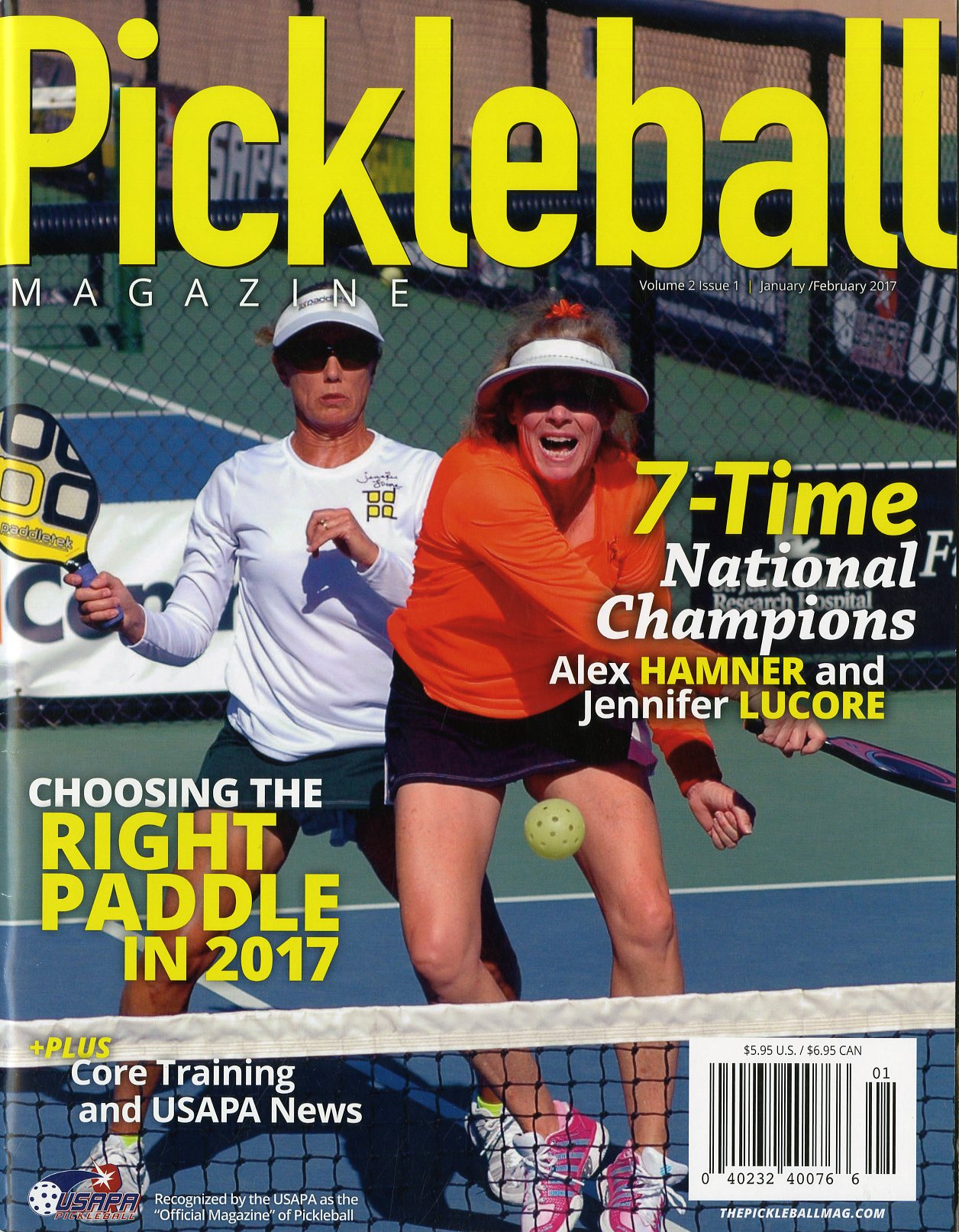
h1

John French: Putting Audience First Instead Of Platform Using A 360 View Of Your Customer, Shows The Power Of Print Is Stronger Than Ever – The Mr. Magazine™ Interview With John French, Co-Founder, French LLC…

July 17, 2017

“How I look at that is, decisions of print frequency, distribution, going to digital-only formats and dropping print entirely; those decisions are being made in the finance department and I believe that those are decisions that really should be made in the editorial and audience departments. Let the audience tell you what they want; how often they want it; and in what format they want it.” John French…

“I think the future is bright and I think it’s bright in print. Fifteen years ago people were saying that publishers were going to be losing their jobs and print would be dead. You’re still hearing some of that today. Not as verbose and not as much, but you can still hear it. And I don’t believe it. Again, I think the audience is saying that if you do it right; if you customize it to what their area of interests are; if you make it look pretty, and you make it an experience that the audience can be proud of; make it theirs and something they can take ownership of, then they will read our print.” John French…

In April of this year, the Magazine Innovation Center here at the University of Mississippi hosted its annual ACT Experience. This year was number seven. And among the many luminaries and leaders in the magazine media industry, from printers to distributors to CEOs of companies who attended, John French, former CEO Penton and former CEO Cygnus Business Media, and now co-founder of French LLC, was also one of the keynote speakers. John talked about adding value to your brand and how growing your top line, through organic or non-organic growth, could prove to be the hardest thing a brand would have to do, but also how it was invariably the most important too.

I spoke with John again very recently and this time we talked about the optimism he feels about print, and how if you put your audience first (something Mr. Magazine™ agrees with wholeheartedly and always has) you may discover something shockingly apparent, even to the print naysayers, the audience has never abandoned the print experience, nor is there an imminent exodus in the near future.

John thinks that if you do print right, the way the audience wants it, when they want it, the audience will respond. And as a B to B man, John knows the pitfalls of trying to infuse a different life’s blood into your creation to do it right, but he also knows that it can be done, even with B to B magazines. And in our interview, he shares many insights and the optimism that he so believes in.

So, I hope that you enjoy this enlightening conversation with a man who has seen what the power of print can do, if it’s done the right way, which is putting your audience first, the Mr. Magazine™ interview with John French, co-founder, French LLC.

But first, the sound-bites:

On balancing between his optimistic point of view and the industry’s pessimistic point of view regarding print: The point is, I think that people in our industry, and I think that you’re one of them, and I’m certainly one; I’ve always been kind of a contrary investor when it came to my personal investments or when it came to my professional choices, jobs and companies, things like that. And I’ve had pretty good success, but when everybody is going in one direction I tend to go in the other direction, because I want to find out why and is there an opportunity there. And I think that’s what’s happening in the print industry now. Everyone is going in that one direction that says it has less value and they’re going to sell it, and they’re not going to get a premium for it. And there are some of us in the industry that are going in the other direction and saying, “Wait a minute. How do we understand or normalize some of the statistics that are out there?”

On whether he thinks media reporters as a whole are looking through the prisms of cuts their own publications have made and projecting that onto the entire print industry: To be fair, I’m not in their shoes, and I don’t look at the numbers and I don’t see the cost that they’re incurring, and things like that. But if I had to take a gut-feel, I think in general, the answer is yes. To some extent, it is a self-fulfilling prophecy to say that everything is going south in print. I mean, I get it. You sit there in budget meetings and you say, “We’ve got 12 issues and it costs X amount of dollars to print and then there’s the distribution and the postage; we have to put them on skids and there’s presorting, all that kind of stuff.” But at some point are they being colored by what they believe as opposed to going back into the audience and saying, “What if we customize this for you? It will cost you some money, but wouldn’t you pay a little more to get this in print if it was customized?”

On why he thinks the media never reports on the successes in print, such as The Magnolia Journal and The Pioneer Woman:
That’s an excellent question. I did reference that in the interview I did with Adweek. I also used HGTV. And again, this is a broad, and probably dangerous observation, but if you’re on the side of the fence that’s not growing in print, the world looks dire. And you start to believe all of this negativity that’s out there.

On whether he believes the B to B business will see a print resurgence or is that era over: With the Cygnus turnaround, and that’s probably been the most famous thing that I’ve worked on; one of the things that we did when I got to Cygnus in 2010, we brought it out of bankruptcy in 2009, and we still had a lot of magazines and we were trying to grow the trade shows, but we were really trying to grow the digital and the data businesses, spending a lot of our money there. We redesigned our B to B publications at a very difficult time in the company; J.C. Suarez did it and it worked successfully and they were beautiful magazines. And by the way, when we sold the company those magazines had a higher valuation because they looked damned good. And if we hadn’t done it, they would have looked like tired, old B to B magazines, and they would have been viewed that way.

On where he thinks magazine media is heading: I think the future is bright and I think it’s bright in print. Fifteen years ago people were saying that publishers were going to be losing their jobs and print would be dead. You’re still hearing some of that today. Not as verbose and not as much, but you can still hear it. And I don’t believe it. Again, I think the audience is saying that if you do it right; if you customize it to what their area of interests are; if you make it look pretty, and you make it an experience that the audience can be proud of; make it theirs and something they can take ownership of, then they will read our print.

On his belief in taking a 360 view of the audience instead of the brand:
That’s exactly right. We have a couple of clients right now, and one of them does fulfillment. They take a 360 view of that audience, not the brand, but the audience. Who is Samir? What more can we know about Samir that we don’t know now and will help us to serve him better? And if we serve him better, the advertisers that come in on that with us will also be better served.

On what he would have tattooed upon his brain that would be there forever and no one could ever forget about him:
I think I probably touched on it earlier. If they remember anything, and not in an egotistical way at all, in fact, in the most basic and humble way possible, just when everyone was going one way, I’ve managed to at least look, and very many times run, the other way.

On what keeps him up at night: Fortunately, not a lot, which is great. But from a professional standpoint, I think that it’s trying to keep up with the technology, not be a slave to the technology and developments, but always be a half step ahead. If you’re going to be a leader, especially in the media industry today, you have to be a half step ahead of the technology and not leave it to your tech people, after the fact.

And now the lightly edited transcript of the Mr. Magazine™ interview with John French, co-founder, French LLC.

Samir Husni: I saw your comments in Adweek, where you were talking about audience first and why people in magazine media should focus on this more, rather than the platform. At the same time, I noticed a bit of bias with the caption under the picture; people aren’t selling magazines because print is in decline. How do you balance between your optimistic point of view and the pessimistic industry point of view?

John French: I didn’t see the article, but Tony Silber (vice president, Folio) saw it and I was talking with him recently and I mentioned the fact that I’d done the interview with Adweek, and he told me that he’d read it. And he commented that it seemed kind of weird. And I asked him what he meant. And he said that the author started out with such pessimism and seemed to be going doing the road that print just doesn’t have value. And you’re right by the way, I think the caption with the Men’s Health cover and the other one, was just a real downer. Then Tony said, however, with the second half of the piece, my part, it was much more upbeat. And Tony said that he actually agreed with the upbeat part of the article.

And the way I explained to him about the article was that when I got the call from the reporter and she asked me would I give her my views on what’s happening in print, and I said sure. And during the interview, the reporter was very professional and very smart, but it seemed we were going down this certain road, and I sort of mentally held up my hand and said, “Wait. Hold on a second.” And I told her that I wasn’t that pessimistic, which I think surprised her a bit. But to her credit however, she took great notes and reported it pretty accurately.

The point is, I think that people in our industry, and I think that you’re one of them, and I’m certainly one; I’ve always been kind of a contrary investor when it came to my personal investments or when it came to my professional choices, jobs and companies, things like that. And I’ve had pretty good success, but when everybody is going in one direction I tend to go in the other direction, because I want to find out why and is there an opportunity there. And I think that’s what’s happening in the print industry now. Everyone is going in that one direction that says it has less value and they’re going to sell it, and they’re not going to get a premium for it. And there are some of us in the industry that are going in the other direction and saying, “Wait a minute. How do we understand or normalize some of the statistics that are out there?” And just so you know, I asked the reporter is she’d ever heard of Mr. Magazine’s™ ACT Experiences or Mr. Magazine™ himself and what’s going on at the Magazine Innovation Center in Oxford, Miss. and she said that she hadn’t. So, I told her about the ACT 7 Experience that I had attended.

I said that I had went to this conference, and I’ve always felt this way about print, but it was reconfirmed when I visited Oxford; I told her that when you go this conference and people are presenting real data that said the demographic of roughly 18-30 year olds, are probably having more interactions with print magazines than ever; how do you explain that? And I told her that my theory was that people are looking at print as a very generic category.

And by the way the origin of this, I believe, and it’s not the only one, but I think it’s one of the beginning ones, was that certainly in the B to B industry for the last 10 to 15 years, private equity has come in and bought and sold a lot of sets of assets in companies. And they’re really the scorecard. They’re the people who have established the worth of a platform. And correctly so, they value data businesses and especially trade show businesses very highly.

So, it comes down to the multiples. They’ll pay 10, 11, 12 percent times ebitda, and they’ll do it gladly because they think that if they can build a platform on it and sell the company later on, they can make even more money. They’ll pay for digital businesses, maybe eight to ten times ebitda. Data businesses up around events, because that’s pretty hot right now.

But they have become convinced, because they were burned in the last recession, 2006, 2007 and 2008, when print really took a beating, they just said, you know what, there’s no worth here at all. And they put multiples there of one and two percent ebitda, and that was kind of a signal to the rest of the world saying, “Okay, the money guys established the value of print, so we ought to go down that road because they know what they’re talking about.” And I think it’s time to put up our hands and say no, it’s the audience that values what platform and what protocol they want to use to receive the information. And if the audience is saying, “We’re not bankers; we’re not in private equity, but we do know what we like. We still like the magazine experience and we want that magazine to be as customized and tailored to me personally as possible. And if you do that I will give you that 30 or 40 minutes per month or per week, or whatever it may be.” So, my premise is if you take the whole category and say it’s devalued, then I think you’re making a serious mistake because the audiences are not behaving that way.

Now, as I said in the Adweek article, and I may have inflated the numbers, but going back in time, there were Time, Life, Saturday Evening Post-type magazines that were going into households, and I think the last statistic I saw was that People magazine claimed to be read, or at least passed along to doctor’s offices and other places; that one out of every three adult consumer in the United States has exposure to the People brand.

Now, I’m not doubting that’s the case, but that may not continue going forward, because that’s a mass audience and what I do believe is that audiences want, not unlike surprisingly the web behavior, they want to be part of the community and they want theirs to be represented. So, In content, they want to consume. They want to do it in print; online; they want to do it possibly at live events, but they want to self-select. And so, bigger magazines, I think will continue to morph into more enthusiast industries, whether it will be fashion for young women, or hunting, or just whatever it may be, passionate interests, those magazines will continue to flourish as long as they’re surrounded by the necessary satellites of digital and interaction and multiple-channel delivery.

That may be a long answer to your question, but how I look at that is, decisions of print frequency, distribution, going to digital-only formats and dropping print entirely; those decisions are being made in the finance department and I believe that those are decisions that really should be made in the editorial and audience departments. Let the audience tell you what they want; how often they want it; and in what format they want it.

John French speaking at the ACT 7 Experience at the University of Mississippi in Oxford

Samir Husni: Do you think media reporters as a whole, whether it’s the folks at Ad Age, which cut its print publishing from 52 issues to 24, or Adweek, which is now like a shadow of its former self, or Folio that cut its print edition to once a year; do you think those reporters are looking through the prism of their own publications and projecting that to the entire industry?

John French: To be fair, I’m not in their shoes, and I don’t look at the numbers and I don’t see the cost that they’re incurring, and things like that. But if I had to take a gut-feel, I think in general, the answer is yes. To some extent, it is a self-fulfilling prophecy to say that everything is going south in print. I mean, I get it. You sit there in budget meetings and you say, “We’ve got 12 issues and it costs X amount of dollars to print and then there’s the distribution and the postage; we have to put them on skids and there’s presorting, all that kind of stuff.” But at some point are they being colored by what they believe as opposed to going back into the audience and saying, “What if we customize this for you? It will cost you some money, but wouldn’t you pay a little more to get this in print if it was customized?”

Daniel Dejan, who also spoke at your ACT Experience, talked about the experience of touching a magazine and the interaction, and I take it one step further and make it personalized. With the technology that’s available in printing today, with cover-wraps and all kinds of other technologies that I don’t understand, but I do understand the output.

For example, if you were to get a copy of a magazine and it literally said “Good afternoon, Samir,” and we knew that you loved this part of the industry, and we know because we’ve been tracking your offline and online behavior, that you’ve been visiting our website; you’ve been on our portal and you’ve been on certain subject areas, etc. What if there was a magazine that was customized for you? One that said, if you go to page 37, it’s a roundup of all of the things that you’ve been looking at. And granted that may be a little too much pie-in-the-sky, but we could do that today.

So, I think before any decision is made to cut all print and go all digital, I would go back to the audience and ask them the question would they be willing to pay for it if it were customized? Would they find an appetite for a more customized print vehicle and at least give it a shot? It doesn’t cost a lot to research and find out what that answer might be, as opposed to, I think there is some self-fulfilling prophecies where people on the print side of the business are saying they believe all of that, but I don’t believe they’re listening to what their audiences are telling them. And frankly, I think it’s just a hangover from the rotten recession we had a few years ago. People are still skittish and I think the value of print has fallen dramatically in the views of the financial people.

Samir Husni: Recently, I interviewed the publisher of the Food Network Magazine; they just launched The Pioneer Woman, and she actually asked me the same question; why do you think media reporters do not tell our print success story, which is now 10 years and growing? We’re the largest food magazine in the country, and we just launched The Pioneer Woman. Meredith just launched The Magnolia Journal and it went from zero to one million. She noted that you never read about those stories, only the negative ones, such as Rodale is thinking about selling the magazines. Or Rolling Stone is selling Men’s Journal.

John French: That’s an excellent question. I did reference that in the interview I did with Adweek. I also used HGTV. And again, this is a broad, and probably dangerous observation, but if you’re on the side of the fence that’s not growing in print, the world looks dire. And you start to believe all of this negativity that’s out there.

But you brought up two magazines, and The Magnolia Journal is one of them, that husband and wife fixer-upper team down in Texas, and now the wife is emerging to sort of take on the role of the new Martha Stewart, because she’s not just telling people how to fix up houses, she’s telling people what clothes to wear and what food to eat and what their kitchens should look like, and how they should entertain and many other things. But she’s doing it in print after spending years on television, so I don’t buy this “print is dying” thing. And it’s the same thing with The Pioneer Woman.

And the other example I’ve brought up many times, including at your seminar in Oxford, is Airbnb. Yes, they fell down the first time because they called it Pineapple. I knew what Pineapple meant, back in Colonial times it was a symbol of welcome. But frankly, most people in the demographic they were gearing to, was much younger, and most of those folks didn’t have a clue that a pineapple represented hospitality. How the research agency or whoever they hired got away with that, it was horrible.

However, they’re restarting it and when they wanted to dramatically broaden their ability to promote their brand across an industry, they did it in a beautiful, in this case, sexy-looking magazine. And by the way, the Pineapple one was geared toward the people who owned an apartment or a condo.

But they decided they needed to get the message out to all of the people who are consuming the product, which is a much larger audience. And when they needed that larger distribution, this expansion of their branding, they went to print. And they spent money. And that front cover is, I believe, a very attractive women, and she’s in a bathing suit on a beach in Los Angeles, and it’s saying if you rent an Airbnb property in Los Angeles, then we, Airbnb, recommend you go surfing. And this is where you should go surfing. And this is how you can learn to surf , and it’s a whole lifestyle thing.

And maybe people are doing something that they always secretly wanted to do; they wanted to be a surfer on the West Coast and they’re capturing all of this great imagination and they’re doing it in print. On paper; beautiful stock paper that says I am different than the average person. Airbnb has targeted me to rent a luxury property in L.A. And I’m going surfing. And they did all of this in print. And I don’t think that’s changed in 100 years.

Samir Husni: With your background in the B to B business, do you think we can bring to fruition a new type of print magazine that will serve the B to B market, or do you believe that era is over?

John French: With the Cygnus turnaround, and that’s probably been the most famous thing that I’ve worked on; one of the things that we did when I got to Cygnus in 2010, we brought it out of bankruptcy in 2009, and we still had a lot of magazines and we were trying to grow the trade shows, but we were really trying to grow the digital and the data businesses, spending a lot of our money there.

However, in 2010, which was at the very beginning of the turnaround, the tricky part where we were trying to see if we were going to be able to stay in business; I met a guy named J.C. Suarez, he was introduced to me by one of our board members. And unfortunately, J.C. passed away a couple of years ago, but quickly we became very good friends, and he was one of the best magazine designers in New York. He worked on everything. He worked on Martha Stewart’s magazine; he helped design Michael Jackson’s Thriller album, and he knew Michael Jackson. For a long time, he was also the art director for the cover of Shape Magazine. So he was very well-known in New York circles.

The reason I tell you this is at the time I had no money. (Laughs) I said to him after we became friends, and he gave us a bargain because he liked me and he liked the company, I said J.C. it’s 2010 and I’m looking at all of these other things, but I still have like 25 magazines. And they’re not going anywhere soon, and I think they’re old. And no one has touched them. I’d like to infuse a fresher sense of pride in the people who are writing for these magazines. So, what I’d like for you to do is come in and run a bunch of seminars on how to turnaround magazines and design, make the B to B magazine look like consumer magazines. I asked him that even though we were B to B, would he mind coming in and doing this? And he stayed with us for two years, before he unfortunately passed away.

He made the B to B magazines that we had look like they came out of Meredith; they were beautiful. And what I found was the editors then took pride again in their magazines, and what it enabled us to do was to then get more productivity out of them and also they moved more easily from print to doing the digital stuff. J.C. put together cover rules with the B to B magazines. I don’t remember them all, but one was the cover story had to have two bullets. And he would rewrite all of the cover tags for all of the magazines. Originally, it might say “Pickup Truck Roundup.” When he got through with it, the cover would read in big letters, “What you need to know about buying your next pickup.” Now, that’s consumer, but it was also our B to B.

So, to answer your question, we put our money where our mouth was. We redesigned our B to B publications at a very difficult time in the company; J.C. Suarez did it and it worked successfully and they were beautiful magazines. And by the way, when we sold the company those magazines had a higher valuation because they looked damned good. And if we hadn’t done it, they would have looked like tired, old B to B magazines, and they would have been viewed that way.

Samir Husni: As you have more time to reflect on the future, where do you think we’re heading?

John French: I think the future is bright and I think it’s bright in print. And people would have hesitated, even myself, to have said that five years ago because you didn’t want to be labeled a dinosaur.

When I got to Prime Media in 2002, we had a digital department there. We had around 50 magazines in all different industries. And we had a digital department that had 25 or 30 people. When I got there, there was a real discourse between the digital people and the publishers. And I had to find out why.

The digital people in that department in 2002 were telling the publishers that they had to listen to them, that they had no idea what the hell they were doing, and that they were a print publisher and in all probability within two years, maybe less, they would all be out of a job and the digital department would be running all of the properties.

That was 15 years ago. (Laughs) And those people did not lose their jobs in two years. In fact, we went on a string of digital growth over those five years, from 2003 to 2008. Our keg of growth was 52 percent on digital. A keg of growth incorporates an ever-increasing base. So, we were growing at a real 52 percent per year on an average of five years in digital. Far outstripping, I think, most of our competitors.

The point is that’s ancient history. That was 15 years ago and people were saying then that publishers were going to be losing their jobs and print would be dead. You’re still hearing some of that today. Not as verbose and not as much, but you can still hear it. And I don’t believe it. Again, I think the audience is saying that if you do it right; if you customize it to what their area of interests are; if you make it look pretty, and you make it an experience that the audience can be proud of; make it theirs and something they can take ownership of, then they will read our print.

Now, the next question would be do you abandon digital and data and everything else that isn’t print? No, you don’t do that at all. In fact, what I’ve been working with companies on is a 360 view of that customer. We don’t just want to know why they’re reading that magazine, we want to know what else they’re doing. What are they doing online; where are they going for more information; how do they make the decisions; when can we get those decisions?

But to answer your question, I think the initial future of print is still good because I can’t shake the one fundamental belief that a lot of this communication between editors and readers is still based on the fundamental magazine presentation. And if you really want to get out into a mass market, especially in the consumer end, it’s going to cost you money, and you’ll have to save money up to fund the launch; you can’t do those things on a shoestring.

But if you really want to dominate and own a part of the market of enthusiasts or hobbyists, whatever it may be, if you want to go out there and do it right, the audience will respond. And I think that’s why I’m very optimistic about print. And there are going to be more Magnolias and more growth in things like boating and hobbyists and skiing. Those magazines have gone through changes and they’ve had problems, but they’re still strong. I see more and more that passion in print going forward. And I think if someone has the guts and the entrepreneurship to do it, I think they’ll be successful.

Samir Husni: You’ve turned the tables on almost everyone I’ve talked to. They talk about making their brand 360, you talk about audience 360. How can we really be an audience first community if we focus more on the brand than the audience?

John French: That’s exactly right. We have a couple of clients right now, and one of them does fulfillment. They take a 360 view of that audience, not the brand, but the audience. Who is Samir? What more can we know about Samir that we don’t know now and will help us to serve him better? And if we serve him better, the advertisers that come in on that with us will also be better served. Now, this has yet to be proven, by the way, so this is all developmental.

But I do believe that if I’m a consumer of information, I’m an audience member, and I have an affinity for a brand, and in this case it could be a magazine or online, but let’s say it’s a magazine. If I have a great affinity for this magazine, and I’ll use an example; say I love fly fishing, once a month this magazine talks to me about fly fishing, not only about what the new equipment is, but the experience. And these people are just like me and I want to know more about them. And again this is unproven, but I think people would be more freer to give up their information to that type of environment, because of the trust and the connection they’ve made with the magazine.

I’ll talk to people and say you’re going to the consumer industry, by and large, so when you have a subscriber, and a B to B magazine may have 25,000 subscribers, but we know a lot about those people. And they will tell us information about themselves, because it’s professional information. So, they’re less protective and less secretive. And they know if they can get better information, it could help their careers and all of the other things we know about B to B.

But when you go the consumer end, you don’t have 25,000 subscribers. What if you have 250,000 subscribers? You look great in bulk, but what do you know about each one of those 250,000? And I believe the consumer industry is starting to come around to the understanding that the 250 is good, but I have to know a hell of a lot more about Samir Husni than I do right now, which is basically this is where he gets his magazines delivered to. And we know his credit card information because he paid a subscription to us.

If I want to know more about Samir, I need to establish some type of trust or bond, or whatever that may be, and come back and prove to him that if he tells me the products that he’s most interested in, or the content that really forces him to open up and look forward to receiving my magazine, he has to tell me more about himself so that I can service him better. And of course, I promise I will not give his name to just anyone, but if he tells me more about himself, I can service him better, in terms of his informational needs and we’ll have a better relationship. And I really believe that’s where consumer print needs to go. It’s a tough road, but I think it’s worth it.

Samir Husni: If you could have one thing tattooed upon your brain that no one would ever forget about you, what would it be?

John French: I think I probably touched on it earlier. If they remember anything, and not in an egotistical way at all, in fact, in the most basic and humble way possible, just when everyone was going one way, I’ve managed to at least look, and very many times run, the other way. What is going on that would force people to go away from this, and is there an opportunity there? That’s probably be the thing that I would be the most proud of, because to me it’s a lot easier when the crowd is going right, but you take a left anyway. It’s also a hell of a lot more interesting. We do it because we get paid, but the real juice here is this curiosity to ask, if someone doesn’t like something, why is that, and can I look at it differently? So, if anyone remembers anything about me, that would be it.

Samir Husni: My typical last question; what keeps you up at night?

John French: Fortunately, not a lot, which is great. But from a professional standpoint, I think that it’s trying to keep up with the technology, not be a slave to the technology and developments, but always be a half step ahead. If you’re going to be a leader, especially in the media industry today, you have to be a half step ahead of the technology and not leave it to your tech people, after the fact.

So, if there’s anything keeping me up at night, it’s that I think about what’s going on in social media and I know it pretty well, but is there something that I missed? Is there some new platform or new application or new company that I don’t know about? Am I going to get surprised by a client or someone two months from now saying, “I can’t believe you don’t know that.”

Samir Husni: Thank you.
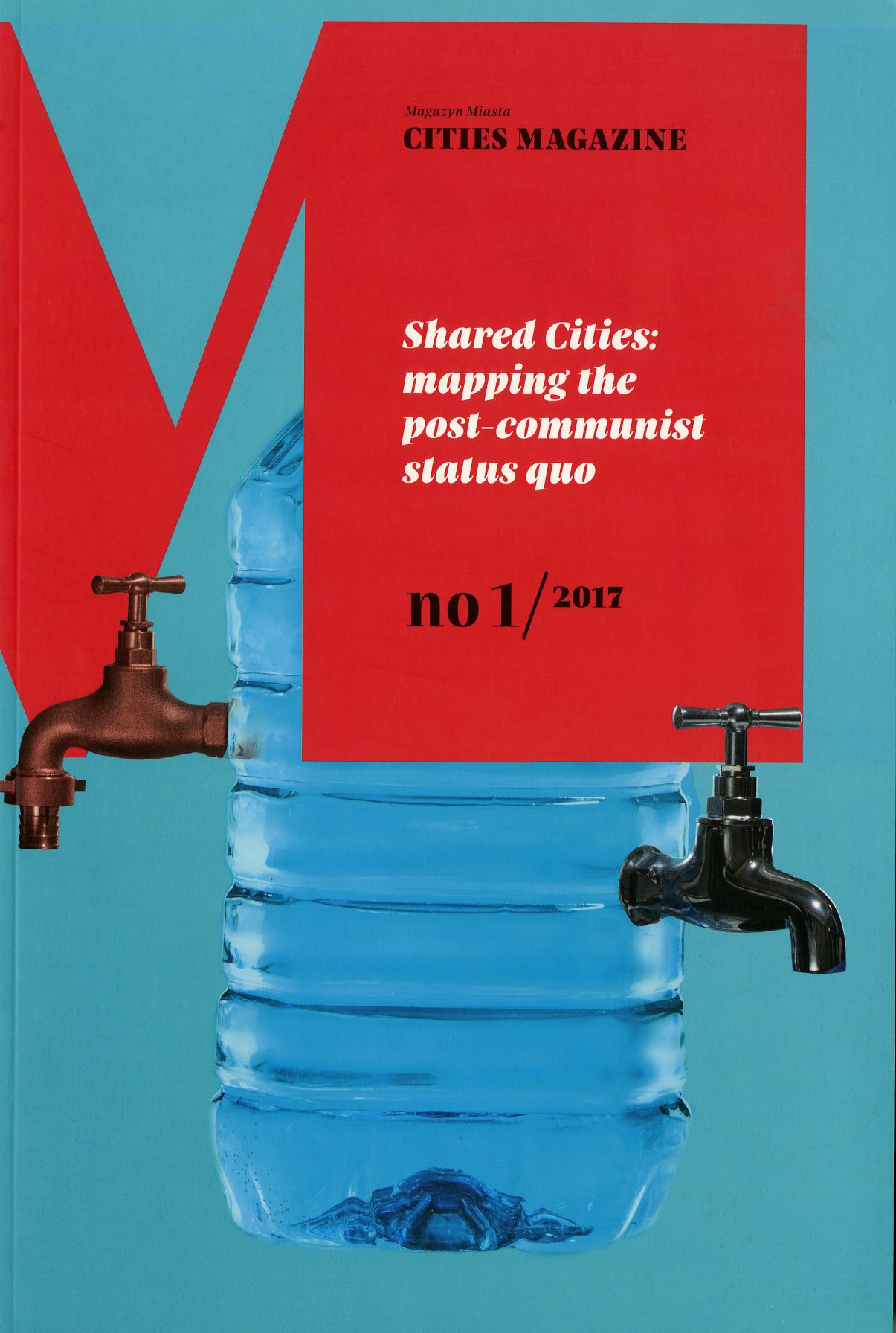
h1

Reader’s Digest: A Legacy Brand That’s Been For The People & Mostly By The People Since Its Inception And Now Sports Its First-Ever Reader-Generated Cover – The Mr. Magazine™ Interview With Bruce Kelley, Chief Content Officer, Reader’s Digest…

July 12, 2017

“People generally curate things themselves through Google searches and other ways, but they also rely on various brands to do the curating for them. And certainly with the magazine, that’s still our number one reason why we have such a loyal audience, because they trust our judgment about what will matter to them; what will make them feel good and what will make them feel smart. And that’s why we have a very successful print business. It’s really the foundation of everything we’re doing.” Bruce Kelley

Reader’s Digest has long been known for its uplifting content and for creating that special connection with its readers. In fact, for over 95 years now, the magazine has held a personal conversation with its audience by allowing them to actually be a part of the content. Before the phrase “user-generated” was ever coined, Reader’s Digest had mastered the art form.

At the helm of the legacy brand today is a man with more than two decades of editorial experience. From his most recent former position as editor of Prevention magazine, Bruce Kelley joined the RD team a year and a half ago with the same mindset as the heritage brand, but with an eye on its present digital footprint and into the future.

I spoke with Bruce recently and we talked about his desire to innovate the brand, while maintaining its core print/audience connection, and about how the magazine’s digital presence is growing because of millennials online—depending on the month, Bruce added that the RD.com audience was 35-40% millennials. The reader commitment and reader created content was ever-present throughout the conversation, and in fact was the common thread that ran through each and every new idea for Reader’s Digest’s future. From using the web to curate wanted content for the magazine, to utilizing the strength and creative power of its audience, Bruce talked about how the reader was always paramount in any decision made when it came to content. Right down to the most recent cover, which is the first reader-generated cover image the magazine has ever published. Something everyone at Reader’s Digest is very proud of.

So, I hope that you enjoy this glimpse into a legacy brand that knows exactly what audience first means, as that’s a mantra they’ve been practicing for almost a century now, and the conversation with a man who fits the magazine perfectly, the Mr. Magazine™ interview with Bruce Kelley, chief content officer, Reader’s Digest.

But first, the sound-bites:

On what he thinks Reader’s Digest’s role is in this information society we digitally live in: People generally curate things themselves through Google searches and other ways, but they also rely on various brands to do the curating for them. And certainly with the magazine, that’s still our number one reason why we have such a loyal audience, because they trust our judgment about what will matter to them; what will make them feel good and what will make them feel smart. And that’s why we have a very successful print business. It’s really the foundation of everything we’re doing.

On the reader-generated cover on the most recent issue of the magazine: User-generated content and reader content is so built into our DNA. We run stories all of the time and cover stories as well that are either roundups of readers telling their stories of acts of kindness or when I fell in love as a couple, and those have really resonated with our magazine audience in the last year, or since I’ve been here. So, in this case we do an annual photo contest in our July issue. The theme was “Sea to Shining Sea,” which is a very Reader’s Digest kind of theme, and it was a good trigger and we received an amazing quality of submissions from our readers. But then as we were looking at them, we saw real candidates for the cover.

On whether being editor at Reader’s Digest was his dream job when he was offered the position while still at Prevention: It was my dream job for multiple reasons, and the main one is the legacy and the audience. This is an audience that is so committed to this brand, and this brand is so wrapped up in how they view the world and the brand is so reflective of them that to me, as someone who loves to connect with an audience, and I think I’m good at it, this is sort of the ultimate play land. So, that’s number one.

On the biggest stumbling block he had to face: When I got to Reader’s Digest we had a small digital footprint. And my job was to edit the magazine and grow our digital presence so that we would start to more aggressively negotiate where RD will be in five years; in ten years. Like how it will be on people’s phones; how will it be on people’s video screens; how will it be as powerful a force in people’s lives, including millennials, as it has been for generations?

On why he thinks we’re seeing so much success from digital entities going to print, such as The Magnolia Journal, but still finding difficulty when it comes to print going to digital success: I don’t want to speak for others. Before I was with Prevention, I was with ESPN, and that was a really good experience for me, because I saw what it was like to have the magazine be the gem of a brand, like a really high-quality product, but not the driver of the growth, which was still TV and digital. When you experience that, it’s pretty easy to flip it in your own head if you’re smart and see that any magazine brand needs to flip a switch in their head about how they think about content. For me, I started at Prevention and began to think, wow, let’s grow digital and use our digital content to help supply the magazine with gem-like content, the best that you can curate from the web.

On a standout moment he’s had since joining the Reader’s Digest team: Actually, I’m holding one in my hand which hasn’t been published yet, our September issue. It’s an annual genius issue that we do, and the biggest story in the issue is a package of underappreciated words, phrases and punctuation; the nerd stuff around language, grammar and word power, which is obviously one of our big brands.

On what he would have tattooed upon his brain that would be there forever and no one could ever forget about him: I’d like to say that people did their best work under me. That’s what I’m most proud of in my career. Getting out of the way and letting people, editors, writers, photo editors, creative directors, do their best work.

On what keeps him up at night: For the last month, we’ve been doing a big UGC (User Generated Content) campaign experiment called “The Nicest Place in America.” And it was entirely my idea and it was entirely an idea that came out of where we are as a country and how public discourse has become meaner and more cutting and Reader’s Digest stands for a different way of communicating. When I explain it to people at first, they’re like, “Will people get it?” Well, it’s blowing up and I’m very proud of it. And it keeps me up because I want to do well by it.

And now the lightly edited transcript of the Mr. Magazine™ interview with Bruce Kelley, chief content officer, Reader’s Digest.

Samir Husni: I was looking at the history of Reader’s Digest and the prospectus that DeWitt Wallace did, and in it he talked about the fact that there was so much information and so little time. Hence, Reader’s Digest was born; giving people the essence of what was going on without spending inordinate amounts of time discussing it. Do you feel today we’re living the same lifestyle as Wallace was talking about almost 100 years ago? If they were talking about the abundance of information even back then, what would DeWitt Wallace think about today? And what role do you think Reader’s Digest plays in that scheme today, some 95 years later?

Bruce Kelley: It’s a great question. And it’s fun to talk about, because when you think about that history there are two things in that history that are badly needed now. One is curation. People generally curate things themselves through Google searches and other ways, but they also rely on various brands to do the curating for them.

And certainly with the magazine, that’s still our number one reason why we have such a loyal audience, because they trust our judgment about what will matter to them; what will make them feel good and what will make them feel smart. And that’s why we have a very successful print business. It’s really the foundation of everything we’re doing.

In terms of digital though, it’s a lot more complicated. And there are a lot of people who are trying to curate and also a lot of people who are trying to claim to be that source that will cut out all of that stuff you don’t want and focus you on the things that you do want. And so it’s a very competitive field.

I think what we’re trying to do, and doing successfully, is really carving out a special spirit in our content that’s part of our DNA, which is content that does make you feel good. And it makes you feel good for a couple of reasons. One is that it’s an oasis from the minute-by-minute madness of information that we live in.

And number two is because it’s very heartland, common sense-type advice and good storytelling. So, it’s not like we’re the only people that have that content, but we’re the only ones probably that are staking our whole claim on it.

Samir Husni: Reader’s Digest has always cherished and even paid for readers’ submissions almost from the magazine’s inception. Why did you decide, for the first time in its history, to allow even the cover to be reader-generated? Although there is a lot of reader-created content within the magazine, what gave you the idea to also include the cover?

Bruce Kelley: User-generated content and reader content is so built into our DNA. We run stories all of the time and cover stories as well that are either roundups of readers telling their stories of acts of kindness or when I fell in love as a couple, and those have really resonated with our magazine audience in the last year, or since I’ve been here.

So, in this case we do an annual photo contest in our July issue. The theme was “Sea to Shining Sea,” which is a very Reader’s Digest kind of theme, and it was a good trigger and we received an amazing quality of submissions from our readers. But then as we were looking at them, we saw real candidates for the cover. And for the first time we thought, geez, we could have a reader cover. So, it was a stated goal, it was something that we backed into because the quality was so good and it so resonated with us as editors.

And then we zeroed in on this one, particular image, which I think you’ve seen. It’s just an epic American landscape shot. So, then we called the reader, which is what we do. We call the reader and find out what the story behind the image is, which is always the best part in some ways. The image is great, but you need that paragraph that says why this image is really important to them. Why they submitted it; either because of the artistry of it, which they’re proud of, or because of the story behind it.

In this case, the story behind this place was just an epic family history, really. Essentially, this reader had been there as a kid with his grandfather, and then many years later was taking his own grandchildren there to that spot to backpack. And as the reporter sort of dove more deeply into the story, it turned out that when one of his sons was 15, he had last seen him during a backpacking trip at that site. His son had gone off on a boy scouting trip and had died in the Grand Canyon trying to rescue other scouts.

So, when that story came out and the intensity of why he goes back there and why he photographs it, and how he lives in his memories, but also still takes all of his grandkids, which he has 23 of them; it just floored us. I’ve been here a year and a half and I can say that when you open yourself up to reader submissions, you open yourself up to just what America really is at its core and at its best. And to me, this is the story that I will tell for as long as I’m here, and probably longer, about what it really means to be editor of Reader’s Digest. It’s quite a privilege.

Samir Husni: A year and a half ago when you received the offer to be the editor of Reader’s Digest, can you relive that moment for me? You were editing Prevention at that time, and there appears to be quite a bit of history of the editors of Prevention moving to Reader’s Digest; what was your reaction? Did you think you’d landed your dream job or were you hesitant?

Bruce Kelley: It was my dream job for multiple reasons, and the main one is the legacy and the audience. This is an audience that is so committed to this brand, and this brand is so wrapped up in how they view the world and the brand is so reflective of them that to me, as someone who loves to connect with an audience, and I think I’m good at it, this is sort of the ultimate play land. So, that’s number one.

Number two is, the management at Trusted Media Brands now is really outstanding. And the position we have right now as a company that’s been through a lot, but has great brands and is now not just strong, but is growing, that is just thrilling to me. In these treacherous times for media, if you don’t have a great CEO, it’s just hard to make headway, and I feel good to be working for a great CEO like Bonnie Kintzer. And the management team that she has put together is top of line. I felt like we could go beyond just managing decline as many brands are doing, and build from our foundation and grow again. And in today’s magazine world, that’s what you want.

Samir Husni: What was the biggest stumbling block you faced and how did you overcome it?

Bruce Kelley: When I got to Reader’s Digest we had a small digital footprint. And my job was to edit the magazine and grow our digital presence so that we would start to more aggressively negotiate where RD will be in five years; in ten years. Like how it will be on people’s phones; how will it be on people’s video screens; how will it be as powerful a force in people’s lives, including millennials, as it has been for generations?

I don’t have any illusions that we’re going to get a lot of millennials to buy the magazine, but we’re growing because of millennials online—depending on the month, our RD.com audience is 35-40% millennials. Why? They have the same wish to feel good and get help on life’s little issues that our legacy audience does, and then when they’re searching Google or browsing FB, they click on our posts because they have generally good feelings about RD. Good feelings about a brand get you a long way with millennials and everyone else.

So, that’s my job. It’s really starting from relatively scratch; we had to scale up how much content that we produce. So, we’ve gone from producing basically one or two stories per day, to 35 stories per day. So, we are now an hourly digital publishing operation, which has been an incredible experience.

Samir Husni: Why do you think in the last few years that we’ve seen a lot of successes with blogs coming to print; television networks coming to print, from the Food Network to The Magnolia Journal, you name it; we’ve seen a lot of success with this model. Why do you think legacy media is still struggling with that moving to the other side; the digital side, when digital is seeing great success moving to print?

Bruce Kelley: I don’t want to speak for others. Before I was with Prevention, I was with ESPN, and that was a really good experience for me, because I saw what it was like to have the magazine be the gem of a brand, like a really high-quality product, but not the driver of the growth, which was still TV and digital.

When you experience that, it’s pretty easy to flip it in your own head if you’re smart and see that any magazine brand needs to flip a switch in their head about how they think about content. For me, I started at Prevention and began to think, wow, let’s grow digital and use our digital content to help supply the magazine with gem-like content, the best that you can curate from the web.

And coming to Reader’s Digest, that’s been even more powerful because we’re generating so much digital content. And we have a history of “that’s what we do.” We curate from print; we curate from digital; we curate from whoever is doing good things, and now we’re curating a ton of our magazine content from our own website, high-performing content. Many of our cover stories now are essentially downstream from listicles and slideshows and other pieces that have run over the previous weeks and months.

And that model comes naturally to me at this point, but I still think that other editors at magazines around the country look at that and think it’s crazy. It doesn’t seem crazy to me; it seems perfectly natural. Why wouldn’t you use the web as a testing ground for your gem product? And pay attention to what people are sharing and to which headlines are clicking and then migrate that information and those analytics and that content into your best possible magazine.

Samir Husni: Has there been one shining moment in the year and a half that you’ve been at RD where you just stopped in your tracks and said, “Wow, I did it?”

Bruce Kelley: Actually, I’m holding one in my hand which hasn’t been published yet, our September issue. It’s an annual genius issue that we do, and the biggest story in the issue is a package of underappreciated words, phrases and punctuation; the nerd stuff around language, grammar and word power, which is obviously one of our big brands.

And all of that content, which is 14 pages of just unbelievably delightful content, has come out of literally dozens and dozens of posts, slideshows and listicles, and has been curated by an editor and writer who actually wrote a lot of it for the web and a lot of it performs really well. And that’s now a magazine package that’s going to just so delight our readers and has a cover line “89 Words That Will Build Your Brain.”

There’s actually one piece in there, which I just smiled so much when I saw it, which is by Brandon Specktor, who’s just a brilliant writer and really understands the brand. He wrote a post called “The Most Complicated Word in the English Language Which Has Three Letters; Do You Know What It Is?” And the post reflected a research study that had come out to analyze the word that has the most uses in English, and it turned out that the word was “run.” Not what you might think. When he wrote the post up, it completely blew up on Facebook. And it got incredible reach; it’s been shared tens of thousands of times. So, to watch that piece, that little item, migrate into sort of a foundational half-page story in the magazine; it seems like a small thing, but it’s very exciting for me.

I don’t know what to say. It’s like using the web to really figure out what people most care about and then giving it to them in magazine form as well.

Samir Husni: If you could have one thing tattooed upon your brain that no one would ever forget about you, what would it be?

Bruce Kelley: I’d like to say that people did their best work under me. That’s what I’m most proud of in my career. Getting out of the way and letting people, editors, writers, photo editors, creative directors, do their best work.

Samir Husni: My typical last question; what keeps you up at night?

Bruce Kelley: For the last month, we’ve been doing a big UGC (User Generated Content) campaign experiment called “The Nicest Place in America.” And it was entirely my idea and it was entirely an idea that came out of where we are as a country and how public discourse has become meaner and more cutting and Reader’s Digest stands for a different way of communicating.

And so I thought, let’s get our readers and users around the country to send us examples of places, whether it’s towns, workplaces, restaurants, places of worship; whatever places in their lives, neighborhoods, blocks, a place where they exemplify doing things civil, believing in each other, trusting each other, and just be nice.

When I explain it to people at first, they’re like, “Will people get it?” Well, it’s blowing up and I’m very proud of it. And it keeps me up because I want to do well by it. You had to apply online; you go online and tell the story of your place, show pictures, do video; it’s like applying for college. And we got over 300 nominations, everything from a tiny town in Nebraska to Burning Man, which is a cultural festival. And now we’ve cut it to 10 nominees; 10 finalists, and the voting is going on now. We’re up to 20,000 votes and we’re hoping for two or three times that many by the end of the voting period.

We’re using it as a way to generate just a ton of caring, Facebook-actioned, curated stories out of the content we’re being sent. It’s been like opening up a geyser of American spirit and storytelling. I’m obsessed with it. I spend about 15 hours per day trying to figure out how to make it fly into a bigger brand and it’s going to be our November cover story. And again, that content will migrate beautifully into a great cover package.

Samir Husni: Thank you.