Archive for the ‘Innovation in print’ Category

h1

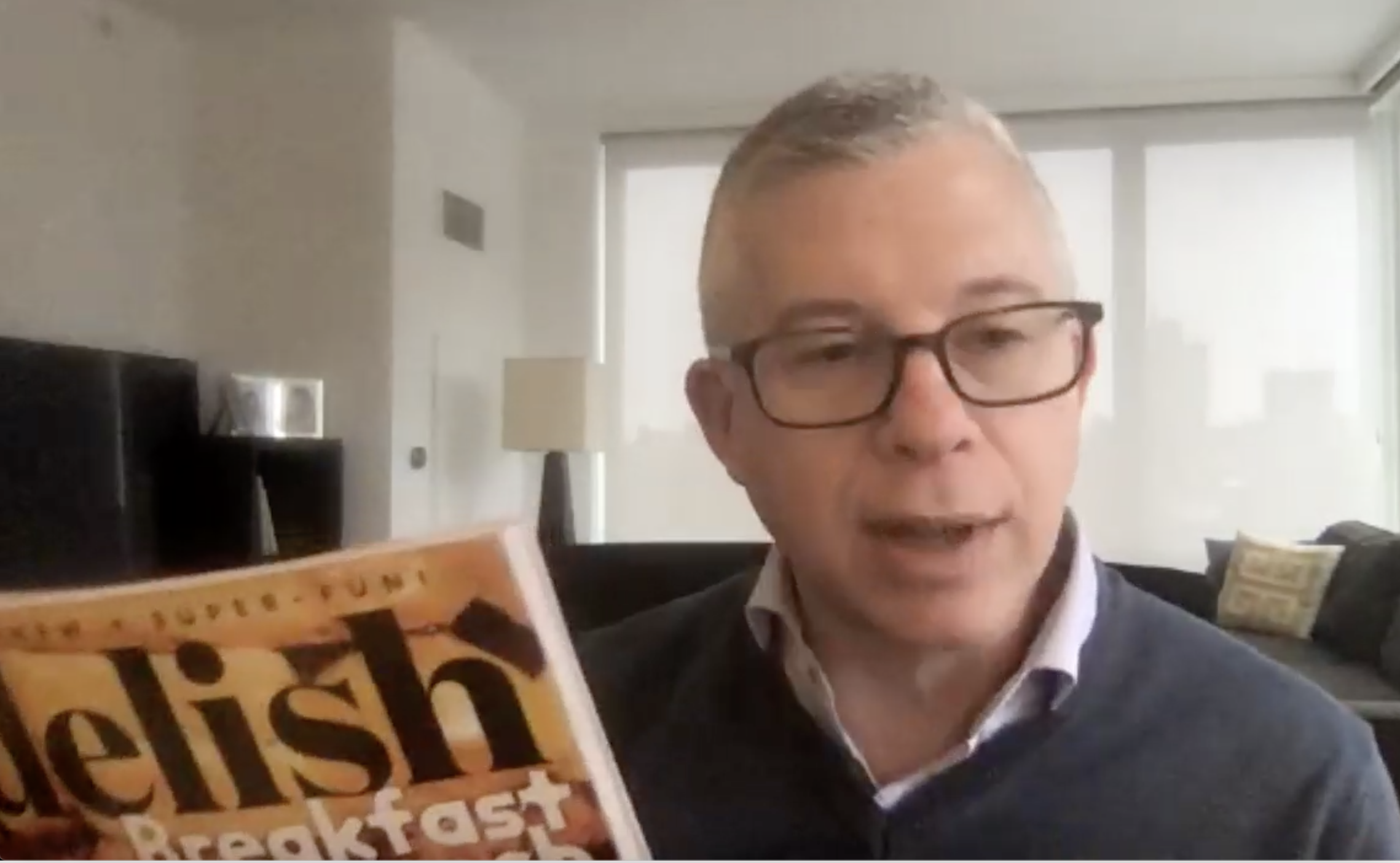
Dan Wakeford, Editor In Chief, People Magazine, To Samir “Mr. Magazine™” Husni: “Print Is Going To Last Forever.” The Mr. Magazine™ Interview…

December 10, 2020

“I think for print to thrive in 2020, you need to add depth and sophistication to a print product. You need to deliver what you can’t often get on the Internet, which is expertise and authority, because print needs to provide something emotional and arresting and something distinct that you can’t get digitally, with deeper, exclusive stories.” Dan Wakeford…

People magazine is a force to be reckoned with, even in the midst of a pandemic. The print magazine is still the cornerstone of this mega-multiplatform brand and consistently drives strong sales at newsstands. With its topnotch celebrity coverage and its moving, emotional human interest stories, the magazine remains the go-to source for all things entertaining and informative.

Since March 2019, Dan Wakeford has been editor in chief. Dan came to the job with four years of People experience under his belt, as he had served as the magazine’s deputy editor since 2015. To say that Dan knows and loves his brand would be an understatement. To say that he thinks print is still an important part of everything his brand does would be the absolute truth. 

I spoke with Dan recently and we talked about this impressive cultural force called People. It was a delightful conversation and one I think you’ll find as fascinating as Mr. Magazine™ did.

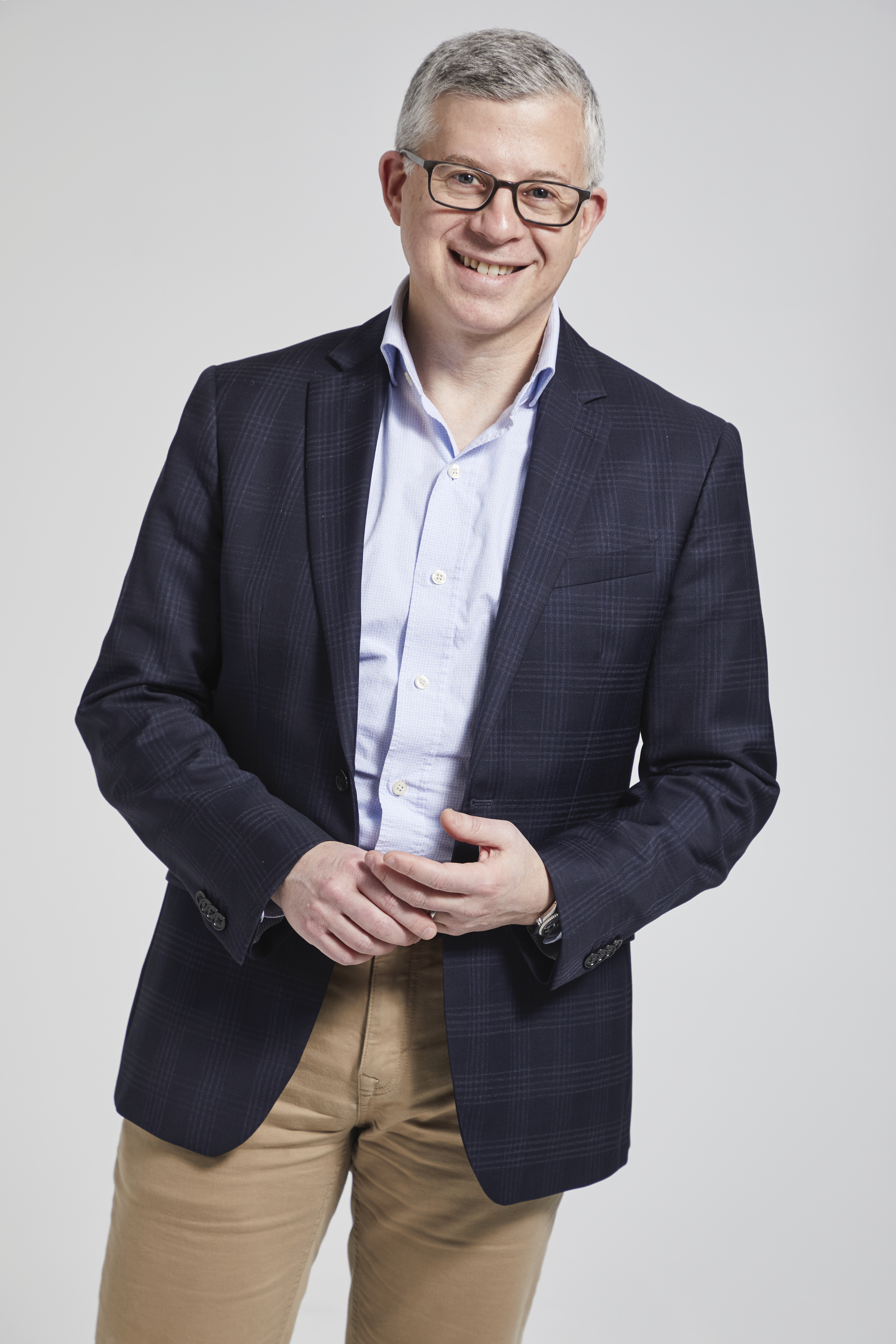
Dan Wakeford, Editor in Chief, People magazine

So, please enjoy the Mr. Magazine™ video cast with Dan Wakeford, editor in chief, People magazine. 

But first the soundbites…

On the challenges of publishing a magazine like People in 2020: It has definitely been challenging and people have been talking about pivots this year, but People has been pivoting since its existence in 1974. We’re a news brand so we react to the news. And in many ways we thrive on that. It was intimidating to begin with, putting out a print edition from home, but now it’s what we do. It’s second nature. We didn’t have any choice whether to do it or not and the human condition thrives in circumstances like that. It’s been satisfying in many ways, because there has been so many creative solutions that we’ve come up with.

On the unique selling point that differentiates People from the other celebrity-type magazines on the market: It really has to do with the fact that People brings people together. And that’s what we have done this year as always. I think PEOPLE has the power to bring people together; we’re a demography breaker, People touches so many American lives, it speaks to so many women from all walks of life across society. And it’s a unique place where women can come together to celebrate everyday people doing extraordinary things. And as we say, extraordinary people doing ordinary things and see that they are relatable as well.

On whether there was ever a conflict between the social responsibility of the magazine in 2020 and the moneymaking aspect: There are tensions at times, whether you’re doing something to sell for the cover or whether you’re doing something for the right reasons. But I have very supportive bosses who understand that tension and so you do different stories for different reasons at different times. And I don’t think it’s always an element of it has to sell a lot, we’re on so many different platforms.

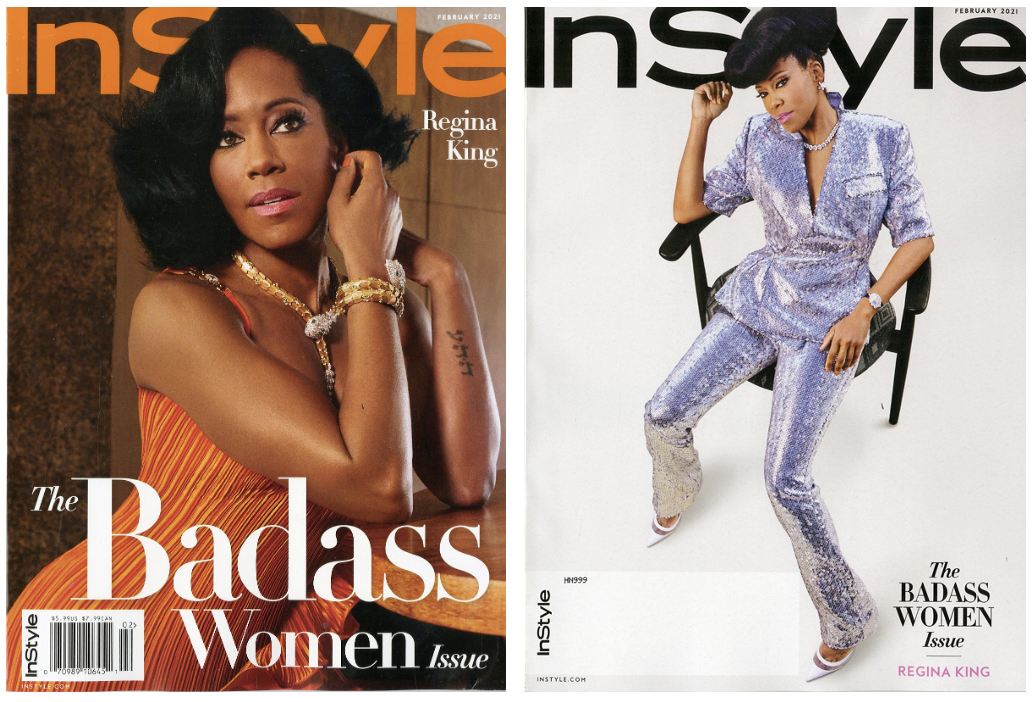
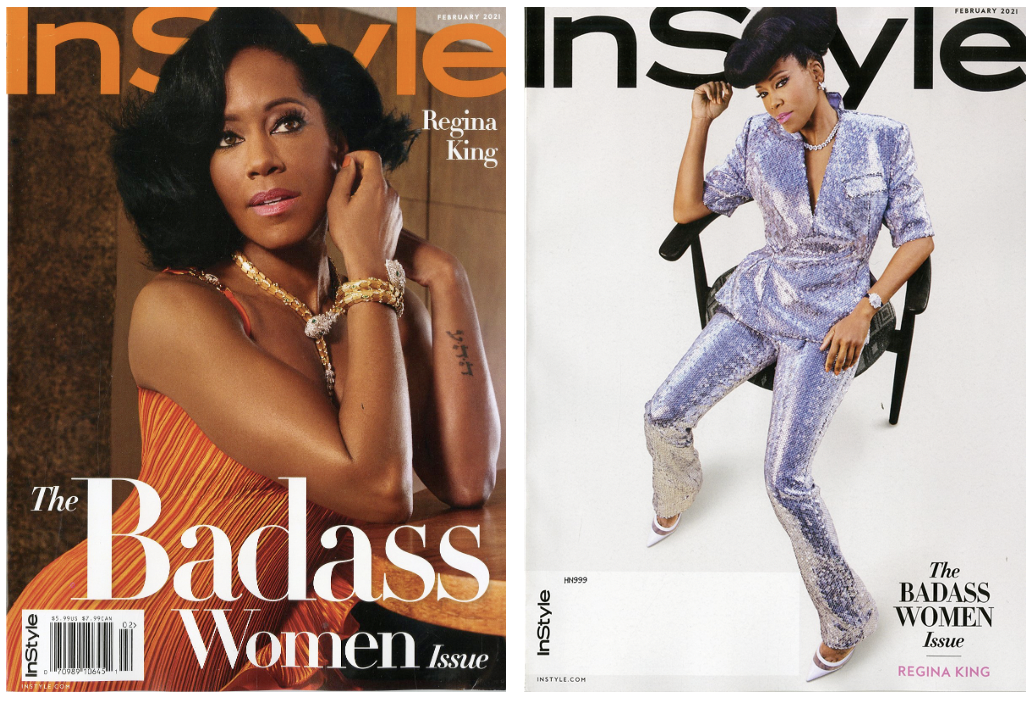
On how the four people for People of the year were chosen: It has been a difficult year, which made it very interesting to choose who would be a person of the year, but at the forefront of my mind was people being a cultural force for good. So I looked at people who had really stepped up and gone above and beyond and had done good in many different areas. With Fauci it was obvious he would be a person of the year, it really was. And then digging into different celebrities and different personalities and what they had done in different areas, it was a very natural choice: George Clooney, Regina King and Selena Gomez, had all done such amazing work in different fields. 

On how he sees the issue of diversity and inclusion manifesting itself in mainstream magazines, specifically in People: I don’t think it’s quite the same situation for People magazine as it has been for the other magazines. I’ve done an early analysis of this and we were in an okay position before Black Lives Matter. We were telling stories way above the census of specifics for Black subjects, but it’s something we’re working on every day and thinking a lot about, racial equality and how we can do better at every level. 

On where he sees the future of print: Print is going to last forever. People magazine in print will be here in 20 or 25 years. We’re in an amazing and powerful position. I think for print to thrive in 2020, you need to add depth and sophistication to a print product. You need to deliver what you can’t often get on the Internet, which is expertise and authority, because print needs to provide something emotional and arresting and something distinct that you can’t get digitally, with deeper, exclusive stories.

On the biggest challenge he’s faced since taking over as editor in chief in 2019 and how he overcame it: There were many challenges. Fortunately for me, I inherited a brand that didn’t need ripping up and starting again. People really does work. There are many different challenges. For me, I think one of the challenges of the brand is competing with celebrities’ social media, they like to tell their own stories. But I think they realize some of the mistakes they’ve made and that People really is an authoritative storyteller, we’re the best in the world at what we do, so continuing that momentum has just been a challenge.

On any secret sauce Meredith has for being able to launch new products during a pandemic or that he has when it comes to the overseeing of People: I think we’re very close to the consumer and understanding what the consumer wants. We have an amazing data department and we have that data and we also have editors who have huge empathy for the audience and a huge connection with that audience. And an amazing staff. And a spirit and a company culture that wants to come up with ideas and create new products, which is exciting. And to tell stories. That’s what we’re here to do as journalists. And to tell them in the best way possible.

On what he thinks differentiates print magazine journalism from what people see on television or in newspapers: I think magazine journalism is about the consumer and working out what they want and starting with a mission statement and building a magazine around that mission statement so you can achieve your goal. It’s about deeper stories, a deeper connection, an emotional connection to the reader and that you’re delivering them an experience that you can’t get anywhere else.

On whether he has a favorite People magazine cover so far: A big element for me is being a force for good. And so during this time I haven’t shied away from subjects that are difficult for a mass market magazine. I did the first-ever Pride issue during lockdown, which was celebrating LGBT subjects. And we had Anderson Cooper on the cover with his baby. For me, the idea of diverse inclusion; growing up if I had seen a gay man on the cover of a magazine, a big magazine, with a child it would have made my path to happiness very much quicker. 

On any cover he regrets: No. There have been covers that haven’t performed as well and I probably should have listened to my gut a little bit more, but again, they did good and they were great stories. Perhaps I shouldn’t have put them on the cover, but I certainly don’t regret telling those stories.

On anything he would like to add: We could talk for hours about the magazine, but I’ve been really proud. Every single platform of People has been thriving this year. Our direct subscriptions are up incredibly, 20 percent in 2019, the rates of response to subscriptions, so it shows the quality of the magazine and what we’re delivering our reader. Our digital numbers have been through the roof, visits are up 24 percent year over year; our video views have increased as well. The TV show is the most popular new syndicated show, it’s on fire. You hear the statistics, more people tune in and can’t turn it off. So, I’ve just been really proud of how the whole organization, the print, the people has been driving together.

On what he does to unwind after a busy day: I do what everybody else does. This is the year that the television has brought us together. (Laughs) I am particularly enjoying HBO Max at the moment, the shows Industry, The Flight Attendant; I just finished Coming Undone, that has been amazing, and it’s such a big part of People’s DNA, so it’s kind of working, but not. (Laughs)

On what makes him tick and click: Storytelling does, to be honest with you. And what connects celebrity to the consumer. I’m a very consumer-driven editor. I like to think about what the consumer is getting out of the story.

On what keeps him up at night: I think it’s always been being a good leader of People. It’s a big, big job with a lot of responsibility. And a lot of staff. That’s always in the back of mind. That and how many things I haven’t done on my to-do list. (Laughs) 

And now, without any further delay, enjoy the Mr. Magazine™ video cast with Dan Wakeford, editor in chief, People magazine. 

h1

Marvin Magazine: A New Upscale And Luxury Ink On Paper Music Magazine For 2020 And Beyond – The Mr. Magazine™ Interview With Marvin Scott Jarrett, Cofounder & Editor In Chief …

December 9, 2020

“When we were doing Ray Gun, Neville Brody (the famous British graphic designer and art director) came out with this quote, The End of Print, and I think he meant it in a derogatory manner. We ended up using that in places and then David (Carson), my first designer, ended up doing a book called The End of Print. To me, this is sort of tongue-in-cheek, but it’s really me getting back in print. It’s the rebirth of print.” Marvin Scott Jarrett (on the tagline of his new magazine The Rebirth of Print)…

A Mr. Magazine™ Launch Story…

From Ray Gun to Nylon and many titles in between, Marvin Scott Jarrett is no newcomer to magazines. And he is making his return to print in a big way: a big beautiful magazine with a very familiar and personal moniker, Marvin, a quarterly  music magazine that is very stylish and fashionable and is aimed at men as its main audience. Marvin has traveled all over the world and has called L.A. his home for most of his adult life except for the period he published Nylon magazine when he moved to New York City. 

Marvin magazine, Marvin told me that this may be his most exciting title yet, simply because it is centered on his passions, his vision, and his own personal headspace. And quite unique in that the advertising for the magazine is based on one partner/one sponsor per issue instead of the traditional way of selling and carrying advertising in magazines. For the first issue, the magazine has teamed up with Porsche, a company that saw a desire to partner and showcase its luxury brand with this new luxury magazine. A very intriguing concept that comes from a very intriguing man. While many might still argue that print isn’t what it used to be, Marvin believes print is still a viable and desirable investment. 

So, please enjoy the Mr. Magazine™ video cast with Marvin Scott Jarrett, cofounder & editor in chief, Marvin magazine.

But first here are the sound-bites: 

On the tagline which reads The Rebirth of Print: When we were doing Ray Gun, Neville Brody came out with this quote, The End of Print, and I think he meant it in a derogatory manner. We ended up using that in places and then David Carson, my first designer, ended up doing a book called The End of Print. To me, this is sort of tongue-in-cheek, but it’s really me getting back in print. It’s the rebirth of print.

On how he visualized his ideas for the new magazine and then put them on ink on paper: I had been thinking about it for two years, from inception of idea to it coming out into the world. Basically, I knew that I wanted to start a new brand more on the male targeted side, although it’s really for any gender. And it was going to be very music-focused. I was in the desert, we were on vacation, and basically had the hotel stationery. I drew a picture of Marvin as the masthead and I drew a little person on the cover. I kept that and I started thinking about what I could do in this world; what would I do if I had a new print vehicle? 

On whether he was concerned about starting a new print magazine during a pandemic and an ever-changing world: I always saw us getting past the pandemic. And with the current world situation, I realized that I was able to do meetings all over the world through Zoom. We put this together in a pandemic and we didn’t make a big deal about that. It was a time for reflection, a new chapter for me. And it allowed me to really think about what I wanted to do.

On this being one of many magazines that he has launched: When I was doing Ray Gun, I had a bunch of magazines. I did a snowboard magazine called Stick; I did a magazine for MTV in Europe called Blah, Blah, Blah; we did a custom magazine for Warner Music Group. I was doing all those different magazines under the Ray Gun publishing company. And then with Nylon, my partner and wife Jaclynn really pushed me to just focus on one title, one title was vital. The closest thing we got to another title was the spinoff of Nylon Guys.

On how the birth of Marvin compares to the birth of Ray Gun or Nylon: It could be the most exciting launch for me ever. The fact that it’s called Marvin makes it more personal. It’s really exciting to do whatever I wanted in the print world and not think about making it for $2 because it’s going to sell for $4 or $5. Or it’s got to be this and we have to print hundreds of thousands of them. It wasn’t that. It was something born in a different space in my mind. It was really a creative project.

On the frequency of the magazine: It’s a quarterly.

On whether it’s offered in subscriptions: Not as of yet. There may be a time that I might want to do subscriptions, but for right now it’s just at these 15 or 20 cool bookstores around the world. 

On how he decided on the U.K.-born singer, songwriter and actor Yungblud for the cover of the first issue: I made a mood film before I started the all execution of the print. And Yungblud was one of the features in the film and somebody that I liked. I personally met him a few years ago. He came to my house and we chatted and I liked him before he really took off and I thought that I would be interested in doing something with this guy someday. It just kind of came full circle and I wanted him to be the launch cover.

On what he believes is the future of print: I think more specialized, personal magazines are going to be the ones that impact the most when it comes to print. Some of the big magazines, traditional print magazines that are owned by the three or four big publishing companies, the product is different than it was ten years ago. They have to make it for as little as possible, and the distribution system is crazy. The idea praying that 10 magazines sell three or four  and the rest get destroyed, that model didn’t really interest me. 

On anything he’d like to add: It’s exciting for me to do it again. I worked on that Ray Gun book with Rizzoli for two years. It came out last year. And I really started getting more into music again, not that I was ever not into music, it’s part of my life. I grew up as a musician and most of my friends are musicians. I’ve just wanted to do a new music magazine for 2020 and beyond.

On what someone would find him doing if they showed up unexpectedly one evening at his home: I generally play some music. I’ll watch some form of TV or film to relax. I get up really early and I find that my best thinking time is in the morning. My first four or five hours are my best. 

On whether he feels more at home on the West Coast than the East Coast: Yes. Basically, I lived my whole adult life in Los Angeles, except for when I started Nylon. I moved there full time for five years. And then for the following 10 years we were bicoastal, so I always kept my house in L.A. There are so many creatives out here, more space, there’s sky and the weather. L.A. is my home.

On what keeps him up at night: I’m not really in that headspace right now that I have those worries. I sleep well at night. I’m doing what I love and I’m building a new business, a new brand, a new platform and it’s really an exciting time for me. To me, this is Act Three and I want it to be the biggest and best Act yet.

And now, without any further delay, enjoy the Mr. Magazine™ video cast with Marvin Scott Jarrett, cofounder and editor in chief, Marvin magazine.

h1

Real Simple: Life Made Easier Has Never Sounded So Good – The Mr. Magazine™ Interview With Liz Vaccariello, Editor In Chief & Daren Mazzucca, SVP Group Publisher…

December 6, 2020

“When Real Simple was launched and what this brand stands for cuts to the chase of what women need in their lives. It’s that word simplicity. It’s that word simple.” Liz Vaccariello…

“Simplicity really lends to creating more valuable time to do the things that we want to enjoy. And that’s how we sell it to advertisers, that presents a beautiful environment for the advertiser to deliver their message to the consumer.” Daren Mazzucca…

Real Simple launched in March 2000 and quickly became one of the industry’s biggest success stories. Dedicated to making lives easier for women everywhere, the brand has achieved its mission even during a pandemic, giving its readers that “me” time of escape that they need right now. 

Liz Vaccariello, Editor in Chief, Real Simple
Daren Mazzucca, SVP Group Publisher, Real Simple

I recently spoke with Liz Vaccariello, Editor in Chief and Daren Mazzucca, SVP Group Publisher, about working during a pandemic and about an upcoming redesign that will continue the 20-year tradition the magazine has of staying “simple,” yet offer a bit of a new aesthetic at the same time. It’s a rejuvenation, not a change, but something Real Simple can offer its readers in the new year that will lend a bit of a different look to the beloved magazine that they know and treasure.

So, please enjoy the Mr. Magazine™ video cast with Liz Vaccariello, editor in chief & Daren Mazzucca, SVP Group Publisher, Real Simple. 

But first here are the sound-bites:

On whether being truly “Real Simple” works for the magazine (Liz Vaccariello): I think everybody wants to and needs to simplify their lives. They want to simplify ideas. I think that’s really the outcome of this Internet age, every consumer, every reader of all ages is now overwhelmed by content, ideas, by points of view and opinions. I firmly believe that’s why magazine media has never been healthier, because of everyone’s need for curation. 

On how they sell that “Simplicity” to advertisers and media (Daren Mazzucca): I really believe that simplicity saves us time. When you’re organized and you know where things are, you don’t have excess of things; it saves time. And that allows the consumer, us, the bandwidth to do the things we want to do. Simplicity really lends to creating more valuable time to do the things that we want to enjoy. And that’s how we sell it to advertisers, that presents a beautiful environment for the advertiser to deliver their message to the consumer.

On how Real Simple is different from its competitive set (Liz Vaccariello): When Real Simple was launched and what this brand stands for cuts to the chase of what women need in their lives. It’s that word simplicity. It’s that word simple. All women’s magazines have tried to make life easier for women, whether it’s giving them a recipe or helping them clean the house. But Real Simple is the first brand to make the user experience of the magazine simple. And one of the most beloved aspects of the Real Simple print product is the user experience.

On how Daren Mazzucca, as chief revenue officer, operated during the pandemic (Daren Mazzucca): Truthfully, we adjusted very quickly. I told everyone initially to pack like we’re going to be going to a snowstorm for a week or two, bring home your materials. Little did we know we would be home for eight months. Most people brought their initial packets as if they were going on a trip for a week or two. And I think this is very important for Meredith, but we also did it at brand level, we had regular check-ins with our teams, daily or every other day, with everyone to make sure we were healthy, our employees, making sure they were safe and to put aside any concerns so they could stay focused. And truthfully, we did a lot of phone calls before we all started adapting very rapidly into Zoom and Webex. 

On whether, as editor, Liz Vaccariello is longing to go back to normal and sit around a table with her team (Liz Vaccariello): That’s precisely what I miss, I miss standing around the art table. And I can look at a layout on a screen and send a note to Emily Kehe (creative director) about what I think about it, but that huddling over it, that moving it around and the looking at the wall, moving the pages around, I miss that. And then also the editorial process, the creative process, particularly when you talk about magazine making and all the areas that a brand like Real Simple covers, from food to home to beauty to fashion, the walking around, the talking with each other, the standing over the coffee machine  and complaining about my shoes aren’t comfortable enough, those are story ideas for us and it’s very much a part of the creative process. But in some ways it has been illuminating, you don’t need to send nine people to a photo shoot. 

On how the advertising marketing side has felt during the pandemic (Daren Mazzucca): For sure, we miss just spontaneously walking 10 feet away to ask a question or just give some thought versus texting someone on their phone. But I would say that we’ve made adjustments and we certainly miss the old way, but I’m not so sure we’ll go back to the old way. I think some of us are trying to figure out, and we talked a lot about this, what are the boundaries of our workplace? And how long do we work? I’ve been on the phone with our corporate people at 9:00 or 10:00 at night, whereas normally I would have returned home from the commute and stopped. So, I think we’re all trying to work this work/life balance now and because we’re not able to just huddle around a conference room, I think our day has been extended a little longer as a way to keep the flow going.

On whether the magazine can be used as Prozac for the audience or Vitamin C (Liz Vaccariello): A lot of people say that the magazine is their “me” time. They put down the phone, they put down the computer, I think the time spent is like 90 minutes with the magazine. It’s a soothing experience. A prescription of getting a subscription to Real Simple.

On being the chief revenue officer for Real Simple and Martha Stewart Living and any internal competition (Daren Mazzucca): There’s a good degree of internal competition for food and some packaged goods, but clearly both brands stand on their own. Yes, there are categories and lifestyles by the ad community, but the readers don’t see it as such. They come to Real Simple for a whole different set of values and content and they come to Martha Stewart for their own set.

On working for her first non-legacy title and whether she feels more energetic and free (Liz Vaccariello):Surprisingly, to me it’s about brand strength. And the strength of the Real Simple brand, thanks to my predecessors, thanks to Kristin van Ogtrop and the launch editors and Leslie Yazel who came before me, the Real Simple reader knows what to expect, trusts the brand to the same extent and with the same passion that my 95-year-old lifetime subscriber of Reader’s Digest did. This is their Real Simple, it’s not mine.

On the redesign (Liz Vaccariello): This is the name of the Roadshow, The Future of Home is Here. I remind everyone what the brand pillars are, then I talk about consumer trends and insights for the last year or so. How has COVID, how has this election, how has everything that’s happening in the world from May on, how has it impacted what’ people’s sense of what home is? And then a sneak peek of the redesigns. 

On when the relaunch will take place (Liz Vaccariello): The February issue. 

On anything they’d like to add (Daren Mazzucca): This brand has a lot of expectations. You mentioned legacies or years of a brand, although we’re young, 20, there is a high expectation within the Meredith Corporation. I was talking with Tom Harty yesterday, from a portfolio Liz mentioned HHI, we sell at newsstand at $5.99 and still sell a lot of magazines at the newsstand at $5.99 and our subscriptions continue to be renewed at very high rates, so from a profitability perspective, consumer revenue, ad revenue all works together to make a really great brand story for the Meredith Corporation. 

On anything they’d like to add (Liz Vaccariello): I’ve worked with some great publishers in my career and Daren and his team are really the A-Team. When Doug Olson moved me over to Real Simple he was like you have Daren and Daren has Kristin Guinan, and you guys have got to win and I said okay. (Laughs)

On what keeps them up at night (Liz Vaccariello): I always care deeply about my team, but this has been a year where I worry even more, how everybody is doing. And not just their health, but their mental health as well. Across the Meredith Corporation we have a lot of parents who are particularly in the content organization and they are just doing triple duty. Yes, we don’t have commutes anymore, but it is very exhausting to be on a computer all day, to have to be up and also to potentially homeschool. 

On what keeps them up at night (Daren Mazzucca): In these times, and you mentioned relationships earlier, relationships if you have them can be maintained when we’ve been in the business sometime. I think often about some of our up and coming marketing teams and junior sellers and establishing those relationships, both internal at Meredith and external because we’re doing a lot of calls but we’re stuck behind a screen. I often see that secret sauce that we had at Meredith, where people were congregating in the open space areas, that’s really good especially when you’re 26 or 27 and looking to make the next pivot move.

And now, without any further delay, enjoy the Mr. Magazine™ video cast with Liz Vaccariello, Editor in Chief & Daren Mazzucca, SVP Group Publisher, Real Simple. 

h1

The Saturday Evening Post At 200: Yes, It Is Still Being Published And Still Celebrating America’s Past, Present, and Future – The Mr. Magazine™ Interview With Steven Slon, Editorial Director and Associate Publisher & Jeff Nilsson, Director Of Archives…

December 2, 2020

“There has been so much talk about digital replacing print completely, but in fact delving into a print publication with its design, all the multiple levels of interest that you have in a magazine, it’s not like anything else. And there is plenty of evidence that people are returning to print in great numbers. And I think that point can be shown in America.” Steven Slon… 

“There are many things that The Post got wrong historically. They had some very unenlightened views on women and immigrants, but as far as Black people, they really have a long history of being a little bit more aware than the average publication,  going back to the 1800s when it was a solid abolitionist newspaper and was very much pushing for the civil rights of Black Americans and the end of slavery.” Jeff Nilsson…

The Saturday Evening Post Then August 8, 1862
The Saturday Evening Post Now November/December 2020

In 2021 The Saturday Evening Post will celebrate 200 years of chronicling American history in the making. From Napoleon to Lincoln to The Civil Rights Movement, the magazine has been a staple and a part of our American culture for generations. 

With the upcoming celebratory milestone, I spoke recently to Steven Slon, editorial director and associate publisher & Jeff Nilsson, director of The Post’s archives and we talked about what some have called the most significant of the early magazines. Its rich history and still-strong future gave us quite a lot to discuss and the conversation was as fascinating as the magazine itself.

So, I hope that you enjoy this Mr. Magazine™ interview with Steve and Jeff as we take a look back, a present glimpse, and a glance into the future of The Saturday Evening Post.

The Jan. 1, 1921 cover

But first the sound-bites: 

On The Saturday Evening Post’s claim that it was founded in 1721 by Benjamin Franklin when it was really launched in 1821 (Steven Slon): The market people for The Saturday Evening Post in the mid-twentieth century were very clever by today’s standards. You could call it alternate facts or you could call it just a little creative bending of the story, but in effect we do feel that The Post owes a debt to Benjamin Franklin in that his Poor Richard’s Almanack in a way provided a template for the concept that became the model for The Saturday Evening Post. It’s like a popular publication for the whole family, safe for all members of the family to read, interesting to diverse interests and senses of humor and so on. 

On what role The Saturday Evening Post plays in today’s marketplace (Steven Slon): We’re continuing the tradition of a magazine for the whole family, not bifurcated into now-interest groups, not following the trend toward verticality. We are a magazine that  you immerse yourself in. And you’ll find some stories about trends, some about politics, some news-based, some personal interest stuff, some self-care; our health reporting is almost in the Rodale tradition, which has been my background, the you-can-do-it, here’s-how-to-do-it. So we cut a wide range of subjects and our readers just really enjoy immersing themselves in the magazine, sort of like a warm bath, you can just relax and you find interesting material.

On whether he feels The Saturday Evening Post is swimming against the current in today’s magazine publishing world (Steven Slon): We are swimming against the current and we’re proud to do it because we feel this is where a really good magazine is. It’s like the personality of a human, there’s an arrangement of interests, people aren’t just tennis players or skiers or cycling enthusiasts, or just interested in politics or just interested in cooking. We have recipes, we have sports, we talk about gambling in the next issue.

Steven Slon

On why Beurt SerVaas thought the magazine was worth saving in the 1960s (Steven Slon): To begin with Beurt SerVaas, who ultimately purchased the magazine, was an international businessman with many operations around the world. He had factories in Poland, for example. And he was known as a turnaround guy. He was brought in to help with the breakup of The Saturday Evening Post when it went bankrupt. 

On what the 200-year-old legacy of The Saturday Evening Post means in today’s world (Steven Slon): I think solid reporting, fairness, balance, just quality. Certainly we consider our 200-year-old history as being a part of American history. One of the things that we feel strongly about is the magazine in the 1920s, under George Horace Lorimer’s leadership, was part of the effort to make the United States feel like a truly united country.

Jeff Nilsson

On how The Saturday Evening Post has coped over the years with each facet of new media, from radio to the Internet (Jeff Nilsson): Starting in the 1920s radio was considered a novelty but certainly no challenge to print publications. And motion pictures were also really considered off the chart. They really weren’t going to be any threat to established media. By the late 1920s, they were reporting on radio broadcasting and the business with a bit more respect, but still the numbers were so high in the 1920s that they weren’t worried. But as sound came to motion pictures, it started to bite into the entertainment dollars of the United States.

On the future of The Saturday Evening Post as it enters its third century (Steven Slon): The future is we’re certainly growing our website, we’re 50 percent more traffic year over year. In the last two years, it’s just been going up exponentially. The challenge that we face is the lack of awareness that the publication is out there. We’re not on the newsstand right now because the cost of that is prohibitive. We don’t have a ton of financial backing to do that kind of thing. So, we have to be conservative in our business plans. Our readership is somewhat closed, we have 250,000 paid subscribers; our actual market share is bigger in the sense that over one million people read the magazine based on third party analysis of the pass-along rate.

On getting the word out that the magazine isn’t dead (Steven Slon): We have a story to tell and that is that we have an extraordinarily good magazine. For the price of a couple of ham sandwiches, you get a year’s subscription, $15. It’s a magazine that you can immerse yourself in. We have one of the highest rates of read-through. I was talking to our salespeople recently. When they’re tabbing the magazine they talk about the fact that people don’t read just one article, they immerse themselves, they read from cover-to-cover. A much higher rate than other magazines.

On getting the word out that the magazine isn’t dead (Jeff Nilsson): I wanted to add something, and you mentioned this earlier; when The Post really started taking off it tried to reach a national audience in the 1800s, but particularly in the 1900s. And Curtis believed that there was an American taste. There was an average American that was interested in certain things and instead of breaking up the readership like McClure’s did or Harper’s or Atlantic which pitched itself to various sections of New England, he pitched it to the country.  

On whether The Saturday Evening Post would be considered a history of American taste or just a general interest magazine reflecting today’s marketplace (Steven Slon): I think certainly it’s a history of pop cultural America and also a more serious part of American history. We created a regular column that Jeff writes called The Post Perspective and we feel we have this unique ability to show let’s say that a trend of today has antecedents in history.

On what’s in store for the celebration year of 2021 (Steven Slon): The big issue will be the July/August issue because that’s the actual anniversary, but in each issue we’re going to have a selection on a theme. The first batch for the January issue will be a selection of some of the earliest stories and earliest reporting from the 19th century. So, reporting on the death of Napoleon, for example. On the assassination of Abraham Lincoln, we covered that. 

On why magazines of today are so different from the magazines of yesteryear (Steven Slon): There are some that are maintaining a style, culture and a tradition that dates back to their origins, such as The New Yorker, Vanity Fair, even The Smithsonian, which covers a range of subject matter with a historical slant. We’re going against the trend toward verticality because we can’t. It’s that simple. We couldn’t even begin to be a vertical, we have so many different strands of interest that we’d have to completely restart the magazine with a different theme.

On how he thinks The Post handled diversity and people of color (Steven Slon): I’d say that we were similar to the historically other mainstream magazines in that I don’t think there was adequate representation of minorities. I would dispute the claim that some people make that The Post prohibited coverage of minorities. That is not true, I believe.

On how he thinks The Post handled diversity and people of color (Jeff Nilsson): I’d like to also add that there are many things that The Post got wrong historically. They had some very unenlightened views on women and immigrants, but as far as Black people, they really have a long history of being a little bit more aware than the average publication,  going back to the 1800s when it was a solid abolitionist newspaper and was very much pushing for the civil rights of Black Americans and the end of slavery.

The Saturday Evening Post September 29, 1821

And now the lightly edited transcript of the Mr. Magazine™ interview with Steven Slon, editorial director and associate publisher & Jeff Nilsson, director of archives, The Saturday Evening Post.

Samir Husni: In 1821 The Saturday Evening Post was launched and it became the most important magazine in American history, according to many historians. Yet, some were confused when The Saturday Evening Post added the tagline “Founded in 1721 by Benjamin Franklin” before even Benjamin Franklin started his own magazine in 1741. Can you tell me about that story?

Steven Slon: The market people for The Saturday Evening Post in the mid-twentieth century were very clever by today’s standards. You could call it alternate facts or you could call it just a little creative bending of the story, but in effect we do feel that The Post owes a debt to Benjamin Franklin in that his Poor Richard’s Almanack in a way provided a template for the concept that became the model for The Saturday Evening Post. It’s like a popular publication for the whole family, safe for all members of the family to read, interesting to diverse interests and senses of humor and so on.

Now there’s a bit of a real connection in the sense that the founders of The Saturday Evening Post in 1821 were modeling on some of the work of Benjamin Franklin. And they also published it, printed it in the same printing shop in Philadelphia that Benjamin Franklin had used so that they could claim a little, let’s say paternity. (Laughs)

The Saturday Evening Post May 3, 1862

Samir Husni: But in 1821 Benjamin Franklin was dead. 

Steven Slon: And his publications, The Pennsylvania Gazette, whatever, had been gone for 15 to 20 years. The real start of the magazine, granted it owes a debt to the kind of thinking and the style and tone of Poor Richard’s Almanack and The Pennsylvania Gazette, the magazine was founded in 1821, the real publication. And it really had no direct link. We’re now counting it the real way and we feel that 200 years is a pretty long history. And it makes us the oldest magazine in America.

Samir Husni: And of course, the folks at the Old Farmer’s Almanac will say that they’re 225 years old, but the difference is they are an annual and you’re a periodical publication. 

Steven Slon: Yes. 

Samir Husni: What role is The Saturday Evening Post playing today? You have a 200-year-old history, but how is that past relevant in today’s marketplace?

Steven Slon: We’re continuing the tradition of a magazine for the whole family, not bifurcated into now-interest groups, not following the trend toward verticality. We are a magazine that  you immerse yourself in. And you’ll find some stories about trends, some about politics, some news-based, some personal interest stuff, some self-care; our health reporting is almost in the Rodale tradition, which has been my background, the you-can-do-it, here’s-how-to-do-it. So we cut a wide range of subjects and our readers just really enjoy immersing themselves in the magazine, sort of like a warm bath, you can just relax and you find interesting material.

We’re also in the tradition of, from the earliest platforms that were released in the early part of, certainly the 20th century, the idea that we want to be known for unbiased reporting, we don’t take sides. For example, in the recent, current election we’re not taking sides, we’re sending issues that relate to some of the big trends in the country, such as America’s divide and what can be done about it. We’re not saying that we support one candidate over the other. In addition, we’re a nonprofit, so we’re a 501(c)(3), we’re not really committed to advocate politically.

The Saturday Evening Post August 27, 1898

Samir Husni: As you look at the status of magazine publishing, and as you look at the extreme niche that we’re moving into, it seems many are calling print a luxury item now and believe you have to sell it with a cover price of $10 or $15 or even more, how does it feel to be swimming against the current? You have a magazine like The Saturday Evening Post, still with a cover price of $5.99 and still printing a quarter million copies or more every other month, do you feel you’re swimming against the current? And what do you hear from your audience?

Steven Slon: We are swimming against the current and we’re proud to do it because we feel this is where a really good magazine is. It’s like the personality of a human, there’s an arrangement of interests, people aren’t just tennis players or skiers or cycling enthusiasts, or just interested in politics or just interested in cooking. We have recipes, we have sports, we talk about gambling in the next issue. 

Our readers like it. Granted, we’re swimming against the tide, but we hear from our readers that they’re very satisfied. Our renewal rates are historically high for magazines.  And we’re happy. As an editor, certainly I’m happy to be producing a magazine where you get to talk about lots of different things. I have a short attention span, I want to hear about this and a little bit of that, and I think our readers do too.

Samir Husni: The Saturday Evening Post has died and come back several times over these 200 years of existence. And really, the major salvation for the magazine came in the 1960s when all three biggies, Life, Look and The Saturday Evening Post were facing their demise, but someone came to the rescue and bought The Post along with its archives. Can you talk a little bit about why Beurt SerVaas thought it was worth saving?

Steven Slon: To begin with Beurt SerVaas, who ultimately purchased the magazine, was an international businessman with many operations around the world. He had factories in Poland, for example. And he was known as a turnaround guy. He was brought in to help with the breakup of The Saturday Evening Post when it went bankrupt. 

The Saturday Evening Post December 30, 1899

The story of why it went into bankruptcy is rather involved, but I’ll just briefly say that in the early 1960s The Post actually hit its highest circulation numbers, it was over six million. And in some regards, it became top-heavy, and it was very expensive to produce that many copies. And when small details go wrong, the whole thing began to collapse. They started buying timberland to control the paper and the value of the land went down and then they tried cutting circulation, limiting it to the higher income zip codes. And that turned off a lot of readers because it’s a magazine for average folks, it was never a New Yorker, a high-brow magazine, it was a magazine for middle-grounders, regular people. There was an author in The Post who found out after receiving his check for his article that they were taking him off their subscription list. Sorry. (Laughs) 

In any case, Beurt SerVaas was brought in to help break up The Saturday Evening Post. And in doing so, he saw value, not so much in The Post, but in the children’s magazines, Jack and Jill and Child Life. And at the time these were circulated through schools and were very profitable. And he thought that would be of some value to him, so he wanted to preserve that. So in the process he shipped all of the equipment and materials, what was left of The Post, out to Indianapolis. 

But in doing so there were several Rockwell canvasses lying around the office. In those days, they were considered to have no value, even Rockwell didn’t value them. He had gotten paid for them and in some cases he gave them away like to the local Boy Scouts for an auction. One of his canvasses went at auction for 50 cents in the ‘50s or ‘60s. And he called SerVaas and said that he’d like to come down and pick up his paintings. 

So, he came down in his old station wagon, drove down by himself and threw his paintings in the back, just tossed them in. Rockwell told SerVaas that he was glad he was taking over the company and hoped he could revive the publication. SerVaas told him sure, he could maybe do that, but he said it sort of noncommittally. 

Then later, Norman Rockwell was on The Today Show and he was asked about what was going to happen to The Saturday Evening Post, because as you and I know this was such a big publication, it was as if a network TV station had gone out of business. Rockwell then said that he’d met the new owner of the company and that he was going to relaunch The Saturday Evening Post. He mentioned that they were in Indianapolis and they received bushels of mail from people across the country wanting to know when they could get the magazine. 

So Beurt SerVaas said to his wife Cory, I guess we’re launching this magazine. (Laughs) And you’re going to be the editor. So, his wife Cory, who was an M.D. and not someone in the publishing business became the facto editor of the magazine and it went on from there. And it was very heavily focused on health reporting in those years, but otherwise they kept a lot of the traditions alive. 

The Saturday Evening Post May 30, 1916 (First Norman Rockwell cover)

Samir Husni: You have a rich archive with 200 years of magazines, and the last time I visited The Post they were digitizing everything. What do you think the legacy of The Saturday Evening Post is today?

Steven Slon: I think solid reporting, fairness, balance, just quality. Certainly we consider our 200-year-old history as being a part of American history. One of the things that we feel strongly about is the magazine in the 1920s, under George Horace Lorimer’s leadership, was part of the effort to make the United States feel like a truly united country. 

At the turn of the century, America was not in any sense a “United” States. There were pockets of immigration all over, people speaking different languages, there were different cultures. And remember travel was difficult at the time, for the average person they may not have gone 20 miles from home, you traveled by horse and buggy, cars were just a new concept that very few people had. So, The Post gave this picture of America, partly through its covers, its portraits, its illustrations, a picture of America that people could relate to and say yes, that’s who we are, especially when you look at Rockwell and the sense of unity, the sense of children playing, the sense of adults working the commuter life in later years, were brought to life by The Post and it was a shared experience that helped create a part of that feeling of being united. 

We have this incredible archive in which we have completed our digitization and relaunched our website about a year ago with full access to all but a few issues of the magazine, all the way back to 1821. You need to be a subscriber to get full access, but if you go online a lot of the time we surface selections from our past, flipbooks, and tell a story about a particular story that ran and allow people to read it. But subscribers can go to any edition of the magazine and read through it at any time. So, all of this great history is there for the reader to have and it’s an American treasure. 

The Saturday Evening Post July 5, 1919

Samir Husni: With its history, you have a magazine that has witnessed the birth of radio, television, the Internet and digital. Do you have a sense of how the magazine coped with all of this new media, how it adjusted?

Steven Slon: I can talk about digital because that’s something that we’re involved in right now. It’s a good point, certainly, TV did not hurt The Post in the mid-century because – actually I can’t speak to that, I don’t know why. The publication is a different experience, reading a magazine and watching TV, those are two discrete things. 

I think that digital is hurting the basic news business because we learn things in minutes, in seconds. For example, Biden being declared the winner recently. Everybody was talking about that within seconds of its occurrence. In the early part of our existence, we reported on the death of Napoleon within two or three weeks, and that was fast then. (Laughs) So, it’s hurting that kind of reporting, but our well is featured stories that are timely, sensitive and relevant, but they’re not based on breaking news. As a bimonthly, one can’t be anyway. 

Jeff Nilsson: Starting in the 1920s radio was considered a novelty but certainly no challenge to print publications. And motion pictures were also really considered off the chart. They really weren’t going to be any threat to established media. By the late 1920s, they were reporting on radio broadcasting and the business with a bit more respect, but still the numbers were so high in the 1920s that they weren’t worried. But as sound came to motion pictures, it started to bite into the entertainment dollars of the United States.

And in the 1950s as television started up, they ran several articles to talk about how television was having trouble. It had trouble because the networks weren’t putting any money into television, they thought it would fail. But in the early reporting by The Post, they sort of stood back and considered it to be an unusual, two-headed dog of entertainment. They didn’t really take it seriously until the 1960s. 

The Saturday Evening Post responded to that by sort of giving television a bad edge and they talked about the cultural wasteland, which is what one of the famous critics of the 1960s called television. But by the mid-sixties, they realized that television was here to stay and that we would look stupid if we didn’t start covering television as part of our mix of editorial content. 

So, from that point on they did start taking it seriously, but I think that radio had started the drift away from print and even from what I’ve read the numbers of The Post had started to decline a little before the Second World War. With the Second World War though there was a paper shortage and the magazines were limited as to who could publish and who couldn’t. The Post had all the paper that it needed, though flimsy of stock, but they were able to enjoy a closed market and people were hungry for information during the war. So it boosted us up, but the plateau was not exactly level and it was declining somewhat. Even in the ‘50s when our numbers were still good, we got up to six and a half million in subscriptions in the early ‘60s, but even so they could realize that magazines weren’t growing at the same rate they used to. 

The Saturday Evening Post May 29, 1943

Samir Husni: As the magazine enters its third century, what’s the future for The Saturday Evening Post? 

Steven Slon: The future is we’re certainly growing our website, we’re 50 percent more traffic year over year. In the last two years, it’s just been going up exponentially. The challenge that we face is the lack of awareness that the publication is out there. We’re not on the newsstand right now because the cost of that is prohibitive. We don’t have a ton of financial backing to do that kind of thing. So, we have to be conservative in our business plans. Our readership is somewhat closed, we have 250,000 paid subscribers; our actual market share is bigger in the sense that over one million people read the magazine based on third party analysis of the pass-along rate. 

People read it, but that’s still a small percentage of the population. So, it’s somewhat hermetically sealed. Our readers love us and they enjoy it. It’s hard to get the word out to people beyond that. And we’re hoping in a way with our 200thanniversary we can get the word out. Hey, we’re still here and we’re incredibly vibrant and alive, interesting and diverse. 

Samir Husni: Do you have a story to tell that will shed this idea that the magazine is dead? 

Steven Slon: We have a story to tell and that is that we have an extraordinarily good magazine. For the price of a couple of ham sandwiches, you get a year’s subscription, $15. It’s a magazine that you can immerse yourself in. We have one of the highest rates of read-through. I was talking to our salespeople recently. When they’re tabbing the magazine they talk about the fact that people don’t read just one article, they immerse themselves, they read from cover-to-cover. A much higher rate than other magazines. 

Why is that? As an editor I want to say that it’s about the quality. It’s about good reporting, tight editing, respect for the reader, and again to clarify, we’re not a nostalgia magazine, we’re a magazine that shares its past,  but we’re a magazine about what’s going on today and the trends. I just think it’s a great magazine and I think quality is what makes a magazine sell and grow. And people have to hear about it, of course to do that. 

I can share a story. I was giving a talk about the history of the magazine, showing slides of the new covers and so on that we’re doing, keeping up the tradition of the great art covers of the past. And somebody raised their hand in the audience and asked, you’re completely online, so how do I get the magazine? And I said I’ve just been telling you for an hour that we’re still in print. But people have it in their heads that we’re not, so it’s hard to break through that.

Jeff Nilsson: I wanted to add something, and you mentioned this earlier; when The Post really started taking off it tried to reach a national audience in the 1800s, but particularly in the 1900s. And Curtis believed that there was an American taste. There was an average American that was interested in certain things and instead of breaking up the readership like McClure’s did or Harper’s or Atlantic which pitched itself to various sections of New England, he pitched it to the country. 

If you think about where the magazine is right now, we have at least 100 years, more than a hundred years, that we have really been reaching to American standard tastes. Now in an age of continual change, where there is so much that isn’t recognizable, The Post stands out as something that is more of a standard. This is how Americans have entertained and educated themselves for hundreds of years, and will keep going in that way. But now, in my mind, the phrase keeps coming back now more than ever when people are wondering what is it that defines being American, what is the American experience. We are probably as good a reflection as any magazine if not better. 

Steven Slon: And I’d like to add that there has been so much talk about digital replacing print completely, but in fact delving into a print publication with its design, all the multiple levels of interest that you have in a magazine, it’s not like anything else. And there is plenty of evidence that people are returning to print in great numbers. And I think that point can be shown in America. 

The Saturday Evening Post February 13, 1960

Samir Husni: With this rich history, how are you making use of it and how are you promoting it for a new generation? Is there a chance that The Saturday Evening Post will be considered a history of American taste or is it just a general interest magazine reflecting today’s marketplace?

Steven Slon: I think certainly it’s a history of pop cultural America and also a more serious part of American history. We created a regular column that Jeff writes called The Post Perspective and we feel we have this unique ability to show let’s say that a trend of today has antecedents in history. 

In 2008 to 2010, there was the economic crisis that we were facing and we could talk about the bank crisis of 1907 because we covered it. We did a story that showed the ups and downs of the banking system over the years and showed that these down moments were part of a cyclical trend rather than just a one-off event, which when in real life it appears we’re in the midst of a banking crisis and it seems to be a unique event, but in fact it has a history. 

In our current issue we have a small selection of some of the ads that ran in the 1950s that would be shocking if you saw them today. We actually say on our cover “Censored” 1950s ads. These are ads that portrayed women as domestic tools of the family whose only care and interest for Christmas gifts was to get a new vacuum or a new refrigerator, some tool of the trade. And men were juvenile, and not to mention we have pictures of cowboys and Indians, costumes for kids that were completely cultural appropriation and all that. 

And then of course, cigarette ads. There is this incredibly funny ad, a picture of Santa with a cigarette in his mouth, promoting the T-zone or whatever it was, what a good cigarette.

Samir Husni; And you can do that because you’re no longer on the newsstands. I remember when you did the Kennedy reprint, you could not put it on the newsstands because of the cigarette ads.

Steven Slon: I didn’t check into that, but you’re probably right. But I think because we’re showing it in a historical context, we’re not actually running an ad for cigarettes.  

Jeff Nilsson: You asked about the relevance of historical material. I have to keep reminding myself as a historian, I think this is all interesting. I always say that if you don’t know how you got here, you don’t know where you are. But when I think about the readers of The Post, I think about having visited some friends and they bring out their family album. Nothing is more boring than somebody’s family album. You don’t know any of these people. 

And American history is very much the same way. If you don’t know what’s going on it’s just a number of incoherent stories. Our job is to provide history that people can see a connection to, see how it affected their lives, see how it parallels with what is going on. And if we can’t do that then yes, we are a nostalgia magazine, but we’re making sure that this is relevant, that all the material in the vaults somehow touches on experiences and thoughts that people have today. And that’s our goal and that’s how we’re going to stay relevant.

The Saturday Evening Post August 8, 1964

Samir Husni: Can you see yourself as the bridge that connects yesterday with tomorrow?

Jeff Nilsson: Sure. I’ll take that exactly as it is. I’m going to copy that one. (Laughs) 

Samir Husni: Tell me about 2021, the celebrations. What’s in store? Will you be celebrating the entire year?

Steven Slon: The big issue will be the July/August issue because that’s the actual anniversary, but in each issue we’re going to have a selection on a theme. The first batch for the January issue will be a selection of some of the earliest stories and earliest reporting from the 19th century. So, reporting on the death of Napoleon, for example. On the assassination of Abraham Lincoln, we covered that. 

Jeff Nilsson: Yes, we got that to the newsstand within a week, which was very unusual.

Steven Slon: And then in future issues we’ll celebrate fiction. And I’ll read off a few names. This is the thing that people don’t realize, in the 19th century Edgar Allan Poe, James Fenimore Cooper, Harriet Beecher Stowe, Washington Irving and Mark Twain were all published in the magazine. 

In the 20th century Joseph Conrad, Rudyard Kipling, Jack London, Call of the Wild was first published in The Saturday Evening Post before it was put out as a book, Ring Lardner, Ray Bradbury, Agatha Christie, Faulkner, F. Scott Fitzgerald is a story unto himself, 68 stories published in The Saturday Evening Post over the years. The first story he was paid $400 which in the ‘20s was huge money. By the end of his tenure with The Post, he was being paid $4,000 per story. That was what some people made in a year then. So, a well-paid job. He was able to travel the world, squire Zelda around to their European extravagance, was criticized by other writers like Hemingway for frittering away his talents on short stories when he could have been writing novels, but he was being paid so well he didn’t need to. 

And then of course later, Kurt Vonnegut. And we had great reporting. In the sixties with the “new” journalism. We had the writers associated with the new journalism who wrote for The Post. 

Jeff Nilsson: Tom Wolfe and Joan Didion.

Steven Slon: Yes. Joan Didion, Slouching Towards Bethlehem, that was published in its entirety, it was assigned and published by The Post. Eisenhower’s memoirs was published in The Post, his war memoirs before he became president.

Samir Husni: Why are today’s magazines nothing like what magazines used to be? Unless you disagree with me and then if you could tell me how they are the same.

Steven Slon: There are some that are maintaining a style, culture and a tradition that dates back to their origins, such as The New Yorker, Vanity Fair, even The Smithsonian, which covers a range of subject matter with a historical slant. We’re going against the trend toward verticality because we can’t. It’s that simple. We couldn’t even begin to be a vertical, we have so many different strands of interest that we’d have to completely restart the magazine with a different theme. 

We can do it because we’re a nonprofit, we’re not just chasing the easiest dollar. Certainly with magazines today, many of them are purely a business operation, it’s let’s find interest groups and target them and it’s an easier sell. We’re targeting Americans in the broad sense. We could be a much bigger circulation .

The Saturday Evening Post Sept./October 2020

Samir Husni: We are seeing a huge increase in Black subjects on the covers and inside the pages of American magazines. We’ve seen more in the last 120 days than we have in probably the last 120 years. Any idea how The Saturday Evening Post dealt with diversity? Were minorities and people of color a part of the magazine?

Steven Slon: I’d say that we were similar to the historically other mainstream magazines in that I don’t think there was adequate representation of minorities. I would dispute the claim that some people make that The Post prohibited coverage of minorities. That is not true, I believe. 

I would add that today we are making it a renewed commitment to diversity. We have a big article coming in the next issue about a school that has made an extraordinary drive to increase diversity and support low-income students whoever they are without any concern for their ability to pay. And how they have created extraordinary change in their culture. 

We covered Black Lives Matter in our kids magazines this year. Actually, one of our kids magazines had an article, first-person story about teenaged kids who attended a Black Lives Matter demonstration over the summer and how they were moved by it. So, I think that has to be part of the conversation going forward. 

Jeff Nilsson: I’d like to also add that there are many things that The Post got wrong historically. They had some very unenlightened views on women and immigrants, but as far as Black people, they really have a long history of being a little bit more aware than the average publication,  going back to the 1800s when it was a solid abolitionist newspaper and was very much pushing for the civil rights of Black Americans and the end of slavery. 

In the 1900s they were reporting on how the Black vote was being suppressed in the South. In 1917 they were talking about Black troops and how they had acquitted themselves with such honor that they were showing up the white troops that they were serving alongside of. In the 1940s they were saying that this was their country too and Blacks should be able to serve in combat roles. Starting in the Civil Rights movement we had a number of pieces talking about the Freedom Riders in the South and the young people who were getting involved. We had a piece by Martin Luther King, Jr. 

Steven Slon: There was a cover story on Malcolm X and we also did an in depth story about Jackie Robinson and the behind-the-scenes planning that led to his being placed in the Major Leagues. There was some subterfuge involved and they pretended he was being prepared for a Minor League team when in fact the plan was to put him in a Major League team. 

Samir Husni: Thank you both. 

h1

A Christmas Quiz From A Century Ago…

November 30, 2020

Tomorrow is Dec. 1, 2020. The beginning of the end for 2020. Traveling through the magazine-time-machine back to December 1920… A Christmas Quiz From A Century Ago…
Magazines were the only interactive medium available. Take a look at this December 1920 issue of The Ropeco (pronounced Ro-Peek-O) magazine carried within its pages a Christmas puzzle challenging the young boys (the magazine’s audience) to solve. The Ropeco was a monthly digest-sized magazine published by Rogers Peet Company in New York City “in the interests of their younger friends.”
Below is the magazine cover and the puzzle. It will be fun to see if today’s adults, let alone “our younger friends” can tackle a puzzle like this one. Enjoy and let me know if you figure it out. Enjoy.

h1

Doug Olson, President & GM, Meredith Magazines On Social Responsibility, Diversity, And The Role Of Magazines Today: “We Have Decided That It Would Be A Lot Better To Try To Tackle This And Continue The Journey, Versus Pretending It’s Not There.” The Mr. Magazine™ Sunday Interview…

November 29, 2020

“We want to make people’s lives better and do what we can from a business perspective, and certainly as the largest publisher in the industry we have a responsibility to be an industry leader. Doug Olson…

No one can deny it has been a rough 2020 (and it ain’t over yet). But those of us who believe in continued hope and positivity know that things are going to get better and everything is going to turn around. Doug Olson, president and GM over at Meredith Magazines, is one such optimist and believer. Between the pandemic, the social injustice and division that we have seen in our country and world these days, it hasn’t been an easy task to remain upbeat and positive, but Doug is doing it with the plethora of Meredith brands. He is taking diversity and inclusion and bringing it to a new level by dedicating himself and his brands to the journey.

I spoke with Doug recently and we talked about this uncertain time in our country’s history and the role magazines play. It was a most intriguing and all encompassing conversation with the president of the largest magazine media company in the world. And now the Mr. Magazine™ Sunday Interview with Doug Olson, president & GM, Meredith Magazines.

But first the sound-bites: 

On how he views the diversity and inclusion changes that are taking place in the industry today: First of all, it’s good for business, anytime you can expand your audiences and grow your business it’s good. And we’ve been at this for some time, as you said. We still have work to do just like everyone else does, but at the end of the day, it’s hard.

On whether he thinks there’s an opportunity for mainstream magazines to diversify even more: There are two ways to look at it. Number one, taking a brand or a platform and going after a new audience or a new community. And number two, new brands and products and services aimed at a specific community. I believe we’ve done both. And we’ll continue to look at both opportunities.

On whether we will see more dissection of the audience in the Meredith brands, more diversity: We are. As a matter of fact, at Meredith, I have a committee that’s been put together of our employees that are bringing us ideas. They always bring us ideas, but now we’ve kind of formalized that and have a very talented leader of that group that’s looking at opportunities for us to expand in lots of different communities. Not only the Black community, but the Hispanic community and others that we think our content resonates very well with.

On whether Meredith will try and reach every single woman in America, no matter their ethnicity: Again, back to my current answer, which is you’re going to see brands aimed at women in general. We reach nearly 95% of all U.S. women. And then you’re going to see brands that are much more niche aimed at certain communities if there is an unmet need that exists out in the marketplace or an audience that we can go after. I don’t know how many will be in magazines, to be honest with you. Other platforms might lend themselves to a better solution at this point in time.

On if he thinks there is a conflict between the social responsibility of magazines as reflectors of society or as initiators or entertainers and the business model for magazines as moneymakers: I don’t think there is a conflict, absolutely not. In the long term it’s good business to continue to expand your audiences. We put a lot of time, effort and money behind our vetted premium content. We want to make people’s lives better and do what we can from a business perspective, and certainly as the largest publisher in the industry we have a responsibility to be an industry leader. And that’s our focus.

On whether he believes magazines in the near future will be in the business of selling content and experience-making, rather than just matching the advertiser with the audience: Magazines are always going to be a part of the solution, but from an advertising perspective the ebbs and flows and the shifting that’s taking place has required us to look at how we can have a deeper relationship with the consumer. And if we can find consumers that are willing to spend their well-earned money on magazines, we try and put a better product in front of them.

On the “Reasons For Hope” campaign that is in all of Meredith’s titles: I’m glad you asked that because I am so excited about it. In the middle of the summer when all this was going on and there was a lot of discussion and a lot of listening, we have this awesome platform. We have the best brand portfolio in the industry; we have all of these consumers and all of these people that we reach out to every single day and not only focused on women, but a general audience. We have a lot of consumers that we interact with. So someone brought up that we should do something that uplifts the country. We knew it was going to be a hard-fought election and very divisive, all the social justice and equality issues that were happening at the time and then let’s not forget this thing called the pandemic that hasn’t gone away.

On the sudden explosion of Black subjects on the covers of many magazines recently: One of the things that has taken place there is that we’ve all witnessed some things that shouldn’t have happened. And clearly it’s been a difficult summer having a lot of conversations and doing a lot of listening to our employees, to our friends, to people who are leaders in social justice. And everybody wanted to do something. Whether it was the right response or not, it was from a good place.

And now the lightly edited transcript of the Mr. Magazine™ interview with Doug Olson, president & GM, Meredith Magazines.

Samir Husni: As a president of a national magazine division and as somebody who is playing a major lead role with your director of Diversity and Inclusion and what she is saying about all the changes that are taking place from recruitment to retention to education to changing content and working with the team; tell me how do you view this change that’s taking place in the industry? The change where suddenly magazines are celebrating Blackness and giving it more than just lip service? 

Doug Olson: First of all, in the long run, it’s good for business, anytime you can expand your audiences and grow your business it’s good. And we’ve been at this for some time, as you said. We still have work to do just like everyone else does, but really at the end of the day, it’s hard. 

It’s hard in the middle of a pandemic; it’s hard when we have this great political divide in the country; it’s hard to be someone that leads a brand that talks to millions of people each week or each month or each day. Words matter and they have to be very careful in how they respond to some of these issues that are out there, but we have decided that it would be a lot better to try and tackle this and continue the journey, versus pretending it’s not there. Have we made every single step the right way, probably not. But have we done it from a good place, absolutely.

Samir Husni: As we look at the magazine scene out there, almost all of the major Black magazines have ceased to exist: Ebony, Jet, Essence has gone to six times per year. Do you think there’s an opportunity for mainstream magazines to diversify? It’s not just a social responsibility, but it’s also a good business decision?

Doug Olson: There are two ways to look at it. Number one, taking a brand or a platform and going after a new audience or a new community. And number two, new brands and products and services aimed at a specific community. We’ve done both. And we’ll continue to look at both. 

It’s a lot of hard work to take a brand and to change what it has been focused on for a long time. I’m not even talking about the current issues that we’re facing, I’m talking about even the age difference. You take an established brand and you try and make it young and vibrant and appeal to the up and coming generation like Gen Z, it’s just tough. It’s tough to do because you have to hold onto your current audience at the same time that you’re trying to attract a new audience.

The content leaders in our organization and in the industry in general have to deal with that all of the time. What you’re seeing is there are some who are responding to it very appropriately and others are doing some things that maybe aren’t as authentic as you’d like to see, but I think most people would rather be criticized for trying than just doing nothing. 

Samir Husni: You’ve launched magazines aimed at specific audiences and you’ve worked with specific celebrities, for example Ayesha Curry with Sweet July magazine. Are we going to see more of that dissection of the audience? As you said, you are going in two directions, expanding the audiences of the existing titles, but also launching new titles. Will we see more of that?

Doug Olson: We are. As a matter of fact, at Meredith, I have a committee that’s been put together of our employees that are bringing us ideas. They always bring us ideas, but now we’ve kind of formalized that and have a very talented leader of that group that’s looking at opportunities for us to expand in lots of different communities. Not only the Black community, but the Hispanic community and others that we think our content resonates very well with. 

Samir Husni: As a leader in women’s magazines and as somebody that reaches more women than anyone else on the face of the earth, you’ve launched Hispanic magazines before, Hispanic magazines for women, for parents; will we see something similar with the Black audience and then Asian Americans? Are you going to try and reach every single woman in America?

Doug Olson: Again, back to my current answer, which is you’re going to see things aimed at women in general. And then you’re going to see things that are much more niche aimed at certain communities if there is an unmet need that exists out in the marketplace or something that we think we can go after. I don’t know how many will be in magazines, to be honest with you. Other platforms might lend themselves to a better solution at this point in time. But definitely, the Ayesha Curry’s of the world and some other things that we’re currently working on, we’re putting pen to paper and looking at the business case for them. Some are investments that will pay off in the long run and some are fairly easy and no-brainers that we’re going to go after.

Samir Husni: As a president of a national magazine group, do you feel that sometimes there is a conflict between the social responsibility of the magazines as reflectors of society or as initiators or entertainers and the business model for magazines as moneymakers? 

Doug Olson: I don’t think there is a conflict, absolutely not. In the long term it’s good business to continue to expand your audiences. We put a lot of time, effort and money behind our vetted premium content. We want to make people’s lives better and do what we can from a business perspective, and certainly as the largest publisher in the industry we have a responsibility to be an industry leader. And that’s what we’re trying to do. 

It’s hard though. You have to be committed to the journey. You have to look at how we can serve our communities better with our existing brands; how can we launch new brands and platforms; how can we continue to expand our contributor networks; how can we get representation on our advisory boards that we use. 

And that’s extra hard right now because of the pandemic. A lot of businesses have had hiring freezes. A lot haven’t had a lot of openings because there aren’t a lot of people feeling comfortable making a change. They don’t want to potentially lose their healthcare. There are a lot of reasons for people remaining still right now, but it’s mostly because of the economy. So we’re doing all of this at probably the toughest time in our history, but organizations like ours and our industry are committed to doing the right thing and it will turn into good business for all of us. 

Samir Husni: I feel as though the business model of the magazine world is changing from counting customers or selling numbers and selling the audience to selling the content and the experience-making aspect of magazines. So, you are depending on your revenue, a little bit less on advertising, but adding to the circulation revenue by the higher cover prices, by the approach to the new business model. Do you think we’ll see more of that? Do you think magazines will be in the business of selling content and experience-making, rather than just matching the advertiser with the audience?

Doug Olson: Magazines are always going to be a part of the solution, but from an advertising perspective the ebbs and flows and the shifting that’s taking place there has really required us to look at how we can have a deeper relationship with the consumer. And if we can find consumers that are willing to spend their well-earned money on magazines, we try and put a better product in front of them. 

Some of these quarterlies that we’ve been doing under the premium publishing banner: Rachael Ray In Season, Magnolia Journal, Reveal, Sweet July by Ayesha Curry, those are all really good products and they’re aimed at the consumer. And if advertisers happen to want to be a part of this as we aggregate the audience, then obviously that’s a bonus in all of this. 

We’ve all seen the shifts in advertising and it’s hard to rely on, even though we still are the industry leader by a long way, but it’s tough when something isn’t growing. Our digital business is growing nicely. Our consumer metrics have been unbelievable through this pandemic, including the newsstand, which has snapped back as the rest of the industry has opened up in several of the states from a retail perspective. 

Samir Husni: It seems that you have a lot of hope and that you’re not giving up. You’ve started this campaign “Reasons for Hope” in all your magazines. Can you tell me a little about that?

Doug Olson: I’m glad you asked that because I am so excited about it. In the middle of the summer when all this was going on and there was a lot of discussion and a lot of listening, we have this awesome platform. We have the best brand portfolio in the industry; we have all of these consumers and all of these people that we reach every single day and not only focused on women, but really just a general audience. We have a lot of consumers that we interact with. 

So someone brought up that we should do something that uplifts the country. We knew it was going to be a hard-fought election and very divisive, all the social justice and equality issues that were happening at the time and then let’s not forget this thing called the pandemic that hasn’t gone away. 

We want to use our platform and our audiences to do something good and to point out some amazing things that have happened in our country. It all started from this people franchise called “100 Reasons to Love America,” but we changed it to hope because we thought it would be less of a lightning rod because some people, believe it or not, believe the words Love America is somehow a political statement which it was never intended to be. 

We wanted to do something that was on-brand for each brand in our portfolio, which is quite an undertaking because they all have different publishing schedules to be able to pull this off. We wanted to point out things that were uplifting and it could be something as simple as somebody who was providing a meal to healthcare workers, all the way to organizations that stopped producing things so they could make ventilators. And everything in between. 

There are just so many amazing stories in all of these communities, in all of these parts that our brands represent, whether it’s in the food industry or the home industry or the entertainment industry, you name it. Again, as the industry leader, we have a responsibility to try and help bring this country back together. The last thing we wanted to do was anything that could be considered political and it’s mission accomplished. We have been able to talk about things that people really can’t take a side on other than to say wow, that’s an amazing feat by that person or that organization. 

Samir Husni: In the last 120 days we’ve seen more Blacks on the covers of magazines than we’ve seen in the last 90 years. Is there anything you’d like to add about that?

Doug Olson: One of the things that has taken place there is that we’ve all witnessed some things that shouldn’t have happened. Clearly it’s been a difficult summer having a lot of conversations and doing a lot of listening to our employees, to our friends, to people who are leaders in social justice. And I think everybody wanted to do something. Whether it was the right response or not,  it was from a good place. 

Everybody has tried to do their part and whether they need their content to be more diverse or whether they need their employees to be more diverse or their contributing network to be more diverse, we’re all committed to the journey and approving. I know there has probably been statistically a big push on more Blacks appearing on covers, but that’s a natural outcome from where the country and the discussion was.

To me the bigger issue should be that everyone continues to be committed to having diverse audiences and diverse employees and a more diverse contributors’ network and advisory board a year from now, two years from now, five years from now versus just reacting to the outcome of the summer, which was a good start. Everyone needs to do something and that’s what you’re seeing. We, like you, want to celebrate the change that’s taking place now. I want people to judge us over the long haul and the journey that we’re taking. I hope everybody else in the industry is as committed to this journey as much as we are. 

Samir Husni: Thank you. 
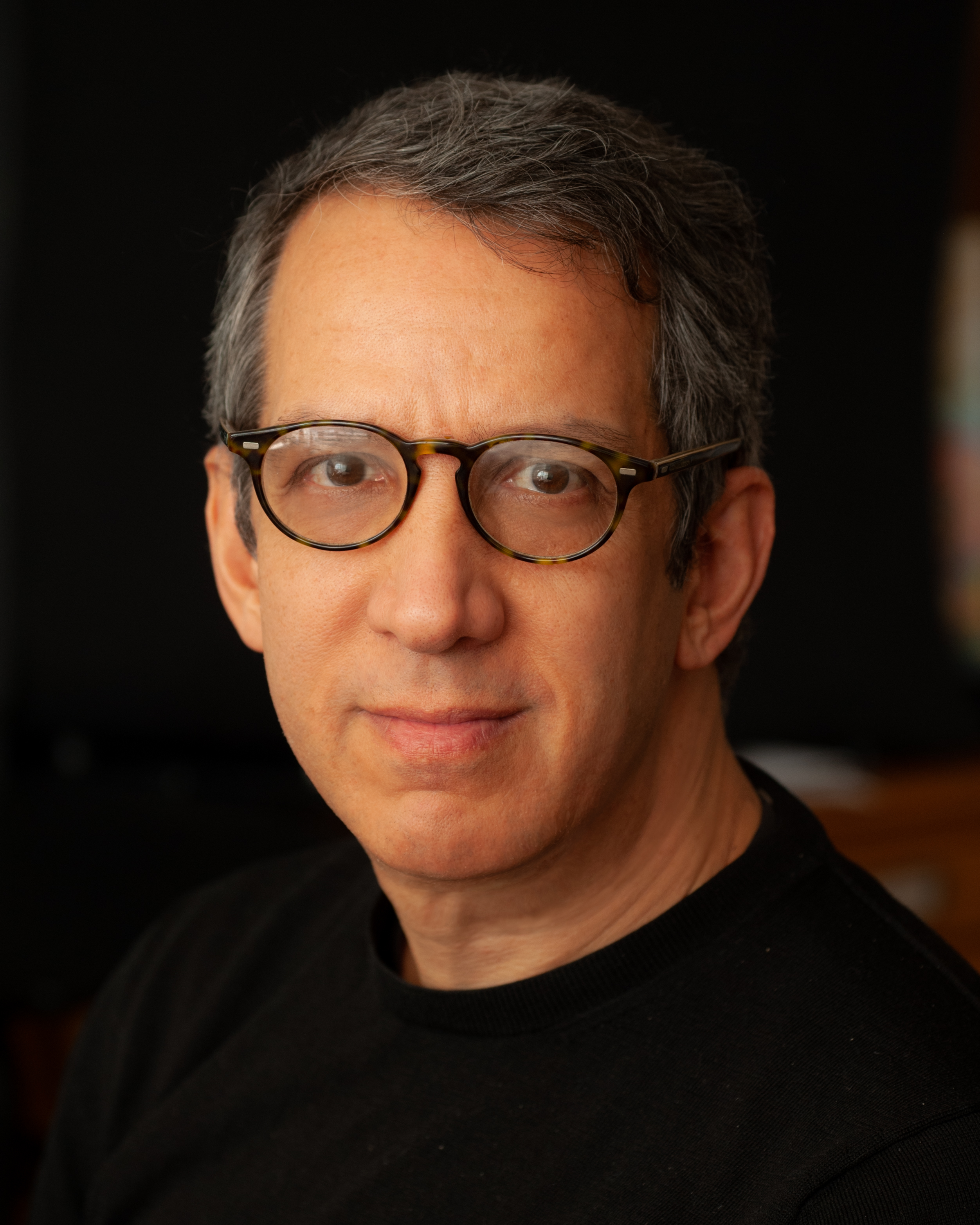
h1

We Give Thanks…

November 25, 2020

From an article in The Modern Priscilla magazine from November 1918. The more things change, the more they stay the same. The country is in the midst of World War One and a pandemic at the same time, yet folks were continuing to give thanks… A great and gentle reminder. Have a wonderful Thanksgiving y’all and remember the cover and the back cover of this magazine is from November 1918.
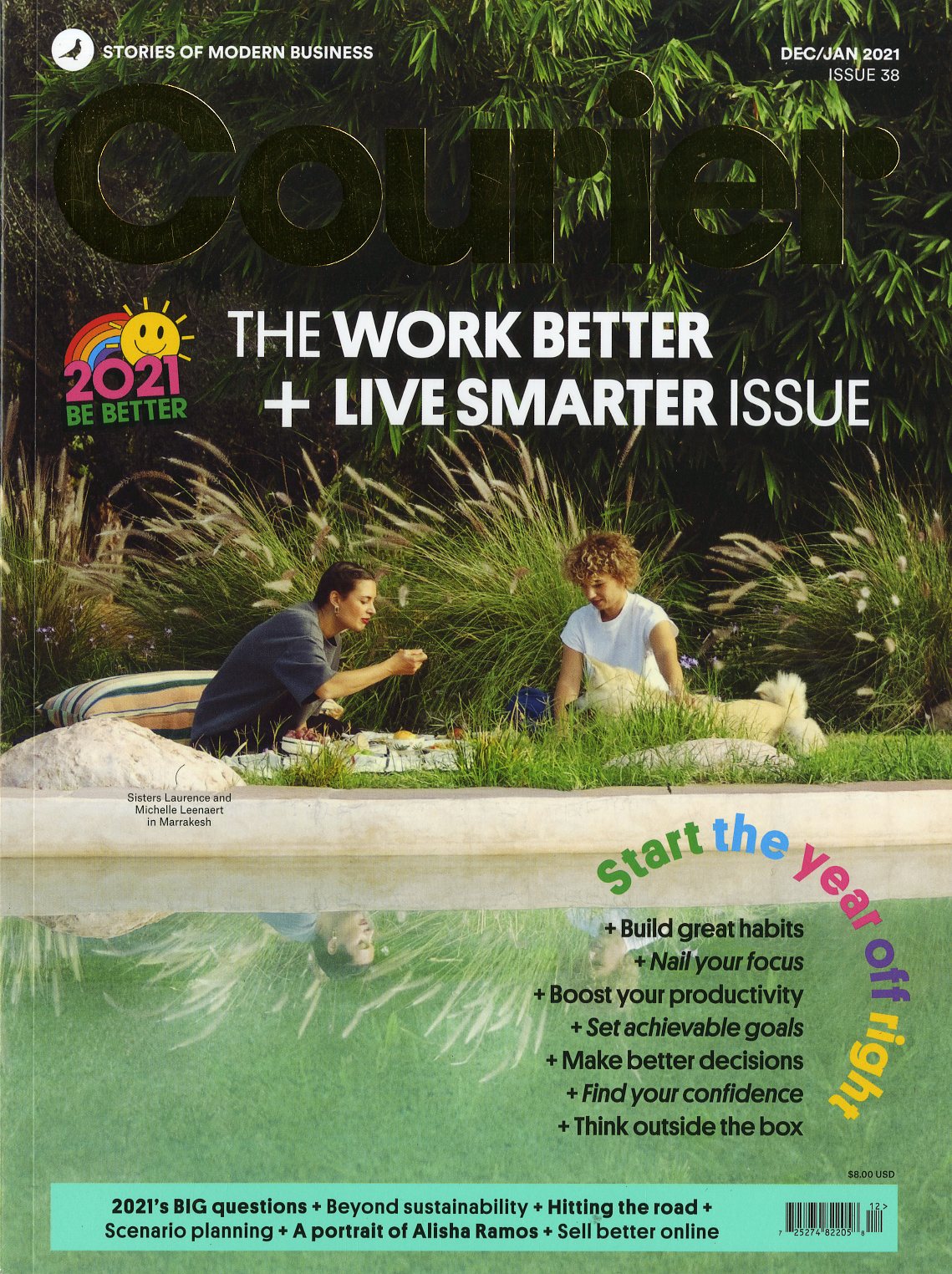
The first Thanksgiving Day celebrated by our ancestors was a day of rejoicing. The year had been plentiful, granaries were full, deliverance from famine was assured.

            Thanksgiving Day this year means this and more.  All our lives we have taken the good things of our country as a matter of course. Some of the older ones worried a bit at the fast pace we are traveling, at the thoughtlessness of our youth, the wastefulness of our ways.

            Nineteen months ago was came to us.  We found that we had a flag whose honor we must protect, a country that we must preserve, an army that we must feed and clothe, and gallant Allies whom we must maintain.

            The gayest and most careless of our young men were among the first to enlist. We found out that they cared after all.  Some of them have made the supreme sacrifice. We have not forgotten, we shall not forget. To-day, we give thanks for that splendid manhood of America.

            We at home have tried to do the things nearest at hand. Not the least of these has been the problem of food conservation. It has been good for us.  We are thankful that there has been something definite for us to do…

h1

Family Handyman Magazine At 70. Nick Grzechowiak, Chief Content Officer, to Samir “Mr. Magazine™” Husni: “We Are Not Letting Our Foot Up On The Gas When It Comes To Ink On Paper.” The Mr. Magazine™ Video Cast…

November 22, 2020

“I believe the days of anonymous content are coming to an end. We have seen this uprising of content that was written by some voice in the sky that was telling people what to do; cook this for dinner tonight because the Internet told me to. People are looking to voices and brands that they trust, because I can go to YouTube and I can spend an hour looking at how to solve my problem and get five different answers for how to fix a running toilet. Family Handyman is an established brand that’s been telling people how to do things the right way for 70 years.” Nick Grzechowiak…

For almost 70 years, Family Handyman has guided generations of homeowners through DIY projects, from fixing things up to making their own way through renovations or repairs. Family Handyman launched in 1951, so 2021 marks its 70th anniversary. I spoke with Nick Grzechowiak recently, chief content officer of the brand, and we talked about this milestone celebration that is coming up. Nick is excited and very optimistic about the brand’s continued success in both print and online. Family Handyman strives to be the reader’s go-to destination for projects, renovations, and all things DIY for the home. 

So, please enjoy the Mr. Magazine™ video cast with Nick Grzechowiak, chief content officer, Family Handyman. 

Nick Grzechowiak, Chief Content Officer, Family Handyman magazine.

But first here are the sound-bites: 

On the magazine’s early statement that if someone lived in a house, they needed the magazine and whether or not 70 years later that was still true: Absolutely, I believe it is still true. For a lot of people their home is their largest investment. And I think what we’ve seen over the last eight months during this pandemic is that whether people have lost investments in the stock market or it’s a spouse losing a job or income, people are really looking back at their home as something they need to take care of and improve. And as a way to gain potential wealth.

On how he decides what content goes in the ink on paper magazine and what goes online: As a brand, Family Handyman really strives to meet our consumers wherever they are. Some people love picking up that tactile experience of the ink on paper. When we think about the lineups for the magazine, we really do a combination of what’s happening in the world; what are people seeing; what’s happening at new home showcases? Also, what are those tried and true things that people need to either update their skills on or learn that new skill? When I think about the website, the user on the website is such a different journey than the magazine. We’re delivering  you the information in your mailbox or the newsstand, whereas on the website it’s really “in the moment.” When I think about the website content, you really have to think about that path people would follow.

Recreating the Letter From The Editor from the first issue of the magazine.

On the content from a 1953 edition of the magazine and whether those articles are timeless: One of the beauties of our magazine that started in the 1950s is that I really believe mid-century modern design is have its heyday. It has come back. People still like that look and feel. We still get requests for projects that we published back then, people who want that look again.

On what differentiates Family Handyman from Google or YouTube when it comes to finding out how to do something: I believe the days of anonymous content are coming to an end. We have seen this uprising of content that was written by some voice in the sky that was telling people what to do; cook this for dinner tonight because the Internet told me to. People are looking to voices and brands that they trust, because I can go to YouTube and I can spend an hour looking at how to solve my problem and get five different answers for how to fix a running toilet. Family Handyman is an established brand that’s been telling people how to do things the right way for 70 years. And in these days of anonymous content, a voice that is authoritative, trustworthy and comes to you with a mentoring tone as opposed to an almighty voice that’s telling you “this is what you need to do to your house” is really where I believe Family Handyman stands apart from what I call that anonymous content. 

On what he would hope to tell someone he had accomplished when the brand’s 75th anniversary rolls around: One thing that is really important for us to keep our eyes on is to continue to evolve with what I’ll call the “modern homeowner.” To really make sure that we understand them, their relationships with their homes and what they want. I think it’s a fool’s mission to just go on autopilot and assume that what homeowners want today is the same thing they’d want in five years. And I think that’s what has really kept Family Handy man relevant is that we do research, we talk to homeowners and we are homeowners. We realize that what I wanted 10 years ago is different than what I want today.

On many magazines having the word “the” in their titles and why “The” Family Handyman became “Family Handyman” and dropped the word the: I think it’s a little bit more contemporary. As we have evolved our voice, I strive to have my editors take a mentoring tone. We’re not “The” only thing in the world. We realize that people aren’t living in a bubble, they’re consuming other things. And just to be more contemporary and to be that partner that can join them on that journey as opposed to being the almighty “The.”

On whether he can envision a day when there won’t be an ink on paper Family Handyman and it will be strictly digital: The magazine is an incredibly important part of our business today, as it was 70 years ago. We’re not letting our foot up on the gas when it comes to ink on paper. The nuance there is really with the consumer and making sure that we can meet them wherever they choose to consume.

On who the “Family Handyman” is today: That family handyman has evolved over time. If you look at our website numbers in the last six months, we’ve seen females outnumber their male counterparts visiting our website. Fifty-one percent of the traffic to our site is women, which is amazing. We’ve also seen it get younger. Millennials have grown over the last year visiting our site and as well readers of our magazine. We’ve seen an increase of millennials and females to our readership. 

On how the pandemic has changed Family Handyman’s publishing operation: The biggest challenge for me personally was in the routing of pages of the magazine. I love getting my hands on the paper that has everyone else’s markups on them and passing it off to the next person; I love that process. I believe that’s one of the only things that has changed. We have a really strong culture at Family Handyman. We have a really collaborative and creative environment. We’ve been using technology like this to be able to communicate daily, sometimes hourly with what’s happening. We still do pinups. We still do magazine lineups where we have all the right people in the room. We still do the routing, it’s a little bit different, different putting a virtual Post-it on a PDF, but it’s still happening. 

On anything he’d like to add: This idea of empowering and mentoring homeowners is going to continue to gain us an invitation into their homes. And going to continue to gain us that strength as a brand as the go-to resource for home improvement. 

On what someone would find him doing if they showed up unexpectedly one evening at his home: First, you’d have to get past the dogs because they wouldn’t let you sneak up to the house. (Laughs) So that would be the first thing. After a long day at work, what you’re going to find me doing is, I enjoy reading and I enjoy music. One of my favorite things has been, I’ve hooked up a 1970 record player in the living room and have it connected to my home sound system. I’ve got two younger kids and we sit and listen to albums, which is a really fun way, very similar to print, where you can be there in the moment with something you can touch. That’s probably what you’d catch me doing.

On what keeps him up at night: Making sure that we can stay ahead of what’s next. That we don’t put on the cruise control or the autopilot and assume that what people wanted yesterday is what they’re going to want tomorrow. 

On what makes him tick and click: I love cooking outdoors and we’ve brought that back into Family Handyman. It was always a part of it, grilling. It’s one of my favorite hobbies, cooking. Whether it’s over a smoker or a grill or whatever, I love that. 

And now, without any further delay, enjoy the Mr. Magazine™ video cast with Nick Grzechowiak, chief content officer, Family Handyman. 

h1

InStyle’s Editor In Chief, The Inimitable Laura Brown Talks Creativity, Impact & DNA With Samir “Mr. Magazine™” Husni…The Mr. Magazine™ Video Cast….

November 19, 2020

“What we did create was a beautiful fantasy-like image that had an incredible composition and color, everybody was wearing fashion, but to me the value of it was the sense of community…” Laura Brown

Laura Brown is a force to be reckoned with and by association, so is the InStyle brand. Laura brings her passion, drive and incredible humor and vision to the InStyle platforms as only she can. I spoke with her recently and we had a fantastic conversation that was both informative and delightful. Just as Laura herself is. So, please enjoy the Mr. Magazine™ video cast with Laura Brown, editor in chief, InStyle. 

Laura Brown, editor in chief, InStyle magazine

But first here are the sound-bites:

On how InStyle has managed to retain its regular frequency of once a month even during a pandemic: It was a business decision made by fiscal folks. Our strength is our consistency, but for me, and I don’t determine how often we publish, but for me it was an editorial decision to be consistent and also it became a matter of stubbornness and pride that we kept going. And even though sometimes my team would give me some accessory layouts or something and I would ask what issue that was for and they’d say October and I’d be “another one,” (Laughs) it was a real point of pride for us.

On how she sees the DNA of InStyle reflected since she became editor in chief: When I got here, InStyle was a vastly different magazine. It was quite quiet, there were a lot of things to shop for and buy and it was all nice-looking, but it didn’t have the most resounding voice. Number one, I personally, like to be in the mix, in the conversation, in the culture, in whatever way you can be. But more importantly, three months after I started Trump was elected. You can do a nice shopping magazine through the Obama years, that’s a different scenario, but when something changes like that, where it changes the tenor of this country and globally, we can’t stick our head in the sand and say here’s a lady in a ball gown. You just can’t because we are media.

On believing that the magazine has a larger role than just being an escape from reality: It can be all of that. For example, a way to illustrate reality plus fantasy plus community would be the cover we did in Brooklyn in the apartment building which had all of these artists who lived together and I wanted to replicate that beautiful Ormond Gigli picture “Girls in the Windows” from 1960, I think it was. That is one of my favorite fashion images and it’s one that makes me swoon. Of course, during a pandemic I had to see if we could even do it. What we did create was a beautiful fantasy-like image that had an incredible composition and color, everybody was wearing fashion, but to me the value of it was the sense of community in New York City.

On where she feels she creates the most impact, in print, online, on social media: Hopefully it works on a number of different levels. For example, the cover we did with Dr. Fauci, which was a newsy, reactive cover, has been responsible for the biggest web traffic we’ve ever had, the most highly-trafficked cover ever, so four billion impressions. Bigger than Jennifer Aniston, and that’s saying something. 

On what makes her tick and click professionally: The most fulfilling thing for me or what makes me tick is people. The most gratifying thing about this job is working with people that I admire, having them show up for us, and executing an idea that I’ve had together. And to have that trust and to really collaborate and then hopefully put an image in a story, adding to the culture that really says something. 

On any stumbling blocks she may face: Just the mechanics of magazines, generally your page limits, your budget – we’re pretty good with the budget, I’ve never been someone who says there’s not enough money. I came from Harper’s Bazaar, we had to hustle, and I come from Australia where we really had to freaking hustle. 

On whether she has to make some tough decisions in her role as editor, especially as she mainstreams the magazine to reach a larger audience: What’s interesting is our website. When I got there I was surprised that it was sort of coming from behind, I actually thought our website should have been at a bigger audience when I got here, so that has been an uphill climb. The last two site directors have done a great job and it’s on the up and up, so that was a bit funny, like the website had jetlag, because again it was this kind of benign place. When I first got here they didn’t use street-style pictures, it was just so weird. It wasn’t like “in the world,” so I think we’d been under dogging from that angle. Not of late, because we’ve been getting so much attention.

On what she would hope to tell someone she had accomplished with InStyle one year from now: I work with sincerity, creativity and decency that is all too rare. That is sometimes not so visible in an industry that is so often resting on its laurels. That got pulled up from its bootstraps obviously over the summer, but we were already there. What I’m most proud of is all of that, but also consistency. 

On anything she’d like to add: It’s great. Everyone should subscribe and click. No, I hope anything I haven’t said is apparent when you read it. 

On whether she considers herself a journalist first and an editor second or she doesn’t differentiate between the two: I don’t differentiate, but what I often say is I’m a producer. I’m a producer and a host. That’s what an editor is these days. 

On what someone would find her doing if they showed up unexpectedly one evening at her home: After I’ve finished beating all my staff, (Laughs) I’m having a glass of wine and a bowl of spaghetti. And trying not to have a bowl of spaghetti every day. My ideal New York day, if I’m in town working, a good day in the office is really produce something great, the team is all batting 100 and I go for dinner at Barbuto restaurant, which is currently closed, at 6:00 p.m., get the Early Bird Special, have my spaghetti, have my wine, and go home, watch some Stephen Colbert, go to bed early. And then do it again.

On what comes to mind when she first opens her eyes in the morning: I go, “Okay.” I reach for the phone and kind of gird my loins, I guess. It’s very much like: Ready, Okay. Kind of like a cheerleader. 

On what keeps her up at night: Tequila. (Laughs) I love tequila, but if I go out and have a couple of tequilas, I do find it hard to sleep. I particular in my own brain. My brain takes a lot of time to  calm as I think any editor’s brain would. 

And now, without any further delay, enjoy the Mr. Magazine™ video cast with Laura Brown, editor in chief, InStyle magazine.

h1

Men’s Health: Redefining Today’s Health & Wellness For All Men – The Mr. Magazine™ Interview With Richard Dorment, Editor In Chief…

November 13, 2020

“We’re inclusive in that anybody who cares about health and wellness, who wants to find out ways they can strengthen their body, their mind, their life; anyone who wants to find out how they can succeed physically, emotionally, socially, they should be able to see some part of themselves reflected in the content that we create across all of our platforms.” Richard Dorment…

“It’s expansive in the sense that we’re always looking to add new audience numbers, those who may not have necessarily seen themselves before  or who maybe thought that Men’s Health was not a  magazine for them. We want to make sure that they understand that we are.” Richard Dorment…

Richard Dorment, editor in chief, Men’s Health magazine

Men’s Health is the world’s largest men’s magazine brand, with multiple editions around the globe. The magazine covers a broad spectrum of men’s lifestyle topics such as fitness, nutrition, fashion, and sexuality. Richard Dorment is the editor in chief of Men’s Health, and oversees all editorial content across its print, web, social, and video platforms in the U.S.

I spoke with Richard recently and we talked about this global voice that is proud of its diversity and inclusion of all men, and vows moving forward to be even more open and welcoming to different cultures everywhere. According to Richard, the watch words for Men’s Health are inclusive, expansive and optimistic. And making sure that the audience understands that while change is inevitable, change can also benefit them if they understand and optimize themselves for it. Something Men’s Health strives to help them do as it redefines today’s health and wellness for all men.

So now, please enjoy the Mr. Magazine™ interview with Richard Dorment, editor in chief, Men’s Health. 

But first the sound-bites:

On how Men’s Health is adapting to the changes in today’s magazine publishing environment: I think we’re doing okay. We’re about eight months into this bold, new experiment in producing all types of magazine media. And I think we’re doing okay. Like everybody, we had a very steep learning curve as we tried to figure out how to put out a monthly print publication and figure out how to collaborate as a team remotely. But I think we had a few things going for us that maybe some other brands didn’t.

On how easy or hard it was to execute many of the changes while working remotely: It’s hard to speak in relative terms because we’ve never done this before. We’ve never had a lot of these things, especially happening all at once. I will say that what made it easier was Men’s Health has a tremendous team of editors, writers and designers who are really good people, so that really helps. But they’re also really good at their jobs, so I think that also made it easier.

On how big of a responsibility he feels is to retain the current audience, while cultivating new audiences: That’s a really good questions. It’s not something that I spend a lot of time thinking about. I don’t really think about scale. And maybe I should, but the honest answer is, and I use these words at least 12 times a day so they may sound canned, which they sort of are but I’ve been using them for a long time and they are inclusive, expansive and optimistic. Those are the watch words of Men’s Health.

On someone who feels the diversity in the magazine is very one-sided and does not reflect the white reader anymore: That makes me very sad. I hate to lose audience members for any reason. But I think it’s incredibly important, particularly after the events that happened this past summer, which only enhanced what a lot of us already knew and were trying to accomplish and record, that we really make sure that when we are addressing our audience that we’re addressing all of our audience.

On how he makes the decision that something is for ink on paper, something else is for the web, and something else for social media: That’s probably the trickiest part of my job right now. In part because of the print component. We work with a three month lead time at least and it’s very hard to see around corners right now. It’s always been hard to see around corners for a monthly print magazine. Some people were better at it than others, but now it’s next to impossible, because I still don’t know who’s going to be president next year. I don’t know when there’s going to be a vaccine. I don’t know if people who are reading future us in March are going to be under some sort of lockdown. I just don’t know. And I don’t think anybody does. 

On how he can ensure that if someone has the questions, Men’s Health is there to provide the answers, rather than some unknown entity telling them what to do: We think a lot about what’s called a EAT score, which is expertise, authoritativeness and trustworthiness. So that’s the acronym that we think of when we are thinking of creating content that people can trust. How do we anticipate and meet those expectations when it comes to a search? We have the Men’s Health advisory board, which is filled with dozens of world-renowned experts who are the best at what they do. And we make sure they’re front and center of every story that we do, because we have science-backed, expert-recommended content. 

On how Men’s Health’s global network of communication works: Like most brands with a global presence, there is a patchwork of relationships, some of them are wholly-owned by the Hearst Corporation, some of them are licensed out, it really depends. But I think the overall relationship is that we’re aware of what the other brands are doing. They typically take more from us than we do from them, but we are constantly in search of content that would work for us. Then we can incorporate it into what we do.

On a typical day in his professional life: My day is filled, like  a lot of people, with Zoom meetings and I try to carve out some time to be thoughtful and creative. That’s really the hardest part for me, finding that time to be creative and letting my mind wander and discover new things, just because I feel like we’re all so busy and stressed and we’re distracted by everything. So, that’s the biggest challenge for me. 

On whether he is seeing fatigue from so much screen time, since his team is not able to get together in person and collaborate: I don’t know if it’s fatigue, because I still think people are really energized and focused, but I think it’s much harder in an intensely collaborative medium like magazines. I think the reason why a lot of us got into magazines in the first place as opposed to writing full-time, which is an incredibly isolated experience, I think all of us in magazine media got into this because it’s so intensely collaborative. You cannot make a magazine by yourself. You cannot edit a magazine story or publish it by yourself. So I think a lot of us are missing that sense of human contact, that spontaneity, that serendipity, which comes from in-person collaboration.

On what makes him tick and click during the day: The initial gut thing that I want to say is success, but when I see things working, like when I get a great story and I’m reading a great draft or seeing great images or we see that a story we published online is really resonating with the audience or a video is really performing well on YouTube, that motivates me to keep going.

On anything he’d like to add: I’m really grateful that I get to work at a place like Men’s Health. It’s more relevant and more necessary than ever because of everything that’s happening in the world, not just with the global pandemic, but with the social justice movement, with the ongoing evolution in our understanding of male/female relationships that really started in earnest three years ago with the beginning of the Me Too Movement.

On what someone would find him doing if they showed up unexpectedly one evening at his home: Reading helps me unwind, for sure. I try to stay off-screen after 8:00 p.m. for both physical and mental reasons, it’s better to be off of them. So, yes, I’ve been reading a lot lately. And that has helped to focus and ground me a little bit, particularly since our bedtime ritual with three kids lasts like six and half hours. So by the time I’m actually done I’m kind of like a squeezed-out sponge. At that point I just need to feel a little bit more grounded and clear-eyed and clear-headed and reading certainly does that for me.

On what keeps him up at night: The state of our country, to be honest. Like a lot of people, most people maybe, the sense of division and mistrust and rancor is really upsetting to me, particularly someone who tries to be optimistic and tries to be expansive and inclusive and see the best in people and in the world. And I don’t see that reflected in a lot of headlines, at least in what I see as headlines in social media content. But again, that’s not necessarily real life.

And now the lightly edited transcript of the Mr. Magazine™ interview with Richard Dorment, editor in chief, Men’s Health. 

Samir Husni: You write in your November column in Men’s Health that those people who can adapt to change will excel and succeed. How well are you adapting to change in this magazine publishing environment that’s taking place today? 

Richard Dorment: I think we’re doing okay. We’re about eight months into this bold, new experiment in producing all types of magazine media. And I think we’re doing okay. Like everybody, we had a very steep learning curve as we tried to figure out how to put out a monthly print publication and figure out how to collaborate as a team remotely. But I think we had a few things going for us that maybe some other brands didn’t. 

First of all, we are a fully integrated team as far as print, digital, video and social. All of our platforms are working hand in glove. So, we were really able to hit the ground running and pitch in wherever needed, all of us doing everything as we were previously. 

Also, we’ve been pretty good with technology from the get-go, as far as using Zoom and Slack as production tools. We have some staff who works full-time from Pennsylvania, so it was sort of second nature to us in certain respects. So, I think there were a few things that we had going for us. And more importantly, we knew that we needed to change really quickly. 

As a health and wellness publication, particularly back in March at the dawn of this global pandemic, our audience was really turning to us for clear, reliable, actual information that they could use to weather these extreme changes in pretty much every aspect of their lives. So, we knew that we needed to come up with a way to give them those answers, both in an internal production way and in a journalistic editorial way. 

It’s been challenging and thrilling. I think it’s worked or it’s working. As I said in that letter, the ultimate performance skill right now, as far as high performance, is the ability to adapt to change. 

Samir Husni: As you are adapting to change, in your September letter to the readers, you talked about expanding the definition of health or redefining health as it impacts everything. And as we all know, we didn’t only have the Coronavirus, we had the social changes and the social injustices. How was taking all of that remotely, without having your team sitting down with you, how easy or hard was it to begin executing those changes?

Richard Dorment: It’s hard to speak in relative terms because we’ve never done this before. We’ve never had a lot of these things, especially happening all at once. I will say that what made it easier was Men’s Health has a tremendous team of editors, writers and designers who are really good people, so that really helps. But they’re also really good at their jobs, so I think that also made it easier. 

Because of how we positioned our brand editorially over the past two and a half years since I started, where we were really focusing on health at a 360 degree proposition, the whole body, whole mind, whole life. And because we had been so deeply entrenched in that thinking, we were ready to execute and to report on and inform about all of those aspects. 

So, yes, you have a global pandemic over here and you have hard science, Coronavirus-related news that we had to cover. Mental health, obviously, it was a huge concern for our audience right now, they’re feeling isolated and overwhelmed, anxious and angry, all of these things that they need help processing and understanding. Perhaps, they didn’t have the vocabulary, particularly with men, or the awareness to talk about this before.

Then with life, it’s like where do you begin? Whether it’s working from home, working out from home, socializing, parenting, partnering, all of these things are radically different than they were 10 months ago. So because we were already well positioned to report on all of those things, we were already doing that before 2020, we were really able to put our backs into the coverage in 2020 and I think it has paid off so far. 

Samir Husni: Men’s Health being the largest circulated men’s magazine that we have in the world now, how big of a responsibility do you feel is on your shoulders to retain the current audience, while cultivating new audiences? Can big become bigger? 

Richard Dorment: That’s a really good questions. It’s not something that I spend a lot of time thinking about. I don’t really think about scale. And maybe I should, but the honest answer is, and I use these words at least 12 times a day so they may sound canned, which they sort of are but I’ve been using them for a long time and they are inclusive, expansive and optimistic. Those are the watch words of Men’s Health. 

We’re inclusive in that anybody who cares about health and wellness, who wants to find out ways they can strengthen their body, their mind, their life; anyone who wants to find out how they can succeed physically, emotionally, socially, they should be able to see some part of themselves reflected in the content that we create across all of our platforms.

It’s expansive in the sense that we’re always looking to add new audience numbers, those who may not have necessarily seen themselves before  or who maybe thought that Men’s Health was not a  magazine for them. We want to make sure that they understand that we are. 

And optimistic, I think that’s the whole ballgame, because I think particularly these days there is so much divisiveness. There’s a lot of bad news in the air and you don’t necessarily want to be delusional or Pollyannaish, but at the same time you want to make sure that our audience understands that a lot of the change is inevitable, but a lot of the change could also benefit them if they understand and optimize themselves for it. 

I’m feeling really good about the work that we’re doing and we have a lot more to do, particularly on the inclusiveness front, but we’re very much on the right path for the journey I believe. 

Samir Husni: I received an email from a journalist that I know and he told me he does not see himself reflected in Men’s Health anymore and he is cancelling his subscription once it runs out. He is Caucasian and has been a subscriber to the magazine for many years. He feels the diversity in the magazine is very one-sided and does not reflect the white reader anymore. What would you say to him?

Richard Dorment: That makes me very sad. I hate to lose audience members for any reason. But I think it’s incredibly important, particularly after the events that happened this past summer, which only enhanced what a lot of us already knew and were trying to accomplish and record, that we really make sure that when we are addressing our audience that we’re addressing all of our audience. 

And that when there are parts of our audience whose specific concerns and specific challenges, particularly in the health sphere, are not being addressed by the mainstream media and are not being prioritized by national health policy, it’s really important for us to be advocates for them. The fact that we weren’t doing it before fell squarely on me, but in 2020 and moving forward that will not be the case anymore. As I said in one of my editor’s letter, we cannot claim to be advocates for men’s health if we are not advocates specifically for the health of all of our audience and that’s Black, Indigenous, Latina, Asian and others. We really have to be foresworn and faithful advocates for everybody. 

It bums me out that maybe there are some white readers who don’t see themselves in the conversation, but I think they can still benefit from that knowledge. And from understanding what their fellow Americans are going through, particularly when it comes to things like the devastatingly disproportionate life expectancy of Black men, the elevated risk of cancer, all of these things, it’s really important that we’re aware of them so that we can fix them together. And if some folks are not willing or able to have those conversations or be a part of that conversation, be part of that change, that striving toward being better, faster, stronger, then there’s nothing I can do about that. But at the end of the day, I certainly don’t regret the conversations. The only thing I regret is that we weren’t able to do more sooner.

Samir Husni: As you’re looking at all of the platforms that Men’s Health is available on, how do you make the decision that something is for ink on paper, something else is for the web, and something else for social media? Is it easy for you and your team to decide?

Richard Dorment: That’s probably the trickiest part of my job right now. In part because of the print component. We work with a three month lead time at least and it’s very hard to see around corners right now. It’s always been hard to see around corners for a monthly print magazine. Some people were better at it than others, but now it’s next to impossible, because I still don’t know who’s going to be president next year. I don’t know when there’s going to be a vaccine. I don’t know if people who are reading future us in March are going to be under some sort of lockdown. I just don’t know. And I don’t think anybody does. 

The best that we can do is really try to focus on people’s lived experiences and anticipate what they may be thinking about and dealing with as best we can during that time. So when printed, it’s really just using our imaginations and using whatever signals we can, either through historical data or what we had done before that succeeded, to create a print product that will be vital and relevant for an audience come March or April. 

For web content, for site content specifically, we’re always thinking about what type of story this is. Is it a certain story, because again, I think the tricky part about being a digital content creator right now is finding an audience. We’re all fighting tooth and nail for the 24 hours in everybody’s way and their attention. So, you really have to have a plan for finding that audience. 

Before we commission any story we always think about how the audience will find the story, because we’re not in the business of creating content that no one is going to find. It’s not a good business at all; it’s not a good editorial model. Are they going to find it through search? Is this something that we know they’re interested in by analyzing the data or analytics? That’s one type of story.

Is it a social story? Is this something someone will consume in their social state and want to share with their friends and get a conversation going? Or is it a newsletter story, which tends to be longer reads, something that people put aside for the weekend when they have more time. These are all the considerations that we take into account when we are thinking about greenlighting digital content. 

There are different things we think about for each platform. I didn’t even touch on video, which is a growing animal. It’s not a gut thing at all. I sort of wish, no I don’t know that I wish I was one of those ‘80s magazine editors who put their finger up in the air and sort of guessed which way the wind was blowing. There is not a lot of gut instinct going on here at all. We try to be deliberate as we considerate it with the known and the unknown.

Samir Husni: Today, we are bombarded by information. And in my circle people are always saying, just Google it or do this search or that. How can you ensure that if someone had the questions, Men’s Health is there to provide the answers, rather than some unknown entity telling them to do this or that?

Richard Dorment: I can get really geeky into the science of search right now, particularly the way we think the Google algorithms work. But Men’s Health is what’s called a “Your Money, Your Life” publication, YMYL. And we’re held to a different standard than most other types of content that’s circulated on the web. And that’s because we deal with Your Life and Your Health. That’s really something that Google, to their great credit, takes into account when they are recommended a ranking content on a search. 

We think a lot about what’s called an EAT score, which is expertise, authoritativeness and trustworthiness. So that’s the acronym that we think of when we are thinking of creating content that people can trust. How do we anticipate and meet those expectations when it comes to a search? We have the Men’s Health advisory board, which is filled with dozens of world-renowned experts who are the best at what they do. And we make sure they’re front and center of every story that we do, because we have science-backed, expert-recommended content. 

We also stay away from unsubstantiated claims. We stay away from a lot of the junk science that’s circulating both on social media and on search engines. Because of that, we tend to be rewarded by the Google algorithms. So, the more that we can lean into our heritage and our legacy as an expert-backed brand, the better chances we have of people finding our content, particularly through search channels.

Samir Husni: How do you utilize that network of Men’s Health all over the world? Are you always the feeder or always the sender, or you’re also the receiver? How does that network of communication work? 

Richard Dorment: Like most brands with a global presence, there is a patchwork of relationships, some of them are wholly-owned by the Hearst Corporation, some of them are licensed out, it really depends. But I think the overall relationship is that we’re aware of what the other brands are doing. They typically take more from us than we do from them, but we are constantly in search of content that would work for us. Then we can incorporate it into what we do. 

It’s important to remember though that American audiences aren’t British audiences, or any other audience that would be our international counterparts. We have to be constant of the fact that the American audience has certain curiosities with certain interests that maybe aren’t shared. We’re not going to do stories on rugby players here necessarily, not because we don’t  love rugby, but it’s not really an American sport. It’s little, sort of cultural differences like that that differentiate whether or not we would pick up their content and vice versa. 

Samir Husni: What is a typical day for you, editor in chief of the world’s largest men’s magazine? How busy are you?

Richard Dorment: I’m pretty busy, but I’m also a parent of three children under the age of 10, and a partner of a very hardworking lawyer. And a person who is living in lockdown, we’re sort of quasi-restricted. So, it’s a lot, but it’s never really off. I enjoy telling this story, a few weeks ago I was finally able to carve out some time where I could get away, I hadn’t taken a vacation all year. When in 2020 is a good time to take a vacation, right? (Laughs) And where would you even go?

But I found a silent meditation retreat in Upstate New York. There was no real website and I found it through a friend. For three days it would have been totally quiet. I wouldn’t have spoken, I wouldn’t have been spoken to. There would have been 15 minutes of screen time at night where I could have checked in on emergency things. But that was really it, and I was so excited. From a mental and social point of view, I needed a break from the world. Stop the world I want to get off. 

Two days before I was supposed to go there was a COVID scare at one of my kid’s schools and because it was the first one of the year I think the school, to their great credit, was very aggressive in trying to contain it. So, the kids couldn’t go to school and because of that our babysitter couldn’t come in. It just sort of went to hell very quickly. I couldn’t go and put off my silent meditation retreat, because you can’t really plan anything right now. So, that’s an example of where my headspace is now. The idea of three days of silence is like a rocking good time for me. 

My day is filled, like  a lot of people, with Zoom meetings and I try to carve out some time to be thoughtful and creative. That’s really the hardest part for me, finding that time to be creative and letting my mind wander and discover new things, just because I feel like we’re all so busy and stressed and we’re distracted by everything. So, that’s the biggest challenge for me.

I have a great team. They are some of the best and smartest people that I’ve ever worked with. I have a lot of great support from my colleagues and my bosses, so we’re making it work. As we are still unsure about whether things are going back to “normal,” the old cliché rings true, that the only way out is through, so we’re all just getting through it. And that’s the best we can do right now. 

Samir Husni: Are you seeing fatigue from so much screen time, since you’re not able to get together in person and collaborate?

Richard Dorment: I don’t know if it’s fatigue, because I still think people are really energized and focused, but I think it’s much harder in an intensely collaborative medium like magazines. I think the reason why a lot of us got into magazines in the first place as opposed to writing full-time, which is an incredibly isolated experience, I think all of us in magazine media got into this because it’s so intensely collaborative. You cannot make a magazine by yourself. You cannot edit a magazine story or publish it by yourself. So I think a lot of us are missing that sense of human contact, that spontaneity, that serendipity, which comes from in-person collaboration. 

We’re doing great without it, but I think it’s harder without it. I do think people miss it. And as we look to 2021 and as we’re trying to be creative and bold and ambitious with our plan, particularly for the first half of the year, I can only speak for myself, but it is a little bit more challenging to feel the juices flowing when you’re not sure of anything. I have a dollhouse behind me in my office right now, so it’s a little trickier. (Laughs) But I am fiercely optimistic about 2021 anyway.

Samir Husni: Once you get out of the bed, what makes you tick and click during the day?

Richard Dorment: The initial gut thing that I want to say is success, but when I see things working, like when I get a great story and I’m reading a great draft or seeing great images or we see that a story we published online is really resonating with the audience or a video is really performing well on YouTube, that motivates me to keep going. 

Like what we’re doing is working and resonating with an audience, particularly when it comes to data returns, where people only care about traffic, I think there is a debate you can have there about whether or not that’s healthy. For me when I see what we’re doing is resonating with the audience or I can anticipate what we’re doing is going to resonate with the audience, whether again, it’s a first draft or images, that’s really exciting to me. 

Samir Husni: Is there anything you’d like to add?

Richard Dorment: I’m really grateful that I get to work at a place like Men’s Health. It’s more relevant and more necessary than ever because of everything that’s happening in the world, not just with the global pandemic, but with the social justice movement, with the ongoing evolution in our understanding of male/female relationships that really started in earnest three years ago with the beginning of the Me Too Movement. 

I think a brand like ours with the authority that we bring, the sense of empathy and accessibility that we bring, I’m really proud to work for a brand that’s trying to, not just be a part of, but is leading these conversations. If we’re helping move these conversations forward, if we’re helping inspire and inform every generation of men, from 18 to 80-year-olds, then I think that’s enough to get me out of bed every morning. I’m really proud of the work that we’re doing and the success we’ve had this year, in particular. And I am really optimistic for where we’re going in the New Year.

Samir Husni: Let’s assume there’s no COVID-19 and I show up unexpectedly at your home one evening after work, what would I find you doing? Having a glass of wine; reading a magazine; cooking; watching TV; or something else? How do you unwind?

Richard Dorment: Reading helps me unwind, for sure. I try to stay off-screen after 8:00 p.m. for both physical and mental reasons, it’s better to be off of them. So, yes, I’ve been reading a lot lately. And that has helped to focus and ground me a little bit, particularly since our bedtime ritual with three kids lasts like six and half hours. So by the time I’m actually done I’m kind of like a squeezed-out sponge. At that point I just need to feel a little bit more grounded and clear-eyed and clear-headed and reading certainly does that for me. 

Samir Husni: My typical last question; what keeps you up at night?

Richard Dorment: The state of our country, to be honest. Like a lot of people, most people maybe, the sense of division and mistrust and rancor is really upsetting to me, particularly someone who tries to be optimistic and tries to be expansive and inclusive and see the best in people and in the world. And I don’t see that reflected in a lot of headlines, at least in what I see as headlines in social media content. But again, that’s not necessarily real life.

Middle of the night thoughts are sort of infamously not rational, so that’s where my head is at. What are we doing in the country with the people and how can we do better. 

Samir Husni: Thank you