Archive for the ‘A Mr. Magazine™ Musing’ Category

h1

The Eternal Curation Role of Magazines… Yesterday, Today, And Tomorrow.

October 25, 2016

From the Mr. Magazine™ Vault…

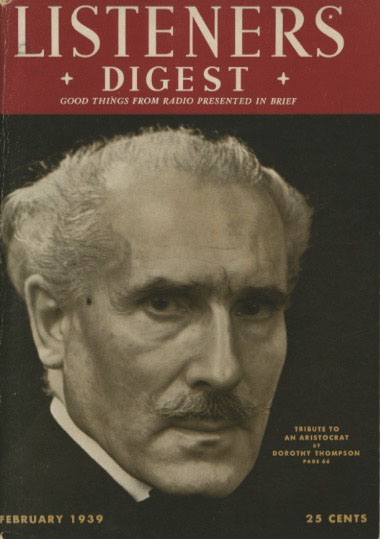
listeners-digestThe following is the letter from the editors introducing the first issue of Listeners Digest published February 1939. The monthly noted “the endless demands and ceaseless activities of modern life prevent the listener from hearing all the really worthwhile presentations of radio.” As you read the complete introduction below, feel free to replace the word radio with the internet or social media or any other media that comes to mind… the end result will be the same.

No medium can replace the power of curation that magazines provide their readers and advertisers; no medium, plain and simple. Enjoy this journey back to 1939…

As Radio Comes of Age…

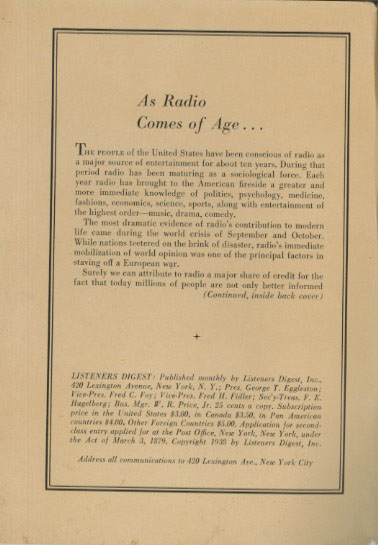
The people of the United States have been conscious of radio as a major source of entertainment for about ten years. During that period radio has been maturing as a sociological force. Each year radio has brought to the American fireside a greater and more immediate knowledge of politics, psychology, medicine fashions, economics, science, sports, along with entertainment of the highest order – music, drama, comedy.

listeners-digest-inside-cover-frontThe most dramatic evidence of radio’s contribution to modern life came during the world crisis of September and October. While nations teetered on the brink of disaster, radio’s immediate mobilization of world opinion was one of the principal factors in staving off a European war.

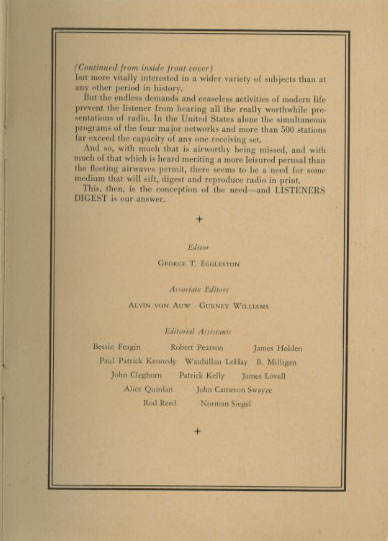
listeners-digest-back-inside-coverSurely we can attribute to radio a major share of credit for the fact that today millions of people are not only better informed, but more vitally interested in a wider variety of subjects than at any other period in history.

But the endless demands and ceaseless activities of modern life prevent the listener from hearing all the really worthwhile presentations of radio. In the United States alone the simultaneous programs of the four major networks and more than 500 stations far exceed the capacity of any one receiving set.

And so, with much that is airworthy being missed, and with much of that which is heard meriting a more leisured perusal than the fleeting airwaves permit, there seems to be a need for some medium that will sift, digest and reproduce radio in print.

This, then, is the conception of the need – and Listeners Digest is our answer.

h1

Celebrating Longevity In The World Of Print Magazines…

October 19, 2016

A Mr. Magazine™ Musing…mr-magazine-by-robert-jordan

Recently I published an anniversary commemoration blog for several magazines that had proven their “stuff” over the years. No surprise in my wonderful world of print there are more that need to be recognized. Was there ever any doubt?

So it is with the greatest of pleasure I salute the following titles on their anniversary milestones…may you celebrate many, many more!

Salute! And if you are celebrating an anniversary please send me a note, or better yet, an invite and I will be sure to include your magazine in a future Mr. Magazine™ Musing…

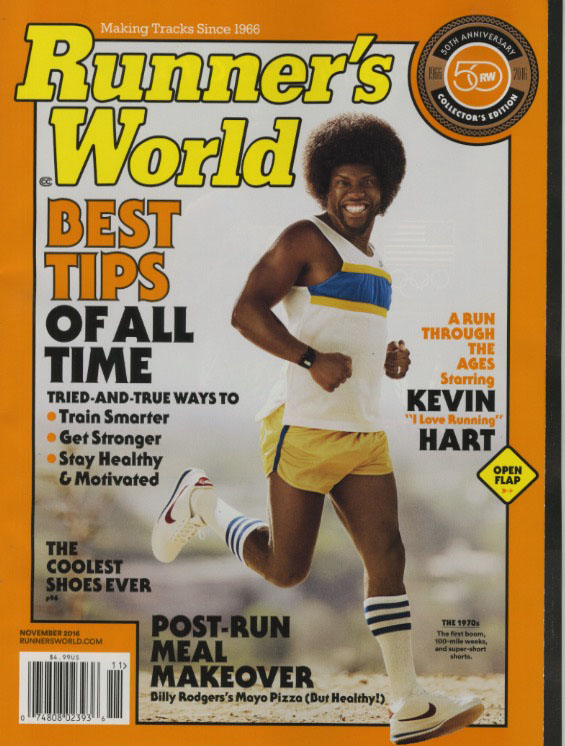
50 Years

50 Years


50 Years

50 Years


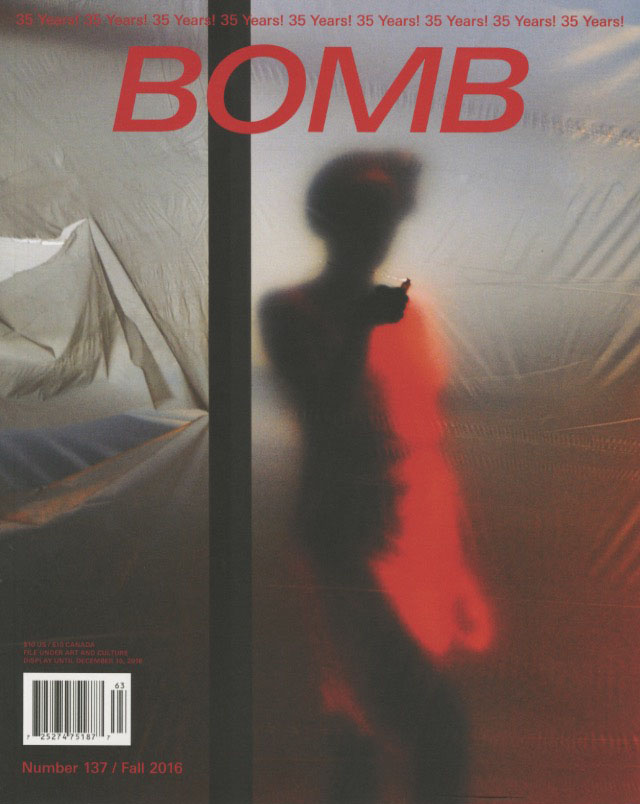
35 Years

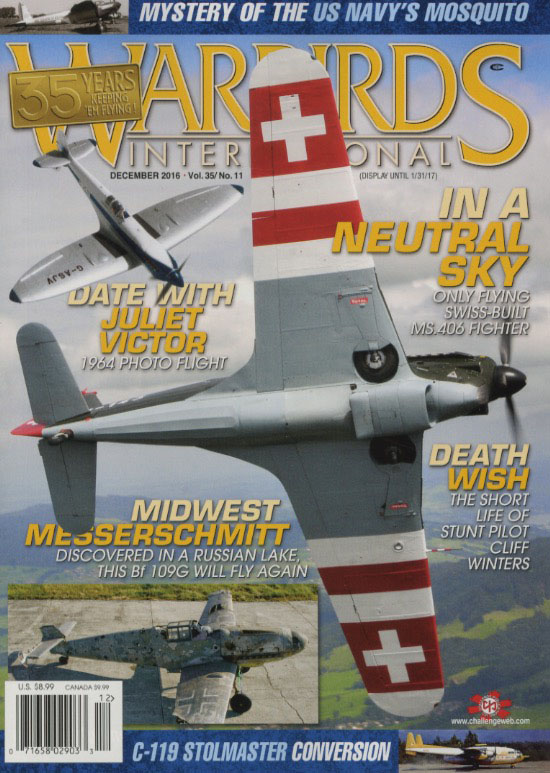
35 Years


35 Years

35 Years


31 Years

31 Years


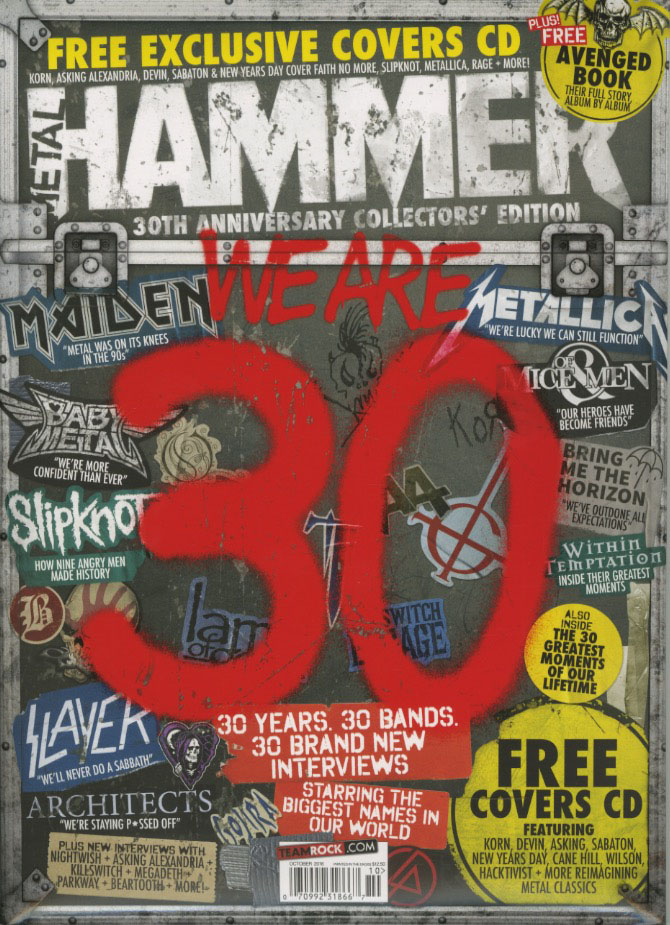
30 Years

30 Years


25 Years

25 Years


10 Years

10 Years


5 Years

5 Years

h1

When “Pot & Politics” Become The Sanest Issue In An Election Year…

October 12, 2016

A Mr. Magazine™ Musing…

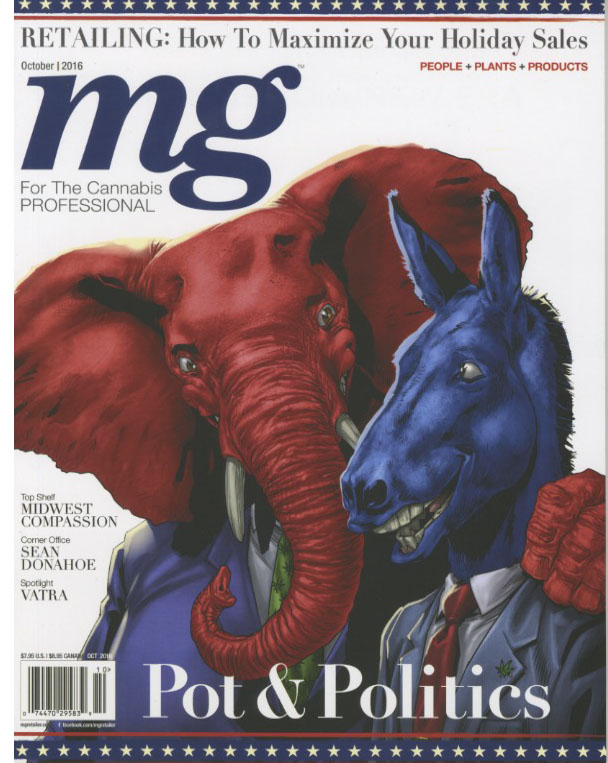
mg-coverLeave it to magazines to be the reflector of society and the voice of reasonable distraction, even during a heated, often raunchy, presidential election. As November 8th fast approaches, we face more of the same until the final vote has been cast and counted. More unconscionable attacks from both the Republican and Democratic nominees toward each other, more media opinions that leave us all wondering where unbiased journalism, or just journalism as we’ve learned it, disappeared to, and more confusion as to how this presidential election came apart at the seams so drastically.

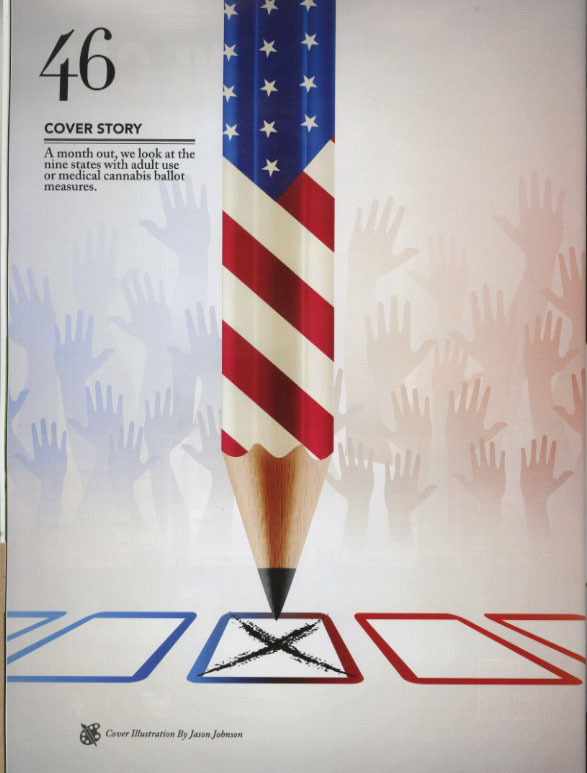
mg-insidescreen-shot-2016-10-12-at-8-14-50-amThankfully, there is a respite in magazines for all of us. Such as that age-old discussion that takes us back to the days when the only ballot that worried us and divided us was where we all stood on the issue of marijuana. Pot, cannabis, Mary Jane – whatever your generation called it or calls it, the industry is thriving and the magazines on the topic are flourishing.

I recently picked up one that stood its ground and stood out as that voice of reasonable distraction that we all need right now during this time of strained dissent in our country.

MG magazine’s October issue is not only beautifully executed and presented, but it puts the election focus back on something we can all “pleasantly” agree or disagree on: pot. MG has a clear mission and whether you agree or disagree with the smoking of the herb, the magazine knows where it stands. It’s not wishy-washy, nor does it throw demeaning epithets at other magazines and their definition of the cannabis world.

Kudos to MG for giving us a diversion from this ridiculously disruptive and appalling presidential election and throwing a little “pot” into the equation’s cauldron.

It’s nice to know some things never change; magazines will always reflect the current conditions of our society, and they never fail to inform, entertain and make us think.

Until the next Mr. Magazine™ musing…

h1

Happy Anniversary To Some Of My Dearest Friends… Well, I Mean Magazines.

October 5, 2016

A Mr. Magazine™ Musing…
mr-magazine-by-robert-jordan

On any given day you can visit the newsstands and find an expansive array of new titles intermingled with your old favorites, beckoning you to take some time and free-roam the shelves, browsing, picking and choosing from some of the best reflective entertainment and information around. Even though the reports on and about the newsstands are usually from a negative perspective, they’re absolutely still the best place to view American magazines in all their glory.

On a recent visit to the newsstands (yes more than one), I was struck by the number of anniversary issues that many of the legacy titles were celebrating, and it really drove home the point of how powerful print really is when it comes to its stamina and engagement with the reader. Its survivability rate is enhanced when you consider the tangible experience these magazines’ readers have been enjoying for generations. And while we may have seen quite a few first, second and even third anniversary issues hit stands, these are milestone commemorations; many becoming heritage favorites handed down through the generations.

town-countrytown-country-2

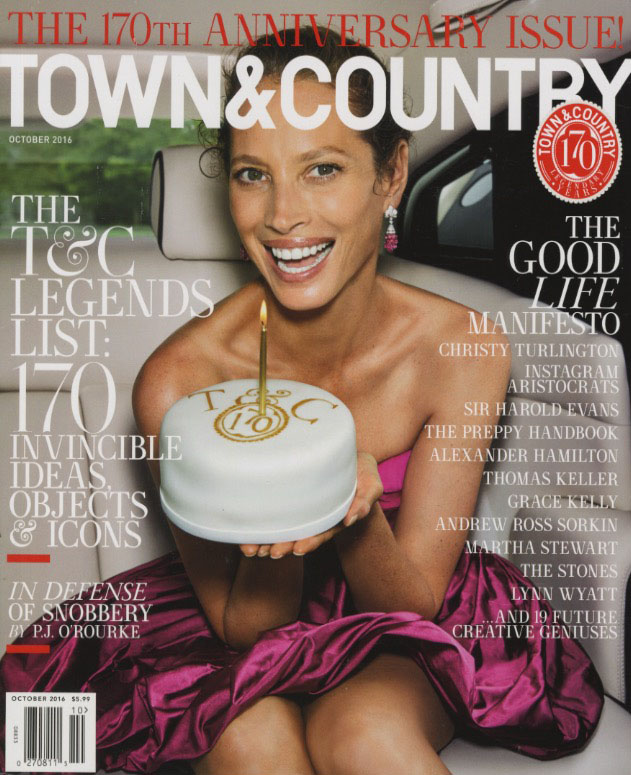
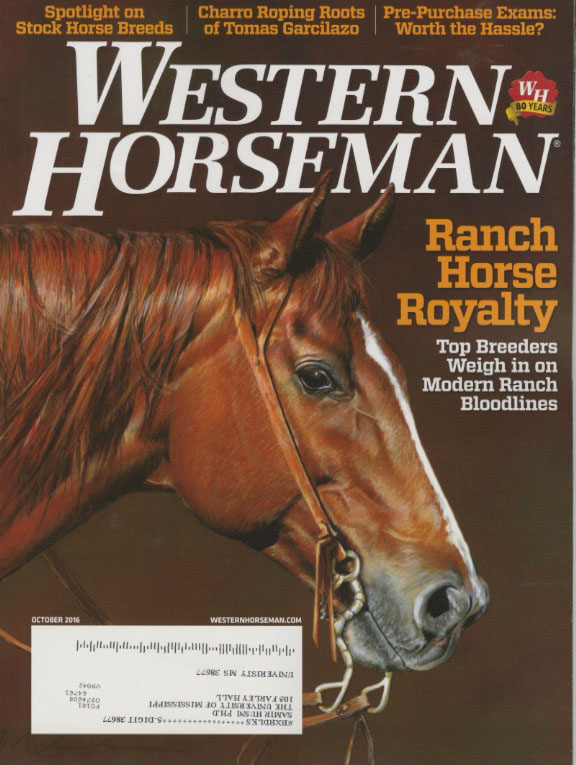
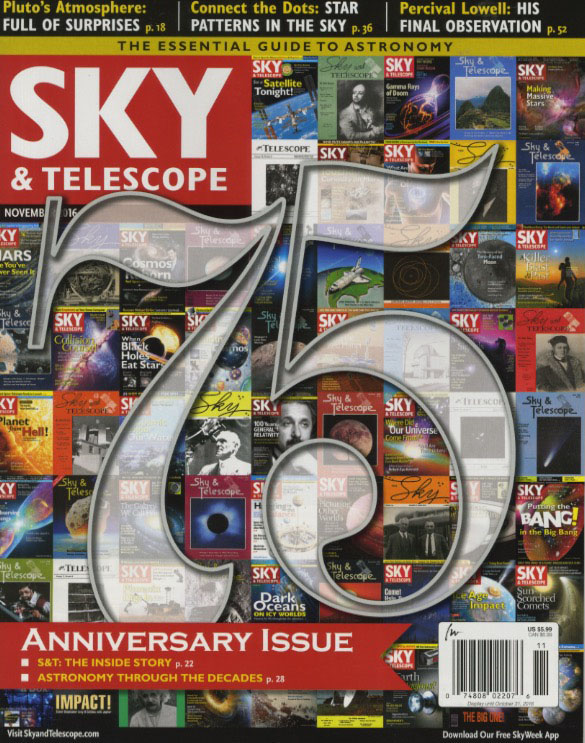
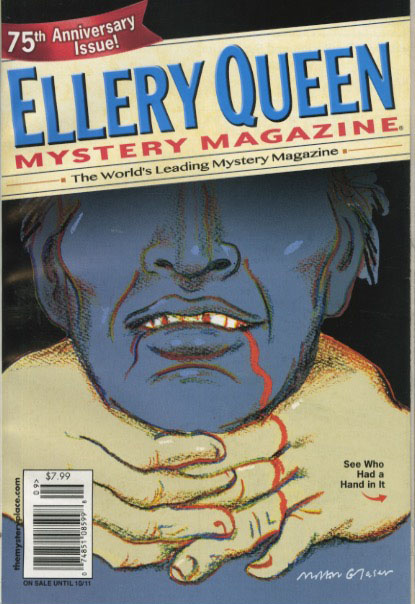
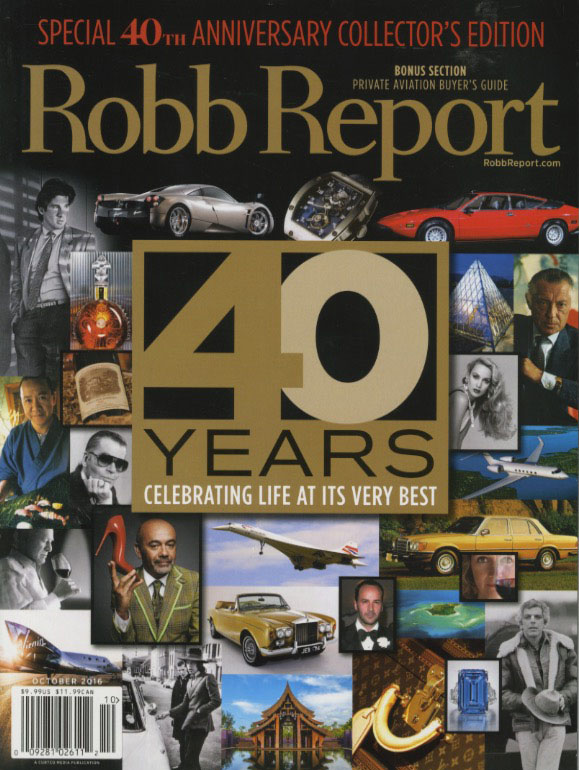
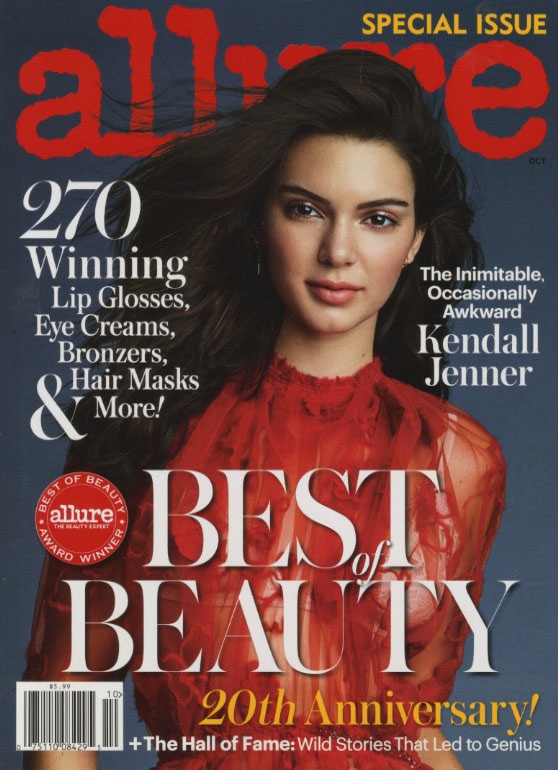
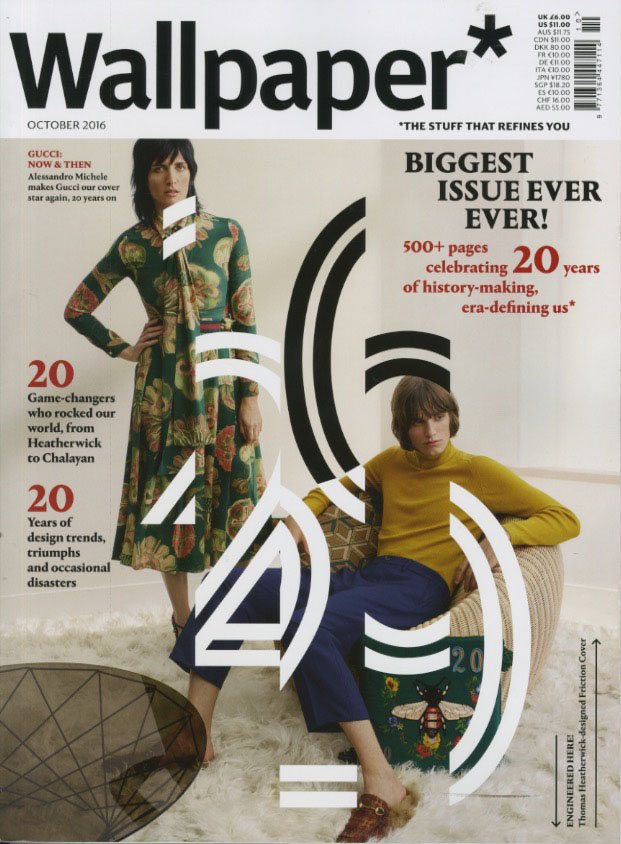
Awestruck, I stood in front of the newsstand just admiring all of the very special anniversary issues I was seeing: Town & Country celebrating its 170th anniversary issue; Science of Mind magazine, its 90th anniversary; Western Horseman publishing its 80th celebratory edition; Sky & Telescope proclaiming its 75th anniversary issue; Ellery Queen’s Mystery Magazine extolling 75 years also; Robb Report observing its 40th anniversary collector’s edition; Allure celebrating 20 years, along with Wallpaper*, which for its 20th has its biggest issue ever; and Consumer Reports celebrating 80 years with a new design, but the same timeless information.

science-of-mindwestern-horsemansky-telescopeellery-queenrobb-reportallurewallpaperconsumer-reports

And this is just a sample that I was able to peruse and finally drag myself away from. Of course, looking at those legacy titles and then seeing all of the new magazines out there each and every month that I keep on buying, collecting and documenting, titles that may or may not have that same staying power quality of the legacies (just check the Mr. Magazine™ Launch Monitor); I find myself wondering sometimes who will document those titles 20th, 40th, or 75th anniversary issues? It’s saddens me to think of all of these new titles that are coming to the marketplace that may have no one to blatantly celebrate their successes through their own generations. Ah – but that’s another musing.

Instead, I’ll just celebrate these anniversaries with some of my dearest friends and find satisfaction in knowing that as long as we have human beings, we’ll have magazines. And remember, if it isn’t ink on paper, it isn’t a magazine. And if it’s not ink on paper, I’m sure there won’t be any 170th anniversary two-cover editions like Town & Country’s even celebrated.

So, go grab these anniversary issues at the newsstand and give them your own Happy Anniversary recognition!

Until the next Mr. Magazine™ Musing…

h1

I Miss This Type Of Journalism: A Monthly Magazine Without Political Slant or Personal Bias…

September 30, 2016

From the Mr. Magazine™ Vault…
fullsizerenderfullsizerender_1

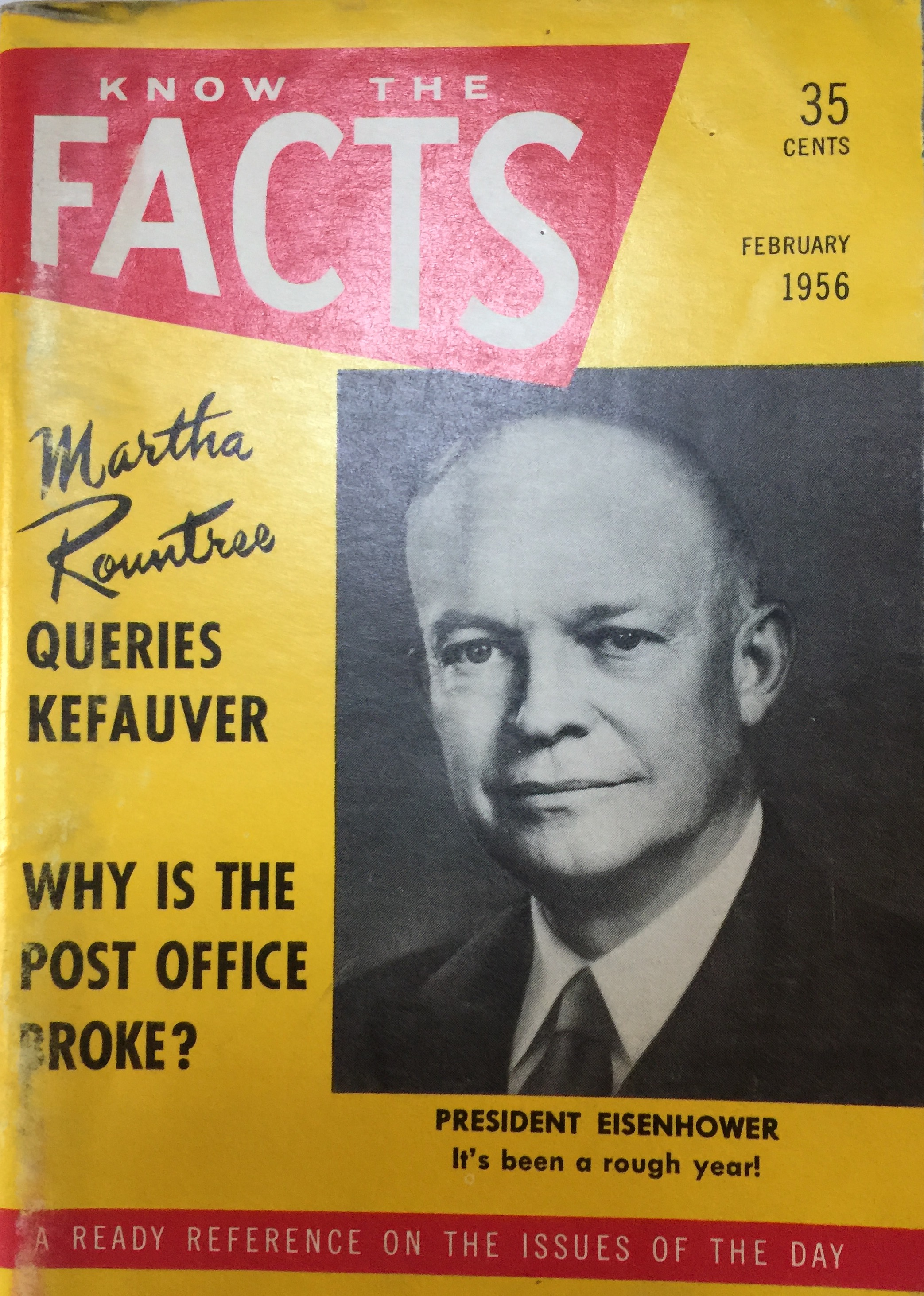
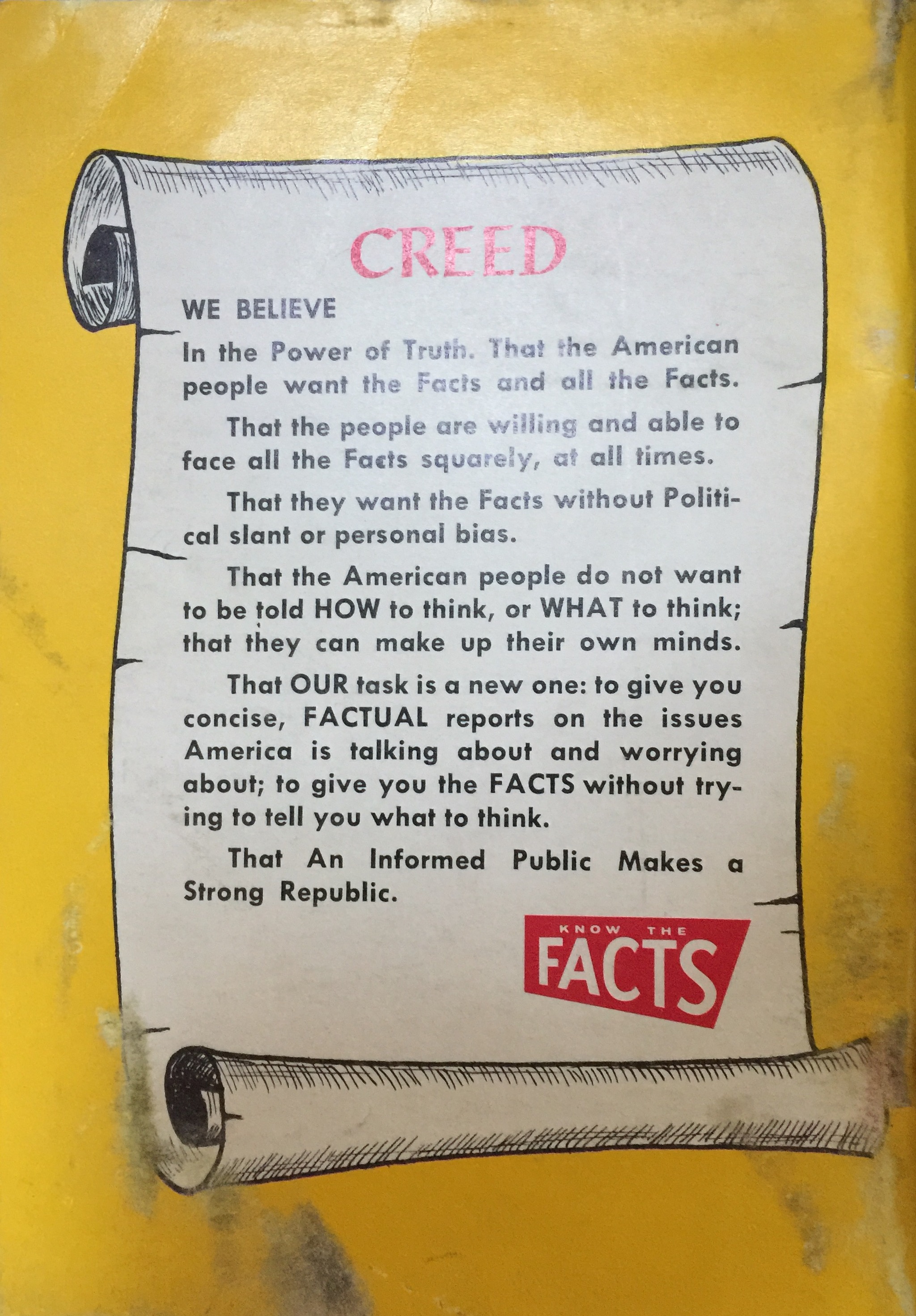
The above magazine Know The FACTS, with a tag line that reads,”A Monthly Magazine Without Political Slant or Personal Bias”. In addition to the tagline, the magazine published a creed on the back of its first anniversary issue dated February 1956. The Creed reads:

WE BELIEVE
In the Power of Truth. That the American people want the Facts and all the Facts.
That the people are willing and able to face all the Facts squarely, at all times.
That they want the Facts without Political slant or personal bias.
That the American people do to want to be told HOW to think, or WHAT to think; that they can make up their own minds.
That OUR task is a new one: to give you concise, FACTUAL reports on the issues America is talking about and worrying about; to give you the FACTS without trying to tell you what to think.
That An Informed Public Makes a Strong Republic.

That was 60 years ago and I do miss that type of journalism. No additional comments are necessary or needed. Enough said.

h1

Up In Arms Over Native Advertising? Why? It’s Been Going On For Years. A Mr. Magazine™ Musing.

September 23, 2016

The Mr. Magazine™ Series “From the Vault of Classic Magazines”
Part 4…

When you start an excavation into old magazines for purposes beyond research; in my case, the sheer love of the classics with their depth of content and a type of journalistic style that isn’t seen that much anymore; you begin to notice the things that haven’t changed as well as those that aren’t as prevalent. And the one very apparent fact is that native advertising wasn’t just invented in the 21st century with the rise of the Internet.

I was amazed and a bit stunned to find blatantly “native” advertising in two of the most respected and prestigious magazines, which are still around today, I might add, in classic editions.

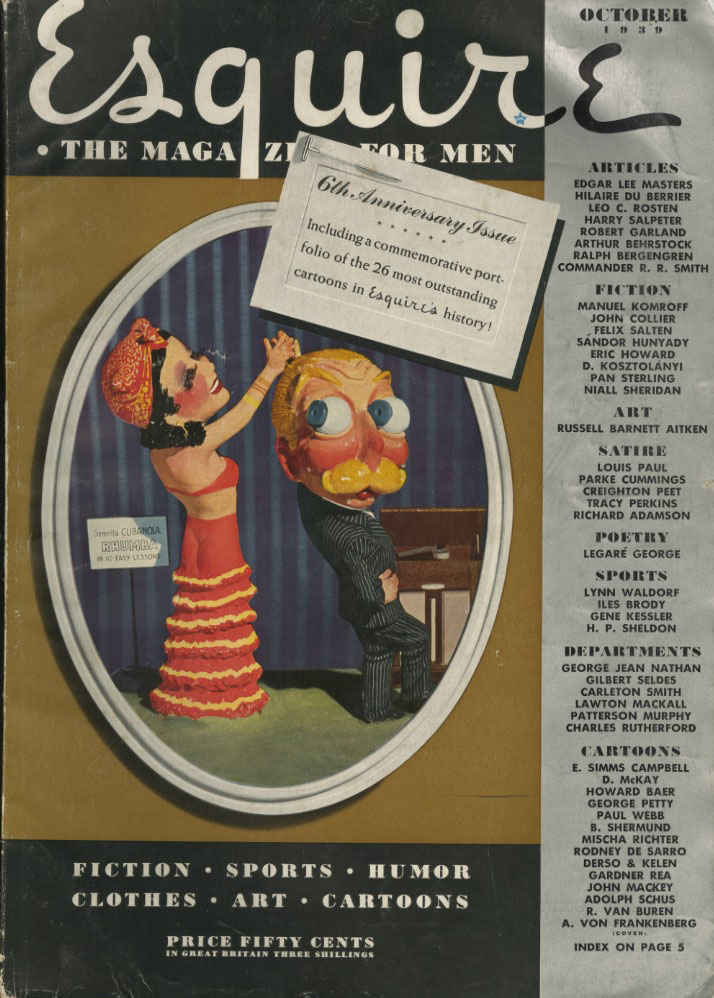
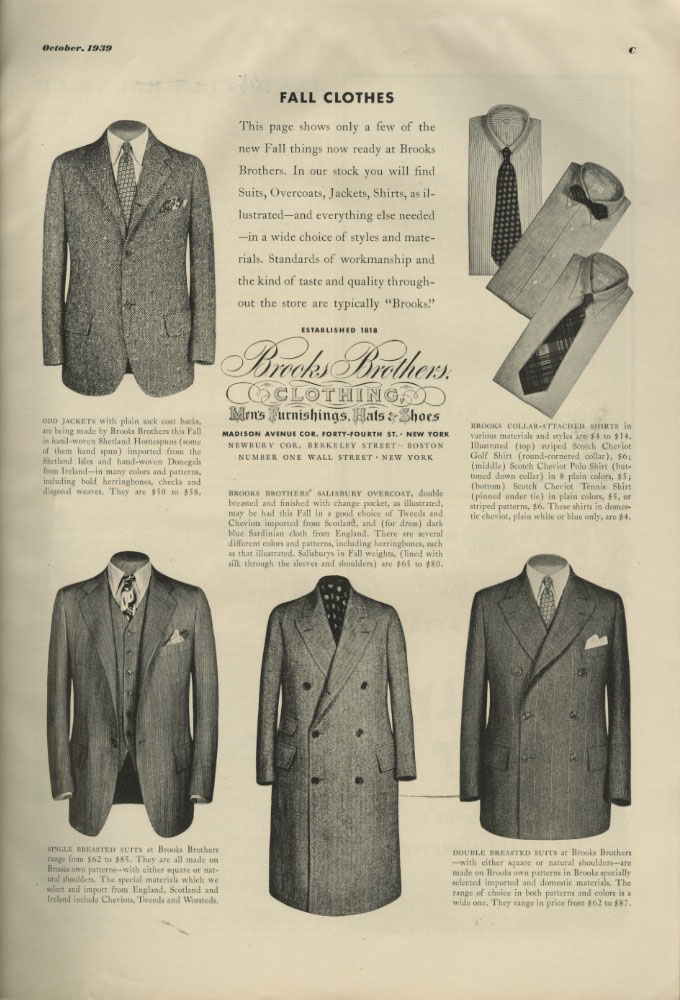
esquire-cover esquire-inside

From Esquire’s October, 1939 edition (well over 70 years ago), and I’m sure you could have counted that for yourself, yet I feel the need to verify it again to my own ears, just look at a Brooks Brothers ad that bears an extremely strong resemblance to an editorial page. The way the fashion is presented in the advertisement is very classy, yet appears as almost a story about the chosen garments.

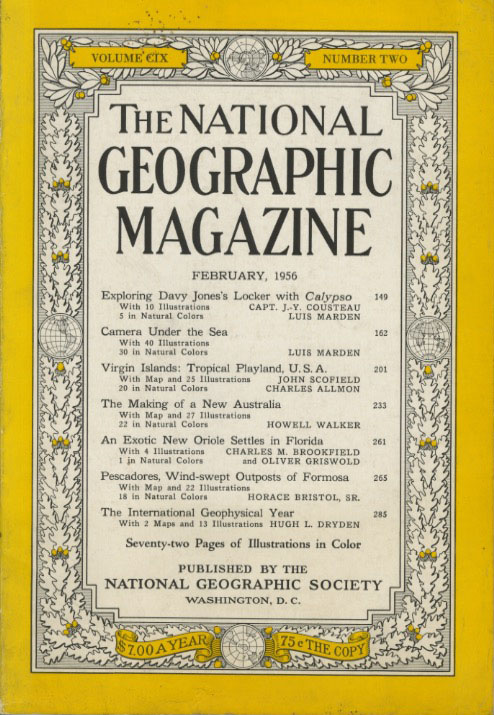
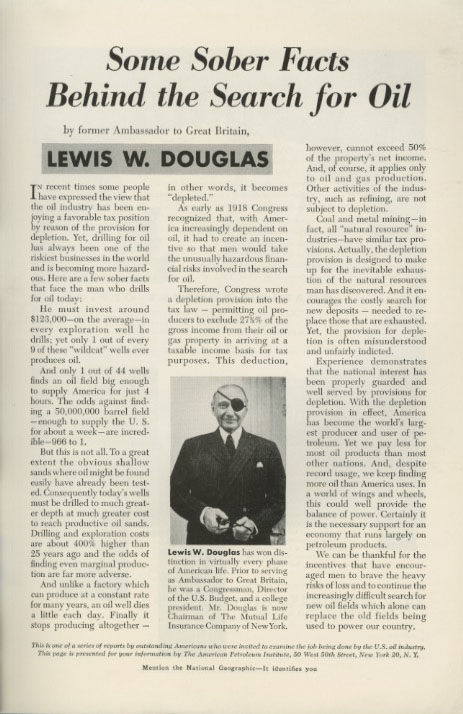
And then with National Geographic, which the edition on topic is from February 1956, there is an article written by a former Ambassador to Great Britain, Lewis W. Douglas, titled “Some Sober Facts Behind the Search for Oil,” which at the end of the article you read:

This is one of a series of reports by outstanding Americans who were invited to examine the job being done by the U.S. oil industry. This page is presented for your information by The American Petroleum Institute, 50 West 50th Street, New York 20, N.Y. Mention the National Geographic – It identifies you.

If this is not a brand voice, as our friends at Forbes like to call it, I must have a different idea of the term. And if the Brooks advertising isn’t native advertisement, yes…well, you get my meaning.

So before we let the horror of it all when it comes to native advertising offend and repulse us, just remember, there really isn’t anything new under the sun out there. Where we believe we’re the first to try something, whether it works or not, chances are there has been another Adam or Eve before us who have already proven or disproven the idea.

national-geographic-covernational-geographic-inside

Until the next Mr. Magazine™ “From the Vault of Classic Magazines…”

h1

Imagination… Or The Time When There Were No Google…

August 31, 2016

A Mr. Magazine™ Musing…

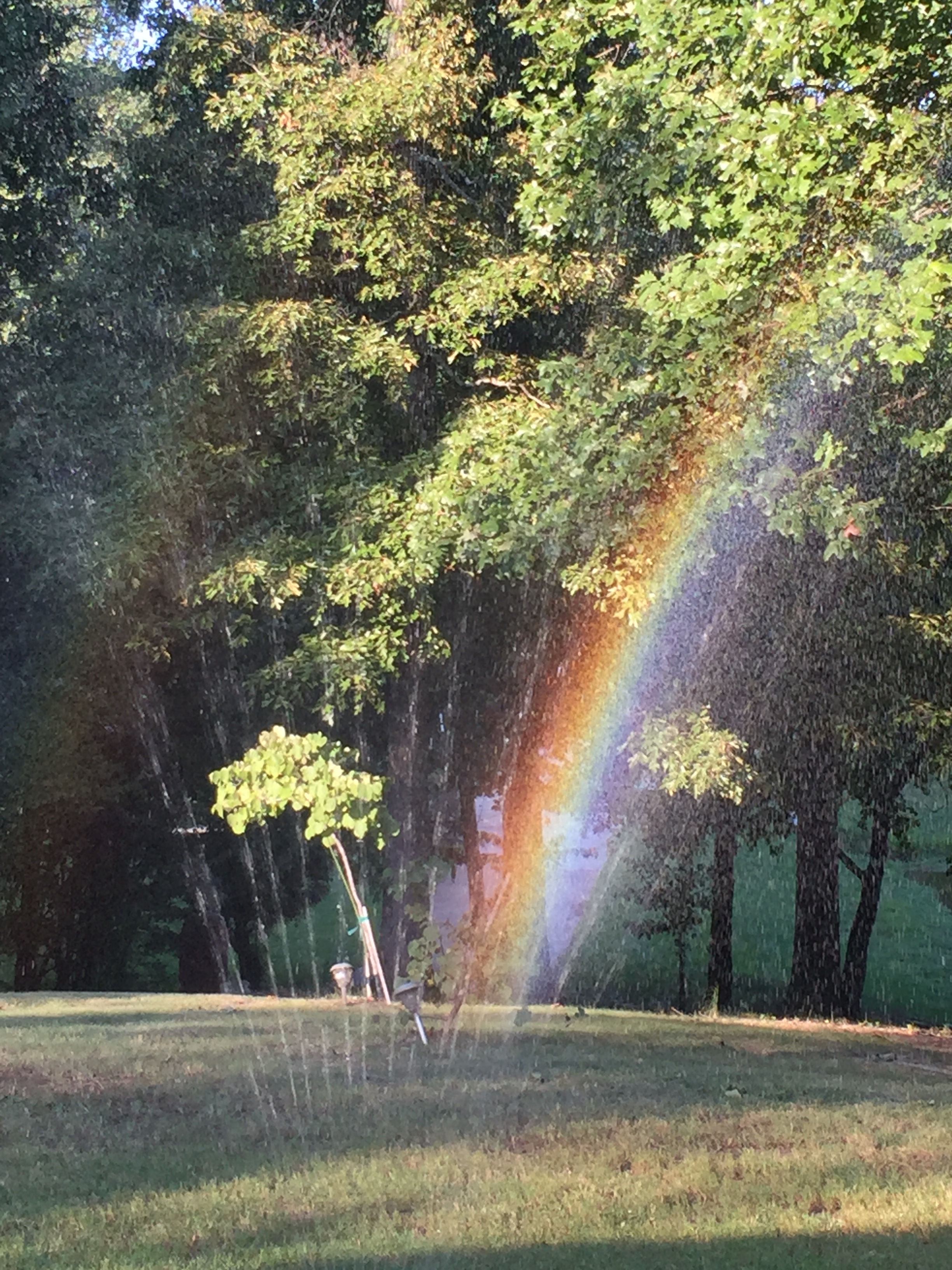
Rainbow in yardWhen you consider that someone had to imagine Google, or the Internet, for that matter, you may wonder why I’m concerned. However, when sudden realization dawns in your gray matter, the way that it did in mine, about what kind of havoc having every piece of information you could possibly ask for at the touch of your fingertips could wreak on future generations, let alone our own, I think you’ll understand the validity of this discussion.

Let me start where Google, and cyberspace, cannot: the beginning.

When I travel abroad; I visit the newsstands first, then I visit a lot of museums in many different countries, and I’ve always been amazed by all of the beautiful and provocative paintings from famous artists such as Rembrandt and Diego Velázquez. These are paintings by some of the masters of the 17th century. They had no digital images and no Internet, yet the paintings are so detailed. Though there were no pictures or other visuals to necessarily influence their work, their imaginations were so vivid and their research tactics so detailed they were able to visualize how history actually presented itself.

true romance True Story

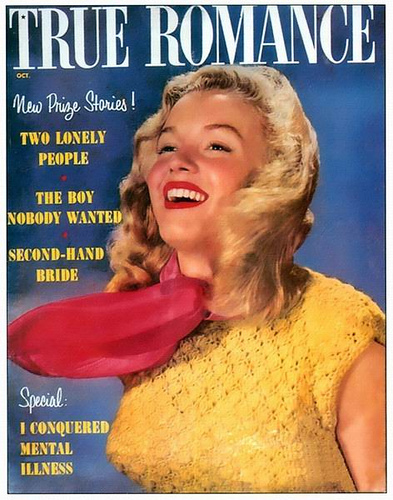
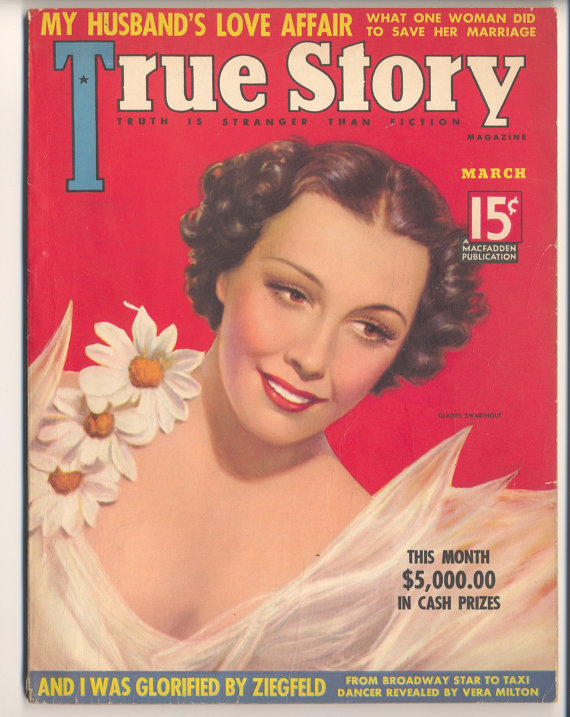
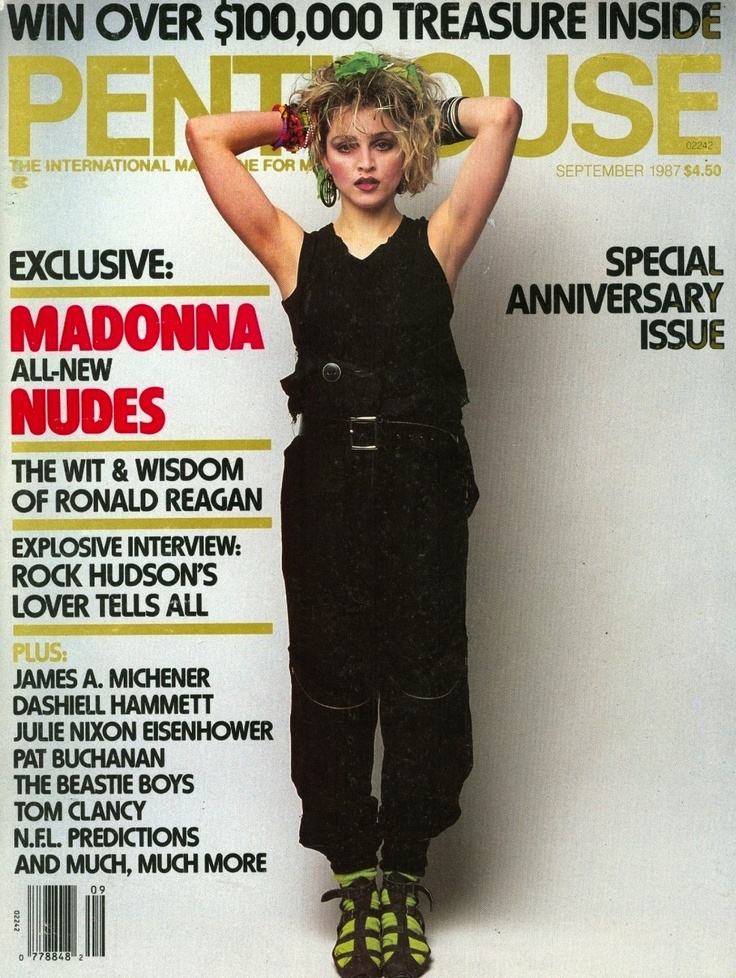
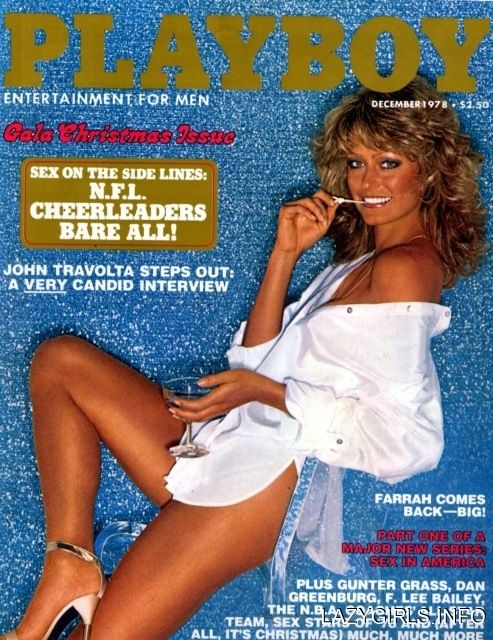
Fast forward to a time when we first had magazines in the U.S. Magazines like True Romance or True Story that would tell us tales of romance. The late Professor William Howard Taft at the University of Missouri-Columbia and author of “Magazines in the Eighties,” used to tell me while I was helping him collect data and magazines for his book, “but when that moment came and the couple retired to their boudoir, the bedroom door was slammed in your face penthouseplayboyand your imagination took over. Then Playboy magazine came along and flung the bedroom door open wide and invited us inside. Penthouse hit the scene with a shockingly blatant sweep of its scintillating hand and literally pulled the sheets from the couples’ bodies, showing us things we had only before imagined.” And if I may add, then the Internet came along and nothing was sacred anymore. Not even your imagination.

It was after pondering these intriguing points of fact that I began to formulate a question in my brain: when you have access to everything, both good and bad, what happens to your imagination?

After that initially disturbing self-inquiry, other questions began to hit in rapid succession: What’s going to happen to our future? What’s going to happen to the importance of research and study? Will we ever discover anything again if we have all-access at our fingertips? With a click of the mouse, we can answer any questions our brains can come up with in mere moments.

In previous years (translated: before Google and its cyber-relatives), if I wanted to know something I would go to the library and start digging through different books. And invariably, as I was searching through these things, looking for what I originally sought, I would be delightedly surprised to find something else that I did not know about, and in fact, had no idea that I even wanted to know about until discovering it. Are those types of moments gone forever?

With the dependence and importance that we put on the Internet each and every day, are we significantly damaging our interpretative and cognitive research and study skills? It is a most legitimate question, and one that is disturbing when we consider the weight of our online presence.

Baroness Susan Greenfield is a British scientist, writer, broadcaster and speaker. Greenfield is Senior Research Fellow at Lincoln College, Oxford University, and was Professor of Synaptic Pharmacology. She is also interested in the neuroscience of consciousness and the impact of technology on the brain. In an article she wrote for The Guardian, titled “We are at risk of losing our imagination,” she makes a startling comparison:

When you read a book, the author usually takes you by the hand and you travel from the beginning to the middle to the end in a continuous narrative of interconnected steps. It may not be a journey with which you agree, or one that you enjoy, but none the less, as you turn the pages, one train of thought succeeds the last in a logical fashion. We can then compare one narrative with another and, in so doing, start to build up a conceptual framework that enables us to evaluate further journeys, which, in turn, will influence our individualized framework. We can place an isolated fact in a context that gives it significance. So, traditional education has enabled us to turn information into knowledge.

 Now imagine there is no robust conceptual framework. You are sitting in front of a multimedia presentation where you are unable, because you have not had the experience of many different intellectual journeys, to evaluate what is flashing up on the screen. The most immediate reaction would be to place a premium on the most obvious feature, the immediate sensory content, the “yuk” and “wow” factor.

You would be having an experience rather than learning. The sounds and sights of a fast-moving multimedia presentation displace any time for reflection, or any idiosyncratic or imaginative connections we might make as we turn the pages, and then stare at a wall to reflect upon them.

So, today, are folks turning information into knowledge without the proper conceptual framework? And what about the creative side of things for all of us? What about our imaginations? If we can’t imagine the outcome, if we always have the answers to each and every question at our fingertips; how do we weave dreams and fantasize about “Somewhere over the Rainbow” when we can find out with a click that it doesn’t exist?

These are questions that are impactful because they’re relative to our futures and the futures of our children and grandchildren. These are questions that we should all ask ourselves whenever we tell one of those impressionable minds to pull up a seat at the computer and ask Google.

Until next time…

See you at the library or better yet at the newsstands…

h1

Factoids From Show, American Cavalcade and Ken Magazines. From My Vault of Classic “New” Magazines – Part 3.

August 26, 2016

A few weeks ago I used the very secret combination to my very beloved vault of classic “new” magazines to begin this “The Way We Were” journey. It has been an extremely eye-opening experience. To say that there is much to be learned from these masters of journalism and creativity would be an understatement.

In Part 3, I wanted to share some very important points of interest from these classic first editions with you, and a few comparisons I’ve made between yesterday and the magazine media world in which we live today.
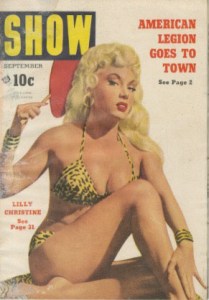
 

show


Show magazine Vol. 1, No. 1, launched in September 1952 and was ad free. It was a small sized magazine, able to fit into a gentleman’s pocket (thus the name pocket-sized magazine), and featured the famous burlesque exotic dancer and men’s magazine model of the late 1940s through the early 1960s on its cover. The intro reads:

Show is a magazine of excitement. Most of it comes from the world of entertainment – the hush of a Broadway first night, the antics of a TV comedian. Some comes from the way people live – in small, sleepy towns; on the champagne-splattered sand of the Riviera. Wherever people enjoy life with zest and abandon, this is Show.


This magazine promises you an experience with that description. I mean, if the words chosen and the order in which they were placed doesn’t conjure up an escape unlike any you have felt in a long time then you’ve definitely been staring at pixels too long. THIS is an experience and this magazine is an experience maker. Tangible and completely palpable; Show is a magazine that could teach us all some very important “new” adjectives just from the intro alone.
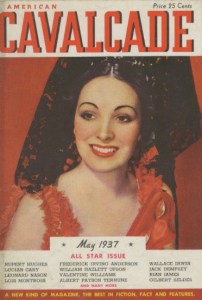
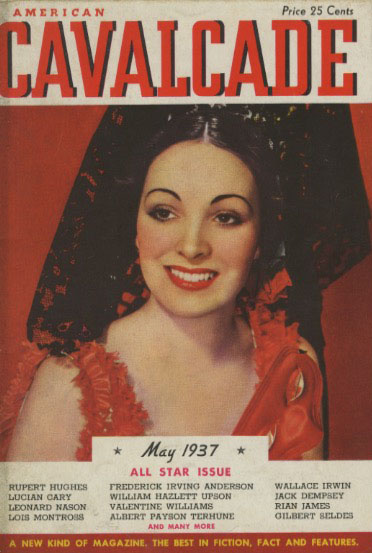
 cavalcade

American Cavalcade was first published in May 1937 and was totally ad free as well. The title alone brings an image of a procession or a parade to mind. A procession of great “fiction, facts and features,” with fascinating photos and illustrations. Its editor, Thomas B. Costain took the entire back page of the first issue to define his idea of what a magazine is, and oddly enough, things haven’t changed too much in that respect over the years:

It is the firm conviction of the publishers and the editors of Cavalcade that all material presented in magazines today should be brief and swift; that fiction should be conceived and written in the vivid lengths which O. Henry employed and in which Kipling and De Maupassant told their finest tales; that articles, always more vital and interesting when concerned with events and people, should tread closely on the heels of news.

 It is our conviction also that periodical readers are being surfeited with opinion, with argument, with analysis of conditions and debate of trends. It is not our aim to be too serious, nor is it our intent to instruct or uplift the over-instructed and too vehemently uplifted public. We shall be content if we succeed in diverting and entertaining the readers who are kind enough to venture along with us.

The opportunity to tell stories in this length will, we are sure, create a new school of writers, and will be welcomed by established authors as well. Certainly nothing could be more gratifying than the avidity with which the leaders in the fiction field today have accepted the length. Our numbers, we are proud to say, will teem with the best names in the magazine world, with writers whose technique has been developed to such a high peak of perfection that their product has the strength and the richness of old wine.

We are equally proud to say that this old wine will be presented in the most modern of bottles. Our art editors have developed a method of presentation, which, we believe, is arrestingly new.

 In today’s digital age, brief and to the point has become the catch phase in all media forms; short, newsy articles have become the mainstay for websites, mobile and even print at times. The long, flowing articles once relished by many magazines, were replaced by word counts that would embarrass and shame Truman Capote. But thankfully, in print, long form is returning and the art of storytelling using diversion and entertainment is being carried on, as we realize daily how important our escape from the short, new lengths we refer to today as notifications really is.
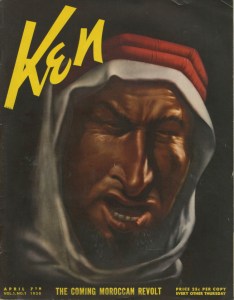
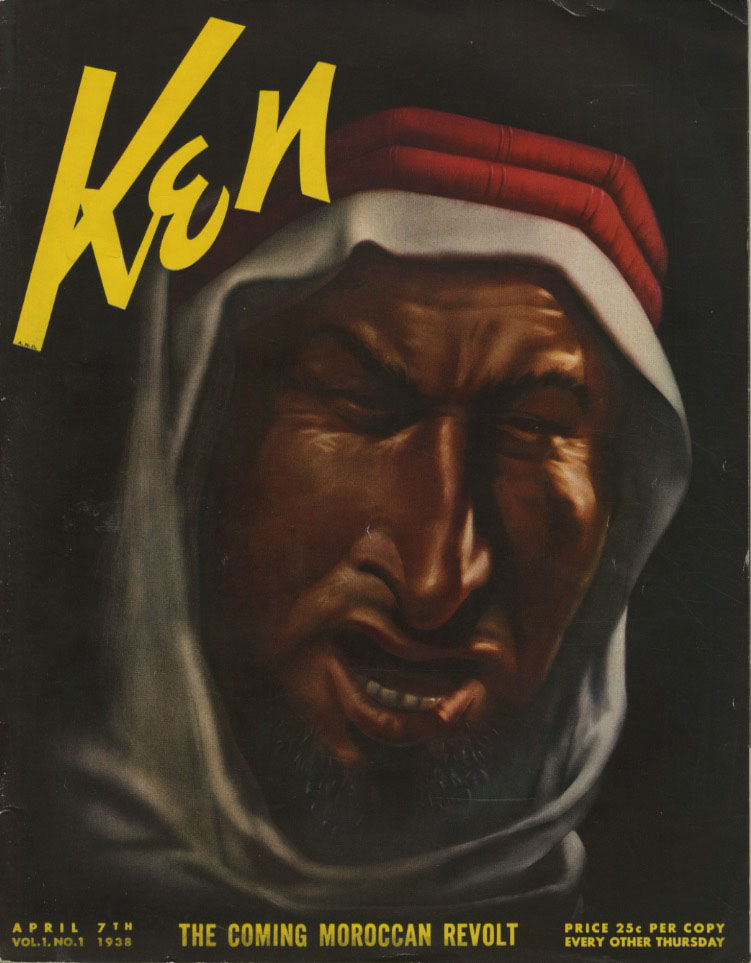
ken72


Ken Magazine was launched on April 7, 1938. It was a large format magazine that was political in nature and a bit controversial for its time. Ernest Hemingway was a contributor for the short-lived magazine that was published every two weeks on Thursdays. Hemingway was also contracted to be an editor for the magazine, but didn’t seem to be in a hurry to fulfill that job duty. In fact, by the time the first issue actually hit newsstands, there was this disclaimer in the magazine:


“If he sees eye to eye with us on Ken, we would like to have him as an editor. If not, he will remain as a contributor until he is fired or quits.”

It seems Hemingway insisted on the disclaimer and the magazine obliged, as Hemingway was a bit skeptical about Ken’s political leanings. Either way this was a magazine that’s first issue said a lot about both the content of the magazine and the content of one journalist’s character.

These points of interest from the past  are made to rejuvenate today’s innovators and creators of magazines by reminding them of a few of our own discoverers; the Christopher Columbus’s, if you will, of the world of magazine media. The entrepreneurs and the risk-takers of the past were no different than those of the 21st century, except for maybe the lessons they learned. And now, we are the ones learning.


Until next time when we open the Mr. Magazine™ classic “new” magazine vault…

h1

From My Vault Of Classic “New” Magazines – The Business Week And The New Yorker. Part 2.

August 12, 2016
A Mr. Magazine™ Musing
 I am going to go ahead and open my classic “new” magazines’ vault and start reporting on some words of wisdom editors, publishers, marketers and circulation folks used to write to introduce their new magazines, their readers, and their advertisers.
Consider this an informative journey down memory lane, for there is much we can learn from these masters; things we can either repeat or avoid in today’s marketplace.
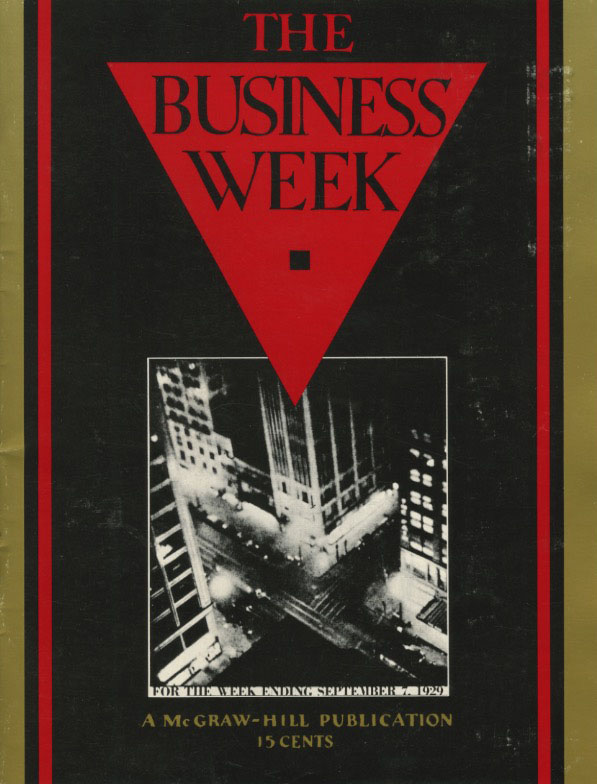
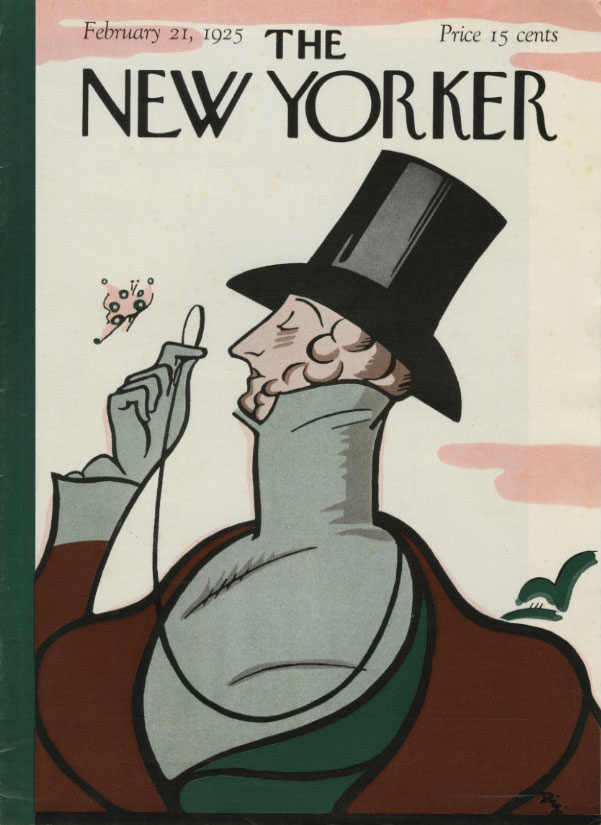
In part two of this “classic new magazines” musings, I look at the first issues of  THE BUSINESS WEEK, September 7, 1929 and THE NEW YORKER, February 21, 1925.  Notice the importance of the word “THE” in both titles.
The Business WeekThe Business Week:  No. 1
Mission statement:
Malcolm Muir, President of McGraw-Hill Publishing Co. wrote in the first issue:
“THE BUSINESS WEEK herewith makes its first appearance — on a great plan, with a high ambition. Its ambition is to become indispensable — no less — to the business man of America.  Its plan, we trust, shows forth in its pages.”
“Swiftly, intelligently, tersely, it tells the week’s business news, and the news of business. The distinction is not fine-spun. Business news impinges upon business from outside — news of the tariff, of the reparations settlement, of crops. New of business originates within business — news of developments in management technic, of improved production process, and (outstanding these days) of changes in marketing methods.”
Curation at its best:
“The whole story of the week is set forth in compact limits, a study in the fine art of saving the reader’s time. Nothing irrelevant is included; nothing really important is omitted.”
Strong editorials and opinions:
“You will find THE BUSINESS WEEK always has a point of view, and usually a strong opinion. Both of which it does not hesitate to express.
You may find a little humor somewhere, if you look sharp.
And all the way through, we hope, you will discover it is possible to write sanely and intelligently of business without being pompous or ponderous.
We hope you will miss those vague but solemn generalities about business that pass so often for deep wisdom.”
The New YorkerThe New Yorker: Vol. 1, No. 1
A who’s who:
Advisory editors: Ralph Barton, Marc Connelly, Rea Irvin, George S. Kaufman, Alice Duer Miller, Dorothy Parker, Alexander Woollcott
A good starting point:
“One of the first things you do in starting a magazine, after you have got the notion to do it and, as our advertising friends say, sold your associates on the idea, is to rent an office and the next thing you do is get a telephone.”
Mission statement:
“THE NEW YORKER starts with a declaration of serious purpose but with a concomitant declaration that it will not be too serous in executing it. It hopes to reflect metropolitan life, to keep up with events and affairs of the day, to be gay, humorous, satirical but to be more than a jester.”
“It will publish facts that it will have to go behind the scenes to get, but it will not deal in scandal nor sensation for the  sake of sensation.”
The audience:
“It will conscientiously to keep its readers informed of what is going on in the fields in which they are most interested. It has announced that it is not edited for the old lady in  Dubuque. By this it means that it is not of that group of publications engaged in tapping the Great Buying Power of the North American steppe region by trading mirrors and colored beads in the form of our best brands of hokum.”
Until next time, read, learn and laugh… All the best.
h1

From My Vault Of Classic “New” Magazines – Real Needs And TIME. Part 1.

August 10, 2016
A Mr. Magazine™ Musing
Starting today, I am going to go ahead and open my classic “new” magazines’ vault and start reporting on some words of wisdom editors, publishers, marketers and circulation folks used to write to introduce their new magazines, their readers, and their advertisers.
Consider this an informative journey down memory lane, for there is much we can learn from these masters; things we can either repeat or avoid in today’s marketplace.

My first two magazines are Real Needs from 1916 and TIME from 1923. Enjoy.
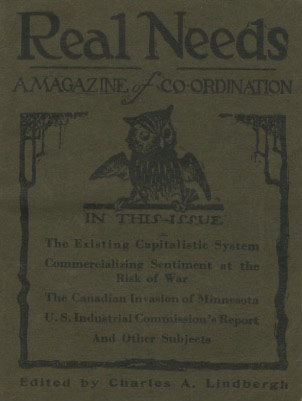
Real NeedsReal Needs: A Magazine of Co-Ordination Vol. 1, Number 1, March 2016
Edited by Charles A. Lindbergh

Magazines are permanent

“The first number of this Magazine, though published in December, bears the date of March. That is because it is to be a permanent publication, and it will take until March to do the organizing.”

Magazines are real information providers

“As the Magazine is published mainly for the purpose of furnishing information that is usually kept from the public, and which should be known by everybody, I ask those who believe in the work to aid in giving it circulation. After reading a copy, unless you desire to preserve it, hand it to someone else to read.”

Magazine’s Ad/Ed ratio

“This magazine will be published in the form of a small book, suitable to carry in a coat side pocket… Only 16 pages can be allowed for advertising out of 192 pages in each issue, so better get the space early.

TIMETIME: The Weekly News-Magazine Vol. 1, No. 1 March 3, 1923

From the Masthead:

TIME, the Weekly News-Paper. Editors – Briton Hadden and Henry R. Luce.

The Magazine’s Audience

Roy E. Larsen, Circulation Manager of the magazine reports in the first issue:

“Time The Weekly News-Magazine

  • the man who wants the fact
  • the man who wants to do his own thinking after he has the facts
  • the busy man

Is there such a man?”

“The response to the announcement of the News-Magazine idea has supplied the answer. Such a man exists.”

Audience Psychographics and Demographics Circ. 1923

“Who is he? Is he merely a distinguished citizen? Is he necessarily President of a great university? or an Ambassador? or a Magnate? or a Bishop? or a Member of the United States Senate? As a matter of fact the man was found in Ohio, among the lesser nobility. It is also discovered in flight to Florida. His twin-likeness was tracked down in Boston, and the postmaster reported his alias – in Chicago.”

“He must live somewhere! Of that there is no possible doubt, no possible probable shadow of doubt, no possible doubt whatever. Furthermore, he is not as elusive as the Scarlet Pimpernel, nor as extinct as the Dodo.”

Until next time, stay tuned!