“The first issue is always the easiest issue to get out. The second issue is probably the hardest one that you’re ever going to do because it just doesn’t come as easy as the first one did. Then once you hit number three and four, and so on, then I think you get those processes down.”
“You asked something about print earlier. And why I’m still doing print. I still walk into neighborhood houses and see a copy of our magazine on the coffee table or see another magazine on a coffee table. And I was thinking to myself why do people keep this stuff right here? Why are they referencing this stuff on their coffee tables?”
A quarterly print publication that showcases one of the fastest growing cities of the Dallas/Fort Worth area, Richardson Life Magazine (RLM) is as unique and interesting as Richardson, Texas itself. The magazine promotes upcoming events and connects people with their local neighbors while educating and informing them.
Mike Obert is a businessman extraordinaire and knew the voice and flavor of Richardson would bring people to the magazine like a pied piper. So along with his wife they decided now was the perfect time to breathe life into the dream. And so RLM was born.
Mr. Magazine™ hopes you enjoy this fascinating read with a man who is still a strong believer in print and proves it every time with his new magazine. The Mr. Magazine™ interview with Mike Obert, Publisher, RLM Magazine.
But first the sound bites:
On why he still believes in print and city/regional magazines in this day and age: I think print still resonates. And for doing city/regional type magazines, I think they’re extremely strong because I believe each city needs some sort of voice or flavor to go to for the information they want and need about some particular city.
On why now was the right time to publish this magazine: I think we’ve had success in some of the community magazines that we’ve done. And we just knew that the city that we were in needed that same sort of voice and there was nothing out there. We looked at it for probably two years and just decided to go ahead and launch this thing. And we’ve had tremendous response and feedback from people saying this is awesome.
On the many hats he wears and which he prefers; being a magazine publisher, ad guy, or outsource person: Probably a magazine publisher. I love that back-of-the-napkin strategy of putting numbers together. And should we do this story or this feature, and can we target these advertisers? So the publishing part to me is very exciting.
On whether it was a walk in a rose garden publishing this magazine or there were some challenges along the way:The launch of the magazine, because of the outsourcing that we do as well, probably made it a little bit easier for us to put it together because the engine was already there to put together a publication and get a website out.
On how an outsourcing company helps when launching a magazine: I think for me, the outsourcing provided us a lot of that back office-admin type stuff. Sending invoices, tracking payments, making sure ad copy was in. All those small little details that in the past for me has kept me up late at night.
On how he overcame any challenges with the magazine: I think it’s all process-oriented. Creating that process, even as you’re going through it, even if it’s an initial launch; when you’re going through that process you make sure that you’re documenting all the steps so that it’s easier for people to walk in. My take on any city/regional community type magazine that I’ve been a part of, is first off having that formula and the formula being what’s going to be my content?
On whether he and his team have ever questioned what was or was not in the magazine: I think you always kind of second guess it. I’m probably not a perfectionist. To me it’s always get it out, we can fix it and correct it. Print it. I’ve had a lot of conversations with my editor about the digital side of things and it doesn’t have to be perfect to get it out, because you can always change the digital side of things. The print side of things, I get it, let’s make sure that we’re not making a huge mistake or doing something that we don’t want to be out there.
On when someone asks him for advice on starting a new magazine, does he encourage or tell them they’ve lost their minds: I normally say, don’t do it. That’s the first thing I say, don’t do it. And then I say, why do you think you should do this? And then it’s what I said earlier. I think there’s been a lot of great editorial and content ideas that have been out there. It all comes down to that salesperson. And how are you going to generate revenue. A lot of people overlook that.
On how important it is to him to be a part of the community his magazine is about: I think it’s pretty important that they have the contacts, that they know the people to go after. I always tell people that I’m changing the world one quarter page at a time. I still sell ads. But I think I’m doing it not in an overbearing way. People know what my product is, and they know who I’m reaching.
On what he hopes to say about the magazine in a year: I would say a year from now that we’ll have a more clear formula for each issue. We’ve got a good blueprint in place. I think we’re still tweaking it a little bit, but as I said we don’t want to reinvent every issue. It doesn’t have to have something about new restaurants in Richardson or what new businesses have been launched around here.
On his busyness and when he sleeps: The outsourcing company has taken a ton of work off my plate. I’ve got my own personal executive assistant that does a lot of tasks for me. Before this call, I was on with her talking about the three things I need to get done today, including putting our digital issue up online and getting the social media plan ready for whenever issue number two drops. So all those kind of things are flowing through other people, which will free up the time that I have.
On any critique he’s had so far on the magazine: If I had any type of critique for issue number one it was the distribution and the circulation. Richardson is a town of 100,000, and we sent it to 15,000 people. Kind of cherry picked some of the different neighborhoods, more affluent neighborhoods. So if I had any kind of critique it was why didn’t you send it to 100,000 people? And that costs a lot of money. (Laughs) But that’s the only feedback that I’ve gotten on what I could have done differently.
On anything he’d like to add: There was one thing I was thinking about. I think you said something about print earlier. And why I’m still doing print. I still walk into neighborhood houses and see a copy of our magazine on the coffee table or see another magazine on a coffee table.
On what keeps him up at night: The price of paper. That keeps me up, though I think it’s kind of stabilized a little bit. From the business perspective there’s some things that I’m working on, such as some acquisitions. And I’m diligently working through a lot of spreadsheets. And it’s dipping my toe in the water versus jumping cannonball style in the deep in and let’s go. So I think that’s the main thing that’s been keeping me up at night right now, how fast do I want to go?
And now the lightly edited transcript of the Mr. Magazine™ interview with Mike Obert, Publisher, RLM Magazine.
Samir Husni: You’re a man of many hats, including now publishing a magazine for the city of Richardson, Texas. What’s the idea behind publishing a new city magazine, and specifically in print in this day and age?
Mike Obert: I think print still resonates. And for doing city/regional type magazines, I think they’re extremely strong because I believe each city needs some sort of voice or flavor to go to for the information they want and need about some particular city. And with the decline, I think of newspapers having the daily news content, that information, there still needs to be something that is going to tell the story of a city or a region. So that’s why I’m a big fan, a huge fan of the city/regional magazines.
Samir Husni: And what about the timing? I take it you and your wife are the engines behind this magazine?
Mike Obert: We are.
Samir Husni: Why did you decide now was the right time for this magazine?
Mike Obert: I think we’ve had success in some of the community magazines that we’ve done. And we just knew that the city that we were in needed that same sort of voice and there was nothing out there. We looked at it for probably two years and just decided to go ahead and launch this thing. And we’ve had tremendous response and feedback from people saying this is awesome.
Samir Husni: From the many hats you wear, which one do you prefer? Being a magazine publisher, ad director, or an outsource guy?
Mike Obert: Probably a magazine publisher. I love that back-of-the-napkin strategy of putting numbers together. And should we do this story or this feature, and can we target these advertisers? So the publishing part to me is very exciting.
Samir Husni: Has this magazine been a walk in a rose garden for you to publish or have you faced some challenges along the way?
Mike Obert: The launch of the magazine, because of the outsourcing that we do as well, probably made it a little bit easier for us to put it together because the engine was already there to put
together a publication and get a website out. I always say when launching any type of magazine, you’ve got to have good content and you’ve got to have a salesperson. Without those two things nothing else is going to work. So just making sure that I had those two things in place, I could plug the rest of it in later.
Samir Husni: What do you surrender from an outsourcing company that helps someone launch a new magazine?
Mike Obert: I think for me, the outsourcing provided us a lot of that back office-admin type stuff. Sending invoices, tracking payments, making sure ad copy was in. All those small little details that in the past for me has kept me up late at night.
The sending out of emails, where people wake up the next morning and ask, what were you doing up till 1:00 or 2:00 in the morning. Even little things like charging credit cards after an issue goes out; it’s all just a very time consuming, repetitive task. And so the outsourcing firm that we have provides me the extra time so that I can get other things done for the magazine and keep it going.
Samir Husni: Going back to the rose garden, did you have any challenges along the way and if so how did you overcome them?
Mike Obert: I wouldn’t say it was a thorny Rose Garden. There were roses there and it felt good. But every time you picked a flower you might have had a little bit of a challenge picking that flower because of the thorns on it.
How did we overcome it? I mean, I think it’s all process-oriented. Creating that process, even as you’re going through it, even if it’s an initial launch; when you’re going through that process you make sure that you’re documenting all the steps so that it’s easier for people to walk in. My take on any city/regional community type magazine that I’ve been a part of, is first off having that formula and the formula being what’s going to be my content? I stress with my editors and my content, don’t reinvent the magazine every time we go to press because it’s just going to be too difficult.
The first issue is always the easiest issue to get out. The second issue is probably the hardest one that you’re ever going to do because it just doesn’t come as easy as the first one did. Then once
you hit number three and four, and so on, then I think you get those processes down. You figure out what’s going to be easier, pieces of content to be able to do each month, and you’re not trying
to hit a home run with every issue per se, but you need to have that templated format so that you can generate that content and get that publication to print.
Samir Husni: Did you ever think after the first issue was out that we should not have had this in it or oops we failed to mention this?
Mike Obert: Yes, I think you always kind of second guess it. I’m probably not a perfectionist. To me it’s always get it out, we can fix it and correct it. Print it. I’ve had a lot of conversations with my editor about the digital side of things and it doesn’t have to be perfect to get it out, because you can always change the digital side of things. The print side of things, I get it, let’s make sure that we’re not making a huge mistake or doing something that we don’t want to be out there.
But at the same time let’s not over polish the apple on every issue. Things are going to happen. So I come from that standpoint of let’s just learn from it and move on. Where my editor was stressing all the way up to the last second, asking did I change that? Is that correct?
Samir Husni: If somebody asks you about starting a new city/regional magazine, do you encourage them or tell them they’re out of their minds?
Mike Obert: I normally say, don’t do it. That’s the first thing I say, don’t do it. And then I say, why do you think you should do this? And then it’s what I said earlier. I think there’s been a lot of great editorial and content ideas that have been out there. It all comes down to that salesperson. And how are you going to generate revenue. A lot of people overlook that.
And the ad sales part, it’s not rocket science. But it’s not easy. So just making sure that you’re aligned with that person. A lot of publishers become that salesperson because they are so passionate about their product and their market that they take that part on and people trust them. And so they’re willing to advertise with them.
But I do tell people whenever they come to me to pause for a second. Make sure that you understand the sales part of it before you just jump in.
Samir Husni: In your case, how important is it for the salesperson to be a part of the community or a resident of the community if you’re going to launch a city magazine?
Mike Obert: I think it’s pretty important that they have the contacts, that they know the people to go after. I always tell people that I’m changing the world one quarter page at a time. I still sell ads. But I think I’m doing it not in an overbearing way. People know what my product is, and they know who I’m reaching. So I’ll probably get more people calling in about wanting to reach this audience.
There’s a lot of times you can send out emails or talk to people about getting into the magazine. But I think you need to have somebody that knows the key people and the right people to be able to launch the magazine.
Samir Husni: If you and I are talking a year from now, what would you hope tell me about RLM?
Mike Obert: I would say a year from now that we’ll have a more clear formula for each issue. We’ve got a good blueprint in place. I think we’re still tweaking it a little bit, but as I said we don’t want to reinvent every issue. It doesn’t have to have something about new restaurants in Richardson or what new businesses have been launched around here.
So if you’re coming to me from a year from now, I would say that. I’ve got that formula for the Richardson Life Magazine out. I’ve got a bunch of committed advertisers that are in for a year or two years’ worth of commitments. And we’re getting content that’s coming to us through the front door, and that we’re not having to completely reach out every time.
Samir Husni: You launched this magazine; you still have your outsourcing business; you have your family to take care of; when do you sleep?
Mike Obert: (Laughs) It’s a good question. I’m pretty consistent with going to bed as soon as the kids all go to bed. I’m always the first one up around the house so that I can get some things in before things start moving around here.
And it’s summer here. Things are a little crazier than normal. But the outsourcing company has taken a ton of work off my plate. I’ve got my own personal executive assistant that does a lot of tasks for me. Before this call, I was on with her talking about the three things I need to get done today, including putting our digital issue up online and getting the social media plan ready for whenever issue number two drops. So all those kind of things are flowing through other people, which will free up the time that I have.
Samir Husni: You mentioned that the reaction for the first issue has been very positive. Did
anybody critique anything?
Mike Obert: If I had any type of critique for issue number one it was the distribution and the circulation. Richardson is a town of 100,000, and we sent it to 15,000 people. Kind of cherry picked some of the different neighborhoods, more affluent neighborhoods. So if I had any kind of critique it was why didn’t you send it to 100,000 people? And that costs a lot of money. (Laughs) But that’s the only feedback that I’ve gotten on what I could have done differently.
Samir Husni: When is the second issue coming out?
Mike Obert: The second issue is at the printer right now and it should be out very soon.
Samir Husni: Is there anything you’d like to add?
Mike Obert: There was one thing I was thinking about. I think you asked something about print earlier. And why I’m still doing print. I still walk into neighborhood houses and see a copy of our magazine on the coffee table or see another magazine on a coffee table. And I was thinking to myself why do people keep this stuff right here? Why are they referencing this stuff on their coffee tables?
I’ve had a lot of advertisers that I’ve talked to about the difference between advertising in a city/regional community type of magazine versus just direct mail. And I’m mailing all of our magazines directly to homes. My point always has been when I go to the mailbox and I pick up
everything out of the mailbox, a magazine doesn’t go straight into the trash. It usually sits out and people will flip through it.
Sometimes I don’t know if my wife wanted this magazine or not, so I’m not going to toss it out. If I go and I get those 4X6 direct mail pieces, those are typically, if it doesn’t relate specifically to me, those are going straight into the trash.
So I always think of it of like I’m impacting these local community retailers, businesses and shops by delivering the audience they want to reach. So I’m connecting businesses with consumers. And to me, I think it’s pretty powerful that people hold on to these. They collect them. They know their neighbors, they know the different businesses. So to me, that just gives me a little bit of passion to what I do.
Samir Husni: My typical last question, what keeps you up at night?
Mike Obert: The price of paper. That keeps me up, though I think it’s kind of stabilized a little bit. From the business perspective there’s some things that I’m working on, such as some acquisitions. And I’m diligently working through a lot of spreadsheets. And it’s dipping my toe in the water versus jumping cannonball style in the deep in and let’s go. So I think that’s the main thing that’s been keeping me up at night right now, how fast do I want to go?
“We tend to reach consumers over 40 plus or 50 plus, who grew up with magazines, loved the experience of magazines; who miss magazines. They’ll tell you stories of what their favorite magazines were and how they’ve changed.”
“I believe that there are consumers who want to guarantee that this magazine comes to them. That when they go, when the weather turns and the leaves fall and they move to their second home in Florida or California or Palm Springs or back to Boston or back to the city, they want it in their mailbox. And that consumer is absolutely going to pay for it and go to their mailbox.”
The B, a magazine of the Berkshires, is a regional title that is both very well connected to the Massachusetts area and is a new launch. Michelle Thorpe Petricca is the publisher of the magazine and brings immense talent and experience to this position. Michelle has been a fixture at Condé Nast in the past and carries a lot of deeply held beliefs about magazines, especially print ones.
The B celebrates life in the Berkshires and beyond, but also provides entertainment and knowledge about the area for people moving there or visiting. It’s a stylish title with a host of possibilities. Mr. Magazine™ suggests that you find your copy today.
So please enjoy the Mr. Magazine™ interview with Michelle Thorpe Petricca, Publisher Of The B Magazine.
But first the sound-bites:
On how it feels to work on a smaller-sized publication than she’s used to: I love a launch. And I was part of Condé Nast with the launch of Lucky magazine, from the very beginning. And it has the same energy and the same excitement. Obviously, not the depths of floors of departments and support, however it’s energizing and thrilling for me to be part of that.
On one of her Condé Nast colleagues’ starting his own media company and magazine: I worked with Alan Katz’s wife for years at Self Magazine. I think Alan and Cheryl are just two very talented people. And I think what it shows is that there are stories to be told in this region, and there’s a lot of enthusiasm and passion for this region. And the fact that both are doing very well speaks to this untapped market in many ways. There’s a real hunger to be closer to the community.
On why she thinks people like herself still believe in magazines and in print: There’s absolutely a desire for certain segments of a population to enjoy the print experience. And I would say that that segment of the population in our community is not going to be Gen. Z though they are enjoying it. We tend to reach consumers over 40 plus or 50 plus, who grew up with magazines, loved the experience of magazines; who miss magazines. They’ll tell you stories of what their favorite magazines were and how they’ve changed.
On whether only print can link the past with the future in the present: You definitely found one of the most powerful platforms that we have at The B, and that literally is the archives of the Eagle which are situated in the basement here of the Clock Tower Building in Pittsfield. And if you came to the Berkshires and I brought you down there, your mind would be blown by the files and the archives of the history of Norman Rockwell, of Tanglewood and the Boston Symphony Orchestra.
On whether the magazine was an easy launch: My husband was from the Berkshires. His family has been here for 100 years. His grandfather moved here from Italy, slept in a tent, built a wonderful business that’s going strong. And I didn’t think that this opportunity was possible, to be able to tap this passion I have for print. And I feel so fortunate that the Eagle recognized and held a high value to print and that they invested in me.
Michelle Petricca, right, with editor in chief Amy Conway.
On any challenges or roadblocks they had to overcome: So what have we overcome? I would say that introducing a new print product, you really had to pass a lot of litmus tests here because I think they’ve seen other publications in the area before and they weren’t always done by magazine people. They may have been done by newspaper people ensuring that you were going to deliver what you promised.
On whether the magazine is moving from controlled circulation to subscription: That is in the works. I believe that there are consumers who want to guarantee that this magazine comes to them. That when they go, when the weather turns and the leaves fall and they move to their second home in Florida or California or Palm Springs or back to Boston or back to the city, they want it in their mailbox. And that consumer is absolutely going to pay for it and go to their mailbox.
On the wantedness factor that print inspires: Yes, exactly. I was spending some time in Barnes & Noble in Pittsfield the other day. Magazines seem to still be alive by the number of publications and special interest titles and the ones that are still available to consumers.
On anything she’d like to add: As far as the B, people want a connection to the community, so much so that even on the grounds where we live there’s a massive reckoning going on with the Native American tribes that lived here. Many of the cultural institutions, like Jacob’s Pillow, which is one of the oldest historic dance sites in the country and Beckett Hits in Beckett. Massachusetts; at the bottom of every single of their email signatures, they say we are on the lands of the Munsee Native Tribes, so there’s a whole connection. The good and the painful in our community. That’s why there’s still so many untold stories here.
On what keeps her up at night: From a professional level, it would be to make sure that we got it right. That it was factually correct. We have a responsibility to do it right. And so oftentimes I circulate stories to the editors here, to other people in our community. To have them look through it to make sure it’s right, because the last thing I ever want to do is have any stain that reflects any print journalist that is here. So getting it right is important. That keeps me awake at night.
And now the lightly edited transcript of the Mr. Magazine™ interview with Michelle Thorpe Petricca, publisher The B Magazine.
Samir Husni: Congratulations on The B Magazine.
Michelle Thorpe Petricca: Thank you, I appreciate that.
Samir Husni: How does it feel? Moving from magazines like Lucky and Allure with hundreds of thousands in circulation to launch a small-sized publication, a beautiful publication, but one that elevates like fifteen thousand in circulation?
Michelle Thorpe Petricca: I love a launch. And I was part of Condé Nast with the launch of Lucky magazine, from the very beginning. And it has the same energy and the same excitement. Obviously, not the depths of floors of departments and support, however it’s energizing and thrilling for me to be part of that.
And then I was also part of US Weekly when it turned from a monthly to a weekly magazine. So I was prepared for the unexpected because the unexpected always happens with a launch. But I would say that being a part of the Berkshire Eagle, which is one of the longest continuously run newspapers in the country, it started in 1892, they have the same commitment to facts and credibility and to getting it right. Much like Condé Nast always wanted to do and does and still does.
Samir Husni: Your previous colleague, Alan Katz, also started The Mountains magazine. Now there’s two or three graduates from Condé Nast who started and launched magazines outside.
Michelle Thorpe Petricca: That’s right. In fact, I worked with Alan Katz’s wife for years at Self Magazine. I think Alan and Cheryl are just two very talented people. And I think what it shows is that there are stories to be told in this region, and there’s a lot of enthusiasm and passion for this region. And the fact that both are doing very well speaks to this untapped market in many ways. There’s a real hunger to be closer to the community.
Alan, his focus is seven counties, so it’s broader. He’s got Sullivan County, Catskills, seven counties. I’m focused on three counties, Berkshire County, Columbia County and Litchfield County. So there is a point of difference there. And there’s a point of difference with our voices. But that being said, I think it’s fabulous. I really do. Allen and his team are doing a great job.
Samir Husni: Michelle, it’s so rare to see small, regional magazines bringing in top publishers, top editors, national folks, like in your case. Like Amy Conway, who’s been the editor of Health Magazine, and Martha Stewart Wedding. Why do you think people like you and Amy still believe in this business, in print and in bringing a magazine into the world?
Michelle Thorpe Petricca: That’s a great question. There’s absolutely a desire for certain segments of a population to enjoy the print experience. And I would say that that segment of the population in our community is not going to be Gen. Z though they are enjoying it. We tend to reach consumers over 40 plus or 50 plus, who grew up with magazines, loved the experience of magazines; who miss magazines. They’ll tell you stories of what their favorite magazines were
and how they’ve changed. And maybe they’re not happy about some changes. So there was certainly a desire to bring magazines back into their life.
More importantly, they want the things that magazines are, well-written and visually appealing. And it’s interesting, when I worked at Allure and worked for Linda Wells, she would often talk about how a magazine would bring you to this magical place, and Allure would share possible visions of a different self, of all the possibilities that were out there for you. And how you want to present yourself to the world.
And so that aspiration and that inspiration is found in print, in these glossy, four color magazines. And when you come to a community, particularly like the Berkshires, you’re seeking pleasure. You’re seeking entertainment. You’re seeking visual experience of the outdoors, art, culture, theater. And so they’re pleasure-seekers and magazines bring a lot of pleasure. They’re very proud of where they live or where they have second homes, or where they’re visiting. And they have it in their homes. That is the greatest compliment. When someone says to me. I have guests coming up this weekend, and I made sure The B was in the guest room for them because they want to know more about where they’re visiting. And so print brings you closer to the experience. I think that that’s why it’s resonating with consumers today.
The other part of my experience was spending time at a company called Modern Luxury, which published 84 magazines in 22 markets. And so I worked at Modern Luxury while I lived here in the Berkshires and I commuted back and forth. I got to see just how personal it was for these city titles to these particular communities.
I remember it was Erin Lauder at Estee Lauder who wanted us to plan an event in Dallas, Neiman Marcus for a launch of one of her fragrances. And I heard from her team that these were the dates available in Dallas. So I call up Neiman’s and said this is when we’re going to have the luncheon and they said, whoa, we can’t do it that date. And I’m like, it’s Aaron Lauder, of course you can do it that day. And they explained, oh, no, that’s the Texas/OU football game day. And all the jets fly in from Oklahoma. And there are big Gala’s and parties all around his event.
So, I was able to bring that information back from the Dallas team of our local boots on the ground, and of Neiman Marcus local and go back to Estee lauder and say, well, here’s why that date doesn’t work.
So, understanding the ebbs and flows of a local community are really important and it makes you have a better event or better print project product. Or helps you connect brands and advertisers to that community in a more relevant and more powerful way.
Samir Husni: That art of storytelling is so obvious since you are also reaching to the archives of the newspaper from 1789 on and using some of those pictures. Do you think only print can link the past with the future during the present?
Michelle Thorpe Petricca: What a great question. You definitely found one of the most powerful platforms that we have at The B, and that literally is the archives of the Eagle which are situated in the basement here of the Clock Tower Building in Pittsfield. And if you came to the Berkshires and I brought you down there, your mind would be blown by the files and the archives of the history of Norman Rockwell, of Tanglewood and the Boston Symphony Orchestra.
You’re transported when you walk downstairs and you go into these files of pictures that you’re holding that the Eagle owns. And so I don’t have any obstacles of publishing them. And knowing that there are people here that I can turn to… in fact, they have two Pulitzer Prize winning journalists on their editorial advisory board here. And being able to get it right, which is so important here at the Eagle is to tap those archives to connect the past of our community to the present.
And so when we take a topic, the summer issue right now is at press, and the theme is music. And music plays an outsized role here in the Berkshires, as you can imagine with the home of Boston Symphony Orchestra all summer long. But it goes back even further than that.
And our goal is, when this magazine comes out, that local mavens who have lived here for generations, to the tourists who happen to be staying at the Red Lion Inn, to a second homeowner from Williams College who loves the Berkshires, is to surprise them and to educate them, to help bring them closer to this community.
So we literally went into the fields of a place called The Music Inn, which is in Stockbridge, and was part of an old gilded-age estate called Wheatleigh. The Music Inn was a home in the 1960s of something called the Lenox School of Jazz, where black musicians would teach white musicians who came over from Tanglewood at night. And that school then turned in the ‘70s into something called The Music Inn where Bruce Springsteen played, the Allman Brothers, BB King, and we literally went for the music issue and spent time in a place called the Potting Shed, which is a home to this woman now who has a plaque to all the musicians that played on those grounds.
And so being able to walk those fields and give the history and bring the photographers, such as the talented Ben Garver, who is photographer for the Berkshire Eagle really helps bring the music experience to life. And then it also happened that really well known journalists like Tony Gervino, who was the editor in chief of Billboard Magazine and is currently the editor in chief of Jack Dorsey’s Title, a streaming music platform, happens to have a home in the Berkshires, and he’s like, I’d love to write an article for The B. And so when you live in a community where you can tap this talent, it helps make it an even stronger editorial product.
Samir Husni: You sound like you’re on Cloud Nine. Tell me, has the magazine launch been a walk in a rose garden for you?
Michelle Thorpe Petricca: It was really hard for me to leave Condé Nast in 2013. I mean, Allure was on fire. It was just so successful. And I loved the team. And I loved working with Agnes Chapski and Linda Wells and the whole Condé Nast family.
I moved for love. My husband was from the Berkshires. His family has been here for 100 years. His grandfather moved here from Italy, slept in a tent, built a wonderful business that’s going strong. And I didn’t think that this opportunity was possible, to be able to tap this passion I have for print. And I feel so fortunate that the Eagle recognized and held a high value to print and that they invested in me.
And then, of course, Amy Conway, our editor in chief, whose voice… it’s what she’s been able to accomplish in such a short amount of time. And you can tell she was Martha Stewart’s right arm for 20 years. And Amy knows how to tell a story. She really does. And she has been a complete joy and delight to work with, and I mean it. We speak the same language, and we were able to tap a local designer here, Julie Hammil, who creates a lot of visuals for a lot of the cultural economy institutions here such as Berkshire Botanical Gardens, or the Berkshire School. And so we were able to really go local here. And that meant a lot. Yes, I am on Cloud Nine. (Laughs)
Samir Husni: Any challenges or roadblocks that you have had to overcome?
Michelle Thorpe Petricca: So what have we overcome? I would say that introducing a new print product, you really had to pass a lot of litmus tests here because I think they’ve seen other publications in the area before and they weren’t always done by magazine people. They may have been done by newspaper people ensuring that you were going to deliver what you promised.
So it happened fast. I literally was at an event with Hans Morris, who was one of the saviors of the Berkshire Eagle with a few other individuals who saved this incredible historic newspaper brand. And I was at an event with him, I guess maybe September or October. And we started talking. He used to be president of Visa and now is at NYCA Partners in New York and he knew my experience in magazines. He said let’s do it and I asked, seriously? And he said yes.
So going from October to launching a magazine in basically April was fast without having hired an editor, without even having a name or an editorial calendar, the specs and the press. It was definitely a lot of sleepless nights. But it was so personal. And that would be an obstacle because I didn’t want to walk into my local grocery store and say hi to my butcher or the florist and for them to say it didn’t really work. I really wanted to make them proud and I would say that was an obstacle. Having to deliver, I would say that was a challenge.
And then advertising, people literally writing checks from their own bank accounts, ensuring that you are going to deliver on what you’re promising. And ensuring trust in you. It is helpful that they knew who I was and they knew my husband. And they knew the Berkshire Eagle. That could be considered an obstacle. But my goodness, we doubled the number of advertisers and revenue in the summer issue.
But let’s be clear. This is not necessarily a done success. We have three more issues to go with different editorial themes. We’re experimenting with a wedding issue. And so some of these things are unproven. But I do believe that we have the perfect alchemy at the moment and that things look positive, but it’s not done. You know that path, there could still be plenty of obstacles, especially as we try to figure out a formula for subscriptions versus controlled circulation. Figuring and navigating that I’m sure will be an interesting endeavor.
Samir Husni: Are you moving from controlled circulation to subscription?
Michelle Thorpe Petricca: That is in the works. I believe that there are consumers who want to guarantee that this magazine comes to them. That when they go, when the weather turns and the leaves fall and they move to their second home in Florida or California or Palm Springs or back to Boston or back to the city, they want it in their mailbox. And that consumer is absolutely going to pay for it and go to their mailbox.
But I also believe that we could do a hybrid model that has some control distribution in places like Canyon Ranch or fine museums or restaurants. And that we can also still sell it in some places because there isn’t going to be an unlimited number of copies floating around. People are going to see it and they’re going to want it. And if they can’t find it, they’re not going to be happy about it. There’s a wantedness to this and there’s a scarcity model to this, so I do believe that a hybrid model will work.
Samir Husni: I think that wantedness is an important word you mentioned because. Again that’s what continues to differentiate print from the rest of the media that’s out there.
Michelle Thorpe Petricca: Yes, exactly. I was spending some time in Barnes & Noble in Pittsfield the other day. Magazines seem to still be alive by the number of publications and special interest titles and the ones that are still available to consumers.
I just think that this is personal to people here. And so when it’s personal and you’re writing about their community, they’re not seeing this online. They’re not reading about this really anywhere else. That it means something different and there’s a different value to it. Especially when you’re supporting their causes that are their passion points. We live in a community that wants to give back, that wants to help out, that supports the arts. That is incredibly inclusive. And our intention is always to profile those saints and eccentrics that really romp our beloved County. And people want to support that and want to be part of that.
Samir Husni: Is there anything you’d like to add?
Michelle Thorpe Petricca: I guess the question is, if you lived here, Samir, or you were a second homeowner, would you subscribe to The B?
Samir Husni: (Laughs) Of course I would. My wife always asks me, why are you still getting magazines after we donated all our magazines to the University of Missouri where they are establishing the Samir Husni magazine collection in the library?
Michelle Thorpe Petricca: That’s incredible.
Samir Husni: 188,300 magazines. It took two 18-wheelers.
Michelle Thorpe Petricca: Do you have photos or a video of that happening?
Samir Husni: Yes. Actually they are doing a video on the whole transfer of the magazines from my storage units to the Library of Missouri.
Michelle Thorpe Petricca: Will it be on your blog?
Samir Husni: Once they send it to me, I will definitely put it on the blog.
Michelle Thorpe Petricca: Thank you! That’s magical. I can’t wait to see that. As far as The B, people want a connection to the community, so much so that even on the grounds where we live there’s a massive reckoning going on with the Native American tribes that lived here. Many of the cultural institutions, like Jacob’s Pillow, which is one of the oldest historic dance sites in the country and Beckett Hits in Beckett. Massachusetts; at the bottom of every single of their email signatures, they say we are on the lands of the Stockbridge-Munsee Community, so there’s a whole connection. The good and the painful in our community. That’s why there’s still so many untold stories here.
Samir Husni: As long as you continue telling stories, you will continue to thrive and succeed.
Michelle Thorpe Petricca: I hope so.
Samir Husni: My typical last question, what keeps you up at night?
Michelle Thorpe Petricca: From a professional level, it would be to make sure that we got it right. That it was factually correct. We have a responsibility to do it right. And so oftentimes I circulate stories to the editors here, to other people in our community. To have them look through it to make sure it’s right, because the last thing I ever want to do is have any stain that reflects any print journalist that is here. So getting it right is important. That keeps me awake at night.
Even when we lay out the magazine, not being sensitive to advertisers as to where they are placed. Maybe that goes back to my Condé Nast days where, and this is probably not an appropriate story, but I was at Self magazine and we were laying out the magazine and we had a Revlon ad and the Revlon ad said, it’s a good hair day, and it was opposite of a Wonder Bra
ad that said, who cares if it’s a bad hair day. (Laughs)
And that was probably 1996 and it still haunts me to this day. You have to make sure that you’re sensitive to if I am this architect or this shop and I’m opposite this editorial, how does that impact me. And that keeps me up at night on a professional level, because I think about it. It’s their business and they care so much about this ad. And it doesn’t matter if it’s a one six or full page, this means so much to them into their budget into their marketing plans that I really
“We really believe that in the end you need to give your customers a choice of how they want to find you. And many of them want print. Our customers want the print product and we offer them four different versions of that.”
“As it gets harder and harder, we have to understand that we’re in this together. And that each of us has a responsibility of making sure we deliver the products to our readers. When we make it accessible to our readers, when we make it plain to them why magazines are important, I think the readers respond really well.”
The Old Farmer’s Almanac has been around for 232 years. It has been present in most of our lives forever. We have come to depend on it and to look for it every year. And it’s still as relevant and significant as it was when it first began.
Sherin Pierce is publisher of the magazine and has been for over 25 years. According to the magazine’s website Sherin leads a team responsible for the long-term strategic planning of the Almanac brand, including new product development, oversight of editorial, and management of the book’s finances and ancillary businesses. She also oversees the Almanac’s robust promotional and marketing activities, including the Almanac’s expansive social media channels.
In Mr. Magazine’s mind, she puts the magazine out there and meets people where they are, be that on digital or in print, or any other way they want to find it. Something she believes in strongly.
So please enjoy the Mr. Magazine™ interview with Sherin Pierce, vice president and publisher, The Old Farmer’s Almanac.
But first the sound bites:
On how The Old Farmer’s Almanac has survived almost two and a half centuries: I like to say how it’s thrived all these years is simply because I think when the Almanac started, it started with a very clear and simple premise: to always be useful with a pleasant degree of humor.
On how important it is for a magazine publisher to stay true to the magazine’s concept and not change with the wind: I think being authentic, being real, and understanding what your mission is and what people expect from you year after year, is absolutely the North Star for us. There are times, especially when people are faced with a pandemic such as COVID or faced with recession or inflation, they turn to things that are simpler and things that will help them in their daily lives.
On the competitors of The Old Farmer’s Almanac: In every publication we do with the name The Old Farmer’s Almanac, we pay so much attention and care to what we are putting out there for our readers. They get the experience of the Almanac in various forms, through calendars, through our gardening books, they get that whole experience, which is what our competitors haven’t been able to do.
On the circulation of The Old Farmer’s Almanac: We distribute 2.5 million copies. We have four different editions: a mass market edition, newsstand edition and two bookstore editions, with a hardcover as well. And why we’ve done this is because we want to make sure that all the different editions serve our multiple channels of distribution.
On having a minute number of editors over the last 232 years: We’ve had 13 editors and our 13th editor is retiring after close to 23 years. We’ve just hired the 14th editor in our Almanac’s history. It really builds the consistency of the product and the voice. People have time to hone what the message should be. We don’t have a revolving door. But to that point, there’s been 13 editors, but 23 publishers. The publishers always get fired. (Laughs)
On whether her job as publisher has been a walk in a rose garden: Oh no, not at all. It’s a walk in the field; it’s a walk in the woods; it’s a walk in deer-filled gardens and vegetable gardens, in shrubs and fruit trees. I think we would have been remiss if years ago we had said we’re going to just stick to print and not bother with the other mediums. But the group publisher in 1996 said we had to go on the Internet.
On some of the major challenges they’ve had: One of the biggest challenges we’ve had has been in retail. In one part of our retail presence we have our bookstore edition, which has been doing tremendously well, both in stores and on Amazon. We have our own direct distribution to Tractor Supply and to Ace and to the nontraditional bookstore accounts. Again the Almanac, being the type of product that can transfer different types of retail has done very well there.
On whether The Old Farmer’s Almanac is mostly older readers: No, it’s been surprising what readers have come to us for. I think the younger generation, many folks grew up without getting advice on most basic things in life. Look up at the sky, look at the planets. what are the signs of nature? How do you start a little garden? How do you do a container garden?
On 250,000 of the Veggie Garden Vegetable Gardener’s Handbook going into print: Yes, and for a gardening book that’s a lot. We printed six times. It’s a gardening book, but it came out at the time when COVID stuck in people at home, and they wanted something.
On anything she’d like to add: I think the Almanac is always a surprise. And when people read it, they always say they grew up with it, they always saw it in their grandparents house, or on the farm of a relative or something. And I always urge people to pick it up again for the first time. Remember. McCall’s ad campaign, read it again for the first time, it’s the same thing.
On what keeps her up at night: I think what keeps me up is that I would hope our distribution channels realize that it’s really a partnership. And that all of us have a responsibility of making sure that our publications reach our audience.
And now the lightly edited transcript of the Mr. Magazine™ interview with Sherin Pierce, vice president and publisher, The Old Farmer’s Almanac.
Samir Husni: Recently you were featured on Jeopardy and they asked about the little
yellow magazine that has a punch hole in the corner. Your magazine, The Old Farmer’s Almanac is almost two and a half centuries old. Tell me what’s going on; how does it survive all of these years?
Sherin Pierce: Well, I like to say how it’s thrived all these years is simply because I think when the Almanac started, it started with a very clear and simple premise: to always be useful with a pleasant degree of humor.
So it started with that premise, to always be useful with a pleasant degree of humor. And I think the one thing that we’ve always tried to deliver ever since the first publication, the first issue in 1792 is to give people the information they need for their daily lives, which was very simple when it first started. The nation was an agrarian nation, and so it talked about the seasons, the calendar, the heavens, any other information that was pertinent, the holidays, the coach roots, everything that was important to people at that time.
And that’s what the Almanac has continued to do through the centuries, 232 years of continuous publication. It has always looked to see what do people need within the purview of what the almanac provides. We’re very clear about what we provide to our readers. We don’t stray in different directions, we talk about astronomy, the weather, gardening and other things such as food, home remedies, things that are useful to people’s lives.
We talk about the sunrise and the sunset; how to read the planets, things that yes, are available in many other mediums or in many other ways, but we put them together; we curate them; we fact check; we make sure that we fulfill what our readers expect from us year after year and also give them a little more. The expectations and the surprises are what keep the Almanac front and center and beloved because it fulfills its mission, hopefully, every single year.
Samir Husni: With all the changes that are taking place in society, somehow the Old Farmer’s Almanac has stayed true to its focus. It did not cover COVID: it did not cover the pandemic at all; it didn’t cover any civil war either. So tell me how important is it for a magazine publisher to stay true to the concept and not change with the wind?
Sherin Pierce: I think being authentic, being real, and understanding what your mission is and what people expect from you year after year, is absolutely the North Star for us. There are times, especially when people are faced with a pandemic such as COVID or faced with recession or inflation, they turn to things that are simpler and things that will help them in their daily lives.
Gardening was huge during COVID. And for us, people came to the magazine wanting to know how to garden. They wanted the most basic advice about how to grow vegetables; how to understand what they should do to fulfill this urge and need to garden and to understand that.
I think authenticity, building your credibility, and building people’s trust is very important, because that’s how they come back to you year after year in print, and in any way they can access the Almanac. They come back to you because you are curating the best advice and giving that to people. Trust and credibility you have to earn, it’s not something you demand, you earn it.
Samir Husni: Through the years you’ve had so many competitors, but you’ve managed to grow and grow. How big is this small publication?
Sherin Pierce: Well, first of all, the Old Farmer’s Almanac is our trademark name, as opposed to Farmer’s Almanac, which is a generic term for any farmer’s almanac. And there have been plenty of people who, when you’re the number one in the field, you have a lot of imitators.
And they say imitation is the sincerest form of flattery, but only if the imitators are good.
I think people have been distracted and picked up and imitated. Again, it goes back to the quality of the information. The care and the quality of what we are gathering together for our readers is really important. And once you see what ours is, as opposed to what the other farmer’s almanacs have been trying to offer, I think people realize that you can’t rest on your laurels and say, well, I’m the oldest, therefore, I’m the best. The competition is fierce and you have to prove it year after year. You go back every single year and prove it.
And not just the Almanac itself. In every publication we do with the name The Old Farmer’s Almanac, we pay so much attention and care to what we are putting out there for our readers. They get the experience of the Almanac in various forms, through calendars, through our gardening books, they get that whole experience, which is what our competitors haven’t been able to do.
So as long as we’re able to keep the Mother publication, The Old Farmer’s Almanac, really vibrant and robust, useful and forward-looking, we’re good. We want backward-looking only with respect to the tradition. We want to be in the present and in the future, forward-looking because that’s how we want to take our readers with us to give them the best advice along this journey. Forward.
Samir Husni: And in a day and age where we are seeing circulations shrinking. what’s the circulation of The Old Farmer’s Almanac?
Sherin Pierce: We distribute 2.5 million copies. We have four different editions: a mass market edition, newsstand edition and two bookstore editions, with a hardcover as well. And why we’ve done this is because we want to make sure that all the different editions serve our multiple channels of distribution.
We also want to make sure that it’s not just retail distribution that we have all our focus on. We have subscription programs as well with the hardcover edition and reprints of the 100 and 200th anniversary edition. As a publication that has an archive that you can pull on and draw on, you can offer these special type of programs within The Old Farmer’s Almanac. We also have the Almanacs in a gardening club and an almanac club. So we’ve tried to find different ways of producing the Almanac. In total, with all the different editions, we’re 2.5 million copies.
Samir Husni: I think one of the reasons for your success and longevity is that consistency in the mission and in the concept. You don’t have a revolving door for editors. You don’t change editors every month. For the last 232 years, you have had twelve editors?
Sherin Pierce: We’ve had 13 editors and our 13th editor is retiring after close to 23 years. We’ve just hired the 14th editor in our Almanac’s history. It really builds the consistency of the product and the voice. People have time to hone what the message should be. We don’t have a revolving door. But to that point, there’s been 13 editors, but 23 publishers. The publishers always get fired. (Laughs)
Samir Husni: Is your job as publisher of The Old Farmer’s Almanac a walk in a rose garden?
Sherin Pierce: Oh no, not at all. It’s a walk in the field; it’s a walk in the woods; it’s a walk in deer-filled gardens and vegetable gardens, in shrubs and fruit trees. I think we would have been remiss if years ago we had said we’re going to just stick to print and not bother with the other mediums. But the group publisher in 1996 said we had to go on the Internet. We had to have our own website: almanac.com. We started that in 1996 and it really taught us a lot. We didn’t take the whole Almanac and put it on the website. Almanac.com gave us an opportunity, 24/7, to talk about all the various elements in the Almanac that you can’t cover in print and update because it’s an annual publication.
We could update that personally. We could give you your weather forecast based on your zip code. And we could do a lot of other things that you can’t do in print. So we found ways to pull people into The Old Farmer’s Almanac. The website sent people to print and print also promoted the website. They worked together, hand in glove, in tandem. Really enhancing one another.
Also on the website and through our email newsletters, we could talk to our customers and readers every single day. So that became important again because they had ways to reach out to us and to talk to us through feedback.
Social media just accelerated that or accentuated that more through Facebook. We have close to 1.7 million social media followers, Instagram and Pinterest too of course. What we do is make sure that people have access to us online in social media. But we also bring them back to our print products.
So everything we do, whether it’s our Veggie Gardener’s Handbook, which is a bestseller and Amazon’s number one vegetable gardening handbook, everything we do we’re able to cross promote and cross pollinate the information so that in our world all boats rise when you talk about everything. It’s not just we’re going to abandon print because print is dead as they said 15 years ago. Everything’s going to be on EPUB. When we have the Almanac as a Kindle publication or an iPad or Nook, we have that for people who want to access us that way.
But we really believe that in the end you need to give your customers a choice of how they want to find you. And many of them want print. Our customers want the print product and we offer them four different versions of that.
So we’ve had to listen and adapt and continually change some error to be a relevant part of the marketplace. And that’s what we’ve had to do as a small company with our limited resources, we’ve had to really be flexible and nimble and keep adapting.
Samir Husni: Being flexible is one issue you’re dealing with, but what are some of the major challenges you’re facing today?
Sherin Pierce: One of the biggest challenges we’ve had has been in retail. In one part of our retail presence we have our bookstore edition, which has been doing tremendously well, both in stores and on Amazon. We have our own direct distribution to Tractor Supply and to Ace and to the nontraditional bookstore accounts. Again the Almanac, being the type of product that can transfer different types of retail has done very well there.
And I’m really thankful for that because the newsstand as you know, of which we’ve always been a huge supporter and part of, has really presented a lot of challenges and a lot of increased expenses in terms of distribution costs, which every publisher is facing, every publisher. And we’ve all had to in the face of the supply issues. distribution cost, distribution to the store’s cost, and then the wholesaler distribution cost. Being constantly asked about increasing a discount. All these things, we’ve had to face all of that and figure out how do we fit in this newsstand marketplace where these huge wholesaler groups that are controlling our destiny.
For us, it’s been a huge curve over the last year that’s been the challenge that everybody’s facing. We’ve had to really review all our print orders and floor display programs. We don’t sell a single display for the Almanac without another product being in it. There’s always going to be an Almanac for kids or a calendar to help us offset and increase our sales so we can face some of these increased expenses. We’ve had to make those changes as well and push back and say no, this is as much as we’re going to be able to do. and this is the type of configuration we’re going to sell And that’s been our challenge.
And despite the merchandising problems that everybody experienced last year, the Almanac sales on the newsstand have been down 4 percent. But without those merchandising problems
we would have equaled or exceeded our 2022 numbers. So I’m really hopeful about 2024. Merchandising should hold. These are things beyond our purview, but last year that was a double whammy, the logistics fees and the merchandising problems. But we are able to still make our way through. We don’t want a repeat of that, at least the merchandising problems. And that’s the challenge.
So my advice always is make sure you have diverse channels of distribution so you’re not dependent on anyone for your success in distribution. That’s really important. And that’s really helped us.
Samir Husni: People keep on saying that only old people now care for print or look for print. Yet you have The Old Farmer’s Almanac for kids. Are all your readers mostly older?
Sherin Pierce: No, it’s been surprising what readers have come to us for. I think the younger generation, many folks grew up without getting advice on most basic things in life. Look up at the sky, look at the planets. what are the signs of nature? How do you start a little garden? How do you do a container garden?
All these most basic things have not been passed down recently. It’s like saying, well my grandfather taught me this. Everyone’s been so busy. And life has been so challenging and evolving, constantly on the move.
People haven’t had time to really master the basics and some of the basics that we can teach really well, they come to us for through online, through social media. People have come back to print. Proof is in the pudding. The veggie gardener’s handbook, which is a book, is now in its 6th printing. Over three years we’ve printed 250,000 copies and when you read the comments of people who are buying it, so many are like I was looking for basic information to teach and guide me as to how to do something. And this explains everything so clearly. I can follow it and it gives me confidence to do what I need to do.
And that’s what has been amazing. It’s young families, people starting out. They care about the environment. They care about sustainability. They want to know what kind of food they’re feeding their families. You have something within your control. You can do that. We can help you do that.
Reading, now that you get feedback very quickly through your social media, on almanac.com. I read the comments on Amazon all the time to see what people are saying when they’re reviewing the books. There’s so many ways people get back to. You know that the demographic that’s reading The Old Farmer’s Almanac is far younger than one would imagine it to be. And we are guiding another generation and saying, there are ways to do things. You don’t always have to have the biggest and the best. Sometimes you start small, you have success and you grow.
Your first little success grows into something bigger. But it’s a confidence in the advice and the truth. What people are looking for.
Samir Husni: And you said 250,000, right? 250,000 of the Veggie Garden Vegetable Gardener’s Handbook has been in print?
Sherin Pierce: Yes, and for a gardening book that’s a lot. We printed six times. It’s a gardening book, but it came out at the time when COVID stuck in people at home, and they wanted something.
So we’ve already licensed the Veggie Gardener’s Handbook to a publisher in New Zealand. And that’s our first foreign license. And now I got an inquiry to license it to a publisher in Italy as well. It’s just a common theme: how to grow vegetables? What are the pests? What are the things about the soil? You start with soil. That’s the most important thing. We have places where you can make notes and you can journal in the book. So it becomes a very interactive book in print. People have a level of comfort. How do you do companion planting; it’s all there.
Samir Husni: Before I ask you my typical last question, is there anything else you would like to add?
Sherin Pierce: I think the Almanac is always a surprise. And when people read it, they always say they grew up with it, they always saw it in their grandparents house, or on the farm of a relative or something. And I always urge people to pick it up again for the first time. Remember. McCall’s ad campaign, read it again for the first time, it’s the same thing.
People think they know it, but when they actually settle down with it and can read it in small chunks, they don’t have to read it in this one big binge, they’ll find that it is always so useful. It’s going to guide you in your life. It’s going to tell you; it’s going to give you that reassurance that every year, every day, the sun is going to rise, and the sun is going to set. And you’re going to know that every single day.
The seasons, you’re going to have four seasons. And no matter what happens, there’s a certain continuity to life. And that’s what the Almanac gives you. It gives you that optimism and that hope that you can get through anything. And I hope in each of our publications, our voice, and how we present the product, good value is what you’ll see running through each of the publications.
Samir Husni: My typical last question, what keeps you up at night?
Sherin Pierce: I think what keeps me up is that I would hope our distribution channels realize that it’s really a partnership. And that all of us have a responsibility of making sure that our publications reach our audience.
As it gets harder and harder, we have to understand that we’re in this together. And that each of us has a responsibility of making sure we deliver the products to our readers. When we make it accessible to our readers, when we make it plain to them why magazines are important, I think the readers respond really well.
But in these times when there’s a lot of trouble, when everyone’s faced with all the challenges, we need for everyone to understand that we have to work together. And it’s not a combative thing. It’s like understanding all the pressures that all of us have. But we have to work together to ensure that magazines stay a relevant and significant part of people’s lives.
That’s what worries me, but that’s why on the Almanac we found different ways of making sure that people find that little Yellow Book. (Laughs) That they can find it and can look at it and refer to it throughout the year.
“We believe in print and the transportive nature that it can provide and disconnecting from the blue screen, from the noise, from the constant chaos of our screens in the digital world for just a little bit. And with that in mind, we really wanted to create this beautiful print product that reminds people and returns people to understanding that there is quality to be had behind those experiences and behind those products.”
“And that’s really what we’re aiming for with Full Pour. It’s not you get your subscription, you flip through it in the restroom and you throw it away after five minutes, having not really read or retained any information from it. This is a beautiful package that you see, and you just want to spend time with it. You want to give yourself the excuse and the reason to really dive into the stories, to the beautiful imagery, to the wonderful feel and smell of the paper. I still believe that there is something behind that smell that people love. (Laughs)
According to the world at large, beginning a print magazine in these days and times is a really bad idea. People want the digital experience; the instantaneous gratification they feel when they get something online in a matter of minutes, seconds even. Of course, most of you know how Mr. Magazine™ feels: the word baloney comes to mind.
To prove my point in a huge way, please allow me to introduce you to Full Pour magazine and Lauren Buzzeo. Full Pour is a new print publication about wine, beer, tea; all kinds of beverages, alcoholic and non-alcoholic.
I spoke with Lauren recently and we talked about this new magazine and her decades of experience in the business. Working at Wine Enthusiast magazine for 16 years was a position that she stepped away from knowing that she wanted to start her own magazine and do things her own way. And that she did. Full Pour is beautiful and informative. I hope you will get a copy ASAP.
Meanwhile, enjoy this Mr. Magazine™ interview with Lauren Buzzeo, editor and publisher, Full Pour magazine.
But first the sound bites:
On what she was thinking to start a print magazine in 2023: (Laughs) Obviously, I don’t know; it is a very questionable choice, I know. But honestly at the heart of it, print and magazines are my passion. It’s always been something that I’ve been incredibly passionate about. And certainly from a professional and educational perspective, that’s what I got my degree in, in terms of English and Journalism, and I’ve worked in magazines for nearly two decades now and in publishing production overall. So it’s a format that I know and love and believe in.
On her new business model and the partnerships she’s making: What I came up with is a program that we call our “Flow-Into Community” program. And what that means is our advertising partners, and we will work with only one advertising partner per category per issue. So there’s not going to be tons and tons of advertisements, that’s not the magazine format we’re looking for. We’re really looking for very specialized, high-quality partnerships with dedicated partners that we know and believe in and similarly know and believe in what we’re doing.
On what people have said about the first issue which is out: Issue one is out. It came into the world officially at the end of March, and the response has been so overwhelmingly positive. I’m so grateful for it. I think at the end of the day, I created a magazine that I really felt was needed in the space and that I selfishly, really wanted to read and see myself in. The hopes that there were other people out there like me that wanted to see the same. And the response that we’ve received from the first issue tells us that indeed we were not alone.
On the esoterica of the magazine and whether she is trying to save the world with its creation: You’re right, even down to the mailer that we ship our single issues in. It’s cornstarch-based, it’s not plastic. So it’s 100 percent biodegradable and compostable. Because again to us every little bit that we can do that makes a difference helps. We’re not going to save the world; we’re not going to really change the world, but we can change what we do.
On any challenges she has faced along the way: I don’t know any magazine that’s a walk in a rose garden. But I will say that I am incredibly passionate and incredibly happy and fortunate to have had this opportunity to create this magazine. I wake up and I work all the time, every day. But I am so energized and so happy to be putting that effort and that energy into something that I believe in so greatly. And that has received such wonderful feedback from other people who are appreciative of those efforts as well.
On the uniqueness of the cover, black and white on the front, color on the back: I think at the end of the day we take our content very seriously, and we very much believe in telling the stories behind the bottles in a very informative way. So I’m not necessarily interested in more surface-generated content, more quick takes, infographics, buying lists, things of that nature. We really believe in getting into the stories of the who, the why, the how, the history, the geographic locations, whatever it may be to really provide that information to consumers to empower them to make those purchasing choices on their own for whatever needs they may have.
On the name Full Pour: Honestly, I dreamed it. I created the logo as well. The Pour is my penmanship. The Full part is a font type, but before I designed that, I drew it. It was in my mind, came to me in a dream. And so it was always something around Pour. Singularly “Pour” didn’t really seem to, I don’t know, land or resonate the way that I really wanted it to.
On anything she’d like to add: I’ll say on a side note my favorite page to put together for the spring issue was the contributors page. It brought me such great joy to be able to work with so many wonderful writers, artists, illustrators, and talent from a wide variety of backgrounds and perspectives.
On being her own boss: It feels great, but it feels scary. It feels liberating, but it feels empowering. There are so many emotions that go along with entrepreneurship that are intimidating and can cause apprehension sometimes, but at the end of the day are so infinitely rewarding that it outweighs to me any of the potential downfalls. So yes, it’s been great.
On what keeps her up at night: What keeps me up at night is finding enough hours in the day. I also have two small children. I have an eight year old son and a two and a half year old daughter. So I am a mom in addition to being a business owner. And sometimes finding the balance, the work life balance and the hours in the day to accomplish all of the things that I want to accomplish, is not an easy feat.
And now the lightly edited transcript of the Mr. Magazine™ interview with Lauren Buzzeo, editor and publisher, Full Pour magazine.
Samir Husni: First, congratulations on the new magazine.
Lauren Buzzeo: Thank you so much.
Samir Husni: My first question to you is what were you thinking to start a print magazine in 2023?
Lauren Buzzeo: (Laughs) Obviously, I don’t know; it is a very questionable choice, I know. But honestly at the heart of it, print and magazines are my passion. It’s always been something that I’ve been incredibly passionate about. And certainly from a professional and educational perspective, that’s what I got my degree in, in terms of English and Journalism, and I’ve worked in magazines for nearly two decades now and in publishing production overall. So it’s a format that I know and love and believe in.
The reason that I stepped away from my former position after nearly 16 years of working at Wine Enthusiast magazine was that for so many people over the last few years there was a lot of dialogue and consideration and retrospective thinking and realignment so to speak, in terms of priorities and what you want to leave your mark on in this world.
And to me I just saw that there was a need and a desire, hopefully beyond myself, for a new print product, specifically in the drinks media space that was really more of an organic and holistic view of the modern drinks landscape. I think a lot of legacy drinks’ magazines are very much beholding to either their namesake or their legacy audience. I think there’s a tie-in between the two.
But try as they might to sort of adapt and evolve and integrate other areas in the drinks and beverage world, it just never really lands or feels completely authentic or well-received from their audience that might be expecting something more singular from them, in terms of scope and coverage.
So to me, knowing how I consumed content and my passion for quality drinks and consumables across all categories, and just seeing other people around me: friends, family, co-workers, other professionals, and how they were enjoying beverages without this sort of dated notion of category exclusivity, to me just seemed like an opportunity for a fresh take from someone who can bring a comprehensive view to the modern drinks landscape.
So what that means is basically not focusing on one category exclusively, but really
embracing all of the different beverages that are available today, whether that’s traditional beverage-alc, wine, beer and spirits, but also encompassing the new cannabis-infused beverages, as well as non-alcoholic. And that could be in sort of that bev-alc proxy sort of vein, in terms of a non-alc Negroni or scotch, or whatever it may be. But also beverages like tea and coffee and Kombucha; again, things that we all know, love and consume in social settings with people we love at different circumstances and occasions, just equal opportunity consumption. So it’s really embracing all of those categories.
Samir Husni: Lauren, you’ve been in the business, for like you said, almost two decades. Yet your business model for the magazine is not the traditional. I mean you’re not depending on advertising, you’re charging $20 per issue, which you can subscribe to the legacy magazines for a year for that price. Tell me a little bit about this new business model that you are following and the partnerships that you are making.
Lauren Buzzeo: In addition to having this perspective of leaving my former position and thinking there’s got to be another way; there’s got to be a different way, that certainly correlates to our editorial mission. And in terms of the stories that we’re looking to share in each issue, it also extends to advertising and partnerships. And so with that thinking of what could be different, what could be better, what could be a new approach to something that honestly hasn’t seen a lot of change in innovation since the invention of a print advertisement, right? What could that look like, what could we do?
So essentially, what I came up with is a program that we call our “Flow-Into Community”
program. And what that means is our advertising partners, and we will work with only one advertising partner per category per issue. So there’s not going to be tons and tons of advertisements, that’s not the magazine format we’re looking for. We’re really looking for very specialized, high-quality partnerships with dedicated partners that we know and believe in and similarly know and believe in what we’re doing.
So what the “Flow-Into Community” program encompasses is the traditional insertion of an ad space for the partner, a full page ad they’re sort of used to, but it also means that we work with. the client to identify a nonprofit organization in our space. So whether that’s food and beverage at large hospitality, that is improving our community in some relevant, tangible way.
So in the case of wine, you can look at organizations such as Wine Empowered or Wine Unify; in the case of beer, you can look at the Michael James Jackson Brewing Foundation. In the case of cannabis, you could look at the Last Prisoner Project. And in the case of food, something like World Central Kitchen or City Harvest. So we work with our partners to select a nonprofit that then gets a dedicated spotlight page about that nonprofit’s work that is sponsored by Full Pour and the partner to give visibility, promotion, and space to that nonprofit, in addition to the partner’s traditional full page ad. So both of those placements go into the issue, as well as we have a grapevine page, which is essentially think of it like Kickstarter, but for nonprofits and donations.
So the grapevine page Full Pour commits a $750 seasonal donation to, and we encourage all of our partners and readers, anybody who’s interested can also make donations into this grapevine page. And then at the end of the issue season, all of the donations received are disbursed to the nonprofit partners for that season’s issue as well.
So again, we’re talking about a traditional relationship and format in terms of print advertising. But it’s also extending to really try to do something that goes beyond maybe a more self-serving interest for that partner, for that client and really promoting, giving visibility and monetary support and contribution to nonprofits that are really working to make our drink’s world and our world at large a better place.
Samir Husni: So tell me what was the response of the first issue. The initial one is out. Did people say wow, or something else?
Lauren Buzzeo: Issue one is out. It came into the world officially at the end of March, and the response has been so overwhelmingly positive. I’m so grateful for it. I think at the end of the day, I created a magazine that I really felt was needed in the space and that I selfishly, really wanted to read and see myself in. The hopes that there were other people out there like me that wanted to see the same. And the response that we’ve received from the first issue tells us that indeed we were not alone. That people were ready and excited for something new, a fresh take on drink’s journalism, and ready to embrace all of these varied categories that really did not necessarily have a home. A consistent home in a print format like they’ve experienced before.
So it’s really about building that community. An equal opportunity drinking for everyone, no matter what fills your glass, whether it is wine or a cocktail or a non-alc drink or an infused beverage. We have the content and the space for all of it. And I think it also speaks to just drinking with that category, cross category. I like to say I’m a proud cross drinker, and I think many of us in this modern beverage landscape are. We are enjoying a cup of tea or a great cup of coffee at one point with friends or over a meeting. Whereas we might be sharing a bottle of wine or a special beer on another occasion or on a family outing. So I think it’s really trying to embrace that diversity and that varied landscape that’s out there today.
In the last question you had asked about the format of the magazine. I just want to touch upon that really quickly because you’re right. We did come out with sort of a different, not only a different model in terms of the editorial content and not only a different model in terms of what we’re striving for with our advertising partnerships, but a different model in terms of the product itself.
We believe in print and the transportive nature that it can provide and disconnecting from the blue screen, from the noise, from the constant chaos of our screens in the digital world for just a little bit. And with that in mind, we really wanted to create this beautiful print product that reminds people and returns people to understanding that there is quality to be had behind those experiences and behind those products.
I think a lot of newsstand publications, they are great and they are wide-reaching, but I think that they also have a certain connotation to them in terms of how they feel, the tactile experience the reader takeaway. Whereas if you think of something more in lines of a book that sits on a shelf or a coffee table or whatever it may be, there’s a little bit more staying power, there’s a little bit more impact, there’s a little bit more reverence for the content and the quality behind it.
And that’s really what we’re aiming for with Full Pour. It’s not you get your subscription, you flip through it in the restroom and you throw it away after five minutes, having not really read or retained any information from it. This is a beautiful package that you see, and you just want to spend time with it. You want to give yourself the excuse and the reason to really dive into the stories, to the beautiful imagery, to the wonderful feel and smell of the paper. I still believe that there is something behind that smell that people love. (Laughs)
Samir Husni: (Laughs too) You’re preaching to the choir here.
Lauren Buzzeo: So this is what we’re trying to offer in terms of the experience of a print product. And it is very much in that sort of independent magazine or zine, which is very hard to define because there is such a variety in terms of formats and quality. But it isn’t that independent vein in terms of quality and that almost middle ground between a newsstand floppy and a hardcover book.
Samir Husni: You wrote a lot about the sustainability and the type of paper, and even the mailing envelope that the magazine is sent in. Are you trying to save the world? Or what are you doing?
Lauren Buzzeo: (Laughs) I would love to save the world, but I don’t think I could do it. But I think at the end of the day everything that I did in creating this magazine was with the question and with the frame of mind of there’s got to be a different way, there’s got to be a better way there’s got to be another way. What can that look like? What can that be? What can we do differently to make a better impact? And that is absolutely extended to production.
I think a lot of people might not necessarily know the impact that a lot of treatments, in terms of newsstand’s glossy magazines has on our environment, in terms of the laminates that are used for those covers, for those genes, the sourcing of the paper if they’re not environmentally friendly, if they’re not post-consumer waste.
So yes, we did very intentionally look for production partners that were in line with that thinking. So we do source 100 percent post-consumer waste recycled paper; we do use natural vegetable or soy based inks for all of our printing. There’s no chemical toners. There’s no plastic laminates or chemical laminates that will affect recyclability.
And you’re right, even down to the mailer that we ship our single issues in. It’s cornstarch-based, it’s not plastic. So it’s 100 percent biodegradable and compostable. Because again to us every little bit that we can do that makes a difference helps. We’re not going to save the world; we’re not going to really change the world, but we can change what we do. We’re not going to save the world. We can try to change the world. That’s what I’ll say.
Samir Husni: You’re so excited about the magazine and that’s great and you’re passionate about it. Tell me, has it been a walk in a rose garden or have you had some challenges?
Lauren Buzzeo: (Laughs) I don’t know any magazine that’s a walk in a rose garden. But I will say that I am incredibly passionate and incredibly happy and fortunate to have had this opportunity to create this magazine. I wake up and I work all the time, every day. But I am so energized and so happy to be putting that effort and that energy into something that I believe in so greatly. And that has received such wonderful feedback from other people who are appreciative of those efforts as well.
So no, nothing is a walk in the rose garden. And certainly as an independent magazine, and as a woman-owned, self-funded startup, nothing has been easy and I am wearing more hats than I ever thought I would have been.
But I am also a Taurus, and thank God for that because I love the challenge and I love to be stimulated. I love to learn new things and to have the opportunity to really dive into all aspects of print production. That part has been a pleasure and a joy and something that keeps me going every single day.
Certainly from a content perspective, that’s something that I was very comfortable and used to. And even from an overall direction, working with artists and writers was familiar territory. Things like setting up tax considerations. And to even sourcing some of those materials, like the mailing bag, which I did myself as well. There’s a lot of considerations, every step of the way that you don’t really know until you dive into it. But if you believe in it and if you’re passionate about it, it is infinitely rewarding.
Samir Husni: Tell me about your cover. It’s black and white on the front, but the same thing in color on the back. It looks like you want to enter the psychedelic word, but you don’t.
Lauren Buzzeo: (Laughs) I love that interpretation of it. I think at the end of the day we take our content very seriously, and we very much believe in telling the stories behind the bottles in a very informative way. So I’m not necessarily interested in more surface-generated content, more quick takes, infographics, buying lists, things of that nature. We really believe in getting into the stories of the who, the why, the how, the history, the geographic locations, whatever it may be to really provide that information to consumers to empower them to make those purchasing choices on their own for whatever needs they may have.
This isn’t something where we want to dictate what we believe people should be drinking. Because I don’t think that’s the way to go. I don’t think that that’s what people are generally interested in. And I think that in building our community we want to empower them with the information.
So in terms of the imagery we’re hopefully supporting a tone that is informative and serious with our content, but still fun and approachable. And I think our cover extends to that intent in terms of wanting to give a wide representation of all of the categories that we cover. So you’ll see representation of all the various main categories in that illustration and in every color illustration to come as well. But again in a very playful, vibrant, energetic format that we hope engages people to dive in, regardless of how serious the content might be.
Samir Husni: How did you come up with the name Full Pour?
Lauren Buzzeo: Honestly, I dreamed it. I created the logo as well. The Pour is my penmanship. The Full part is a font type, but before I designed that, I drew it. It was in my mind, came to me in a dream. And so it was always something around Pour. Singularly “Pour” didn’t really seem to, I don’t know, land or resonate the way that I really wanted it to.
So after a lot of deliberation with a lot of words to combine with it, I sort of landed on Full because that’s what we’re about, embracing the full category of drinks, beverages available to us. And also living a full and satisfying life. And the way that the beverages intertwine with our lives to give us that feeling of fullness and satisfaction.
Samir Husni: Is there anything you’d like to add?
Lauren Buzzeo: I’ll say on a side note my favorite page to put together for the spring issue was the contributors page. It brought me such great joy to be able to work with so many wonderful writers, artists, illustrators, and talent from a wide variety of backgrounds and perspectives.
And that is something that I am so keen and happy to continue doing with every issue of Full Pour, which is working with a wide range of contributors who bring different perspectives and energy to all of these different stories because we all come into various drinks and opportunities at different points and from different experiences and perspectives in our lives.
And I think that it’s important to give platform to all of those various capabilities and potentials in terms of entry points. So I love working with so many diverse voices and talents, and I really can’t wait to share more in the issues to come.
Samir Husni: How does it feel to be your own boss?
Lauren Buzzeo: It feels great, but it feels scary. It feels liberating, but it feels empowering. There are so many emotions that go along with entrepreneurship that are intimidating and can cause apprehension sometimes, but at the end of the day are so infinitely rewarding that it outweighs to me any of the potential downfalls. So yes, it’s been great.
And that is also largely reason why I did want to do this as an independent, self-funded project. I did want to just answer and speak to myself. I had a very clear vision. I didn’t want it to be compromised in any way, whether that was editorially, financially, or partners commercially. I really wanted to be true and authentic to what I believe this should and could be. And will work my hardest to keep that up for as long as I can.
Samir Husni: My typical last question, what keeps you at night?
Lauren Buzzeo: What keeps me up at night is finding enough hours in the day. I also have two small children. I have an eight year old son and a two and a half year old daughter. So I am a mom in addition to being a business owner. And sometimes finding the balance, the work life balance and the hours in the day to accomplish all of the things that I want to accomplish, is not an easy feat. But I think that those are the struggles that we all live with day to day in terms of finding our balance and staying true to ourselves and trying to be our best selves as possible. So I try not to keep myself up too much or for too long at night worrying about that and just do the best I can to meet all of those needs as best as I can.
I recently was heard on Steve Tarter’s podcast, Read Beat (… and Repeat). What follows is what Steve wrote followed by the link to the podcast. Hope you will enjoy and thank you Steve Tarter:
Show Notes
Samir Husni has the distinction of being known as “Mr. Magazine,” a title bestowed on him by a grateful student in 1986. Having made magazines his focus as a professor at the University of Mississippi for 37 years before retiring last year, Husni is now the founder and director of the Magazine Media Center. Husni told Steve Tarter that he picked up his love for magazines in his native Lebanon as a child, developing a love for publications involving ink and paper that has never wavered. Husni recently donated his extensive collection of magazines–two truckloads worth–to his alma mater, the University of Missouri where they will be stored and maintained to serve students and those with an interest in media, he said. Magazines, like newspapers, have gone through numerous changes in the digital age, said Husni. Consolidation of the companies that publish magazines has resulted in fewer titles coming to press, he noted. While 535 new magazines hit the market in 1996, only 74 new titles appeared in 2022, noted Husni, pointing out that newsstands are also disappearing from the American scene. Husni wrote the obit for the old-fashioned newsstand in 2014. That was the place that usually sold tobacco products along with magazines and newspapers. At that time he pointed to the new newsstands springing up in groceries and bookstores. Now those outlets are shrinking while the average price of an individual magazine (now at $11) continues to climb, he said. While the pandemic wiped out reading material in waiting rooms and airline magazines, subscription sales for a number of periodicals went up during that time, he said. One of the trends in magazine publishing today is the bookazine, said Husni. “This is a book made to look like a magazine,” he said. Subjects are chosen to grab public interest. It might be the Titanic or a rock group like Journey, anything that people might be willing to spend $14.99 on, Husni added.
My friend and co-panelist on the Pandemic Round Table Joe Berger, who is founder and president of Joseph Berger Associates Magazine Marketing and Consulting, also publishes a weekly newsletter every Tuesday. Included in this week’s edition there was an interview with me. Thank you Joe, and thank you for giving me permission to repost the interview. You can find a link to the entire newsletter at the end of this blog.
But now, for Joe Berger’s interview with Samir “Mr. Magazine™” Husni:
Five Questions With: Samir Husni, Ph.D. AKA, “Mr. Magazine™”
It’s the second Tuesday of the month so let’s go and meet someone in the magazine media world that you should know. Who is Samir Husni and why should you know him?
The Chicago Tribune called Samir “Mr. Magazine™” Husni, Ph.D. the “man who loves magazines.” What started as a hobby at the age of 10 turned into an education and later, a profession. Samir is an expert in the field of magazine publishing and has extensively traveled the world preaching the love and importance of magazines in a digital age. Fun fact: Husni has spoken and consulted on six of the seven continents. He’s still waiting to go to Antartica to help launch Ice Quarterly.
Samir is an expert on new magazine launches and re-launches. His experience is based on years of studying the magazine industry and collecting publications. In fact, his hobby led to a collection of more than 40,000 first edition magazines and over 125,000 other notable publications that he recently donated to his alma mater, The University of Missouri-Columbia.
When Samir is not in his home office studying magazines, he’s out at the newsstands buying them.
Note: This conversation was lightly edited for clarity and brevity.
Samir Husni (Photo by Robert Jordan)
Here’s our conversation with Samir Husni
#1: When and how did you begin working with magazine media? Did you have any specific training that helped to prepare you for your first job?
I started working with magazine media at a very young age. As far as I recall it was as early as the age of 10. I fell in love with the art of storytelling after purchasing the first issue of the Arabic edition of Superman in my birthplace Tripoli, Lebanon in 1964. The idea that you can capture a story on the pages of a magazine, illustrate it, and read it at your pace was a transforming moment for me. The powerful impact that had on me at that young age, led me to start my own magazines with the concept that I later used in my consulting career, “the audience of one.” I would create a magazine, using sheets of paper, crayons, pens and pencils, write, edit, and design, and at the end of the day sit down and read it. I was the publisher, editor, designer and reader all in one. All my training came from imitating other magazines, studying their content, their design, their audience. Magazines were my candy and any time I visited a newsstand, I was the kid in a candy store. So when I applied to my first job, I had a lot of passion to add to my resume, and that passion with my resume gave me the opportunity to work in the field that 60 years later I still love and practice.
#2: What are some of the big challenges you see the industry tackling this year? What do you foresee as the big challenges coming at us over the next few years?
The magazine media industry is an industry of challenges, big and small. This year is not any different. Finding a willing and capable audience who wants to and can afford the price of the magazine. Ensuring that you can find a way to put the magazine in front of its intended audience is still a major challenge.
With the disappearance of many newsstands and the shrinking of available space to display your magazine, it is harder than ever to find the title of your choice. Simply stated, if you can’t see it you can’t buy it.
#3: Do print magazines have much of a future over the next decade? Will there be print magazines twenty years from now?
I always say: There are only two people who can tell you the future: God and a fool. I know, for sure, I am not God, so here we go…
Print magazines are here to stay. And, by the way, I do not believe there is any other kind of magazine. If it is not ink on paper it is not a magazine. Folks must find a new name for all these fancy digital entities, maybe “telezines” or such. We never call television radio with pictures. We created a new word for it. So, are we going to have magazines 20 years from now? Yes we are is the simple answer. As long as we have human beings, we are going to have magazines that people can hold, touch, flip through, relax with and enjoy their “me time” with. Human beings thrive on three ships that cruise through them: ownership (you can’t own virtual), showmanship (you can show off what you own and carry) and membership (a sense of belonging that you know has its benefits, think AARP).
#4: If you hadn’t had a career in magazines (or journalism), what would you have wanted to do? Is that still something you’d want to do?
When your hobby turns into your education, into your profession, you never work a day in your life. I can’t see myself outside the world of magazines. That’s why after I retired from teaching, I did not retire from my studying and working with magazines. In addition to magazines, I always enjoyed photography and taking pictures (needless to say, an essential part of magazines), so I am now honing my skills in taking pictures and focusing on God’s beautiful creatures: birds.
#5: Did you have a mentor when you started out in your career? What was a good piece of advice that they gave you?
I was blessed to have too many mentors in my life. Almost every professor in my undergrad and grad school was a mentor. But two, way back in my days in Lebanon were truly my mentors. My editor in chief of the first newspaper I worked for in Beirut, Walid El-Husaini, who took me under his wings and showed me the art of making sense of what you write and design. Also, my university professor Walid Awad, who was a practicing journalist who helped nourish my career and asked me to work with him on many projects. There are too many to name, but one advice from them all: always remember your audience and remember you are never the audience.
Samir regularly publishes a blog with incredible interviews of magazine leaders. You can find it here.
To read or subscribe to Joe Berger’s newsletter please click here
“”While some may view print magazines as a luxury item, we believe that AARP The Magazine is a necessity for our readers and a net value add to their lives. Many of our readers rely on AARP The Magazine for guidance on health, finances and wellbeing, and they appreciate the depth and quality of our content.” SDM
At a time where everything is aimed at generation Z or the millennials, AARP The Magazine, is doing just the opposite. You have to be at least 50 to access this mass-circulated publication that makes no apologies for its print prowess and passionate nature regarding ink on paper. The magazine is the largest-circulation publication in the United States with over 38 million readers and its AARP Bulletin reigns supreme with almost 33 million in readership. Combine the two together and the numbers are a staggering testament to the power of print and its relevant audience, while never ignoring the reach and information the brand’s digital extensions offer.
I thought it was time to revisit with Shelagh Daly Miller the Vice President, Group Publisher, AARP Media Advertising Network who has been with the brand for 23+ years. Coming from a background rich in advertising and publishing, she is a woman very much at home in the world of magazines and magazine media.
I interviewed Shelagh and asked about AARP and the world of magazines and magazine media. As always, the insights you will read about this 50+ audience are as intriguing and exciting as the content of the publications. So, I hope that you enjoy this very inspiring and print-positive Mr. Magazine™ interview with a woman and her brand that make no apologies for their faith and commitment to all platforms, print included, Shelagh Daly Miller, Vice President, Group Publisher, AARP Media Advertising Network.
But first the sound-bites:
On AARP The Magazine: AARP The Magazine is America’s #1 most-read magazine. It celebrates key 50+ life stages and lifestyles through three demographic editions, tailored to readers in their 50s, 60s and over 70+ years.
On diversity, equality, and inclusion: We understand that the experience of aging is universal, affecting people of every background.
On challenges facing AARP The Magazine: Many large print magazines are facing challenges with declining readership and engagement. We’ve been fortunate, however, to see all-time highs in readership and engagement, giving our advertisers confidence in our publications.
On magazines becoming luxury products: While some may view print magazines as a luxury item, we believe that AARP The Magazine is a necessity for our readers and a net value add to their lives. Many of our readers rely on AARP The Magazine for guidance on health, finances and wellbeing, and they appreciate the depth and quality of our content.
On goals for 2024: To empower 50+ Americans to live their best lives and help them make sure their money, health and happiness live as long as they do.
On the 50+ demographics: 50+ adults continue to be the financially dominant demographic. Over the past five years, 50+ households have contributed $1.8 trillion more to the U.S. economy than younger households.
On what keeps her up at night: One thing that keeps me up at night is the need to educate more marketers around the critical importance of the 50+ audience to their brands.
And now the lightly edited transcript of the Mr. Magazine™ interview with Shelagh Daly Miller, Vice President, Group Publisher, AARP Media Advertising Network.
1. AARP is better known as a lobbyist association on behalf of its members, the over 50 population, yet they publish the largest circulating magazine in the country today. Tell me more about AARP the magazine: its concept, mission and audience. Also what about its sister publication: The Bulletin…
Both AARP The Magazine and AARP Bulletin are part of the AARP Media Advertising Network, which also includes AARP.org, special publications, native content, newsletters and more. Our network delivers an average of 151 million monthly in-home and digital impressions.
AARP The Magazine is America’s #1 most-read magazine. It celebrates key 50+ life stages and lifestyles through three demographic editions, tailored to readers in their 50s, 60s and over 70+ years. Its contextual relevance drives high engagement and its massive audience of 38+ million readers is more influential than any other.
AARP Bulletin spotlights the news and policy-driven content that matters most to the lives of Americans age 50+. Its timely focus on critical information ignites a sense of urgency and consumer action among 32.6 million readers.
2. Since we last spoke (2016) lots have happened in the country: what impact did the pandemic have on the publications?
AARP Media Advertising Network was ahead of the curve in understanding the changing behaviors of the 50+ audience. Having already established a relationship built on trust with our members, we were perfectly positioned to provide them guidance and information during the pandemic. Every issue of AARP The Magazine in 2021 was among the top 10 for all time reader satisfaction, and AARP The Magazine had the largest gain in readers among the top 10 magazines according to MRI Simmons Fall 2021 data.
3. What about diversity, equality and inclusion? Almost every media company has tried to play catch up. What about AARP?
At AARP we understand that the experience of aging is universal, affecting people of every background. Across the organization, we work to combat ageism in society, including research we continually conduct to make sure we understand the needs of our members and are providing those insights to advertisers to give them the opportunity to be inclusive in their marketing.
4. What are some of the challenges facing a large print magazine?
Many large print magazines are facing challenges with declining readership and engagement. We’ve been fortunate, however, to see all-time highs in readership and engagement, giving our advertisers confidence in our publications.
AARP The Magazine, for example, saw readership reach a new all-time high of 38.7 million last year, up 3.2% – more than 1.2 million new readers – from six months prior (MRI-Simmons spring and fall 2022 data). That’s the highest six-month gain in the magazine’s history. We’ve increased readership across all our demographic editions.
Readers turn to us for the information they need to fuel every aspect of their lives – including trusted information to help them make purchase decisions. Eight of ten readers (78%) tell us they’re doing more research than they were just five to ten years ago, according to our 2022 AMAN Purchase Path Study. Nine of ten readers (89%) say that AARP’s media properties help them research new products and services they are interested in buying.
Greater reach and engagement among the powerhouse 50+ demographic – which drives more than half (53%) of all consumer spending each year – means a stronger value proposition for advertisers.
5. Some say print magazines are now a luxury item, you and I may disagree that AARP The Magazine is a luxury item, what say you?
While some may view print magazines as a luxury item, we believe that AARP The Magazine is a necessity for our readers and a net value add to their lives. Many of our readers rely on AARP The Magazine for guidance on health, finances and wellbeing, and they appreciate the depth and quality of our content.
AARP has built a reputation around connecting members to incredible discounts and benefits – ranging from travel to insurance – and our publications are a great guide for members to learn about those benefits. Our members look forward to receiving AARP The Magazine and many readers have developed a strong emotional connection to our informative and inspirational coverage.
6. As we look towards 2024, what are your goals and thoughts for the publications?
Our goal across our publications and the larger organization is to empower 50+ Americans to live their best lives and help them make sure their money, health and happiness live as long as they do. Providing that insight and direction has always been our north star and it’s the reason AARP The Magazine and our other publications aren’t facing the same kind of challenges other print publications are.
7. Is there anything you would like to add?
Many brands are finally starting to realize just how massive and dominant the 50+ demo is. 50+ adults continue to be the financially dominant demographic. Over the past five years, 50+ households have contributed $1.8 trillion more to the U.S. economy than younger households. They represent 53% of all annual consumer expenditures and generate 51% of all annual household income.
8. My typical last question, what keeps you up at night?
One thing that keeps me up at night is the need to educate more marketers around the critical importance of the 50+ audience to their brands. Marketers have historically focused on younger demographics, but the 50+ demo is powerful and growing, and brands that neglect them risk losing out on a substantial portion of potential revenue.
Our job is to connect the dots between our 50+ readers and the value they offer brands. Print ads in particular lend themselves to the delivery of more information, ensuring everything consumers need to get started on the purchase journey is right there in the publication. This helps brands move millions of prospects into the purchase funnel and achieve a meaningful return on their advertising investment.
“We want people to actually sit and read the stories, not just look at the photos, because we spend a lot of time choosing who we want to write and the stories that are written are all really meaningful and there are reasons behind that. And I want to make sure it’s not just scrolled through or swiped really quickly.”
“That we are still in print. This time next year we’ll be in our seventh edition and that we have reached millions of people through our stories in print. And hopefully received emails and letters about how this magazine has changed lives. And be able to give millions of dollars to North Tulsa kids and students and become more of a light to the community.”
Trey Thaxton is a Black entrepreneur with a plan to turn the violent history of Tulsa’s Greenwood district into an inspiring and bright future. Greenwood Ave. is a new magazine he has launched in print, no less, to tell the deeply moving stories of the district’s past, but most importantly to him, the refocus of all that trauma and hurt into a bright and challenging new future.
I spoke with Trey recently and we talked about his plans and how there was no choice, the magazine had to be in print for its longevity and tactile nature. For a man who is only 36-years-old, Trey is a staunch believer in print and believes that the medium is the only one that would work for his very important messages.
So, without further ado, the Mr. Magazine™ interview with Trey Thaxton, CEO and Founder, Greenwood Ave.
But first the sound bites:
On why it took 122 years to create a magazine about Greenwood Ave. and why it’s in print:
The reason I did the magazine; my background is in design, print design, and branding, and that’s why it’s in print for sure. I went to high school in Tulsa and college in Oklahoma. And I had never heard of Greenwood or Black Wall Street until after I graduated college. I felt it was such a tragedy not to have known that history when I had been walking in the shadow of Black Wall Street for over 20 years.
On what he’s offering Black entrepreneurs that that can’t find in other magazines: And other magazines are always focused on the history or trauma or the survivors and what they went through and their fight for justice, which is all necessary and part of the story, obviously, but for me I didn’t see a part that talked about the victory of Greenwood. I think for this magazine, you really get the insight into the victory part.
On how he has diversity, inclusion and equality in his magazine: That’s the heart of the whole magazine and the brand. Our theme is Greenwood Ave. is everywhere, so it’s not just in Tulsa, but around the world. Our goal is centered around those entrepreneurs who helped build Greenwood. So for us that is the essence of why we got started and what we’ll continue to do.
On what he says if someone asks why he’s so adamant about print: We want people to actually sit and read the stories, not just look at the photos, because we spend a lot of time choosing who we want to write and the stories that are written are all really meaningful and there are reasons behind that. And I want to make sure it’s not just scrolled through or swiped really quickly. I want it to sit on people’s desks and coffee tables and is passed around and shared and to really have a more tactile interaction than just a swipe on a screen. I think it means a lot more when you can touch and feel and not just read it, but feel the quality of the magazine as well.
On the cover price of $21: We wanted to make sure it was substantial and that number 21 obviously means a lot to the history of Greenwood in that year and is something we try to continue to highlight. On top of that, when people hear the word magazine, they might think of the news rags or something else on the shelf, but this is really more of a coffee table book. The word magazine is somewhat of a misnomer, but it is something that will last the test of time.
On any challenges he’s faced with this project: Just like with any startup, there will be challenges. A lot being capital or will anyone listen. The Greenwood Cultural Center worked for years telling the stories of survivors and there were a lot of documentaries about to start as I was starting this too, but for me there are a lot of different areas, there’s no one side to every story. For me, nobody was coming from the angle of the future.
On any pleasant surprises since he launched the magazine: The first was a little difficult. A lot of people in there were either friends of mine or acquaintances of people I’d met or one person away from them, but as we’ve gone on with the magazine and began to reach out to people who are outside our network to be a part of this, the response has been an overwhelming yes. They want to be a part of it. And how much the stories resonate with people outside of Tulsa has been amazingly beautiful.
On whether he think the magazine industry is moving in the right direction: I can’t speak to the magazine industry as a whole, but with what happened to George Floyd and that tragedy, there are a lot more people who are searching for ways to be an “ally.” We have a good friend here in town who has the only Black-owned bookstore in Tulsa, and he saw an enormous rise in interest in what they call an “ally box” where people from all over the world were subscribing to books on how to be an ally; how to be an anti-racist.
On why he decided to call the magazine Greenwood Ave. instead of Black Wall Street: I think Black Wall Street is ubiquitous, even Greenwood is becoming more well-known. Greenwood is a very known name. Tulsa was the first Black Wall Street, but there were others. So that’s a bit more ubiquitous. But Greenwood Ave. for me speaks to Tulsa. Being based in Tulsa, we do want to expand outside, but Greenwood Ave. to me just spoke more to Tulsa.
On what he would hope to tell someone in a year that he had accomplished with Greenwood Ave.: That we are still in print. This time next year we’ll be in our seventh edition and that we have reached millions of people through our stories in print. And hopefully received emails and letters about how this magazine has changed lives. And be able to give millions of dollars to North Tulsa kids and students and became more of a light to the community.
On what someone would find him doing if they showed up unannounced at his house: Most likely you’ll find me with my kids. Right after work I cook dinner; I’m busy every night. My wife is also an entrepreneur. She is a real-life super-hero, working with clientele so much as a therapist. I try to make it home every night to put dinner on the table for her and our two children. So every night we try to do something with our kids.
On whether he has a mentor or not: I look at a lot of different names. I’ve been able to take inspiration from everywhere, probably because I’m not a great artists I would say. I’m not sure how I passed any of my art classes in school. (Laughs) The great thing about this is I don’t have to do a lot. The meat is really everyone else, so that is the beauty of what this is. All the stories are really telling the great things that other people are doing. And that’s a great thing for me.
On what keeps him up at night: For this past year I’ve been really working on mindset and trying to figure out my purpose and direction. For entrepreneurship, we always talk about the pivot and I think COVID in 2020 – 2021 was a big pivot for a lot of people as far as their direction. When I started doing design after graduation, in my mind if I could just work for Nike or somewhere in the NBA that would be the pinnacle of my career.
And now the lightly edited transcript of the Mr. Magazine™ interview with Trey Thaxton, CEO and Founder, Greenwood Ave.
Samir Husni: Congratulations on the new magazine. It’s very well done.
Trey Thaxton: Thank you very much.
Samir Husni: Tell me, why did it take 122 years for somebody to create a magazine about Greenwood Ave. and why do it in print?
Trey Thaxton: That’s a great question. I’m not sure why it’s taken 122 years. I know for a fact that there are books on the subject. There have been a lot of documentaries that have come out in the last couple of years on Greenwood Ave and Black Wall Street. As of two years ago there’s a new history center dedicated to the memory of how Greenwood is rising – the new River Rising – in North Tulsa right now.
But the reason I did the magazine; my background is in design, print design, and branding, and that’s why it’s in print for sure. I went to high school in Tulsa and college in Oklahoma. And I had never heard of Greenwood or Black Wall Street until after I graduated college. I felt it was such a tragedy not to have known that history when I had been walking in the shadow of Black Wall Street for over 20 years.
Being a designer and an entrepreneur in Tulsa, I believe there’s no way to hide from the gravitas that the spirit of Greenwood is. I wanted to do something that highlights the history and hopefully no one else will have the excuse of not knowing what’s happening here. And once I started hearing about the massacre, the deaths, the 300 lives that were taken and the 600 businesses that were destroyed, for me, I’m a believer in Jesus and I know that there’s more power in the resurrection that there is the death. We just celebrated Easter and I always want to make sure that we highlight that resurrection, because to me that’s where the inspiration comes from.
I hear so many people now who are inspired by, not only that it was there before 1921, but that they actually rebuilt it bigger and better after the massacre. So to me, highlighting that resurrection; it’s not just those 40 blocks underneath Tulsa, it really is about the spirit that’s reenergizing, black people all over the world who are realizing their ideas, dreams and visions in various, different industries.
Samir Husni: You mentioned that it’s not just about the history; you’re not just reflecting on the past, but you’re projecting the future and making it more of a magazine for all Black entrepreneurs. What are you offering that they can’t find in other magazines?
Trey Thaxton: Greenwood focuses a lot on the trauma side of everything. For instance, our first issue, the author who wrote the first article is actually a descendant of Black Wall Street and Greenwood. His great-grandparents owned shops in Greenwood and he gets asked all the time because he actually runs a company called The Black Wall Street Times based here in Tulsa and Atlanta; he gets asked all the time to write or retell stories about Greenwood.
And other magazines are always focused on the history or trauma or the survivors and what they went through and their fight for justice, which is all necessary and part of the story, obviously, but for me I didn’t see a part that talked about the victory of Greenwood. I think for this magazine, you really get the insight into the victory part.
We’ve only had one to come out so far, but every first quarter is our “everywhere magazines” we’re calling them, where we talk to different people in different cities. Our next issue will be around Black chefs and we have 12 different chefs from around the country: Tulsa, Houston, Florida and New York, to name a few, who submitted recipes. So, it’s not just a magazine, it’s also a cookbook. So we have recipes from five-star restaurants and chefs from around the country and we get to tell their stories and recipes through the lens of food and its history.
The one after that is going to be around Black take-out entrepreneurs where we highlight, not only what they’re doing, but some of their struggles and how they overcame that. So I think that in this magazine we get to talk through what people are doing in different spaces and in different industries, but also talk about how they’re overcoming obstacles in entrepreneurship. Entrepreneurs have always been faced with adversity, so we talk about how they are able to overcome and hopefully will inspire people to continue to follow their own dreams and passions.
Samir Husni: The buzzword now after 2020 is diversity. How are you ensuring that the magazine for Black entrepreneurs will have diversity, inclusion and equality within its pages?
Trey Thaxton: That’s the heart of the whole magazine and the brand. Our theme is Greenwood Ave. is everywhere, so it’s not just in Tulsa, but around the world. Our goal is centered around those entrepreneurs who helped build Greenwood. So for us that is the essence of why we got started and what we’ll continue to do.
And the beauty of it is we get to characterize these different industries, whether it be tech or sports, or food, agriculture, or artists. Every issue will be a different industry, where we’ll talk to different people and show their diversity, not just in race and ethnicity, but in the diaspora as well.
In our first one we have features in London; in our artists issue we’re talking to someone right now in Lagos, Africa, so we’re trying to show diversity across the diaspora, not just in language or area. but also in disciplines as well.
Samir Husni: If someone asks why is this young man, who is also a print designer, so engrossed with print, what do you say?
Trey Thaxton: Funny you should bring that up. We get asked all the time if there will be a digital version? We’ll have digital aspects around it, but for me, I’ll be 36 this year, I grew up in a digital age, but I also grew up with print. I think with social media; it goes away so quick. If we did a digital magazine people might scroll through the pictures and we might get a couple of likes, but for me the print component will last a lot longer.
We want people to actually sit and read the stories, not just look at the photos, because we spend a lot of time choosing who we want to write and the stories that are written are all really meaningful and there are reasons behind that. And I want to make sure it’s not just scrolled through or swiped really quickly.
I want it to sit on people’s desks and coffee tables and is passed around and shared and to really have a more tactile interaction than just a swipe on a screen. I think it means a lot more when you can touch and feel and not just read it, but feel the quality of the magazine as well. We want it to be something people want to have in their space. It can get very easily lost on a phone or swipe or a save on Pinterest, so we want to make sure we have that tactile component.
Samir Husni: It’s not a cheap magazine; the cover price is $21. Tell me about that.
Trey Thaxton: Again, we wanted to make sure it was substantial and that number 21 obviously means a lot to the history of Greenwood in that year and is something we try to continue to highlight. On top of that, when people hear the word magazine, they might think of the news rags or something else on the shelf, but this is really more of a coffee table book. The word magazine is somewhat of a misnomer, but it is something that will last the test of time.
We try to make sure everything is evergreen. So when you pick this magazine up, the way it’s designed, the way the stories are written, the way we put it together; if you look at this in the next five years, it’ll feel just as relevant then as it does today. So it is a more expensive price, but it will last for a long time.
Samir Husni: Has this been easy for you, or have you faced some challenges with this project along the way and if so, how did you overcome them?
Trey Thaxton: Just like with any startup, there will be challenges. A lot being capital or will anyone listen. The Greenwood Cultural Center worked for years telling the stories of survivors and there were a lot of documentaries about to start as I was starting this too, but for me there are a lot of different areas, there’s no one side to every story. For me, nobody was coming from the angle of the future.
The challenges for me were if anyone would listen and care, but I’m a believer of doing something if it’s in your heart and you have a passion for it. With a business, you try to overcome your fears. We actually launched this project with a T-shirt series, it didn’t start as a magazine.
As a brand and logo designer, I would take the original names of some of the shops that were on Greenwood in the ‘20s like Rambo Cab Company and Dreamland Theatre and design the shirts to help tell the story. And during February and Black History Month, we did really well. And I thought, how do I continue the story after that, which lead to a video series where we went in and highlighted entrepreneurs who were carrying on the legacy.
That went over really well and we launched more merch around it and did more videos around it, and then just last year we really wanted to do that print component to help share stories and expand outside of Tulsa. And we wanted to help people get a piece of that history as well.
There are always challenges: how do we do a magazine; how do we fund it; will anyone buy it, and there has been a great response so far. For me, it’s really about the level of excellence. From that movie “Field of Dreams” they say, if you build it they will come, that’s not necessarily true. It sounds great in a movie, but if you build it, you also have to promote it, get the right team around and do it well. So for me, doing things in excellence I think has shone through some of the noise and hopefully that will continue to be the case.
Samir Husni: Have there been any pleasant surprises since you launched the magazine?
Trey Thaxton: The first was a little difficult. A lot of people in there were either friends of mine or acquaintances of people I’d met or one person away from them, but as we’ve gone on with the magazine and began to reach out to people who are outside our network to be a part of this, the response has been an overwhelming yes. They want to be a part of it. And how much the stories resonate with people outside of Tulsa has been amazingly beautiful.
When I started this, not being from Tulsa, I’ve been here since I was 11, but not being born and raised in Tulsa and not being a descendant, I wanted to make sure that I was honoring this properly and not just seeing it as someone coming from the outside and not capitalize on anyone’s trauma. I was trying to keep that up front and I got a great response from the descendants here and from people who had been fighting for justice for a long time. And that has been a really pleasant surprise.
When we first started doing the video series, I got emails from teachers who were showing our videos inside the classroom. That wasn’t something that I’d really thought about happening, but seeing it happen has been truly phenomenal.
We have a new partnership with Russell Westbrook and his team and the History Channel during the centennial. They used our video series as part of their curriculum to get out to kids in Tulsa and around the world. These are things you don’t see coming as you attempt to enlighten people. We were featured in Vogue magazine last year. Our jackets have been in the Wall Street Times and Wall Street journals. That kind of stuff is overwhelmingly amazing.
Samir Husni: After George Floyd and the other life-changing experiences we have had, do you think the magazine industry is moving in the right direction or just paying lip service?
Trey Thaxton: I can’t speak to the magazine industry as a whole, but with what happened to George Floyd and that tragedy, there are a lot more people who are searching for ways to be an “ally.” We have a good friend here in town who has the only Black-owned bookstore in Tulsa, and he saw an enormous rise in interest in what they call an “ally box” where people from all over the world were subscribing to books on how to be an ally; how to be an anti-racist.
So I think the hunger, thirst and curiosity was peaked a lot. I would say a few years later that seems to have dwindled down, but I try not to focus on the industry as a whole, obviously there are other ways to make money, so for me this is really more about purpose and passion versus any dollar amount.
Our parent company is actually called Goldmill Co. and that’s our creative agency that Greenwood Ave. is under, and our whole concept is to create brands that uplift, inspire and shine. So with Greenwood, we’re able to uplift the community by uplifting other Black entrepreneurs, not just in Tulsa, but around the world. We also give 10 percent of our proceeds to North Tulsa building efforts. The Oasis Project, a black-owned grocery store doing food deserts, we support them, along with many other North Tulsa projects. So we’re able to do things like that with our work with Greenwood Ave.
We inspire by shining a light on other entrepreneurs. We also want to have more resources to share and be that inspiration. And we want to give to other groups that are doing similar work. To me that’s what it’s all about.
Samir Husni: Why did you decide on Greenwood Ave. and not Black Wall Street?
Trey Thaxton: I think Black Wall Street is ubiquitous, even Greenwood is becoming more well-known. Greenwood is a very known name. Tulsa was the first Black Wall Street, but there were others. So that’s a bit more ubiquitous. But Greenwood Ave. for me speaks to Tulsa. Being based in Tulsa, we do want to expand outside, but Greenwood Ave. to me just spoke more to Tulsa.
Samir Husni: What would you hope to tell someone you had accomplished with Greenwood Ave. in a year?
Trey Thaxton: That we are still in print. This time next year we’ll be in our seventh edition and that we have reached millions of people through our stories in print. And hopefully received emails and letters about how this magazine has changed lives. And be able to give millions of dollars to North Tulsa kids and students and become more of a light to the community.
Samir Husni: If I show up at your house one evening unannounced, what do I find you doing?
Trey Thaxton: Most likely you’ll find me with my kids. Right after work I cook dinner; I’m busy every night. My wife is also an entrepreneur. She is a real-life super-hero, working with clientele so much as a therapist. I try to make it home every night to put dinner on the table for her and our two children. So every night we try to do something with our kids.
Samir Husni: Being a designer and a print person at a young age, do you have a mentor?
Trey Thaxton: I look at a lot of different names. I’ve been able to take inspiration from everywhere, probably because I’m not a great artists I would say. I’m not sure how I passed any of my art classes in school. (Laughs) The great thing about this is I don’t have to do a lot. The meat is really everyone else, so that is the beauty of what this is. All the stories are really telling the great things that other people are doing. And that’s a great thing for me.
As a designer I look at Pentagram a lot; they’re a huge design consultant that does things in print, branding, video and film. I look at that a lot. I love all that branding work. I try to look at everything, not just one or two people in the print world.
Samir Husni: My final question is: what keeps you up at night?
Trey Thaxton: Literally our son. He’s three-years-old and he wants to be up at night in our bed and not in his own. So that literally keeps me up at night.
For this past year I’ve been really working on mindset and trying to figure out my purpose and direction. For entrepreneurship, we always talk about the pivot and I think COVID in 2020 – 2021 was a big pivot for a lot of people as far as their direction. When I started doing design after graduation, in my mind if I could just work for Nike or somewhere in the NBA that would be the pinnacle of my career.
Before Goldmill, I actually worked the ministry for a while helping launch a church and became a choir director for a while and stepped down after about five years. After that, I prayed about it and knew that I wanted to make sure that everything I touched for the next twenty years had real value. So for me, it’s how can I have more value to my family, our staff’s lives and to the world. And how can I share value with other people.
“I think print is so unique. I’d love to tell you that we’ve grown our readership and we’re bigger than ever, but the truth is our readership has stayed boutique and that has really worked for us. We decided it would be better to serve a loyal, smaller group of people, a specific lane of humans who want to be talked to in a certain way than to try and go spend money everywhere, because shelves are so hard.”
“I think it’s about meeting the audience where they are. And what that looks like to me is not saying that one is harder than the other; it’s just knowing your audience and serving them in the right way.”
From Good Grit magazine to Good Grit Creative Agency, Good Grit the brand is going strong and promises to continue that upward swing. Laura Quick is the founder and CEO of the business and believes that the print version of the brand has the Southern niche in inspirational and aspirational storytelling.
I spoke with Laura recently and we talked about the magazine and how the creative agency ties perfectly into the brand. She is an admirer of Garden & Gun and Southern Living and believes that Good Grit falls easily into the same Southern culture type read with an emphasis on great storytelling.
According to the website, Good Grit is using ink on a page to give a voice to the people and places and things that most closely articulate ‘The Character of the South.’ Now without further ado, the Mr. Magazine™ interview with Laura Quick, founder and CEO, Good Grit.
But first the soundbites:
On how she’s still publishing today, even after the naysayers thought she’d never make it: Well, I’ve always said you have to be a little bit crazy to be in this business. (Laughs) You probably agree with that. The main thing that’s happened over the last eight years is I have learned to be a student of this industry and I had to do that because I didn’t come in with a vast knowledge of it. I really knew nothing about the industry. But I felt there was a hole in the market place.
On some of the challenges she’s faced and how she overcame them: Well, the pandemic was a huge challenge, obviously. And if I’m being honest, I think we were on the cusp of needing to make some hard decisions in 2019 going into 2020. We were already thinking of ways to evolve the brand. To make it more like a brand and less like a magazine.
On what she thinks the role of print is in her brand: I think that print plays the role of telling the story of Good Grit, who we are as a company and our value. How we see our value is that we are damned good storytellers. We love what we do and we’re really good at it. We feel that the unique position that we bring to the marketplace shows that we consider ourselves students of the clients; students of the brands that we get to serve, and I think people see that in print first. And they say why wouldn’t we at least consider hiring them for our branding agency.
On how she wants to celebrate her 10th anniversary: We haven’t thrown any really big parties in a long time, but we plan to. (Laughs) We’re probably do popups in our biggest cities. We’ll do a popup on 30 A. Obviously 30 A has been a huge supporter of our brands since the very beginning. We have a lot of loyal subscribers there and a lot of loyal partnerships there. So doing something really cool down on 30 A; doing something big in Birmingham as our flagship, where we started and were founded. I think we’ll do something in Atlanta as we have, and possibly Nashville.
On whether it’s easier to tell a story digitally or in print: I think it’s about meeting the audience where they are. And what that looks like to me is not saying that one is harder than the other; it’s just knowing your audience and serving them in the right way.
On letting go of things now that she has people working for her: I’m proud to say that I have let go and what that looks like is getting to a place of profitability where you can hire great talent and trust them. We’re an all-female core team at Good Grit and our initiative is that every female on our core leadership team makes over six figures by 2025. And we are 80 percent of the way there. When you can invest in great people with high capacities and who believe what you believe, you can do anything. I’m convinced of it.
On whether diversity and inclusion is a part of her brand: We didn’t set out to be an all-women’s team, but it happened over time. And we have great chemistry. And we have over 200 freelancers that are very diverse. We have men and women, people of all races and color.
On anything she’d like to add: This is really hard work and it’s a very difficult business. But it is not impossible. I believe there are still meaningful jobs to be had. I do think you have to be well-rounded. Once every two or three months I have somebody reach out to me if I can go to lunch or for coffee to talk about a magazine they want to start. And I reserve 30 minutes per week for just that. Anyone that asks me to coffee or lunch, I’ll go with them because I think about the Sid Evans’ and the Marshall Mckinney’s and the Kristen Paine’s of the world who would take my calls and pull me back off a cliff. (Laughs)
On what keeps her up at night: I sleep pretty good. (Laughs) There’s not really one thing. I think if I’m ever stirring and don’t have peace, I can typically point back to not living within the habits that really work and keep me on track. Because if you’re staying up at night it means that you’re probably not on track or someone you know or work with.
And now the lightly edited transcript of the Mr. Magazine™ interview with Laura Quick, founder and CEO of Good Grit.
Samir Husni: We haven’t talked since 2016. And the first year after you published, people were saying there was no way you could make it, you’re crazy, etc. Now, eight years later and through a pandemic, you’re still publishing. What gives? How are you still doing it?
Laura Quick: Well, I’ve always said you have to be a little bit crazy to be in this business. (Laughs) You probably agree with that. The main thing that’s happened over the last eight years is I have learned to be a student of this industry and I had to do that because I didn’t come in with a vast knowledge of it. I really knew nothing about the industry. But I felt there was a hole in the market place.
I think over the years the reason that we’ve survived has been primarily because we’ve stayed and maintained our ability to be nimble. But we’ve also been compelled to evolve, to give people what they want, not what we think they want. So, we’ve stepped a little further into that hole that we thought existed and people have resonated with that.
I mean, we know that Garden & Gun is so good at helping us with aspirations, where we aspire to go. And Southern Living has done a great job of being a constant of ‘this is the place where you’re learning about the best recipes you need to be making.’ From Grandma’s Church Cookbook to what they see as quintessential Southern. And we felt like there was a progressive lane for Southern culture and we could really own inspirational storytelling. How do we tell a story that can inspire you to know that if you have failed or fallen down, you can get back up and you can come out of this thing with something good.
And that’s what we’ve been focusing on and we still feel like we don’t have it quite where we want it to be. When I talked with you before, I was so hell-bent that I wasn’t going to have any coffee on the cover. It was going to be this clean, beautiful cover with great imagery. I was so convinced that we wouldn’t be sponsored content, which is so laughable now because there is absolutely no way to survive this industry in my opinion without doing some creative, sponsored content. You can live inside of your brand and do it really well and invite clients and partnerships into that. And that’s what we’ve done.
So those are the big changes. I have implemented sponsored content and I definitely have copy on my covers. (Laughs)
Samir Husni: If you look at the status of magazines today, very few new magazines are launched like they used to be. Almost everything that’s launched is like a bookazine, with a $15 cover price. Yet in our Southern region, you gave the examples of Garden & Gun and Southern Living, and of course, there’s Hoffman Media. So there’s quite a bit of Southern magazines still being published on a regular basis. What are some of the challenges you’ve faced and how did you overcome them?
Laura Quick: Well, the pandemic was a huge challenge, obviously. And if I’m being honest, I think we were on the cusp of needing to make some hard decisions in 2019 going into 2020. We were already thinking of ways to evolve the brand. To make it more like a brand and less like a magazine.
So how do we become more of a household name than just a magazine that publishes six times per year? We had already made the decision prior to the pandemic that we would go from six issues to four issues. That felt logical to us; it felt easy; it felt seasonal; which we really loved to speak to our community in a seasonal way, because we want to be a tastemaker in that inspirational lane.
We walked into 2020 knowing we were going to four issues, had already made that announcement, had already presold half the year, and then the pandemic hit. Every one of them, not some, but every single advertising partner that we had said they were out. That wanted to leave. They were calling and wanted to pull.
Something we did in that moment as a proactive measure, knowing that was coming, was we made a decision to tell every sponsor and advertiser that we had to not pay us, but don’t pull out, to stay. Number one, the only way you make it in this business is by forging incredible relationships with partners and advertisers that believe similarly to you. And there are lots of them out there who want to tell a great story and have great stories to tell that we’ve been able to do and they have partnered with us in a purely advertising way.
We went to them proactively and said please don’t pull out, just don’t pay. Stay and you don’t have to pay if you don’t have the money. We understand. Most of our advertising partners are tourism-driven, so they get paid because of heads and beds tax. If they don’t have heads and beds in hotel rooms, then they don’t have money to advertise with.
And it was tricky. We had intentional conversations with every advertiser on what is the message? Are you curating a message; do you have one; do you need help with one? How can we help you tell the story of what is true in your area; what are the laws where you are; what are the mandates? How can people still come to your city or your town and enjoy it in a safe way? So we went to work. That was our main job during that season.
The interesting thing that happened in 2019 was we had already made the decision to launch a storytelling, branding, and creative agency that would go along with what we were doing. We have had this expertise that we’ve proven. We’ve definitely had more than 10,000 hours of telling powerful stories and we thought there was a lane in that. We did these incredible stories in the magazine for advertising partners and we looked at their branding and marketing and see the opportunity to take the momentum they had to the next level.
So we launched a creative agency in 2019. My first paying client was Southern Living, they hired us. One of my mentors is was the vice president for Southern Living on partnerships and sponsorships and she became my first client. And she hired us to do something really cool.
In March 2020 when the pandemic hit, the creative agency had already outgrown the magazine in six months. And so we had momentum. I think in those moments, people believed that our message mattered more than ever and they were more likely to spend marketing dollars because of a sense of urgency that they had to communicate with their audience whoever they were.
And this happened: the creative agency was going to the stars, which was awesome and all of our partners deeply valued the fact that we were proactive when it was to support them. We were saying we’ll put skin in the game; don’t pull out; create consistency; just don’t pay us. And they all paid; they all ended up paying. And none of them left. We retained 100 percent of our advertisers during that time.
I feel like the pandemic did act somewhat as a driver and gave us some momentum to rethink everything we were doing, tear down anything that wasn’t working and rebuild it in a way that would better support ad dollars and sponsorships and what those look like. In short, I believe that’s why we survived the pandemic, but it was also a jump off point for us. And we’re so grateful.
Samir Husni: What role does print play in the scheme of things concerning your brand?
Laura Quick: I think print is so unique. I’d love to tell you that we’ve grown our readership and we’re bigger than ever, but the truth is our readership has stayed boutique and that has really worked for us. We decided it would be better to serve a loyal, smaller group of people, a specific lane of humans who want to be talked to in a certain way than to try and go spend money everywhere, because shelves are so hard. You’re not making money, you’re losing money. I don’t know anyone in the business that I have a relationship with that’s just killing them on shelves.
The truth is that the group of people we serve is under 20,000 copies. We have strategic partnerships with about 30 high-end hotels around the South and we have a really good subscriber base. The thing that we’ve learned is that they love print. And as long as it’s not a bad guy on my P&L, we’ll stay in print.
When I say we own a creative agency called Good Grit Agency and people ask, what, the magazine, it’s great. Just the fact that people know our name is a huge deal and I am so grateful. It is the number one marketing collateral that we have and when I say we are expert storytellers, we have eight years of data in print to prove that. Everybody still wants to be in print. If you have a business or a nonprofit, or you have something you’re launching, whatever the case may be, getting a print story is still a really big deal. And now maybe more than ever because that slice of real estate is getting smaller and smaller, not just with Good Grit, but with everyone.
I think that print plays the role of telling the story of Good Grit, who we are as a company and our value. How we see our value is that we are damned good storytellers. We love what we do and we’re really good at it. We feel that the unique position that we bring to the marketplace shows that we consider ourselves students of the clients; students of the brands that we get to serve, and I think people see that in print first. And they say why wouldn’t we at least consider hiring them for our branding agency.
Samir Husni: How do you want to celebrate your 10th anniversary?
Laura Quick: We haven’t thrown any really big parties in a long time, but we plan to. (Laughs) We’re probably do popups in our biggest cities. We’ll do a popup on 30 A. Obviously 30 A has been a huge supporter of our brands since the very beginning. We have a lot of loyal subscribers there and a lot of loyal partnerships there. So doing something really cool down on 30 A; doing something big in Birmingham as our flagship, where we started and were founded. I think we’ll do something in Atlanta as we have, and possibly Nashville. We have five big date markets, but those are our top four.
So we’ll do some popups there and probably boutique dinners. And really invite subscribers to that. We do have a lot of people who buy off the shelves too, but who usually find out it’s cheaper to subscribe, but there’s something about standing in front of magazines in a grocery store or a bookstore and choosing one resonates with a lot of people. We want to invite all of those people to come and celebrate telling the stories.
We’re also considering doing an awards ceremony there where we talk about contributors. We are nothing without the people who share their gifts with us: the writers, photographers; the cinematographers, and social influencers that really believe in our brand. We’re already talking about how we want to celebrate 10 years and honestly, I can’t believe it will happen. And I really do believe it will happen and it will happen with us having a print publication still.
Samir Husni: Is it easier to be a storyteller on the digital sphere or the print sphere?
Laura Quick: That’s a great question. I think they’re different. How you tell a story digitally is so dynamically unique from how you tell one in print. It’s odd, but with print you have someone who says, hey, I want to take this journey with you and I’m willing to invest the time, I’m willing to take time to sit down with you and read a 12 or 13 hundred word story.
What we know to be true with digital is we have about nine seconds at the most to grab someone’s attention. I think from a digital perspective, stories are different and they’re shorter. You have someone who is saying to you because of the platform you’re meeting them on that may not have as much time as they might on the swing on their porch.
I think it’s about meeting the audience where they are. And what that looks like to me is not saying that one is harder than the other; it’s just knowing your audience and serving them in the right way.
Samir Husni: When you first started you did everything at the magazine; you were that founder, the editor, etc. Today you have people working for you; you have an editor in chief. How does it feel to let go a little bit? Or have you let go?
Laura Quick: I’m proud to say that I have let go and what that looks like is getting to a place of profitability where you can hire great talent and trust them. We’re an all-female core team at Good Grit and our initiative is that every female on our core leadership team makes over six figures by 2025. And we are 80 percent of the way there. When you can invest in great people with high capacities and who believe what you believe, you can do anything. I’m convinced of it.
I would put my team up against anyone. They’re the most impactful and incredible humans that I’ve ever met and worked with. If I’m being perfectly honest, I don’t touch the magazine, those women run it and I focus solely on the creative agency and forging relationships with current partners and future partners. We don’t even want to do work on the agency side that wouldn’t be a good fit for the magazine. We’re looking for people who equally believe what we believe to do work with.
My confession is that the greatest gift that I’ve ever been given was the ability to let go and let people who are even better at it than I am take the lead and go with it. And they have far surpassed any work that I have ever done on my own.
I have a mentor who always said my ceiling is another woman’s floor. I always say that. My goal for these women is that in the next several years they’re making more money than they could make anywhere else and they don’t want to leave. And that they feel like they’re impactful and that we are busting through some glass ceilings that exist so that our ceilings may be other women’s floors eventually.
Samir Husni: Is diversity and inclusion a part of the tapestry of your brand?
Laura Quick: We didn’t set out to be an all-women’s team, but it happened over time. And we have great chemistry. And we have over 200 freelancers that are very diverse. We have men and women, people of all races and color.
One of the big initiatives we made in 2019 that we’re really proud of was to diversify our content. It’s really easy to be a white person who makes content about other white people because they are in your sphere. And so it takes some intentionality to really think about how we diversify; how do we really represent the South?
We’re proud to say that 60 percent of our content, creatives and contributors are diverse. They are not white. It was a big deal for us to do that and it took a lot of hard work because it’s just easier to do business and think about things through the lens in which you see the world. It takes extra effort to be intentional and invite other people into share how they see the world, and to say this is cool, pitch content into us. We want to do that type of work.
And that has been a big deal and a big accomplishment and I’m really proud of our team for making that an initiative and then doing it.
Samir Husni: Is there anything you’d like to add?
Laura Quick: This is really hard work and it’s a very difficult business. But it is not impossible. I believe there are still meaningful jobs to be had. I do think you have to be well-rounded. Once every two or three months I have somebody reach out to me if I can go to lunch or for coffee to talk about a magazine they want to start. And I reserve 30 minutes per week for just that. Anyone that asks me to coffee or lunch, I’ll go with them because I think about the Sid Evans’ and the Marshall Mckinney’s and the Kristen Paine’s of the world who would take my calls and pull me back off a cliff. (Laughs)
I think about those people and try to be really generous with my time. And when I sit down with people who want to get into the magazine industry, whether it be for career’s sake or they want to start one themselves, I try to be as brutally honest as I can because I wish someone would have done that with me even though I was crazy and didn’t ask anyone.
But I always admire people who are willing to ask questions and I’m as brutally honest as I can be in telling them that this is really freaking hard. (Laughs) And there is a reason why not very many people make it. But it can be done. I just believe you have to have a niche. The more niche you can be, the better.
And we’re constantly thinking about the filters in which we’re building content in and making sure it makes sense because lifestyle is really hard. It’ a hard lane to own. It isn’t as niche as you’d like it to be. We try and niche it down, with progressive Southern culture and storytelling being two of the ways that we do that. We’re willing to talk about things that not everyone who would say they’re Southern would be willing to talk about.
So, I like to have those candid conversations. I would say to anyone thinking about starting a magazine, you need to know really why the hell you want to do it and be willing to give a big portion of your life for it. And that’s most entrepreneurship. I would say that about almost any business. Now I own three businesses and between my husband and I think we own 15 or something. So, we’re a very entrepreneurial family. But this is hard work. I gave up a lot pf things for this brand. A lot of time with my son; a lot of money I could have been making working for someone else. I was almost living in my car the first two years. It was scary.
Samir Husni: My typical last question, what keeps you up at night?
Laura Quick: I sleep pretty good. (Laughs) There’s not really one thing. I think if I’m ever stirring and don’t have peace, I can typically point back to not living within the habits that really work and keep me on track. Because if you’re staying up at night it means that you’re probably not on track or someone you know or work with.
I’ll be 40 in a couple of months and I have learned is that you have to find habits and rituals that work for you and you have to live within them. Truly, the only thing you can control is yourself. And if you model great behavior as a leader, people with usually go with you if they’re the right people.
“Culturs activates 21st century cultural diversity because it’s important. We embrace the cultural “in-between,” because everyone should feel like they matter.” Doni Aldine, Founder and CEO, Culturs
In 2019 I wrote, “A globally mobile Afro-Latina and first-generation American who has lived on five continents and identified with seven cultures by the age of 19, Doni Aldine, is passionate about creating community for cross-cultural populations. She has presented around the globe as a Keynote, at conferences, universities and in media as a lifestyle expert focused on entrepreneurship, marketing, branding and cross-cultural identity.” With this background, she developed university curricula for global culture identity at Colorado State University, where she was on faculty.
And Doni has also created a brand Culturs, a global multicultural magazine that celebrates the unique perspectives of cross-cultural people. Global Nomads, Third Culture Kids, and racially-blended and culturally-blended people can read lifestyle articles and research from their point of view. One that shows a new-world order — a new normal that affects not only our lives, but the lives of those around us.
The first time I spoke with Doni was five years ago and a lot happens in five years. So I decided to follow up on her progress and the progress of the magazine. Doni told me that now “Culturs has a team of about 80 people in 17 countries. Last year, we began our 5th anniversary celebration with a 5 continent world tour through 29 countries in Europe, Asia, Africa, and North and South America. We continue the celebration by launching our updated podcast (season 3 this fall/winter), product offerings and memberships.”
And now for the lightly edited interview with Doni Aldine, founder and CEO of Culturs:
But first for the soundbites:
On how she defines Culturs: We now sport a full global multicultural lifestyle network and have developed a membership model that focuses on the award-winning media (print, digital, web, mobile, podcast and video), products (tools to activate global diversity) and experiences (culturally immersive global travel, expert speakers, multicultural consulting, masterclasses) that provide multiple avenues for our community and those who love them to acquire our resources in the manner and frequency that best suits them.
On her business model: We were a philanthropic organization with 100% of proceeds going to support organizations that fit our culturally “in-between” audience… With tremendous growth, however, came growing pains and need for capital, so in 2023 we began operating more as a business than a philanthropic organization.
On the new things for 2023: The most exciting item to-date is our new membership program. As we plan to launch an app late 2023 into early ’24, we are proud of the media, products and experiences that give our audience a global experience from the comfort of wherever they call home.
On the biggest challenge and her pet peeve: The biggest challenge I see — and my true pet peeve — is people and/or organizations being performative in their support of diversity, equity and inclusion–not to mention, belonging.
On diversity, equality and inclusion:Culturs activates 21st century cultural diversity because it’s important. We embrace the cultural “in-between,” because everyone should feel like they matter.
And now for the lightly edited interview:
Samir Husni: Last time we spoke in 2019 Culturs was one year old in print and five year on the digital sphere. Would you please give us an update.
Doni Aldine: Sure! We are now in our fifth year of print and have been featured in thousands of retail stores — from Barnes and Noble, to Kroger, Whole Foods, Books-a-Million, Army and Air Force Exchange, University Bookstores and Independent Bookstores. Retail over COVID was brutal, however we’re excited to reach almost 2 million monthly in 200 countries and territories on digital, in print and web. We’ve launched a podcast that’s finishing up its second season: the DESTINATIONS Podcast with Doni Aldine. Looking forward to promoting our video content on YouTube. We’ve won several awards and have been featured on dozens of podcasts and in media including The Kelly Clarkson Show, Good Morning America online, PBS, NBC and many more. And I’m thrilled that we recently appointed Judy Howard Ellis, my former editor at The Denver Post (when I was a features columnist) as Editor-in-Chief of Culturs.
The most exciting item to-date is our new membership program. As we plan to launch an app late 2023 into early ’24, we are proud of the media, products and experiences that give our audience a global experience from the comfort of wherever they call home.
S.H.: Covid has been a major pandemic that impacted the magazine media, what effect did it have on Culturs?
D. A.: It did– it has us reconsidering our distribution model and leaning into strategies that we developed at our onset. We were a philanthropic organization with 100% of proceeds going to support organizations that fit our culturally “in-between” audience. With tremendous growth, however, came growing pains and need for capital, so in 2023 we began operating more as a business than a philanthropic organization. However, we still are committed to content first and with this in mind, currently cap advertising at 5% of the publication.
We now sport a full global multicultural lifestyle network and have developed a membership model that focuses on the award-winning media (print, digital, web, mobile, podcast and video), products (tools to activate global diversity) and experiences (culturally immersive global travel, expert speakers, multicultural consulting, masterclasses) that provide multiple avenues for our community and those who love them to acquire our resources in the manner and frequency that best suits them.
S.H.: How did the magazine change after 2020?
D.A.: In 2020, we were at press when George Floyd was killed. We pulled back and revamped an issue that typically takes 3-6 months to produce and were back on press with new content in 10 days. “Blackness Around the Globe” examined the many ways Black people see themselves and shared their myriad experiences. It showed that the diversity of the diaspora while focused on our multiethnic, multicultural, mixed-race and geographically mobile population beautifully. We produced two different covers — it’s often interesting to see who chooses which. After selling out, we went into a second run and have maybe 2-5 commemorative copies squirreled away in the office.
S.H.: What are some major challenges you are facing and how do you plan to overcome them?
D.A.: I’ve got to take a moment to thank people like Linda Thomas Brooks – President of the Public Relations Society of America and former President of the Magazine Publishers Association for her tireless effort, advice and attention. She has been an amazing believer and champion, and the world would be a much better place with people like her in it! Her intention, her goodness, her willingness to put herself out there have been invaluable for us, and for the people we serve.
The biggest challenge I see — and my true pet peeve — is people and/or organizations being performative in their support of diversity, equity and inclusion–not to mention, belonging. Talking big game and maybe taking a step or two in order to stay out of “harm’s way,” but with no intention to effect true change. Not doing the hard work, not following up their words with real action. Keeping business as usual but acting as if they are a champion for change. Supporting people of color and businesses of color means doing things differently — and learning the steps necessary to do so. We at Cultursused to do the hard work to try and assist those people and organizations. Now we only do so if they ask, truly mean it, and intend to compensate for the high-quality time our award-winning team provides, rather than becoming overwhelmed with organizations that ask for more work at a lesser rate or waste our time to “assist” with no follow through.
Beyond that, is growth. The decision to prioritize my and my team’s mental health by focusing on those who truly want to see change is fueled by the fact that our growth constantly threatens to outpace our resources. It’s imperative that we allocate resources wisely to continue to serve our audience well while increasing our distribution and reach to become a household name.
S.H.: You are now a full time magazine person, why did you make the decision to leave the university and stick to the magazine?
D.A.: I see the need for our publication. The direct messages, calls, emails and feedback of those who often feel “unseen” in today’s world that explain this is the first time someone feels as if they belong — that kept me going during the toughest days. Now I’m committed to it full time. Culturs activates 21st century cultural diversity because it’s important. We embrace the cultural “in-between,” because everyone should feel like they matter.
Unfortunately, so much work needs to be done in marginalized spaces, that the marginalized of the marginalized (our population of multiethnic, multicultural, mixed-race and geographically mobile people like immigrants, refugees and Third Culture Kids) often have to assimilate to even feel a part of minoritized spaces. So I now focus on this, while also supporting the important work done at Universities. Through Culturs’ speaking and consulting arms, we still support Colorado State University’s Inclusive Excellence efforts, as well as speak at Universities like Columbia and currently are working on partnerships with two other Universities. Our experts also lend their knowledge and skill to universities, corporations and organizations around the world.
S.H.: Anything else you would like to add?
D.A.: I’m excited for the ways Culturs has been able to navigate this industry. We’ve taken experts in traditional magazine and newspapers, the gift industry, technology, marketing and social sciences, and developed an organization that’s mailable and innovative in today’s marketplace. It is interesting to me when giants in the industry compare our strengths using traditional measurements–like number of ads or mass distribution. We’re creating an entirely new space that’s different from what’s come before. As a newspaper veteran who had a front row seat when the internet came careening in, it was a lesson on what not to do when working to stay relevant. Never get too cocky, always remember change comes, keep your eyes open and think critically — prepare as you watch the trends, because no industry is too big to fail. We are the first mainstream-focused organization to amplify this particular audience, which includes people of color — and, as I continually strive to keep up with the industry, It’s validating to know some of the biggest companies in our sphere are planning some of the same activities: membership, products, events, etc. that have been on our radar since we began.
S.H.: My typical last question is what keeps you up at night today?
D.A.: Nothing keeps me up at night! However, in terms of what concerns me? I’d reiterate the lackluster efforts toward truly pushing our society forward. We are lucky enough to have stellar partners, AND I often wonder if they would be as stellar if we, as an organization, weren’t as prepared, knowledgeable and innovative as we are. There is still a lot to learn to fit mainstream needs, however. There are pressures put upon our organization and actions requested that I know many small organizations or those sometimes led by diverse people who may have cultural nuances that do not lend to the typical multinational corporation’s way of doing business. How many are ignored because they cannot or do not know how, or do not want to conform? Meanwhile, we are grateful for those who give us grace as we work with them, and thankful for the team of experts we’ve assembled who are both versed in our audience’s needs, and the needs of our partners and advertisers. It’s a tough balance, but one I’m happy to work through when provided the opportunity.

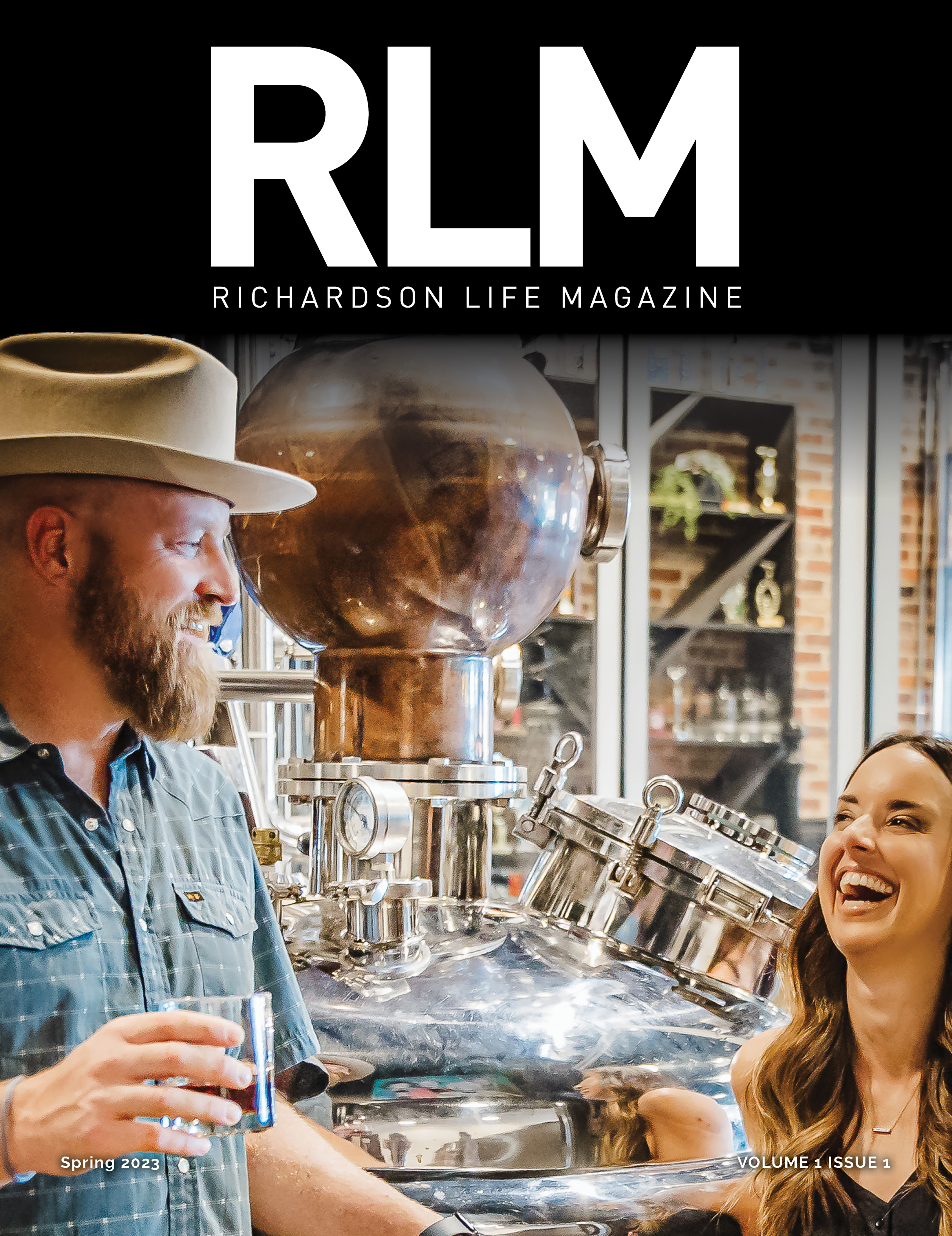
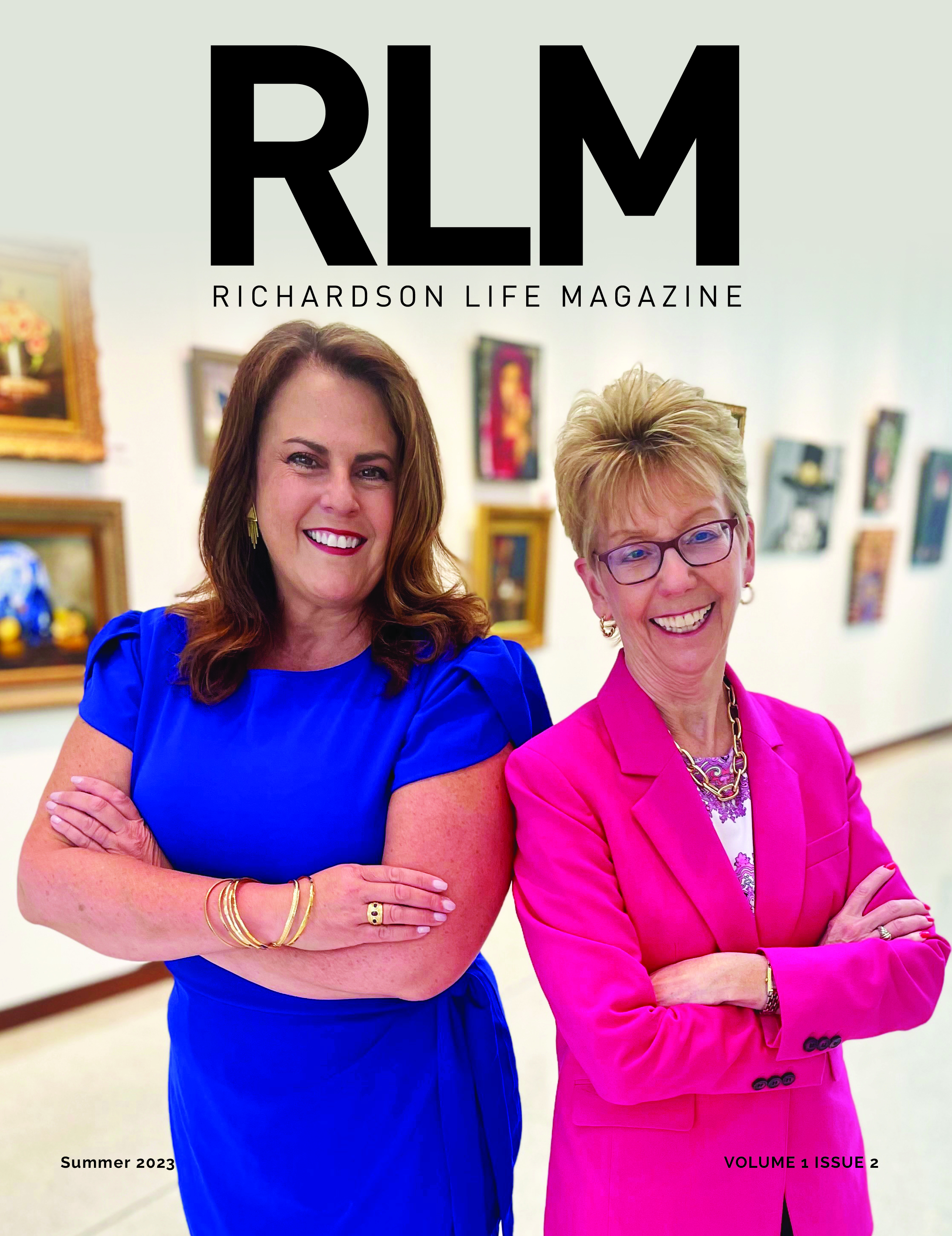
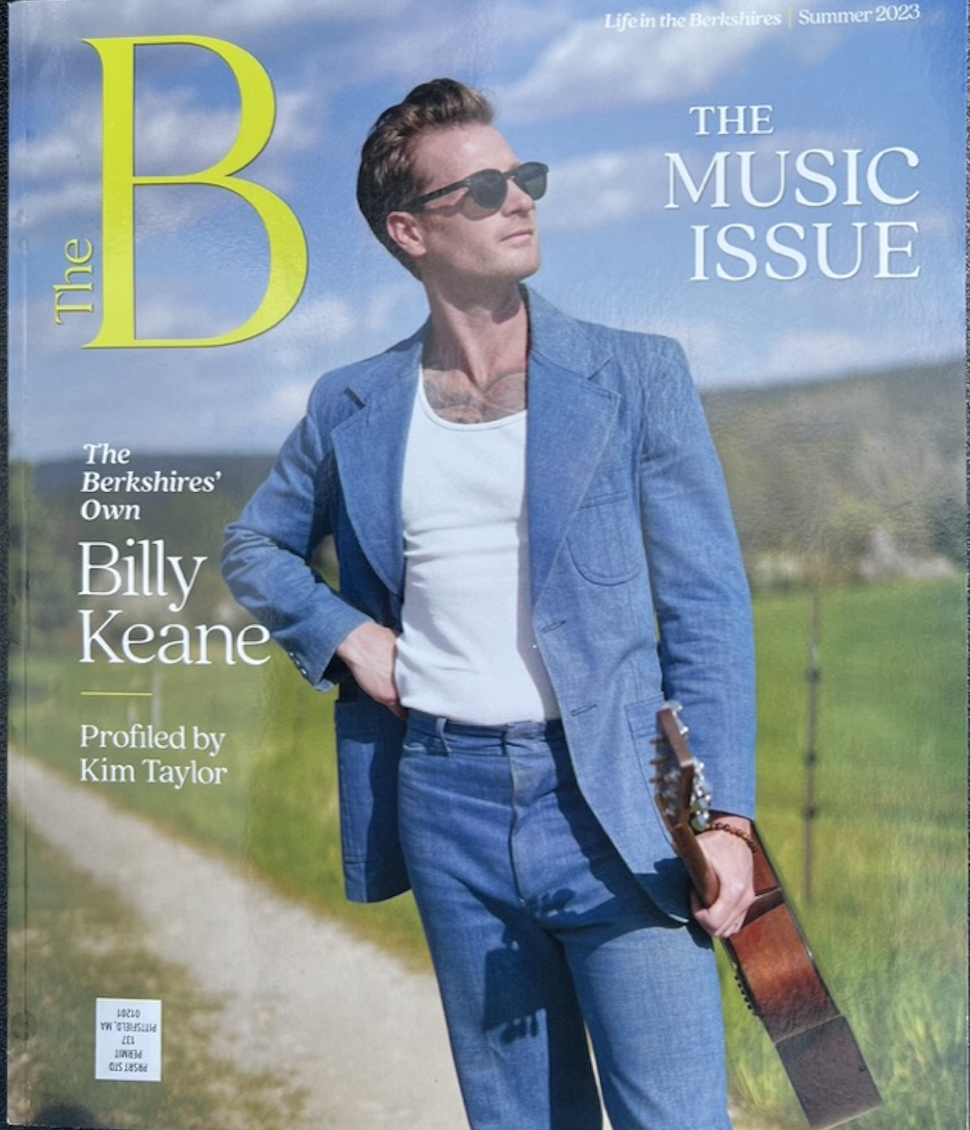
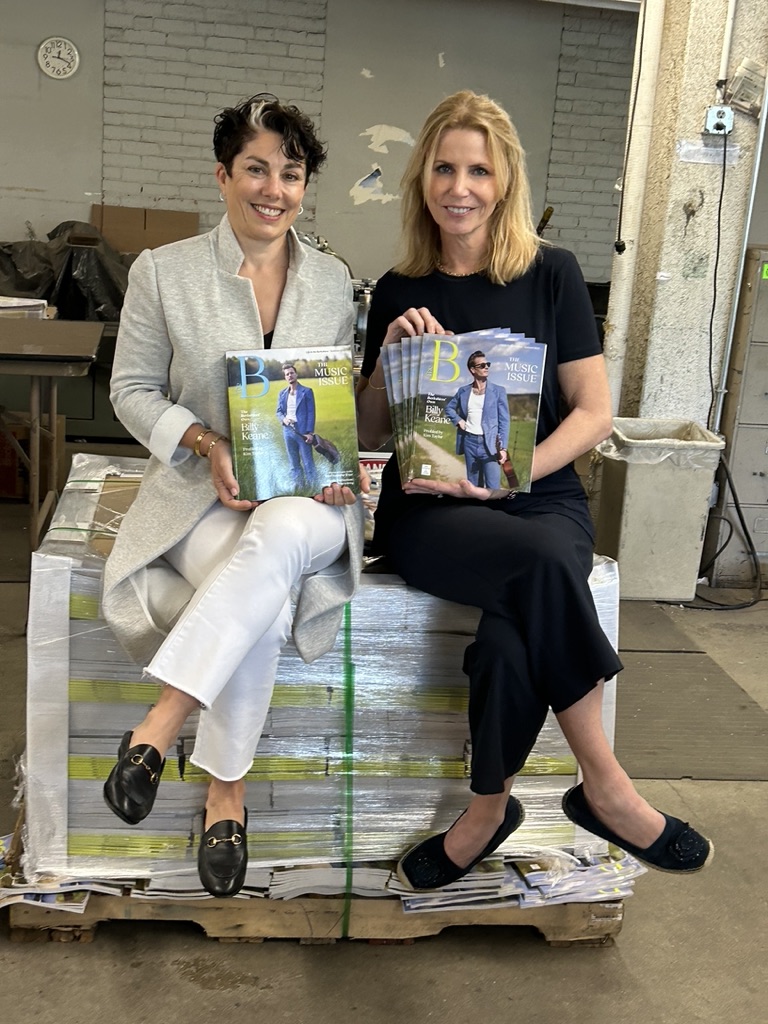
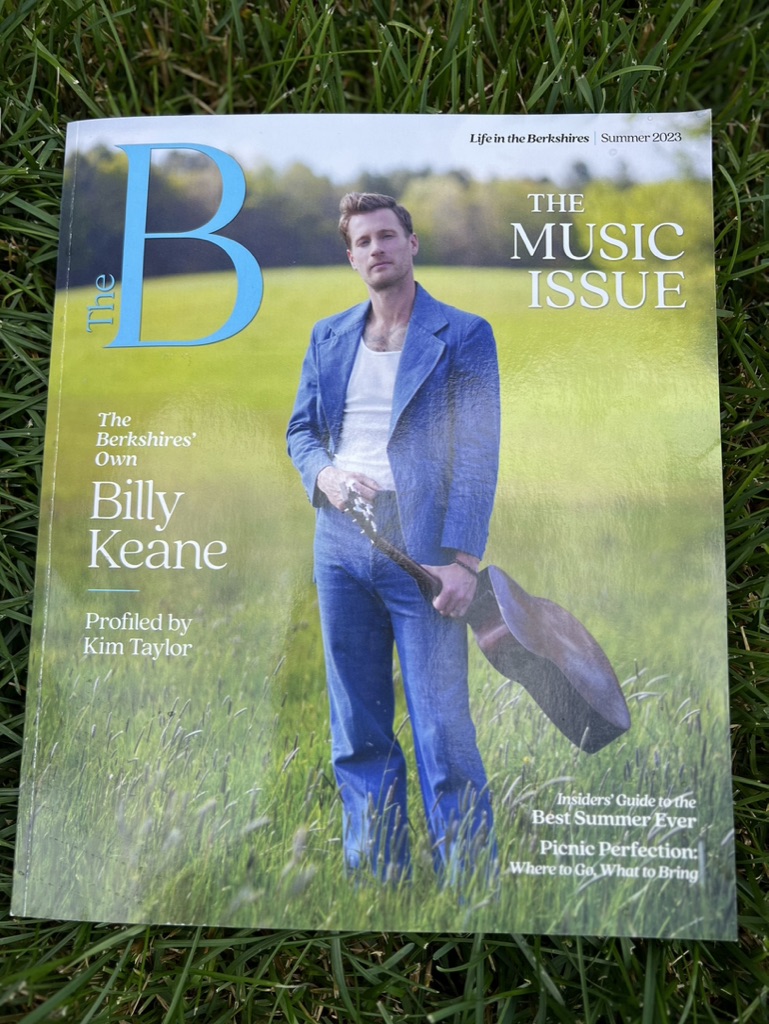
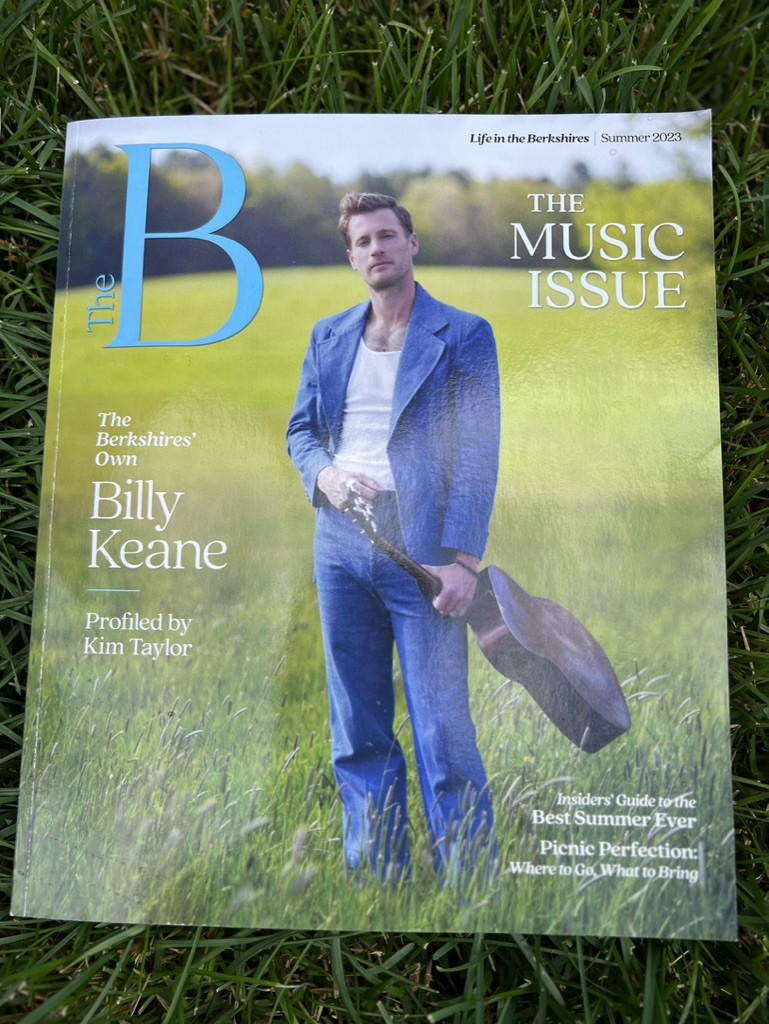
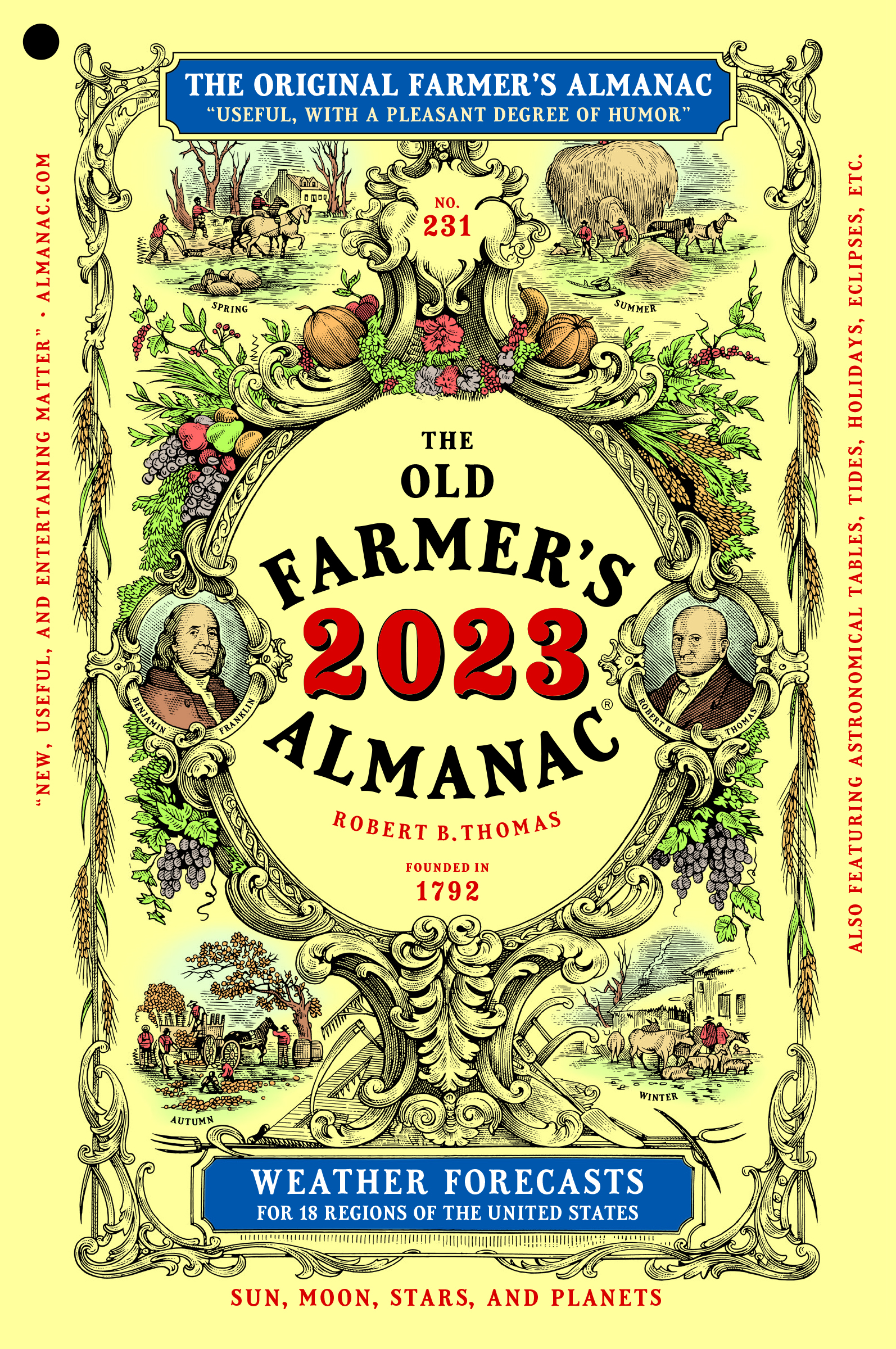
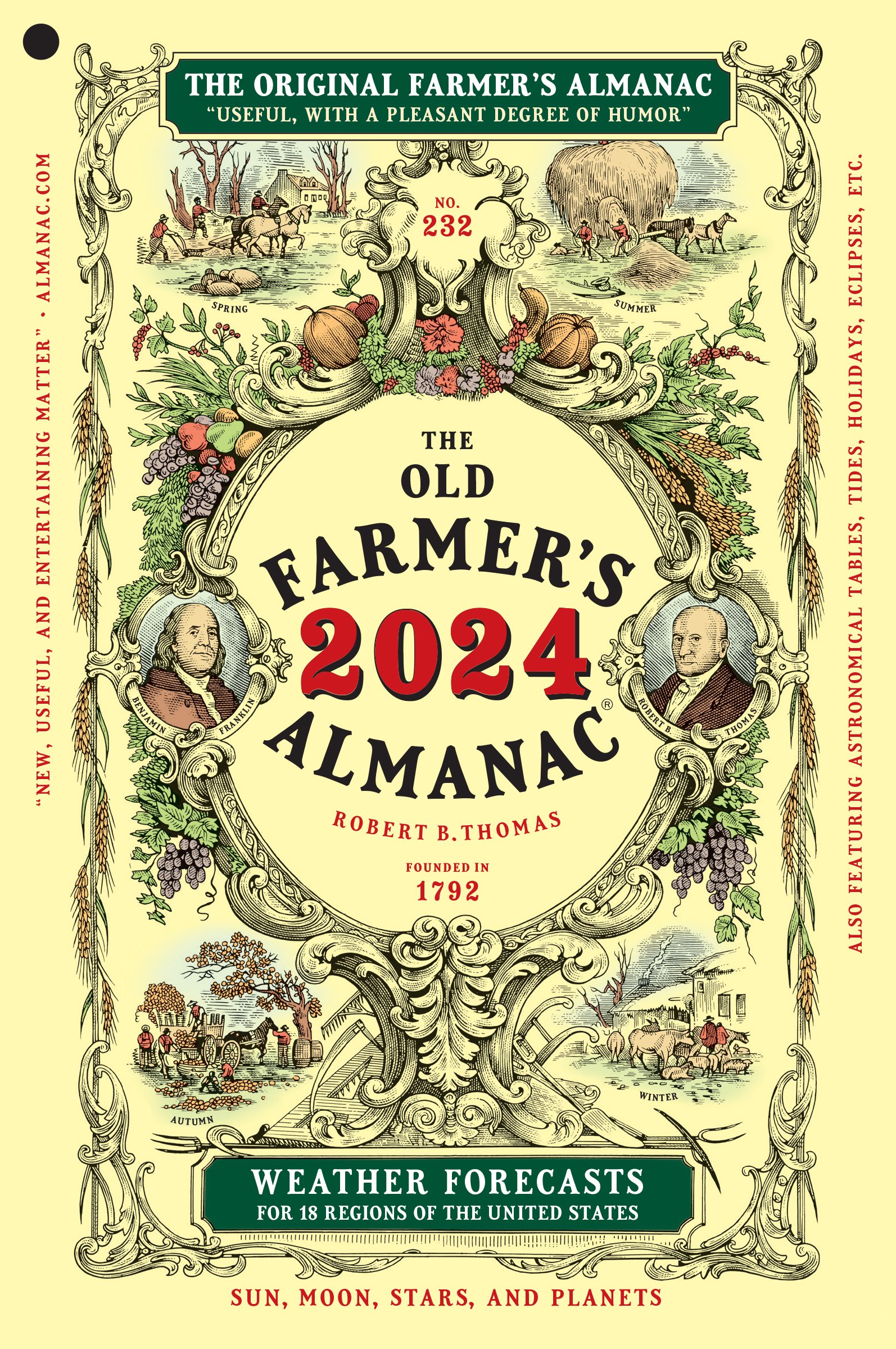
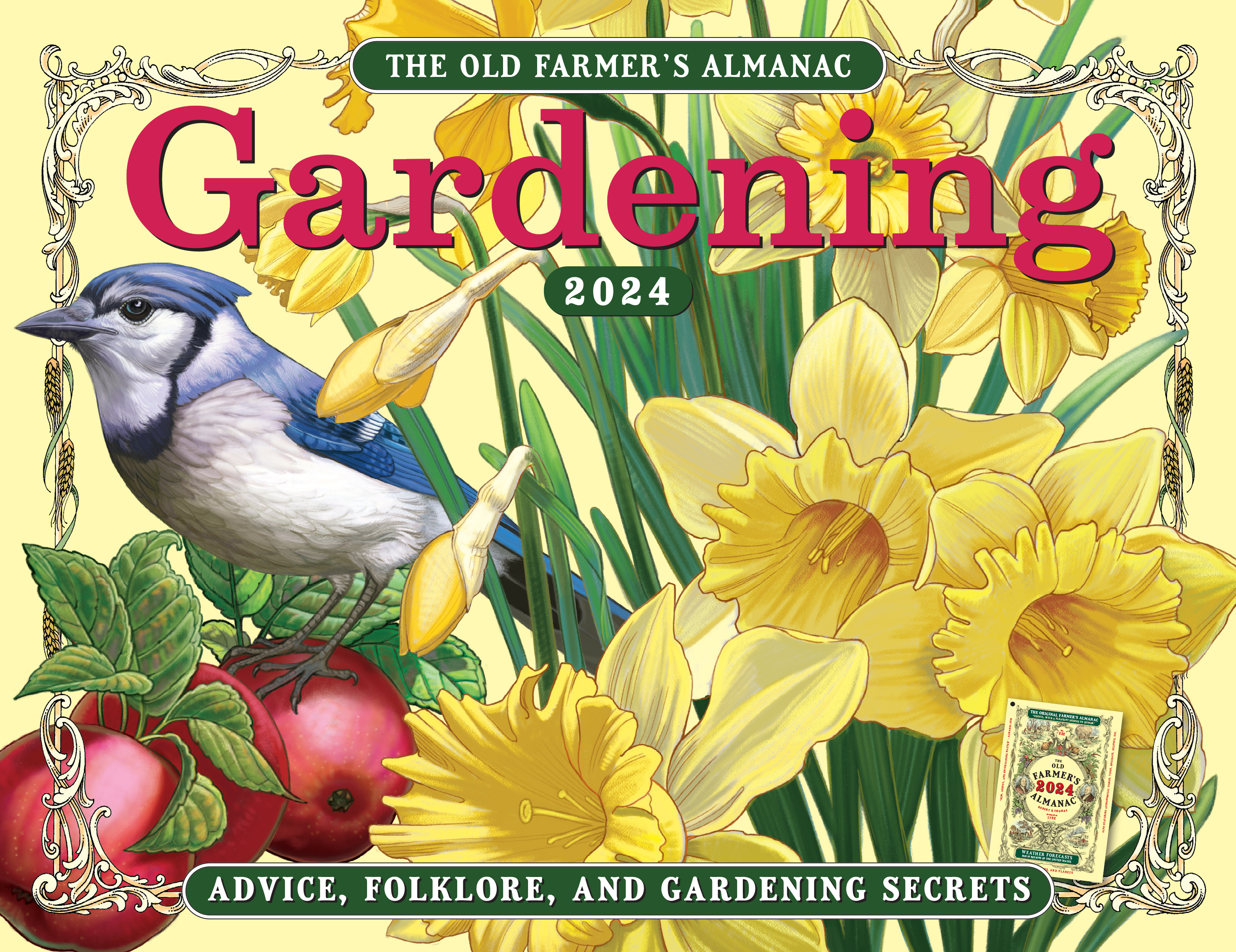
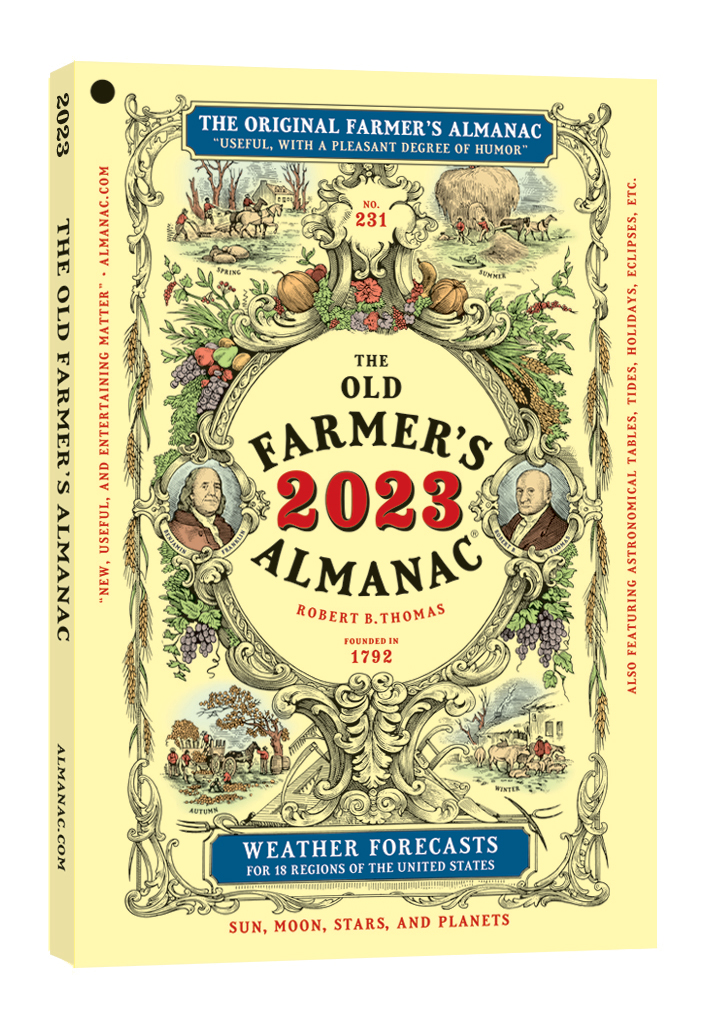
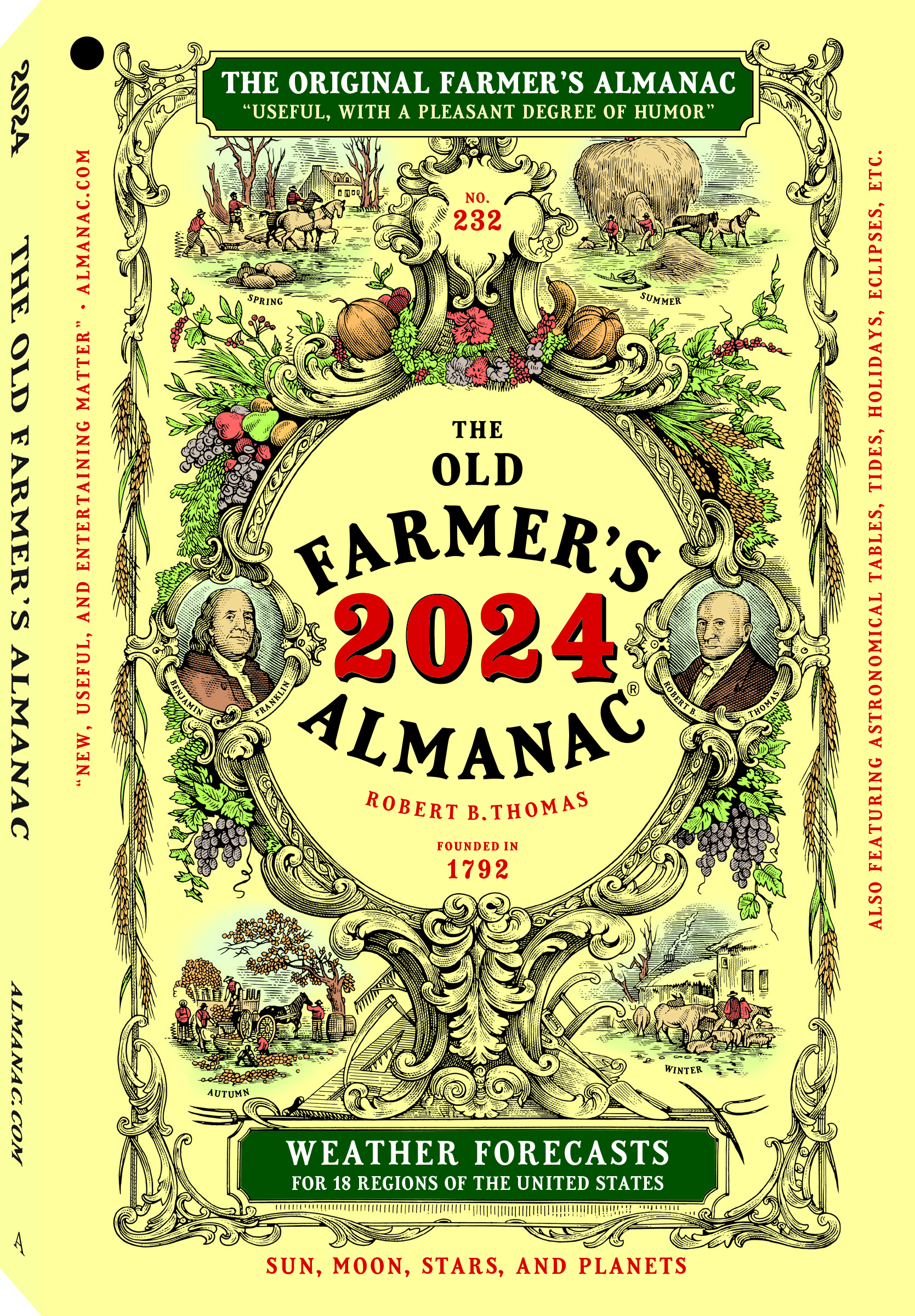
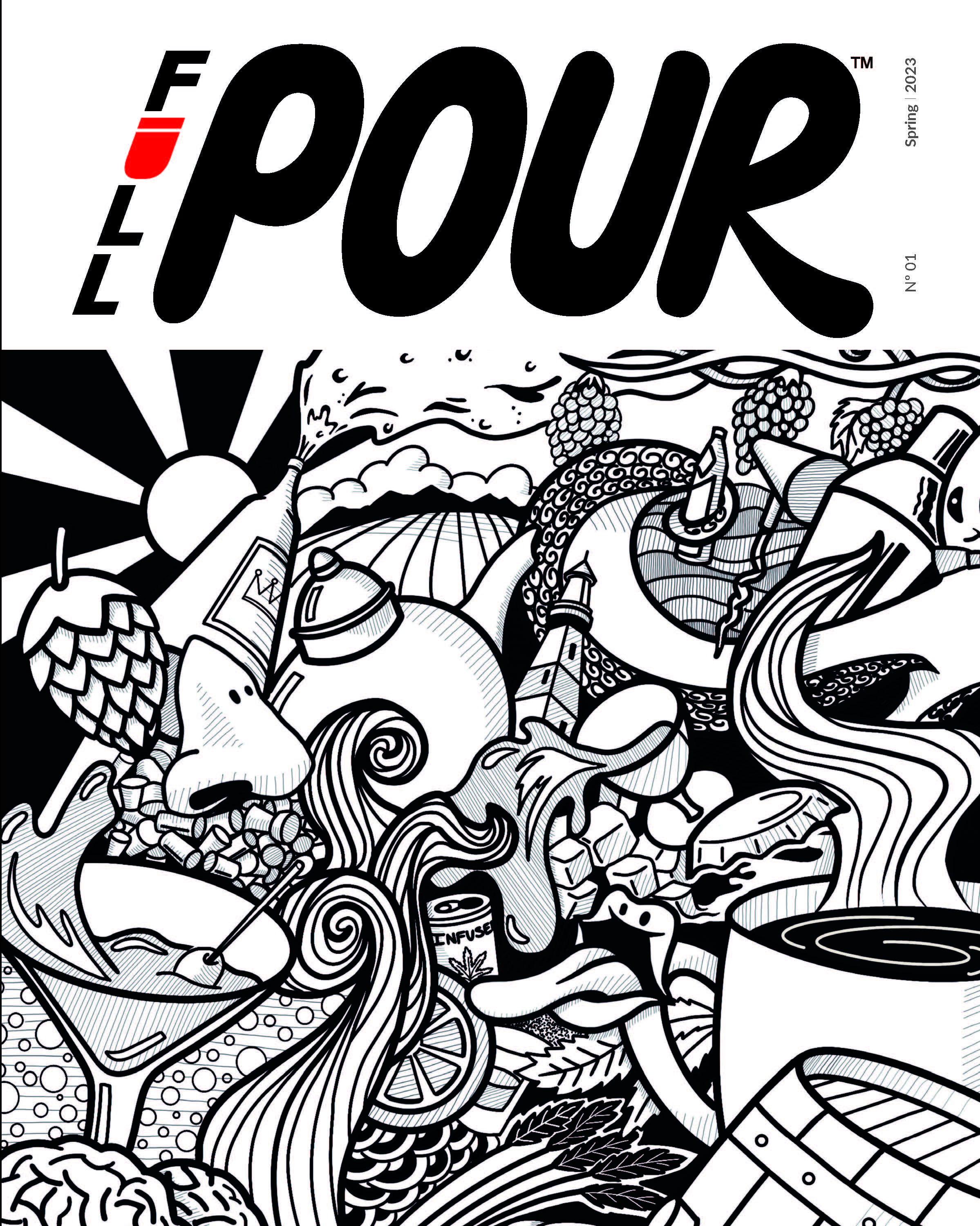
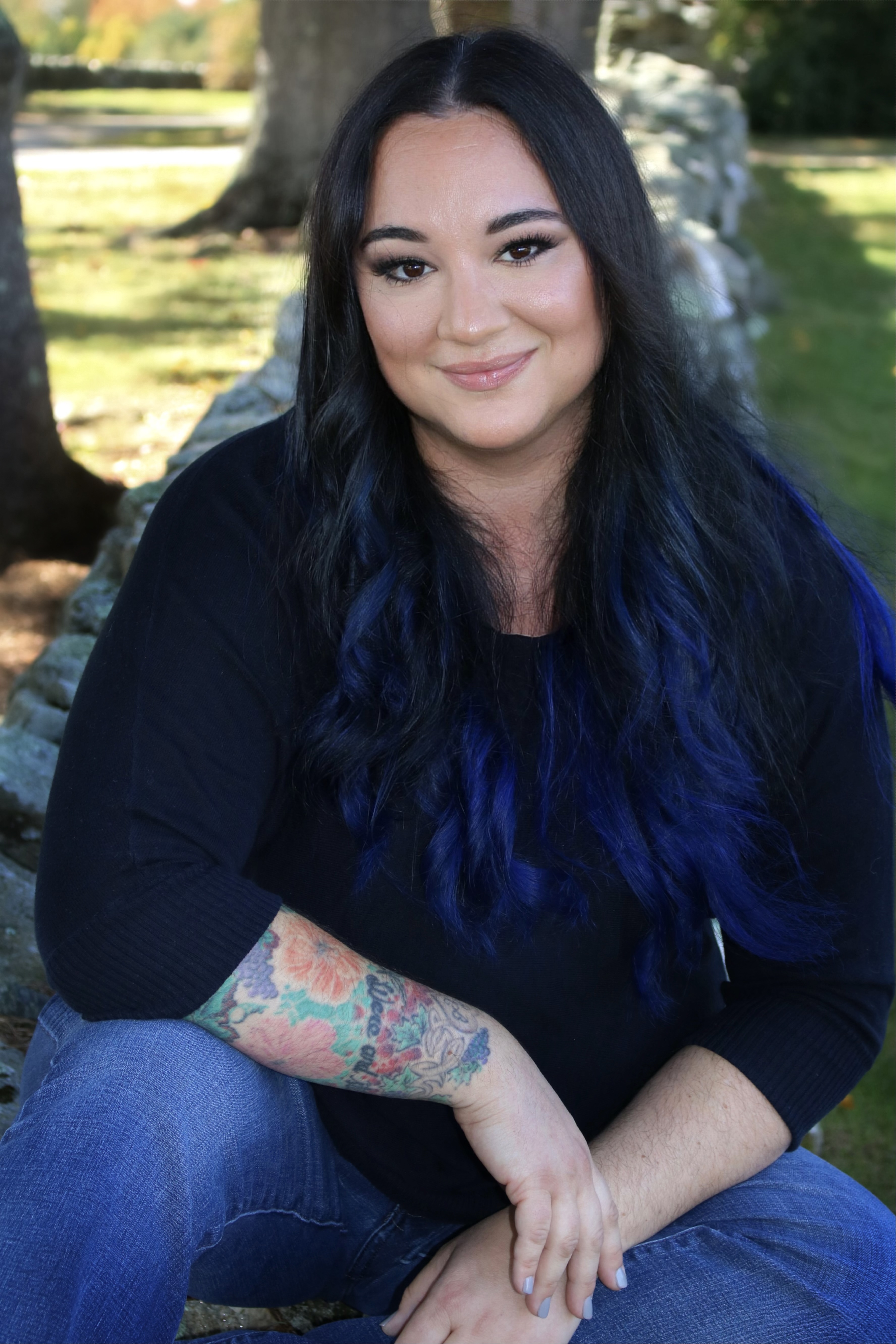

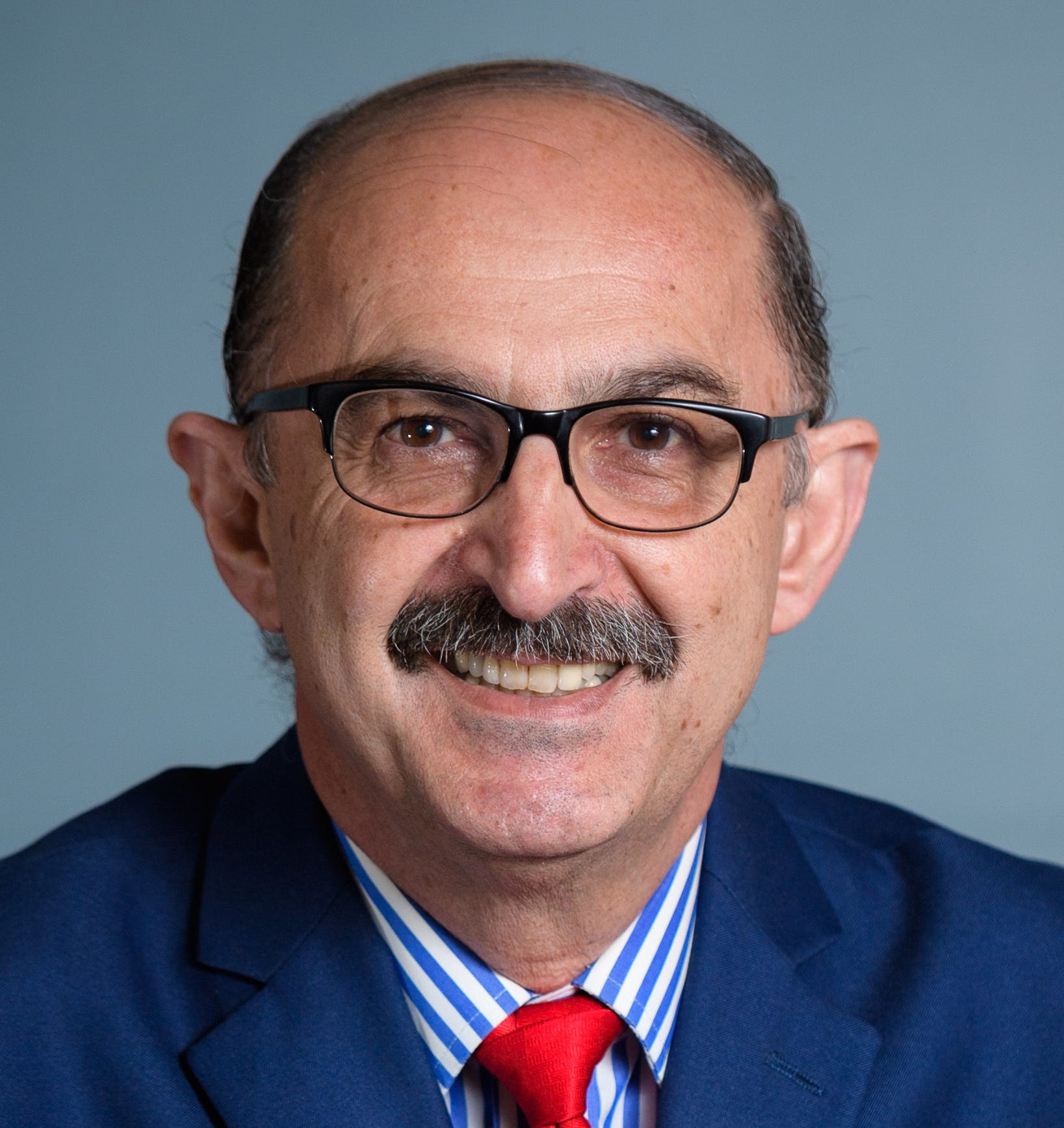


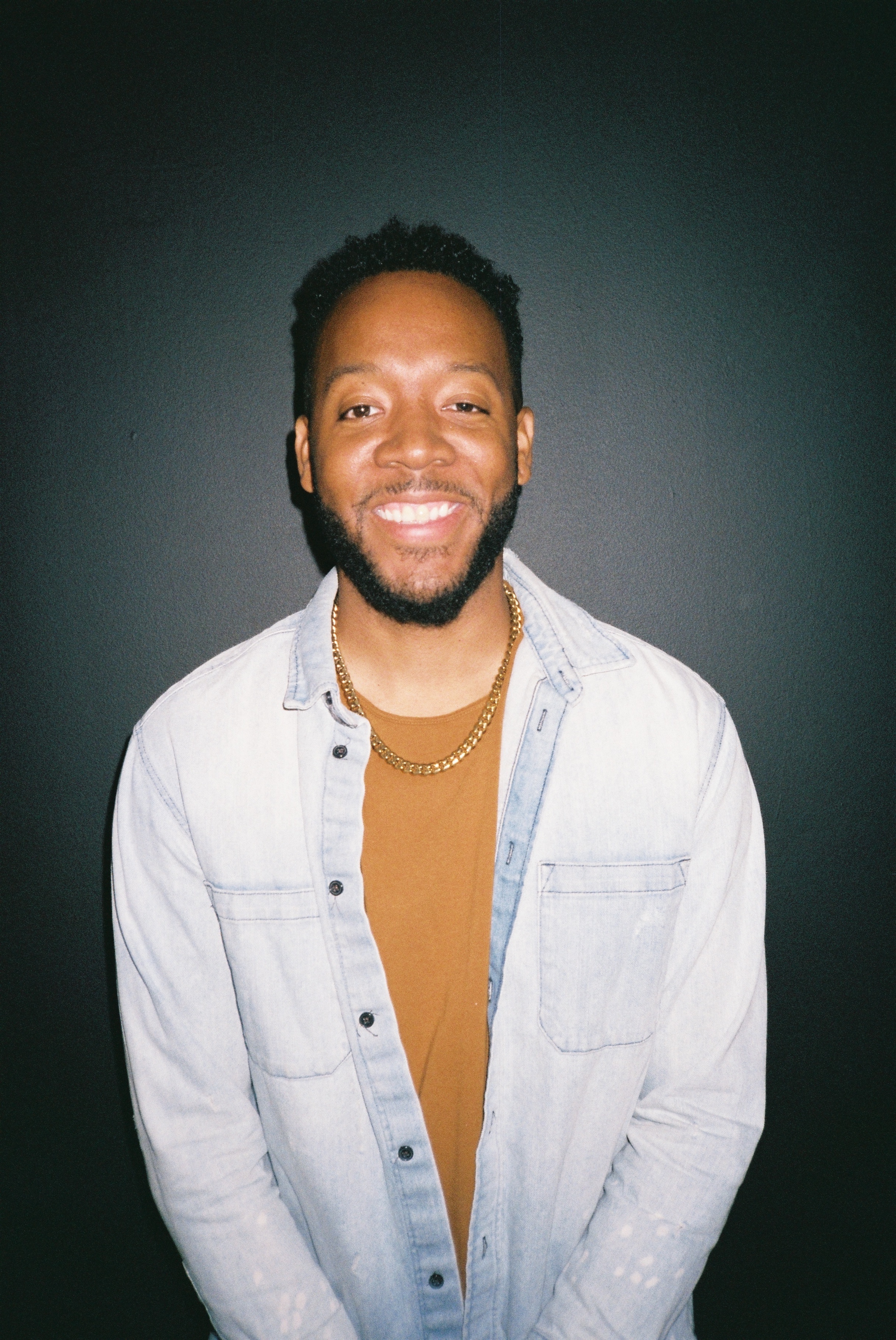

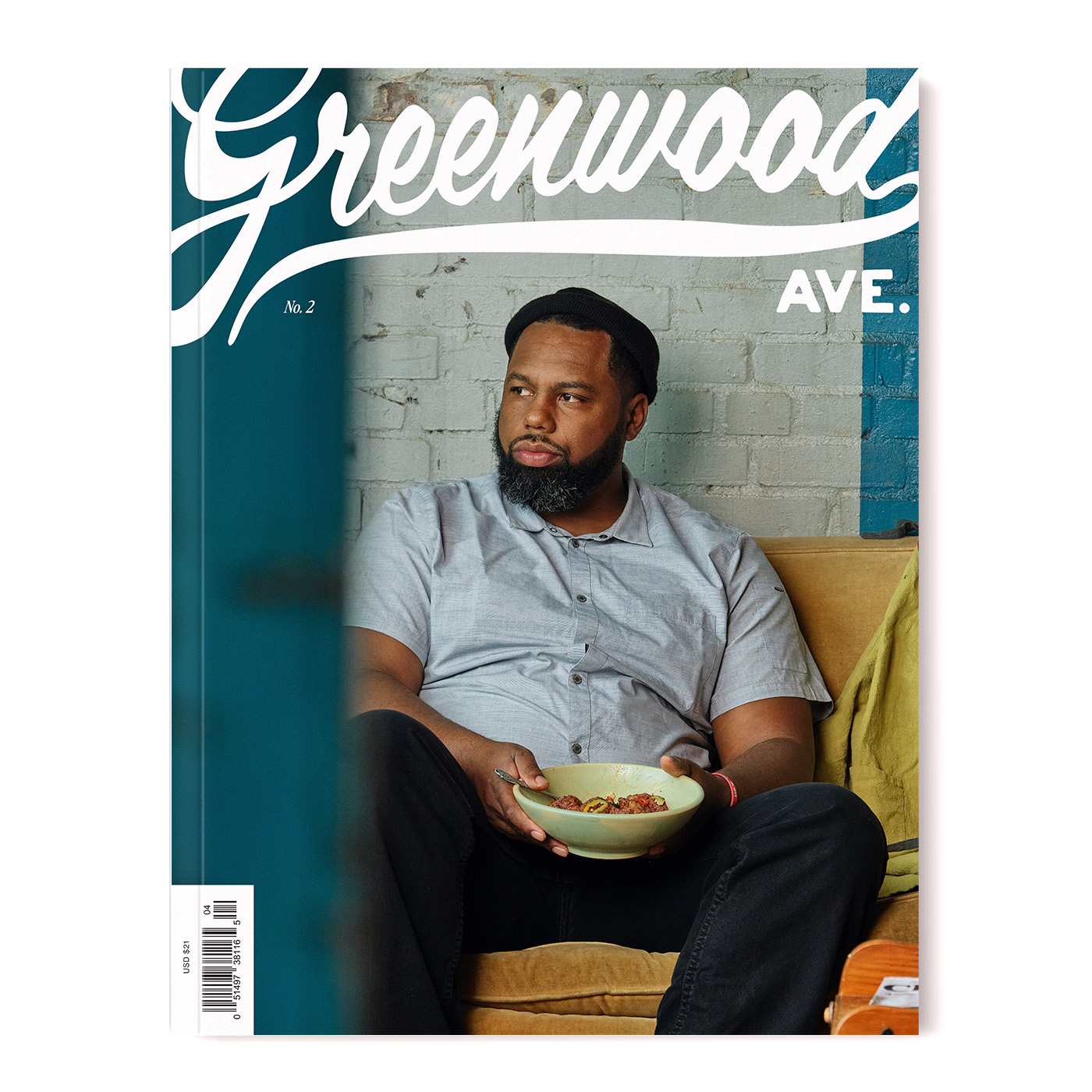
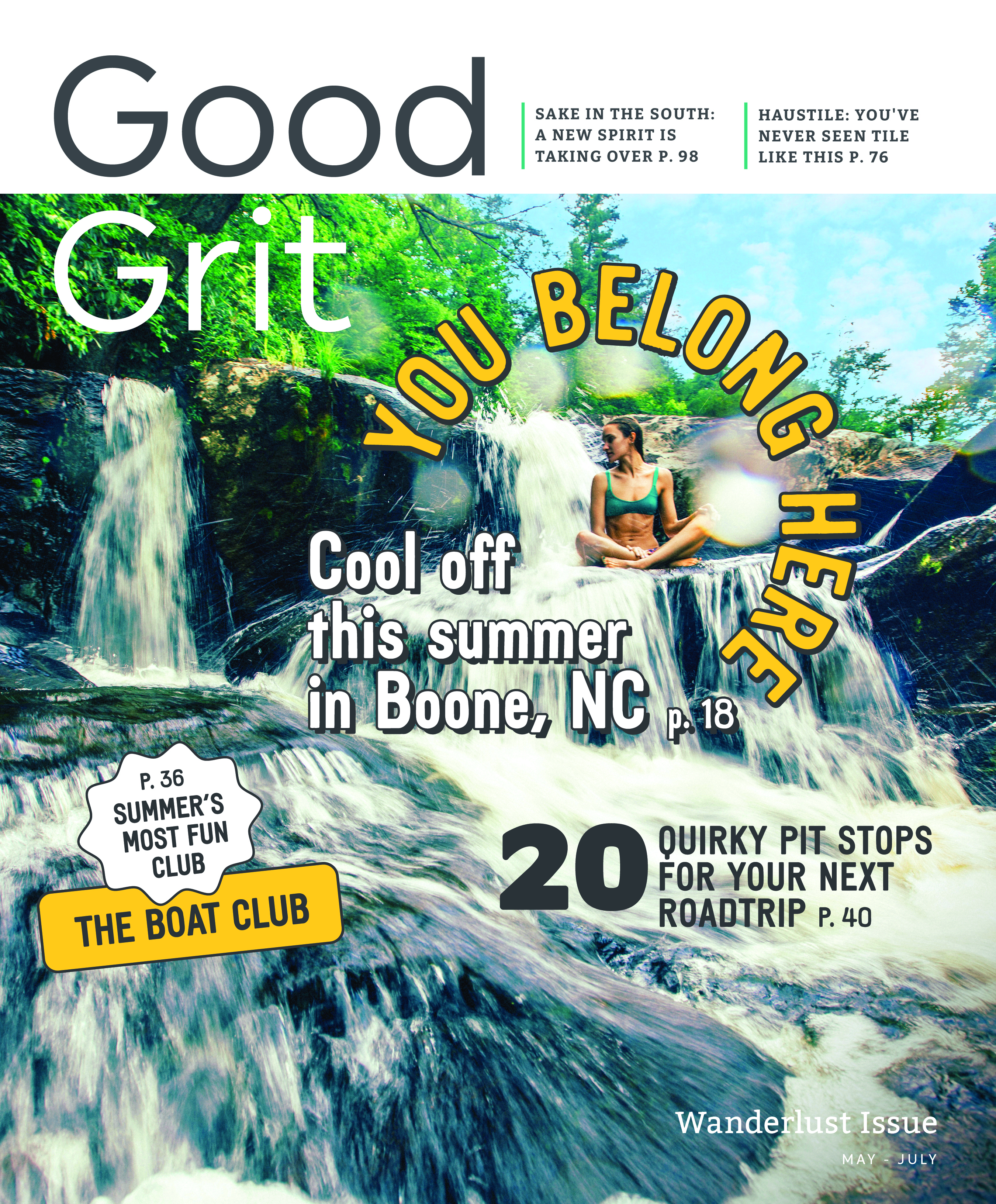
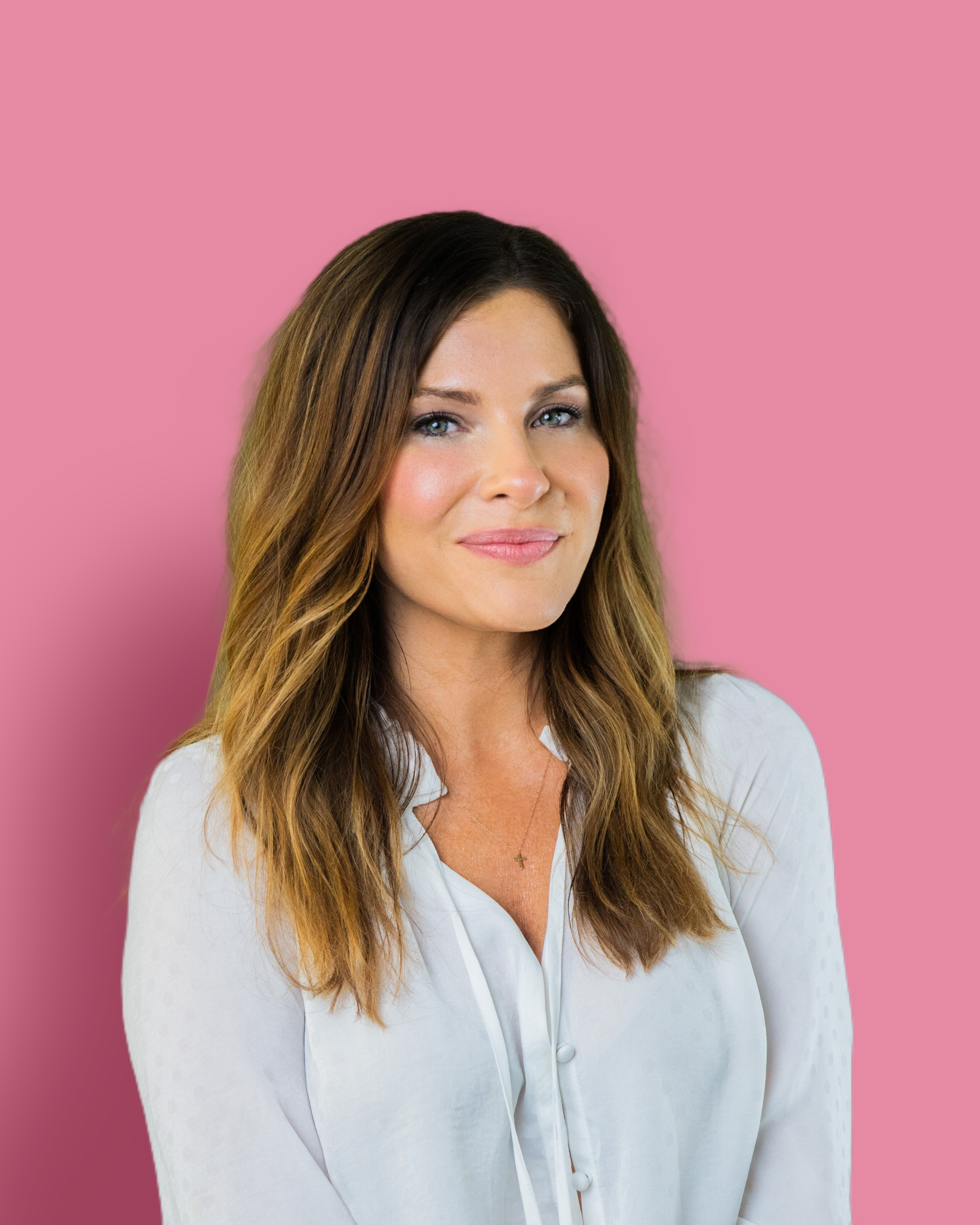


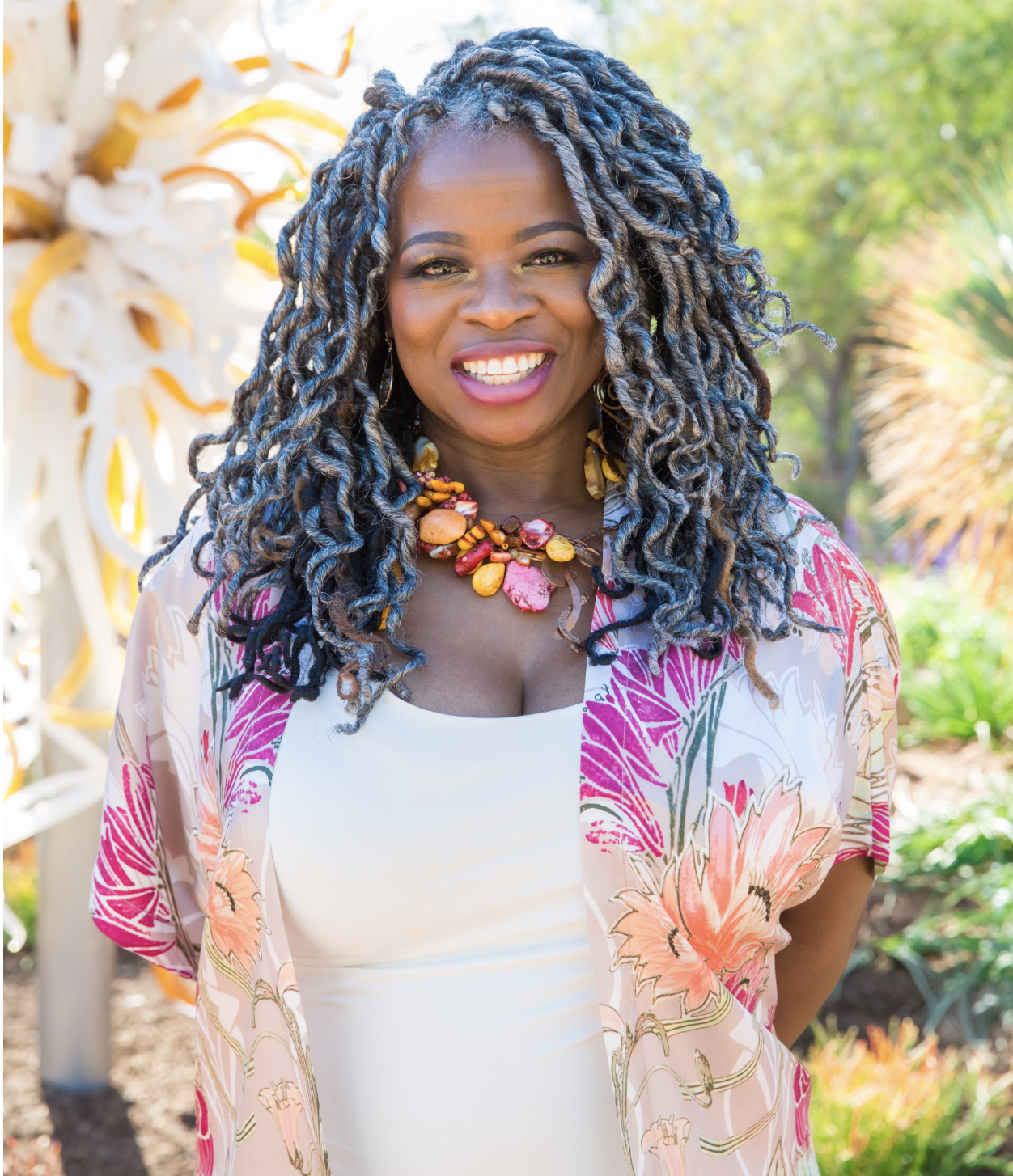



 Mr. Magazine